November pierces with its bleak remembrance Of all the bitterness and waste of war. Our silence tries but fails to make a semblance Of that lost peace they thought worth fighting for. Our silence seethes instead with wraiths and whispers, And all the restless rumour of new wars, The shells are falling all around our vespers, No moment is unscarred, there is no pause, In every instant bloodied innocence Falls to the weary earth, and whilst we stand Quiescence ends again in acquiescence, And Abel’s blood still cries in every land One silence only might redeem that blood Only the silence of a dying God. ~Malcolm Guite “Silence”
So, when old hopes that earth was bettering slowly
Were dead and damned, there sounded ‘War is done!’
One morrow. Said the bereft, and meek, and lowly,
‘Will men some day be given to grace? yea, wholly,
And in good sooth, as our dreams used to run?’
Calm fell. From Heaven distilled a clemency;
There was peace on earth, and silence in the sky;
Some could, some could not, shake off misery: ~Thomas Hardy from “And There Was a Great Calm” (On the Signing of the Armistice, 11 Nov. 1918)
When you go home tell them of us and say – “For your tomorrow we gave our today” ~John Maxwell Edmonds from “The Kohima Epitaph”
I’m unsure why the United States does not call November 11 Remembrance Day as the Commonwealth nations did 99 years ago at the Armistice. This is a day that demands much more than the more passive name Veterans’ Day represents.
This day calls all citizens who appreciate their freedoms to stop what they are doing and disrupt the routine rhythm of their lives. We are to remember in humble thankfulness the generations of military veterans who sacrificed time, resources, sometimes health and well being, and too often their lives in answering the call to defend their countries.
Remembrance means
~never forgetting what it costs to defend freedom.
~acknowledging the millions who have given of themselves and continue to do so on our behalf.
~never ceasing to care.
~a commitment to provide resources needed for the military to remain strong and supported.
~unending prayers for safe return home to family.
~we hold these men and women close in our hearts, always teaching the next generation about the sacrifices they made.
Most of all,
it means being willing ourselves to become the sacrifice when called.
A voice is heard in Ramah, mourning and great weeping, Rachel weeping for her children and refusing to be comforted, because they are no more. ~Jeremiah 31:15
We live in a time where the groaning need and dividedness of humankind is especially to be felt and recognized. Countless people are subjected to hatred, violence and oppression which go unchecked. The injustice and corruption which exist today are causing many voices to be raised to protest and cry out that something be done. Many men and women are being moved to sacrifice much in the struggle for justice, freedom, and peace. There is a movement afoot in our time, a movement which is growing, awakening.
Yet this terrific human need and burden of the times causes us to see how weak and powerless we are to change this. Then we must see that if we are to advocate change, we must start with ourselves. We must recognize that we as individuals are to blame for social injustice, oppression, and the downgrading of others, whether personal or on a broader plane. We must see that a revolution must take place against all that destroys life. This revolution must become a revolution different from any the world has ever seen. God must intervene and lead such a revolution with his Spirit and his justice and his truth. ~Dwight Blough from the introduction to When the Time was Fulfilled (1965)
Here is the mystery, the secret, one might almost say the cunning, of the deep love of God: that it is bound to draw on to itself the hatred and pain and shame and anger and bitterness and rejection of the world, but to draw all those things on to itself is precisely the means, chosen from all eternity by the generous, loving God, by which to rid his world of the evils which have resulted from human abuse of God-given freedom. ~N.T. Wright from The Crown and the Fire
Inundated by more news of deaths of innocents,
unending violence and division and blood-letting,
we have groaning need for transformation:
We cling to the mystery of His magnetism
for our weaknesses and flaws.
He willingly pulls our evil onto Himself and out of us.
Hatred and pain and shame and anger and bitterness
disappear into the vortex of His love and beauty as
the grungiest corners of our hearts are vacuumed spotless.
We are let in on a secret,
His mystery revealed:
He is not sullied by absorbing the dirty messes
we’ve made of our lives
so that our hatred is nullified.
Instead, by His Spirit
we are forever changed
and will groan no more.
The ghosts swarm. They speak as one person. Each loves you. Each has left something undone.
Today’s edges are so sharp
they might cut anything that moved. ~Rae Armantrout from “Unbidden”
The grace of God means something like: Here is your life. You might never have been, but you are… Here is the world.
Beautiful and terrible things will happen.
Don’t be afraid.
I am with you.
~Frederick Buechner in “Wishful Thinking and later” in Beyond Words
Seventeen years ago
a day started with bright sun above
and ended in tears and bloodshed below.
It is a day for recollection;
we live out remembrance
with weeping eyes open,
yet close our eyelids
to the red that flowed that day.
The day’s edges were so sharp
we all bled and still bear the scars.
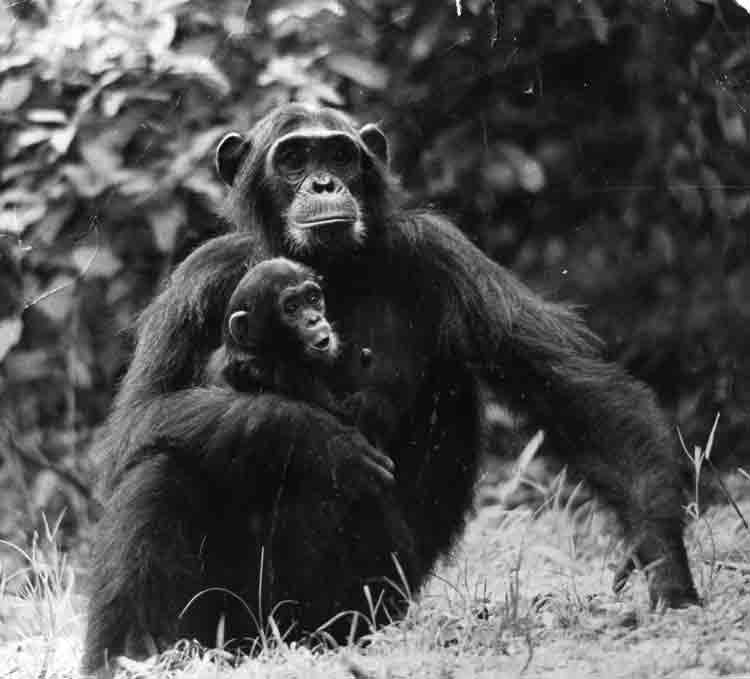
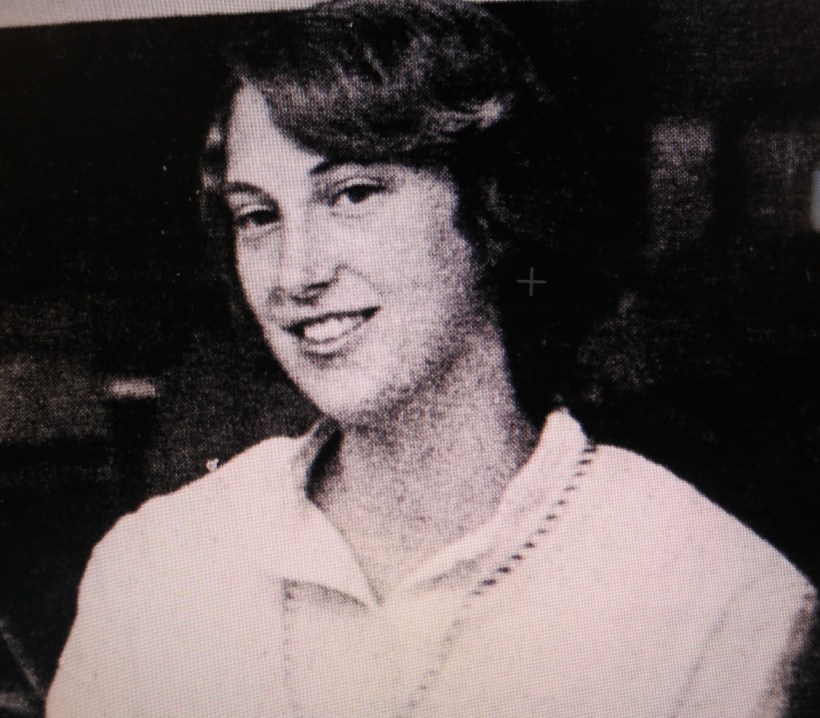
Reflecting on, and with respect for, the courage shown by Tanzanian park rangers and my kidnapped research colleagues on this unforgettable day 43 years ago — I’m reposting this again as part of my Gombe saga from when I worked as a student research assistant for Jane Goodall in western Tanzania in 1975.
At first glance, Gombe National Park in Tanzania felt like paradise—a serene piece of the earth filled with exotic and fascinating wildlife, an abundance of fish and fruit to eat, and the rich unfamiliar sounds and smells of the tropical jungle. It was a façade. It was surrounded by the turmoil and upheaval of political rebellion and insurgencies in its neighboring countries, inflamed even more by the fall of Saigon in Vietnam a month previously due to the earlier pull out of the Americans from that long and tragic war.
Only a few miles north of our research station in Gombe National Park in western Tanzania, there had been years of civil war in the small land locked country of Burundi. When the wind was just right, we could hear gunfire and explosions echoing over the valleys that separated us. Escaping refugees would sometimes stop for food on their way to villages in Tanzania to the south, seeking safe haven in one of the poorest countries in the world, only a decade into its own experiment with socialism, Ujamaa.
There was also word of ongoing military rebellion against the dictatorship of President Mobutu in the mountainous country of Zaire twelve miles west across Lake Tanganyika.
Morning comes early for field studies of wildlife, as the research day must start before the chimpanzee and baboon subjects wake up and begin to stir. Before midnight, while we slept soundly in our metal huts scattered up the mountainside, a group of armed soldiers arrived by boats to the shore of Gombe National Park.
Storming the beach huts housing two unarmed Gombe park rangers and their families, the soldiers seized one and demanded to be told where the researchers were. The ranger refused to provide information and was severely beaten about the head and face by the butts of the rifles carried by the invaders. The armed soldiers then divided into smaller groups and headed up the trails leading to the huts, coming upon four sleeping student researchers, tying them up, taking them hostage, forcing them into boats and taking them across the lake back to Zaire.
Asleep farther up the mountain, we were wakened by other researchers who were fleeing, hearing the commotion. No one really understood what was happening down lower on the mountain. There were shouts and screams, and gun shots had been heard. Had someone been injured or killed? There was no choice but to run and hide deep in the bush at a predetermined gathering spot until an “all clear” signal was given by the rangers.
We hurried along barely familiar trails in the black of the jungle night, using no flashlights, our hearts beating hard, knowing we had no defense available to us other than the cover of darkness.
That was the longest wait for morning of my life, sitting alongside Jane holding her son Grub. A hand full of other students had also made their way to the hiding spot, none of us knowing what to think, say or do. We could only barely see each other’s faces in the darkness and were too frightened to make any sounds. We carried no weapons, and there was no way to communicate with the outside world. We had no idea how many of us may be missing, or possibly dead.
Jane held Grub in her arms, endeavoring in vain to keep him quiet, but his eight year old imagination was ignited by the events that had just unfolded.
“Will they kidnap me, Jane? Will they come for me? Where will they take us? Will they shoot us dead?”
Jane, her face hidden by her blonde hair loose about her shoulders, sat rocking him, cradling him. “Shhh, shhh, we don’t want them to find us. We’re safe staying right here. Everything will be fine in the morning. No one will take you from me.”
Grub began to sob silently into her shoulder.
When the morning of May 20 dawned, the park rangers located us, and pieced together the events as best they could–the soldiers were Zairean rebels living in remote mountains, fighting an insurgency against the Zaire government. Seeking funds for their cause, they saw a kidnapping of Americans and Europeans as a way to raise quick funds and world publicity and sympathy. Four of our friends/coworkers were missing, the camp was ransacked and the rangers beaten but with no life threatening injuries. There was no way to remain safe at the Park, and our colleagues needed whatever help we could offer for their rescue.
We were able to send a messenger to a nearby fishing village, and a radio call was sent out to the small town of Kigoma, then relayed to Dar Es Salaam and Nairobi. Help arrived within a few hours, when a United Nations boat monitoring the civil war activities in Burundi pulled off shore near our camp. We were told we needed to evacuate Gombe that day, and would be taken to Kigoma, and then flown by bush pilot to Nairobi, Kenya to cooperate in the investigation of the kidnapping.
In Nairobi, at the US Embassy, I met CIA agents who viewed our wild primate studies with suspicion. Each of us were grilled individually as to our political beliefs, our activities at the camp and whether we may be somehow involved in subversive actions against the Zaire or Tanzanian governments. We were dumbfounded that our own countrymen would be so skeptical about our motives for being in Africa. It became clear our own government would be no help in resolving the kidnapping and bringing our friends home to safety. The agents did not shed any light on whether they knew our friends were alive or dead.
We were then hustled into a press conference where we were interviewed for television and print media by the worldwide news agencies, and my parents saw me on the CBS evening news before they actually heard my voice over the phone. I flew back to Stanford the next day, spending 24 hours on a plane that made six stops up the coast of West Africa on its way back west, to tell what I knew to Stanford President Lyman and other administration officials as they prepared a plan to locate and free the students. I then returned home to Washington state to await any news that came too slowly from a place so far away that I remain astonished to this day that I was ever there at all.
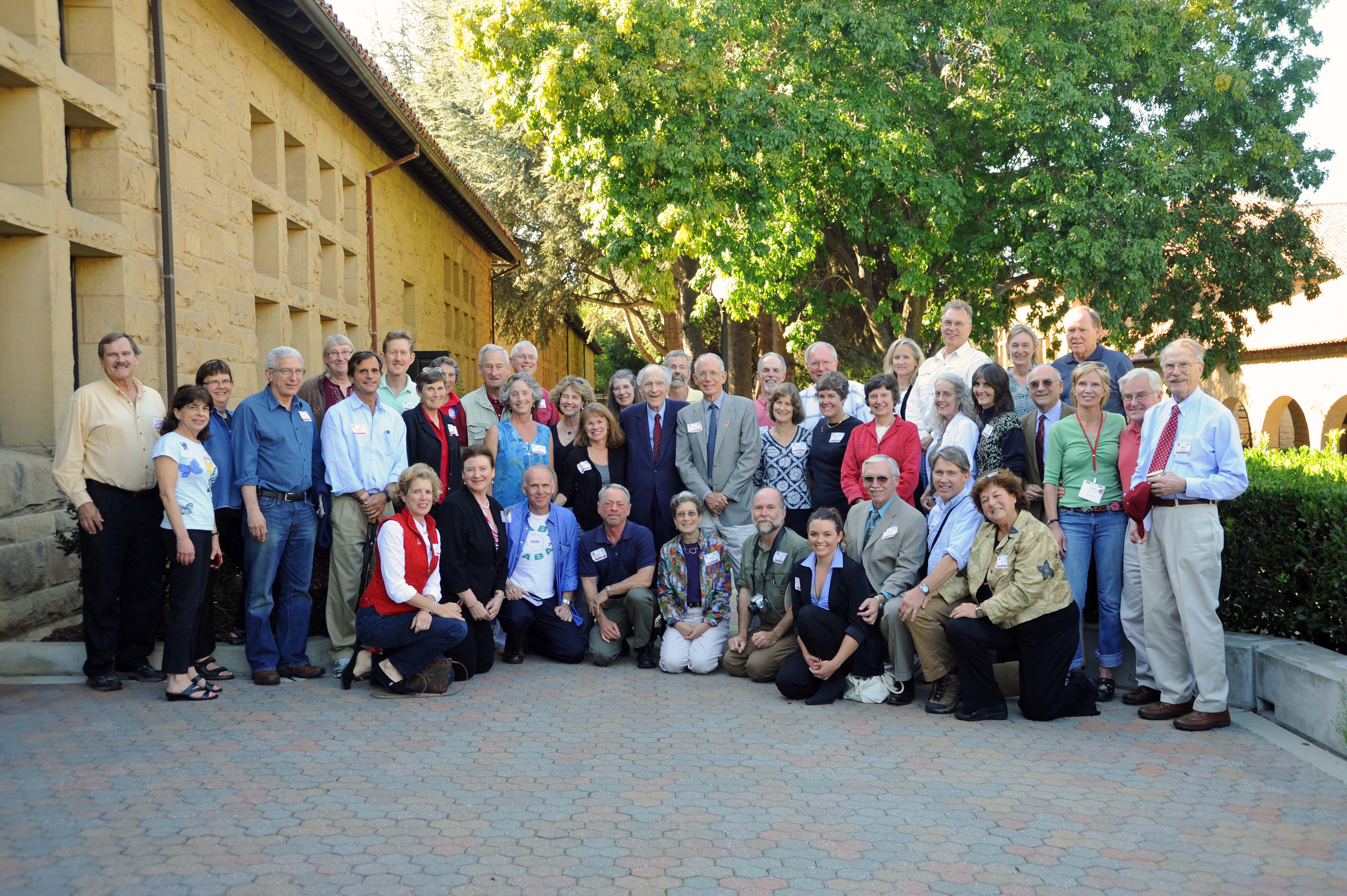
It took over three months, private negotiations and ransom money to free all four of our friends back to safety. They remain close to each other and the remarkable man who helped free them, Dr. David Hamburg. We have had several reunions together over the years to remember those days of living in a place that at one time seemed like paradise.
In Flanders fields. ~Lieutenant Colonel John McCrae “In Flanders Fields”
They shall grow not old, as we that are left grow old: Age shall not weary them, nor the years condemn. At the going down of the sun and in the morning We will remember them. ~Lawrence Binyonfrom “For the Fallen” (1914)
Courage is almost a contradiction in terms. It means a strong desire to live taking the form of a readiness to die. ~ G.K. Chesterton
November pierces with its bleak remembrance Of all the bitterness and waste of war. Our silence tries but fails to make a semblance Of that lost peace they thought worth fighting for. Our silence seethes instead with wraiths and whispers, And all the restless rumour of new wars, The shells are falling all around our vespers, No moment is unscarred, there is no pause, In every instant bloodied innocence Falls to the weary earth ,and whilst we stand Quiescence ends again in acquiescence, And Abel’s blood still cries in every land One silence only might redeem that blood Only the silence of a dying God. ~Malcolm Guite “Silence”
When you go home tell them of us and say – “For your tomorrow we gave our today” ~John Maxwell Edmonds from “The Kohima Epitaph”
To our U.S. veterans–with deep appreciation and gratitude–for the freedoms you have defended on behalf of us all:
My father was one of the fortunate ones who came home, returning to a quiet farm life after three years serving in the Pacific with the Marines Corp from 1942 to 1945. Hundreds of thousands of his colleagues didn’t come home, dying on beaches and battlefields. Tens of thousands more came home forever marked, through physical or psychological injury, by the experience of war.
No matter how one views subsequent wars that our nation has fought and currently is fighting, we must support and care for the men and women who have made the commitment to be on the front line for freedom’s sake and for our sake.
I’m unsure why the United States does not call November 11 Remembrance Day as the Commonwealth nations did 99 years ago at the Armistice. This is a day that demands much more than the more passive name Veterans’ Day represents.
This day calls all citizens who appreciate their freedoms to stop what they are doing and disrupt the routine rhythm of their lives. We are to remember in humble thankfulness the generations of military veterans who sacrificed time, resources, sometimes health and well being, and too often their lives in answering the call to defend their countries.
Remembrance means never forgetting what it costs to defend freedom. It means acknowledging the millions who have given of themselves and continue to do so on our behalf. It means never ceasing to care. It means a commitment to provide resources needed for the military to remain strong and supported. It means unending prayers for safe return home to family. It means we hold these men and women close in our hearts, always teaching the next generation about the sacrifices they made.
Most of all, it means being willing ourselves to become the sacrifice when called.
To you from failing hands we throw
The torch; be yours to hold it high.
If ye break faith with us who die
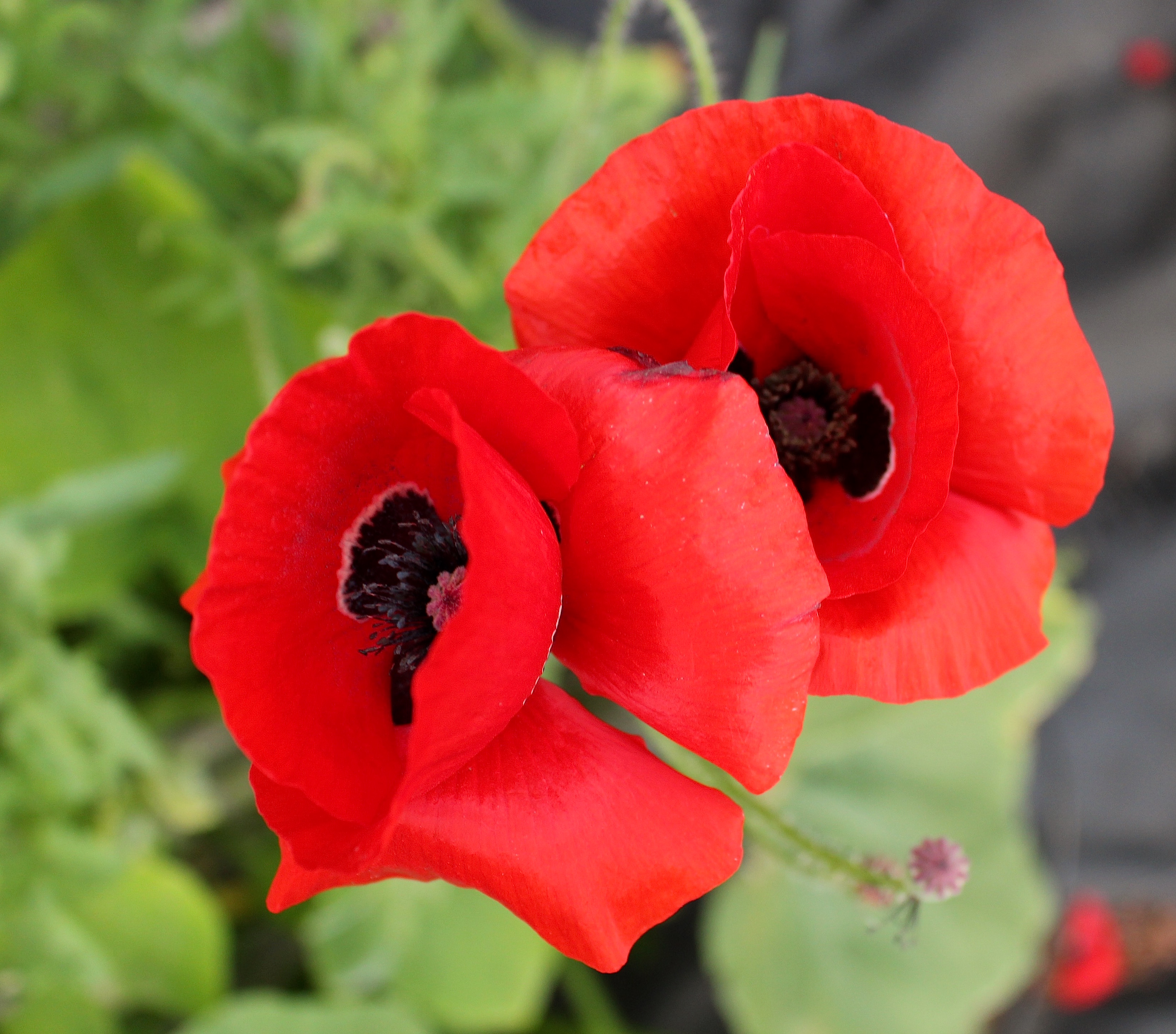
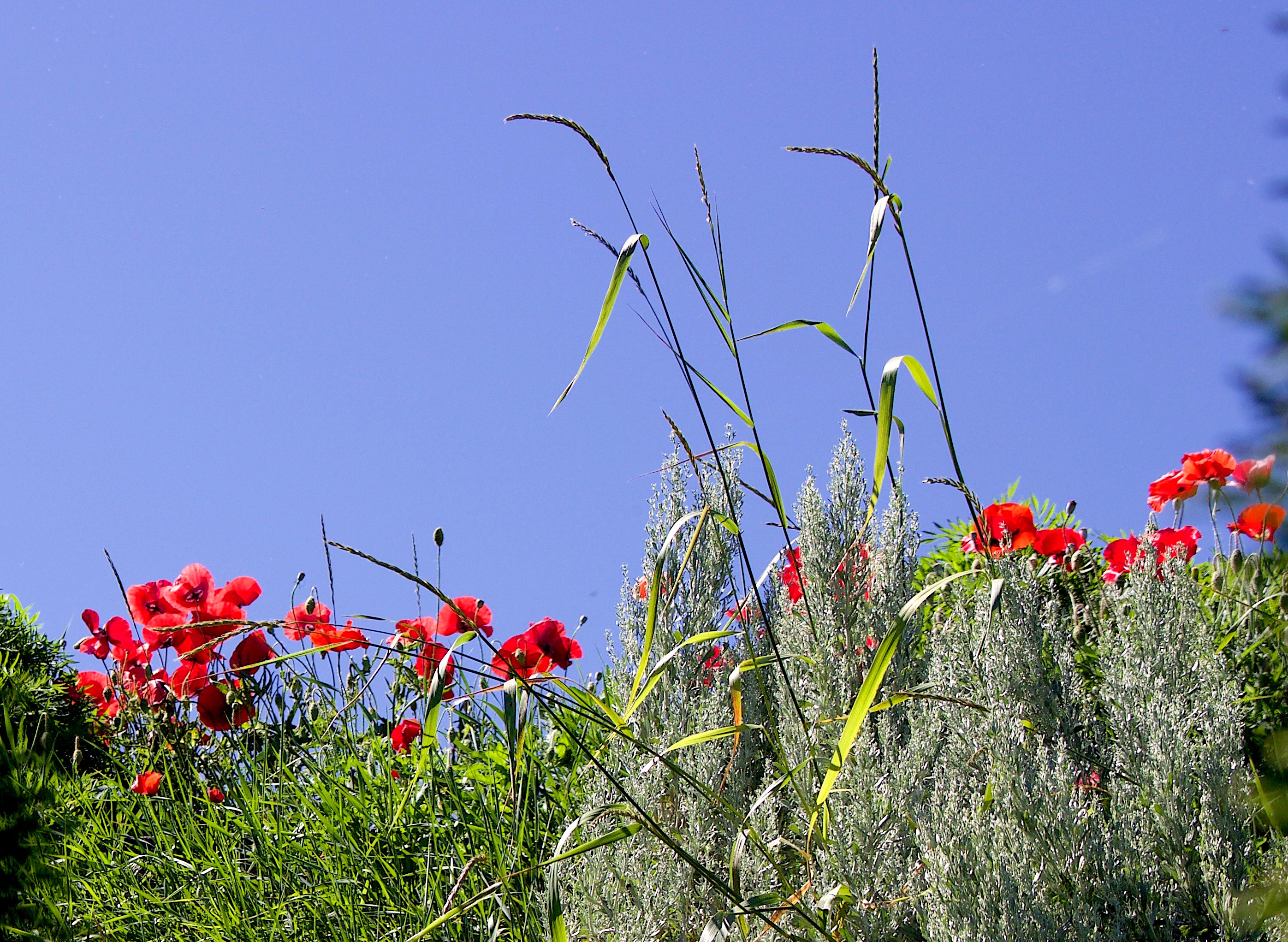
We shall not sleep, though poppies grow…
So, when old hopes that earth was bettering slowly
Were dead and damned, there sounded ‘War is done!’
One morrow. Said the bereft, and meek, and lowly,
‘Will men some day be given to grace? yea, wholly,
And in good sooth, as our dreams used to run?’
Calm fell. From Heaven distilled a clemency;
There was peace on earth, and silence in the sky;
Some could, some could not, shake off misery: ~Thomas Hardy from “And There Was a Great Calm” (On the Signing of the Armistice, 11 Nov. 1918)
My parents Henry and Elna Polis on their wedding day,
Dec. 24, 1942, Quantico, Virginia
He shipped out to the South Pacific front one week later,
not to return until June 1945
Sometimes, as a child, when I was bored, I’d grab a step ladder, pull it into our hallway, climb half way up and carefully lift the plywood hatch that was the portal to our unlit attic. It took some effort to climb up into the attic from the ladder, juggling a flashlight at the same time, but once seated safely on the beams above our ceiling, being careful not to put my foot through the carpet of insulation, I could explore what was stowed and normally inaccessible to me.
All the usual attic-type things were put up there: Christmas ornaments and lights, baby cribs and high chairs, lamps and toys no longer used. Secrets to my parents’ past were stored away there too. It was difficult imagining them as young children growing up on opposite sides of the state of Washington, in very different circumstances, or as attractive college students who met at a dance, or as young marrieds unencumbered by the daily responsibilities of a family. The attic held those images and memories like a three dimensional photo album.
My father’s dark green Marine Corps cargo trunk was up there, the one that followed him from Officer Training in Quantico, Virginia, to beach and mountain battles on Tarawa, Tinian and Saipan in the South Pacific, and three years later back home again. It had his name and rank stenciled on the side in dark black lettering. The buckles were stiff but could be opened with effort, and in the dark attic, there was always the thrill of unlatching the lid, and shining the flashlight across the contents. His Marine Corps dress uniform lay inside underneath his stiff brimmed cap. There were books about protocol, and a photo album which contained pictures of “his men” that he led in his battalion, and the collection of photos my mother sent of herself as she worked as a high school teacher back home.
Most fascinating was a folded Japanese flag inside a small drawstring bag, made of thin white see-through cloth with the bold red sun in the middle. Surrounding the red sun were the delicate inked characters of many Japanese hands as if painted by artists, each wishing a soldier well in his fight for the empire. Yet there it was, a symbol of that soldier’s demise, itself buried in an American attic, being gently and curiously held by an American daughter of a Marine Corps captain. It would occur to me in the 1960s that some of the people who wrote on this flag might still be living, and certainly members of the soldier’s family would still be living. I asked my father once about how he obtained the flag, and he, protecting me and himself, waved me away, saying he couldn’t remember. I know better now. He knew but could not possibly tell me the truth.
These flags, charms of good luck for the departing Japanese soldier as he left his neighborhood or village for war, are called Hinomaru Yosegaki (日の丸寄せ書き). Tens of thousands of these flags came home with American soldiers; it is clear they were not the talisman hoped for. A few of these flags are now finding their way back to their home country, to the original villages, to descendants of the lost soldiers. My brother, who now has the flag, has returned it as well to its rightful owners.
Seventy some years ago doesn’t seem that long, a mere drop in the river of time. There is more than mere mementos that have flowed from the broken dam of WWII, flooding subsequent generations of Americans, Japanese, Europeans with memories that are now lost as the oldest surviving soldiers in their 90’s pass, hundreds of them daily, taking their stories of pain and loss and heroism with them. My father could never talk with a person of Asian descent, Japanese or not, without stiffening his spine and a grim set to his jaw. He never could be at ease or turn his back. As a child, I saw and felt this from him, but heard little from his mouth.
When he was twenty two years old, pressed flat against the rocks of Tarawa, trying to melt into the ground to become invisible to the bullets whizzing overhead, he could not have conceived that sixty five years later his twenty two year old grandson would disembark from a jumbo jet at Narita in Tokyo, making his way to an international school in that city to teach Japanese children. My father would have been shocked that his grandson would settle happily into a culture so foreign, so seemingly threatening, so apparently abhorrent. Yet this irony is the direct result of the horrors of that too-long horrible bloody war of devastation: Americans and Japanese, despite so many differences, have become the strongest of allies, happily exchanging the grandchildren of those bitterly warring soldiers back and forth across the Pacific. I care for Japanese exchange students daily in my University clinic, peering intently into their open faces and never once have seen the enemy that my father knew.
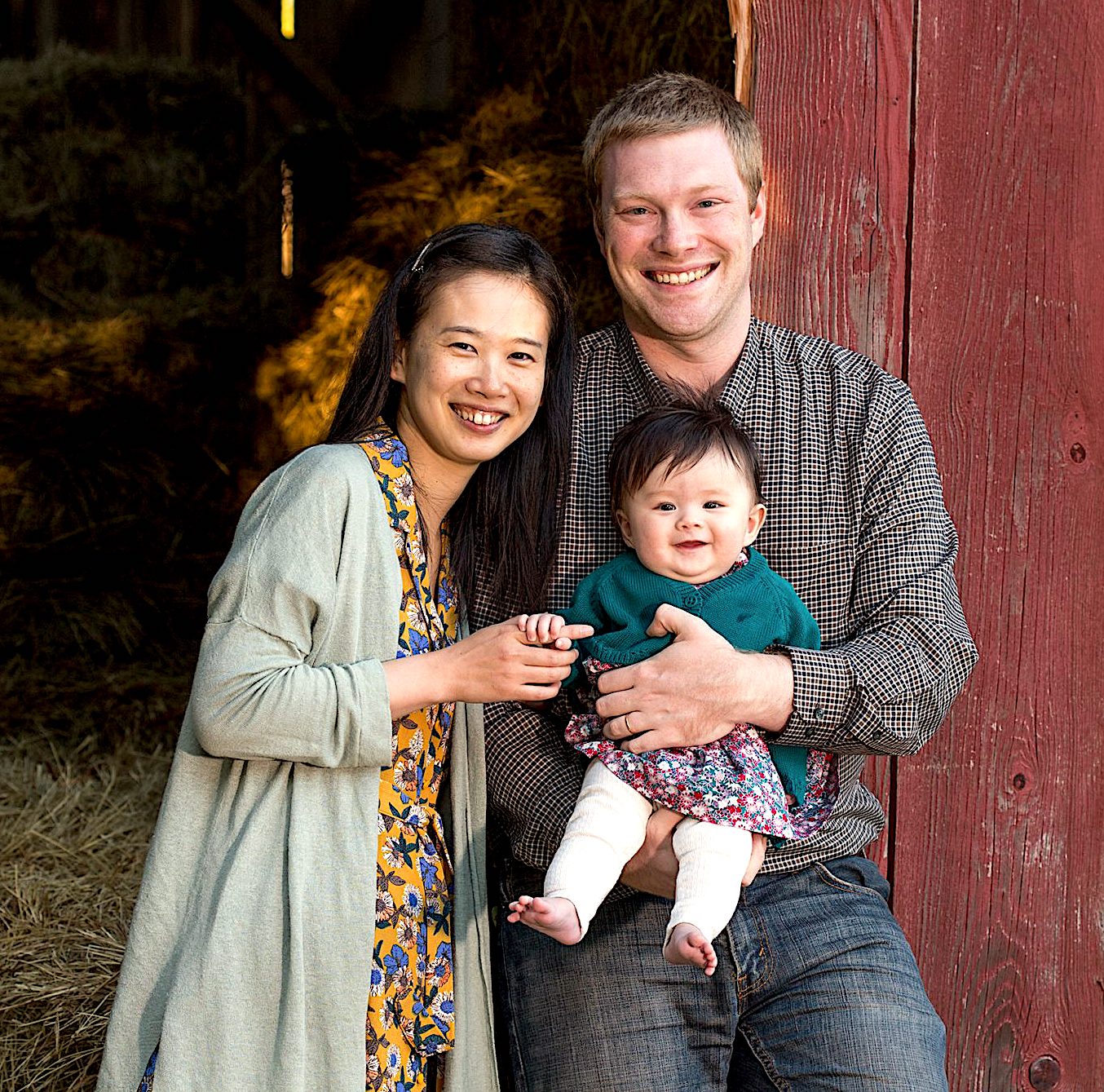
More than seventy years later, my son still teaches, with deep admiration and appreciation for each of his students, those grandchildren and greatgrandchildren of the soldiers my father hated and likely killed. Not only does my son teach, but he married a granddaughter of those my father fought. Their daughter is the perfect amalgam of once warring, yet now peaceful, cultures; symbol of blended and blending peoples overcoming the hatred of past generations.
In coming to the land of the red sun, in coming full circle, my father’s descendant, the teacher and missionary, redeems my father, the warrior.
It is, on this Remembrance Day, as it was meant to be.
My first time ever
seated next to my mother
in a movie theater, just
a skinny four year old girl
practically folded up in half
by a large padded chair
whose seat won’t stay down,
bursting with anticipation
to see Disney’s Bambi.
Enthralled with so much color,
motion, music, songs and fun
characters, I am wholly lost
in a new world of animated
reality when suddenly
Bambi’s mother looks up,
alarmed, from eating
a new clump of spring grass
growing in the snow.
My heart leaps
with worry.
She tells him
to run
for the thicket,
the safest place where
she has always
kept him warm
next to her.
She follows behind,
tells him to run faster,
not to look back,
don’t ever look back.
Then the gun shot
hits my belly too.
My stomach twists
as he cries out
for his mother,
pleading for her.
I know in my heart
she is lost forever,
sacrificed for his sake.
I sob as my mother
reaches out to me,
telling me not to look.
I bury my face
inside her hug,
knowing Bambi
is cold and alone
with no mother
at all.
My mama took me home
before the end.
I could not bear to watch
the rest of the movie for years.
Those cries
still echo
in my ears
every time someone hunts and shoots
to kill the innocent.
Now, my own children are grown,
my mom is gone from this earth,
I can even keep the seat from folding
me up in a movie theater.
I return Sunday after Sunday
to the killing fields of the church pew
knowing mothers and fathers
sons and daughters
grandmothers and grandfathers
sisters and brothers
and babies were hunted down
inside the supposed safety
of the sanctuary,
taken from the warmth of the human thicket
where we hold each other close.
Their cries echo in my ears
where there is no longer innocence.
Financial Support for the Barnstorming Blog from our Readers
Your financial support helps to keep this blog an ad-free daily offering. Your contribution of any amount is encouragement to me and deeply appreciated.
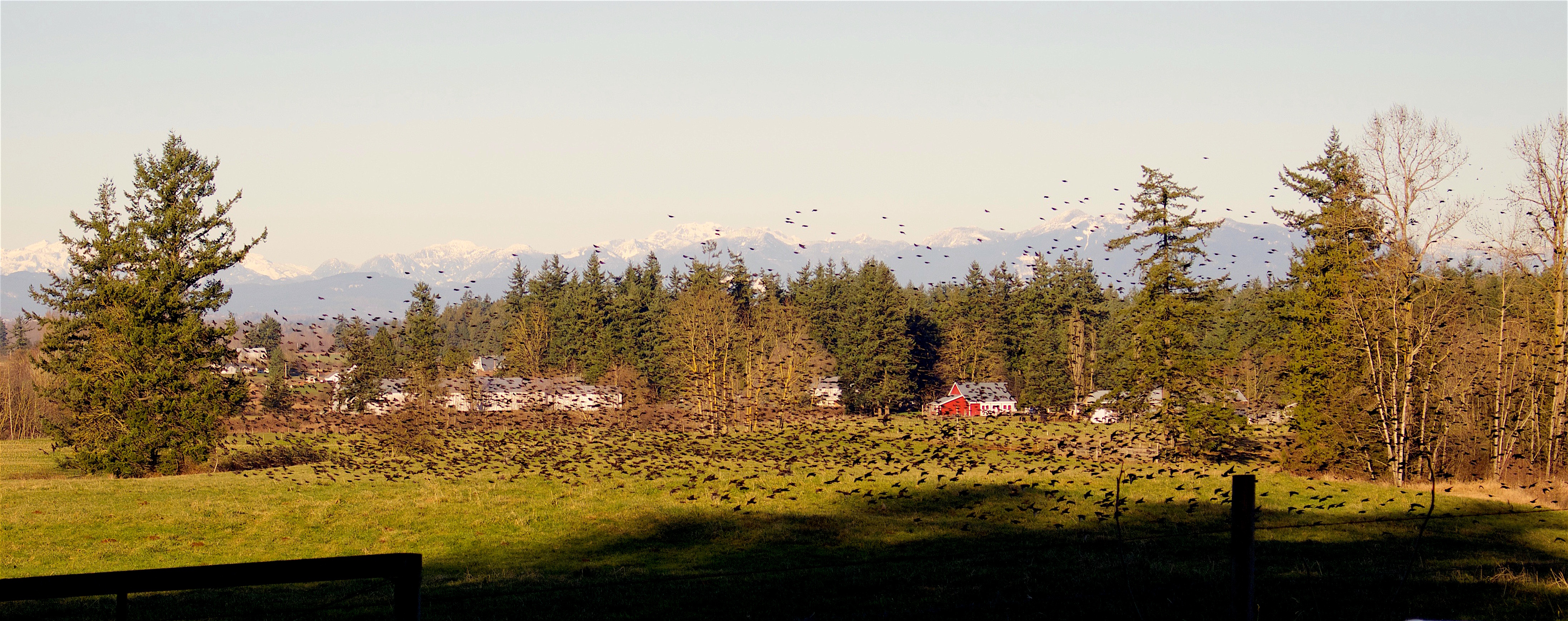
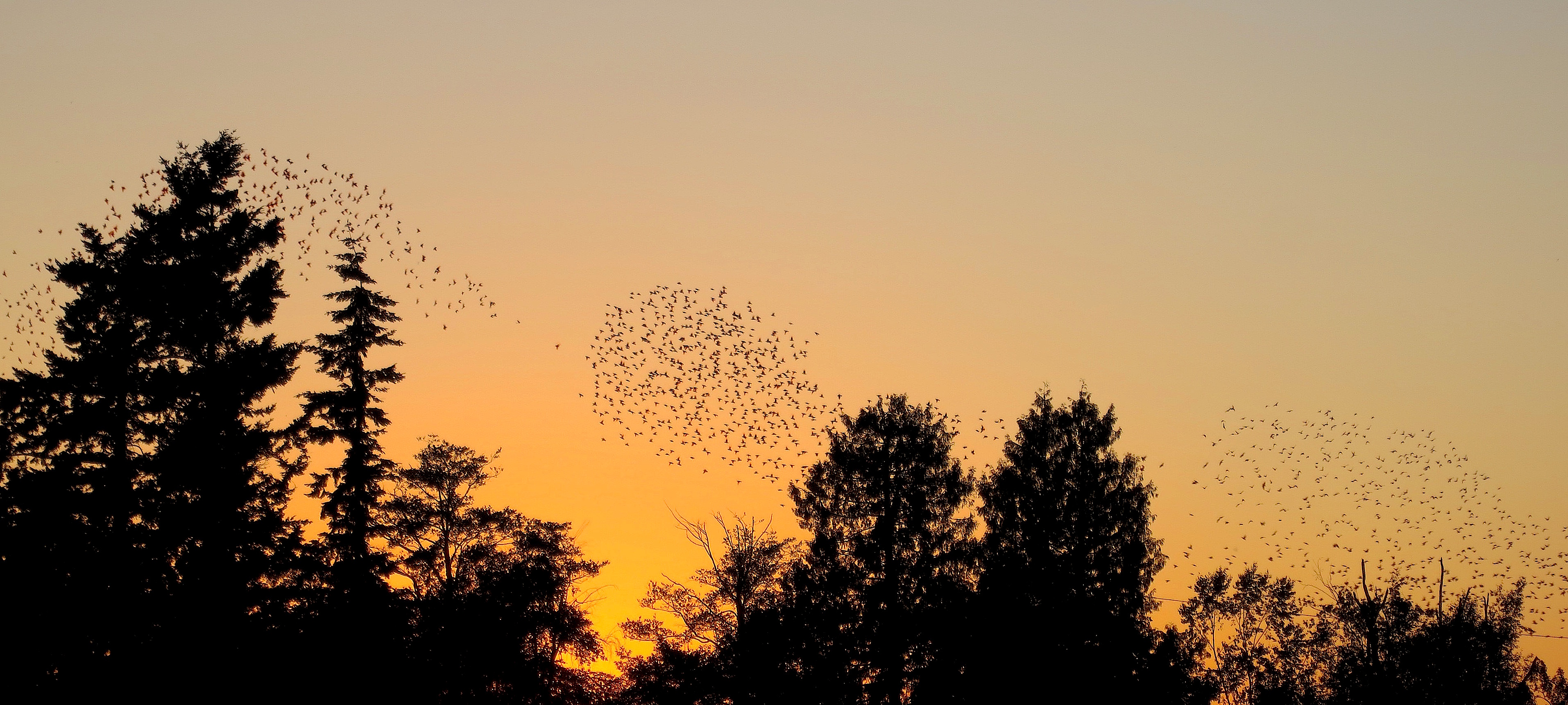
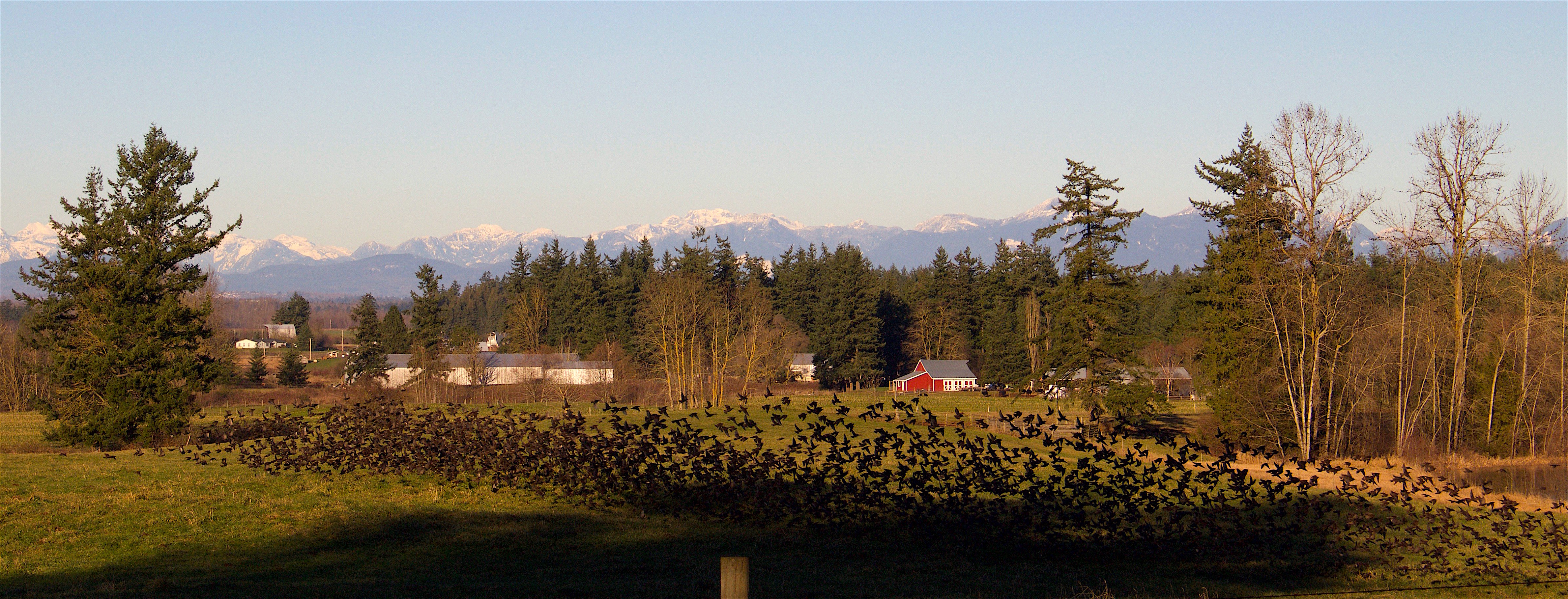
Out of the dimming sky a speck appeared, then another, and another. It was the starlings going to roost. They gathered deep in the distance, flock sifting into flock, and strayed towards me, transparent and whirling, like smoke. They seemed to unravel as they flew, lengthening in curves, like a loosened skein. I didn’t move; they flew directly over my head for half an hour.
Each individual bird bobbed and knitted up and down in the flight at apparent random, for no known reason except that that’s how starlings fly, yet all remained perfectly spaced. The flocks each tapered at either end from a rounded middle, like an eye. Overhead I heard a sound of beaten air, like a million shook rugs, a muffled whuff. Into the woods they sifted without shifting a twig, right through the crowns of trees, intricate and rushing, like wind.
Could tiny birds be sifting through me right now, birds winging through the gaps between my cells, touching nothing, but quickening in my tissues, fleet? ~Annie Dillard from Pilgrim at Tinker Creek
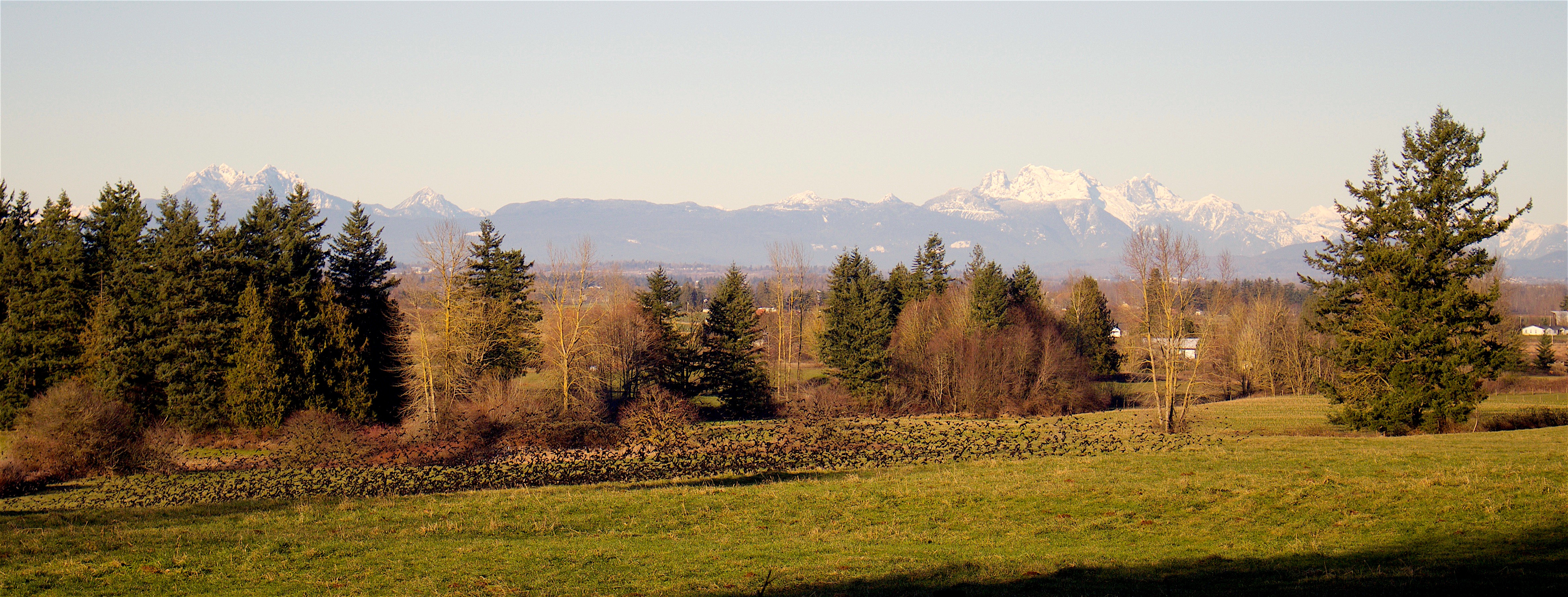
Watching the starlings’ murmuration is a visceral experience – my heart leaps to see it happen above me. I feel queasy following its looping amoebic folding and unfolding path.
Thousands of individual birds move in sync with one another to form one massive organism existing solely because each tiny component anticipates and cooperates to avoid mid-air collisions. It could explode into chaos but it doesn’t. It could result in massive casualties but it doesn’t. They could avoid each other altogether but they don’t – they come together with a purpose and reasoning beyond our imagining. Even the silence of their movement has a discernible sound.
We humans are made up of just such cooperating component parts, that which is deep in our tissues, programmed in our DNA. Yet we don’t learn from our designed and carefully constructed building blocks. We have become frighteningly disparate and independent creatures, going our own way bumping and crashing without care.
We have lost our internal moral compass.
We shoot each other in the backs, even during school lessons or listening to music or engaging in acts of worship. We watch each other bleed and die.
And that is just the point…
how the world, moist and beautiful,
calls to each of us to make a new and serious response.
That’s the big question,
the one the world throws at you every morning.
“Here you are, alive.
Would you like to make a comment?” ~Mary Oliver
It is impossible to stay a silent observer of the world when you awake still alive.
It demands a response.
I would like to make a comment.
It isn’t only nature pulling what was once lush and young into the ground:
daily we witness flying leaves and dropping temperatures, brisk winds and chill rains.
Human kind also is skilled at killing and dying too young.
There can be no complacency in observing such violence in progress.
It blusters, rips, drenches, encompasses, buries.
Nothing remains as it was.
And here I am, alive.
Struck and wrung.
A witness.
Called to comment.
Dying to respond.
Financial Support for the Barnstorming Blog from our Readers
Your financial support helps to keep this blog an ad-free daily offering. Your contribution of any amount is encouragement to me and deeply appreciated.
…And I think They know my strength, Can gauge The danger of their work: One blow could crush them And their nest; and I am not their friend.
And yet they seem Too deeply and too fiercely occupied To bother to attend. Perhaps they sense I’ll never deal the blow, For, though I am not in nor of them, Still I think I know What it is like to live In an alien and gigantic universe, a stranger, Building the fragile citadels of love On the edge of danger. ~James Rosenberg from “The Wasps’ Nest”
Anger is as a stone cast into a wasp’s nest. ~Pope Paul VI
The nest was hanging like the richest fruit against the sun. I took the nest
and with it came the heart, and in my hand
the kingdom and the queen, frail surfaces, rested for a moment. Then the drones
awoke and did their painful business.
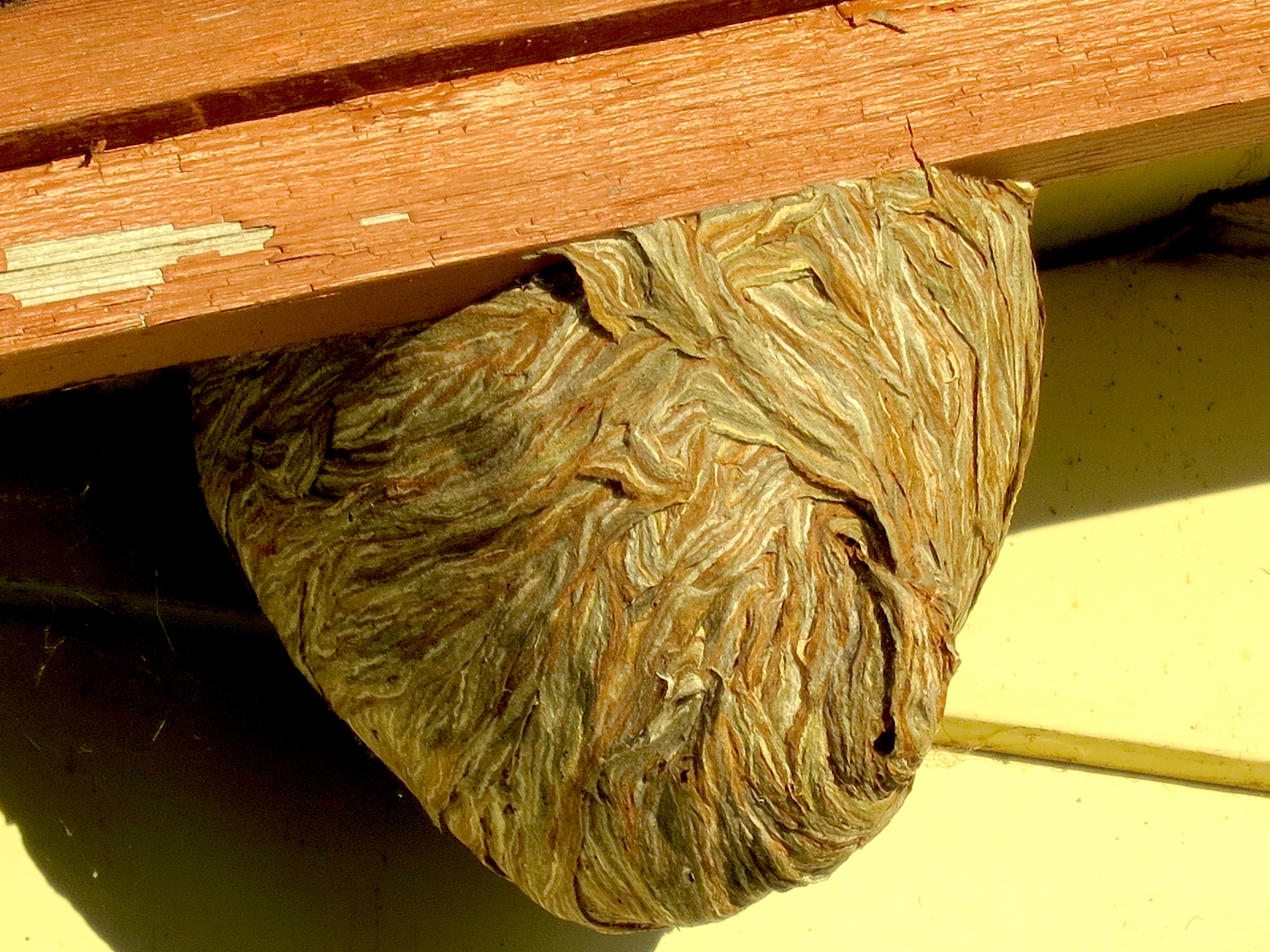
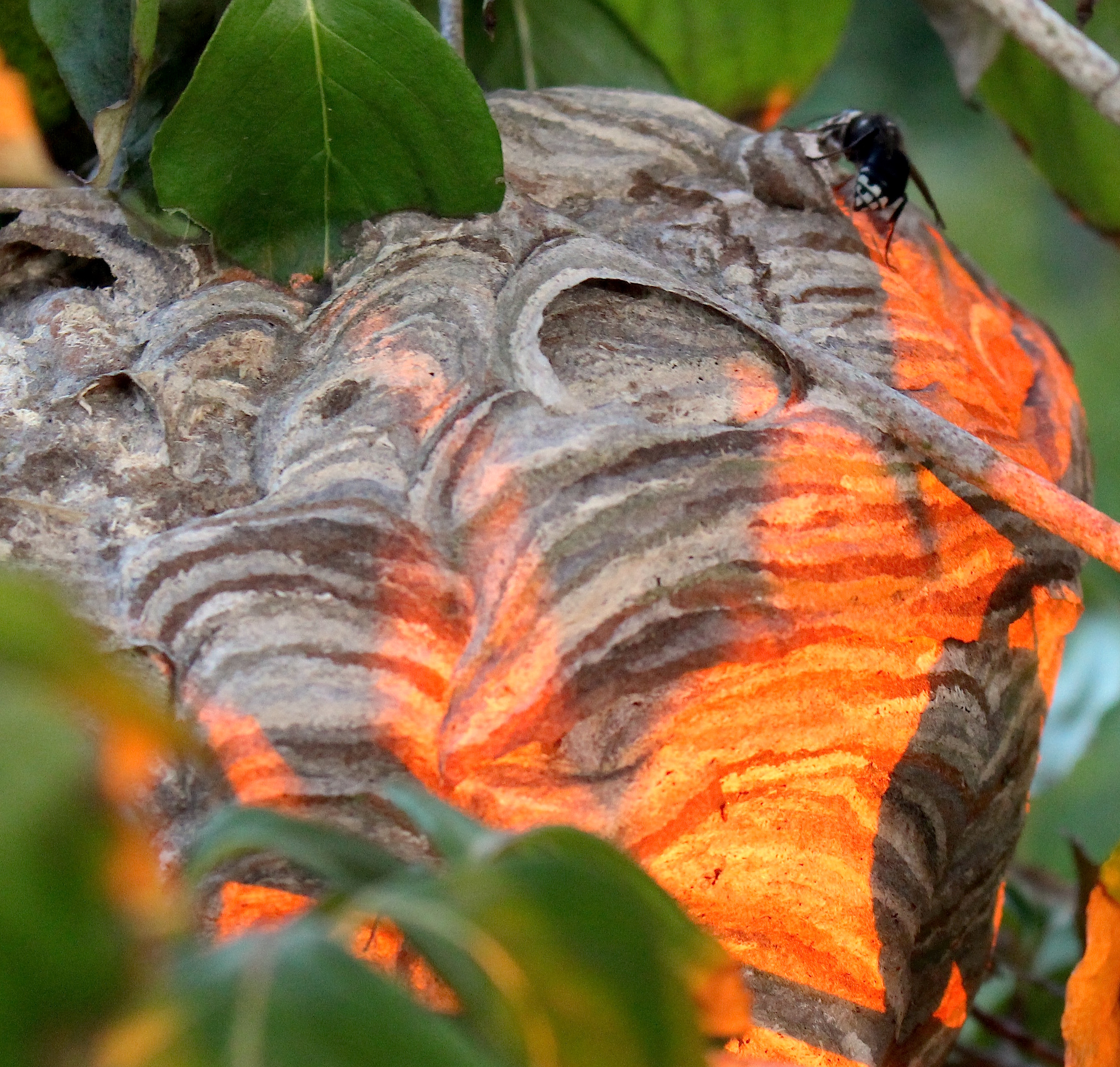
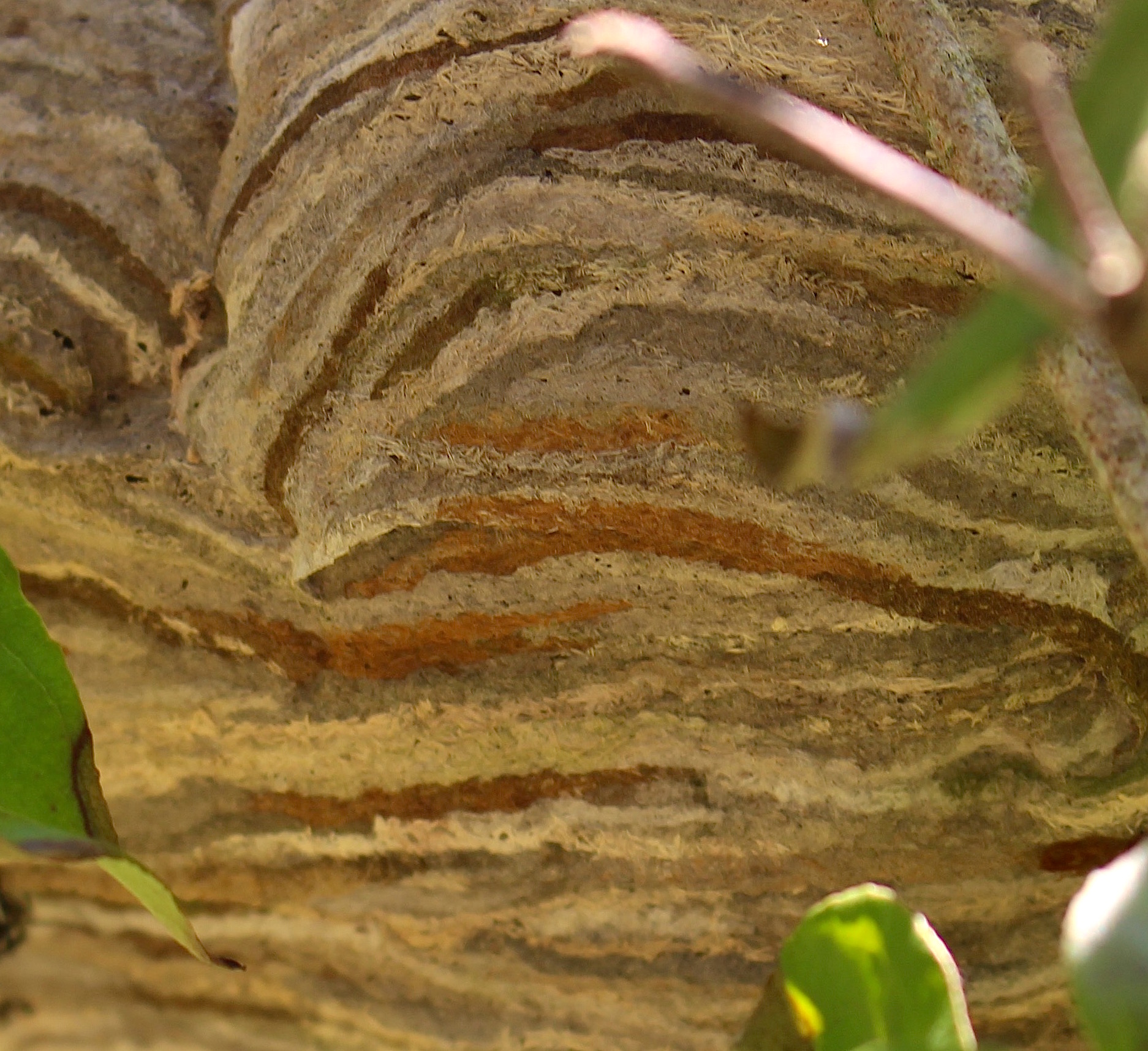
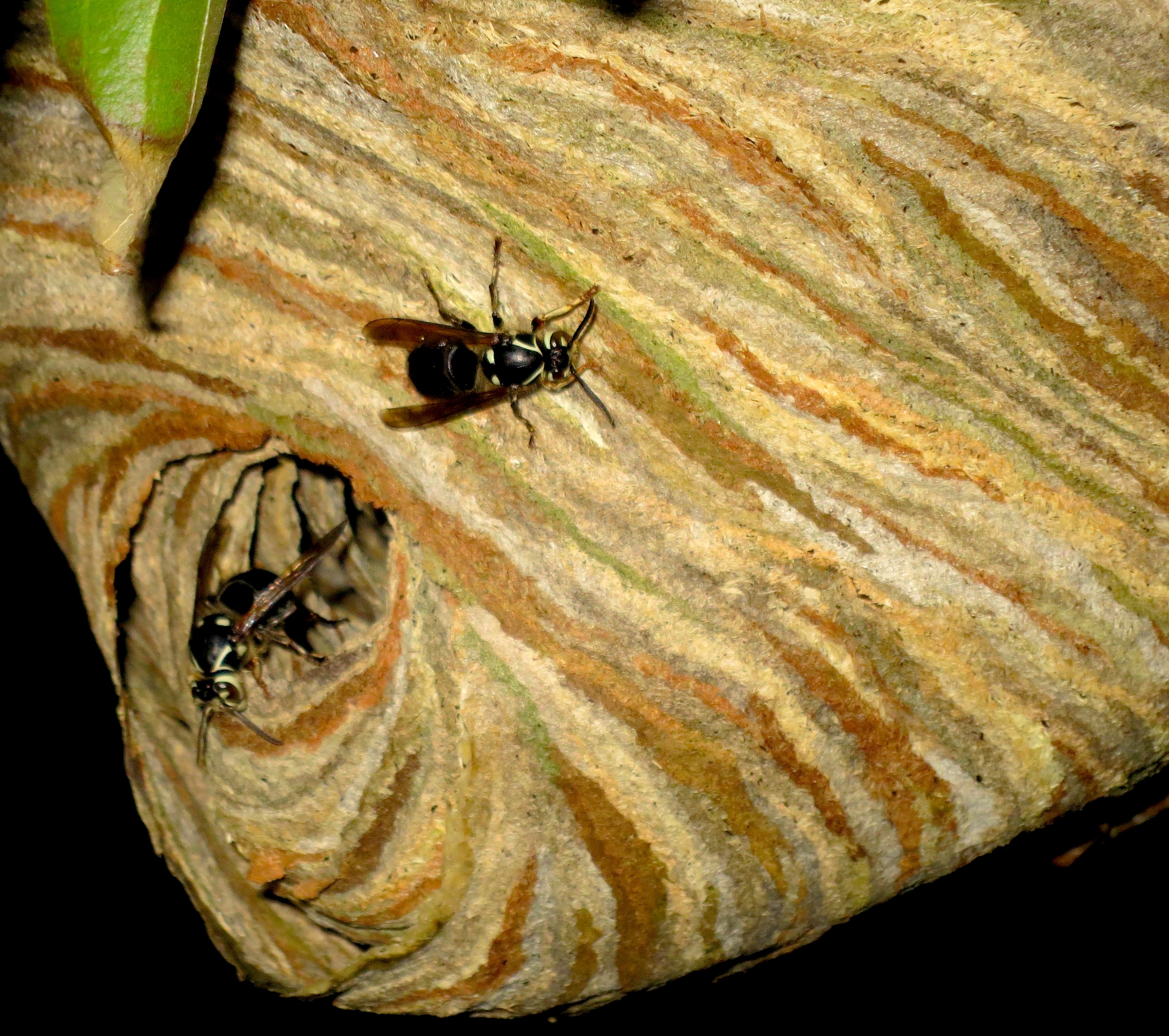
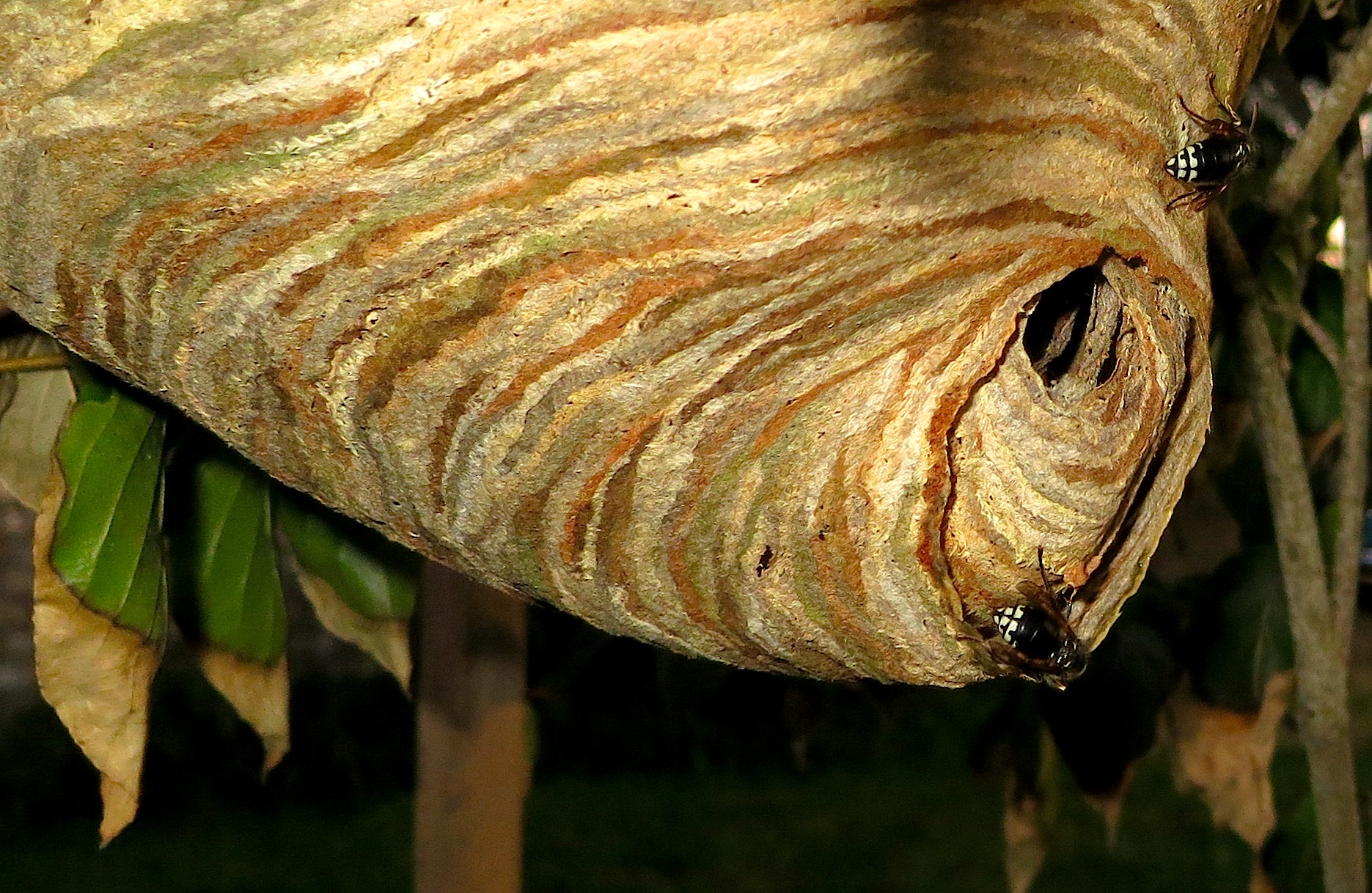
It hung undisturbed the past few months as its busy citizens visited our picnics, greedily buzzed our compost bin, shot bullet-like out of the garbage can when I lifted the lid. In short, their threat of using their weaponry controlled all our moves this summer.
This nest is their nighttime respite for a few more weeks before a freeze renders them weak and paralyzed in slow motion. A thing of beauty outside harbors danger inside. I must not touch this tissue paper football nest with its beating buzzing hornet heart.
Let winter deal the devastating blow. As I am not in or of them, I cannot cast the first stone.
In a few short weeks, as they sleep, the north winds will tear it free from its tight hold,
bear it aloft in its lightness of being, and it will fall, crushed, broken, its secret heart revealed and all that stings will be let go.









 Barnstorming