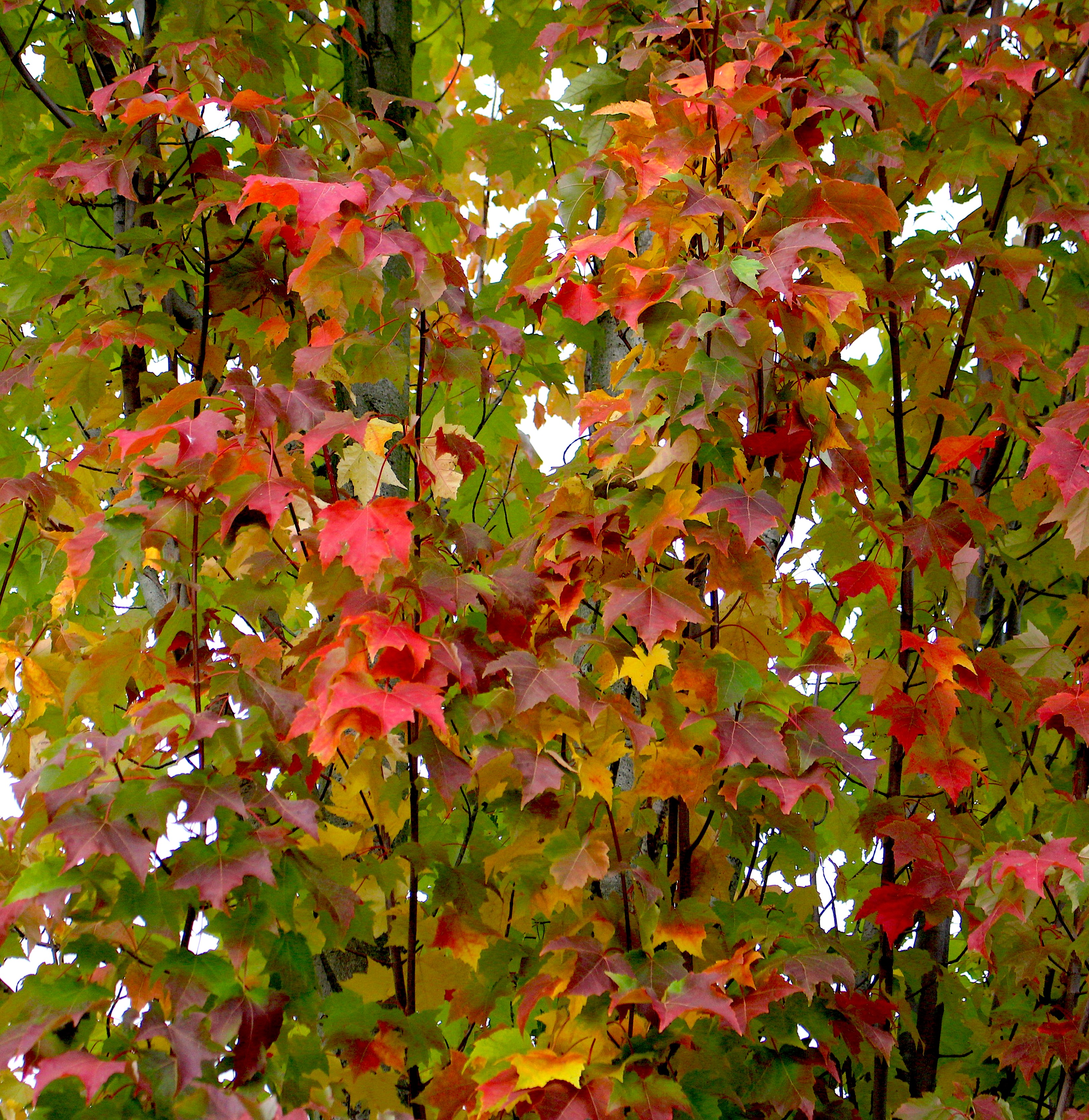
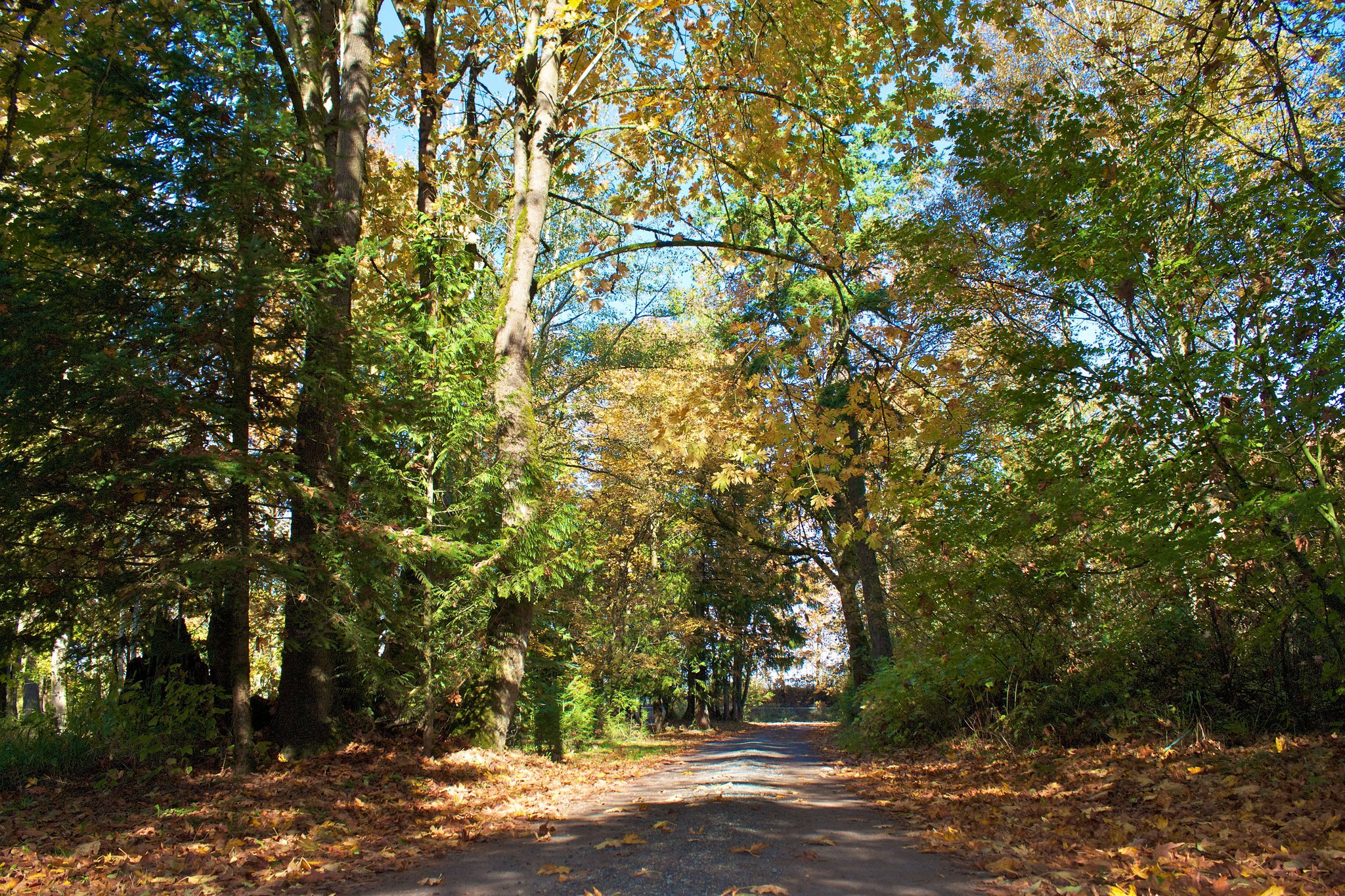
O hushed October morning mild, Thy leaves have ripened to the fall; To-morrow’s wind, if it be wild, Should waste them all.
O hushed October morning mild, Begin the hours of this day slow, Make the day seem to us less brief. Hearts not averse to being beguiled, Beguile us in the way you know; Release one leaf at break of day; At noon release another leaf; One from our trees, one far away… ~Robert Frost “October”
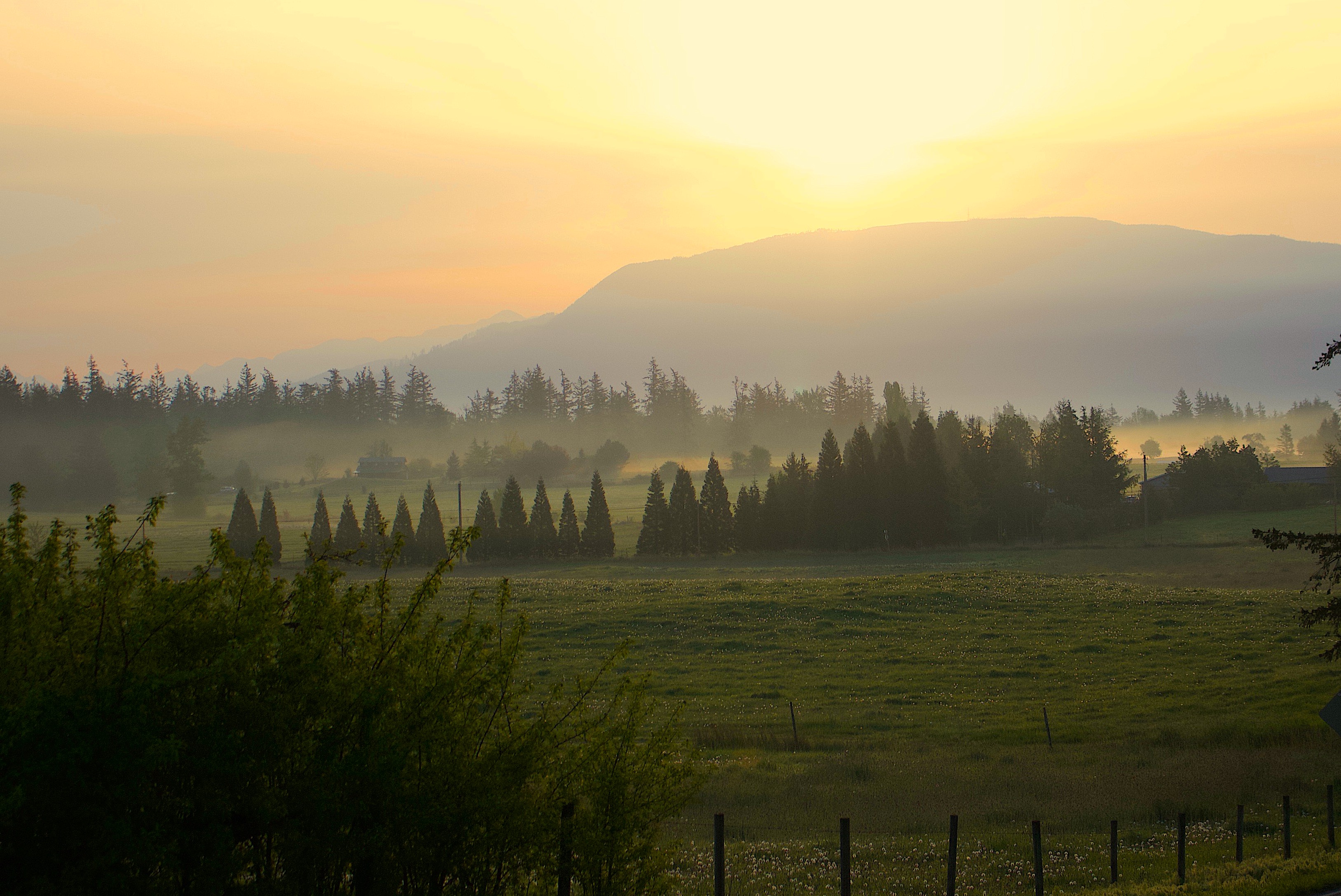
These mornings I wander stunned by light and mist to see trees tremble inside their loosening cloaks, a pulsing palette of color ready to detach, revealing mere bones and branches.
I want it all to be less brief, leave the leaves attached like a fitted mosaic rather than randomly falling away.
Their release is not their choosing: the trees know it is time for slowly letting go~ readying for sleep, for sprouts and buds, for fresh tapestry to be woven from October’s leaves lying about their feet.
A Wounded Deer—leaps highest— I’ve heard the Hunter tell— ‘Tis but the Ecstasy of death— And then the Brake is still! ~Emily Dickinson from “165″
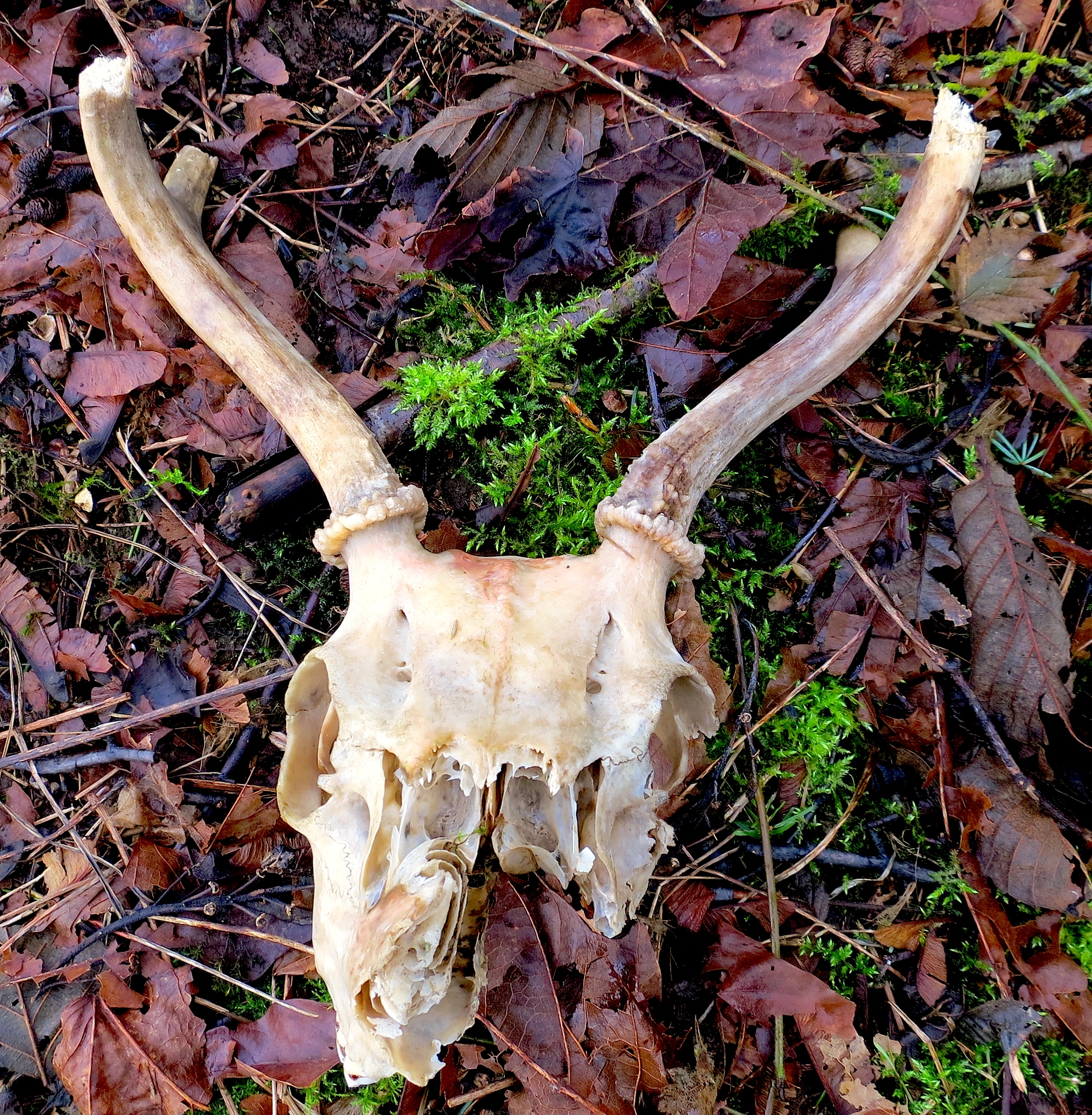
The deer in that beautiful place lay down their bones: I must wear mine. ~Robinson Jeffers from “The Deer Lay Down Their Bones”
As the house of a person in age sometimes grows cluttered with what is too loved or too heavy to part with, the heart may grow cluttered. And still the house will be emptied, and still the heart.
Empty and filled, like the curling half-light of morning, in which everything is still possible and so why not.
Filled and empty, like the curling half-light of evening, in which everything now is finished and so why not.
Beloved, what can be, what was, will be taken from us. I have disappointed. I am sorry. I knew no better.
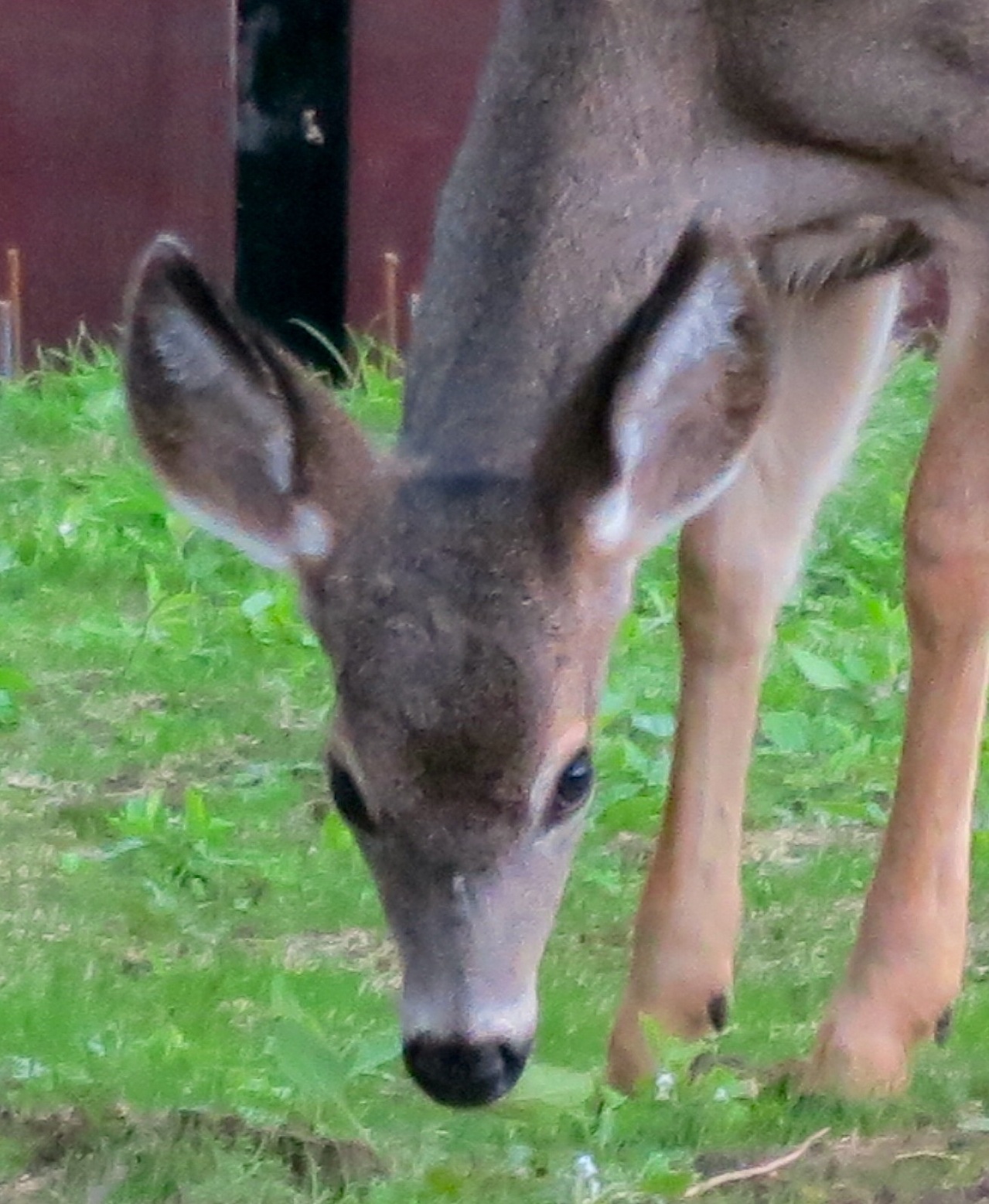
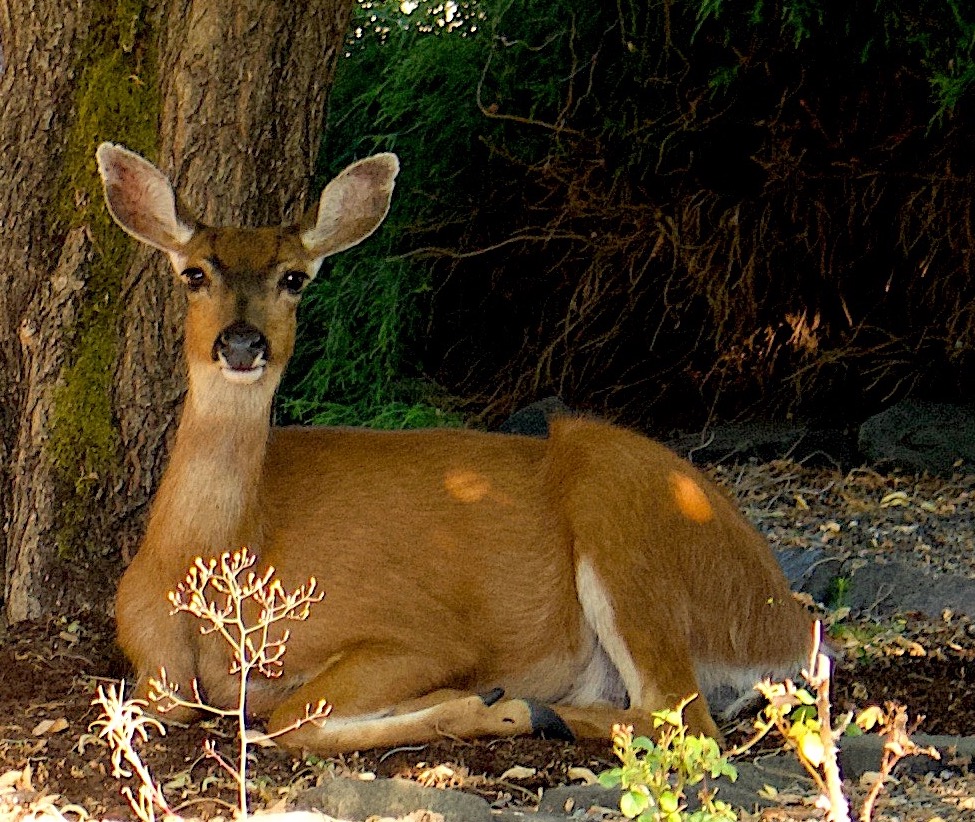
A root seeks water. Tenderness only breaks open the earth. This morning, out the window, the deer stood like a blessing, then vanished. ~Jane Hirschfield from “The Standing Deer”
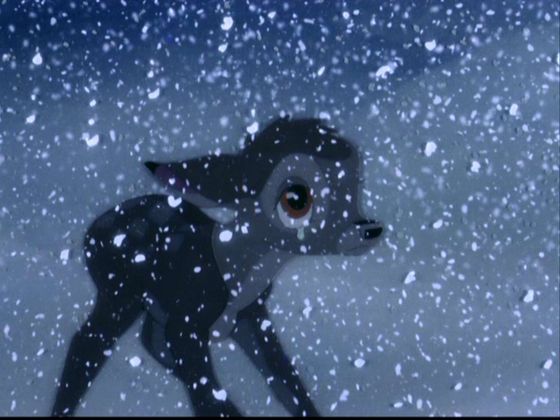
My first time ever seated next to my mother in a movie theater, just a skinny four year old girl practically folded up in half by a large padded chair whose seat won’t stay down, bursting with anticipation to see Disney’s Bambi.
Enthralled with so much color, motion, music, songs and fun characters, I am wholly lost in a new world of animated reality when suddenly Bambi’s mother looks up, alarmed, from eating a clump of grass growing in the snow.
My heart leaps with worry. She tells him to run for the thicket, to seek safety where she has always kept him warm next to her.
She follows behind, tells him to run faster, not to look back, don’t ever look back.
The gun shot hits my belly too.
My stomach twists as he cries out for his mother, pleading for her. I know in my heart she is lost forever, sacrificed for him.
I sob as my mother reaches out to me, telling me not to look. I bury my face inside her hug, knowing Bambi is cold and alone with no mother at all.
She took me home before the end. I could not bear to watch the rest of the movie for years. His cries still echo in my ears.
Now, my children are grown and have children of their own to protect. My mother is gone from this earth, my thicket emptying, my heart full, my stomach stronger, I even keep the seat from folding me up in a movie theater.
I now can look back and weep inconsolably once more.
I spent this morning adjusting to this change in season by occupying myself with the familiar task of moving manure. Cleaning barn is a comforting chore, allowing me to transform tangible benefit from something objectionable and just plain stinky to the nurturing fertilizer of the future. It feels like I’ve actually accomplished something.
As I scooped and pushed the wheelbarrow, I remembered another barn cleaning twenty years ago, when I was one of three or four friends left cleaning over ninety stalls after a Haflinger horse event that I had organized at our local fairgrounds. Some people had brought their horses from over 1000 miles away to participate for several days. Whenever horse people gather, there were personality clashes and harsh words among some participants along with criticism directed at me that I had taken very personally. As I struggled with the umpteenth wheelbarrow load of manure, tears stung my eyes and my heart. I was miserable with regrets. After going without sleep and making personal sacrifices over many months planning and preparing for the benefit of our group, my work felt like it had not been acknowledged or appreciated.
My friend Jenny had stayed behind with her family to help clean up the large facility and she could see I was struggling to keep my composure. Jenny put herself right in front of my wheelbarrow and looked me in the eye, insisting I stop for a moment and listen.
“You know, none of these troubles and conflicts will amount to a hill of beans years from now. People will remember a fun event in a beautiful part of the country, a wonderful time with their horses, their friends and family, and they’ll be all nostalgic about it, not giving a thought to the infighting or the sour attitudes or who said what to whom. So don’t make this about you and whether you did or didn’t make everyone happy. You loved us all enough to make it possible to meet here and the rest was up to us. So quit being upset about what you can’t change. There’s too much you can still do for us.”
During tough times which still come often in my professional life, Jenny’s advice replays, reminding me to stop seeking appreciation from others, or feeling hurt when harsh words come my way. She was right about the balm found in the tincture of time and she was right about giving up the upset in order to die to self and self absorption, and keep focusing outward.
Jenny, I have remembered what you said even though sometimes I emotionally relapse and forget.
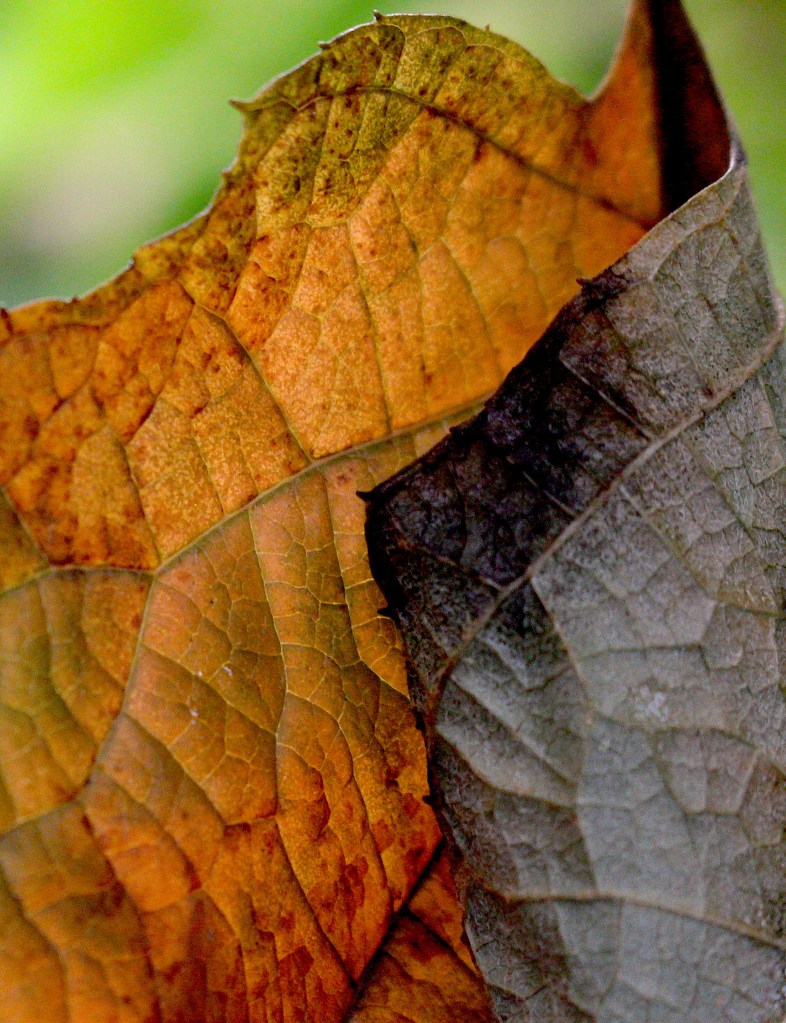
Jenny herself spent the next six years literally dying, while vigorously living her life every day, fighting a relentless cancer that was initially helpless in the face of her faith and intense drive to live. She became a rusting leaf, fading imperceptibly over time, crumbling at the edges until she finally let go. Her dying did not flash brilliance, nor draw attention at the end. Her intense focus during the years of her illness had always been outward to others, to her family and friends, to the healers she spent so much time with in medical offices, to her belief in the plan God had written for her and others.
Despite her intense love for her husband and young children, she had to let go her hold on life here. And we all had to let her go.
Brilliance cloaks her as her focus is now on things eternal.
You were so right, Jenny. No conflicts from twenty years ago amounted to a hill of beans; all is remembered fondly by those who were part of the gathering. I especially treasure the words you wisely spoke to me.
And I’m no longer upset that I can’t change the fact that you have left us. There is still so much you do for us, alive in our memories.
Everyone must leave something behind when he dies, my grandfather said. A child or a book or a painting or a house or a wall built or a pair of shoes made. Or a garden planted. Something your hand touched some way so your soul has somewhere to go when you die, and when people look at that tree or that flower you planted, you’re there.
It doesn’t matter what you do, he said, so long as you change something from the way it was before you touched it into something that’s like you after you take your hands away. The difference between the man who just cuts lawns and a real gardener is in the touching, he said. The lawn-cutter might just as well not have been there at all; the gardener will be there a lifetime. ~Ray Bradbury from Fahrenheit 451
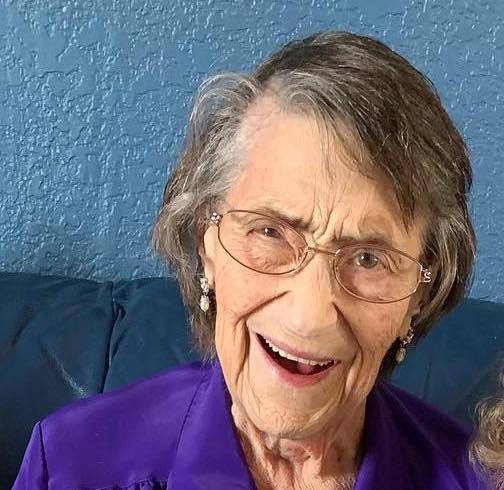
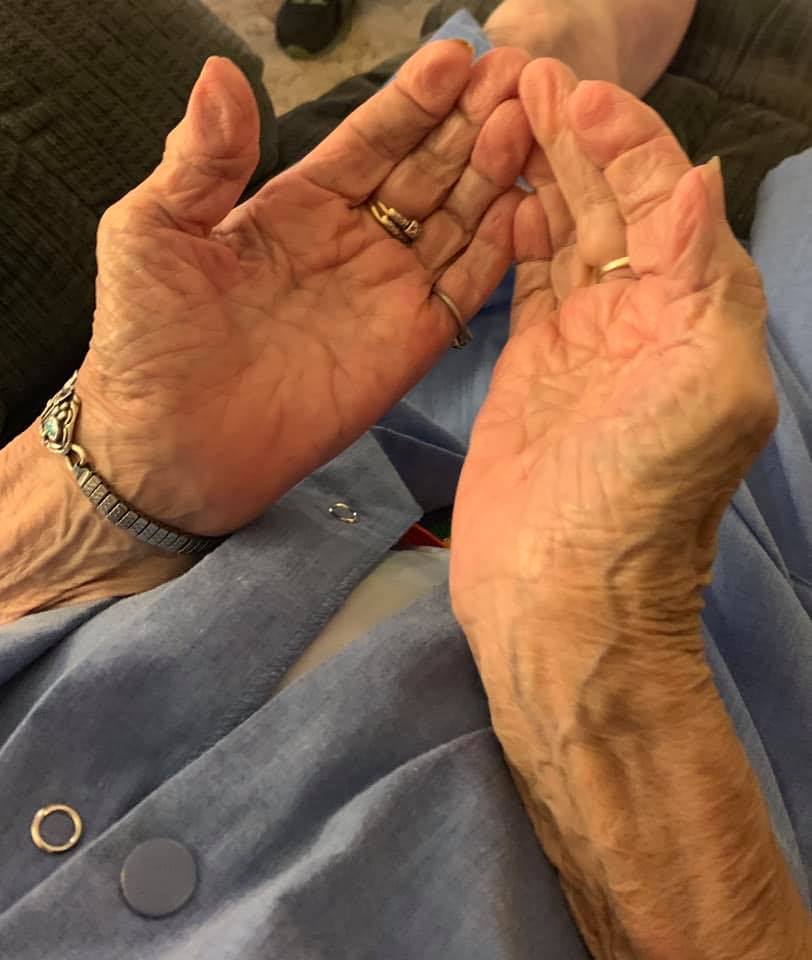
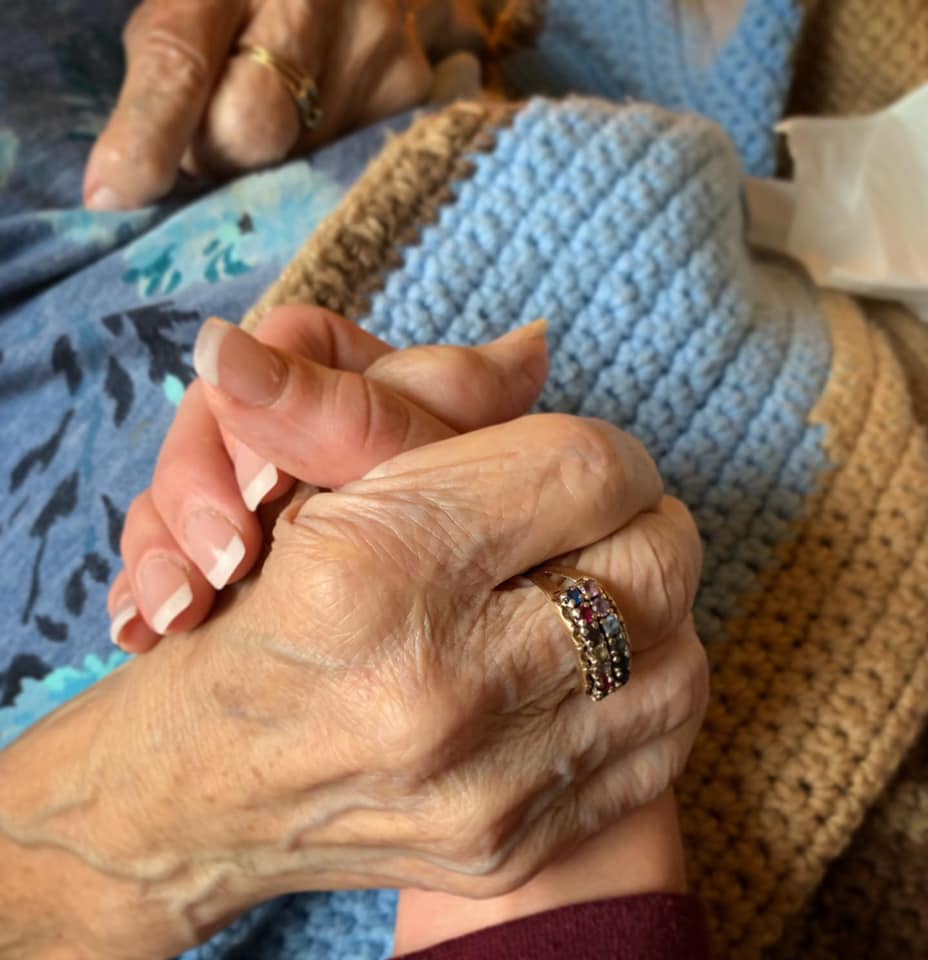
Esther Meyer, nearly 92, photo taken by a granddaughterEsther’s hands – photo by Donna Meyer photo by Danielle Meyer Miljevic
At last the entire family stood, like people seeing someone off at the rail station, waiting in the room.
“Well,” said Great-grandma, “there I am, I’m not humble, so it’s nice seeing you standing around my bed. Now next week there’s late gardening and closet-cleaning and clothes-buying for the children to do. And since that part of me is called, for convenience, Great-grandma, won’t be here to step it along, those other parts of me called Uncle Bert and Leo and Tom and Douglas, and all the other names, will have to take over, each to his own.”
“Yes, Grandma.”
Somewhere a door closed quietly.
… she saw it shaping in her mind quietly, and with serenity like a sea moving along and endless and self-refreshing shore.
Downstairs, she thought, they are polishing the silver, and rummaging the cellar, and dusting in the halls. She could hear them living all through the house.
“It’s all right,” whispered Great-grandma, as the dream floated her. “Like everything else in this life, it’s fitting.”
And the sea moved her back down the shore. ~Ray Bradbury “Great-Grandmother” from Dandelion Wine
Esther learned young how to work and she never forgot, still working up until the last few days of her long life.
Today she is sweeping up, wiping down counters and washing the dishes in a corner of heaven, after baking cookies and putting a soup on to simmer, to be sure everyone up there is well-fed and feels welcome.
She grew up on a remote farm in South Dakota where survival meant the whole family pitched in to help. When she married Pete and headed west to Washington, the work never let up: six sons, a small farm, a construction business to help manage, working as a caretaker privately and in a nursing home, taking on the mission of coordinating a large Sunday School ministry in our small church back over fifty years ago and never leaving.
Esther touched everything and everyone in this life, leaving a bit of herself behind in all of us. She’ll stay plenty busy in the next life.
She wasWiser Lake Chapel for over half her life, along with her husband Pete who passed from chronic leukemia over a decade ago. Their son Wes took on many of Pete’s carpentry and building maintenance duties at church, but then he too lost a fight with acute leukemia.
Esther persevered despite these heartbreaking losses, a tenacious testament to the power of the Spirit in one woman’s life. She had more artificial joints in her body than her own joints, some replaced twice. Her heart tried to fail any number of times, most recently after a trip to Europe she made earlier this year, by herself, to visit her missionary son. She never stopped driving. She never stopped walking even though every step took immense effort paid in pain. She came to every church service, morning and night and mid-week, usually with something fresh-baked in her hand. If soup was needed for a meal on short notice, she could make it happen in an hour from what she stored away in her freezer. She was a self-appointed clean-up crew, wheeling her walker from table to sink to counter to trash can and back again.
Every new great-grandbaby and every new Chapel baby had a hand-made Esther quilt, complete with her hand-painted pictures and the details of the birthday and birthweight printed on it. She made hundreds over her lifetime.
Esther’s family is a large exuberant and glory-filled group of sons and daughter-in-laws and grands and great-grands who reflect who she and Pete were to them, to our church and the greater community. They are a legacy left on earth, to keep up the good work and gratitude-filled worship, to never ever give up, no matter how tough life can be.
Thank you, Esther, for changing us all so profoundly we won’t ever be the same as we were before you touched us; you left us all so much better than before. Now I believe we all are just a little bit like you.
And most of all, thanks for 90-plus years of your loving labor on the Lord’s behalf. The soup is on the stove in memory of you.
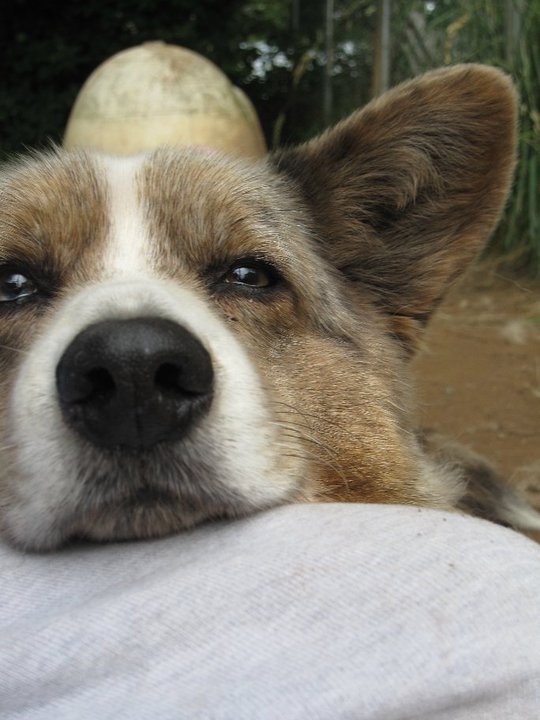
More than once I’ve seen a dog waiting for its owner outside a café practically implode with worry. “Oh, God, what if she doesn’t come back this time? What will I do? Who will take care of me? I loved her so much and now she’s gone and I’m tied to a post surrounded by people who don’t look or smell or sound like her at all.” And when she does come, what a flurry of commotion, what a chorus of yelping and cooing and leaps straight up into the air! It’s almost unbearable, this sudden fullness after such total loss, to see the world made whole again by a hand on the shoulder and a voice like no other. ~John Brehm from “If Feeling Isn’t In It”
photo by Brandon Dieleman
We all need to love like this: so binding, so complete, so profoundly filling: its loss empties our world of all meaning as our tears run dry.
So abandoned, we woeful wait, longing for the return of the gentle voice, the familiar smile, the tender touch and encompassing embrace.
With unexpected restoration when we’ve done nothing to deserve it- we leap and shout with unsurpassed joy, the world without form and void made whole again.
The next morning I felt that our house had been lifted away from its foundation during the night, and was now adrift, though so heavy it drew a foot or more of whatever was buoying it up, not water but something cold and thin and clear, silence riffling its surface as the house began to turn on a strengthening current, leaving, taking my wife and me with it, and though it had never occurred to me until that moment, for fifteen years our dog had held down what we had by pressing his belly to the floors, his front paws, too, and with him gone the house had begun to float out onto emptiness, no solid ground in sight. ~Ted Kooser “Death of a Dog”
God… sat down for a moment when the dog was finished in order to watch it… and to know that it was good, that nothing was lacking, that it could not have been made better.” ― Rainer Maria Rilke
Twelve dogs have left pawprints on my heart over my sixty five years. Each dog of my childhood was my best friend to confide in, take walks with, to cry into the ruff of their furry necks. They always listened compassionately and never judged, even when I was in the wrong.
There was a thirteen year long dogless period while I went to college, medical school and residency, living in inhospitable urban environs, working unsuitable dog-keeping hours. Those were sad years indeed with no dog hair to vacuum or slobber to mop up.
The first dog in our married life on the farm, a Tervuren, rode home from Oregon on my pregnant lap in the passenger seat, all sixty five pounds of her. I think our first born son has a permanent dog imprint on his side as a result, and it certainly resulted in his dog-loving brain yet he has lived ten years in the largest city on earth, sadly dogless.
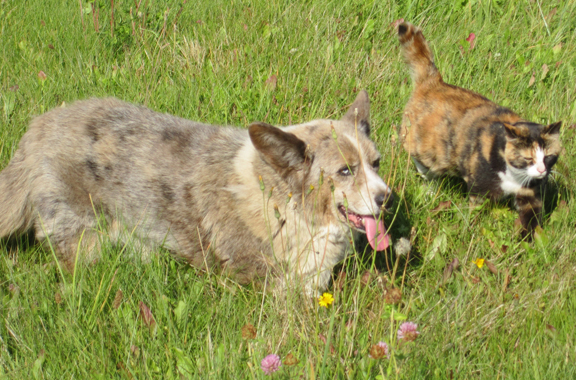
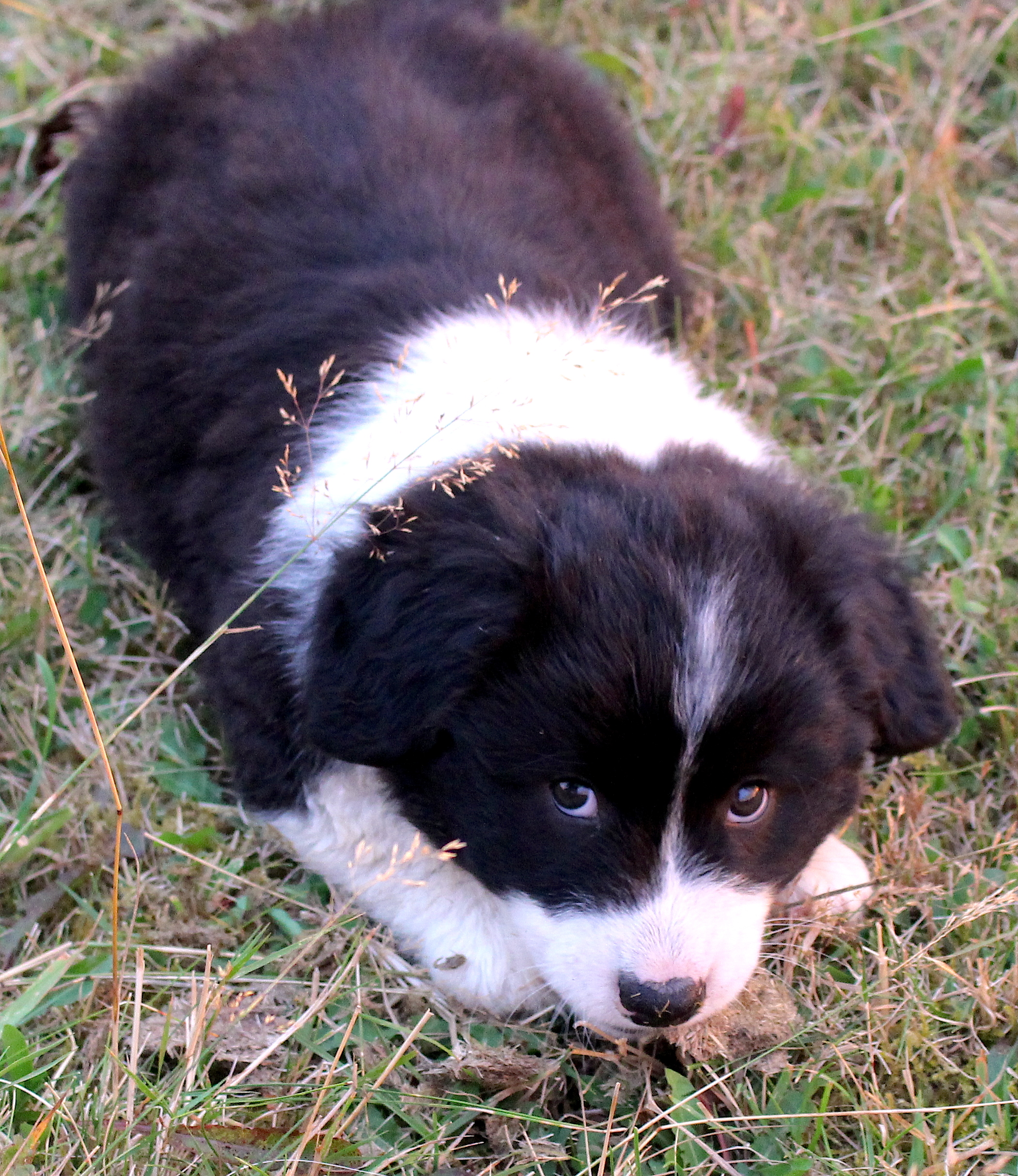
Six dogs and thirty four years later, we are currently owned by two gentle hobbit-souled Cardigan Corgis who are middle-aged and healthy. I hope they stick around with us for a few more years, but we have felt the unmooring of our home’s foundation when we have lost, one by one, our dog friends in the past, usually in ripe old age.
Dogs could not have been made better among God’s creations because they love unconditionally, forgive without holding a grudge and show unbounded joy umpteen times a day. It’s true–it would be nice if they would poop only in discrete off-the-path areas, use their teeth only for dog designated chew toys, and vocalize only briefly when greeting and warning, but hey, nobody is perfect.
So to Buttons, Sammy, Sandy, Sparky, Toby, Tango, Talley, Makai, Frodo, Dylan Thomas, Sam Gamgee and Homer: God sat down for a moment when He made you and saw that it was good.
You’ve been good for me too, holding fast my foundation to the ground..
Sam as puppy kid – photo by Nate Gibsonphoto of Dylan Thomas by Nate Gibson
In great deeds, something abides. On great fields, something stays. Forms change and pass; bodies disappear; but spirits linger, to consecrate ground for the vision-place of souls. And reverent men and women from afar, and generations that know us not and that we know not of, heart-drawn to see where and by whom great things were suffered and done for them, shall come to this deathless field, to ponder and dream;
and lo! the shadow of a mighty presence shall wrap them in its bosom, and the power of the vision pass into their souls. This is the great reward of service. To live, far out and on, in the life of others; this is the mystery of the Christ, –to give life’s best for such high sake that it shall be found again unto life eternal. ~Major-General Joshua Chamberlain at Gettysburg, Pennsylvania 1889
Riley Howell and Kendrick Castillo were just regular high school students only a week ago – preparing for the end of the school year and for their long lives ahead of them.
Now their families and friends grieve their loss in the wake of more school shootings.
These two young men are now wrapped in the bosom of God forever; they gave their all and gave their best < themselves > to protect others when it was the right and brave thing to do. We can only stand in awe and reverence, heart-drawn at this act, in gratitude for their sacrifice.
Courage is not acting fearlessly. It is acting in spite of fear, knowing it may cost you everything.
May there never be another reason for someone to have to throw themselves at a shooter to stop the bullets. May evil intentions be crushed before they can ever be realized. May the selfless acts of brave souls abide in our hearts so we too will do the right thing to make sure this never happens again.
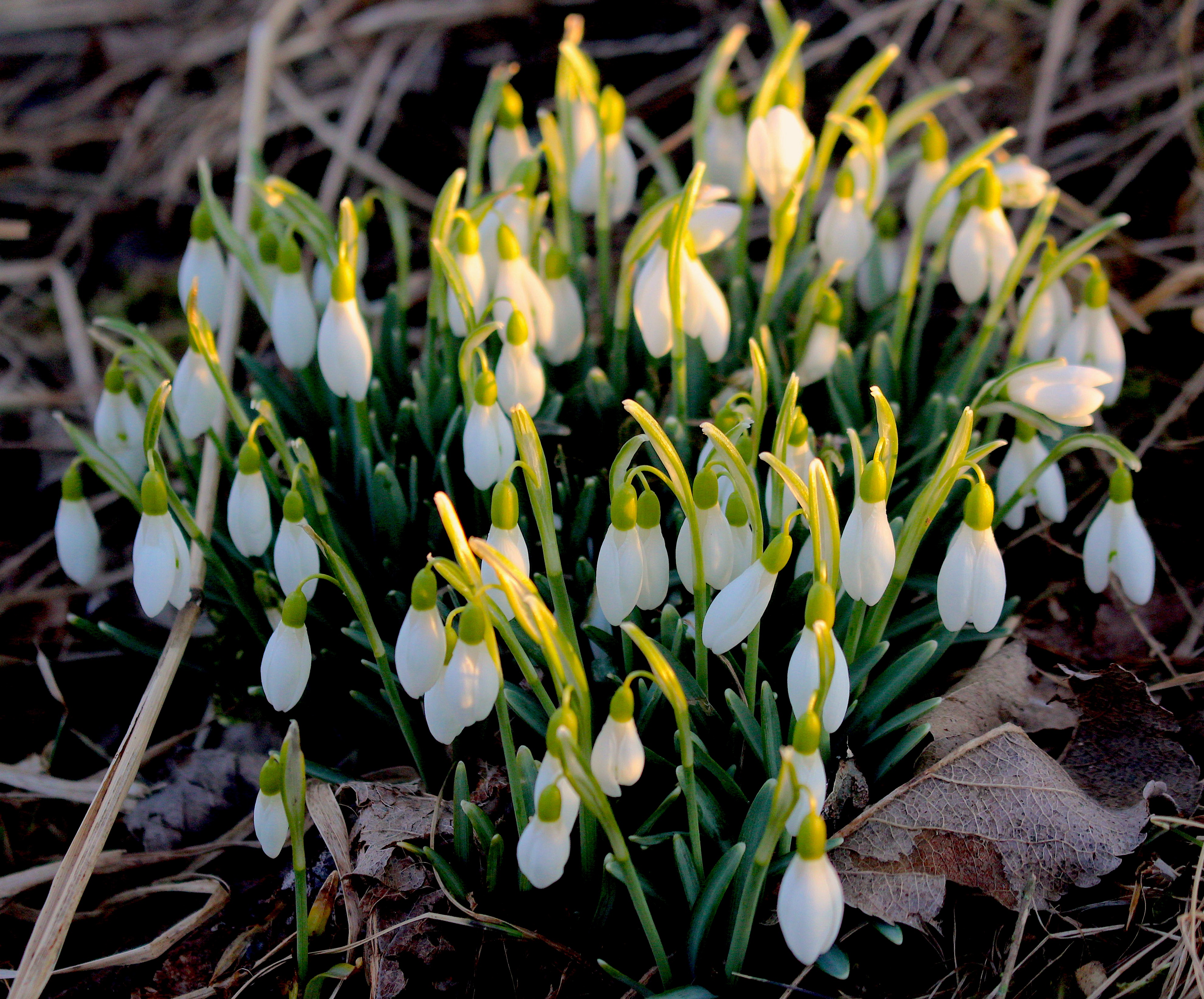
There are days we live as if death were nowhere in the background; from joy to joy to joy, from wing to wing, from blossom to blossom to impossible blossom, to sweet impossible blossom. ~Li-Young Lee from “From Blossoms”
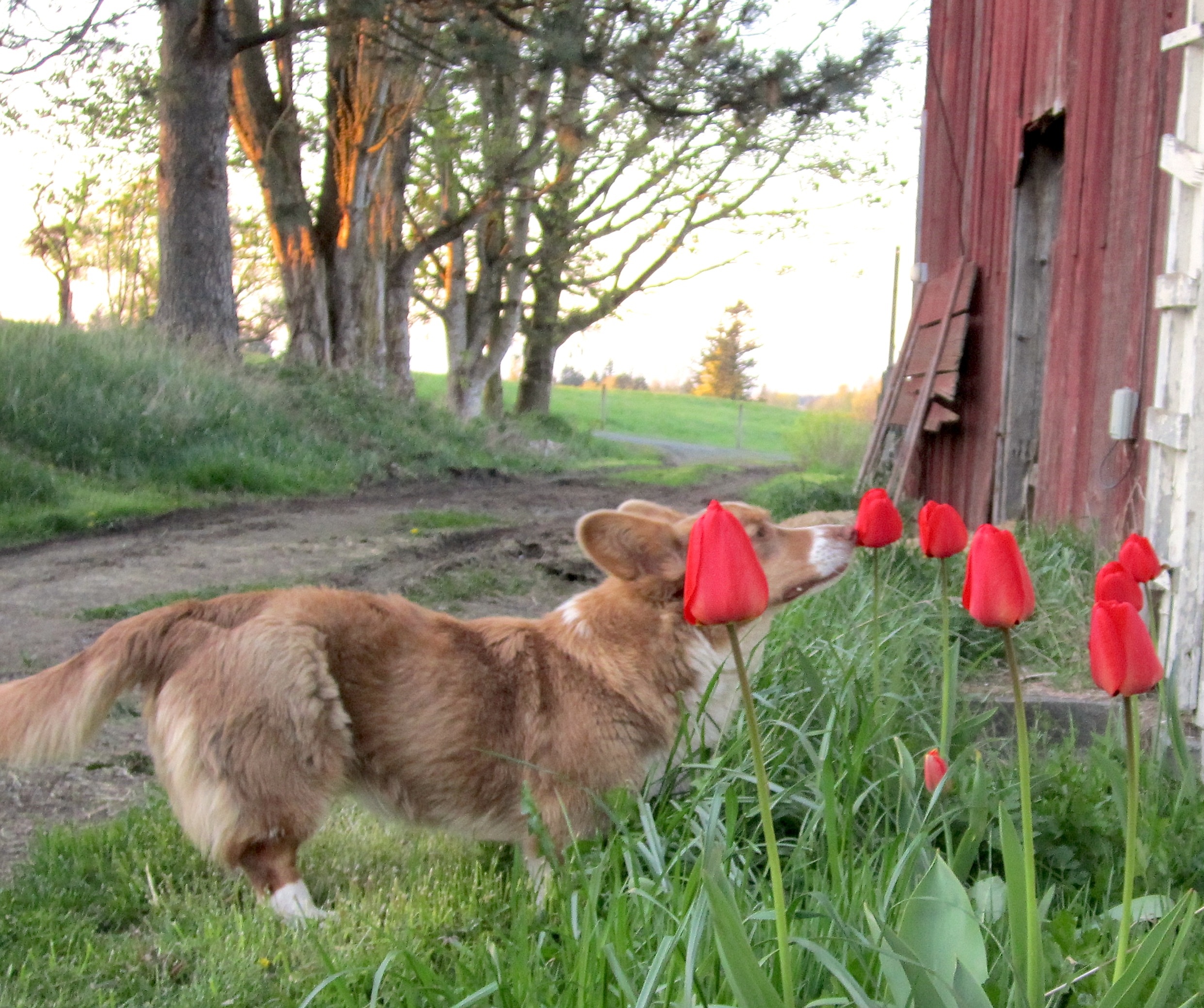
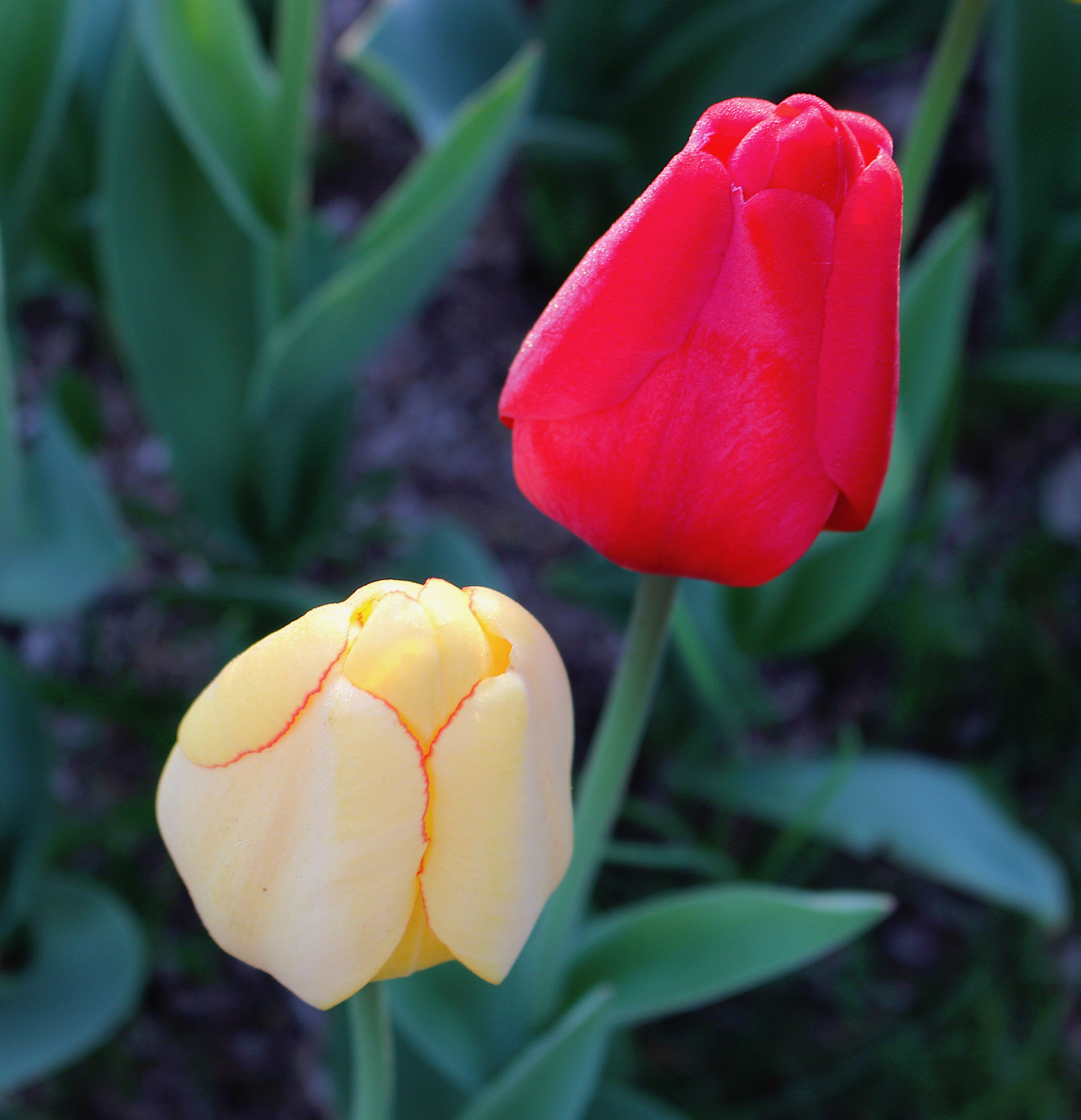
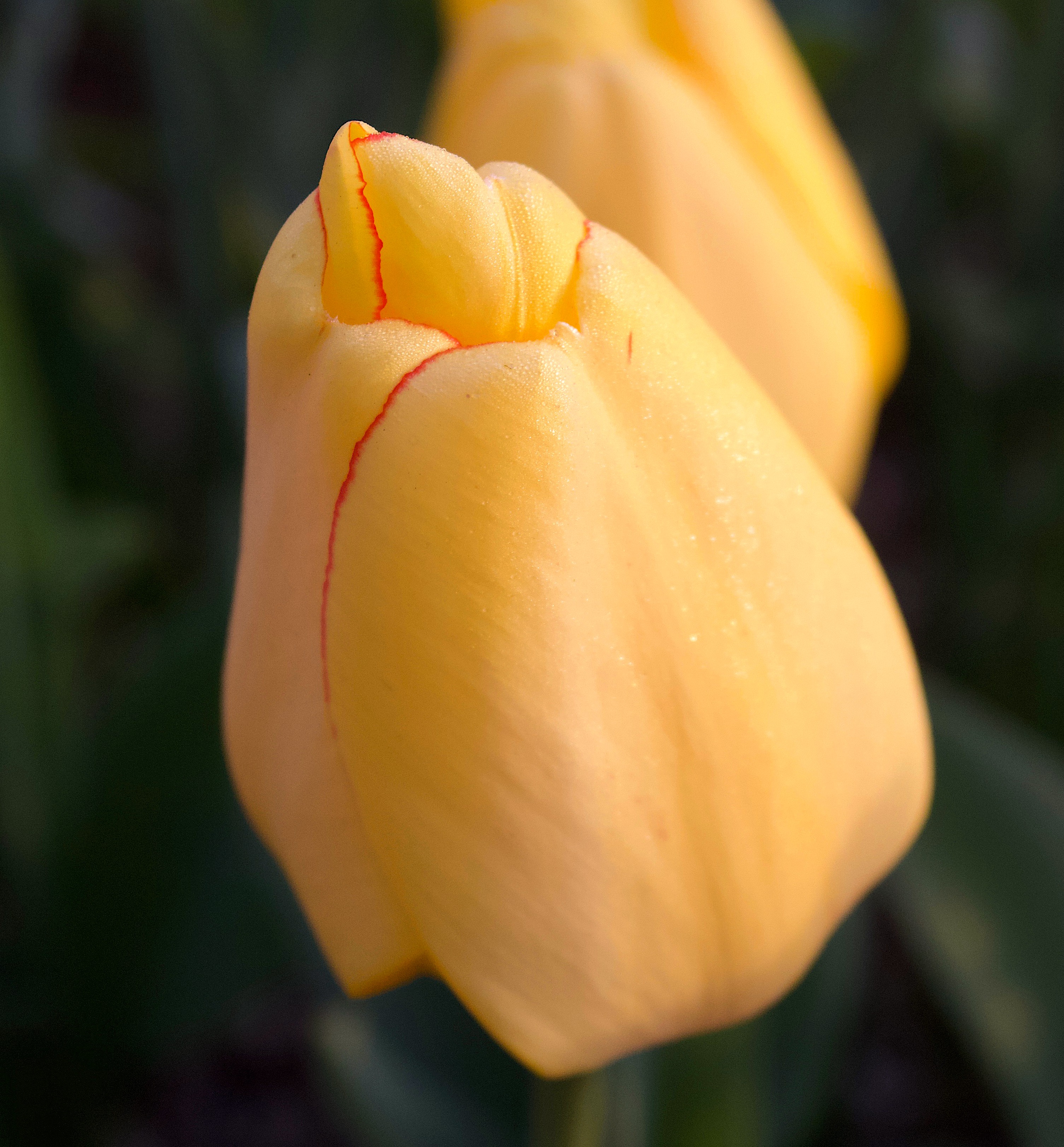
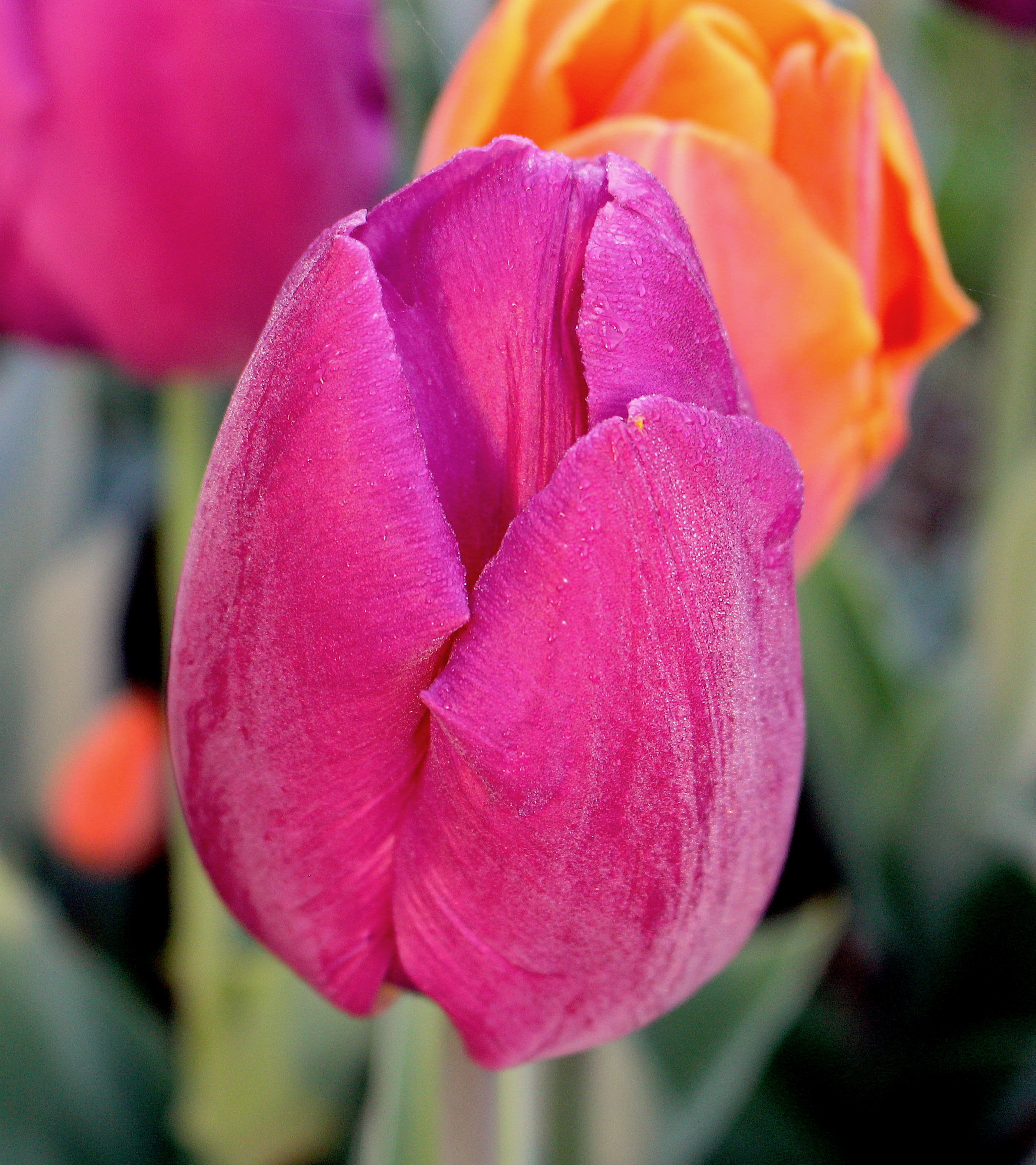
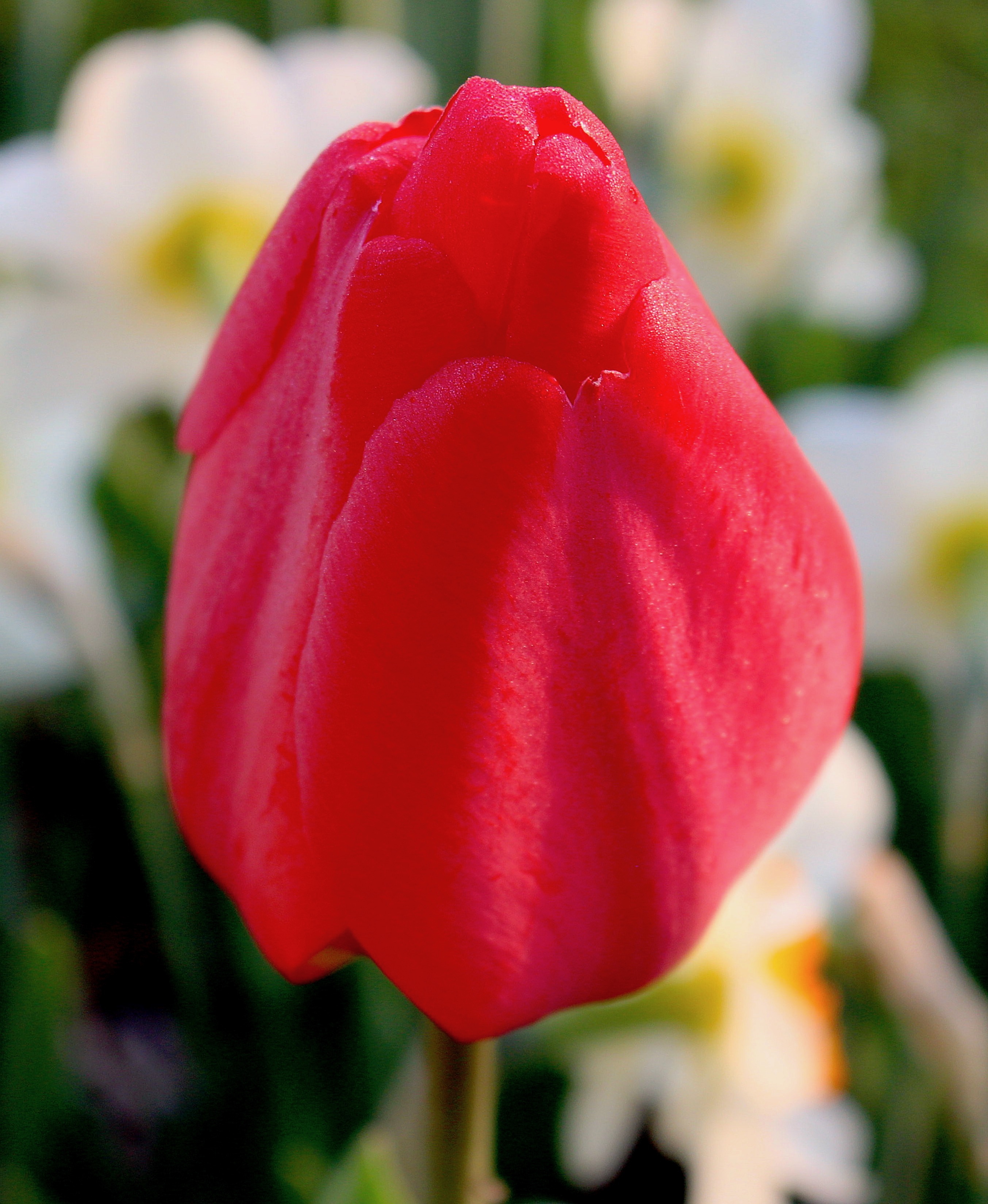
These are impossible mornings of color and cool breezes. A hope of immortality extends across the sky as far as the eye can see. Impossible — because we know it won’t last; these ordinary days, this precious time is ephemeral. Still I revel in it, moving from joy to joy to joy, from tulip to tulip to tulip, rising up so vividly alive from mere dirt, eventually to sink back down to dust so gently, ~oh so gently~ to rest in the promise, that vibrant living promise that spring someday will last forever.
Someone I loved once gave me a box full of darkness.
It took me years to understand that this, too, was a gift. ~Mary Oliver, “The Uses of Sorrow”
The bright sadness of Lent is a box full of darkness given to us by Someone who loves us.
It takes a lifetime to understand, if we ever do, this gift with which we are entrusted is meant to hand off to another and another whom we love just as well.
Opening the box allows light in where none was before. Light pouring through our brokenness.
Sorrow shines bright reaching up from the deep well of our loving and being loved.
Another sleepless night I’m turning in my bed Long before the red sun rises In these early hours I’m falling again Into the river of my worries When the river runs away I find a shelter in your name
Jesus, only light on the shore Only hope in the storm Jesus, let me fly to your side There I would hide, Jesus
Hear my anxious prayer The beating of my heart The pulse and the measure of my unbelief Speak your words to me Before I come apart Help me believe in what I cannot see Before the river runs away I will call upon your name
Jesus, only light on the shore Only hope in the storm Jesus, let me fly to your side There I would hide, Jesus ~Elaine Rubenstein, Fernando Ortega
All the paths of the Lord are loving and faithful Psalm 25:10
“All does not mean ‘all – except the paths I am walking in now,’ or ‘nearly all – except this especially difficult and painful path.’ All must mean all. So, your path with its unexplained sorrow or turmoil, and mine with its sharp flints and briers – and both our paths, with their unexplained perplexity, their sheer mystery – they are His paths, on which he will show Himself loving and faithful. Nothing else; nothing less. ~Amy Carmichael–Anglican missionary to India 1867-1951
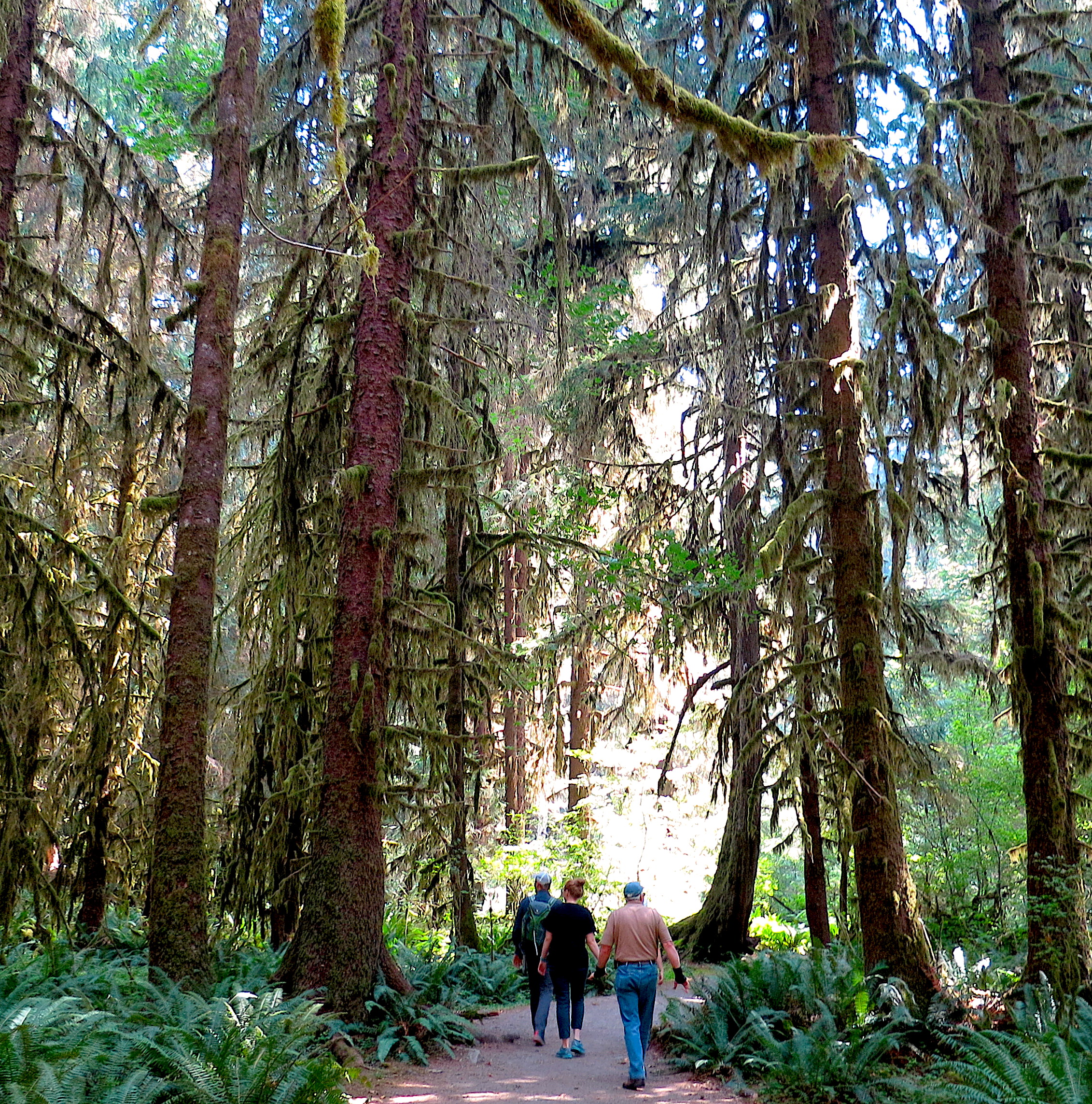
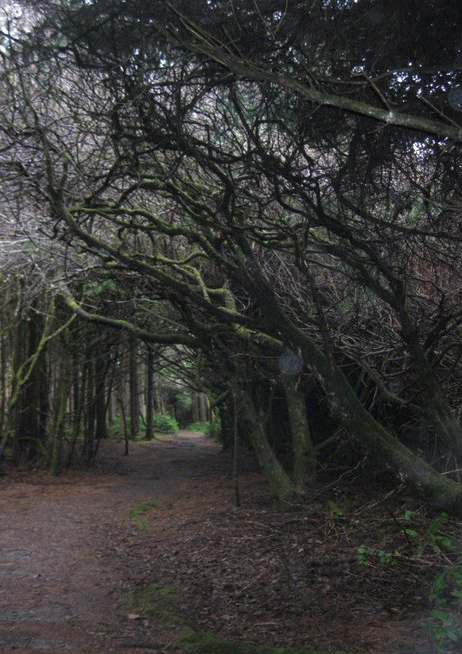
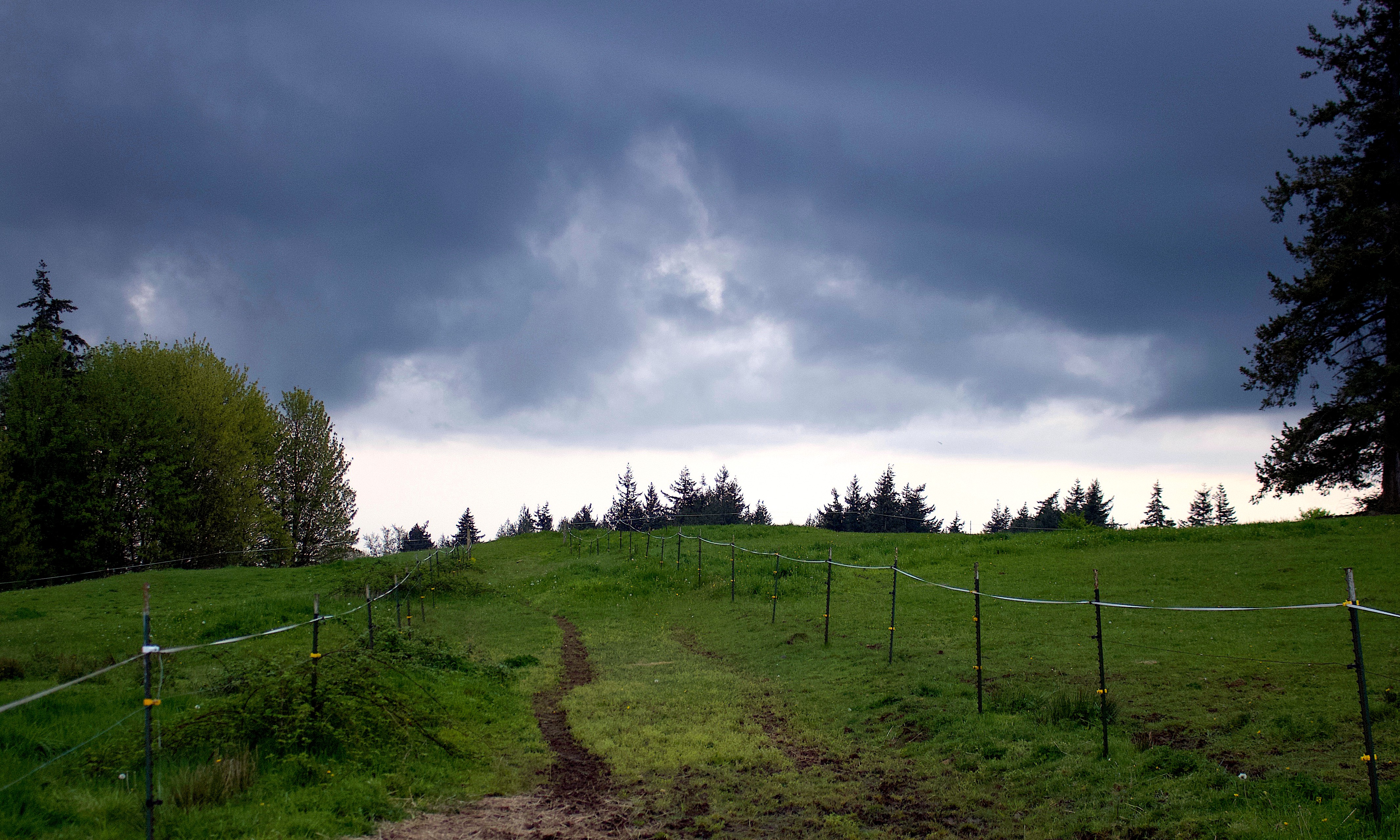
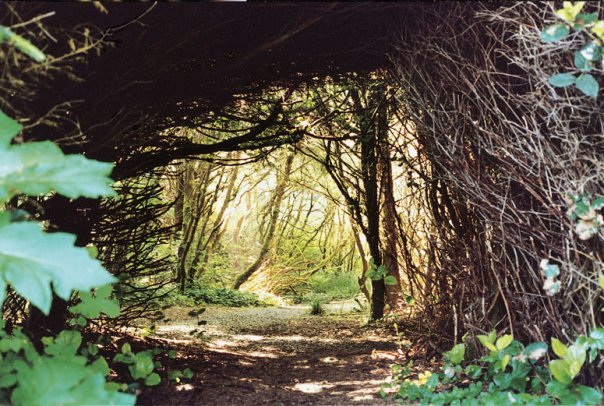
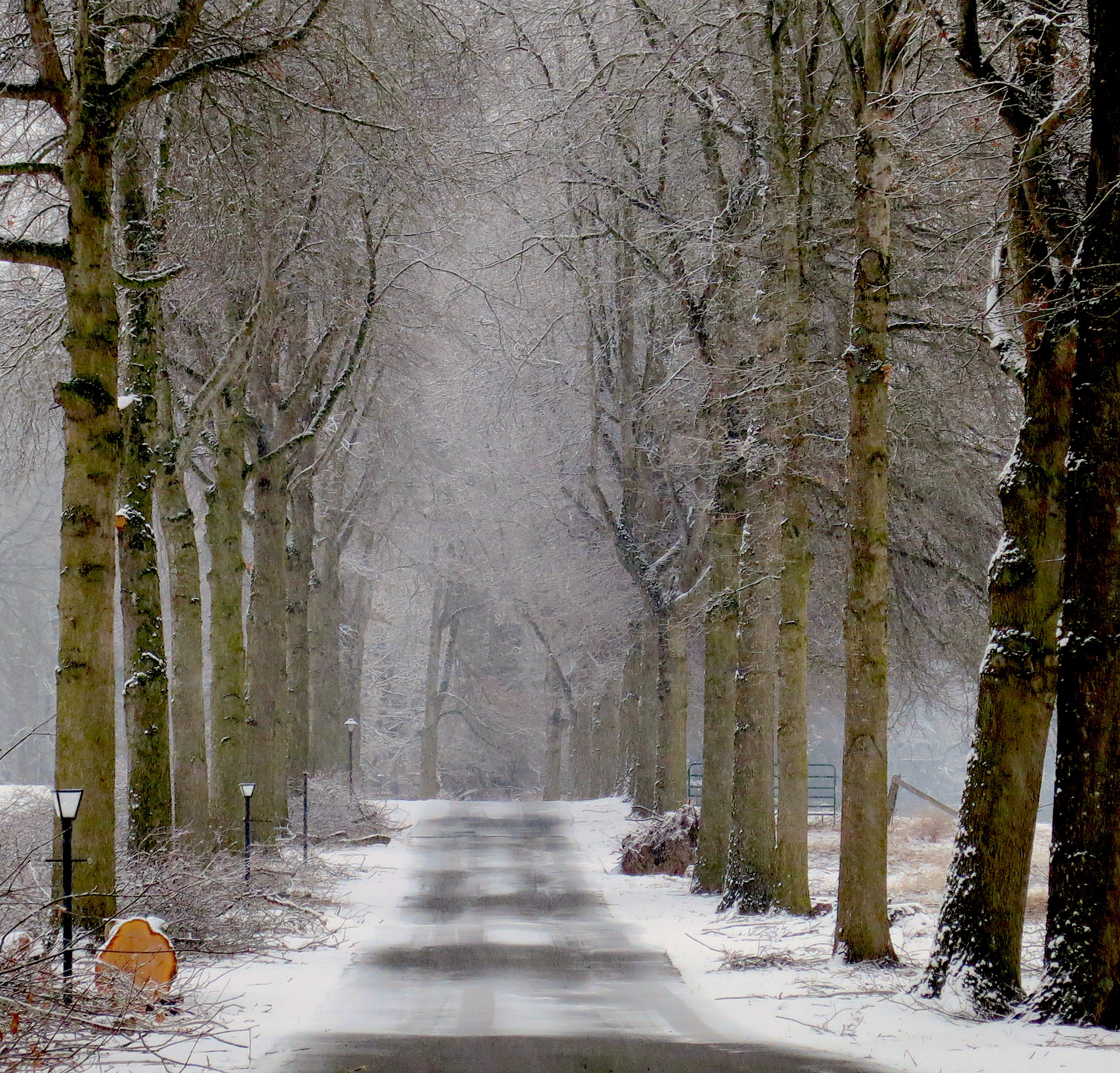
Sometimes we come upon forks in the road where we may not be certain which path to take. Perhaps explore the Robert Frost “less traveled” one? Or take the one that seems less tangled and uncertain from all appearances?
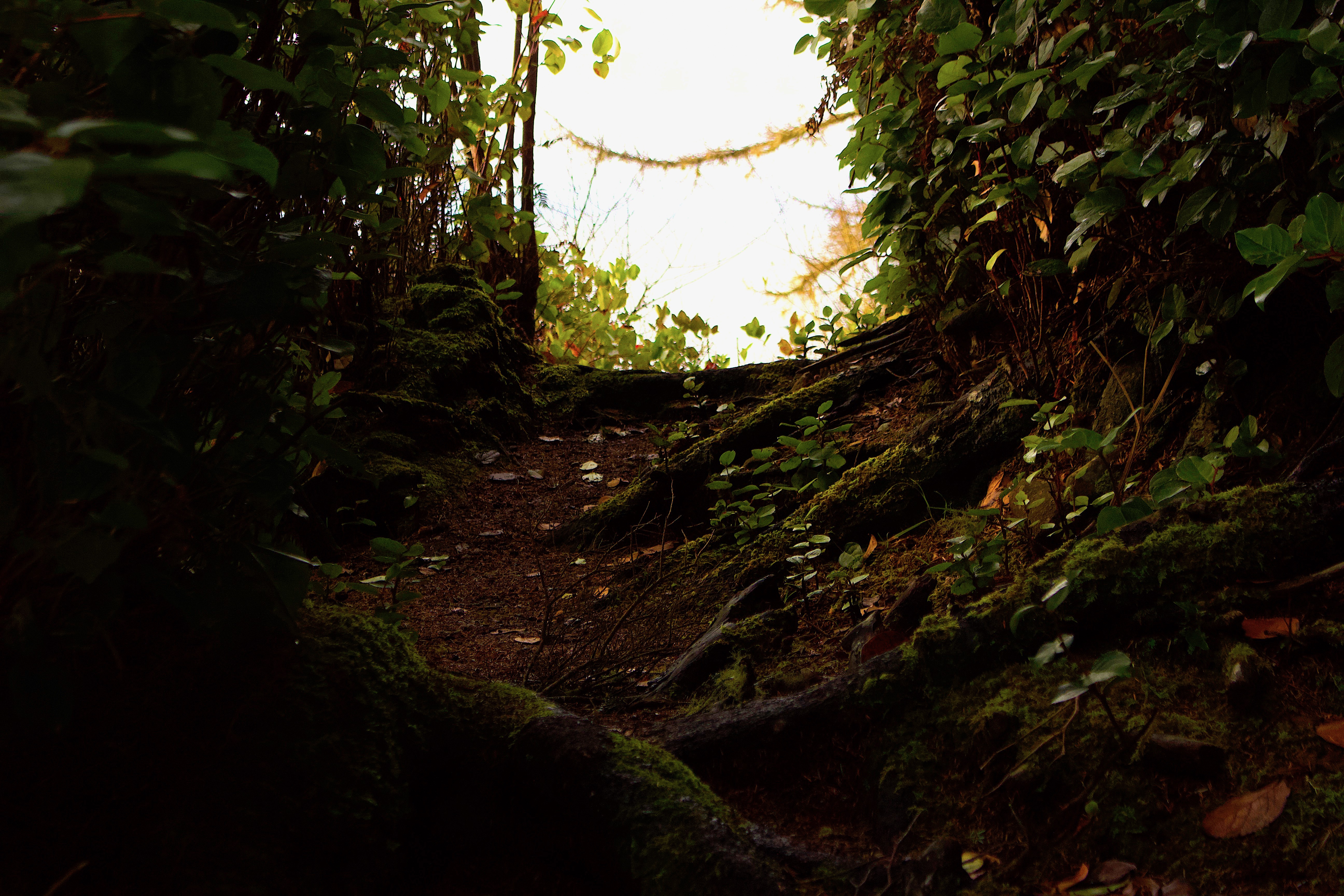
Sometimes we have chosen a particular path which looked inviting at the time, trundling along minding our own business, yet we start bonking our heads on low hanging branches, or get grabbed by stickers and thorns that rip our clothes and skin, or trip over prominent roots and rocks that impede our progress and bruise our feet.
Sometimes we come to a sudden end in a path and face a steep cliff with no choice but to leap or turn back through the mess we have just slogged through.
Navigating the road to the cross must have felt like ending up at that steep cliff. There was no turning back, no choosing or negotiating a different pathway or taking time to build a staircase into the rocks. His words reflect His uncertainty and terror. His words reflect our deepest doubts and fears–how are we to trust we are on the right path?
When we take that next step, no matter which way, we end up in the Father’s loving and faithful arms. He has promised this.












 Barnstorming