To Get a Better View

IMG_7666


buttercups


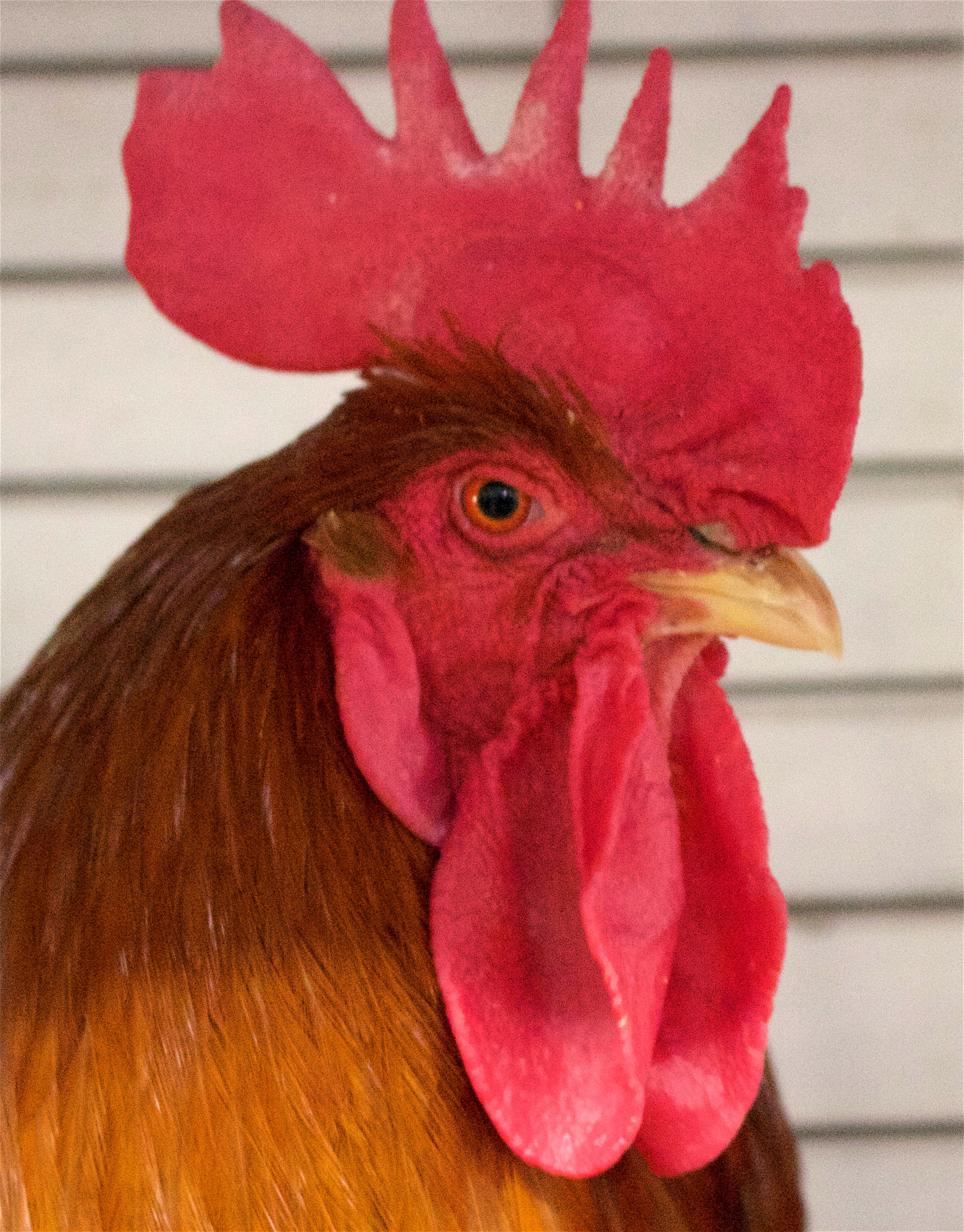
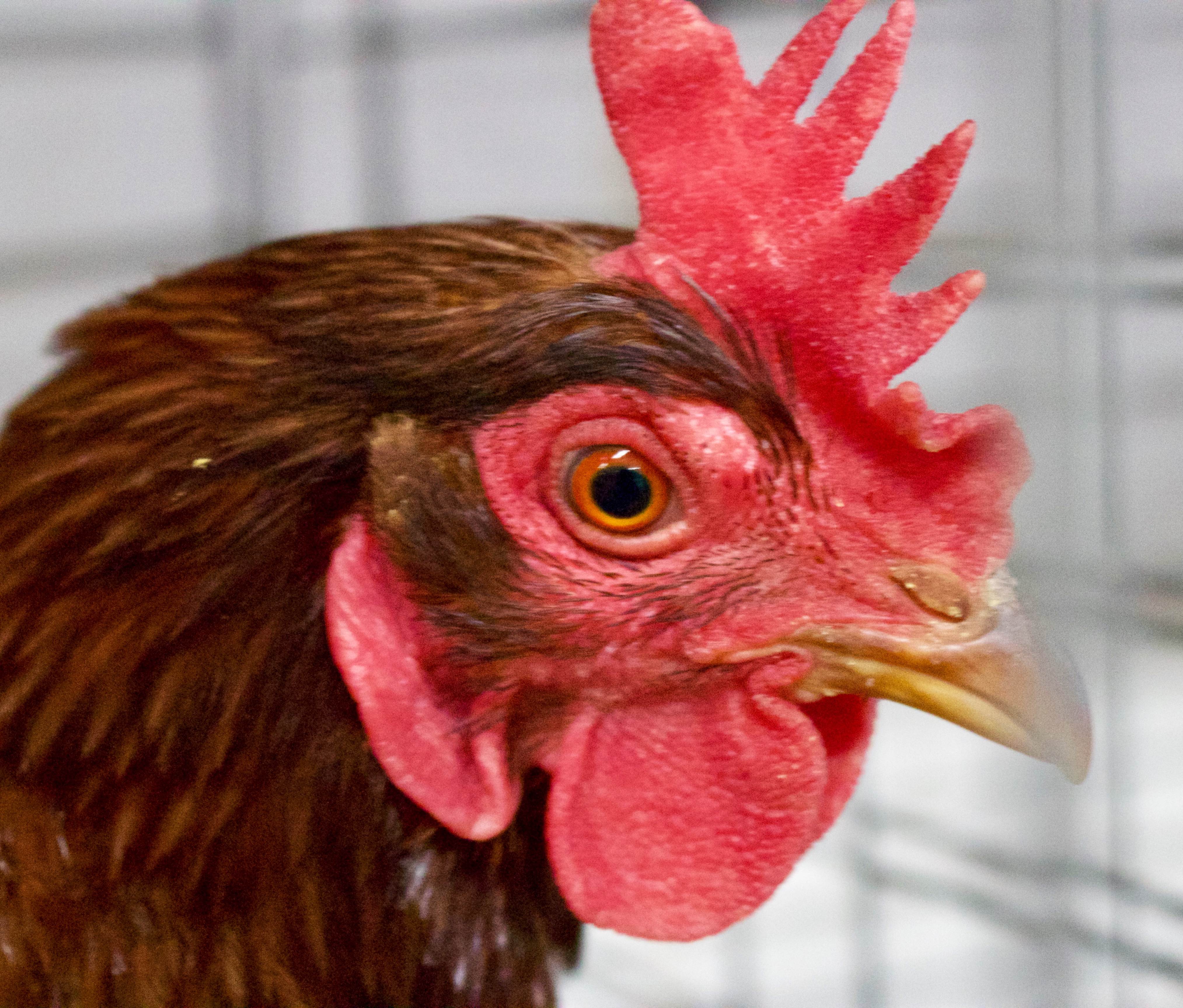
rooster


What struck me first was their panic.

Some were pulled by the wind from moving
to the ends of the stacked cages,
some had their heads blown through the bars—

and could not get them in again.
Some hung there like that—dead—
their own feathers blowing, clotting

in their faces. Then
I saw the one that made me slow some—
I lingered there beside her for five miles.

She had pushed her head through the space
between bars—to get a better view.
She had the look of a dog in the back

of a pickup, that eager look of a dog
who knows she’s being taken along.
She craned her neck.

She looked around, watched me, then
strained to see over the car—strained
to see what happened beyond.

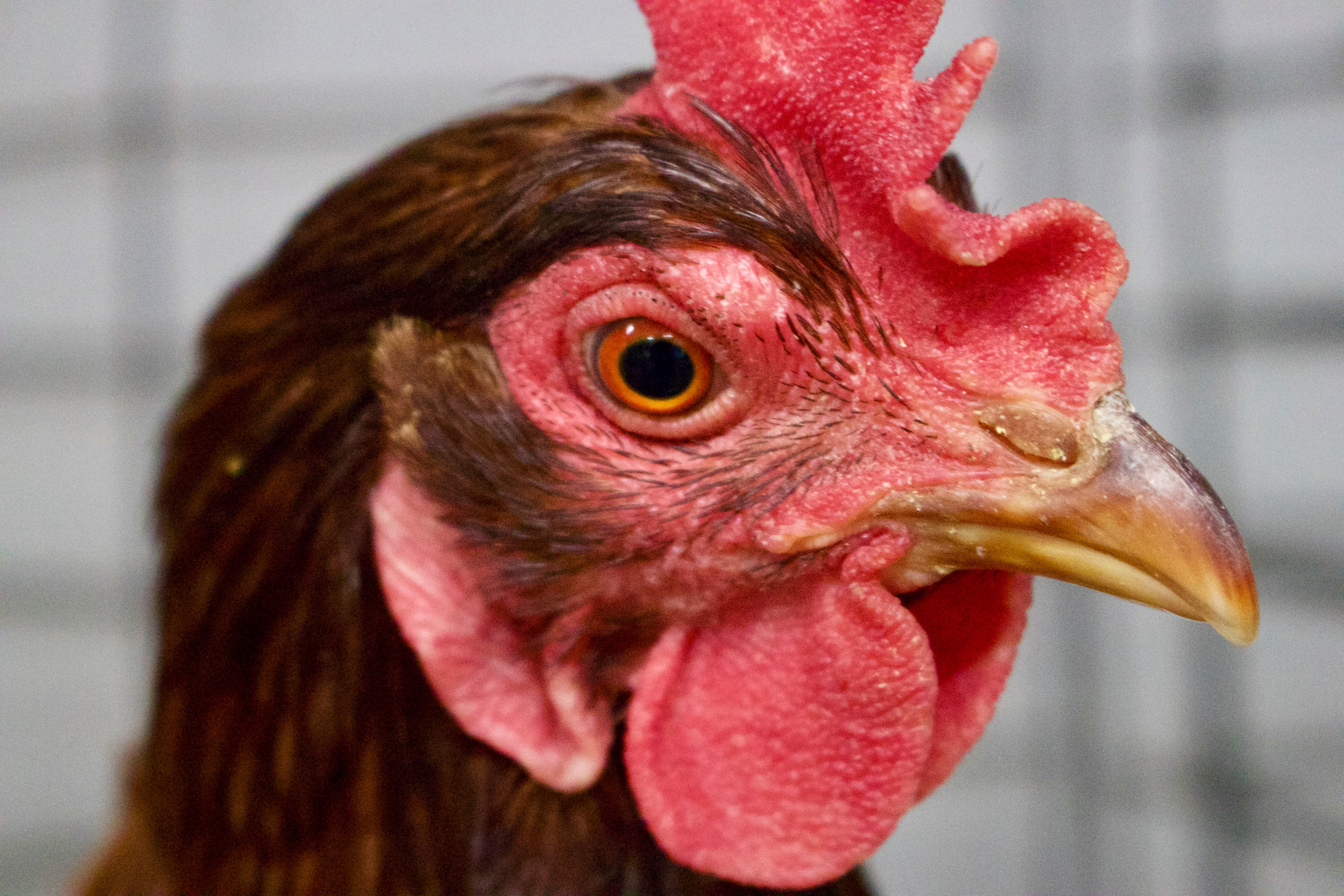
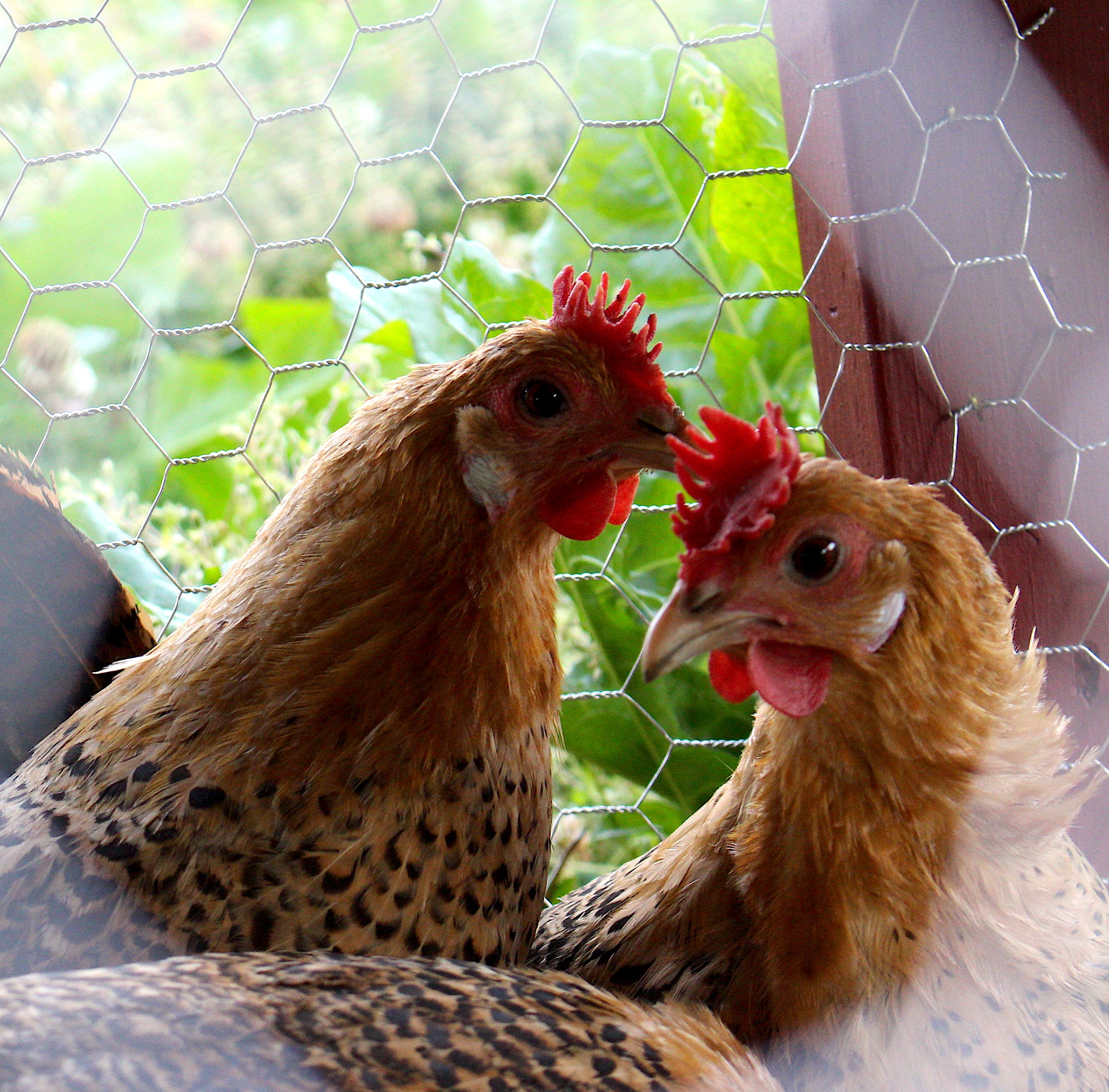
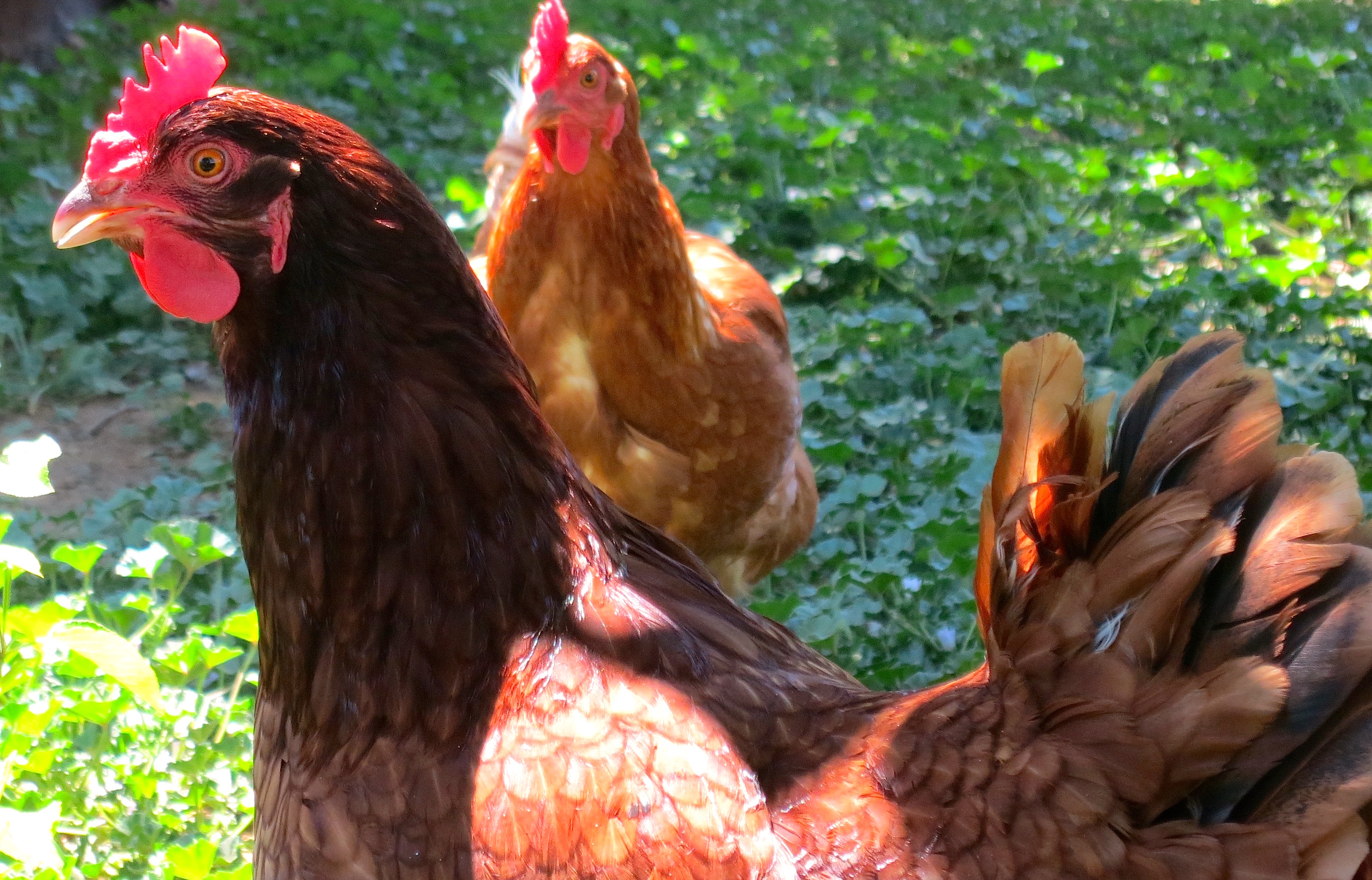
That is the chicken I want to be.
~Jane Mead “Passing a Truck Full of Chickens at Night on Highway Eighty” from The Autumn House Anthology of Contemporary American Poetry, 2015


johnshens


IMG_7667

I want to be that chicken.

When life is an anxious,
even terrifying journey
and everything around me is a swirl of chaos –
I want to be able to stick my head up above the fray,
feel the wind as opportunity rather than threat
and exist content in the moment,
looking ahead to what may happen,
unperturbed.

Reaching my mind beyond what I can hardly grasp,
I want to be that chicken
who experiences life like a dog.


Ah, but a man’s reach should exceed his grasp,
Or what’s a heaven for?
~Robert Browning from “Andrea Del Sarto”


earsgrass


samgrass

We Are Not Comfortless

sunbeambarn3
timetocometobed
maymarshmallows
eveningrun
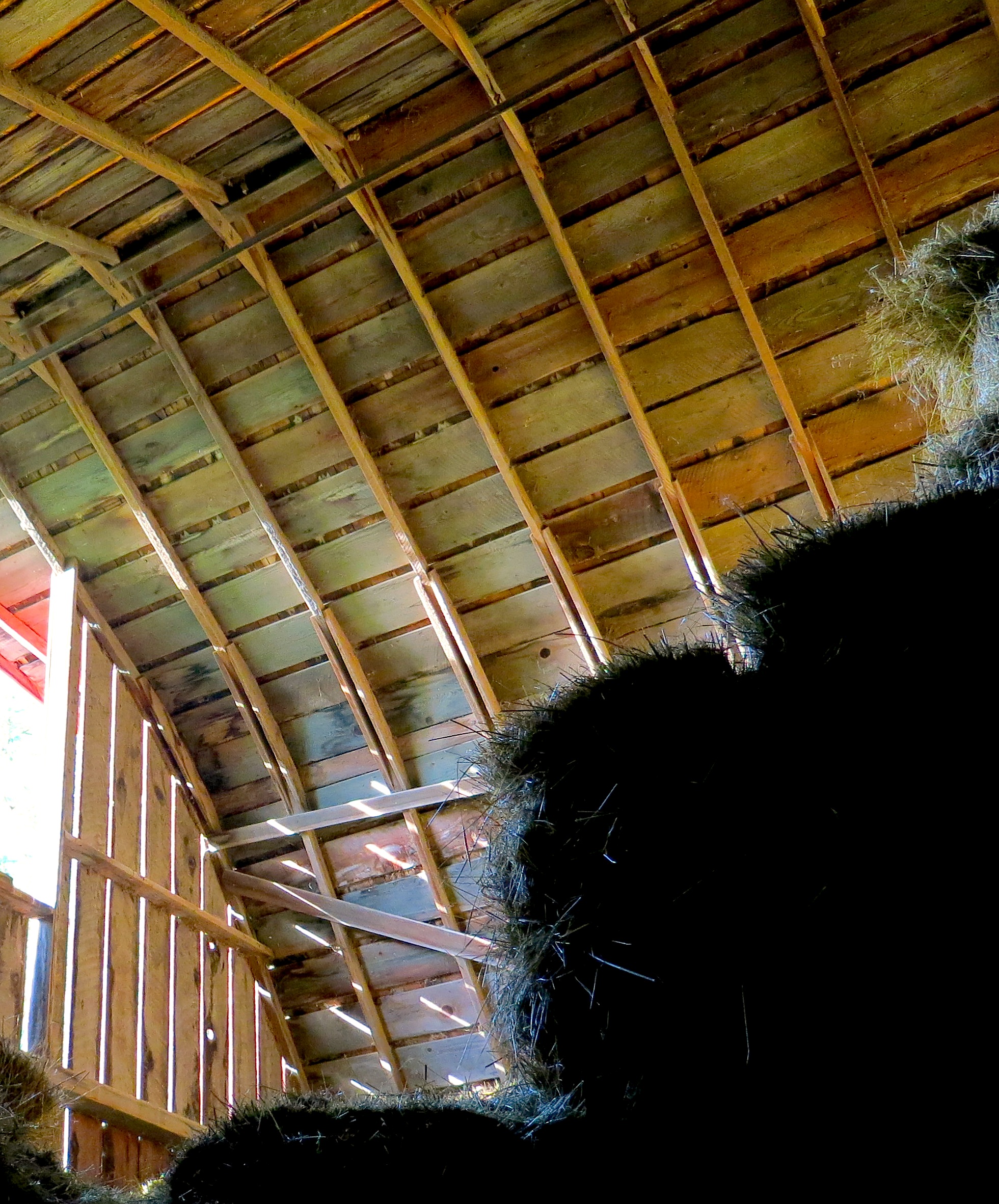
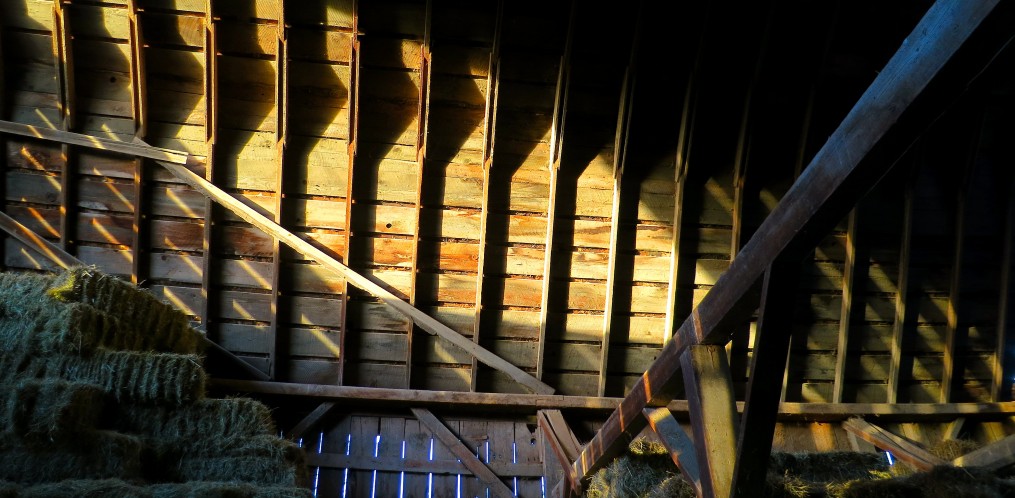
Let the light of late afternoon
shine through chinks in the barn, moving   
up the bales as the sun moves down.
Let the cricket take up chafing   
as a woman takes up her needles   
and her yarn. Let evening come.
Let dew collect on the hoe abandoned   
in long grass. Let the stars appear
and the moon disclose her silver horn.
Let the fox go back to its sandy den.   
Let the wind die down. Let the shed   
go black inside. Let evening come.
To the bottle in the ditch, to the scoop   
in the oats, to air in the lung   
let evening come.
Let it come, as it will, and don’t   
be afraid. God does not leave us   
comfortless, so let evening come.
~Jane Kenyon “Let Evening Come”
evening52918
eveninghilllight
knittogether
twilightbarn

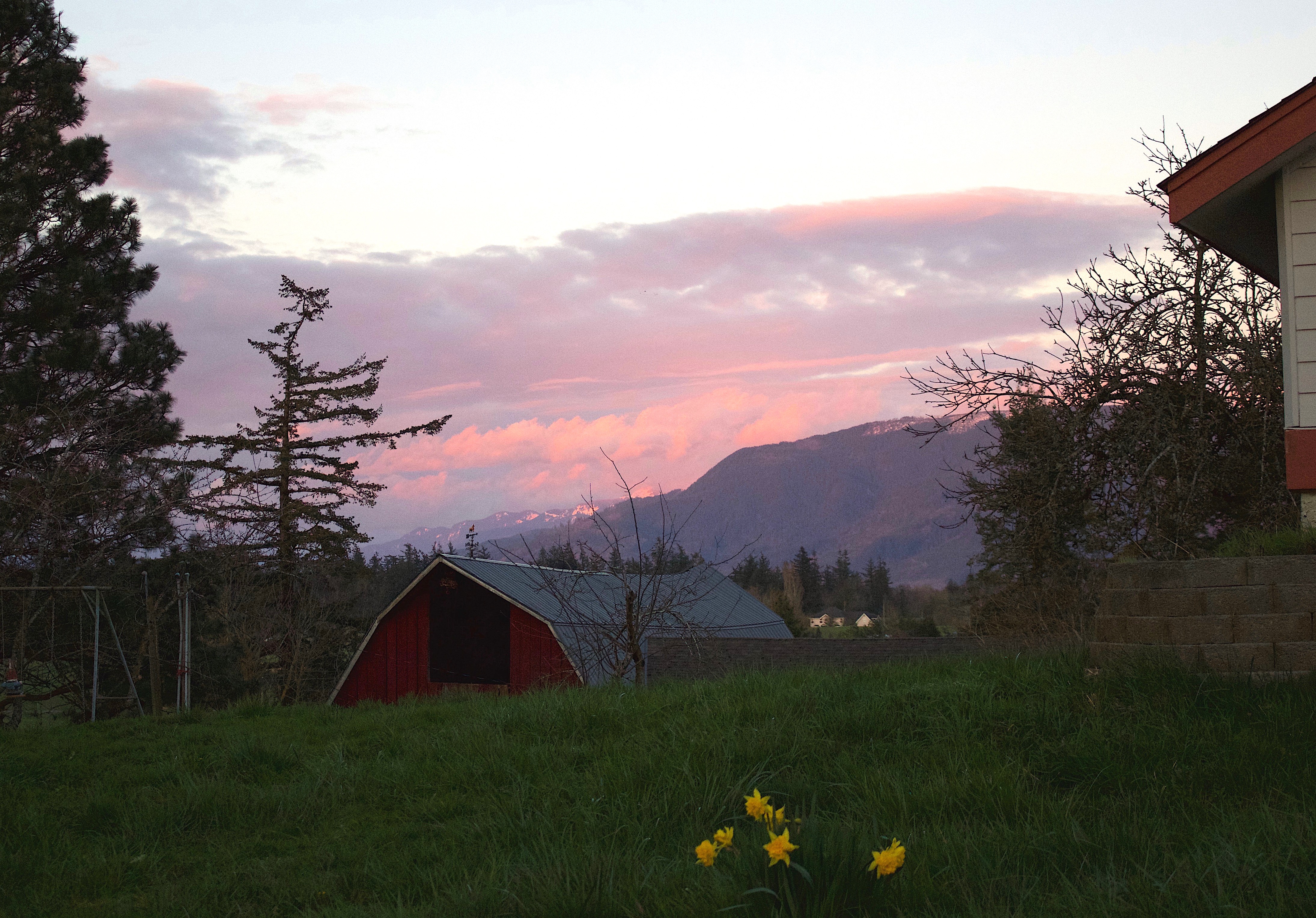
So much of our living is preparing for rest and here we are, fighting it every step of the way.

We resist it mightily: the toddler fussing about taking a nap, the youngster devoted to their screen time and unwilling to surrender to darkness, or the parent trying to eke out the last bit of daylight to get the chores done.  We are comforted by activity.
We are created in the image of One who remembered to rest.  So must we be “evened” by Him.
The evening comes – there is no stopping it – and we are to settle into it, close our eyes and drift on the comfort it brings.
eveninghaybarn
newlymowed3
sunset523181
stormynight
cropped-febbarn3.jpg

The Solace of Ordinary

rainytulip1


rainytulip2


Do not ask your children
to strive for extraordinary lives.
Such striving may seem admirable,
but it is a way of foolishness.
Help them instead to find the wonder
and the marvel of an ordinary life.
Show them the joy of tasting
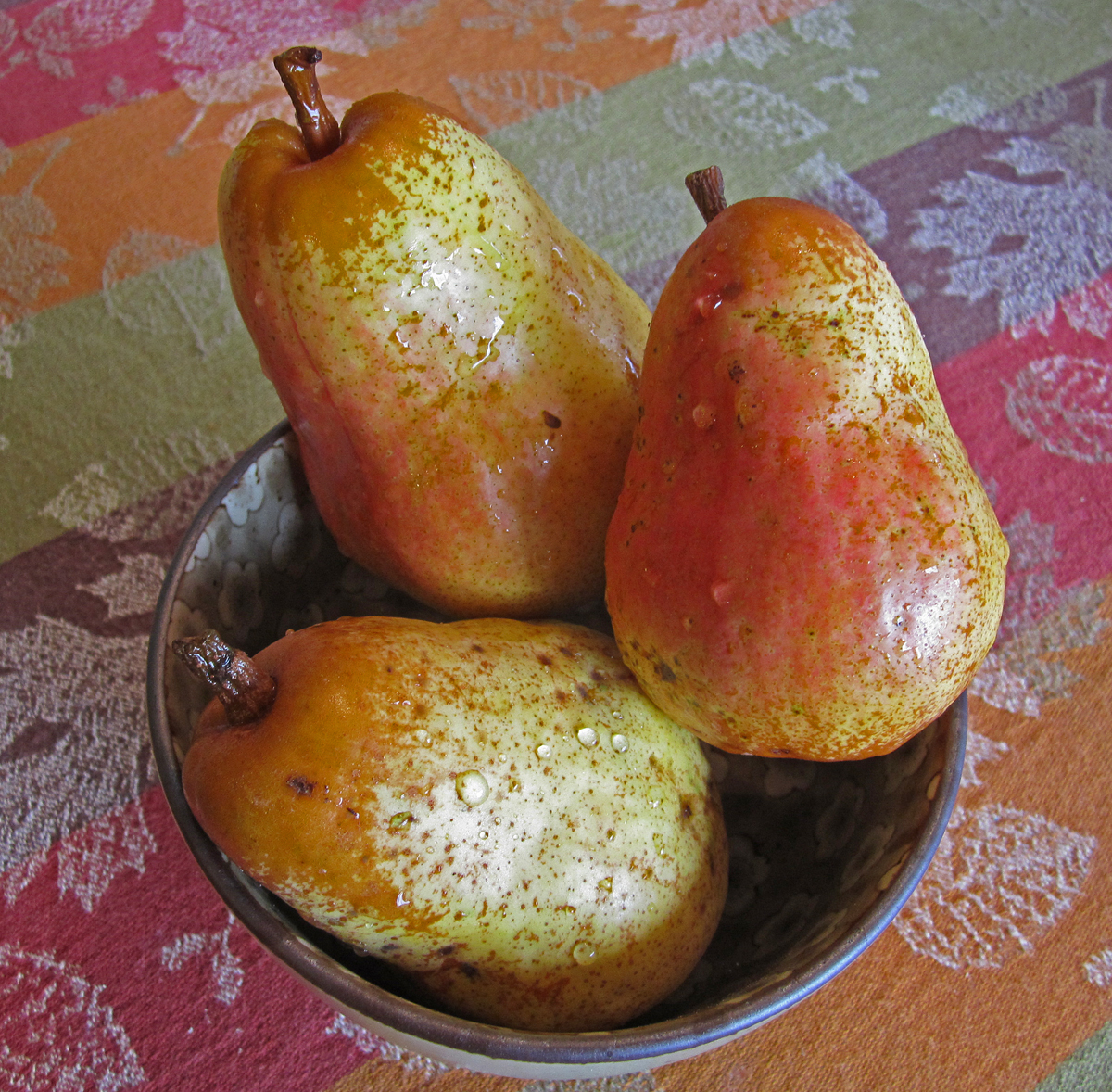
tomatoes, apples, and pears.
Show them how to cry
when pets and people die.
Show them the infinite pleasure
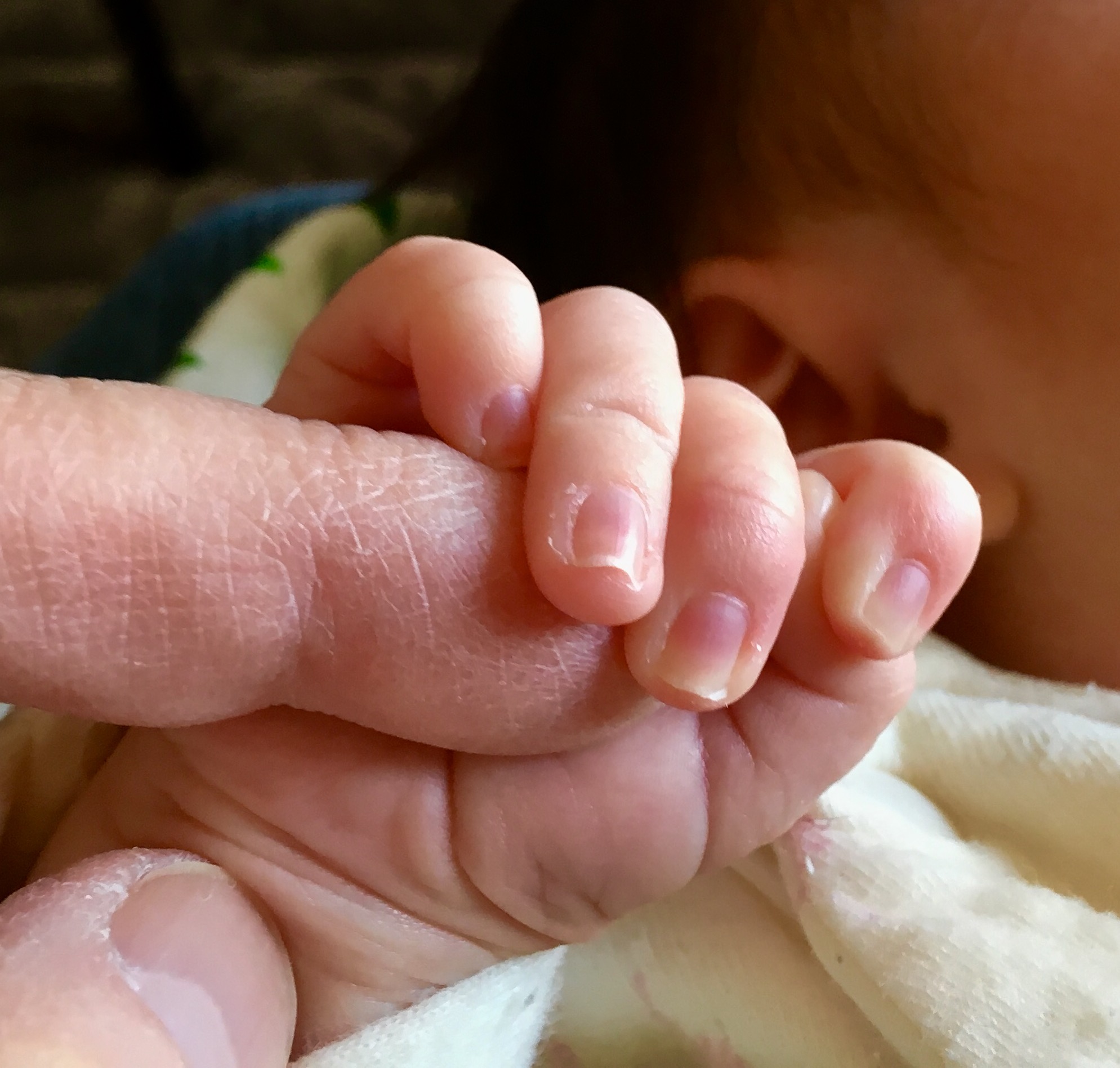
in the touch of a hand.
And make the ordinary come alive for them.
The extraordinary will take care of itself.
~William Martin from The Parent’s Tao Te Ching: Ancient Advice for Modern Parents


redtulip2


Flowers seem intended for the solace of ordinary humanity.
~John Ruskin


IMG_6147


Apples11


pears1


homer818


image


tuliptip


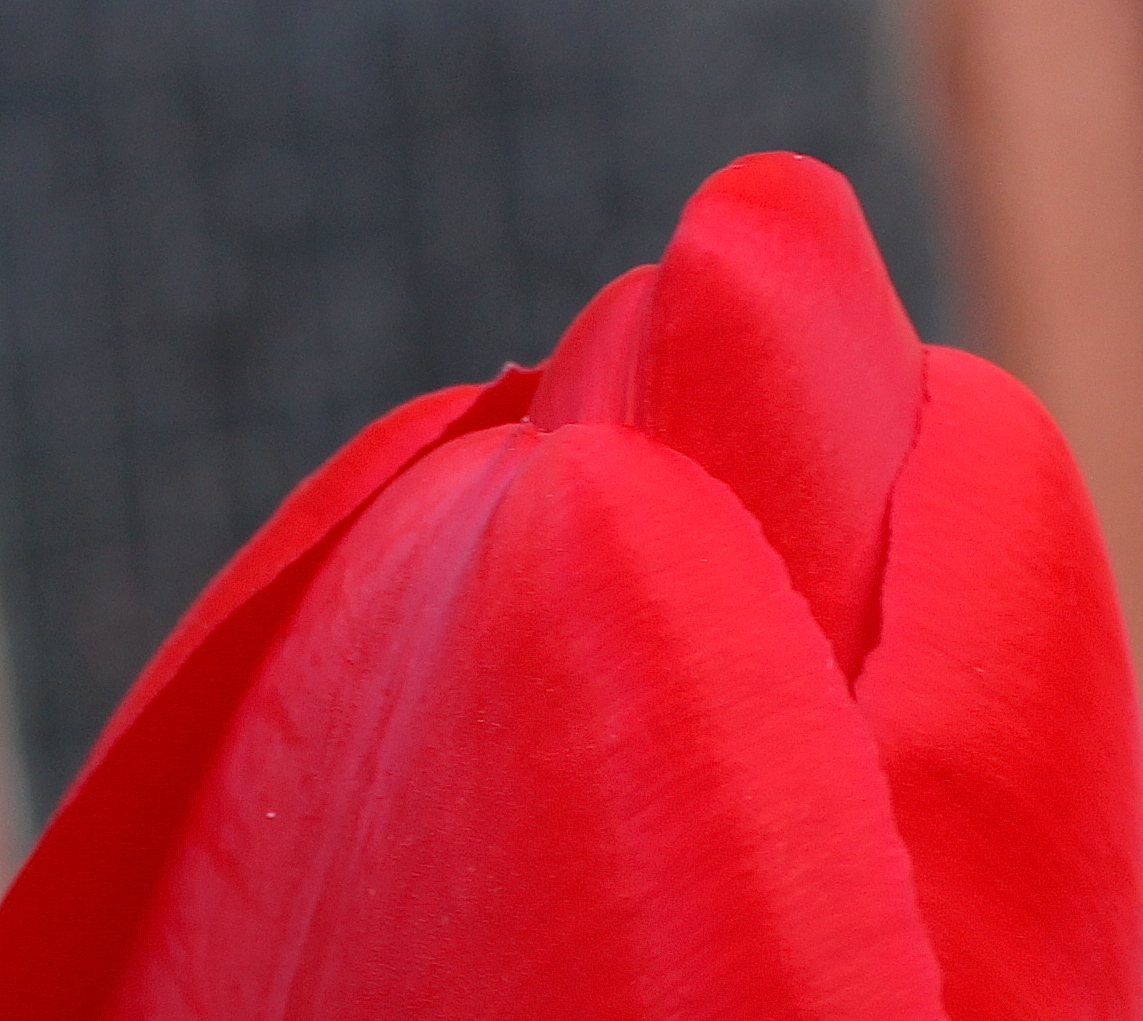
We know the solace in the ordinary as life throws flowers at our feet.

Ordinary is each breath, each heart beat, each tear, each smile, one after another and another.

We are offered the gift of each ordinary moment;  only grace makes it extraordinary.


rainytulip4


redtulips1


tulip20174


wwunotpink

Oatmeal Should Not Be Eaten Alone


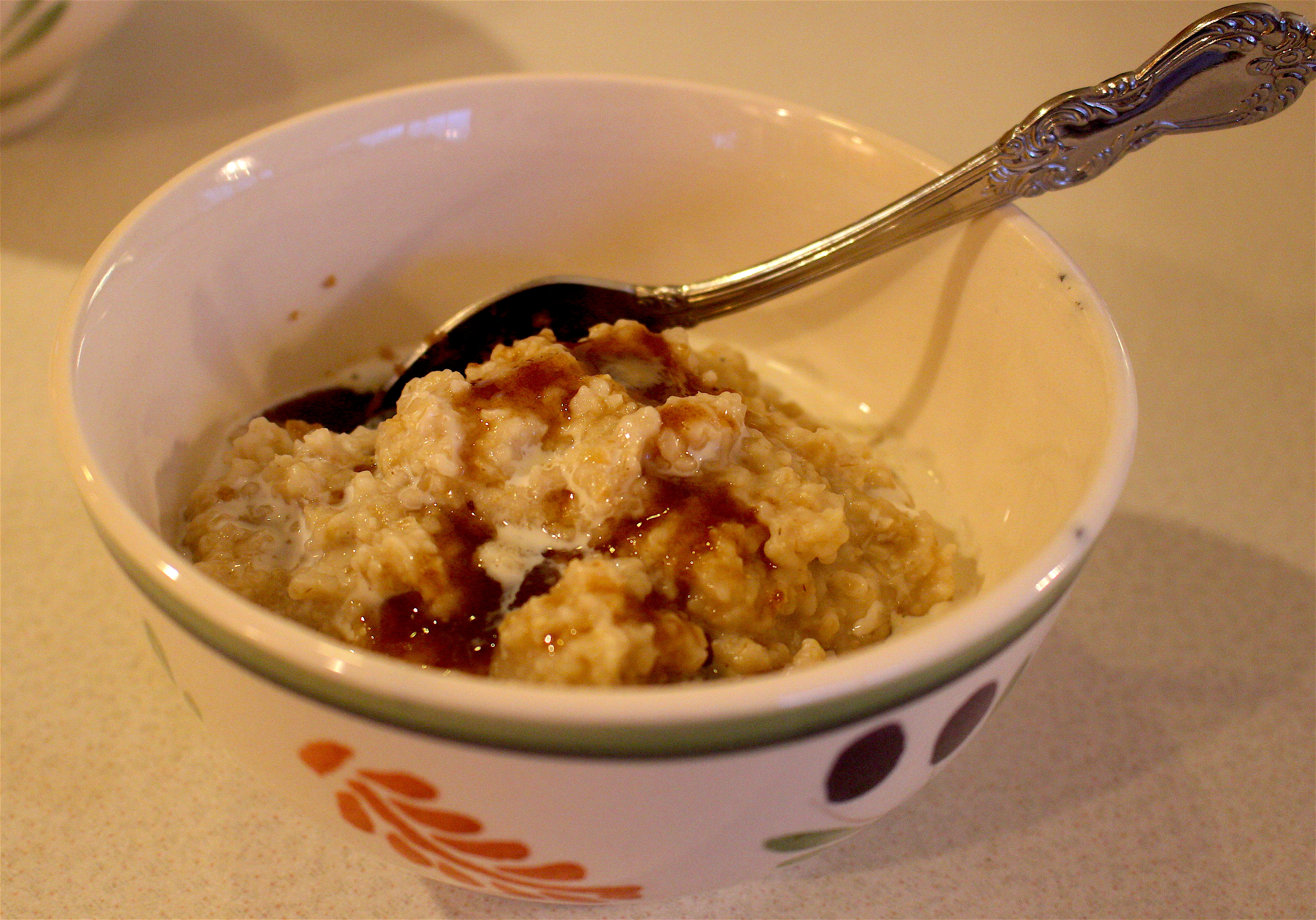
I eat oatmeal for breakfast.
I make it on the hot plate and put skimmed milk on it.
I eat it alone. 
I am aware it is not good to eat oatmeal alone.
Its consistency is such that is better for your mental health 
if somebody eats it with you.
That is why I often think up an imaginary companion to have 
breakfast with.
Possibly it is even worse to eat oatmeal with an imaginary 
companion. 
Nevertheless, yesterday morning, I ate my oatmeal porridge, 
as he called it with John Keats.
Keats said I was absolutely right to invite him: 
due to its glutinous texture, gluey lumpishness, hint of slime, 
and unusual willingness to disintegrate, oatmeal should 
not be eaten alone.
…I can see him drawing a spoon through the stuff, gazing into the glimmering
furrows, muttering.
Maybe there is no sublime; only the shining of the amnion’s tatters.
~Galway Kinnell from “Oatmeal”


But now the supper crowns their simple board, 
The halesome parritch, chief o Scotia’s food;
~Robert Burns from “The Cotter’s Saturday Night”


But when the melancholy fit shall fall 
Sudden from heaven like a weeping cloud, 
That fosters the droop-headed flowers all, 
And hides the green hill in an April shroud; 
Then glut thy sorrow on a morning rose, 
Or on the rainbow of the salt sand-wave, 
Or on the wealth of globed peonies;
~John Keats from “Ode on Melancholy”


Oatmeal mixed up with a bit of chewy melancholy,
reading of poets and peonies and wholesome parritch;
it seems early for poetry on this sublime shrouded morning in April …
yet like porridge, nothing more is needed to begin the day well.


Preparing Through Parable: The One That Wandered Off

irishroad


12 “What do you think? If a man owns a hundred sheep, and one of them wanders away, will he not leave the ninety-nine on the hills and go to look for the one that wandered off? 13 And if he finds it, truly I tell you, he is happier about that one sheep than about the ninety-nine that did not wander off.
Matthew 18:12-13


coastalsheep


There is no greater fear than losing hold and sight of your precious child in a crowd; all you can see is a blur of heads and bodies that don’t belong to the one you love.  You have no idea where they are or how to begin to find them.

Desperation grows by the second.
I’ve felt that panic and I’ve seen it in other parents’ eyes.

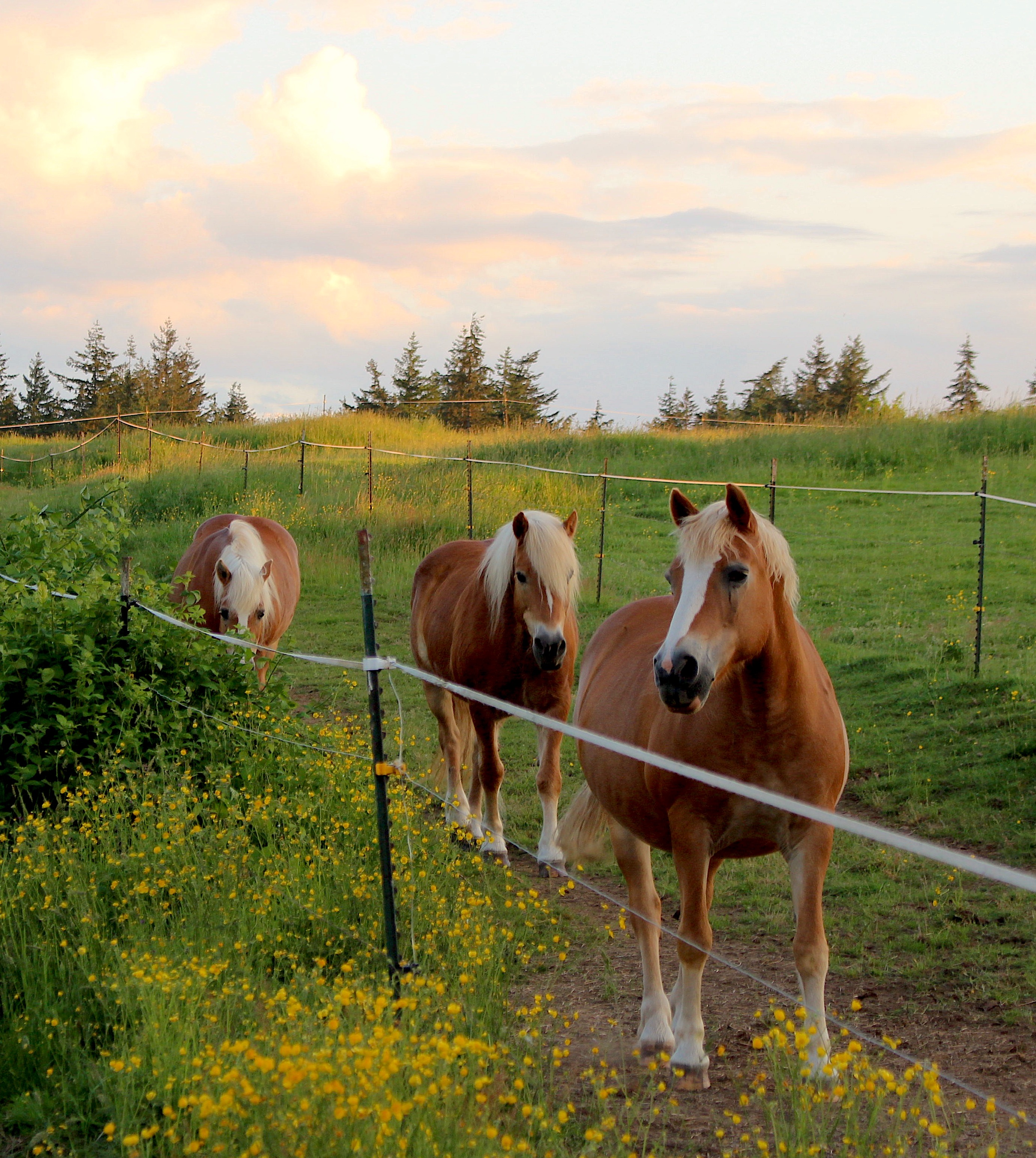
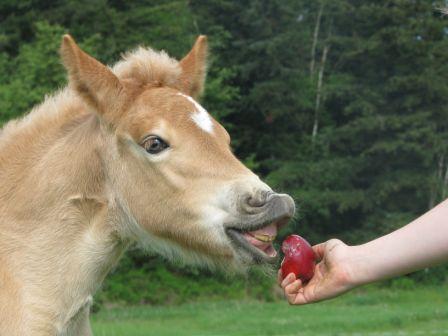
When we displayed our Haflingers at our regional fair year after year where thousands of people would pass by our stalls daily, we became unofficially designated as a “safe place” to go for lost children who knew their parents would know to look for them near the golden ponies with the snowy white manes and tails.  We saw quite a few tearful reunions over the years and there is nothing like the relief and gratitude when the lost are found.

We are sought out when we wander; we are missed desperately.
We who are lost should seek out safe refuge with those who will protect us until we are found.
When found, we embrace and weep with the One who has risked all to look for us.

May my eyes see, my ears hear, my heart understand.  He prepares me with parable.


lochlomond3


A State of the Soul

1031drops7


raindrops111415


A fine rain was falling, and the landscape was that of autumn.  
The sky was hung with various shades of gray, 
and mists hovered about the distant mountains
– a melancholy nature.  
Every landscape is, 
as it were, 
a state of the soul, 
and whoever penetrates into both 
is astonished to find how much likeness there is in each detail.
~Henri Frederic Amiel


fogdrops7


mushrooms1031151


wetoctleavs


What is melancholy
at first glance
glistens bejeweled
when studied up close
in the right light.

It can’t be all sadness~
there is solace in knowing
the landscape and I share
~a state of the soul~
an inner world of tears
nevertheless forever illuminated.


foggydrops17


sunrise109171

We’ve Seen Nothing Yet

sunrise94154


sunrise95155


Autumn begins to be inferred
By millinery of the cloud,
Or deeper color in the shawl
That wraps the everlasting hill.
~Emily Dickinson in “Summer Begins to Have the Look”


lastofsept


sunrise97143


Last week summer appeared waning and wistful;  it had the look of packing up, and moving on without bidding adieu or looking back over its shoulder.

Cooling breezes now have carried in darkening clouds with a hint of spit from the sky as I gaze upward to see and smell the change.  Rain has been long overdue yet there is now temptation to bargain for a little more time.  Though we badly needed a good drenching, there are still onions and potatoes to pull from the ground, berries to pick before they mold on the vine, tomatoes not yet ripened, corn cobs just too skinny to pick.

I’m just not ready to wave goodbye to sun-soaked clear skies.

The overhead overcast is heavily burdened with clues of what is coming: earlier dusk, the feel of moisture, the deepening graying hues, the briskness of breezes.  There is no negotiation possible.   I need to steel myself and get ready, wrapping myself in the soft shawl of inevitability.

So autumn advances with the clouds, taking up residence where summer has left off.  Though there is still clean up of the overabundance left behind, autumn will bring its own unique plans for display of a delicious palette of hues.

The truth is we’ve seen nothing yet.


crow


September’s Baccalaureate
A combination is Of Crickets — Crows — and Retrospects
And a dissembling Breeze
That hints without assuming —
An Innuendo sear
That makes the Heart put up its Fun
And turn Philosopher.
~Emily Dickinson


sunset917165

Financial Support for the Barnstorming Blog from our Readers

Your financial support helps to keep this blog an ad-free daily offering. Your contribution of any amount is encouragement to me and deeply appreciated.

$10.00

An Unimaginable Zero Summer

halfstaff


At the still point of the turning world. Neither flesh nor fleshless;
Neither from nor towards; at the still point, there the dance is,
But neither arrest nor movement. And do not call it fixity,
Where past and future are gathered. Neither movement from nor towards,
Neither ascent nor decline. Except for the point, the still point,
There would be no dance, and there is only the dance.

I can only say, there we have been: but I cannot say where.
And I cannot say, how long, for that is to place it in time.
The inner freedom from the practical desire,
The release from action and suffering, release from the inner
And the outer compulsion, yet surrounded
By a grace of sense, a white light still and moving…
{Burnt Norton}

Than that of summer, neither budding nor fading,
Not in the scheme of generation.
Where is the summer, the unimaginable
Zero summer?
{Little Gidding}

~T.S. Eliot, from Four Quartets


ZeroSummerE-471x630Zero Summer by Makoto Fujimura


“Zero Summer” imagines the unimaginable horror of Hiroshima and Nagasaki, and yet points to epiphanic awakening that transcend human imagination at the same time. T.S. Eliot, who coined this term in his “Four Quartets,” longed for that eternal summer, birthed out of the “still point,” where imagination is met with grace and truth.
~Makoto Fujimura


frontyard915


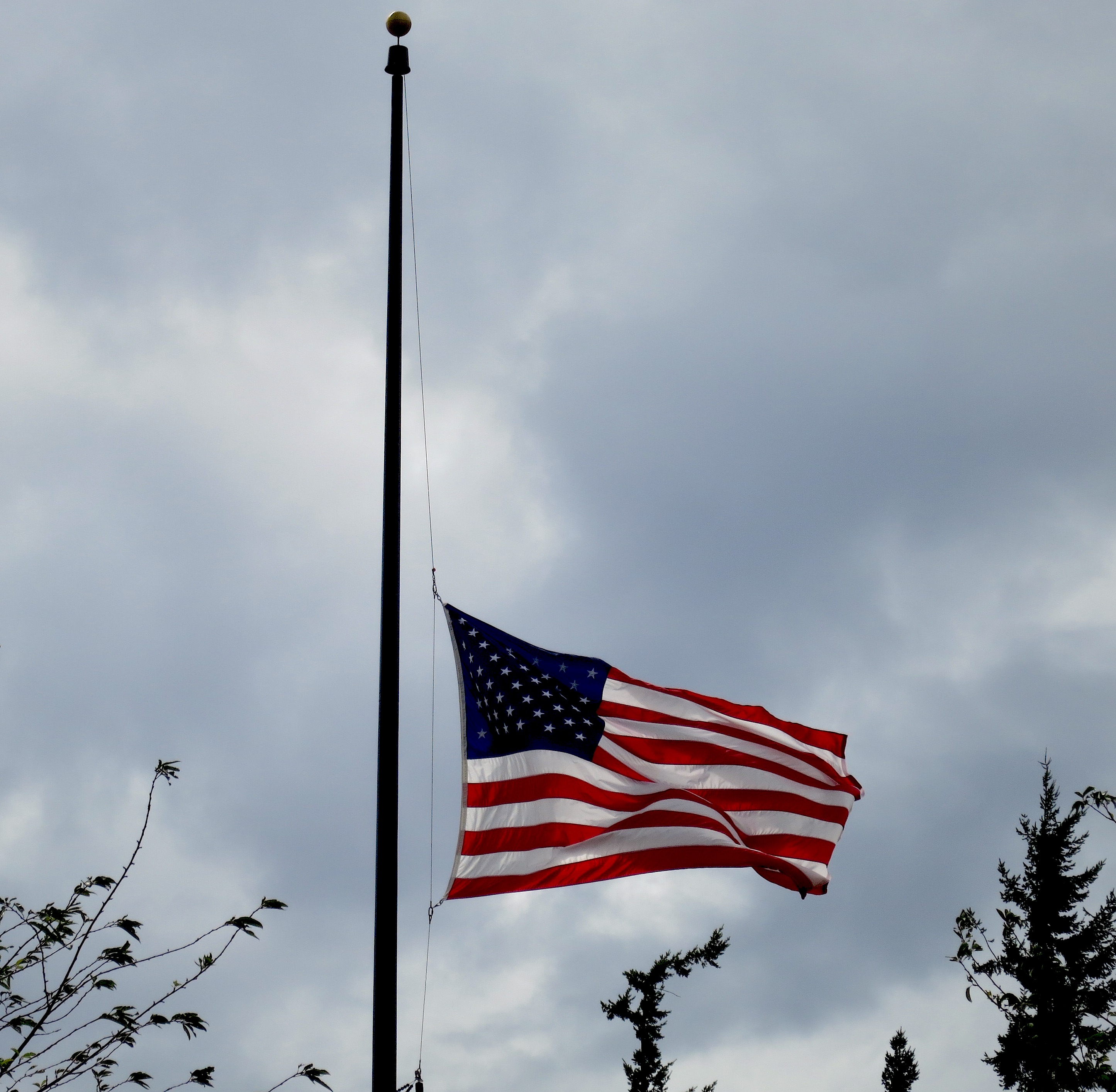
As a grade school child in November 1963, I learned the import of the U.S. flag being lowered to half mast in response to the shocking and violent death of our President. The lowering of the flag was so rare when I was growing up, it had dramatic effect on all who passed by — something very sad had happened to our country, warranting our silence and our stillness.

Since 9/11/01, our flag has spent significant time at half mast, so much so that I’m befuddled instead of contemplative, puzzling over what the latest loss might be as there are so many, sometimes all happening in the same time frame.  We no longer are silenced by this gesture of honor and respect and we certainly are not stilled, personally and corporately instigating and suffering the same mistakes against humanity over and over again.

Eliot wrote the prescient words of the Four Quartets in the midst of the WWII German bombing raids that destroyed people and neighborhoods. Perhaps he sensed the destruction he witnessed would not be the last time in history that evil visits the innocent, leaving them in ashes. There would be so many more losses to come, as Makoto Fujimura illustrates in his artistic depiction of the horrors of Hiroshima and Nagasaki transcending to an epiphany of the human imagination.  And then the horror of 9/11/01.

There remains so much more sadness to be borne, such abundance of grief that our world has become overwhelmed and stricken and it seems we’ve lost all imagination for “a grace of sense”.

Eliot was right: we have yet to live in a Zero summer of endless hope and fruitfulness, of spiritual awakening and understanding.  Where is it indeed?

We must return, as people of faith, as Eliot did, as Fujimura has, to that still point to which we are called on a day such as today.  We must be stilled; we must be silenced. We must grieve the losses of this turning world and pray for release from the suffering we cause and we endure.  Only in the asking, only in the kneeling down and pleading, are we surrounded by grace.   A flag half lowered may have lost its power to punch our gut, but we are illuminated by the Light,  a grace of senses on the move in our lives.


sunsetflag


“There Are No Words” written on 9/11/2001
by Kitty Donohoe

there are no words there is no song
is there a balm that can heal these wounds that will last a lifetime long
and when the stars have burned to dust
hand in hand we still will stand because we must

in one single hour in one single day
we were changed forever something taken away
and there is no fire that can melt this heavy stone
that can bring back the voices and the spirits of our own

all the brothers, sisters and lovers all the friends that are gone
all the chairs that will be empty in the lives that will go on
can we ever forgive though we never will forget
can we believe in the milk of human goodness yet

we were forged in freedom we were born in liberty
we came here to stop the twisted arrows cast by tyranny
and we won’t bow down we are strong of heart
we are a chain together that won’t be pulled apart


All Things Frail and Imperiled


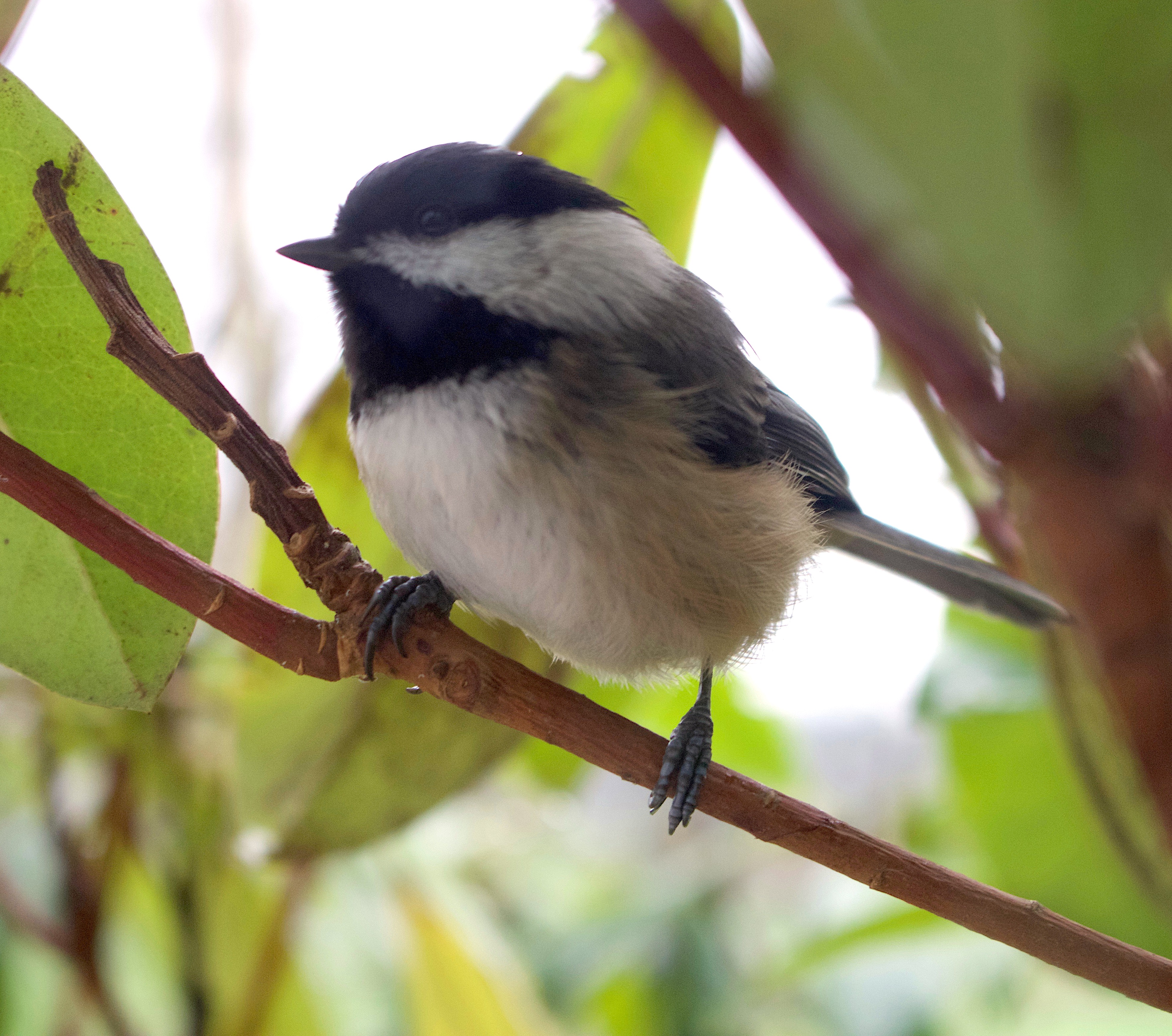
chickadee2


dandyseed4


Here, I place
a blue glazed cup
where the wood
is slightly whitened.
Here, I lay down
two bright spoons,
our breakfast saucers, napkins
white and smooth as milk.

I am stirring at the sink,
I am stirring
the amount of dew
you can gather in two hands,
folding it into the fragile
quiet of the house.
Before the eggs,
before the coffee
heaving like a warm cat,
I step out to the feeder—
one foot, then the other,
alive on wet blades.
Air lifts my gown—I might fly—

This thistle seed I pour
is for the tiny birds.
This ritual,
for all things frail
and imperiled.
Wings surround me, frothing
the air. I am struck
by what becomes holy.

A woman
who lost her teenage child
to an illness without mercy,
said that at the end, her daughter
sat up in her hospital bed
and asked:

What should I do?
What should I do?

Into a white enamel bath
I lower four brown eggs.
You fill the door frame,
warm and rumpled, kiss
the crown of my head.
I know how the topmost leaves
of dusty trees
feel at the advent
of the monsoon rains.

I carry the woman with the lost child
in my pocket, where she murmurs
her love song without end:
Just this, each day:
Bear yourself up on small wings
to receive what is given.

Feed one another
with such tenderness,
it could almost be an answer.
~Marcia F. Brown “Morning Song”


dandyhalf


featherrose


I am comforted by rituals, as are we all.
The feeding, the cleaning,
the washing, the nurture,
the smoothing of the wrinkled and ruffled,
the sacred time of rest.

It is those small things that get us through the day,
that create holiness in each breath, each moment.

What should I do next? What should I do?

No need to wonder. I am led to what is needed.


featherclose


chickadee1


Turn Aside and Look: A God Within

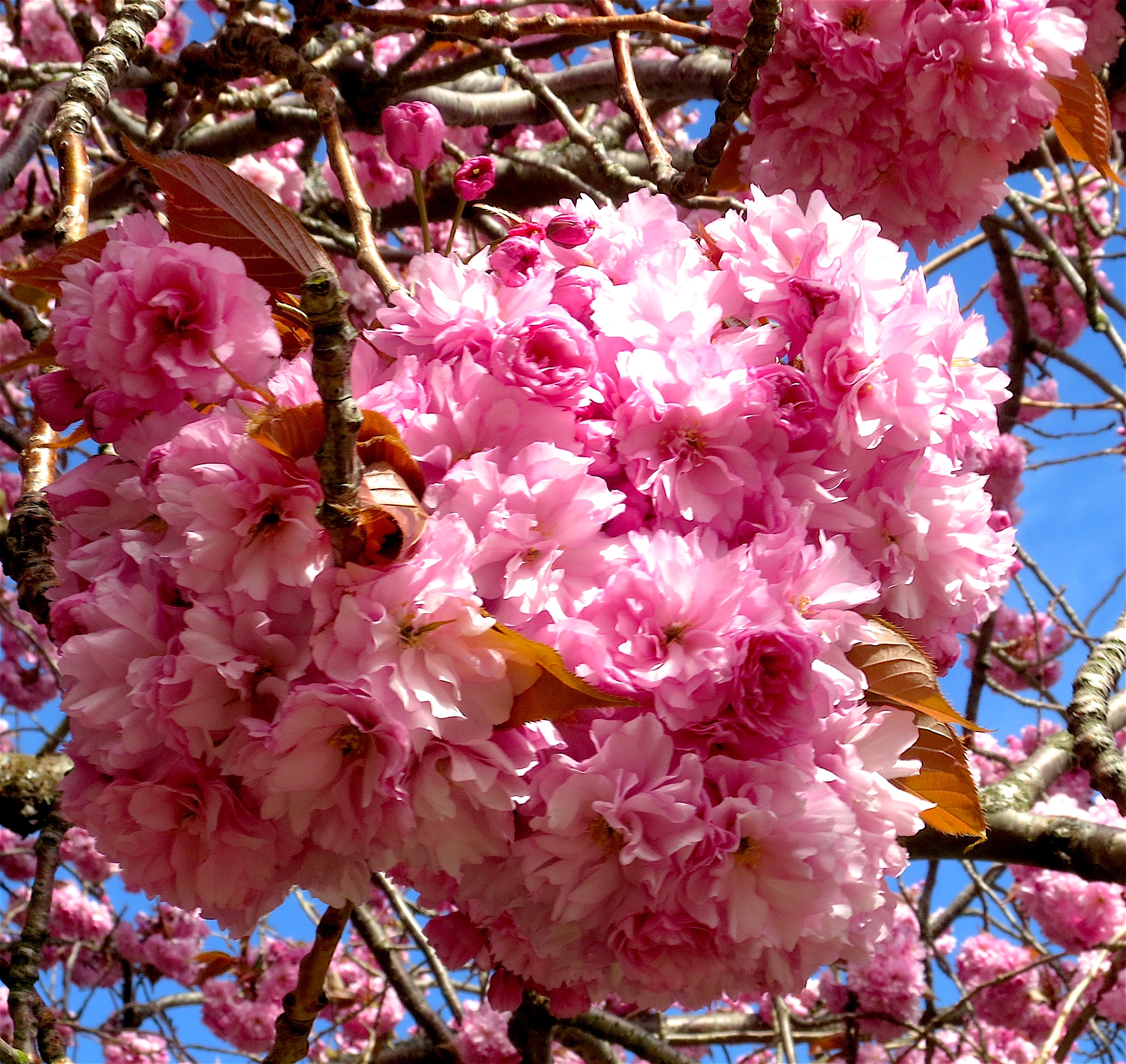
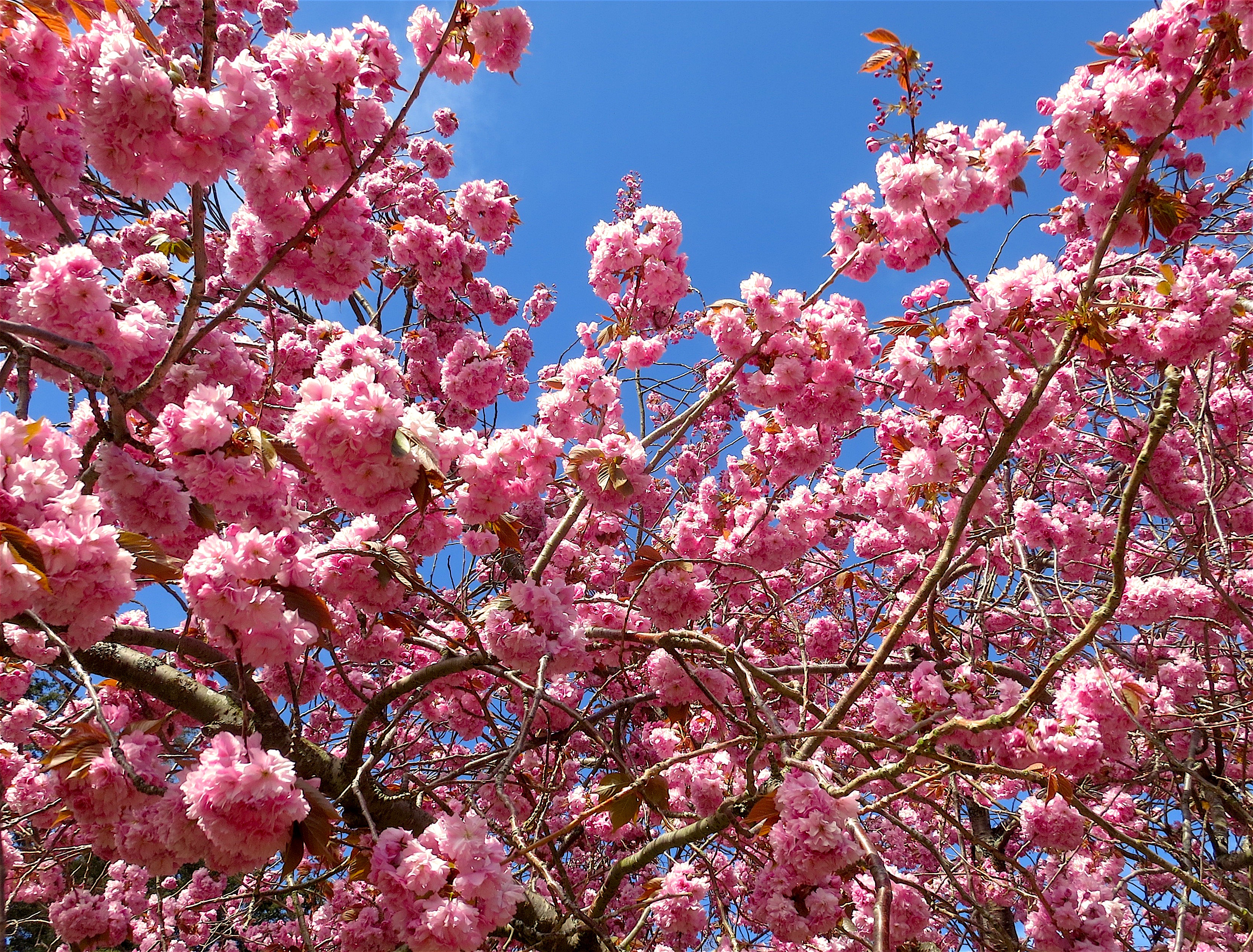
wwusakura4

sakura217


God is within all things, but not enclosed;
outside all things, but not excluded;
above all things but not aloof;
below all things but not debased.

~St. Bonaventure, 14th C. philosopher and theologian 


wwusakura6


Beauty, to the Japanese of old, held together the ephemeral with the sacred. Cherry blossoms are most beautiful as they fall, and that experience of appreciation lead the Japanese to consider their mortality.

Hakanai bi (ephemeral beauty) denotes sadness, and yet in the awareness of the pathos of life, the Japanese found profound beauty.

For the Japanese, the sense of beauty is deeply tragic, tied to the inevitability of death.

Jesus’ tears were also ephemeral and beautiful. His tears remain with us as an enduring reminder of the Savior who weeps. Rather than to despair, though, Jesus’ tears lead the way to the greatest hope of the resurrection. Rather than suicide, Jesus’ tears lead to abundant life.
~Makoto Fujimura


fallensakura
fallen sakura petals in Tokyo (photo by Nate Gibson)


…we are shown so clearly the full import of Jesus’ humanity and His empathy and compassion in His willingness to weep, to shed tears, to empty Himself and to stand naked before us:
(using poetic license here to imagine what Jesus might have said.)

[‘See, my precious ones, I AM like you in your humanness. That is why my Father
has sent me to you to show you the depth of His love for you and to acknowledge
that He knows and understands your pain wrought from your brokenness.’]

The act of weeping, sobbing, crying IS the letting go of our pent up hidden sorrow and our woundedness, held back behind a retaining wall by the sheer force of our willpower and by our reticence to show our true self, our vulnerability. Once released, and emptied of the dross behind the dam, we are washed clean by the cleansing waters of our tears. It is only then, and with the help of Jesus who experienced heart-rending sorrows, that the healing can begin. He demonstrated that to us by His promised Resurrection!
~Alice F. LaChapelle


sakurarain
fallen sakura blossoms in Tokyo, photo by Nate Gibson