Despite the Mess

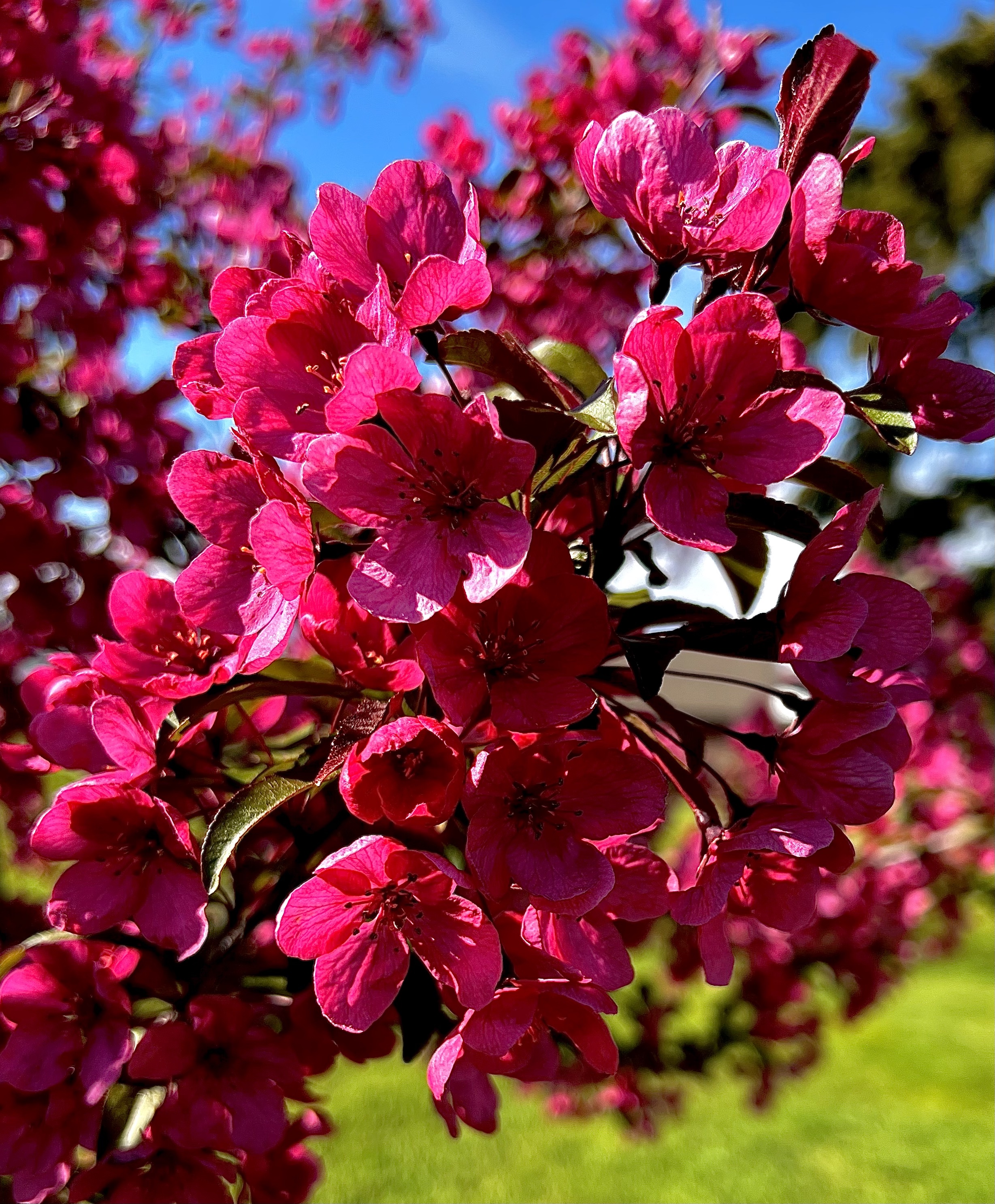
More than the fuchsia funnels breaking out
of the crabapple tree, more than the neighbor’s
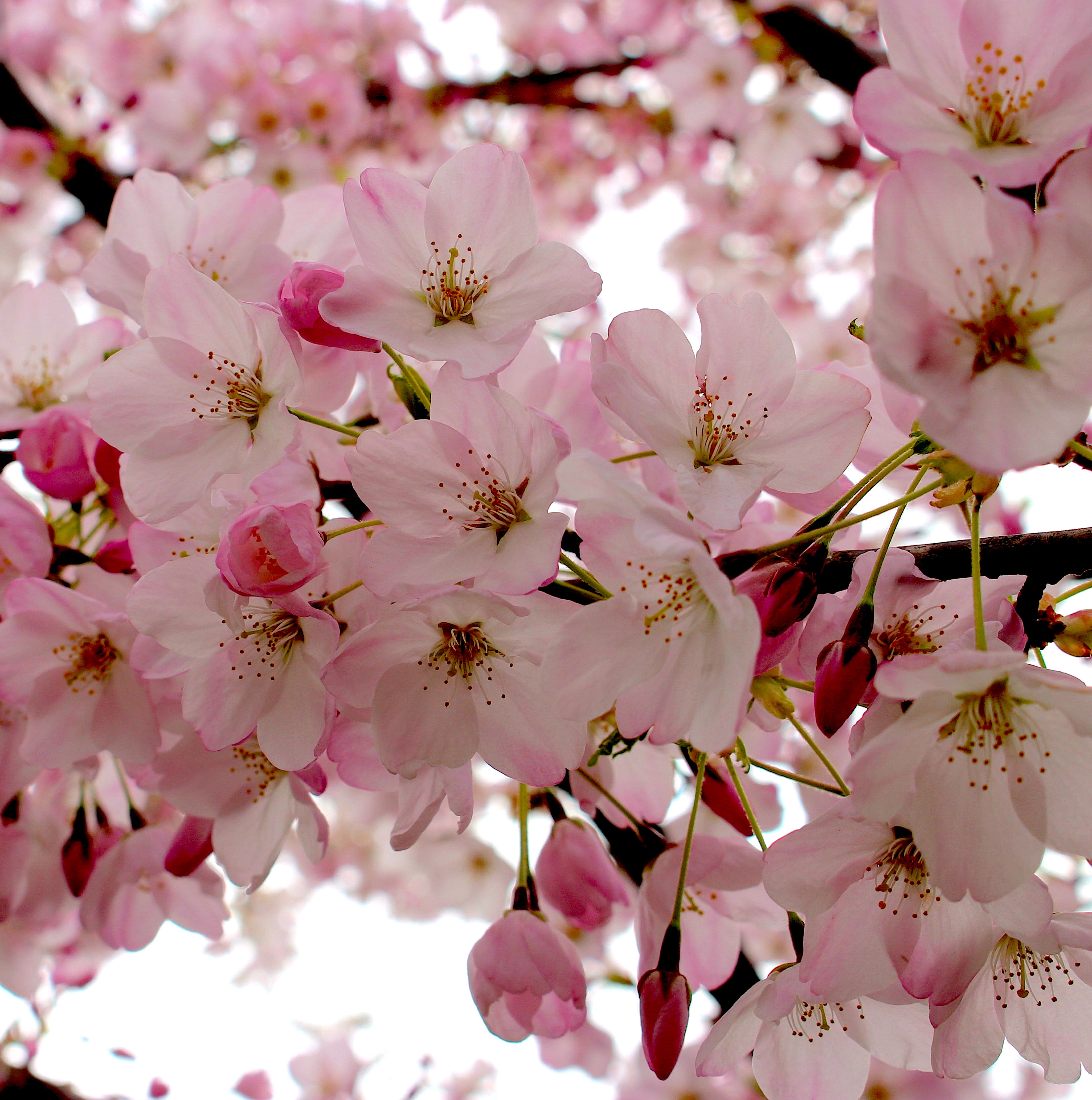
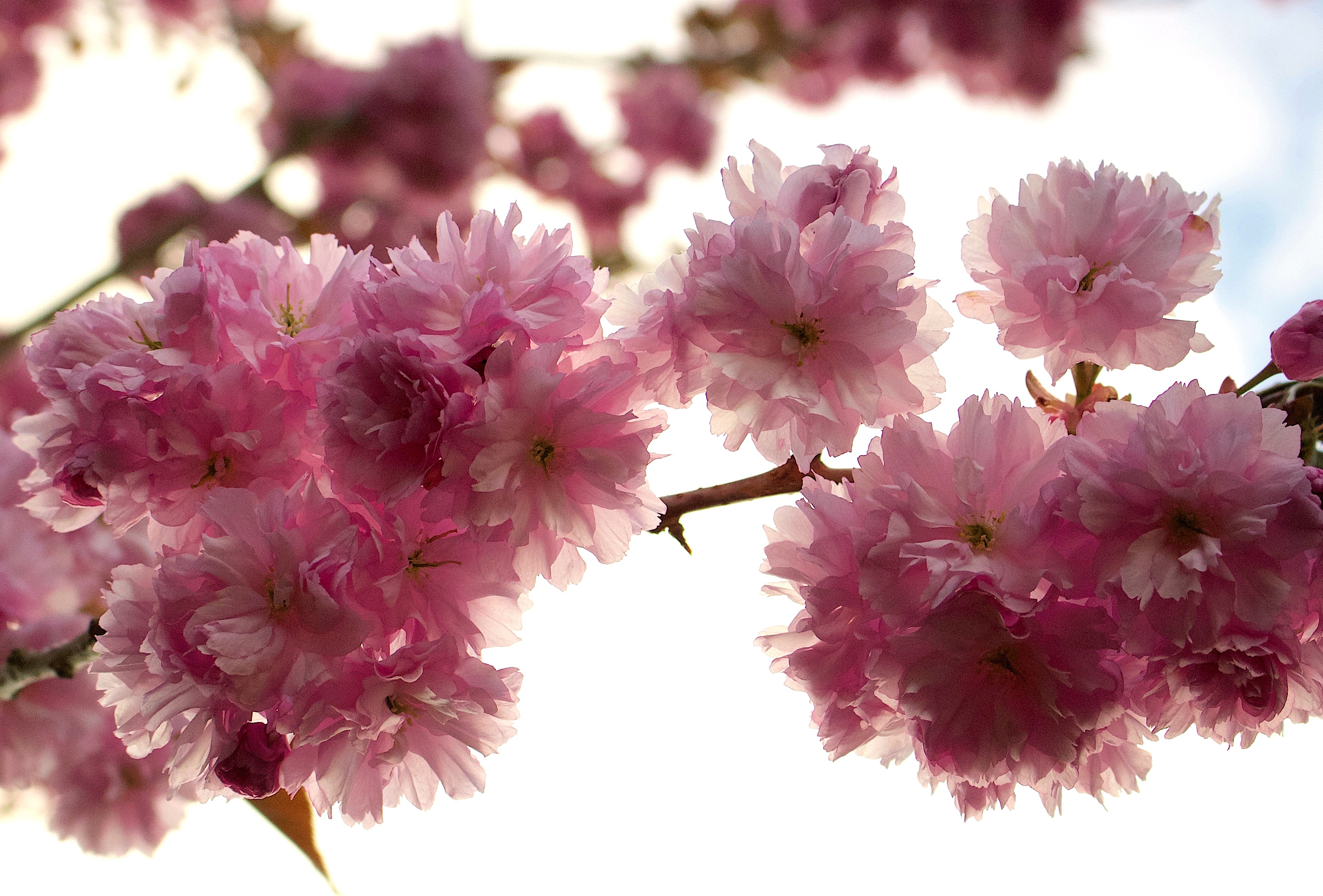
almost obscene display of cherry limbs shoving
their cotton candy-colored blossoms to the slate
sky of Spring rains, it’s the greening of the trees
that really gets to me. When all the shock of white
and taffy, the world’s baubles and trinkets, leave
the pavement strewn with the confetti of aftermath,
the leaves come. Patient, plodding, a green skin
growing over whatever winter did to us, a return
to the strange idea of continuous living despite
the mess of us, the hurt, the empty. Fine then,
I’ll take it,
 the tree seems to say, a new slick leaf
unfurling like a fist to an open palm, I’ll take it all.

~Ada Limón “Instructions on Not Giving Up”
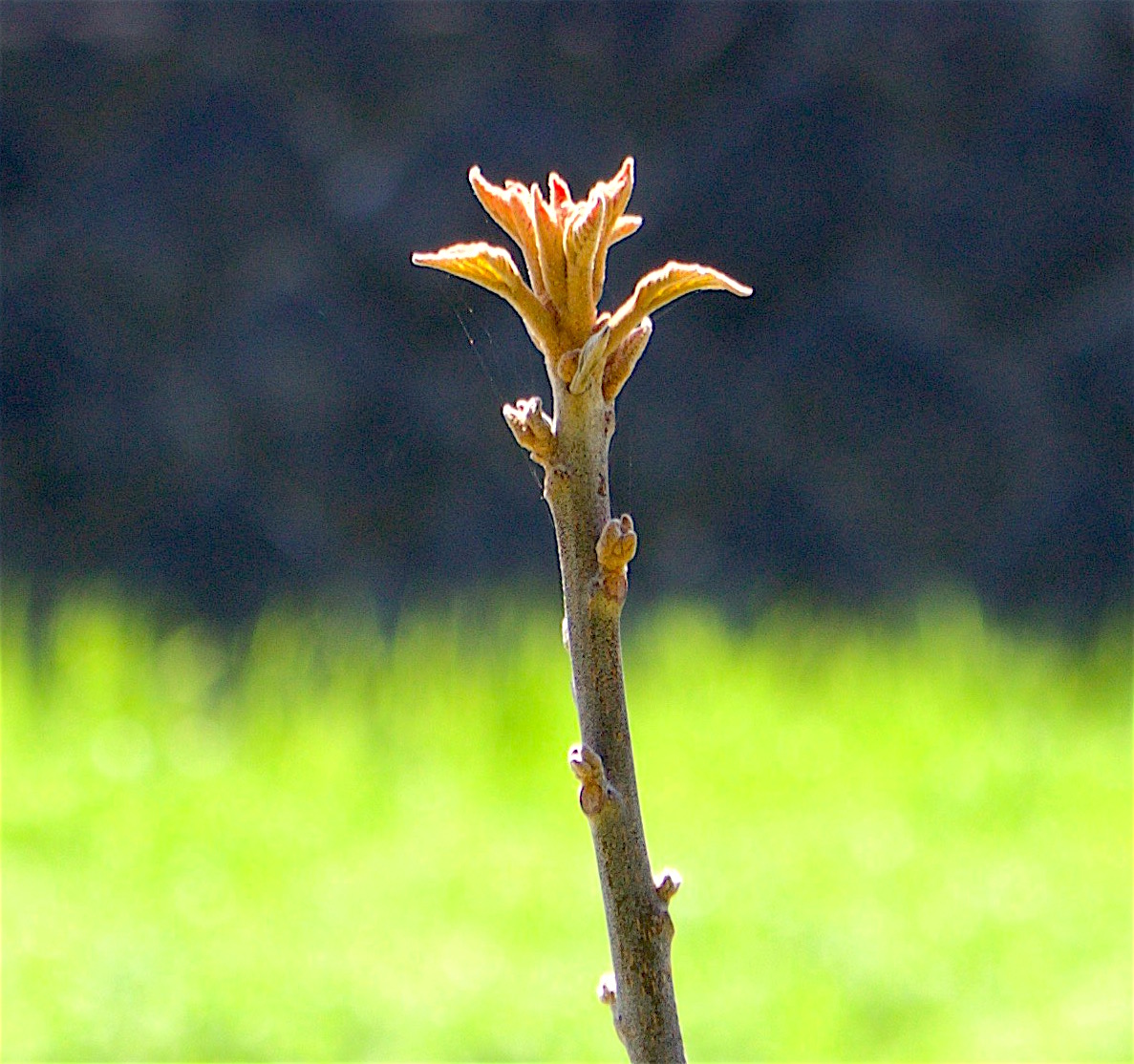
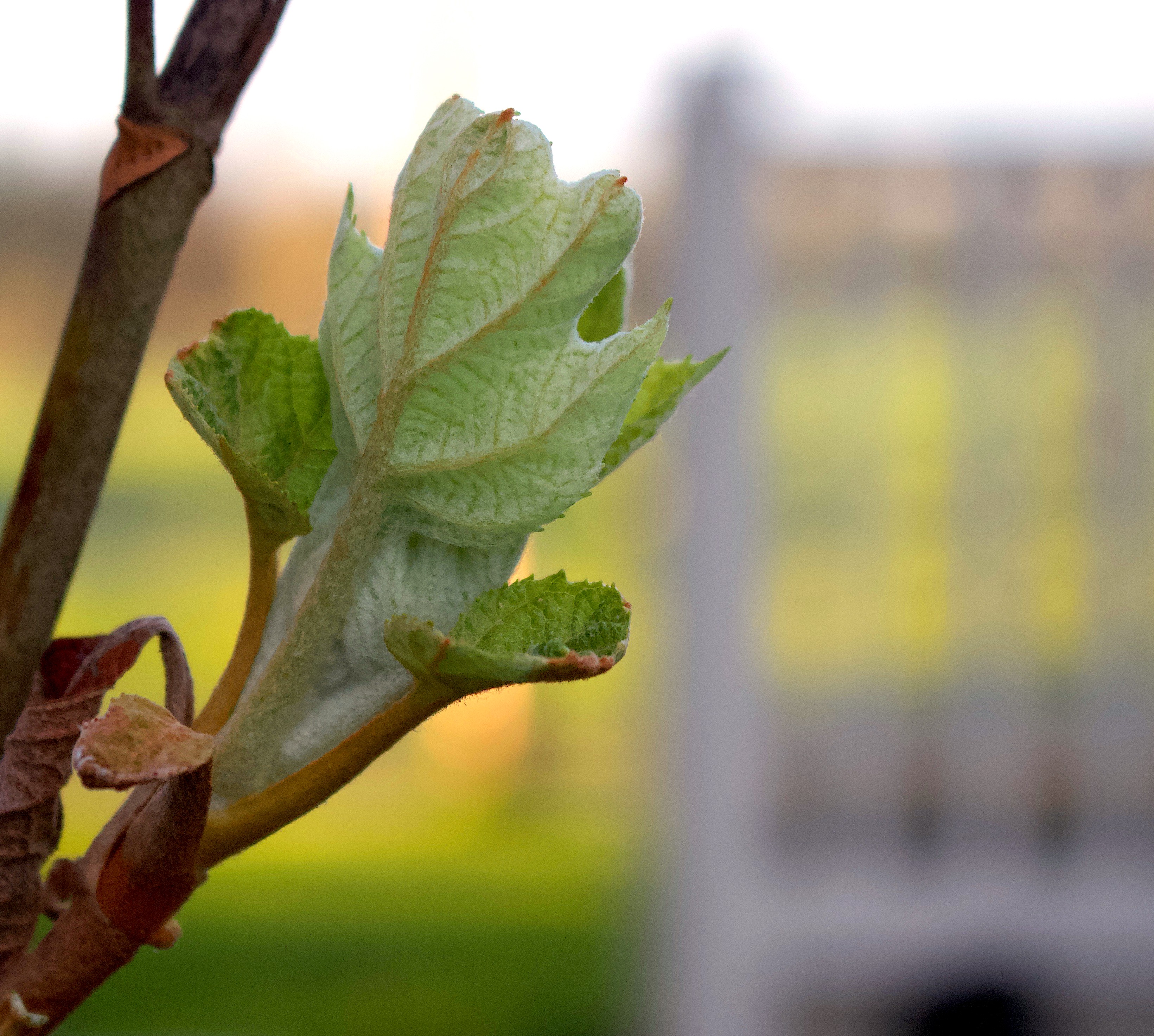
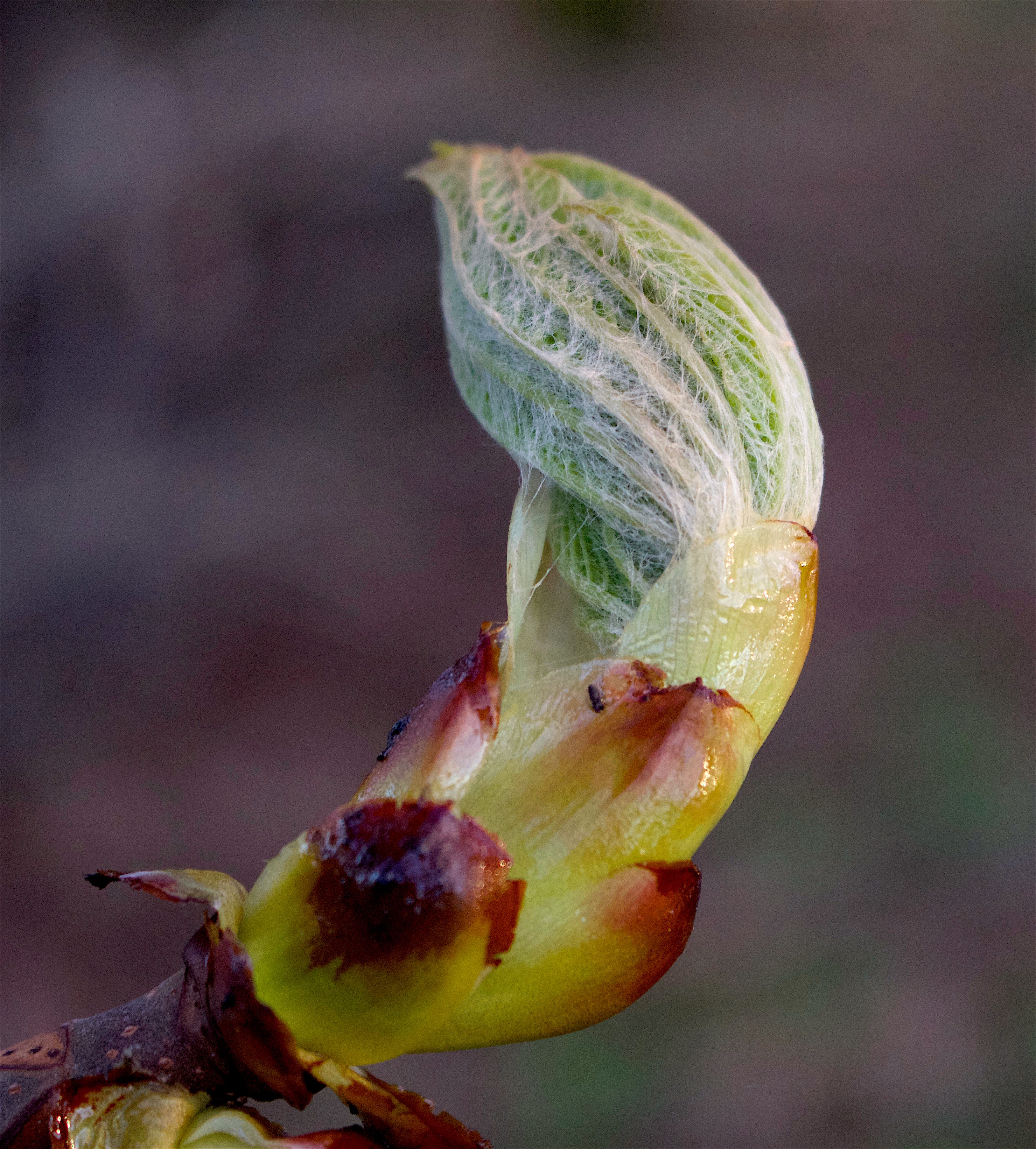
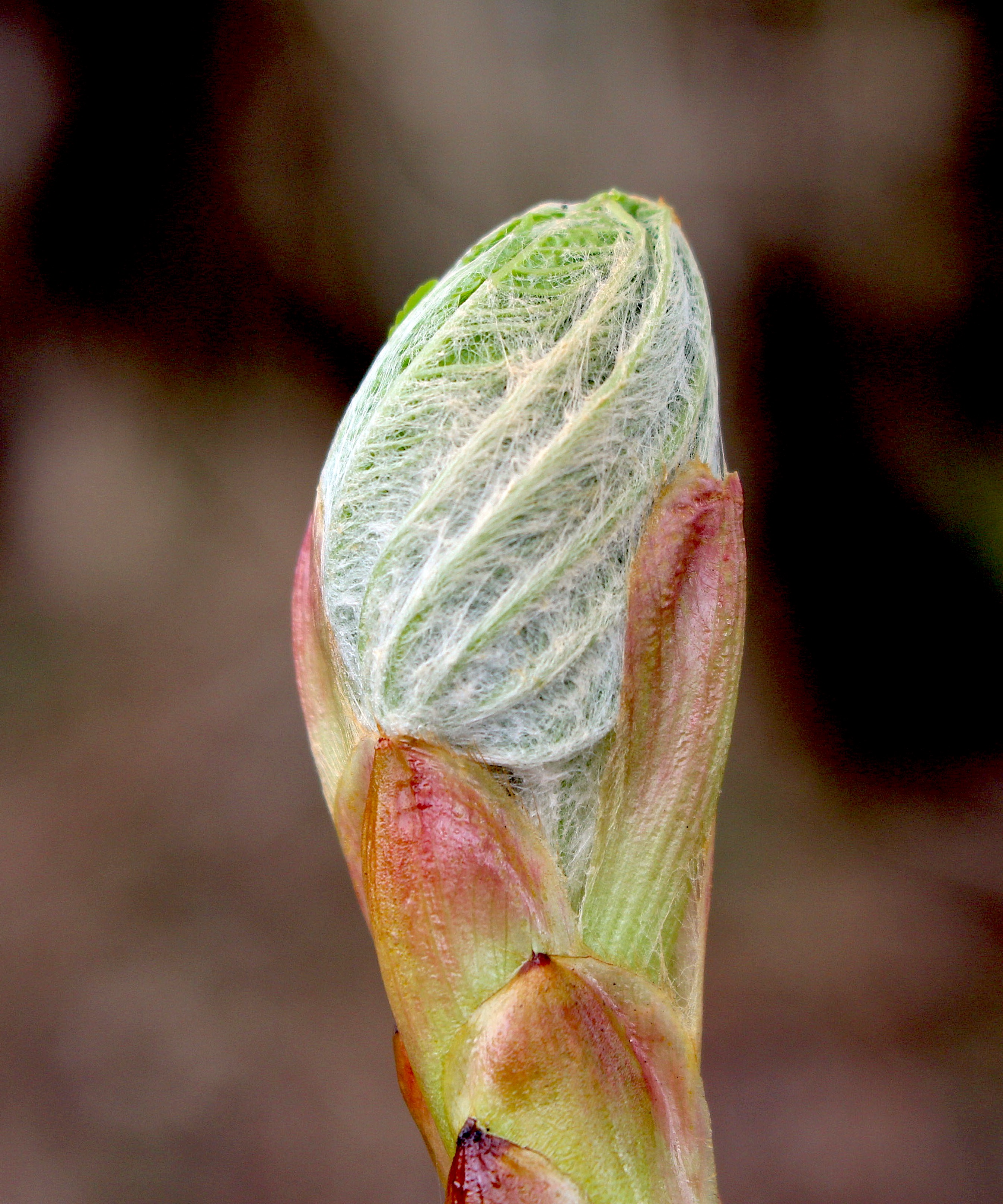
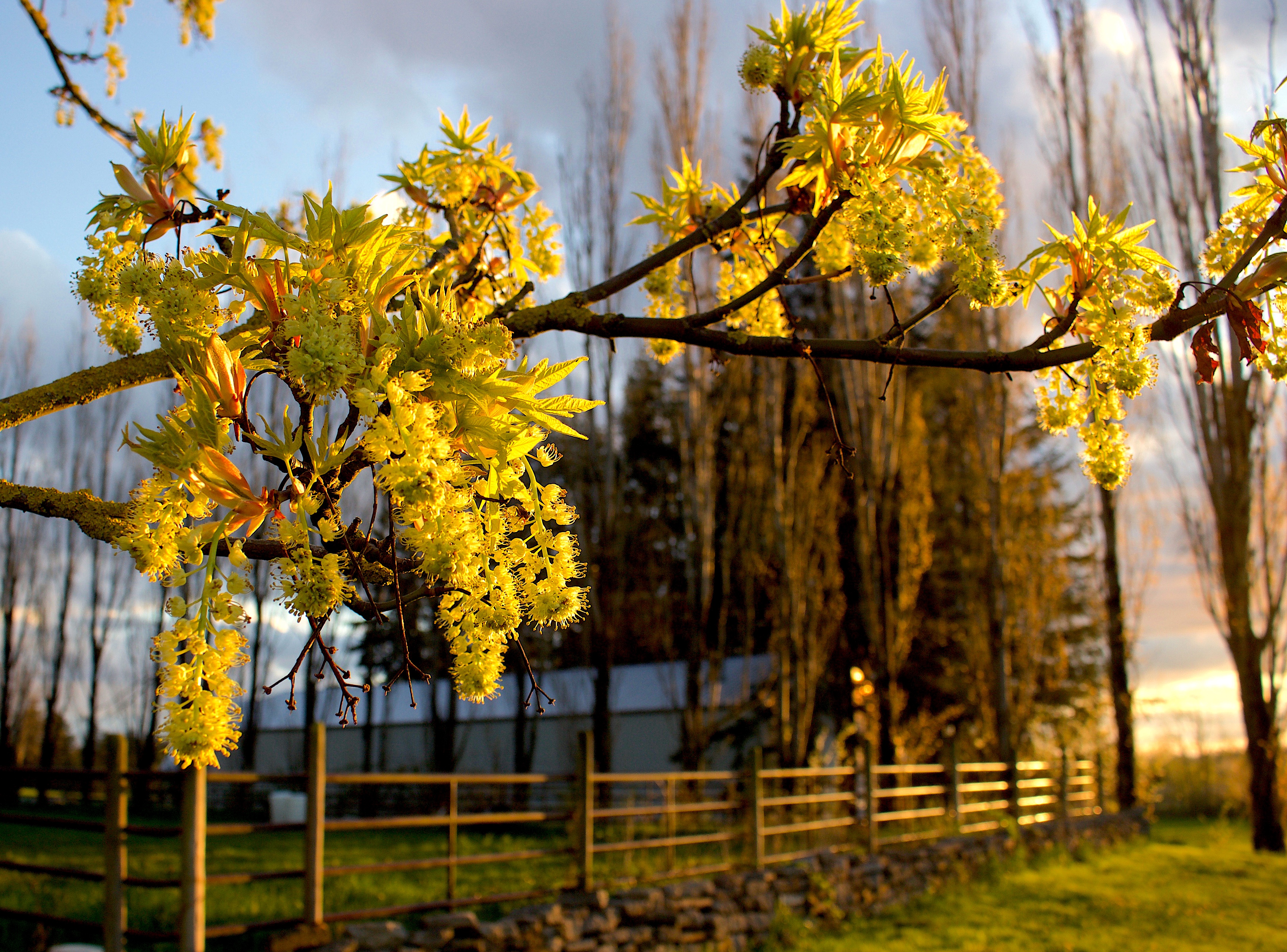
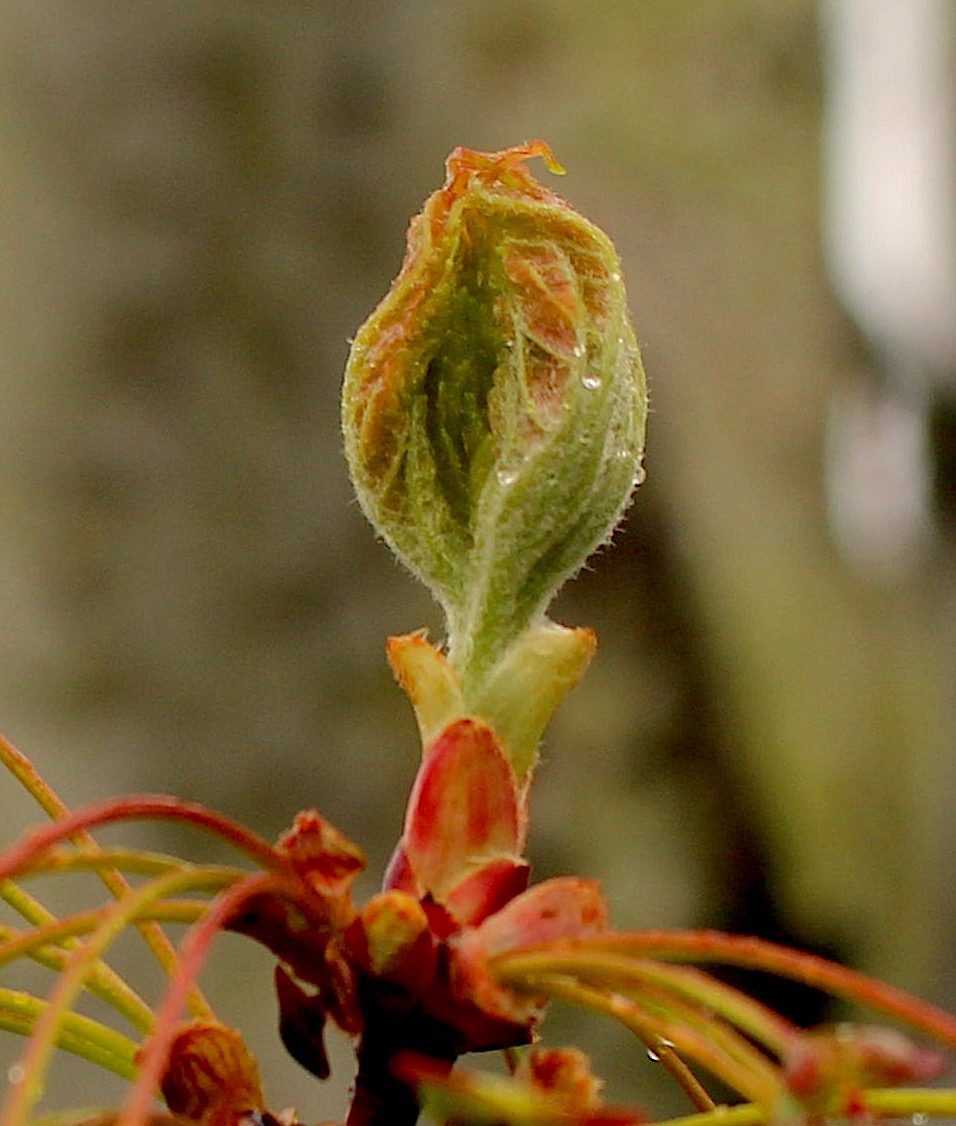
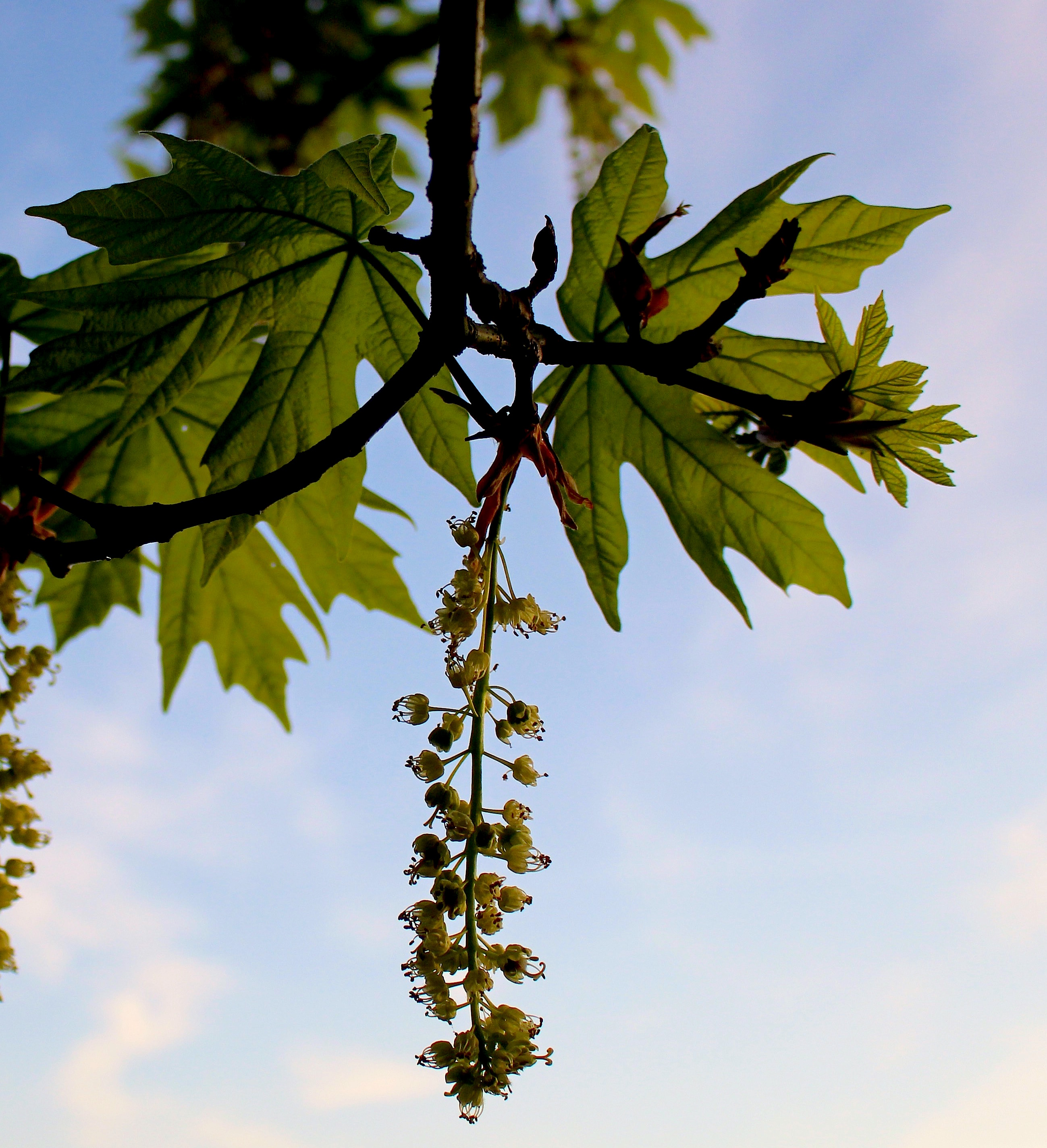
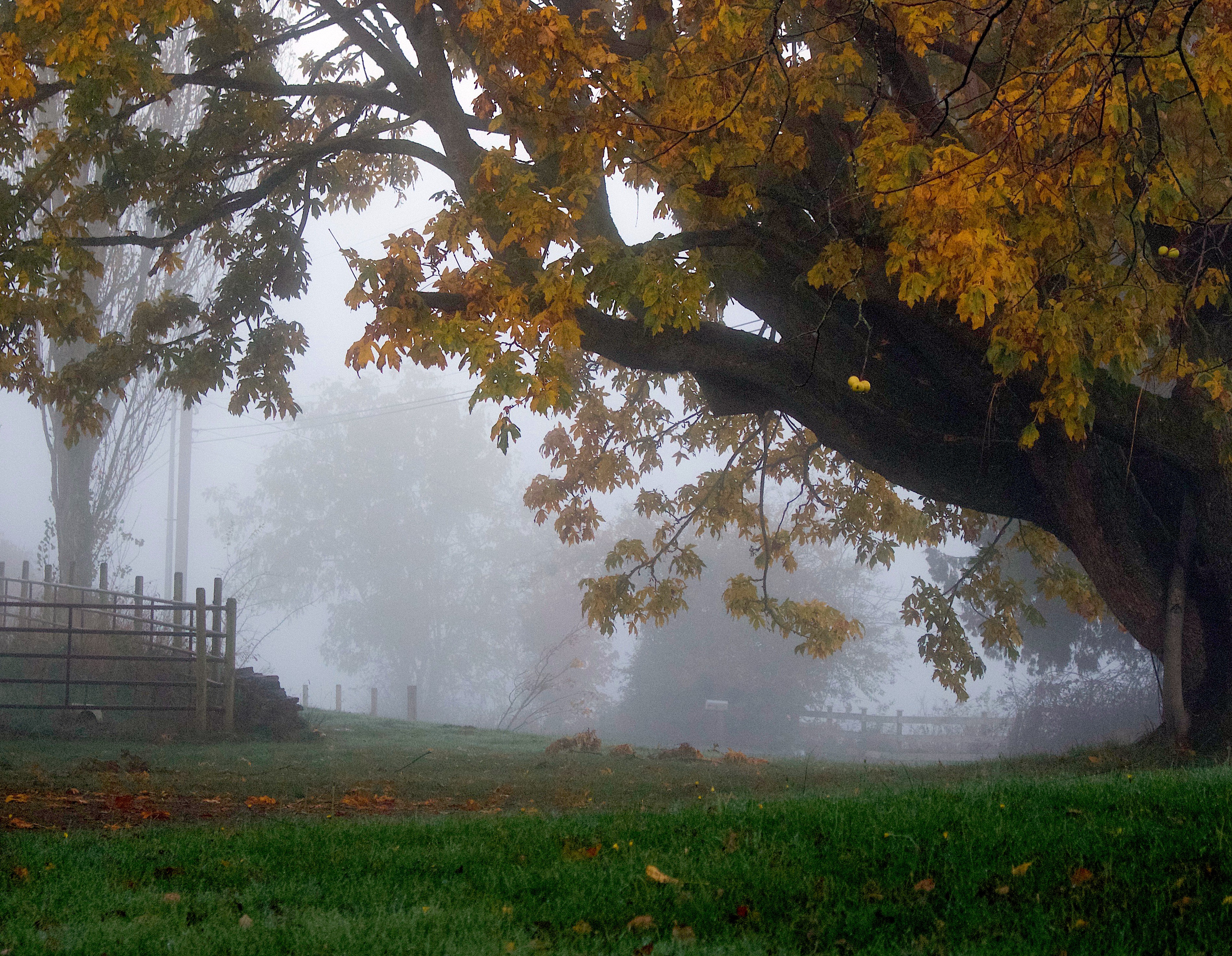
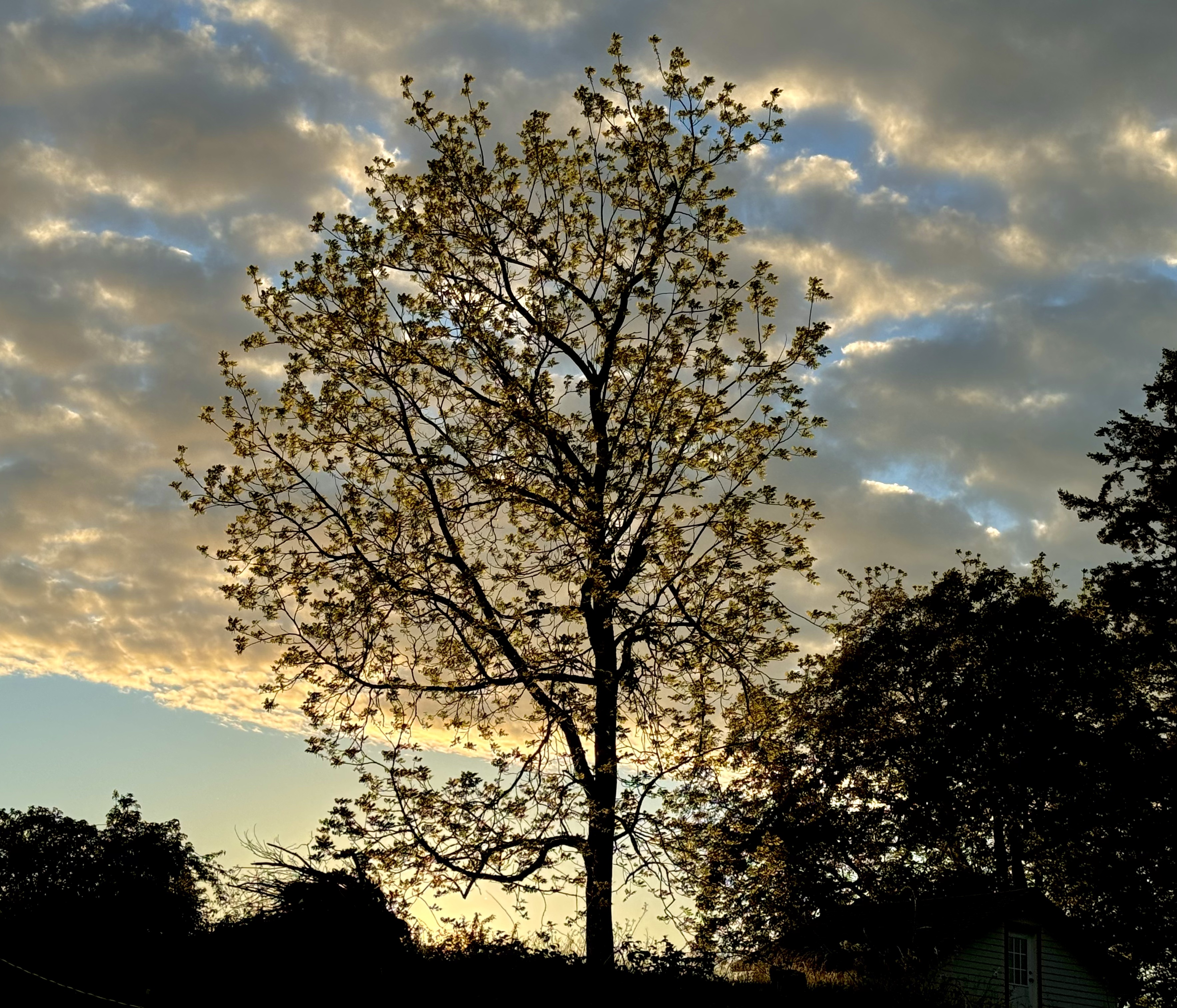
It wasn’t until I paused under the huge silver maple tree in front of our house that I began to notice not the blossoms, but the way the leaves were unfurling. How suddenly a tree transformed back into a tree, with all its good green leaves. It felt like a lesson in resilience. The tree wasn’t giving up. The tree was just going to keep doing its tree thing. Noticing those leaves felt like the first moment of breath I’d had all winter. Under that tree, the line “it’s the greening of the trees that really gets to me” came to me.
~Ada Limón writing about how “Instructions on Not Giving Up” came to her
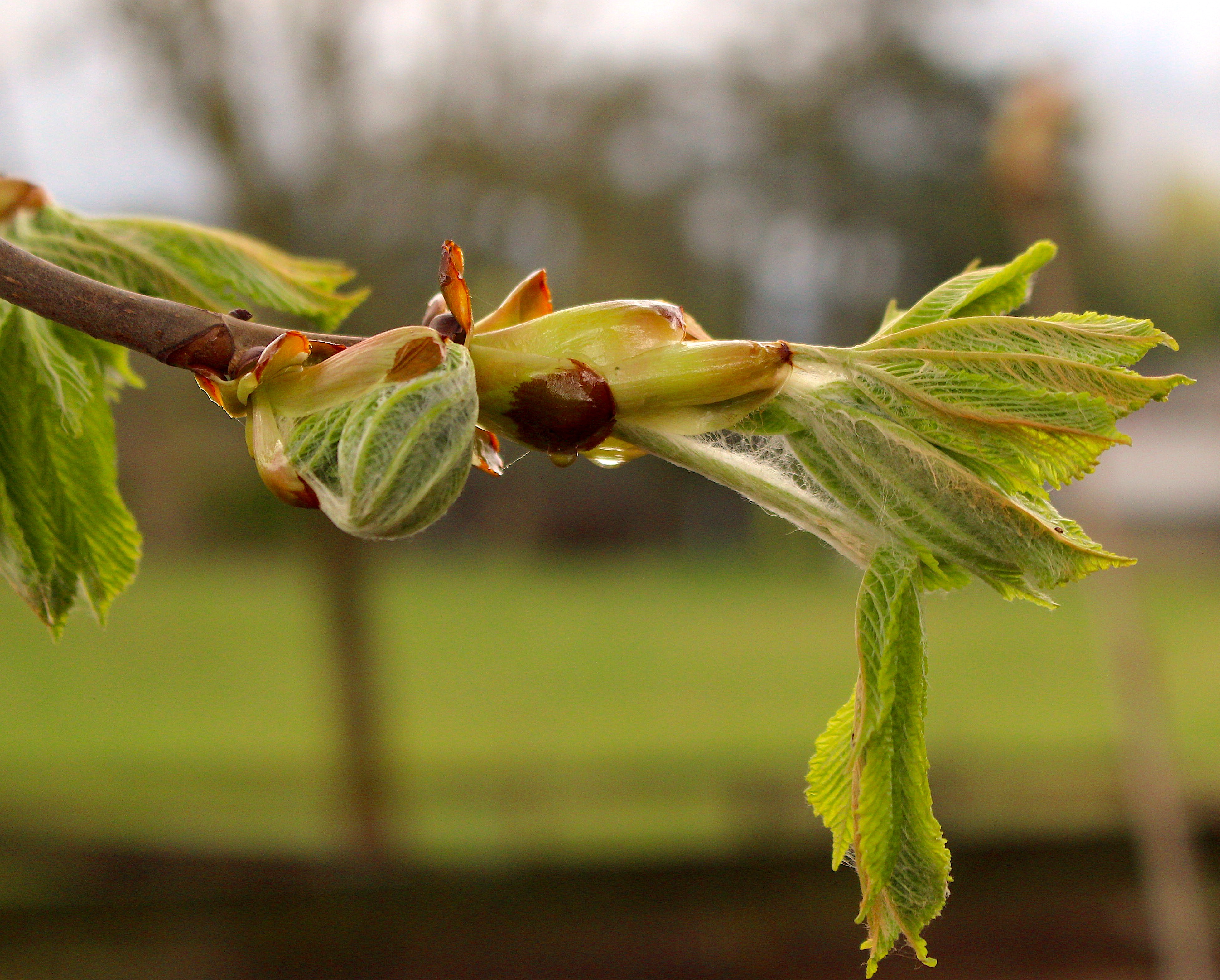
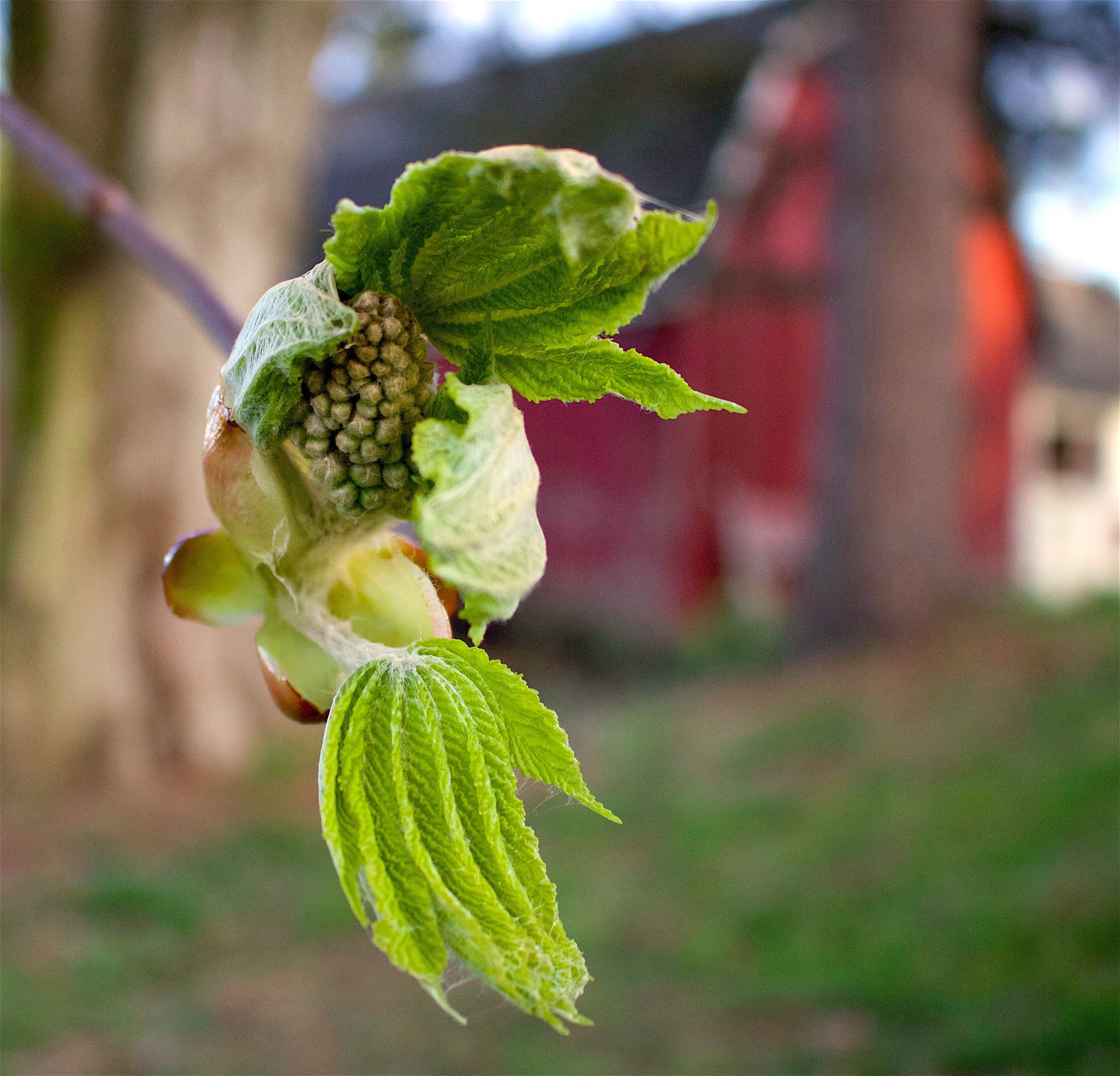
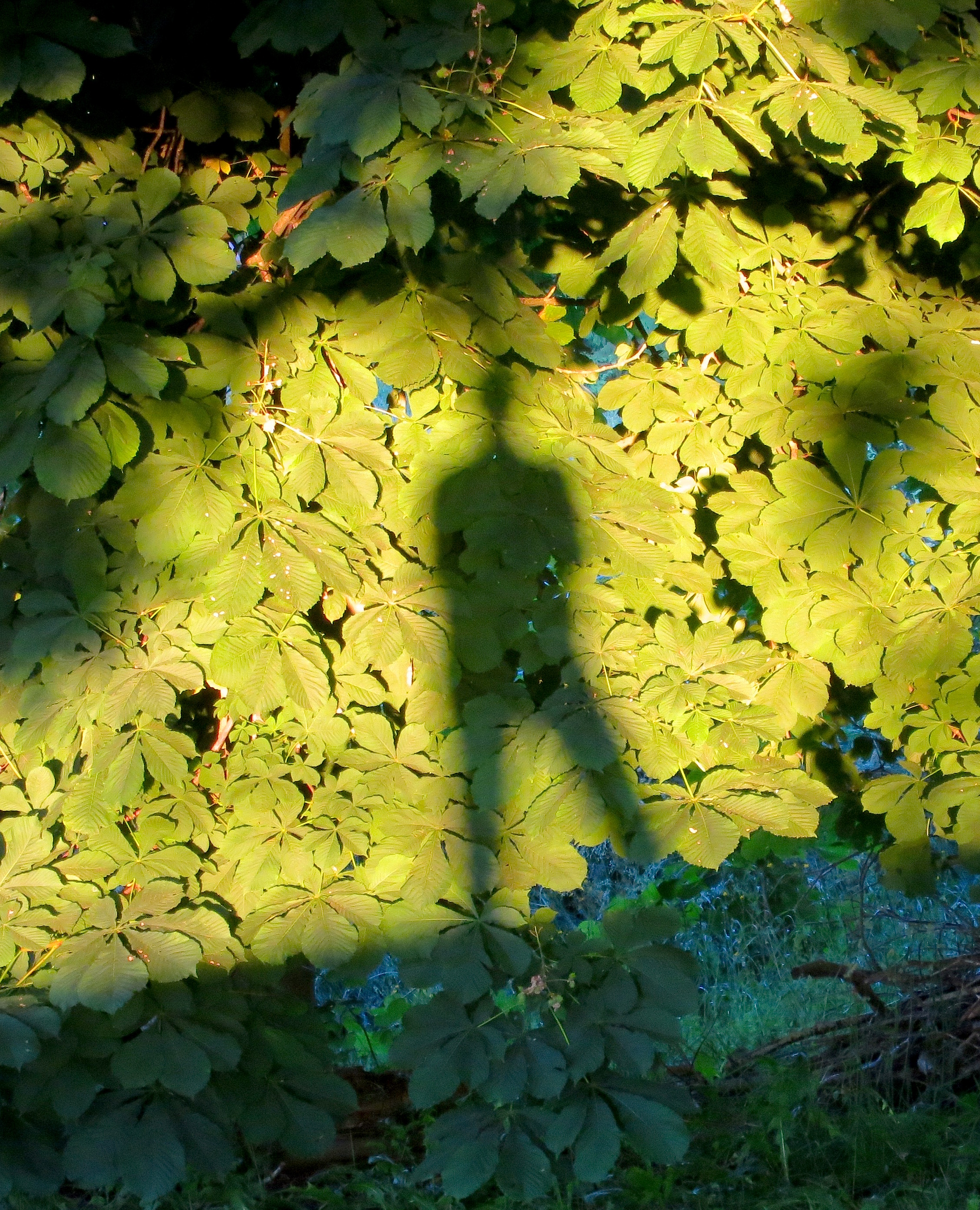
I watch daily as our farm’s trees reawaken in the spring. Some, like the maples and chestnuts turn green in April. The walnuts stay naked well into May, quite bohemian compared to their glossy green neighbors.

New growth is always an encouragement to me, especially after a brutally cold winter when branches have broken off in the snows or a tree has toppled over in exhaustion from resisting the winter wind.

As leaves swell and begin to unwrap in the spring sun, trees are feeling what I feel: the need for fresh air and renewal, absorbing the warmth of the sun while new nutrients surge in my sap.

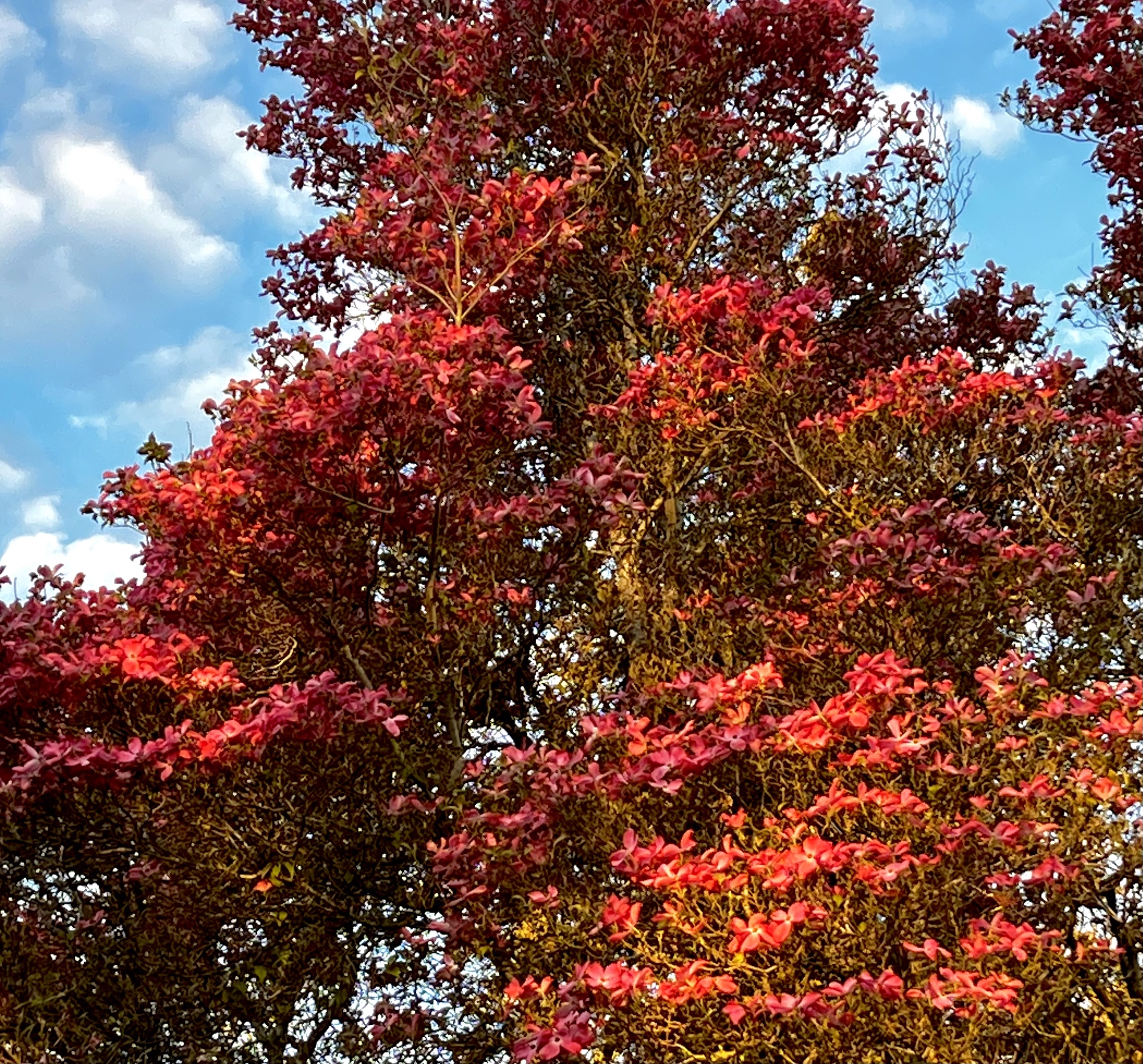
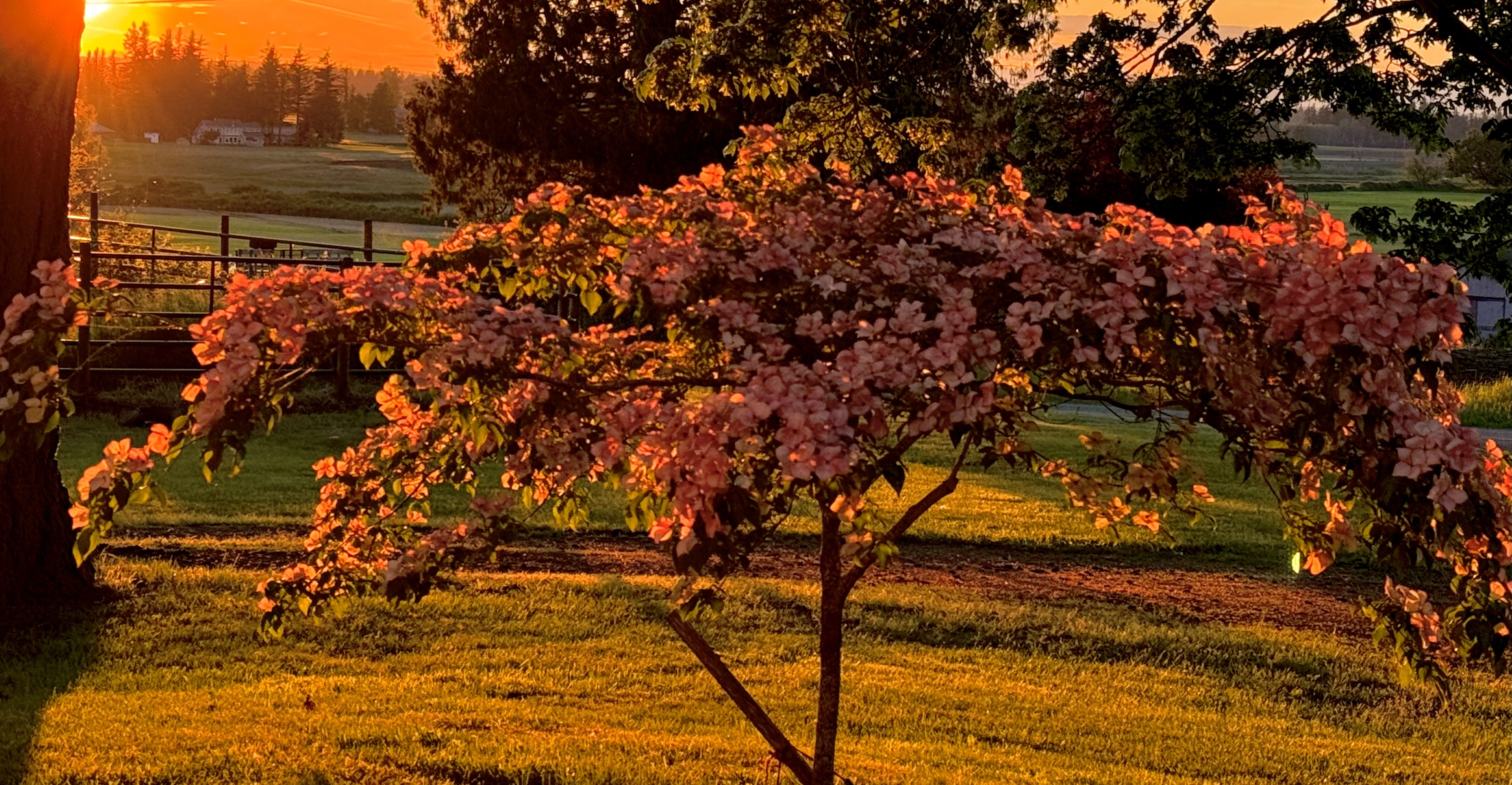
Most trees find it is easy being green, as that is who they are and that is who I am. Some are colorful show-offs, putting me to shame for my plainness. They bloom their hearts out with the joy of living yet another spring, exuberant and wild, and oh so messy.

The trees’ resilience captures my heart. Dogwood and crabapple petals follow us inside the house stuck to our shoes, left scattered here and there on the floor. Perhaps they think they can remain bright and beautiful inside a different wooden home. I sweep them up to put them back outside on the ground where they, like I will someday, become part of the soil once again.

Exuberant in my messy plainness.
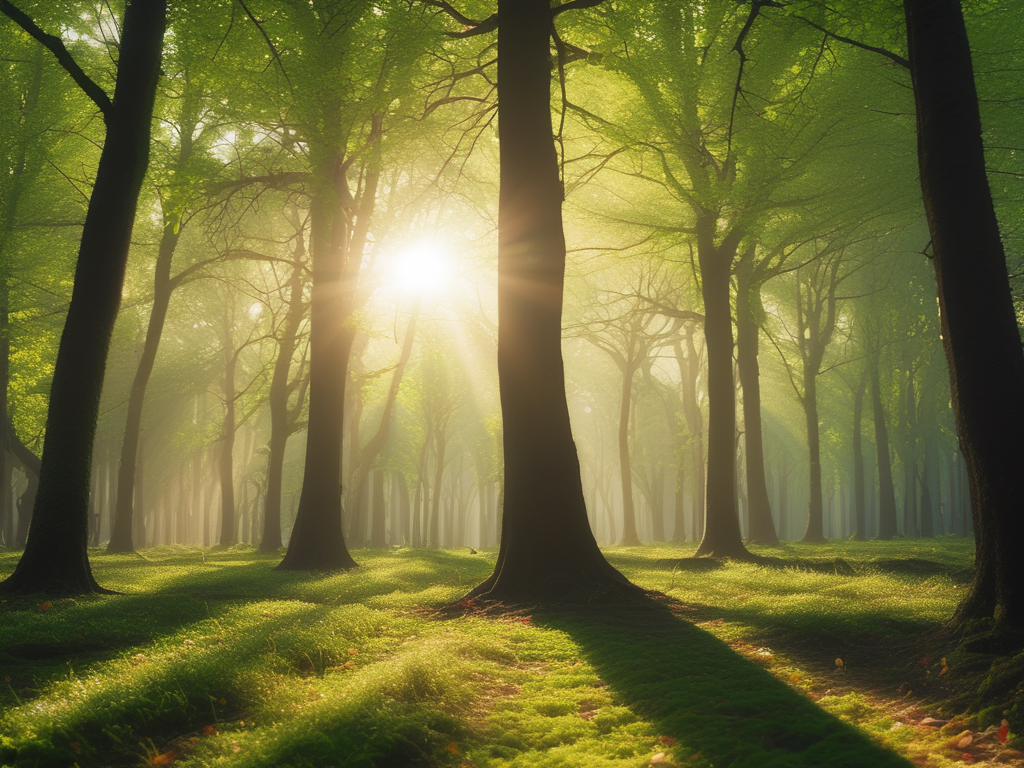
AI image created for this post

There is a tree beyond this world
In it’s ancient roots this song is curled
I am the fool whose life’s been spent
Between what’s said and what is meant

~Carrie Newcomer

One-Time
Monthly
Yearly

Make a one-time or recurring donation to support daily Barnstorming posts

Make a monthly donation

Make a yearly donation

Choose an amount

$10.00
$25.00
$50.00
$5.00
$15.00
$100.00
$5.00
$15.00
$100.00

Or enter a custom amount

$

Your contribution is deeply appreciated.

Your contribution is appreciated.

Your contribution is appreciated.

DonateDonate monthlyDonate yearly

When From Death I’m Free: Made Happy By Simple Things

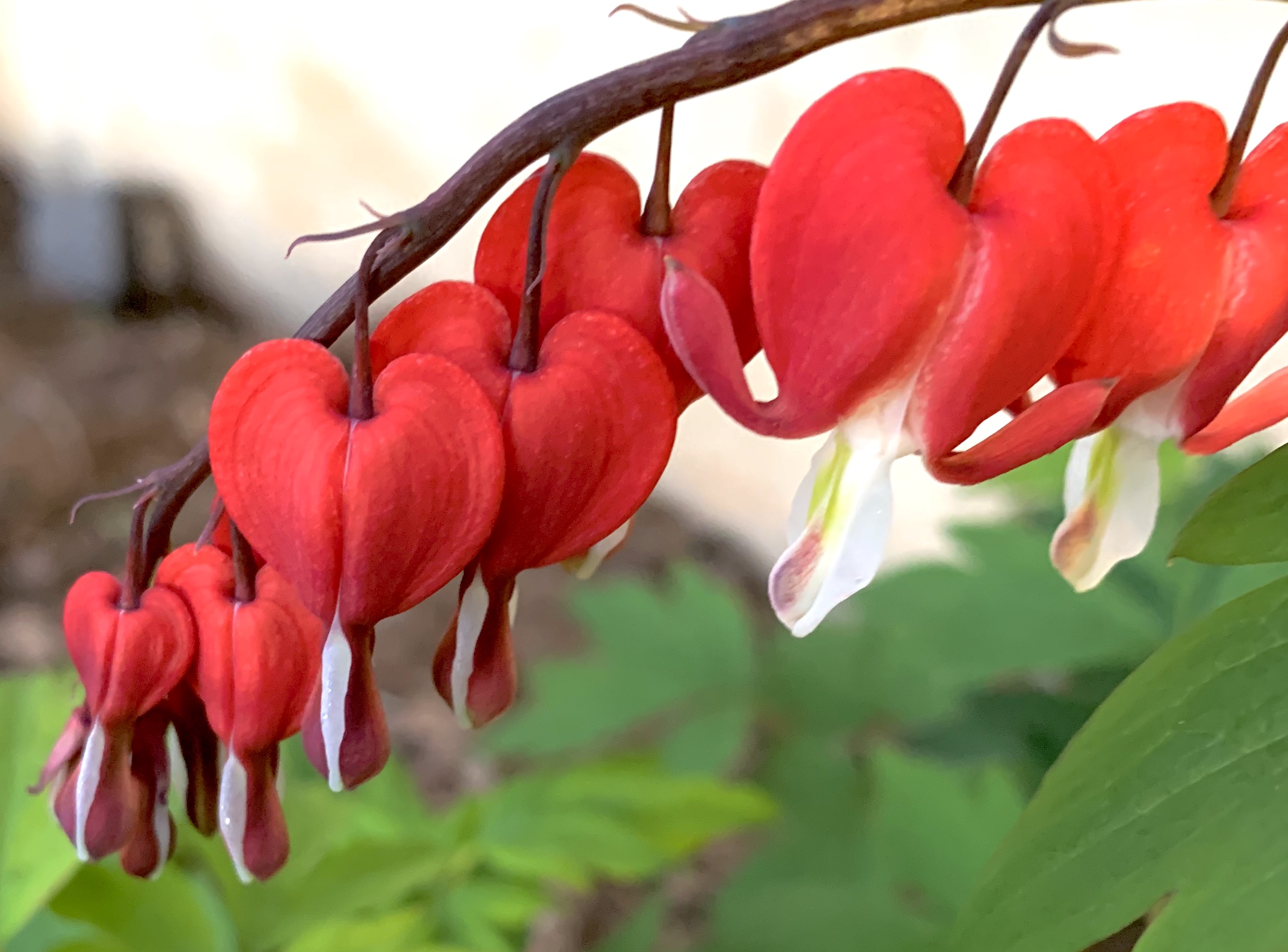
I know a bleeding-heart plant that has thrived
for sixty years if not more, and has never
missed a spring without rising and spreading
itself into a glossy bush, with many small red
hearts dangling. Don’t you think that deserves
a little thought? The woman who planted it
has been gone for a long time, and everyone
who saw it in that time has also died or moved
away and so, like so many stories, this one can’t
get finished properly. Most things that are
important, have you noticed, lack a certain
neatness. More delicious, anyway, is to
remember my grandmother’s pleasure when
the dissolve of winter was over and the green
knobs appeared and began to rise, and to cre-
ate their many hearts. One would say she was
a simple woman, made happy by simple
things. I think this was true. And more than
once, in my long life, I have wished to be her.

~Mary Oliver “The Bleeding-Heart” from New and Selected Poems
Volume Two

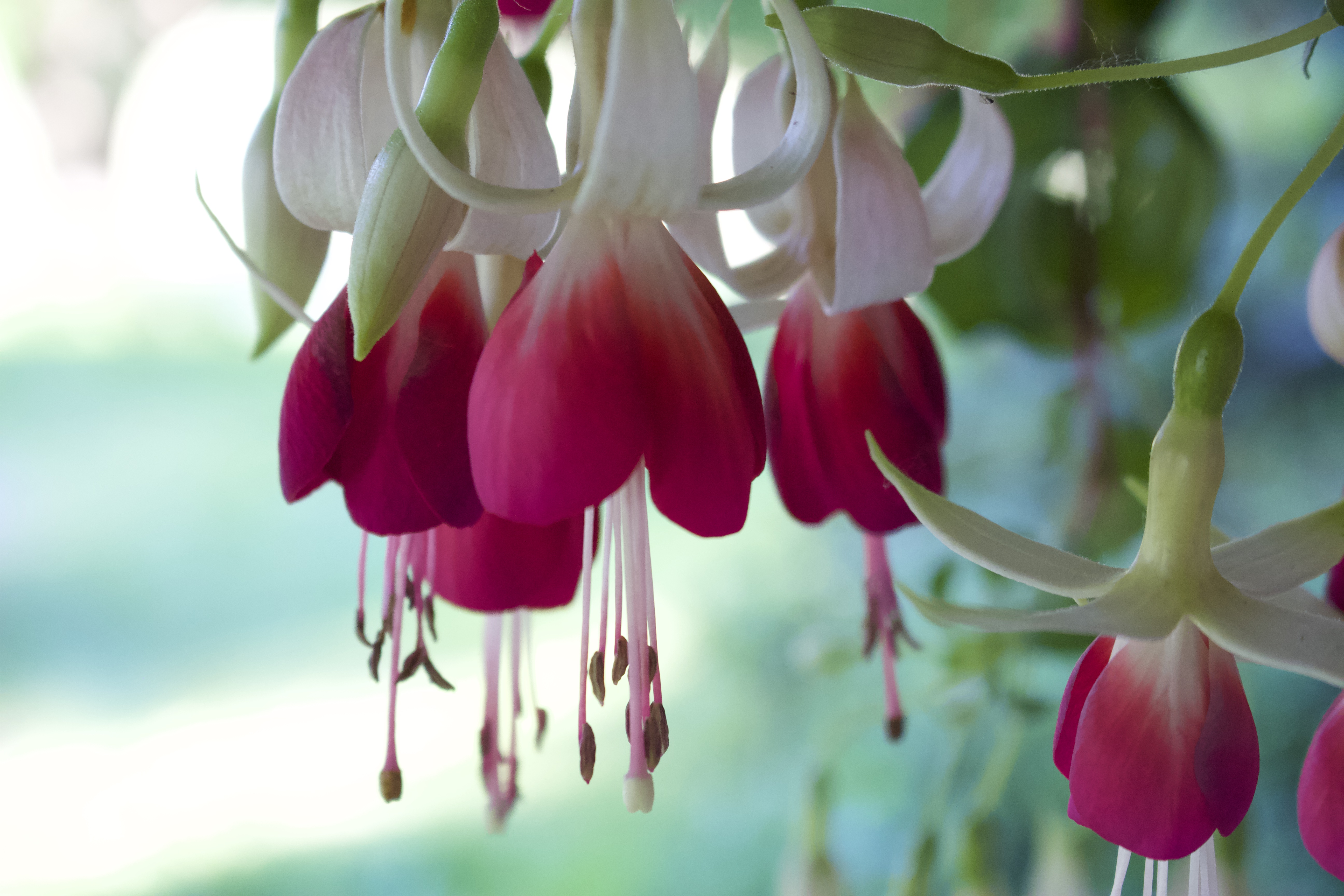
My Grandma Kittie grew flowers–lots of them. Her garden stretched along both sides of the sidewalk to her old two story farm house, in window boxes and beds around the perimeter, in little islands scattered about the yard anchored by a tree, or a piece of driftwood, a gold fish pond or a large rock. Wisteria hung like a thick curtain of purple braids from the roof of her chicken coop, and her greenhouse, far bigger than her home, smelled moist and mossy with hanging fuschia baskets. For her it was full time joy disguised as a job: she sold seedlings, and ready-to-display baskets, and fresh flower arrangements. 

She often said she was sure heaven would be full of flowers needing tending, and she was just practicing for the day when she could make herself useful as a gardener for God.

Visiting Grandma meant spending summer evenings in her yard heavy with wafting flower perfume. She especially loved her bleeding hearts bushes that returned every spring, dripping their red blossoms over her unruly lawn.

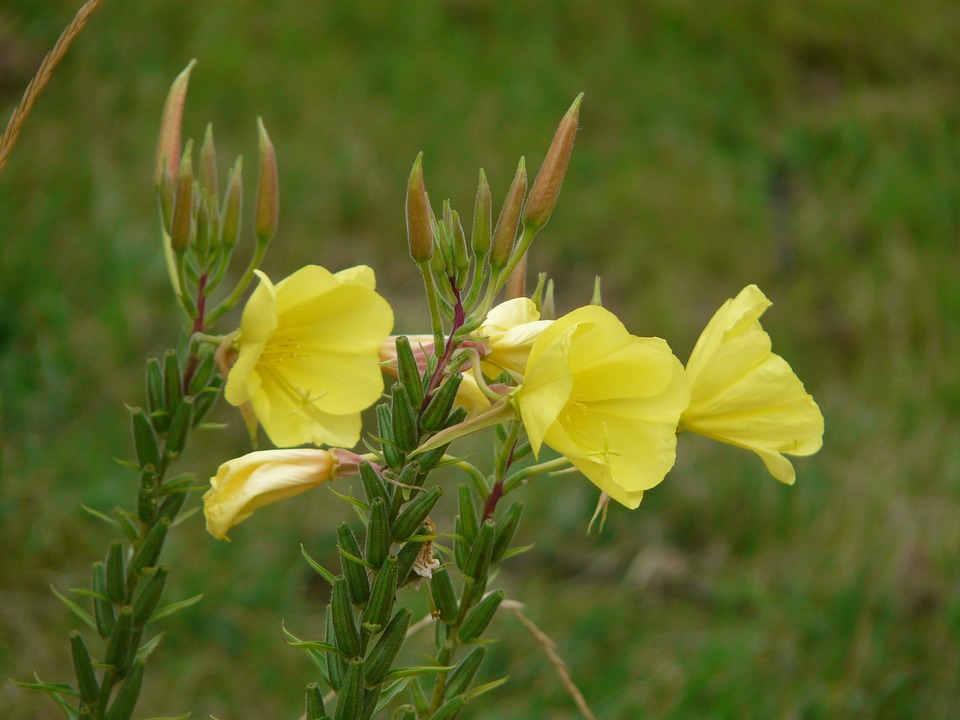
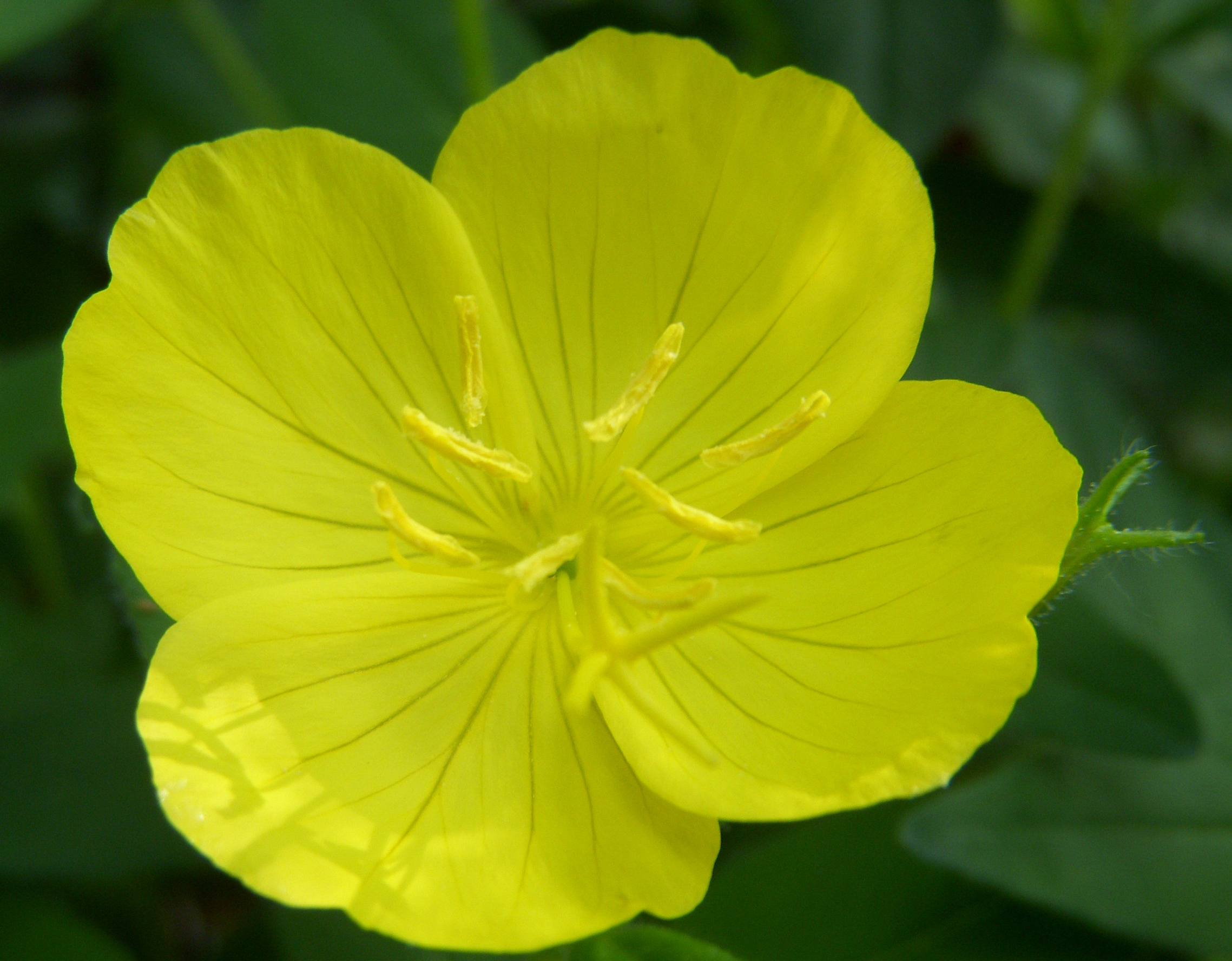
Another of her favorite flowers was the evening primrose.  It was one of a few night blooming plants meant to attract pollinating moths. Its tall stems were adorned by lance shaped leaves, with multiple buds and blooms per stem.  Each evening, and it was possible to set one’s watch by its punctuality, only one green wrapped bud per stem would open, revealing a bright yellow blossom with four delicate veined petals, a rosette of stamens and a cross-shaped stigma in the center, rising far above the blossom.  The yellow was so vivid and lively, it seemed almost like a drop of sun had been left on earth to light the night.  By morning, the bloom would begin to wither and wilt under the real sunlight, somehow overcome with the brightness, and would blush a pinkish orange as it folded upon itself, ready to die and drop from the plant in only a day or two, leaving a bulging seed pod behind.

I would settle down on the damp lawn at twilight, usually right before dusk fell, to watch the choreography of opening of blossoms on stem after stem of evening primrose. Whatever the trigger was for the process of unfolding, there would be a sudden loosening of the protective green calyces, in an almost audible release. Then over the course of about a minute, the overlapping yellow petals would unfurl, slowly, gently, purposefully, revealing their pollen treasure trove inside.  It was like watching time lapse cinematography, only this was an accelerated, real time flourish of beauty, happening right before my eyes. I always felt privileged to witness each unveiling as Grandma liked to remind me that few flowers ever allowed us to behold both their birth and death. The evening primrose was not at all shy about sharing itself and it would enhance the show with a sweet lingering fragrance.

Grandma knew how much I enjoyed the evening primrose display, so she saved seeds from the seed pods for me, and helped me plant them at our house during one of her spring time visits. I remember scattering the seeds with her in a specially chosen spot, in anticipation of the “drops of sun” that would grace our yard come summertime.  However, Grandma was more tired than usual on this particular visit, taking naps and not as eager to go for walks or eat the special meals cooked in honor of her visit. Her usually resonant laughing brown eyes appeared dull, almost muddy.

The day she was to return to her home, she came into the kitchen at breakfast time, wearily setting down her packed bags.  She gave me a hug and I looked at her.  Something was dreadfully wrong.  Grandma’s eyes were turning yellow.

Instead of returning home that day, she went to the hospital. Within a day, she had surgery and within two days, was told she had terminal pancreatic cancer.  She did not last long, her skin becoming more jaundiced by the day, her eyes more icteric and far away.  She soon left her earthly gardens to cultivate those in heaven.

I’ve kept bleeding hearts and evening primrose in my garden ever since. Grandma’s heart dangles from the bushes and she is released from each primrose bloom as it unfolds precipitously in the evening. She wafts across the yard in its perfume. Her spirit, a drop of sun coming to rest, luminous, for a brief stay upon the earth, only to fall before we’re ready to let it go. But as the wilted bloom lets go, its seeds have already begun to form.

I’m sure Grandma is still growing flowers. And my soil-covered hands look more like hers every day.

The grass withers and the flowers fall,
    because the breath of the Lord blows on them.
    Surely the people are grass.
 The grass withers and the flowers fall,
    but the word of our God endures forever.

Isaiah 40: 7-8

This Lenten season I reflect on the words of the 19th century southern spiritual hymn “What Wondrous Love is This”

One-Time
Monthly
Yearly

Make a one-time or recurring donation to support daily Barnstorming posts

Make a monthly donation

Make a yearly donation

Choose an amount

$10.00
$25.00
$50.00
$5.00
$15.00
$100.00
$5.00
$15.00
$100.00

Or enter a custom amount

$

Your contribution is deeply appreciated.

Your contribution is appreciated.

Your contribution is appreciated.

DonateDonate monthlyDonate yearly

Fixing Eyes on the Unseen – We Need More Cowbells

We come across a ridge and hear
a cowbell in the cove beyond,
a tinkle sweetening the air
with vague rubato as the breeze
erases tones and then the notes
resume like echoes from the past
or from a cave inside the cliff,
a still, calm voice in dialect
and keeping its own company,
both out of time and long as time,
both here and from a higher sphere,
as if the voice of history
were intimate as memory.

~Robert Morgan “Cowbell”

Over my head, I see the bronze butterfly,   
Asleep on the black trunk,
Blowing like a leaf in green shadow.   
Down the ravine behind the empty house,   
The cowbells follow one another   
Into the distances of the afternoon.   
To my right,
In a field of sunlight between two pines,   
The droppings of last year’s horses   
Blaze up into golden stones.
I lean back, as the evening darkens and comes on.   
A chicken hawk floats over, looking for home.
I have wasted my life.
~James Wright “Lying in a Hammock at William Duffy’s Farm in Pine Island, Minnesota”

photo by Kate Steensma from Steensma Creamery

One of the lullabies I remember hearing as a youngster were cowbells in the pasture outside my bedroom window on our family farm. Each of our three milking Guernsey cows wore a bell on her neck so my dad could tell where they were in our wooded field. He’d whistle and call “Come Bossy!” and they would walk single file into the barn, ringing and tinkling with each step, for their twice daily grain and hand-milking.

When I was old enough, I liked to perch on top of their bony backs while my dad leaned his head into their flank, whistling a tune while he milked them, the steaming stream of milk hitting the metal bucket with a high-pitched whine. The bells on their necks still chimed as the cows chewed, moving their heads up and down to finish their meal.

This was divine music that soothed and reassured me. All was right with the world, thanks to the cows and their intrinsic tunes created by their movements, as if they were created to charm their keepers. There are moments when I believe we are hearing what heaven must sound like.

Now, sixty five years later, the soft harmony of cowbells has been replaced by the random chords of wind chimes hanging outside our house. The memory of cowbell music remains a reminder: I have not wasted my life if I can taste heaven through such simple things and magical moments.

But I still need more cowbell…

This year’s Lenten theme:
So we fix our eyes not on what is seen, but on what is unseen, since what is seen is temporary, but what is unseen is eternal.
2 Corinthians 4: 18

and because there is always a need for more cowbell…

A Morning Luminous with Mystery and Pain

Heart,
I implore you,
it’s time to come back
from the dark,
it’s morning,
the hills are pink
and the roses
whatever they felt

in the valley of night
are opening now
their soft dresses,
their leaves

are shining.
Why are you laggard?
Sure you have seen this
a thousand times,

which isn’t half enough.
Let the world
have its way with you,
luminous as it is

with mystery
and pain–
graced as it is
with the ordinary.

~Mary Oliver “Summer Morning”

I love to stay in bed
All morning,
Covers thrown off, naked,
Eyes closed, listening.

There’s a smell of damp hay,
Of horses, laziness,
Summer sky and eternal life.

I know all the dark places
Where the sun hasn’t reached yet,
Where the last cricket
Has just hushed; anthills

Where it sounds like it’s raining,
Slumbering spiders spinning wedding dresses.

The good tree with its voice
Of a mountain stream
Knows my steps.
It, too, hushes.

I stop and listen:
Somewhere close by
A stone cracks a knuckle,
Another turns over in its sleep.

I hear a butterfly stirring
Inside a caterpillar.
I hear the dust talking
Of last night’s storm.

Farther ahead, someone
Even more silent
Passes over the grass
Without bending it.

And all of a sudden
In the midst of that quiet,
It seems possible
To live simply on this earth.

~Charles Simic from “Summer Morning”

Reading headlines about yet more unimaginable losses and grieving people is extraordinarily painful on a summer morning when all should be luminous and lighthearted. My heart isn’t feeling the light at all; I struggle to leave behind those dark places where the sun hasn’t reached yet.

Yet if I’m still and quiet, I can hear life going on all around me. My sadness doesn’t change the mystery of a world God created in beauty and peace, now overshadowed by our fall into darkness, yet redeemed by a sacrificial Love we cannot possibly comprehend.

What a summer morning revelation. It’s as extraordinarily ordinary and simple as that.

One-Time
Monthly
Yearly

Make a one-time or recurring donation to support daily Barnstorming posts

Make a monthly donation

Make a yearly donation

Choose an amount

¤5.00
¤10.00
¤20.00
¤5.00
¤15.00
¤100.00
¤5.00
¤15.00
¤100.00

Or enter a custom amount

¤

Your contribution is deeply appreciated.

Your contribution is appreciated.

Your contribution is appreciated.

DonateDonate monthlyDonate yearly

Simply Glad

I shall open my eyes and ears.
Once every day I shall simply stare
at a tree, a flower, a cloud, or a person.
I shall not then be concerned at all to ask what they are
but simply be glad that they are.
I shall joyfully allow them the mystery of what C.S. Lewis calls
their “divine, magical, terrifying and ecstatic” existence.
~Clyde Kilby in “Amazed in the Ordinary

An open heart is alive to wonder, to the sheer marvel of “isness.”
It is remarkable that the world is,
that we are here,
that we can experience it.
This world is not ordinary.
Indeed, what is remarkable is that
it could ever look ordinary to us.


An open heart knows “radical amazement.”
An open heart and gratitude go together.
We can feel this in our bodies.
In the moments in my life
when I have been most grateful,
I have felt a swelling,
almost a bursting in my chest.
~Marcus Borg from The Heart of Christianity

photo by Nicole Moore

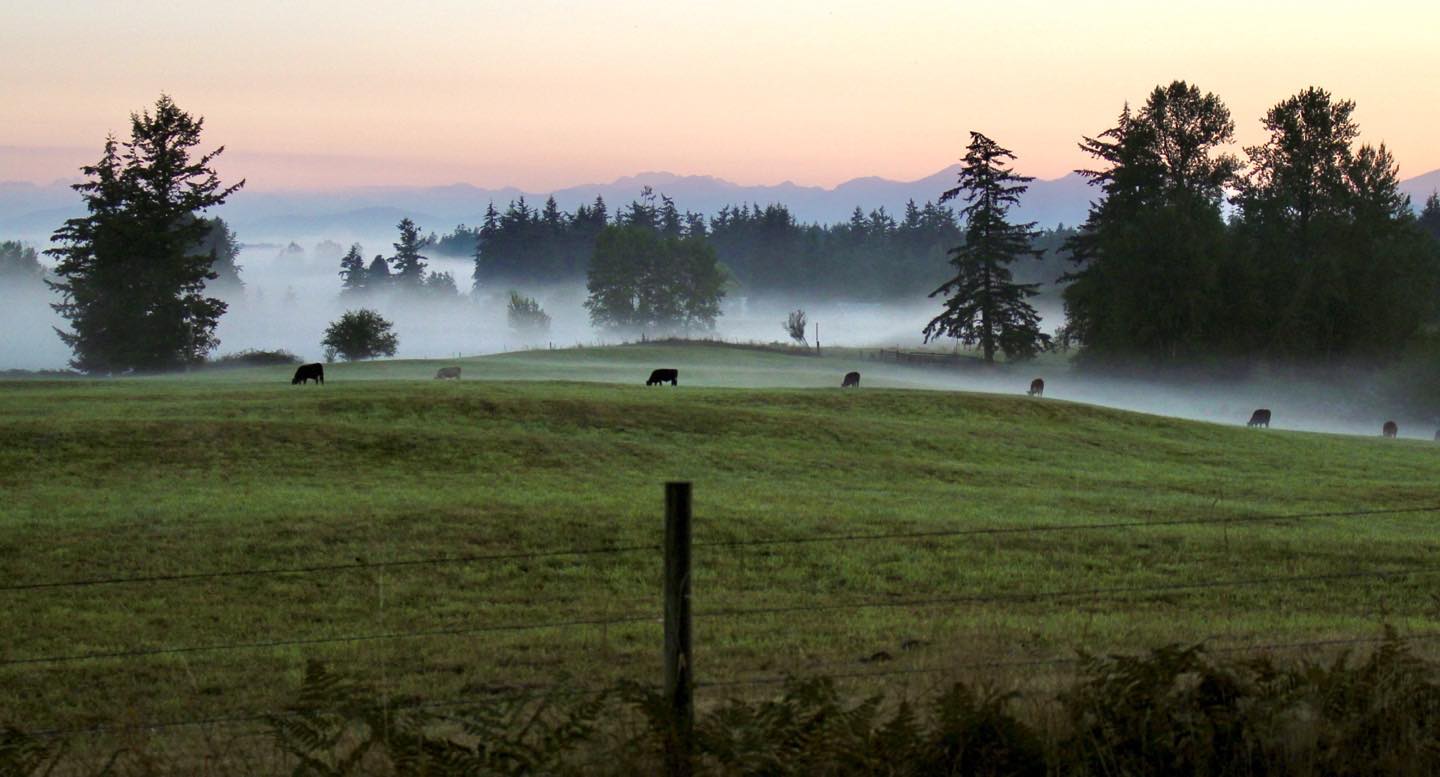
Most of the time I’m sleep walking through each day, oblivious, as if in dense fog with unseeing wide-open eyes.  There is a slow motion quality to time as it flows from one hour to the next to the next. I stumble through life asleep, the path indiscernible, my future uncertain, my purpose illusive.

Am I continually dozing or shall I rouse to the radical amazement of each moment?

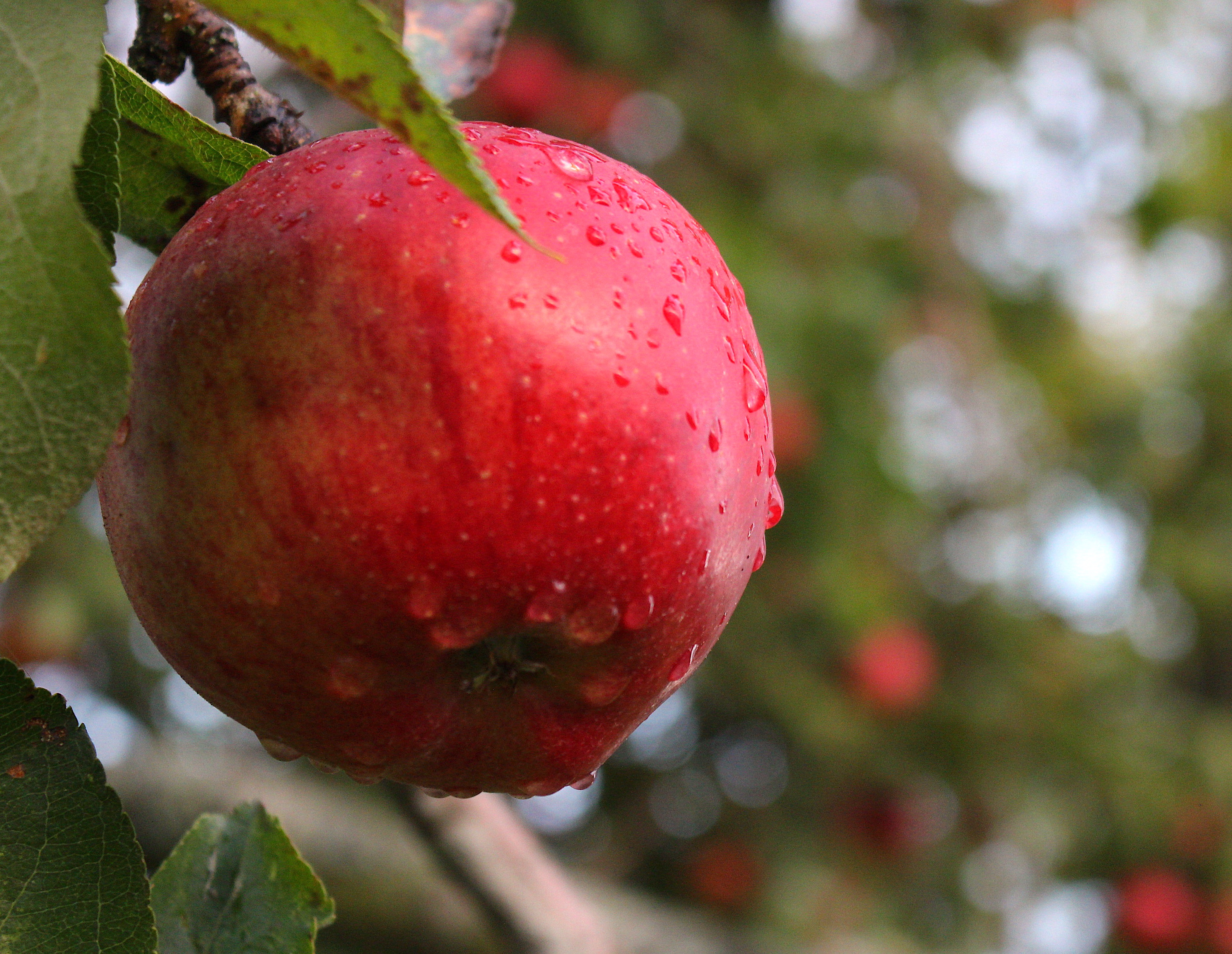
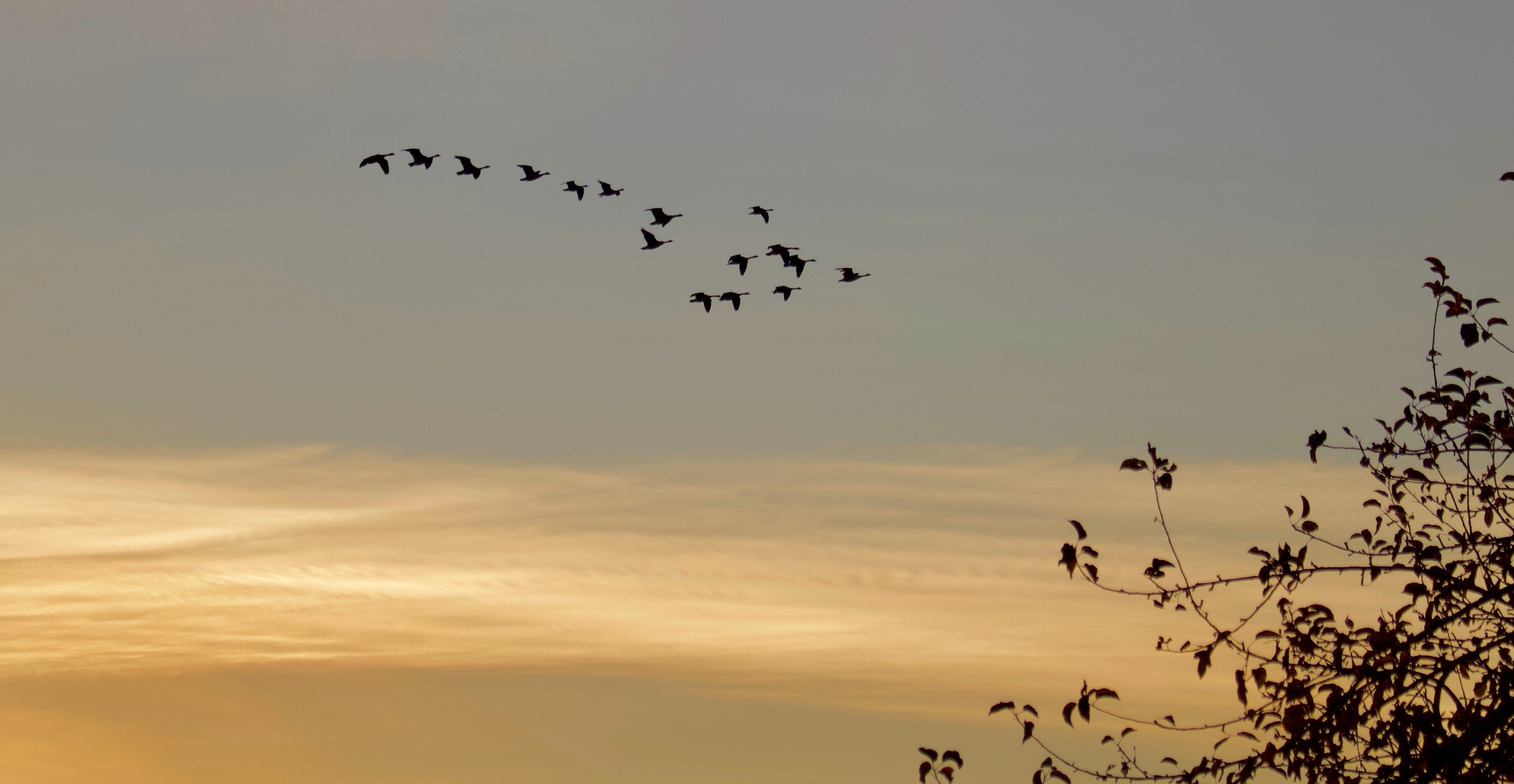
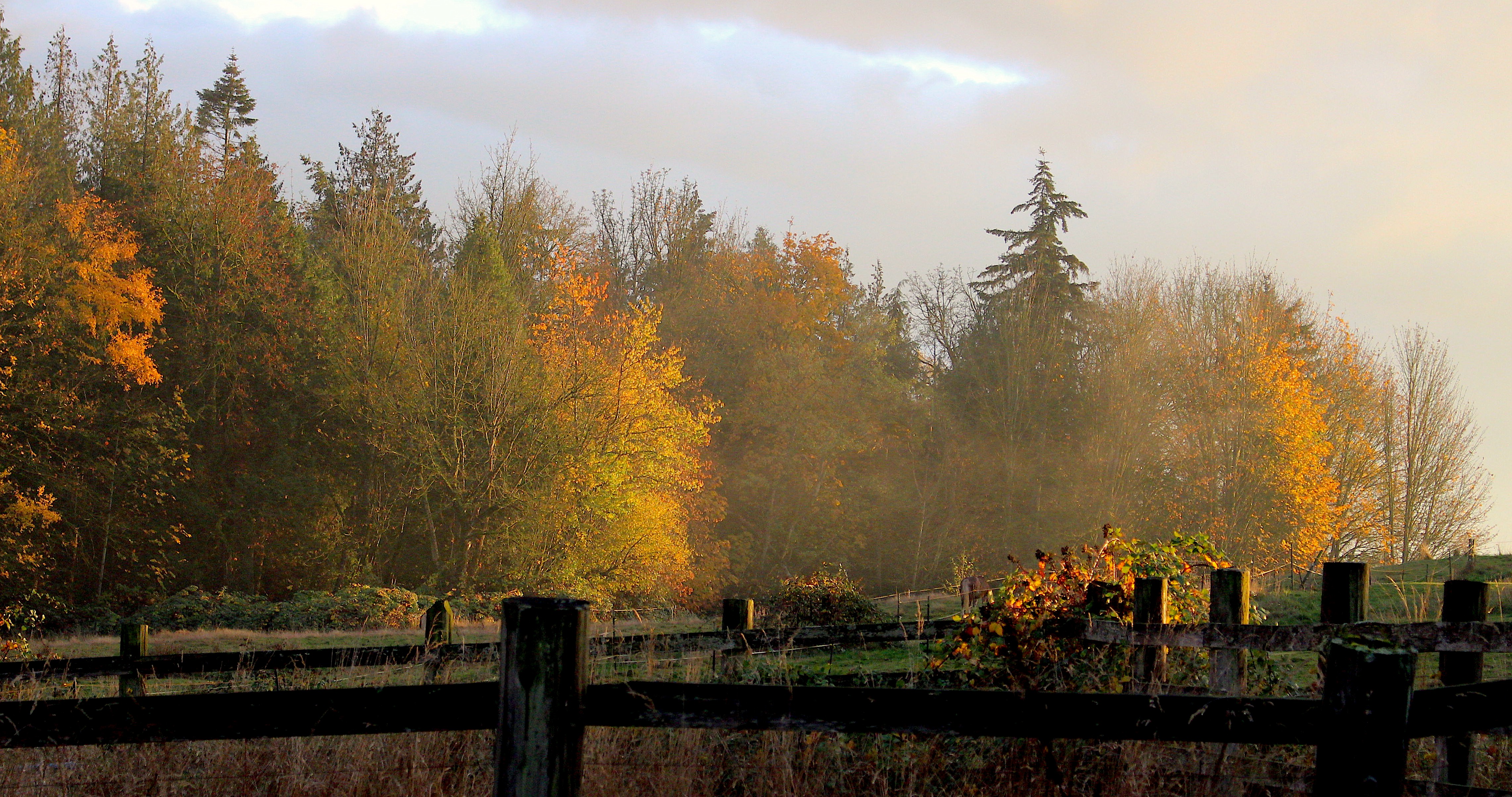
When I’m simply glad, everything becomes more vivid, as in a dream — the sounds of geese flying overhead, the smell of the farm, the layers of a foggy landscape, the taste of an autumn apple right from the tree, the string of fog-drop pearls on a spider web, the intensity of every breath, the purpose for being.

So wake me -please- to dream some more.   
I want to chew on it again and again, simply savoring and simply glad.

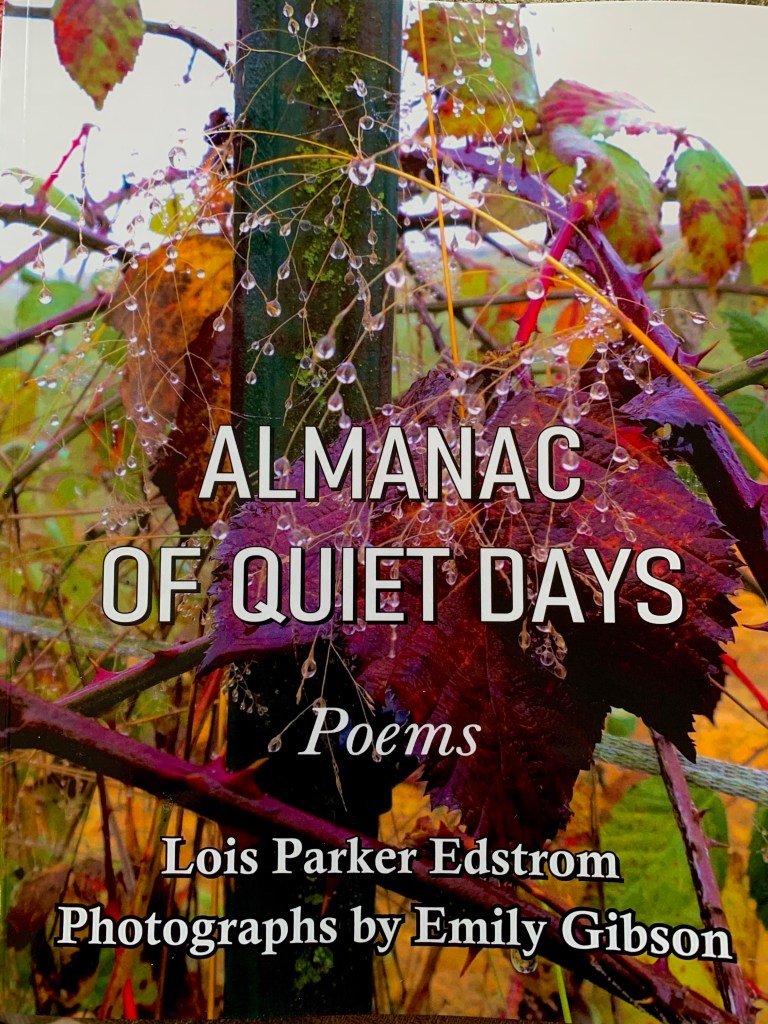
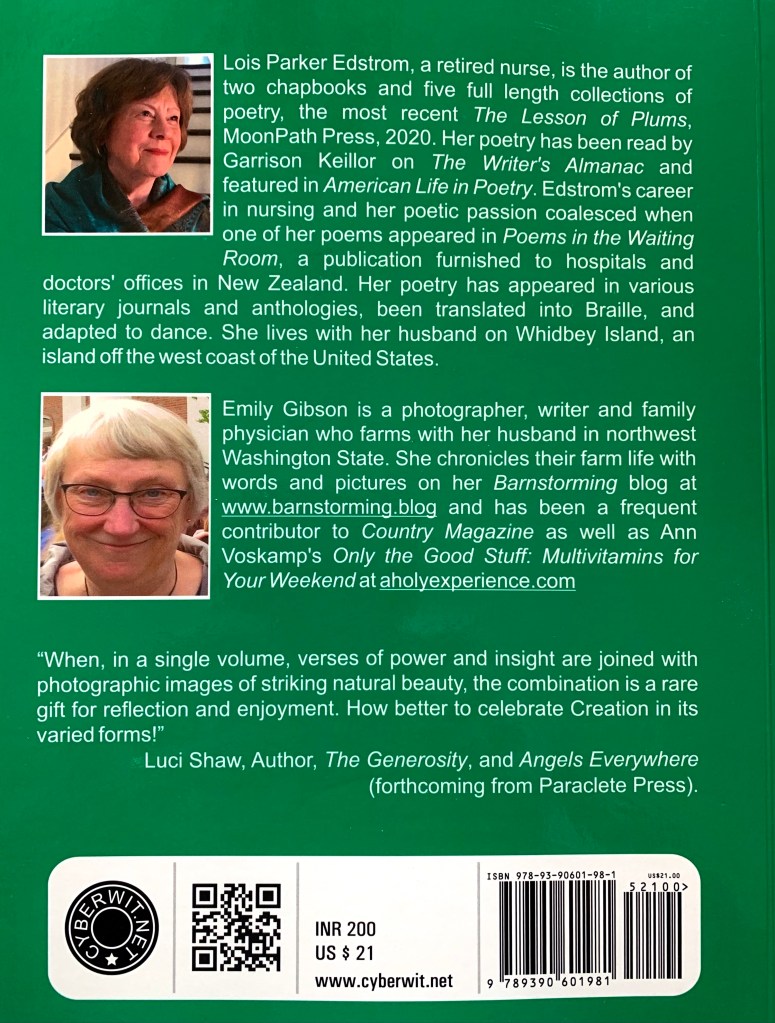
A book of beauty in words and photography, available to order here:

Almost Eternal, But Not Quite

Again I resume the long
lesson: how small a thing
can be pleasing, how little
in this hard world it takes
to satisfy the mind
and bring it to its rest.

Within the ongoing havoc
the woods this morning is
almost unnaturally still.
Through stalled air, unshadowed
light, a few leaves fall
of their own weight.

                                       The sky
is gray. It begins in mist
almost at the ground
and rises forever. The trees
rise in silence almost
natural, but not quite,
almost eternal, but
not quite.

                      What more did I
think I wanted? Here is
what has always been.
Here is what will always
be. Even in me,
the Maker of all this
returns in rest, even
to the slightest of His works,
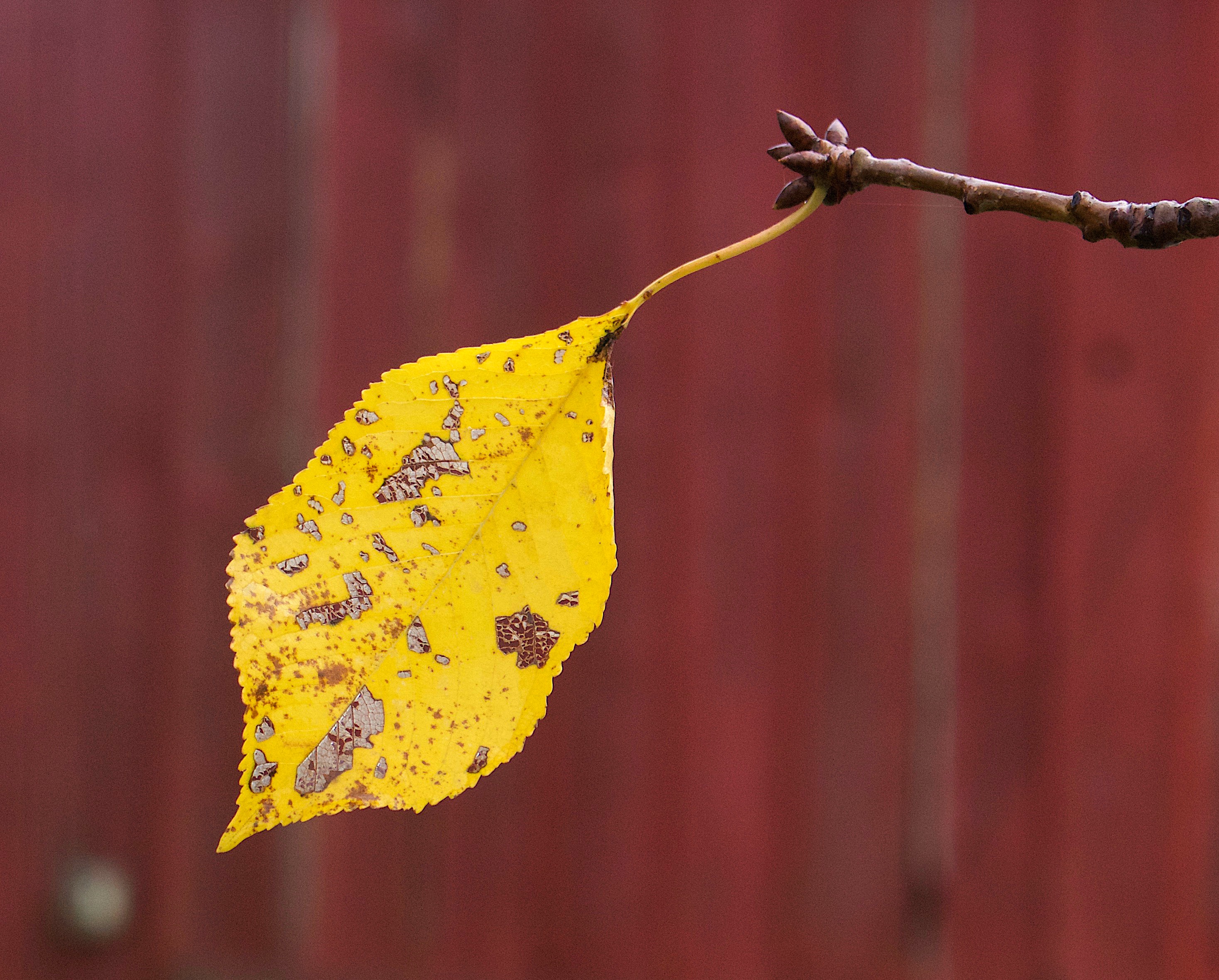
a yellow leaf slowly
falling, and is pleased.
~Wendell Berry “VII”

What more did I think I wanted?

To know that as long as I’m able to hold on,
I can be a spot of light in a dark and bleak world.
Once I let go,
it is finished and worthwhile,
seeing His knowing smile.

A book of beauty in words and photography, available to order here:

Where Eye Imagines Sight

A lurking man in that half light,
there where eye imagines sight,
stops my heart until I see
Lurking man is leaning tree.


What changed? The man? There was none. Tree?
The tree was always there. Then me?
I did not change. I came to see
and what I saw, what was could be.

~Archibald MacLeish, from Collected Poems 1917 to 1982

Every day I look for what is obvious on the farm – the trees, the flowers, the animals, the clouds, the lighting – all the daily and mundane things surrounding me. More often than not, what I see is straight-forward, needing no extra mental processing or interpretation.

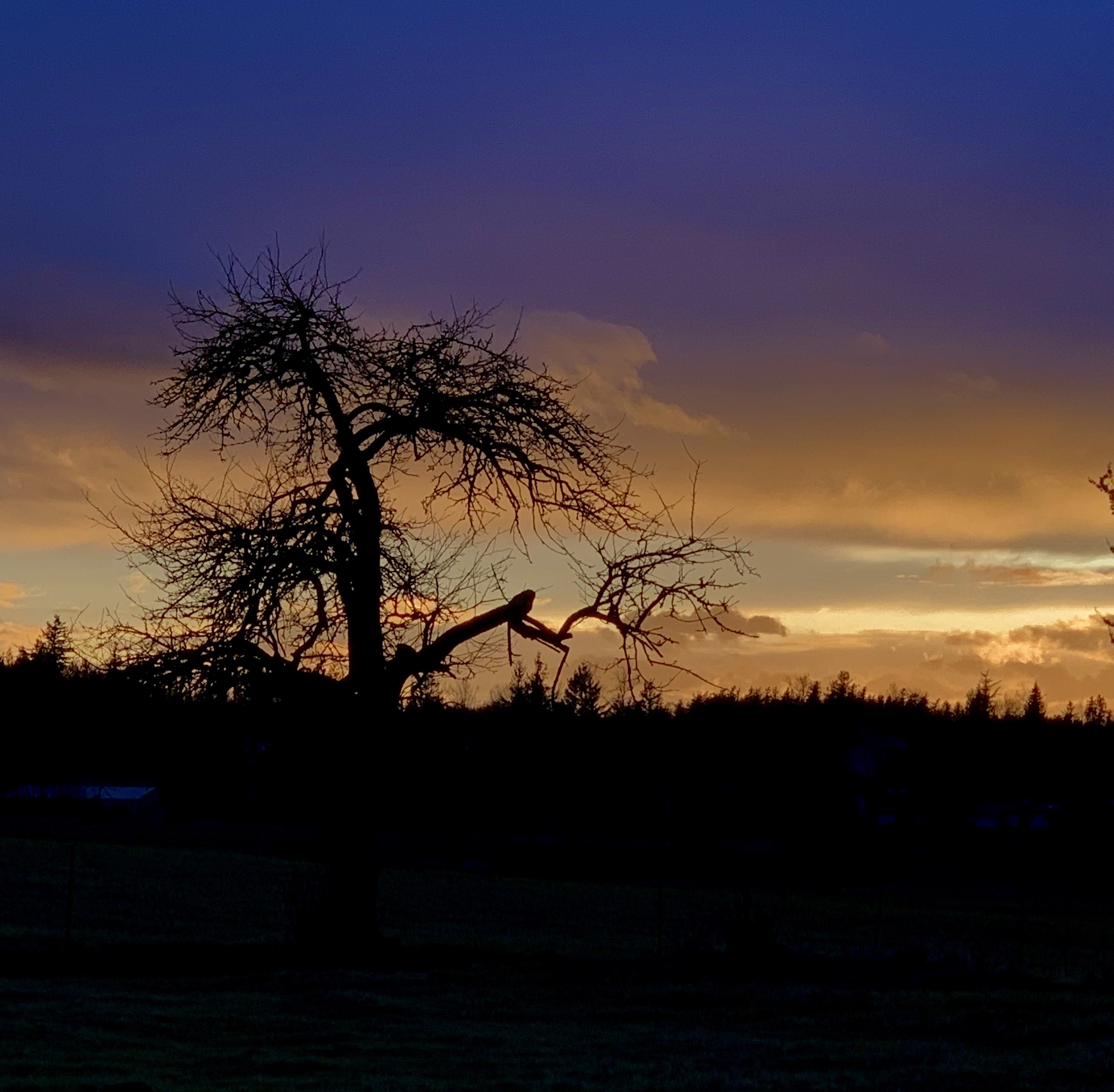
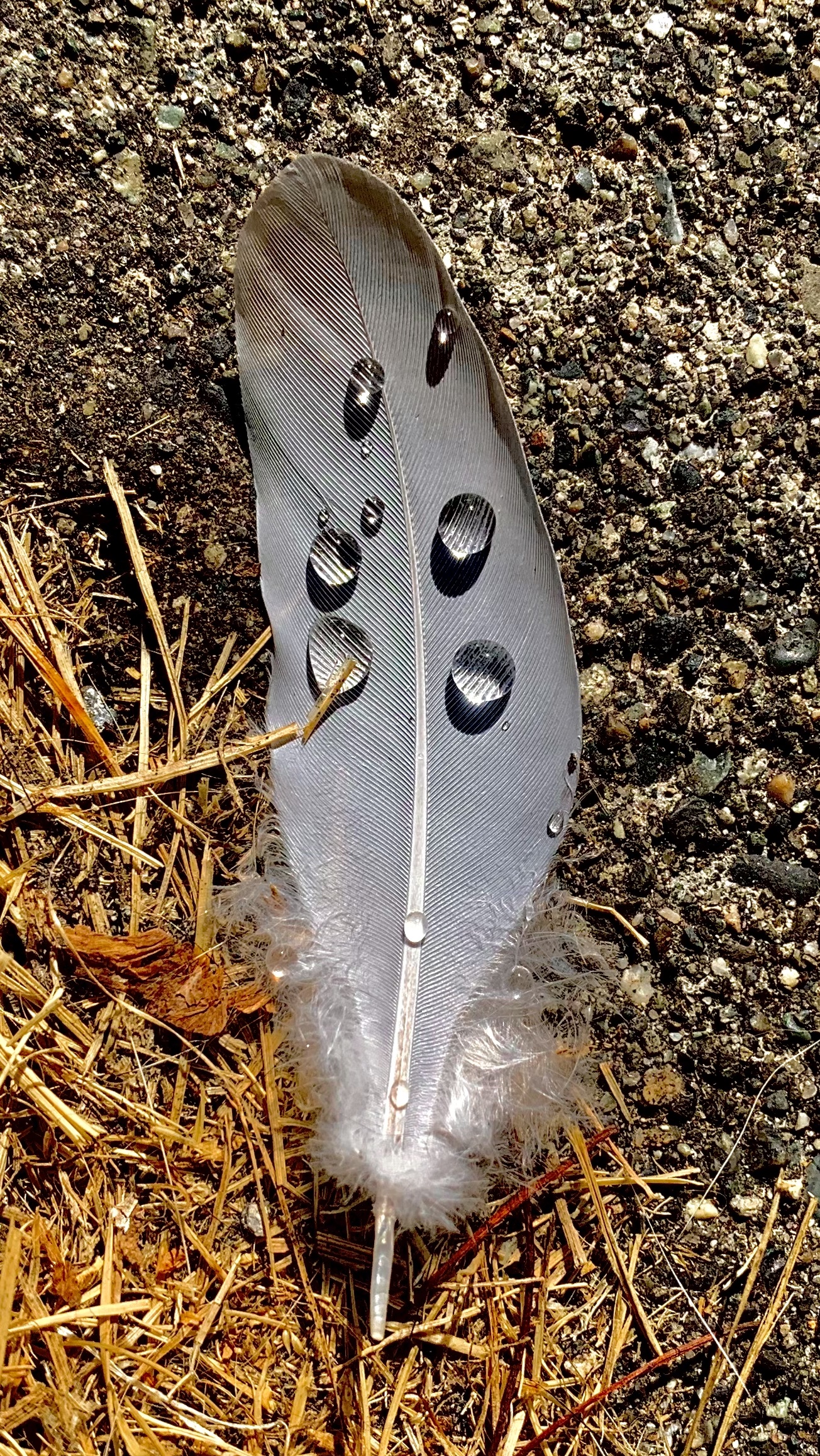
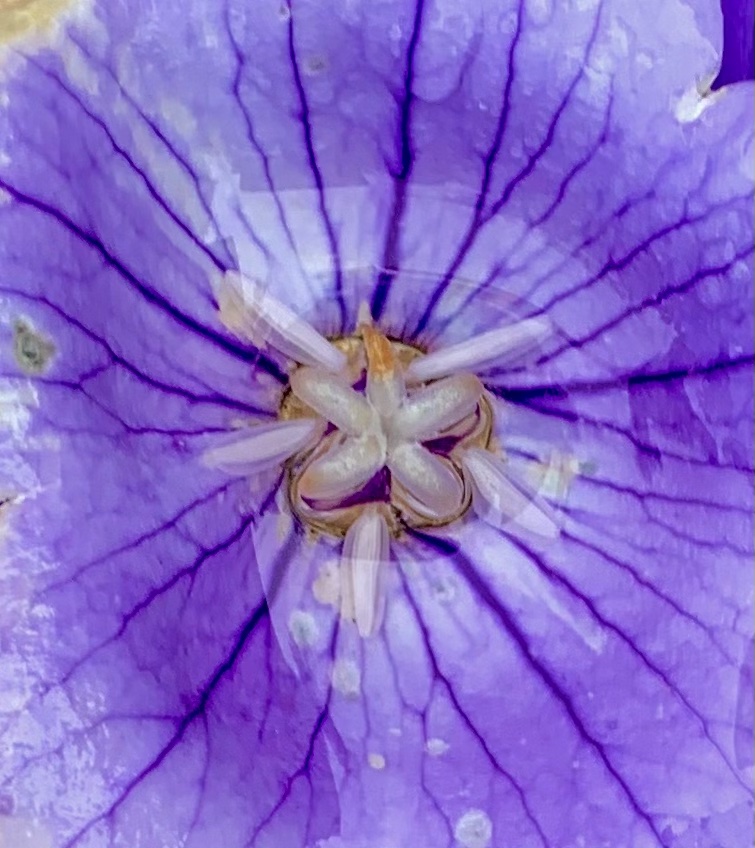
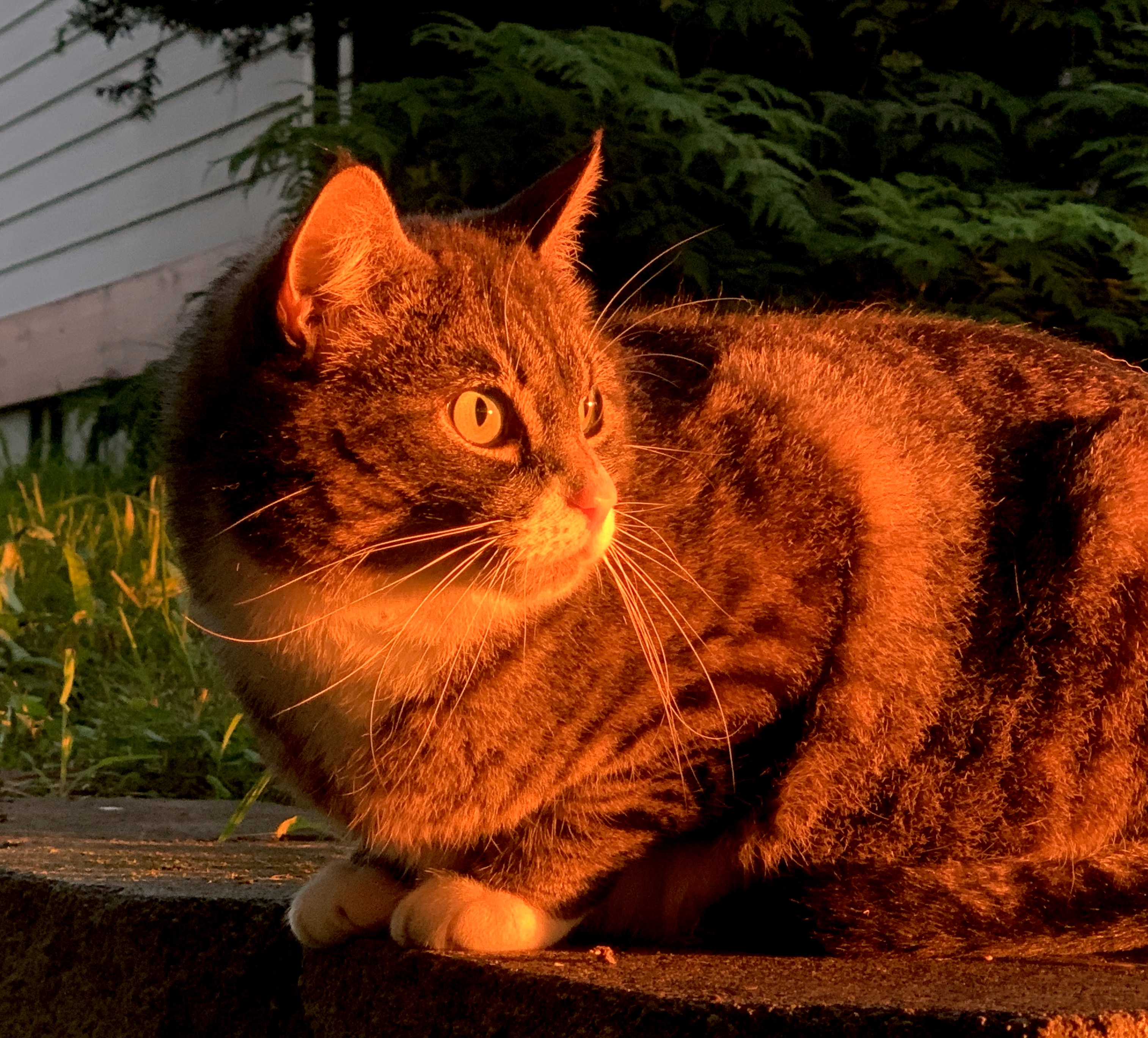
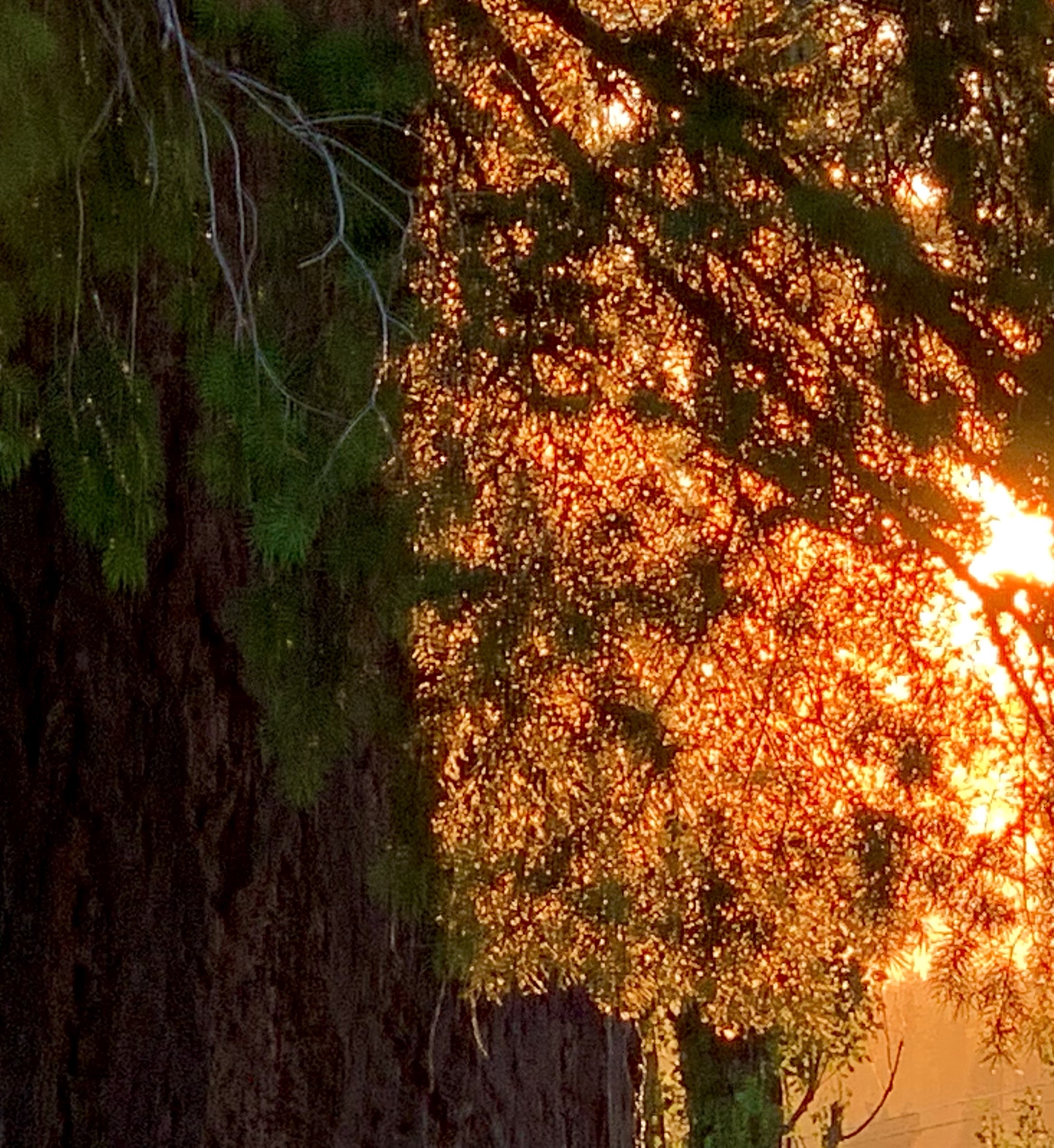
Occasionally, my mind’s eye sees more and I’m stopped in my tracks. What is it I’m seeing and how much am I simply imagining? I see what “could be” and that alone creates a new dimension to what, on the surface, is plain and simple. Suddenly what is plain becomes glorious – a flower is otherworldly, a cat transformed by light, a wet feather a thing of beauty, a tree moves and breathes as if it is on fire.

Because my mind’s eye wants to look deeper, I see more detail.
Because I myself am complex, I seek out complexity.
Because I need transformation and renewal,
my mind seeks to transform and renew.
Because nothing around me is quite as it seems on the surface,
I am called upon to notice it, in its beauty and in its simplicity.

I am changed by imagining how glorious things could be.

Imagine what your mind’s eye can see in more Barnstorming photos in this book, available to order here:

Spin Until I’m Dizzy

Tomorrow
there will be sun, scalloped by clouds,
ushered in by a waterfall of birdsong.
It will be a temperate seventy-five, low
humidity. For twenty-four hours,
all politicians will be silent. Reality
programs will vanish from TV, replaced
by the “snow” that used to decorate
our screens when reception wasn’t
working. Soldiers will toss their weapons
in the grass. The oceans will stop
their inexorable rise. No one
will have to sit on a committee.
When twilight falls, the aurora borealis
will cut off cell phones, scramble the internet.
We’ll play flashlight tag, hide and seek,
decorate our hair with fireflies, spin
until we’re dizzy, collapse
on the dew-decked lawn and look up,
perhaps for the first time, to read the long lines
of cold code written in the stars….
~Barbara Crooker “Tomorrow” from Some Glad Morning.

Might I hope for a better tomorrow?

Awash in this world of technological and political complexity, I forget the simple pleasure of lying in the grass, looking up and staring at the stars spinning above me.

I become dizzy with the possibilities.

A new book from Barnstorming is available for order here:

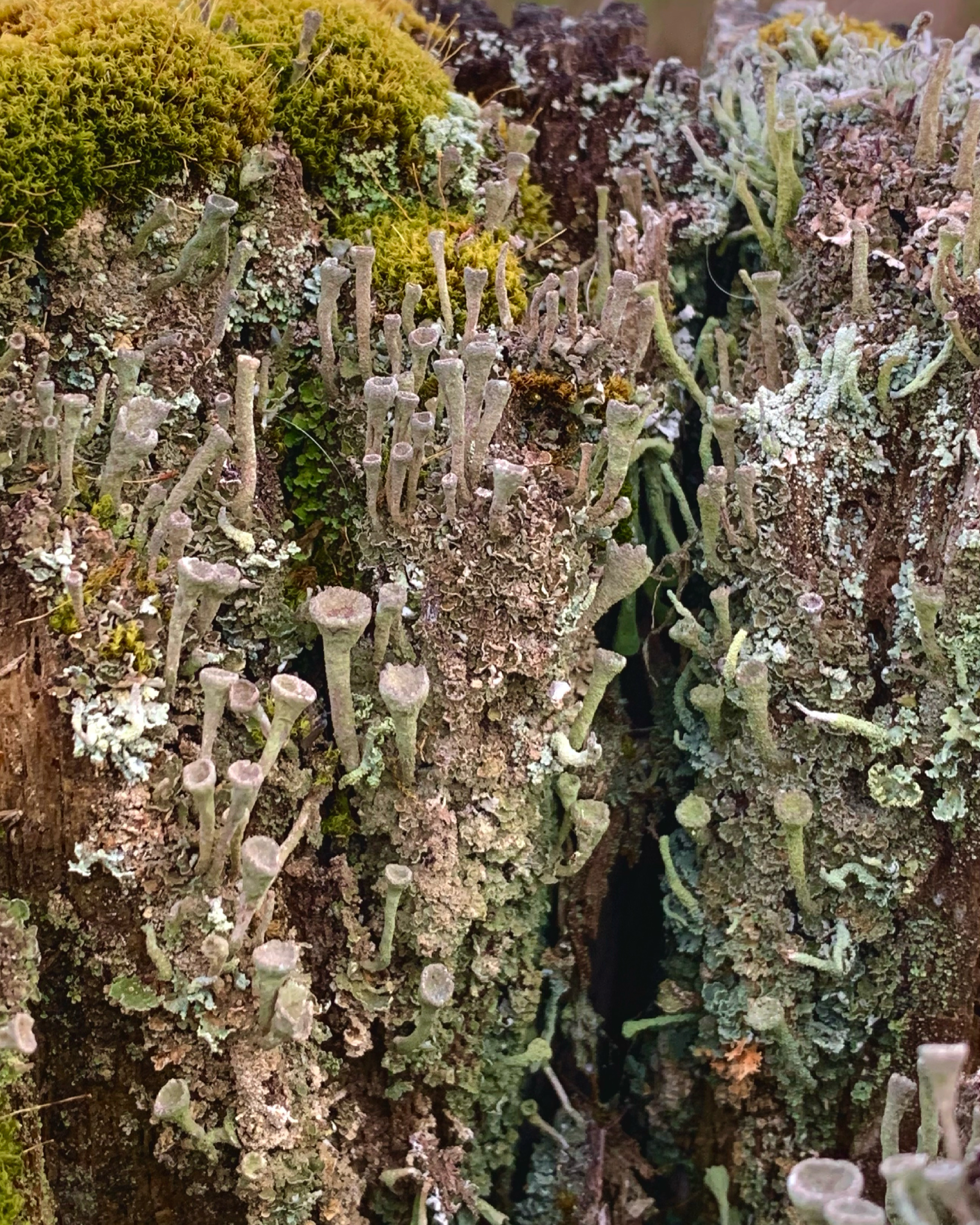
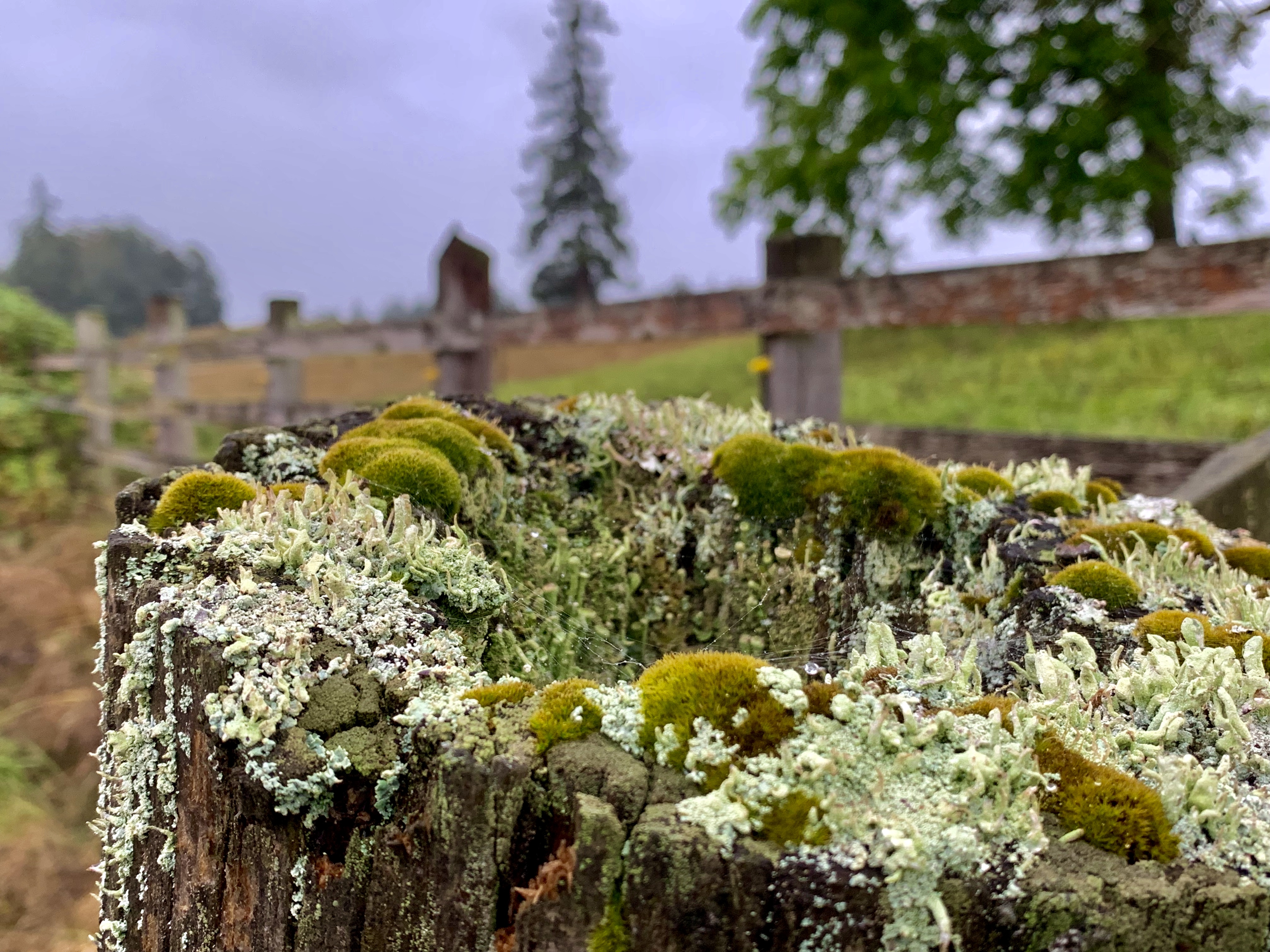
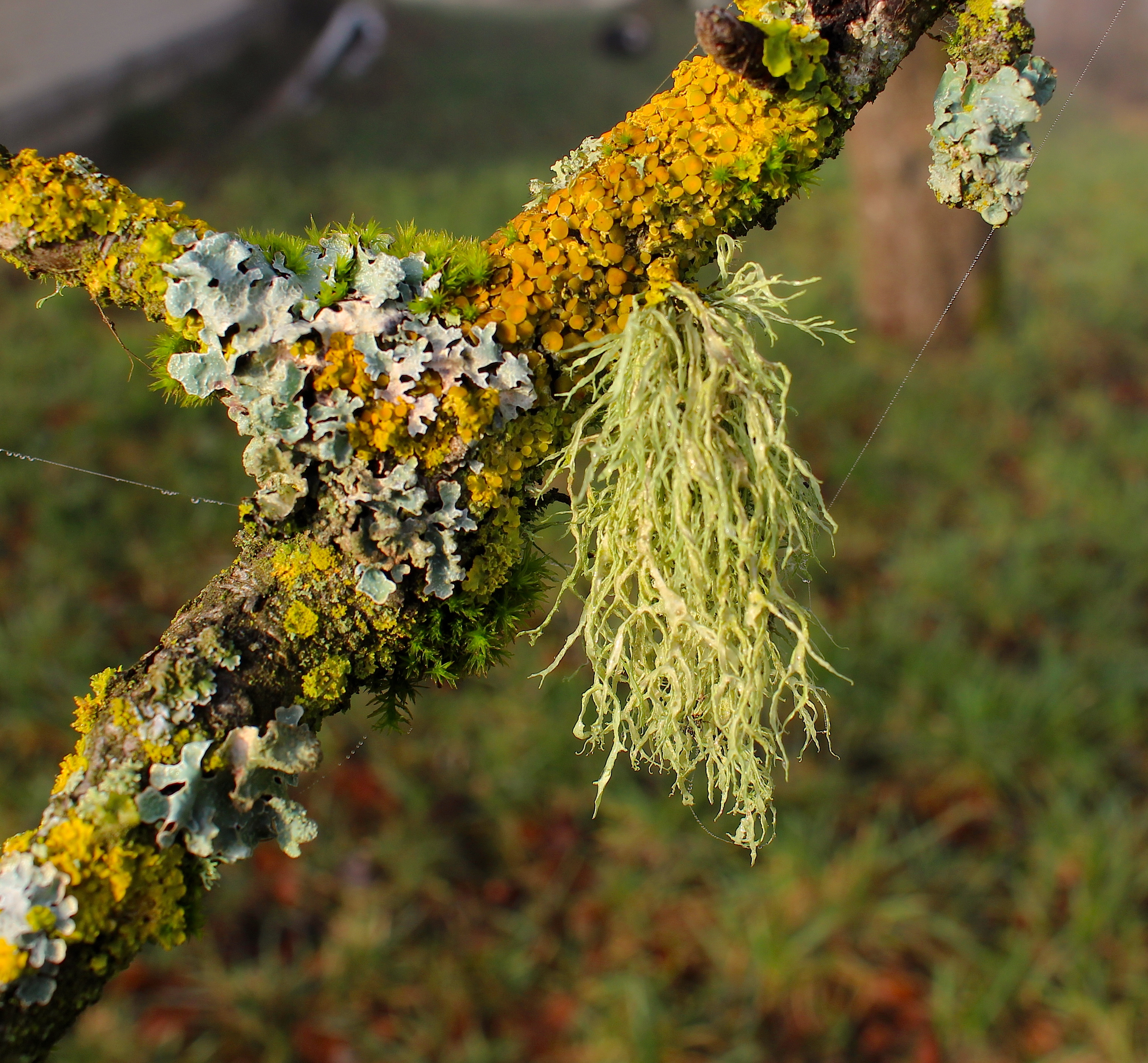
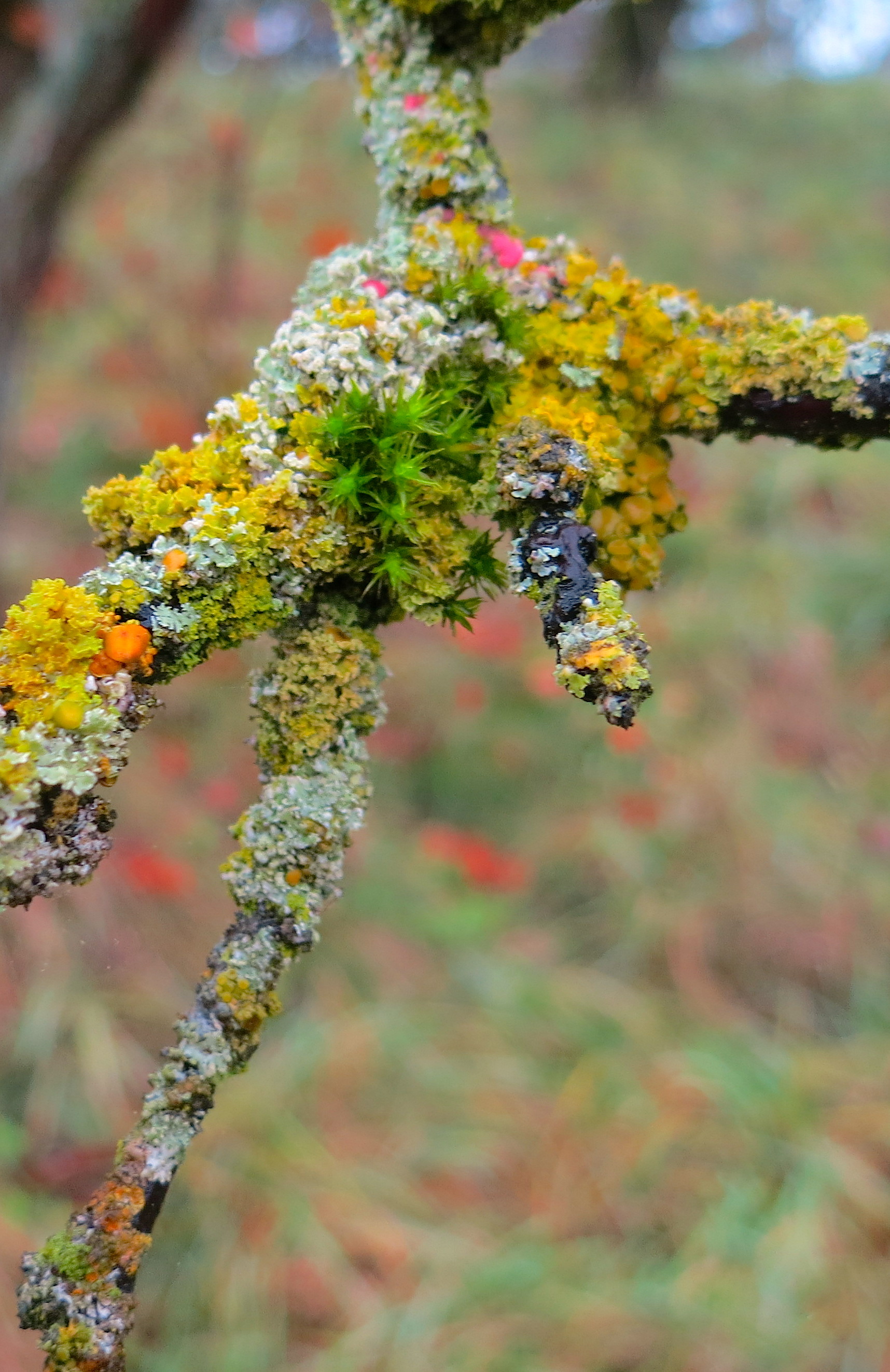
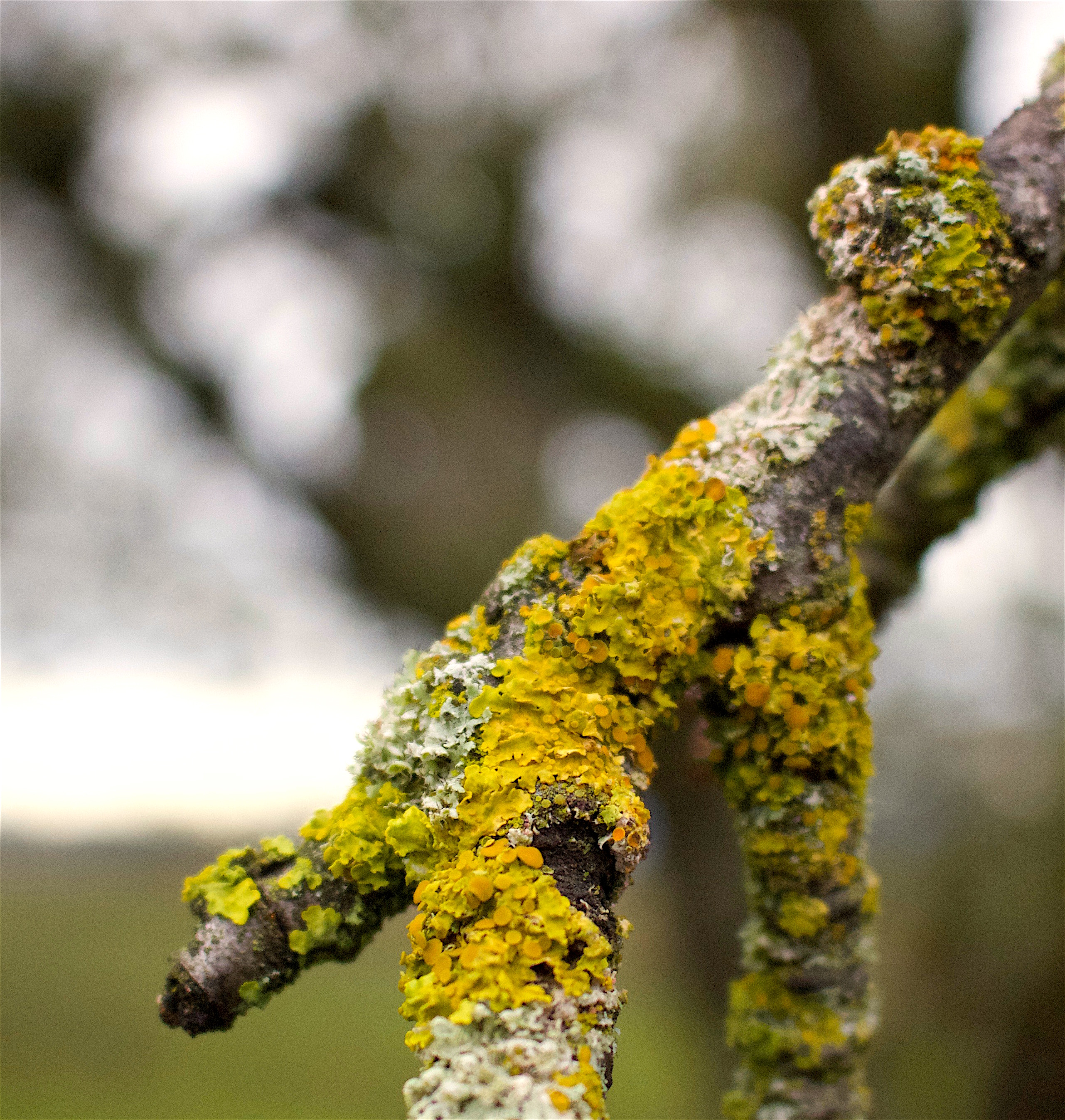
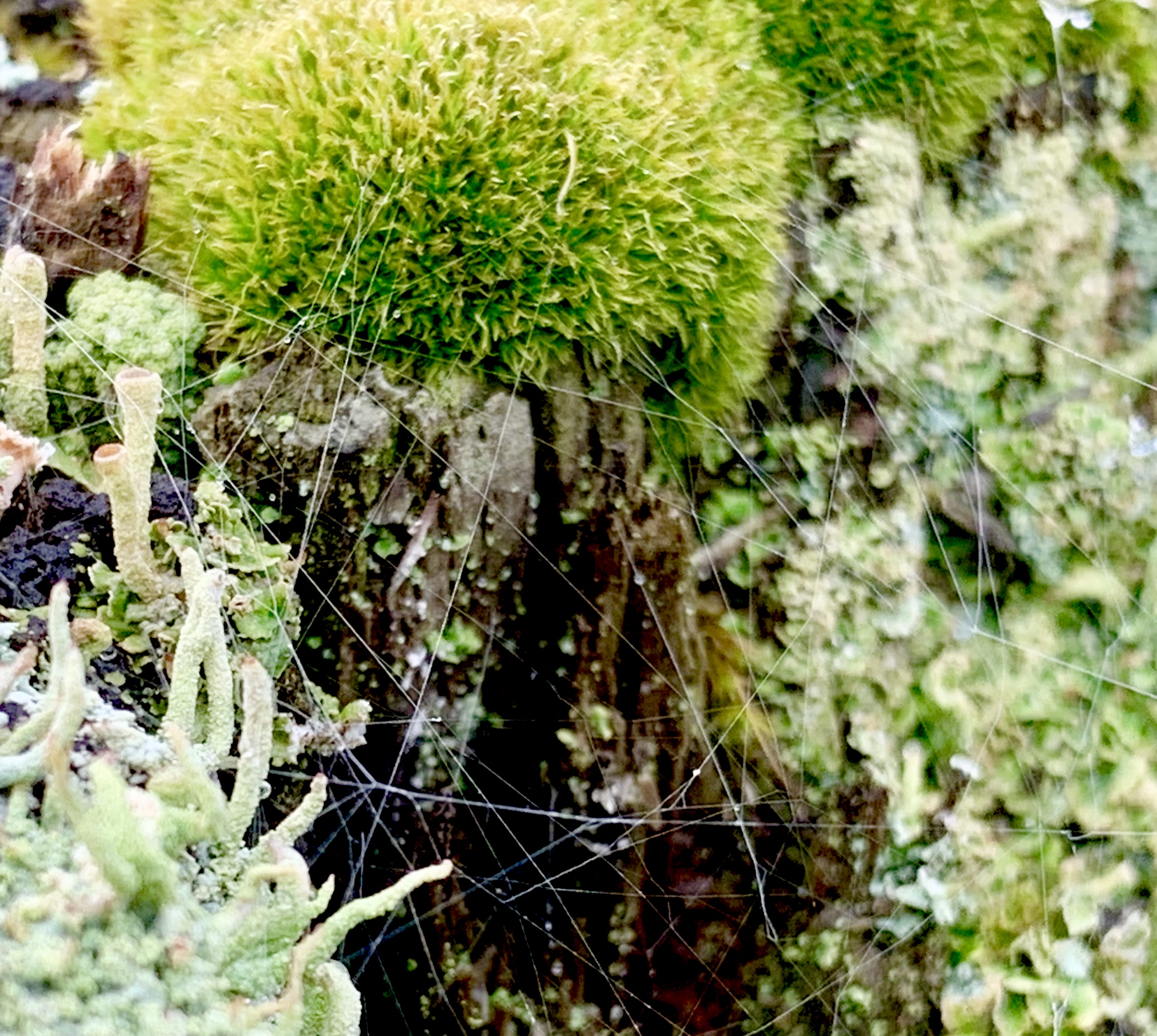
It is a Lichen Day

It is a lichen day.
Not a bit of rotten wood lies on the dead leaves,
but it is covered with fresh, green cup lichens…
All the world seems a great lichen and to grow like one.

Nature doth thus kindly heal every wound.
By the mediation of a thousand little mosses and fungi,
the most unsightly objects become radiant of beauty.
There seem to be two sides of this world, presented us at different times,
as we see things in growth or dissolution, in life or death.


And seen with the eye of the poet,
as God sees them,
all things are alive and beautiful
~Henry David Thoreau from his journal

The truth is-
I’m somewhat of a lichen myself –
not easily defined,
a bit of an opportunist,
thriving in gray drizzle,
sometimes colorful but most often not,
attempting to cover and heal unseen wounds.

Mostly I hang on,
persevering,
at times obnoxiously tenacious
and not always appreciated,
yet…unique in an other worldly way.

A dreamer of fairy tale kingdoms
while living simply a peasant’s life
in plain sight.

Mosaic

Winter is an etching,
spring a watercolor,
summer an oil painting

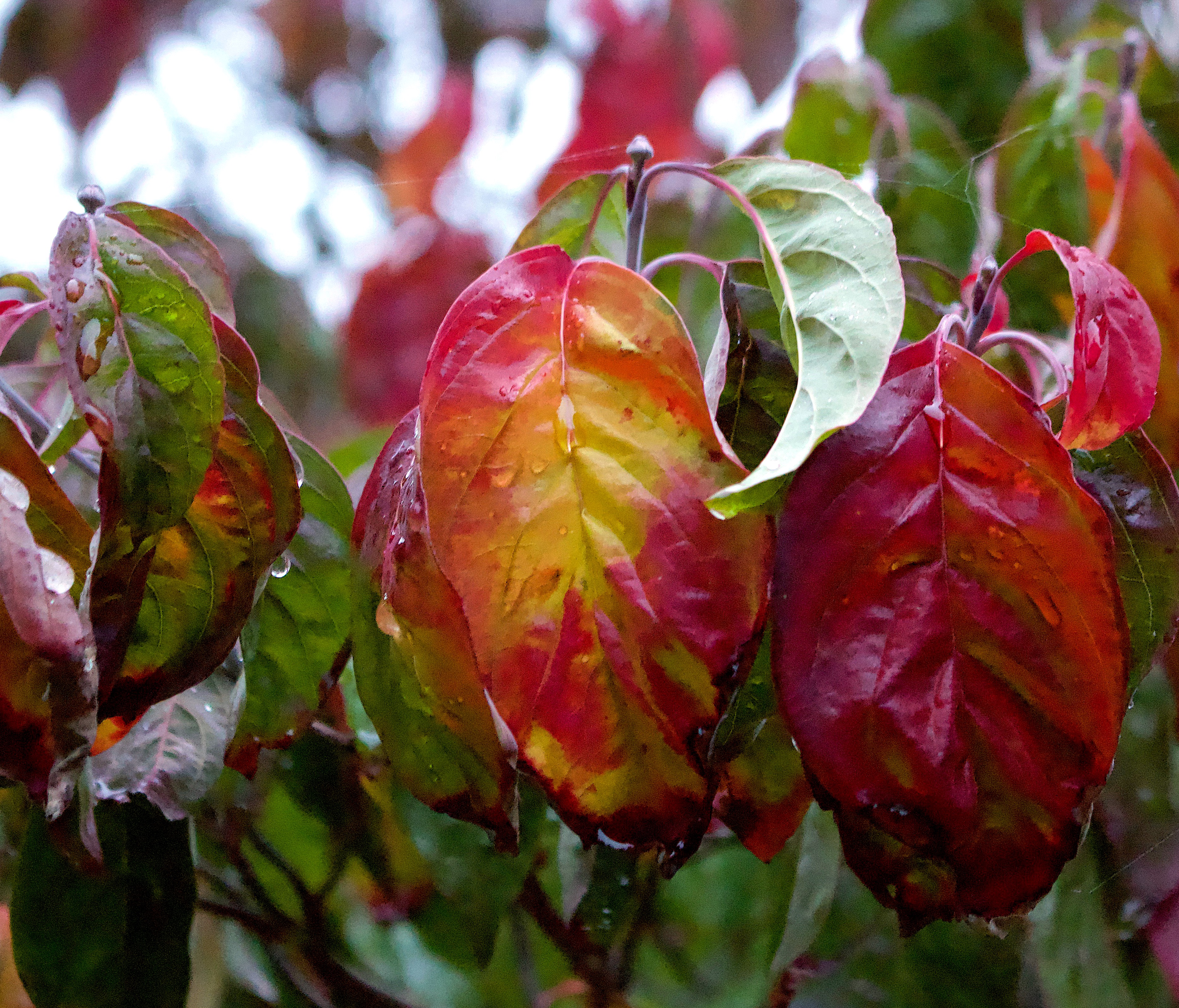
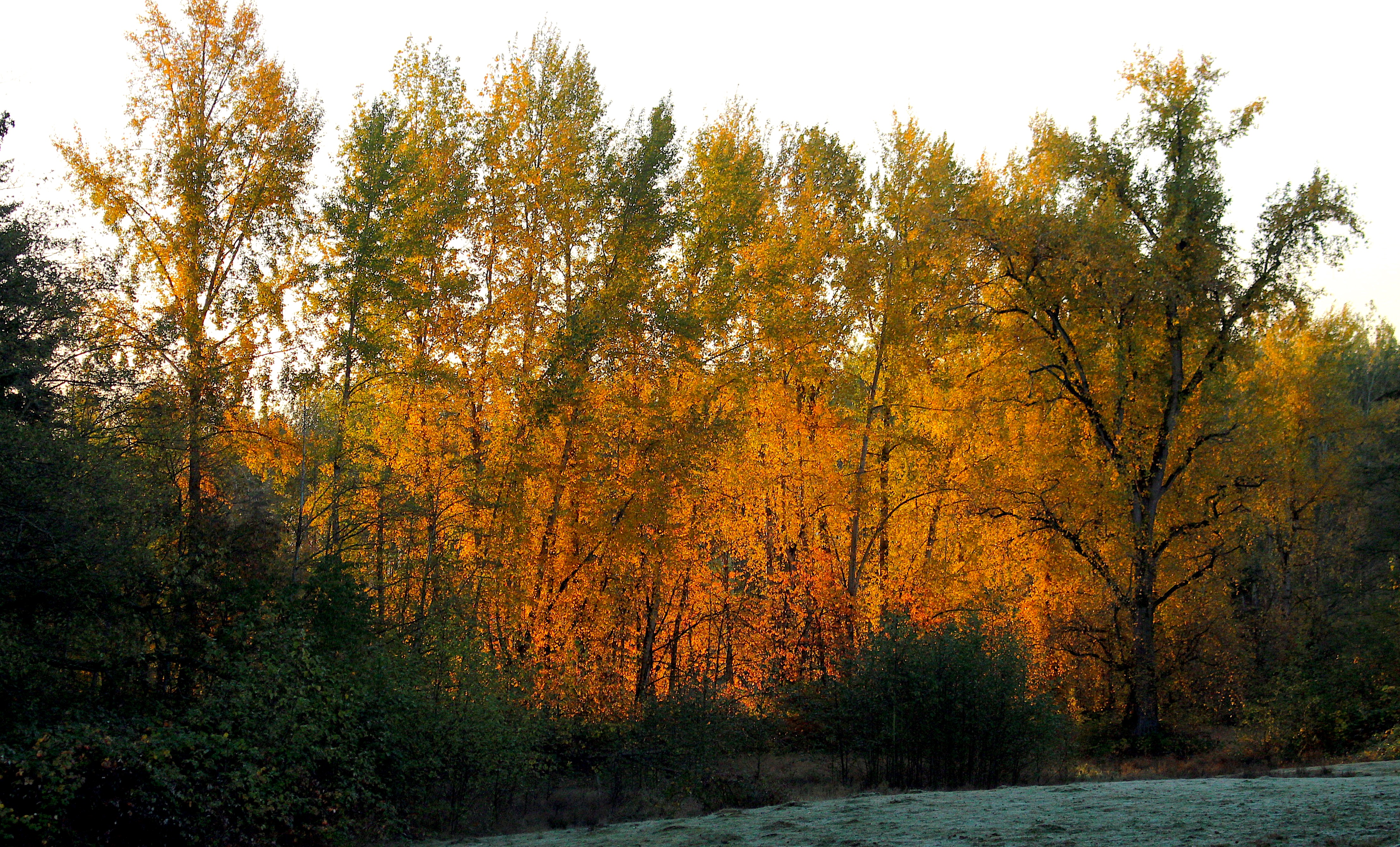
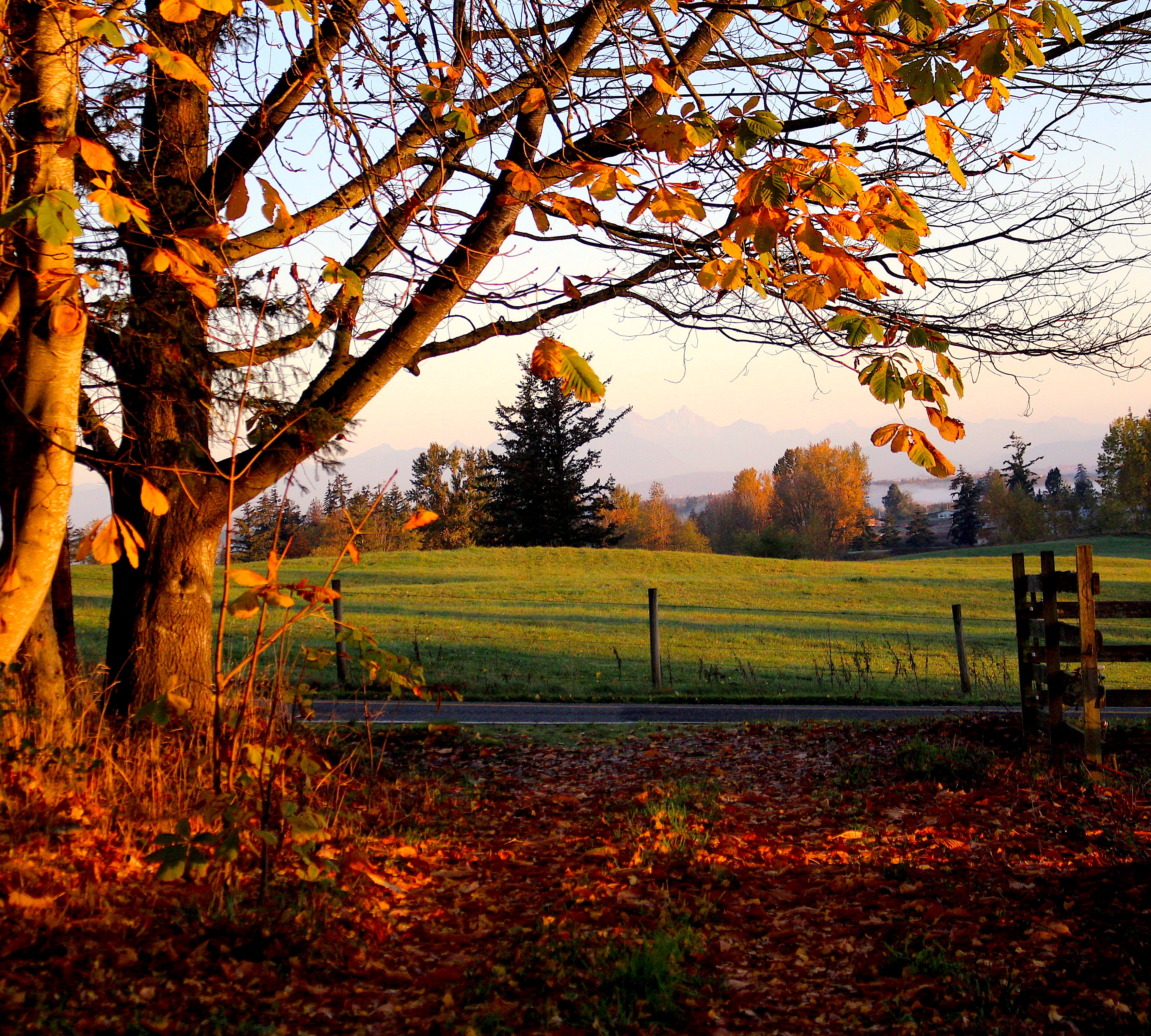
and autumn a mosaic of them all.
~Stanley Horowitz

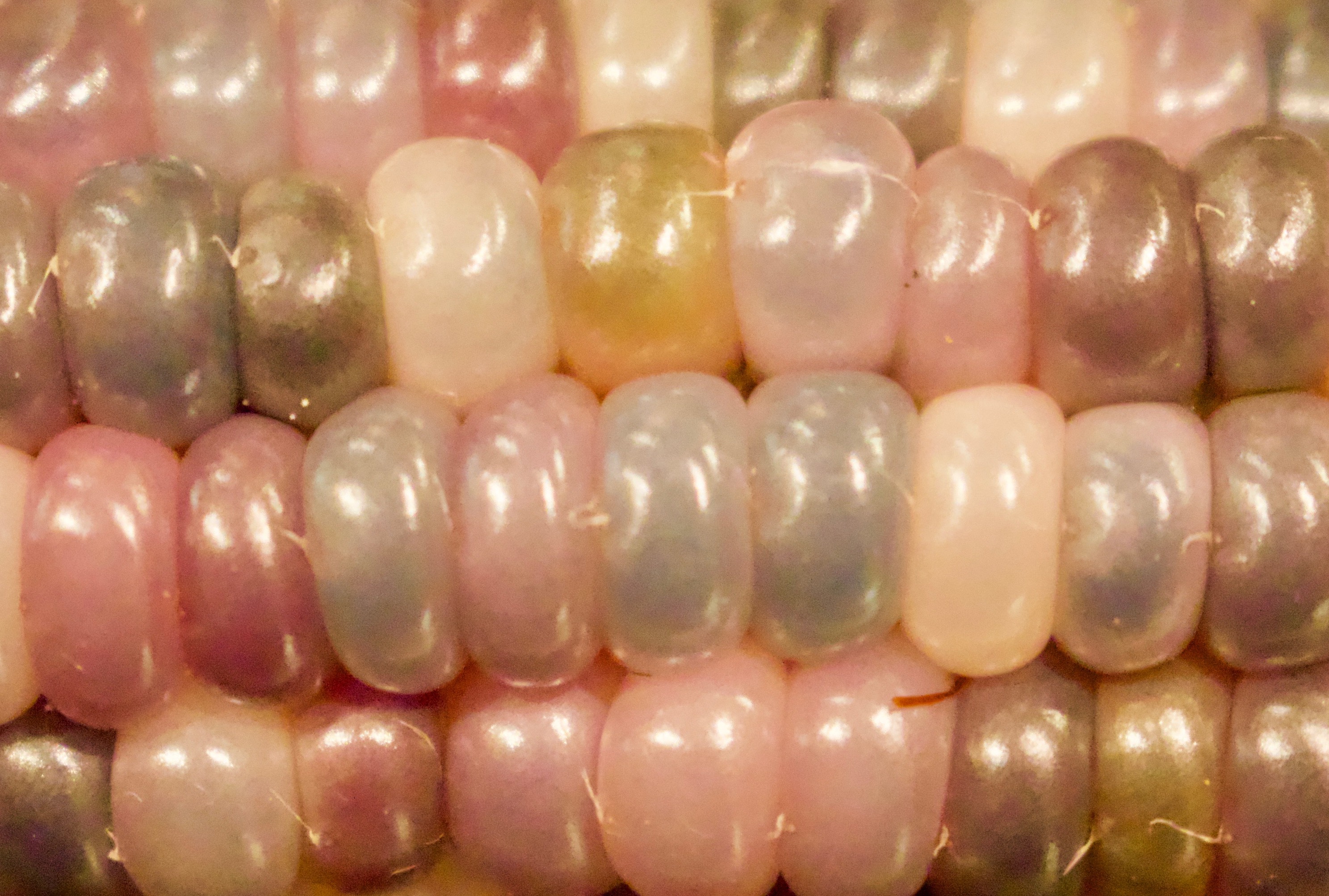
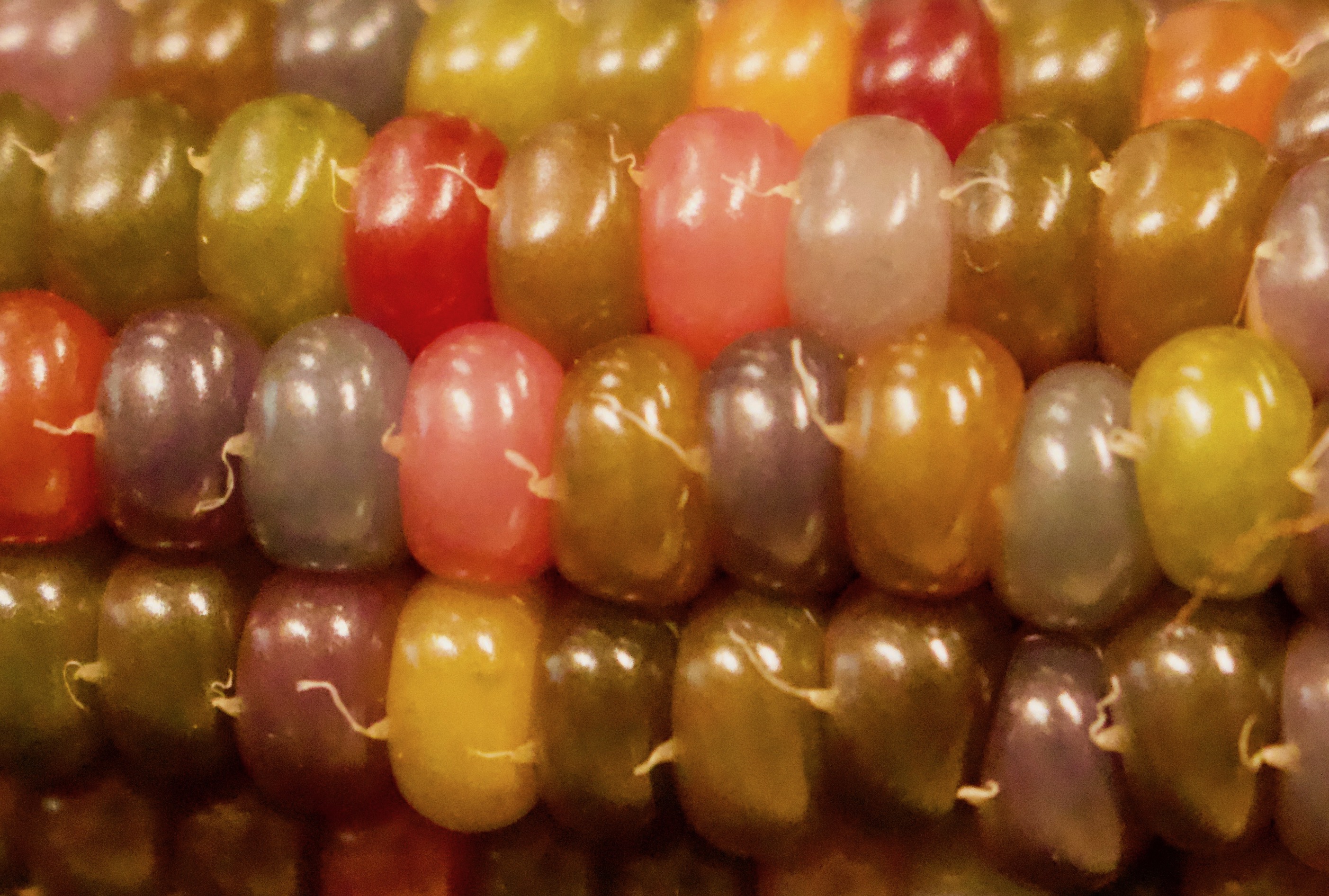
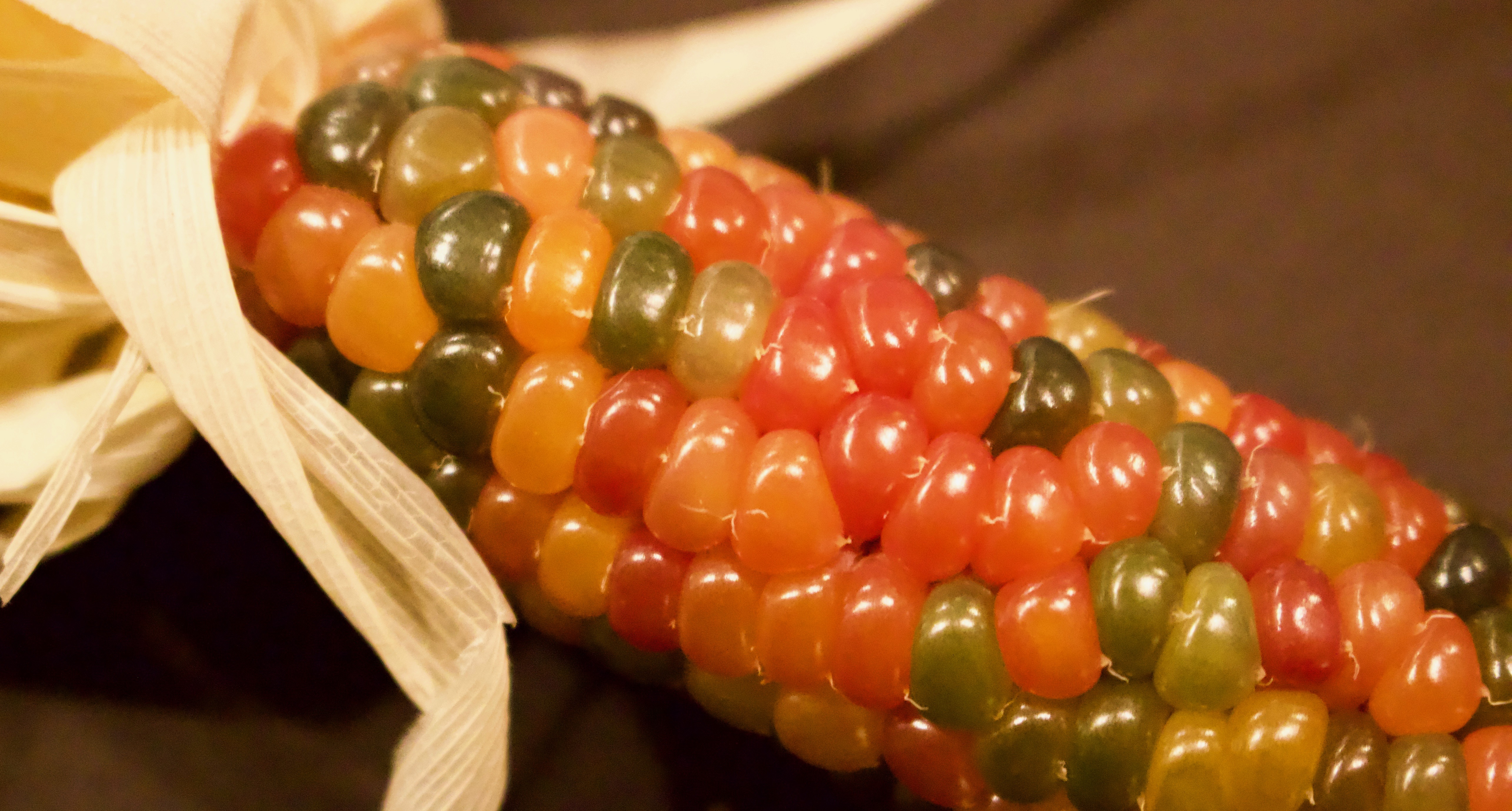
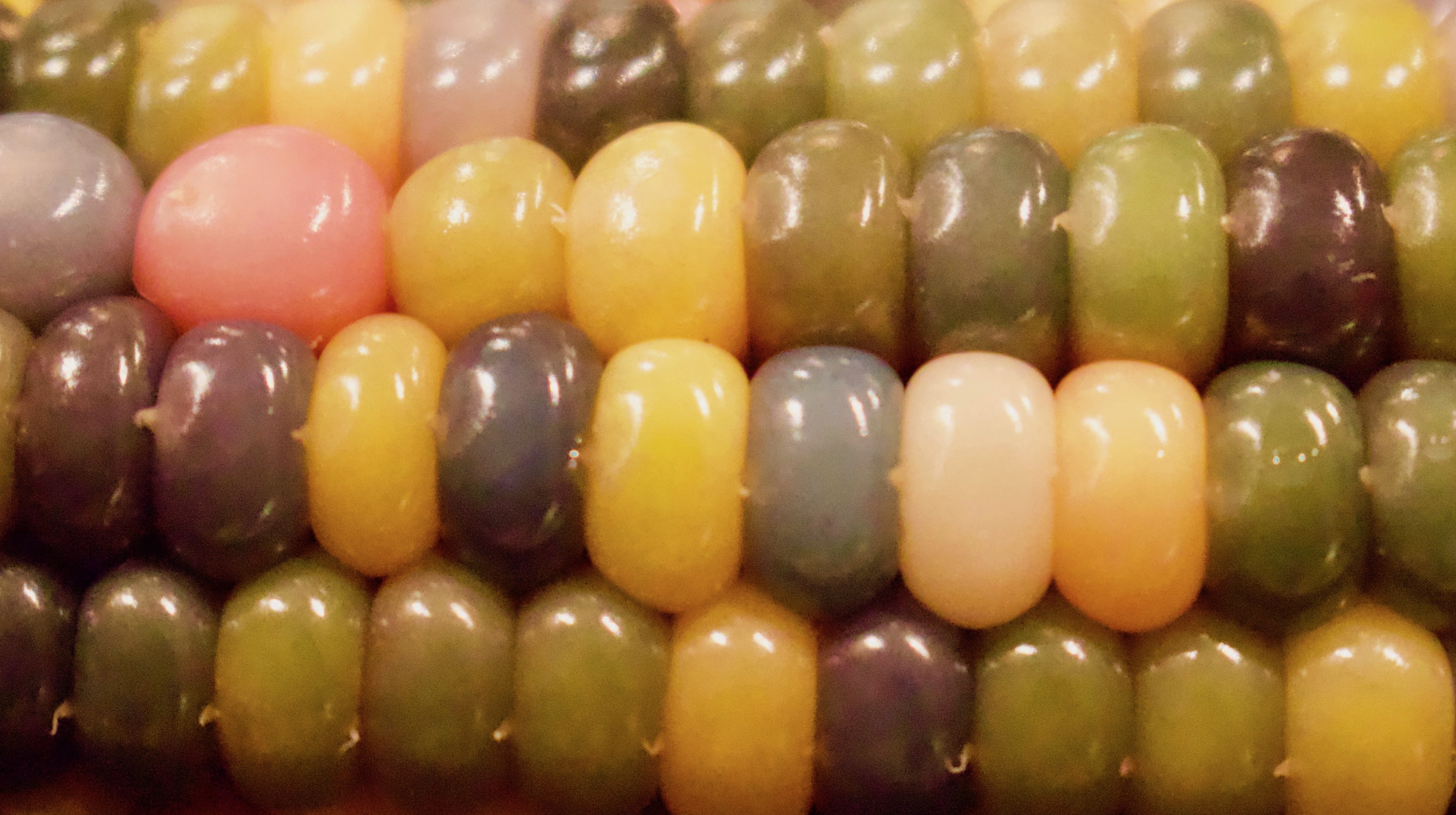
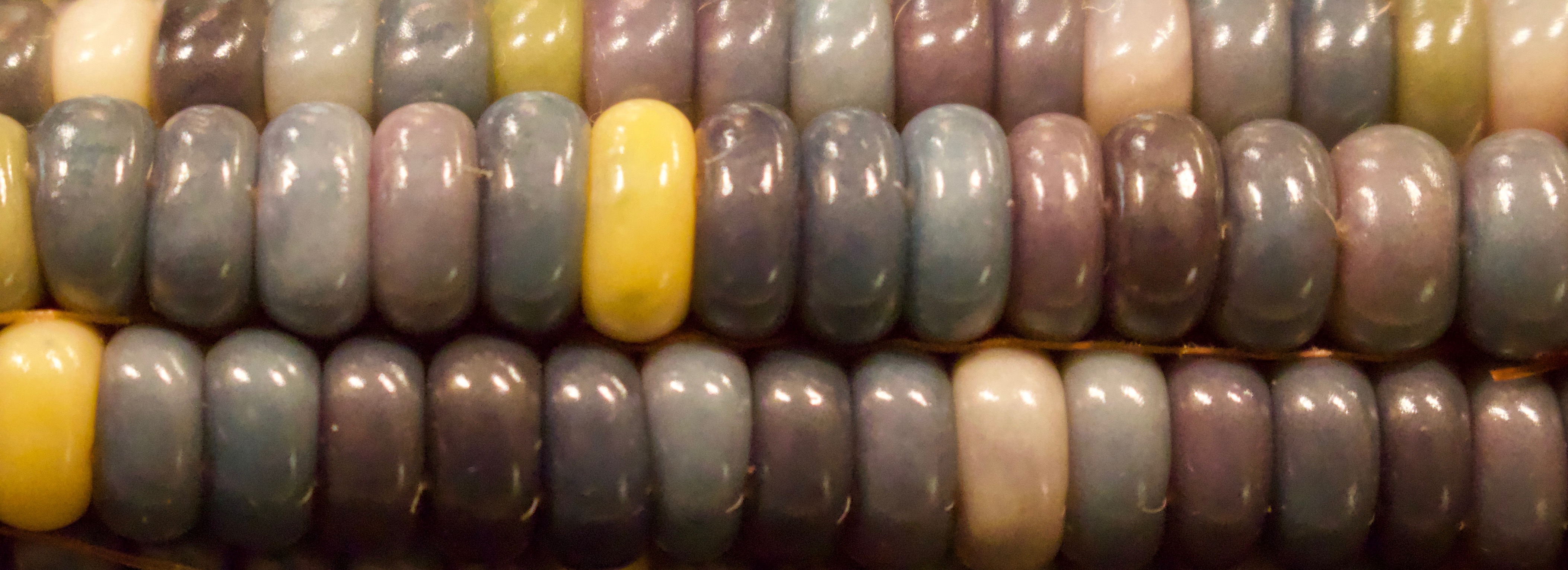
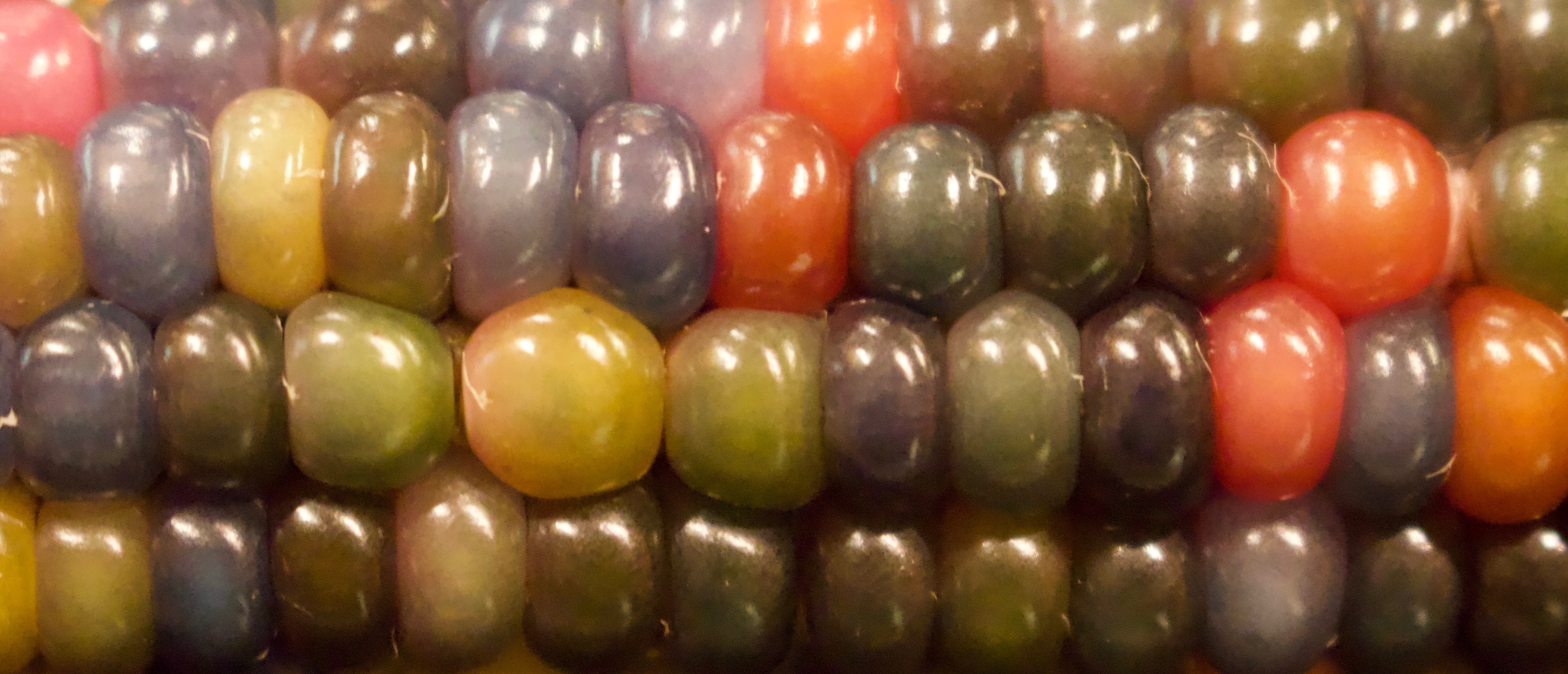
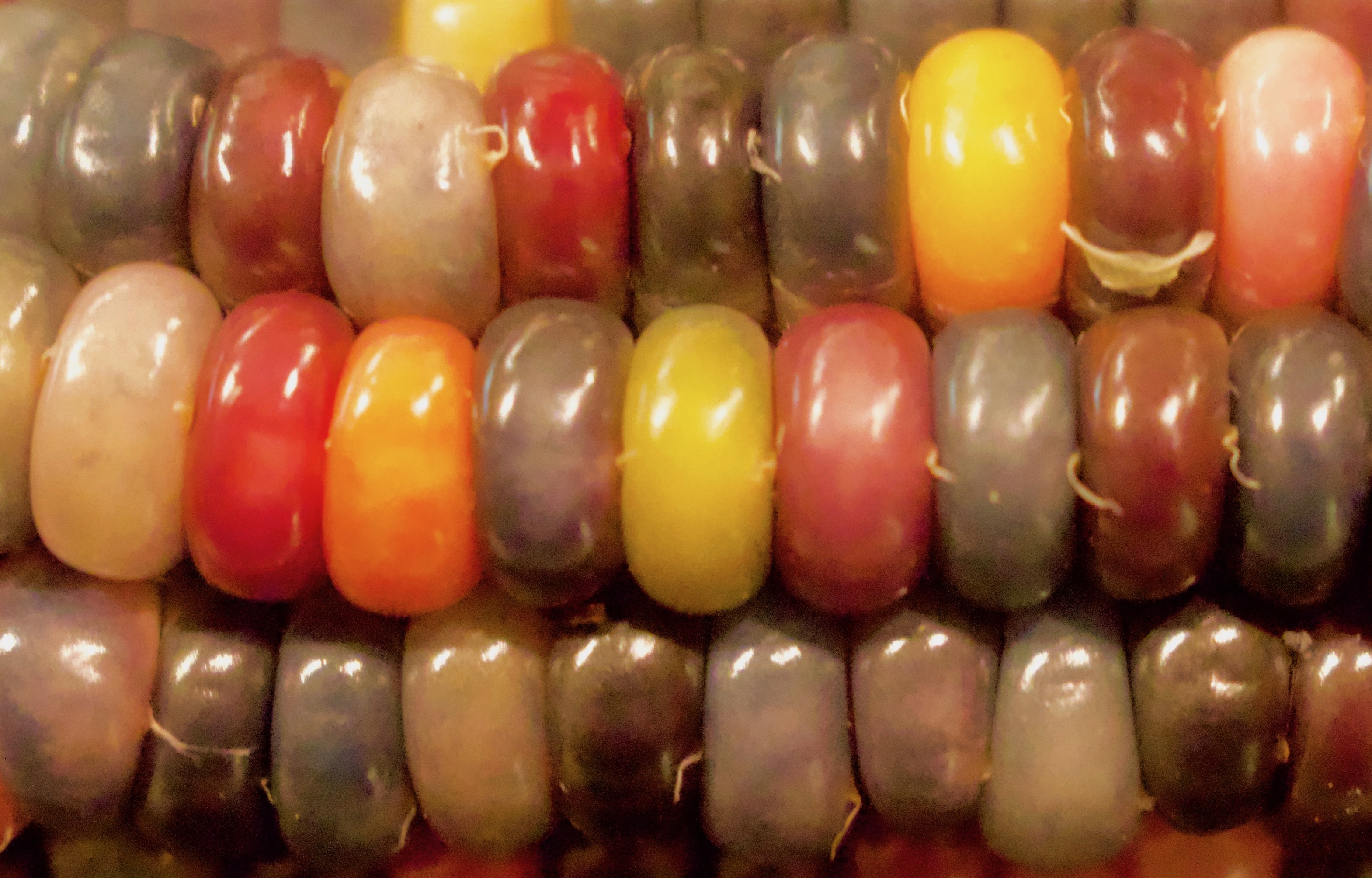
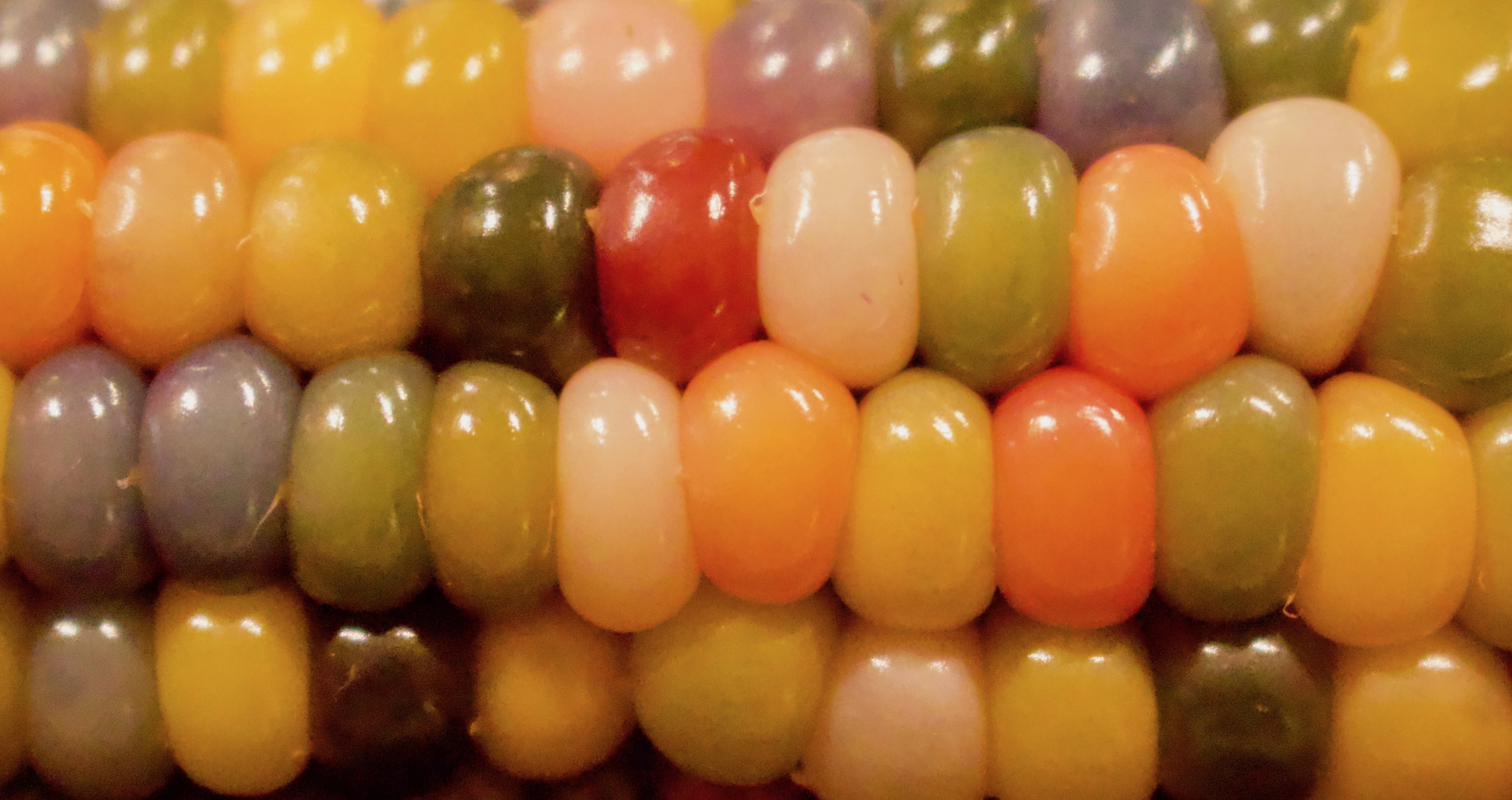
I’m not so different from an ear of mosaic maize,
multifaceted pieces of tesserae
fit together just so.

Depending on how the Light falls
I could be tile to be tread or
a kaleidoscope of stained glass reflections in sacred space,
a gemstone necklace of colored beads,
or simply corn on the cob hanging from a stalk.

Plain and infinitely luminous,
just like the Artist Himself.