God Scraped and Torn


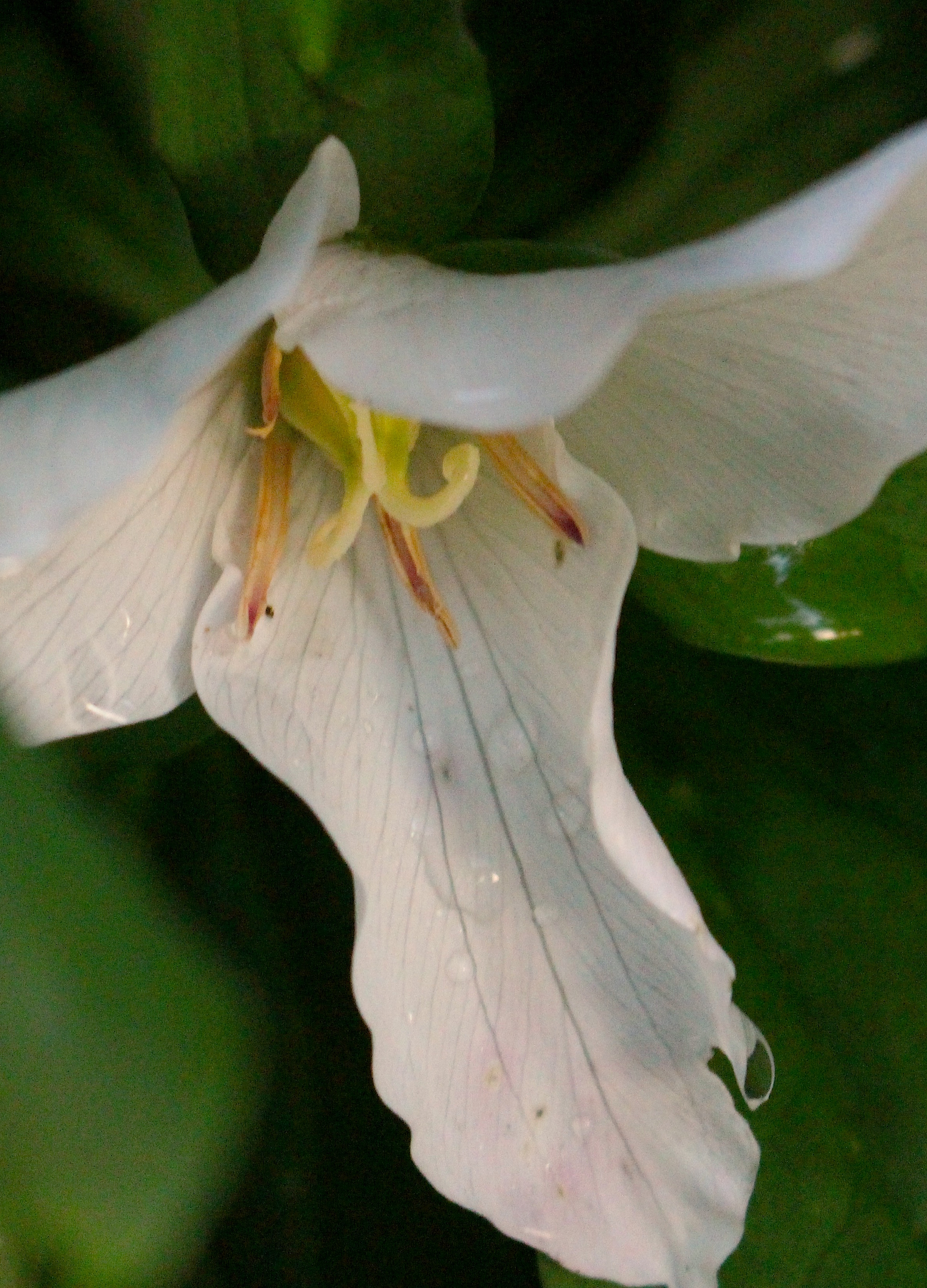
God is not only the God of the sufferers but the God who suffers. … It is said of God that no one can behold his face and live. I always thought this meant that no one could see his splendor and live. A friend said perhaps it meant that no one could see his sorrow and live. Or perhaps his sorrow is splendor. … Instead of explaining our suffering God shares it.

How is faith to endure, O God, when you allow all this scraping and tearing on us? You have allowed rivers of blood to flow, mountains of suffering to pile up, sobs to become humanity’s song–all without lifting a finger that we could see. You have allowed bonds of love beyond number to be painfully snapped. If you have not abandoned us, explain yourself.

We strain to hear. But instead of hearing an answer we catch sight of God himself scraped and torn. Through our tears we see the tears of God.
~Nicholas Wolterstorff  in Lament for a Son
 

trilliumweeping


“My God, My God,” goes the Psalm 22, “hear me, why have you forsaken me?”  This is the anguish all we of Godforsaken heart know well. But hear the revelation to which Christ directs us, further in the same psalm:

For He has not despised nor scorned the beggar’s supplication,
Nor has He turned away His face from me;
And when I cried out to Him, He heard me.

He hears us, and he knows, because he has suffered as one Godforsaken. Which means that you and I, even in our darkest hours, are not forsaken. Though we may hear nothing, feel nothing, believe nothing, we are not forsaken, and so we need not despair. And that is everything. That is Good Friday and it is hope, it is life in this darkened age, and it is the life of the world to come.
~Tony Woodlief from “We are Not Forsaken”


candle_in_the_dark_by_barkingbeagle-d33vdew


Scratch the surface of a human being and the demons of hate and revenge … and sheer destructiveness break forth.

    The cross stands before us to remind us of this depth of ourselves so that we can never forget. These forces continue to break forth in many parts of the world now, and many of us would like to forget how in some places in the United States we treat a person whose skin is black.

    Again and again we read the stories of violence in our daily papers, of the mass murders and ethnic wars still occurring in numerous parts of our world. But how often do we say to ourselves: “What seizes people like that, even young people, to make them forget family and friends, and suddenly kill other human beings?” We don’t always ask the question in that manner. Sometimes we are likely to think, almost smugly: “How different those horrible creatures are from the rest of us. How fortunate I am that I could never kill or hurt other people like they did.”

    I do not like to stop and, in the silence, look within, but when I do I hear a pounding on the floor of my soul. When I open the trap door into the deep darkness I see the monsters emerge for me to deal with. How painful it is to bear all this, but it is there to bear in all of us. Freud called it the death wish, Jung the demonic darkness. If I do not deal with it, it deals with me. The cross reminds me of all this.

    This inhumanity of human to human is tamed most of the time by law and order in most of our communities, but there are not laws strong enough to make men and women simply cease their cruelty and bitterness. This destructiveness within us can seldom be transformed until we squarely face it in ourselves. This confrontation often leads us into the pit. The empty cross is planted there to remind us that suffering is real but not the end, that victory still is possible…
~Morton Kelsey from “The Cross and the Cellar”
 

sunriseholyweek13


In a daring and beautiful creative reversal, 
God takes the worse we can do to Him
and turns it into the very best He can do for us.
~Malcolm Guite from The Word in the Wilderness


May we remember today, of all days, the worst that can happen becomes the best that can happen.
We tussle and haggle over the price of what this will cost us, but realizing it has been paid for us makes an impossible loss possible.

We are paid in full, no longer debtors.  From now on, we are freed from worry: the worst became the best.


The Unstilled World Still Whirled


fullsizeoutput_3891


If the lost word is lost, if the spent word is spent
If the unheard, unspoken
Word is unspoken, unheard;
Still is the unspoken word, the Word unheard,
The Word without a word, the Word within
The world and for the world;
And the light shone in darkness and
Against the Word the unstilled world still whirled
About the centre of the silent Word.

O my people, what have I done unto thee.
~T.S. Eliot from “Ash Wednesday”


In my beginning is my end. Now the light falls
I said to my soul, be still, and wait without hope.
~T.S. Eliot from “East Coker”


On Maundy Thursday, I arrive back to the beginning,  six weeks later returning to Eliot:
“the unstilled world whirled/About the centre of the silent Word.”

This day:

a day of disquiet and silence,
of Christ taking towel and water to disciples’ dirty feet,
of bread broken and fruit crushed and consumed,
of anguished prayer and the kiss of betrayal,
of stilling the sword,
of watching those He loved run off in fear
and deny they ever knew Him.

In my beginning is my end.
And now the light falls and the darkness begins.
We wait, sorrow-filled, our unstilled souls stilled
by our betrayal, our denial, our hopelessness without Him.


When Flesh and Heart Shall Fail

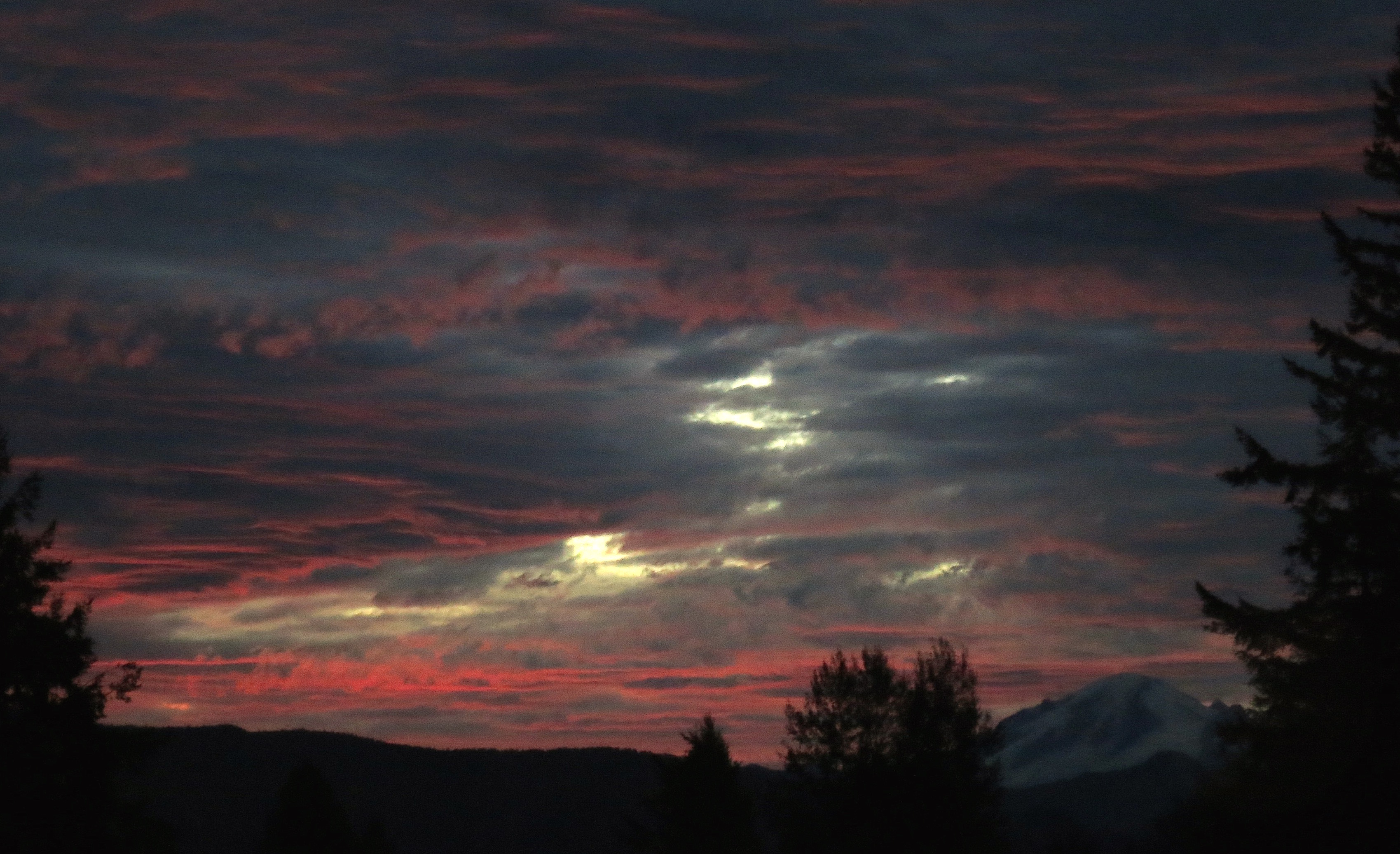
sunrise21218


(Ten years ago this week, this healthy young college student came to our clinic stricken with seasonal influenza complicated by pneumonia.  His family gave permission for his story to be told.)


sunset210181


Nothing was helping.  Everything had been tried for a week of the most intensive critical care possible.  A twenty year old man, completely healthy only two weeks previously, was dying and nothing could stop it.

The battle against a sudden MRSA pneumonia precipitated by a routine seasonal influenza had been lost.   Despite aggressive hemodynamic, antibiotic, antiviral and ventilator management, he was becoming more hypoxic and his renal function was deteriorating.  He had been unresponsive for most of the week.
The intensivist looked weary and defeated. The nurses were staring at their laps, unable to look up, their eyes tearing. The hospital chaplain reached out to hold this young man’s mother’s shaking hands.

After a week of heroic effort and treatment, there was now clarity about the next step.

Two hours later, a group gathered in the waiting room outside the ICU doors. The average age was about 21; they assisted each other in tying on the gowns over their clothing, distributed gloves and masks. Together, holding each other up, they waited for the signal to gather in his room after the ventilator had been removed and he was breathing without assistance. They entered and gathered around his bed.

He was ravaged by this sudden illness, his strong body beaten and giving up. His breathing was now ragged and irregular, sedation preventing response but not necessarily preventing awareness. He was surrounded by silence as each individual who had known and loved him struggled with the knowledge that this was the final goodbye.

His father approached the head of the bed and put his hands on his boy’s forehead and cheek.  He held this young man’s face tenderly, bowing in silent prayer and then murmuring words of comfort:

It is okay to let go. It is okay to leave us now.
We will see you again. We’ll meet again.
We’ll know where you will be.

His mother stood alongside, rubbing her son’s arms, gazing into his face as he slowly slowly slipped away. His father began humming, indistinguishable notes initially, just low sounds coming from a deep well of anguish and loss.

As the son’s breaths spaced farther apart, his dad’s hummed song became recognizable as the hymn of praise by John Newton, Amazing Grace.  The words started to form around the notes. At first his dad was singing alone, giving this gift to his son as he passed, and then his mom joined in as well. His sisters wept. His friends didn’t know all the words but tried to sing through their tears. The chaplain helped when we stumbled, not knowing if we were getting it right, not ever having done anything like this before.
Amazing Grace, how sweet the sound,
That saved a wretch like me.
I once was lost but now am found,
Was blind, but now I see.

Through many dangers, toils and snares
I have already come;
‘Tis Grace that brought me safe thus far
and Grace will lead me home.

Yea, when this flesh and heart shall fail,
And mortal life shall cease,
I shall possess within the veil,
A life of joy and peace.

When we’ve been here ten thousand years
Bright shining as the sun.
We’ve no less days to sing God’s praise
Than when we’ve first begun.

And he left us.

His mom hugged each sobbing person there–the young friends, the nurses, the doctors humbled by powerful pathogens. She thanked each one for being present for his death, for their vigil kept through the week in the hospital.

This young man, now lost to this life, had profoundly touched people in a way he could not have ever predicted or expected. His parents’ grief, so gracious and giving to the young people who had never confronted death before, remains unforgettable.

This was their sacred gift to their son so Grace will lead us home.


cloverdrops


drizzlesnowdrop

The Rain Drop Ploughs

rainydaymaplescreen2


candle2015


They sing their dearest songs —
    He, she, all of them — yea,
    Treble and tenor and bass,
        And one to play;
    With the candles mooning each face….
        Ah, no; the years O!
How the sick leaves reel down in throngs!


wetoctleaves3


They clear the creeping moss —
    Elders and juniors — aye,
    Making the pathways neat
        And the garden gay;
    And they build a shady seat….
        Ah, no; the years, the years;
See, the white storm-birds wing across!


drizzlemoss3


morningswans


    They are blithely breakfasting all —
    Men and maidens — yea,
    Under the summer tree,
        With a glimpse of the bay,
    While pet fowl come to the knee….
        Ah, no; the years O!
And the rotten rose is ript from the wall.


pnpsunset714


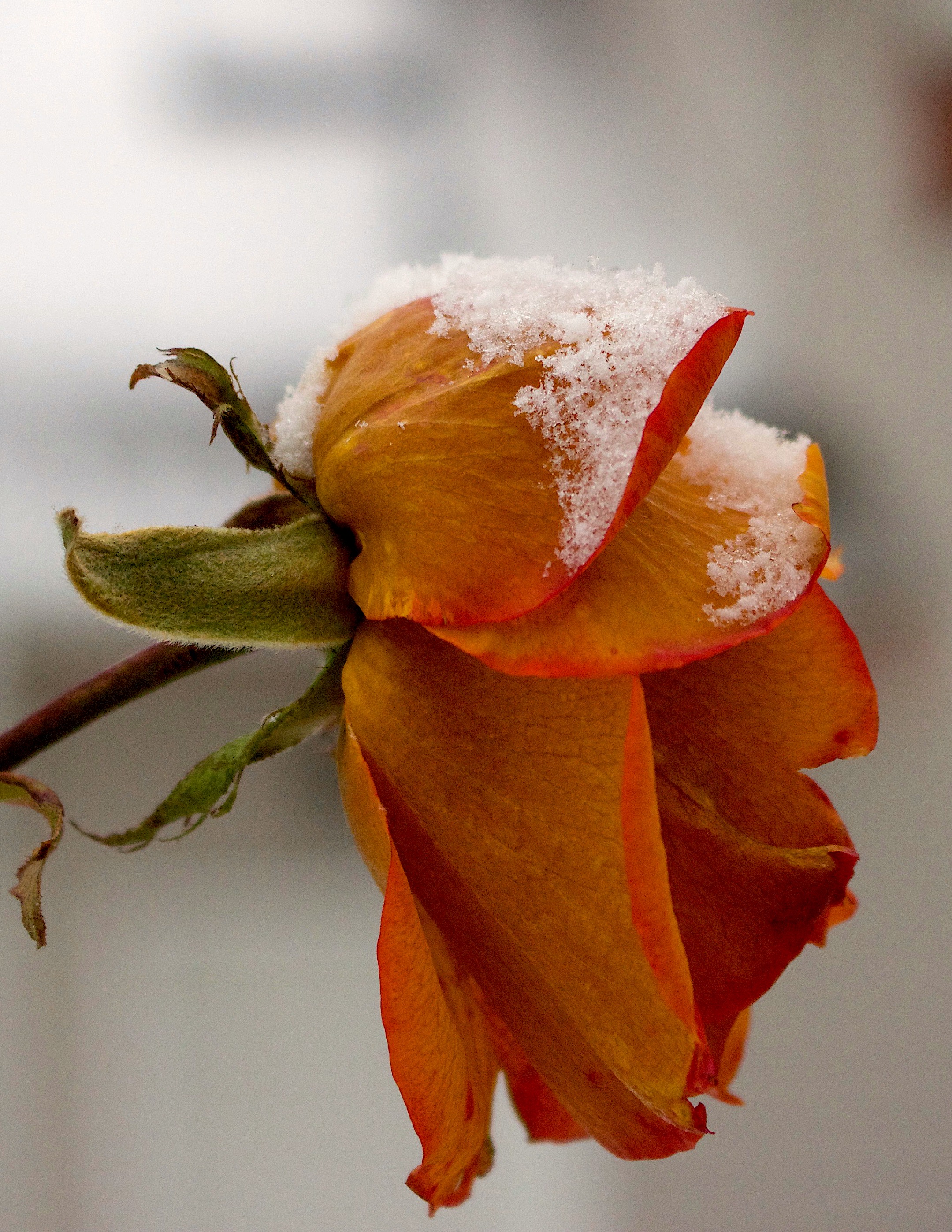
snowyrose2


    They change to a high new house,
    He, she, all of them — aye,
    Clocks and carpets and chairs
        On the lawn all day,
    And brightest things that are theirs….
        Ah, no; the years, the years;
Down their carved names the rain-drop ploughs.
~Thomas Hardy “During Wind and Rain”


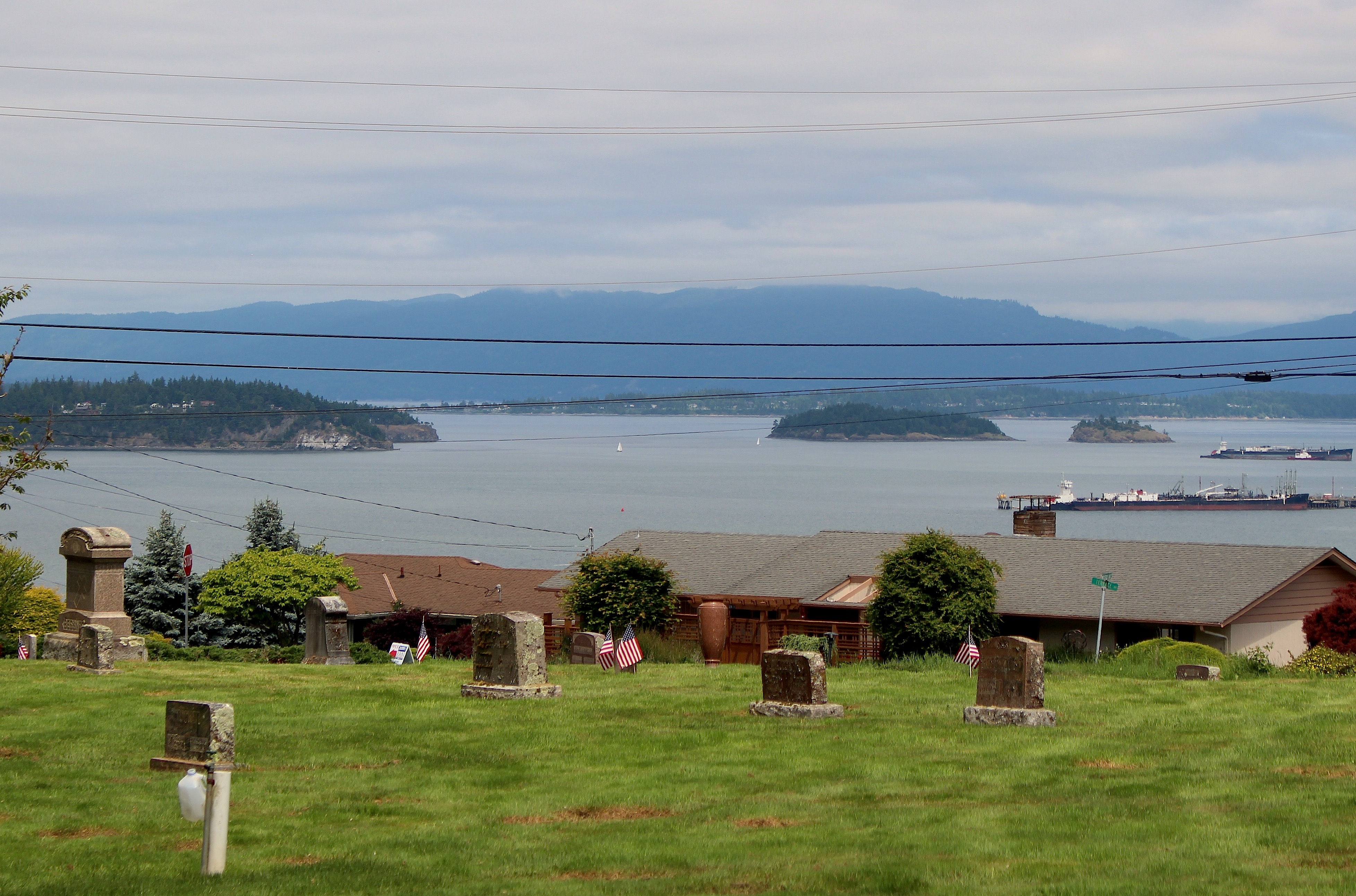
bayviewanacortes


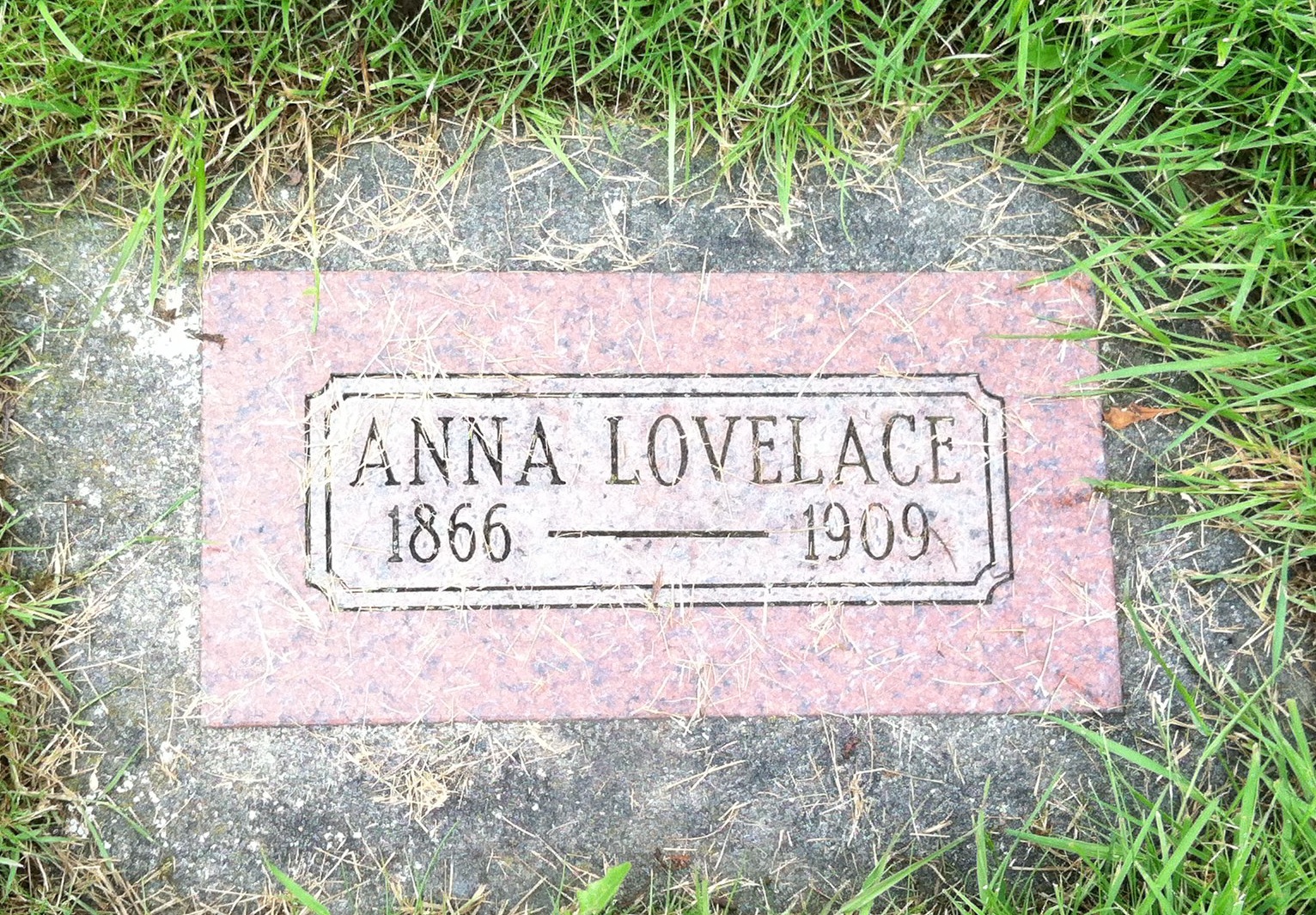
anna


A waning November moon reluctantly rose,
dimming from the full globe of the night before.
I drive a darkening country road, white lines sweeping past,
aware of advancing frost in the evening haze,
anxious to return home to familiar warmth and light.

Nearing a county road corner, slowing to a stop,
I glanced aside where
a lonely rural cemetery sits expectant.

Through open iron gates and tenebrous headstones,
there in the middle path, incongruous,
car’s headlights beamed bright.

I puzzled, thinking:
lovers or vandals would seek inky cover of night.

Instead, these lights focused on one soul alone,
kneeling graveside,
a hand resting heavily on a stone, head bowed in prayer.

This stark moment of solitary sorrow,
a visible grieving of a heart

illuminated by twin beams.

This benediction of mourning
as light pierced the blackness;

gentle fingertips traced
the engraved letters of a beloved name.

Feeling touched
as uneasy witness, I pull away 

to drive deeper into the night,
struggling to see despite
my eyes’ thickening mist.

~Emily Gibson – “Grief Illuminated”


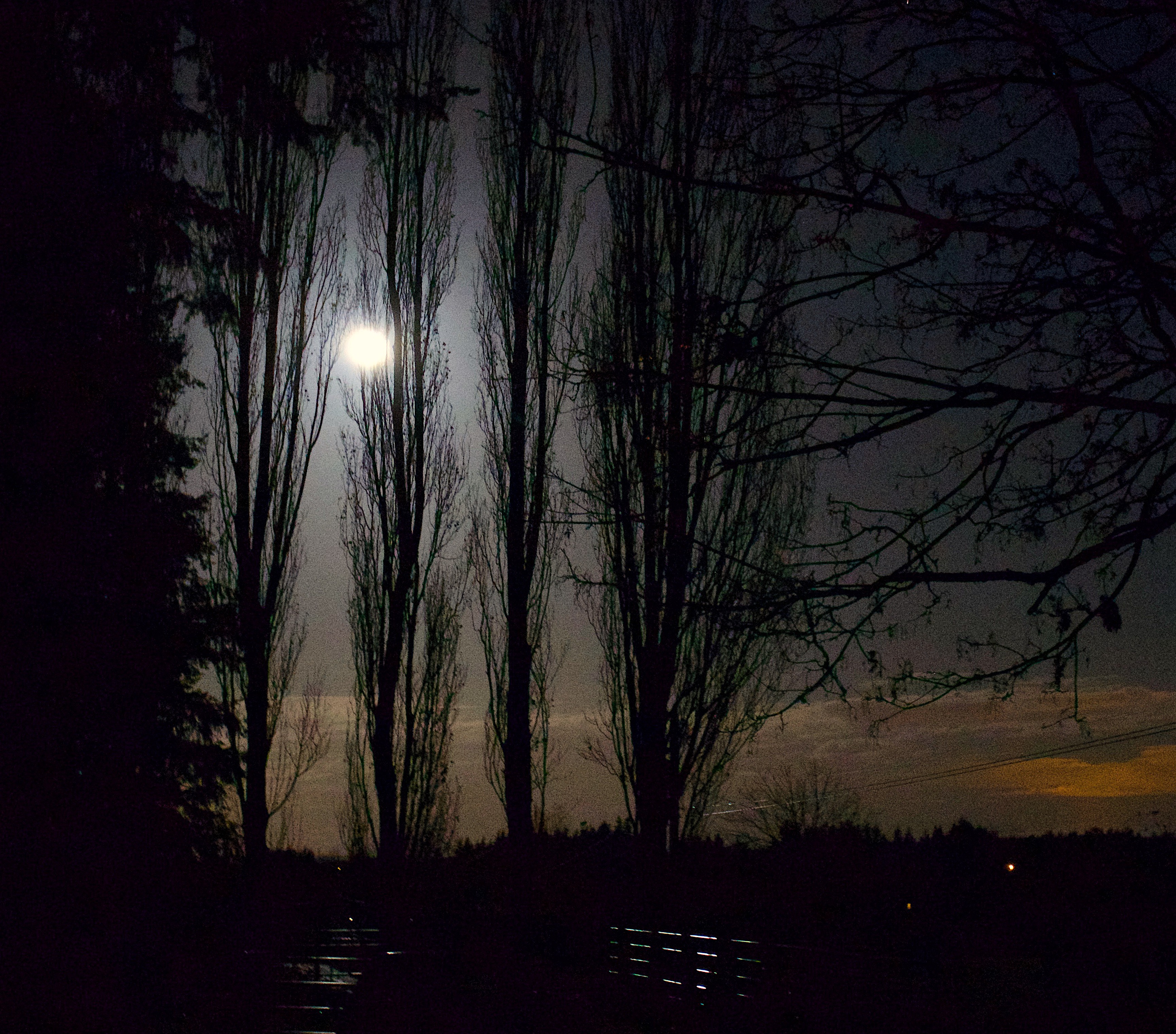
supermoon1


stonecone
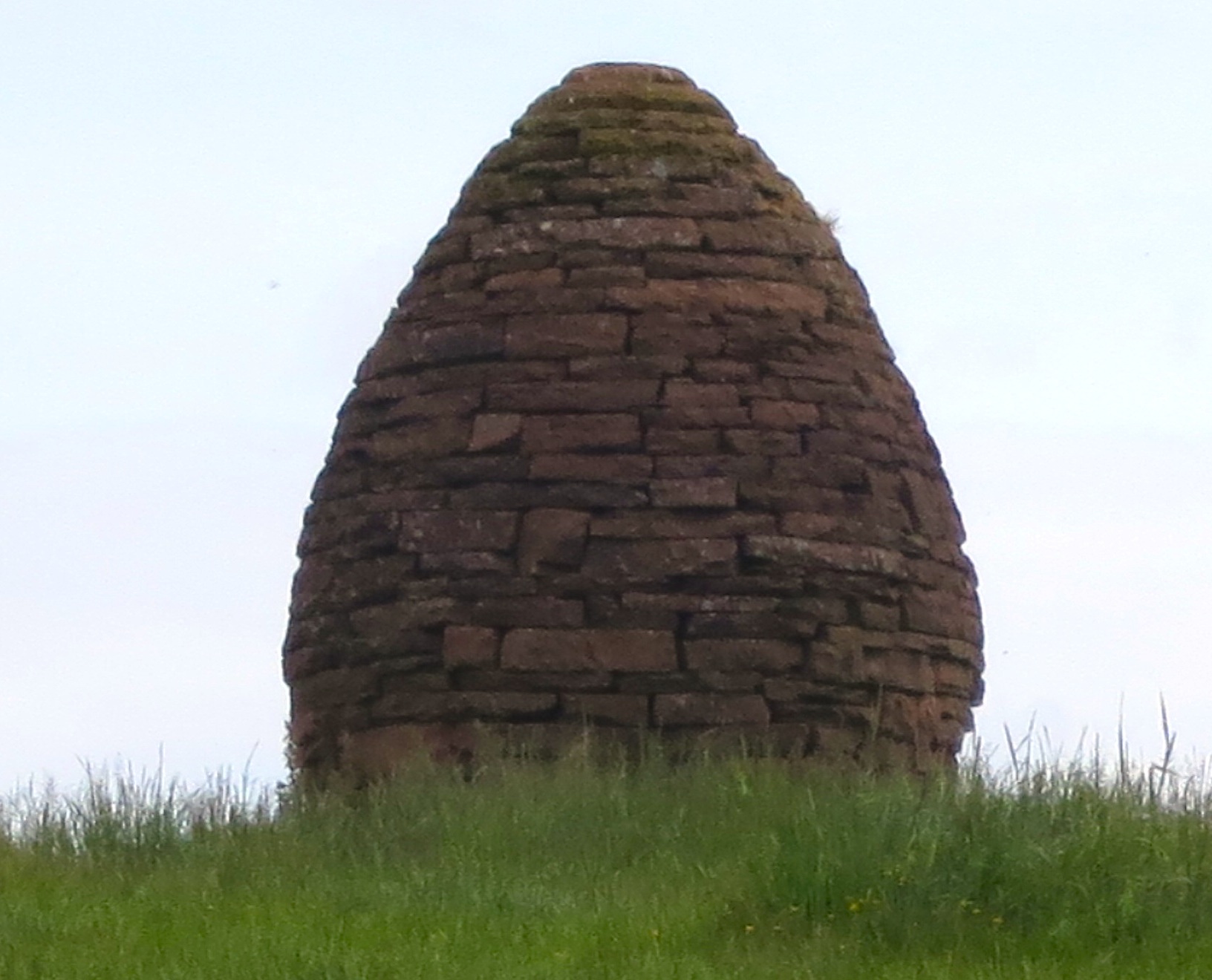
a stone pinecone, environmental art by Andy Goldsworthy, rural Scotland

A State of the Soul

1031drops7


raindrops111415


A fine rain was falling, and the landscape was that of autumn.  
The sky was hung with various shades of gray, 
and mists hovered about the distant mountains
– a melancholy nature.  
Every landscape is, 
as it were, 
a state of the soul, 
and whoever penetrates into both 
is astonished to find how much likeness there is in each detail.
~Henri Frederic Amiel


fogdrops7


mushrooms1031151


wetoctleavs


What is melancholy
at first glance
glistens bejeweled
when studied up close
in the right light.

It can’t be all sadness~
there is solace in knowing
the landscape and I share
~a state of the soul~
an inner world of tears
nevertheless forever illuminated.


foggydrops17


sunrise109171

Among the Hunted

ahmama


wwudeer2


My first time ever
seated next to my mother
in a movie theater, just
a skinny four year old girl
practically folded up in half
by a large padded chair
whose seat won’t stay down,
bursting with anticipation
to see Disney’s Bambi.

Enthralled with so much color,
motion,  music, songs and fun
characters, I am wholly lost
in a new world of animated
reality when suddenly
Bambi’s mother looks up,
alarmed,  from eating
a new clump of spring grass
growing in the snow.

My heart leaps
with worry.
She tells him
to run
for the thicket,
the safest place where
she has always
kept him warm
next to her.

She follows behind,
tells him to run faster,
not to look back,
don’t ever look back.

Then the gun shot
hits my belly too.

My stomach twists
as he cries out
for his mother,
pleading for her.
I know in my heart
she is lost forever,
sacrificed for his sake.

I sob as my mother
reaches out to me,
telling me not to look.
I bury my face
inside her hug,
knowing Bambi
is cold and alone
with no mother
at all.

My mama took me home
before the end.
I could not bear to watch
the rest of the movie 
for years.

Those cries
still echo
in my ears
every time someone hunts and shoots
to kill the innocent.

Now, my own children are grown,
my mom is gone from this earth,
I can even keep the seat from folding
me up in a movie theater.

I return Sunday after Sunday
to the killing fields of the church pew
knowing mothers and fathers
sons and daughters
grandmothers and grandfathers
sisters and brothers
and babies were hunted down
inside the supposed safety
of the sanctuary,
taken from the warmth of the human thicket
where we hold each other close.

Their cries echo in my ears
where there is no longer innocence.


wwudeer1

Financial Support for the Barnstorming Blog from our Readers

Your financial support helps to keep this blog an ad-free daily offering. Your contribution of any amount is encouragement to me and deeply appreciated.

$10.00

Would You Like to Make a Comment?

bakersunsetmoon


And that is just the point…
how the world, moist and beautiful,
calls to each of us to make a new and serious response.

That’s the big question,
the one the world throws at you every morning.
“Here you are, alive.
Would you like to make a comment?”
~Mary Oliver


sunrise102152


It is impossible to stay a silent observer of the world when you awake still alive.
It demands a response.

I would like to make a comment.

It isn’t only nature pulling what was once lush and young into the ground:
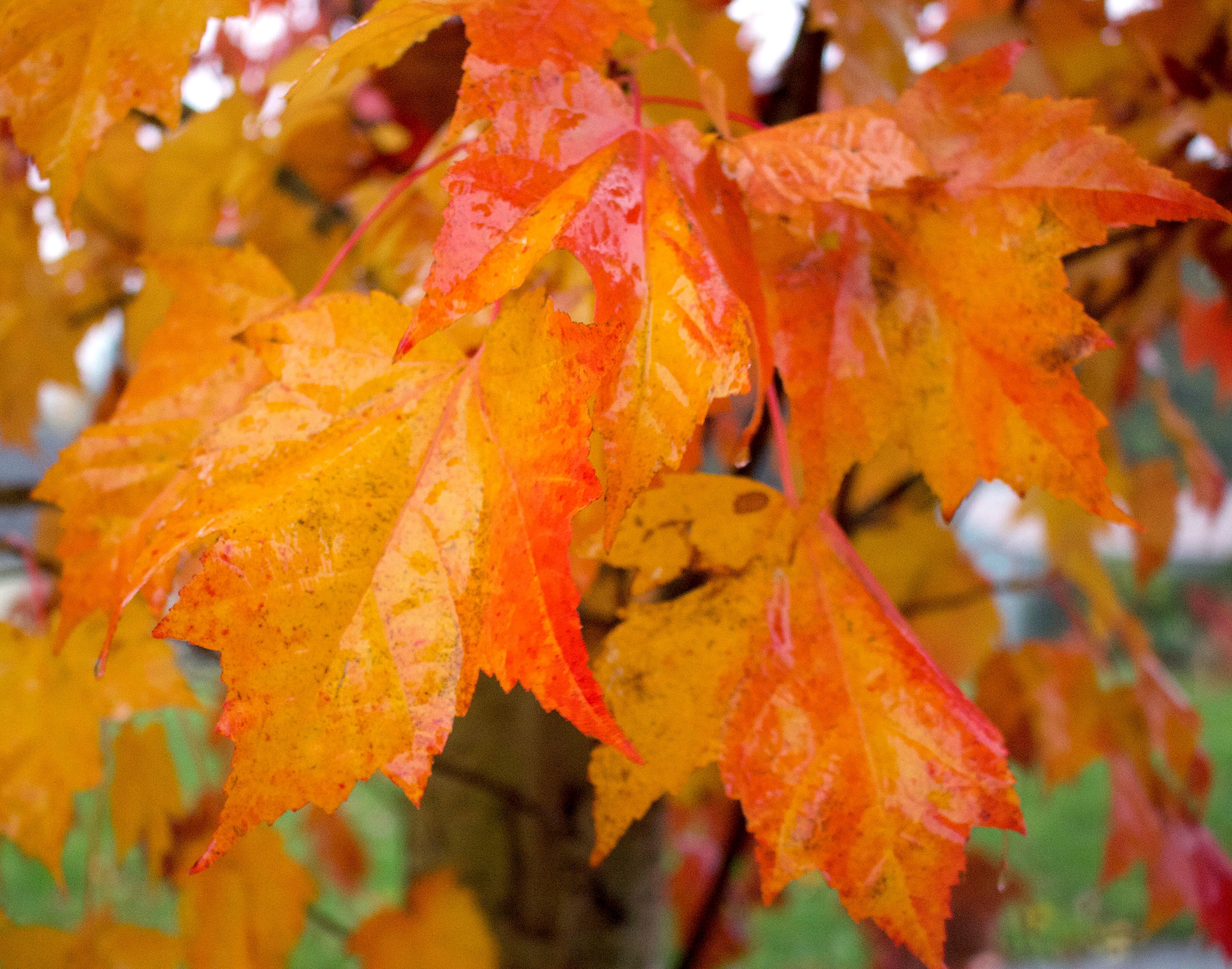
daily we witness flying leaves and dropping temperatures, brisk winds and chill rains.

Human kind also is skilled at killing and dying too young.

There can be no complacency in observing such violence in progress.
It blusters, rips, drenches, encompasses, buries.
Nothing remains as it was.

And here I am, alive.
Struck and wrung.
A witness.
Called to comment.
Dying to respond.


sunrise109151


Financial Support for the Barnstorming Blog from our Readers

Your financial support helps to keep this blog an ad-free daily offering. Your contribution of any amount is encouragement to me and deeply appreciated.

$10.00

Telling the Bees

beeswarm5148


beehives


Here is the place; right over the hill 
   Runs the path I took; 
You can see the gap in the old wall still, 
   And the stepping-stones in the shallow brook. 
There is the house, with the gate red-barred, 
   And the poplars tall; 
And the barn’s brown length, and the cattle-yard, 
   And the white horns tossing above the wall. 
There are the beehives ranged in the sun; 
   And down by the brink 
Of the brook are her poor flowers, weed-o’errun, 
   Pansy and daffodil, rose and pink. 
A year has gone, as the tortoise goes, 
   Heavy and slow; 
And the same rose blows, and the same sun glows, 
   And the same brook sings of a year ago. 
I can see it all now,—the slantwise rain 
   Of light through the leaves, 
The sundown’s blaze on her window-pane, 
   The bloom of her roses under the eaves. 
Just the same as a month before,— 
   The house and the trees, 
The barn’s brown gable, the vine by the door,— 
   Nothing changed but the hives of bees. 
Before them, under the garden wall, 
   Forward and back, 
Went drearily singing the chore-girl small, 
   Draping each hive with a shred of black. 
Trembling, I listened: the summer sun 
   Had the chill of snow; 
For I knew she was telling the bees of one 
   Gone on the journey we all must go! 
~John Greenleaf Whittier from “Telling the Bees”
saturdaylight2
north71516
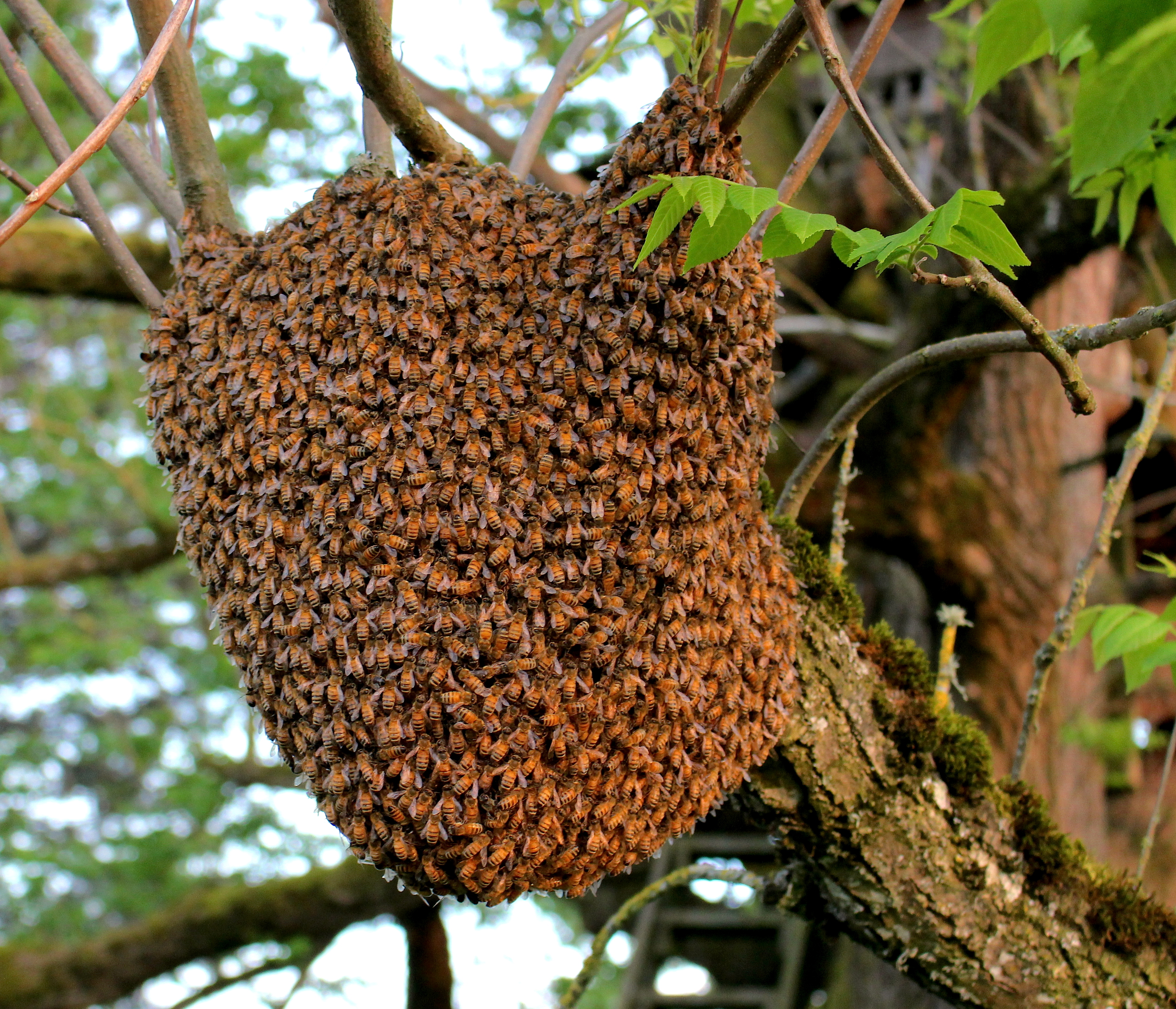
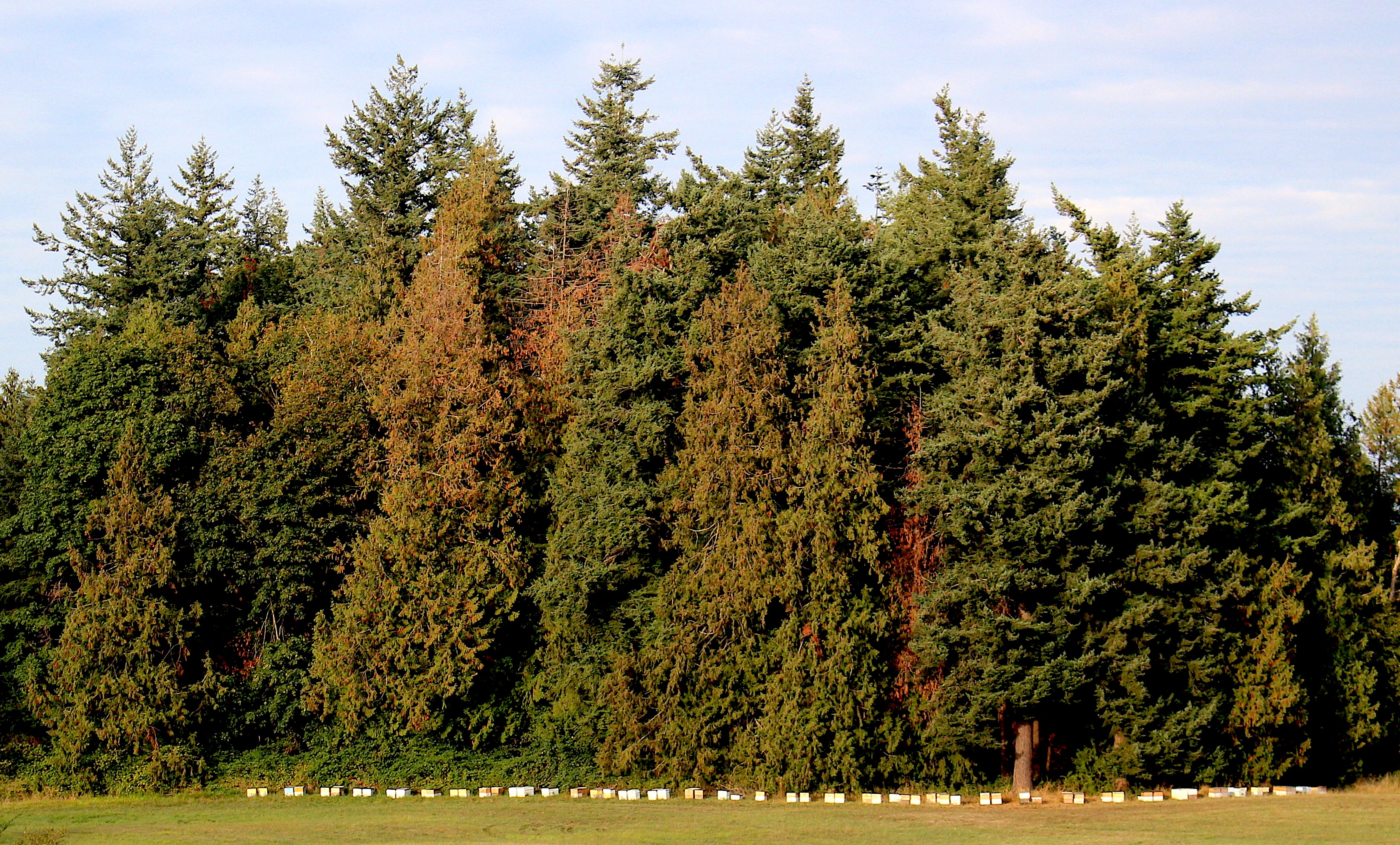
An old Celtic tradition necessitates sharing any news from the household with the local bee hives, whether cheery like a new birth or a wedding celebration or sad like a family death.  This ensures the hives’ well-being and continued connection to home and farm – the bees are kept in the loop, so to speak, so they stay at home, not swarm and move on to a more hospitable place.
Good news seems always easy to share; we tend to keep bad news to ourselves so this tradition helps remind us that what affects one of us, affects us all.
These days, with instant news at our fingertips at any moment, bad news is constantly bombarding us. Like the bees in the hives of the field, we want to flee from it and find a more hospitable home.
I do hope the Beekeeper comes personally to say:
“Here is what has happened. All will be okay. We will navigate this life together.”
O gentle bees, I have come to say
That grandfather fell to sleep to-day.
And we know by the smile on grandfather’s face.
He has found his dear one’s biding place.
So, bees, sing soft, and, bees, sing low.
As over the honey-fields you sweep,—
To the trees a-bloom and the flowers a-blow
Sing of grandfather fast asleep;
And ever beneath these orchard trees
Find cheer and shelter, gentle bees.
~Eugene Field from “Telling the Bees”
roses826171
beeswarm51410

Financial Support for the Barnstorming Blog from our Readers

Your financial support helps to keep this blog an ad-free daily offering. Your contribution of any amount is encouragement to me and deeply appreciated.

$10.00

An Unimaginable Zero Summer

halfstaff


At the still point of the turning world. Neither flesh nor fleshless;
Neither from nor towards; at the still point, there the dance is,
But neither arrest nor movement. And do not call it fixity,
Where past and future are gathered. Neither movement from nor towards,
Neither ascent nor decline. Except for the point, the still point,
There would be no dance, and there is only the dance.

I can only say, there we have been: but I cannot say where.
And I cannot say, how long, for that is to place it in time.
The inner freedom from the practical desire,
The release from action and suffering, release from the inner
And the outer compulsion, yet surrounded
By a grace of sense, a white light still and moving…
{Burnt Norton}

Than that of summer, neither budding nor fading,
Not in the scheme of generation.
Where is the summer, the unimaginable
Zero summer?
{Little Gidding}

~T.S. Eliot, from Four Quartets


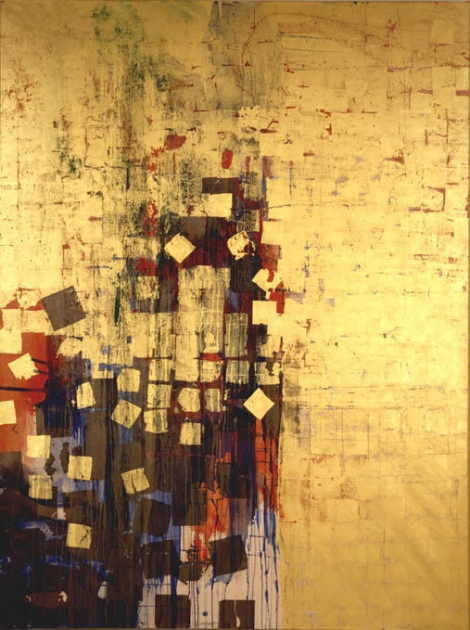
ZeroSummerE-471x630Zero Summer by Makoto Fujimura


“Zero Summer” imagines the unimaginable horror of Hiroshima and Nagasaki, and yet points to epiphanic awakening that transcend human imagination at the same time. T.S. Eliot, who coined this term in his “Four Quartets,” longed for that eternal summer, birthed out of the “still point,” where imagination is met with grace and truth.
~Makoto Fujimura


frontyard915


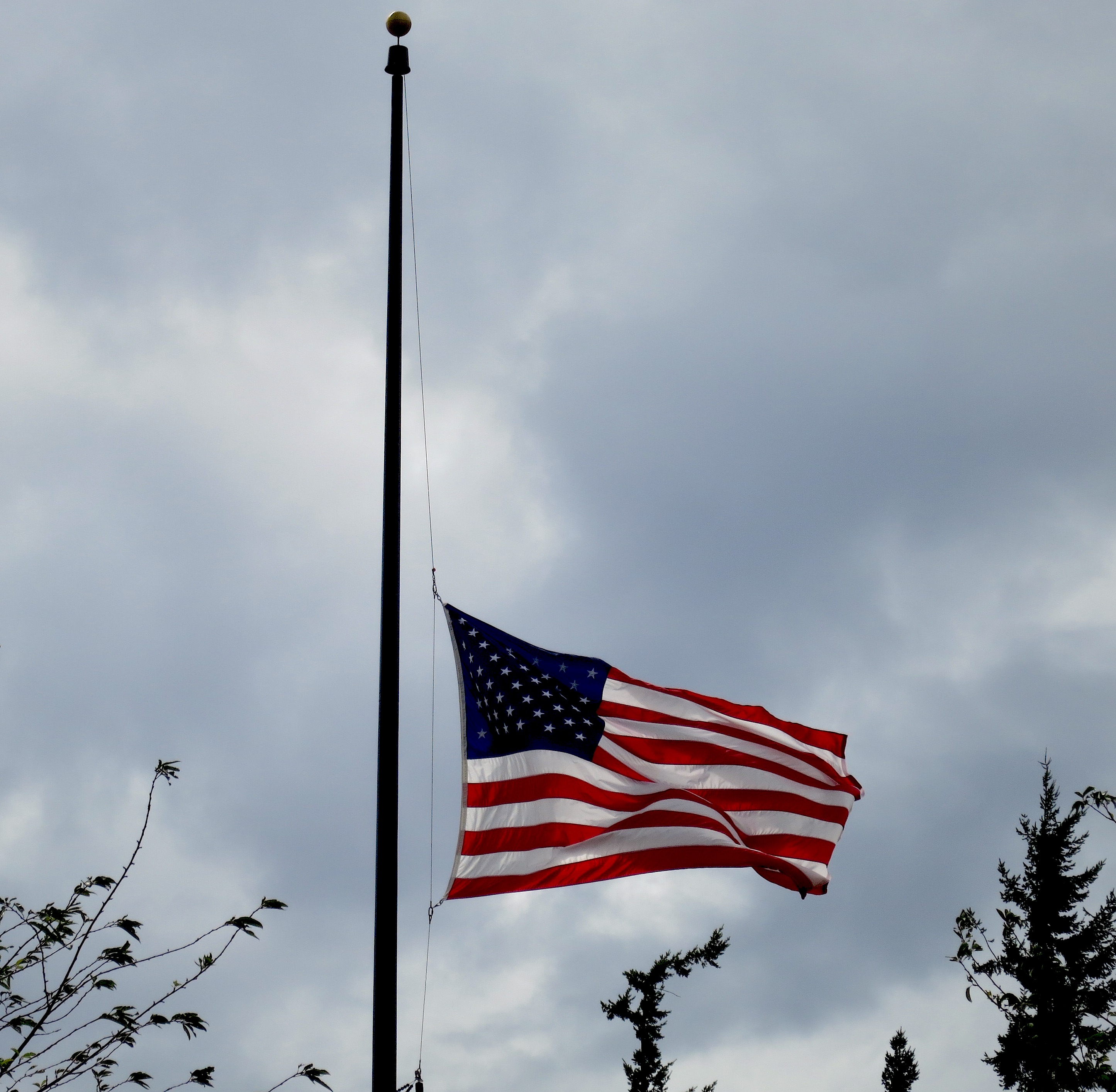
As a grade school child in November 1963, I learned the import of the U.S. flag being lowered to half mast in response to the shocking and violent death of our President. The lowering of the flag was so rare when I was growing up, it had dramatic effect on all who passed by — something very sad had happened to our country, warranting our silence and our stillness.

Since 9/11/01, our flag has spent significant time at half mast, so much so that I’m befuddled instead of contemplative, puzzling over what the latest loss might be as there are so many, sometimes all happening in the same time frame.  We no longer are silenced by this gesture of honor and respect and we certainly are not stilled, personally and corporately instigating and suffering the same mistakes against humanity over and over again.

Eliot wrote the prescient words of the Four Quartets in the midst of the WWII German bombing raids that destroyed people and neighborhoods. Perhaps he sensed the destruction he witnessed would not be the last time in history that evil visits the innocent, leaving them in ashes. There would be so many more losses to come, as Makoto Fujimura illustrates in his artistic depiction of the horrors of Hiroshima and Nagasaki transcending to an epiphany of the human imagination.  And then the horror of 9/11/01.

There remains so much more sadness to be borne, such abundance of grief that our world has become overwhelmed and stricken and it seems we’ve lost all imagination for “a grace of sense”.

Eliot was right: we have yet to live in a Zero summer of endless hope and fruitfulness, of spiritual awakening and understanding.  Where is it indeed?

We must return, as people of faith, as Eliot did, as Fujimura has, to that still point to which we are called on a day such as today.  We must be stilled; we must be silenced. We must grieve the losses of this turning world and pray for release from the suffering we cause and we endure.  Only in the asking, only in the kneeling down and pleading, are we surrounded by grace.   A flag half lowered may have lost its power to punch our gut, but we are illuminated by the Light,  a grace of senses on the move in our lives.


sunsetflag


“There Are No Words” written on 9/11/2001
by Kitty Donohoe

there are no words there is no song
is there a balm that can heal these wounds that will last a lifetime long
and when the stars have burned to dust
hand in hand we still will stand because we must

in one single hour in one single day
we were changed forever something taken away
and there is no fire that can melt this heavy stone
that can bring back the voices and the spirits of our own

all the brothers, sisters and lovers all the friends that are gone
all the chairs that will be empty in the lives that will go on
can we ever forgive though we never will forget
can we believe in the milk of human goodness yet

we were forged in freedom we were born in liberty
we came here to stop the twisted arrows cast by tyranny
and we won’t bow down we are strong of heart
we are a chain together that won’t be pulled apart


That Pivoting Ear

wwudeer1

ahmama

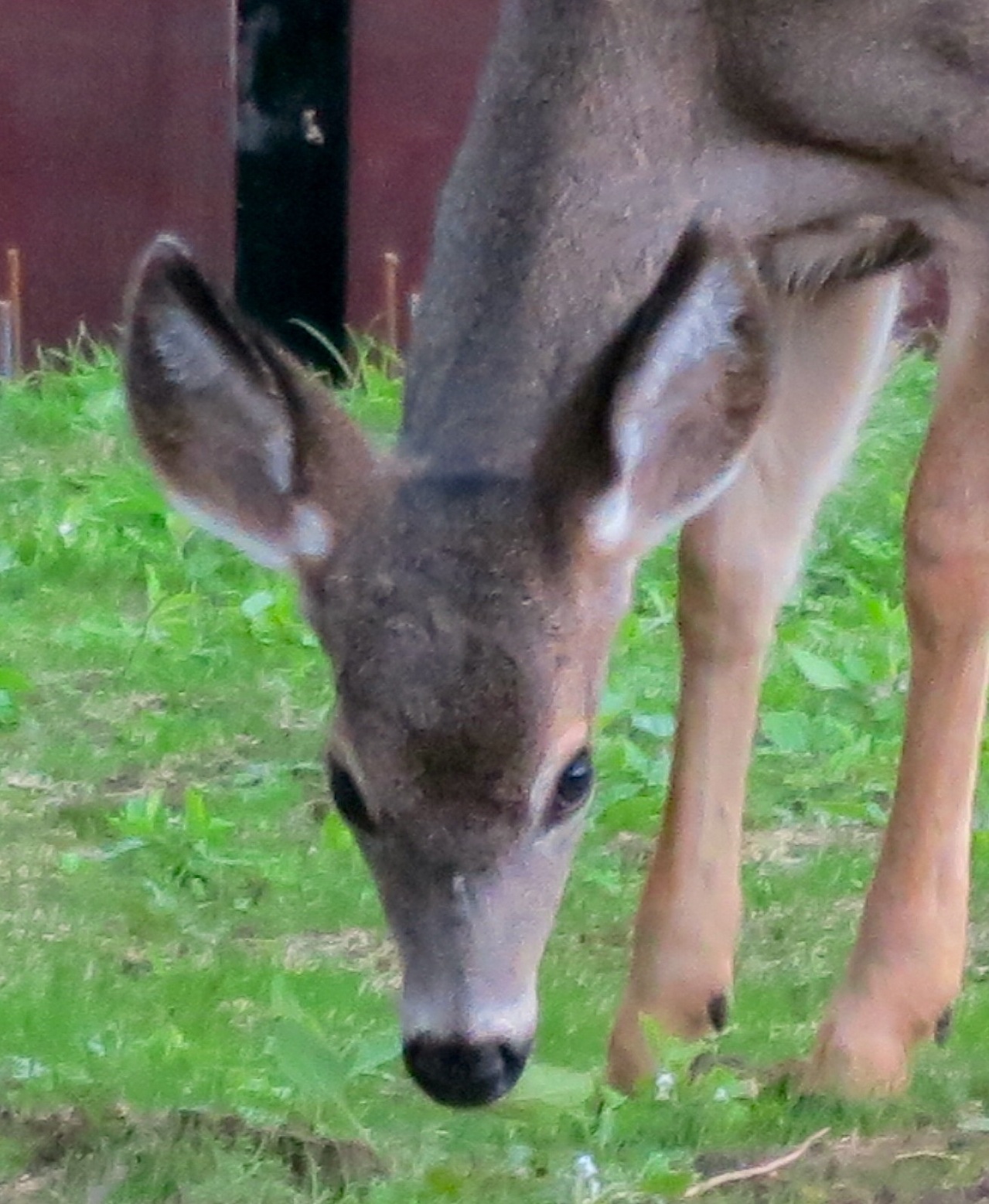
Near dusk, near a path, near a brook,
we stopped, I in disquiet and dismay
for the suffering of someone I loved,
the doe in her always incipient alarm.

All that moved was her pivoting ear
the reddening sun was shining through
transformed to a color I’d only seen
in a photo of a new child in a womb.

Nothing else stirred, not a leaf,
not the air, but she startled and bolted
away from me into the crackling brush.

The part of my pain which sometimes
releases me from it fled with her, the rest,
in the rake of the late light, stayed.
~C. K. Williams  “The Doe”

sunset625176

wwudeer2

Oh little one
to have been born this week in June
thirty four years ago~
so wanted
so anticipated
but lost too soon
gone as swiftly in a clot of red
as a doe disappearing in a thicket:
a memory that makes me question
if you were real,
but you were
and you are
and someday
I’ll know you when I see you
and curious about who I am,
you won’t flee,
but stay to find out.

wwudeer2