

A Still Room to Remember

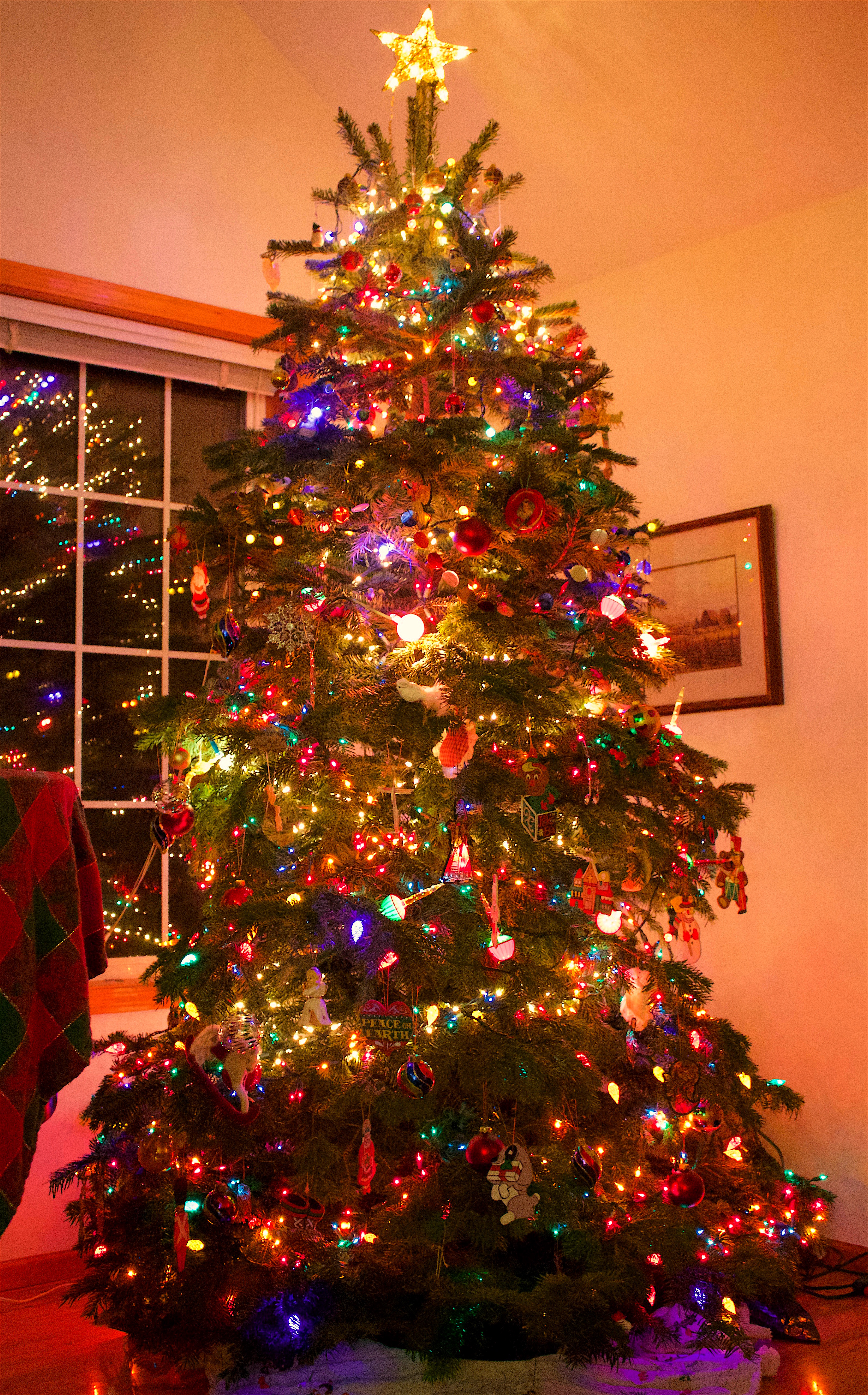
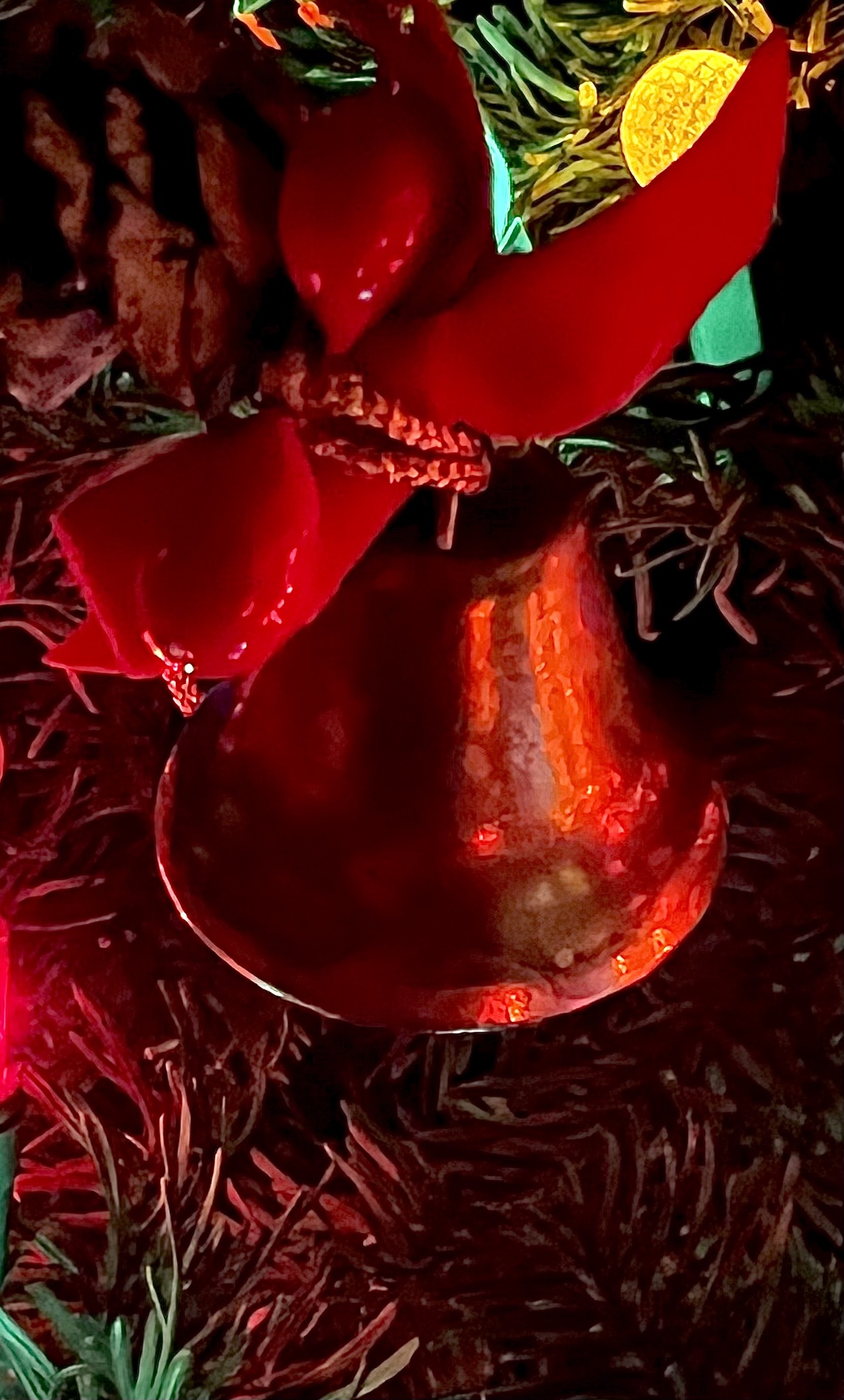
Here, the bells are silent, blown glass hung from
branches of pine whose fragrance fills the room.
It’s December, and the world’s run out of color.
Darkness at five seems absolute outside
the nine square panes of glass. But inside
hundreds of small white lights reflect off
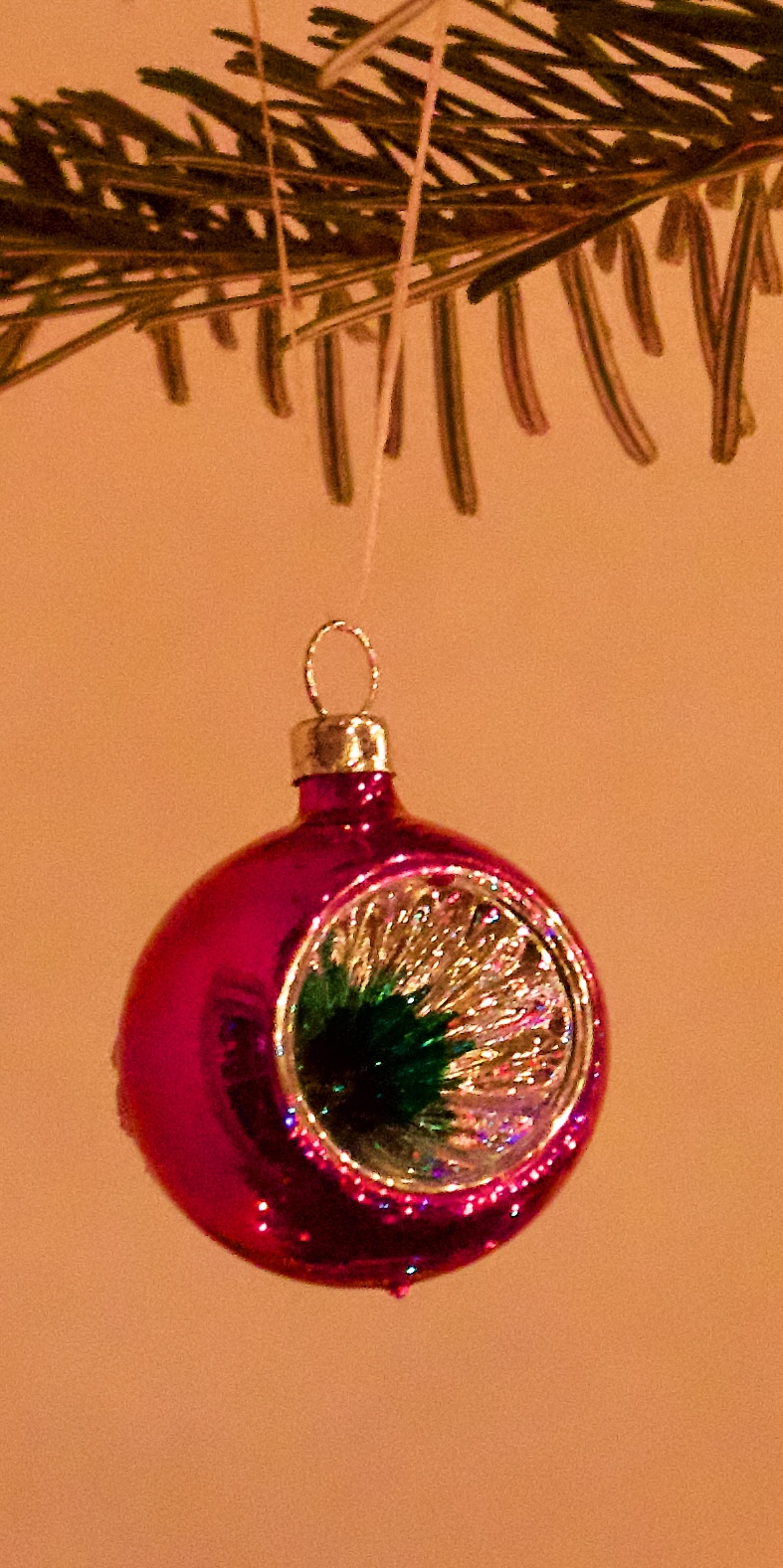
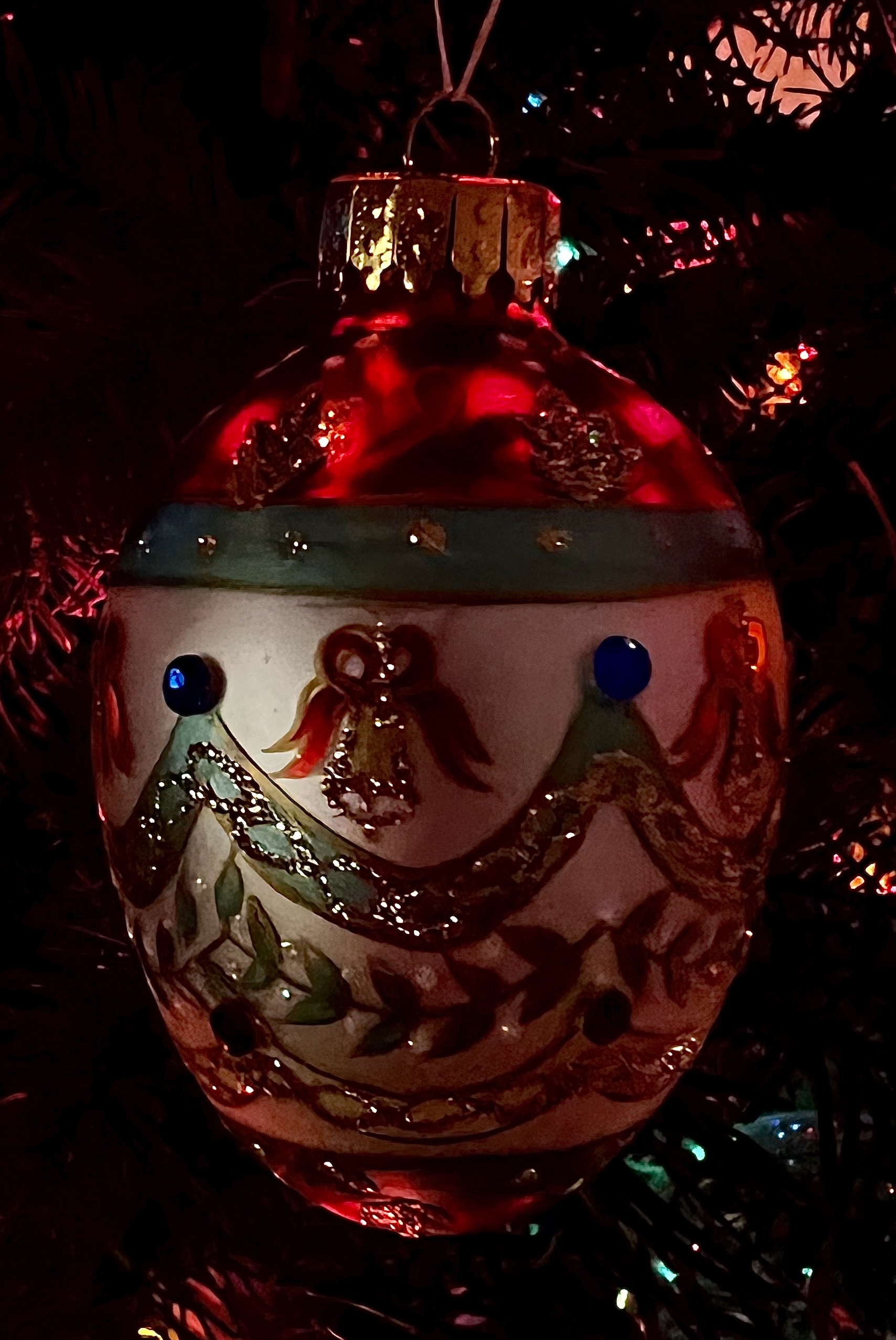
fragile ornaments handed down from before
the war. They’re all Shiny-Brite, some solid balls—
hot pink, lime green, turquoise, gold—some striped
and flocked. This night is hard obsidian, but these glints
pierce the gloom, along with their glittery echoes, the stars.
We inhale spruce, its resinous breath: the hope of spring,
the memory of summer. Every day, another peal
on the carillon of light.

~Barbara Crooker, “Bells” from Some Glad Morning
The time is ripe for looking back over the day, the week, the year,
and trying to figure out where we have come from
and where we are going to,
for sifting through the things we have done
and the things we have left undone

for a clue to who we are and who,
for better or worse, we are becoming.

We cling to the present out of wariness of the past.
But there is a deeper need yet, I think, and that is the need
—not all the time, surely, but from time to time—
to enter that still room within us all
where the past lives on as a part of the present,
where the dead are alive again,
where we are most alive ourselves to turnings
and to where our journeys have brought us.

The name of the room is Remember—
the room where with patience, with charity, with quietness of heart,
we remember consciously to remember the lives we have lived.
~Frederick Buechner
“A Room Called Remember”
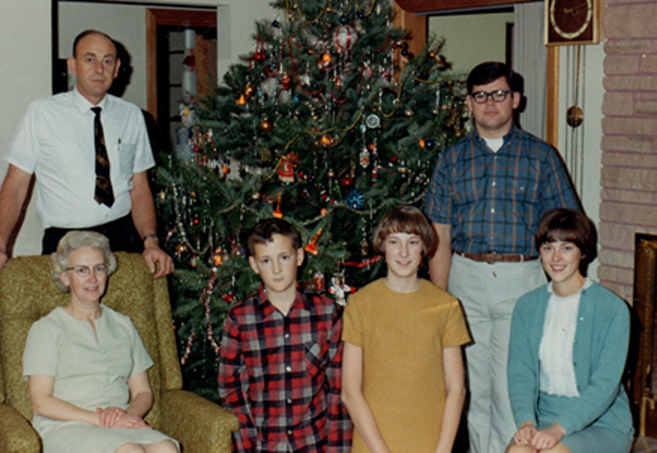
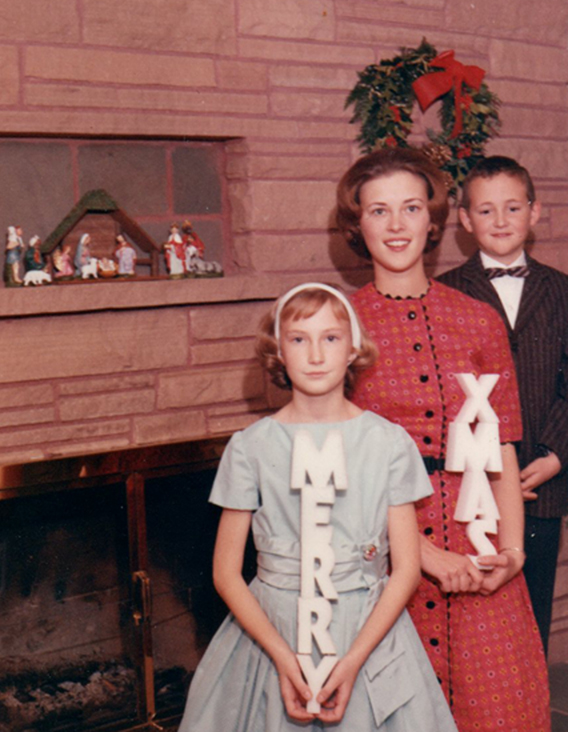
In 1959, when I was five years old, my father left his high school agriculture teaching position for a new supervisor position with the state. Our family moved from a large 3 story farm house in a rural community to a 1950’s newer rambler style home just outside the city limits of the state capitol.  It was a big adjustment to move to a much smaller house without a basement or upper story, no garage, and no large haybarn nor chicken coop.  It meant most things we owned didn’t make the move with us.

The rambler had two side by side mirror image rooms as the primary central living space between the kitchen on one side and the hallway to the bedrooms on the other.  The living room could only be entered through the front door and the family room was accessed through the back door with a shared sandstone hearth in the center, containing a fireplace in each room.  The only opening between the rooms had a folding door shut most of the year.  In December, the door was opened to accommodate a Christmas tree, so it sat partially in the living room and depending on its generous width, spilled over into the family room.  That way it was visible from both rooms, and didn’t take up too much floor space.

The living room, because it contained the only carpeting in the house, and our “best” furniture,  was strictly off-limits for us kids. In order to keep our two matching sectional knobby gray fabric sofas,  a green upholstered chair and gold crushed velvet covered love seat in pristine condition, the room was to be avoided unless we had company. The carpet was never to develop a traffic pattern, there would be no food, beverage, or pet ever allowed in that room, and the front door was not to be used unless a visitor arrived.  The hearth never saw a fire lit on that side because of the potential of messy ashes or smoke smell. This was not a room for laughter, arguments or games and certainly not for toys. The chiming clock next to the hearth, wound with weighted pine cones on the end of chains, called out the hours without an audience.

One week before Christmas, a tree was cut down to fit in the space where it could overflow into the family room.  I particularly enjoyed decorating the “family room” side of the tree, using all my favorite ornaments that were less likely to break if they fell on the linoleum floor on that side of the door.

It was as if the Christmas tree became divided, with a “formal” side in the living room and a “real life” face on the other side where the living (and all that goes along with that) was actually taking place.

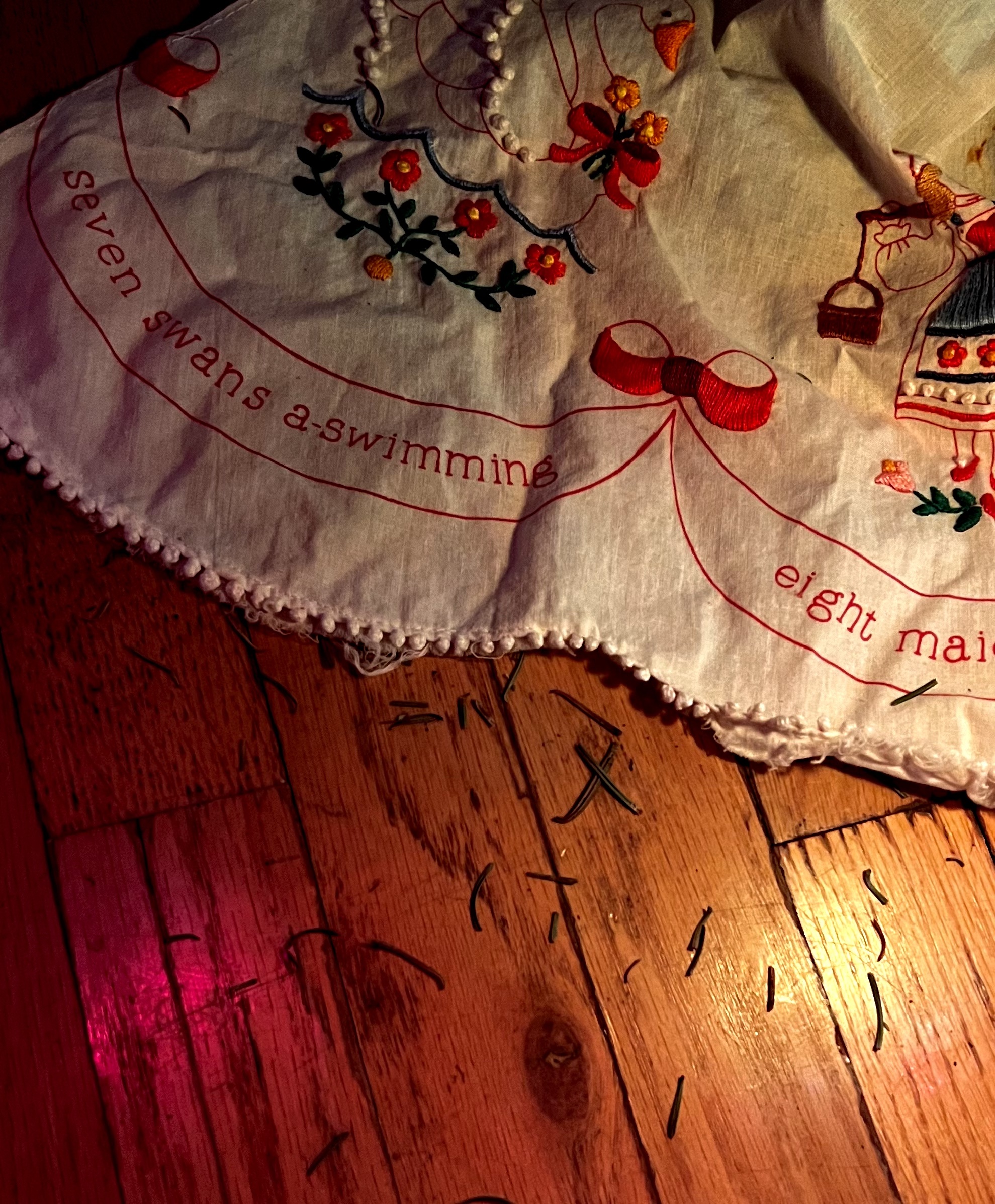
The tree straddled more than just two rooms.  Each year that tree’s branches reached out to shelter a family that was slowly, almost imperceptibly, falling apart like fir needles dropping to the floor, soon to be swept away.

Each year since, our Christmas tree, bearing those old ornaments from my childhood, reminds me of that still room of memories.  No longer am I wary of the past, and as I sweep up the fir needles that inevitably drop, I no longer weep.
One-Time
Monthly
Yearly

Make a one-time or recurring donation to support Barnstorming

Make a monthly donation

Make a yearly donation

Choose an amount

¤5.00
¤10.00
¤20.00
¤5.00
¤15.00
¤100.00
¤5.00
¤15.00
¤100.00

Or enter a custom amount

¤

Your contribution is deeply appreciated.

Your contribution is appreciated.

Your contribution is appreciated.

DonateDonate monthlyDonate yearly

Because They Are No More

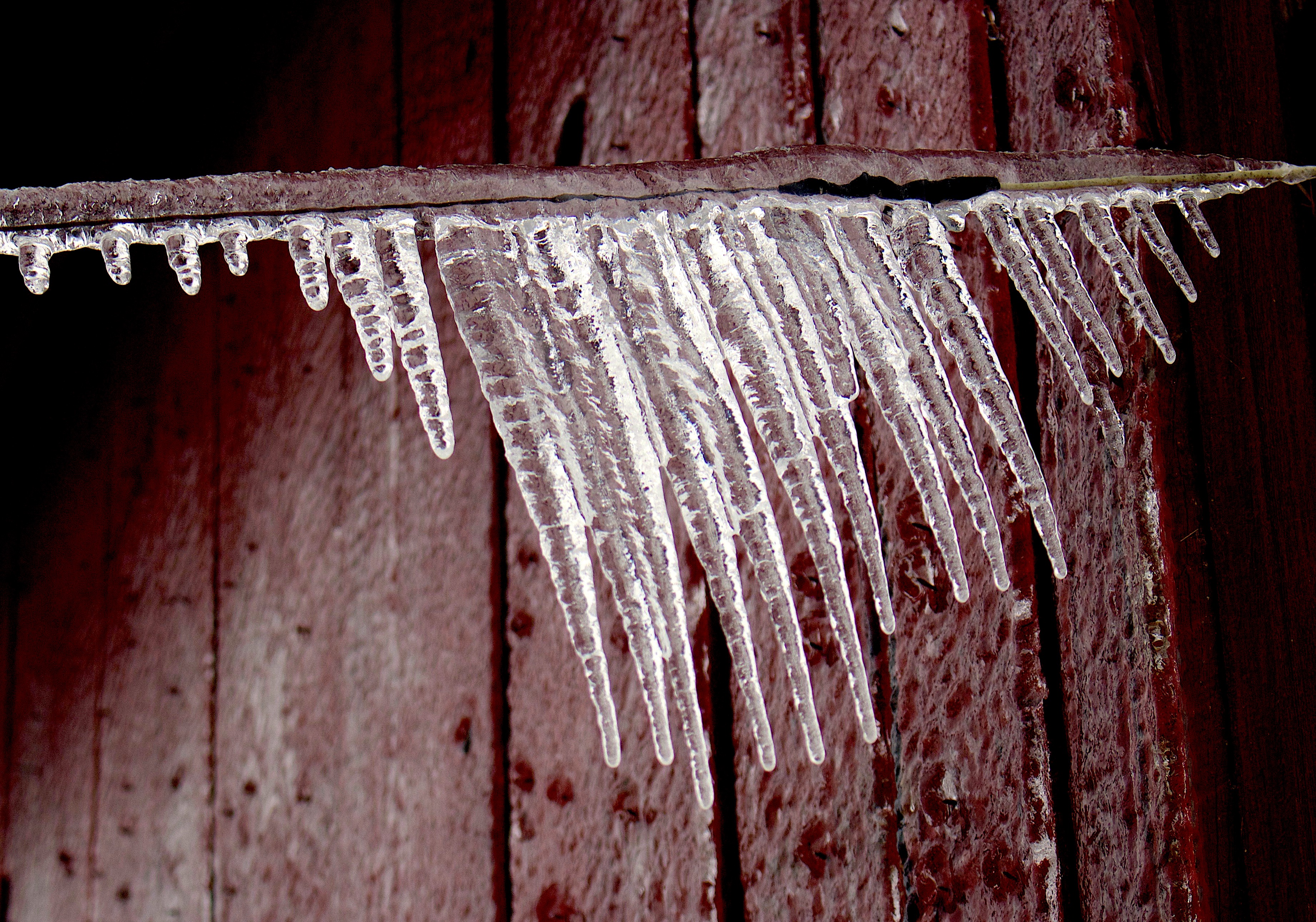
The snow is melting
and the village is flooded
     with children.
~Kobayashi Issa (translated by Robert Haas)

A voice is heard in Ramah,
    mourning and great weeping,
Rachel weeping for her children
    and refusing to be comforted,
    because they are no more.
Matthew 2:18 and Jeremiah 31:15

…as you sit beneath your beautifully decorated tree, eat the rich food of celebration, and laugh with your loved ones, you must not let yourself forget the horror and violence at the beginning and end of the Christmas story. The story begins with the horrible slaughter of children and ends with the violent murder of the Son of God. The slaughter depicts how much the earth needs grace. The murder is the moment when that grace is given.

Look into that manger representing a new life and see the One who came to die. Hear the angels’ celebratory song and remember that sad death would be the only way that peace would be given. Look at your tree and remember another tree – one not decorated with shining ornaments, but stained with the blood of God.

As you celebrate, remember that the pathway to your celebration was the death of the One you celebrate, and be thankful.
~Paul Tripp

God could, had He pleased, have been incarnate in a man of iron nerves, the Stoic sort who lets no sigh escape him. Of His great humility He chose to be incarnate in a man of delicate sensibilities who wept at the grave of Lazarus and sweated blood in Gethsemane. Otherwise we should have missed the great lesson that it is by his will alone that a man is good or bad, and that feelings are not, in themselves, of any im­portance. We should also have missed the all-important help of knowing that He has faced all that the weakest of us face, has shared not only the strength of our nature but every weakness of it except sin. If He had been incarnate in a man of immense natural courage, that would have been for many of us almost the same as His not being incar­nate at all.
― C.S. Lewis, The Collected Letters of C.S. Lewis

There is no consolation for families
of those lost to death come too soon:
a rogue king’s slaughter of innocents,
and now so much needless death:
weather, war, accidents, random shootings, COVID.

Arms ache with the emptiness of grief,
beds and pillows lie cold and unused,
hugs never to come again.

There is no consolation;
only mourning and great weeping,
sobbing that wrings dry
every human cell,
leaving dust behind,
which is our beginning
and our end.

God came to us
for times such as this,
born of the dust of woman and
the breath of the Holy Spirit,
God bent down to
lie in manger dust,
walk on roads of dust,
die and be laid to rest as dust
to conquer such evil as this
that displaces masses and massacres innocents.

He became dust to be
like us
He began a mere speck in a womb
like us

His heart beat
like ours
breathing each breath
like ours
until a fearful fallen world
took His
and our breath
away.

He shines through
the shadows of death
to guide our stumbling uncertain feet.

He hears our cries
as He cried too.
He knows our tears
as He wept too.
He knows our mourning
as He mourned too.
He knows our dying
as He died too.

God weeps
as this happens.

Only God can glue together
what evil has shattered.
He asks us to hand Him
the pieces of our broken hearts.

We will know His peace
when He comes
to bring us home,
our tears finally dried,
our cells no longer
just dust,
as we are glued together
by the holy breath of our God
forevermore.

Lully, lullay, thou little tiny child,
Bye bye, lully, lullay.
Thou little tiny child,
Bye bye, lully, lullay.

O sisters too, how may we do
For to preserve this day
This poor youngling for whom we sing,
“Bye bye, lully, lullay?”

Herod the king, in his raging,
Chargèd he hath this day
His men of might in his own sight
All young children to slay.

That woe is me, poor child, for thee
And ever mourn and may
For thy parting neither say nor sing,
“Bye bye, lully, lullay.”

One-Time
Monthly
Yearly

Make a one-time or recurring donation to support Barnstorming

Make a monthly donation

Make a yearly donation

Choose an amount

¤5.00
¤10.00
¤20.00
¤5.00
¤15.00
¤100.00
¤5.00
¤15.00
¤100.00

Or enter a custom amount

¤

Your contribution is deeply appreciated.

Your contribution is appreciated.

Your contribution is appreciated.

DonateDonate monthlyDonate yearly

The Beginning Shall Remind Us of the End: No Longer Homeless

Today is my mother’s birthday,
but she’s not here to celebrate
by opening a flowery card
or looking calmly out a window.

If my mother were alive,
she’d be 114 years old,
and I am guessing neither of us
would be enjoying her birthday very much.

Mother, I would love to see you again
to take you shopping or to sit
in your sunny apartment with a pot of tea,
but it wouldn’t be the same at 114.

And I’m no prize either,
almost 20 years older than the last time
you saw me sitting by your deathbed.
Some days, I look worse than yesterday’s oatmeal.

It must have been frigid that morning
in the hour just before dawn
on your first December 1st
at the family farm a hundred miles north of Toronto
.

Happy Birthday, anyway. Happy Birthday to you.
~Billy Collins from “December 1”

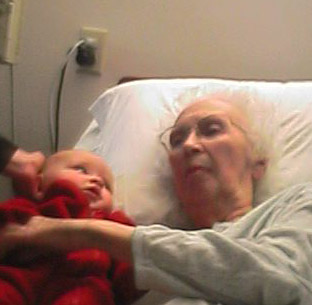
December 1st is not my mother’s birthday but it was her death day thirteen years ago.

Yet it felt a bit like a birth.

The call came from the care center about 5:30 AM on the Monday after Thanksgiving on a frozen morning: the nurse gently said her breathing had changed, it wasn’t long now until she’d be gone.

My daughter and I quickly dressed and went out into bleak darkness to make the ten minute drive to where she lay. Mom had been wearily existing since a femur fracture 9 months earlier on a cruel April 1st morning. Everything changed for her at 87 years of being active at home. It was the beginning of the end for her, unable to care for herself at home.

These nine months had been her gestation time to transition to a new life. It occurred to me as I drove – she was about to be born in her long-awaited yet long-feared transition to death.

Her room was darkened except for the multicolored lights on the table top artificial Christmas tree I had brought her a few days earlier. It cast colorful shadows onto the walls and the white bedspread on her hospital bed. It even made her look like she had color to her cheeks where there actually was none.

There was no one home.

She had already left, flown away while we drove the few miles to come to her. There was no reaching her now. Her skin was cooling, her face hollowed by the lack of effort, her body stilled and sunken.

I could not weep at that point – it was time for her to leave us behind. She was so very tired, so very weary, so very ready for heaven. And I, weary too, felt much like yesterday’s oatmeal, something she actually very much loved during her life, cooking up a big batch a couple times a week, enough to last several days.

I knew, seeing what was left of her there in that bed, Mom was no longer settling for yesterday’s oatmeal and no longer homeless. I knew she now she was present for a feast, would never suffer insomnia again, would no longer be fearful of dying, that her cheeks would be forever full of color.

I knew she had a new beginning: the glory of rebirth thanks to her Savior who had gently taken her by the hand to a land where joy would never end.

Happy Birthday, Mom. Happy December 1st Birthday to you.

I’ll fly away, oh glory
I’ll fly away in the morning
When I die hallelujah by and by
I’ll fly away

God makes us happy as only children can be happy.
God wants to always be with us, wherever we may be –
in our sin, in our suffering and death.
We are no longer alone;
God is with us.
We are no longer homeless;
a bit of the eternal home itself has moved unto us. 
~Dietrich Bonhoeffer

Some bright morning when this life is over
I’ll fly away
To that home on God’s celestial shore
I’ll fly away

I’ll fly away, oh glory
I’ll fly away in the morning
When I die hallelujah by and by
I’ll fly away

When the shadows of this life have gone
I’ll fly away
Like a bird from these prison walls I’ll fly
I’ll fly away

Oh how glad and happy when we meet
I’ll fly away
No more cold iron shackles on my feet
I’ll fly away

Just a few more weary days and then
I’ll fly away
To a land where joys will never end
I’ll fly away

I’ll fly away oh glory
I’ll fly away in the morning
When I die hallelujah by and by
I’ll fly away
I’ll fly away

~Albert Brumley

This year’s Barnstorming Advent theme “… the Beginning shall remind us of the End” is taken from the final lines in T.S. Eliot’s poem “The Cultivation of Christmas Trees”

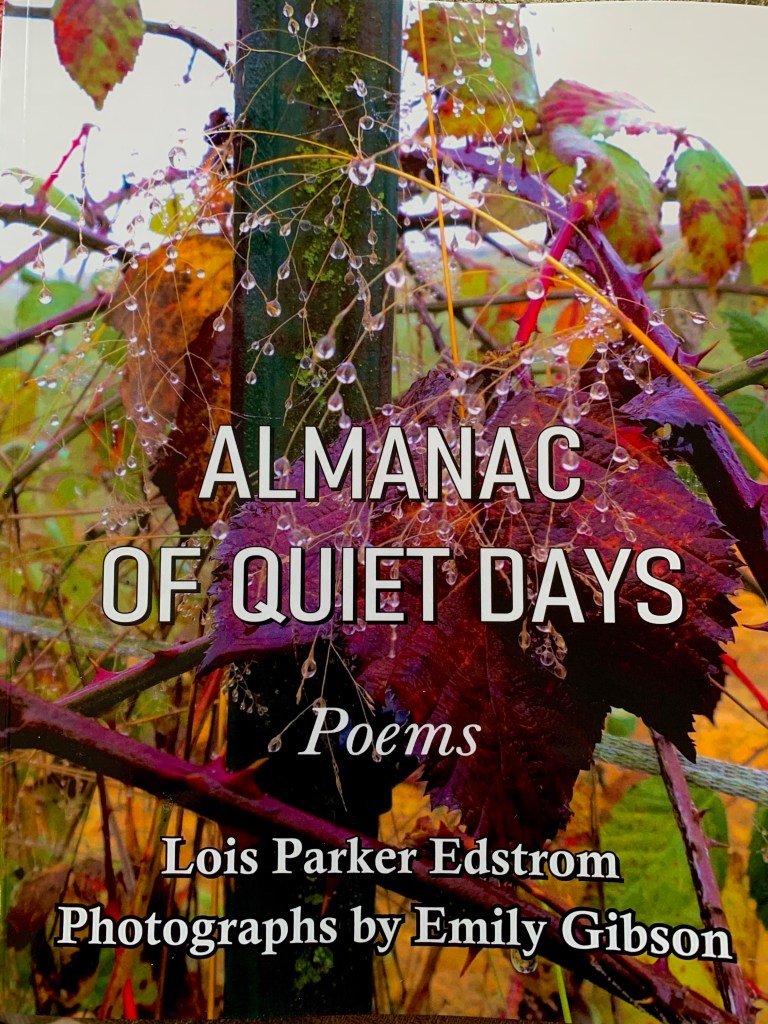
A book of beauty in words and photography, available to order here:


Benign

“They’re benign,” the radiologist says,
pointing to specks on the x ray
that look like dust motes
stopped cold in their dance.
His words take my spine like flame.
I suddenly love
the radiologist, the nurse, my paper gown,
the vapid print on the dressing room wall.
I pull on my radiant clothes.
I step out into the Hanging Gardens, the Taj Mahal,
the Niagara Falls of the parking lot.

~Jo McDougall, “Mammogram” from In the Home of the Famous Dead: Collected Poems

Outside the house the wind is howling
and the trees are creaking horribly.
This is an old story
with its old beginning,
as I lay me down to sleep.
But when I wake up, sunlight
has taken over the room.
You have already made the coffee
and the radio brings us music
from a confident age. In the paper
bad news is set in distant places.
Whatever was bound to happen
in my story did not happen.
But I know there are rules that cannot be broken.
Perhaps a name was changed.
A small mistake. Perhaps
a woman I do not know
is facing the day with the heavy heart
that, by all rights, should have been mine.

~Lisel Mueller “In November”

It does not escape me,
especially on mammogram days~~

(although I wake every day knowing this):

an earthquake happened somewhere else,
a war left people homeless and lifeless,
a windstorm leveled a town,
a drunk driver destroyed a family,
a fire left a house in ashes,
a famine caused children to starve,
a flood ravaged a village,
a devastating diagnosis darkened
someone’s remaining days.

No mistake has been made,
yet I wake knowing this part of my story
has not yet visited me,
the heavy heart
that could have been mine
is spared again,
still beating,
still breaking,
still bleeding,
still believing
the radiance from this good news is real
and once again happened today.

One-Time
Monthly
Yearly

Make a one-time donation to support Barnstorming

Make a monthly donation

Make a yearly donation

Choose an amount

¤5.00
¤10.00
¤20.00
¤5.00
¤15.00
¤100.00
¤5.00
¤15.00
¤100.00

Or enter a custom amount

¤

Your contribution is appreciated.

Your contribution is appreciated.

Your contribution is appreciated.

DonateDonate monthlyDonate yearly

A book of beauty in words and photography, available to order here:

For Your Tomorrow We Gave Our Today

When you go home tell them of us and say –
“For your tomorrow we gave our today”
~John Maxwell Edmonds from “The Kohima Epitaph” 

I’m unsure why the United States does not call November 11 Remembrance Day as the Commonwealth nations did over a century ago at the Armistice. This is a day that demands much more than the more passive name Veterans’ Day represents.

This day calls all citizens who appreciate our freedoms to stop what we are doing and disrupt the routine rhythm of our lives. We are to remember in humble thankfulness the generations of military veterans who sacrificed time, resources, sometimes health and well being, and too often their lives in answering the call to defend their countries.

Remembrance means
~never forgetting what it costs to defend freedom.
~acknowledging the millions who have given of themselves and continue to do so on our behalf.
~never ceasing to care.
~a commitment to provide resources needed for the military to remain strong and supported.
~unending prayers for safe return home to family.
~we hold these men and women close in our hearts, always teaching the next generation about the sacrifices they made.

Most of all,
it means being willing ourselves to become the sacrifice when called.

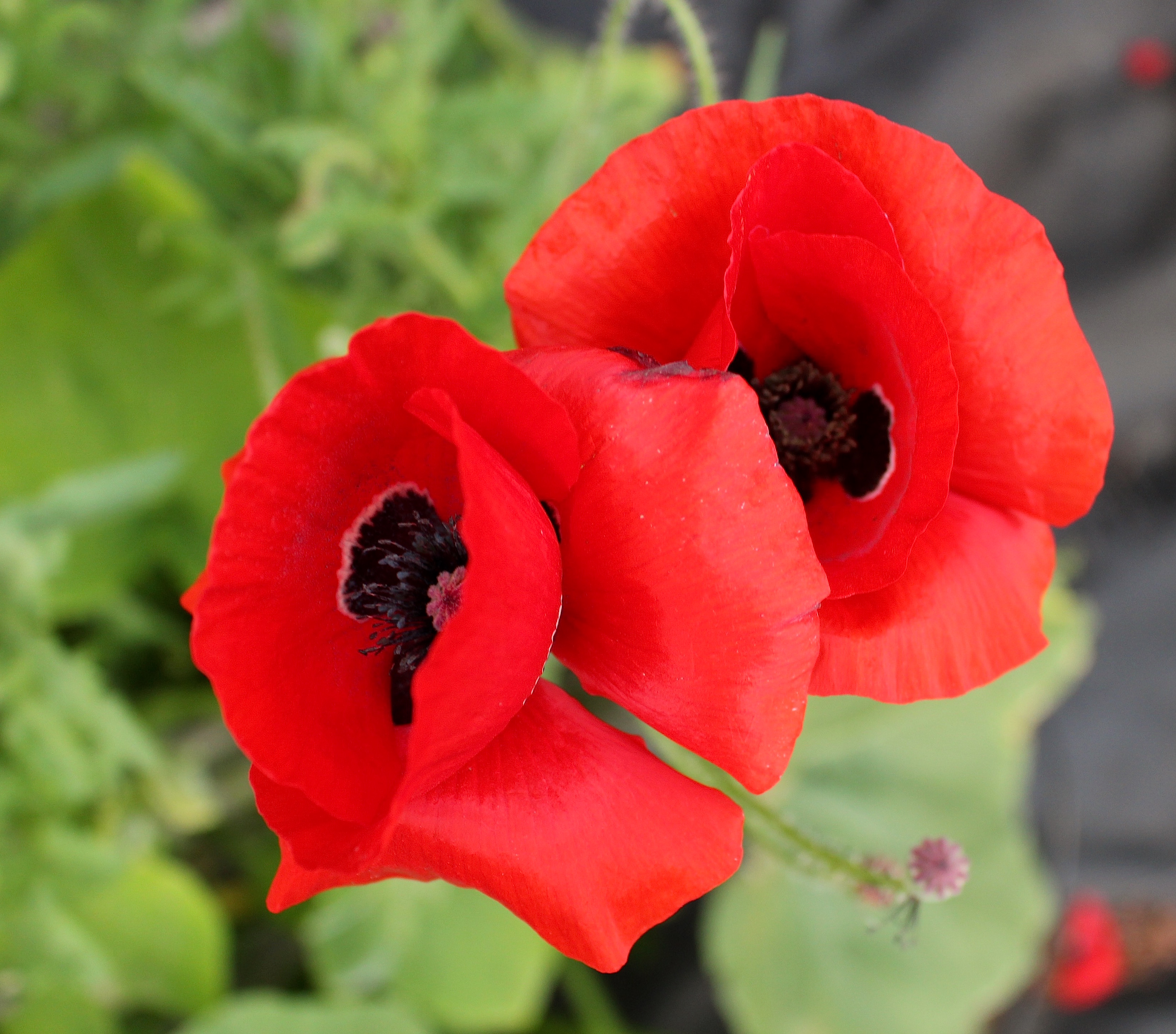
We are the Dead. Short days ago
We lived, felt dawn, saw sunset glow,
Loved and were loved, and now we lie
In Flanders fields.

To you from failing hands we throw    
The torch; be yours to hold it high.    
If ye break faith with us who die
We shall not sleep, though poppies grow…
~LtCol (Dr.) John McCrae from “In Flanders Fields”

A book of beauty in words and photography, available to order here:

Born Broken

Man is born broken.
He lives by mending.
The grace of God is glue.
~Eugene O’Neill
from Act 4, Scene 1 – The Great God Brown

None of us can “mend” another person’s life, no matter how much the other may need it, no matter how much we may want to do it.

Mending is inner work that everyone must do for him or herself. When we fail to embrace that truth the result is heartbreak for all concerned.

What we can do is walk alongside the people we care about, offering simple companionship and compassion. And if we want to do that, we must save the only life we can save, our own.
~Parker Palmer writing about Mary Oliver’s poem “The Journey”

One day you finally knew
what you had to do, and began,
though the voices around you
kept shouting

their bad advice – – –
though the whole house
began to tremble
and you felt the old tug
at your ankles.
‘Mend my life!’
each voice cried.
But you didn’t stop.

You knew what you had to do,
though the wind pried
with its stiff fingers
at the very foundations – – –
though their melancholy
was terrible. It was already late
enough, and a wild night,
and the road full of fallen
branches and stones.

But little by little,
as you left their voices behind,
the stars began to burn
through the sheets of clouds,
and there was a new voice,
which you slowly
recognized as your own,
that kept you company
as you strode deeper and deeper
into the world,
determined to do
the only thing you could do – –

– determined to save
the only life you could save.
~Mary Oliver “The Journey”

We are born hollering and suddenly alone,
already aware of our emptiness
from the first breath,
each tiny air sac bursting
with the air of our fallen world~
air that is never enough.

The rest of our days are spent
filling up our empty spaces
whether alveoli
or stomach
or synapses starving for understanding,
still hollering in our loneliness
and heart
broken.

So we mend ourselves
through our walk with others
also broken,
we patch up our gaps
by knitting the scraggly fragments
of lives lived together.
We become the crucial glue
boiled from gifted Grace,
all our holes
somehow made holy.

A book of beauty in words and photography, available for order here:

The Safety of the Thicket

He loved to ask his mother questions. It was the pleasantest thing for him to ask a question and then to hear what answer his mother would give. Bambi was never surprised that question after question should come into his mind continually and without effort. 

Sometimes he felt very sure that his mother was not giving him a complete answer, was intentionally not telling him all she knew.  For then there would remain in him such a lively curiosity, such suspicion, mysteriously and joyously flashing through him, such anticipation, that he would become anxious and happy at the same time, and grow silent.
~Felix Salten from Bambi

A Wounded Deer—leaps highest—
I’ve heard the Hunter tell—
‘Tis but the Ecstasy of death—
And then the Brake is still!
~Emily Dickinson from “165″

My first time ever
seated next to my mother
in a movie theater, just
a skinny four year old girl
practically folded up in half
by a large padded chair
whose seat won’t stay down,
bursting with anticipation
to see Disney’s Bambi.

Enthralled with so much color,
motion,  music, songs and fun
characters, I am wholly lost
in a new world of animated
reality when suddenly
Bambi’s mother looks up,
alarmed,  from eating
a new clump of spring grass
growing in the snow.

My heart leaps
with worry.
She tells him
to run
for the thicket,
the safest place where
she has always
kept him warm
next to her.

She follows behind,
tells him to run faster,
not to look back,
don’t ever look back.

Then the gun shot
hits my belly too.

My stomach twists
as he cries out
for his mother,
pleading for her.
I know in my heart
she is lost forever,
sacrificed for his sake.

I sob as my mother
reaches out to me,
telling me not to look.
I bury my face
inside her hug,
knowing Bambi
is cold and alone
with no mother
at all.

My mama took me home
before the end.
I could not bear to watch
the rest of the movie 
for years.

Those cries
still echo
in my ears
every time someone hunts and shoots
to kill the innocent.

Now, my own children are grown,
they have babies of their own,
my mom is gone from this earth,
I can even keep the seat from folding
me up in a movie theater.

I am in my seventh decade, and
there are still places in this world where
mothers and fathers
sons and daughters
grandmothers and grandfathers
sisters and brothers
and babies are hunted down
despite the supposed safety of the thicket~
of the sanctuary, the school, the grocery store, the home,
where we believe we are shielded from violence.

There is innocence no longer,
if there ever was.

A book of beauty in words and photography, available to order here:

A Benediction of Mourning

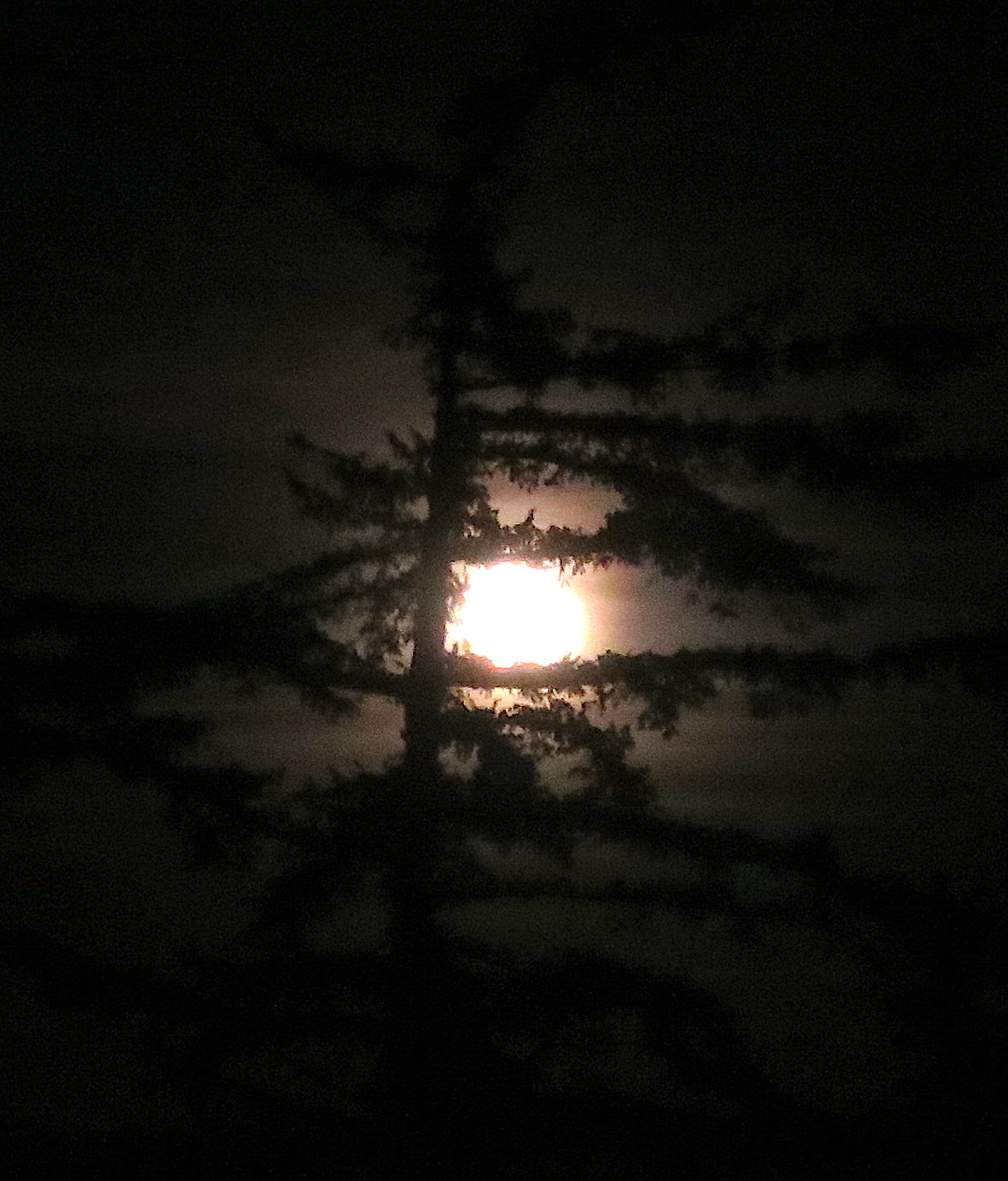
The waning October moon reluctantly rose,
pulling back from the full globe of a few nights before.

I drive a night darkened country road, white lines sweeping past,
aware of advancing frost in the evening haze,
anxious to return home to fireplace light.

Nearing a familiar corner, a stop sign loomed,
to the right, a rural cemetery sits silently expectant.

Open iron gates and tenebrous headstones,
in the middle path, incongruous, a car’s headlights beam bright.
I slowed, thinking: lovers or vandals would seek inky cover of night.

Instead, these lights illuminate a lone figure, kneeling graveside,
one hand resting heavily on a stone, head bowed in prayer.

A stark moment of solitary sorrow,
invisible grieving of the heart
focused by twin beams.

A benediction of mourning; light piercing their blackness,
as gentle fingertips trace the engraved letters of a beloved name.

An uneasy witness, I withdraw as if touched myself
and drive on into the night, struggling to see
through the thickening mist of my eyes and the road.

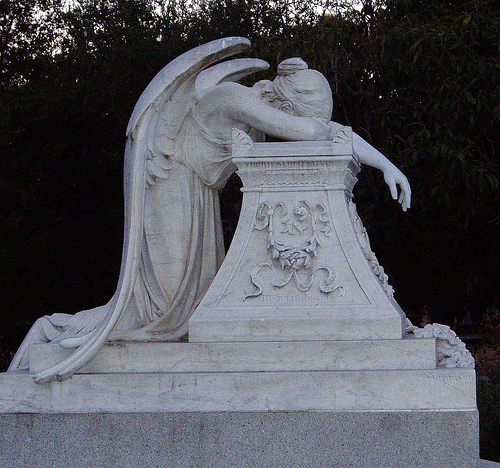
Angel of Grief–Stanford University

A book of beauty in words and photography, available for order here:

In My Hunger

I made for grief a leaden bowl
and drank it, every drop.
And though I thought I’d downed it all
the hurting didn’t stop.

I made of hope a golden sieve
to drain my world of pain.
Though I was sure I’d bled it dry
the void filled up again.

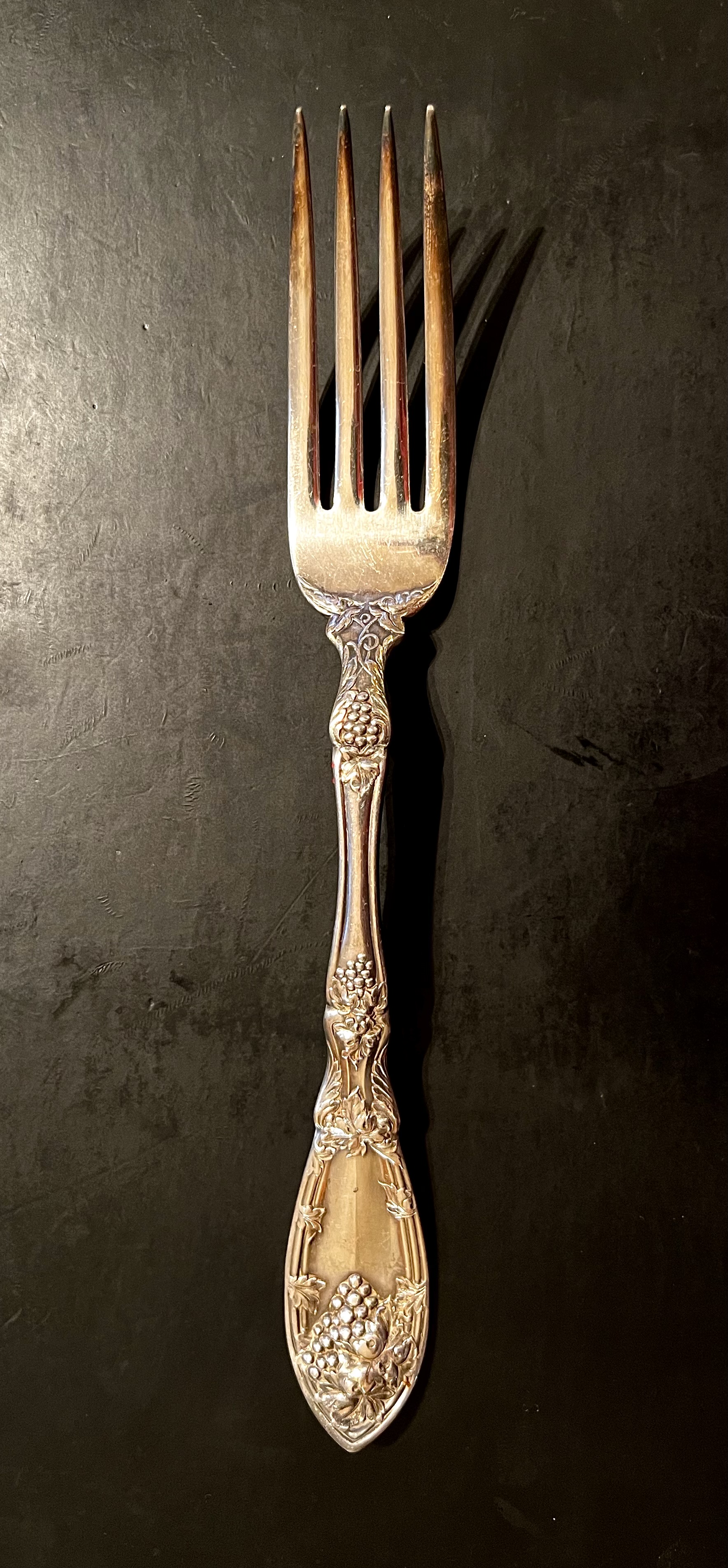
I made of words a silver fork
and stabbed love in the heart,
and when I found the sweetness gone
I chewed it into art.
~Luci Shaw “What I Needed to Do”

How can I stow away our hurt and grief
when it keeps refilling, leaking everywhere?
Where can hope be found when all feels hopeless?
When I have been loved beyond all measure,
with bleeding hands and feet and side;
why not turn to the Word,
its sweetness never exhausted
no matter how often I chew through it
in my hunger.

A book of art in words and photography, available to order here:

Unanswerable Questions

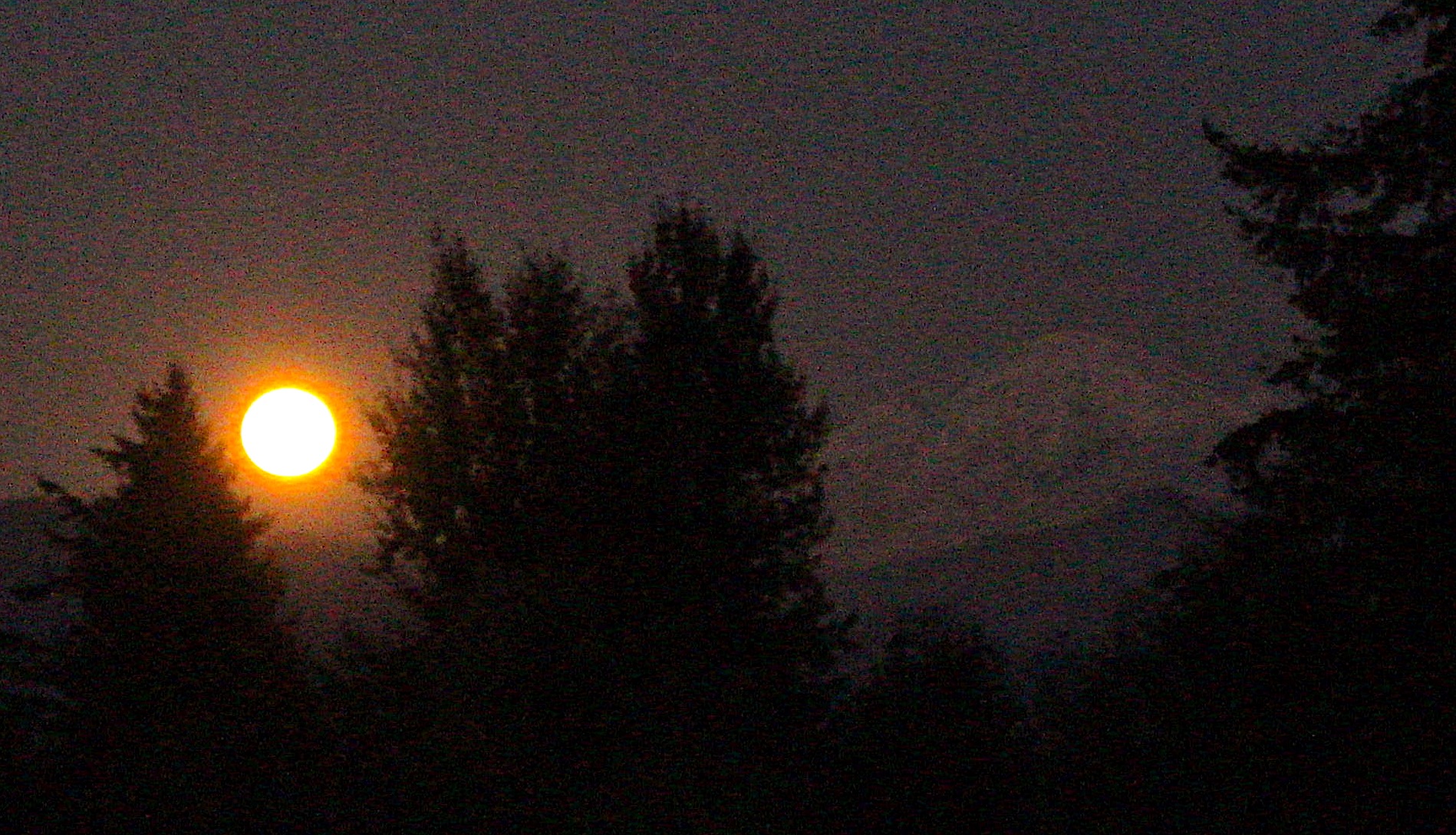
Under the harvest moon,
When the soft silver
Drips shimmering over the garden nights,
Death, the gray mocker,
Comes and whispers to you
As a beautiful friend
Who remembers.

Under the summer roses
When the flagrant crimson
Lurks in the dusk
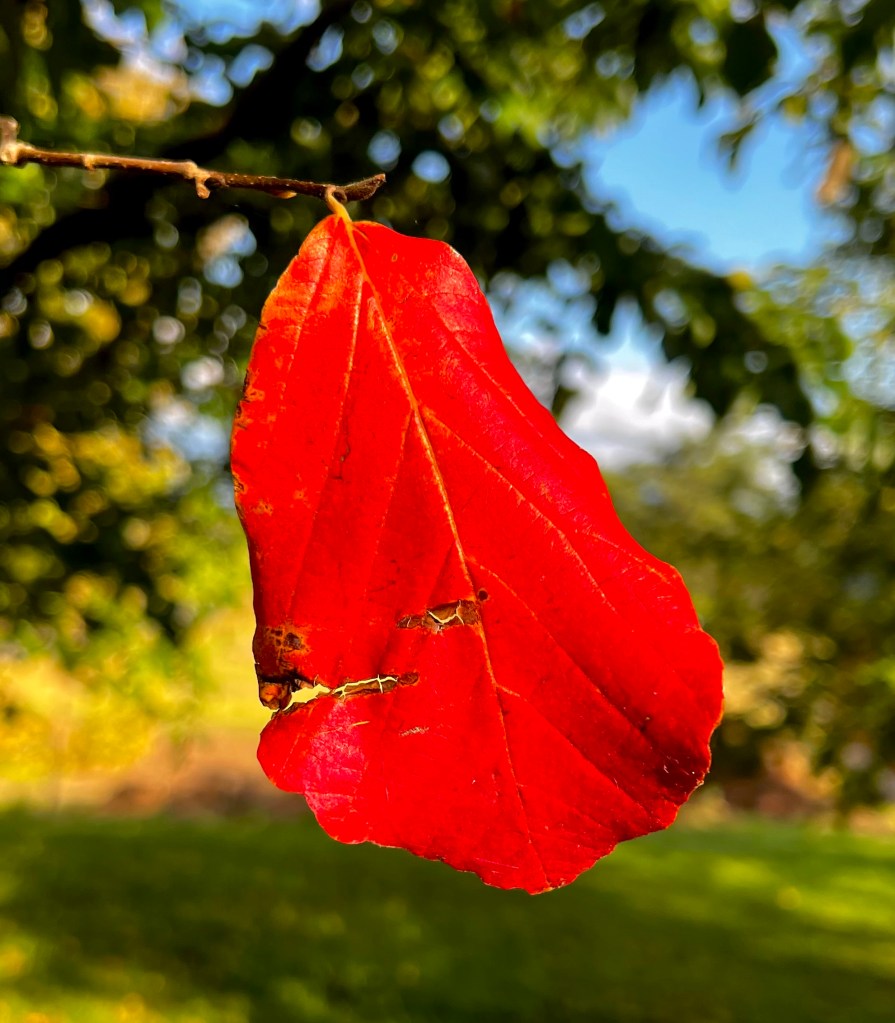
Of the wild red leaves,
Love, with little hands,
Comes and touches you
With a thousand memories,
And asks you
Beautiful, unanswerable questions.
~Carl Sandburg, “Under the Harvest Moon”

As we enter the season
of all that is lush and lovely
which starts to wither and decay before our eyes,
we know the flowers and trees aren’t alone.
Death, whispering within its gray night’s cloak,
has been stealing the young and old since time began,
but never as boldly as during a pandemic.
Millions of family members are left
with nothing but bittersweet memories
of their loved ones now buried deep.

The harvest moon – not nearly bright enough,
as a poor reflection of the sun –
mocks us who covet light
during a rampage of contagious illness and death.

As we endure the searing beauty of yet another dying season,
let us treasure those we protect through our care and concern.
Let us cherish the memories of those we’ve lost.
There can be only one answer to the unanswerable questions:
Love itself died to become Salvation,
an ever-sufficient Light that leads us home.

A book of beauty in words and photos is available to order here: