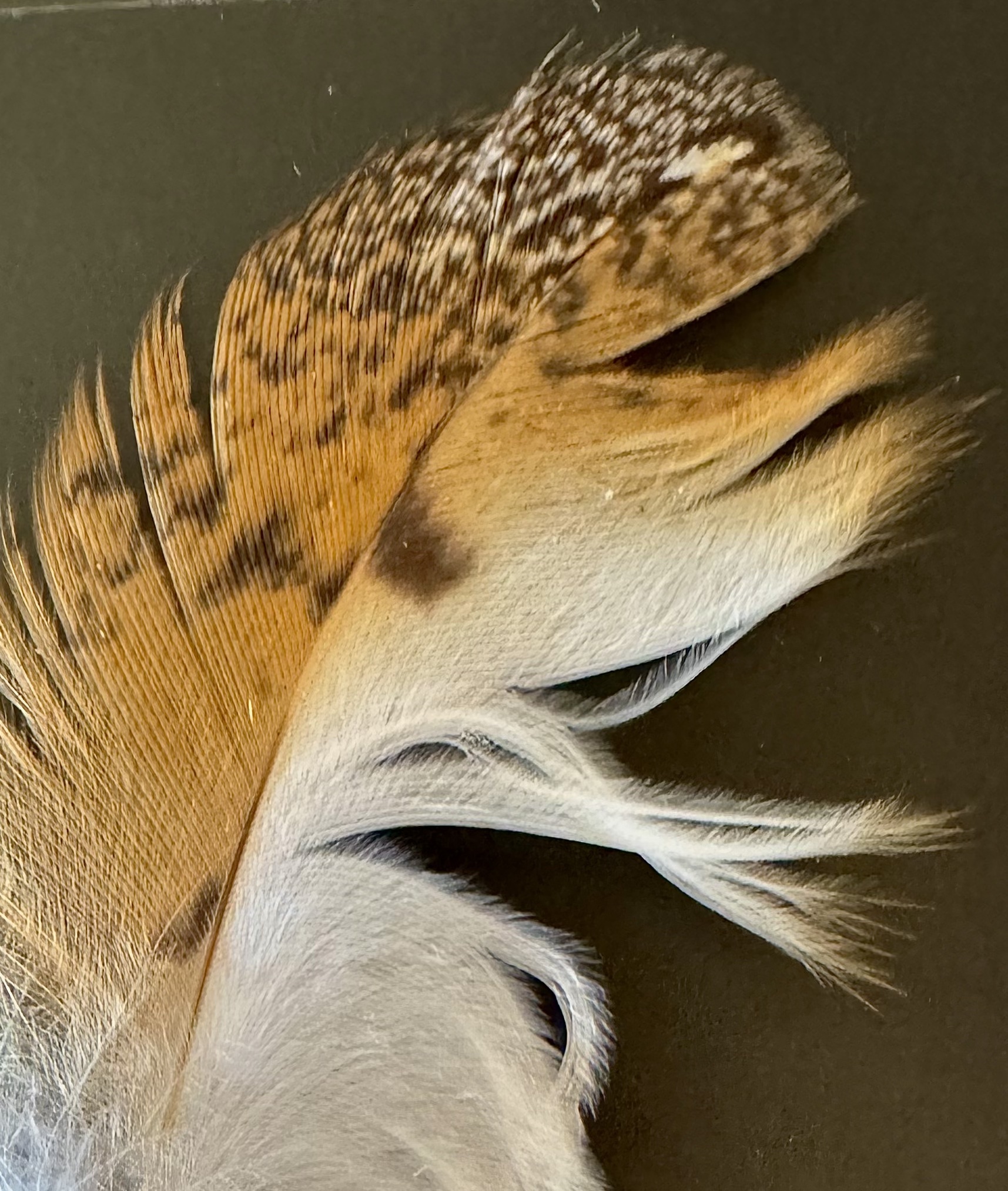
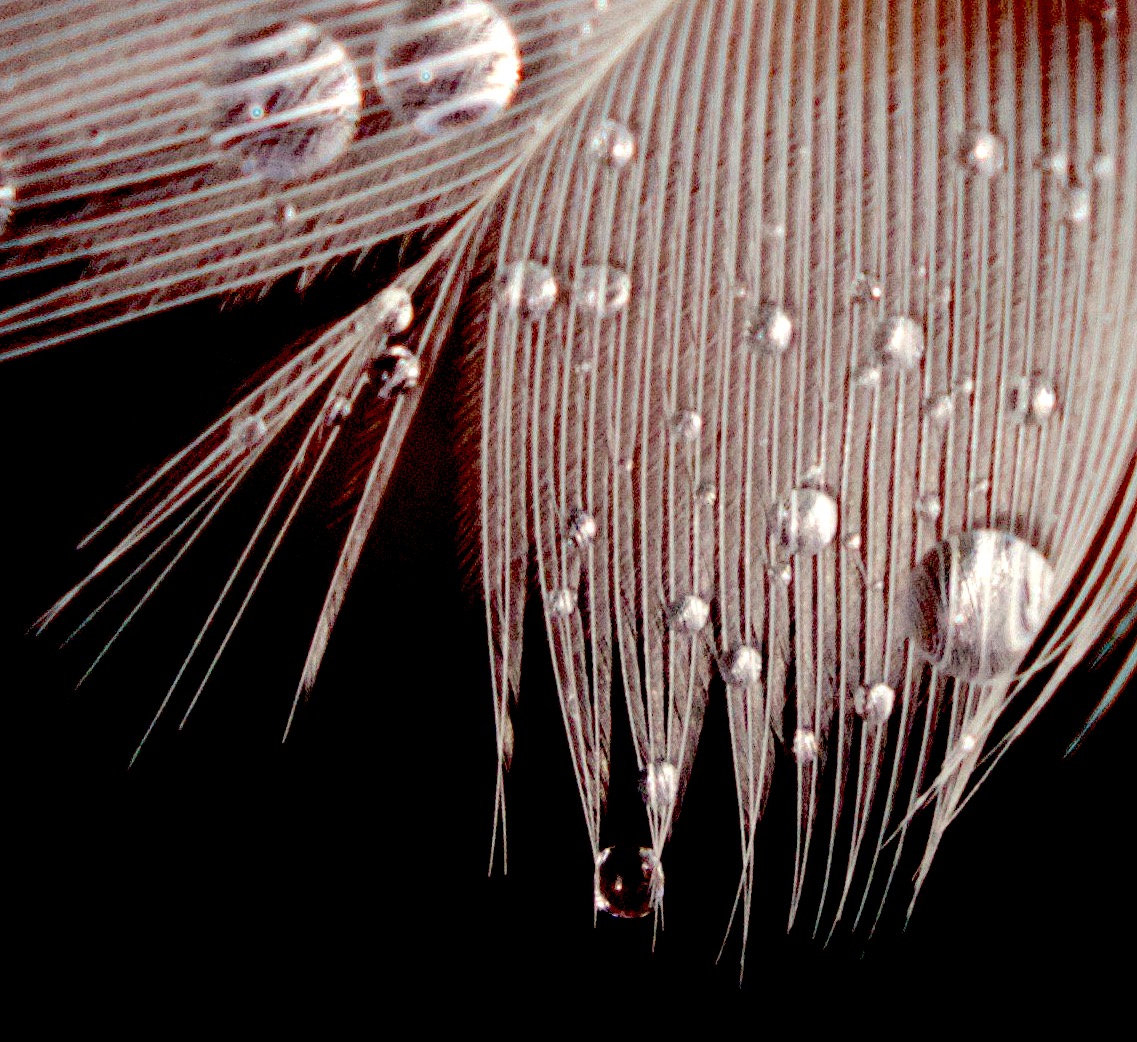
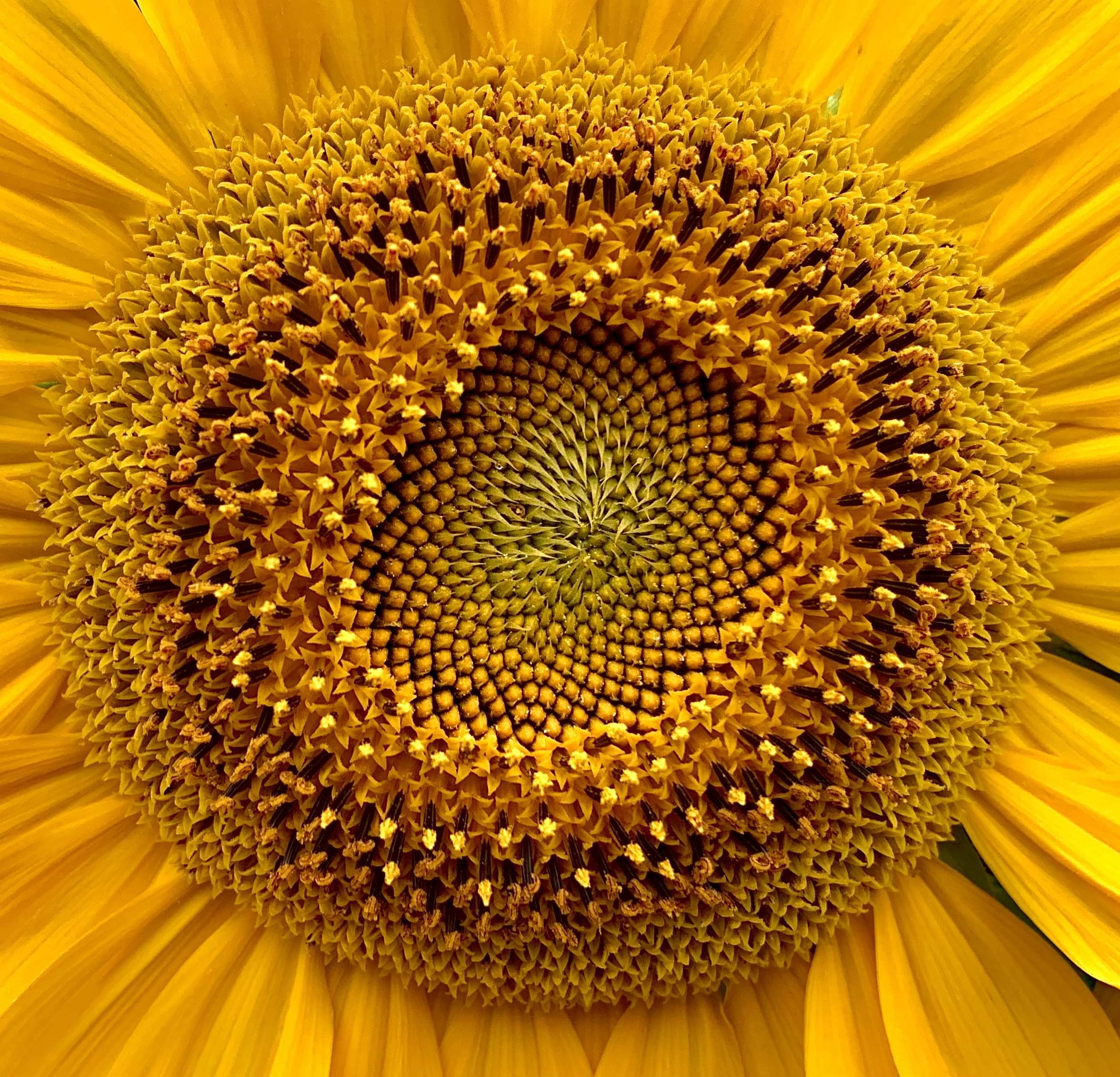
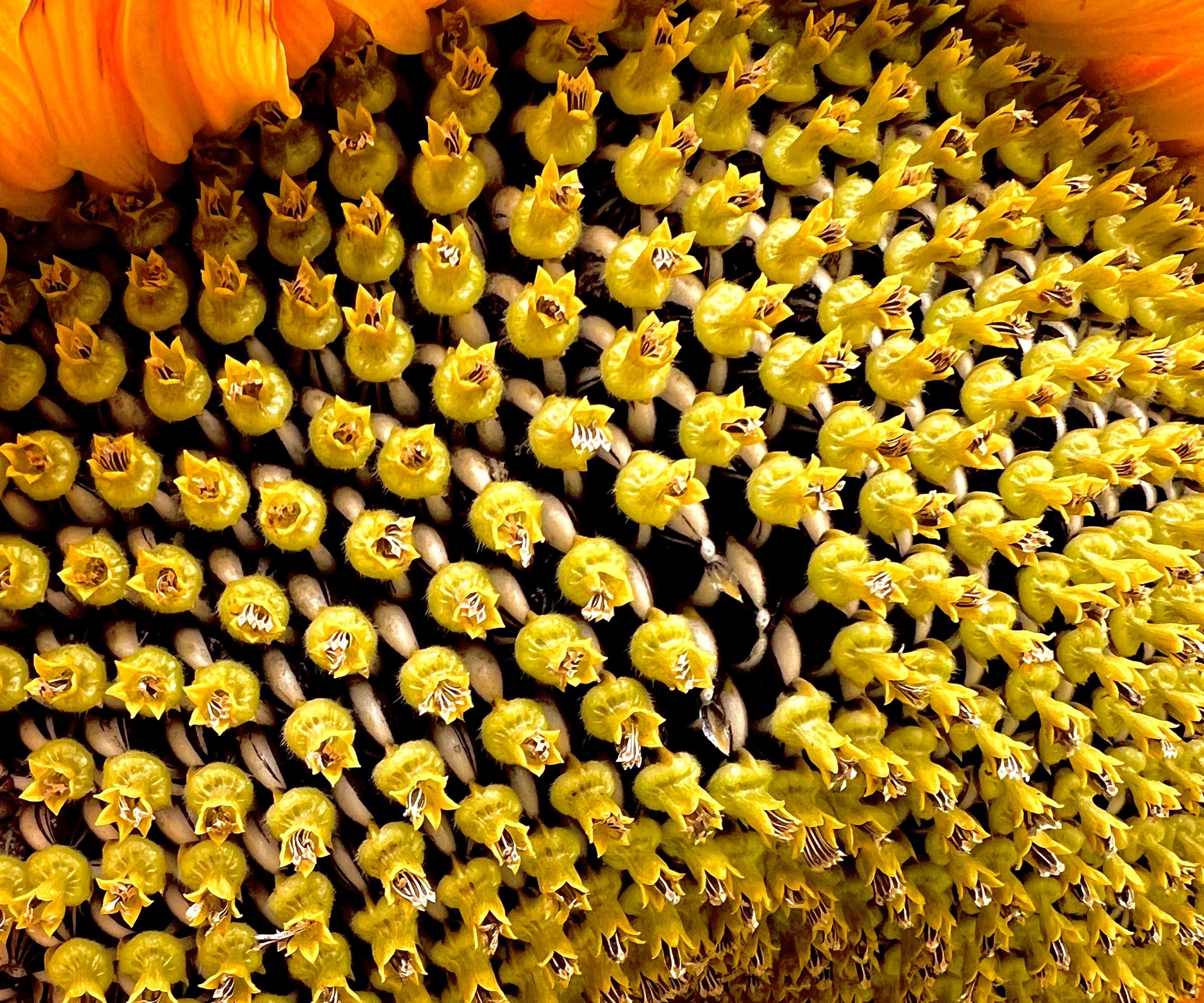
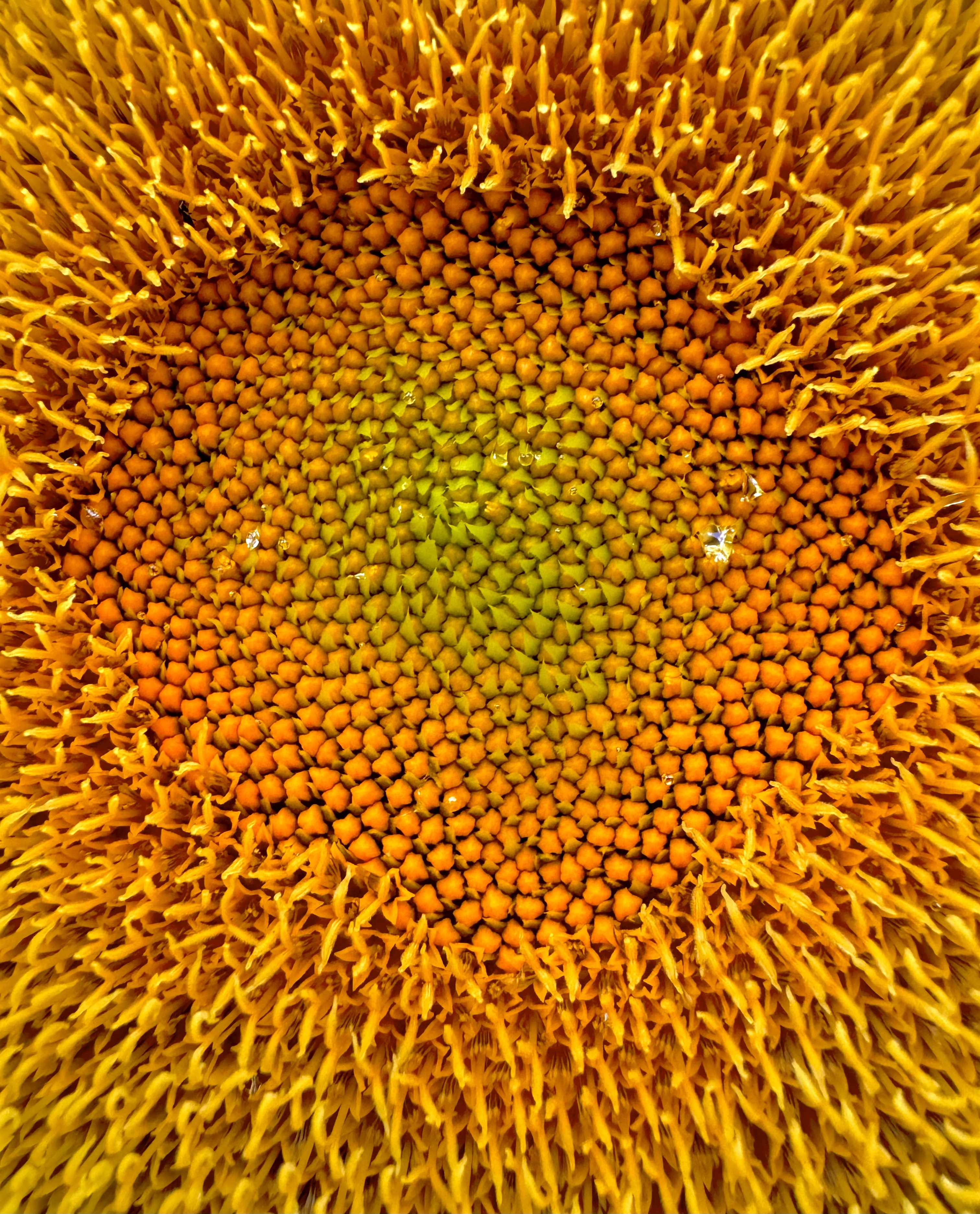
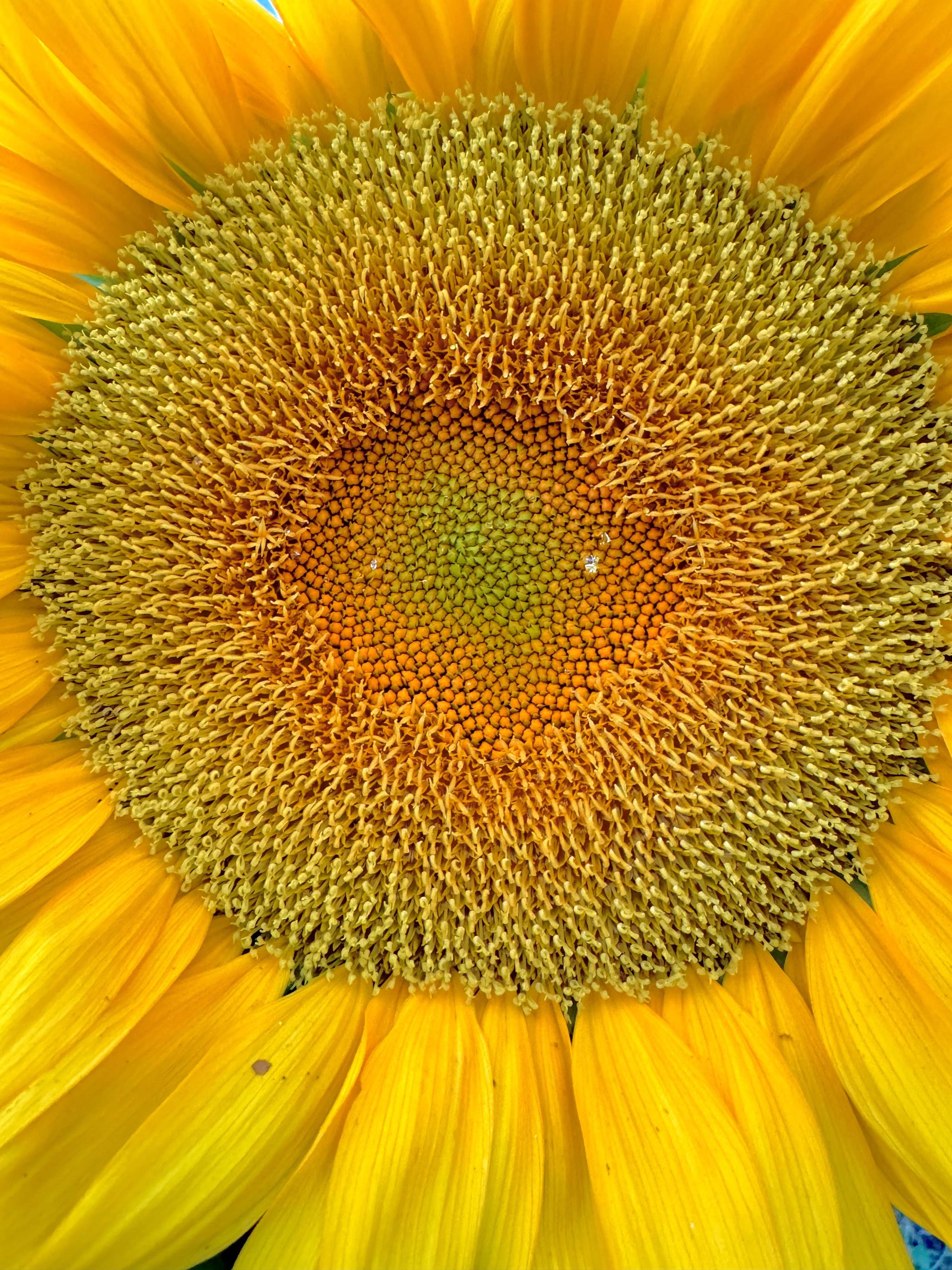
June Trembling Like a Butterfly

Green was the silence, wet was the light
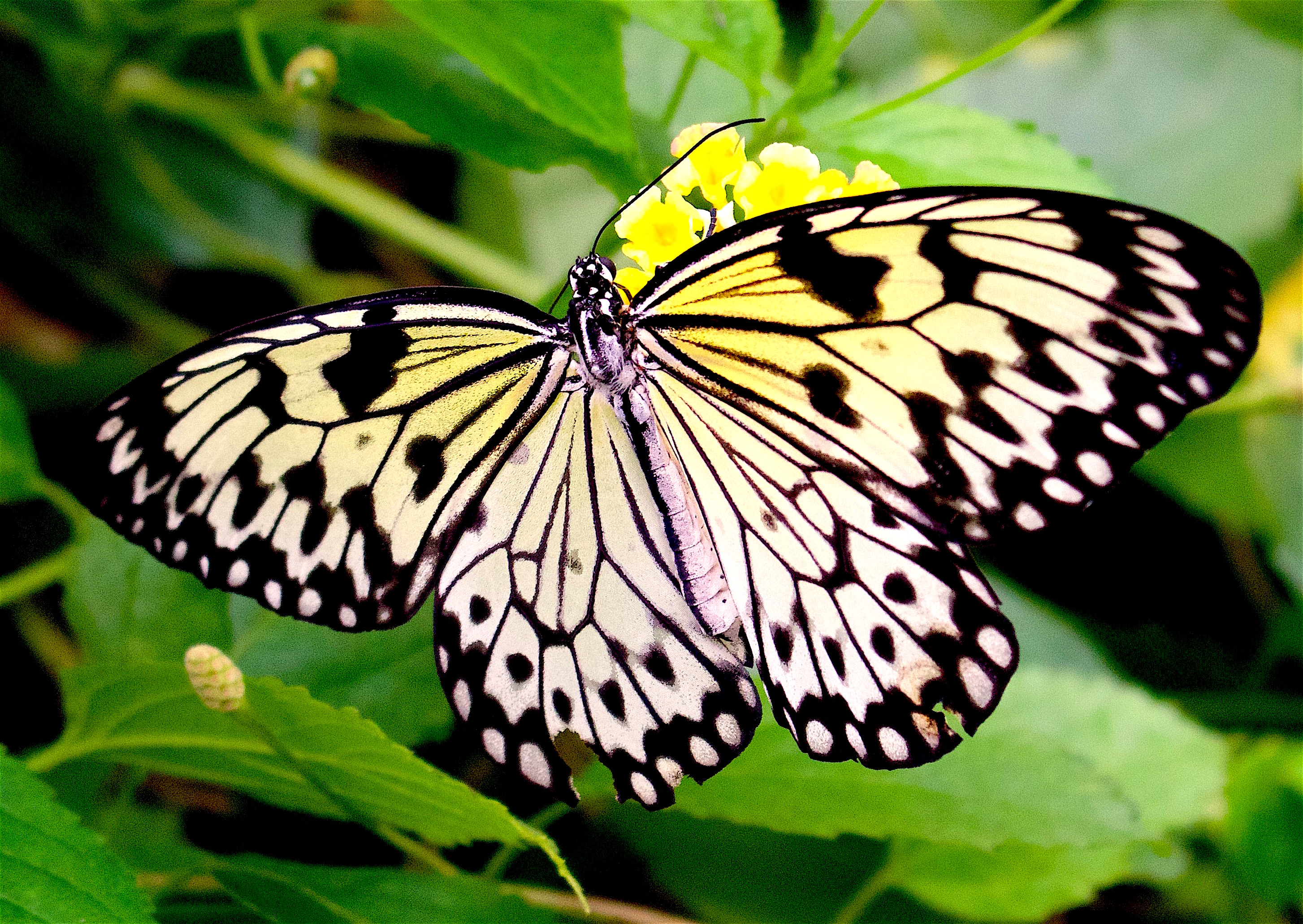
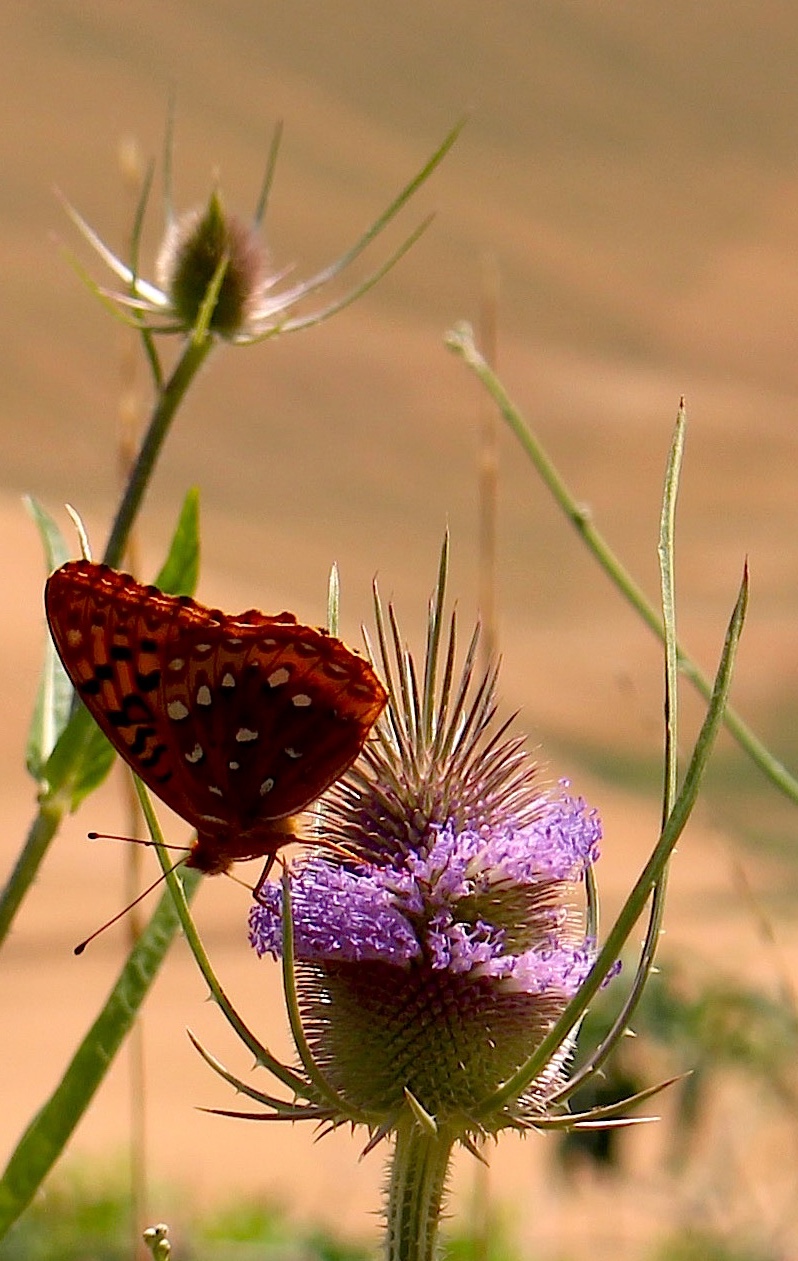
the month of June trembled like a butterfly
~Pablo Neruda from “Sonnet XL”

Why do we bother with the rest of the day,
the swale of the afternoon,
the sudden dip into evening,
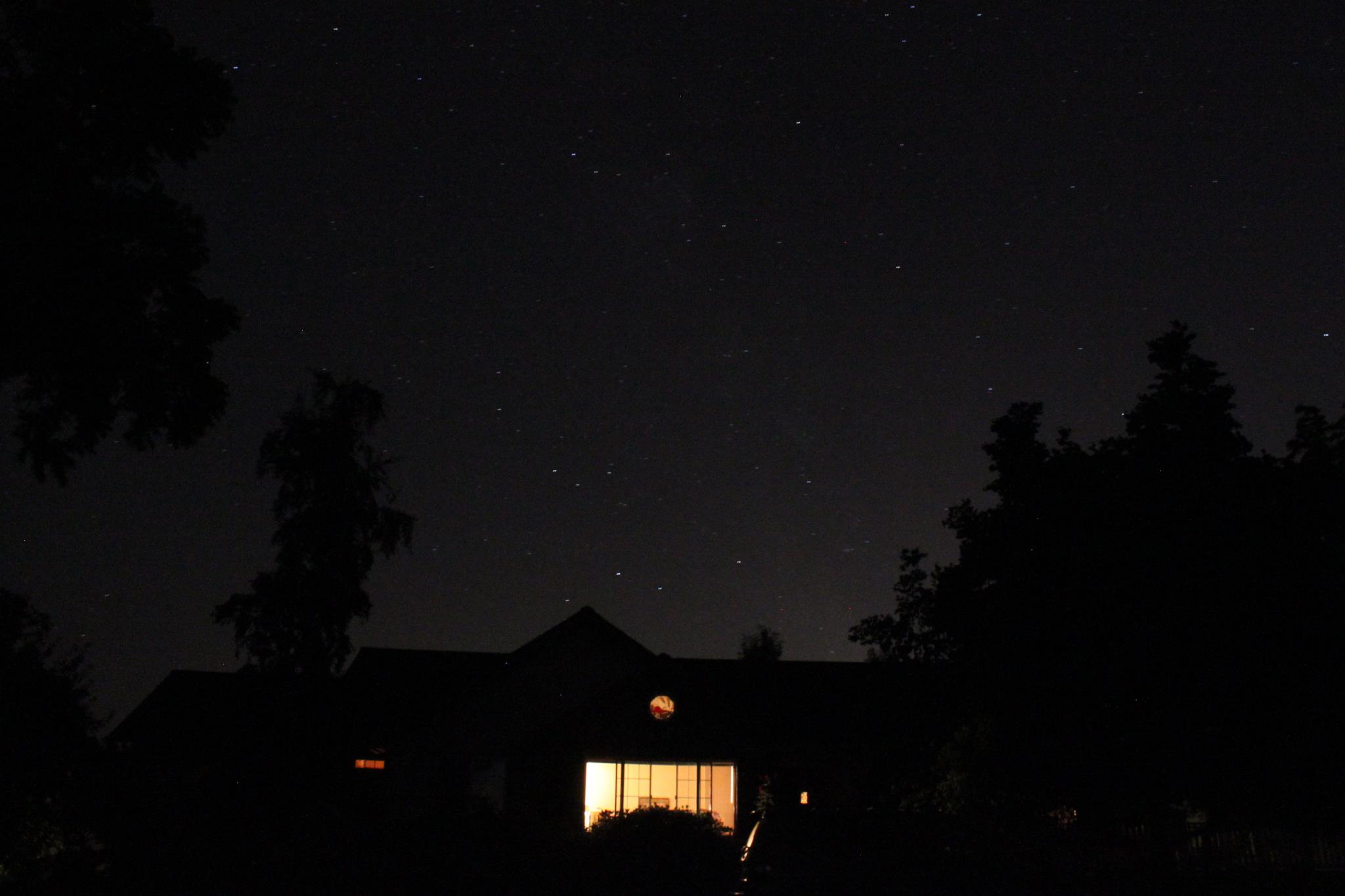
then night with his notorious perfumes,
his many-pointed stars?

This is the best—
throwing off the light covers,
feet on the cold floor,
and buzzing around the house on espresso—
maybe a splash of water on the face,
a palmful of vitamins—

but mostly buzzing around the house on espresso,
dictionary and atlas open on the rug,
the typewriter waiting for the key of the head,
a cello on the radio,
and, if necessary, the windows—
trees fifty, a hundred years old
out there,
heavy clouds on the way
and the lawn steaming like a horse
in the early morning.
~Billy Collins “Morning”

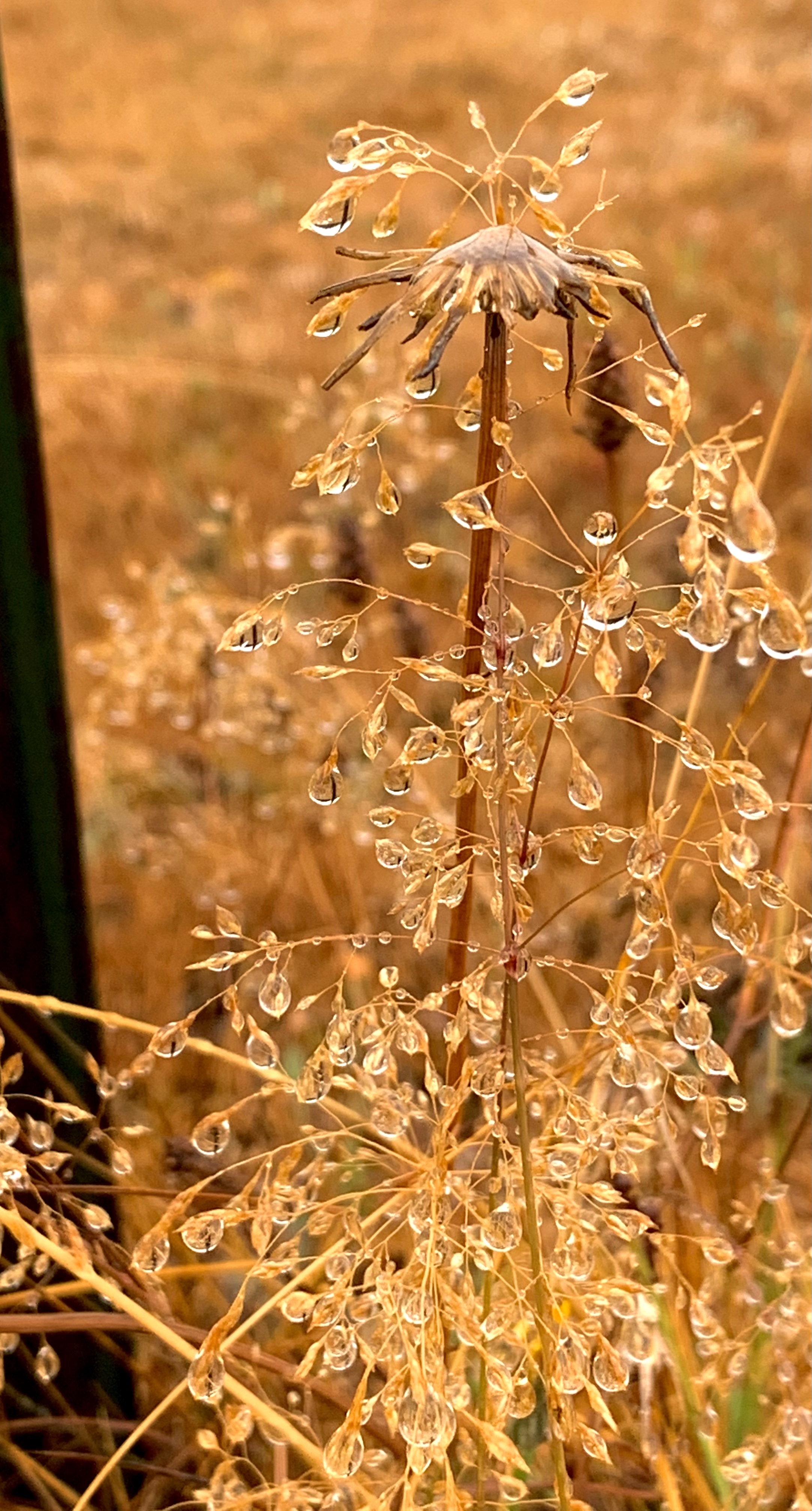
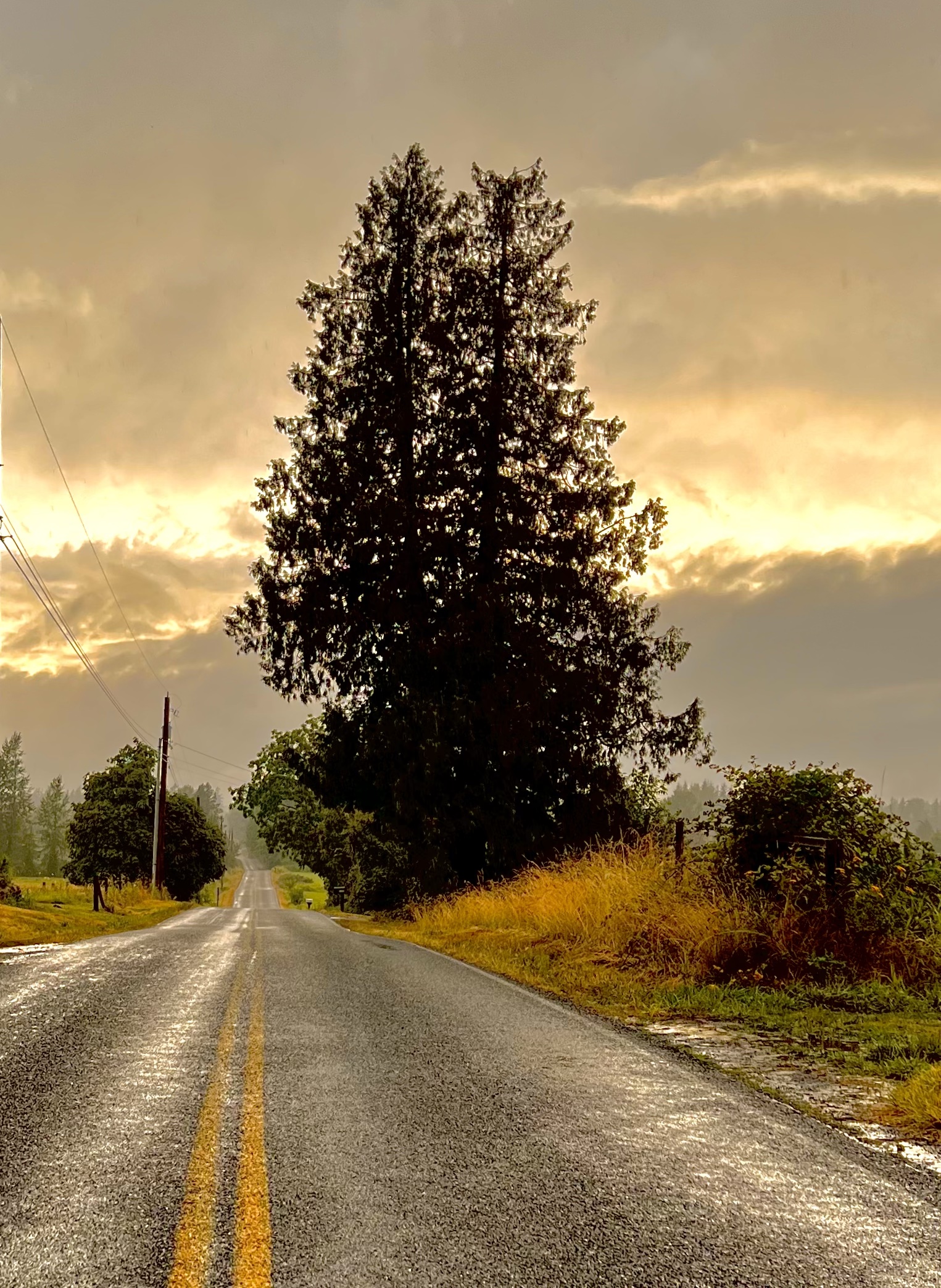
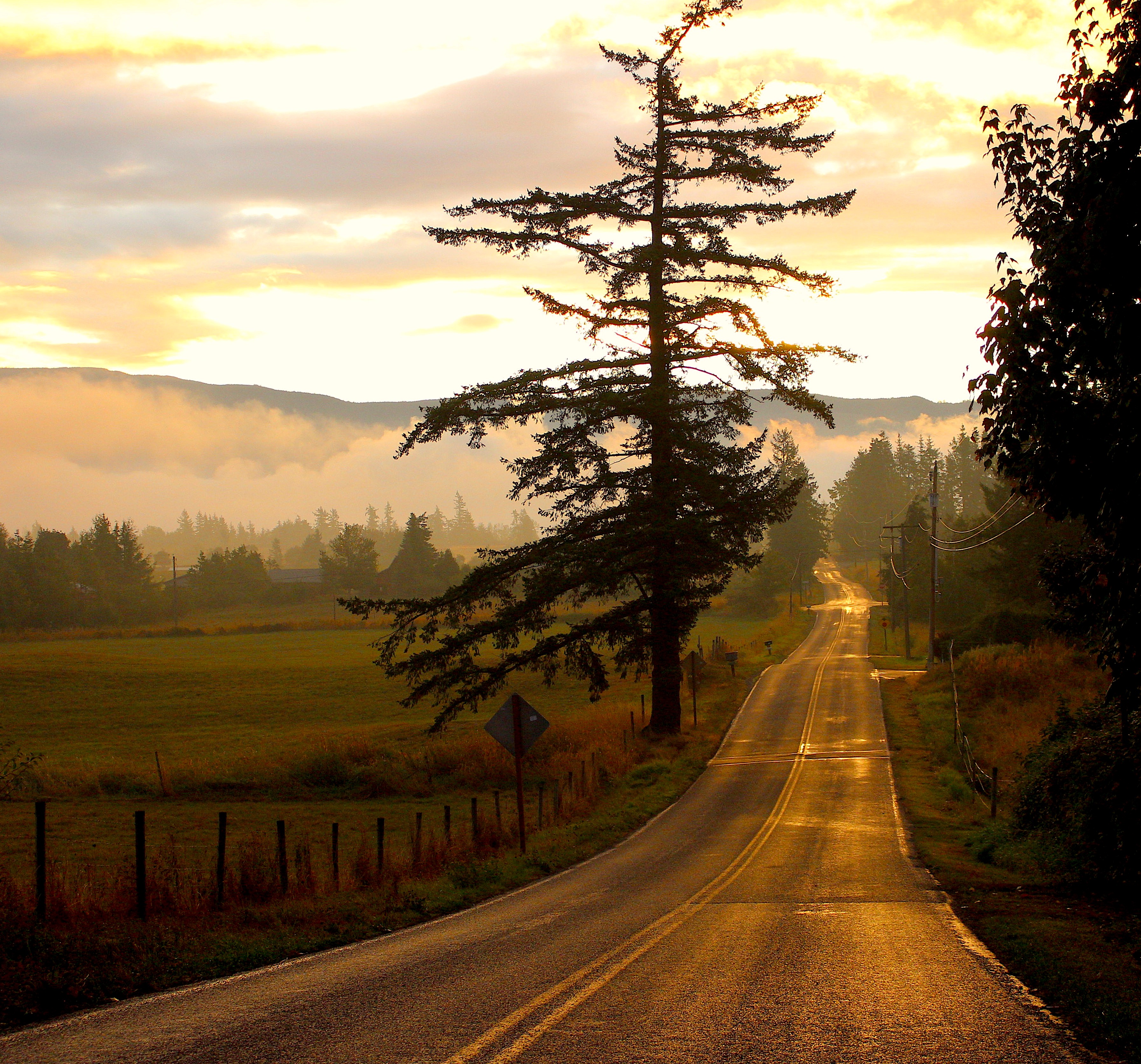
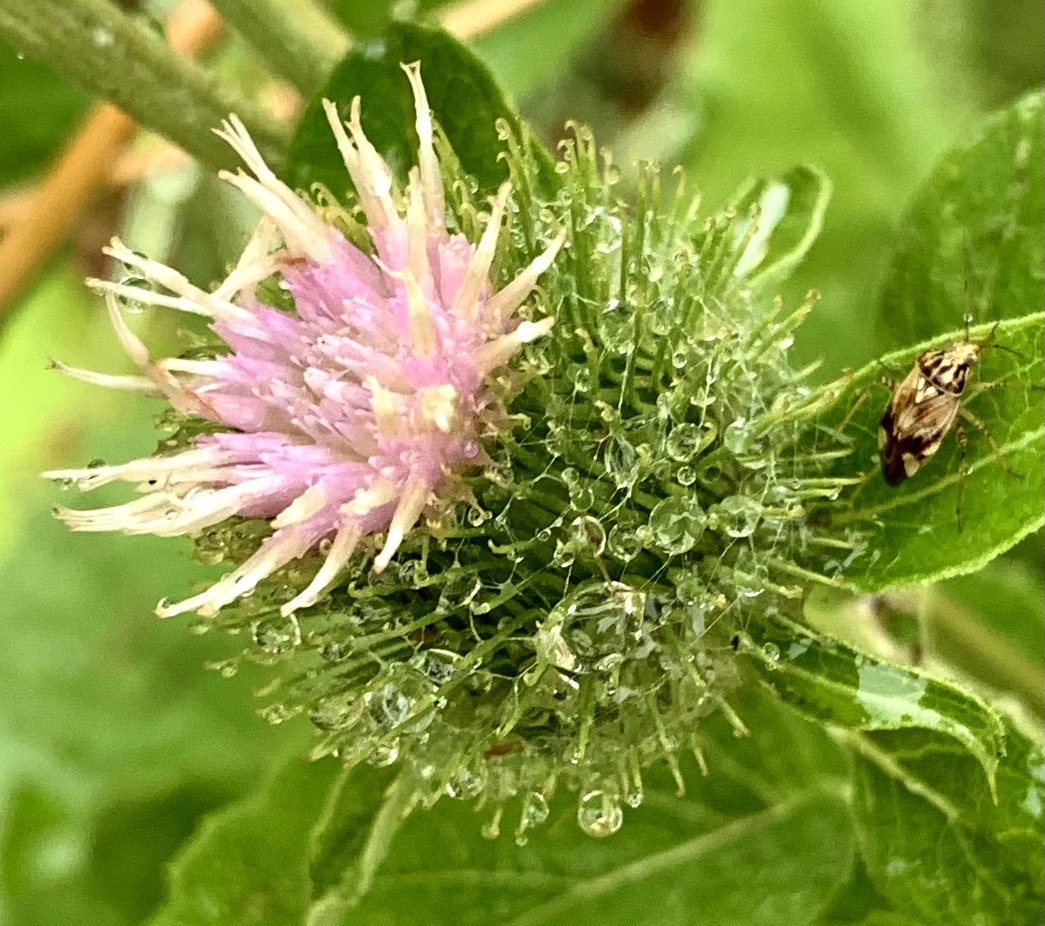
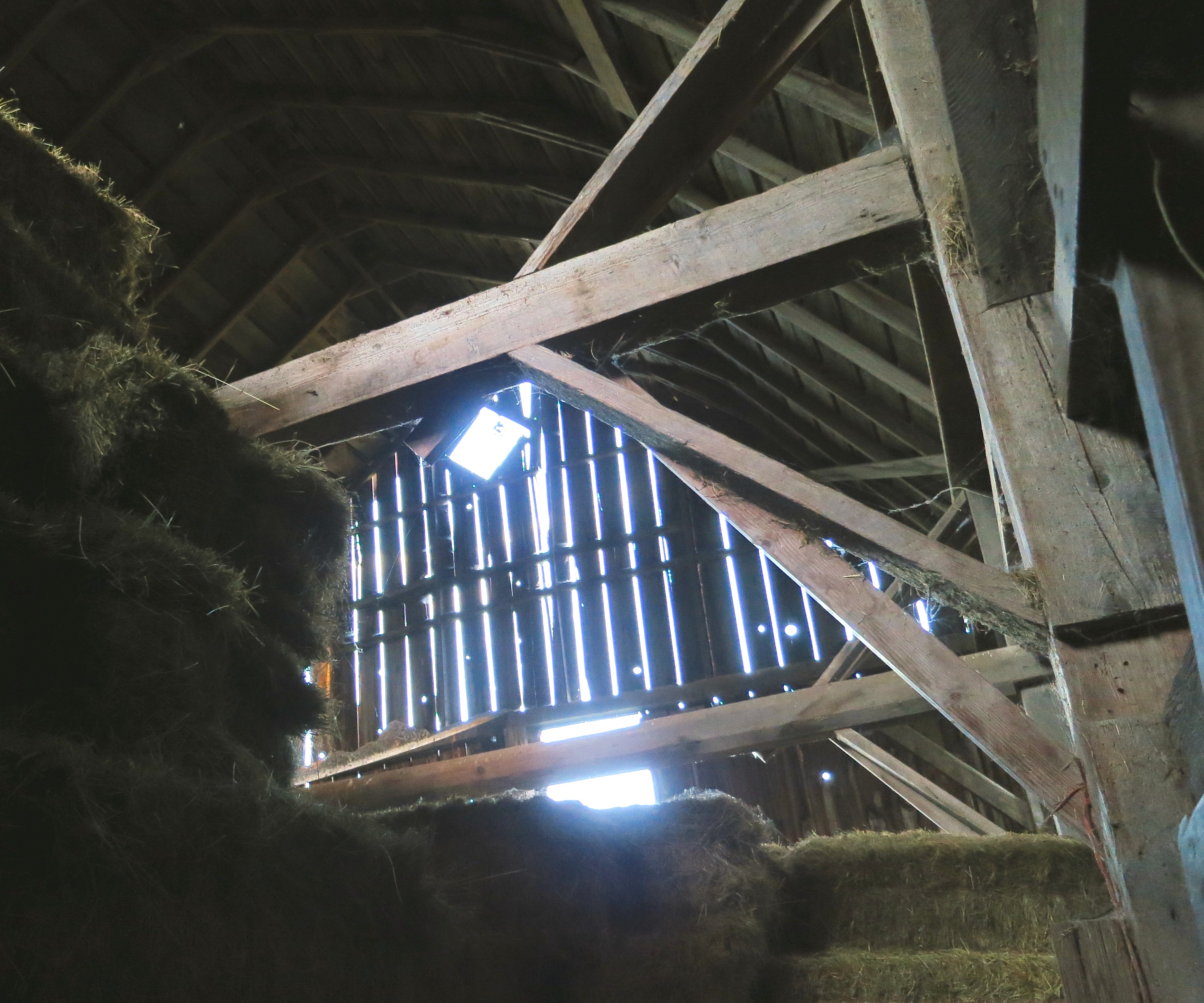
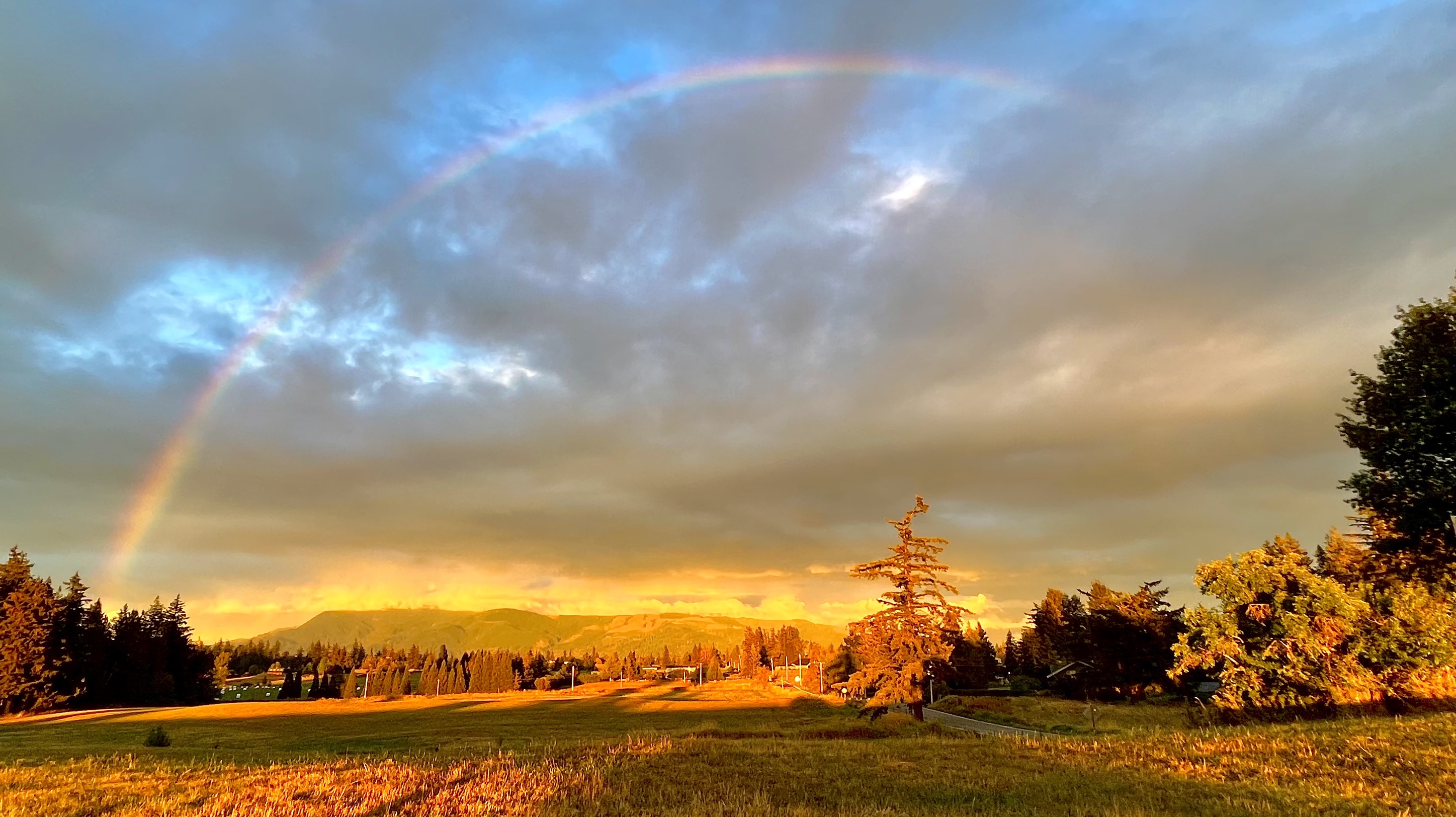
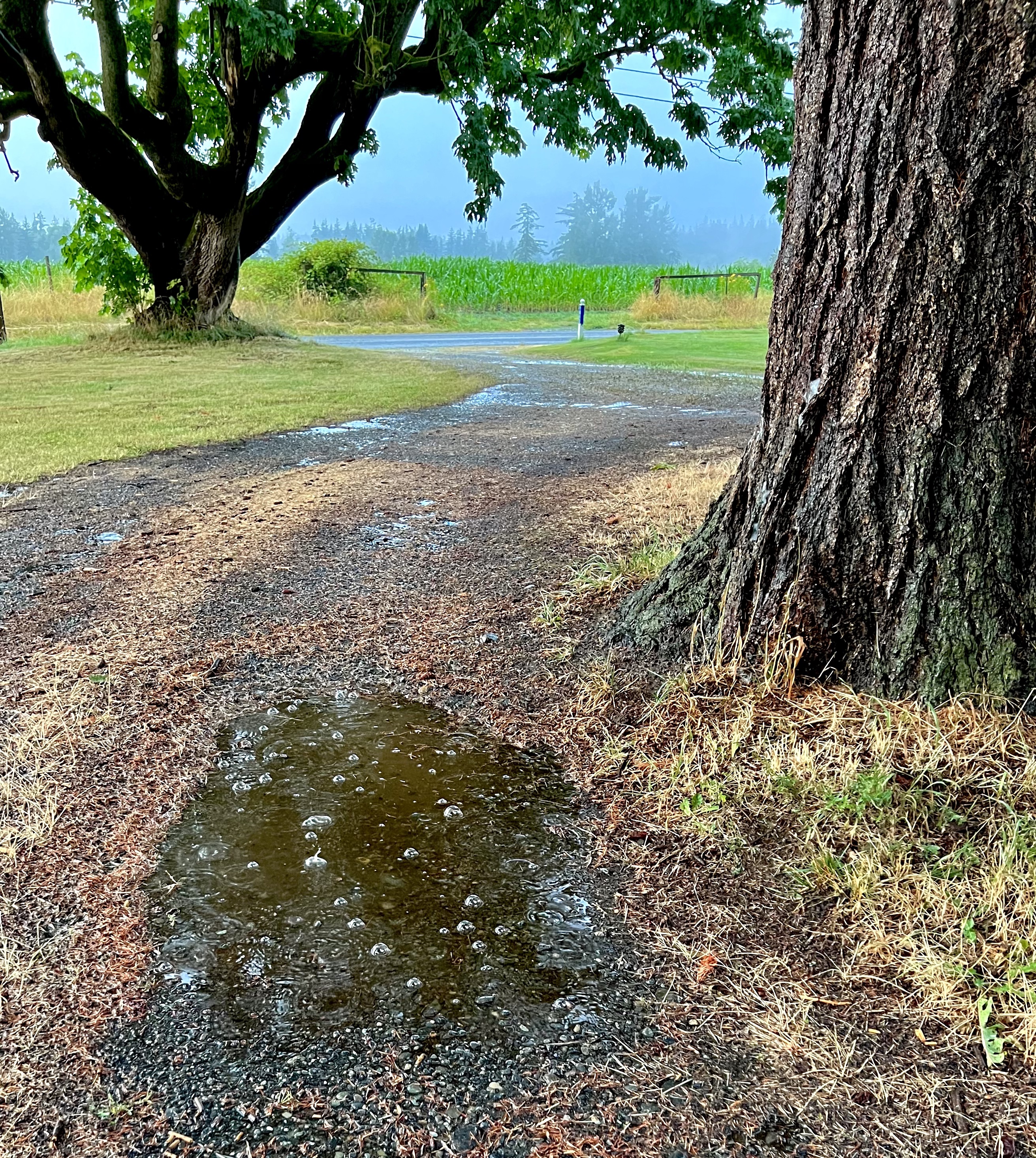
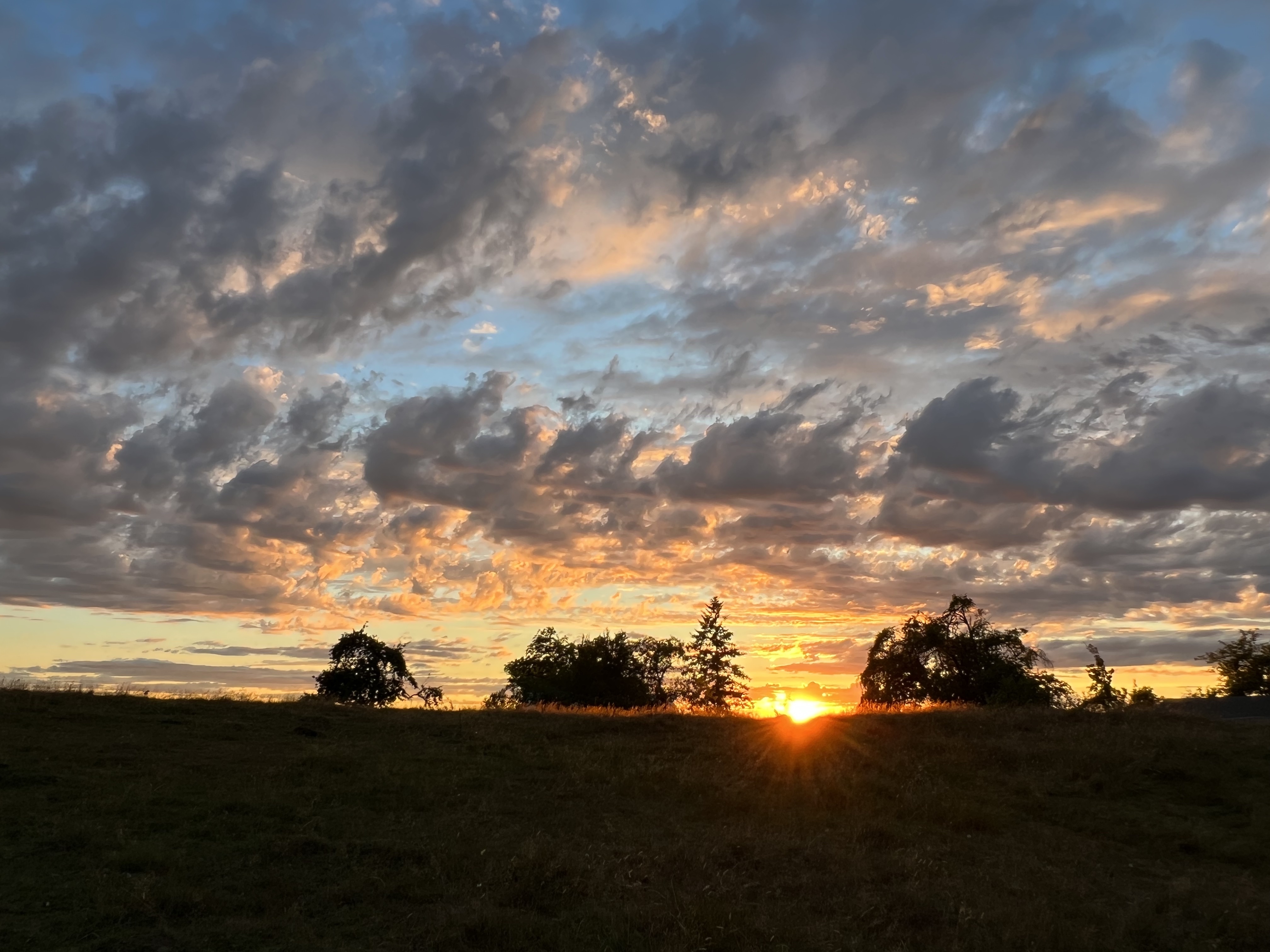
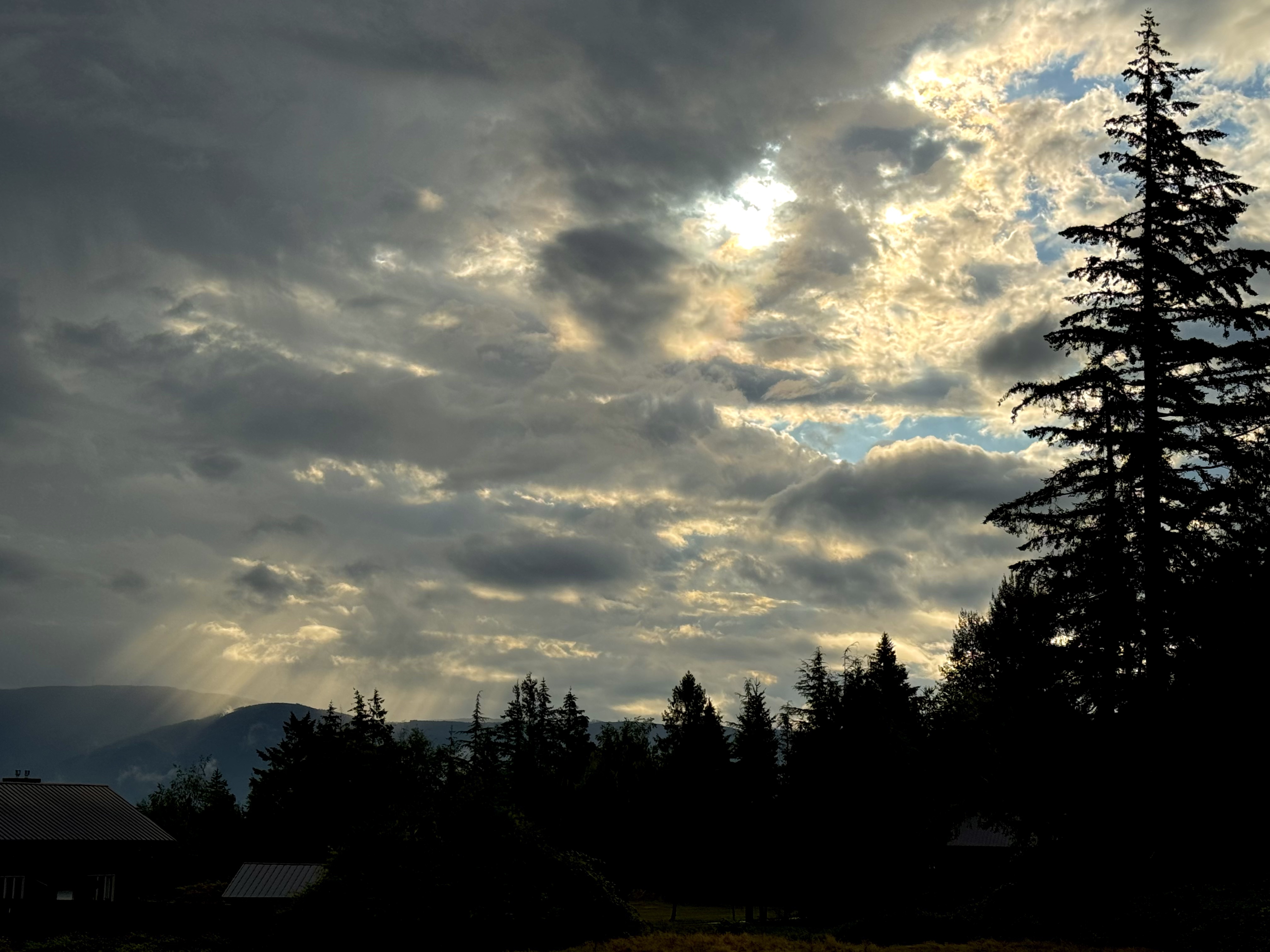
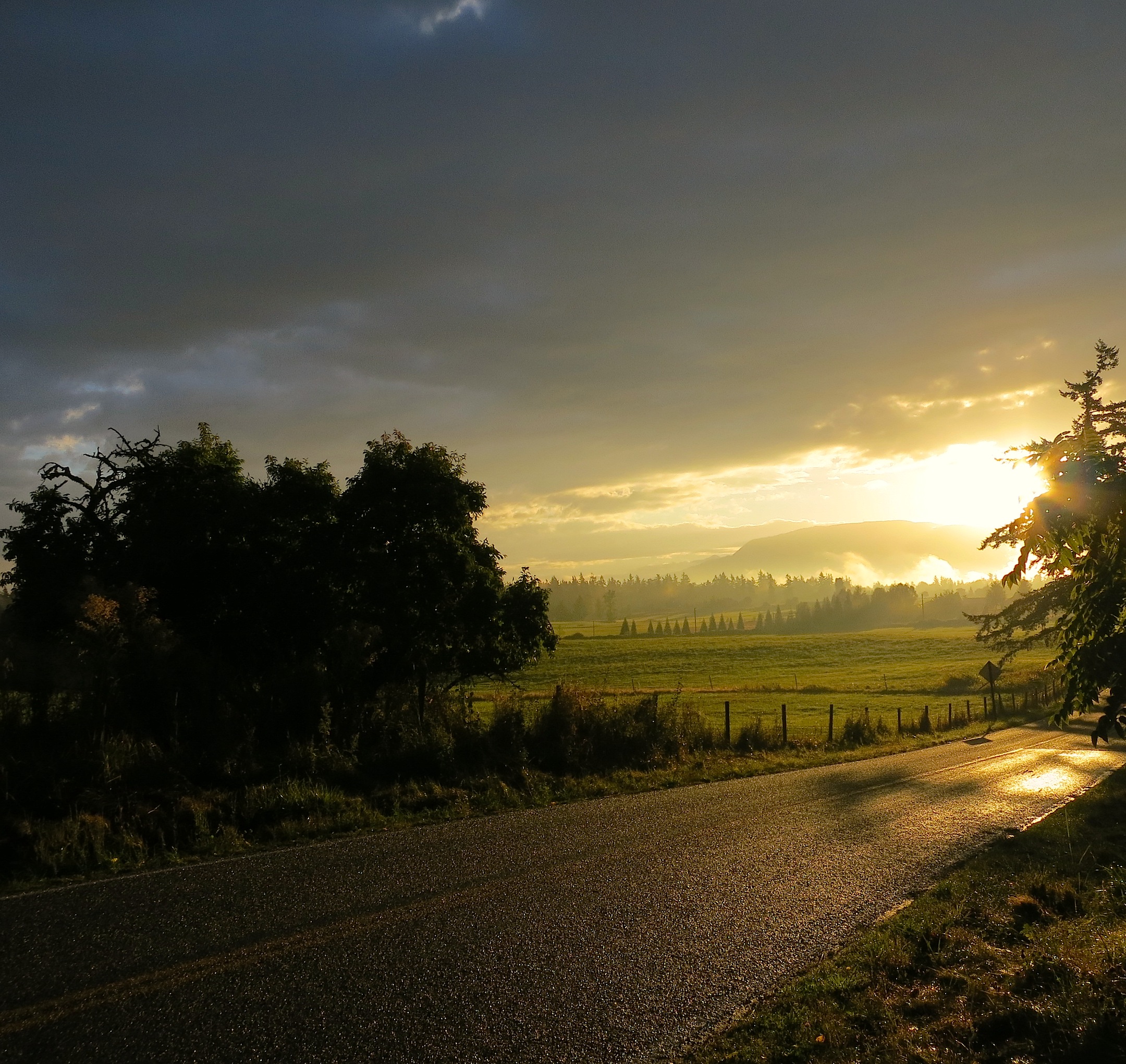
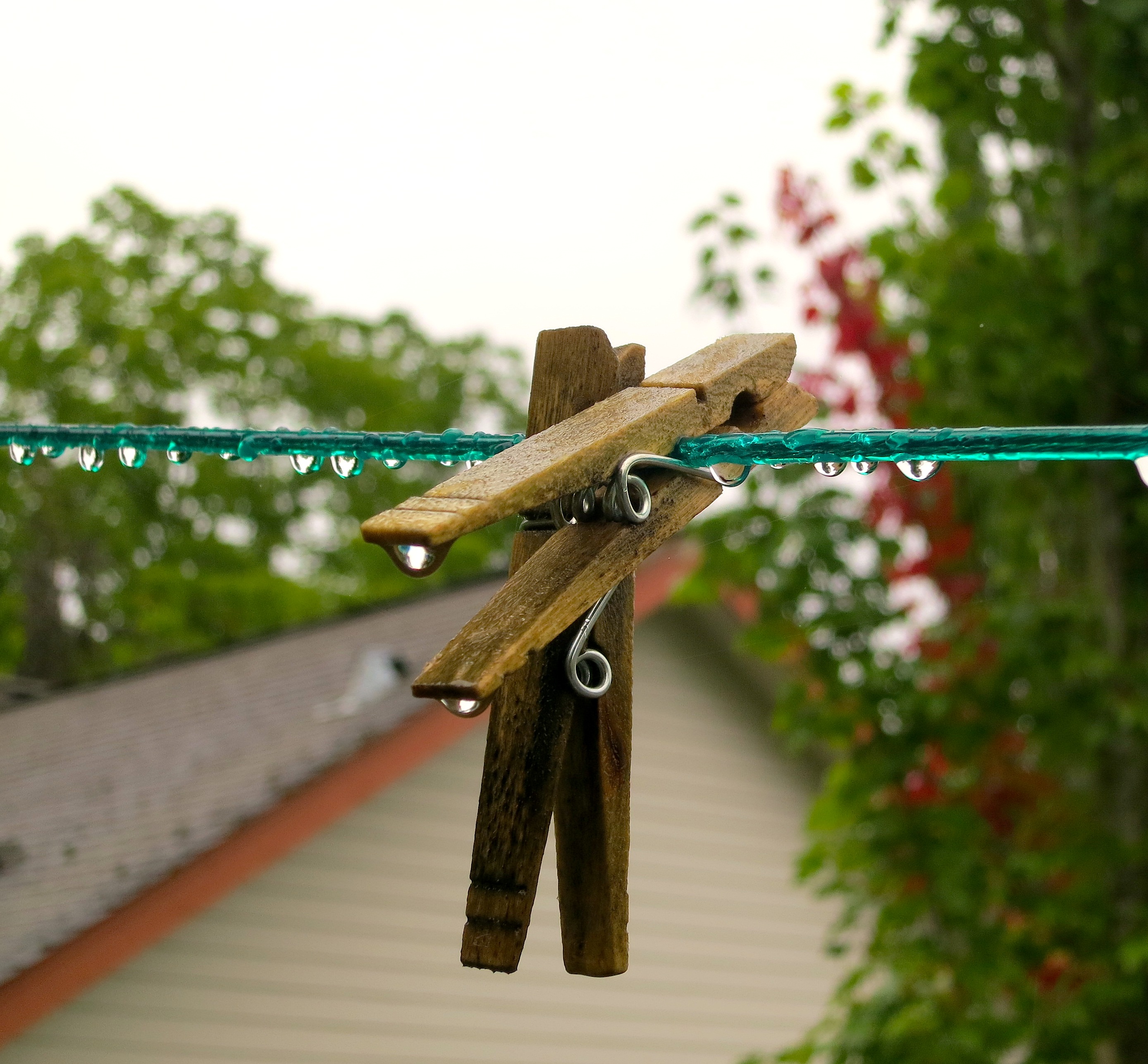
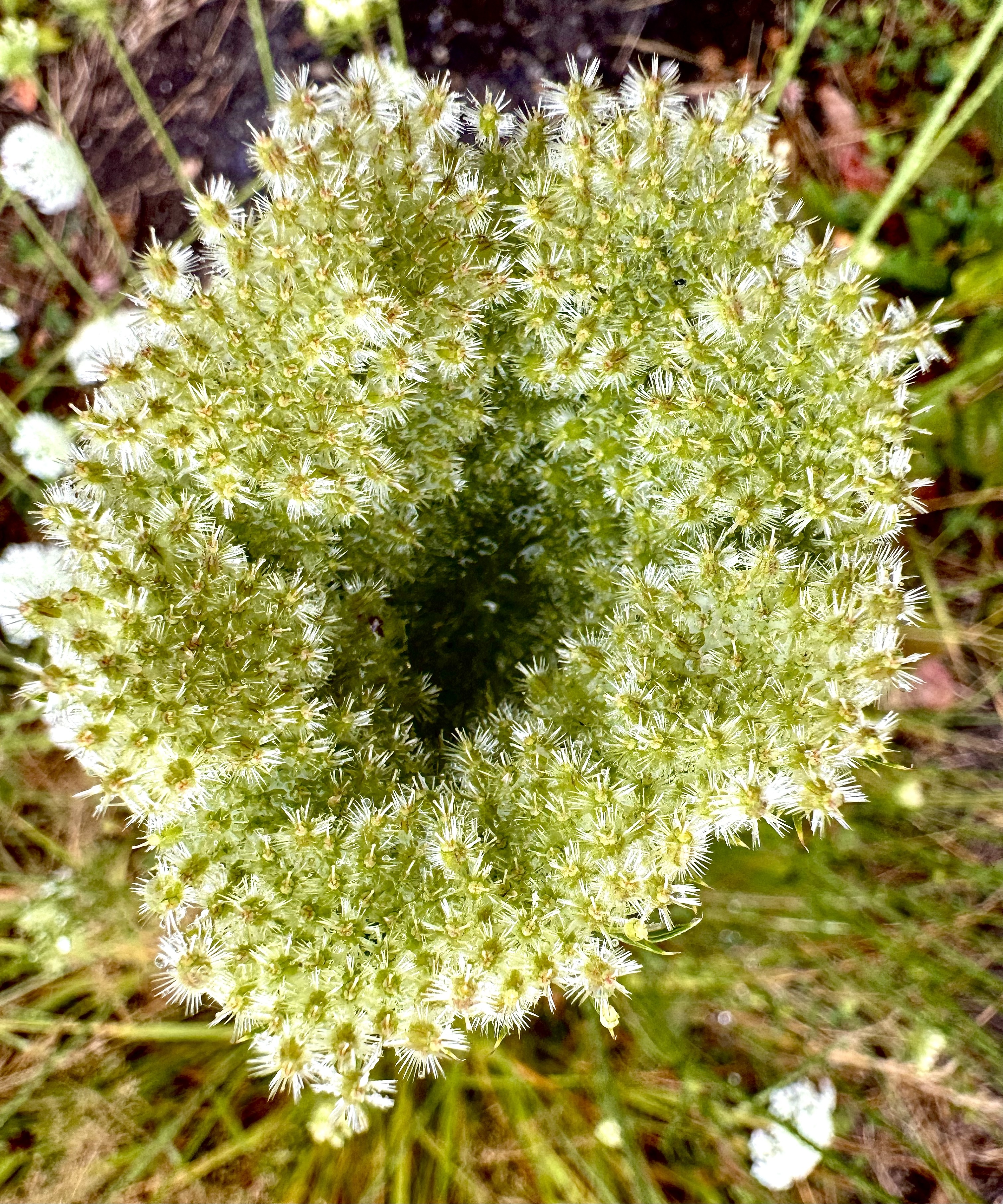
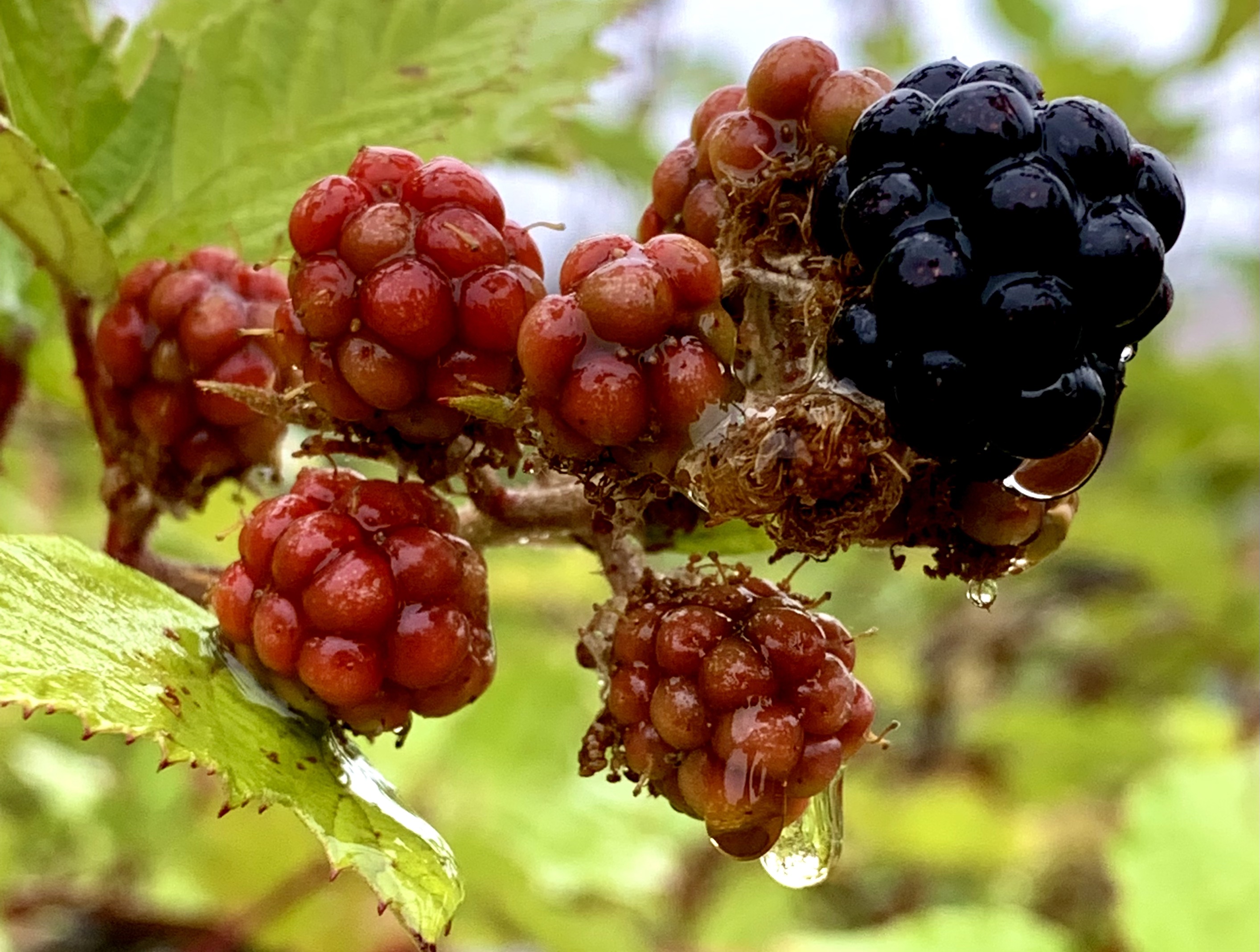
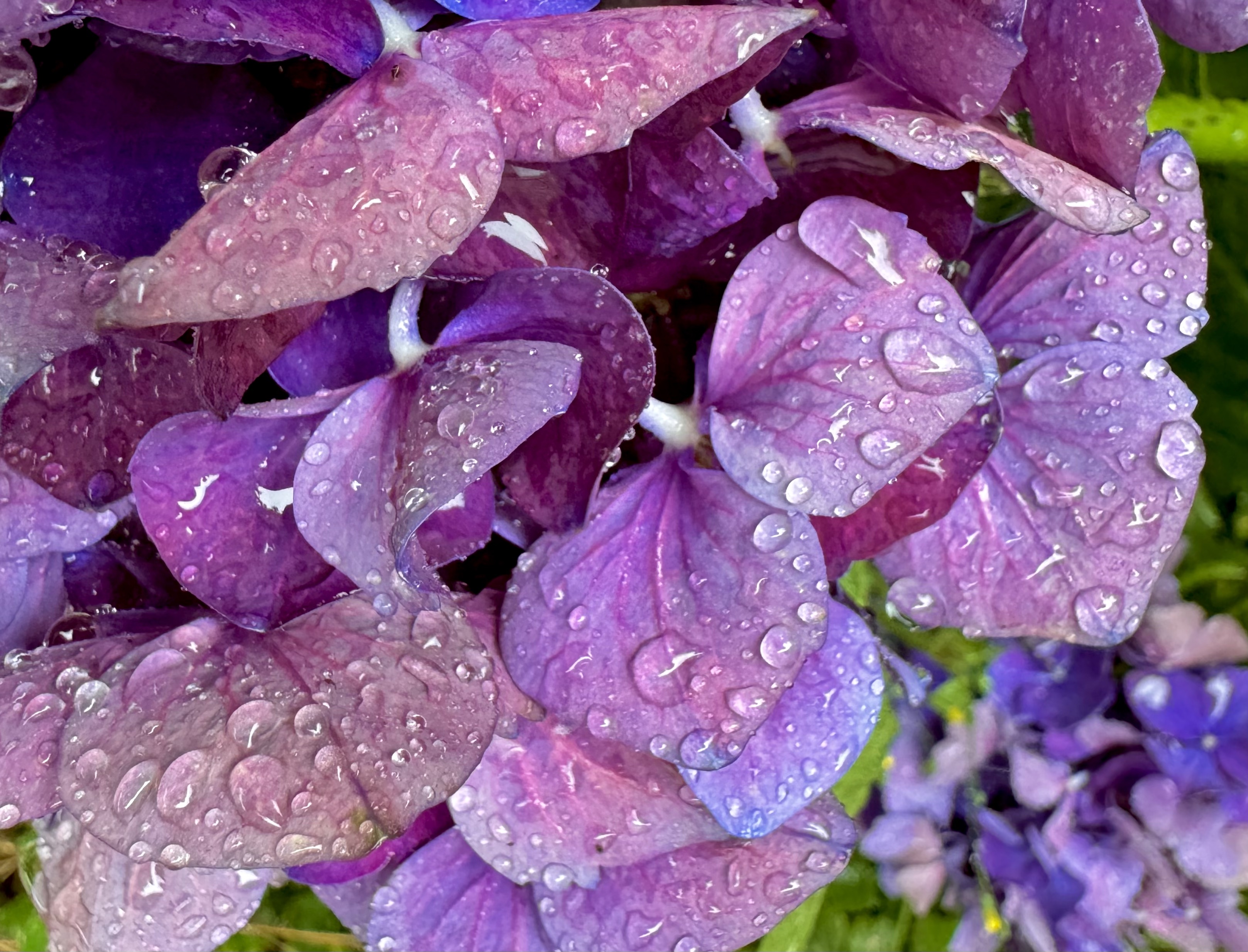
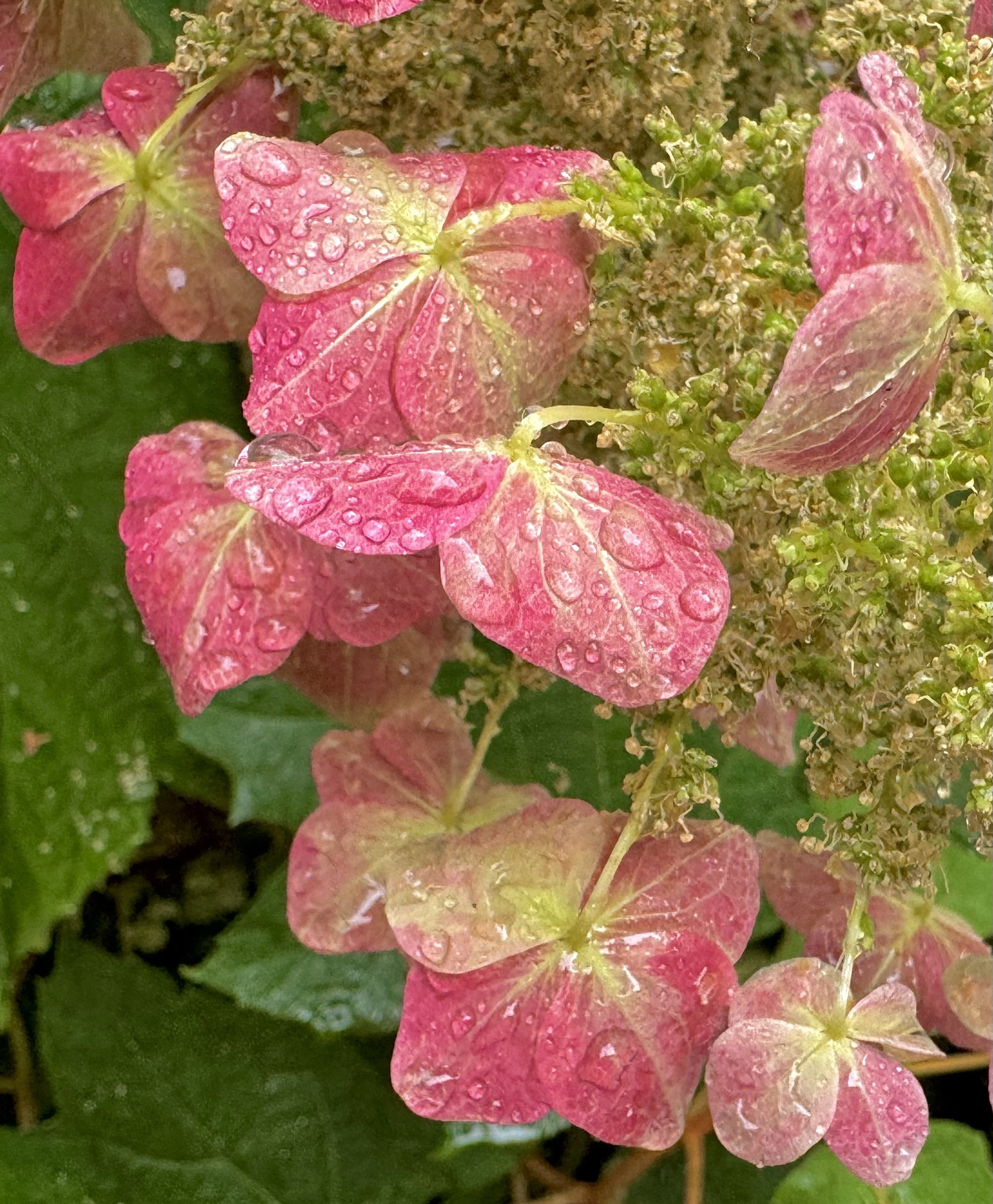
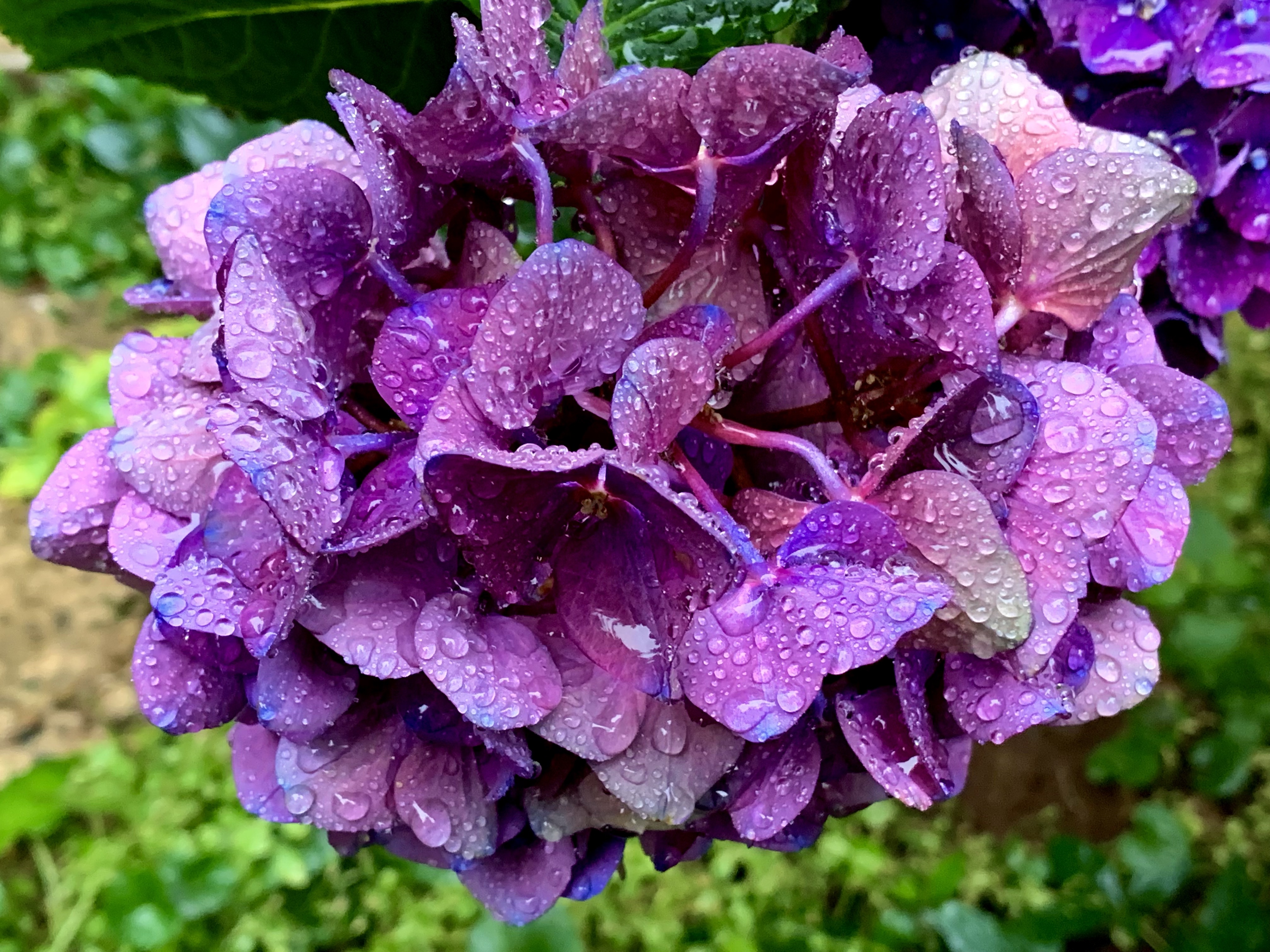
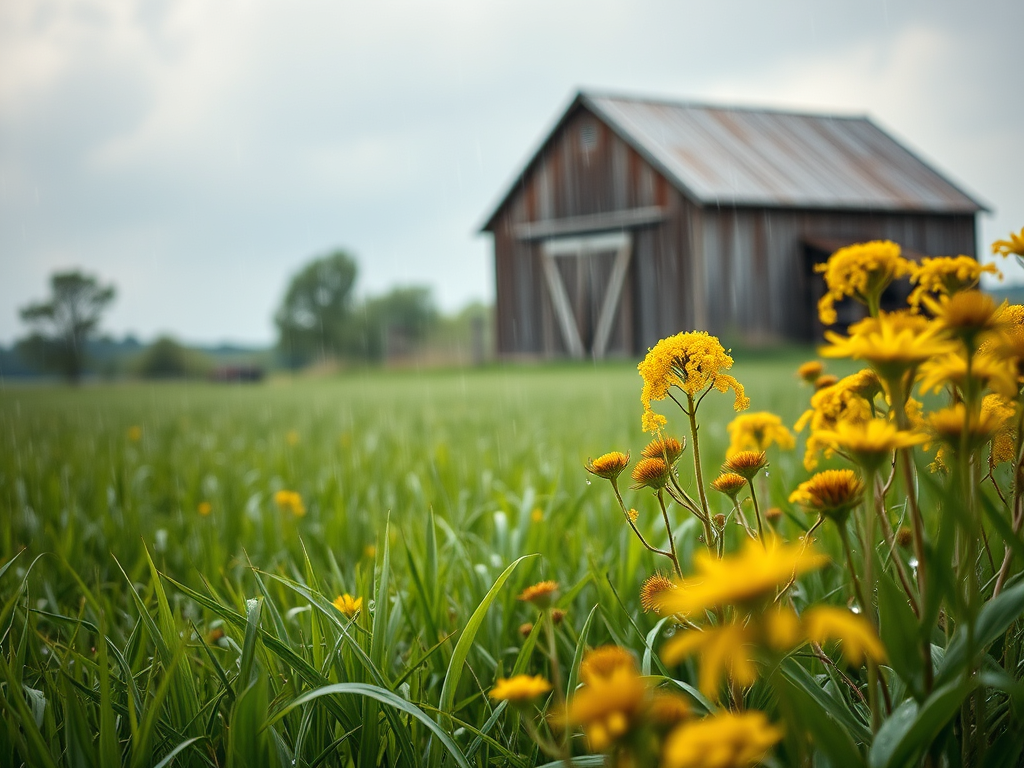
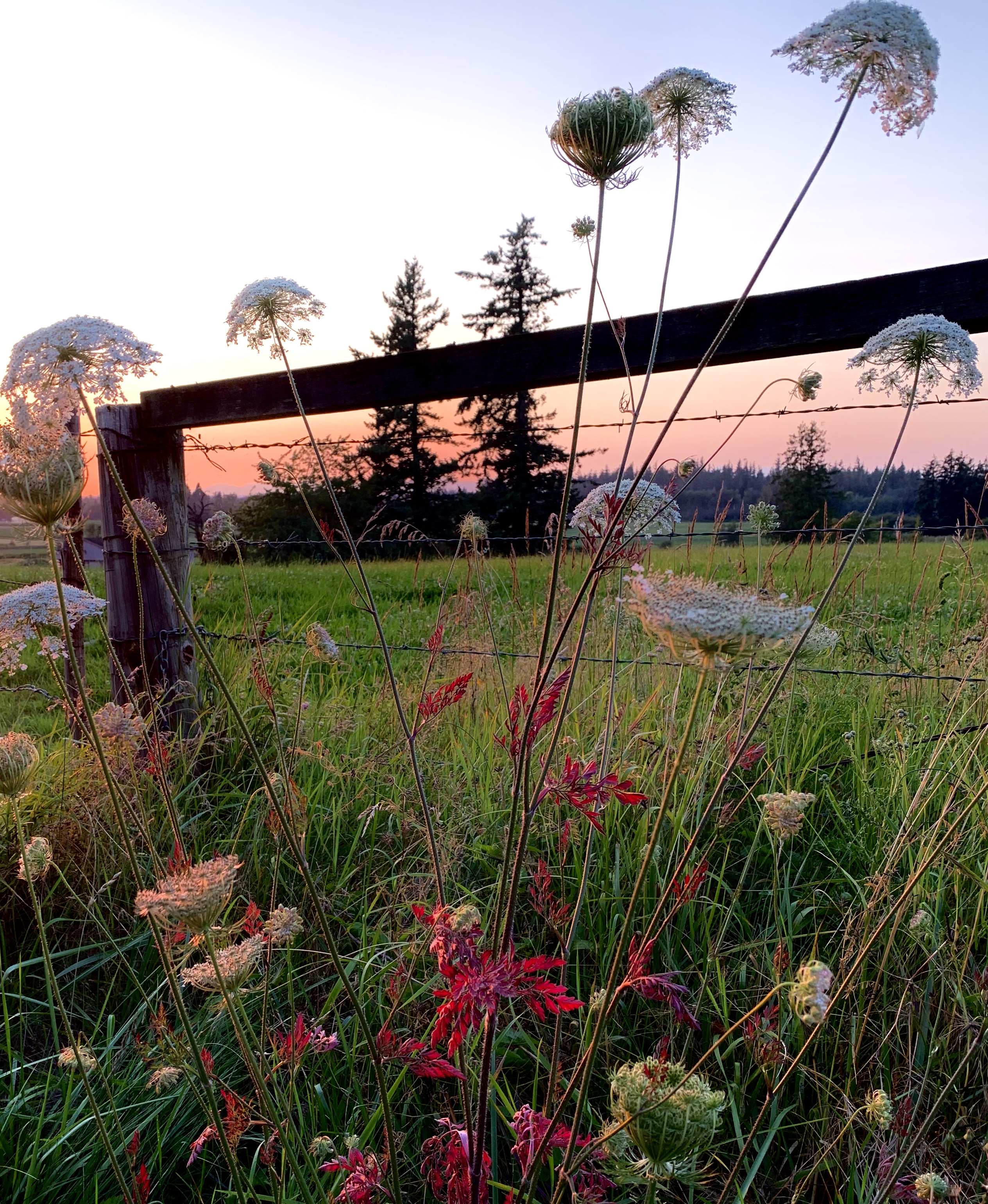
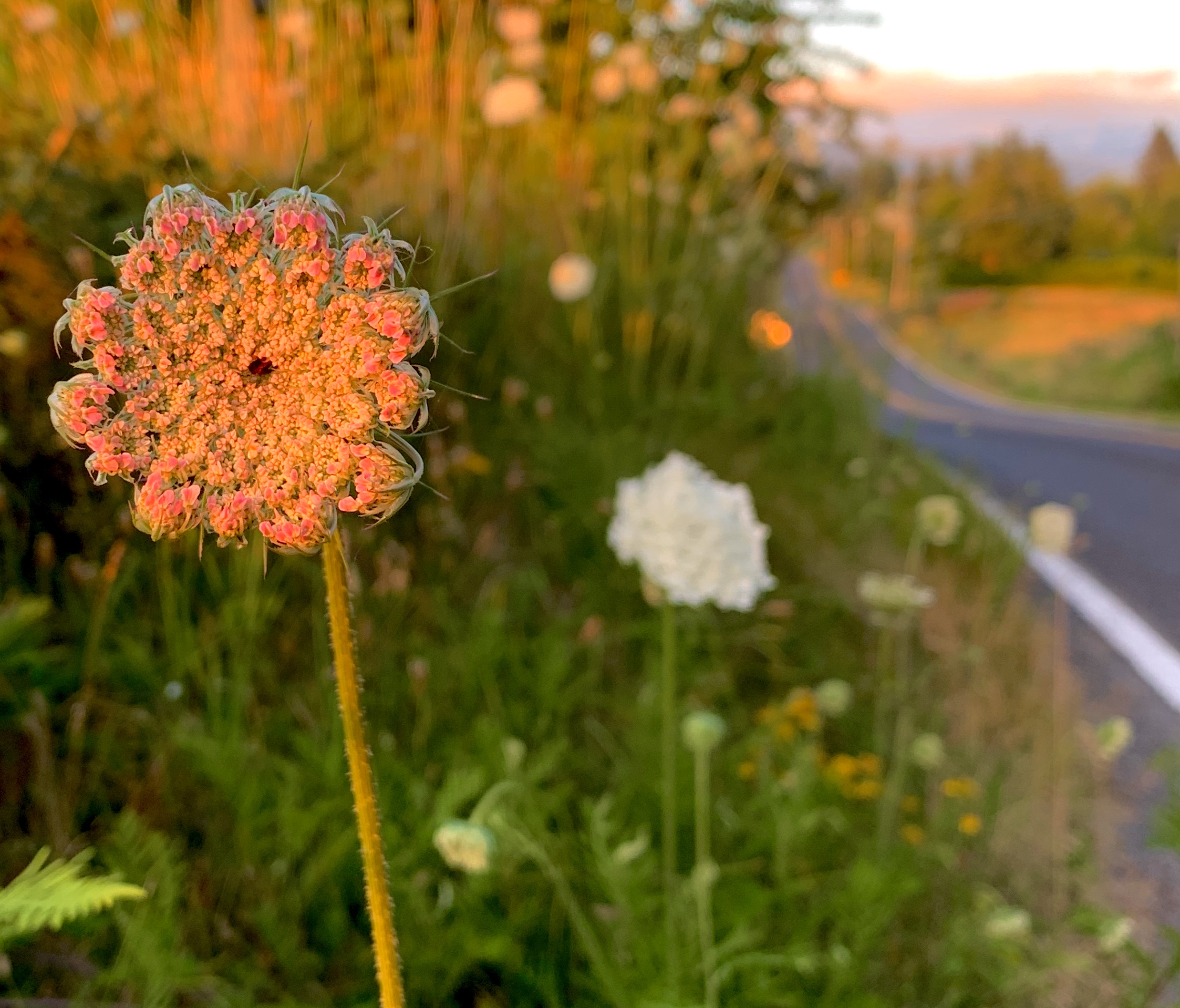
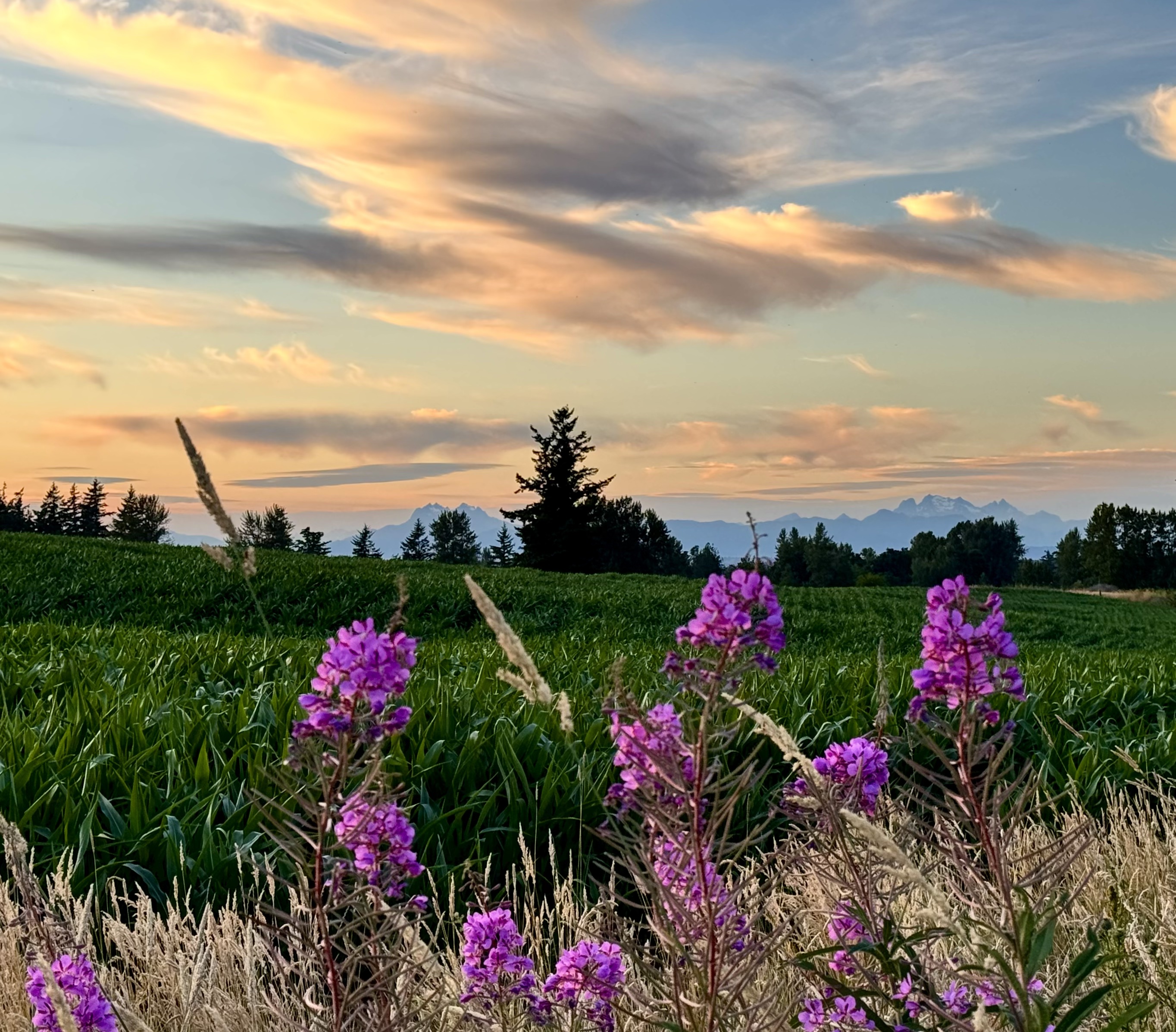
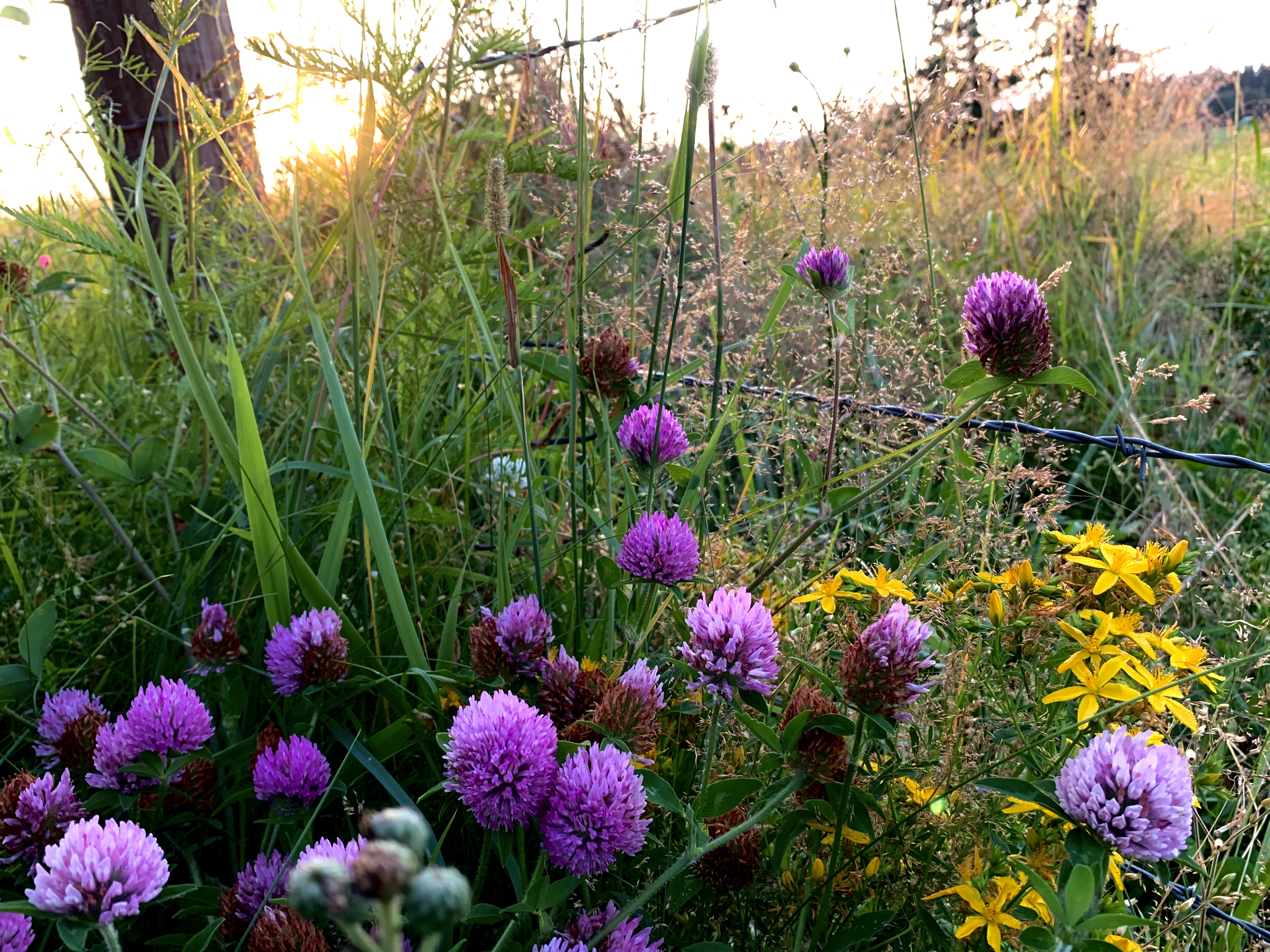
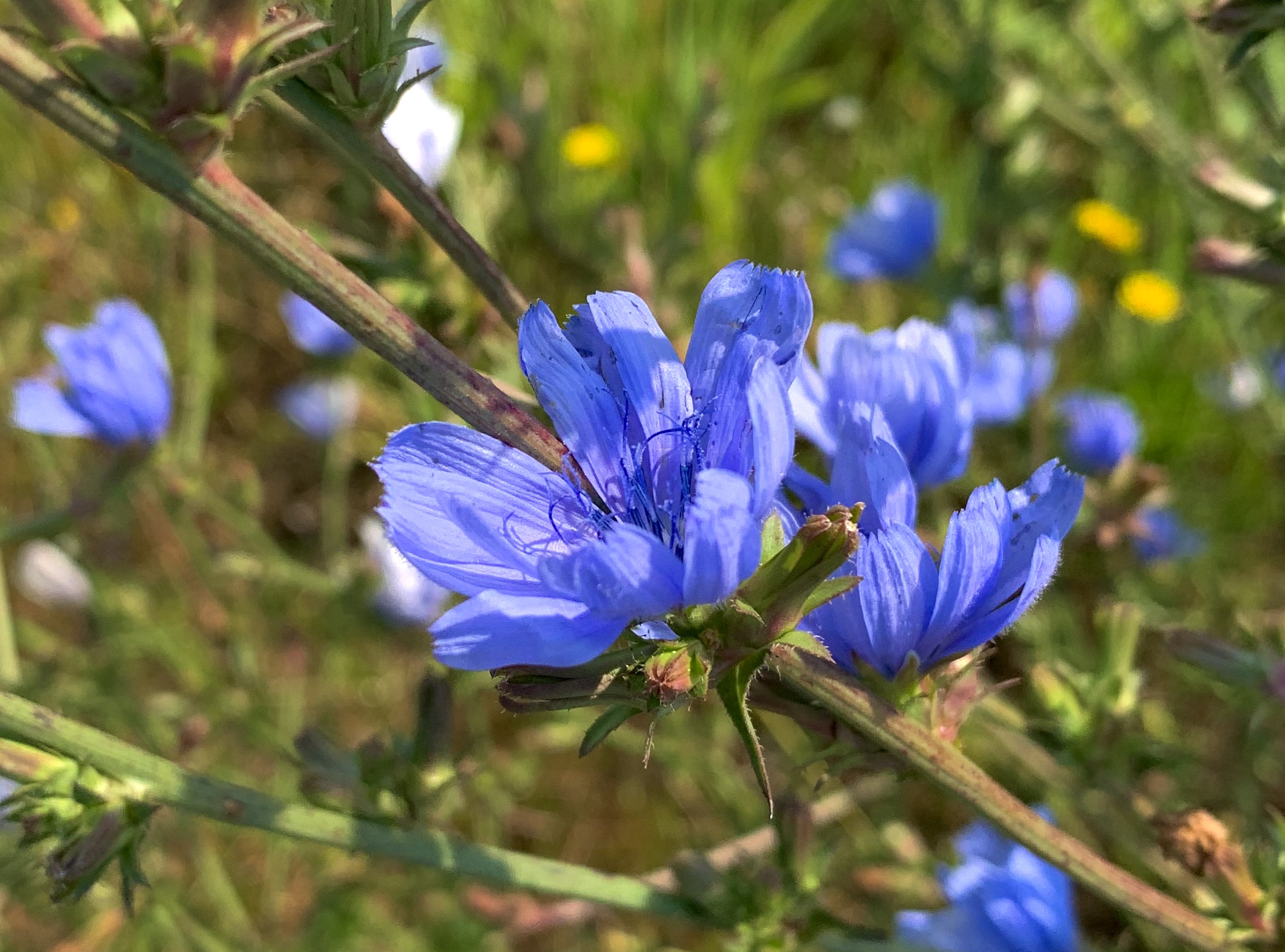
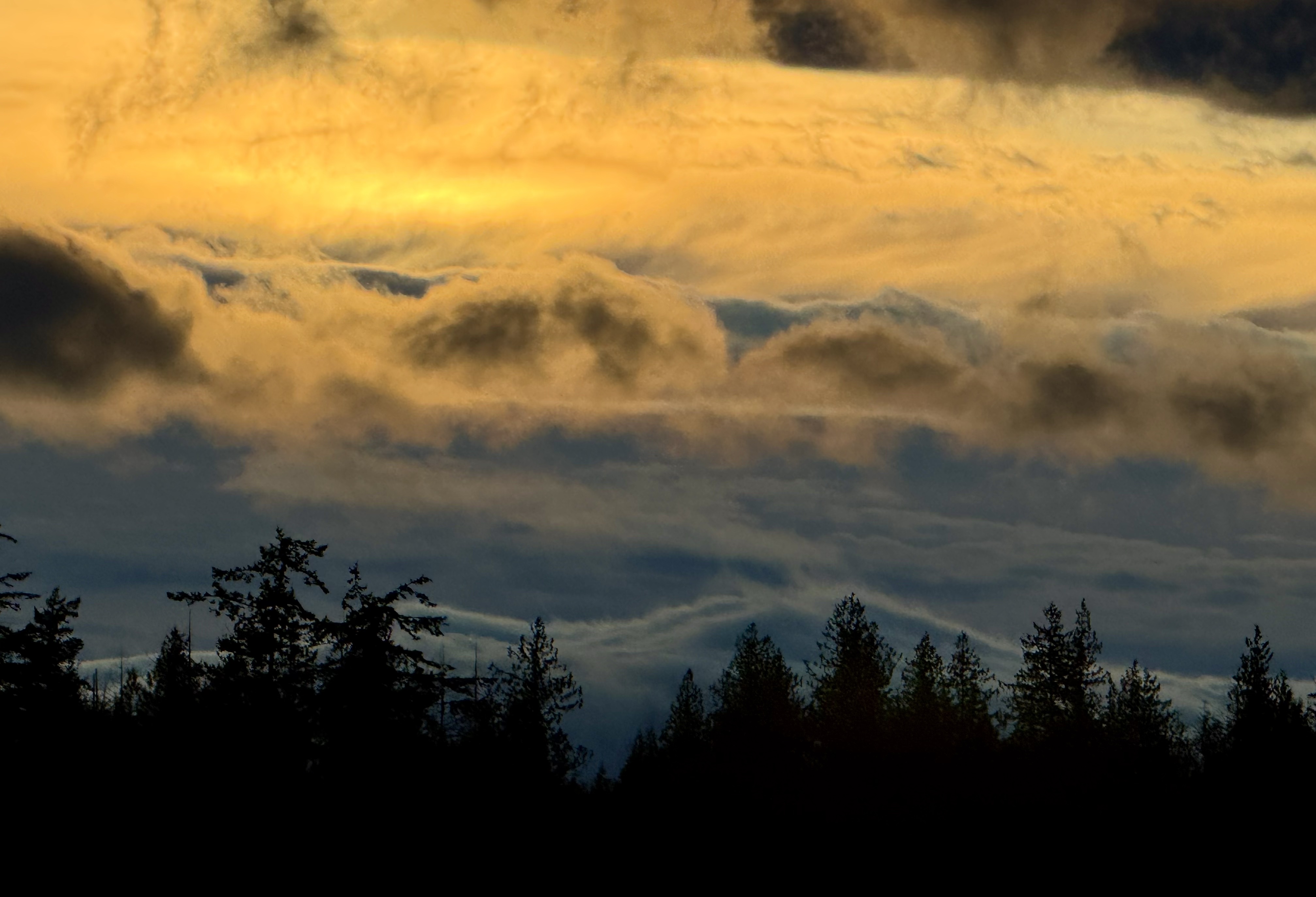
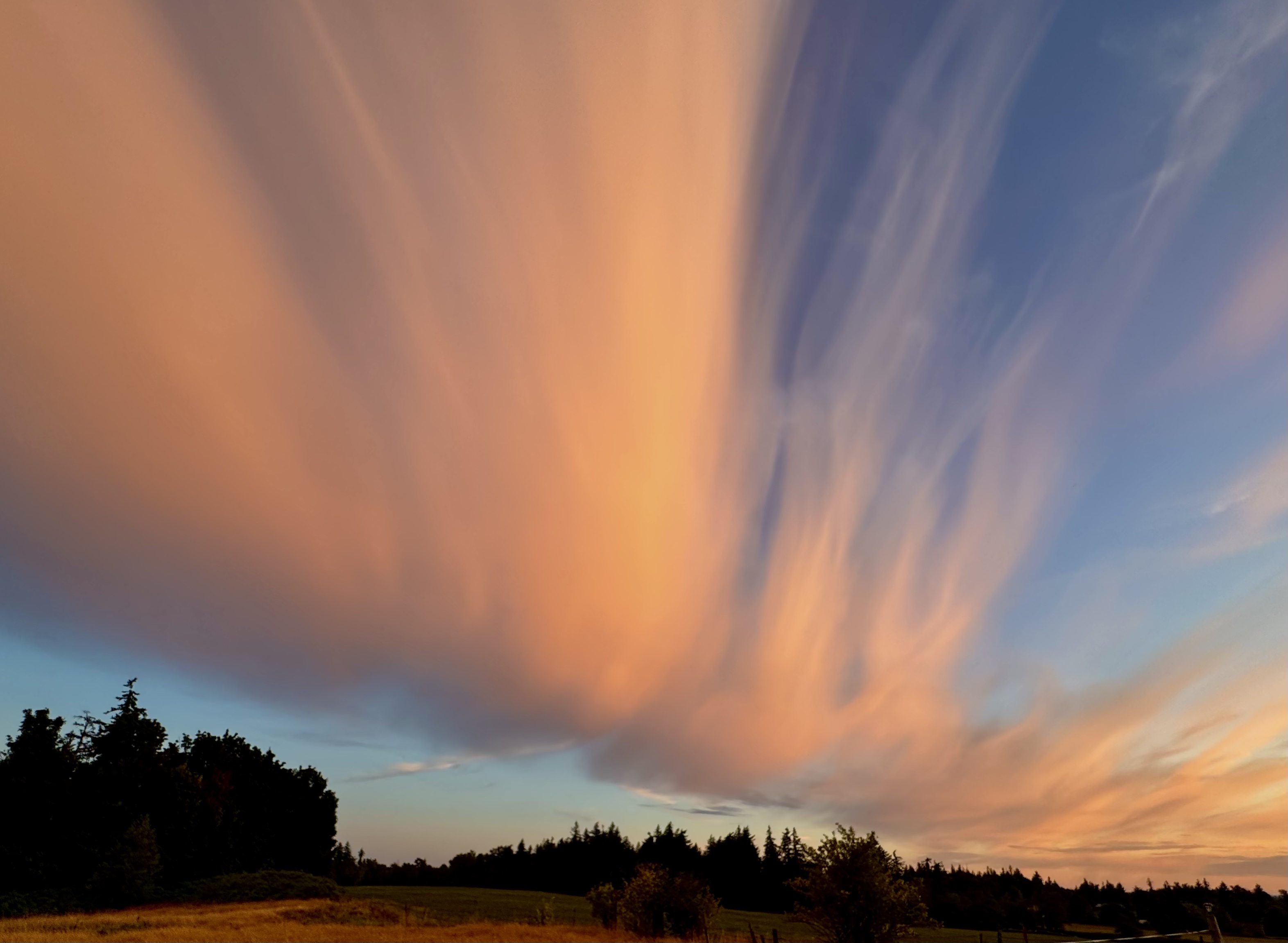
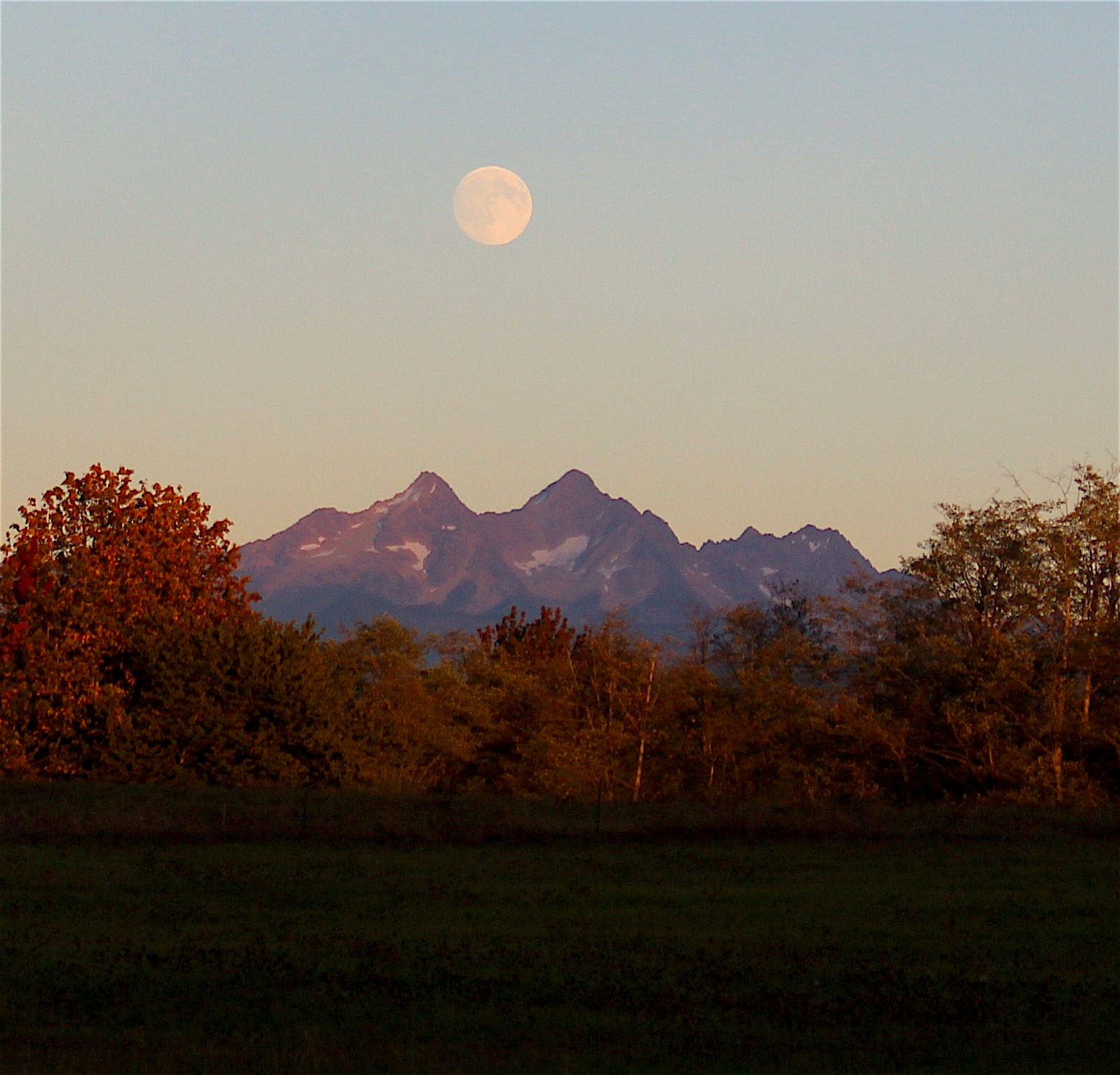
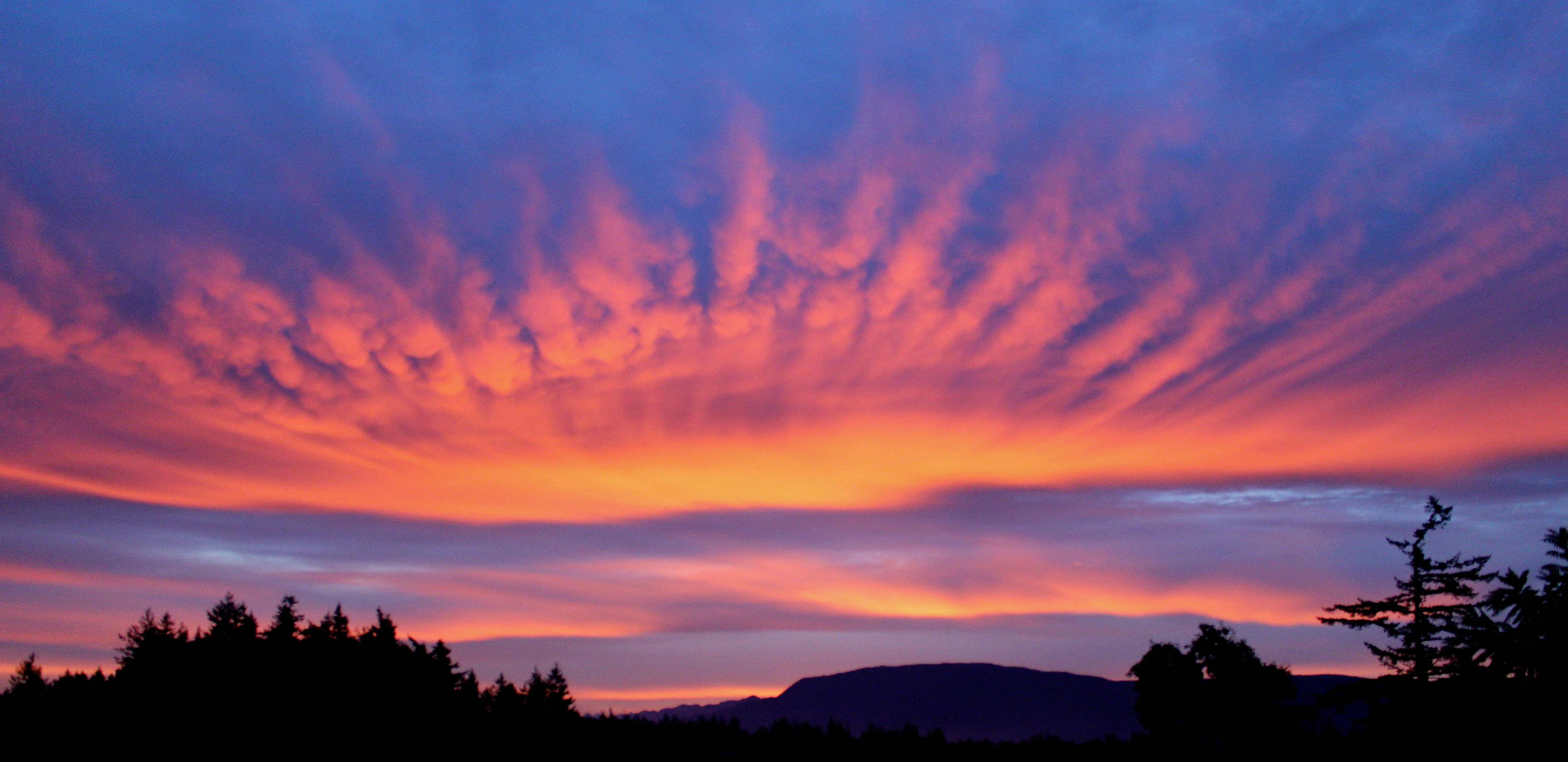
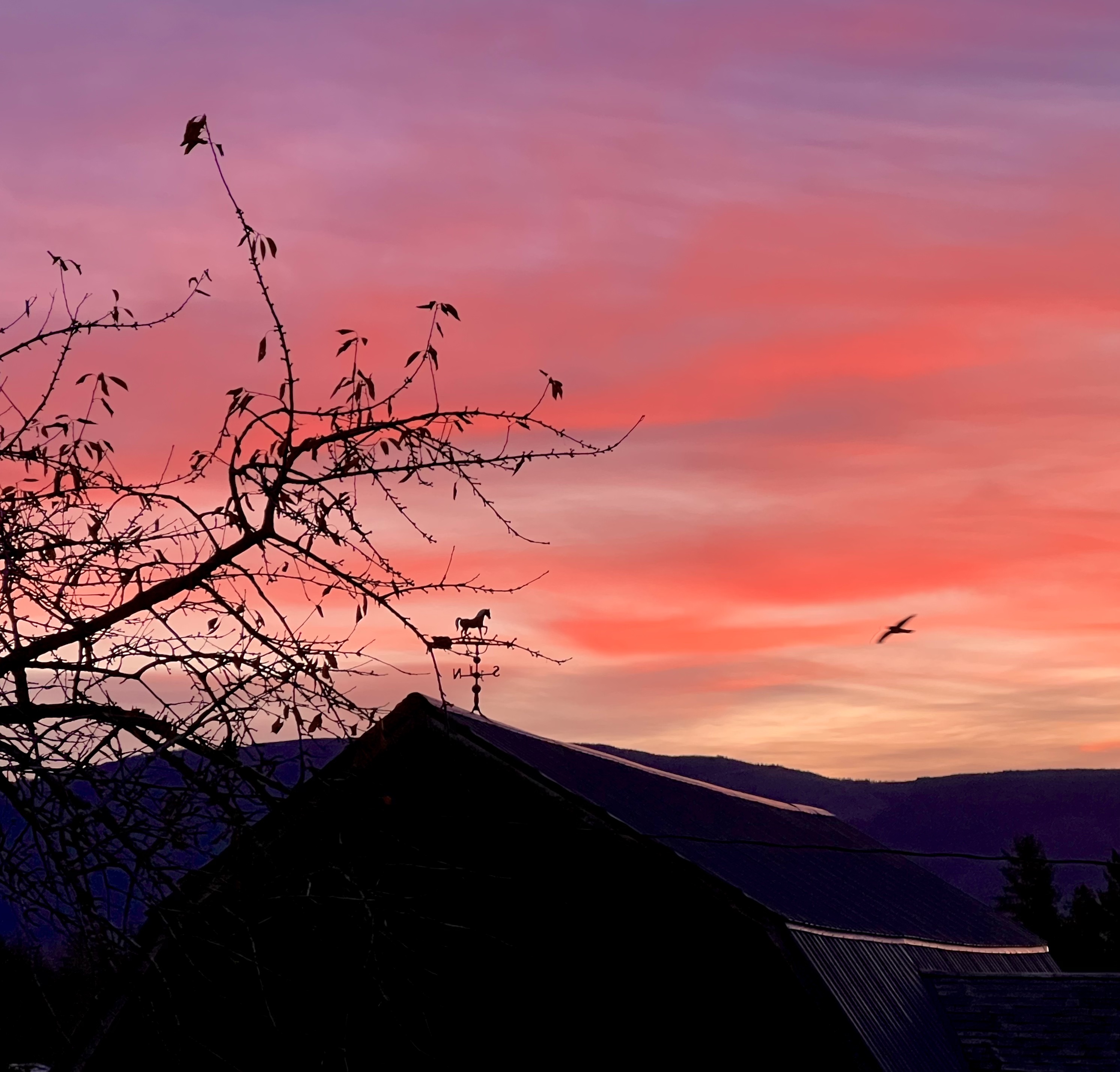
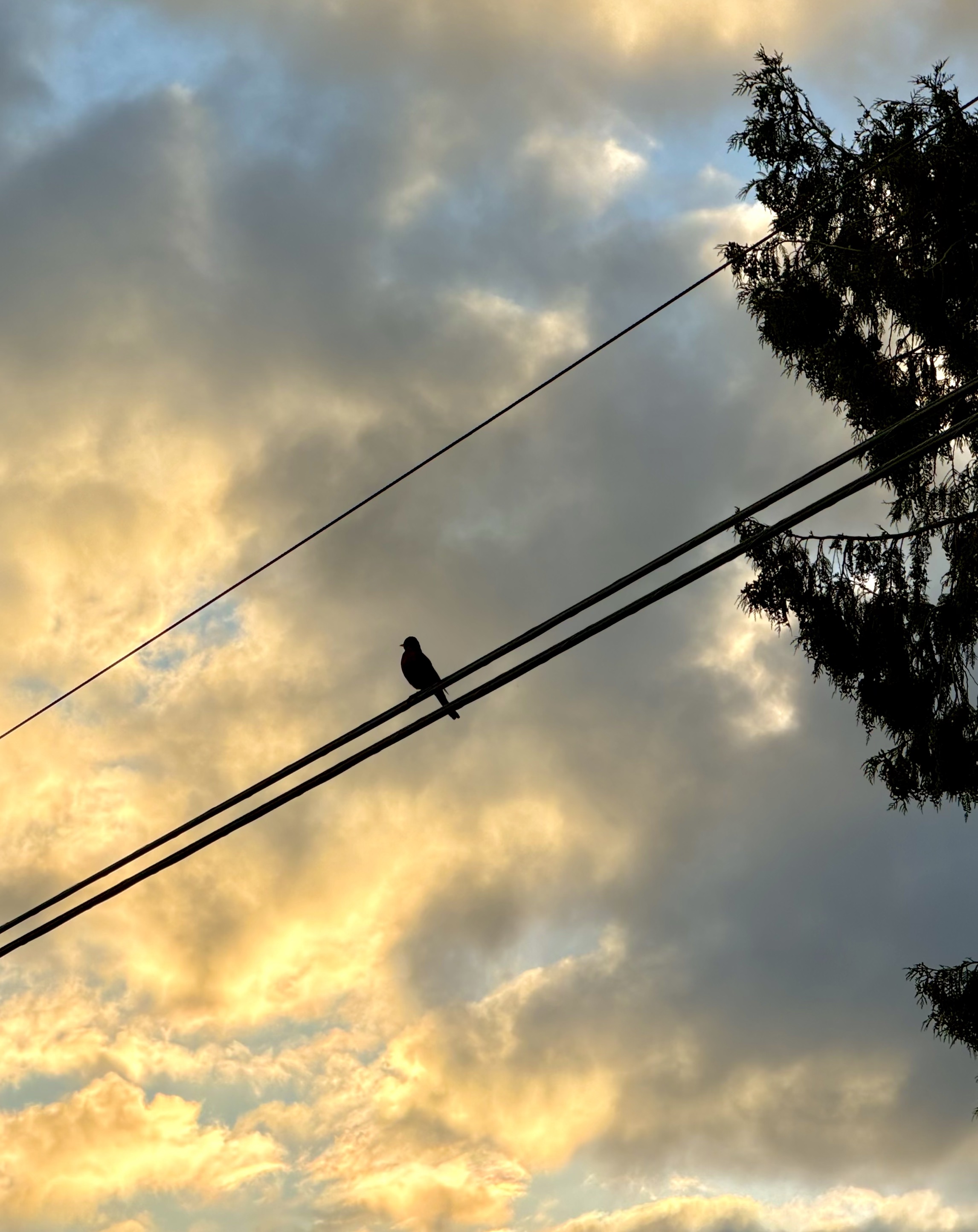
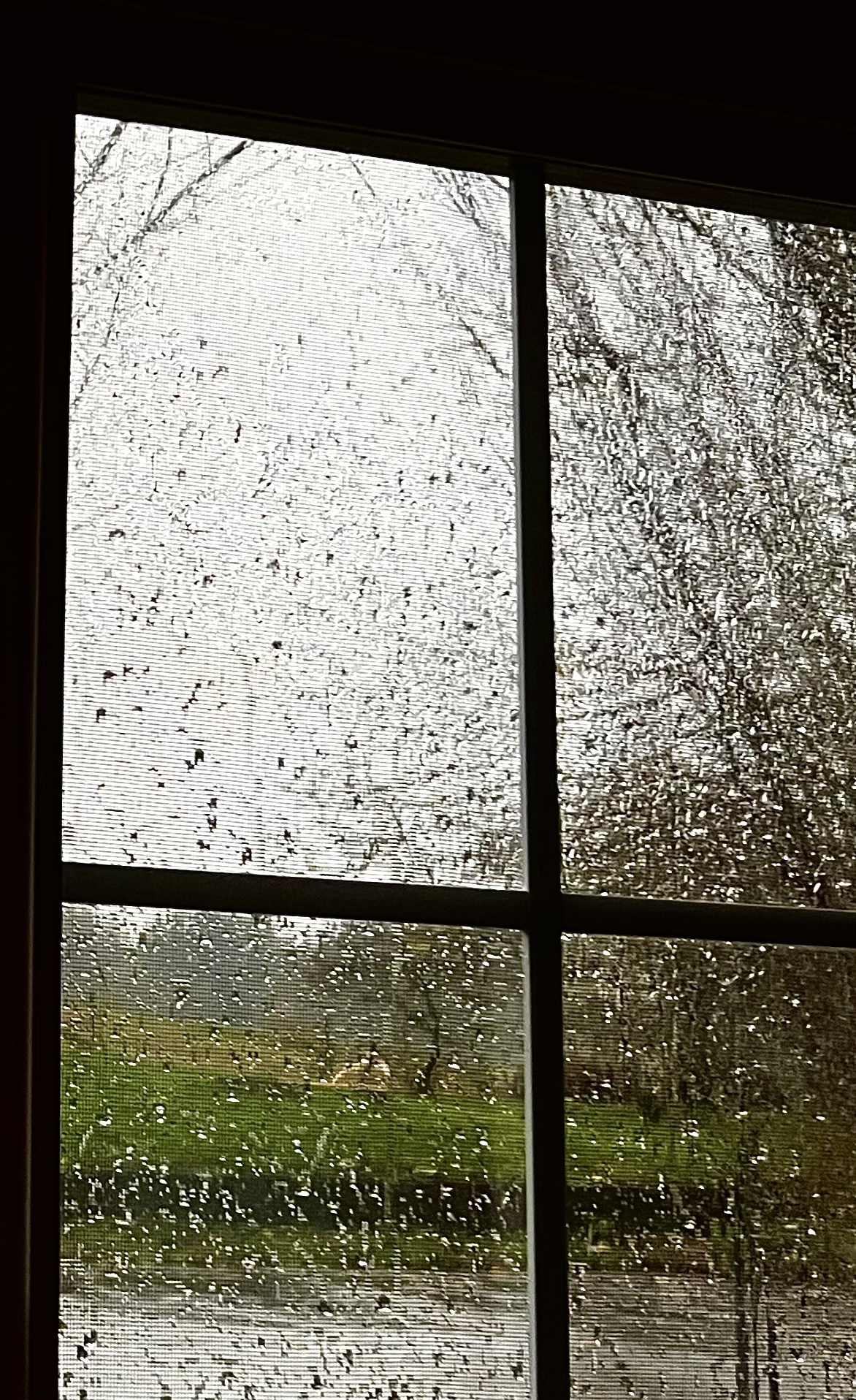
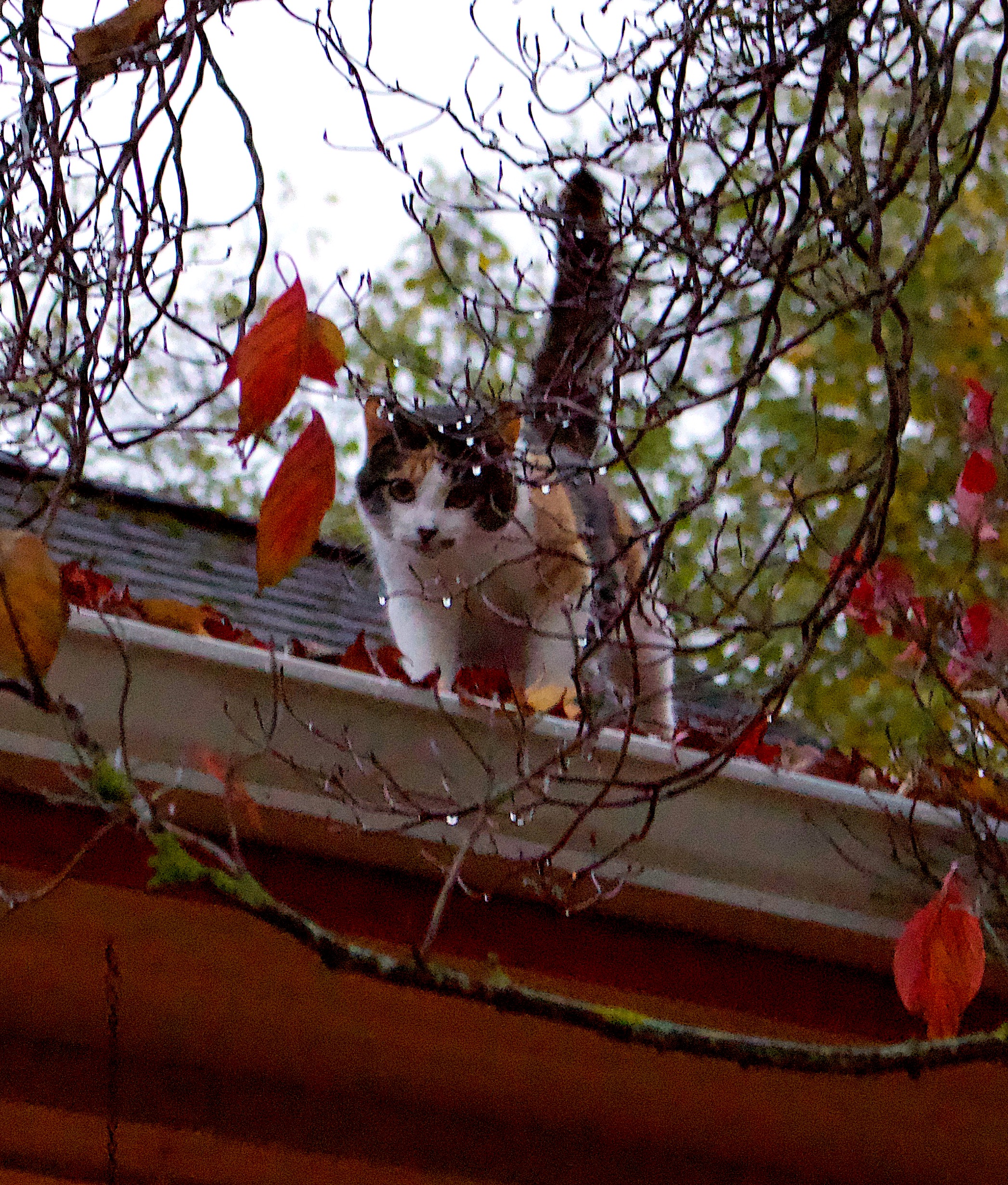
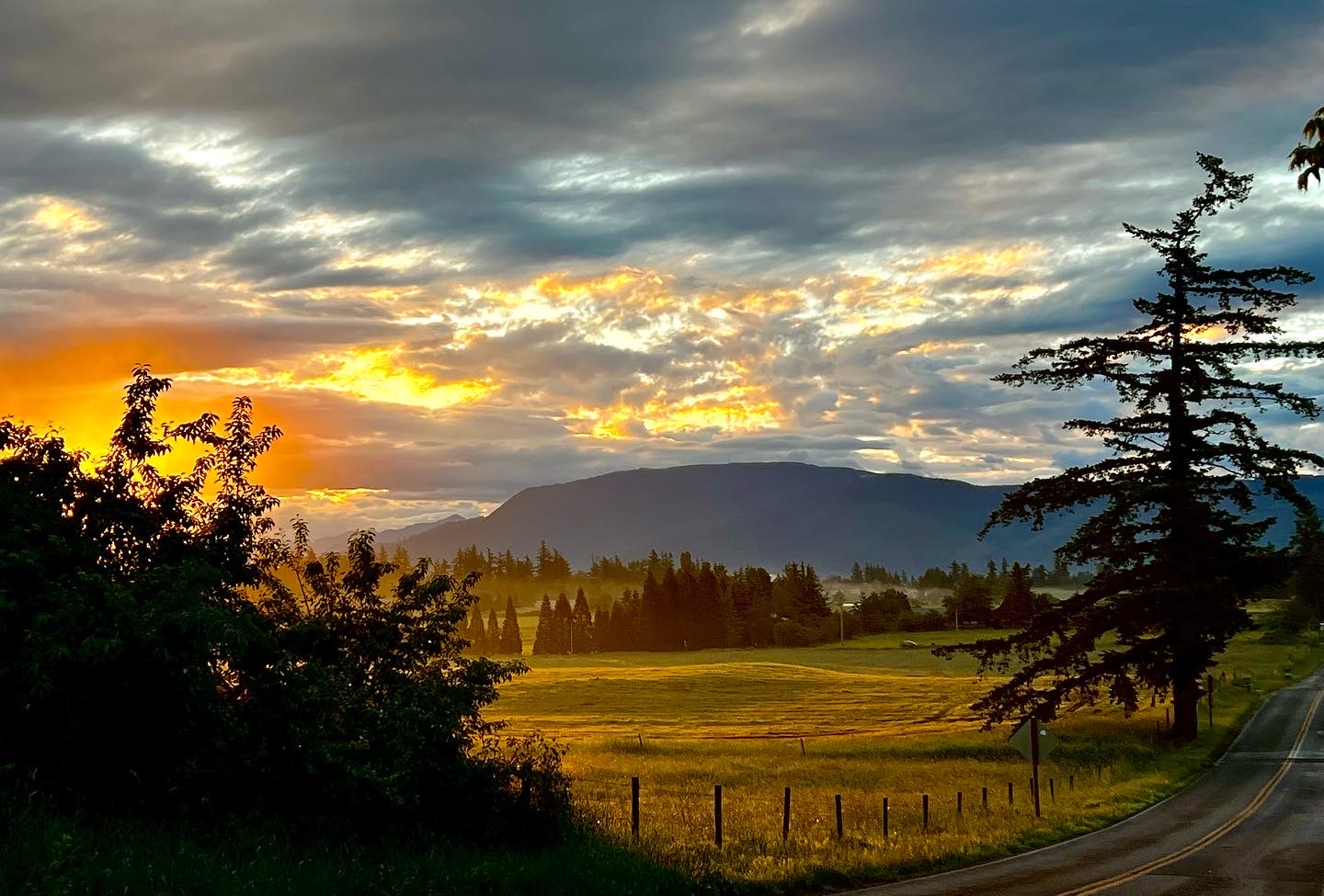
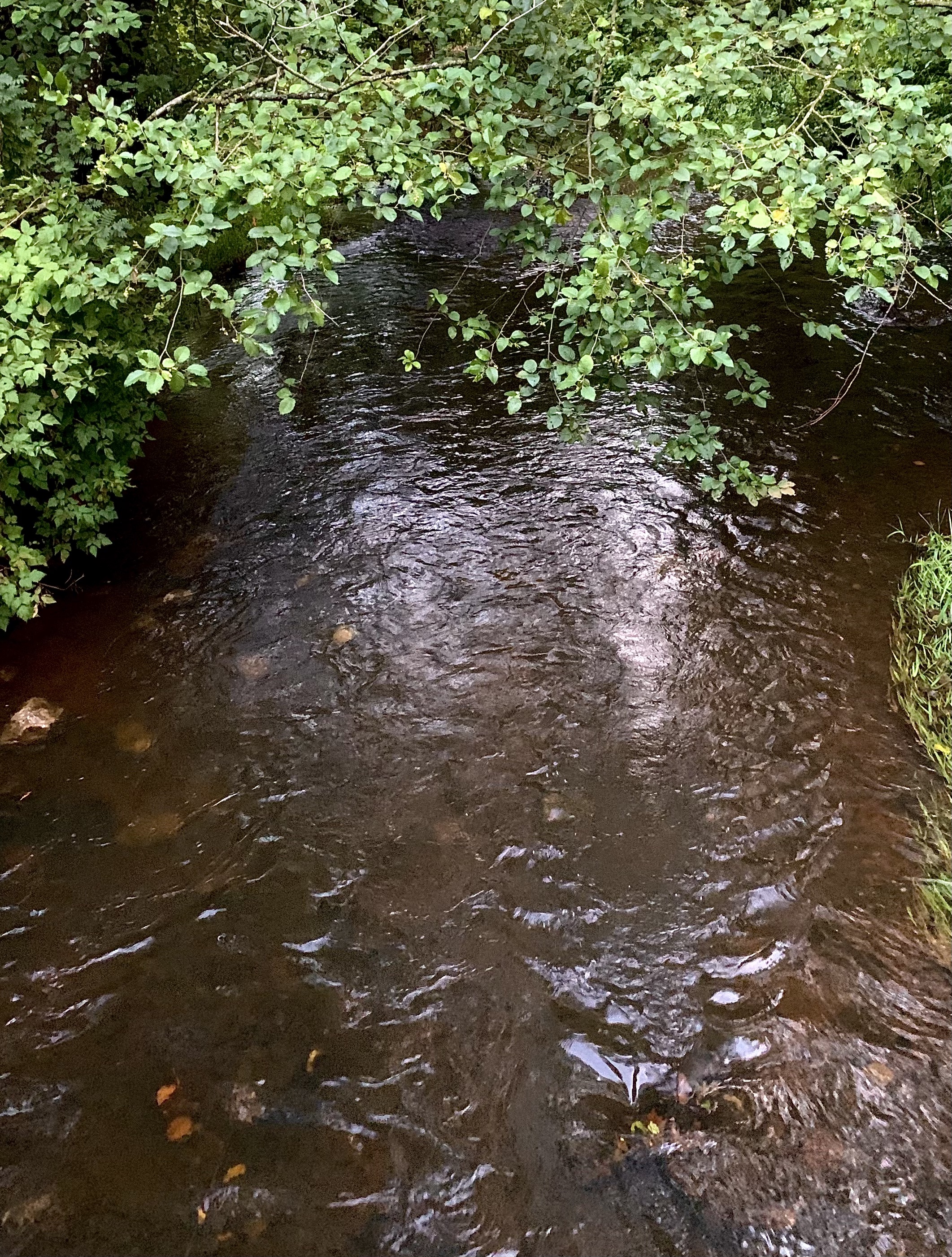
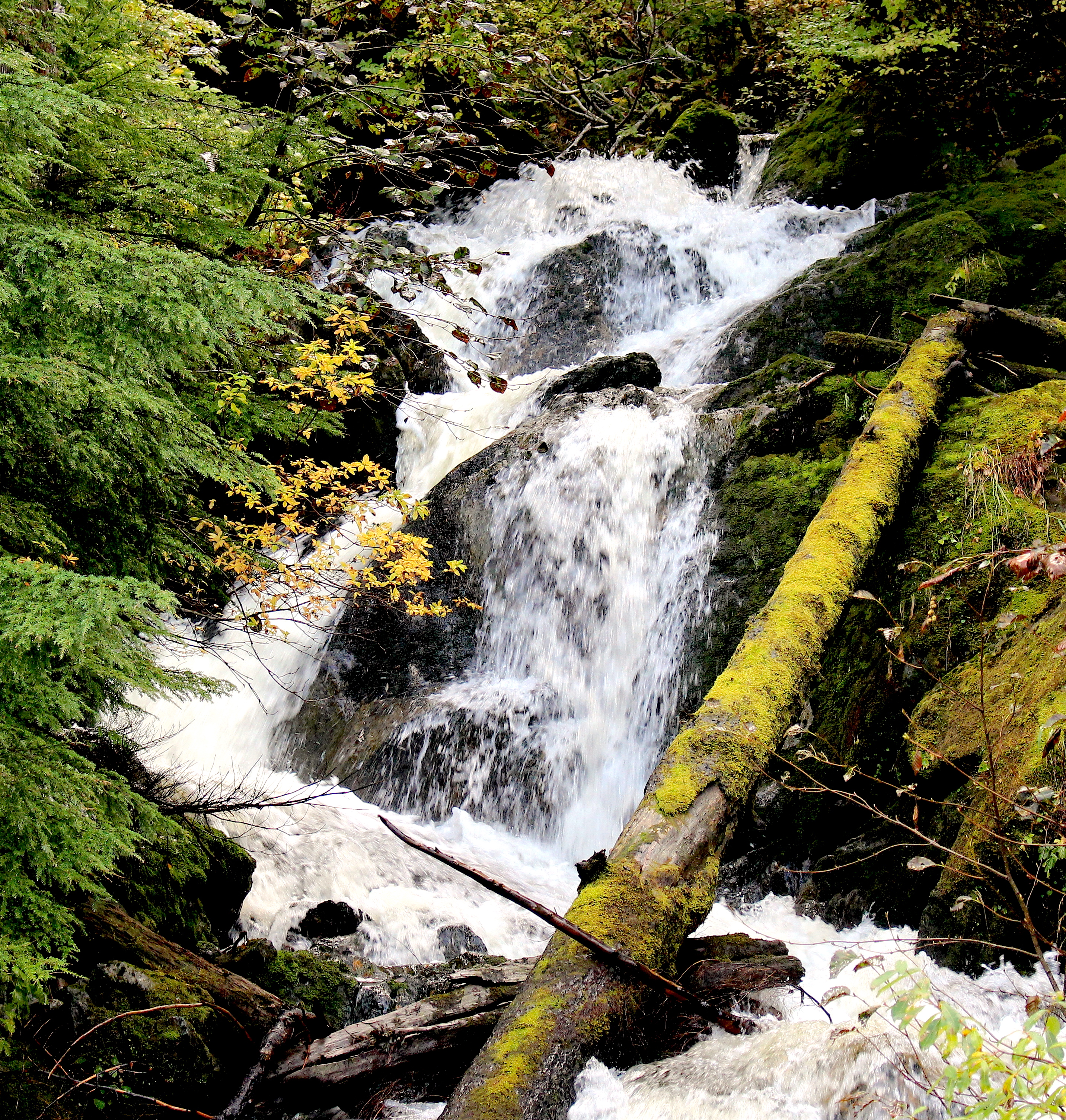
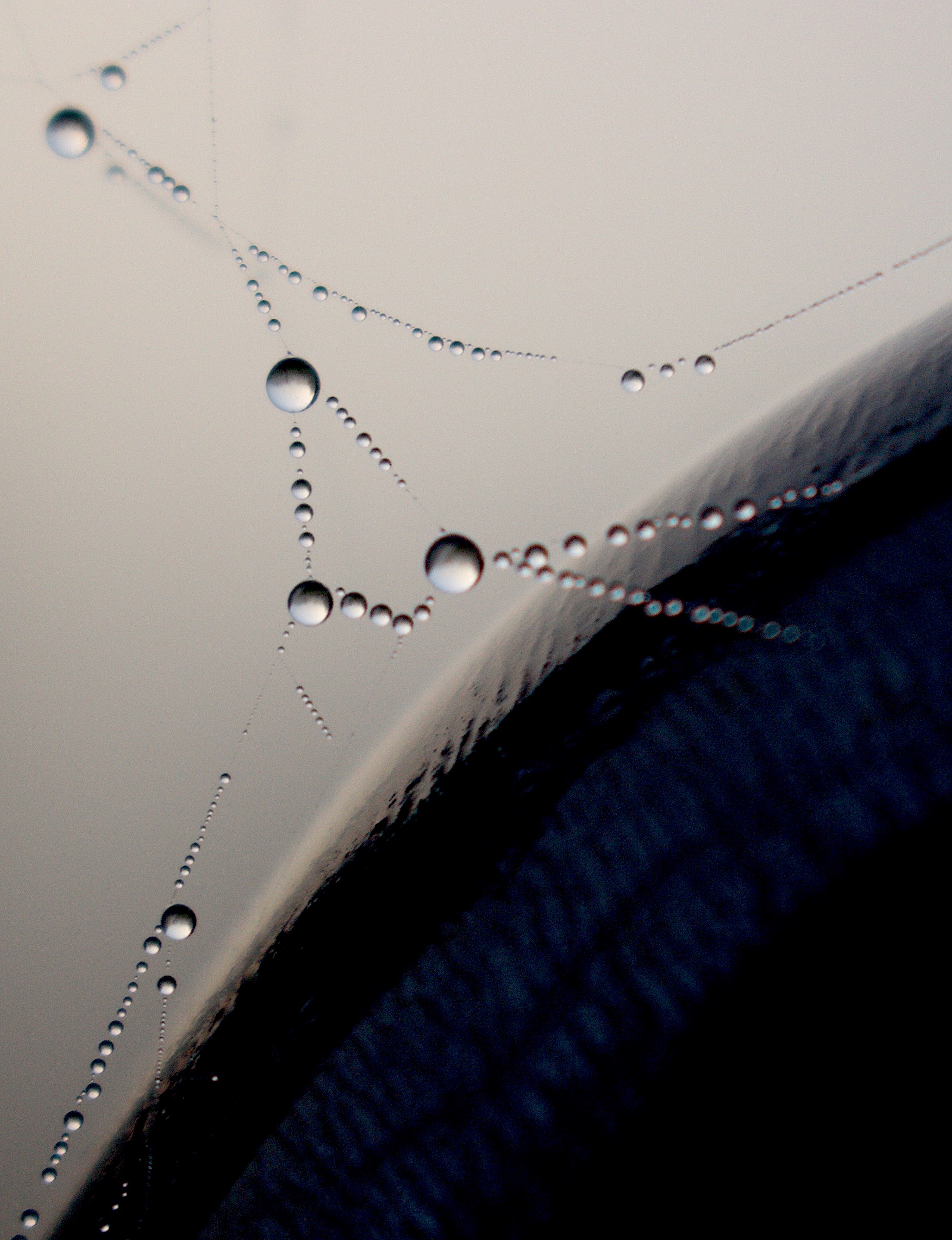
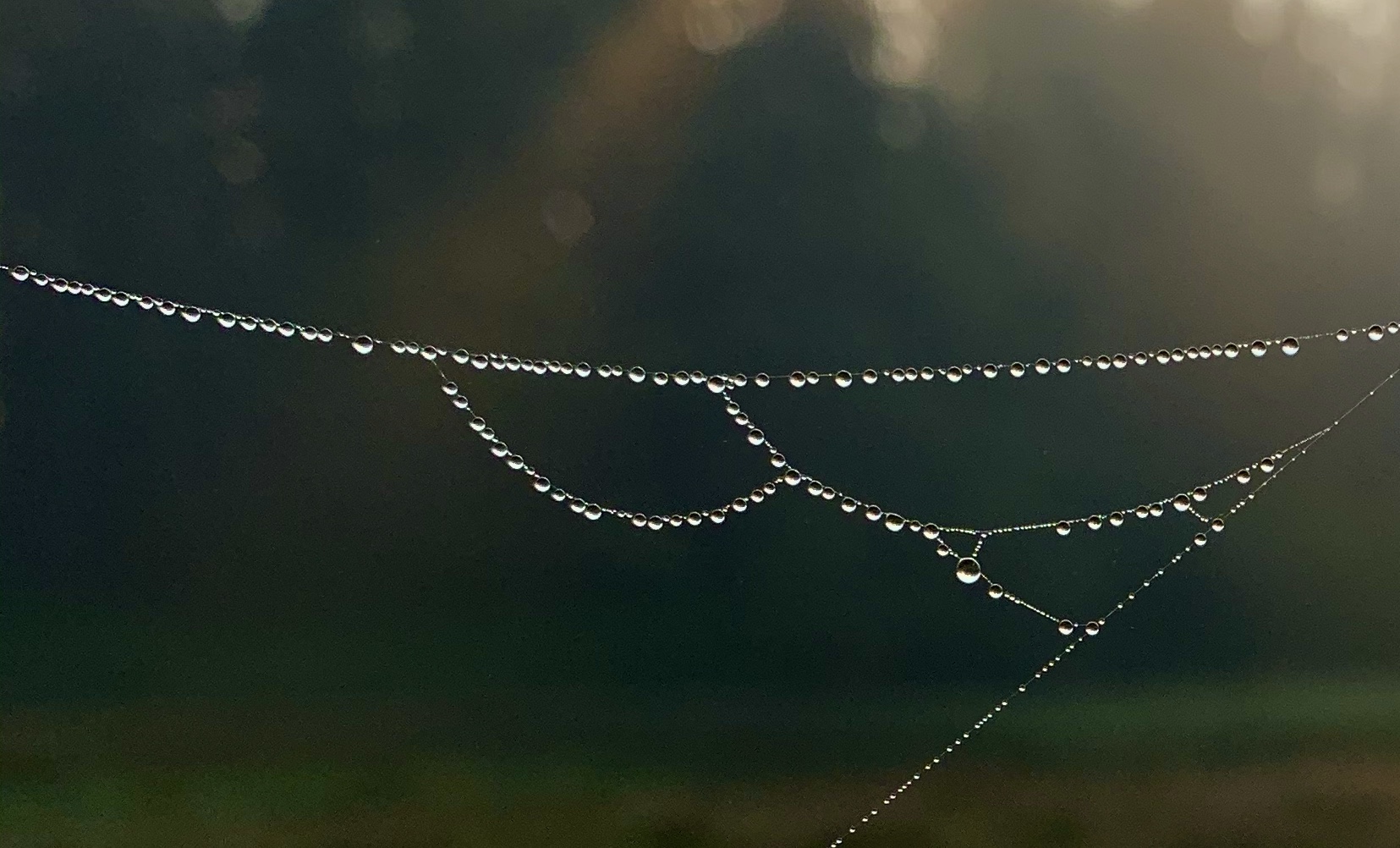
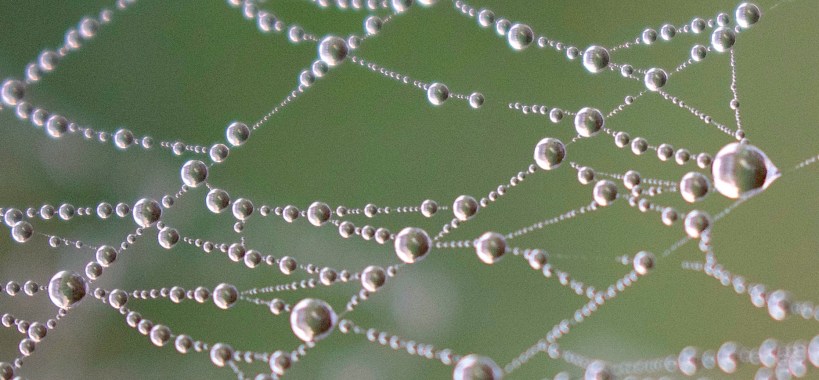
We are now four days into summer but aside from the date on the calendar, it would be difficult to prove otherwise.  After a dry stretch of warm late spring weather, it is now unseasonably cool, the skies stony gray, the rivers running full and fast, the ground peppered with puddles. Rain has fallen at night, hiding behind the cover of darkness as if ashamed of itself.  
As it should be.

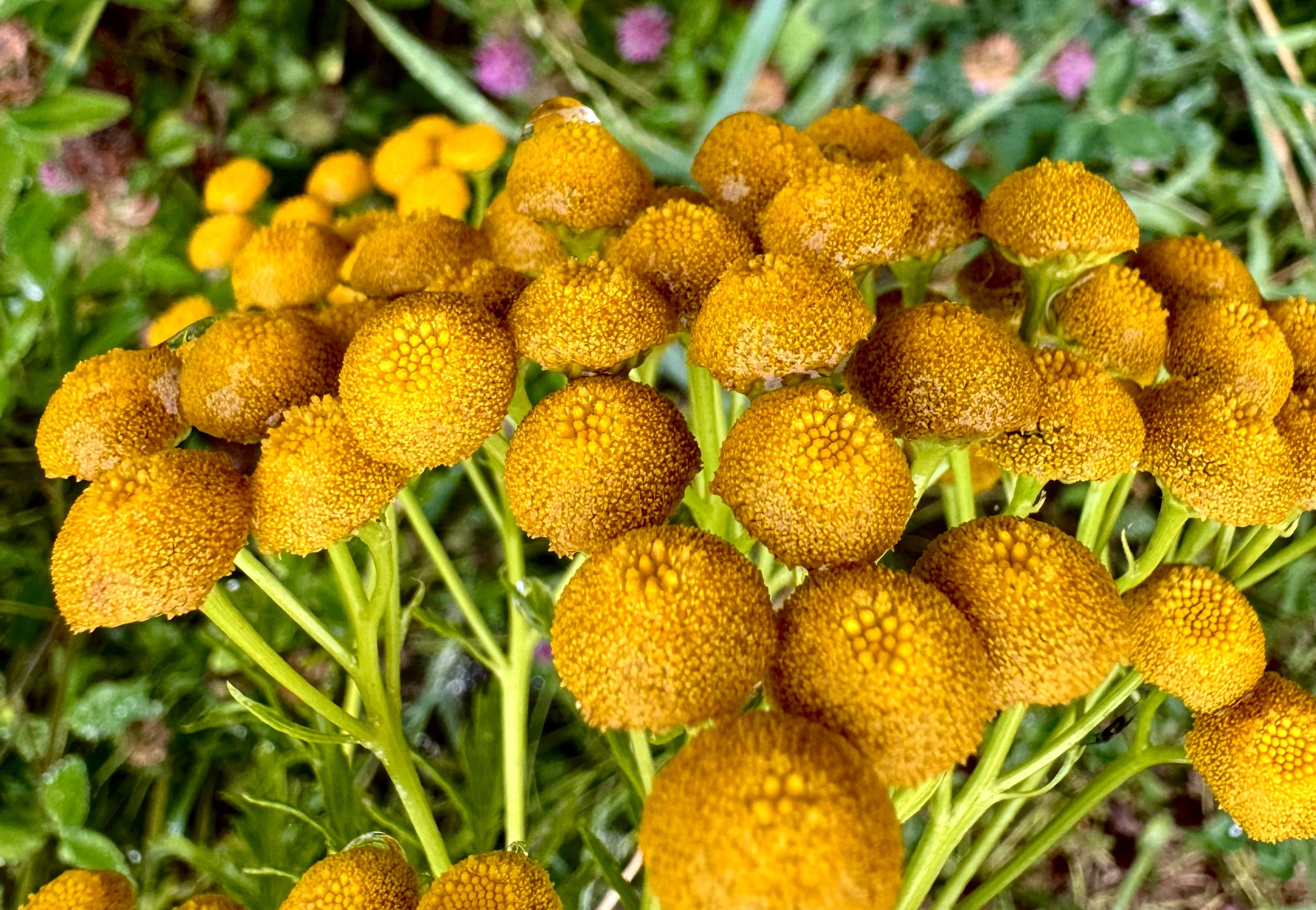
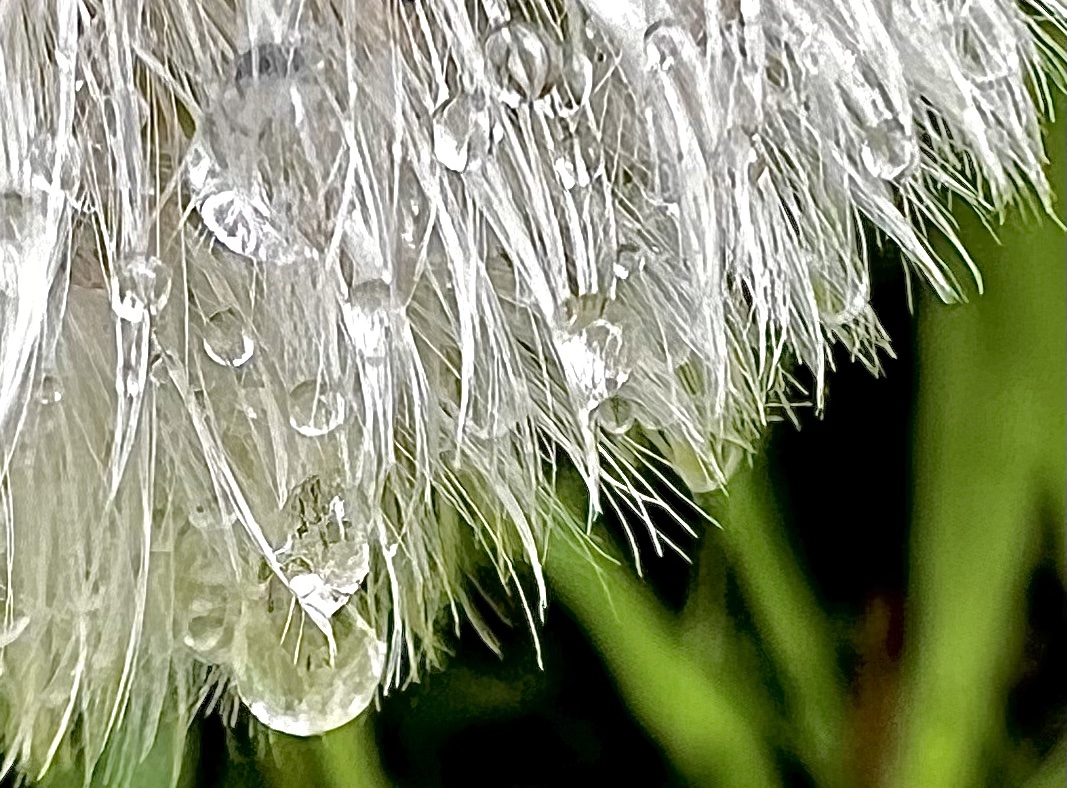
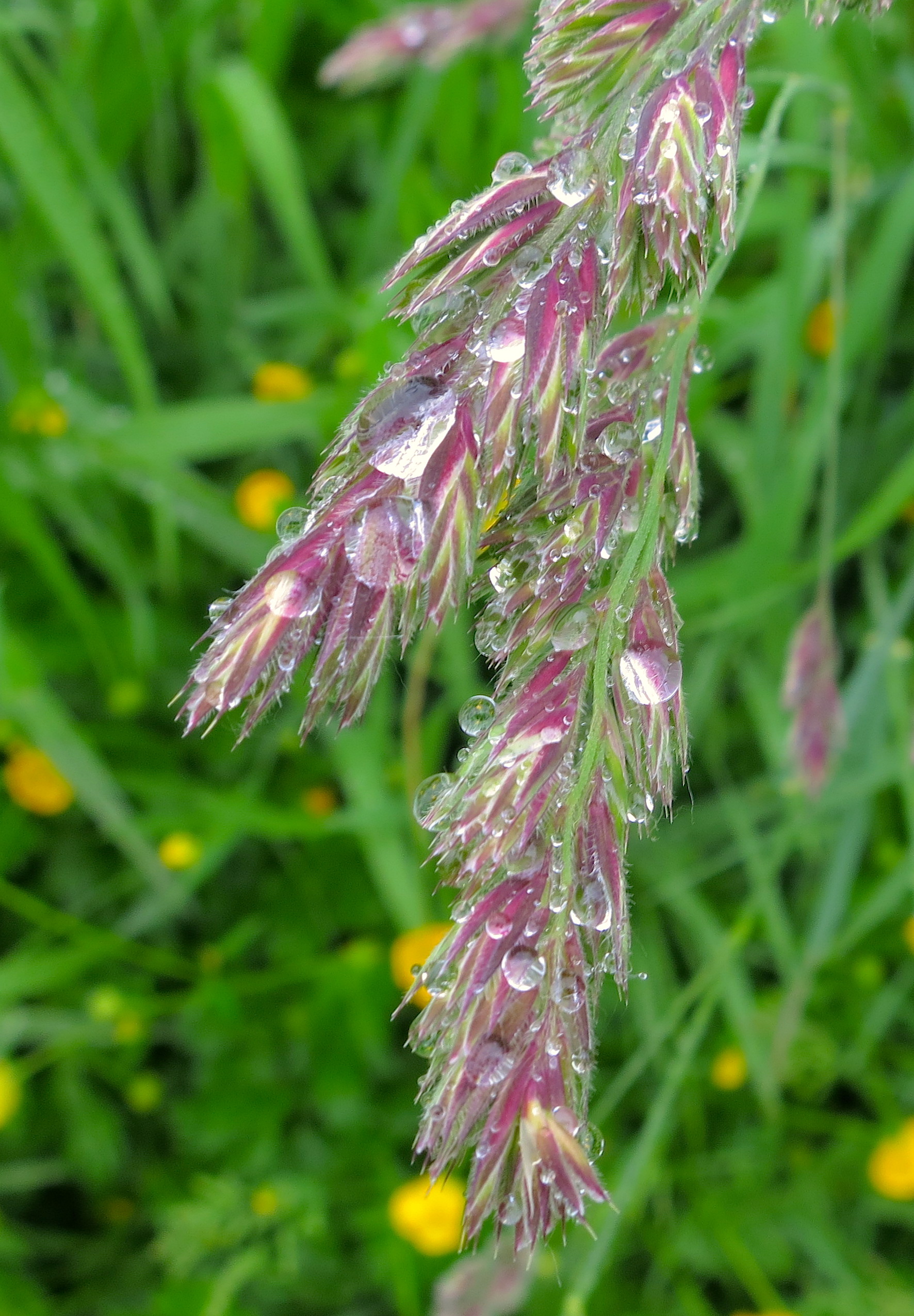
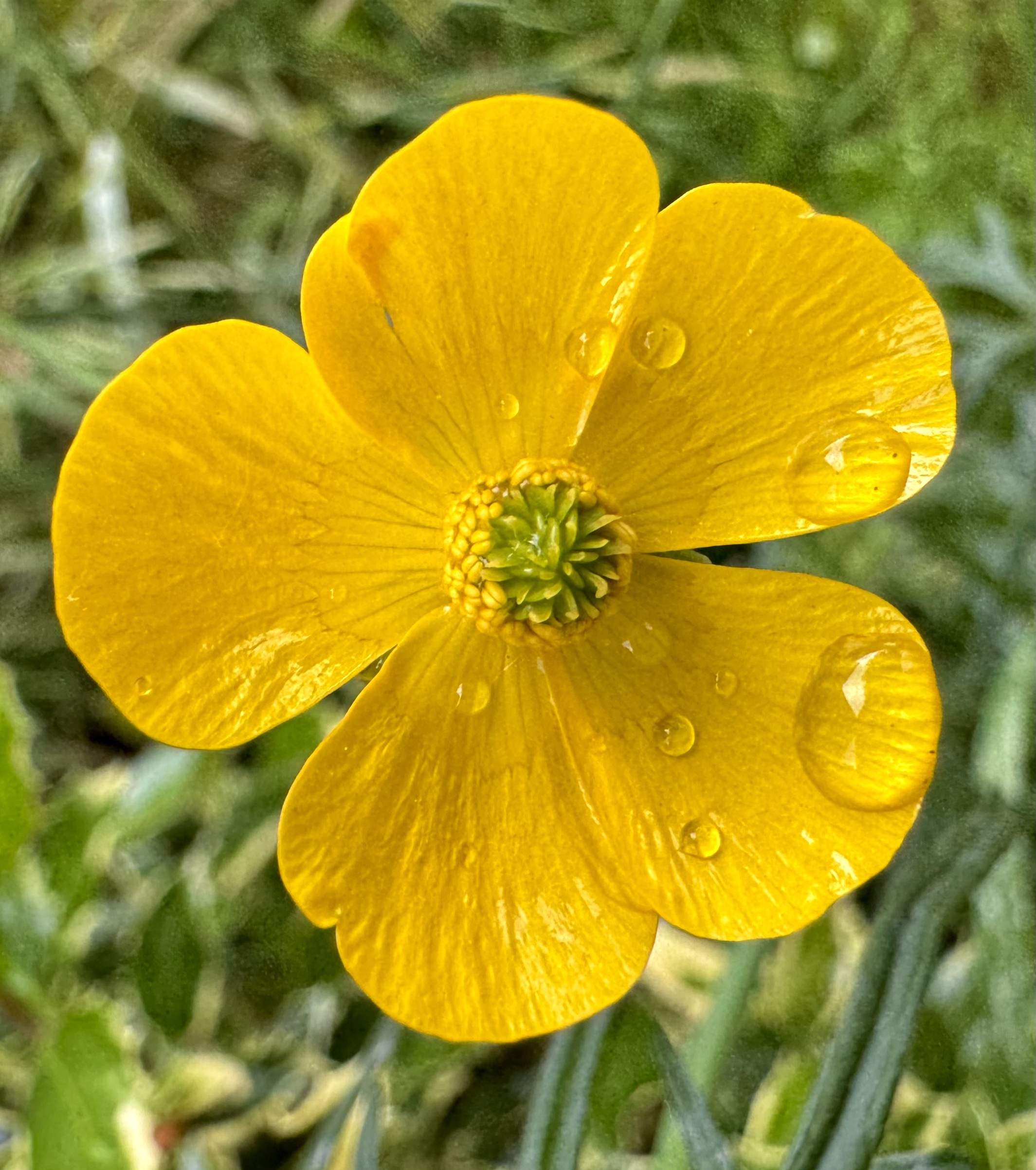
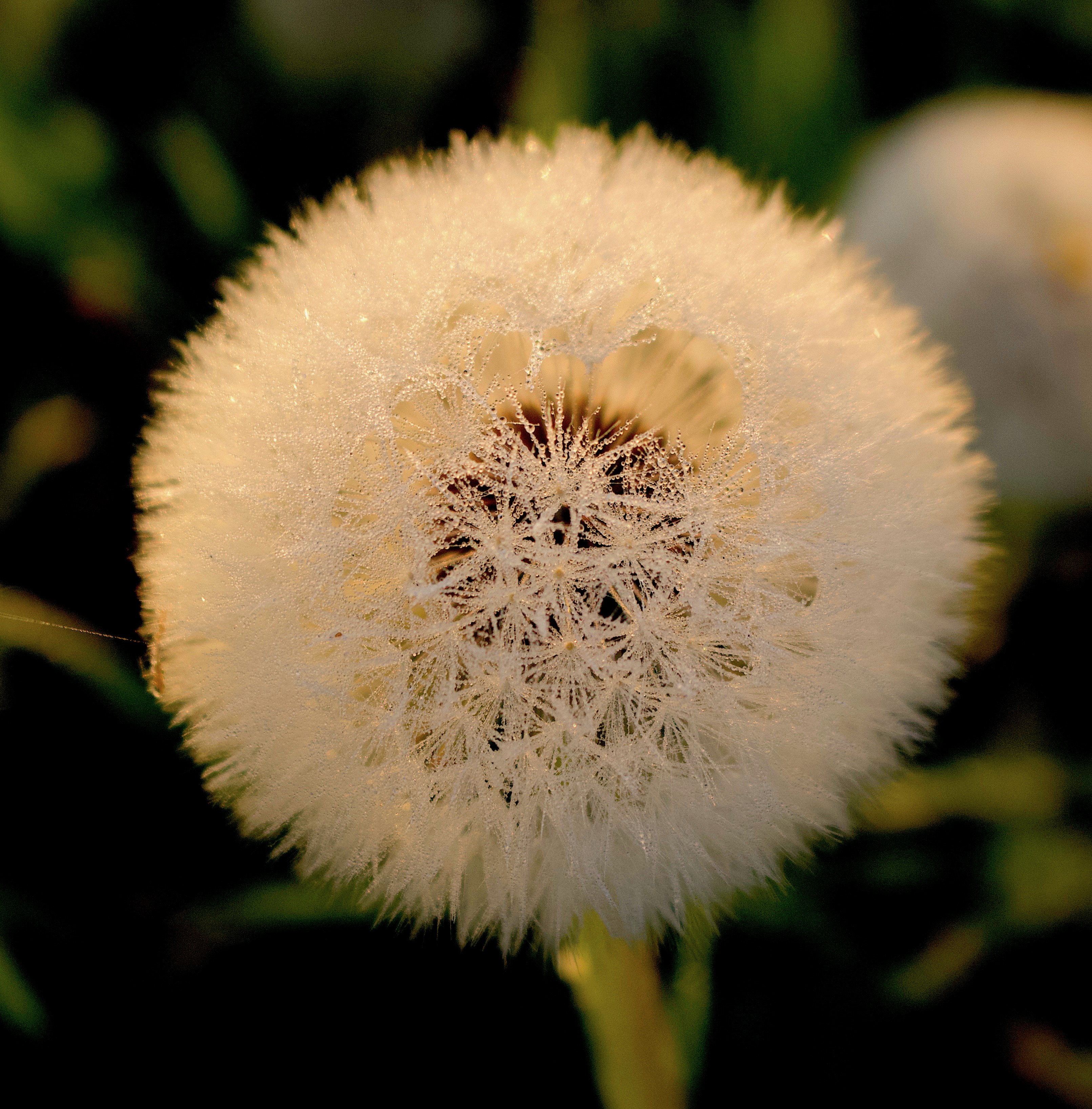
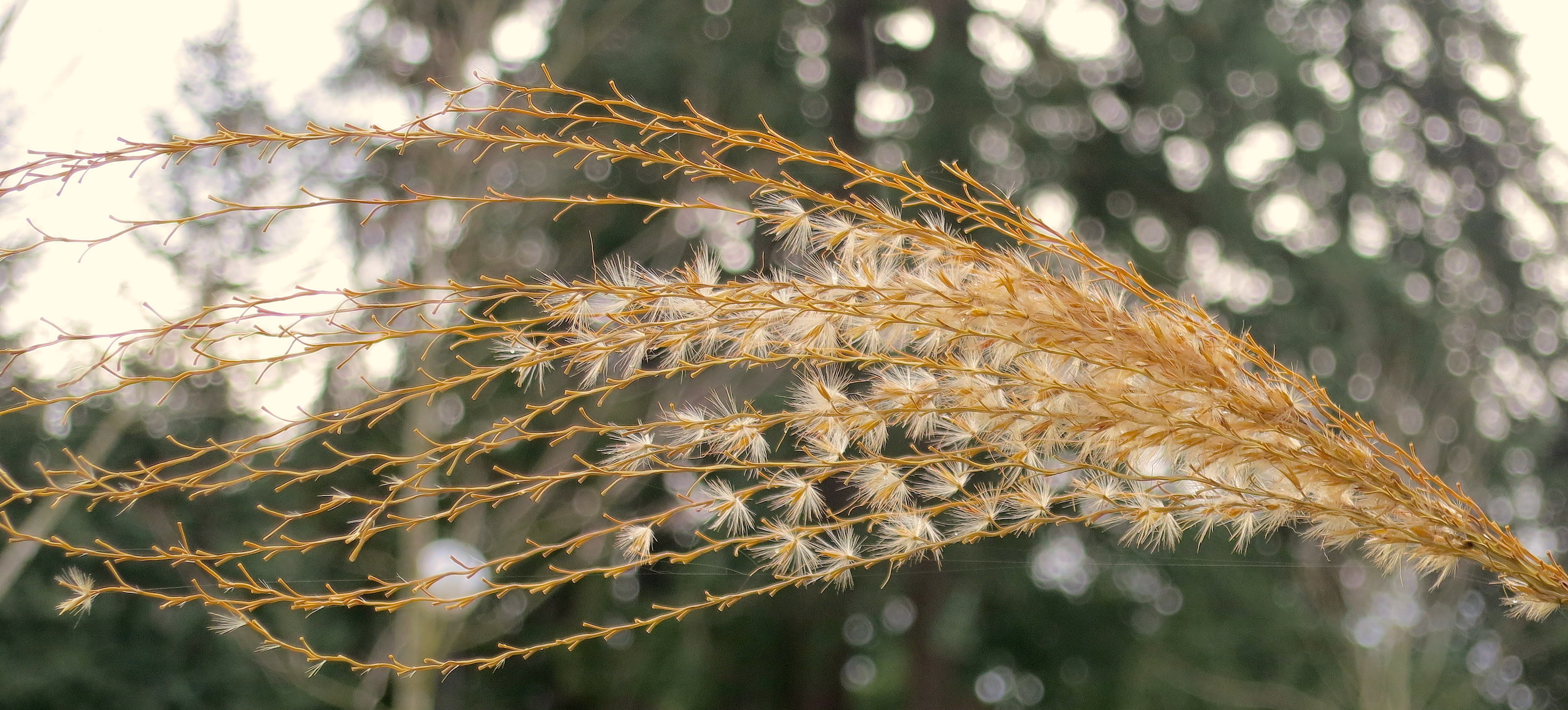
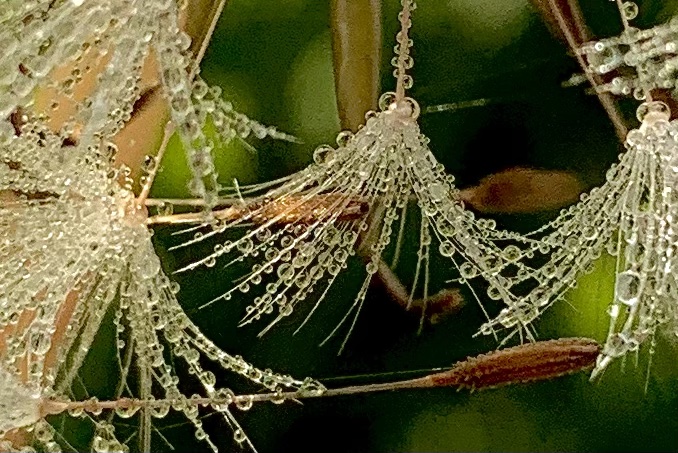
What all this moisture will yield is acres and acres of towering grass growth, more grass than imaginable, more grass than we can keep mowed,  burying the horses up to their backs as they dive head long into the pasture. The Haflingers don’t need to lower their necks to graze,  choosing instead to simply strip off the ripe tops of the grasses as they forge paths through five foot forage. It is like children at a birthday party swiping the frosting off cupcake after cupcake, licking their fingers as they go. Instead of icing, the horses’ muzzles are smeared with dandelion fluff,  grass seed and buttercup petals.

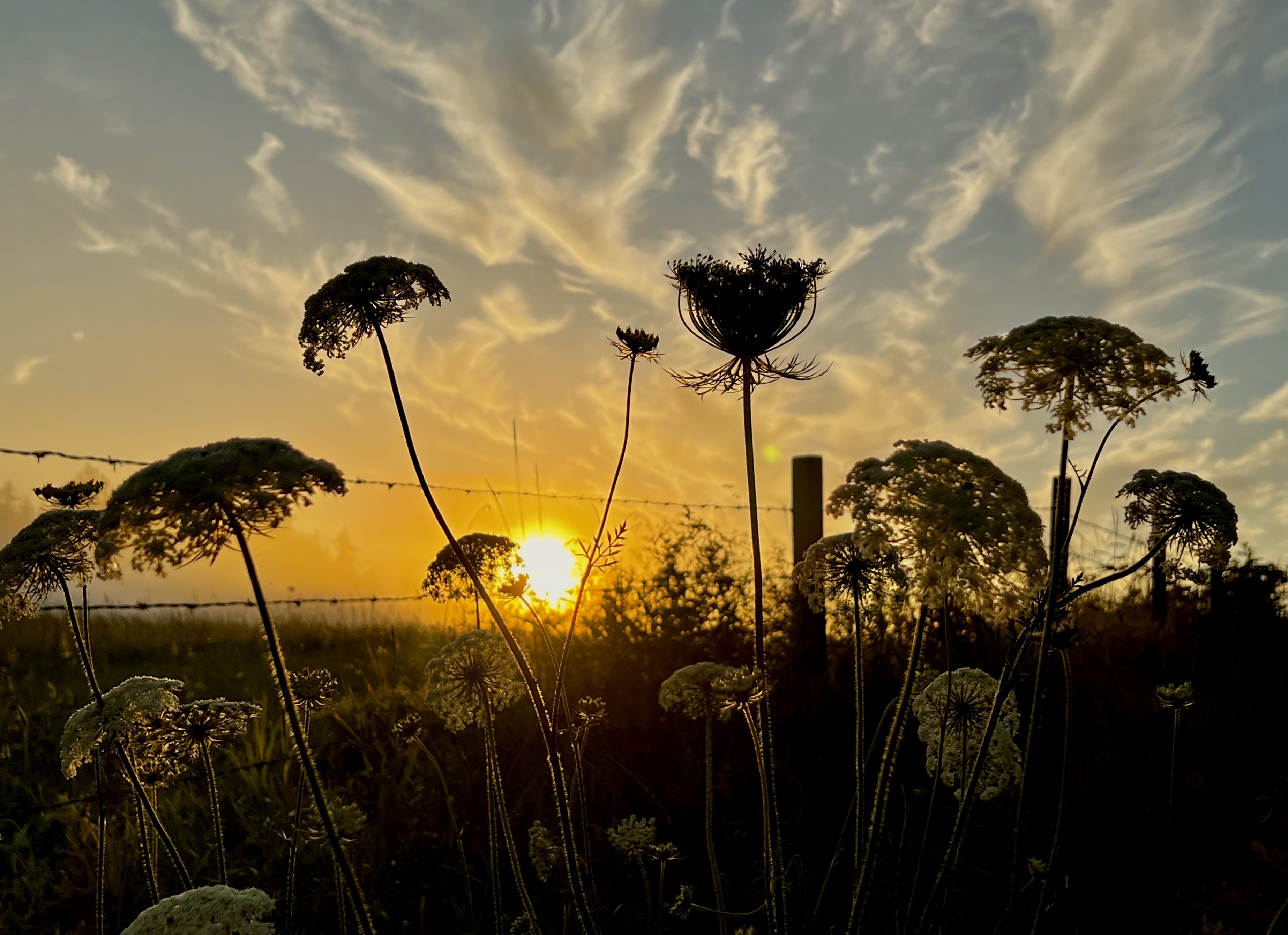
In the northwest, June can tend to shroud its promise of longer days under clouds. Outdoor weddings brace for rain and wind with a supply of umbrellas, graduation potlucks are served in the garage and Fourth of July picnics stay safely under cover. There is a wary anticipation of solstice as it signals the slow inexorable return of darkness from which we have barely recovered.

So I tremble as I too splash through the squishiness of late June,  quivering like a wet butterfly emerging from its cocoon ready to unfurl its wings to dry, but unsure how to fly and uncertain of the new world that awaits.  In fact the dark empty cocoon can look mighty inviting on a rainy June night. If I could manage to squeeze myself back in, it might be worth a try.

After all, there is no place like home.

One-Time
Monthly
Yearly

Make a one-time or recurring donation to support daily Barnstorming posts

Make a monthly donation

Make a yearly donation

Choose an amount

$10.00
$25.00
$50.00
$5.00
$15.00
$100.00
$5.00
$15.00
$100.00

Or enter a custom amount

$

Your contribution is deeply appreciated.

Your contribution is appreciated.

Your contribution is appreciated.

DonateDonate monthlyDonate yearly

Afraid Our Words Will Not Be Heard

And when the sun rises we are afraid
it might not remain

when the sun sets we are afraid
it might not rise in the morning
when our stomachs are full we are afraid
of indigestion
when our stomachs are empty we are afraid
we may never eat again
when we are loved we are afraid
love will vanish
when we are alone we are afraid
love will never return
and when we speak we are afraid
our words will not be heard
nor welcomed
but when we are silent
we are still afraid

So it is better to speak
remembering
we were never meant to survive.
~Audre Lorde from “A Litany for Survival”

We are all here so briefly, just trying to survive.

Although designed to live forever,
we are fallen,
running the clock out as long as we can.

Just one day more, we say. Give us just one more.

From the first, there has been struggle –
the pain of our birth, the cry of our laboring mother,
then feeding and protection of our children,
keeping them safe from the bombs of war
and the ravages of disease,
followed by weakening of our frail aging bodies.

If there is a reason for all this (and there is):
life’s struggles redeem us.

Heaven knows,
each life means something to God,
each death echoes His sorrow.

We fear we fail to make a difference
in such a short time.
So we speak.
Hear our voices.
Just one day more, Lord.
Please – one day more.

Tomorrow we’ll discover
What our God in Heaven has in store
One more dawn
One more day
One day more

~from Les Miserable

AI image created for this post

One-Time
Monthly
Yearly

Make a one-time or recurring donation to support daily Barnstorming posts

Make a monthly donation

Make a yearly donation

Choose an amount

$10.00
$25.00
$50.00
$5.00
$15.00
$100.00
$5.00
$15.00
$100.00

Or enter a custom amount

$

Your contribution is deeply appreciated.

Your contribution is appreciated.

Your contribution is appreciated.

DonateDonate monthlyDonate yearly

Finding a Fermata

In science we have been reading only the notes to a poem:
in Christianity we find the poem itself.
~C.S. Lewis from Miracles

Science itself fails
to love us when we’re alone,
to feed us when we’re starving,
to lead us to water when we’re thirsty,
to grasp the hand of the dying,
to give hope to the weak and afraid,
to become sacrifice for our sin,
to offer us everlasting forgiveness and grace.

Science is only one of God’s footnotes within His poetic Word,
a well-timed fermata allowing His creation to pause and listen,
reflecting for a moment on the symphony of His redeeming Work.

One-Time
Monthly
Yearly

Make a one-time or recurring donation to support daily Barnstorming posts

Make a monthly donation

Make a yearly donation

Choose an amount

$10.00
$25.00
$50.00
$5.00
$15.00
$100.00
$5.00
$15.00
$100.00

Or enter a custom amount

$

Your contribution is deeply appreciated.

Your contribution is appreciated.

Your contribution is appreciated.

DonateDonate monthlyDonate yearly

The Seasons, They Go Round and Round


It’s deep time here, this barrow grave five thousand years old,
where we follow like sheep behind the guide to the heart
of its cruciform center.


I’ve never been in a space so dark.
What was it like to fear that the sun would not return,
that crops would wither, deer flee,

that night’s dark cloak was all there was?

But miraculously, on the lip of the solstice,
the light returned, liquid and golden,

ran down the narrow corridor,
hit the back wall, splashed in the stone basin,

and they knew summer would come back, run to fruit.
Light, dark, freeze, thaw, seedtime,
harvest, wheel of the year, the spiral dance.

What would they make of our device-laden lives,
fossil-fueled cars, over-stocked larders?
Who stands in the dark and listens now, gaping at the stars?
— Barbara Crooker, “Newgrange” from The Book of Kells

Finnis Soutterain underground

Finnis Soutterain underground

There is nothing so dark as centuries-old underground tunnels and portal tombs, some positioned with an opening to capture a beam of light exactly at either the winter or summer solstice, illuminating what dwells in blackness the rest of the year.

The more recent ninth century soutterain tunnels were refuge for Christians hiding from invaders, keeping whole villages safe from capture.

The dolmens and portal graves are Neolithic structures built before the pyramids. They still exist today as they were constructed to last by people serious about their beliefs.Though those people are long dust, the stones and tunnels remain as they were, to protect the spirits of the departed.

What would they think now of our extravagance,
our plethora of goods and foods,
our ways of crippling others remotely
using weapons dropped from the sky,
but also the weapons of internet disinformation and hacking,
hallucinations and lies from artificial intelligence?

Our ways make stealing, pillaging, raping and enslaving strangers
seem so… messy.

We mustn’t fool ourselves. We are still messy.

We moderns are lost in our over-abundance of light year round, scarcely noting the calendar or the passing of the longest and shortest days.

I bow my head to the remarkable people of strength who have preceded us, who sought mightily to preserve the significance of a Light returning to penetrate their darkness.

Legananny Dolmen, Northern Ireland
Legananny dolmen
Kilfeaghan Dolmen
AI image created for this post

Lyrics:
Daylight comes and nighttime goes, nighttime falls, day flies
Round and round the cycle goes,
we live and then we die and then we live and then we die.
The seasons of my life go round, the sunshine and the rain
The fallow and the fruitful days,
the joy and then the pain and then the joy and then the pain.
As light below, so light above, so light in all we see

The light is in the act of love, the light that sets us free,
yes, it’s the light that sets free.
Daylight comes…

One-Time
Monthly
Yearly

Make a one-time or recurring donation to support daily Barnstorming posts

Make a monthly donation

Make a yearly donation

Choose an amount

$10.00
$25.00
$50.00
$5.00
$15.00
$100.00
$5.00
$15.00
$100.00

Or enter a custom amount

$

Your contribution is deeply appreciated.

Your contribution is appreciated.

Your contribution is appreciated.

DonateDonate monthlyDonate yearly

Turned to Stone

Our shadows bring them from the shadows:
a yolk-yellow one with a navy pattern
like a Japanese woodblock print of fish scales.
A fat 18-karat one splashed with gaudy purple
and a patch of gray. One with a gold head,

a body skim-milk-white, trailing ventral fins
like half-folded fans of lace.
A poppy-red, faintly disheveled one,
and one, compact, all indigo in faint green water.
They wear comical whiskers and gather beneath us
as we lean on the cement railing
in indecisive late-December light,
and because we do not feed them, they pass,
then they loop and circle back. Loop and circle. Loop.
“Look,” you say, “beneath them.” Beneath them,
like a subplot or a motive, is a school
of uniformly dark ones, smaller, unadorned,
perhaps another species, living in the shadow
of the gold, purple, yellow, indigo, and white,
seeking the mired roots and dusky grasses,
unliveried, the quieter beneath the quiet.
~Susan Kolodny “Koi Pond, Oakland Museum”

The boardwalk,
a treachery of feathers ready
to receive another broken bone,
looms just above the surface.
Step deliberately when approaching.
With few exceptions,
ice has claimed this part of the pond.

This is where you see her,
moving through what
free water remains:
a sluggish ghost in the shadows,
slow, conserving the fragile heat
she still has in this late winter.
A canopy of juniper dressed with light snow
overhangs, watching.

Last year, a quorum of her kind was lost,
turned to stone, to frigid silence.
She doesn’t know that story,
but some instinct guides her to keep
what warmth she can, to cruise
in stubborn torpor.

In her drift, she remembers the summer,
her long, languid vowels,
the accompanying texts of her companions.
How they interwove manuscripts,
narrations of sky, tree, sun, and moon.
Warm days are a memory now,
and thoughts rest lightly in her body.

She has held the same posture for an hour.
Her bones have reached a conclusion—
an idea about hope itself—
there, near the indifferent bridge,
inches from the force that will take her
~Carolyn Adams, “Koi Pond” from Going Out to Gather

The water going dark only
makes the orange seem brighter,
as you race, and kiss, and spar
for food, pretending not
to notice me. For this gift
of your indifference, I am
grateful. I will sit until
the pond goes black, the last
orange spark extinguished.
~Robert Peake from “Koi Pond”

Koi and goldfish thrived in our pond after we covered it with netting, finally thwarting the herons arriving at dawn for breakfast.

Thus protected, our fish grew huge, celebrating each feeding with a flurry of tail flips and gaping mouths as I tossed pellets to them each evening.

When the pond cooled in the fall and sometimes ice-covered in winter, the fish settled at the bottom, barely moving silhouettes of color in the darkness. Spring would warm them to action again. As the water temperature rose, so did they, eager and hungry to flash their color and fins again.

Two winters ago, the chill winds and low temperatures lasted longer than usual. As the pond ice began to melt, the fish at the bottom remained still as stones. Netting them for burial felt like burying the sun and the moon and the stars, relegating their rainbows of light and color deep into the earth.

No longer would their colorful glory shine, an illumination now extinguished.

I haven’t had the heart to try again. I need a pond heater, a new filter system, and a total clean out of the pond if I am going to restock.

But then I remember the joy of feeding those flashes of fins and fish mouths, so I just might try again.

Rainbows promise to return, even from buried stone.

AI image created for this post

Lyrics
From the love of my own comfort
From the fear of having nothing
From a life of worldly passions
Deliver me O God
From the need to be understood
From the need to be accepted
From the fear of being lonely
Deliver me O God
And I shall not want I shall not want
When I taste Your goodness
I shall not want
From the fear of serving others
From the fear of death or trial
From the fear of humility
Deliver me O God

One-Time
Monthly
Yearly

Make a one-time or recurring donation to support daily Barnstorming posts

Make a monthly donation

Make a yearly donation

Choose an amount

$10.00
$25.00
$50.00
$5.00
$15.00
$100.00
$5.00
$15.00
$100.00

Or enter a custom amount

$

Your contribution is deeply appreciated.

Your contribution is appreciated.

Your contribution is appreciated.

DonateDonate monthlyDonate yearly

Never Forgotten

Our memories are, at best,
so limited, so finite,
that it is impossible for us to envisage
an unlimited, infinite memory, the memory of God.

It is something I want to believe in:
that no atom of creation is ever forgotten by him;
always is;
cared for;
developing;
loved. 
~Madeleine L’Engle from The Summer of the Great-Grandmother

…a friend told me a story about a little girl who wanted time alone with her infant brother. Her parents were suspicious of her motives. What if she did something to harm the baby? The big sister was so persistent that her mom and dad finally decided to allow her ten minutes alone with him in his room. After they closed the door, they listened quietly.

They felt chills when they heard their daughter say,
“Baby tell me what heaven is like. I’m starting to forget.”
~Sue Shanahan from “Fresh from Heaven”

He of strength and hope,
of infinite memory and everlasting love:

He knows us down to our very atoms ~~
even we who are weak, broken, and undeserving.

He causes us to burst into bloom
in remembrance of having been in His presence.

AI image created for this post
One-Time
Monthly
Yearly

Make a one-time or recurring donation to support daily Barnstorming posts

Make a monthly donation

Make a yearly donation

Choose an amount

$10.00
$25.00
$50.00
$5.00
$15.00
$100.00
$5.00
$15.00
$100.00

Or enter a custom amount

$

Your contribution is deeply appreciated.

Your contribution is appreciated.

Your contribution is appreciated.

DonateDonate monthlyDonate yearly

Just a Pinch of God Inside

To be blessed
said the old woman
is to live and work
so hard
God’s love
washes right through you
like milk through a cow

To be blessed
said the dark red tulip
is to knock their eyes out
with the slug of lust
implied by
your up-ended
skirt

To be blessed
said the dog
is to have a pinch
of God
inside you
and all the other dogs
can smell it

~Alicia Suskin Ostriker “The Blessing of the Old Woman, the Tulip, and the Dog” from The Book of Seventy

Some claim the origin of song
was a war cry
some say it was a rhyme
telling the farmers when to plant and reap
don’t they know the first song was a lullaby
pulled from a mother’s sleep
said the old woman


A significant
factor generating my delight in being
alive this springtime
is the birdsong
that like a sweeping mesh has captured me
like diamond rain I can’t
hear it enough said the tulip


Lifetime after lifetime
we surged up the hill
I and my dear brothers
thirsty for blood
uttering
our beautiful songs
said the dog

~Alicia Suskin Ostriker “Song” from The Old Woman, the Tulip, and the Dog

To be blessed is to know
God is inside all created things,
even those seemingly hopeless.

To be blessed is to sing
a lullaby of loving kindness
that settles a restless heart.

To be blessed is to become a blessing
so contagious, there is no hope of cure.

AI image created for this post

Lyrics:
Oh! Hush thee, my baby, the night is behind us,
And black are the waters that sparkled so green.
The moon, o’er the combers, looks downward to find us,
At rest in the hollows that rustle between.

Where billow meets billow, then soft be thy pillow,
Oh weary wee flipperling, curl at thy ease!
The storm shall not wake thee, nor shark overtake thee,
Asleep in the arms of the slow swinging seas!
~Rudyard Kipling “The White Seal”

translated lyrics from the Lakota:
Ah I say, I say to you I am speaking to you…
Ah I say, I say to you To you I am saying it
My kind-hearted boy go to sleep
Tomorrow will be nice
I am speaking to you

One-Time
Monthly
Yearly

Make a one-time or recurring donation to support daily Barnstorming posts

Make a monthly donation

Make a yearly donation

Choose an amount

$10.00
$25.00
$50.00
$5.00
$15.00
$100.00
$5.00
$15.00
$100.00

Or enter a custom amount

$

Your contribution is deeply appreciated.

Your contribution is appreciated.

Your contribution is appreciated.

DonateDonate monthlyDonate yearly

A Solemn Ache

A day is nothing if not a disappearing act
held fast by ropes of sunlight and breeze until rain comes
or a tree coughs to shake night along;

then there are the shadows that feel like yesterday’s distance
but become only apparitions when we haul them into light
or move beyond their pull—

I wish for mornings, still, days full of violets—
and the beautiful clouds, where in their always-
disappearing, their solemn ache, I find poems.

~Sarah Etlinger “Evanescence (with Clouds)” from The Weather Gods

I look for poems everywhere,
even in colorless misty mornings,
chill and stormy winds,
humid breathless afternoons.

It is as if a Poet is saying to me:
I feel this ache today.
You too?

One-Time
Monthly
Yearly

Make a one-time or recurring donation to support daily Barnstorming posts

Make a monthly donation

Make a yearly donation

Choose an amount

$10.00
$25.00
$50.00
$5.00
$15.00
$100.00
$5.00
$15.00
$100.00

Or enter a custom amount

$

Your contribution is deeply appreciated.

Your contribution is appreciated.

Your contribution is appreciated.

DonateDonate monthlyDonate yearly

Remember Dad’s Tree House?

Remember the tree house?
I suppose that was less us
than perhaps the music
at church, or the car—my bad,
bad cars. But remember anyway.

There were the grass fires
we saw when I was young.
You don’t know this yet, but
I’ve written about them,
the smell of smoke and vanilla.

The business trips you took
us on. The short stories said
while waiting at the post office.
How you tried to convince us
that camping was fun; it was

in retrospect. The tree house,
hung from an ageless pine,
provided a new perspective
on everything I saw from ground-
level, our whole backyard.

~David K. Wheeler “Father’s Day” from Contingency Plans

To every man
His treehouse,
A green splice in the humping years,
Spartan with narrow cot
And prickly door.

To every man
His twilight flash
Of luminous recall
of tiptoe years
in leaf-stung flight;

To every man
His house below
And his house above—
With perilous stairs
Between.

~James Emmanuel from “The Treehouse”

photo by Dan Gibson

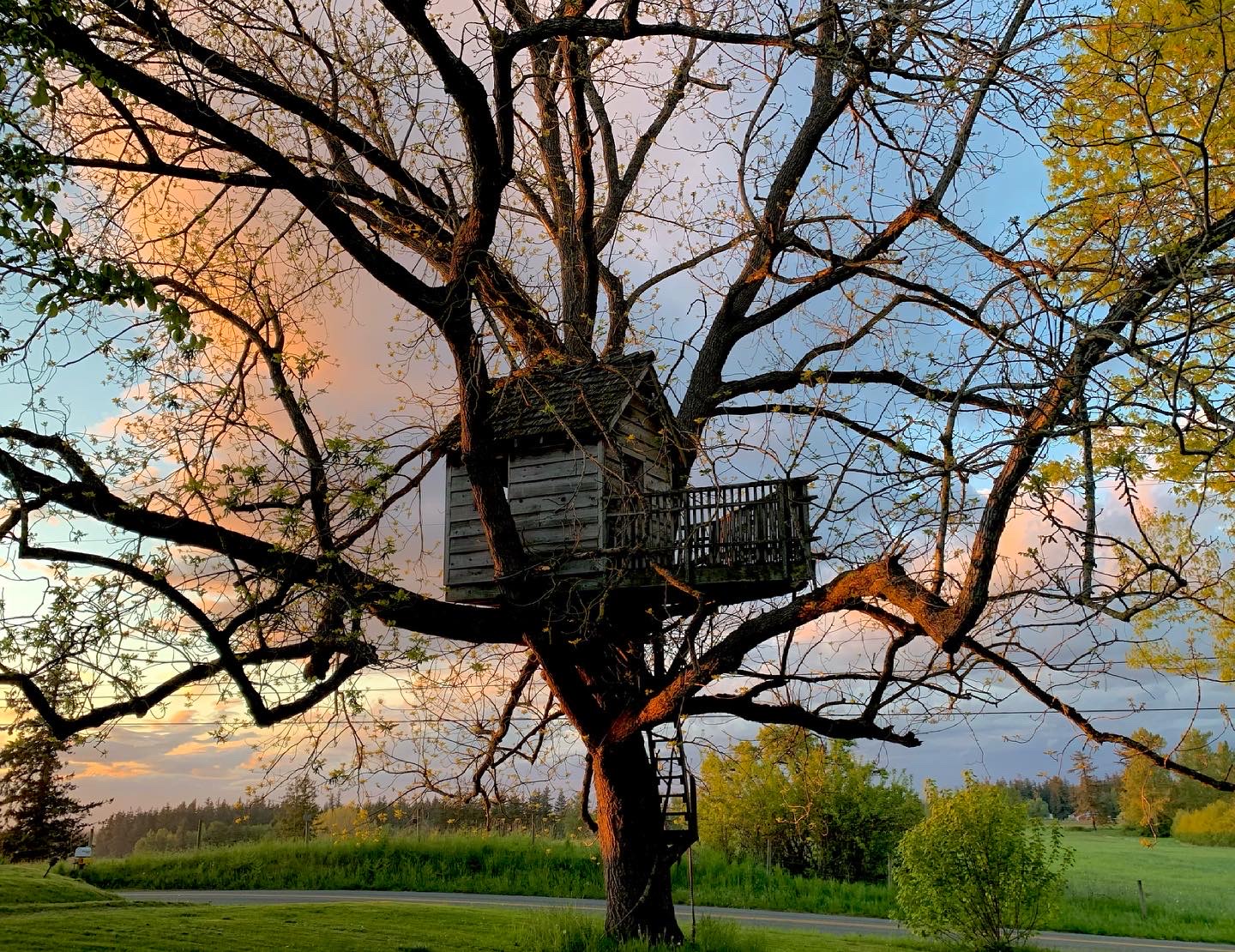
My father’s treehouse dream is thirty years old this summer, lonesome and empty in our front yard, a constant reminder of his own abandoned Swiss Family Robinson dreams. Over the years, it has been the setting for a local children’s TV show, laser tag wars, sleep overs and tea parties, even briefly my writer’s retreat with a deck side view of the Cascades to the east, the Canadian Coastal Range to the north and Puget Sound to the west.

Now it is a sad shell no longer considered safe, as the support branches in our 110+ year old walnut tree are weakening with age and time. It is on our long list of farm restoration projects, but other falling down buildings must be prioritized first.

My father’s treehouse idea began in February 1995 when our sons were 8 and 6 years old and our daughter just 2. We had plenty of recycled lumber on our old farm and a perfect front yard walnut tree. Dad, retired from his desk job and having recently survived a lymphoma diagnosis and treatment, had many previous daunting building projects to his credit, and a few in his mind that he was yet to get to. He was eager to see what he could construct for his grandkids by spring time. He doodled out some sketches of what might work in the tree, and contemplated the physics of a 73 year old man scaling a tree vs. building on the ground and hoisting it up mostly completed. I got more nervous the more I thought about it and hoped we could consider a project less risky, and hoping the weather wouldn’t clear enough for construction to start any time soon.

The weather cleared as simultaneously my father’s health faded. His cancer relapsed and he was sidelined with a series of doctor’s appointments, hospitalizations and treatment courses. He hung on to that hope of getting the treehouse going by summer, still thinking it through in his mind, still evaluating what he would need to buy to supplement the materials already gathered and piled beneath the tree. In the mean time he lost physical strength day by day.

His dream needed to proceed as he fought his battle, so I borrowed library books on treehouses, and hired two college age brothers who lived down the road to get things started. I figured if my dad got well enough to build again, at least the risky stuff could be already done by the young guys. These brothers took their job very seriously. They pored over the books, took my dad’s plans, worked through the details and started in. They shinnied up the tree, put up pulleys on the high branches and placed the beams, hoisting them by pulling on the ropes with their car bumper. It was working great until the car bumper came off.

I kept my dad updated long distance with photos and stories. It was a diversion for him, but the far off look in his eye told me he wasn’t going to be building anything in this world ever again. He was gone by July. The treehouse was done a month later. It was everything my dad had hoped for, and more. It had a deck, a protective railing, a trap door, a staircase. We had an open tree celebration and had 15 neighbors up there at once. I’m sure dad was sipping lemonade with us as well, enjoying the view.

Now all these years later, the treehouse is tilting on its foundation as the main weight bearing branch is weakening. We’ve declared it condemned, not wanting to risk an accident.  As I look out my front window, it remains a daily reminder of past dreams fulfilled and unfulfilled. Much like my father’s body, the old walnut tree is weakening, hanging on by the roots, but its muscle strength is failing. It will, some winter, come down in one of our frequent fierce windstorms, just as its nearby partner did decades ago.

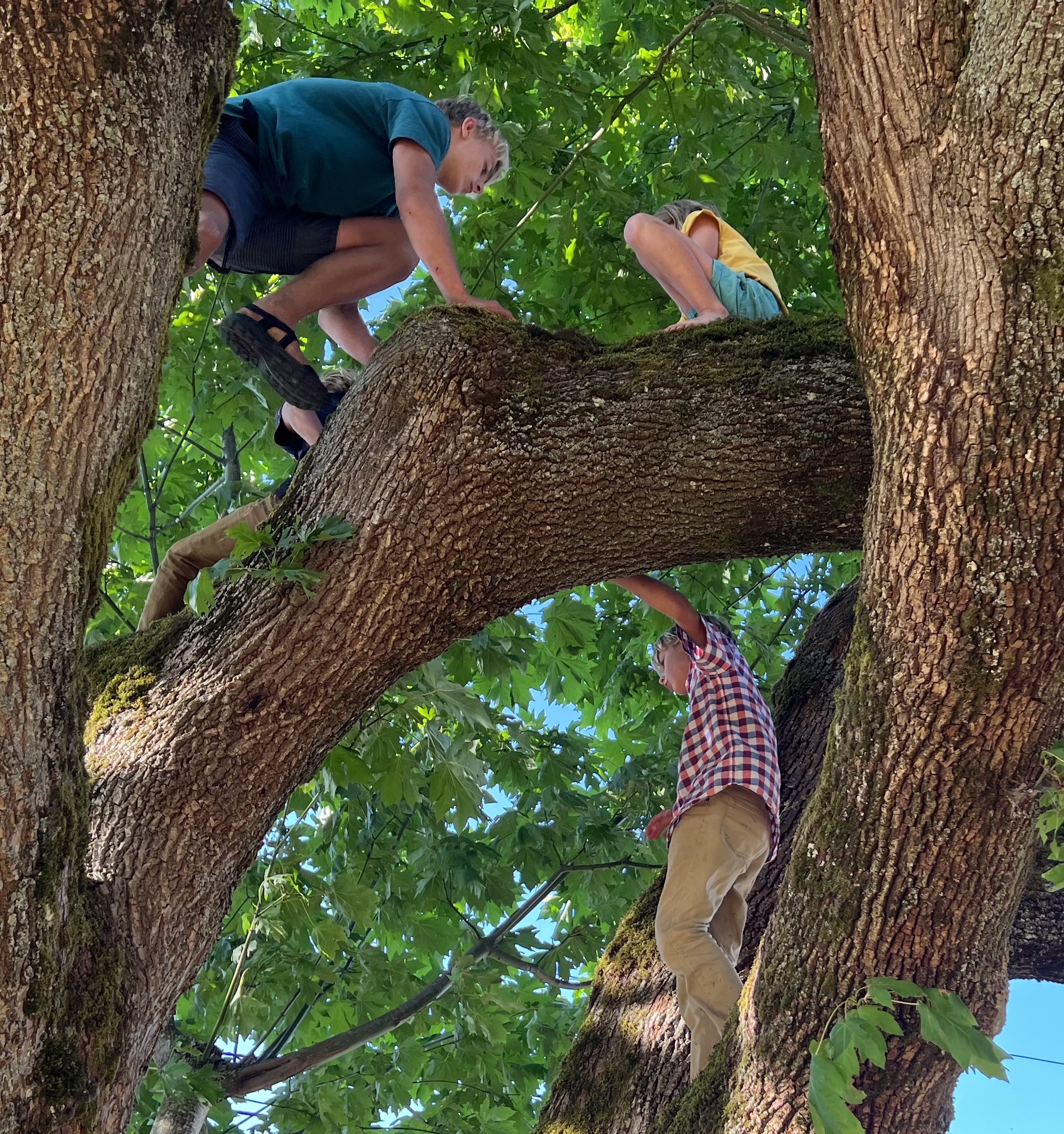
The treehouse dream branched out in another way. One of the construction team brothers decided to try building his own as a place to live in his woods, using a Douglas Fir tree as the center support and creating an octagonal two story home, 30 feet off the ground. He worked on it for two years and moved in, later marrying someone who decided a treehouse was just fine with her, and for 25+ years, they’ve been raising five children there. Those treehouse kids have worked for me on our farm, a full circle feeling for me. This next generation is carrying on a Swiss Family Robinson dream that began in my father’s mind and our front yard.

I still have a whole list full of dreams myself, some realized and some deferred by time, resources and the limits of my imagination. I feel the clock ticking too, knowing that the years and the seasons slip by me faster and faster. I passed the age my father was when he first learned he had cancer. It would be a blessing to me to see others live out the dreams I have held so close.

Like my father, I will some day teeter in the wind like our old tree, barely hanging on. When ready to fall to the ground, I’ll reach out with my branches and hand off my dreams too. The time will have come to let them go.

Thank you, Dad, for handing me yours.

AI image created for this post
One-Time
Monthly
Yearly

Make a one-time or recurring donation to support daily Barnstorming posts

Make a monthly donation

Make a yearly donation

Choose an amount

$10.00
$25.00
$50.00
$5.00
$15.00
$100.00
$5.00
$15.00
$100.00

Or enter a custom amount

$

Your contribution is deeply appreciated.

Your contribution is appreciated.

Your contribution is appreciated.

DonateDonate monthlyDonate yearly

Keep Pouring

As long as that woman from the Rijksmuseum  
in painted quiet and concentration 
keeps pouring milk day after day 
from the pitcher to the bowl 
the World hasn’t earned 
the world’s end.
~Wislawa Szymborska “Vermeer” tr. by Claire Cavanagh
and Stanislaw Baranczak from Here

Vermeer’s “The Milkmaid” from the Rijksmuseum, Amsterdam

As ever, the sun rises and the sun sets, day after day.
God continues to pour out His colors across the skies.

God loves us enough to plant each of us here
with a plan for our redemption.

We don’t know how much longer.

Today we wave flags,
some in a show of power,
some in a show of gratitude,
some in a show of discontent.

Instead, I pour milk as a daily sacrament:
quietly, with great concentration and appreciation,
as that is the work I must do, day after day.

To milk the cows and raise wheat for bread
and conceive children and raise them up to pour and bake.

This is God’s created world, after all.
We must do our best to restore and preserve all that He has made.

So keep milking and keep pouring.

AI image created for this post
One-Time
Monthly
Yearly

Make a one-time or recurring donation to support daily Barnstorming posts

Make a monthly donation

Make a yearly donation

Choose an amount

$10.00
$25.00
$50.00
$5.00
$15.00
$100.00
$5.00
$15.00
$100.00

Or enter a custom amount

$

Your contribution is deeply appreciated.

Your contribution is appreciated.

Your contribution is appreciated.

DonateDonate monthlyDonate yearly