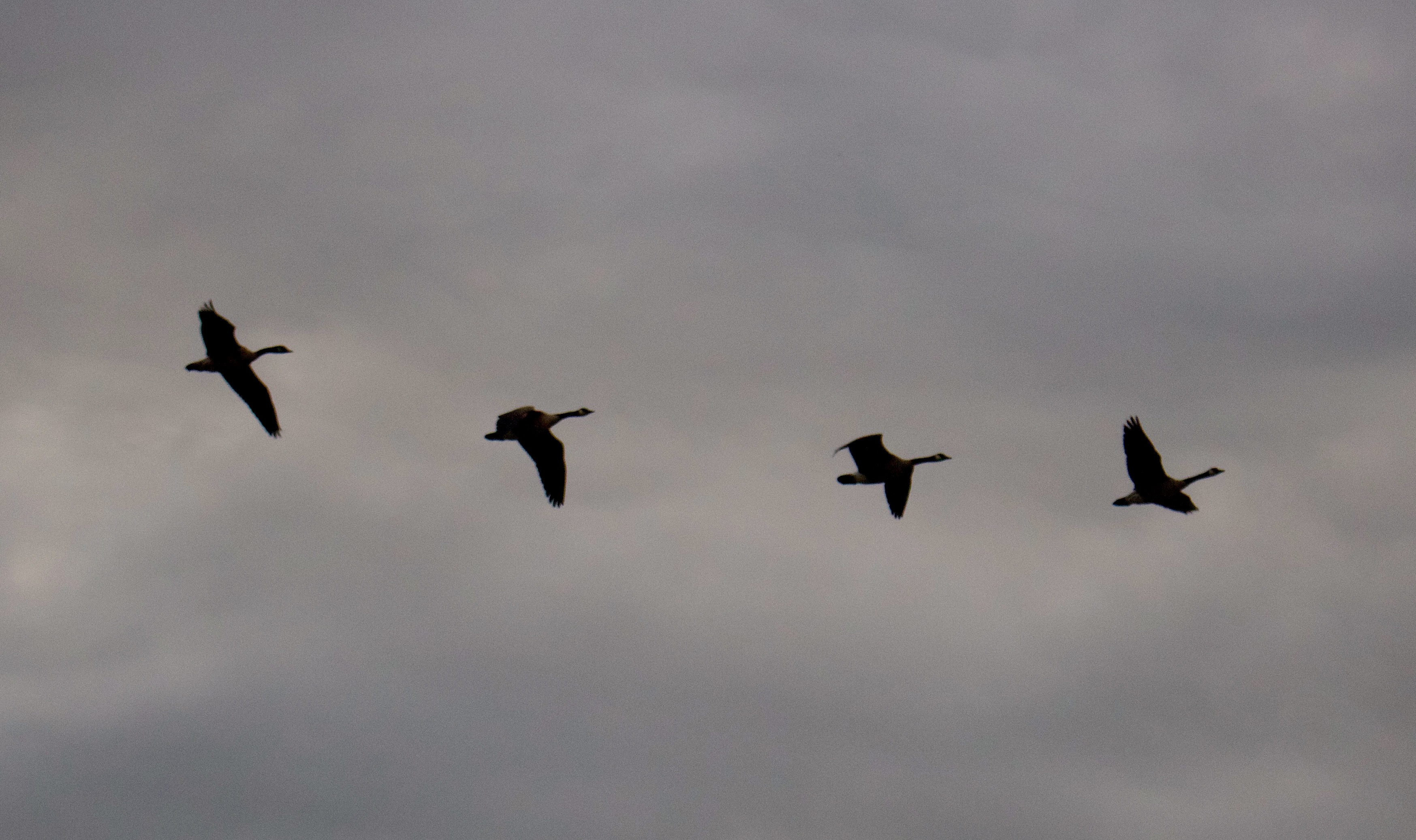
Dazzled by Dahlias

August of another summer, and once again
I am drinking the sun…
All my life I have been able to feel happiness,

except whatever was not happiness,
which I also remember.
Each of us wears a shadow.
But just now it is summer again…

Soon now, I’ll turn and start for home.
And who knows, maybe I’ll be singing.

~Mary Oliver from “The Pond” from Felicity

…what I want in my life
is to be willing
to be dazzled-
to cast aside the weight of facts

and maybe even
to float a little
above this difficult world.
I want to believe I am looking

into the white fire of a great mystery.
I want to believe that the imperfections are nothing-
that the light is everything-that it is more than the sum
of each flawed blossom rising and fading. And I do.

~Mary Oliver from “The Ponds” from House of Light

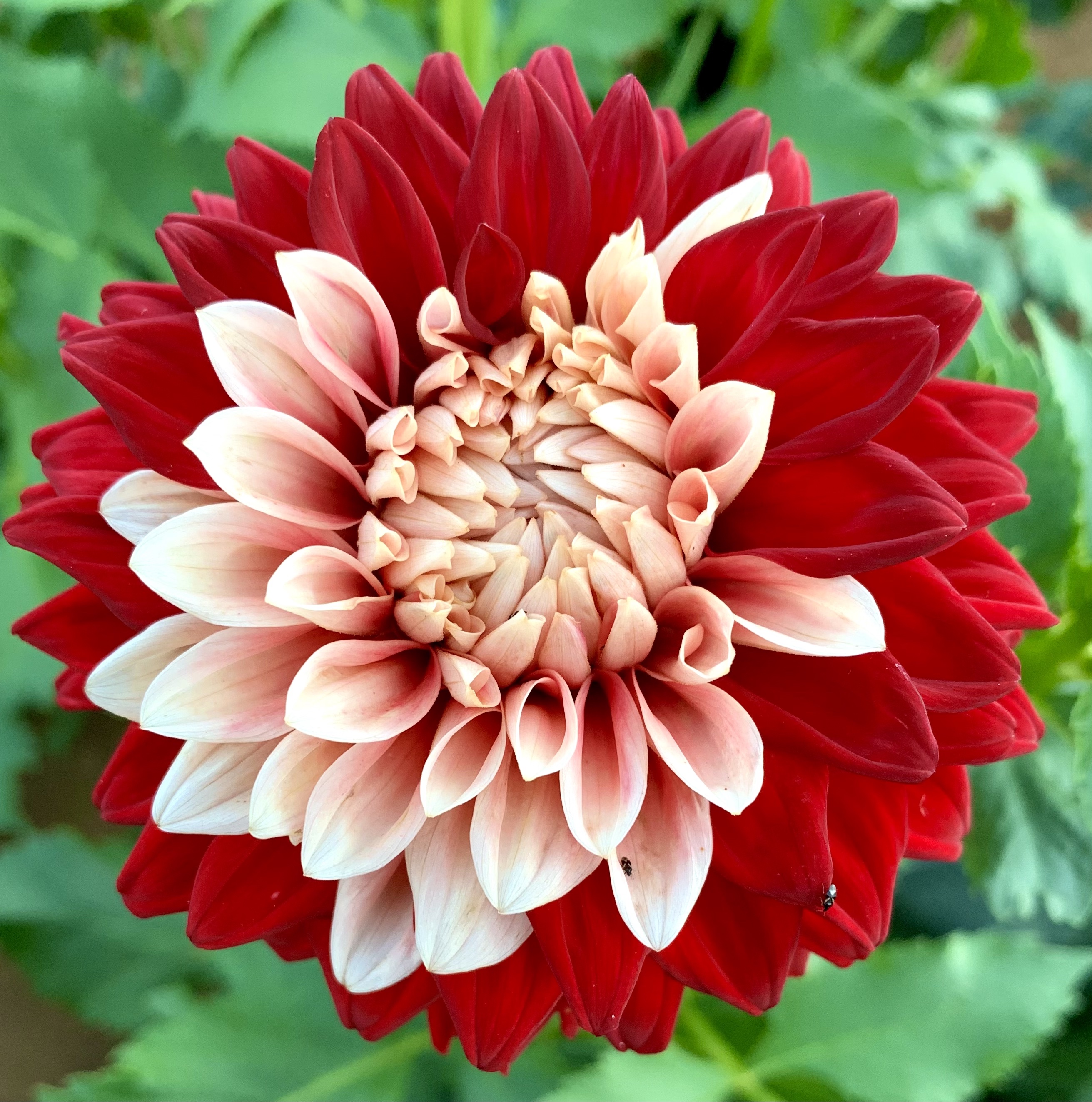
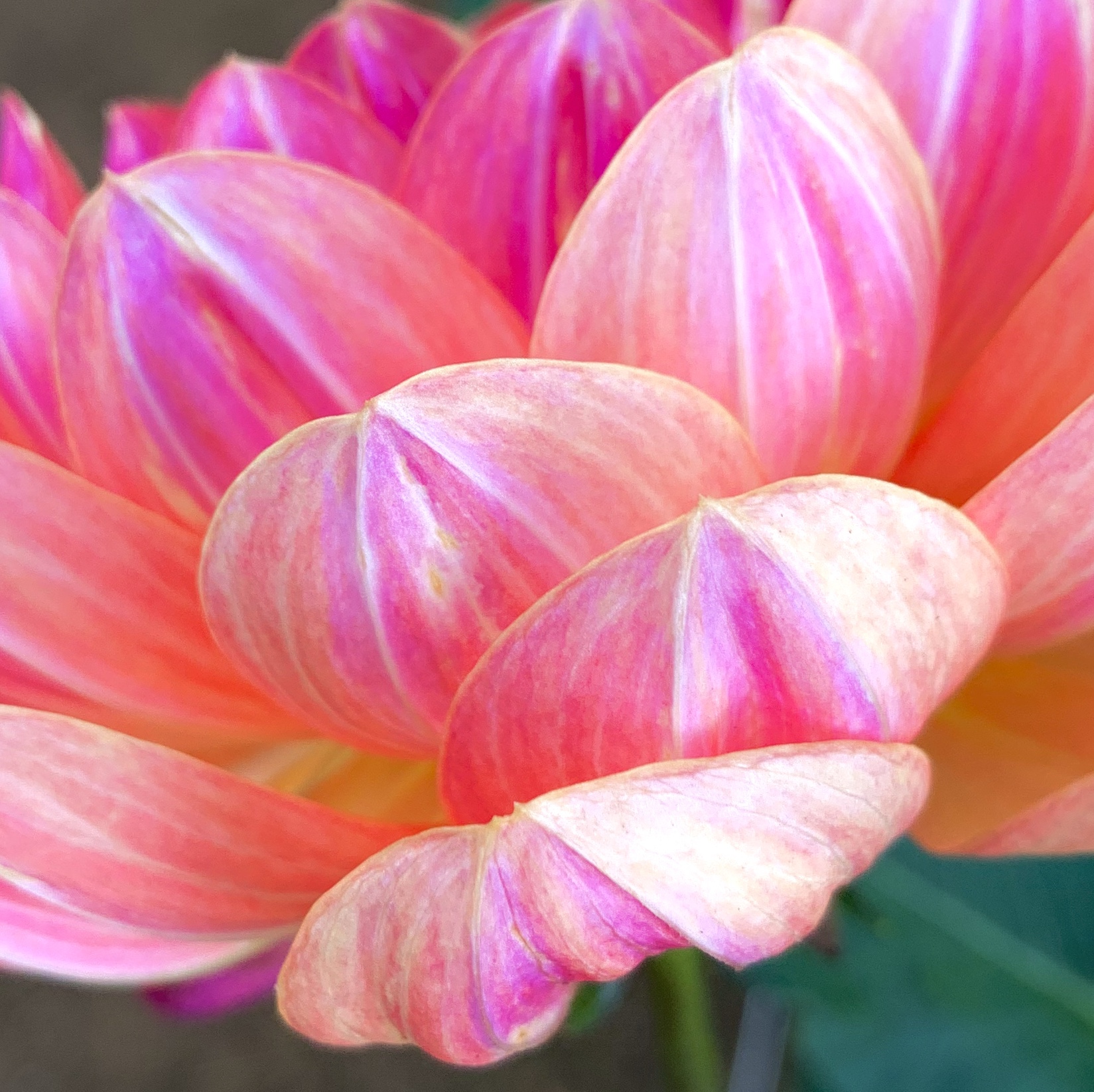
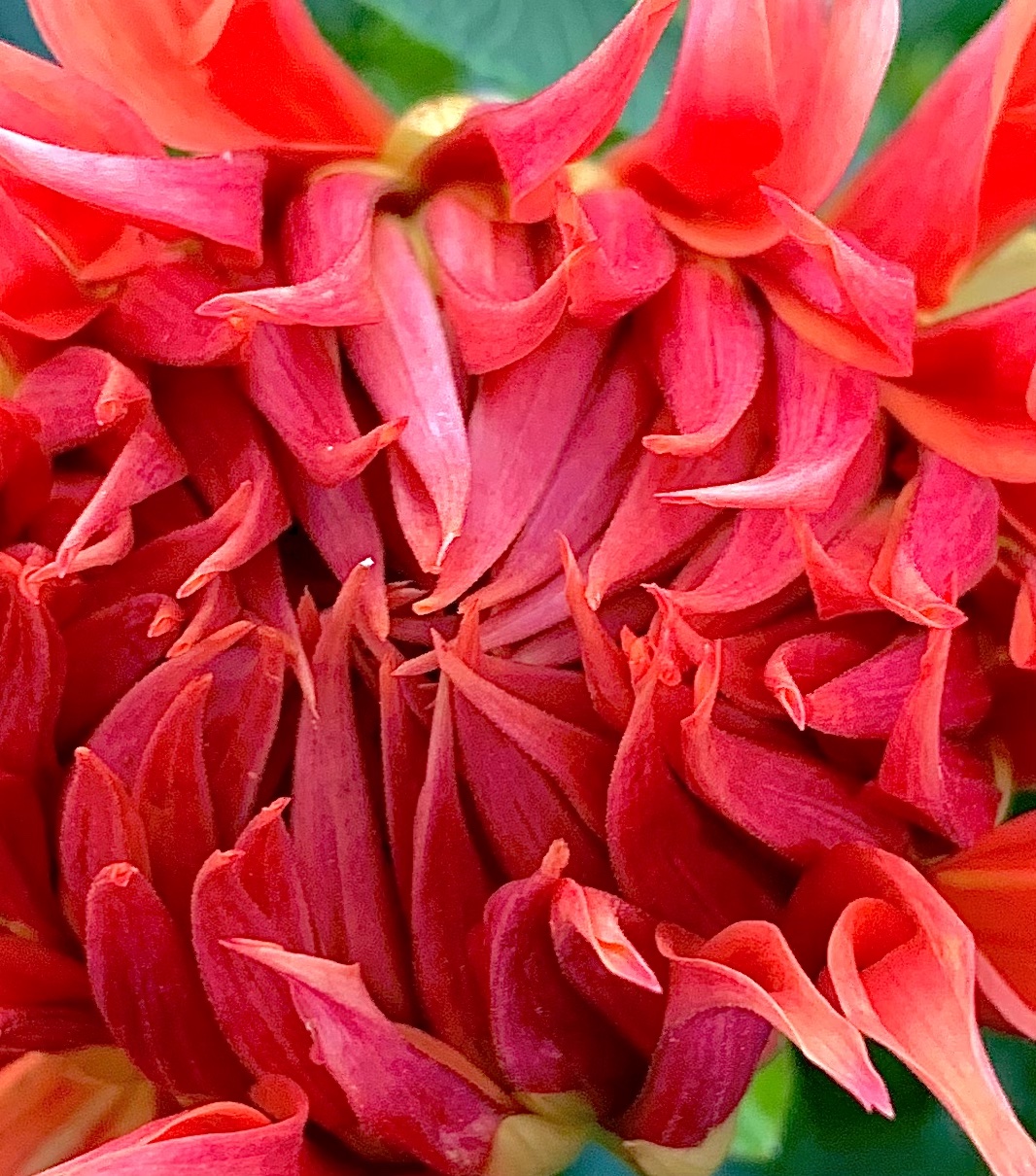
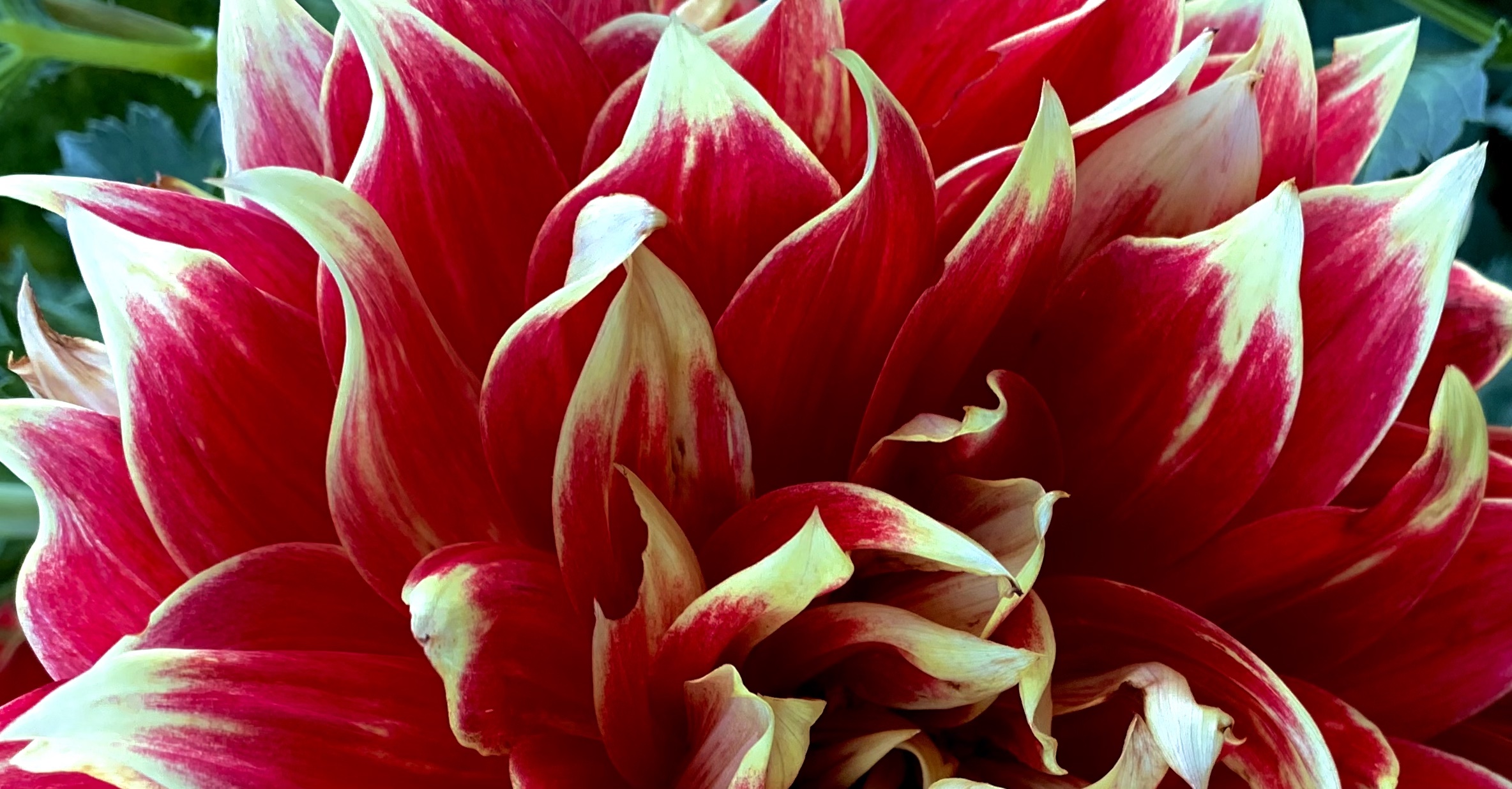
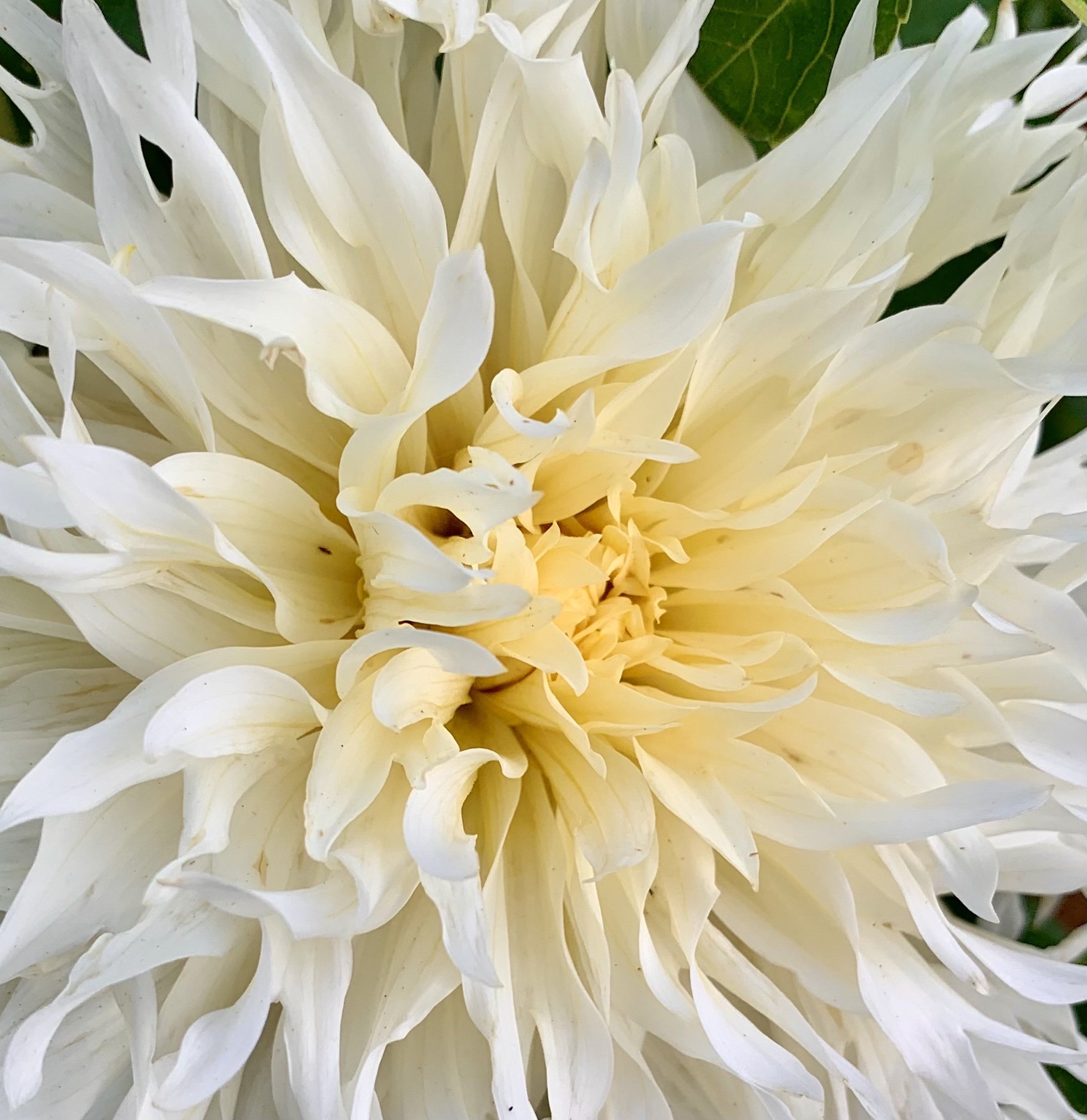
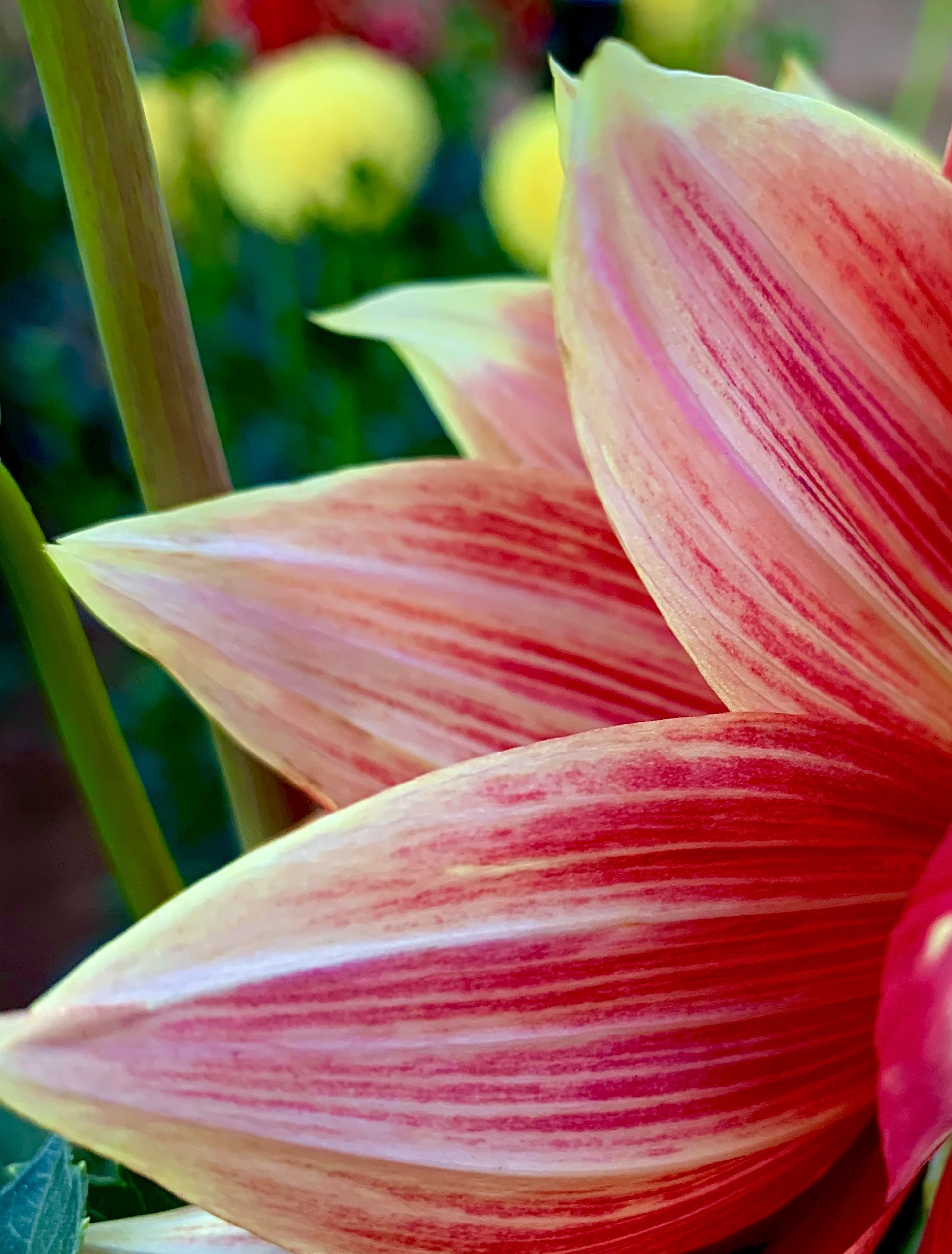
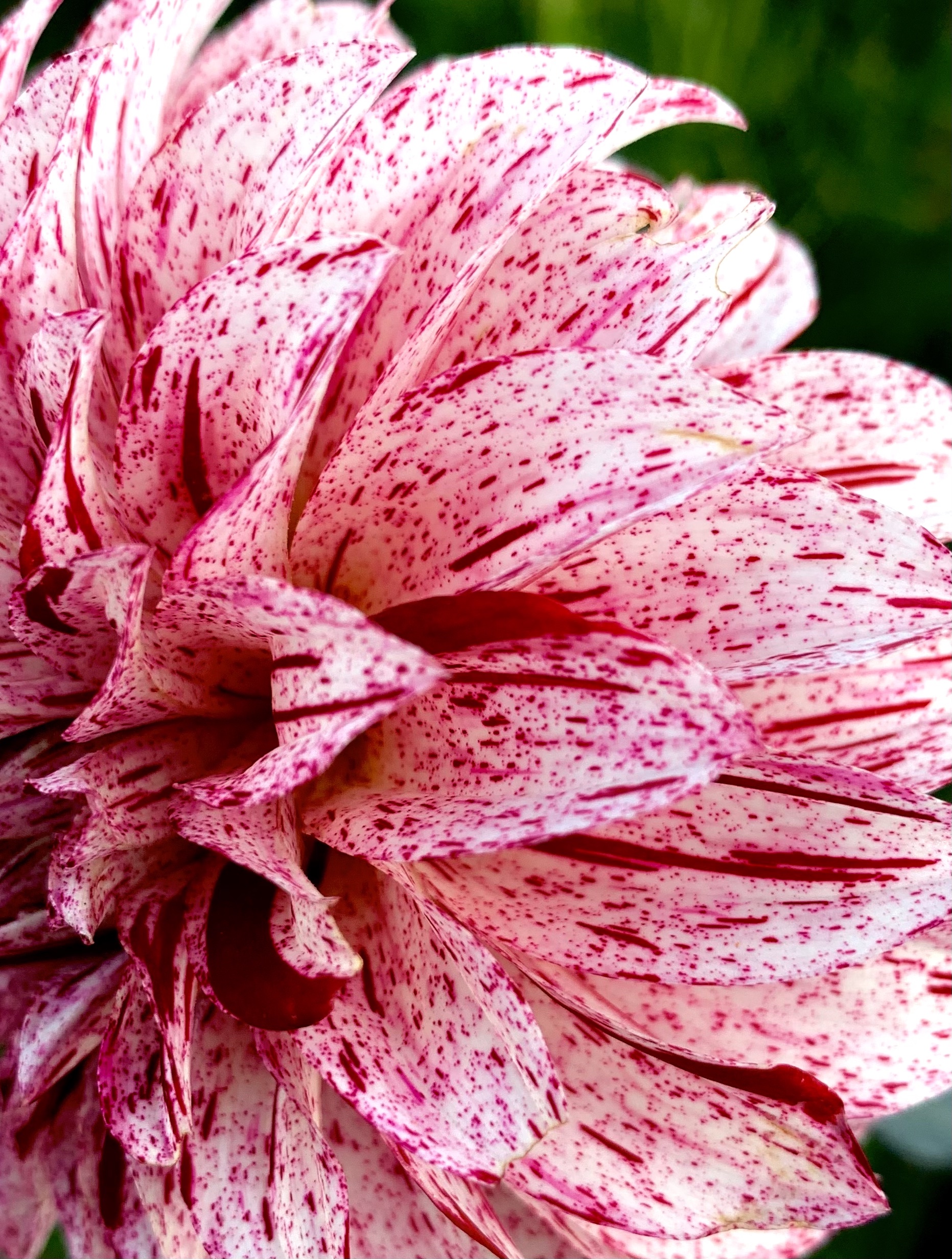
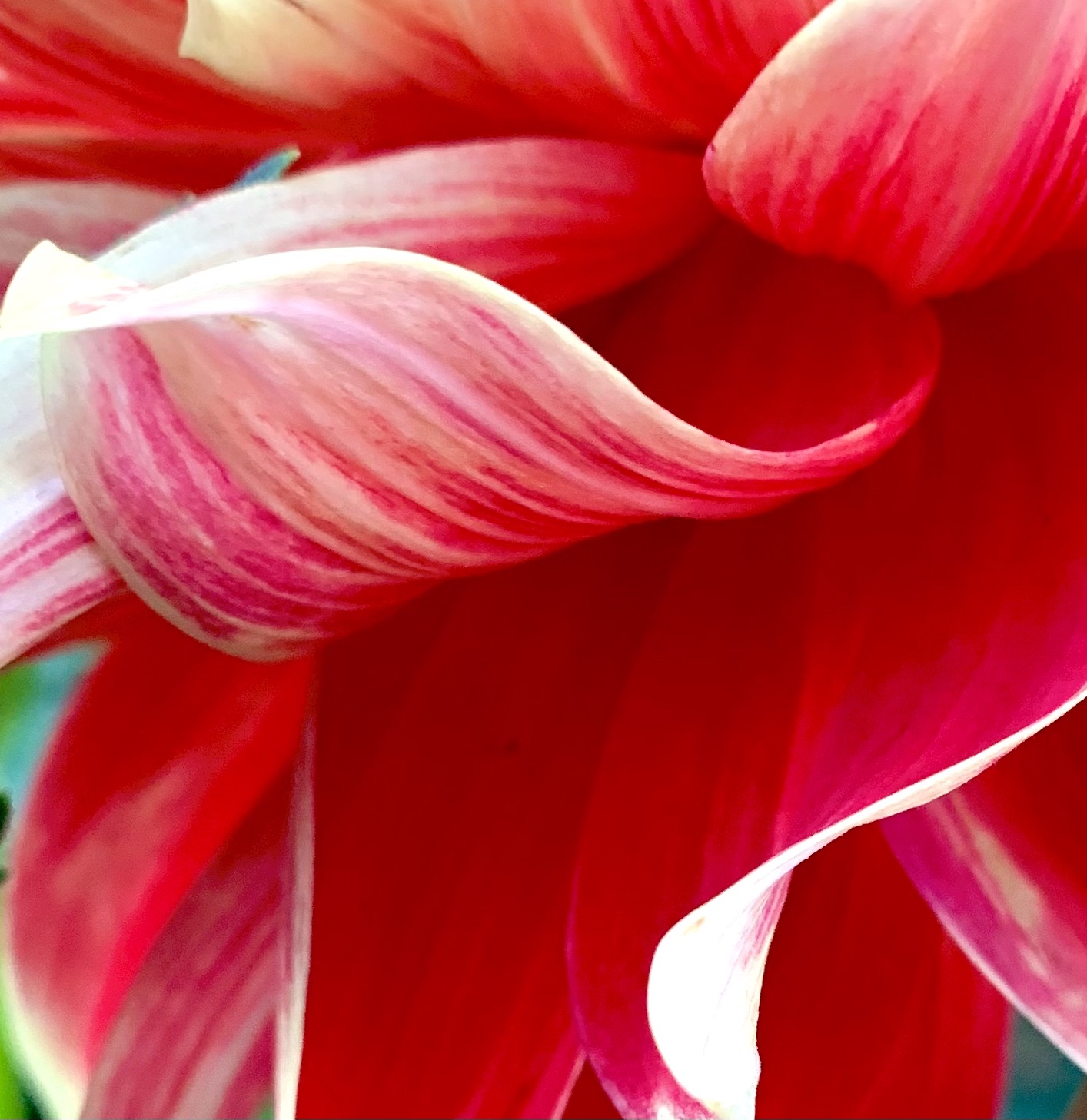
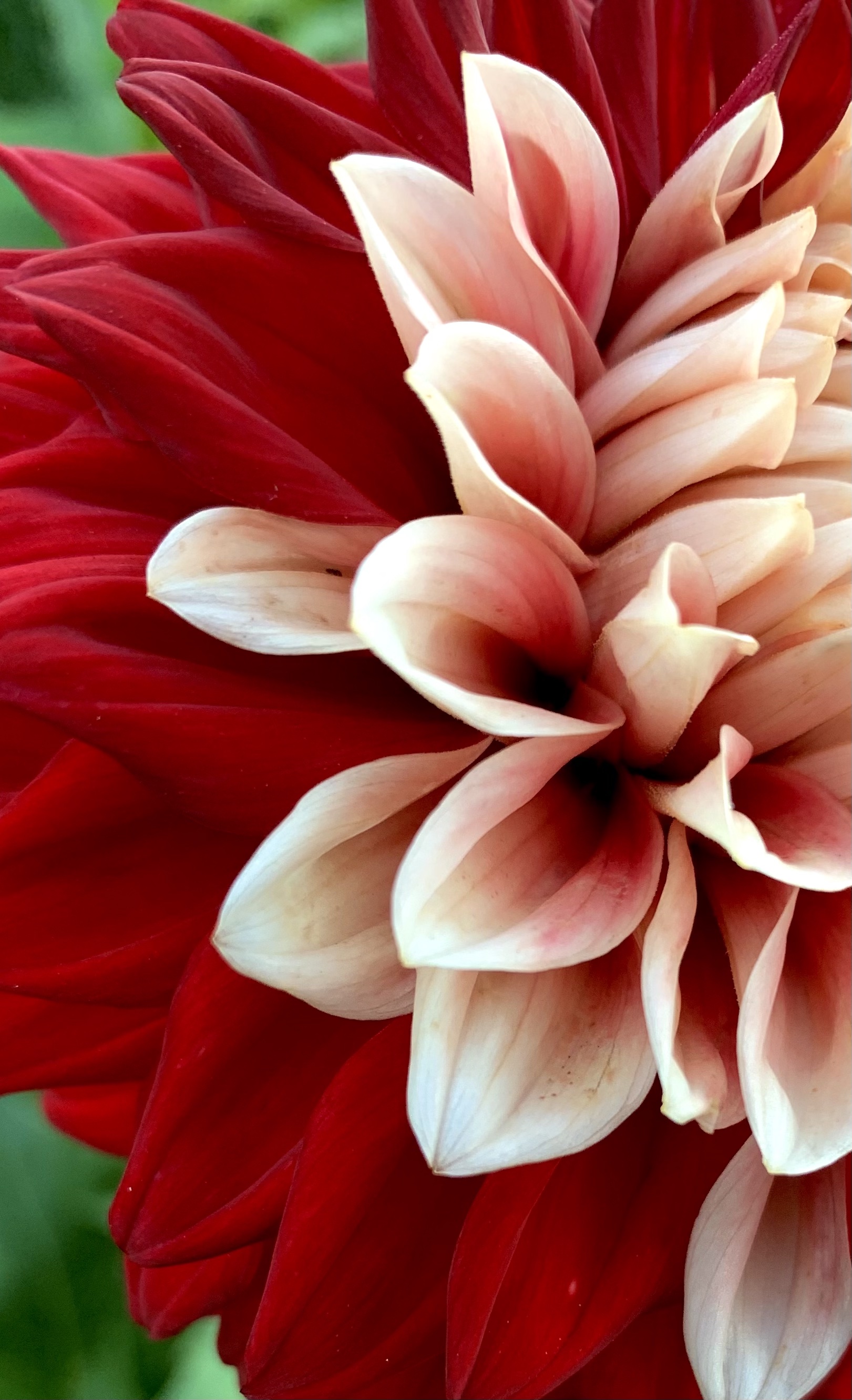
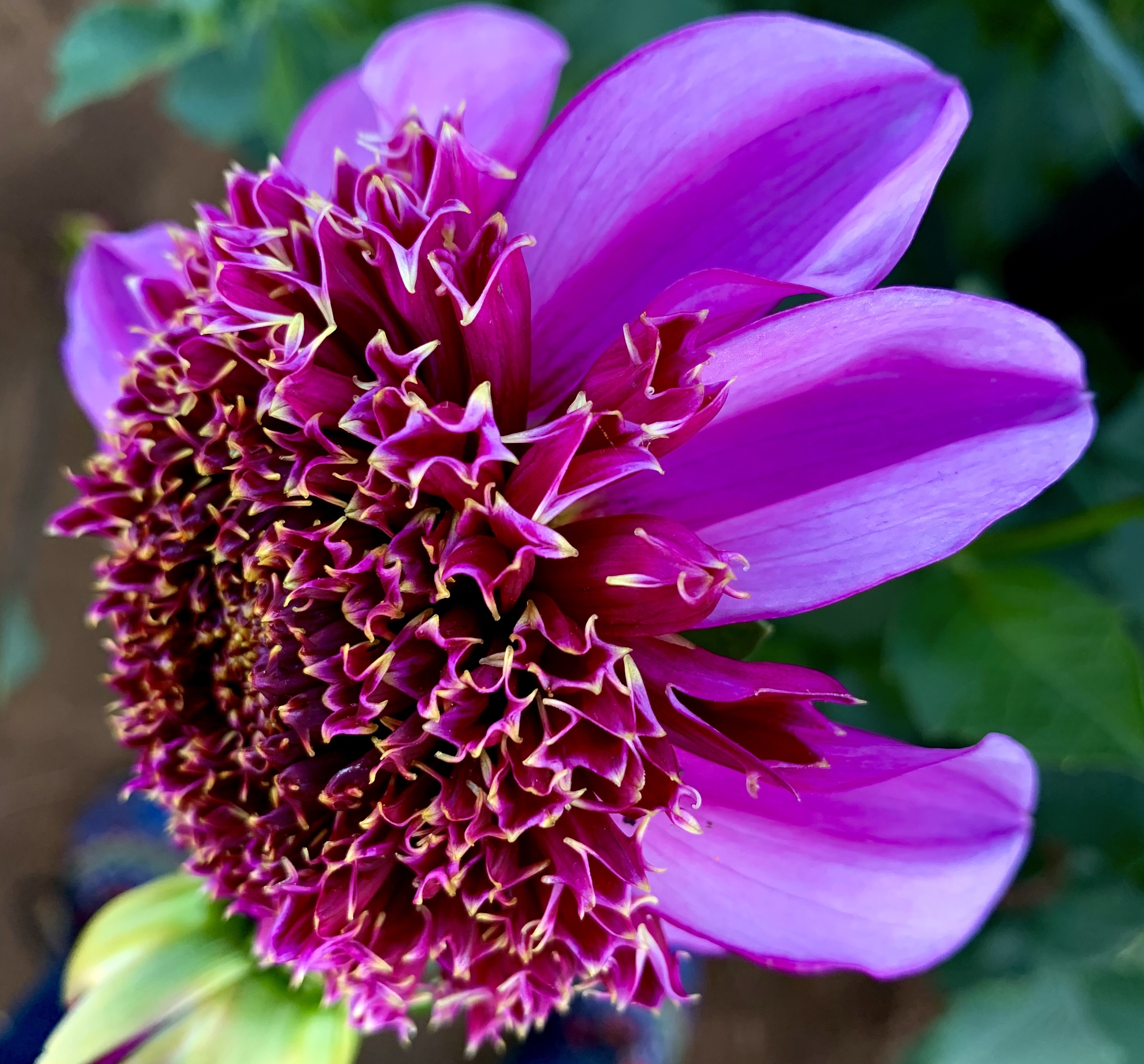
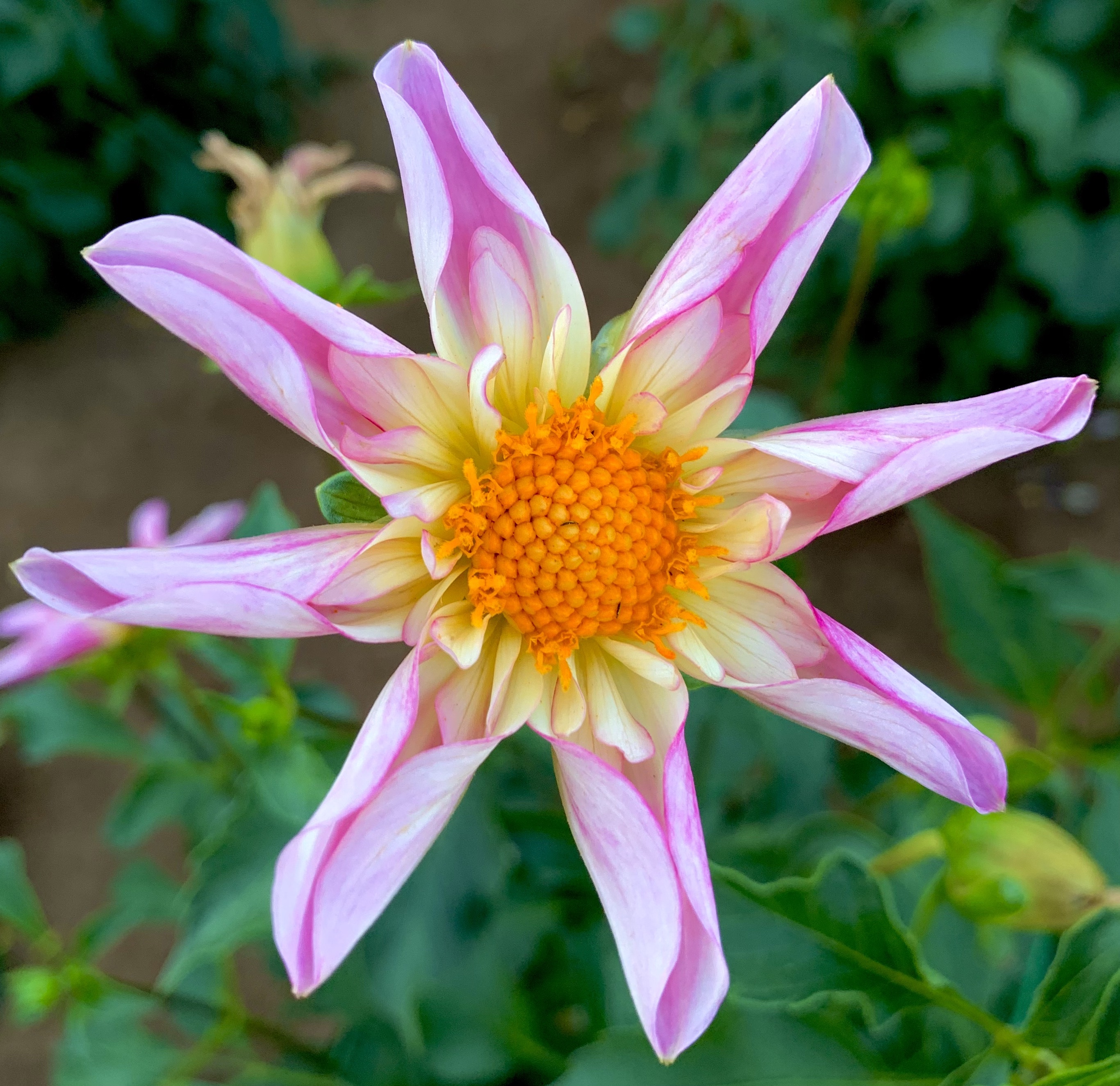
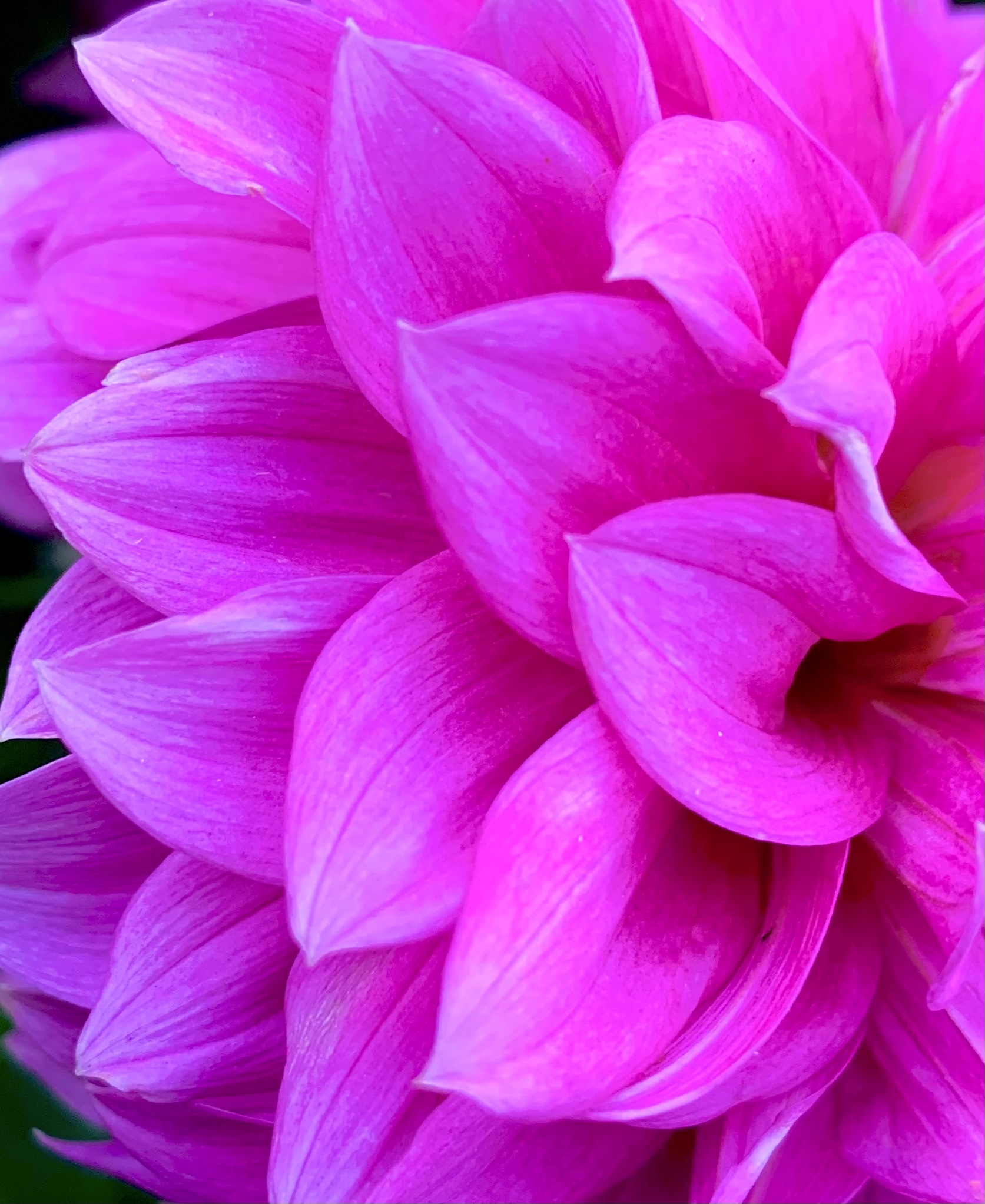
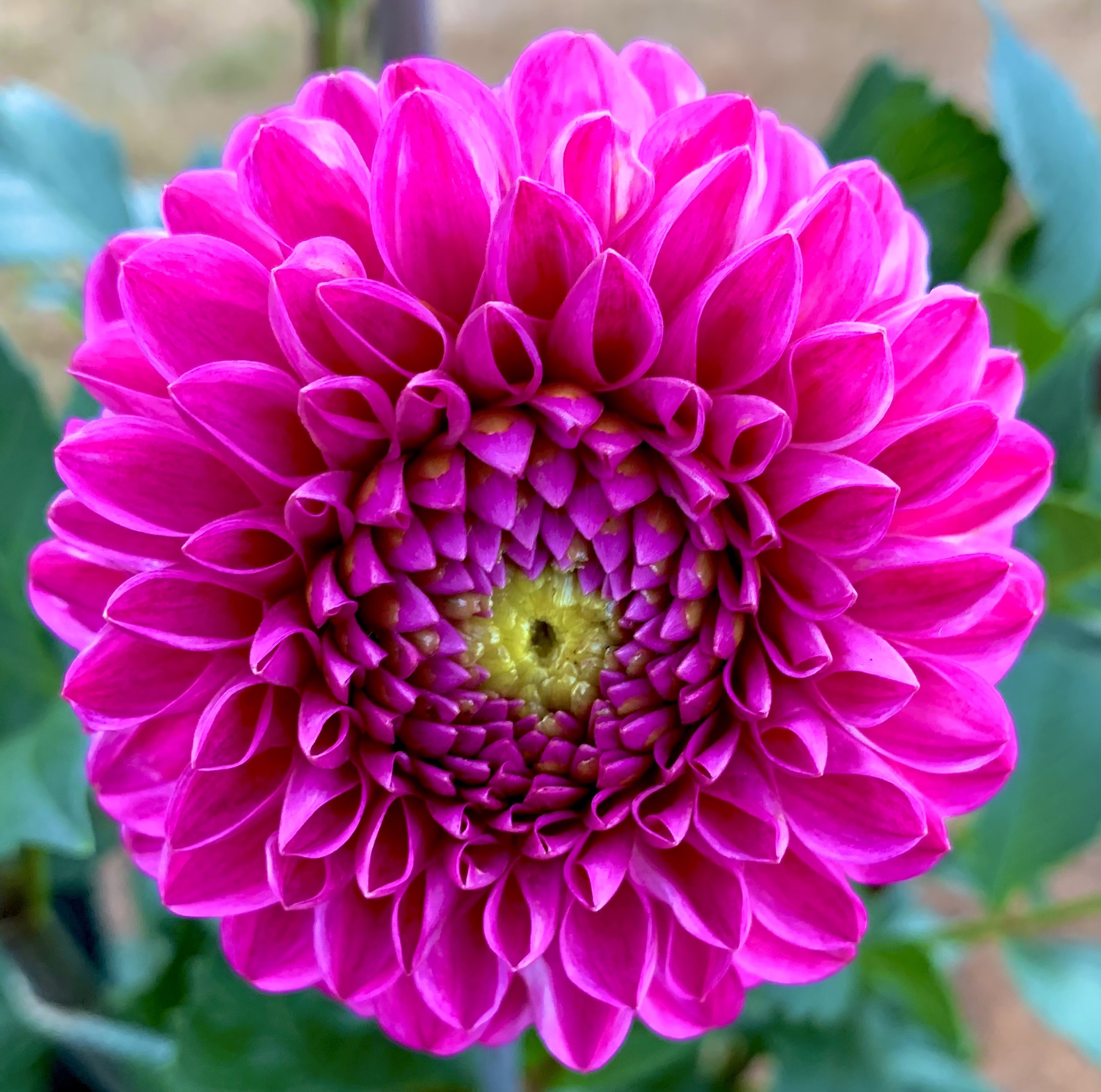
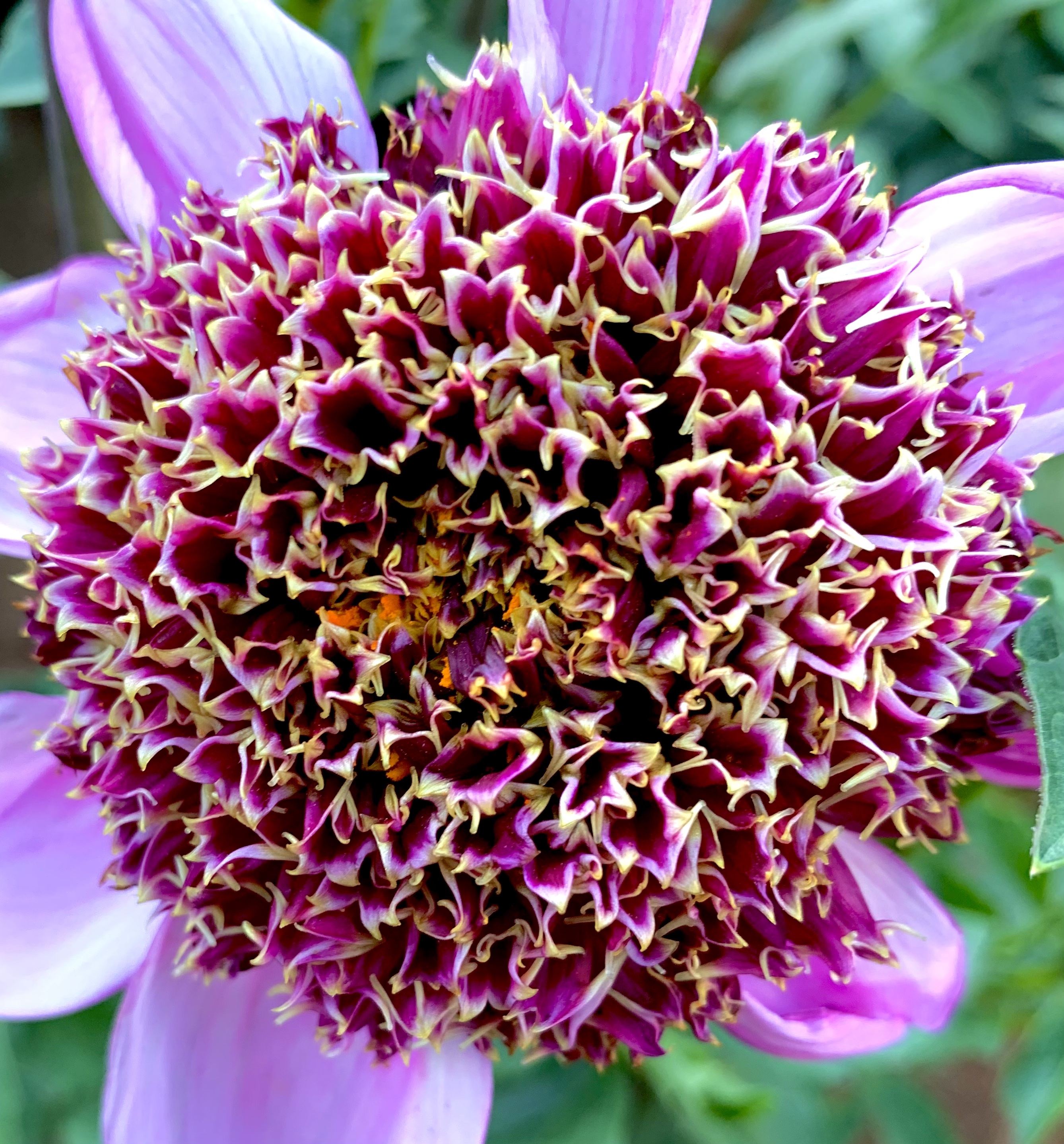
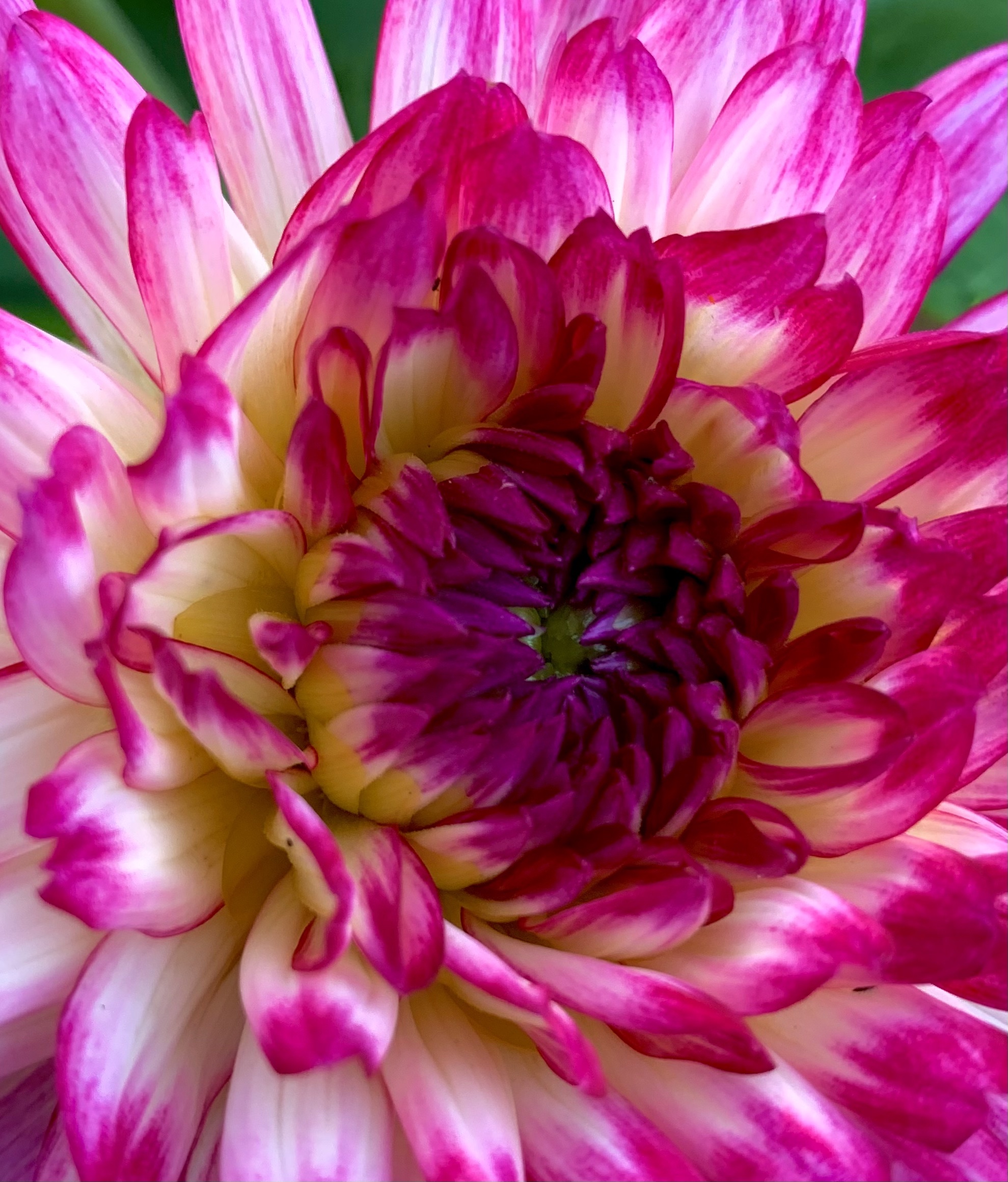
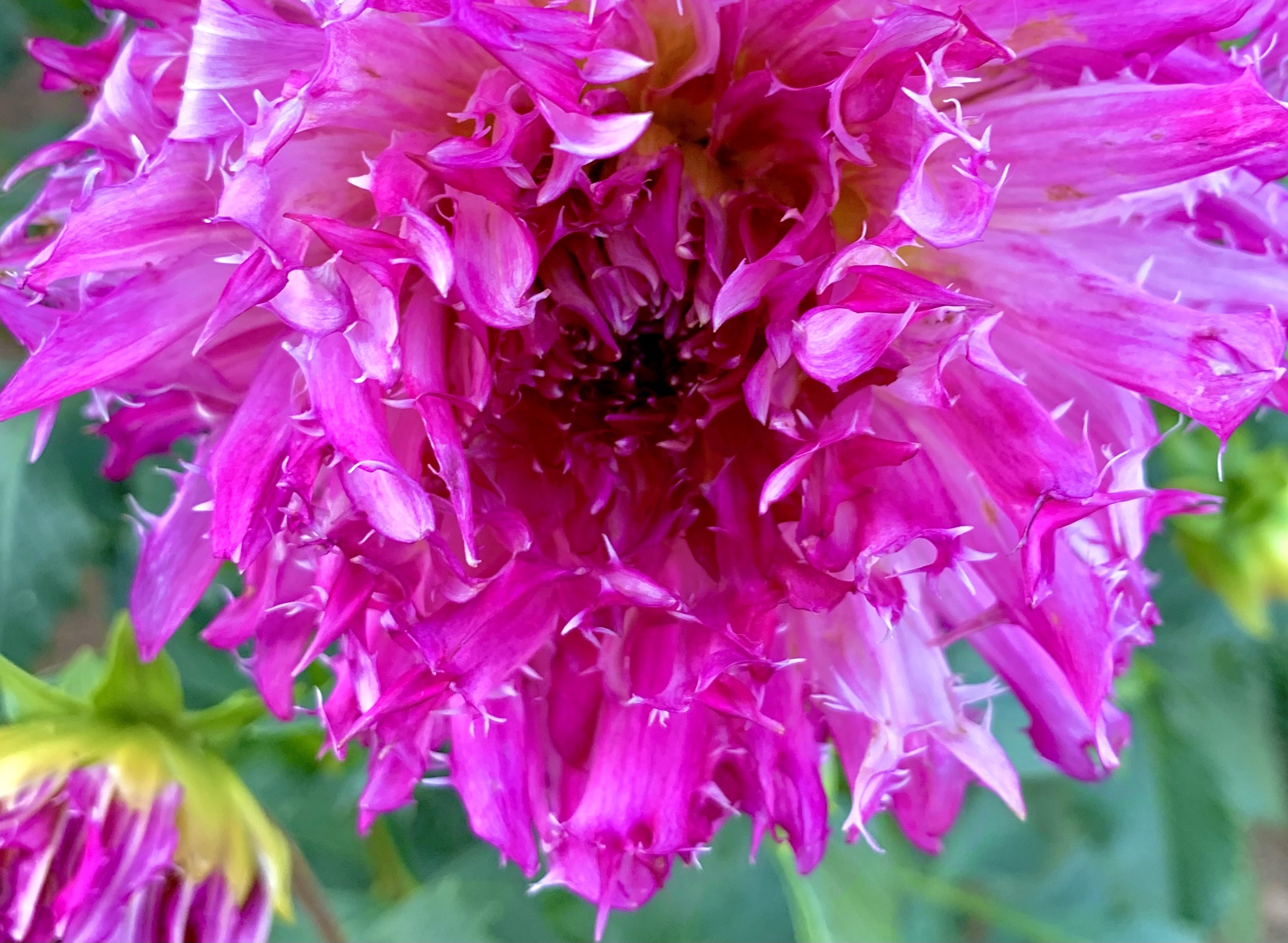
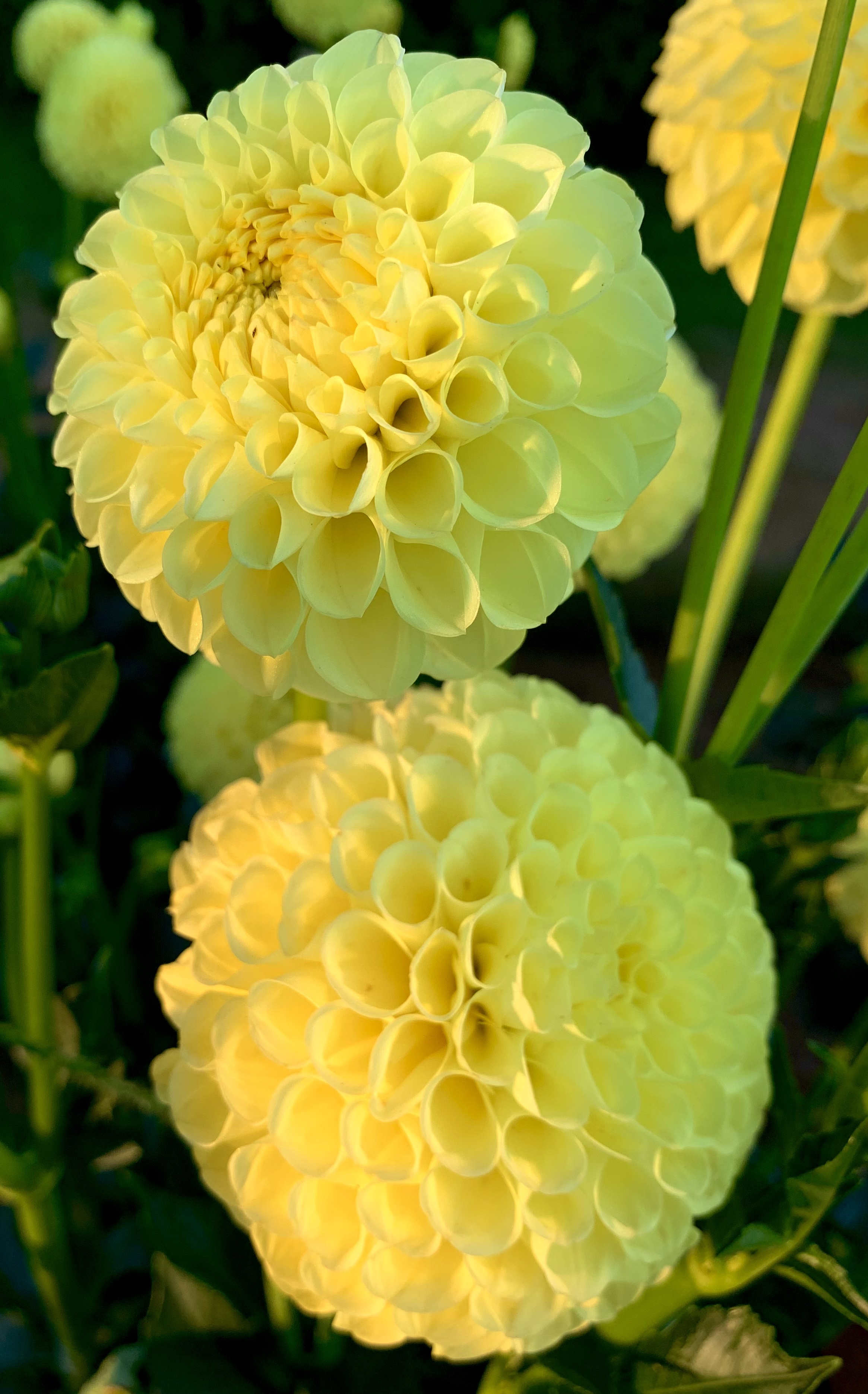
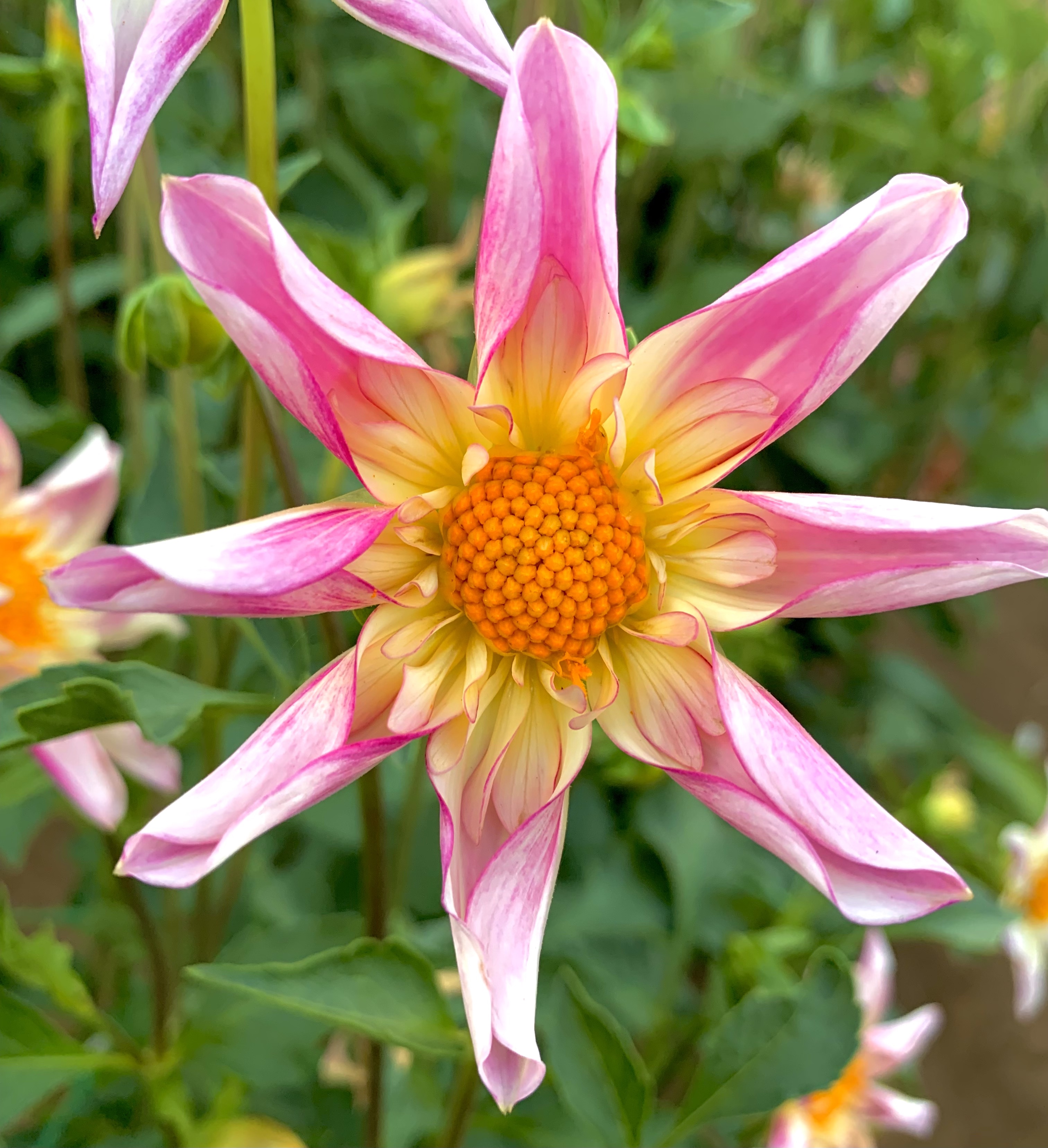
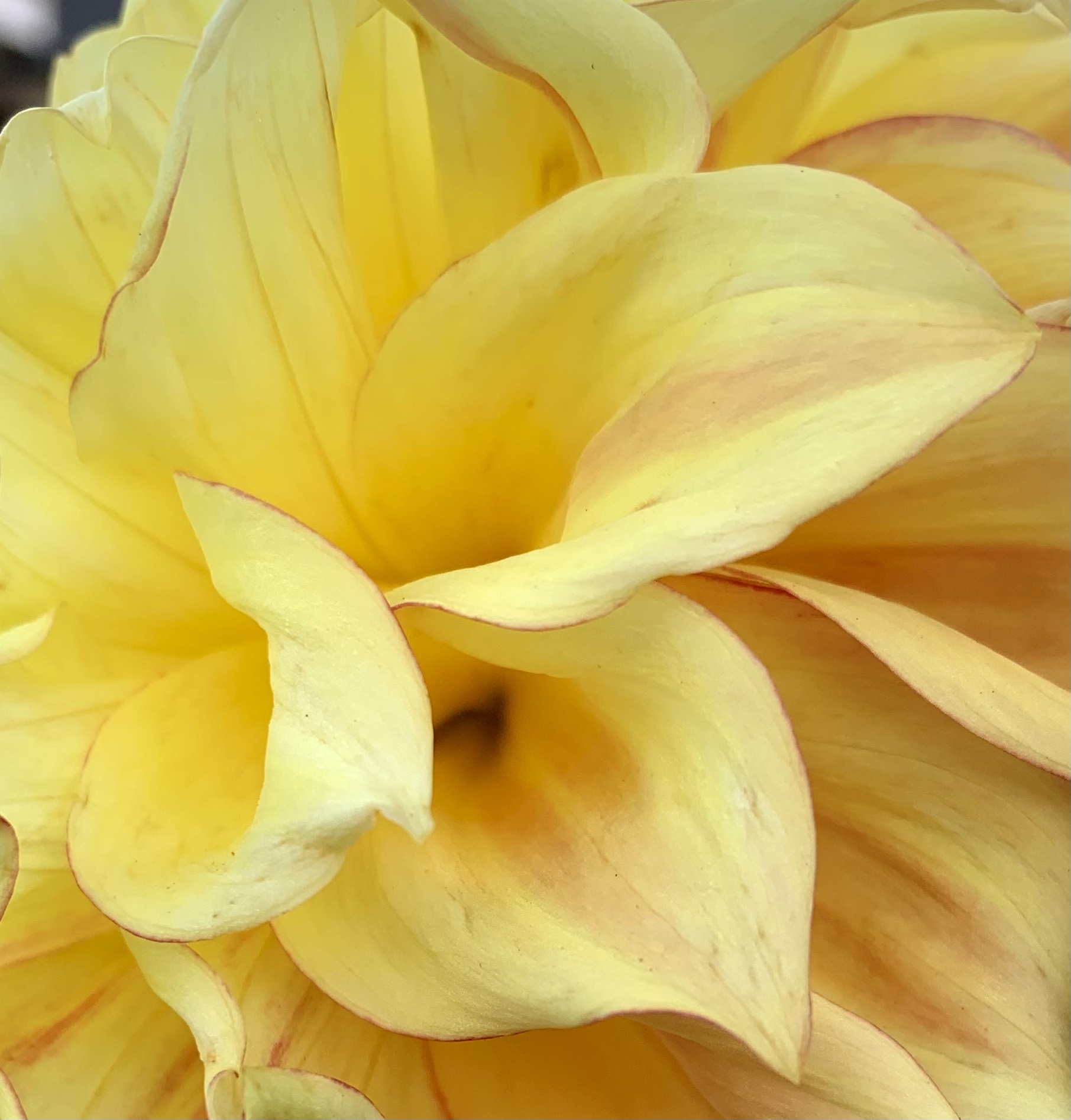
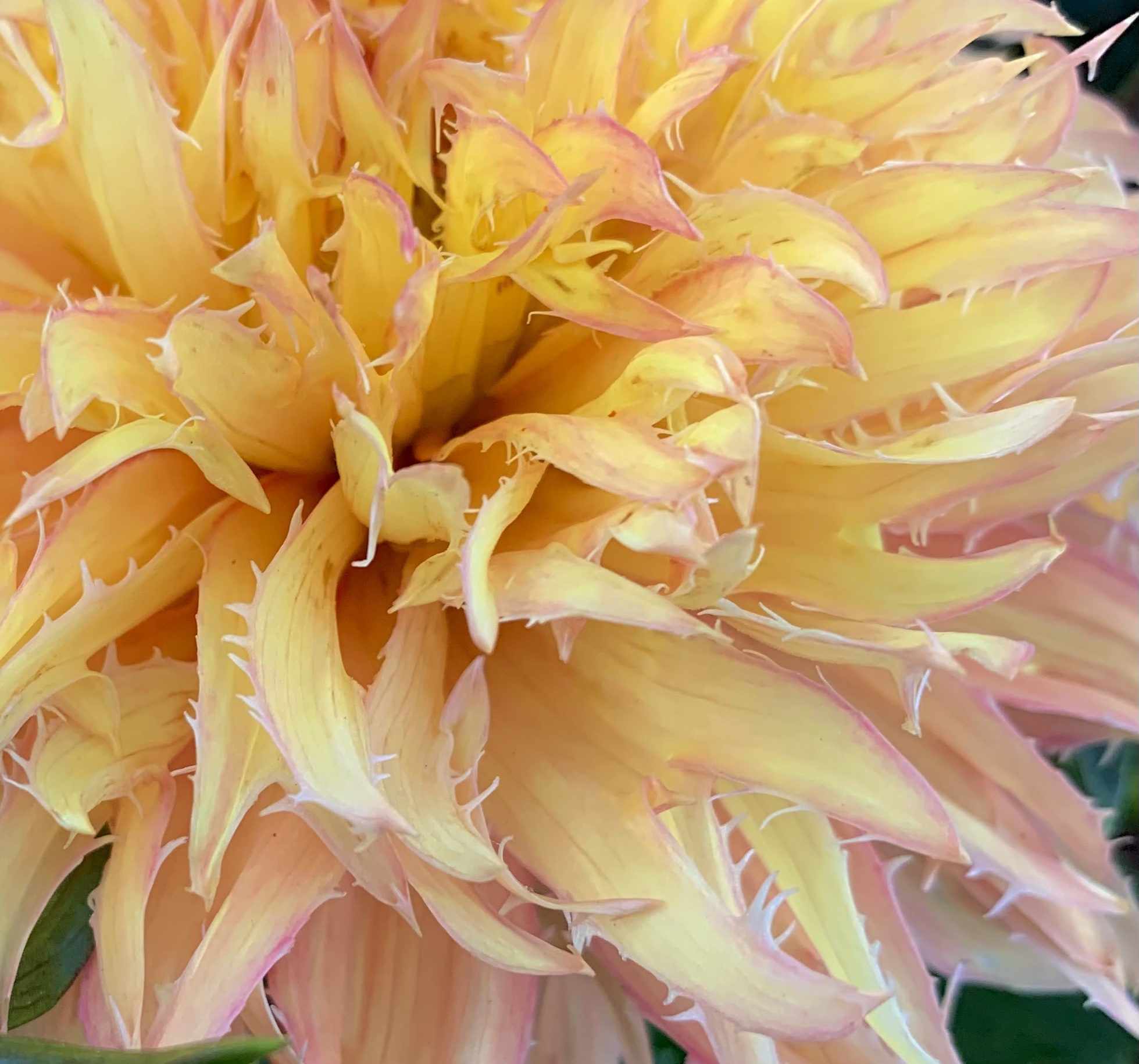
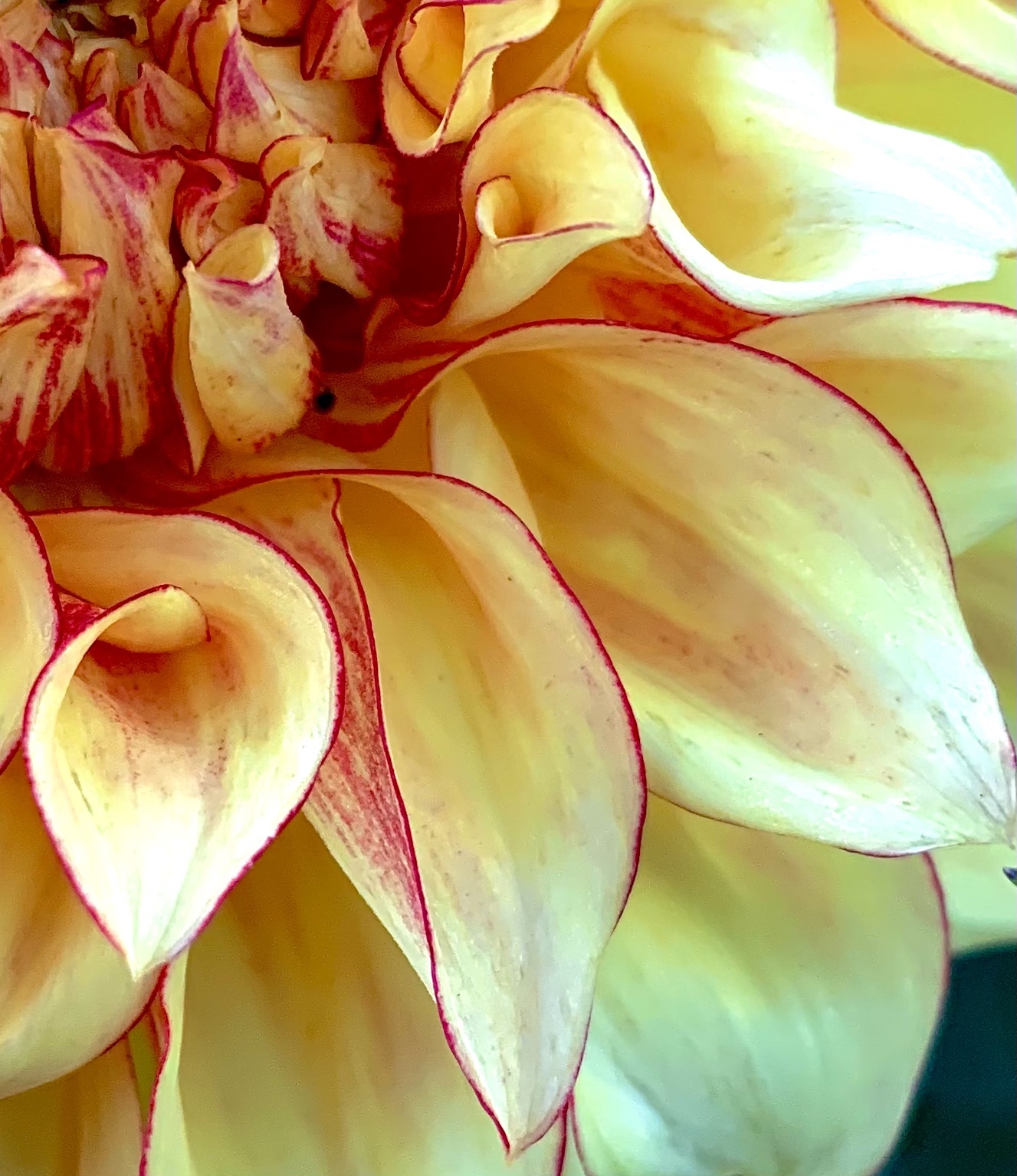
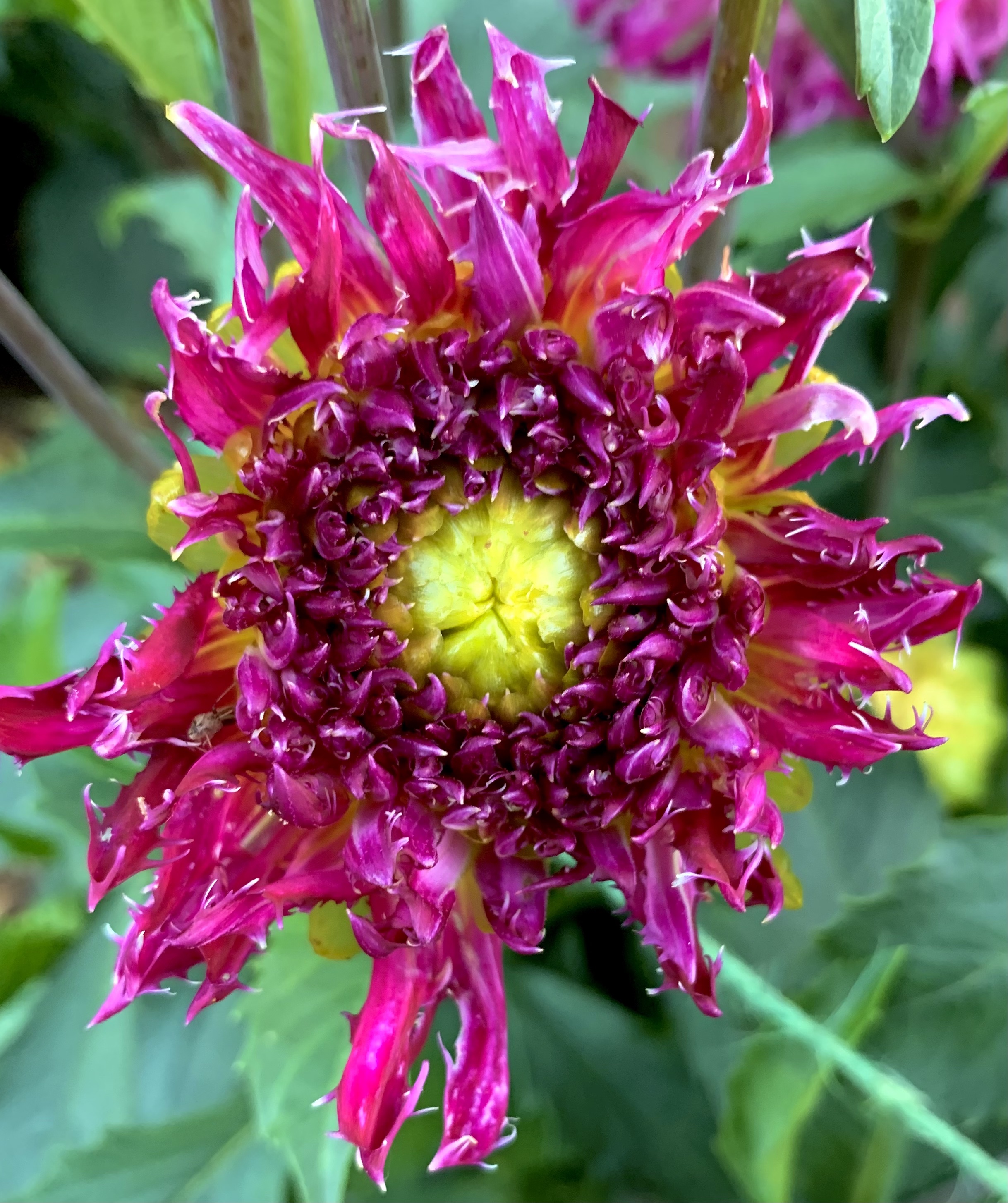
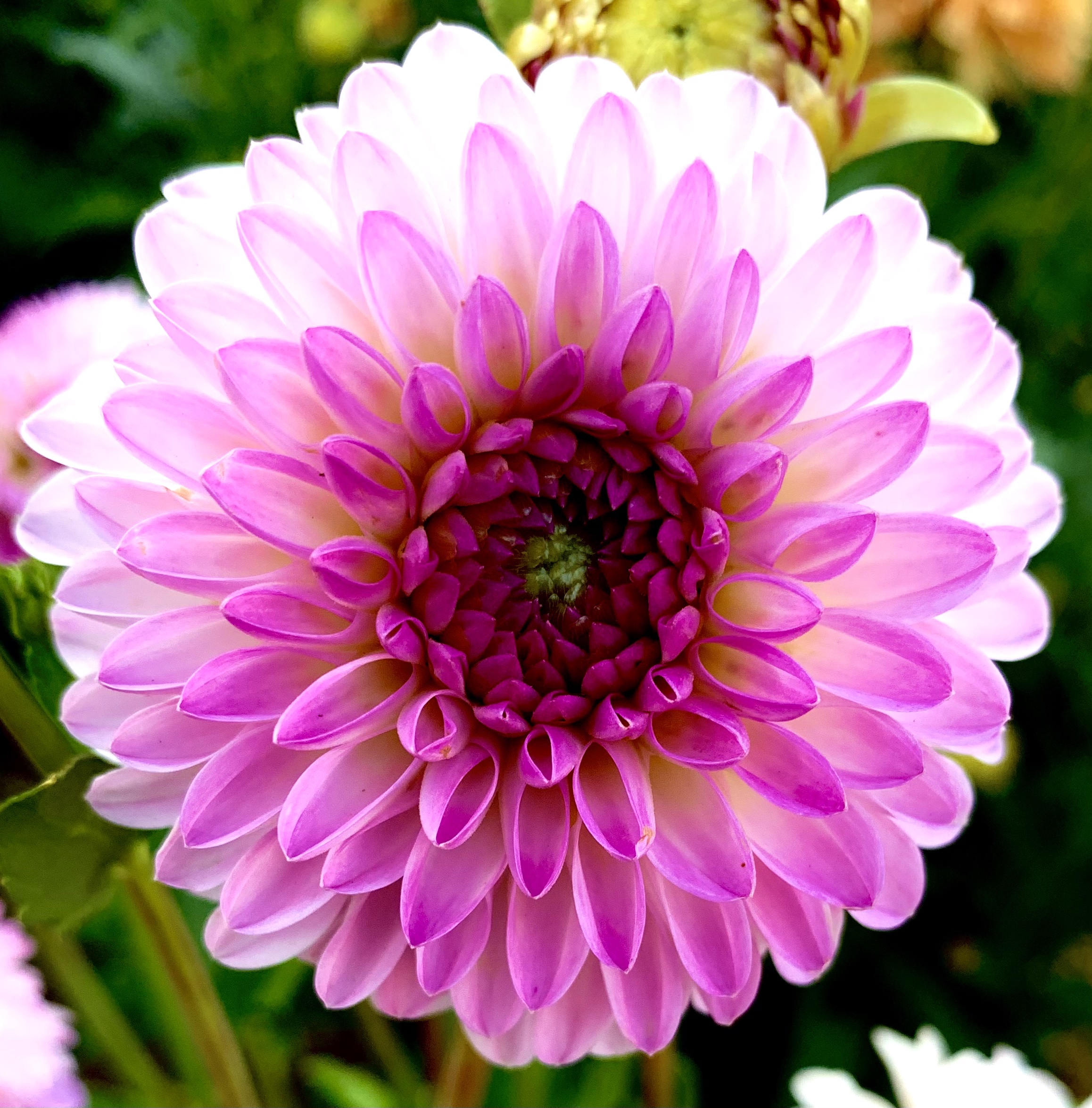
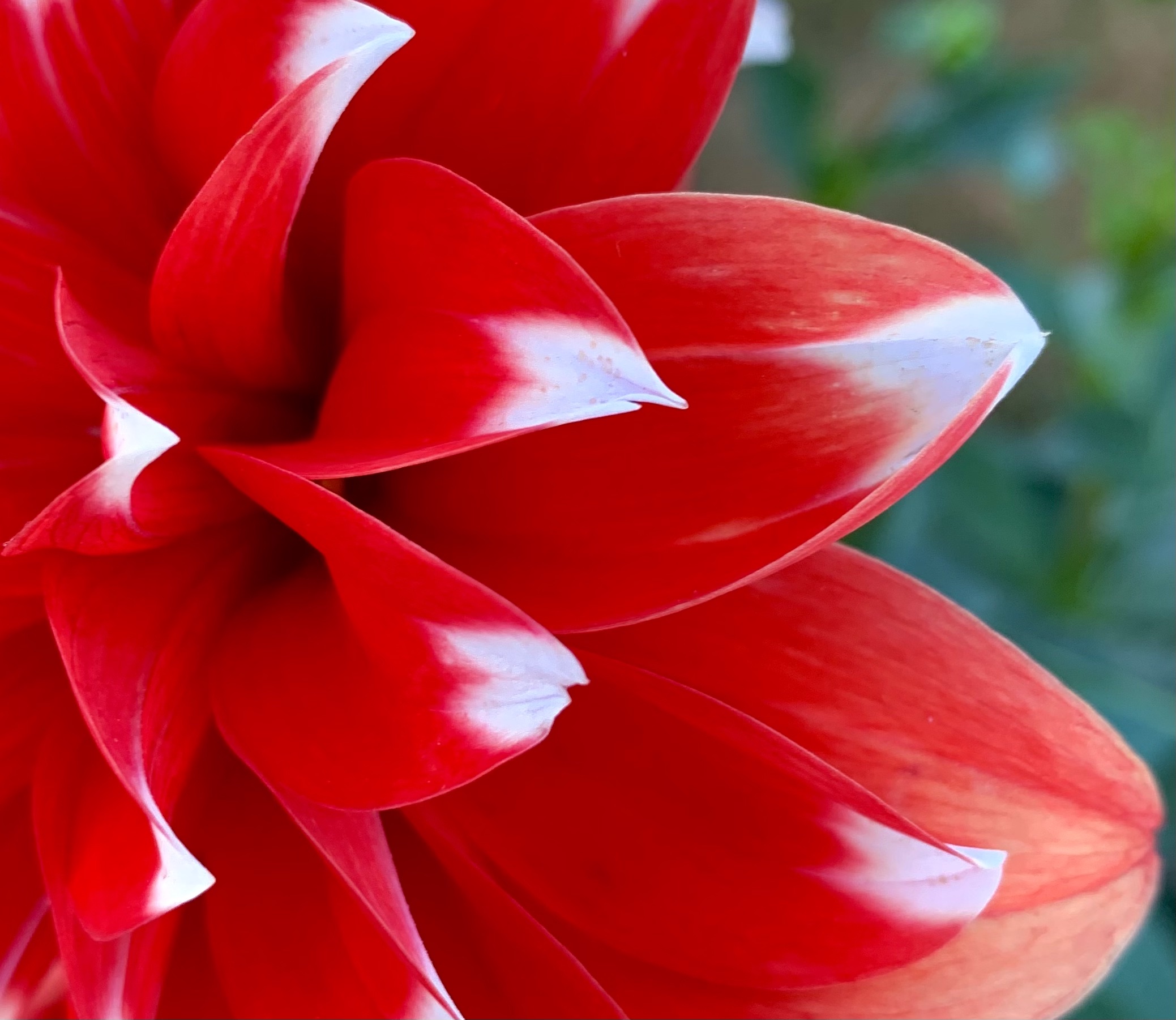
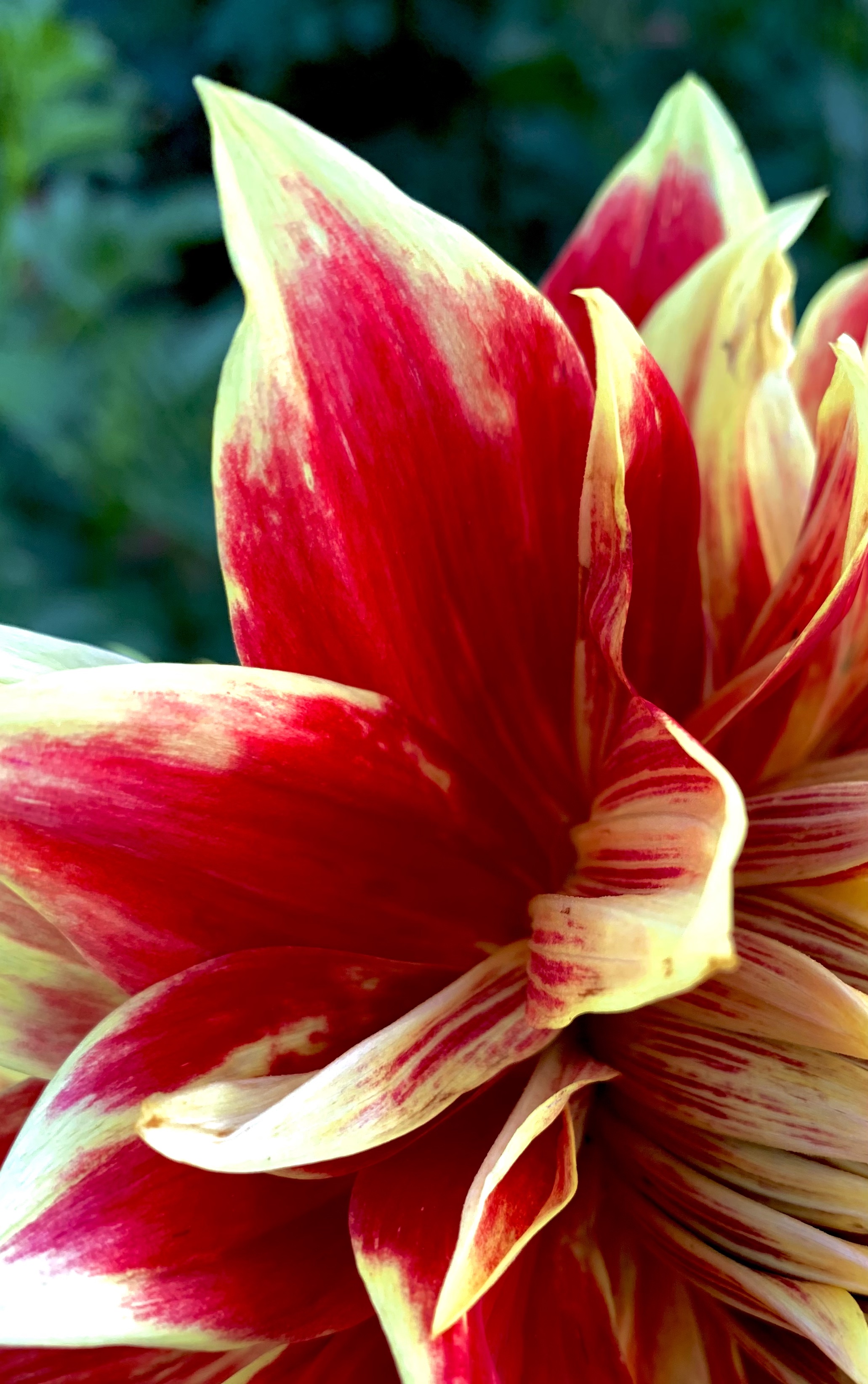
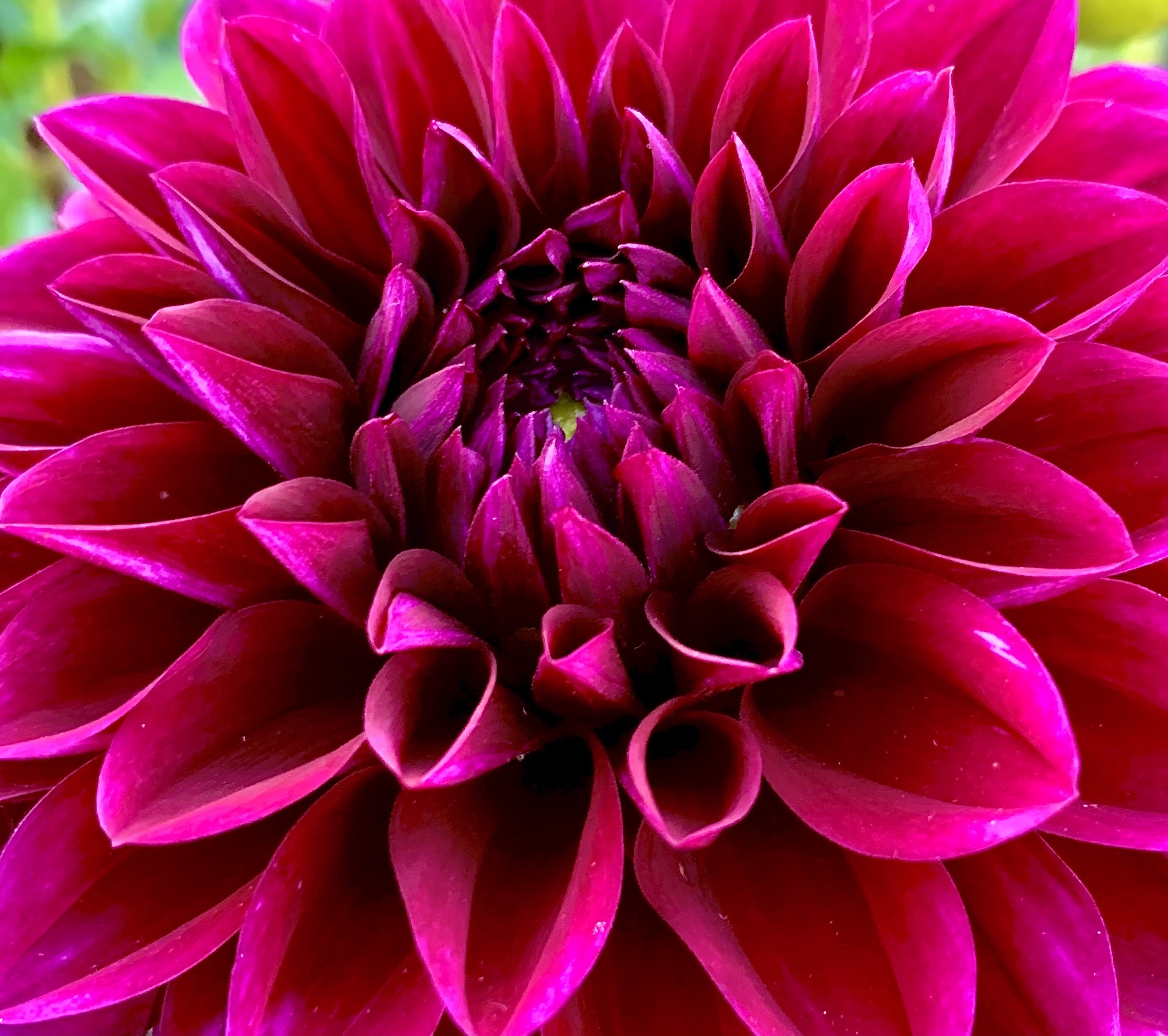
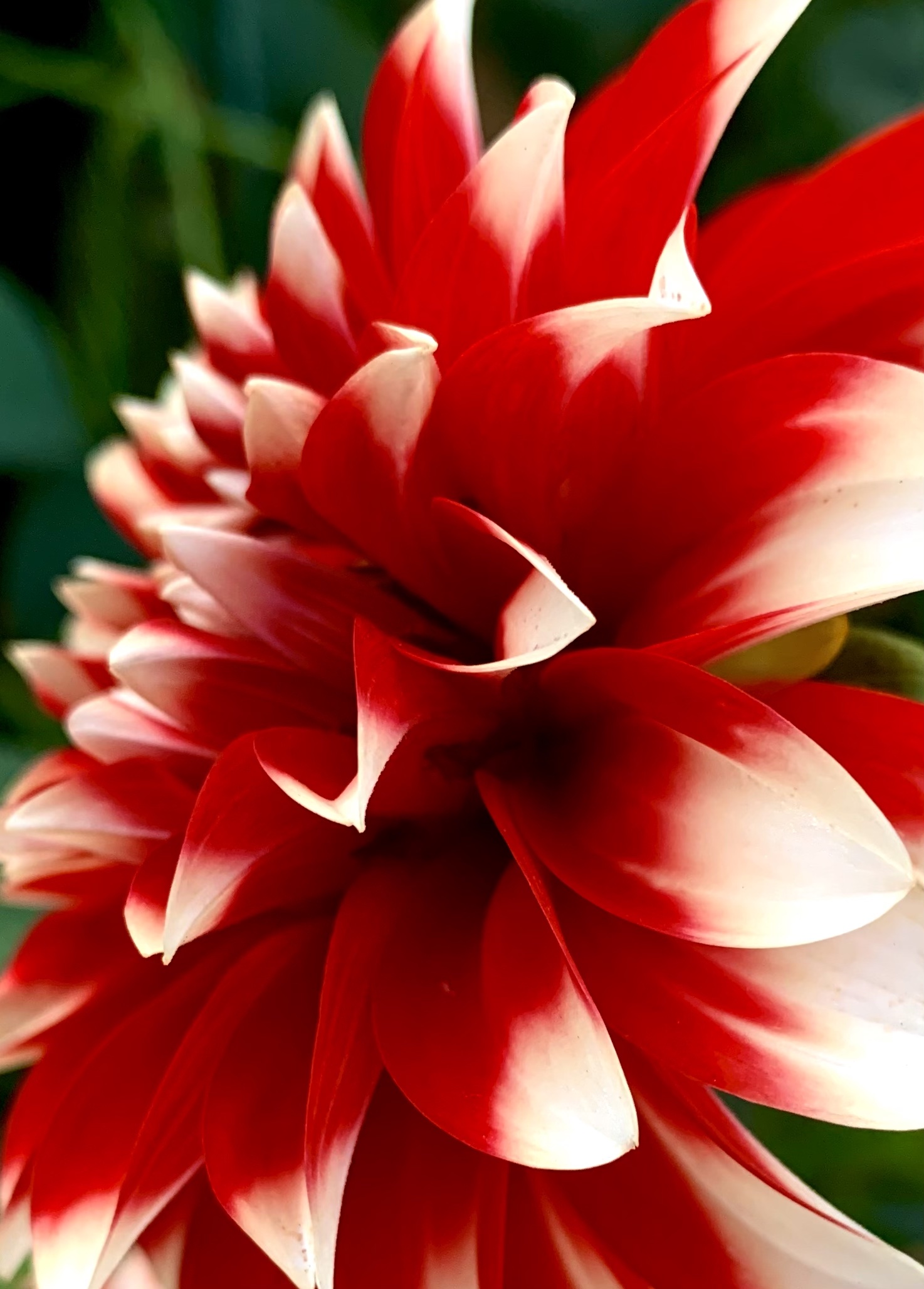
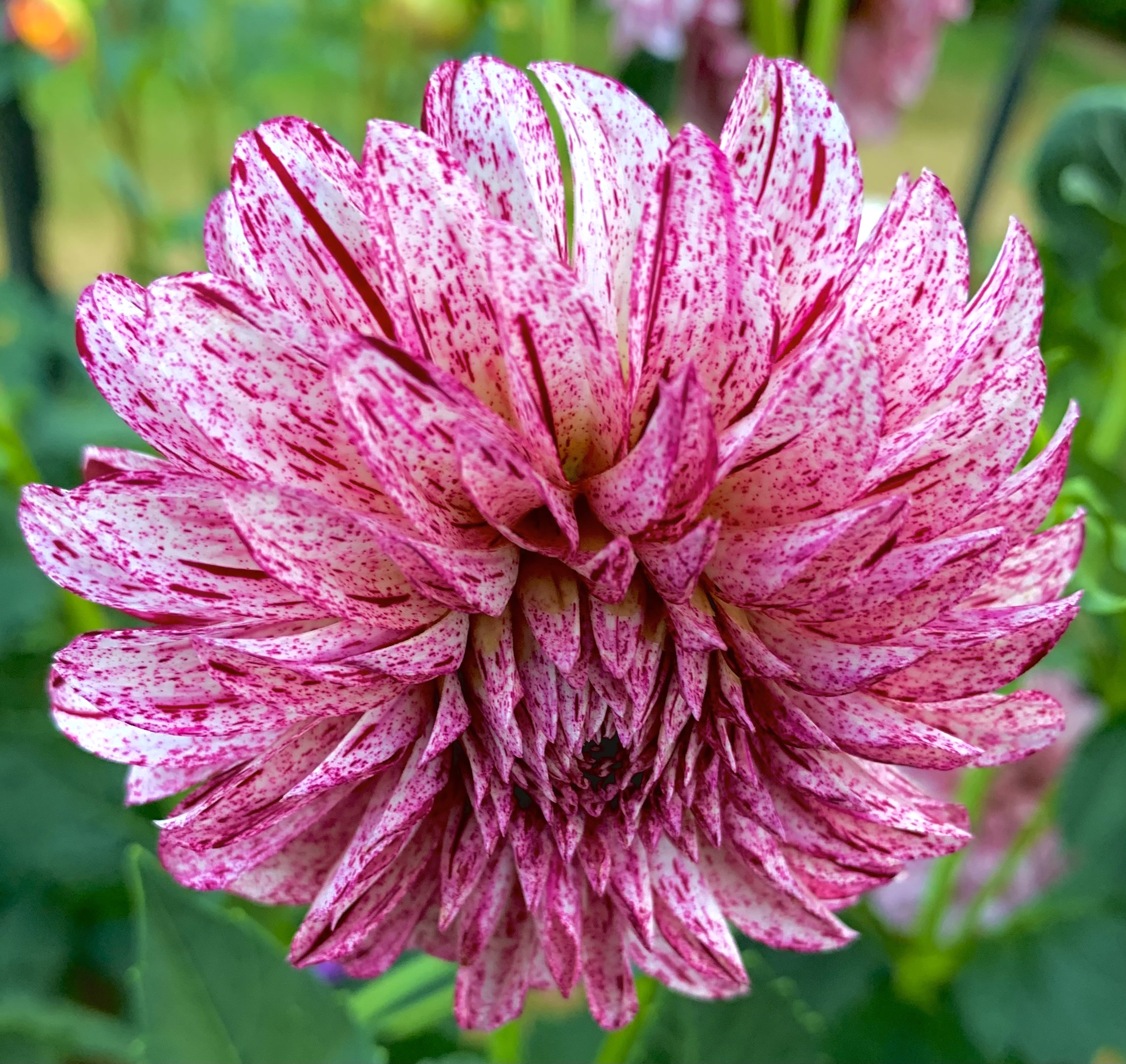
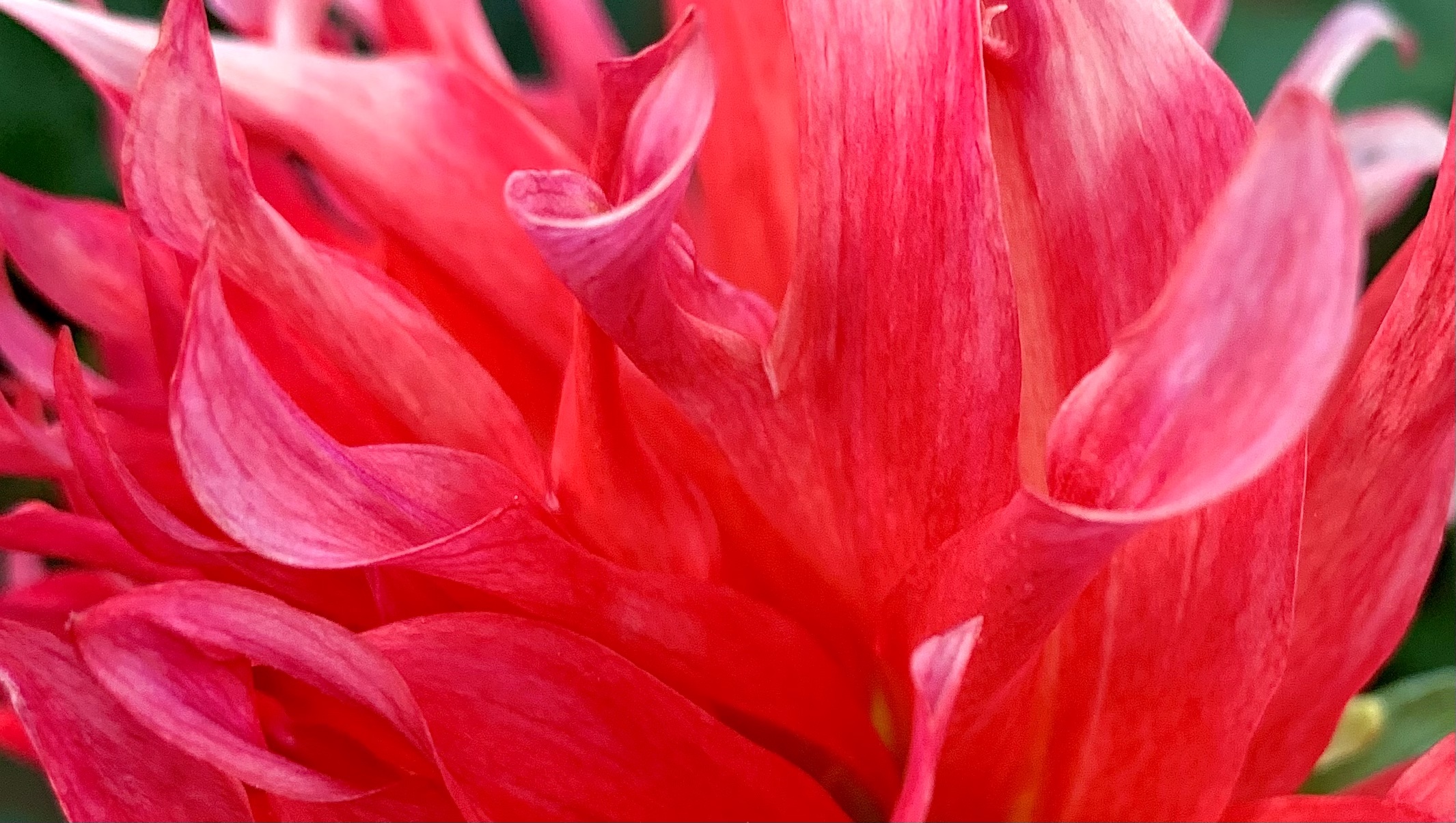
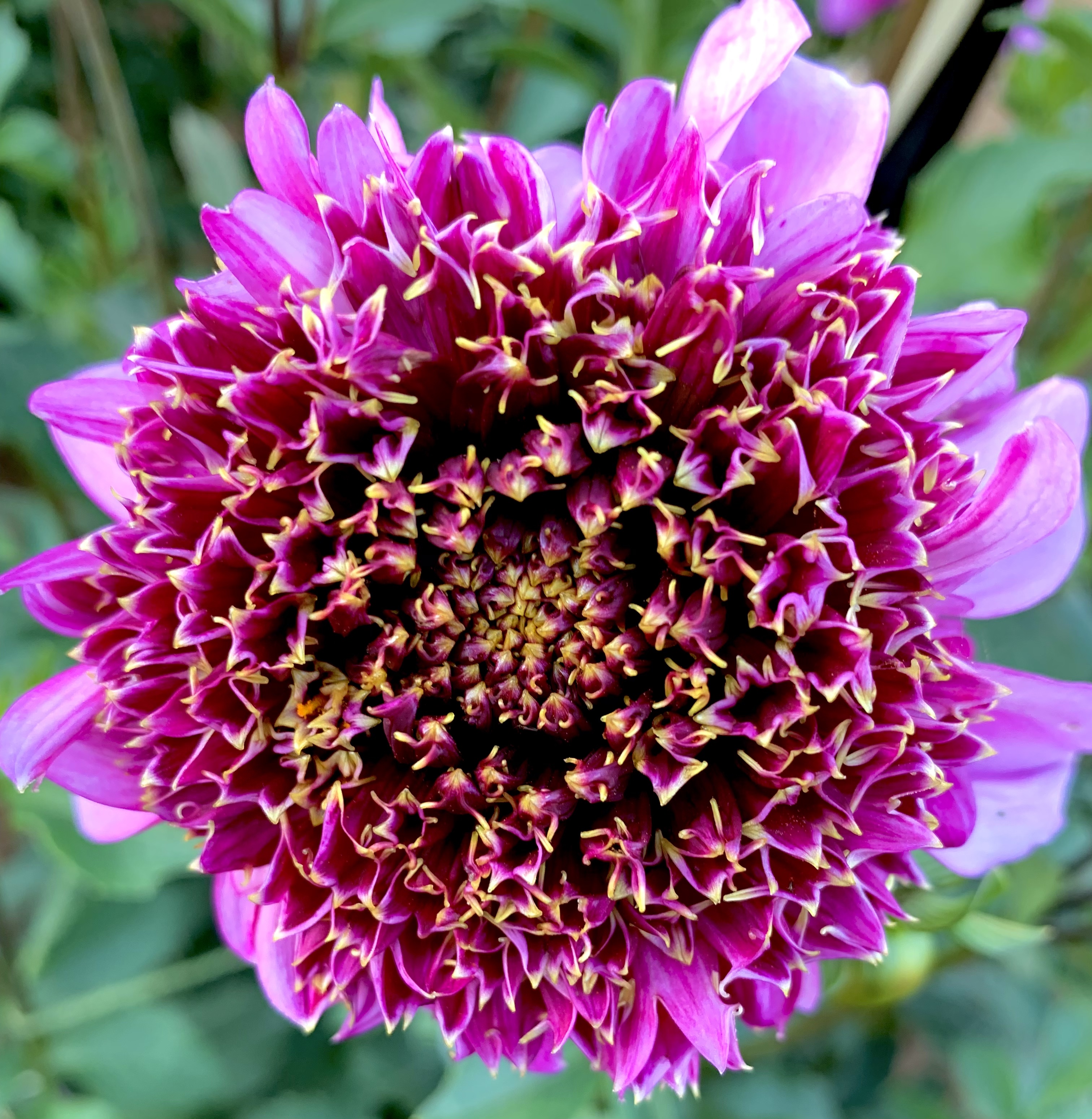
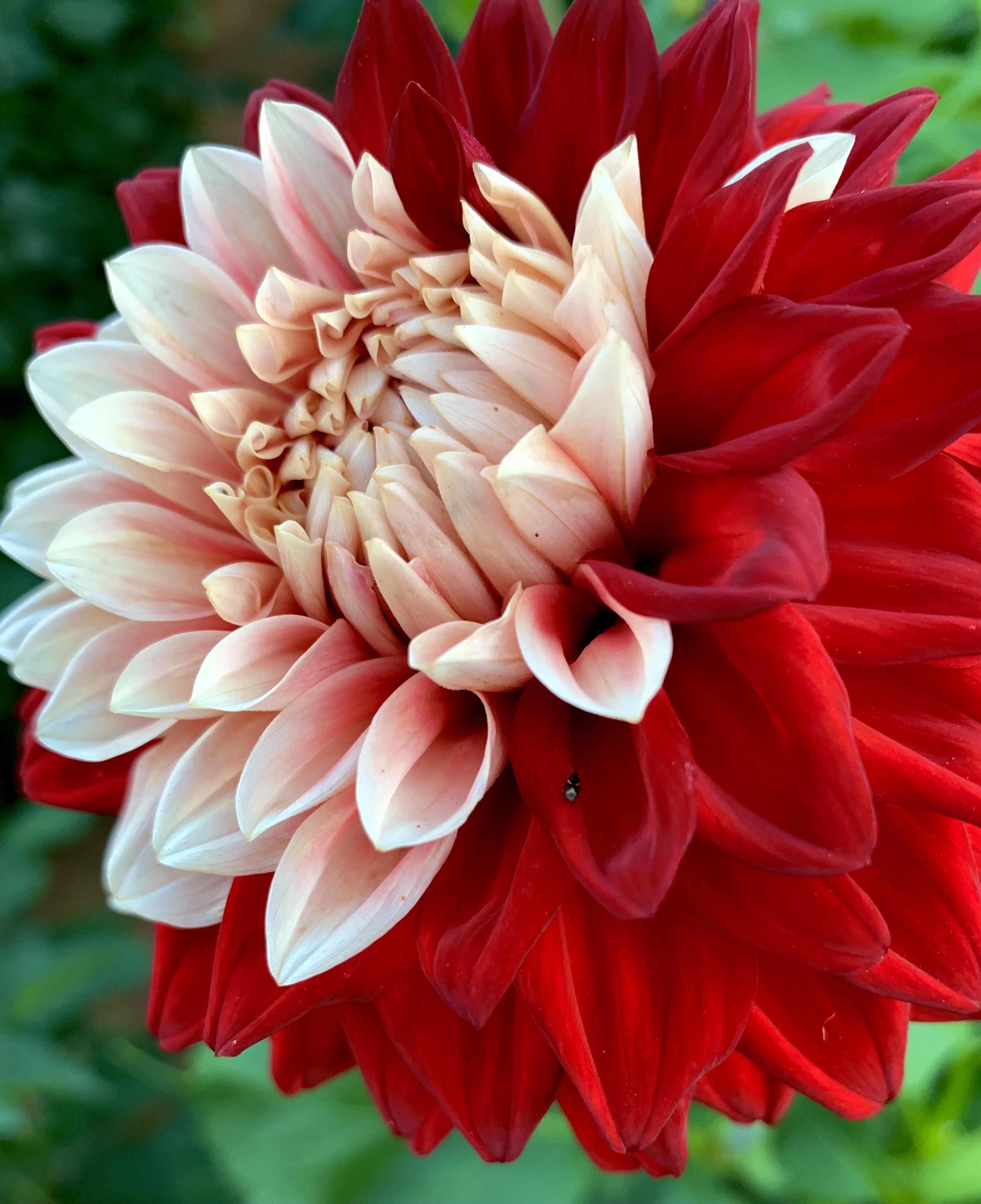
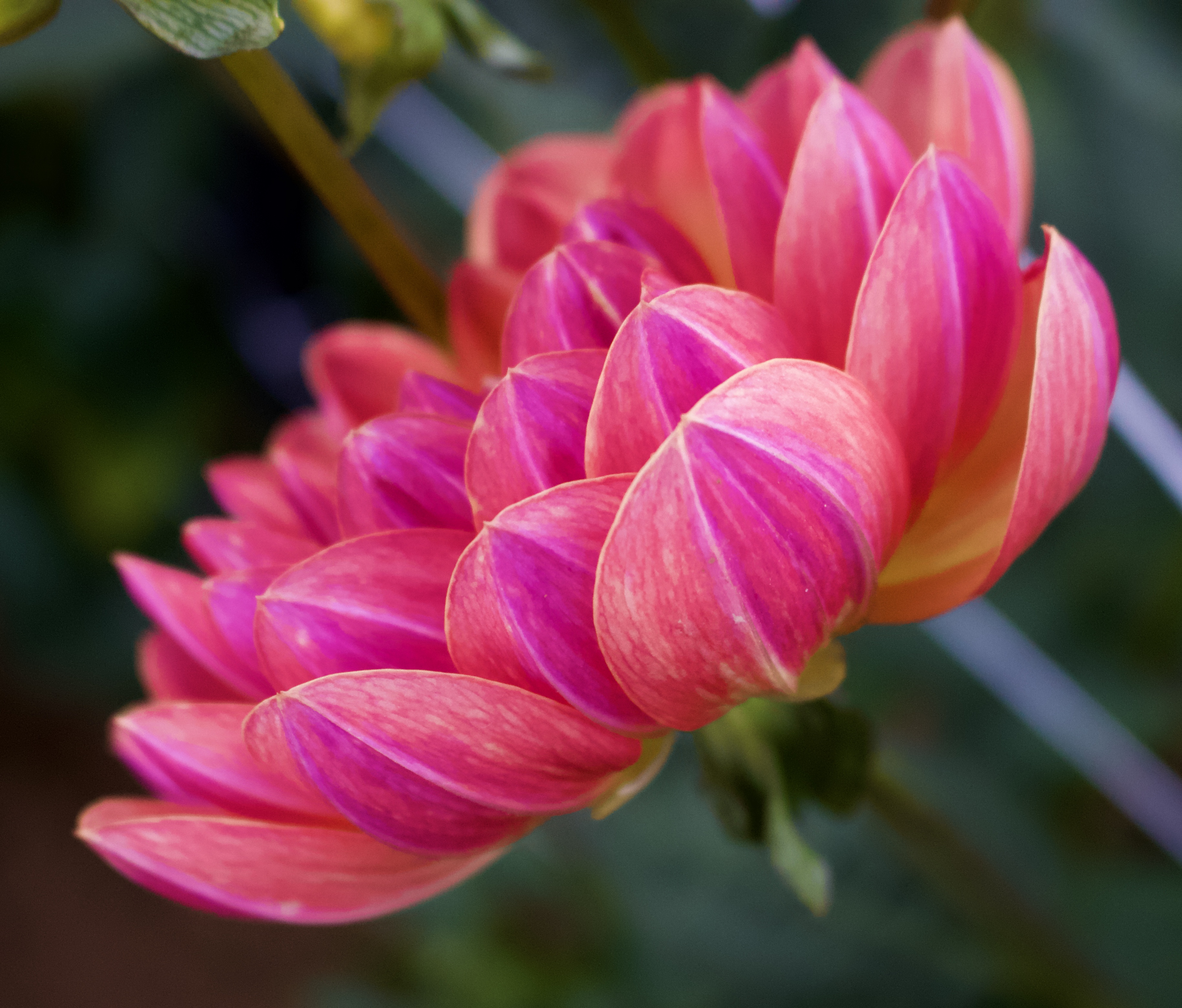
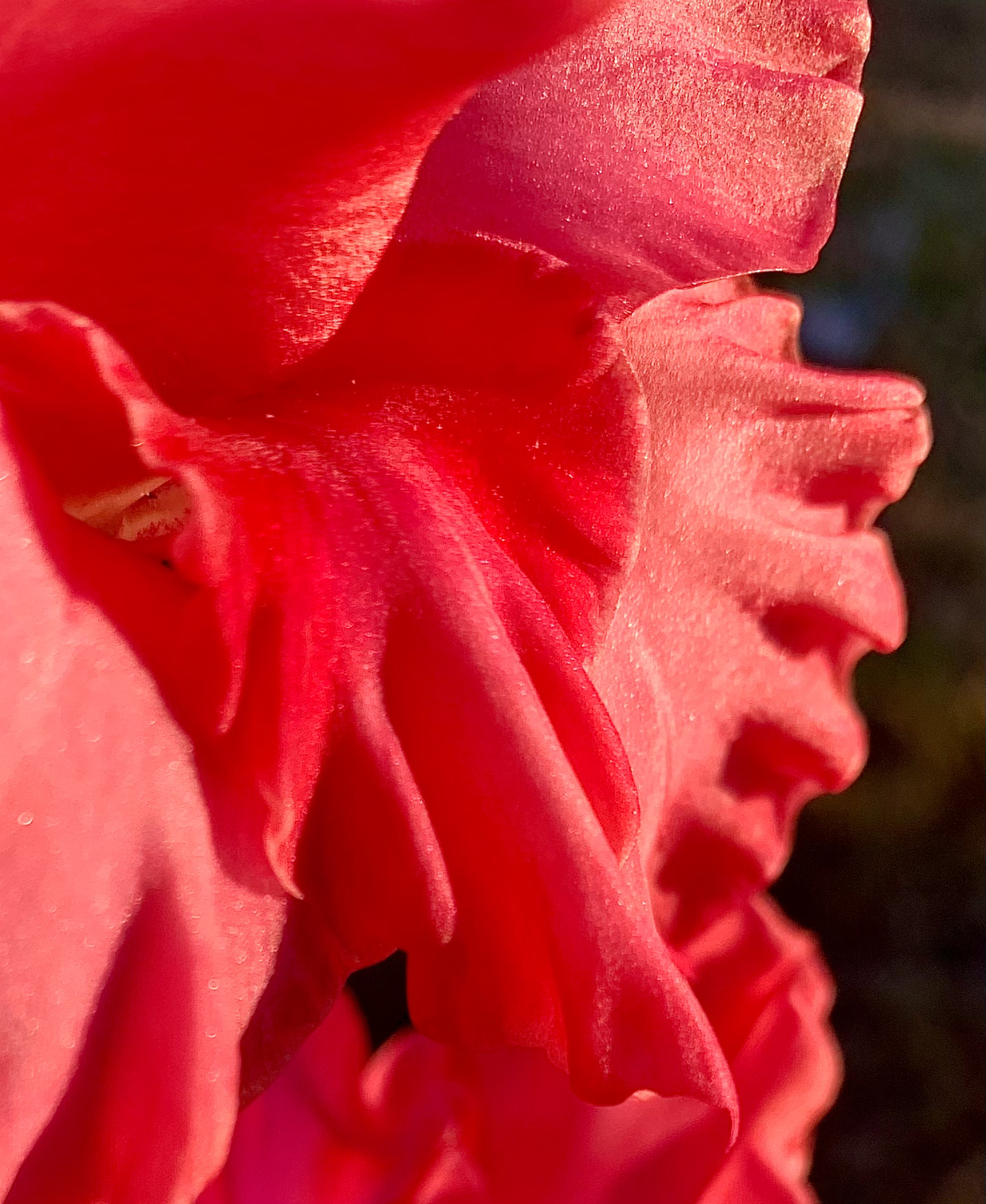
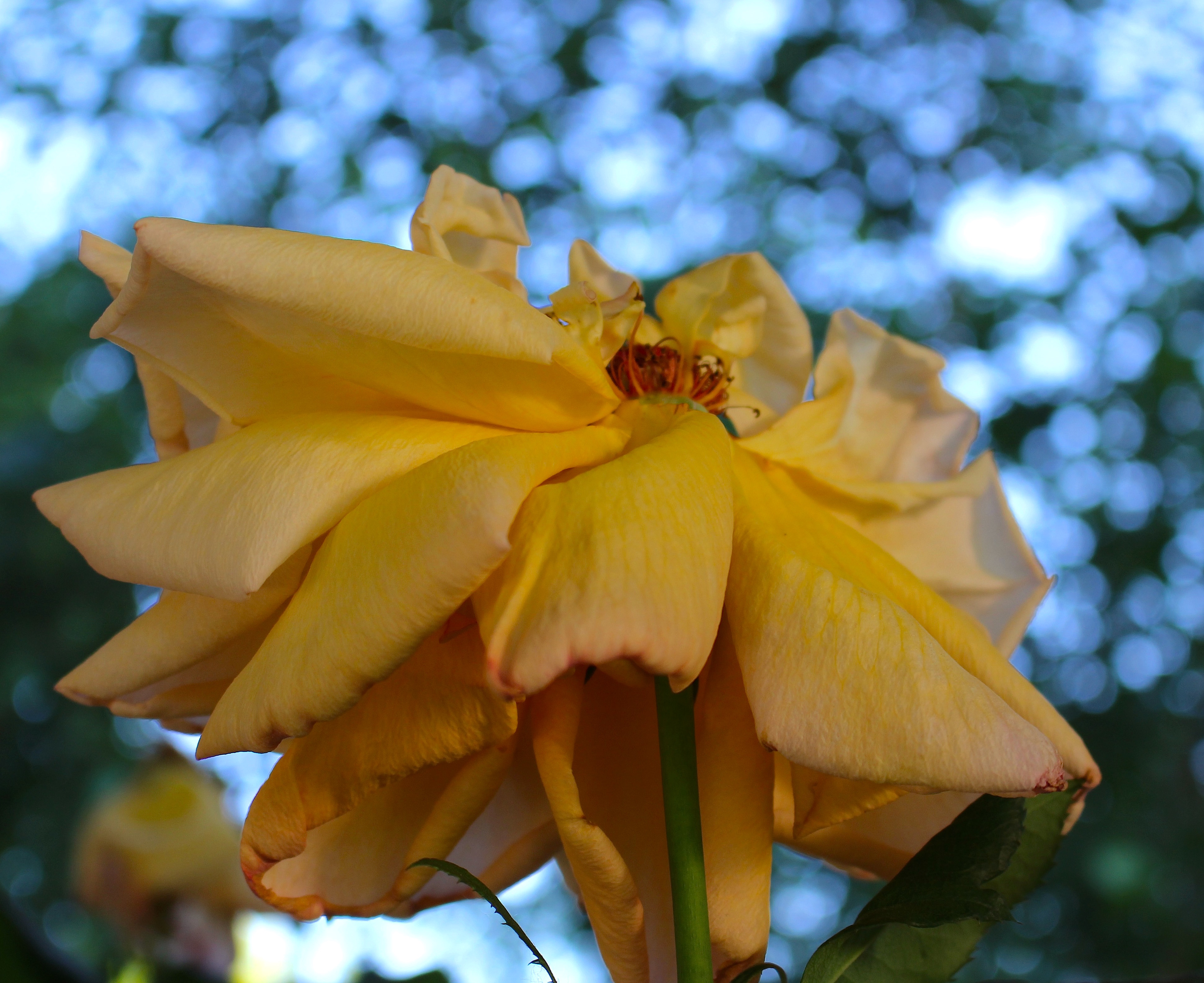
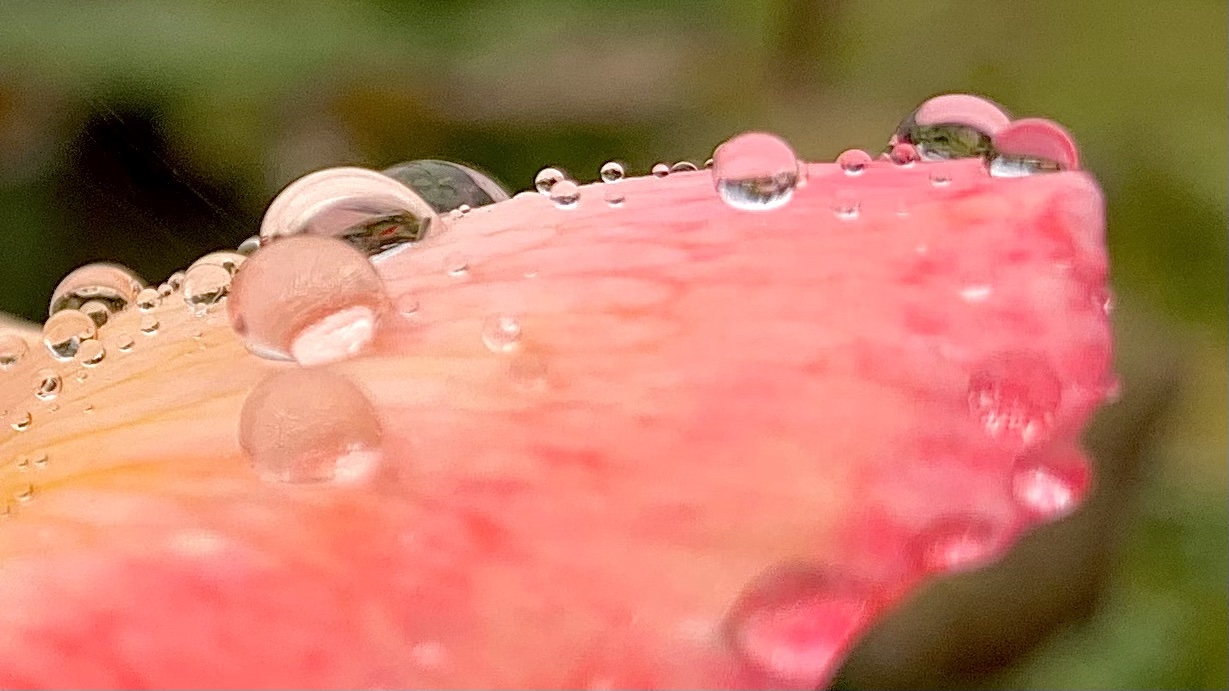
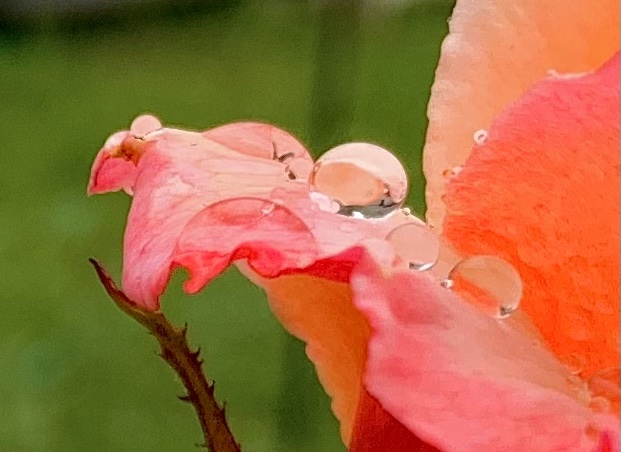
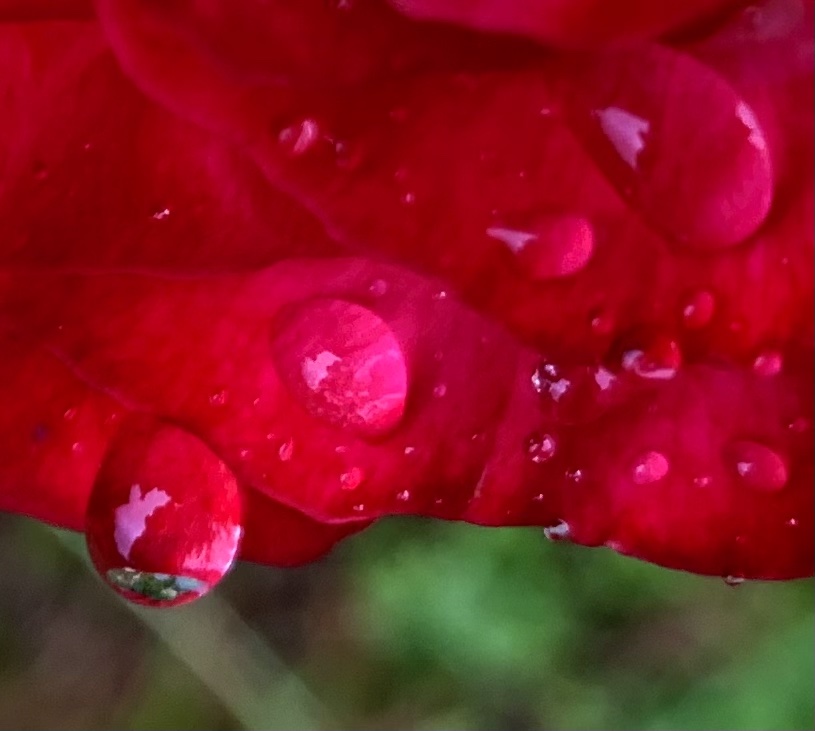
When I walk in my friend’s dahlia garden,
surrounded by vivid color,
I imagine the First Garden
must have been a bit like this.
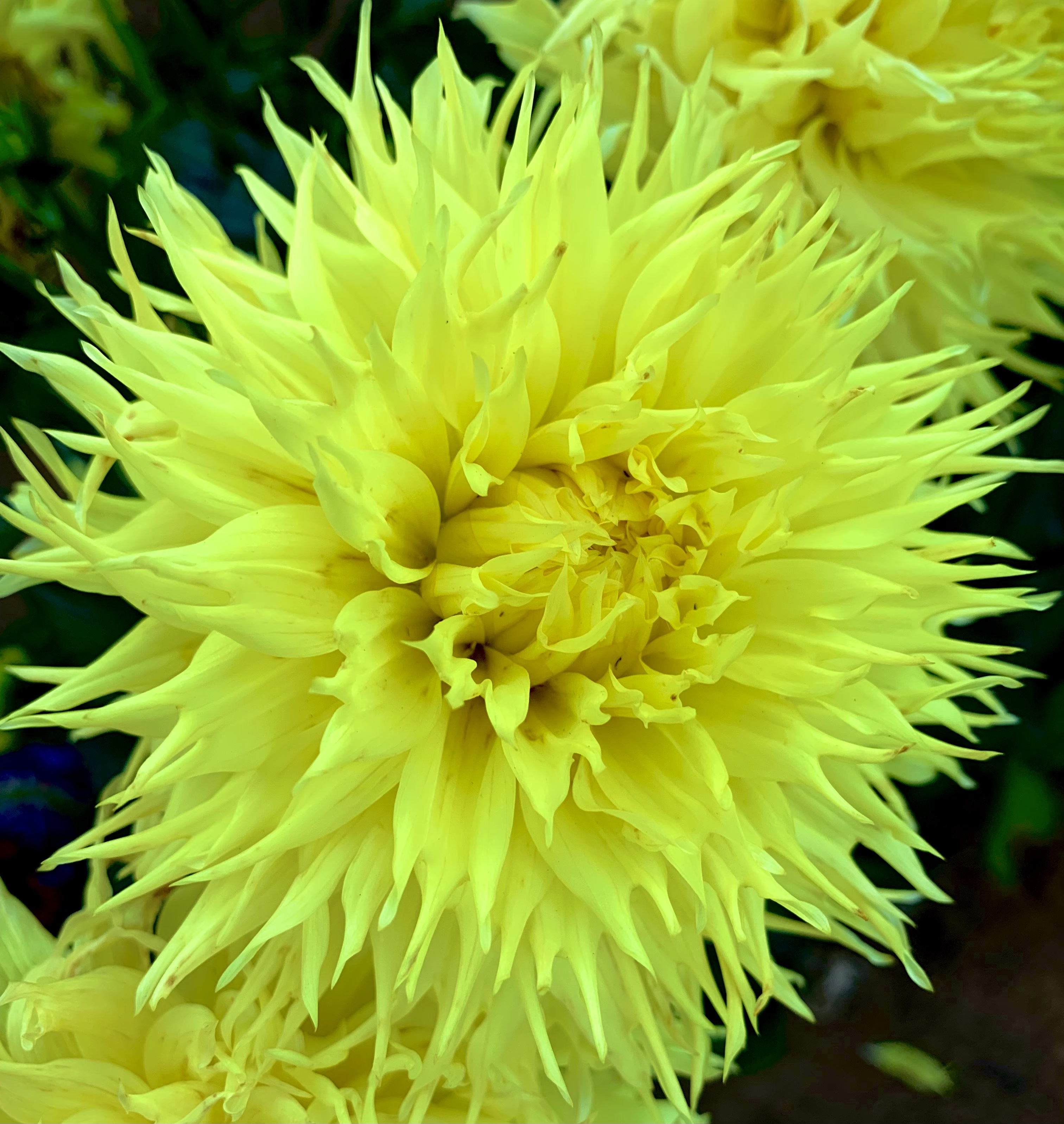
I simply want to drink it all in,
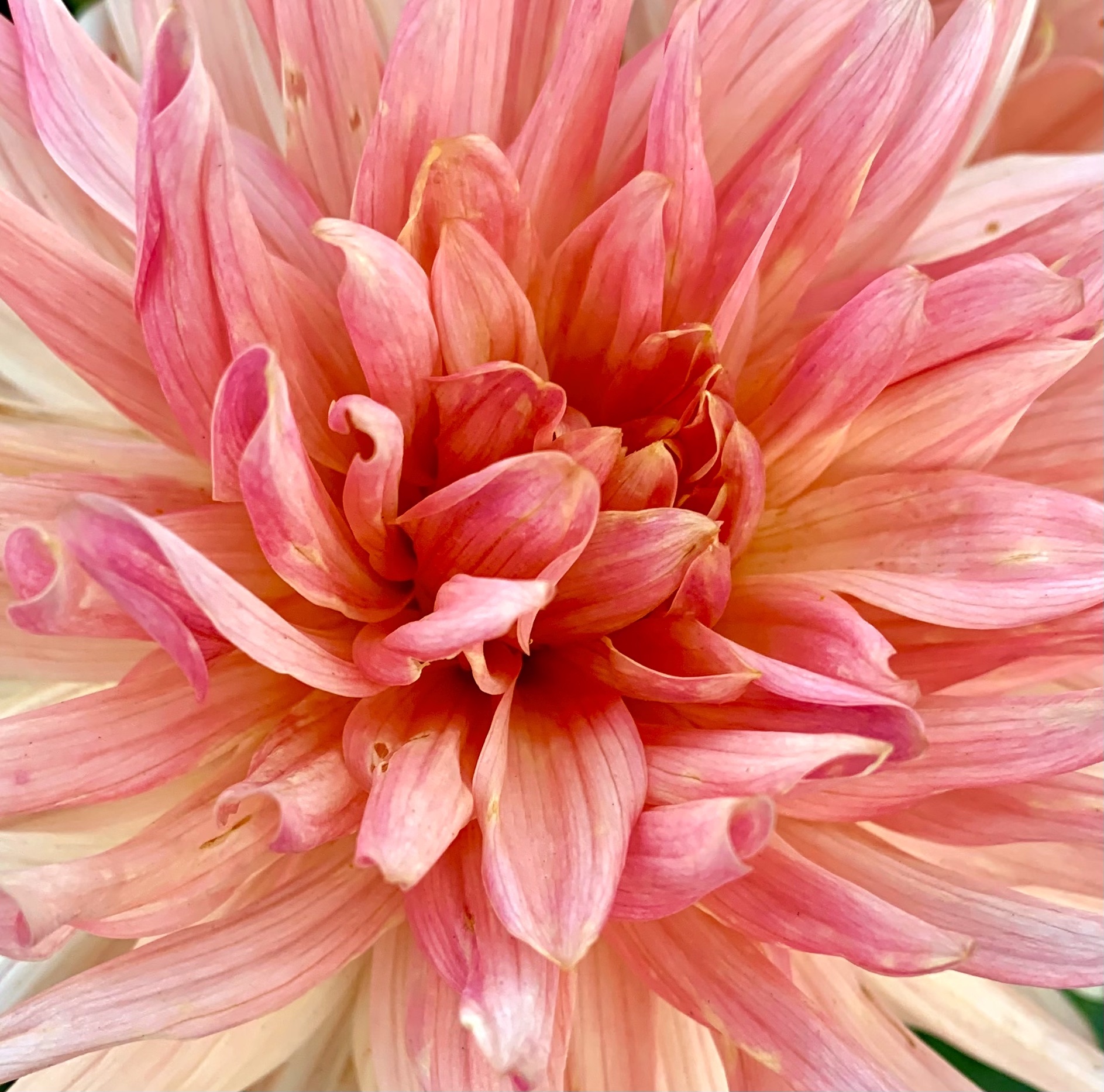
to swim freely in the bright throes of summer,
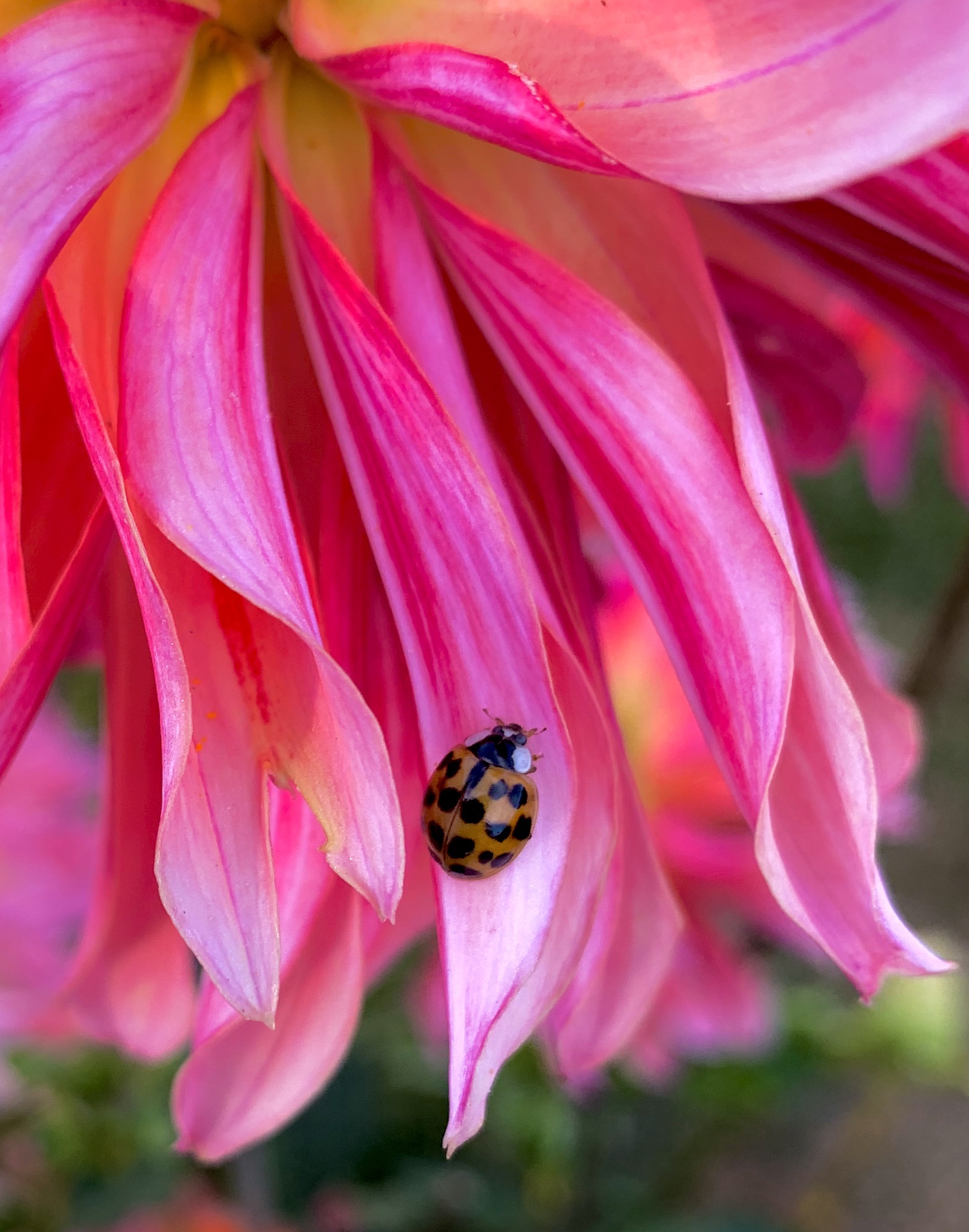
forgetting that with blinding light
there will be shadow.

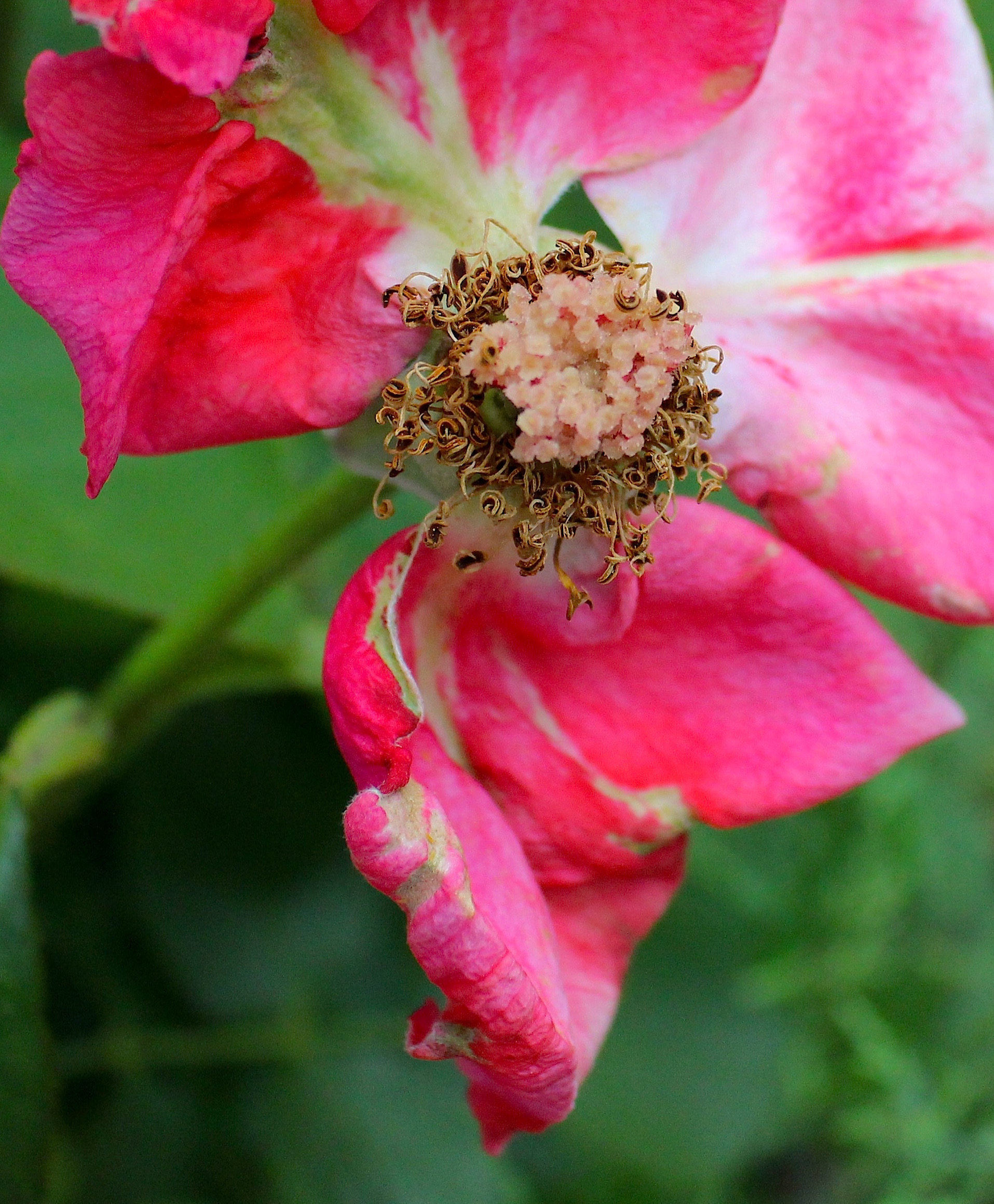
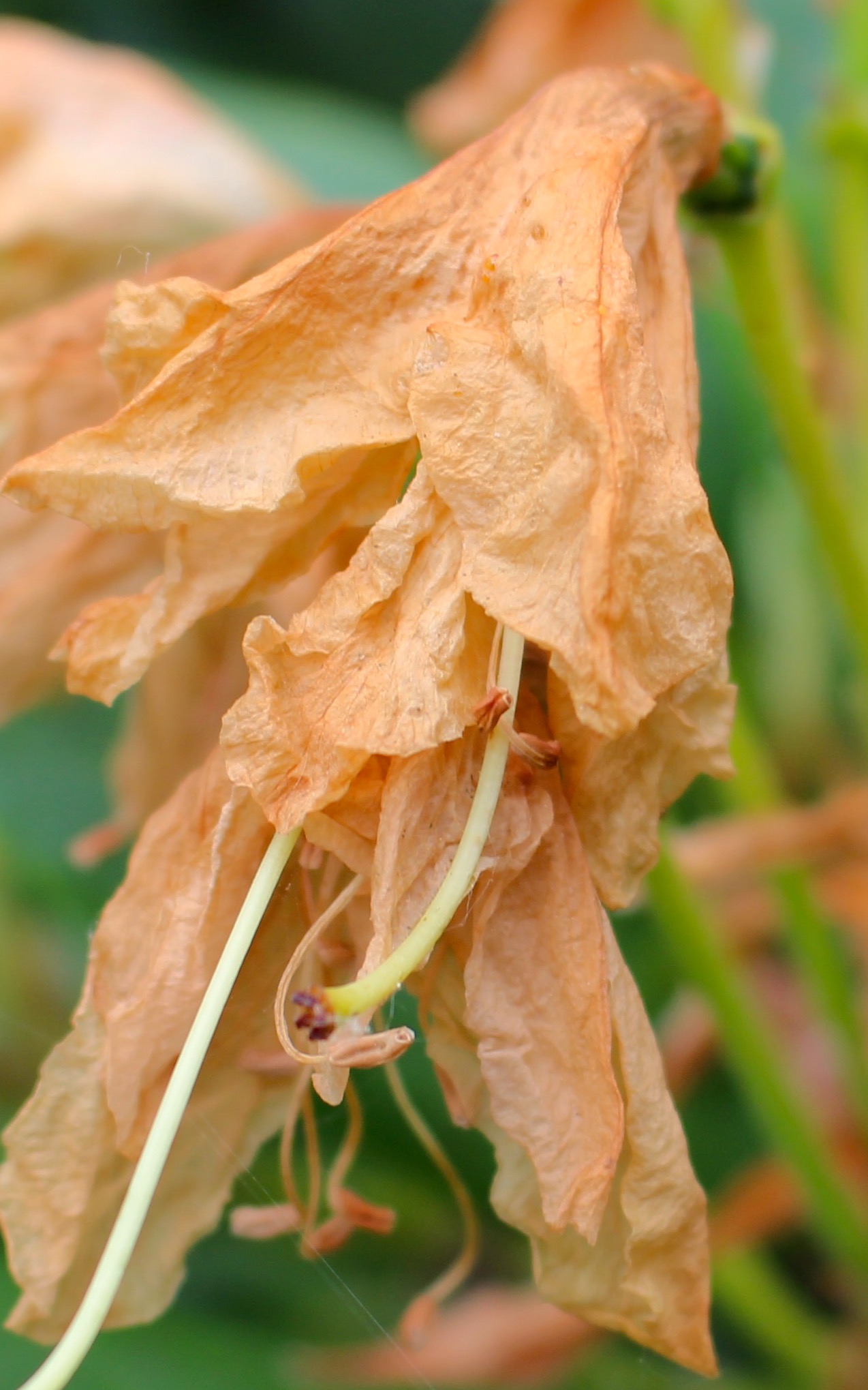
Like these blooms,
I too am imperfect,
not quite symmetrical,
starting to wither and curl at the edges.

But even so~
a stroll in a Garden
to be dazzled in the cool of the day
is what God prescribed then and now.

For a little while,
I am transported beyond this difficult world
with its constant reminders of my flaws,
and am assured of His Hand on me
and how much He loves me anyway.

Thank you to my friend Jean in Lynden who grows the most dazzling dahlias and allows me come take their portraits!

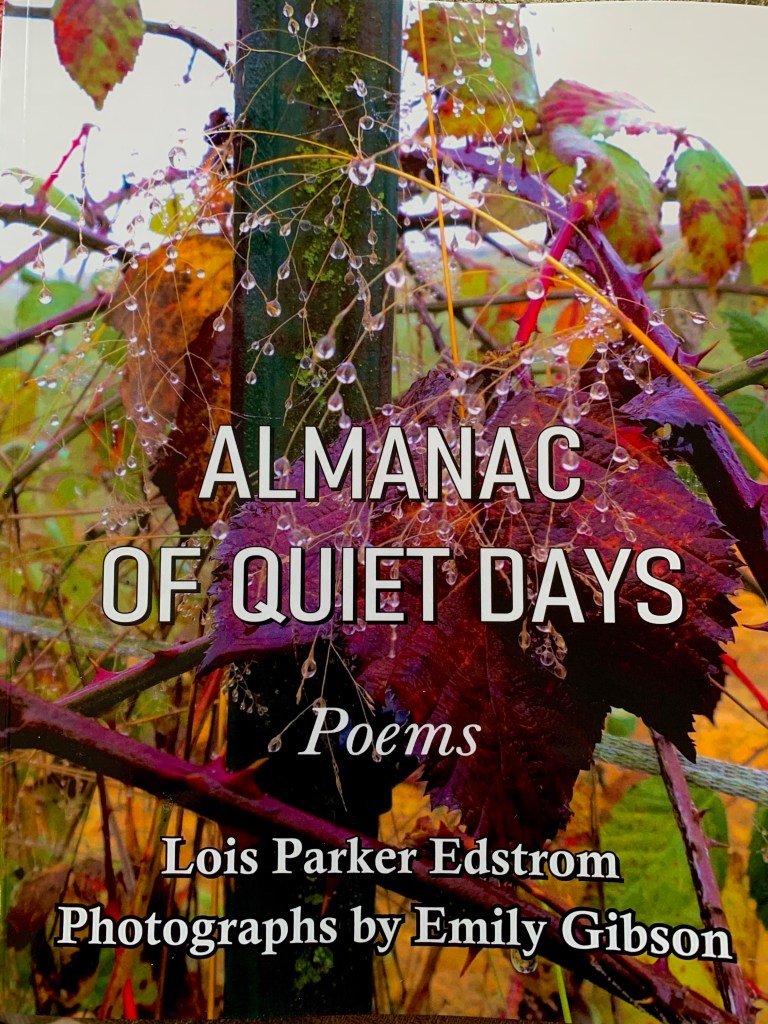
More beauty to be found in this new book from Barnstorming, available for order here:

Opening One at a Time

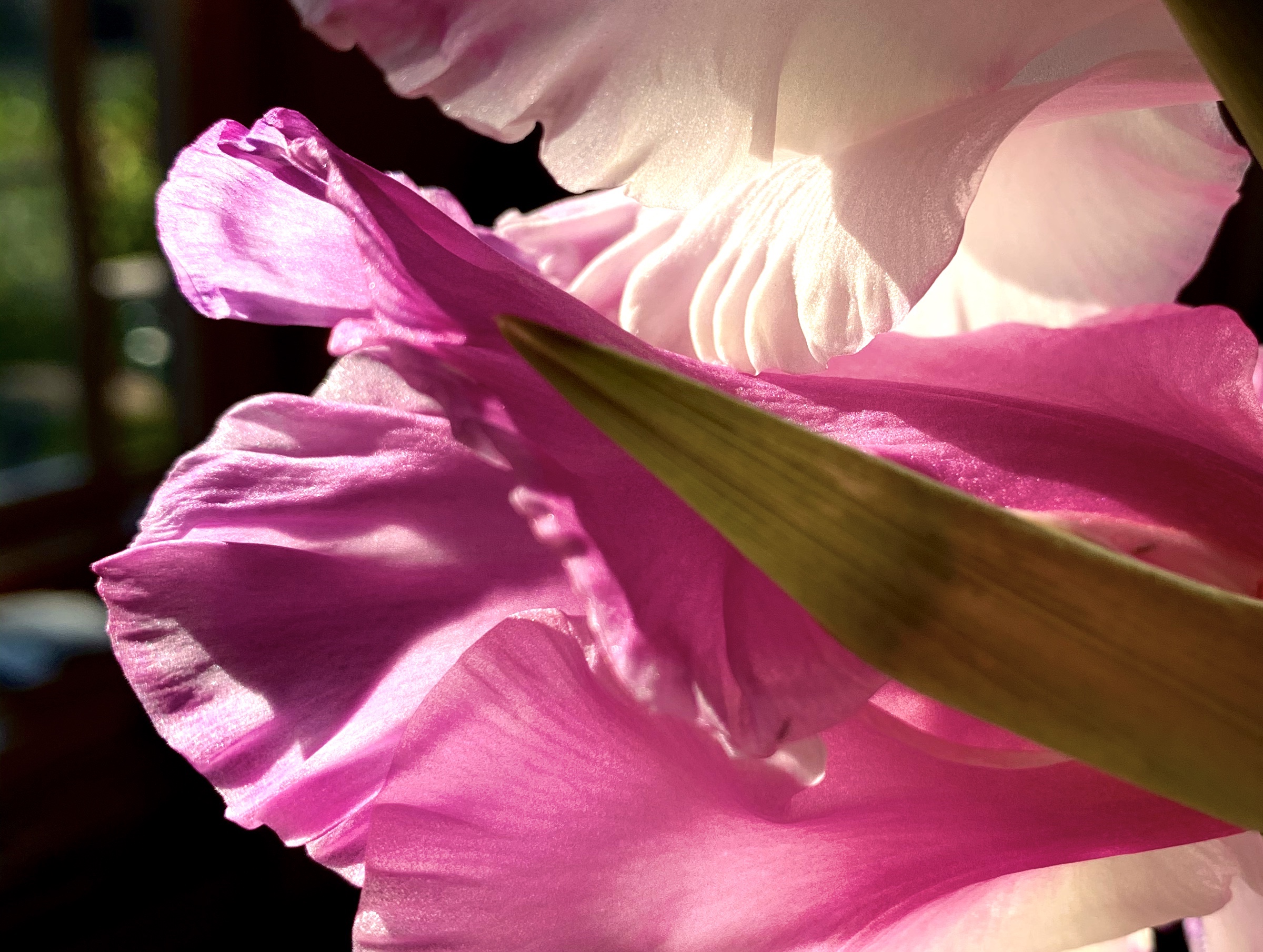
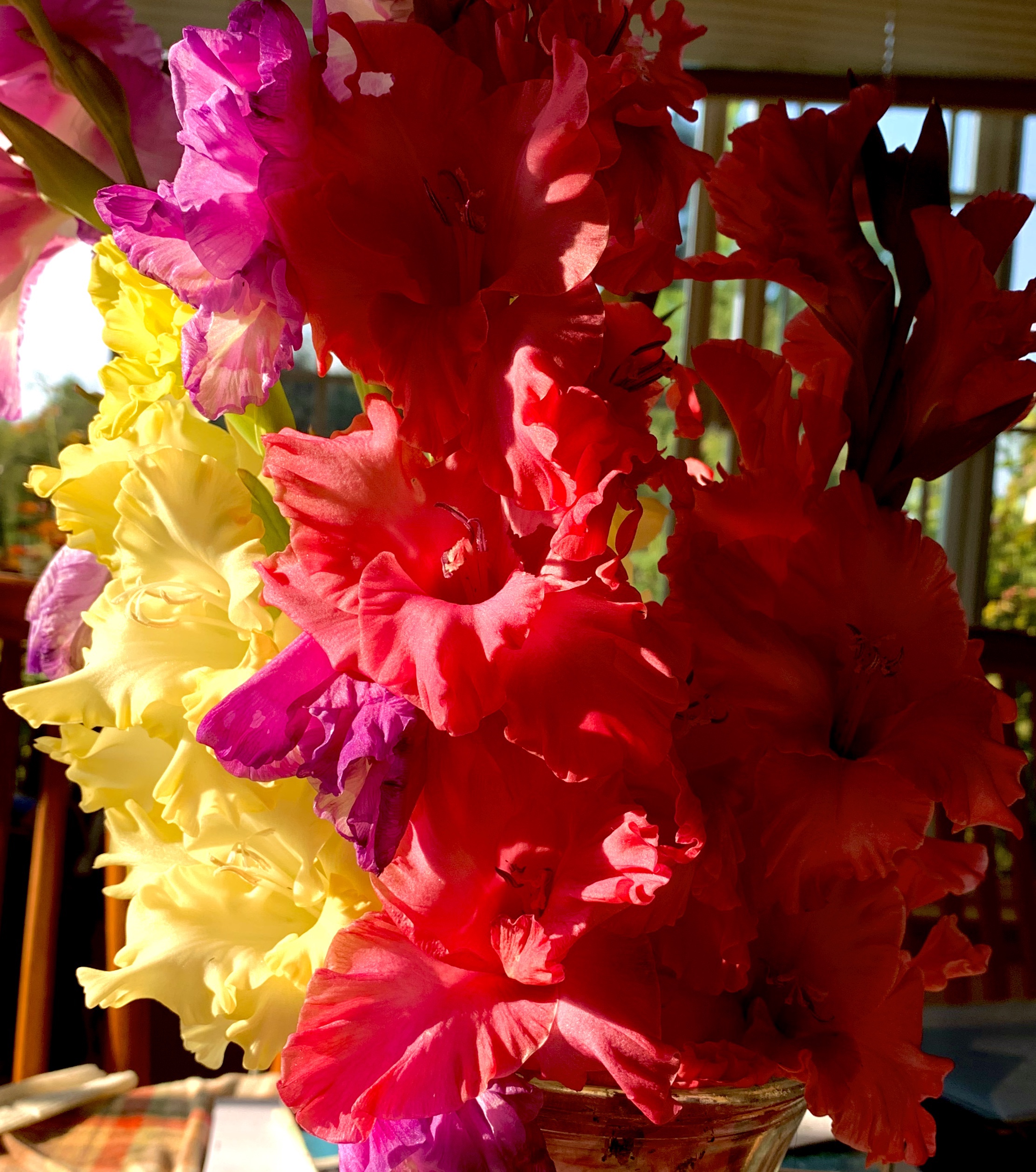
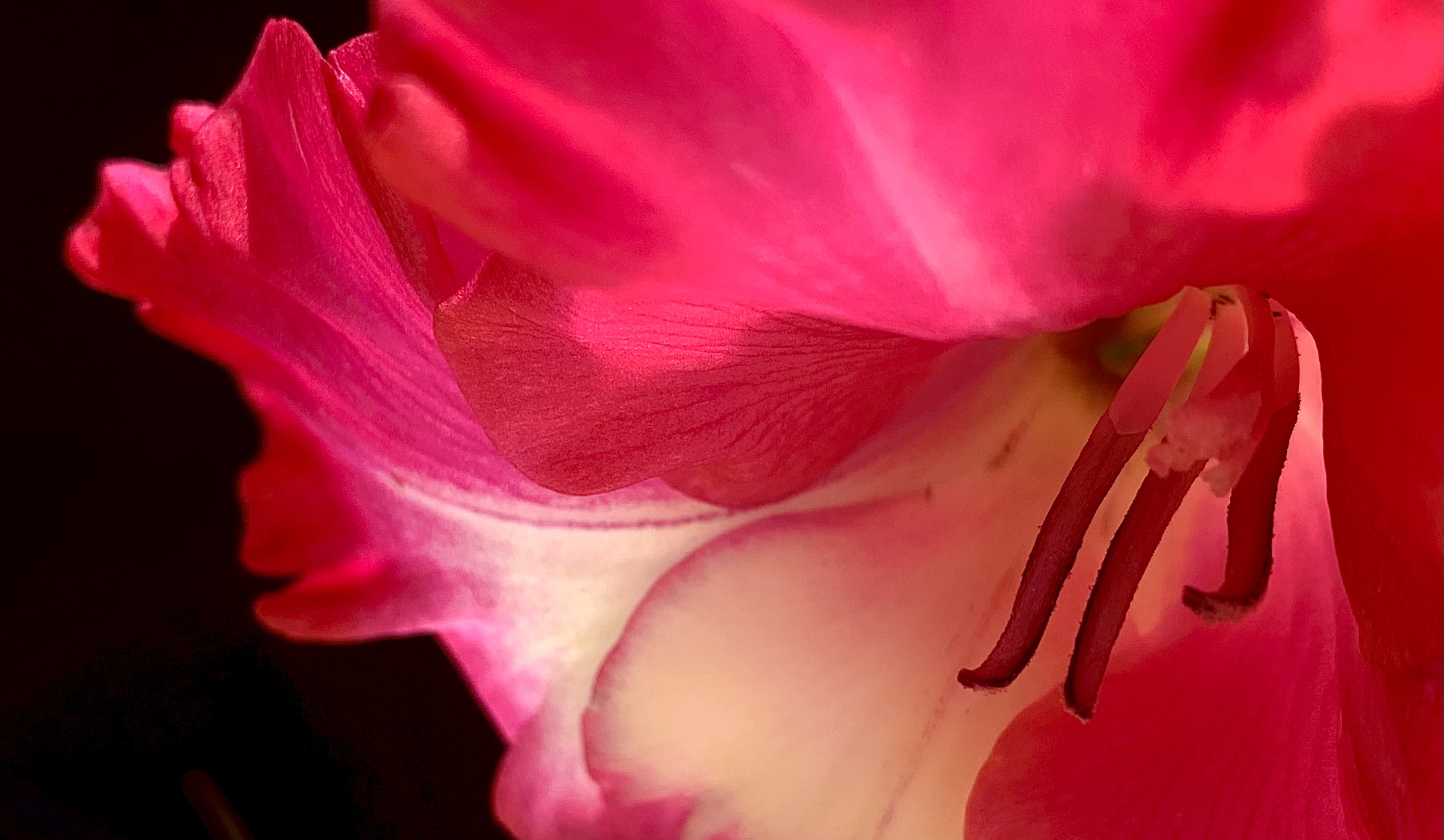
In noisy shades
of apricot and pink
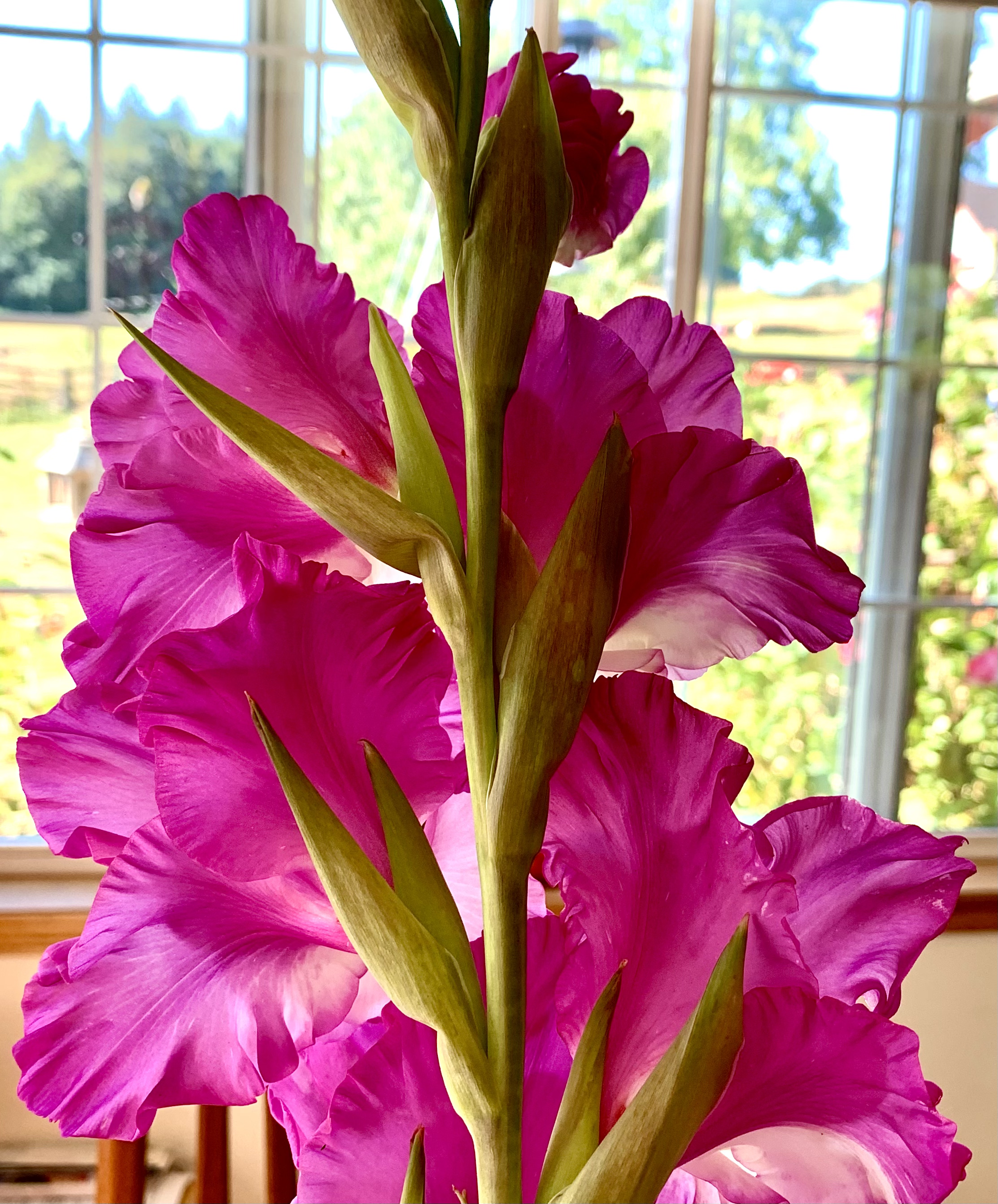
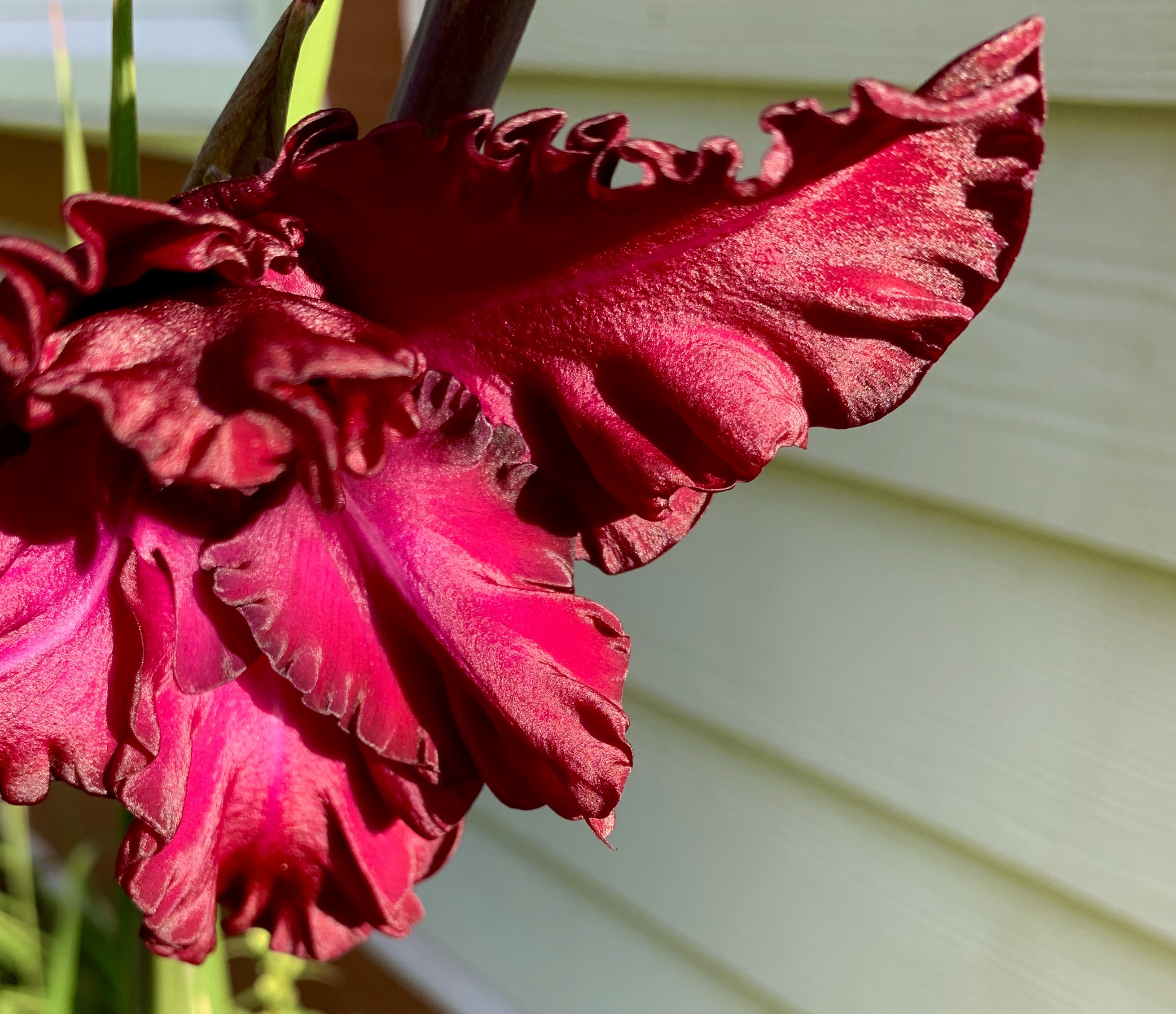
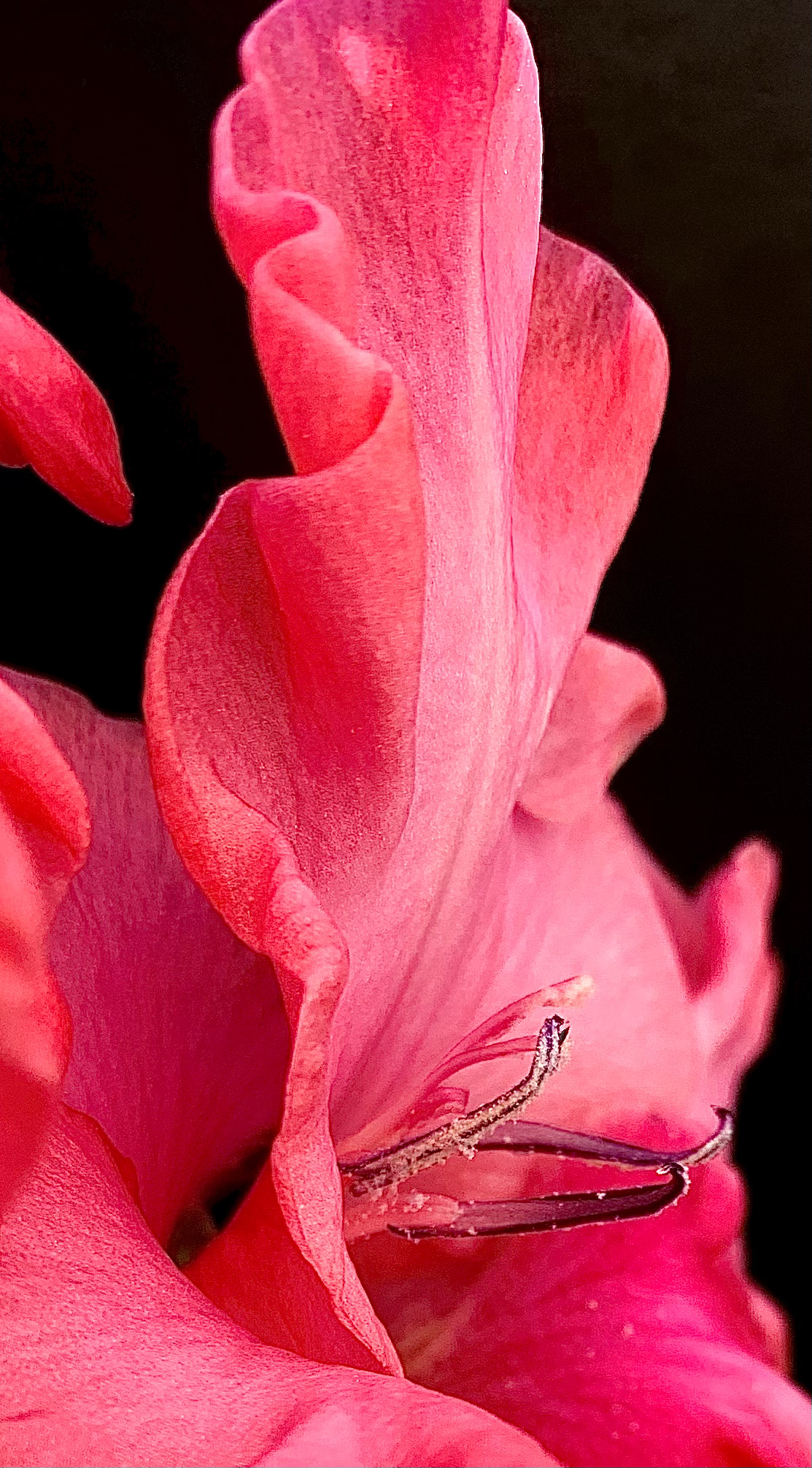
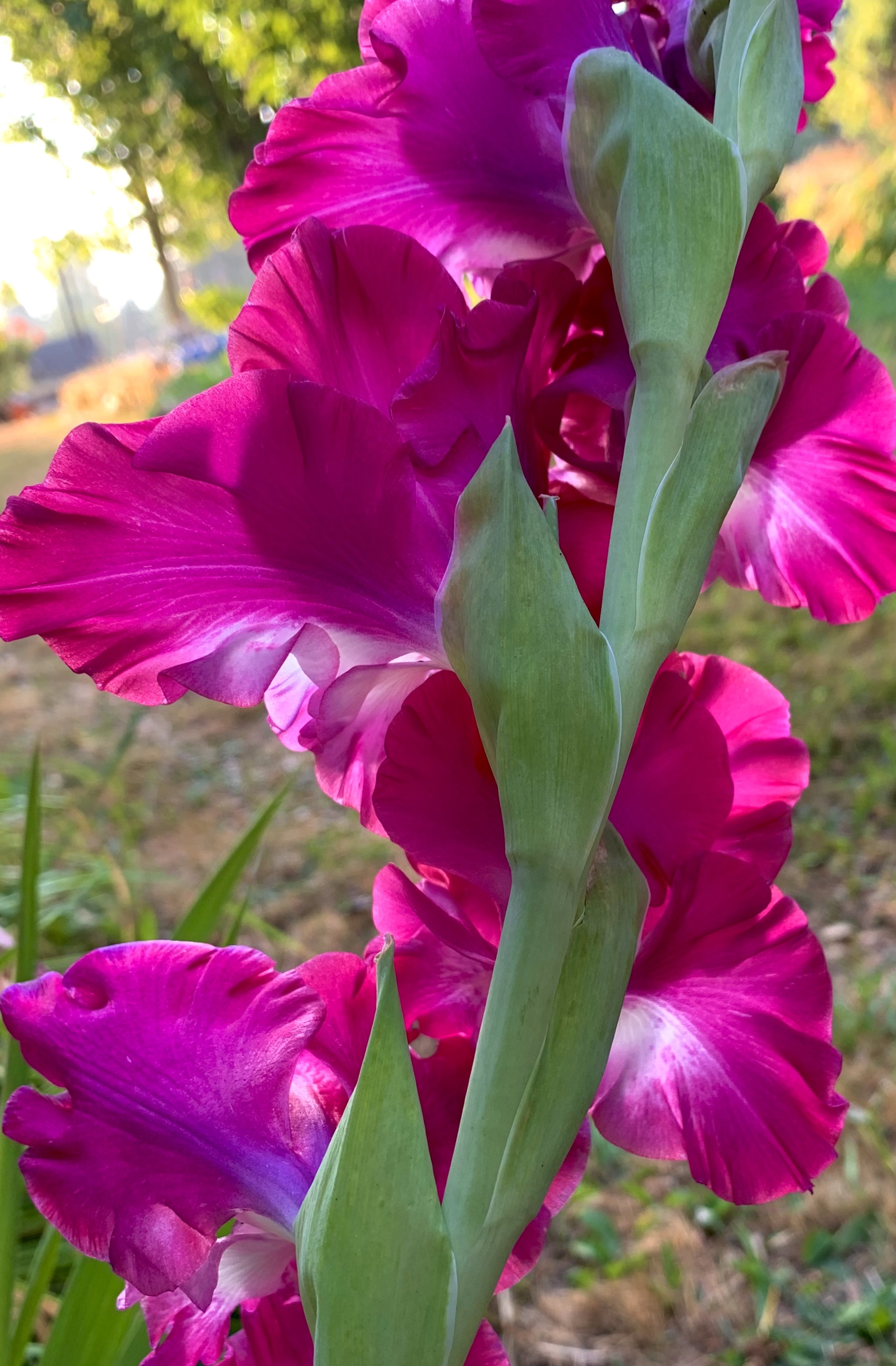
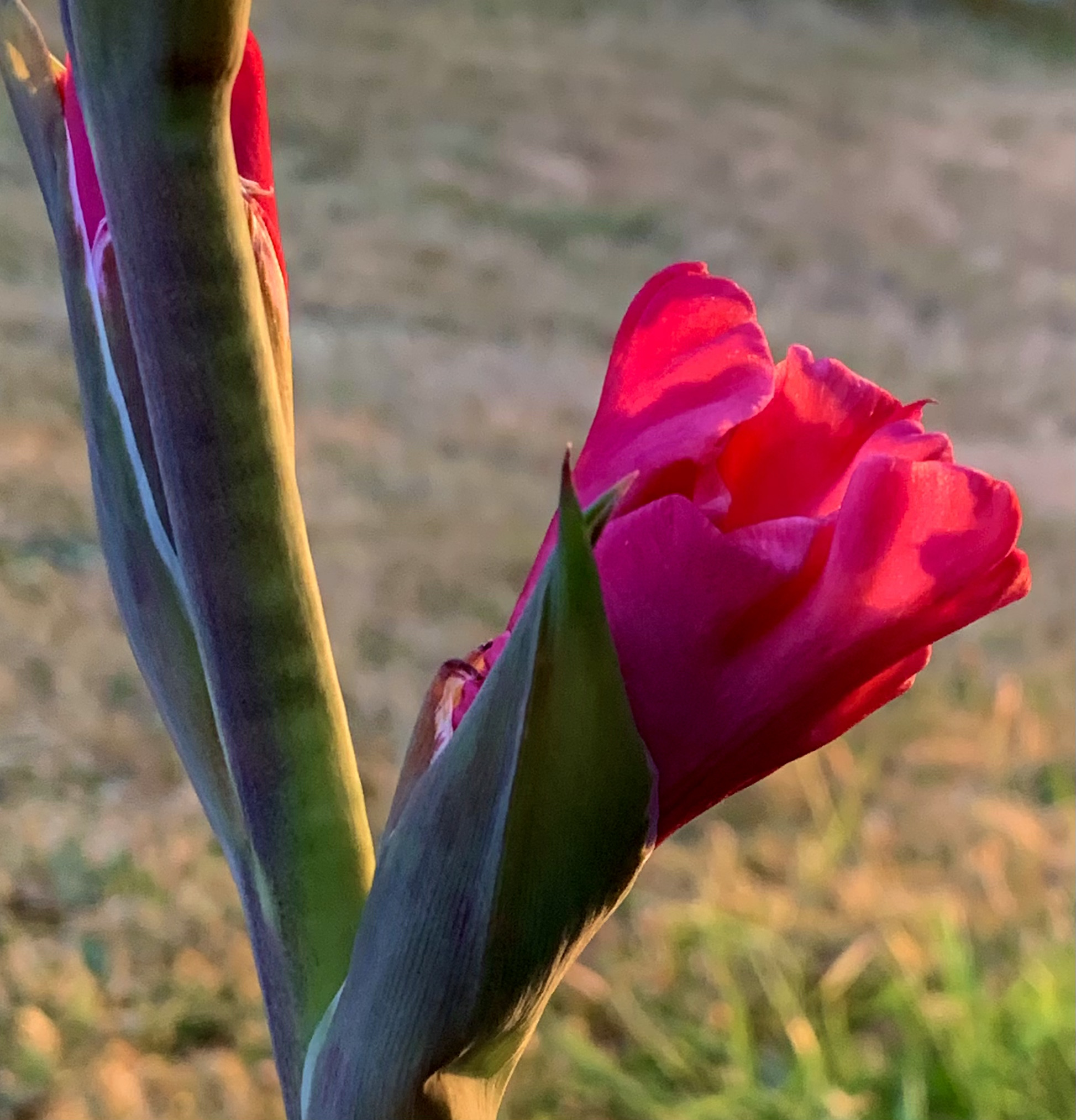
the blossoms

of the gladiola open
all down the long aisle
of the stem

like a choral procession
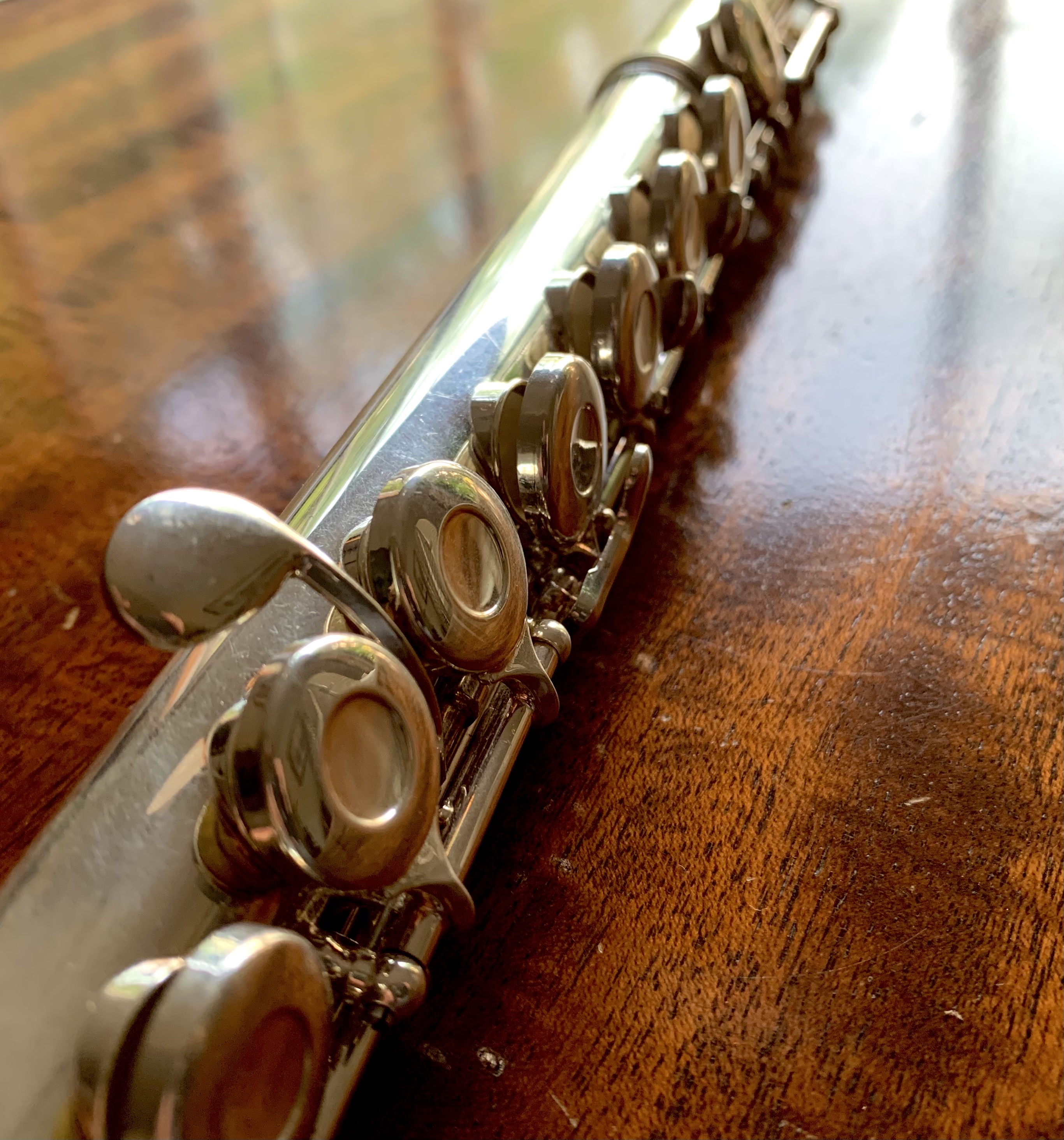
or the woody
notes

of a flute
opening one stop
at a time.
~Linda Pastan “Gladiola”

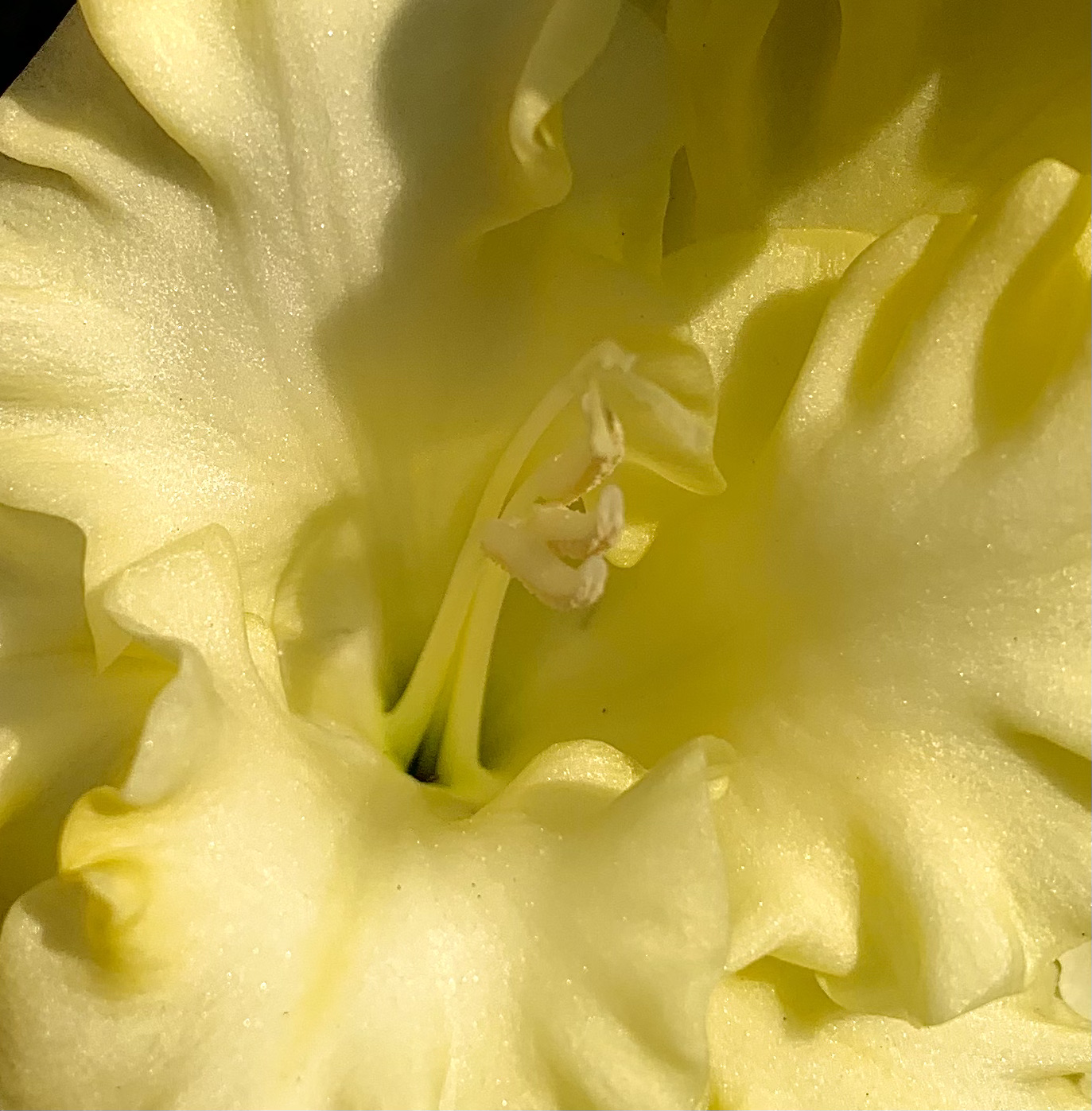
Most flowers tempt our senses:
the vibrant colors to the eye,
the softness of the petals to the touch,
the delicate fragrances wafting to the nose –
even some have a piquant perfumed taste for the palate.

Yet how many blooms sound like an orchestra
tuning in the wind?

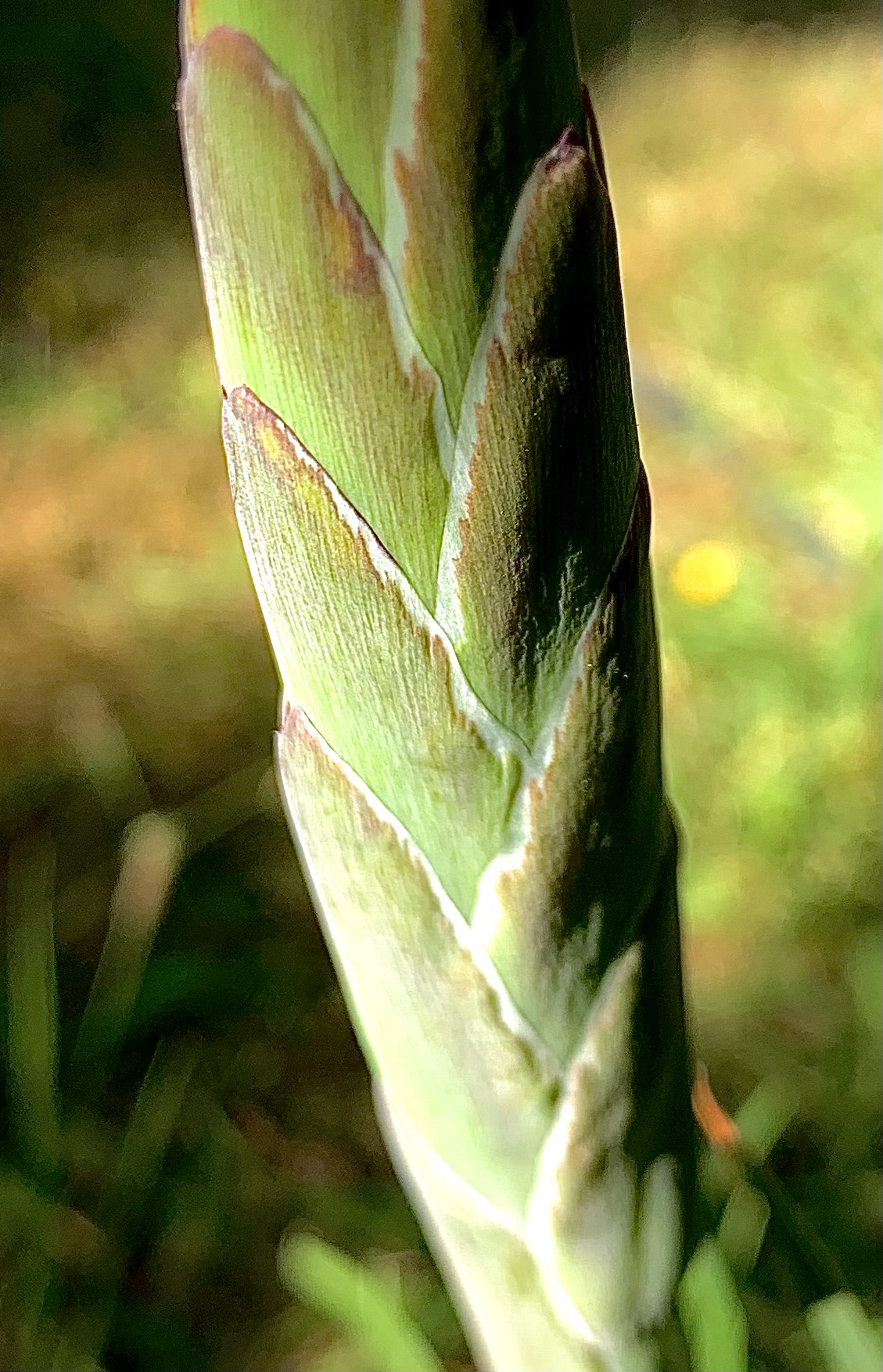
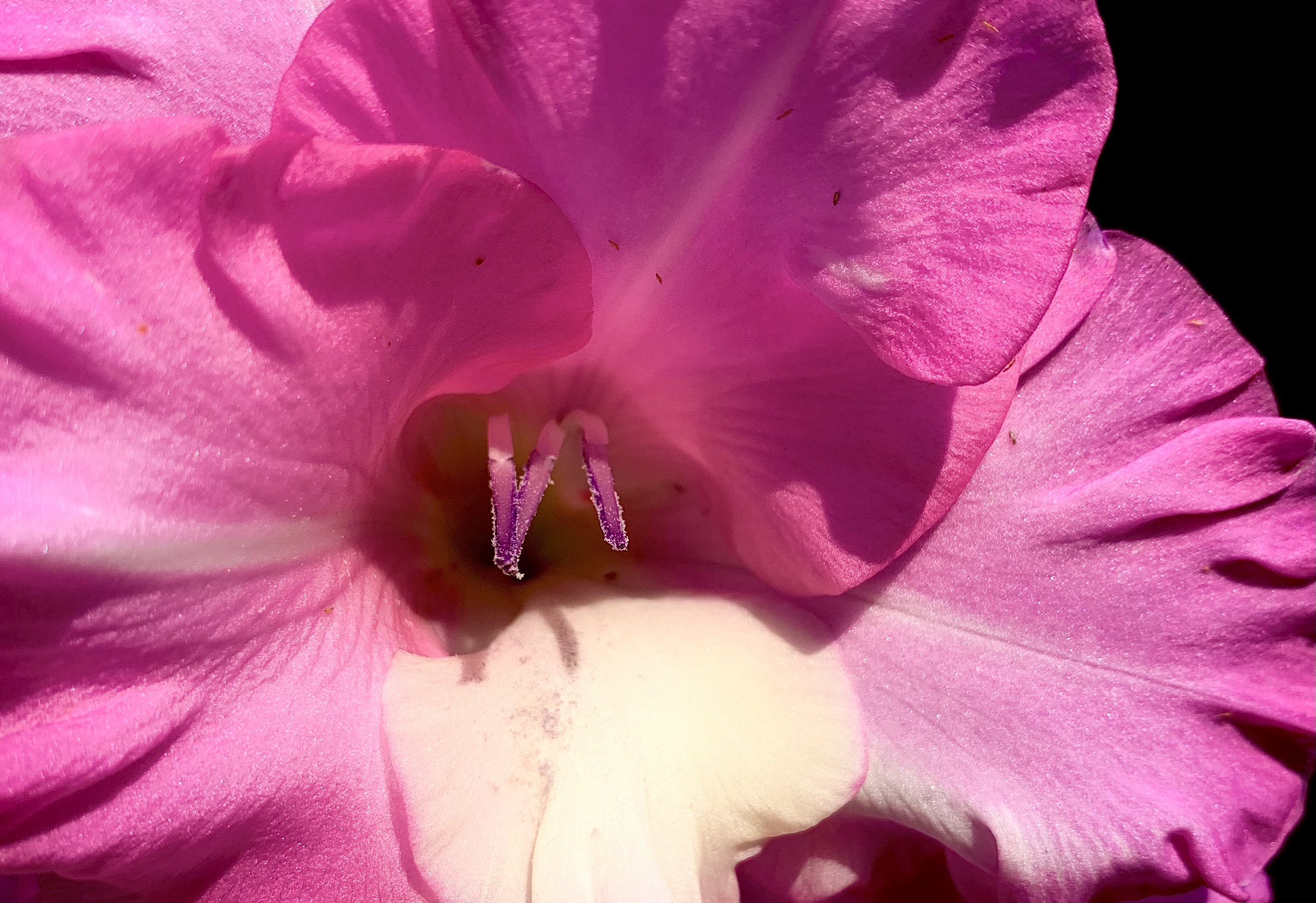
A long gladiola stalk rises boldly,
swaying in the breeze, each key
blossom unfolding one by one in flowing overture.

When each is done with its own ruffled note,
the next one opens to play its part.

The notes progress up the stem
until the final chord is held
~fermata-like~
until performances commence
again next summer.

I’ll be sure to reserve a front row seat.

Wishing you could hold beautiful words and pictures in your hands? This book from Barnstorming is available for order here:


What’s Left of Joy

You recall how winter
colored your love, left it


overly delicate, like a flower
skimmed of all fragrance.


You hear in the long last notes
of the nightingale’s song


how to harbor what’s left
of joy, how spring clutches


the green shoot of life and holds
on and on through summer, prepares


for no end that is sure in coming,
the fall ever endlessly repeating.
~Maureen Doallas “Recounting Seasons”, from Neruda’s Memoirs 

One of my greatest joys is watching time as days become weeks, then months, and as years flow by, the seasons repeat seemingly endlessly. I know they must end for me eventually so I anticipate transitions before they take place.

In the “olden” days, many farmers kept daily hand-written diaries to track the events of the seasons: when the soil was warm enough to sow, when the harvest was ready, the highs and lows of temperature fluctuations, how many inches in the rain gauge, how deep the snow.

Now we follow the years with a swift scroll in our photo collection in our phones: the tulips bloomed two weeks later this year, or the tomatoes ripened early or the pears were larger two years ago.

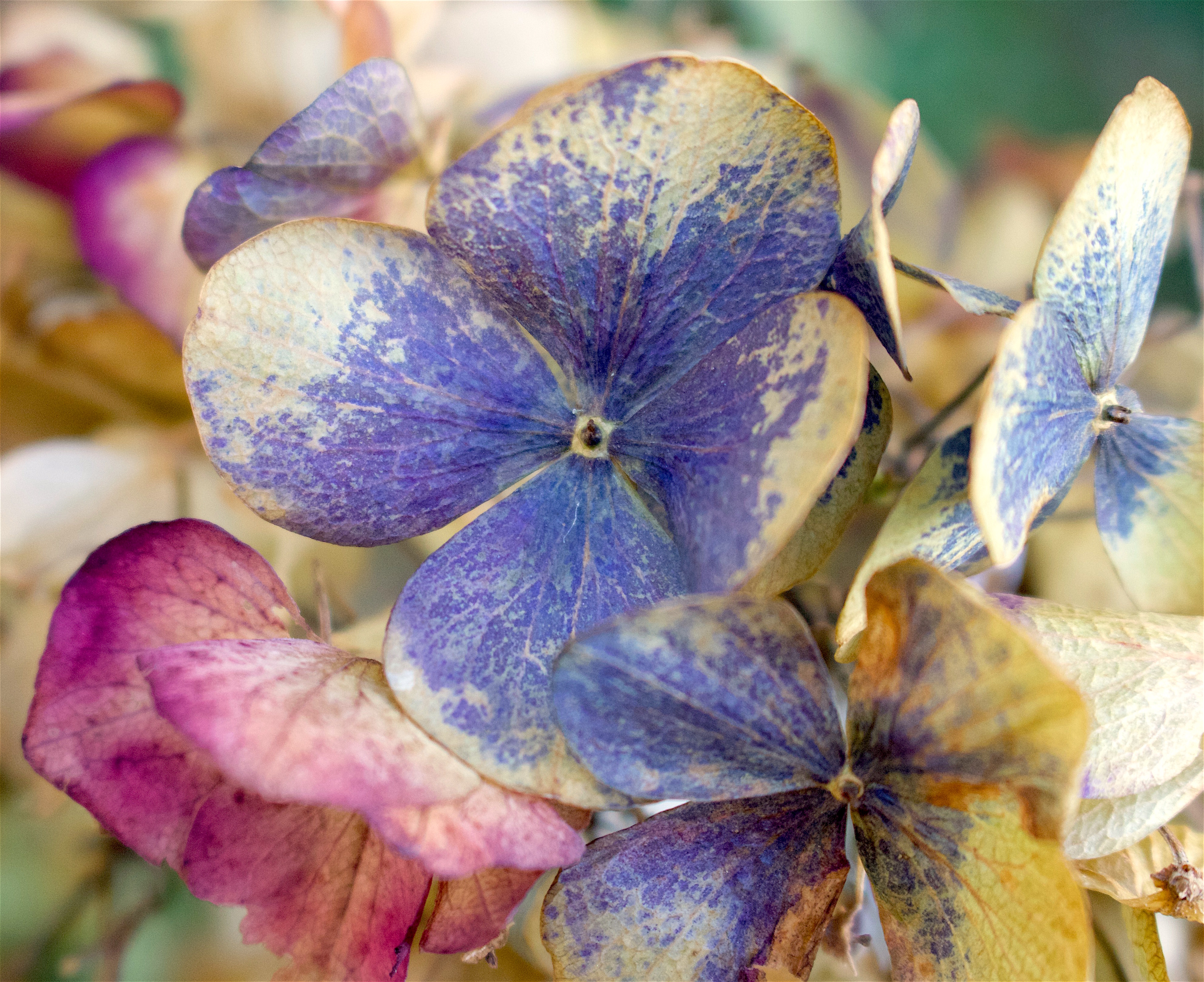
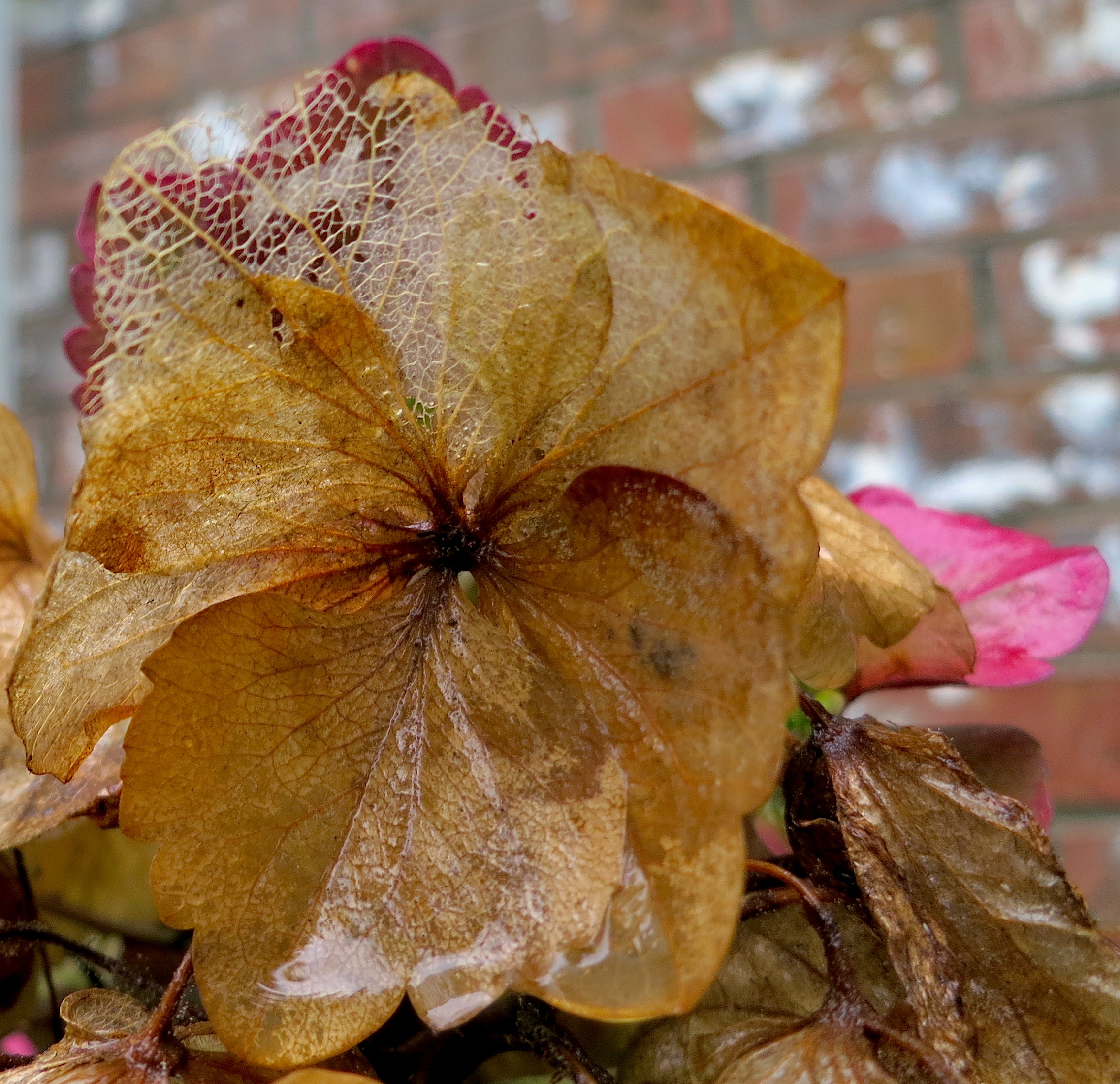
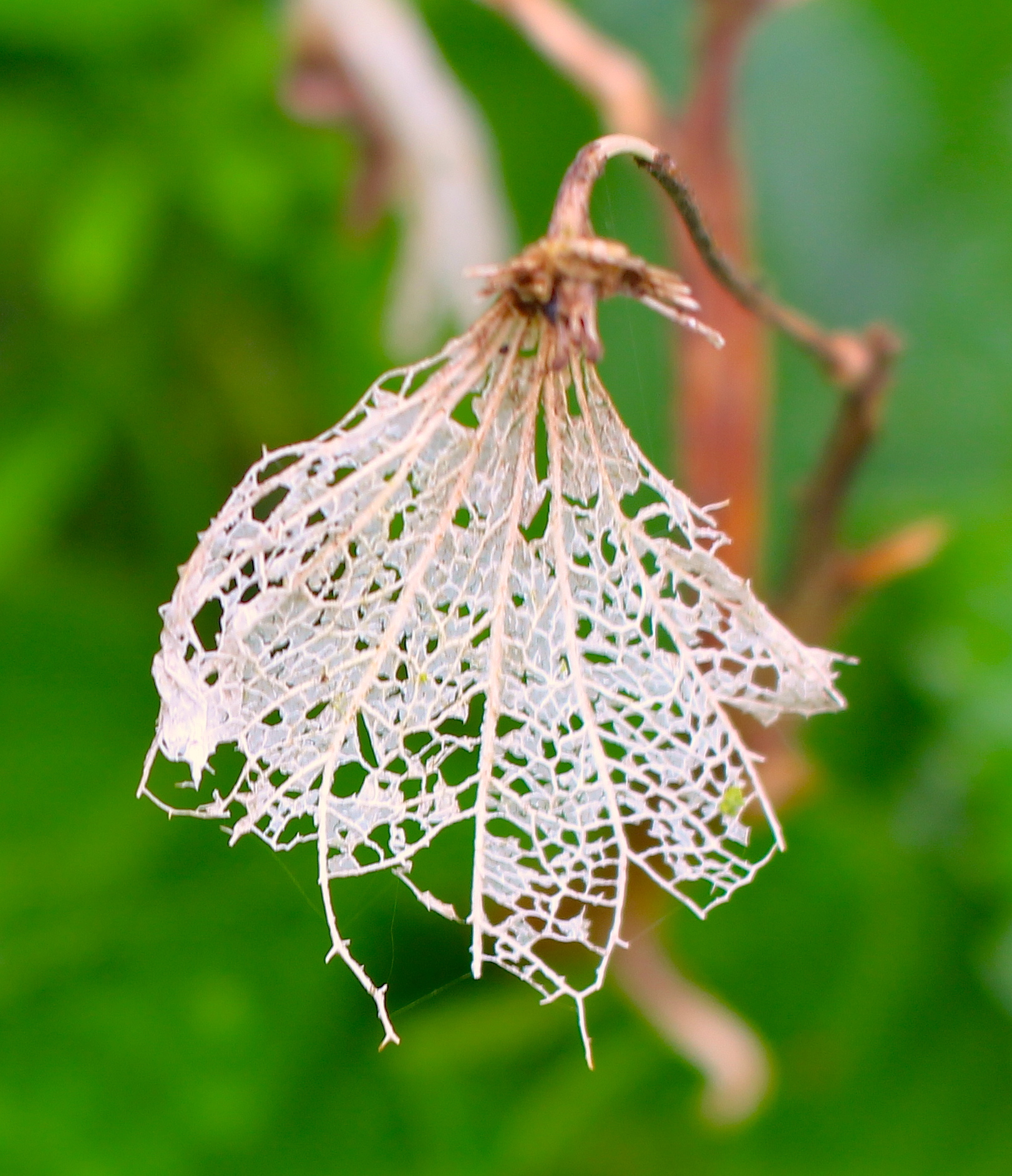
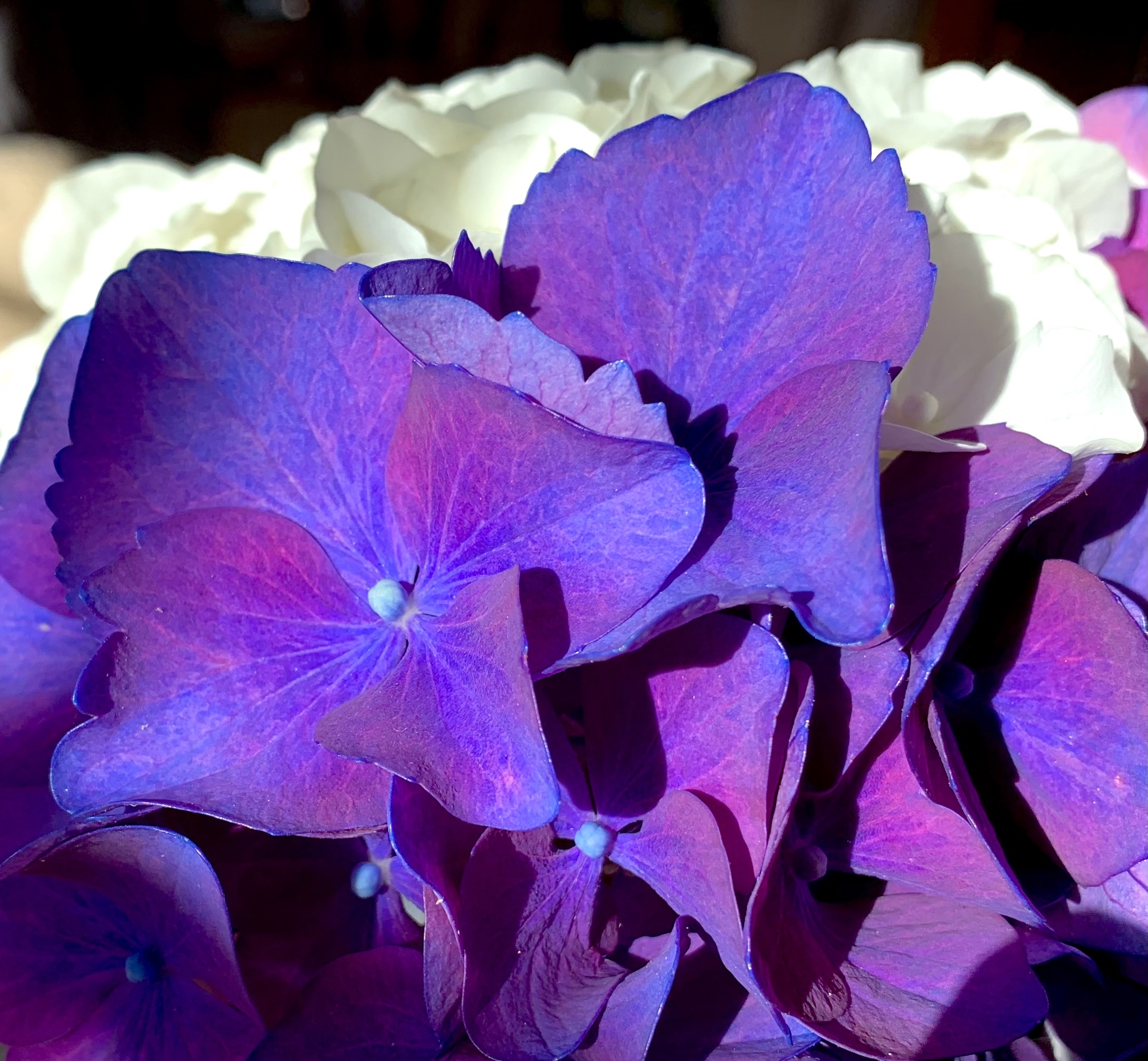
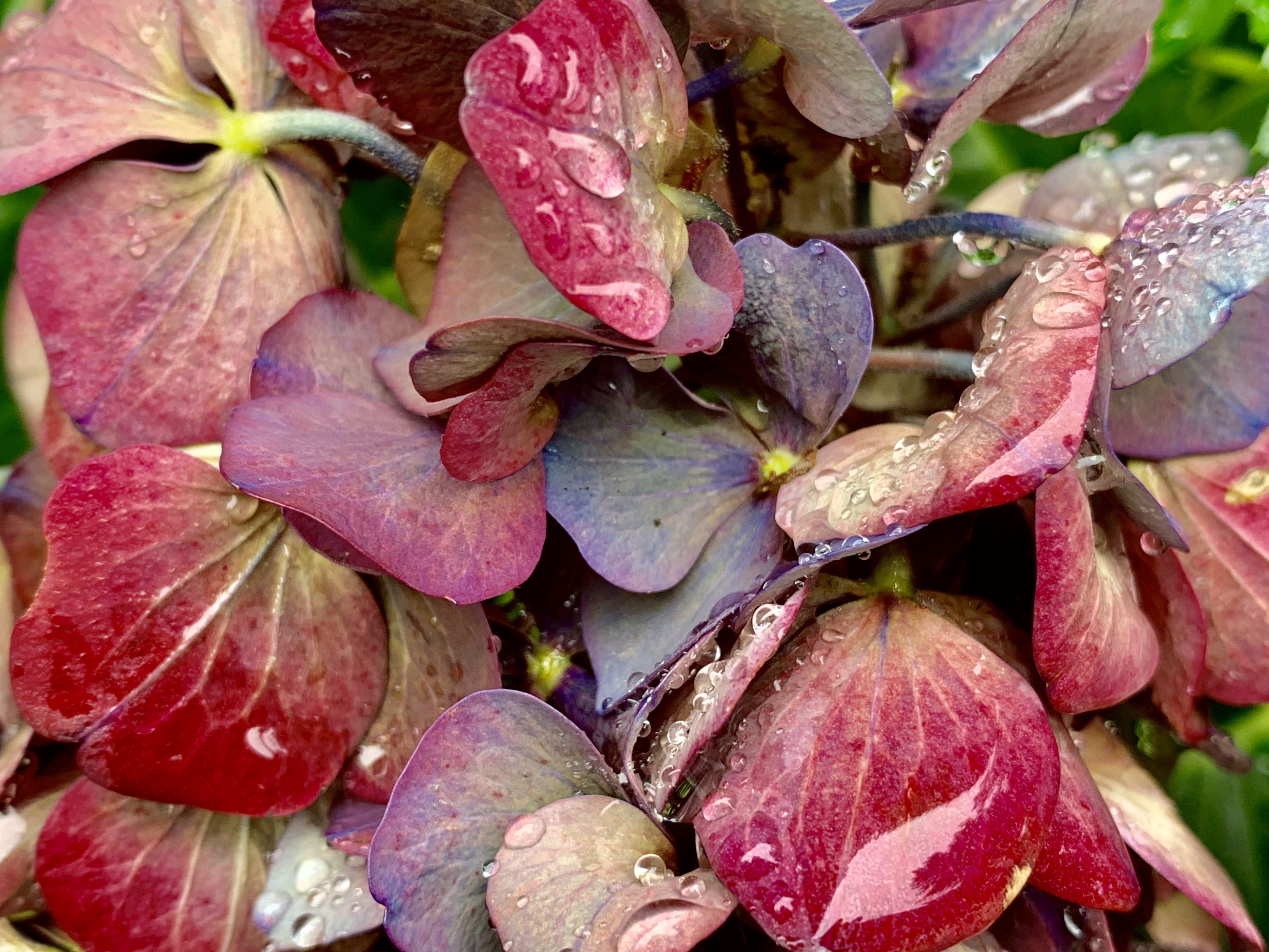
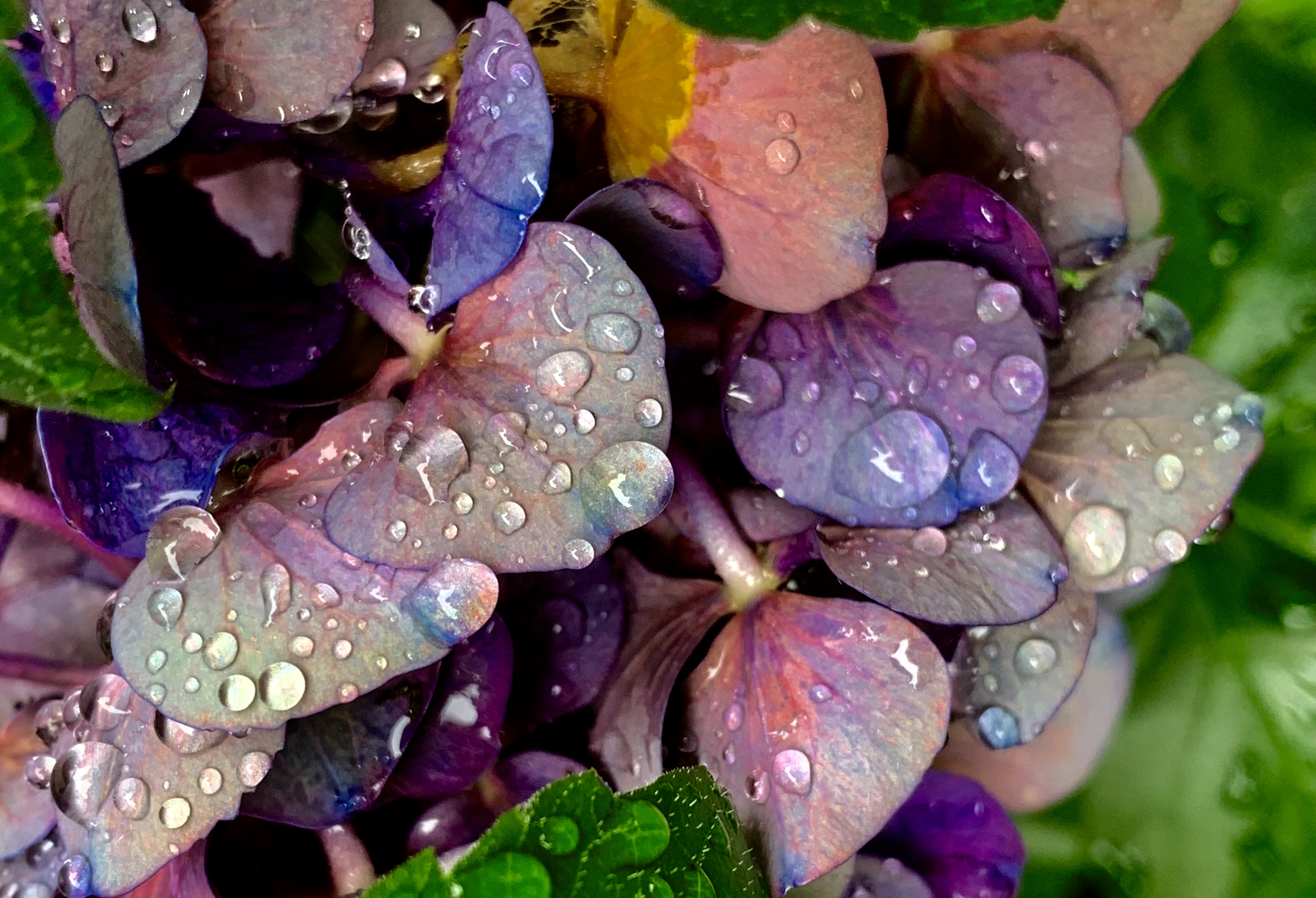
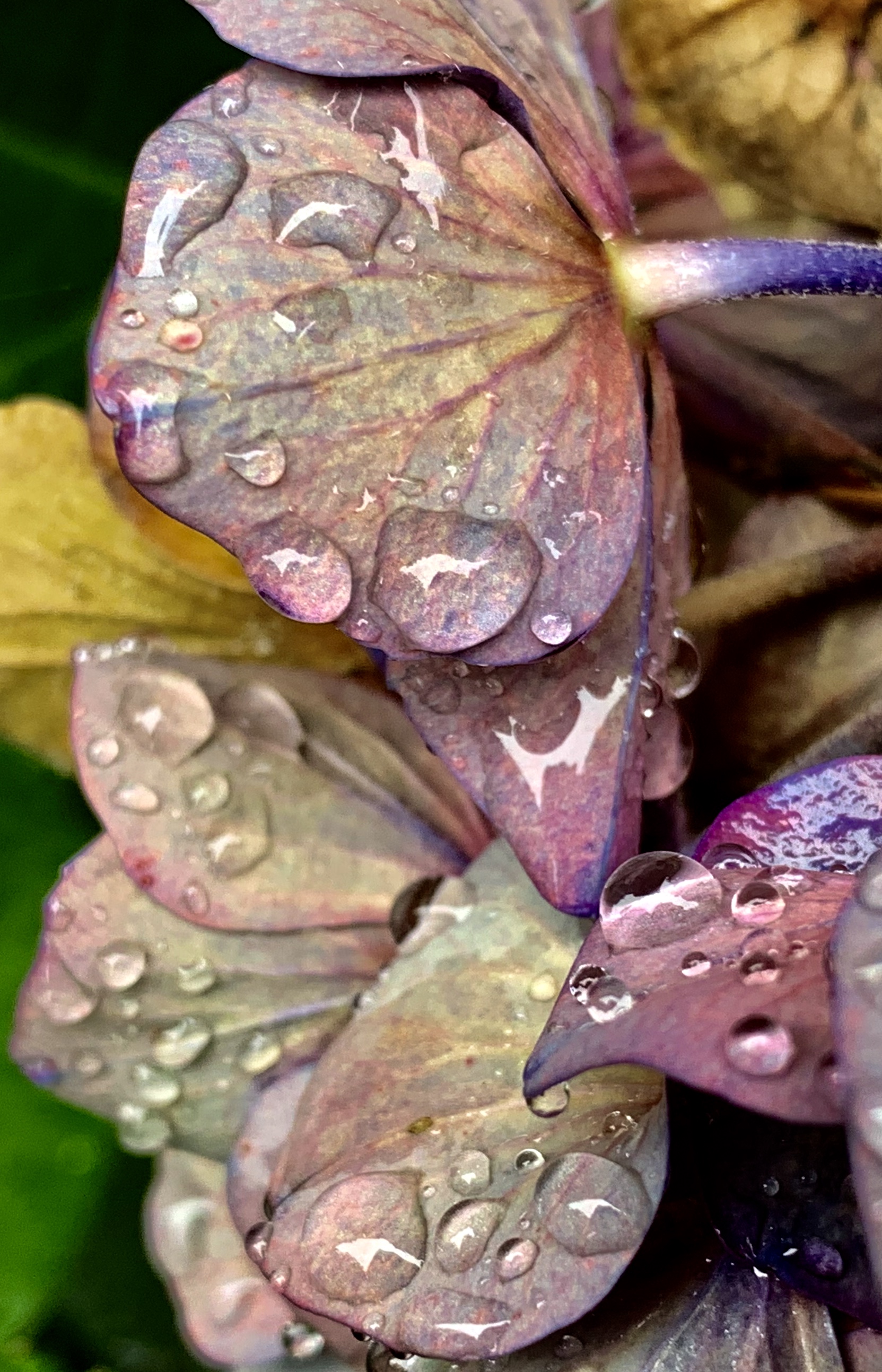
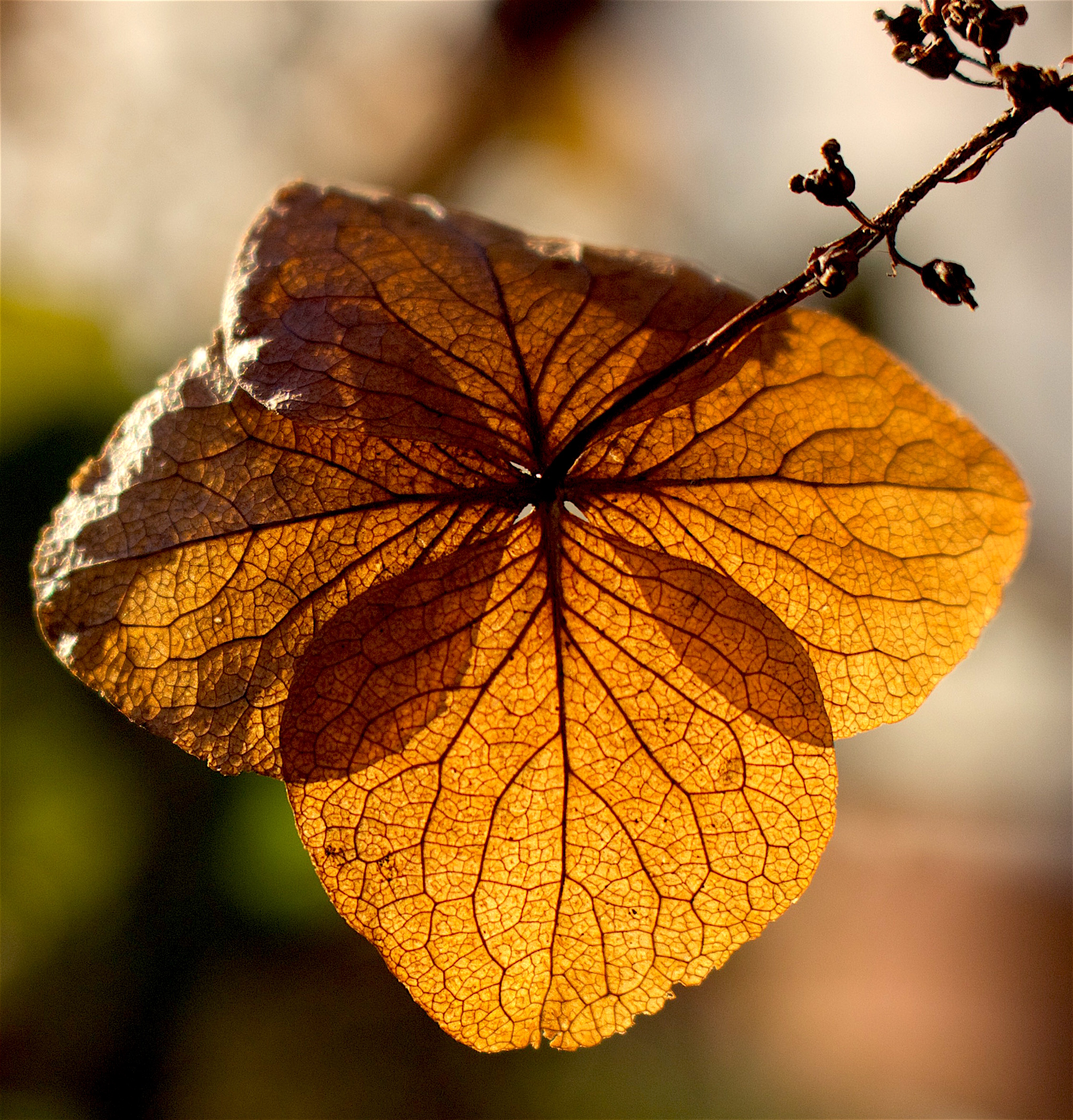
I take comfort things tend to repeat predictably year after year, yet I can spot subtle differences. Our hydrangea bushes are a harbinger of seasonal change: they are blooming a darker burgundy color this year, the lace caps are mostly blue rather than pink and purple. Their blooms fade eventually into blended earth tones, then blanche, finally losing color altogether and becoming skeletal.

And so it is with me. I harbor joy by noticing each change, knowing the repetition of the seasons and the cycle of blooming will continue, with or without me here watching. I am unnecessary except as a recorder of fact.

I will keep watching and keep documenting as long as I’m able.

Enjoying these Barnstorming posts? You’ll love this book from Barnstorming available to order here:

The Way It Ought To Be

After three weeks of hot weather and drought,
           we’ve had a week of cold and rain,
just the way it ought to be here in the north,
            in June, a fire going in the woodstove
all day long, so you can go outside in the cold
            and rain anytime and smell
the wood smoke in the air.
 
This is the way I love it. This is why
           I came here almost
fifty years ago. What is June anyway
          without cold and rain
and a fire going in the stove all day?
~David Budbill, “What Is June Anyway?” from Tumbling toward the End.

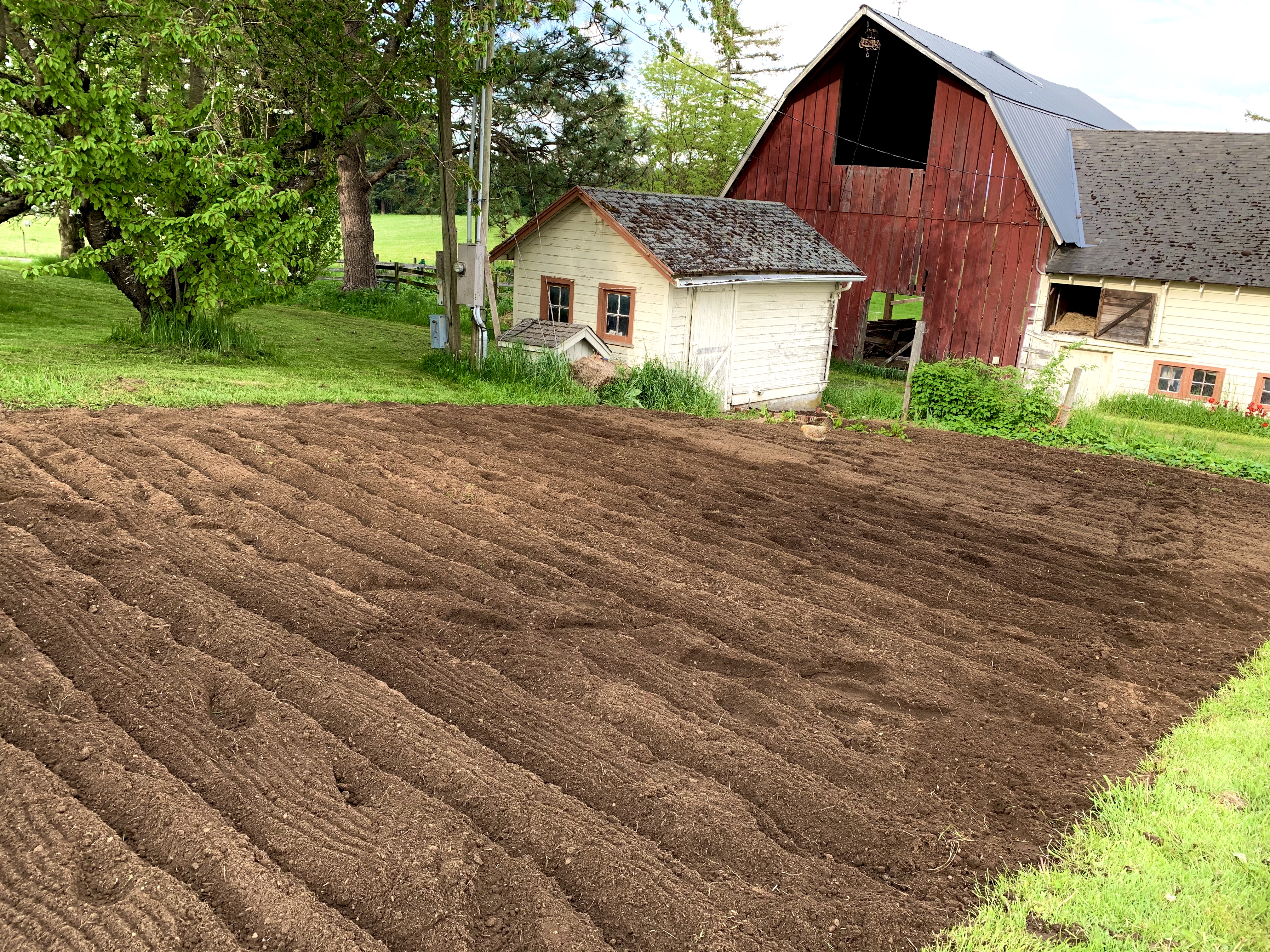
I spent seven hours yesterday at my daughter’s house
helping her expand their garden by at least ten times.
We dug up sod by the shovelful, shook off the dirt as
best we could; sod into the wheelbarrow and off to the
pile at the edge of the yard. Then all that over and over
again. Five hours total work-time, with time out for lunch
and supper. By the time I got home I knew all too well
that seventy-two is not thirty-five; I could barely move.

I got to quit earlier than Nadine. She told me I’d done
enough and that I should go get a beer and lie down on
the chaise lounge and cheer her on, which is what I did.

All this made me remember my father forty years ago
helping me with my garden. My father’s dead now, and
has been dead for many years, which is how I’ll be one
of these days too. And then Nadine will help her child,
who is not yet here, with her garden. Old Nadine, aching
and sore, will be in my empty shoes, cheering on her own.

So it goes. The wheel turns, generation after generation,
around and around. We ride for a little while, get off and
somebody else gets on. Over and over, again and again.
~David Budbill “Seventy-Two Is Not Thirty-Five” from Tumbling toward the End.

June is not supposed to be like this.

It is typically cool and rainy during these first few weeks of summer. June is an impossible month to hold outdoor weddings as we discovered a year ago. We celebrated our daughter and son-in-law’s wedding amid chilly breezes and sprinkles, avoiding a downpour.

Yet if it had been this year we would have all baked and sweated to a golden melting crust sitting in the full sun.

Yesterday we reached 106 F here in the normally temperate Pacific Northwest. I am scanning the weather forecast for any hint of rain (none) and am celebrating the prediction of mid-80s temperatures (hopefully soon). I once thought 85 to be intolerably hot.

It all is a matter of perspective when considering how things “ought” to be.

Wild temperature fluctuations and weather extremes are not new to this earth, but they certainly seem more frequent, causing more damage and suffering among all earth dwellers, whether plant or animal. We expect natural predictable cycles in the seasons and in the passing of one generation to another — a smooth replacement plan as older gives way to the younger.

This is how it ought to be. Yet it isn’t always so. Sometimes not even close.

We’ll remember 2020 and early 2021 as months of pandemic that sucked the life and joy from so many of us. Now the crazy heat index of June 2021 is effectively distracting us from a dwindling risk of COVID infection to consider instead the immediacy of how to avoid overheating ourselves, our animals and our gardens/crops.

It is always something in this life of peril and worry.

That is just how it is,
rather than how it ought to be.

A new book from Barnstorming is available to order here

I Nearly Said I Loved Him

“Hold on,” she said, “I’ll just run out and get him.
The weather here’s so good, he took the chance
To do a bit of weeding.”

So I saw him
Down on his hands and knees beside the leek rig,
Touching, inspecting, separating one
Stalk from the other, gently pulling up
Everything not tapered, frail and leafless,
Pleased to feel each little weed-root break,
But rueful also . . . 


Then found myself listening to
The amplified grave ticking of hall clocks
Where the phone lay unattended in a calm
Of mirror glass and sunstruck pendulums . . . 


And found myself then thinking: if it were nowadays,
This is how Death would summon
Everyman.

Next thing he spoke and I nearly said I loved him.
~Seamus Heaney “A Call” from ‘Poems That Make Grown Men Cry’

My father was a complex man. I understand better now where my own complicated nature comes from.

As inscrutable as he could be, there were things I absolutely understood about him:

he was a man of action
– he never just sat, never took a nap, never wasted a day of his life without accomplishing something tangible.

he was a man of the soil
– he plowed and harrowed and sowed and fertilized and weeded and harvested

he was a man of inventiveness
– he figured out a better way, he transformed tools and buildings, he started from scratch and built the impossible

he didn’t explain himself
– and never felt the need to.

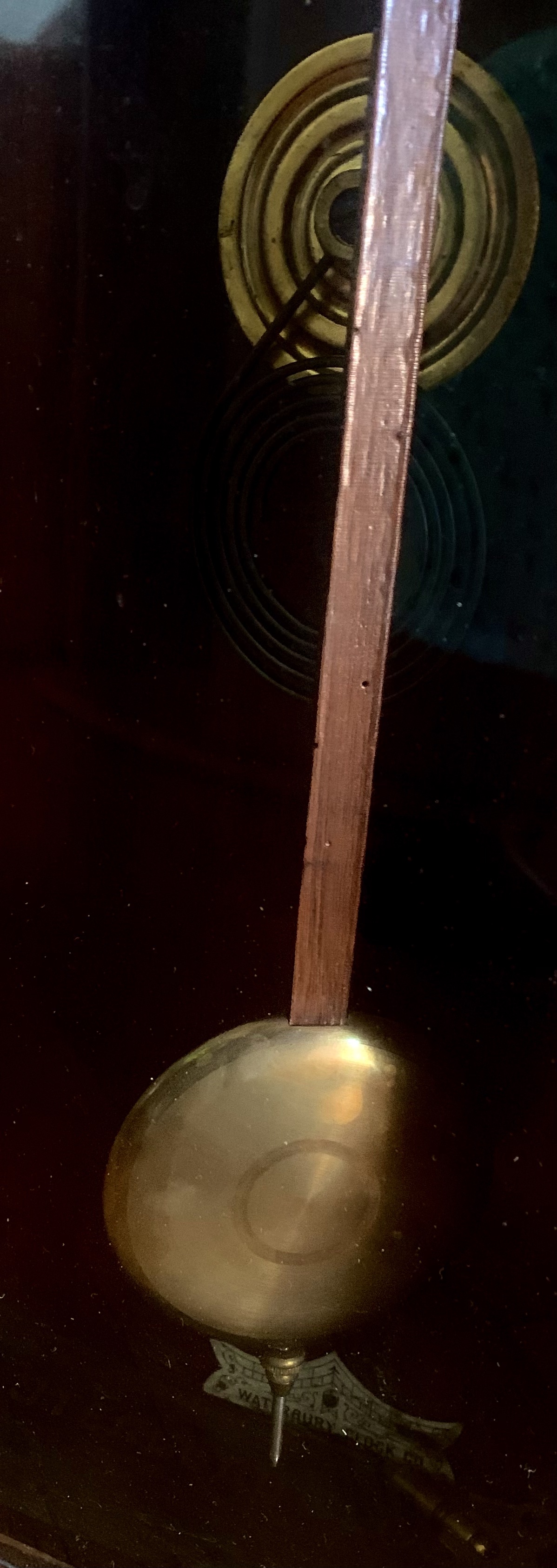
Time keeps ticking on without him here, now 26 years since he took his last breath as the clock pendulum swung in his bedroom. He was taken too young for all the projects he still had in mind.

He handed off a few to me.
Some I have done.
Some still wait, I’m not sure why.

My regret is not understanding how much he needed to hear how loved he was. He seemed fine without it being said.
But he wasn’t.

I wish I had said it when I had the chance.

Ben packaged in a paper bag by Grandpa Hank
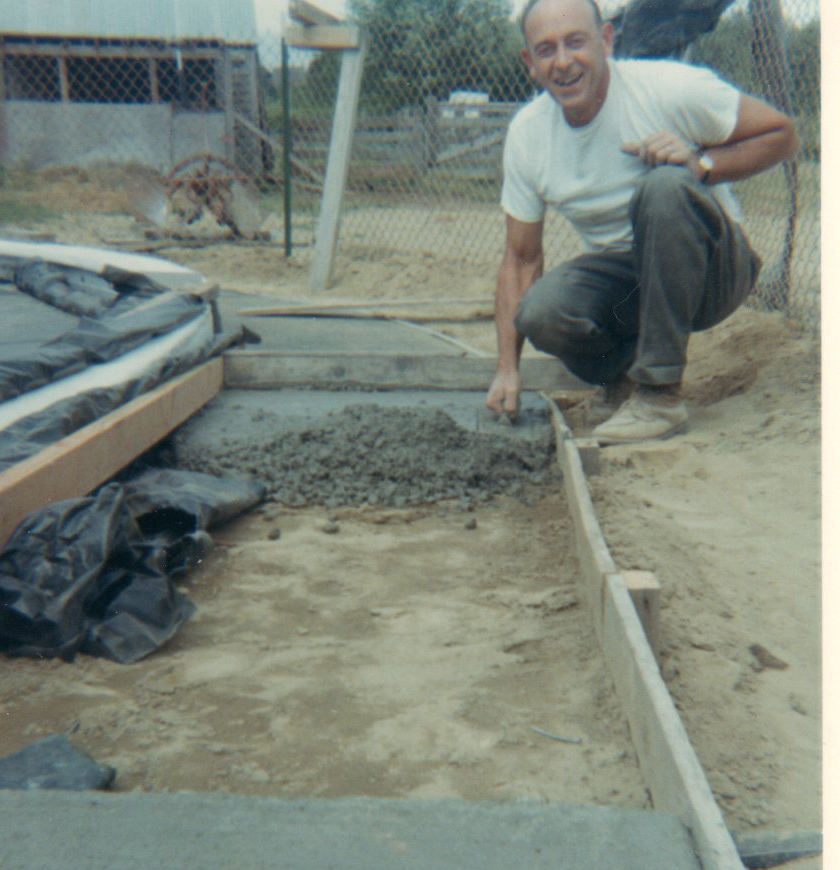
Pouring the sidewalk by hand

Root and All

Flower in the crannied wall,
I pluck you out of the crannies,
I hold you here, root and all, in my hand,
Little flower—but if I could understand
What you are, root and all, all in all,
I should know what God and man is.
~Lord Alfred Tennyson “Flower in the Crannied Wall”

Am I root, or am I bud?
Am I stem or am I leaf?

All in all, I am
but the merest reflection
of God’s fruiting glory;

I am His tears shed
as He broke
into blossom.

A new book from Barnstorming available for order here

This Garden Entrusted to Me

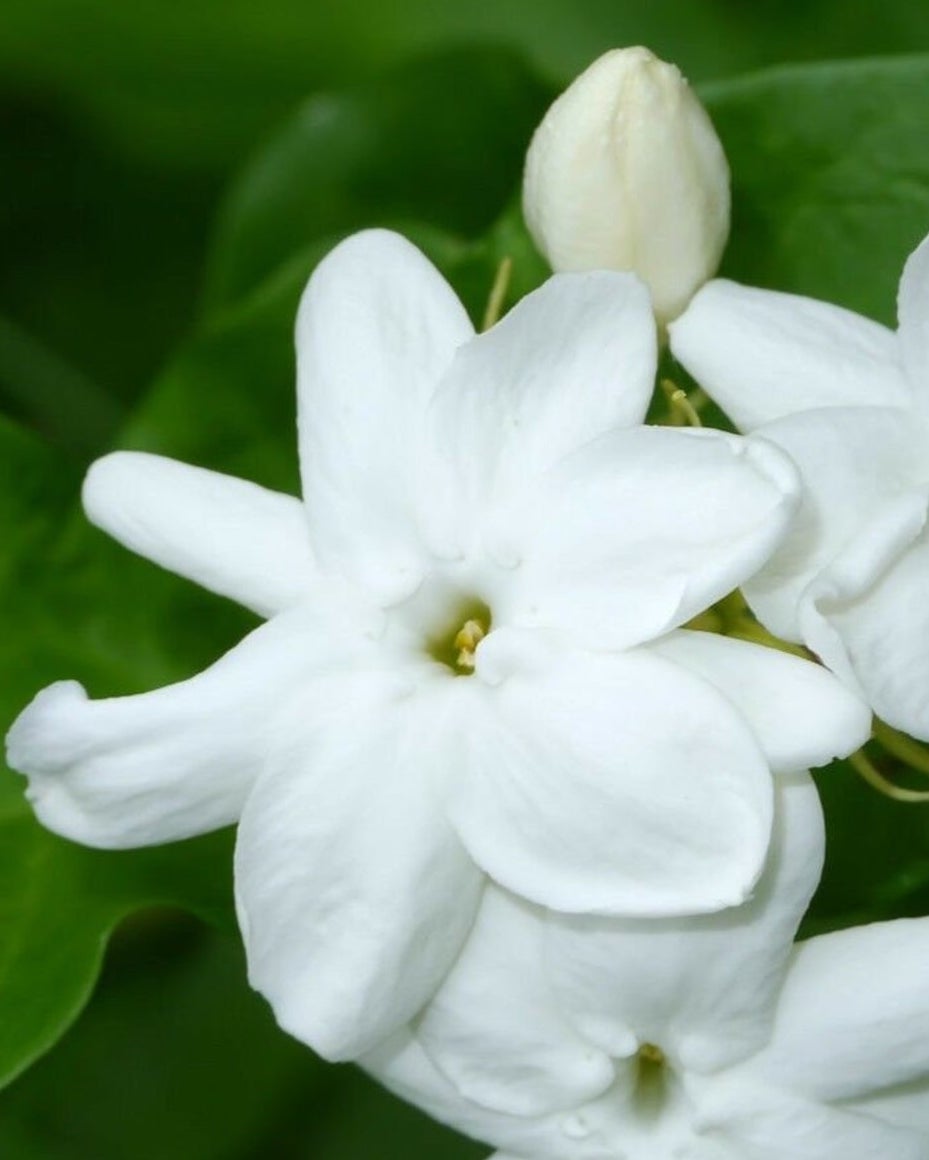
The wind, one brilliant day, called
to my soul with an odor of jasmine.

“In return for the odor of my jasmine,
I’d like all the odor of your roses.”

“I have no roses; all the flowers
in my garden are dead.”

“Well then, I’ll take the withered petals
and the yellowed leaves and the waters of the fountain.”

The wind left.  And I wept. And I said to myself:
“What have you done with the garden that was entrusted to you?”
~Antonio Machado “The Wind, One Brilliant Day” translated by Robert Bly

This garden bloomed with potential,
entrusted to me for 32 years:
the health and well-being of 16,000 students,
most thriving and flourishing,
some withering, their petals falling,
a few have been lost altogether.

As the winds of time sweep away
another group of graduates from my care,
to be blown to places unknown,
their beauty and fragrance gone from here.

I marvel at their growth,
but also weary weep for those who left too soon,
wondering if I failed to water them enough –
or is it I who am parched in this garden
with a thirst unceasing, my roots reaching deep
into drought-stricken soil,
ever so slowly drying out?

A new book from Barnstorming available for order here:


An Ordinary Sunday

Sometimes I have loved the peacefulness of an ordinary Sunday.
It is like standing in a newly planted garden after a warm rain.
You can feel the silent and invisible life.
~Marilynne Robinson from Gilead

It is ordinary time,
in the church calendar and in my life…

As I am covered with Sabbath rest
quiet and deep
as if planted in soil finally
warming from a too long winter~

I realize there is nothing ordinary
about what is happening
in the church, in the world,
or in me.

We are called by the Light
to push away from darkness,
to reach to the sky,
to grasp and bloom and fruit.

We begin as mere and ordinary seed.

Therefore, nothing is more extraordinary
than an ordinary Sunday.

A new book available from Barnstorming can be ordered here:

A Decent Egg

It may be hard for an egg to turn into a bird:
it would be a jolly sight harder for it to learn to fly while remaining an egg. 
We are like eggs at present. 
And you cannot go on indefinitely being just an ordinary, decent egg. 
We must be hatched or go bad.
C. S. Lewis from Mere Christianity

….in the garden there was nothing which was not quite like themselves—
nothing which did not understand

the wonderfulness of what was happening to them—
the immense, tender, terrible, heart-breaking beauty and solemnity of Eggs.

… if an Egg were taken away or hurt the whole world would whirl round and crash through space and come to an end—
~Frances Hodgson Burnett from The Secret Garden

I revel in being the good egg.
Smooth on the surface,
gooey inside, often a bit scrambled,
yet ordinary and decent,
indistinguishable from others,
blending in,
not making waves.

It’s not been bad staying just as I am.
Except I can no longer remain like this.

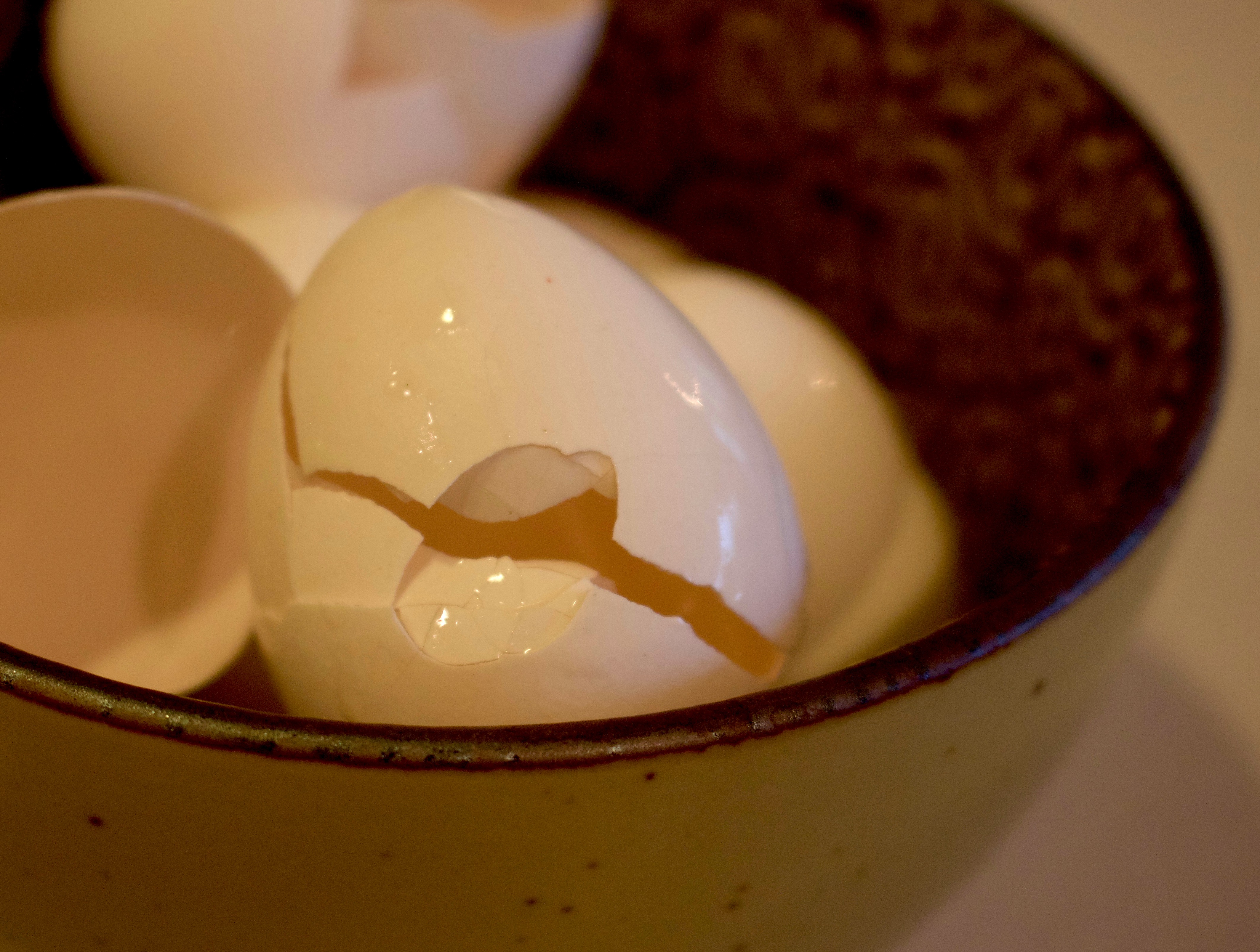
A dent or two have appeared in my outer shell
from bumps along the way,
and a crack up one side
extends daily.

It has come time to change or face inevitable rot.

Nothing can be the same again:
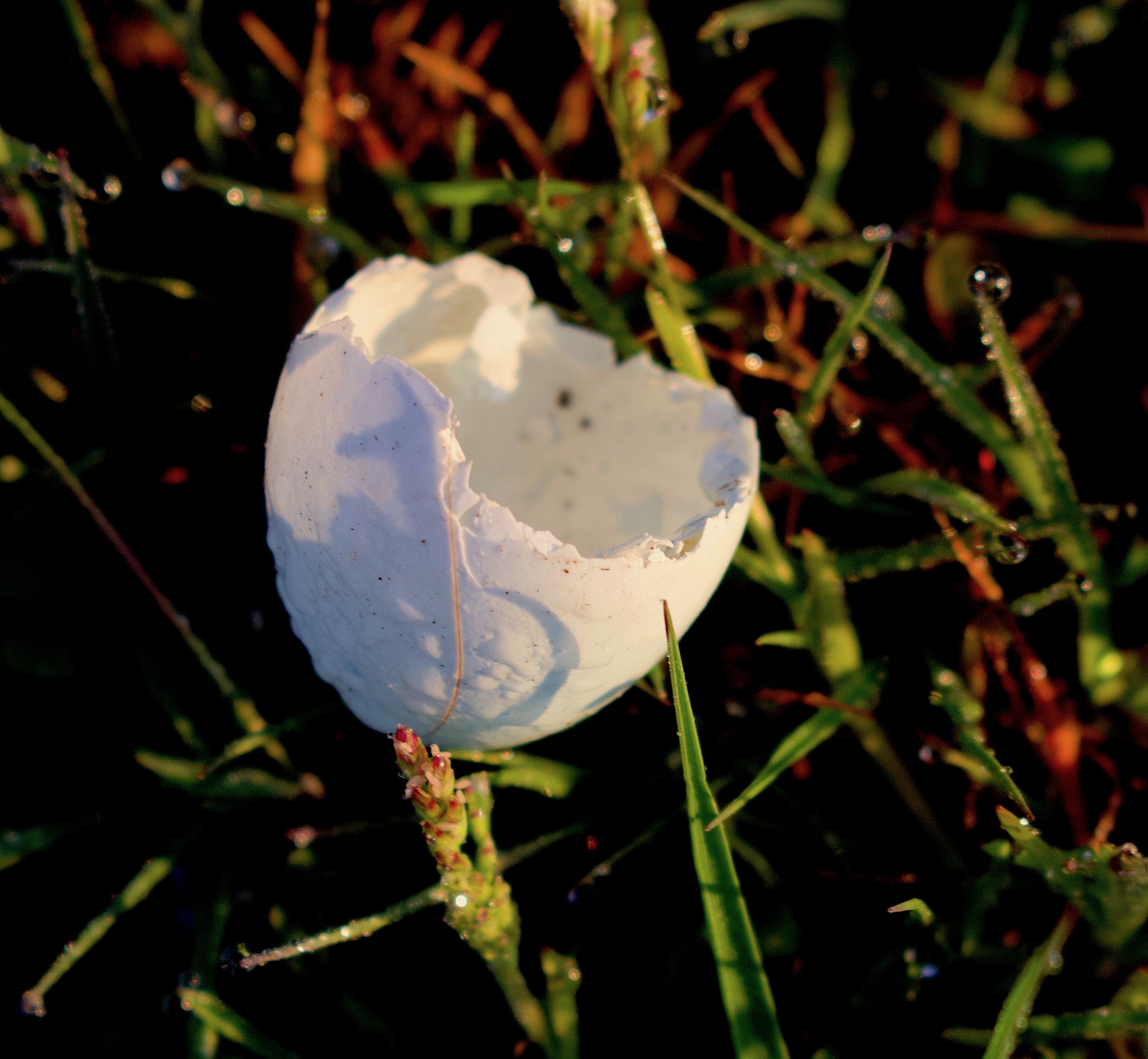
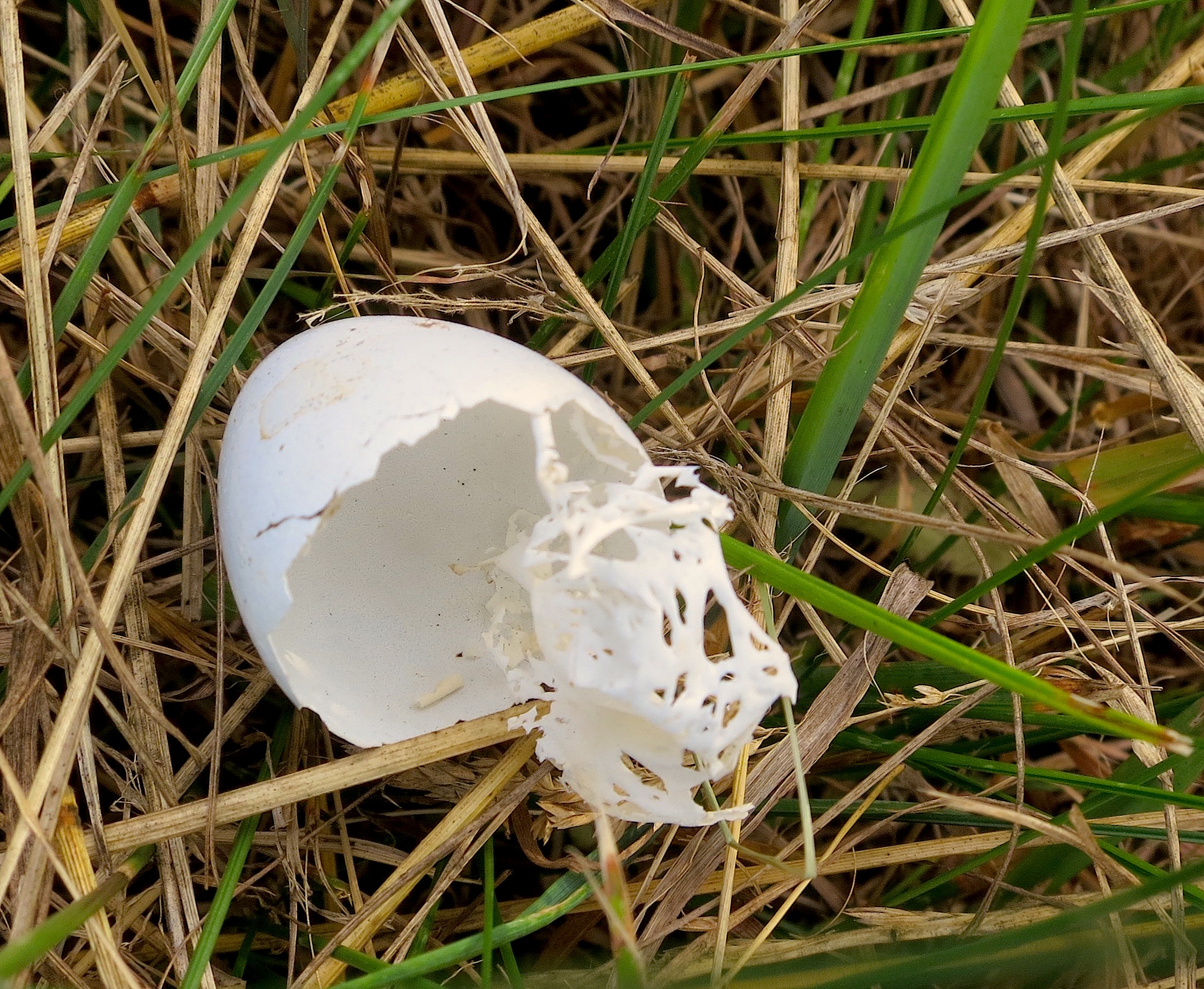
the fragments of shell
left behind
must be abandoned
as useless confinement.

Newly hatched
and transformed:
there is the wind beneath my wings.
I’ll soar toward an endless horizon
that stretches beyond eternity,
no longer ordinary.

A new book from Barnstorming is available for order here:

The Clustered Roots of Grace

I have a small grain of hope–
one small crystal that gleams
clear colors out of transparency.

I need more.

I break off a fragment
to send you.

Please take
this grain of a grain of hope
so that mine won’t shrink.

Please share your fragment
so that yours will grow.

Only so, by division,
will hope increase,

like a clump of irises, which will cease to flower
unless you distribute
the clustered roots, unlikely source–
clumsy and earth-covered–
of grace.
~Denise Levertov “For the New Year, 1981”

Years ago,  my newly widowed sister-in-law was trying to bring order to her late husband’s large yard and flower garden, overgrown following the shock of his sudden cardiac death.  In her ongoing ebb and flow with her grief, she brought to us several paper bags full of bearded iris roots resting solemnly in clumps of dirt. They appeared to be such unlikely sources of beauty, hope and healing: dry misshapen knobby feet and fingers, crippled-appearing and homely.

We got them into the ground late in the year yet they rewarded us with immense forgiveness. They took hold in their new space and transformed our little courtyard into a Van Gogh landscape. Over the years they have continued to gladden our hearts until we too must, to save them, divide them to pass on their gift of beauty to another garden.

This act– by division, will hope increase–feels radical yet that is exactly what God did:  sending Himself to become dusty, grime and earth-covered, so plain, so broken, so full of hope ready to bloom.

A part of God put down roots among us to grow, thrive and be divided, over and over and over again to increase the beauty and grace for those of us limited to this soil.

Just so —
our garden blooms so all can see and know:
hope grows here from clustered roots of grace.

Van Gogh “Irises” owned by J. Paul Getty Museum, California

New book from Barnstorming available — to order, click here