The Singers of Life, Not Death

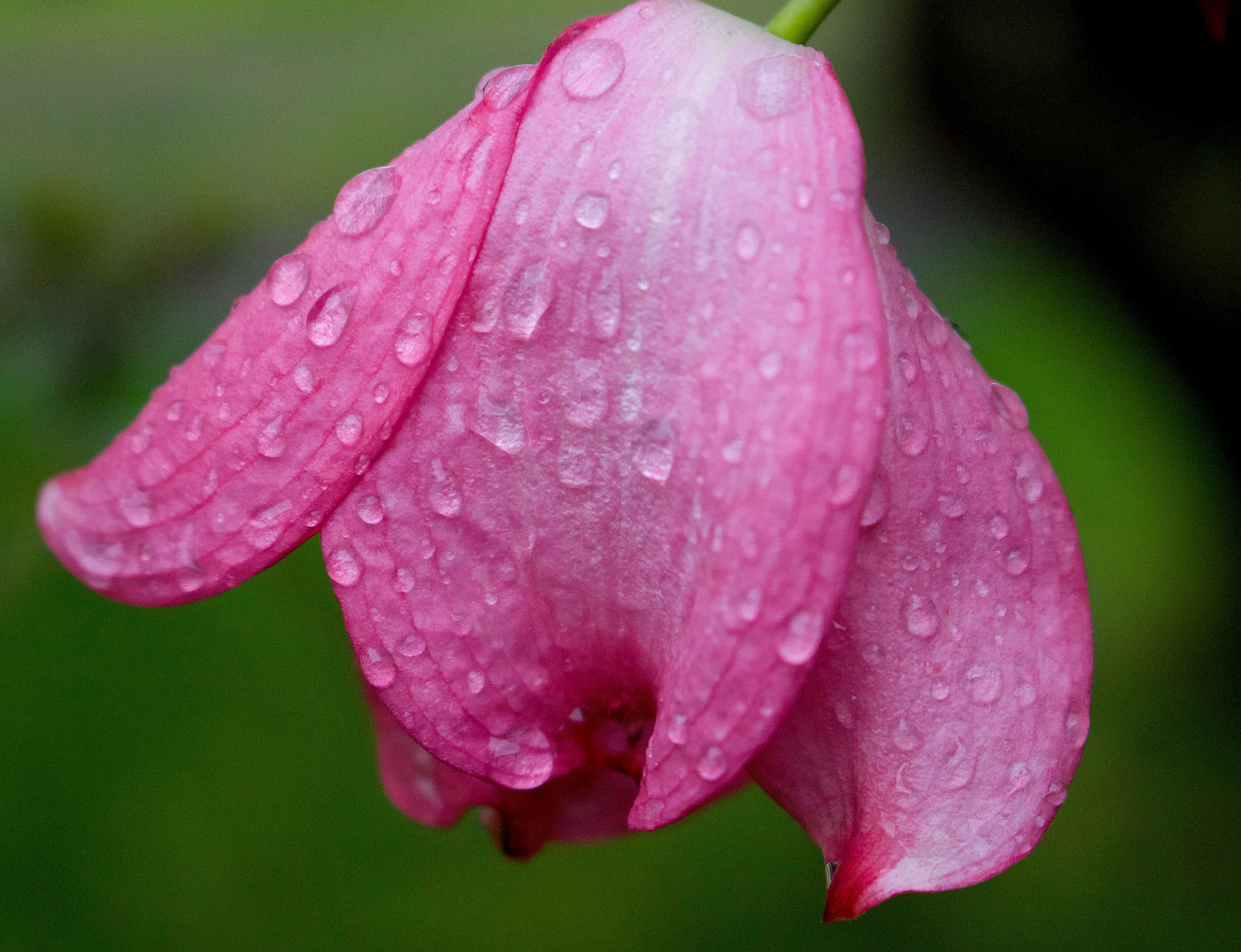
The rain falls and falls
cool, bottomless, and prehistoric
falls like night —
not an ablution
not a baptism
just a small reason
to remember
all we know of Heaven
to remember
we are still here

with our love songs and our wars…

Here too
in the wet grass
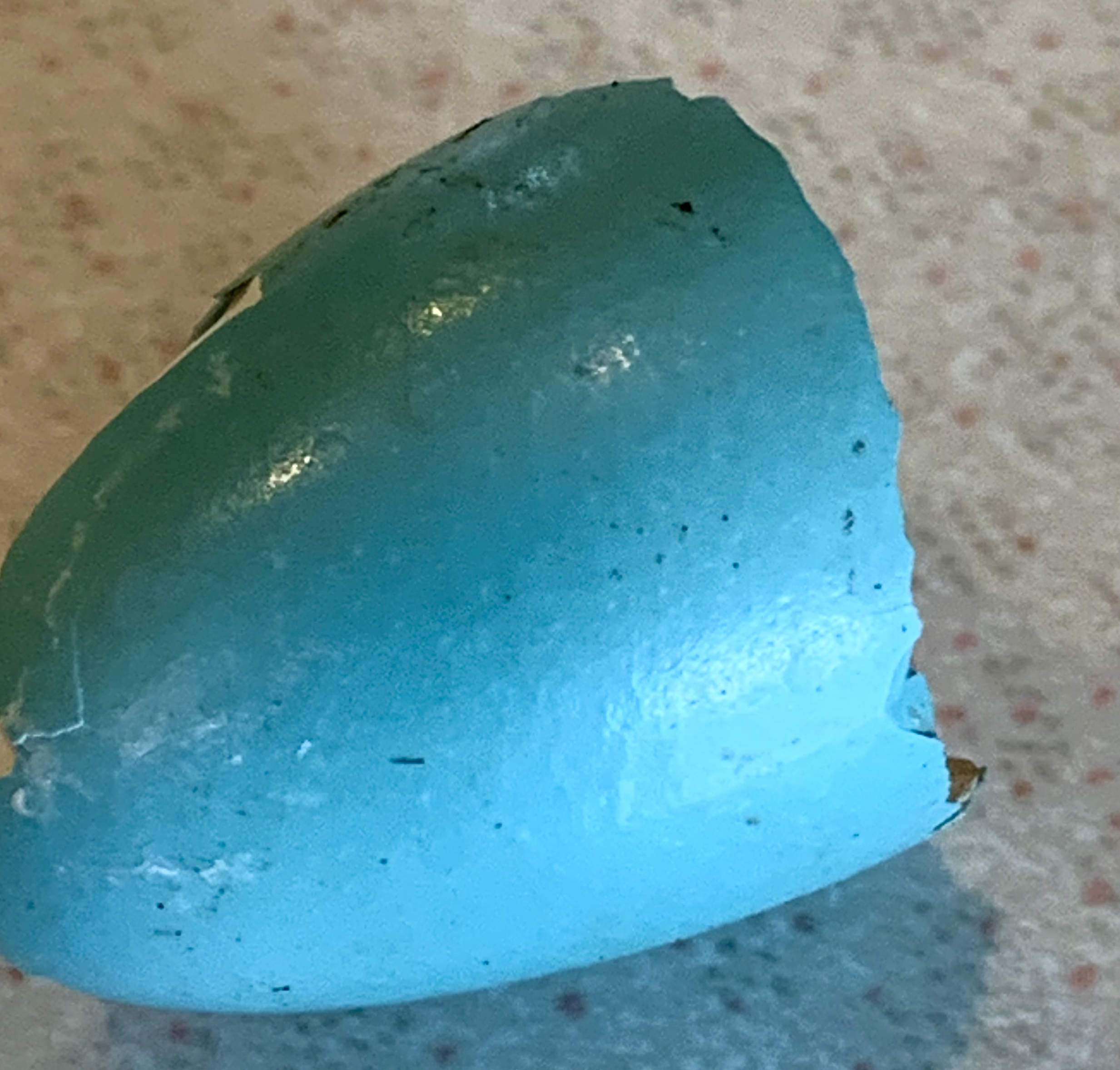
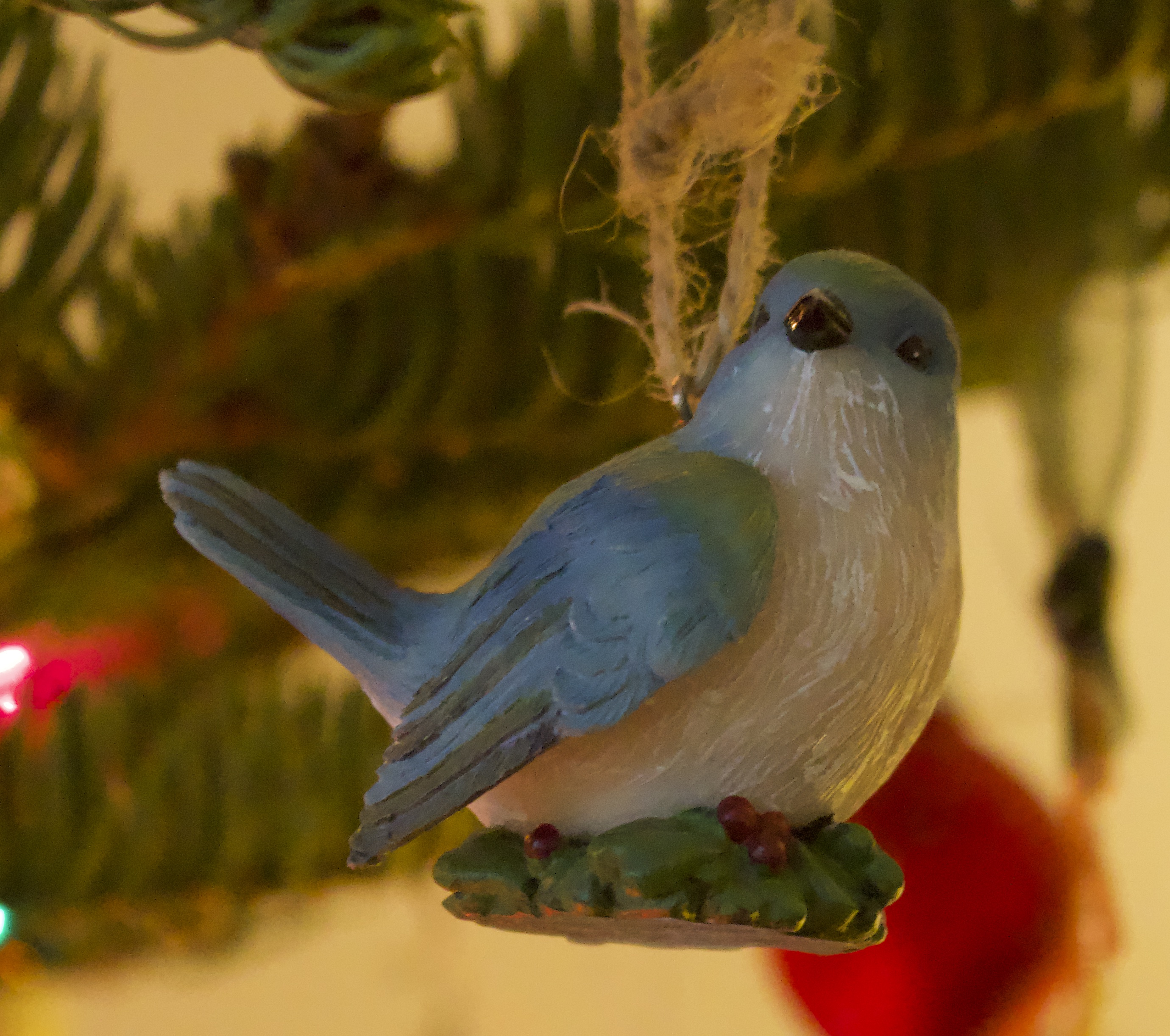
half a shell
of a robin’s egg
shimmers
blue as a newborn star
fragile as a world.

~Maria Popova from “Spell Against Indifference”

…I had sat down to rest with my back against a stump. Through accident I was concealed from the glade, although I could see into it perfectly.

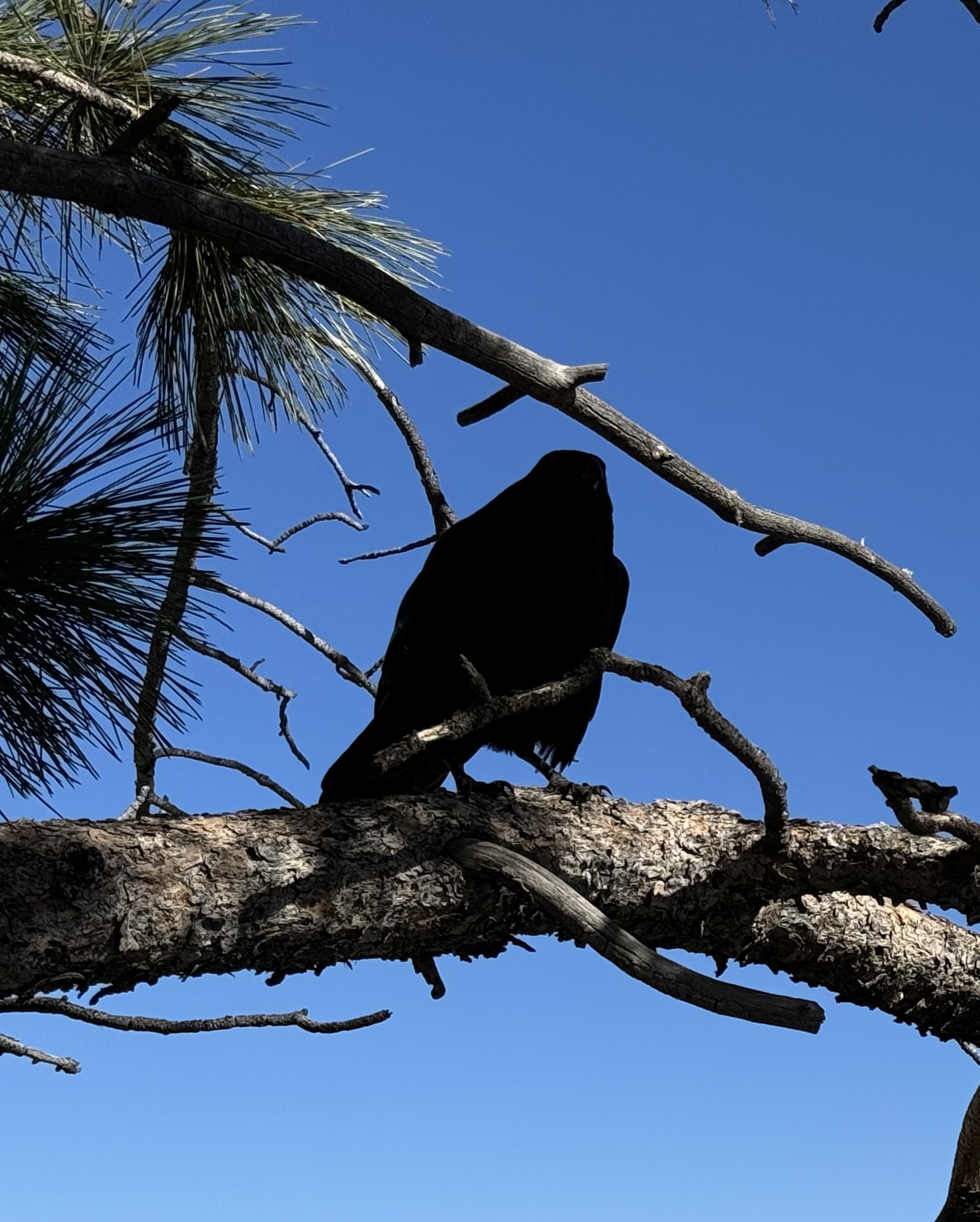
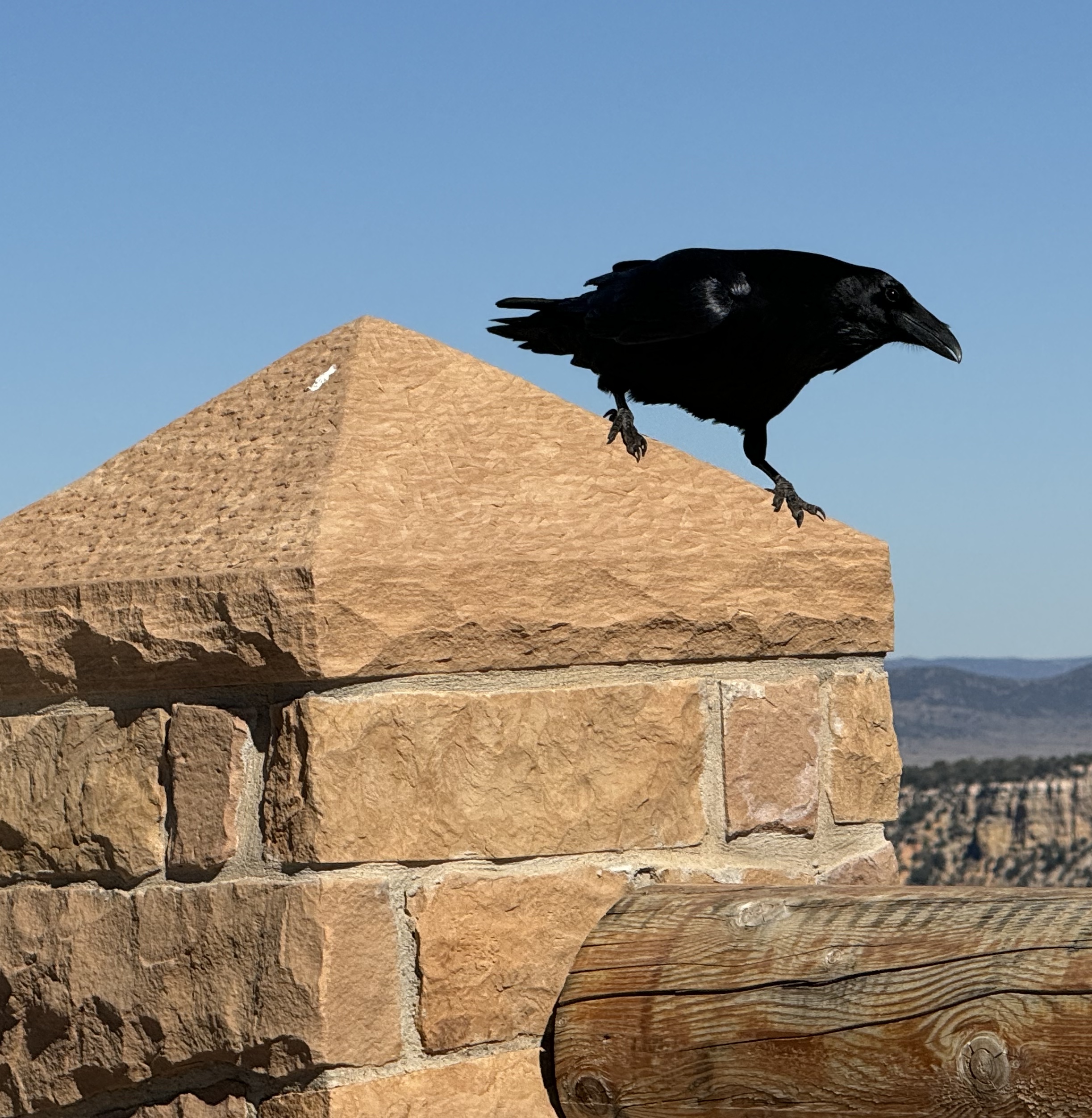
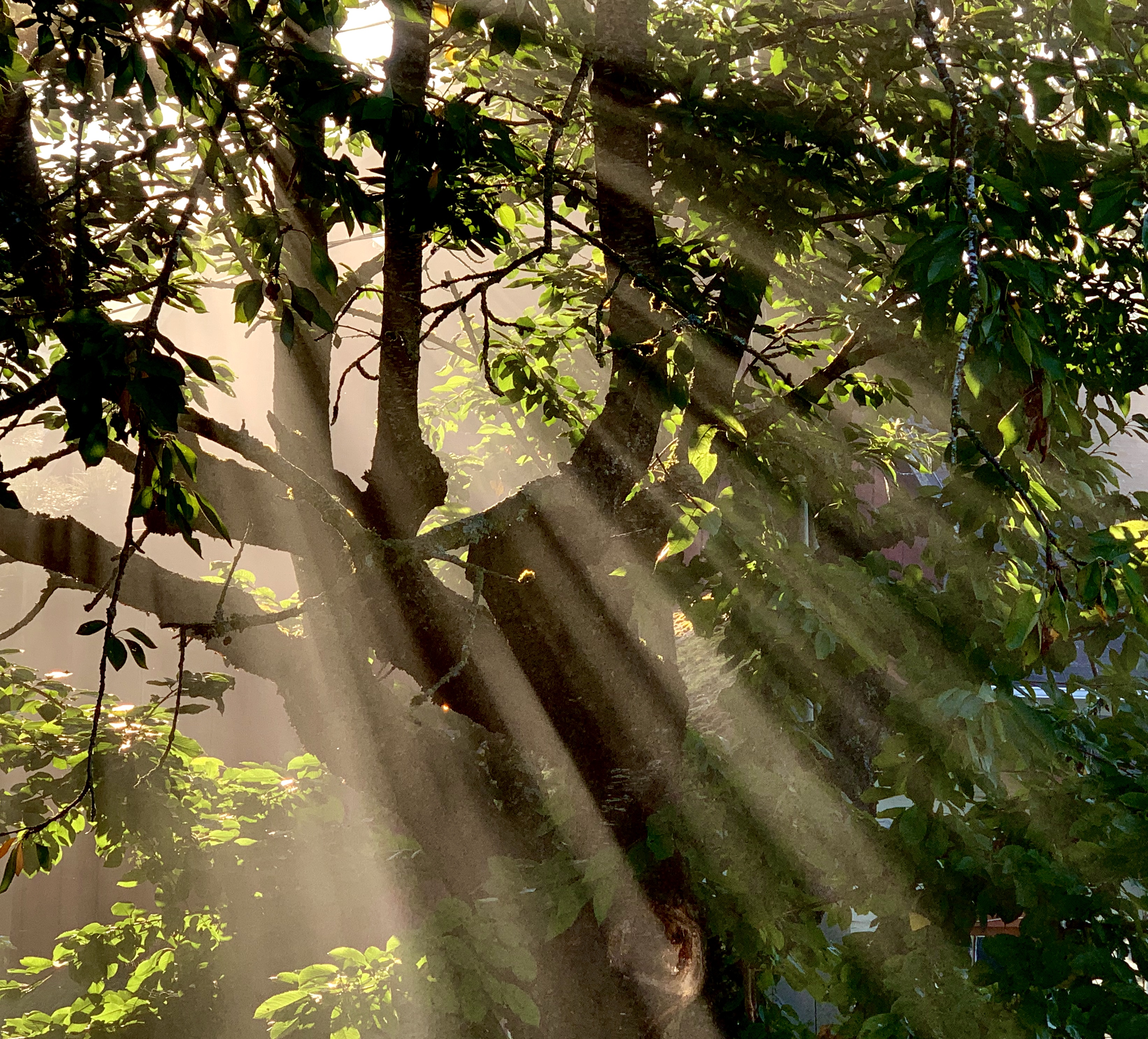
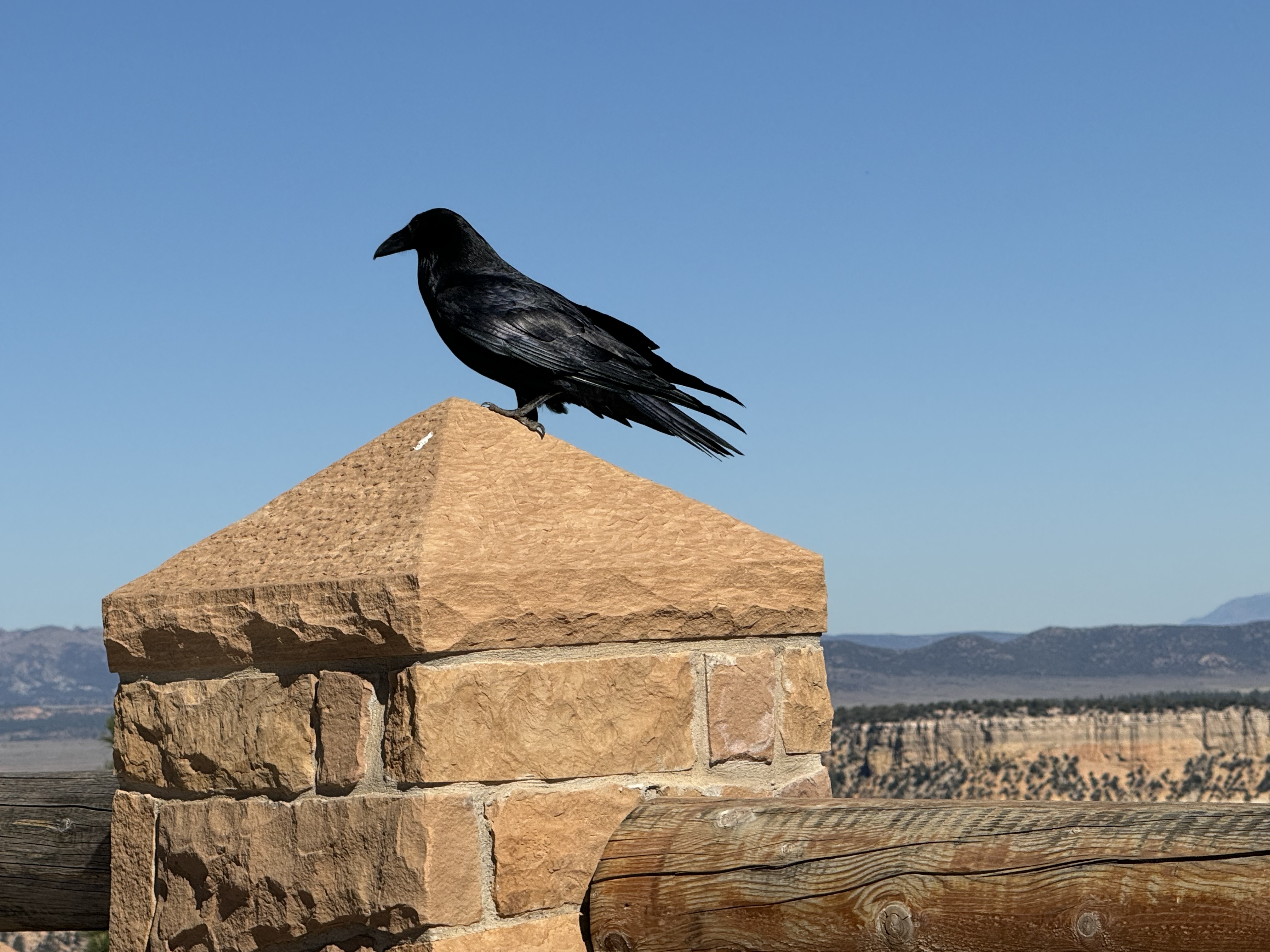
The sun was warm there, and the murmurs of forest life blurred softly away into my sleep. When I awoke, dimly aware of some commotion and outcry in the clearing, the light was slanting down through the pines in such a way that the glade was lit like some vast cathedral. I could see the dust motes of wood pollen in the long shaft of light, and there on the extended branch sat an enormous raven with a red and squirming nestling in his beak.

The sound that awoke me was the outraged cries of the nestling’s parents, who flew helplessly in circles about the clearing. The sleek black monster was indifferent to them. He gulped, whetted his beak on the dead branch a moment, and sat still. Up to that point the little tragedy had followed the usual pattern.

But suddenly, out of all that area of woodland, a soft sound of complaint began to rise. Into the glade fluttered small birds of half a dozen varieties drawn by the anguished outcries of the tiny parents.

No one dared to attack the raven. But they cried there in some instinctive common misery, the bereaved and the unbereaved. The glade filled with their soft rustling and their cries. They fluttered as though to point their wings at the murderer. There was a dim intangible ethic he had violated, that they knew. He was a bird of death.

And he, the murderer, the black bird at the heart of life, sat on there, glistening in the common light, formidable, unmoving, unperturbed, untouchable.

The sighing died. It was then I saw the judgment. It was the judgment of life against death. I will never see it again so forcefully presented. I will never hear it again in notes so tragically prolonged.

For in the midst of protest, they forgot the violence.

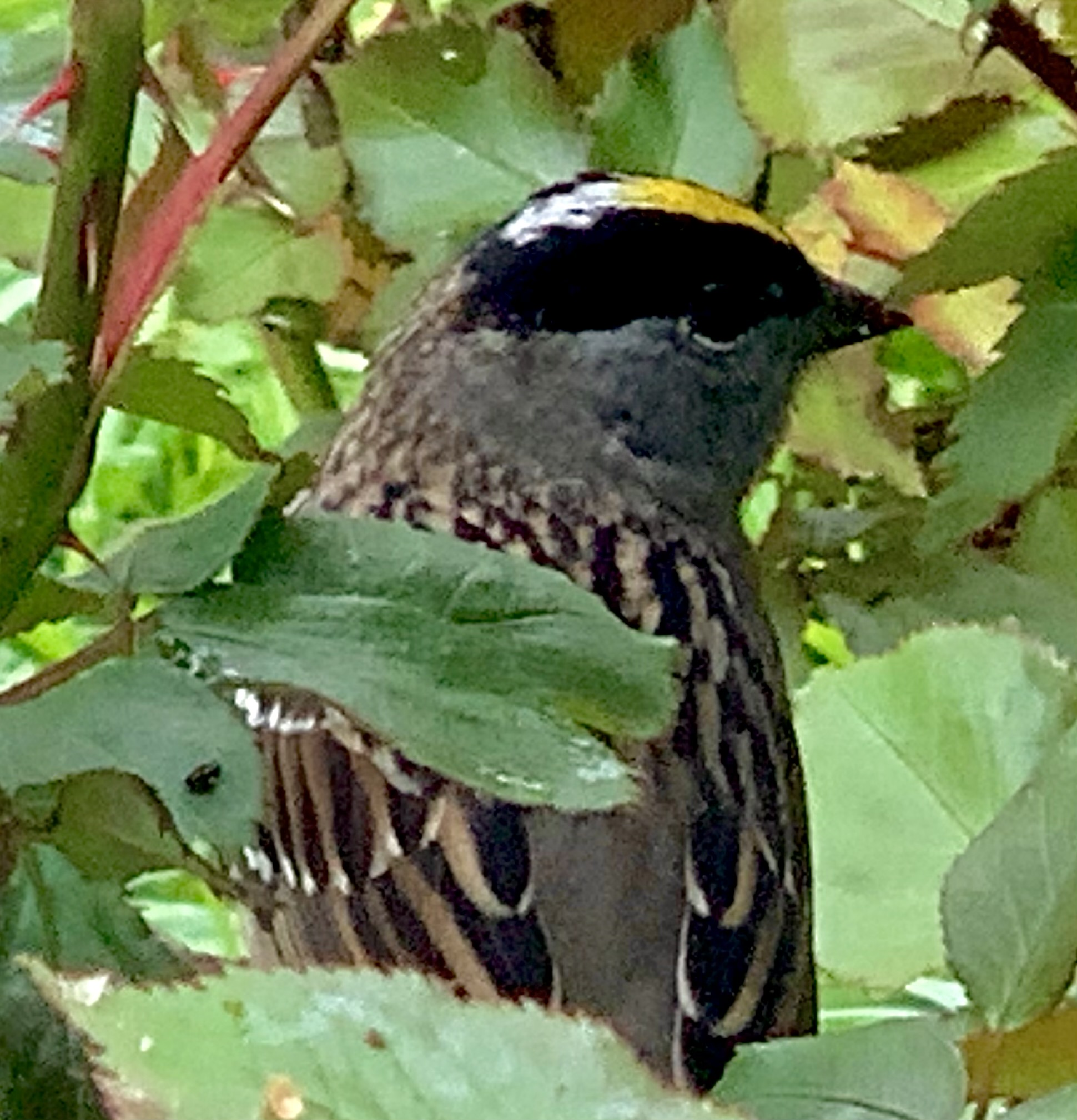
There, in that clearing, the crystal note of a song sparrow lifted hesitantly in the hush. And finally, after painful fluttering, another took the song, and then another, the song passing from one bird to another, doubtfully at first, as though some evil thing were being slowly forgotten. Till suddenly they took heart and sang from many throats joyously together as birds are known to sing.

They sang because life is sweet and sunlight beautiful. They sang under the brooding shadow of the raven. In simple truth they had forgotten the raven, for they were the singers of life, and not of death.
~Loren Eiseley from The Star Thrower
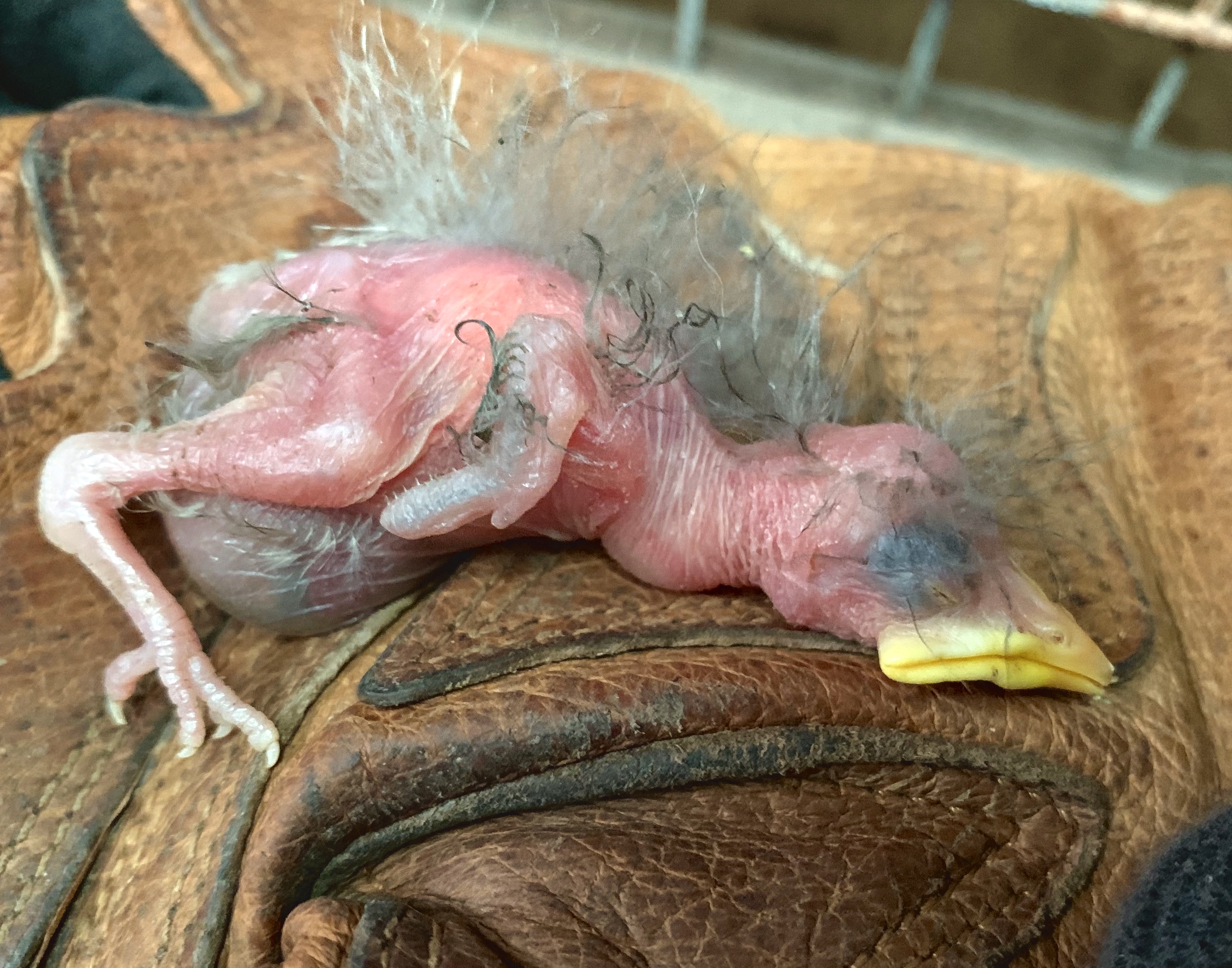
Each of us at times are as vulnerable as a nestling, just hatched.
The world is full of those who would eat us for lunch and do.

The world is also full of those who grieve and lament the violence that surrounds us, the tragedy of lives lost, the unending wars, the bullies and the bullied.

But the bird of death does not have the final word. He will soon be forgotten, forever sidelined as we reject what he and others like him represent.

Our cries of lament, our protests of violence transform into a celebration of life – we do not abandon all we have lost, but no longer allow any more to be stolen from us.

Only then may grief’s shadow be overwhelmed by joy.
One-Time
Monthly
Yearly

Make a one-time or recurring donation to support daily Barnstorming posts

Make a monthly donation

Make a yearly donation

Choose an amount

$10.00
$25.00
$50.00
$5.00
$15.00
$100.00
$5.00
$15.00
$100.00

Or enter a custom amount

$

Your contribution is deeply appreciated.

Your contribution is appreciated.

Your contribution is appreciated.

DonateDonate monthlyDonate yearly
Immortal Flowers

“Did you ever know that a flower, once withered and freshened again, becomes an immortal flower, – that is, that it rises again?”
~Emily Dickinson in a letter to a friend

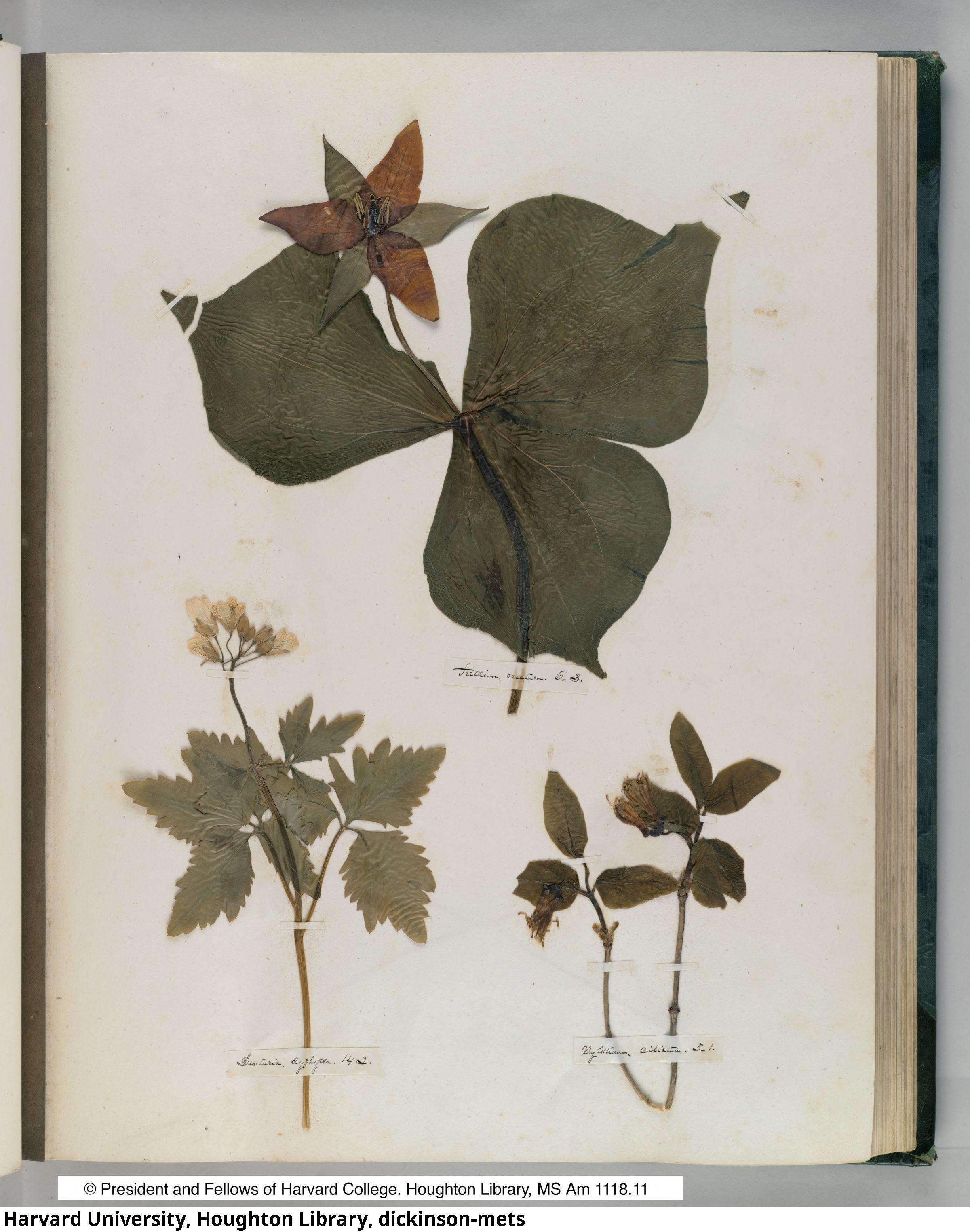
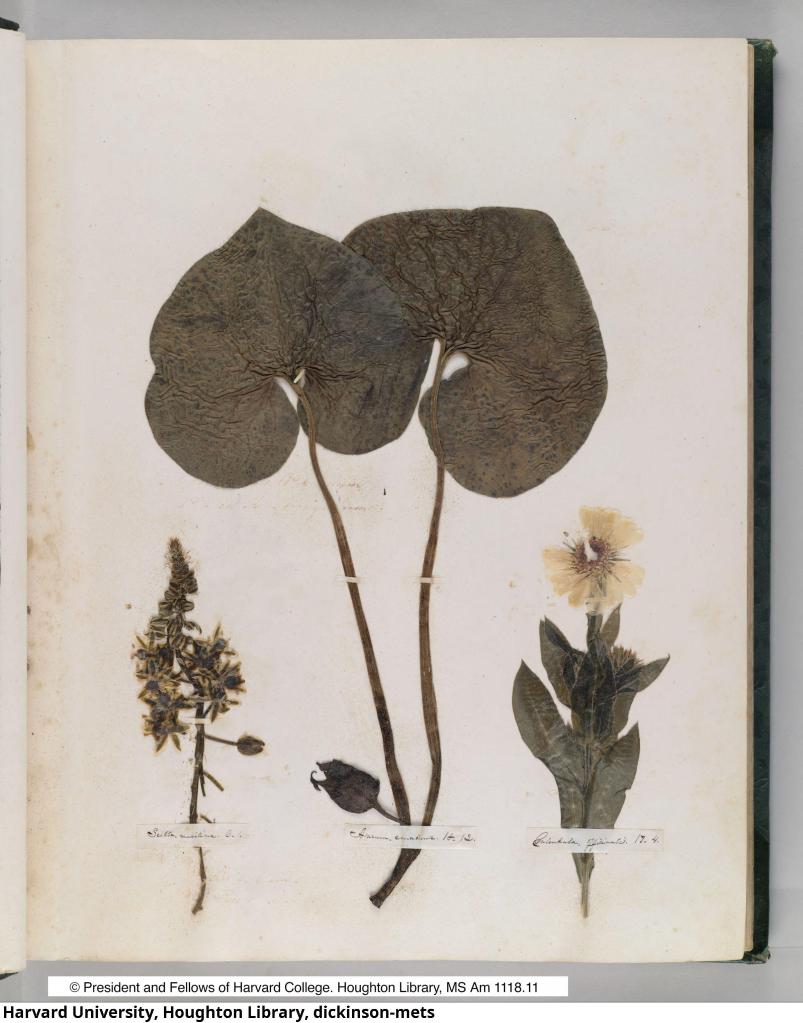
Emily Dickinson Herbarium – preservation of trillium

Emily Dickinson herbarium- preservation of wild ginger (asarum)

While I was fearing it, it came—
But came with less of fear
Because that fearing it so long
Had almost made it fair—

There is a Fitting—a Dismay—
A Fitting—a Despair
’Tis harder knowing it is Due
Than knowing it is Here.

The Trying on the Utmost
The Morning it is new
Is Terribler than wearing it
A whole existence through.

~Emily Dickinson

Over a decade ago, as I was going through my mother’s boxed-up possessions after her death, I found the 1956 Webster’s New Dictionary of the Twentieth Century that I grew up with. This book was massive, easily weighing 10 pounds, and served as a booster seat for haircuts, a step stool for trying to reach the cookie jar on the kitchen cupboard, and of course, for looking up any obscure word that ever existed in all of history. Or so it seemed.

It was an amazing tome. And as I flipped through the pages, I found some old familiar friends that were neither black nor white nor read all over. They had survived over half a century.

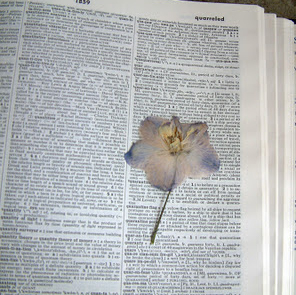
Wildflowers had been carefully pressed between the pages–over two dozen specimens paper thin themselves, their existence squeezed into two dimensions–still showing faint pink or blue, or purple color, almost exuding a long ago fragrance from a summer over fifty years ago. As a child I regularly wandered out to our fields and woods to gather crimson clover blossoms, buttercup, dandelions, daisies, wild violets, wild ginger, calypso lady slippers for bouquets for my mother, and she would select the most perfect to slide between the pages of the dictionary. Occasionally she would pull one out to gently paste on a hand written card she sent to a friend.

Here were my perfect flowers, preserved and pressed for time, just waiting for the senior-citizen me to rediscover them lying between wonderful words that I love to roll in my mouth and type on a page. They are too fragile to paste to a greeting card, or even to handle due to their brittleness. They need to stay right where they are, for another generation or two or three to discover.

As a child, I was always very worried about losing my parents, fearing their death would be the end of me as well. But as Emily Dickinson writes “fearing it so long/Had almost made it fair” – as an adult, I was more prepared for the day each parted from this life. As the poet suggests, fearing it for years was much harder than the acceptance when that time had come.

Now I too am pressed for time, fading and more fragile, perhaps more brittle than I care to admit. My mother and father have blown away like the puff ball seeds of the dandelion, on to other horizons, but the sturdy old dictionary is going nowhere. It will be passed down, its delicate passengers preserved inside from a long-ago-far-away summer afternoon of flower gathering. They will be shared as a great grandchild opens the book to look up a favorite word sometime in the not-so-far-off future.

One-Time
Monthly
Yearly

Make a one-time or recurring donation to support daily Barnstorming posts

Make a monthly donation

Make a yearly donation

Choose an amount

¤10.00
¤20.00
¤50.00
¤5.00
¤15.00
¤100.00
¤5.00
¤15.00
¤100.00

Or enter a custom amount

¤

Your contribution is deeply appreciated.

Your contribution is appreciated.

Your contribution is appreciated.

DonateDonate monthlyDonate yearly
The Beginning Shall Remind Us of the End: The Frankincense of Fragrant Fir

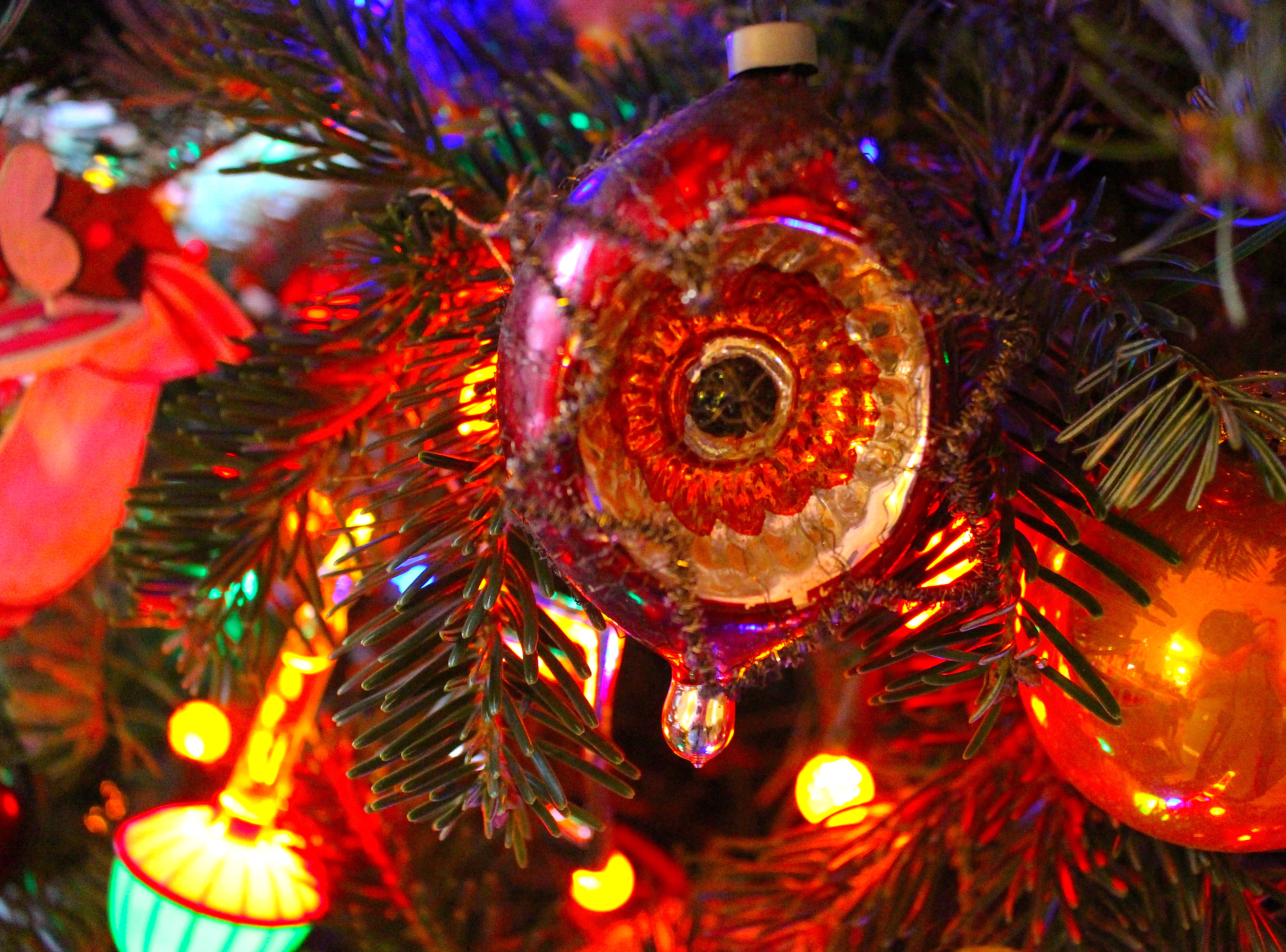
Hanging old ornaments on a fresh cut tree,
I take each red glass bulb and tinfoil seraph
And blow away the dust. Anyone else
Would throw them out. They are so scratched and shabby.

My mother had so little joy to share
She kept it in a box to hide away.
But on the darkest winter nights—voilà—
She opened it resplendently to shine.

How carefully she hung each thread of tinsel,
Or touched each dime-store bauble with delight.
Blessed by the frankincense of fragrant fir,
Nothing was too little to be loved.

Why do the dead insist on bringing gifts
We can’t reciprocate? We wrap her hopes
Around the tree crowned with a fragile star.
No holiday is holy without ghosts.
~Dana Gioia, “Tinsel, Frankincense, and Fir”

When the song of the angels is stilled,
when the star in the sky is gone,
when the kings and princes are home,
when the shepherds are back with their flocks,
the work of Christmas begins:
to find the lost,

to heal the broken,
to feed the hungry,
to release the prisoner,
to rebuild the nations,
to bring peace among the people,
to make music in the heart.
~Howard Thurman from The Mood of Christmas & Other Celebrations

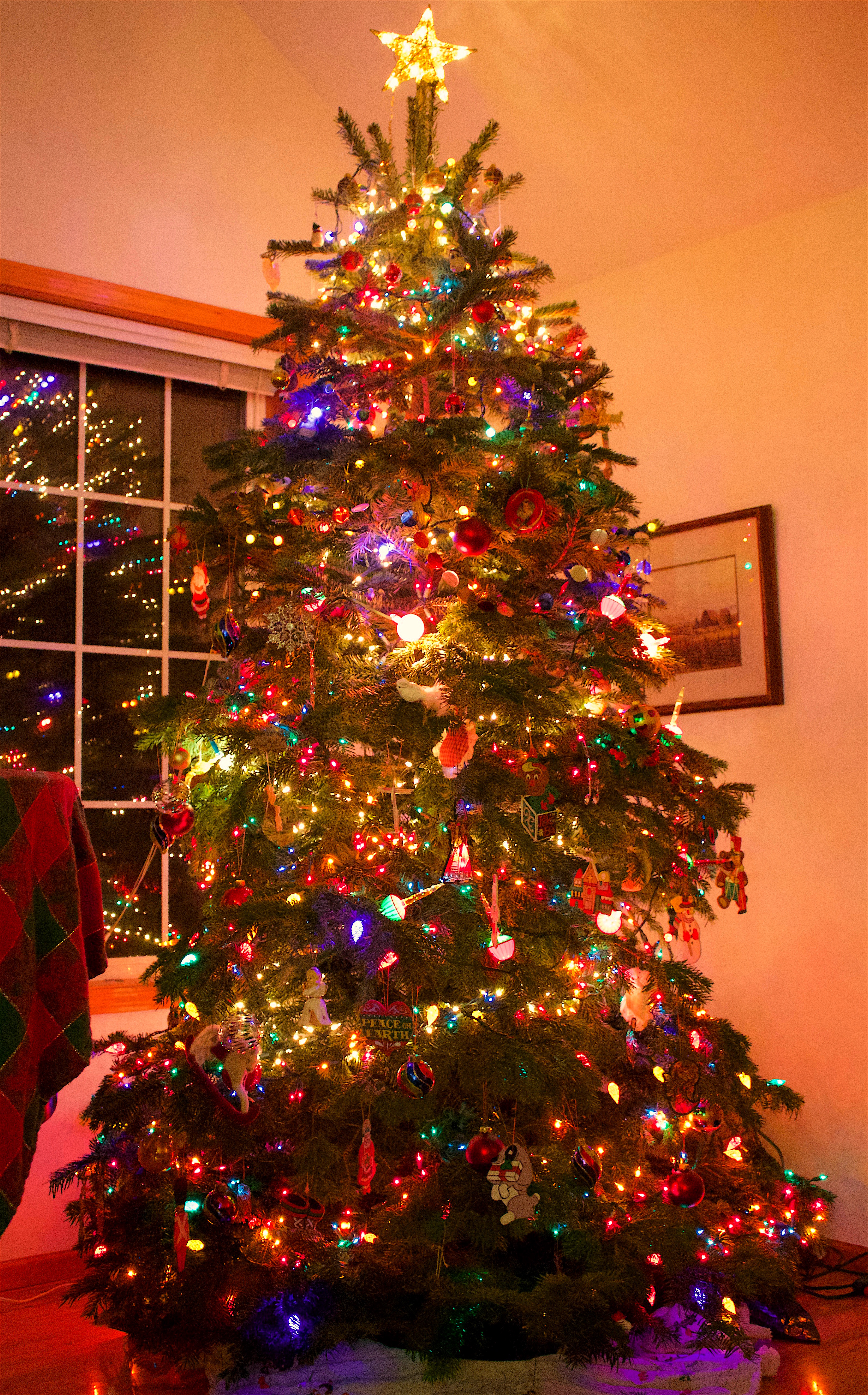
There are plenty of ghosts hiding in the boxes of ornaments I place on our Christmas tree.

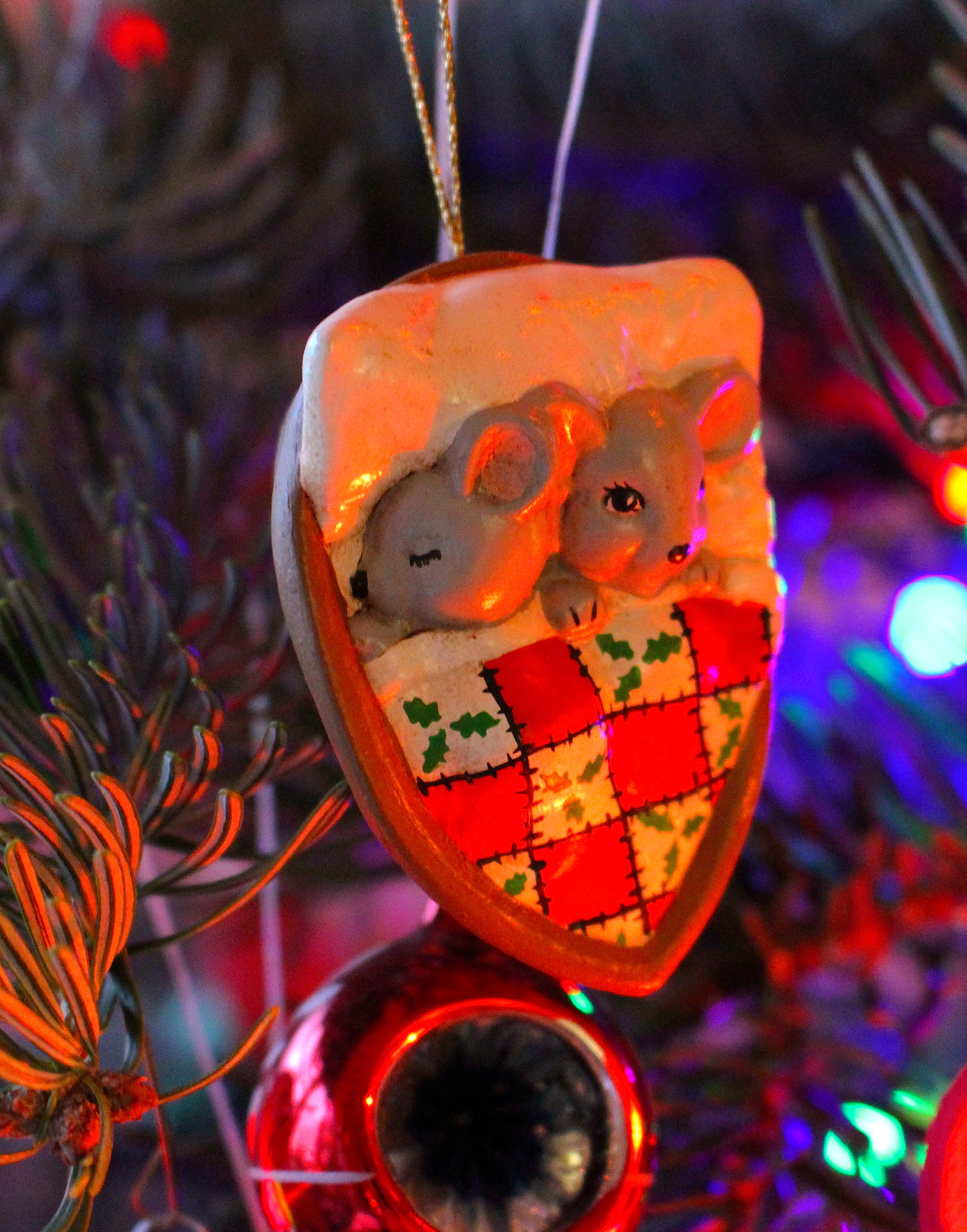
Closing my eyes, I can see my father struggling to straighten our wild cut trees from our woods, mumbling under his breath in his frustration as he lies prone under the branches. I can see my mother, tears in her eyes, arranging ornaments from her parents’ childhoods, remembering times in her childhood that were fraught and fragile.

Each memory, every scratched-up glass ball is so easily breakable, a mere symbol for the fragility of us all this time of year.

Our real work of Christmas isn’t just during these frantic weeks of Advent but lasts year-long — often very hard intensive work, not just fa-la-la-la-la and jingle bells, but badly needed labor in this broken world with its homelessness, hunger, disease, conflict, addictions, depression and pain.

Even so, we enter winter next week replete with a startling splash of orange red that paints the skies in the evenings, the stark and gorgeous snow covered peaks surrounding us during the day,  the grace of bald eagles and trumpeter swans flying overhead, the heavenly lights that twinkle every night,  the shining globe that circles full above us, and the loving support of the Hand that rocks us to sleep when we are wailing loud.

Once again, I prepare myself to do the real work of Christmas, acknowledging the stark reality that the labor that happened in a barn that night was only the beginning of the labor required to salvage this world begun by an infant in a manger.

We don’t need a fragrant fir, full stockings on the hearth, Christmas villages on the side table, or a star on the top of the tree to know the comfort of His care and the astounding beauty of His creation, available for us without batteries, electrical plug ins, or the need of a ladder.

The ghosts and memories of Christmas tend to pull me up from my doldrums, alive to the possibility that even I, broken and fragile, scratched and showing my age, can make a difference, in His name, all year.

Nothing is too little to be loved…even me.

This year’s Barnstorming Advent theme “… the Beginning shall remind us of the End” is taken from the final lines in T.S. Eliot’s poem “The Cultivation of Christmas Trees”

One-Time
Monthly
Yearly

Make a one-time donation to support Barnstorming

Make a monthly donation

Make a yearly donation

Choose an amount

¤5.00
¤10.00
¤20.00
¤5.00
¤15.00
¤100.00
¤5.00
¤15.00
¤100.00

Or enter a custom amount

¤

Your contribution is deeply appreciated.

Your contribution is appreciated.

Your contribution is appreciated.

DonateDonate monthlyDonate yearly

Holding Back My Heart

The others bent their heads and started in.
Confused, I asked my neighbor
to explain—a sturdy, bright-cheeked girl
who brought raw milk to school from her family’s
herd of Holsteins. Ann had a blue bookmark,
and on it Christ revealed his beating heart,
holding the flesh back with His wounded hand.
Ann understood division. . . .

Miss Moran sprang from her monumental desk
and led me roughly through the class
without a word. My shame was radical
as she propelled me past the cloakroom
to the furnace closet, where only the boys
were put, only the older ones at that.
The door swung briskly shut.

The warmth, the gloom, the smell
of sweeping compound clinging to the broom
soothed me. I found a bucket, turned it
upside down, and sat, hugging my knees.
I hummed a theme from Haydn that I knew
from my piano lessons. . . .
and hardened my heart against authority.
And then I heard her steps, her fingers
on the latch. She led me, blinking
and changed, back to the class.

~Jane Kenyon “Trouble with Math in a One-room Country School”

I avoided all potential trouble in school by avoiding the trouble-makers.
I never was disciplined or even looked at crossly by a teacher. They loved me and I wanted badly to be loved by them.

I looked away whenever another student got in trouble; I didn’t want to be a lookie-loo enjoying the travails of another child. It was painful for me to see another kid disciplined. I know I would have been crushed to be publicly called out, sent to the hallway, name on the board, or worse yet, banished to the principal.

So my heart broke when I saw another child cry,
or be defiant or be removed from class.
I knew I couldn’t fix it or them.
I knew I couldn’t help the teacher to like them.
I knew some kids have their own secret pain they endure.
I knew it would change me to know what their pain felt like.
So I just imagined being good and compliant and rule-abiding and lovable.

Forever.

Of course, I wasn’t and I’m not, sixty years later.
I too changed, just like everyone else.
It still makes me sad to think how much we change, how many hearts we break,
how our innocence is so fragile and as a result, how badly we need forgiveness
so we can learn to love ourselves as we are loved.

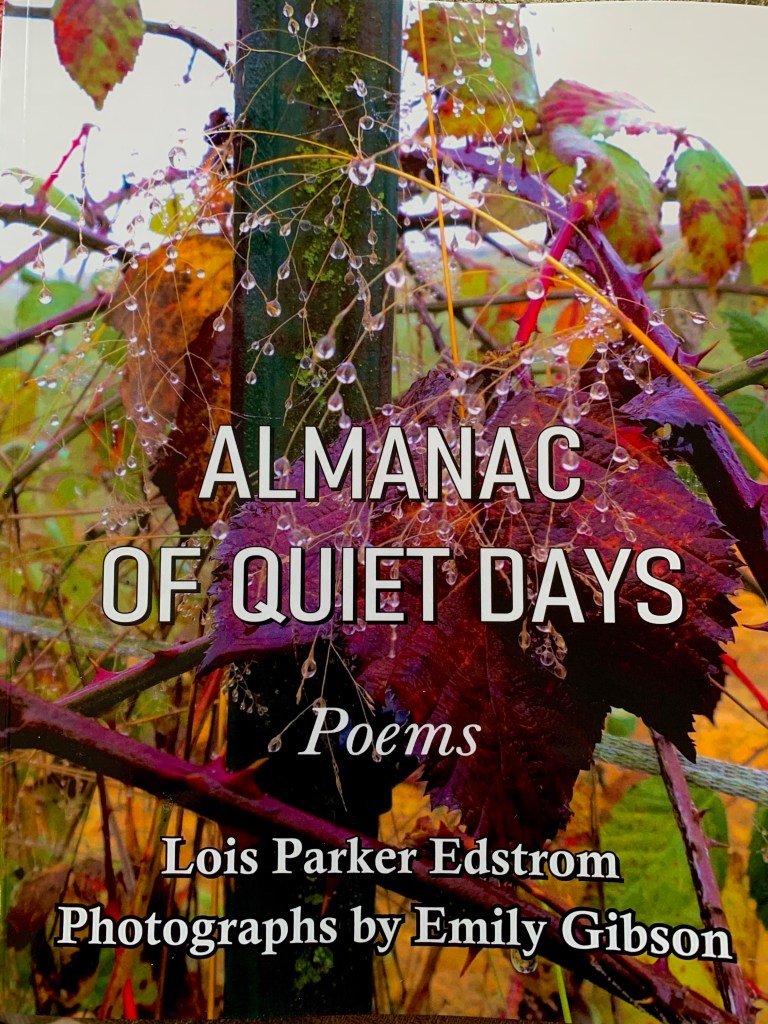
A book of beauty in words and photography available to order here:

Turning Darkness Into Light: The Broken and Blemished Restored

Knowing God
without knowing our own wretchedness makes for pride.
Knowing our own wretchedness
without knowing God makes for despair.
Knowing Jesus Christ strikes the balance
because he shows us both God and our own wretchedness.
~Blaise Pascal from Pensées

We yearn for perfection,
to be flawless and faultless,
aiming for symmetry,
straight and smooth.

Life serves up something
far different
and our eye searches
for whatever is flawed like us:
we find the cracks,
the scratches and damage,
the faults and frailties.

Somehow Christ bridges
Himself between God and us —
becoming a walkway for the wretched
to redemption and renewal.

In the beginning we were created
unblemished,
image bearers of perfection.
No longer.
We bear witness to brokenness
with our shattered lives,
fragile minds and weakening bodies.

To restore
our lost relationship with Him,
Christ strikes the balance;
He hung broken to mend us,
a bridge to carry us across the gap,
binding us to Him
forever.

Refrain
Jesus, Jesus, rest your head.
You has got a manger bed.
All the evil folk on earth
Sleep in feathers at their birth.
Jesus, Jesus, rest your head.
You has got a manger bed.

1. Have you heard about our Jesus?
Have you heard about his fate?
How his mammy went to the stable
On that Christmas Eve so late?
Winds were blowing, cows were lowing,
Stars were glowing, glowing, glowing. Refrain

2. To the manger came the Wise Men.
Bringing from hin and yon,
For the mother and the father,
And the blessed little Son.
Milkmaids left their fields and flocks
And sat beside the ass and ox. Refrain

The Edge of a Petal

It is at the edge of a petal that love waits.

From the petal’s edge a line starts 
that being of steel 
infinitely fine, infinitely 
rigid penetrates 
the Milky Way 
without contact–lifting 
from it–neither hanging 
nor pushing–

The fragility of the flower 
unbruised 
penetrates space
~William Carlos Williams from Spring and All (1923)

Here is the fringey edge where elements meet and realms mingle, where time and eternity spatter each other with foam.
~Annie Dillard from Holy the Firm

It is common to look for love only inside the heart of things,
watching it pulse as both showpiece and show off, reverberating from deep within, yet loud enough for all the world to bear witness.

But as I advance on life’s road, I find love lying waiting at the periphery of my heart, fragile and easily torn as a petal edge – clinging to the fringe of my life, holding on through storms and trials.

This love is ever-present, protects and cherishes, fed by fine little veins which branch out from the center to the tender margins of infinity.

It is on that delicate edge of forever I dwell, waiting to be fed and trembling with anticipation.

He Does Not Leave Us Where We Are: Living is Not Delicate

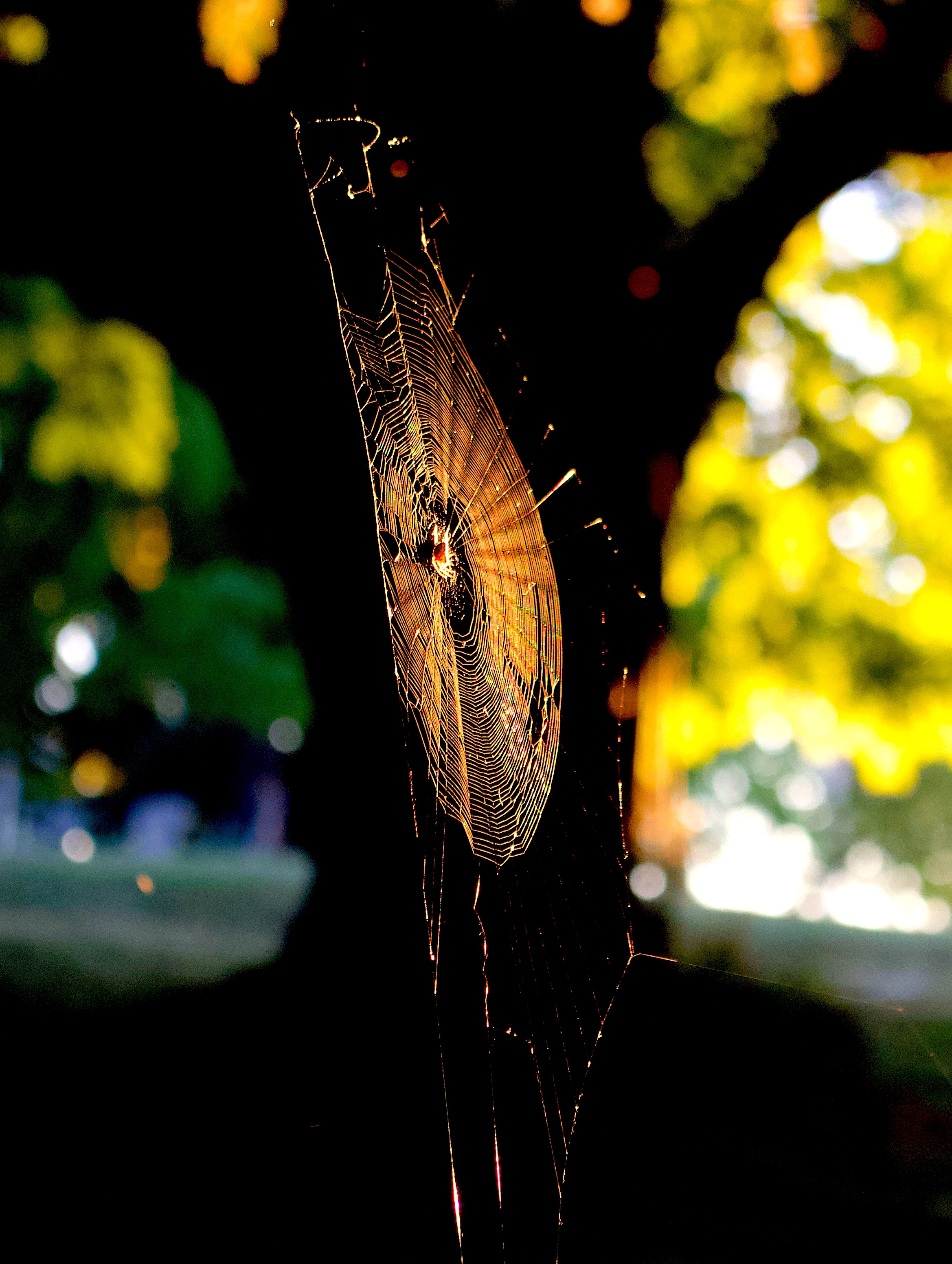
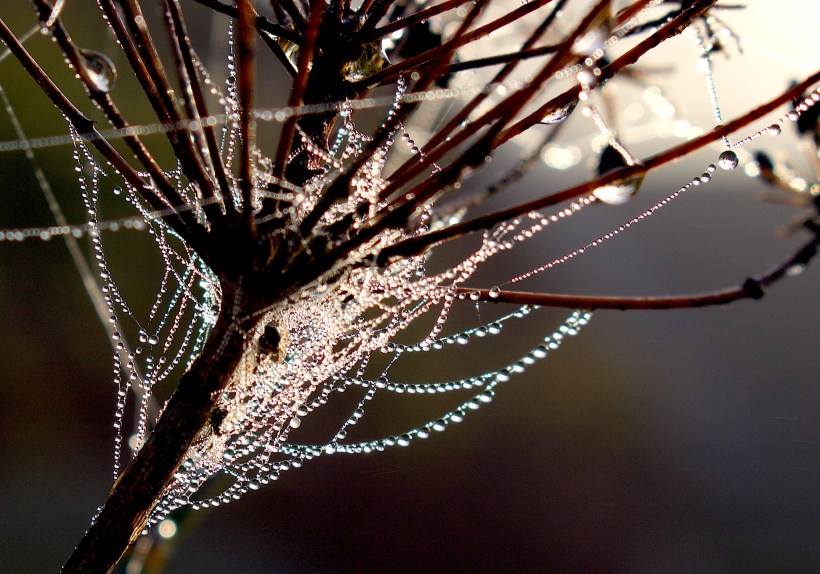
From other
angles the
fibers look
fragile, but
not from the
spider’s, always
hauling coarse
ropes, hitching
lines to the
best posts
possible. It’s
heavy work
everyplace,
fighting sag,
winching up
give. It
isn’t ever
delicate
to live.

~Kay Ryan “Spiderweb” (2010)

Despite His fragility as a newborn baby, we know the Son of God was equipped with the toughness needed for a life that started out homeless, then becoming a refugee with displaced parents seeking safety in a foreign land.

He grew up in a dusty little town, learning a trade with His hands. He knew what it took to make something strong enough to be worthy. He knew how much it would take to make us, His children, sturdy and worthy.

His Word tells us clearly there is nothing delicate about the life of Jesus; we know it took a strong mother to feed him and care for him, a loving and steadfast father to raise and teach him, and without both, he would not have survived. Once He began His preaching, He gathered about Him disciples who were hard-working people, toughened by the necessity of survival day-to-day. There was nothing delicate about living a homeless life on the road, sleeping on the ground, depending on the good will of others.
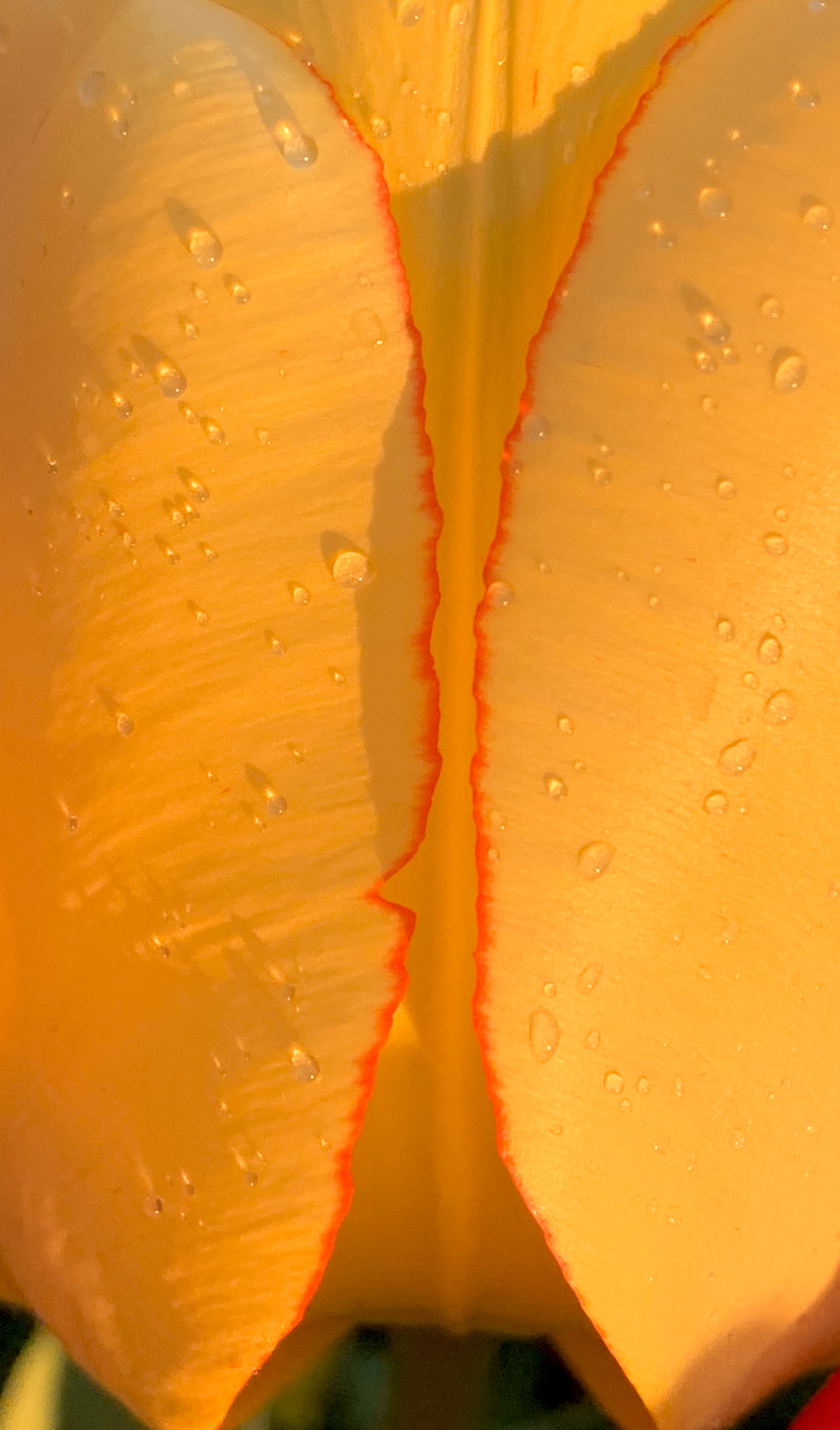
There was nothing delicate about becoming the foundational sacrifice for us, His suffering making possible our new Home.

Jesus asks us, His beautiful creation, to choose to cling to Him instead of earthly things. He does not sag or tear under pressure. He doesn’t leave us dangling. Life in Jesus is never delicate – it takes toughness, foresight, strength and the persistence to repair and restore when things are torn.
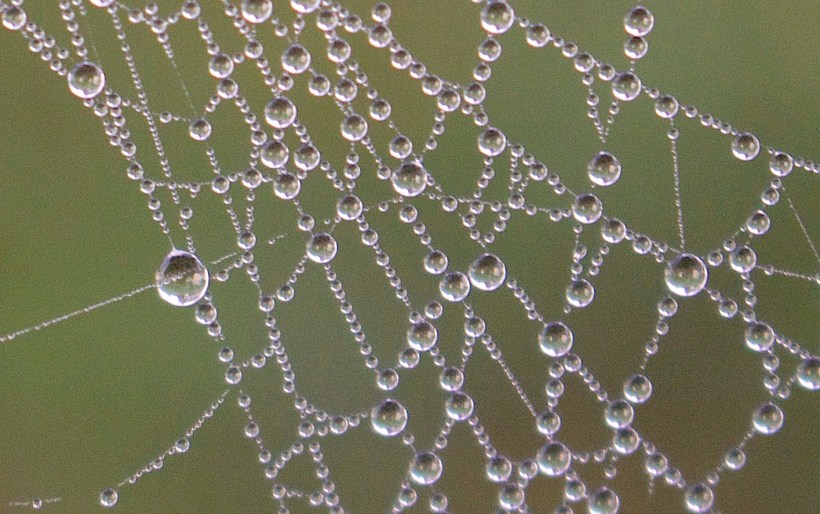
And this new Home is beautiful. There is nothing else more beautiful.

This year’s Lenten theme for Barnstorming:

God sees us as we are,
loves us as we are,
and accepts us as we are.
But by His grace,
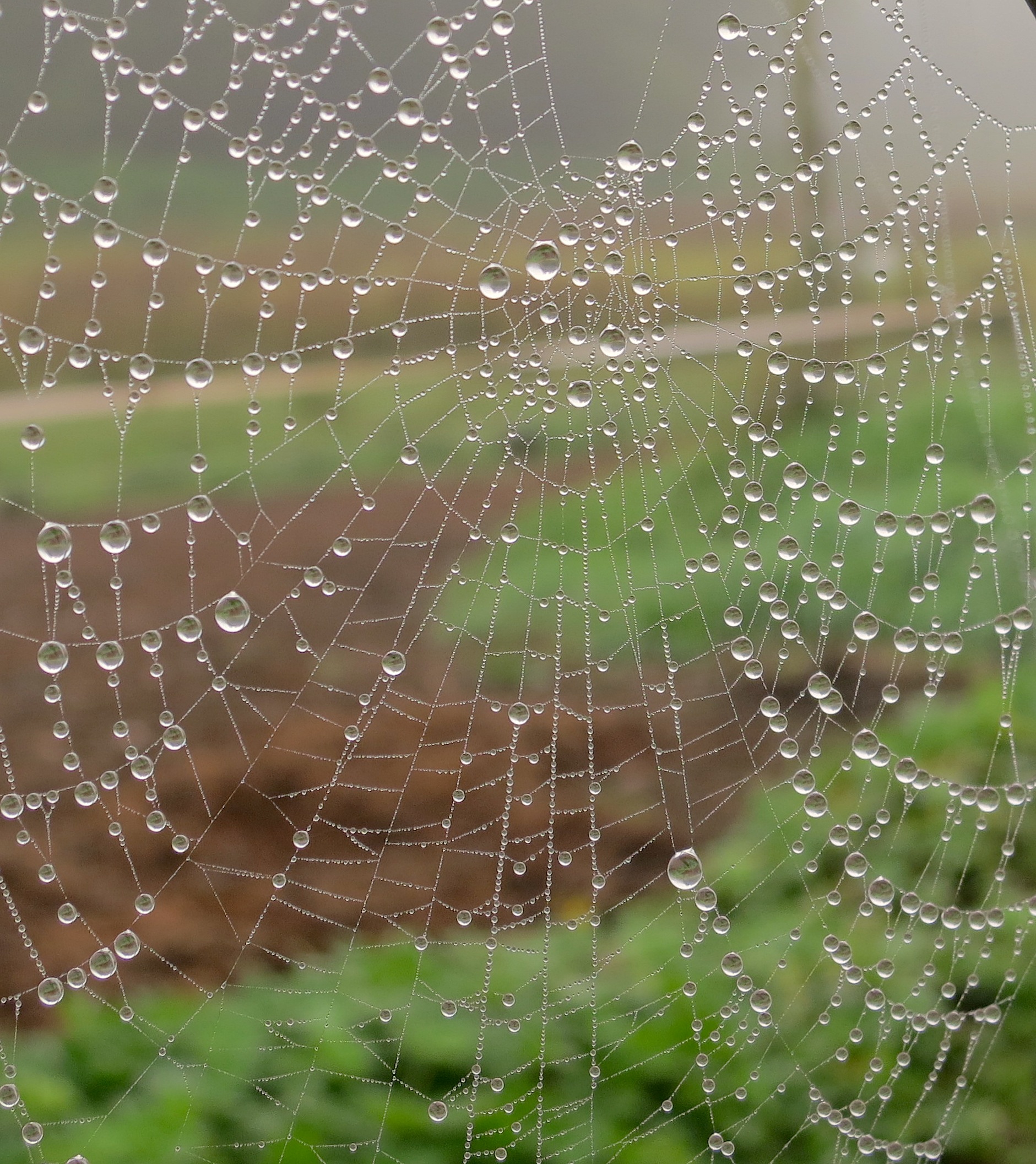
He does not leave us where we are.
~Tim Keller

Through a Broken Heart

Why shouldn’t we go through heartbreaks?
Through those doorways God is opening up ways of fellowship with His Son. Most of us fall and collapse at the first grip of pain; we sit down on the threshold of God’s purpose and die away of self-pity…

But God will not.
He comes with the grip of the pierced hand of His Son and says,
“Enter into fellowship with Me, arise and shine.” If through a broken heart God can bring His purposes to pass in the world,
then thank Him for breaking your heart.
~Oswald Chambers from “Ye are not your own” from My Utmost for the Highest

The great mystery of God’s love is that we are not asked to live as if we are not hurting, as if we are not broken. In fact, we are invited to recognize our brokenness as a brokenness in which we can come in touch with the unique way that God loves us. The great invitation is to live your brokenness under the blessing. I cannot take people’s brokenness away and people cannot take my brokenness away.  But how do you live in your brokenness? Do you live your brokenness under the blessing or under the curse? The great call of Jesus is to put your brokenness under the blessing.
~Henri Nouwen from a Lecture at Scarritt-Bennett Center

There is a God shaped vacuum in the heart of every man which cannot be filled by any created thing, but only by God, the Creator, made known through Jesus.
~ Blaise Pascal 

Everyone is created with a hole in their heart that has no murmur, doesn’t show up on scans or xrays nor is it visible in surgery.  Yet we feel it, absolutely know it is there, and are constantly reminded of being incomplete.  Billions of dollars and millions of hours are spent trying to fill that empty spot in every imaginable and unimaginable way. 

Nothing we try fills it wholly.  Nothing we find fits it perfectly.  Nothing on earth can ever be sufficient.

We are born wanting, yearning and searching; we exist hungry, thirsty and needy.

Created with a hankering heart for God, we discover only He fits, fills and is sufficient.  Only a beating heart like ours can know our hollow heart’s emptiness.  His bleeding stops us from hemorrhaging all we have in futile pursuits.

The mystery of the vacuum is this:
how our desperation resolves
and misery comforted
by being made complete and whole
through His woundedness.

How is it possible that
through His pierced limbs and broken heart,
it is we who are made holy,
our emptiness filled forever.

Every Morning I’m Alive

oaklane109182


mossdrop


oaklane106181


Isn’t it plain the sheets of moss, except that
they have no tongues, could lecture
all day if they wanted about

spiritual patience?  Isn’t it clear
the black oaks along the path are standing
as though they were the most fragile of flowers?

Every morning I walk like this around
the pond, thinking: if the doors of my heart
ever close, I am as good as dead.

Every morning, so far, I’m alive…
~Mary Oliver from “Landscape” in New and Selected Poems


sunrise106181


drizzlemoss


oaklane109181


If even the mighty oaks standing along a path are as fragile as flowers,
then how fragile is my heart?

I wake each morning reminded of the treasure of a new day, cranking open the rusty doors of my heart.

Let the fresh air of grace and gratitude fill me today.


oaklane2


foggypond2


IMG_4068


morning1010182

The Delicate Edge of Forever

begonia622153


dogwoodpetal


rosepetalrain


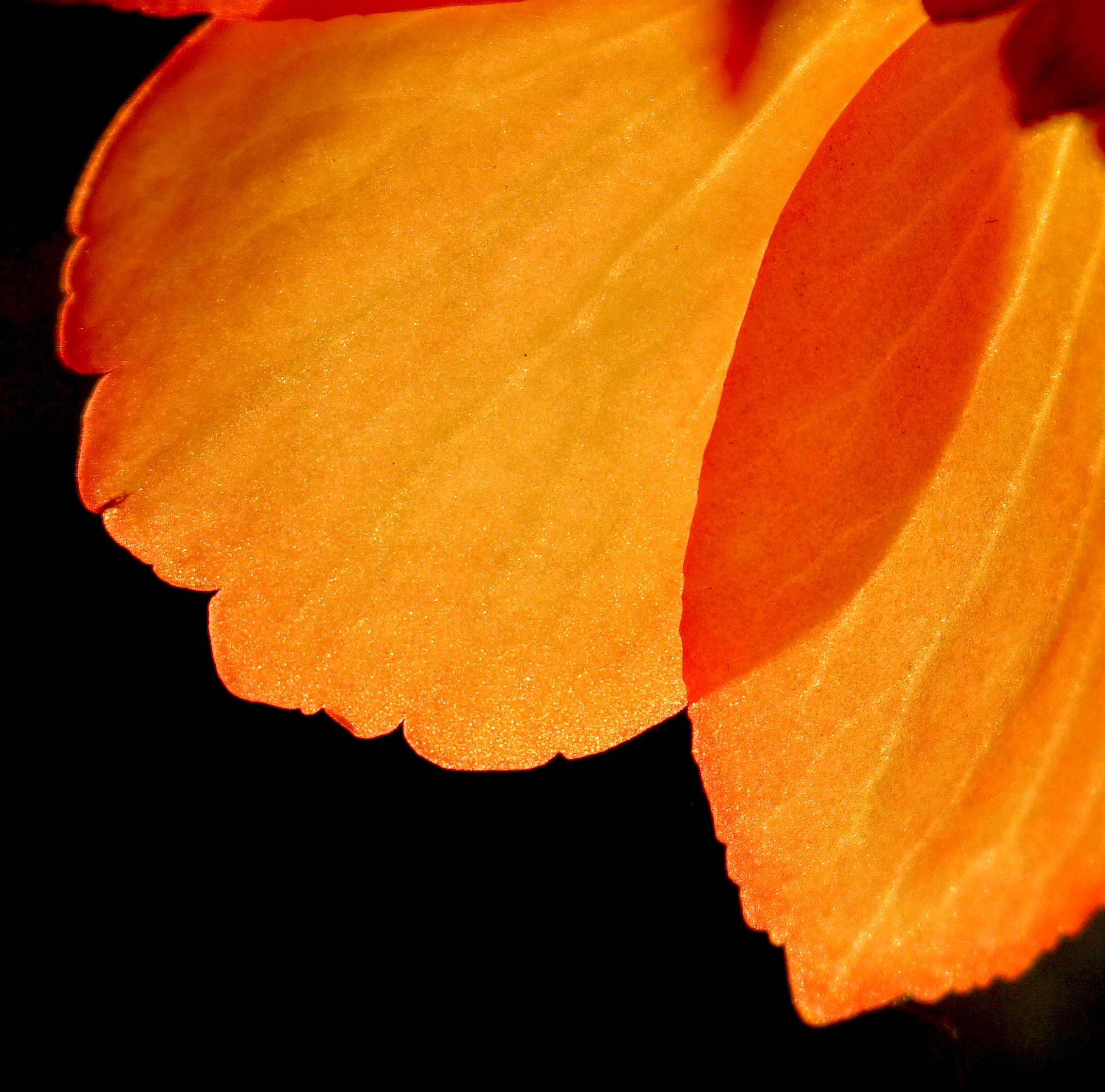
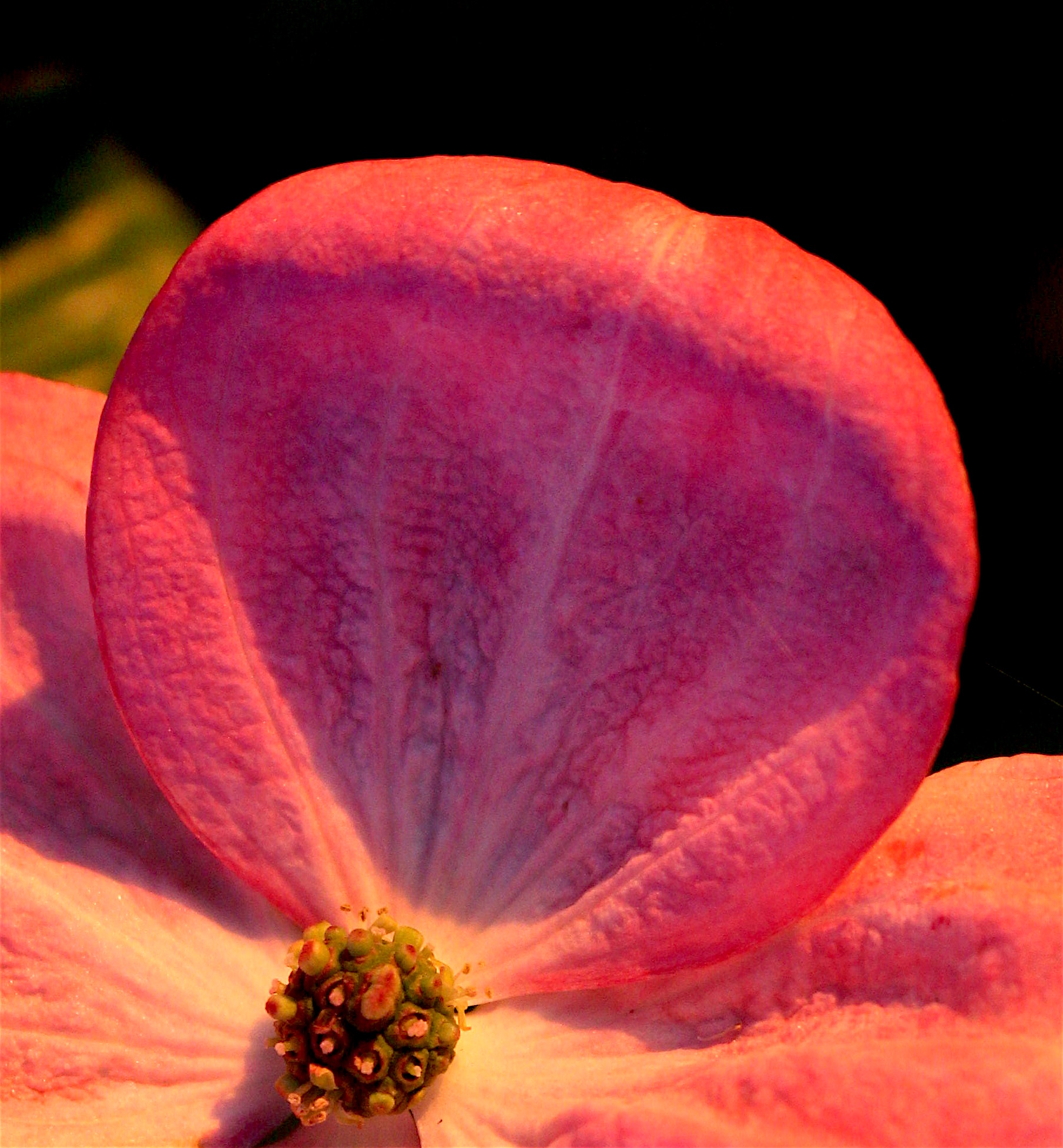
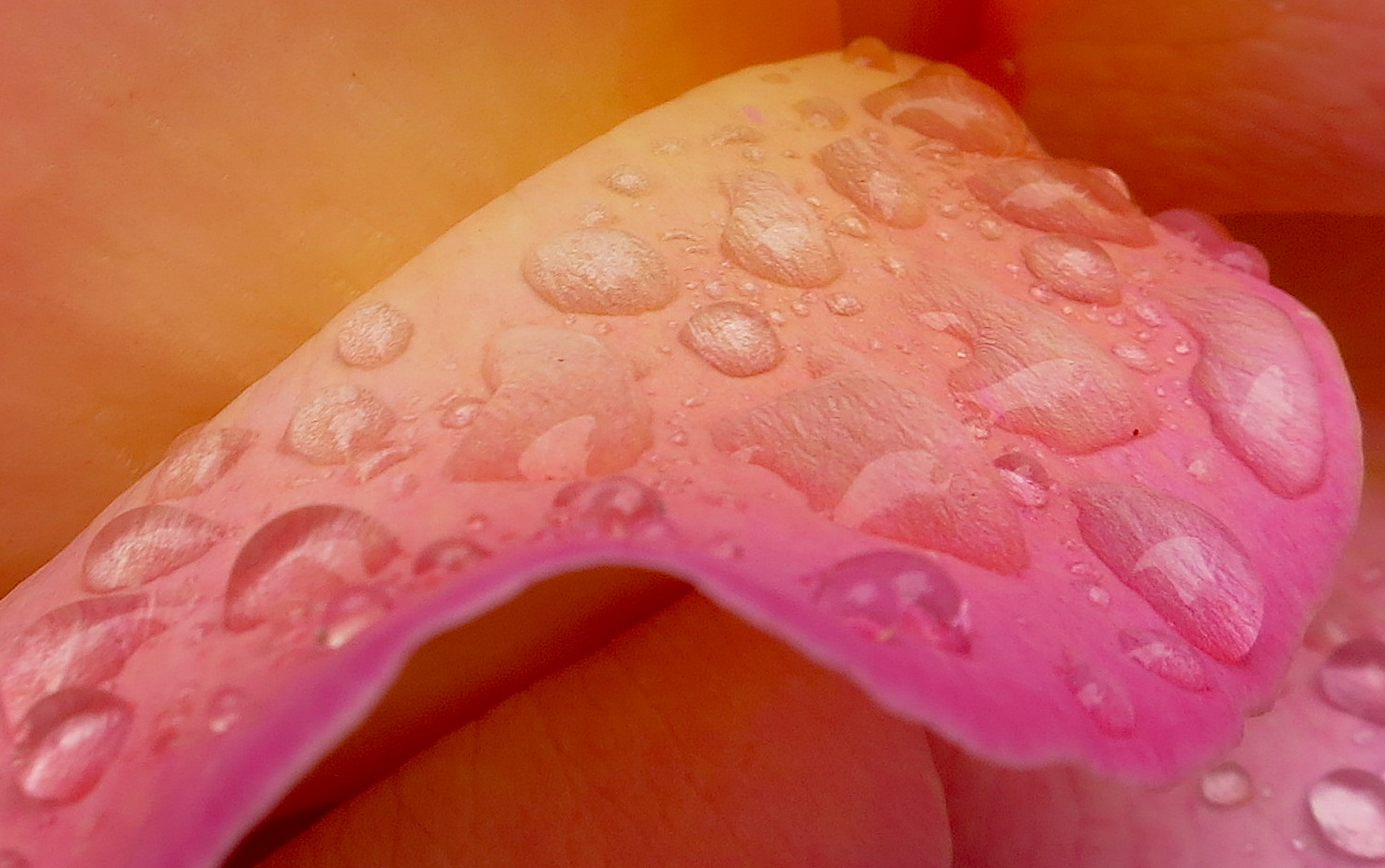
It is at the edge of a petal that love waits.

Crisp, worked to defeat 
laboredness–fragile 
plucked, moist, half-raised 
cold, precise, touching

From the petal’s edge a line starts 
that being of steel 
infinitely fine, infinitely 
rigid penetrates 
the Milky Way 
without contact–lifting 
from it–neither hanging 
nor pushing–

The fragility of the flower 
unbruised 
penetrates space
~William Carlos Williams from Spring and All (1923)


quincetree


sakurauw4


blackberrybloom


It is common to look for love only inside the heart of things, pulsing front and center as both showpiece and show off.    We think of love reverberating from deep within, loud enough for all the world to hear and know it is so.

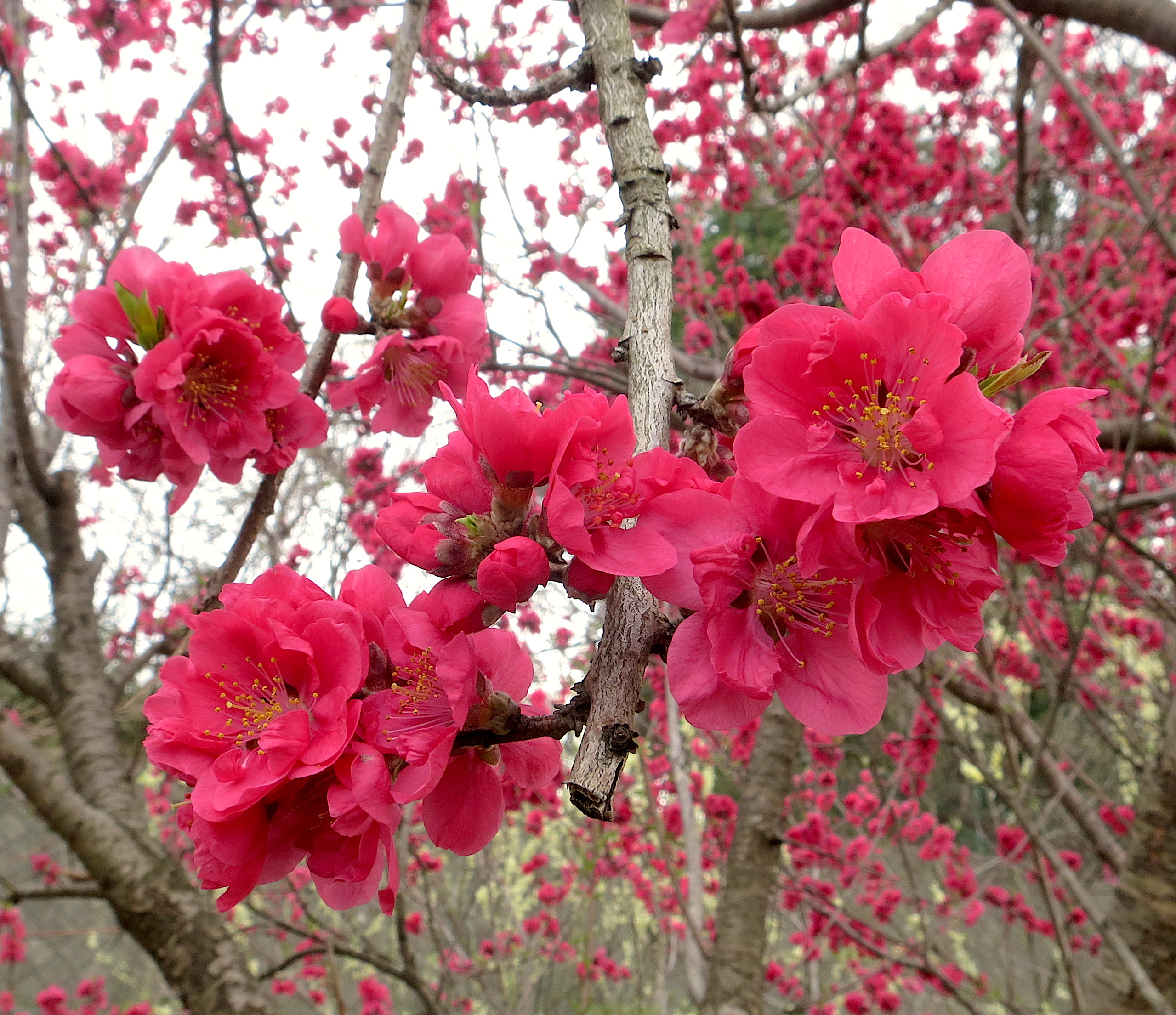
But as I advance on life’s road, I have found the love that matters lies quietly waiting at the periphery of our hearts, so fragile and easily torn as a petal –  clinging to the edges of our lives barely holding on through storms and trials.

This love remains ever-present , both protects and cherishes, fed by fine little veins which branch out from the center of the universe to the tender margins of infinity.

It is on that delicate edge of forever we dwell, waiting to be fed and trembling with anticipation.


rainyrose39917


sunsetbegonia


trilliumweeping