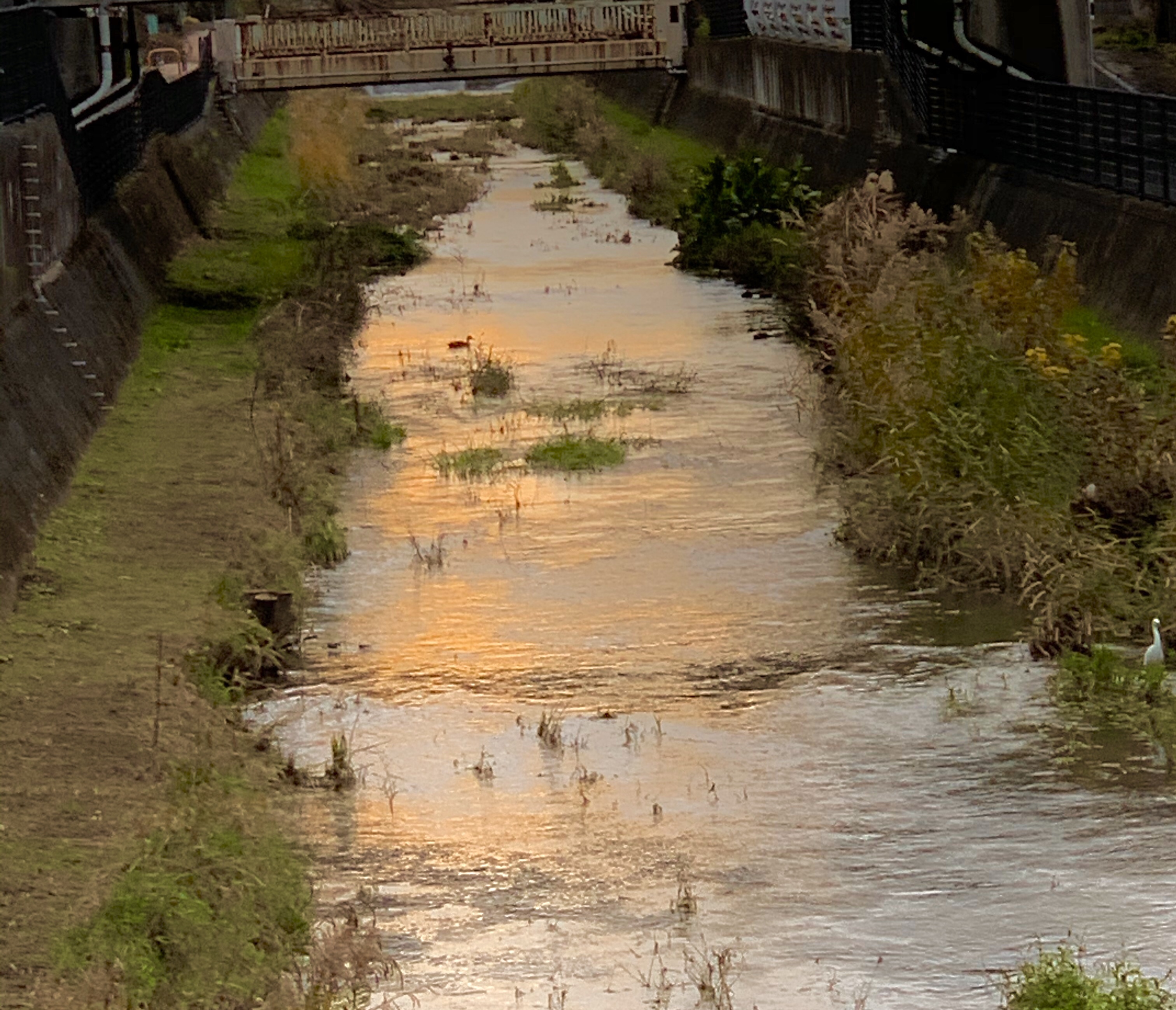
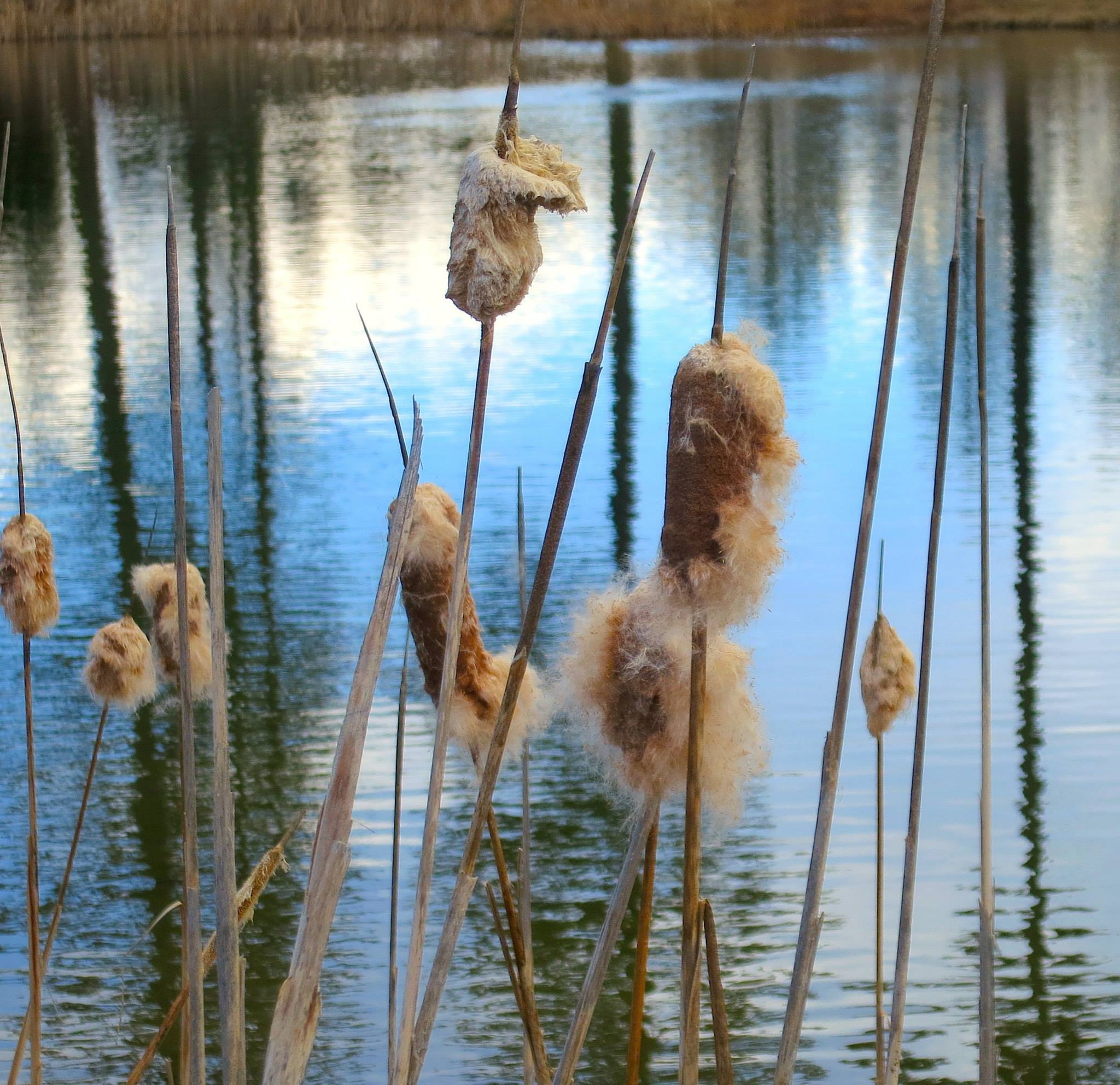
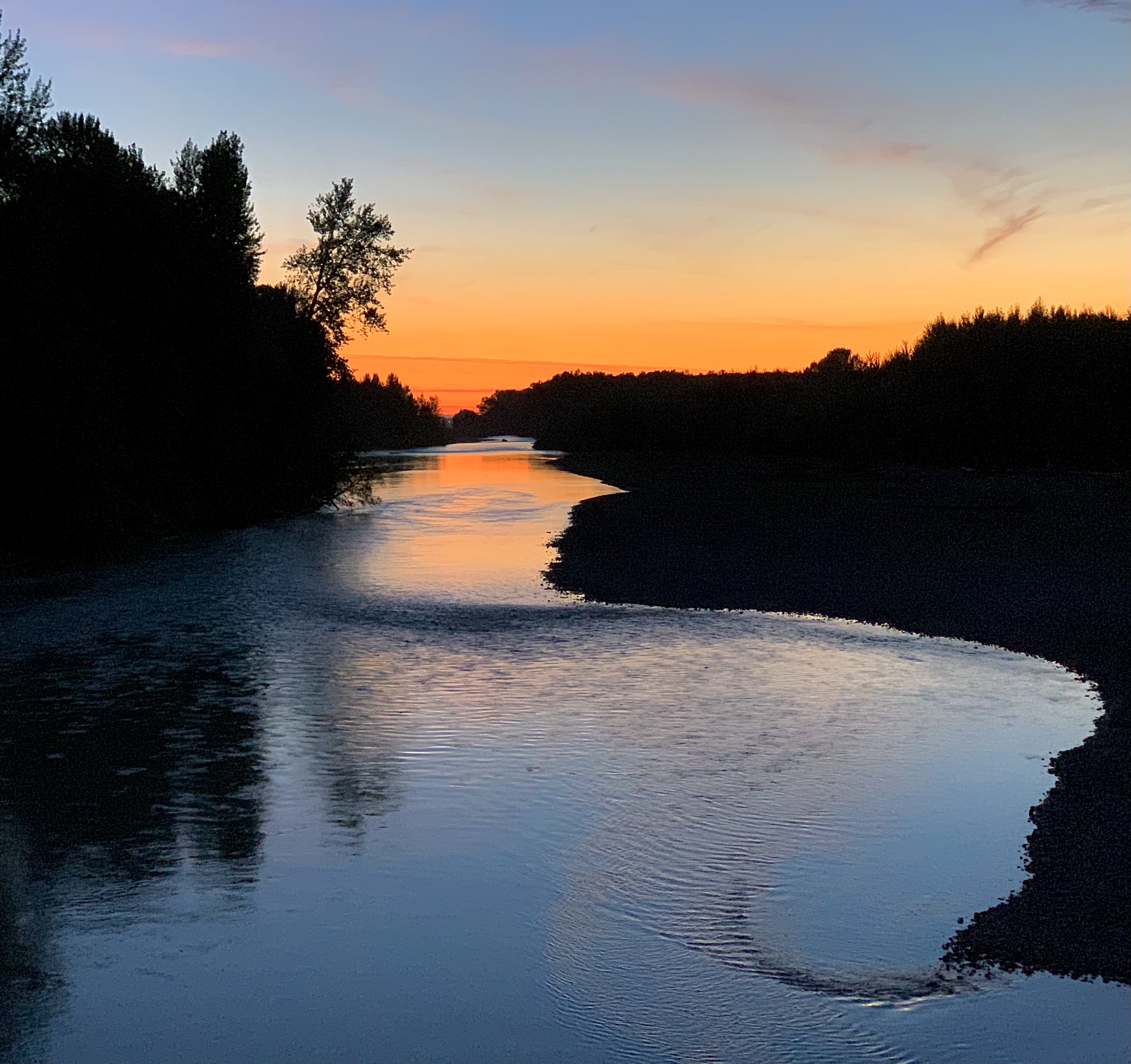
A Still Room to Remember

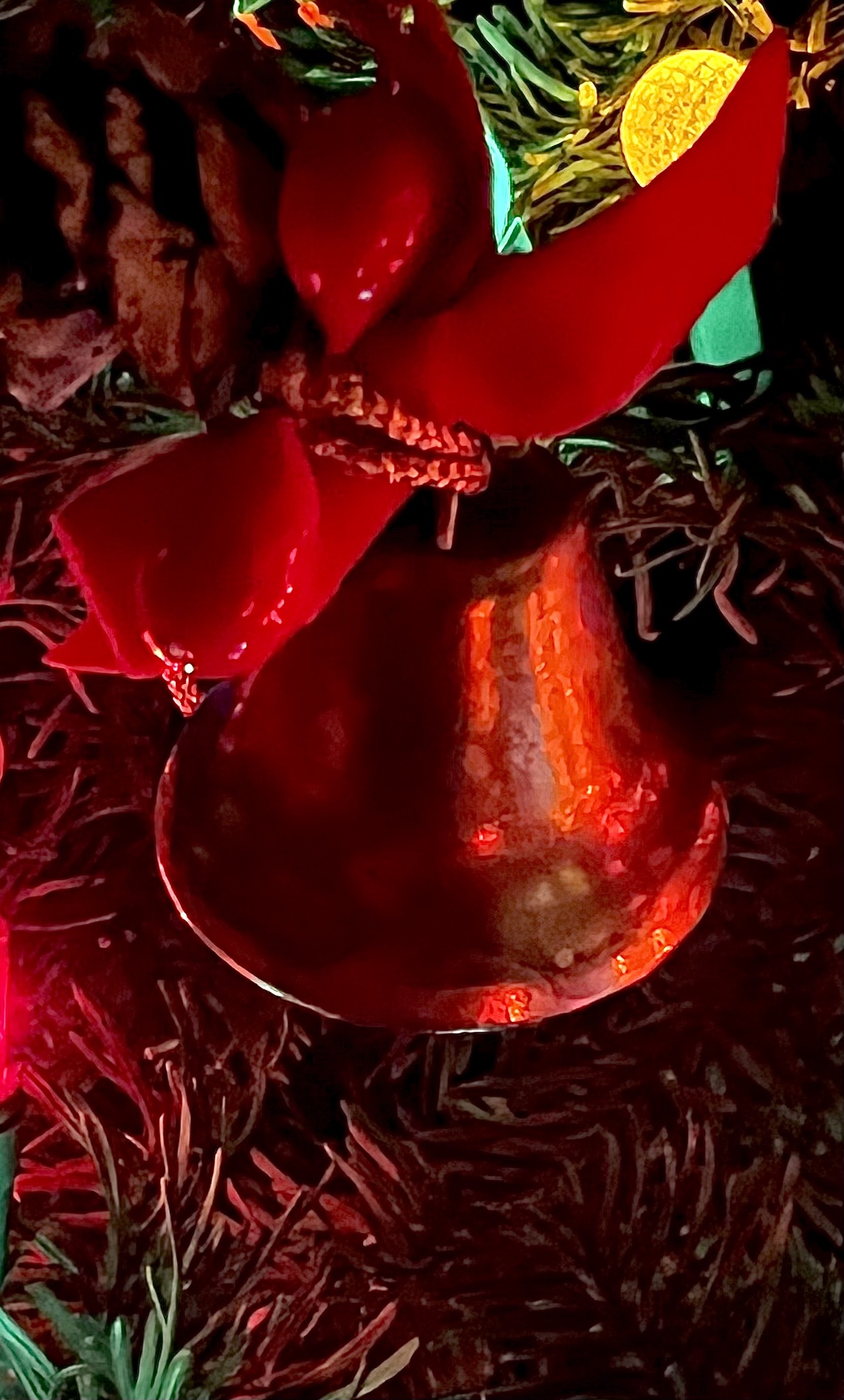
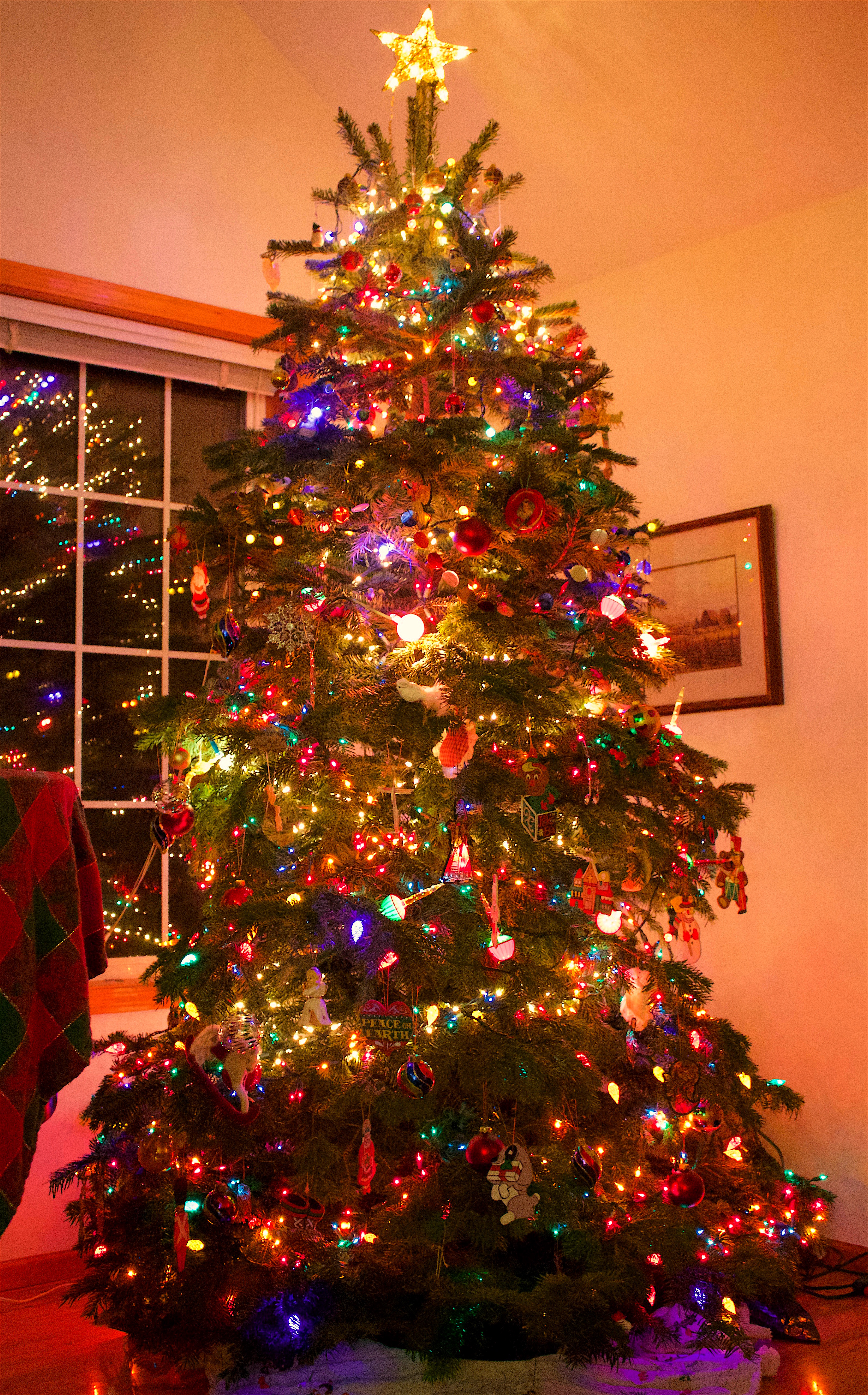
Here, the bells are silent, blown glass hung from
branches of pine whose fragrance fills the room.
It’s December, and the world’s run out of color.
Darkness at five seems absolute outside
the nine square panes of glass. But inside
hundreds of small white lights reflect off
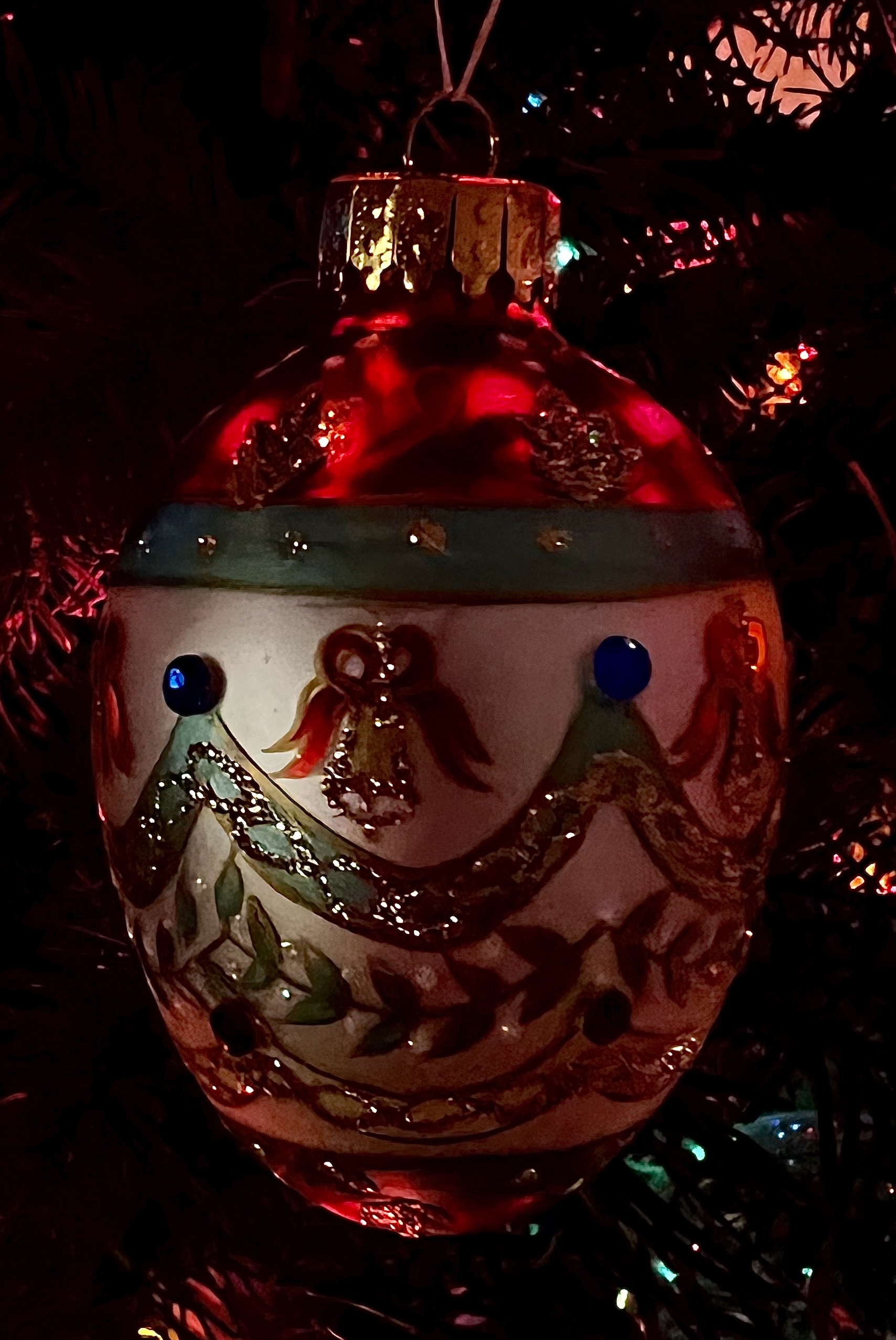
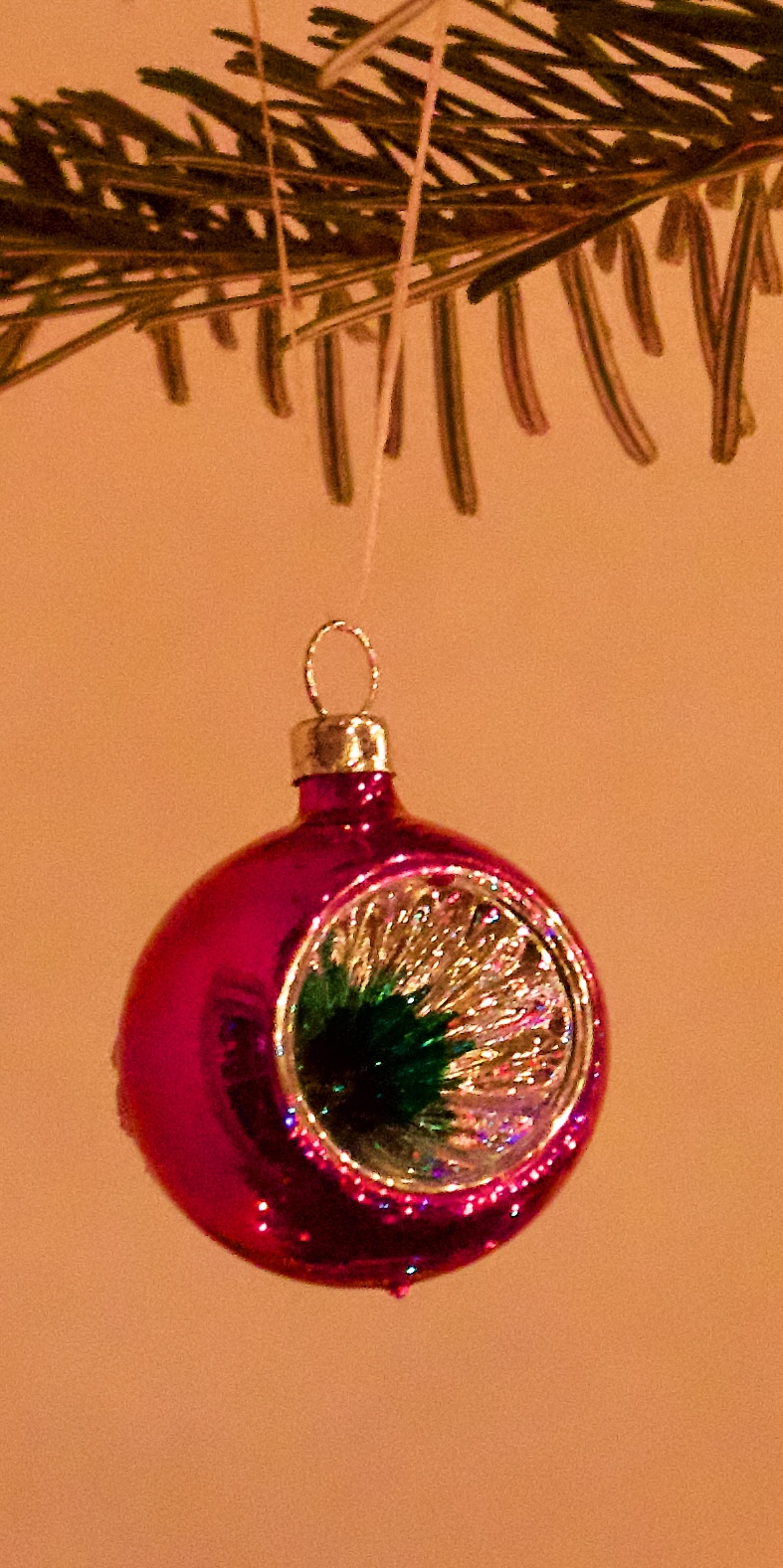
fragile ornaments handed down from before
the war. They’re all Shiny-Brite, some solid balls—
hot pink, lime green, turquoise, gold—some striped
and flocked. This night is hard obsidian, but these glints
pierce the gloom, along with their glittery echoes, the stars.
We inhale spruce, its resinous breath: the hope of spring,
the memory of summer. Every day, another peal
on the carillon of light.

~Barbara Crooker, “Bells” from Some Glad Morning

The time is ripe for looking back over the day, the week, the year,
and trying to figure out where we have come from
and where we are going to,
for sifting through the things we have done
and the things we have left undone

for a clue to who we are and who,
for better or worse, we are becoming.

We cling to the present out of wariness of the past.
But there is a deeper need yet, I think, and that is the need
—not all the time, surely, but from time to time—
to enter that still room within us all
where the past lives on as a part of the present,
where the dead are alive again,
where we are most alive ourselves to turnings
and to where our journeys have brought us.

The name of the room is Remember—
the room where with patience, with charity, with quietness of heart,
we remember consciously to remember the lives we have lived.
~Frederick Buechner
“A Room Called Remember”

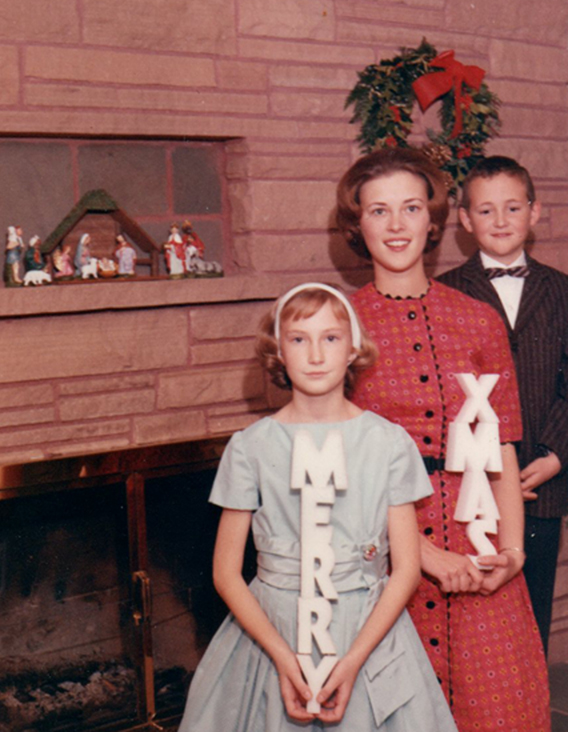
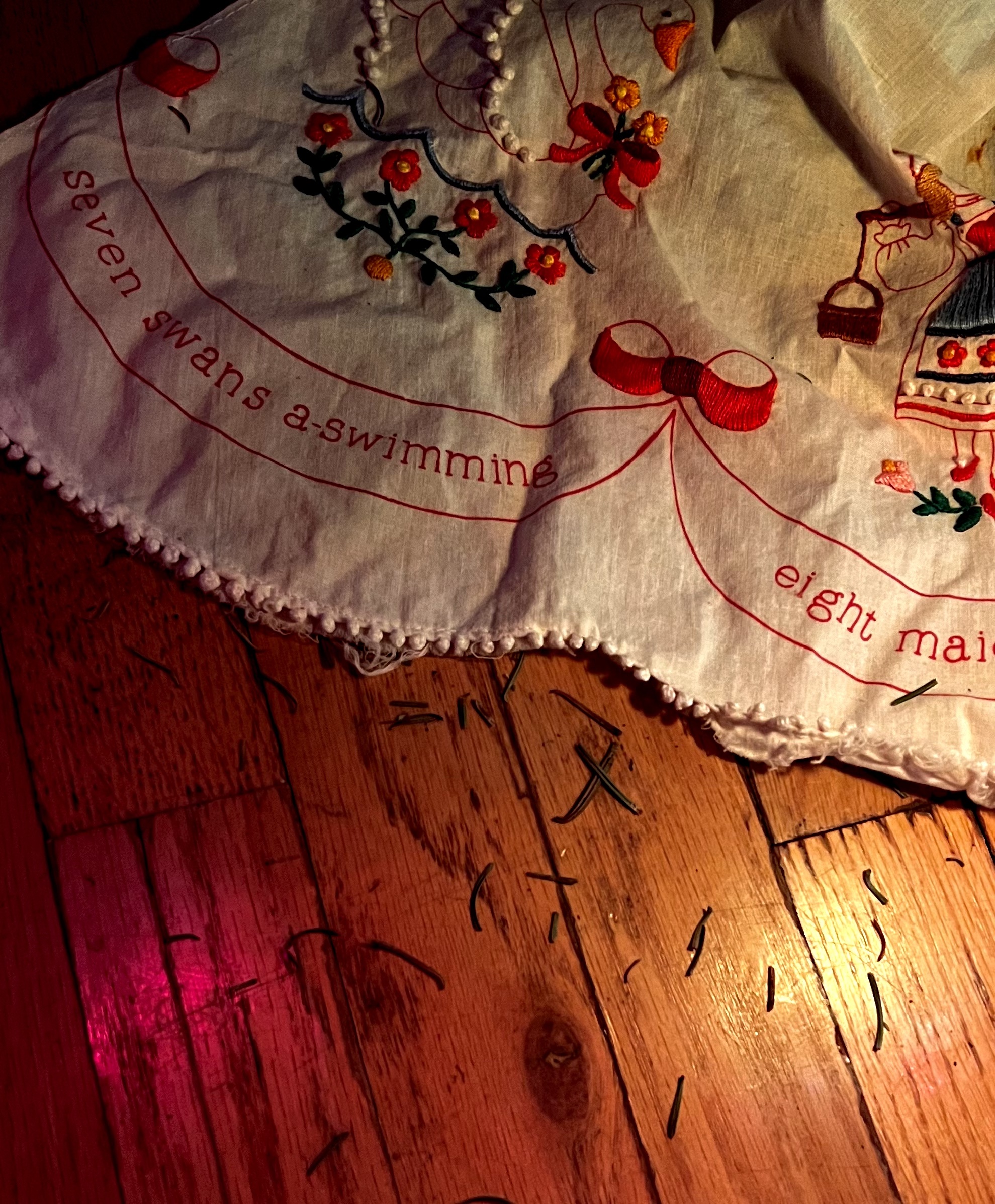
In 1959, when I was five years old, my father left his high school agriculture teaching position for a new supervisor position with the state. Our family moved from a large 3 story farm house in a rural community to a 1950’s newer rambler style home just outside the city limits of the state capitol.  It was a big adjustment to move to a much smaller house without a basement or upper story, no garage, and no large haybarn nor chicken coop.  It meant most things we owned didn’t make the move with us.

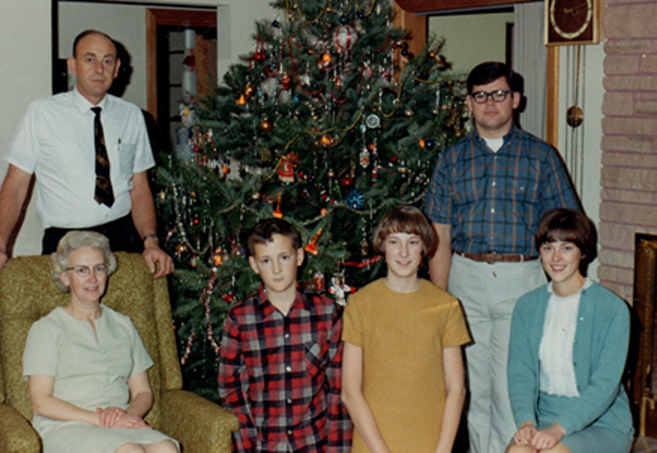
The rambler had two side by side mirror image rooms as the primary central living space between the kitchen on one side and the hallway to the bedrooms on the other.  The living room could only be entered through the front door and the family room was accessed through the back door with a shared sandstone hearth in the center, containing a fireplace in each room.  The only opening between the rooms had a folding door shut most of the year.  In December, the door was opened to accommodate a Christmas tree, so it sat partially in the living room and depending on its generous width, spilled over into the family room.  That way it was visible from both rooms, and didn’t take up too much floor space.

The living room, because it contained the only carpeting in the house, and our “best” furniture,  was strictly off-limits for us kids. In order to keep our two matching sectional knobby gray fabric sofas,  a green upholstered chair and gold crushed velvet covered love seat in pristine condition, the room was to be avoided unless we had company. The carpet was never to develop a traffic pattern, there would be no food, beverage, or pet ever allowed in that room, and the front door was not to be used unless a visitor arrived.  The hearth never saw a fire lit on that side because of the potential of messy ashes or smoke smell. This was not a room for laughter, arguments or games and certainly not for toys. The chiming clock next to the hearth, wound with weighted pine cones on the end of chains, called out the hours without an audience.

One week before Christmas, a tree was cut down to fit in the space where it could overflow into the family room.  I particularly enjoyed decorating the “family room” side of the tree, using all my favorite ornaments that were less likely to break if they fell on the linoleum floor on that side of the door.

It was as if the Christmas tree became divided, with a “formal” side in the living room and a “real life” face on the other side where the living (and all that goes along with that) was actually taking place.

The tree straddled more than just two rooms.  Each year that tree’s branches reached out to shelter a family that was slowly, almost imperceptibly, falling apart like fir needles dropping to the floor, soon to be swept away.

Each year since, our Christmas tree, bearing those old ornaments from my childhood, reminds me of that still room of memories.  No longer am I wary of the past, and as I sweep up the fir needles that inevitably drop, I no longer weep.

One-Time
Monthly
Yearly

Make a one-time or recurring donation to support Barnstorming

Make a monthly donation

Make a yearly donation

Choose an amount

¤5.00
¤10.00
¤20.00
¤5.00
¤15.00
¤100.00
¤5.00
¤15.00
¤100.00

Or enter a custom amount

¤

Your contribution is deeply appreciated.

Your contribution is appreciated.

Your contribution is appreciated.

DonateDonate monthlyDonate yearly
Things I Did Not Say or Do

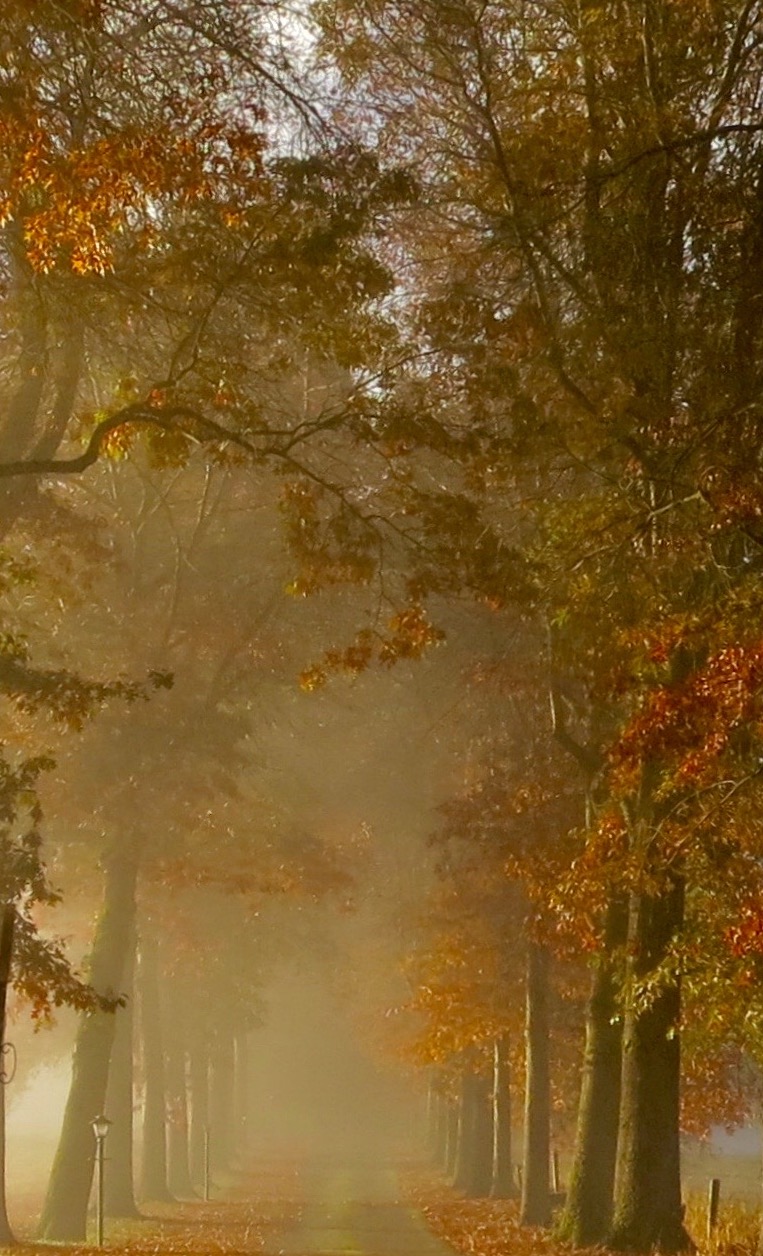
IV  My fiftieth year had come and gone,
I sat, a solitary man,
In a crowded London shop,
An open book and empty cup
On the marble table-top.

While on the shop and street I gazed
My body of a sudden blazed;
And twenty minutes more or less
It seemed, so great my happiness,
That I was blessed and could bless.


V  Although the summer Sunlight gild
Cloudy leafage of the sky,
Or wintry moonlight sink the field
In storm-scattered intricacy,
I cannot look thereon,
Responsibility so weighs me down.

Things said or done long years ago,
Or things I did not do or say
But thought that I might say or do,
Weigh me down, and not a day
But something is recalled,
My conscience or my vanity appalled.
~William Butler Yeats,Vacillation Parts IV and V


In this, the last trimester of my life, I find myself dwelling on how I continue to grow and change, as if I was gestating all over again, 68 years later. It is a time or preparation for what comes next, while not wanting to miss a moment of what is – right now.

I have plenty of opportunity to replay the many moments I’ve regretted what I said or did, or what I could have said or did….and didn’t. Recalling remorse is far easier and stickier than replaying joy that seems so fleeting in my memory.

There are times when I feel both weighed down by memories and freed at the same time. It almost always happens while sitting in worship in church, while silently confessing how I have wronged those around me or turned my face from God, yet in the next moment, I feel the embrace of a Creator who never forgets but still forgives. It is an overwhelming knowledge that brings me to tears every time.

It is in that moment that my joy no longer is fleeting; it lives deeply in my cells since I, like all around me, am created in His image.

And God saw what He had made, and it was, and still is, good.
He made us for joy, not out of regret.

One-Time
Monthly
Yearly

Make a one-time donation to support Barnstorming

Make a monthly donation

Make a yearly donation

Choose an amount

¤5.00
¤10.00
¤20.00
¤5.00
¤15.00
¤100.00
¤5.00
¤15.00
¤100.00

Or enter a custom amount

¤

Your contribution is deeply appreciated.

Your contribution is appreciated.

Your contribution is appreciated.

Donate

Donate

Donate

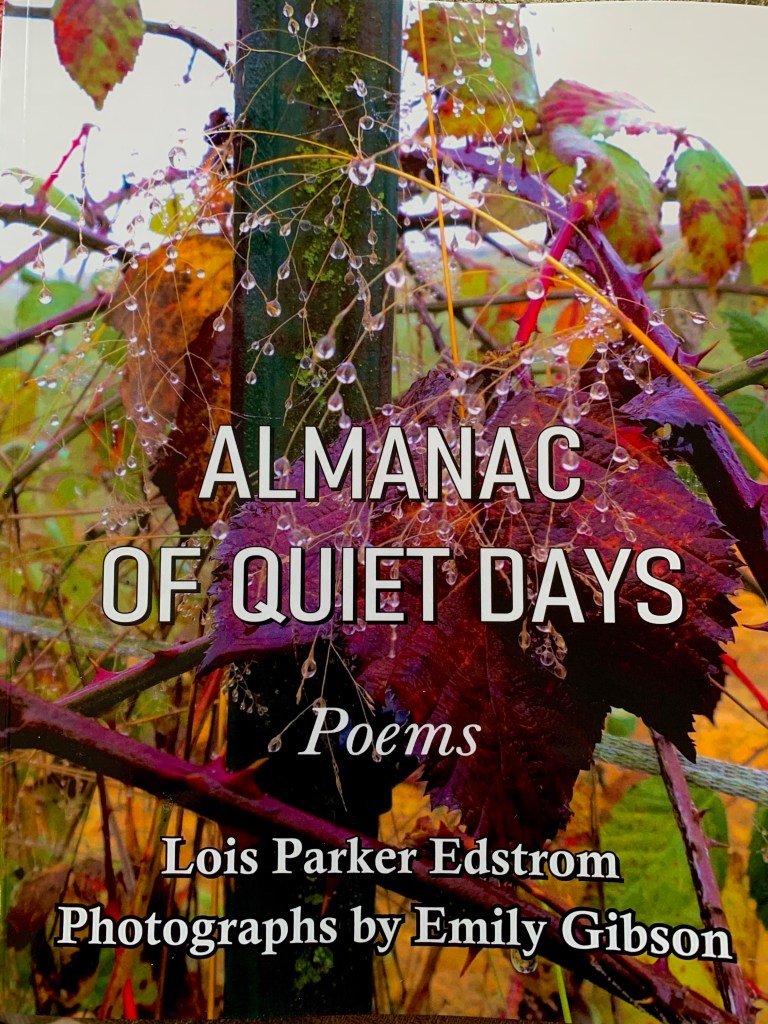
A book of beauty in words and photography, available to order here:

My One Heedless Glance


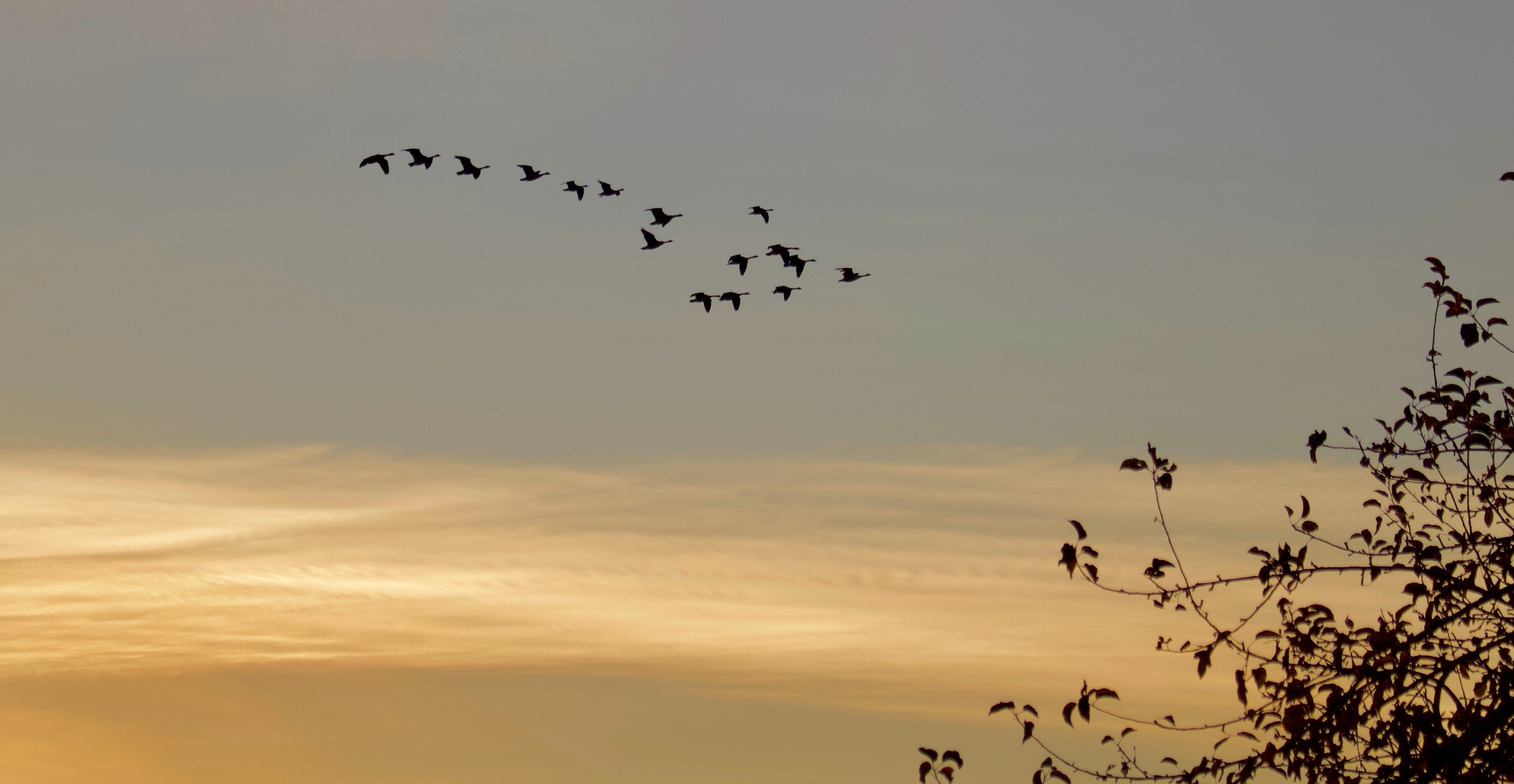
Wild geese are flocking and calling in pure golden air,
Glory like that which painters long ago
Spread as a background for some little hermit
Beside his cave, giving his cloak away,
Or for some martyr stretching out
On her expected rack.
A few black cedars grow nearby
And there’s a donkey grazing.

Small craftsmen, steeped in anonymity like bees,
Gilded their wooden panels, leaving fame to chance,
Like the maker of this wing-flooded golden sky,
Who forgives all our ignorance
Both of his nature and of his very name,
Freely accepting our one heedless glance.
~Anne Porter, “A November Sunrise” from An Altogether Different Language.

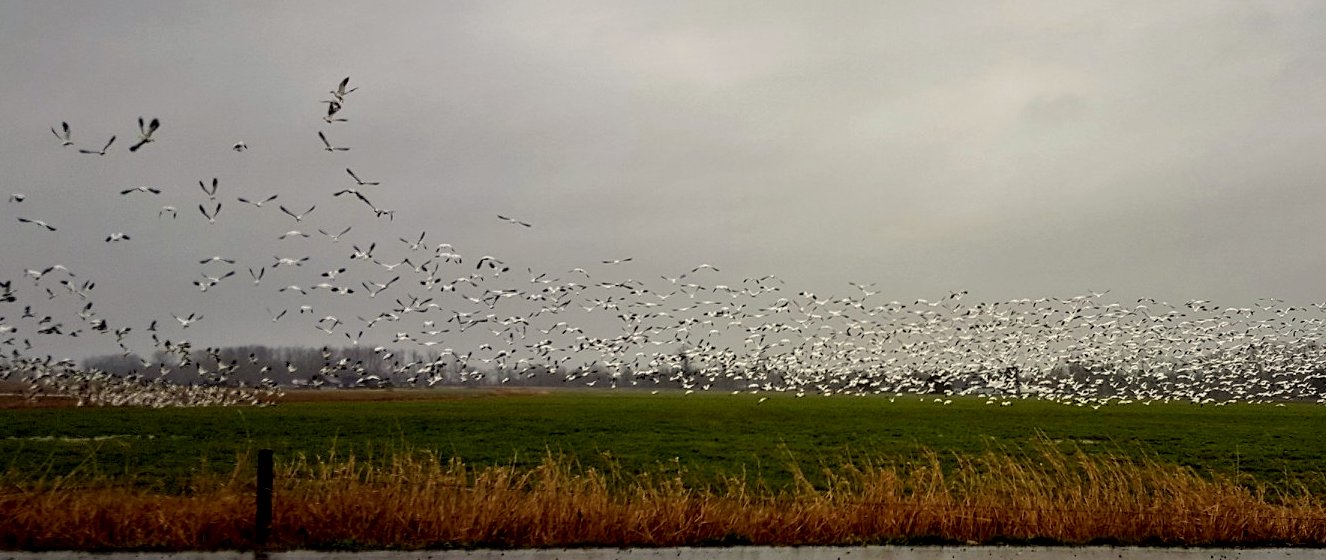
snowgeese in Whatcom County – photo by Chris Lovegren

My need for forgiveness is continually overwhelmed by God’s capacity to forgive: I mess up so frequently, it is as natural as breathing to me.

I tend to forget His provision — God’s grace cleans up after me.

May I never forget His name, see the beauty He created and acknowledge His capacity for loving the unlovable.

And so shall I try to fulfill His hope for me.

One-Time
Monthly
Yearly

Make a one-time donation to support Barnstorming

Make a monthly donation

Make a yearly donation

Choose an amount

¤5.00
¤10.00
¤20.00
¤5.00
¤15.00
¤100.00
¤5.00
¤15.00
¤100.00

Or enter a custom amount

¤

Your contribution is deeply appreciated.

Your contribution is appreciated.

Your contribution is appreciated.

DonateDonate monthlyDonate yearly
A book of beauty in words and photography, available to order here:

Eavesdropping on Private Voices

When I opened the door
I found the vine leaves
speaking among themselves in abundant
whispers.
                   My presence made them
hush their green breath,
embarrassed, the way
humans stand up, buttoning their jackets,
acting as if they were leaving anyway, as if
the conversation had ended
just before you arrived.
                                               I liked
the glimpse I had, though,
of their obscure
gestures. I liked the sound
of such private voices. Next time
I’ll move like cautious sunlight, open
the door by fractions, eavesdrop
peacefully.
~Denise Levertov, “Aware” from This Great Unknowing.

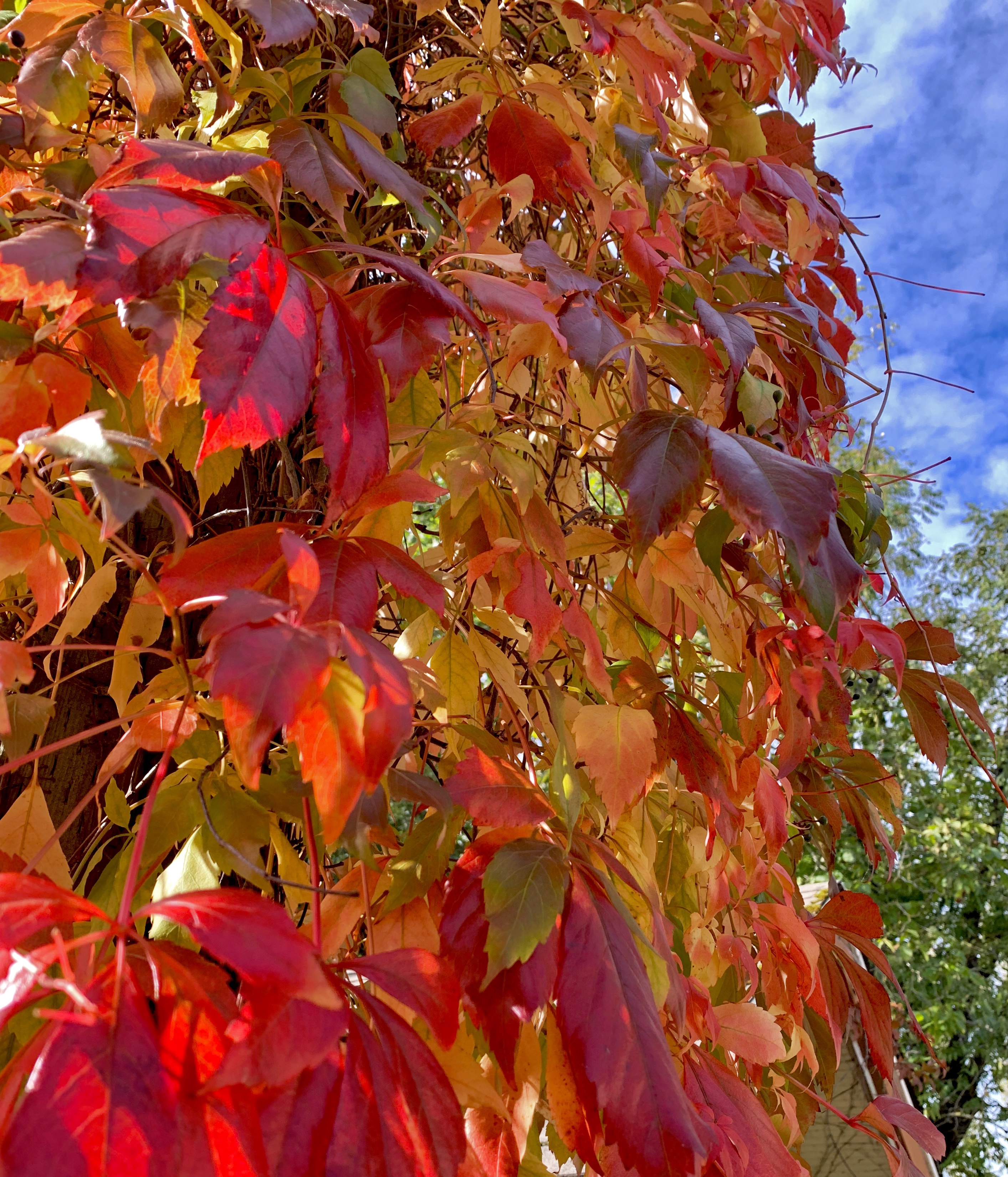
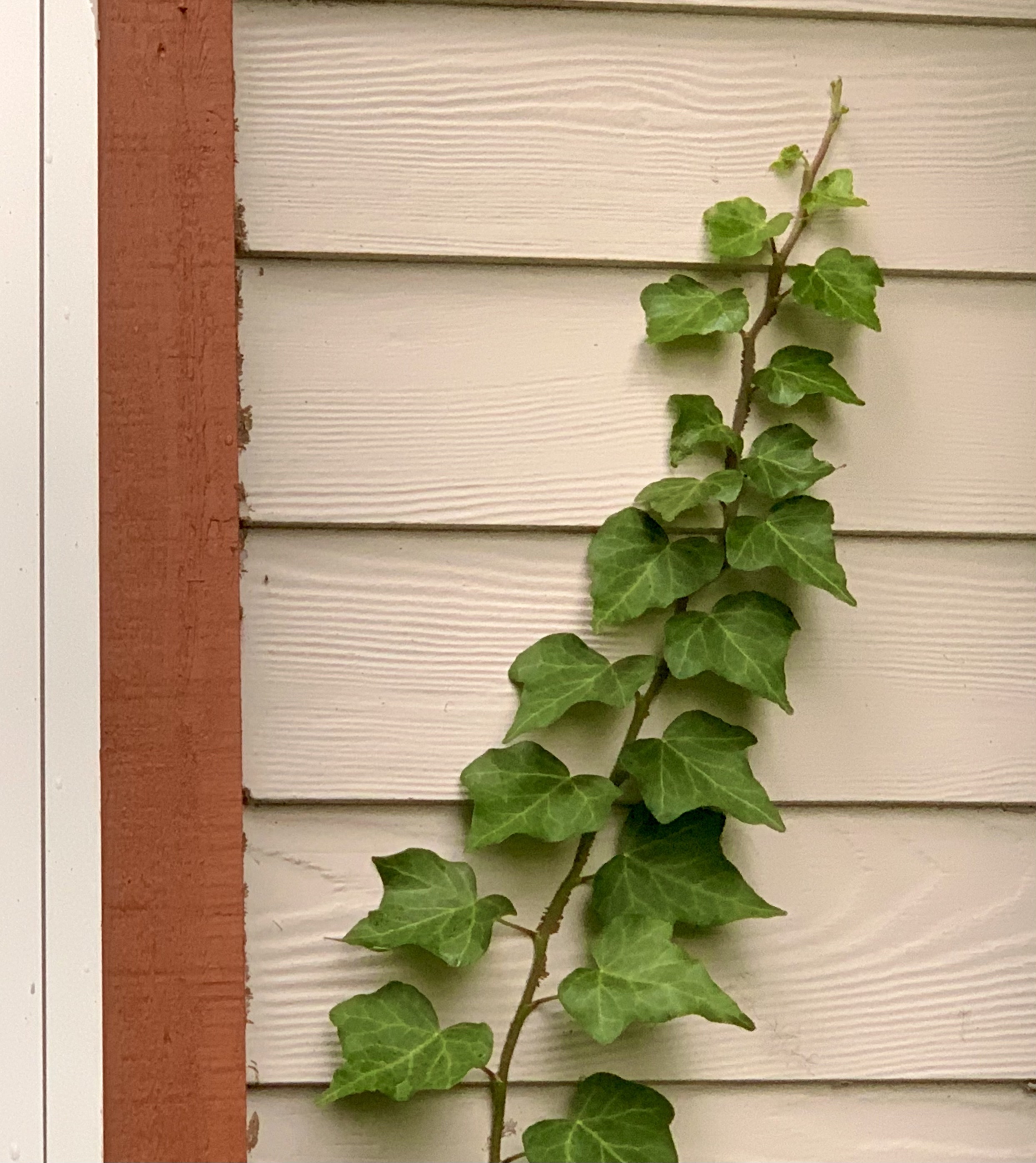
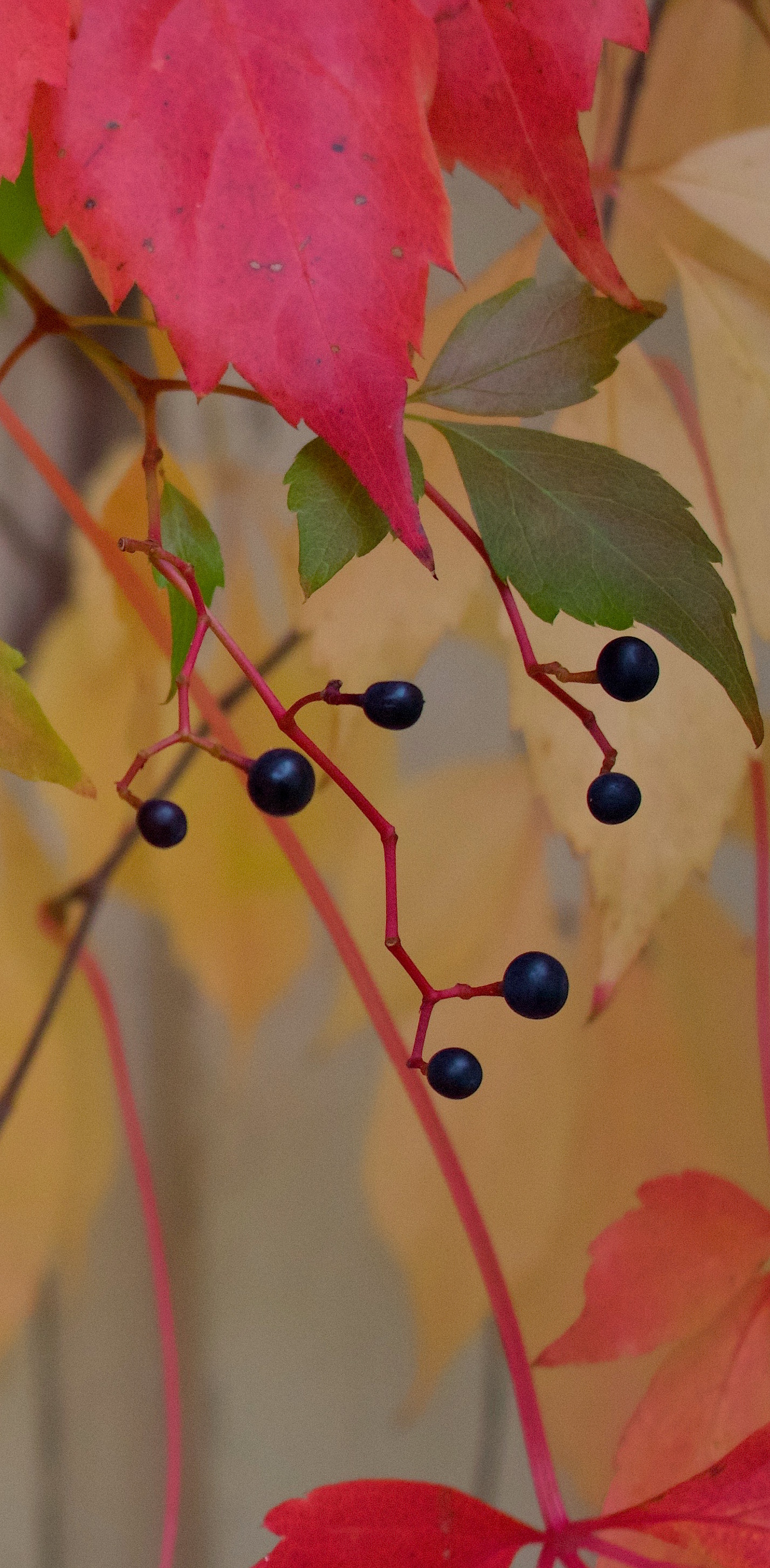
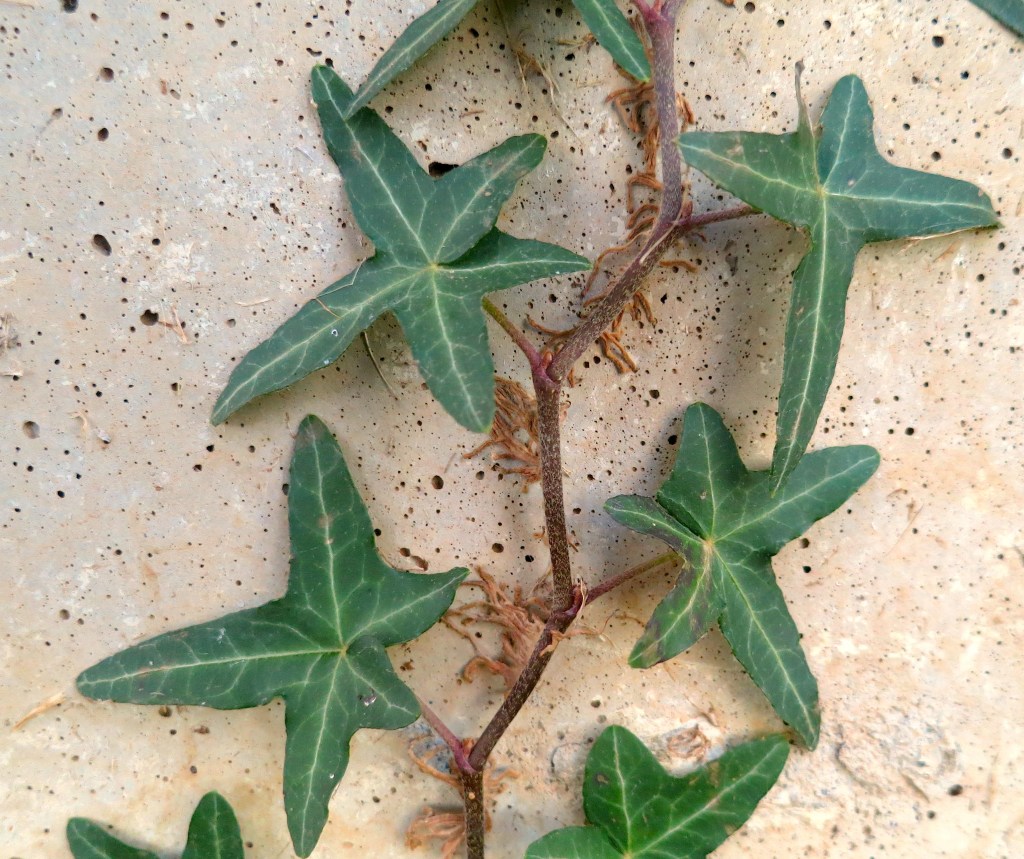
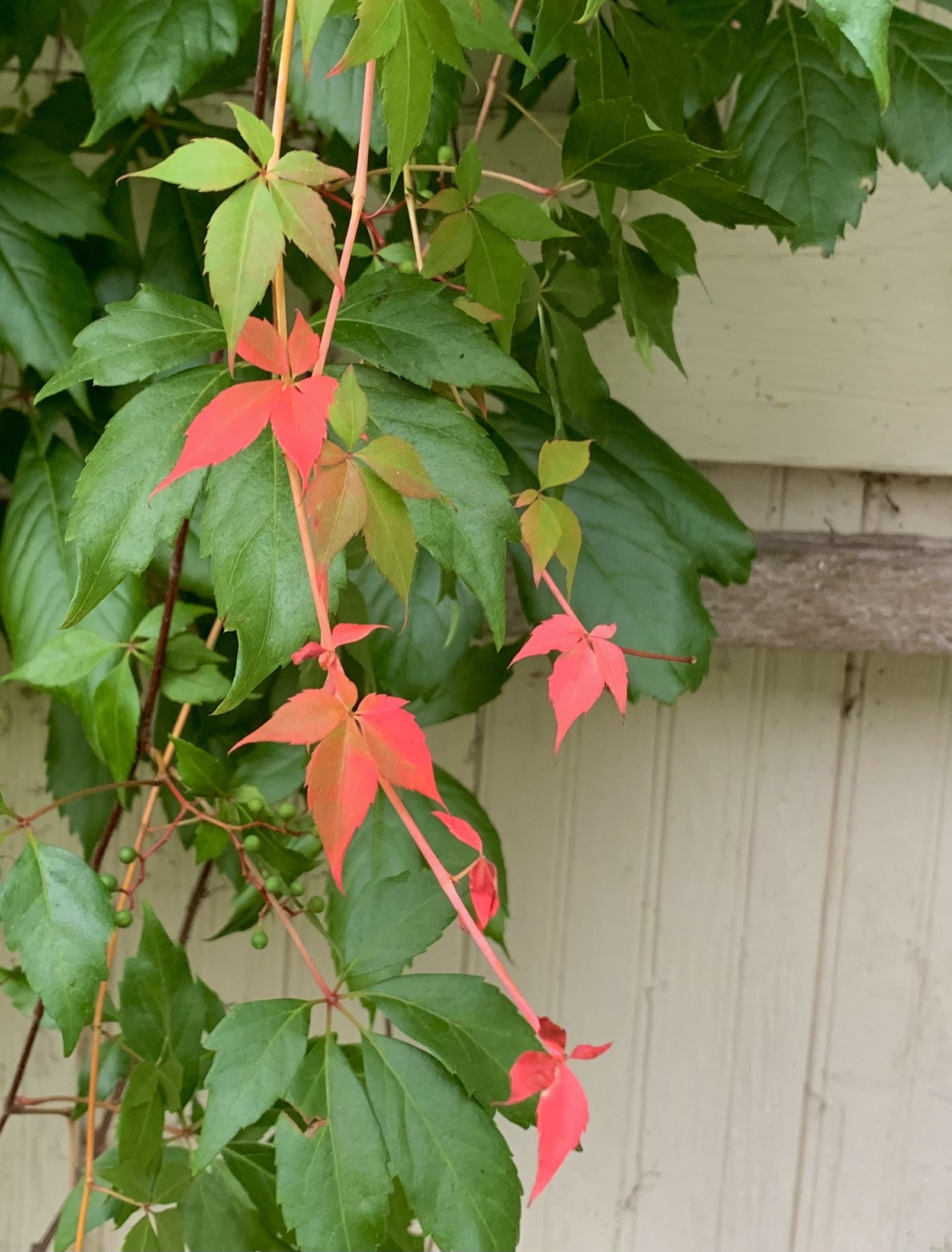
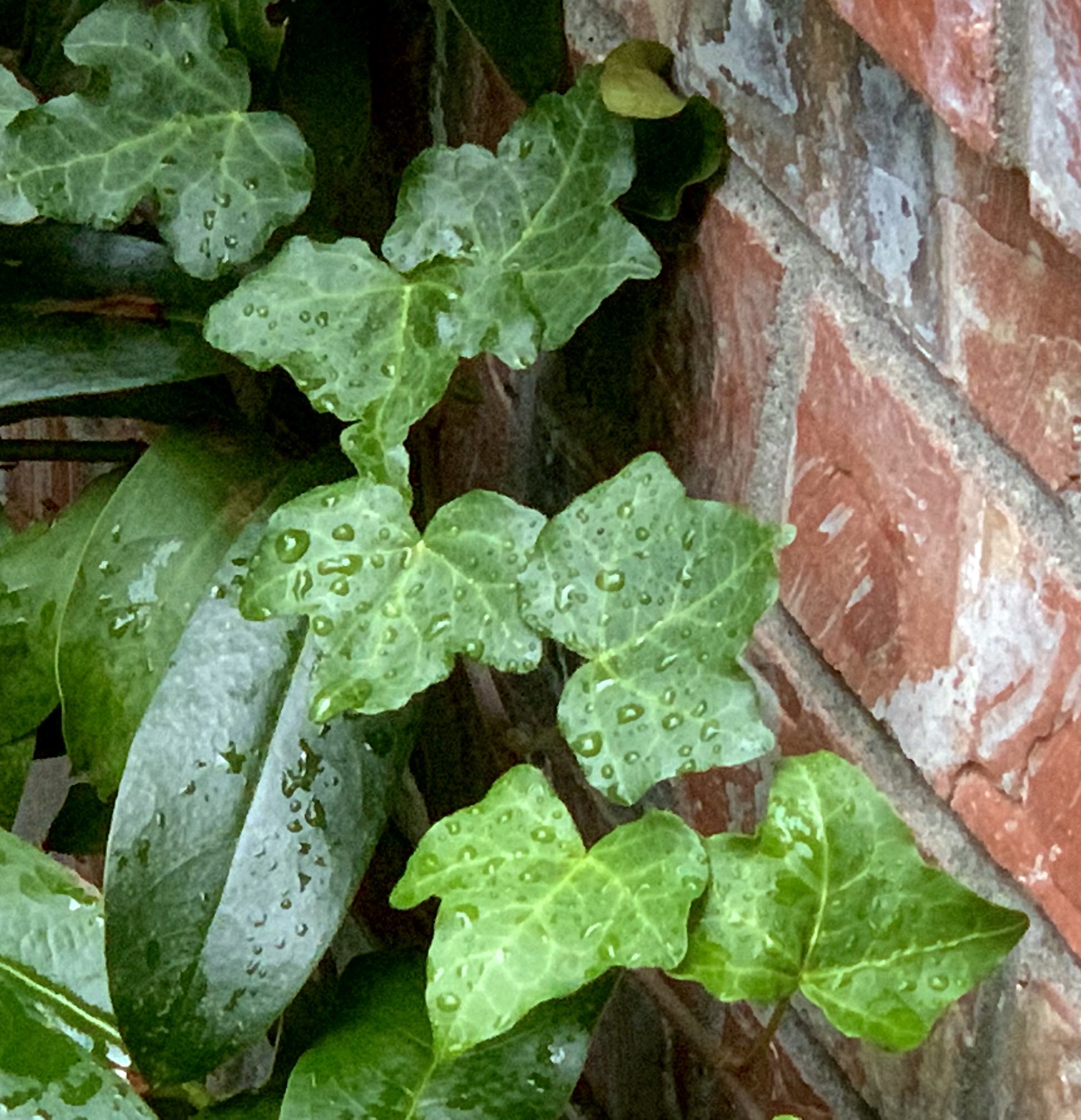
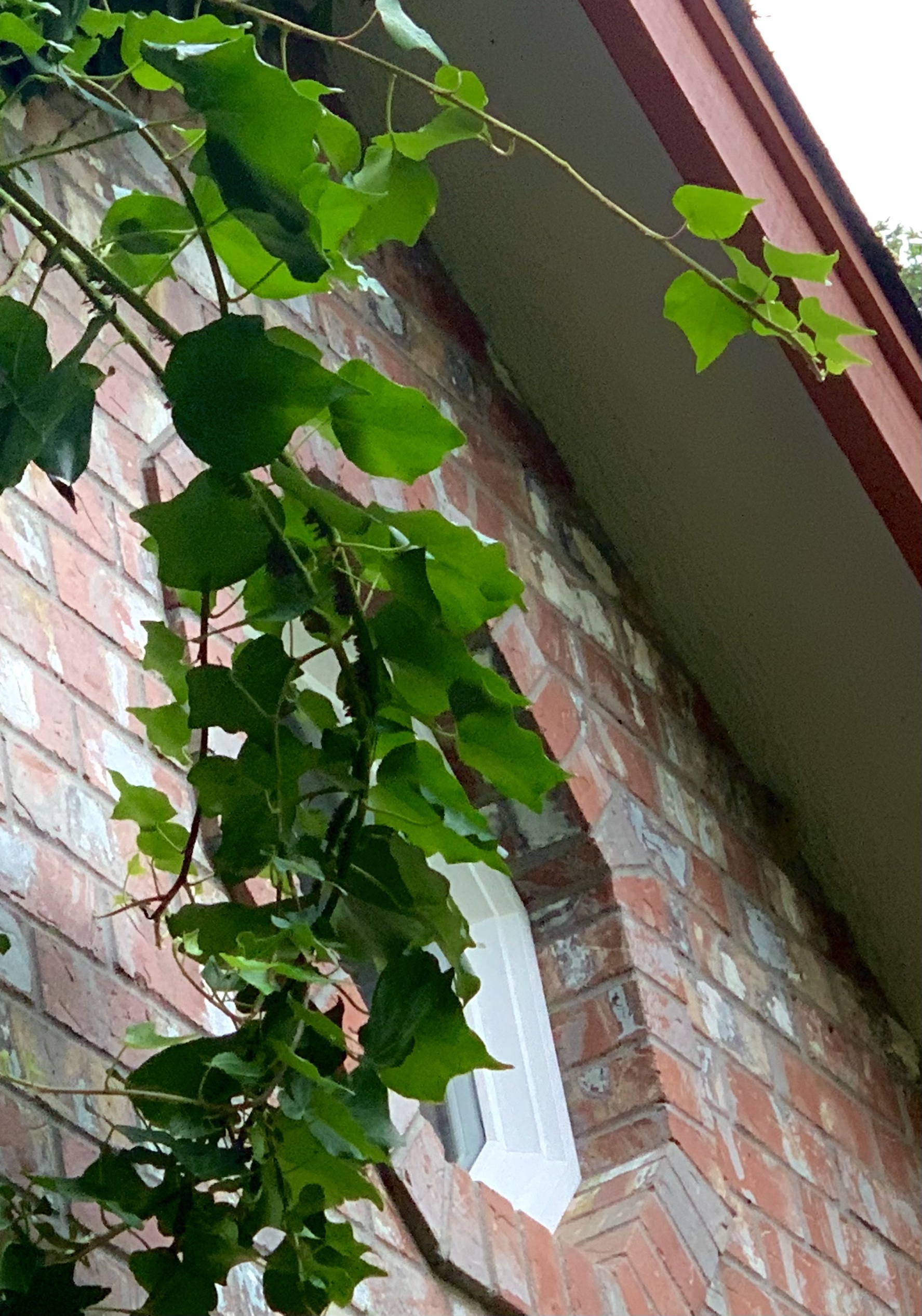
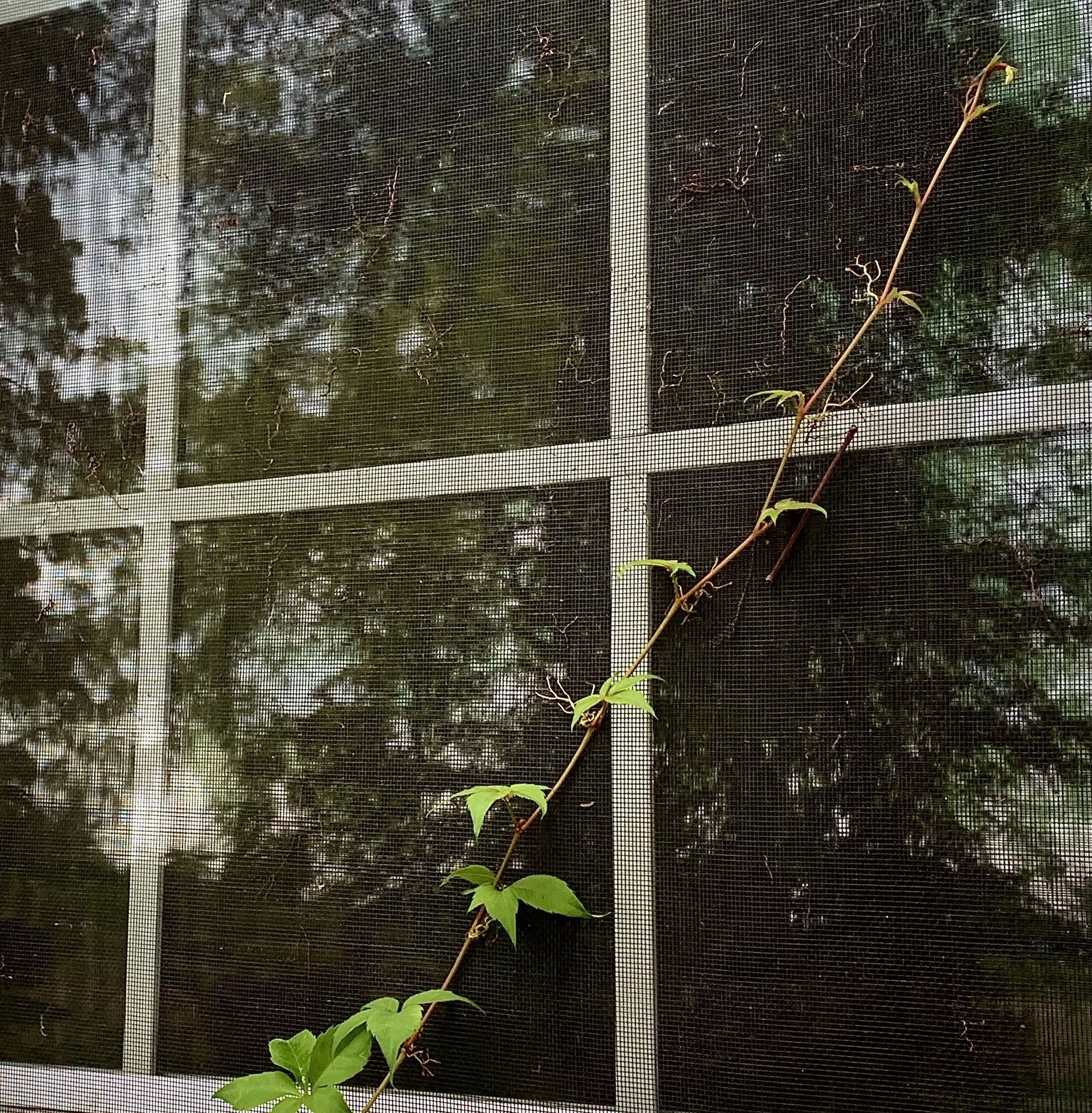
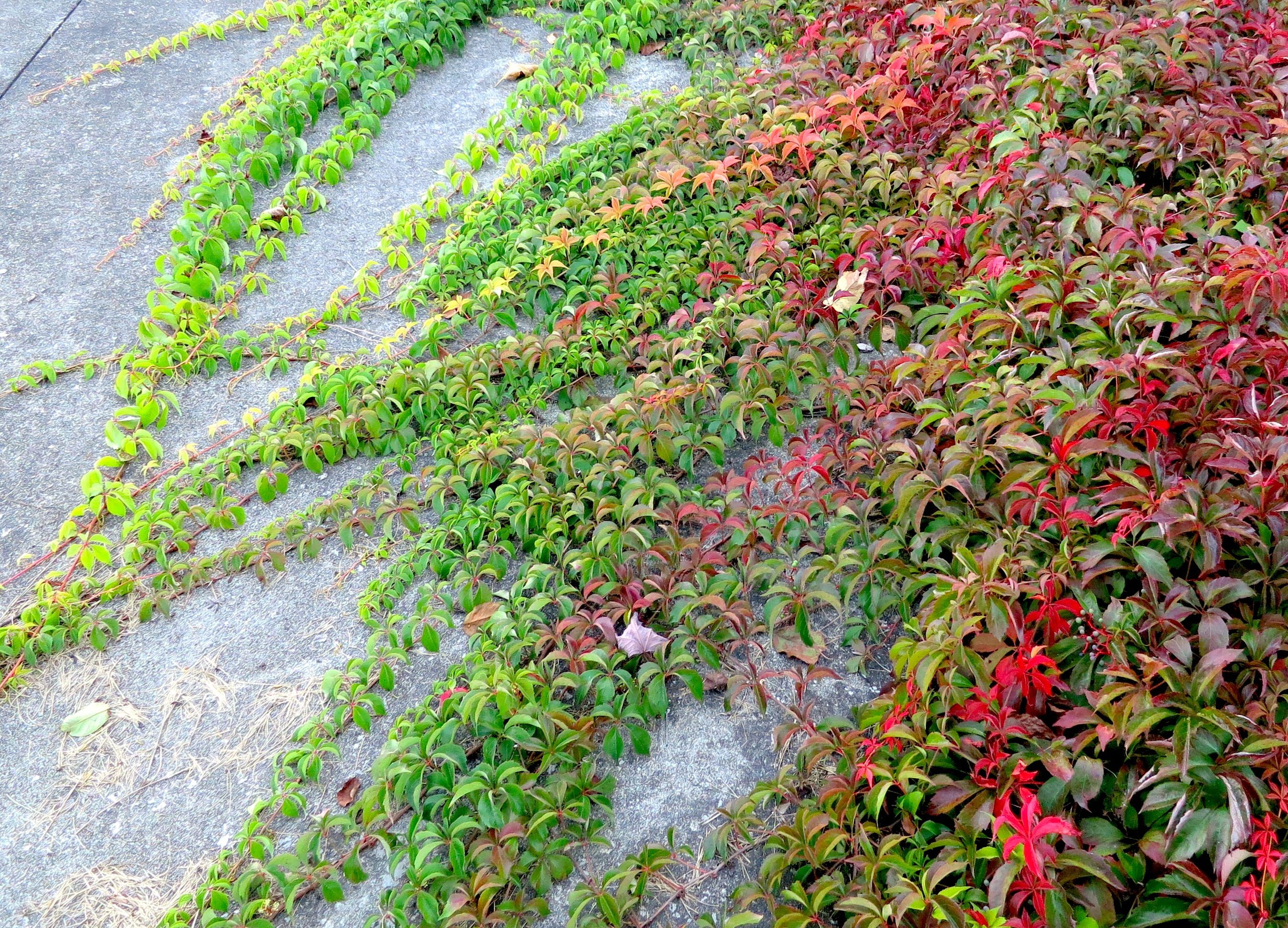
I need to be cautious or I also would be swallowed up inch by inch by a variety of vines surrounding our home and farm buildings. Between the ivy, Virginia creeper and our opportunistic ubiquitous blackberry vines, I’m mere audience to their varied plans of expansive world domination.

As part of generations of human creep, I can’t indict the vines as aggressive interlopers for going where no vine has gone before. Much human migration has been out of necessity due to inadequate food sources or inhospitable circumstances. Some is due to a spirit of adventure and desire for new places to explore. Nevertheless, we human vines end up dominating places where we may not be really welcome.

So we human vines whisper together conspiratorially about where to send out our tendrils next, never asking permission, only sometimes asking for forgiveness later.

I can’t help but listen to those private voices – one of which is my own – who feel discontented with the “here and now” — we suspect somewhere else may be better. Rather than choose to stay and flourish in place, we keep creeping and overwhelming our surroundings.

Dear human vines: creep gently with sensitivity for the ground you occupy. Don’t block the sun from others or quench yourself while others thirst. Be kind and make the spot you cover more beautiful than it was before.https://barnstorming.blog/new-book-available-almanac-of-quiet-days/

A book of beauty in words and photography

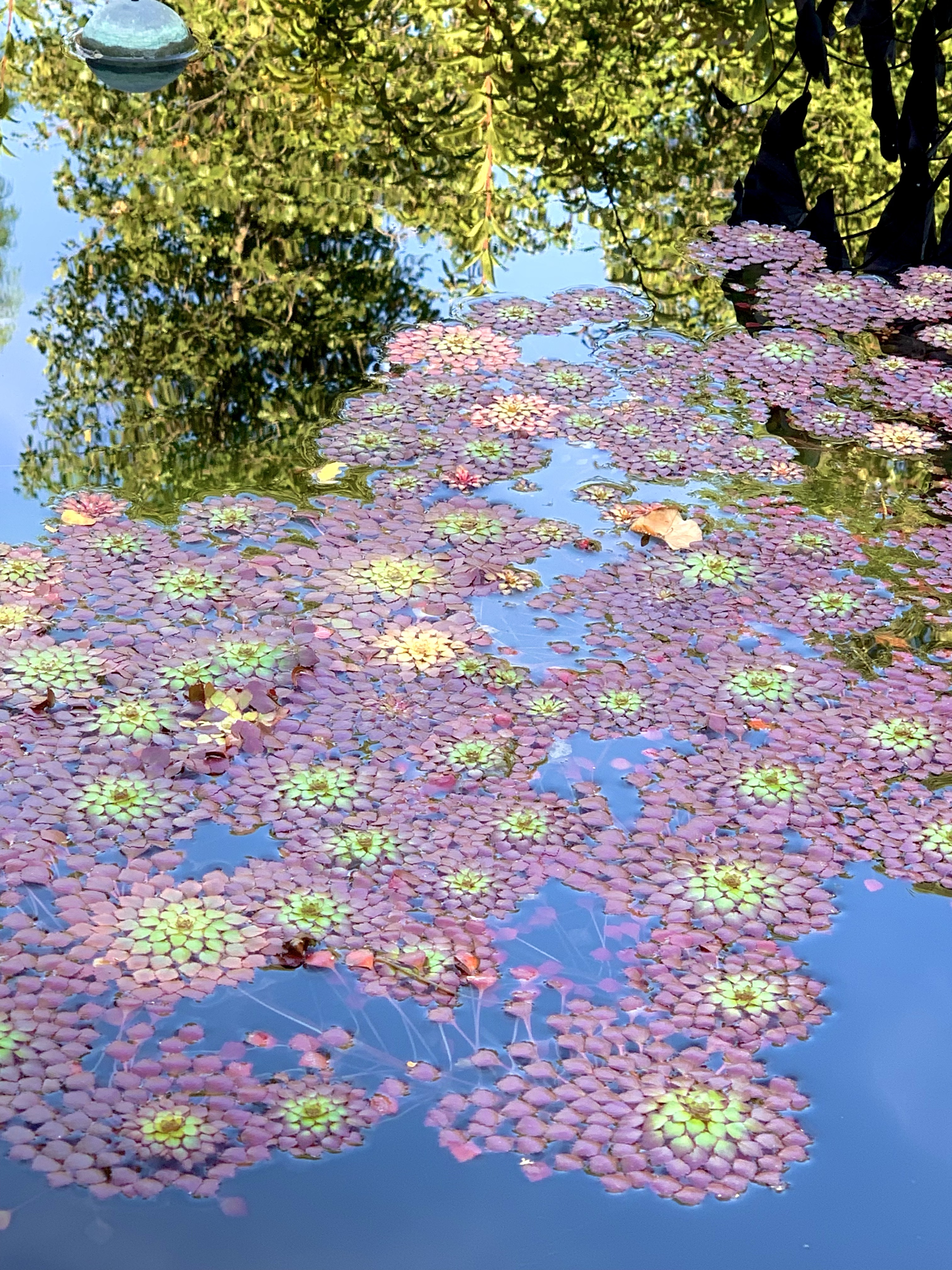
To Float Above This Difficult World

Every year
the lilies
are so perfect
I can hardly believe

their lapped light crowding
the black,
mid-summer ponds.
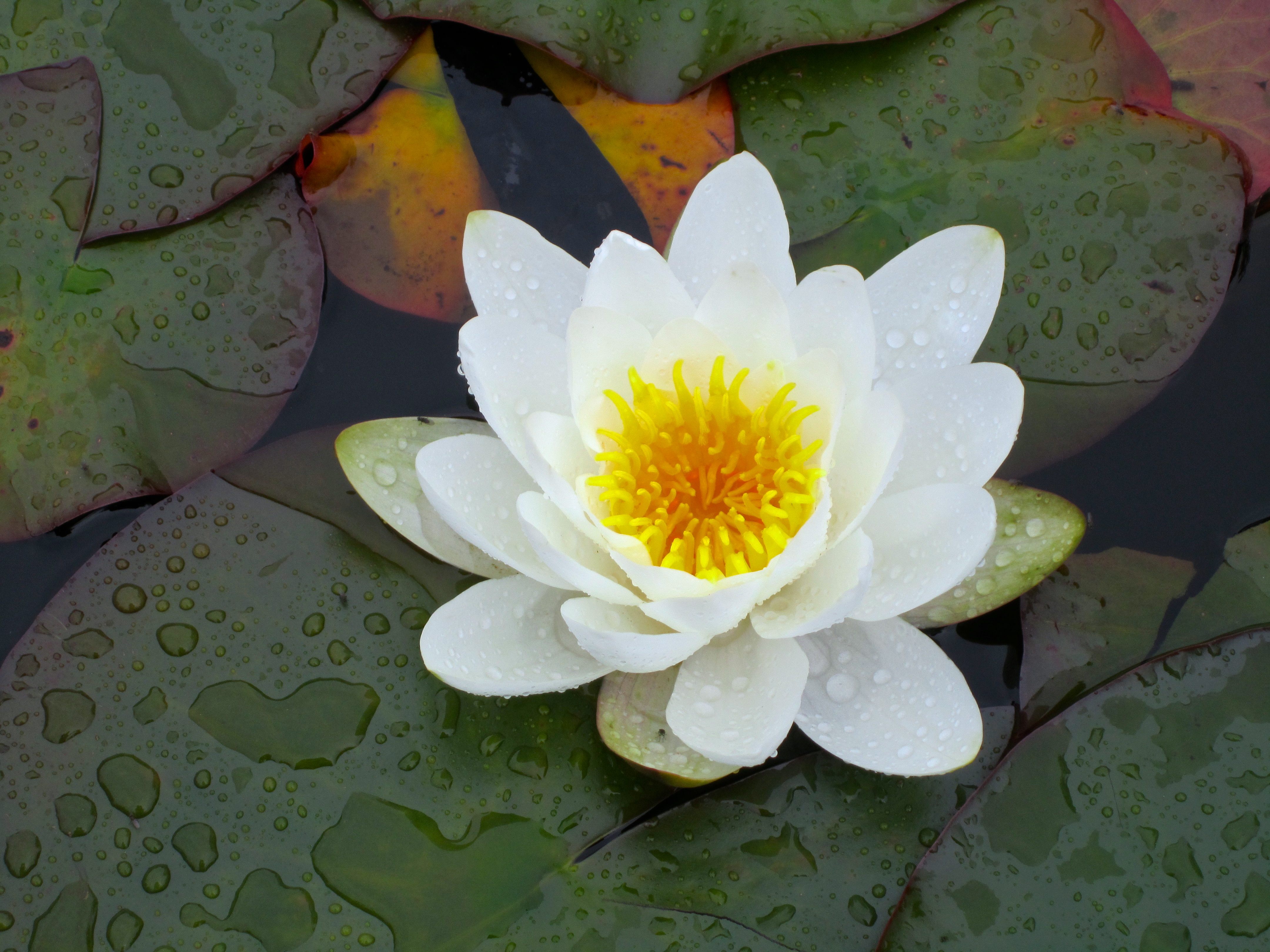
Nobody could count all of them —

the muskrats swimming
among the pads and the grasses
can reach out
their muscular arms and touch

only so many, they are that
rife and wild.
But what in this world
is perfect?

I bend closer and see
how this one is clearly lopsided —
and that one wears an orange blight —
and this one is a glossy cheek

half nibbled away —
and that one is a slumped purse
full of its own
unstoppable decay.

Still, what I want in my life
is to be willing
to be dazzled —
to cast aside the weight of facts

and maybe even
to float a little
above this difficult world.
I want to believe I am looking

into the white fire of a great mystery.
I want to believe that the imperfections are nothing —
that the light is everything — that it is more than the sum
of each flawed blossom rising and fading. And I do.
~Mary Oliver “The Ponds

Born as we are into a fallen world, this place originally
meant to be pristine, without decay –
we focus on the imperfection around us
rather than the flaws in ourselves.

The mystery is: I know how incomplete,
half chewed up and sinking in mire I am,
yet I was created in the image of God
and He looks at me as though I am whole and beautiful.

He made us in His mold that we promptly fractured,
so He came to salvage His broken people.
He made sure our flaws became nothing;
His Light and glue and love are everything.

I believe it is so, dazzled that it is true.

A book of beautiful words and photography – click for link to order

We’ve Seen Nothing Yet

Enter autumn as you would 
a closing door. Quickly, 
cautiously. Look for something inside 
that promises color, but be wary 
of its cast — a desolate reflection, 
an indelible tint.
~Pamela Steed Hill  “September Pitch”

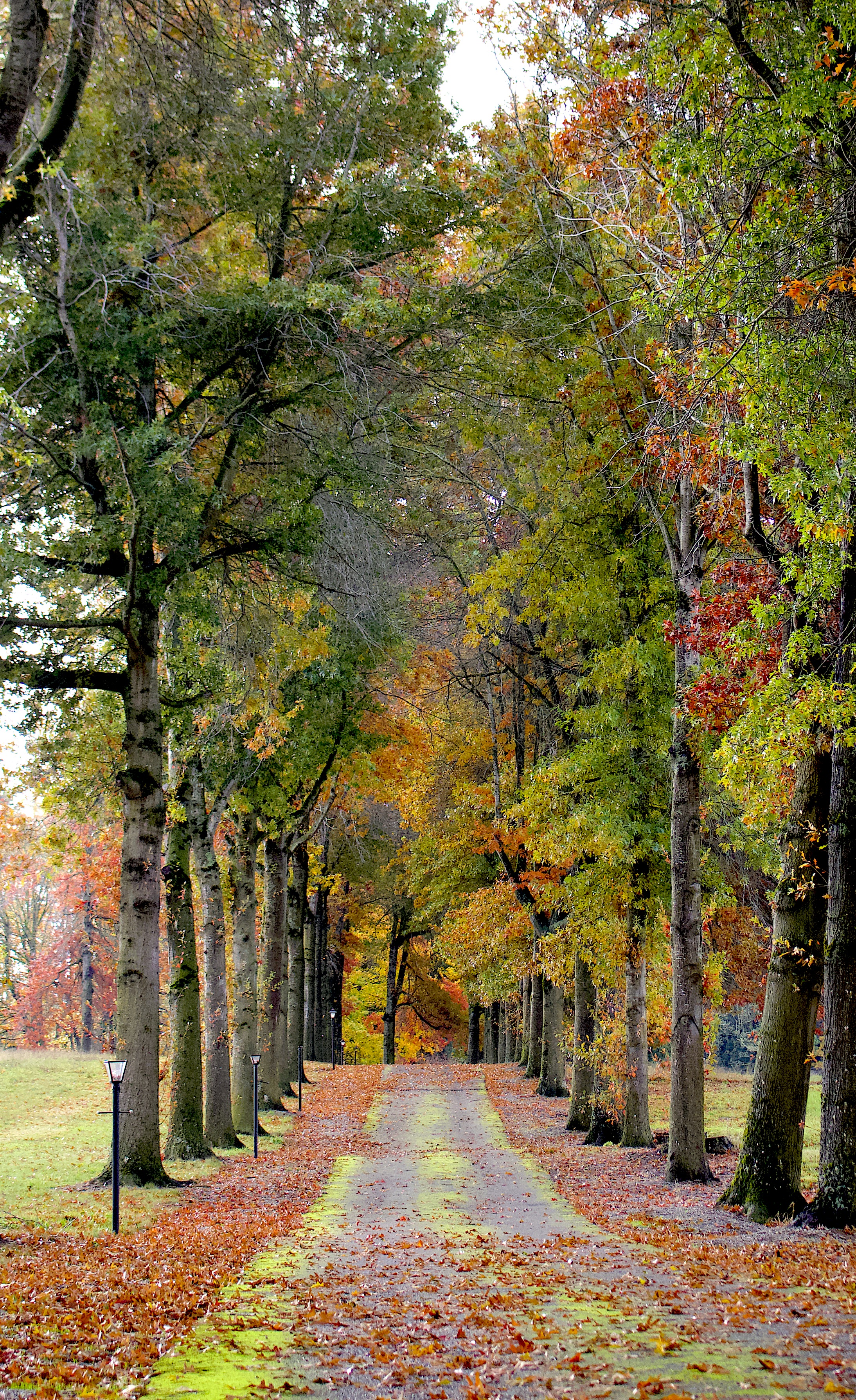
Summer begins to have the look
Peruser of enchanting Book
Reluctantly but sure perceives–
A gain upon the backward leaves

Autumn begins to be inferred
By millinery of the cloud
Or deeper color in the shawl
That wraps the everlasting hill.

The eye begins its avarice
A meditation chastens speech
Some Dyer of a distant tree
Resumes his gaudy industry.

Conclusion is the course of All
Almost to be perennial
And then elude stability
Recalls to immortality.
~Emily Dickinson
, Poem 65

This hot summer now wanes, wistful;
it has the look of packing up,
and moving on
without bidding adieu
or looking back over its shoulder.

I wave goodbye without regret; it leaves behind a hot mess
of burned landscape and drought.

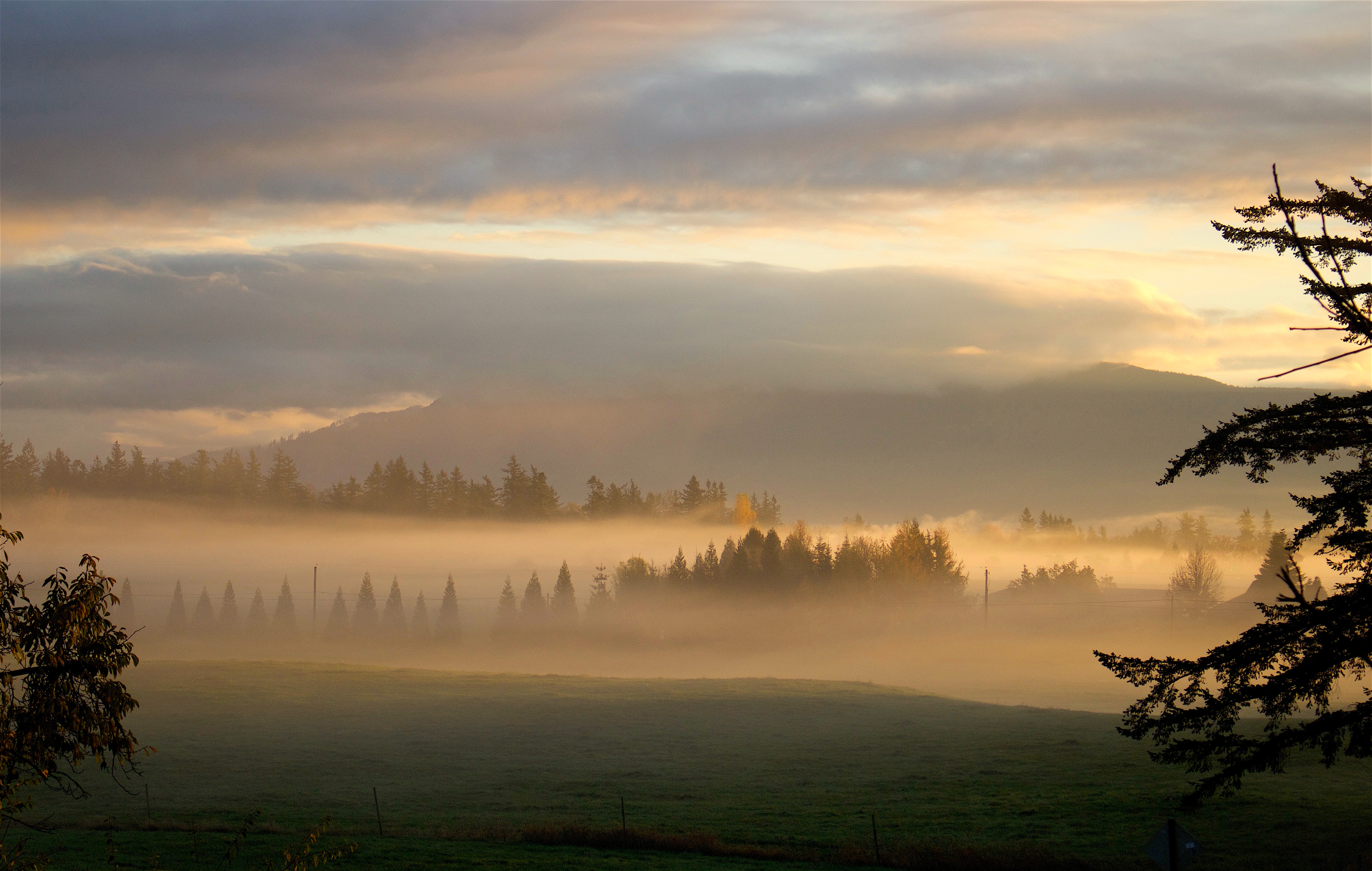
Blustery winds have carried in darkening clouds
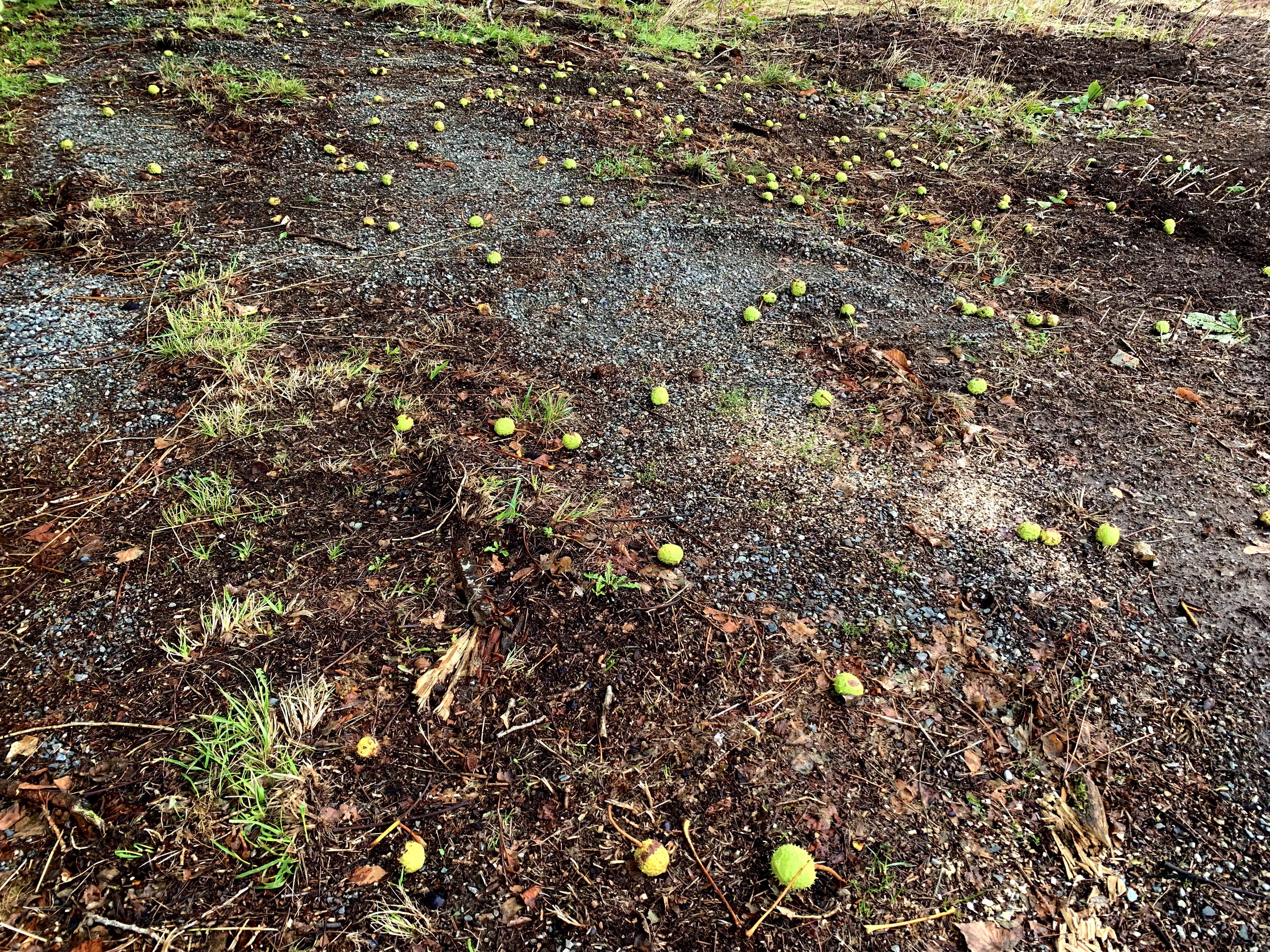
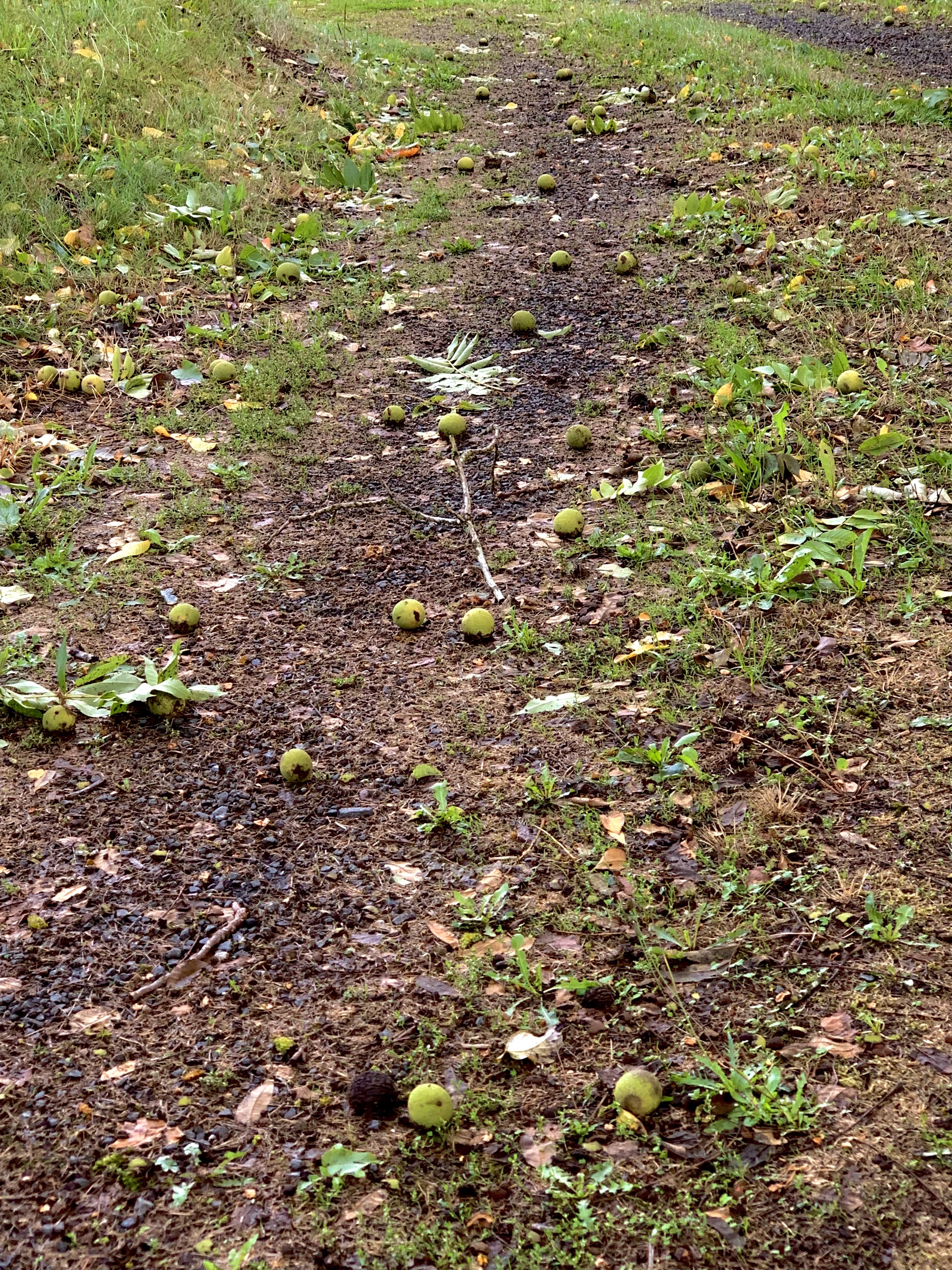
spread green leaves, chestnuts and walnuts everywhere,
loosened before their time.
Long overdue rain
gave us a good drenching
worth celebrating.

Overhead skies are heavily burdened
with clues of what more is coming:
earlier dusk,
the cool feel of moisture,
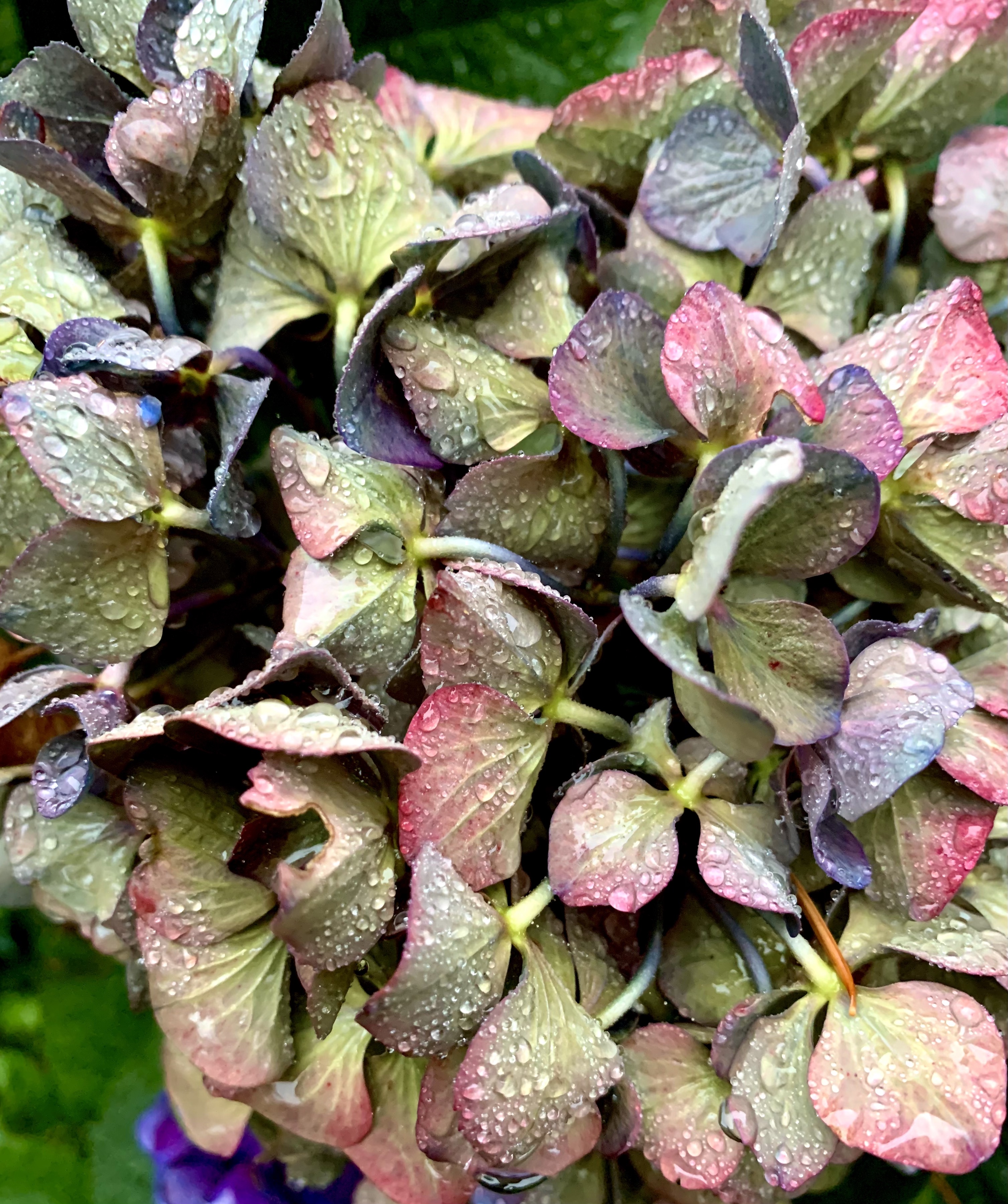
the deepening graying purplish hues,
the briskness of breezes.

There is no negotiation possible.
I steel myself and get ready,
wrapping myself in my perennial soft shawl of inevitability.

So autumn advances forth with its clouds,
taking up residence as summer moves out,
bringing its own unique plans for redecorating
using an array of hues and textures.

The truth is we’ve seen nothing yet.

You can find more beautiful photos and words in this Barnstorming book, available to order here:

We May Or Might Never, Meet Here Again

My great grandfather had some fields in North Carolina
and he willed those fields to his sons and his sons
willed them to their sons so there is a two-hundred-year-old
farm house on that land where several generations
of my family fried chicken and laughed and hung

their laundry beneath the trees. There are things you
know when your family has lived close to the earth:
things that make magic seem likely. Dig a hole on the new
of the moon and you will have dirt to throw away
but dig one on the old of the moon and you won’t have

enough to fill it back up again: I learned this trick
in the backyard of childhood with my hands. If you know
the way the moon pulls at everything then you can feel
it on the streets of a city where you cannot see the sky.

I may walk the streets
of this century and make my living in an office
but my blood is old farming blood and my true
self is underground like a potato.

I have taken root in my grandfather’s
fields: I am hanging my laundry beneath his trees.
~Faith Shearin from “Fields”

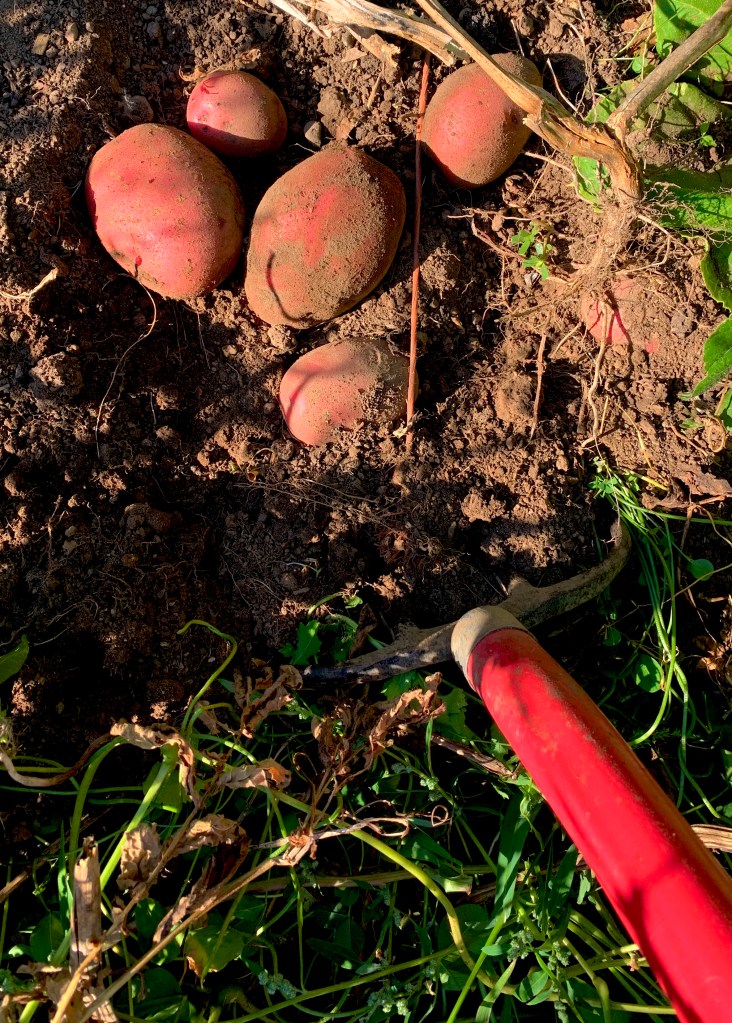
It just isn’t possible to completely take me off the farm – I have generations of farmers extending back on both sides of my family, so I have dug myself a hole here, resting easy in the soil like a potato and ventured out only as I needed to in order to actually make a living.

A gathering of all my vaccinated clinic colleagues came to our farm yesterday to help me celebrate my retiring from office life. They brought beautiful flowers, plentiful food, kind and restoring words, thirty year old photos and lovely parting gifts, as well as my singing doctor buddy sharing a sea shanty about bittersweet parting. It is helping ease my sorrow at leaving regular doctoring behind, knowing there are more days to come, more time to grow things in the ground, more blissing out over sunrises and sunsets and more hanging laundry on the clothesline.

My dear friends know where they can find me – on the hill above our farm – we may or might never, meet here again but it was such a fine time together yesterday, thank you!

Kind Friend and Companions, Come join me in rhyme,
Come lift up your voices, In chorus with mine,
Come lift up your voices, all grief to refrain,
For we may or might never, all meet here again
Here’s a health to the company and one to my lass,
Let us drink and be merry, all out of one glass,
Let us drink and be merry, all grief to refrain
For we may or might never, all meet here again
Here’s a health to the dear lass, that I love so well,
For her style and her beauty, sure none can excel,
There’s a smile on her countenance, as she sits on my knee,
There’s no man in this wide world, as happy as me,
Here’s a health to the company, and one to my lass
Let us drink and be merry, all out of one glass,
Let us drink and be merry, all grief to refrain
For we may or might never, all meet here again,
Our ship lies at anchor, she’s ready to dock,
I wish her safe landing, without any shock,
If ever I should meet you, by land or by sea,
I will always remember, your kindness to me,
Here’s a health to the company and one to my lass,
Let us drink and be merry, all out of one glass,
Let us drink and be merry, all grief to refrain
For we may or might never, all meet here again
Here’s a health to the company and one to my lass,
Let us drink and be merry, all out of one glass,
Let us drink and be merry, all grief to refrain
For we may or might never, all meet here again

You may well love this book of Barnstorming photos, available to order here:

The River of Light

So we found the end of our journey,
So we stood alive in the river of light,
Among the creatures of light, creatures of light.

~Ted Hughes from the end of his poem “That Morning” from River

One river gives
Its journey to the next.

We give because someone gave to us.
We give because nobody gave to us.

We give because giving has changed us.
We give because giving could have changed us.

We have been better for it,
We have been wounded by it—

Giving has many faces: It is loud and quiet,
Big, though small, diamond in wood-nails.

Its story is old, the plot worn and the pages too,
But we read this book, anyway, over and again:

Giving is, first and every time, hand to hand,
Mine to yours, yours to mine.

You gave me blue and I gave you yellow.
Together we are simple green. You gave me

What you did not have, and I gave you
What I had to give—together, we made

Something greater from the difference.
~Alberto Rios “When Giving is All We Have”

We were created as creatures of light invited to walk alongside our Creator – joyfully made in His image and gifted with managing a productive and beautiful world.

Yet even this wasn’t enough for us, this garden of wonders. We were free to do what was right in our own eyes rather than live in gratitude, faith and obedience, and made our choice at tremendous cost.

Now we struggle with the reality of daily life in a fallen world, experiencing conflict, disorder, illness and tragedy. Hurricanes bear down on vulnerable people, tornados rip apart towns, fires ravage homes, earthquakes level and destroy, tsunamis flood and overwhelm, pandemics kill indiscriminately.

Yet God has not abandoned us as we deserve. He has gifted Himself to His Created yet again, coming from heaven in a river of light to wash us clean, to invite us once again to walk beside Him, die with Him, live with Him.

What we are asked for in return is simple belief – by acknowledging a God who is greater than anything or anyone, admitting we are thirsty and filthy, in dire need of cleansing.

He is our river of light and life, glorious and ever-flowing.

Consider giving a gift of beautiful photos and words, available for order here:

Summer, Go Not Yet Away

Fair Summer droops, droop men and beasts therefore:
So fair a summer look for never more.
All good things vanish less than in a day,
Peace, plenty, pleasure, suddenly decay.
Go not yet away, bright soul of the sad year;
The earth is hell when thou leavest to appear…. 

What, shall those flowers that decked thy garland erst,
Upon thy grave be wastefully dispersed?
O trees, consume your sap in sorrow’s course,
Streams, turn to tears your tributary course.
Go not yet hence, bright soul of the sad year;
The earth is hell when thou leav’st to appear.

Ah, who shall hide us from the winter’s face?
Cold doth increase, the sickness will not cease,
And here we lie, God knows, with little ease.
From winter, plague, & pestilence, good Lord, deliver us.

~Thomas Nashe from “Summer’s Last Will and Testament” (from a stage play performed in 1592)

Summer 2021 so far has been hell for much of the world and we still have nearly a month left of more Summer to endure: the fall of Afghanistan, another earthquake in Haiti, floods in Europe and central U.S., storms in the east with drought and fires in the west, and last but certainly not least, the explosion of the Delta COVID variant everywhere.
COVID has demonstrated that plague and pestilence clearly isn’t limited to cold weather and winter. This virus enjoys easy transmission among those who continue to live without any defenses – the unmasked and those who remain unvaccinated either by choice or lack of access to vaccine. We, through our behavior, have invited an opportunistic virus to spread among us through this “bright soul” of the year which ordinarily should be “plague-free.”
Will we continue to roll out the red carpet for COVID, welcoming it into ours and other’s homes, noses and lungs, even as summer itself dies away along with thousands of more pandemic victims?
Deliver us, O Lord, from our own reluctance to accept that viruses care not whom they infect, particularly those with little defense.
Deliver us, O Lord, from our preference for our own self-determination over a concern for the needs and vulnerability of others.

Deliver us, O Lord, from our continued blindness – doing what is right in our own eyes without seeing what is best for all.

Go not yet away, fair Summer, as here we lie, God knows, with little ease.

If you appreciate Barnstorming posts, you’ll enjoy this book, available for order here:

Change Altitudes

           ‘Regret has to be useless or it’s not really regret.’
                                                     ~Simone de Beauvoir

Rescuers did not find my uncle’s body.
But they found his axe at an icy altitude
impossible to navigate without one.


A little higher up, they found my uncle
’s sleeping bag at an altitude
unsurvivable without one.


You likely have a pen in purse or pocket.
Take it out and write a list of all
you need at your present altitude.


Next, change altitudes. Now, make another list:
the two biggest regrets of your life.
Take your time. Get it right. Because

here is all you need to know about need:
That list of regrets—cross one off.
You are going to need that space later.
~Jessica Goodfellow, “Unreachable” from Whiteout

I’ve known people who lost their lives while hiking/climbing in the mountains or due to some other tragedy – the cascade of decisions leading to their death are sources of regret for all who mourn them, even decades later. Somehow regret is a difficult feeling to let go; we cling to it as if it is somehow an essential part of us.

It is easy for me to come up with a long list of regrets in my life. They seem to grow like weeds – useless, unplanned, unwanted and prolific, threatening to take over any good fruit being produced.

Few of us volunteer to share openly about our current guilt or shame unless we are sitting in a therapy group or AA. Instead it gives us permission to beat ourselves up, going over and over in our minds how we could have done things differently. As a physician, I’ve heard about such heart-ache in my clinical encounters – a patient will regret an impulsive sexual encounter that turned out badly, or drinking and drugging too much, or regret an ongoing conflict with a family member, or wish they had decided to get that vaccine before becoming ill with a potentially preventable infection.

Our list of regrets can be endless and life-destroying.

I understand the pain of regret as I too am a flawed and fractured person with a seven decade history of things done and left undone, words said and unsaid. Even if I think I can somehow manage to cross a regret off my own list – perhaps I apologized and was granted forgiveness, or I tried to make right what I’d messed up — I still know a new regret will occupy its place before long.

I can’t simply fix my own regret list.

No matter what altitude we’re at — down in the pits in the lowest of the low, or up in the highest imaginable, I have come to realize that forgiveness is only possible through a knowledge of God Himself. He came to walk beside us in our low spots and our high spots, no matter where we find ourselves. His work on earth has crossed off our regrets and mistakes and wiped us clean of them.

He did this because He understood our desperate need; thanks to His sacrifice and love, our heart-aches are left at the Cross.

More beauty in words and photos are found in this new book from Barnstorming, available to order here:

If you have already read our book, your review of the book would be deeply appreciated here: