“Hold on,” she said, “I’ll just run out and get him. The weather here’s so good, he took the chance To do a bit of weeding.”
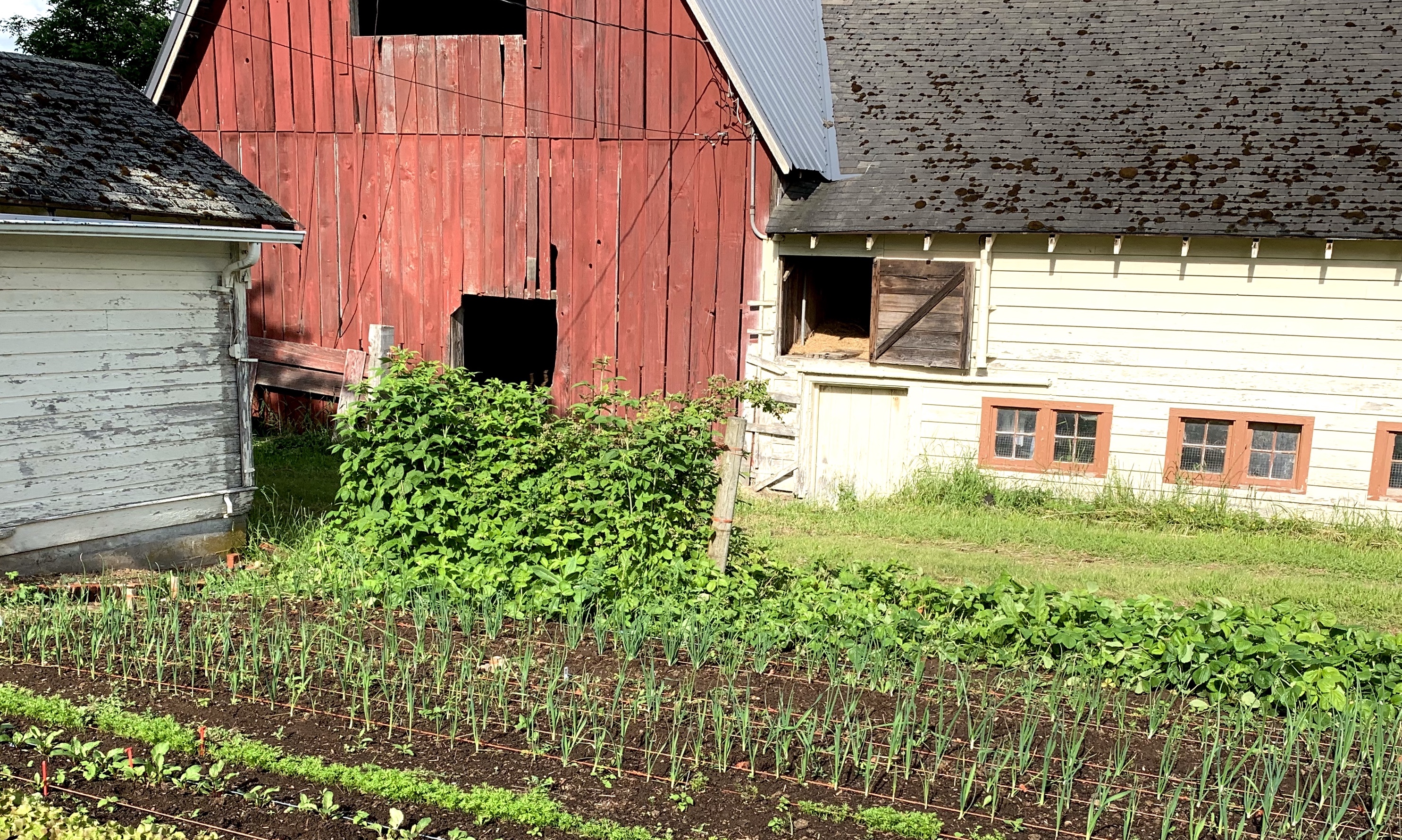
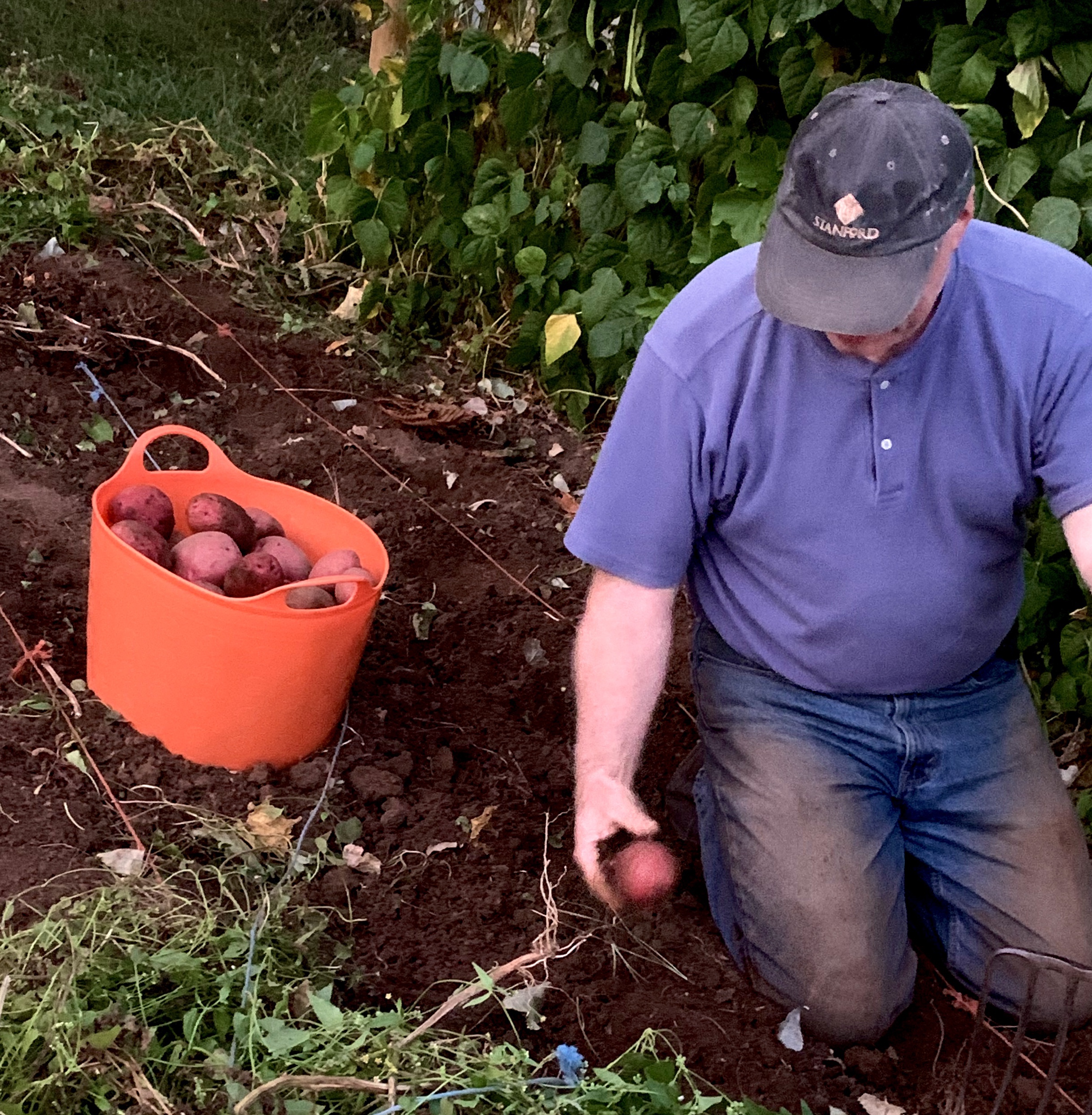
So I saw him Down on his hands and knees beside the leek rig, Touching, inspecting, separating one Stalk from the other, gently pulling up Everything not tapered, frail and leafless, Pleased to feel each little weed-root break, But rueful also . . .
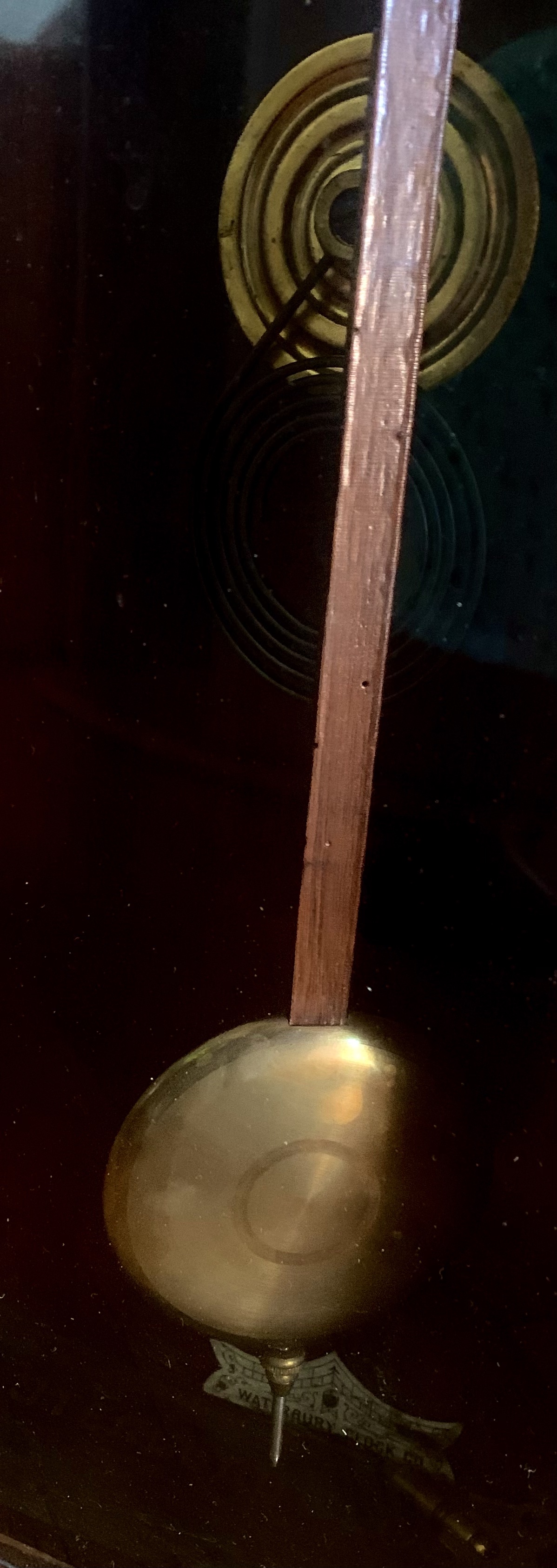
Then found myself listening to The amplified grave ticking of hall clocks Where the phone lay unattended in a calm Of mirror glass and sunstruck pendulums . . .
And found myself then thinking: if it were nowadays, This is how Death would summon Everyman.
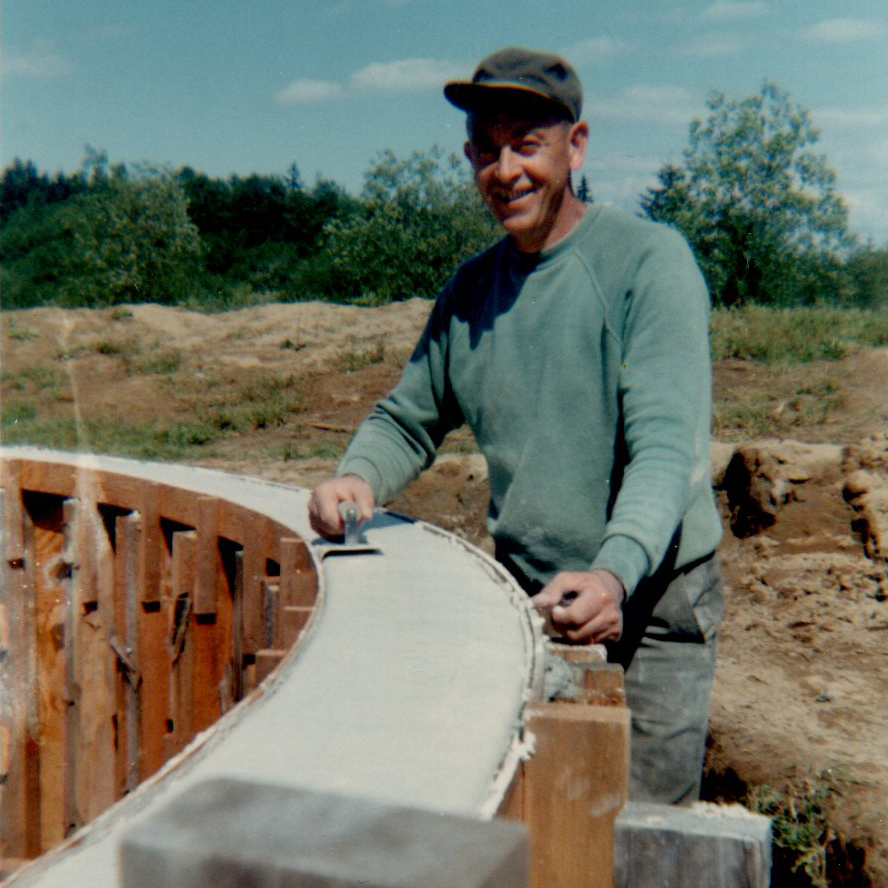
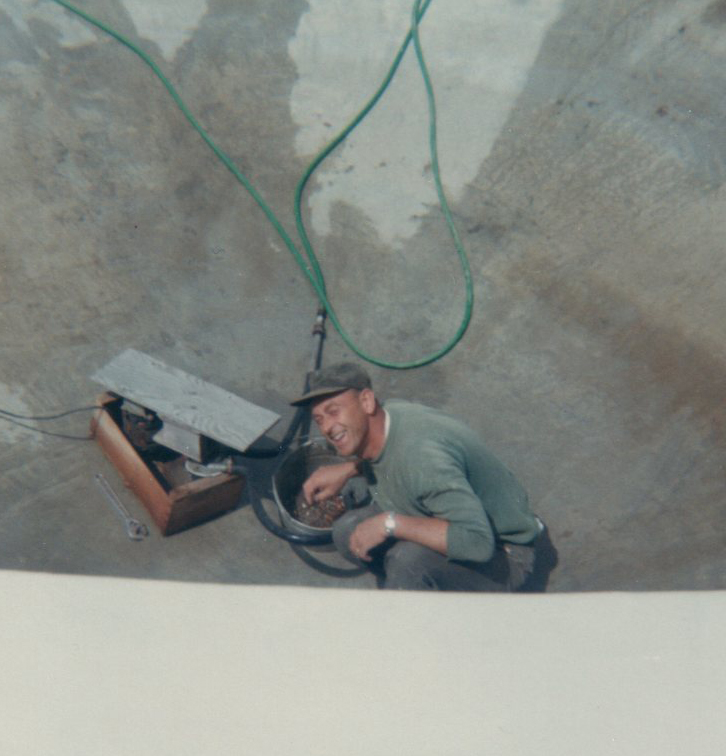
My father was a complex man. I understand better now where my own complicated nature comes from.
As inscrutable as he could be, there were things I absolutely understood about him:
he was a man of action – he never just sat, never took a nap, never wasted a day of his life without accomplishing something tangible.
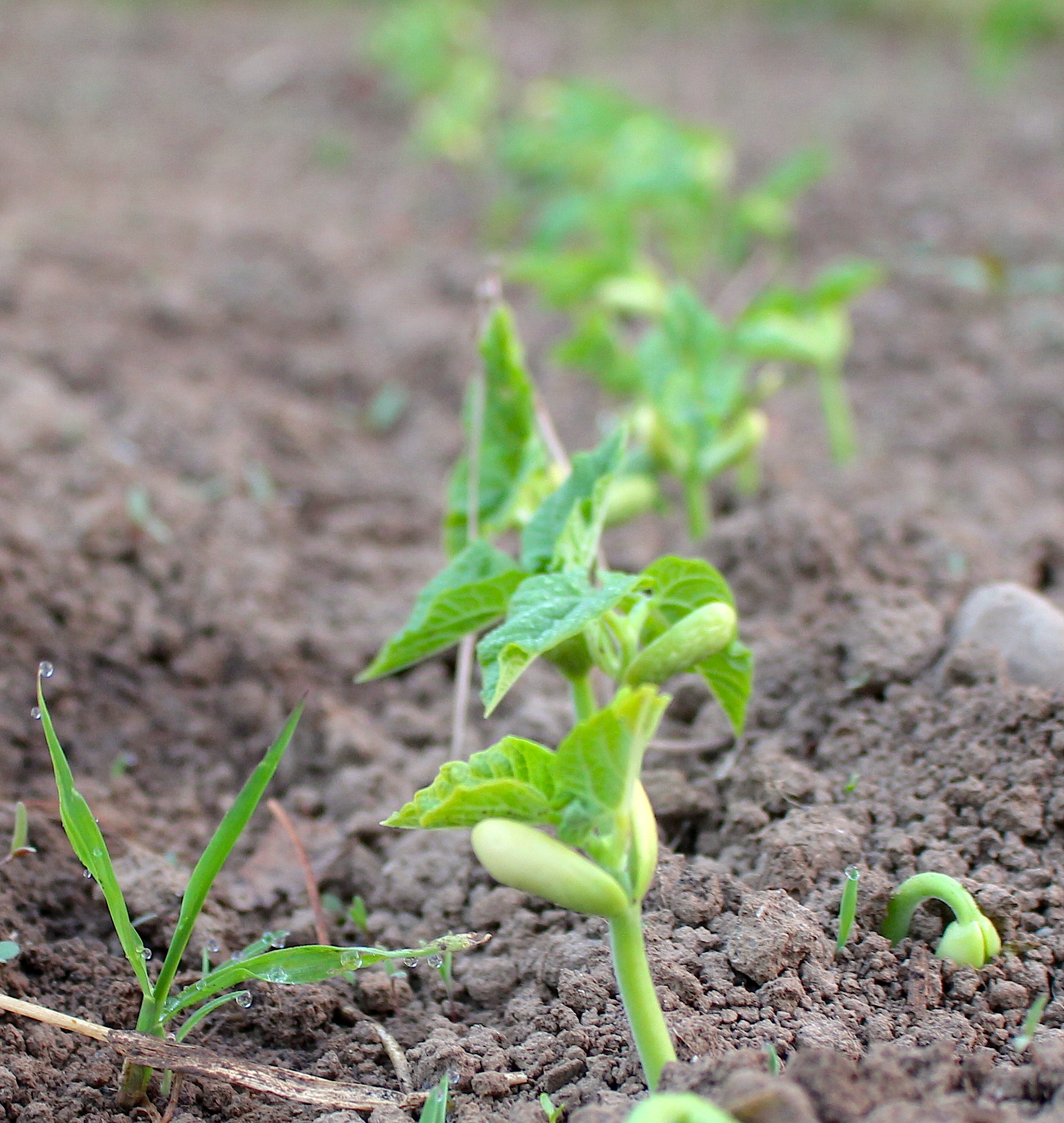
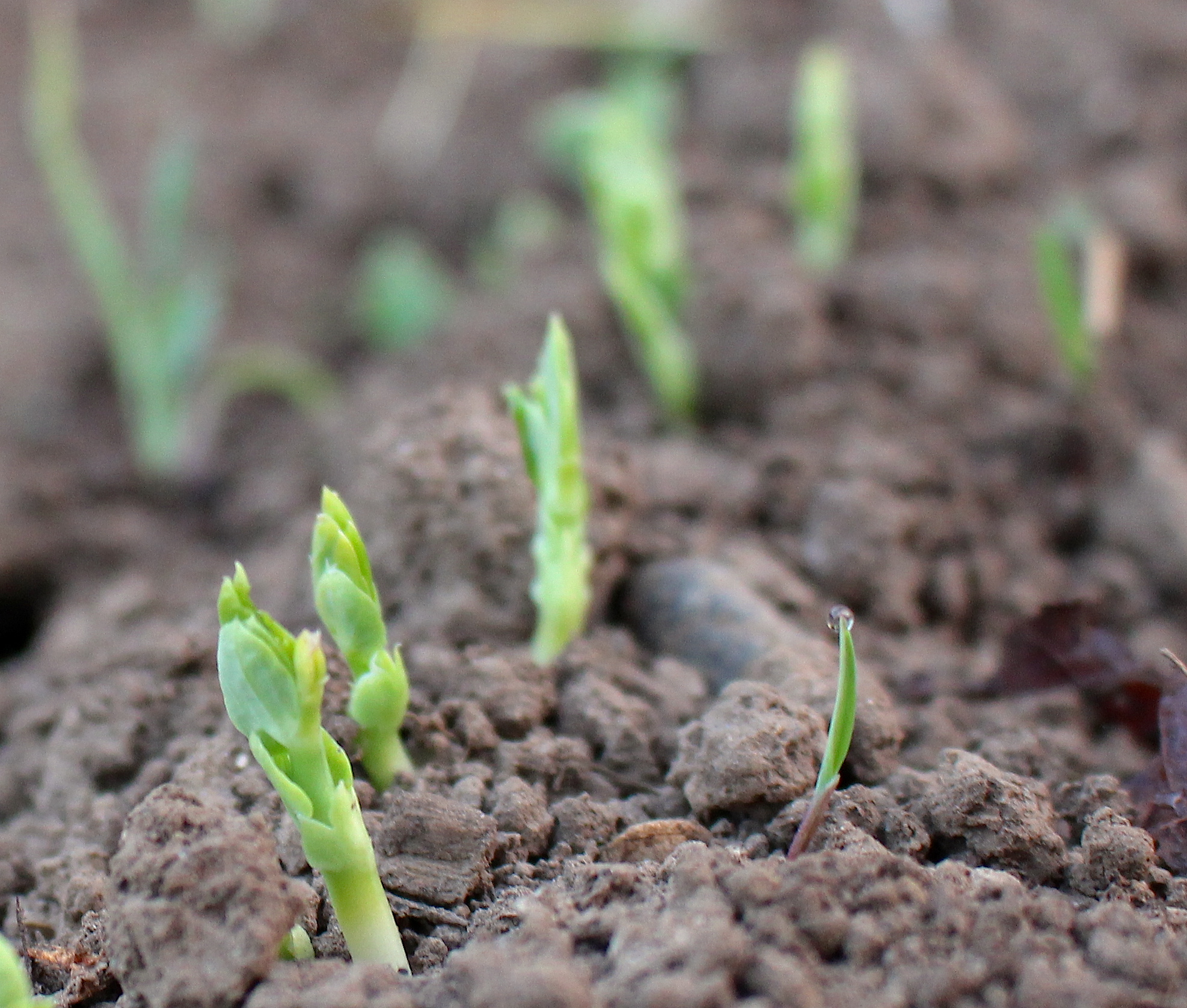
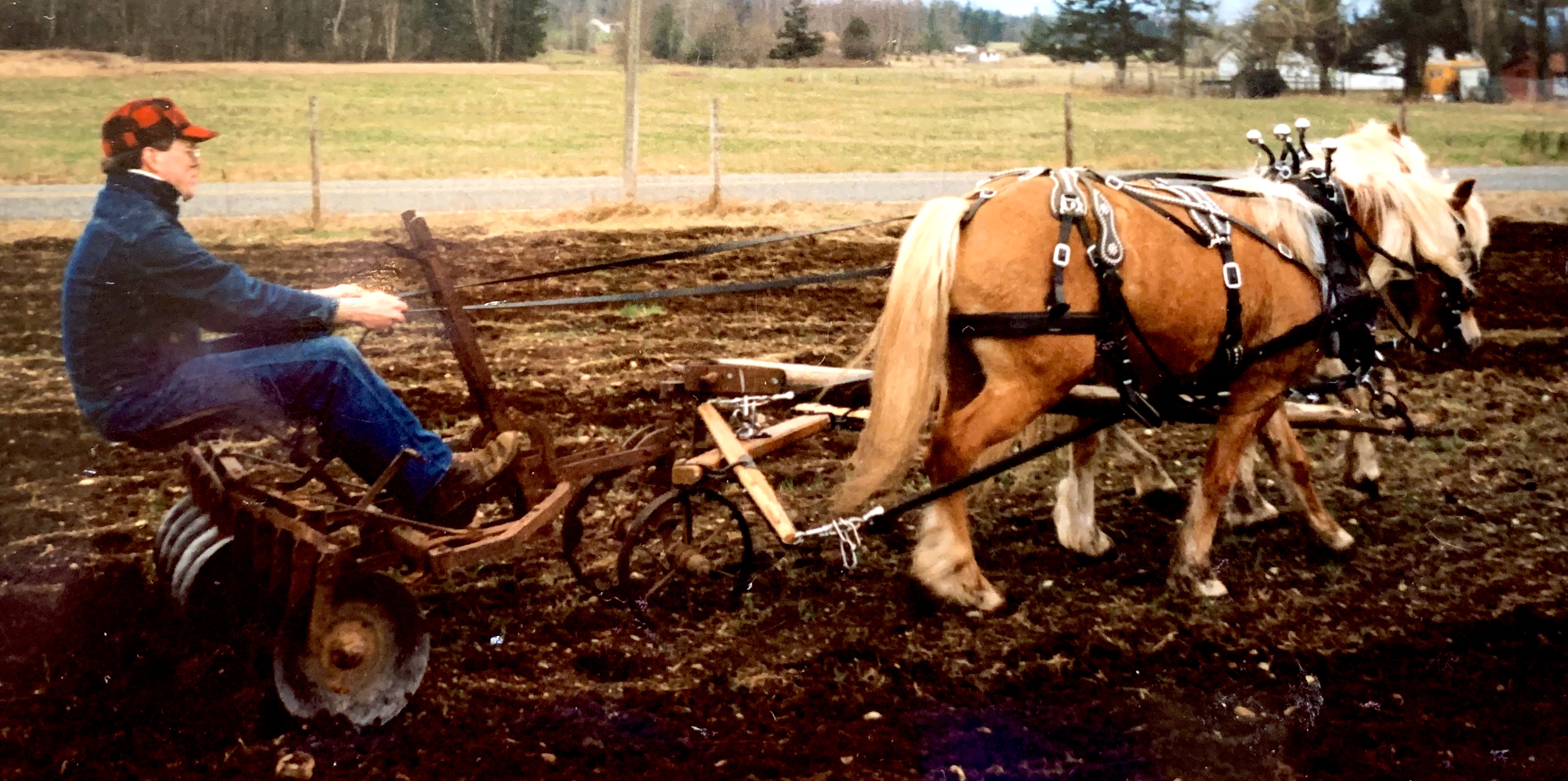
he was a man of the soil – he plowed and harrowed and sowed and fertilized and weeded and cut brush and harvested
he was a man of inventiveness – he figured out a better way, he transformed tools and buildings, he started from scratch and built the impossible
he didn’t explain himself – and never felt the need to.
Time keeps ticking on without him here, now 29 years since he took his last breath as the clock pendulum swung back and forth in his bedroom. He was taken too young for all the projects he still had in mind.
He handed off a few to me. Some I have done. Some still wait, I’m not sure why.
My regret is not understanding how much he needed to hear how loved he was. He seemed fine without it being said.
But he wasn’t fine. And neither was I.
I wish I had said it when I had the chance.
One-Time
Monthly
Yearly
Make a one-time or recurring donation to support daily Barnstorming posts
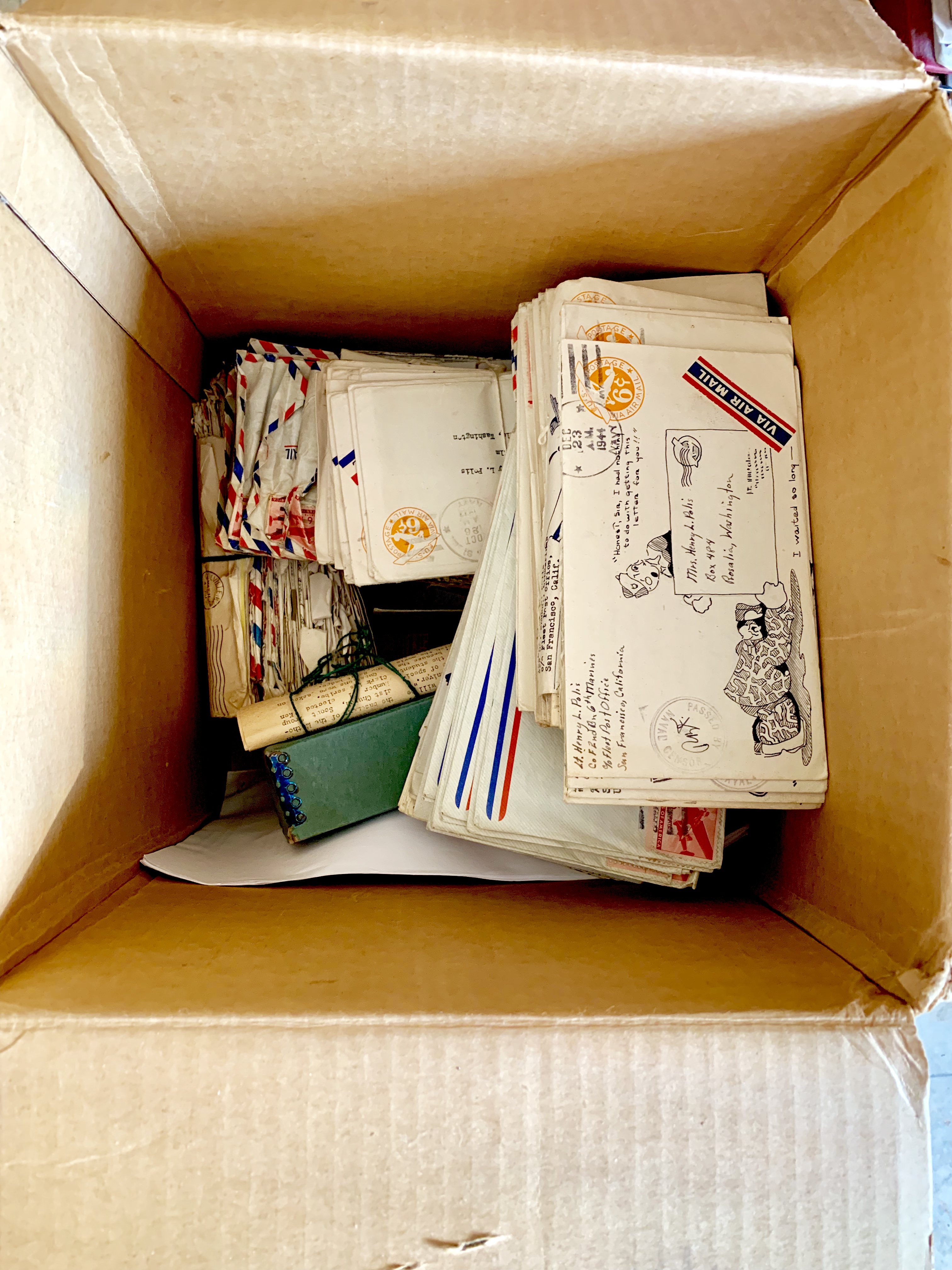
I love you forever my father’s letter tells her for forty-nine pages, from the troopship crossing the Atlantic before they’d ever heard of Anzio.
He misses her, the letter says, counting out days of boredom, seasickness, and changing weather, poker games played for matches when cash and cigarettes ran out, a Red Cross package—soap, cards, a mystery book he traded away for The Rubaiyyat a bunkmate didn’t want. He stood night watch and thought of her. Don’t forget the payment for insurance, he says.
My mother waits at home with me, waits for the letter he writes day by day moving farther across the ravenous ocean. She will get it in three months and her fingers will smooth the Army stationery to suede.
He will come home, stand beside her in the photograph, leaning on crutches, holding me against the rough wool of his jacket. He will sit alone and listen to Aïda
and they will pick up their interrupted lives. Years later, she will show her grandchildren a yellow envelope with forty-nine wilted pages telling her
of shimmering sequins on the water, the moonlight catching sudden phosphorescence, the churned wake that stretched a silver trail. ~Ellen Steinbaum, “Letter Home” from Container Gardening
The dead say little in their letters they haven’t said before. We find no secrets, and yet how different every sentence sounds heard across the years.
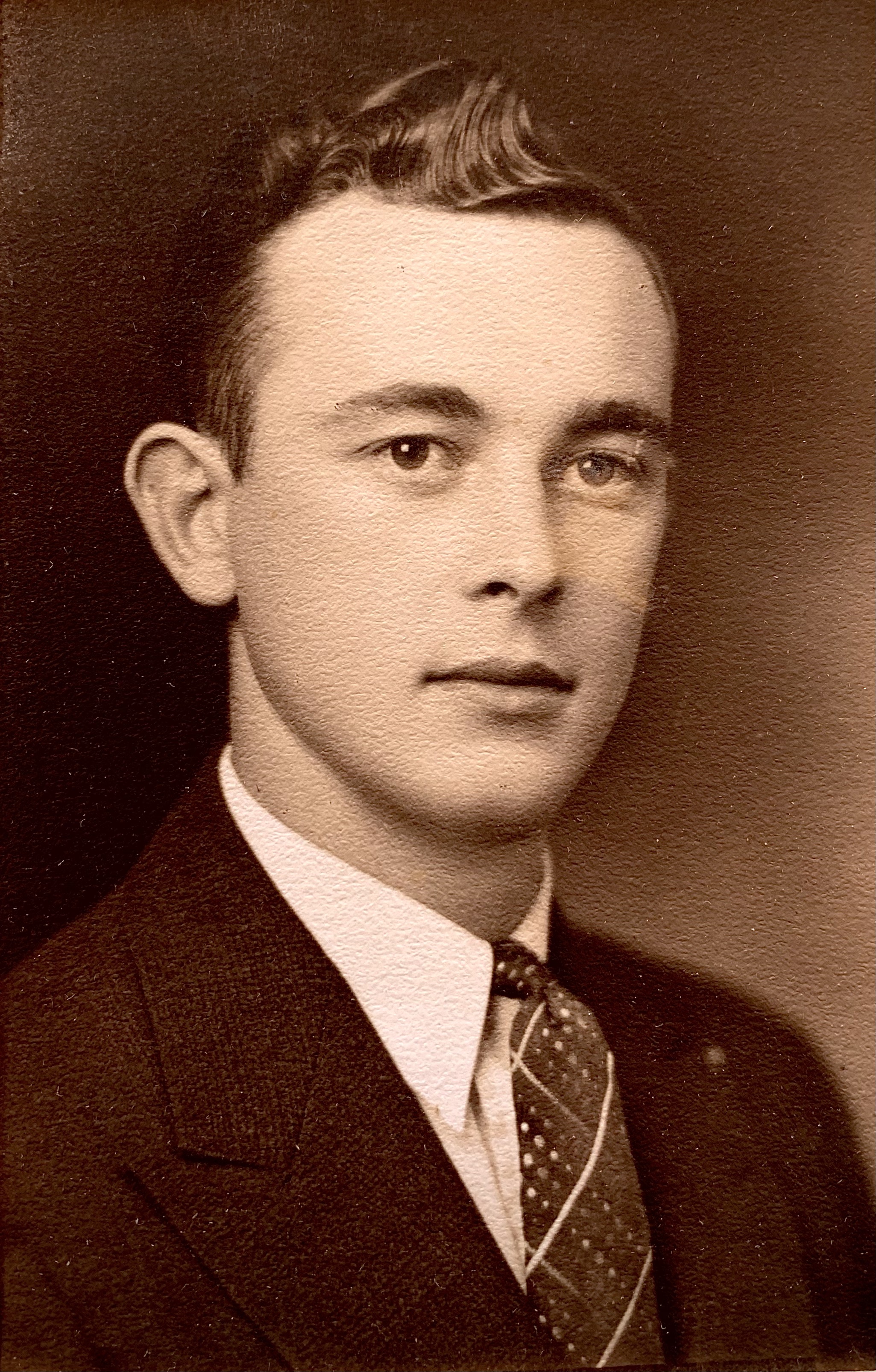
My father breaks my heart simply by being so young and handsome. He’s half my age, with jet-black hair. Look at him in his navy uniform grinning beside his dive-bomber.
It’s silly to get sentimental. The dead have moved on. So should we. But isn’t it equally simple-minded to miss the special expertise of the departed in clarifying our long-term plans?
They never let us forget that the line between them and us is only temporary. Get out there and dance! the letters shout adding, Love always. Can’t wait to get home! And soon we will be. See you there. ~Dana Gioia from “Finding a Box of Family Letters“
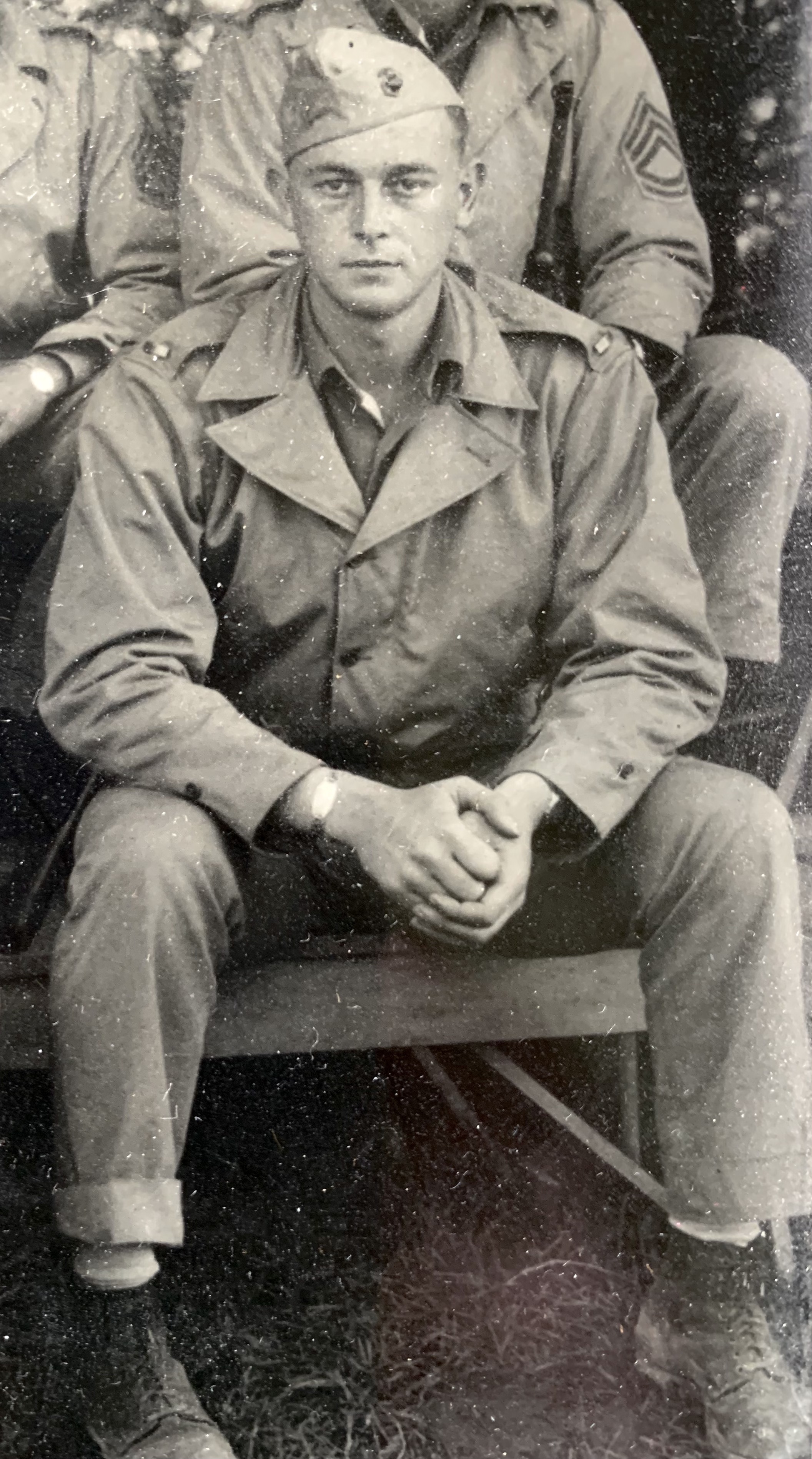
Marine Captain Henry Polis
Today is the 80th anniversary of the Battle of Tarawa, one of the bloodiest Marine Corps island victories in World War II. My 21 year old father was there, leading a company of over 100 men into battle on the “second wave.”
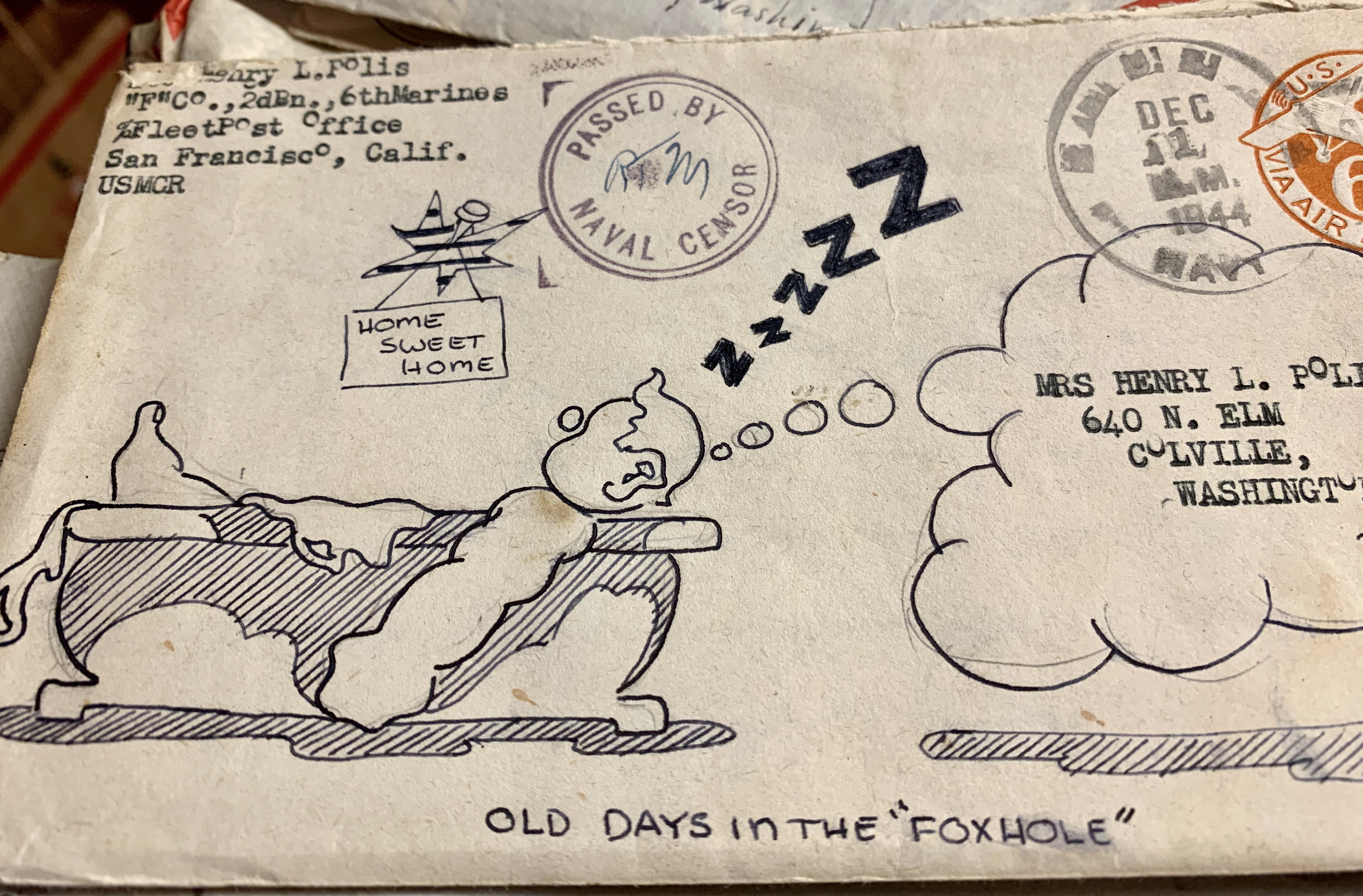
Below is a portion of a 1944 letter he sent home to my mother about approaching the island on November 21, 1943. When he was not in active battle, he wrote to her nearly daily. He returned home in late 1945, physically uninjured. He never spoke about his 36 months in combat, except in the most general terms.
I had never seen him with a gun in his hands, and wasn’t aware he even had kept a gun after leaving the Marines. One day, in the early 1970’s, one of our farm’s beef animals was injured so my father, for the first time in thirty years, pulled out a gun from its hiding place to put down the suffering animal. I never saw the gun again and believe my father disposed of it soon after – firing that gun after so many years was too much for him.
I have no idea what all my father witnessed and had to experience while under orders during those months in the South Pacific. I do know he would have done whatever his superiors asked him to do, just as the men under his command trusted him to lead them, even into their dying hour. These young men, some as teenagers at the time, guaranteed us the freedoms we blithely take for granted now.
His letter, which made it past the Marine censors:
“You mentioned a story of Navy landing craft taking the Marines into Tarawa. It reminded me of something which impressed me a great deal and something I’m sure I’ll never forget.
So you’ll understand what I mean I’ll try to start with an explanation. In training – close order drill- etc. there is a command that is given always when the men form in the morning – various times during the day– after firing– and always before a formation is dismissed. The command is INSPECTION – ARMS. On the command of EXECUTION- ARMS each man opens the bolt of his rifle. It is supposed to be done in unison so you hear just one sound as the bolts are opened. Usually it is pretty good and sounds O.K.
Just to show you how the morale of the men going to the <Tarawa> beach was – and how much it impressed me — we were on our way in – I was forward, watching the beach thru a little slit in the ramp – the men were crouched in the bottom of the boat, just waiting. You see- we enter the landing boats with unloaded rifles and wait till it’s advisable before loading. When we got about to the right distance in my estimation I turned around and said – LOAD and LOCK – I didn’t realize it, but every man had been crouching with his hand on the operating handle and when I said that — SLAM! — every bolt was open at once – I’ve never heard it done better – and those men meant business when they loaded those rifles.
A man couldn’t be afraid with men like that behind him.“ ~ Marine Captain Henry Polisin a 1944 letter home about the Battle of Tarawa November 20-23, 1943
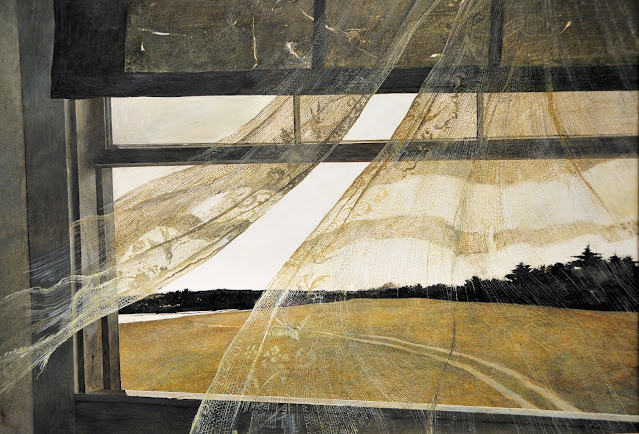
Flung is too harsh a word for the rush of the world. Blown is more like it, but blown by a generous, unending breath. ~Annie Dillardfrom Pilgrim at Tinker Creek
Andrew Wyeth – Wind from the Sea, 1947
Perhaps as a child you had the chicken pox and your mother, to soothe you in your fever or to help you fall asleep, came into your room and read to you from some favorite book, Charlotte’s Web or Little House on the Prairie, a long story that she quietly took you through until your eyes became magnets for your shuttering lids and she saw your breathing go slow. And then she read on, this time silently and to herself, not because she didn’t know the story, it seemed to her that there had never been a time when she didn’t know this story—the young girl and her benevolence, the young girl in her sod house— but because she did not yet want to leave your side though she knew there was nothing more she could do for you. And you, not asleep but simply weak, listened to her turn the pages, still feeling the lamp warm against one cheek, knowing the shape of the rocking chair’s shadow as it slid across your chest. So that now, these many years later, when you are clenched in the damp fist of a hospital bed, or signing the papers that say you won’t love him anymore, when you are bent at your son’s gravesite or haunted by a war that makes you wake with the gun cocked in your hand, you would like to believe that such generosity comes from God, too, who now, when you have the strength to ask, might begin the story again, just as your mother would, from the place where you have both left off. ~Keetje Kuipers“Prayer”
How is it possible 64 years have flown by and I still need the same story to be told to me again?
Long ago the 5-year old me had a sudden terrifying revelation that I would someday cease to walk this earth. Now a nearly 70-year old me is more intimidated at the head-long rush of the days-months-years than at the inevitable end to come. The world hurtles through space and time at a pace that leaves me breathless. Indeed, I have been flung at times, bruised and weary from all the hurry and hubbub.
I want to find the strength to ask God to begin telling the reassuring story again, starting right where we left off. I know I will be blown away again – blown by God’s breath that loves, fills and nurtures with a generous promise both hopeful and fulfilled.
Utterly blown away by what comes next.
If only the five year old me could have known.
One-Time
Monthly
Yearly
Make a one-time or recurring donation to support daily Barnstorming posts
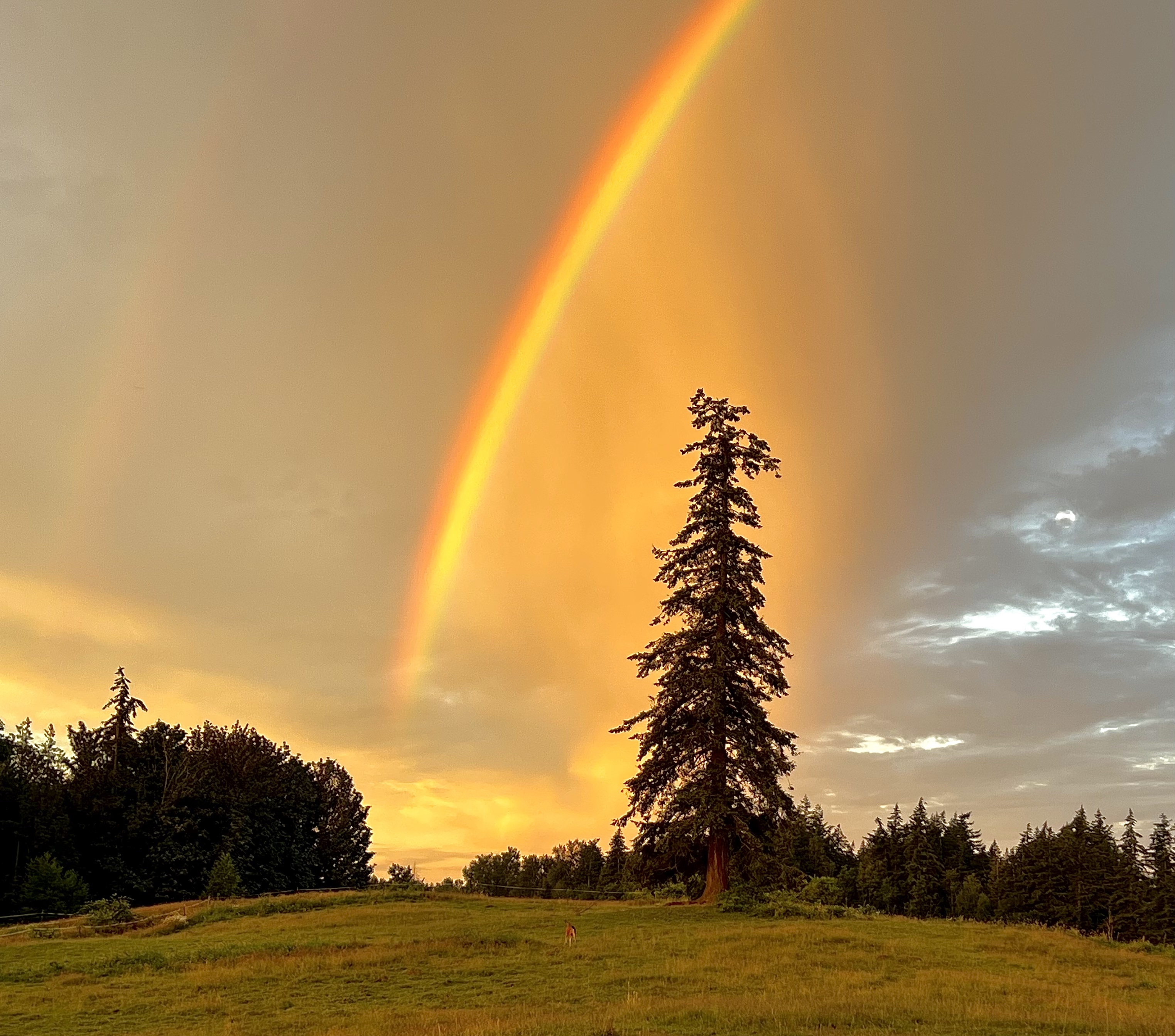
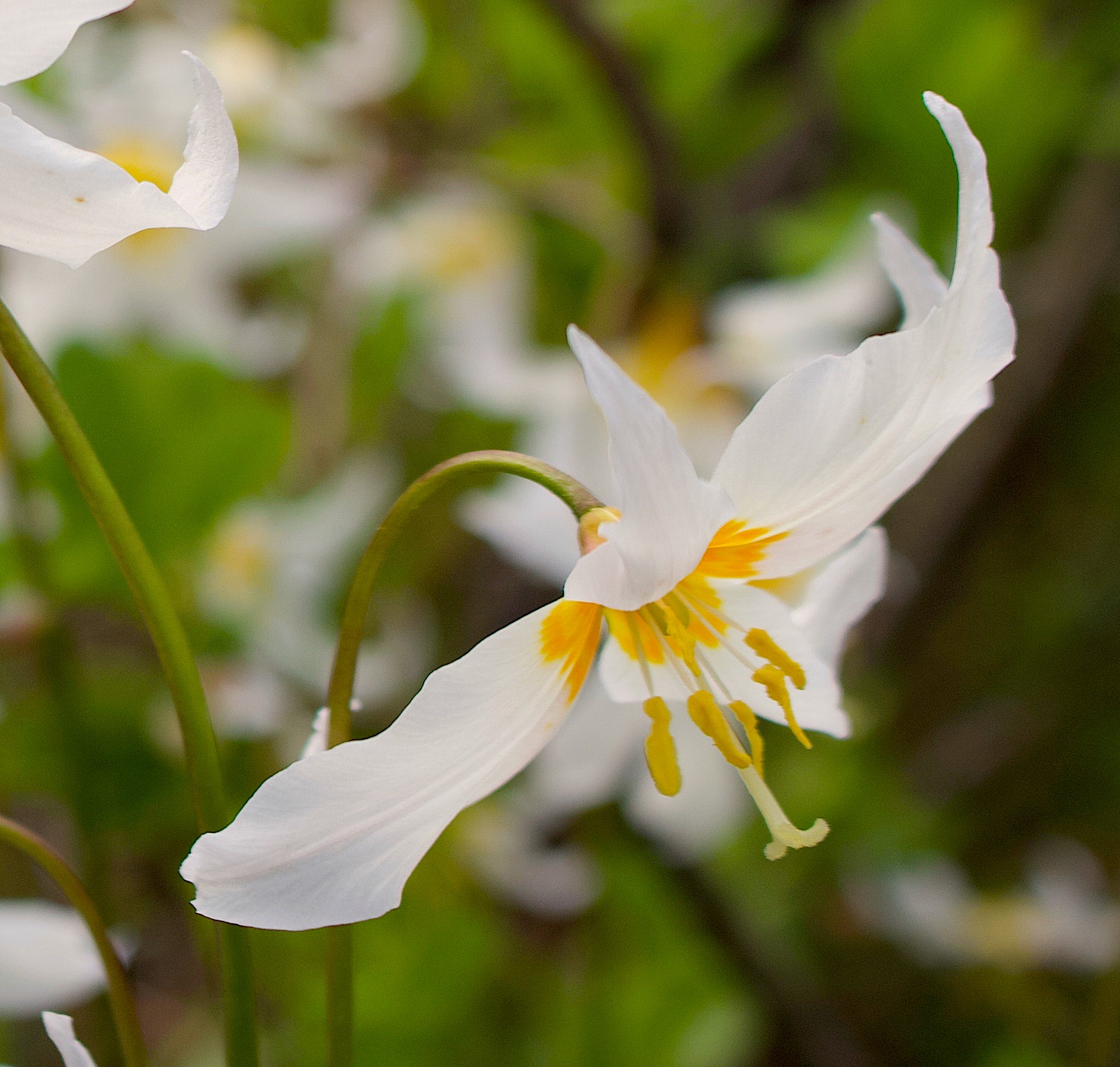
I wait for you In the grassland Where small lilies bloom. On the corners of the field, The rainbow shows up. 小百合さく 小草がなかに 君まてば 野末にほいて 虹あらはれぬ ~Yosano Akiko Tanka Poem (1878-1942)
Who loves the rain And loves his home, And looks on life with quiet eyes, Him will I follow through the storm; And at his hearth-fire keep me warm; Nor hell nor heaven shall that soul surprise, Who loves the rain, And loves his home, And looks on life with quiet eyes. ~Frances Shaw, “Who loves the rain” from Look To the Rainbow
For Dan’s 70th birthday…
In this journey together, we inhabit each other, however long may be the road we travel; you have become the air I breathe, refreshing, renewing, restoring~~ you are that necessary to me, and that beloved.
Each year, as we grow older together: grayer, softer, gentler with ourselves, each other, and the world.
I pause, on this day you were born, to thank God yet again for bringing you to earth so we could meet, raise our three amazing children, and now our grandchildren, walking life together with faith and hope and dreams.
It was your quiet brown eyes I trusted first and just knew I’d follow you anywhere and I have…
One-Time
Monthly
Yearly
Make a one-time or recurring donation to support daily Barnstorming posts
After the months of his pursuit of her now they meet face to face. From the beginnings of the world his arrival and her welcome have been prepared. They have always known each other. ~Wendell Berry from “Her First Calf”
For our daughter Lea and her husband Brian – who waited in faith through many complications along the way: Born early this morning – their healthy son, Levi Jireh – The Lord provides!
It is the fate of parents to be wrung from, mightily compressed within the inevitable emotional and physical labor of birth.
There is nothing gentle in what it takes to give birth to a new mother and father.
Parenting is sweetness never tasted before, a flood of unprecedented devotion, an unforgettable face to face meeting destined from the beginnings of time.
You both have known him, and he has known you all along, right from the very Beginning.
Now born in covenant promise, he is set free to return your loving gaze.
One-Time
Monthly
Yearly
Make a one-time or recurring donation to support daily Barnstorming posts
Though I know well enough To hunt the Lady’s Slipper now Is playing blindman’s-buff, For it was June She put it on And grey with mist the spider’s lace Swings in the autumn wind, Yet through this hill-wood, high and low, I peer in every place; Seeking for what I cannot find I do as I have often done And shall do while I stay beneath the sun. ~Andrew Young “Lady’s Slipper Orchid”
How strange to find you where I did along a path beside a road, your legs in graceful green dancing to music made by wind and woods.
Like ladies from a bygone age, you left your slippers there to air in dappled shade, while you, barefoot, relaxed your stays, let loose your hair.
The treasures of this world might be as simple as an orchid’s bloom; how sad that so much time is spent in filling coffers for the tomb.
If only life could be so fresh and free as you in serenade, we might learn we value most those things found lost in woodland shade. ~Mike Orlock “Lady Slipper Serenade (in 4/4 time)”
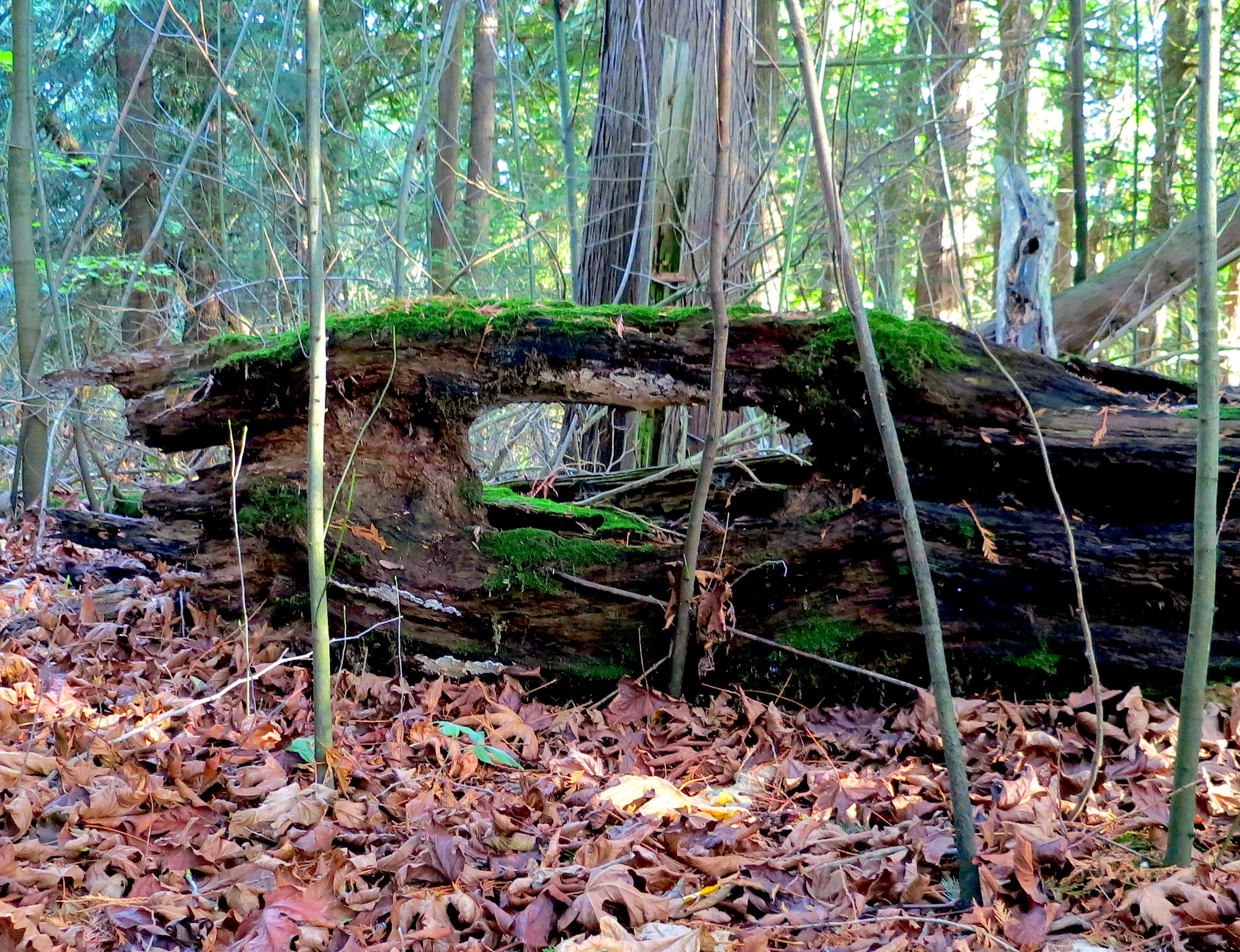
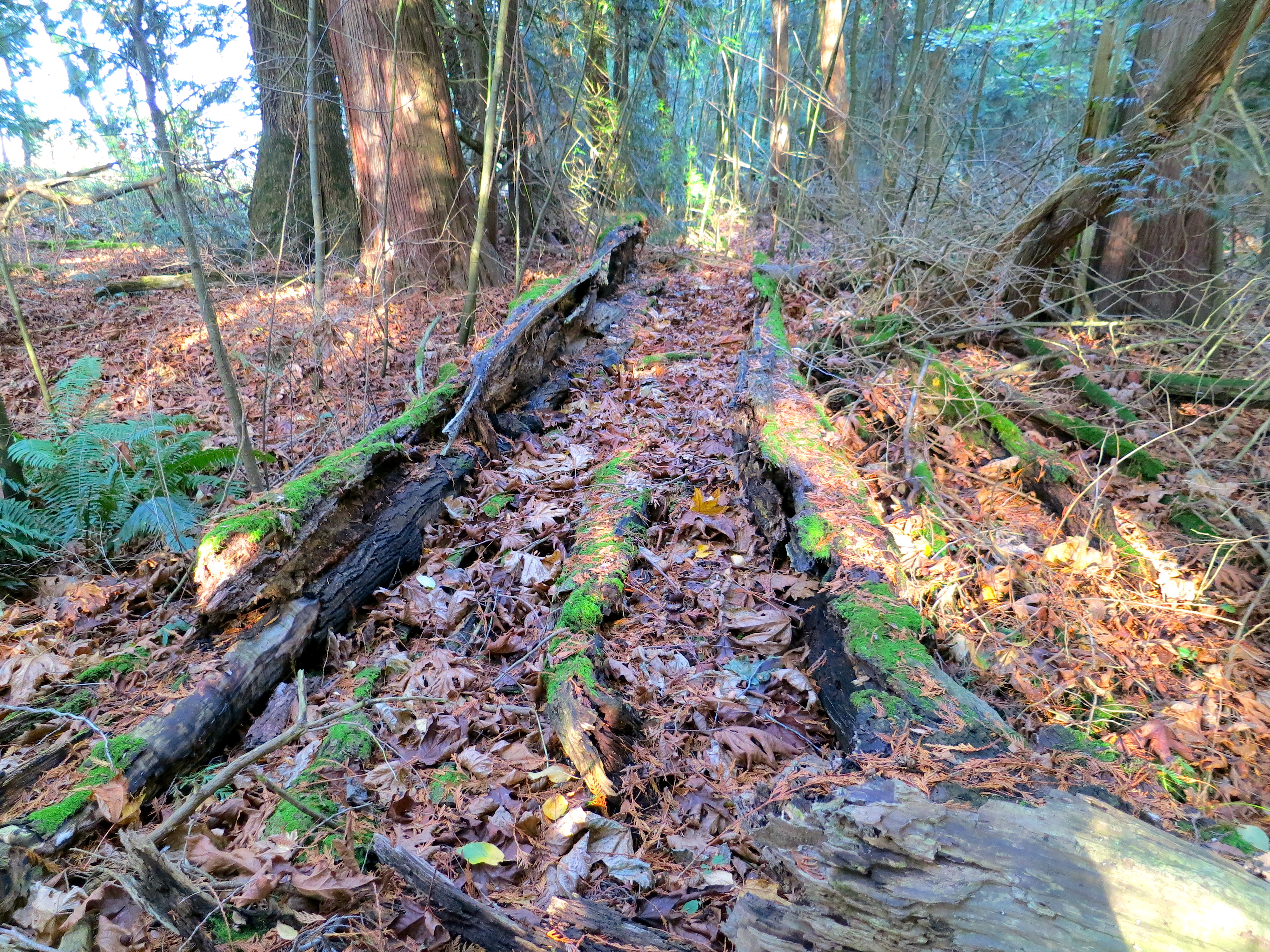
My grandmother’s house where my father was born had been torn down. She sold her property on Fidalgo Island near Anacortes, Washington to a lumber company – this was the house where all four of her babies were born, where she and my grandfather loved and fought and separated and finally loved again, and where we spent chaotic and memorable Thanksgiving and Christmas meals. After Grandpa died, Grandma took on boarders, trying to afford to remain there on the homesteaded wooded acreage on Similk Bay, fronted by meadows where her Scottish Highland cattle grazed. Her own health was suffering and she reached a point when it was no longer possible to make it work. A deal was struck with the lumber company and she moved to a small apartment for the few years left to her, remaining bruised by leaving her farm.
My father realized what her selling to a lumber company meant and it was a crushing thought. The old growth woods would soon be stumps on the rocky hill above the bay, opening a view to Mt. Baker to the east, to the San Juan Islands to the north, and presenting an opportunity for development into a subdivision. He woke my brother and me early one Saturday in May and told us we were driving the 120 miles to Anacortes. He was on a mission.
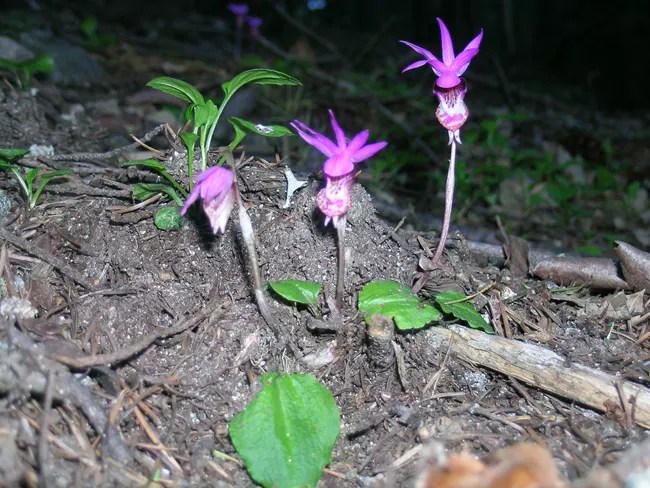
As a boy growing up on that land, he had wandered the woods, explored the hill, and helped his dad farm the rocky soil. There was only one thing he felt he needed from that farm and he had decided to take us with him, to trespass where he had been born and raised to bring home a most prized treasure–his beloved lady slippers (Calypso bulbosa) from the woods.
These dainty flowers enjoy a spring display known for its brevity–a week or two at the most–and they tend to bloom in small little clusters in the leafy duff mulch of the deep woods, preferring only a little indirect sunlight part of the day. They are not easy to find unless you know where to look.
My father remembered exactly where to look.
We hauled buckets up the hill along with spades, looking as if we were about to dig for clams at the ocean. Dad led us up a trail into the thickening foliage, until we had to bushwhack our way into the taller trees where the ground was less brush and more hospitable ground cover. He would stop occasionally to get his bearings as things were overgrown. We reached a small clearing and he knew we were near. He went straight to a copse of fir trees standing guard over a garden of lady slippers.
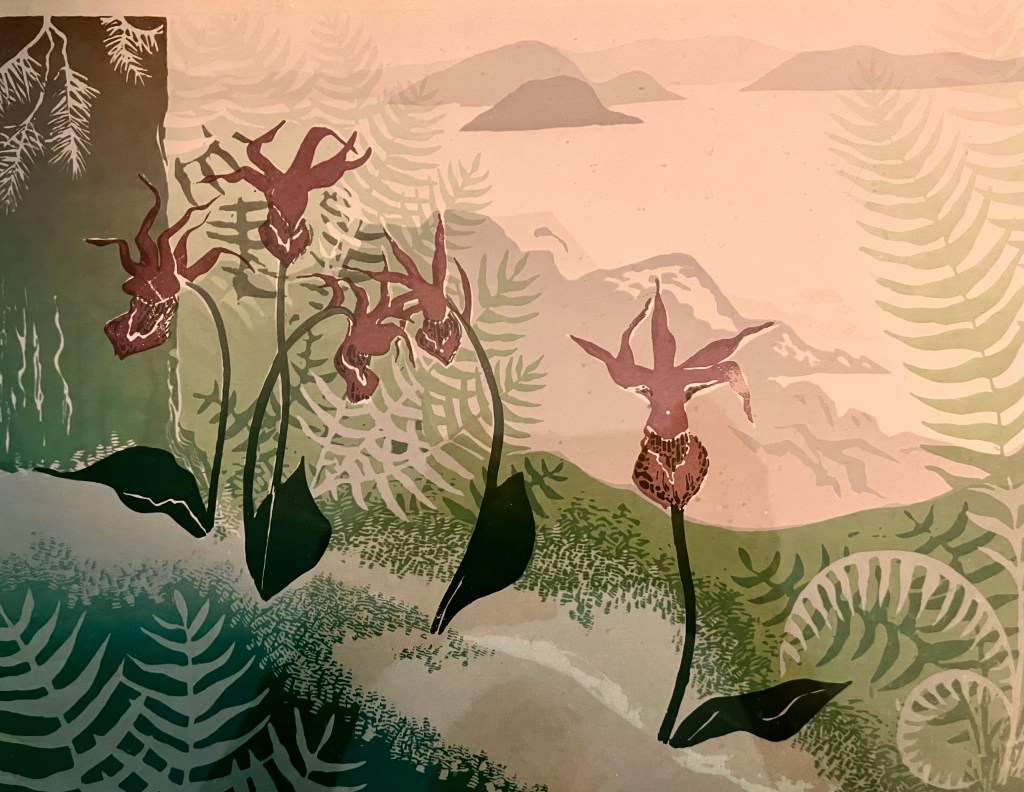
There were almost thirty of them blooming, scattered about in an area the size of my small bedroom. Each orchid-like pink and lavender blossom had a straight backed stem that held it with sturdy confidence. To me, they looked like they could be little shoes for fairies who may have hung them up while they danced about barefoot. To my father, they represented the last redeeming vestiges of his often traumatic childhood, and were about to be trammeled by bulldozers. We set to work gently digging them out of their soft bedding, carefully keeping their bulb-like corms from losing a protective covering of soil and leafy mulch. Carrying them in the buckets back to the car, we felt some vindication that even if the trees were to be lost to the saws, these precious flowers would survive.
When we got home, Dad set to work creating a spot where he felt they could thrive in our own woods. He found a place with the ideal amount of shade and light, with the protection of towering trees and the right depth of undisturbed leaf mulch. We carefully placed the lady slippers in their new home, scattered in a pattern similar to how we found them. Then Dad built a four foot split rail fence in an octagon around them, as a protection from our cattle and a horse who wandered the woods, and as a way to demarcate that something special was contained inside.
The next spring, only six lady slippers bloomed from the original thirty. Dad was disappointed but hoped another year might bring a resurgence as the flowers established themselves in their new home. The following year there were only three. A decade later, my father left our farm and family, not looking back.
Sometime after the divorce, when my mother had to sell the farm, I visited our lady slipper sanctuary in the woods for the last time in the middle of May, seeking what I hoped might still be there, but I knew was no longer. The split rail fence still stood, guarding nothing but old memories. No lady slippers bloomed. There was not a trace they had ever been there. They had given up and disappeared.
The new owners of the farm surely puzzled over the significance of the small fenced-in area in the middle of our woods. They probably thought it surrounded a graveyard of some sort.
And they would be right – it did.
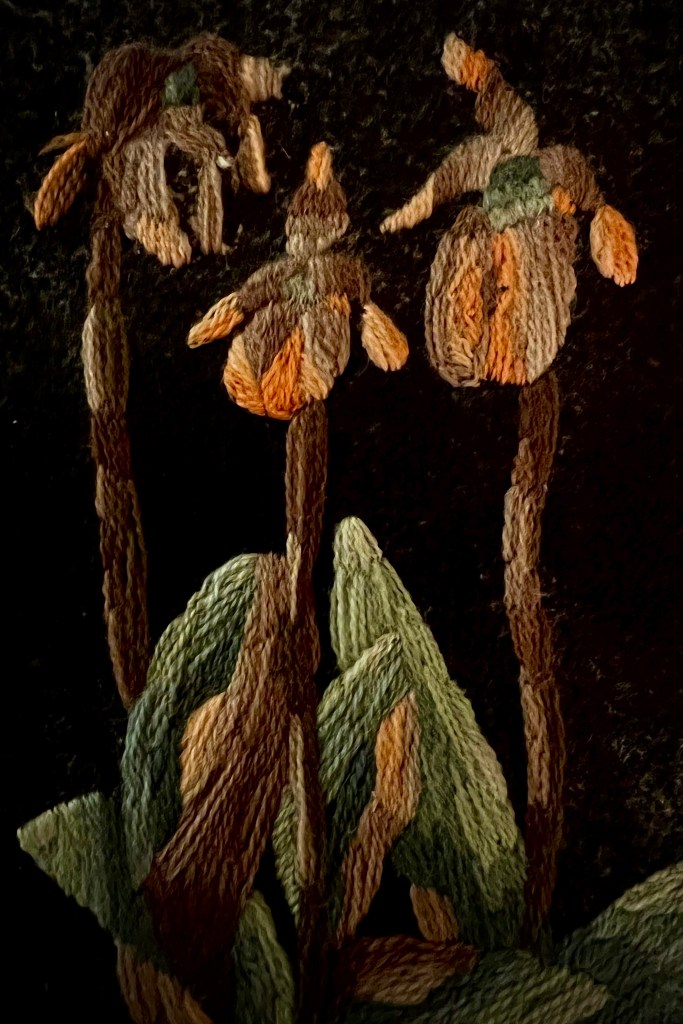
An embroidery I made for my father after he replanted the lady slippers — on the back I wrote “The miracle of creation recurs each spring in the delicate beauty of the lady slipper – may we ourselves be recreated as well…”
One-Time
Monthly
Yearly
Make a one-time or recurring donation to support daily Barnstorming posts
Lord, who hast form’d me out of mud, And hast redeem’d me through thy blood, And sanctifi’d me to do good;
Purge all my sins done heretofore: For I confess my heavy score, And I will strive to sin no more.
Enrich my heart, mouth, hands in me, With faith, with hope, with charity; That I may run, rise, rest with thee. ~George Herbert “Trinity Sunday” (modernized)
Spend your life trying to understand it, and you will lose your mind; but deny it and you will lose your soul. St.Augustine in his work “On the Trinity”
In the Beginning, not in time or space, But in the quick before both space and time, In Life, in Love, in co-inherent Grace, In three in one and one in three, in rhyme…
Our God beyond, beside us and within. ~Malcolm Guite from “Trinity Sunday”
A story has been told that Augustine of Hippo was walking on the beach contemplating the mystery of the Trinity. Then he saw a boy in front of him who had dug a hole in the sand and was going out to the sea again and again and bringing some water to pour into the hole. Augustine asked him, “What are you doing?” “I’m going to pour the entire ocean into this hole.” “That is impossible, the whole ocean will not fit in the hole you have made” said Augustine. The boy replied, “And you cannot fit the Trinity in your tiny little brain.”
I accept that my tiny brain, ever so much tinier than St. Augustine’s, cannot possibly absorb or explain the Trinity – I will not try to put the entire ocean in that small hole. The many analogies used to help human understanding of the Trinity are dangerously limited in scope: vapor, water, ice shell, yolk, albumin height, width, depth apple peel, flesh, core past, present, future.
It is sufficient for me to know, as expressed by the 19th century Anglican pastor J.C. Ryle:
It was the whole Trinity, which at the beginning of creation said, “Let us make man”. It was the whole Trinity again, which at the beginning of the Gospel seemed to say, “Let us save man”.
All one, equal, harmonious, unchangeable, bound together with faith, with hope, with charity, to save us from ourselves.
I run, rise, rest in Thee, all Three.
One-Time
Monthly
Yearly
Make a one-time or recurring donation to support daily Barnstorming posts
No, I will never know what you saw or what you felt, thrust into the maw of Eternity,
watching the mortars nightly greedily making their rounds, hearing the soft damp hiss
of men’s souls like helium escaping their collapsing torn bodies, or lying alone, feeling the great roar
of your own heart. But I know: there is a bitter knowledge
of death I have not achieved. Thus in thankful ignorance, and especially for my son
and for all who benefit so easily at so unthinkable a price, I thank you. ~Michael Burch “Privilege”
(for my father on Memorial Day)
It was only a part of what we knew about you- serving three long years in the South Pacific, spoken of obliquely only if asked about, but never really answered.
We knew you were a Marine battalion leader, knew you spent too many nights without sleep, unsure if you’d see the dawn only to dread what the next day would bring.
We knew you lost friends and your innocence; found unaccustomed strength inside a mama’s boy who once cried too easily and later almost never.
Somehow life had prepared you for this: pulling your daddy out of bars when you were ten watching him beat your mama until finally getting big enough to stand in the way.
Then Tarawa, Saipan, Tinian beaches bitterly bloodsoaked battles won, to be restored and renewed as vacation resorts.
We let you go without knowing your full story– even Mom didn’t ask. You could not share the depth of horror and fear you felt.
It was not shame that kept you silent; simply no need to revisit the pain of remembrance. It was done, finished, you had done your duty.
So as we again set flowers and flag on your grave, reunited with Mom after years apart, I regret so many questions unasked of a sacrifice beyond imagining, you having paid an unthinkable price.
Sleep well, Dad, with Mom now by your side. I rejoice you finally wakened to a renewed dawn.
One-Time
Monthly
Yearly
Make a one-time or recurring donation to support daily Barnstorming posts
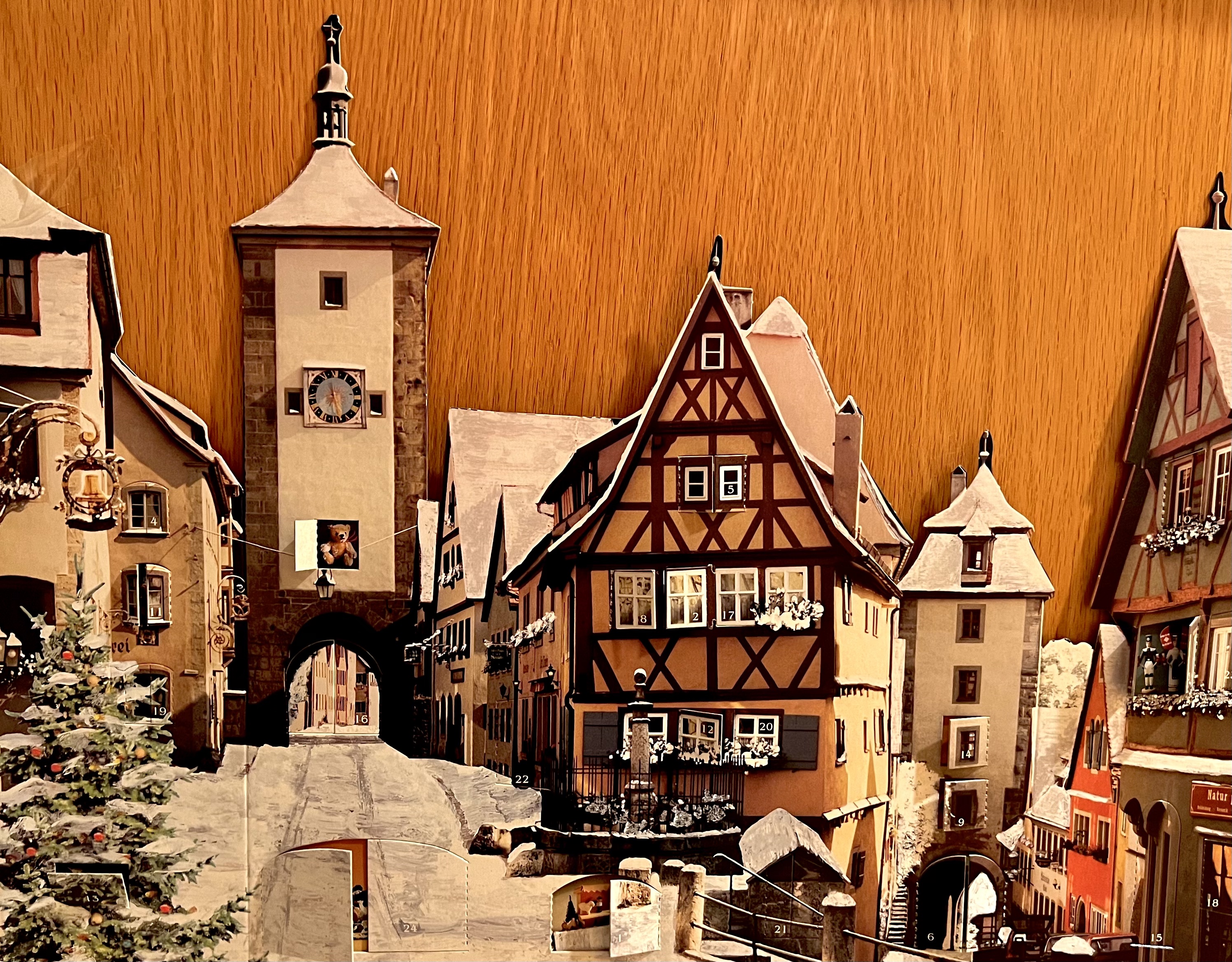
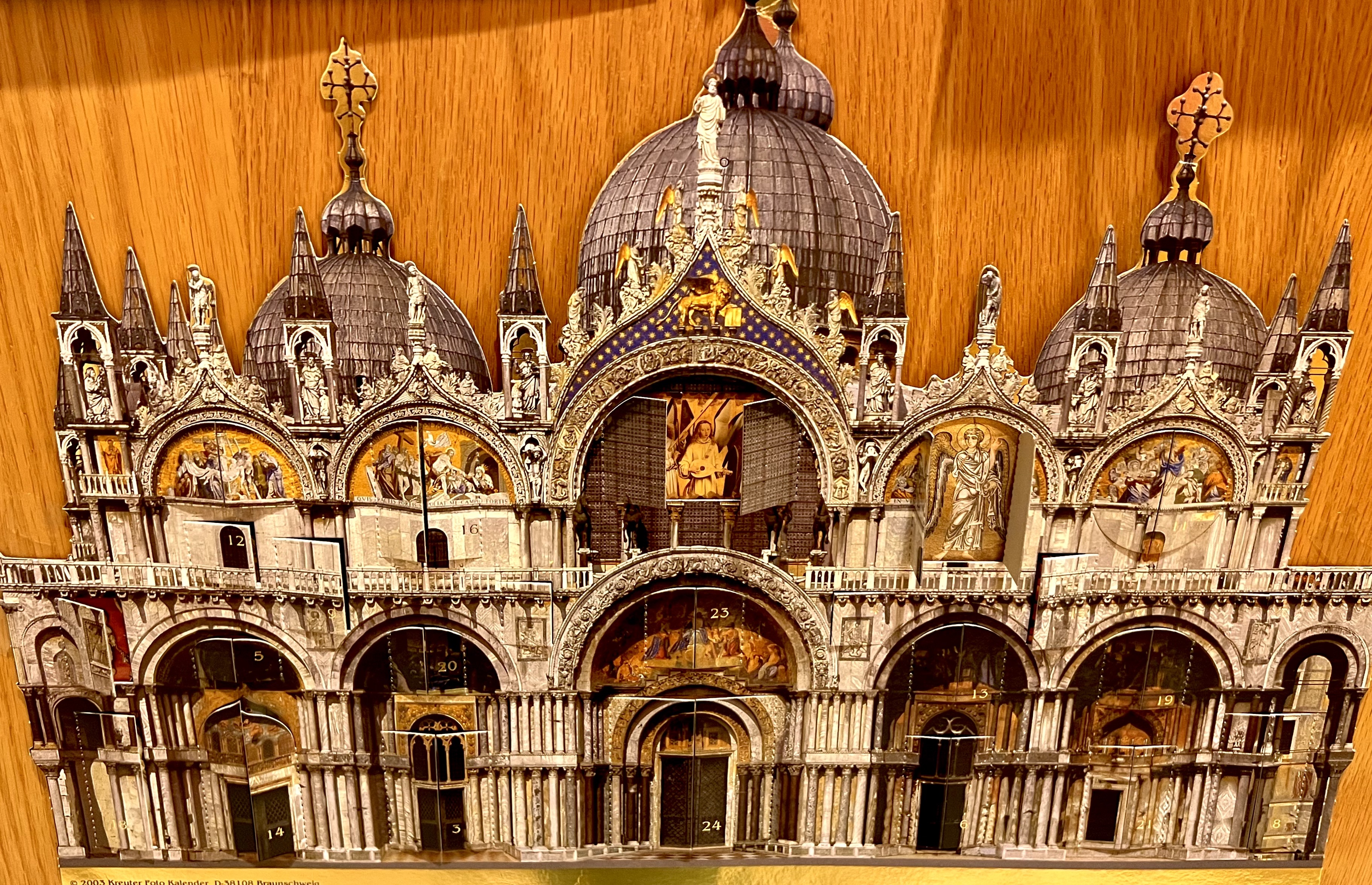
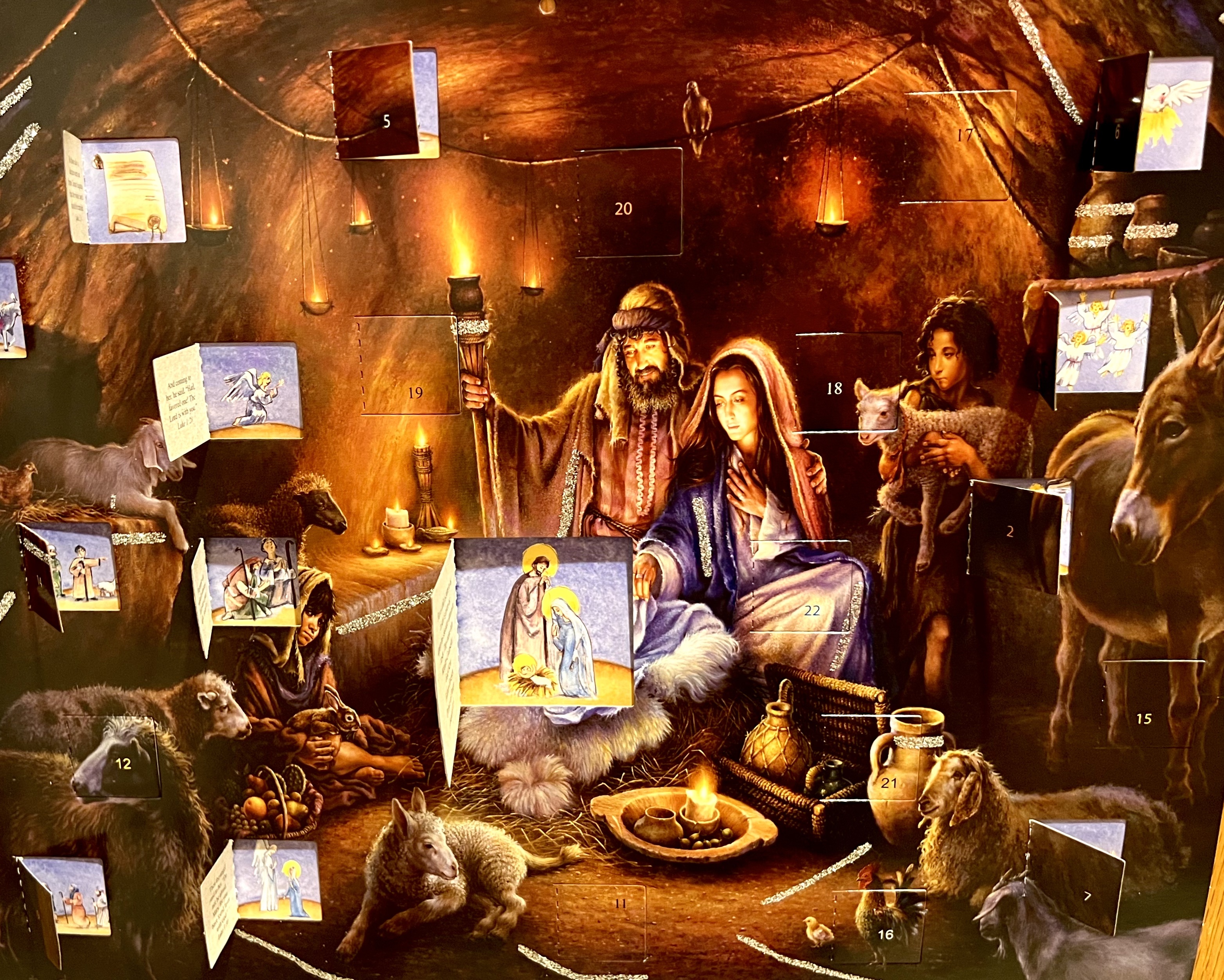
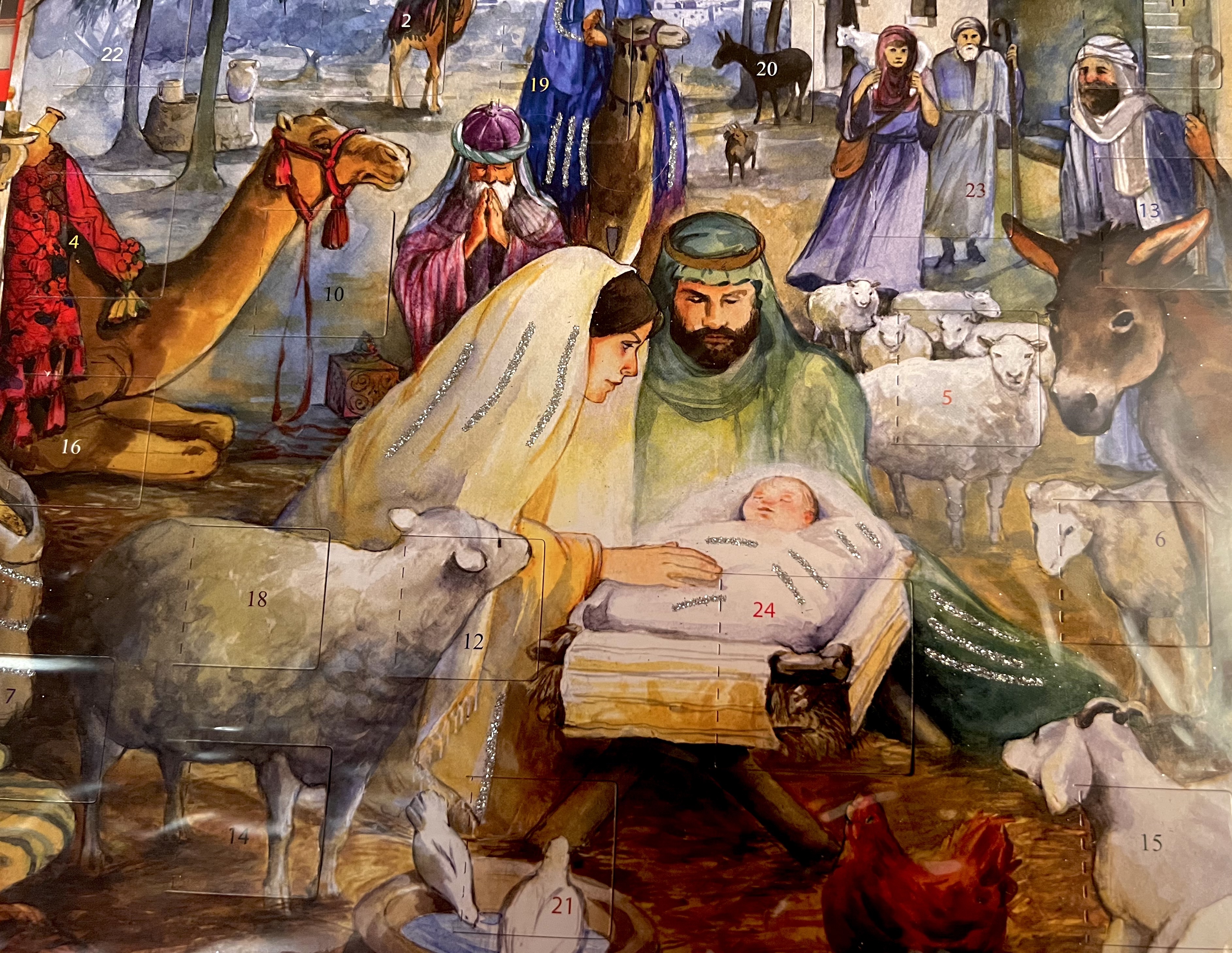
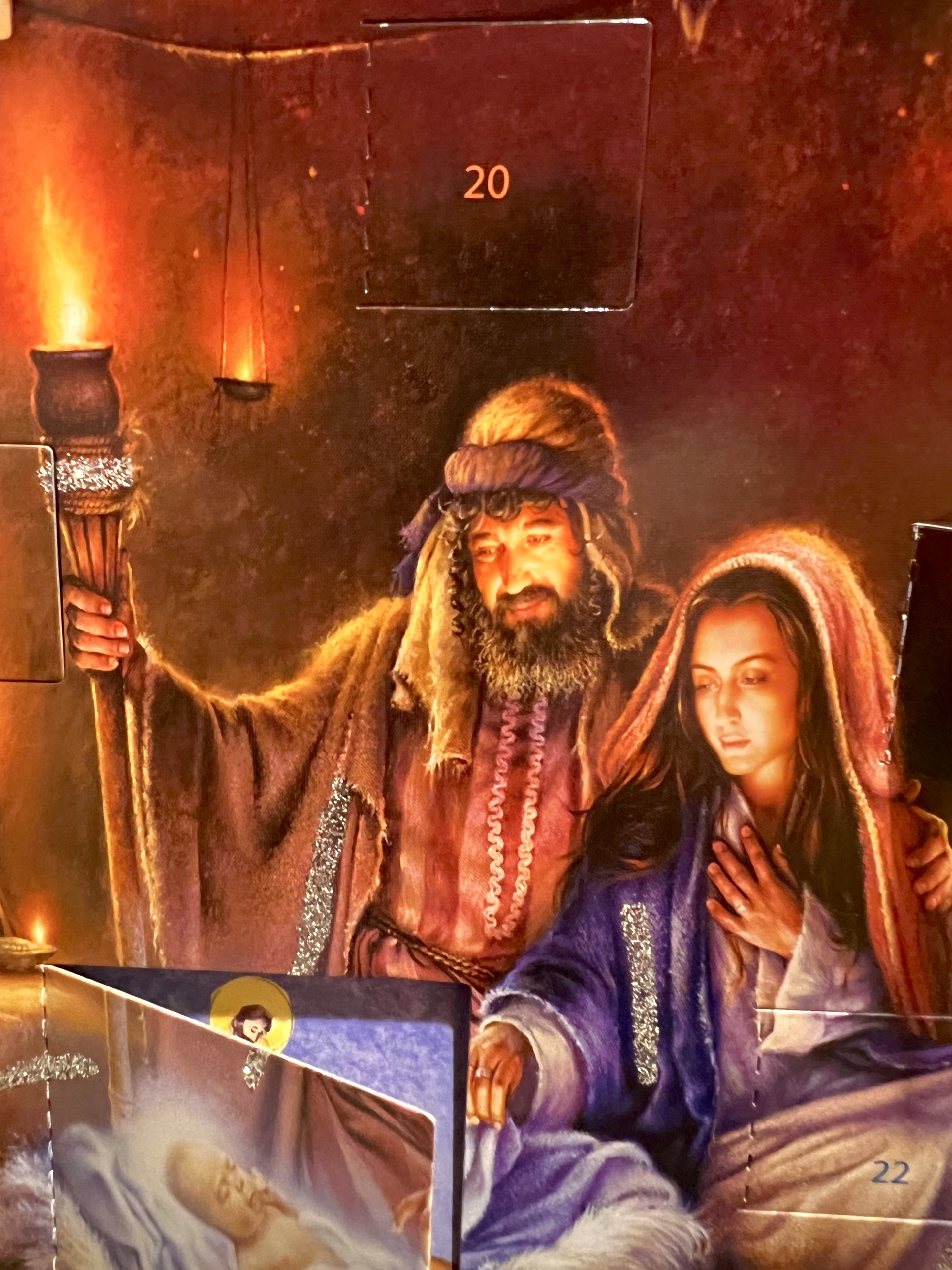
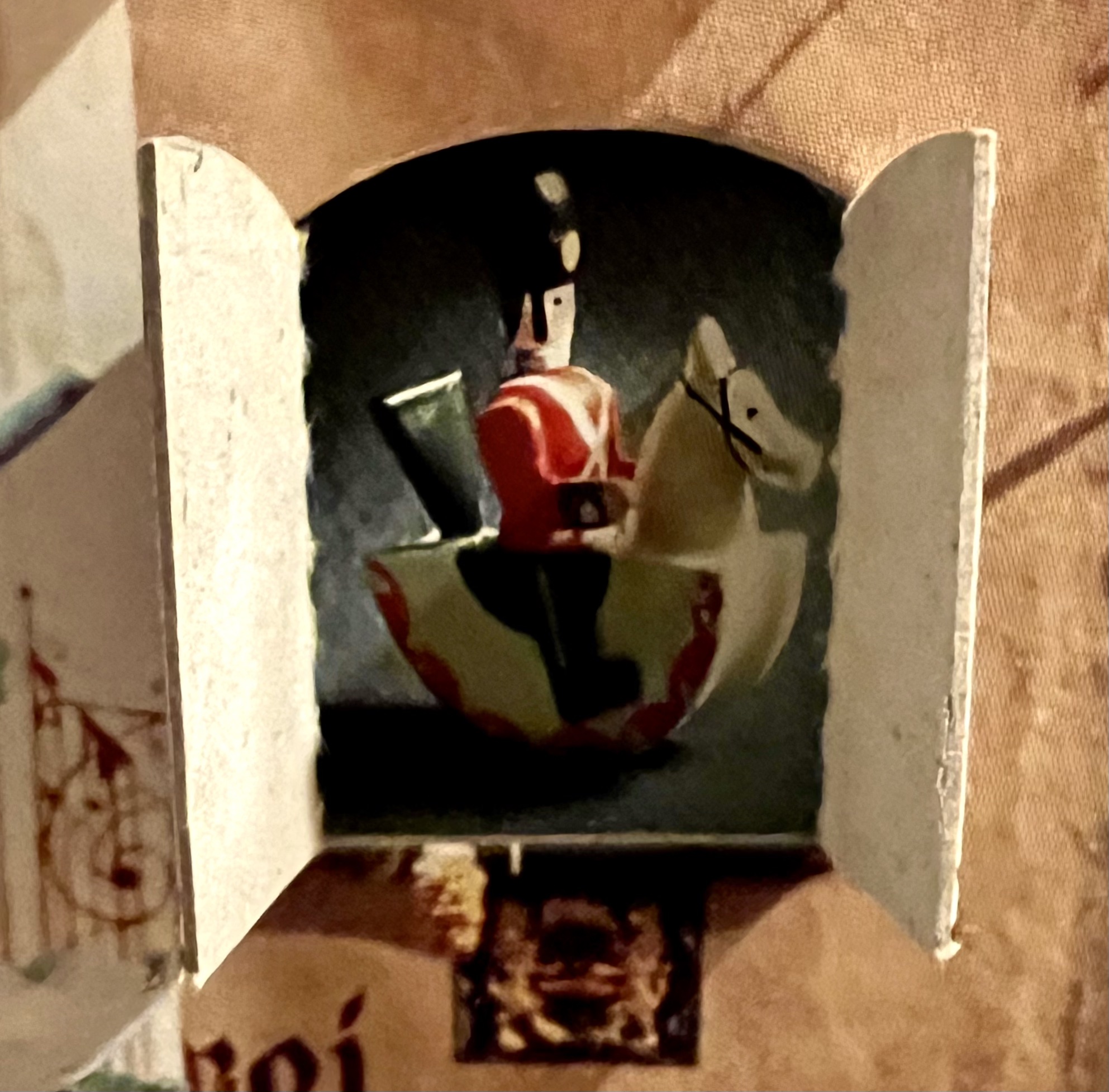
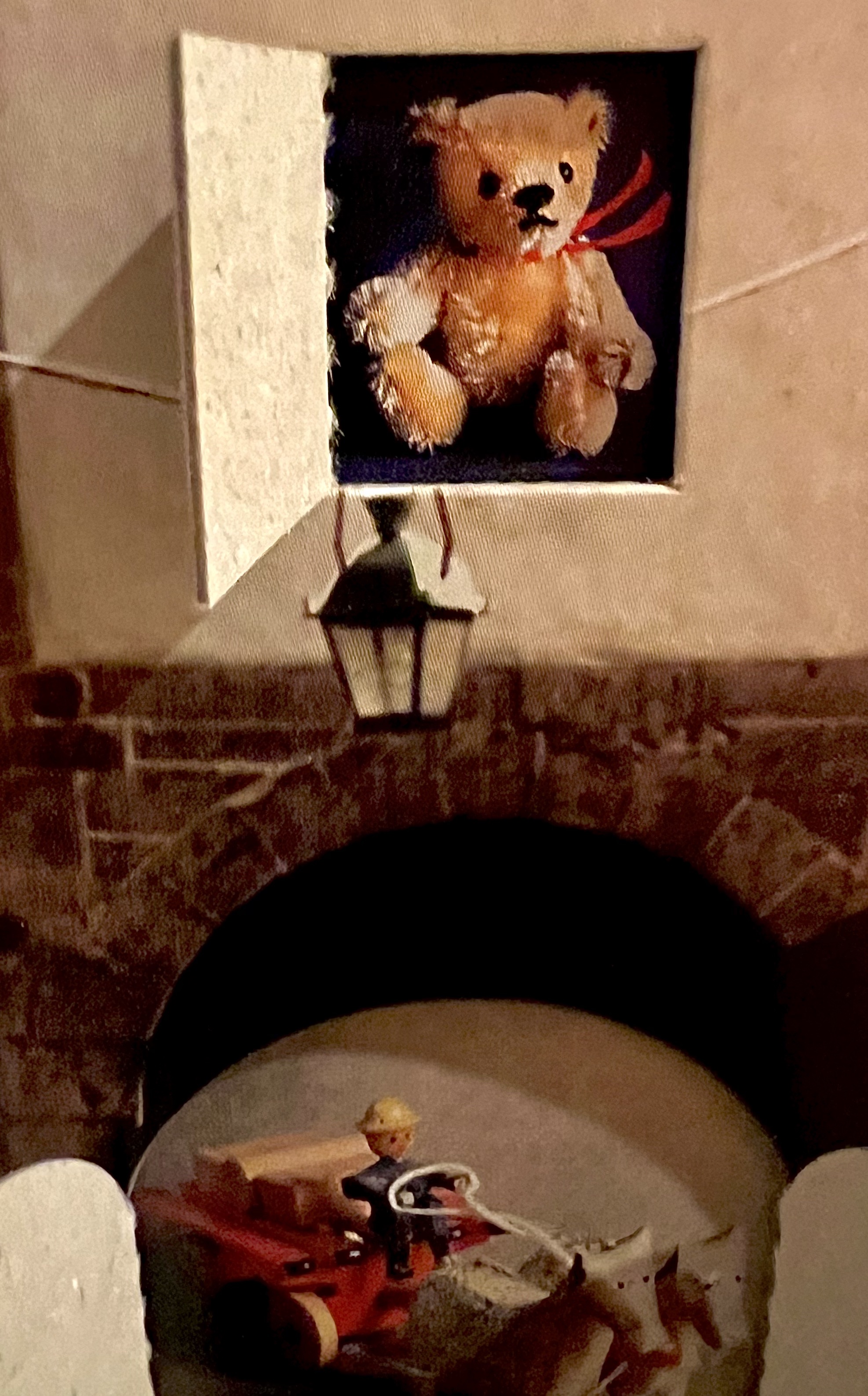
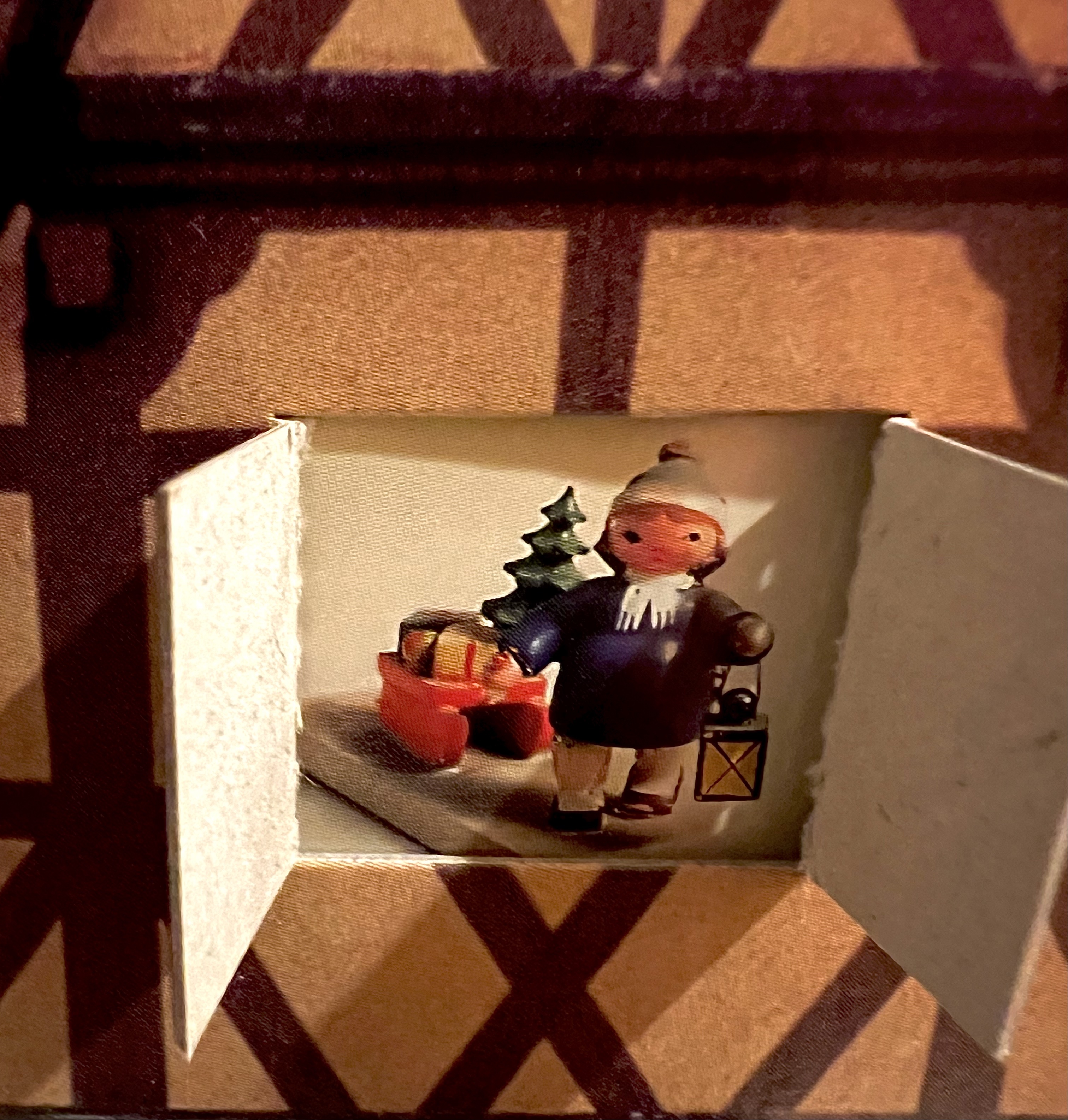
Bethlehem in Germany, Glitter on the sloping roofs, Breadcrumbs on the windowsills, Candles in the Christmas trees, Hearths with pairs of empty shoes: Panels of Nativity Open paper scenes where doors Open into other scenes, Some recounted, some foretold. Blizzard-sprinkled flakes of gold Gleam from small interiors, Picture-boxes in the stars Open up like cupboard doors In a cabinet Jesus built.
Leaning from the cliff of heaven, Indicating whom he weeps for, Joseph lifts his lamp above The infant like a candle-crown. Let my fingers touch the silence Where the infant’s father cries. Give me entrance to the village From my childhood where the doorways Open pictures in the skies. But when all the doors are open, No one sees that I’ve returned. When I cry to be admitted, No one answers, no one comes. Clinging to my fingers only Pain, like glitter bits adhering, When I touch the shining crumbs. ~Gjertrud Schnackenberg, from “Advent Calendar” from Supernatural Love: Poems 1976-1992.
Who has not considered Mary And who her praise would dim, But what of humble Joseph Is there no song for him?
If Joseph had not driven Straight nails through honest wood If Joseph had not cherished His Mary as he should;
If Joseph had not proved him A sire both kind and wise Would he have drawn with favor The Child’s all-probing eyes?
Would Christ have prayed, ‘Our Father’ Or cried that name in death Unless he first had honored Joseph of Nazareth ? ~Luci Shaw “Joseph The Carpenter”
The hero of the story this season is the man in the background of each creche, the old master Nativity paintings, and the Advent Calendar doors that open each day.
He is the adoptive father who does the right thing rather than what he has legal right to do, who listens to his dreams and believes, who leads the way over dusty roads to be counted, who searches valiantly for a suitable place to stay, who does whatever he can to assist her labor, who stands tall over a vulnerable mother and infant while the poor and curious pour out of the hills, the wise and foreign appear bringing gifts, who takes his family to safety when the innocents are slaughtered.
He is only a carpenter, not born for heroics, but strong and obedient, stepping up when called. He is a humble man teaching his son a living, until his son leaves to save the dying.
This man Joseph is the Chosen father, the best Abba a God could possibly hope for.
This year’s Advent theme “Dawn on our Darkness” is taken from this 19th century Christmas hymn:
Brightest and best of the sons of the morning, dawn on our darkness and lend us your aid. Star of the east, the horizon adorning, guide where our infant Redeemer is laid. ~Reginald Heber -from “Brightest and Best”
One-Time
Monthly
Yearly
Make a one-time or recurring donation to support daily Barnstorming posts
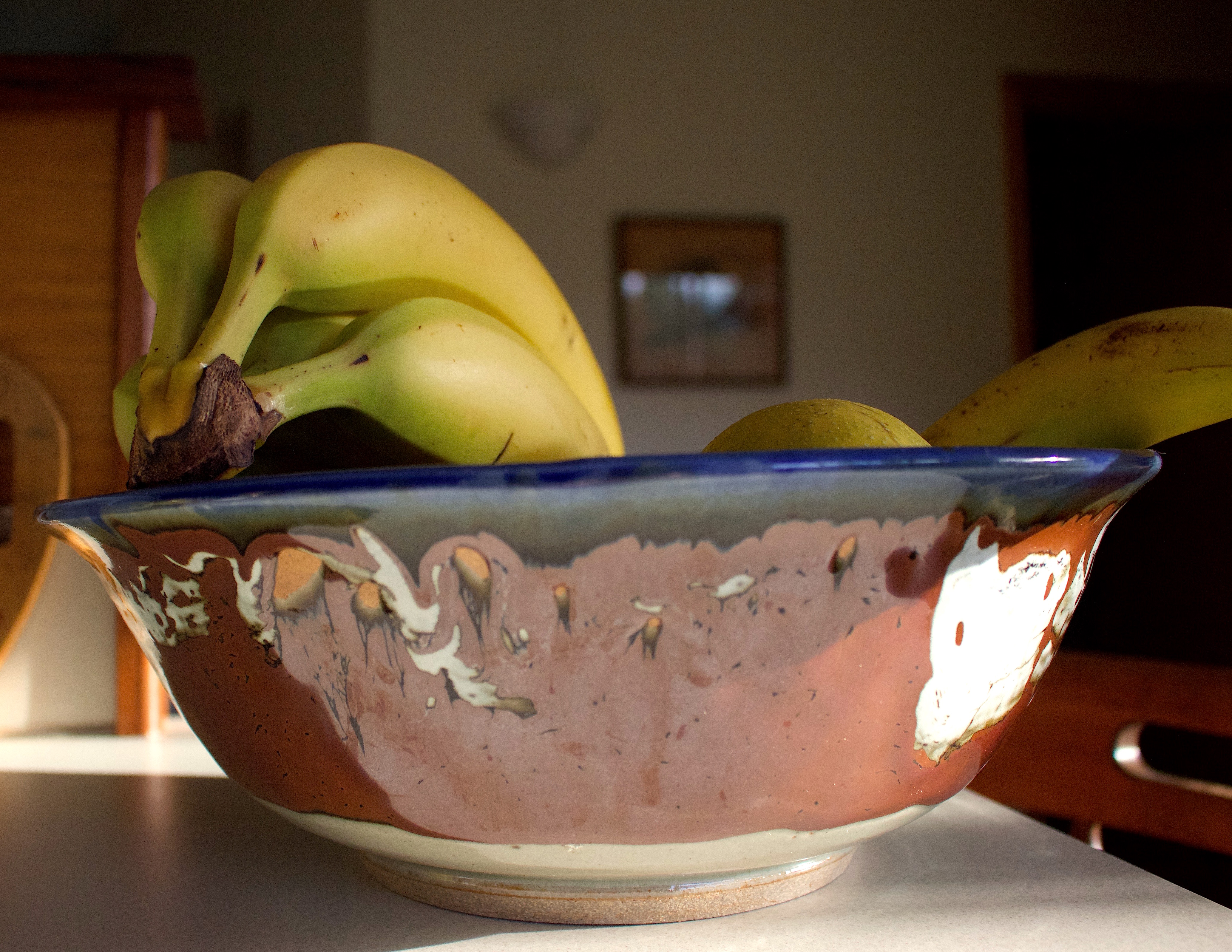
On a table in the living room there is a gray ceramic bowl that catches the light each afternoon, contains it. This is the room we turned into the room of her dying, the hospital bed in the center, the medical equipment against the walls like personnel. In Maine, once, I rented a house hundreds of years old. One room had been the birthing room, I was told, and I sat in that room writing towards the bright new world I am always trying to write into. And while I could stop there, with those two recognitions of endings and beginnings, I’m thinking of yesterday’s afternoon of errands. My father and mother were in the backseat, my sister in the passenger seat, and I driving. It was like decades ago but everyone in the wrong places, as though time was simply about different arrangements of proximity. Sometimes someone is in front of you. Or they are beside. At other times they are behind you, or just elsewhere, inconsolably, as though time was about how well or badly you attended to the bodies around you. First, we went to the bakery. Then the hardware. The pharmacy, the grocery. Then the bank. ~Rick Barot “Of Errands”
For a time, my husband and I were the middle of the proverbial family sandwich – the meat and cheese with condiments while our aging parents were one slice of bread and our young children the other slice. It was such a full time of always being needed by someone somewhere somehow in some way that I barely can recall details of what those years were like.
Mothers with daughters sometimes note the irony of being in the throes of menopause while their pre-teen is adjusting to menarche – we pass on the fertility torch.
As I sort through boxes that have been stored away for over a decade from my mother and mother-in-law’s belongings to find things to help our son’s family get settled in their house, I realize that time could be measured in bowls and vases and casserole baking dishes. They are passed to the next generation for another lifetime of use. We start out being fed, then we become the provider, and wind up being fed ourselves in the end.
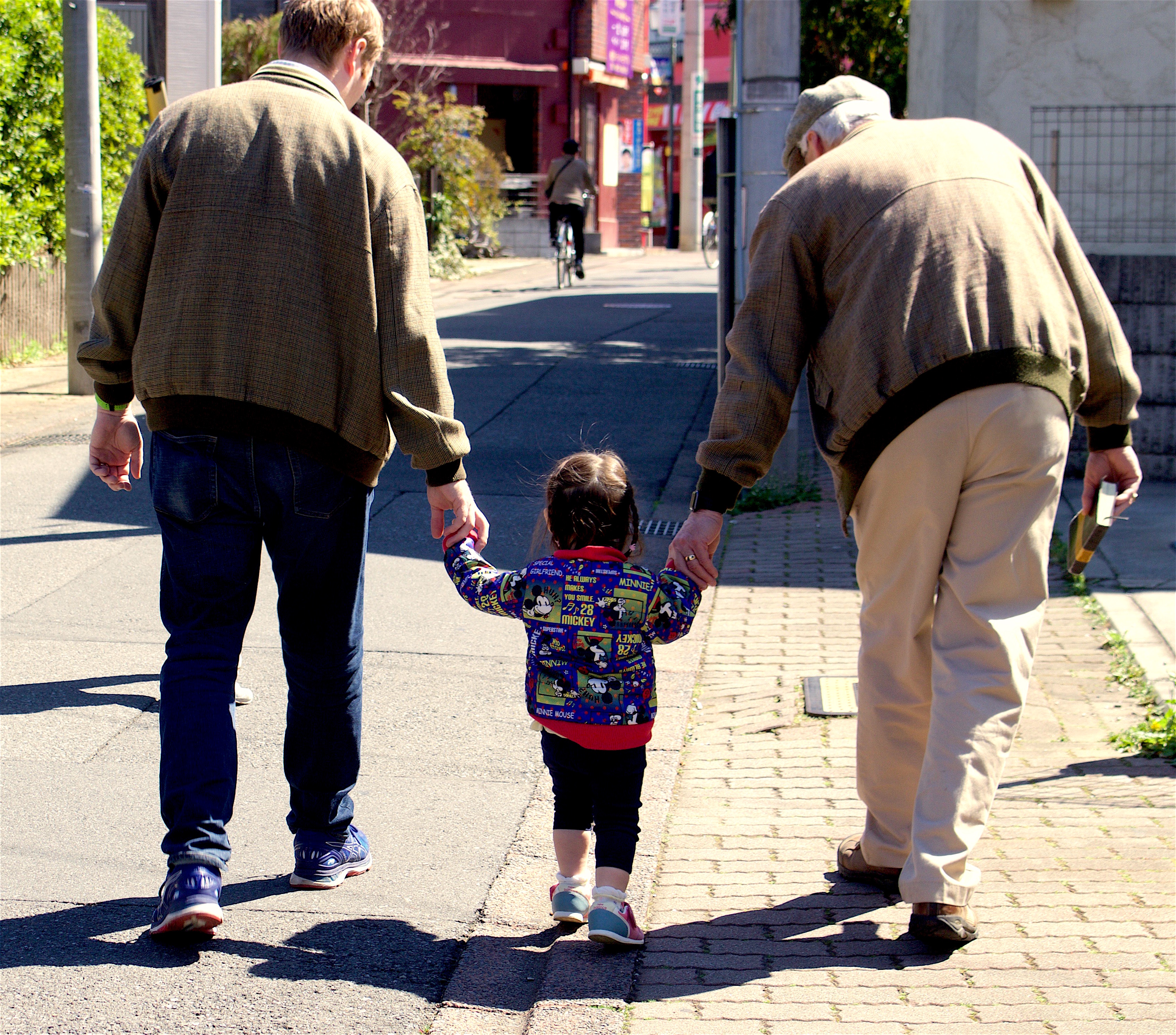
I want to forestall that time of becoming dependent again as long as possible. For now, I want to hold my grandchildren’s hands as I try to keep them safe in an unpredictable world. Someday, I may need them to help hold my hand once I lack the strength to walk unaided.
Turn turn turn – there is a season. Turn around and everyone has changed places, blessed to still walk alongside one another for as long as possible.
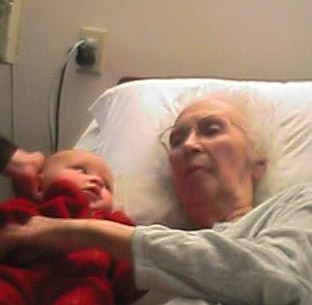
Great Grandma Emma, granddaughter Andrea, great-grandson Zealand, photo by Andrea Nipges
To every thing there is a season, and a time to every purpose under the heaven… Ecclesiastes 3:1
One-Time
Monthly
Yearly
Make a one-time or recurring donation to support daily Barnstorming posts



















 Barnstorming