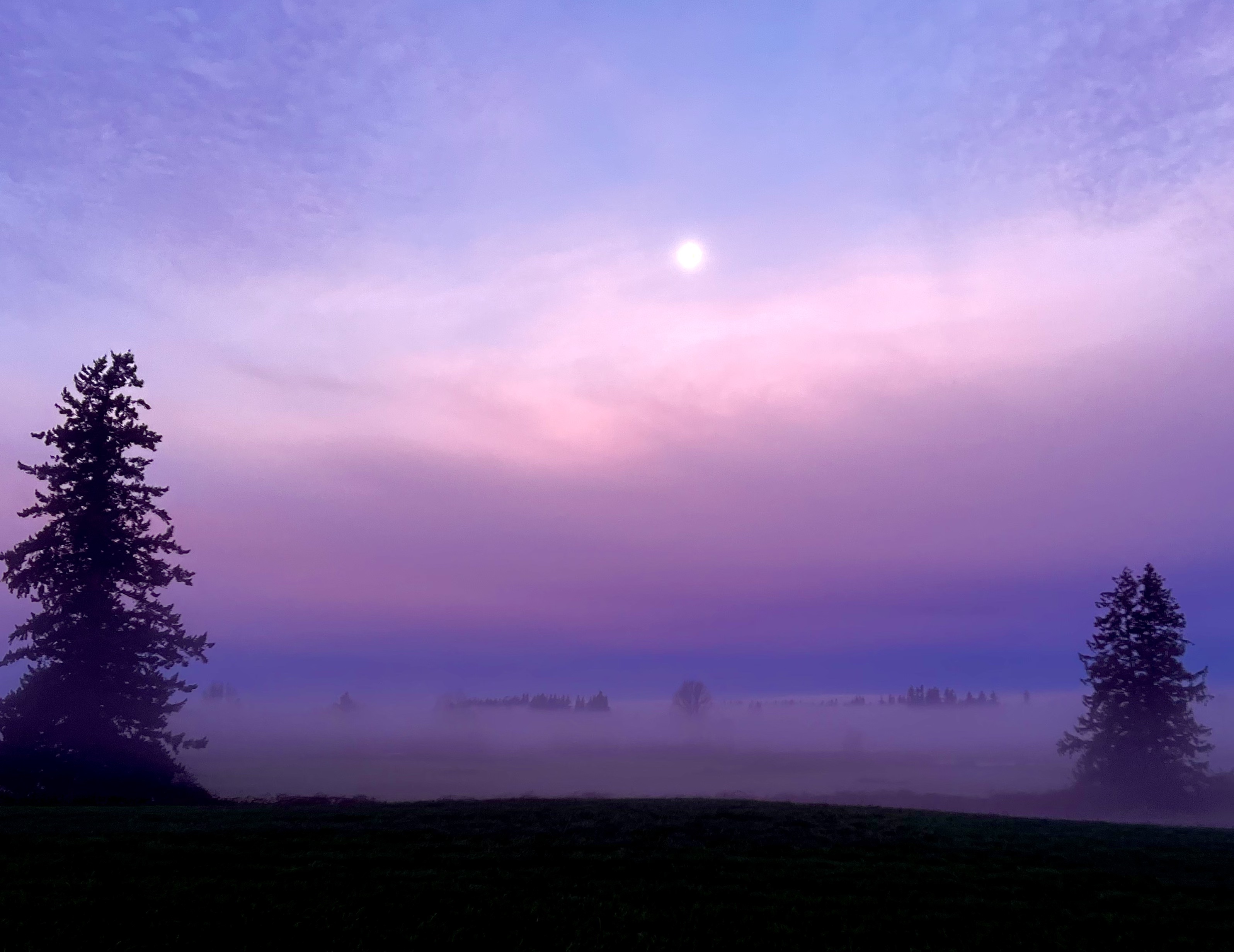
Let Plainness Enter the Eye

I have grown tired of the moon, tired of its look of astonish-
ment, the blue ice of its gaze, its arrivals and departures, of
the way it gathers lovers and loners under its invisible wings,
failing to distinguish between them.

I have grown tired of so much that used to entrance me,
tired of watching cloud shadows pass over sunlit grass,
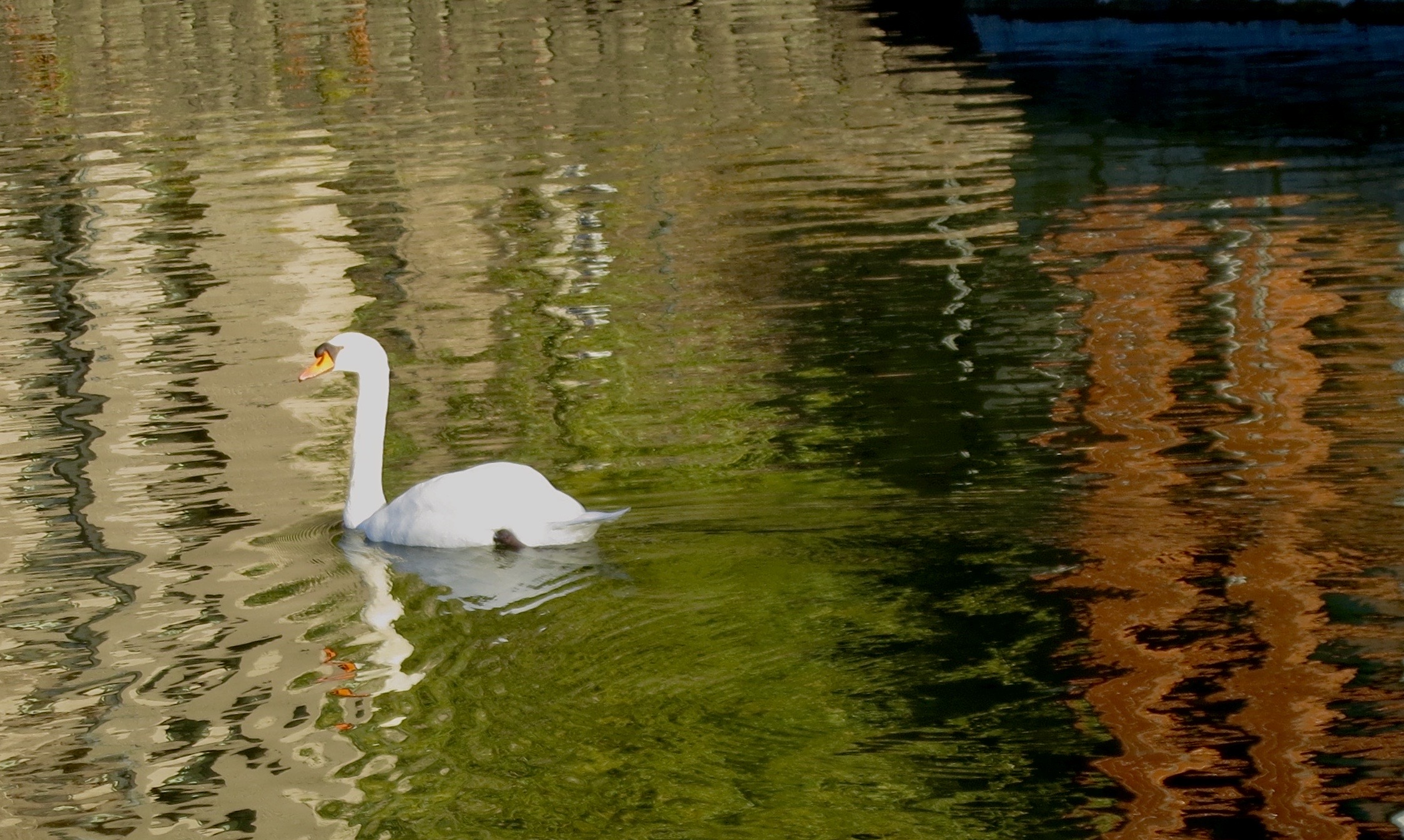
of seeing swans glide back and forth across the lake,
of peering into the dark, hoping to find
an image of a self as yet unborn.

Let plainness enter the eye,
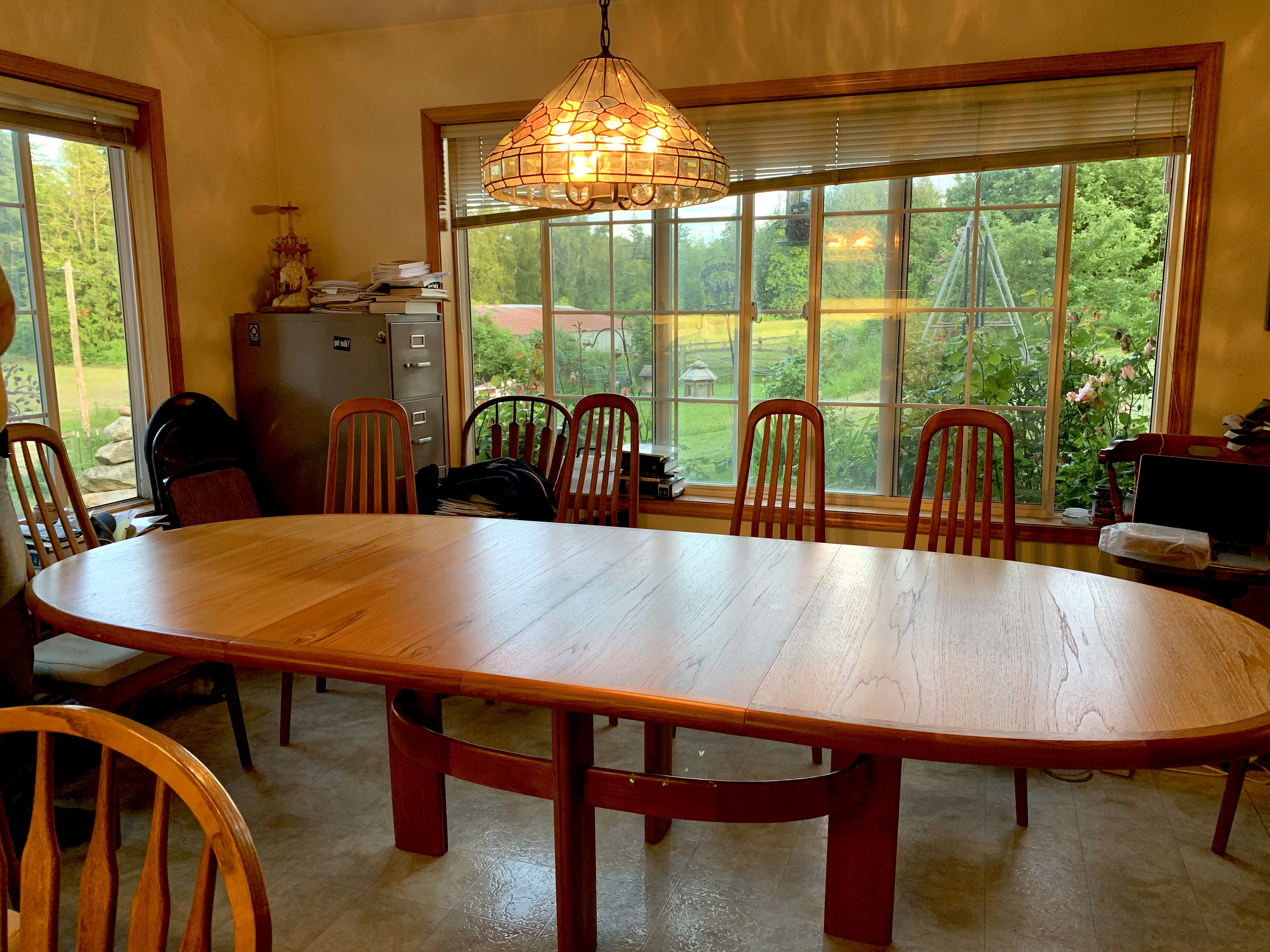
plainness like the table on which nothing is set,
like a table that is not yet even a table.
~Mark Strand “Nocturne of the Poet Who Loved the Moon” from Almost Invisible

I’m only 24 hours into a week-long winter northeaster blow with sub-zero windchills. Already I want to hang up my Carhartts and retire my Muck Boots and toss my work gloves for a warmer easier life somewhere else.

This is just plain hard being a farmer. I feel like I’m losing my bona fides as a tough-as-nails rural person.

Nothing that entrances me about living on a farm in temperate weather is remotely attractive now. Windstorms like this mean I worry our power will go out, the generator won’t work, the water will freeze up and we’ll fall and break bones … and, and, and…

So many fourth dimensional worries, whining, and weariness to spare.

What I seem to forget is that the generations of tough people I descend from made it through far worse than this. They didn’t do it as a hobby, like us; it was their livelihood. Trees were felled and sawed to become tables and furniture and fences and roofs and walls of houses and barns. Animals gave milk and meat and fields yielded grain and hay and gardens and orchards grew enough to store for winter food.

A few days of winter misery is a small price to pay for that kind of sustainability.

Let the plainness of the past inspire the plain hard work needed today and over the next few days.

It is worth doing it without complaining because it is the plain hard work needed. It always has been.
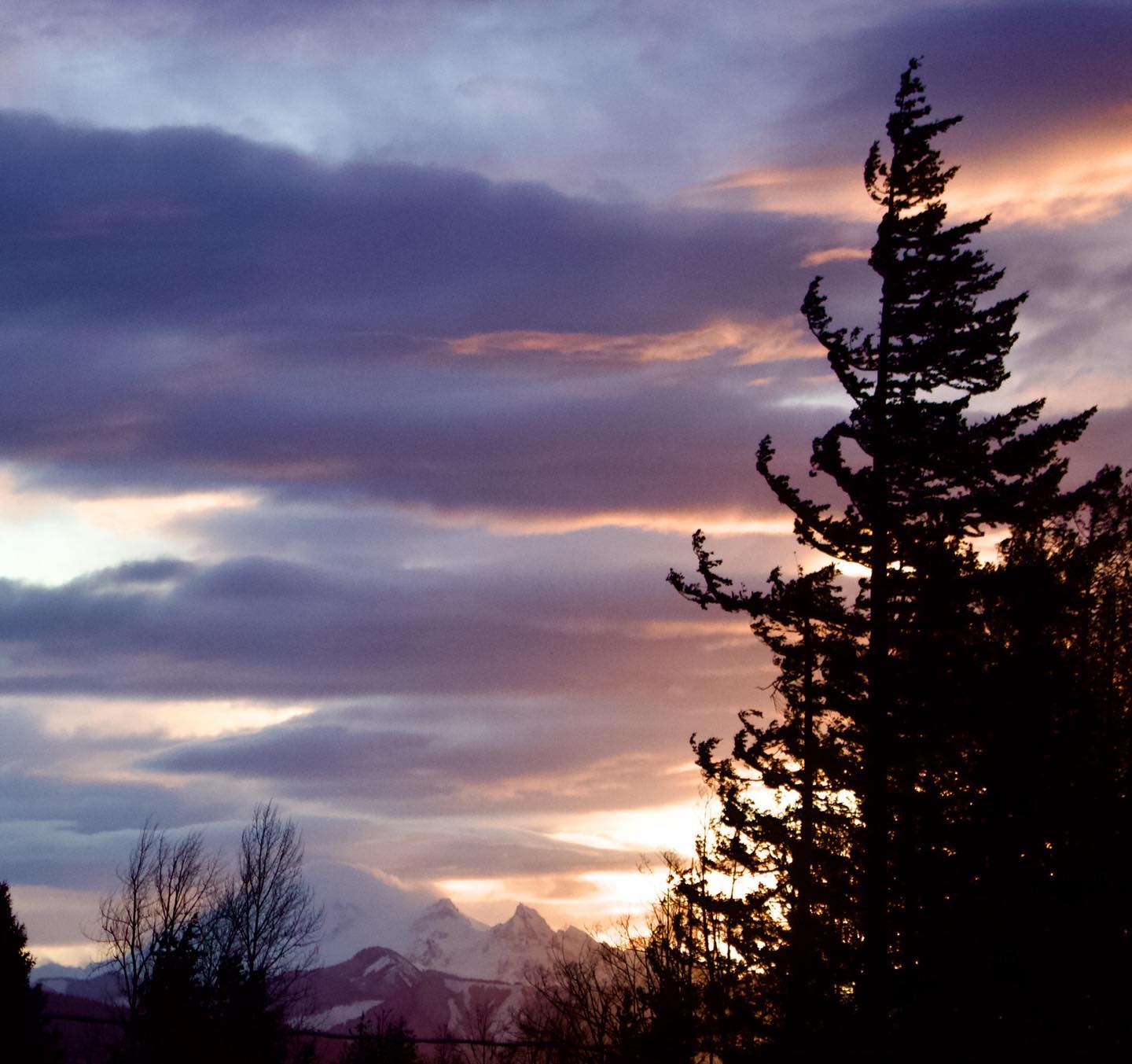
One-Time
Monthly
Yearly

Make a one-time or recurring donation to support daily Barnstorming posts

Make a monthly donation

Make a yearly donation

Choose an amount

$10.00
$25.00
$50.00
$5.00
$15.00
$100.00
$5.00
$15.00
$100.00

Or enter a custom amount

$

Your contribution is deeply appreciated.

Your contribution is appreciated.

Your contribution is appreciated.

DonateDonate monthlyDonate yearly
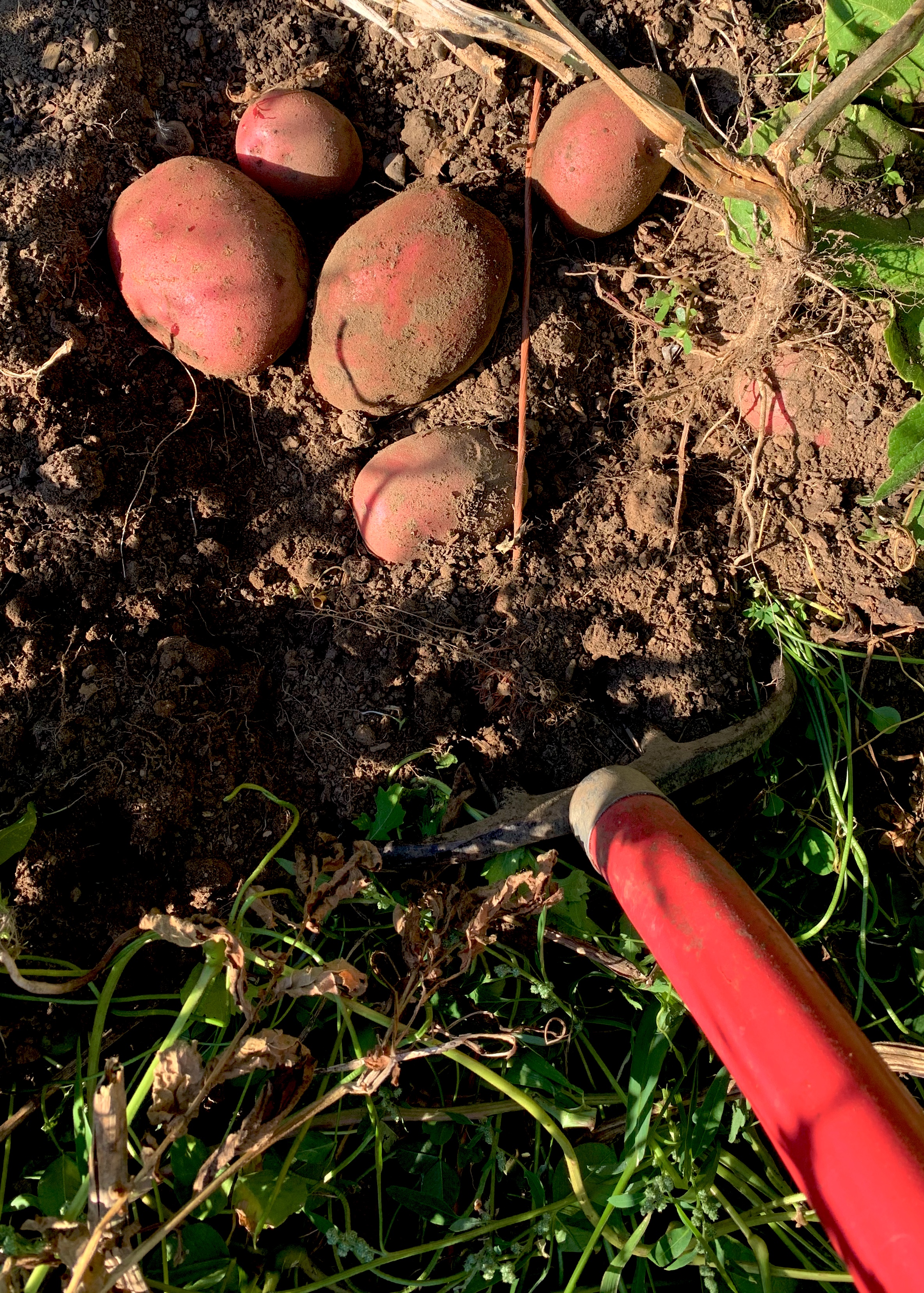
What Hard Work Yields


I look for the spade
I used when I was young,
when my grandfather said dig
and I dug holes
the depth I’d been taught
so the posts would stand,
hold the miles of barbed and hog wire
dividing our ground… Dig, he would say,

and all morning, afternoon,
until it rained, until dark,
until I couldn’t lift the spade and grub
and he said enough,
I dug through dry brown
until it turned yellow clay
or black earth caked
to the tip of the steel. He taught me to measure
strength by depth,
narrow the hole around the oiled post,
and sturdy the line he’d laid
before I was old enough
to blister from work,
acquire the knowledge of straight,
of strength, cool soil,
rusted staples and splintered wood,
the knowledge of bending spikes
new, splicing wire,
swinging a hammer down hard,
the ache from hours of digging,
calloused hands and sunburn.
He trained me to rake,
tamp, stomp, pack dirt and clay,
the weight of the earth around the post,
its strength into the line.

Now the hammers, pliers and cutters are gone.
No rolls of wire hang from the beams.
No boxes of staples and spikes jam the shelves.
The tamping stick is broken.
Someone has wrapped duct tape around the spade handle;
the steel has rusted brown and rough;
a crack climbs from the tip to the mud-caked neck.
He would say it is useless,
that things are not like they were
~Curtis Bauer from “A Fence Line Running Through It”

The old farmers in our county are dying off,
the ones who remember
when horse and human muscle provided the power
instead of diesel engines.
They have climbed down off their tractors
and into their beds
for a good night’s sleep.

Their machine sheds are cleared
in an auction,
their animals trucked away
for butcher,
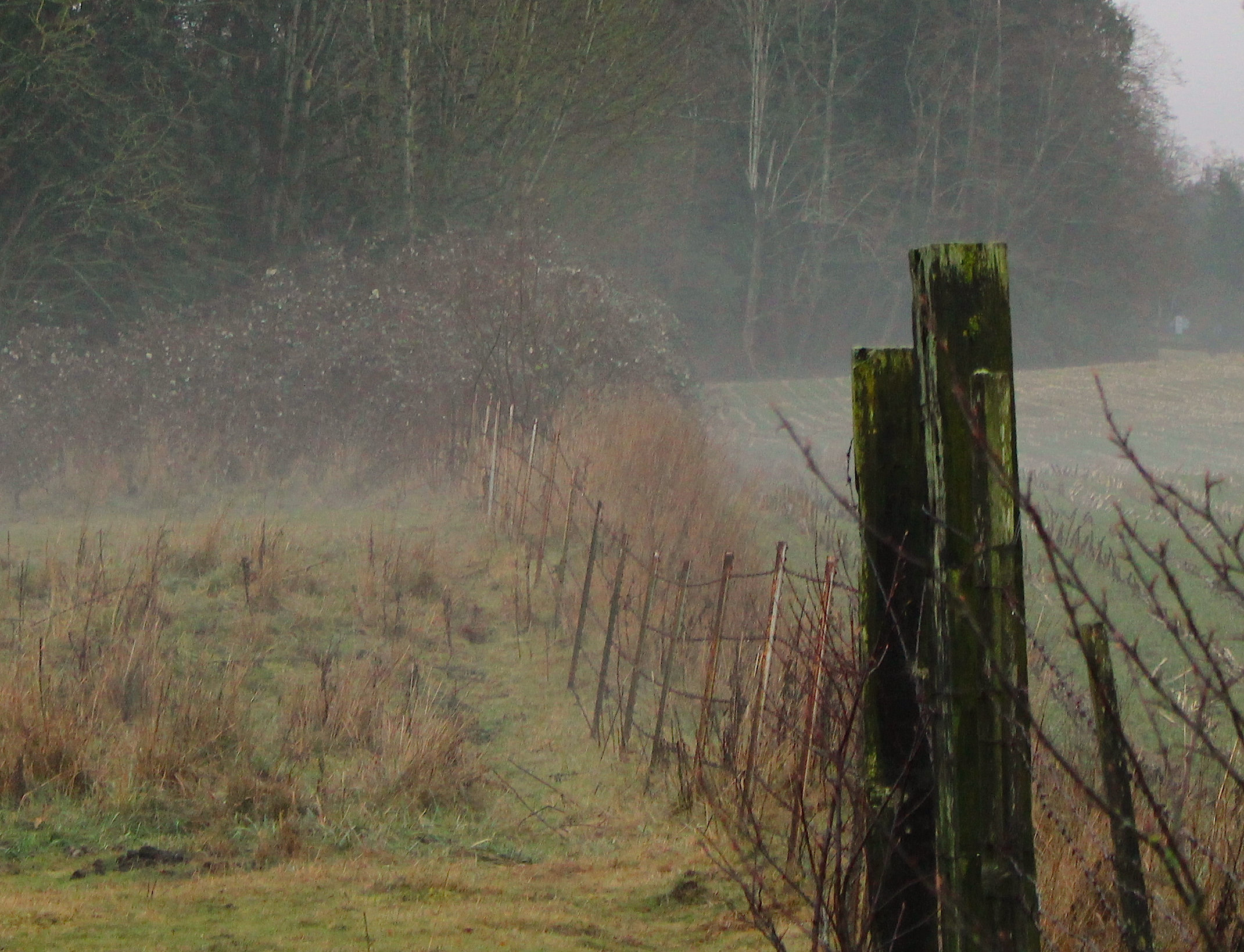
their fence lines leaning
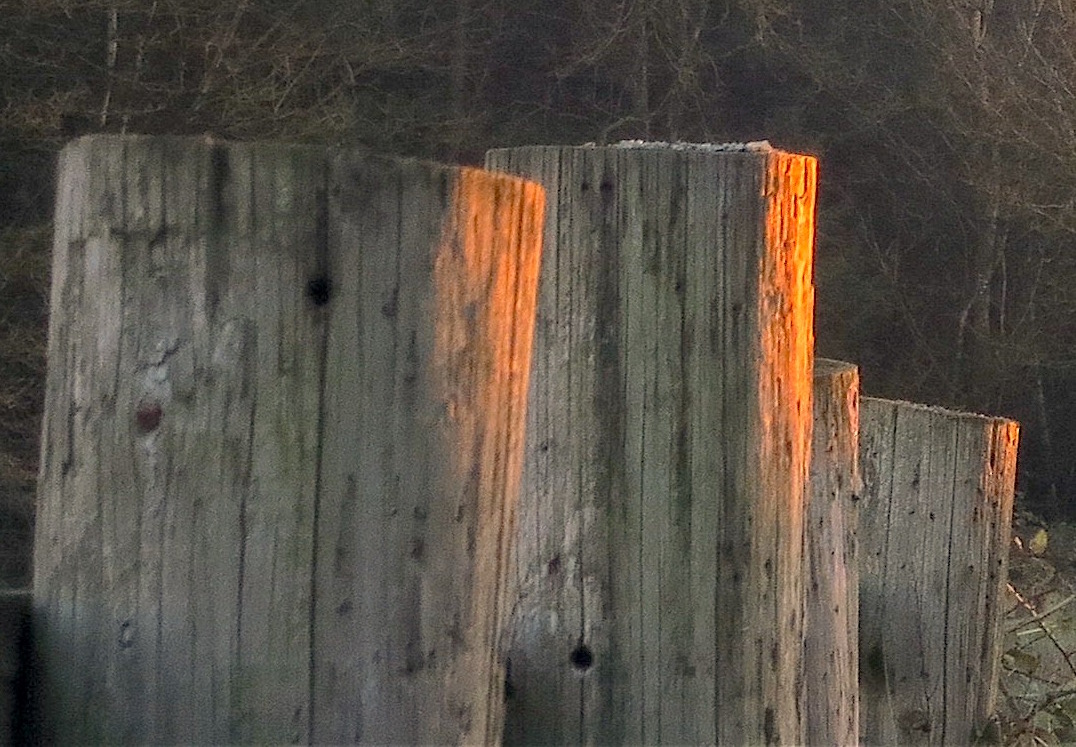
yet the corner posts,
set solid and sure in the hard ground,
keep standing
when the old farmer no longer does.

These old farmers knew hard work.
knew there were no days off,
no shirking duty,
knew if anyone was going to do
what needed doing
it was them,
no one else.
Things are not like they were
yet the strong posts remain,
ready to hold up another fence line,
showing us few remaining farmers
what hard work yields.

One-Time
Monthly
Yearly

Make a one-time or recurring donation to support daily Barnstorming posts

Make a monthly donation

Make a yearly donation

Choose an amount

$10.00
$25.00
$50.00
$5.00
$15.00
$100.00
$5.00
$15.00
$100.00

Or enter a custom amount

$

Your contribution is deeply appreciated.

Your contribution is appreciated.

Your contribution is appreciated.

DonateDonate monthlyDonate yearly
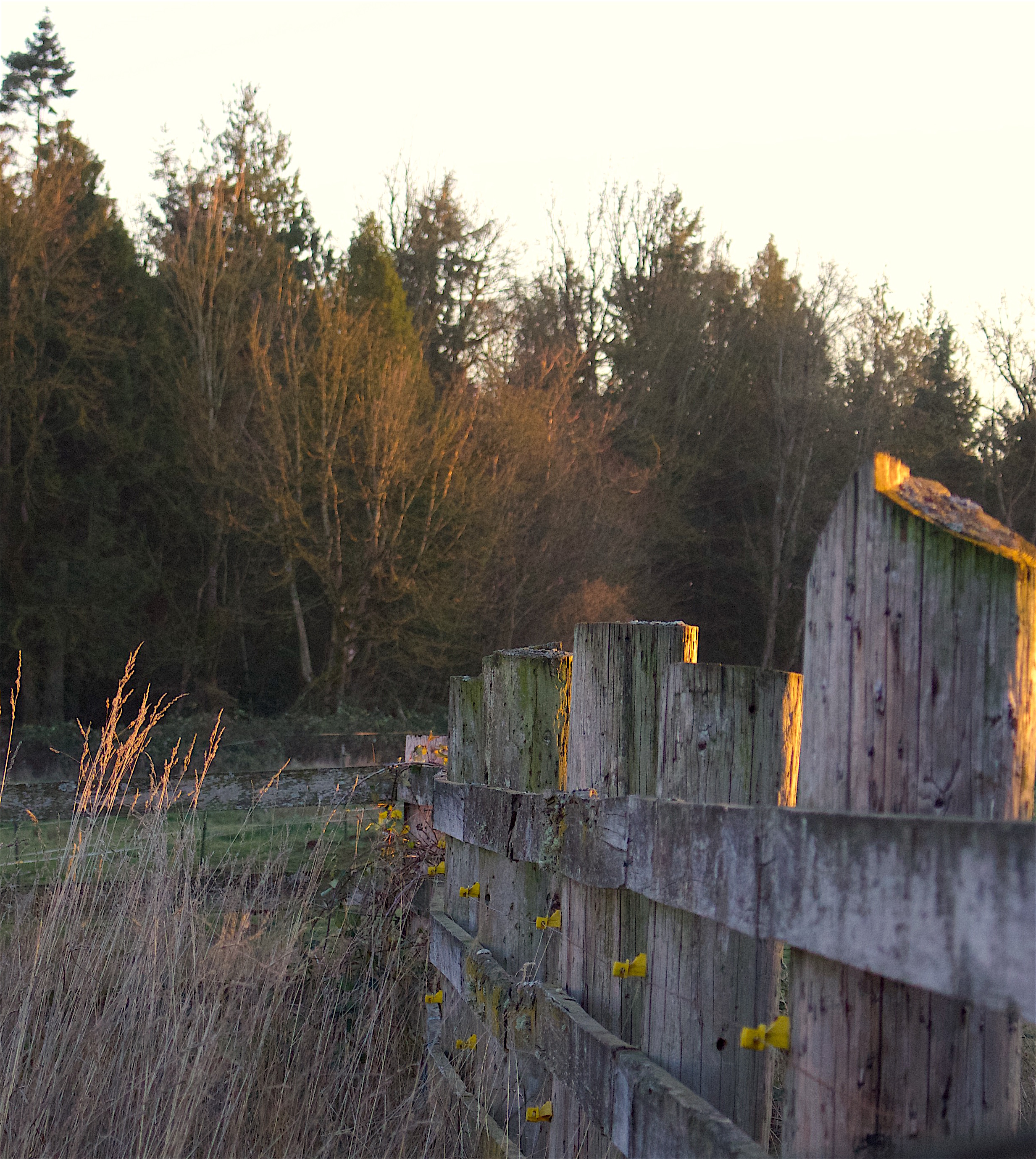
Carrying Water

And on those hot afternoons in July,
when my father was out on the tractor
cultivating rows of corn, my mother
would send us out with a Mason jar
filled with ice and water, a dish towel
wrapped around it for insulation.

Like a rocket launched to an orbiting
planet, we would cut across the fields
in a trajectory calculated to intercept—
or, perhaps, even—surprise him
in his absorption with the row and the
turning always over earth beneath the blade.

He would look up and see us, throttle
down, stop, and step from the tractor
with the grace of a cowboy dismounting
his horse, and receive gratefully the jar
of water, ice cubes now melted into tiny
shards, drinking it down in a single gulp,
while we watched, mission accomplished.
~Joyce Sutphen “Carrying Water to the Field”

It was my special responsibility to carry cold water out to my father when he was on the tractor doing field work. Yes, he could have carried a thermos-full along with him all day but then he would not have seen his young daughter walking carefully from the house over the fresh-turned dirt, he would not have an excuse for a short break to wipe the sweat from his face with his bright red kerchief, nor sit and survey the straightness of his furrows. He would not have lifted her up to sit beside him on the tractor, allowing her to “drive”, steering down the rows, curving around the killdeer nests so their young are spared.

Indeed, it was a special responsibility to nurture someone hard at work who doesn’t stop to refill themselves. It happens rarely any more – whether field or factory or family home or even a daily blog like this. What wondrous love to carry water to those who thirst.
What wondrous grace then fills our furrowed lives.

Thank you, faithful readers and supporters,
to you who have carried water to me when I am dry and thirsty.
It convinces me my work here is not in vain;
mission accomplished.

One-Time
Monthly
Yearly

Make a one-time or recurring donation to support daily Barnstorming posts

Make a monthly donation

Make a yearly donation

Choose an amount

¤10.00
¤25.00
¤50.00
¤5.00
¤15.00
¤100.00
¤5.00
¤15.00
¤100.00

Or enter a custom amount

¤

Your contribution is deeply appreciated.

Your contribution is appreciated.

Your contribution is appreciated.

DonateDonate monthlyDonate yearly
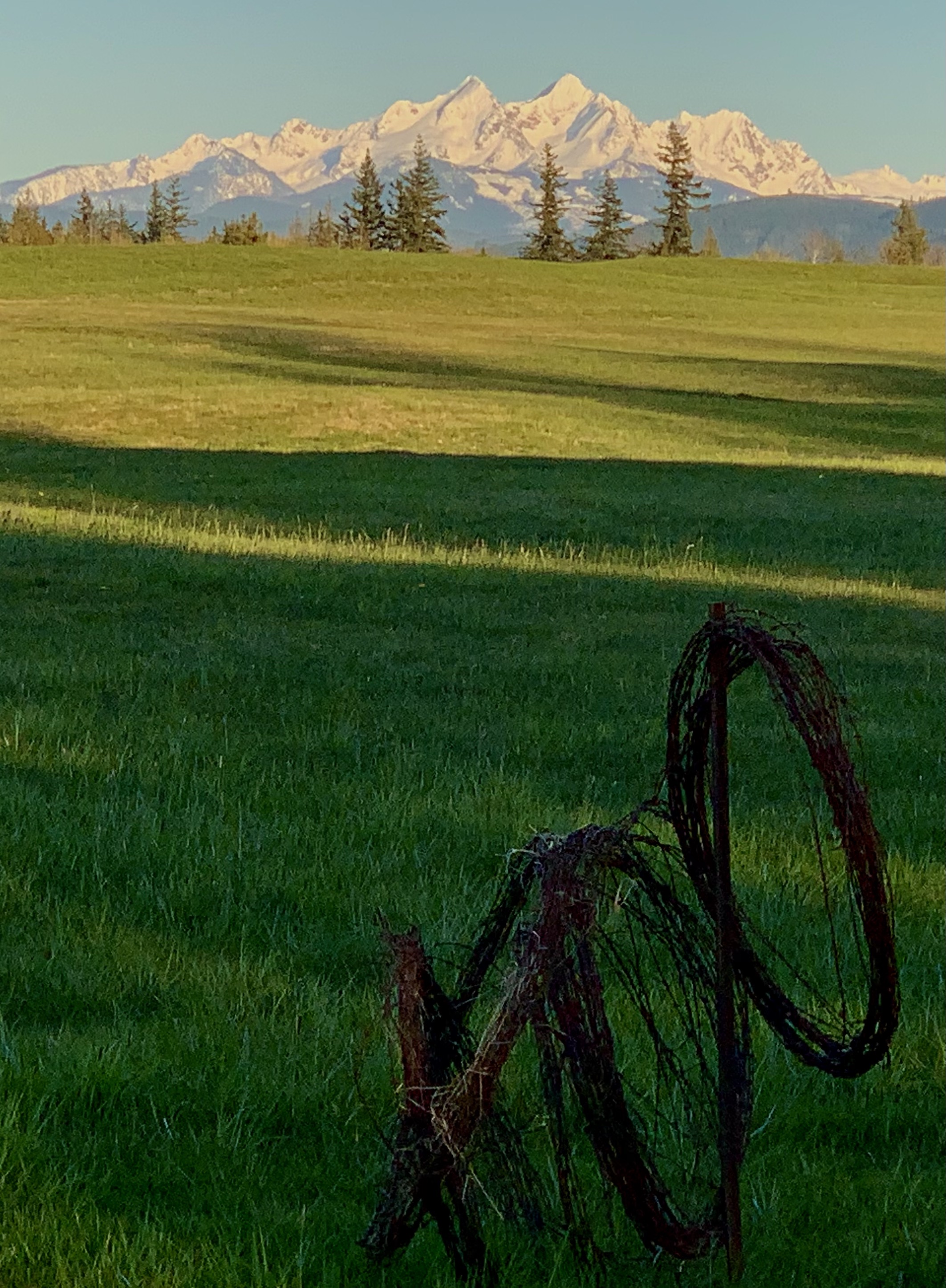
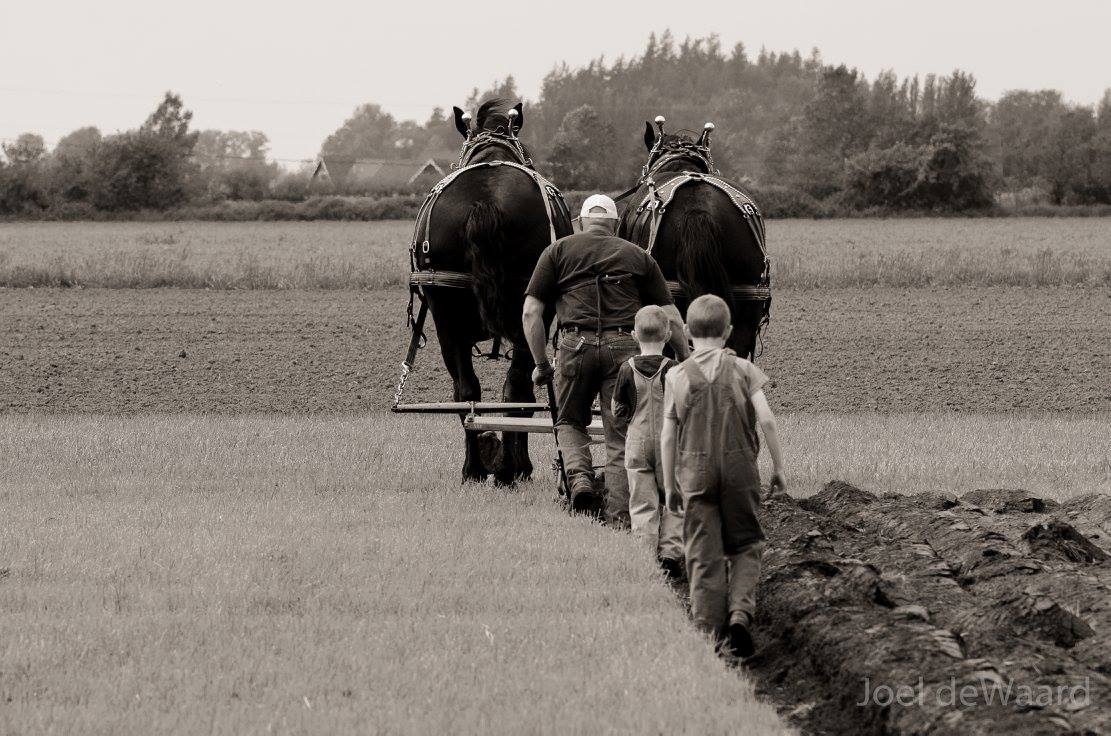
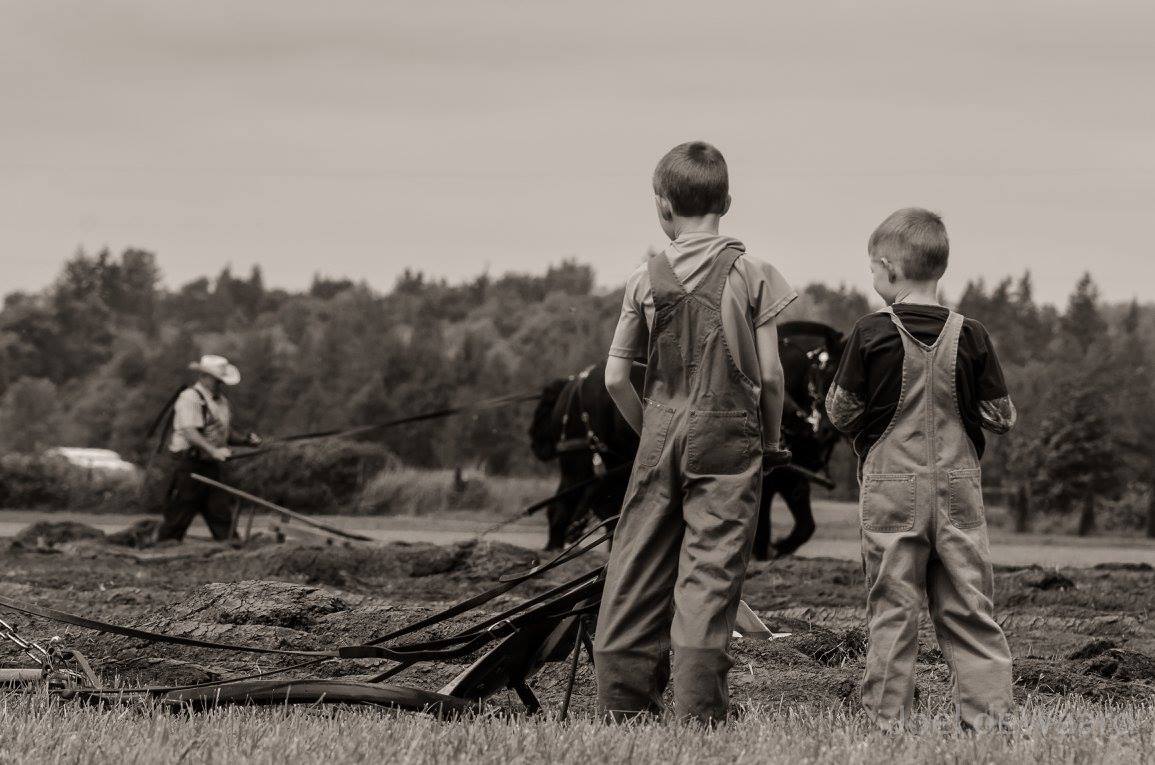
A Crooked Furrow

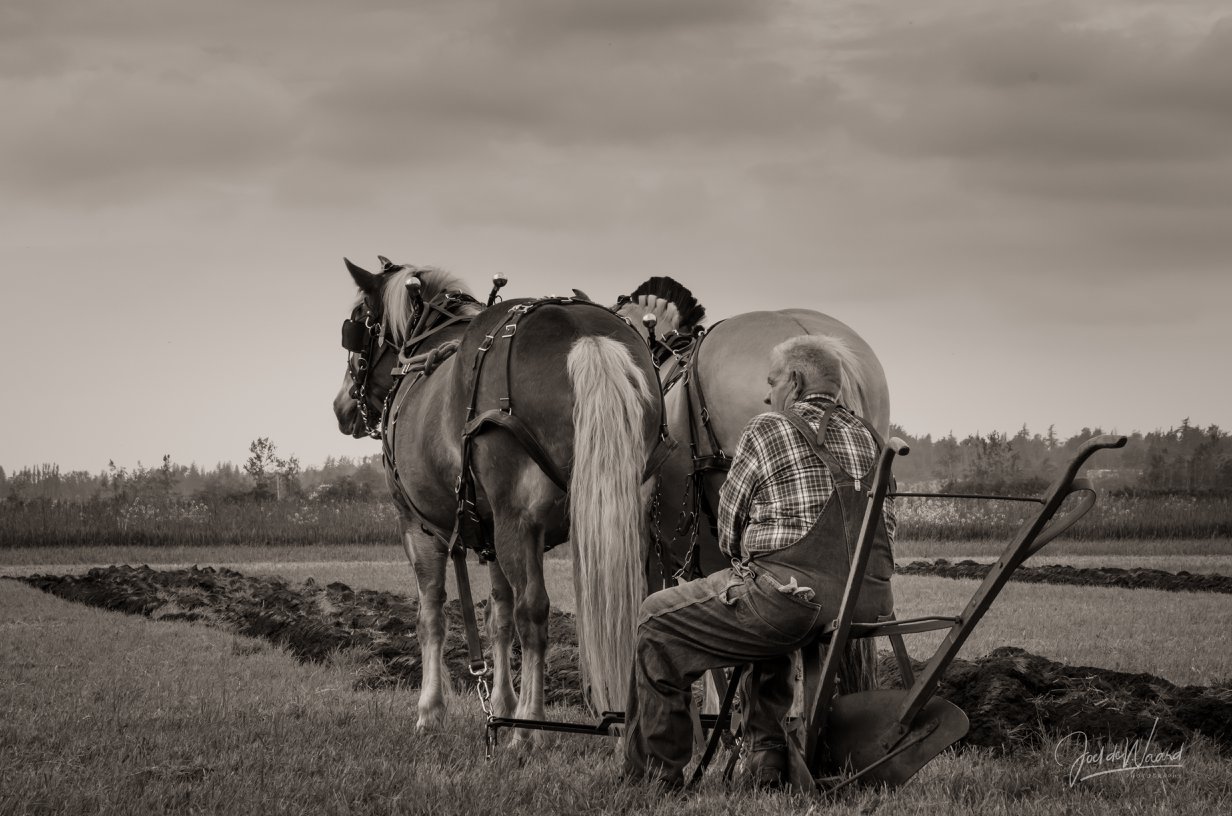
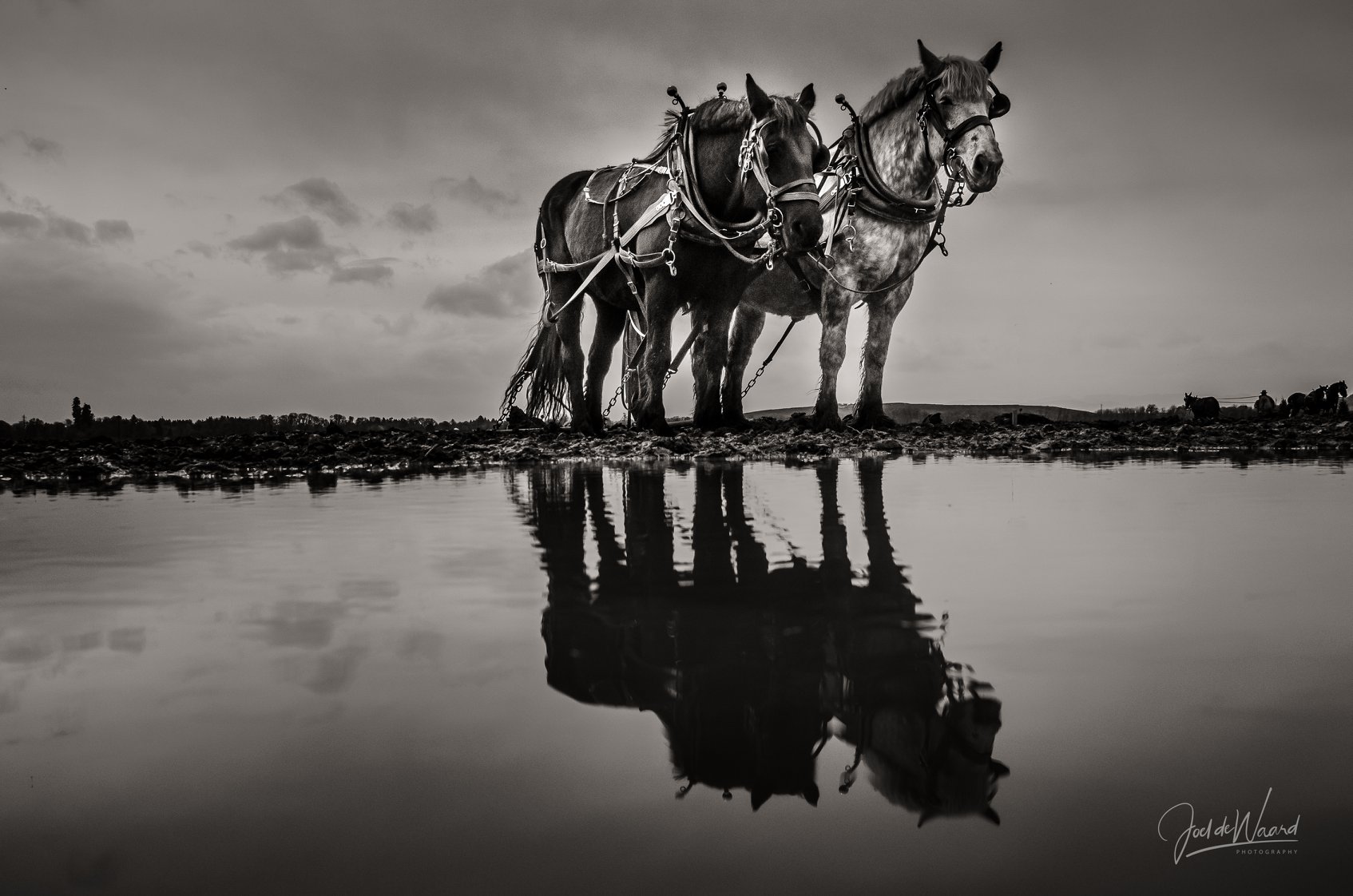
photo by Joel DeWaard

My father swerves the team
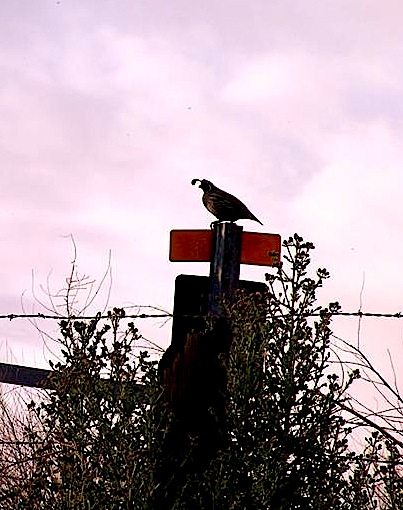
to miss the quail’s nest
hidden in the furrow
she rises up beating her wings
her cries fill all the world
of sky and cloud echoing her call…

and so he passes
the caring farmer with his crooked furrow
saluting life the warm round eggs
hidden in the spring grass
the quail rising and falling
pulled by invisible heartstrings.
~Dorothy Hewitt  “Quail’s Nest”

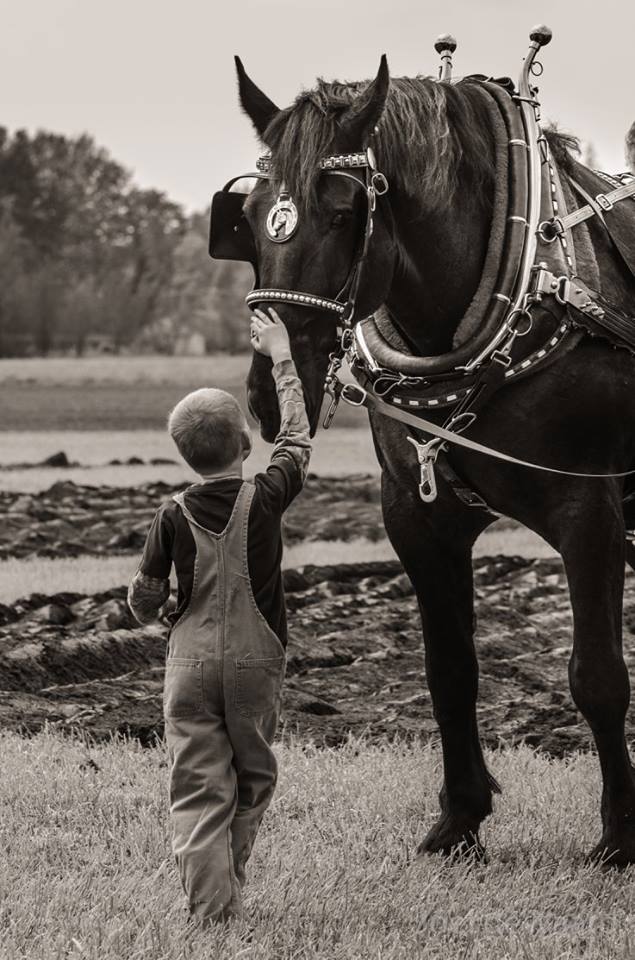
photo by Kate Steensma
photo by Joel DeWaard

I remember my father driving a wooden post in the ground
where a killdeer nest held 6 speckled eggs;
the mother would run off crying plaintively,
flapping her “broken” wing
to lure him away from her precious brood.

He drove the plow around the nest,
marking their spot for the season,
respecting their presence,
preserving their future,
without anyone saying
he should or he must –
only his heart had told him
it was the right thing to do.

photo by Joel DeWaard
photo by Kate Steensma
One-Time
Monthly
Yearly

Make a one-time or recurring donation to support daily Barnstorming posts

Make a monthly donation

Make a yearly donation

Choose an amount

¤10.00
¤25.00
¤50.00
¤5.00
¤15.00
¤100.00
¤5.00
¤15.00
¤100.00

Or enter a custom amount

¤

Your contribution is deeply appreciated.

Your contribution is appreciated.

Your contribution is appreciated.

DonateDonate monthlyDonate yearly
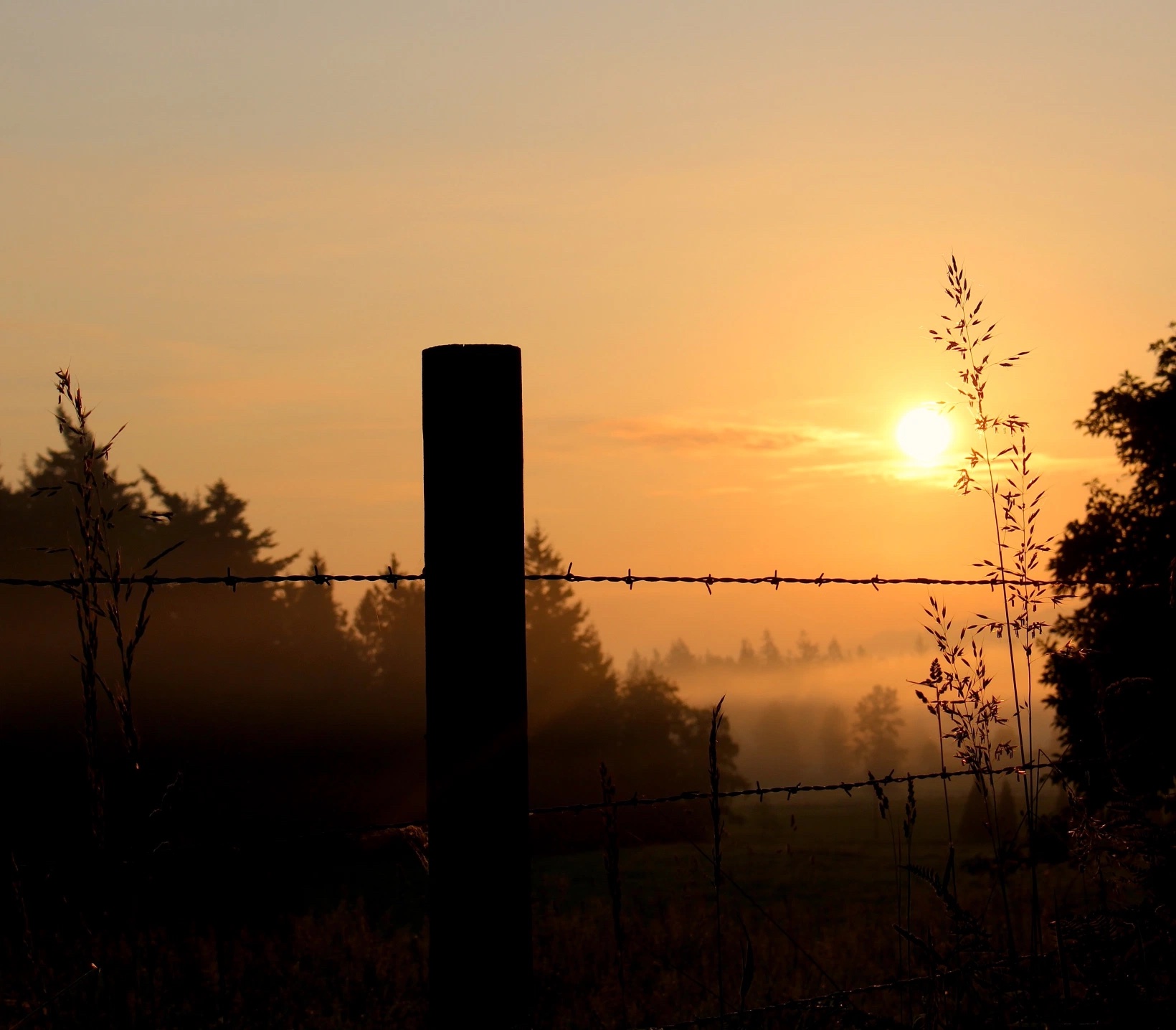
Please Don’t Take My Sunshine Away

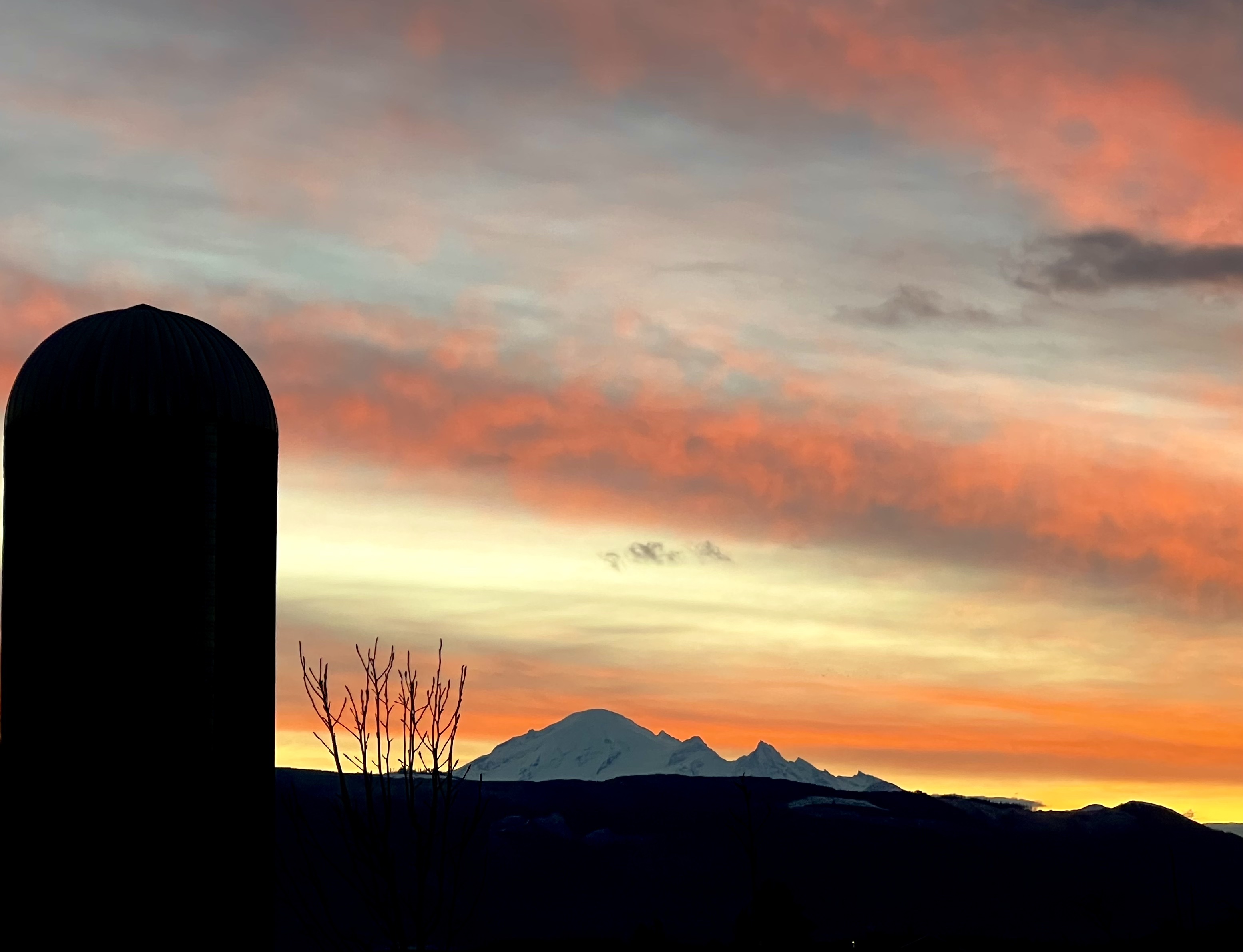
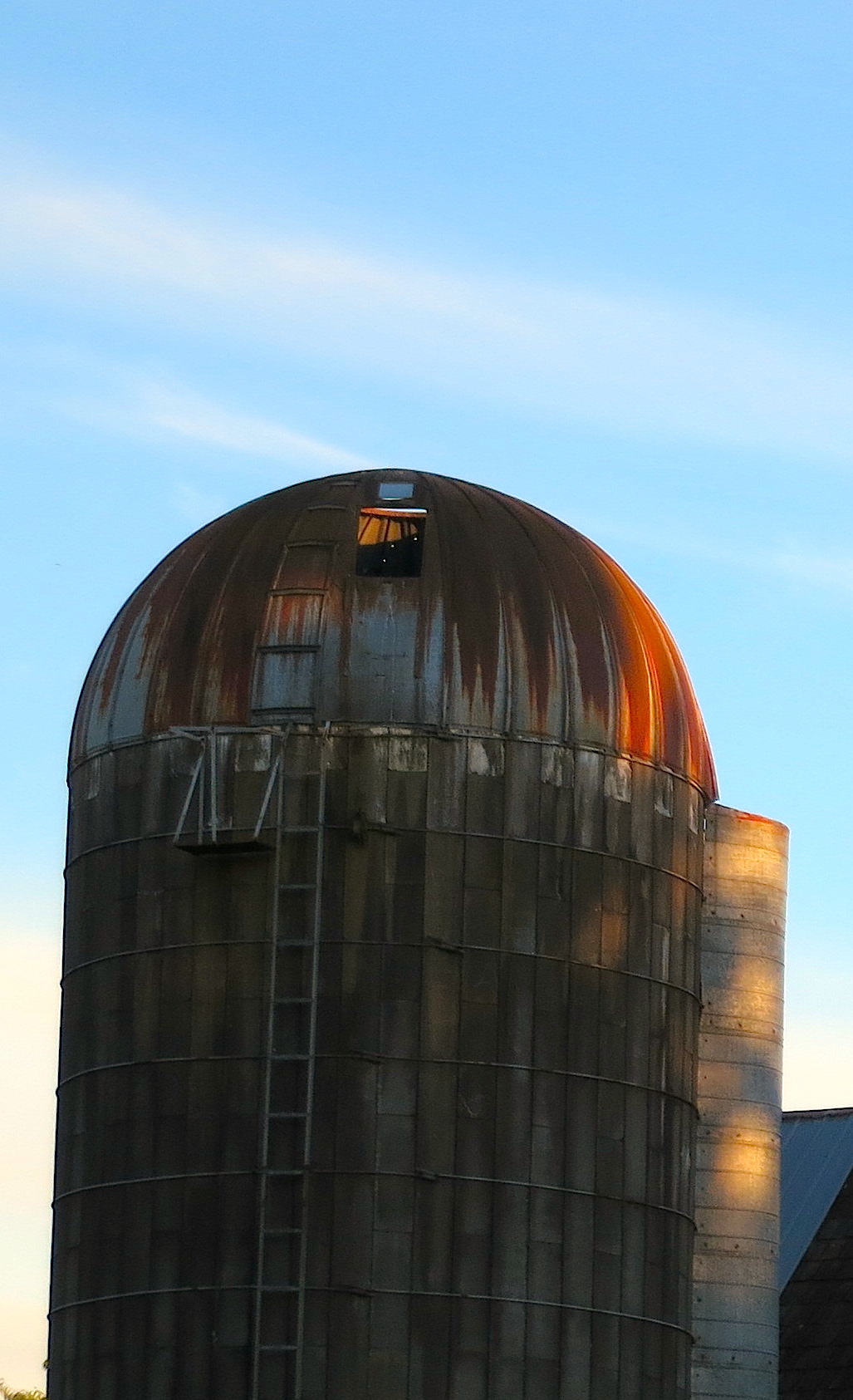
My father climbs into the silo.
He has come, rung by rung,
up the wooden trail that scales
that tall belly of cement.

It’s winter, twenty below zero,
He can hear the wind overhead.
The silage beneath his boots
is so frozen it has no smell.

My father takes up a pick-ax
and chops away a layer of silage.
He works neatly, counter-clockwise
under a yellow light,

then lifts the chunks with a pitchfork
and throws them down the chute.
They break as they fall
and rattle far below.

His breath comes out in clouds,
his fingers begin to ache, but
he skims off another layer
where the frost is forming

and begins to sing, “You are my
sunshine, my only sunshine.”
~Joyce Sutphen, “Silo Solo” from First Words

Farmers gotta be tough. There is no taking a day off from chores. The critters need to eat and their beds cleaned even during the coldest and hottest days. Farmers rise before the sun and return to the house long after the sun sets. They need a positive outlook to keep going – knowing there is sunshine somewhere even when the skies are gray, their fingers are aching from the cold, and their back hurts.

I come from a long line of farmers on both sides – my mother was the daughter of wheat farmers and my father was the son of subsistence stump farmers who had to supplement their income with outside jobs as a cook and in lumber mills. Both my parents went to college; their parents wanted something better for them than they had. Both my parents had professions but still chose to live on a farm – daily milkings, crops in the garden and fields, raising animals for meat.

My husband’s story is similar, with both parents working on and off the farm. Dan milked cows with his dad and as a before-school job in the mornings.

We still chose to live on a farm to raise our children and commit to the daily work, no matter the weather, on sunlit days and blowing snow days and gray muddy days. And now, when our grandchildren visit, we introduce them to the routine and rhythms of farm life, the good and the bad, the joys and the sorrows, and through it all, we are grateful for the values that follow through the generations of farming people.

And one of our favorite songs to sing to our grandchildren is “You are my sunshine, my only sunshine,” a song originally written about a horse named “Sunshine.

For the farmer and the rest of us, it is the Sun that sustains our days and its promise of return that sustains our nights.

You’ll never know, dears, how much we love you.
Please don’t take our sunshine away.

One-Time
Monthly
Yearly

Make a one-time or recurring donation to support daily Barnstorming posts

Make a monthly donation

Make a yearly donation

Choose an amount

¤10.00
¤20.00
¤50.00
¤5.00
¤15.00
¤100.00
¤5.00
¤15.00
¤100.00

Or enter a custom amount

¤

Your contribution is deeply appreciated.

Your contribution is appreciated.

Your contribution is appreciated.

DonateDonate monthlyDonate yearly
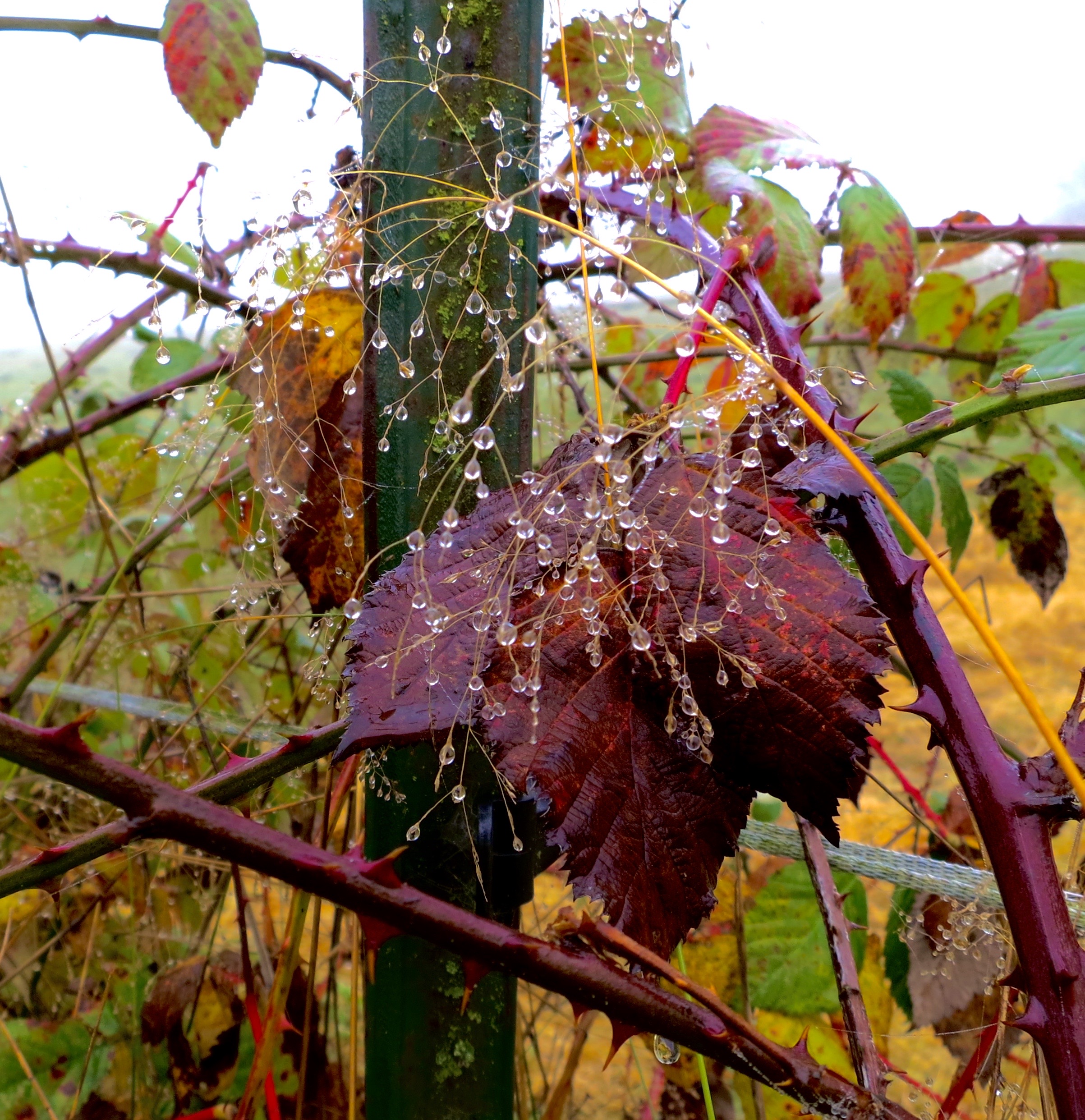
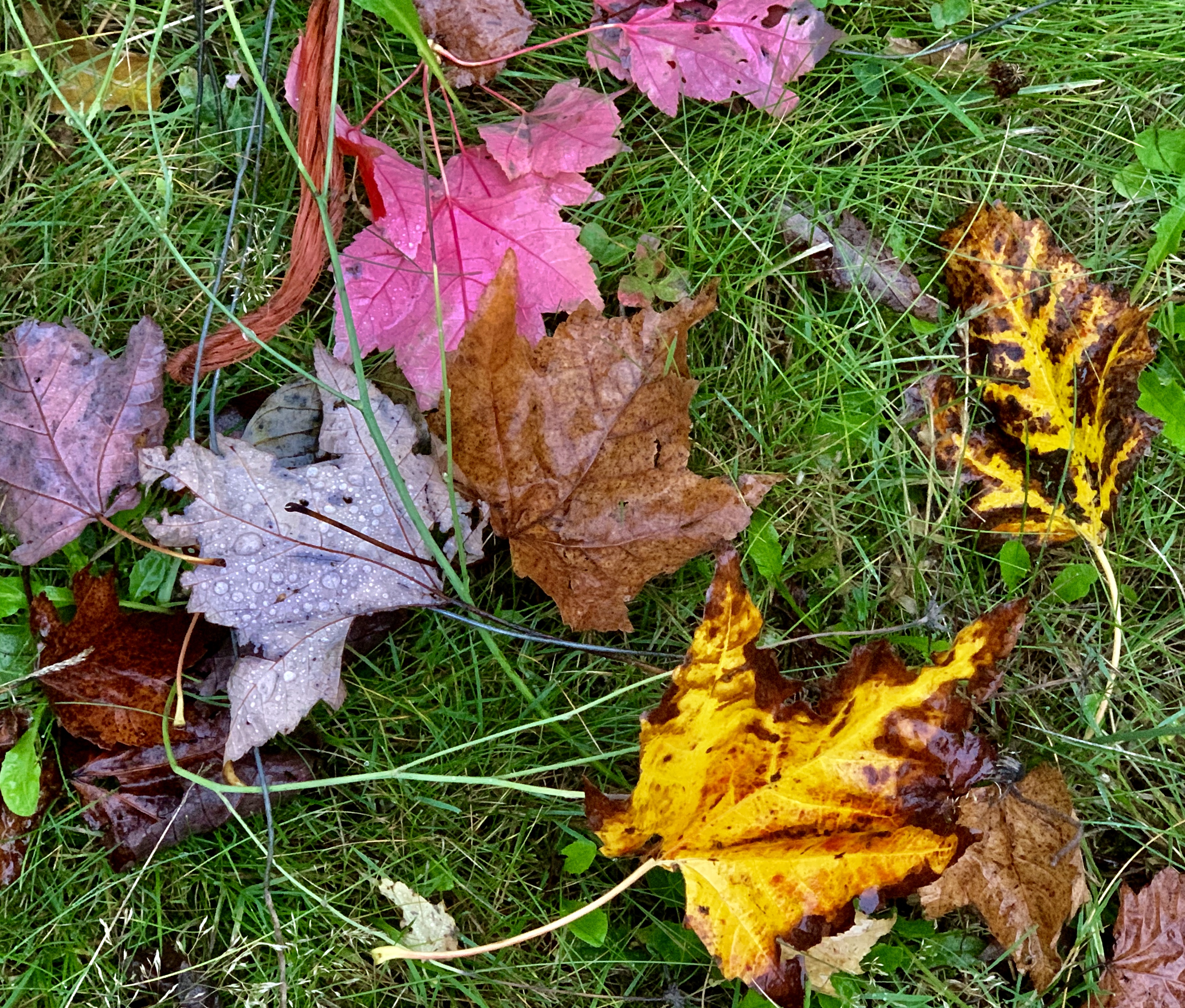
And It Was Autumn…

it rained in my sleep
and in the morning the fields were wet
I dreamed of artillery
of the thunder of horses

in the morning the fields were strewn
with twigs and leaves
as if after a battle
or a sudden journey
I went to sleep in the summer
I dreamed of rain
in the morning the fields were wet
and it was autumn
~Linda Pastan “September” from Carnival Evening

photo by Harry Rodenberger

The dogs eat hoof slivers and lie under the porch.
A strand of human hair hangs strangely from a fruit tree
like a cry in the throat. The sky is clay for the child who is past
being tired, who wanders in waist-deep
grasses. Gnats rise in a vapor,
in a long mounting whine around her forehead and ears.

The sun is an indistinct moon. Frail sticks
of grass poke her ankles,
and a wet froth of spiders touches her legs
like wet fingers. The musk and smell
of air are as hot as the savory
terrible exhales from a tired horse.

At evening a breeze dries and crumbles
the sky and the clouds float like undershirts
and cotton dresses on a clothesline. Horses
rock to their feet and race or graze.
Parents open their shutters and call
the lonely, happy child home.
The child who hates silences talks and talks
of cicadas and the manes of horses.
~Carol Frost – lines from “All Summer Long” from Love and Scorn: New and Collected Poems.

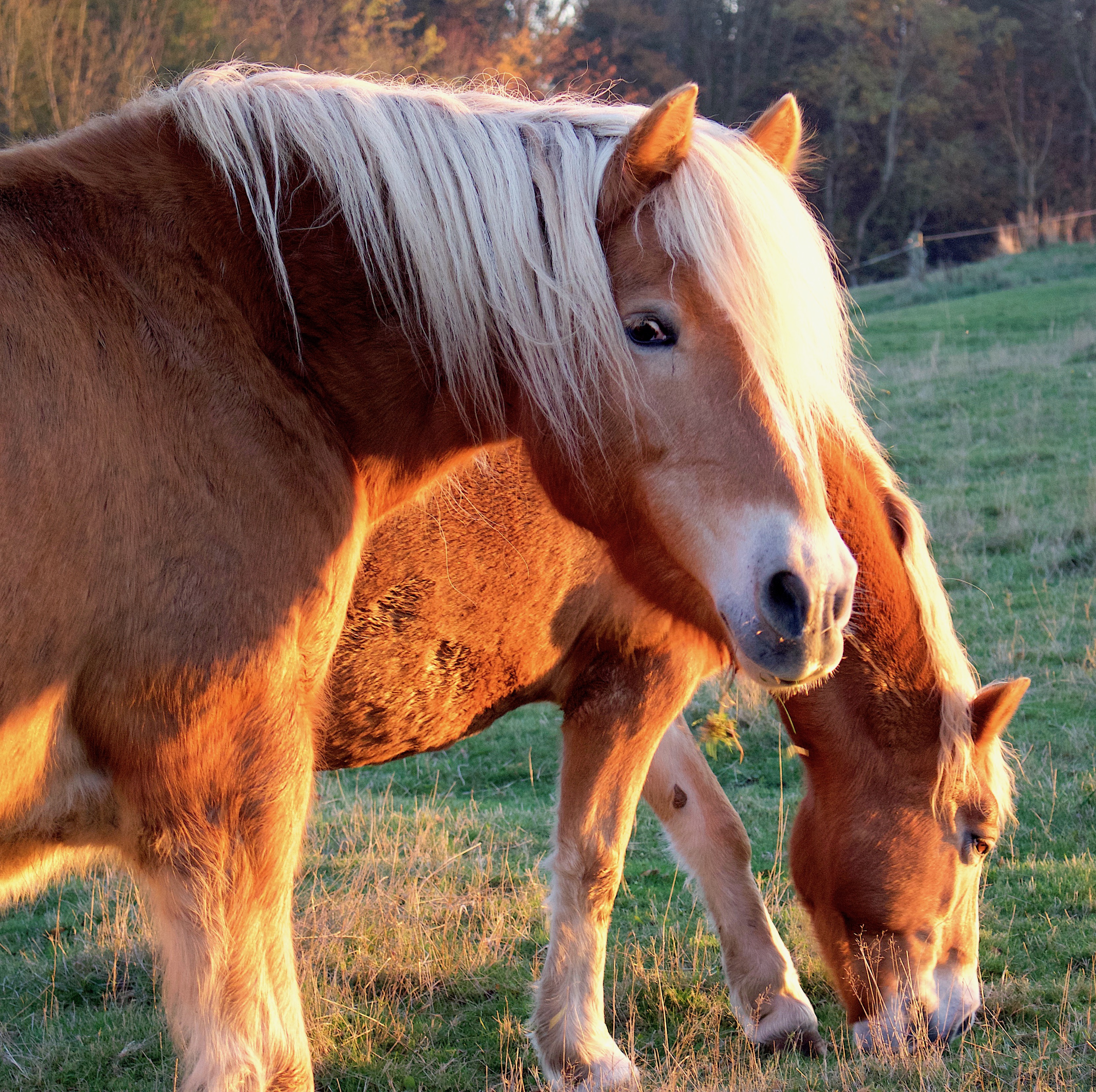
I was one of those lonely but happy youngsters who dreamt of horses all summer long, immersed in my own made-up stories of forest rides on hidden trails, of spending hours decorating long manes and tails of golden horses, of performing daring rescues and races, of battles and bravery I didn’t experience in real life. The imaginings took me beyond the mundane into the fanciful where I could be completely lost until I was called to come in for dinner or return to the confines of a school classroom.

Some dreams do come true when you want them badly enough: I’ve now had decades gazing out at fields of grass with those thundering hooves, back-dropped by endless skies of ever-changing clouds. I’ve also found that fairy tales can have broken fences and growing manure piles.

It has been worth it for a kid whose own story bloomed when I became a wife, a mother, a physician and a horse farmer. As this summer yet again has transitioned to autumn, so does my story: it is full of aging horses and tired fields, yet still I find myself dreaming like a kid as I comb out those long flowing manes.

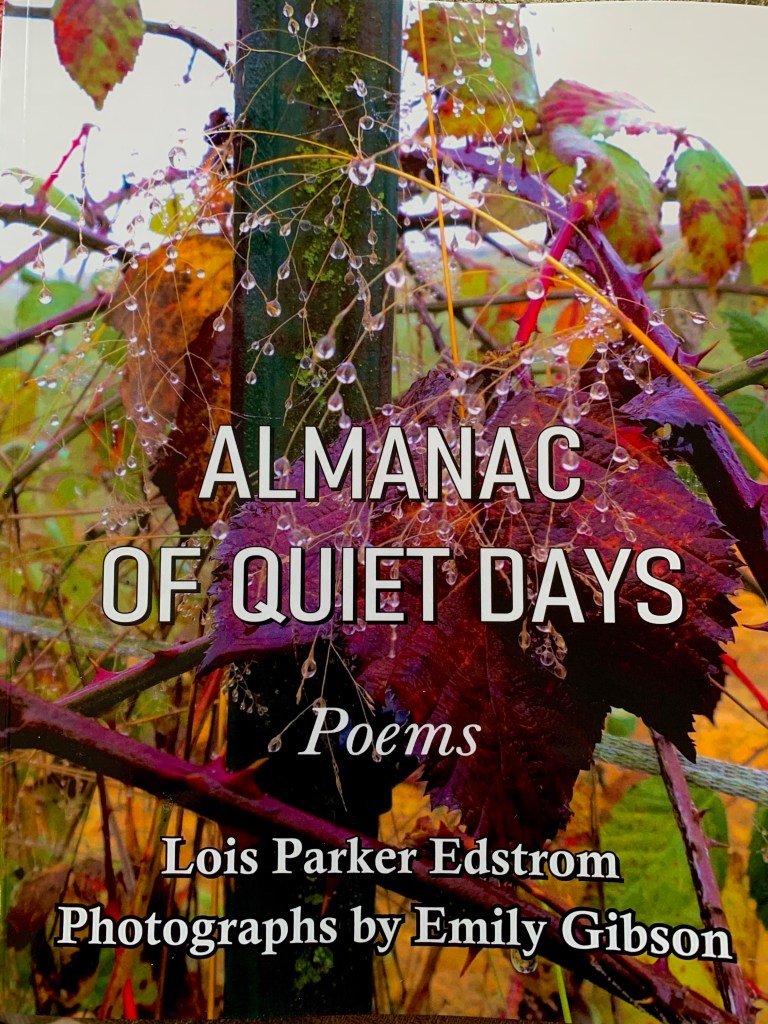
Consider this book of beautiful words and photography, available to order here:

Starting the Day

My father taught me how to eat breakfast
those mornings when it was my turn to help
him milk the cows. I loved rising up from

the darkness and coming quietly down
the stairs while the others were still sleeping.
I’d take a bowl from the cupboard, a spoon

from the drawer, and slip into the pantry
where he was already eating spoonfuls
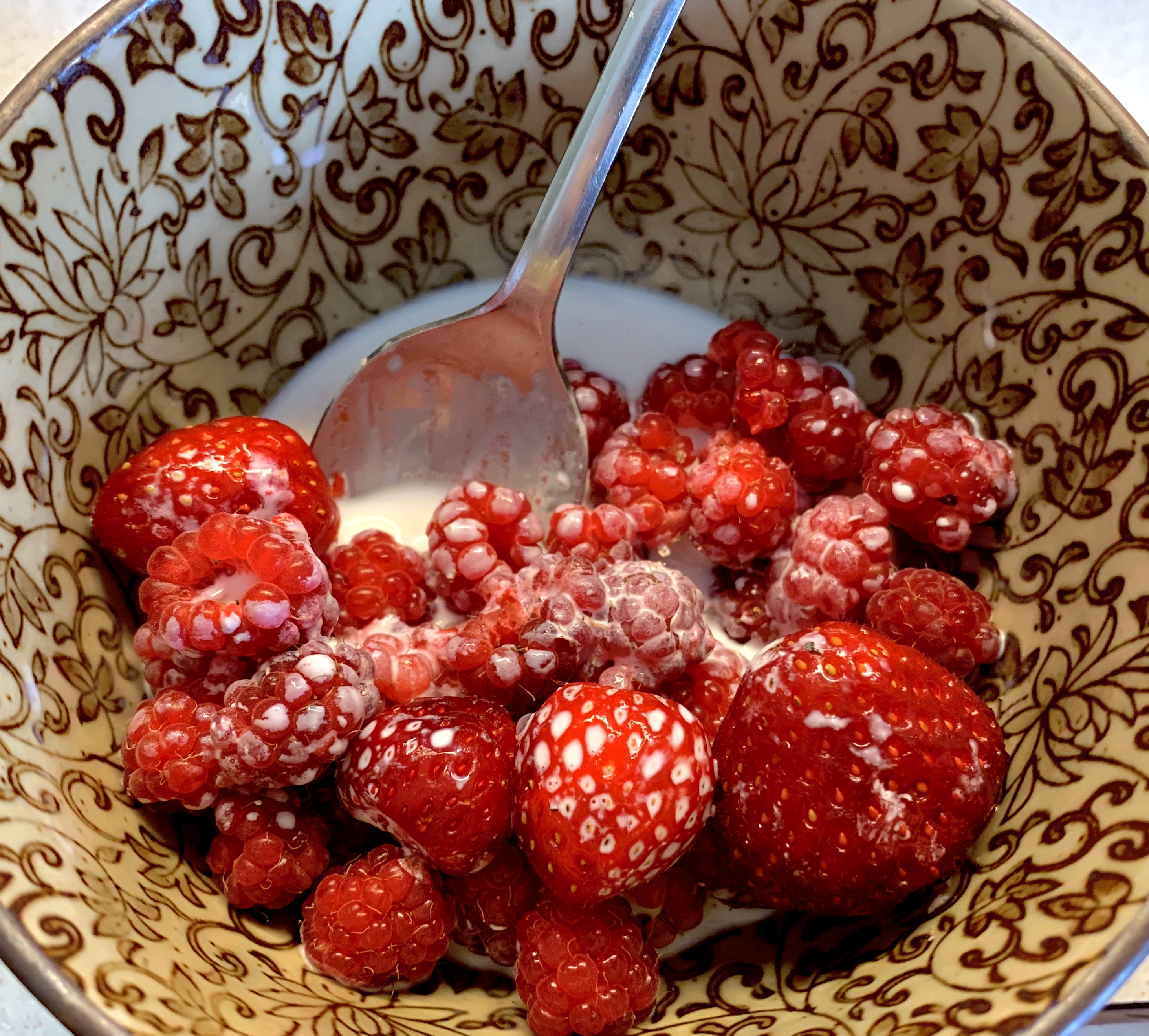
of cornflakes covered with mashed strawberries

from our own strawberry fields forever.
Didn’t talk much—except to mention how
good the strawberries tasted or the way

those clouds hung over the hay barn roof.
Simple—that’s how we started up the day.

~Joyce Sutphen, “Breakfast” from First Words, Red Dragonfly.

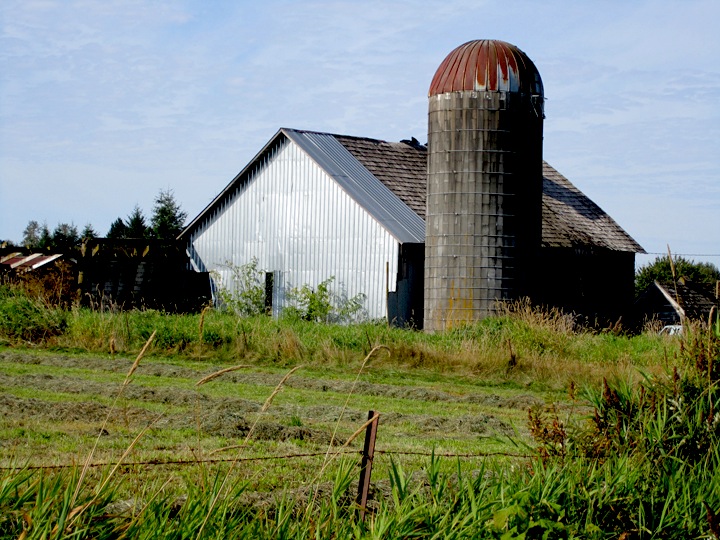
By the time I was four years old, my family owned several Guernsey and Jersey dairy cows who my father milked by hand twice a day. My mother pasteurized the milk on our wood stove and we grew up drinking the best milk on earth, as well as enjoying home-made butter and ice cream.

One of my fondest memories is getting up early with my dad, before he needed to be at school teaching FFA agriculture students (Future Farmers of America). I would eat breakfast with him and then walk out into the foggy fall mornings with our dog to bring in the cows for milking. He would boost me up on top of a very bony-backed chestnut and white patchwork cow while he washed her udder and set to work milking.
I would sometimes sing songs from up there on my perch and my dad would whistle since he didn’t sing.

I can still hear the rhythmic sound of the milk squirting into the stainless steel bucket – the high-pitched metallic whoosh initially and then a more gurgling low wet sound as the bucket filled up. I can see my dad’s capped forehead resting against the flank of the cow as he leaned into the muscular work of squeezing the udder teats, each in turn. I can hear the cow’s chewing her breakfast of alfalfa and grain as I balanced on her prominent spine feeling her smooth hair over her ribs. The barn cats circulated around us, mewing, attracted by the warm milky fragrance in the air.

Those were preciously simple starts to the day for me and my father, whose thoughts he didn’t articulate nor I could ever quite discern. But I did know I wasn’t only his daughter on mornings like that – I was one of his future farmers of America he dedicated his life to teaching.

Dad, even without you saying much, those were mornings when my every sense was awakened. I’ve never forgotten that- the best start to the day.

A new shipment of this book is arriving soon – you can order here:

We May Or Might Never, Meet Here Again

My great grandfather had some fields in North Carolina
and he willed those fields to his sons and his sons
willed them to their sons so there is a two-hundred-year-old
farm house on that land where several generations
of my family fried chicken and laughed and hung

their laundry beneath the trees. There are things you
know when your family has lived close to the earth:
things that make magic seem likely. Dig a hole on the new
of the moon and you will have dirt to throw away
but dig one on the old of the moon and you won’t have

enough to fill it back up again: I learned this trick
in the backyard of childhood with my hands. If you know
the way the moon pulls at everything then you can feel
it on the streets of a city where you cannot see the sky.

I may walk the streets
of this century and make my living in an office
but my blood is old farming blood and my true
self is underground like a potato.

I have taken root in my grandfather’s
fields: I am hanging my laundry beneath his trees.
~Faith Shearin from “Fields”

It just isn’t possible to completely take me off the farm – I have generations of farmers extending back on both sides of my family, so I have dug myself a hole here, resting easy in the soil like a potato and ventured out only as I needed to in order to actually make a living.

A gathering of all my vaccinated clinic colleagues came to our farm yesterday to help me celebrate my retiring from office life. They brought beautiful flowers, plentiful food, kind and restoring words, thirty year old photos and lovely parting gifts, as well as my singing doctor buddy sharing a sea shanty about bittersweet parting. It is helping ease my sorrow at leaving regular doctoring behind, knowing there are more days to come, more time to grow things in the ground, more blissing out over sunrises and sunsets and more hanging laundry on the clothesline.

My dear friends know where they can find me – on the hill above our farm – we may or might never, meet here again but it was such a fine time together yesterday, thank you!

Kind Friend and Companions, Come join me in rhyme,
Come lift up your voices, In chorus with mine,
Come lift up your voices, all grief to refrain,
For we may or might never, all meet here again
Here’s a health to the company and one to my lass,
Let us drink and be merry, all out of one glass,
Let us drink and be merry, all grief to refrain
For we may or might never, all meet here again
Here’s a health to the dear lass, that I love so well,
For her style and her beauty, sure none can excel,
There’s a smile on her countenance, as she sits on my knee,
There’s no man in this wide world, as happy as me,
Here’s a health to the company, and one to my lass
Let us drink and be merry, all out of one glass,
Let us drink and be merry, all grief to refrain
For we may or might never, all meet here again,
Our ship lies at anchor, she’s ready to dock,
I wish her safe landing, without any shock,
If ever I should meet you, by land or by sea,
I will always remember, your kindness to me,
Here’s a health to the company and one to my lass,
Let us drink and be merry, all out of one glass,
Let us drink and be merry, all grief to refrain
For we may or might never, all meet here again
Here’s a health to the company and one to my lass,
Let us drink and be merry, all out of one glass,
Let us drink and be merry, all grief to refrain
For we may or might never, all meet here again

You may well love this book of Barnstorming photos, available to order here:

Like a Century Ago

I like farming.
I like the work.
I like the livestock and the pastures and the woods. 
It’s not necessarily a good living, but it’s a good life. 
I now suspect that if we work with machines
the world will seem to us to be a machine,
but if we work with living creatures
the world will appear to us as a living creature. 
That’s what I’ve spent my life doing,

trying to create an authentic grounds for hope.
~Wendell Berry, horse farmer, essayist, poet, professor

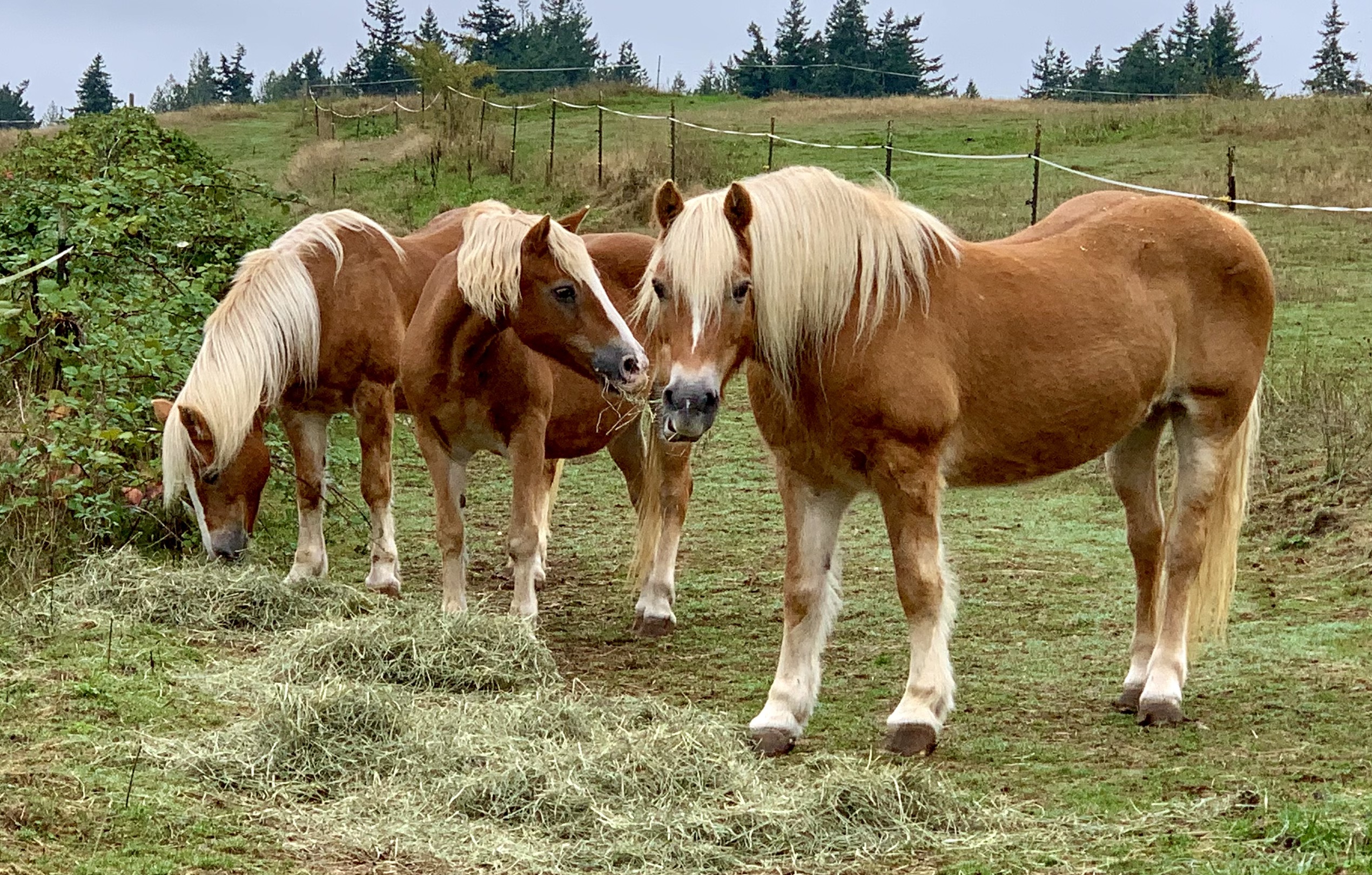
When I pull open the barn doors,
every morning
and each evening,
as my grandparents did
one hundred years ago,
six rumbling voices
rise in greeting.
We exchange scents,
nuzzle each others’ ears.

I do my chores faithfully
as my grandparents once did–
draw fresh water
into buckets,
wheel away
the pungent mess underfoot,
release an armful of summer
from the bale,
reach under heavy manes
to stroke silken necks.

I don’t depend
on our horses’ strength
and willingness to
don harness
to carry me to town
or move the logs
or till the soil
as my grandparents did.

Instead,
these soft eyed souls,
born on this farm
two or three long decades ago,
are simply grateful
for my constancy
morning and night
to serve their needs
until the day comes
they need no more.

I depend on them
to depend on me
to be there
to open the doors;
their low whispering welcome
gives voice
to the blessings of
living on a farm
ripe with rhythms and seasons,
as if today and tomorrow are
just like one hundred years ago.

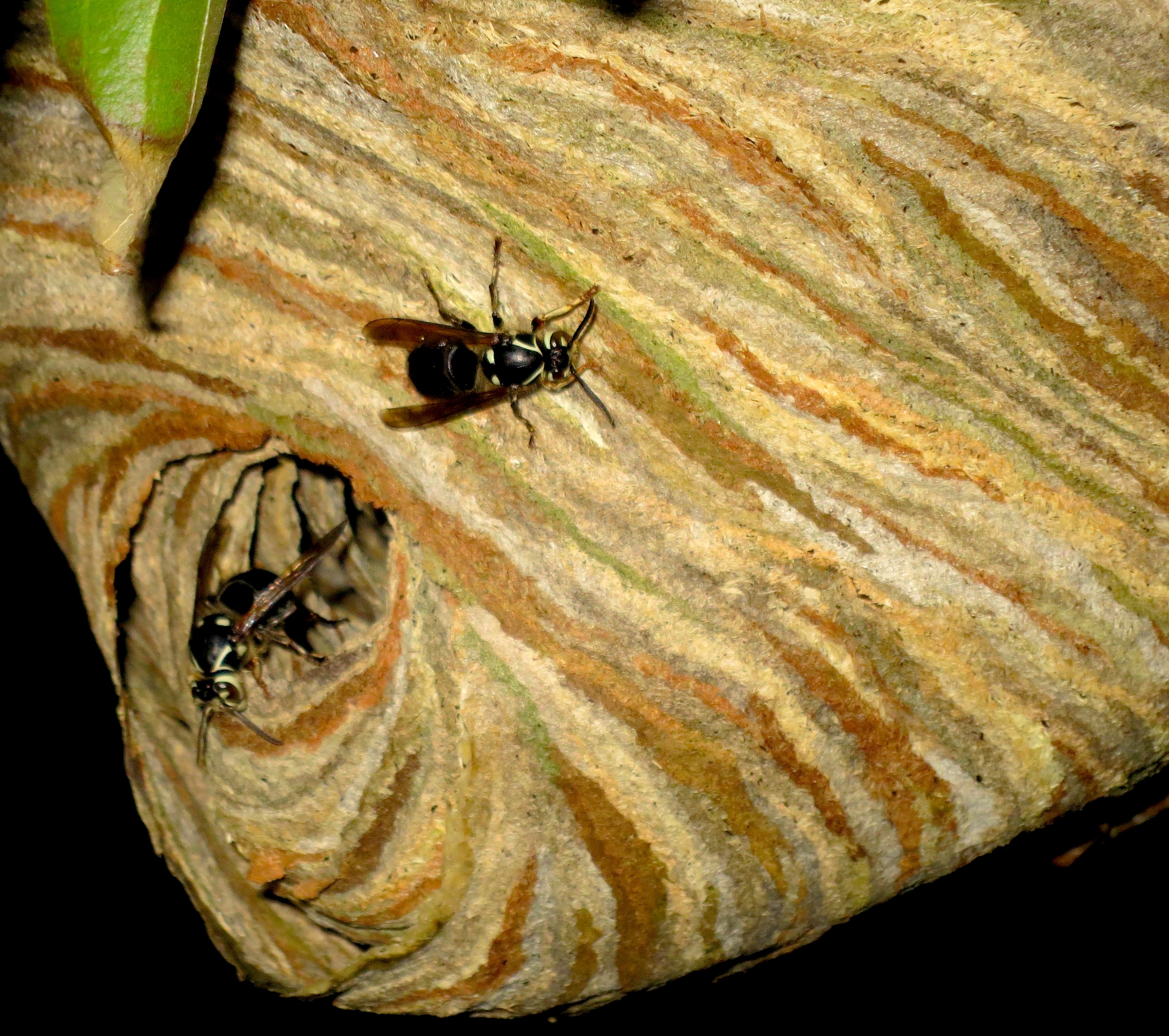
The Swarm Fell on His Back

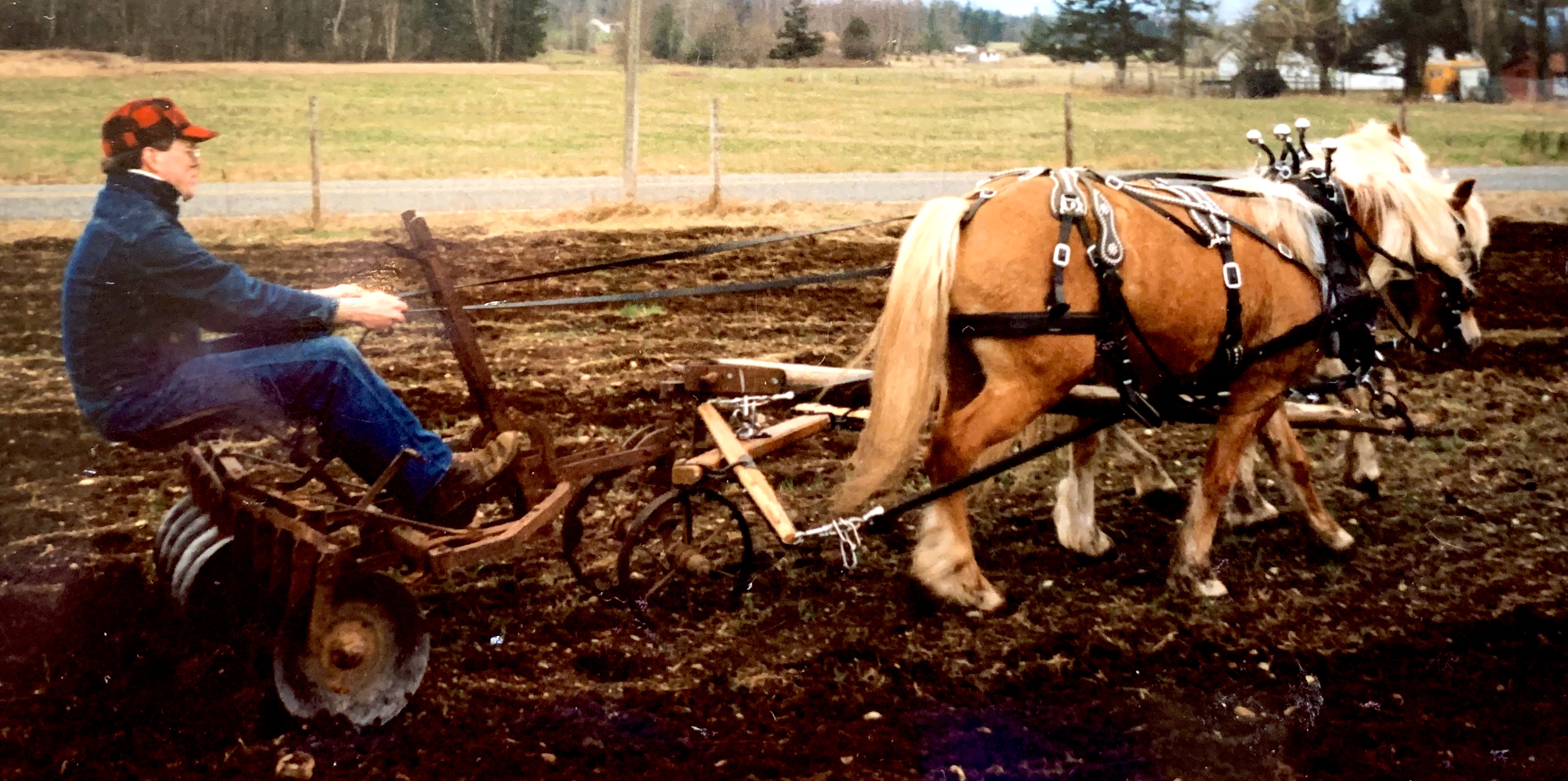
Painting “Plowing the Field” by Joyce Lapp

When the plowblade struck   
An old stump hiding under   
The soil like a beggar’s   
Rotten tooth, they swarmed up   
& Mister Jackson left the plow   
Wedged like a whaler’s harpoon.   
The horse was midnight   
Against dusk, tethered to somebody’s   
Pocketwatch.  He shivered, but not   
The way women shook their heads   
Before mirrors at the five   
& dime—a deeper connection   
To the low field’s evening star.   
He stood there, in tracechains,   
Lathered in froth, just   
Stopped by a great, goofy   
Calmness. He whinnied   
Once, & then the whole   
Beautiful, blue-black sky   
Fell on his back.
~Yusuf Komunyakaa “Yellow Jackets” from Pleasure Dome

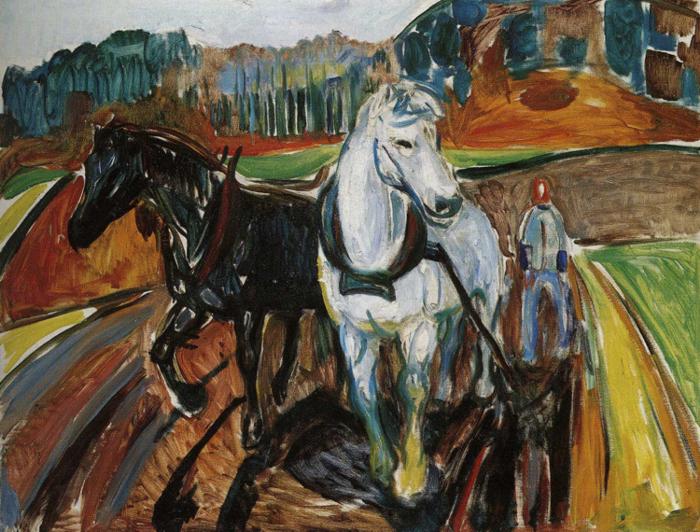
Horse Team by Edvard Munch

Death by a thousand stings.

This poem is twenty years old, yet shattering to read by the light of the events of this past week and this past year. Written by a Pulitzer Prize winning Black poet and Vietnam War veteran, it is a stark description of a teamster and plow horse going about their routine work when a hive of yellow jackets is disturbed.

The farmer saves himself.

The abandoned work horse remains harnessed and chained to the immobilized plow, eventually falling crushed beneath the swarm on his back.

How many times recently have we witnessed this stark reality of the power of the angry swarm – whether the target is someone set upon and killed by law enforcement gone rogue, or last week, a man in blue defending the U.S. Capitol, beaten and crushed by rioters who pummeled him senseless with the pole of the American flag?

A poetic metaphor about an enslaved worker dying in chains expands to include us all:

-we are the farmer who panics and runs for his life in the midst of crisis
-we are the harnessed plowhorse obediently and calmly doing his job, becoming the sacrifice for the sake of the farmer
-we are the angry swarm whose well being and security is threatened so all hell breaks loose
-we are the poet whose words try to make sense of the senseless.

Ultimately, the Writer of the Word is our rescuer: rather than abandoning us to our fate, He saves us by becoming the sacrifice Himself.

He allowed the swarm to fall on His back rather than on us.