Summer, Go Not Yet Away

Fair Summer droops, droop men and beasts therefore:
So fair a summer look for never more.
All good things vanish less than in a day,
Peace, plenty, pleasure, suddenly decay.
Go not yet away, bright soul of the sad year;
The earth is hell when thou leavest to appear…. 

What, shall those flowers that decked thy garland erst,
Upon thy grave be wastefully dispersed?
O trees, consume your sap in sorrow’s course,
Streams, turn to tears your tributary course.
Go not yet hence, bright soul of the sad year;
The earth is hell when thou leav’st to appear.

Ah, who shall hide us from the winter’s face?
Cold doth increase, the sickness will not cease,
And here we lie, God knows, with little ease.
From winter, plague, & pestilence, good Lord, deliver us.

~Thomas Nashe from “Summer’s Last Will and Testament” (from a stage play performed in 1592)
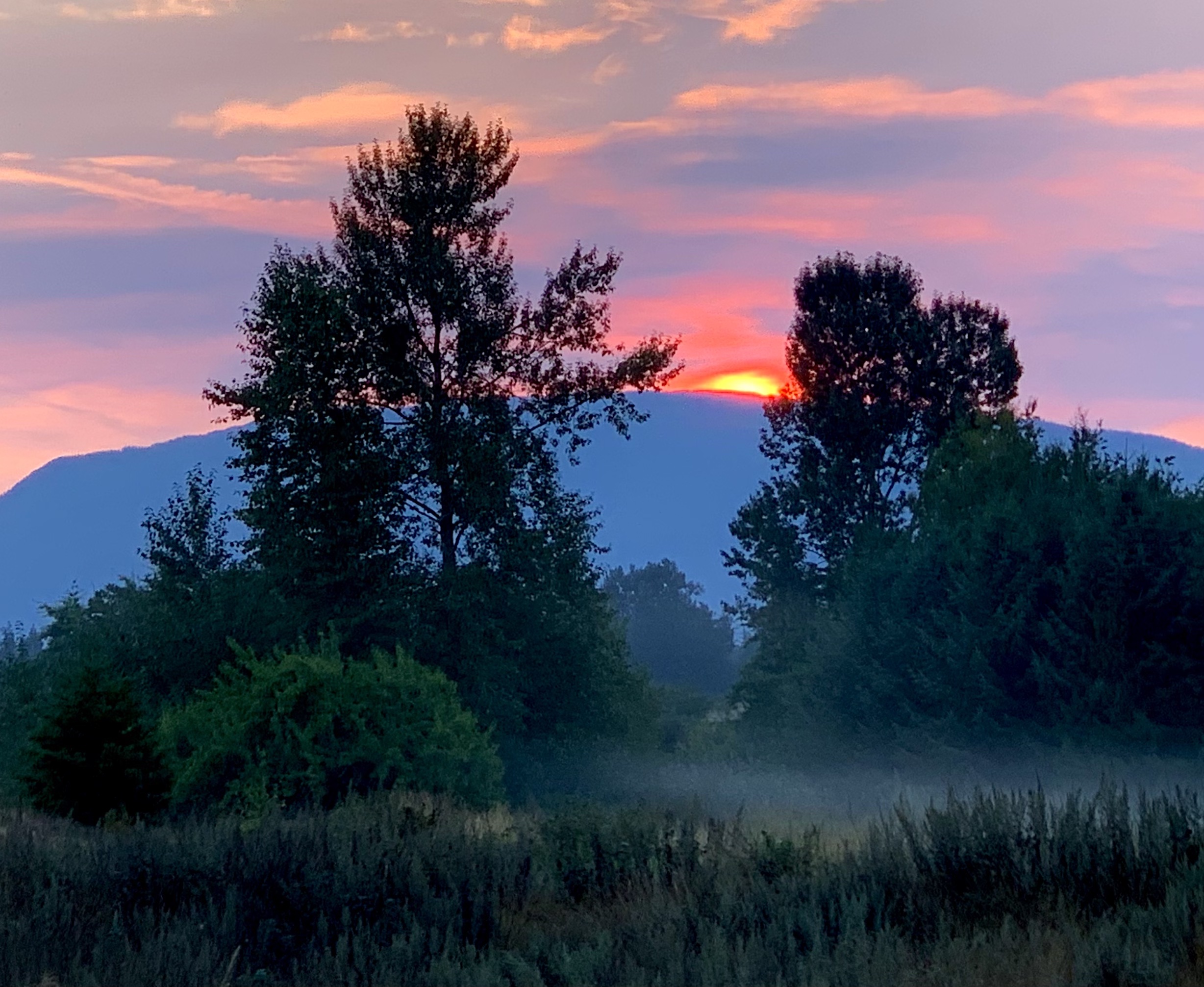
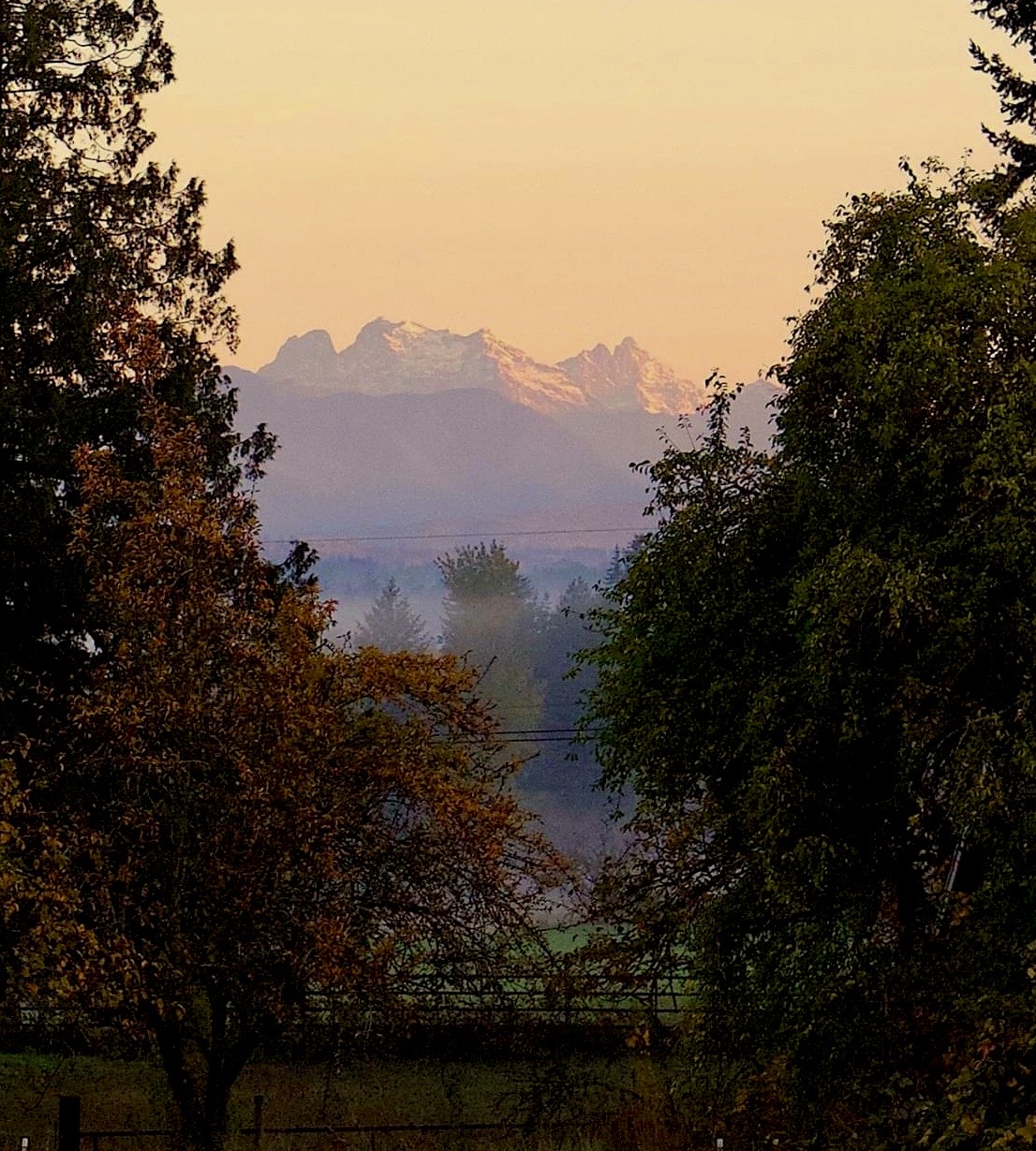
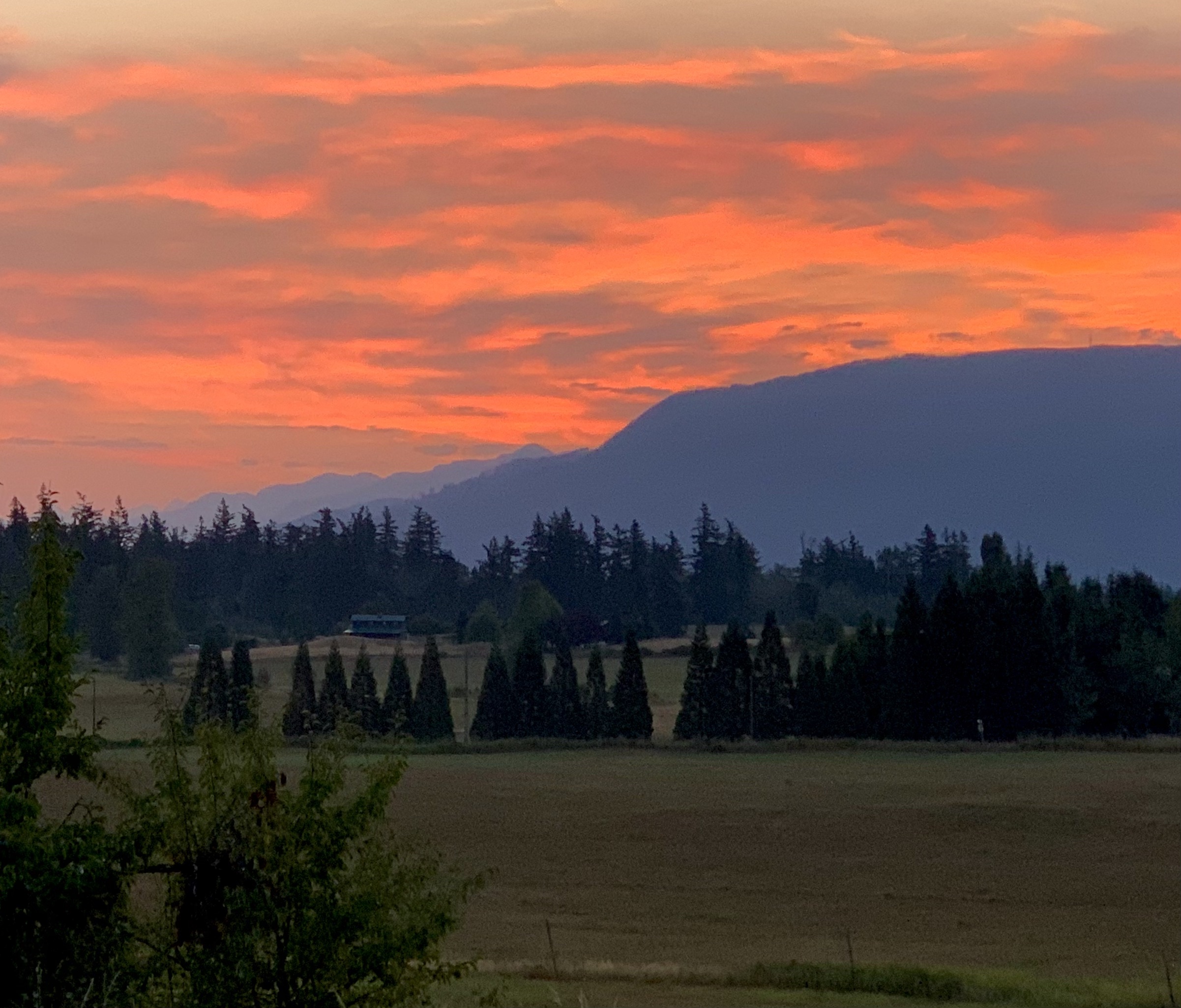
Summer 2021 so far has been hell for much of the world and we still have nearly a month left of more Summer to endure: the fall of Afghanistan, another earthquake in Haiti, floods in Europe and central U.S., storms in the east with drought and fires in the west, and last but certainly not least, the explosion of the Delta COVID variant everywhere.

COVID has demonstrated that plague and pestilence clearly isn’t limited to cold weather and winter. This virus enjoys easy transmission among those who continue to live without any defenses – the unmasked and those who remain unvaccinated either by choice or lack of access to vaccine. We, through our behavior, have invited an opportunistic virus to spread among us through this “bright soul” of the year which ordinarily should be “plague-free.”

Will we continue to roll out the red carpet for COVID, welcoming it into ours and other’s homes, noses and lungs, even as summer itself dies away along with thousands of more pandemic victims?

Deliver us, O Lord, from our own reluctance to accept that viruses care not whom they infect, particularly those with little defense.

Deliver us, O Lord, from our preference for our own self-determination over a concern for the needs and vulnerability of others.

Deliver us, O Lord, from our continued blindness – doing what is right in our own eyes without seeing what is best for all.

Go not yet away, fair Summer, as here we lie, God knows, with little ease.
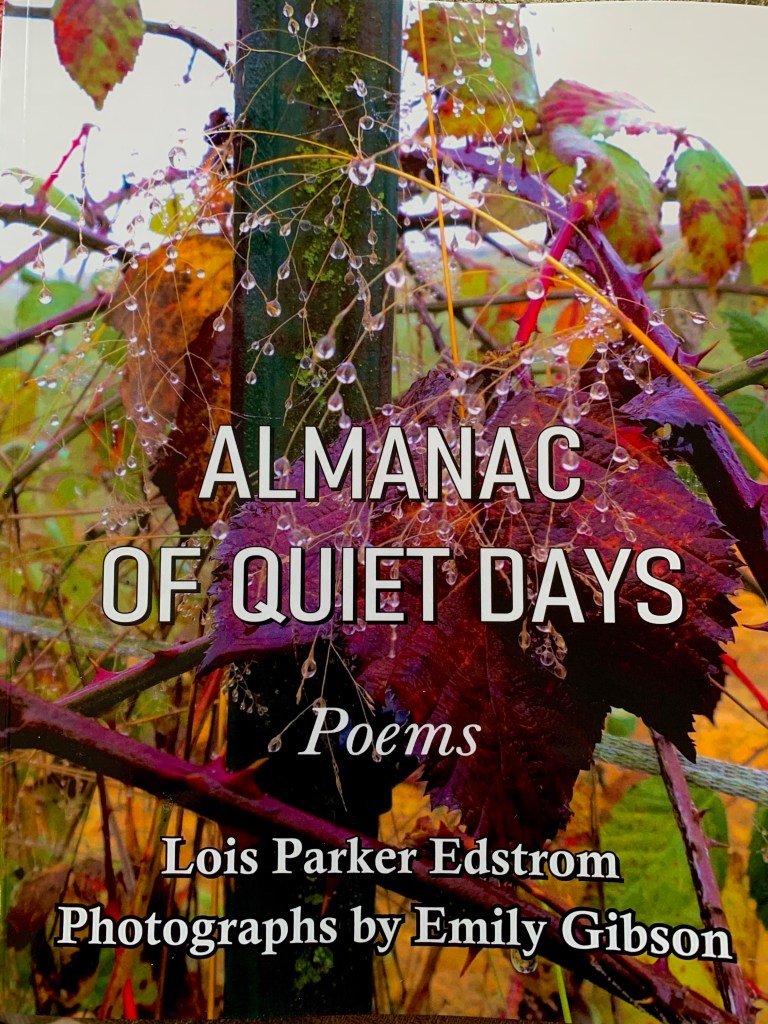
If you appreciate Barnstorming posts, you’ll enjoy this book, available for order here:
Change Altitudes

           ‘Regret has to be useless or it’s not really regret.’
                                                     ~Simone de Beauvoir

Rescuers did not find my uncle’s body.
But they found his axe at an icy altitude
impossible to navigate without one.


A little higher up, they found my uncle
’s sleeping bag at an altitude
unsurvivable without one.


You likely have a pen in purse or pocket.
Take it out and write a list of all
you need at your present altitude.


Next, change altitudes. Now, make another list:
the two biggest regrets of your life.
Take your time. Get it right. Because

here is all you need to know about need:
That list of regrets—cross one off.
You are going to need that space later.
~Jessica Goodfellow, “Unreachable” from Whiteout

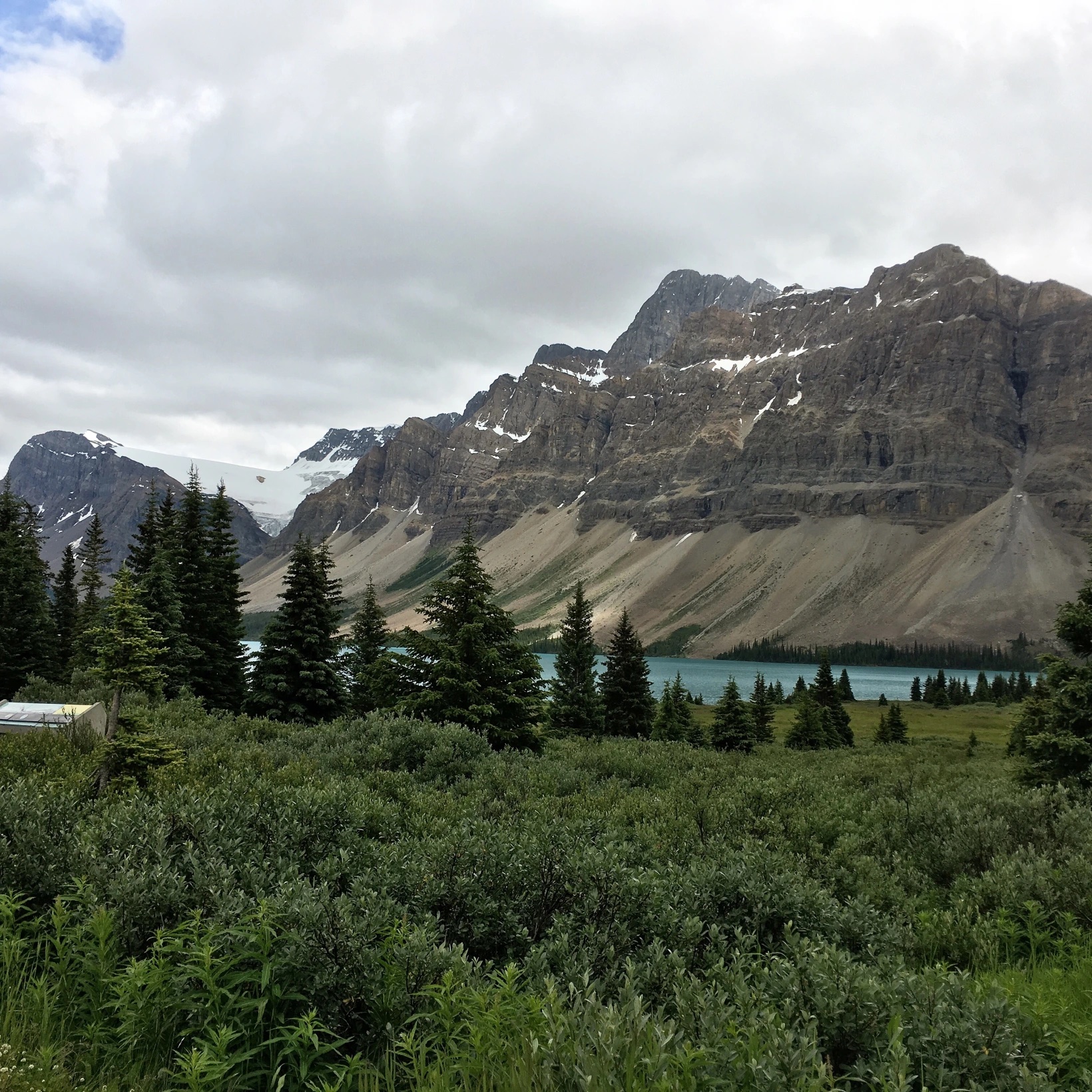
I’ve known people who lost their lives while hiking/climbing in the mountains or due to some other tragedy – the cascade of decisions leading to their death are sources of regret for all who mourn them, even decades later. Somehow regret is a difficult feeling to let go; we cling to it as if it is somehow an essential part of us.

It is easy for me to come up with a long list of regrets in my life. They seem to grow like weeds – useless, unplanned, unwanted and prolific, threatening to take over any good fruit being produced.

Few of us volunteer to share openly about our current guilt or shame unless we are sitting in a therapy group or AA. Instead it gives us permission to beat ourselves up, going over and over in our minds how we could have done things differently. As a physician, I’ve heard about such heart-ache in my clinical encounters – a patient will regret an impulsive sexual encounter that turned out badly, or drinking and drugging too much, or regret an ongoing conflict with a family member, or wish they had decided to get that vaccine before becoming ill with a potentially preventable infection.

Our list of regrets can be endless and life-destroying.

I understand the pain of regret as I too am a flawed and fractured person with a seven decade history of things done and left undone, words said and unsaid. Even if I think I can somehow manage to cross a regret off my own list – perhaps I apologized and was granted forgiveness, or I tried to make right what I’d messed up — I still know a new regret will occupy its place before long.

I can’t simply fix my own regret list.

No matter what altitude we’re at — down in the pits in the lowest of the low, or up in the highest imaginable, I have come to realize that forgiveness is only possible through a knowledge of God Himself. He came to walk beside us in our low spots and our high spots, no matter where we find ourselves. His work on earth has crossed off our regrets and mistakes and wiped us clean of them.

He did this because He understood our desperate need; thanks to His sacrifice and love, our heart-aches are left at the Cross.

More beauty in words and photos are found in this new book from Barnstorming, available to order here:

If you have already read our book, your review of the book would be deeply appreciated here:

We Stand Grounded

My father will not
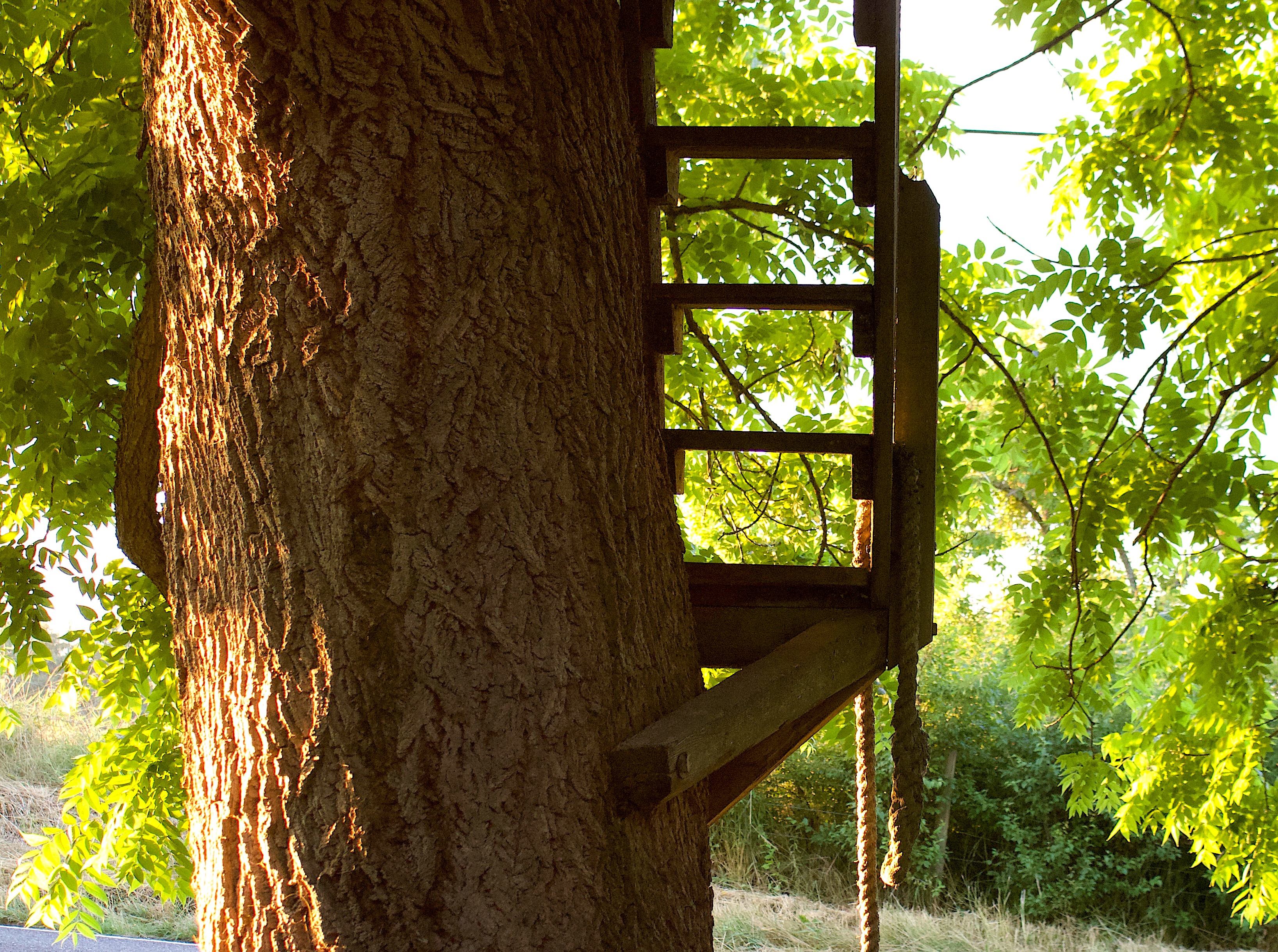
climb into the trees
today.

He is eighty-four
and tells me
that he was never

fond of heights,
that he hated
putting up the pipes

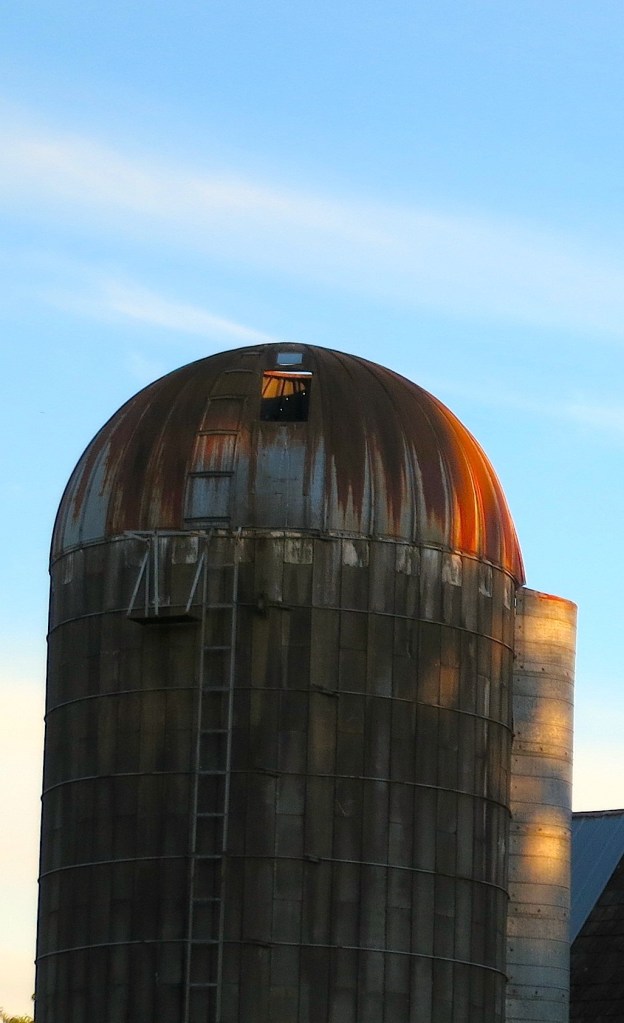
to fill the silo,
that he did not enjoy
climbing to the top

of the barn
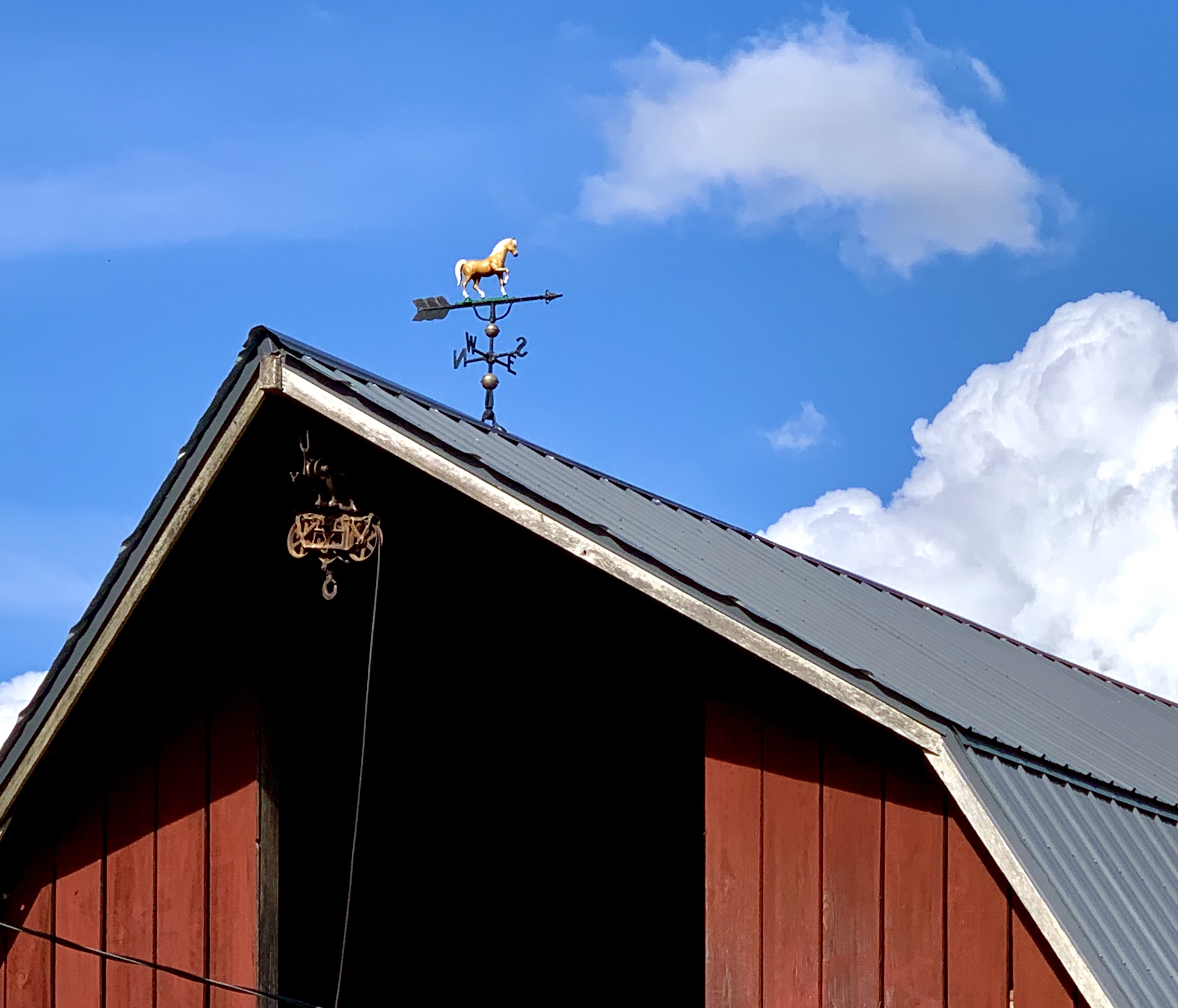
to fix the pulley
on the hay-sling.

I have no desire
to be in the air,
he says.

And I always thought
he loved walking
the rim of the silo,

waving his hat
in circles overhead,
shouting down to
where we stood
grounded and gazing
up at him.

~Joyce Sutphen “Grounded” from First Words

As much as I loved it, riding on my father’s shoulders when I was small was more than high enough for me: he was a tall man and I felt I could reach the sky when I was up there. He would dip me down and swoop around and I felt I was flying with my tummy tickling the whole time. It was sheer delight but only because my dad was attached to the ground and I was held tightly by him. I was safe because he was.

When I was five, it took me months to be brave enough to climb the steps to go down the slide on my kindergarten playground – I lied to my parents that I had done it way before I actually did and they were so proud for me. This meant when I actually screwed up the courage and did it months later, there was no one I could brag to – I had ruined my own achievement with my previous deceptive bravado.

Climbing ladders into the hay loft to fetch hay bales still requires bravery that I sorely lack. Going up the steps doesn’t bother me nearly as much as the fact I must eventually come down…somehow… and it is the descent that seems far more terrifying.

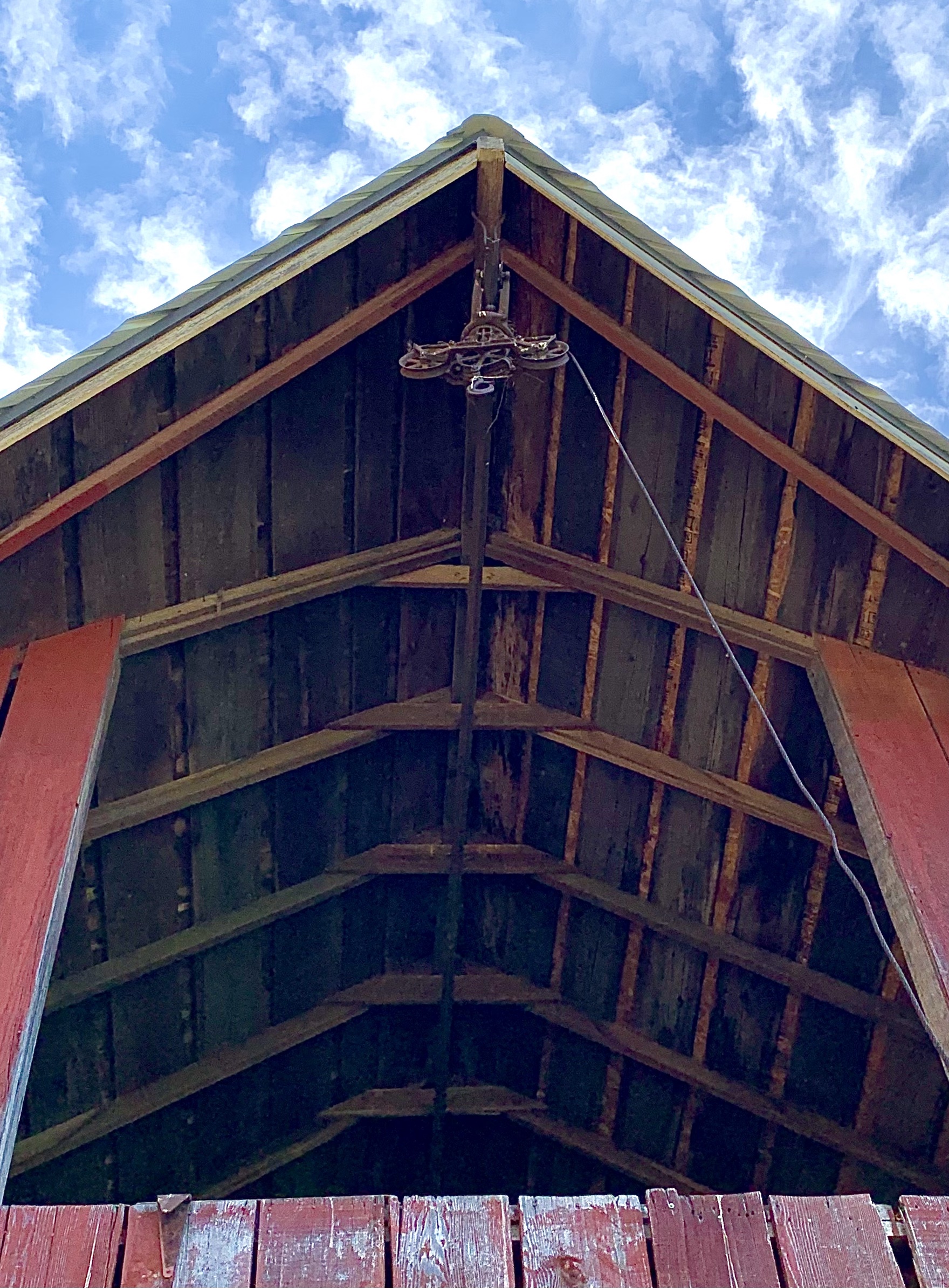
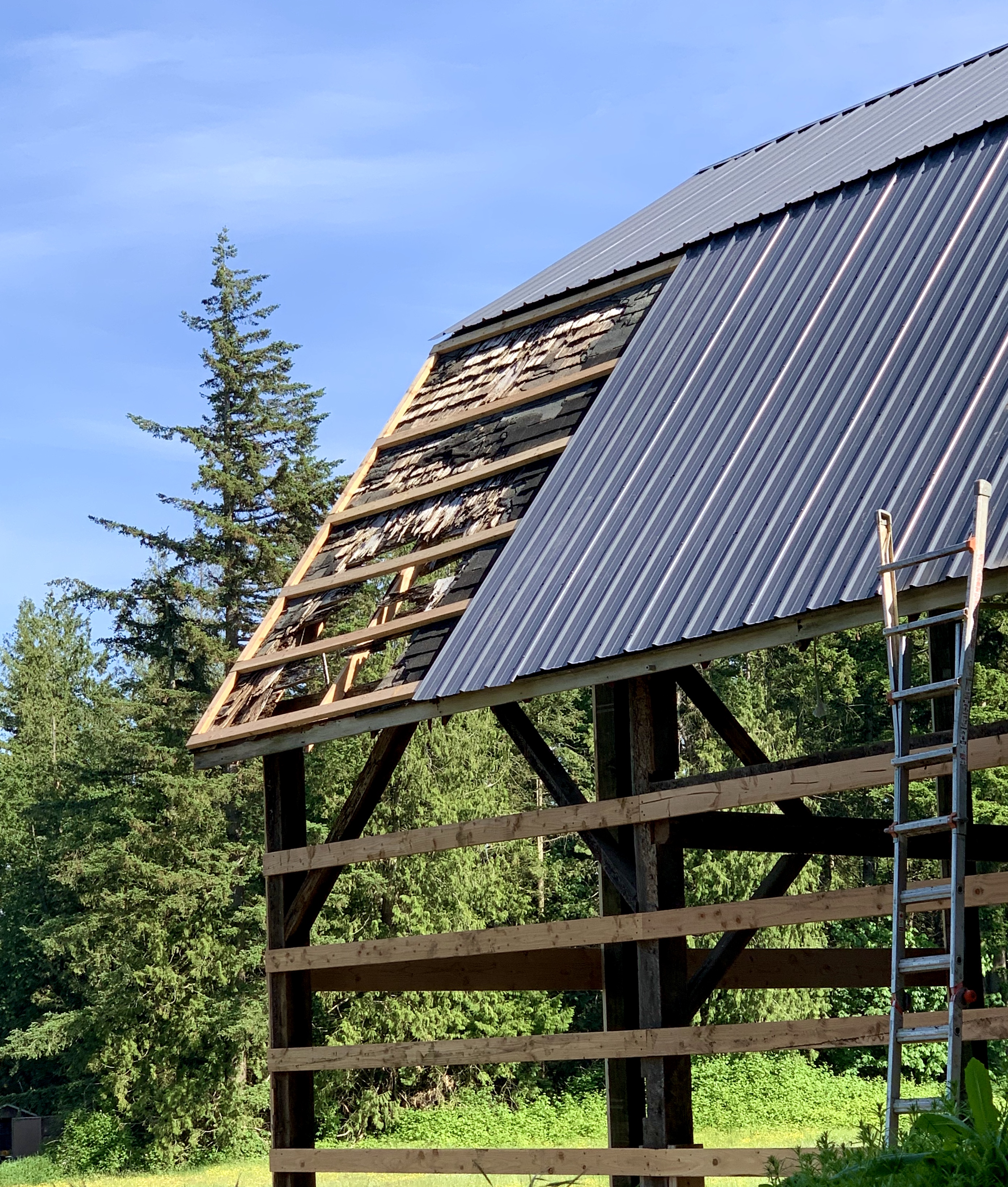
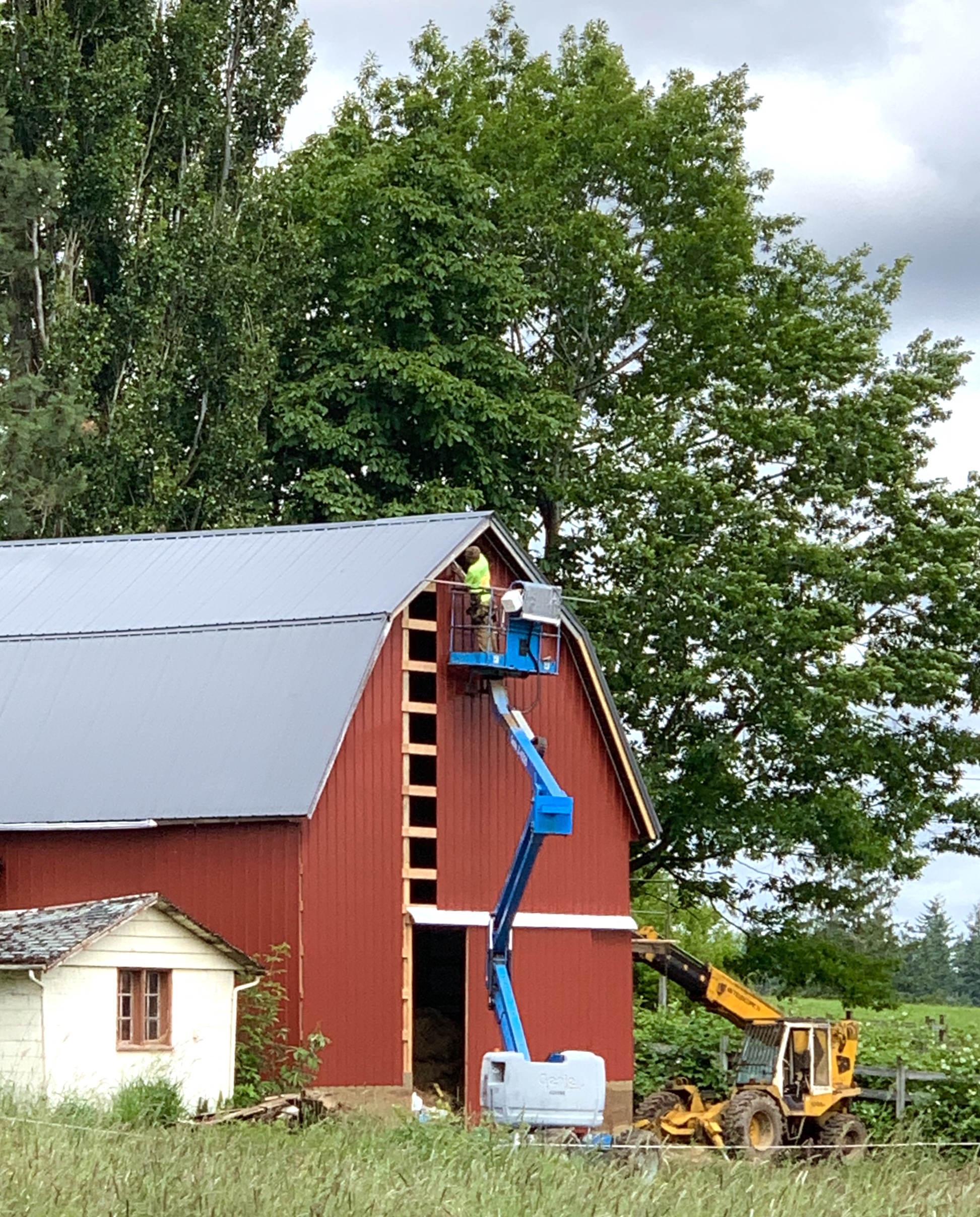
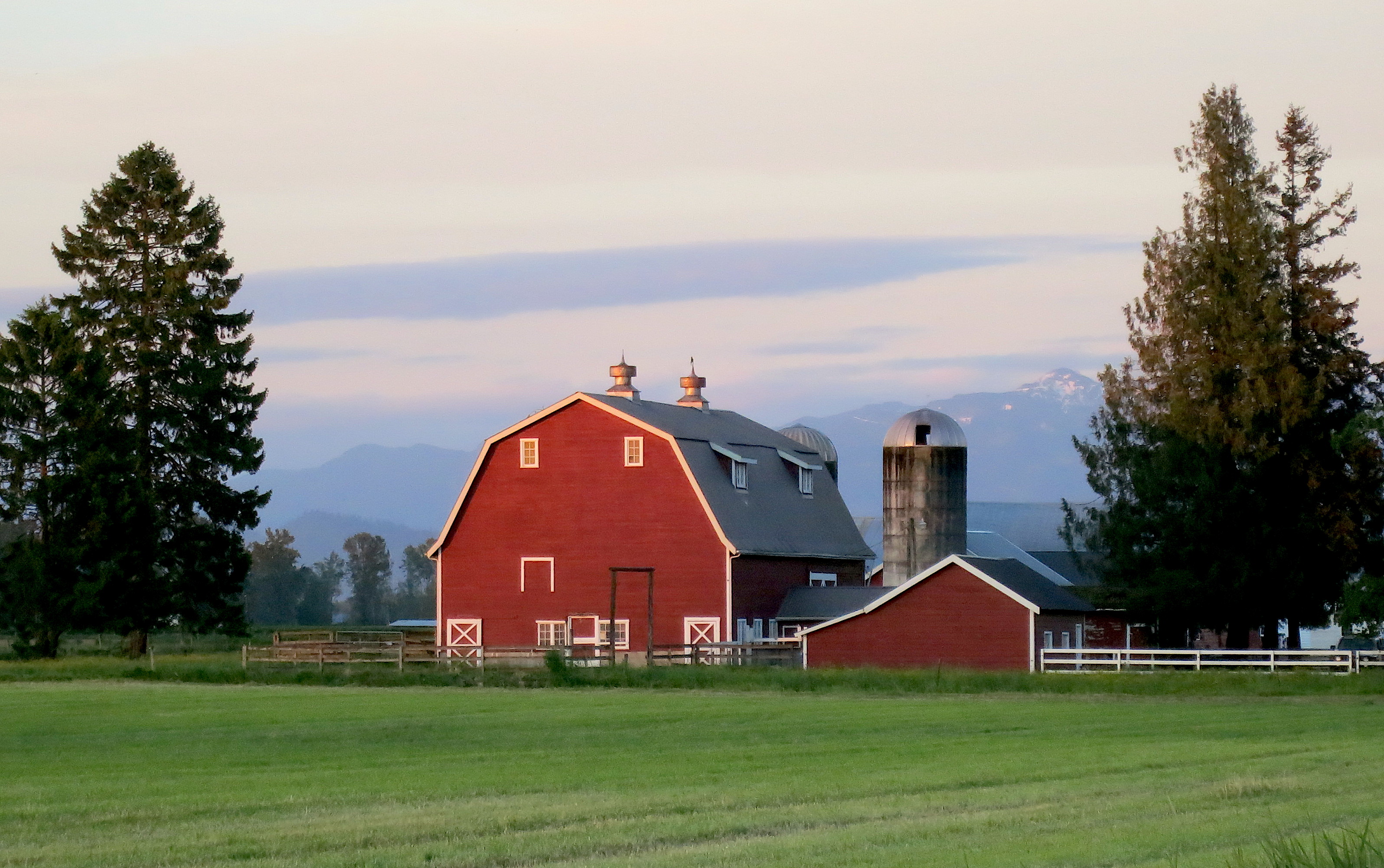
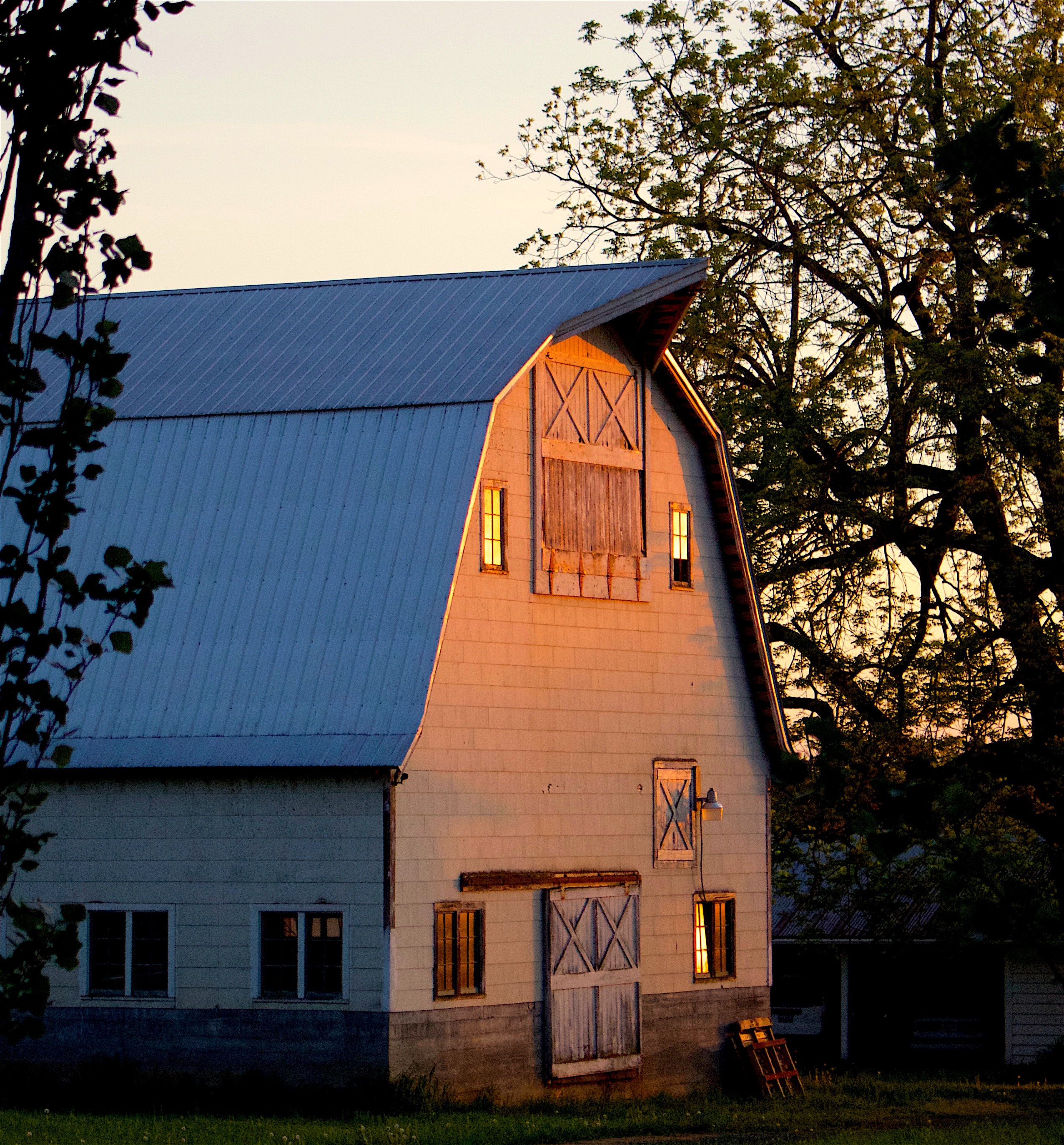
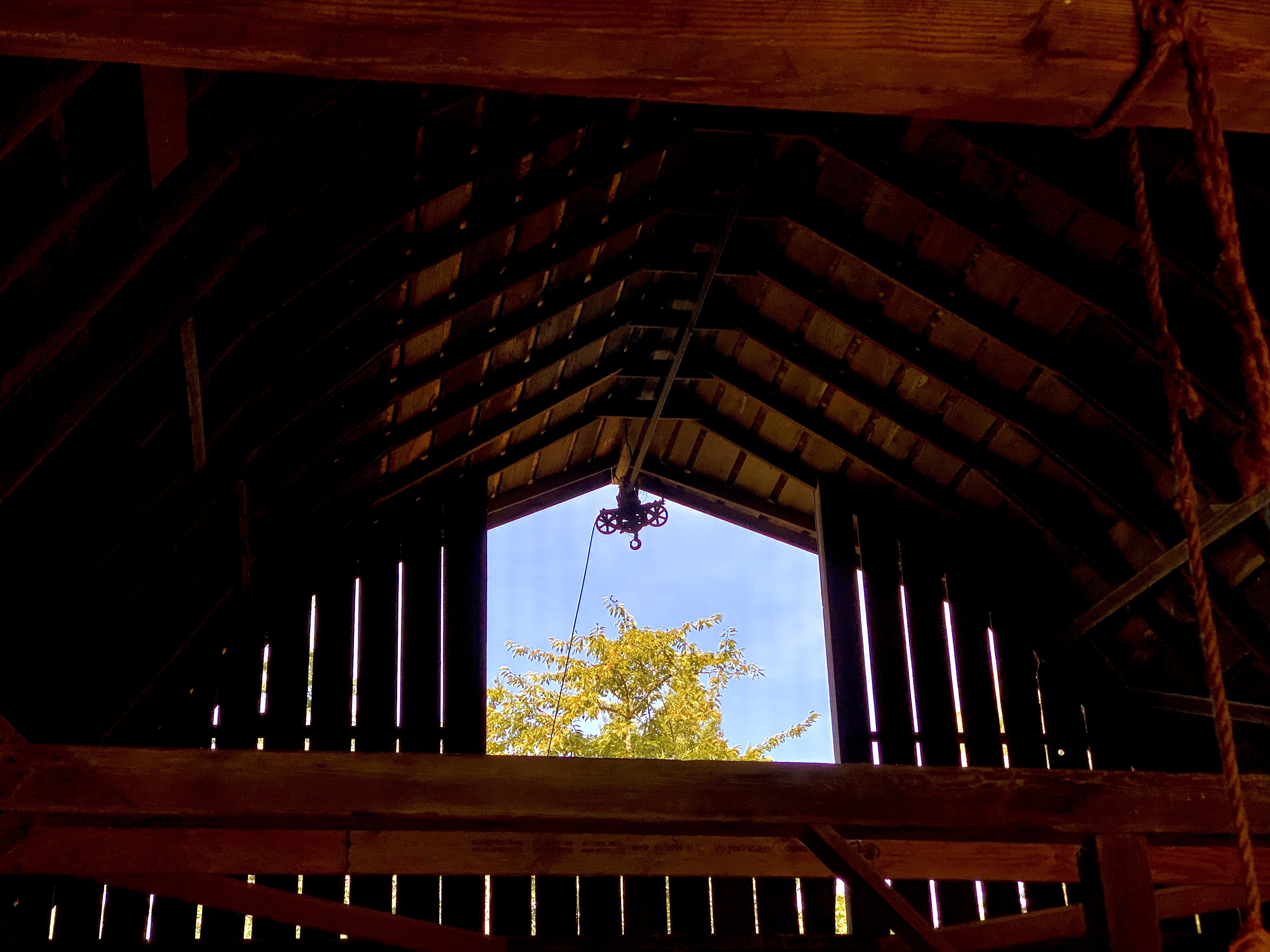
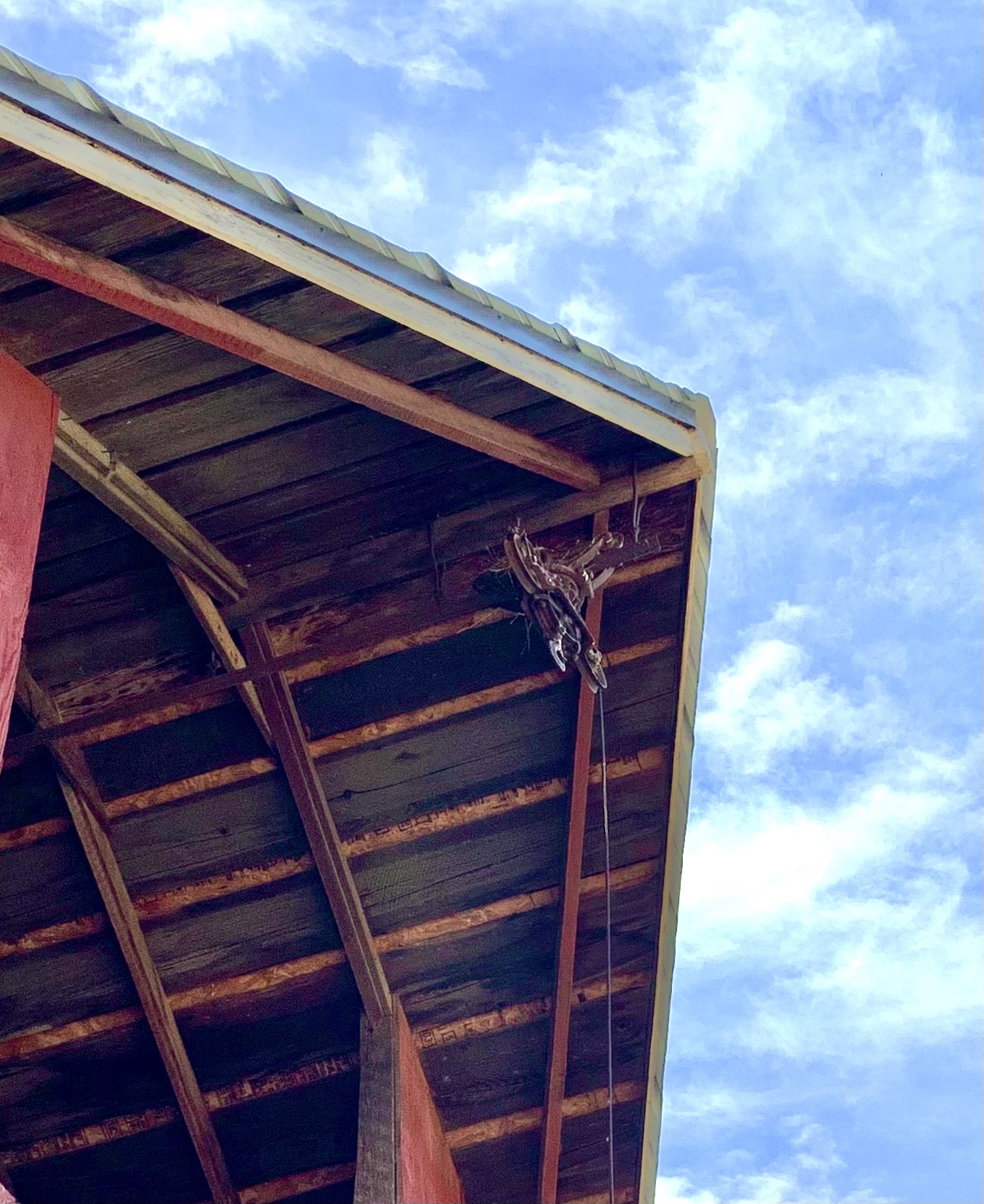
When our barn needed a major repair of new roof and walls, the workers used ladders but also a hydraulic lift – something the turn of the century carpenters didn’t have access to. When I look at the hay sling/hook pulley hanging high from the peak of the barn, I realize someone over 100 years ago had to climb up to put it up there, so there it remains even though its working days are long past.

As much as possible, I now stay grounded, firmly attached to the soil, convinced it is where I belong. I’ll look and act as if I’m brave when I dare to climb up high, but only because I know Whose shoulders bear me up when I’m going beyond my comfort zone.

I’m safe because He is and always will be.

If you prefer to keep your feet on the ground, you will enjoy this new book from Barnstorming, available to order here:

Don’t Worry. You’ll Make It

To the shepherd herding his flock
through the gorge below, it must appear as if I walk
on the sky. I feel that too: so little between me


and The Fall. But this is how faith works its craft.
One foot set in front of the other, while the wind
rattles the cage of the living and the rocks down there


cheer every wobble, your threads keep
this braided business almost intact saying: Don’t worry.
I’ve been here a long time. You’ll make it across.
~Matthew Olzmann “Letter to a Bridge Made of Rope”

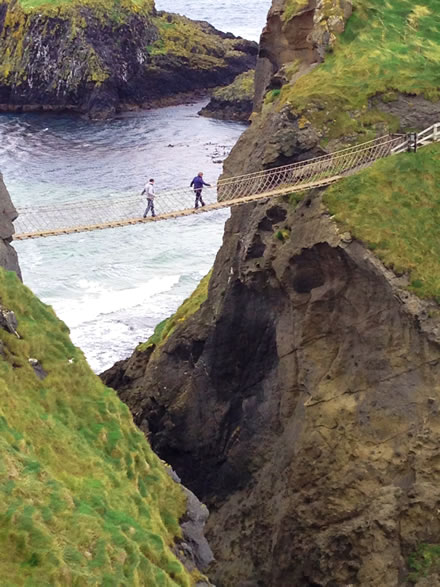
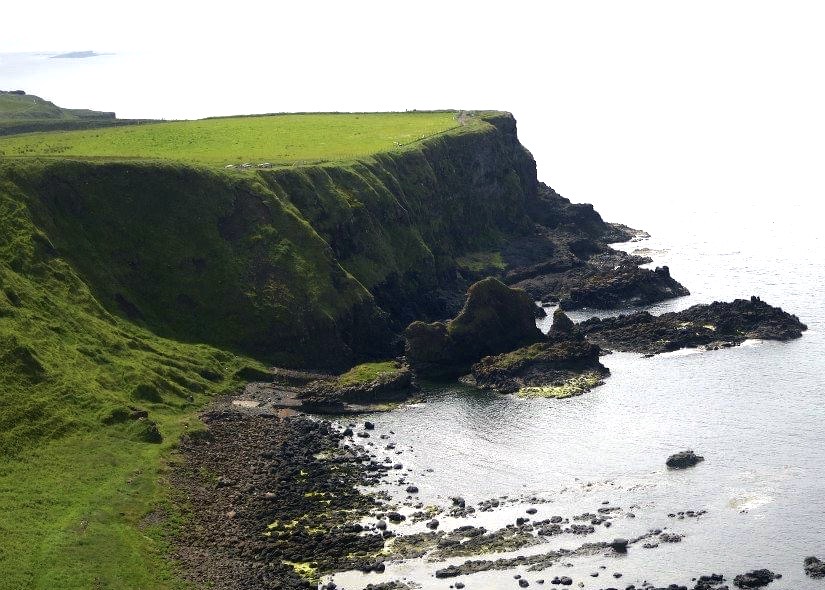
I have never walked a rope bridge though I’ve seen one from a distance in Northern Ireland. It swayed far above a rocky gorge, hanging almost miraculously in the air as walkers trekked blithely across.

Not for me, I said.

I feel disoriented and dizzy when the surface beneath my feet sways and moves with the wind and due to my own movement. I make my own wobbling worse with my fear. The rocks below seem menacing; I don’t trust my own ability to navigate over and through them.

Oh, me of little faith. So little between me and The Fall.

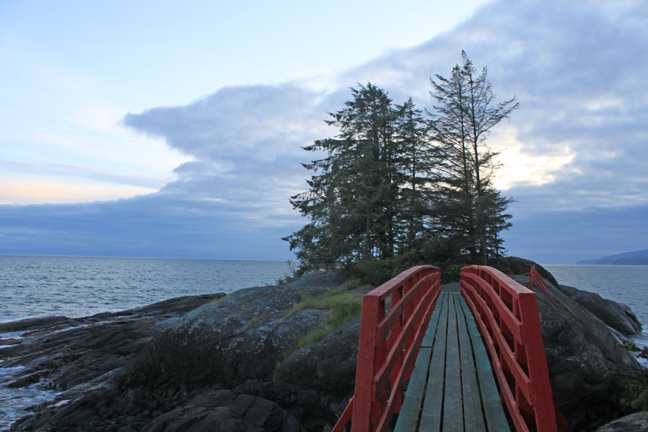
Simply crossing a narrow wooden bridge built over a fallen large old-growth tree trunk takes all my courage. I try to focus on my feet taking each step, testing the solid wood beneath me rather than looking down at the rushing water and sharp rocks below.

In the course of life, I have to take steps that feel uncertain and unsupported. I freeze in place, afraid to move forward, reluctant to leave the security of where I am to do what it takes to get safely to the other side.

Yet I need to trust what holds firm for others will hold firm for me.

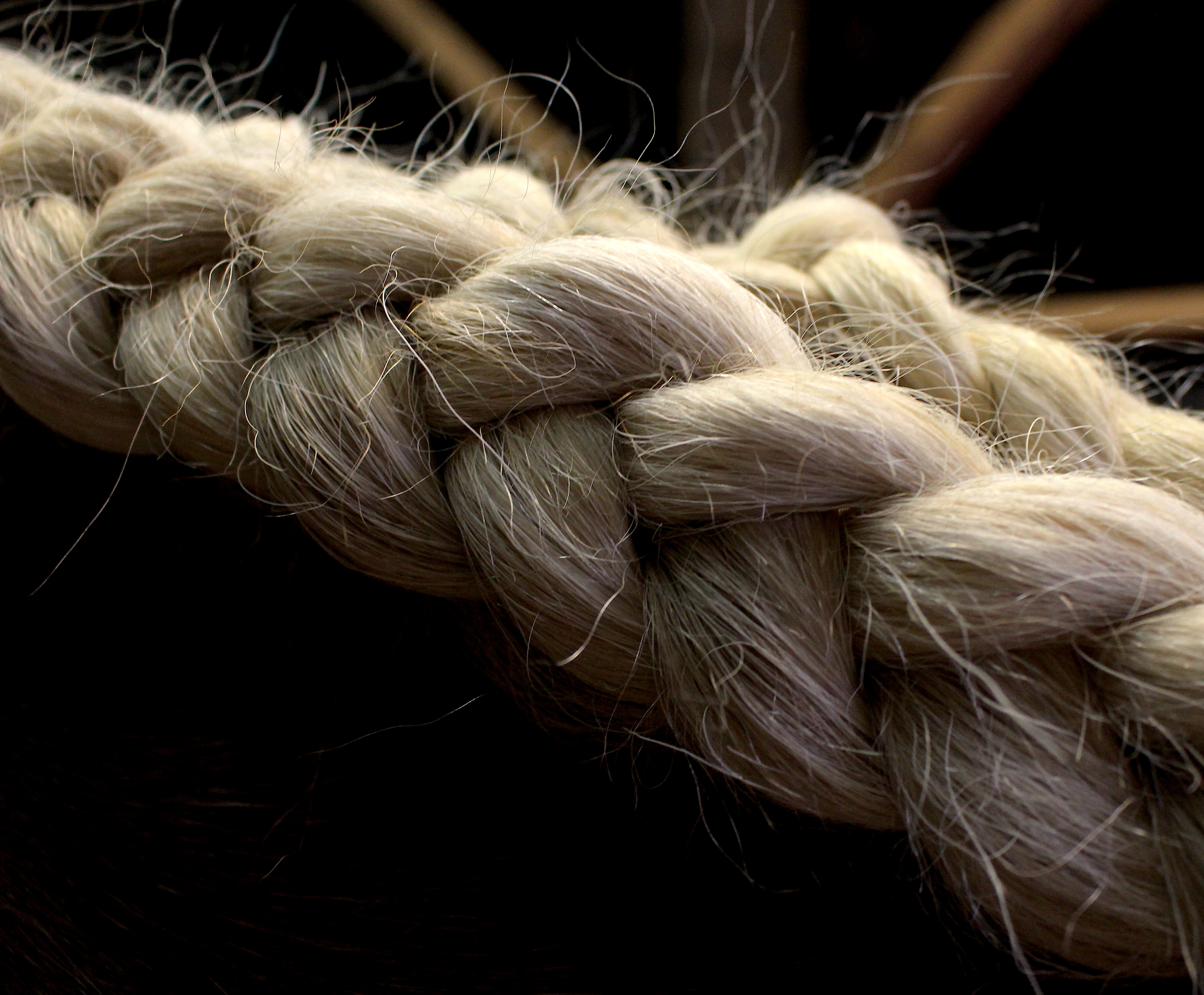
Christ is the bridge for those like me who fear, who don’t trust their own feet, who can’t stop looking at the taunting and daunting rocks below. He has braided Himself around me to keep me safe, no matter what and no matter where. He’s been here a long time and will always be.

I can step out in that confidence.

If you enjoy these daily Barnstorming posts, you might consider this book of Barnstorming photos and poetry from Lois Edstrom here:

Standing on Holy Ground

I am still skeptical about the reasons some seek spirituality in the land,
for the spirituality the land offers is anything but easy.

It is the spirituality of a God who would, with lightening and earthquakes, sneeze away the bland moralism preached in many pulpits,
a wildly free, undomesticated divinity,
the same God who demands of Moses from a burning bush,
“Remove your shoes,
for the place on which you are standing is holy ground.”

When God appears to Job, the comforting sentiments we might expect to feel are absent because such sentiments
are at most God’s trappings, not the infinite himself.
The God who speaks to Job from the whirlwind reminds him that, comforting or terrifying, he alone is God.  
To be satisfied with anything less
would be the spiritual catastrophe the Old Testament calls idolatry.

Some of our idols shatter in the West’s rugged vastness, others remain.

Perhaps God leaves exposed the land’s brokenness –
the scars of forest fires,
the fossils of extinct biospheres,
rifts showing ancient continents now scattered like puzzle pieces –
to remind us that he is greater than the icon, too.

The heavens and earth will wear out like a garment, the Psalmist says, like clothes that are changed.

“But You neither change, nor have an end.”
Psalm 102:27
~Anthony Lusvardi from “Nature is Your Church?”

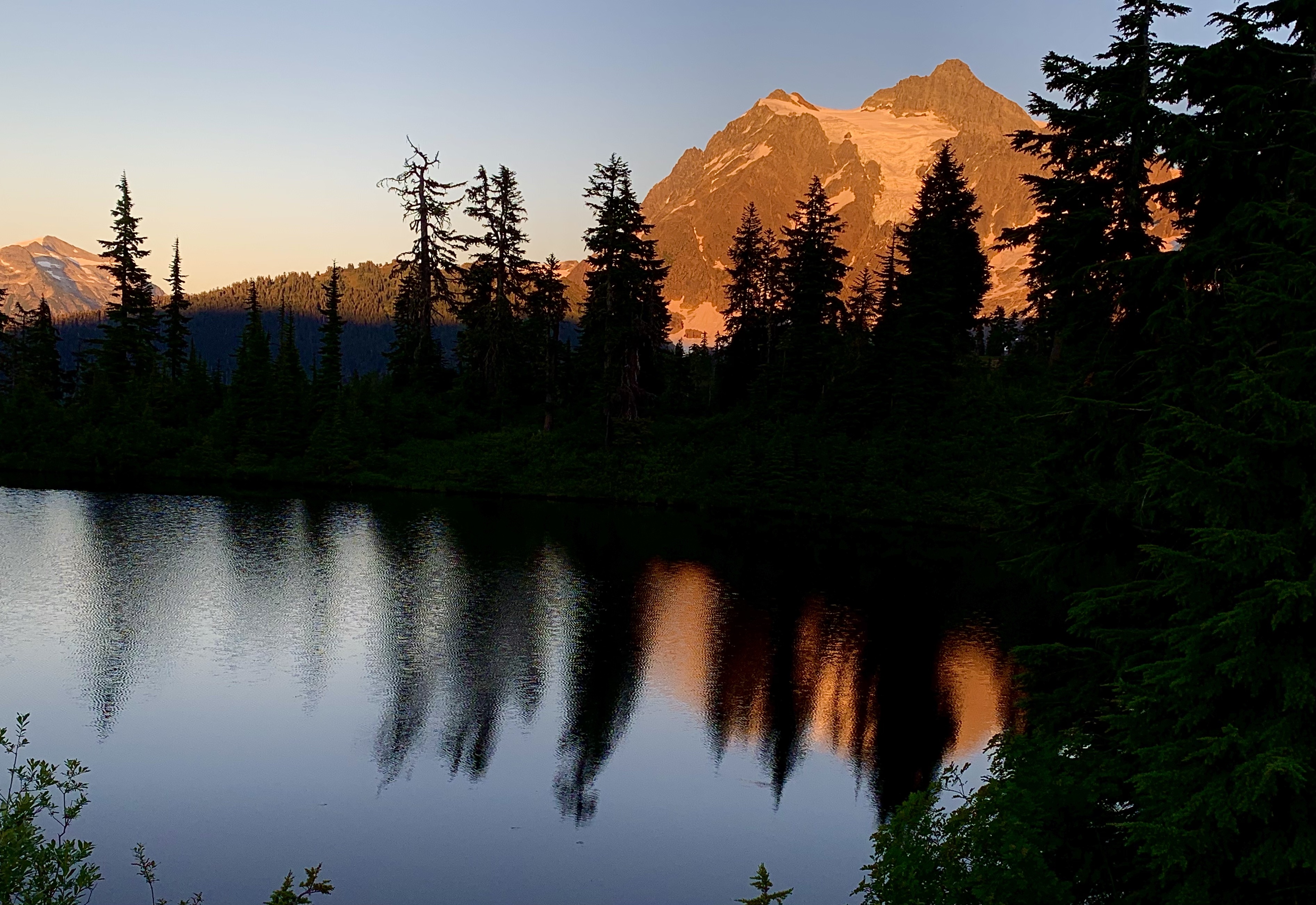
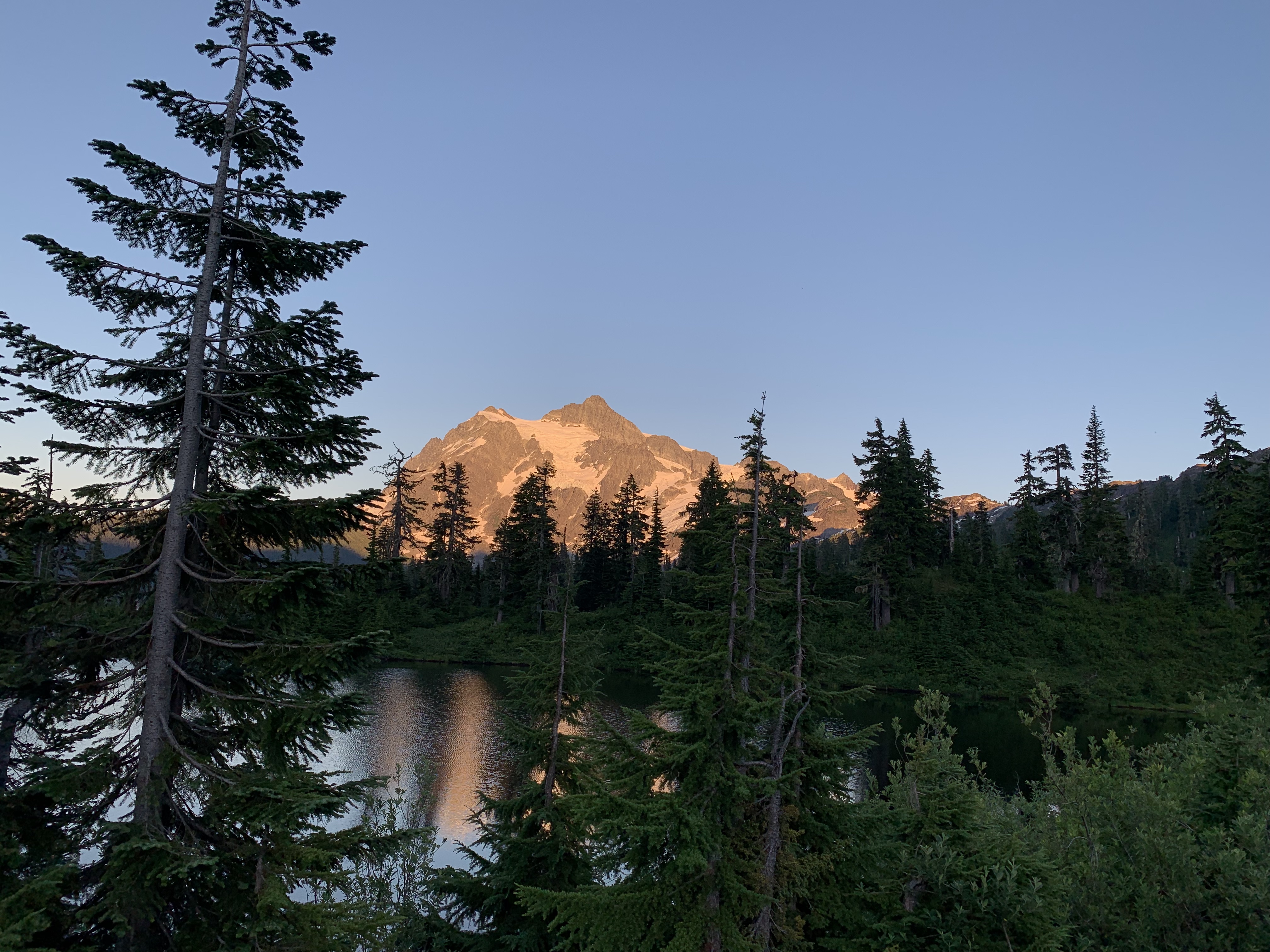
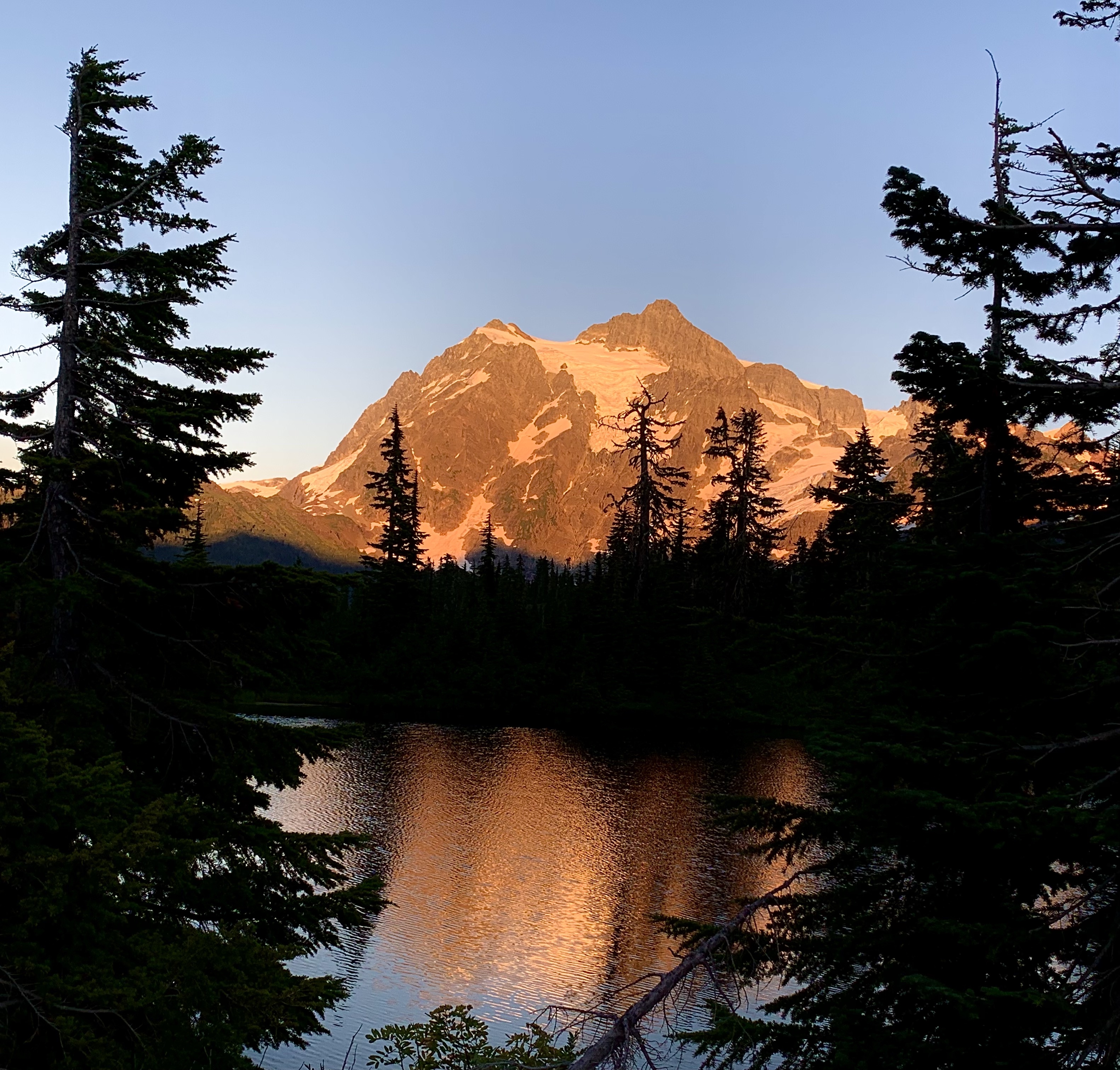
We are now 45 days into a hotter dry spell this summer with a slight possibility of some rain next week. Everything here in the Pacific Northwest is looking as it would in late August with the snow melt in the Cascades much accelerated from its usual timeline. With the fires already happening for weeks on the eastern side of the state, as well as to the north of us in British Columbia and south in Oregon and California, we are looking at a withering August of smoke and ash.

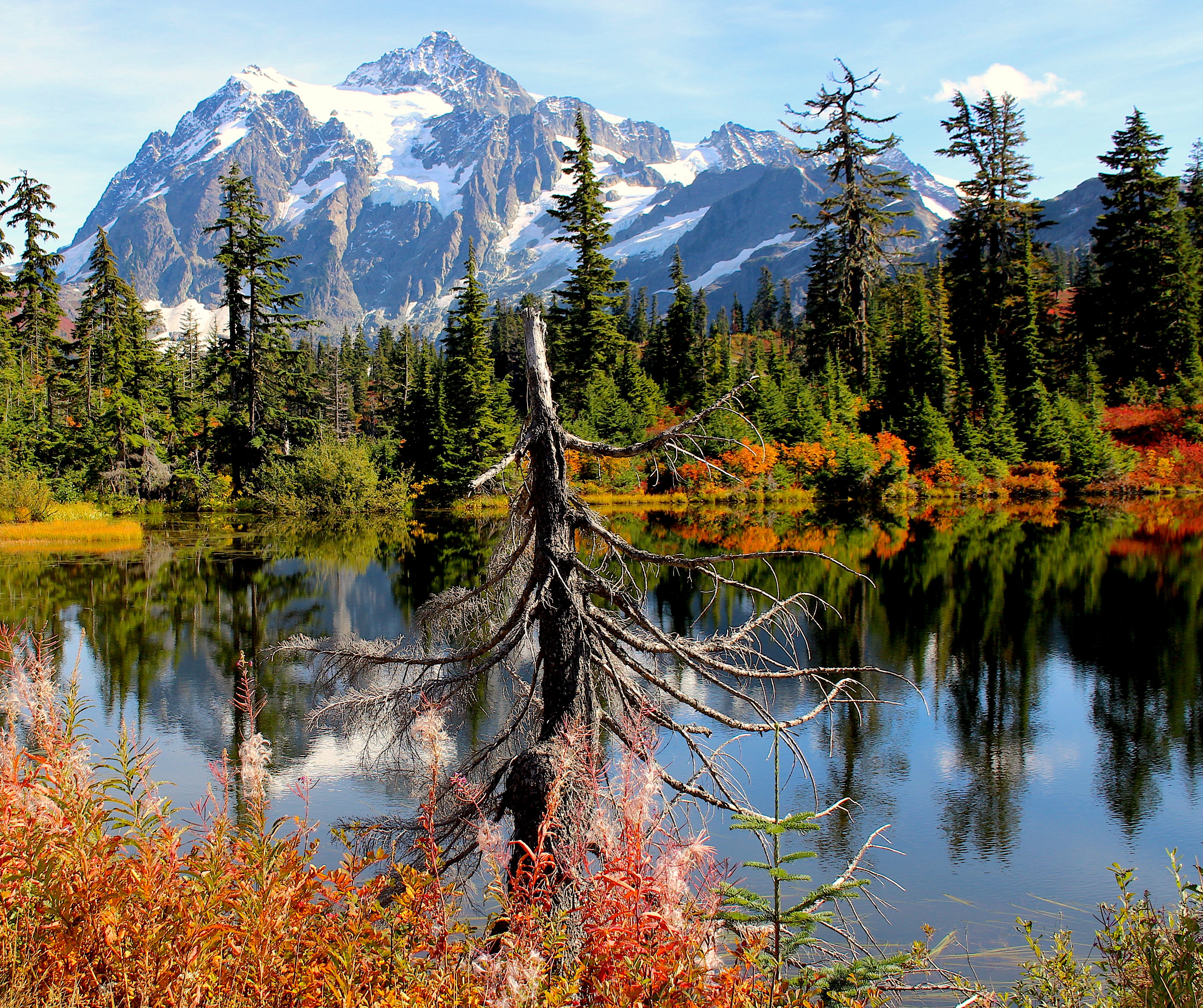
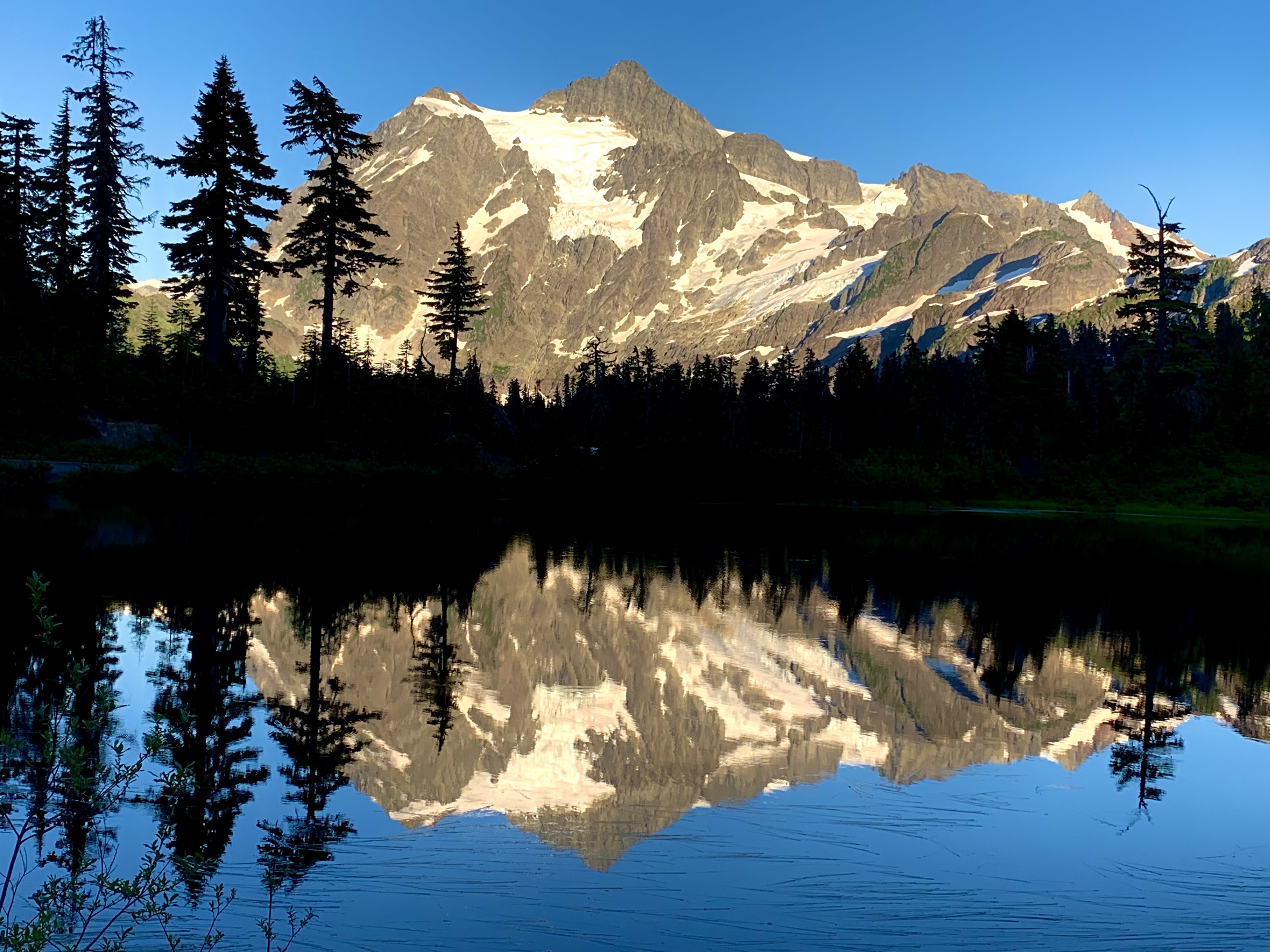
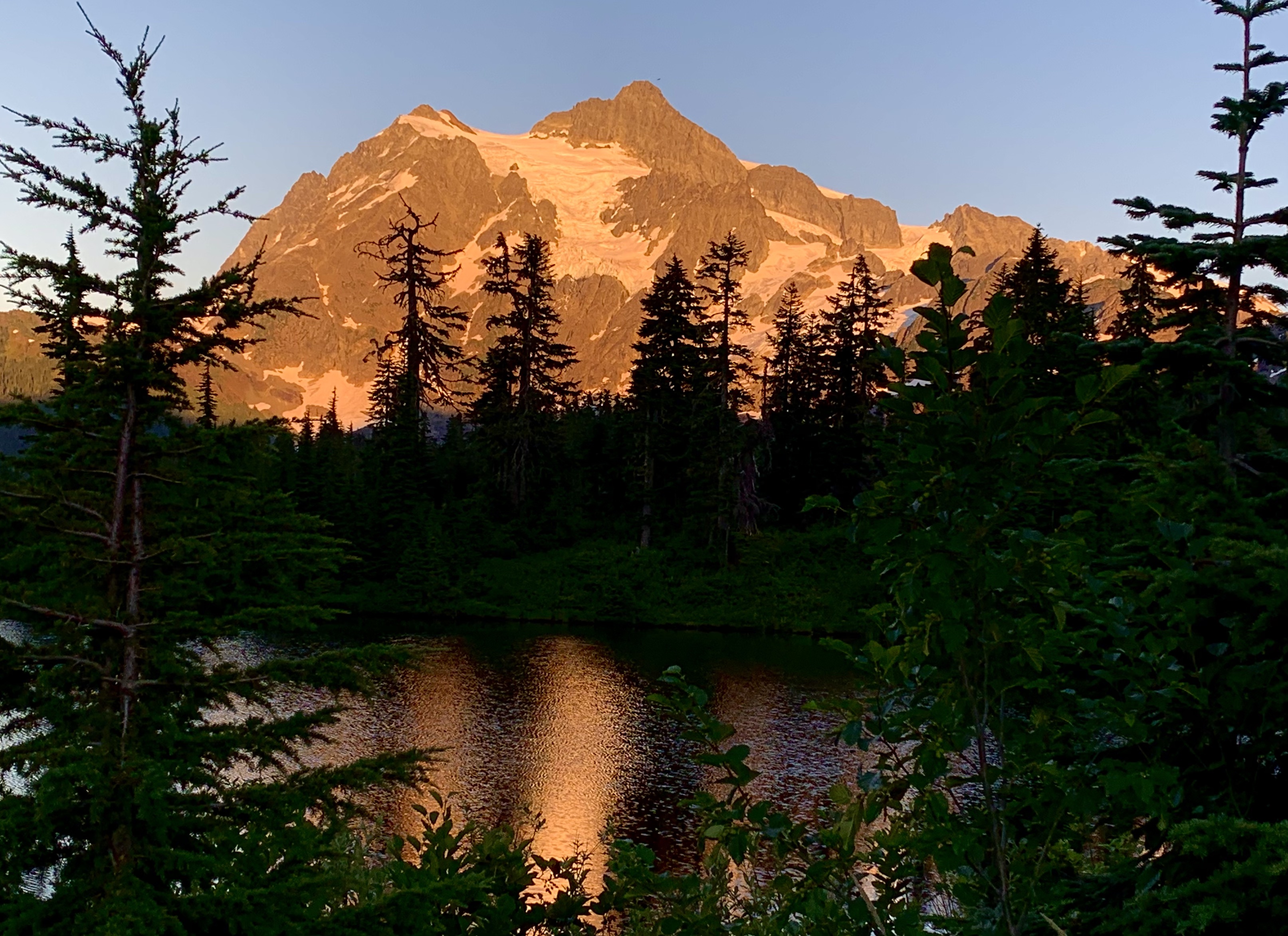
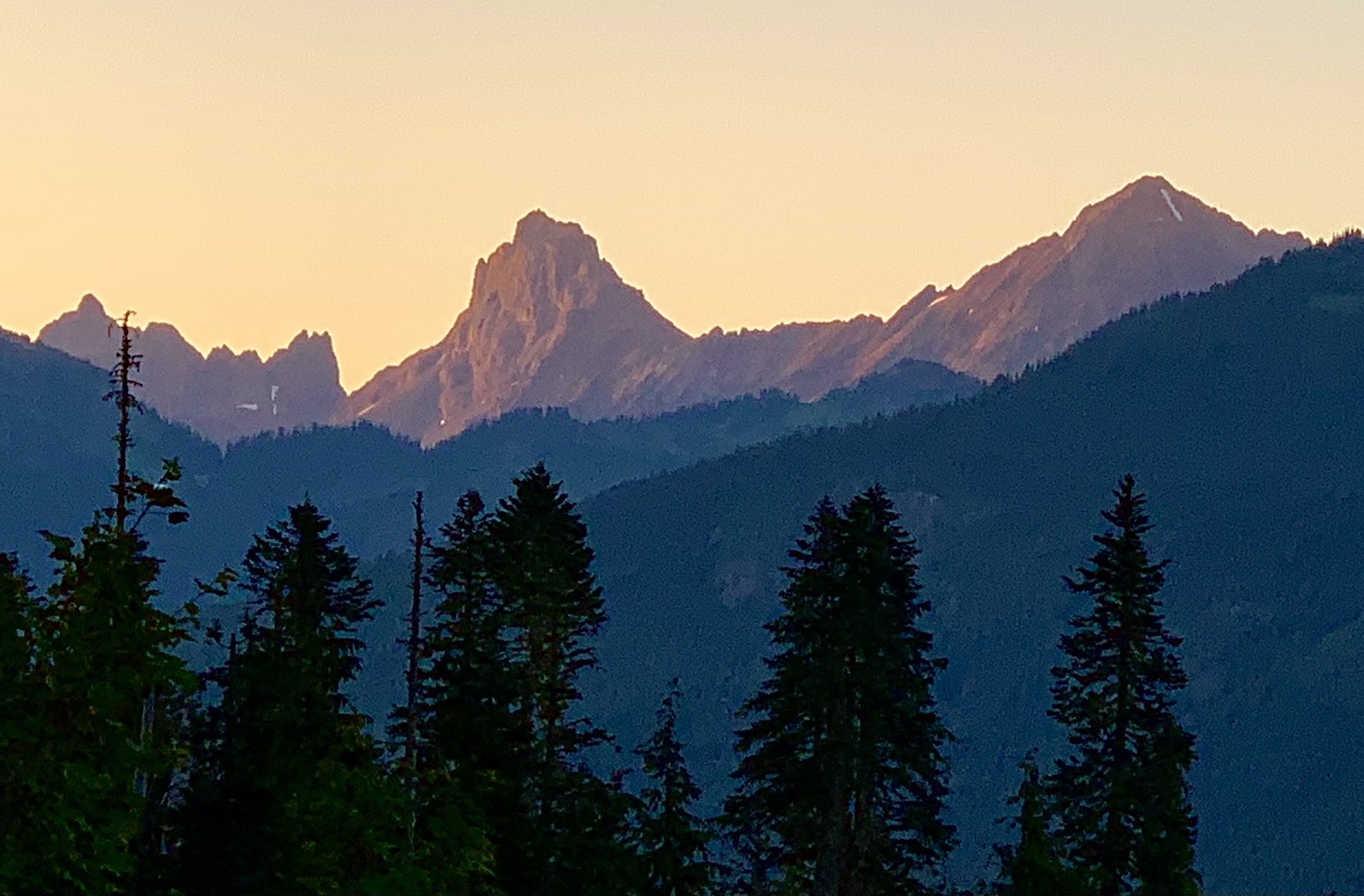
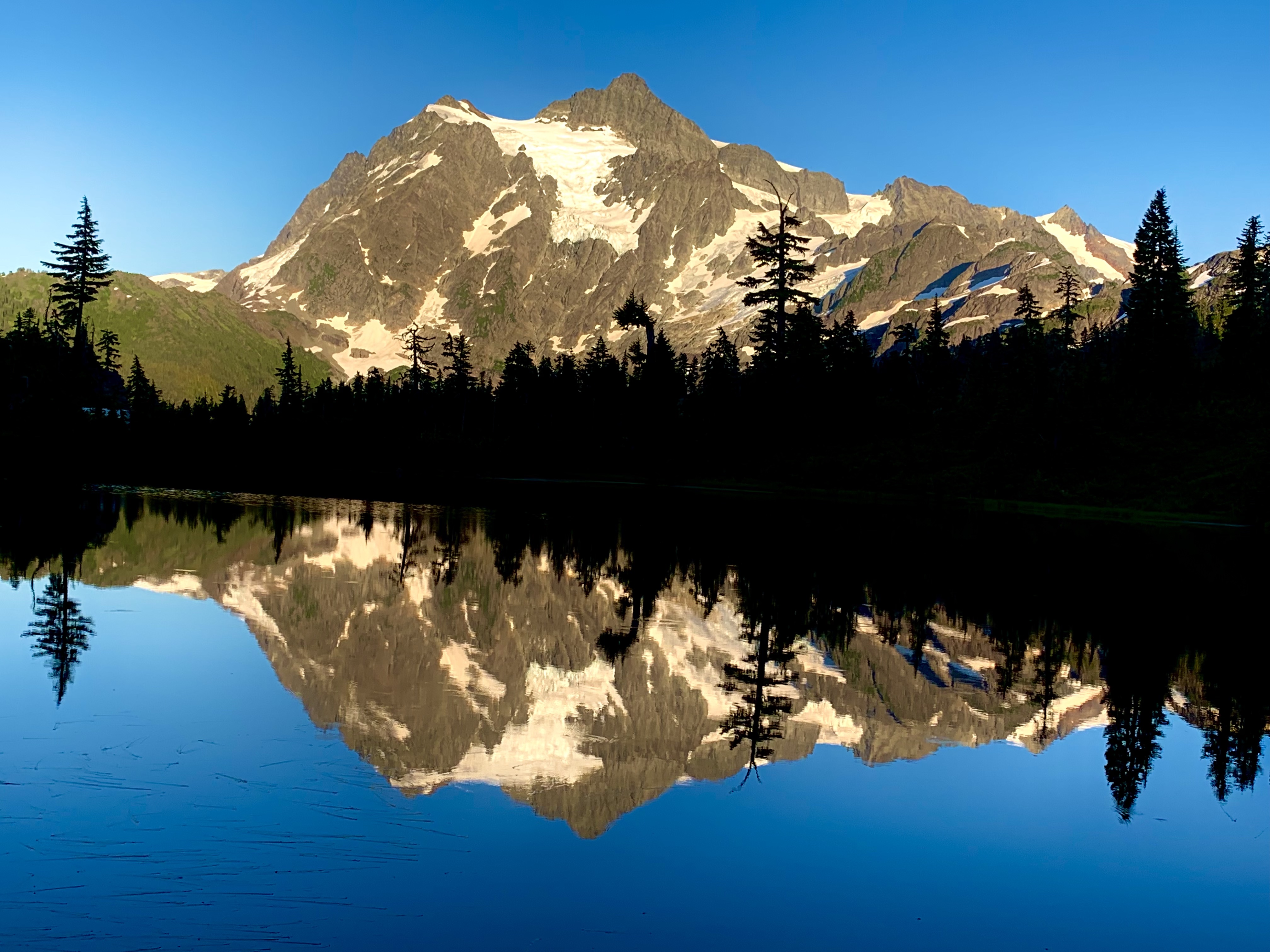
Dan and I headed up the Mt. Baker Highway yesterday evening to see how bare Baker and Shuksan look up close. We wonder what snow will be left before our typical precipitation begins in earnest in early October. These seemingly unchanging monoliths are being stripped of their usual garments, now naked and vulnerable. They are subject to God’s transforming power just as surely as we are.

When I stand at the foot of these peaks, I never fail to be awed to a whisper, as if I were inside an immense cathedral. God reminds us to remove our shoes out of respect for His holy ground. Yet I worship not the mountains nor the awe-inspiring landscape they are placed in, but worship their Creator whose strength and love is greater than all.

I tread lightly. I speak softly. I remove my shoes. I witness the fading light.

God, the eternal, the unchangeable, takes my breath away, as only He can..

Here is an opportunity to own a Barnstorming book of more photos like these along with poems written for each poem by Lois Edstrom. It is available to order here:

All Puppies and Rainbows

The true harvest of my daily life is somewhat as intangible and indescribable as the tints of morning or evening.  It is a little star-dust caught, a segment of the rainbow which I have clutched.
~
Henry David Thoreau from Walden

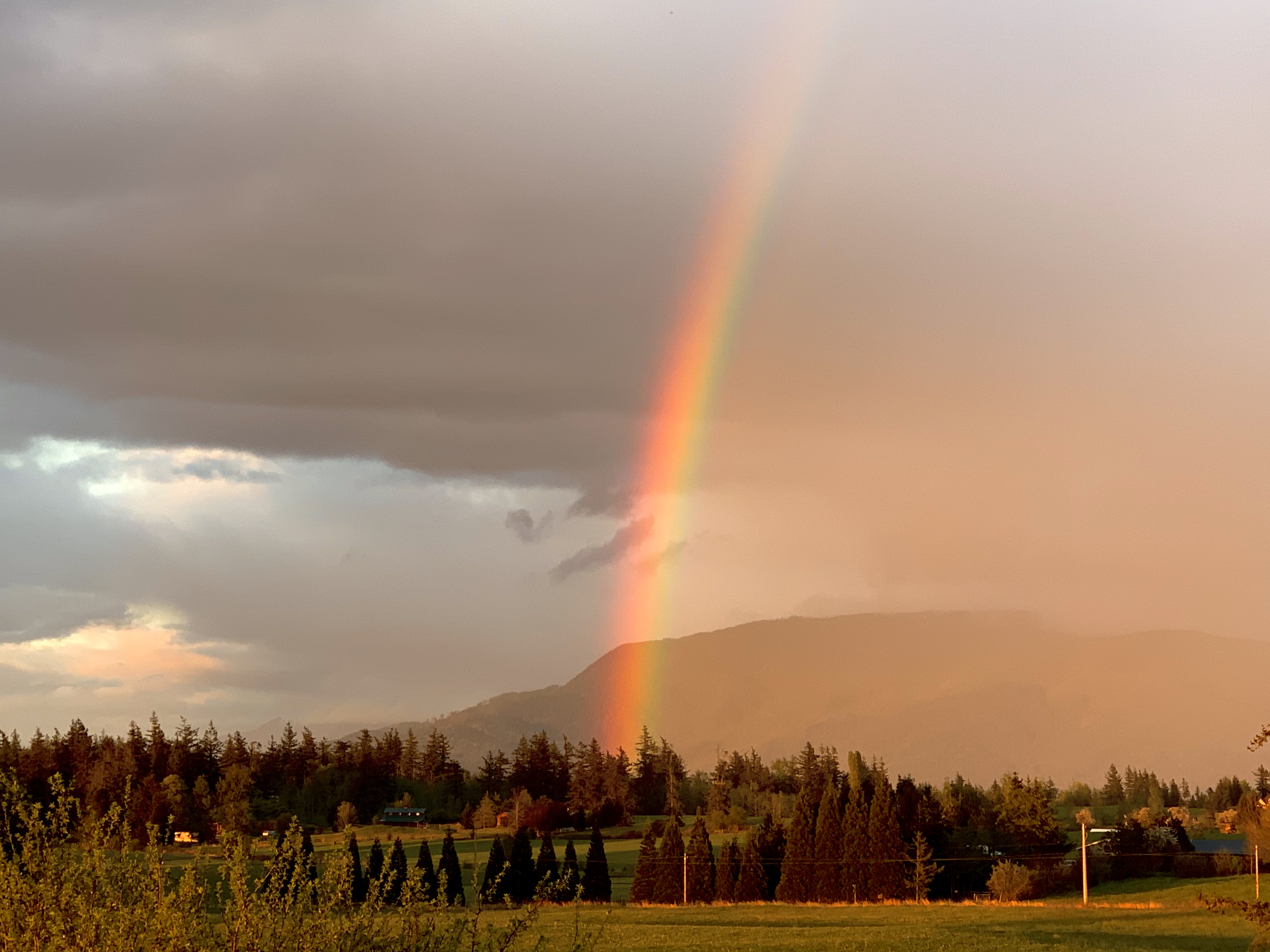
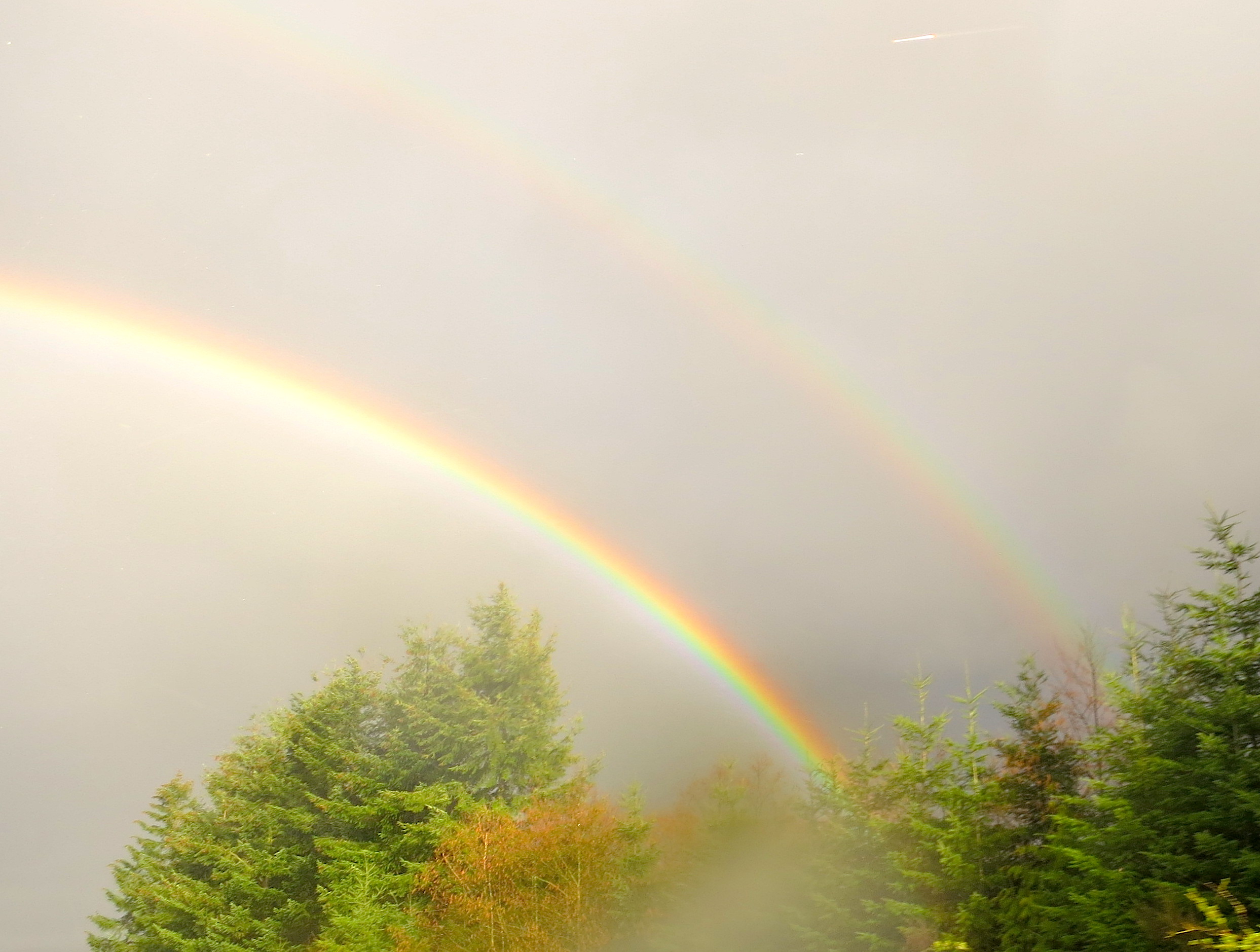
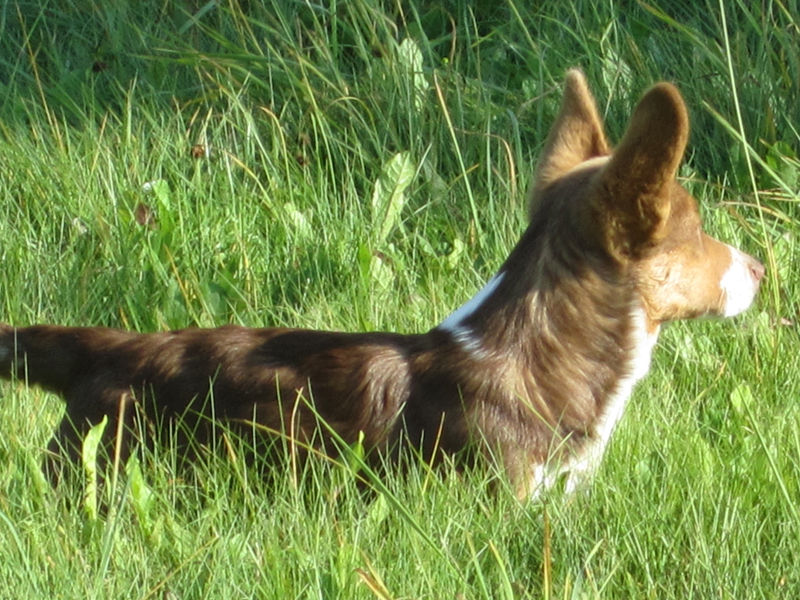
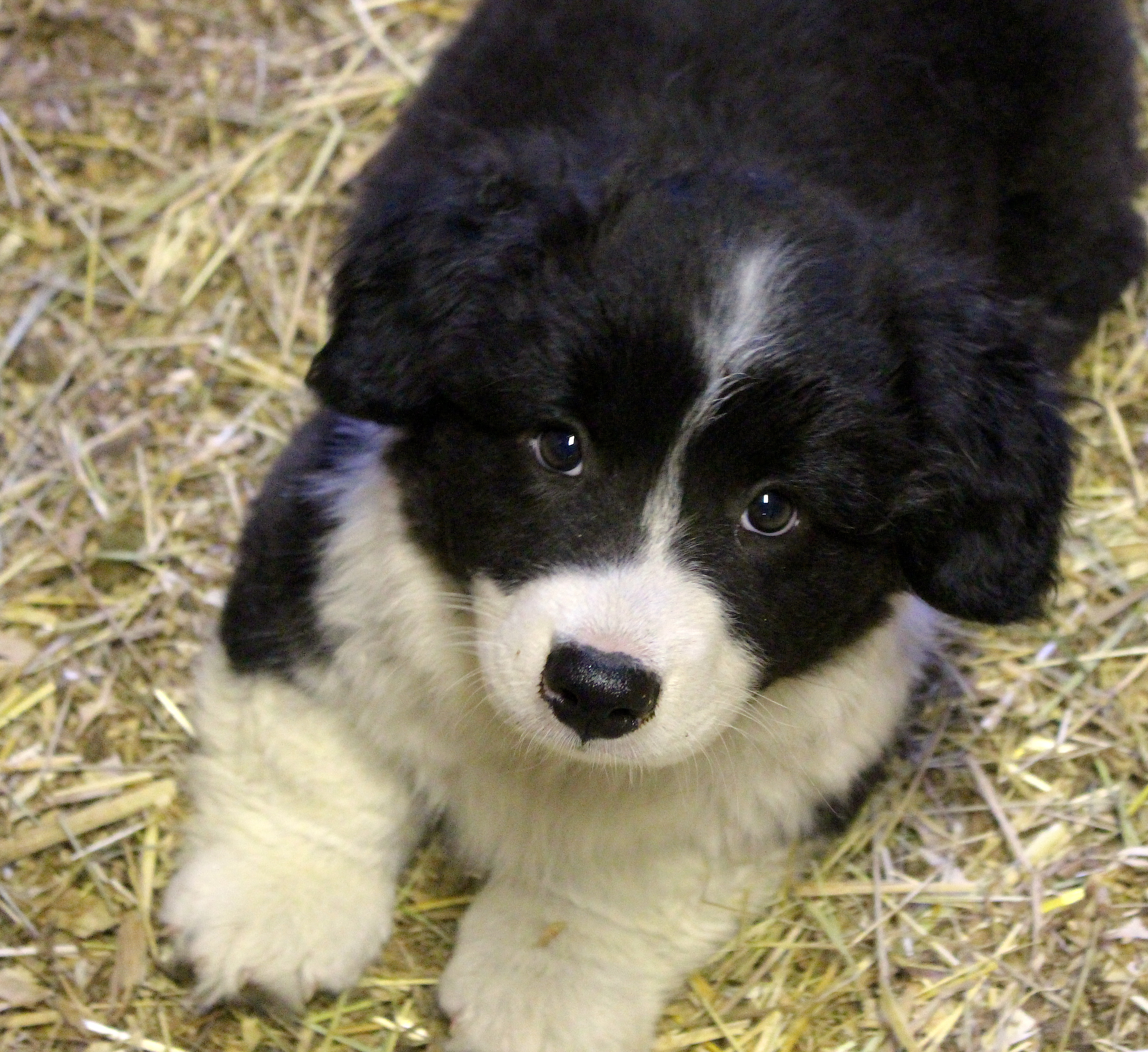
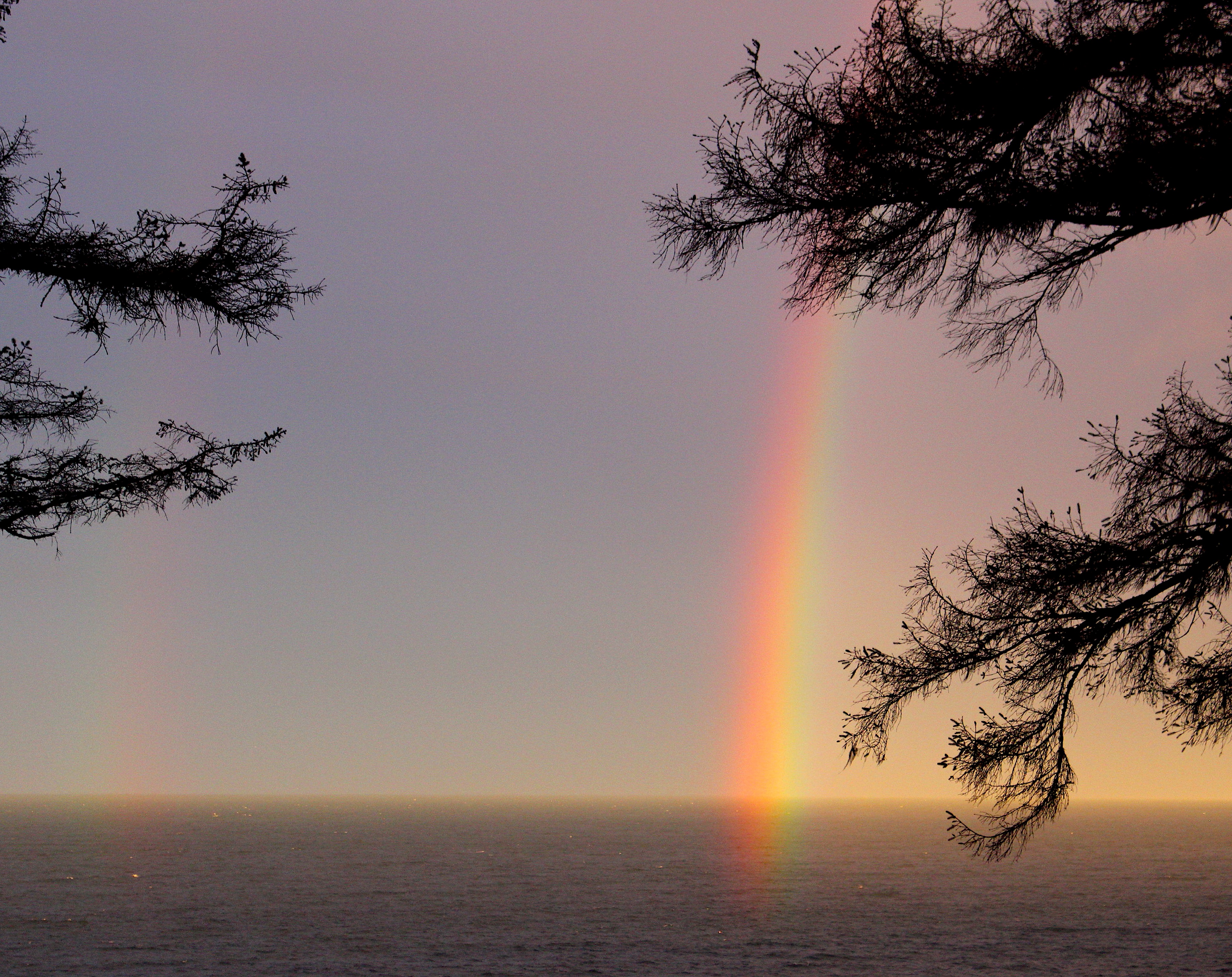
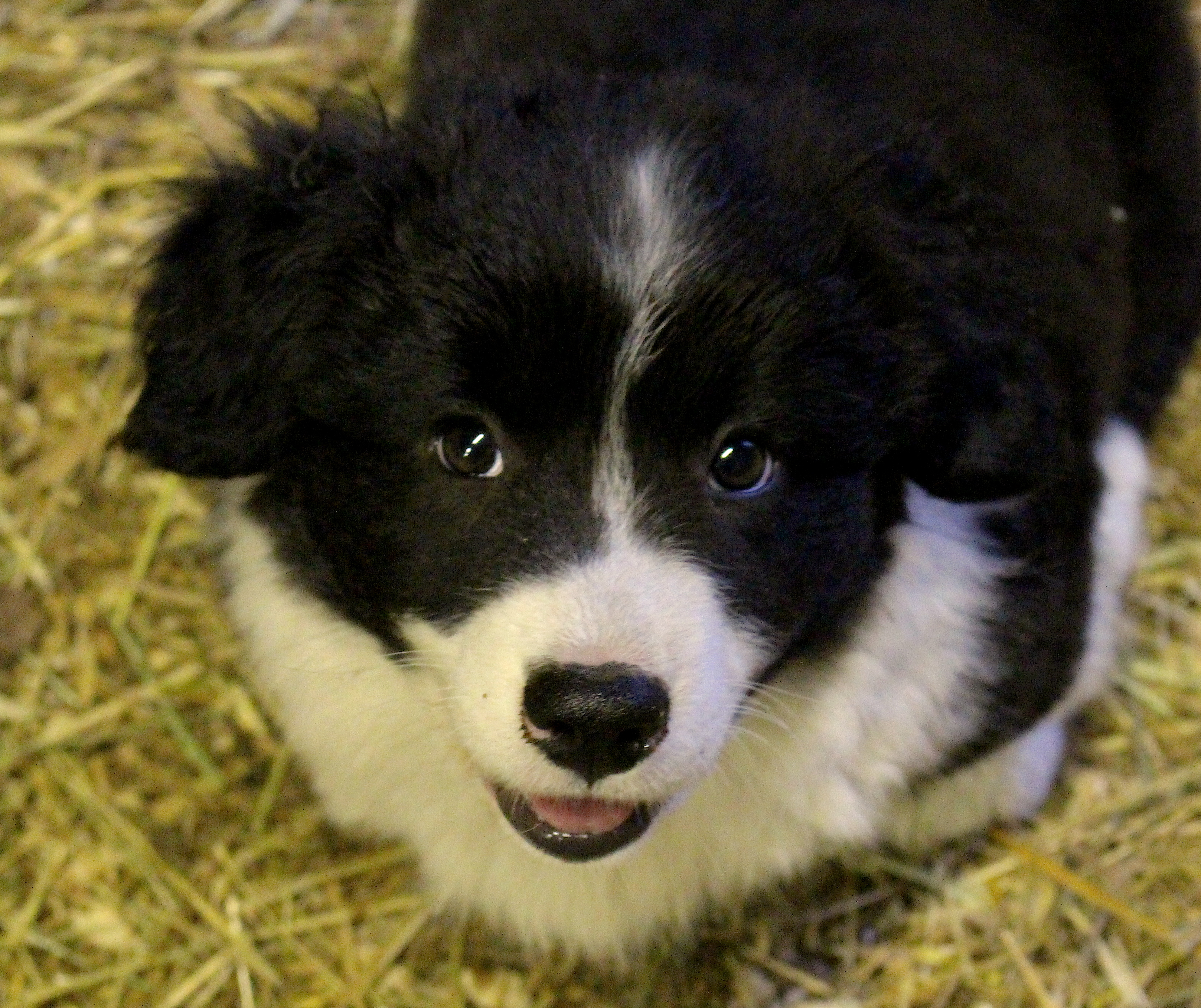
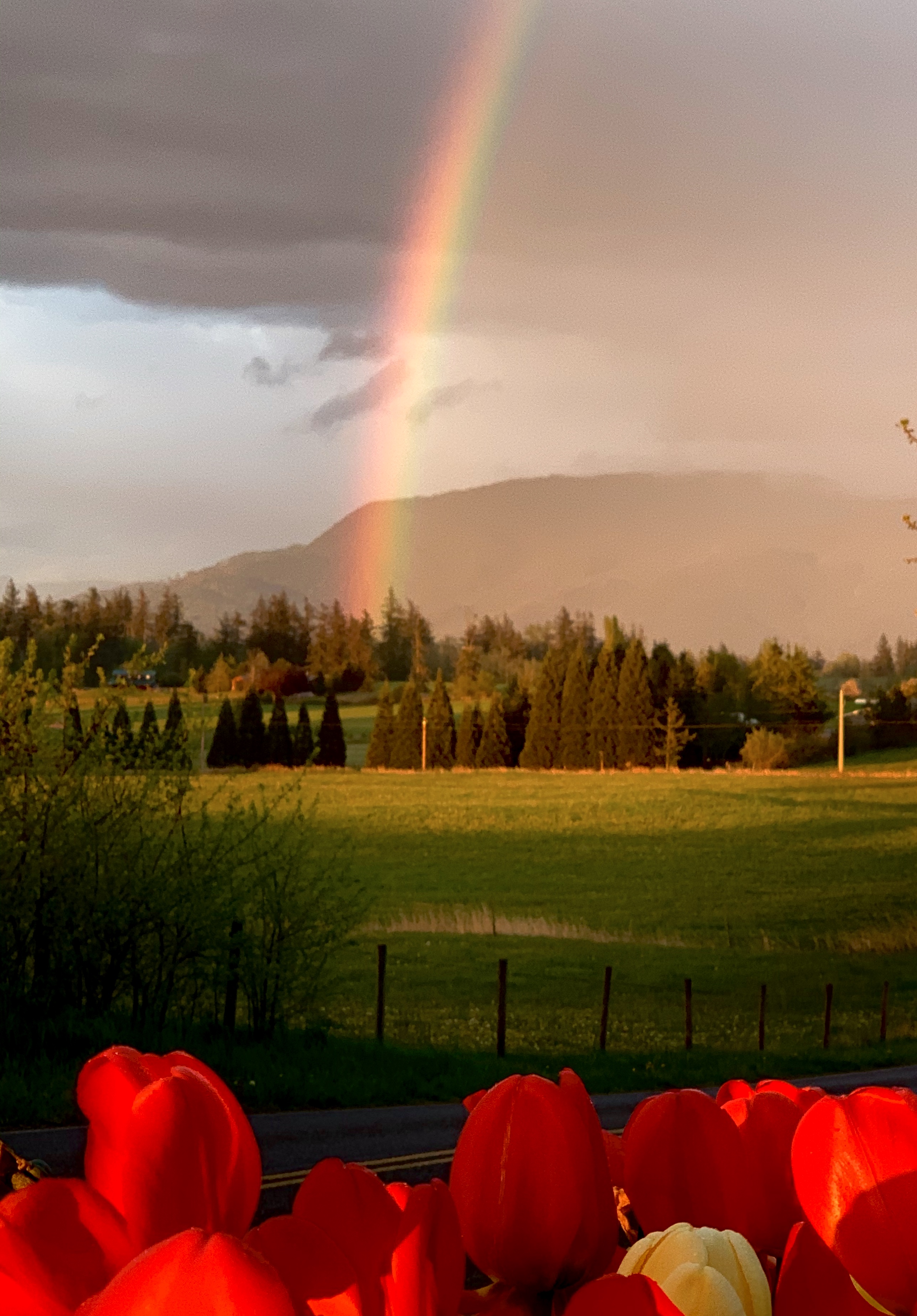
I don’t know about you, but there are some days I wake up just longing for my life to be all puppies and rainbows.

I hope to find sparkling magic around every corner, little wiggly fur balls surrounding me, happy tails a-wagging with a promise of glee and glitter. I’m eager to feel pure joy untainted by the realities of every day.

Perhaps I’m clutching at a kind of cartoon version of life without considering the wicked witches and monsters present in the ever-present dark forbidding woods of our human existence. Life just isn’t all puppies and rainbows. I know this…

Of course, puppies grow up. Rainbows fade and become just a memory. And I am growing older with all the aches and pains and uncertainties of aging. Even so, I still tend to clutch a “puppies and rainbows” state of mind when I open my eyes in the morning and when I close my eyes for sleep – hoping for a bit of stardust to hold.

I believe in promises. I believe in the God who made those promises. He is who I can hold onto and know with certainty, He won’t ever let go of me.

photo by Nate Gibson
photo by Brandon Dieleman
photo by Nate Gibson

If you enjoy these daily Barnstorming posts, you’ll love this new book from Barnstorming available to order here:

Supposing a Tree Fell

“Supposing a tree fell down, Pooh, when we were underneath it?”

“Supposing it didn’t,” said Pooh after careful thought.

Piglet was comforted by this.
~A.A. Milne from The Complete Tales of Winnie-the-Pooh

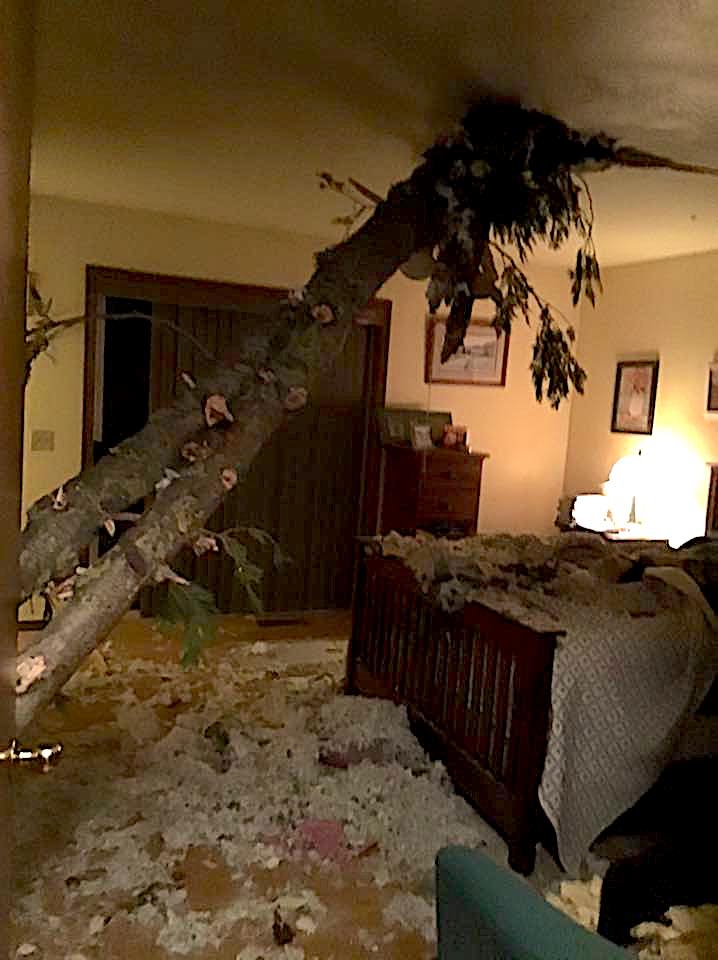
our friends’ bedroom after a tree fell through their roof in a windstorm – thankfully, no one was hurt

It has been a long 18 months of dwelling deeply
in all kinds of “supposes” and “what ifs”
because people were being crushed by a virus
right and left.

I understand this kind of thinking,
particularly when “in the moment” tragedies,
(like a Florida condo building collapsing in the middle of the night)
play out real-time in the palm of our hand
in front of our eyes
and we feel helpless to do anything
but watch it unfold.

Those who know me well
know I can fret and worry
better than most.
Medical training only makes this worse.
I’m taught to think catastrophically.
That is what I have done for a living –
to always be ready for the worse case scenario
and simply assume it will happen.

Sometimes it does happen
and no amount of wishing it away will work.

When I rise, too often sleepless,
to face a day of uncertainty
as we all do ~
after careful thought,
I reach for the certainty I am promised
over the uncertainty I can only imagine:

What is my only comfort in life and in death? 
That I am not my own, but belong
—body and soul, in life and in death—
to my faithful Savior, Jesus Christ.

“Supposing it didn’t” — says our Lord
(and we are comforted by this)
but even if it did … even if it did –
as awful things sometimes do –
we are never abandoned.

He is with us always.

Enjoying these Barnstorming posts? A new book from Barnstorming is available to order here:

To Stay at Home is Best

Stay, stay at home, my heart, and rest;
Home-keeping hearts are happiest,
For those that wander they know not where
Are full of trouble and full of care;
       To stay at home is best.

Weary and homesick and distressed,
They wander east, they wander west,
And are baffled and beaten and blown about
By the winds of the wilderness of doubt;
       To stay at home is best.

Then stay at home, my heart, and rest;
The bird is safest in its nest;
O’er all that flutter their wings and fly
A hawk is hovering in the sky;
       To stay at home is best.

~Henry Wadsworth Longfellow, from The Complete Poetical Works of Henry Wadsworth Longfellow: Cambridge Edition

Thank you to Harry Rodenberger for the hummingbird nest videos!

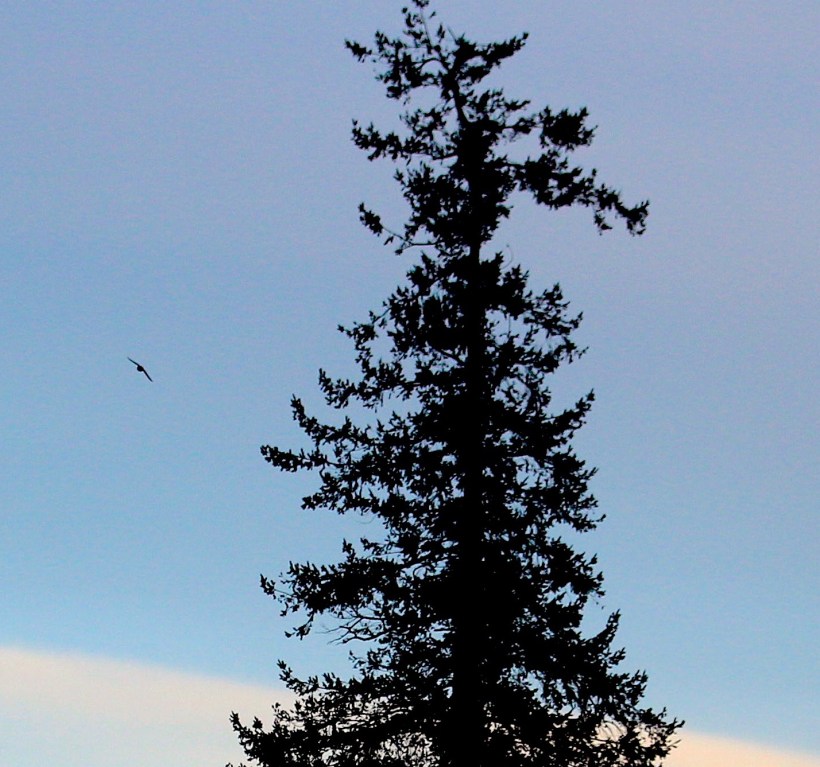
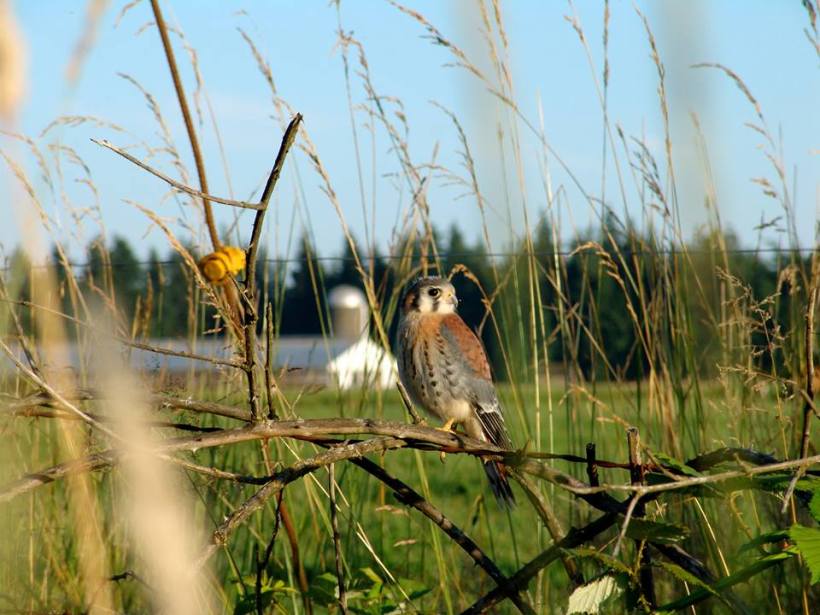
hawk in pursuit

We have been a disconsolate people, uneasy and restless, particularly during the past year of being told to stay at home is best. Safety and protection became the priority despite our longing for freedom of movement.

Now with pandemic restrictions lifting, many of us are impatient to fly and travel, even when the hawks in our lives remain in close pursuit. Though baffled, beaten and blown by the ever-buffeting winds of doubt and threat, we want our liberty.

It is easy to forget:
this earthly home isn’t our “safe” place and
true freedom isn’t going where we please when we please.

This life is merely vapor and our ultimate longing is for something far more eternal than we will find here.

We’re almost home – together on this journey through the darkness to forever.

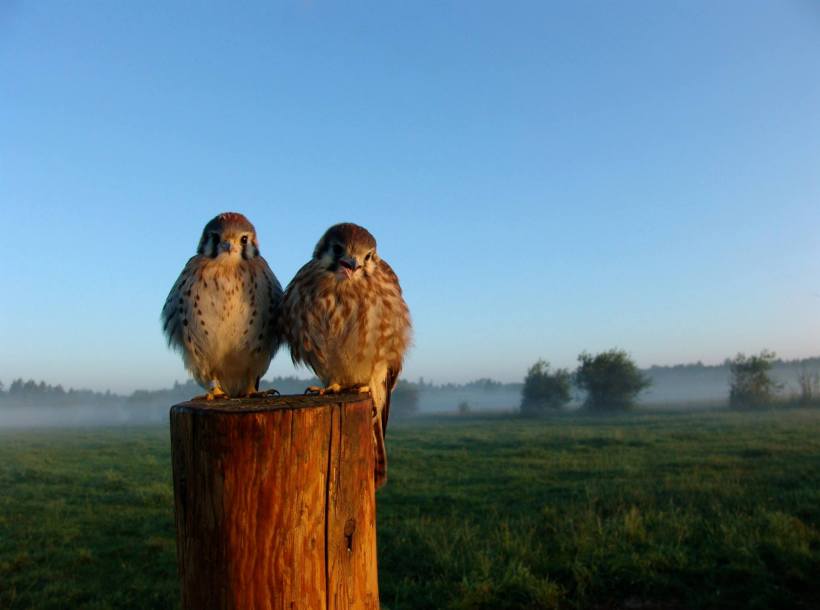
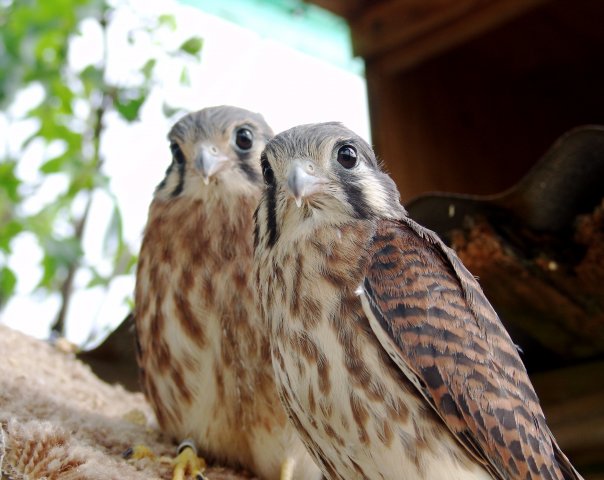
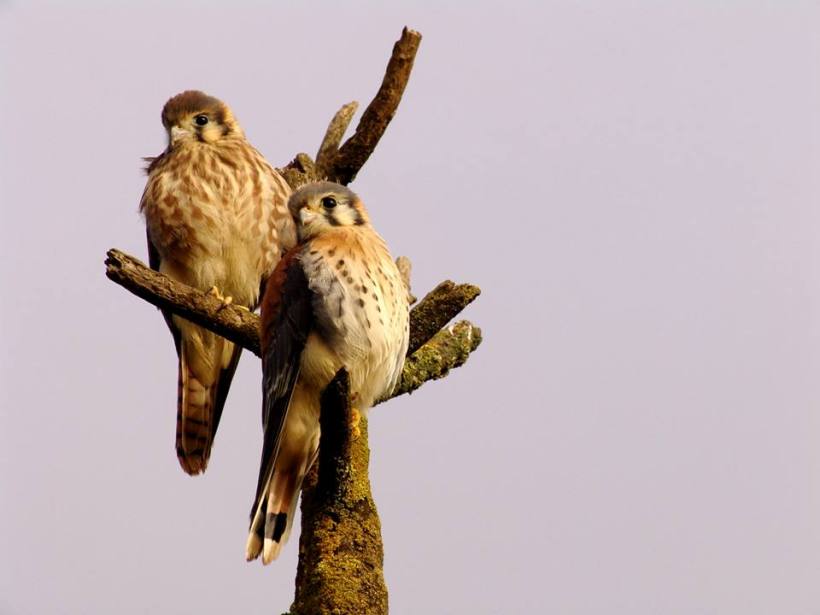
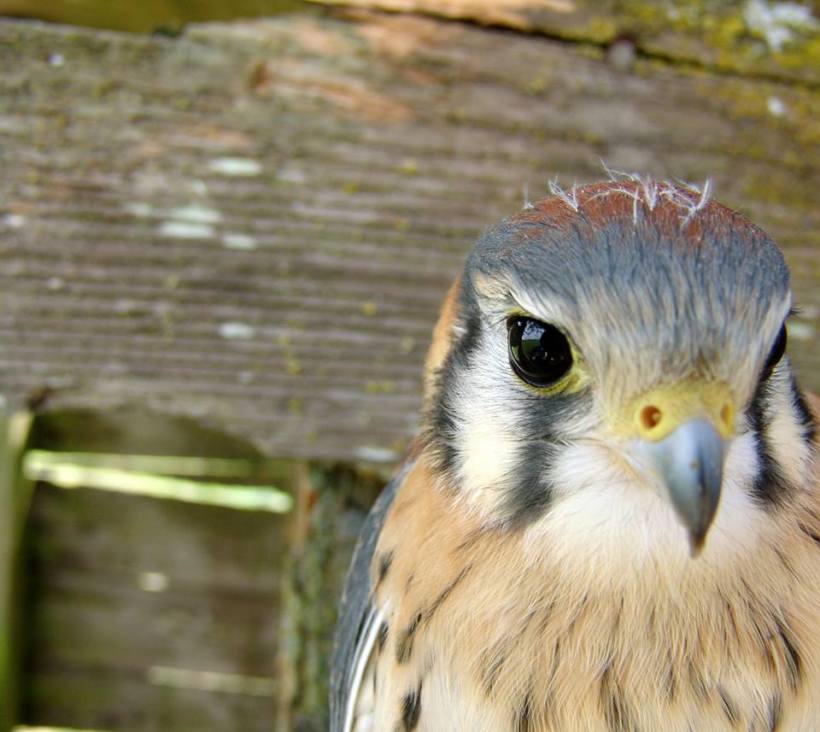
photos of kestrel falcons by Kate Steensma
photo by Kate Steensma

If you enjoy these Barnstorming blogs, consider this new book from Barnstorming available for order here:
Sweating Under the High Arc of Midsummer

What is the hayfield in late afternoon
that it can fly in the face of time,

and light can be centuries old, and even
the rusted black truck I am driving

can seem to be an implement born
of some ancient harvest,

and the rhythmic baler, which spits out
massive bricks tied up in twine,

can seem part of a time before now
because light glitters on the hay dust,

because the sun is sinking and we sweat
under the high arc of mid-summer,

because our bodies cast such long shadows–
Rebecca, with the baby strapped to her back,

the men who throw impossible weight
to the top of the truck, the black and white

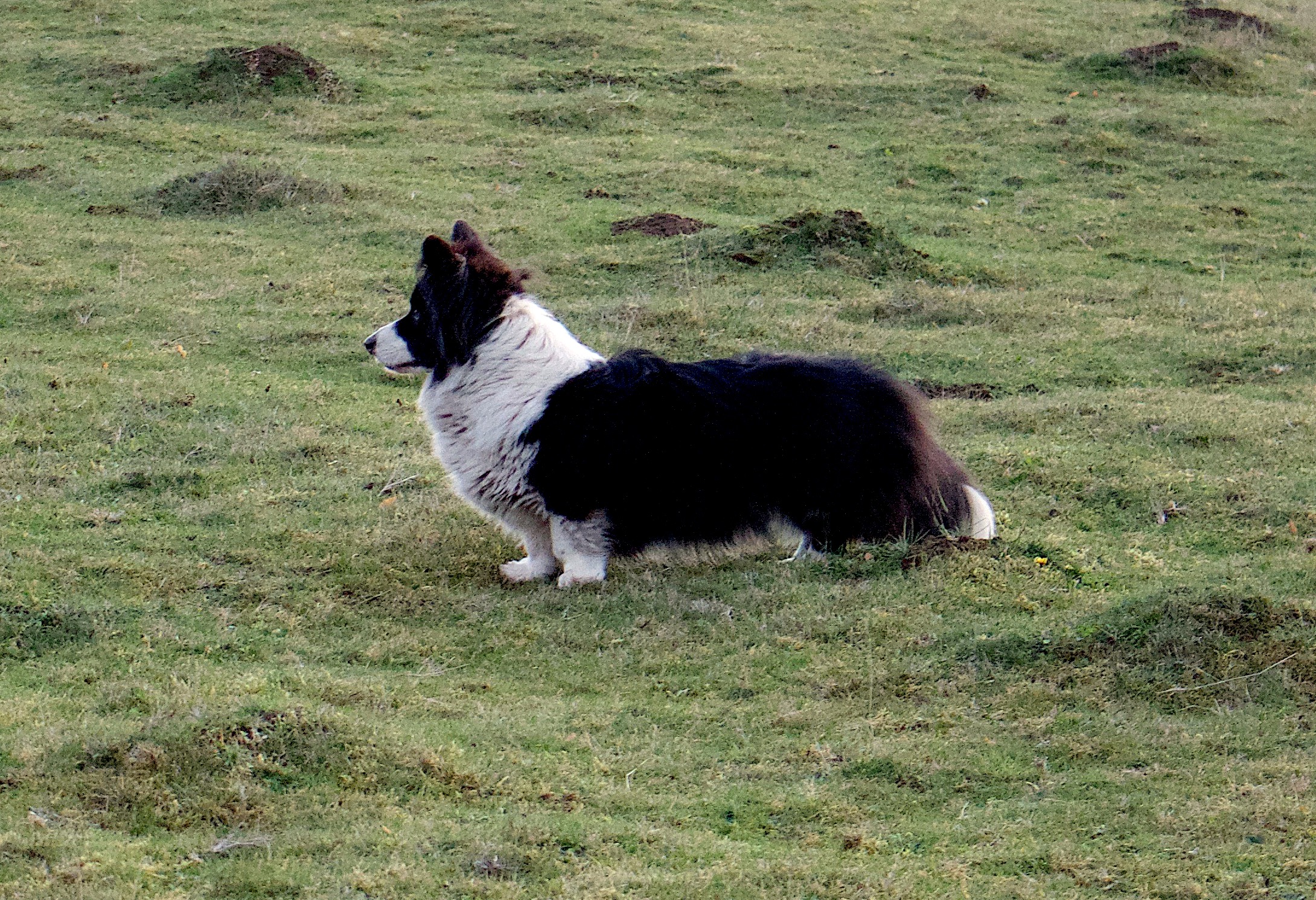
dog that races after mice or moles
whose lives have been suddenly exposed.

How does the taste of my sweat take me
down through the gate of childhood,

spinning backwards to land in a field
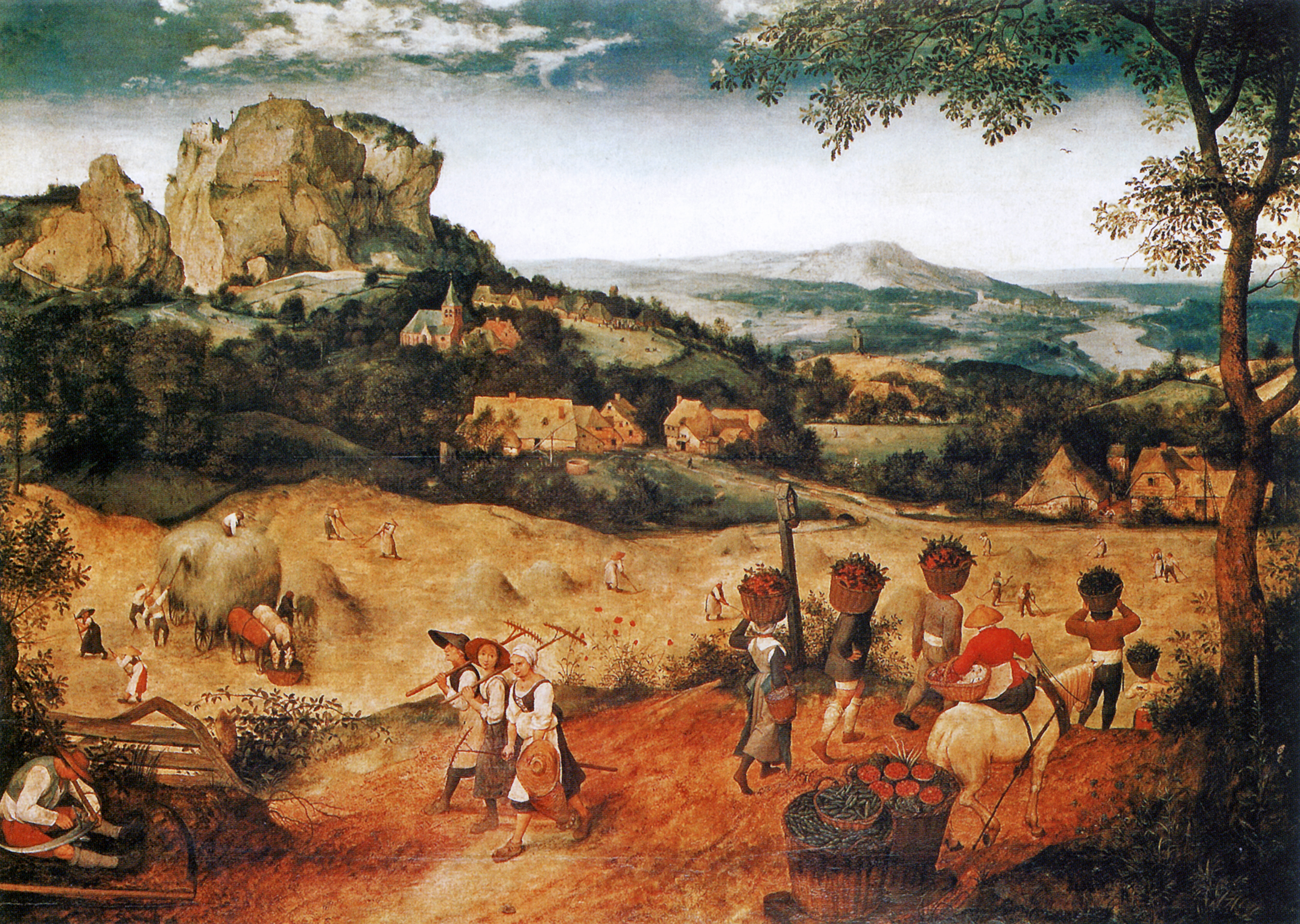
painted by Bruigel, where the taste of salt

is the same, and the same heat
rises in waves off a newly flattened field.

In the duskiness of slanted light, we laugh
just as we laughed then, because there is

joy in what the earth gives, allowing
our bodies to mingle with it, our voices

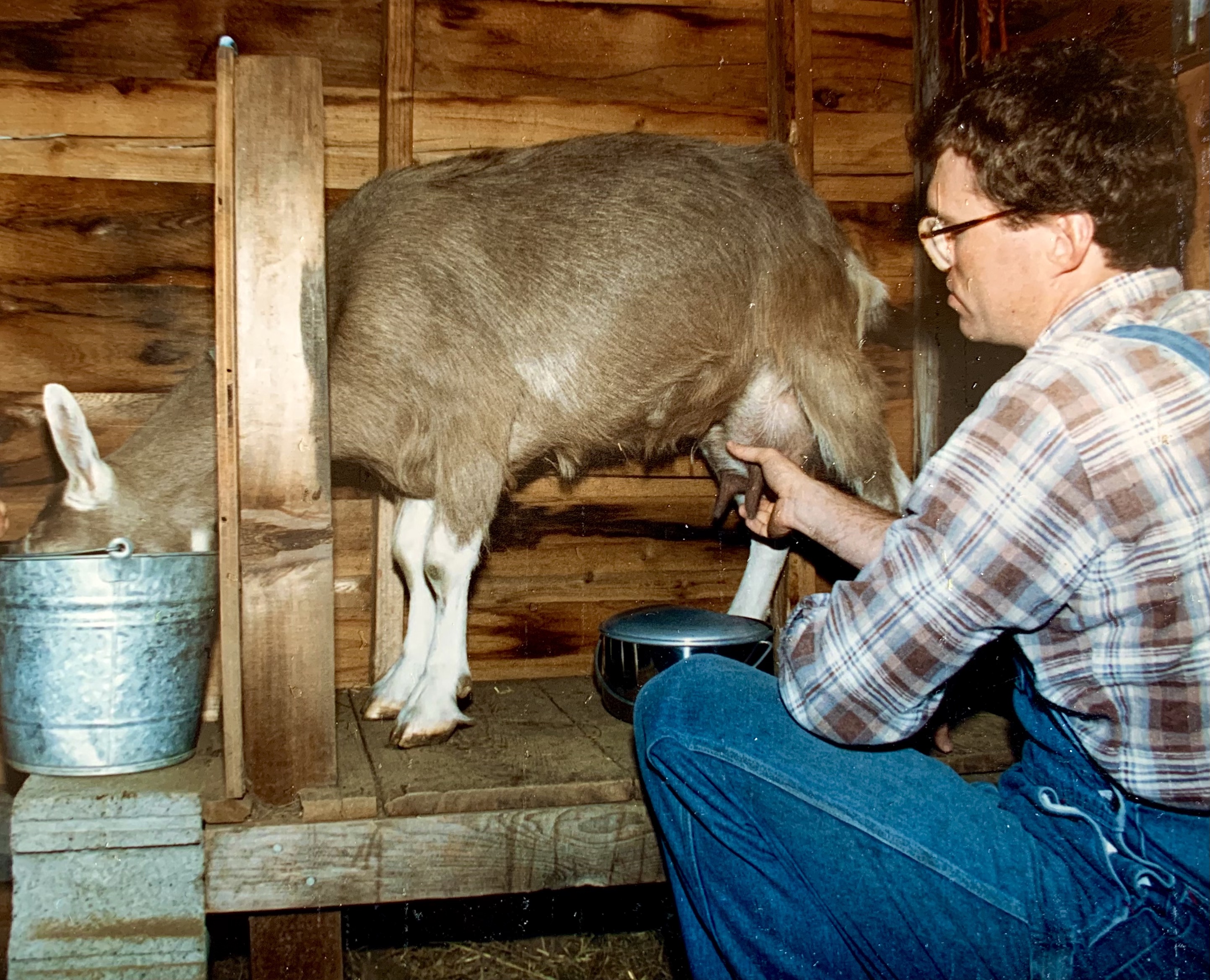
small on the field, our work assuring the goats
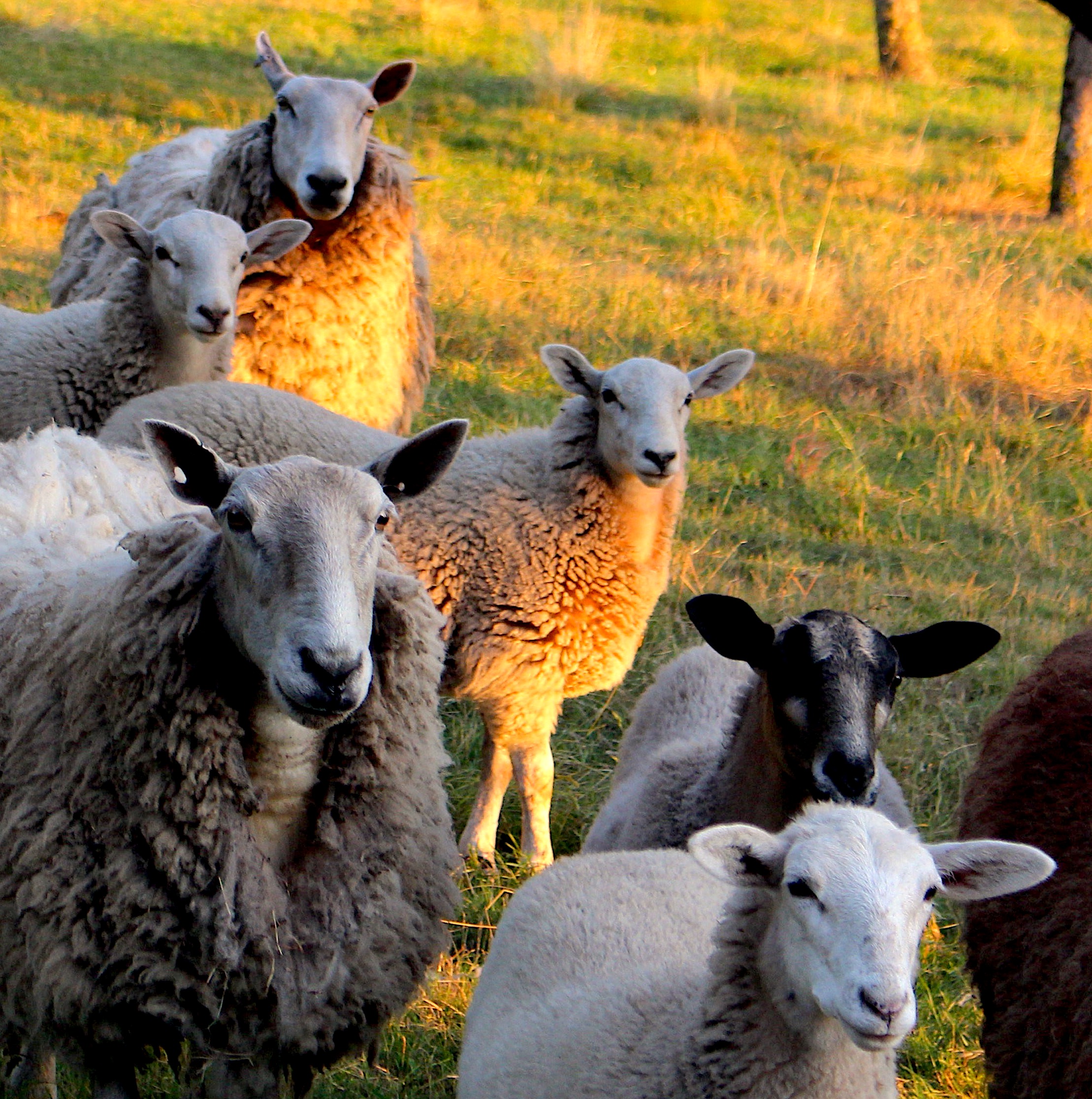
can give milk, the sheep can grow wool,

and we will have in our bones the taste
of something so old it travels in light.
~Susie Patlove “First Cutting” from Quickening

photo by Nate Gibson
1994
2005
2011

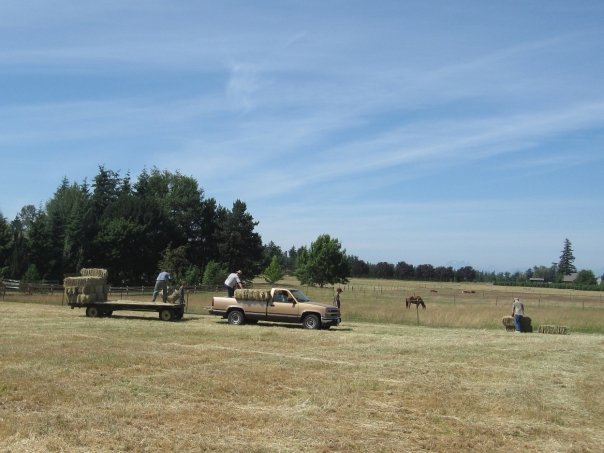
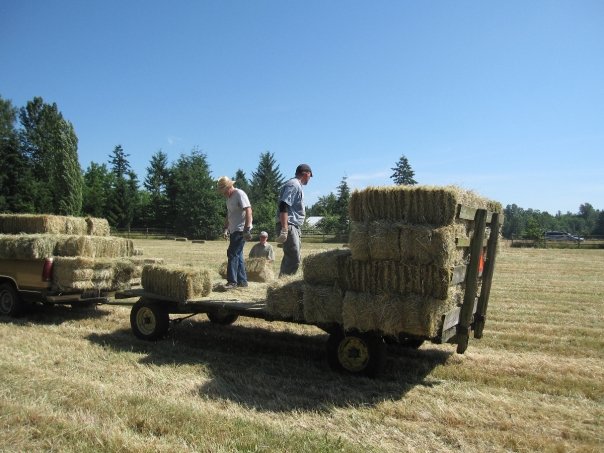
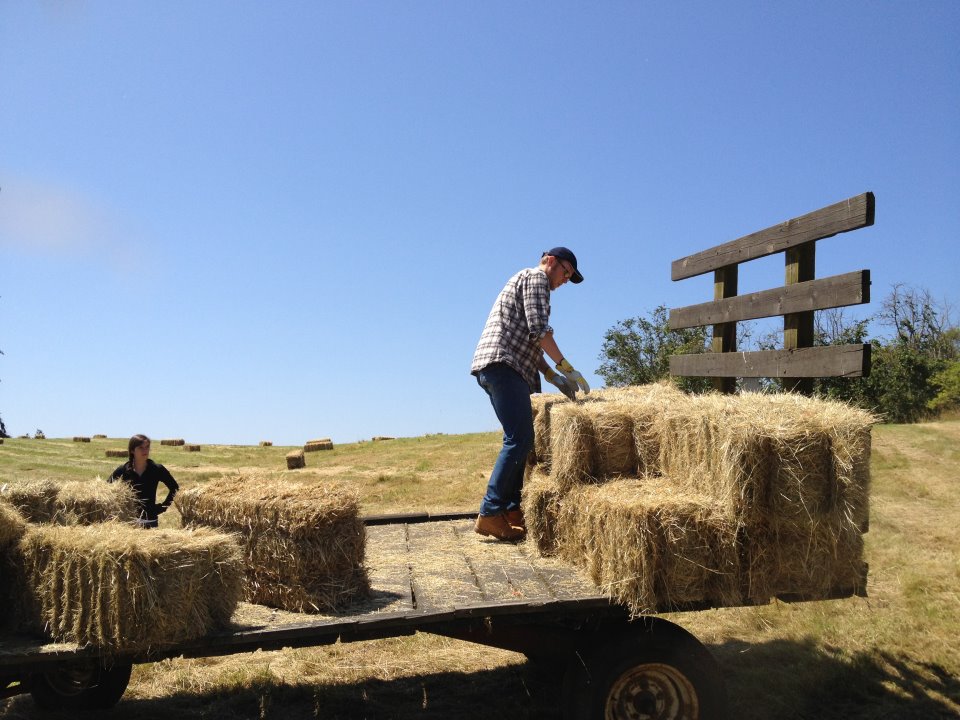
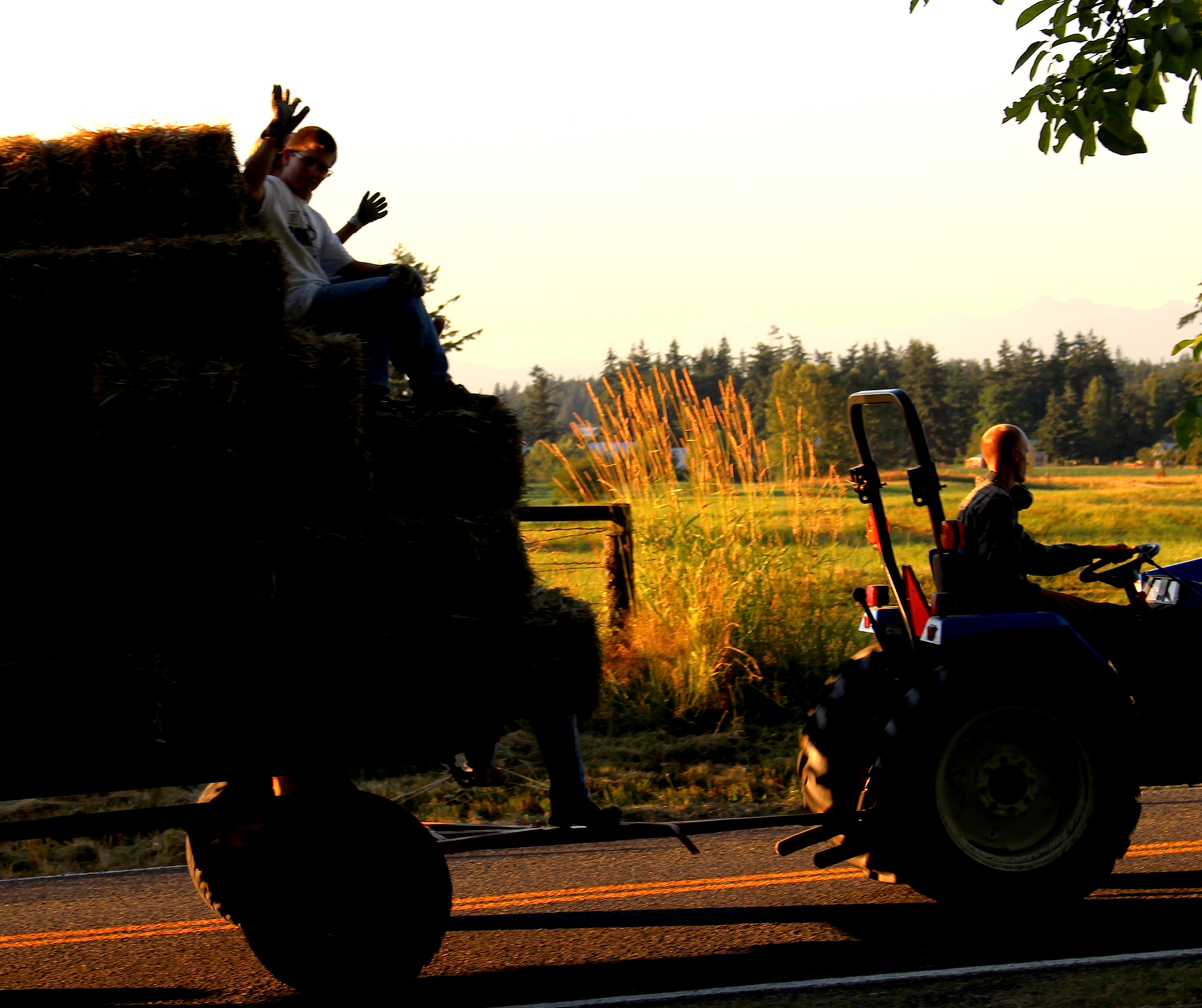
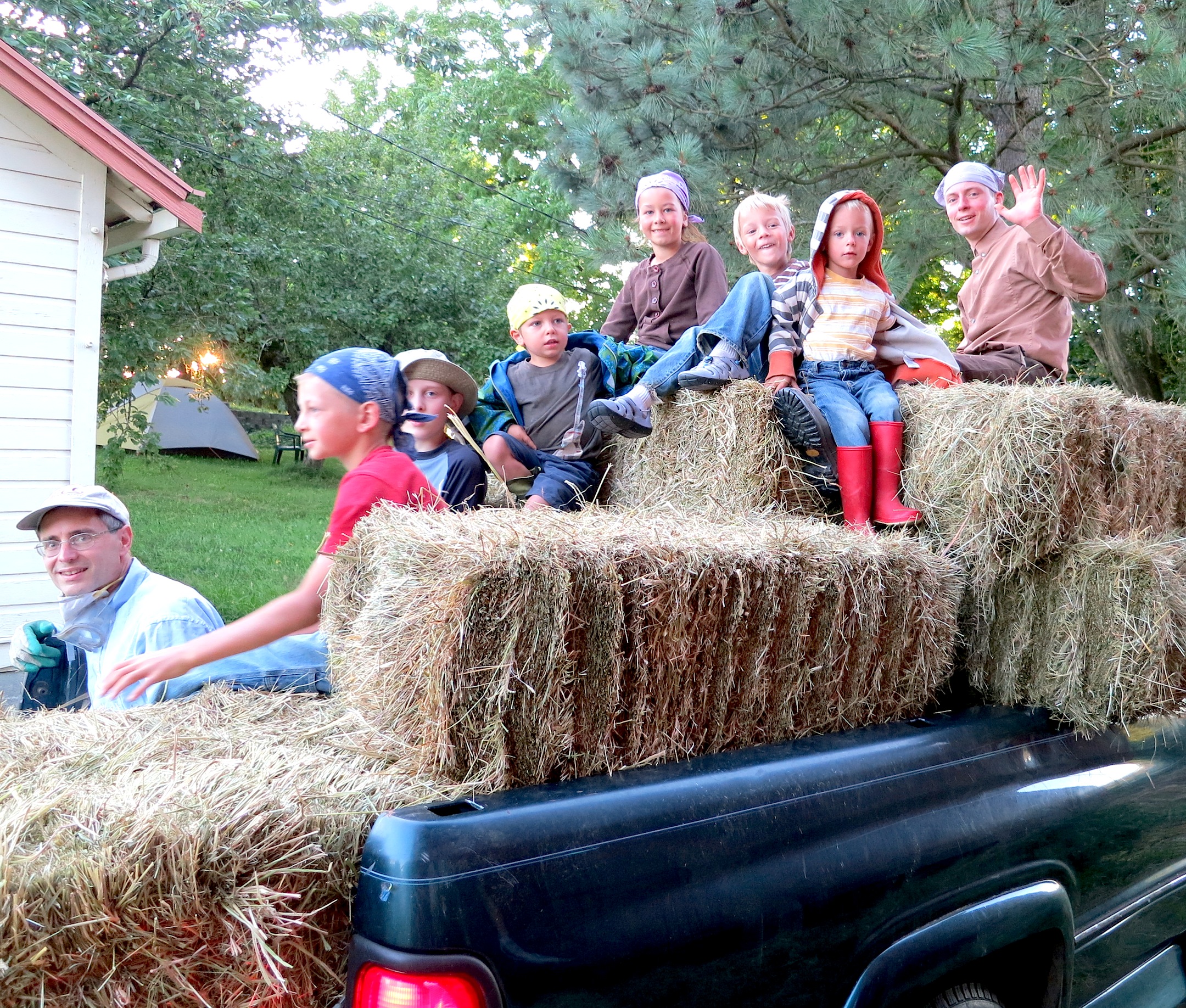
There is a timelessness to mid-summer hay harvest that goes back generations on both sides of our family. The cutting, raking and gathering of hay has evolved from horse-drawn implements and gathering loose shocks of hay to 100+ horse power air-conditioned tractors and huge round bales wrapped and stored in plastic sheathing rather than in barns.

Our farm is happily stuck somewhere in-between: we still prefer filling the haybarn with bales that I can still lift and move myself to feed our animals. True hay harvest involves sweat and dust and a neighborhood coming together to preserve summer in tangible form.

I grew up on a farm with a hayfield – I still have the scar over my eyebrow where I collided with the handle of my father’s scythe when, as a toddler, I came too close behind him as he was taking a swing at cutting a field of grass one swath at a time. I remember the huge claws of the hay hook reaching down onto loose hay piled up on our wagon. The hook would gather up a huge load, lift it high in the air to be moved by pulley on a track into our spacious hay loft. It was the perfect place to play and jump freely into the fragrant memories of a summer day, even in the dark of winter.

But these days it is the slanted light of summer I remember most:
-the weightlessness of dust motes swirling down sun rays coming through the slats of the barn walls as the hay bales are stacked
-the long shadows and distant alpenglow in the mountains
-the dusk that goes on and on as owls and bats come out to hunt above us

Most of all, I will remember the sweaty days of mid-summer as I open the bales of hay in mid-winter – the light and fragrance of those grassy fields spilling forth into the chill and darkness, in communion of blessing for our animals.

photo by Tayler Rae
Pieter Bruegel “Hay Harvest”
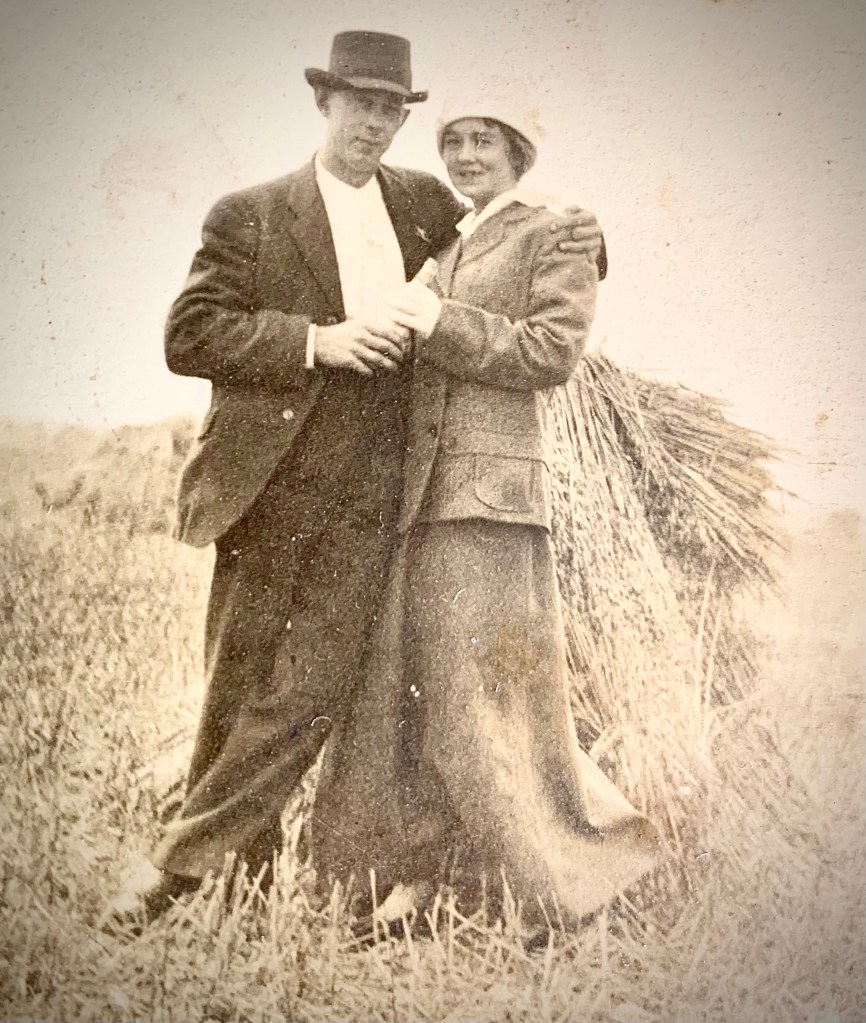
My grandparents Leslie Polis and Kittie Lovelace standing in a hayfield with loose hay shocks — 1915

Enjoy this blog post? A new book from Barnstorming is available to order here:
All Barb and Bristle

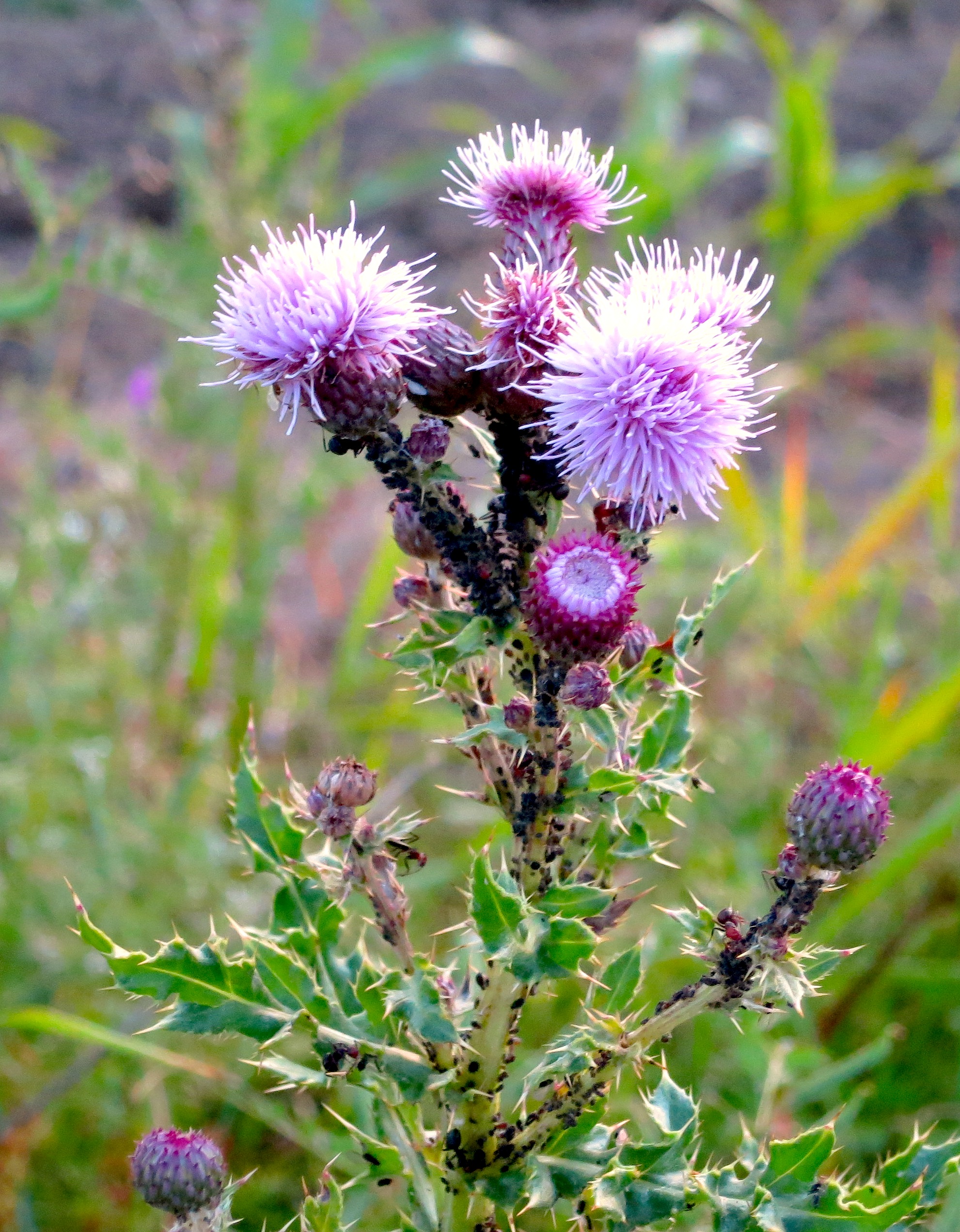
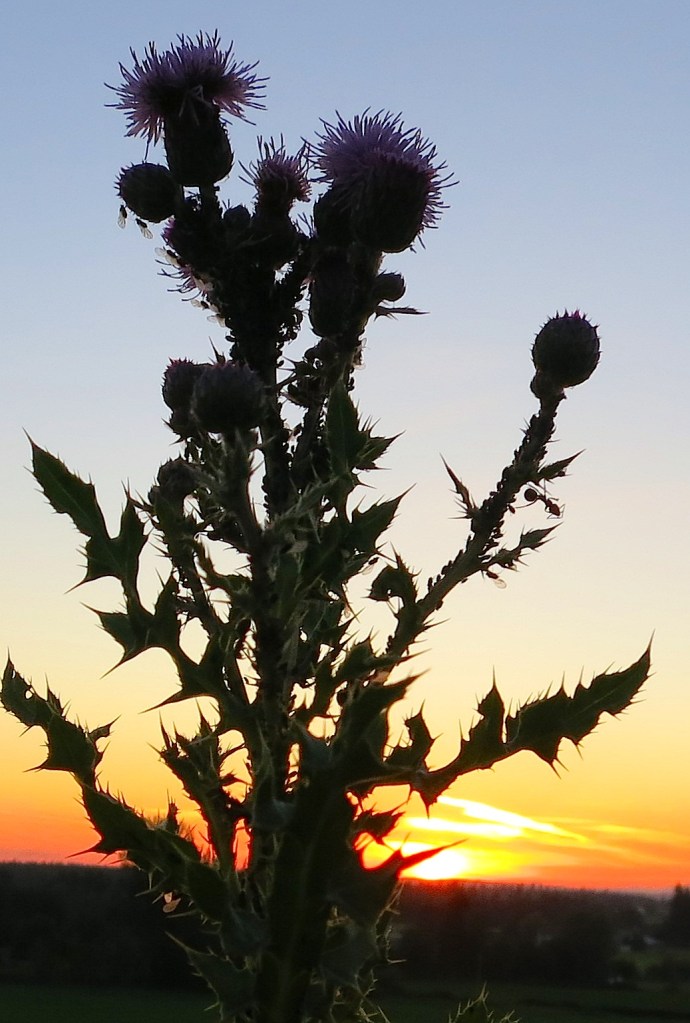
This upstart thistle
Is young and touchy; it is
All barb and bristle,

Threatening to wield
Its green, jagged armament
Against the whole field.

Butterflies will dare
Nonetheless to lay their eggs
In that angle where

The leaf meets the stem,
So that ants or browsing cows
Cannot trouble them.

Summer will grow old
As will the thistle, letting
A clenched bloom unfold

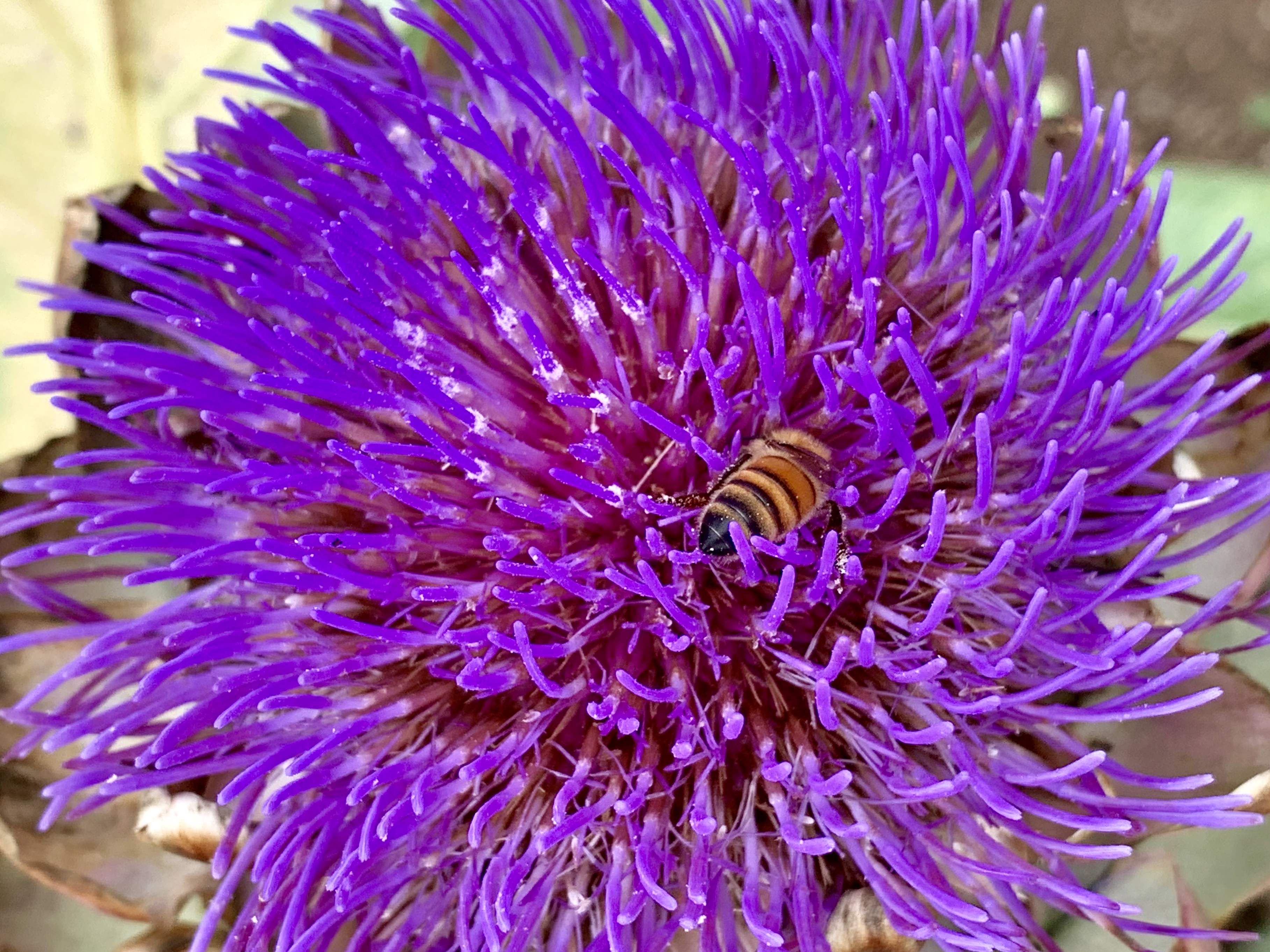
To which the small hum
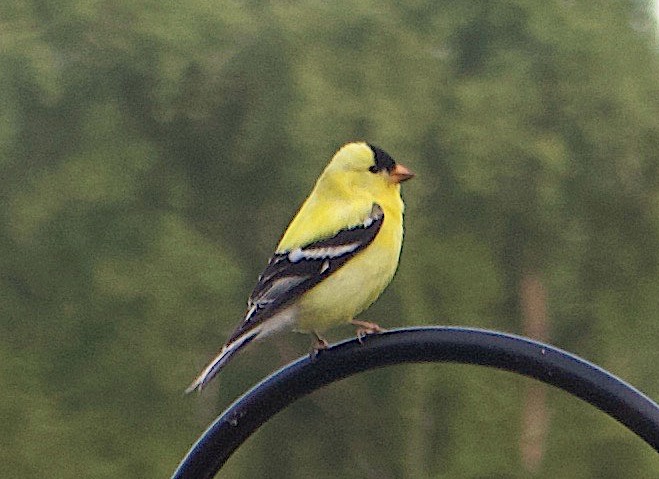
Of bee wings and the flash of
Goldfinch wings will come,

Till its purple crown
Blanches, and the breezes strew
The whole field with down.
~Richard Wilbur “A Pasture Poem” from Anterooms

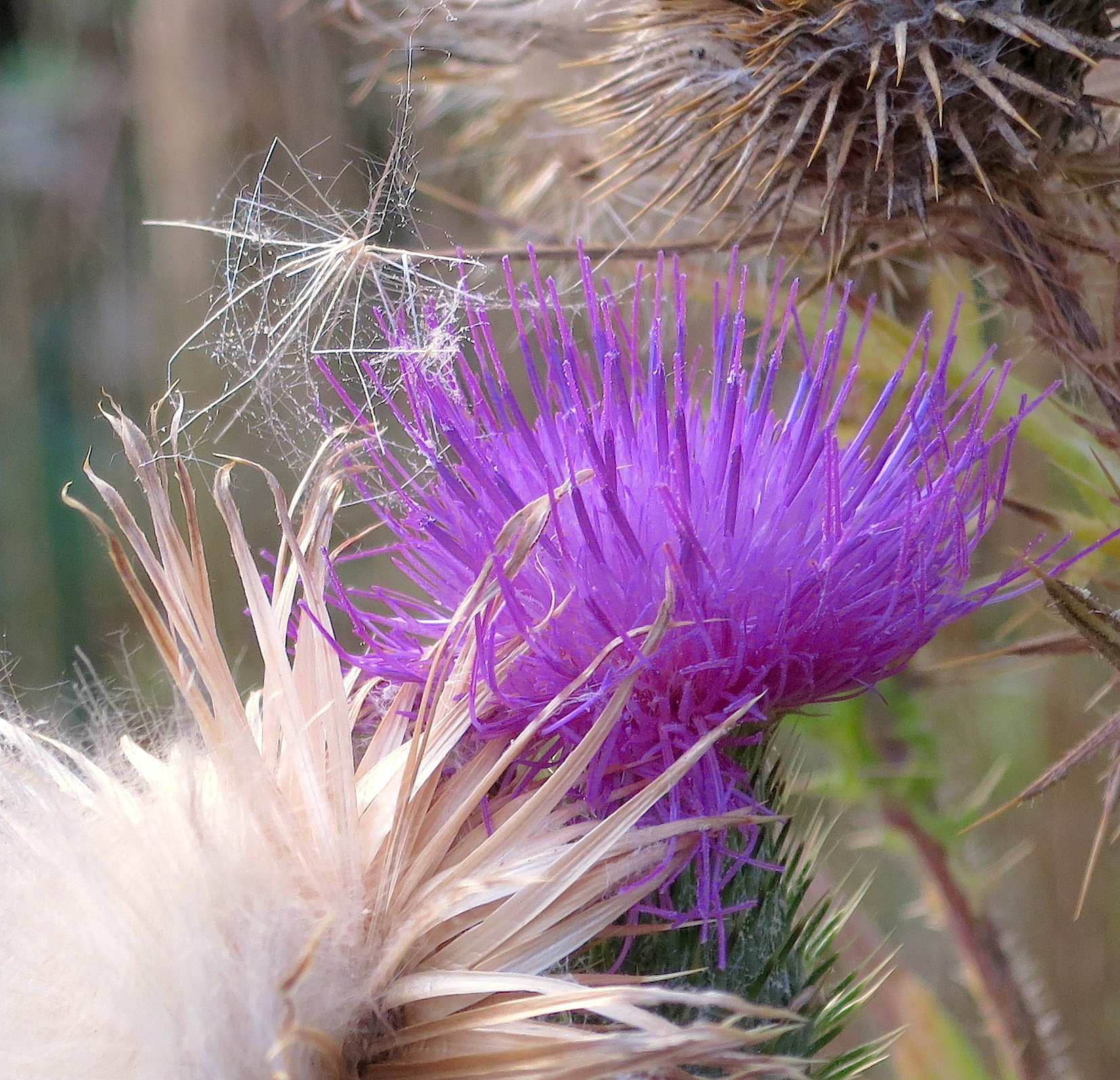
Not unlike the thistles that dot our pastures, I can have a tendency to be a bristly, barbed and sharp – some is simply my nature, but also long years of relentless training to become tough and impenetrable. Perhaps it represents my need for self-protection, but like the thistle, though having spiky thorns may keep me from being “eaten”, it doesn’t deter the gentle approach of butterfly or bee.

As a result, I have been softened over time (in more ways than one!) by forces outside of myself – a ripening that means I am less threat and more welcoming. My unfolding into fluffy blossom became my way of enveloping myself around my world as grace enveloped me.

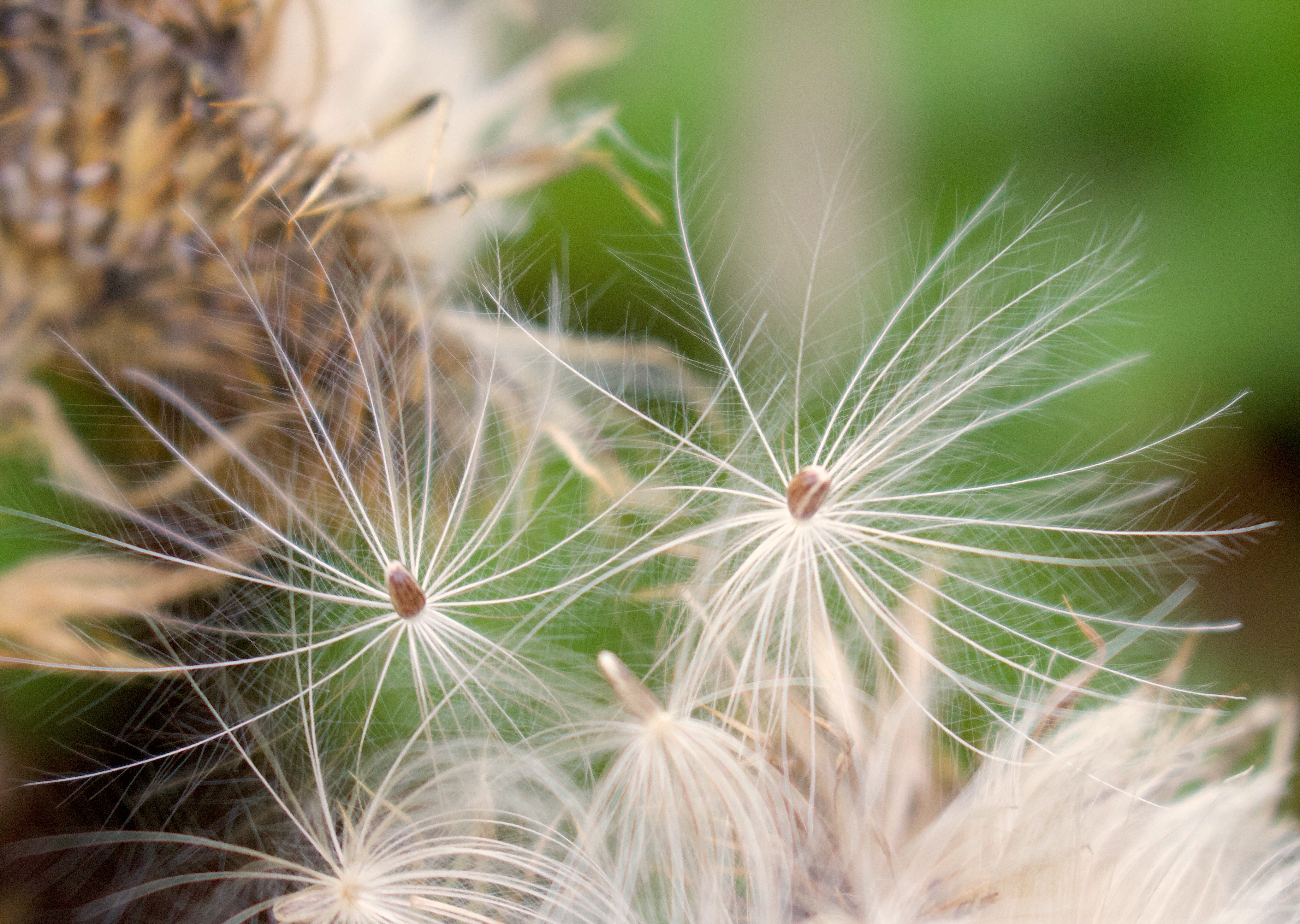
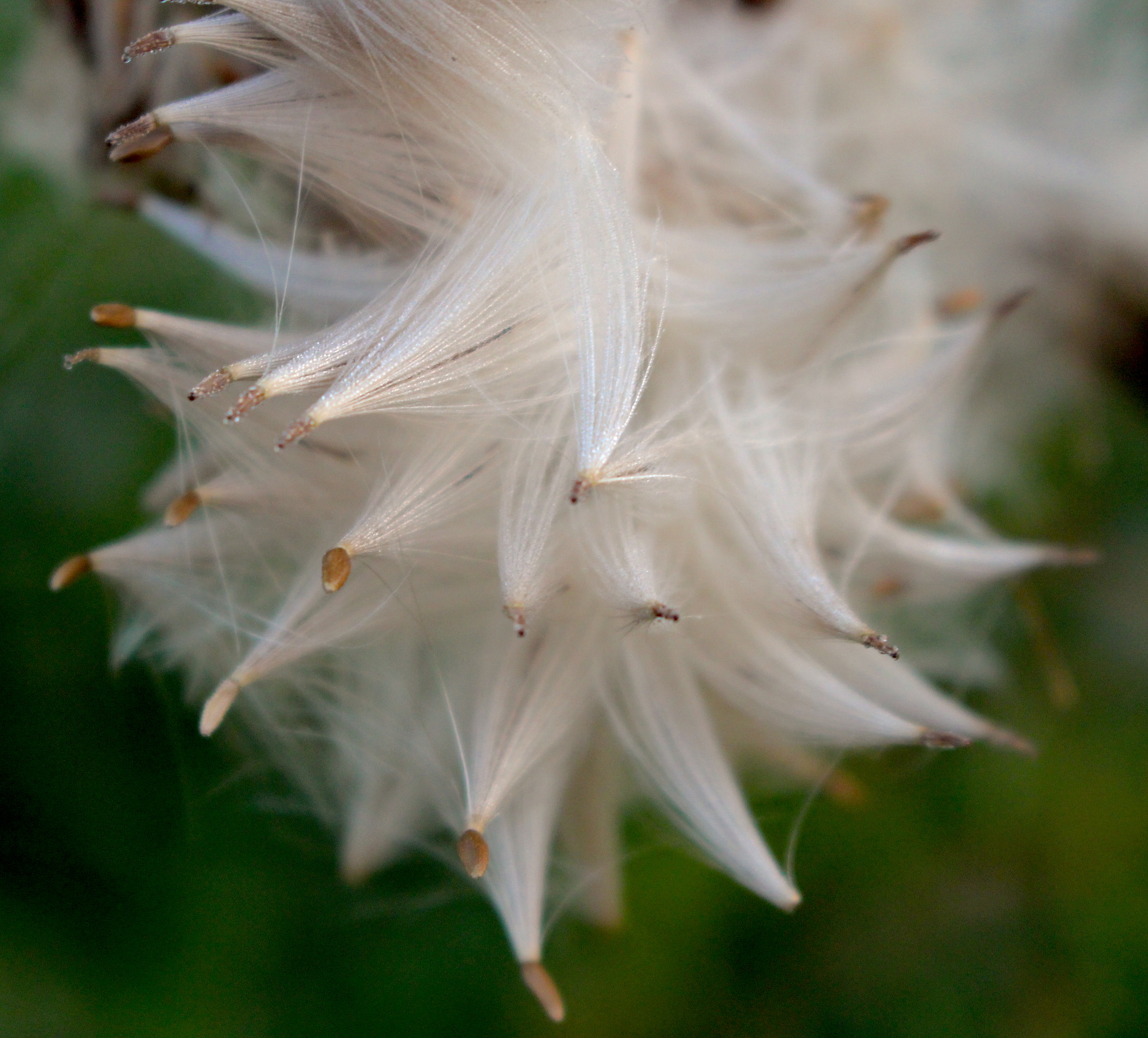
With the breezes, the softest of thistle down spreads afar rather than standing stock-still in self-defense. I find in my seventh decade, I’m actually meant to fly, settling into nooks and crannies I never could have dreamed while barbed and spiky.

That is how grace and redemption works on thistles and bristly people: from sharp edges to delicate downiness.
We are all in need of such transformation.

A new book from Barnstorming is available to order here: