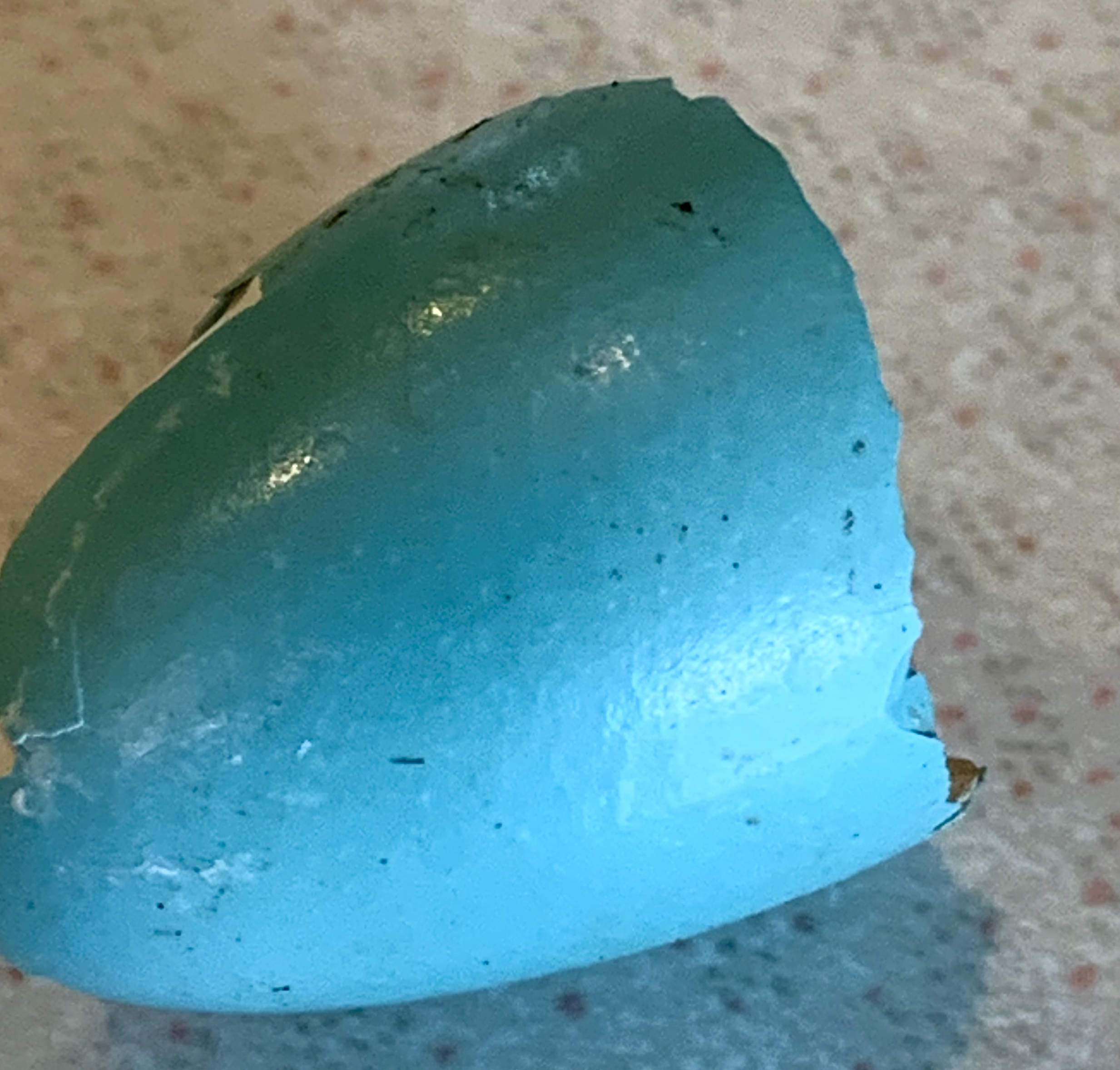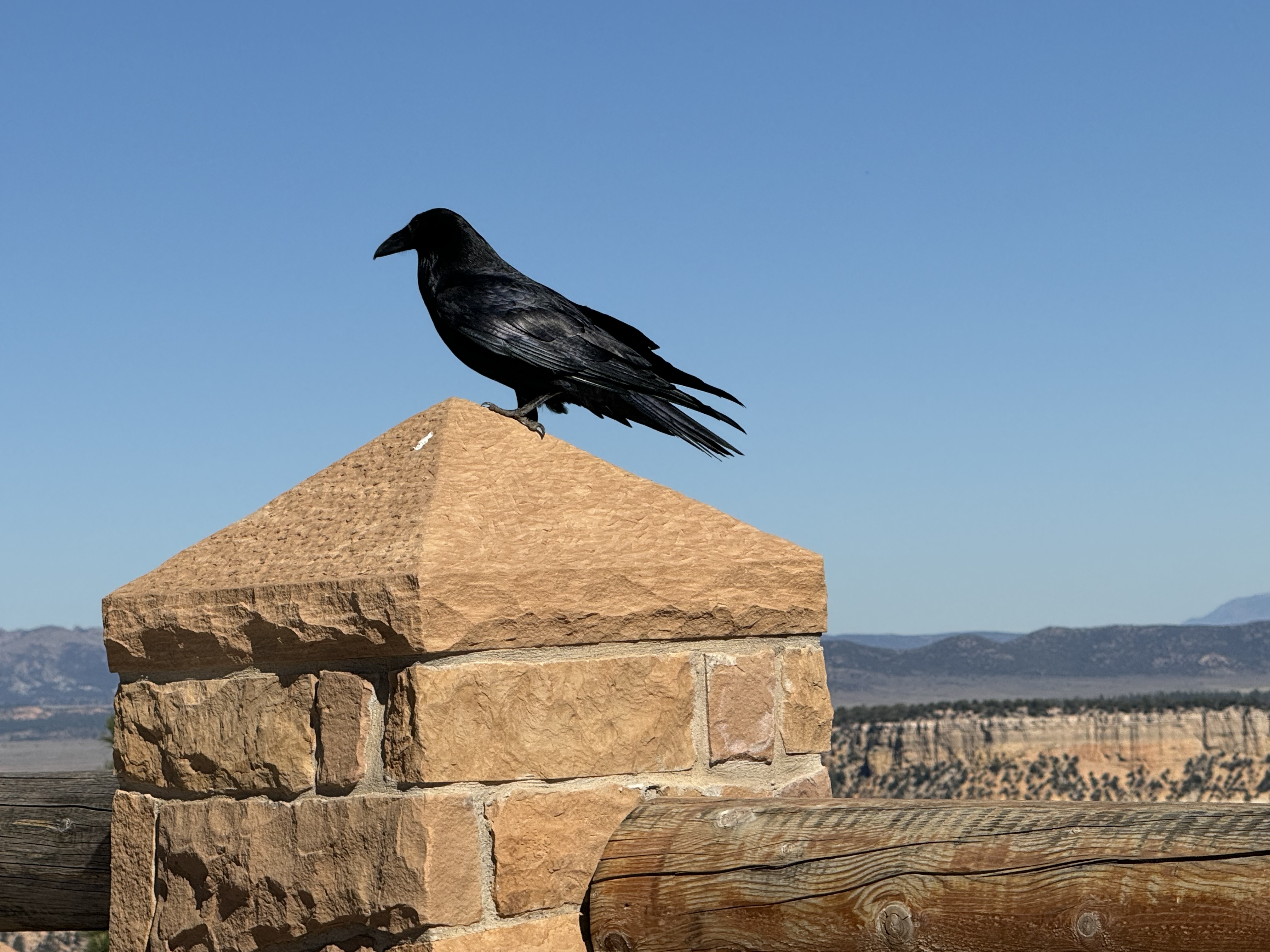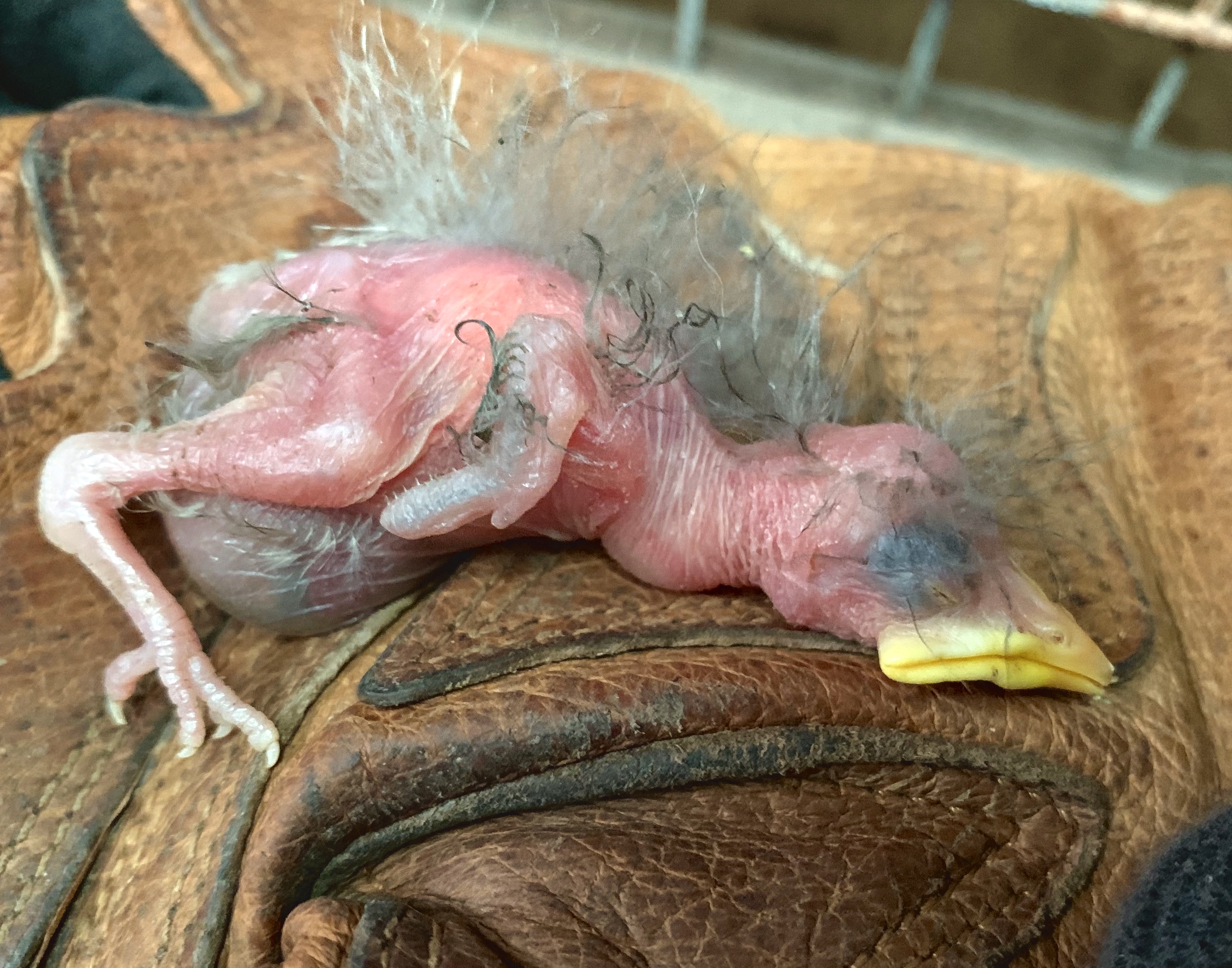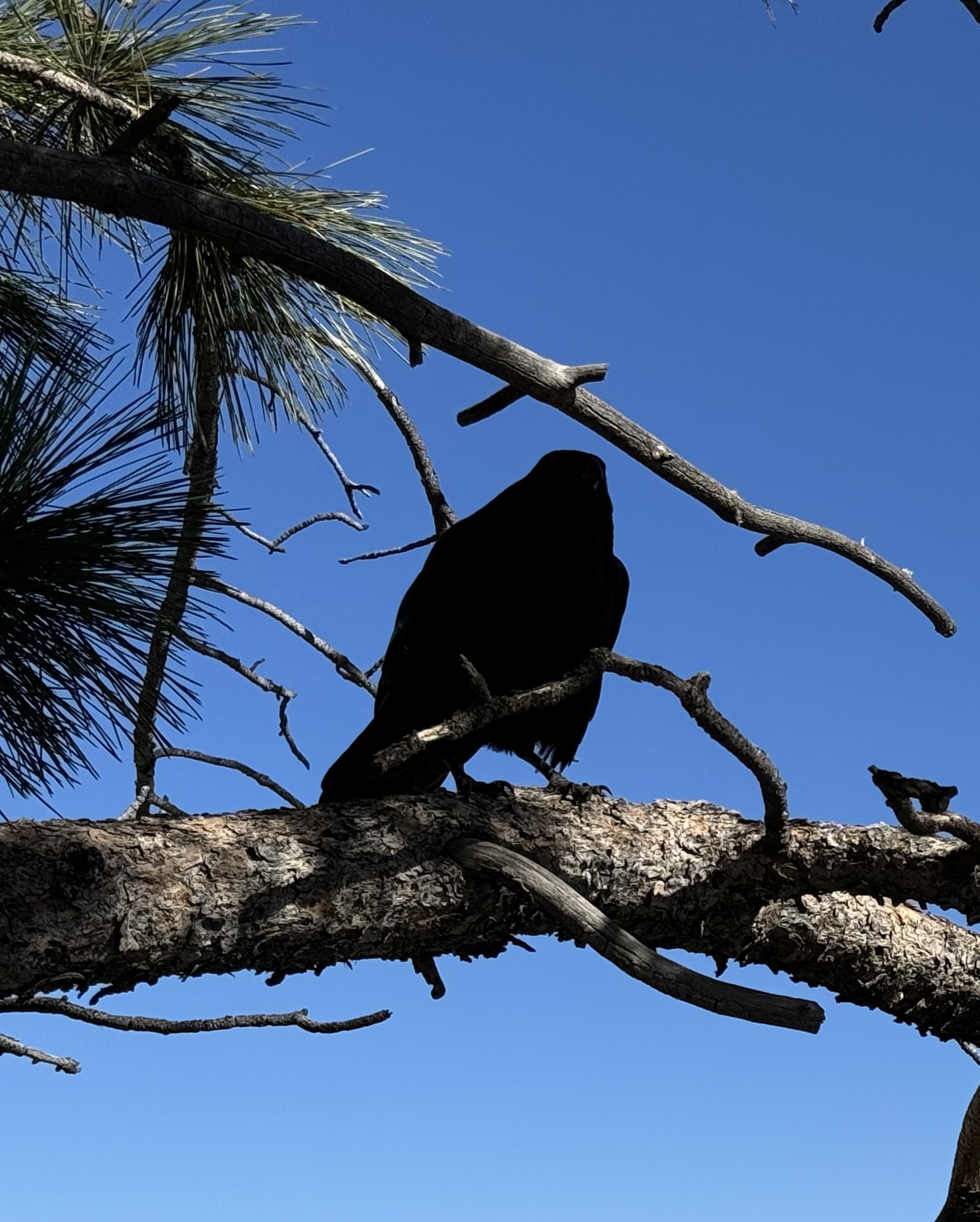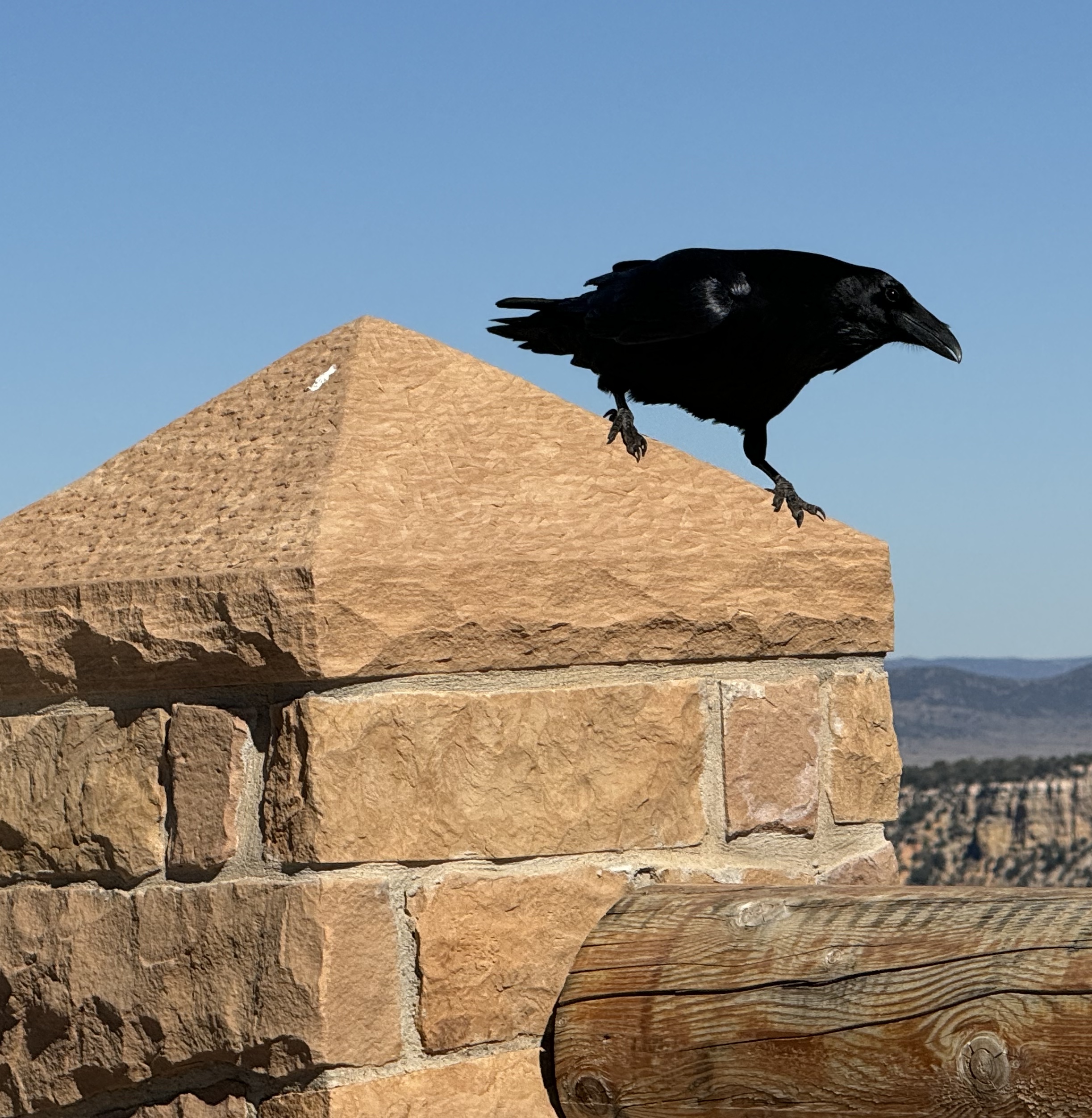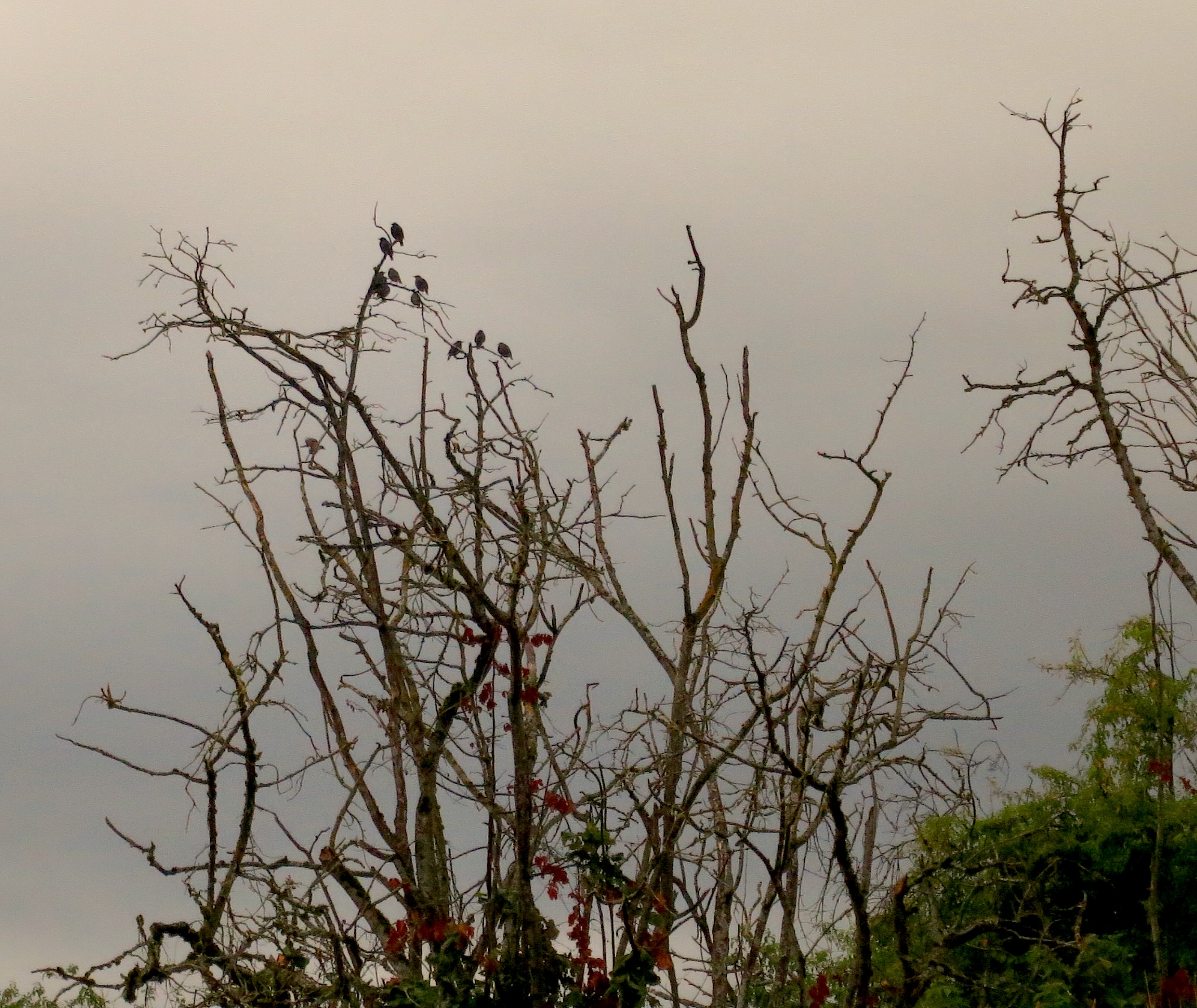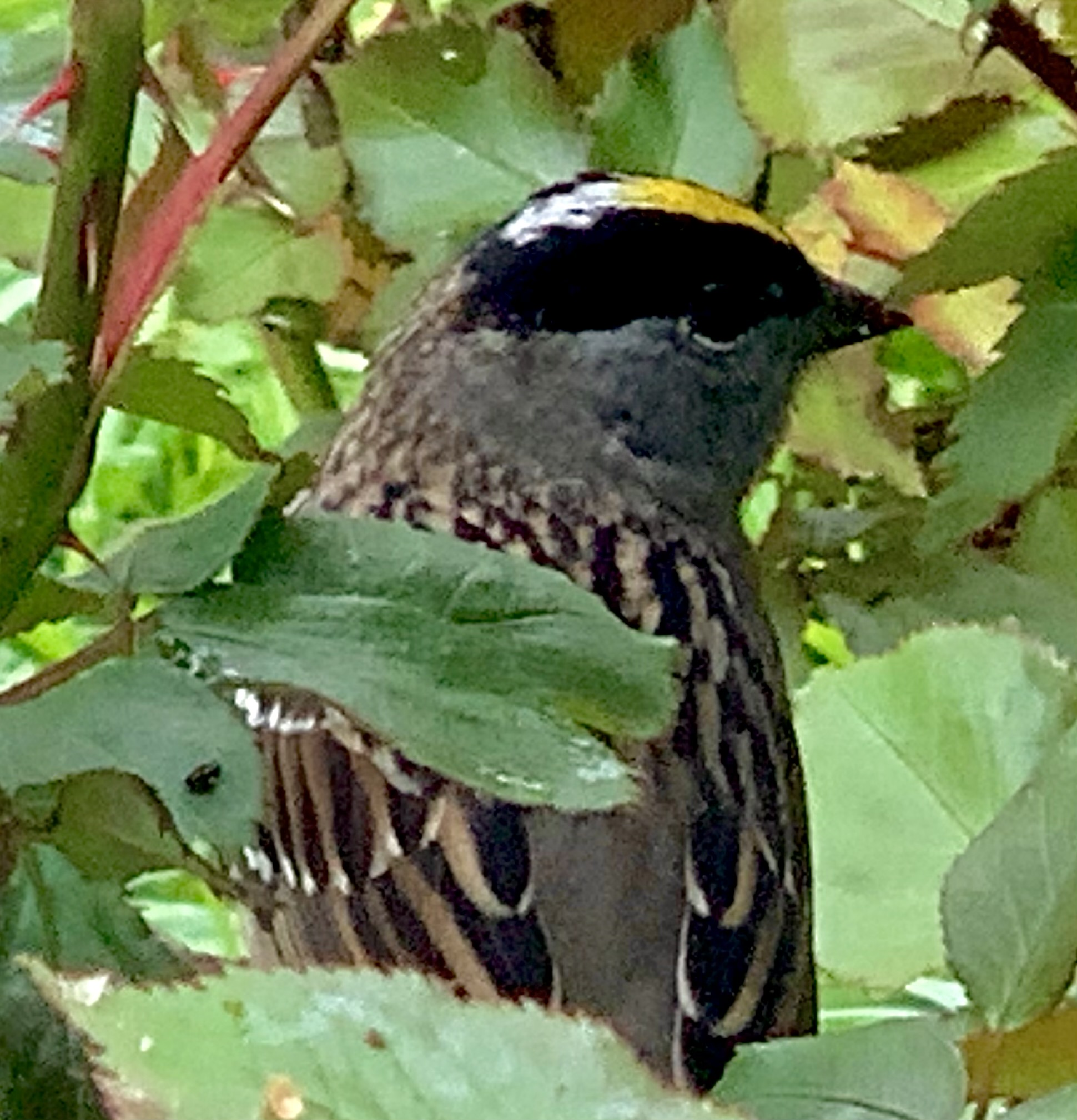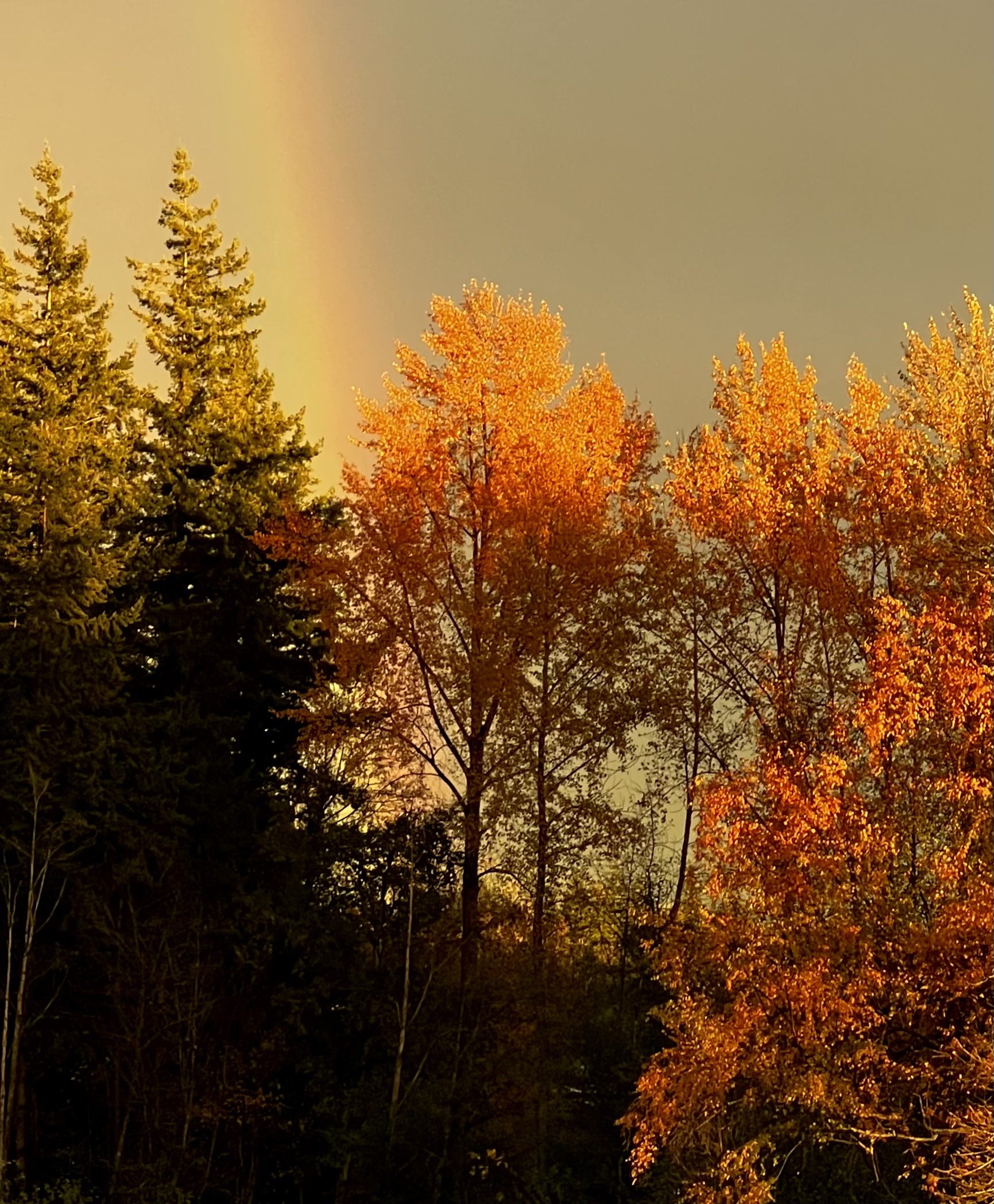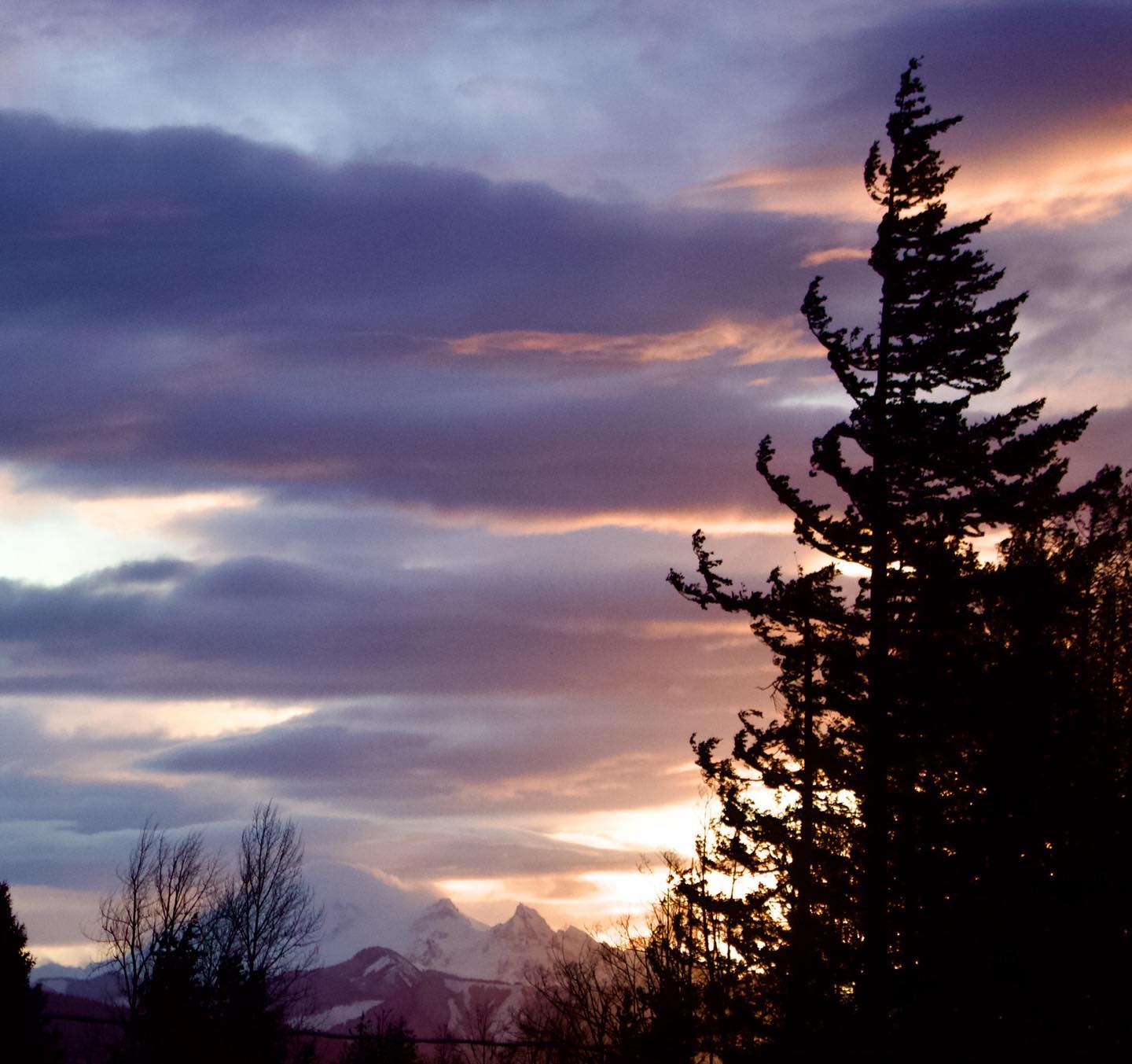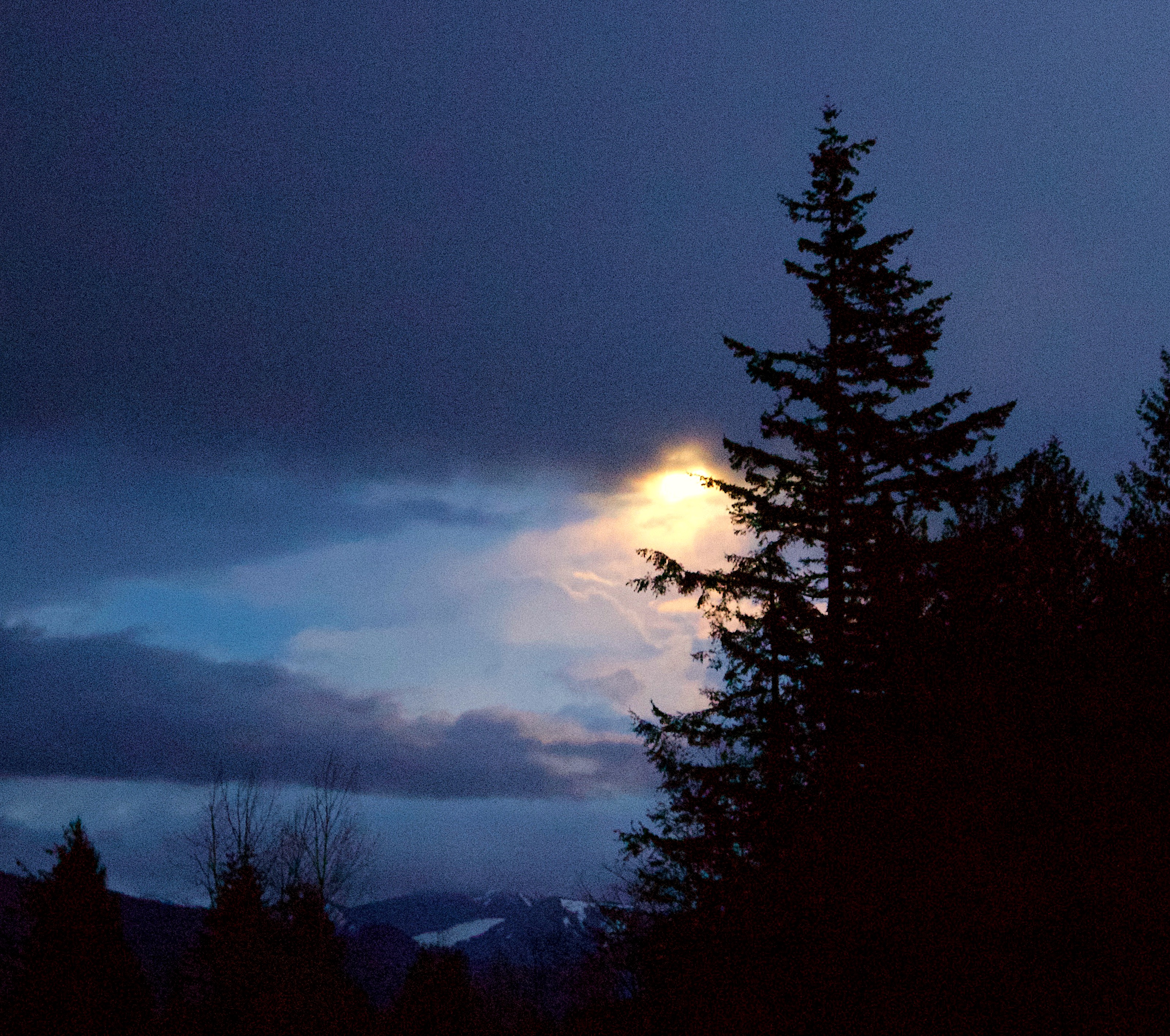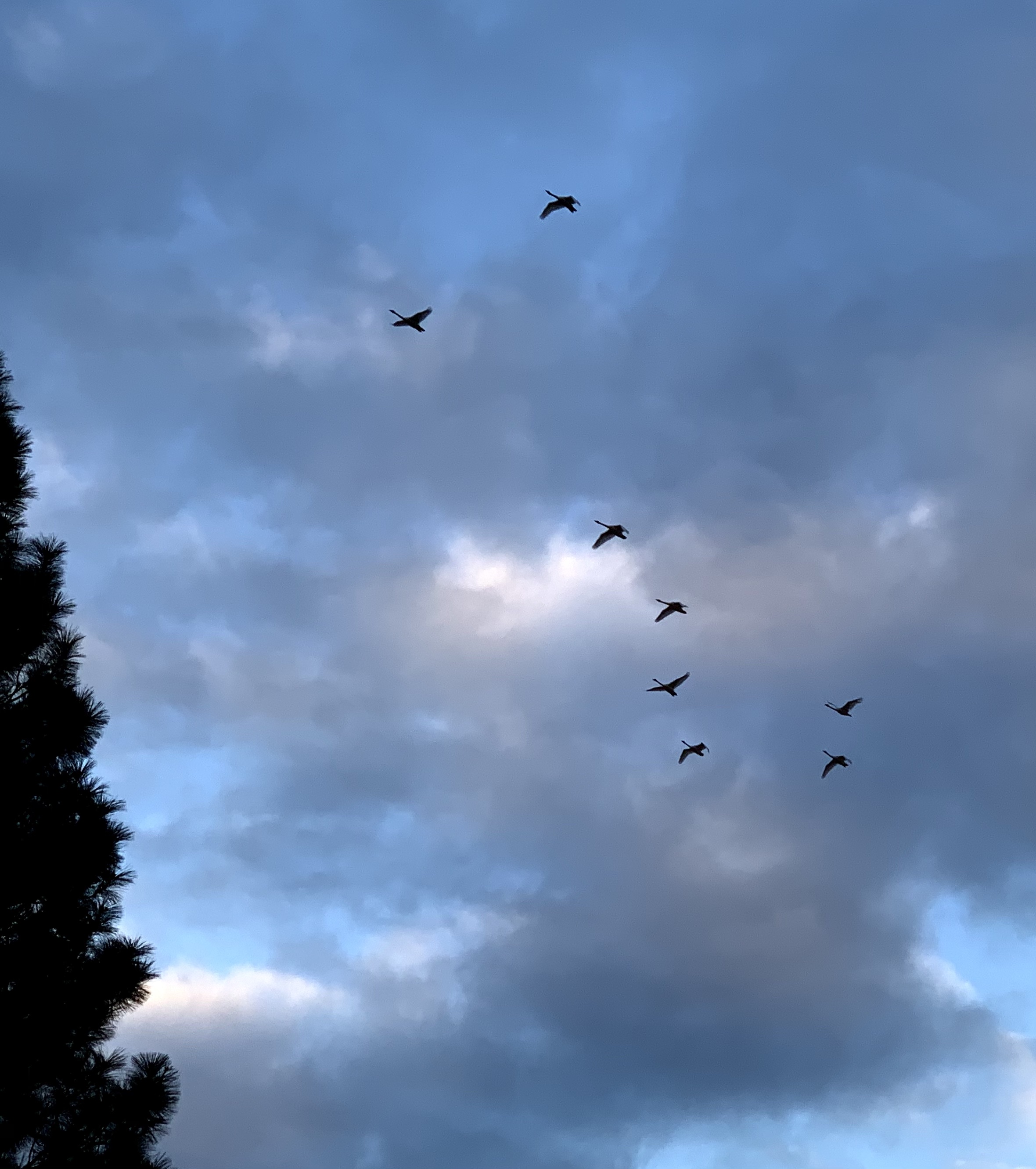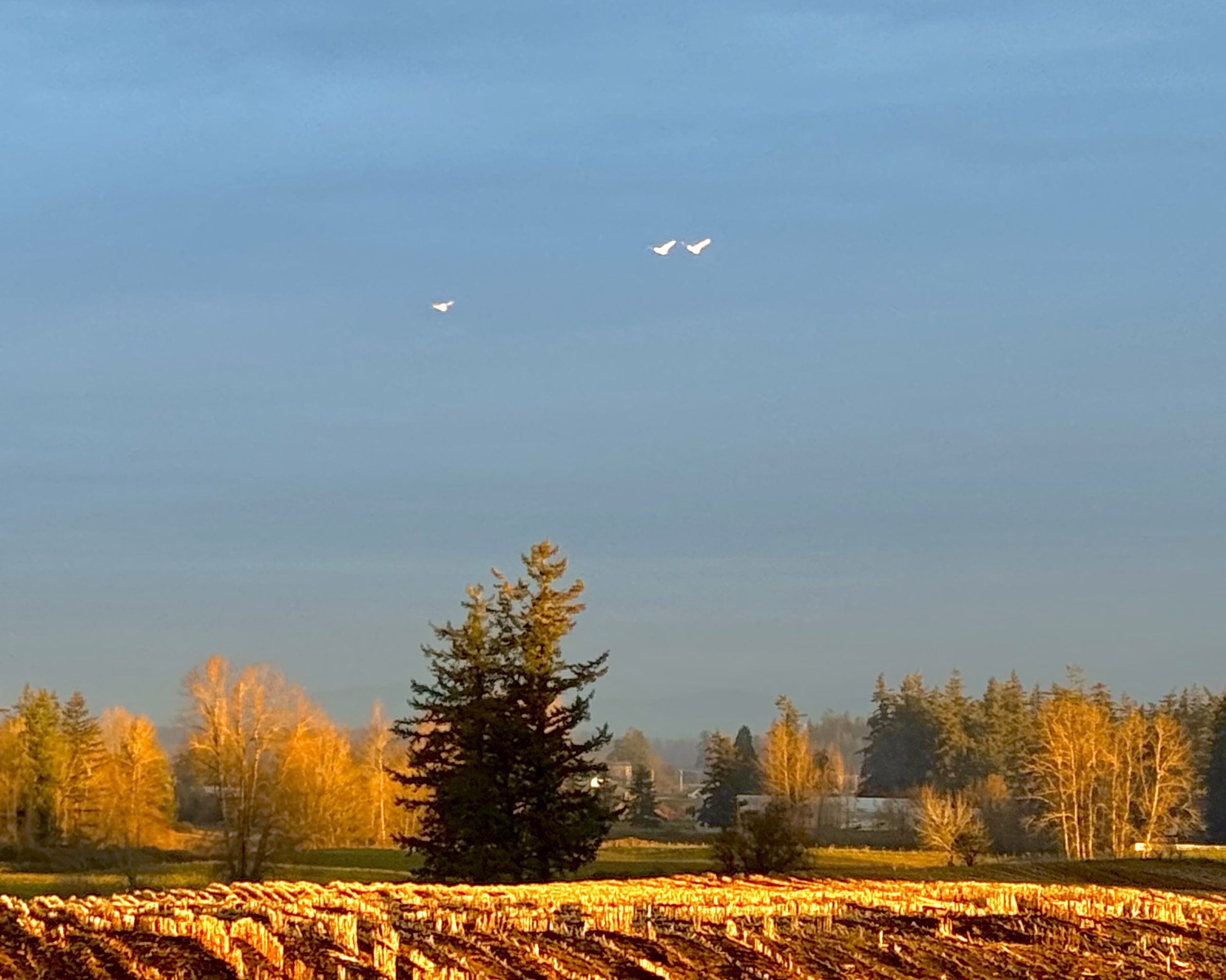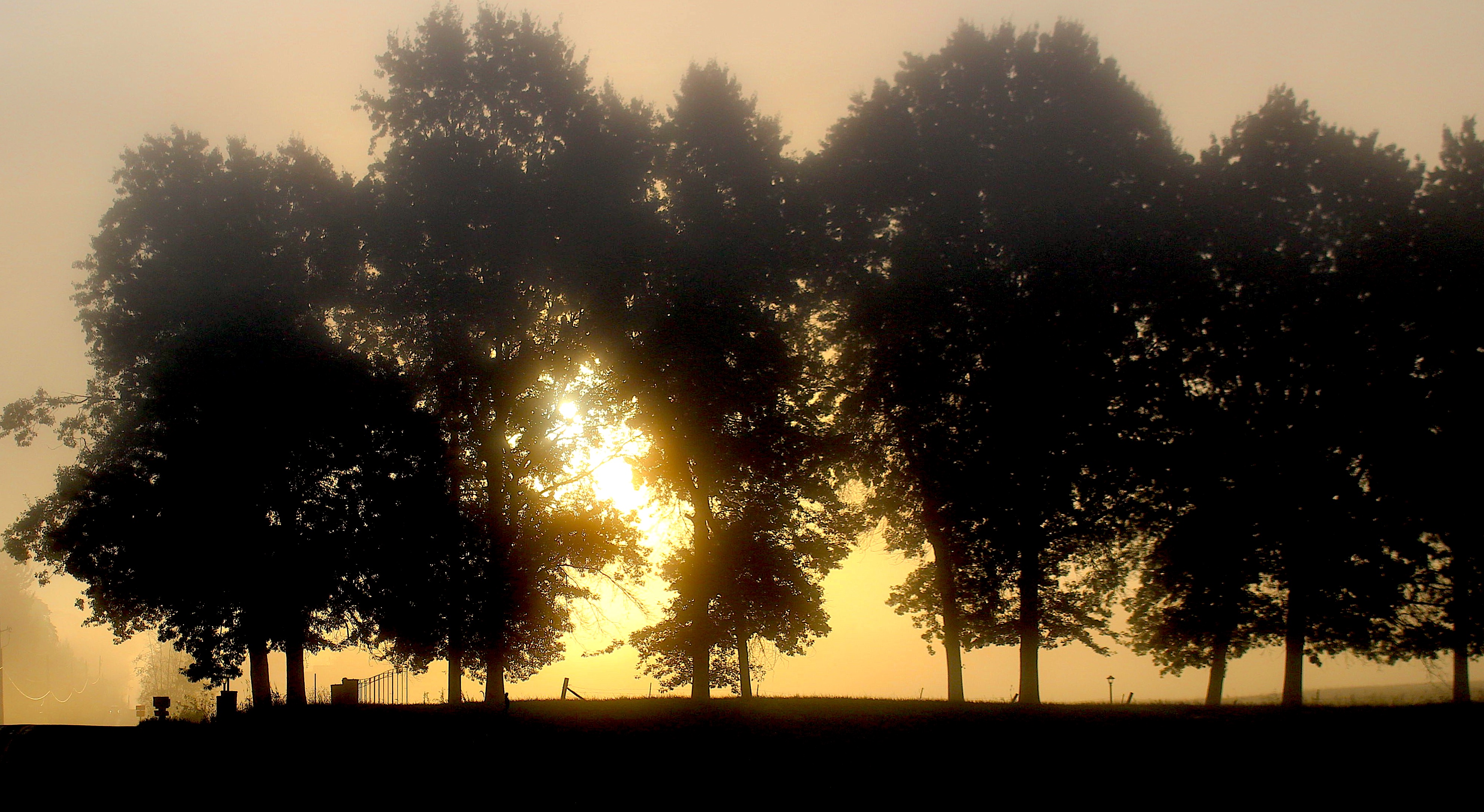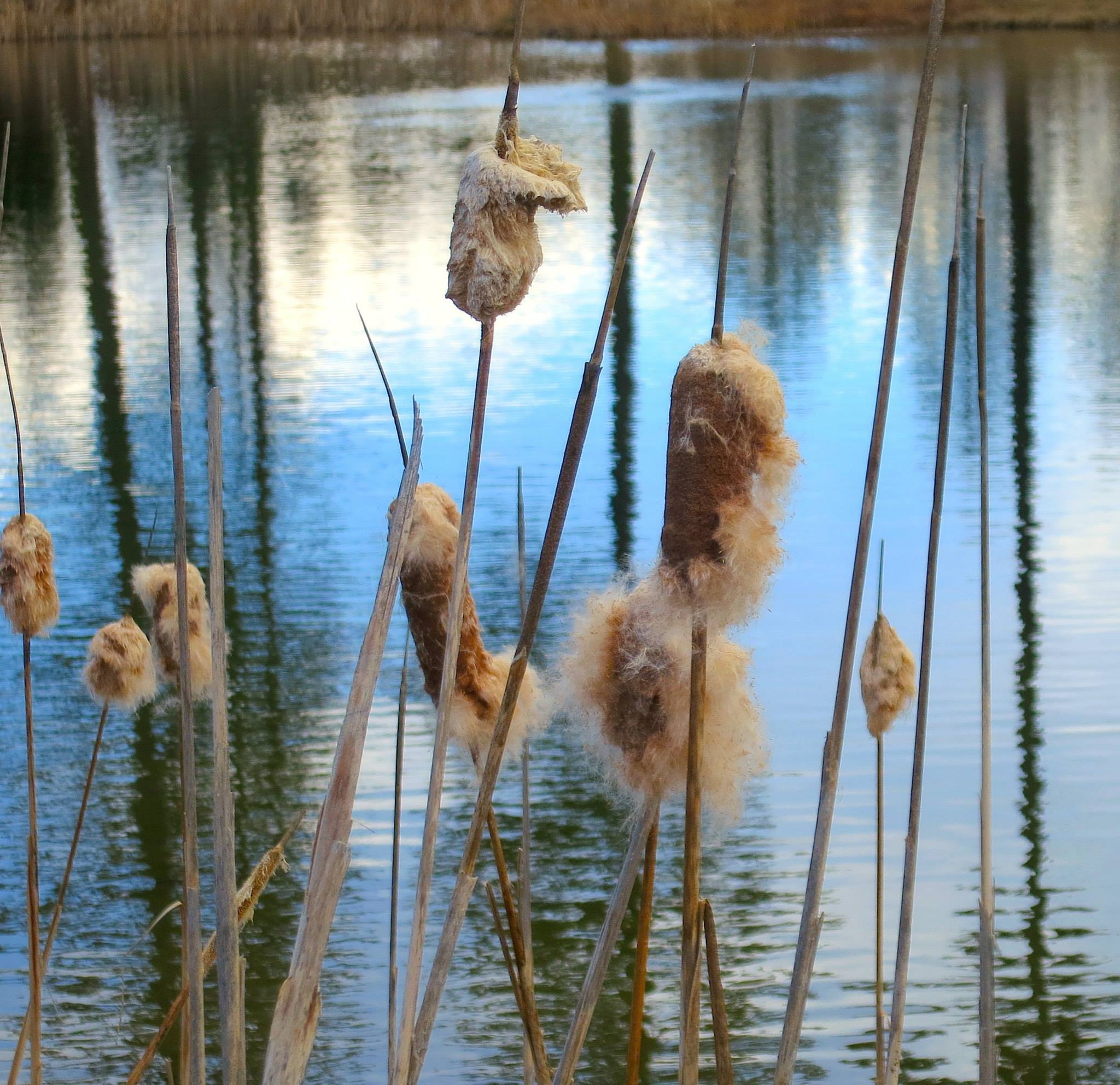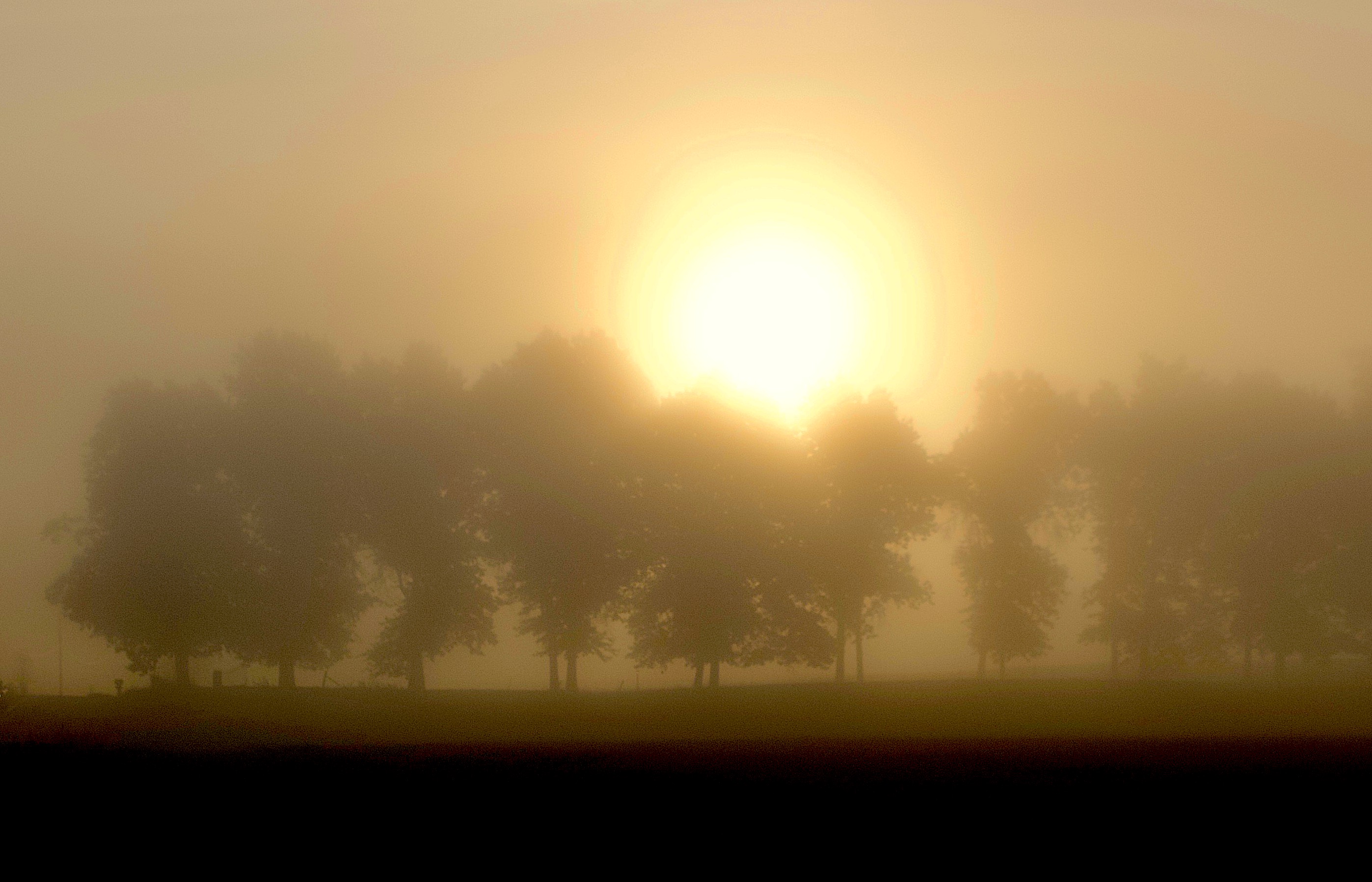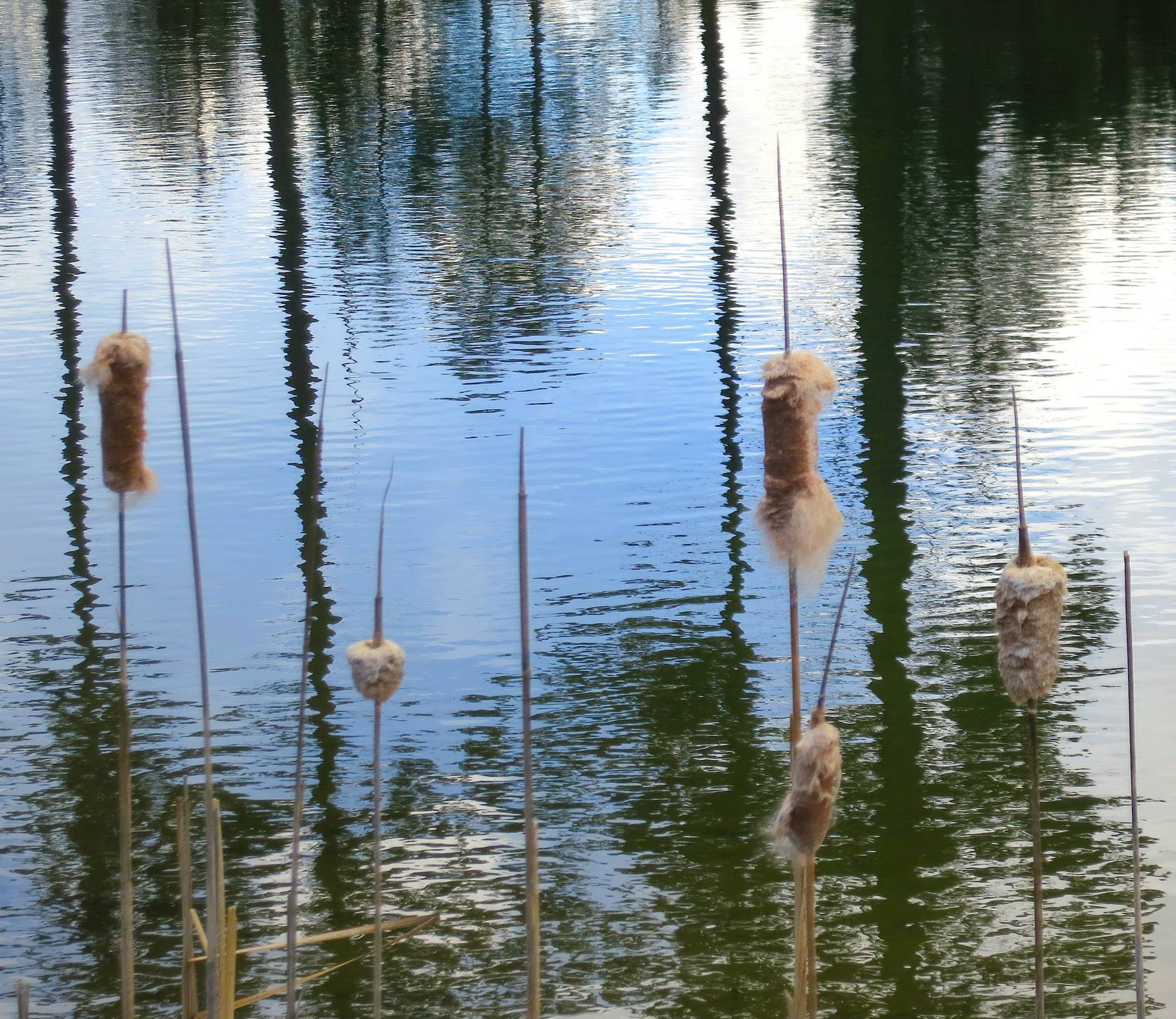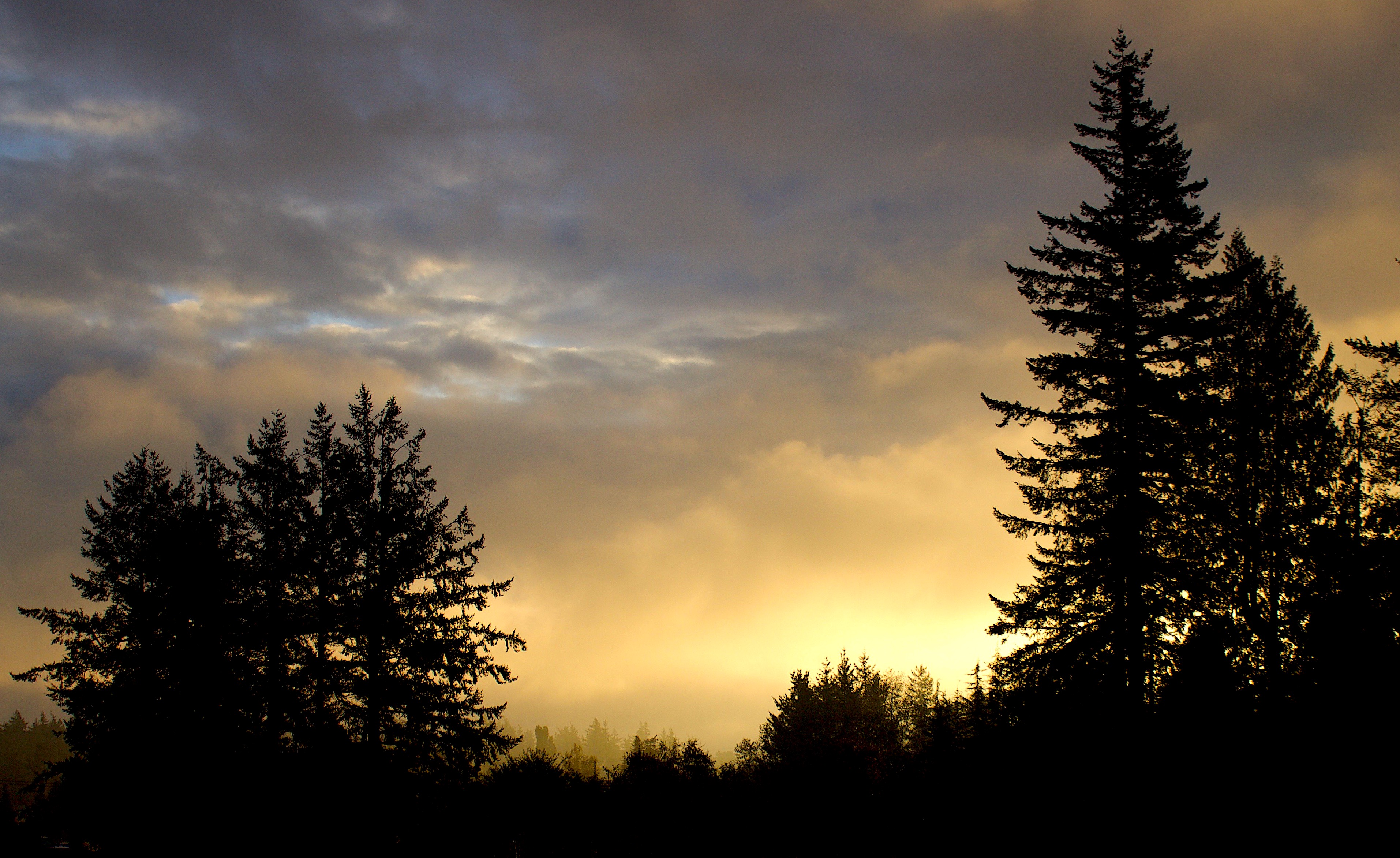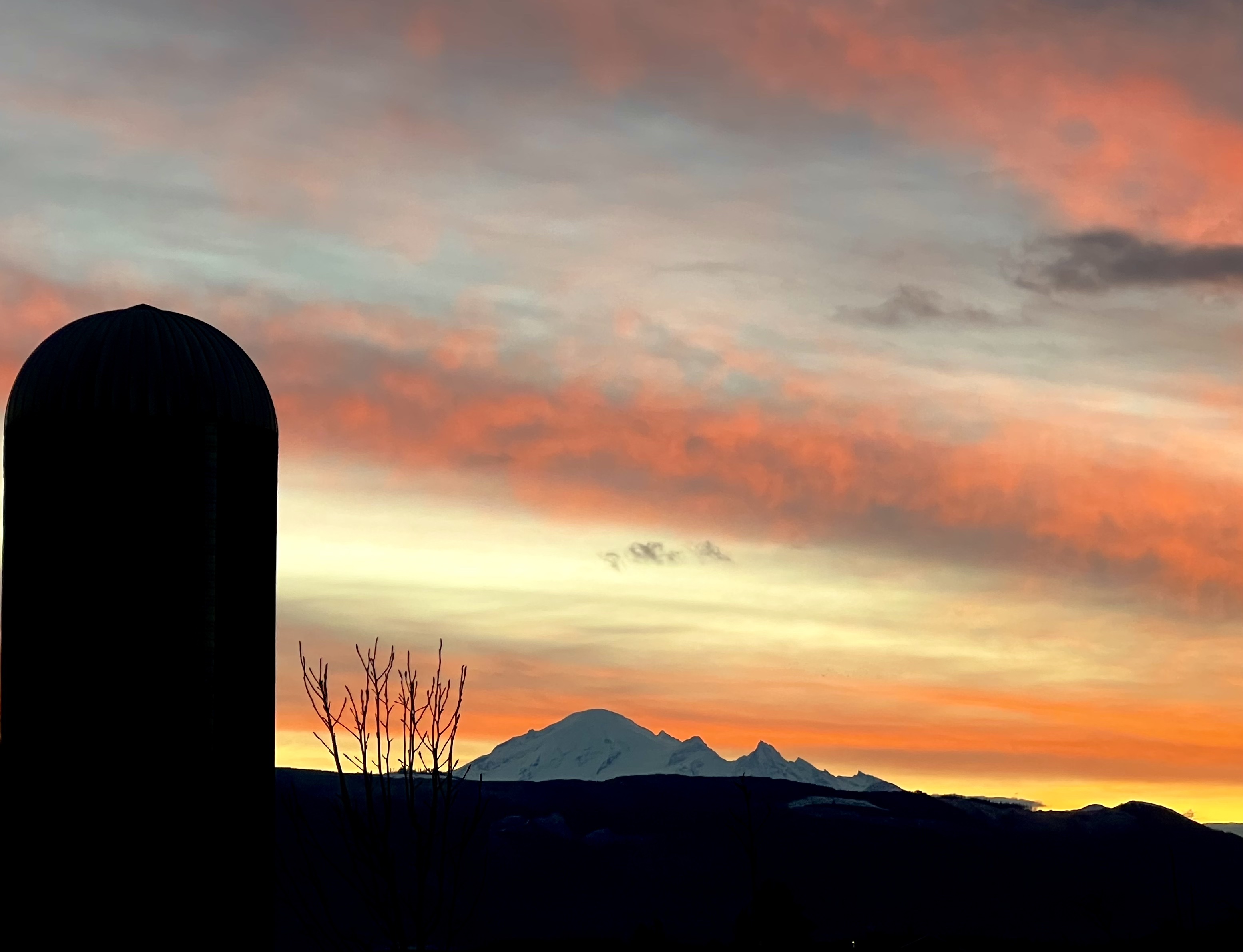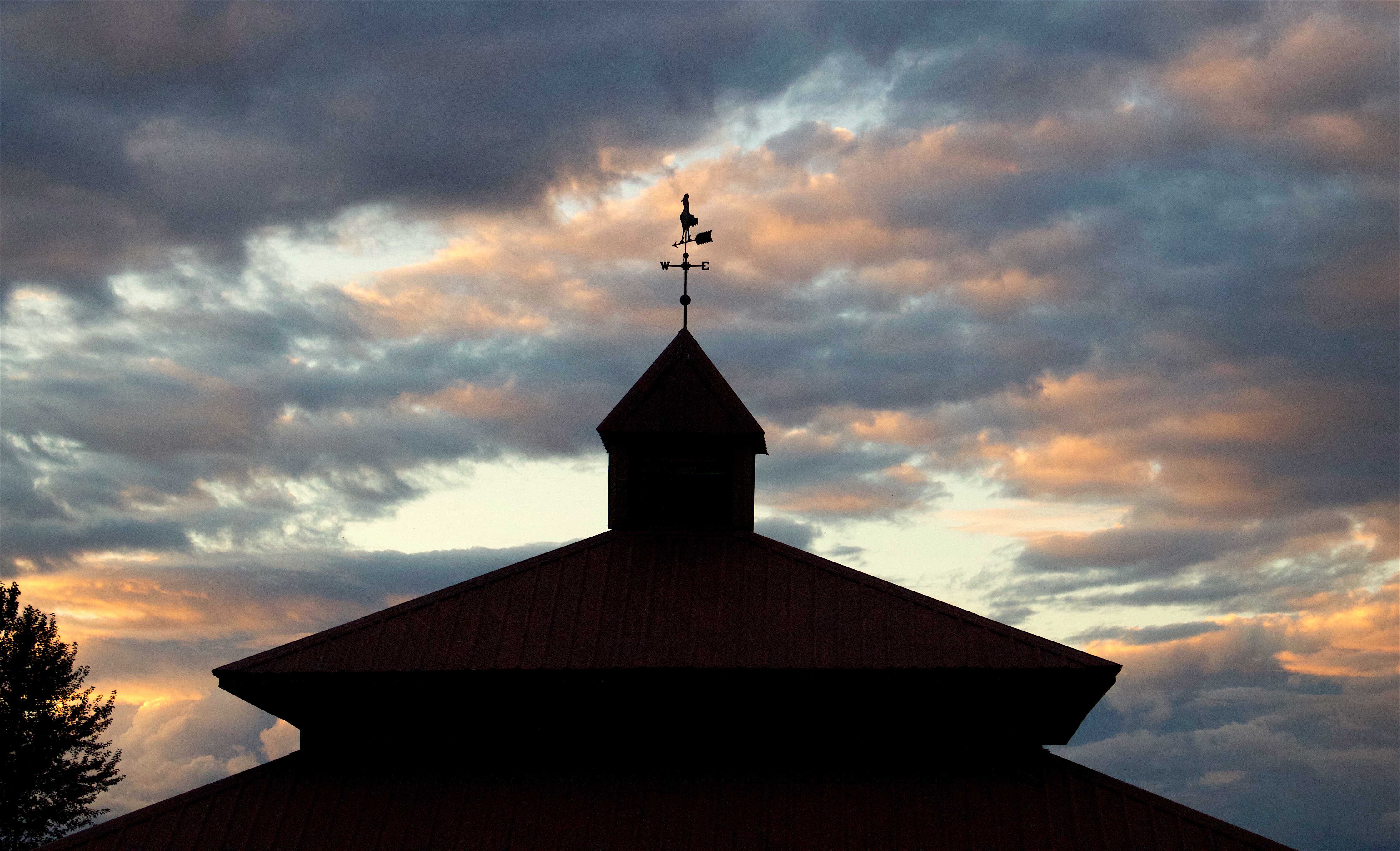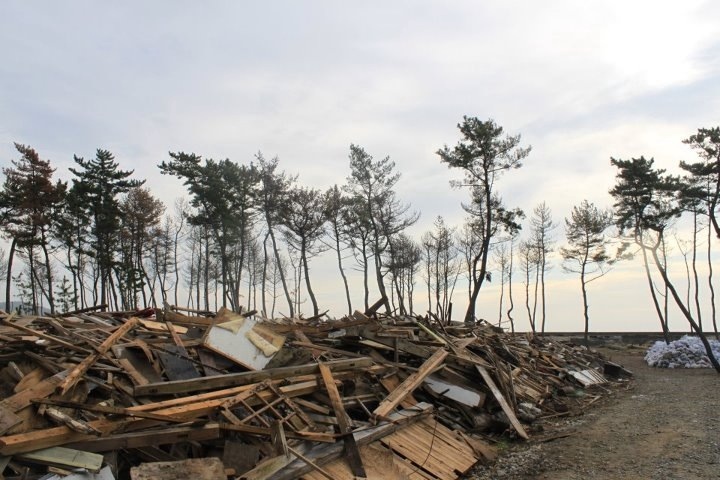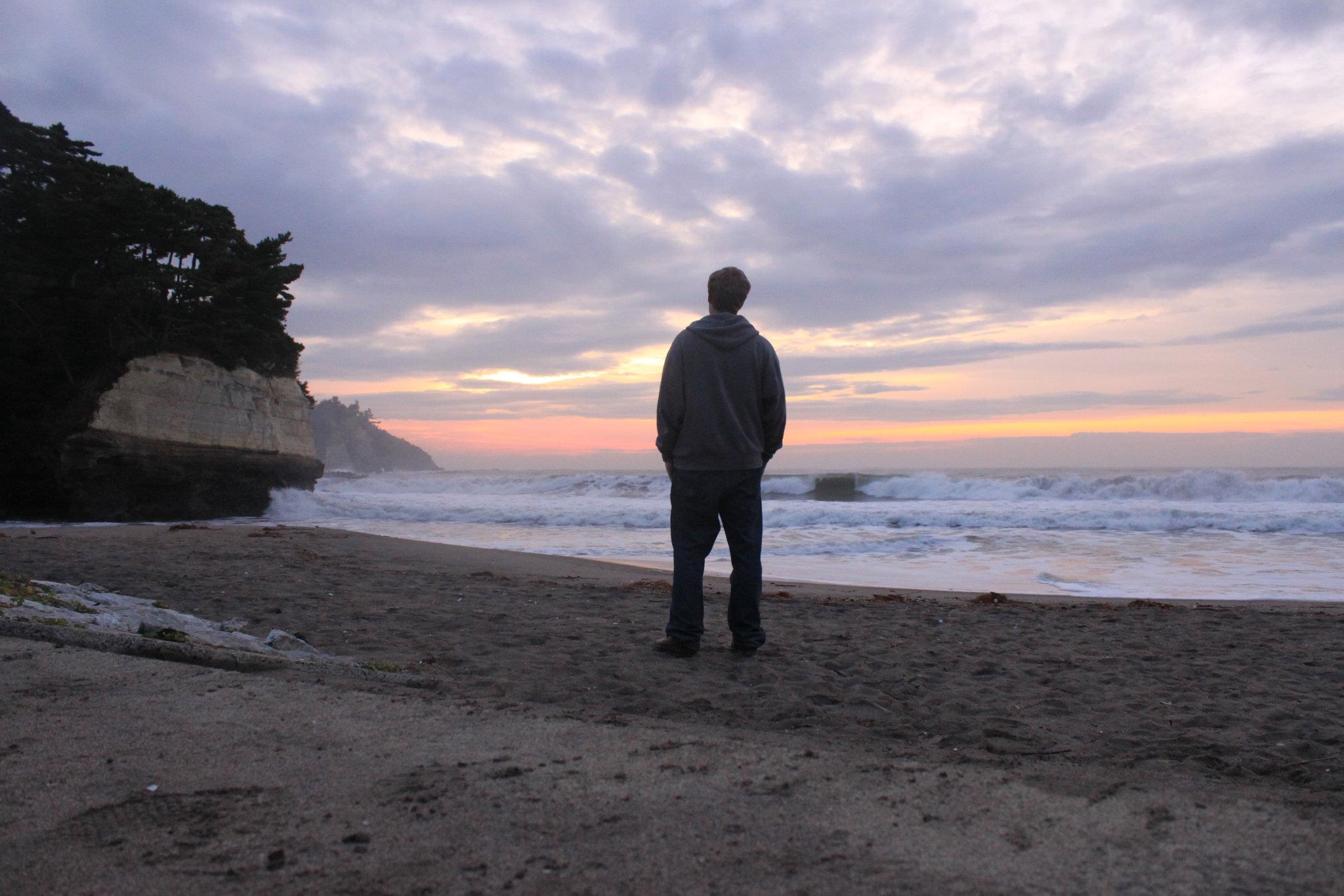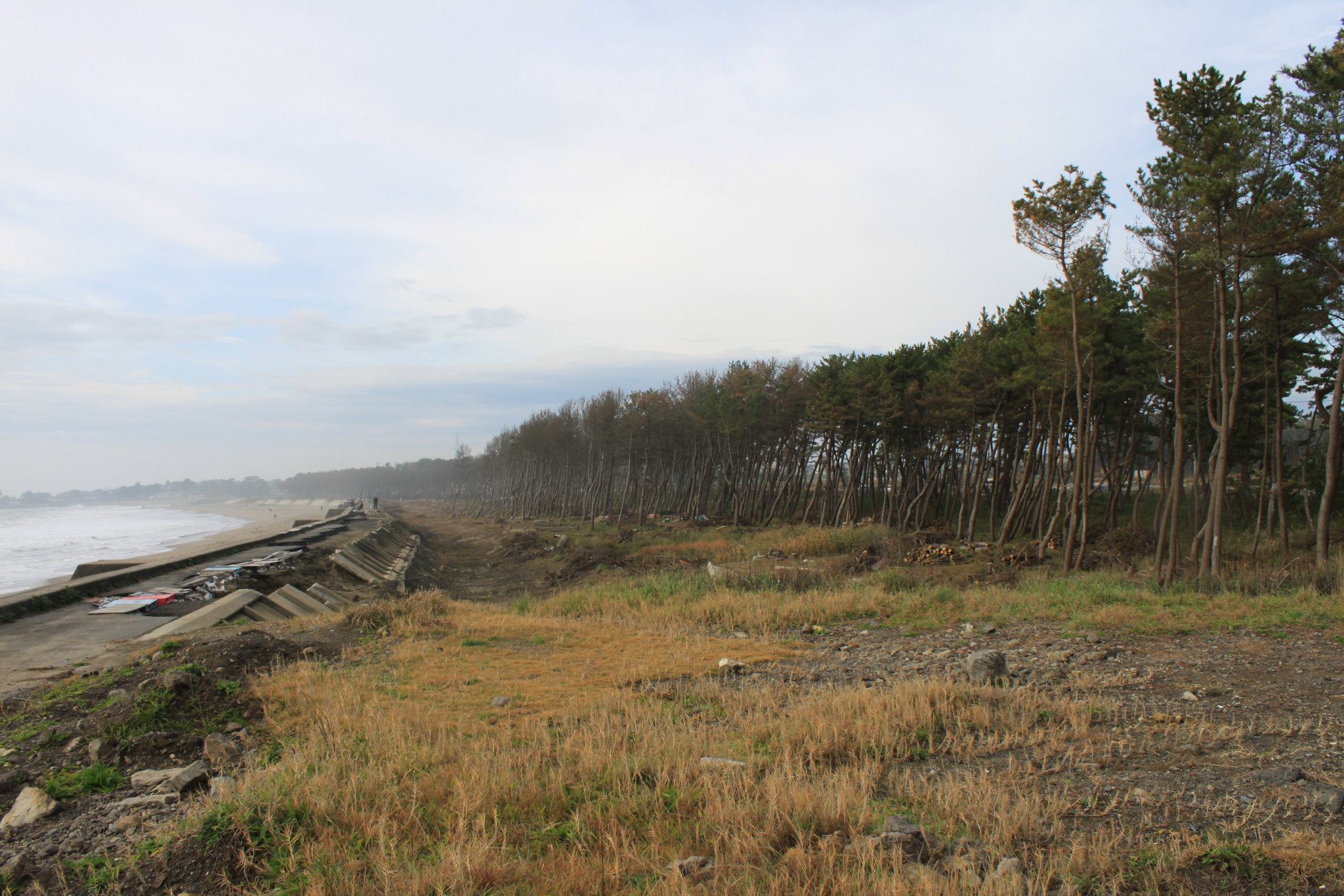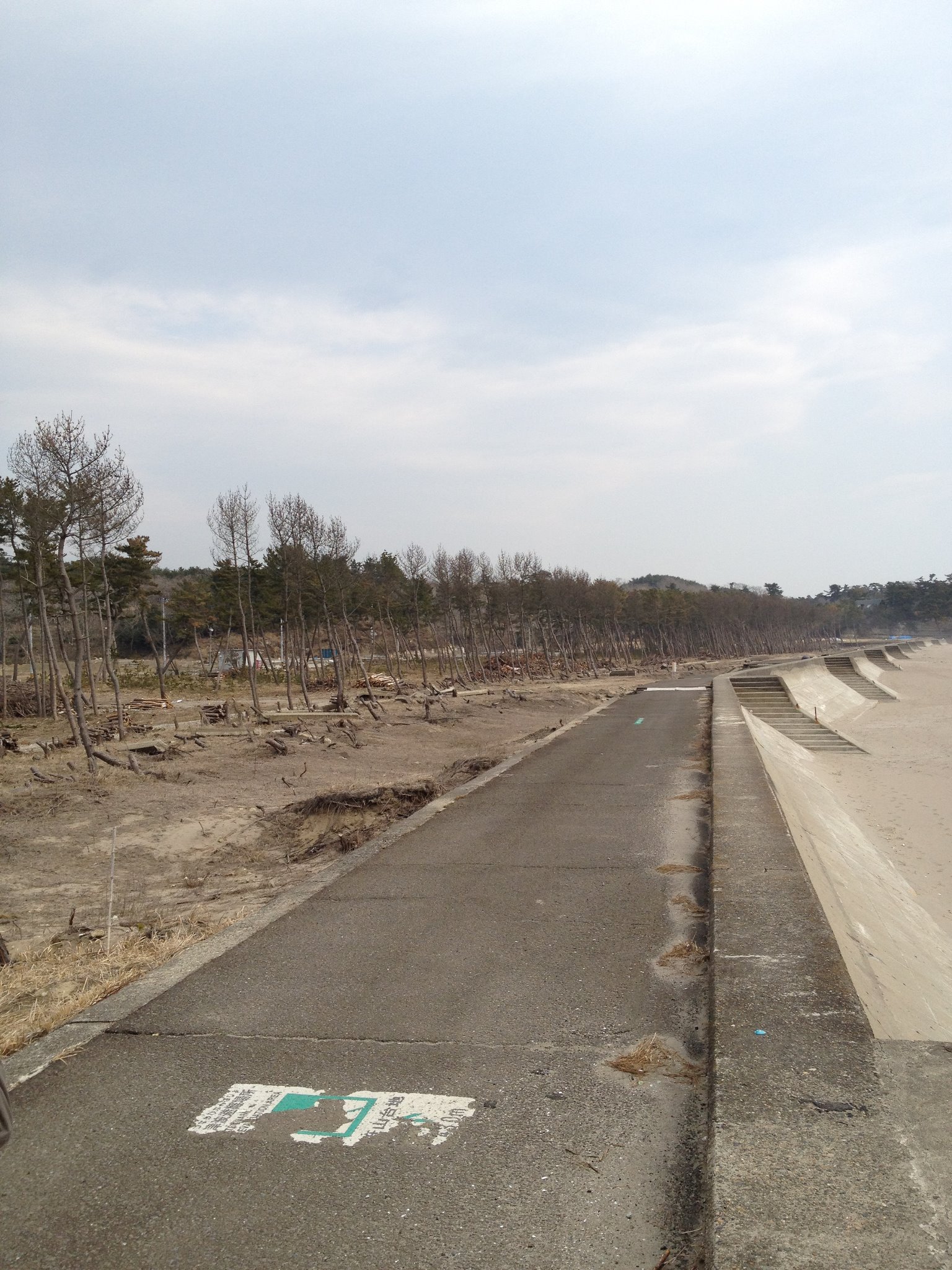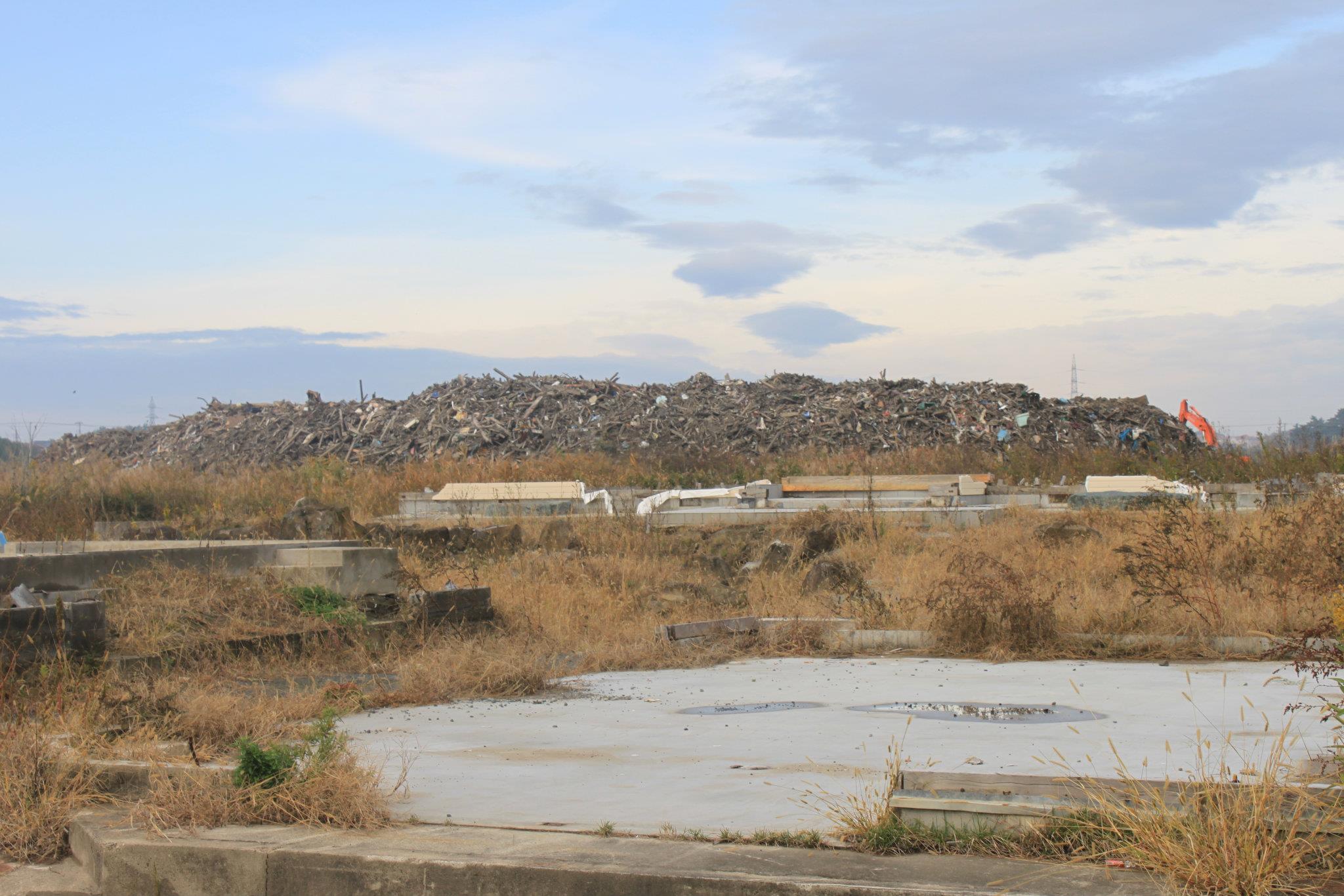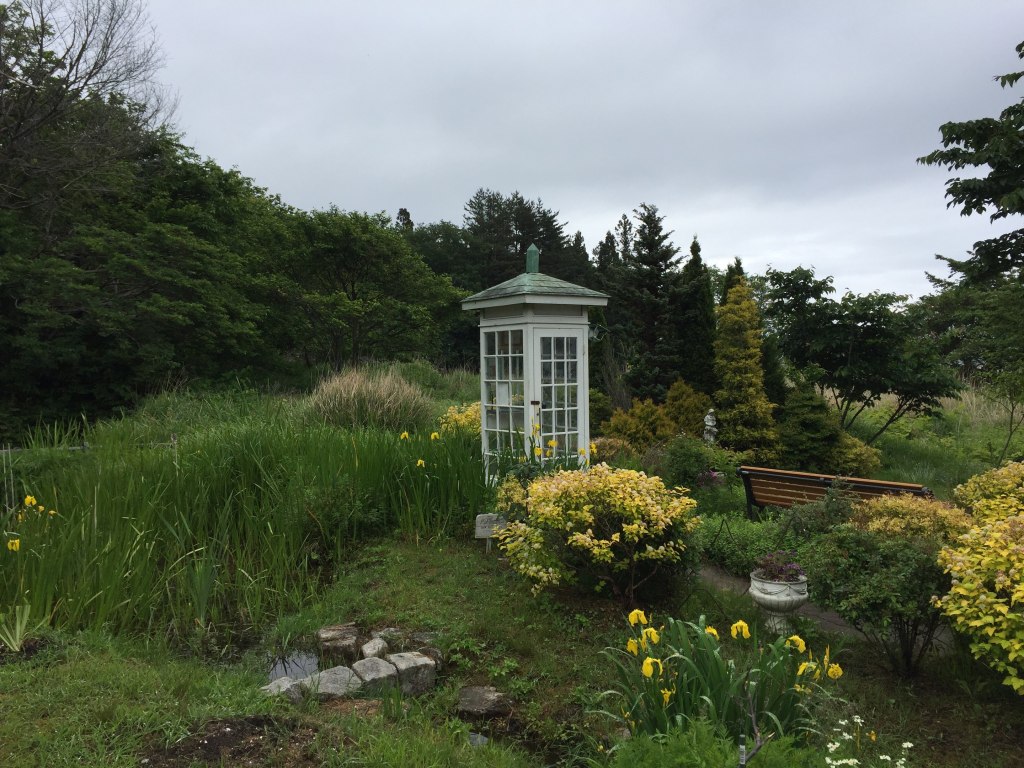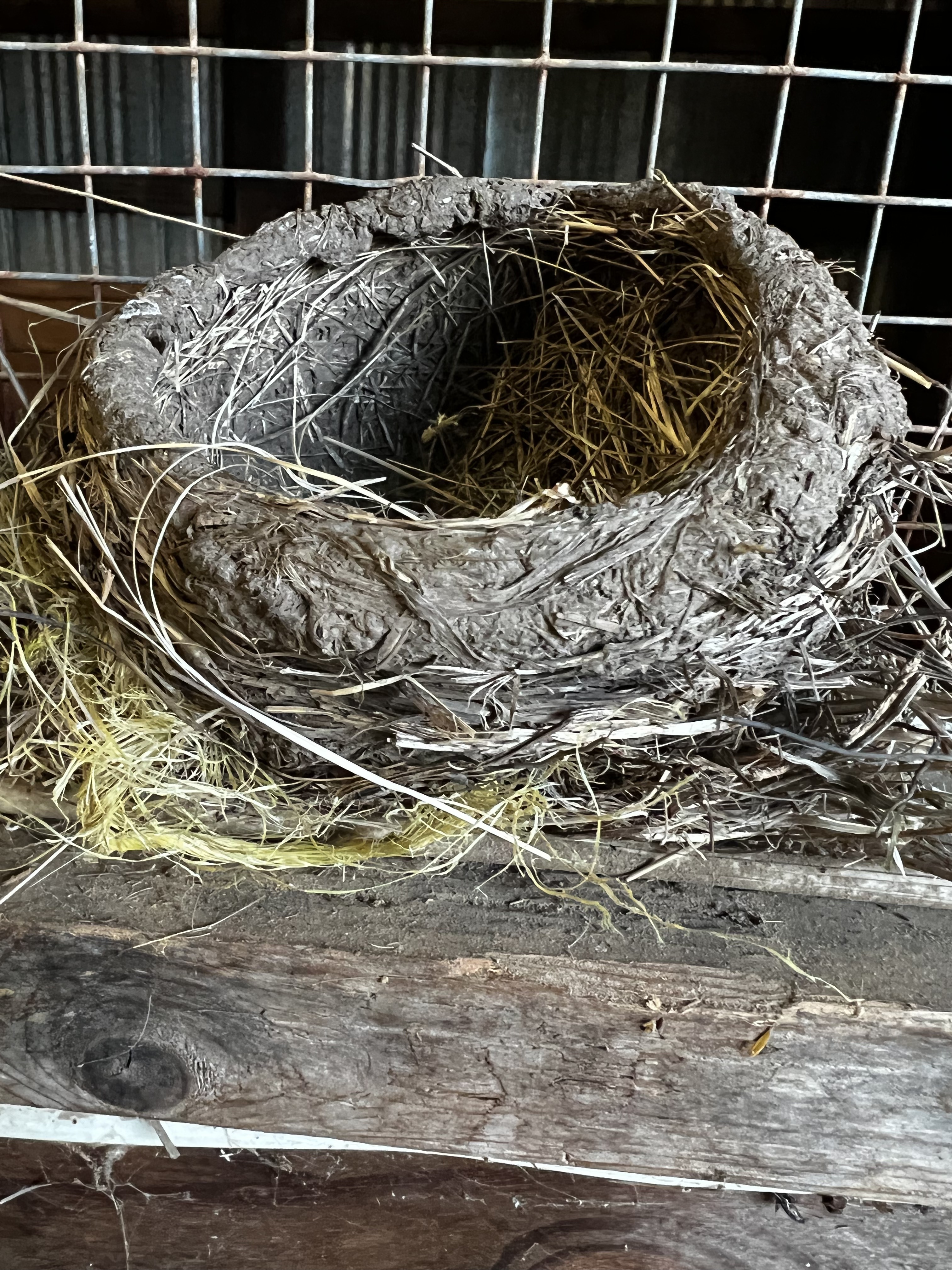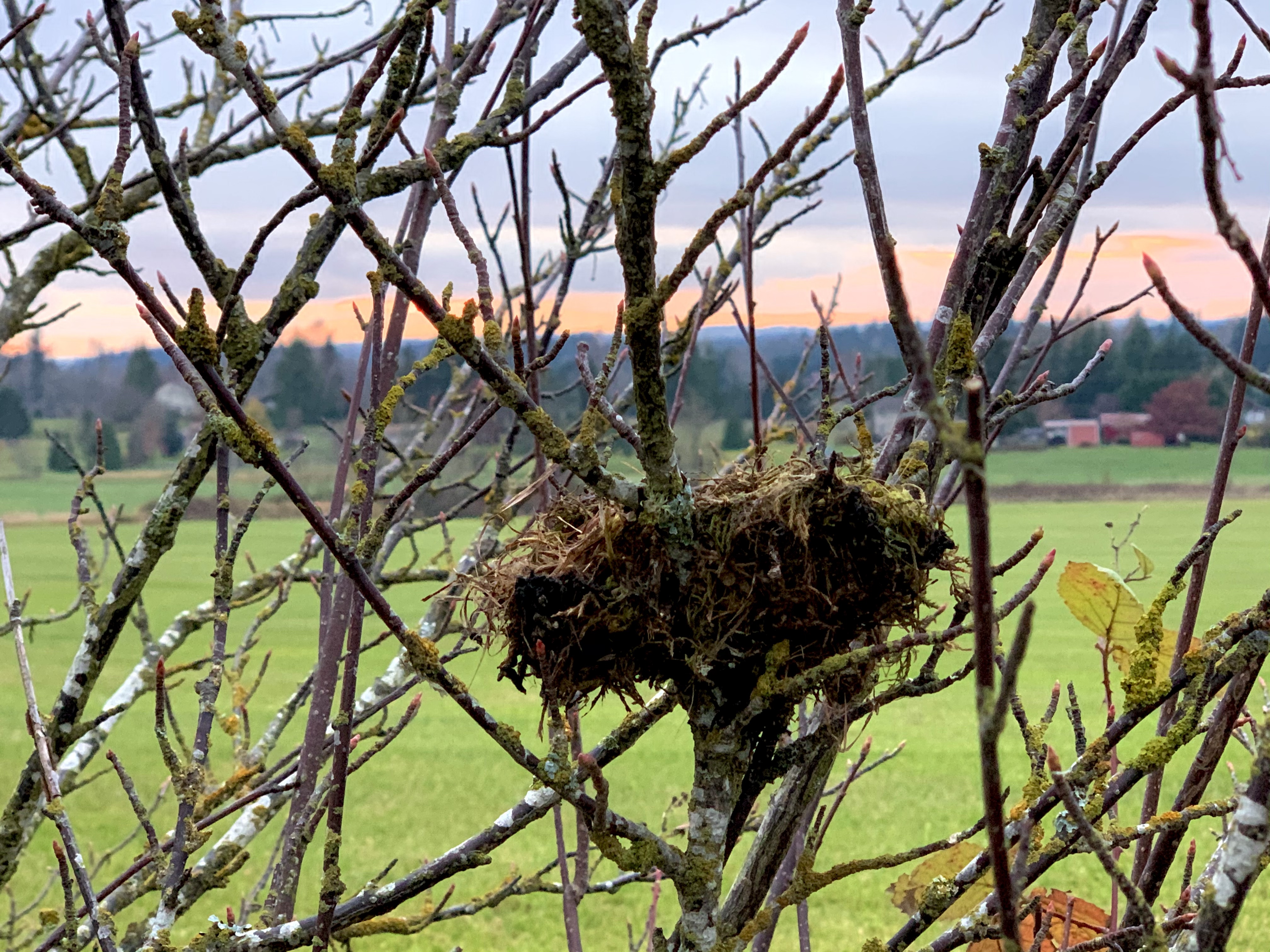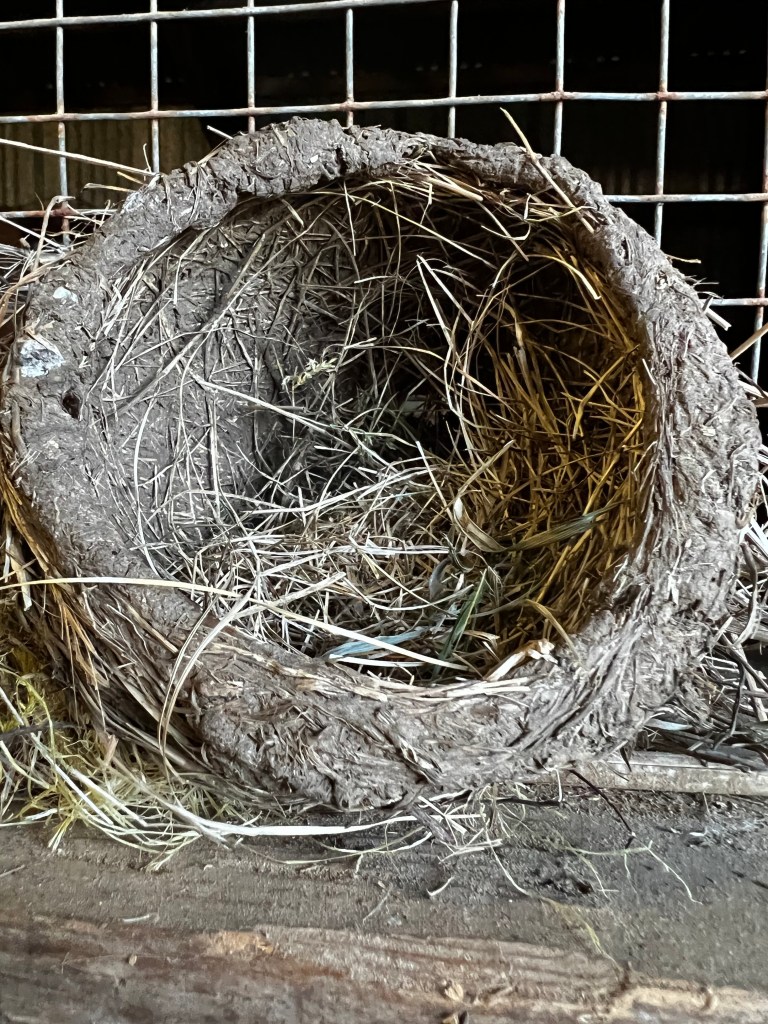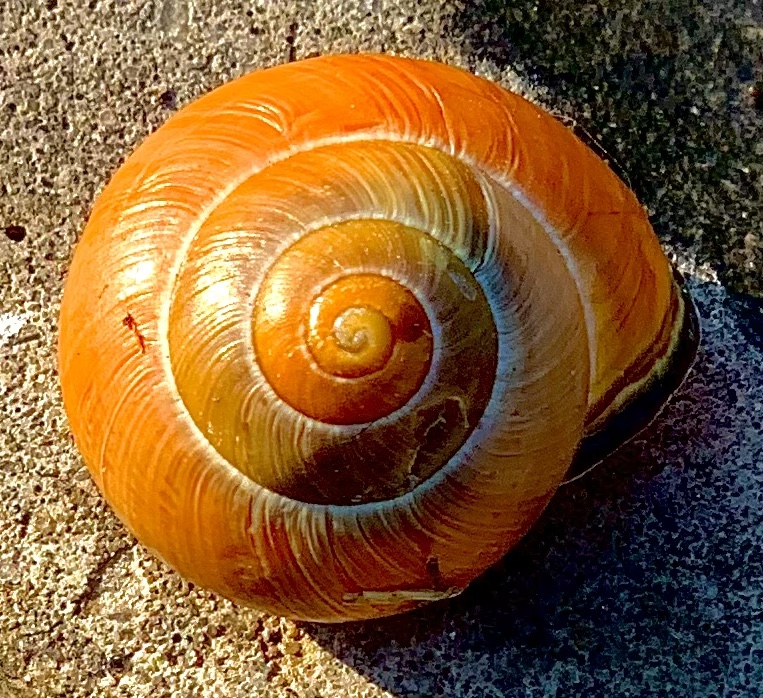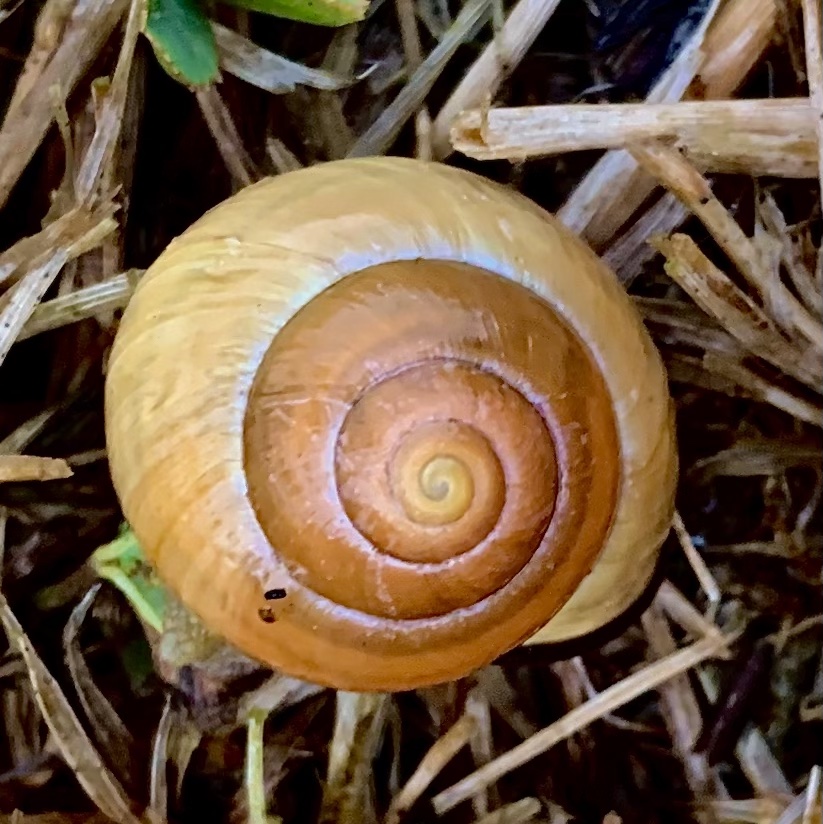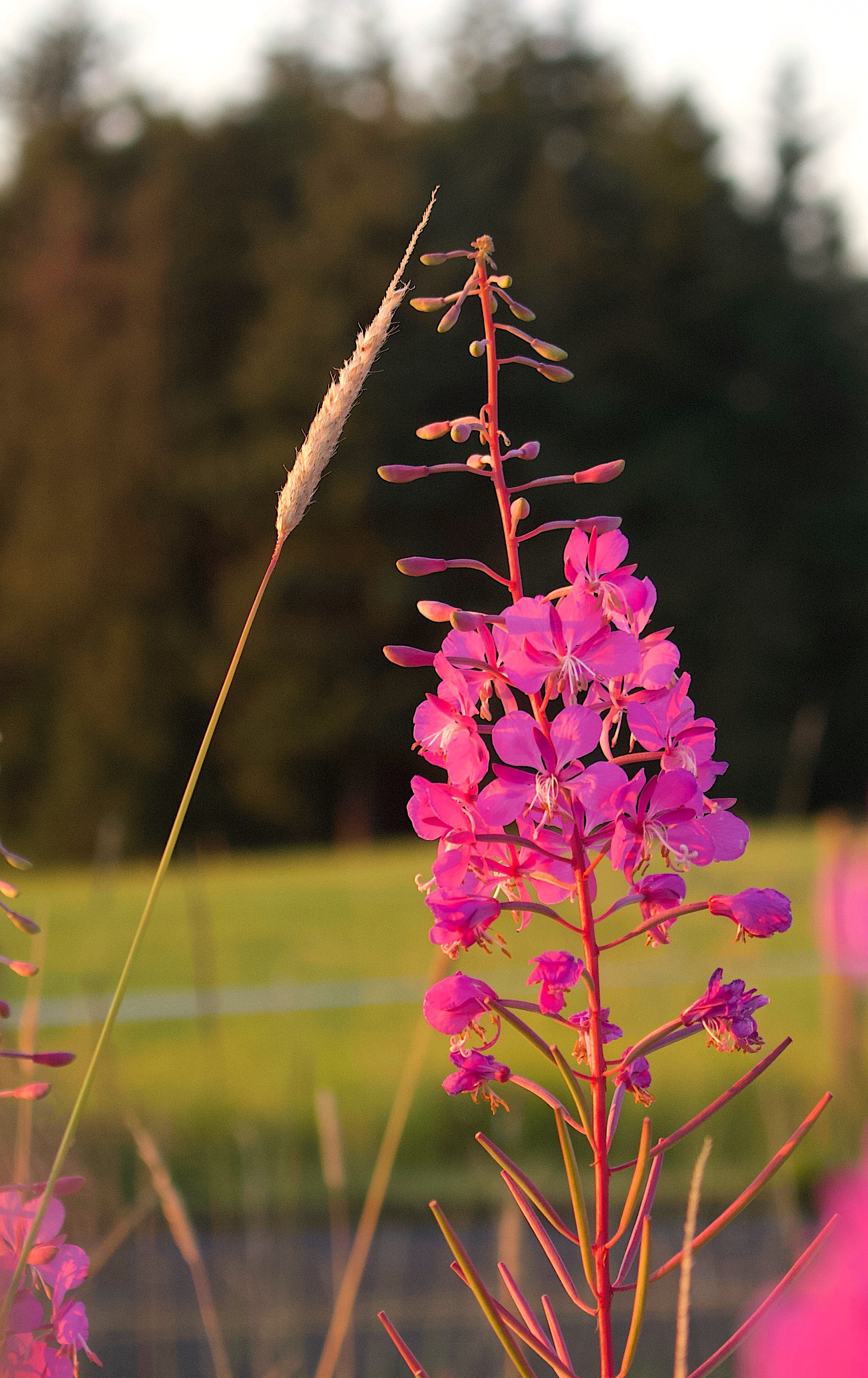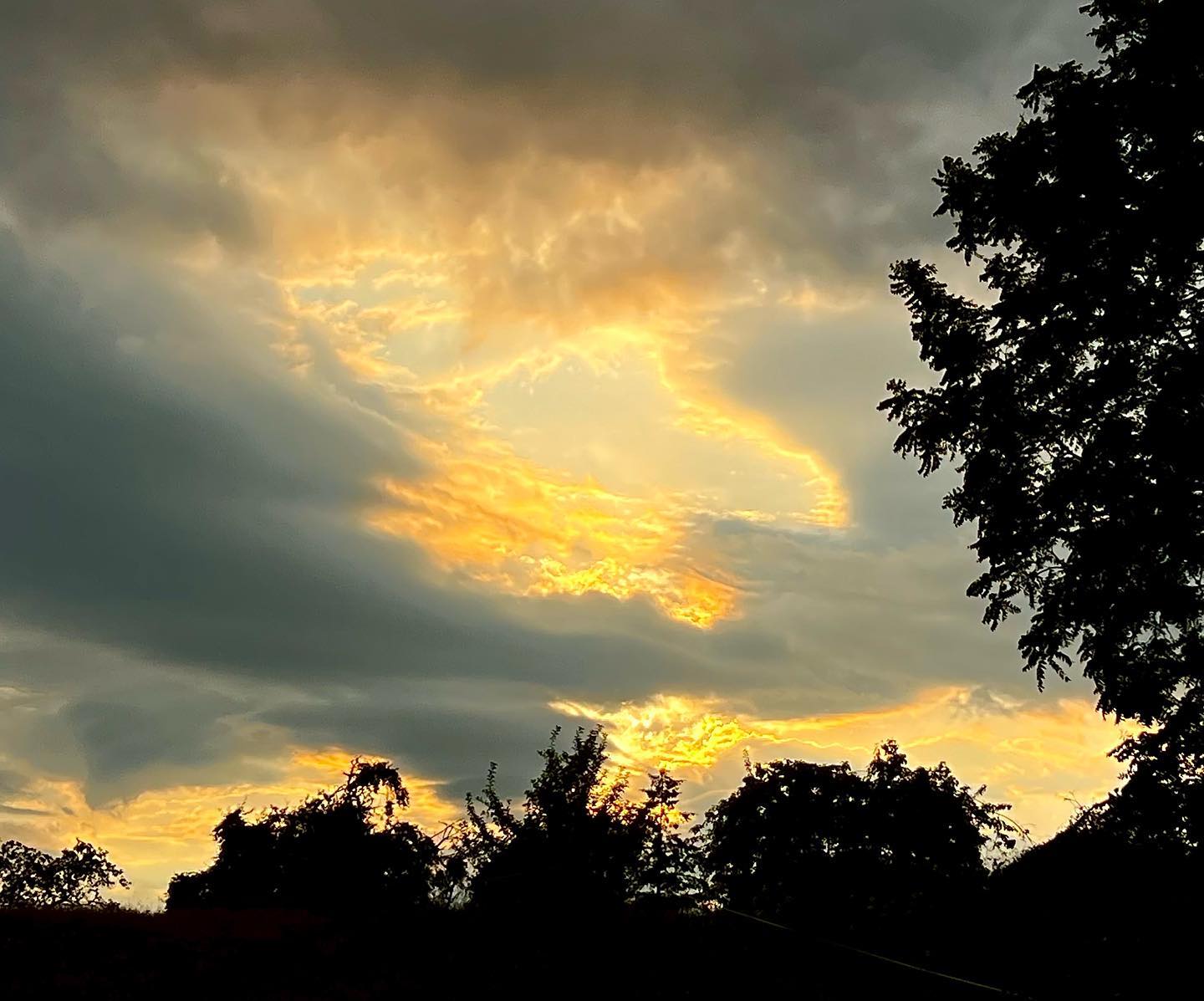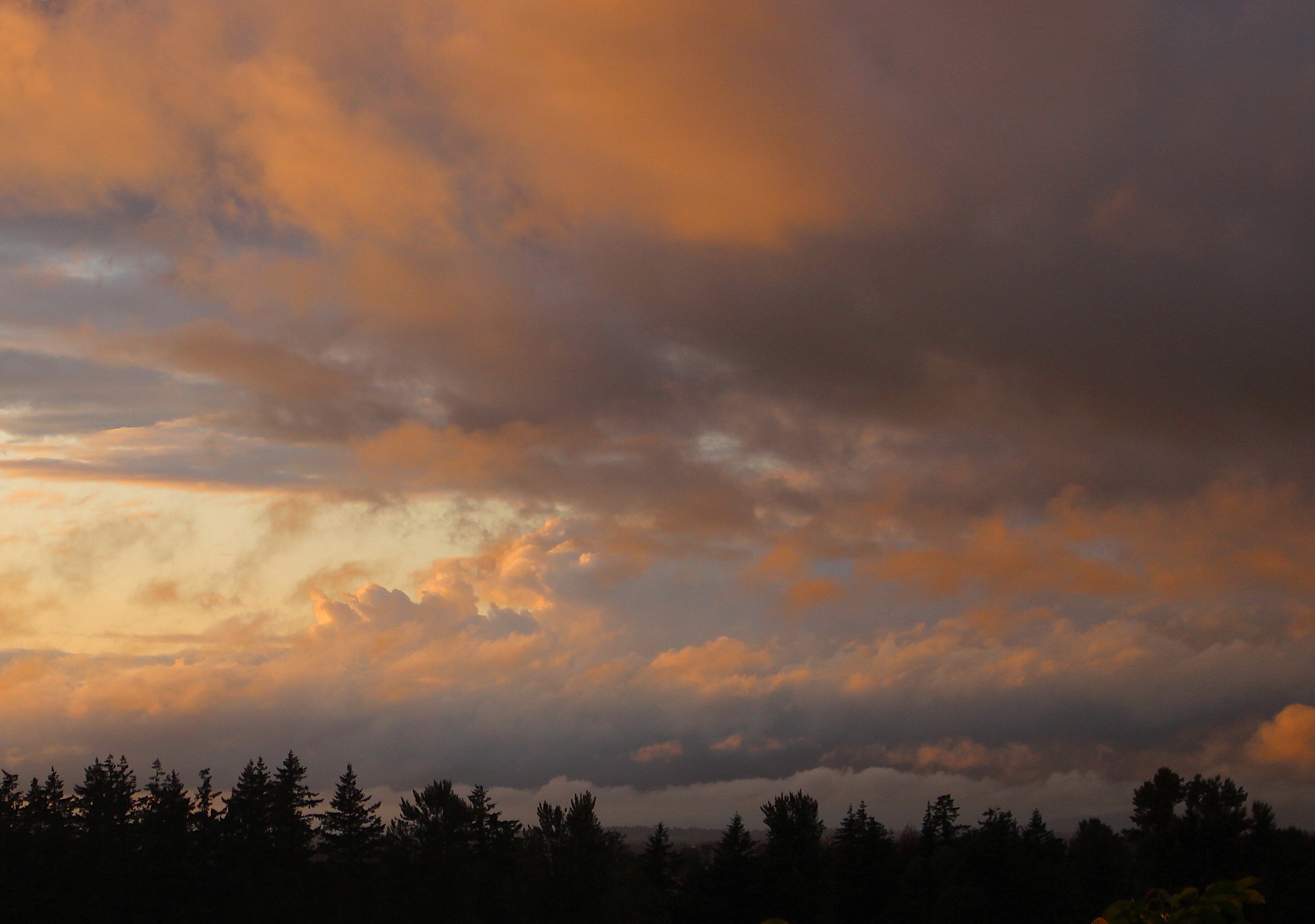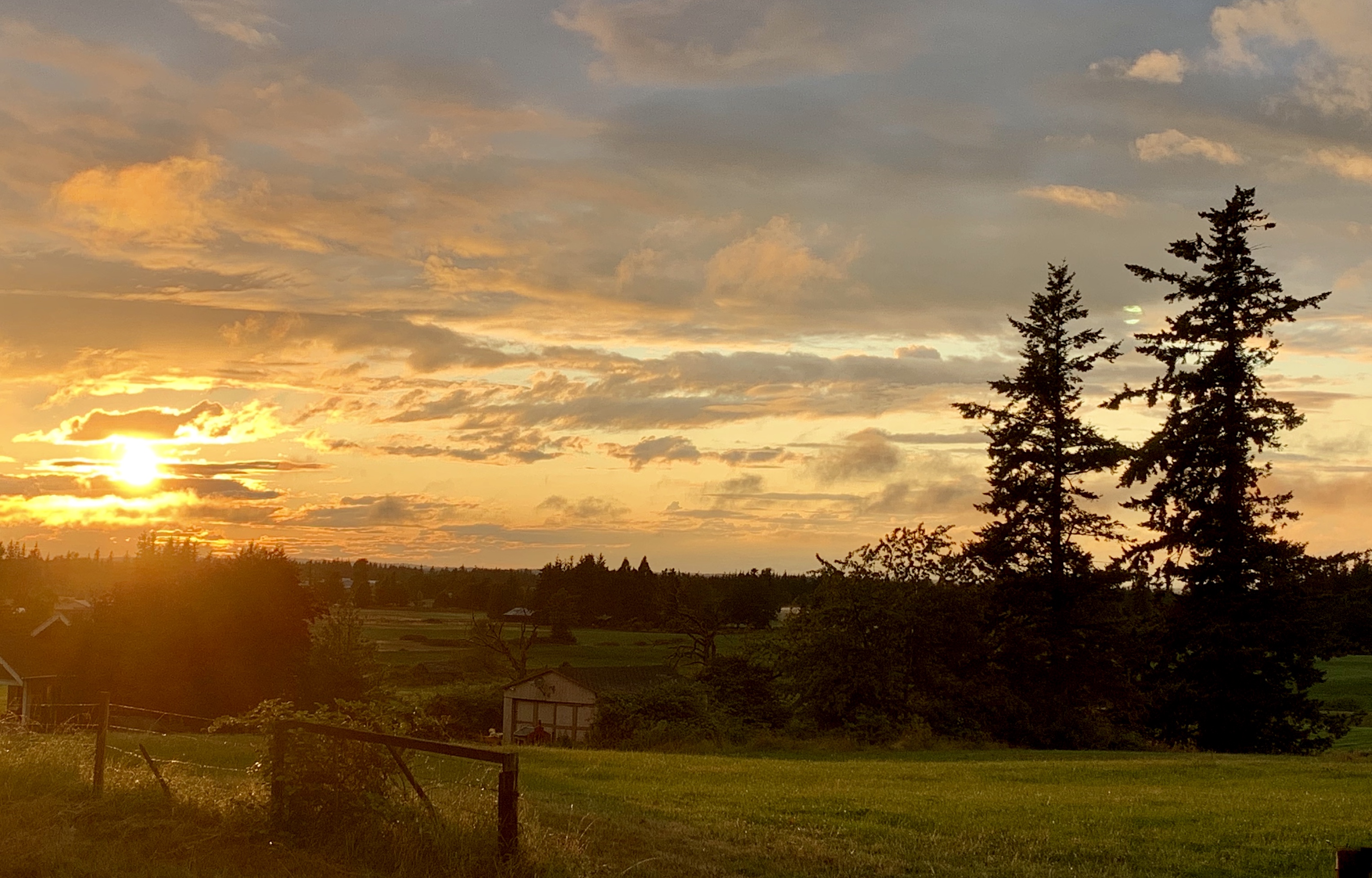
It’s not like losing a child where you just sit there and the child just sits there but you’re the only one doing the talking. It’s more like a placenta out of sticks and mud in the driveway, a former home where something was born and left, or maybe was born and never got to leave or was swept away by the wind that came through here last night, maybe more like having a house burn to the ground, no big deal if you have wings to take you somewhere else. ~Casey Killingsworth “A Nest Blew Down” from Freak Show
Every one of us knows loss. At times, lost things are replaceable; most are not.
When what we love is swept away, so are we. Who we were is no longer who we become in that instant of loss.
All things change; we become strangers in a new land, toppled over, empty, and gasping.
Wings won’t carry us away from ourselves. No matter where our wings take us, we depend on a God who refills our hollowed-out hearts.
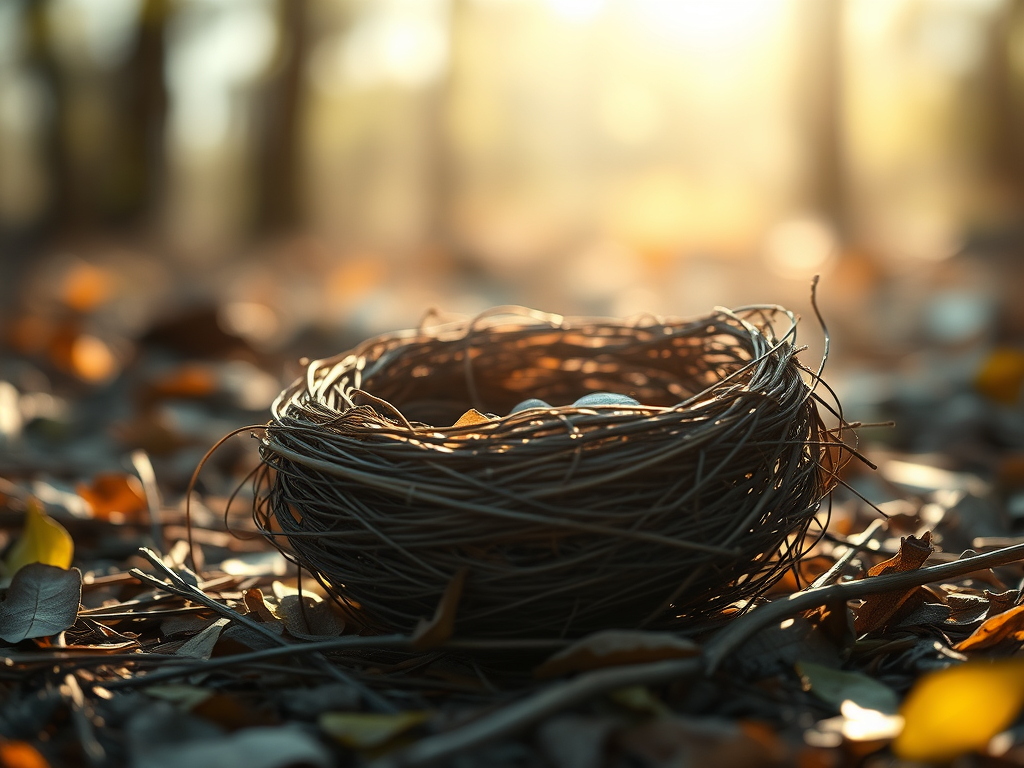
AI image created for this post
One-Time
Monthly
Yearly
Make a one-time or recurring donation to support daily Barnstorming posts
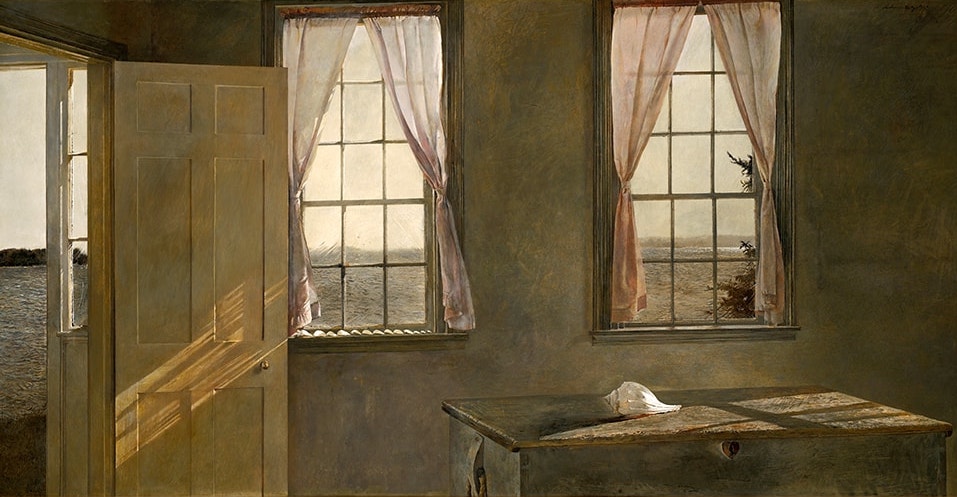
Needing them still, I come when I can, this time to the sea where we share a room: their double bed, my single. Morning fog paints the pale scene even paler. Lace curtains breathing, the chenille spread folded back, my father’s feet white sails furled at the edge of blue pajamas. Every child’s dream, a parent in each hand, though this child is fifty. Their bodies fit easily, with room to spare. When did they grow so small? Grow so small— as if it were possible to swell backwards into an earlier self.
“Her Room” by Andrew Wyeth in the Farnsworth Art Museum
My parents have been gone now for some time, my father 30 years, my mother, nearly 17 years. Their dying was a long process of counted breaths and pauses. I witnessed their bodies curling into themselves, shrinking smaller, worn down by illness and age.
I still miss them as I’m reminded of them by the events of my own life, still wanting them to take me by the hand as I navigate my own daily path.
After mom’s death, those possessions not distributed to family members have remained packed up and stored in our barn buildings. I know it is well past time to deal with their stuff as I become keenly aware of my own graying and aging.
In the house, next to where I write, is a box of over 500 letters written by my mother and father between 1941 and 1945. The letters began as they were getting to know each other at college, going from “pinned” to “engaged” and continue for three and a half more years after a hurried wedding Christmas Eve 1942. By mid-January 1943, my newly minted Marine officer father shipped out to spend the next three years of his life fighting on the battlefields of Saipan, Tinian and Tarawa in the Pacific Ocean, not to return again to the states until late summer of 1945.
My mother wrote her letters from the small rural eastern Washington community of Colville, living in a “teachers’ cottage” with other war wives who taught school while waiting for their husbands to return home – or not.
It took me a decade to find the courage and time to devote to reading these letters they treasured and never threw away. I sorted them unopened by postmark date into some semblance of order and sat down to start at the very beginning, which, of course, is my beginning as well. I opened each one with some trepidation and a lump in my throat about what I might find written there. I worried I may find things I didn’t want to know. I hoped I would find things that I desperately needed to know.
Most of all I wanted to understand the two people who became my parents within the coiled shell of their forty years together, though broken by a painful divorce which lasted a decade. Having lived through that awful time with them, I want to understand the origin of a love which eventually mended their cracked shell of companionship, gluing them back together for five more years before my father died.
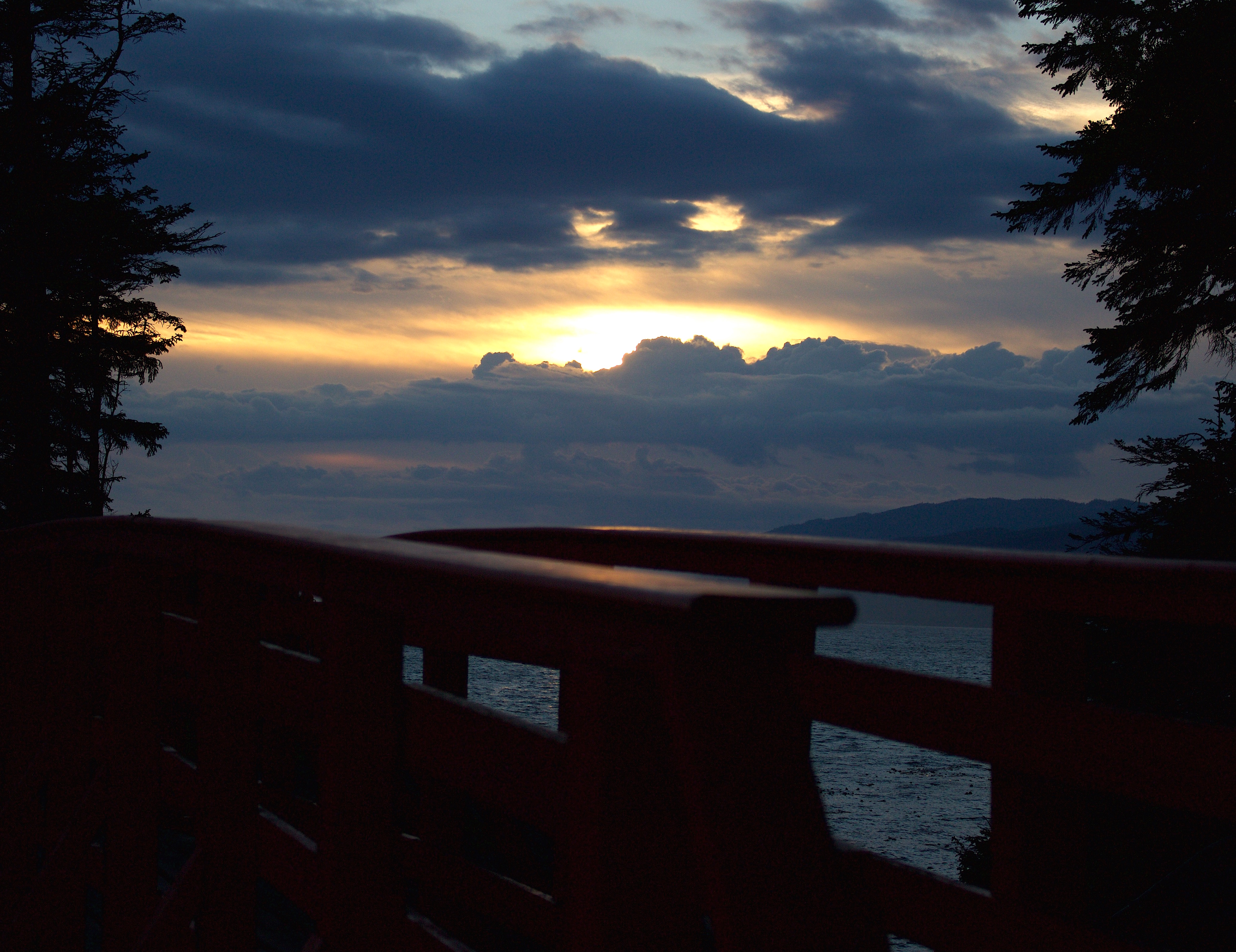
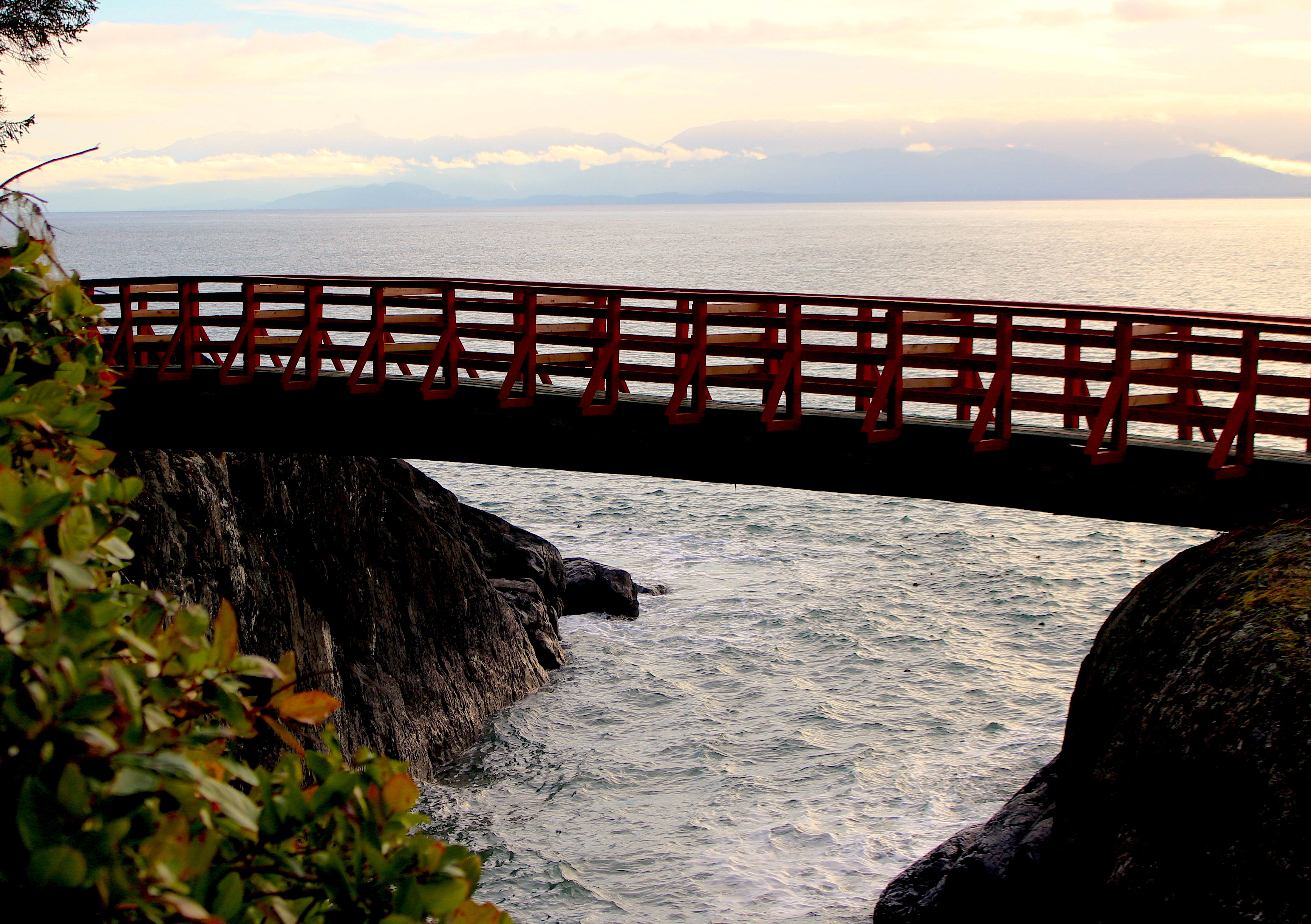
As I ponder their words, I too cross a bridge back to them both, my ear pressed to the coiled shell of those fading voices, as if I might still hear the sea, at times bringing them closer, then pulling them farther away.
AI image created for this post
One-Time
Monthly
Yearly
Make a one-time or recurring donation to support daily Barnstorming posts
After another school/church massacre; how can there be nothing new to say?
We’ve learned nothing about keeping weapons out of the hands of people bent on destruction – taking themselves out after taking others with them.
To our children and grandchildren: as a society, we have failed to keep you out of harm’s way by failing to control the harm of modern weapons in the wrong hands.
How can we be forgiven over and over as shootings happen again and again. Maybe we didn’t pull the trigger, but we allowed someone else to.
Together, we share the responsibility for each and every death that has happened, and more bound to happen on our watch.
And that is a heavy burden to bear.
One-Time
Monthly
Yearly
Make a one-time or recurring donation to support daily Barnstorming posts
My father would lift me to the ceiling in his big hands and ask, How’s the weather up there? And it was good, the weather of being in his hands, his breath of scotch and cigarettes, his face smiling from the world below. O daddy, was the lullaby I sang back down to him as he stood on earth, my great, white-shirted father, home from work, his gold wristwatch and wedding band gleaming as he held me above him for as long as he could, before his strength failed down there in the world I find myself standing in tonight, my little boy looking down from his flight below the ceiling, cradled in my hands, his eyes wide and already staring into the distance beyond the man asking him again and again, How’s the weather up there? ~George Bilgere “Weather”.
It was hard work, dying, harder than anything he’d ever done.
Whatever brutal, bruising, back- breaking chore he’d forced himself
to endure—it was nothing compared to this. And it took
so long. When would the job be over? Who would call him
home for supper? And it was hard for us (his children)—
all of our lives we’d heard my mother telling us to go out,
help your father, but this was work we could not do.
He was way out beyond us, in a field we could not reach. ~Joyce Sutphen “My Father, Dying”
Deep in one of our closets is an old film reel of me about 16 months old sitting securely held by my father on his shoulders. I am bursting out with giggles as he repeatedly bends forward, dipping his head and shoulders down. I tip forward, looking like I am about to fall off, and when he stands back up straight, my mouth becomes a large O and I can almost remember the tummy tickle I feel. I want him to do it again and again, taking me to the edge of falling off and then bringing me back from the brink.
My father was a tall man, so being swept up onto his shoulders felt a bit like I was touching heaven.
It was as he lay dying 30 years ago this summer that I realized again how tall he was — his feet kept hitting the foot panel of the hospital bed my mother had requested for their home. We cushioned his feet with padding so he wouldn’t get abrasions even though he would never stand on them again, no longer towering over us.
His helplessness in dying was startling – this man who could build anything and accomplish whatever he set his mind to was unable to subdue his cancer. Our father, who was so self-sufficient he rarely asked for help, did not know how to ask for help now.
So we did what we could when we could tell he was uncomfortable, which wasn’t often. He didn’t say much, even though there was much we could have been saying. We didn’t reminisce. We didn’t laugh and joke together. We just were there, taking shifts catching naps on the couch so we could be available if he called out, which he never did.
This man: who had grown up dirt poor, fought hard with his alcoholic father left abruptly to go to college – the first in his family – then called to war for three years in the South Pacific.
This man: who had raised a family on a small farm while he was a teacher, then a supervisor, then a desk worker.
This man: who left our family to marry another woman but returned after a decade to ask forgiveness.
This man: who died in a house he had built completely himself, without assistance, from the ground up.
He didn’t need our help – he who had held tightly to us and brought us back from the brink when we went too far – he had been on the brink himself and was rescued, coming back humbled.
No question the weather is fine for him up there. I have no doubt.
One-Time
Monthly
Yearly
Make a one-time or recurring donation to support daily Barnstorming posts
Little girl. Old girl. Old boy. Old boys and girls with high blood pressure and arthritis, and young boys and girls with tattoos and body piercing. You who believe, and you who sometimes believe and sometimes don’t believe much of anything, and you who would give almost anything to believe if only you could. You happy ones and you who can hardly remember what it was like once to be happy. You who know where you’re going and how to get there and you who much of the time aren’t sure you’re getting anywhere. “Get up,” he says, all of you – all of you! – and the power that is in him is the power to give life not just to the dead like the child, but to those who are only partly alive, which is to say to people like you and me who much of the time live with our lives closed to the wild beauty and miracle of things, including the wild beauty and miracle of every day we live and even of ourselves. ~Frederick Buechner -from Secrets in the Dark
He took her by the hand and said to her, “Talitha koum!” (which means “Little girl, I say to you, get up!”). Mark 5:41
I usually awake each morning before 5:30 without an alarm, just as I did in high school, through college and medical school, during my work years and having-babies years.
Now, in my retirement years, for no reason at all, I still wake up early.
I just can’t help it. I trained myself to be able to get up early, to do chores, make kids’ breakfasts and lunches for school, commute to work, be ready for what I needed to do and be that day.
Even now that I don’t have to, my body still gets up.
But my brain and my soul are slow to wake, and some days they prefer to stay under the covers, closed off to all that wild beauty within and beyond me.
I have no time to waste being only partly alive. I need to listen to the summons: “Get up!” And right now, I need to get up, – all of me – especially that full of miracle and wild beauty.
One-Time
Monthly
Yearly
Make a one-time or recurring donation to support daily Barnstorming posts
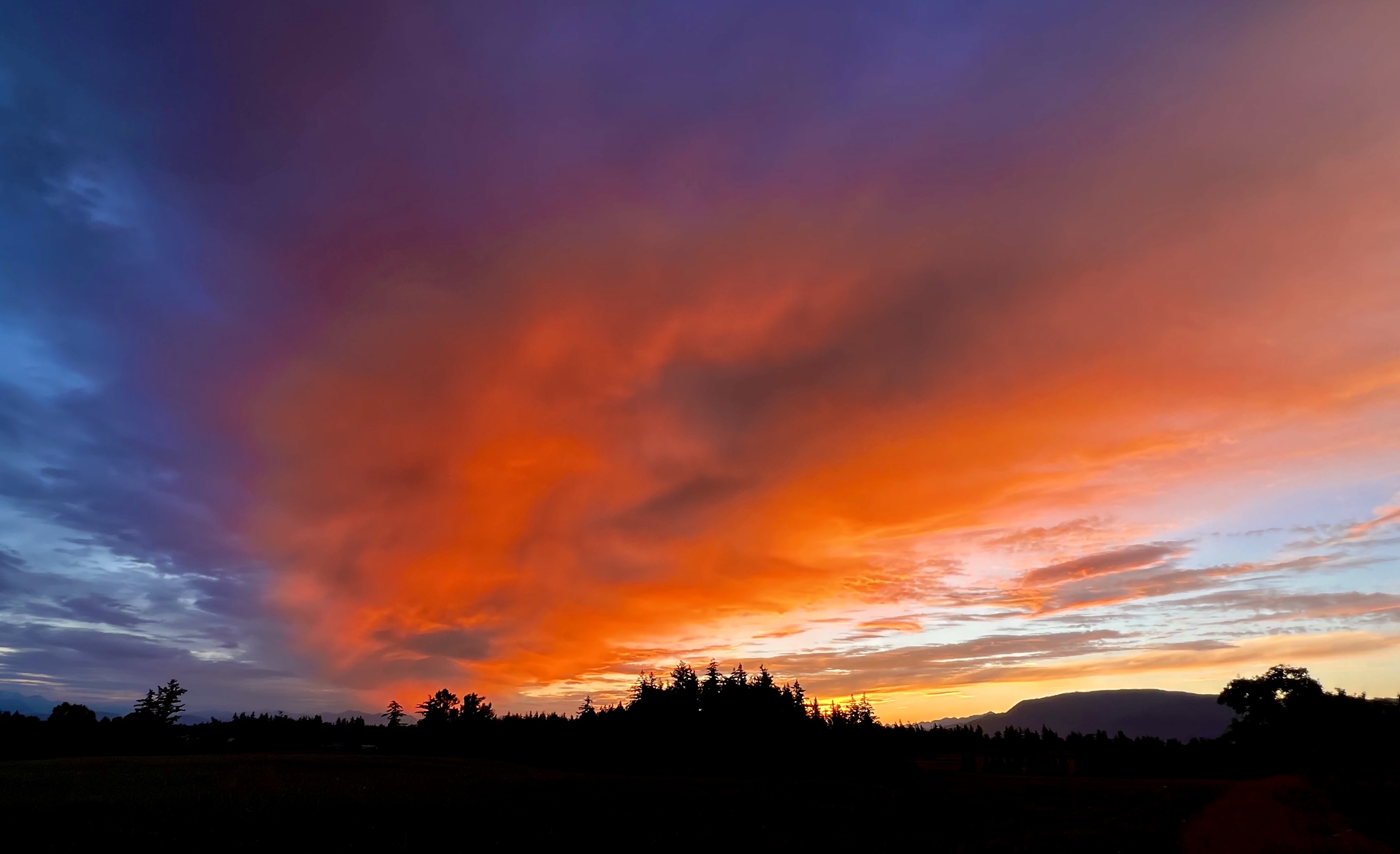
Now a red, sleepy sun above the rim Of twilight stares along the quiet weald, And the kind, simple country shines revealed In solitudes of peace, no longer dim. The old horse lifts his face and thanks the light, Then stretches down his head to crop the green. All things that he has loved are in his sight; The places where his happiness has been Are in his eyes, his heart, and they are good. ~Siegfried Sassoon from “Break of Day”
My husband and I grow old along with our horses – we are now past 70, just as a couple of our horses in “horse” years.
None of us, horses or humans, need to climb in the harness or put on the saddle to pull or carry the heavy loads of our former work lives.
It is a good life – each day treasured for its ordinariness.
Our retired horses feel the morning sun on their withers and the green blades under their feet, they scan the pasture for the sweetest tender patch to munch in the fields they know and love so well. They nap more now than in their younger years, taking breaks to let their heads hang relaxed and nodding, their tails slowly swishing at flies.
This morning was not so ordinary.
Waldheer van de Wortel (Wally), imported from Holland as a foal 27 years ago to be our herd stallion, let me know he wasn’t feeling well. He repeatedly pawed at the ground and the pasture gates, biting at his flank, trying to lie down and then get back up, not eating – clearly experiencing colicky belly pain that was getting worse.
I wondered if Wally’s time had come to bid him farewell. I had made a promise to my geriatric horses that I would not allow them to live in pain just because I didn’t want to let them go.
The vet came quickly and we talked about Wally’s options. She remarked about how he didn’t look his age, was holding weight well, his coat so sleek and shiny, his long-lashed eyes still bright and curious. But she said an older horse could often have repeated bouts of colic before the end, even if they temporarily improve with medical treatment.
I decided it was the right time to let him go to Haflinger heaven on a sunny summer morning, nibbling a mouthful of clover I offered him.
He was laid to sleep where he had lived nearly three decades.
He leaves behind two sons who were his pasture buddies, a couple dozen offspring scattered around the country, and people who loved his ambassadorship for the Haflinger breed. In his younger days, he was an enthusiastic eventer in the northwest region, ridden by his trainer Jessica Heidemann. They both had an enthusiastic fan-following.
In his later years, Wally was patient and loving with our grandchildren and with us. He lived a good life in his place of happiness. I wanted him to die peacefully at home, without a worry.
It just doesn’t get much better than that.
Waldheer van de Wortel, 1998 foal in Holland27 year old WallyArt work made by a fan of Waldheer
One-Time
Monthly
Yearly
Make a one-time or recurring donation to support daily Barnstorming posts
…And when the sun rises we are afraid it might not remain when the sun sets we are afraid it might not rise in the morning when our stomachs are full we are afraid of indigestion when our stomachs are empty we are afraid we may never eat again when we are loved we are afraid love will vanish when we are alone we are afraid love will never return and when we speak we are afraid our words will not be heard nor welcomed but when we are silent we are still afraid
So it is better to speak remembering we were never meant to survive. ~Audre Lorde from “A Litany for Survival”
We are all here so briefly, just trying to survive.
Although designed to live forever, we are fallen, running the clock out as long as we can.
Just one day more, we say. Give us just one more.
From the first, there has been struggle – the pain of our birth, the cry of our laboring mother, then feeding and protection of our children, keeping them safe from the bombs of war and the ravages of disease, followed by weakening of our frail aging bodies.
If there is a reason for all this (and there is): life’s struggles redeem us.
Heaven knows, each life means something to God, each death echoes His sorrow.
We fear we fail to make a difference in such a short time. So we speak. Hear our voices. Just one day more, Lord. Please – one day more.
Tomorrow we’ll discover What our God in Heaven has in store One more dawn One more day One day more… ~from Les Miserable
AI image created for this post
One-Time
Monthly
Yearly
Make a one-time or recurring donation to support daily Barnstorming posts
Our shadows bring them from the shadows: a yolk-yellow one with a navy pattern like a Japanese woodblock print of fish scales. A fat 18-karat one splashed with gaudy purple and a patch of gray. One with a gold head, a body skim-milk-white, trailing ventral fins like half-folded fans of lace. A poppy-red, faintly disheveled one, and one, compact, all indigo in faint green water. They wear comical whiskers and gather beneath us as we lean on the cement railing in indecisive late-December light, and because we do not feed them, they pass, then they loop and circle back. Loop and circle. Loop. “Look,” you say, “beneath them.” Beneath them, like a subplot or a motive, is a school of uniformly dark ones, smaller, unadorned, perhaps another species, living in the shadow of the gold, purple, yellow, indigo, and white, seeking the mired roots and dusky grasses, unliveried, the quieter beneath the quiet. ~Susan Kolodny “Koi Pond, Oakland Museum”
The boardwalk, a treachery of feathers ready to receive another broken bone, looms just above the surface. Step deliberately when approaching. With few exceptions, ice has claimed this part of the pond.
This is where you see her, moving through what free water remains: a sluggish ghost in the shadows, slow, conserving the fragile heat she still has in this late winter. A canopy of juniper dressed with light snow overhangs, watching.
Last year, a quorum of her kind was lost, turned to stone, to frigid silence. She doesn’t know that story, but some instinct guides her to keep what warmth she can, to cruise in stubborn torpor.
In her drift, she remembers the summer, her long, languid vowels, the accompanying texts of her companions. How they interwove manuscripts, narrations of sky, tree, sun, and moon. Warm days are a memory now, and thoughts rest lightly in her body.
She has held the same posture for an hour. Her bones have reached a conclusion— an idea about hope itself— there, near the indifferent bridge, inches from the force that will take her ~Carolyn Adams, “Koi Pond” from Going Out to Gather
The water going dark only makes the orange seem brighter, as you race, and kiss, and spar for food, pretending not to notice me. For this gift of your indifference, I am grateful. I will sit until the pond goes black, the last orange spark extinguished. ~Robert Peake from “Koi Pond”
Koi and goldfish thrived in our pond after we covered it with netting, finally thwarting the herons arriving at dawn for breakfast.
Thus protected, our fish grew huge, celebrating each feeding with a flurry of tail flips and gaping mouths as I tossed pellets to them each evening.
When the pond cooled in the fall and sometimes ice-covered in winter, the fish settled at the bottom, barely moving silhouettes of color in the darkness. Spring would warm them to action again. As the water temperature rose, so did they, eager and hungry to flash their color and fins again.
Two winters ago, the chill winds and low temperatures lasted longer than usual. As the pond ice began to melt, the fish at the bottom remained still as stones. Netting them for burial felt like burying the sun and the moon and the stars, relegating their rainbows of light and color deep into the earth.
No longer would their colorful glory shine, an illumination now extinguished.
I haven’t had the heart to try again. I need a pond heater, a new filter system, and a total clean out of the pond if I am going to restock.
But then I remember the joy of feeding those flashes of fins and fish mouths, so I just might try again.
Rainbows promise to return, even from buried stone.
AI image created for this post
Lyrics From the love of my own comfort From the fear of having nothing From a life of worldly passions Deliver me O God From the need to be understood From the need to be accepted From the fear of being lonely Deliver me O God And I shall not want I shall not want When I taste Your goodness I shall not want From the fear of serving others From the fear of death or trial From the fear of humility Deliver me O God
One-Time
Monthly
Yearly
Make a one-time or recurring donation to support daily Barnstorming posts
For to come upon warblers in early May was to forget time and death.—Theodore Roethke
Every poem of death should start with my mother’s love for birds. Finches and waxwings her favorites, though she wasn’t one to quibble; an eagle dragging a carp across the sky would do.
There are worse things than being dead. You might be swallowed by the daily minutia of the great mundane, to be spit up years later wondering where your life has gone.
But loving something can save you: the way finches stack a feeder, meddle in each other’s business until a woodpecker crashes in, littering surrounding shrubs with wings.
Last summer my wife found a hummingbird on Mount Pisgah. Its emerald wings trembled as its feet tried to grasp her fingers. A ranger said that their lives are so short anyway. What a curious reply, I thought, but later reconsidered. Perhaps any time being a hummingbird is enough. ~Bill Brown “With the Help of Birds”
That long-ago morning at Ruth’s farm when I hid in the wisteria and watched hummingbirds. I thought the ruby or gold that gleamed on their throats was the honeyed blood of flowers. They would stick their piercing beaks into a crown of petals until their heads disappeared. The blossoms blurred into wings, and the breathing I heard was the thin, moving stems of wisteria. That night, my face pressed against the window, I looked out into the dark where the moon drowned in the willows by the pond. My heart, bloodstone, turned. That long night, the farm, those jeweled birds, all these gone years. The horses standing quiet and huge in the moon-crossing blackness. ~Joseph Stroud “First Song”
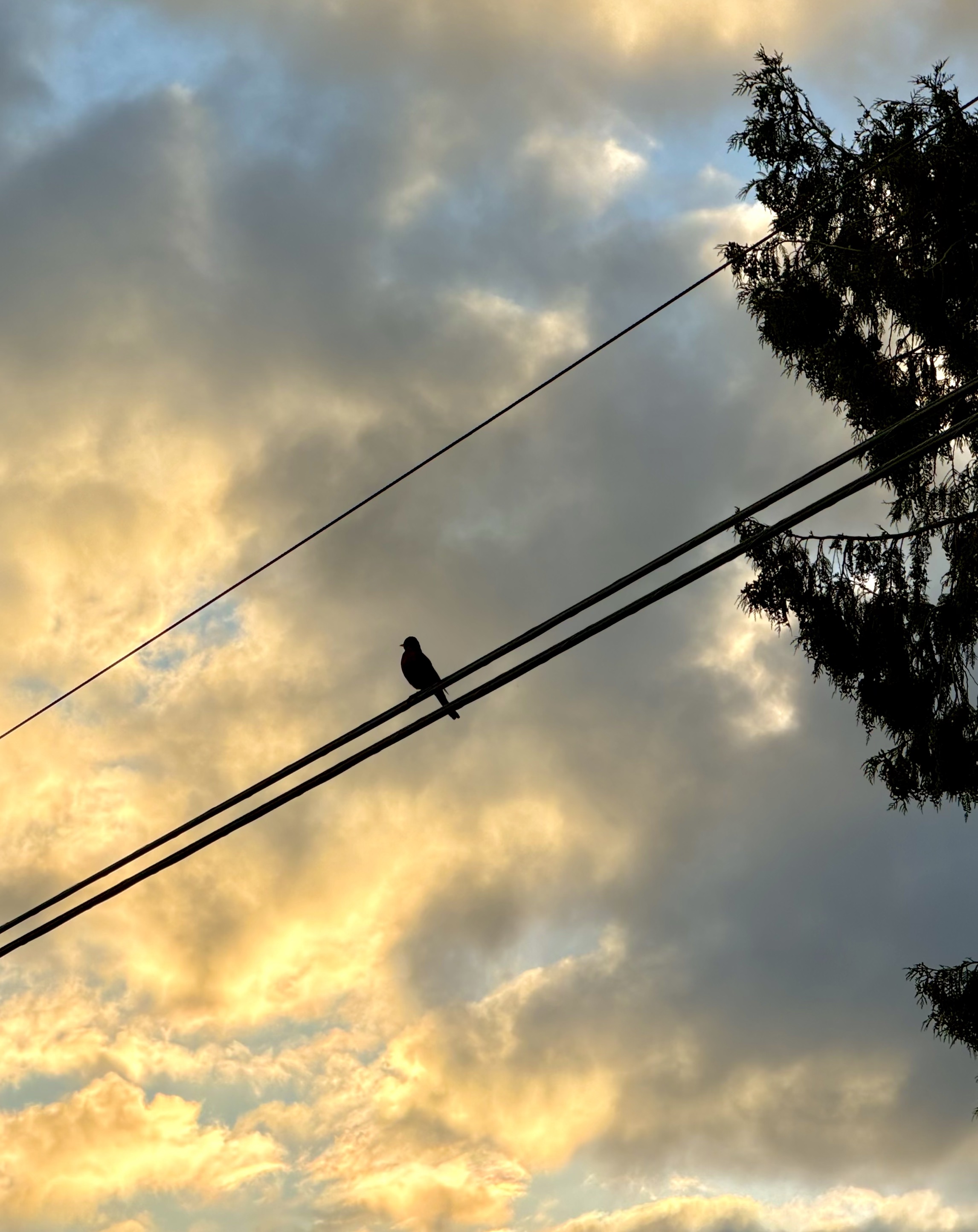
Birds are everywhere this time of year – I keep my phone handy with the Merlin App open from Cornell Lab, so I know who I’m hearing. From the robins and sparrows, to warblers and thrushes, along with the chittering bald eagles nesting by the pond across the road, it is quite a symphony to witness in the early morning and at sunset.
The app even tries to identify a woodpecker’s rapping and a hummingbird’s buzz.
There was a time not long ago when I was too busy with daily details to pay much attention to the awesome variety of creatures around me.
Once it hit me what I was missing, I started watching, listening and being part of all this life rather than wondering too late where life had gone.
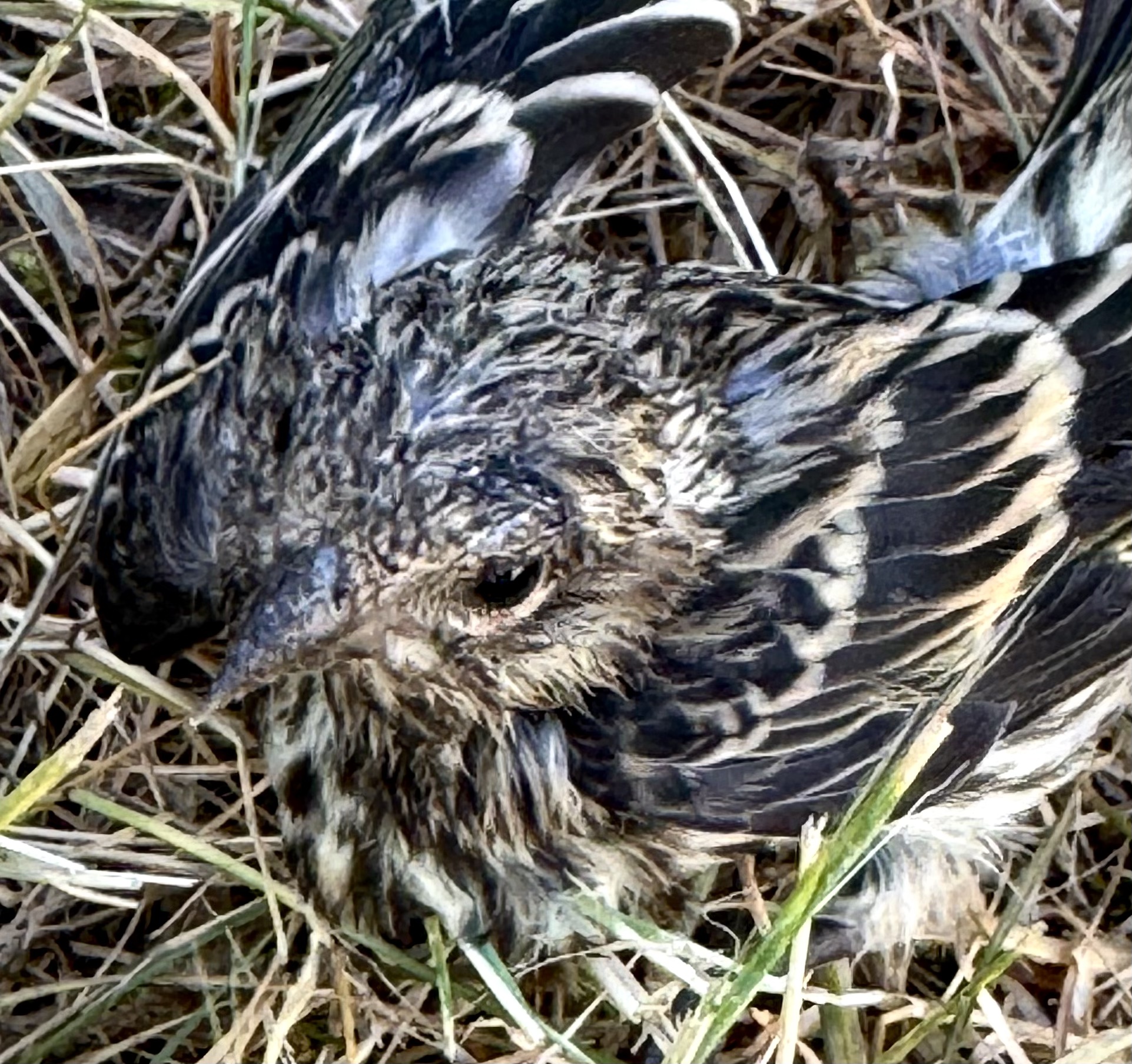
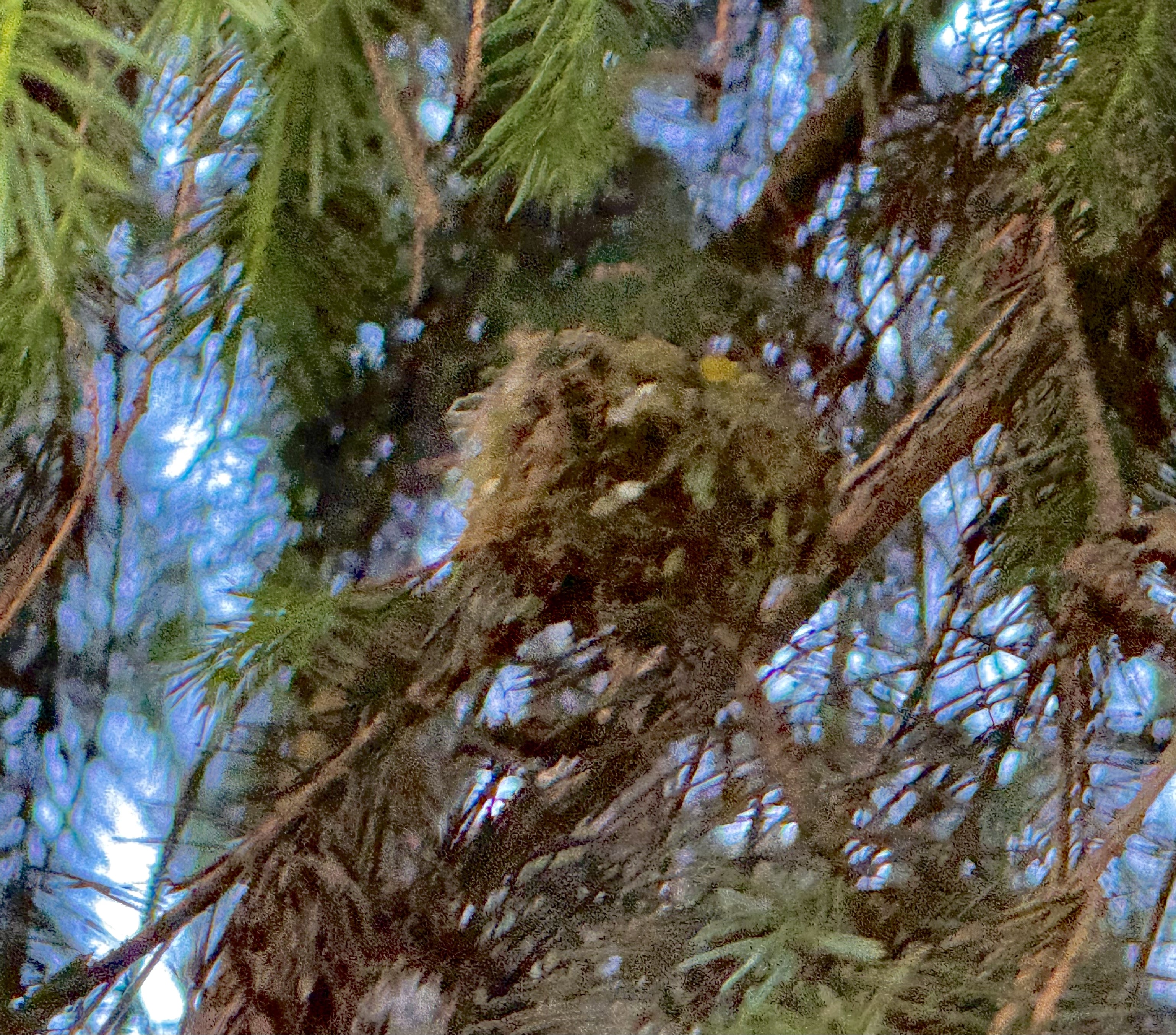
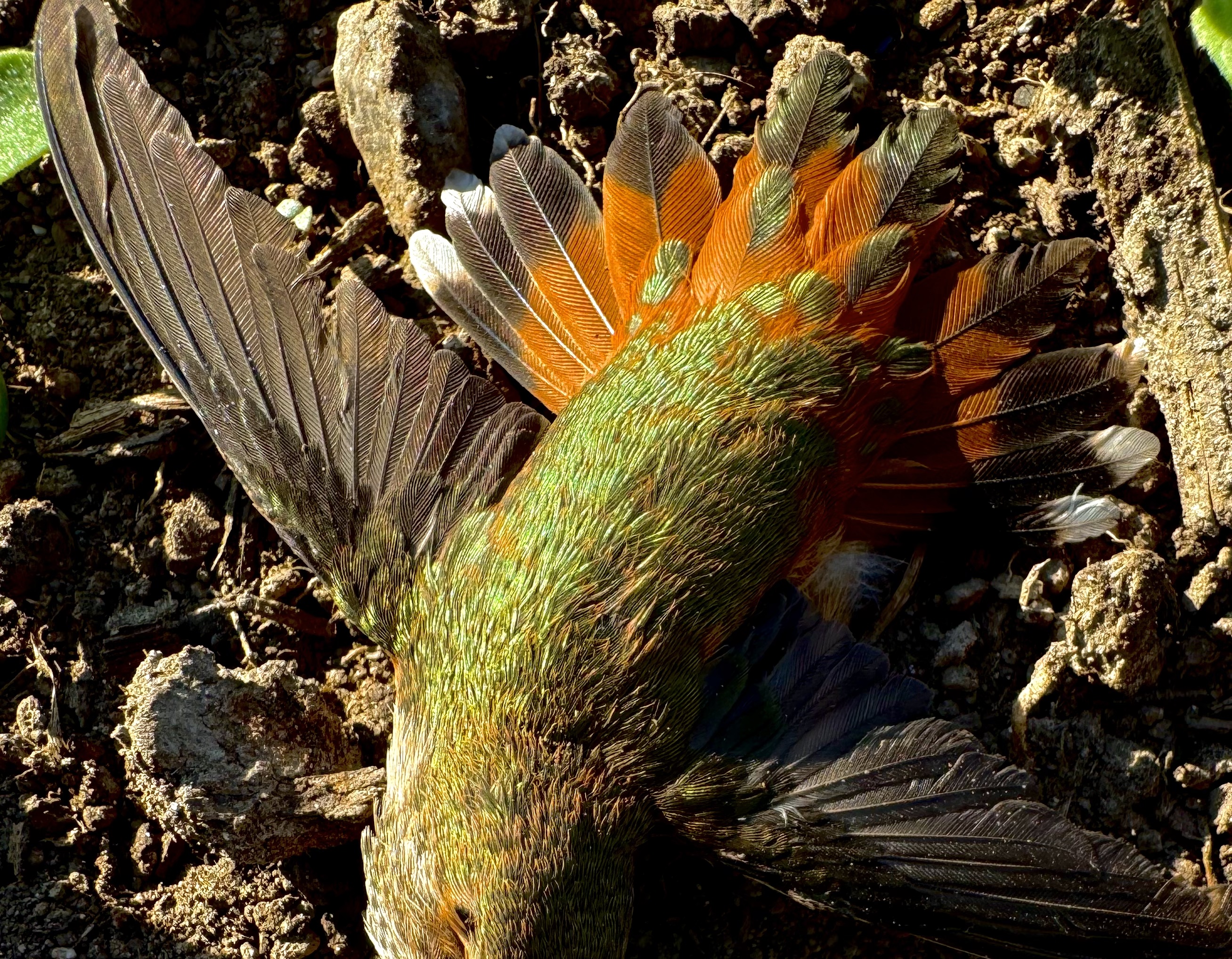
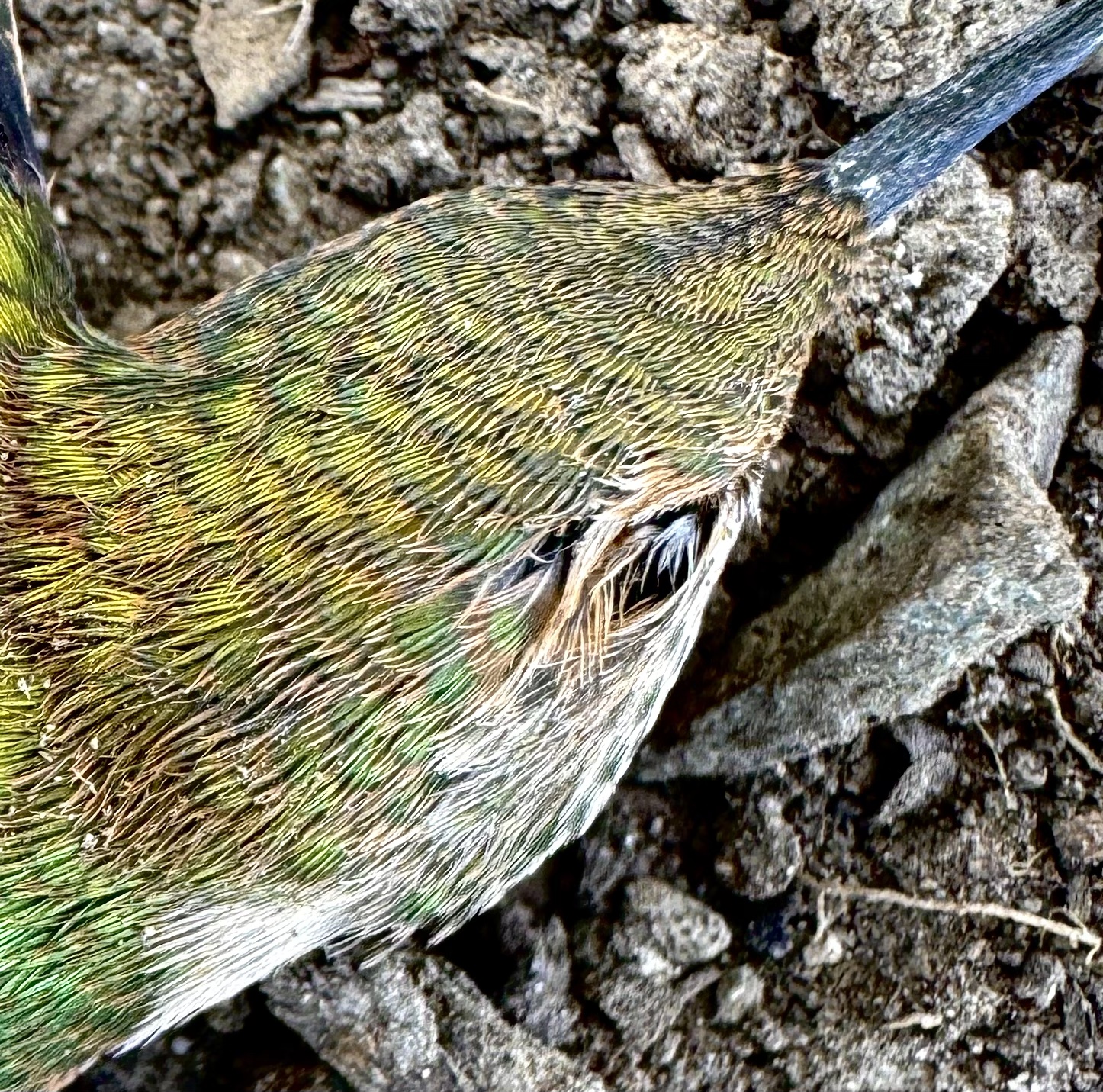
How sobering one day to find a hummingbird dead in the dirt, once a dear little bird of motor and constant motion, lying stilled and silenced as if simply dropped from the sky, a wee bit of fluff and stardust.
Then a friend pointed out a hummingbird nest high in a tree. And so it is the way of things…
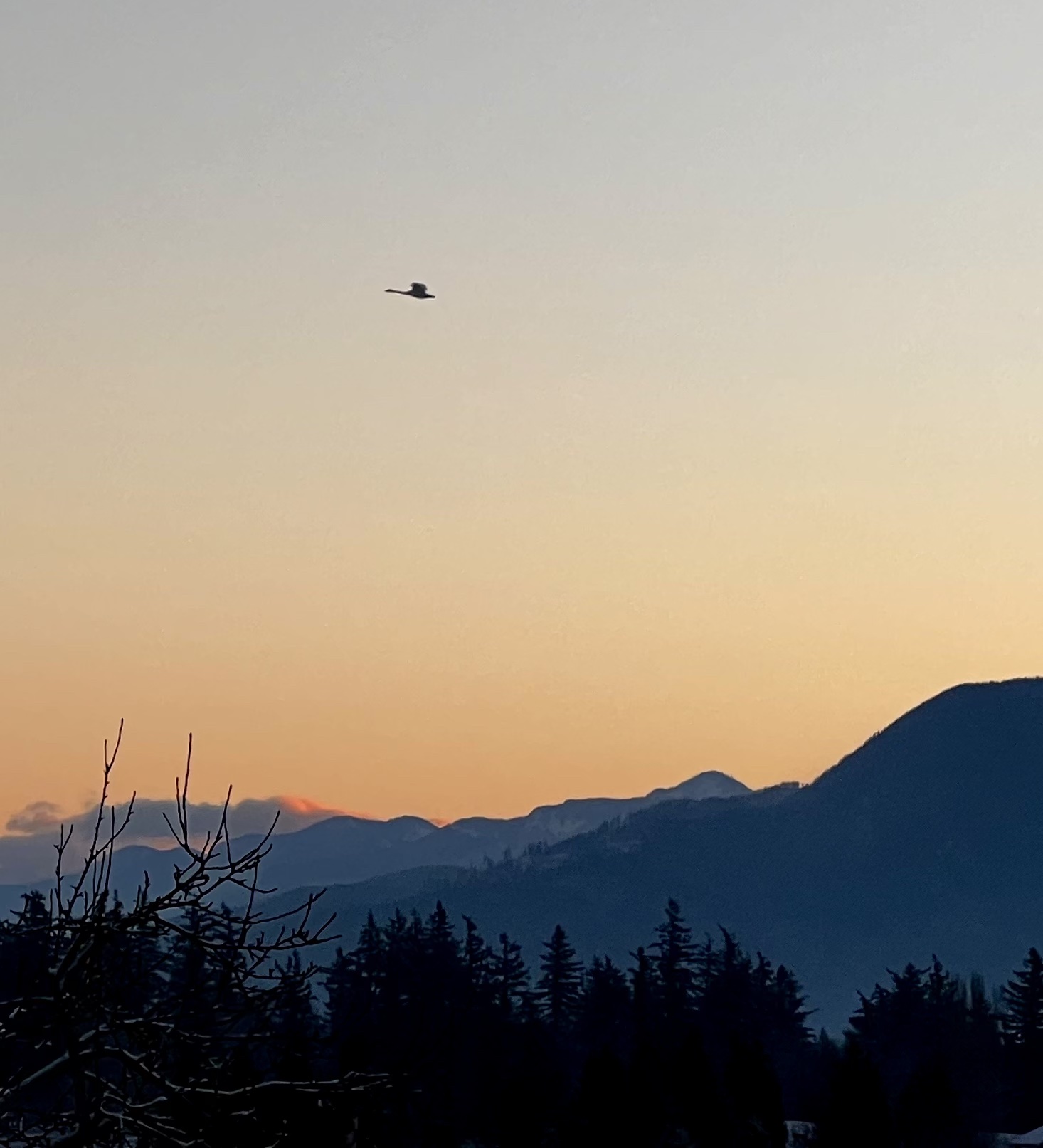
We are here and gone. Beauty hatched, grown and flown, then grounded. …but not forgotten.
AI image created for this post
One-Time
Monthly
Yearly
Make a one-time or recurring donation to support daily Barnstorming posts
I am not resigned to the shutting away of loving hearts in the hard ground. So it is, and so it will be, for so it has been, time out of mind: Into the darkness they go, the wise and the lovely. Crowned With lilies and with laurel they go; but I am not resigned.
Lovers and thinkers, into the earth with you. Be one with the dull, the indiscriminate dust. A fragment of what you felt, of what you knew, A formula, a phrase remains,—but the best is lost.
The answers quick and keen, the honest look, the laughter, the love,— They are gone. They are gone to feed the roses. Elegant and curled Is the blossom. Fragrant is the blossom. I know. But I do not approve. More precious was the light in your eyes than all the roses in the world.
Down, down, down into the darkness of the grave Gently they go, the beautiful, the tender, the kind; Quietly they go, the intelligent, the witty, the brave. I know. But I do not approve. And I am not resigned. ~Edna St. Vincent Millay “Dirge Without Music”
Each Memorial Day weekend without fail, we gather with family, have lunch, reminisce, and trek to a cemetery high above Puget Sound to catch up with our relatives who lie there, still.
Some for over 110 years, some for barely more than a decade, some we knew and loved and miss every day, others not so much as they are unknown to us except on genealogy charts, names and dates and stones and stories:
the red-haired great-grandmother who died too young, the aunt who was eight when lymphoma took her, the grandmother who dreamed of world travel too late, the great-grandfather Yukon river boat captain, the grandfather logger and stump farmer, the great aunt unmarried school teacher who hid an oil well, the two in-laws who forever lie next to each other but could not co-exist in the same room while they lived and breathed.
Yet we know each of these (as we know ourselves and others)
could be tender and kind, though flawed and broken, had been beautiful and strong, though wrinkled and frail, was hopeful and faithful, though too soon in the ground.
We know this about them as we know it about ourselves: someday we too will feed roses, the light in our eyes transformed into elegant swirls emitting the fragrant scent of heaven.
No one asks if we approve. Nor am I resigned to this though I know: So it is, so it has been, so it will be for me someday.
AI image created for this post
One-Time
Monthly
Yearly
Make a one-time or recurring donation to support daily Barnstorming posts