My Rough Edges

What does it feel like to be alive?
Living, you stand under a waterfall…
It is time pounding at you, time.
Knowing you are alive is watching on every side
your generation’s short time falling away
as fast as rivers drop through air,
and feeling it hit.

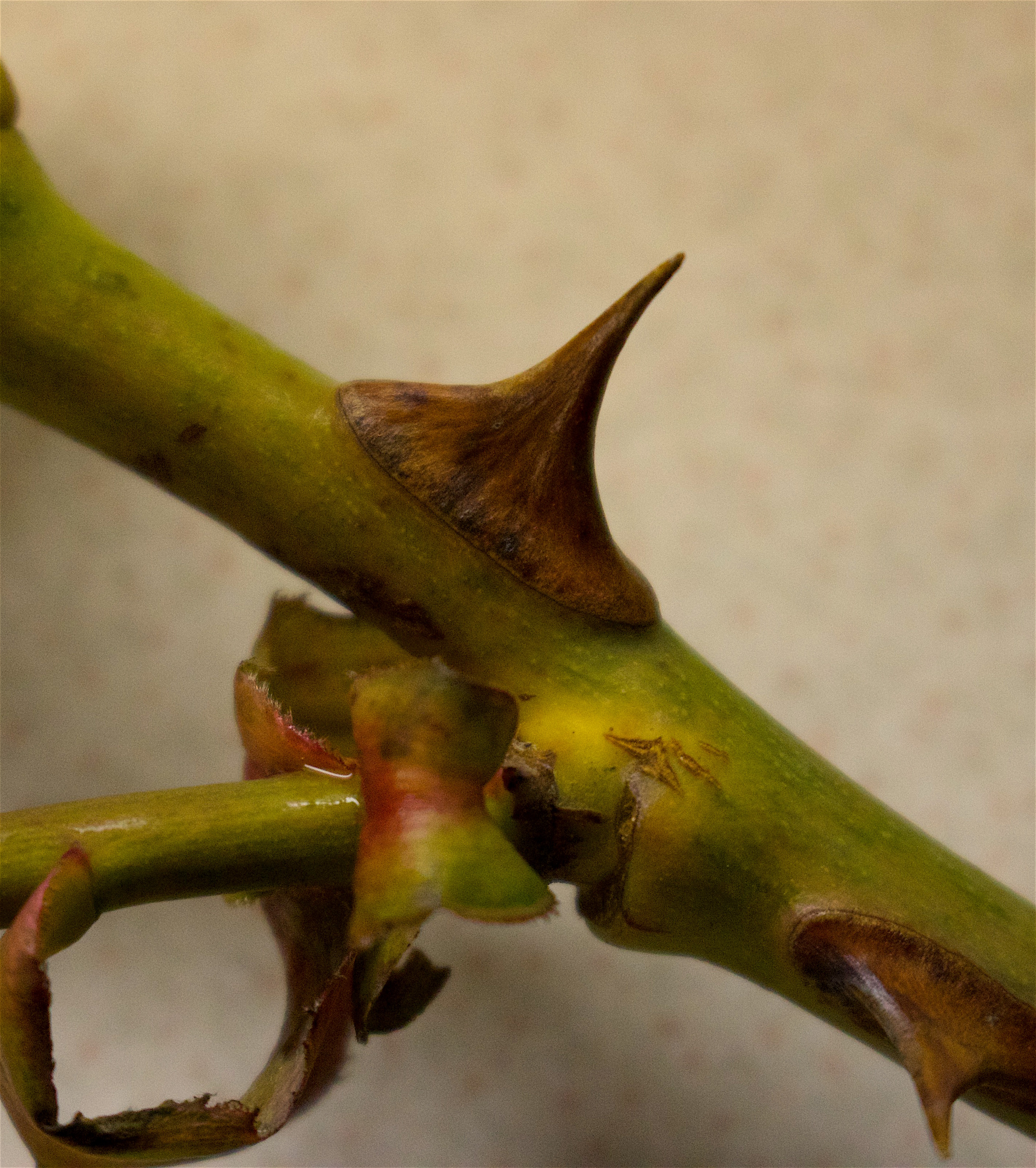
I had hopes for my rough edges.
I wanted to use them as a can opener,
to cut myself a hole in the world’s surface, and exit through it.

~Annie Dillard from An American Childhood

I saw a mom take her raincoat off
and give it to her young daughter when
a storm took over the afternoon. My god,
I thought, my whole life I’ve been under her
raincoat thinking it was somehow a marvel
that I never got wet.

~Ada Limón from “The Raincoat”

Mothering is like standing under a waterfall, barely able to breathe, barraged by the firehose of birthing and raising children – so much so fast.  Ideally, nothing rough remains after child rearing — all becomes soft and cushiony, designed to gather in, hold tight, and then reluctantly and necessarily, let go.

All the while a mother does whatever she must to protect her children from also getting soaked in the barrage, knowing one day they will also feel overwhelmed in the storms of life.

Now that my children have grown and flown, I’m well aware my rough edges still can surface, like Godzilla from the primordial swamp, unbidden and unwarranted, ready to cut a hole in the world.  I wish my sharpness gone, smoothed to a fine sheen and finish, sanded down by the relentless flow of the waters of time.

Now from afar, my children polish me even as I try to throw my raincoat over them virtually to keep them from getting wet in inevitable downpours. My reach will never be far enough.

Time pounds away both at me and them. I can feel it ruffing and buffing me every single moment, every drop its own mixed blessing, every drop unique, never to come again.

Licked to Its Feet

When we reach the field
she is still eating
the heads of yellow flowers
and pollen has turned her whiskers
gold. Lady,
her stomach bulges out,
the ribs have grown wide.
We wait,
our bare feet dangling
in the horse trough,
warm water
where goldfish brush
our smooth ankles.
We wait
while the liquid breaks
down Lady’s dark legs
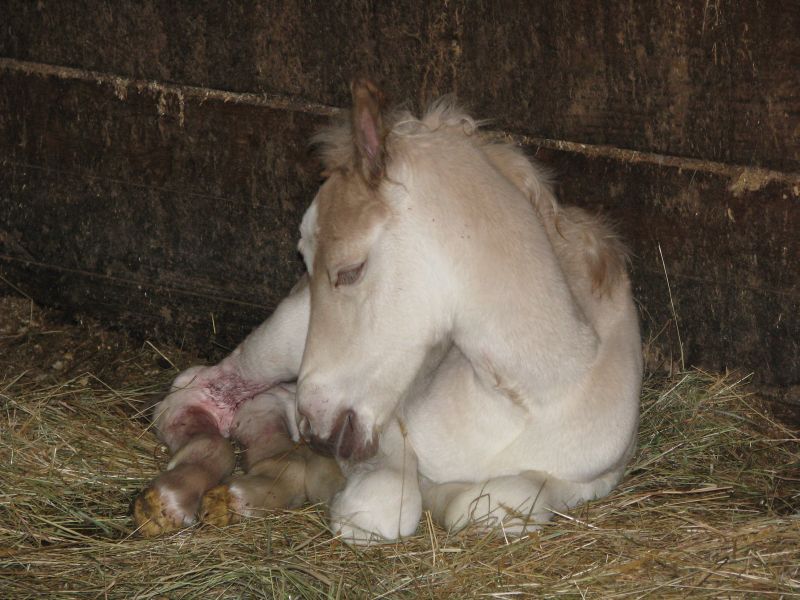
and that slick wet colt
like a black tadpole
darts out
beginning at once
to sprout legs.
She licks it to its feet,
the membrane still there,
red, transparent
the sun coming up shines through,
the sky turns bright with morning
and the land
with pollen blowing off the corn,
land that will always own us,
everywhere it is red.

~Linda Hogan, “Celebration: Birth of a Colt” from Red Clay.

First,
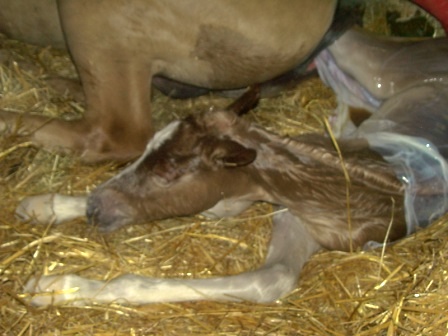
her fluid
flows in subtle stream
then
gushes in sudden drench.
Soaking, saturating,
precipitating
inevitability.
No longer cushioned
slick sliding forward
following the rich river
downstream to freedom.

The smell of birth
clings to shoes, clothes, hands
as soaked in soupy brine
I reach to embrace new life
sliding toward me.

I too was caught once;
three times emptied into other hands,
my babies wet on my chest
their slippery skin
under my lips
so salty sweet

In a moment’s scent
the rush of life returns;
now only barn or field birthings
yet still as sweet and rich.
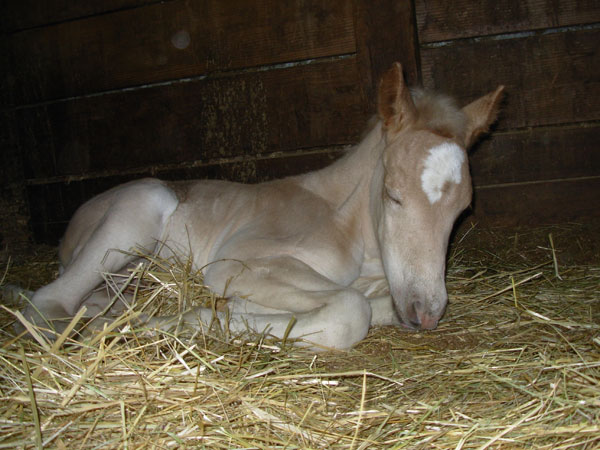
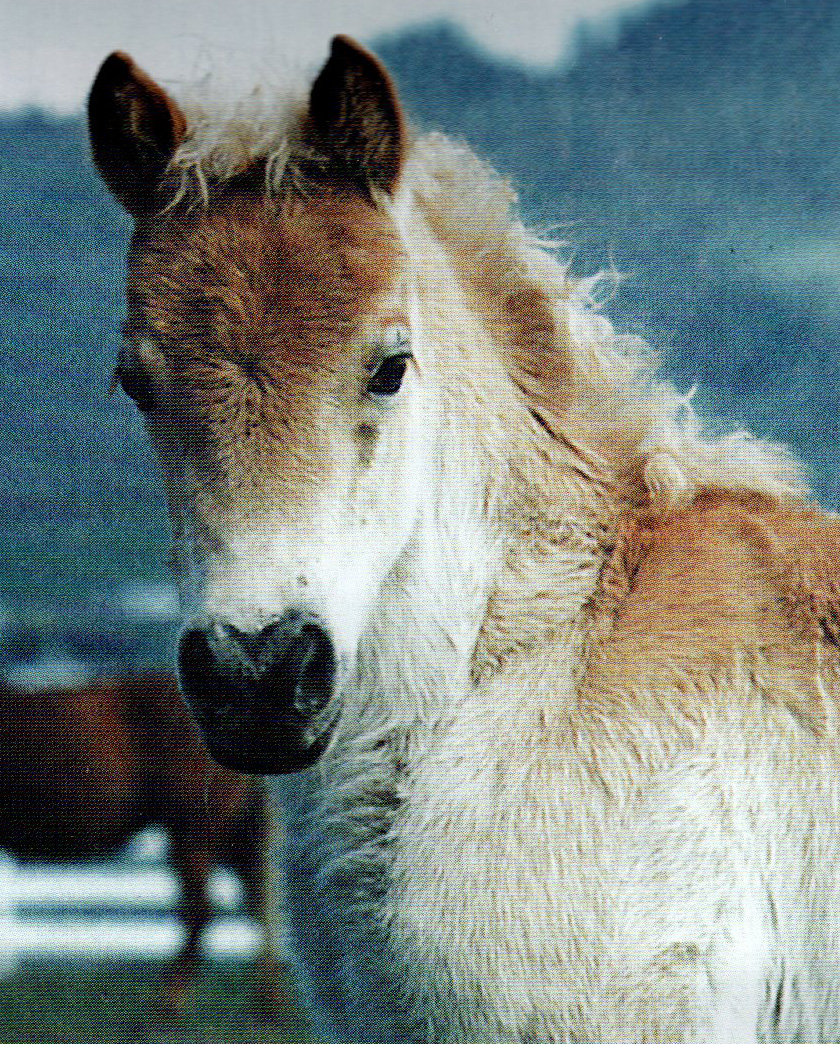
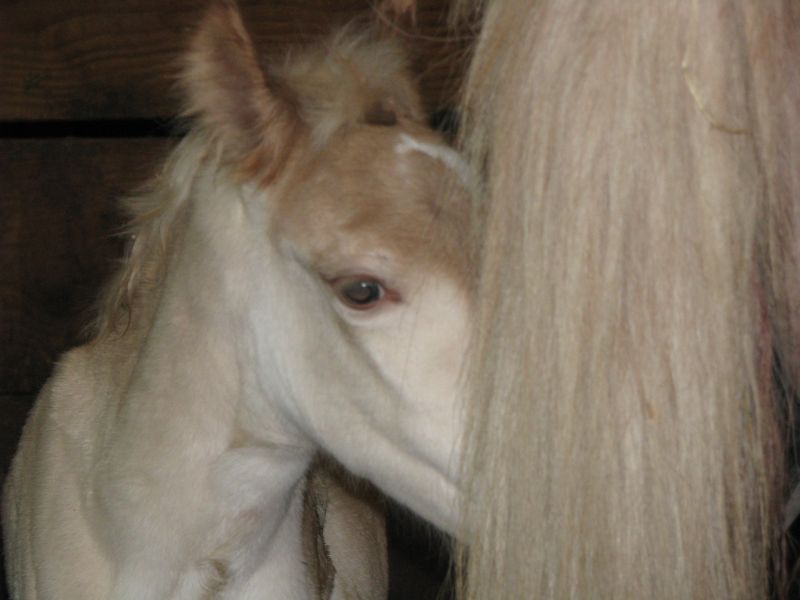
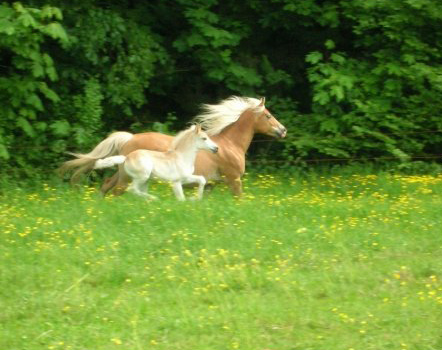
I carry the smell of damp foal fur
with me all day to
recall from whence I came.
I floated once
and will float free someday again.

Waiting in Wilderness: A Man Wondering

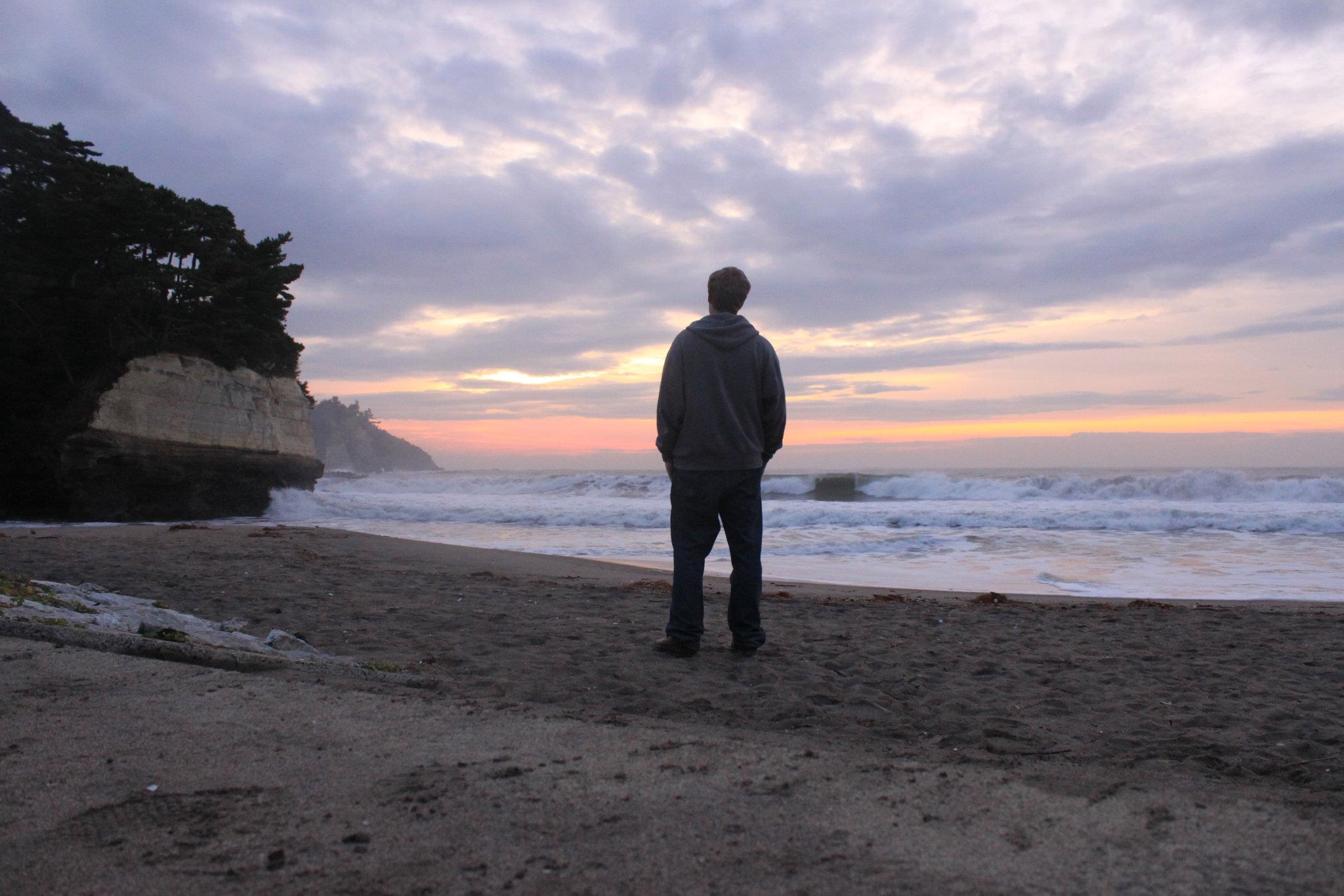
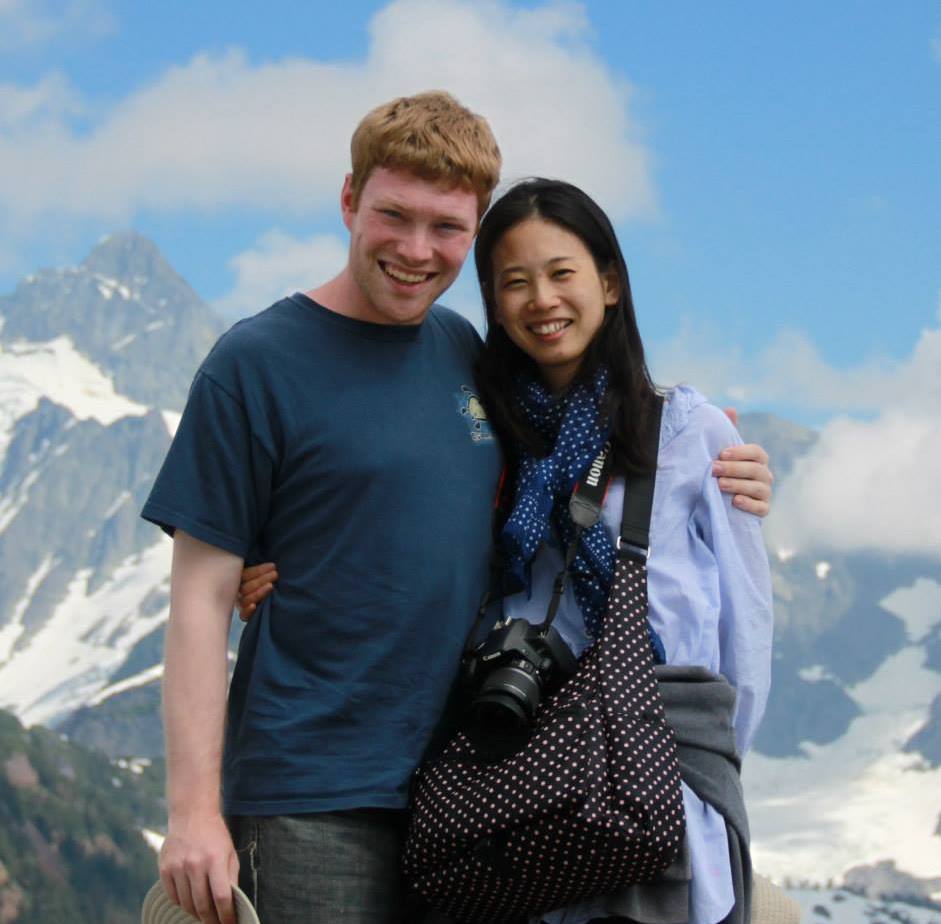
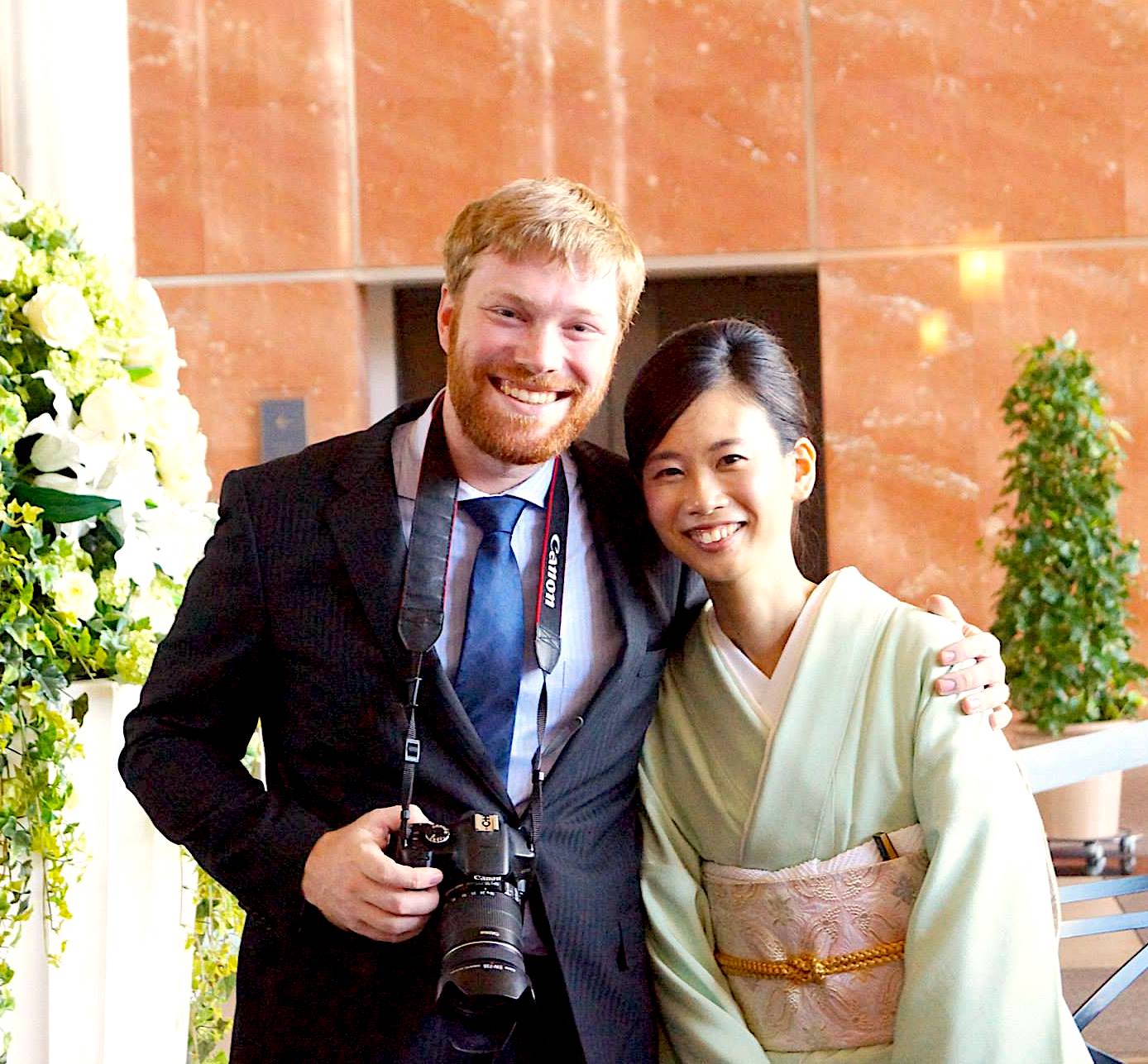
Nate Gibson at Sendai, Japan
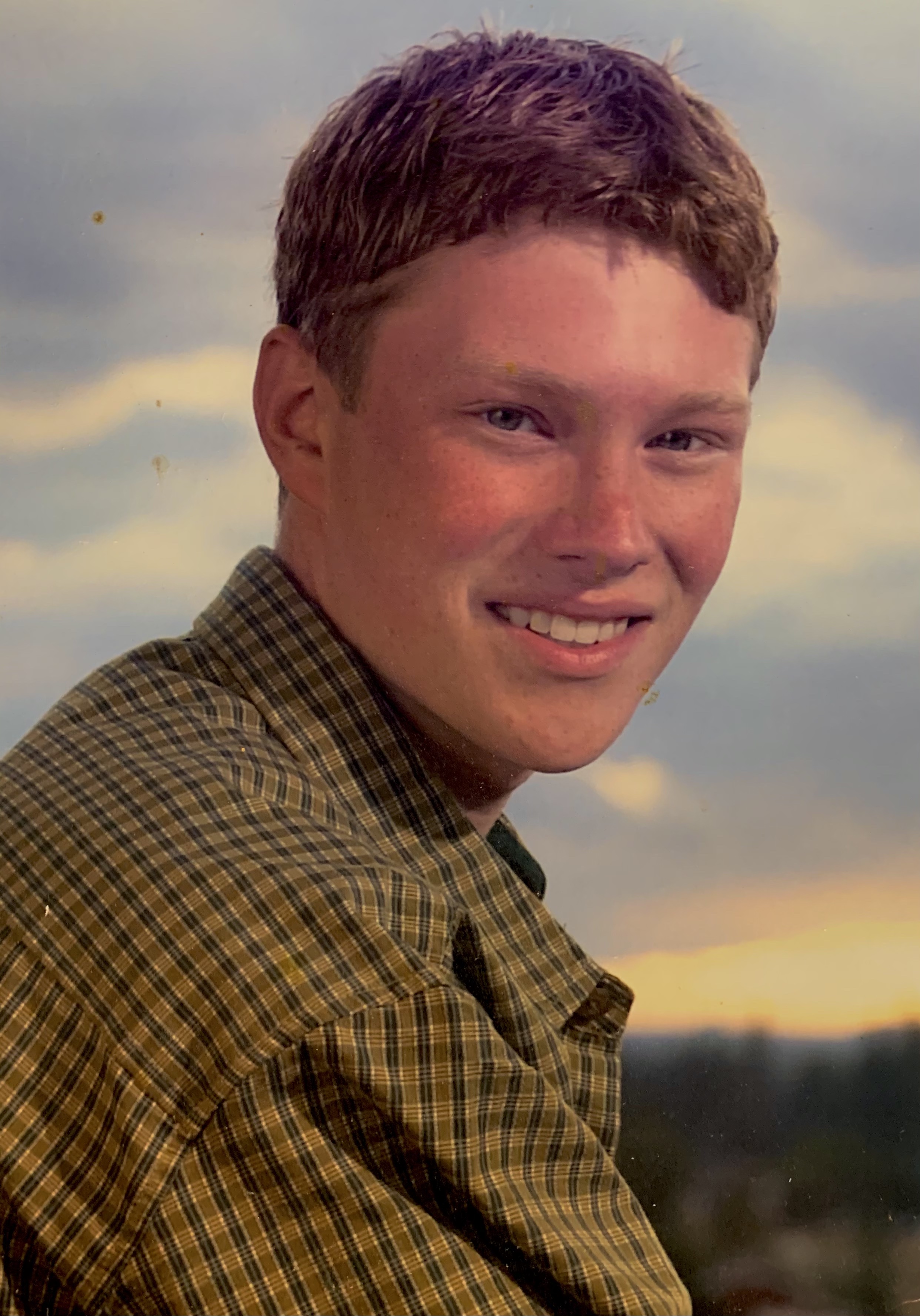
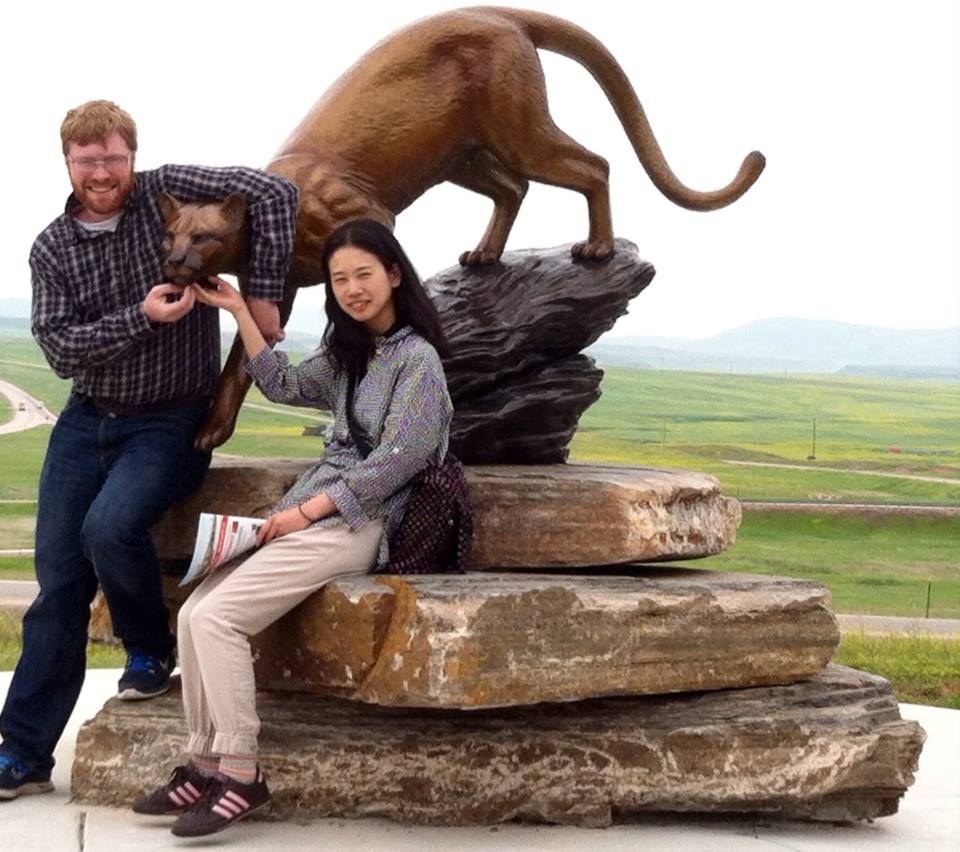
Nate while visiting home on the farm

Men go abroad to wonder at the heights of mountains, at the huge waves of the sea, at the long courses of the rivers, at the vast compass of the ocean, at the circular motions of the stars, and they pass by themselves without wondering.
~St. Augustine of Hippo

Our firstborn son turns thirty five years old today. Nate was born on a day very much like this: sunny, frosty, a not-yet-spring kind of early morning. He was so welcome and cherished after years of our struggling to have children. Nate seemed to come with a sense of wonder and enthusiasm for whatever life had in store for him.

First-time parents don’t think much about where their child’s path will lead in a mere twenty years – it seems so far off. We knew he was a home-body. Nate wanted to write and teach and settle into the small town life that he loved and understood.

But God had other plans. God asked him to wonder at himself in relation to the world beyond his small town. So Nate was called to teach in Japan within days of graduating with his teaching degree in 2008. He has remained there ever since, reaching the hearts and minds of well over a thousand individual students in his classroom during those years, while falling in love with his soulmate Tomomi and becoming father to their two beautiful children.

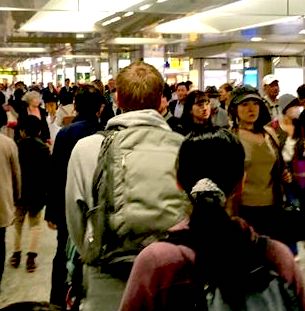
Nate has discovered the irony of moving from a town where the majority of his classmates were blonde to thriving where he is the only redhead among thousands in a train station throng. He has learned a new culture, a new language and a new way of thinking about what “home” in God’s kingdom really means.

When we visit Nate now, only virtually since the pandemic, we see a man who has traveled far, in miles and spiritually. He continues to wonder where God may call him, along with Tomomi and their family, next. We cherish them all, from so far away, no matter where their home may be, as they embody servant love wherever they are needed most.

Happy Birthday, Nate!
Sending our love across the many miles of ocean that separates us but our shared hearts remain close.

The towering tree spreads his greening canopy —
A veil between the soil and sky—
Not in selfish vanity,
But the gentle thrush to shade and shelter.
So it is with love.
For when we love,
Simply love,
Even as we are loved,
Our weary world can be transformed.
The busy thrush builds her nest below —
A fortnight’s work to weave and set—
Not for herself alone,
But her tender brood to shield and cherish.
And so it is with love.
For when we love,
Simply love,
Even as we are loved,
Our weary world can be transformed Into the Kingdom of God!
~Charles Silvestri

Waiting in Wilderness: Removing a Splinter

To pull the metal splinter from my palm
my father recited a story in a low voice.
I watched his lovely face and not the blade.
Before the story ended, he’d removed
the iron sliver I thought I’d die from.

I can’t remember the tale,
but hear his voice still, a well
of dark water, a prayer.
And I recall his hands,
two measures of tenderness
he laid against my face,
the flames of discipline
he raised above my head.

Had you entered that afternoon
you would have thought you saw a man
planting something in a boy’s palm,
a silver tear, a tiny flame.
Had you followed that boy
you would have arrived here,
where I bend over my wife’s right hand.

Look how I shave her thumbnail down
so carefully she feels no pain.
Watch as I lift the splinter out.
I was seven when my father
took my hand like this,
and I did not hold that shard
between my fingers and think,
Metal that will bury me,
christen it Little Assassin,
Ore Going Deep for My Heart.
And I did not lift up my wound and cry,
Death visited here!
I did what a child does
when he’s given something to keep.
I kissed my father.
~Li-Young Lee, “The Gift” from Rose

I did, without ever wanting to, remove my own children’s splinter, lanced a boil, immobilized a broken arm, pulled together sliced skin, cleaned many dirty wounds. It felt like I crossed the line between mommy and doctor.  But someone had to do it, and a four hour wait in the emergency room didn’t seem warranted.

My own children learned to cope with hurt made worse by someone they trusted to be comforter.

I dealt with inflicting pain, temporary though it may be, to flesh that arose from my flesh.  It hurt as much as if it were my own wound needing cleansing, not theirs.

Our wounds are His – He is constantly feeling our pain as He performs healing surgeries in our lives, not because He wants to but because He must, to save us from our own destruction. Too often we yell and kick and protest in our distress, making it all that much more difficult for both of us.

If only we can come to acknowledge His intervention is our salvage:
our tears to flow in relief, not anguish,
we cling to His protection rather than pushing Him away,
we kiss Him in gratitude as we are restored again and yet again.

Waiting in Wilderness: Do It Again

Because children have abounding vitality,
because they are in spirit fierce and free,
therefore they want things repeated and unchanged.
They always say, “Do it again”;
and the grown-up person does it again until he is nearly dead.

For grown-up people are not strong enough to exult in monotony.
But perhaps God is strong enough to exult in monotony.
It is possible that God says every morning, “Do it again” to the sun;
and every evening, “Do it again” to the moon.

It may be that he has the eternal appetite of infancy;
for we have sinned and grown old,
and our Father is younger than we.
~G.K. Chesterton from Orthodoxy

To an infant, nothing is monotonous — it is all so new.  The routine of the day is very simple and reassuring: sleep, wake, cry, nurse, clean up, gaze out at the world, turn on the smiles –repeat.

The routine becomes more complex as we age until it no longer resembles a routine, if we can help it. We don’t bother getting up to watch the sun rise yet again and don’t notice the sun set once more. We truly flounder in the wilderness of our own making.

Weary as we may be with routine, our continual search for the next new thing costs us in time and energy.   We age every time we sigh with boredom or turn away from the mundane and everyday, becoming less and less like our younger purer selves.

Who among us exults in monotony and celebrates predictability and enjoys repetition, whether it is sunrise or sunset or an infinite number of daisies?

God does. He sees our short attention spans.  He alone remains consistent, persistent and insistent because we need someone to lead us out of our wilderness.

Do it again, God.  Please — please do it again.

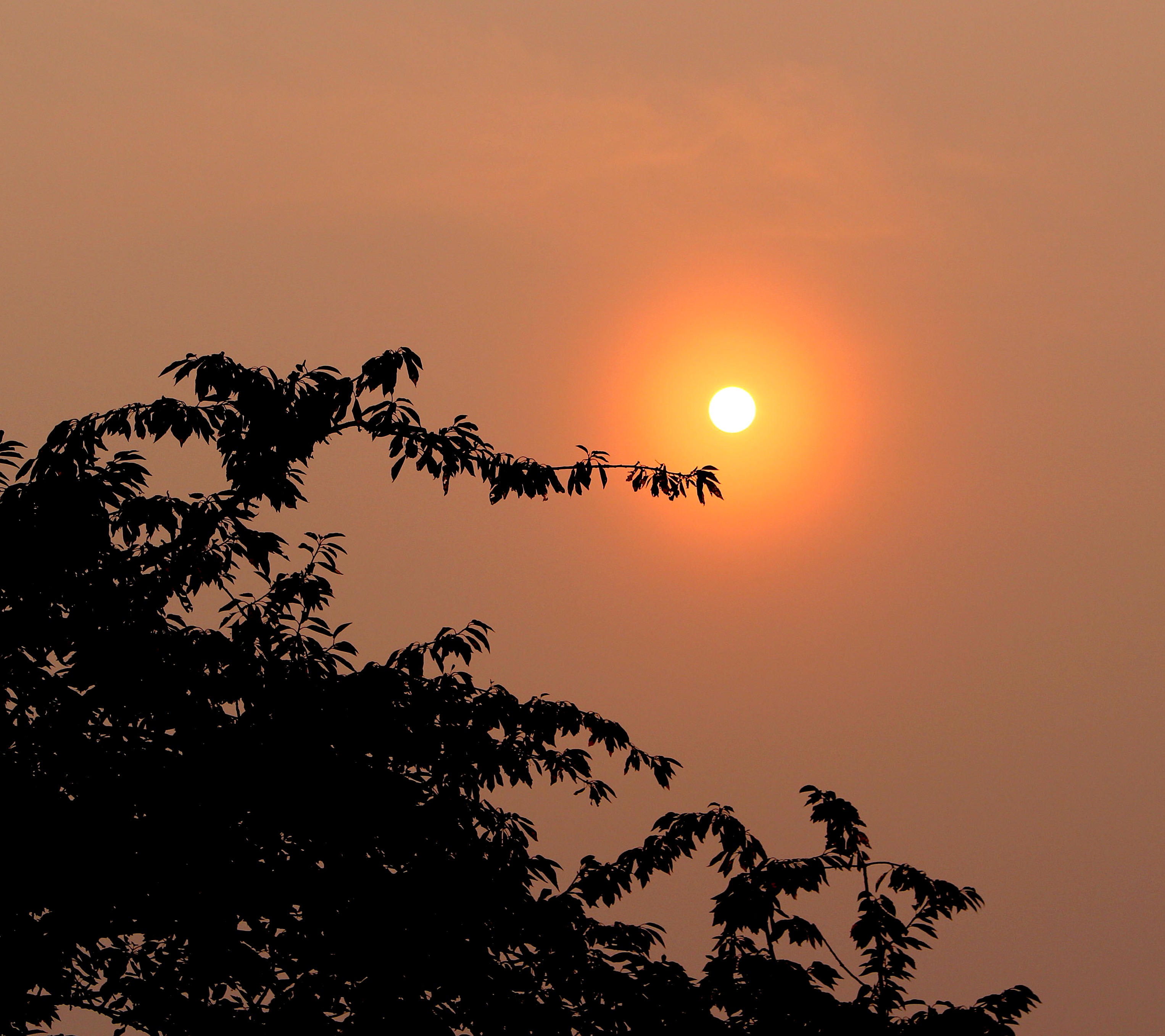
My life flows on in endless song above earth’s lamentation.
I hear the real, though far-off hymn that hails a new creation.
No storm can shake my inmost calm, while to that rock, I’m clinging

Since love prevails in heaven and earth, How can I keep from singing?
While though the tempest round me roars, I know the truth, it liveth.
And though the darkness round me close, songs in the night it giveth.


No storm can shake my inmost calm, while to that rock, I’m clinging
Since love prevails in heaven and earth, How can I keep from singing?
I Lift my eyes. The cloud grows thin; I see the blue above it.
And day by day, this pathway smooths, since first I learned to love it.

No storm can shake my inmost calm, I hear the music ringing.
It sounds an echo in my soul. How can I keep from singing?
How Can I Keep from singing? Keep Singing.

Will you come and follow me 
If I but call your name?
Will you go where you don’t know
And never be the same?
Will you let my love be shown,
Will you let me name be known,
Will you let my life be grown
In you and you in me?

Will you leave yourself behind
If I but call your name?
Will you care for cruel and kind
And never be the same?
Will you risk the hostile stare
Should your life attract or scare.
Will you let me answer prayer
In you and you in me?

Will you let the blinded see
If I but call your name?
Will you set the prisoners free
And never be the same?
Will you kiss the leper clean,
And do this as such unseen,
And admit to what I mean
In you and you in me?

Will you love the “you” you hide
If I but call your name?
Will you quell the fear inside
And never be the same?
Will you use the faith you’ve found
To reshape the world around,
Through my sight and touch and sound
In you and you in me?

Lord, your summons echoes true
When you but call my name.
Let me turn and follow you
And never be the same.
In your company I’ll go
Where your love and footsteps show.
Thus I’ll move and live and grow
In you and you in me.

An Austere Love

Sundays too my father got up early
And put his clothes on in the blueback cold,
then with cracked hands that ached
from labor in the weekday weather made
banked fires blaze. No one ever thanked him.

I’d wake and hear the cold splintering, breaking.
When the rooms were warm, he’d call,
and slowly I would rise and dress,
fearing the chronic angers of that house,

Speaking indifferently to him,
who had driven out the cold
and polished my good shoes as well.
What did I know, what did I know
of love’s austere and lonely offices? 
–  Robert HaydenThose Winter Sundays

As a child growing up,
I was oblivious
to the sacrifices my parents made
to keep the house warm,
place food on the table,
to teach us the importance of faith and belief,
to crack the door of opportunity open,
so we could walk through
to a better life.

It was no small offering
to keep dry seasoned fire and stove wood always at the doorstep,
to milk the cows twice a day,
to grow and preserve fruits and vegetables months in advance,
to raise and butcher meat animals,
to read books together every night,
to sit with us over homework
and drive us to 4H, Cub Scouts and Camp Fire,
to music lessons and sports,
to sit together, never missing a Sunday morning,
to worship God.

This was their love,
so often invisible,
too often imperfect,
even when they were angry with one another–
yet its encompassing warmth
splintered and broke
the grip of cold and loneliness
that too often
overwhelms and freezes
a child’s heart and soul.

What did I know?
Too little then,
maybe a little more now.

Take Her Hand

She wakes to gray.
No words to guide the way
toward son. His unfamiliar face seems kind
enough. She nods hello. Just yesterday
she knew his eyes, but now?

This morning’s mind
welcomes the past but not the day. She was
someone: woman who woke at 3:00 to sing
her restless son to sleep, his calm her cause
for celebration. Today the dawn brings

no clarity, yet still the stranger comes
and draws her curtains wide. She thinks outside
is where she left her life: daughters, a son
who meet sunrise without her. Look, the light

is brighter now. The kind man helps her stand.
To see the morning sun, she takes his hand.
~Marjorie Maddox “Alzheimer Aubade”

Lying still, your mouth gapes open as
I wonder if you breathe your last.
Your hair a white cloud
Your skin baby soft
No washing, digging, planting gardens
Or raising children
Anymore.

Where do your dreams take you?
At times you wake in your childhood home of
Rolling wheat fields, boundless days of freedom.
Other naps take you to your student and teaching days
Grammar and drama, speech and essays.
Yesterday you were a young mother again
Juggling babies, farm and your wistful dreams.

Today you looked about your empty nest
Disguised as hospital bed,
Wondering aloud about
Children grown, flown.
You still control through worry
and tell me:
Travel safely
Get a good night’s sleep
Take time to eat
Call me when you get there

I dress you as you dressed me
I clean you as you cleaned me
I love you as you loved me
You try my patience as I tried yours.
I wonder if I have the strength to
Mother my mother
For as long as she needs.

When I tell you the truth
Your brow furrows as it used to do
When I disappointed you~
This cannot be
A bed in a room in a sterile place
Waiting for death
Waiting for heaven
Waiting

And I tell you:
Travel safely
Eat, please eat
Sleep well
Call me when you get there.

Missing the Missing

Dearly.
How was it used?
Dearly beloved.
Dearly beloved, we are gathered.
Dearly beloved, we are gathered here
in this forgotten photo album
I came upon recently.

Dearly beloved, gathered here together
in this closed drawer,
fading now, I miss you.
I miss the missing, those who left earlier.
I miss even those who are still here.
I miss you all dearly.
Dearly do I sorrow for you.


Sorrow: that’s another word
you don’t hear much anymore.
I sorrow dearly.
~Margaret Atwood from “Dearly”

A holiday without family is a day of longing and memories.

I did sorrow for those who were missing as they left us long ago and missed those who are still here but far away.

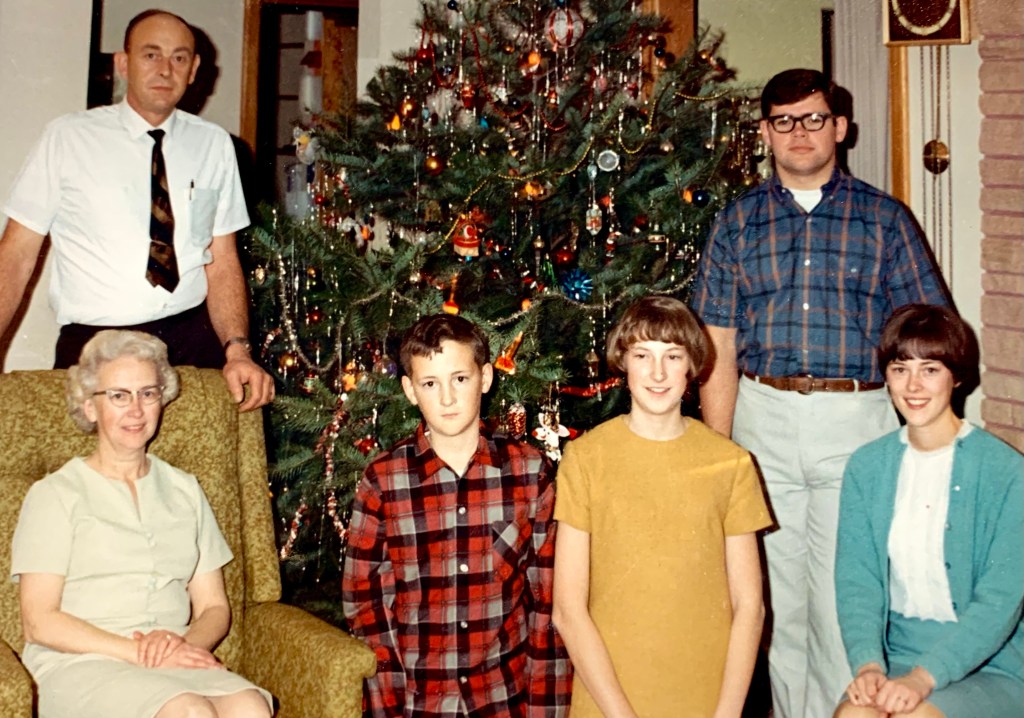
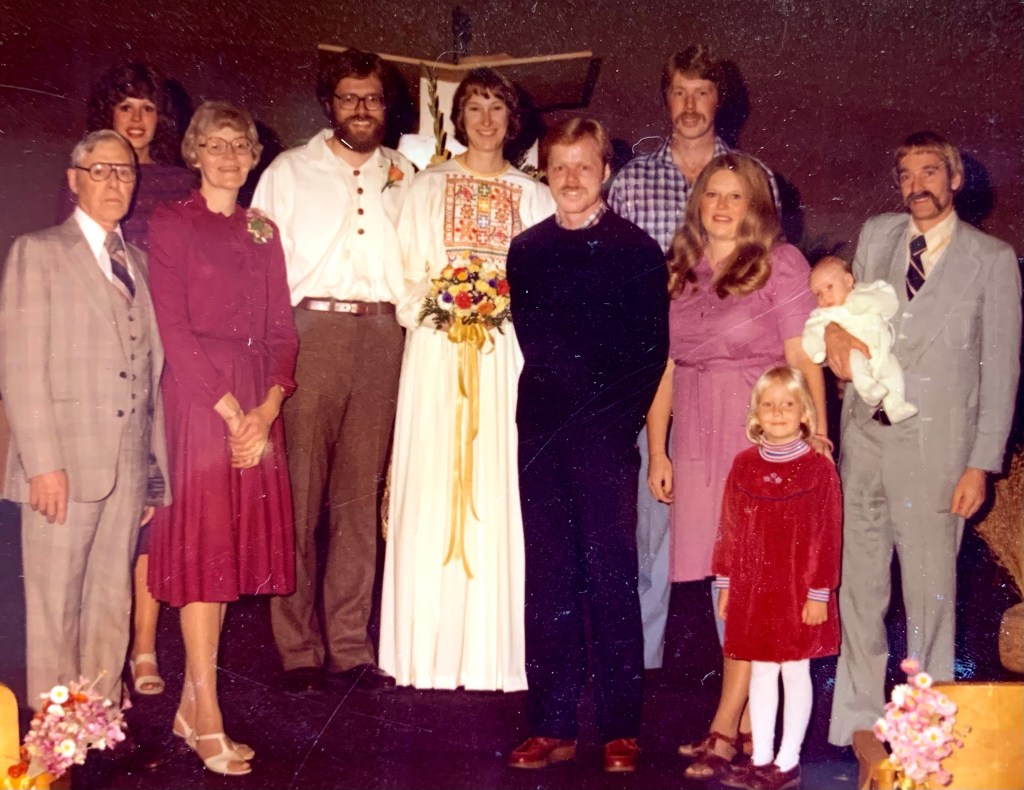
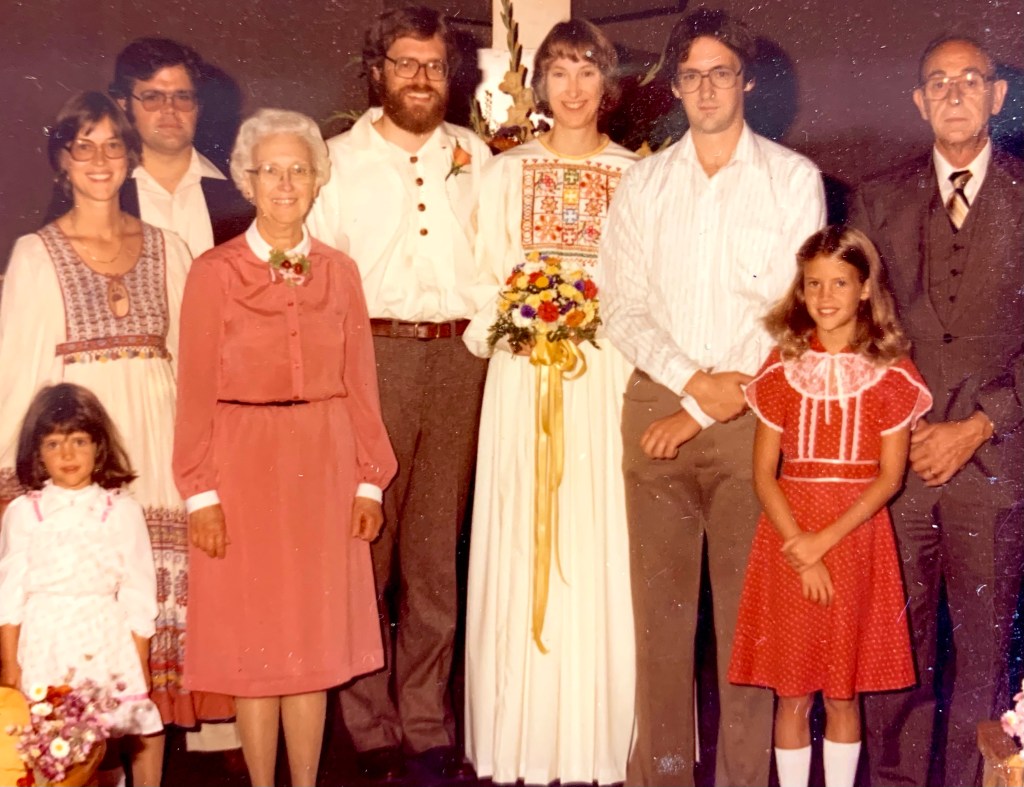
It is a bittersweet sorrow to be all together in a photo album, our color and youth fading along with our smiles.

Children who now have children of their own.
Newlyweds who have become grandparents,
trying to fit the shoes of those who came before.

And so, in our own leave-taking, we miss the missing.
We miss who was, who would have been here if they could,
and who will come to be the next in line that we may never meet.

Make Our Feast Ourselves

The adults we call our children will not be arriving
with their children in tow for Thanksgiving.
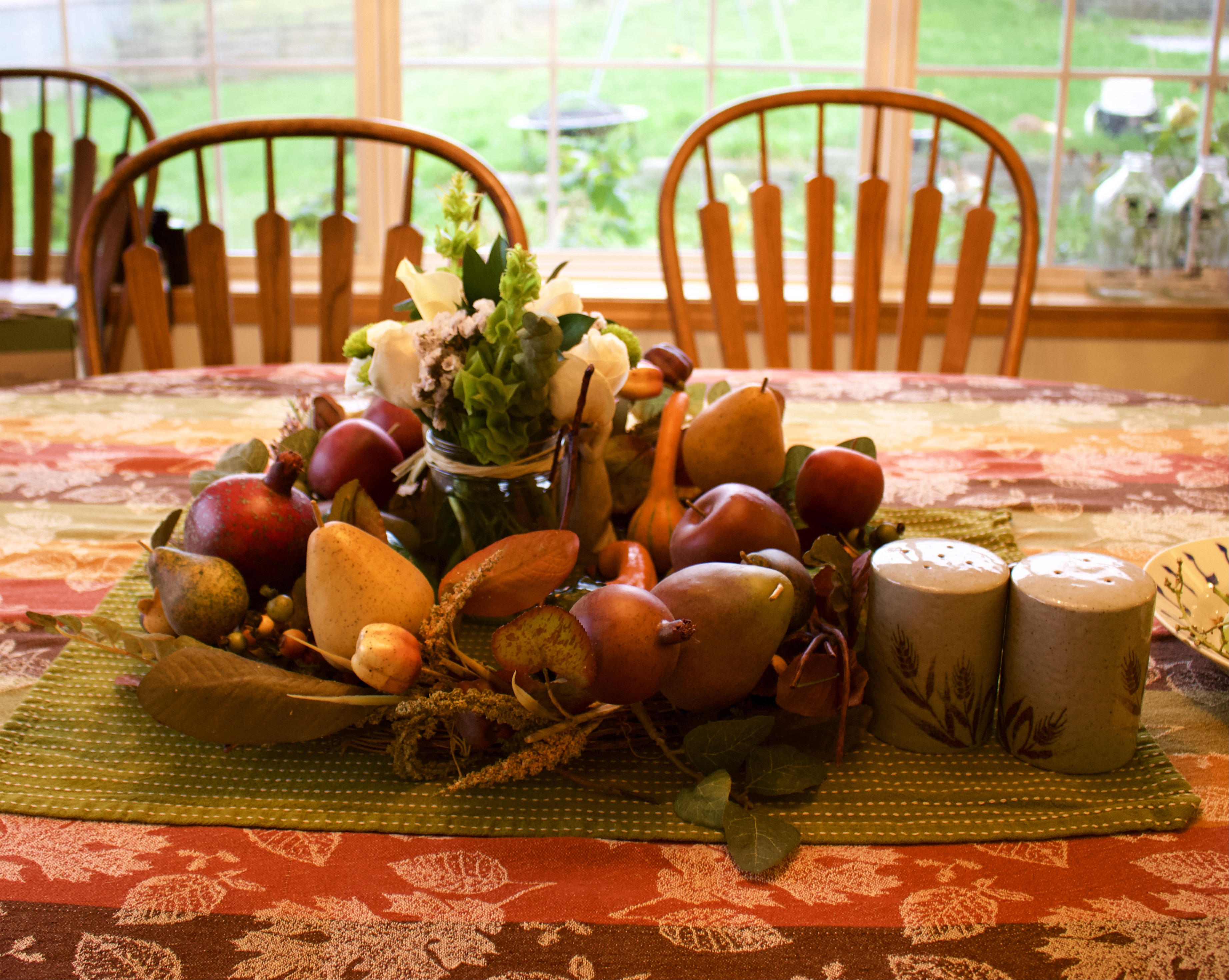
We must make our feast ourselves,

slice our half-ham, indulge, fill our plates,
potatoes and green beans
carried to our table near the window.

We are the feast, plenty of years,
arguments. I’m thinking the whole bundle of it
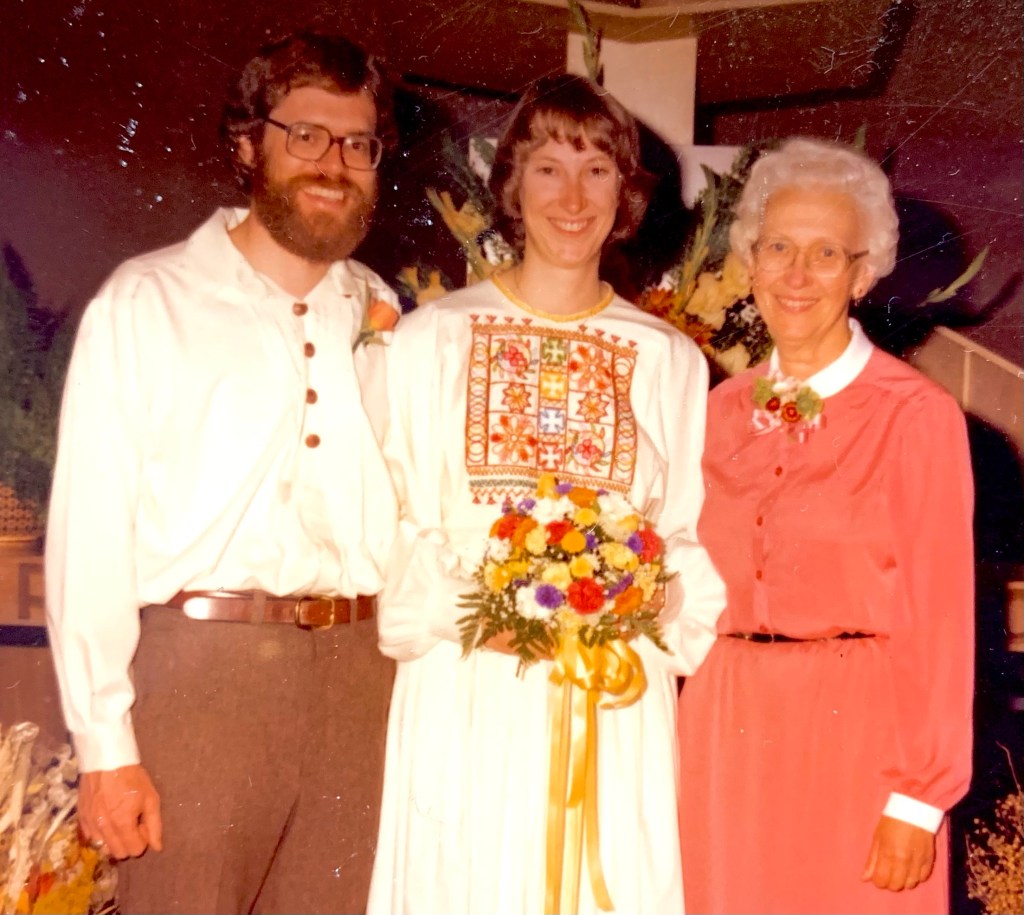
rolls out like a white tablecloth. We wanted

to be good company for one another.
Little did we know that first picnic
how this would go. Your hair was thick,

mine long and easy; we climbed a bluff
to look over a storybook plain. We chose
our spot as high as we could, to see

the river and the checkerboard fields.
What we didn’t see was this day, in
our pajamas if we want to,

wrinkled hands strong, wine
in juice glasses, toasting
whatever’s next,

the decades of side-by-side,
our great good luck.
~Marjorie Saiser “Thanksgiving for Two”

Even without family gathered around us this day,
we do have each other and that is a blessing in and of itself.
May we revel in our thanksgiving feast for two because,
through thick and thin and COVID,
we are still together.

Seize the Day Gently

Night and day
seize the day, also the night —
a handful of water to grasp.
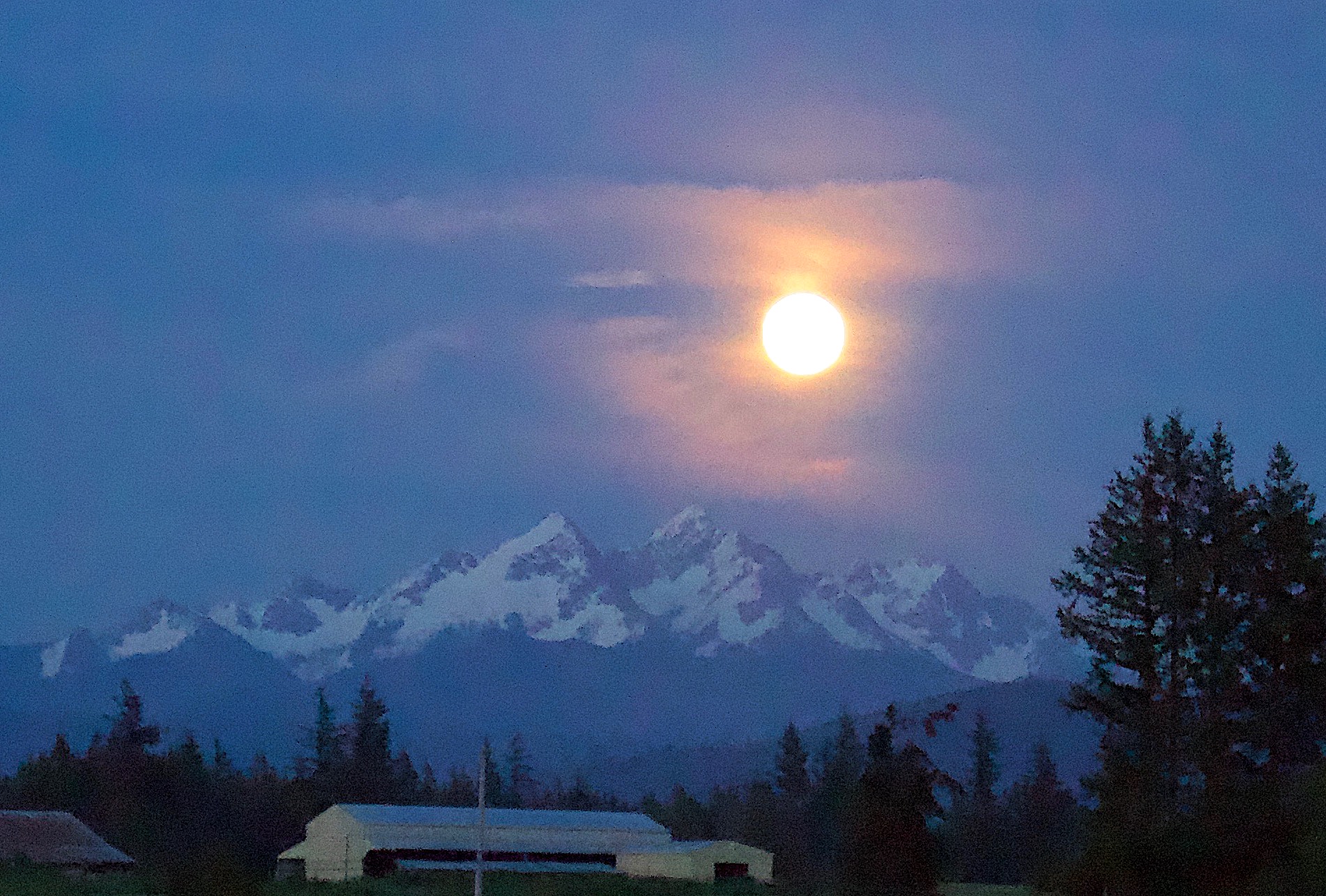
The moon shines off the mountain
snow where grizzlies look for a place
for the winter’s sleep and birth.
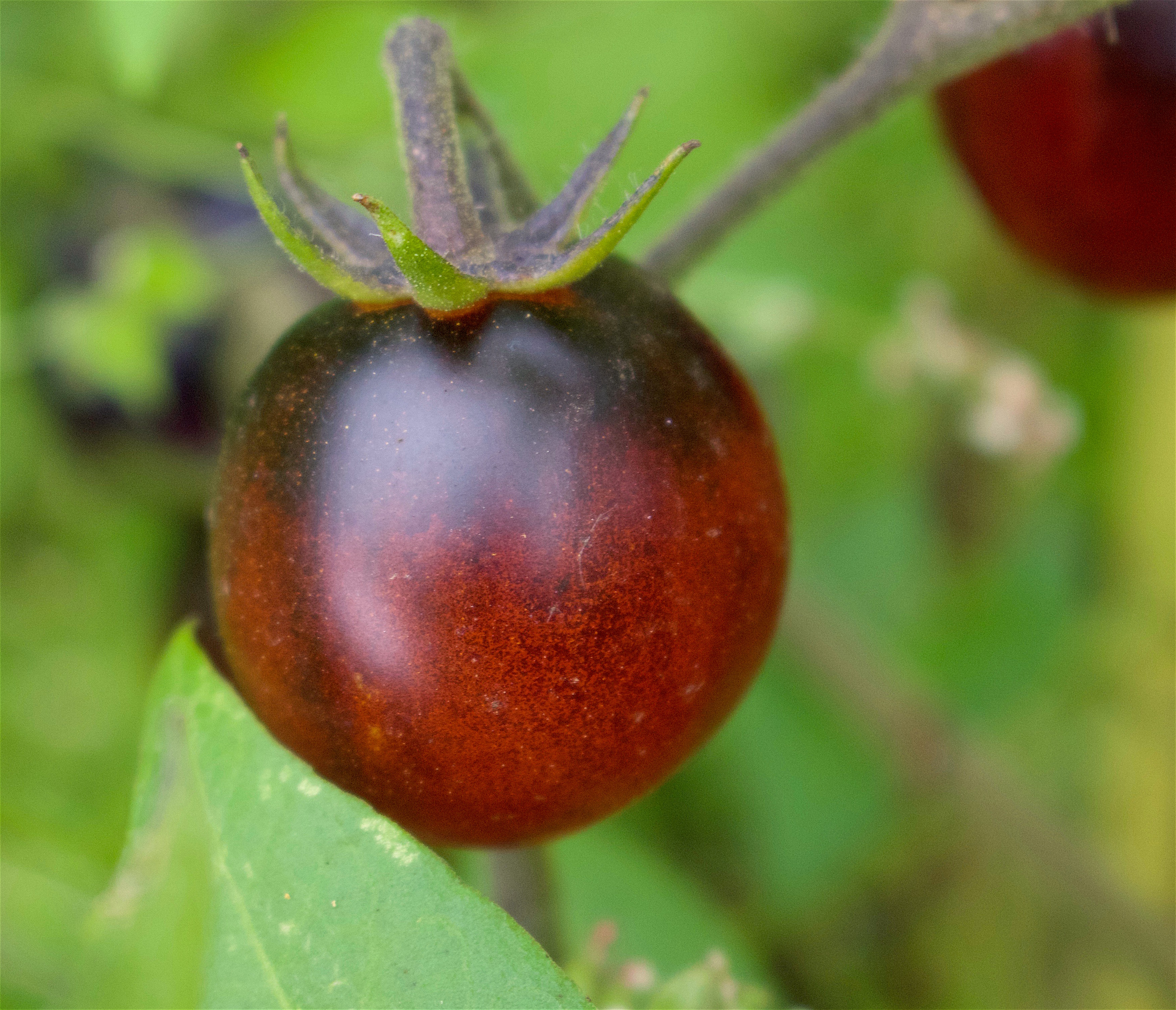
I just ate the year’s last tomato
in the year’s fatal whirl.
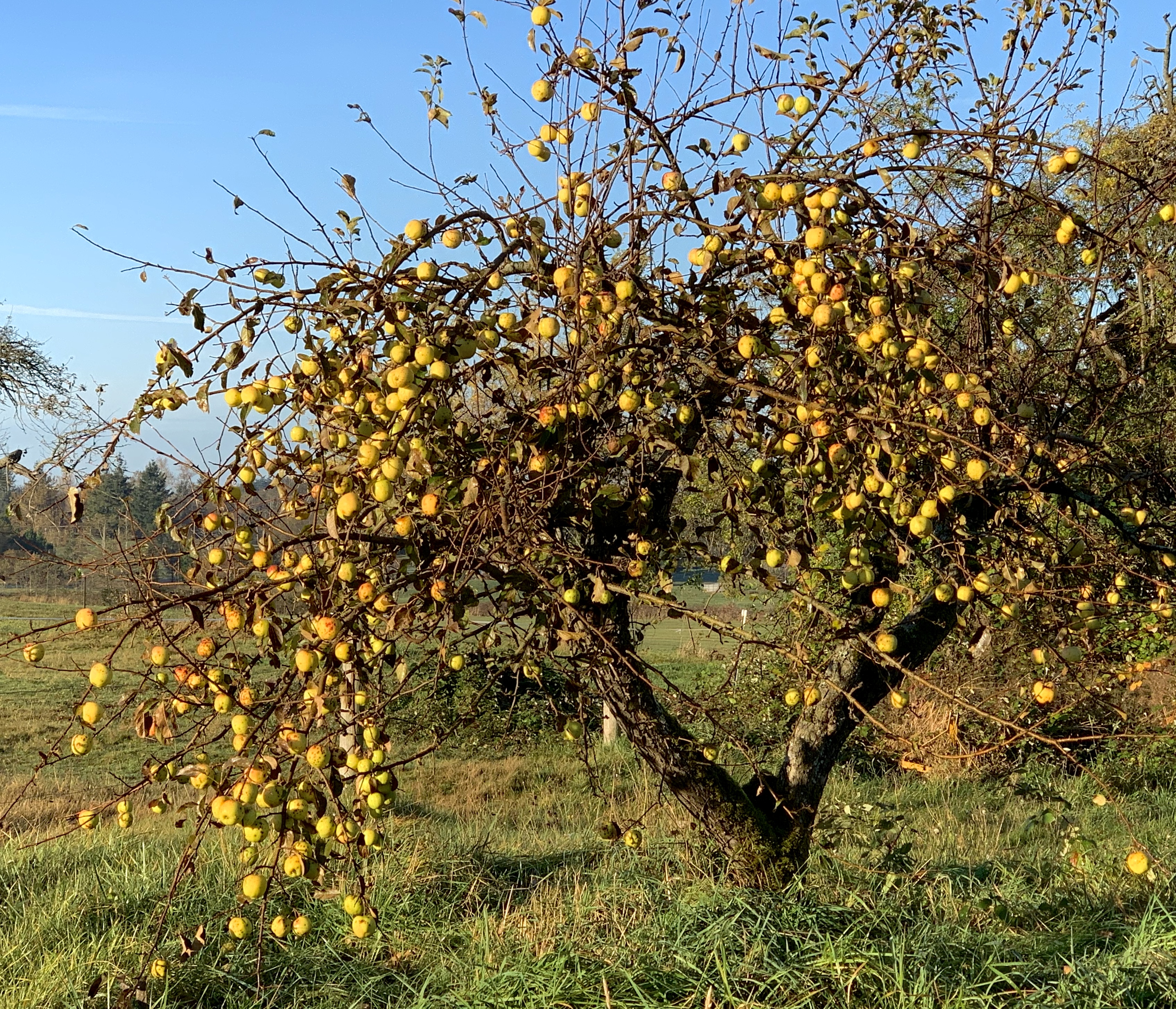
This is mid-October, apple time.
I picked them for years.
One Mcintosh yielded sixty bushels.


Fifty years later we hold each other looking
out the windows at birds, making dinner,
a life to live day after day, a life of
dogs and children and the far wide country
out by rivers, rumpled by mountains.
So far the days keep coming.
Seize the day gently as if you loved her.

~Jim Harrison, from “Carpe Diem” from Dead Man’s Float.

Forty some years later, the days keep coming, a life to live day after day after day. I try not to take a single one for granted, each morning a gift to be seized gently and embraced with reverent gratitude.

Even knowing I am meant to cherish this gift, I squander it. I grumble, I grouse, I can be tough to live alongside. I know better than to give into an impulse toward discontent, yet still it happens. Something inside me whispers that things could be better than they are — more of this, less of that — I tend to dwell on whatever my heart yearns for rather than the riches right in front of me.

I’m not the first one to struggle with this nor will I be the last. It turned out rather badly when those before me gave into their discontent and took what was not theirs to have.

We are still living out the consequences of that fall from grace.

Yet, even in our state of disgrace, despite our grumbling and groaning, we have been seized – gently and without hesitation – and held closely by One who loves us at our most unloveable.

Though my troubles and yearnings may continue, I will be content in that embrace, knowing even if I loosen my grip, I will not be let go.