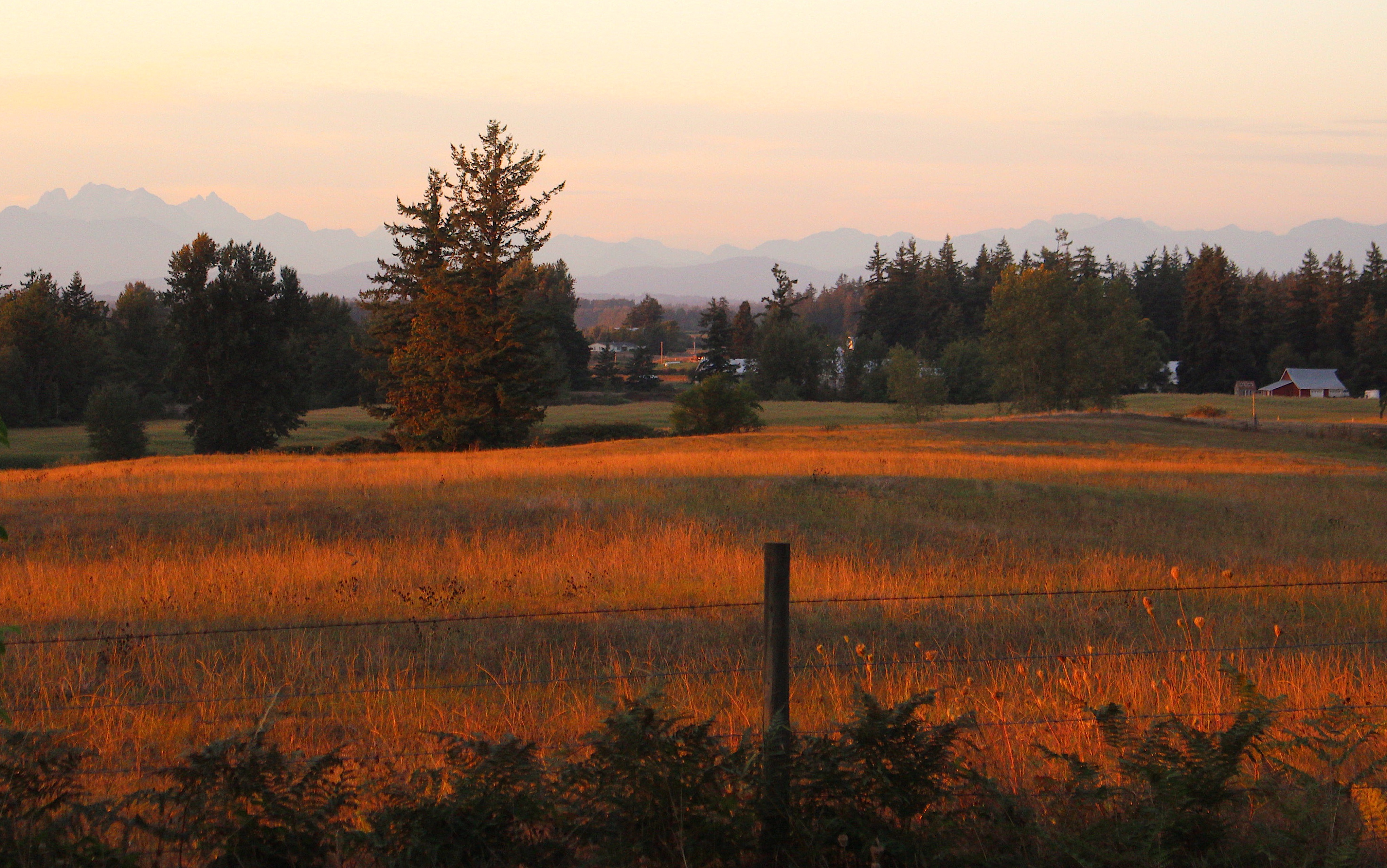
Once again, the field rehearses how to die. Some of the grass turns golden first. Some simply fades into brown. Just this morning, I, too, lay in corpse pose, practicing how to let myself be totally held by the earth without striving, how to meet the day without rushing off to do the next necessary or beautiful thing. Soon, the grass will bend or break, molder or disintegrate. Every year, the same lesson in how to join the darkness, how to be unmade, how quietly we might lean into the uncertainty, how generous the ground. ~Rosemerry Wahtola Trommer “Shavasana”
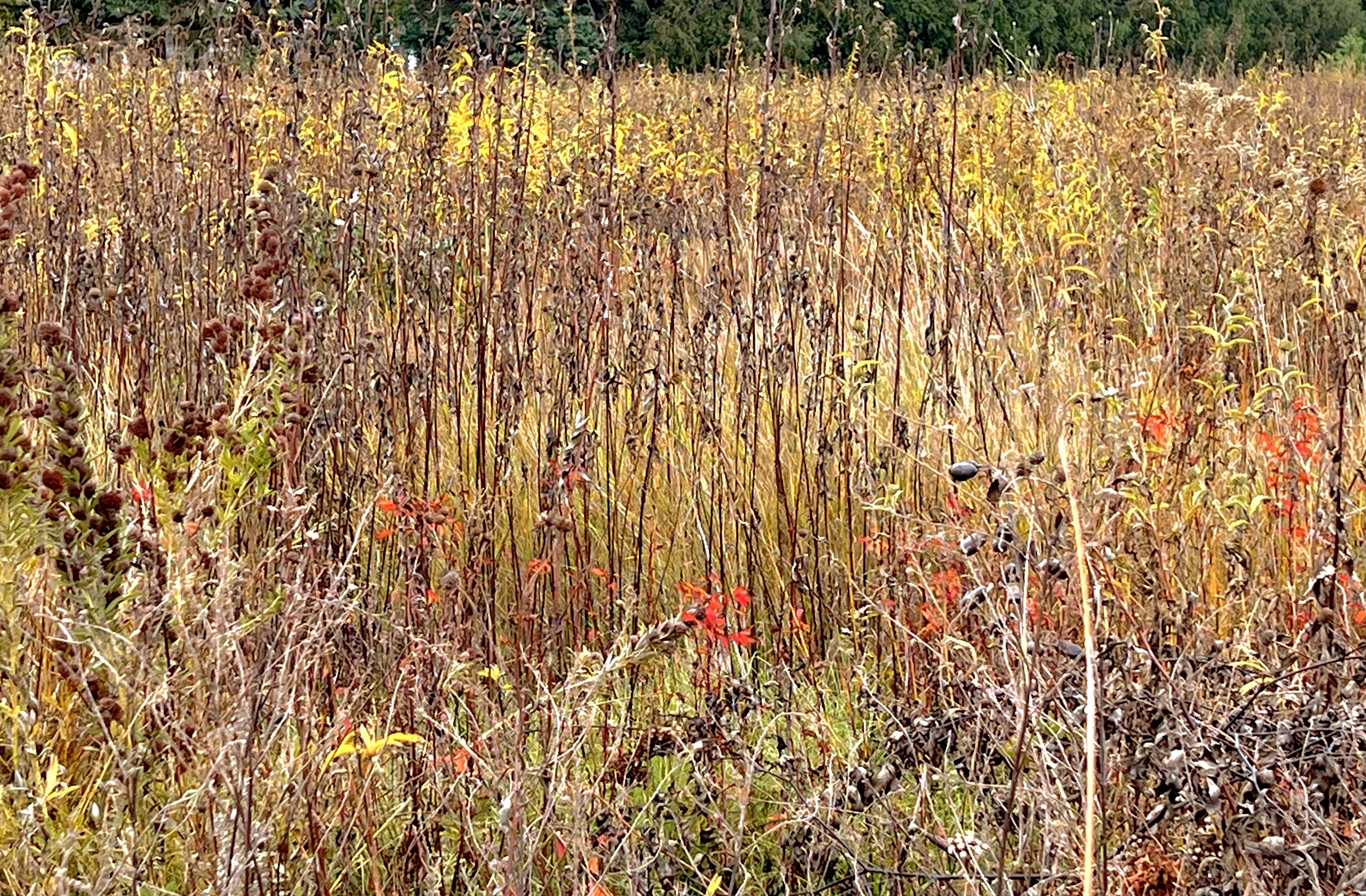
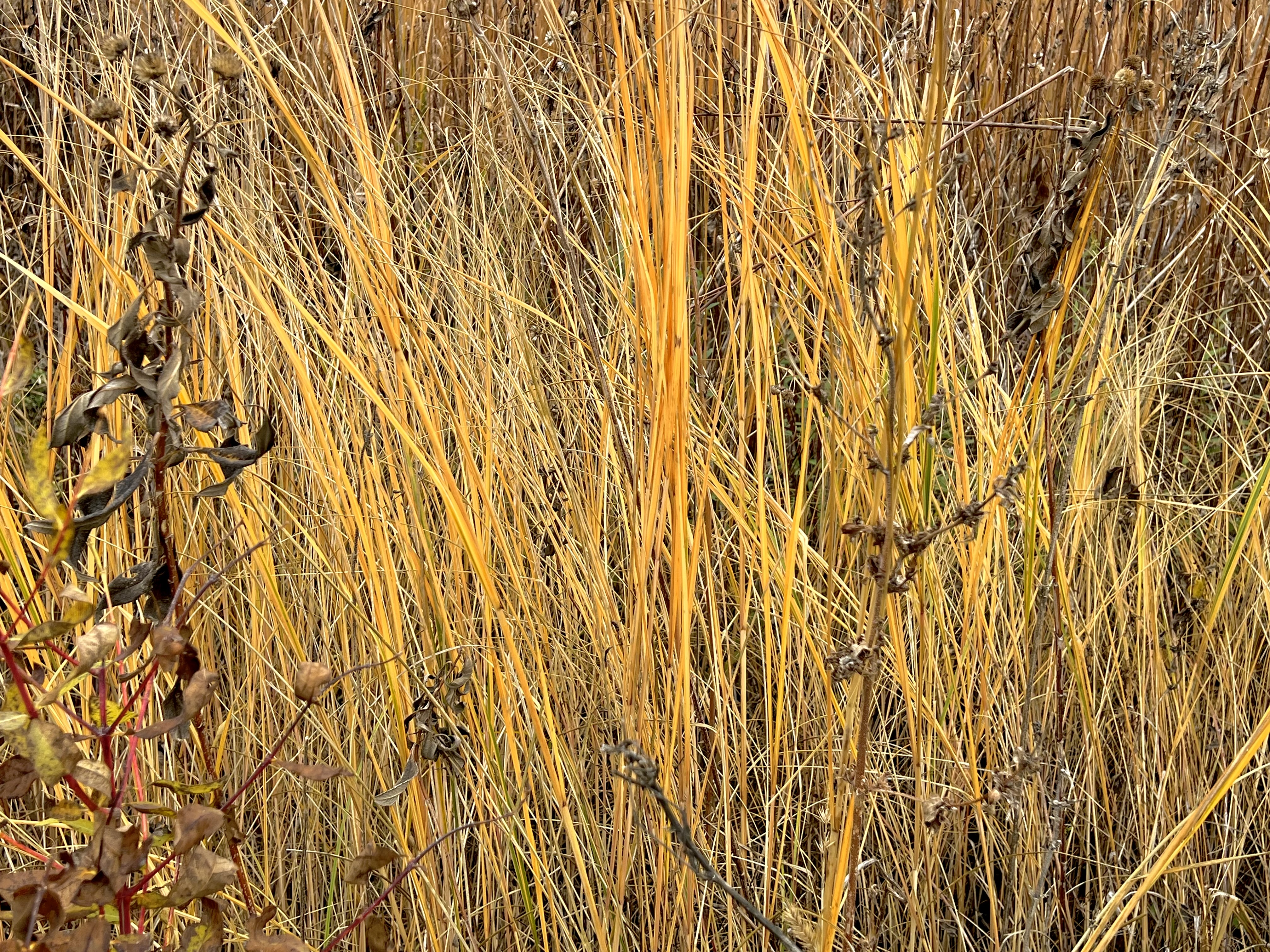
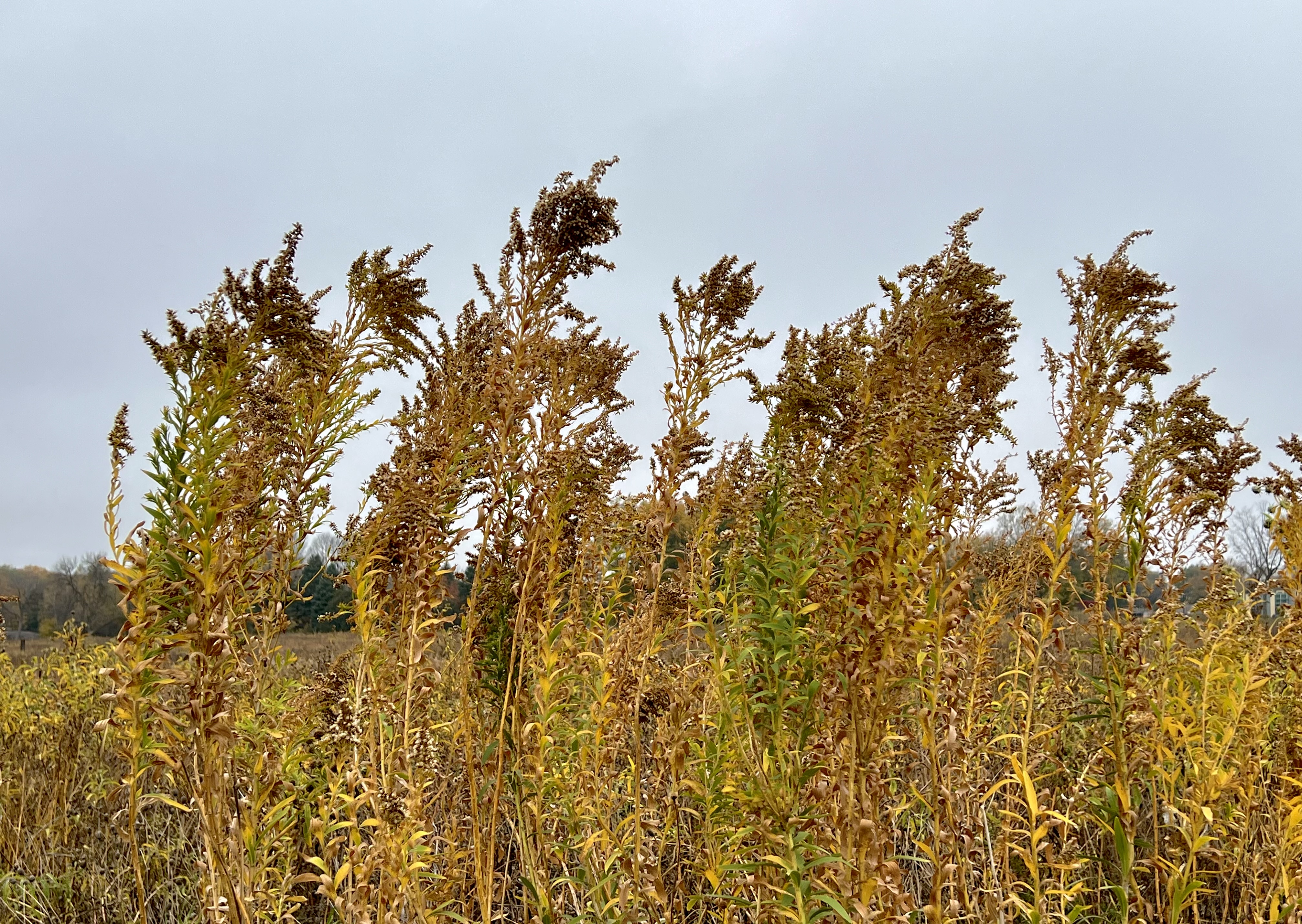
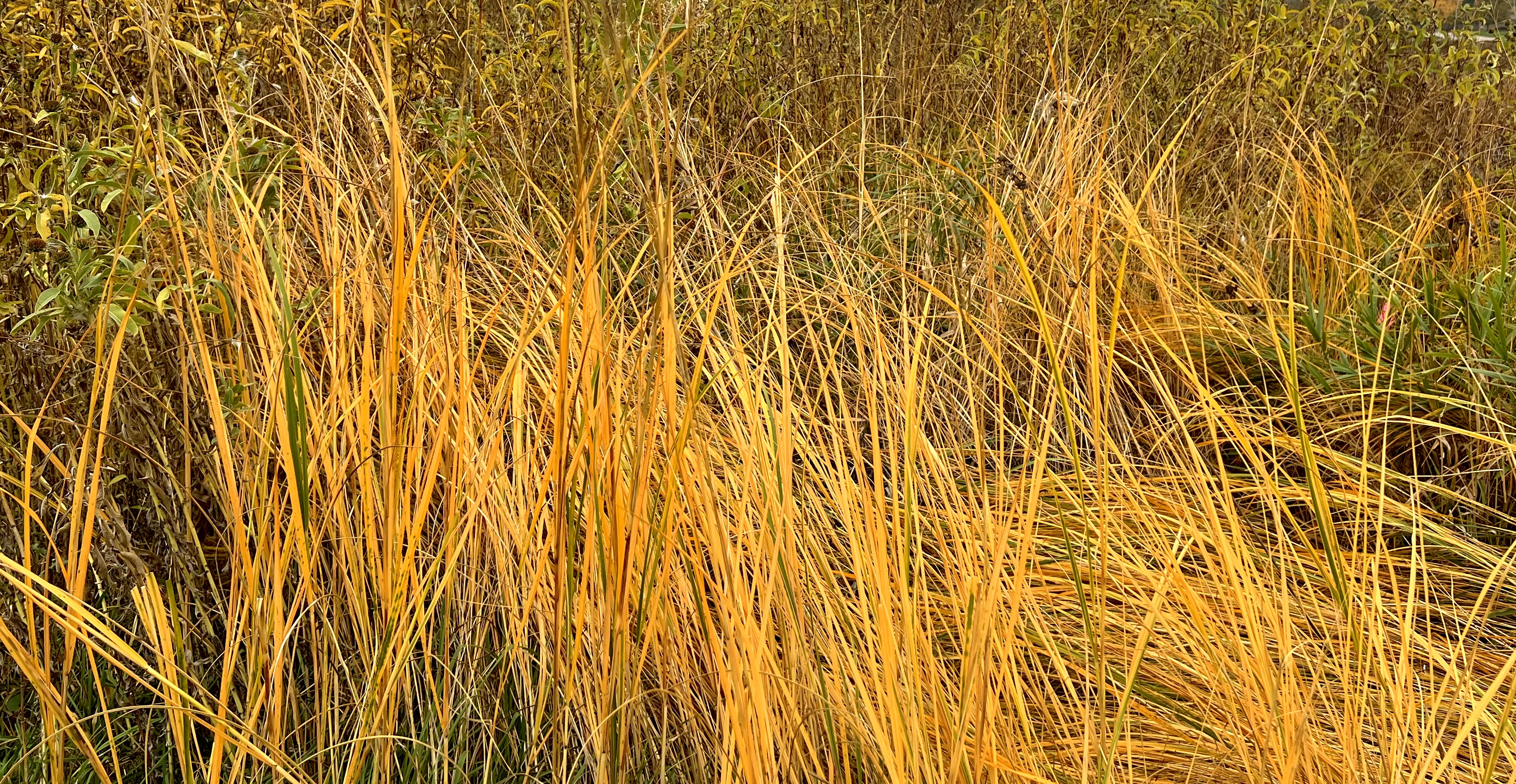
The prairie grasses are collapsing, withering to the ground, all spent after a season of flourishing. The next wind and rain storm will finish the job. Stems and leaves become rich compost in the seasons that follow, a generous bed for future seeds.
We expect this fading away.
I know it doesn’t mean the end – there is still vitality lying dormant, hidden away, waiting for the right moment to re-emerge, resurrect and live again.
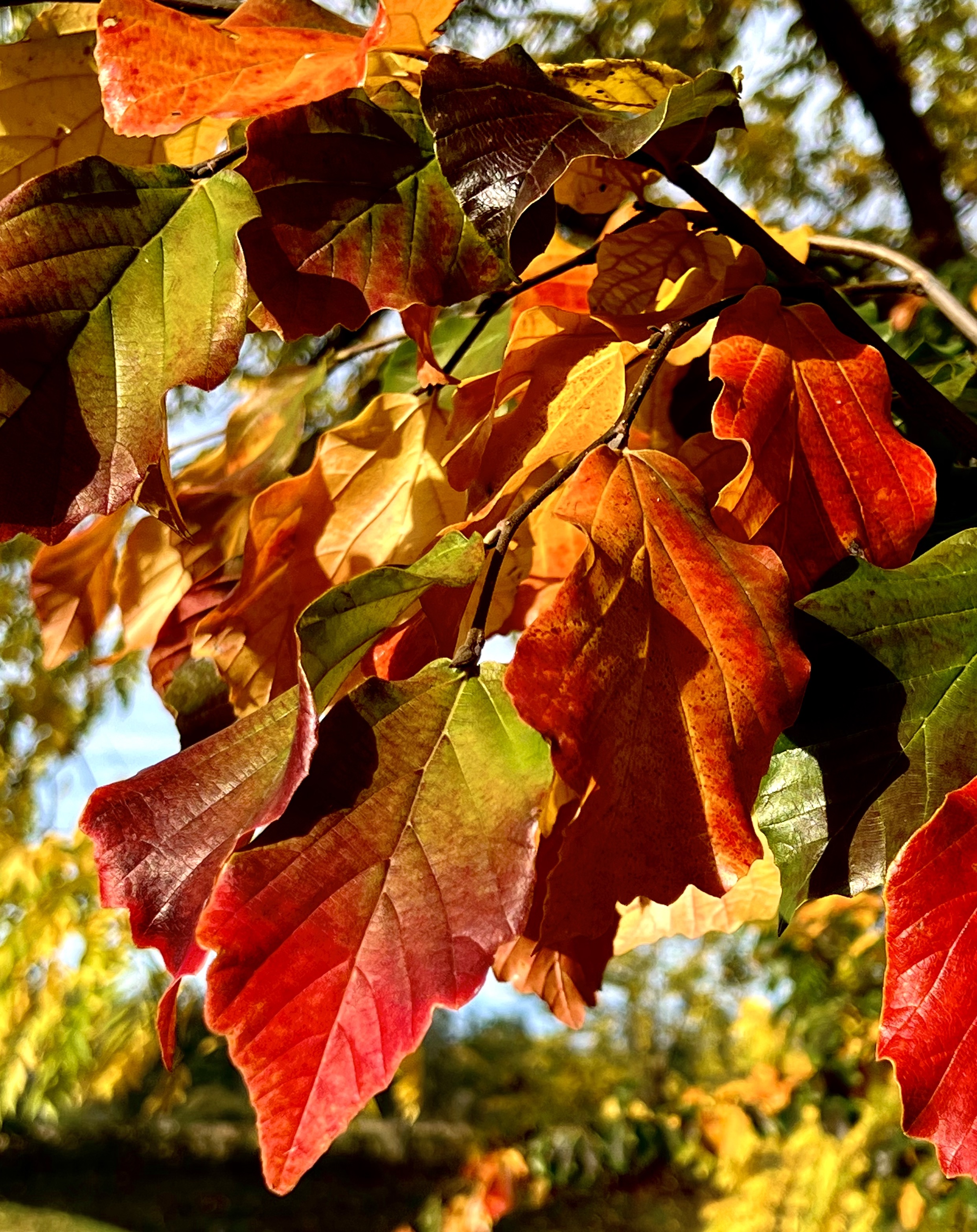
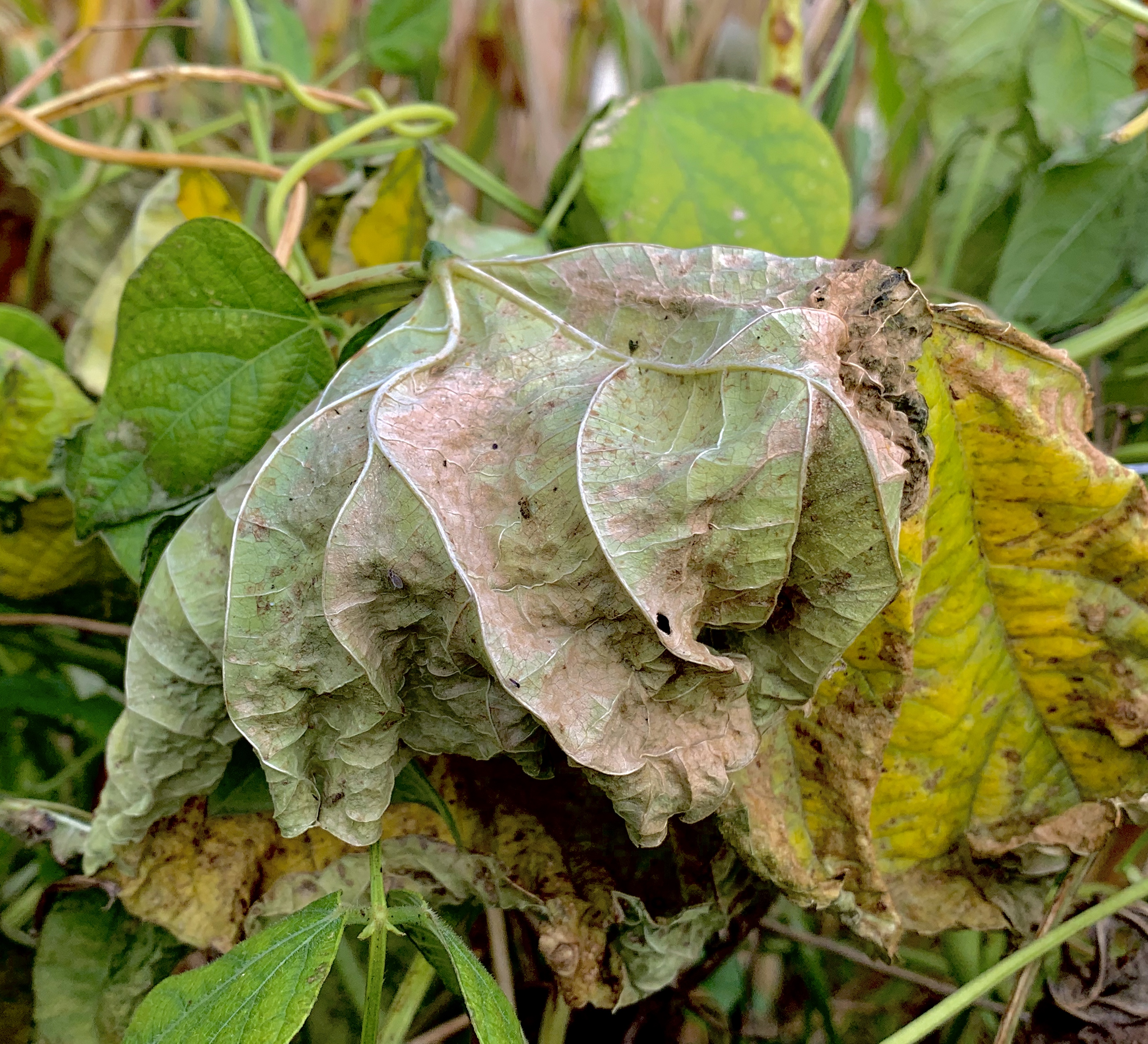
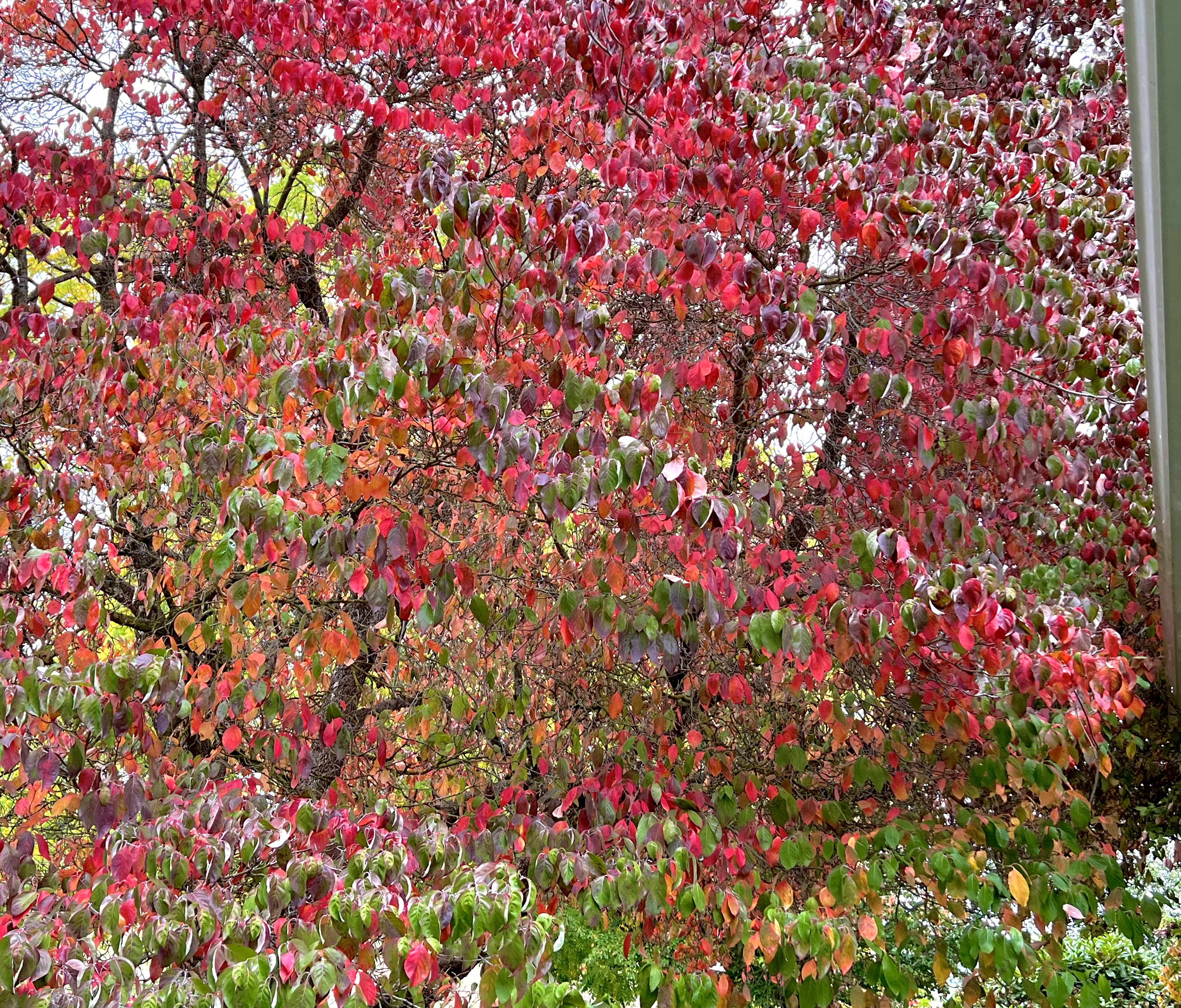
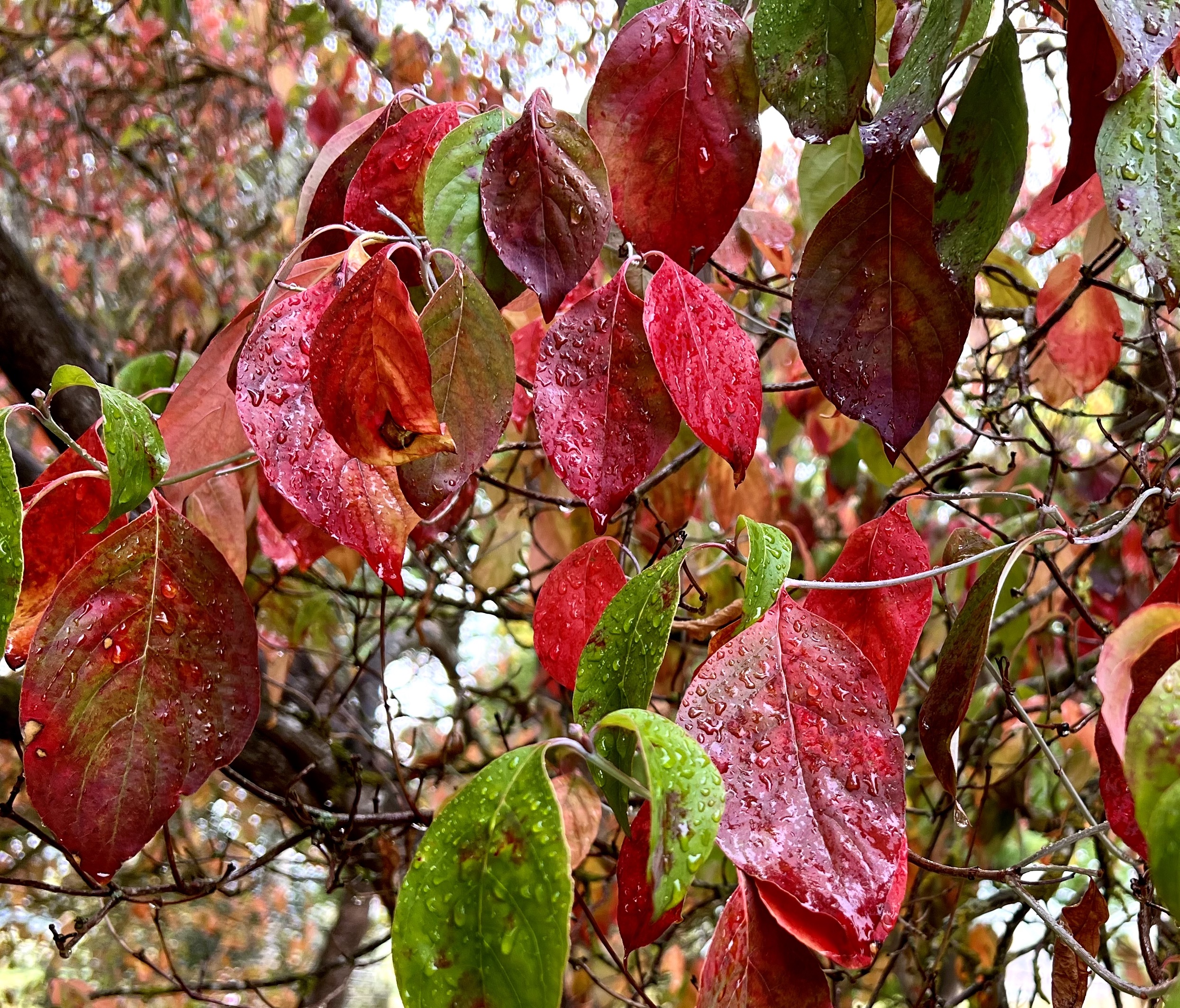
I know this too about myself. The dying-time-of-year doesn’t get easier. It seems more real-time and vivid. Colors fade, leaves wrinkle and dry, fruit falls unconsumed and softened.
Our beauty, so evident only a short time ago, is meant to thrive inward, germinating, ready to rise again when called forth.
One-Time
Monthly
Yearly
Make a one-time or recurring donation to support daily Barnstorming posts
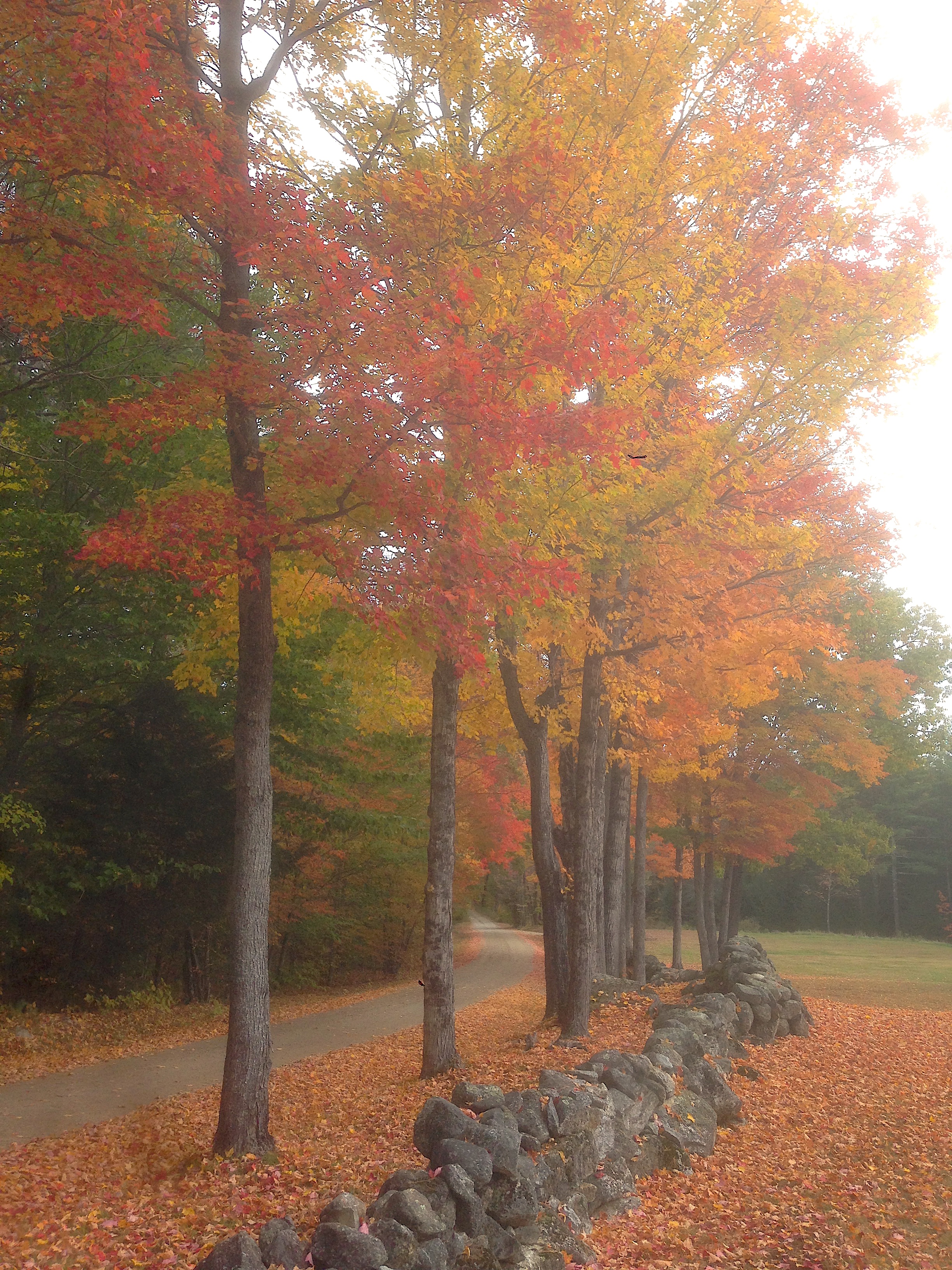
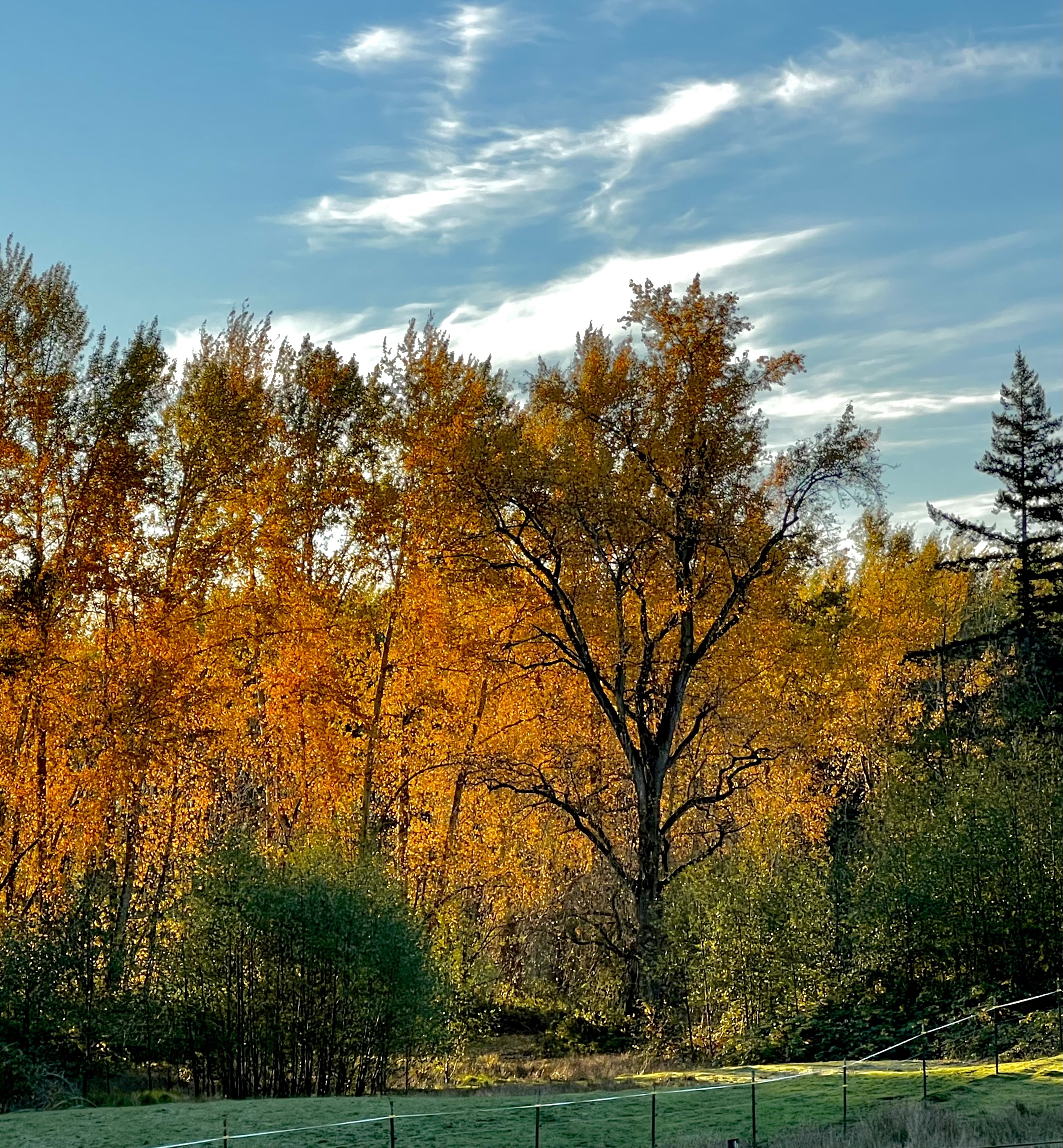
October is nature’s funeral month. Nature glories in death more than in life. The month of departure is more beautiful than the month of coming – October than May.
I don’t know… I myself feel pretty drab these days, gray and fading, with ripples and wrinkles, more fluff than firm. I’m reminded to hang on to an October state of mind: go for raucous color rather than somber funereal attire, so when it is time to take my leave, and I want to take my time – I go brightly, in joyous celebration of what has been~~ and knowing, without any doubt, the colors are stunning where I’m heading when I wander down the road a piece.
One-Time
Monthly
Yearly
Make a one-time or recurring donation to support daily Barnstorming posts
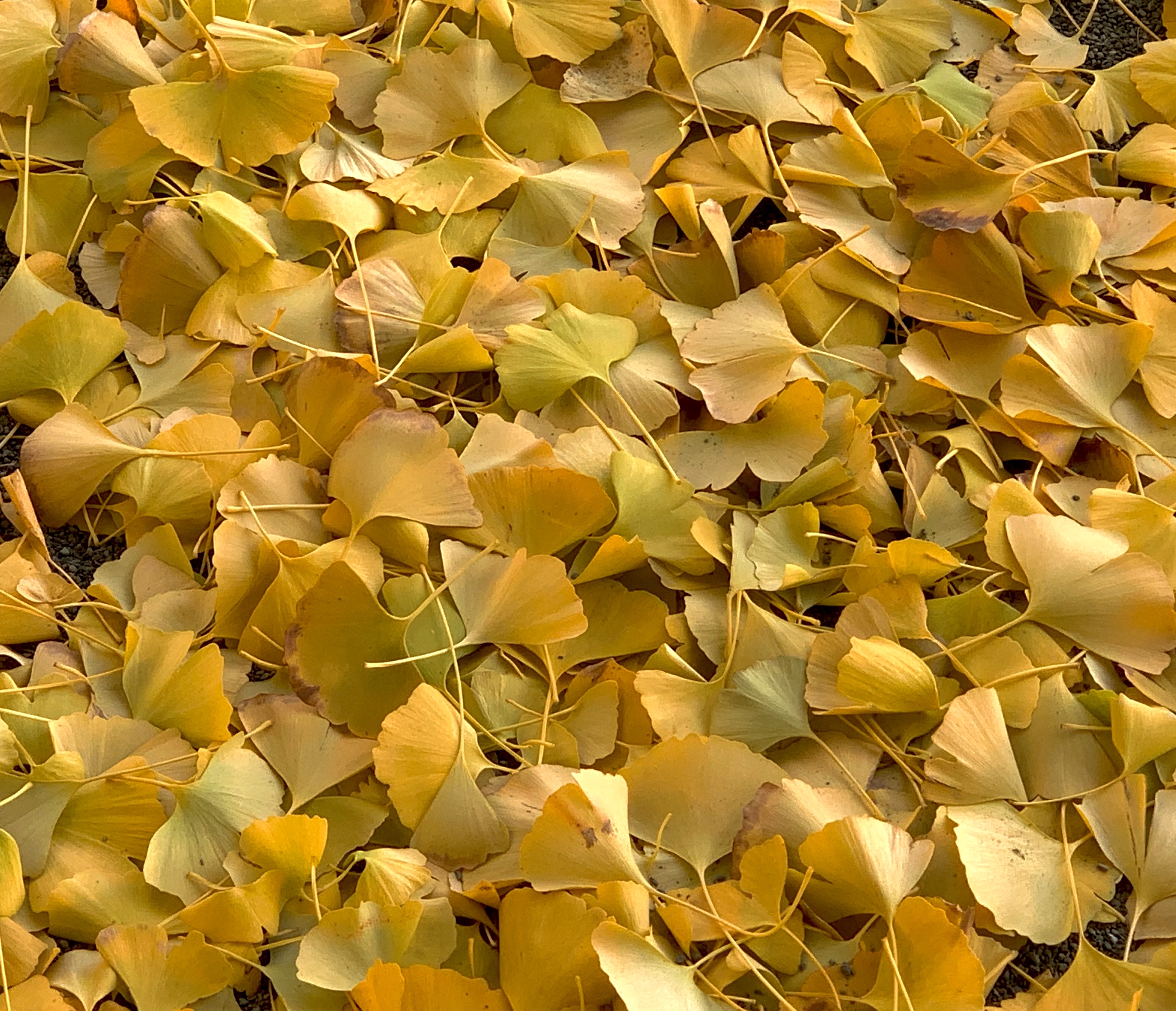
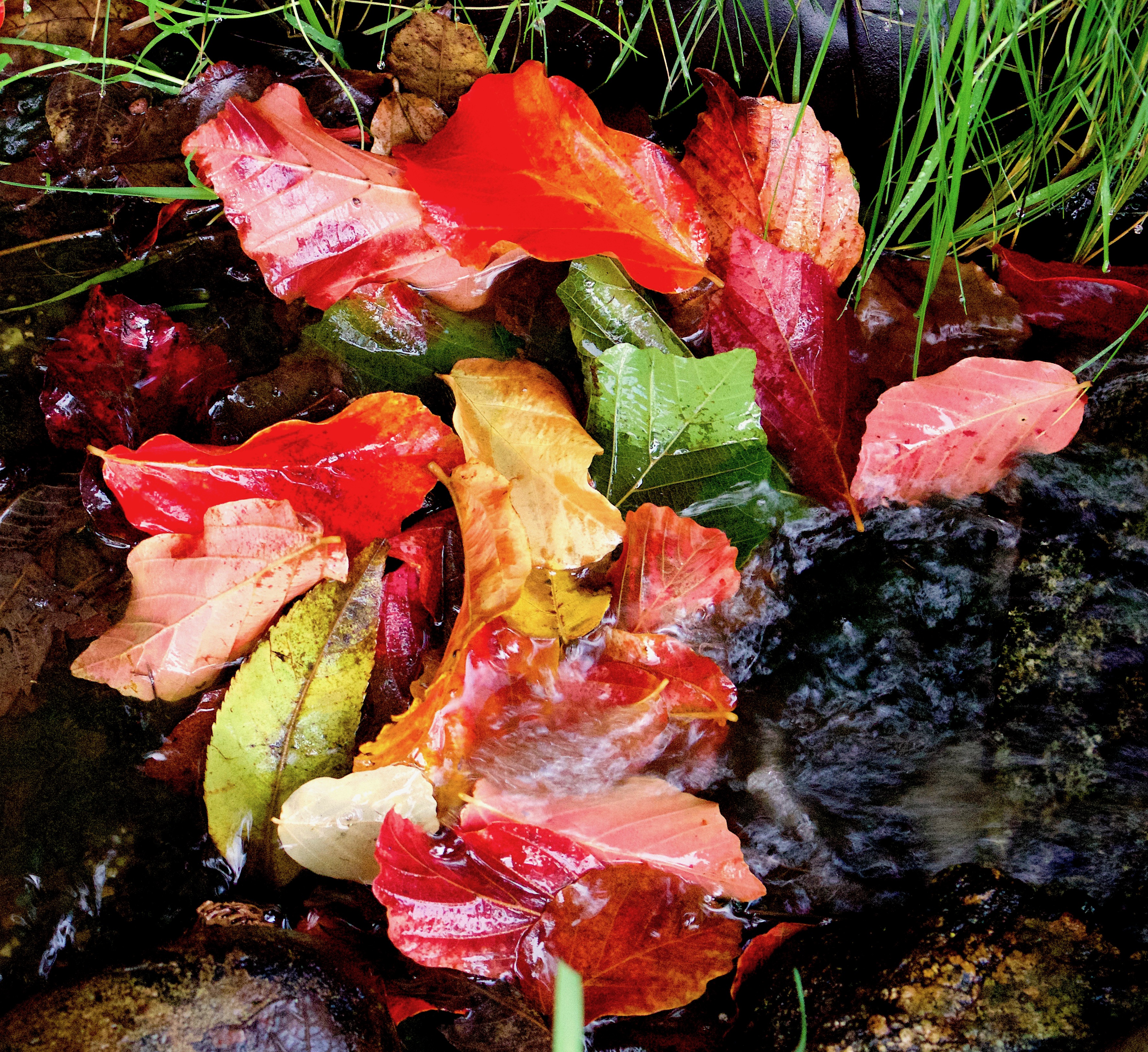
Now constantly there is the sound, quieter than rain, of the leaves falling.
Under their loosening bright gold, the sycamore limbs bleach whiter.
Now the only flowers are beeweed and aster, spray of their white and lavender over the brown leaves.
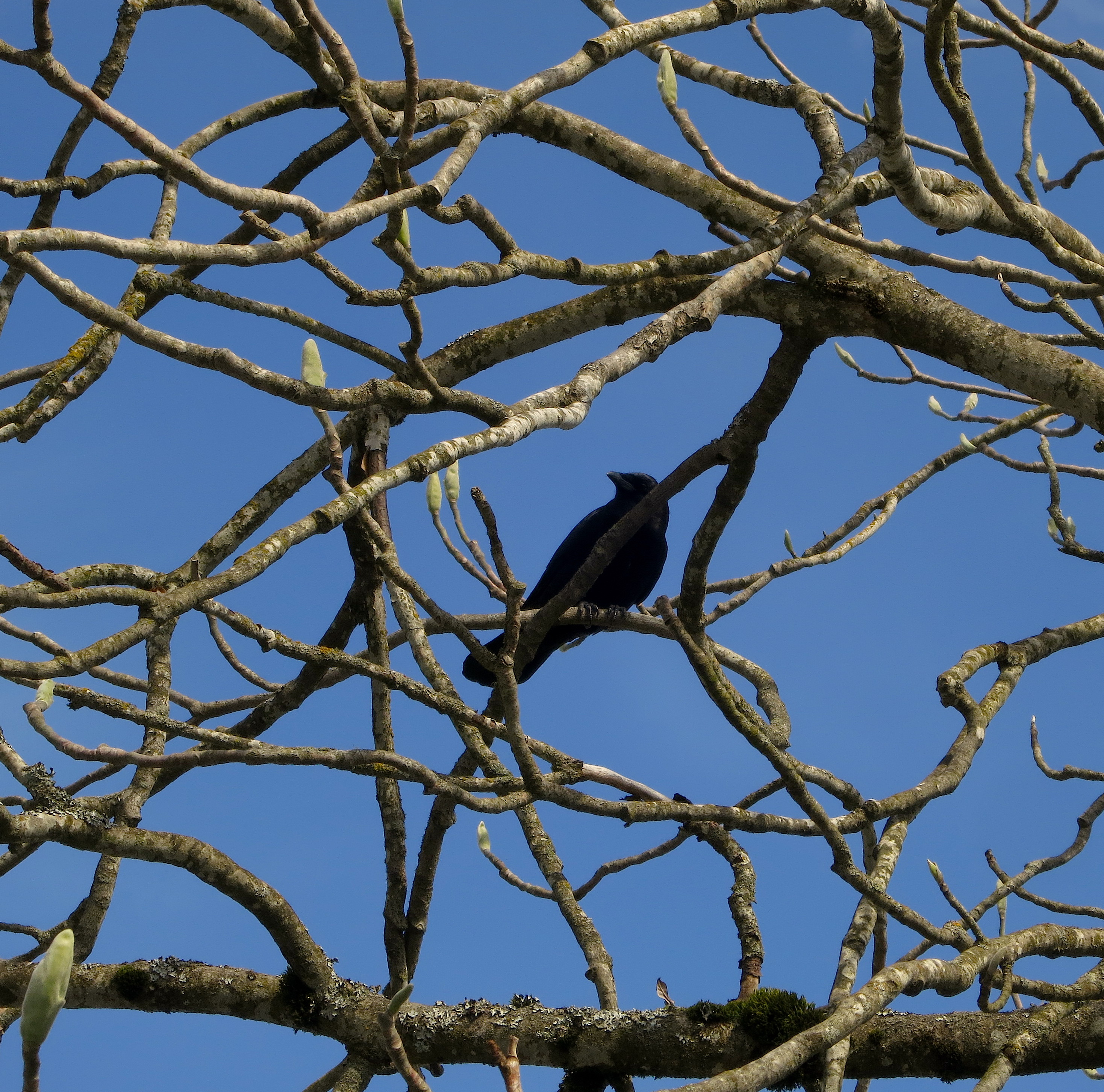
The calling of a crow sounds Loud — landmark — now that the life of summer falls silent, and the nights grow. ~Wendell Berry “October 10” from New Collected Poems.
If I were a color, I would be green, turning to gold, turning to bronze, turning to dust. If I were a sound, I would patter like raindrops and children’s feet. If I were a smell, I would be dry earth soaking up a shower. If I were a touch, I would be a leaf landing softly. If I were a taste, I would be a bit sweet and a bit sour. If I were a season, I would be the wistful goodbye hug of autumn. But I am none of these, being enough for now. Singing in the leaves, I will come rejoicing, Singing in the leaves.
One-Time
Monthly
Yearly
Make a one-time or recurring donation to support daily Barnstorming posts
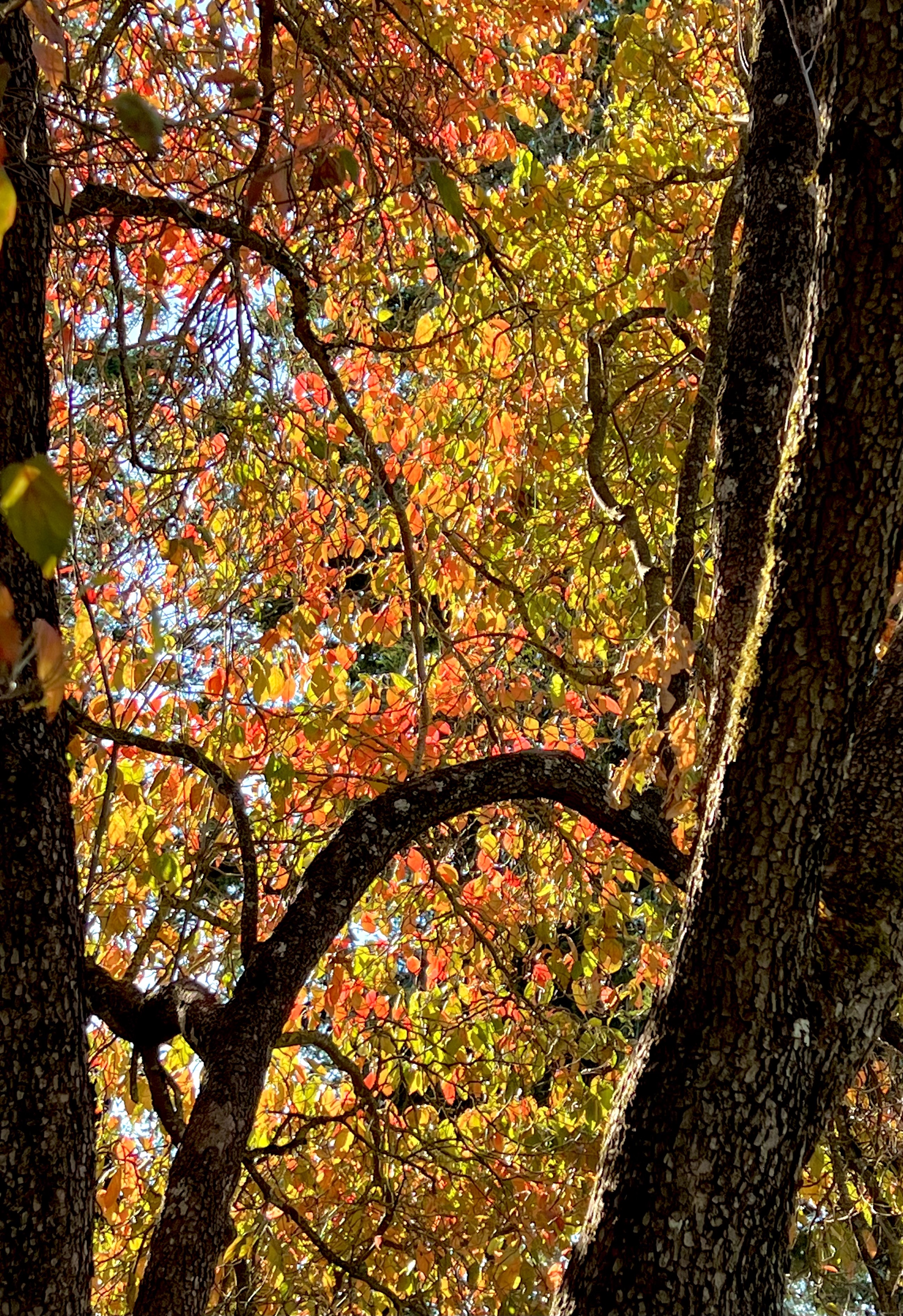
Now over everything the autumn light is thrown And every line is sharp and every leaf is clear, Now without density or weight the airy sun Sits in the flaming boughs, an innocent fire That shines but does not burn nor wither. The leaves, light-penetrated, change their essence, Take on the gold transparence of the weather, Are touched by death, then by light’s holy presence.
So we, first touched by death, were changed in essence, As if grief grew transparent and turned to airy gold And we were given days of special radiance, Light-brimmed, light-shaken, and with love so filled It seemed the heartbeat of the world was in our blood, And when we stood together, love was everywhere, And no exchange was needed, if exchange we could The blessedness of sunlight poised on air. ~May Sarton “Poem in Autumn”
The brightness of the day becomes the brightness of the night; the fire becomes the mirror.
My friend the earth is bitter; I think sunlight has failed her. Bitter or weary, it is hard to say. Between herself and the sun, something has ended.
She wants, now, to be left alone; I think we must give upturning to her for affirmation. Above the fields, above the roofs of the village houses, the brilliance that made all life possible becomes the cold stars.
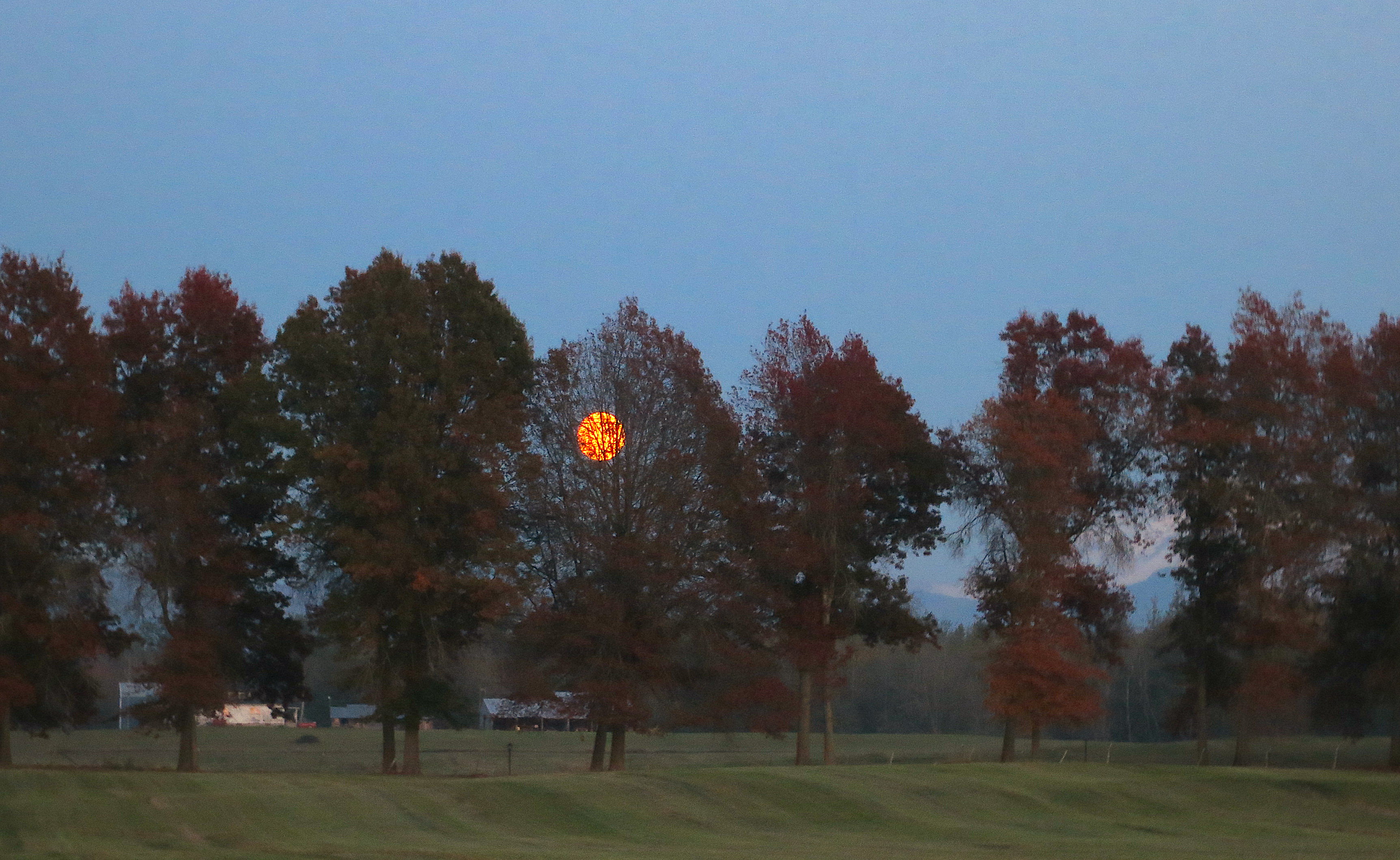
Lie still and watch: they give nothing but ask nothing. From within the earth’s bitter disgrace, coldness and barrenness my friend the moon rises: she is beautiful tonight, but when is she not beautiful? ~LouiseGlück from “October”
photo by Ben Gibson
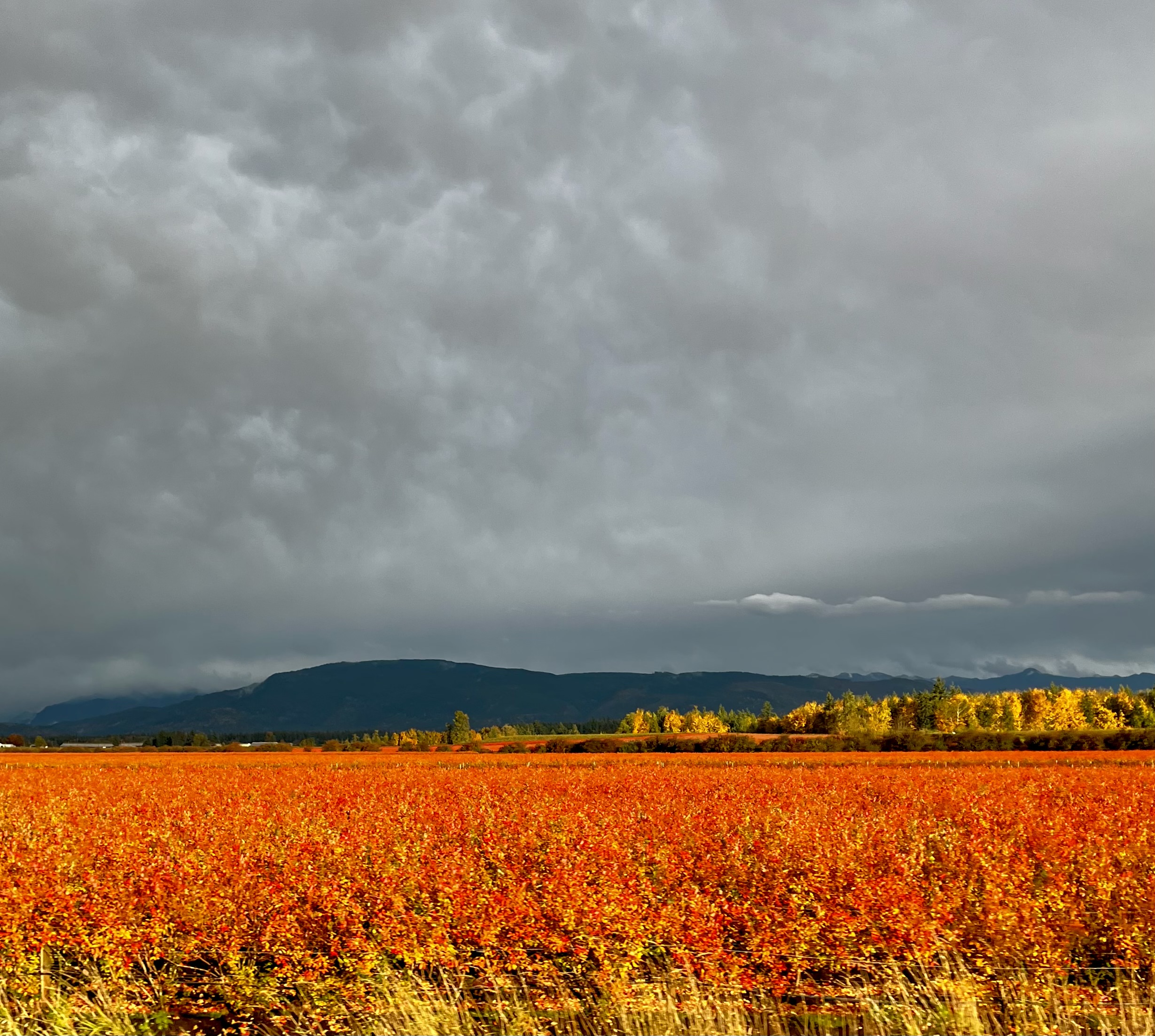
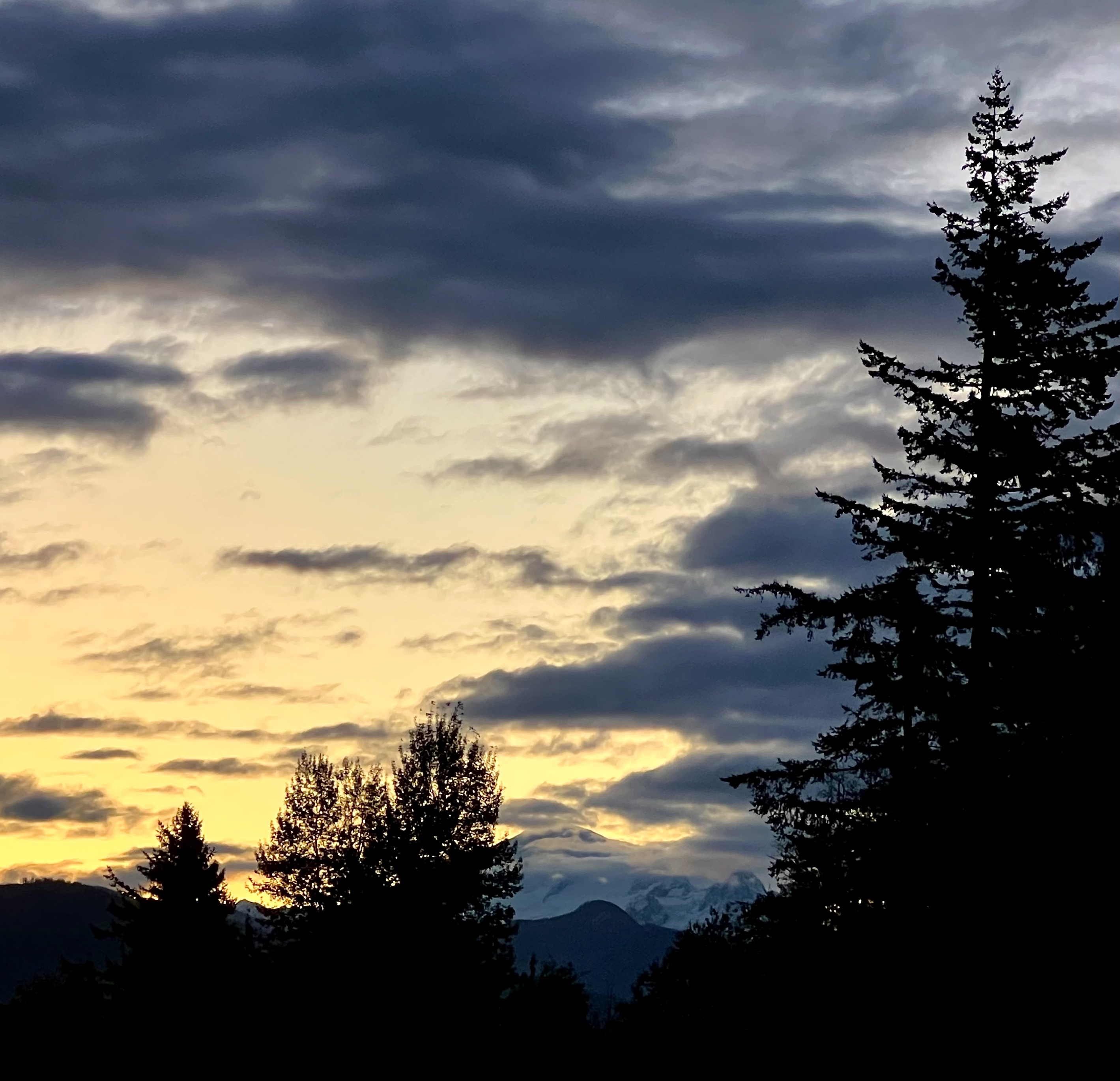
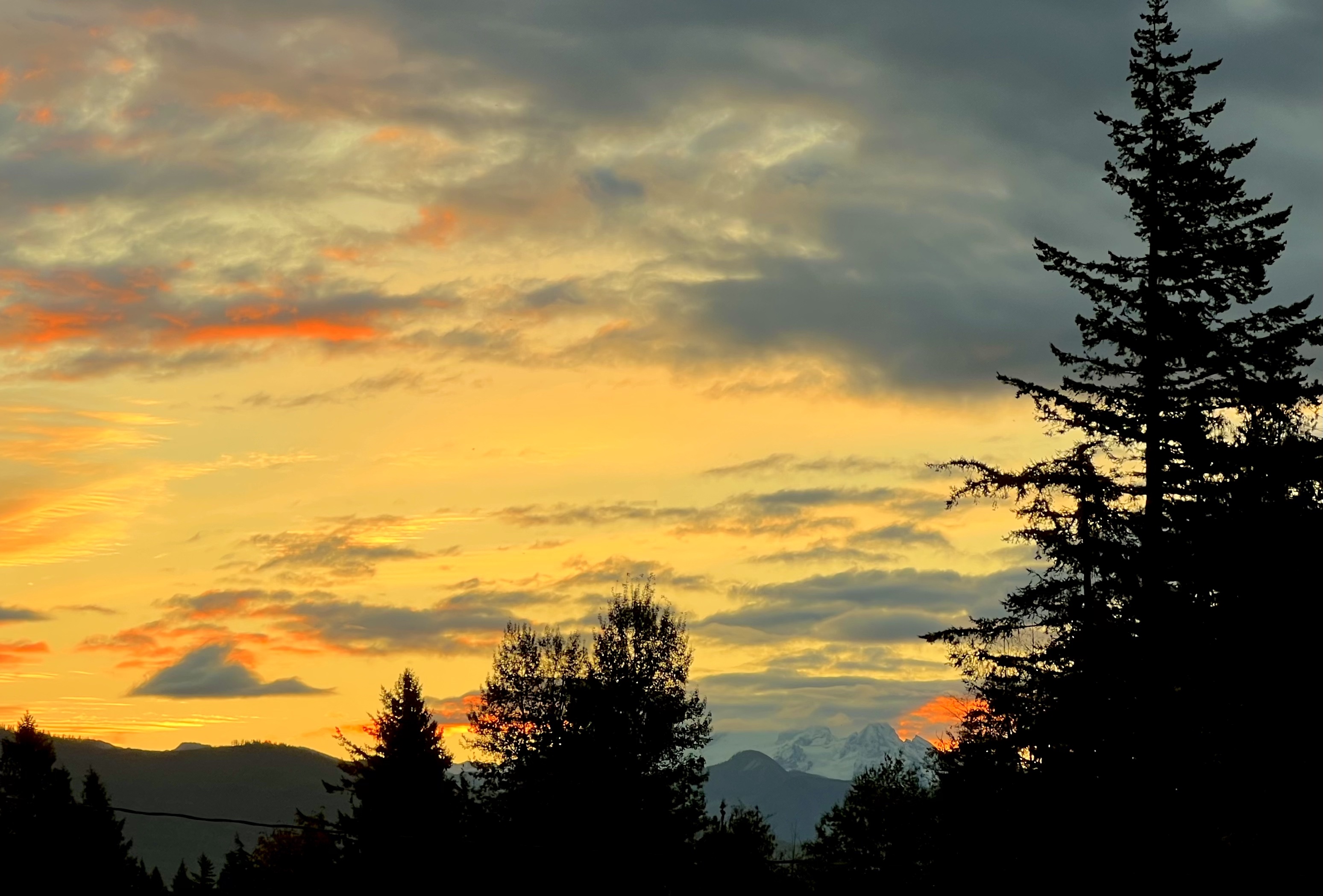
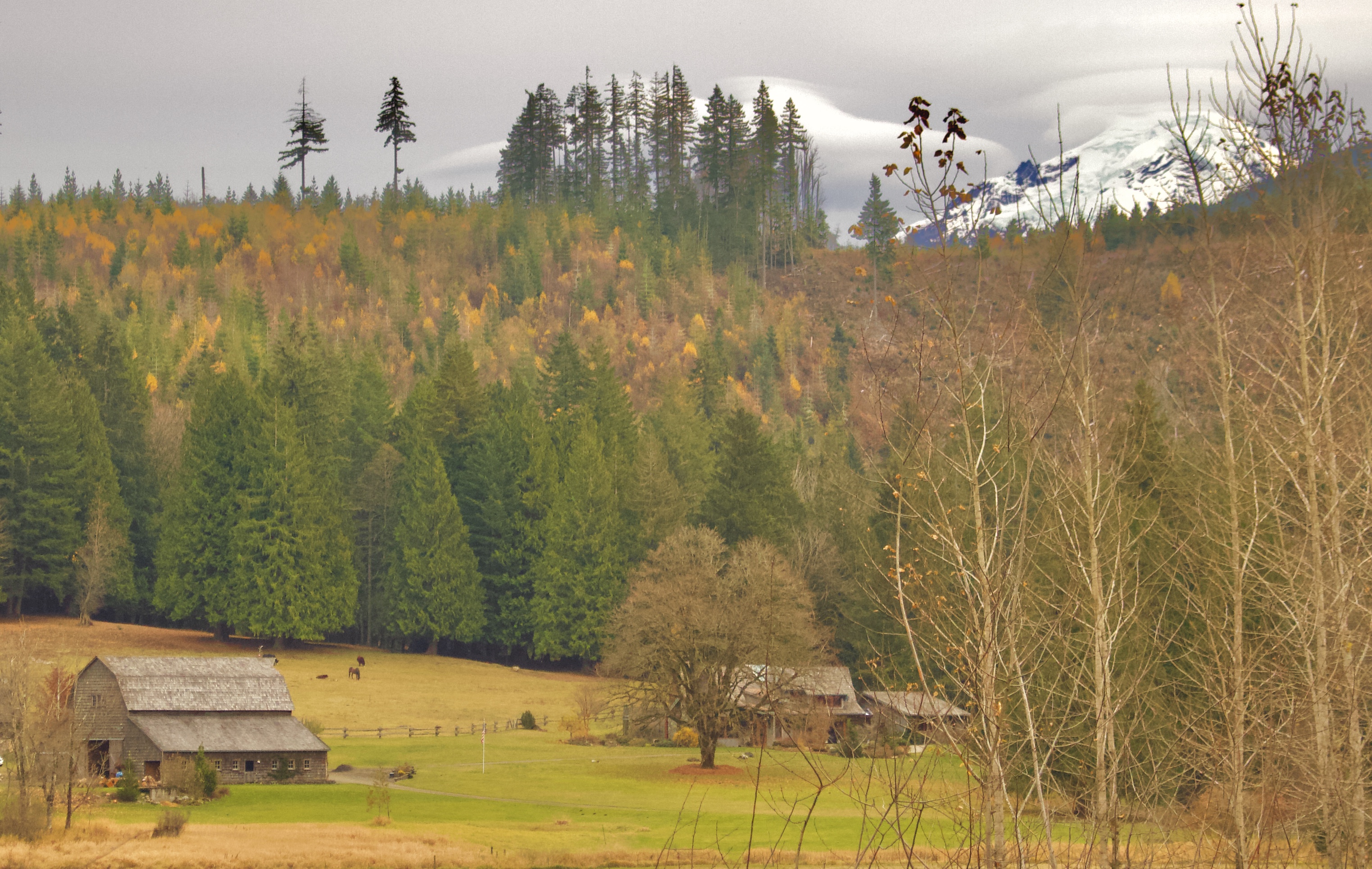
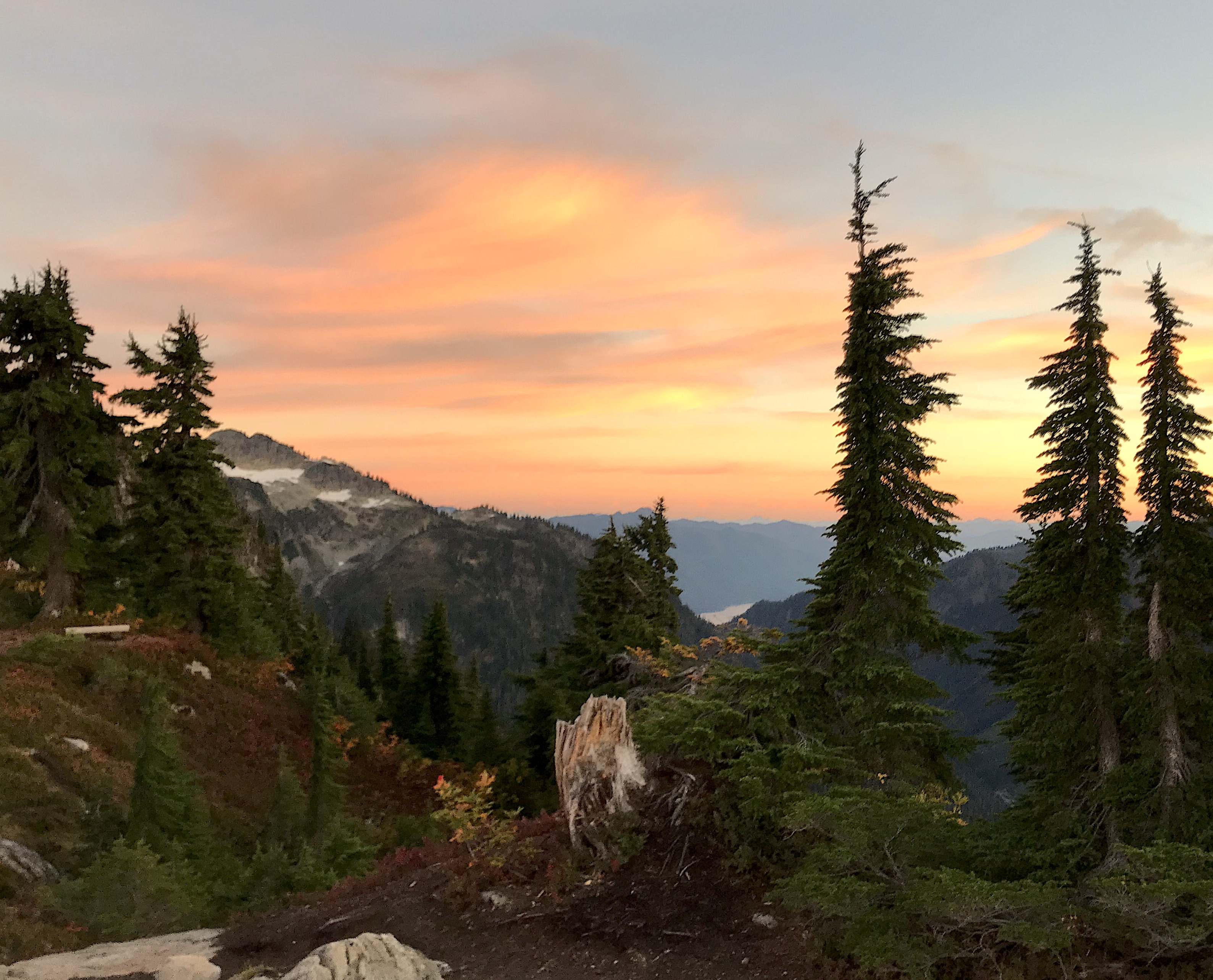
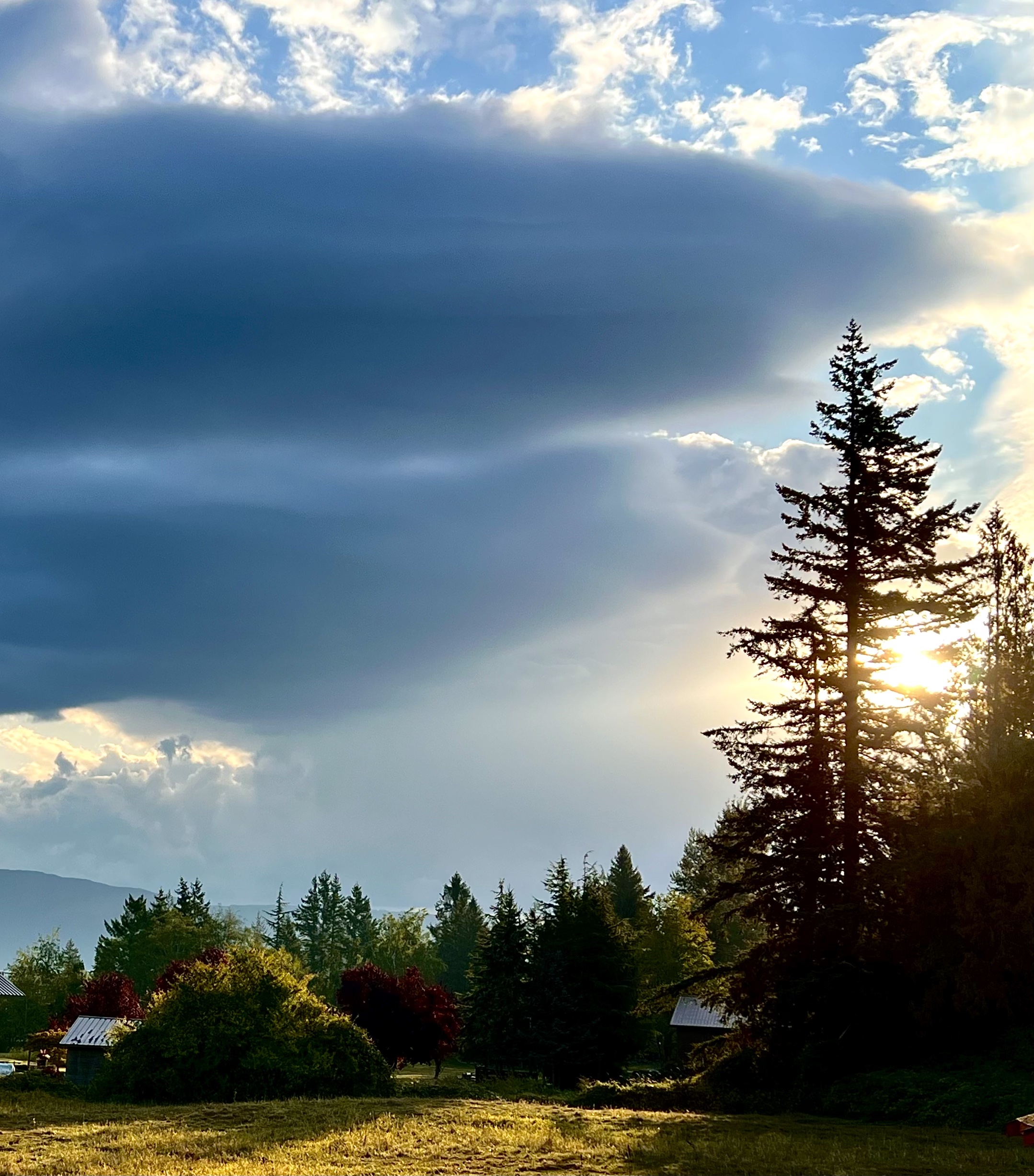
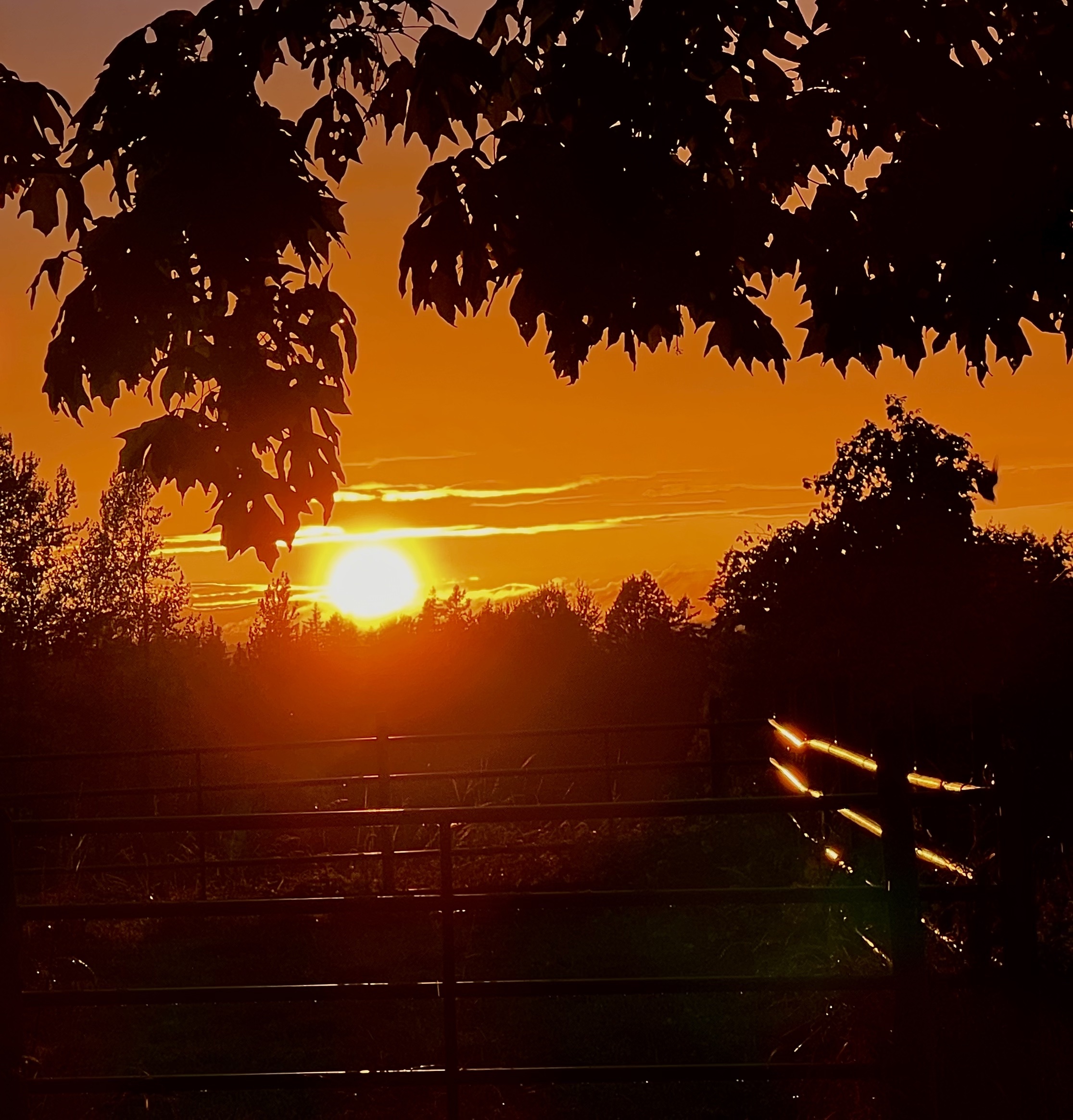
This October Sabbath morning, gray clouds lie heavy and unrelenting, hovering low over the eastern hills.
A moment’s light snuck out from under the covers, throwing back the blankets to glow golden over the valley.
Only a minute of unexpected light underneath the gray, then gone in a heartbeat (as are we) – yet – O! the Glory when we shine luminous together.
I. Cats pad from one sun-warmed stone to another. Bees lament the sweet ripe fruit
denied by spring’s late hard frost. Birds stow mating calls for another season.
Clouds scribble pithy prose, criss-cross pages surrendered by autumn’s azure.
Flower beds brown as they thin and cricket song stitches a coverlet against evening chill.
II. In my first autumn at home since I was three I rustle leaves at my feet like a past I can rake and pile. Energized by autumn’s aura I glean clarity of what lies fallow and what I’ve put up for my winter. ~Nancy Jentsch “October Afternoon”
Out through the fields and the woods And over the walls I have wended; I have climbed the hills of view And looked at the world, and descended; I have come by the highway home, And lo, it is ended.
The leaves are all dead on the ground, Save those that the oak is keeping To ravel them one by one And let them go scraping and creeping Out over the crusted snow, When others are sleeping.
And the dead leaves lie huddled and still, No longer blown hither and thither; The last lone aster is gone; The flowers of the witch hazel wither; The heart is still aching to seek, But the feet question ‘Whither?’
Ah, when to the heart of man Was it ever less than a treason To go with the drift of things, To yield with a grace to reason, And bow and accept the end Of a love or a season? ~Robert Frost “Reluctance”
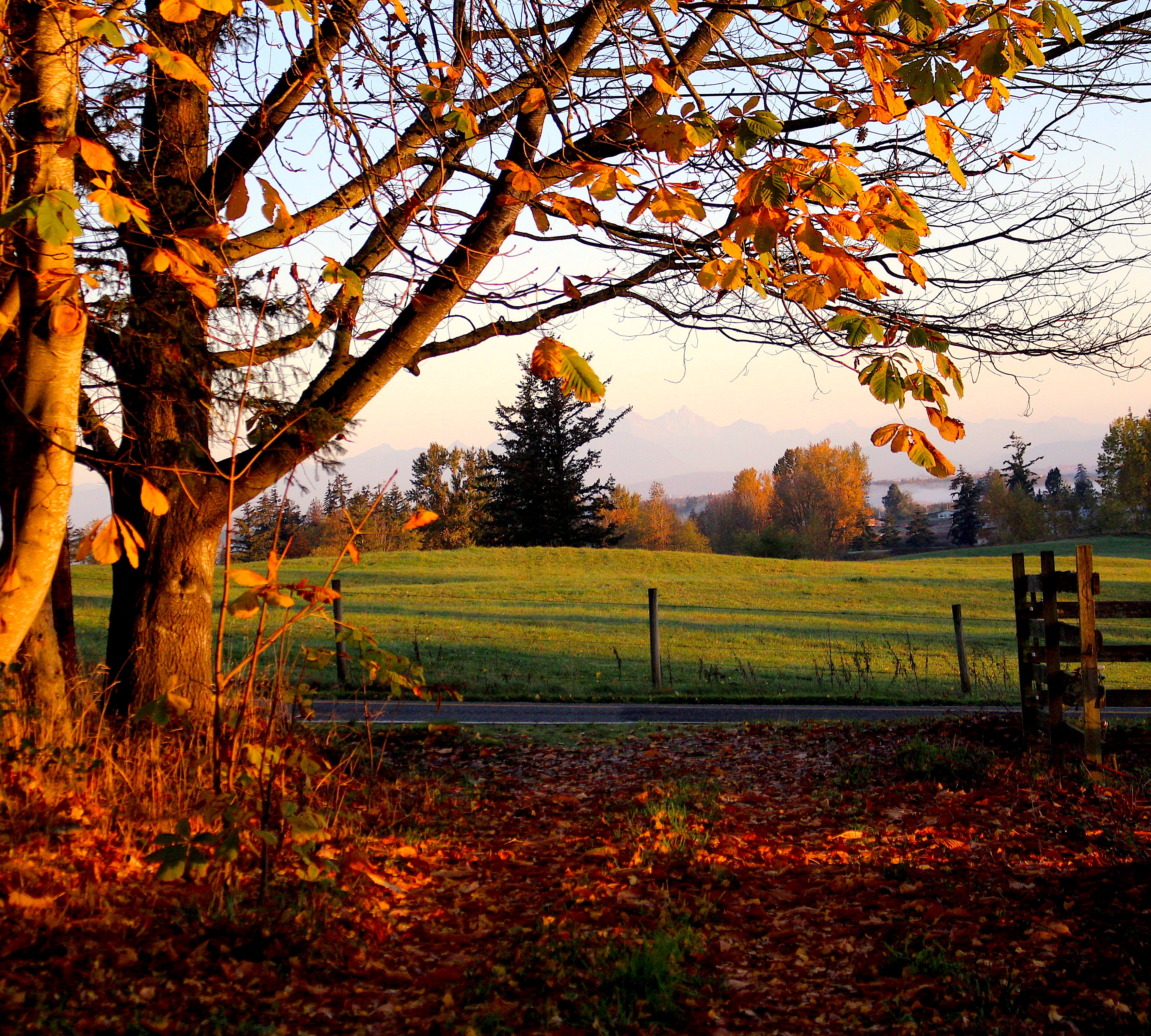
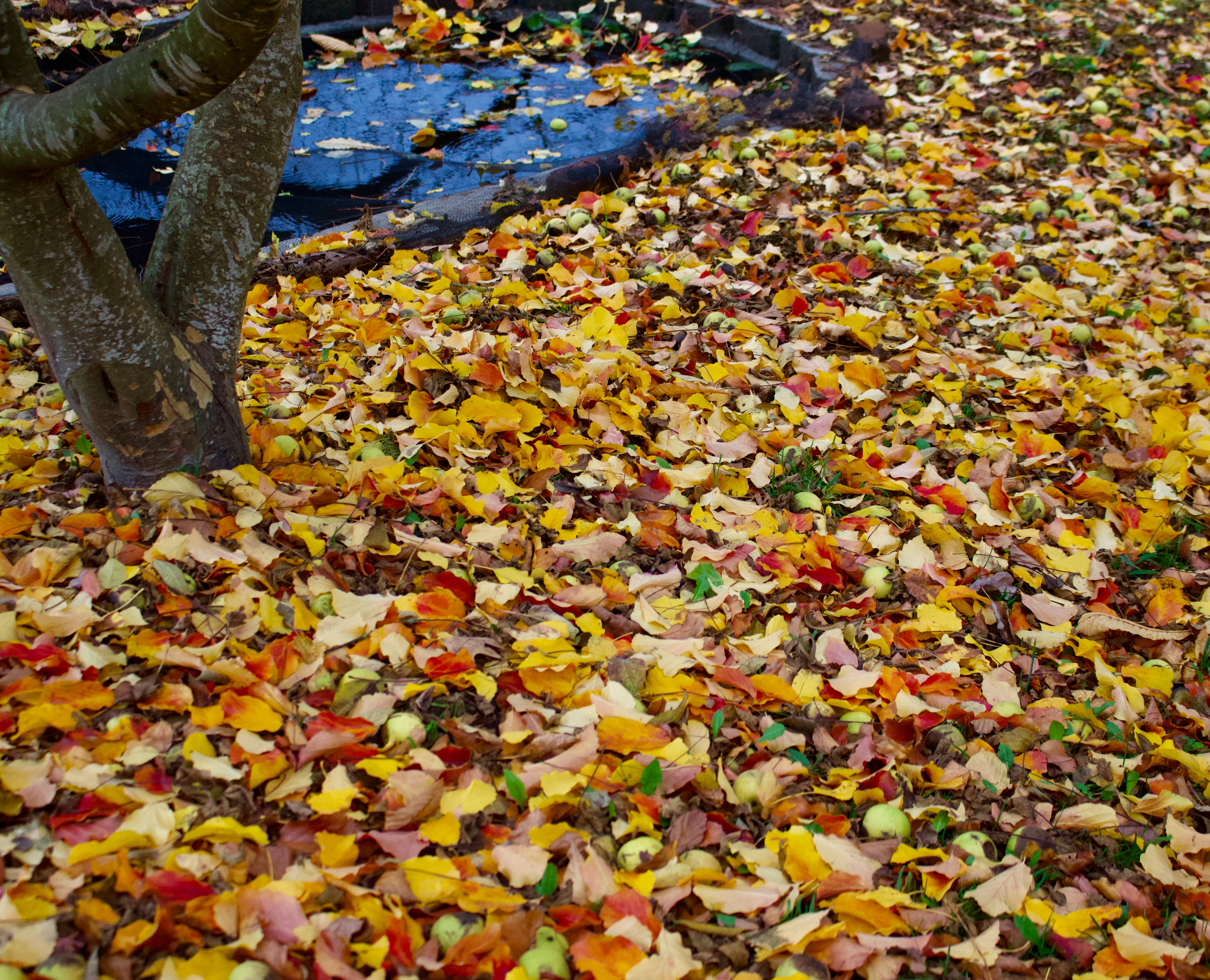
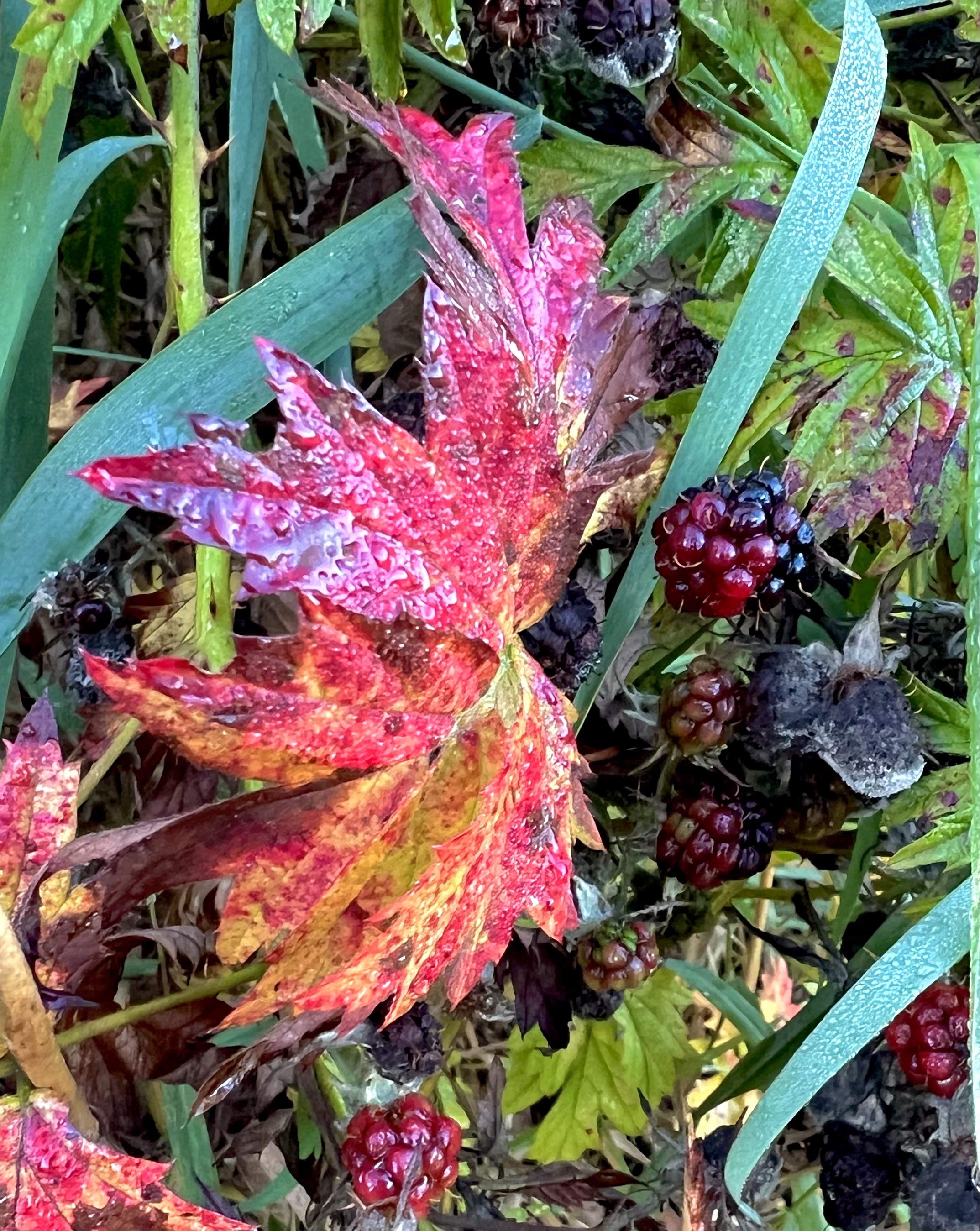
As I kick through piles of fallen leaves in the barnyard, I realize how close I am to becoming one of them. Within my own changing seasons, I have flourished and bloomed and fruited, but am now reminded of my fading, withering and eventual letting go.
I find I’m not nearly so bold anymore, instead trembling nervously when harsh winds blow me about, hoping the roots I’ve always depended upon will continue to nourish and sustain me.
This time of year, everything feels transitory — especially me.
When these thoughts overwhelm, I tend to hang on tighter rather than simply giving up and letting go. My feet stumble when I try to do the same tasks I did so smoothly years ago. I’m stubbornly wanting things to stay the same, reluctant for a transition to something different.
My only solace is that the heart of man — indeed my own hole-y heart — is transient compared to the holy Heart of the Creator. I am sustained by His steady Pulse, His ubiquitous Circulation, His impeccable Rhythm of Life and Death.
In that I trust. In that I come to abandon my stubborn reluctance.
One-Time
Monthly
Yearly
Make a one-time or recurring donation to support daily Barnstorming posts
Every year we have been witness to it: how the world descends
into a rich mash, in order that it may resume. And therefore who would cry out
to the petals on the ground to stay, knowing as we must, how the vivacity of what was is married
to the vitality of what will be? I don’t say it’s easy, but what else will do
if the love one claims to have for the world be true?
So let us go on, cheerfully enough, this and every crisping day,
though the sun be swinging east, and the ponds be cold and black, and the sweets of the year be doomed. ~Mary Oliver “Lines Written in the Days of Growing Darkness” from A Thousand Mornings
Nature is, above all, profligate. Don’t believe them when they tell you how economical and thrifty nature is, whose leaves return to the soil. Wouldn’t it be cheaper to leave them on the tree in the first place? ~Annie Dillard from Pilgrim at Tinker Creek
It is a good thing I wasn’t assigned the role of Designer of the Universe because all would have gone awry in my dedication to resource management, efficiency and creating less waste. To avoid having to blow around, rake, pick up and compost all those fallen autumn leaves, my trees would keep their leaves forever, just like evergreens keep needles. I also would decide there should be fewer insect species, namely wasps, fleas, chiggers, bed bugs, mosquitoes and fruit flies. In addition, fewer rodents, viruses, toxic bacteria and pesky parasites.
The list is endless: things would be different in my Thrifty Design Of All Things Natural.
But of course the balance of living and dying things would then be disturbed and off kilter.
Rather than worry about the wastefulness, I should revel in the abundance as I watch death recreate itself to life again. Nature has built-in redundancy, teems with remarkable inefficiency and overwhelms with extravagance.
As I too am just another collection of cells with similar profligacy, I can’t say much. I better not complain. Thank goodness for the redundancy and extravagance found in my own body, from the constant shedding of my skin covering to my over supply of nasal mucus during a upper respiratory infection helping me shed viral particles, to the pairing of many organs and parts allowing me a usable spare in case of system failure.
Sometimes cheaper costs more. Sometimes extravagance is intentional and rational, making cheap look … well, cheap.
Clearly things are meant to be as they are, thanks to a very wise Designer.
If I am ever in doubt, I simply look out at the leaf-carpeted front yard…or in the mirror.
Then it all makes sense.
One-Time
Monthly
Yearly
Make a one-time or recurring donation to support daily Barnstorming posts
I remember it as October days are always remembered, cloudless, maple-flavored, the air gold and so clean it quivers. ~Leif Enger in Peace Like a River
I’m not someone who switches to pumpkin-spice-flavored anything in October.
No need, no need. The air itself tastes like autumn, quivering on my tongue.
Instead I revel in the gold and bronze tint to the sky, the cinnamon nutmeg dusting of the trees, the heavy sprinkling of hanging dew drops, the crisp and shivery breezes.
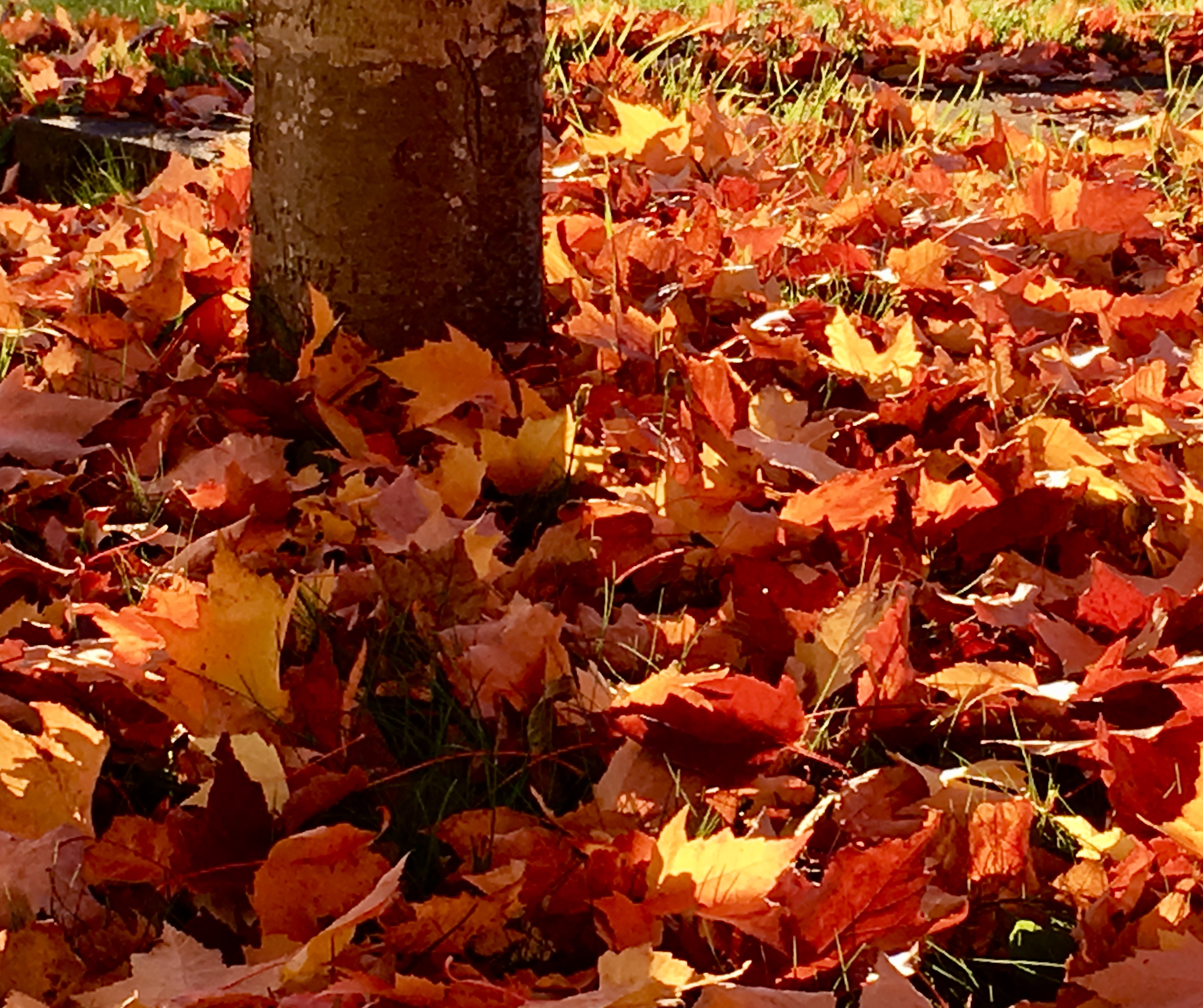
Soon the ground will be frost instead of dust and leaves a crunchy carpet rather than shady veil.
October is a much-needed change, keeping us fresh, reminding us to breathe deeply when life feels shallow, and remembering we have been immersed in the pumpkin-spice of a new day we have never lived before.
One-Time
Monthly
Yearly
Make a one-time or recurring donation to support daily Barnstorming posts
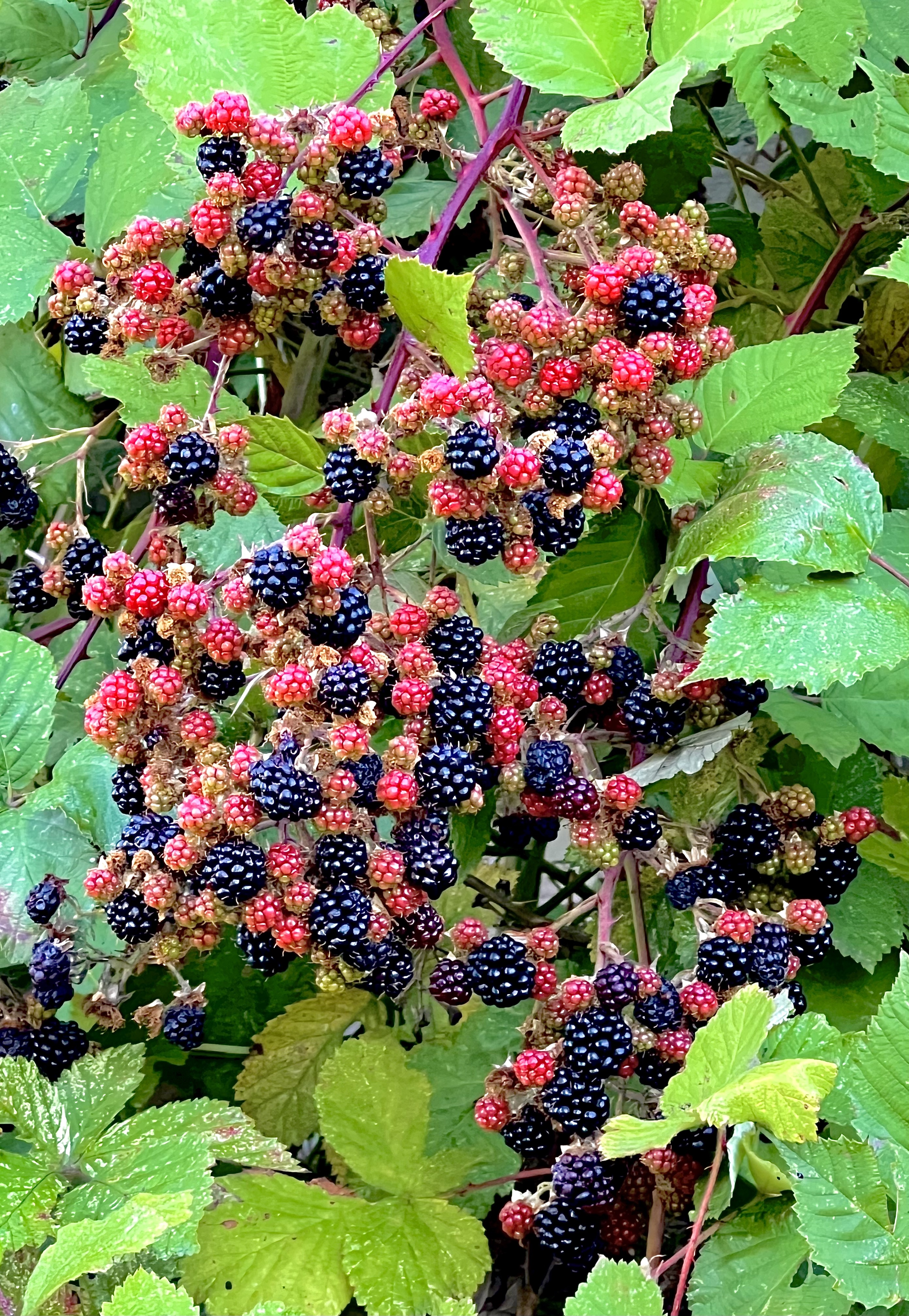
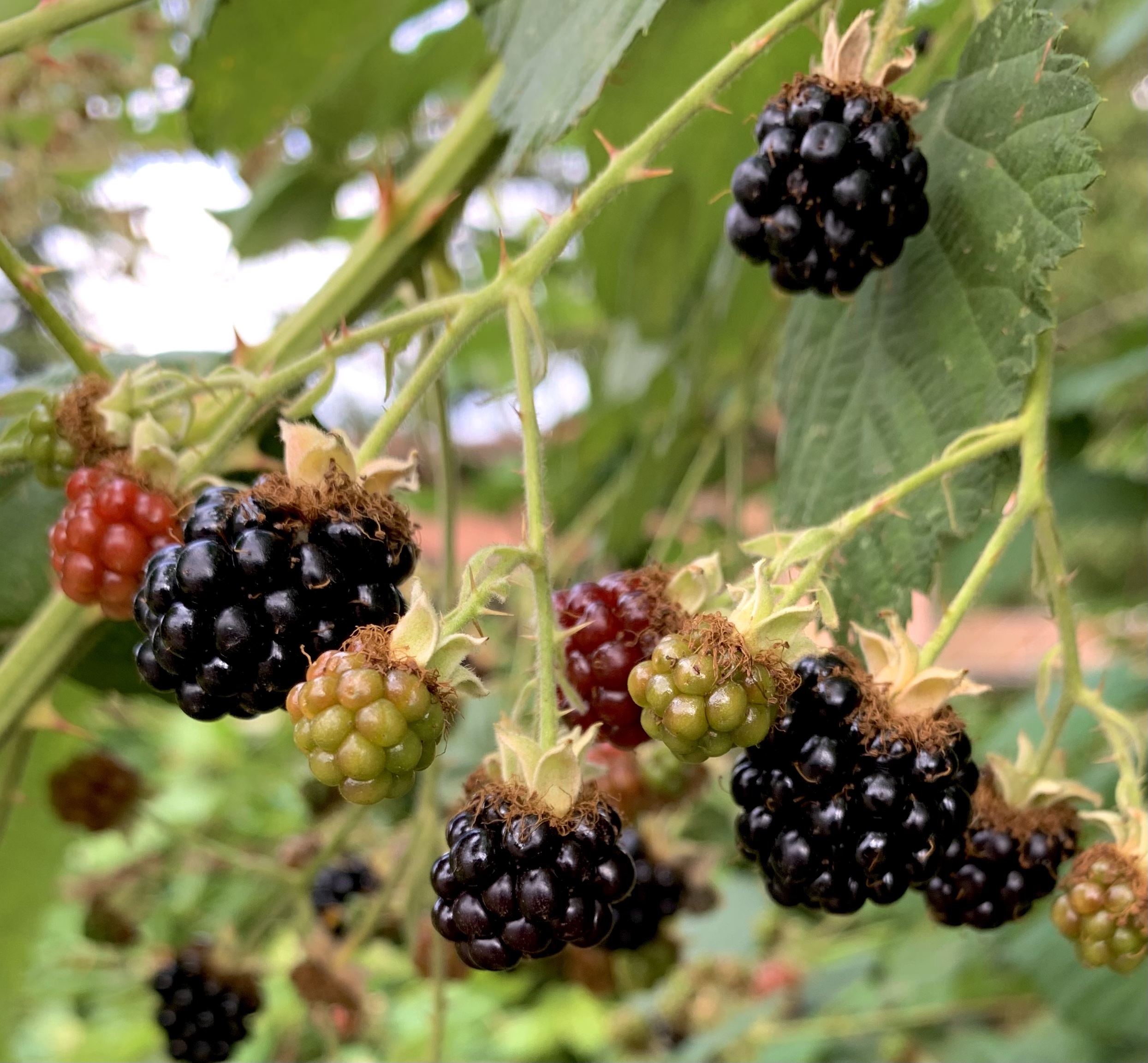
They lie on the ground after the deer have left after the bear has had her fill they
lie under the stars and under the sun in a cloud of brambles the ripest ones fall first become black jam in the thatch. as a boy I hated picking blackberries the pail never full like one half of a slow conversation.
Now their taste is sweeter in memory the insect buzz the branches too high the blue summer never quite over before the fall begins. ~Richard Terrell from “Blackberries” from What Falls Away is Always
You ate that first one and its flesh was sweet Like thickened wine: summer’s blood was in it Leaving stains upon the tongue and lust for Picking. Then red ones inked up and that hunger Sent us out with milk cans, pea tins, jam-pots Where briars scratched and wet grass bleached our boots. Round hayfields, cornfields and potato-drills We trekked and picked until the cans were full, Until the tinkling bottom had been covered With green ones, and on top big dark blobs burned Like a plate of eyes. Our hands were peppered With thorn pricks, our palms sticky as Bluebeard’s.
We hoarded the fresh berries in the byre. But when the bath was filled we found a fur, A rat-grey fungus, glutting on our cache. The juice was stinking too. Once off the bush The fruit fermented, the sweet flesh would turn sour. I always felt like crying. It wasn’t fair That all the lovely canfuls smelt of rot. Each year I hoped they’d keep, knew they would not. ~Seamus Heaney from “Blackberry Picking”
In the early morning an old woman is picking blackberries in the shade. It will be too hot later but right now there’s dew.
Some berries fall: those are for squirrels. Some are unripe, reserved for bears. Some go into the metal bowl. Those are for you, so you may taste them just for a moment. That’s good times: one little sweetness after another, then quickly gone.
Once, this old woman I’m conjuring up for you would have been my grandmother. Today it’s me. Years from now it might be you, if you’re quite lucky.
The hands reaching in among the leaves and spines were once my mother’s. I’ve passed them on. Decades ahead, you’ll study your own temporary hands, and you’ll remember. Don’t cry, this is what happens.
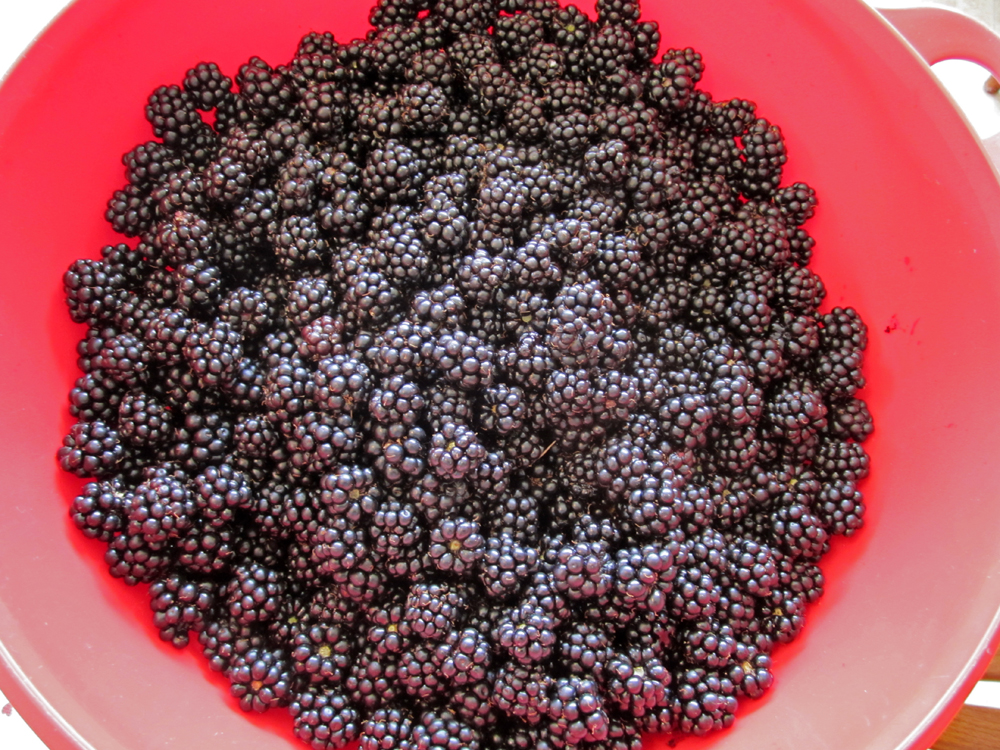
Look! The steel bowl is almost full. Enough for all of us. The blackberries gleam like glass, like the glass ornaments we hang on trees in December to remind ourselves to be grateful for snow.
Some berries occur in sun, but they are smaller. It’s as I always told you: the best ones grow in shadow. ~Margaret Atwood “Blackberries” from Dearly
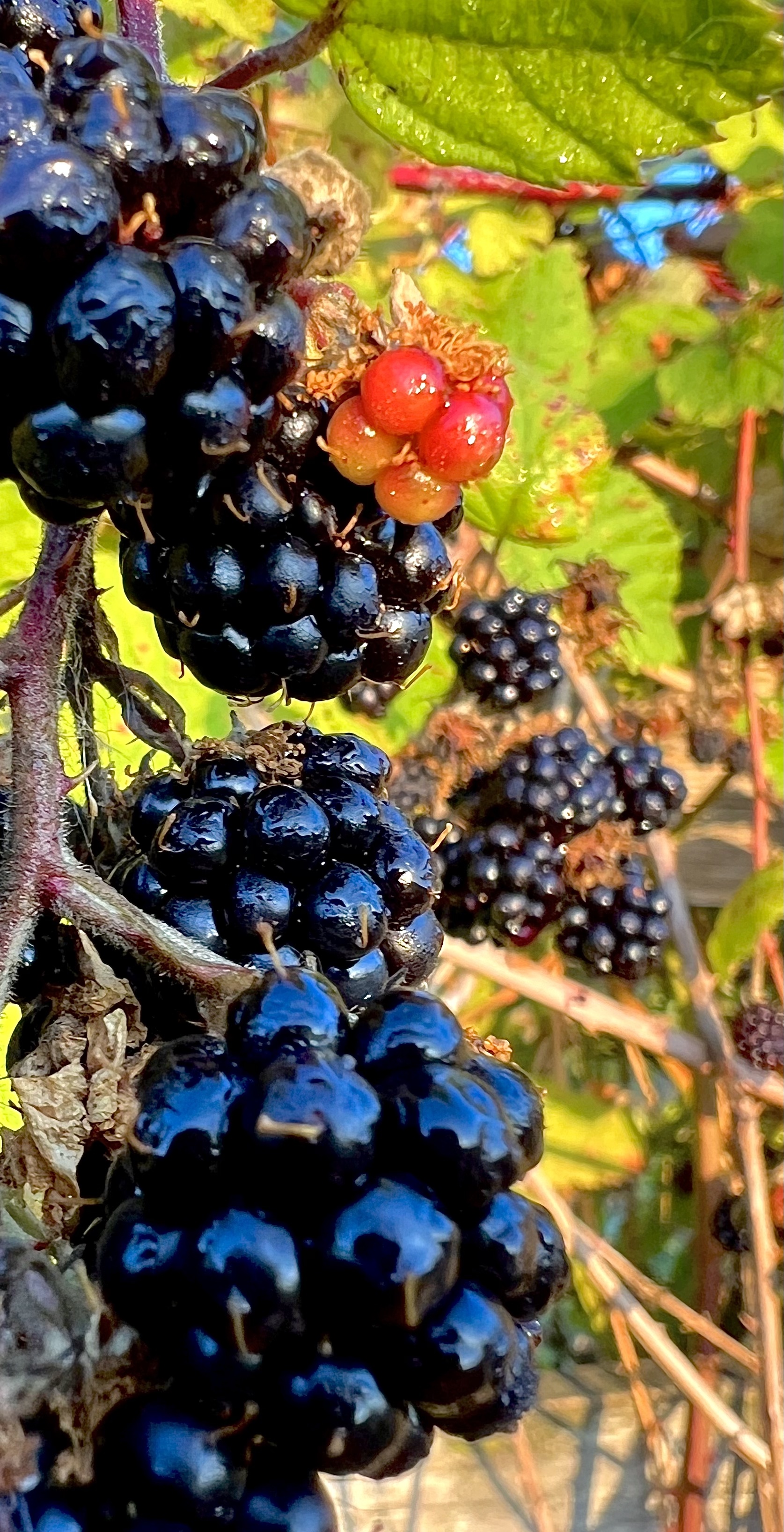
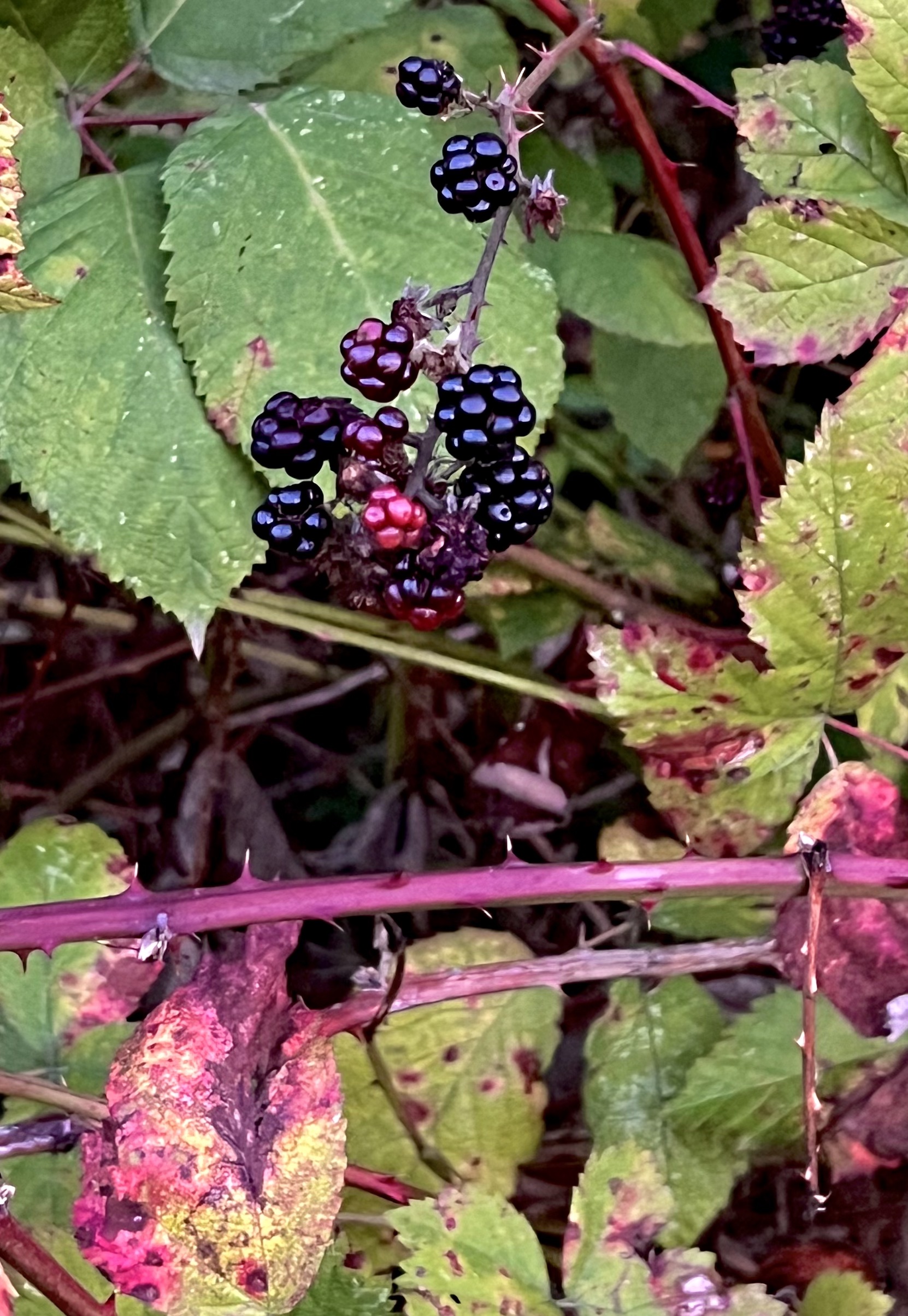
I love to go out in late September among the fat, overripe, icy, black blackberries to eat blackberries for breakfast, the stalks very prickly, a penalty they earn for knowing the black art of blackberry-making; and as I stand among them lifting the stalks to my mouth, the ripest berries fall almost unbidden to my tongue, as words sometimes do, certain peculiar words like strengths or squinched, many-lettered, one-syllabled lumps, which I squeeze, squinch open, and splurge well in the silent, startled, icy, black language of blackberry-eating in late September. ~Galway Kinnell “Blackberry Eating”
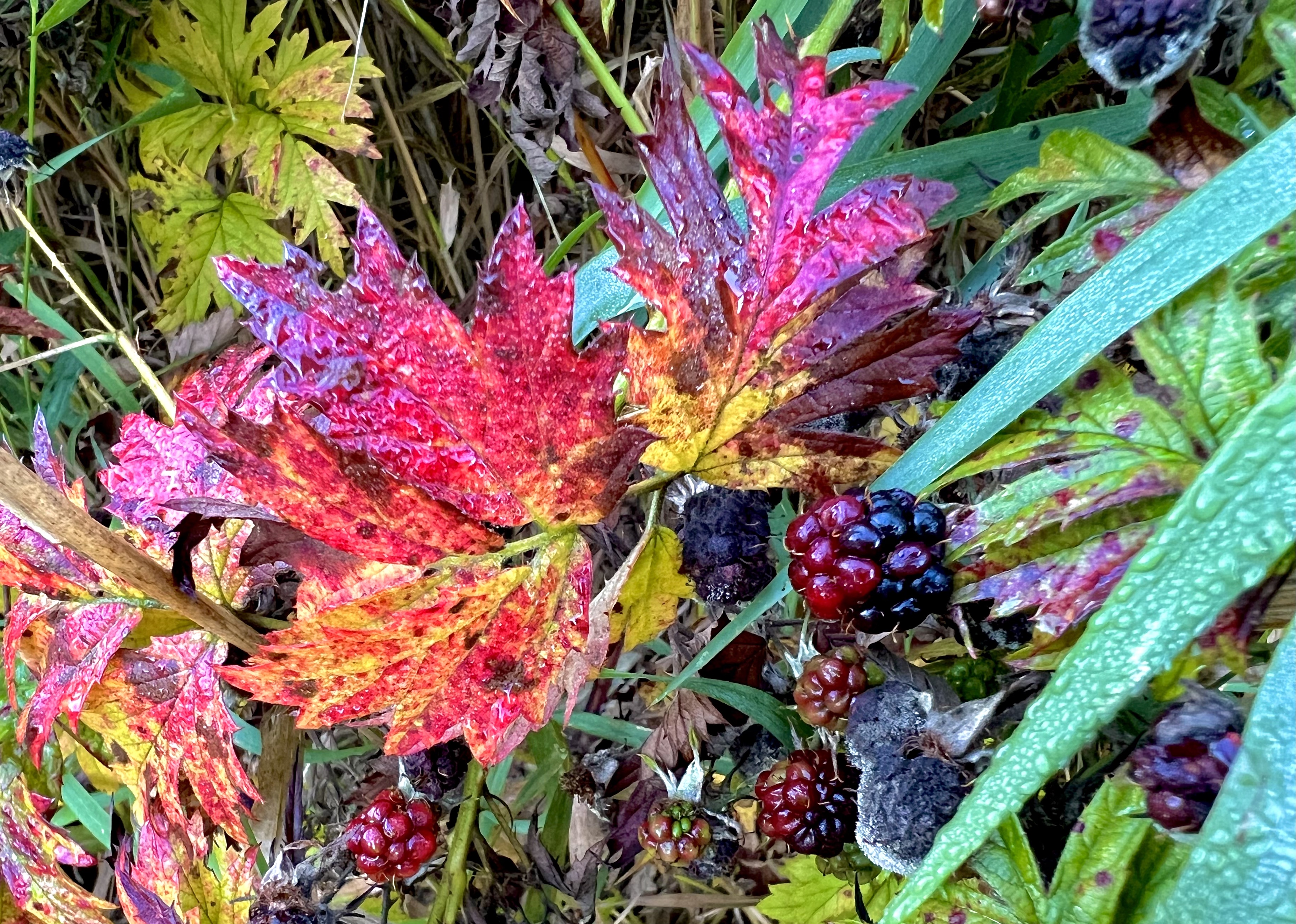
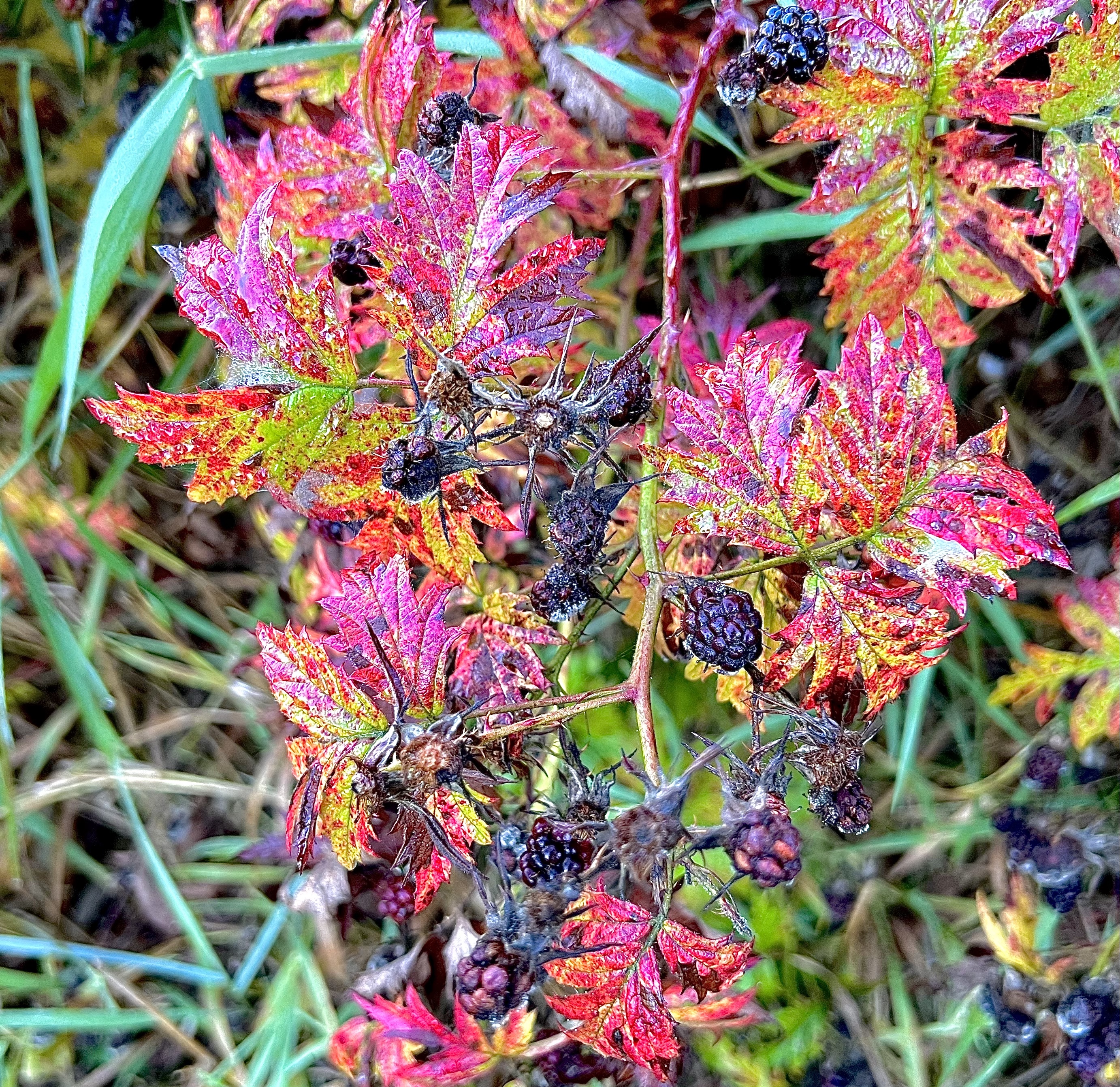
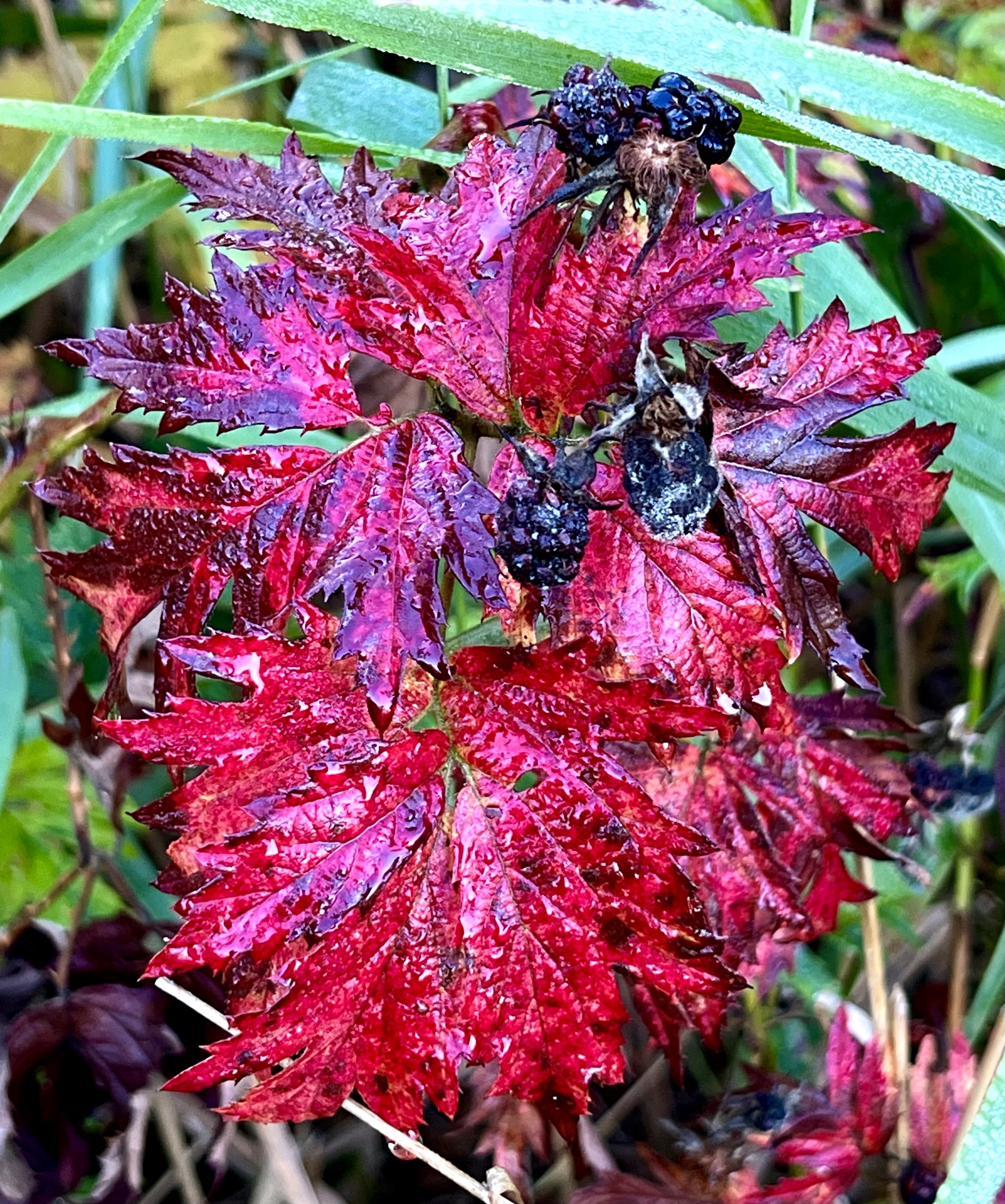
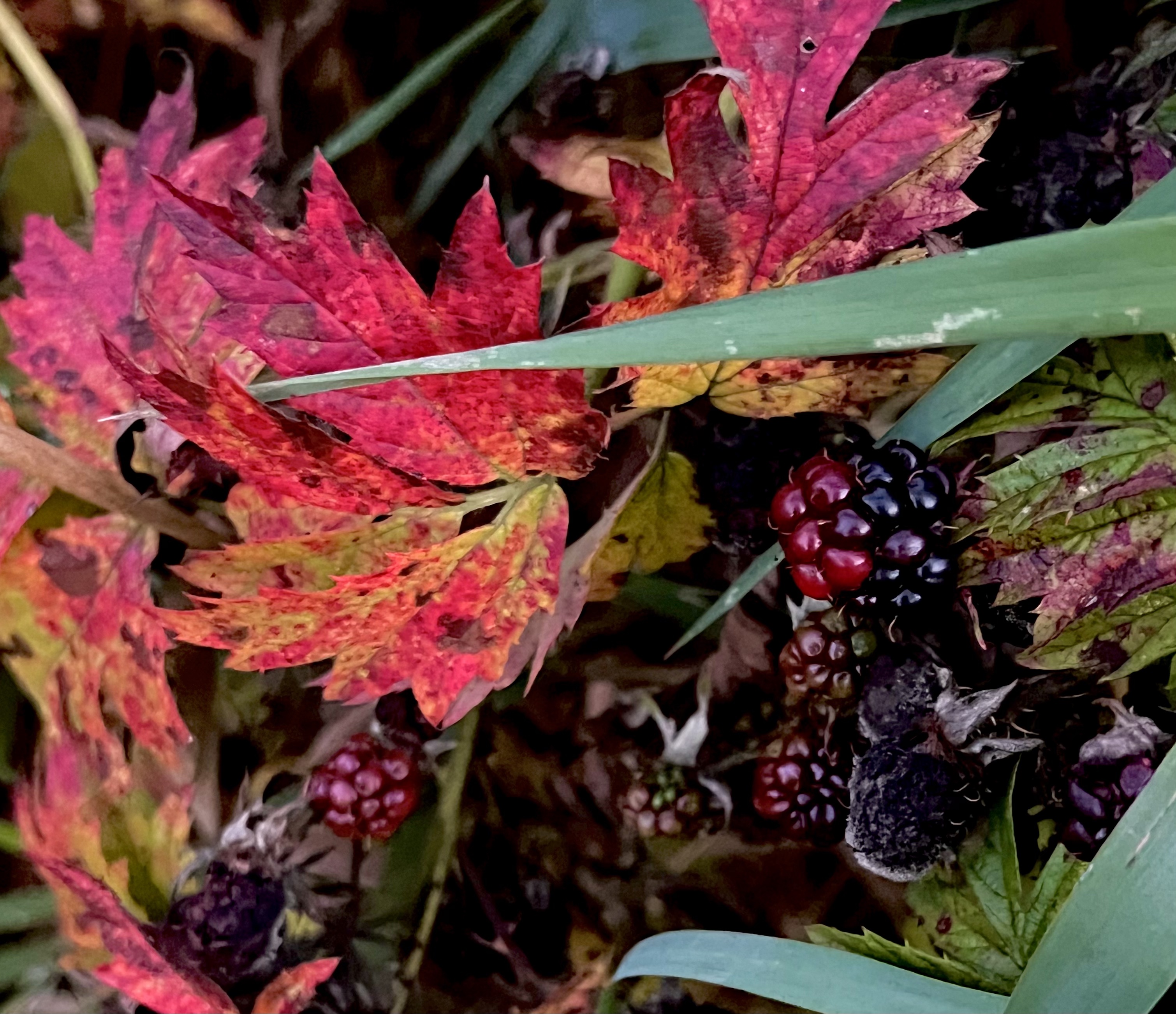
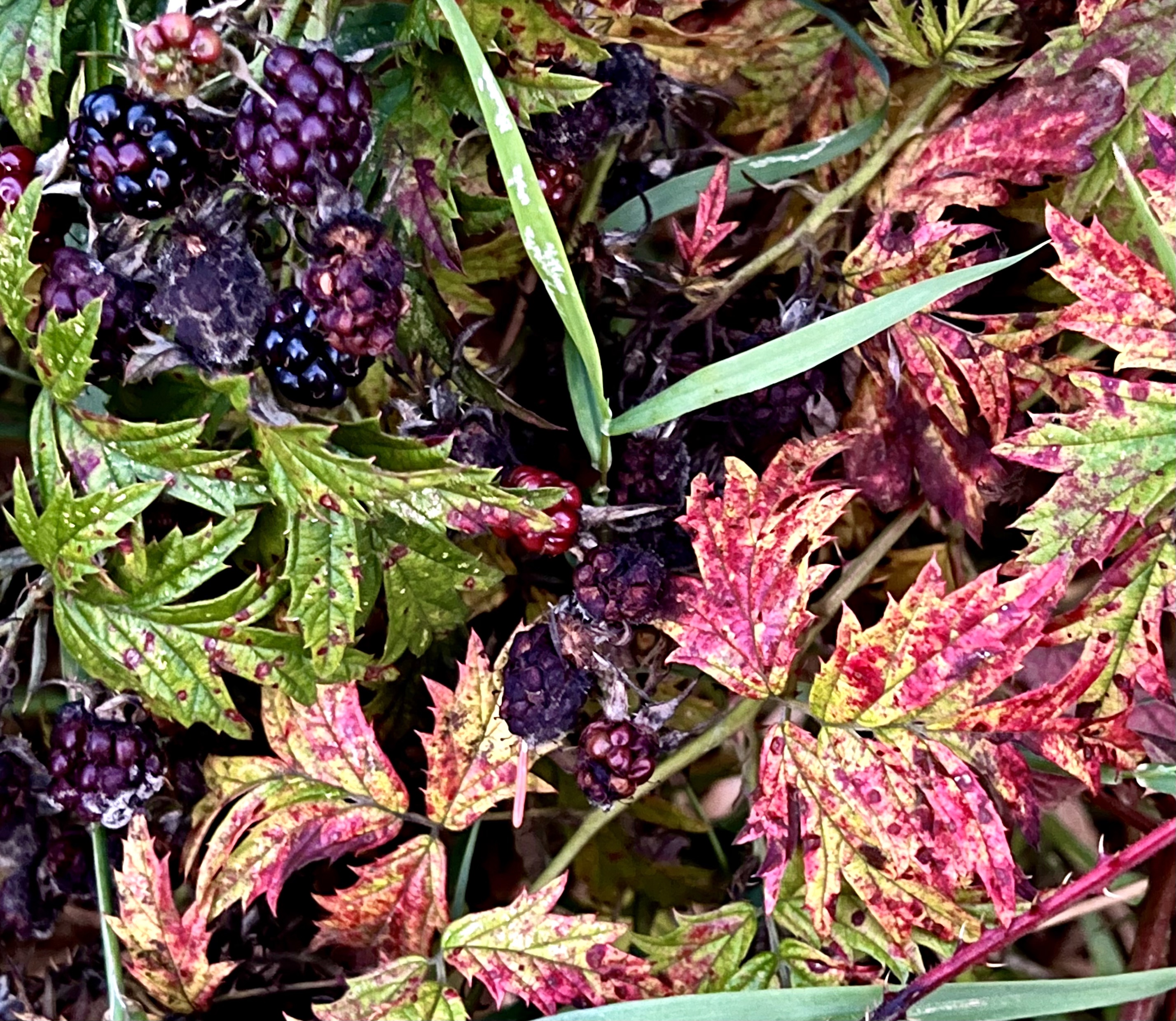
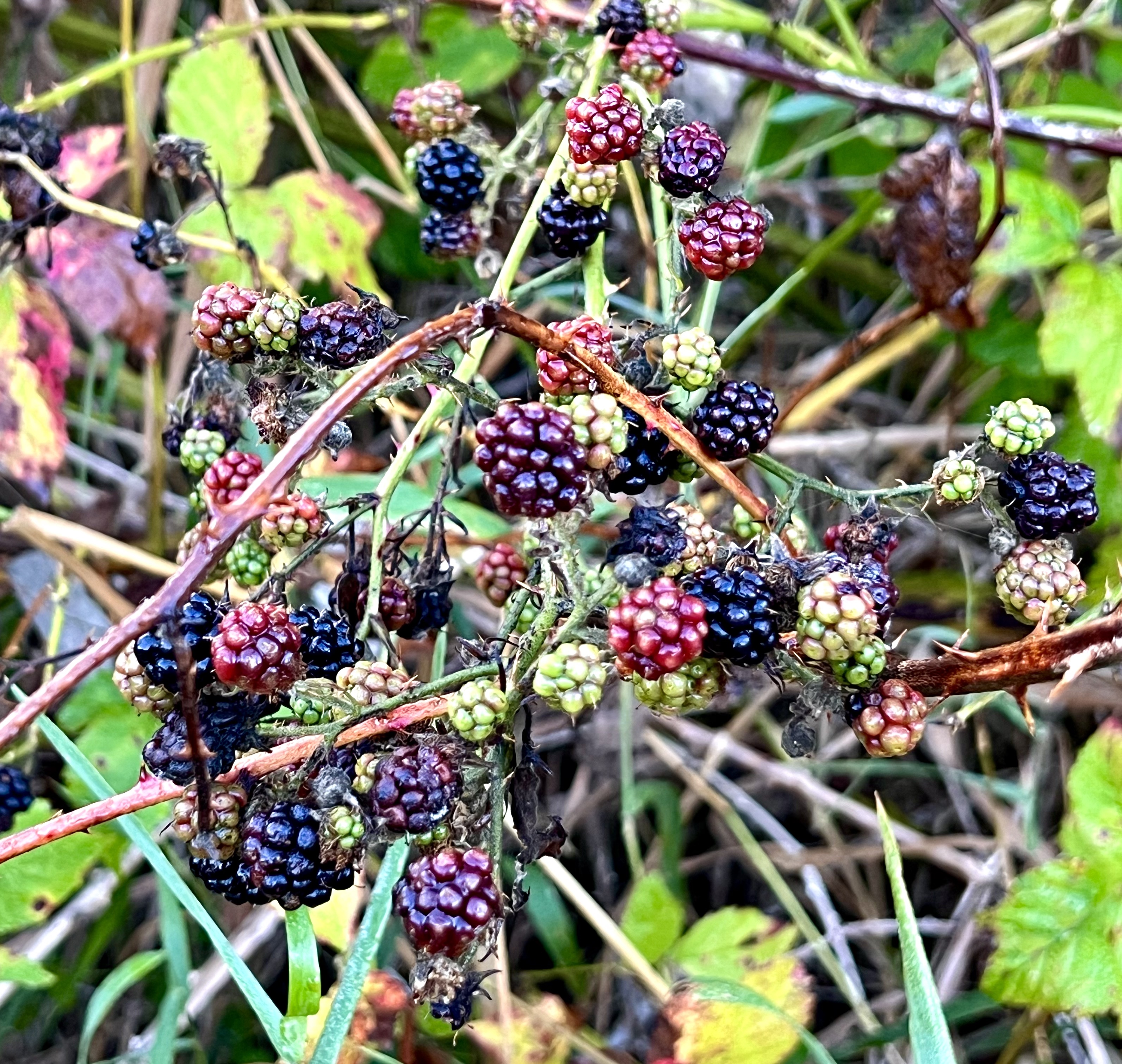
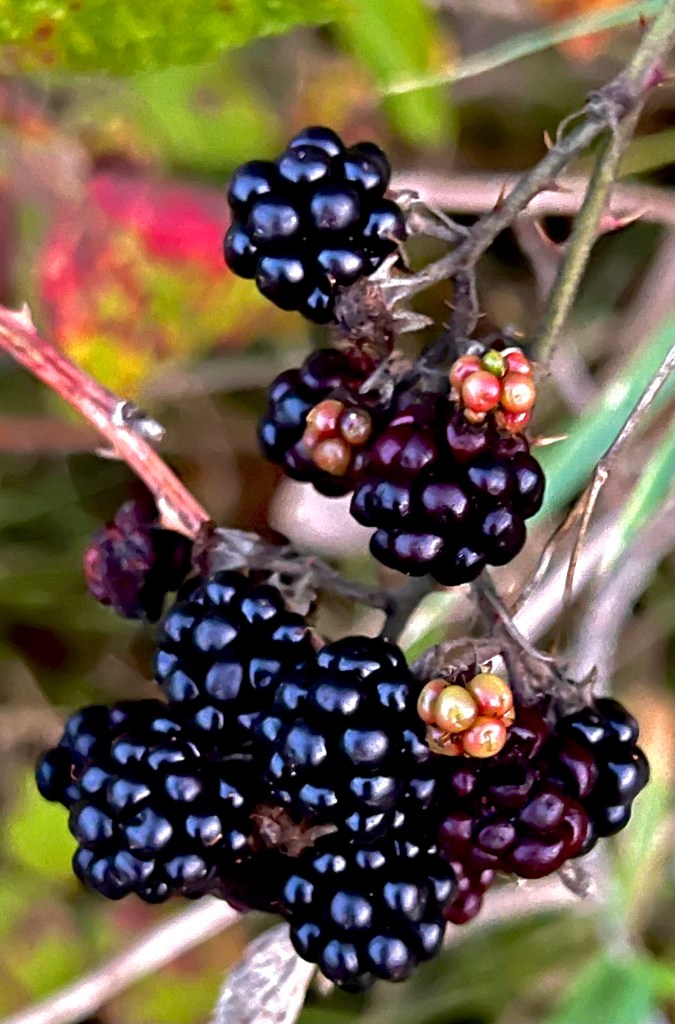
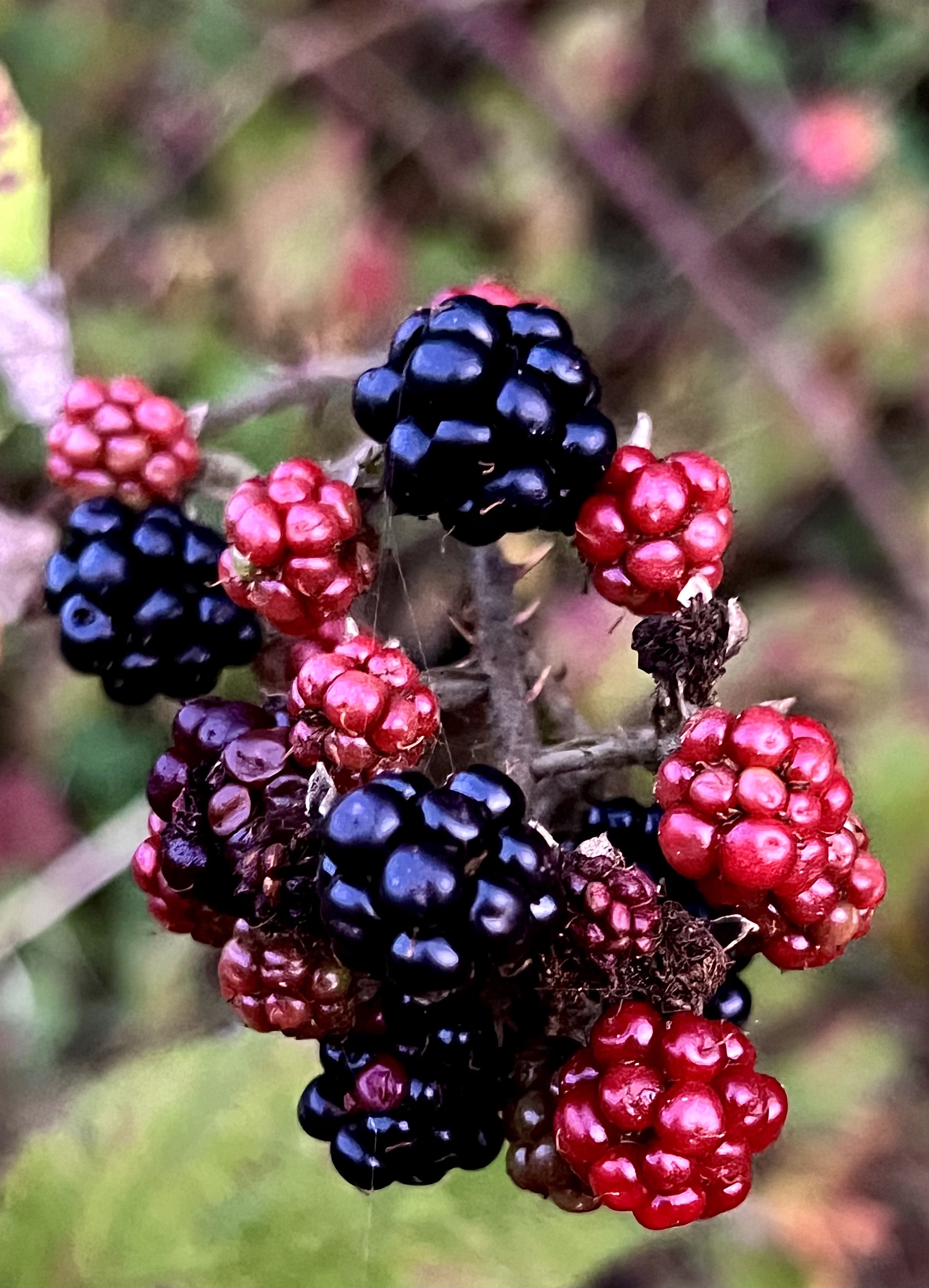
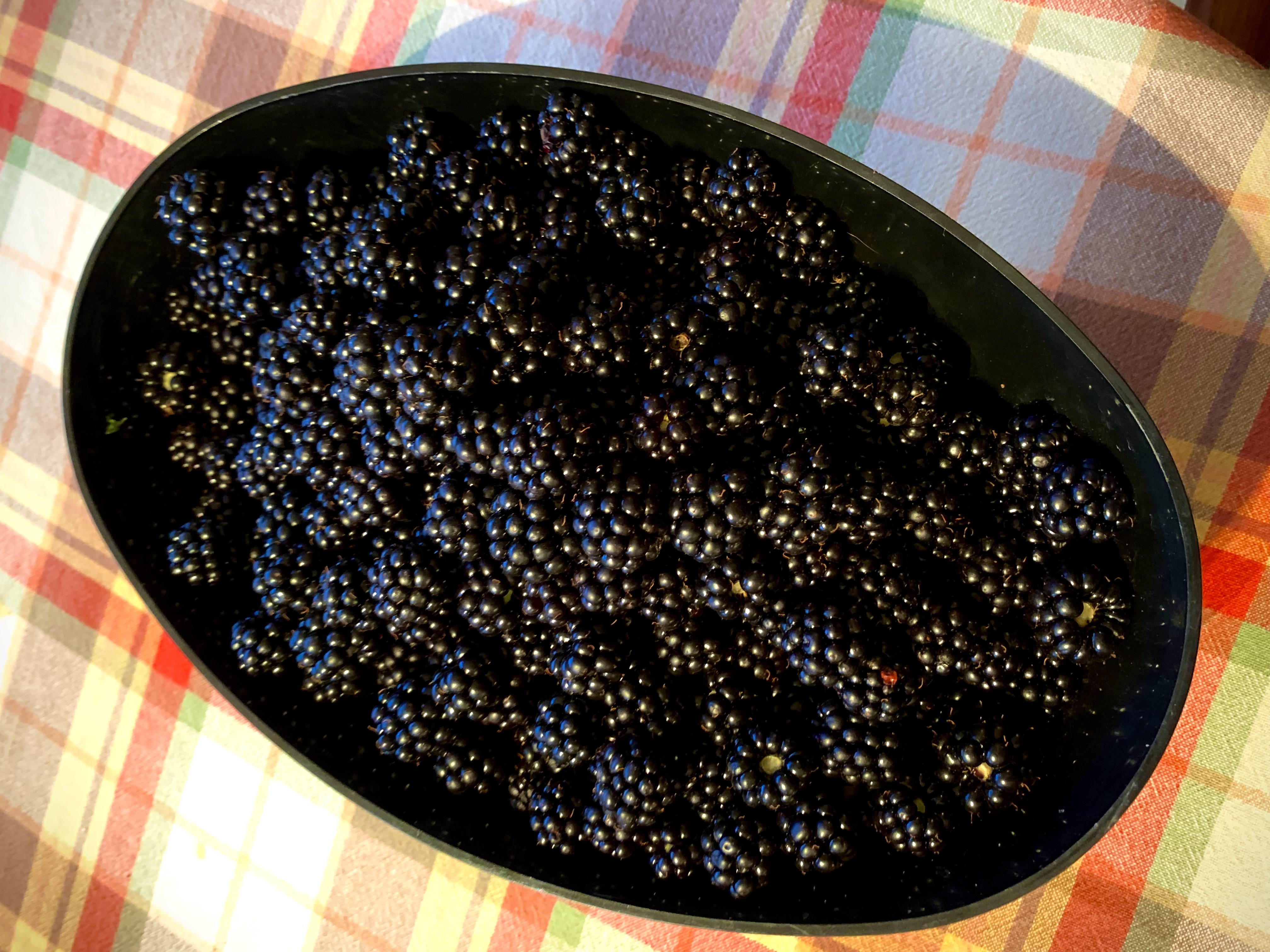
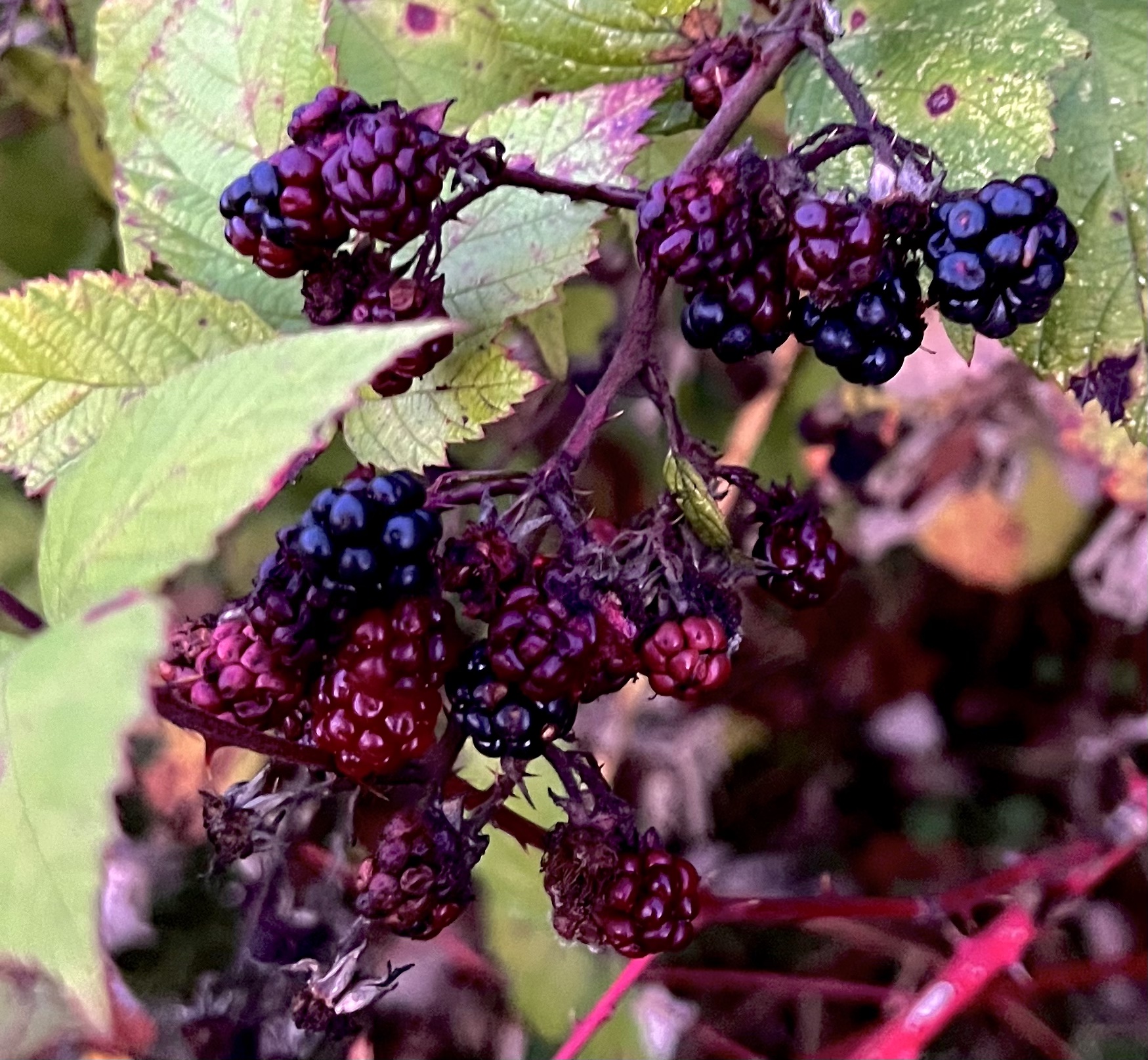
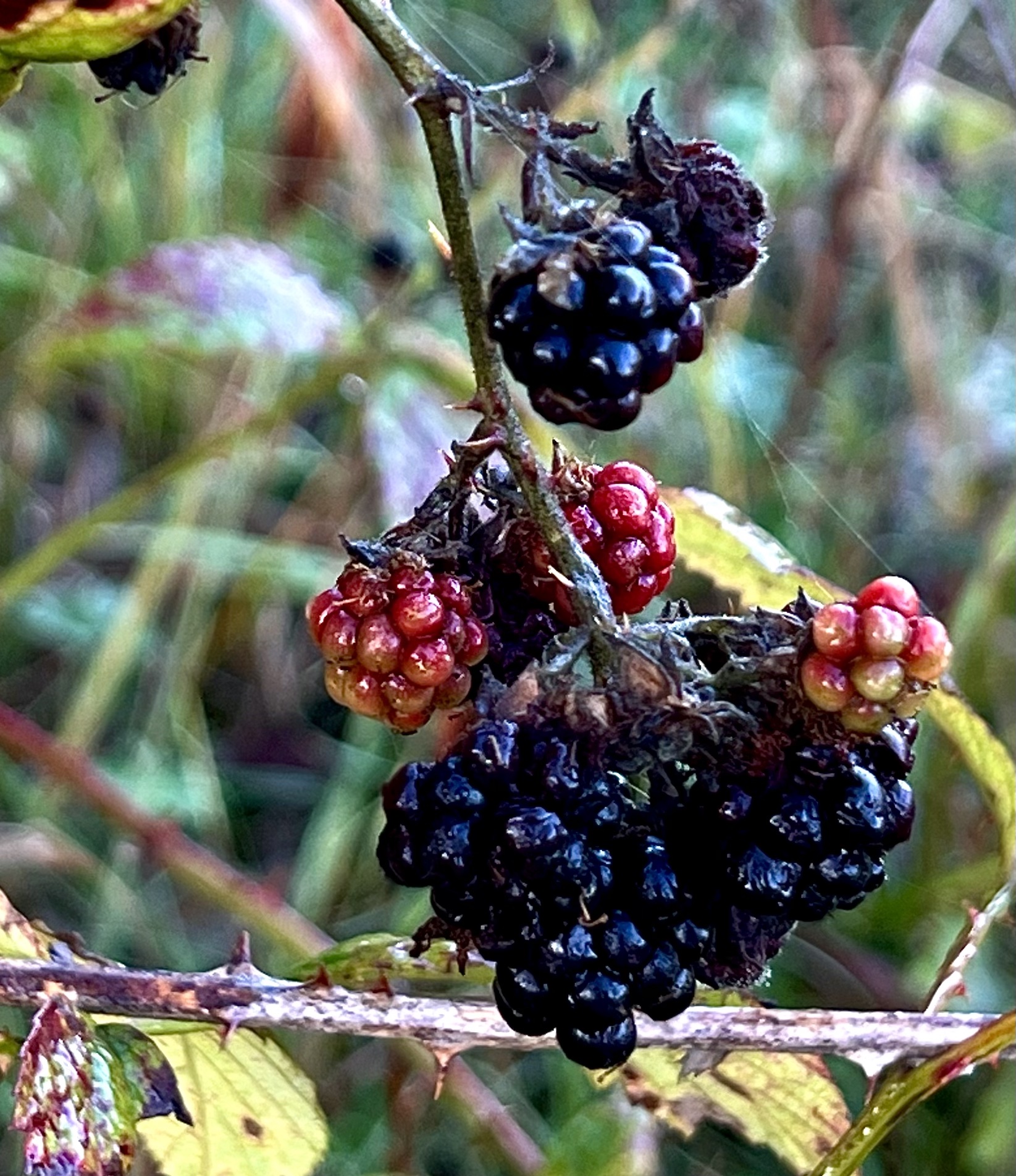
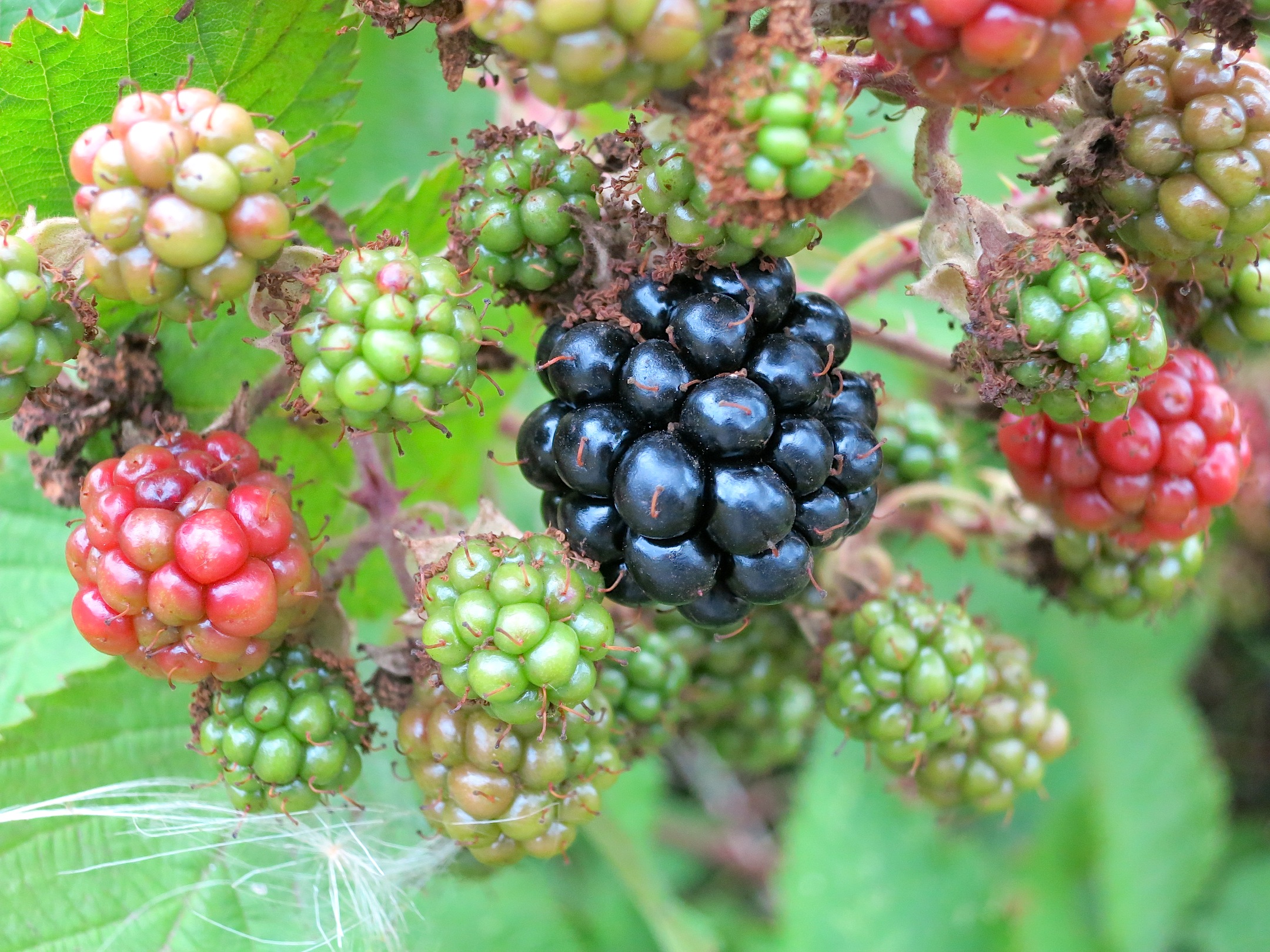
Blackberry vines are trouble 90% of the year – always growing where they are not welcome – reaching out to grab passersby without discriminating between human, dog or horse. But for a month in late summer and early fall, they yield black gold – bursting, swelling, unimaginably sweet fruit that is worth the hassle tolerated the rest of the weeks of the year.
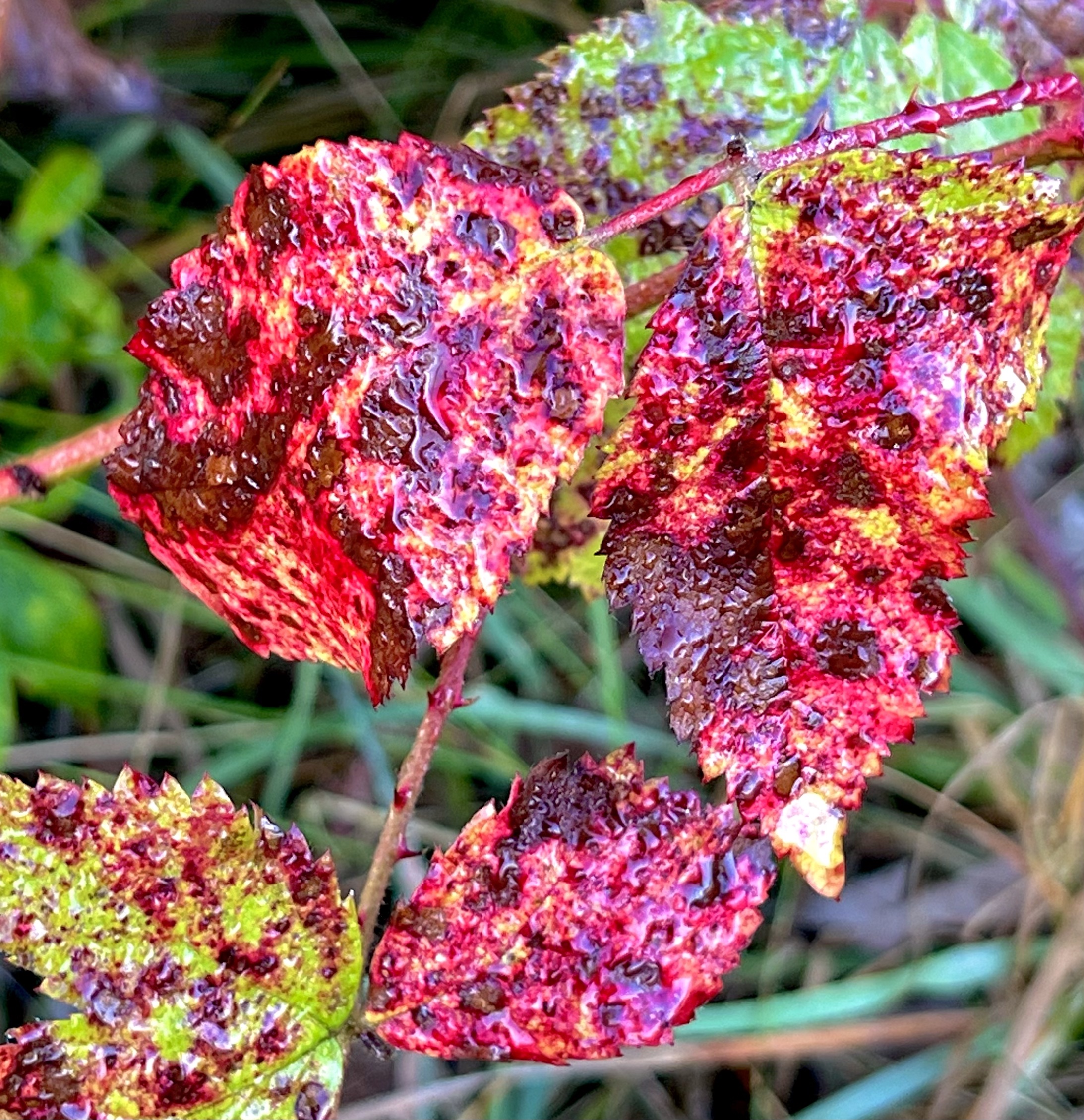
It has been an unusually dry summer here in the Pacific Northwest with little rain until recently, so the fields are brown and even the usually lush blackberry vines have started to dry and color up. The berries themselves are rich from the sun but starting now to shrivel and mold.
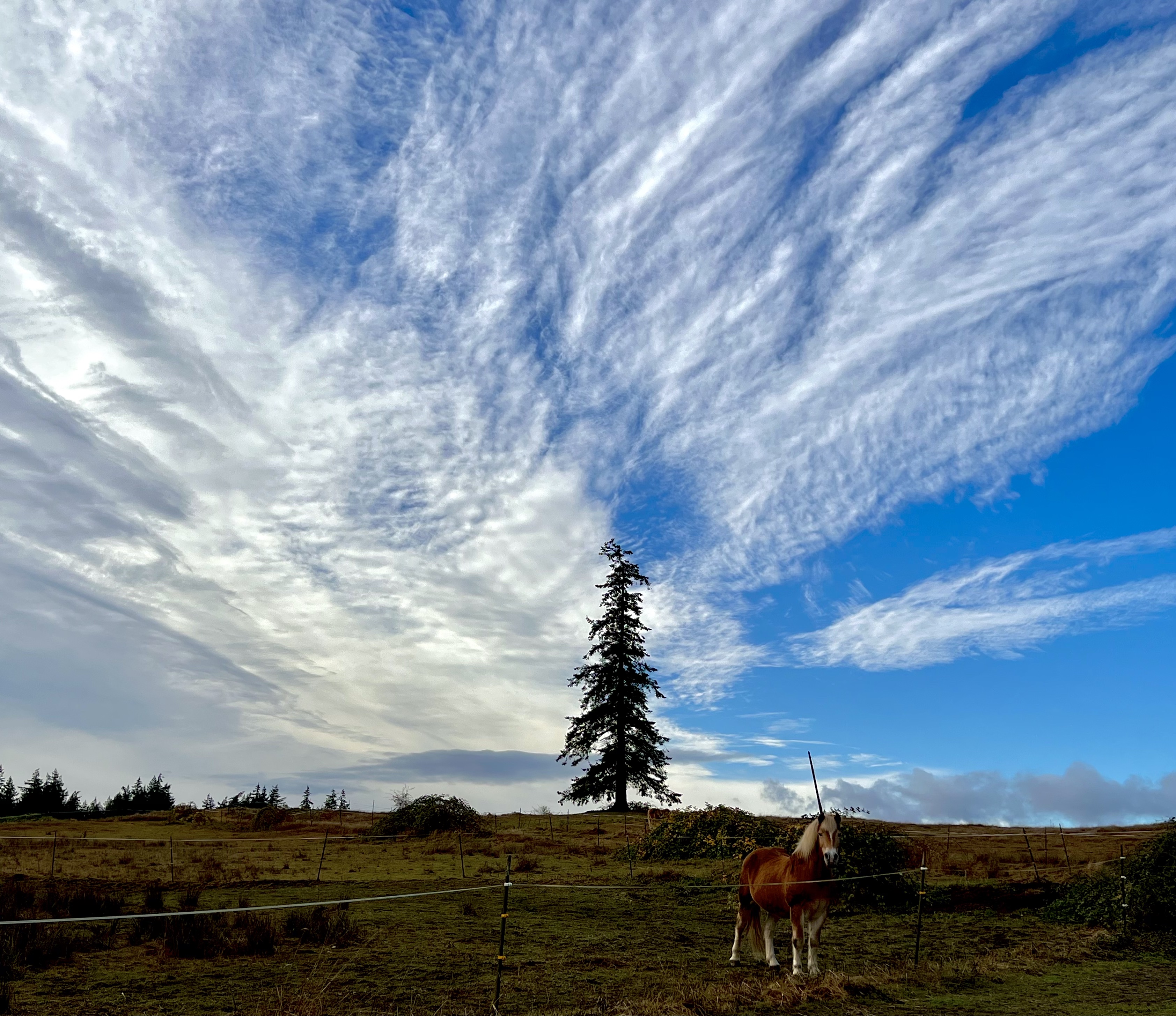
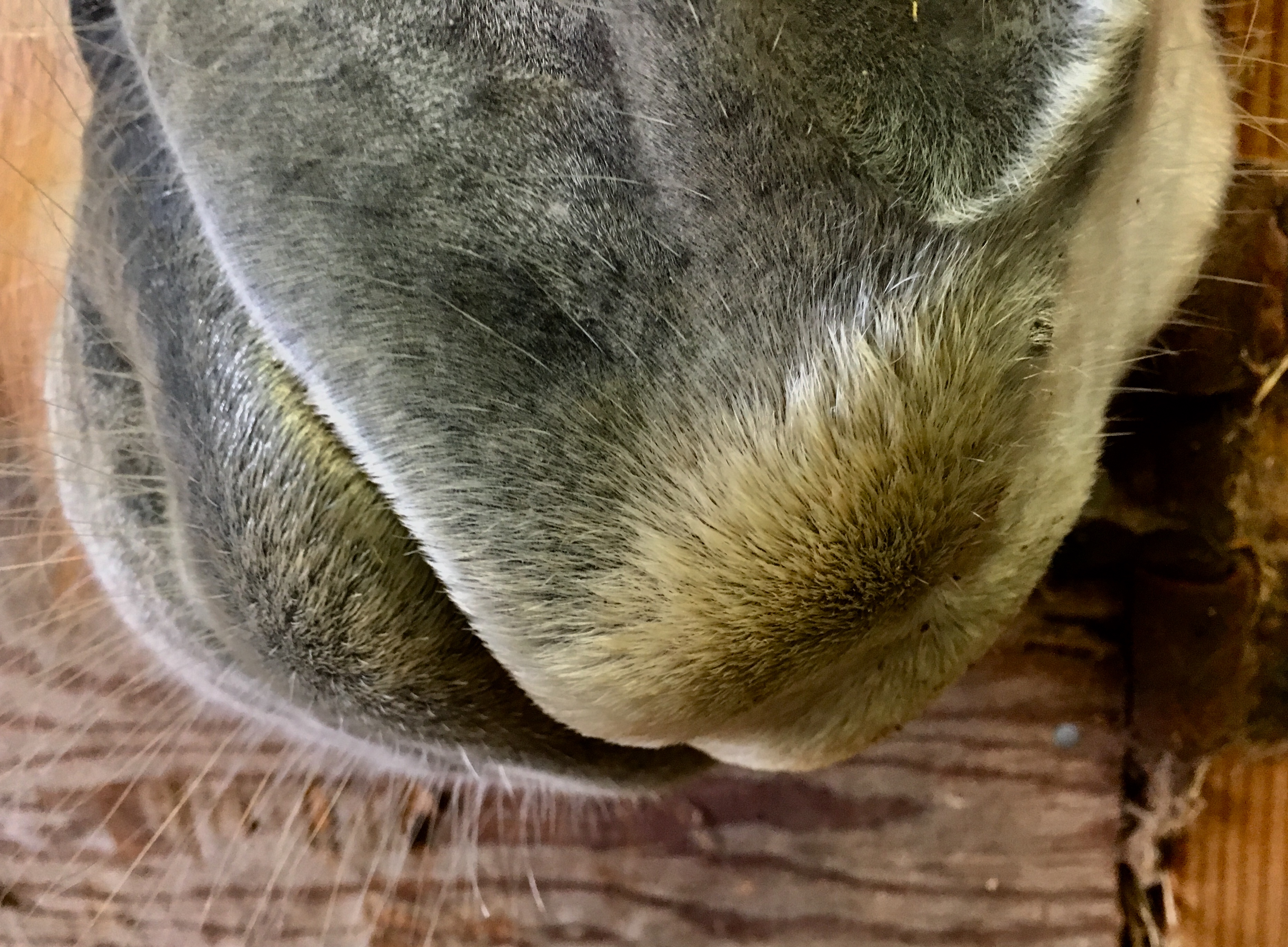
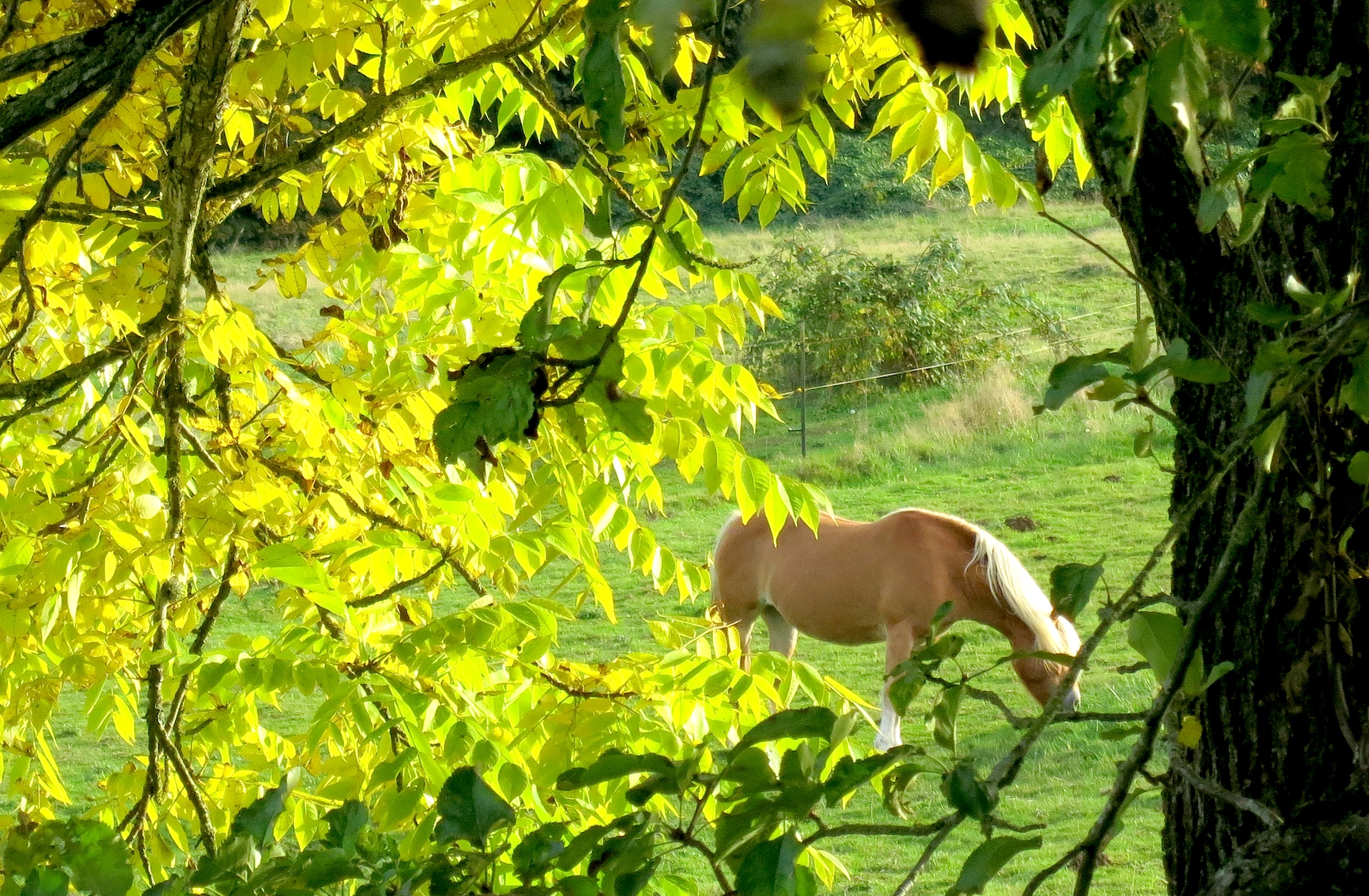
Our Haflinger horses have been fed hay for the past several weeks as there is not enough pasture for them without the supplement–we are about 6 weeks ahead of schedule in feeding hay. I had grown a little suspicious the last couple nights as I brought the Haflingers into the barn for the night. Two of the mares turned out in the back field had purplish stains on their chests and front legs. Hmmmm. Raiding the berries. Desperate drought forage behavior in an extremely efficient eating machine.
So this evening I headed toward the berries. When the mares saw the bowl in my hand, that was it. They mobbed me. I was irresistible.
So with mares in tow, I approached a berry bank. It was ravaged. Trampled. Haflinger poop piles everywhere. All that were left were some clusters of gleaming black berries up high overhead, barely reachable on my tip toes, and only reachable if I walked directly into the thicket. The mares stood in a little line behind me, pondering me as I pondered my dilemma.
I set to work picking what I could reach, snagging, ripping and bloodying my hands and arms, despite my sleeves. Pretty soon I had mares on either side of me, diving into the brambles and reaching up to pick what they could reach as well, unconcerned about the thorns that tore at their sides and muzzles. They were like sharks in bloody water–completely focused on their prey and amazingly skilled at grabbing just the black berries, and not the pale green or red ones.
Plump Haflingers and one *plumpish* woman were willingly accumulating scars in the name of sweetness.
When my bowl was full, I extracted myself from the brambles and contemplated how I was going to safely make it back to the barn without being mare-mugged. Instead, they obediently trailed behind me, happy to be put in their stalls for their evening hay, accepting a gift from me with no thorns or vines attached.
Clearly, thorns are part of our everyday life. Thorns stand in front of much that is sweet and good and precious to us. They tear us up, bloody us, make us cry, make us beg for mercy.
Yet thorns have been overcome. They did not stop our salvation, did not stop goodness raining down on us, did not stop the taste of sweetness given as a gracious gift.
If we hesitate, thorns only proliferate unchecked.
So, desperate and hungry, we dive right in, to taste and eat.
One-Time
Monthly
Yearly
Make a one-time or recurring donation to support daily Barnstorming posts
Lord, the time has come. The summer has been so long. Lay your shadows over the sundials and let loose the wind over the fields.
Order the last fruits to fully ripen; give them two more days of southern sun, urge them to perfection and speed the last sweetness into the laden vine.
Those who have no house, will not build one now. Those who are alone will long remain so, they will rise, and read, and write long letters and through the avenues go here and there restlessly wandering, with the leaves drifting down. ~Rainer Maria Rilke “Herbsttag” English translation by Paul Archer from 1902 in the collection Das Buch der Bilder.
First hints of our condition manifest: Spite in the wind, mist-gauze across the moon, Light chill, the spider’s filaments, blanched grass, And two days as warm as the south change nothing at all. A morning comes when you know this cannot end well. Soon it will be no time for gathering in gardens All too soon, my dears, it will be the weather For Brahms quintets, for leaves drifting triste past the windows Of those in their rooms alone for the duration, For whom this is no time to build. Those now alone Are going to remain so through this estranging season Of reading, of writing emails as detailed as letters, Of watching dry leaves grow sodden on empty pavements. Rilke said this in lines that I last read in Edinburgh With my most beautiful aunt in her later age When, many things gone, she remembered those verse in German. ~Peter Davidson “September Castles”
Enter autumn as you would a closing door. Quickly, cautiously. Look for something inside that promises color, but be wary of its cast — a desolate reflection, an indelible tint. ~Pamela Steed Hill “September Pitch”
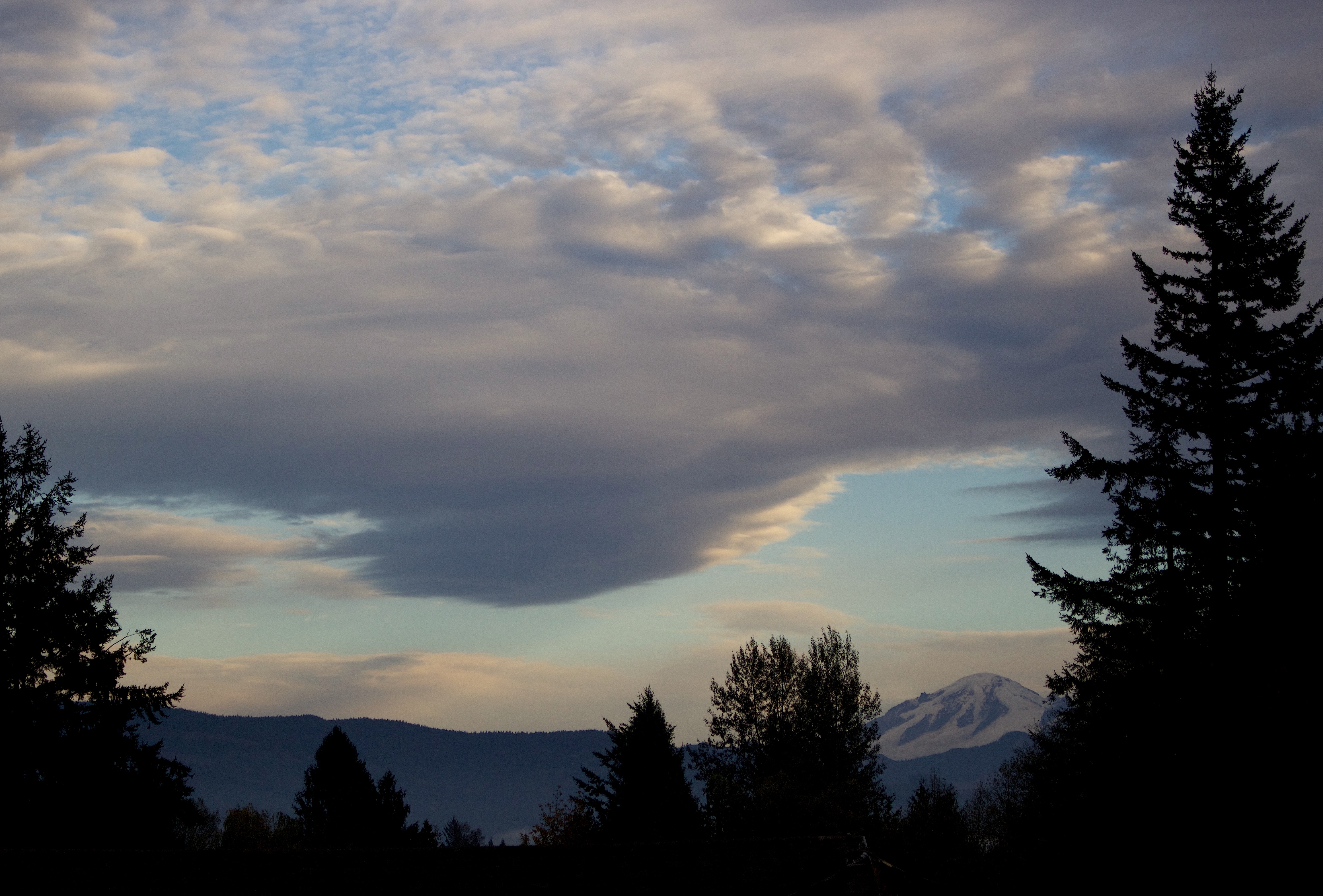
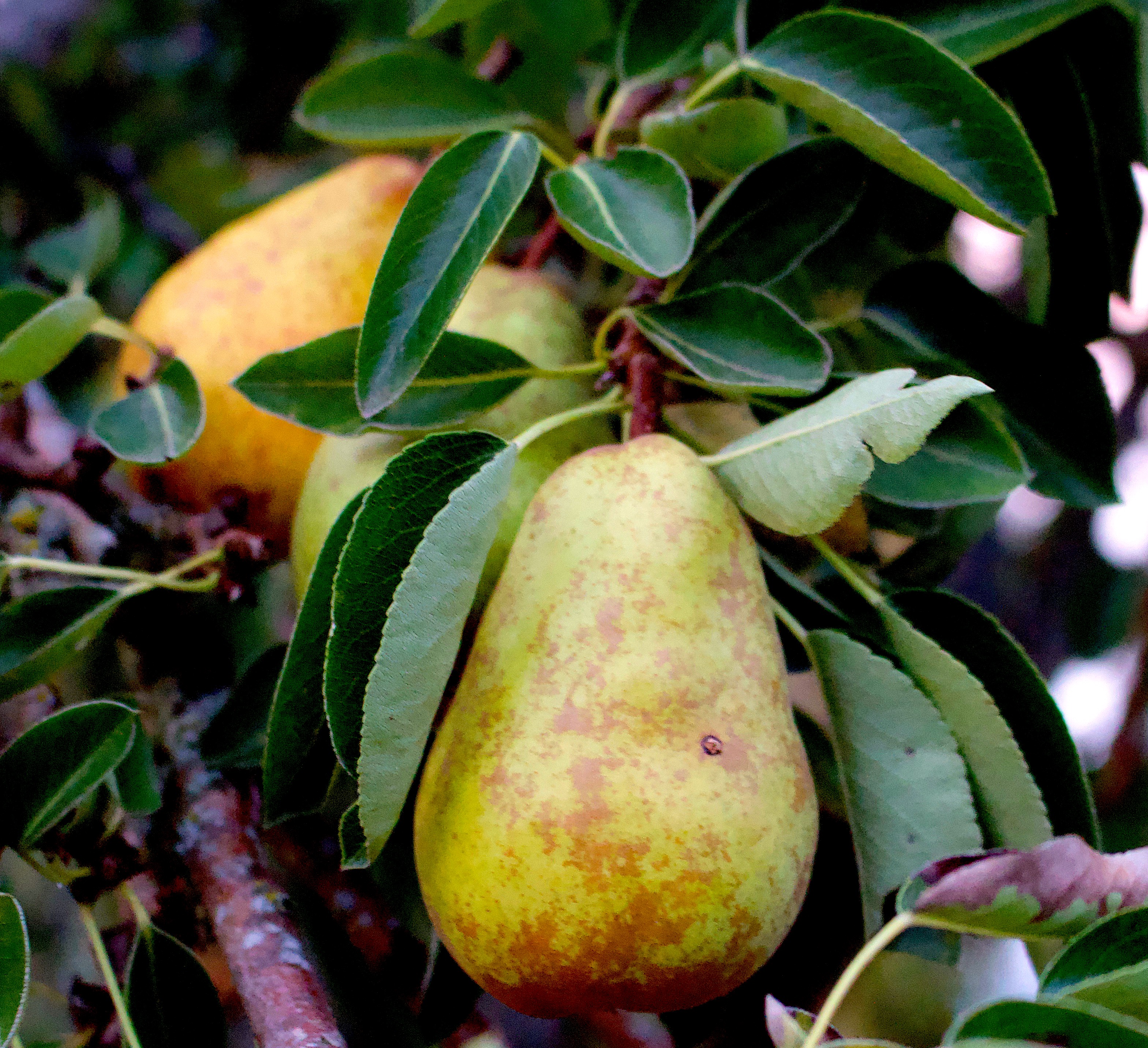
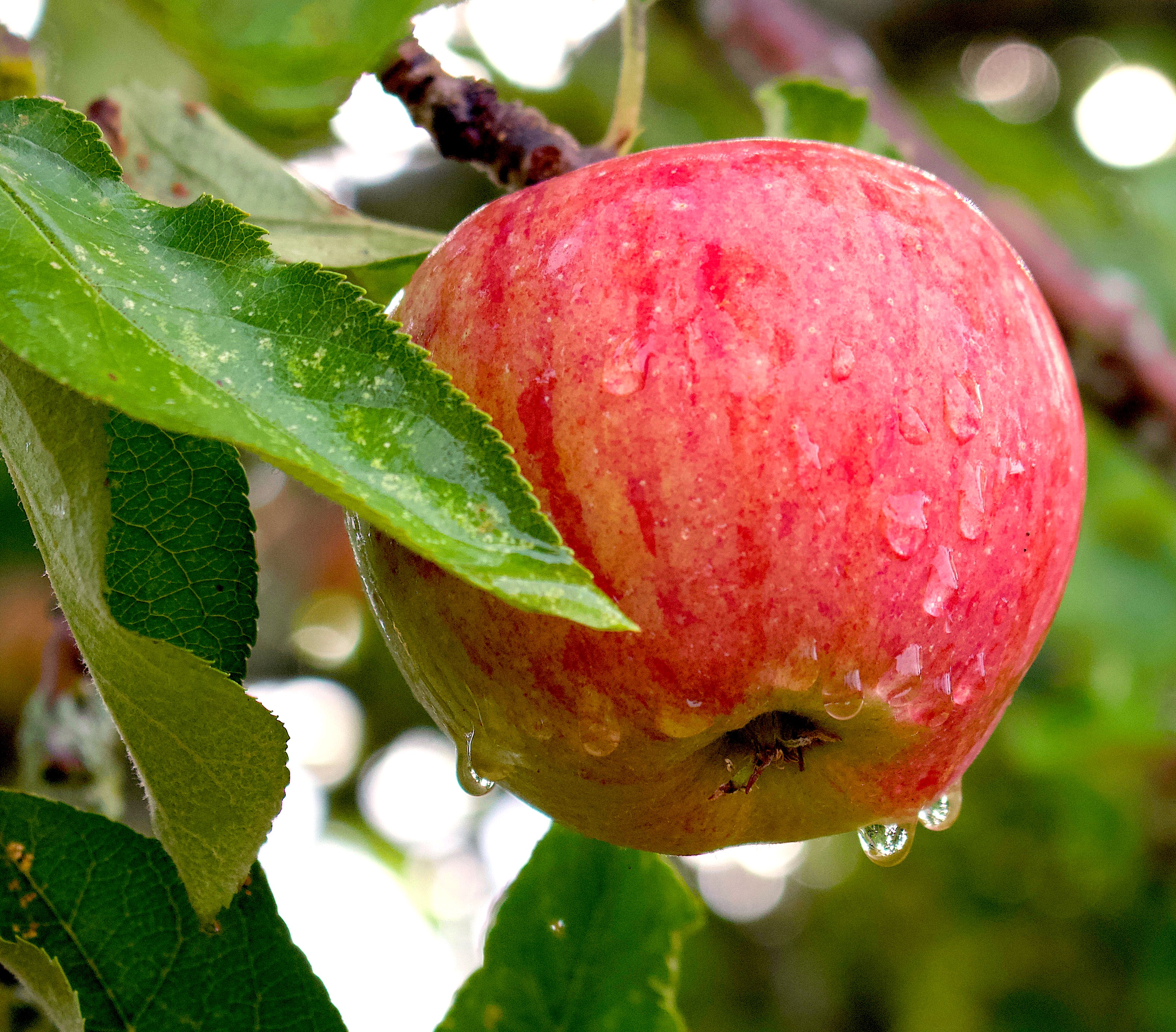
Summer has packed up, and moved on without bidding adieu or looking back over its shoulder. Cooling winds have carried in darkening clouds. I gaze upward to see and smell the change. Rain has fallen, long overdue, yet there is temptation to bargain for a little more time. Though we needed this good drenching, there are still potatoes to pull from the ground, apples and pears to pick, tomatoes not yet ripened, corn cobs too skinny to pick.
I’m just not ready to wave goodbye to sun-soaked clear skies.
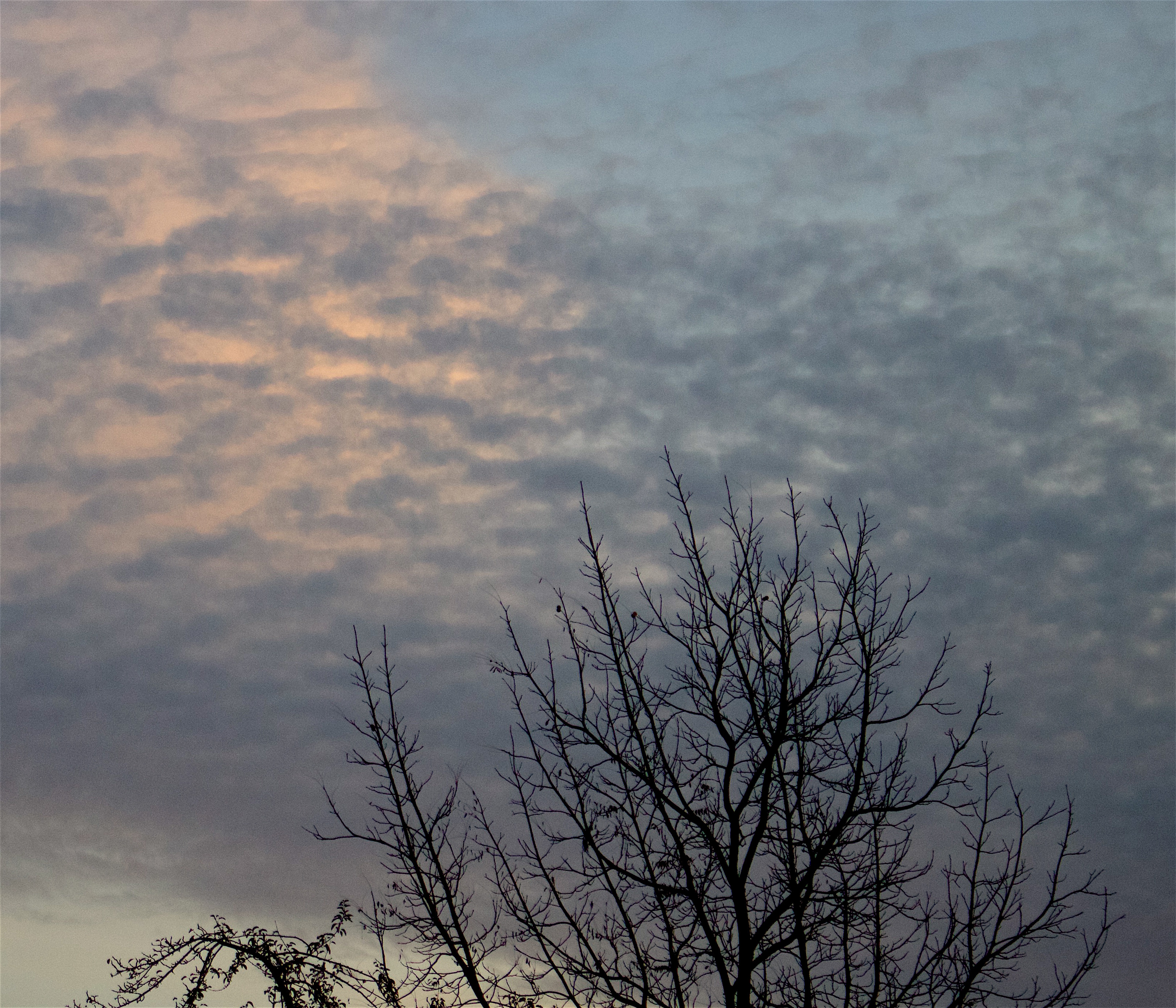
The overhead overcast is heavily burdened with clues of what is coming: earlier dusk, the feel of moisture, the deepening graying hues, the briskness of breezes, the inevitable mud and mold. There is no negotiation possible. I need to steel myself and get ready, wrapping myself in the soft shawl of inevitability.
So autumn advances with the clouds, taking up residence where summer left off. Though there is still clean up of the overabundance left behind, autumn will bring its own unique plans for an exhilarating display of a delicious palette of hues.
Lord, the time has come. The truth is we’ve seen nothing yet.
One-Time
Monthly
Yearly
Make a one-time or recurring donation to support daily Barnstorming posts
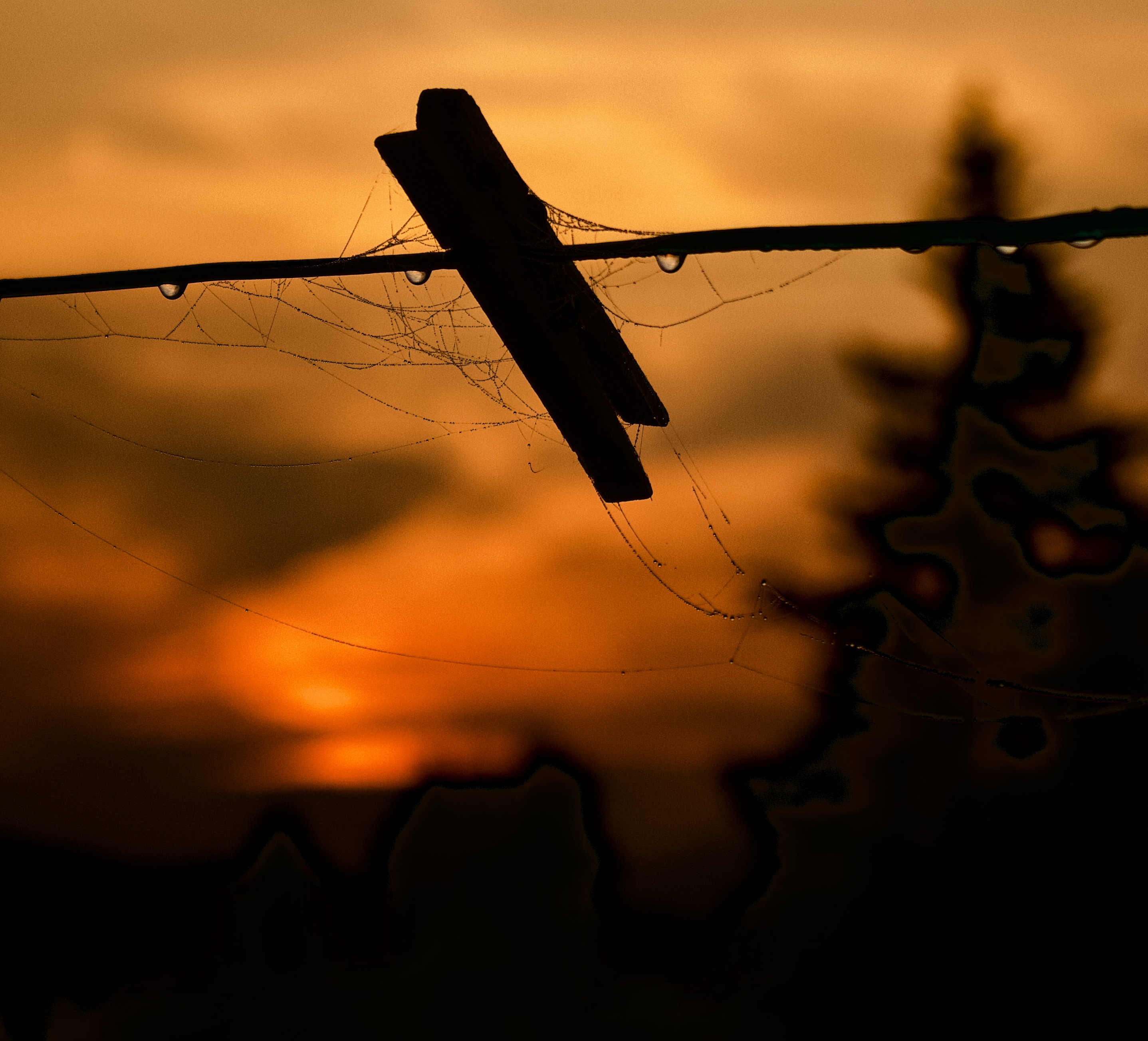
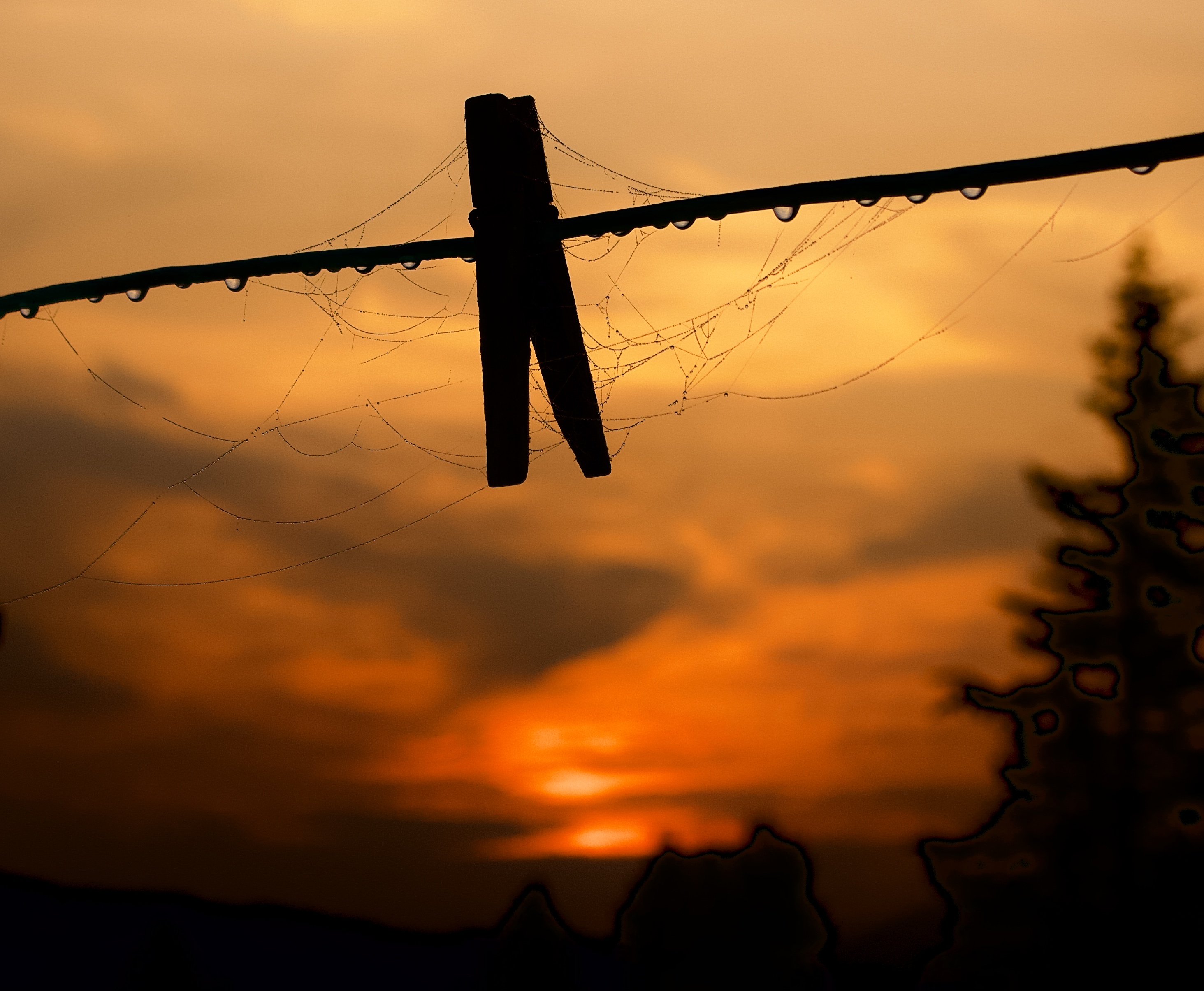
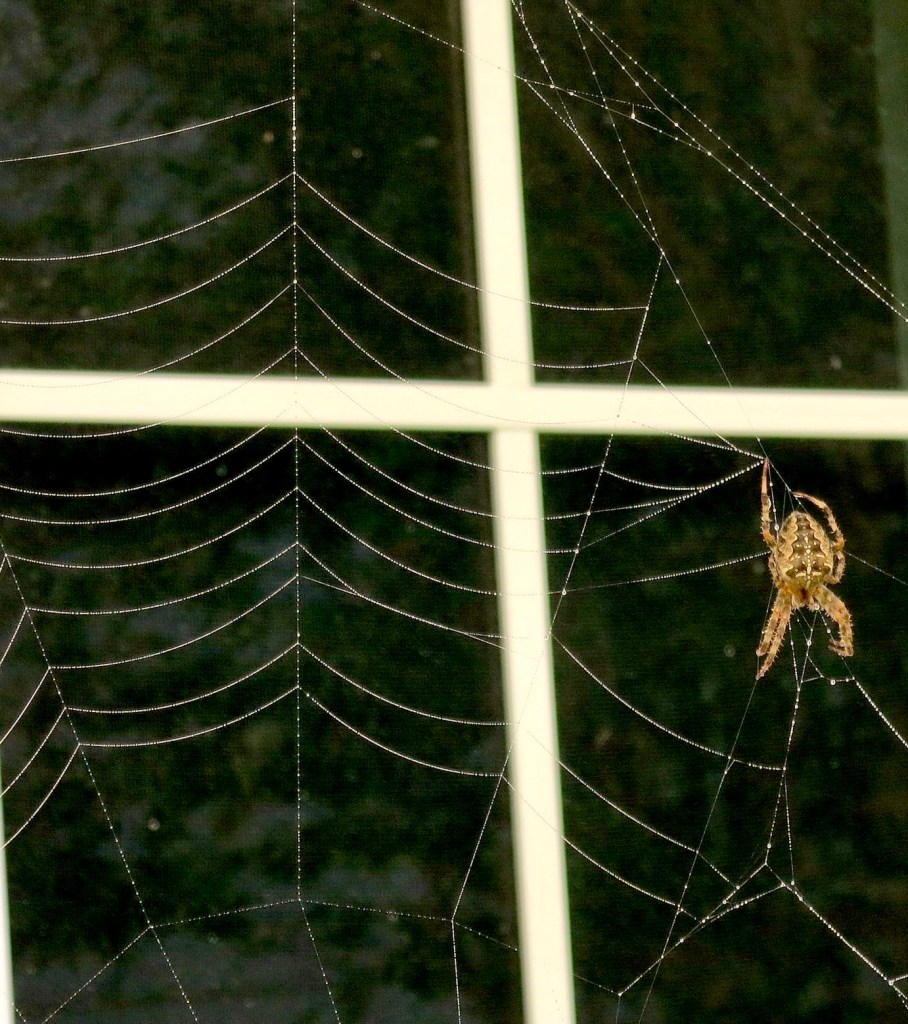
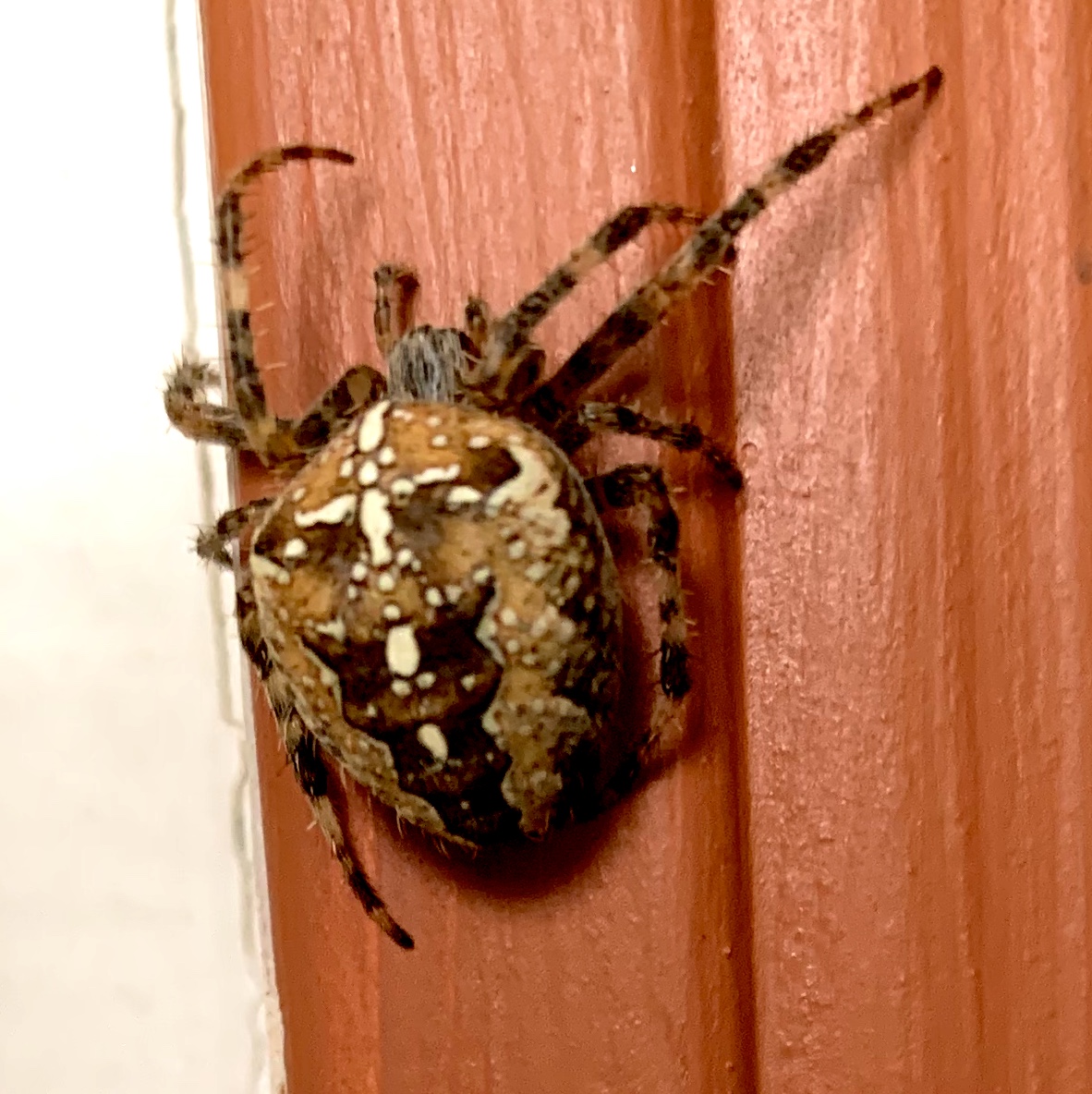
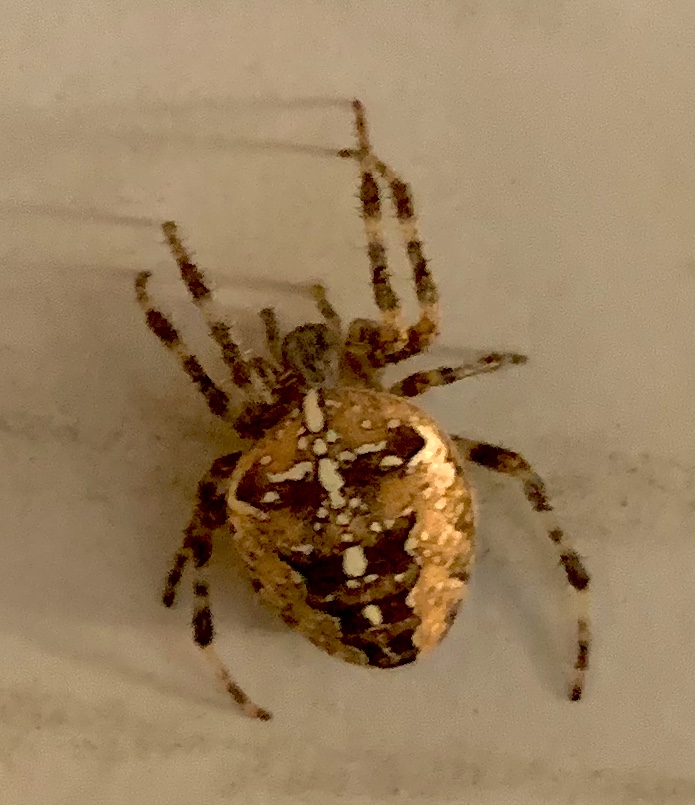
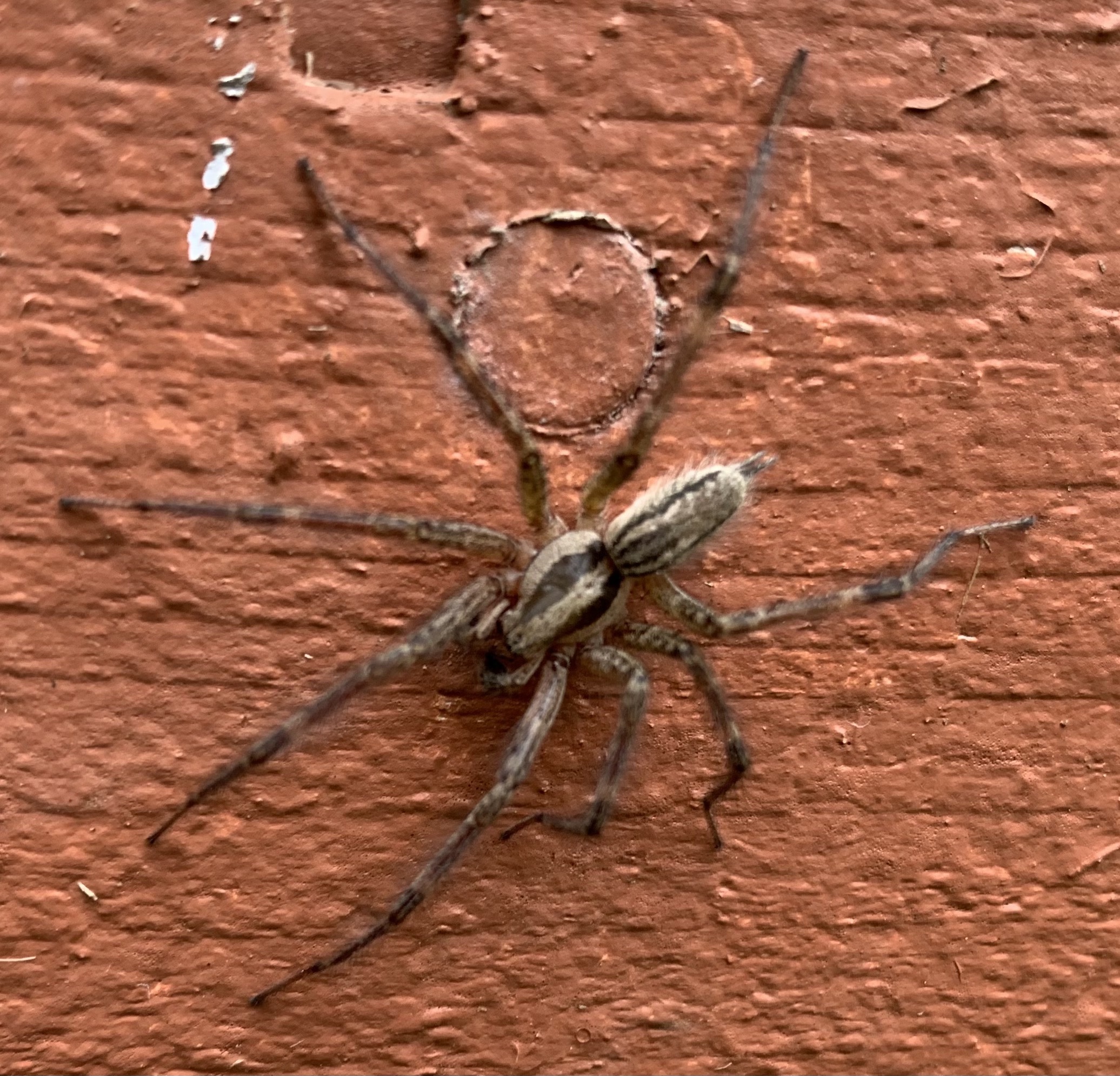
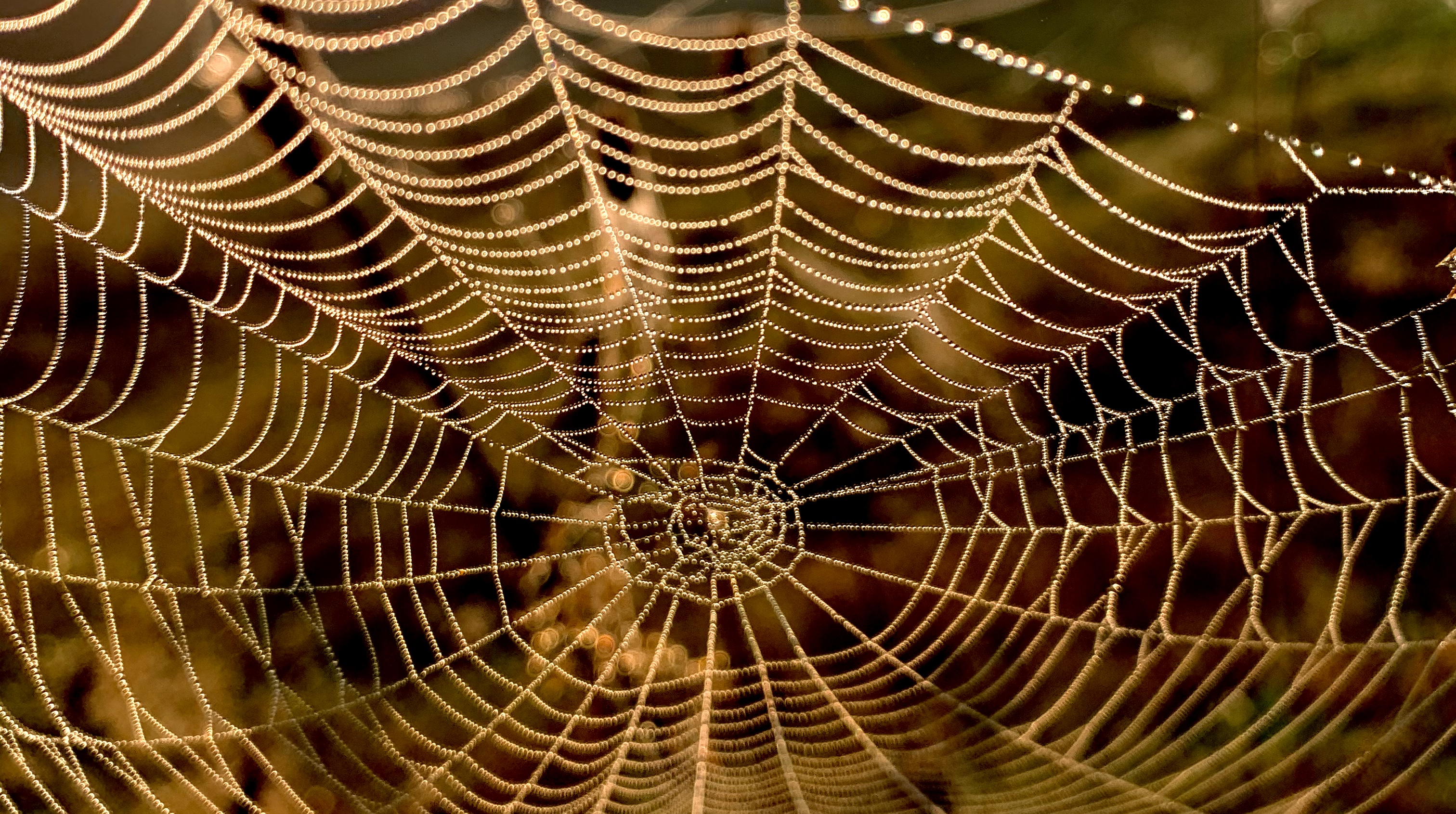
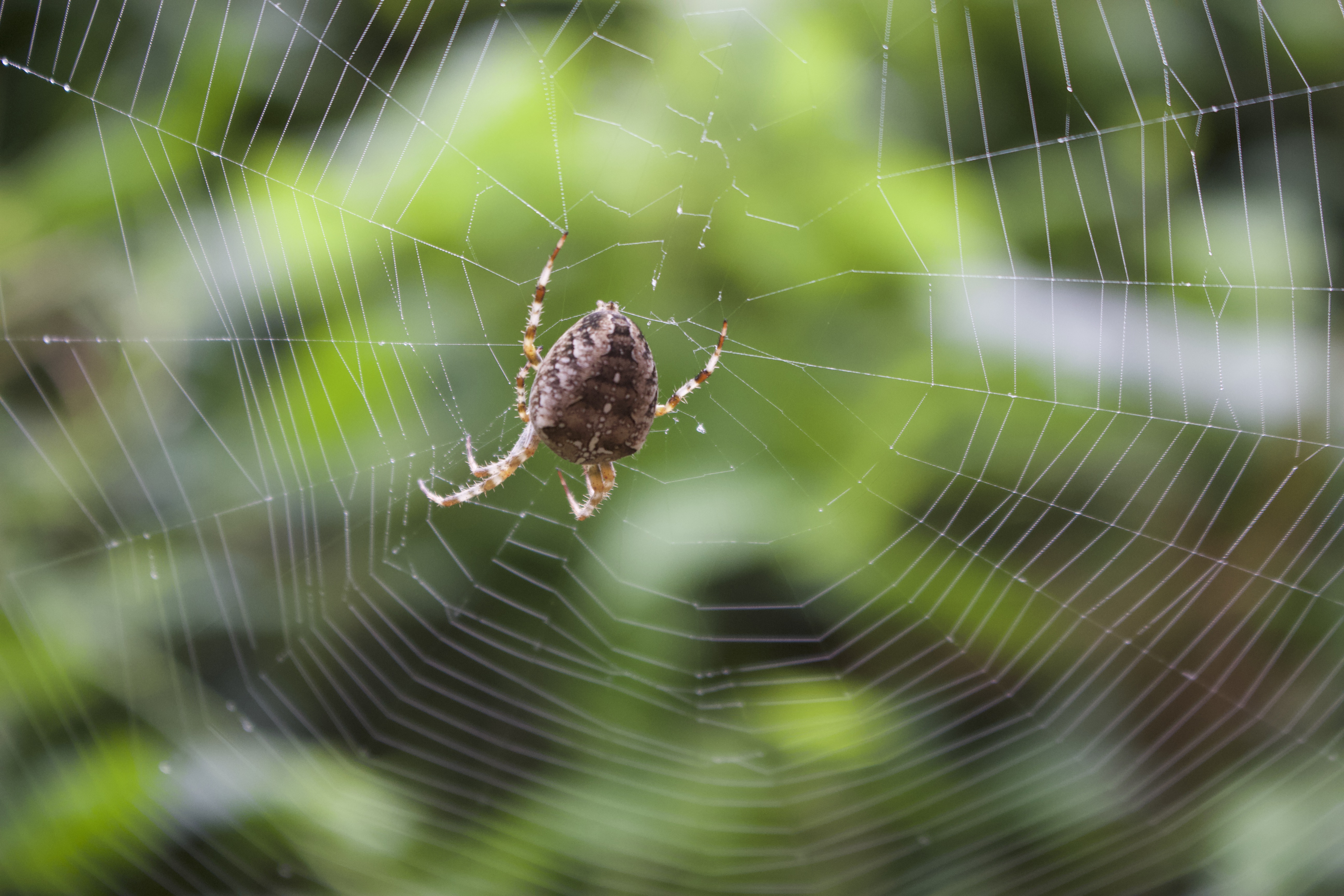
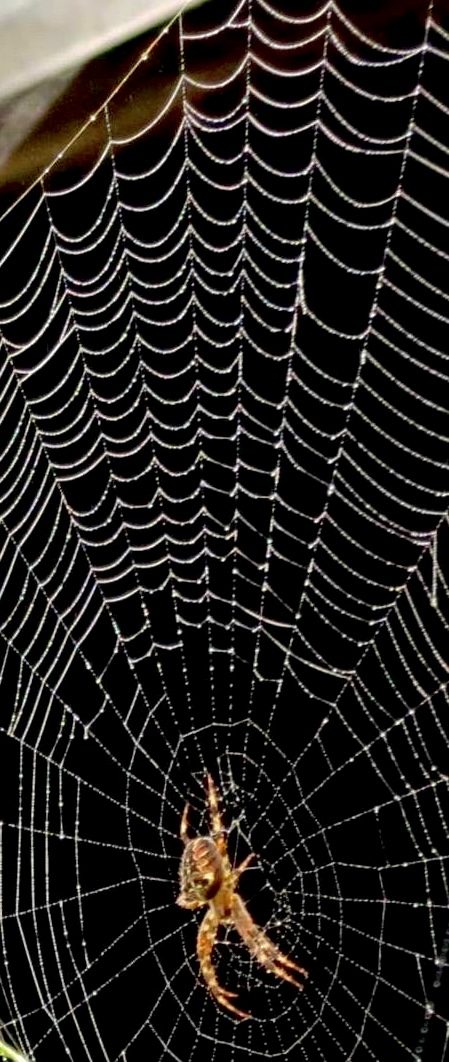
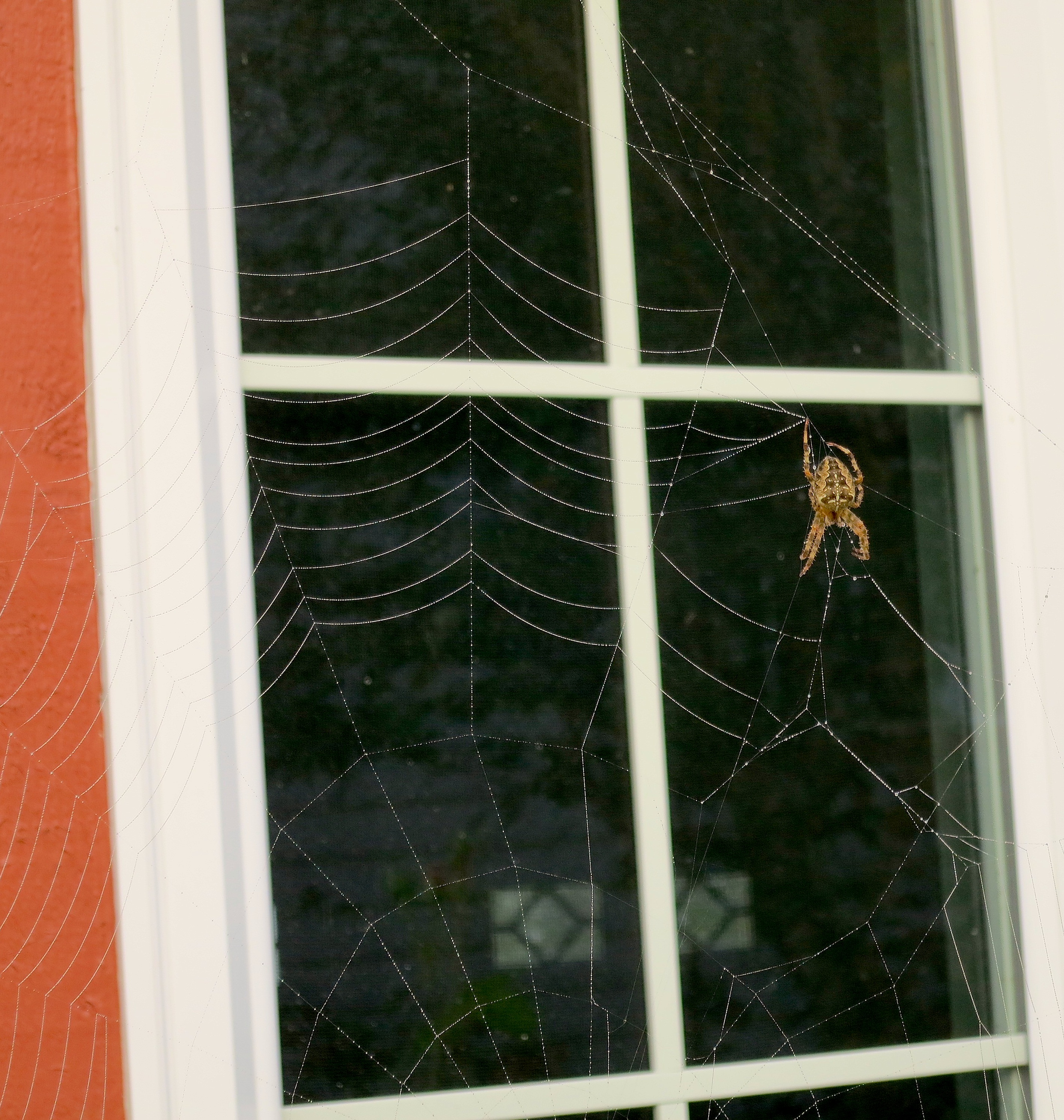
Don’t worry, spiders, I keep house casually. ~Kobayashi Issa (translation by Robert Hass)
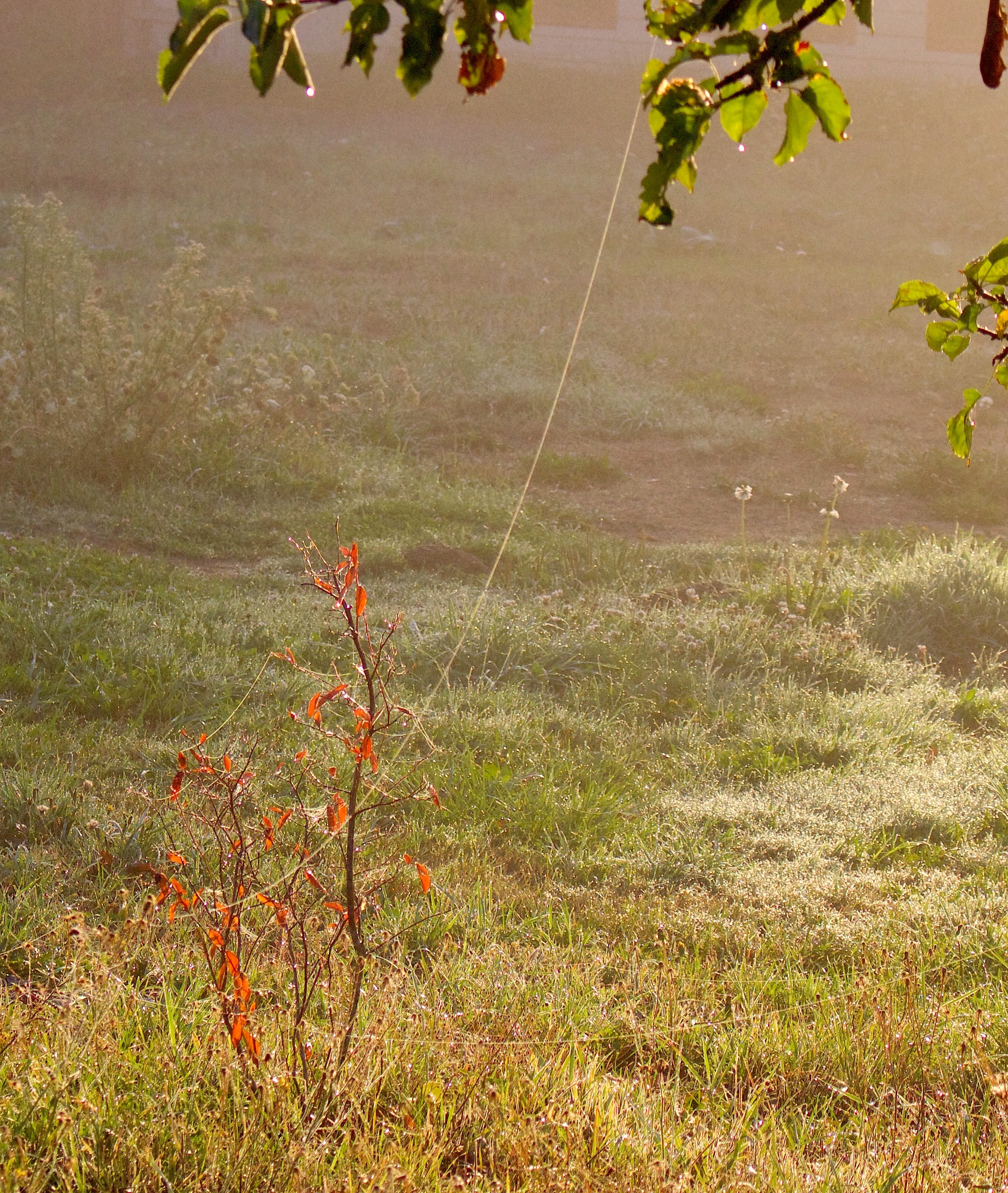
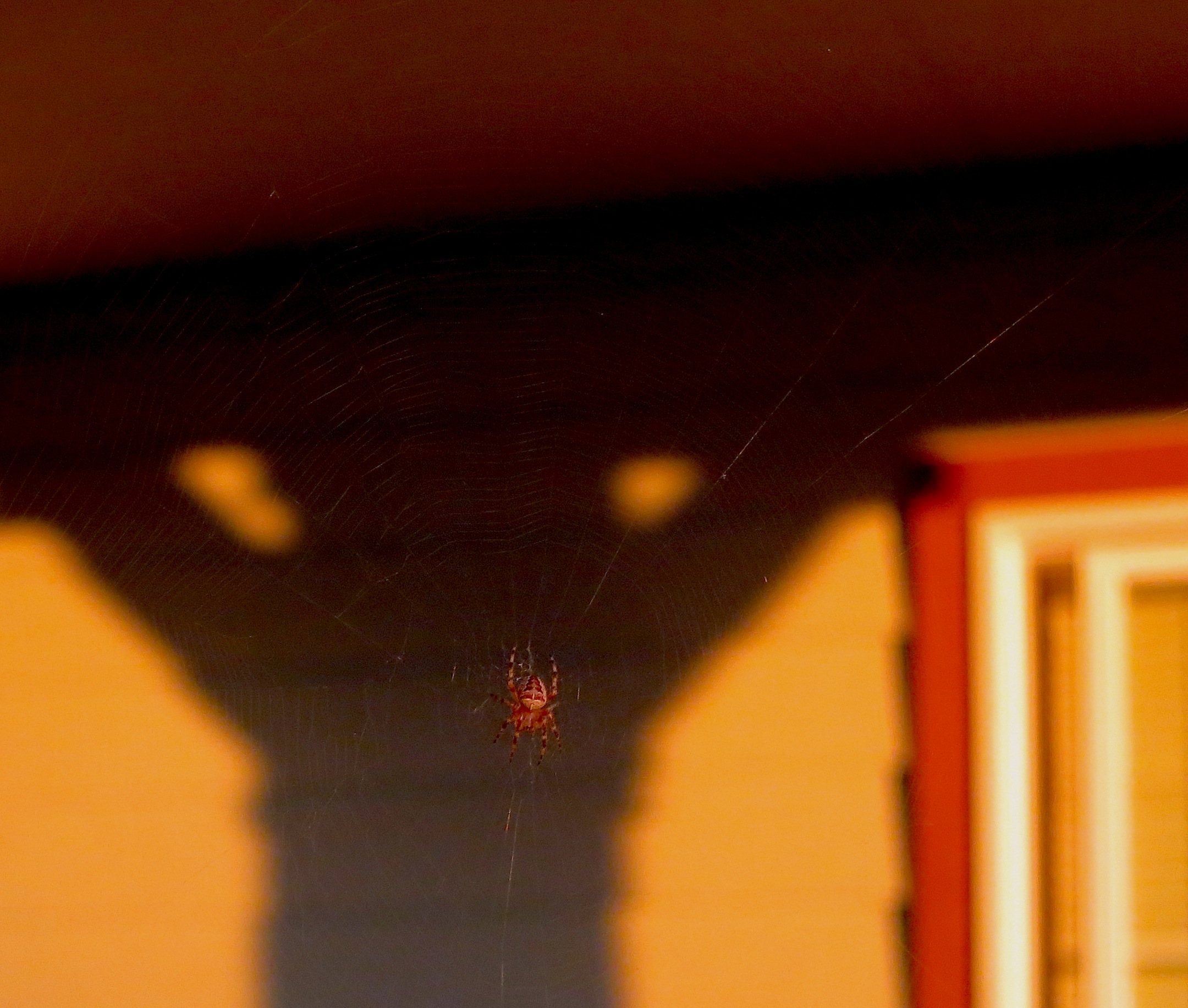
I don’t mind sharing our house with spiders this time of year. Even so, my hospitality tends to wane if they surprise me in the night by weaving their web at face height, right where I’ll be walking to the bathroom in the dark.
They appear in the most puzzling spots. I wonder if the spiders engage in magical thinking about what insects they might catch in the bathtub or above the kitchen sink. Maybe a fruit fly (or a hundred) this time of year?
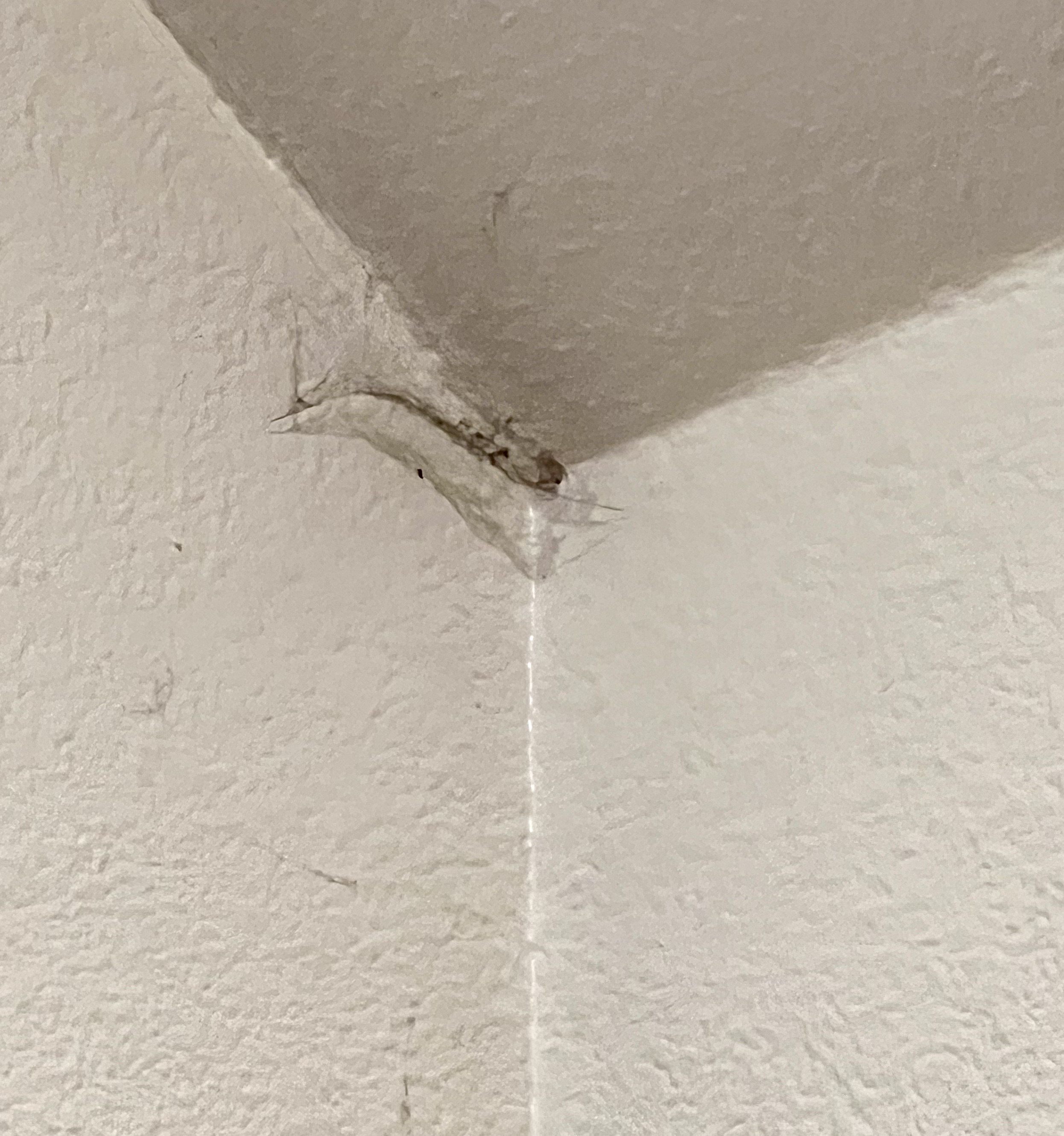
The living room, where we generally only sit when we have company, seems a rather formal spot for a spider to take up space in the upper corner, yet even there – cobwebs are hanging, abandoned and forlorn.
Good luck to you, my little arachnoid friends. Perhaps I’ll open the door to a few house flies and a moth or two and see if one might pay you a visit.
One-Time
Monthly
Yearly
Make a one-time or recurring donation to support daily Barnstorming posts































 Barnstorming