It happens in an instant. My grandma used to say someone is walking on your grave.
It’s that moment when your life is suddenly strange to you as someone else’s coat
you have slipped on at a party by accident, and it is far too big or too tight for you.
Your life feels awkward, ill fitting. You remember why you came into this kitchen, but you
feel you don’t belong here. It scares you in a remote numb way. You fear that you—
whatever you means, this mind, this entity stuck into a name like mercury dropped into water—
have lost the ability to enter your self, a key that no longer works. Perhaps you will be locked
out here forever peering in at your body, if that self is really what you are. If you are at all. ~Marge Piercy “Dislocation” from The Crooked Inheritance
This Self—Hispanic, Latin, blond, black, olive-skinned, native and immigrant— dispersed far and wide was here with everyone, yesterday and again today;
I am large, I contain multitudes. They will not manage to deny me or ignore me or declare me undocumented: I am written in you, in all, as all are in me… ~Luis Alberto Ambroggio from We Are All Whitman: #2:Song of/to/My/Your/Self
Each of us a work of art, heaven-sent, called to reflect on our own creation, placed in this world to feel grace when we stumble, unsure where we are to go, who we are meant to be, as if we don’t really belong here, a feeling of jamais vu when the familiar becomes strange.
This is who we are: called to act out that grace – to praise goodness, to protest evil, to grapple with reality, to respond to injustice, to change the direction we’re heading fearing who we become if we don’t .
A traditional Catalan Song from Pablo Casals, a symbol of peace and freedom worldwide
One-Time
Monthly
Yearly
Make a one-time or recurring donation to support daily Barnstorming posts
Love means to learn to look at yourself The way one looks at distant things For you are only one thing among many. And whoever sees that way heals his heart, Without knowing it, from various ills— A bird and a tree say to him: Friend.
Then he wants to use himself and things So that they stand in the glow of ripeness. It doesn’t matter whether he knows what he serves: Who serves best doesn’t always understand. ~Czeslaw Milosz “Love” from New and Collected Poems: 1931-2001
Let him kneel down, lower his face to the grass, And look at light reflected by the ground. There he will find everything we have lost… ~Czeslaw Milosz from “The Sun”
It’s not easy to subdue the needy ego and let the life-giving soul take control, even though doing so saves us grief and serves the world well. So if you see me on the street one day, quietly muttering, “Only one thing among many, only one thing among many…,” you’ll know I’m still working on it, or it’s still working on me. ~Parker Palmer “The Big Question: Does My Life Have Meaning?”
It is always tempting to be self-absorbed; since my heart stent placement nearly 8 months ago, I tend to analyze every sensation in my chest, fuss over how many steps I take daily, and get discouraged when the scale doesn’t register the sacrifices I think I’m making in my diet.
In other words, in my efforts to heal my physically-broken heart, I become the center of my attention, rather than just one among many things in the days/months/years I have left. I need to look at myself from a distance rather than under a microscope.
It is a skewed and futile perspective, seeking meaning and purpose in life by navel gazing.
Instead, I should be concentrating on the ripeness of each day. I’ve been given a second chance to recalibrate my journey through the time I have left, focusing outward, gazing at the wonders around me, sometimes getting down on my knees.
I don’t fully understand how I might serve others by what I share here online, or what I do in my local community with my hands and feet. I now know not to miss the moments basking in the glow of loving those around me, including you friends I may never meet on this side of the veil.
May you glow in ripeness as well.
One-Time
Monthly
Yearly
Make a one-time or recurring donation to support daily Barnstorming posts
Think of this – that the writer wrote alone, and the reader read alone, and they were alone with each other. ~A.S. Byatt from Possession
If librarians were honest, they would say, No one spends time here without being changed. Maybe you should go home. While you still can. ~Joseph Mills from “If Librarians Were Honest”
Why are we reading, if not in hope of beauty laid bare, life heightened and its deepest mystery probed?
Can the writer isolate and vivify all in experience that most deeply engages our intellects and our hearts?
Why are we reading, if not in hope that the writer will magnify and dramatize our days, will illuminate and inspire us with wisdom, courage and the hope of meaningfulness, and press upon our minds the deepest mysteries, so we may feel again their majesty and power? ~Annie Dillard from “Write Till You Drop”
…for people who love books and need To touch them, open them, browse for a while, And find some common good––that’s why we read. Readers and writers are two sides of the same gold coin. You write and I read and in that moment I find A union more perfect than any club I could join: The simple intimacy of being one mind. Here in a book-filled sun-lit room below the street, Strangers––some living, some dead––are hoping to meet. ~Garrison Keillor
The mere brute pleasure of reading–the sort of pleasure a cow has in grazing. ~G.K. Chesterton
Each day as I decide what to share here, I think of each of you who might open my email, or click on a link to see what I have to say.
We are alone together, you and I, for only a few minutes. I consider that precious time you are entrusting to me and want to make it worthwhile.
When you read this, you may be eating breakfast, or in the middle of your workday at the computer, or on your phone during a commute, or sitting in a waiting room wondering when your name will be called.
Or maybe you are sitting in the bathroom, or past ready to fall asleep in bed.
I am honored and humbled to hear from you after our alone time together each day.
I too spend reading time alone every day, grateful for what writers write while alone. I don’t tell them often enough how they change my day for the better.
Some are long gone from this world, so I’ll never have the chance.
Like infinite blades of grass in a pasture, I find far too many words to read — so much to consume, so little time. I nibble away, blade by blade, page by page, word by word, but the greatest pleasure of all is to settle down into a good long cud-chewing session, redigesting and mulling over what all I’ve taken in.
It is brute pleasure to take in words that grow roots so deep they never go away, words that sustain and make me grow and keep me alive. Words to illuminate from without and within.
The partly open hay barn door, white frame around the darkness, the broken board, small enough for a child to slip through.
Walking in the cornfields in late July, green tassels overhead, the slap of flat leaves as we pass, silent and invisible from any road.
Hollyhocks leaning against the stucco house, peonies heavy as fruit, drooping their deep heads on the dog house roof.
Lilac bushes between the lawn and the woods, a tractor shifting from one gear into the next, the throttle opened,
the smell of cut hay, rain coming across the river, the drone of the hammer mill, milk machines at dawn. ~Joyce Sutphen “The Last Things I’ll Remember” from First Words
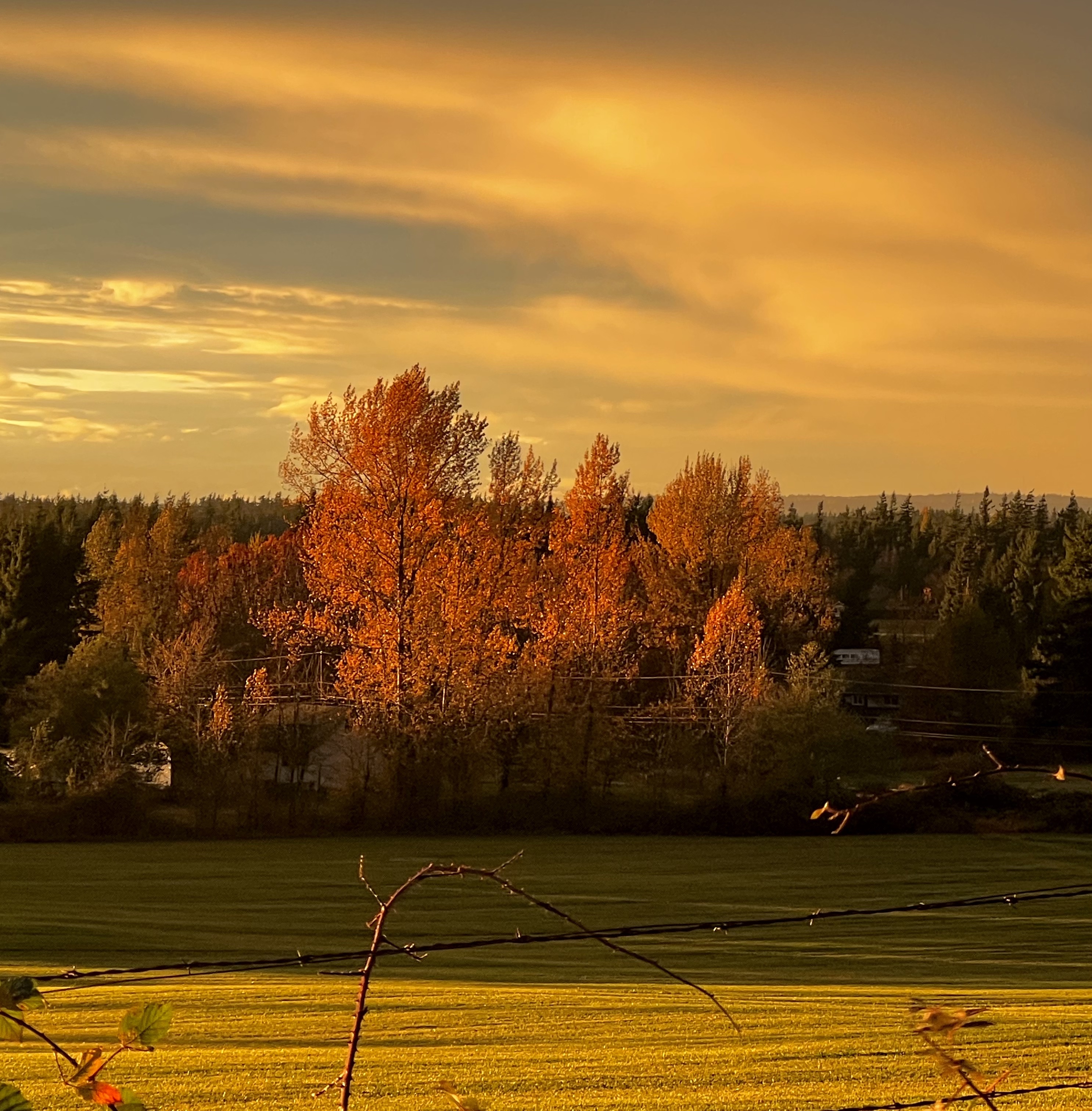
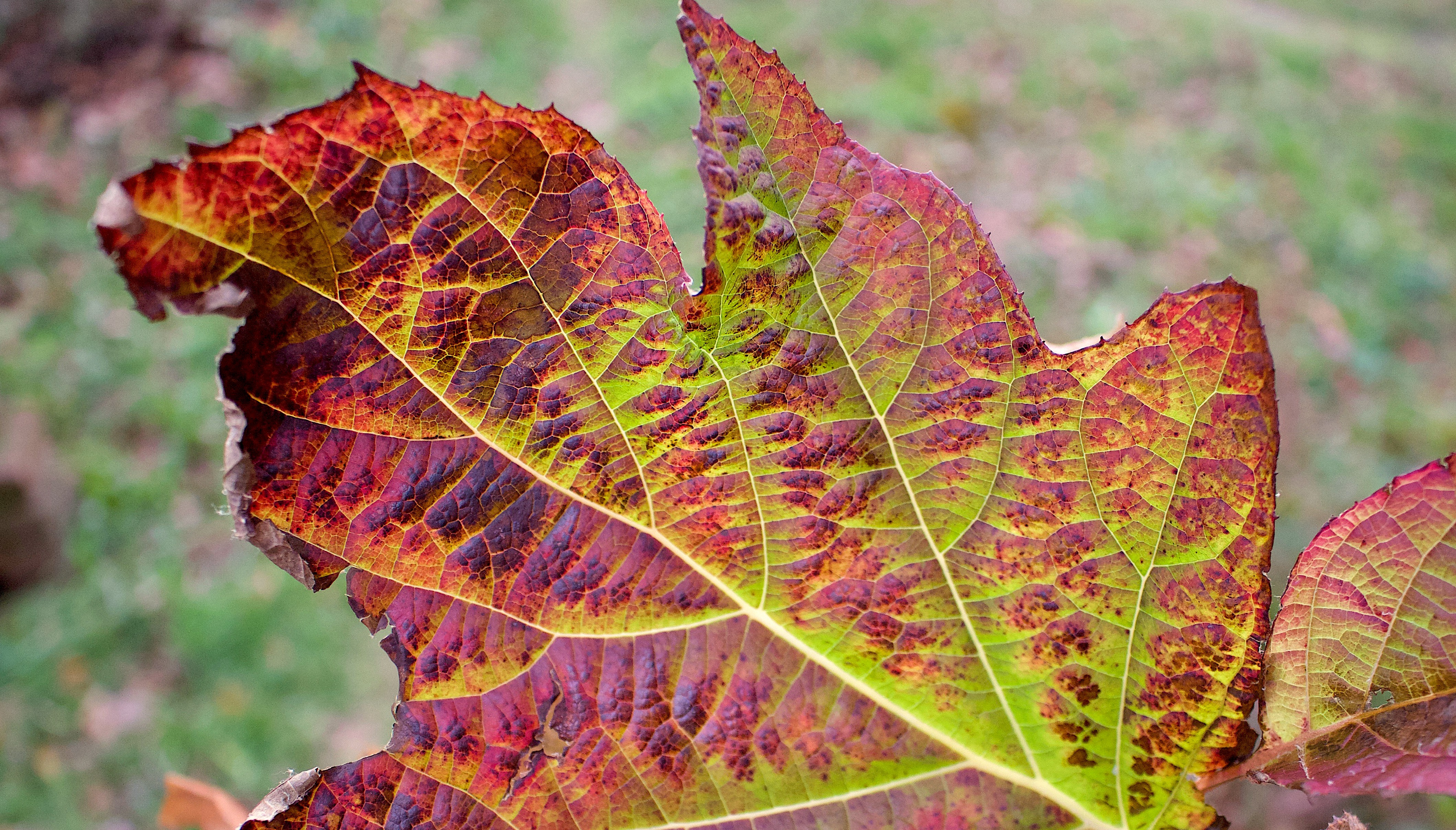
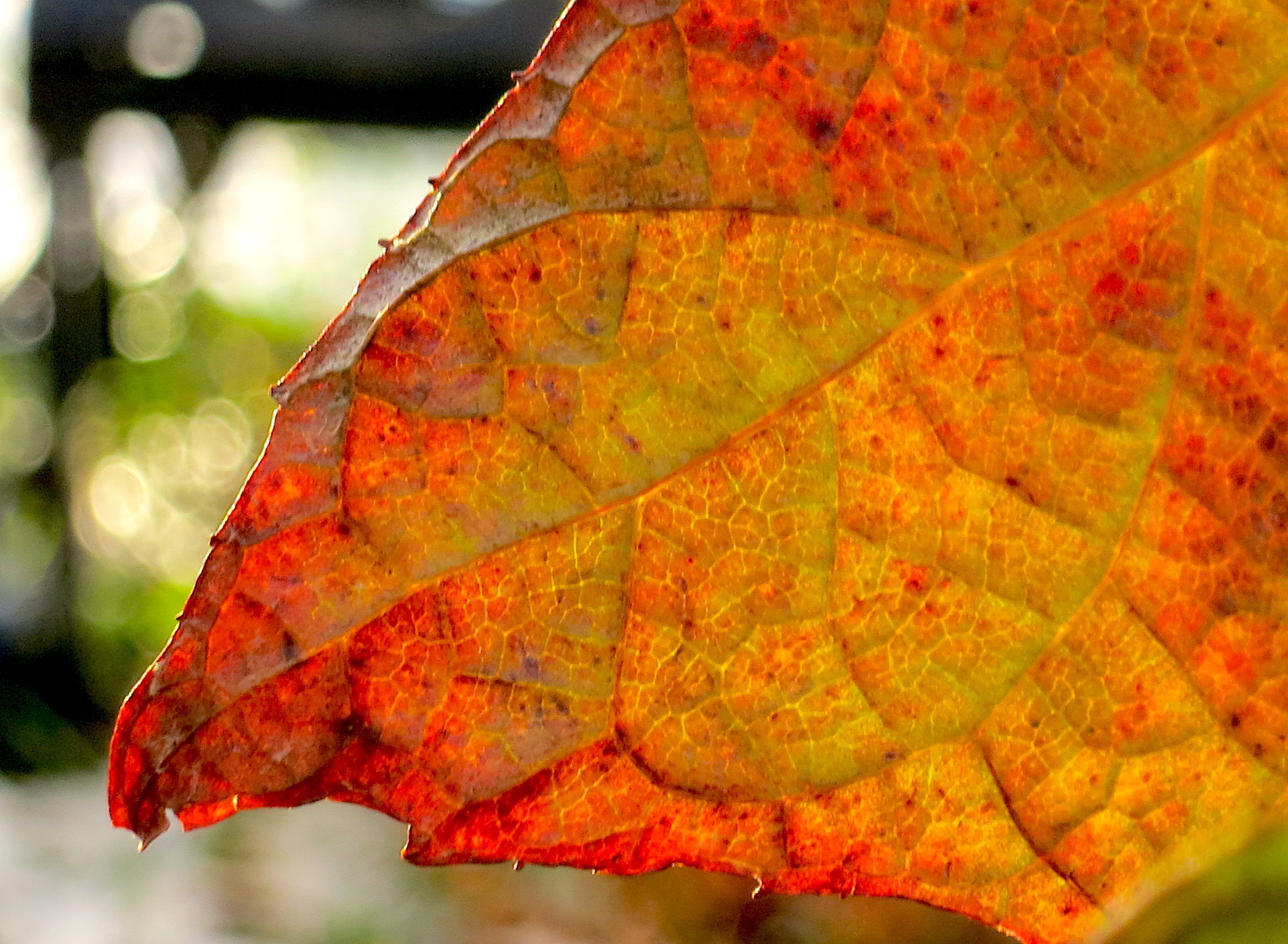
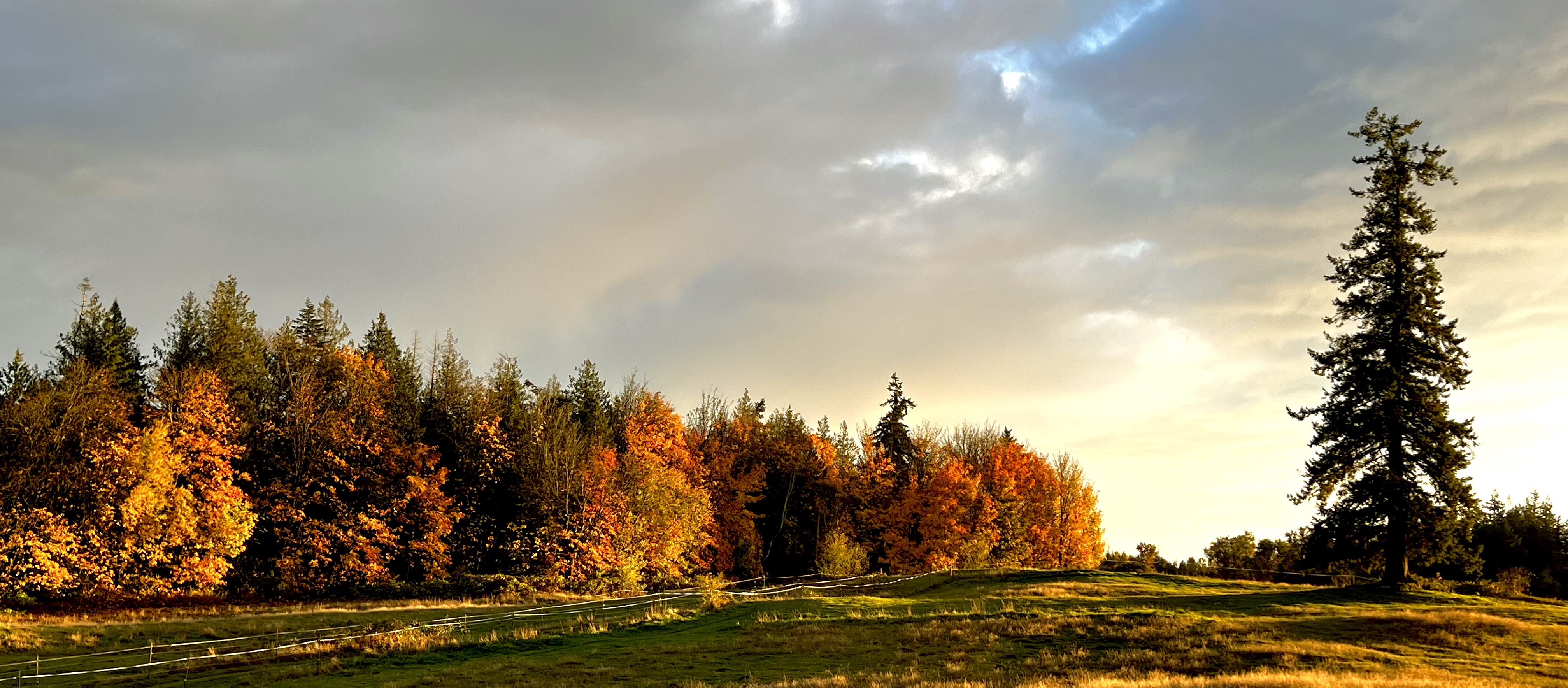
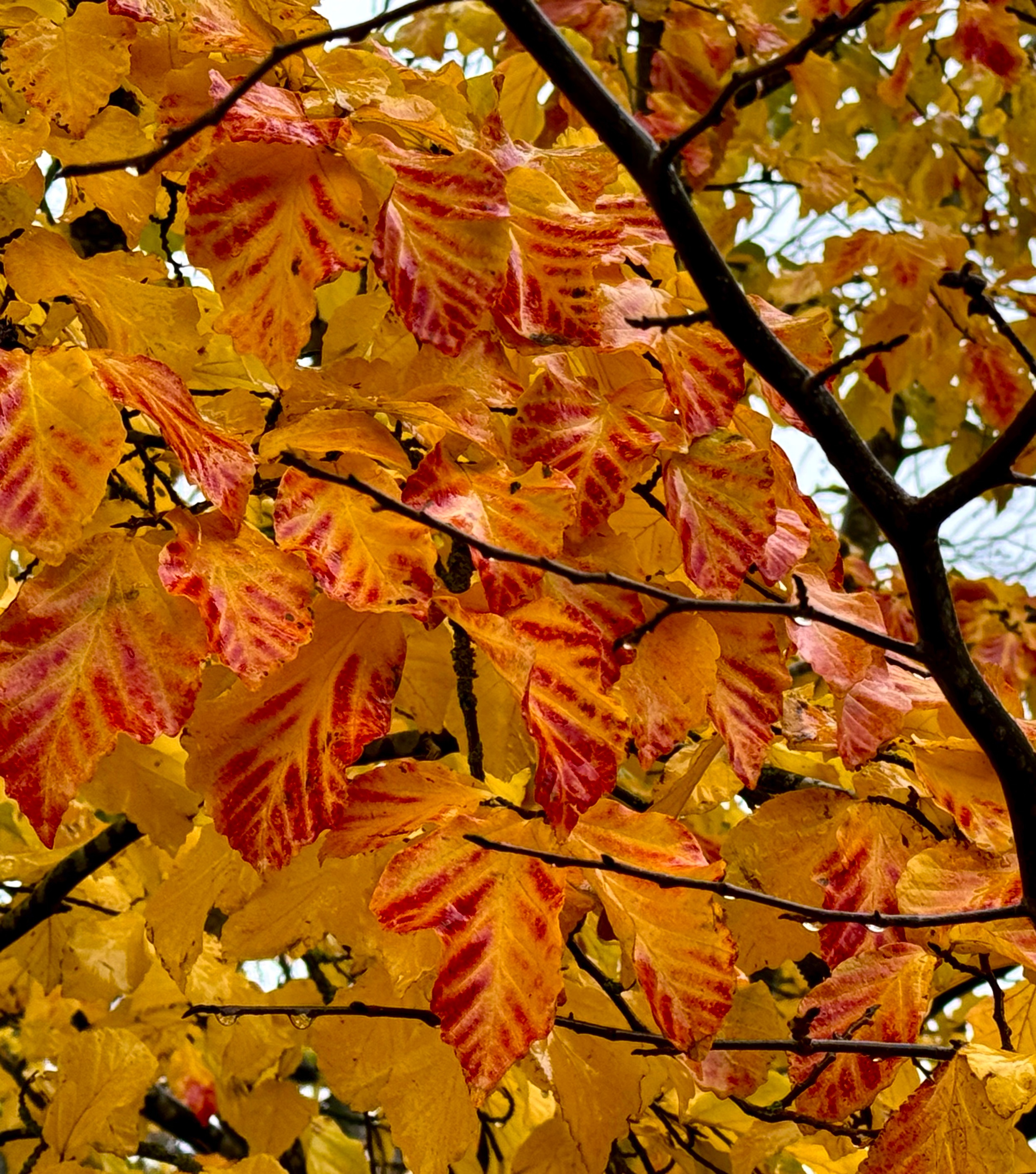
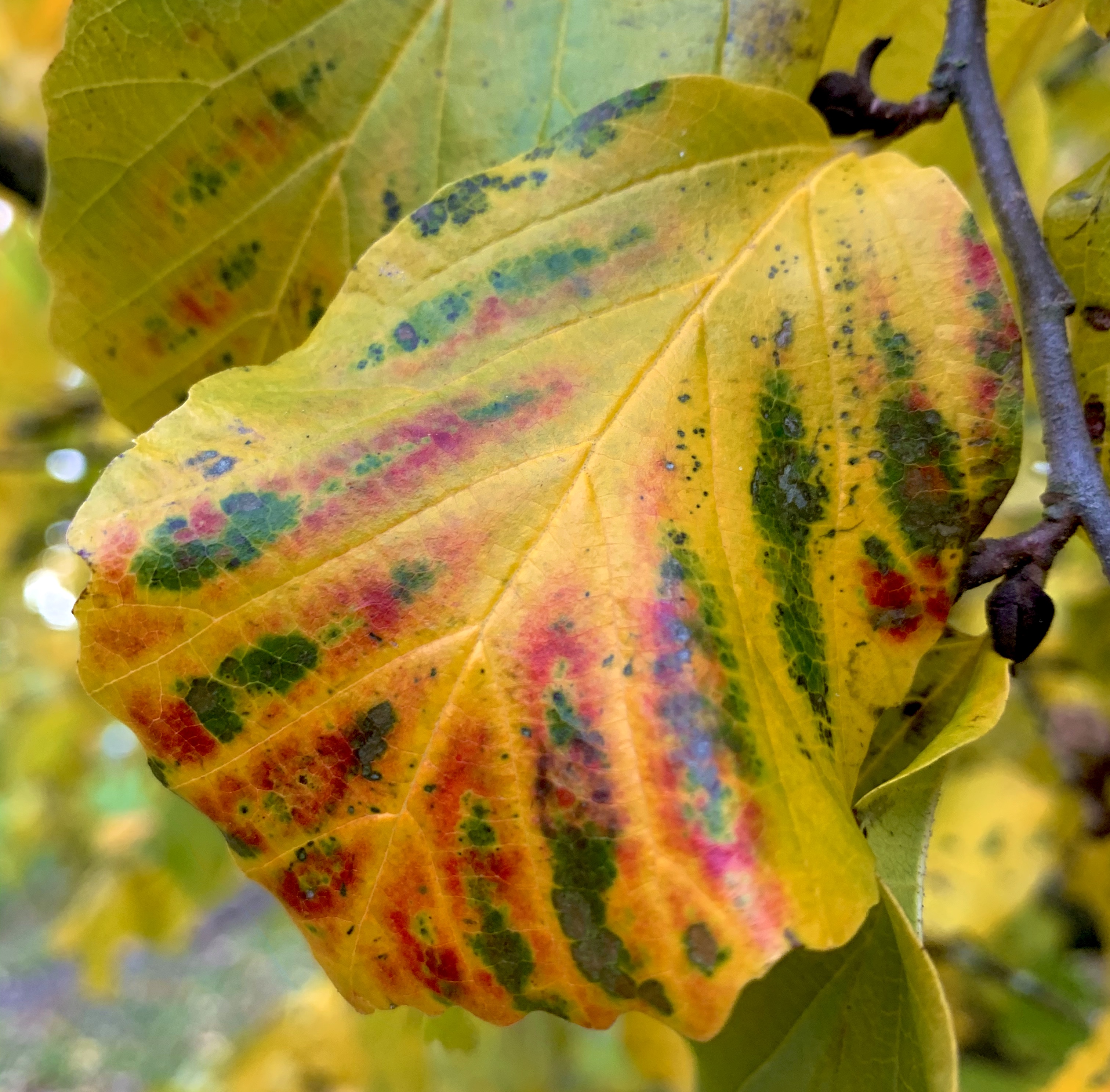
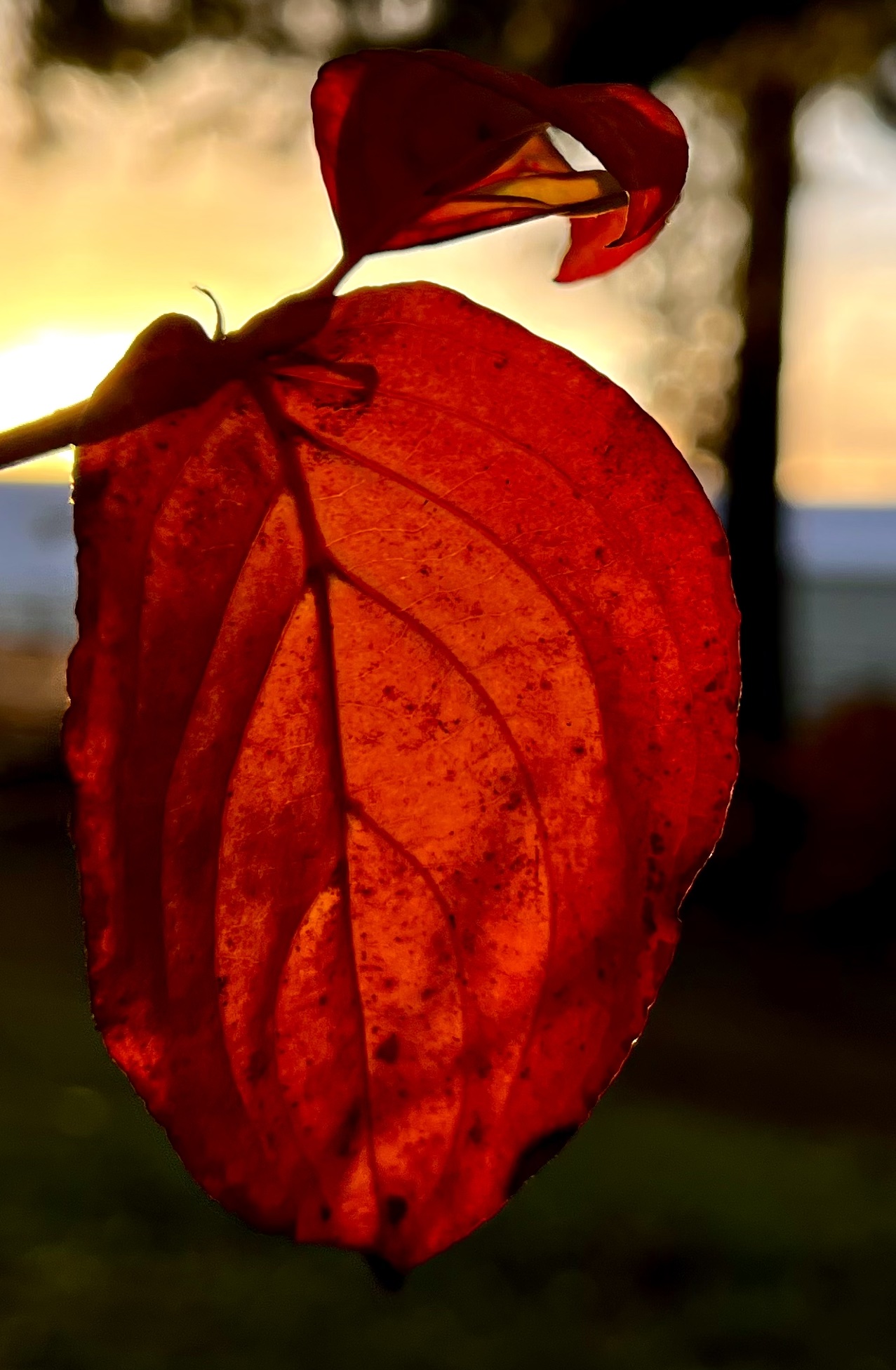
I turn this seasonal corner, facing deep into autumn, summer fading in the rear view mirror.
Even as the air bares chill, and the clouds sopping soak, the riches of summer remain vivid.
Let me remember: even if I too fade away, readying for the next turn.
One-Time
Monthly
Yearly
Make a one-time or recurring donation to support daily Barnstorming posts
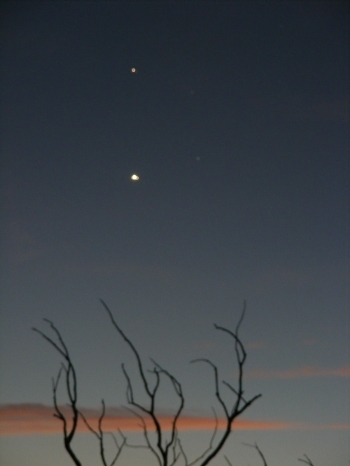
The sound of quiet. The sky indigo, steeping deeper from the top, like tea. In the absence of anything else, my own breathing became obscene. I heard the beating of bats’ wings before the air troubled above my head, turned to look and saw them gone. On the surface of the black lake, a swan and the moon stayed perfectly still. I knew this was a perfect moment. Which would only hurt me to remember and never live again. My God. How lucky to have lived a life I would die for. ~Leila Chatti “I Went Out to Hear” from Wildness Before Something Sublime
Look, the trees are turning their own bodies into pillars
of light, are giving off the rich fragrance of cinnamon and fulfillment,
the long tapers of cattails are bursting and floating away over the blue shoulders
of the ponds, and every pond, no matter what its name is, is
nameless now. Every year everything I have ever learned
in my lifetime leads back to this: the fires and the black river of loss whose other side
is salvation, whose meaning none of us will ever know. To live in this world
you must be able to do three things: to love what is mortal; to hold it
against your bones knowing your own life depends on it; and, when the time comes to let it go, to let it go. ~Mary Oliver “In Blackwater Woods” from Devotions
(thinking today of God’s gift to the world of Jane Goodall, whose life was about keeping promises)
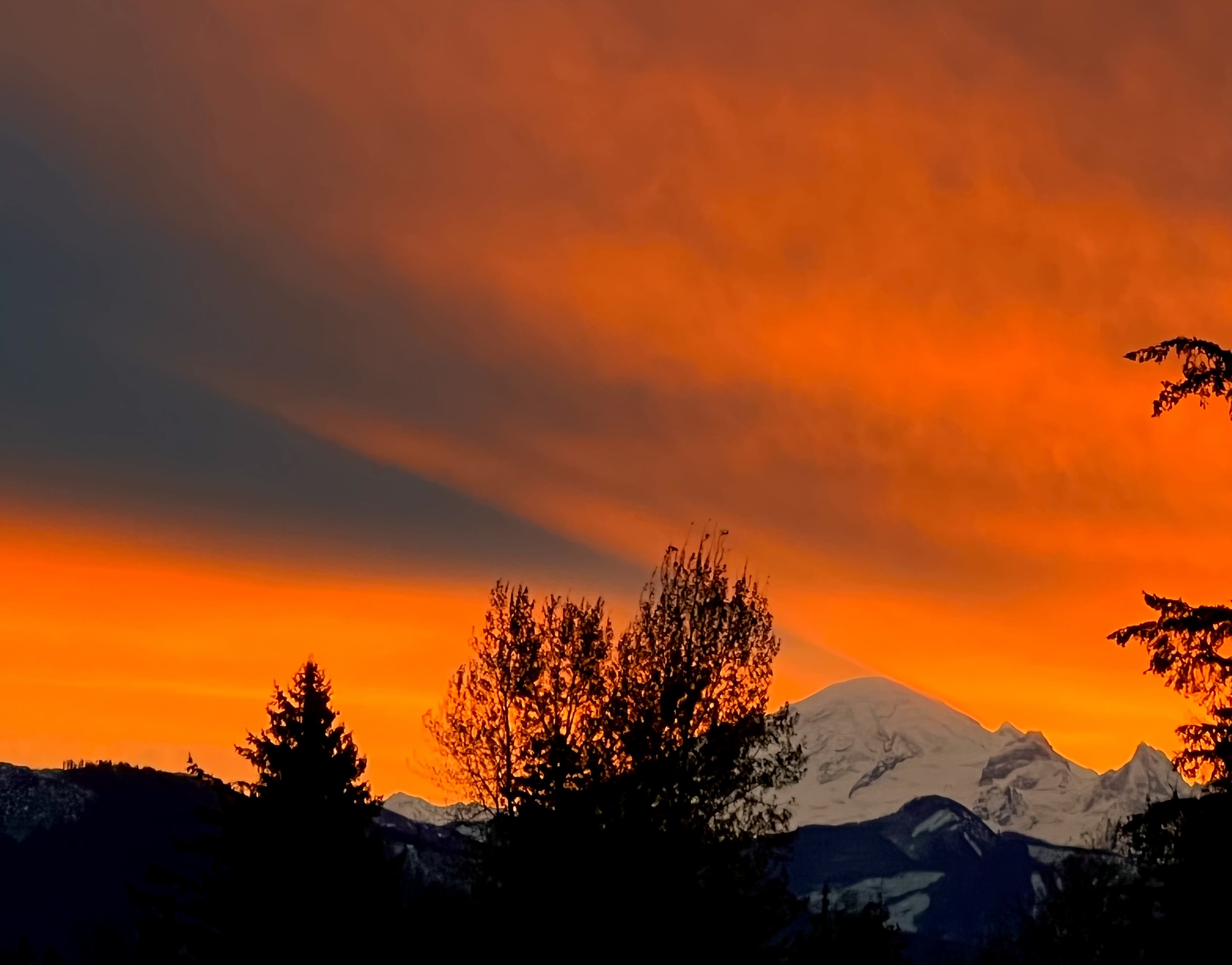
When the earth and all that is in it glows indigo in the angled light of October; opening my eyes as witness to beauty takes my breath away.
I can’t imagine letting go this life, yet the other side of ashes and loss is salvation.
My God. I am so finite. I hold this close to my bones with miles to go before I sleep.
My life depends on realizing I’m living a life I would die for.
photo of Jane Goodall in 2018, smiling as I came up to give her a hug, courtesy of WWU University Communications
I wasn’t prepared to hear yesterday that my professor, mentor, and friend Dr. Jane Goodall had passed away at age 91, while in the midst of her lecture tour in the United States.
I nearly believed Jane would be immortal; she lived as if she were. She had a message to deliver and as long as she could, she would. She truly “died in the harness” after decades and decades of traveling the world, recruiting people to her cause to save the world for the next generation of plants, animals and humans, and the next and the next…
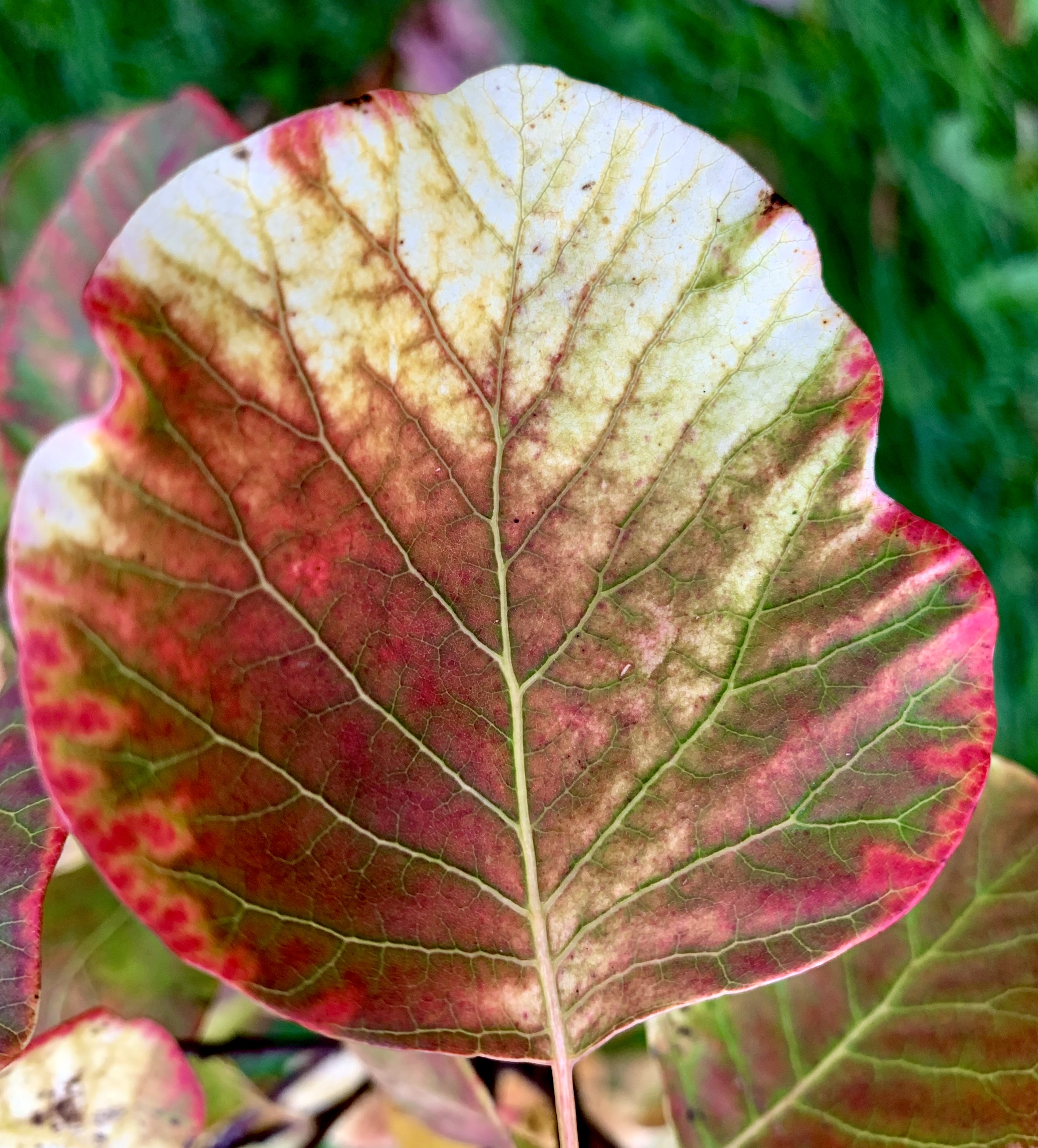
She was a born observer and storyteller, able to reach and move us with her verbal and writing ability to help place us in her shoes in the wild as she witnessed what no one else had. This was, of course, aided by Hugo van Lawick’s compelling wildlife photography and video every child of the 1950s and 60s grew up watching.
As a college student taking her class on non-human primate behavior, I was riveted by the content of her course lectures about the work she was doing at Gombe. I hoped I could somehow help in the long-term study there, and was ready to commit to a year of training preparation: recording captive chimpanzee behavior at Stanford, while learning Swahili.
On a spring day in May 1974:
Standing outside a non-descript door in a long dark windowless hallway of offices at the Stanford Medical Center, I took a deep breath and swallowed several times to clear my dry throat. I hoped I had found the correct office, as there was only a number– no nameplate to confirm who was inside.
I was about to meet my childhood hero, someone whose every book I’d read and every TV documentary I had watched. I knocked with what I hoped was the right combination of assertiveness (“I want to be here to talk with you and prove my interest”) and humility (“I hope this is a convenient time for you as I don’t want to intrude”).
I heard a soft voice on the other side say “Come in” so I slowly opened the door.
It was a bit like going through the wardrobe to enter Narnia.
Bright sunlight streamed into the dark hallway as I stepped over the threshold. Squinting, I stepped inside and quickly shut the door behind me as I realized there were at least four birds flying about the room. They were taking off and landing, hopping about feeding on bird seed on the office floor and on the window sill. The windows were flung wide open with a spring breeze rustling papers on the desk. The birds were very happy occupying the sparsely furnished room, which contained only one desk, two chairs and Dr. Jane Goodall.
She stood up and extended her hand to me, saying, quite unnecessarily, “Hello, I’m Jane” and offered me the other chair when I told her my name. She was slighter than she appeared when speaking up at a lectern, or on film. Sitting back down at her desk, she busied herself reading and marking her papers, seemingly occupied for a bit and not to be disturbed.
It was as if I was not there at all.
It was disorienting. In the middle of a bustling urban office complex containing nothing resembling plants or a natural environment, I had unexpectedly stepped into a bird sanctuary instead of sitting down for a job interview. I wasn’t sure what I was supposed to do or say. Jane didn’t really ever look directly at me, yet I was clearly being observed.
So I waited, watching the birds making themselves at home in her office, and slowly feeling more at home myself. I felt my tight muscles start to relax and I loosened my grip on the arms of the chair.
There was silence except for the twittering of the finches as they flew about our heads.
Then she spoke, her eyes still perusing papers: “It really is the only way I can tolerate being here for any length of time. They keep me company. But don’t tell anyone; the people here at the medical center would think this is rather unsanitary.”
I said the only thing I could think of: “I think it is magical. It reminds me of home.”
Only then did she look at me. “Now tell me why you’d like to come work at Gombe…”
The next day I received a note from her letting me know I was accepted for the research assistant-ship to begin a year later, once I had completed all aspects of the training.
I had proven I could sit silently and expectantly, waiting for something, or perhaps nothing at all, to happen. For a farm girl who had never before traveled outside the United States, I had stepped through the wardrobe into Jane’s amazing world, about to embark on an adventure far beyond the barnyard.
(This essay was published in The Jane Effect in 2015 in honor of Jane’s 80th birthday)
giving Jane a hug, courtesy of WWU Communications45 years since we met in her Stanford office full of wild birds
True to Jane’s tradition of impeccable graciousness, she sent me a hand-written note after her last visit in 2018 when she came to speak at Western Washington University in Bellingham.
I recommend the documentary “Jane” as the best review of Jane’s Gombe work. The Jane Goodall Institute will continue her legacy for decades to come.
My father always knew the secret name of everything— stove bolt and wing nut, set screw and rasp, ratchet wrench, band saw, and ball— peen hammer. He was my tour guide and translator through that foreign country with its short-tempered natives in their crewcuts and tattoos, who suffered my incompetence with gruffness and disgust. Pay attention, he would say, and you’ll learn a thing or two.
Now it’s forty years later, and I’m packing up his tools (If you know the proper names of things you’re never at a loss) tongue-tied, incompetent, my hands and heart full of doohickeys and widgets, whatchamacallits, thingamabobs. ~Ronald Wallace “Hardware” from Time’s Fancy
“Hold on,” she said, “I’ll just run out and get him. The weather here’s so good, he took the chance To do a bit of weeding.”
So I saw him Down on his hands and knees beside the leek rig, Touching, inspecting, separating one Stalk from the other, gently pulling up Everything not tapered, frail and leafless, Pleased to feel each little weed-root break, But rueful also . . .
Then found myself listening to The amplified grave ticking of hall clocks Where the phone lay unattended in a calm Of mirror glass and sunstruck pendulums . . .
And found myself then thinking: if it were nowadays, This is how Death would summon Everyman.
Between my finger and my thumb The squat pen rests; snug as a gun. Under my window, a clean rasping sound When the spade sinks into gravelly ground:
My father, digging. I look down By God, the old man could handle a spade.
Just like his old man. But I’ve no spade to follow men like them.
Between my finger and my thumb The squat pen rests. I’ll dig with it. ~Seamus Heaney from “Digging” from Death of a Naturalist
My father was a complex man. As I’ve aged, I understand better where my own complicated nature comes from.
As inscrutable as he could be, there were things I absolutely understood about him:
he was a man of action – he never just sat, never took a nap, never wasted a day of his life without accomplishing something tangible.
he was a man of the soil – he plowed and harrowed and sowed and fertilized and weeded and cut brush and harvested
he was a man of inventiveness – he figured out a better way, he transformed tools and buildings, he started from scratch and built the impossible
he didn’t explain himself – and never felt the need to.
Time keeps ticking on without him here, now 30 years since he took his last breath as the clock pendulum swung back and forth in his bedroom. He was taken too young for all the projects he still had in mind.
He handed off a few to me. Some I have done. Some still wait, I’m not sure why.
My regret is not understanding how much he needed to hear how loved he was. He seemed fine without it being said.
But he wasn’t fine. And neither was I.
I wish I had said it when I had the chance. I guess I am digging it out from the soil of my heart now.
One-Time
Monthly
Yearly
Make a one-time or recurring donation to support daily Barnstorming posts
After nourishment, shelter and companionship, stories are the thing we need most in the world. Philip Pullman
You’re going to feel like hell if you wake up someday and you never wrote the stuff that is tugging on the sleeves of your heart: your stories, memories, visions, and songs–your truth, your version of things–in your own voice. That’s really all you have to offer us, and that’s also why you were born. ~Anne Lamott in a TED Talk
Write as if you were dying. At the same time, assume you write for an audience consisting solely of terminal patients. That is, after all, the case. ~Annie Dillard from “Write Till You Drop”
I began to write after September 11, 2001 because that day it became obvious to me I too was dying, albeit more slowly than the thousands who vanished that day in fire and ash, their voices obliterated with their bodies.
So, nearly each day since, while I still have voice and a new dawn to greet, I speak through my fingers and my camera lens to others dying around me.
We are, after all, terminal patients, some more imminent than others, some of us more prepared to move on, as if our readiness had anything to do with the timing.
Each day I too get a little closer, so I write in my own voice and share photos of my world as a way to hang on a while longer, yet with a loosening grasp. Each day I must detach just a little bit, leaving a small trace of my voice and myself behind.
Eventually, through unmerited grace, so much of me will be left on the page there won’t be anything or anyone left to do the typing.
There is no moment or picture or word to waste.
One-Time
Monthly
Yearly
Make a one-time or recurring donation to support daily Barnstorming posts
Let me remember you, voices of little insects, Weeds in the moonlight, fields that are tangled with asters, Let me remember, soon will the winter be on us, Snow-hushed and heavy.
Over my soul murmur your mute benediction, While I gaze, O fields that rest after harvest, As those who part look long in the eyes they lean to, Lest they forget them. ~Sara Teasdale from “September Midnight”
The tumult and the shouting dies; The Captains and the Kings depart: Still stands Thine ancient sacrifice, An humble and a contrite heart. Lord God of Hosts, be with us yet, Lest we forget—lest we forget! ~Rudyard Kipling from “Recessional”
If I were called upon to identify briefly the principal trait of the entire twentieth century, here too, I would be unable to find anything more precise and pithy than to repeat once again: Men have forgotten God. ~Aleksandr Solzhenitzyn from his 1983 acceptance speech for the Templeton Prize
Lest I forget…
I look long in the eyes I lean to…
whether a loved one, or the mountains, or summer-weary fields, or the face of God Himself.
I cannot risk forgetting Who must be remembered — He is encased in my heart like a treasured photograph, like a precious gem, like a benediction soothing me quiet when anxious.
It is His ultimate promise: Neither will He forget me – looking long in my eyes that lean in to Him.
[And the Lord answered] Can a woman forget her nursing child, that she should not have compassion on the son of her womb? Yes, they may forget, yet I will not forget you. Isaiah 49:15
One-Time
Monthly
Yearly
Make a one-time or recurring donation to support daily Barnstorming posts
Cork, Ireland Poetry in small language is like a church bell in some remote village tolling mutely in the evening through the musty provincial air self-obliviously and quite self-sufficiently —one might add— if it weren’t for the pair of those ragged sheep huddled before the rain on the empty lot in front of a stone barn bobbing their whitish little heads here and there just to let you know that regardless of medium the message will always arrive at the destination. ~Damir Šodan“Poetry in Small Language” translated from the Croatian by James Meetze
Sometimes poetry needs no words. It might be bells ringing from a church belfry, or raindrops streaming like tears on my face. It is how the light plays across the clouds, or watching new lambs leap together. Unless I’m watching or listening for it, I might miss the poetry in the air altogether. Yet somewhere, someone does, sometime. It finds just the person who needs it at that moment.
One-Time
Monthly
Yearly
Make a one-time or recurring donation to support daily Barnstorming posts