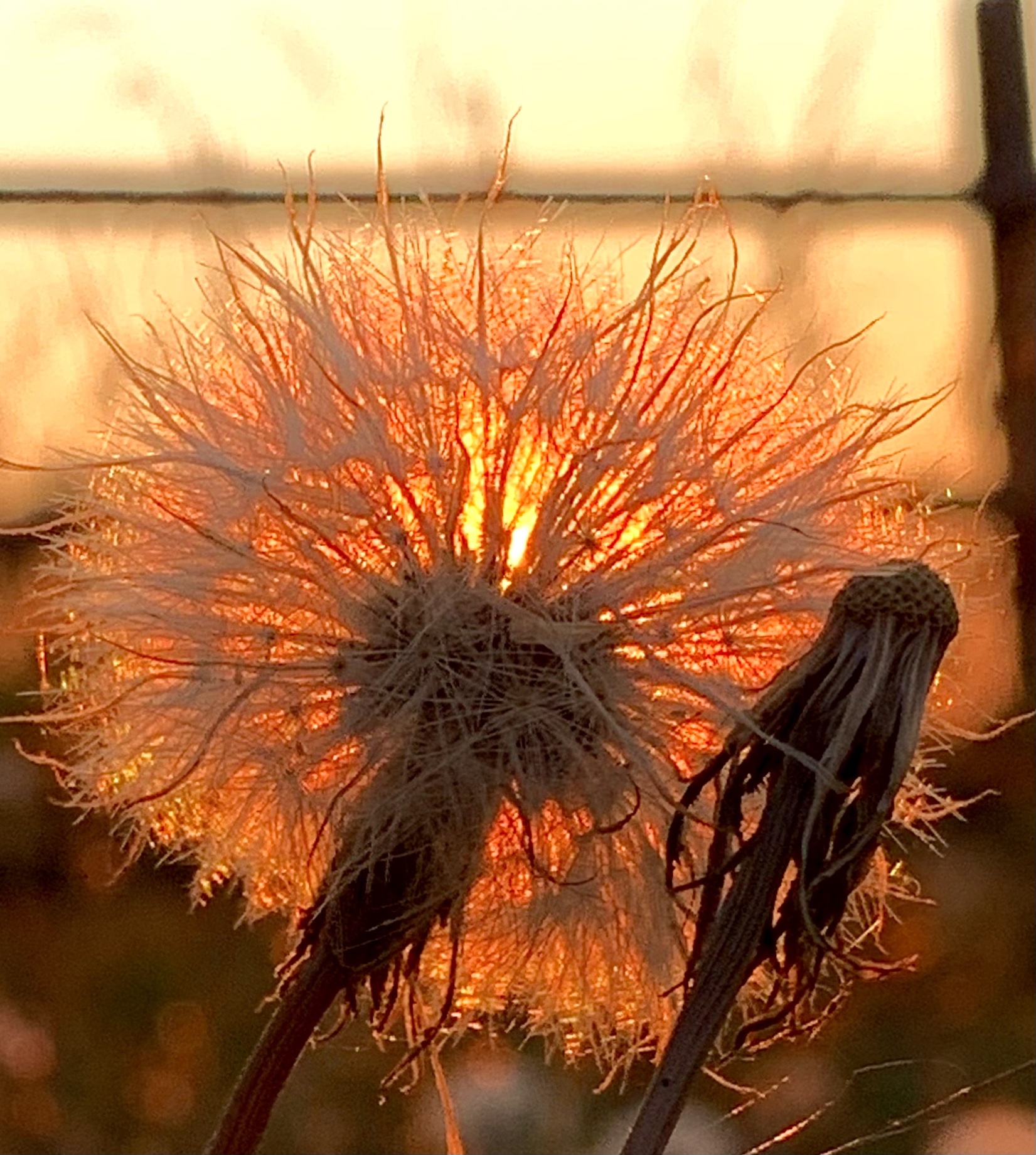
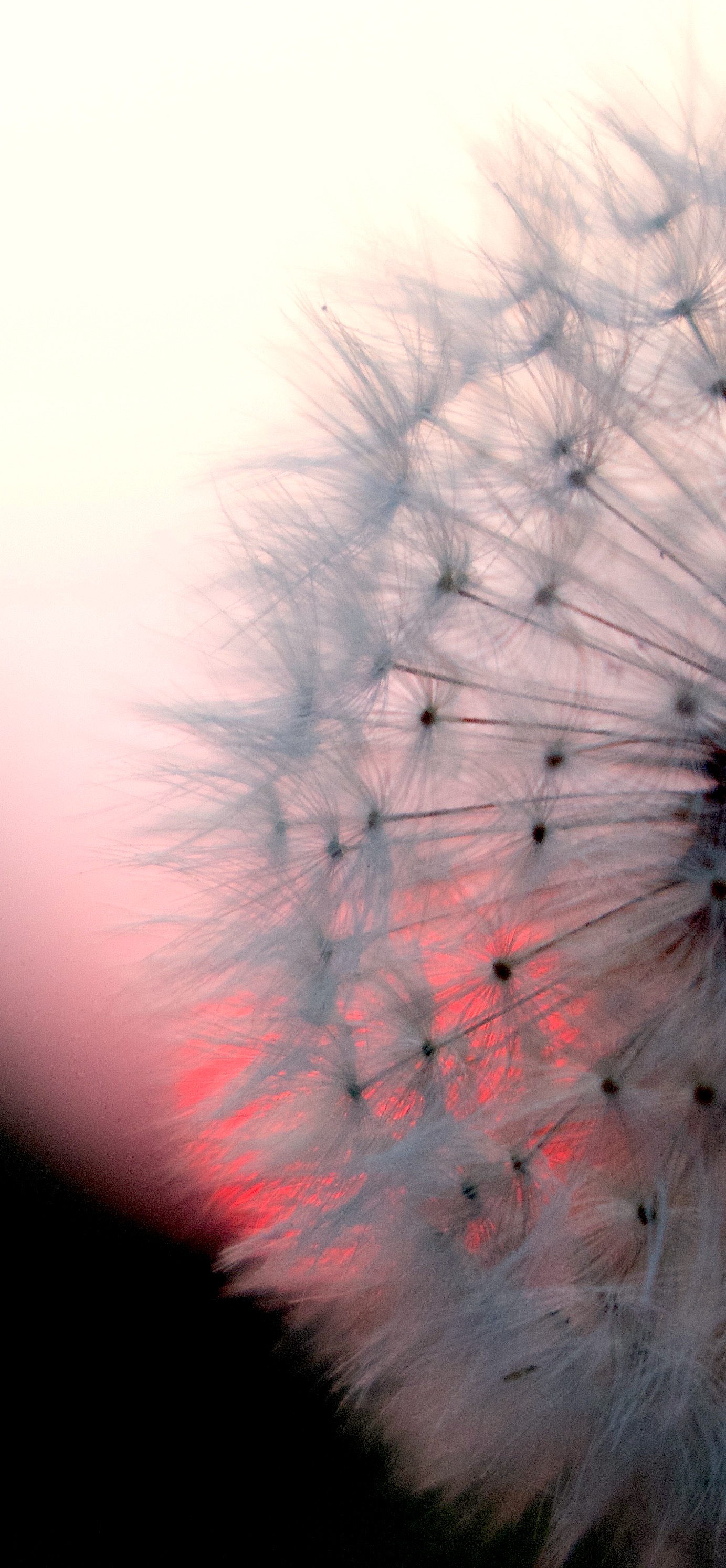
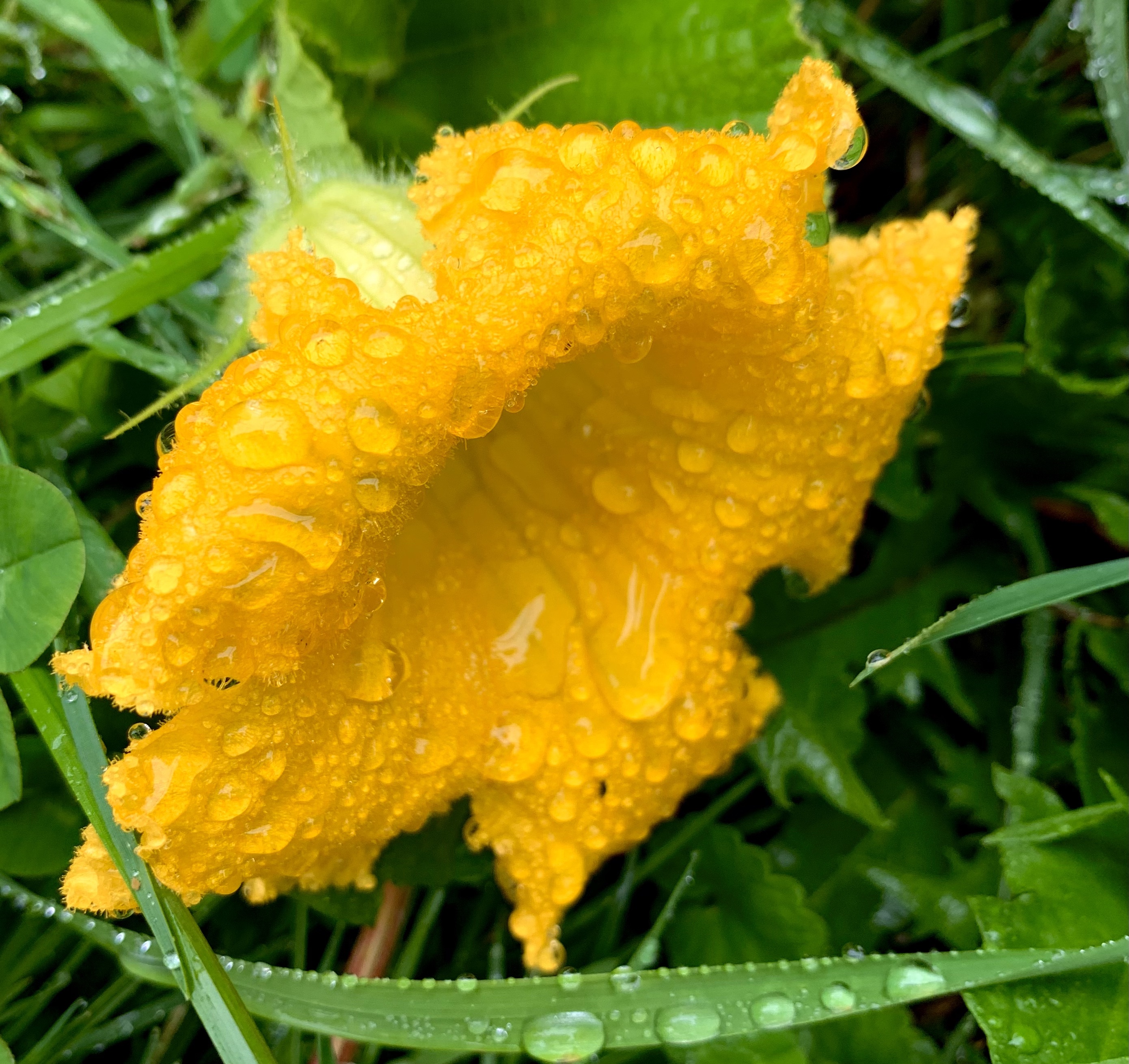
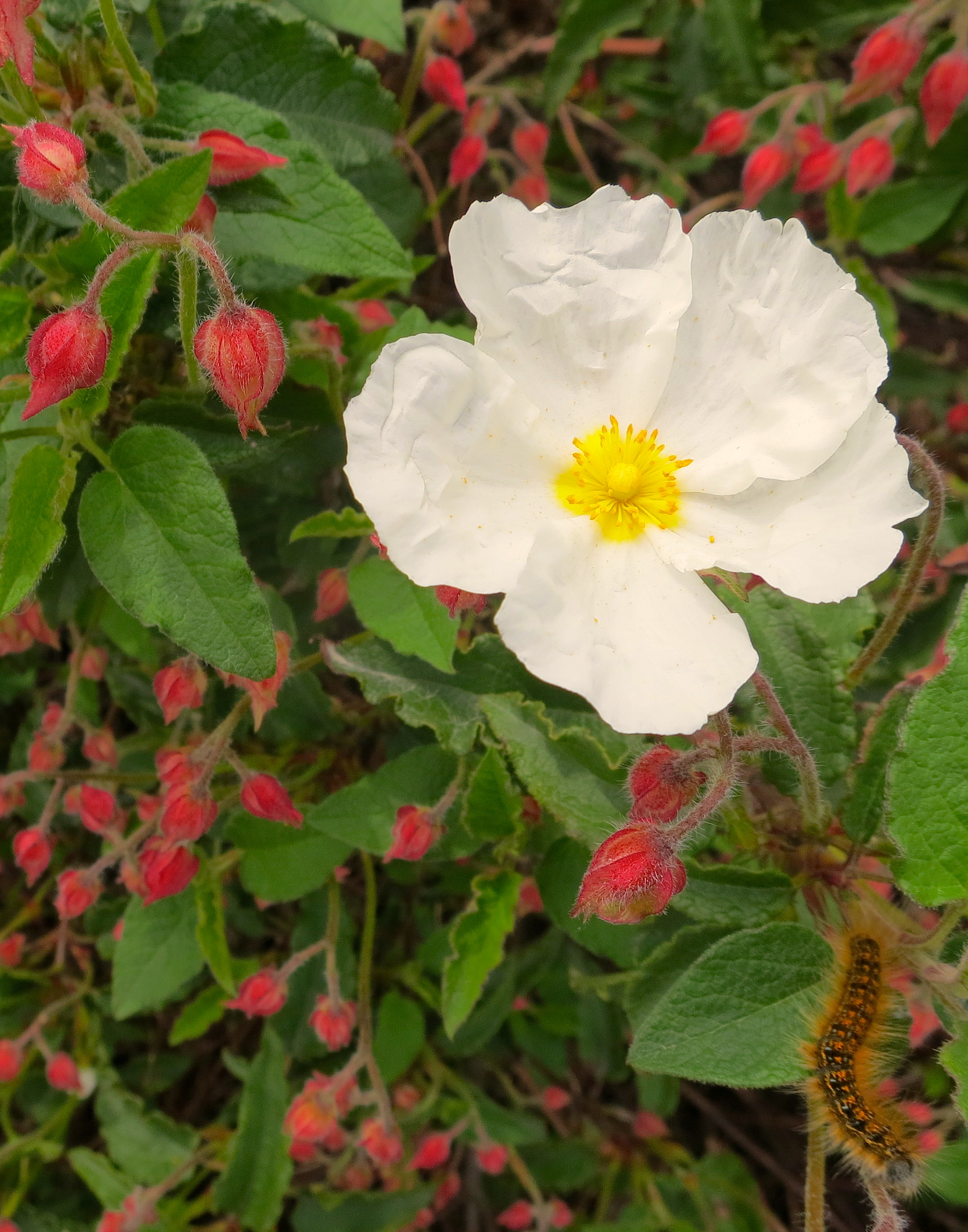
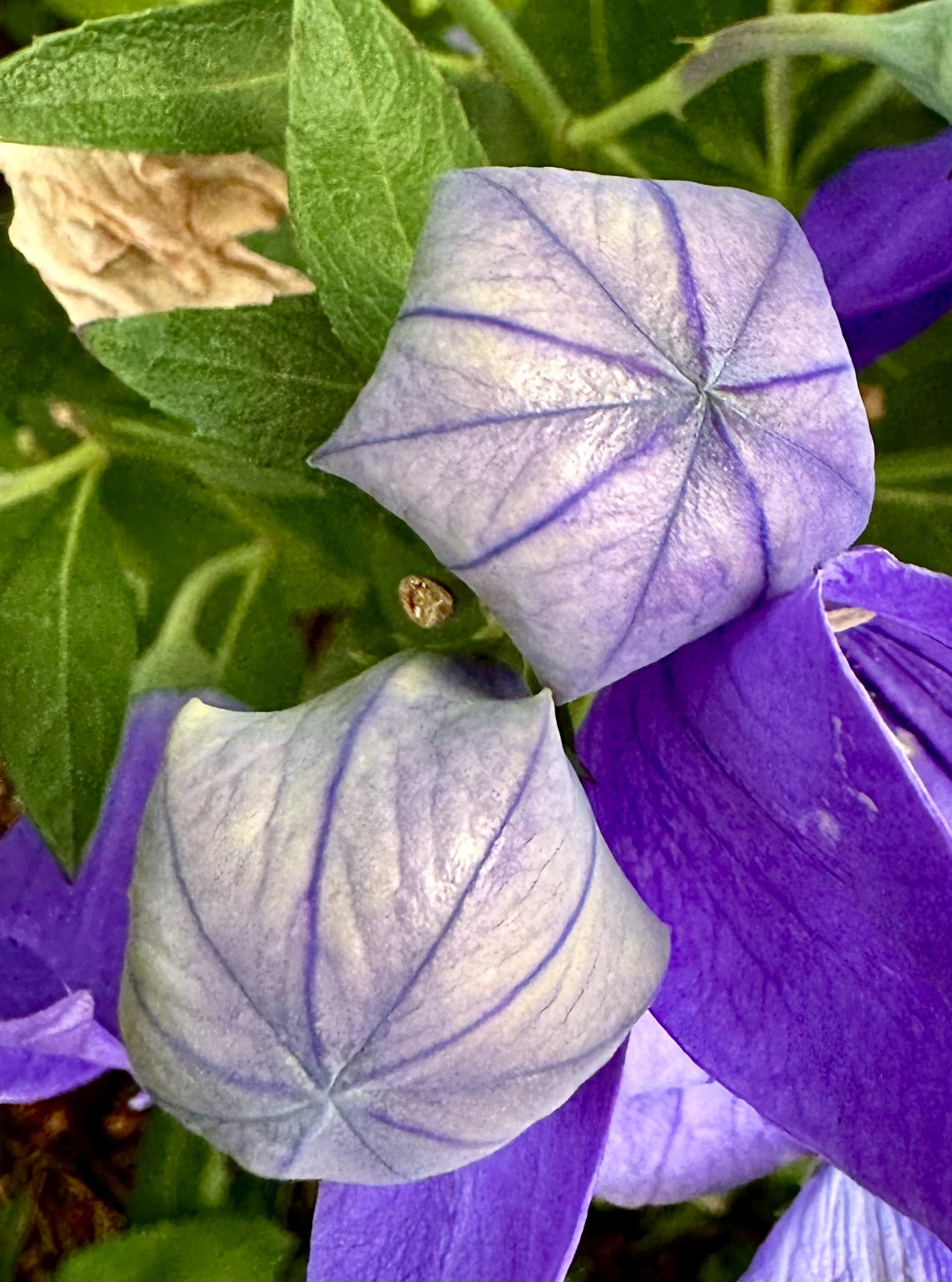
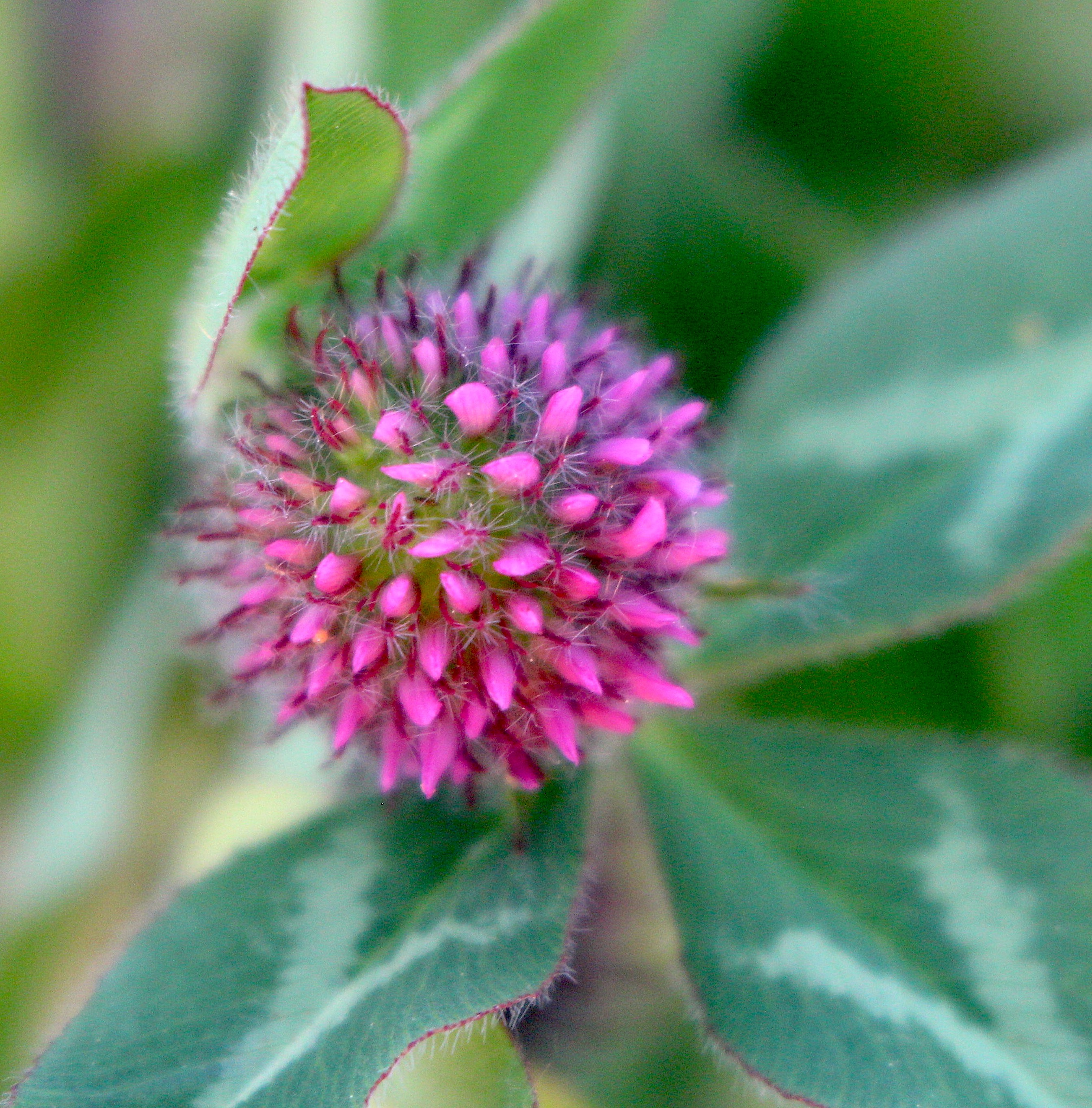
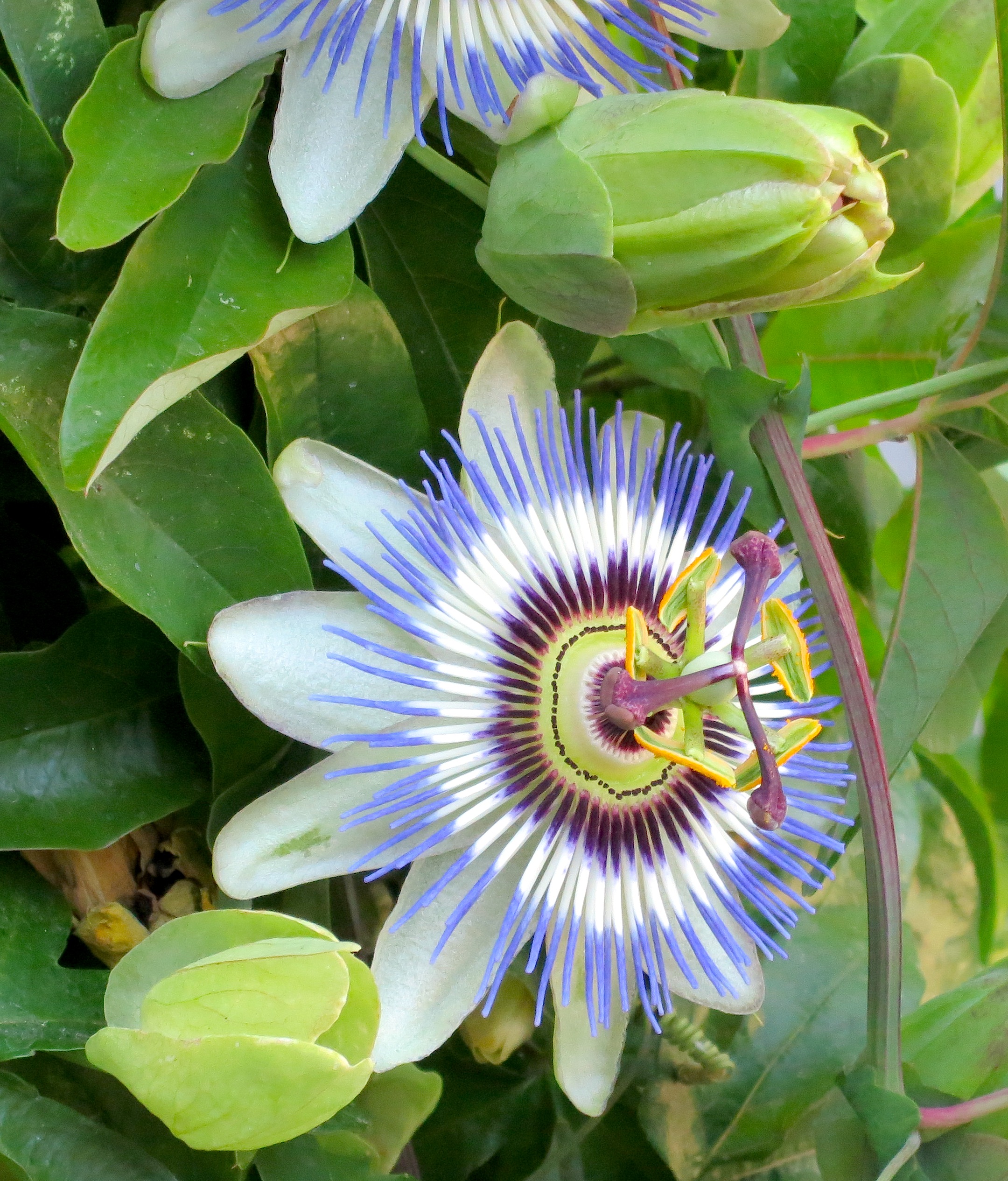
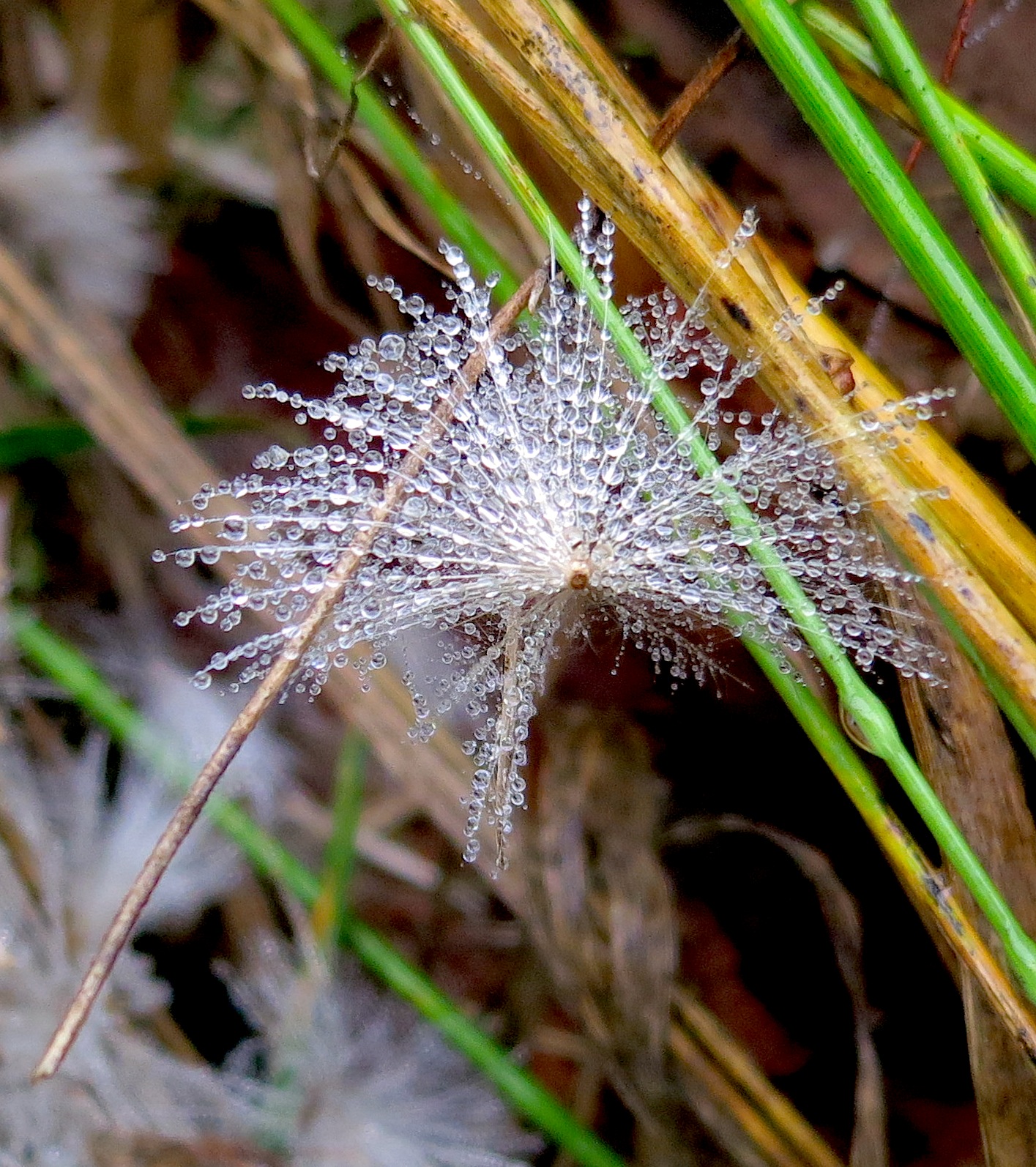
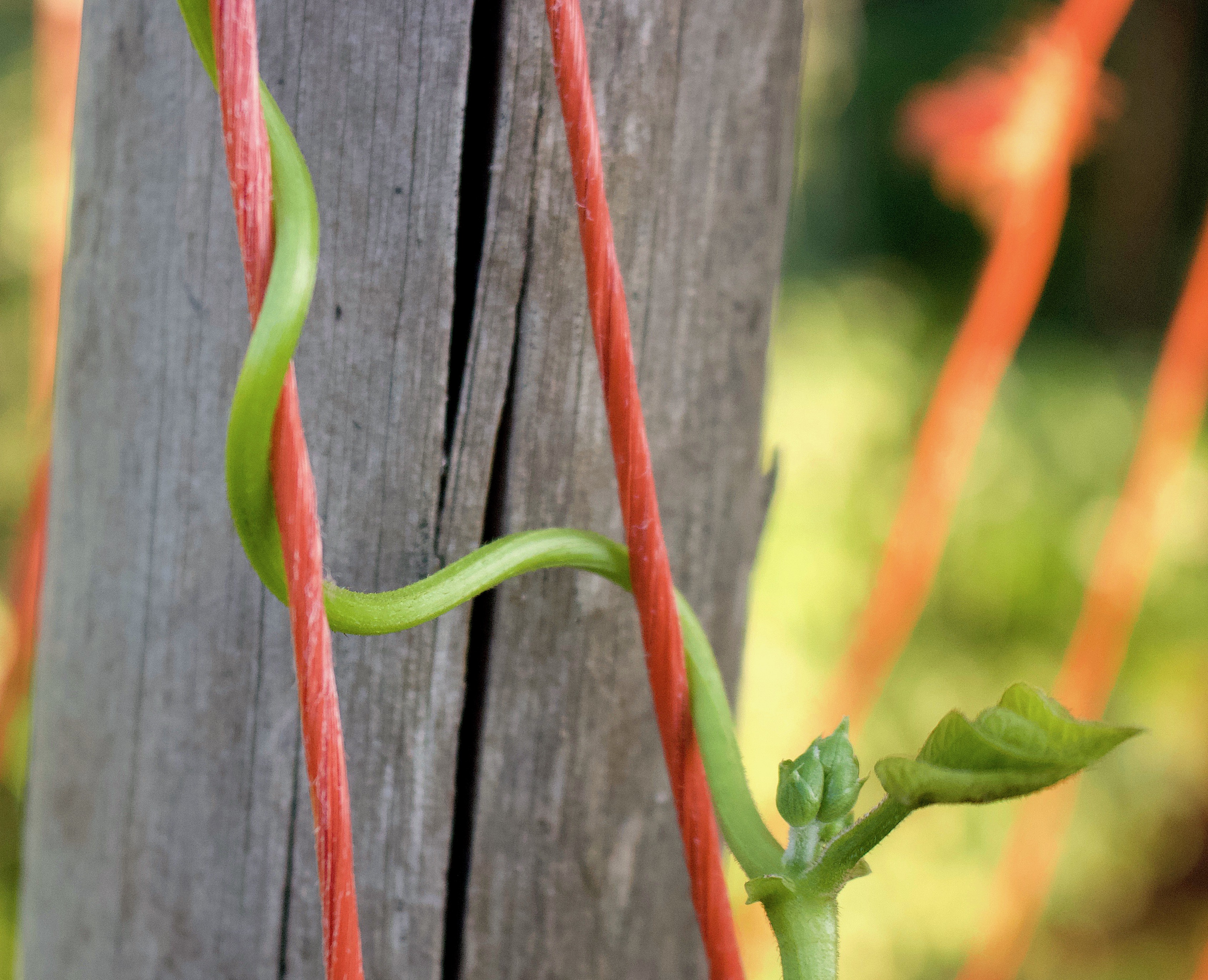
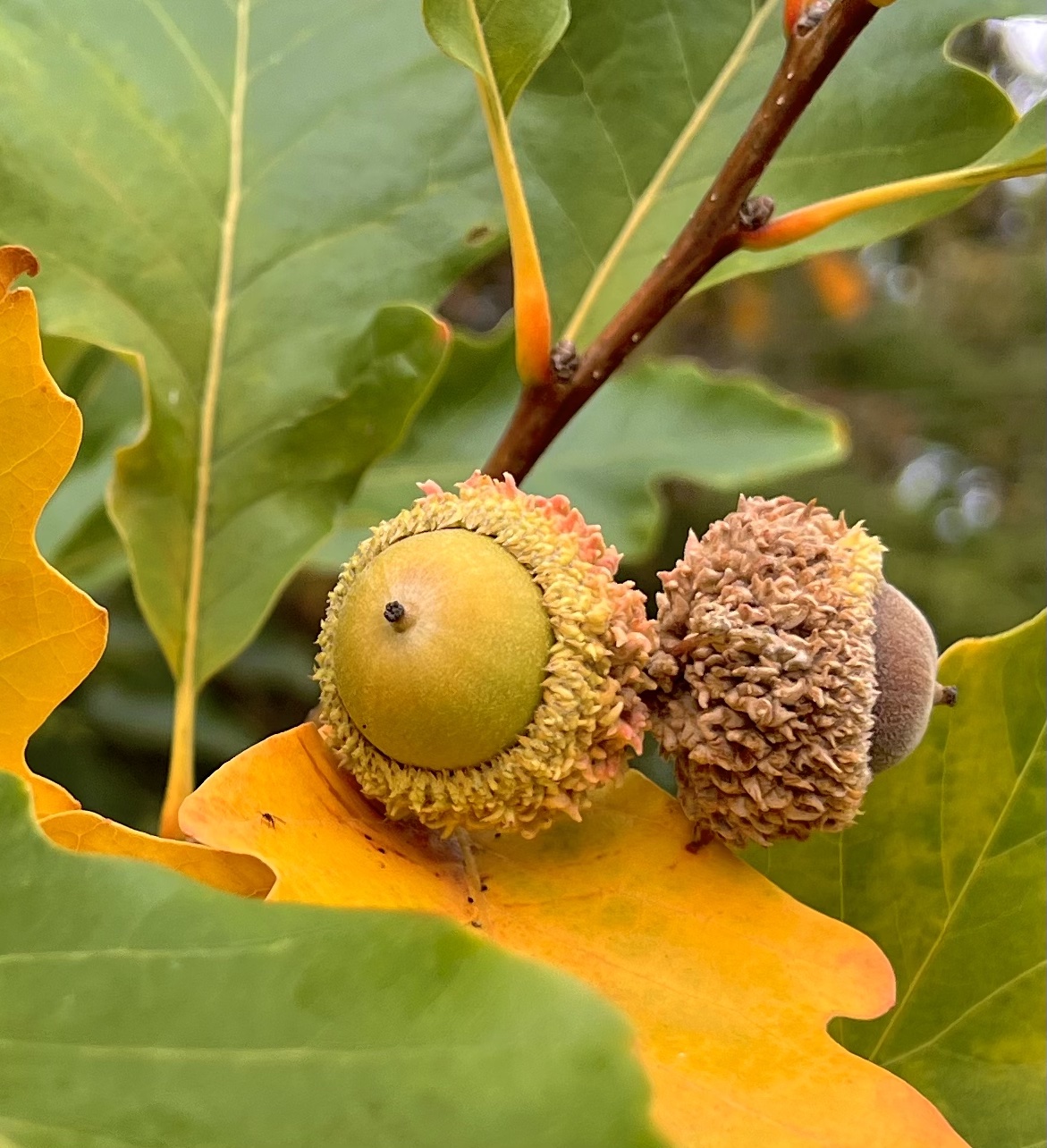
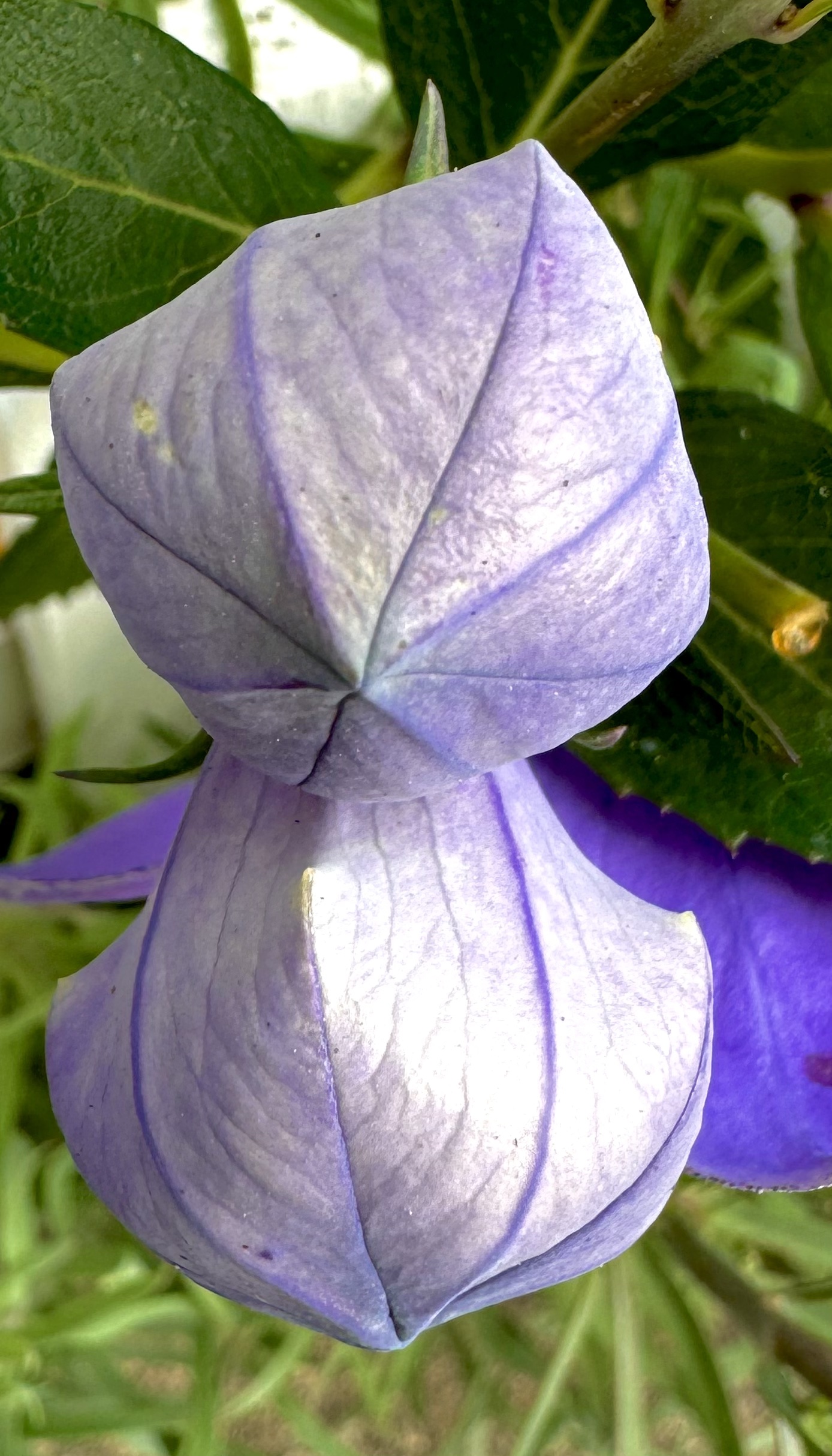
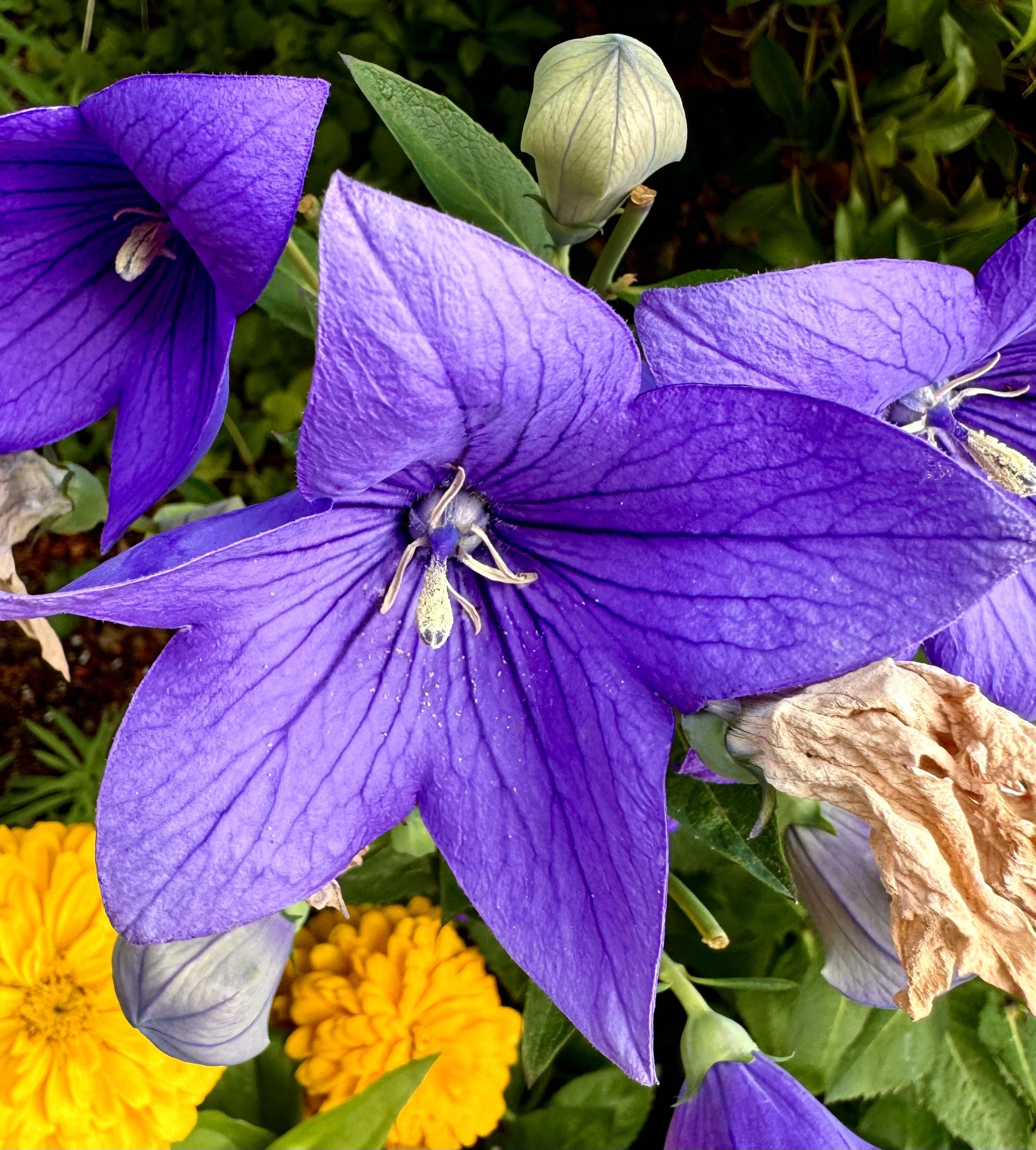
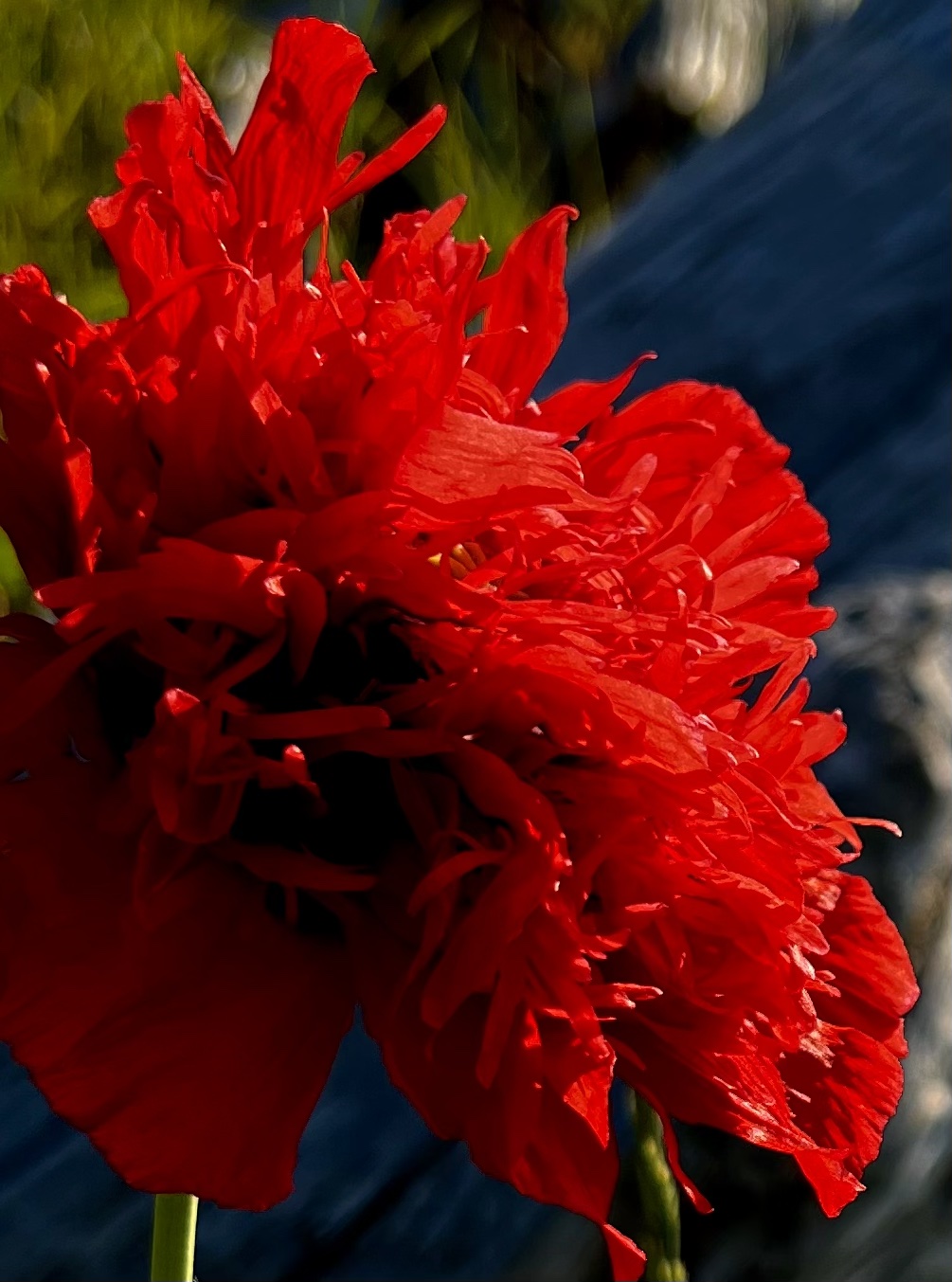
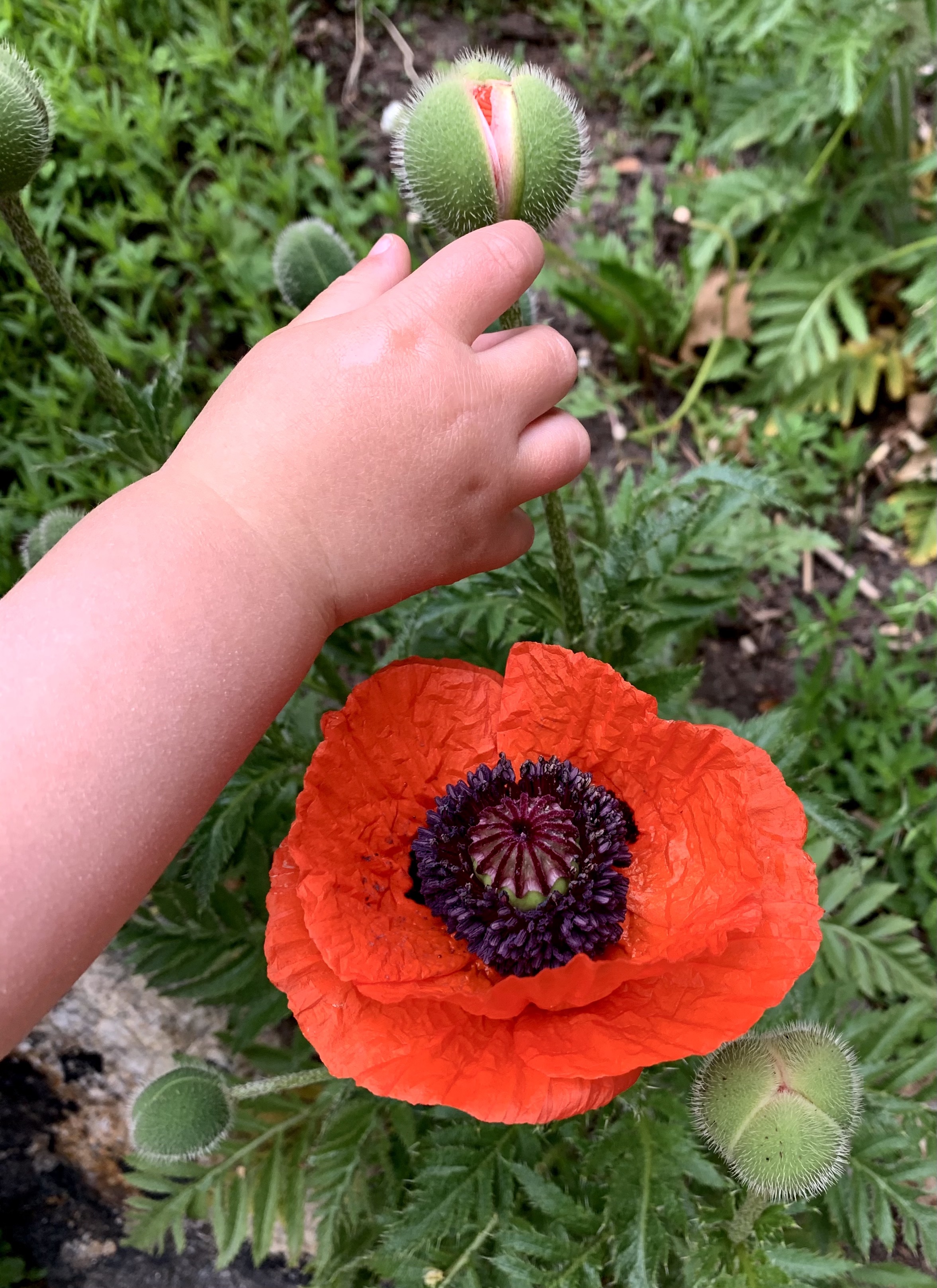
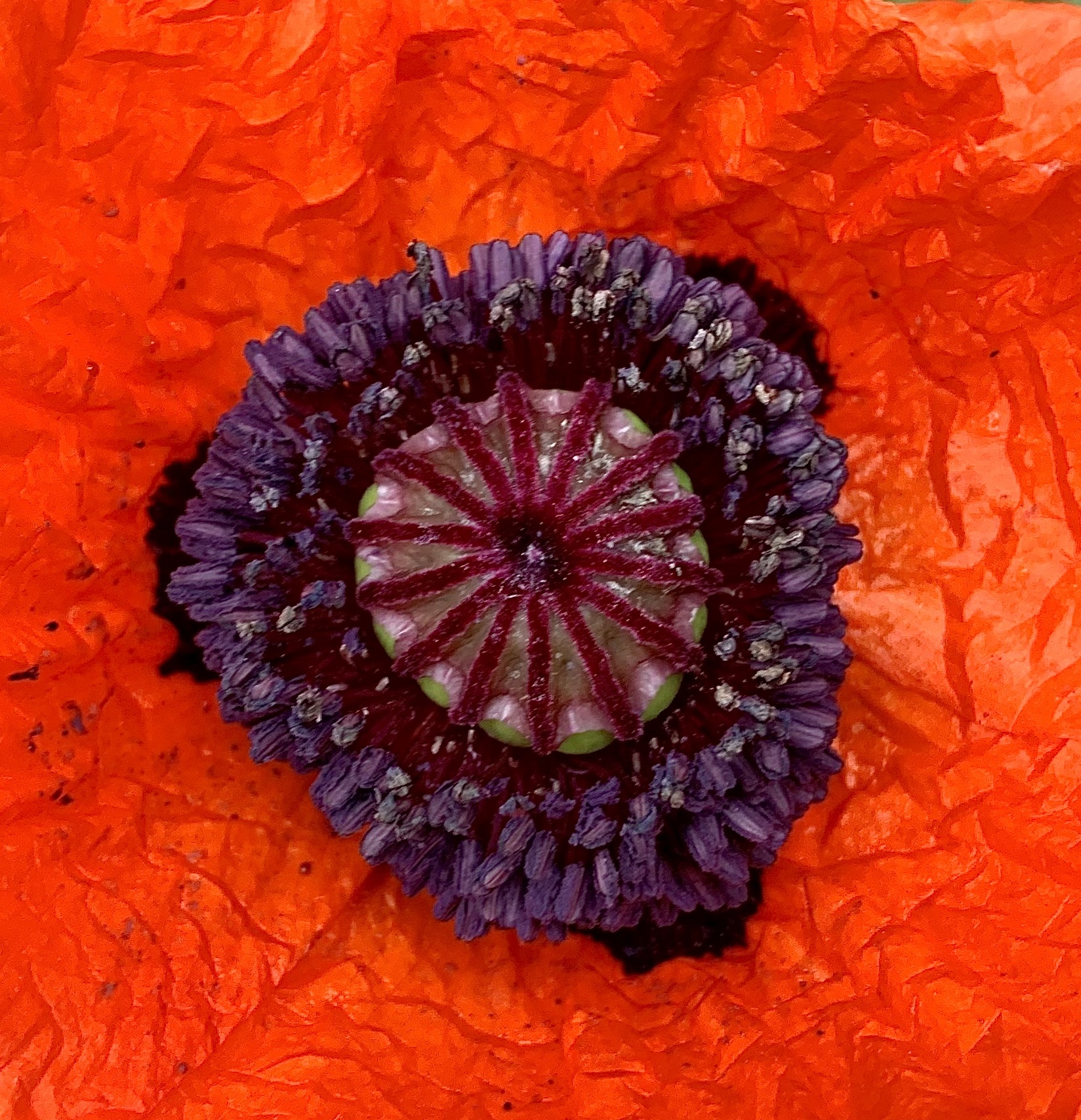
Each Impossible Blossom

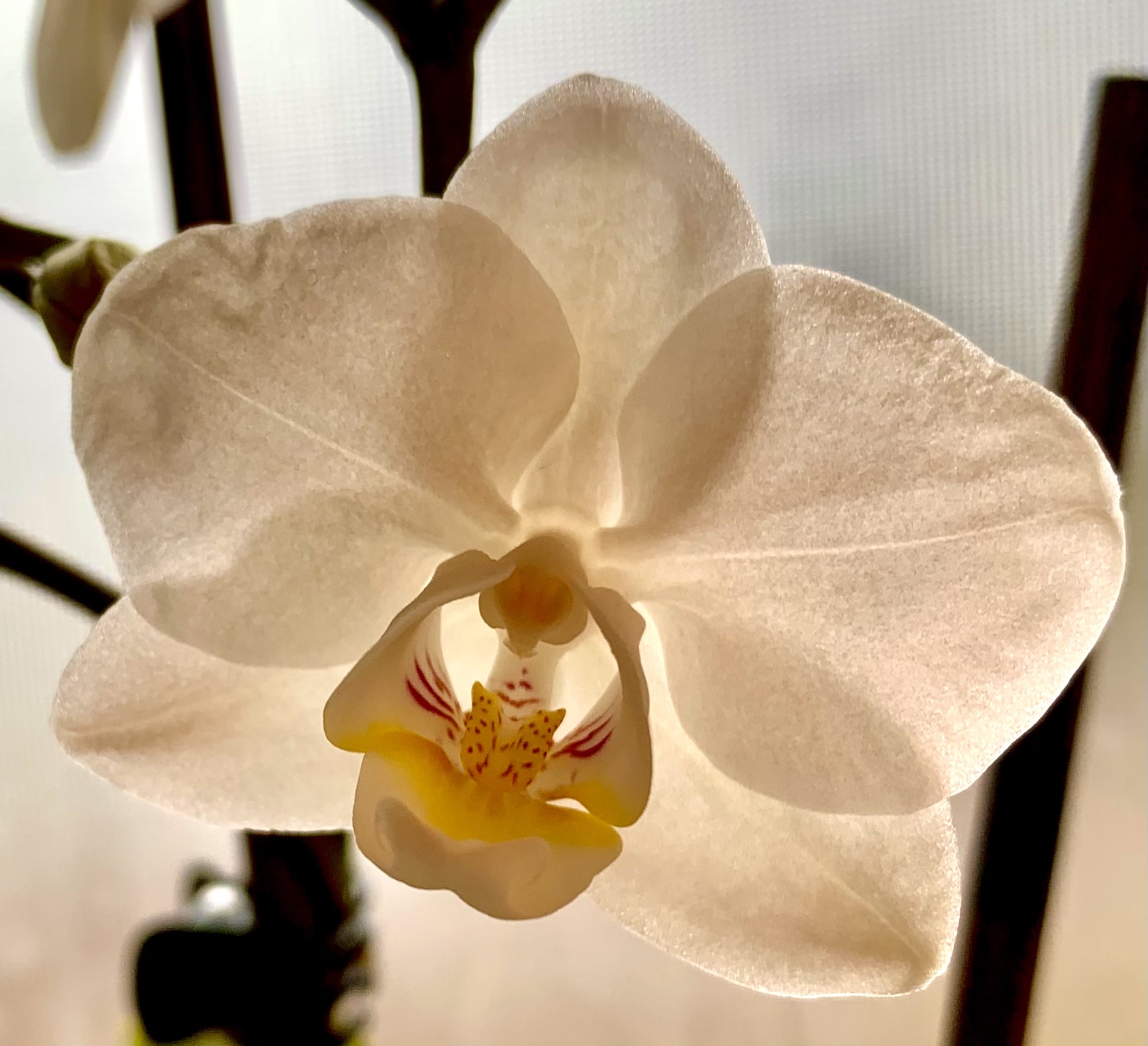
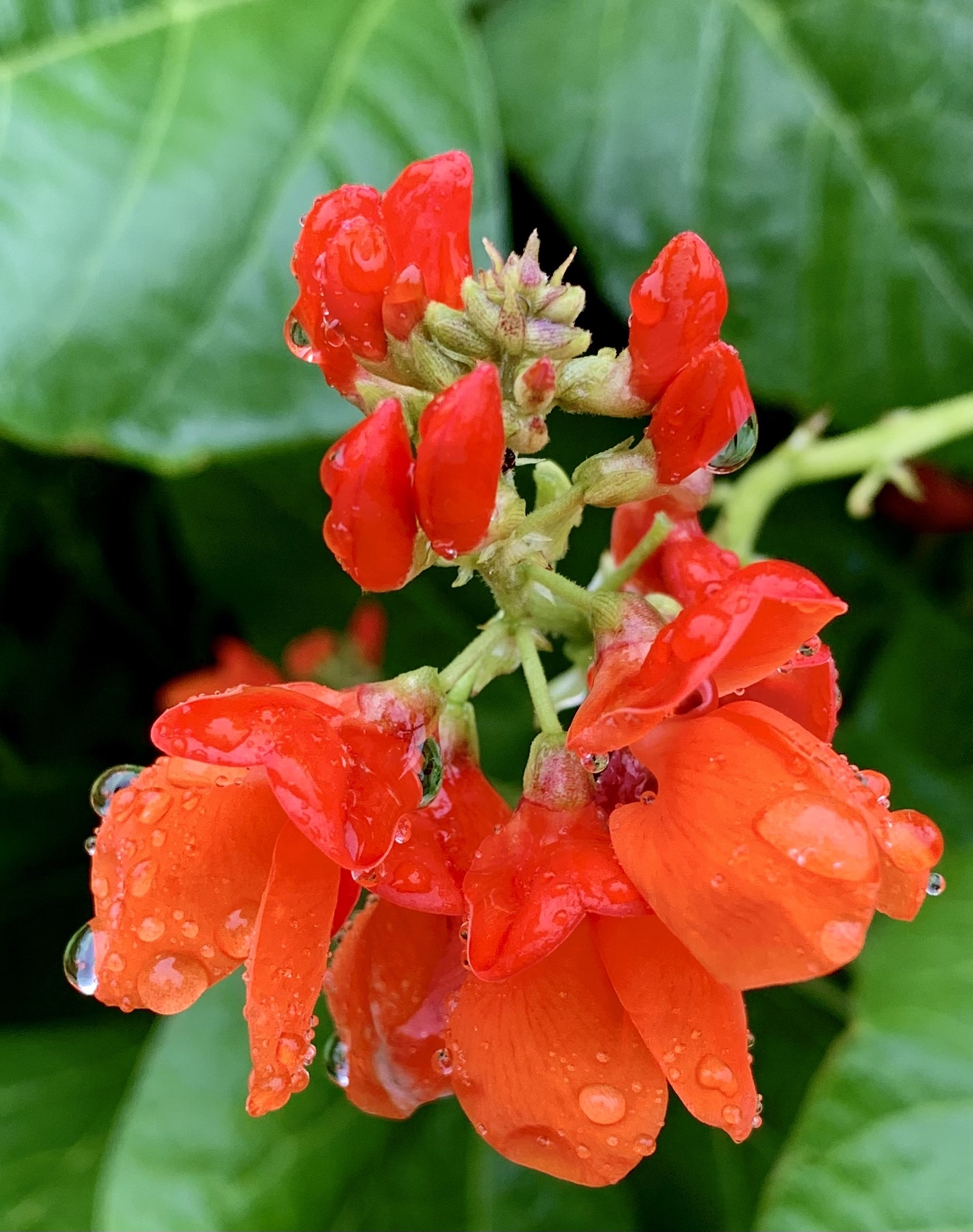
There are days we live
as if death were nowhere
in the background; from joy
to joy to joy, from wing to wing,
from blossom to blossom to
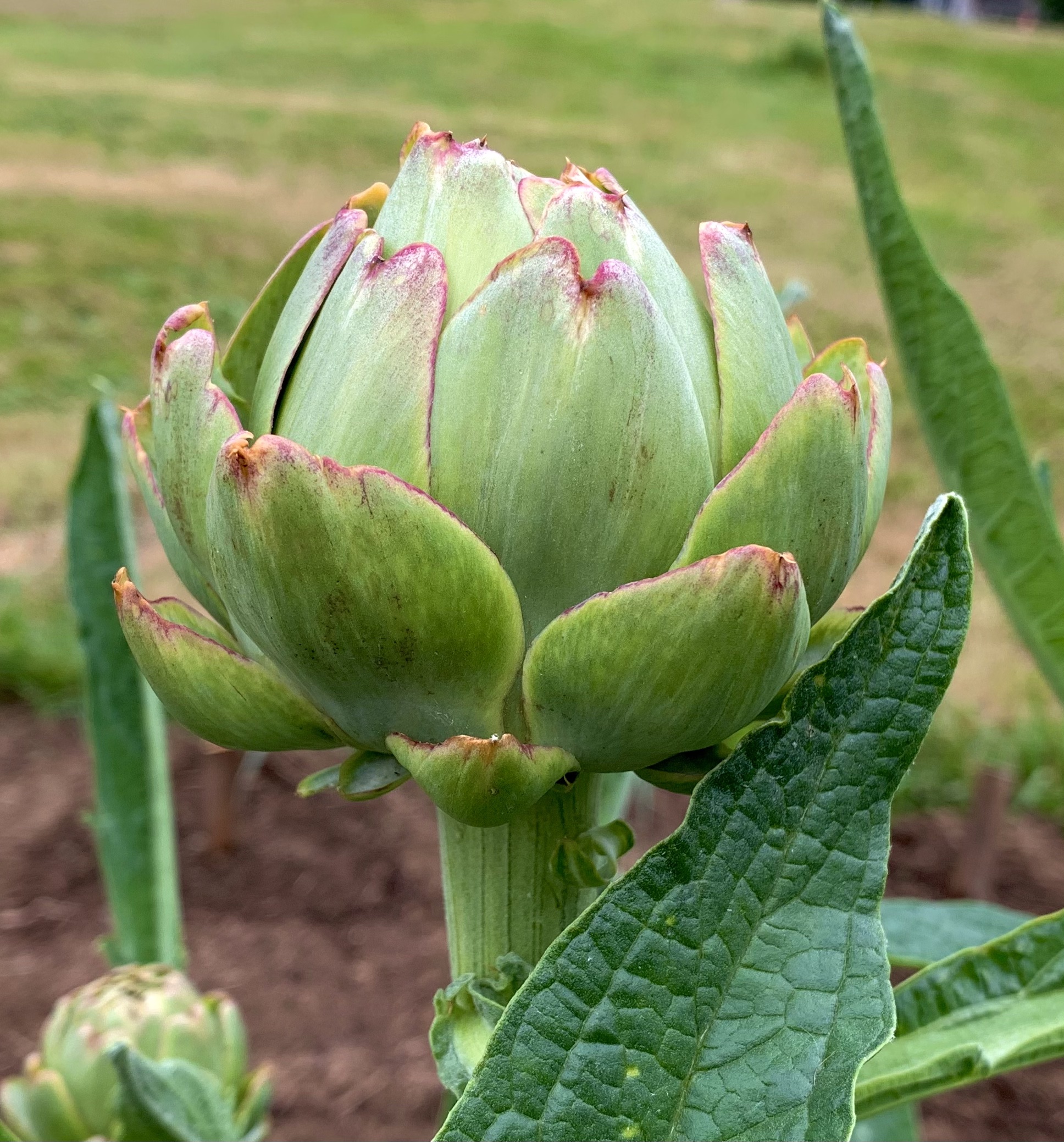
impossible blossom, to sweet impossible blossom.

~Li-Young Lee from “From Blossoms”

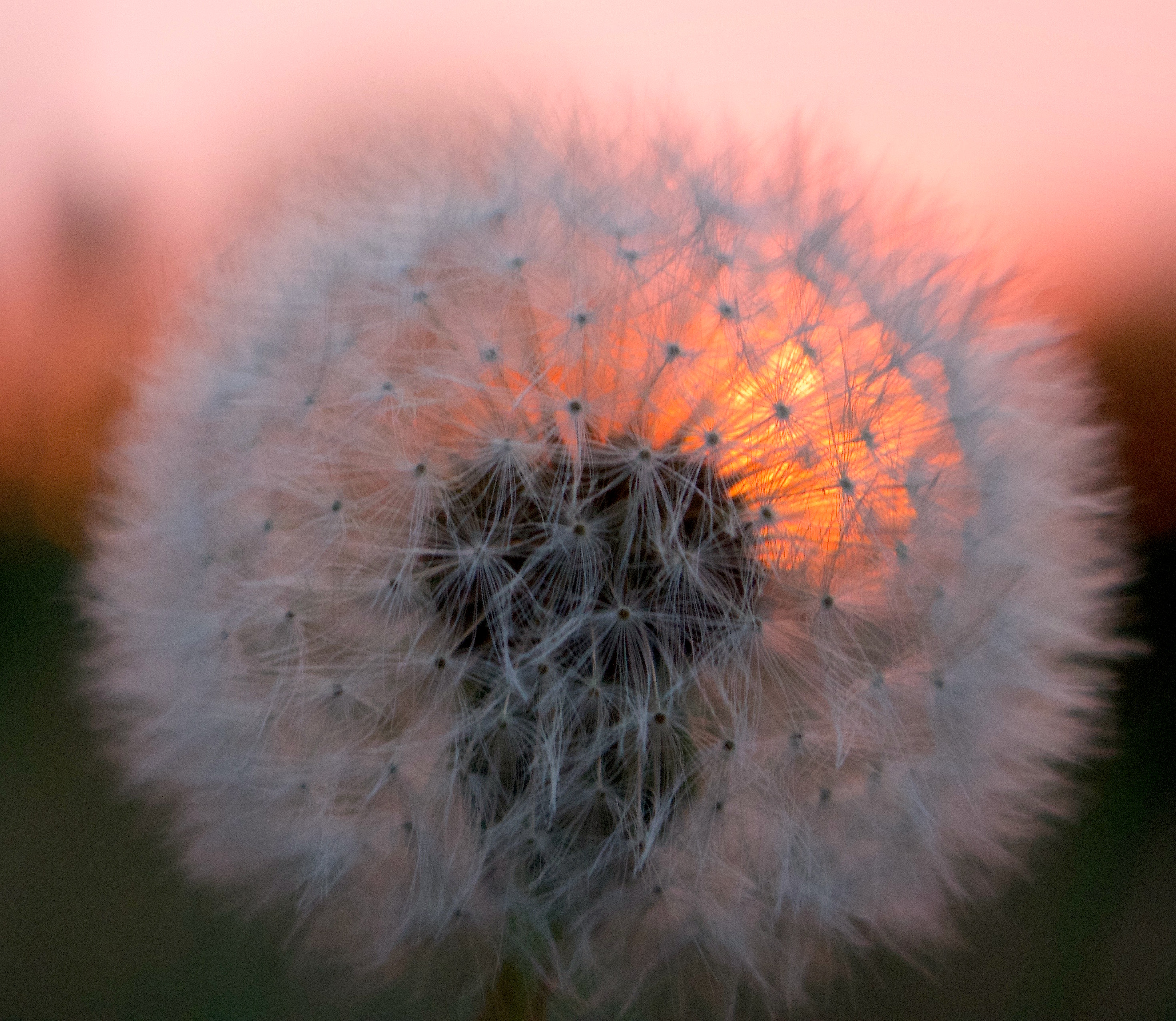
August of another summer, and once again
I am drinking the sun…
All my life I have been able to feel happiness,

except whatever was not happiness,
which I also remember.
Each of us wears a shadow.
But just now it is summer again…

Soon now, I’ll turn and start for home.
And who knows, maybe I’ll be singing.

~Mary Oliver from “The Pond” from Felicity

…what I want in my life
is to be willing
to be dazzled-
to cast aside the weight of facts

and maybe even
to float a little
above this difficult world.
I want to believe I am looking

into the white fire of a great mystery.
I want to believe that the imperfections are nothing-
that the light is everything-that it is more than the sum
of each flawed blossom rising and fading. And I do.

~Mary Oliver from “The Ponds” from House of Light

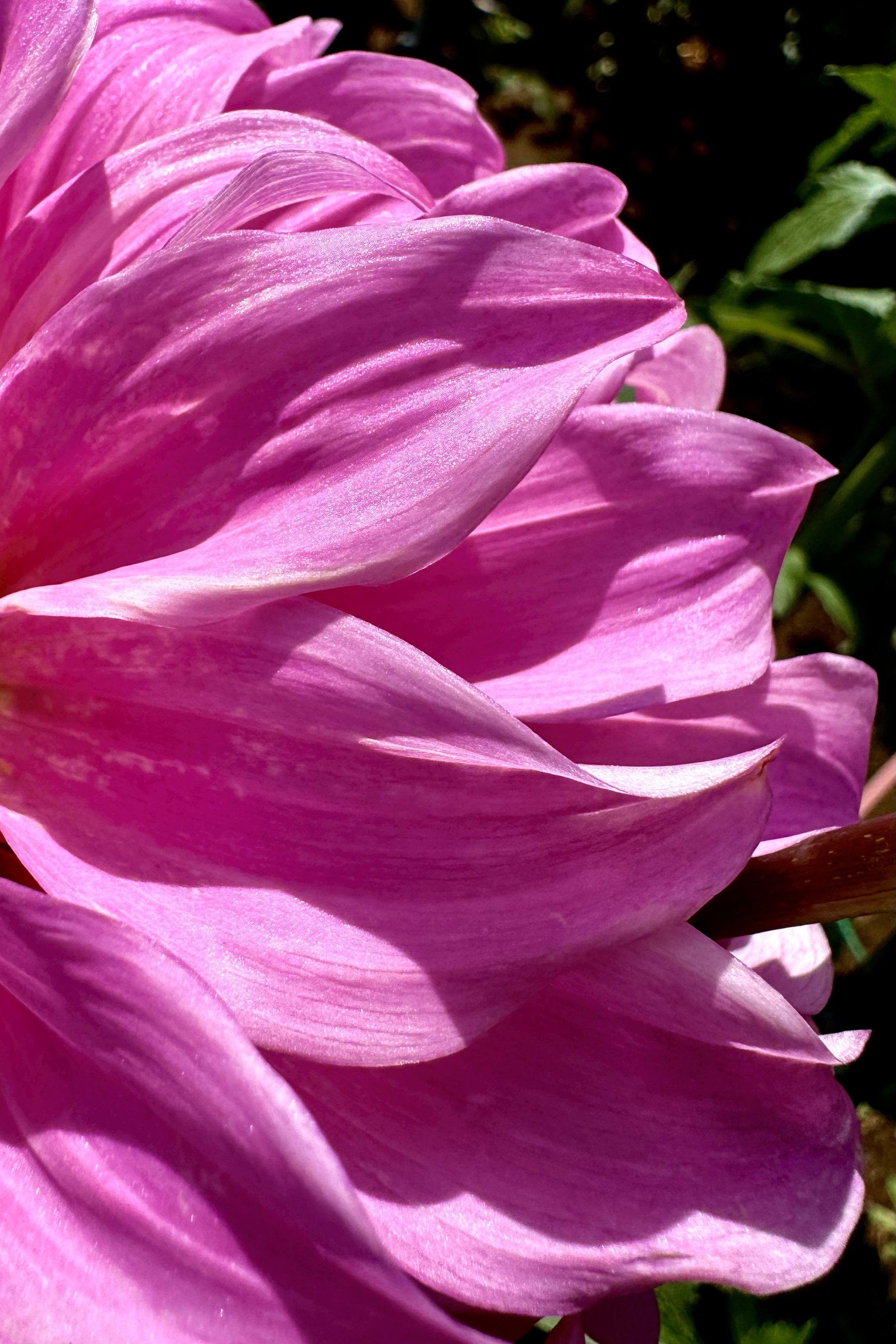
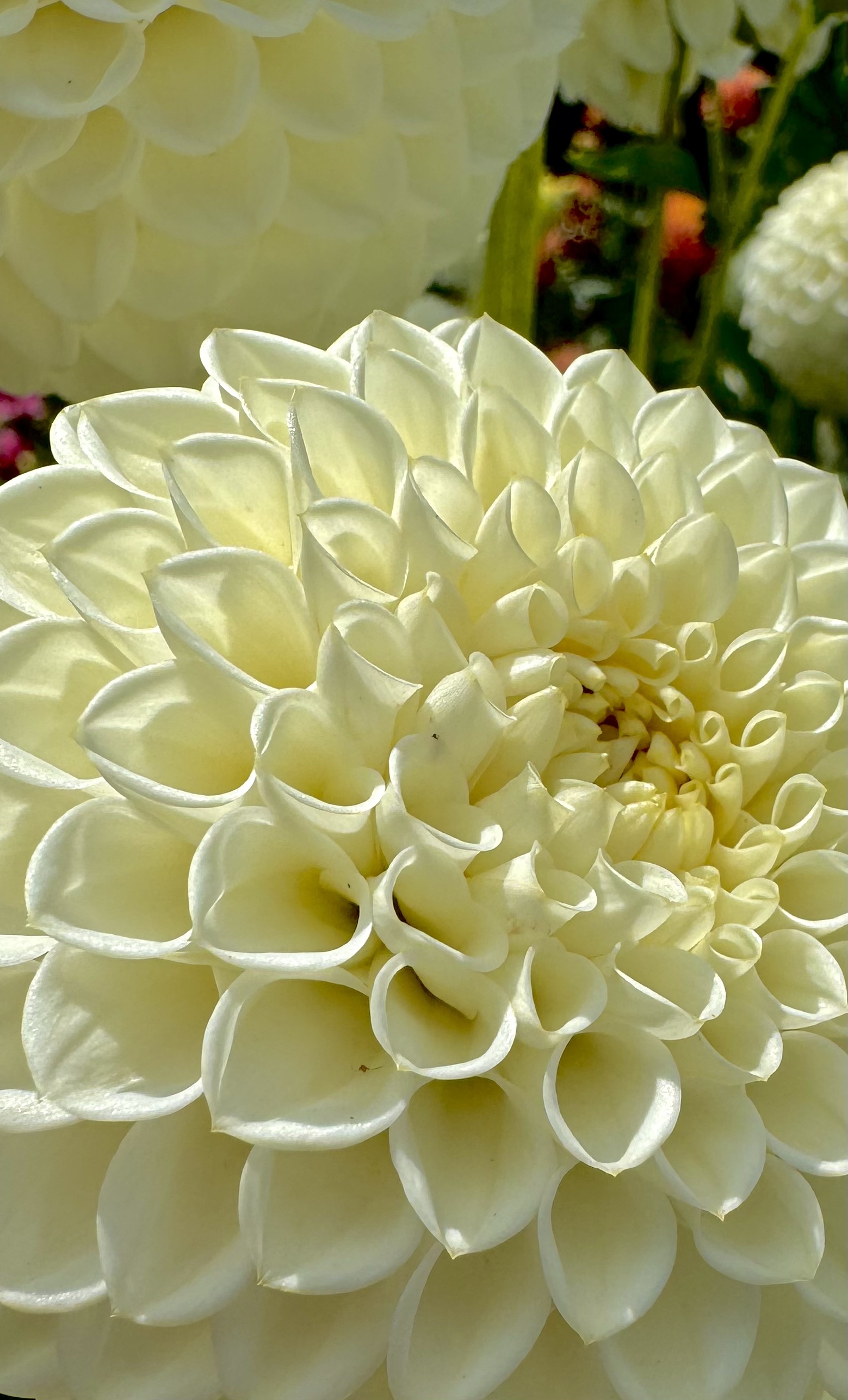
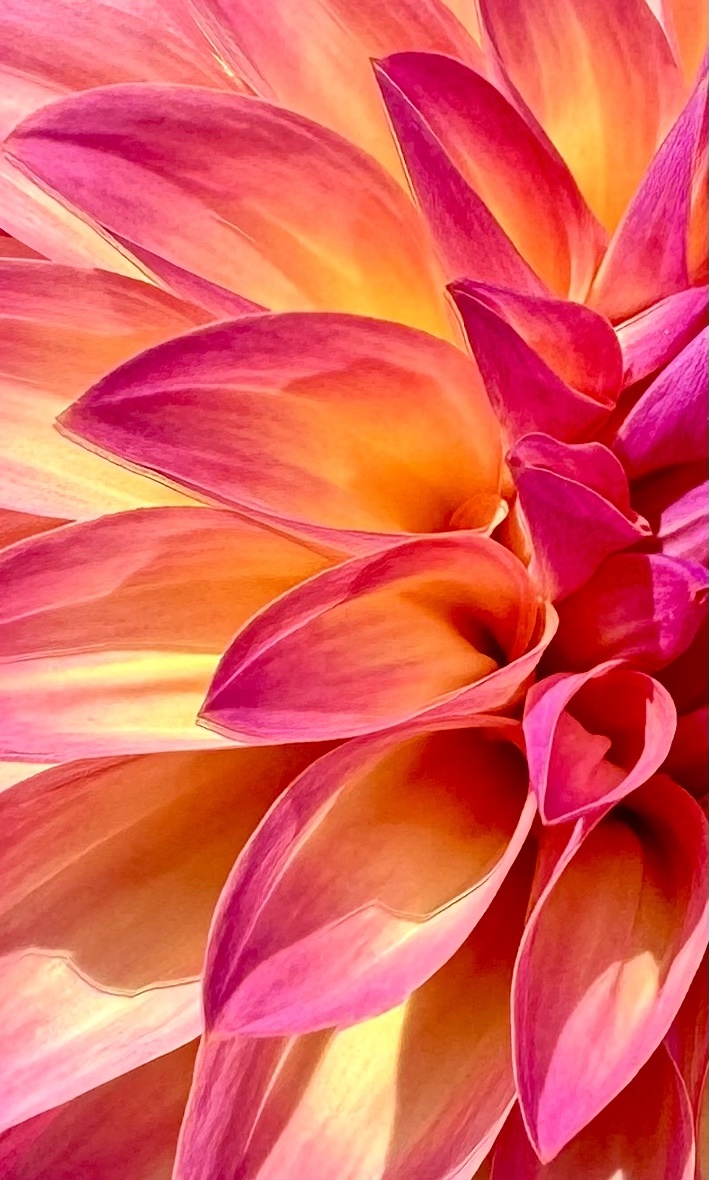
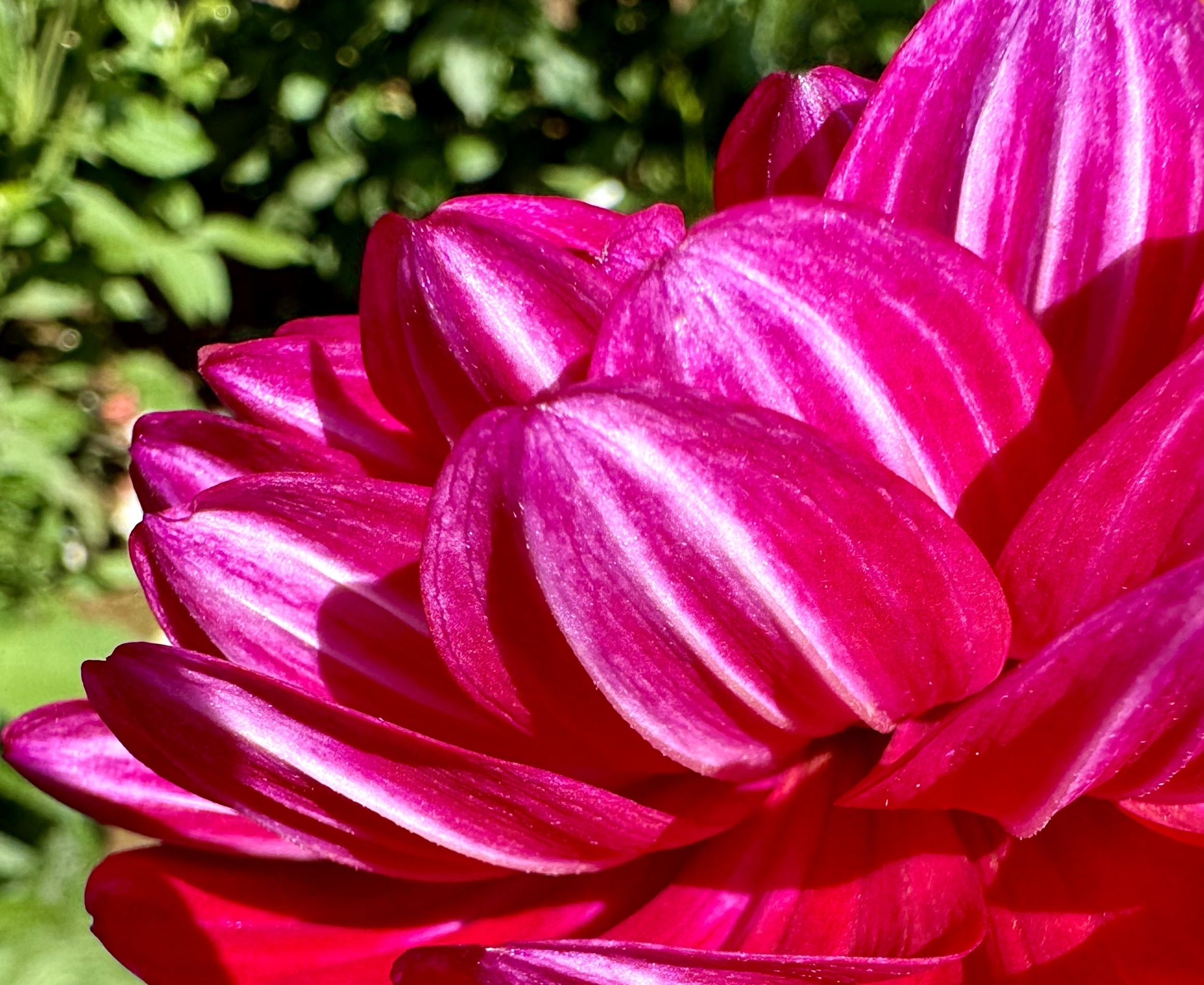
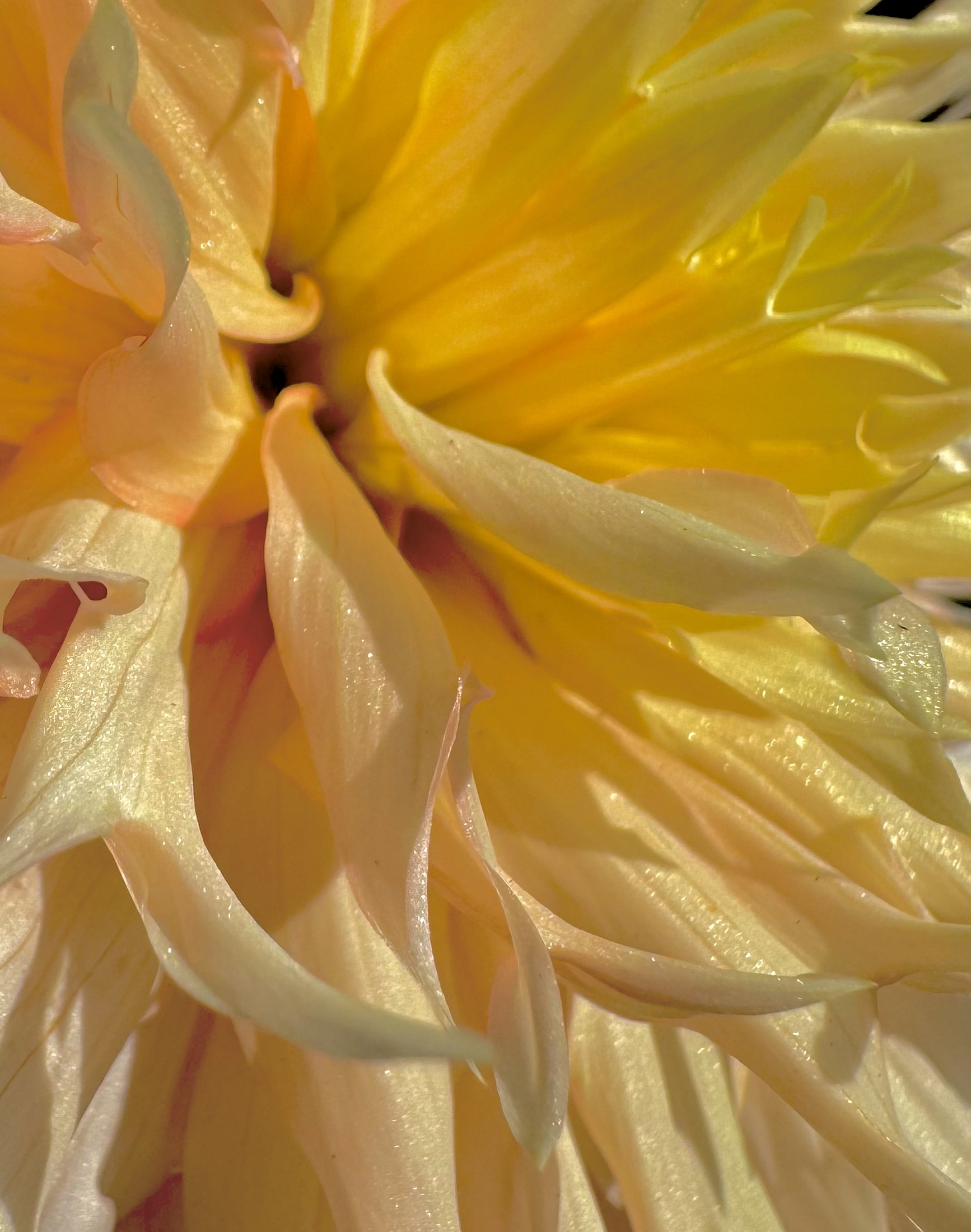
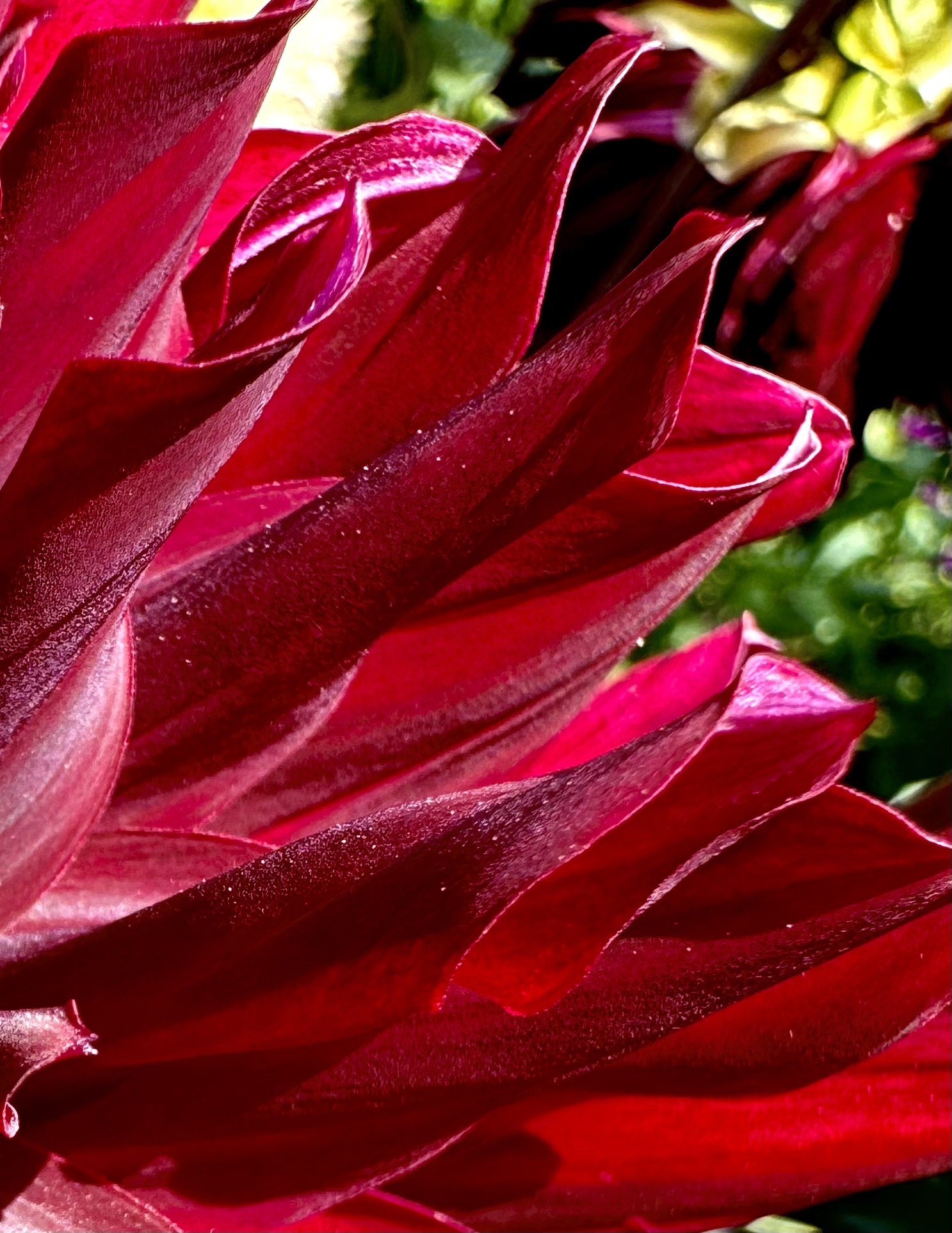
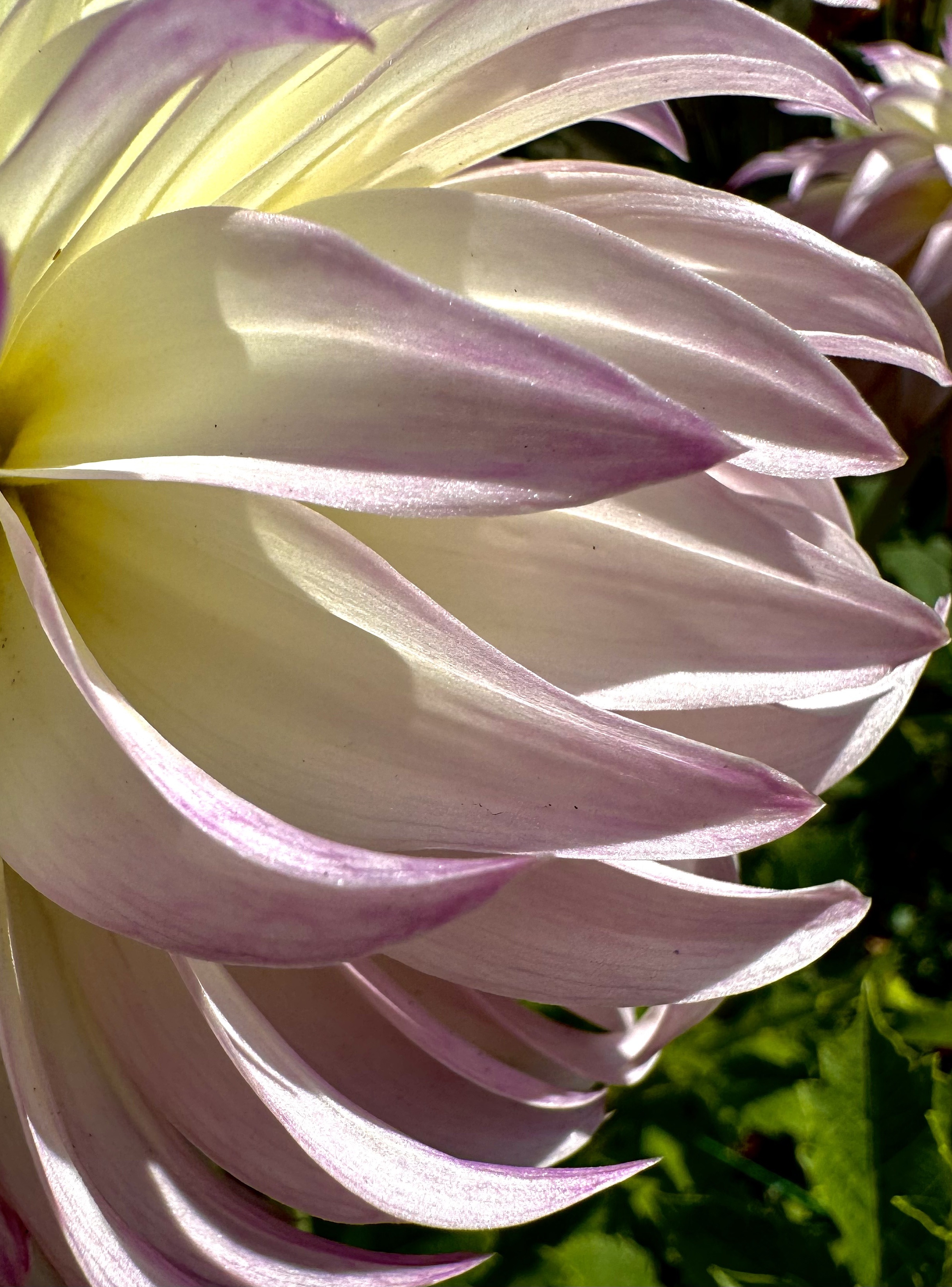
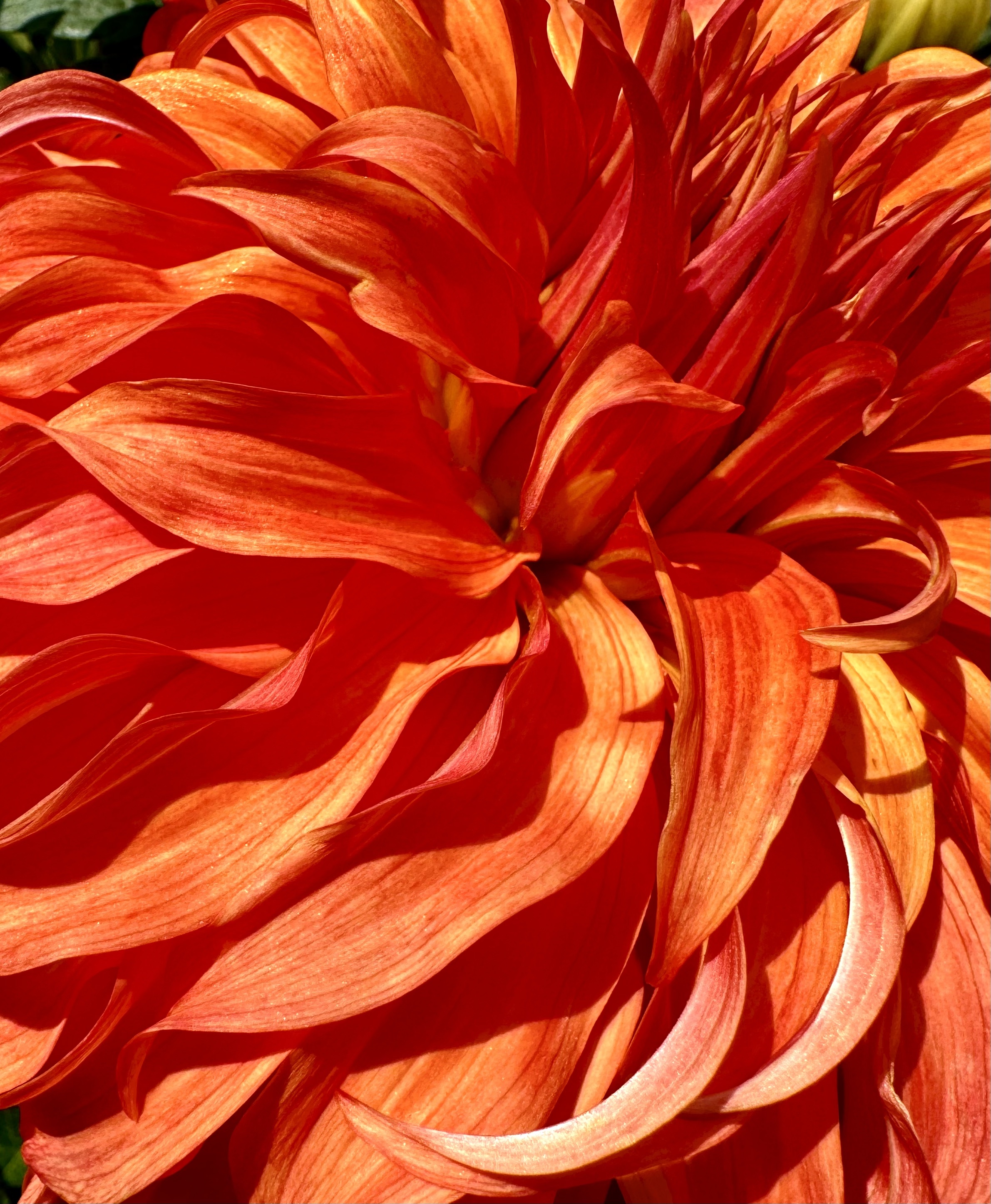
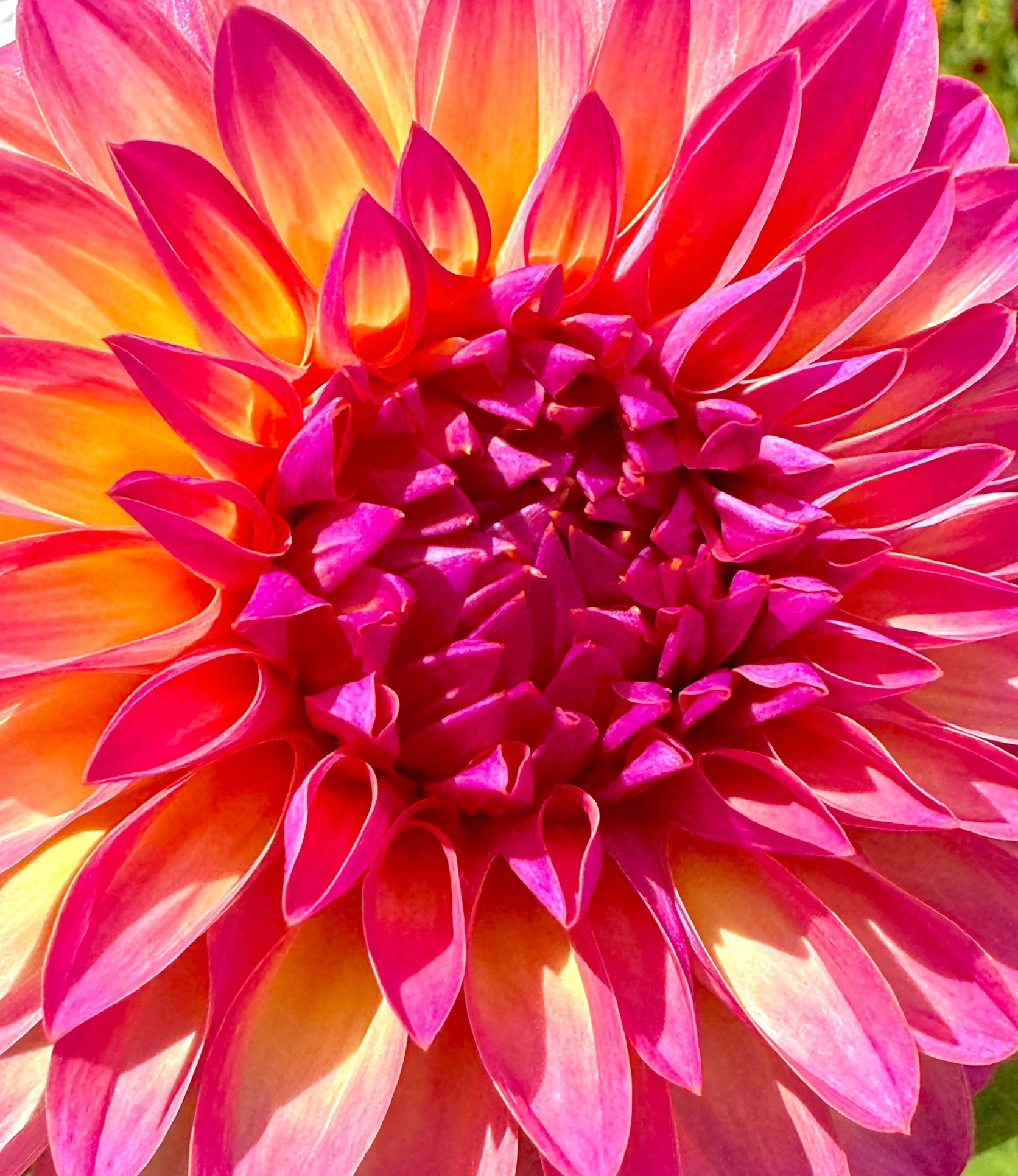
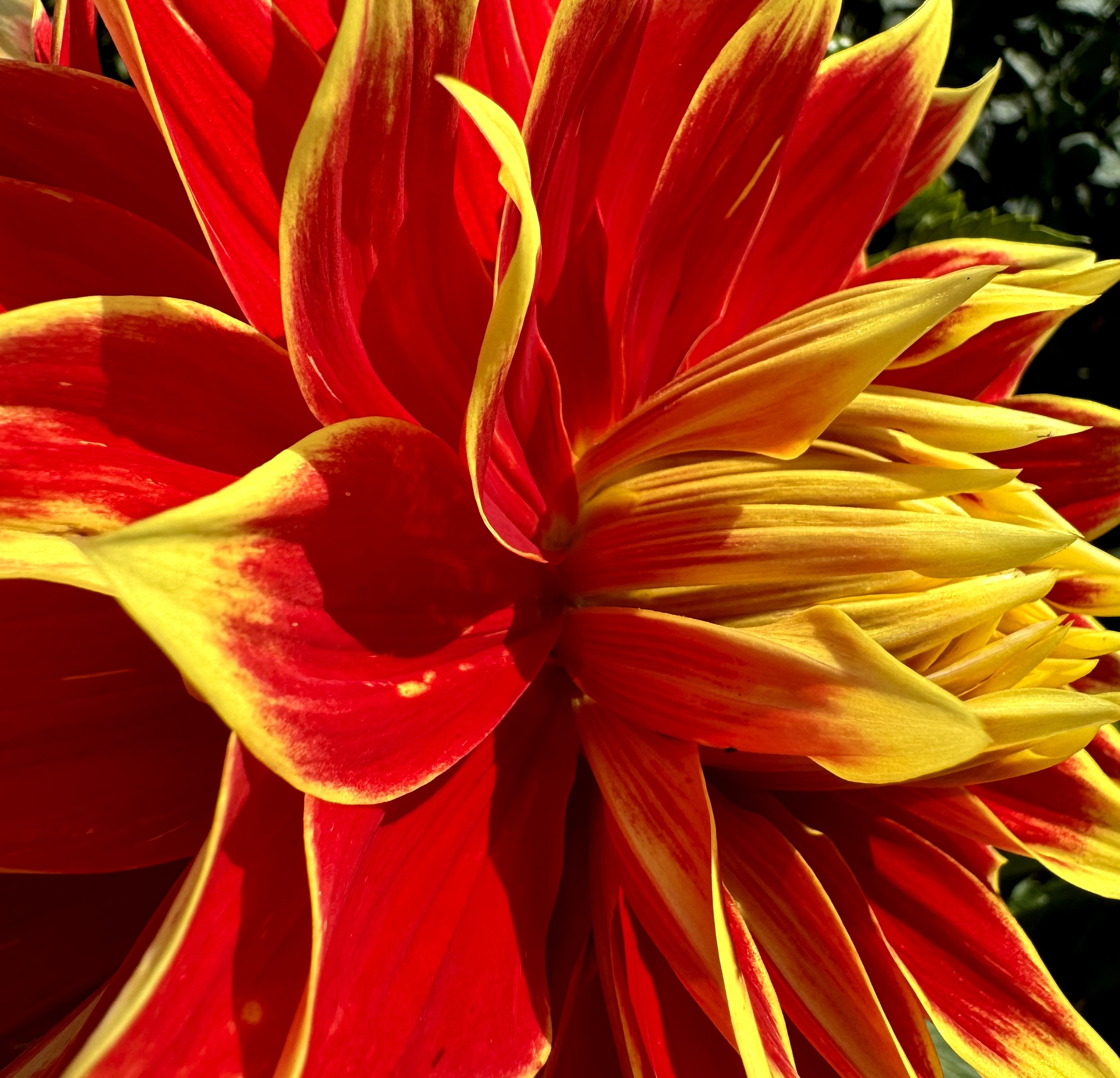
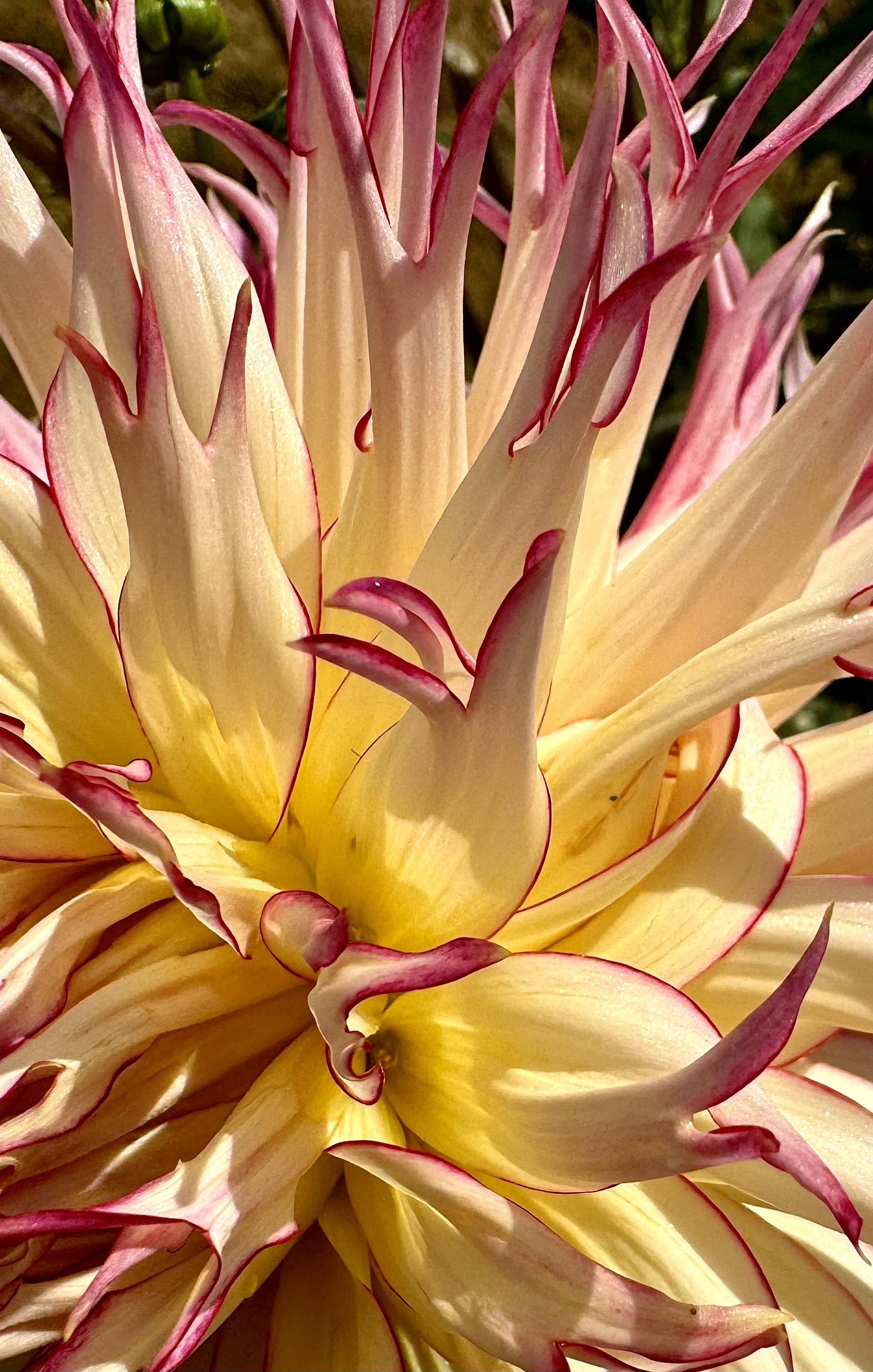
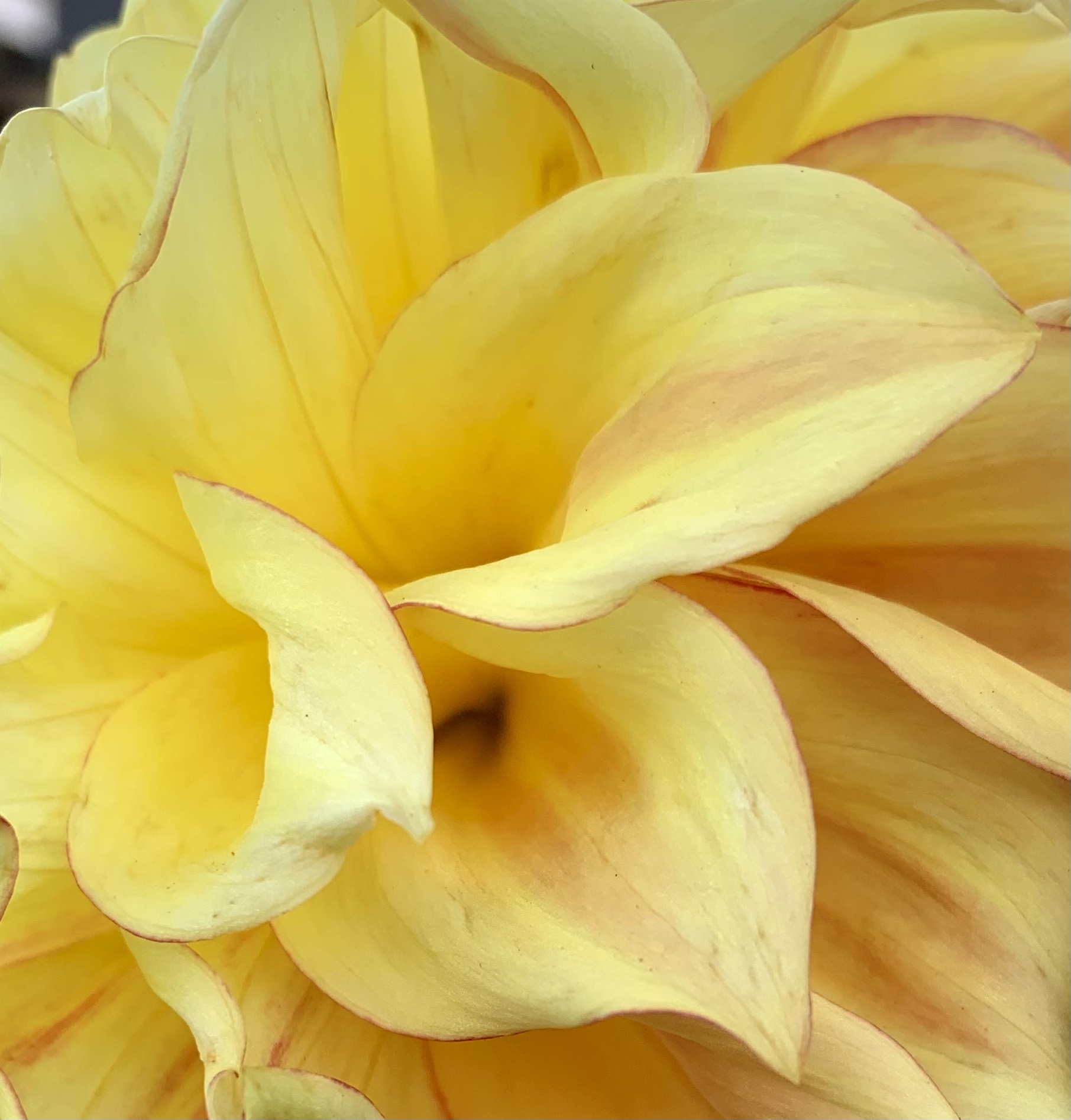
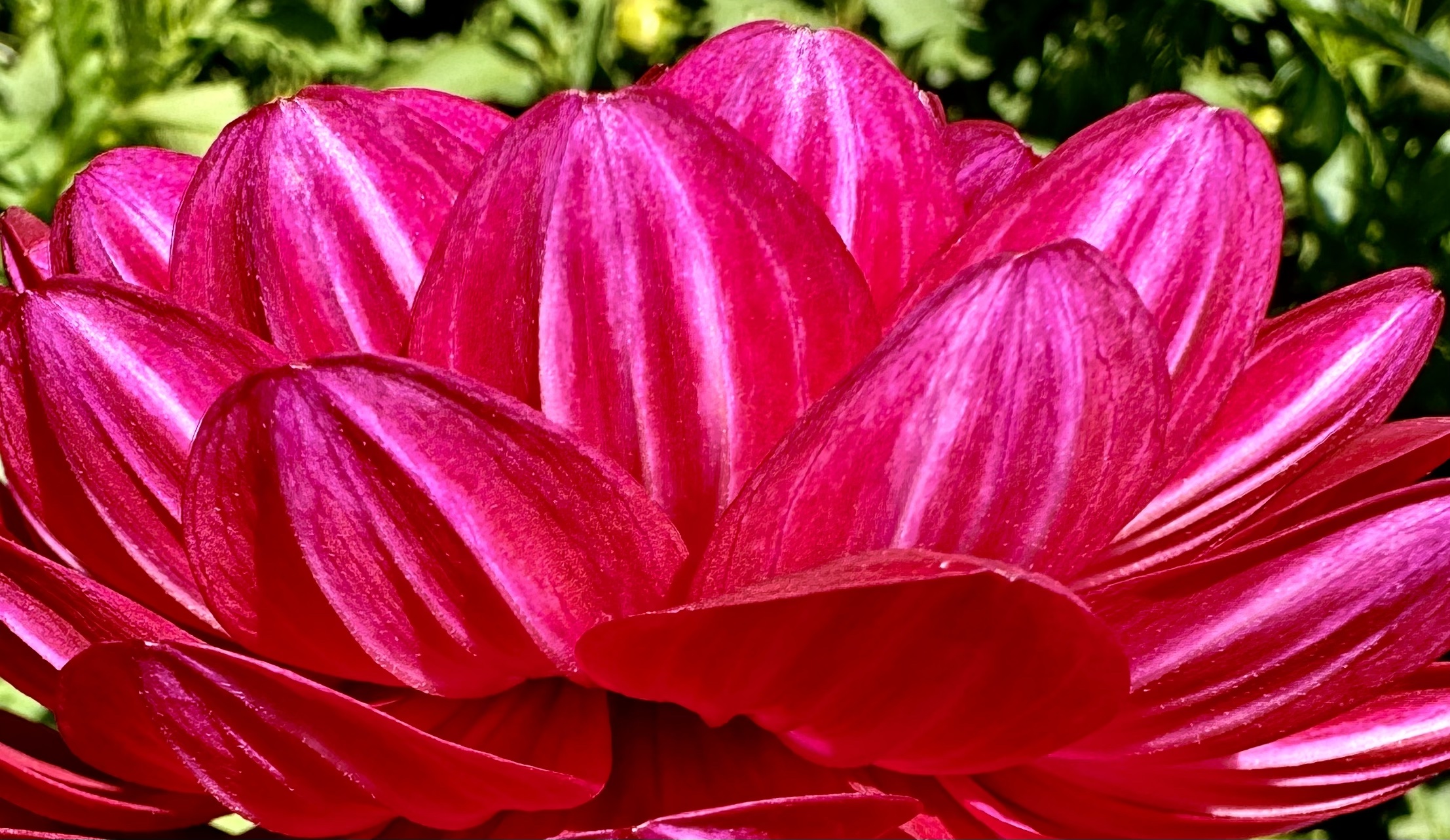
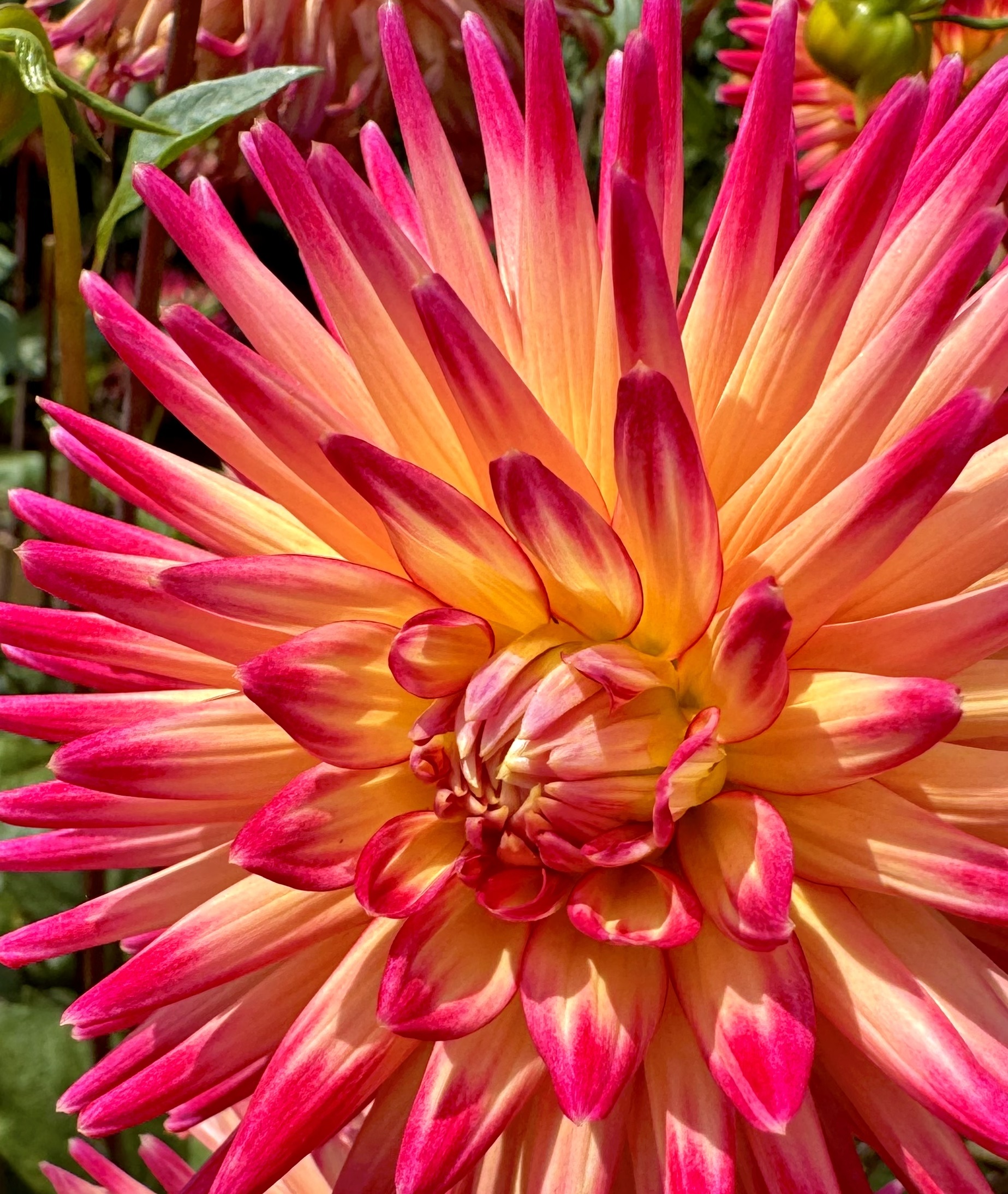
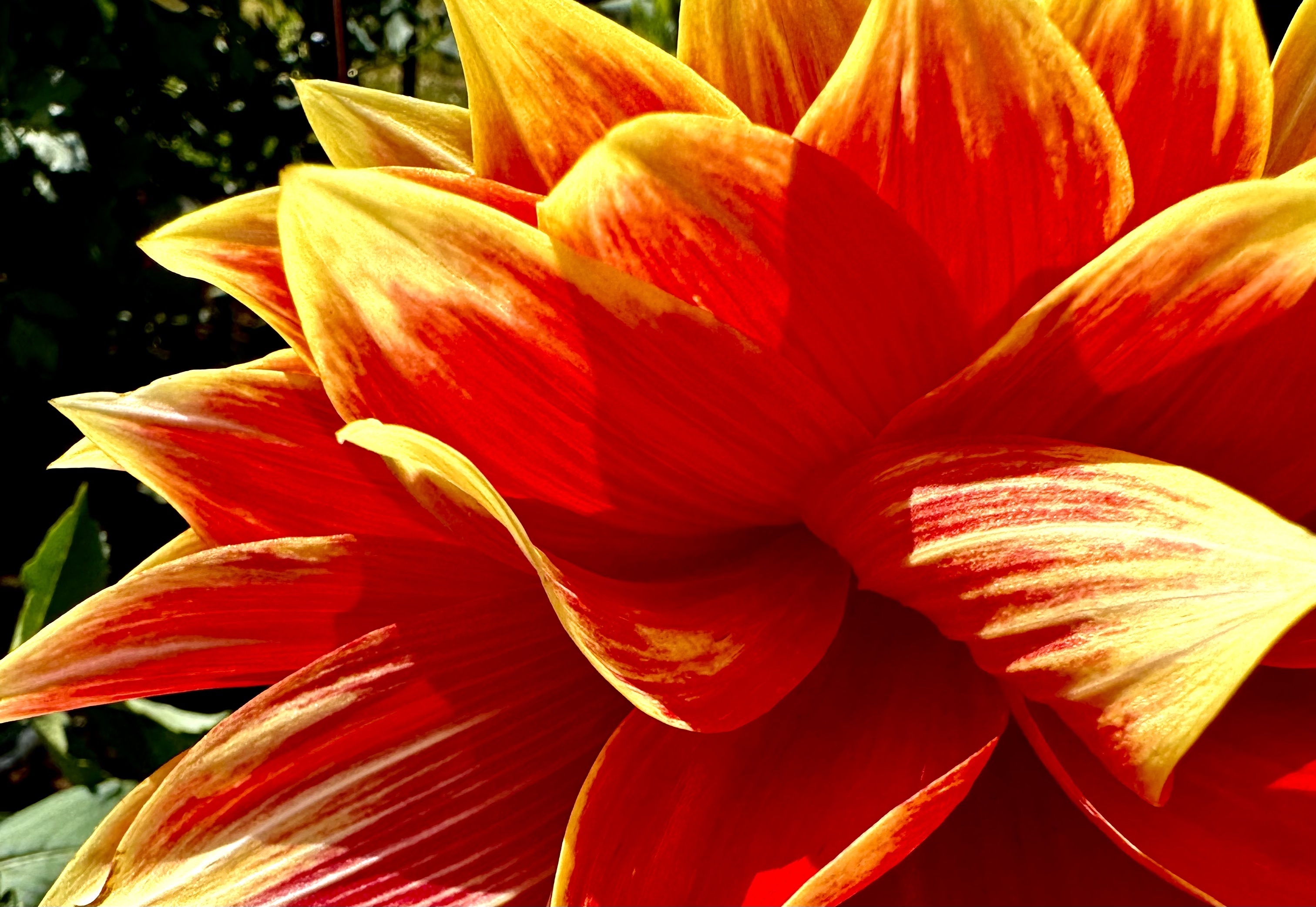
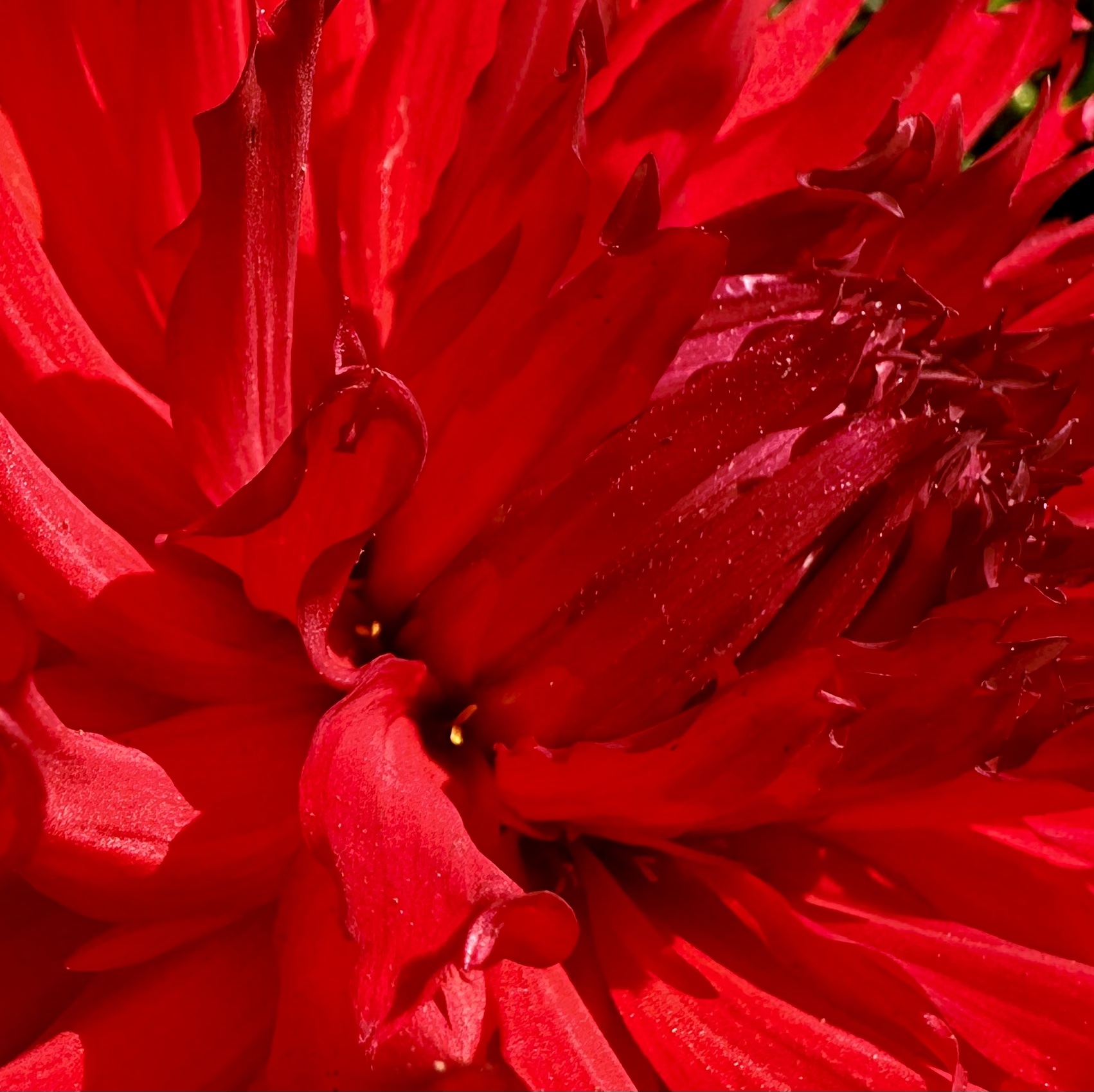
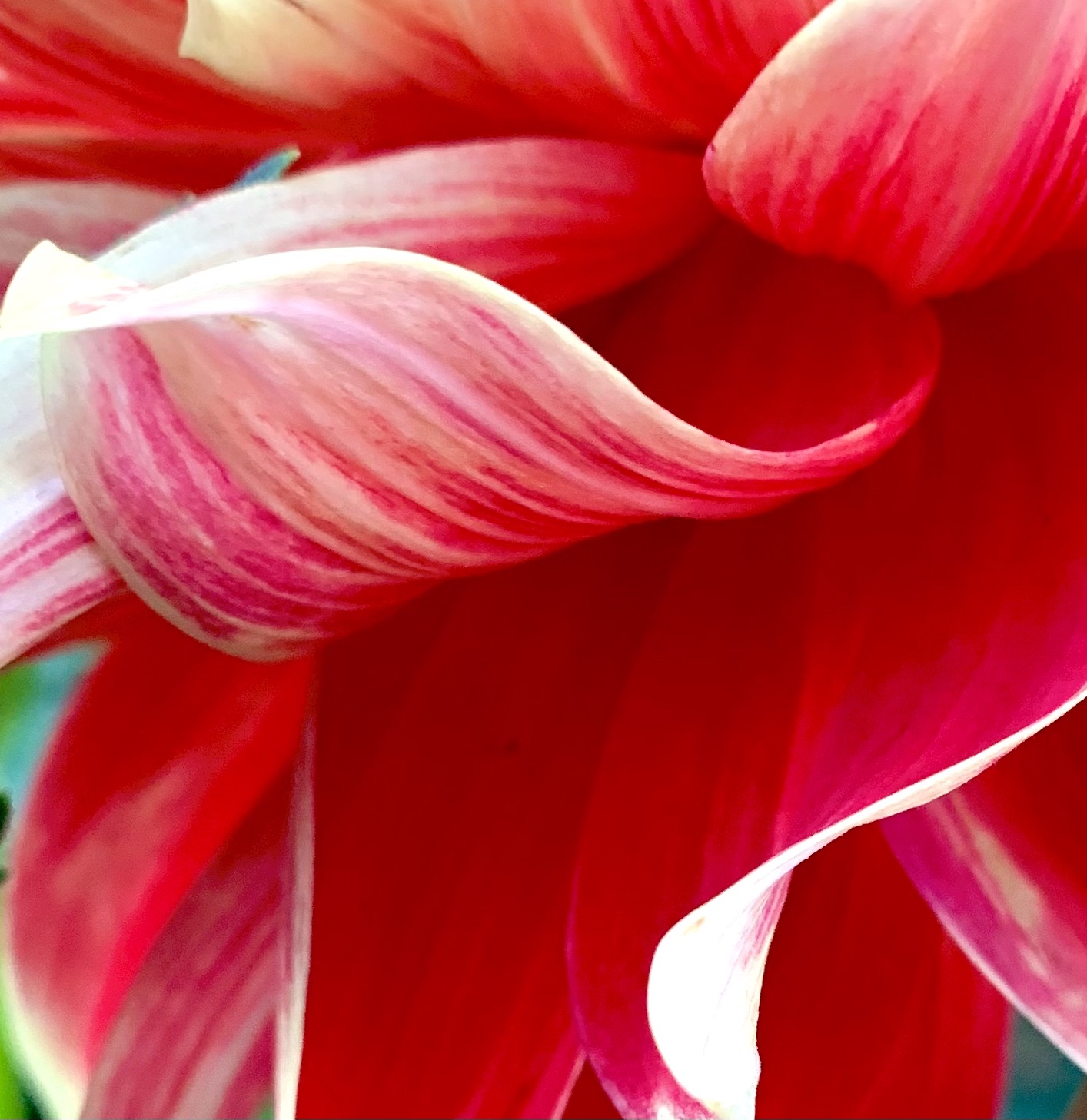
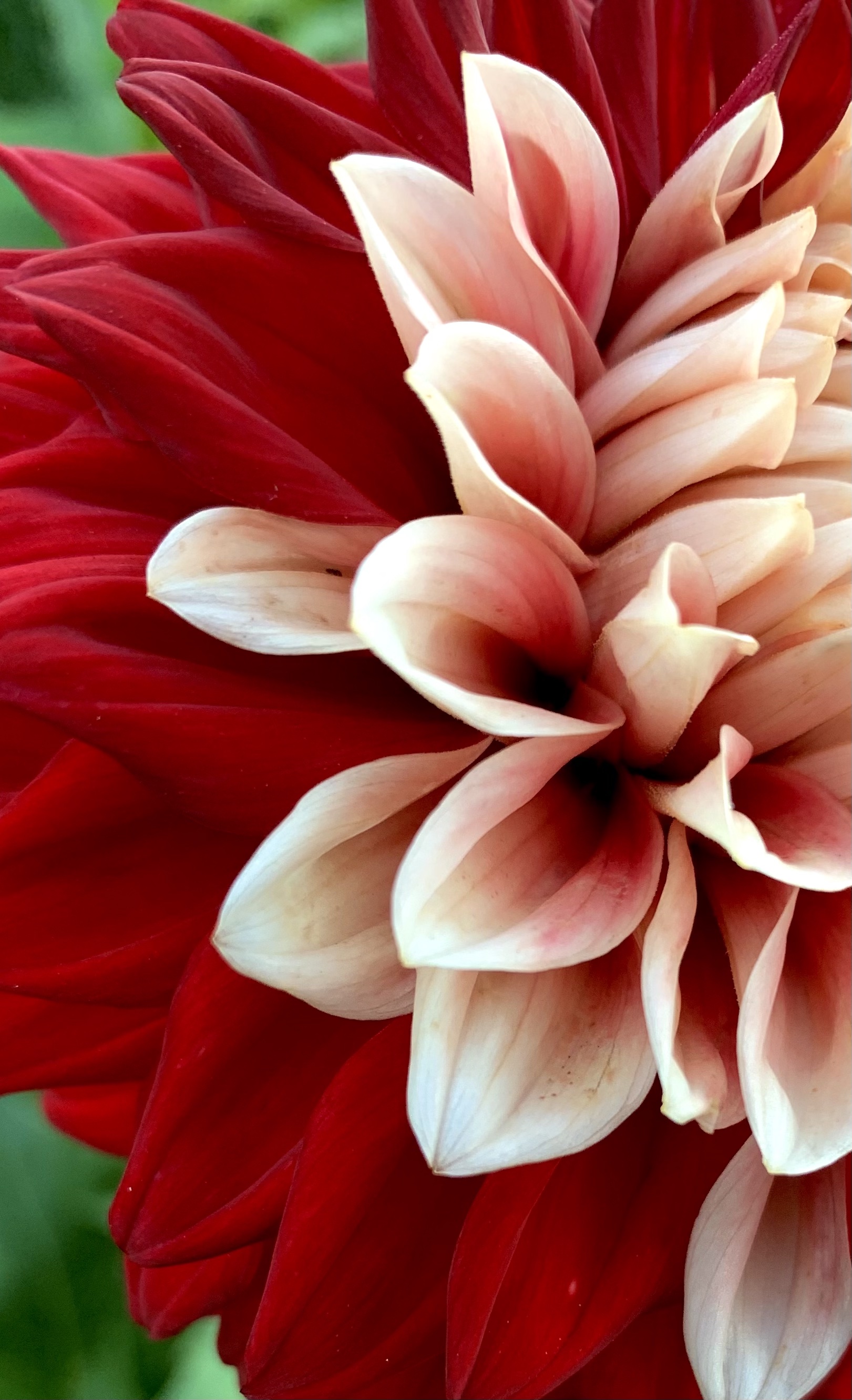
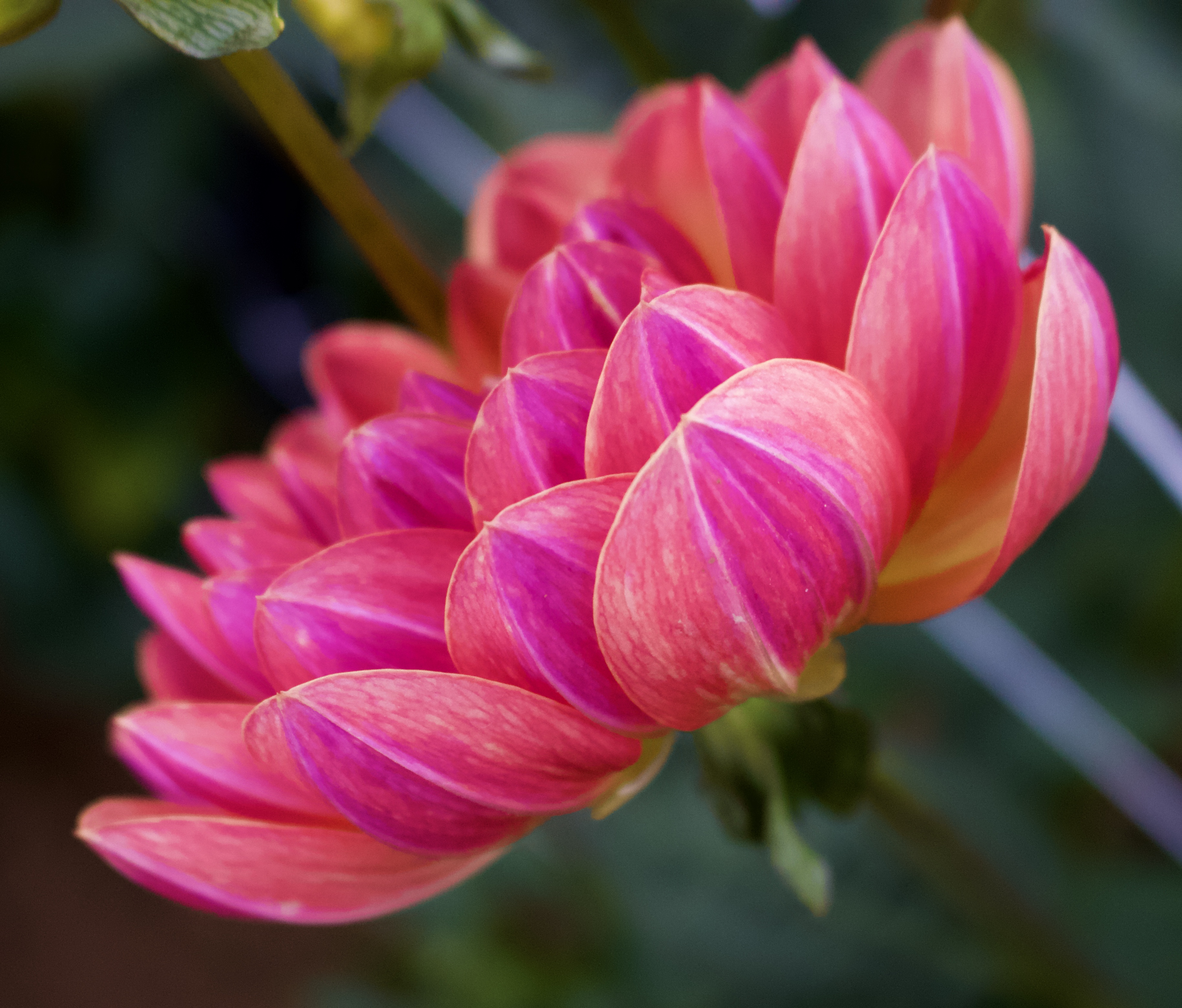
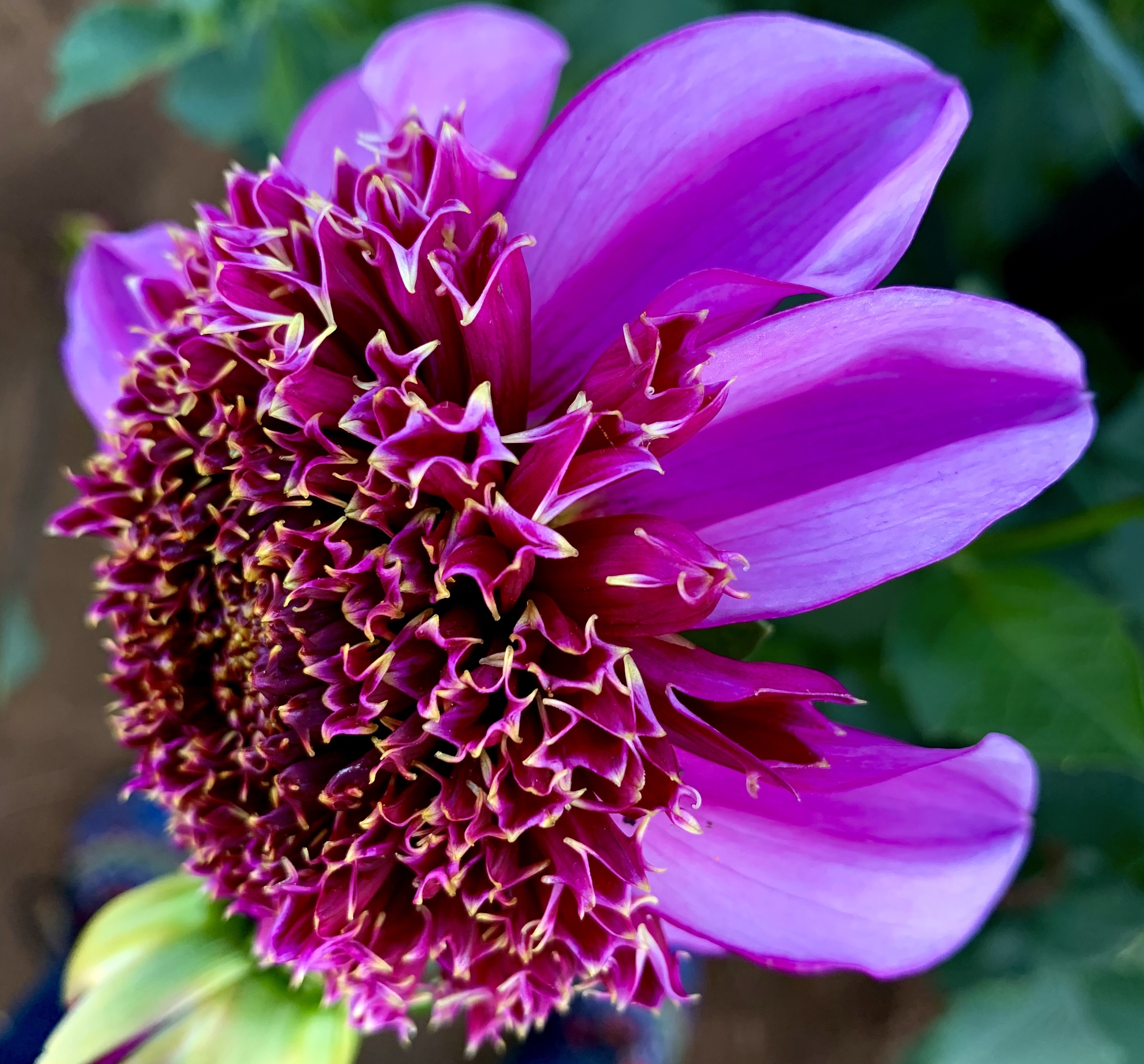
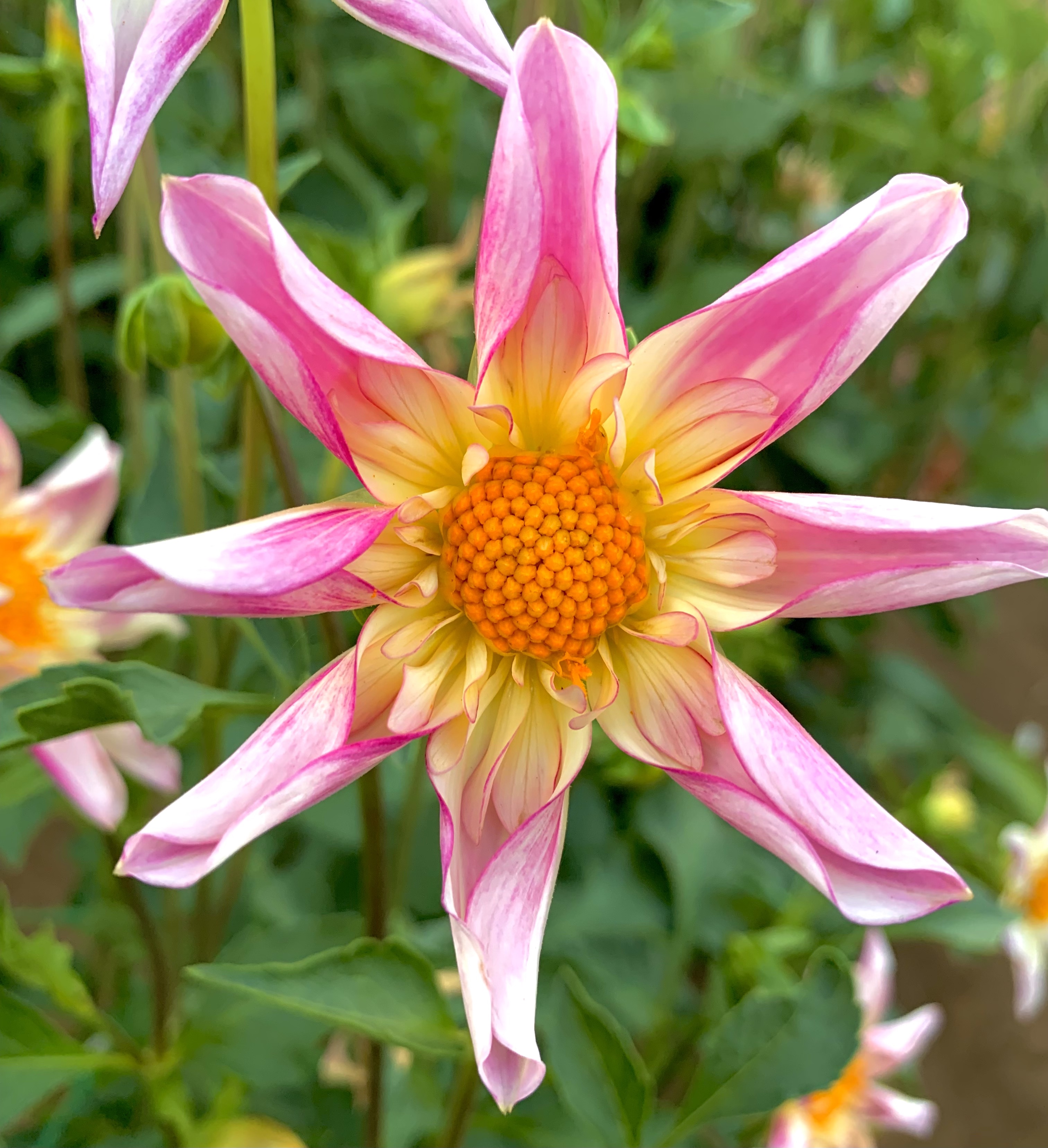
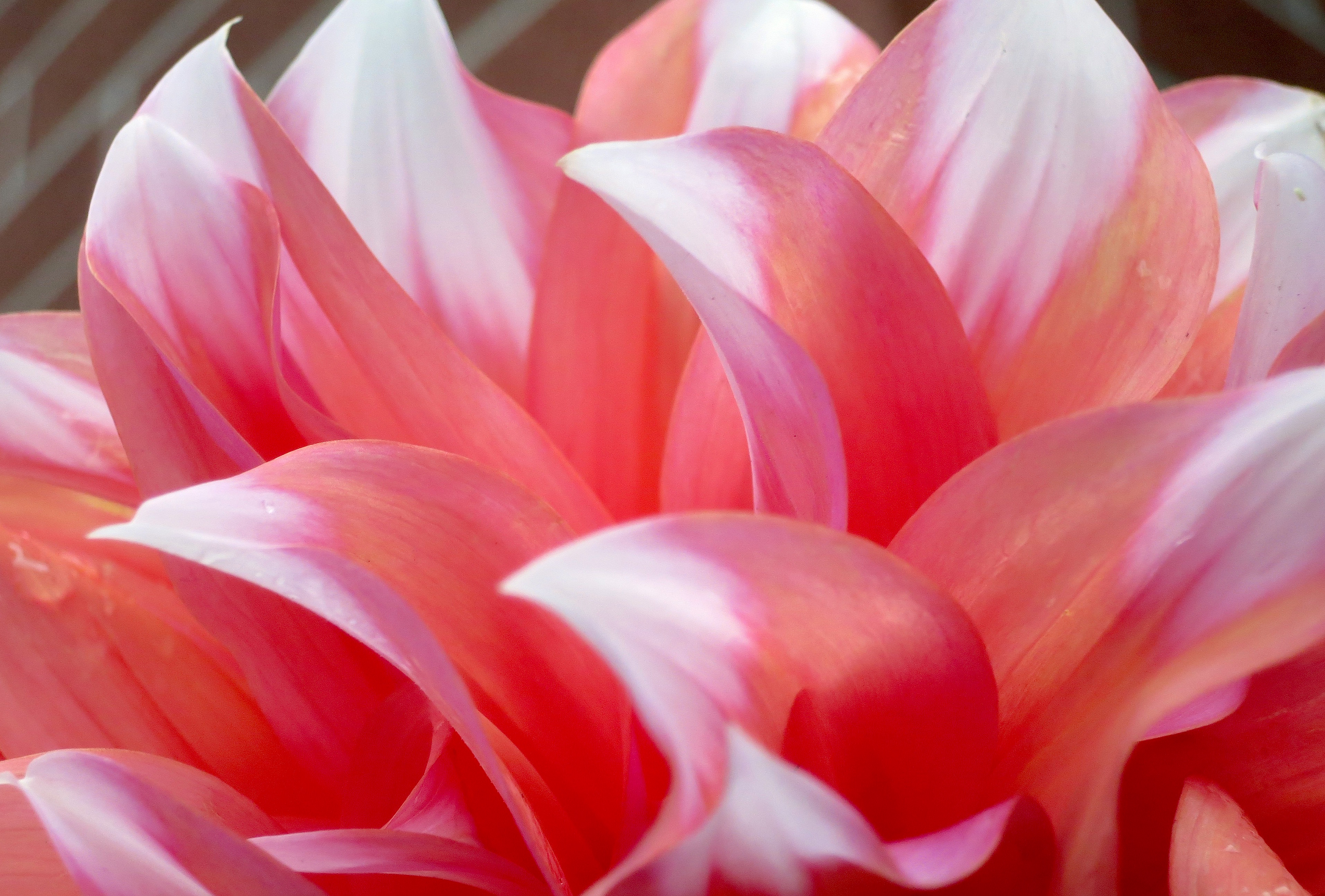
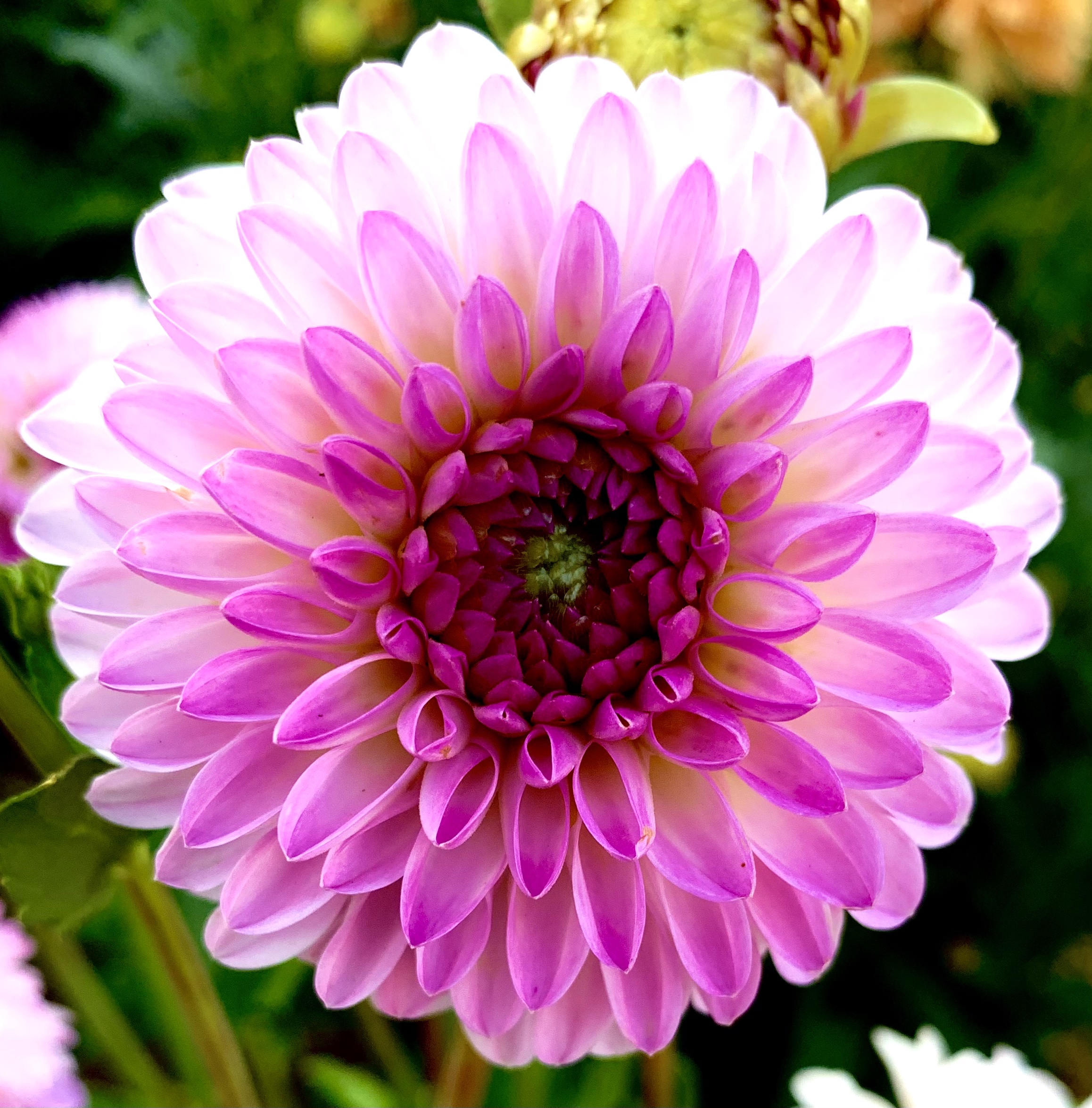
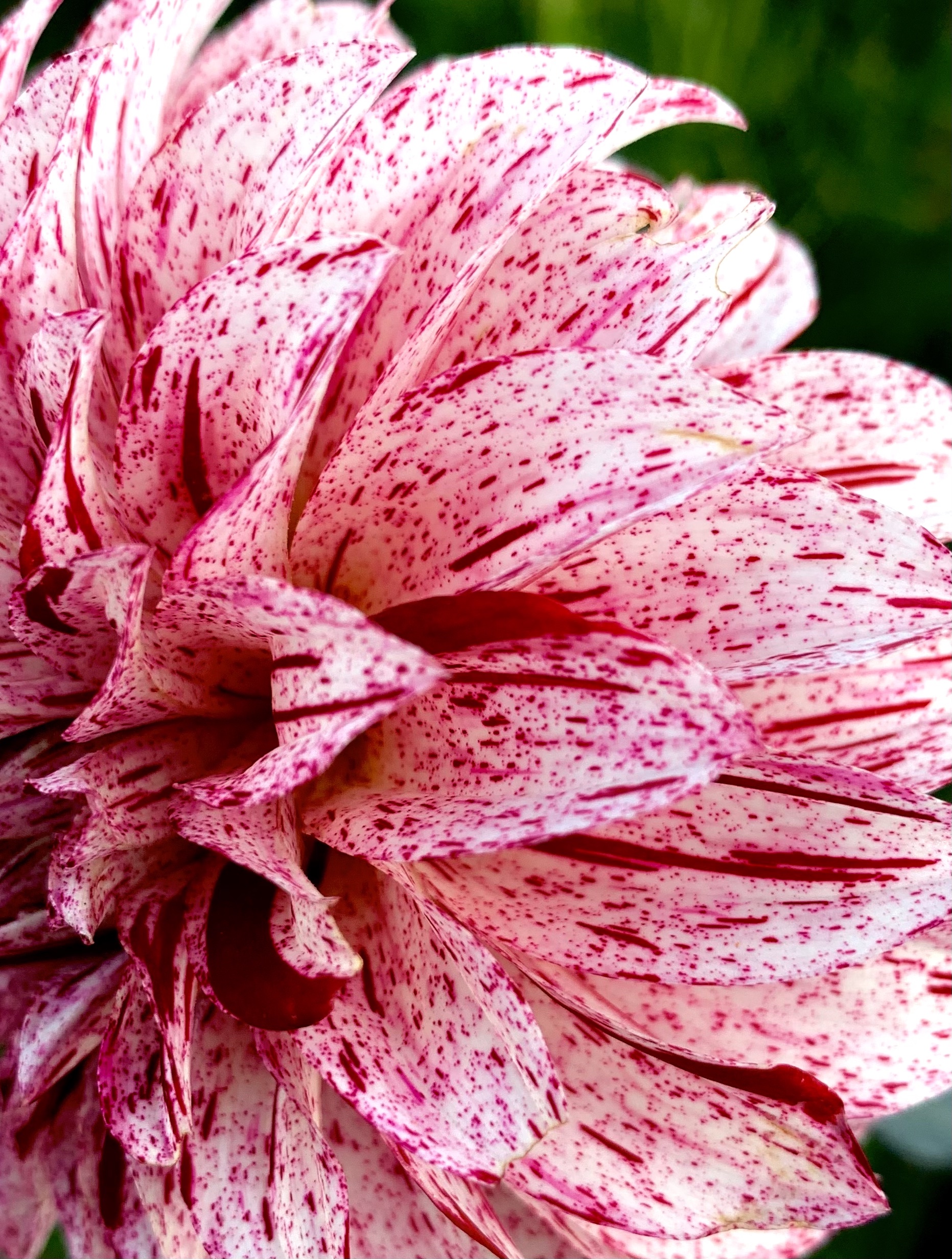
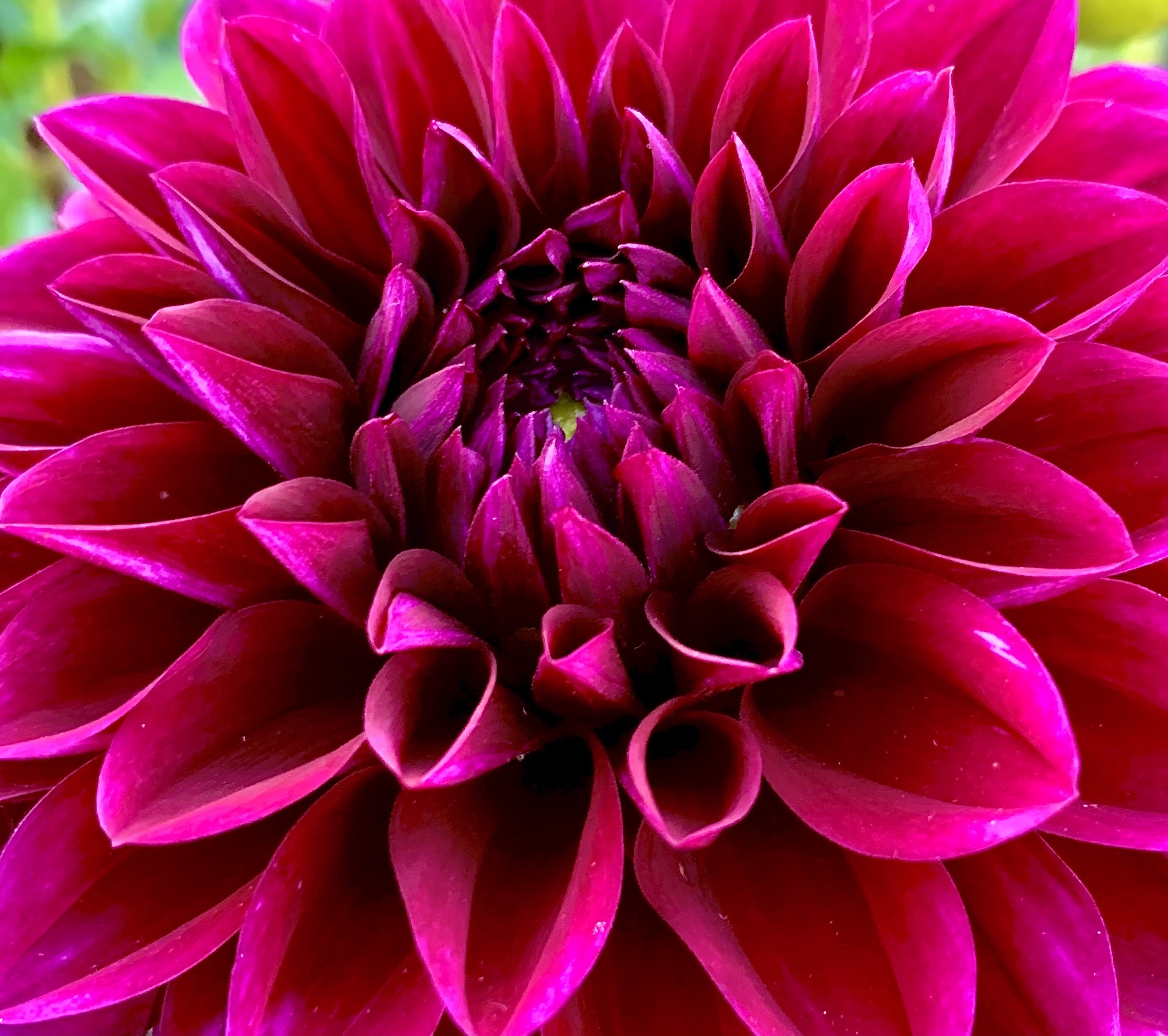
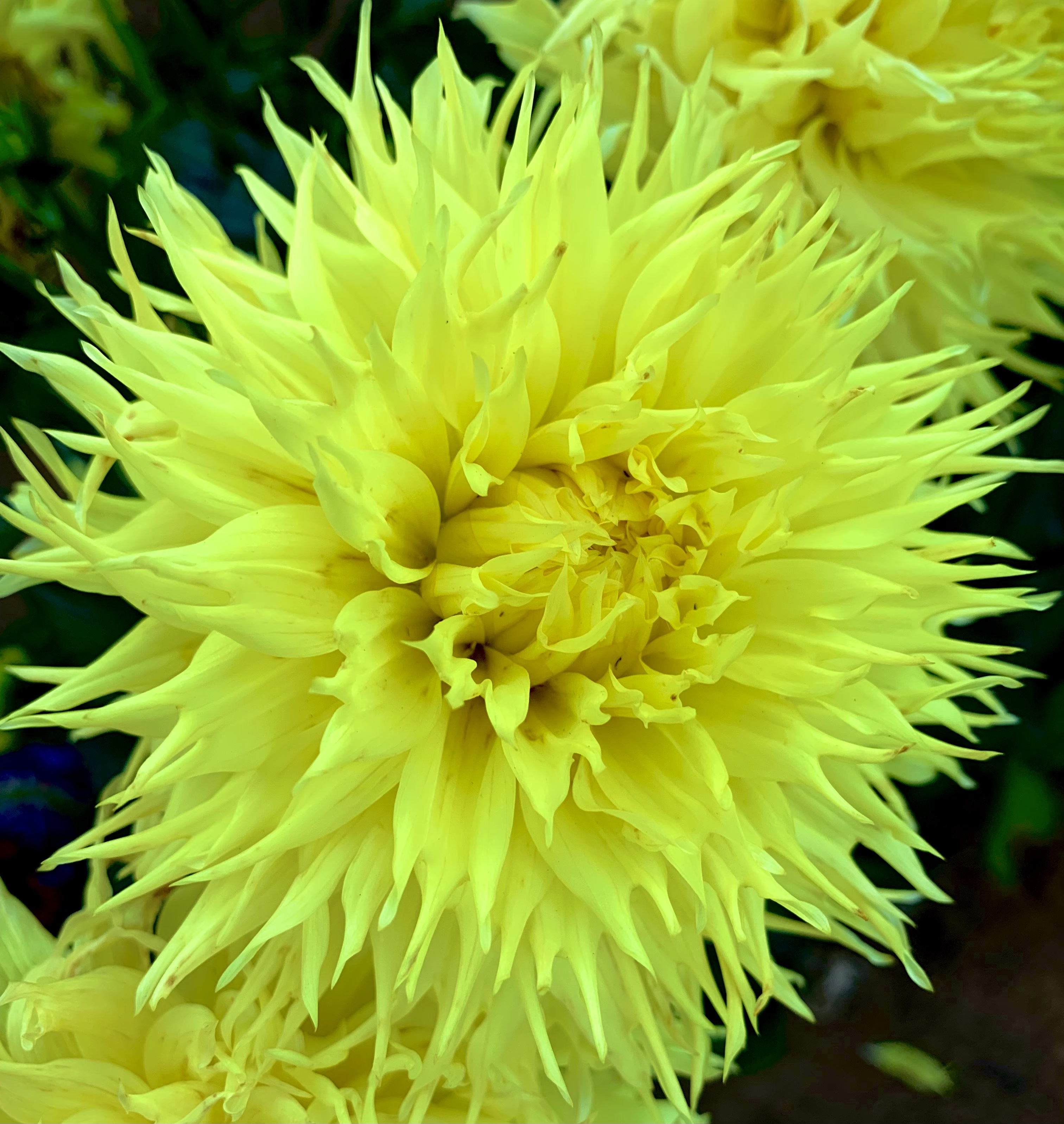
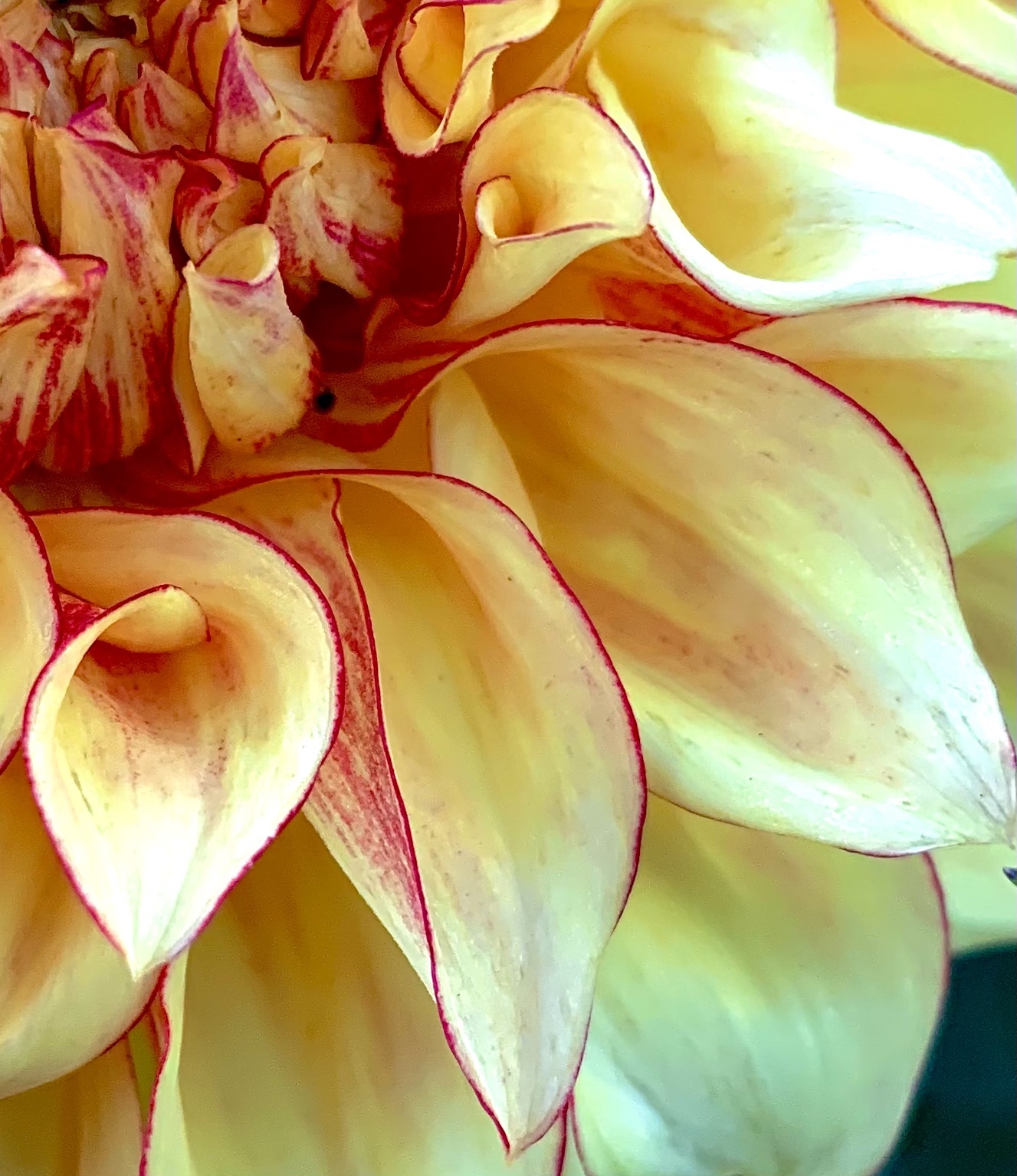
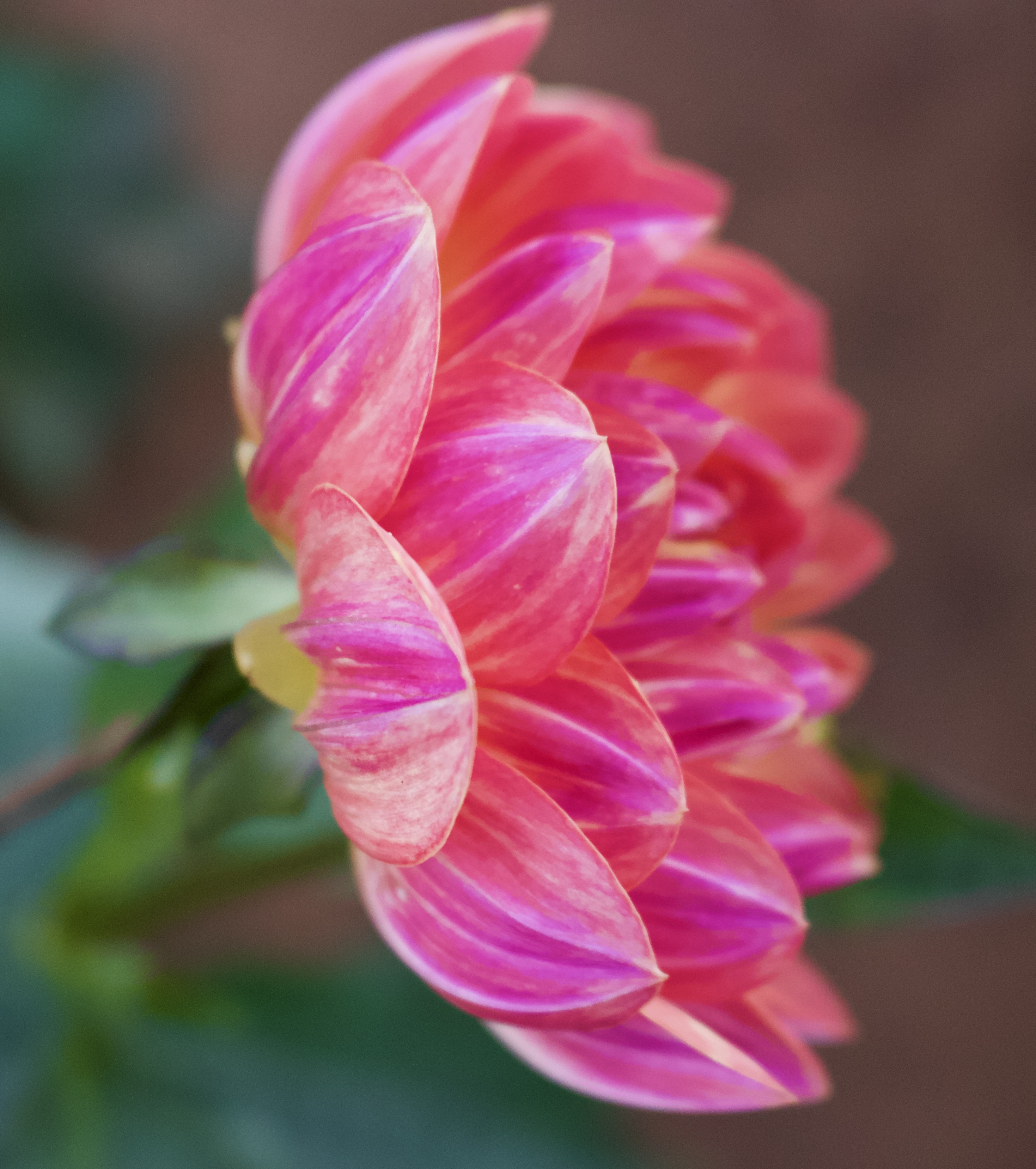
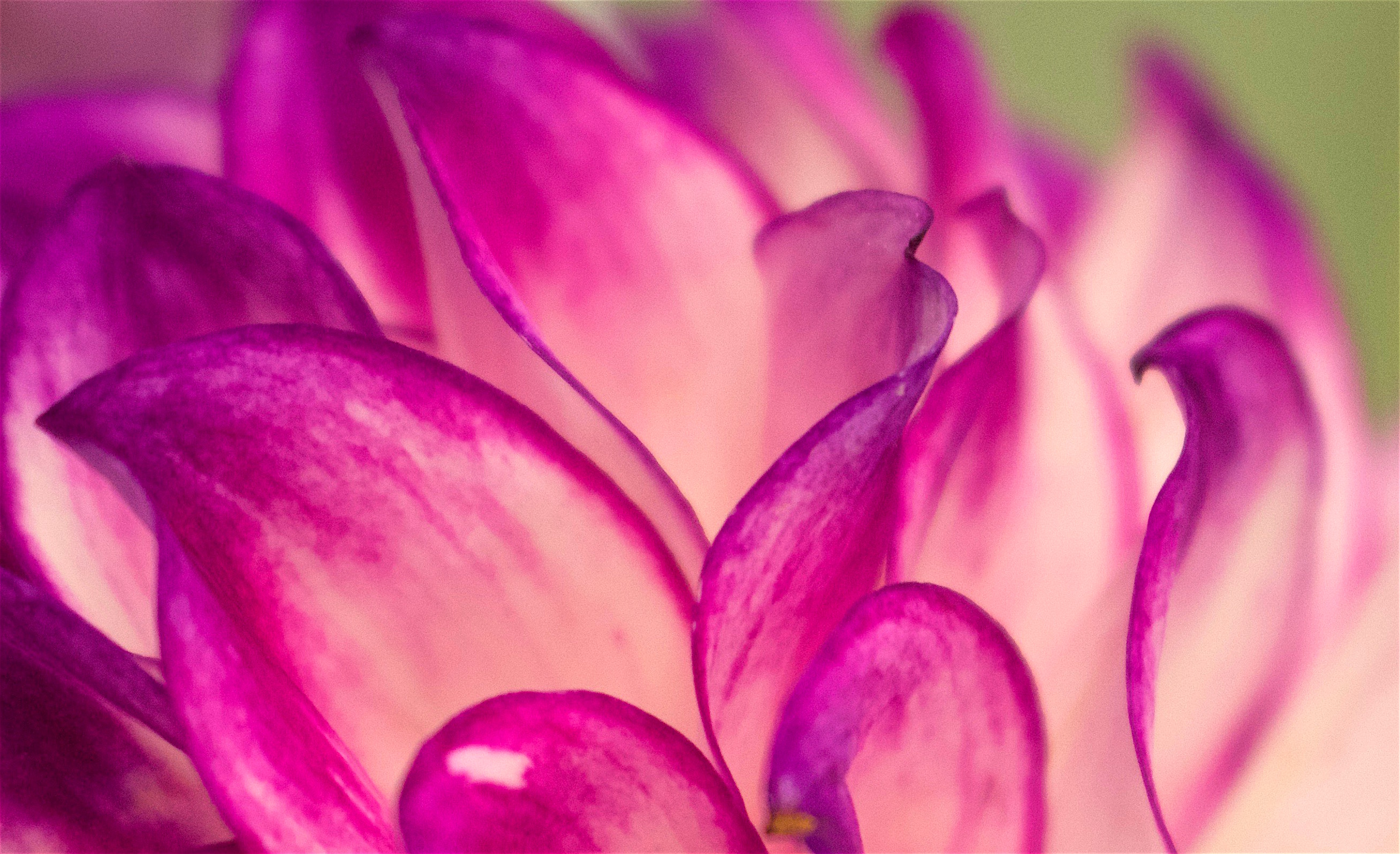
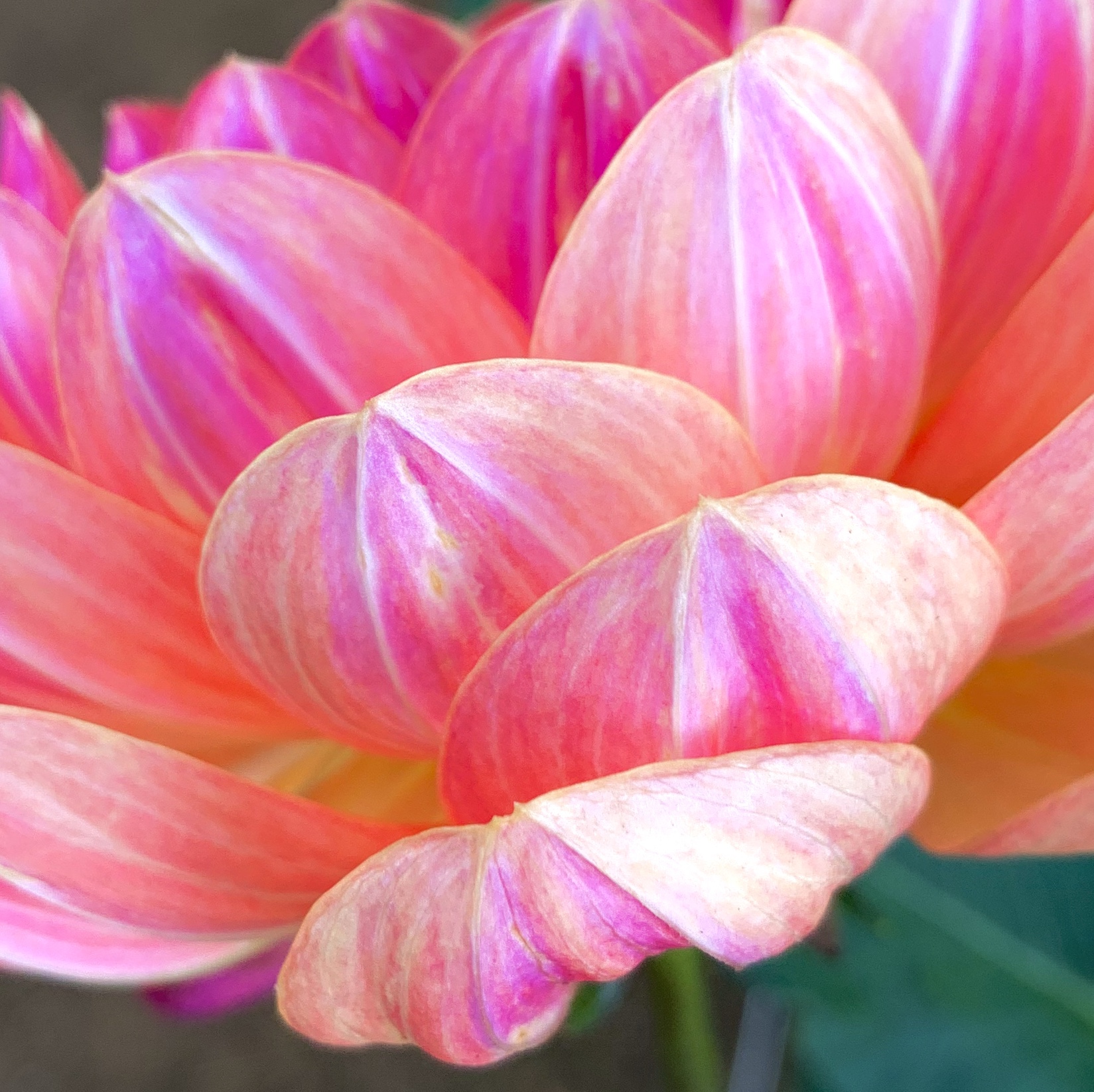
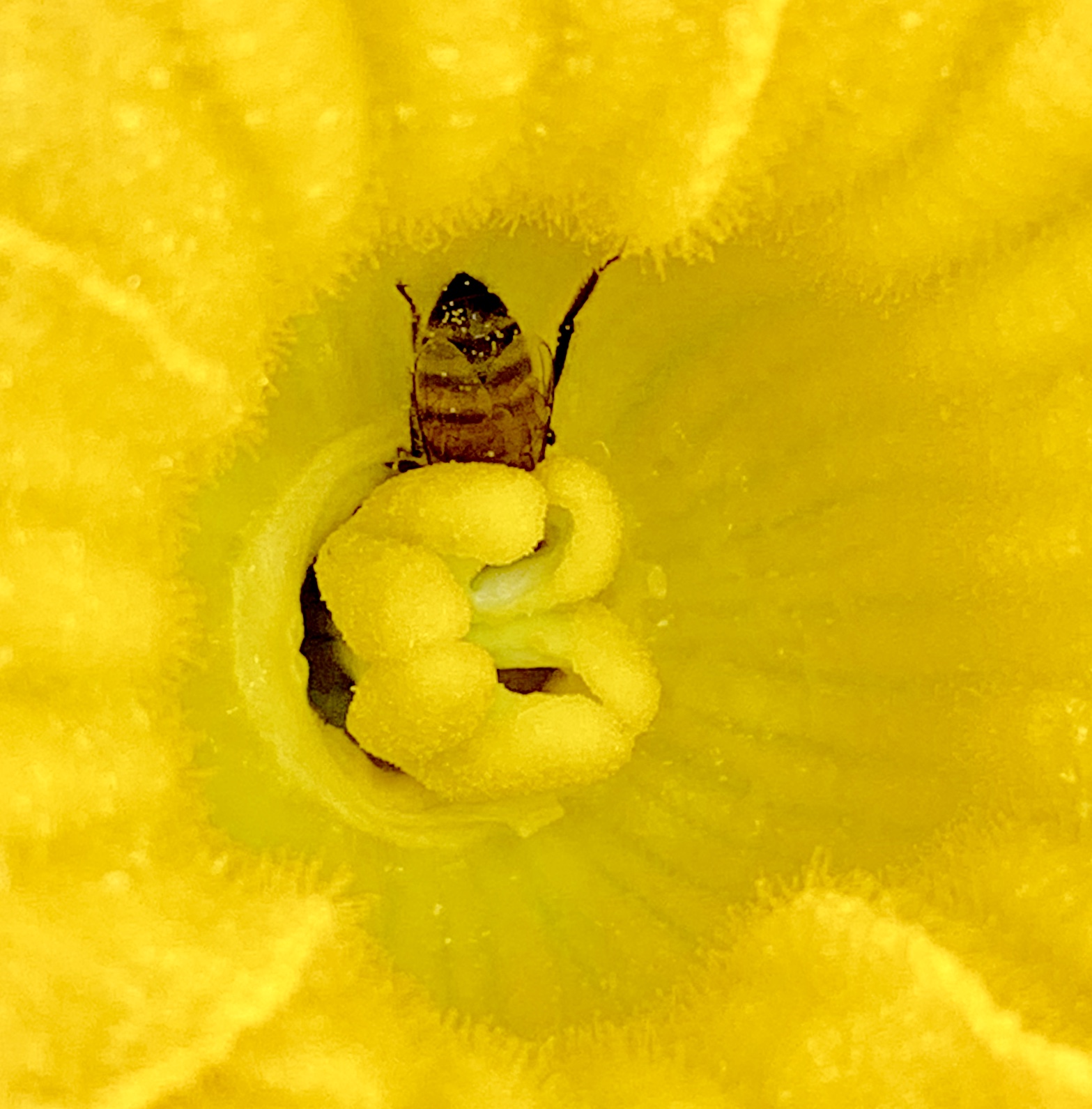
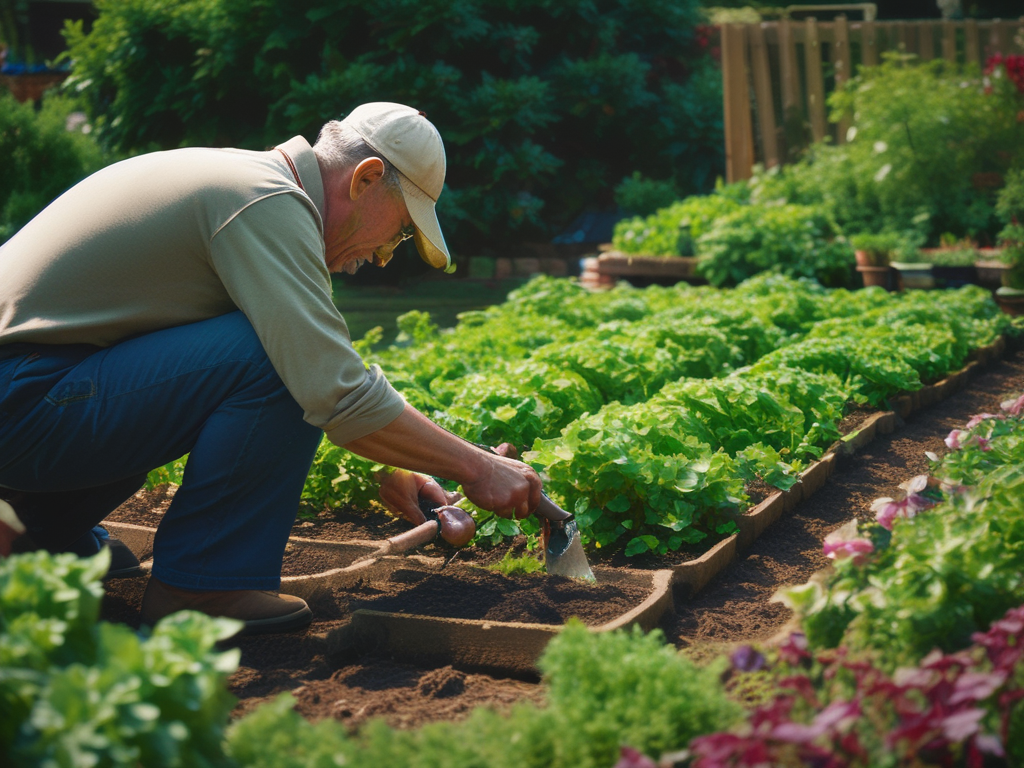
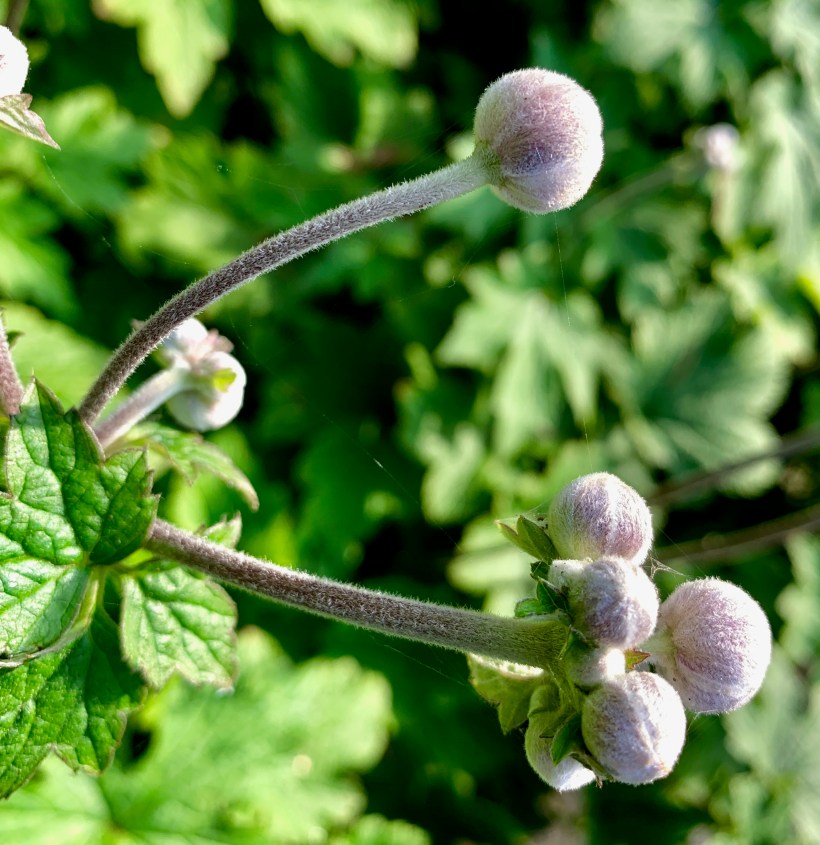
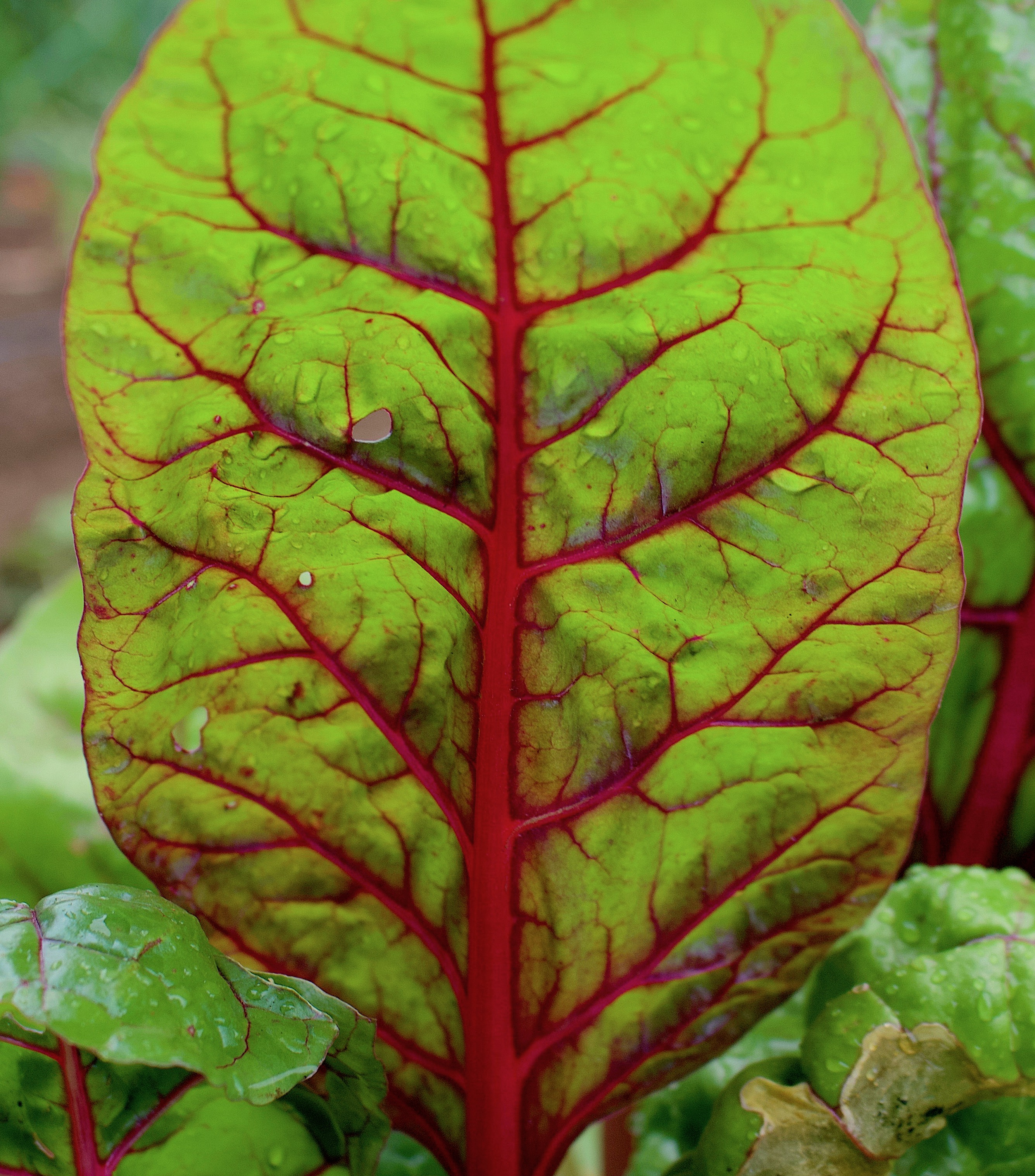
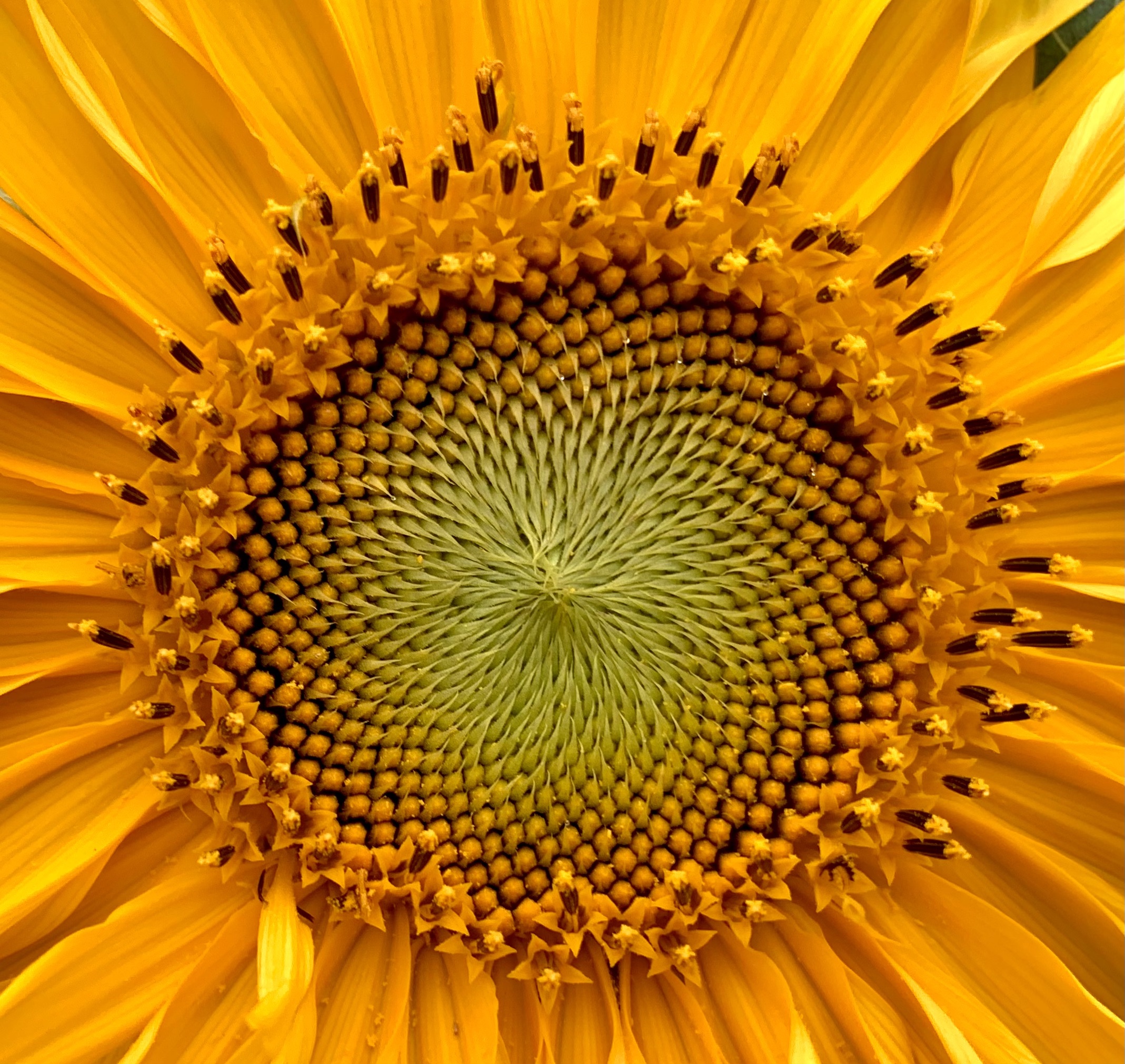
My friend Jean is a skilled gardener who has grown and hybridized dahlias for decades. What I see growing in the soil is her artist’s palette composed of petals, leaves and roots.

She has passionately cared for these plants; they reflect that love in every spiral and swirl, hue and gradient of color, showing stark symmetry and delightful variegation.

From homely and knobby look-alike tubers grow these luxurious beauties of infinite variety. I stand captivated before each one, realizing that same Creator makes sure I too impossibly bloom from mere dust.

Then He sets me to work in His garden, singing.

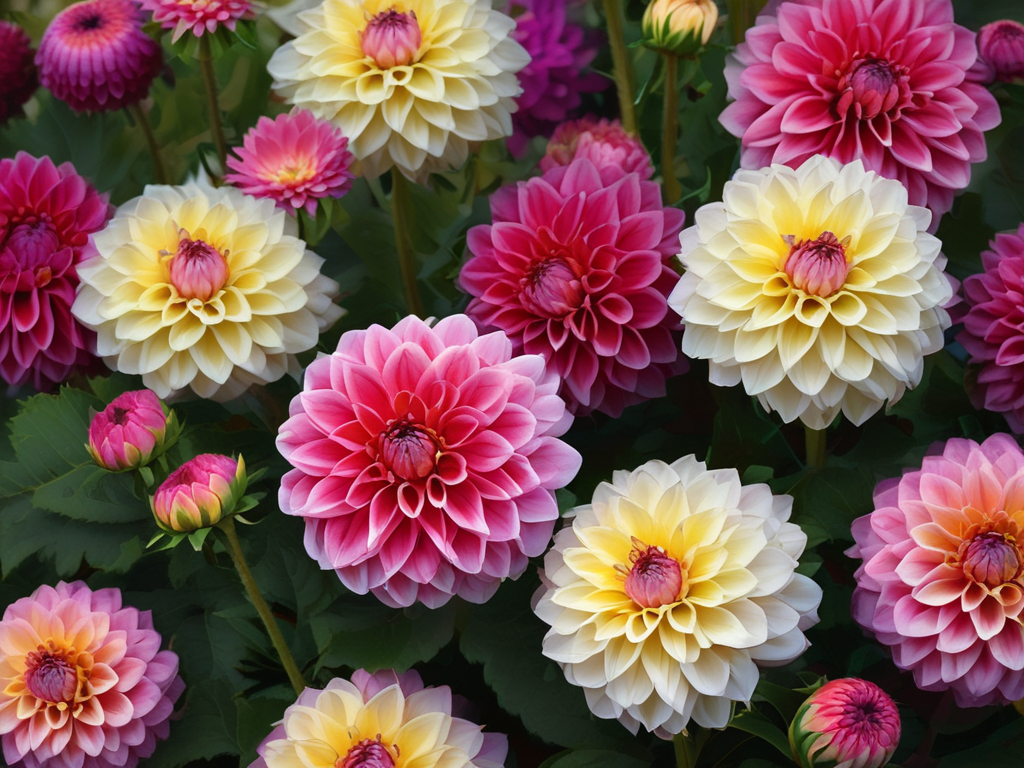
AI image created for this post
One-Time
Monthly
Yearly

Make a one-time or recurring donation to support daily Barnstorming posts

Make a monthly donation

Make a yearly donation

Choose an amount

$10.00
$25.00
$50.00
$5.00
$15.00
$100.00
$5.00
$15.00
$100.00

Or enter a custom amount

$

Your contribution is deeply appreciated.

Your contribution is appreciated.

Your contribution is appreciated.

DonateDonate monthlyDonate yearly

Only an Inch Beneath the Grass

He’s not so absorbed in the life around him
That he never looks up on clear nights
To admire the starry face of the sky.
But he’s awed even more by the earth he lives on,
By how much, for instance, its fertility
Depends on the unseen toil of earthworms.
Who would believe that over decades
Every inch of the field behind his house
Passes through their bodies again and again
As they feed on the dirt they tunnel through?
So much tireless turning over of loam,
So much natural harrowing, shredding, and leveling.
Yes, their work has undermined the stone wall
That marks the edge of his garden. But that’s a small price
For soil that nurtures the berries and grains
He enjoys at breakfast. Why turn from the table
To write a lament on the power of time
To undermine human effort when he can describe
How the work of worms helps sustain us?
Not to bother with them because they aren’t aware
Of his existence—how small-minded
That would seem to him in a species that prides itself
On understanding its place in the scheme of things,
As small-minded as thinking less of the stars
Because they aren’t twinkling for his benefit.
But the stars aren’t likely to go unnoticed
By a species quick to admire what’s distant,
Serene, and glittering, as opposed to what’s near,
Busy, and inconspicuous,
Working an inch beneath the grass.

~Carl Dennis “Near Darwin”

Aren’t you glad at least that the earthworms
Under the grass are ignorant, as they eat the earth,
Of the good they confer on us, that their silence
Isn’t a silent reproof for our bad manners,
Our never casting earthward a crumb of thanks
For their keeping the soil from packing so tight
That no root, however determined, could pierce it?

Imagine if they suspected how much we owe them,
How the weight of our debt would crush us
Even if they enjoyed keeping the grass alive,
The garden flowers and vegetables, the clover,
And wanted nothing that we could give them,
Not even the merest nod of acknowledgment.

A debt to angels would be easy in comparison,
Bright, weightless creatures of cloud, who serve
An even brighter and lighter master.


Lucky for us they don’t know what they’re doing,
These puny anonymous creatures of dark and damp
Who eat simply to live, with no more sense of mission
Than nature feels in providing for our survival.

…the tunneling earthworms, tireless, silent,
As they persist, oblivious, in their service.

~Carl Dennis from “Worms”

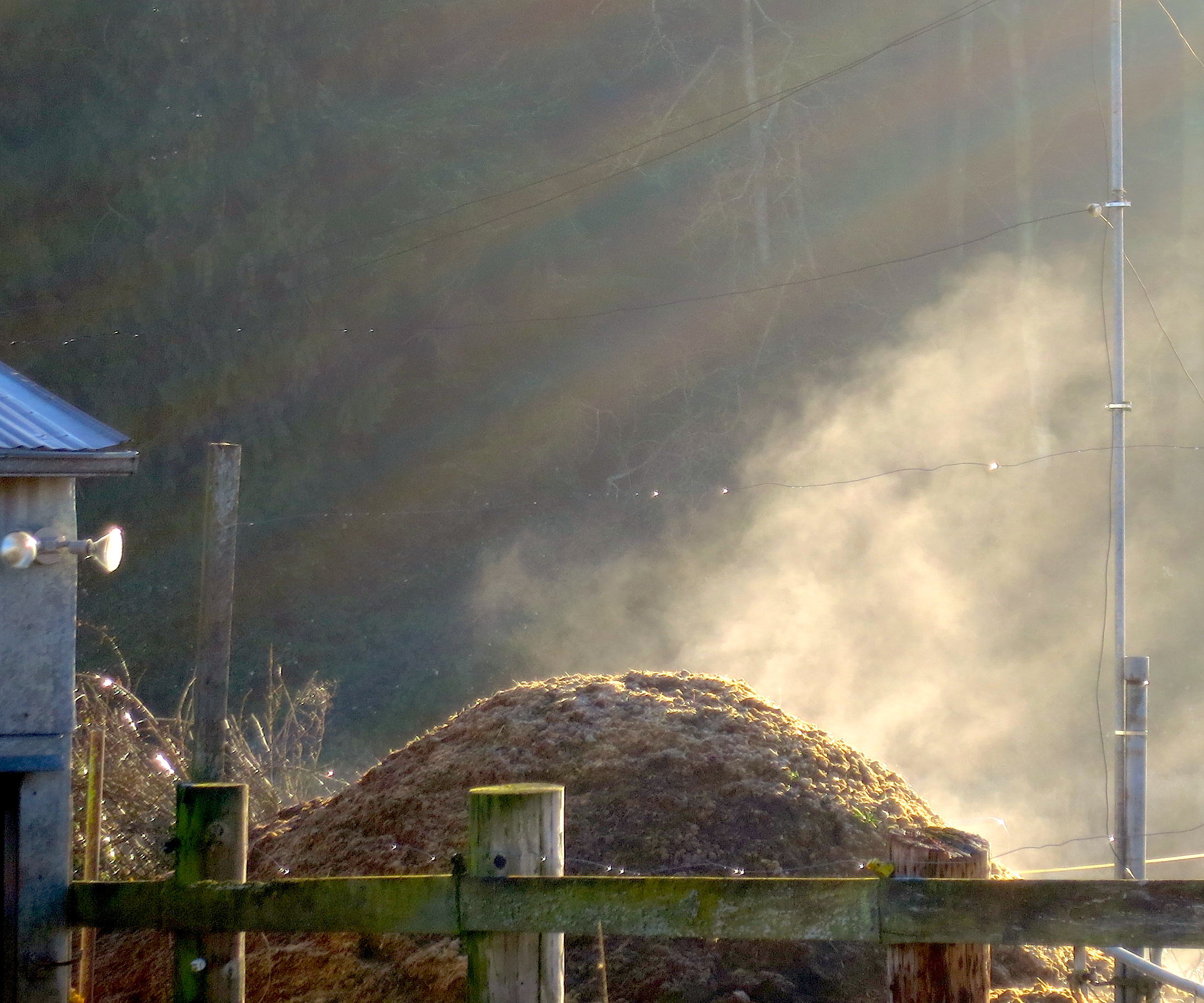
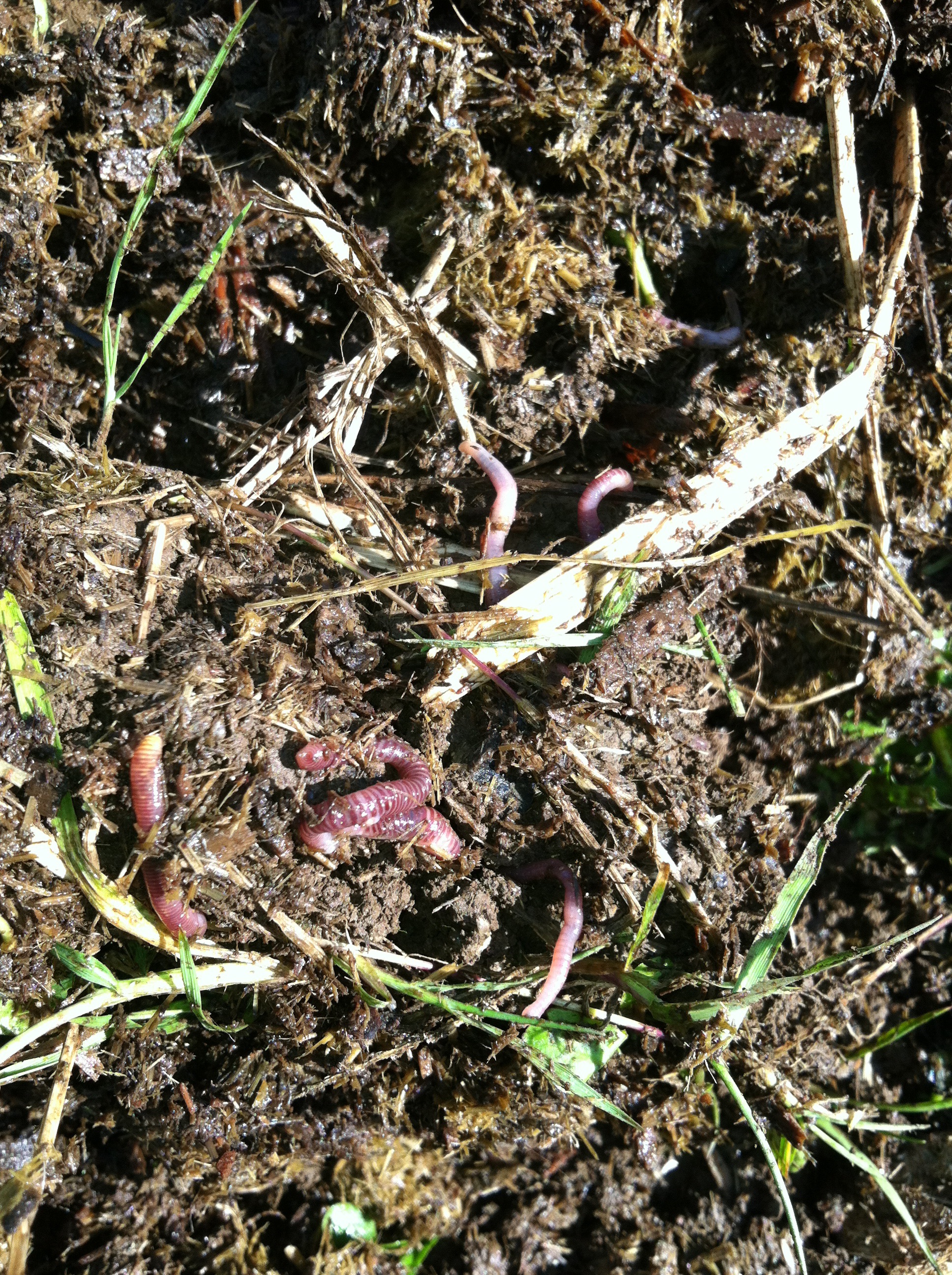
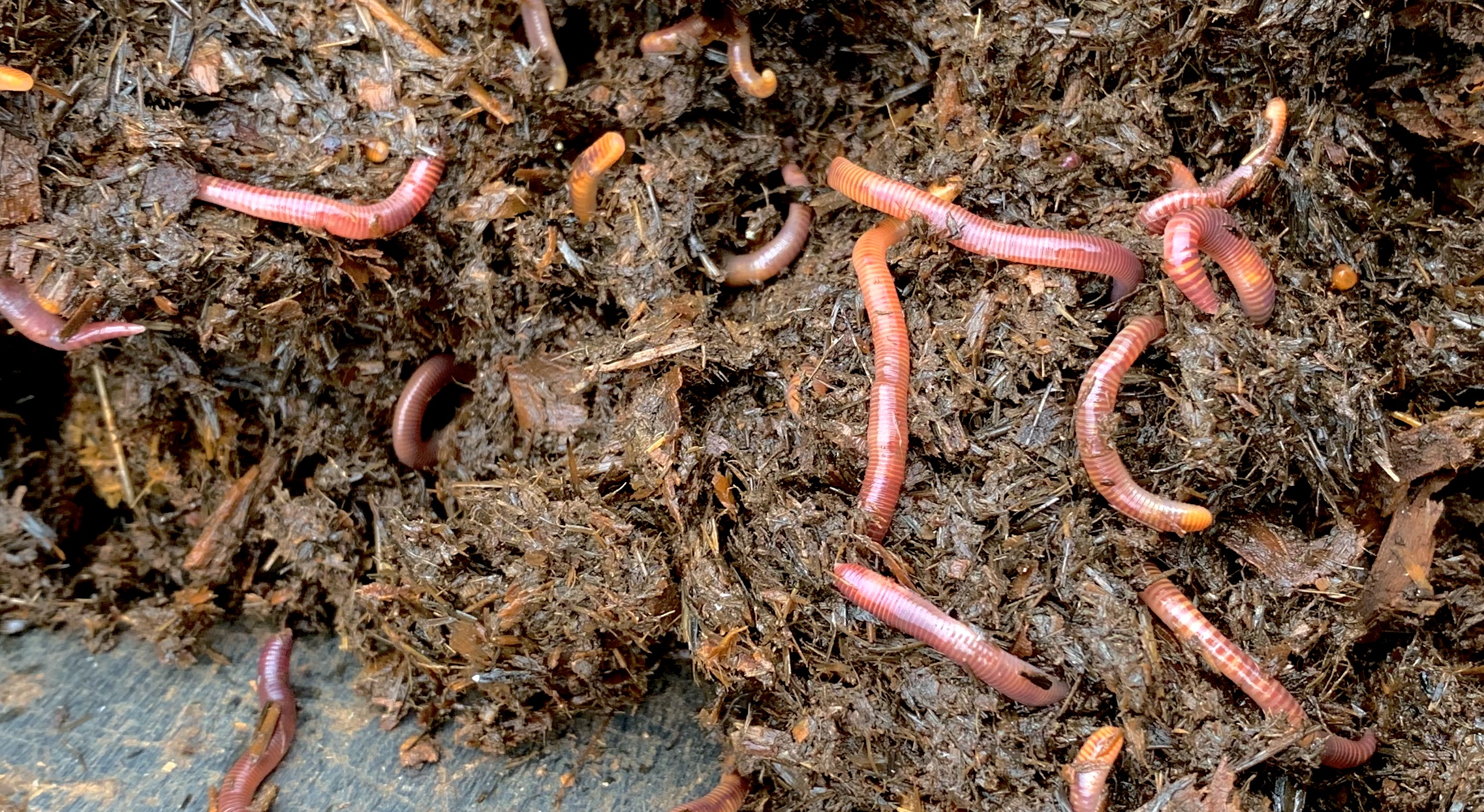
We’ve been composting horse manure for several decades behind the barn, and we dig in to the tall pile to spread on our garden plots. As Dan pushes the tractor’s front loader into the pile, steam rises from its compost innards. As the rich soil is scooped, thousands of newly exposed red wiggler worms immediately dive for cover. Within seconds, thousands of naked little creatures have, well, …wormed their way back into the security of warm dirt, being rudely interrupted from their routine. I can’t say I blame them.

Hundreds of thousands of wigglers end up being forced in the spring to adapt to new quarters, leaving the security of the manure mountain behind. As we smooth the topping of compost over the garden plot, the worms–gracious creatures that they are–tolerate being rolled and raked and lifted and turned over, waving their little bodies expectantly in the cool air before slipping back down into the dark. There they begin their work of digesting, aerating and renewing the soil of the garden, reproducing in their unique hermaphroditic way, leaving voluminous castings behind to further feed future seedlings to be planted.

Worms are unjustly denigrated by humans primarily because we don’t like to be surprised by them. We don’t like to see one in our food, especially only part of one, and are particularly distressed to see them after we’ve digested our food. Once we get past that bit of squeamishness, we can greatly appreciate their role as the ultimate recyclers, leaving the earth under our feet a lot better off once they are finished with their work.

We humans actually suffer by comparison: to be called “a worm” is really not as bad as it sounds at first. It is possible the worm may be offended by the association.

I hope to prove a worthy innkeeper for these new tenants.
May they live long and prosper only an inch beneath the grass,
so much more accessible than the infinite stars in the sky.
May each worm forgive the disruption
perpetrated by our rake and shovel.
May I smile appreciatively the next time
someone calls me a mere worm.

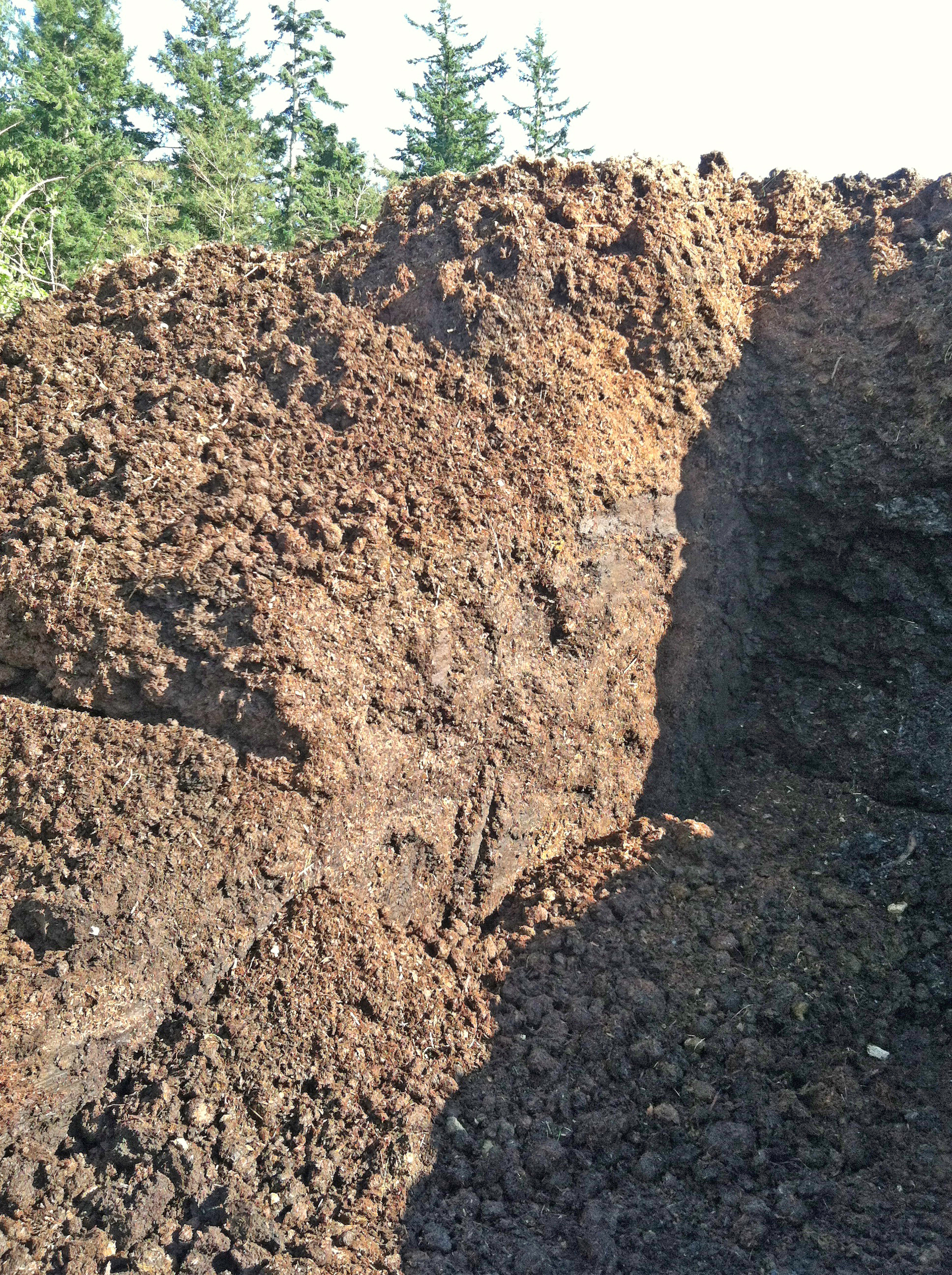
a cross section of 30 months of composted manure
AI image created for this post
One-Time
Monthly
Yearly

Make a one-time or recurring donation to support daily Barnstorming posts

Make a monthly donation

Make a yearly donation

Choose an amount

$10.00
$25.00
$50.00
$5.00
$15.00
$100.00
$5.00
$15.00
$100.00

Or enter a custom amount

$

Your contribution is deeply appreciated.

Your contribution is appreciated.

Your contribution is appreciated.

DonateDonate monthlyDonate yearly

Singing the Morning In

I’ll know the names of all of the birds
and flowers, and not only that, I’ll
tell you the name of the piano player
I’m hearing right now on the kitchen
radio, but I won’t be in the kitchen,


I’ll be walking a street in
New York or London, about
to enter a coffee shop where people
are reading or working on their
laptops. They’ll look up and smile.


Next time I won’t waste my heart
on anger; I won’t care about
being right. I’ll be willing to be
wrong about everything and to
concentrate on giving myself away.


Next time, I’ll rush up to people I love,
look into their eyes, and kiss them, quick.
I’ll give everyone a poem I didn’t write,
one specially chosen for that person.
They’ll hold it up and see a new
world. We’ll sing the morning in,


and I will keep in touch with friends,
writing long letters when I wake from
a dream where they appear on the
Orient Express. “Meet me in Istanbul,”
I’ll say, and they will.
~Joyce Sutphen “Next Time” from After Words

Oh sure – there are many things I would do differently if I could go back for a do-over. A lifetime is inevitably shot through with mistakes, poor choices and unfortunate opinions; mine is no different.

Yet there isn’t a “next time” or a “do-over.” It’s up to me with the time I have left to correct where I’ve been wrong and avoid repeating history.

Most important, I want to bask in the abundant blessings of the here and now.

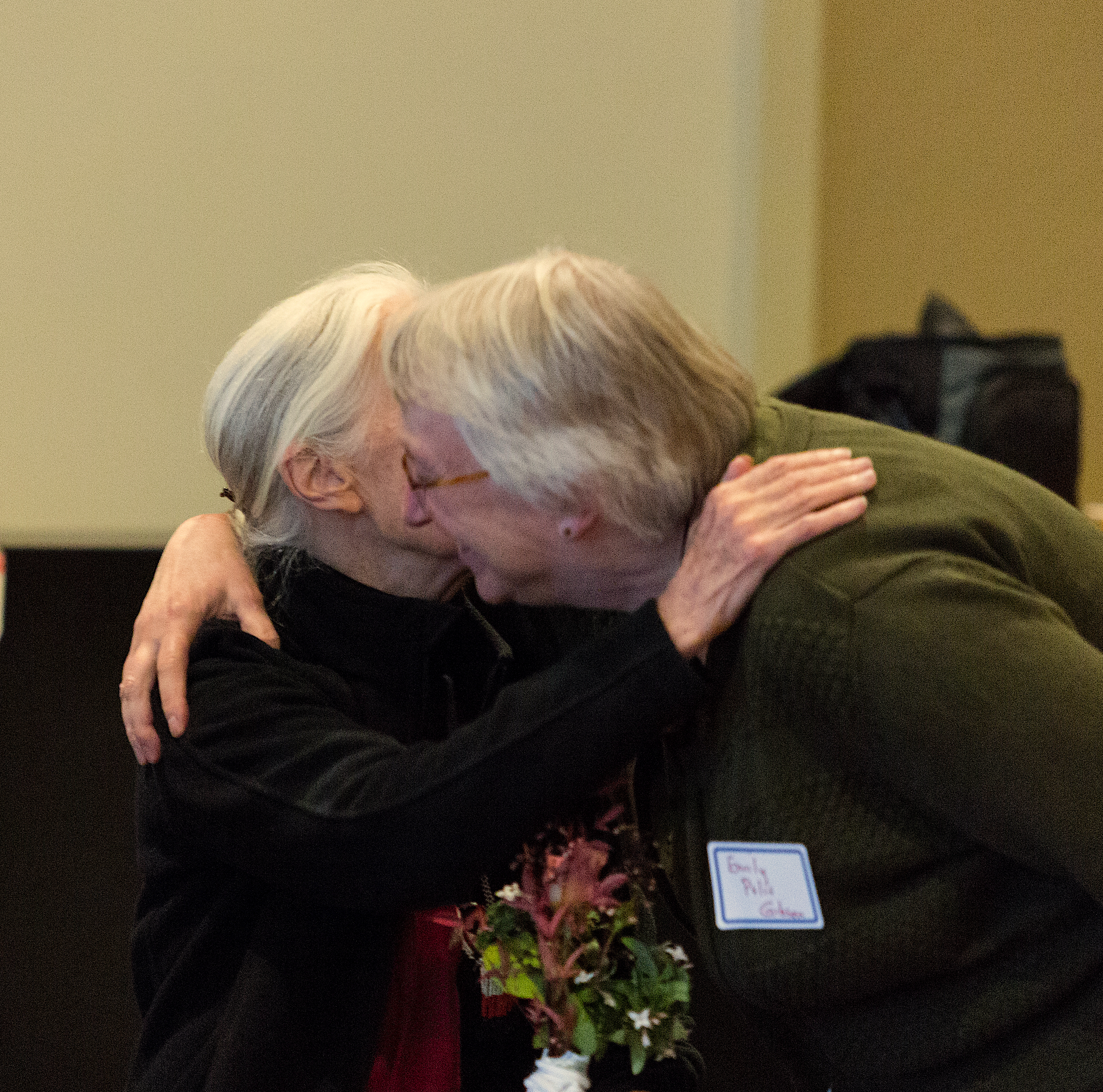
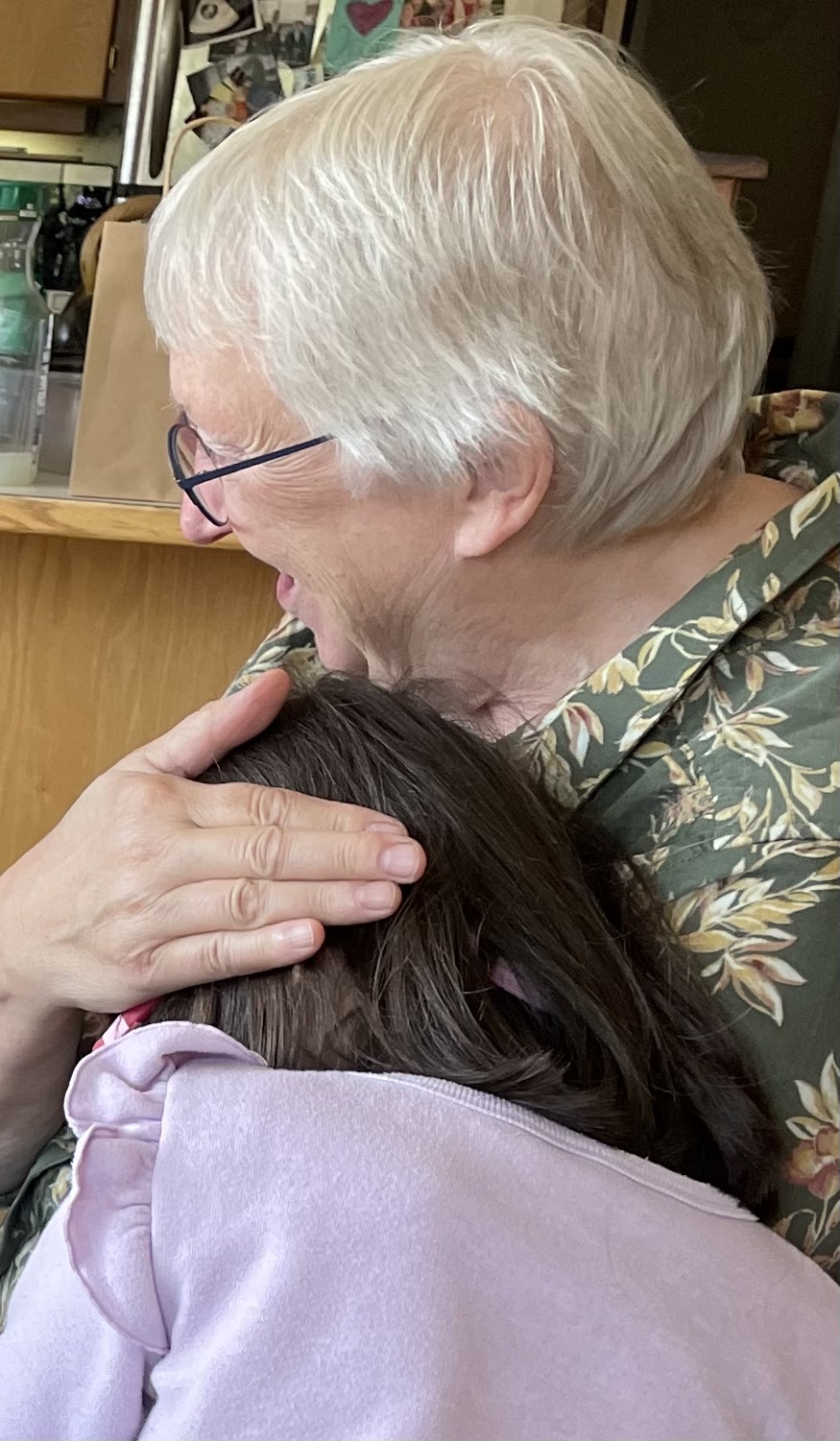
I still have time to smile and laugh more, hug more, give myself away more, forgive more, sing more, be more grateful.

With this approach to the world I now occupy, I can share what delights me as it might delight others.

That’s still plenty to ponder and try to get right in this life.
I best get to it.
Sing the morning in with me, whoever and wherever you are.

courtesy of WWU Communications
AI image created for this post
One-Time
Monthly
Yearly

Make a one-time or recurring donation to support daily Barnstorming posts

Make a monthly donation

Make a yearly donation

Choose an amount

$10.00
$25.00
$50.00
$5.00
$15.00
$100.00
$5.00
$15.00
$100.00

Or enter a custom amount

$

Your contribution is deeply appreciated.

Your contribution is appreciated.

Your contribution is appreciated.

DonateDonate monthlyDonate yearly

Keep Reaching Out

Under a sky the color of pea soup
she is looking at her work growing away there
actively, thickly like grapevines or pole beans
as things grow in the real world, slowly enough.
If you tend them properly, if you mulch, if you water,
if you provide birds that eat insects a home and winter food,
if the sun shines and you pick off caterpillars,
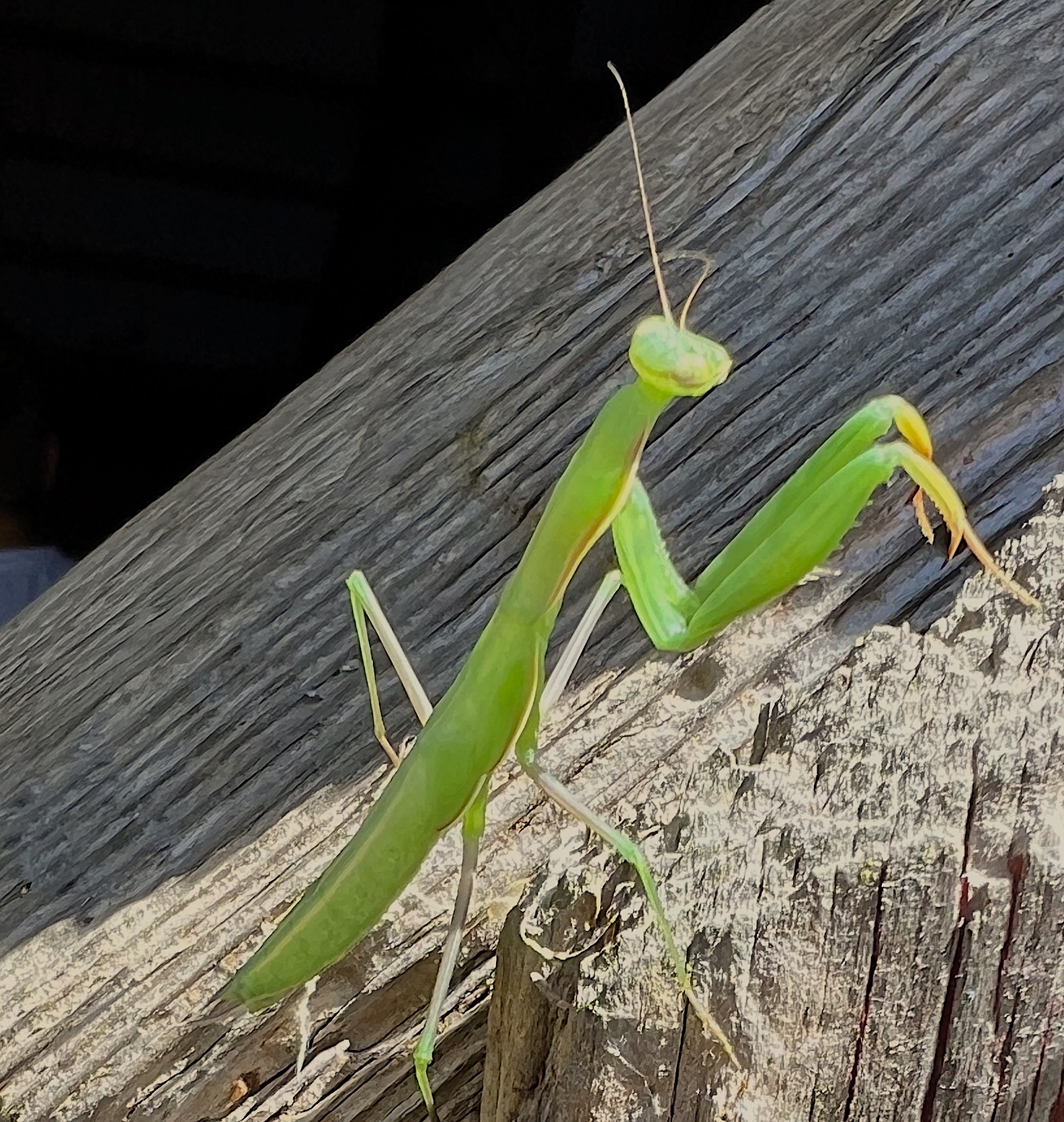
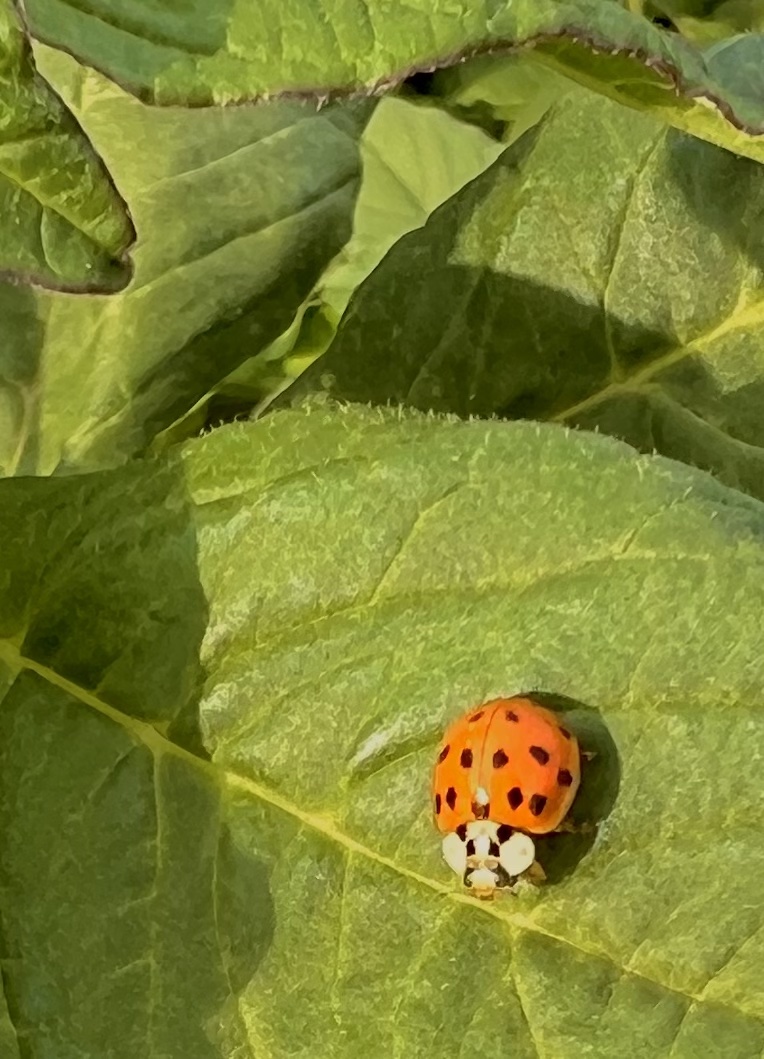
if the praying mantis comes and the ladybugs and the bees,
then the plants flourish, but at their own internal clock.

Connections are made slowly, sometimes they grow underground.
You cannot tell always by looking what is happening.
More than half the tree is spread out in the soil under your feet.
Penetrate quietly as the earthworm that blows no trumpet.
Fight persistently as the creeper that brings down the tree.
Spread like the squash plant that overruns the garden.
Gnaw in the dark and use the sun to make sugar.

Weave real connections, create real nodes, build real houses.
Live a life you can endure: Make love that is loving.
Keep tangling and interweaving and taking more in,
a thicket and bramble wilderness to the outside but to us
interconnected with rabbit runs and burrows and lairs.

Live as if you liked yourself, and it may happen:
reach out, keep reaching out, keep bringing in.
This is how we are going to live for a long time: not always,
for every gardener knows that after the digging, after the planting,
after the long season of tending and growth, the harvest comes.
~Marge Piercy “The Seven of Pentacles”

Our garden teaches us all kinds of life lessons, thanks to my husband’s hours of hard work preparing the soil, planting carefully and nurturing the emerging seedlings.

No garden tends itself – the growing plants reach out for connection to one another, for stability and companionship. The gardener nurtures, defends and harvests with an eye to preparing for the next growing season.

We who have been planted here need one another, interwoven and linked, both visibly and invisibly. I am woven around you and you around me; together we grow and thrive when tended, and as intended.

But more than anything else, we need our Gardener…

AI image created for this post
One-Time
Monthly
Yearly

Make a one-time or recurring donation to support daily Barnstorming posts

Make a monthly donation

Make a yearly donation

Choose an amount

$10.00
$25.00
$50.00
$5.00
$15.00
$100.00
$5.00
$15.00
$100.00

Or enter a custom amount

$

Your contribution is deeply appreciated.

Your contribution is appreciated.

Your contribution is appreciated.

DonateDonate monthlyDonate yearly

Just a Couple of Aging Fools

All day he’s shoveled green pine sawdust
out of the trailer truck into the chute.
From time to time he’s clambered down to even
the pile. Now his hair is frosted with sawdust.
Little rivers of sawdust pour out of his boots.

I hope in the afterlife there’s none of this stuff
he says, while I broom off his jeans, his sweater flocked
with granules, his immersed-in-sawdust socks.
I hope there’s no bedding, no stalls, no barn

no more repairs to the paddock gate the horses
burst through when snow avalanches off the roof.
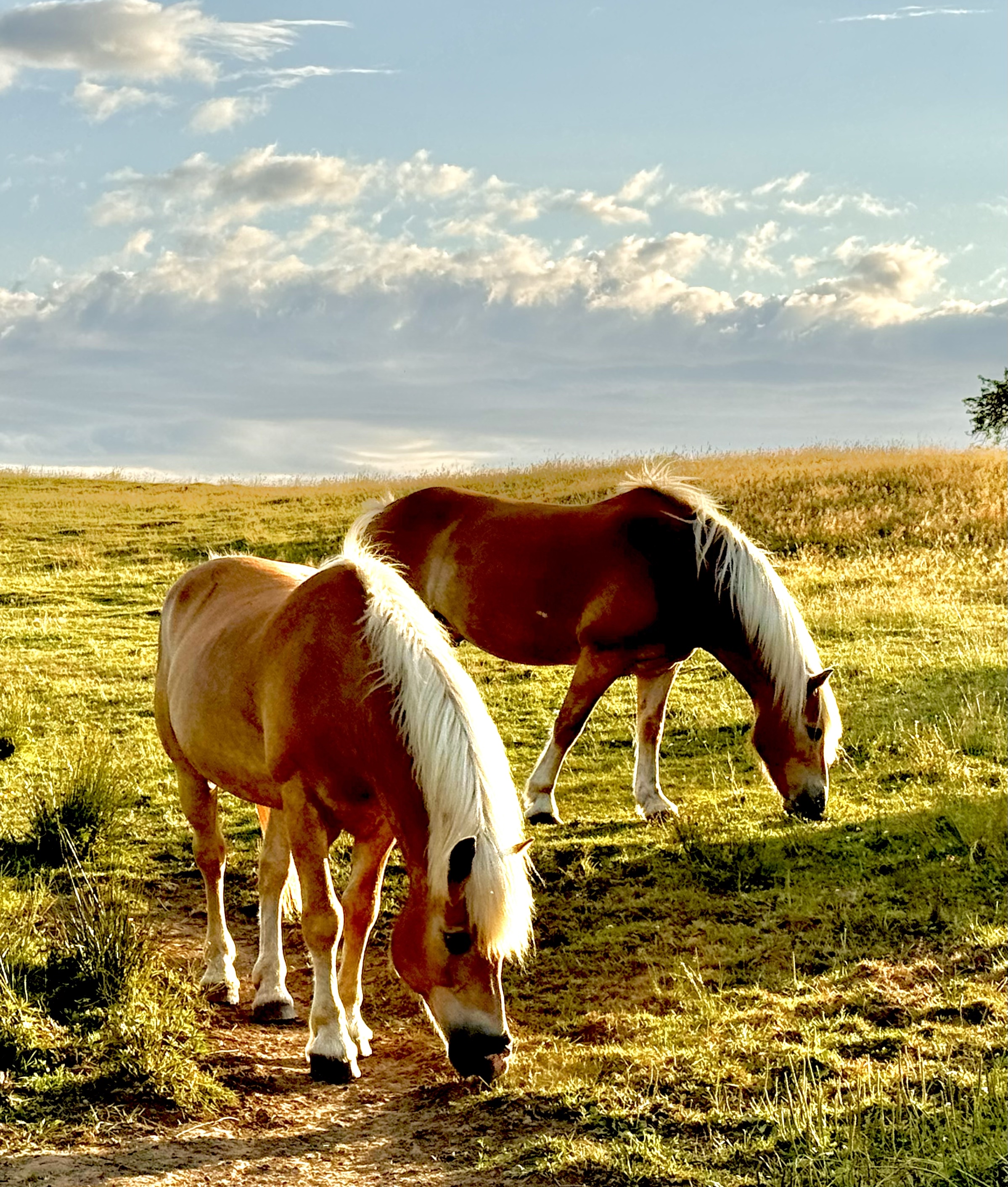
Although the old broodmare, our first foal, is his,
horses, he’s fond of saying, make divorces.

…he says
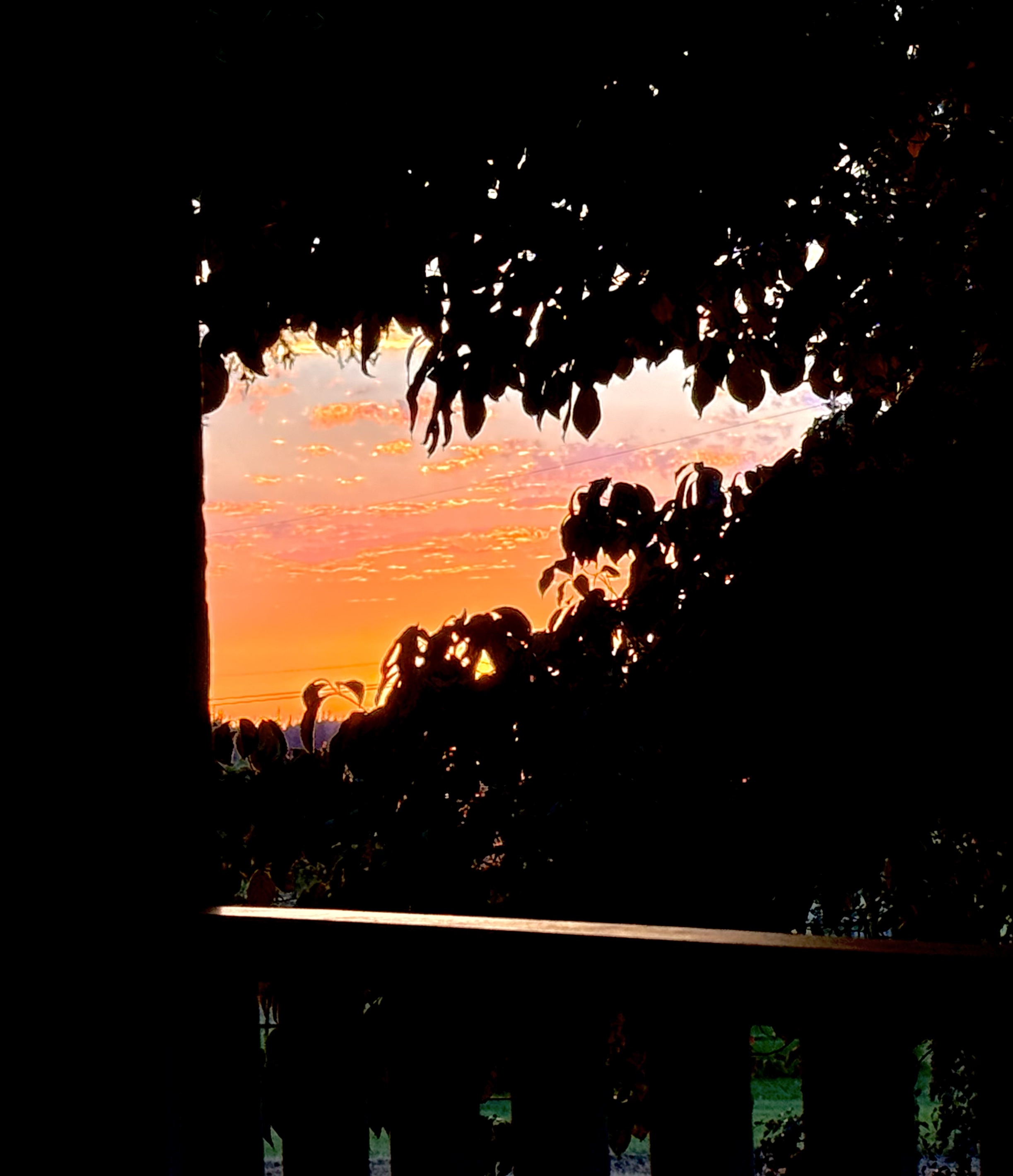
let’s walk up to the field and catch the sunset

and off we go, a couple of aging fools.

I hope, he says, on the other side there’s a lot
less work, but just in case I’m bringing tools.
~Maxine Kumin from “Chores”

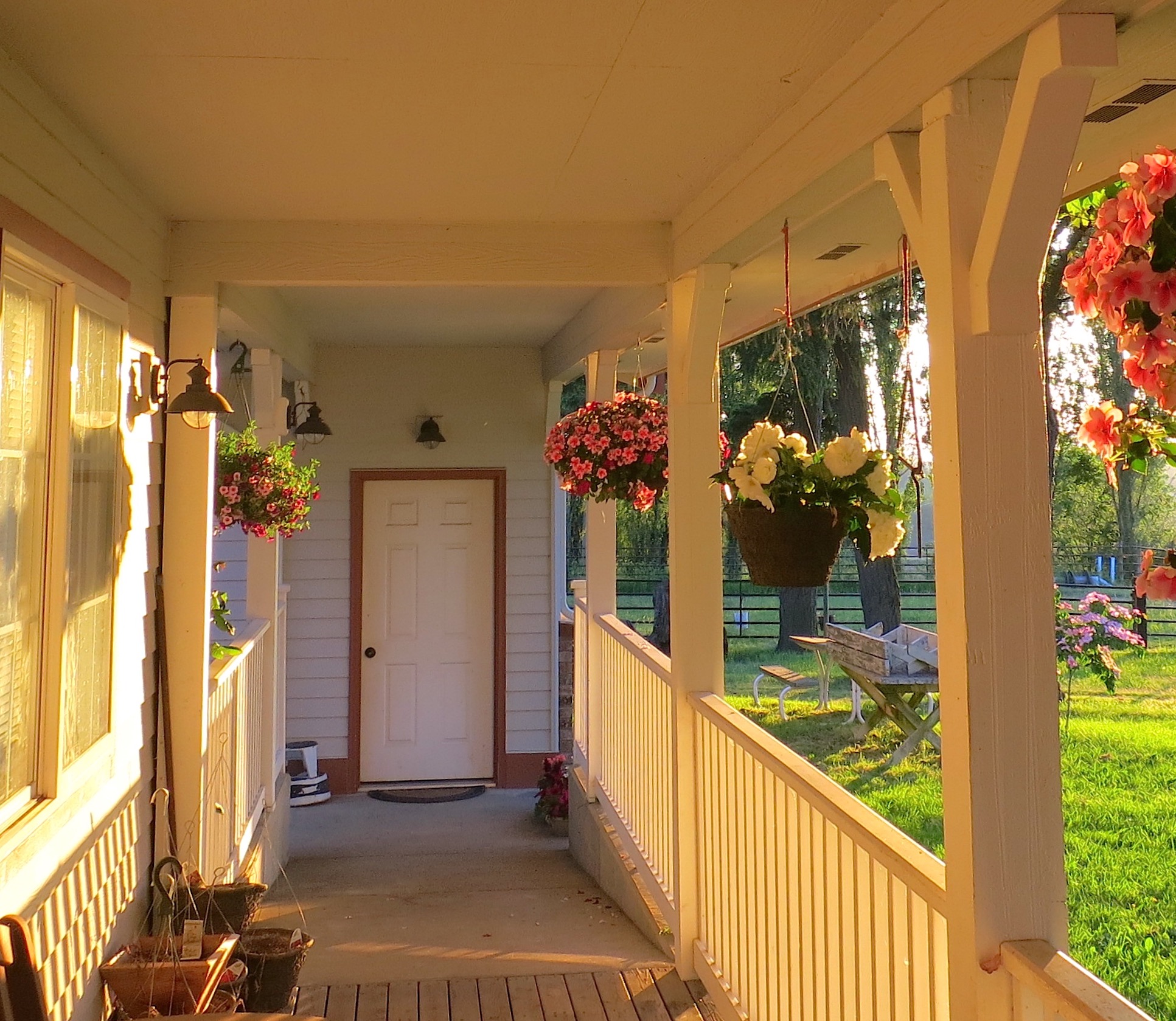
photo by Emily Vander Haak

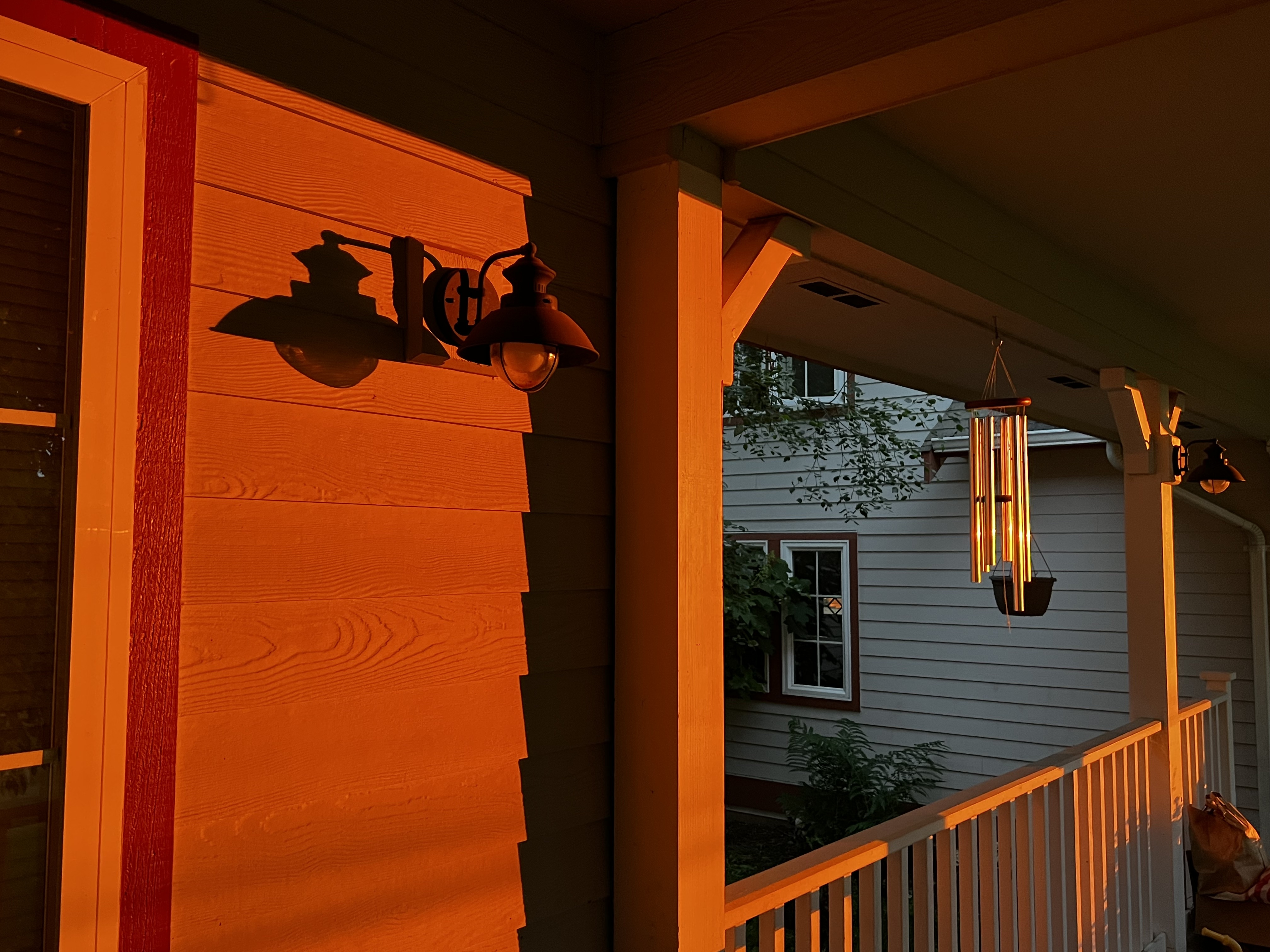
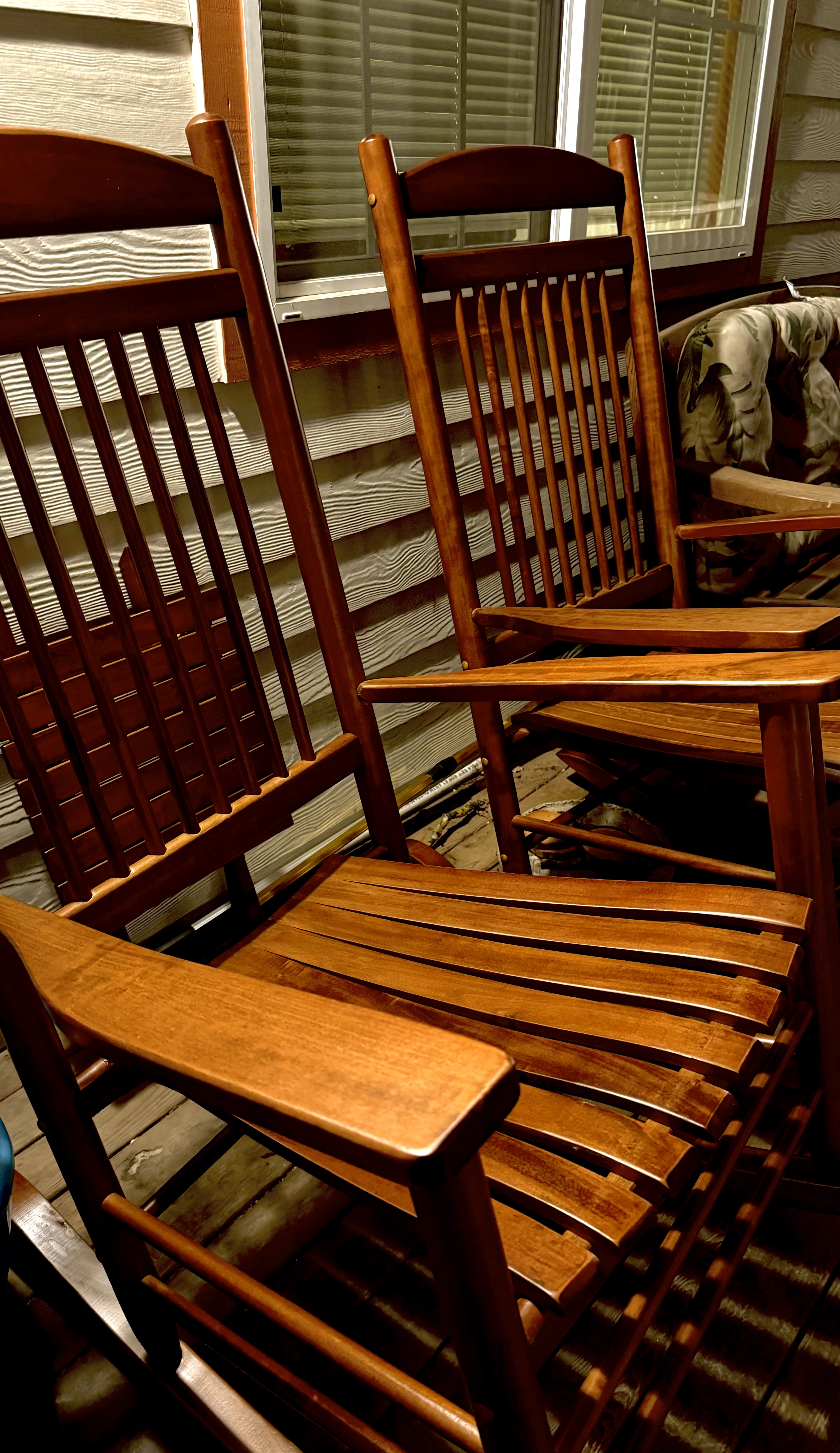
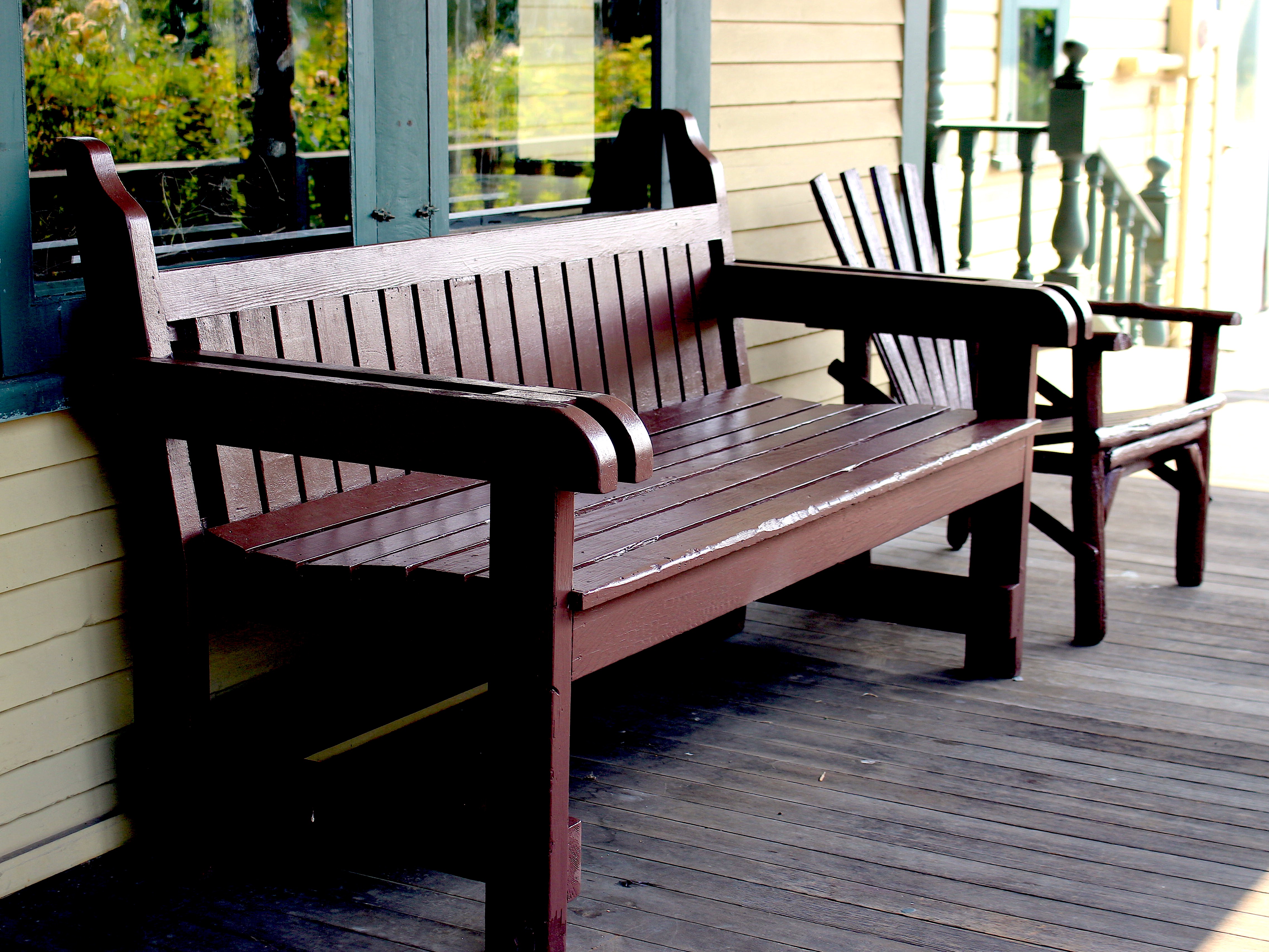
They sit together on the porch, the dark
Almost fallen, the house behind them dark.
Their supper done with, they have washed and dried
The dishes–only two plates now, two glasses,
Two knives, two forks, two spoons–small work for two.
She sits with her hands folded in her lap,
At rest. He smokes his pipe. They do not speak,
And when they speak at last it is to say
What each one knows the other knows. They have
One mind between them, now, that finally
For all its knowing will not exactly know
Which one goes first through the dark doorway, bidding
Goodnight, and which sits on a while alone.
~Wendell Berry “They Sit Together on the Porch”

If just for a moment,
when this world is tilting so far
we just might fall off,
we pause to look at where we’ve been
and get our feet back under us.

The porch is a good place to start:
a bridge to what is beyond
without leaving the familiar.

Outside, looking square at the unknown,
yet still hearing and smelling and tasting
the love that dwells just inside these walls.

What could we want more
than to be missed when we step away?

Our voice, our words, our heart, our touch
never to be replaced,
its absence a hole impossible to fill?

When we are called back inside
where Love made us who we are,
may the “in between” of
time spent on the porch,
be even more treasured,
because two aging fools sat together there a spell.

AI image created for this post
One-Time
Monthly
Yearly

Make a one-time or recurring donation to support daily Barnstorming posts

Make a monthly donation

Make a yearly donation

Choose an amount

$10.00
$25.00
$50.00
$5.00
$15.00
$100.00
$5.00
$15.00
$100.00

Or enter a custom amount

$

Your contribution is deeply appreciated.

Your contribution is appreciated.

Your contribution is appreciated.

DonateDonate monthlyDonate yearly

A Summer’s Sweetness

The clouds are low as a blanket.
Even the air is tangible,
and the steam from the kettle
thickens the air like wool.
Harvest is full on us; the pressure
to preserve builds like a thunderhead.

 
Shelling peas is fun at first,
slitting open the perfect pods,
working in rhythm to the pelter
of peas ringing in the pot.
But then our arms and shoulders ache,
the seeds rattle, hollow as bones,
and though we should rejoice,
another bushel groans before us.

 
But there in the blancher,
the new peas shine
fresh and wet, green
as emeralds; summer’s sweetness,
to be shelved with the long ripe days,
eaten with relish, as the butter
and juice run in our mouths
rare as dandelion wine.

~Barbara Crooker “Putting Up”

My earliest childhood memories include the taste and smell of fresh peas.  We lived in farming country north of Seattle where 50 years ago hundreds of acres of peas were grown for canning and freezing.  During the harvest, large pea harvesting machines would arrive for several days and travel down the road in caravans of 10 or 12, going from farm to farm to farm. They worked 24 hours a day to harvest as quickly as possible and traveled the roads late at night because they were so huge, they would take up both lanes of the country roads.  Inevitably a string of cars would form behind the pea harvesters, unable to pass, so it became a grand annual parade celebrating the humble pea.

The smell in the air when the fields were harvested was indescribable except to say it was most definitely a “green” and deliciously fresh smell.  The vines and pods would end up as silage for cattle and the peas would be separated to go to the cannery.  I figured those peas were destined for the city dwellers because in our back yard garden, we grew plenty of our own.

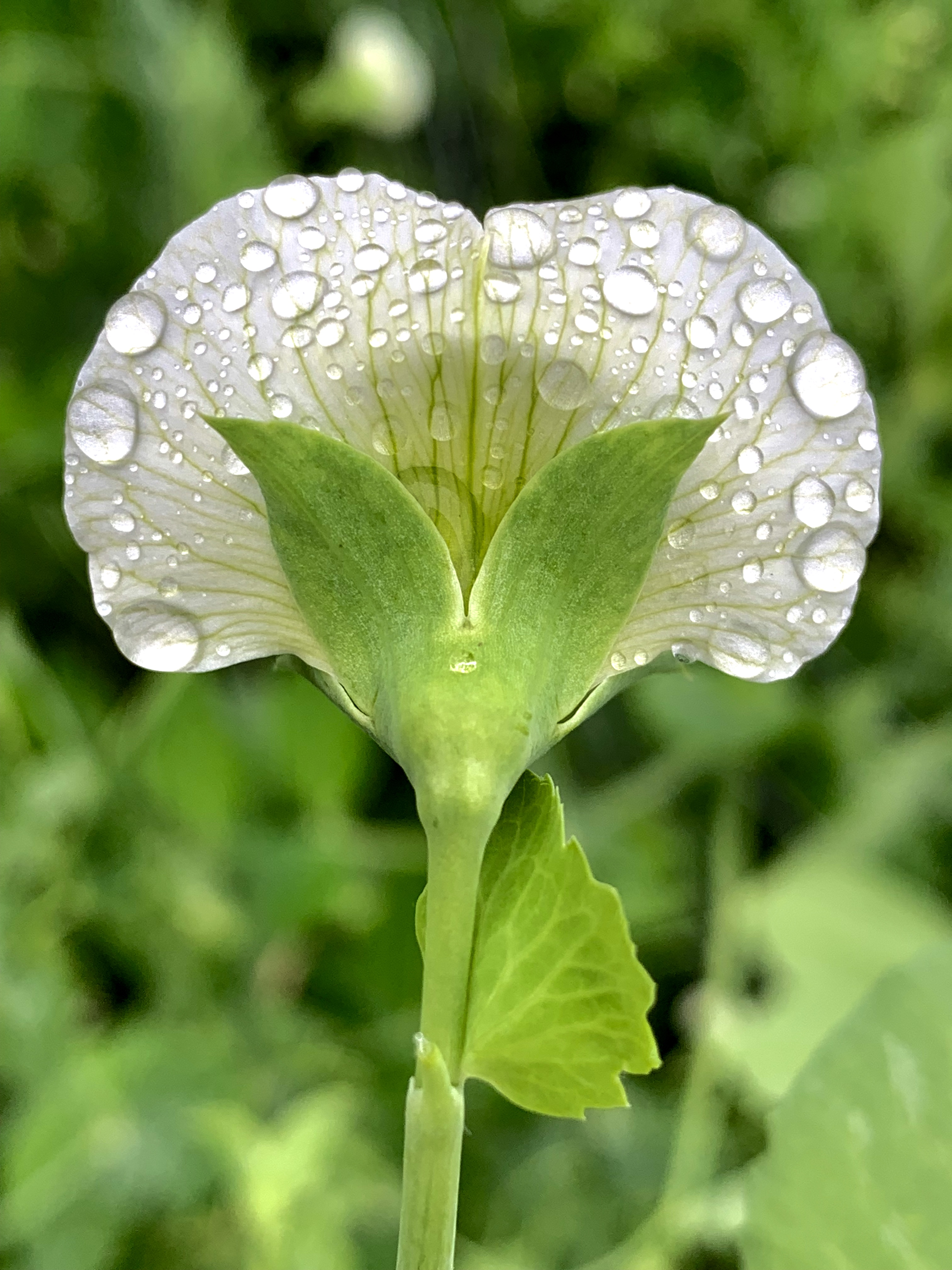
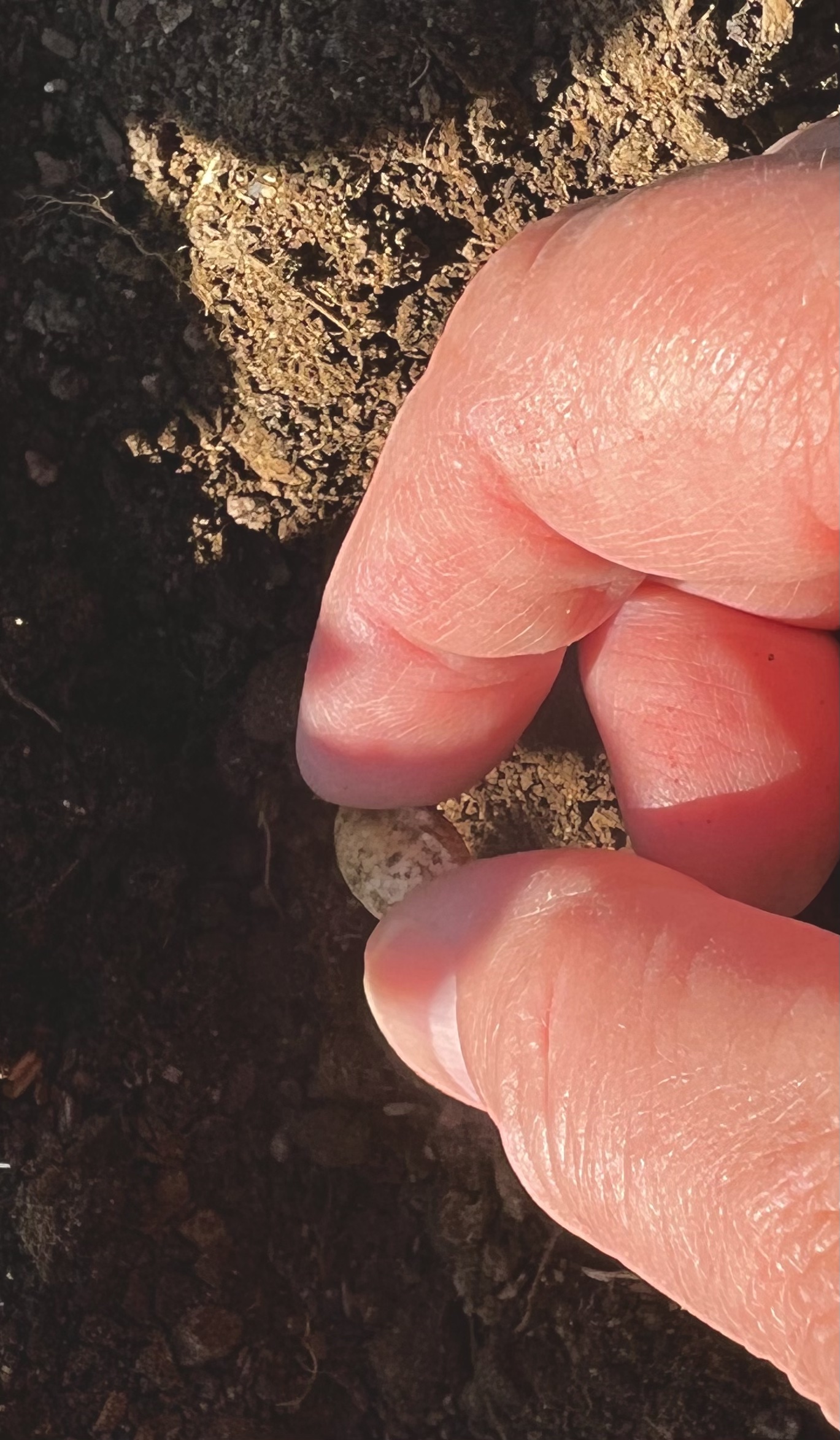
Pea seeds, wrinkled and frankly a little boring, could be planted even before the last frost was done with us in March, or even sometimes on Washington’s birthday in February.  The soil needed to not be frozen and not be sopping.  True, the seeds might sit still for a few weeks, unwilling to risk germination until the coast was clear and soil warmed a bit, but once they were up out of the ground, there was no stopping them.  We would generally have several rotations growing, in the hope of a 6 week pea eating season if we were fortunate, before the heat and worms claimed the vines and the pods.

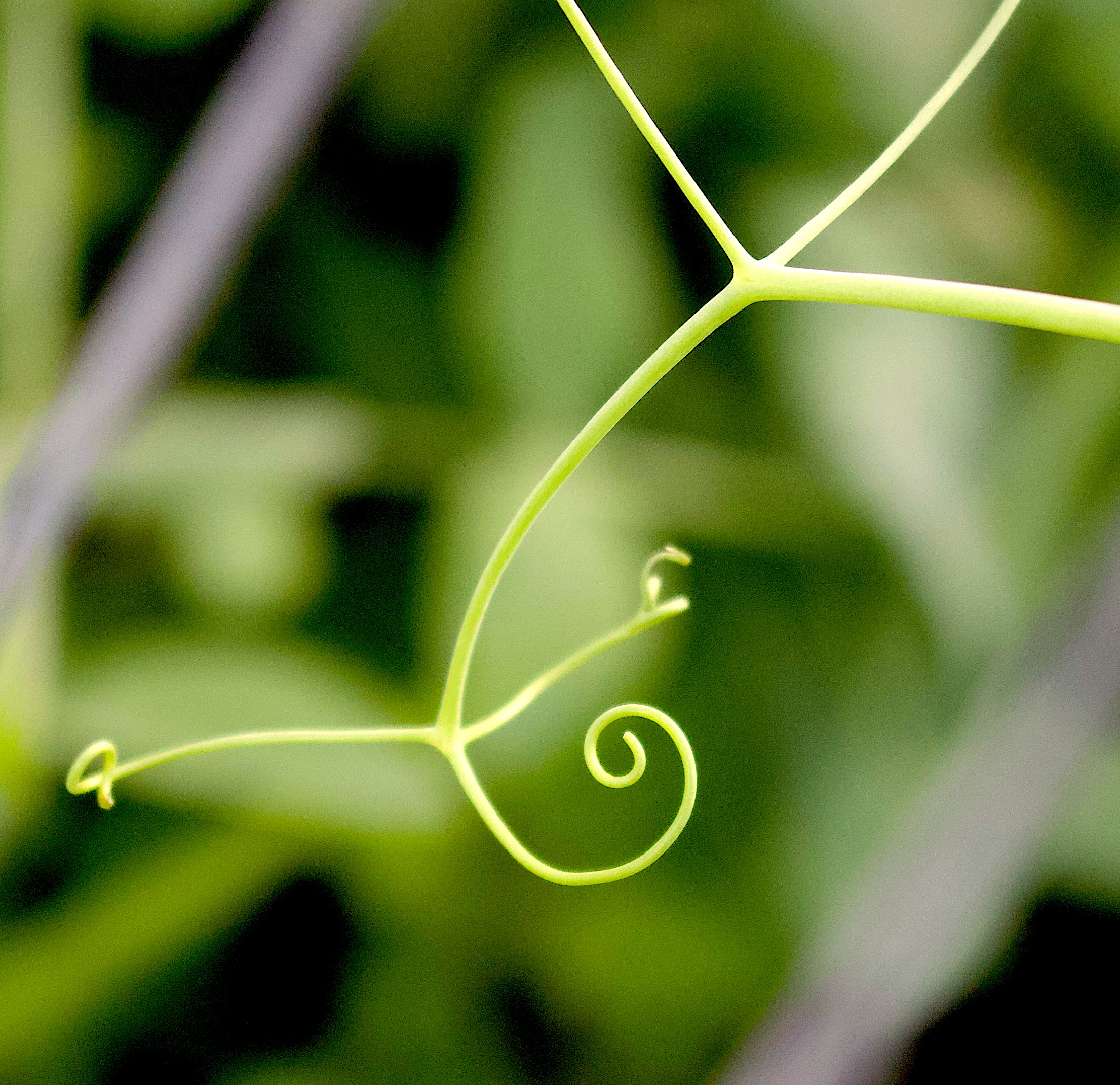
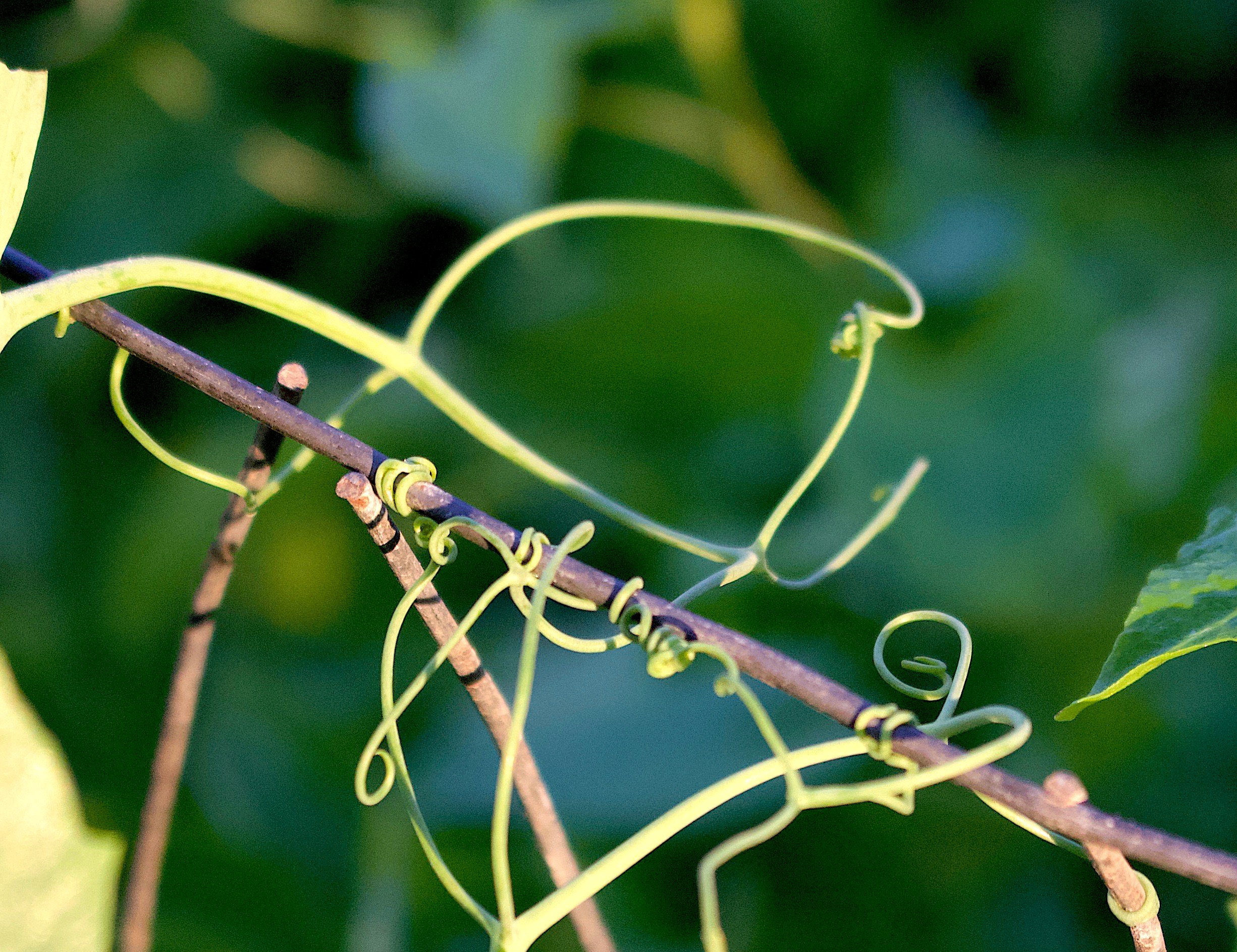
We always planted telephone peas, so the support of the vines was crucial–we used hay twine run up and down between two taut smooth wires attached high and low between two wooden posts.  The vines could climb 6 feet tall or better and it was fascinating to almost literally watch the pea tendrils wind their way around the strings (and each other), erotically clinging and wrapping themselves in their enthusiasm.

Once the pods start to form,  impatience begins.  I’d be out in the garden every day copping feels, looking for that first plump pod to pick and pop open.  It never failed that I would pick too soon, and open a pod to find only weenie little peas, barely with enough substance to taste.  Within a day or two, however, the harvest would be overwhelming, so we’d have to pick early in the morning while the peas were still cool from the night dew.

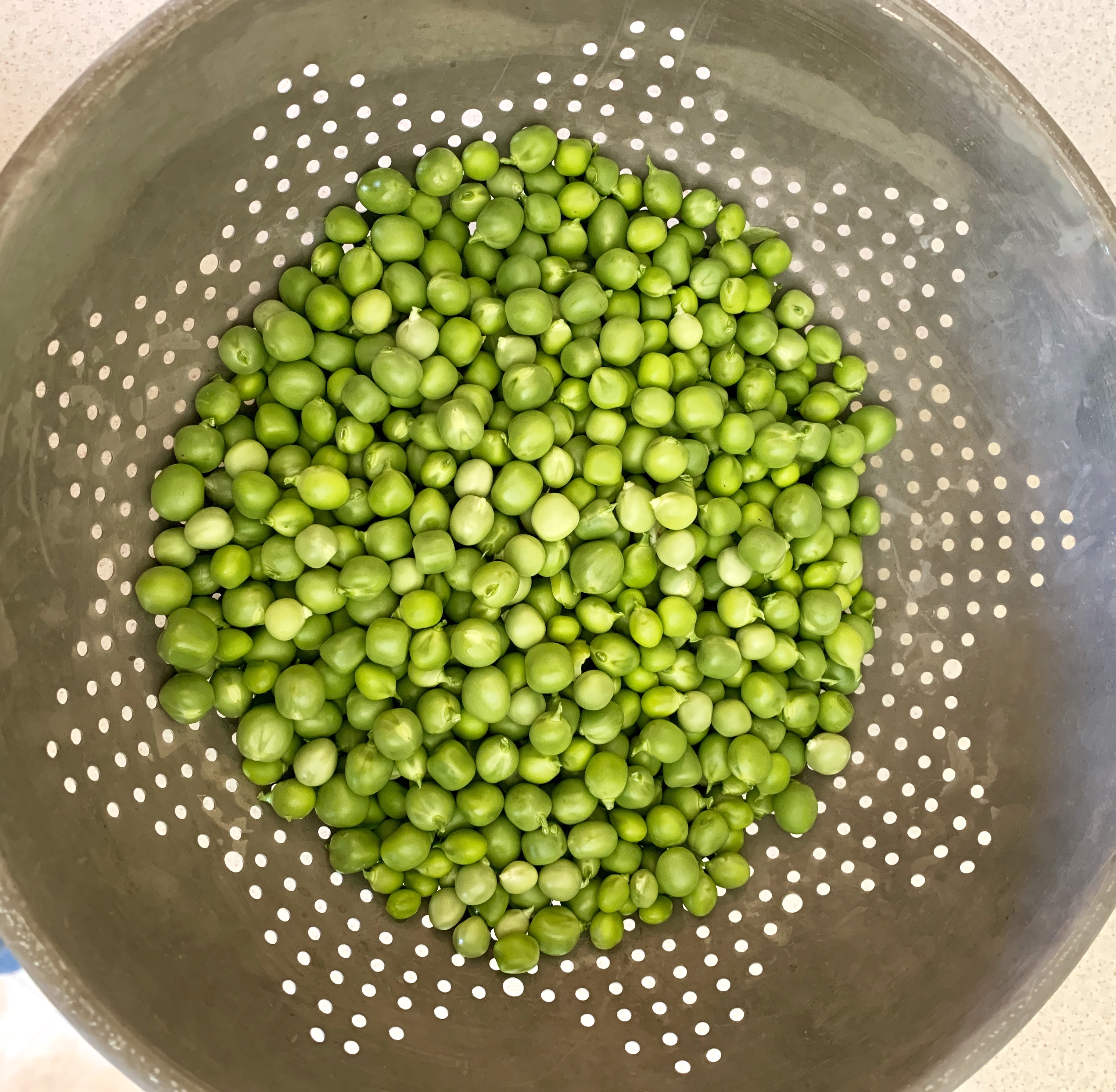
Then it was shelling time, which involved several siblings on a back porch, one mother supervising from a distance to make sure there weren’t too many peas being pelted in pique at an annoying little brother, and lots of bowls to catch the peas and the pods.  A big paper sack of intact pods would yield only a few cups of peas, so this was great labor for small yield.   Opening a pod of peas is extremely satisfying though;  there is a tiny audible “pop” when the pod is pressed at the bottom, and then as your thumb runs down the inner seam of the pod loosening all the peas, they make a dozen little “pings” in the bowl when they fall.  A symphony of pea shelling often was accompanied by the Beach Boys and the Beatles.

Once the weather got hot, the pea worms would be at work in the pods, so then one encountered wiggly white larvae with little black heads and their webs inside the pods.  We actually had a “Wormie” song we sung when we found one, even in the 60’s recognizing that our organic garden meant sharing the harvest with crawling protein critters. The peas would be bored through, like a hollowed out jack o’lantern, so those got dumped in the discard bowl.

The dull green coat of the raw pea turns bright green during the several minutes of blanching in boiling water, then they are plunged into ice water until cool and packed in ziplock bags.  Those peas are welcomed to the table during the other 11 months out of the year, sometimes mixed with carrots, sometimes with mushrooms, sometimes chased with a little fresh garlic.  They are simply the most lovely food there is other than chocolate.

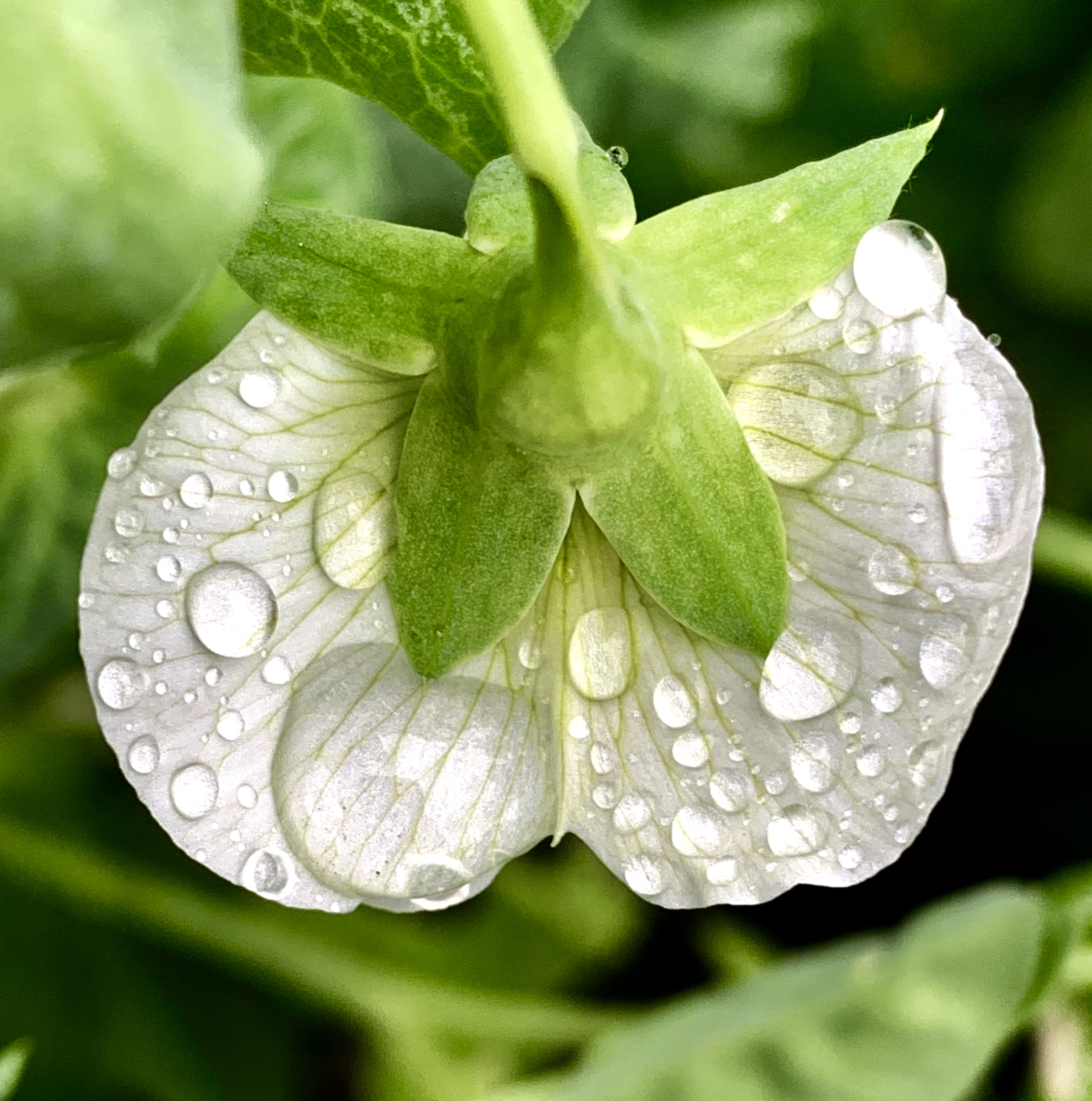
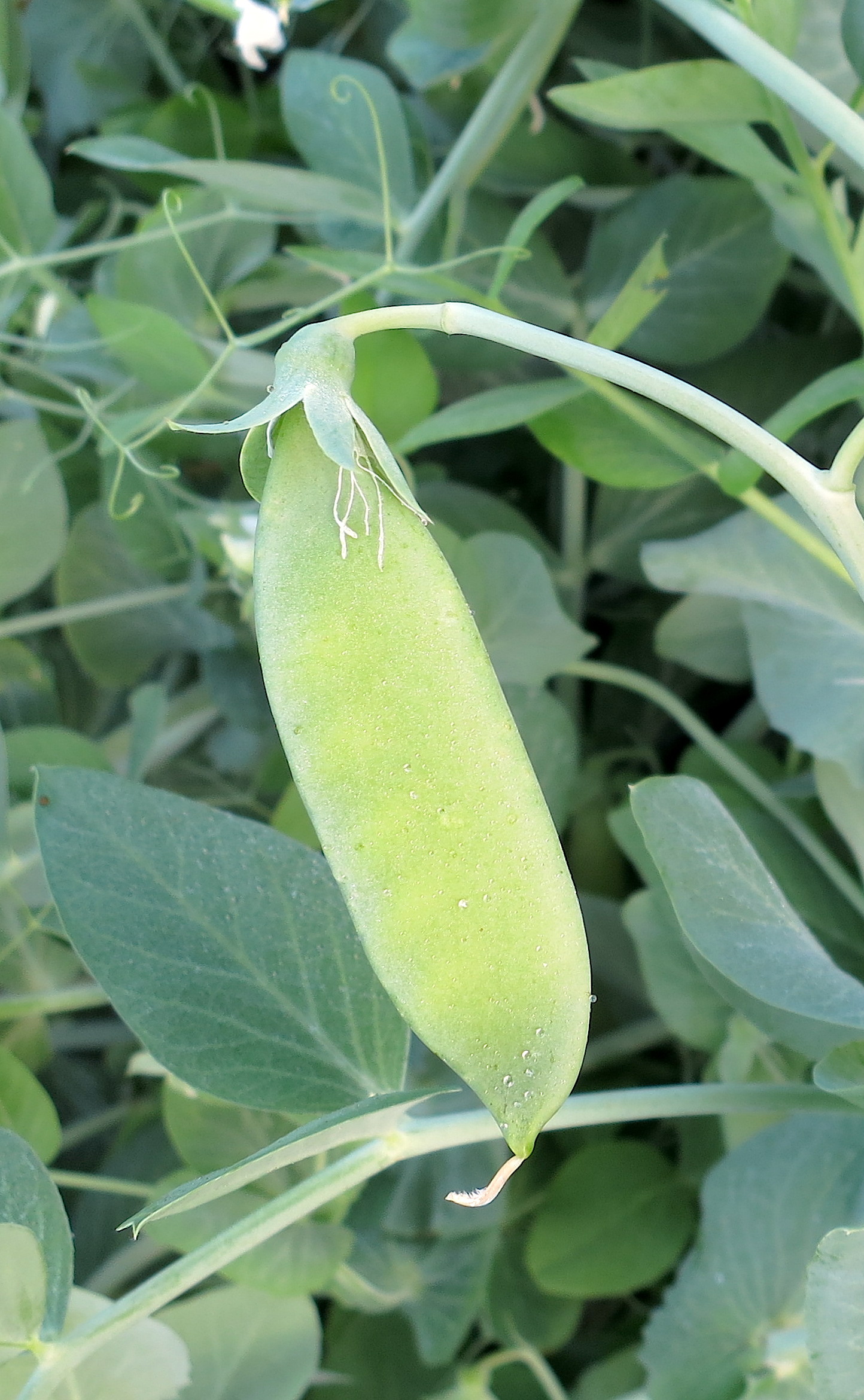
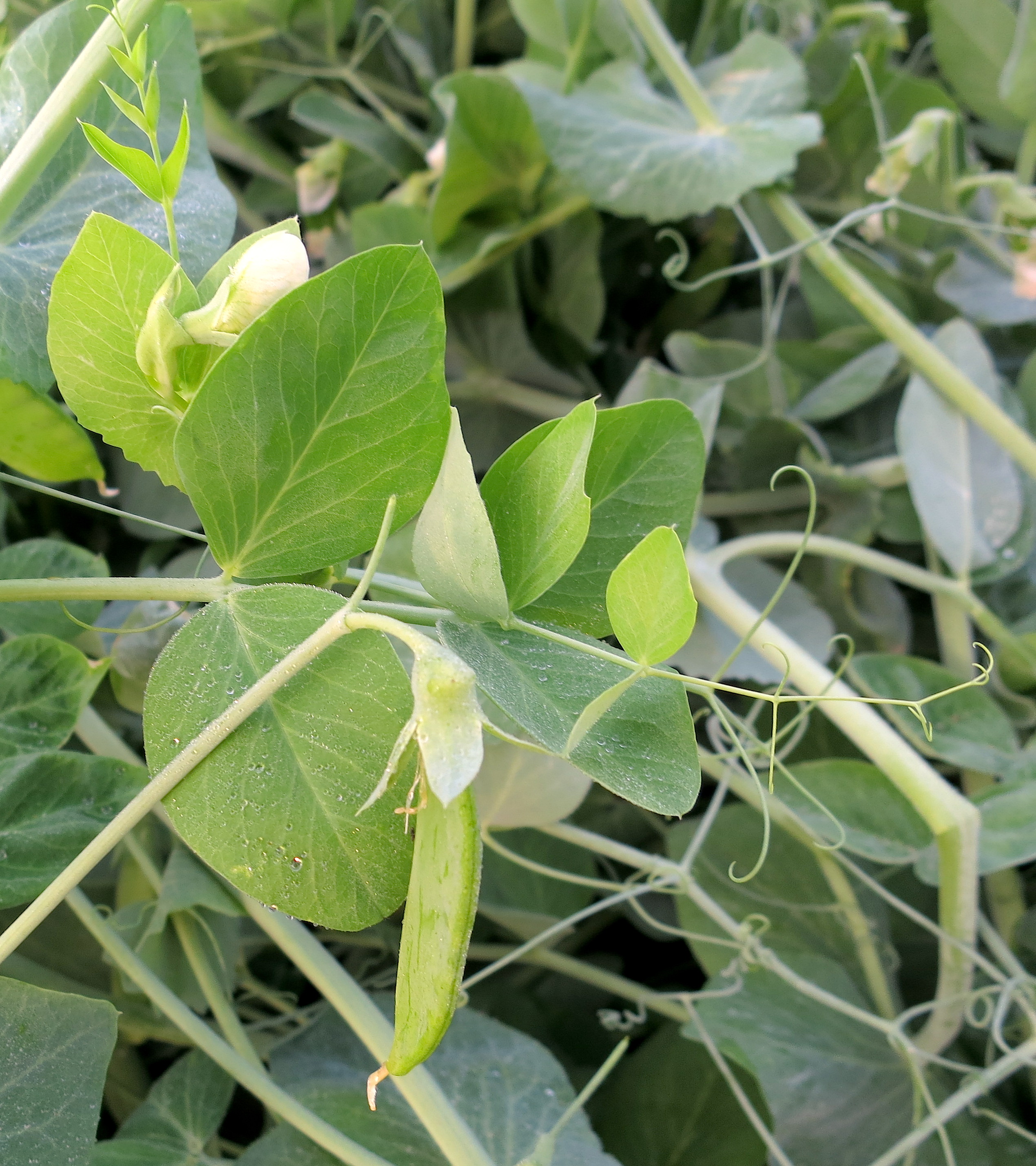
From an undistinguished pea seed to intricate vines and coiling tendrils–from pregnant pods bursting at the seams to a bounty at meals: the humble pea does indeed deserve a grand parade in the middle of the night.

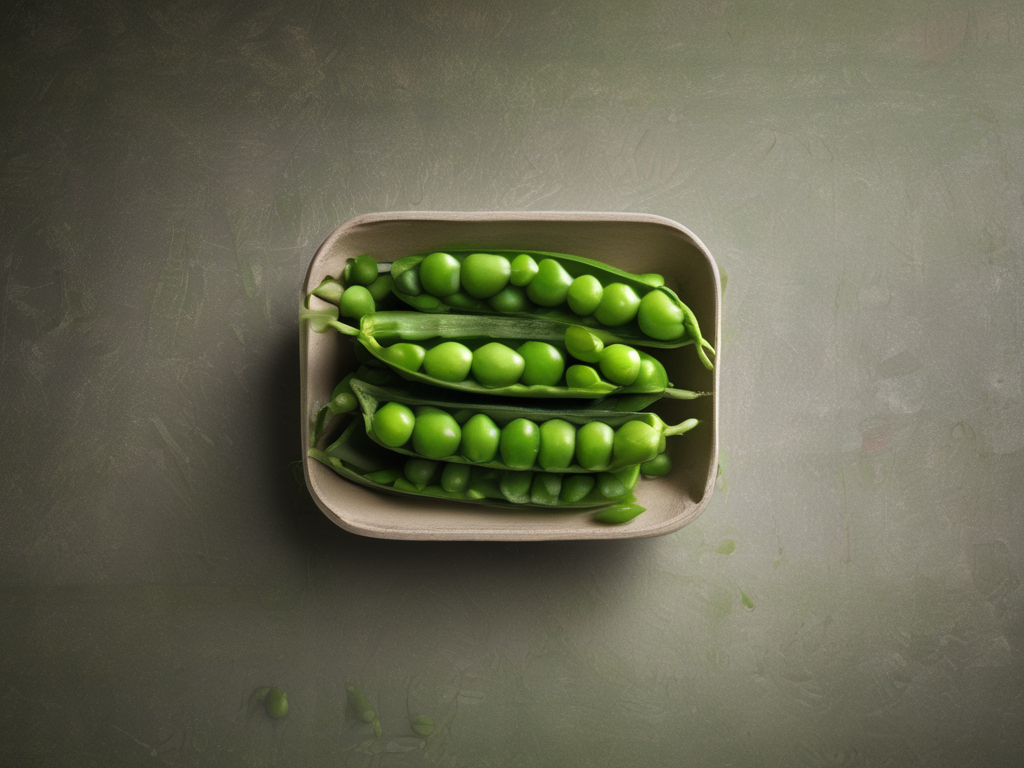
AI image generated for this post
One-Time
Monthly
Yearly

Make a one-time or recurring donation to support daily Barnstorming posts

Make a monthly donation

Make a yearly donation

Choose an amount

$10.00
$25.00
$50.00
$5.00
$15.00
$100.00
$5.00
$15.00
$100.00

Or enter a custom amount

$

Your contribution is deeply appreciated.

Your contribution is appreciated.

Your contribution is appreciated.

DonateDonate monthlyDonate yearly

Holding Up the Darkness

See how the trees
Reach up and outward
As if their entire existence
Were an elegant gesture of prayer.
See how they welcome the breath of spirit,
In all its visible and invisible forms.
See how the roots reach downward and out,
Embracing the physical,
The body and bones
Of its soul of earth and stone,
Allowing half its life to be sheltered
in the most quiet and secret places.


Oh, if I could be more like a tree on this Sunday morning,
To feel the breath of invisible spirit
Touch me as tenderly as a kiss on the forehead.
If I could courageously and confidently
Dig down into the dark
Where the ground water runs deep,
Where shelter and sanctuary
Can be had and held.


Ah, to be like a tree
With all its bent and unbent places,
A whole and holy thing
From its topmost twigs
To the deepest taproot
To all the good and graceful
Spaces between.

~Carrie Newcomer “To Be Like a Tree” from The Beautiful Not Yet: Poems, Essays & Lyrics


I love the accomplishments of trees,
How they try to restrain great storms
And pacify the very worms that eat them.
Even their deaths seem to be considered.
I fear for trees, loving them so much.
I am nervous about each scar on bark,
Each leaf that browns. I want to
Lie in their crotches and sigh,
Whisper of sun and rains to come.


Sometimes on summer evenings I step
Out of my house to look at trees
Propping darkness up to the silence.


When I die I want to slant up
Through those trunks so slowly
I will see each rib of bark, each whorl;
Up through the canopy, the subtle veins
And lobes touching me with final affection;
Then to hover above and look down
One last time on the rich upliftings,
The circle that loves the sun and moon,
To see at last what held the darkness up.

~Paul Zimmer “A Final Affection” from Crossing to Sunlight.

The old farmer who sold us this farm 35 years ago made sure we were equipped for a most important role: becoming the caretakers of trees he had planted and watered and loved for decades.

He exacted a promise we would not remove any tree before its time. For the most part, we have been able to do what he asked.

Most trees we’ve lost have succumbed to wind or disease or crippling old age. The old row of poplars became quite hazardous with their breaking branches and invading roots, and a couple old orchard trees gave way for our addition of a garage. For the record, we did feel appropriately guilty about taking their lives.

We have added numerous trees to replace those we have lost. Now we know exactly how that old farmer felt: they become like our children – growing, thriving and fruiting long past our presence here.

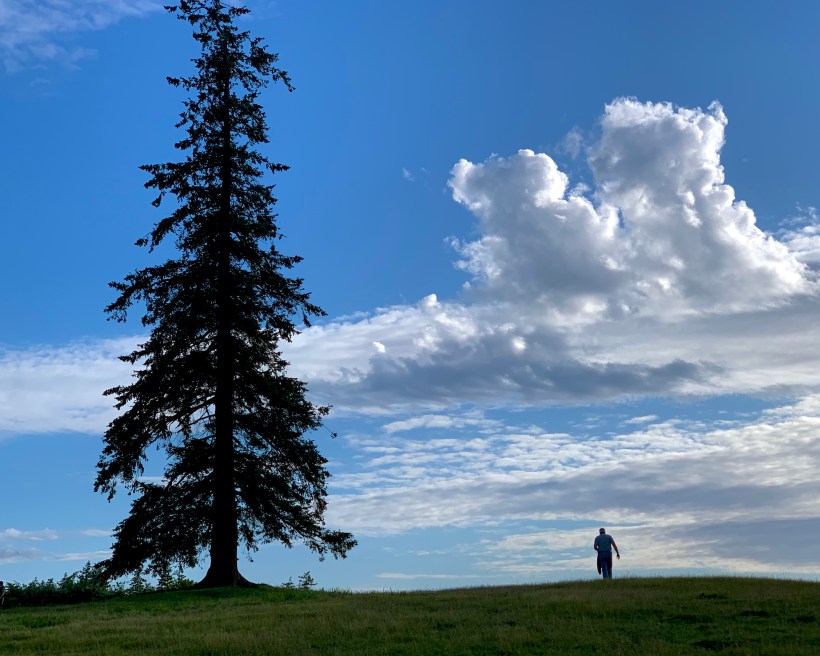
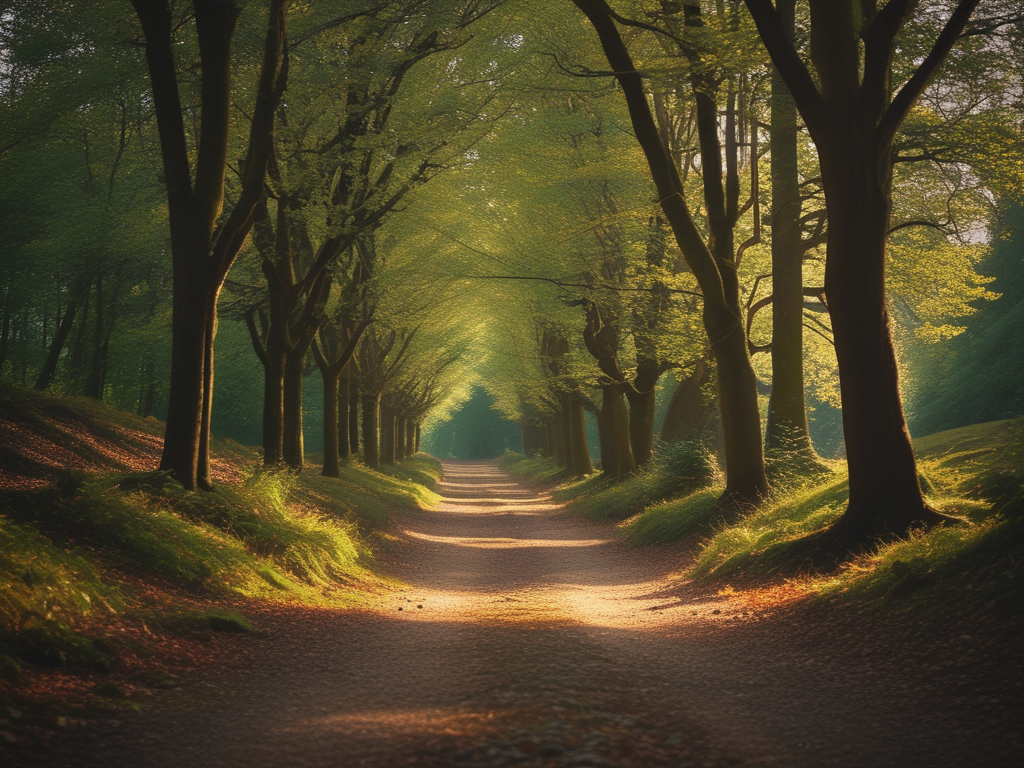
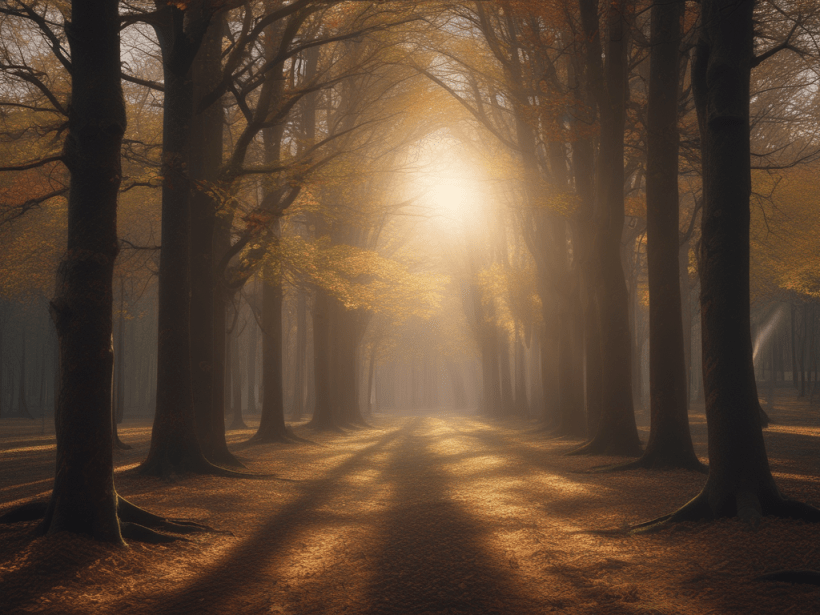
These sturdy trunks stand solid, holding the darkness up with their branches, as if in constant prayer to care for us creatures living below.

AI image created for this post

One-Time
Monthly
Yearly

Make a one-time or recurring donation to support daily Barnstorming posts

Make a monthly donation

Make a yearly donation

Choose an amount

$10.00
$25.00
$50.00
$5.00
$15.00
$100.00
$5.00
$15.00
$100.00

Or enter a custom amount

$

Your contribution is deeply appreciated.

Your contribution is appreciated.

Your contribution is appreciated.

DonateDonate monthlyDonate yearly

A Human Being, Not a Human Doing

There comes the strangest moment in your life,
when everything you thought before breaks free—
what you relied upon, as ground-rule and as rite
looks upside down from how it used to be.

Your heart’s in retrograde. You simply have no choice.
Things people told you turn out to be true.
You have to hold that body, hear that voice.
You’d have sworn no one knew you more than you.

How many people thought you’d never change?
But here you have. It’s beautiful. It’s strange.
~Kate Light from “There Comes the Strangest Moment” in
 Open Slowly

This disease of being “busy” (and let’s call it what it is, the dis-ease of being busy, when we are never at ease) is spiritually destructive to our health and wellbeing.

It saps our ability to be fully present with those we love the most in our families, and keeps us from forming the kind of community that we all so desperately crave.

Tell me you remember you are still a human being,
not just a human doing.
Tell me you’re more than just a machine,
checking off items from your to-do list.
Have that conversation, that glance, that touch.
Be a healing conversation,
one filled with grace and presence.

Put your hand on my arm, look me in the eye,
and connect with me for one second.
Tell me something about your heart, and awaken my heart.
Help me remember that I too am a full and complete human being…
~Omid Safi from The Disease of Being Busy

It has been nearly three years since I hung up my stethoscope. I’m no longer paid to be very busy. It isn’t feeling strange to wake up with no “job” to go to.

I still am vigorously treading water but with no destination in mind other than to stay afloat. It’s enough to just move and breathe in this new and strangely unfamiliar territory.

It was scary at first, backing off from all-consuming clinic responsibilities, yet knowing I was becoming less effective due to my diminishing passion and energy for the work. I’d been working in some capacity for over fifty years, starting in high school.

I could barely remember who I was before I became a physician.

So here I am — changed and changing — volunteering here and there, budding and blooming in new colors and shapes, exercising a different part of my brain, and simply praying I make good use of the time left to me, being something as worthwhile as what I had been doing.

So, once again, my days have become… strangely beautiful… in ways I could never have imagined.

AI image created for this post
One-Time
Monthly
Yearly

Make a one-time or recurring donation to support daily Barnstorming posts

Make a monthly donation

Make a yearly donation

Choose an amount

$10.00
$25.00
$50.00
$5.00
$15.00
$100.00
$5.00
$15.00
$100.00

Or enter a custom amount

$

Your contribution is deeply appreciated.

Your contribution is appreciated.

Your contribution is appreciated.

DonateDonate monthlyDonate yearly

Nothing New Under the Sun

He has made everything beautiful in its time. He has also set eternity in the human heart; yet no one can fathom what God has done from beginning to end.
Ecclesiastes 3:11

Now all the doors and windows
are open, and we move so easily
through the rooms. Cats roll
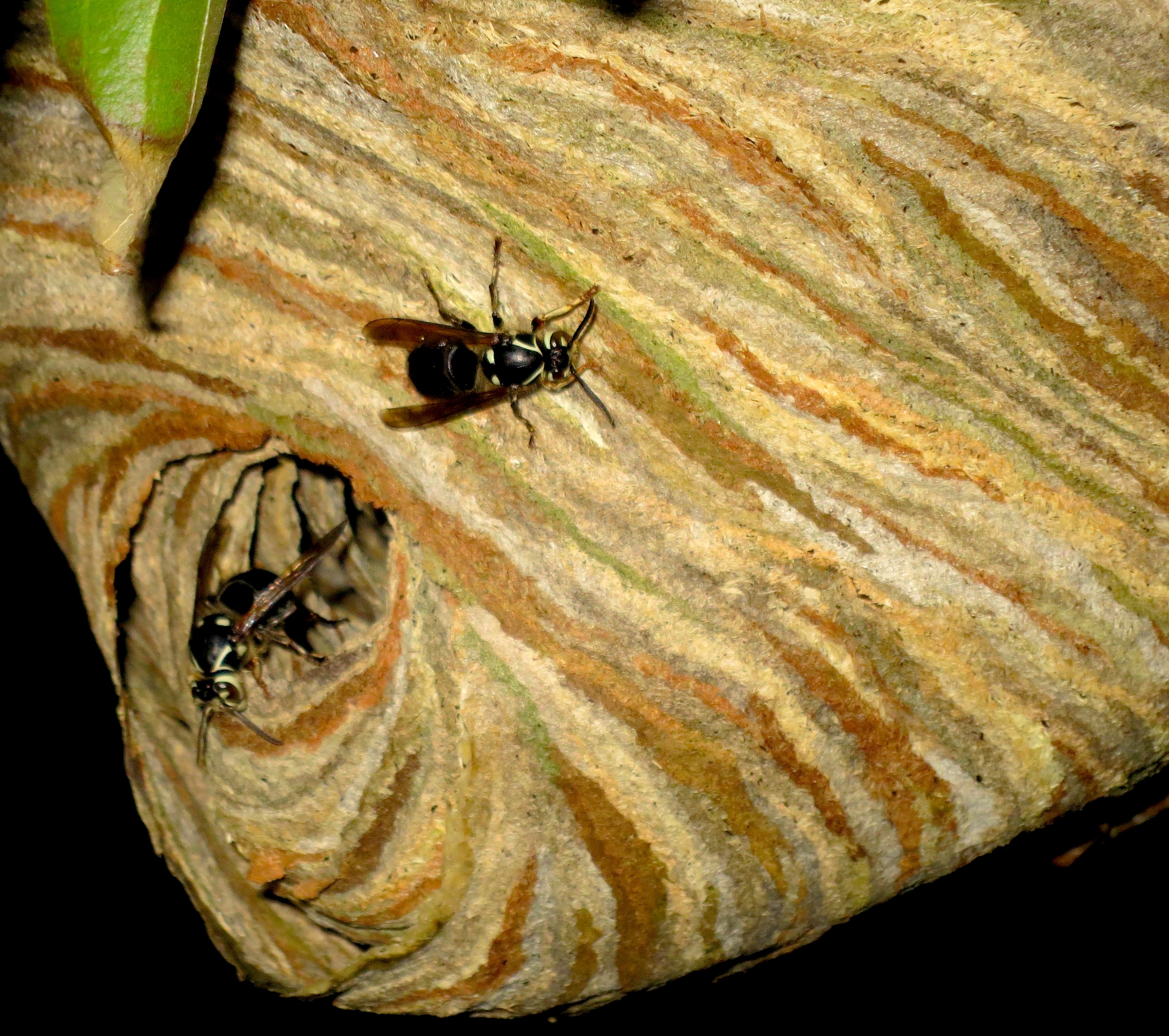
on the sunny rugs, and a clumsy wasp
climbs the pane, pausing
to rub a leg over her head.


All around physical life reconvenes.
The molecules of our bodies must love
to exist: they whirl in circles
and seem to begrudge us nothing.
Heat, Horatio, heat makes them
put this antic disposition on!


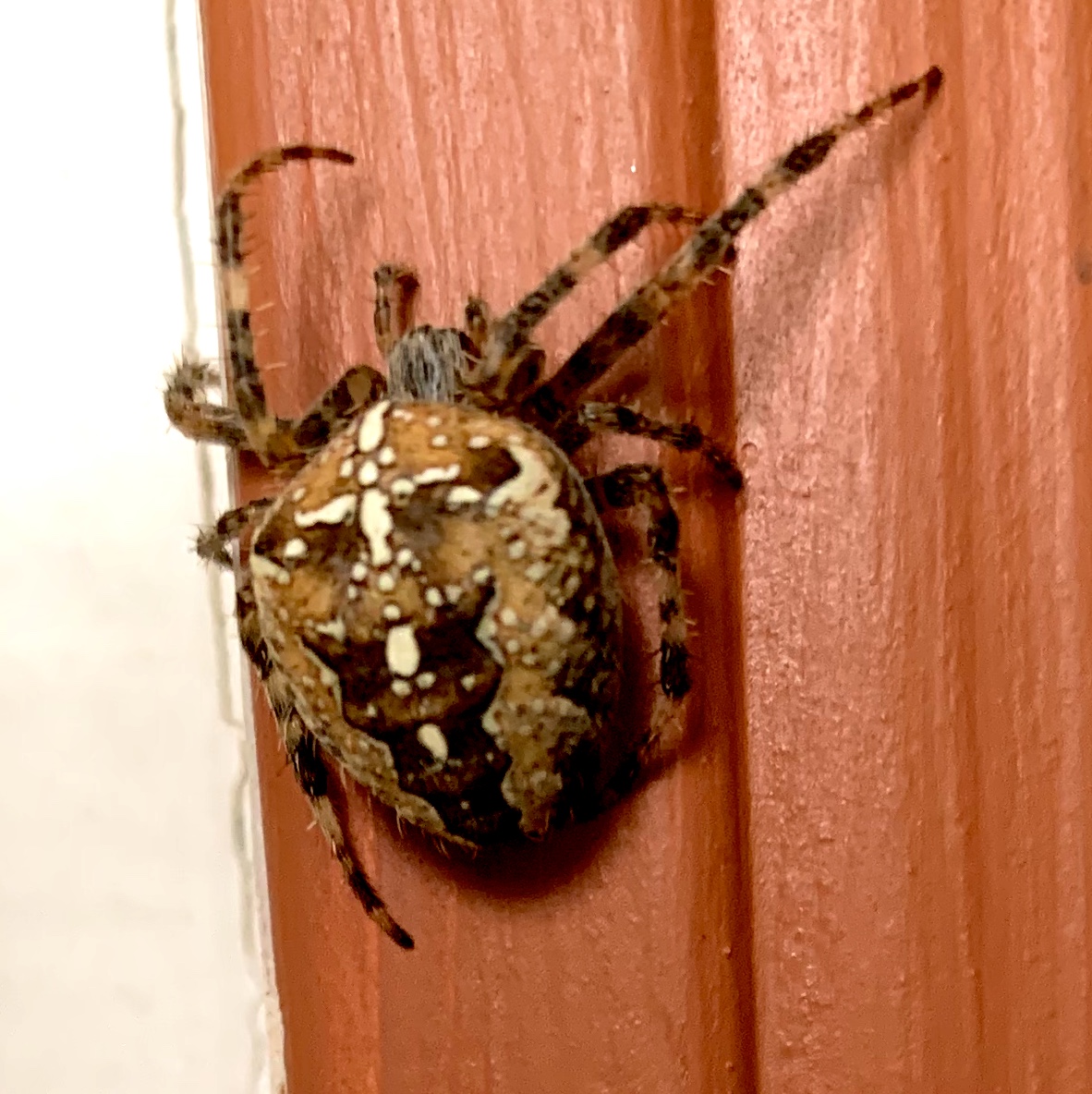
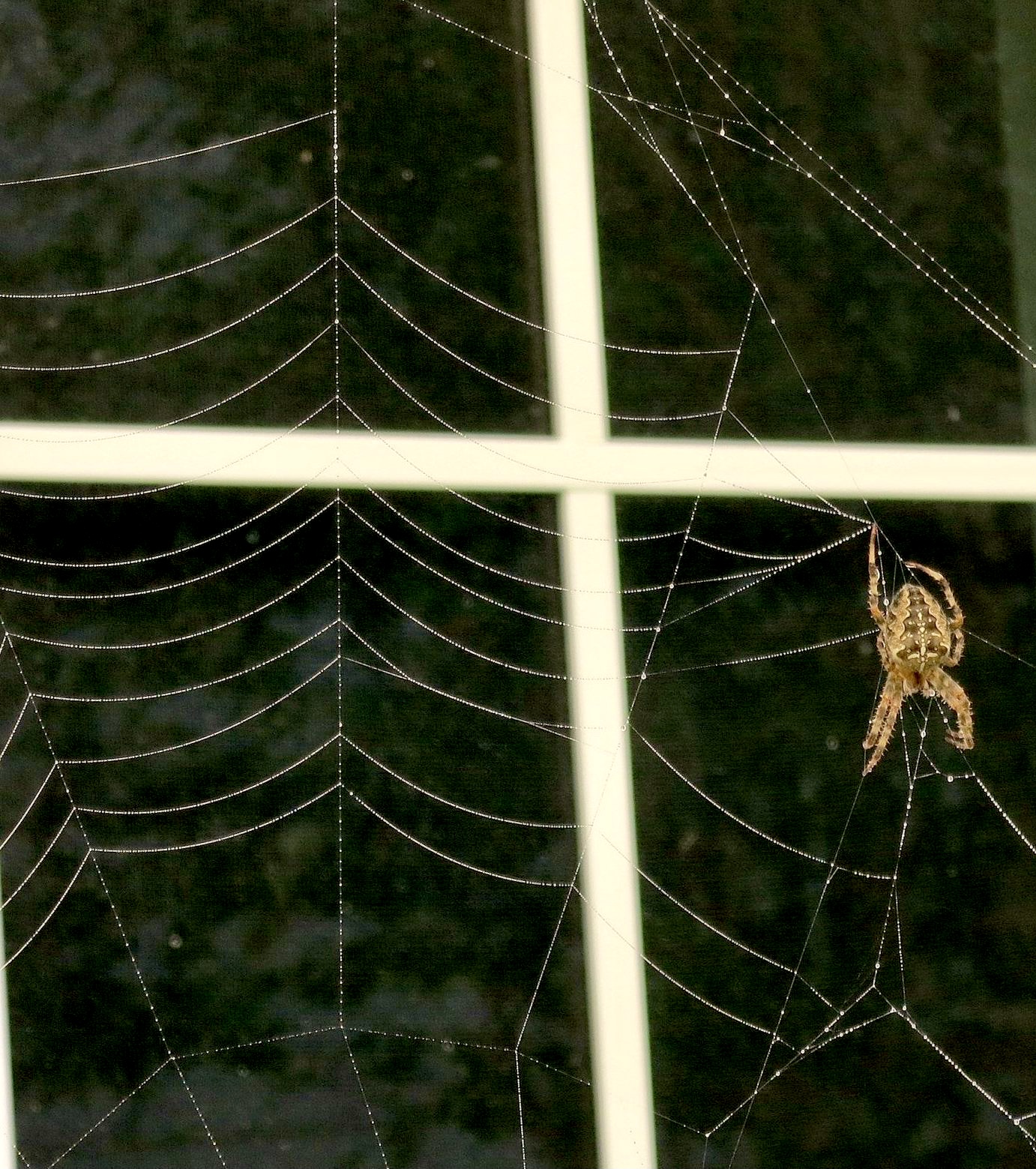
This year’s brown spider
sways over the door as I come
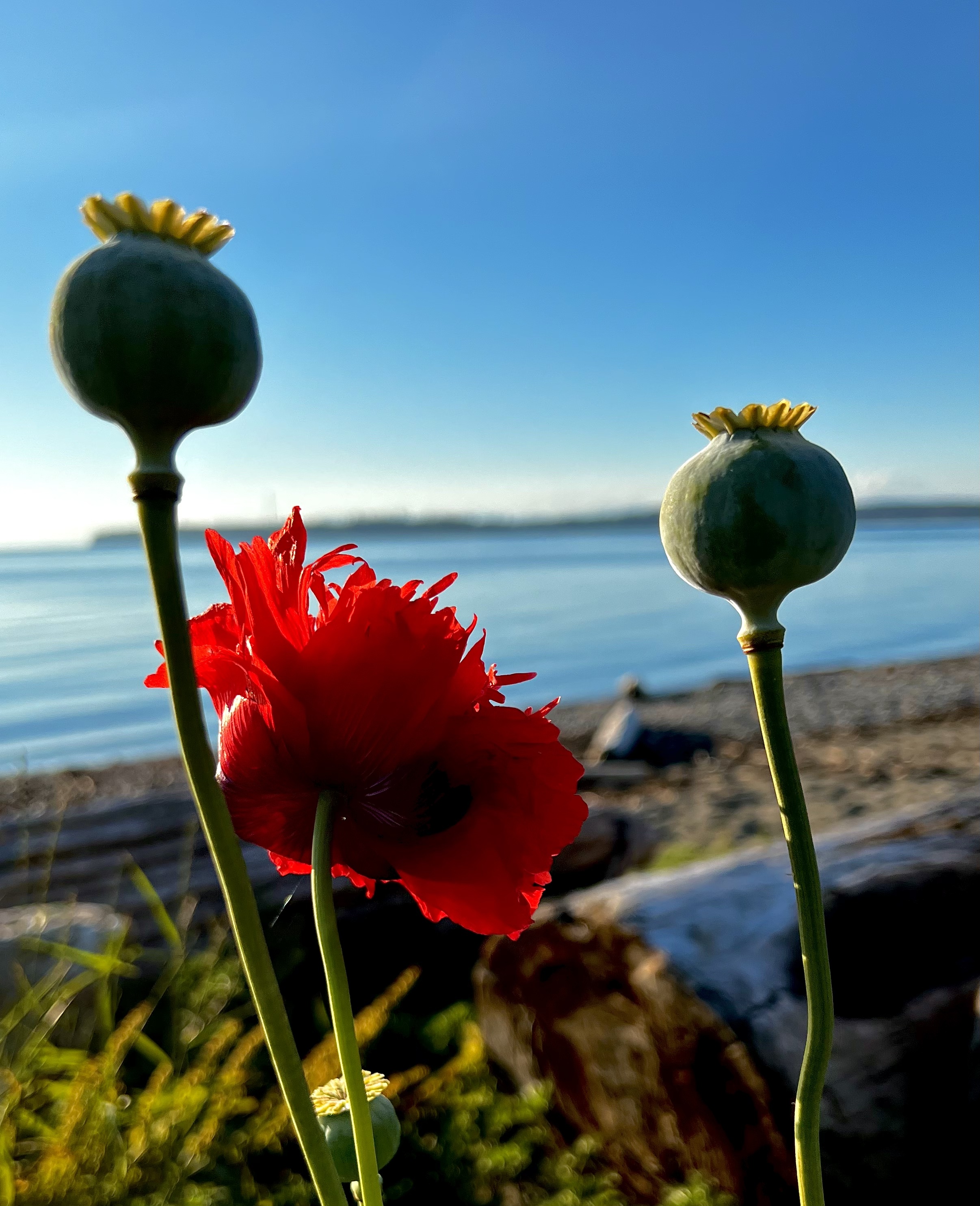
and go. A single poppy shouts
from the far field, and the crow,
beyond alarm, goes right on
pulling up the corn.

~Jane Kenyon “Philosophy in Warm Weather” from The Boat of Quiet Hours

Whether weather is very hot or very cold,
so go our molecules —
our atoms are awhirl in order to keep us upright
whether we sweat or whether we shiver.

Our doors and windows are flung wide open for fresh air;
I’m seeing and hearing and feeling all that I can absorb,
to never forget I am a human witness to nothing new under the sun.

Like a dog trying to catch its tail,
I’m whirling in circles, round and round,
trying to grab hold to a part of me
that always manages to elude me.

All things are wearisome, more than one can say. The eye never has enough of seeing, nor the ear its fill of hearing.
What has been will be again, what has been done will be done again; there is nothing new under the sun.
Ecclesiastes 1: 8-9

AI image created for this post
One-Time
Monthly
Yearly

Make a one-time or recurring donation to support daily Barnstorming posts

Make a monthly donation

Make a yearly donation

Choose an amount

$10.00
$25.00
$50.00
$5.00
$15.00
$100.00
$5.00
$15.00
$100.00

Or enter a custom amount

$

Your contribution is deeply appreciated.

Your contribution is appreciated.

Your contribution is appreciated.

DonateDonate monthlyDonate yearly

Announcing Their Cowness

There were a few dozen who occupied the field
across the road from where we lived,
stepping all day from tuft to tuft,
their big heads down in the soft grass,
though I would sometimes pass a window
and look out to see the field suddenly empty
as if they had taken wing, flown off to another country.

Then later, I would open the blue front door,
and again the field would be full of their munching
or they would be lying down
on the black-and-white maps of their sides,
facing in all directions, waiting for rain.
How mysterious, how patient and dumbfounded
they appear in the long quiet of the afternoon.

But every once in a while, one of them
would let out a sound so phenomenal
that I would put down the paper
or the knife I was cutting an apple with
and walk across the road to the stone wall
to see which one of them was being torched
or pierced through the side with a long spear.

Yes, it sounded like pain until I could see
the noisy one, anchored there on all fours,
her neck outstretched, her bellowing head
laboring upward as she gave voice
to the rising, full-bodied cry
that began in the darkness of her belly
and echoed up through her bowed ribs into her gaping mouth.

Then I knew that she was only announcing
the large, unadulterated cowness of herself,
pouring out the ancient apologia of her kind
to all the green fields and the gray clouds,
to the limestone hills and the inlet of the blue bay,
while she regarded my head and shoulders
above the wall with one wild, shocking eye.
~Billy Collins “Afternoon with Irish Cows”

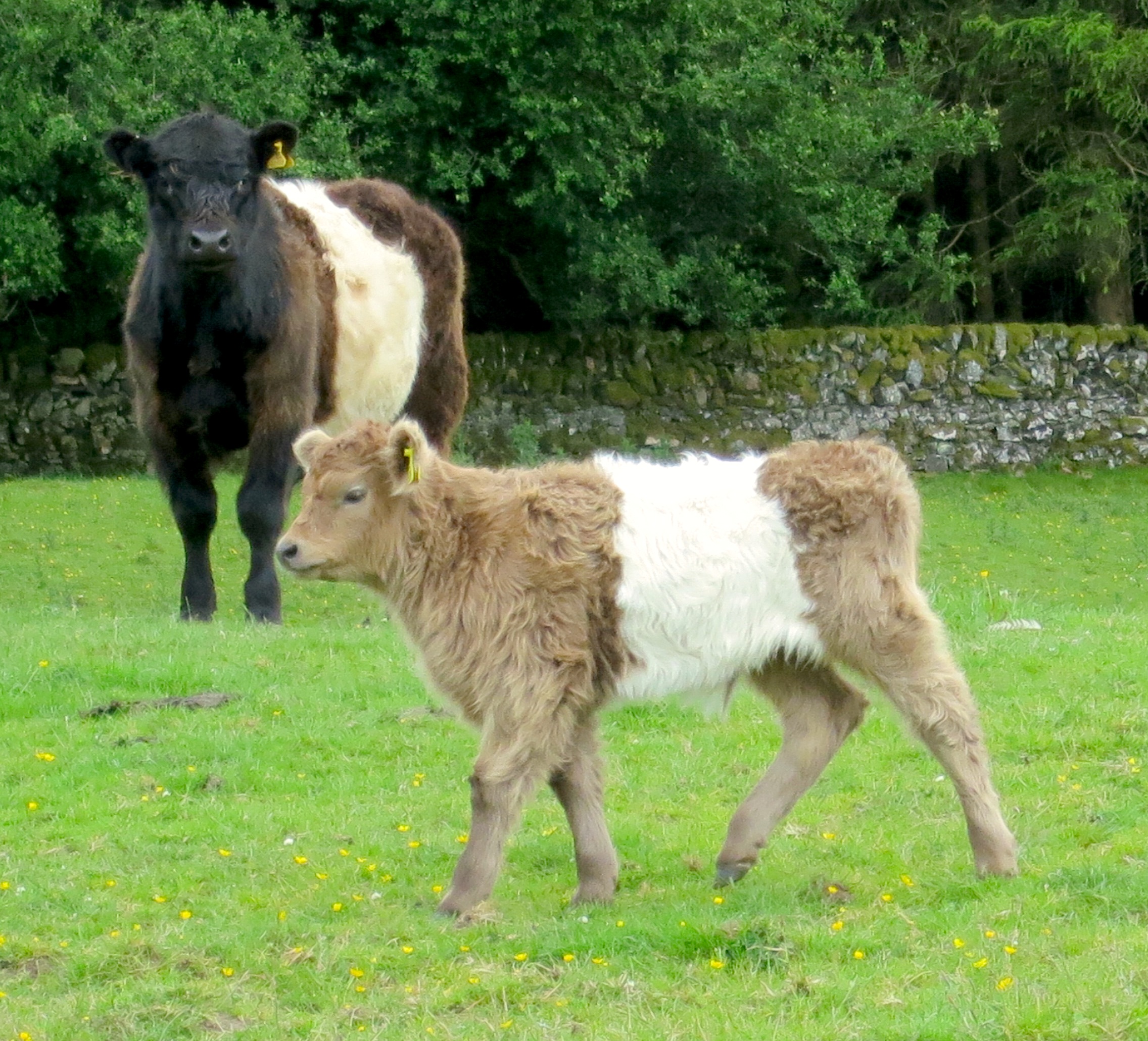
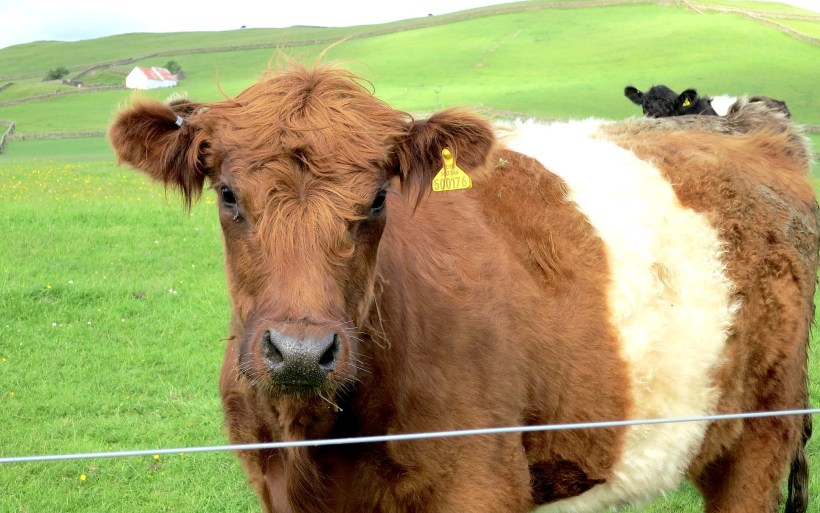
In recognition of Cow Appreciation Day today:

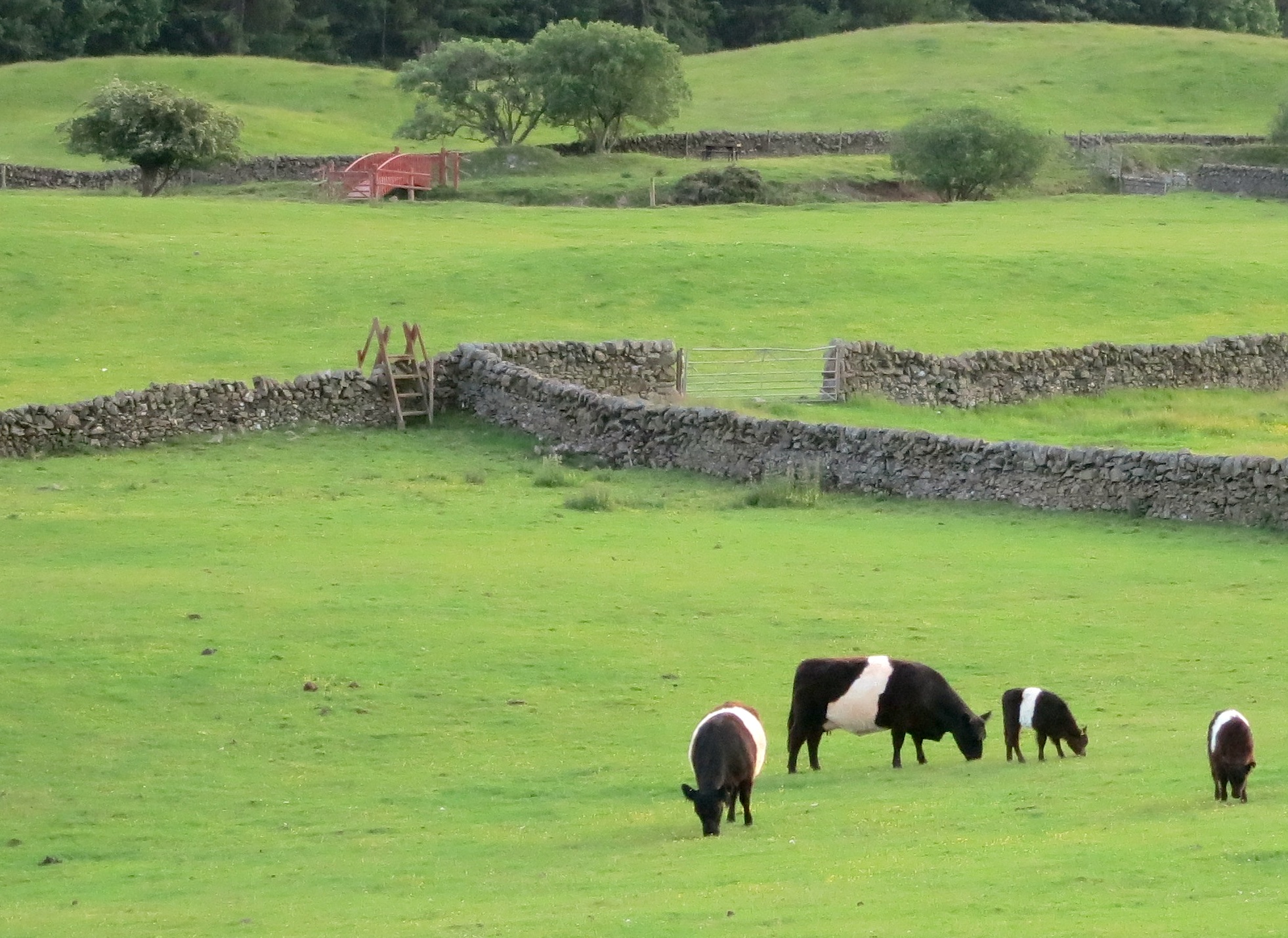
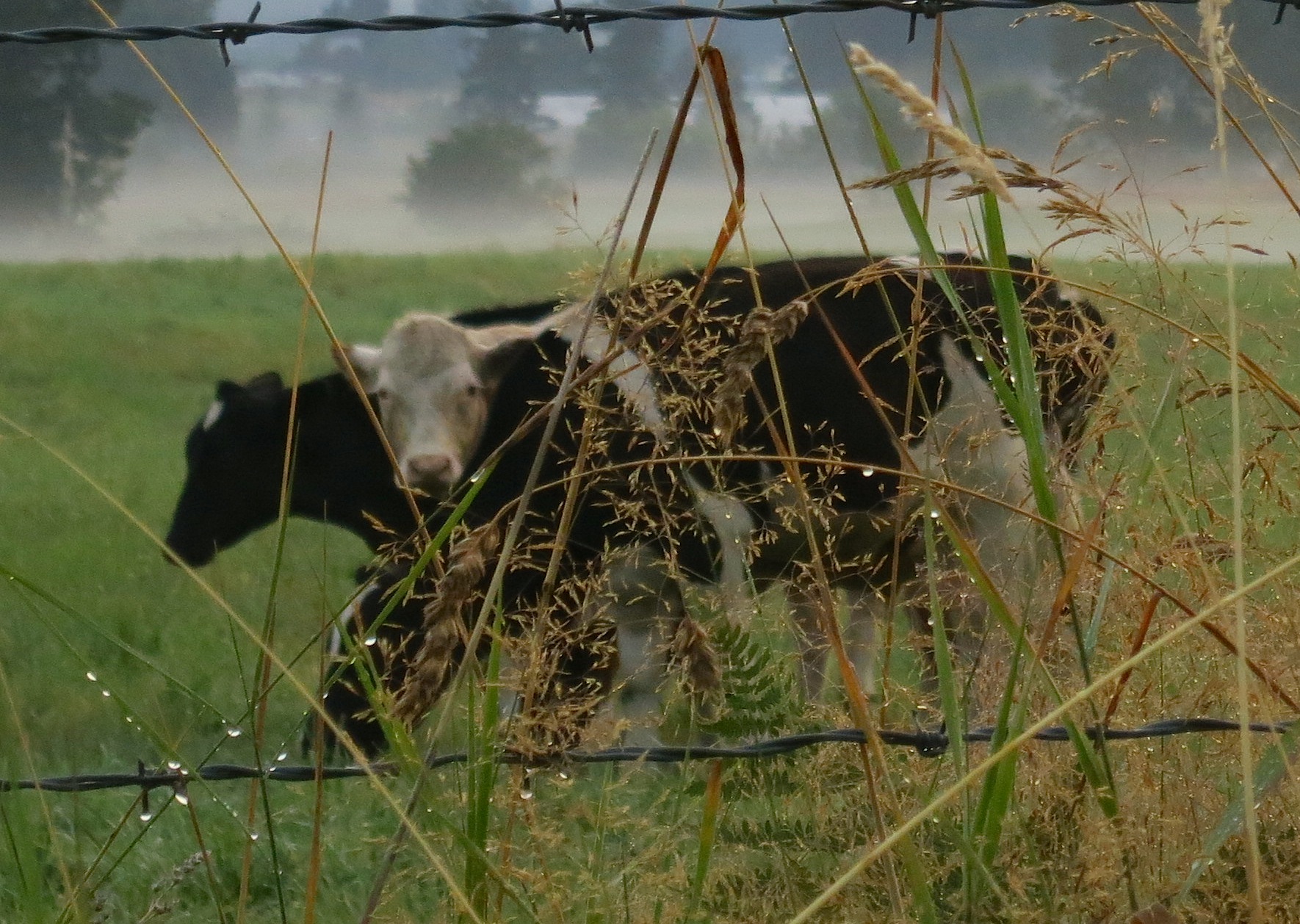
Most of my life I have been surrounded by cows. I sat on their bony backs while my dad hand-milked our three Guernsey cows. I learned about their pastoral preferences by following their meandering paths through the fields and woods. I know all about their nosiness and their noisiness and their utter fascination with the antics of their humans.

Our family farm had Scottish Highland cattle and cross-breds for a time – raising calves meant monitoring our cows in heat. There isn’t anything else that sounds like a cow in heat. Nothing. Especially in the middle of the night.

During our farm stay travels in Ireland and Scotland a decade ago, we made a point to get to know the local bovines, just for comparison’s sake. Sure enough, the cows there were just as charming and curious as the ones at home, although a bit furrier with more interesting coloration.
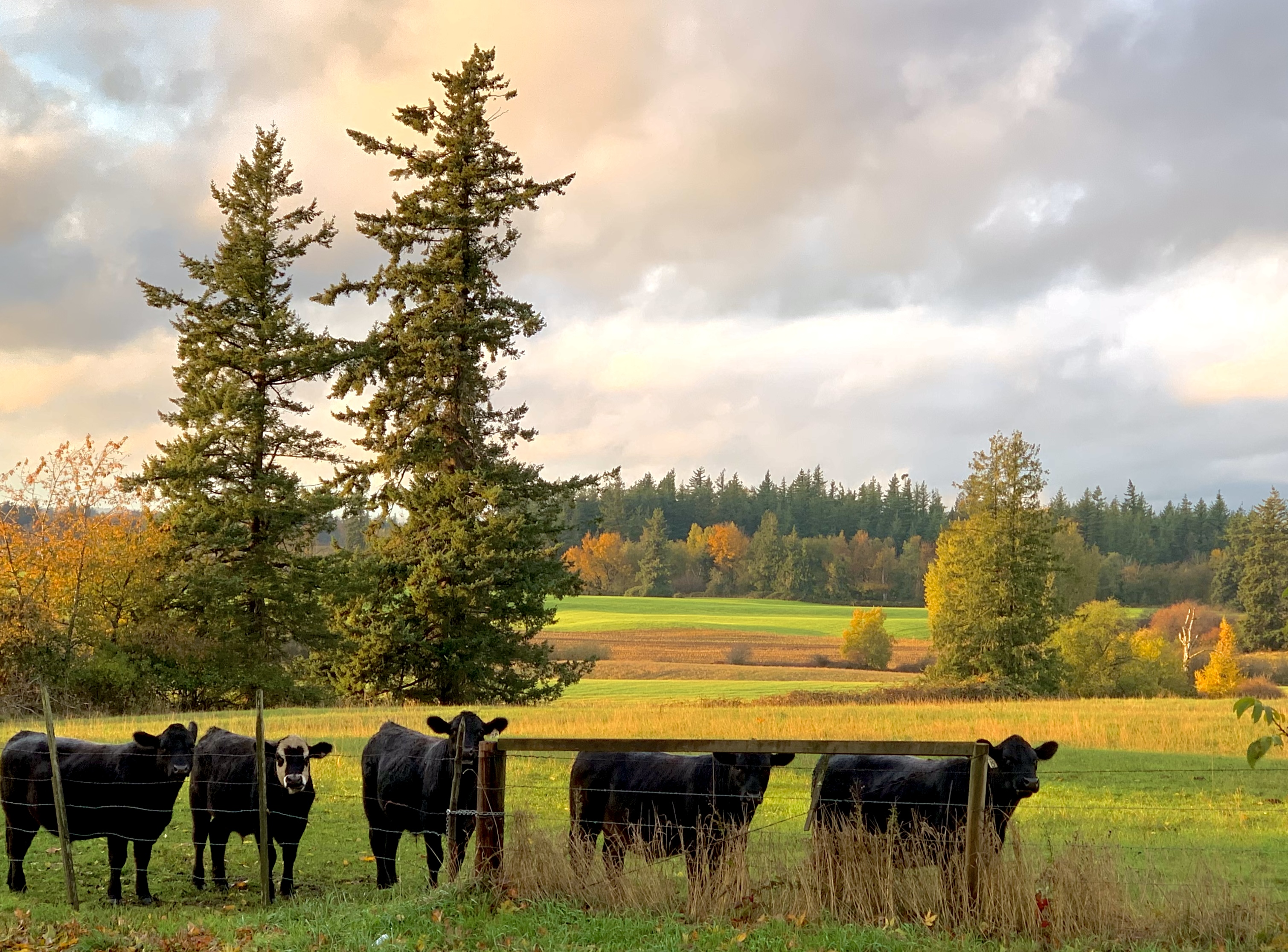
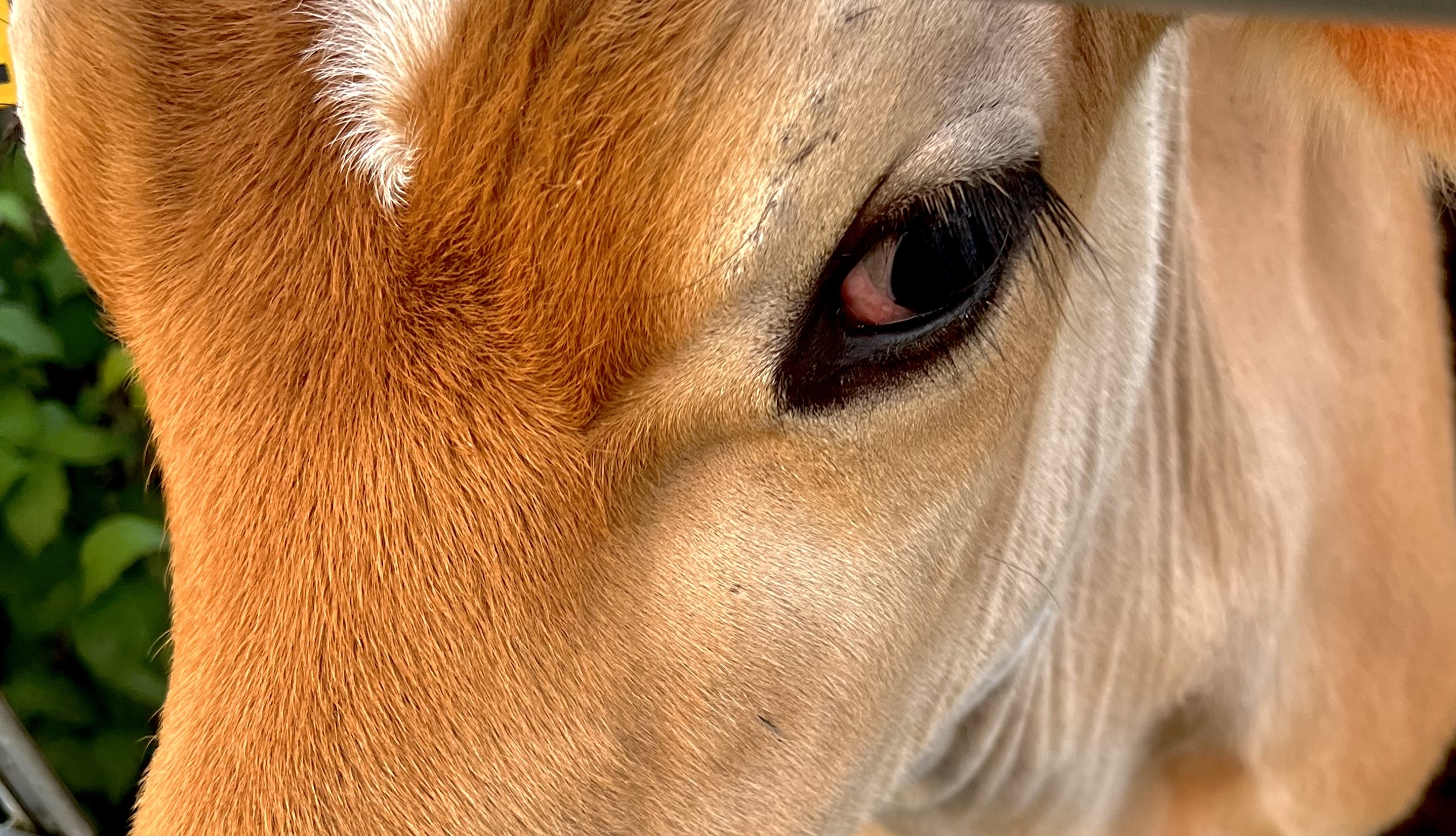
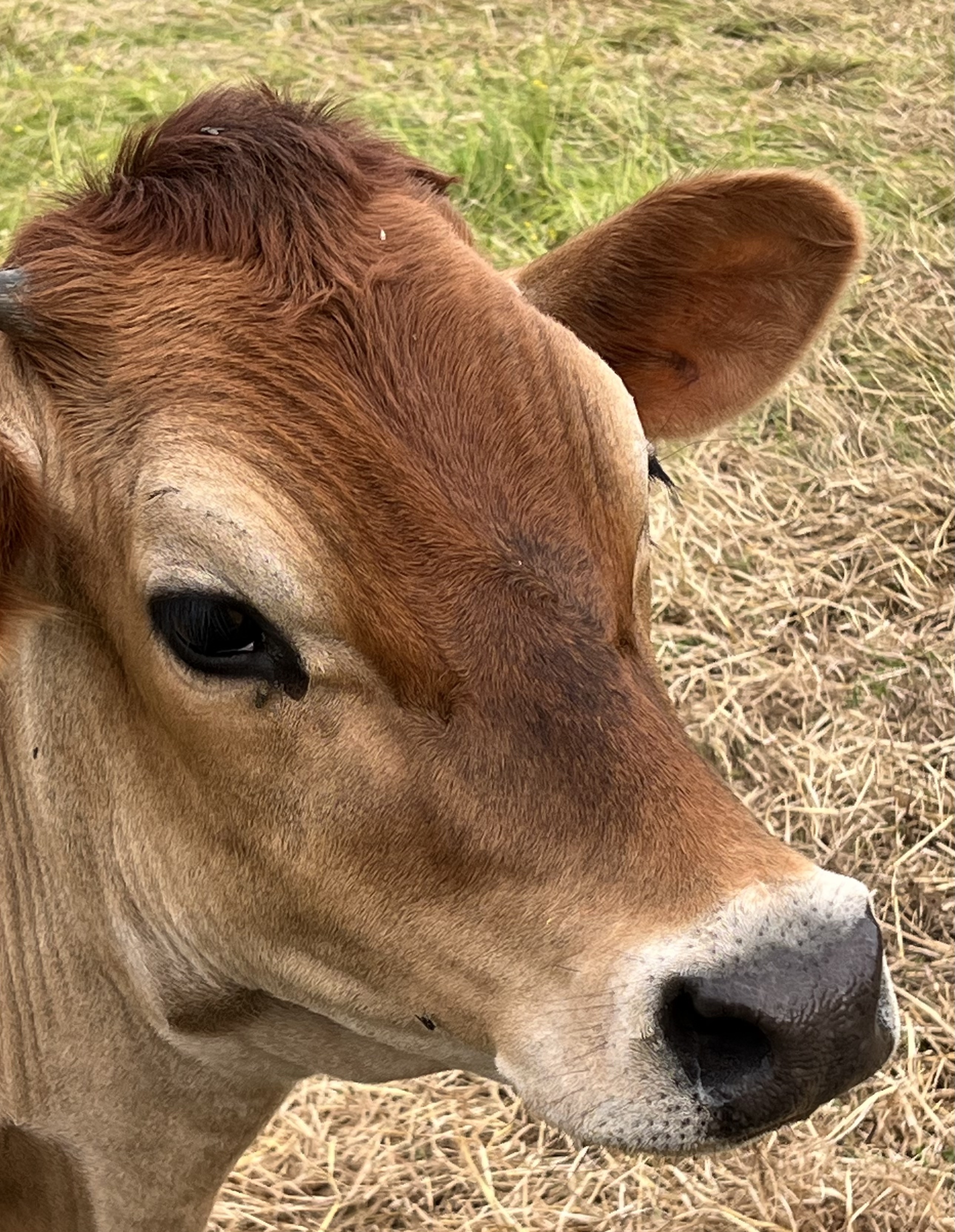
We are currently providing temporary lodging for some young steers who need the run of some grassy acreage as they grow and fill out. They are quite content and not the least bit noisy. Having them here reminds me I’ve missed the sound of cows’ reassuring cud chewing, their soft flap of ear, their oval brown eyes, but most of all the acrobatics of a tongue that wraps itself around a clump of grass while grazing and can reach up and clean out a moist nose.
A wondrous creature: their cowness is the perfect combination of mystery and magnificence.

And I need to learn how to play the trombone…

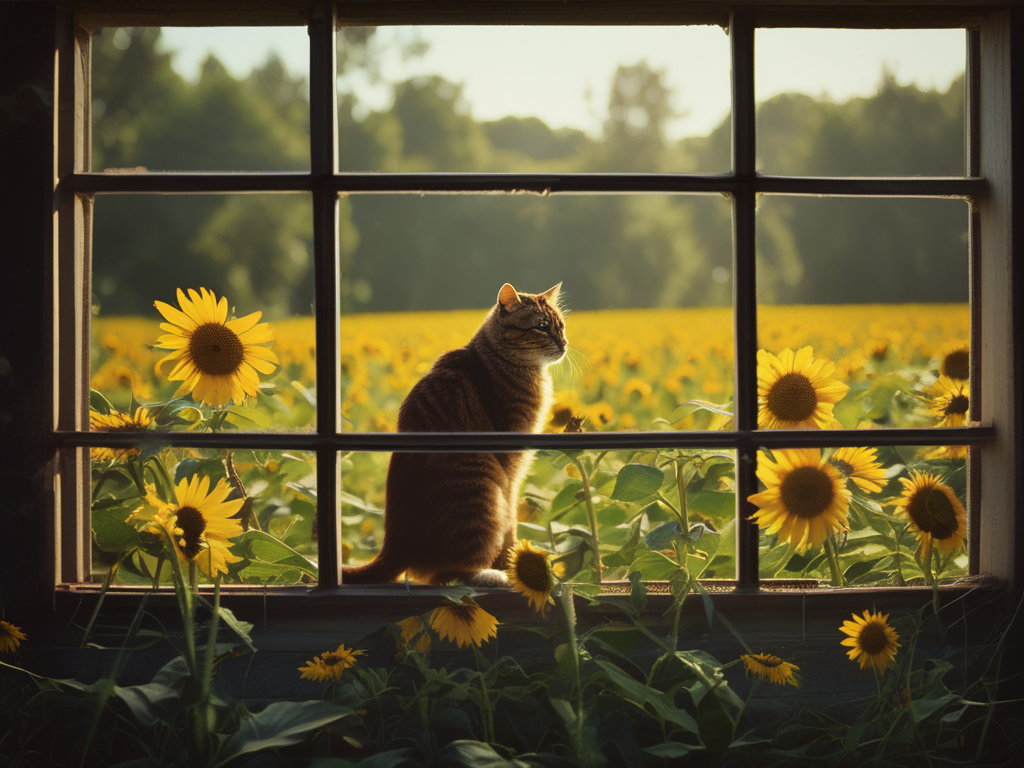
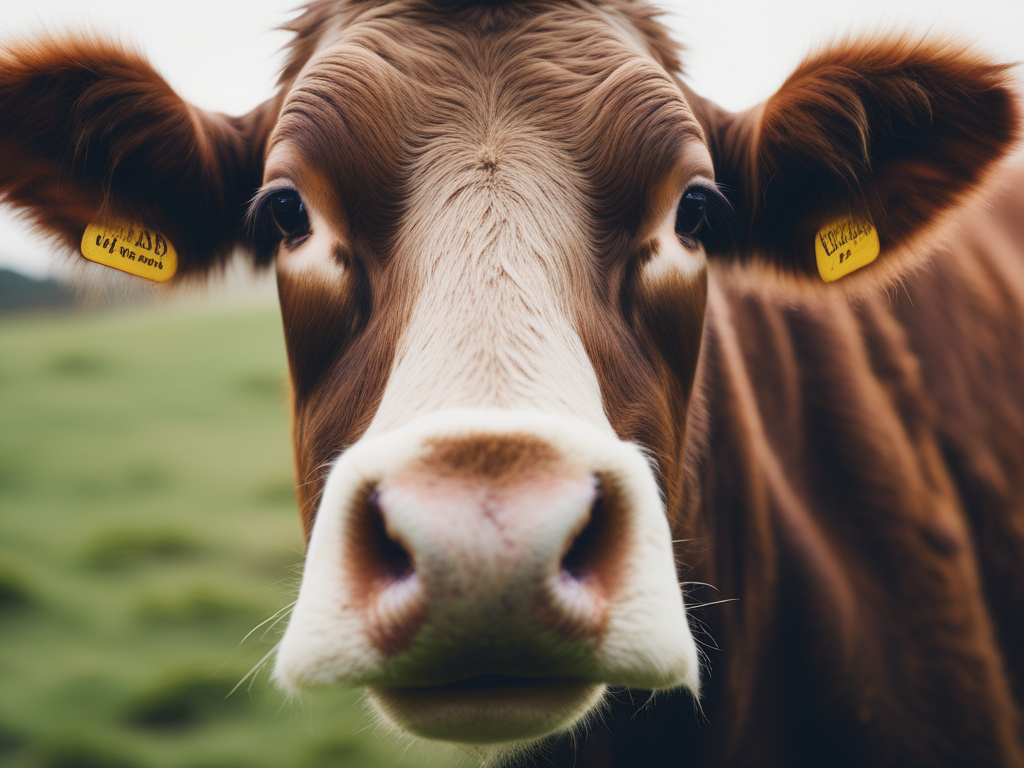
AI image created for this post
One-Time
Monthly
Yearly

Make a one-time or recurring donation to support daily Barnstorming posts

Make a monthly donation

Make a yearly donation

Choose an amount

$10.00
$25.00
$50.00
$5.00
$15.00
$100.00
$5.00
$15.00
$100.00

Or enter a custom amount

$

Your contribution is deeply appreciated.

Your contribution is appreciated.

Your contribution is appreciated.

DonateDonate monthlyDonate yearly