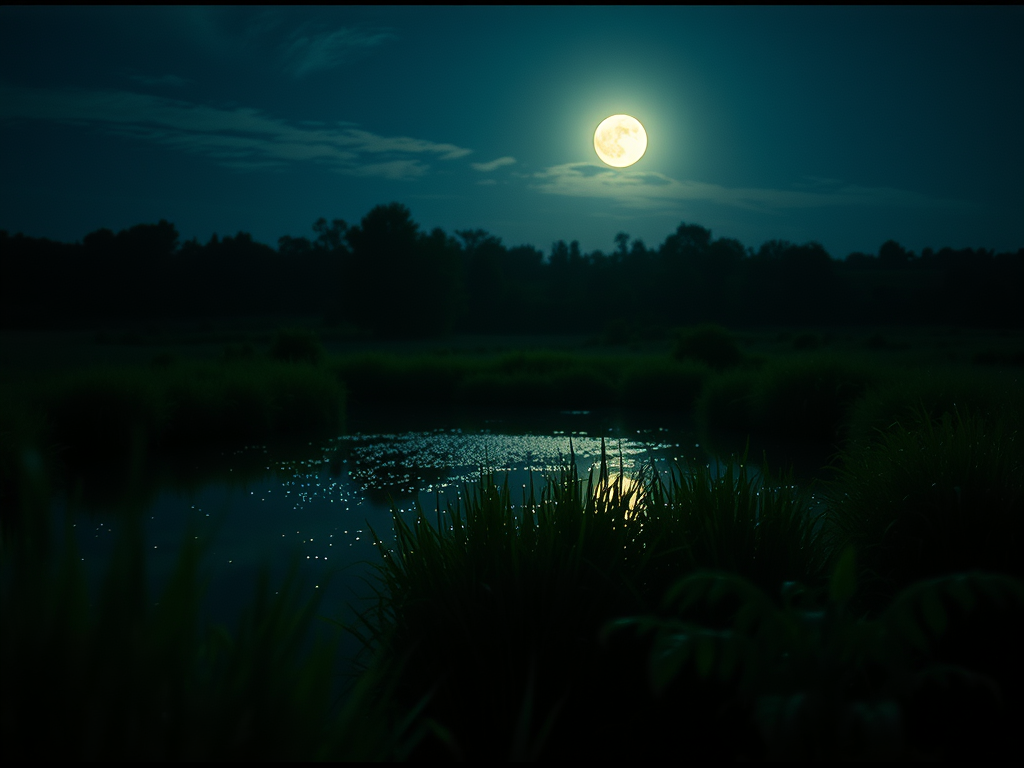
There are no creatures you cannot love. A frog calling at God From the moon-filled ditch As you stand on the country road in the June night. The sound is enough to make the stars weep With happiness. In the morning the landscape green Is lifted off the ground by the scent of grass. The day is carried across its hours Without any effort by the shining insects That are living their secret lives. The space between the prairie horizons Makes us ache with its beauty. Cottonwood leaves click in an ancient tongue To the farthest cold dark in the universe. The cottonwood also talks to you Of breeze and speckled sunlight. You are at home in these great empty places along with red-wing blackbirds and sloughs. You are comfortable in this spot so full of grace and being that it sparkles like jewels spilled on water. ~Tom Hennen “From a Country Overlooked”, from Darkness Sticks to Everything
There are some God’s creatures I struggle to love – fleas, chiggers, mosquitoes, ticks, slugs, yellow jackets among them. Also poisonous snakes, spiders and scorpions come to mind. And then there are pathogenic bacteria, parasites and viruses…
It is not their fault I struggle to find their value – only God knows why He made them as He did.
What I have learned over 7 decades is to try to look for beauty wherever I am.
To listen to the breezes and the birds, to look for how the light plays with leaves and water and how it is all created to help us feel at home for the time we are here.
Yet, this is an imperfect world where beauty doesn’t provide shelter to those with their basic needs unfulfilled – where there is no comfort, no safety, no hope.
God, deliver us from being too comfortable when others suffer. Help us feel Your love to pass on to those in need. Help us to know how to make a difference for them. We know that makes a difference to You.
AI image created for this post
One-Time
Monthly
Yearly
Make a one-time or recurring donation to support daily Barnstorming posts
On the day when The weight deadens On your shoulders And you stumble, May the clay dance To balance you.
May a flock of colours, Indigo, red, green And azure blue, Come to awaken in you A meadow of delight.
May the nourishment of the earth be yours, May the clarity of light be yours, May the fluency of the ocean be yours, May the protection of the ancestors be yours.
And so may a slow Wind work these words Of love around you, An invisible cloak To mind your life. ~John O’Donohue from “Beannacht“
We all stumble, bearing the bruises and scars of our fall. We all waken to gray days when there seems no point in going on. We all can be sucked into the darkest thoughts, tunneling ever more deeply.
In those moments, those days, those months, may we be wrapped tightly in love’s cloak of invisibility: and darkness swallow us no longer~ we follow a brightening path of light and color, with contentment and encouragement, our failing feet steadied, the gray kaleidoscoped, the way to go illuminated with hope.
May our brokenness be forever covered in such blessings.
AI image created for this post
One-Time
Monthly
Yearly
Make a one-time or recurring donation to support daily Barnstorming posts
As we walk into words that have waited for us to enter them, so the meadow, muddy with dreams, is gathering itself together
and trying, with difficulty, to remember how to make wildflowers. Imperceptibly heaving with the old impatience, it knows
for certain that two horses walk upon it, weary of hay. The horses, sway-backed and self important, cannot design
how the small white pony mysteriously escapes the fence everyday. This is the miracle just beyond their heavy-headed grasp,
and they turn from his nuzzling with irritation. Everything is crying out. Two crows, rising from the hill, fight
and caw-cry in mid-flight, then fall and light on the meadow grass bewildered by their weight. A dozen wasps drone, tiny prop planes,
sputtering into a field the farmer has not yet plowed, and what I thought was a phone, turned down and ringing,
is the knock of a woodpecker for food or warning, I can’t say. I want to add my cry to those who would speak for the sound alone.
But in this world, where something is always listening, even murmuring has meaning, as in the next room you moan
in your sleep, turning into late morning. My love, this might be all we know of forgiveness, this small time when you can forget
what you are. There will come a day when the meadow will think suddenly, water, root, blossom, through no fault of its own, and the horses will lie down in daisies and clover. Bedeviled, human, your plight, in waking, is to choose from the words
that even now sleep on your tongue, and to know that tangled among them and terribly new is the sentence that could change your life. ~Marie Howe “The Meadow”from The Good Thief
I am constantly looking for the sentence that will change my life.
I search high and low: in books, on tape, in sermons, and in everyday conversation.
I listen.
I realize it will not be a brand new revelation. Instead, it is a very very old sentence:
“I am the light of the world. Whoever follows me will never walk in darkness, but will have the light of life.” John 8:12
I look for the Light in the most unexpected places, and if I find it, I always try to share it here…
What is a sentence that has changed your life?
AI image created for this post
One-Time
Monthly
Yearly
Make a one-time or recurring donation to support daily Barnstorming posts
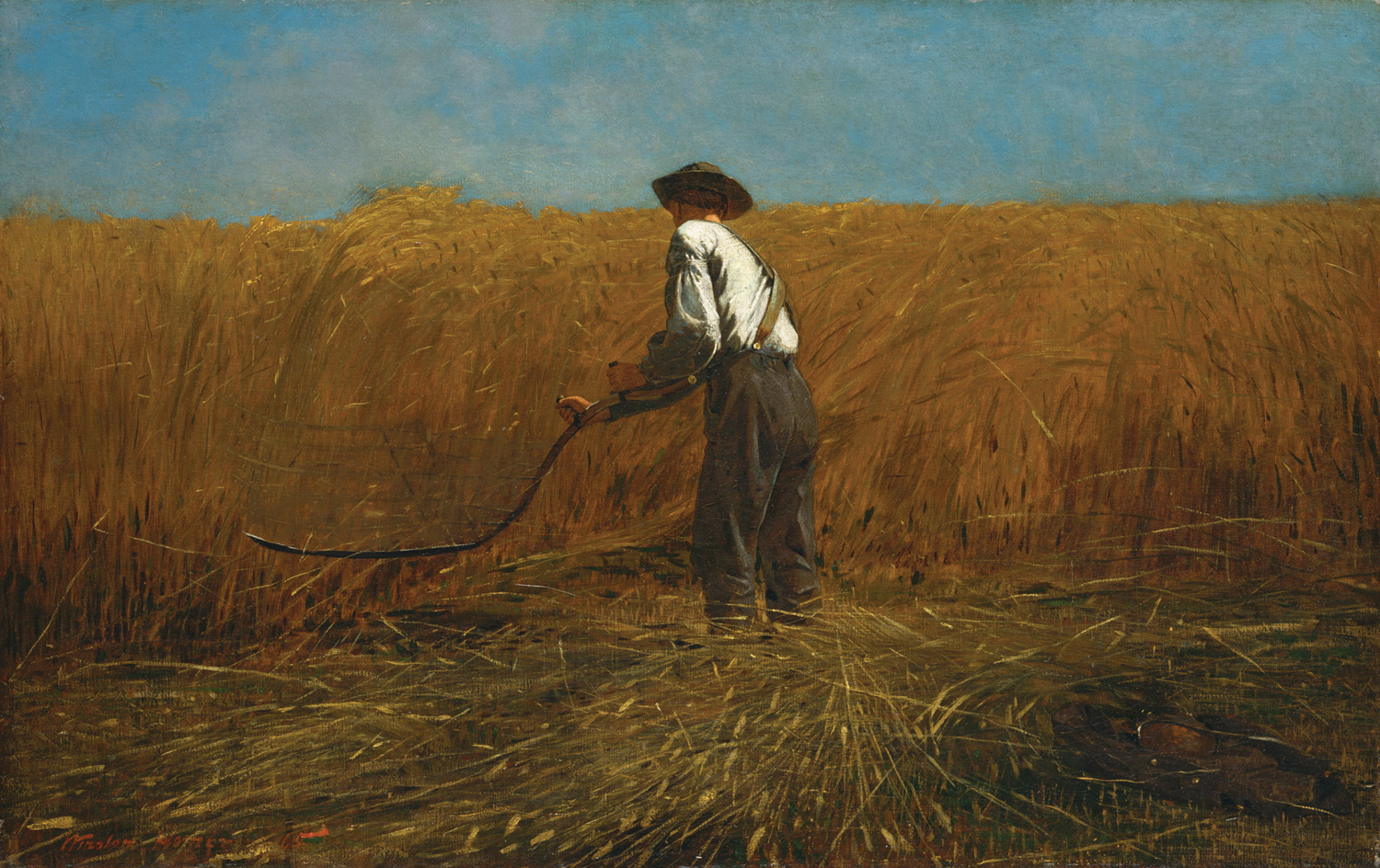
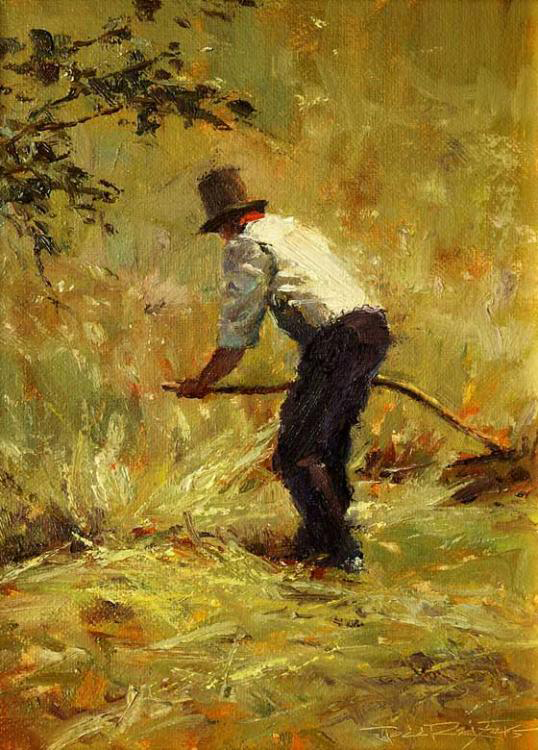
Winslow Homer’s The Veteran in a New FieldMan Scything Hay by Todd Reifers
There was never a sound beside the wood but one, And that was my long scythe whispering to the ground. What was it it whispered? I knew not well myself; Perhaps it was something about the heat of the sun, Something, perhaps, about the lack of sound— And that was why it whispered and did not speak. To the earnest love that laid the swale in rows, The fact is the sweetest dream that labor knows. My long scythe whispered and left the hay to make. ~Robert Frost in “Mowing”
Mowers, weary and brown, and blithe, What is the word methinks ye know, Endless over-word that the Scythe Sings to the blades of the grass below? Scythes that swing in the grass and clover, Something still, they say as they pass; What is the word that, over and over, Sings the Scythe to the flowers and grass?
Hush, ah hush, the Scythes are saying, Hush, and heed not, and fall asleep; Hush, they say to the grasses swaying, Hush, they sing to the clover deep! Hush – ’tis the lullaby Time is singing – Hush, and heed not, for all things pass, Hush, ah hush! and the Scythes are swinging Over the clover and over the grass! ~Andrew Lang (1844-1912) “The ScytheSong”
It is blue May. There is work to be done. The spring’s eye blind with algae, the stopped water silent. The garden fills with nettle and briar. Dylan drags branches away. I wade forward with my scythe.
There is stickiness on the blade. Yolk on my hands. Albumen and blood. Fragments of shell are baby-bones, the scythe a scalpel, bloodied and guilty with crushed feathers, mosses, the cut cords of the grass. We shout at each other each hurting with a separate pain.
From the crown of the hawthorn tree to the ground the willow warbler drops. All day in silence she repeats her question. I too return to the place holding the pieces, at first still hot from the knife, recall how warm birth fluids are. ~Gillian Clarke“Scything” from Letter from a Far Country (1982)
The grass around our orchard and yet-to-be-planted garden is now thigh-high. It practically squeaks while it grows. Anything that used to be in plain sight on the ground is rapidly being swallowed up in a sea of green: a ball, a pet dish, a garden gnome, a hose, a tractor implement, a bucket. In an effort to stem this tidal flood of grass, I grab the scythe out of the garden shed and plan my attack.
When the pastures are too wet yet for heavy hooves, I have hungry horses to provide for and there is more than plenty fodder to cut down for them.
I’m not a weed whacker kind of gal. First there is the necessary fuel, the noise necessitating ear plugs, the risk of flying particles requiring goggles–it all seems too much like an act of war to be remotely enjoyable. Instead, I have tried to take scything lessons from my husband.
Emphasis on “tried.”
I grew up watching my father scythe our hay in our field because he couldn’t afford a mower for his tractor. He enjoyed physical labor in the fields and woods–his other favorite hand tool was a brush cutter that he’d take to blackberry bushes. He would head out to the field with the scythe over this shoulder, grim reaper style. Once he was standing on the edge of the grass needing to be mowed, he would then lower the scythe, curved blade to the ground, turn slightly, positioning his hands on the two handles just so, raise the scythe up past his shoulders, and then in a full body twist almost like a golf swing, he’d bring the blade down. It would follow a smooth arc through the base of the standing grass, laying clumps flat in a tidy pile alongside the 2 inch stubble left behind. It was a swift, silky muscle movement — a thing of beauty.
Once, when I was three years old, I quietly approached my dad in the field while he was busily scything grass for our cows, but I didn’t announce my presence. The handle of his scythe connected with me as he swung it, laying me flat with a bleeding eyebrow. I still bear the scar, somewhat proudly, as he abruptly stopped his fieldwork to lift me up as I bawled and bled on his sweaty shirt. He must have felt so badly to have injured his little girl and drove my mom and I to the local doctor who patched my brow with sticky tape rather than stitches.
So I identify a bit with the grass laid low by the scythe. I forgave my father, of course, and learned never again to surprise him when he was working in the field.
Instead of copying my father’s graceful mowing technique, I tended to chop and mangle rather than effect an efficient slicing blow to the stems. I unintentionally trampled the grass I meant to cut. I got blisters from holding the handles too tightly. It felt hopeless that I’d ever perfect that whispery rise and fall of the scythe, with the rhythmic shush sound of the slice that is almost hypnotic.
Not only did I become an ineffective scything human, I also learned what it is like to be the grass laid flat, on the receiving end of a glancing blow. Over a long career, I bore plenty of footprints from the trampling. It can take awhile to stand back up after being cut down.
Sometimes it makes more sense to simply start over as the oozing stubble bleeds green, with deep roots that no one can reach. As I have grown back over the years, singing rather than squeaking or bawling, I realize, I forgave the scythe every time it came down on my head.
photo by Nate Gibson
One-Time
Monthly
Yearly
Make a one-time or recurring donation to support daily Barnstorming posts
I know what you planned, what you meant to do, teaching me to love the world, making it impossible to turn away completely, to shut it out completely ever again – it is everywhere; when I close my eyes, birdsong, scent of lilac in early spring, scent of summer roses: you mean to take it away, each flower, each connection with earth – why would you wound me, why would you want me desolate in the end, unless you wanted me so starved for hope I would refuse to see that finally nothing was left to me, and would believe instead in the end you were left to me. ~Louise Glück “Vespers”(one of ten Vespers poems)
I wait for the Lord, my soul waits, and in his word I hope; ~Psalm 130:5
Mid-spring days like this: bright, so promising with potential, birdsong constantly in the air, scent of orchard blossoms, lilacs, early roses and a flush of color everywhere…
how can we not love the world so much we never want to leave it?
Yet we must hold this loosely.
It is but a tiny show of the glories to come, of what You have waiting for us next.
I am wounded knowing I must eventually let this go.
I am hungry for hope that isn’t found in all this beauty and lushness, the fulfilling hope that is only You as my Father and Creator.
You provide only a taste here. I know what I starve for, so starved with hope for what You have in store.
I will wait for you I will wait for you in the end You were left for me.
Amen and Amen.
AI image created for this post
One-Time
Monthly
Yearly
Make a one-time or recurring donation to support daily Barnstorming posts
One day thru the primeval wood A calf walked home, as good calves should, But made a trail all bent askew, A crooked trail, as all calves do. Since then three hundred years have fled, And I infer, the calf is dead; But still behind he left his trail, And thereon hangs my mortal tale.
The trail was taken up next day By a lone dog that passed that way, And then a wise bell-weather sheep Sliding into a rut now deep, Pursued that trail over hill and glade Thru those old woods a path was made.
And many men wound in and out, And dodged and turned and bent about, and uttered words of righteous wrath Because “twas such a crooked path” But still they follow-do not laugh- The first migrations of that calf.
The forest became a lane That bent and turned and turned again; This crooked lane became a road where many a poor horse with his load Toiled on beneath the burning sun, And traveled some three miles in one.
The years passed on in swiftness fleet, The village road became a street, And this, before the men were aware, A city’s crowded thoroughfare.
And soon a central street was this In a renowned metropolis; And men two centuries and a half Followed the wanderings of this calf.
Each day a hundred thousand strong Followed this zigzag calf along; And over his crooked journey went The traffic of a continent.
A hundred thousand men were led By one poor calf, three centuries dead. For just such reverence is lent To well established precedent.
A moral lesson this might teach Were I ordained and called to preach. For men are prone to go it blind Along the calf paths of the mind; And work away from sun to sun To do what other men have done.
They follow in the beaten track, And out and in, and forth and back, And still their devious course pursue, To keep the path that others do. They keep the path a sacred groove, Along which all their lives they move.
But how the wise old wood gods laugh, Who saw the first primeval calf. Ah, many things this tale might teach— But I am not ordained to preach. ~Sam Walter Foss “Cow Path”
As I age, I try to keep perspective while traveling this winding road of life, looking back at where I’ve been, hoping for the best about what lies ahead, while trying to stick to the path ahead without too much deviation. My one regret about this journey is that I haven’t stopped nearly often enough to simply take in the scenery, listen to the birds, smell the orchard blossoms, and feel the grass under my bare feet.
It is the conundrum of following only the cow path laid down before me: sticking to traveling a well-worn pathway – a “sacred groove” of precedent.
Nevertheless, as with all cow paths, there may have been no greater reason for the bend or curve than a patch of tall appealing grass at one time, or a good itching spot on a tree trunk or a boulder obstructing the way. Still I follow the curve, dodge the now-absent boulder, tread the zig zag.
My path may appear random without focus on the destination and that’s okay: I need to stop once in awhile to let the sun warm my face, settle down for a really good nap, enjoy a particularly fine meal, read an insightful book, or play a lovely hymn.
It is not which path I’ve meandered to my eventual destination but treasuring my journey along the way.
I will enjoy the twists and turns of life more, if I take the time to appreciate them. Just maybe – I’ll throw in a few curves and sacred digressions of my own for those who follow behind me.
AI image created for this post
One-Time
Monthly
Yearly
Make a one-time or recurring donation to support daily Barnstorming posts
We come across a ridge and hear a cowbell in the cove beyond, a tinkle sweetening the air with vague rubato as the breeze erases tones and then the notes resume like echoes from the past or from a cave inside the cliff, a still, calm voice in dialect and keeping its own company, both out of time and long as time, both here and from a higher sphere, as if the voice of history were intimate as memory. ~Robert Morgan “Cowbell”
Over my head, I see the bronze butterfly, Asleep on the black trunk, Blowing like a leaf in green shadow. Down the ravine behind the empty house, The cowbells follow one another Into the distances of the afternoon. To my right, In a field of sunlight between two pines, The droppings of last year’s horses Blaze up into golden stones. I lean back, as the evening darkens and comes on. A chicken hawk floats over, looking for home. I have wasted my life. ~James Wright “Lying in a Hammock at William Duffy’s Farm in Pine Island, Minnesota”
photo by Kate Steensma from Steensma Creamery
One of the lullabies I remember hearing as a youngster were cowbells in the pasture outside my bedroom window on our small family farm. Each of our three milking Guernsey cows wore a bell on her neck so my dad could tell where they were in our wooded field. He’d whistle and call “Come Bossy!” and they would walk single file into the barn, ringing and tinkling with each step, for their twice daily grain and hand-milking.
When I was old enough, I liked to perch on top of their bony backs while my dad leaned his head into their flank, whistling a tune while he milked them, the steaming stream of milk hitting the metal bucket with a high-pitched whine. The bells on their necks still chimed as the cows chewed, moving their heads up and down to finish their meal.
This was divine music that soothed and reassured me and I felt I could follow it anywhere. All was right with the world, thanks to the cows and their intrinsic tunes created by their movements, as if they were created to charm their keepers.
There are moments when I believe we are hearing what heaven must sound like.
Now, seven decades later, the soft harmony of cowbells is replaced by the random chords of wind chimes hanging outside our house.
The memory of cowbell music remains a reminder: I have not wasted my life if I can taste heaven through such simple things and magical moments.
But I still need more cowbell…
This year’s Lenten theme:
…where you go I will go… Ruth 1:16
and because there is always a need for more cowbell…
One-Time
Monthly
Yearly
Make a one-time or recurring donation to support daily Barnstorming posts
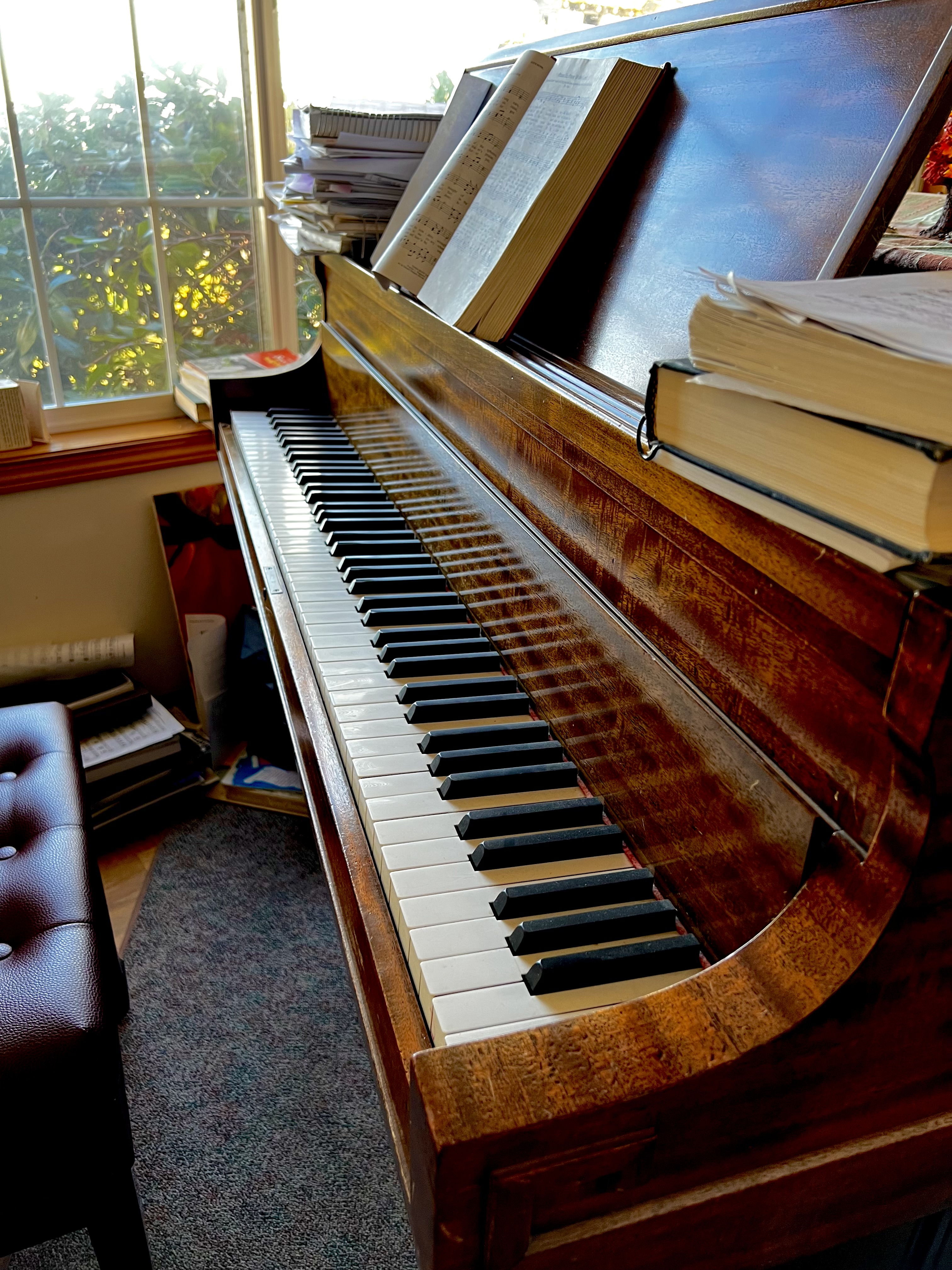
When I was a child I once sat sobbing on the floor Beside my mother’s piano As she played and sang For there was in her singing A shy yet solemn glory My smallness could not hold
And when I was asked Why I was crying I had no words for it I only shook my head And went on crying
Why is it that music At its most beautiful Opens a wound in us An ache a desolation Deep as a homesickness For some far-off And half-forgotten country
I’ve never understood Why this is so
But there’s an ancient legend From the other side of the world That gives away the secret Of this mysterious sorrow
For centuries on centuries We have been wandering But we were made for Paradise As deer for the forest
And when music comes to us With its heavenly beauty It brings us desolation For when we hear it We half remember That lost native country
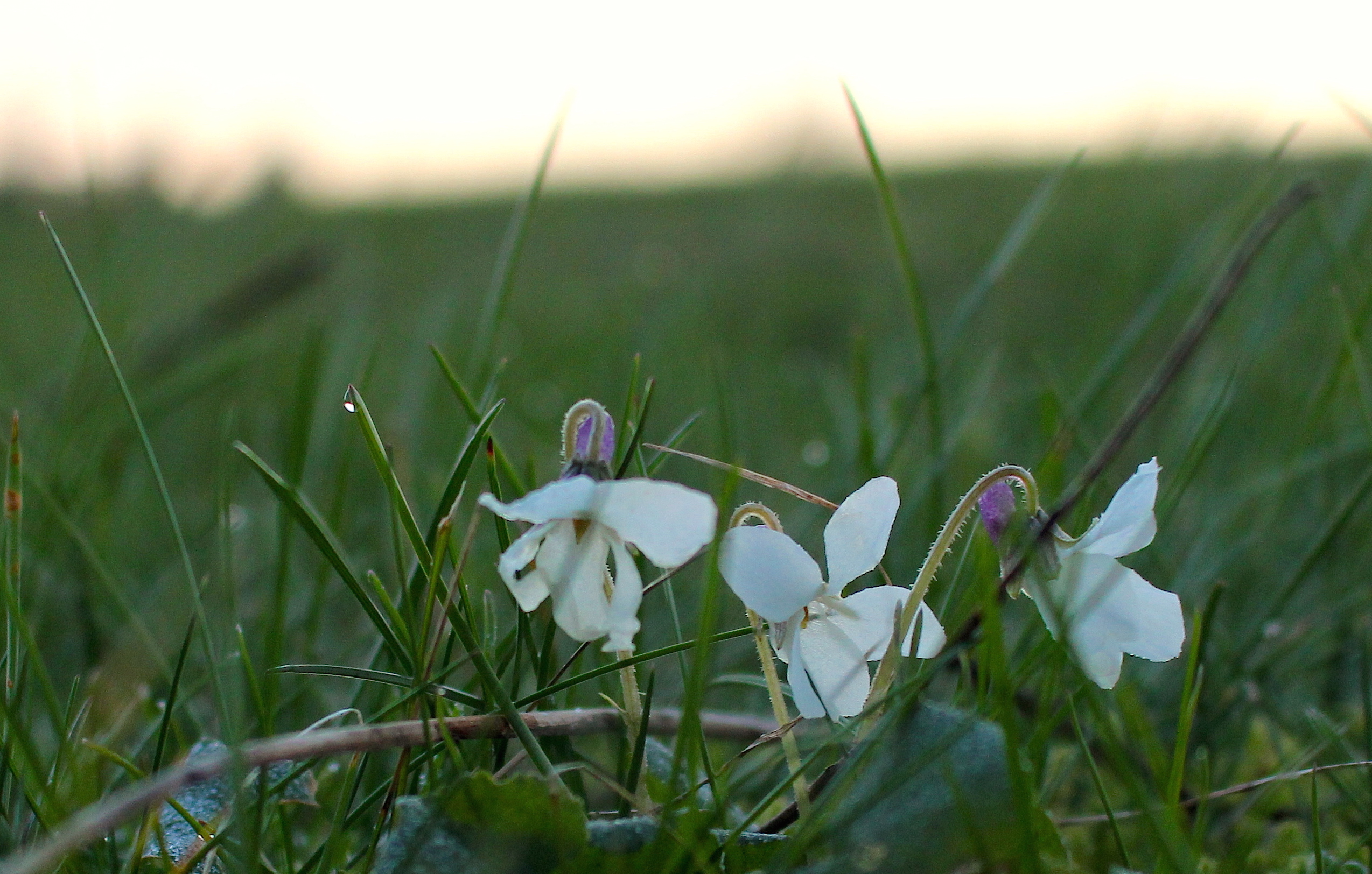
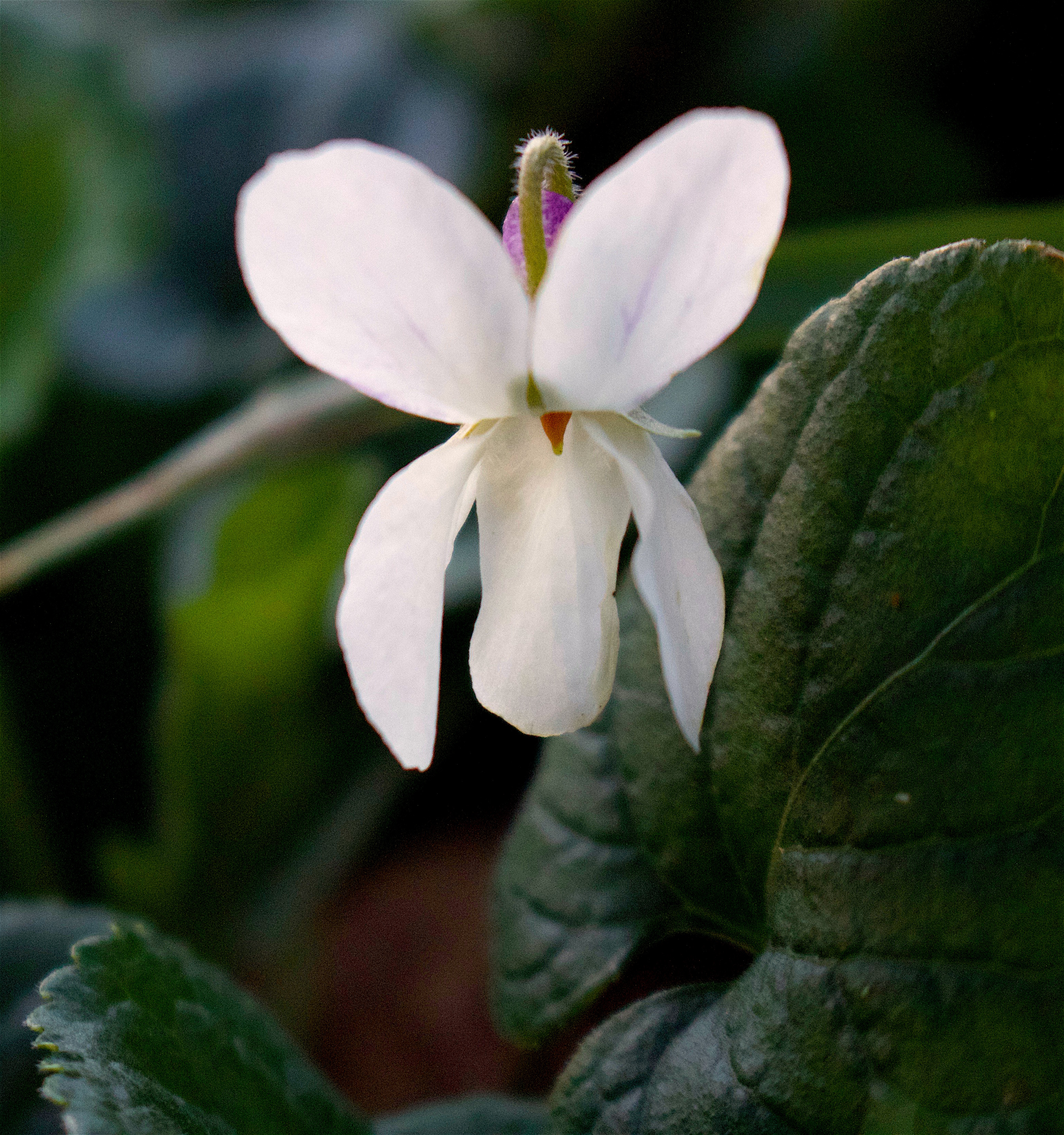
We dimly remember the fields Their fragrant windswept clover The birdsongs in the orchards The wild white violets in the moss By the transparent streams
And shining at the heart of it Is the longed-for beauty Of the One who waits for us Who will always wait for us In those radiant meadows
Yet also came to live with us And wanders where we wander. ~Anne Porter “Music” from Living Things
One evening, when our daughter was only a toddler, just learning the words to tell us what she needed, I was preparing dinner, humming to a choral music piece playing in the background.
She sat on the kitchen floor, looking up at me, her eyes welling full with tears like pools of reflected light spilling over from some deep-remembered reservoir.
At first I thought she was hurt or upset but then could see she was feeling an ache a desolation deep as a homesickness as she wept for wonder at the sad beauty of the music that spoke for her the words she could not express:
Of the One who waits for us Who will always wait for us In those radiant meadows
Yet also came to live with us And wandered where we wander.
For our present troubles are small and won’t last very long. Yet they produce for us a glory that vastly outweighs them and will last forever! So we don’t look at the troubles we can see now; rather, we fix our gaze on things that cannot be seen. For the things we see now will soon be gone, but the things we cannot see will last forever… 2Corinthians 4:17-18
This year’s Lenten theme:
…where you go I will go… Ruth 1:16
AI image created for this post
One-Time
Monthly
Yearly
Make a one-time or recurring donation to support daily Barnstorming posts
“Why, what’s the matter, That you have such a February face, So full of frost, of storm and cloudiness?” – William Shakespeare, Much Ado About Nothing
The wrap-up to February feels like spring is flirting with us. But will winter really ever be finished?
Our doldrums are deep; a brief respite of sun and warmth too rare.
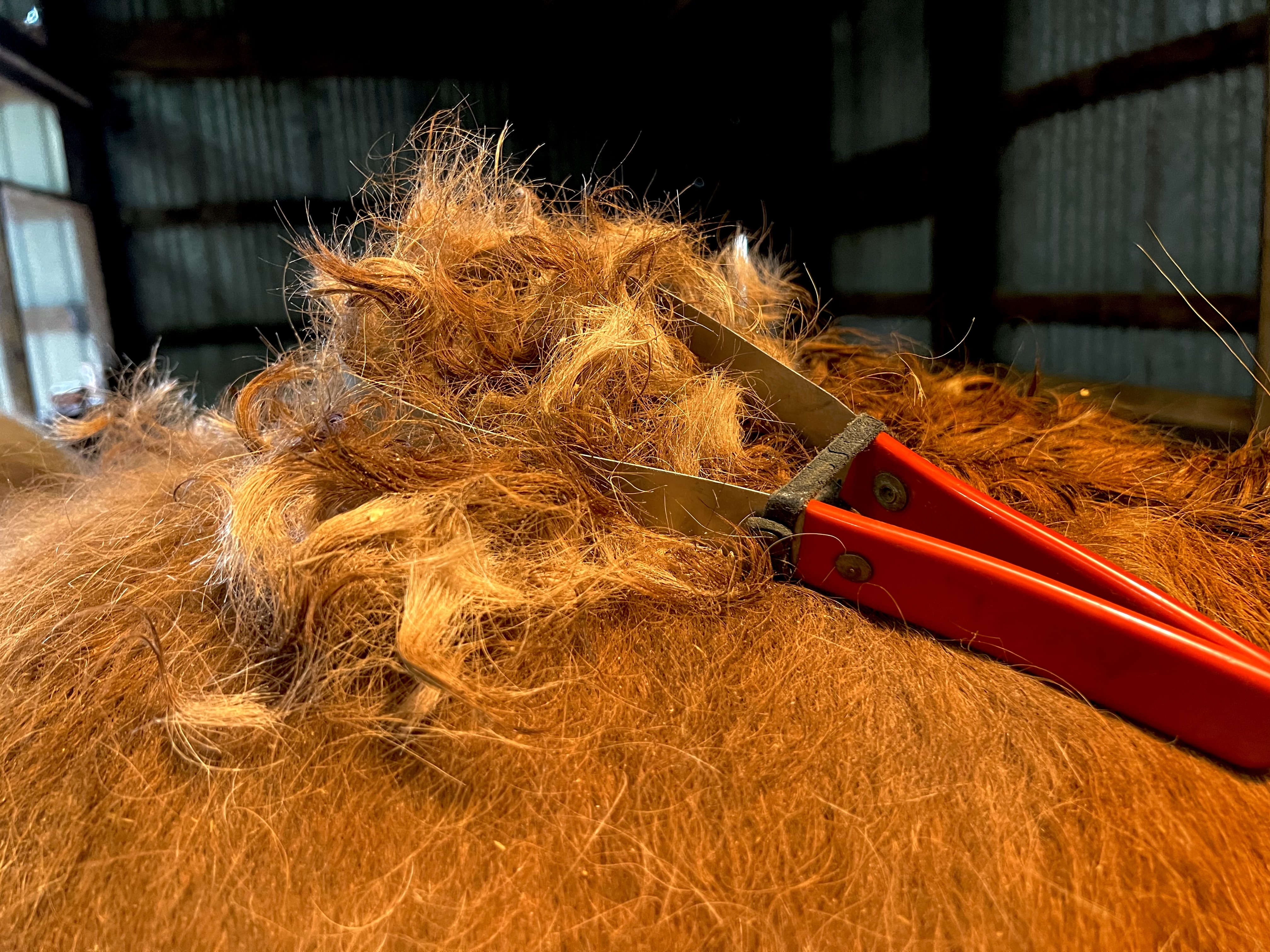
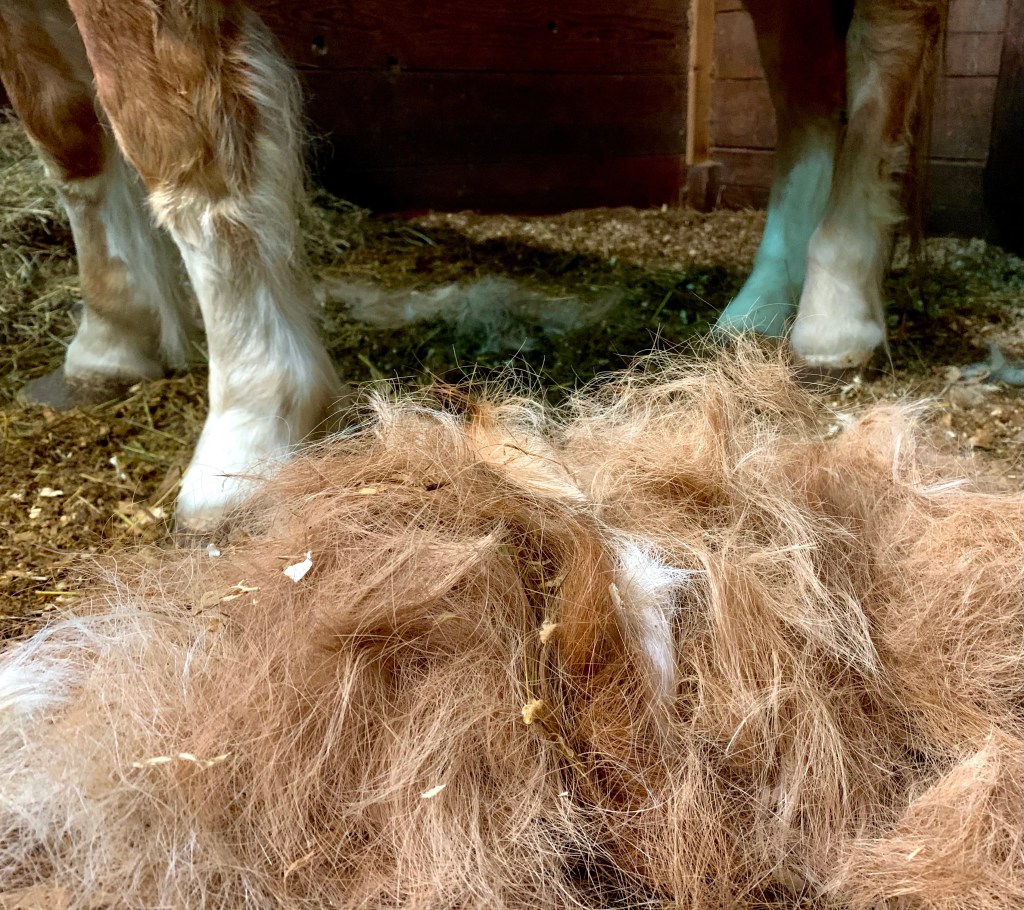
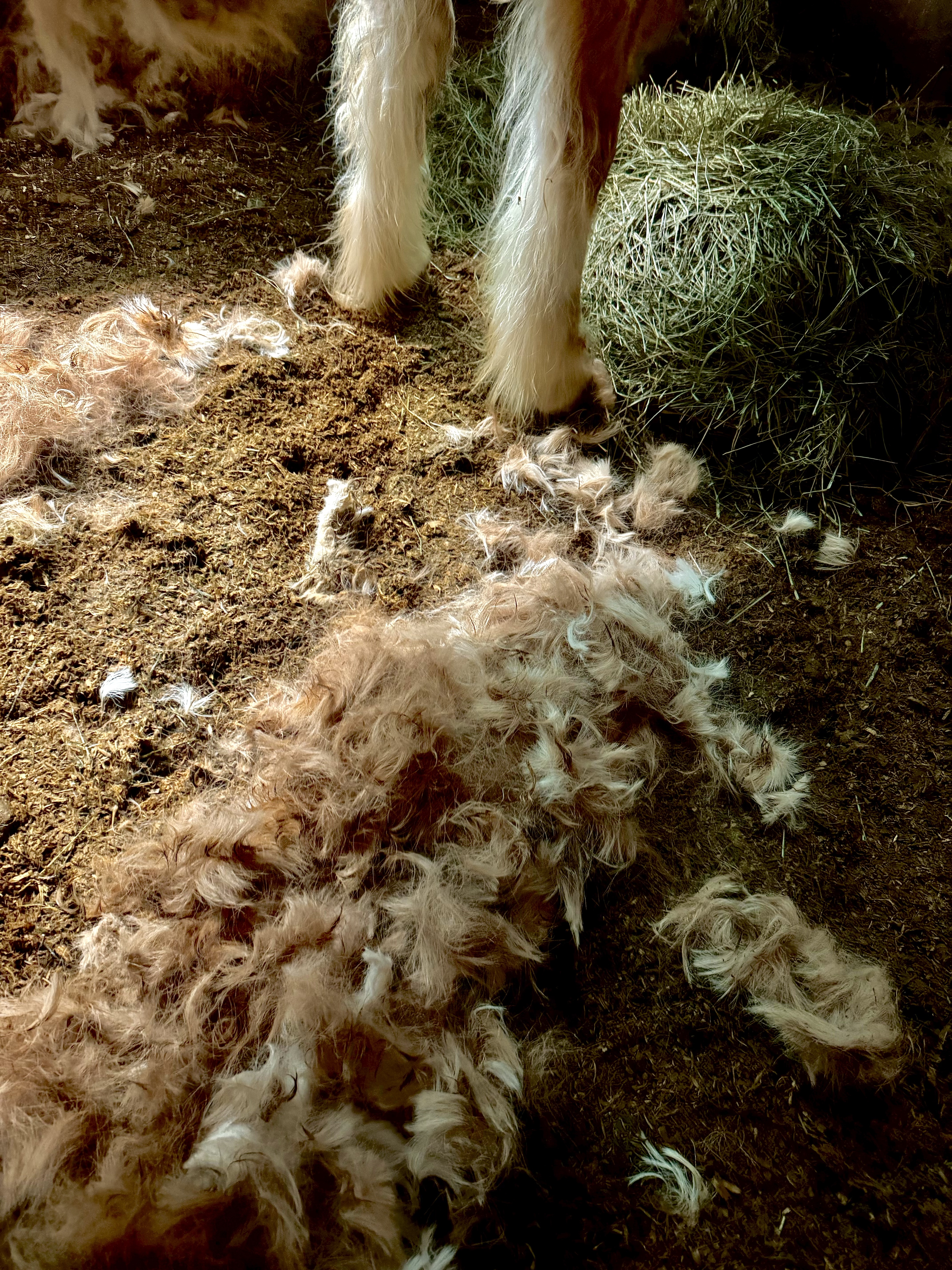
We feel it in the barn as we go about our daily winter routine. The Haflingers are impatient and yearn for freedom, over-eager when handled, sometimes banging on the stall doors in their frustration at being shut in, not understanding that the alternative is to stand outside all day in cold rain and wind. To compensate for their confinement, we start grooming off their thick winter coats, urging their hair to loosen and curry off in sheets over parts of their bodies, yet otherwise still clinging tight.
The horses are a motley crew right now, much like a worn ’60s shag carpet, uneven and in dire need of updating. I prefer that no one see them (or me) like this. Eventually I know the shag on my horses will come off, revealing the sheen of new short hair beneath, but when I look at myself, I’m unconvinced there is such transformation in store for me.
Cranky, I put one foot ahead of the other, oblivious to the subtle seasonal renewal around me, refusing to believe even in the possibility.
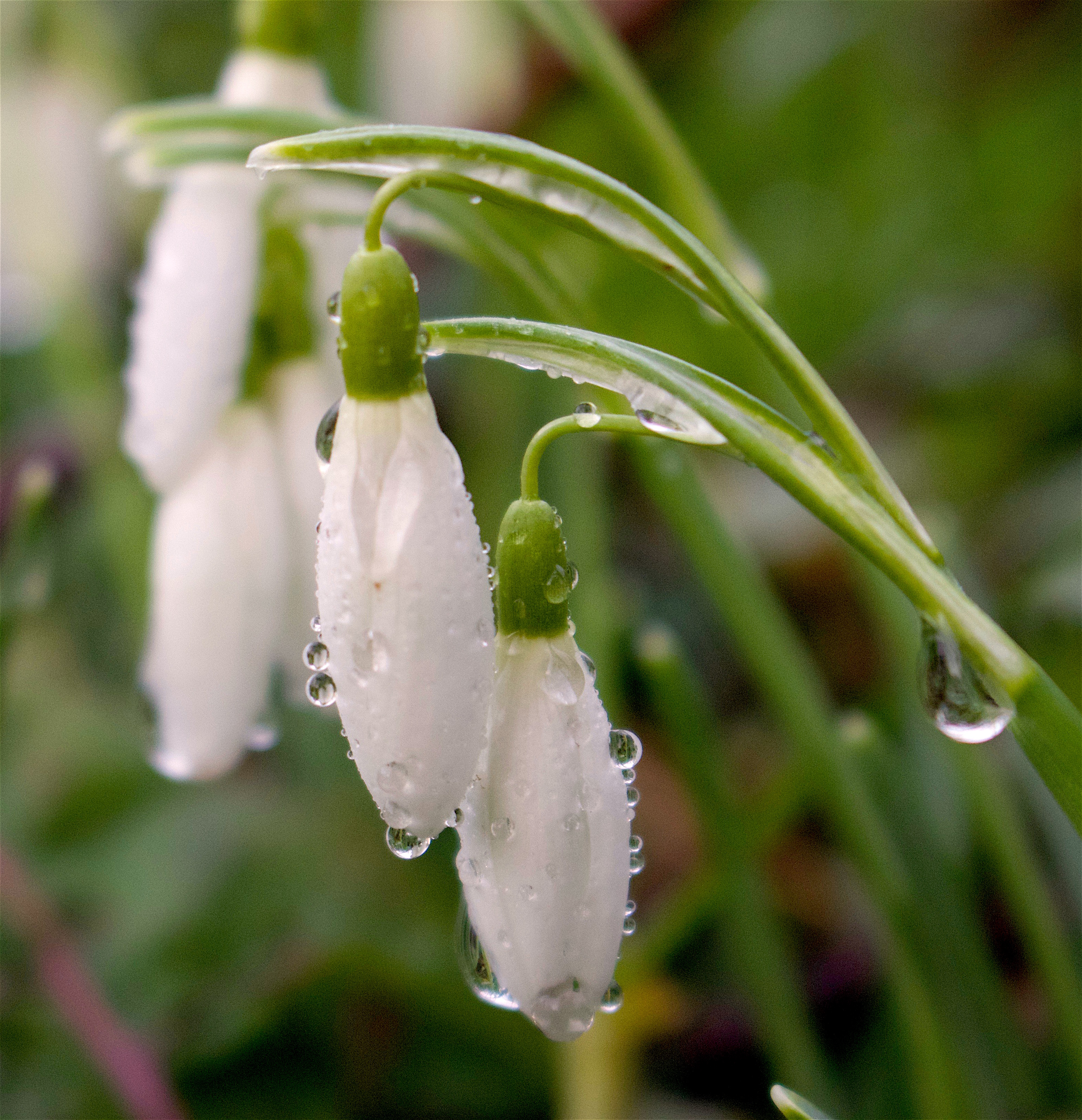
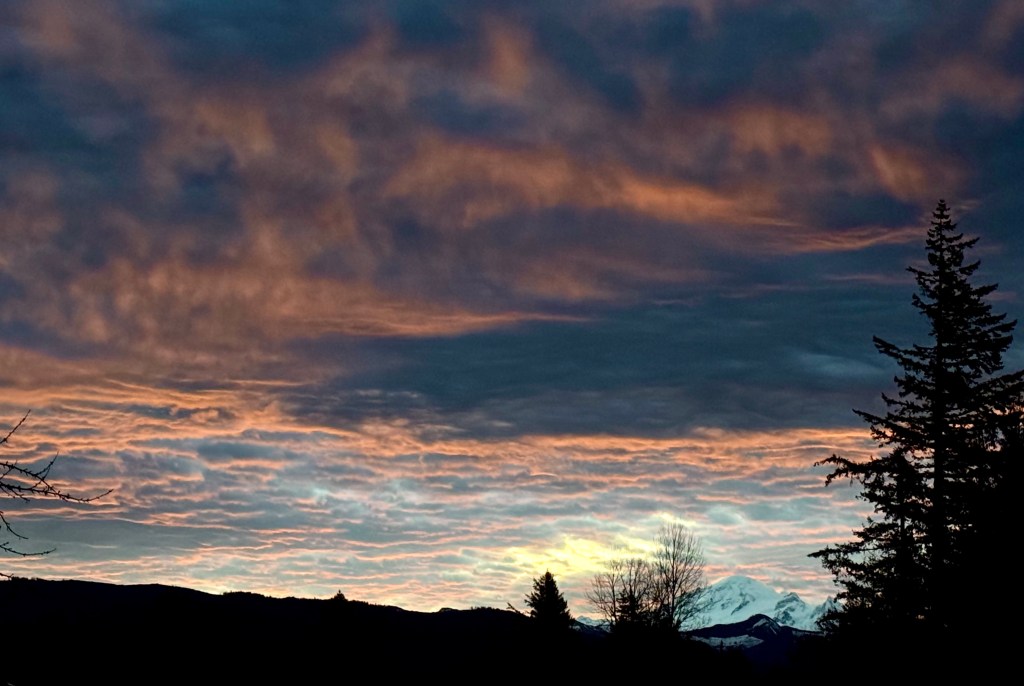
It happened today. Dawn broke bright and blinding so I headed outside and stumbled across something extraordinary.
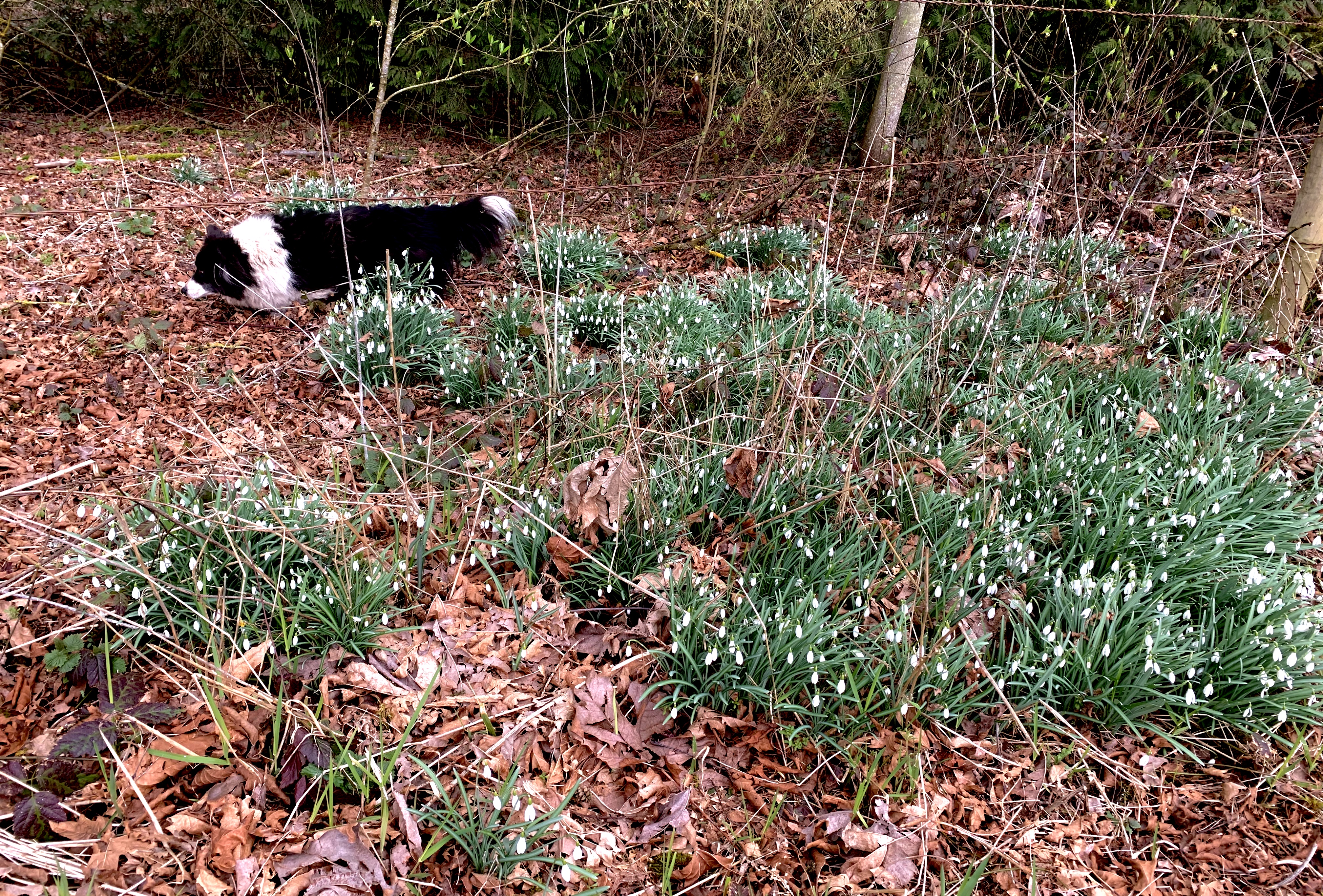
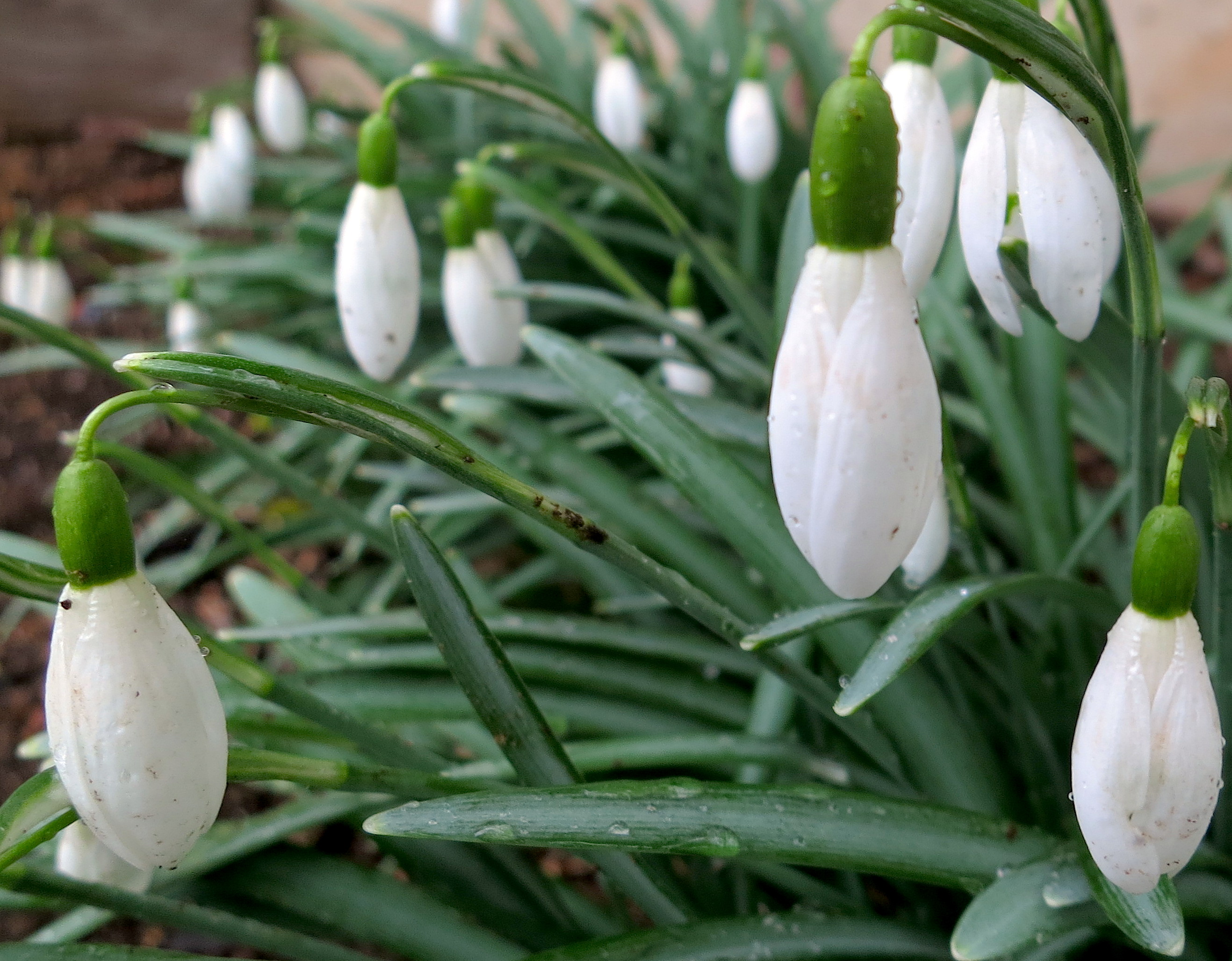
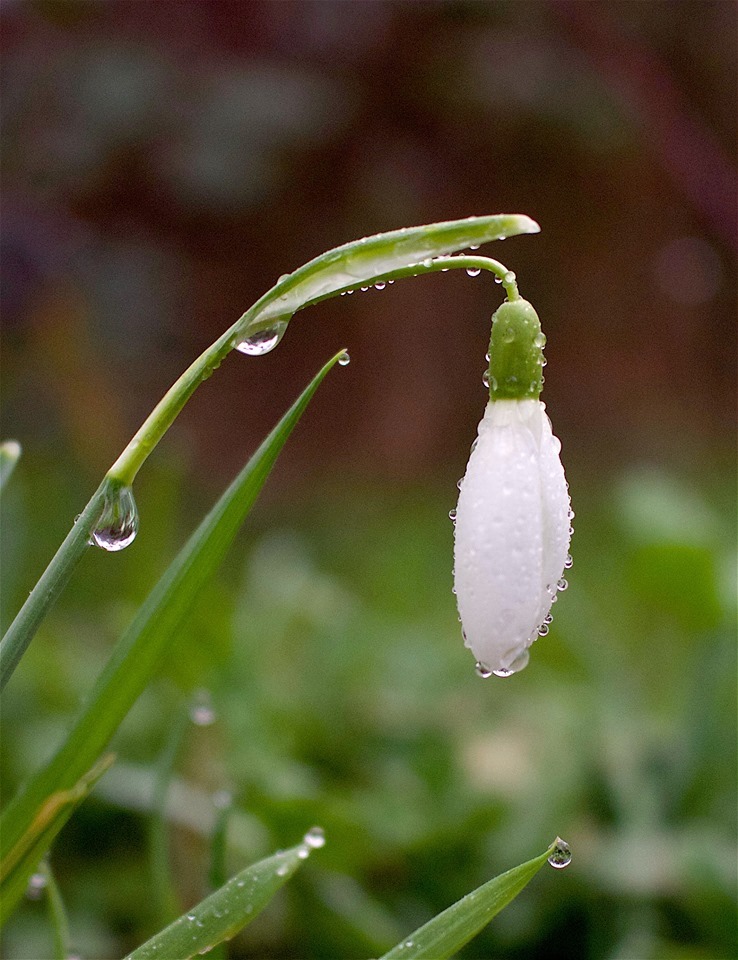
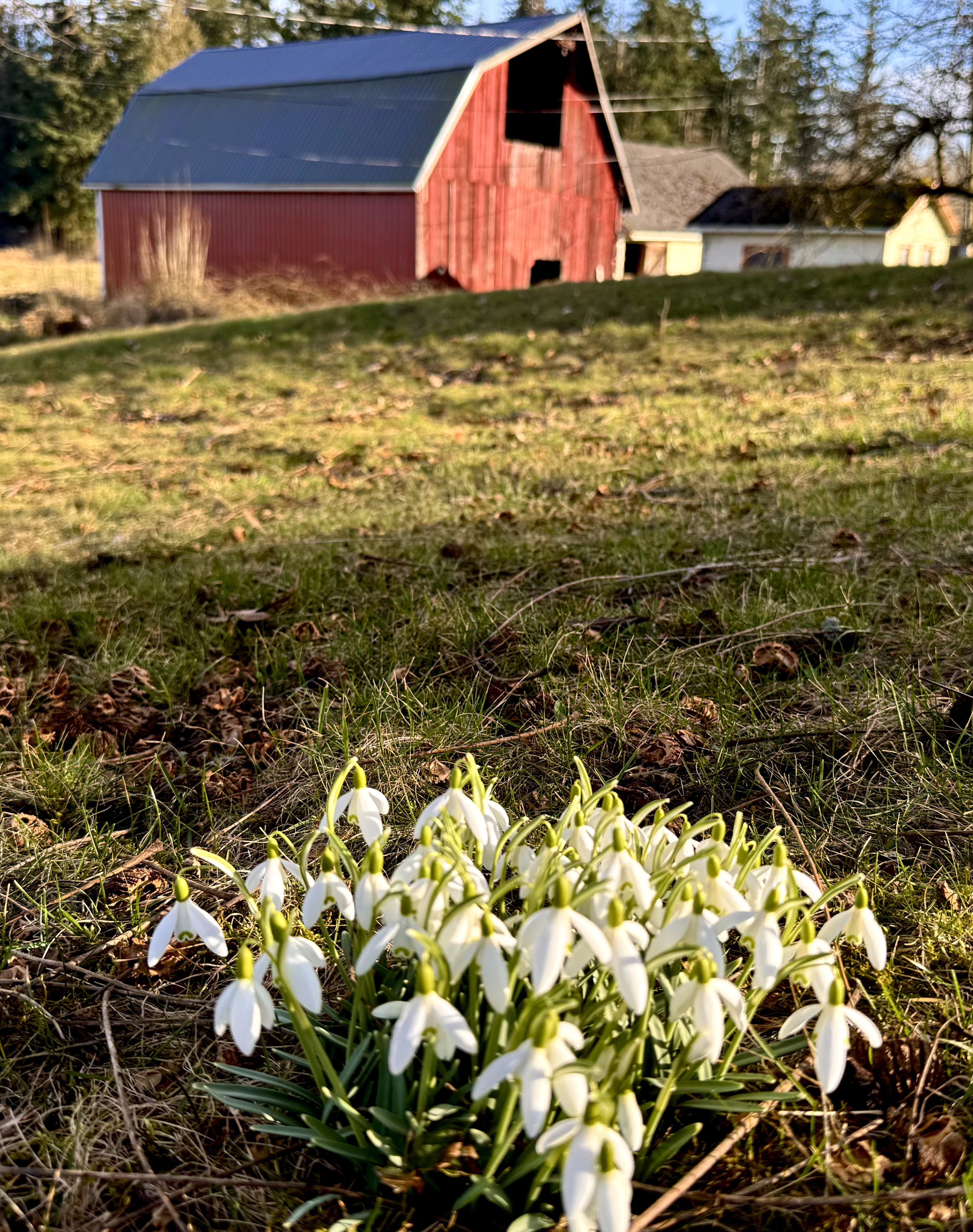
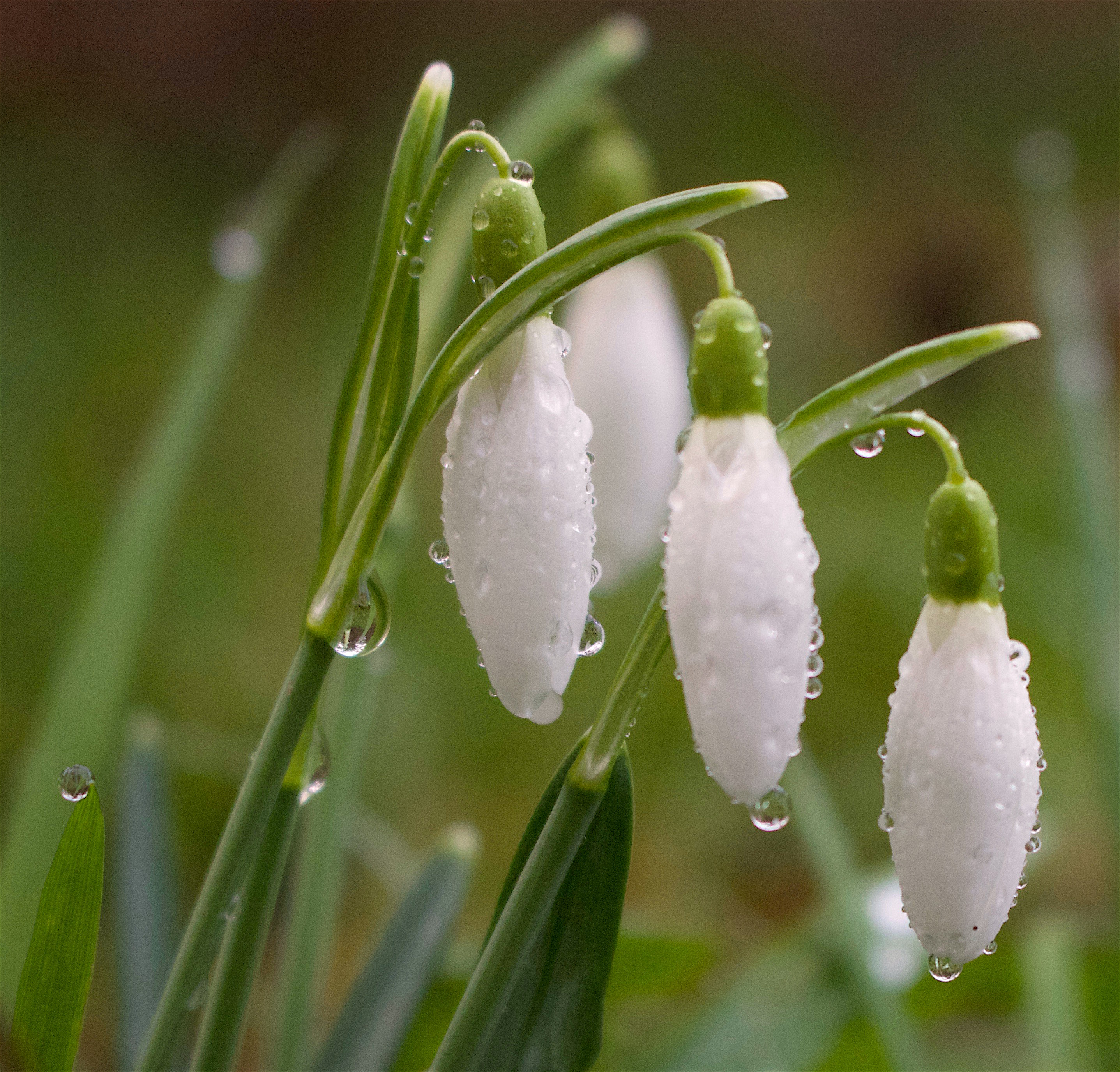
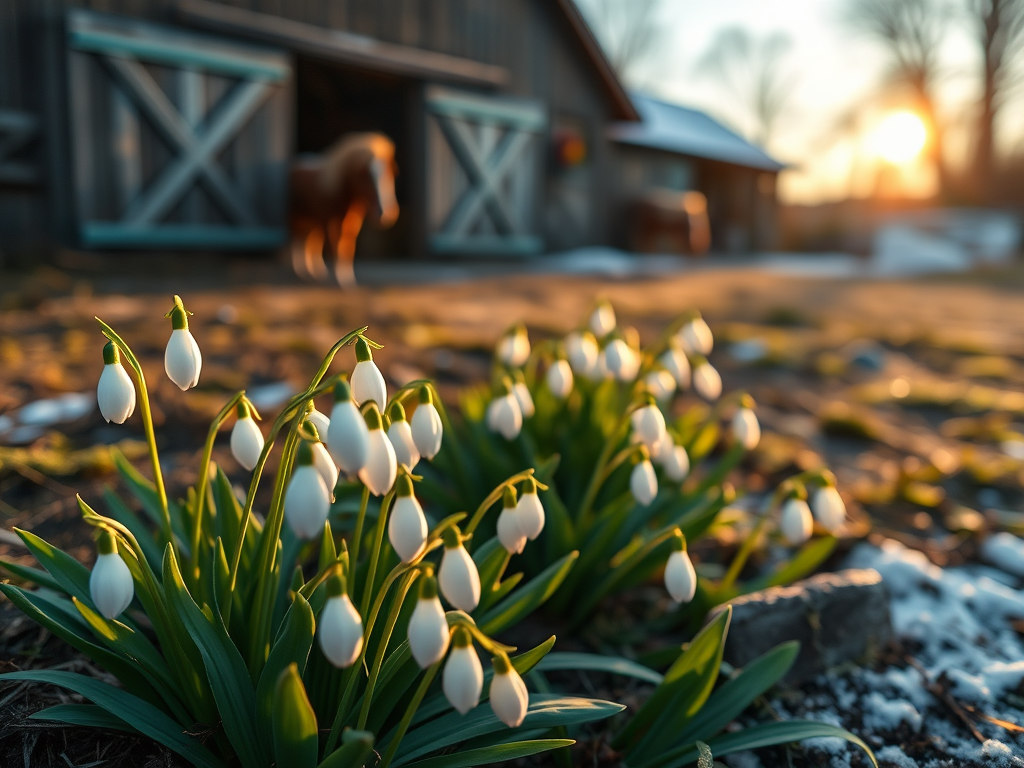
A patch of snowdrops sat blooming in a newly cleared space in our farmyard, visible now only because of bramble removal done last fall. These little white upside down flowers were planted decades ago around our house and yard. There they’ve been, year after year, harbingers of the long-awaited spring to come in a few short weeks, sometimes covered by the overgrowth and invisible to me in my self-absorbed blindness.
I was astonished that someone, many many years ago, had carried these bulbs around the farm, planting them, hoping they might bless another soul sometime somehow. The blossoms had sprung from their sleep beneath the covering of years of fallen leaves and blackberry vines.
It was as if I’d been physically hugged by this someone long dead, now flesh and blood beside me, with work-rough hands, and dirty fingernails, and broad brimmed hat, and a satisfied smile. This secret gardener is no long living, so I mentally reach back across those years in gratitude, showing my deep appreciation for the time and effort it took to place a foretaste of spring in an unexpected and hidden place.
I am thus compelled to look for ways to leave such a gift for someone to find 70 years from now as they likewise stumble blindly through too many gray days full of human drama, frailty and flaw. Though I will be long gone, I can reach across the years to grab them, hug them in their doldrums, lift them up and give them hope for what is to come.
It is the peeling away of winter’s shaggy coat, revealing the fresh smoothness of spring glistening underneath.
What an astonishing thought that it was done for me, and in reaffirming that promise of renewal, I might do it for another.
AI image created for this post
One-Time
Monthly
Yearly
Make a one-time or recurring donation to support daily Barnstorming posts
Days come and go: this bird by minute, hour by leaf, a calendar of loss.
I shift through woods, sifting the air for August cadences and walk beyond the boundaries I’ve kept
for months, past loose stone walls, the fences breaking into sticks, the poems always spilling into prose.
A low sweet meadow full of stars beyond the margin fills with big-boned, steaming mares.
The skies above are bruised like fruit, their juices running, black-veined marble of regret.
The road gusts sideways: sassafras and rue. A warbler warbles.
Did I wake the night through? Walk through sleeping? Shuffle for another way to mourn?
Dawn pinks up. In sparking grass I find beginnings. I was cradled here. I gabbled and I spun.
As the faithful seasons fell away, I followed till my thoughts inhabited a tree of thorns
that grew in muck of my own making. Yet I was lifted and laid bare. I hung there weakly: crossed, crossed-out.
At first I didn’t know a voice inside me speaking low. I stumbled in my way.
But now these hours that can’t be counted find me fresh, this ordinary time like kingdom come.
In clarity of dawn, I fill my lungs, a summer-full of breaths. The great field holds the wind, and sways. ~Jay Parini from “Ordinary Time”
It can happen like that: meeting at the market, buying tires amid the smell of rubber, the grating sound of jack hammers and drills, anywhere we share stories, and grace flows between us.
The tire center waiting room becomes a healing place as one speaks of her husband’s heart valve replacement, bedsores from complications. A man speaks of multiple surgeries, notes his false appearance as strong and healthy.
I share my sister’s death from breast cancer, her youngest only seven. A woman rises, gives her name, Mrs. Henry, then takes my hand. Suddenly an ordinary day becomes holy ground. ~ Stella Nesanovich, “Everyday Grace,” from Third Wednesday
photo by Emily Gibson
The only use of a knowledge of the past is to equip us for the present. The present contains all that there is. It is holy ground; for it is the past, and it is the future. ~Alfred North Whitehead
This is the last day of “ordinary time” in the church calendar. Yet nothing in this moment is ordinary.
What matters, happens right at this very moment – standing in the grocery store check out line, changing a smelly diaper, sitting in the exam room of the doctor’s office, mucking stalls in an old barn. Am I living fully in the present now? Am I paying attention?
We are sentient creatures with a proclivity to bypass the here and now to dwell on the past or fret about the future. This has been true of humans since our creation.
Those observing Buddhist tradition and New Age believers of the “Eternal Now” call our attention to the present moment through the teaching of “mindfulness” to dwell fully in a sense of peacefulness and fulfillment.
Mindfulness is all well and good but I don’t believe the present is about our minds.
It is not about us at all.
The present is an ordinary day transformed by God to holy ground where we have been allowed to tread with Him who comes to walk alongside us in our travails:
We remove our shoes in an attitude of respect to a living God. We approach each other and each sacred moment with humility. We see His quotidian holiness in all our ordinary activities. We are connected to one another through His Word and promises.
There will be no other moment just like this one, so there is no time to waste.
Barefoot and calloused, sore and stumbling at times, together we step onto the holy and healing ground of Advent.
AI image created for this post — I burst out laughing when I saw what AI came up with for “walking on holy ground”!! Maybe it really isn’t too far off, as much of the time, I’m not sure if I’m coming or going and this illustrates that dilemma pretty well!
Pleni sunt caeli et terra gloria tua. Osana in excelsis. Benedictus qui venit in nomine Domina. Benedictus qui venit. Osana in excelsis. Agnus Dei, qui tolis peccata mundi. Dona nobis pacem.
Heaven and earth are full of your glory. Hosanna in the highest. Blessed is he who comes in the name of the Lord. Blessed is he who comes. Hosanna in the highest. Lamb of God, Who take away the sins of the world. Grant us peace.
One-Time
Monthly
Yearly
Make a one-time or recurring donation to support daily Barnstorming posts
























 Barnstorming