The Benevolence of Water Washing Dust

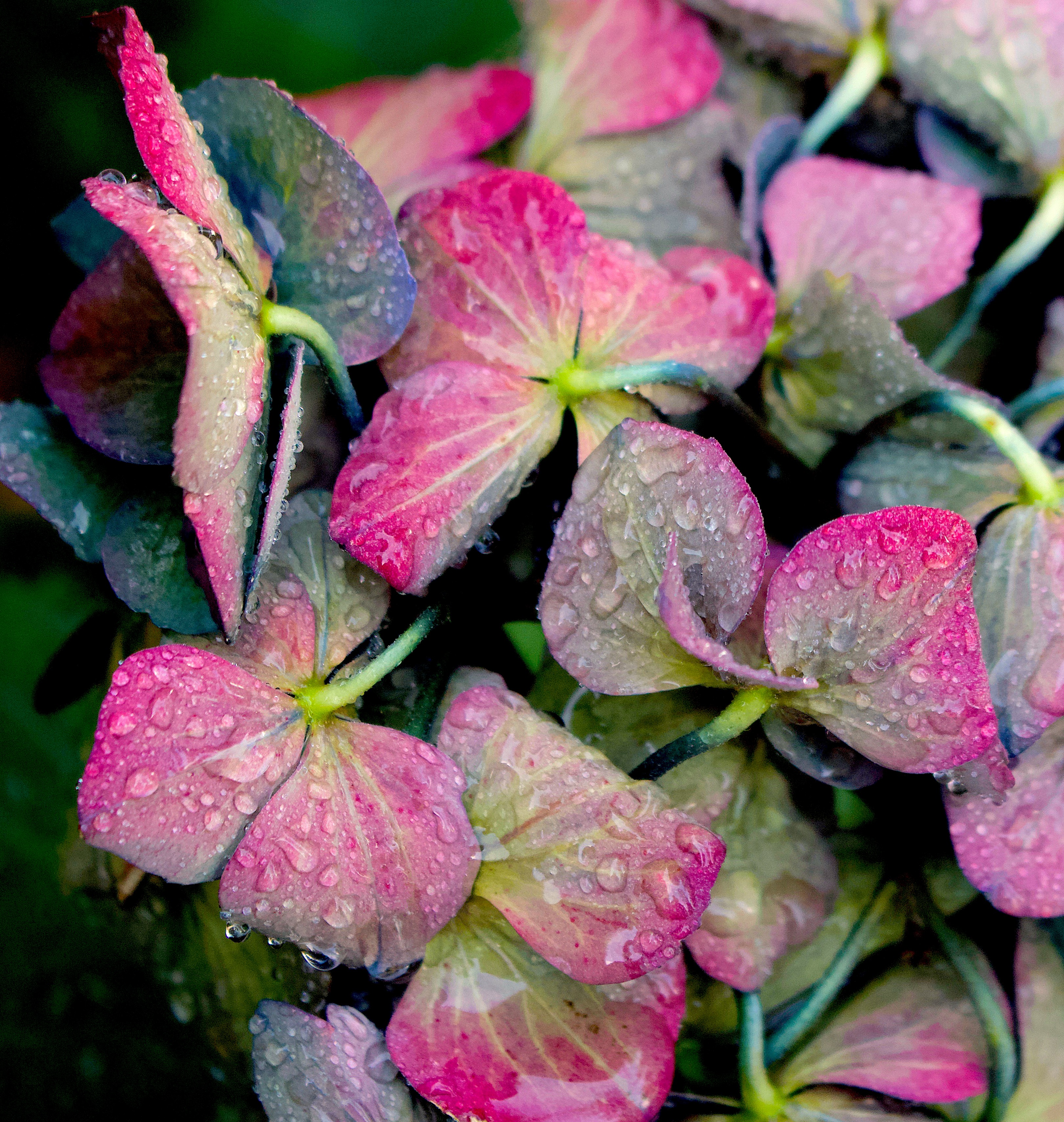
rainyhydrangea2


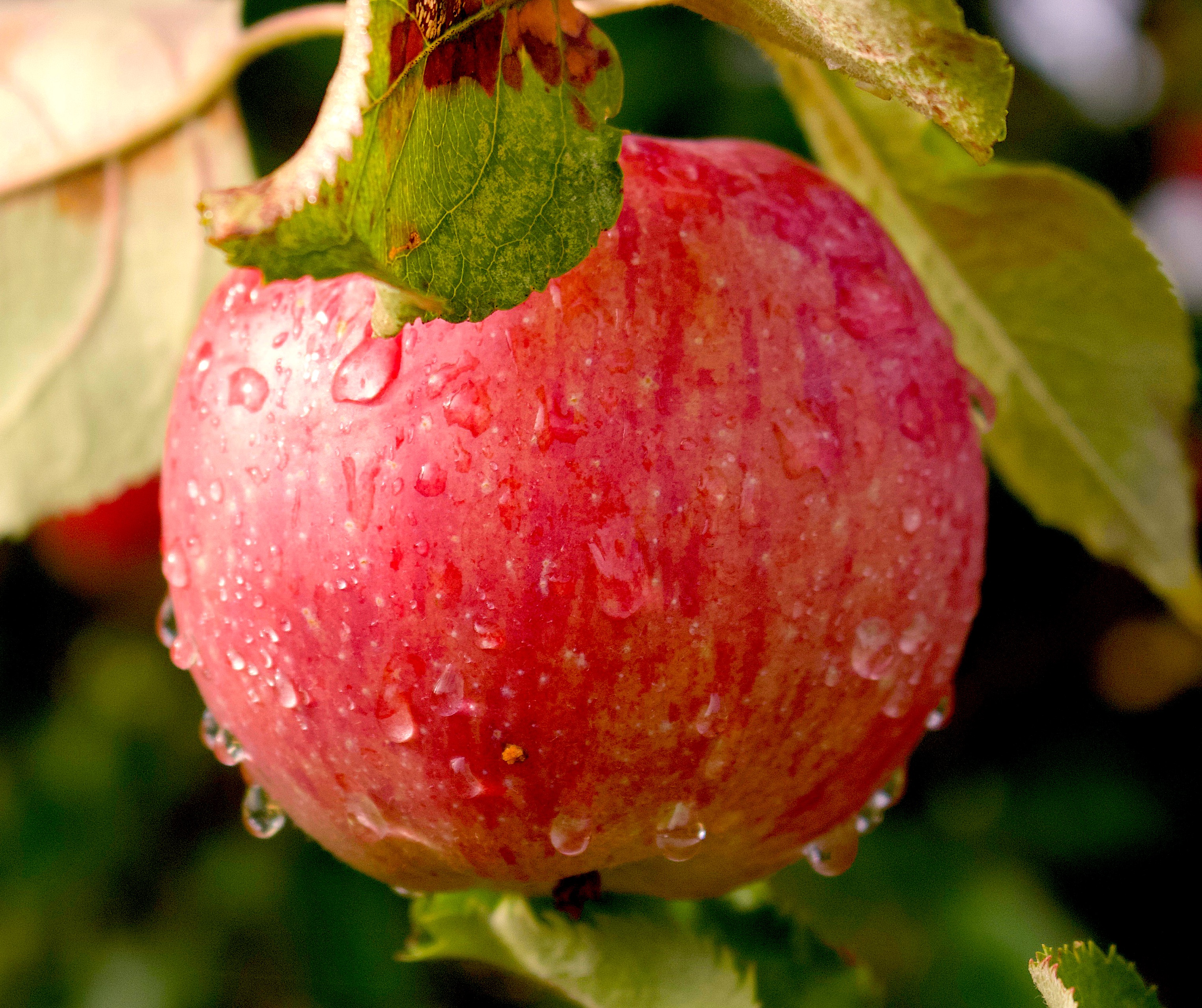
rainyapple6


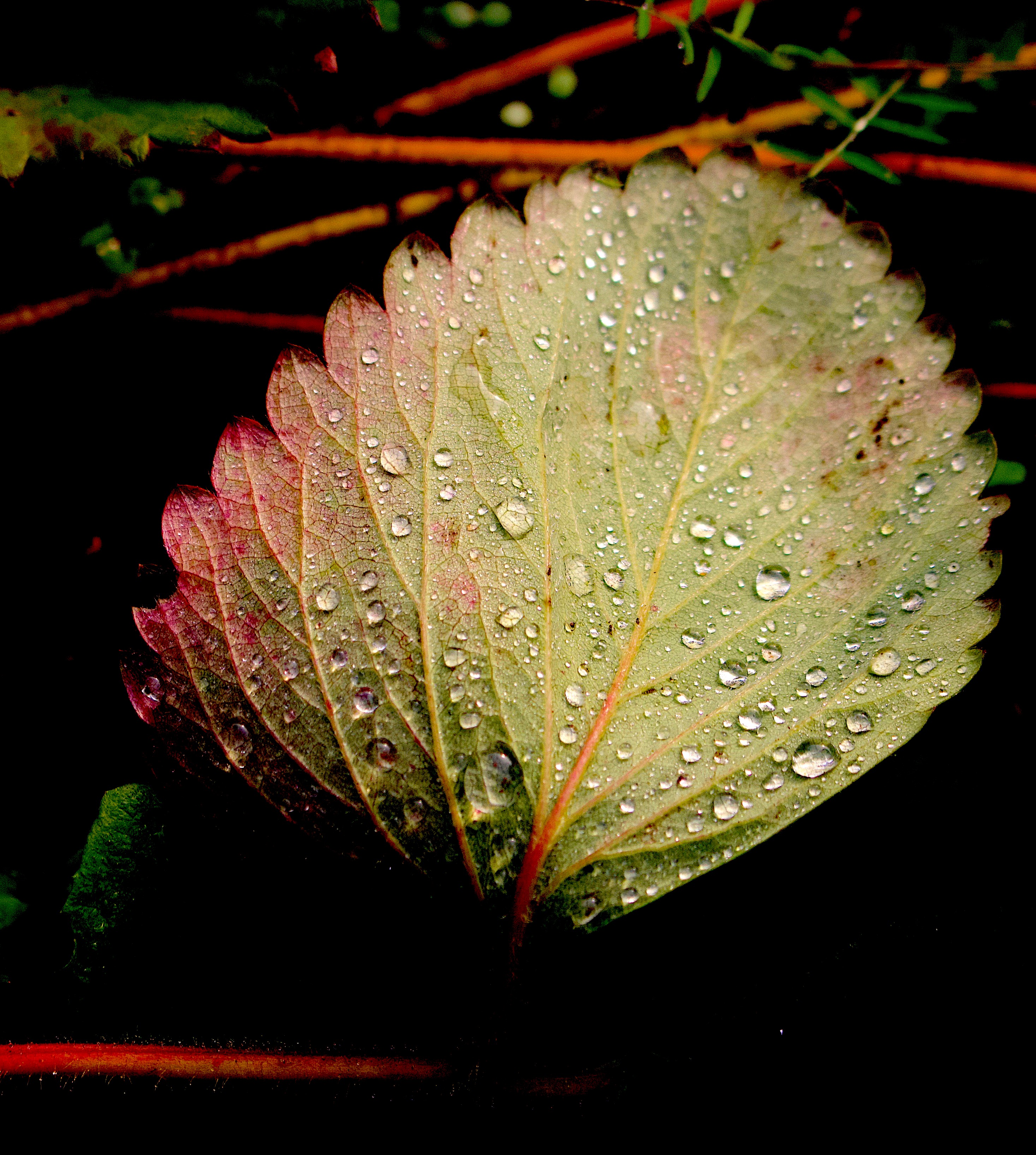
rainstrawberryleaf


Even at noon the house is dark.
In my room under the eaves
I hear the steady benevolence
of water washing dust
raised by the haying
from porch and car and garden
and purified, as if tonsured.

The grass resolves to grow again,
receiving the rain to that end,
but my disordered soul thirsts
after something it cannot name.
~Jane Kenyon from “August Rain, After Haying”


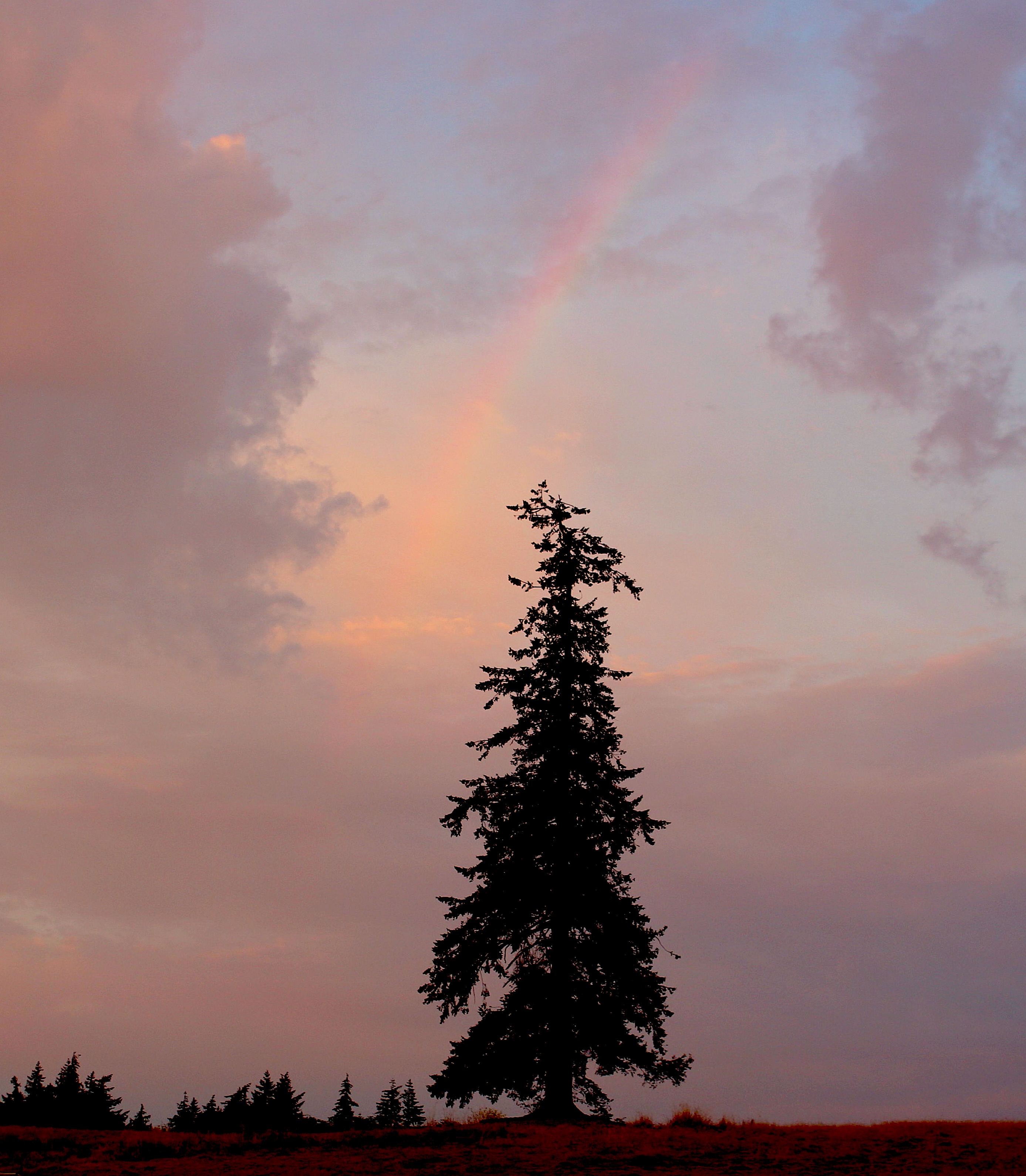
sunriserainbow3


steptoe3


A long-awaited string of rainy days have arrived and like the ground and plants, I look skyward letting the clouds drip on me and I am washed of dust.

Will I restore like the brown and dying blade of grass, turning green and lush in a matter of days?

Is there enough benevolence from the sky to cleanse and settle the grime, and still yield more harvest of food and fodder?  Will this replenish my soul enough that I can resolve to grow again?

I thirst for what I cannot name.  The mystery is, I’m filled, left dripping and ready.


rainchard2


goldcherrytomatorai


sunrise97184


raincornhair2


rainapple3


Get On With Work or Take It Slow

barbsrooster


clematis2


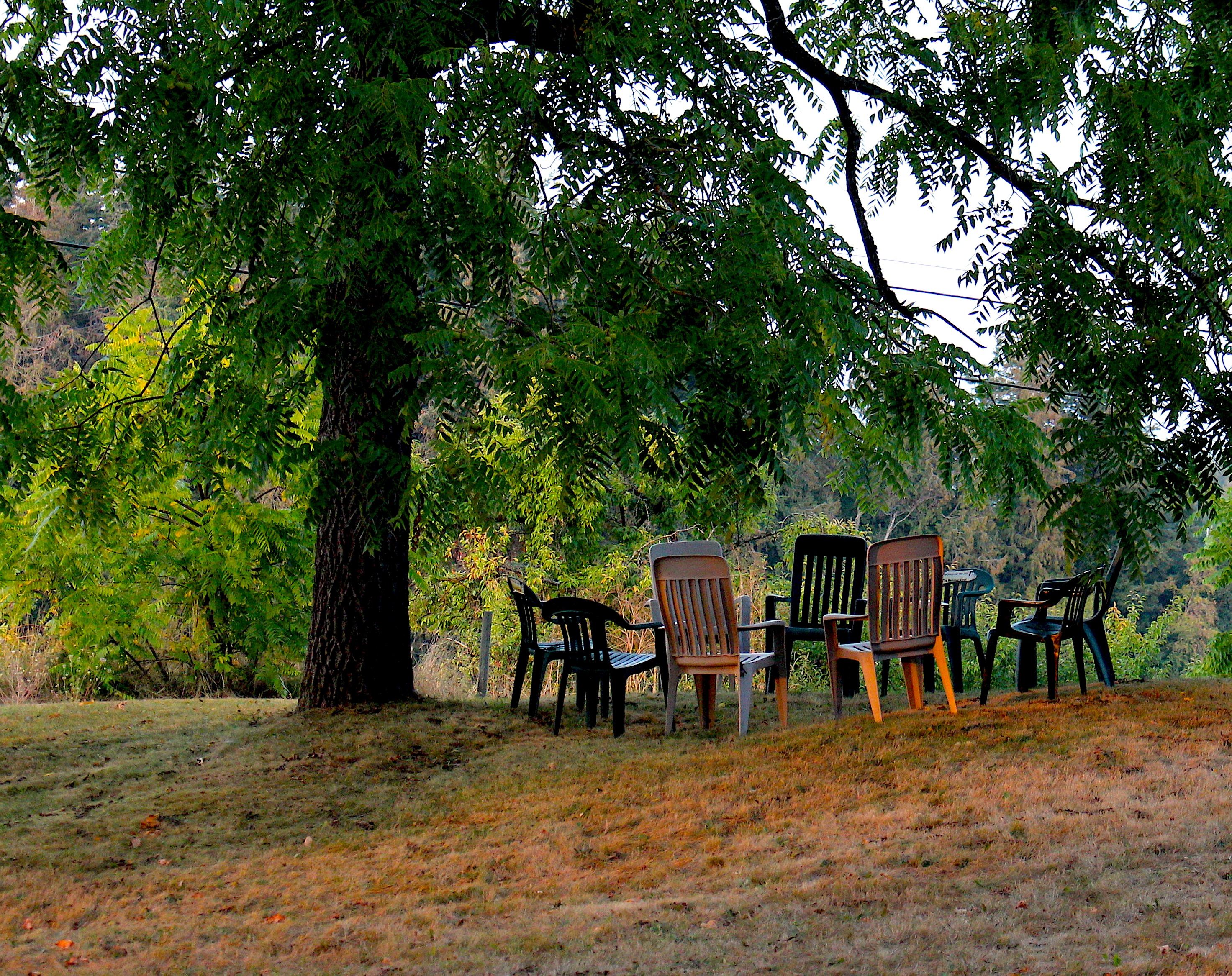
emptychairs


Sweet smell of phlox drifting across the lawn—
an early warning of the end of summer.
August is fading fast, and by September
the little purple flowers will all be gone.
Season, project, and vacation done.
One more year in everybody’s life.
Add a notch to the old hunting knife
Time keeps testing with a horny thumb.
Over the summer months hung an unspoken
aura of urgency. In late July
galactic pulsings filled the midnight sky
like silent screaming, so that, strangely woken,
we looked at one another in the dark,
then at the milky magical debris
arcing across, dwarfing our meek mortality.
There were two ways to live: get on with work,
redeem the time, ignore the imminence
of cataclysm; or else take it slow,
be as tranquil as the neighbors’ cow
we love to tickle through the barbed wire fence
(she paces through her days in massive innocence,
or, seeing green pastures, we imagine so).
In fact, not being cows, we have no choice.
Summer or winter, country, city, we
are prisoners from the start and automatically,
hemmed in, harangued by the one clamorous voice.
Not light but language shocks us out of sleep
ideas of doom transformed to meteors
we translate back to portents of the wars
looming above the nervous watch we keep.
~Rachel Hadas from “The End of Summer”
sunrise94141
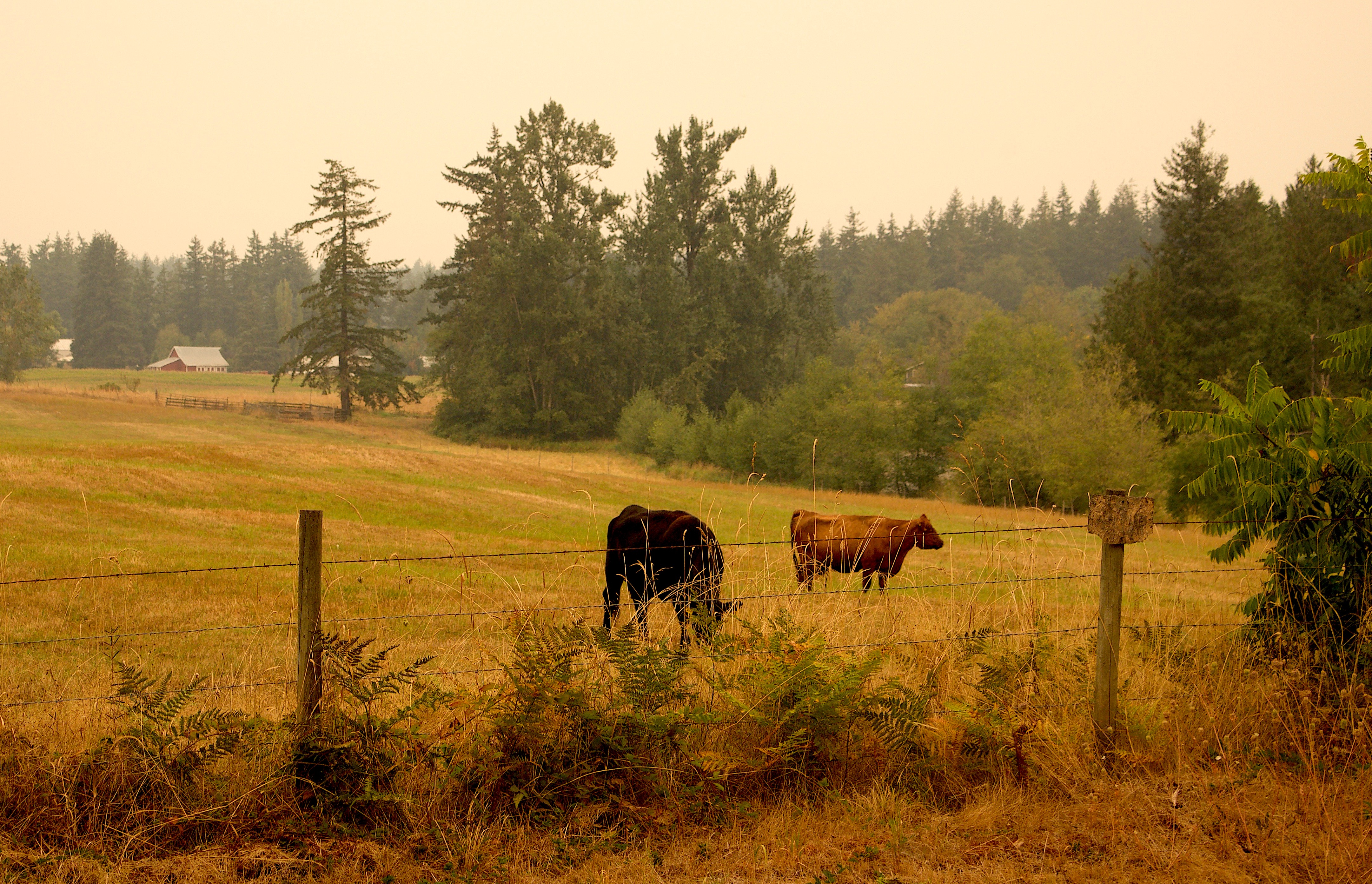
hazycows
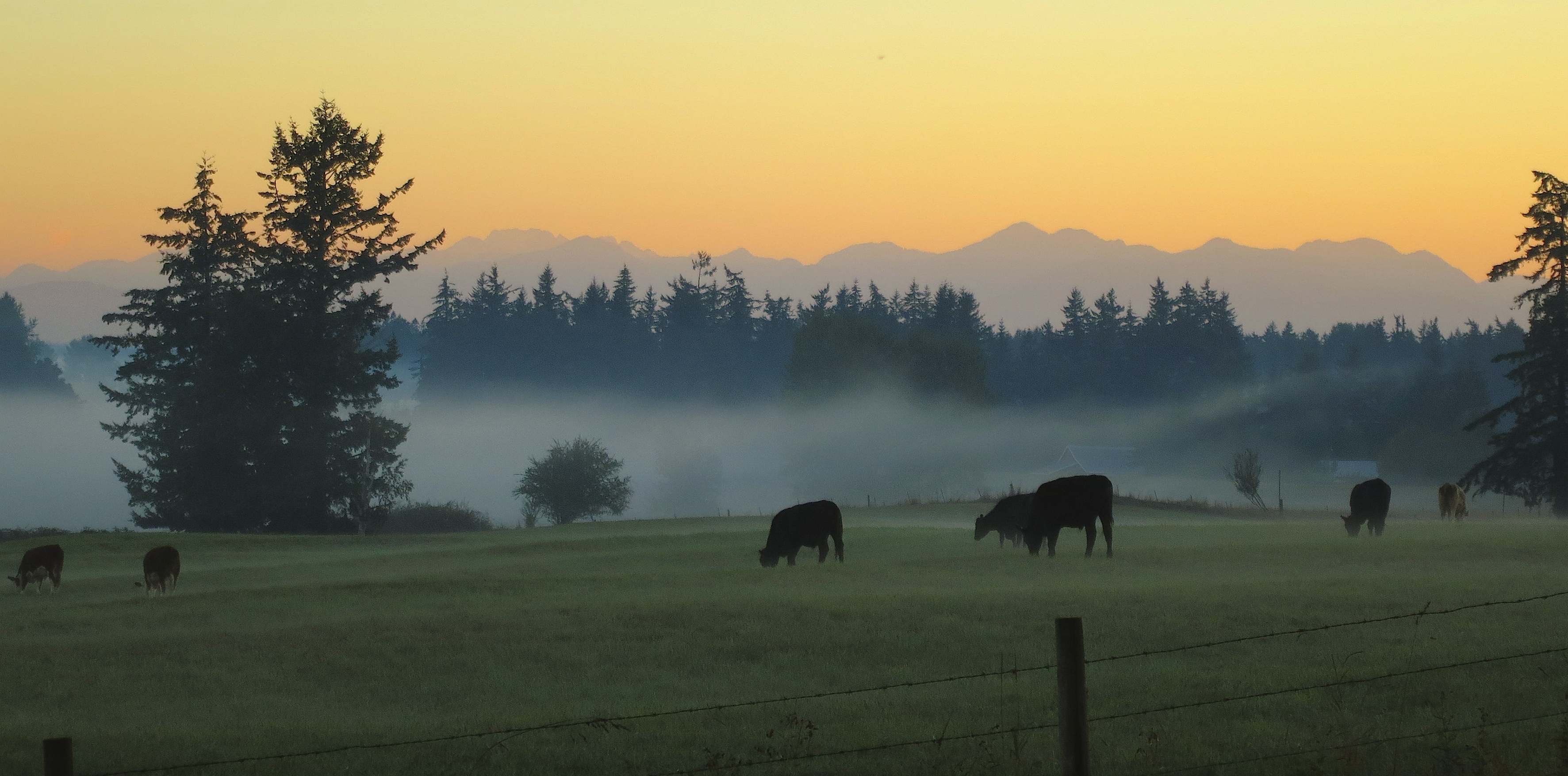
fieldcows9517
In observance of Labor Day:
I did not grow up in a household that took time off.  Time was redeemed by work, and work was noble and honorable and proved we had a right to exist.
Vacation road trips were rare and almost always associated with my father’s work.  When he came home from his desk job in town, he would immediately change into his farm clothes and put in several hours of work outside, summer or winter, rain or shine, light or dark.
My mother did not work in town while we were children, but worked throughout her day inside and outside the house doing what farm wives and mothers need to do: growing, hoeing, harvesting, preserving, washing, cleaning, sewing, and most of all, being there for us.
As kids, we had our share of chores that were simply part of our day as our work was never done on a farm. When we turned twelve, we began working for others: babysitting, weeding, barn and house cleaning, berry picking.  I have now done over 52 years of gainful employment – there were times I worked four part-time jobs at once because that was what I could put together to keep things together.
The thought of “retirement” is anathema for me but that time will come for me when I am ready to take it slow. I know I’ve missed out on much of life being a “nose to the grindstone” person.
I wish there had been more times I had taken a few moments to be more like the cows I see meandering, tranquil and unconcerned, in the surrounding green pastures. Part of every day now I pull myself away from the work to be done, the work that is always calling and staring me in the face, and try a different way to redeem my time: to notice, to record, to observe, to appreciate beauty that exists in the midst of chaos and cataclysm and neverending portents of war.
Life isn’t all about non-stop labor, yet we get on with our work because work is about showing up when and where we are needed. Not being cows, we may feel we have no choice in the matter. Just maybe, like cows, we can manage to slow down,  watch what is happening around us, and by chewing our cud, keep contemplating and digesting whatever life feeds us, the sweet and the sour.
sunrise971411
morning528151

Nostalgic For What is to Come

sunset831183


sunseteast830181


sunset831181


Toward the end of August I begin to dream about fall, how
this place will empty of people, the air will get cold and
leaves begin to turn. Everything will quiet down, everything
will become a skeleton of its summer self. Toward

the end of August I get nostalgic for what’s to come, for
that quiet time, time alone, peace and stillness, calm, all
those things the summer doesn’t have. The woodshed is
already full, the kindling’s in, the last of the garden soon

will be harvested, and then there will be nothing left to do
but watch fall play itself out, the earth freeze, winter come.
~David Budbill “Toward the End of August”


augustleaf2


sunset830181


As the calendar page flips to September this morning, I feel nostalgic for what is coming.

Summer is filled with so much overwhelming activity due to ~18 hours of daylight accompanying weeks of unending sunny weather resulting in never-enough-sleep.  Waking on a summer morning feels so brim full with possibilities: there are places to go, people to see, new things to explore and of course, a garden and orchard always bearing and fruiting out of control.

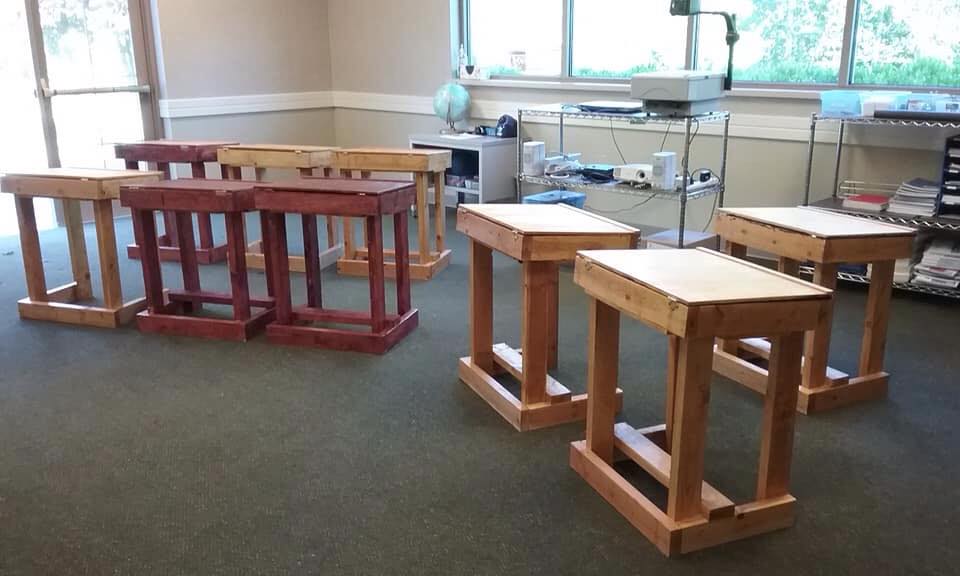
As early September days usher us toward autumn, we long for the more predictable routine of school days, so ripe with new learning opportunities. This week my teacher friend Bonnie orchestrated an innovative introduction to fifth grade by asking her students, with some parental assistance, to make (from scratch) their own personalized school desks that will go home with them at the end of the year.  These students have created their own learning center with their brains and hands, with wood-burned and painted designs, pictures and quotes for daily encouragement.

For those students, their desks will always represent a solid reminder of what has been and what is to come.

So too, I welcome September’s quieting times ushering in a new cool freshness in the air as breezes pluck and toss a few drying leaves from the trees.  I will watch the days play themselves out rather than feeling I must direct each moment.  I can be a sponge.

I whisper hush … to myself.

Goodnight August, goodnight farm, goodnight air, goodnight noises everywhere.


40526707_10217538863569991_4157598582423158784_n
Mrs. Bonnie Patterson’s fifth graders’ handmade desks at Evergreen Christian School, Bellingham, Washington


foggylayers


autumn9271415


augustleaf3

My Own Bursting Heart

tomatoes


tomatoshine


Suddenly it is August again, so hot,
breathless heat.
I sit on the ground
in the garden of Carmel,
picking ripe cherry tomatoes
and eating them.
They are so ripe that the skin is split,
so warm and sweet
from the attentions of the sun,
the juice bursts in my mouth,
an ecstatic taste,
and I feel that I am in the mouth of summer,
sloshing in the saliva of August.
Hummingbirds halo me there,
in the great green silence,
and my own bursting heart
splits me with life.
~Anne Higgins “Cherry Tomatoes”  from At the Year’s Elbow


tomatobug


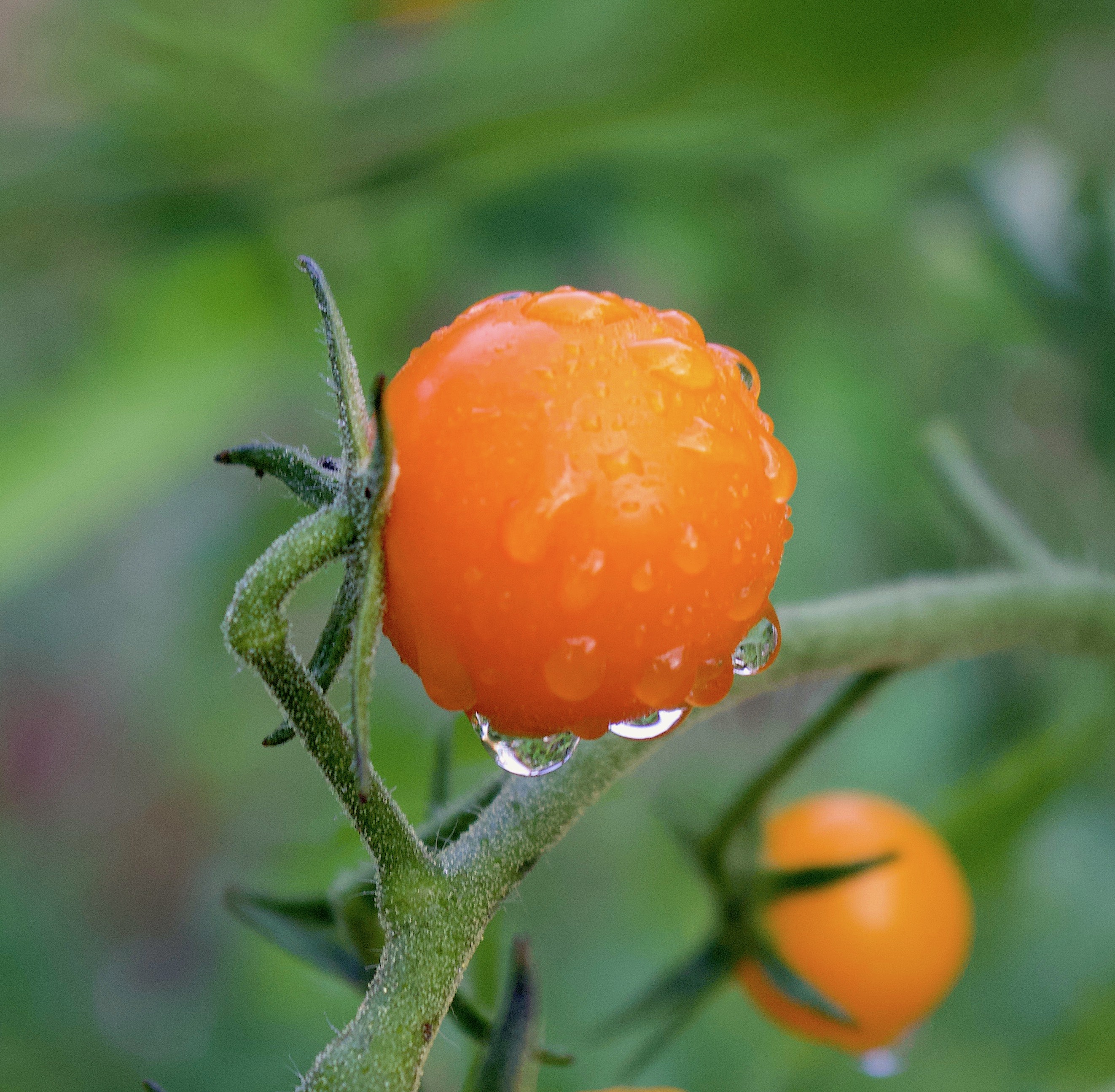
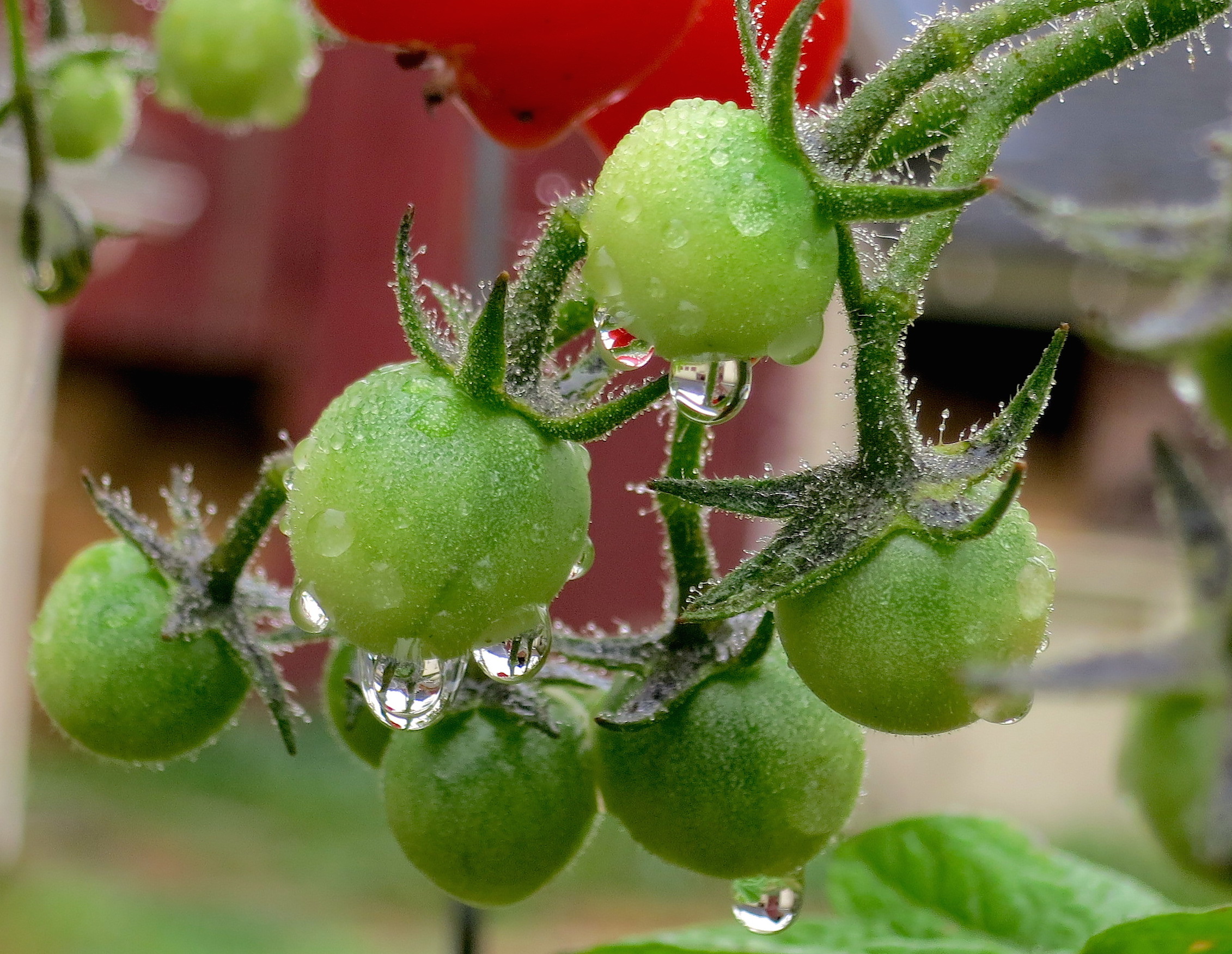
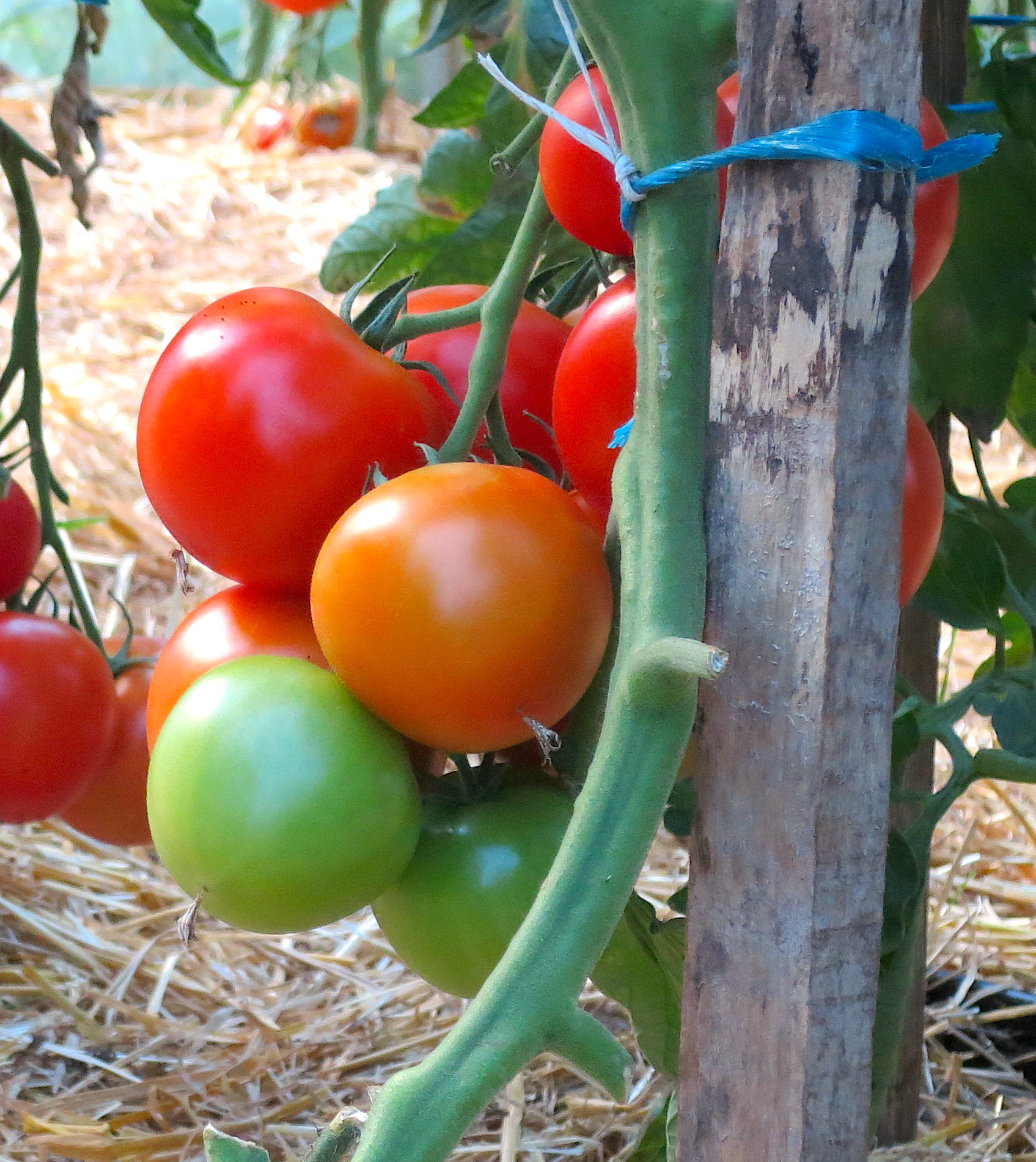
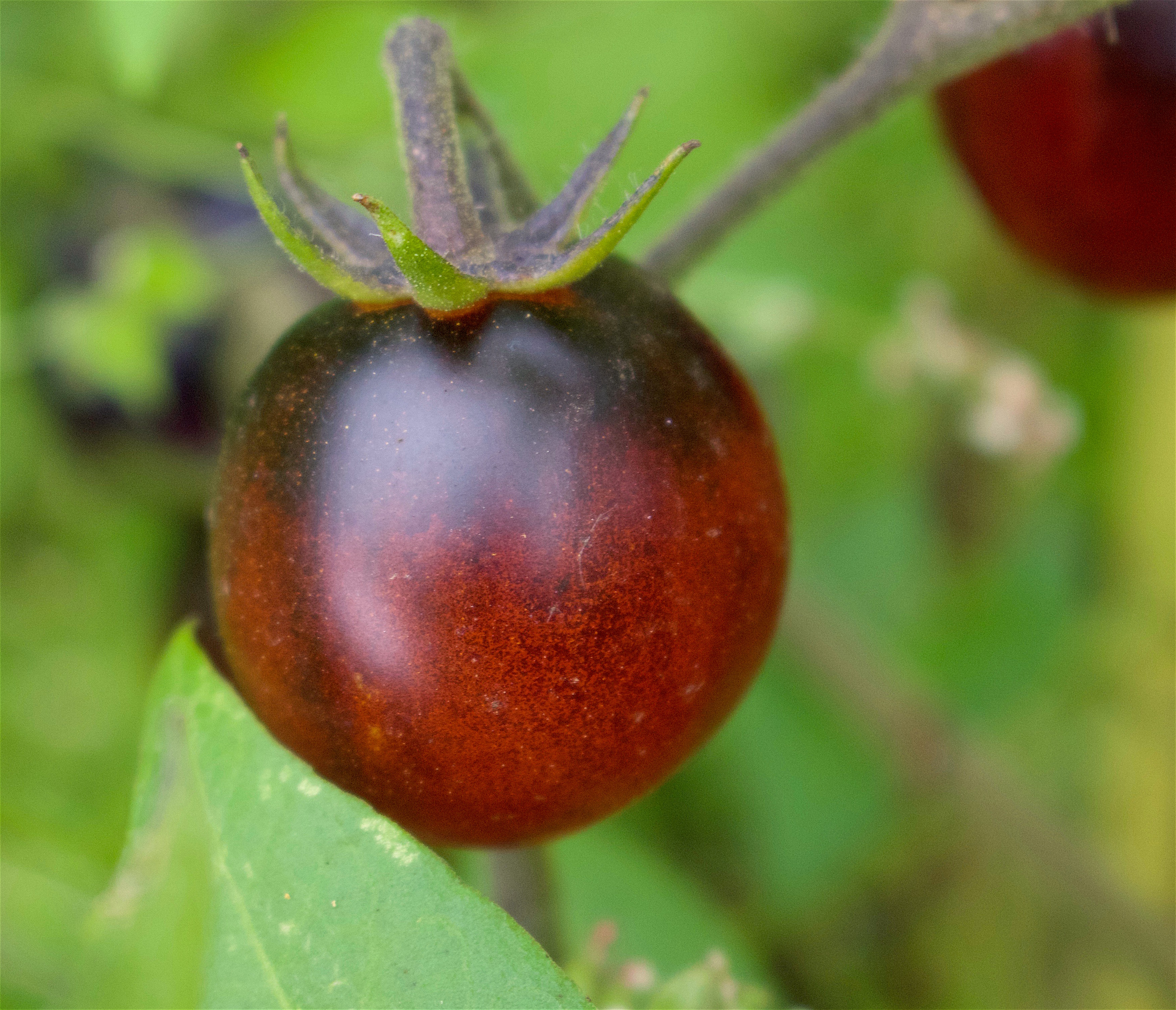
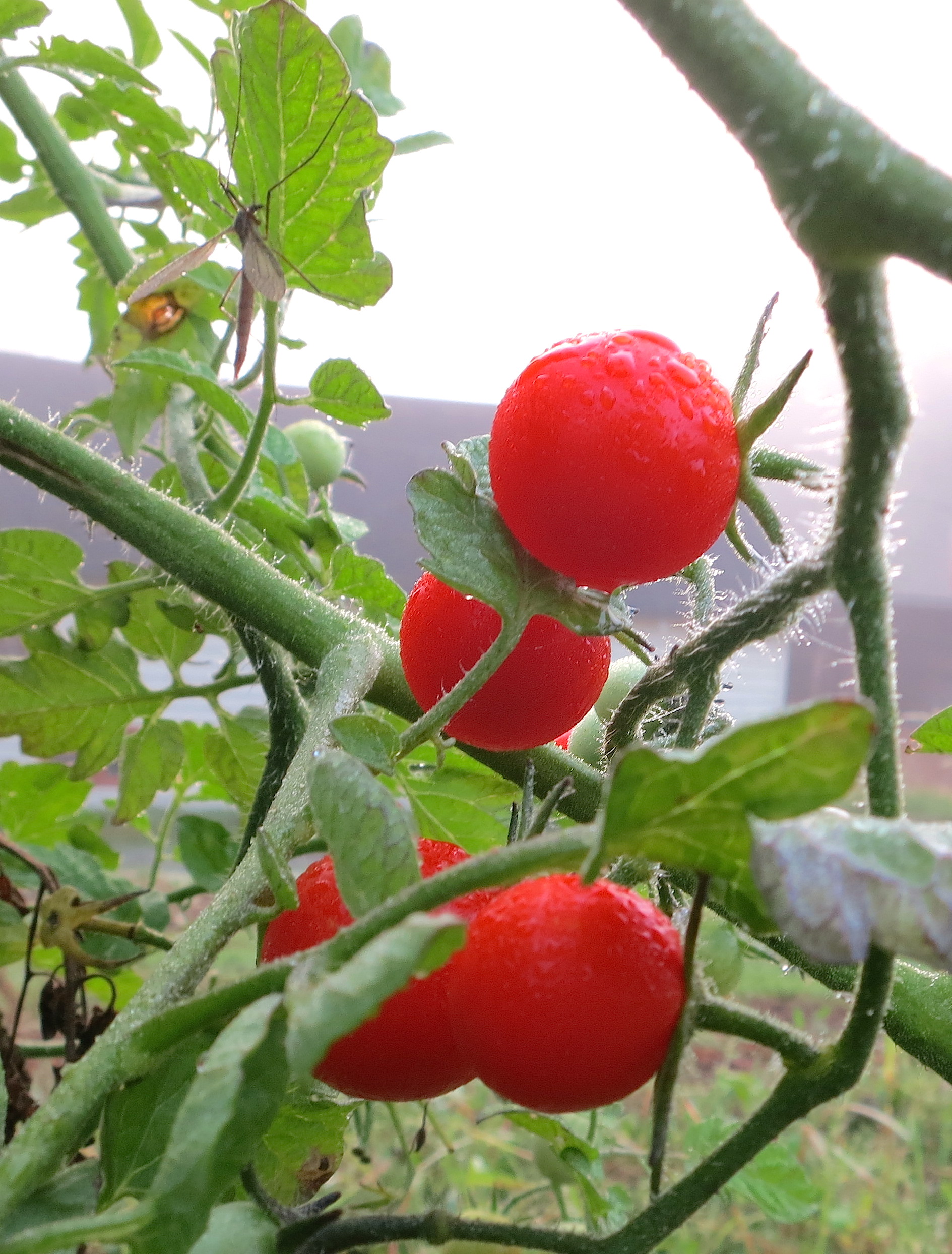
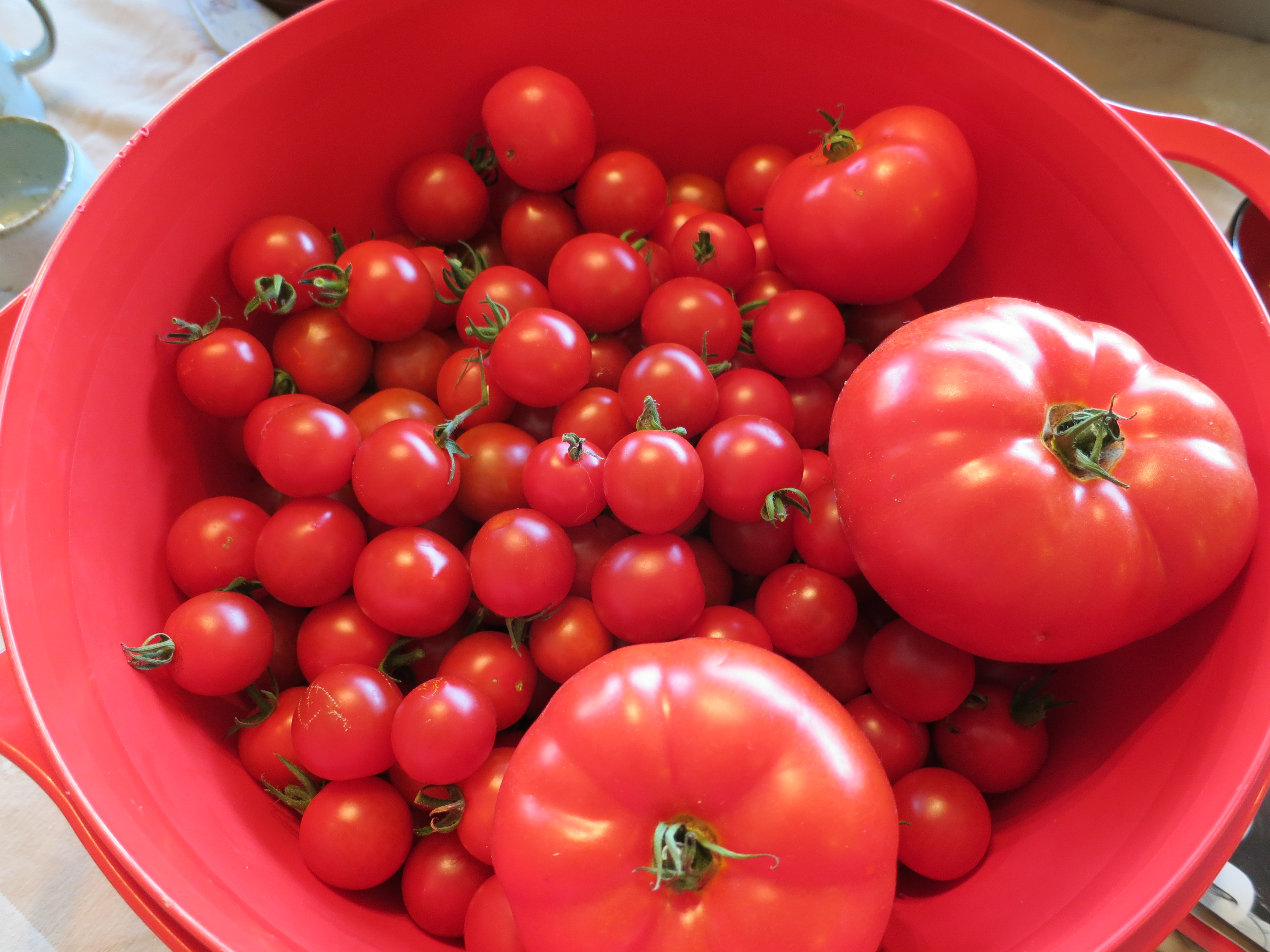
Is there another sensation as blissful as a cherry tomato bursting inside my mouth?
Yes, I can think of one or two.

But never like this, when restoration is needed in the middle of a sweaty hot day, in a garden that needs weeding, when all else feels lost.

Pure gift, this bursting heart.


autumn9271415


IMG_6147

Willingness to Give Something

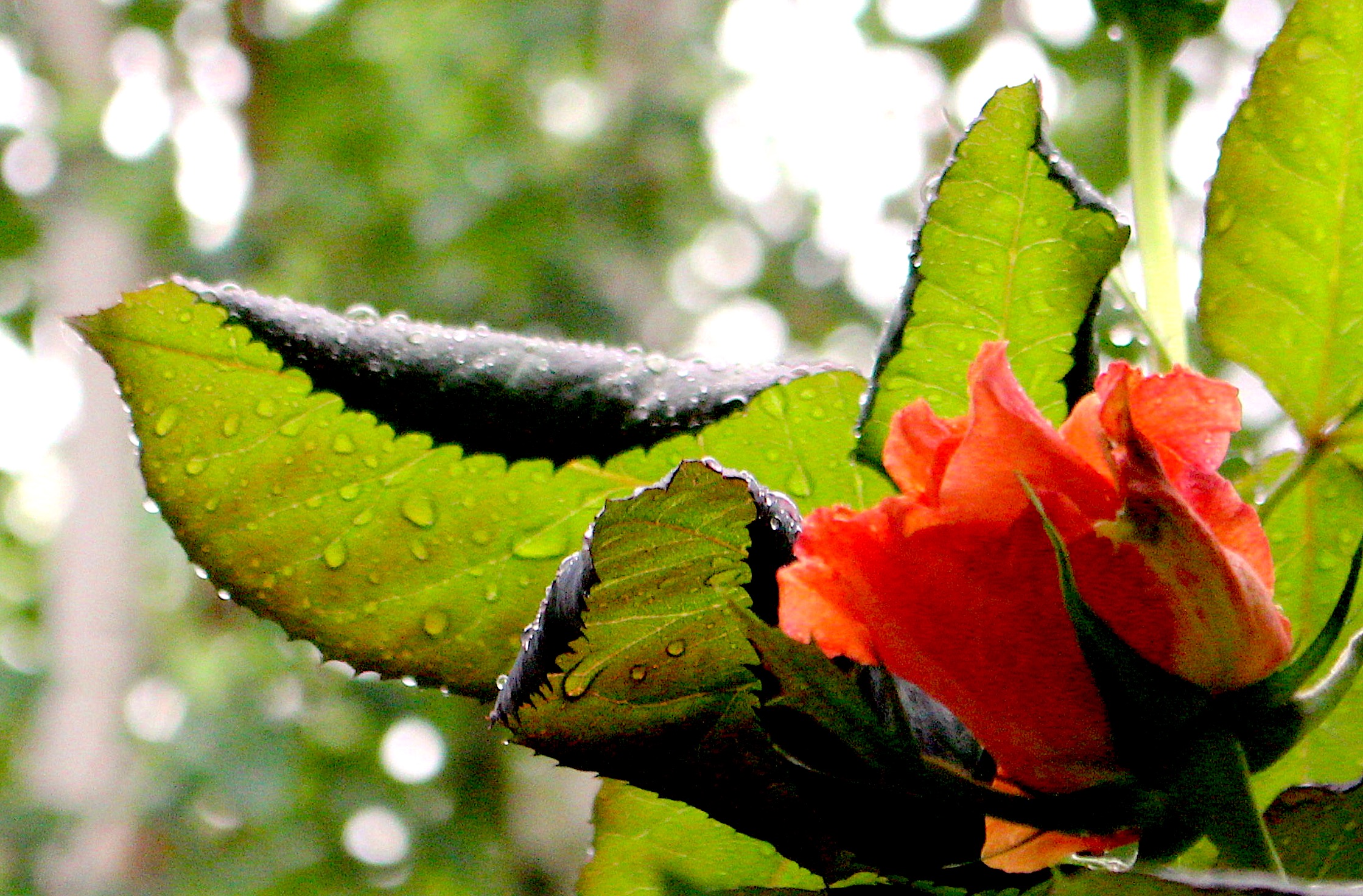
raindropsonroses1

roseinside

For a long time
     I was not even
        in this world, yet
           every summer

every rose
     opened in perfect sweetness
        and lived
           in gracious repose,

in its own exotic fragrance,
     in its huge willingness to give
        something, from its small self,
           to the entirety of the world...
~Mary Oliver from “The Poet Visits The Museum of Fine Arts

redrose

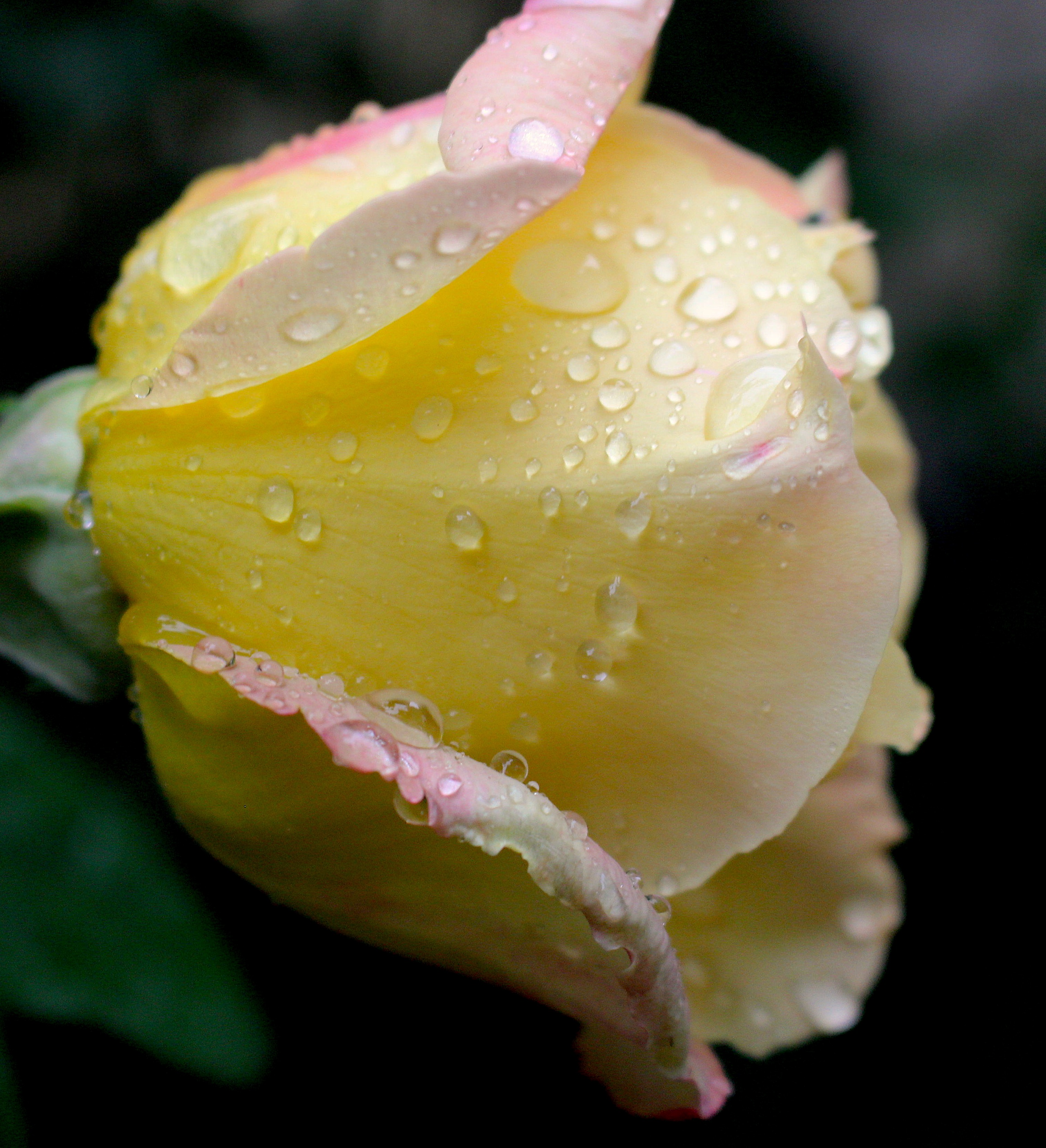
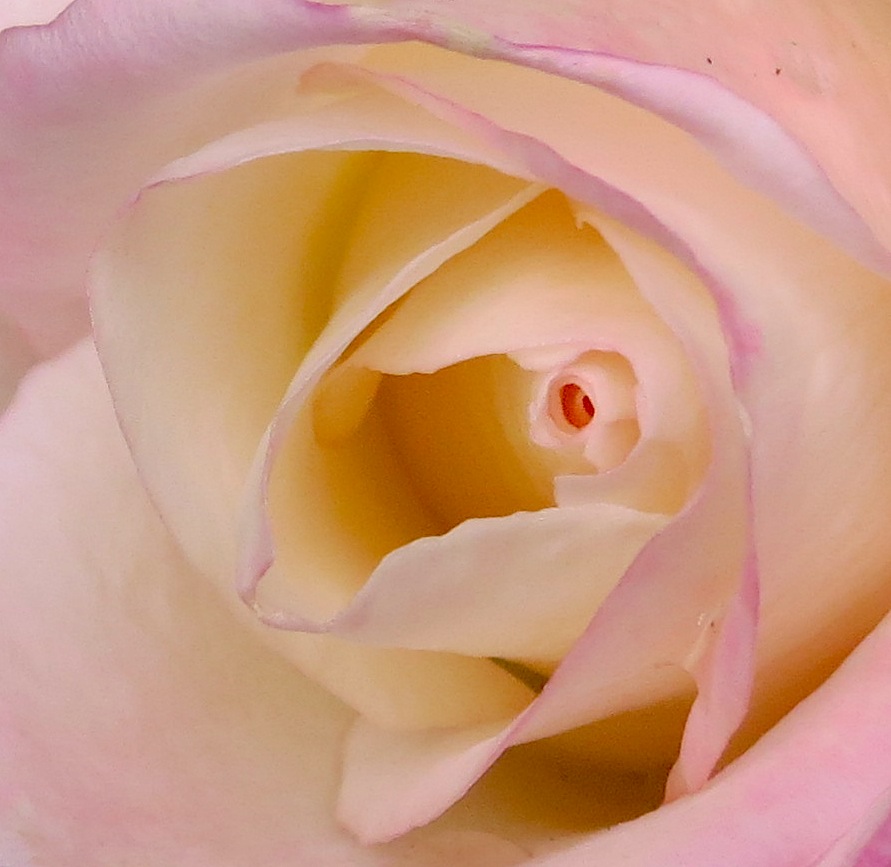
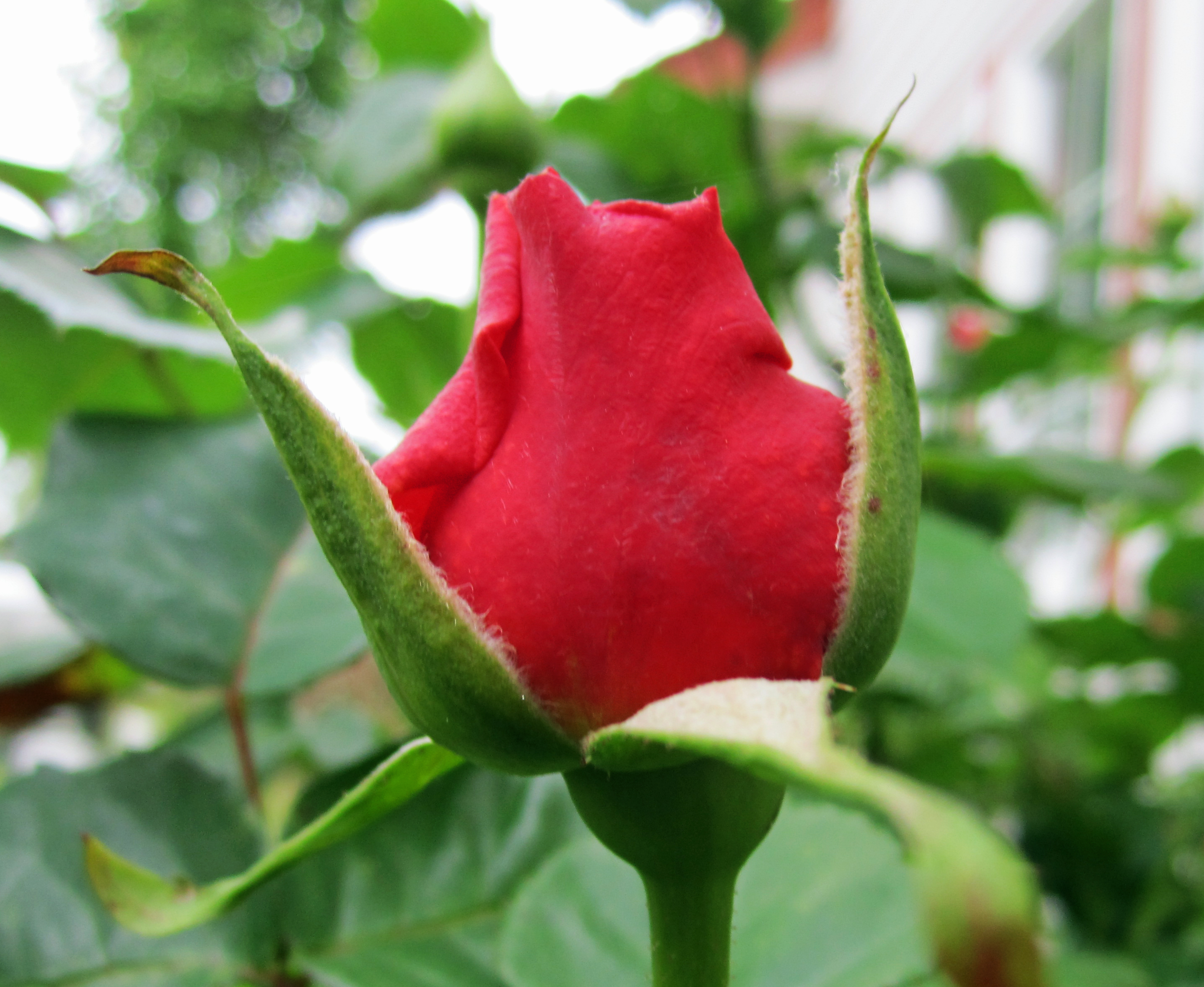
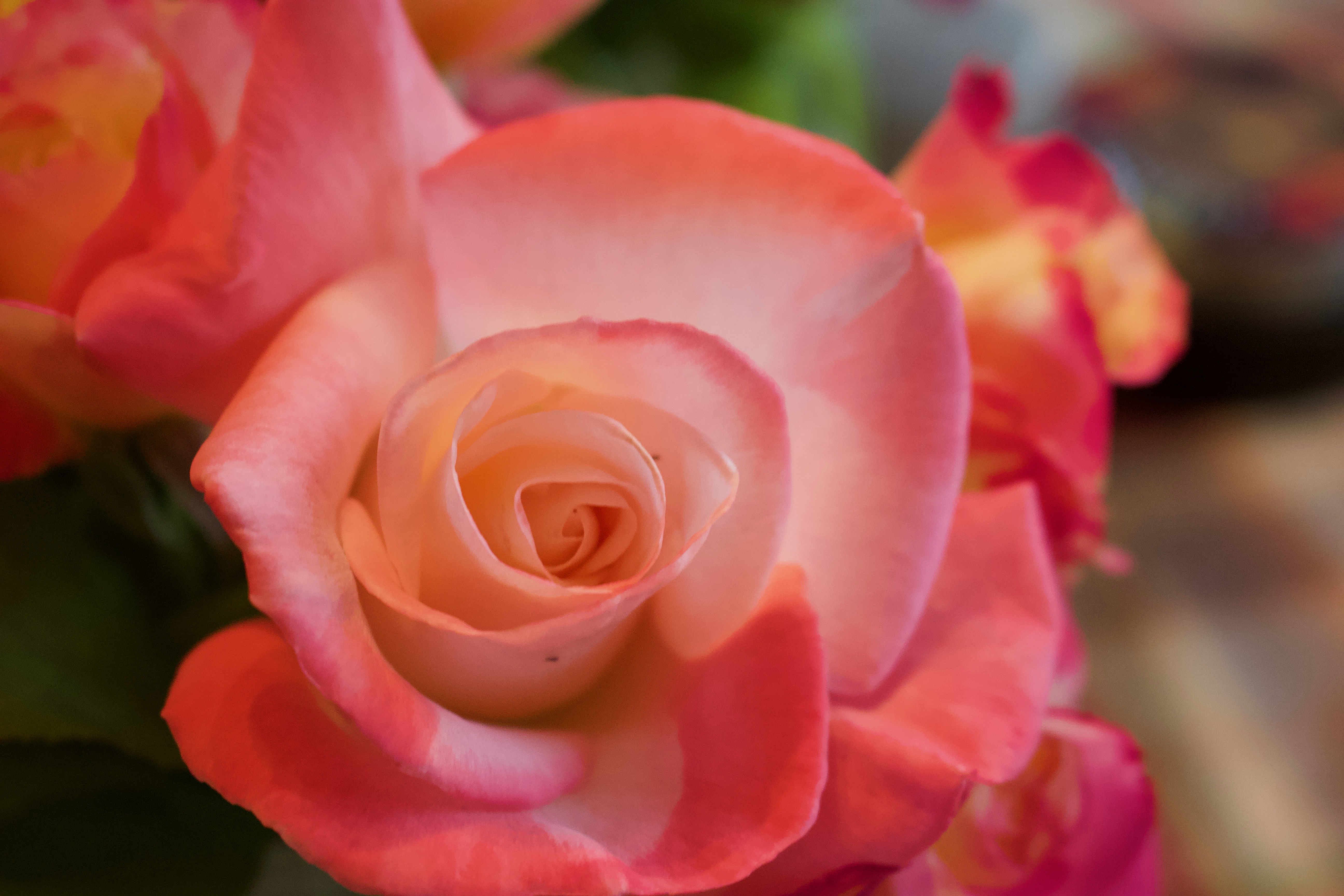
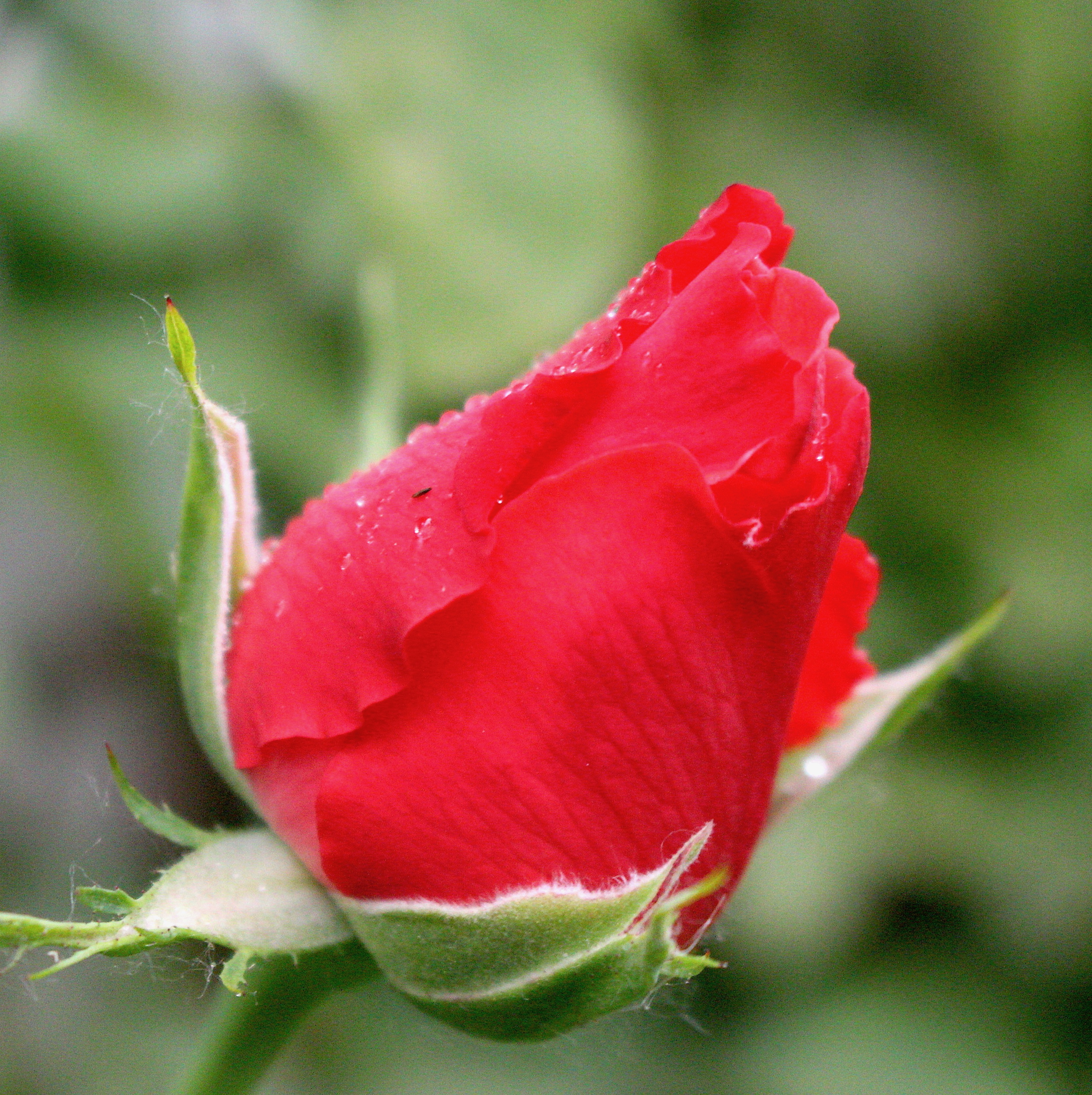
This time of year, I go out to our flower garden twice a week and pick several fresh rosebuds for the bud vase on our kitchen table.  This feels like a luxury to interrupt the natural unfolding of a blossom simply so it can be enjoyed indoors for a few days.  Yet “its huge willingness to give something” grants me permission to do this.  I am consoled that there will be more buds where those came from.  The blooms will continue to grace our table until October when the first hard frost will sap them of all color and fragrance, leaving them deadened knots of brown curled petals.  They give no more for seven long months.

I wait impatiently for that first spring bud to appear, forcing myself to wait several weeks before I begin rosebud harvesting.  Although roses from the florist may be perfect color and long lasting,  they are neither as sweet nor their scent as exotic as those growing in the soil right under our windows.

It is a wee joy receiving this humble gift from the garden.  It is enough that a rosebush in gracious repose gave its small self long before I was and will continue long after me.   I hope I am as willing to give something from my small self during my time here, and may it ever be as sweet.

roses519183

IMG_3130

High Noon in the Garden

carrotsa


Vegetable gardening is not for the faint of heart.  In the few short weeks of the growing season, there is all manner of botanical birth, growth, reproduction, withering and death in such ultra-compressed fashion, it can leave even the veteran gardener gasping for air.  I consider myself somewhat bold and fearless in my every day roles, as any good physician (or mother) must be, but when it comes to the facts of life as played out in the garden,  I turn all mushy.

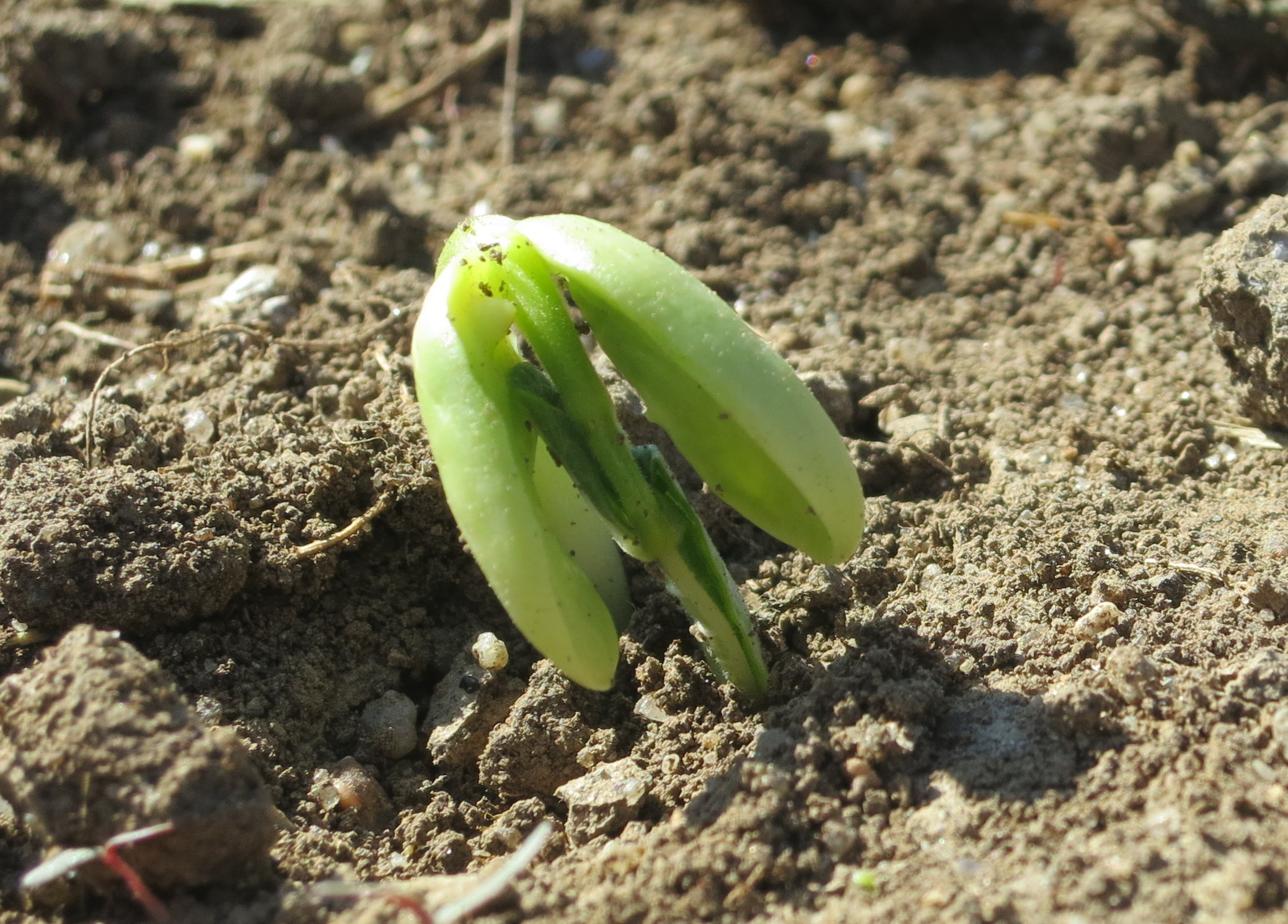
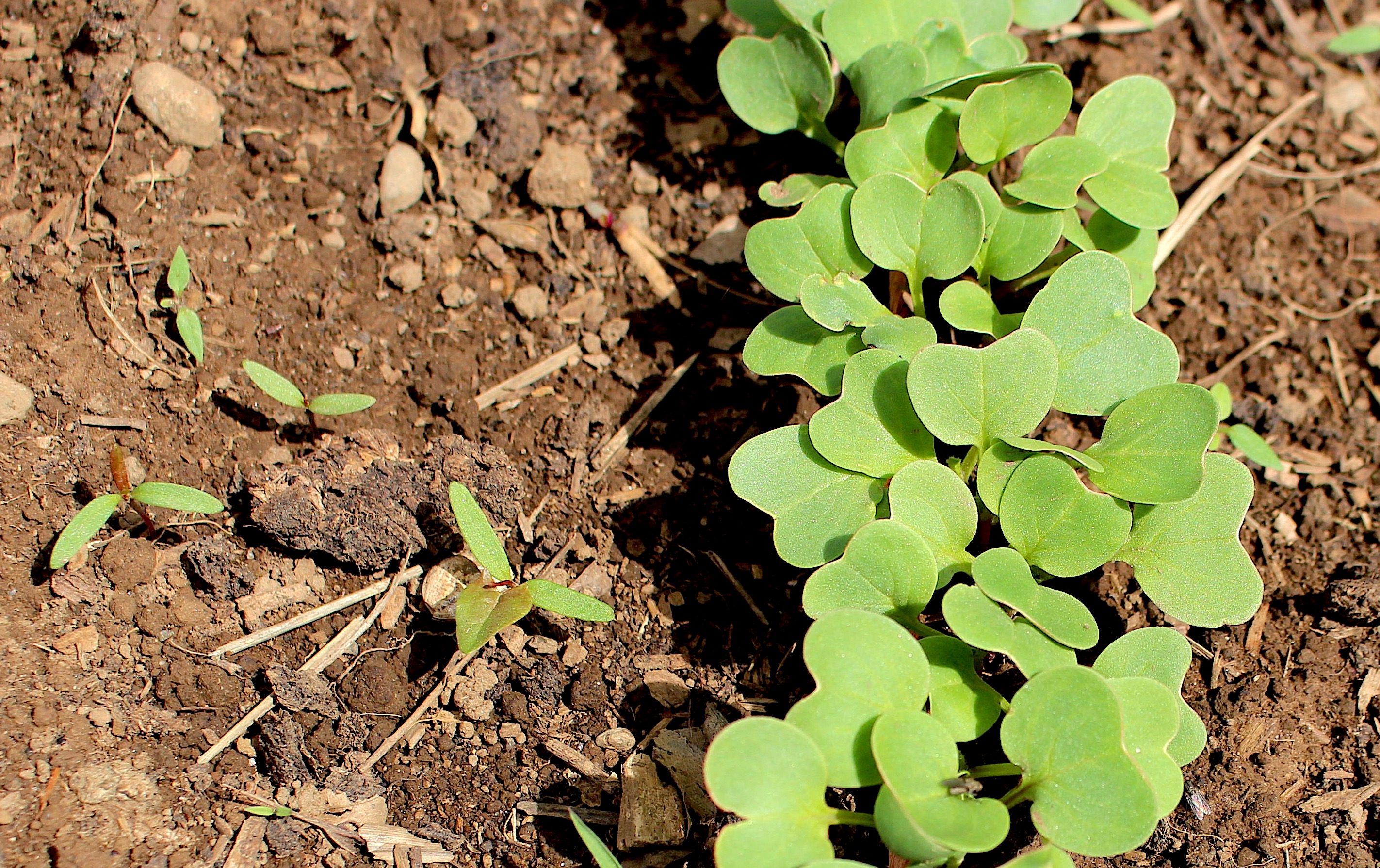
This week there was no question what needed to be accomplished.  The sun was out,  the seeds planted a few weeks ago were finally beginning to show themselves above ground, but they were literally drowning in a sea of weeds.   The joy of germination was turning into the heartbreak of overabundant indiscriminate growth.  It was time for action.

I awoke early, emotionally preparing myself.  I pulled on my jeans and hooded sweatshirt, stepped into rubber boots,  armed my pockets with trowel and garden hook, and adopted a confident stance as I stared at the expanse of green sprouts before me.

“Gonna kill me some weeds,”  I muttered menacingly from under my straw hat, looking like Wyatt Earp at high noon, rolling up my sleeves, and hitching up my pants like a sharp shooter.

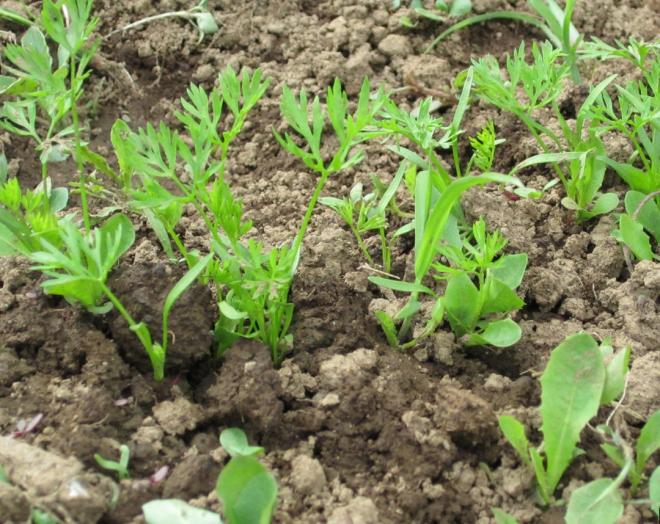
I first went to the defense of the carrot row.  Tiny carrot seedlings are some of the most vulnerable in the garden.  They start as two little grass-like shoots, very weed-like in their beginnings.  In a few days, the next shoot is the identity give-away: a feathery leaf looking very much like carrot green tops.  True effective weeding really can’t start until the carrots can be distinguished from weeds, even the look-alike frilly weeds that pretend they are carrots so they will be left alone.  Very clever camouflage, but not to my sharp eye.

The real carrots are tender little plants, barely clutching the ground with one little root string as compared to the deep hold that weeds have in the soil — weeds make a satisfying “pop” sound when successfully pulled out by the roots.  This work requires down on your hands and knees finger weeding, the dirt-under-the-nails sort-through-each-little-green-shoot-to-find-the-right-one-to-pull technique.  Even so, despite my best intentions, the “real” plants still get pulled accidentally:  my father called that “thinning”, another cruel and painful aspect of gardening when perfectly good plants are pulled out to make more space for the near neighbors.  It still seems all too arbitrary and capricious.

All this weed-o-cide makes me think about a book I read in the early seventies, The Secret Life of Plants by Tompkins and Bird.  They gave me a new understanding of the challenges of being a plant.  I almost can hear the high pitched little shrieks some scientists have recorded as plants are plucked, cut or mowed down.   Then there is the very real question of what is a weed and how it has become victim to our human prejudice about what is worthwhile to grow and what is not.  Maybe since the dawn of time we humans have watched the slugs, the squirrels, the birds, the deer and the rabbits decide what is tastier, and frankly my dear,  it isn’t the weeds.

But who am I to say that a beet plant is more worthy to exist than quack grass?   What animosity and enormous resource is expended to rid the world of the lovely dandelion’s perfect sphere of seeds about to blow with the wind, or the waxy buttercup meant to tickle a child’s chin into a yellow reflection.

But I’m only the gardener with a job to do.  It’s dirty work, but someone has to do it.

By the end of the morning as the sun beats down directly overhead, neat little rows of honest to goodness domesticated plants become obvious and the garden pathways are littered with weed carcasses as well as a few thinned radishes, beets and carrots.   High noon indeed.  I gaze at my spent weapons–dirty hands and fingertips that are barely recognizable–and sigh deeply.   Until the next skirmish to keep the weedy invaders from infiltrating, I can rest easier knowing my little plants have less chance of being overwhelmed by the encroaching wilderness of weeds and varmints.

So I lay down my arms, clean the dirt from under my fingernails, and sit down to listen to the symphony sounds of plants happily growing…


Overrun By Weed Creep

thegardener


horse manure composted garden


…all I know is that we must cultivate our garden…
~Voltaire from Candide


gardenrows


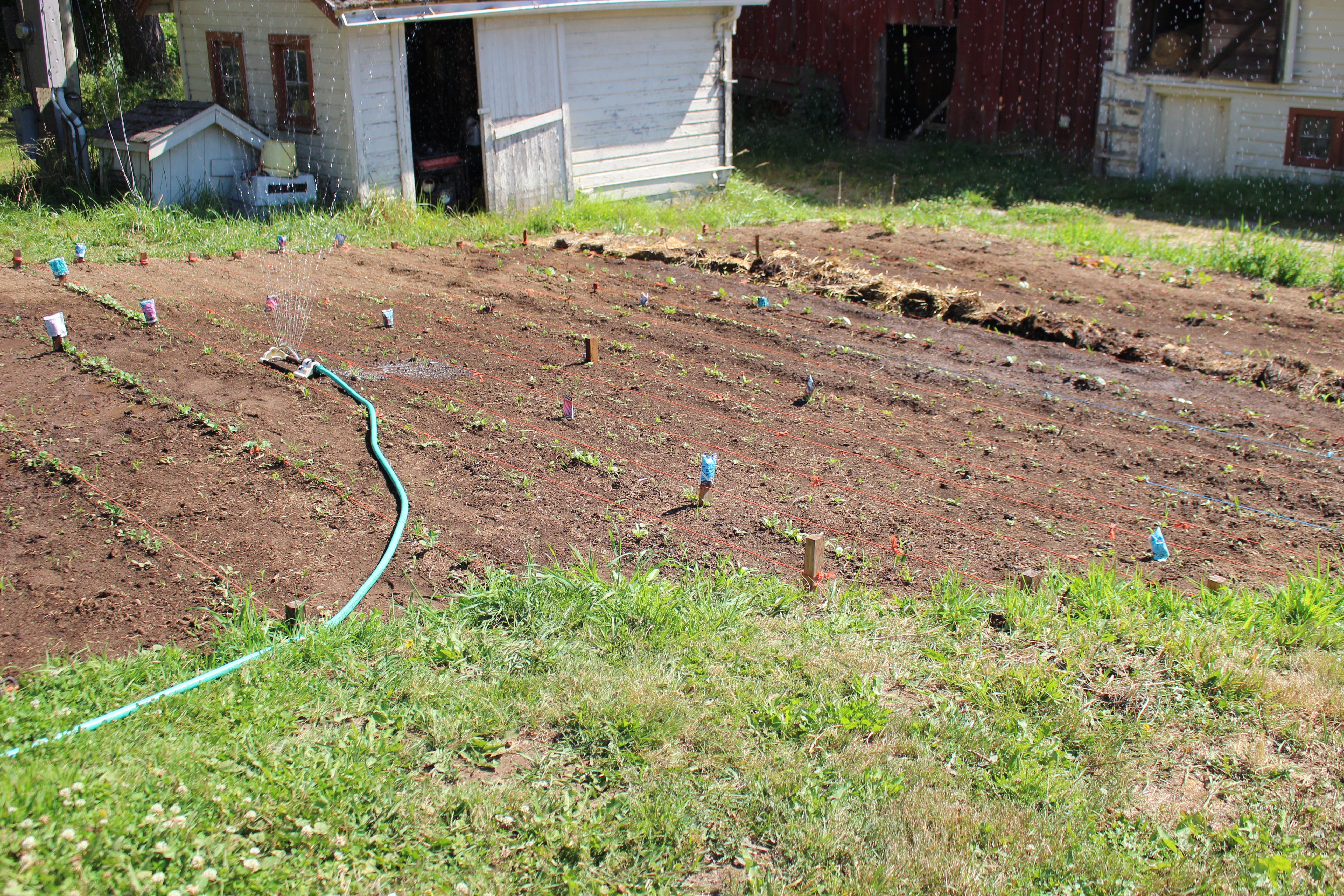
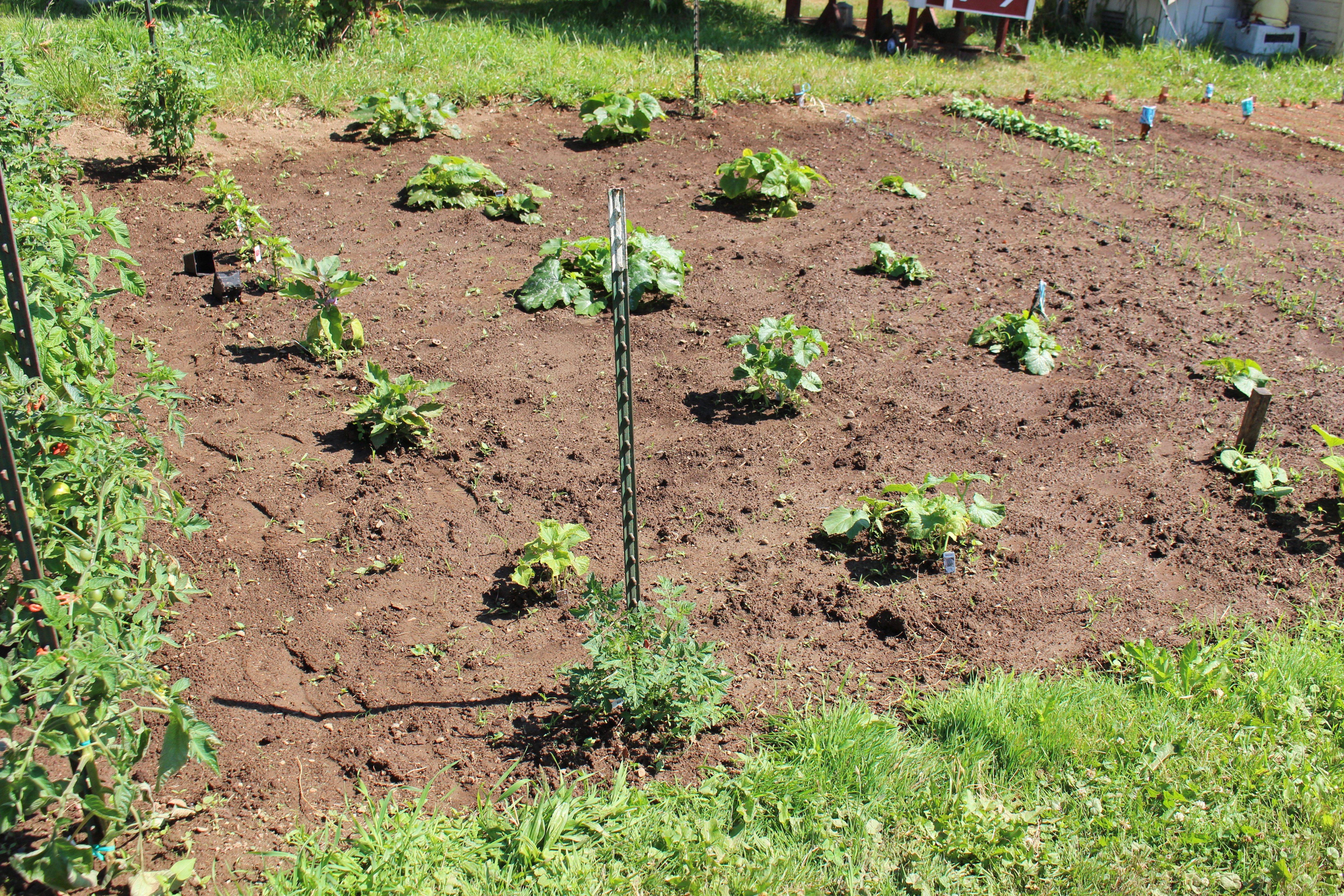
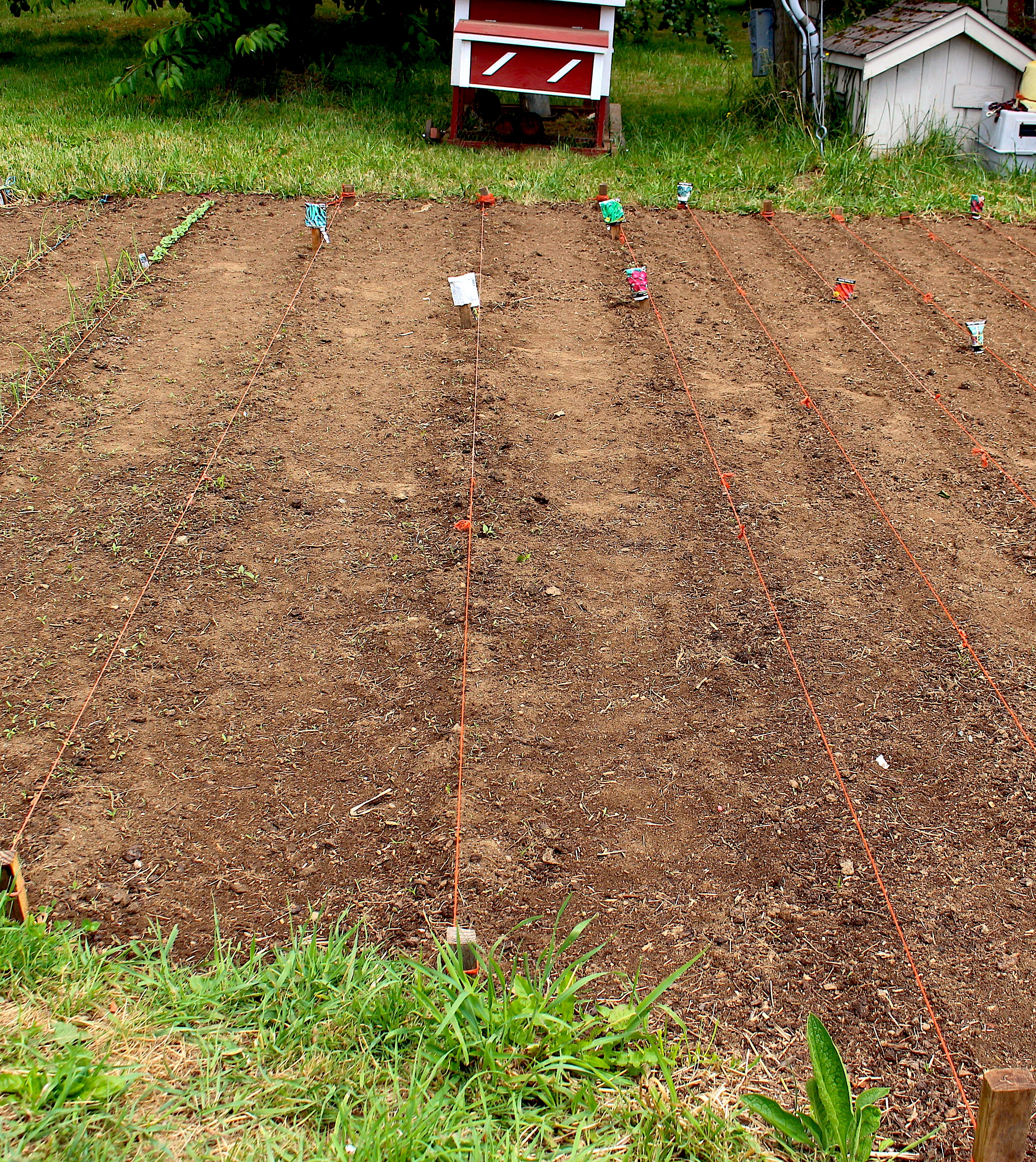
This year, once again, we’re late getting our garden in — there have been too many other things happening in our work and home life to even think about getting the garden in.  Starting a garden in June is not something I recommend to anyone.  It requires bushwhacking to make a suitable bed for the seeds.

Thankfully, my now newly retired husband — normally part-time farmer now full-time — was up to the job.

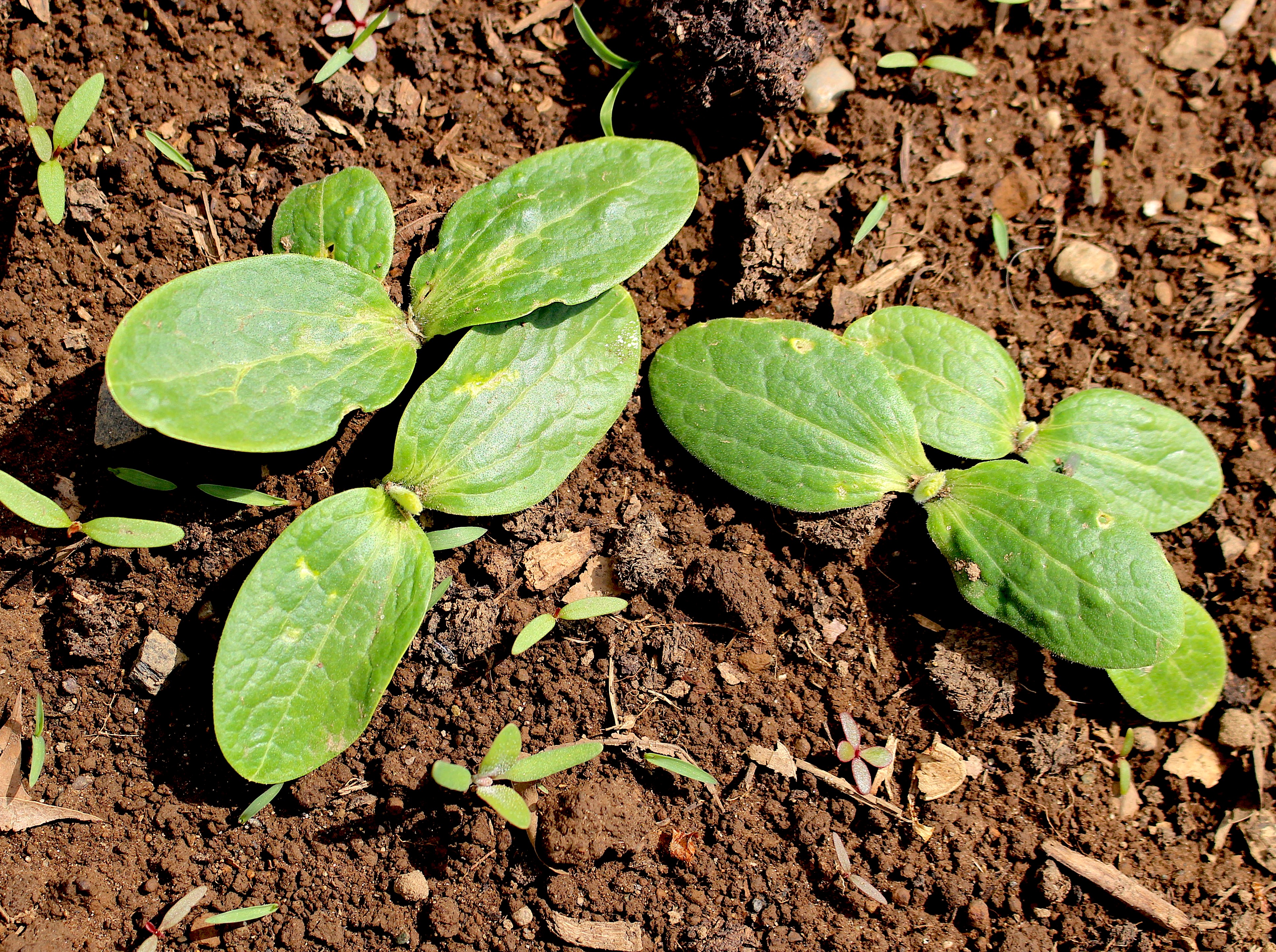
The weeds, never discouraged by cool rainy weather, have instead been emphatically encouraged. They grow with exuberance, happily seeding themselves, thank you very much. The garden plot had become a veritable forest to contend with before the soil could be prepared for seeding.

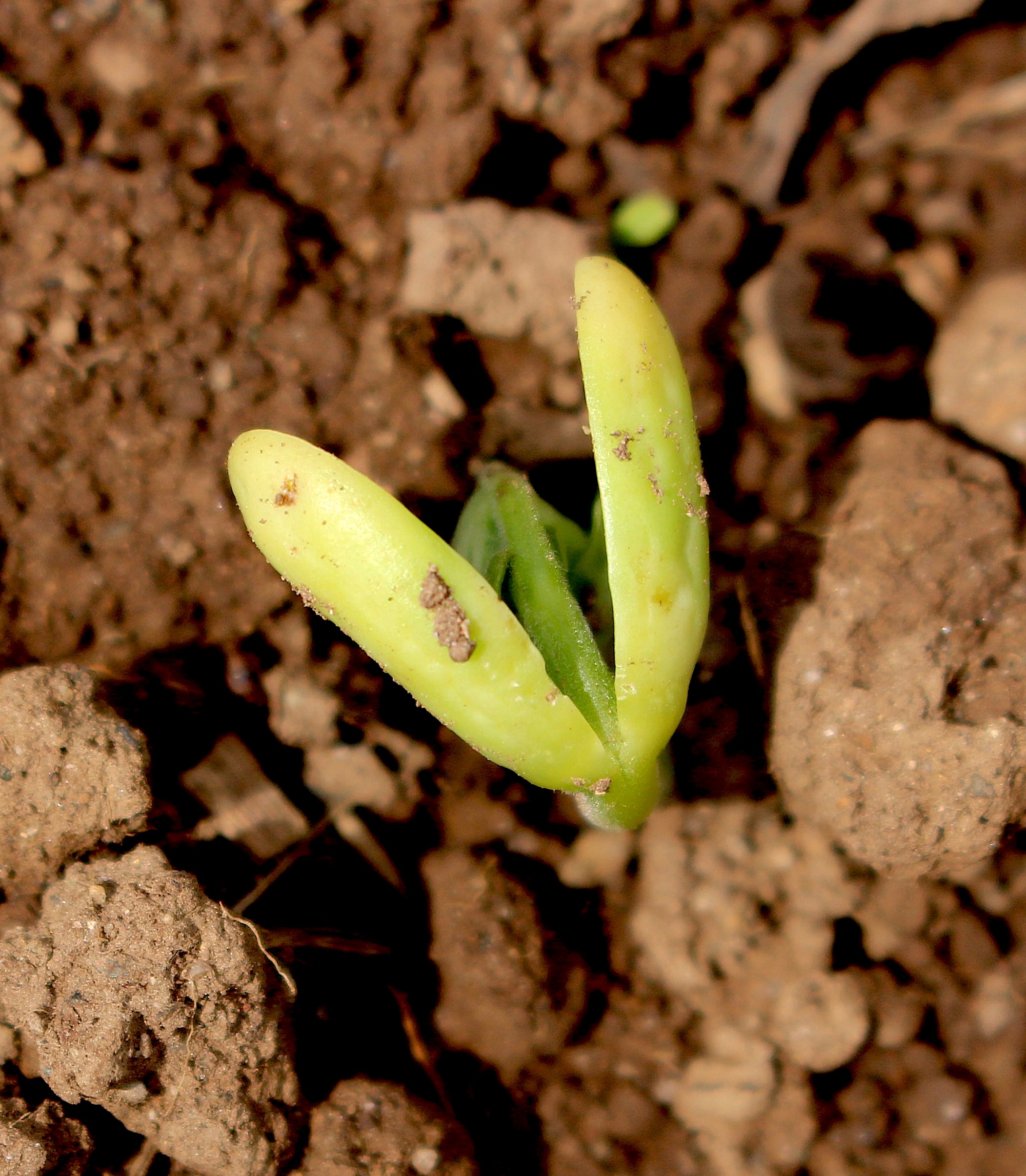
My husband set to work on the jungle on hands and knees, digging into the turf of weeds, loosening their grip, pulling them out, shaking off the clinging clumps of dirt from their roots and turning over fresh soil to dry in the sun under a fresh dressing of warm composted manure.  Along with creating multiple trenches for our vegetable seeds and starts, we planted prayers that there was still enough time left in the growing season to actually bear a harvest.

I admit there are plenty of times my life feels like our neglected garden plot.  If not kept tended, if not exposed to enough warmth and light, if not fertilized with the steaming loam from a well-composted manure pile, if not kept clear of the unwanted weeds that take hold and grow no matter what the weather conditions, there can be no harvest of value whatsoever.  I will accomplish nothing other than sustaining self-sowing weeds for the next generation to battle.

I leave behind a life unrecognizable as a source of nurture as it is overrun by weed creep.

Each year we’re determined to do better but we know we’re running out of time and gardening seasons. It isn’t just the resultant sore back and dirty fingernails that serve as reminders of the hard work of tending one’s life like one’s soil.  It is that burst of sweetness that comes from eating the first fresh peas, the sharp tang of a radish straight from the ground, the bowl of greens unsullied by chemicals, the onions, potatoes and squash stored away in the root cellar for winter consumption.

Most of all, it is the satisfaction of knowing we accomplished something wonderful with our own hands — guided gently by the ultimate Gardener who won’t allow a few weeds to overrun us.


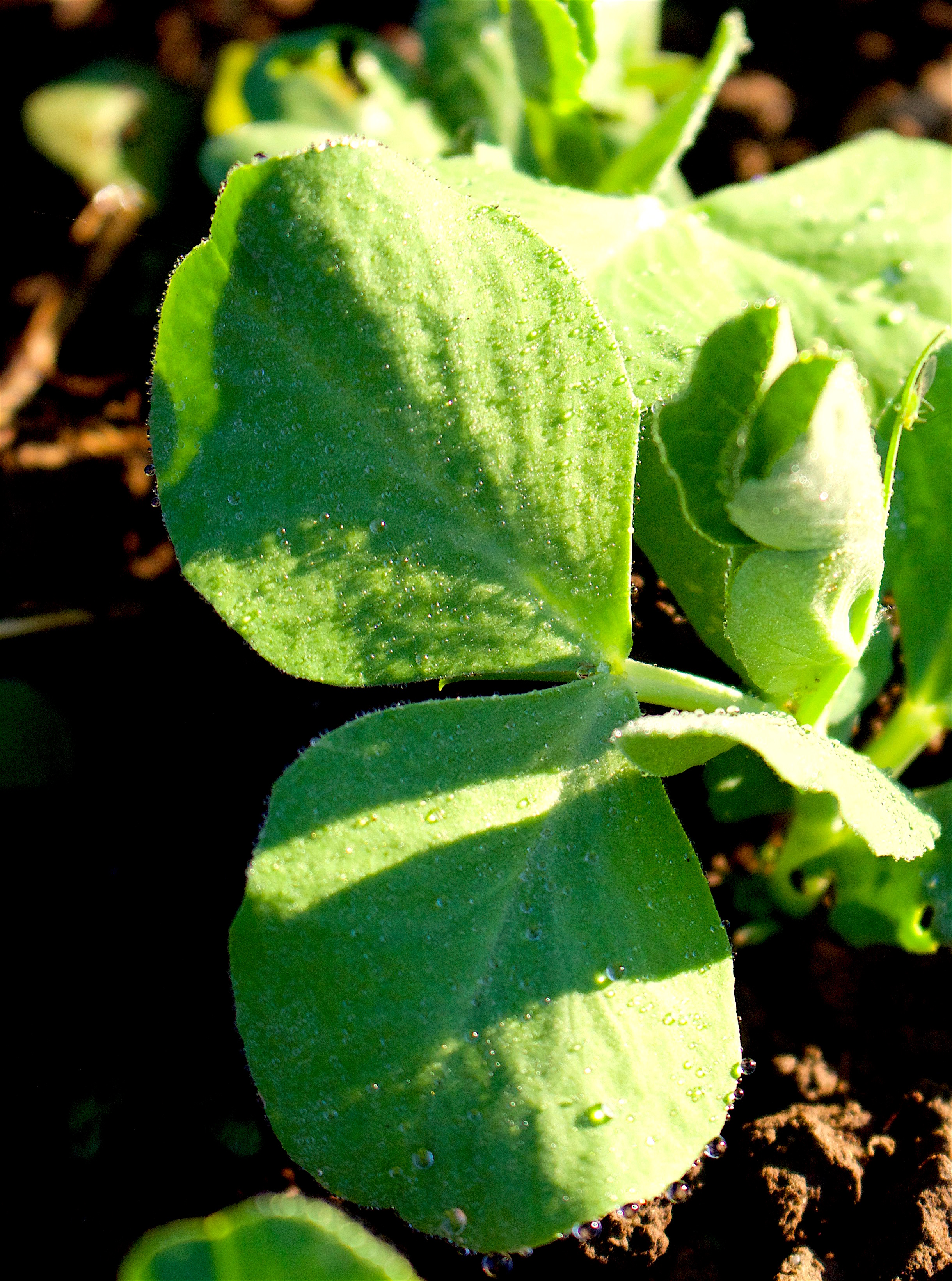
beanplantA


squashsprouts


weedyradishes


beansprout


weeder


Root and All in All

antazalea


iris519182


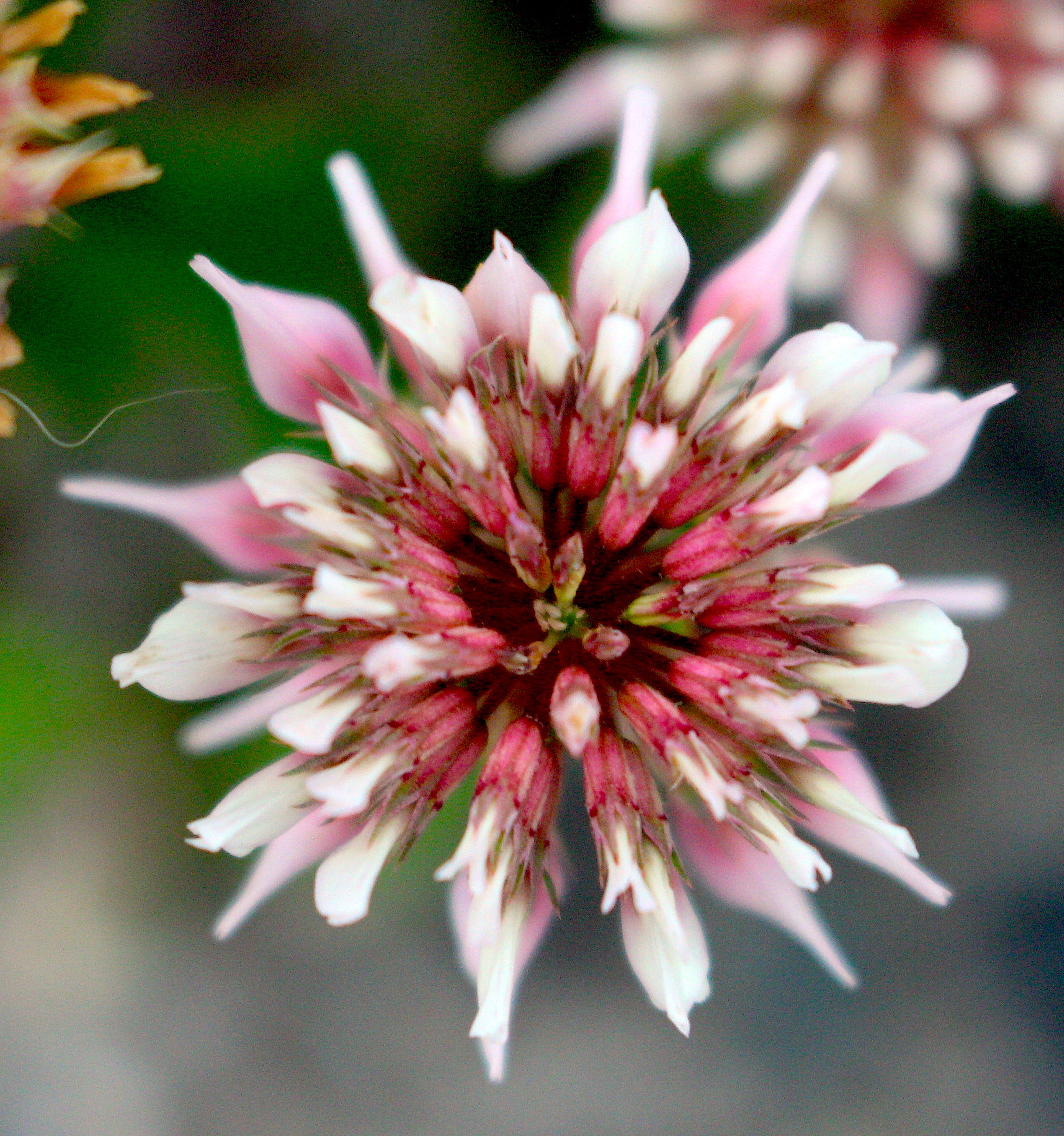
whiteclover2


irispotential


Little flower,
but if I could understand what you are,
root and all in all,
I should know what God and man is.
~  Tennyson


heart1


redredrose


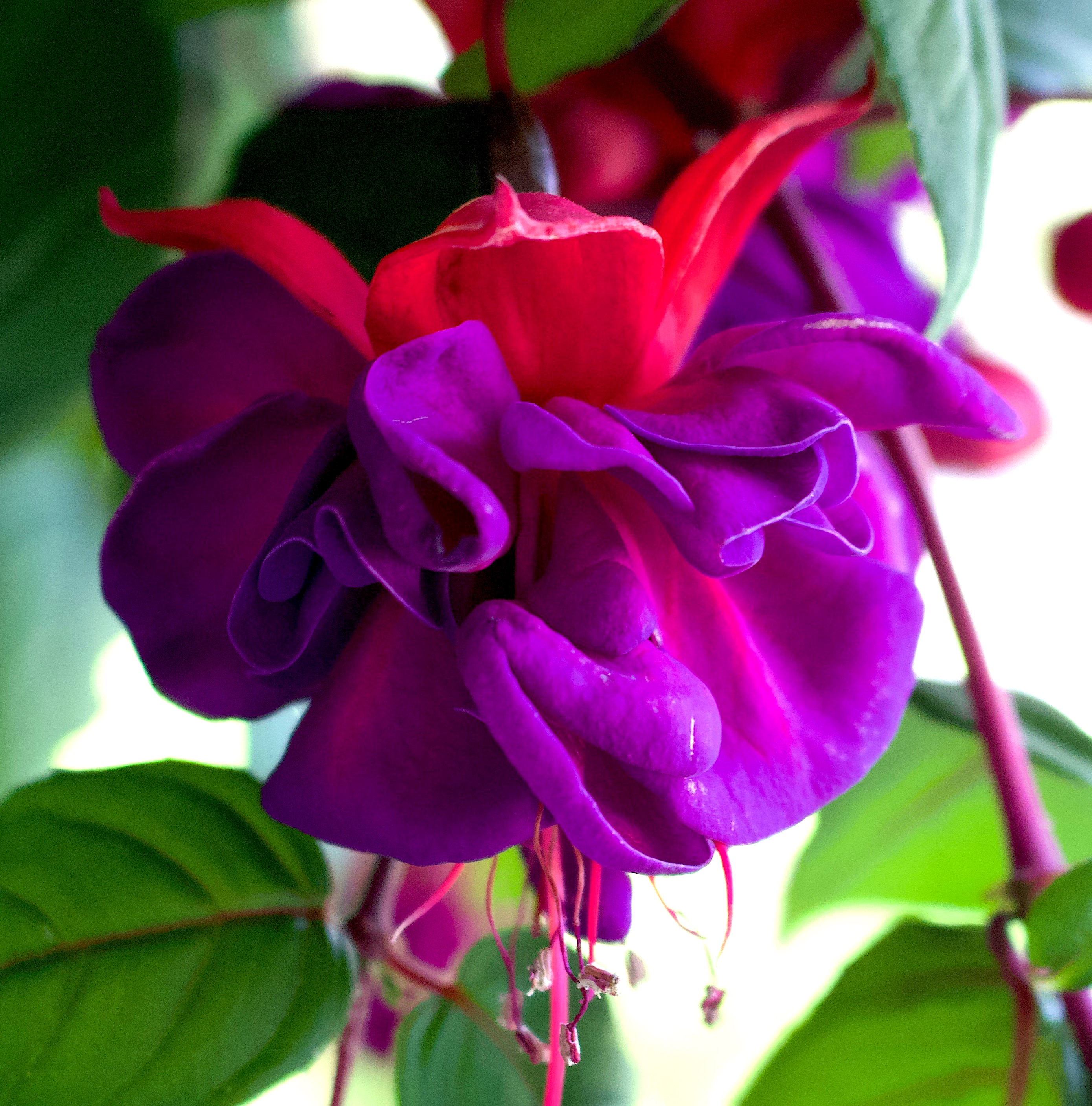
fuschiaevening


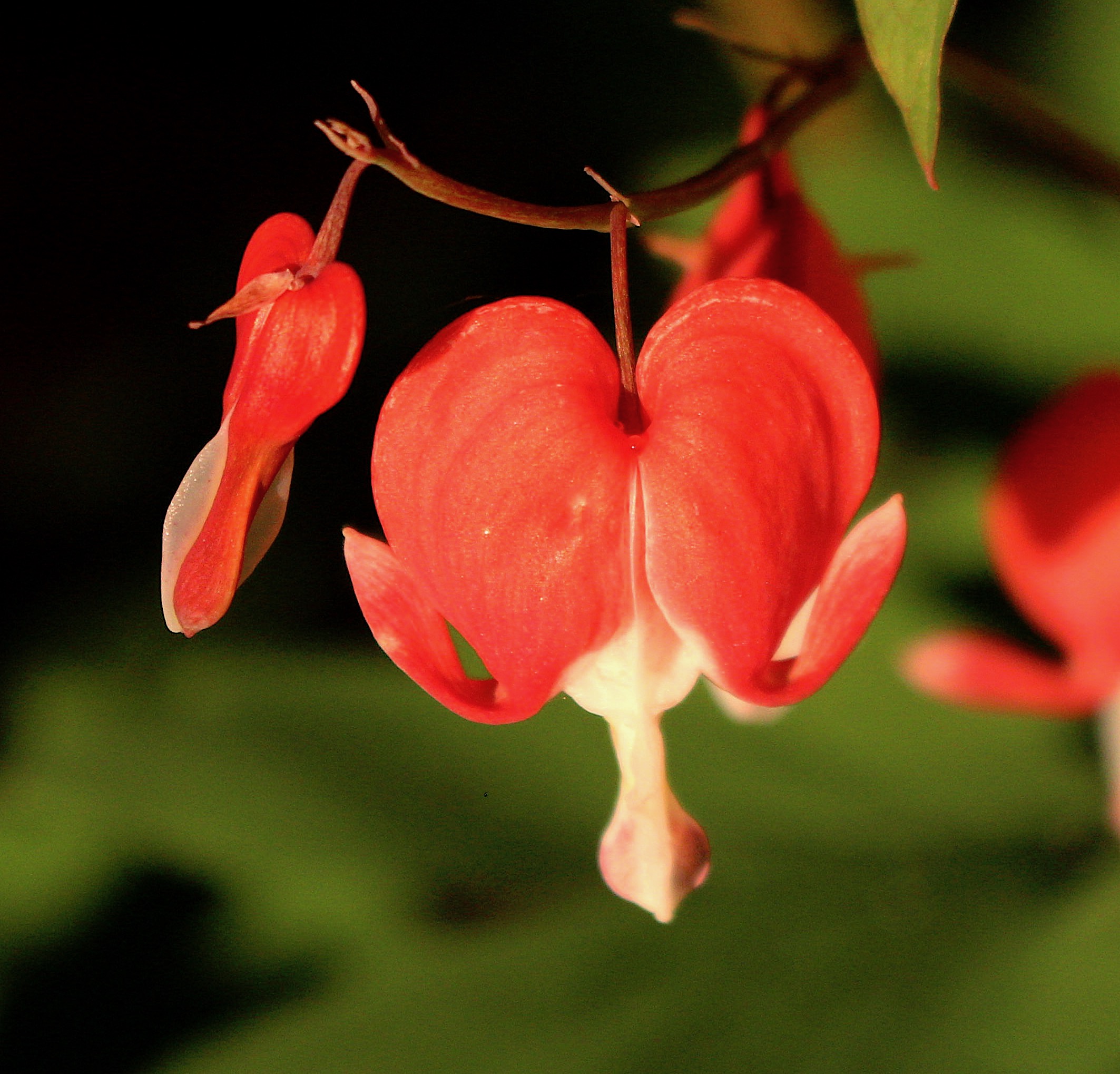
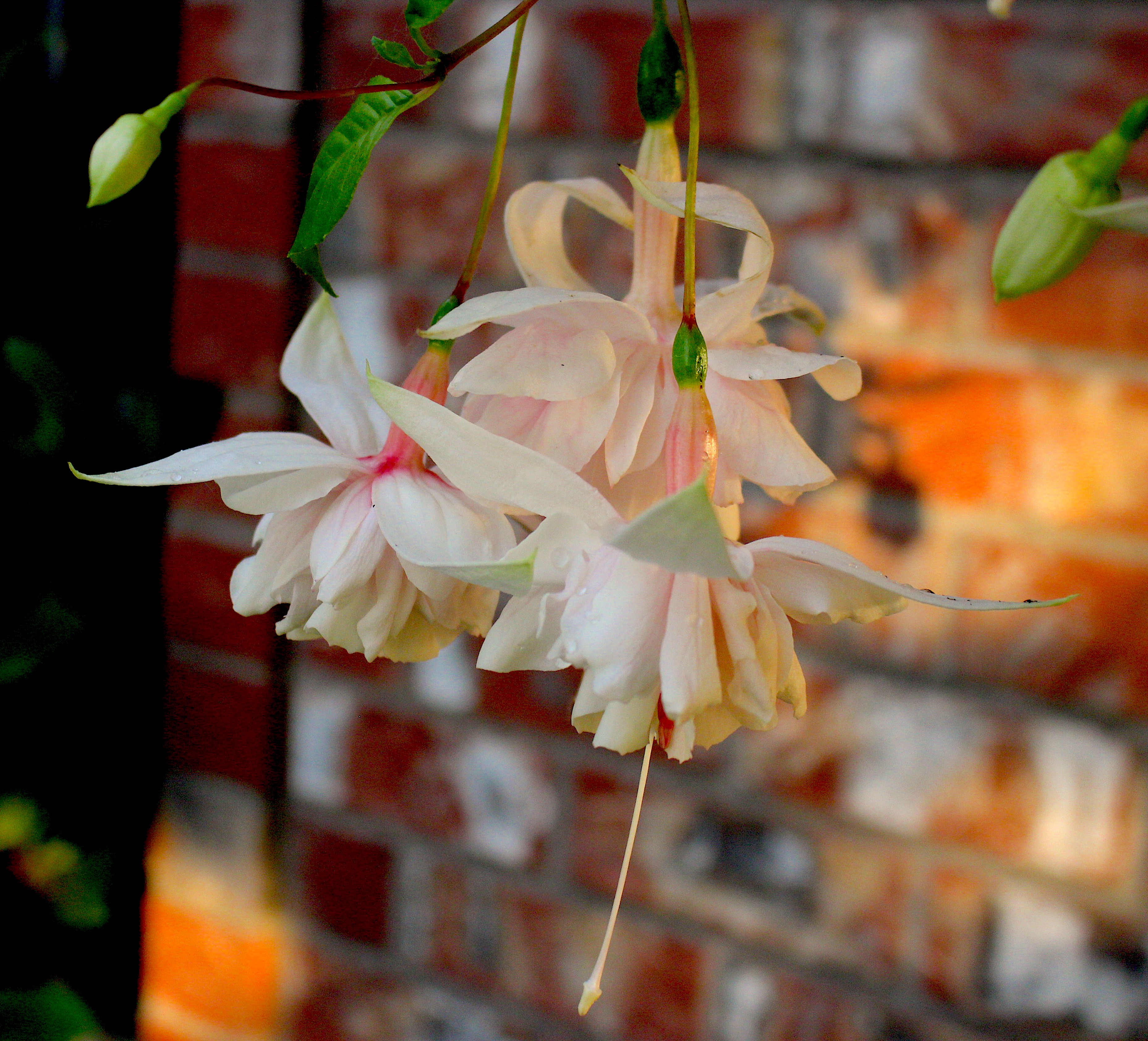
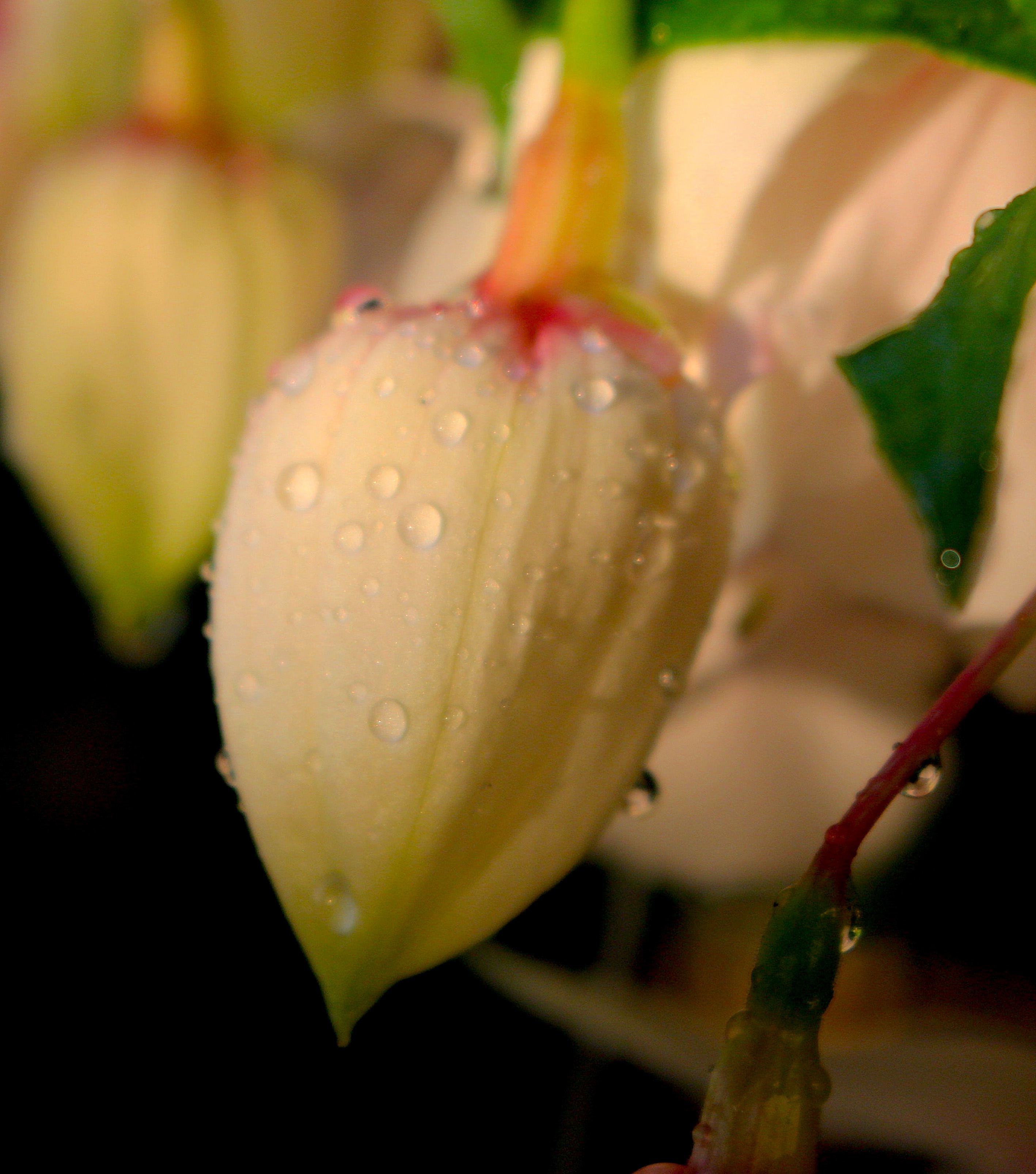
Am I root, or am I bud?
Am I stem or am I leaf?
All in all, I am
but the merest image
of God’s fruiting glory,
the tears shed
as He broke
into blossom.


fuschiaeveningbud


whiteclover3


raindropsonroses3


fuschia1

Preparing Through Parable: The Divine Gardener

beanplantA


“A farmer went out to sow his seed. As he was scattering the seed, some fell along the path; it was trampled on, and the birds ate it up. Some fell on rocky ground, and when it came up, the plants withered because they had no moisture.Other seed fell among thorns, which grew up with it and choked the plants. Still other seed fell on good soil. It came up and yielded a crop, a hundred times more than was sown.”

When he said this, he called out, “Whoever has ears to hear, let them hear.”
Luke 8:5-8


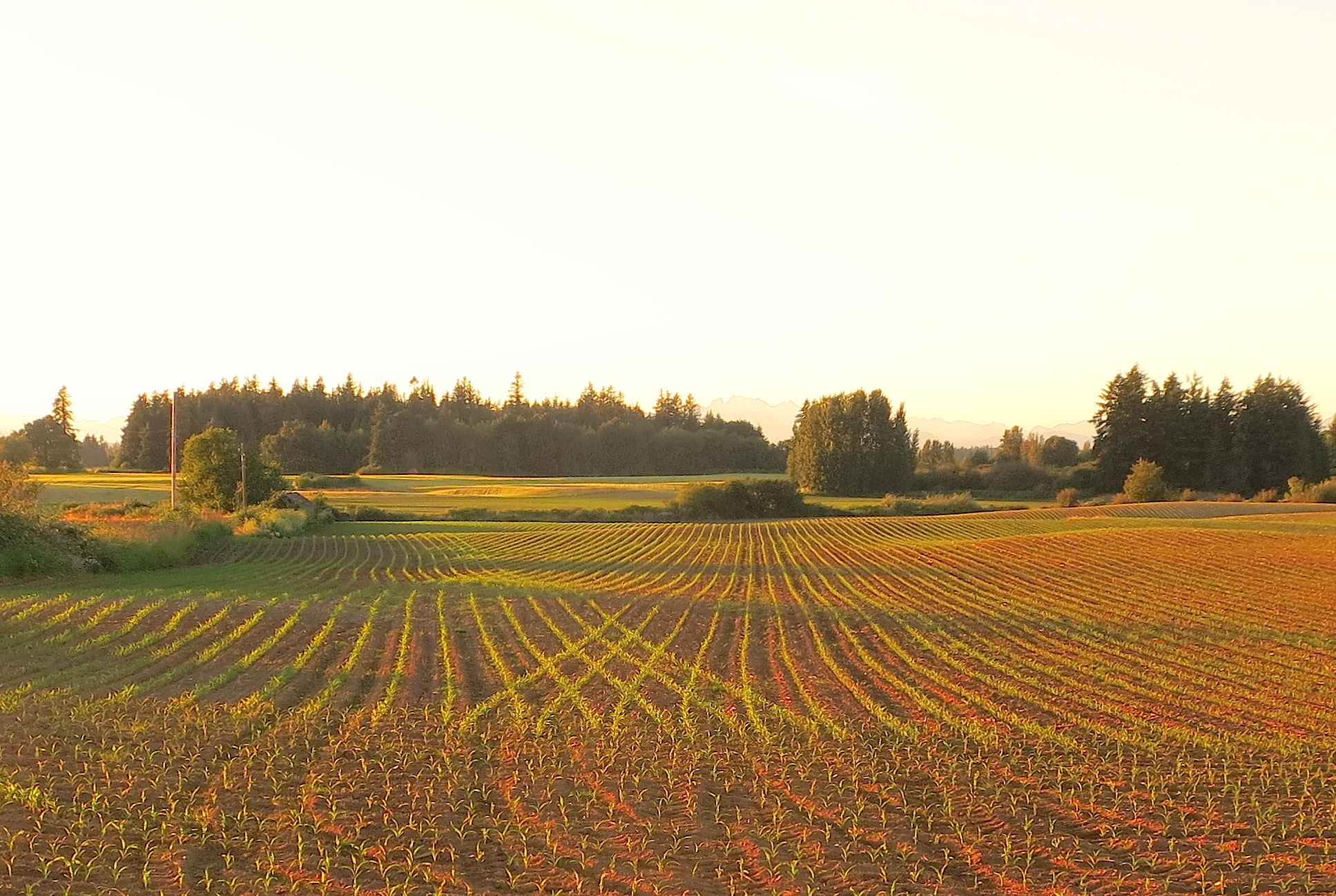
cornfieldcrisscross


25 I will sprinkle clean water on you, and you will be clean;
I will cleanse you from all your impurities and from all your idols.

26 I will give you a new heart and put a new spirit in you;
I will remove from you your heart of stone and give you a heart of flesh.

27 And I will put my Spirit in you and move you to follow my decrees and be careful to keep my laws.
28 Then you will live in the land I gave your ancestors; you will be my people, and I will be your God. 

Ezekiel 36: 25-28


sunsetcornfield


And what kind of ground is my heart today for any seed that happens to land on me?

Am I hard hearted where the seed lies exposed and vulnerable?

Am I shallow hearted where there is no nurture for the seeds to thrive once sprouted?

Am I choke hearted where I allow weeds to take over and strangle out the seeds of value?

Or am I an open heart, a heart of flesh, a fertile ground, a place of warmth and nurture?


May my eyes see, my ears hear, my heart understand.  He prepares me with parable.


febrrose

Preparing Through Parable: Fertilize…

empressfruit


Then he told this parable: “A man had a fig tree growing in his vineyard, and he went to look for fruit on it but did not find any. So he said to the man who took care of the vineyard, ‘For three years now I’ve been coming to look for fruit on this fig tree and haven’t found any. Cut it down! Why should it use up the soil?’

“‘Sir,’ the man replied, ‘leave it alone for one more year, and I’ll dig around it and fertilize it. If it bears fruit next year, fine! If not, then cut it down.’”
Luke 13:6-9


horse manure composted garden


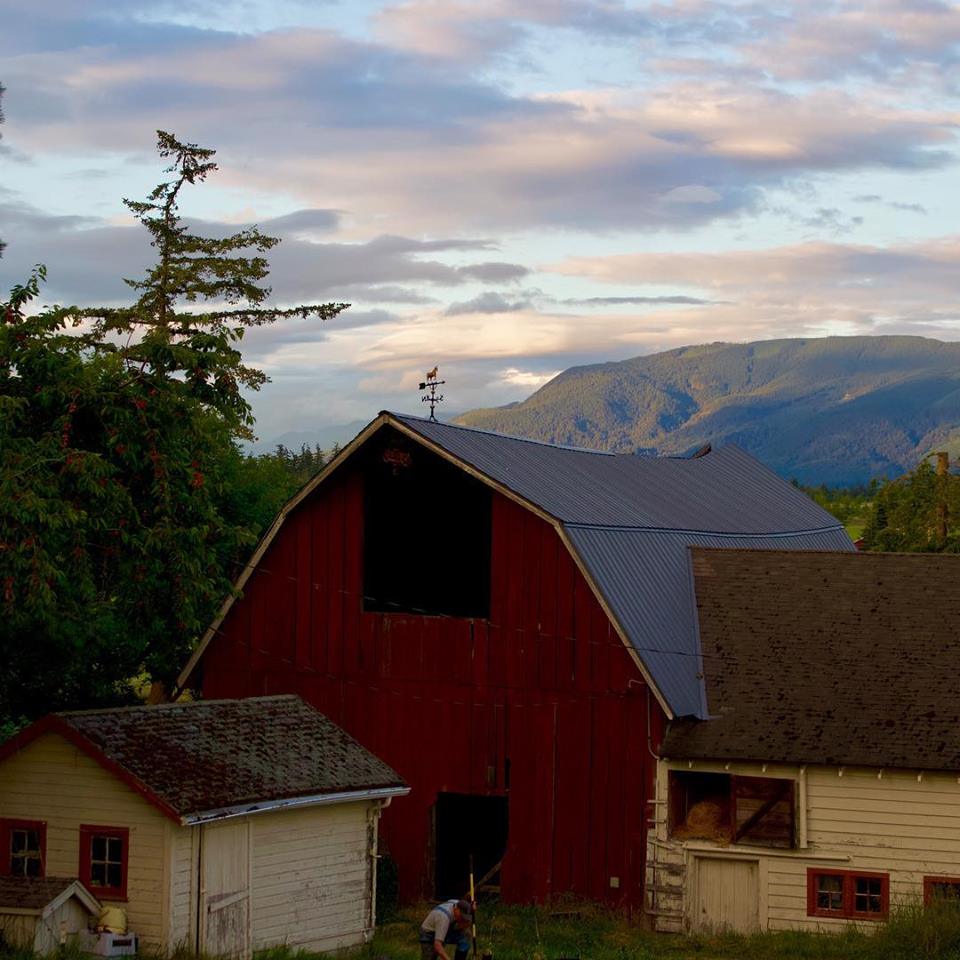
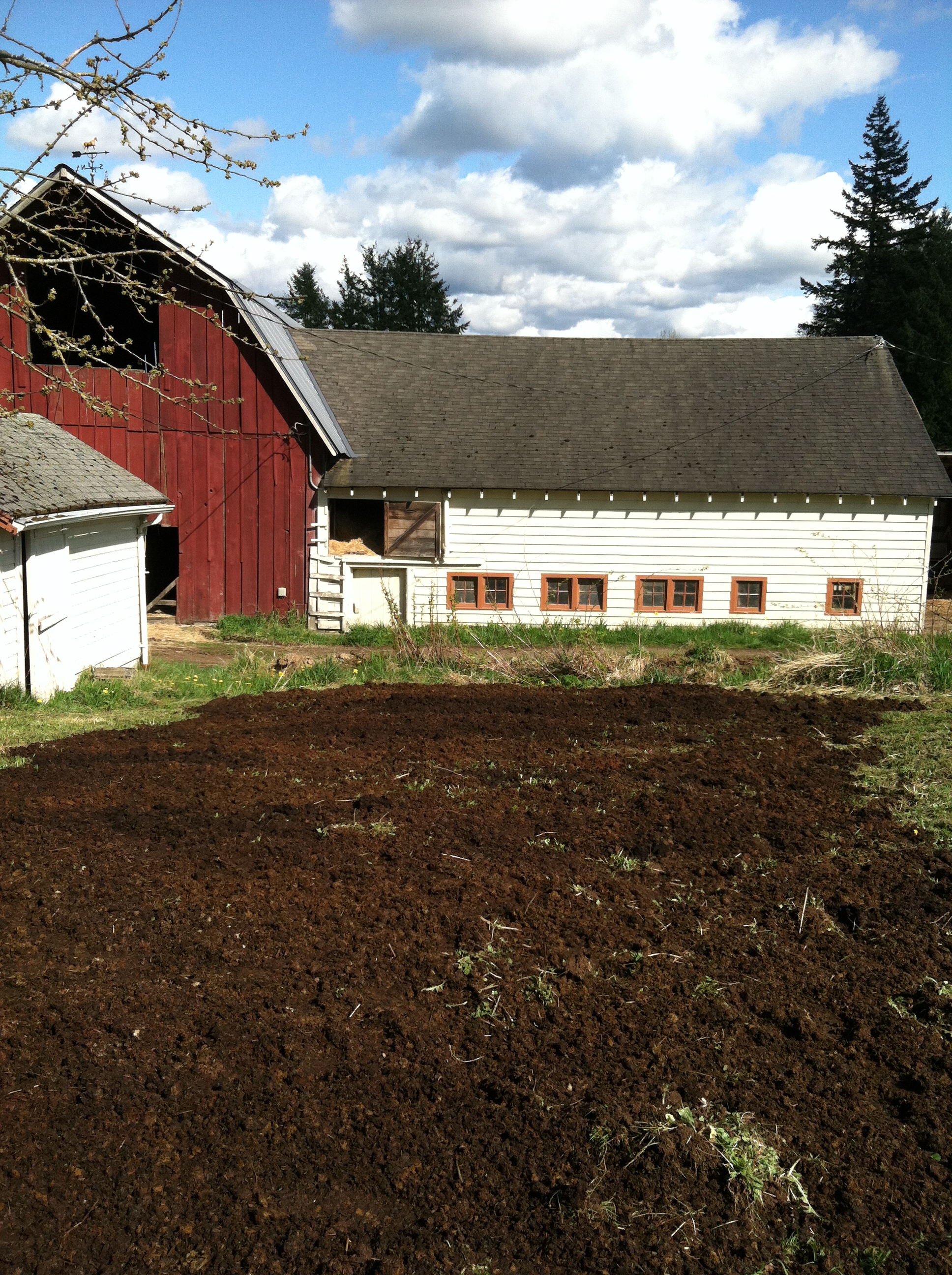
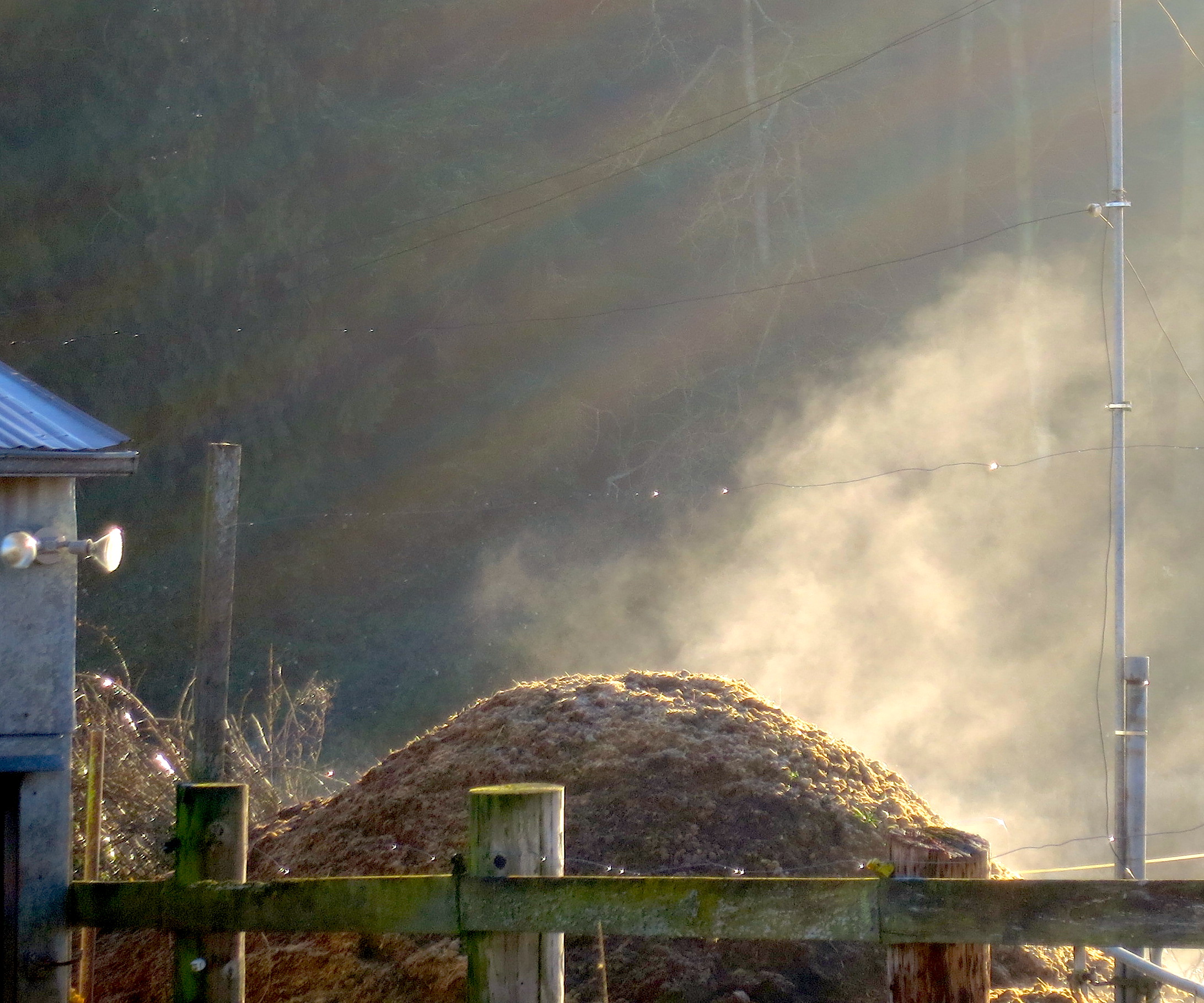
As a farmer, I spend over an hour a day cleaning my barn, and wheel heavy loads of organic material to a large pile in our barnyard which composts year round.  Piling up all that messy stuff that is no longer needed is crucial to the process: it heats up quickly to the point of steaming, and within months, it becomes rich fertilizer, ready to help the fields to grow grass, or the garden to produce vegetables, or the fragrant blooms in the flower beds.  It becomes something far greater and more productive than what it was to begin with, thanks to transformation of muck to fruit.

That’s largely what I do in clinic as well.

As clinicians, we help our patients “clean up” the parts of their lives they really don’t need, that they can’t manage any longer, that are causing problems with their health, their relationships and obligations.  There isn’t a soul walking this earth who doesn’t struggle in some way with things that take over our lives, whether it is school, work,  computer use, food, gambling, porn, you name it.  For the chemically dependent, it comes in the form of smoke, a powder, a bottle, a syringe or a pill.  There is nothing that has proven more effective than “piling up together” learning what it takes to walk the road to health and healing, “heating up”, so to speak, in an organic process of transformation that is, for lack of any better description, primarily a spiritual treatment process.  When a support group becomes a crucible for the “refiner’s fire”,  it does its best work melting people down to get rid of the impurities before they can be built back up again, stronger than ever.  They become compost, productive, ready to grow others.

This work with a spectrum of individuals of all races, backgrounds and creeds has transformed me.

As Jesus says in Matthew 25: 40–‘I tell you the truth, whatever you did for one of the least of these brothers of mine, you did for me.’

It’s crucial to fertilize those who otherwise may be cut down.  Only then can they bear fruit.

May my eyes see, my ears hear, my heart understand.  He prepares me with parable.


compostjanuary