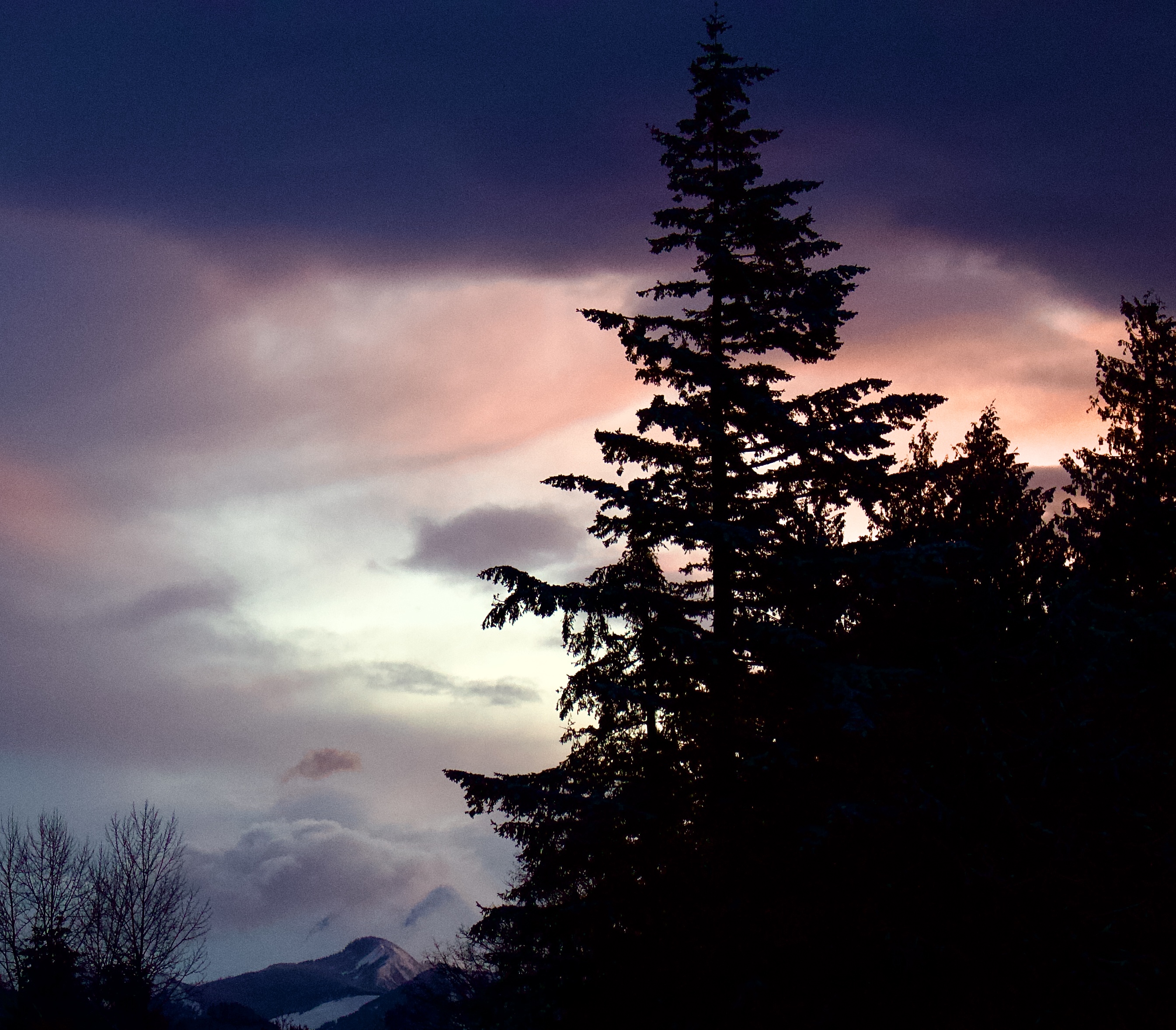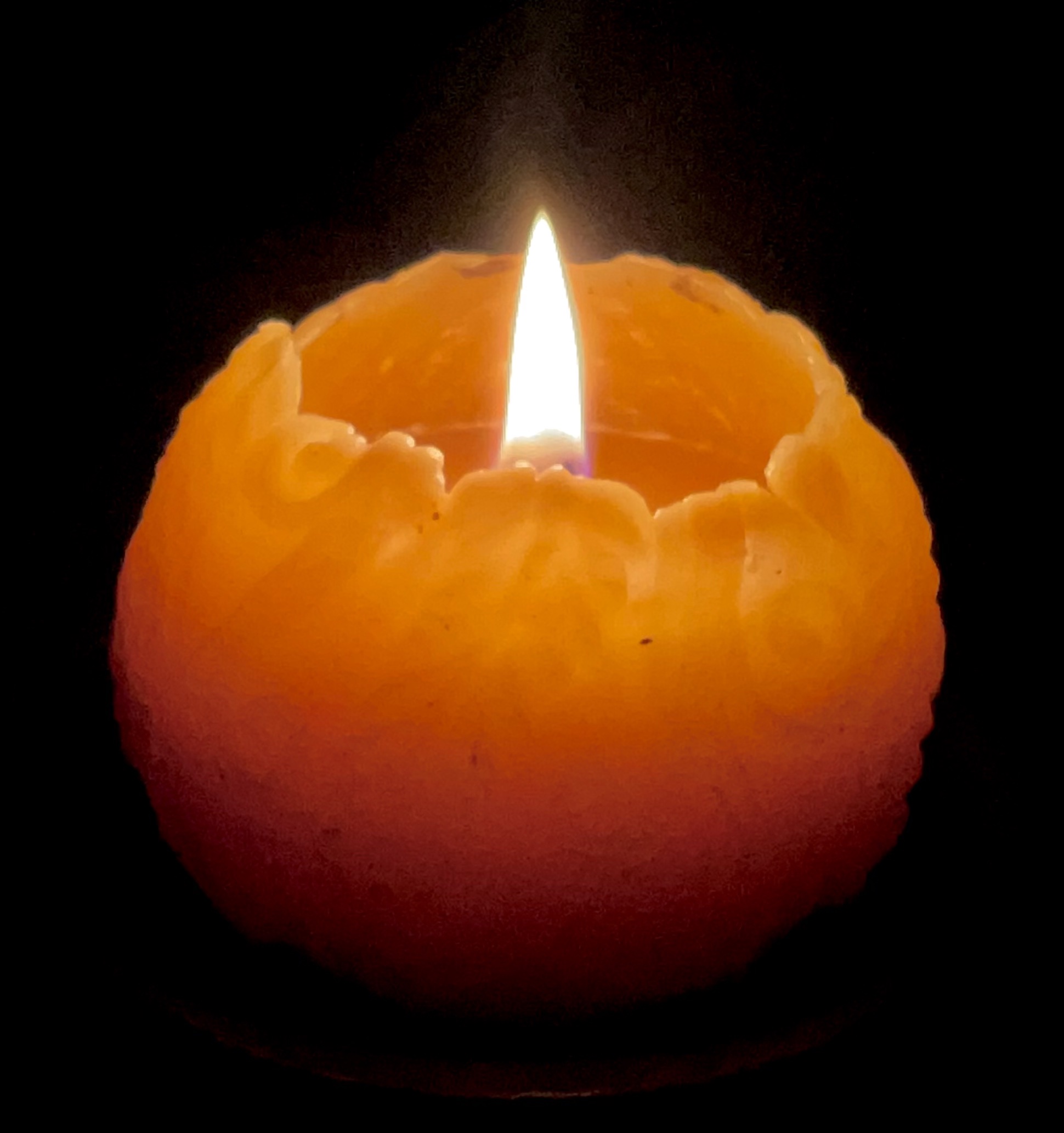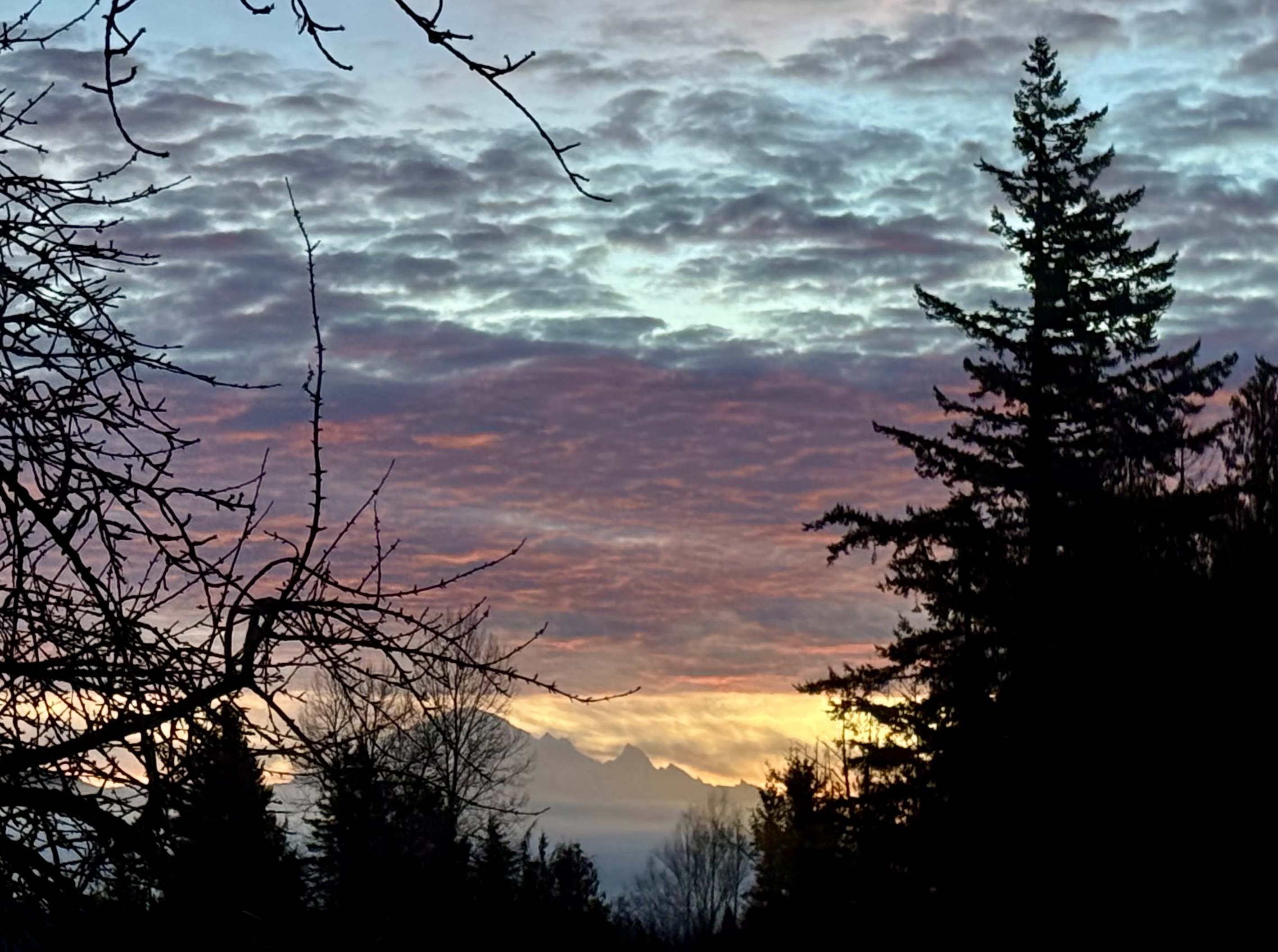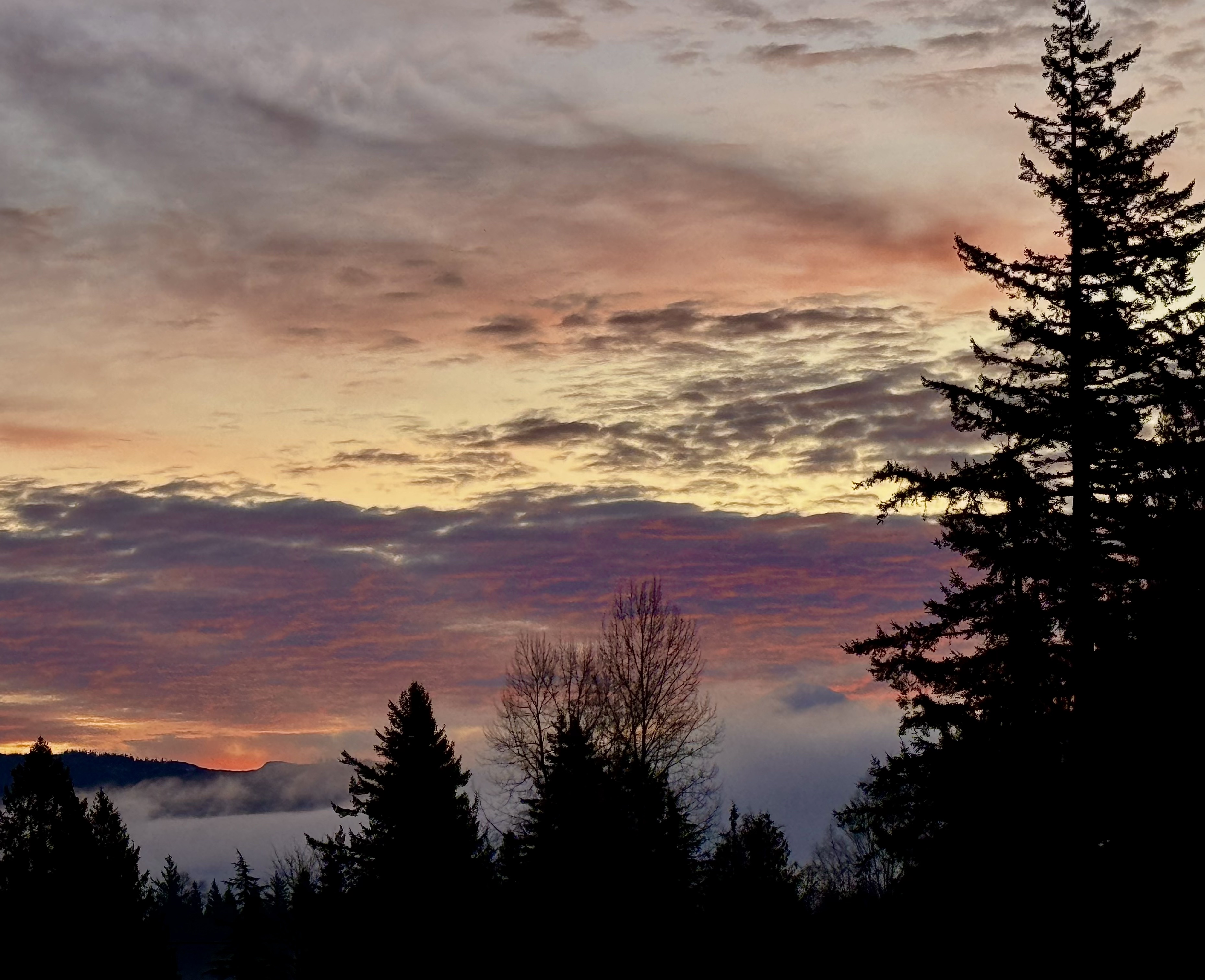
Year After Year

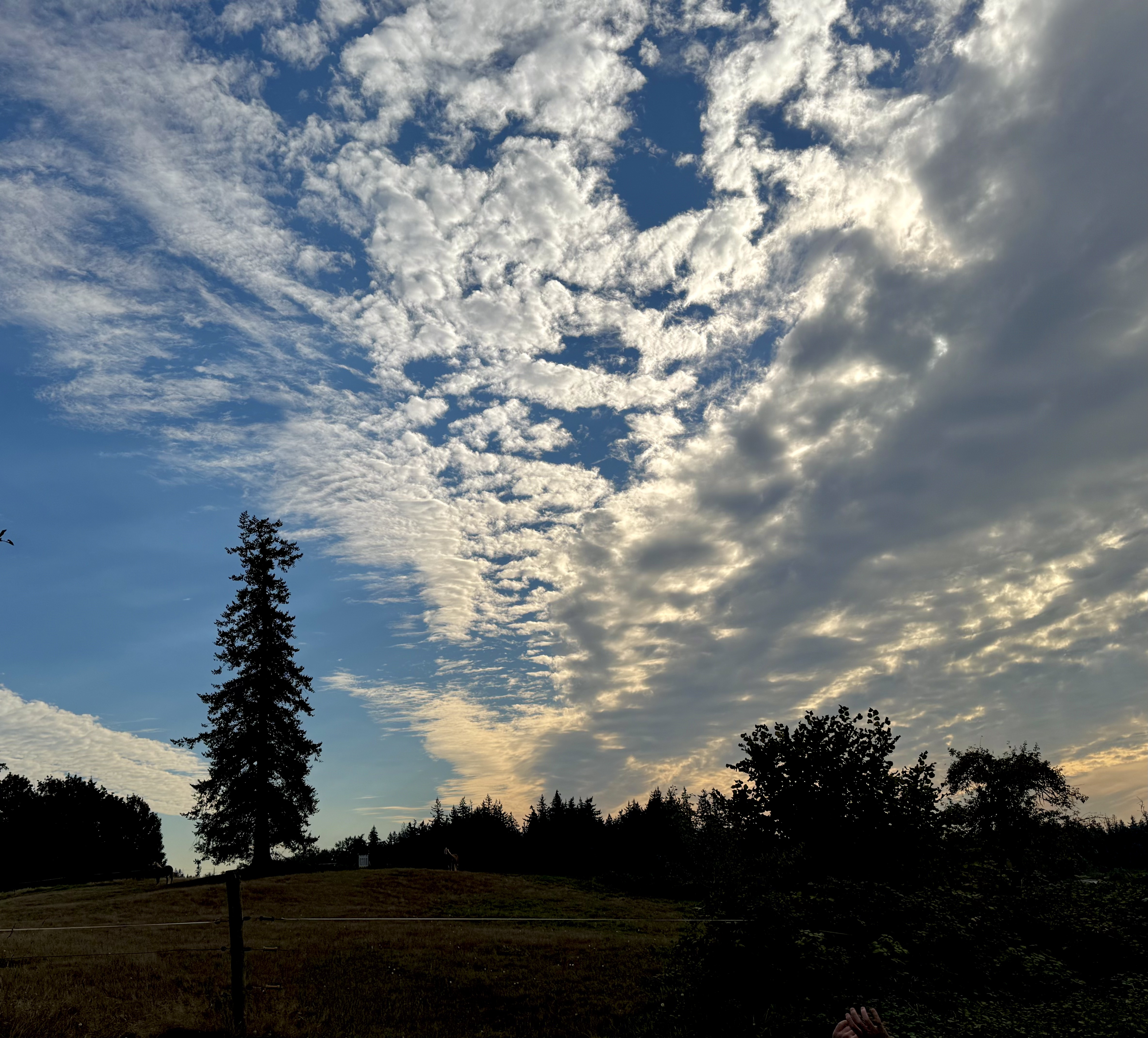
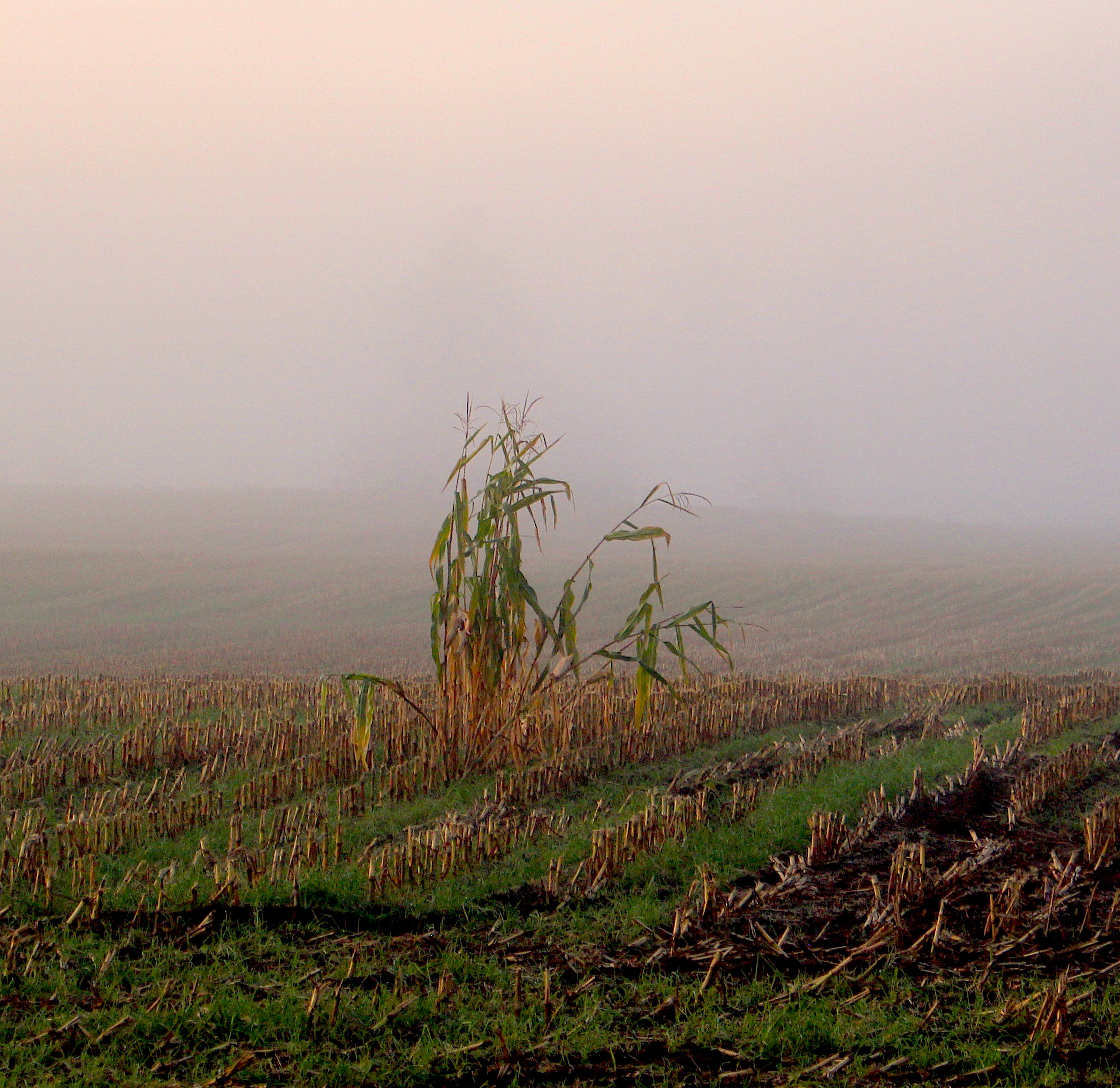
The birds do not sing in these mornings. The skies
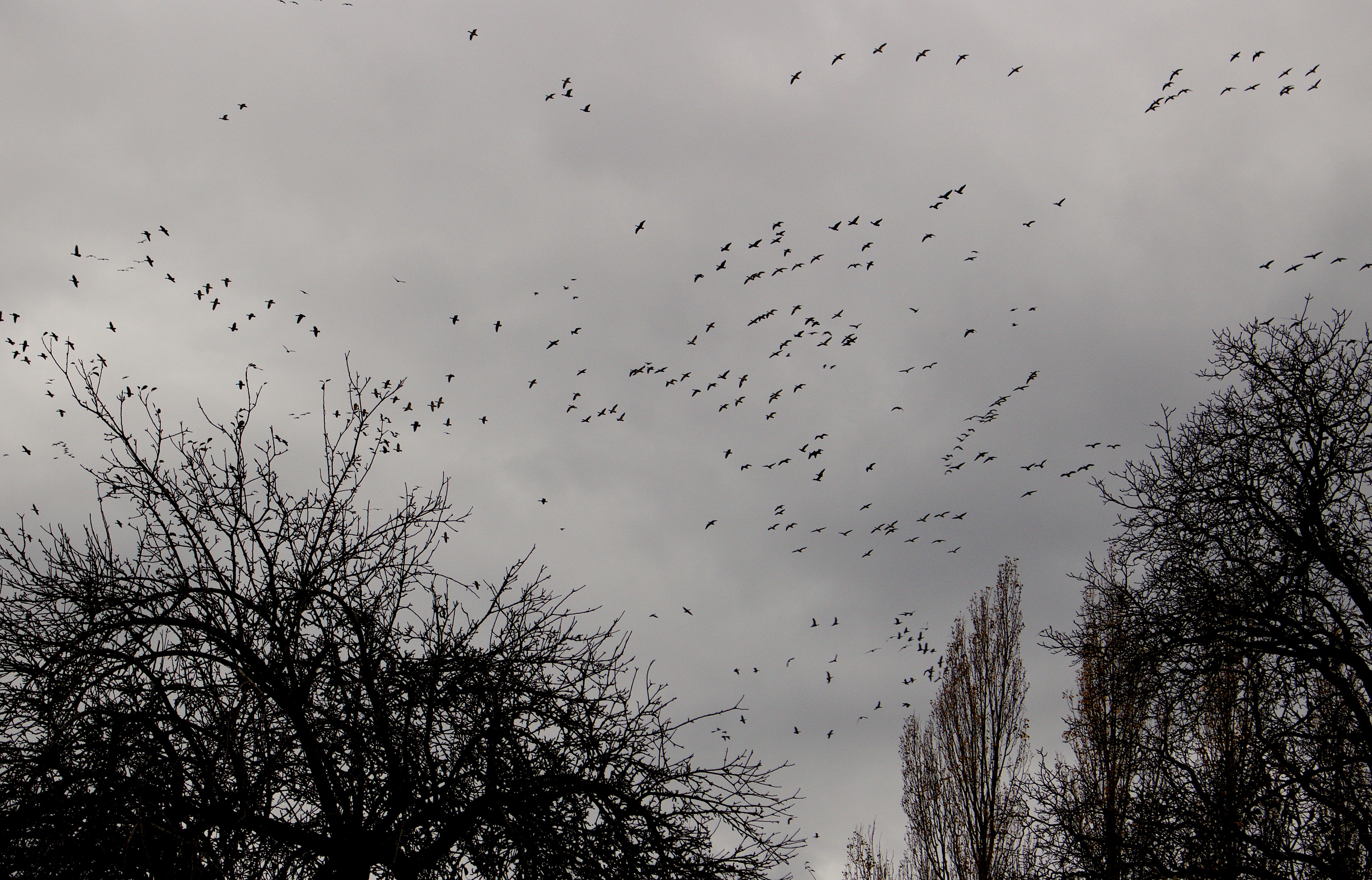
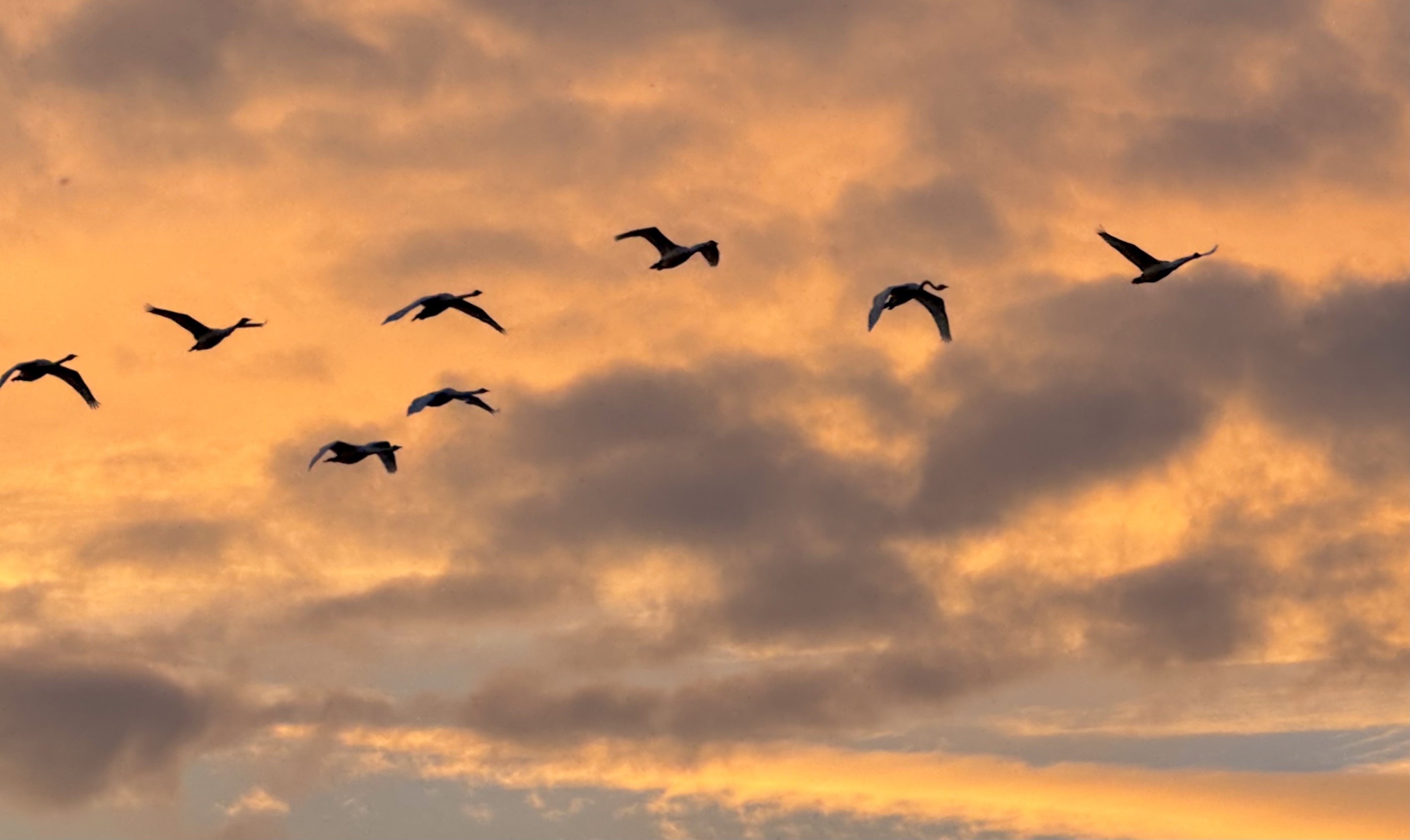
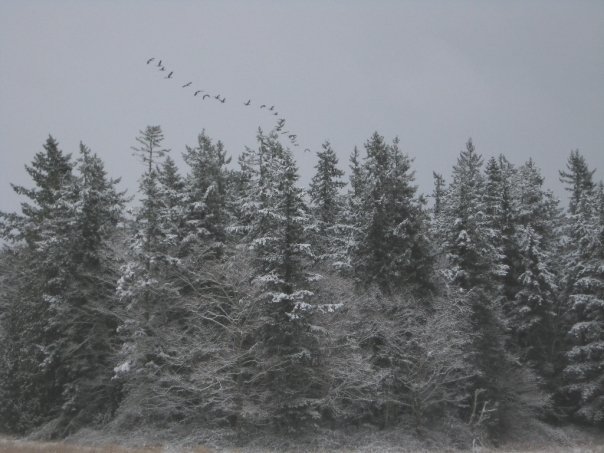
are white all day. The Canadian geese fly over
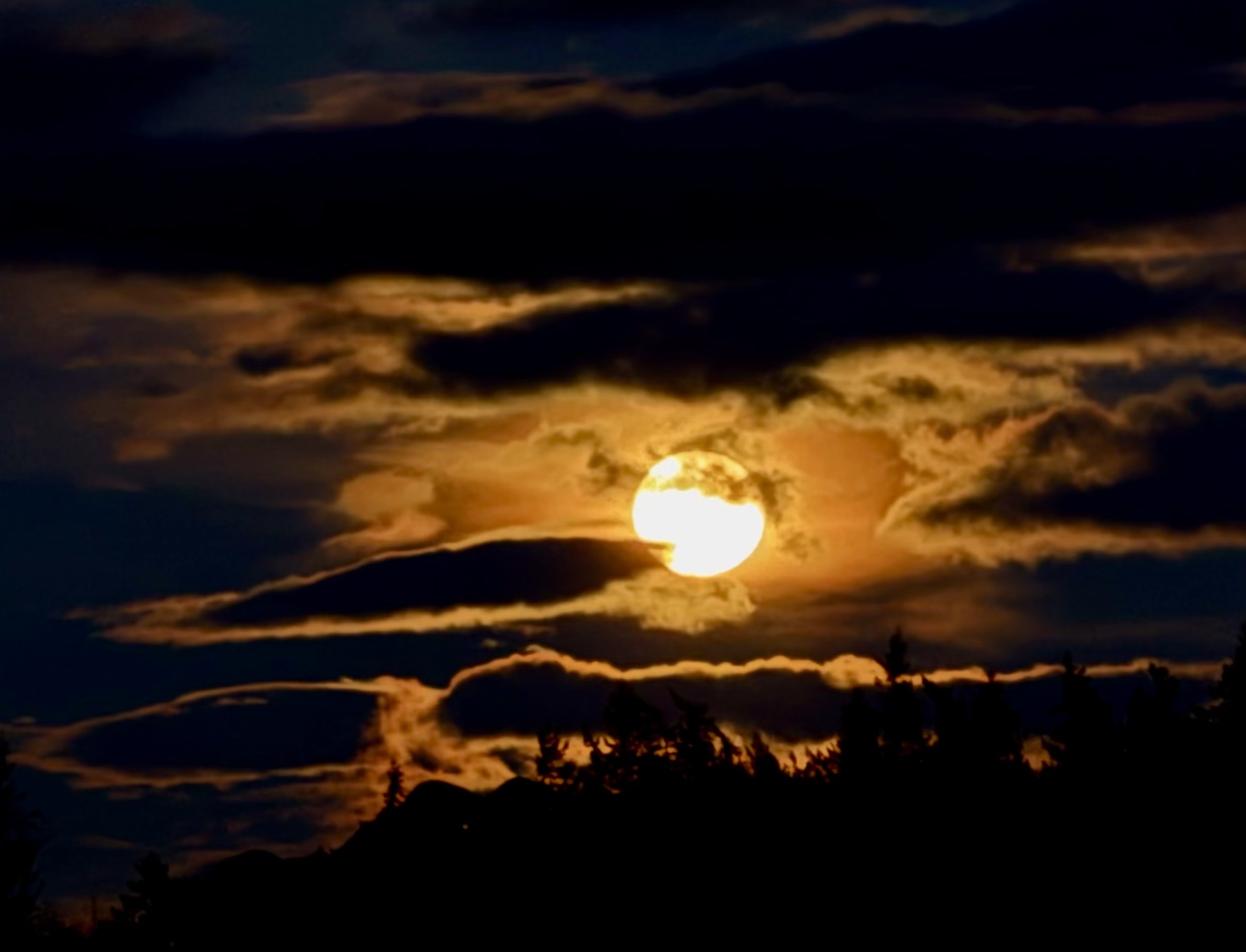
high up in the moonlight with the lonely sound
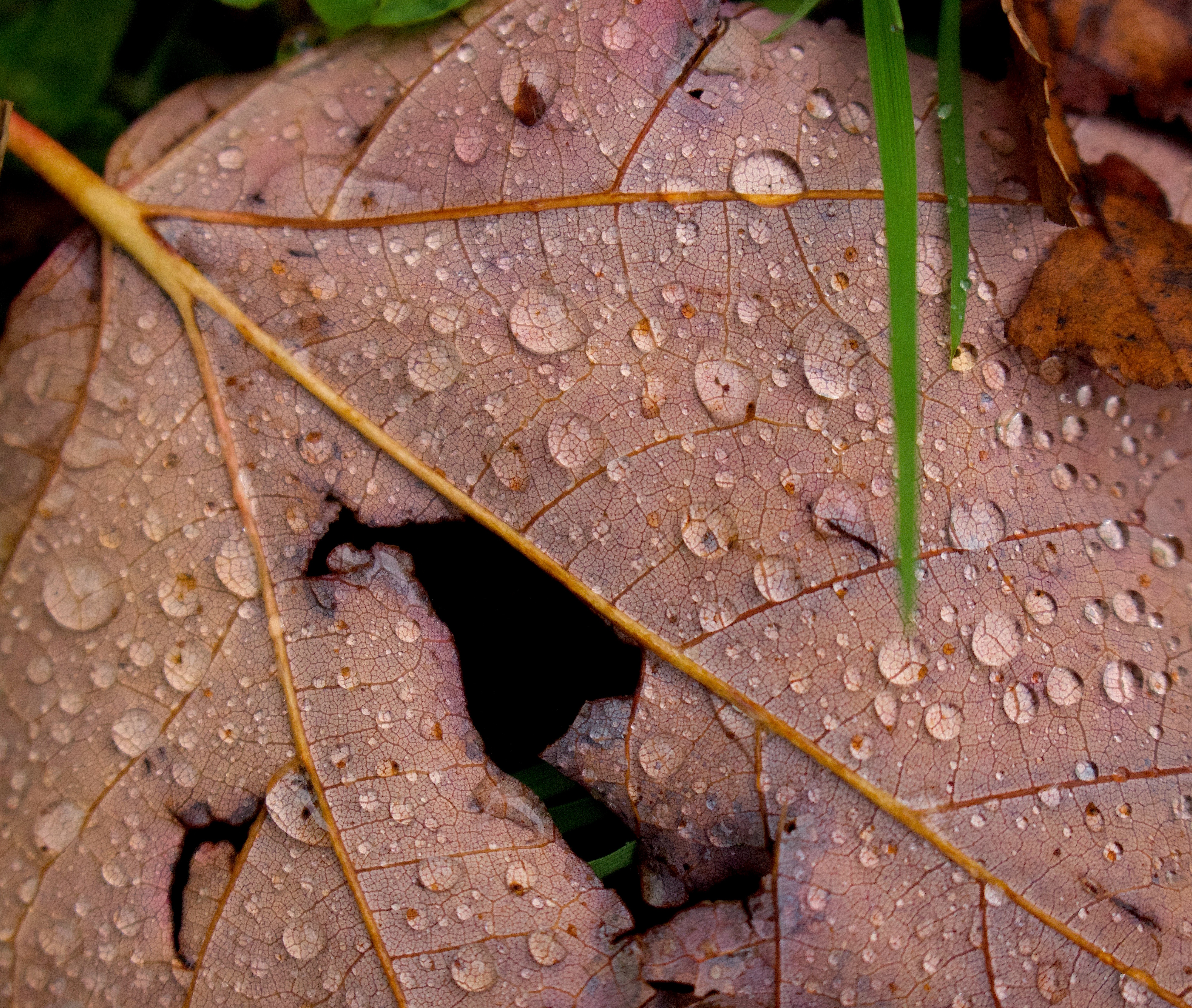
of their discontent. Going south. Now the rains
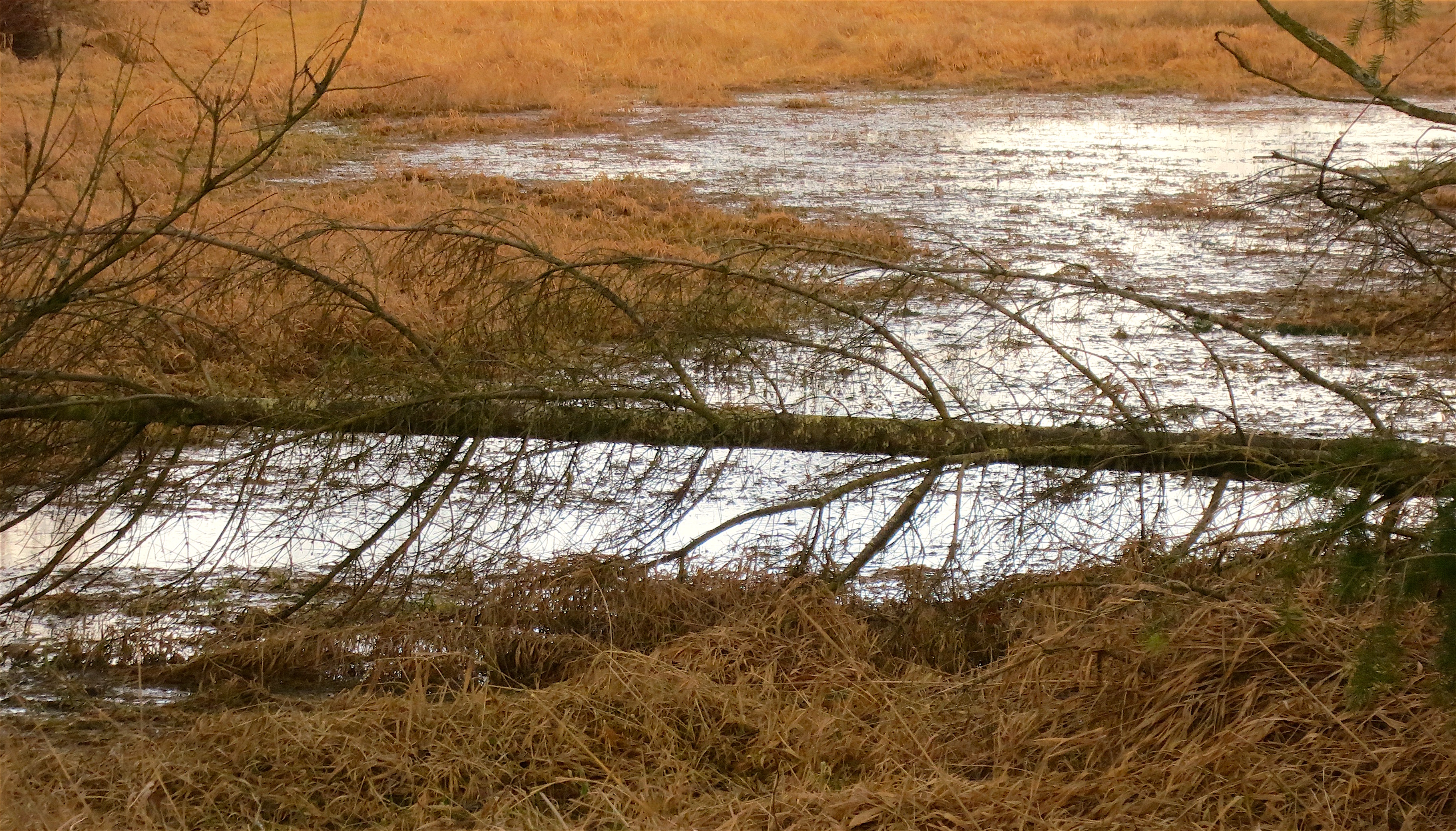
and soon the snow. The black trees are leafless,
the flowers gone. Only cabbages are left
in the bedraggled garden. Truth becomes visible,
the architecture of the soul begins to show through.
God has put off his panoply and is at home with us.
We are returned to what lay beneath the beauty.
We have resumed our lives. There is no hurry now.
We make love without rushing and find ourselves
afterward with someone we know well. Time to be
what we are getting ready to be next. This loving,
this relishing, our gladness, this being puts down
roots and comes back again year after year.

~Jack Gilbert “Half the Truth” from Collected Poems.

In the shape of this night, in the still fall
of snow, Father
In all that is cold and tiny, these little birds
and children

Before the bells ring, before this little point in time
has rushed us on
Before this clean moment has gone, before this night
turns to face tomorrow, Father
There is this high singing in the air
Forever this sorrowful human face in eternity’s window
And there are other bells that we would ring, Father
Other bells that we would ring.
~Kenneth Patchen from “At the New Year”

The object of a New Year is not that we should have a new year. It is that we should have a new soul…
~G.K.Chesterton from A Chesterton Calendar

Ring out, wild bells, to the wild sky,
   The flying cloud, the frosty light:
   The year is dying in the night;
Ring out, wild bells, and let him die.

Ring out the old, ring in the new,
   Ring, happy bells, across the snow:
   The year is going, let him go;
Ring out the false, ring in the true.

Ring in the valiant man and free,
   The larger heart, the kindlier hand;
   Ring out the darkness of the land,
Ring in the Christ that is to be.

~Lord Alfred Tennyson from “In Memoriam”

Often when something is ending
we discover within it the spore of new beginning,
and a whole new train of possibility is in motion

before we even realize it.
When the heart is ready for a fresh beginning,
unforeseen things can emerge.
And in a sense, this is exactly what a beginning does.
It is an opening for surprises. 

~John O’Donohue from “To Bless the Space Between Us”

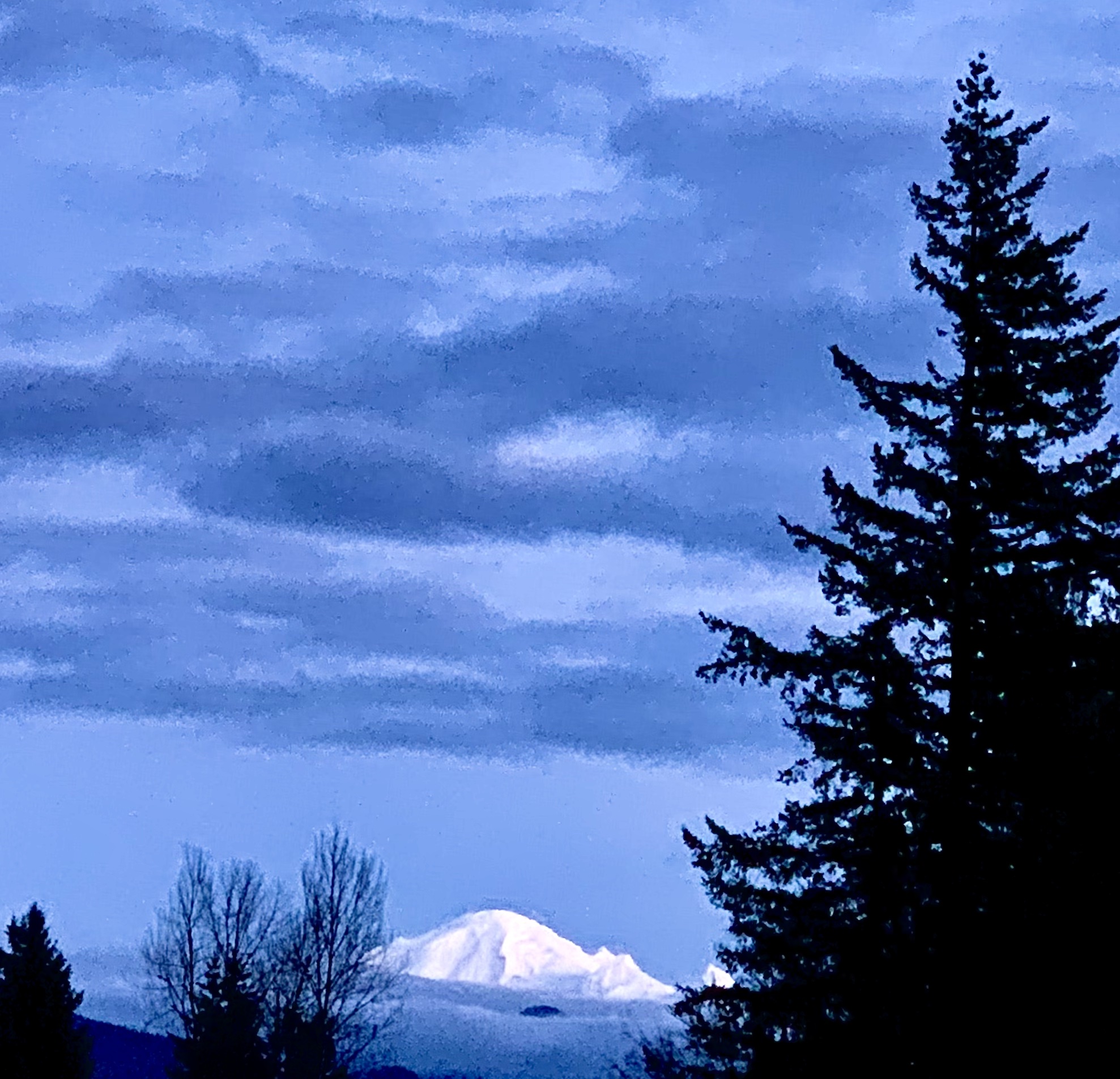
No heralding trumpets –
Just softening shadows,
Timed and tracked.

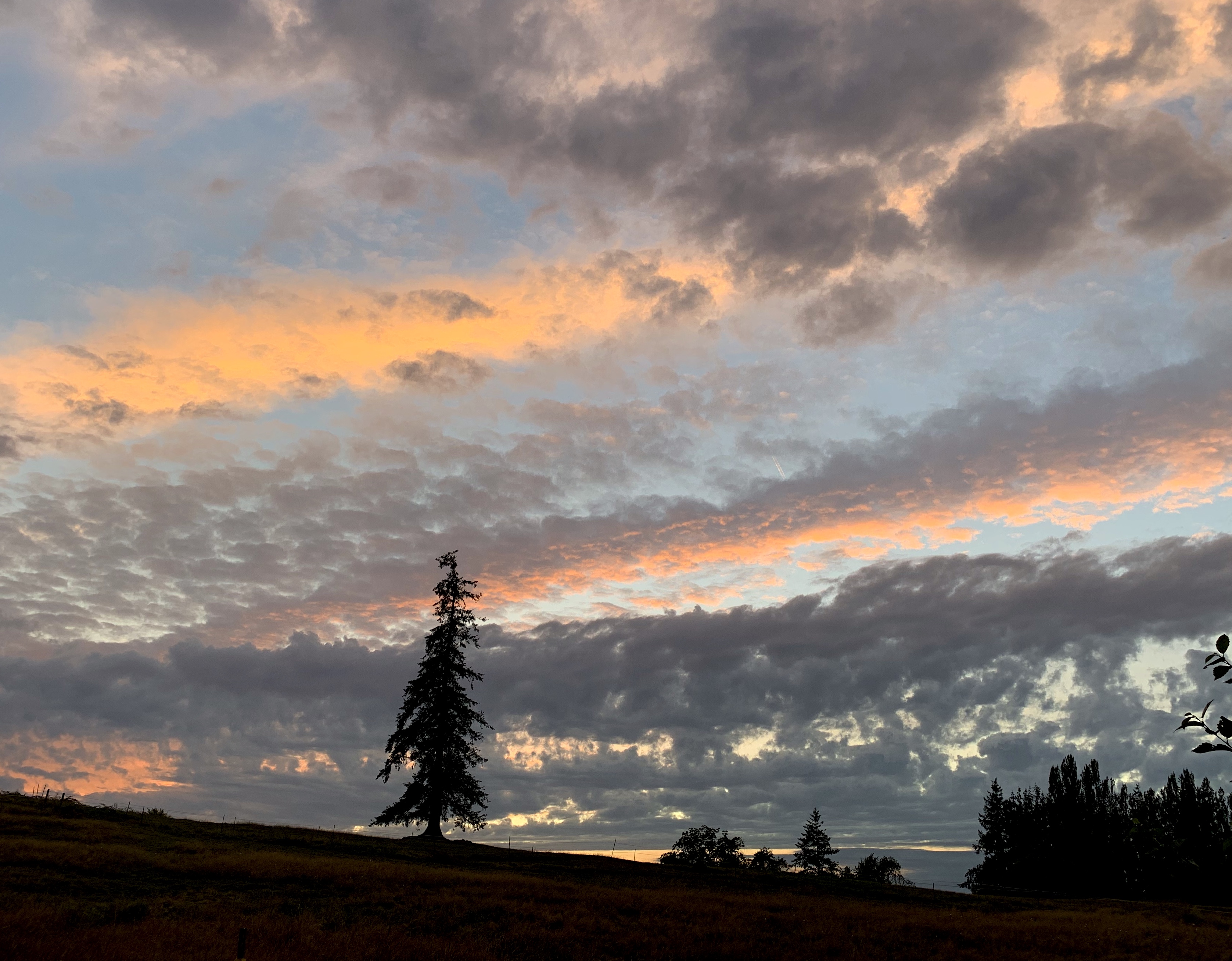
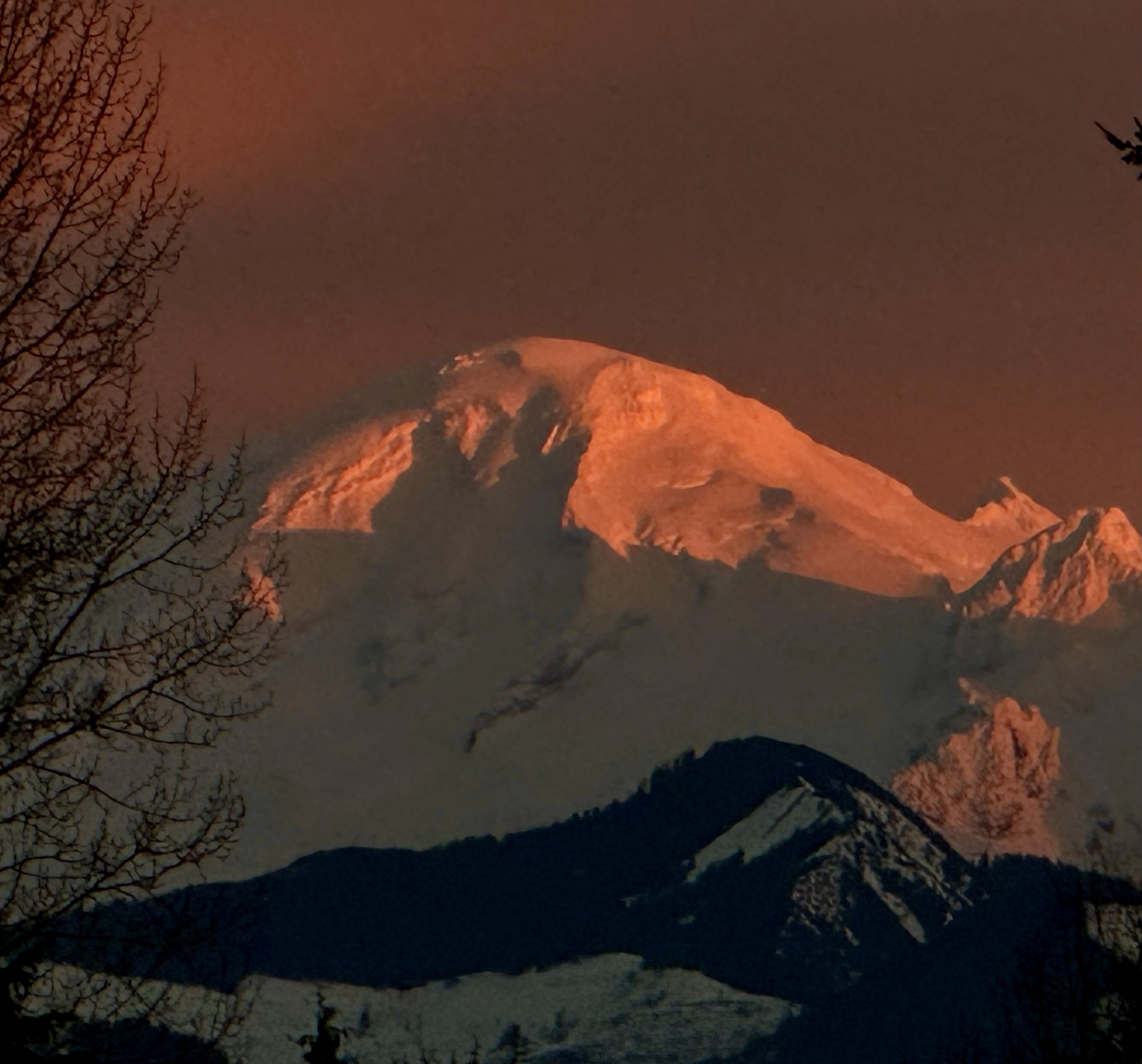
Fingers of light flaring amber
Over the eastern ridge of foothills,
Caress the slopes of snow capped peaks.

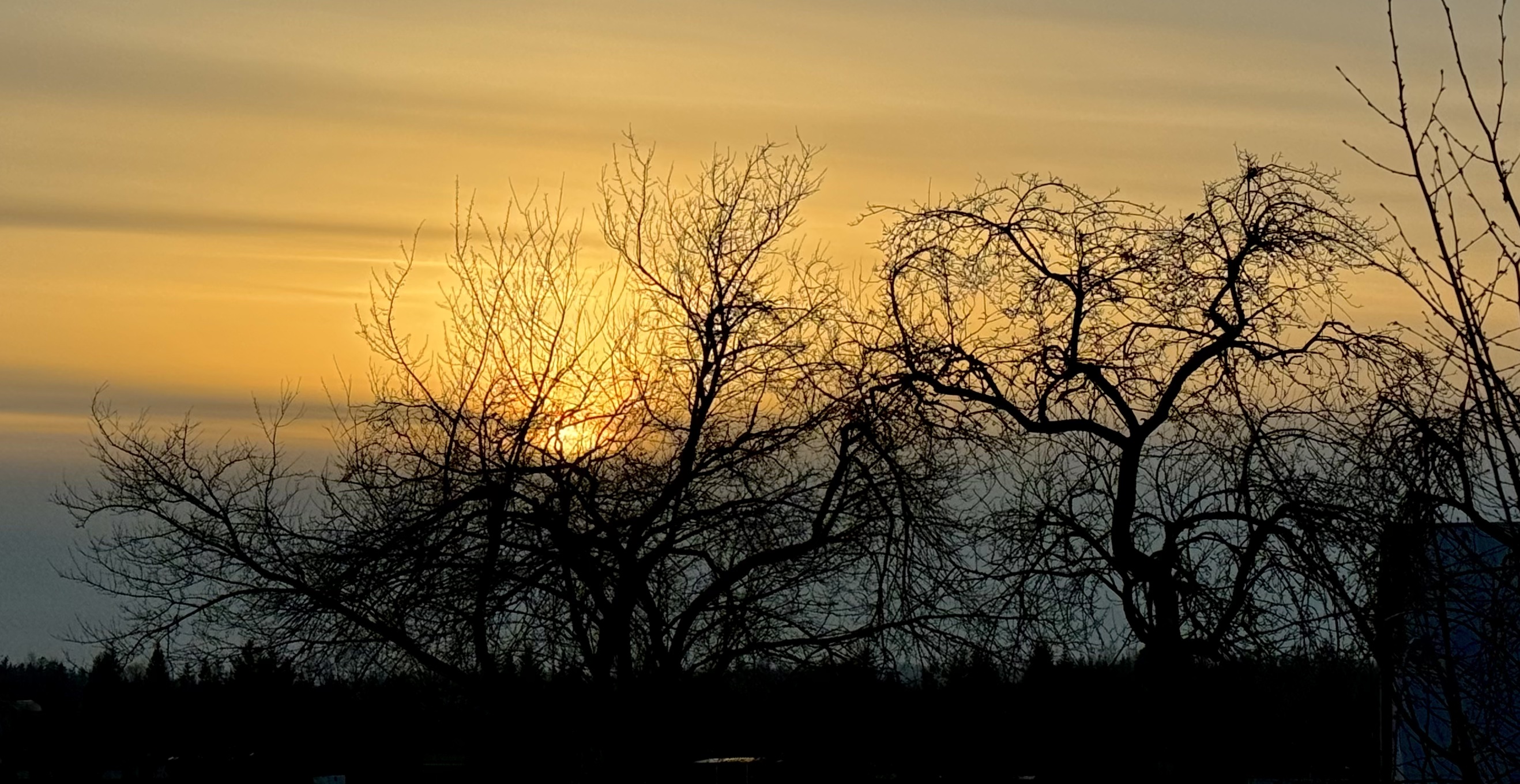
So I bid this past year farewell.

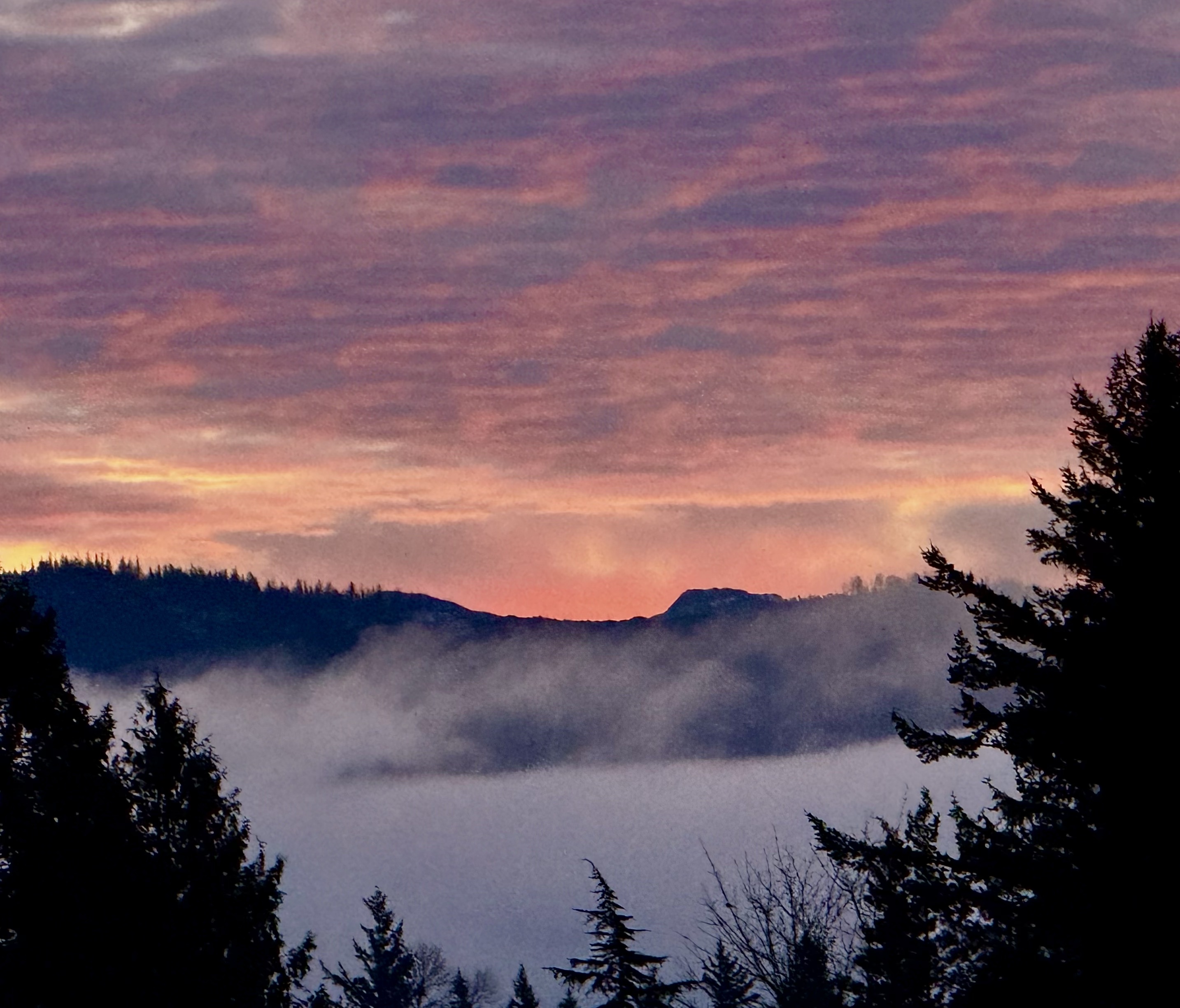
The horizon’s glowing coral palette
Climbs higher, wider, deeper
Painting clouds beyond reach.

Each earthly thing bathed in gold
Glimpsed and grasped without fanfare
Yet wholly miraculous.

Too soon this day, this year, becomes ordinary again
Although it is truth:
we can be born anew, year after year.

One-Time
Monthly
Yearly

Make a one-time or recurring donation to support daily Barnstorming posts

Make a monthly donation

Make a yearly donation

Choose an amount

$10.00
$25.00
$50.00
$5.00
$15.00
$100.00
$5.00
$15.00
$100.00

Or enter a custom amount

$

Your contribution is deeply appreciated.

Your contribution is appreciated.

Your contribution is appreciated.

DonateDonate monthlyDonate yearly
Clinging to the Present Out of Wariness of the Past

I wondered if that was how forgiveness budded;
not with the fanfare of epiphany,
but with pain gathering its things, packing up,
and slipping away unannounced in the middle of the night.

— Khaled Hosseini from 
The Kite Runner

The time is ripe for looking back over the day, the week, the year, and trying to figure out where we have come from and where we are going to, for sifting through the things we have done and the things we have left undone for a clue to who we are and who, for better or worse, we are becoming.

We cling to the present out of wariness of the past.

But there is a deeper need yet, I think, and that is the need—not all the time, surely, but from time to time—to enter that still room within us all where the past lives on as a part of the present, where the dead are alive again, where we are most alive ourselves to turnings and to where our journeys have brought us.

The name of the room is Remember—the room where with patience, with charity, with quietness of heart, we remember consciously to remember the lives we have lived.
~Frederick Buechner from A Room Called Remember

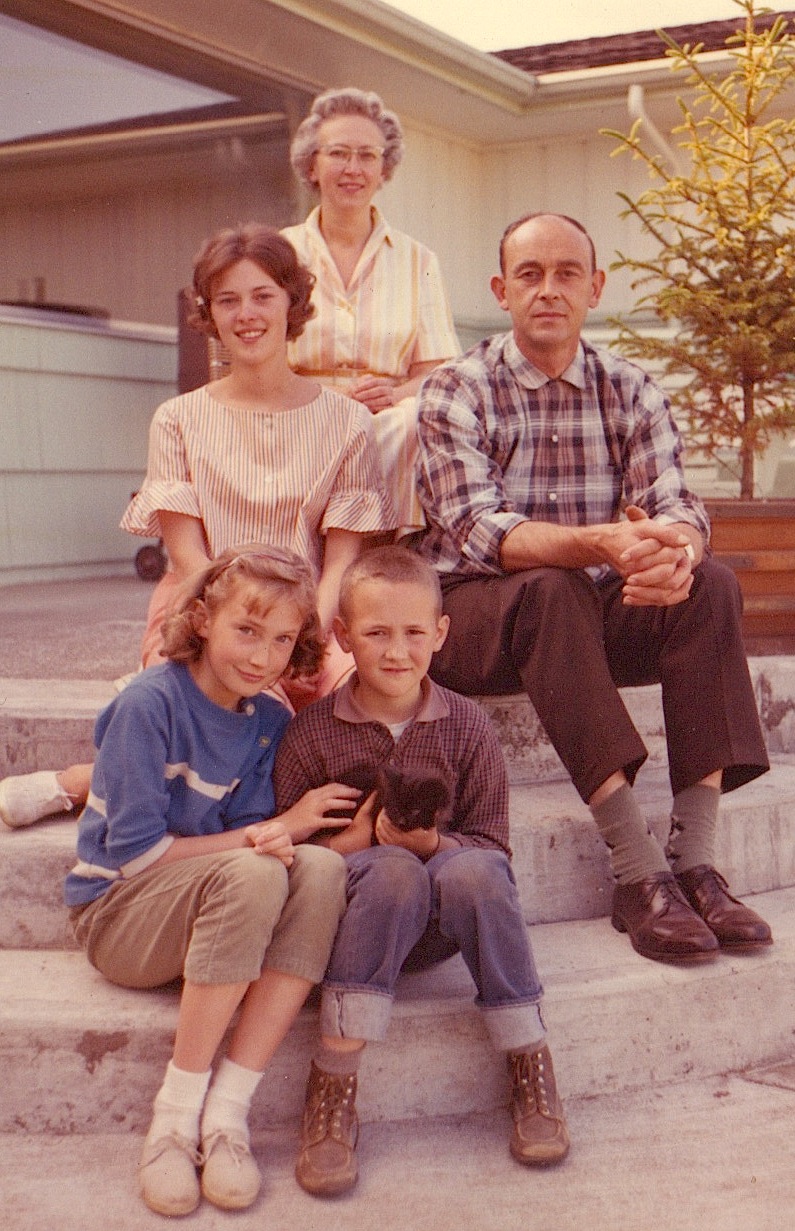
age nine
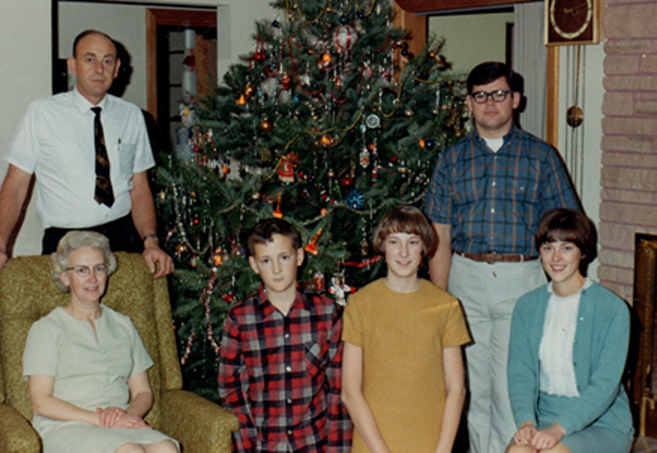
age 14
age 15

Something went wrong, says the empty house
in the weed-choked yard. Stones in the fields
say he was not a farmer; the still-sealed jars
in the cellar say she left in a nervous haste.
And the child? Its toys are strewn in the yard
like branches after a storm—a rubber cow,
a rusty tractor with a broken plow,
a doll in overalls. Something went wrong, they say.

~Ted Kooser, from “Abandoned Farmhouse” from Sure Signs: New and Selected Poems. 

In 1959, when I was five years old, my father took a new job so our family moved from a large 3 story farm house in a rural community to a 1950’s newer rambler-style home just outside the city limits of the state capitol.

It was a big adjustment to move to a much smaller house without a basement or upper story, no garage, and no large haybarn nor chicken coop. It meant most things we owned didn’t make the move with us.

The rambler had two side-by-side mirror image rooms as the primary central living space between the kitchen/dining area on one side and the hallway to the bedrooms on the other. The living room could only be entered through the front door and the family room was accessed through the back door with a shared sandstone hearth in the center, containing a fireplace in each room. The only opening between the rooms had a folding door shut most of the year. In December, the door was opened to accommodate a Christmas tree, so it sat partially in the living room and depending on its generous width, spilled over into the family room.  That way it was visible from both rooms, and didn’t take up too much floor space.

The living room, because it contained the only carpeting in the house, and our “best” furniture, was strictly off-limits. In order to keep our two matching sectional knobby gray fabric sofas,  a green upholstered chair and gold crushed velvet covered love seat in pristine condition, the room was to be avoided unless we had company. The carpet was never to develop a traffic pattern, there would be no food, beverage, or pet ever allowed in that room, and the front door was not to be used unless a visitor arrived. The hearth never saw a fire lit on that side because of the potential of messy ashes or smoke smell.

This was not a room for toys or games. The chiming clock next to the hearth, wound with weighted cones on the end of chains, called out the hours without an audience.

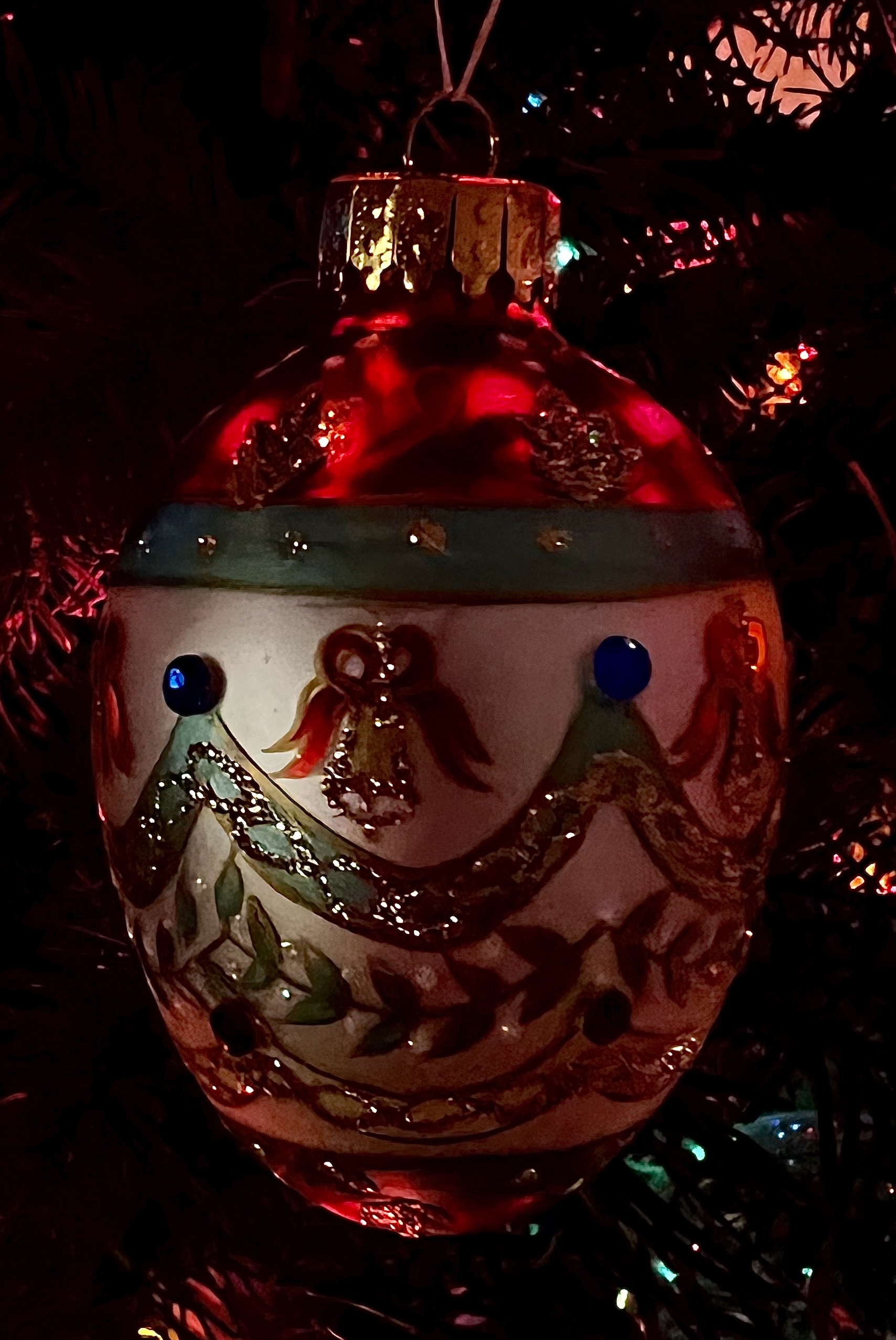
One week before Christmas, a tree was chosen to fit in the space where it could overflow into the family room. I particularly enjoyed decorating the “family room” side of the tree, using all my favorite ornaments that were less likely to break if they fell on the linoleum floor on that side of the door.

It was almost as if the Christmas tree itself became divided, with a “formal” side in the living room and a “real life” face on the other side where the living (and hurting) was actually taking place.

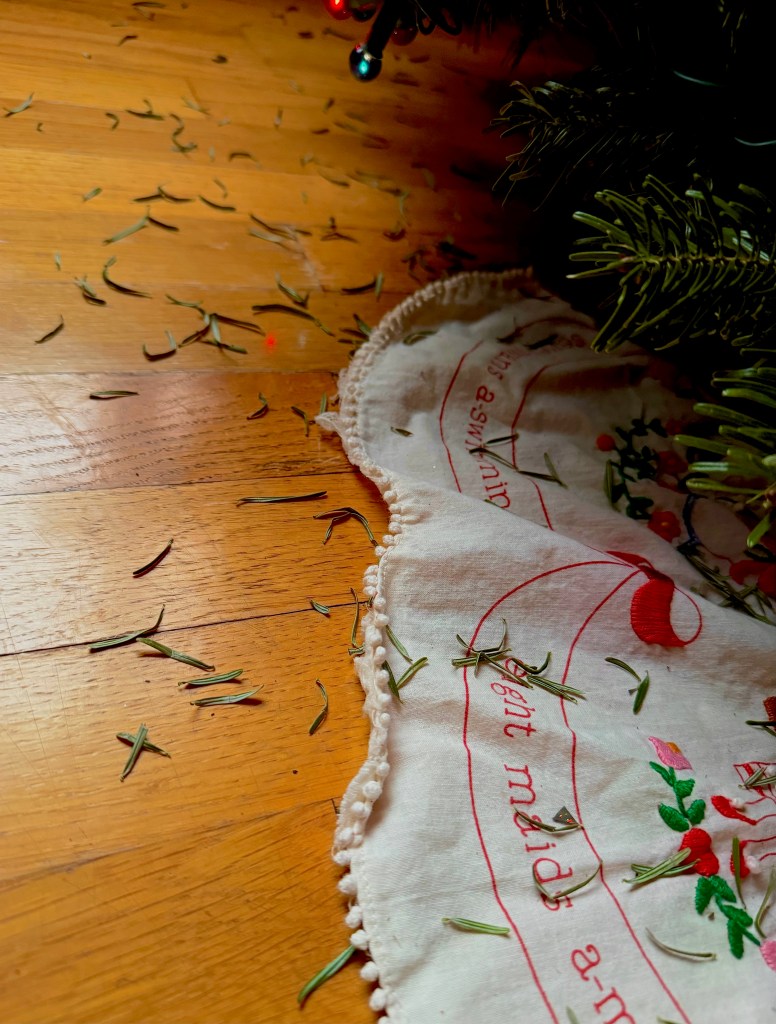
The tree straddled more than just two rooms. Every year that tree’s branches reached out to shelter a family that was slowly, almost imperceptibly, falling apart, like the fir needles dropping to the floor to be swept away.

Something was going wrong, only I didn’t see it at the time.

Each year since, our Christmas tree, bearing those old ornaments from my childhood, reminds me of that still room of memories. 

No longer am I wary of the past. As I sweep up the fir needles that inevitably drop, I no longer weep.

One-Time
Monthly
Yearly

Make a one-time or recurring donation to support daily Barnstorming posts

Make a monthly donation

Make a yearly donation

Choose an amount

$10.00
$25.00
$50.00
$5.00
$15.00
$100.00
$5.00
$15.00
$100.00

Or enter a custom amount

$

Your contribution is deeply appreciated.

Your contribution is appreciated.

Your contribution is appreciated.

DonateDonate monthlyDonate yearly
An Advent Threshold: Come and See – Fill Up What is Empty

On the third day a wedding took place at Cana in Galilee. Jesus’ mother was there, and Jesus and his disciples had also been invited to the wedding. When the wine was gone, Jesus’ mother said to him, “They have no more wine.”

“Woman, why do you involve me?” Jesus replied. “My hour has not yet come.”

His mother said to the servants, “Do whatever he tells you.”

Nearby stood six stone water jars, the kind used by the Jews for ceremonial washing, each holding from twenty to thirty gallons.

Jesus said to the servants, “Fill the jars with water”; so they filled them to the brim.

Then he told them, “Now draw some out and take it to the master of the banquet.”

They did so, and the master of the banquet tasted the water that had been turned into wine. He did not realize where it had come from, though the servants who had drawn the water knew. Then he called the bridegroom aside and said, “Everyone brings out the choice wine first and then the cheaper wine after the guests have had too much to drink; but you have saved the best till now.”

What Jesus did here in Cana of Galilee was the first of the signs through which he revealed his glory; and his disciples believed in him.

 After this he went down to Capernaum with his mother and brothers and his disciples. There they stayed for a few days.
John 2: 1-12

St. John tells how, at Cana’s wedding feast,
The water-pots poured wine in such amount
That by his sober count
There were a hundred gallons at the least.


It made no earthly sense, unless to show
How whatsoever love elects to bless
Brims to a sweet excess
That can without depletion overflow.

Which is to say that what love sees is true;
That this world’s fullness is not made but found.
Life hungers to abound
And pour its plenty out for such as you.
~Richard Wilbur from “A Wedding Toast”

photo by Josh Scholten

In sleep his infant mouth works in and out.
He is so new, his silk skin has not yet
been roughed by plane and wooden beam
nor, so far, has he had to deal with human doubt.

He is in a dream of nipple found,
of blue-white milk, of curving skin
and, pulsing in his ear, the inner throb
of a warm heart’s repeated sound.

His only memories float from fluid space.
So new he has not pounded nails, hung a door
broken bread, felt rebuff, bent to the lash,
wept for the sad heart of the human race.
~Luci Shaw “Kenosis”
from Waiting on the Word

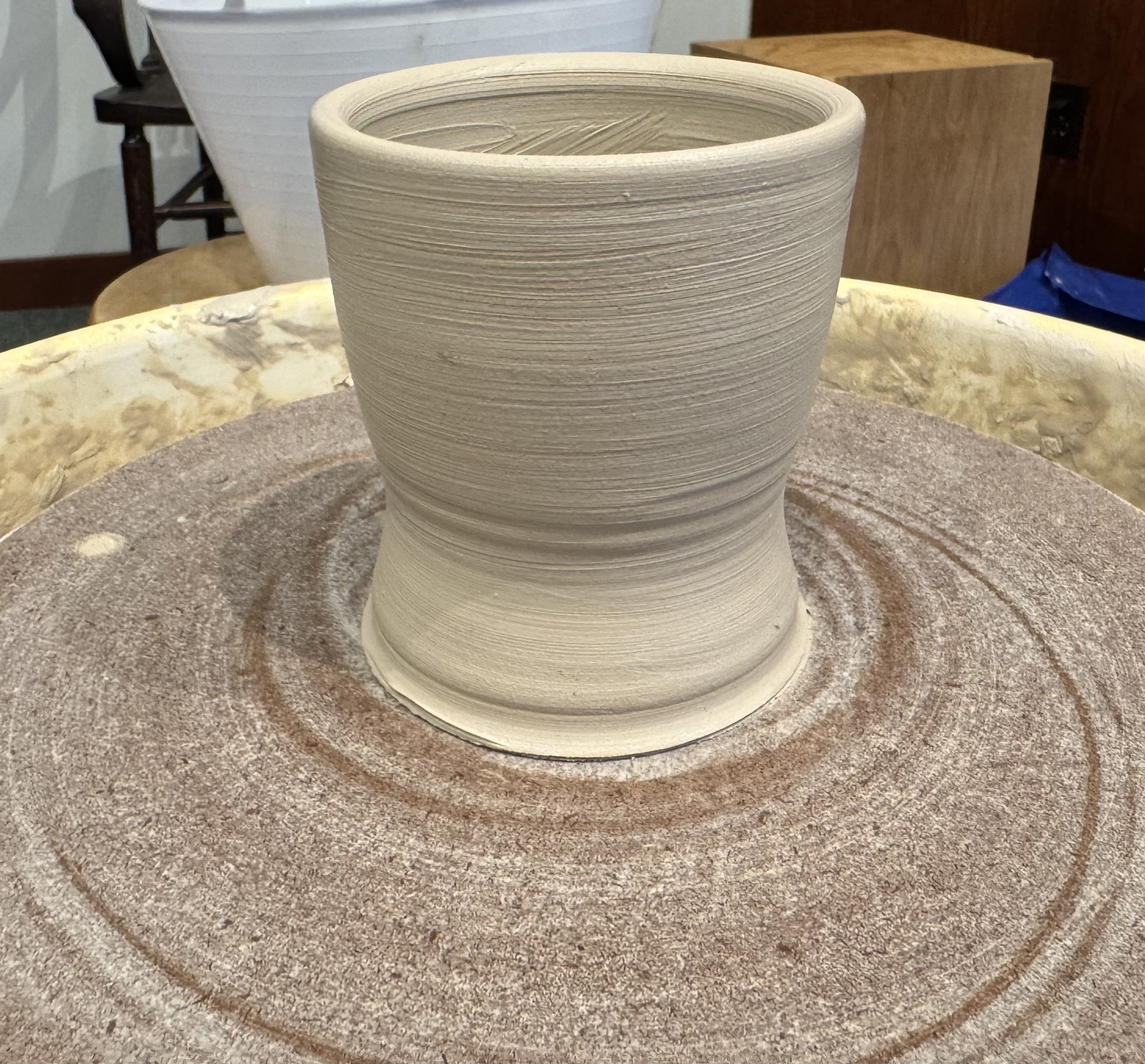
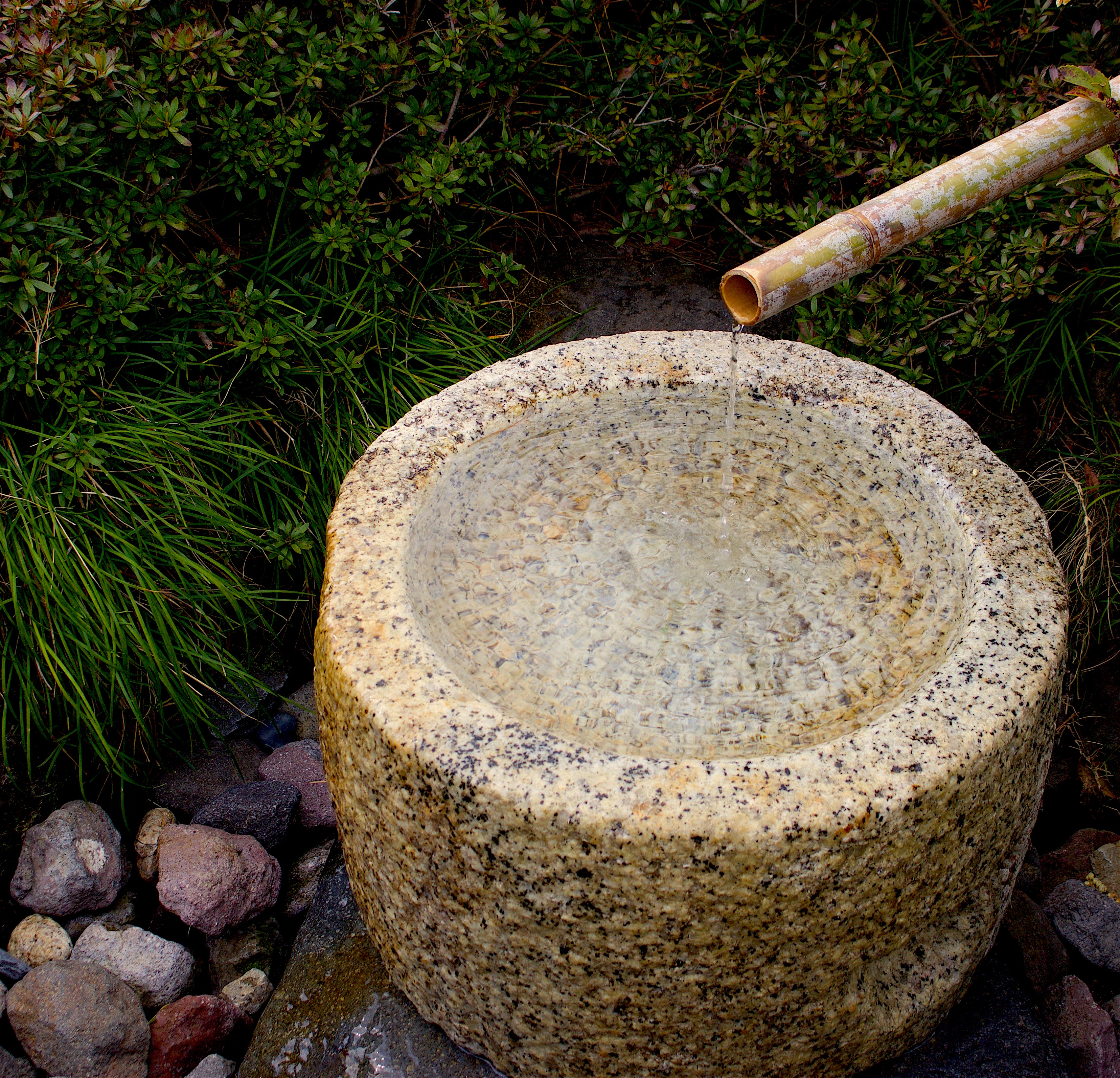
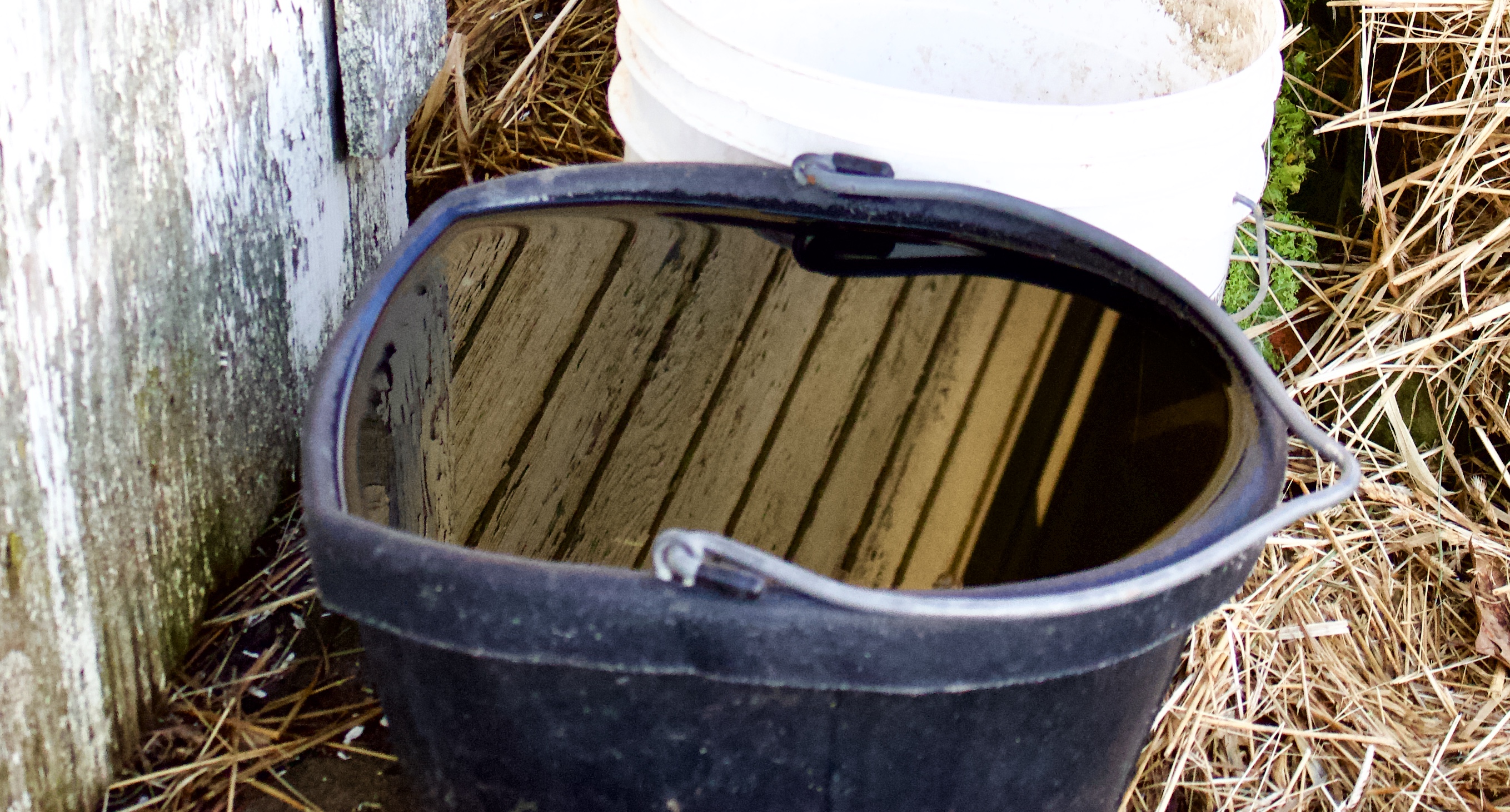
Experiencing the present purely is being emptied and hollow;
you catch grace as a man fills his cup under a waterfall.
~Annie Dillard from Pilgrim at Tinker Creek

The world is filled, and filled with the Absolute. To see this is to be made free.
~Pierre Teilhard de Chardin from Hymn of the Universe

My mouth will utter praise of the Lord, of the Lord through whom all things have been made and who has been made amidst all things;
who is the Revealer of His Father, Creator of His Mother;
who is the Son of God from His Father without a mother,
the Son of Man through His mother without a father.

He is as great as the Day of Angels,
and as small as a day in the life of men;
He is the Word of God before all ages,
and the Word made flesh at the destined time.
Maker of the sun, He is made beneath the sun.

In His Father He abides; from His mother He goes forth.
Creator of heaven and earth,
under the heavens He was born upon earth.

Wise beyond all speech, as a speechless child, He is wise.
Filling the whole world, He lies in a manger.
Ruling the stars, He nurses at His mother’s breast.
He is great in the form of God and small in the form of a servant, so much so that His greatness is not diminished by His smallness, nor His smallness concealed by His greatness.
~St. Augustine
from Exposition on Psalm 148

How empty was the world before Christ!

From Mary’s untouched womb
to Joseph’s futile search for a place to sleep in Bethlehem,
to the shepherds’ dismal existence on the hillsides,
to Simeon’s arms aching to hold the Messiah,
to Anna’s long wait in the temple,
to the dregs left in the wedding casks of wine.

In a million ways, seen and unseen,
the empty spaces are filled,
the hunger sated,
the thirst quenched,
the rest assured.
He joined with us in celebration so we shall never lack again.

He is wedded to us–all is fulfilled, someday to be filled fully.

I am reading slowly through the words in the Book of John over the next year or so. Each week, I will invite you to “come and see” what those words might mean as we explore His promises together.

My 2025 Advent theme:
On the threshold between day and night

On that day there will be neither sunlight nor cold, frosty darkness. 
It will be a unique day—a day known only to the Lord—

with no distinction between day and night. 
When evening comes, there will be light.
Zechariah 14:6-7

So once in Israel love came to us incarnate, stood in the doorway between two worlds, and we were all afraid.
~Annie Dillard in Teaching a Stone to Talk

One-Time
Monthly
Yearly

Make a one-time or recurring donation to support daily Barnstorming posts

Make a monthly donation

Make a yearly donation

Choose an amount

$10.00
$25.00
$50.00
$5.00
$15.00
$100.00
$5.00
$15.00
$100.00

Or enter a custom amount

$

Your contribution is deeply appreciated.

Your contribution is appreciated.

Your contribution is appreciated.

DonateDonate monthlyDonate yearly
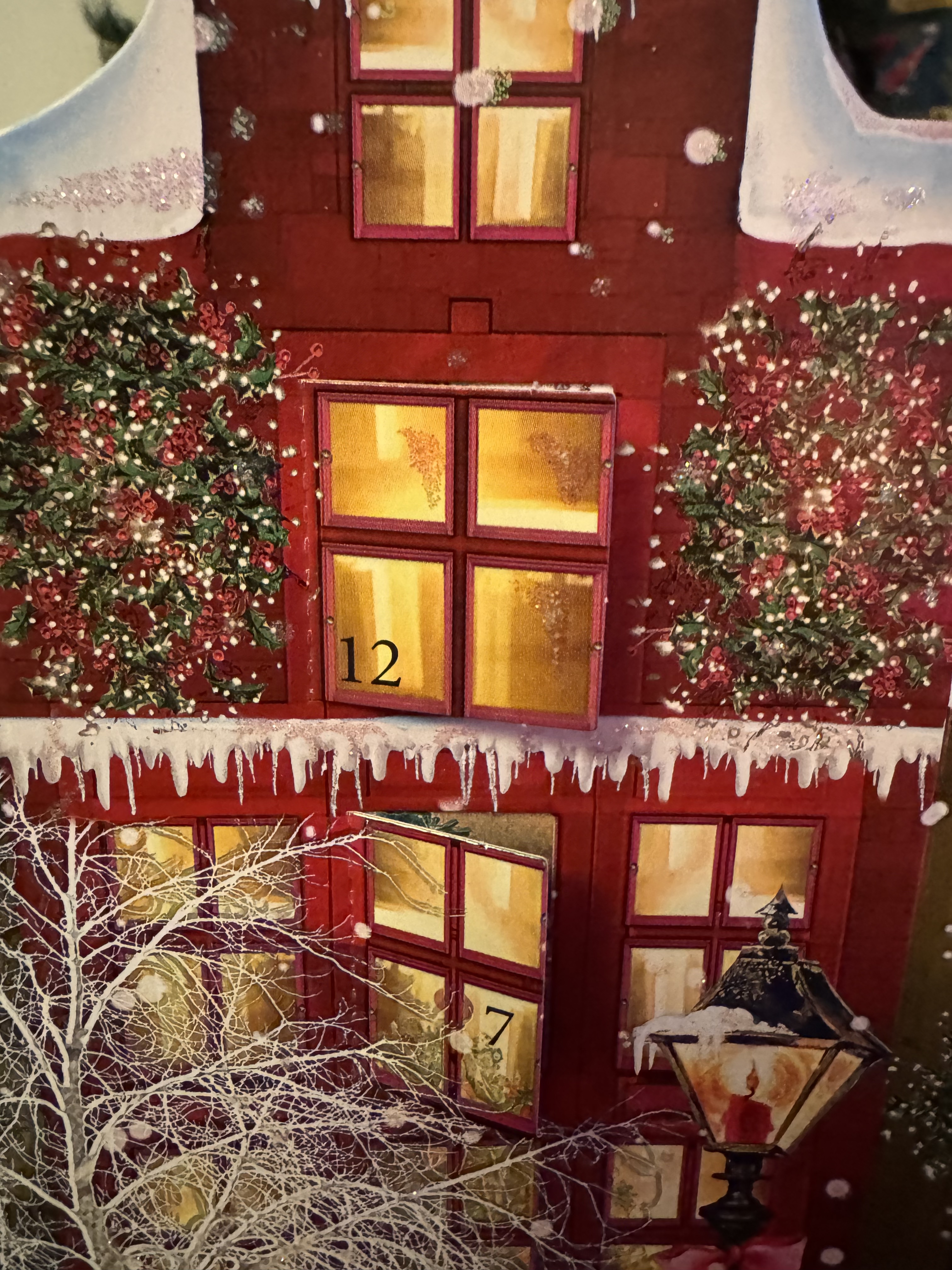
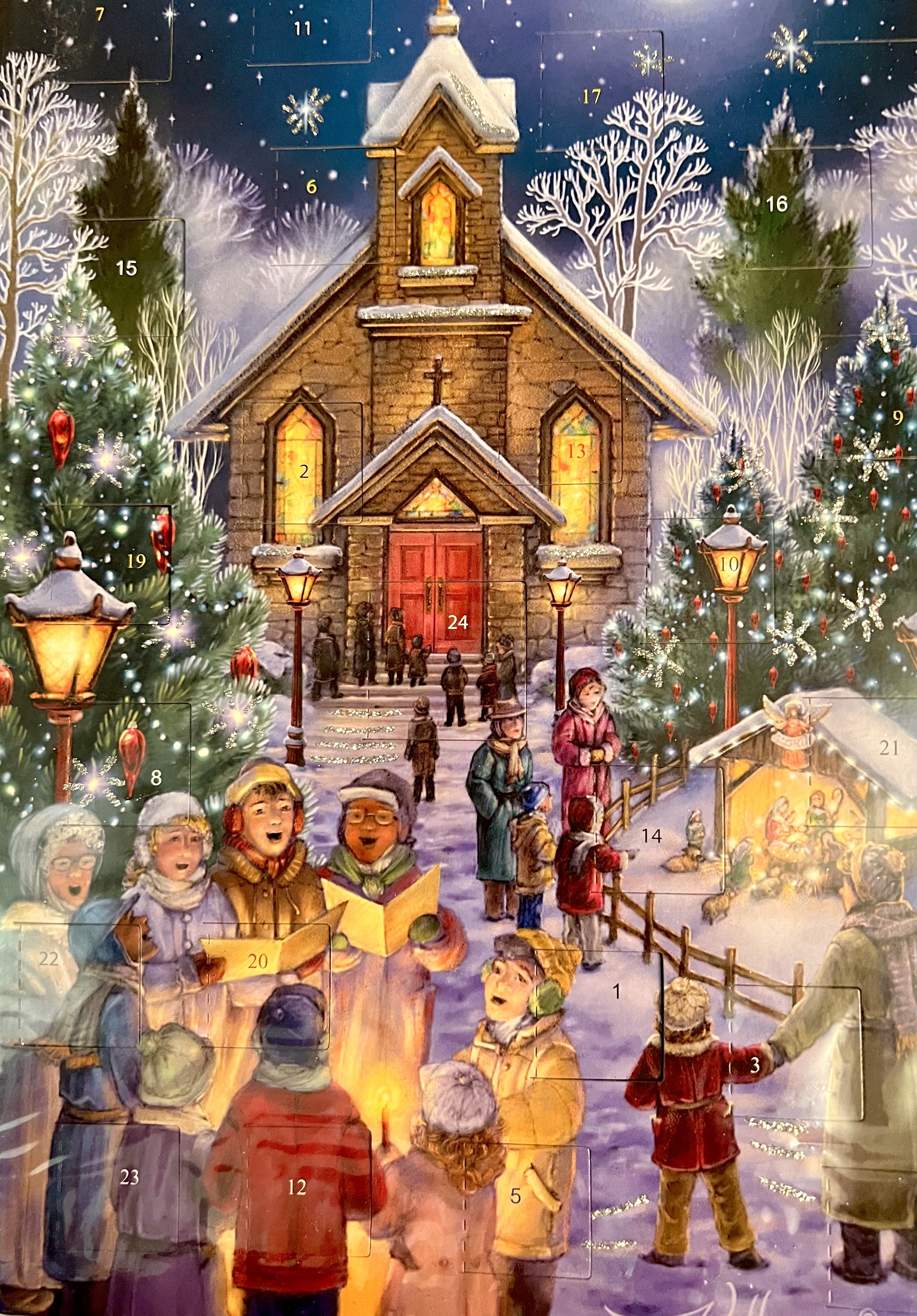
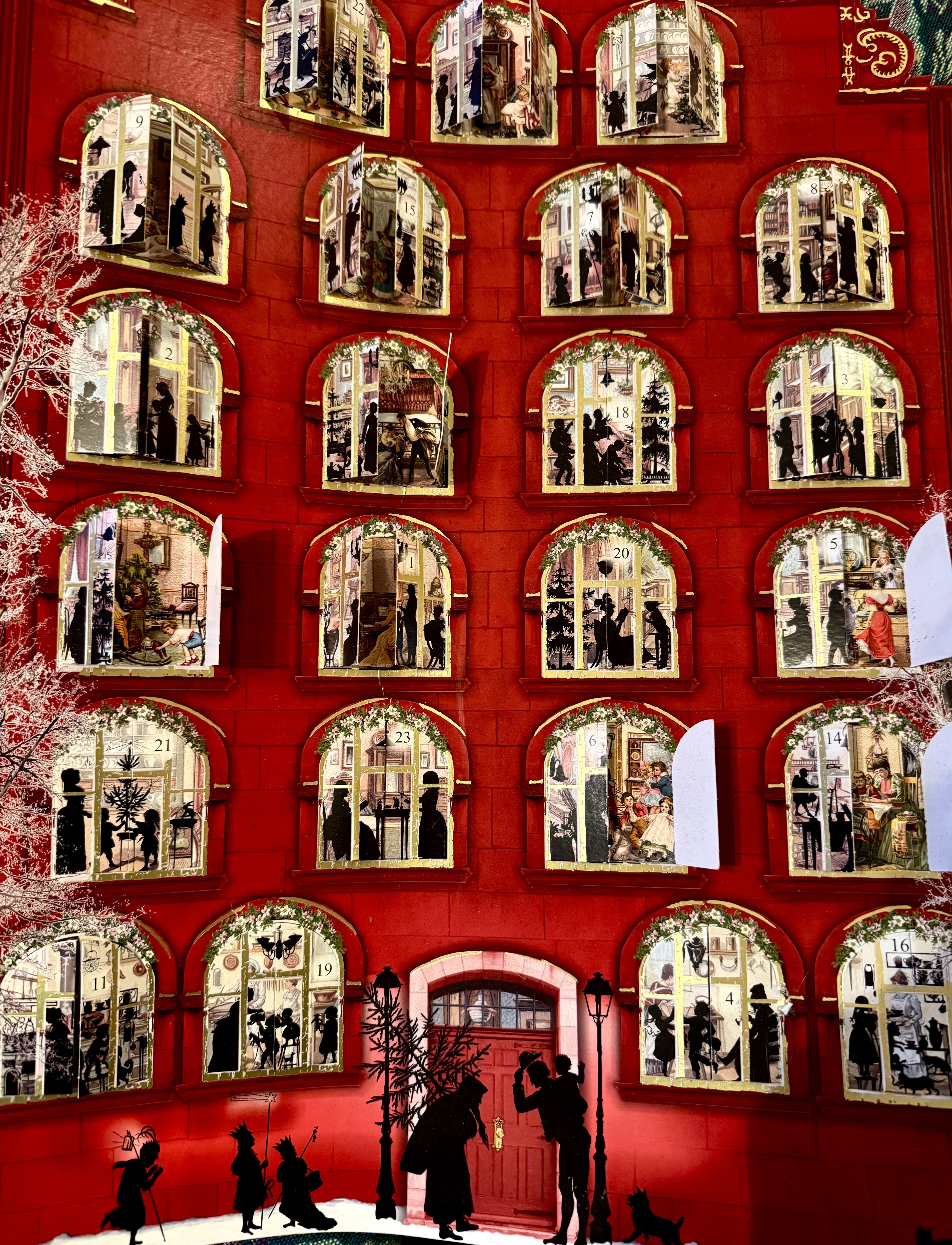
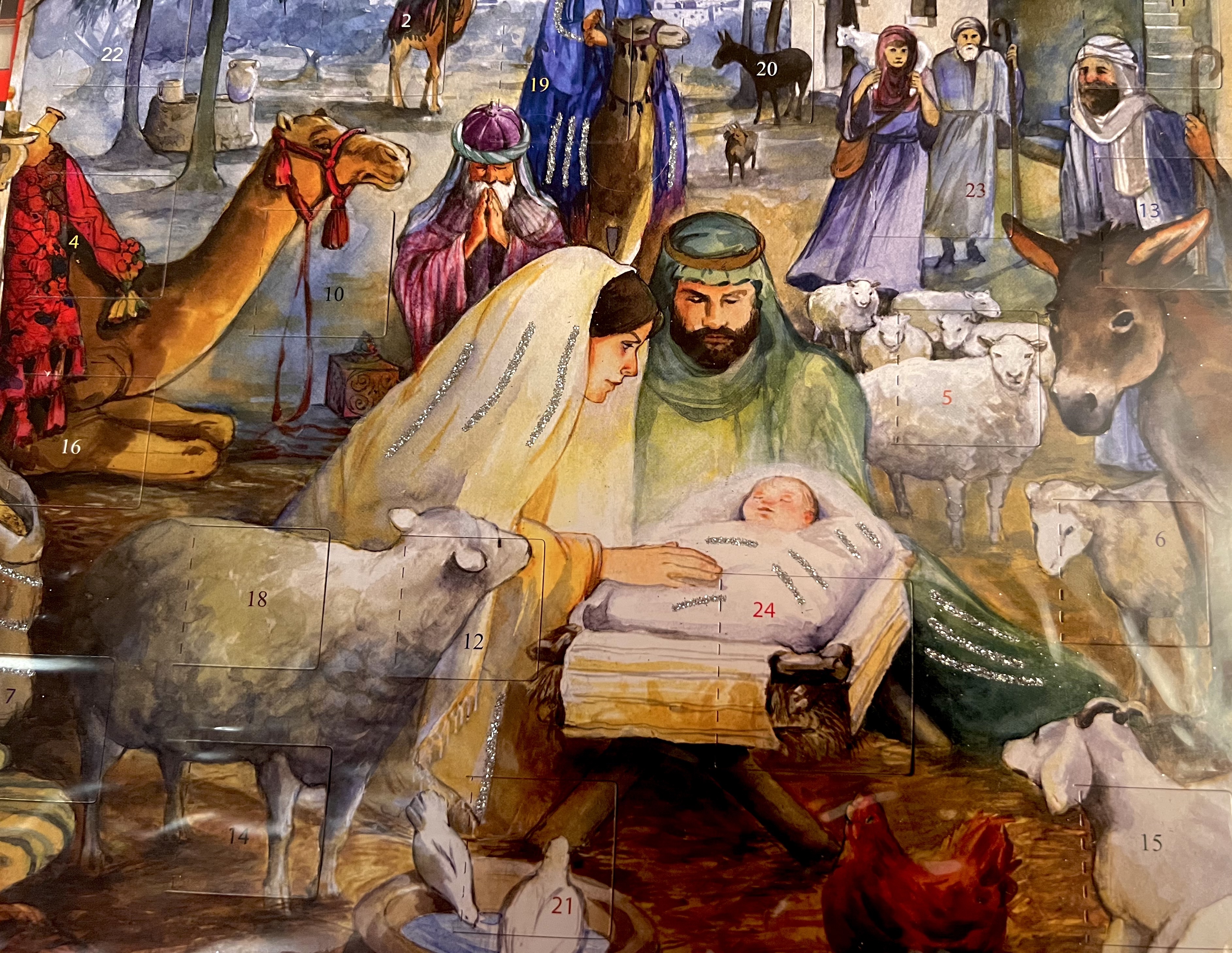
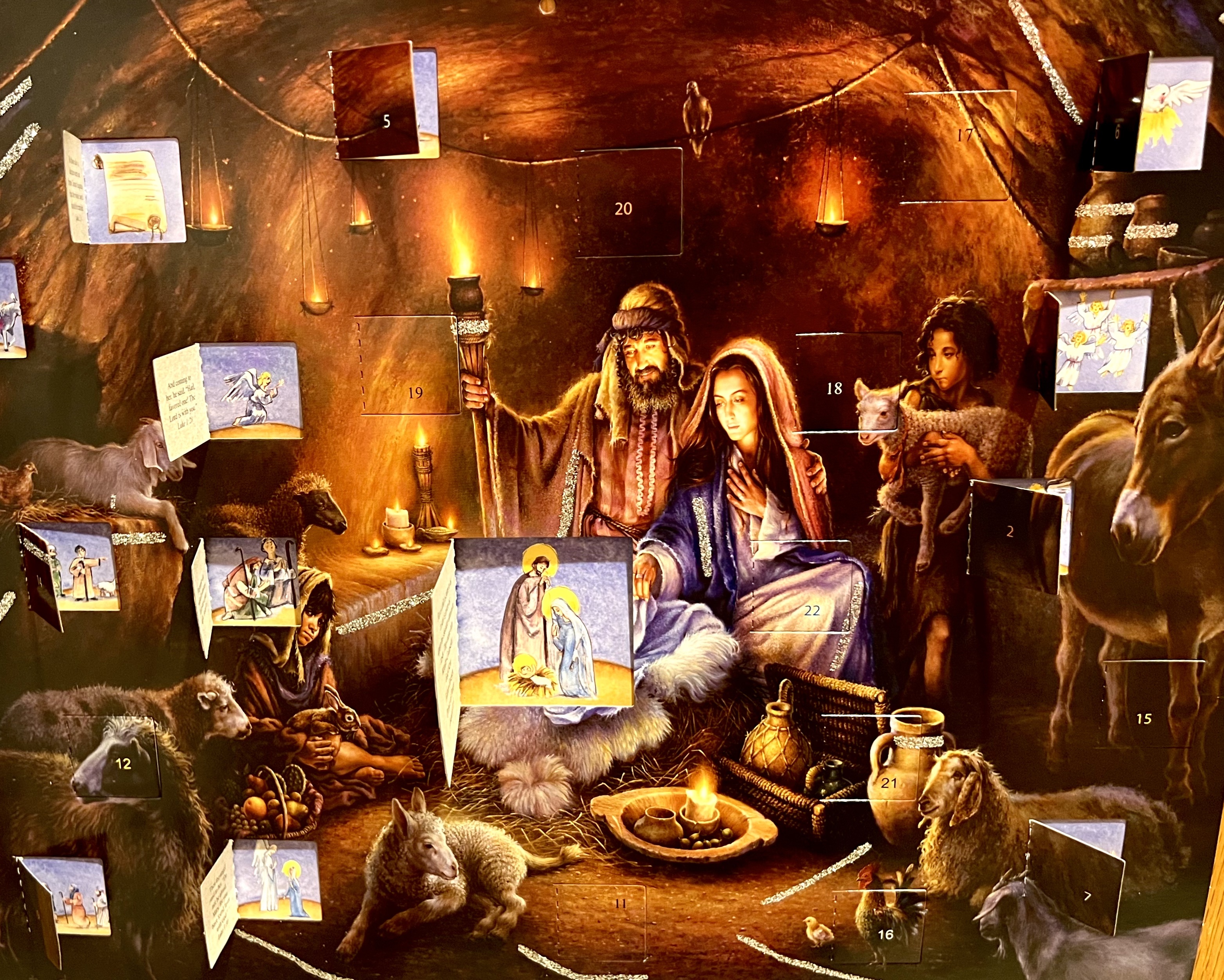
An Advent Threshold: When All the Doors are Opened

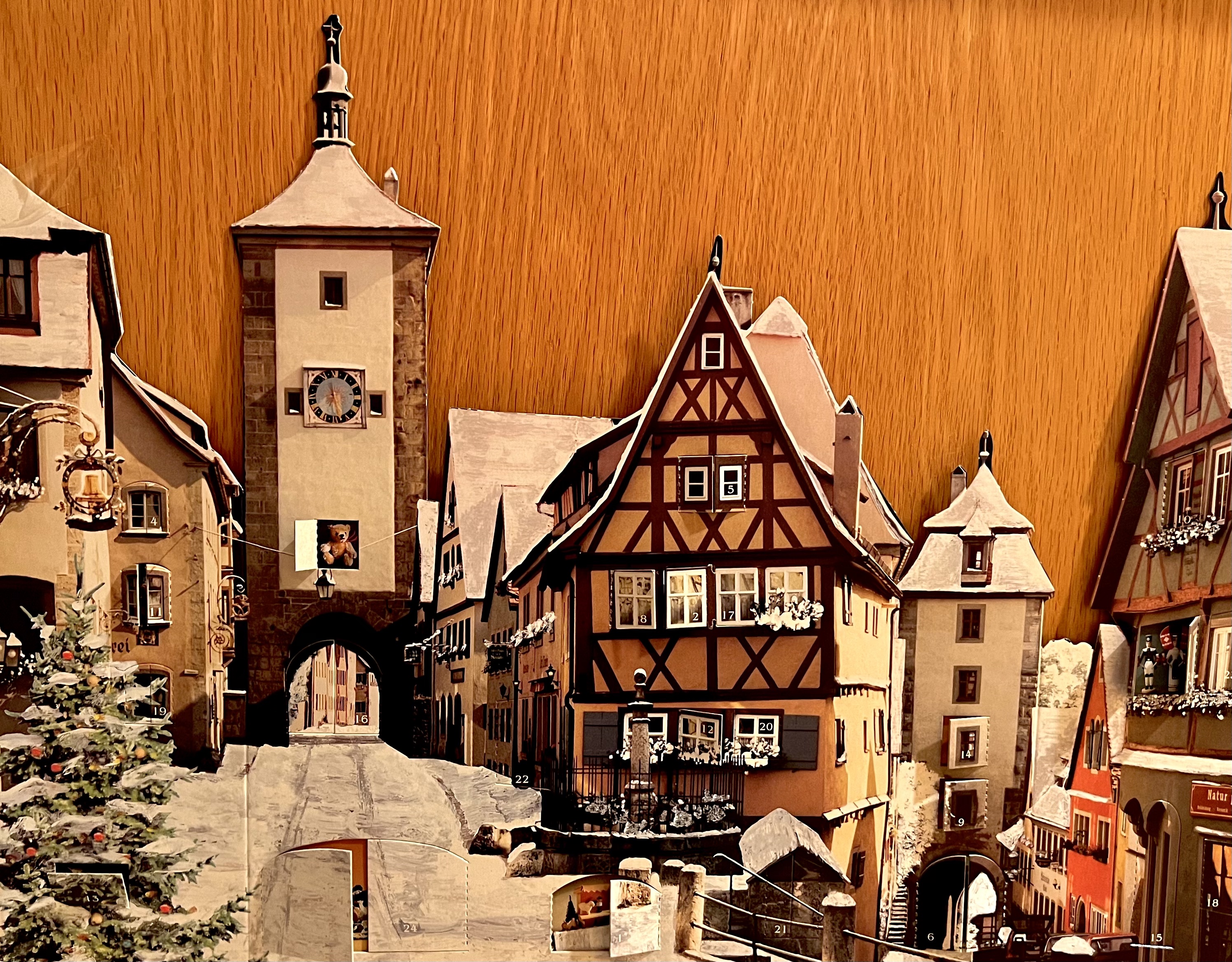
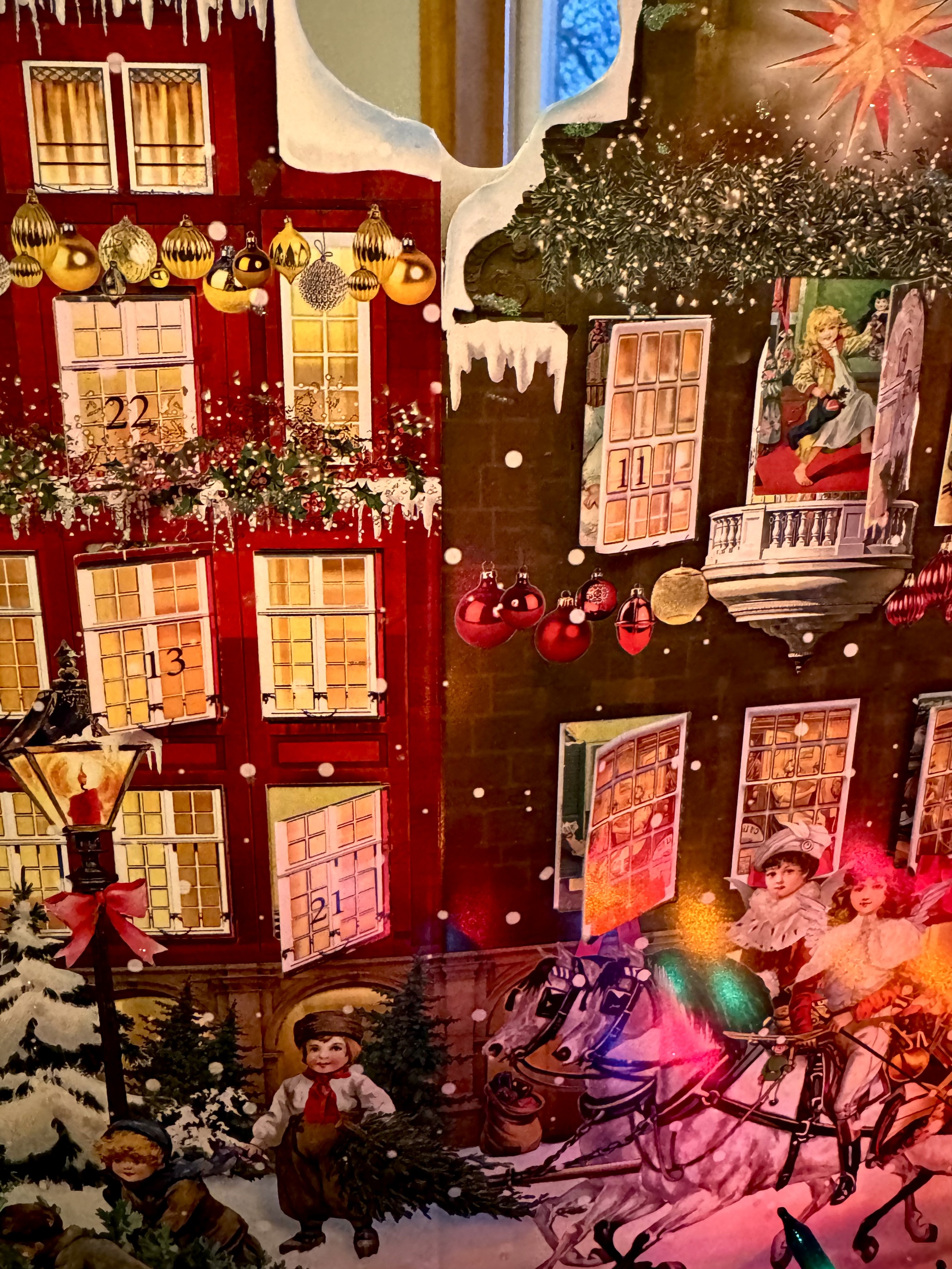
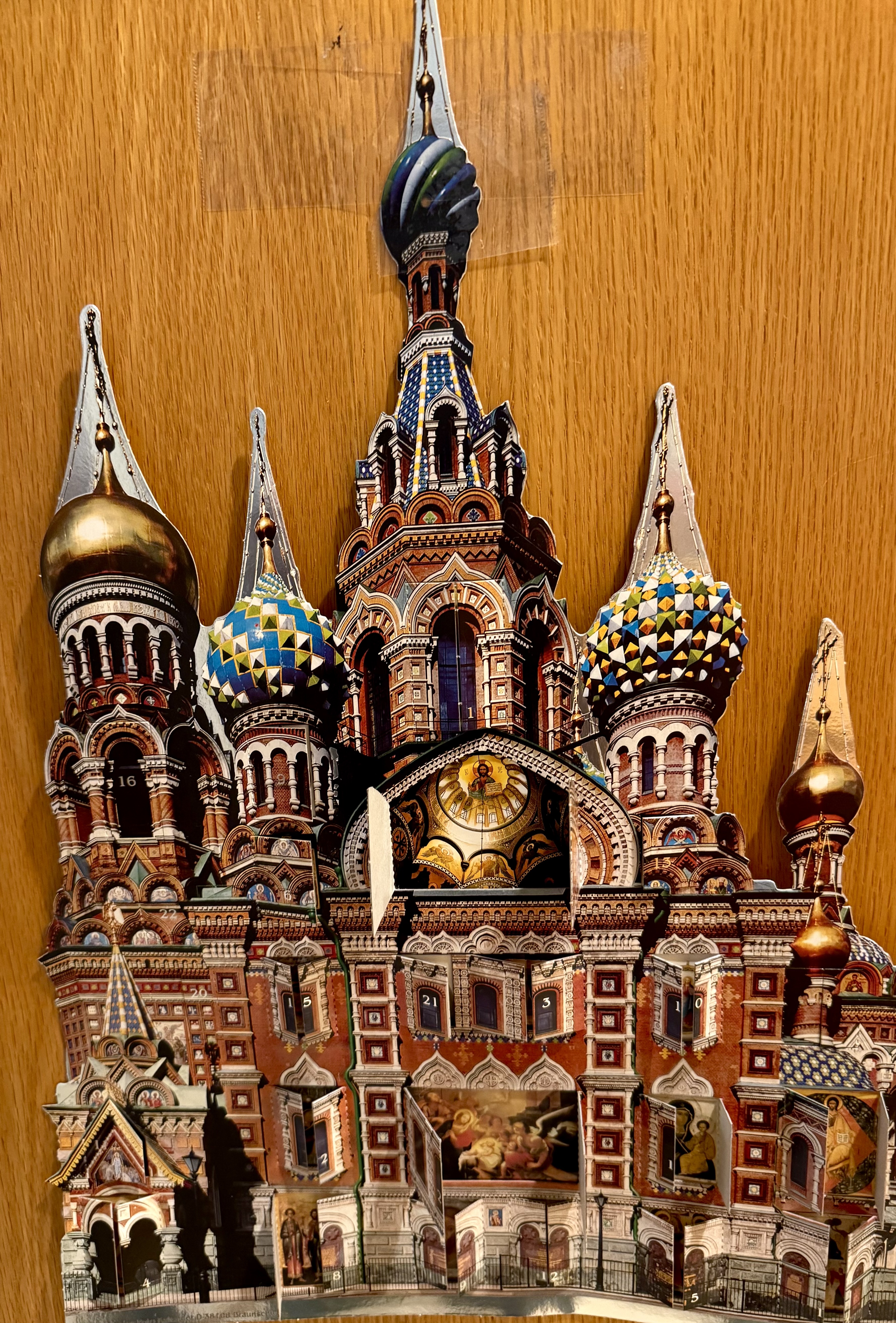
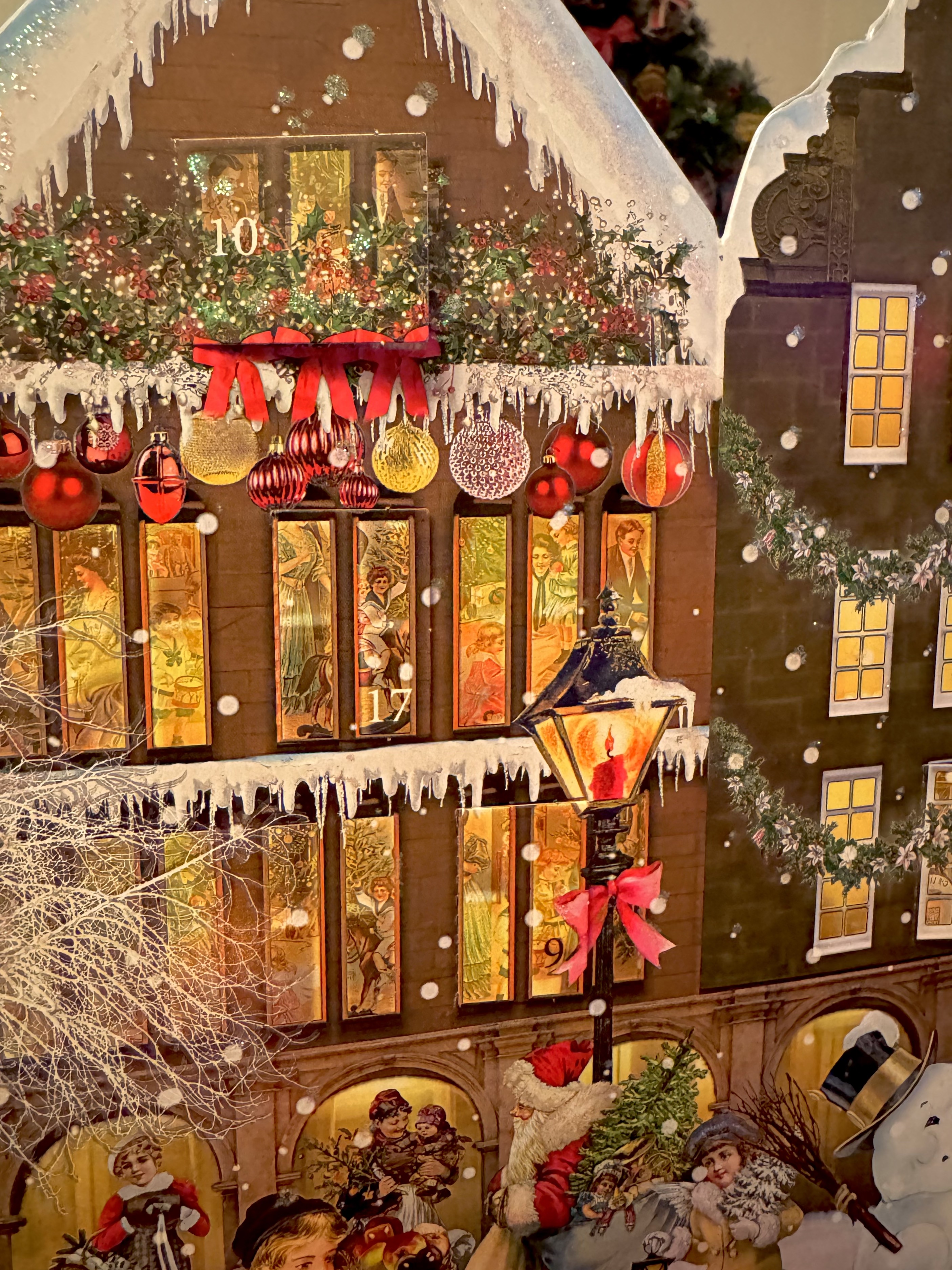
Bethlehem in Germany,
Glitter on the sloping roofs,
Breadcrumbs on the windowsills,
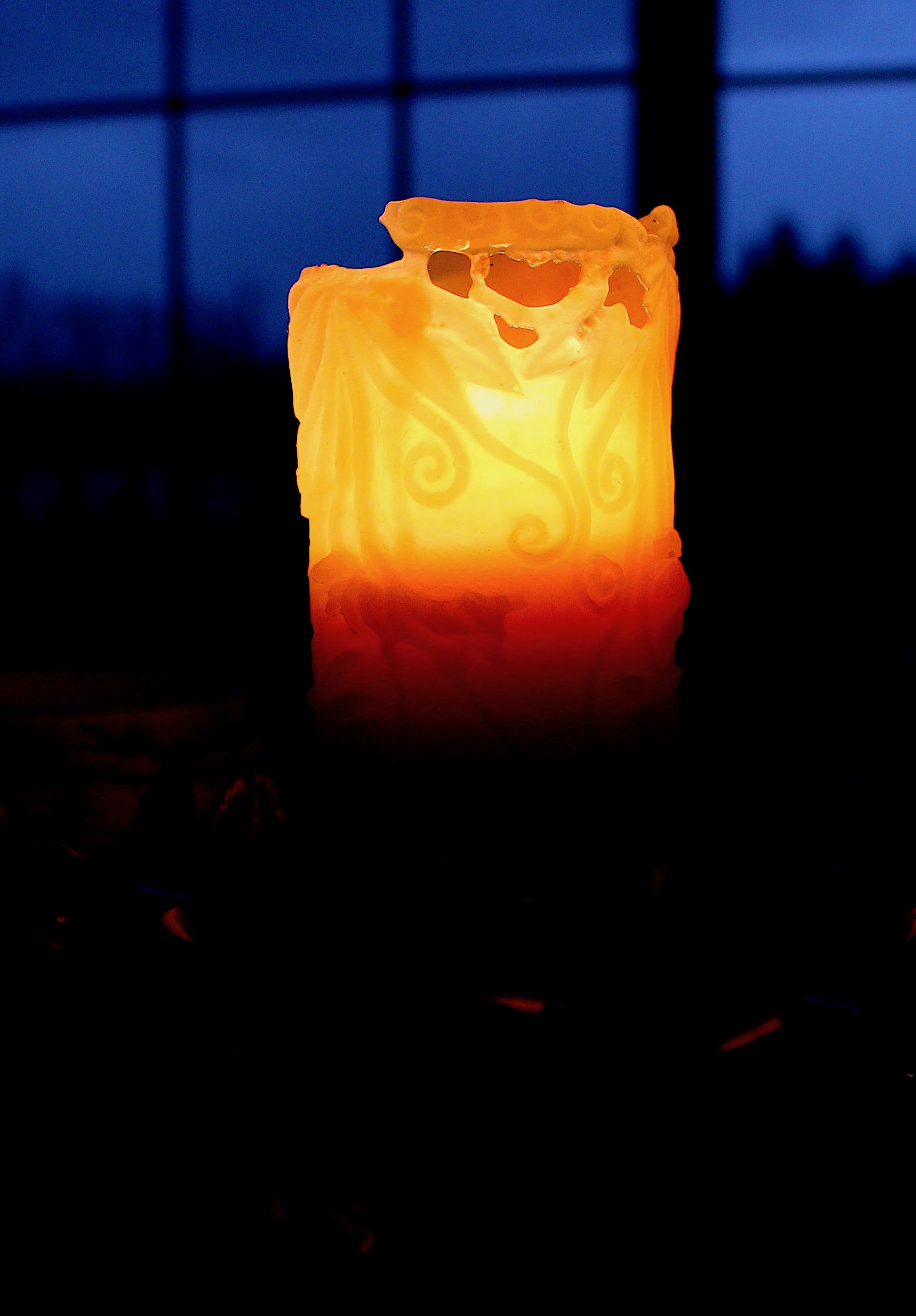
Candles in the Christmas trees,
Hearths with pairs of empty shoes:
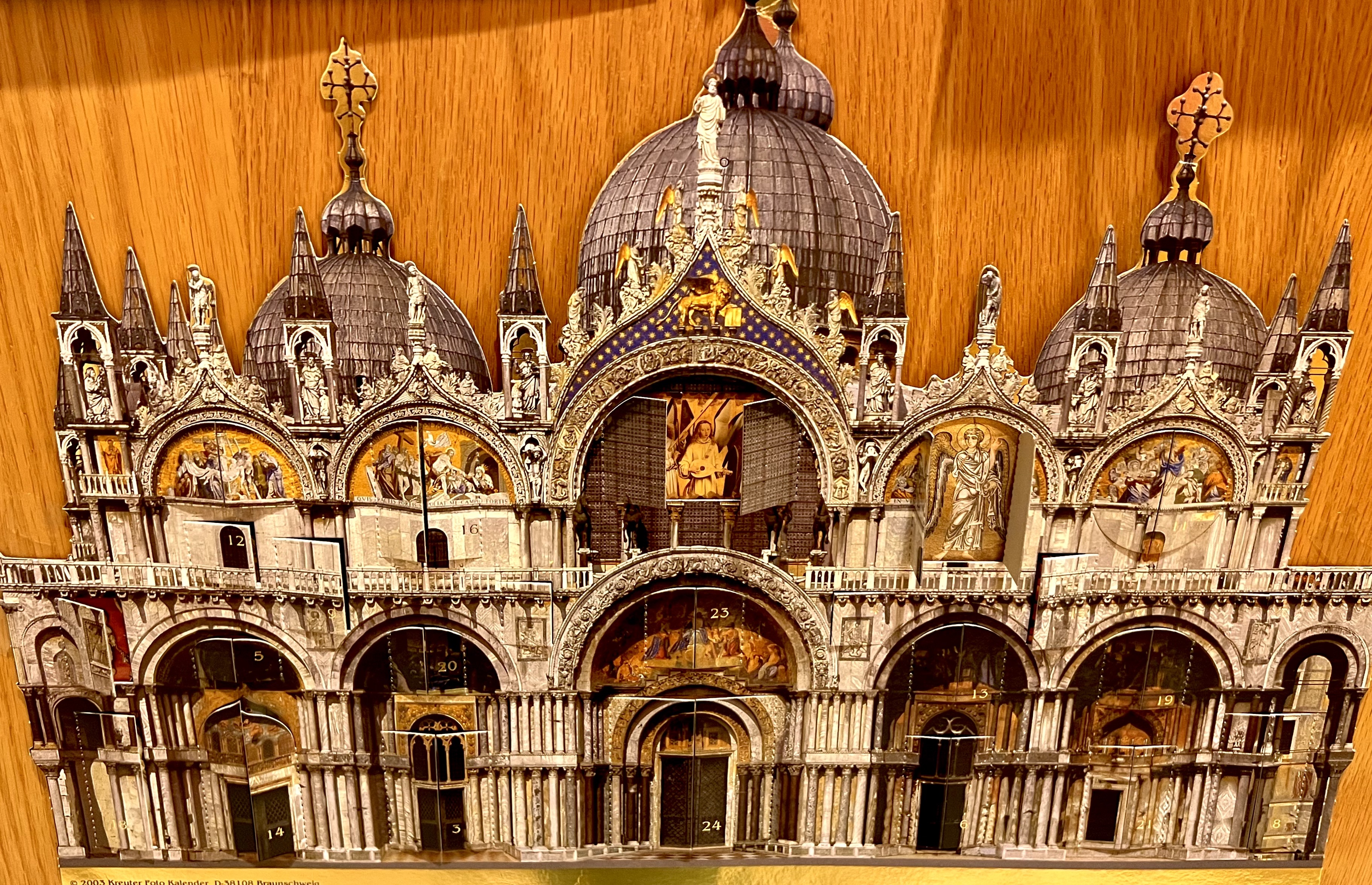
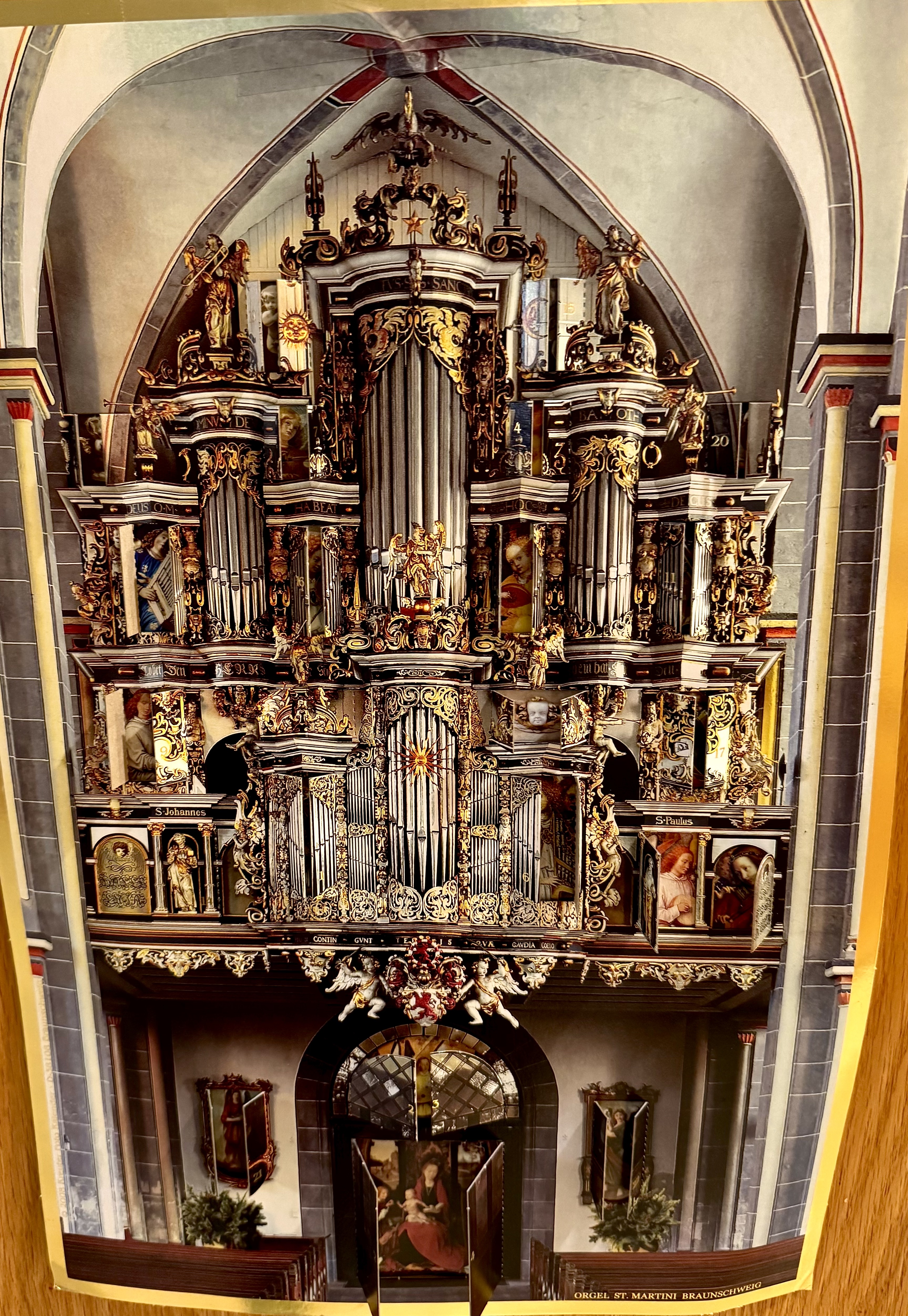
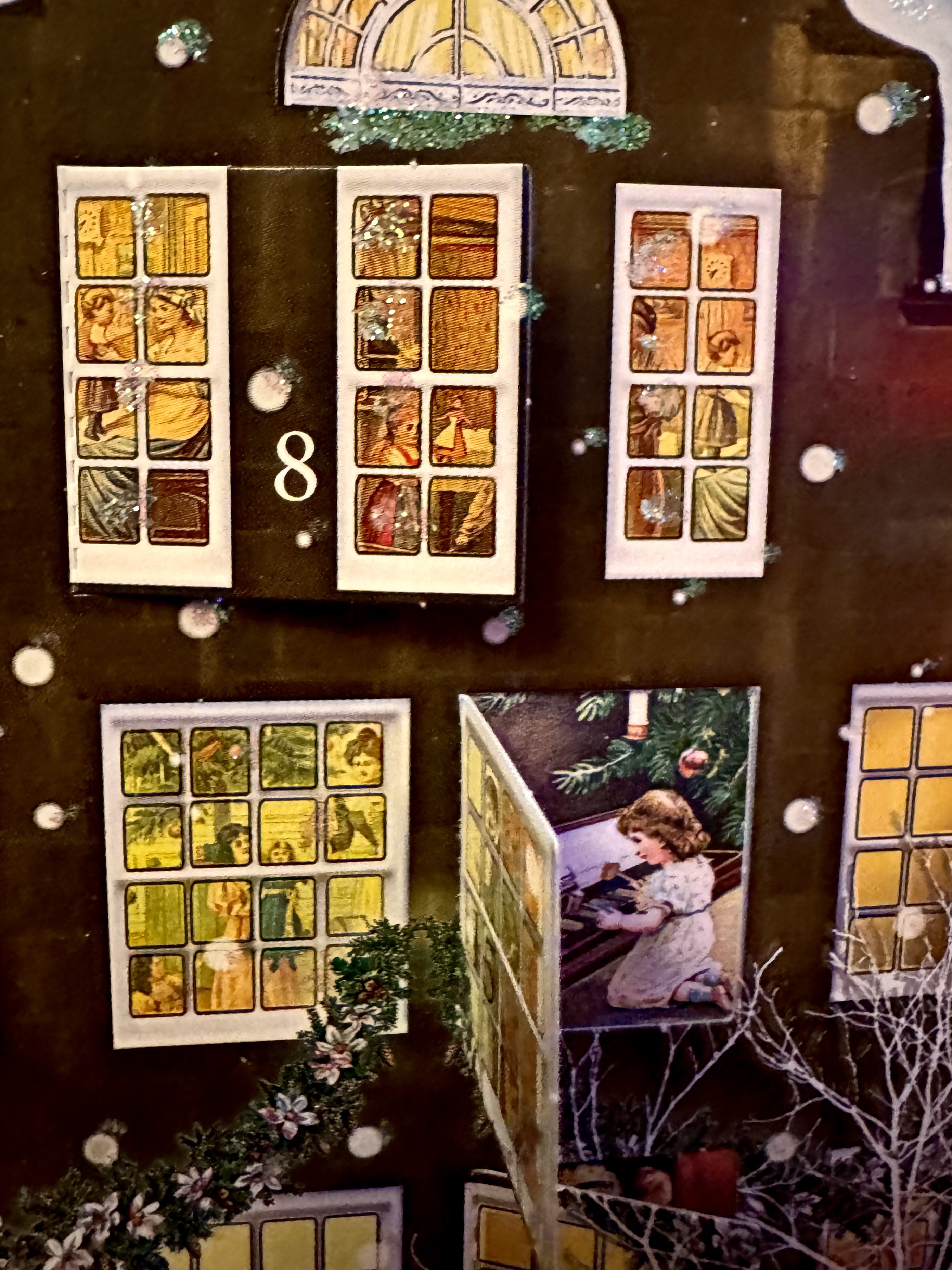
Panels of Nativity
Open paper scenes where doors
Open into other scenes,
Some recounted, some foretold.
Blizzard-sprinkled flakes of gold
Gleam from small interiors,
Picture-boxes in the stars
Open up like cupboard doors
In a cabinet Jesus built.

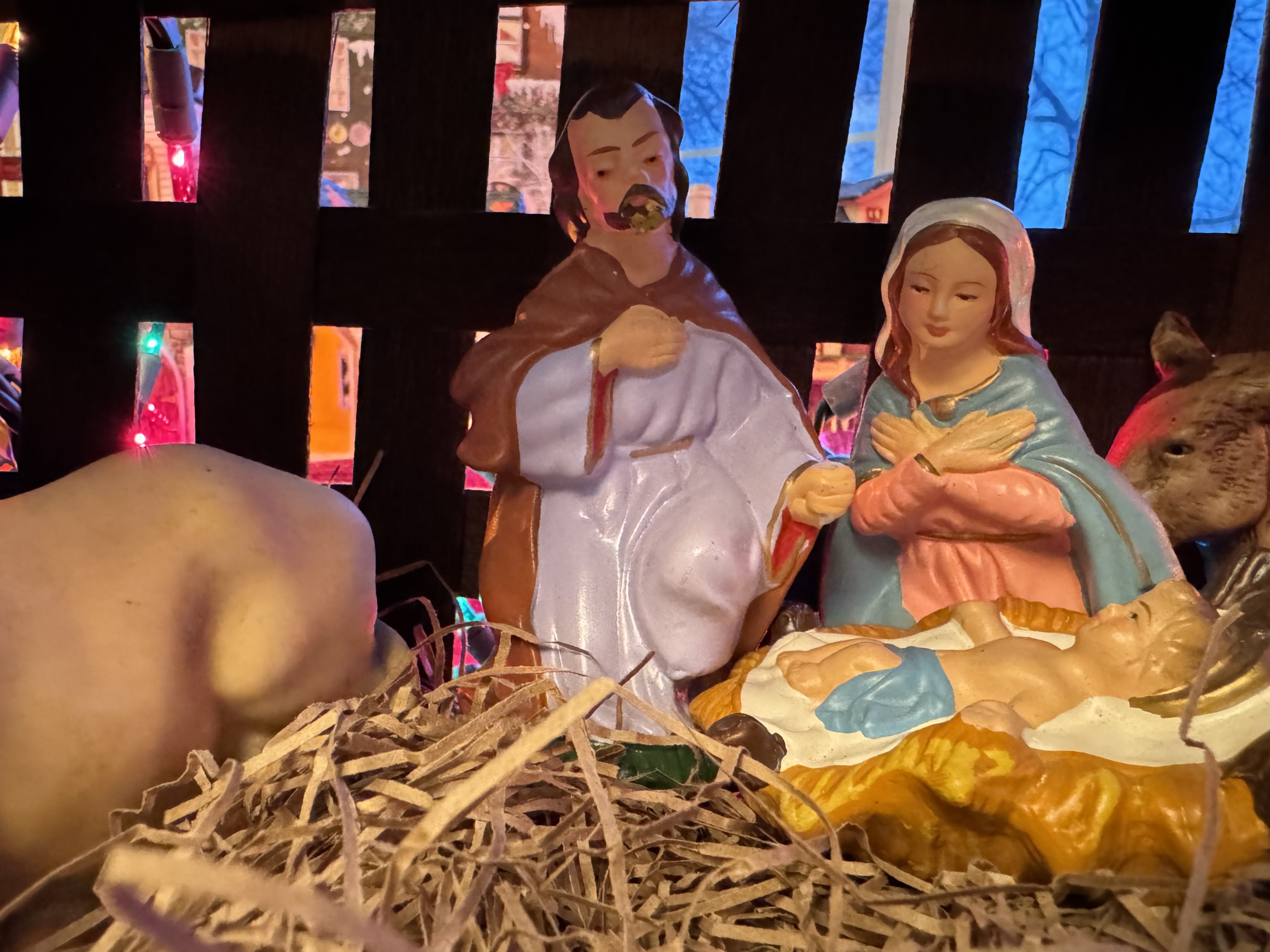
Leaning from the cliff of heaven,
Indicating whom he weeps for,
Joseph lifts his lamp above
The infant like a candle-crown.
Let my fingers touch the silence
Where the infant’s father cries.
Give me entrance to the village
From my childhood where the doorways
Open pictures in the skies.
But when all the doors are open,
No one sees that I’ve returned.
When I cry to be admitted,
No one answers, no one comes.
Clinging to my fingers only
Pain, like glitter bits adhering,
When I touch the shining crumbs.
~Gjertrud Schnackenberg,from “Advent Calendar” from Supernatural Love: Poems 1976-1992. 

He will come like last leaf’s fall.
One night when the November wind
has flayed the trees to the bone, and earth
wakes choking on the mould,
the soft shroud’s folding.

He will come like frost.
One morning when the shrinking earth
opens on mist, to find itself
arrested in the net
of alien, sword-set beauty.

He will come like dark.
One evening when the bursting red
December sun draws up the sheet
and penny-masks its eye to yield
the star-snowed fields of sky.

He will come, will come,
will come like crying in the night,
like blood, like breaking,
as the earth writhes to toss him free.
He will come like child.

~Rowan Williams “Advent Calendar”

Who has not considered Mary
And who her praise would dim,
But what of humble Joseph
Is there no song for him?

If Joseph had not driven
Straight nails through honest wood
If Joseph had not cherished
His Mary as he should;

If Joseph had not proved him
A sire both kind and wise
Would he have drawn with favor
The Child’s all-probing eyes?

Would Christ have prayed, ‘Our Father’
Or cried that name in death
Unless he first had honored
Joseph of Nazareth ?
~Luci Shaw “Joseph The Carpenter”

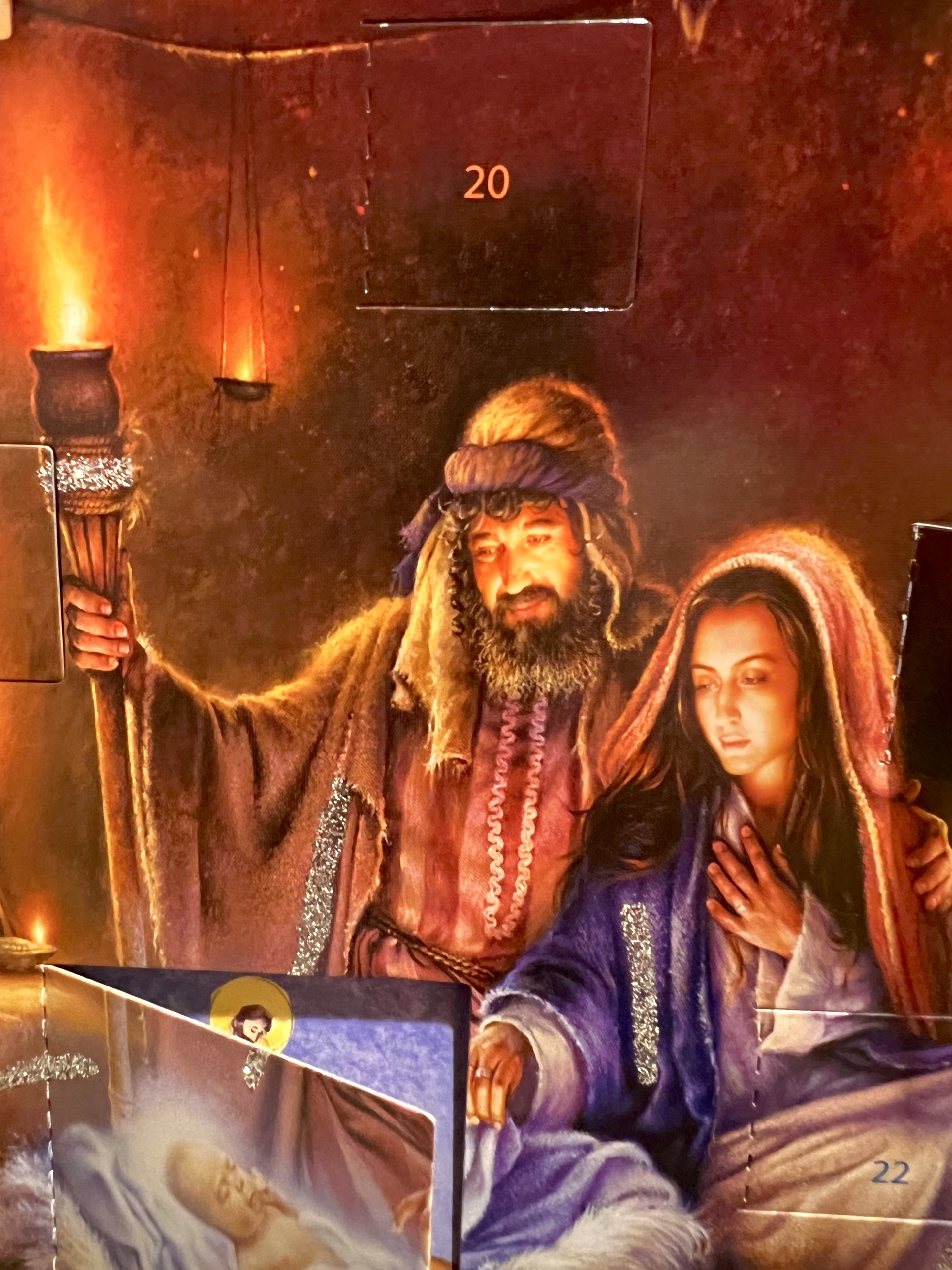
The hero of the story this season is the man in the background of each creche, the old master Nativity paintings, and the Advent Calendar doors that open each day.

He is the adoptive father
who does the right thing rather than what he has legal right to do,
who listens to his dreams and believes,
who leads the way over dusty roads to be counted,
who searches valiantly for a suitable place to stay,
who does whatever he can to assist her labor,
who stands tall over a vulnerable mother and infant
while the poor and curious pour out of the hills,
the wise and foreign appear bringing gifts,
who takes his family to safety when the innocents are slaughtered.

He is only a carpenter, not born for heroics,
but strong and obedient,
stepping up when called.

He is a humble man teaching his son a living,
until his son leaves to save the dying.

This man Joseph is the Chosen father,
the best Abba a God could possibly hope for.

My 2025 Advent theme:
On the threshold between day and night

On that day there will be neither sunlight nor cold, frosty darkness. 
It will be a unique day—a day known only to the Lord—

with no distinction between day and night. 
When evening comes, there will be light.
Zechariah 14:6-7

So once in Israel love came to us incarnate, stood in the doorway between two worlds, and we were all afraid.
~Annie Dillard in Teaching a Stone to Talk

One-Time
Monthly
Yearly

Make a one-time or recurring donation to support daily Barnstorming posts

Make a monthly donation

Make a yearly donation

Choose an amount

$10.00
$25.00
$50.00
$5.00
$15.00
$100.00
$5.00
$15.00
$100.00

Or enter a custom amount

$

Your contribution is deeply appreciated.

Your contribution is appreciated.

Your contribution is appreciated.

DonateDonate monthlyDonate yearly
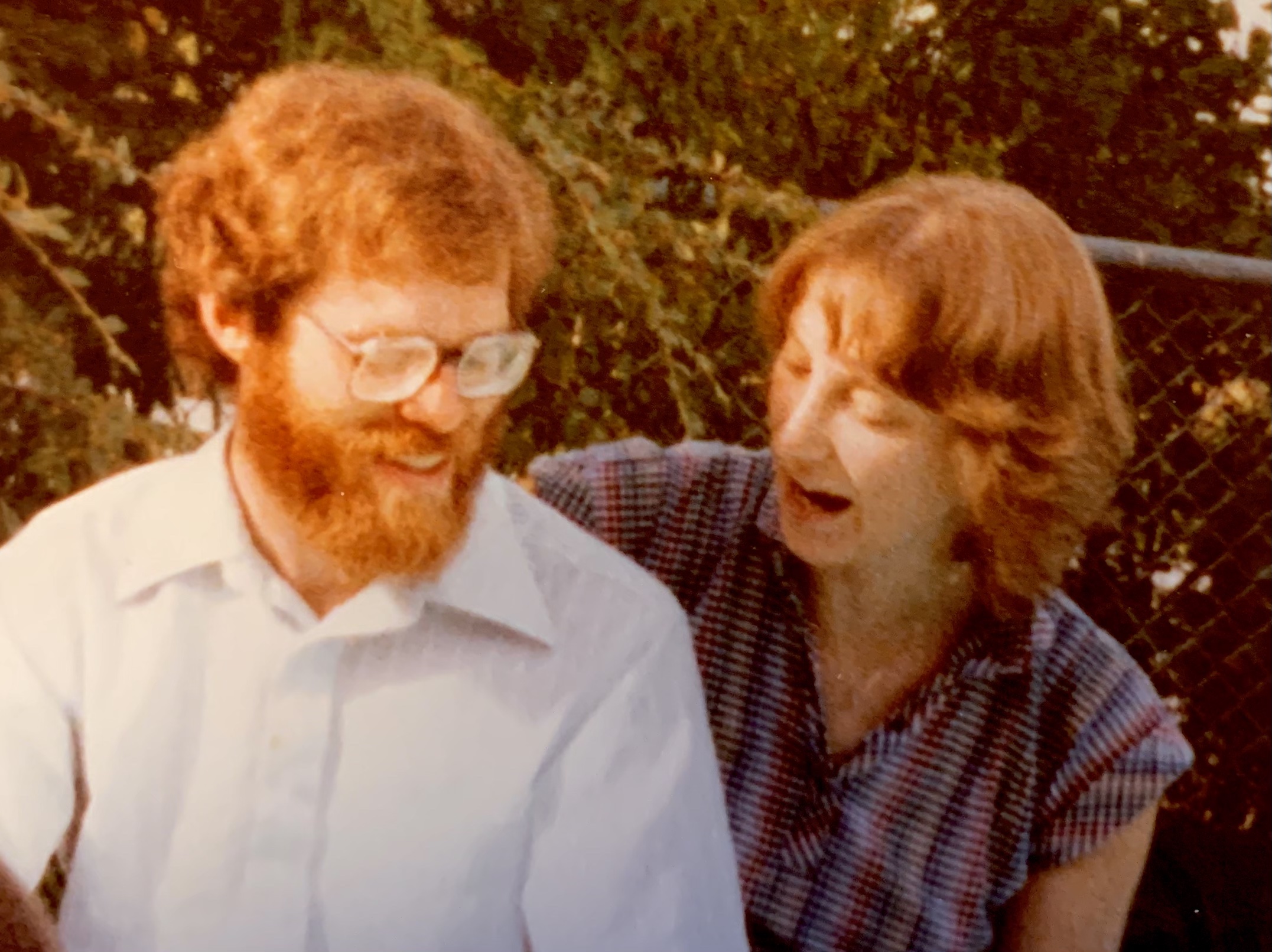
A Halloween Forty Years Ago

In the quiet misty morning
When the moon has gone to bed
When the sparrows stop their singing
And the sky is clear and red
When the summer ceased it’s gleaming
When the corn is past its prime
When adventures lost its meaning
I’ll be homeward-bound in time
~Marta Keen from “Homeward Bound”

On Halloween day in 1985, I packed up a roll-up mattress pad, grabbed one lonely pumpkin from our small garden, locked our rental house door for the last time, then climbed in my car to head two hours north out of Seattle.

I don’t recall looking back in the rear view mirror at the skyline after nine years living in the city. My husband had moved to Whatcom County two months earlier to start his new job. I had stayed behind to wrap up my Group Health family practice in the Rainier Valley of central Seattle.

I was leaving the city for our new rural home and a very uncertain professional future.

I knew two things for sure: I was finally several months pregnant after a miscarriage and two years of trying to conceive, so our family was on its way, and we were going to live in our own house with a few acres and a barn.

A real (sort of) starter farm and starter family, a dream we both shared.
Our home sits in the midst of woods and corn fields, with deer strolling through the fields at dawn, coyotes howling at night, Canadian geese and trumpeter swans calling from overhead and salmon thriving in nearby streams. The snowy Cascades greet us in the morning to the east, the Canadian Coastal range majestic to the north and not far to the west, the Salish Sea/Puget Sound.

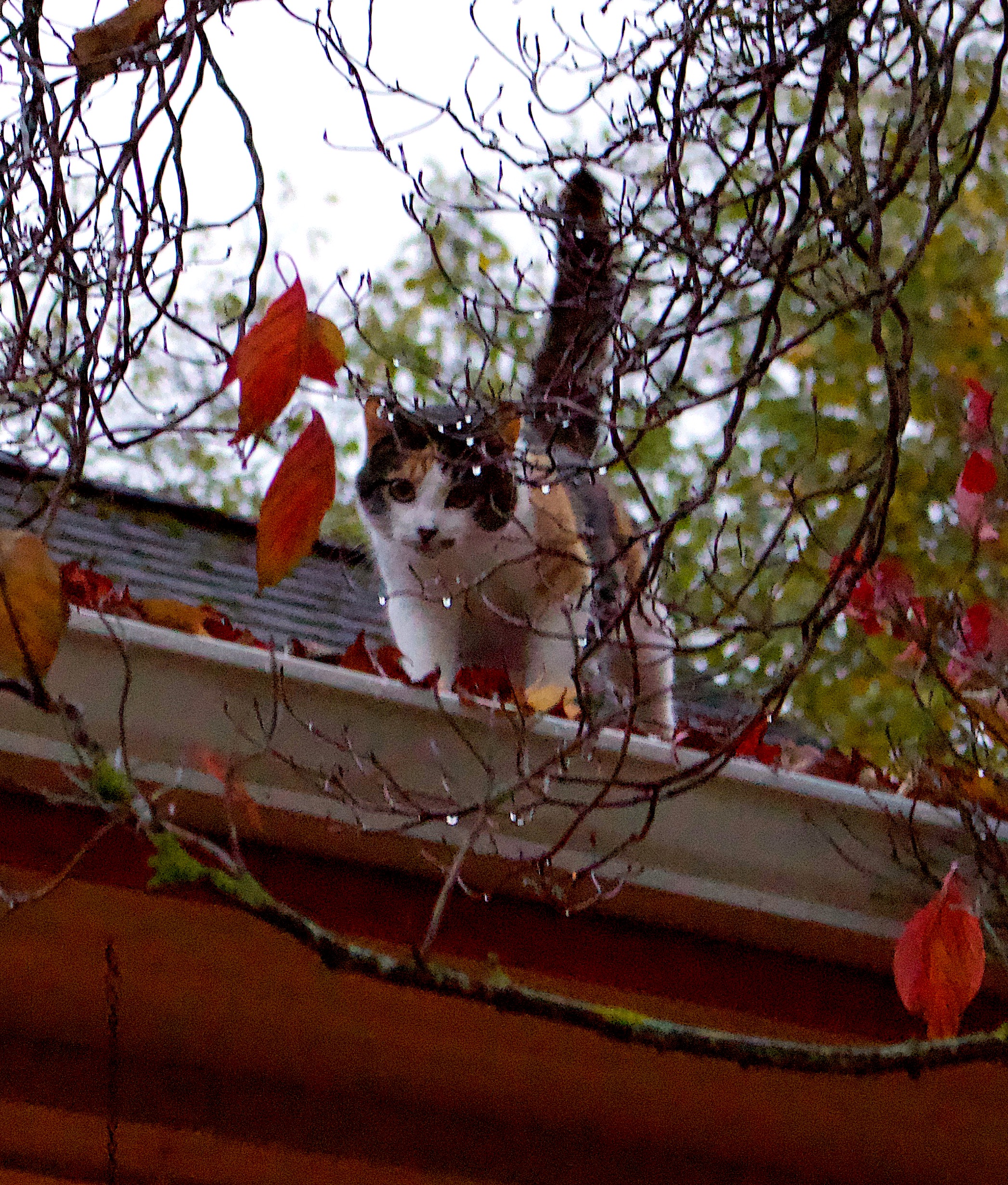
Since it wouldn’t be a farm without animals, I stopped at the first pet store I drove past and found two tortoise shell calico kitten sisters peering up at me, just waiting for new adventures in farmland. Their box was packed into the one spot left beside me in my little Mazda.

With that simple commitment to raise and nurture those kittens alongside the life growing inside me, life seemed very complete.

I will never forget the freedom I felt on that drive north. The highway seemed more open, the fall colors more vibrant, the wind more energizing, our baby kicking my belly, the kittens mewing from their box. There seemed so much potential even though I had just left behind the greatest family practice found in any urban setting (at the time, it was the most ethnically diverse zip code in the United States) with patients from all over the world: alongside the multi-racial inner city population living in subsidized housing developments, my patients included Muslim immigrants from the Middle East and Indonesia, Orthodox Jews, Italian Catholics, and refugees from Cambodia, Laos, and Vietnam.

I will never know so much variety of ethnic background and perspective again. If I could have packed them all into my little car and driven them north with me, I would have.

Despite what I was leaving behind, there was certainly a feeling of freedom that rainy Halloween day as the big city disappeared in the rear view mirror.

No longer would I sit captive in freeway rush-hour bumper to bumper traffic jams. I traded that for a new rural commute winding through farm fields while watching eagles fly overhead. I could become part of a community in a way I never could manage in the city, visiting with friends at the grocery store, playing piano and teaching Sunday School at church and serving on various community boards.

After the new kittens, dubbed Nutmeg and Oregano, arrived on our farm, we added even more diversity: a Belgian Tervuren dog Tango, a Haflinger horse Greta, Toggenburg goats Tamsin and her kids, a few Toulouse geese, Araucana chickens, Fiona the Scottish Highland cow, then another Haflinger Hans and another, Tamara. I worked as a fill-in doctor in four different clinics before our first baby was born, then settled into part-time practice in several different clinics for most of my career.

With those new commitments, life was fulfilling and busy – we soon added a little brother and seven years later, a sister. Then it felt like our family was complete.

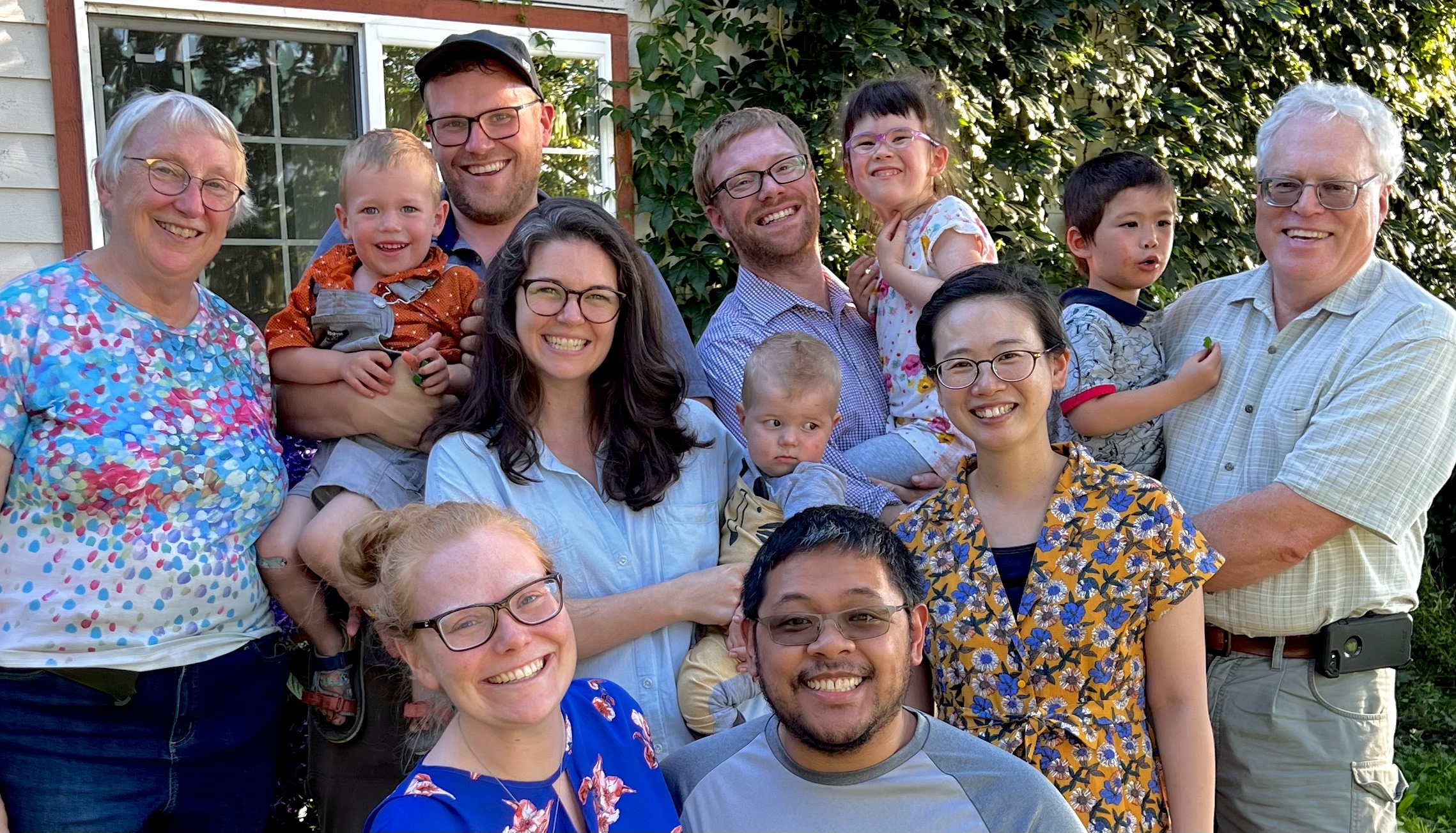
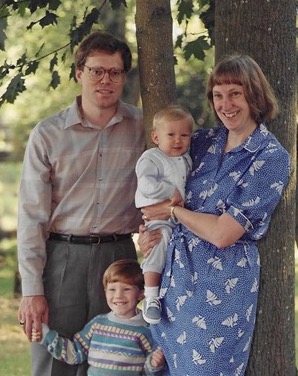
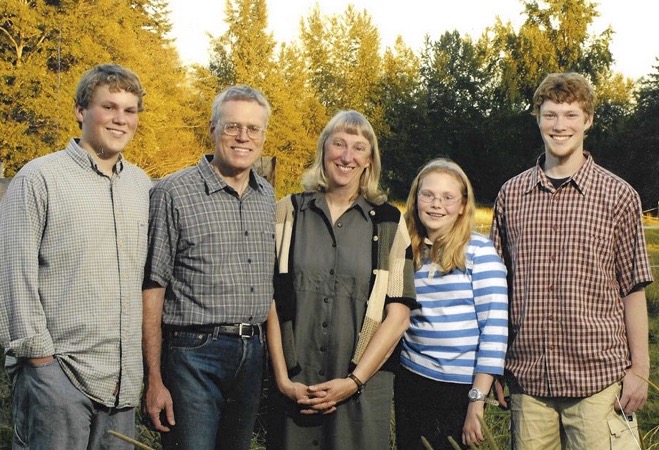
Forty years later, our children have grown and gone to homes of their own, all married to wonderful spouses, raising six delightful children for us to lavish love on.

Somehow life now feels even more complete.

A few cats, a Cardigan Corgi, and three ponies still live at the farm with us. Now retired from our professional lives “in town”, we enjoy the freedom of slower and quieter days, nurtured and nurturing.

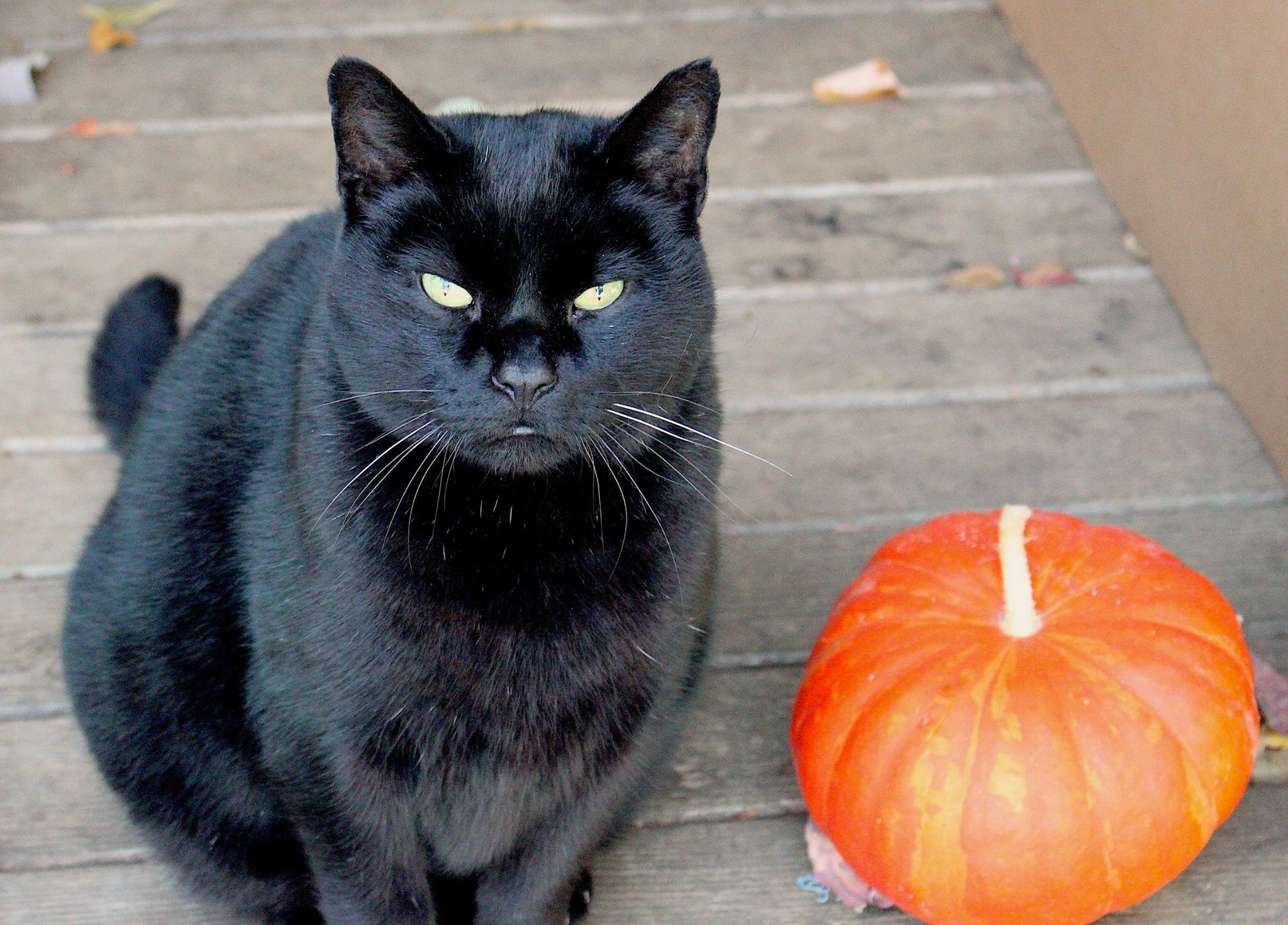
It all started October 31, 1985 with two orange and black kittens and a pumpkin sitting beside me in a little Mazda, my husband awaiting my homecoming 100 miles north. Now, forty years later, we celebrate this Halloween anniversary of farm and family, still pregnant with the possibility that life is never truly complete when there is always a new day just around the corner.

One-Time
Monthly
Yearly

Make a one-time or recurring donation to support daily Barnstorming posts

Make a monthly donation

Make a yearly donation

Choose an amount

$10.00
$25.00
$50.00
$5.00
$15.00
$100.00
$5.00
$15.00
$100.00

Or enter a custom amount

$

Your contribution is deeply appreciated.

Your contribution is appreciated.

Your contribution is appreciated.

DonateDonate monthlyDonate yearly
The Commonwealth of Joy

The meaning of marriage begins in the giving of words.
We cannot join ourselves to one another without giving our word. And this must be an unconditional giving,
for in joining ourselves to one another
we join ourselves to the unknown.
~Wendell Berry from “Poetry and Marriage” in Standing By Words

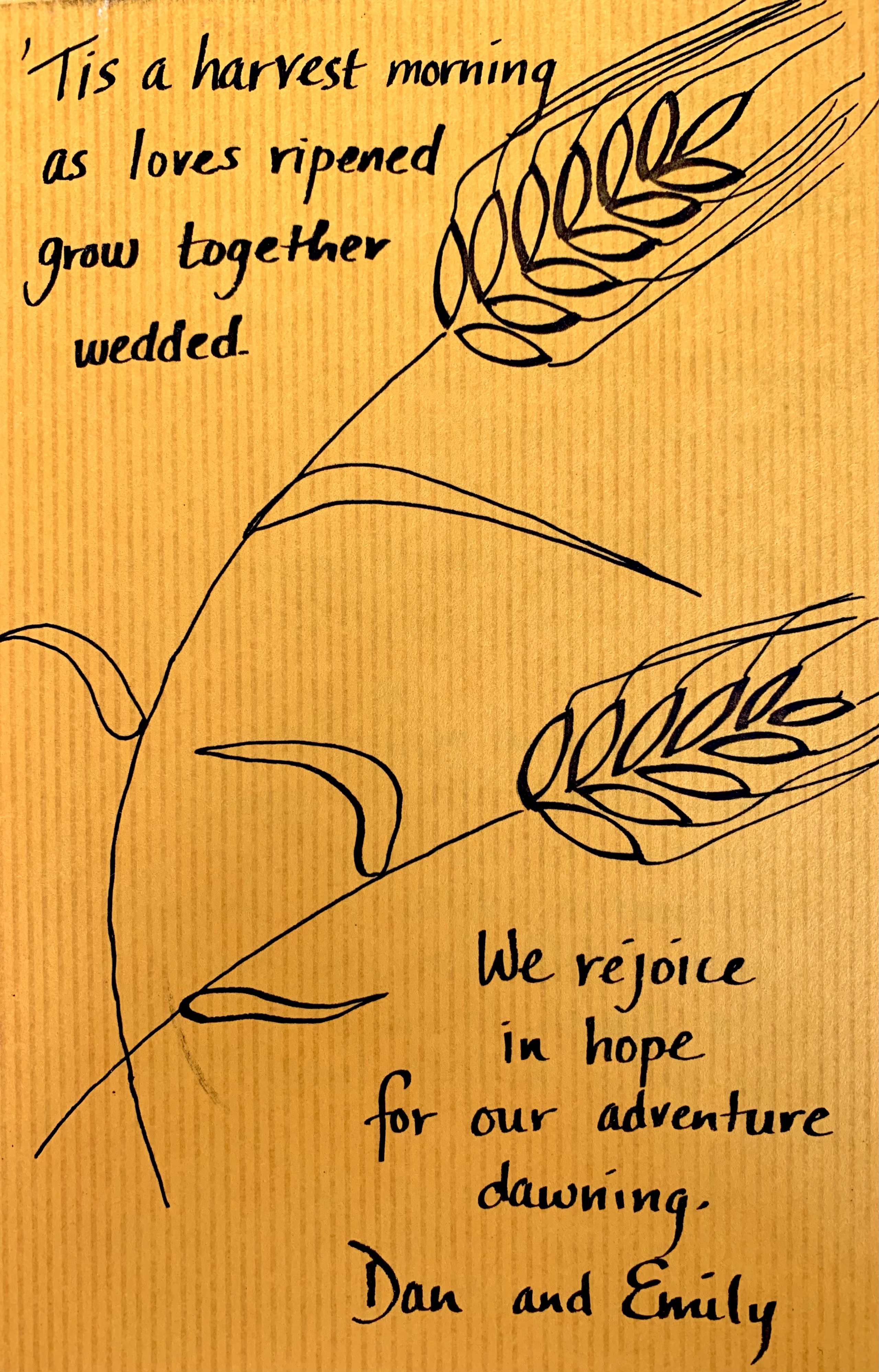
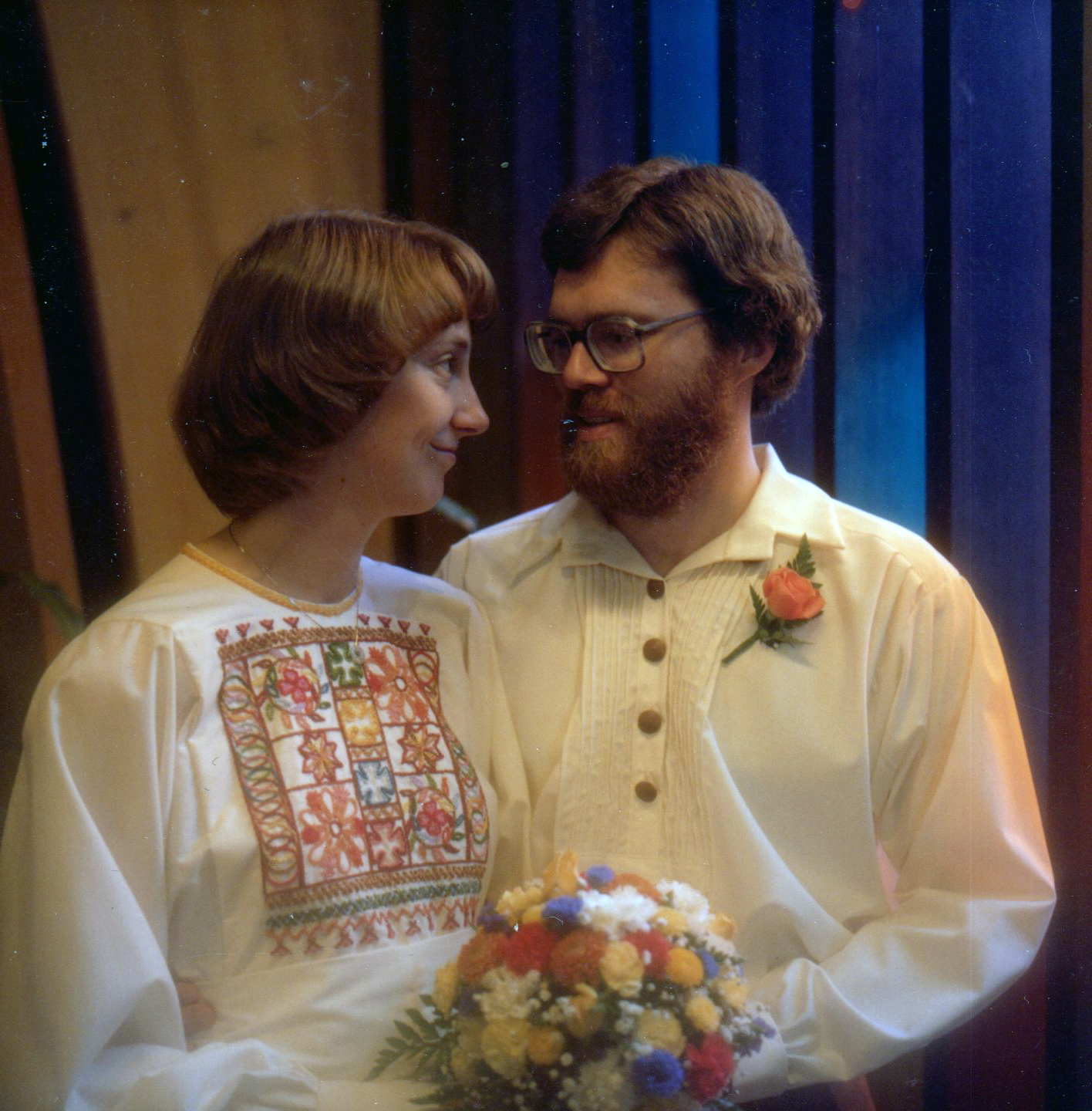
Our vows to one another forty-four years ago today:

Before God and this gathering, I vow from my heart and spirit that I will be your wife/husband for as long as we both shall live.

I will love you with faithfulness, knowing its importance in sustaining us through good times and bad.

I will love you with respect, serving your greatest good and supporting your continued growth.

I will love you with compassion, knowing the strength and power of forgiveness.

I will love you with hope, remembering our shared belief in the grace of God and His guidance of our marriage.

“And at home, by the fire, whenever you look up, there I shall be–and whenever I look up, there will be you.”

(our wedding vows for our September 19, 1981 wedding at First Seattle Christian Reformed Church — the last line adapted from Thomas Hardy’s  “Far From the Madding Crowd”)

Sometimes our life reminds me
of a forest in which there is a graceful clearing
and in that opening a house,
an orchard and garden,
comfortable shades, and flowers
red and yellow in the sun, a pattern
made in the light for the light to return to.
The forest is mostly dark, its ways
to be made anew day after day, the dark
richer than the light and more blessed,
provided we stay brave
enough to keep on going in.

We enter, willing to die,
into the commonwealth of its joy.
~Wendell Berry from “A Country of Marriage”

…Marriage… joins two living souls as closely as, in this world, they can be joined. This joining of two who know, love, and trust one another brings them in the same breath into the freedom of sexual consent and into the fullest earthly realization of the image of God.  From their joining, other living souls come into being, and with them great responsibilities that are unending, fearful, and joyful. The marriage of two lovers joins them to one another, to forebears, to descendants, to the community, to heaven and earth. It is the fundamental connection without which nothing holds, and trust is its necessity.
~Wendell Berry from Sex, Economy, Freedom and Community

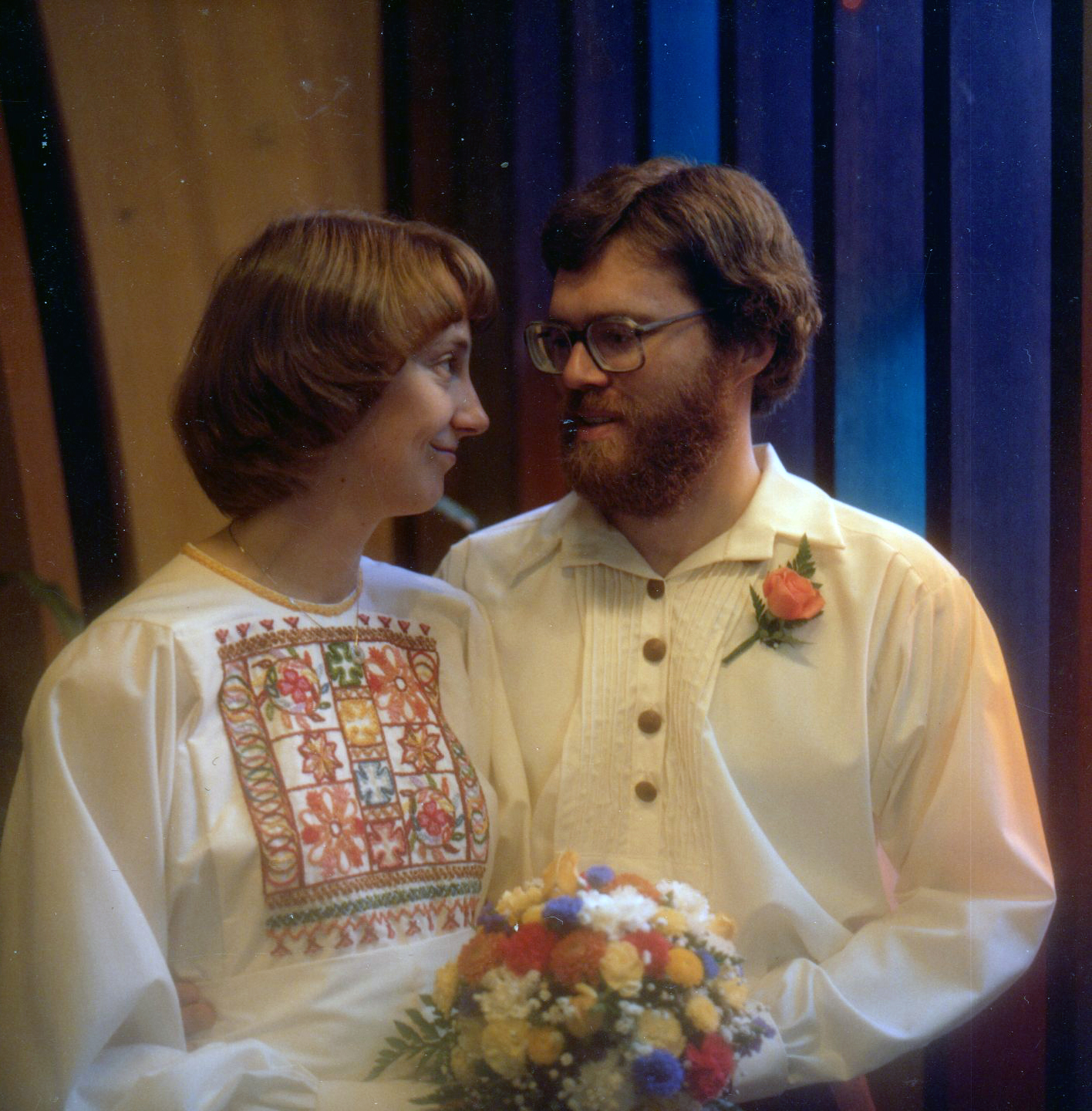
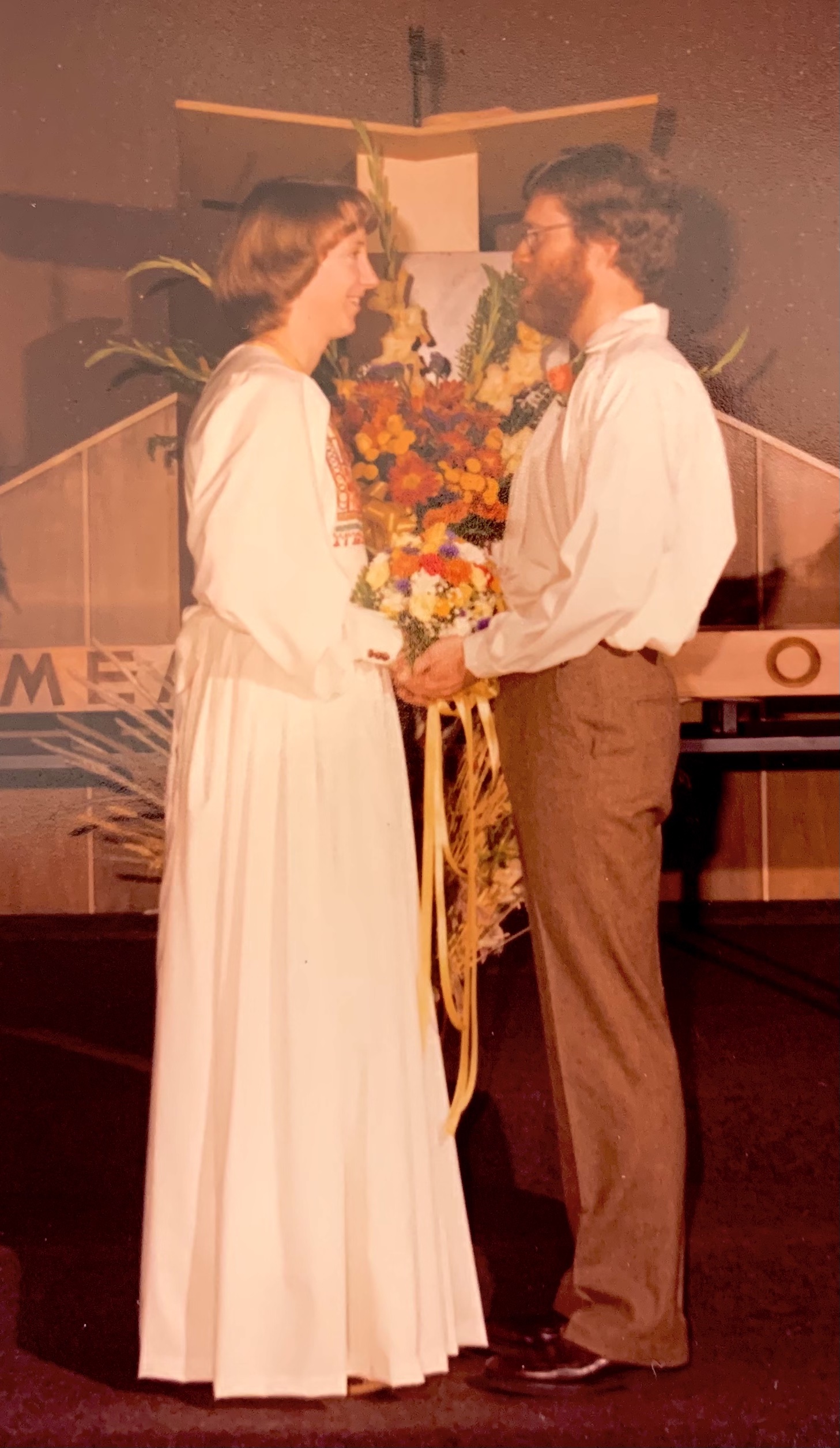
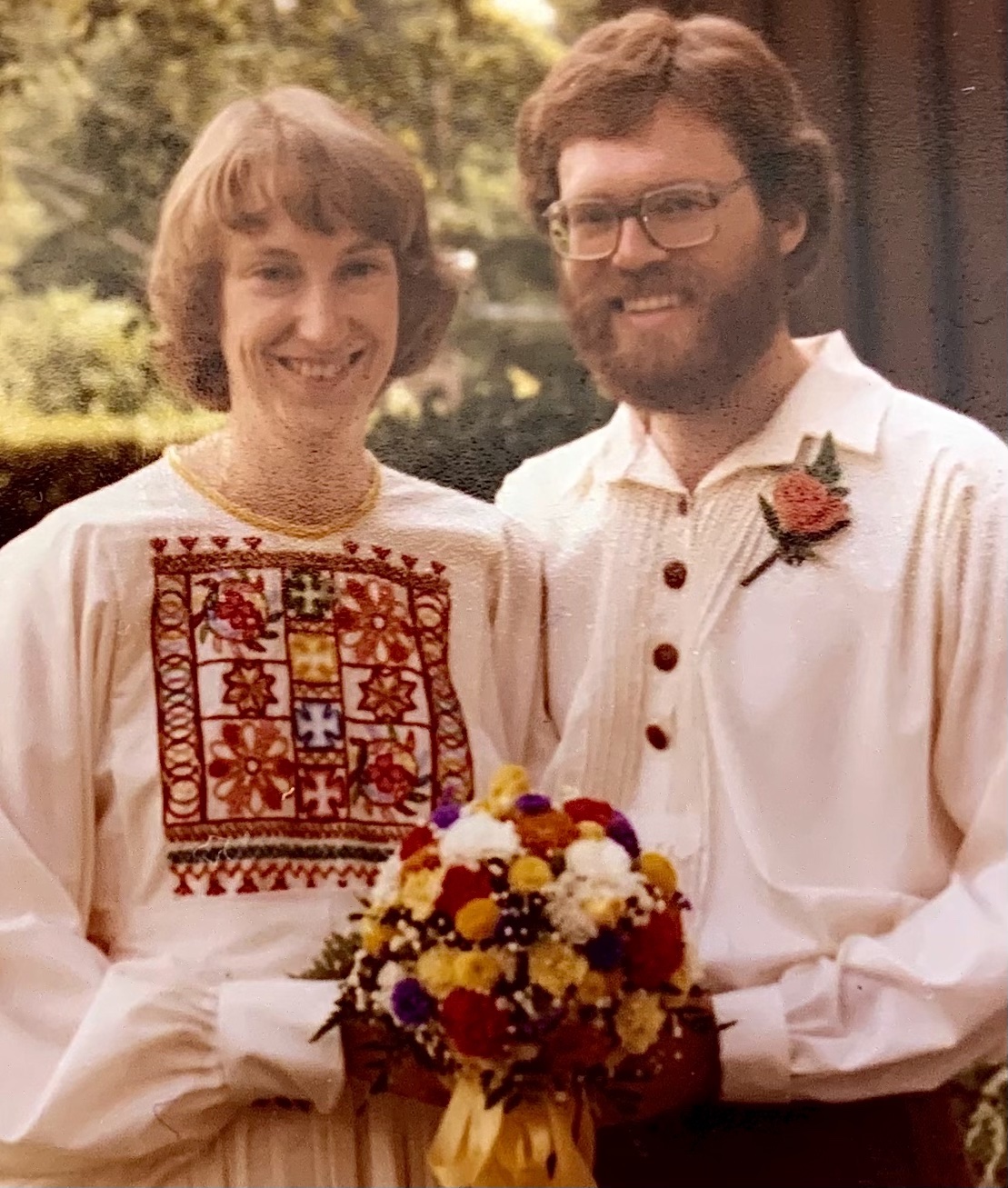
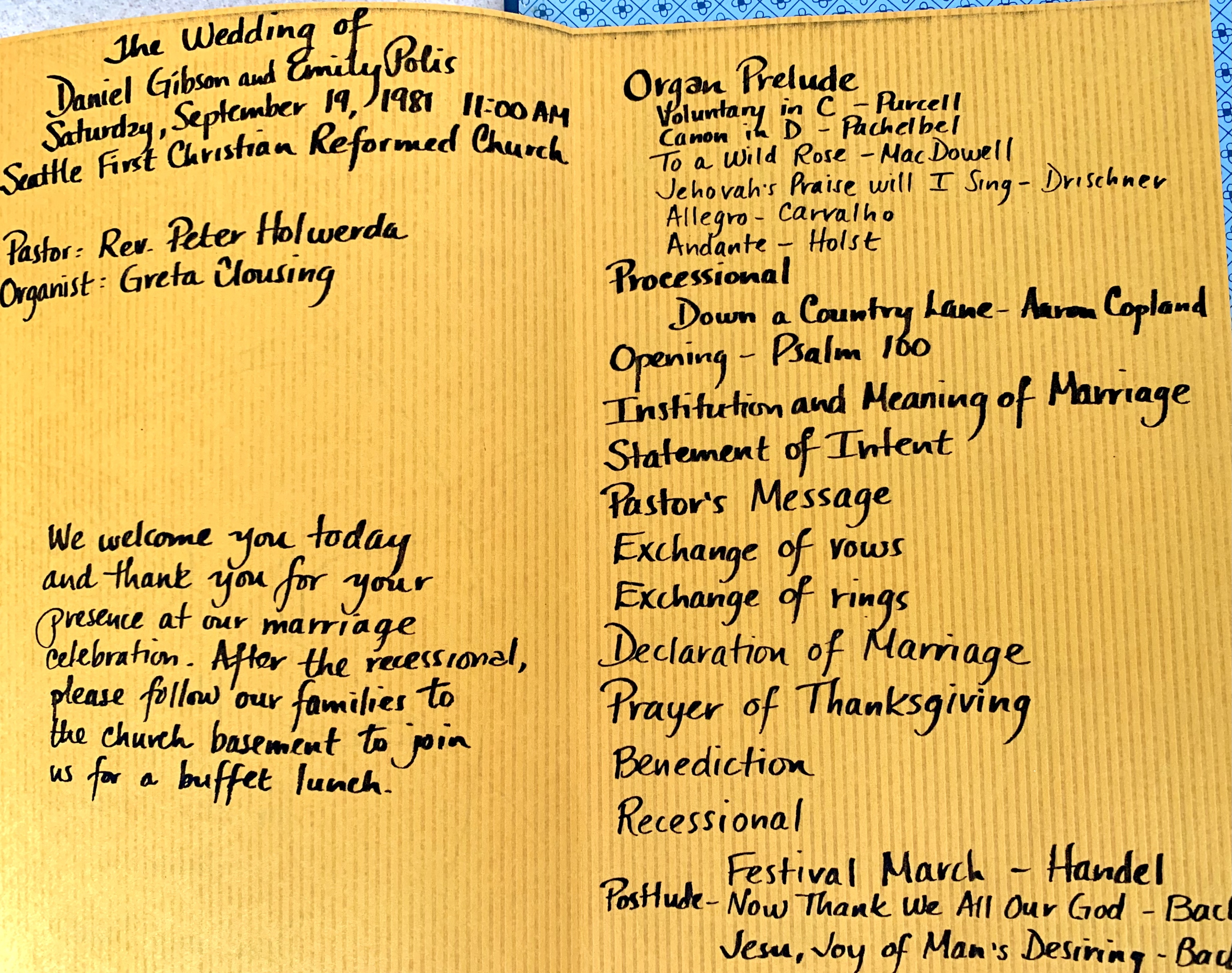
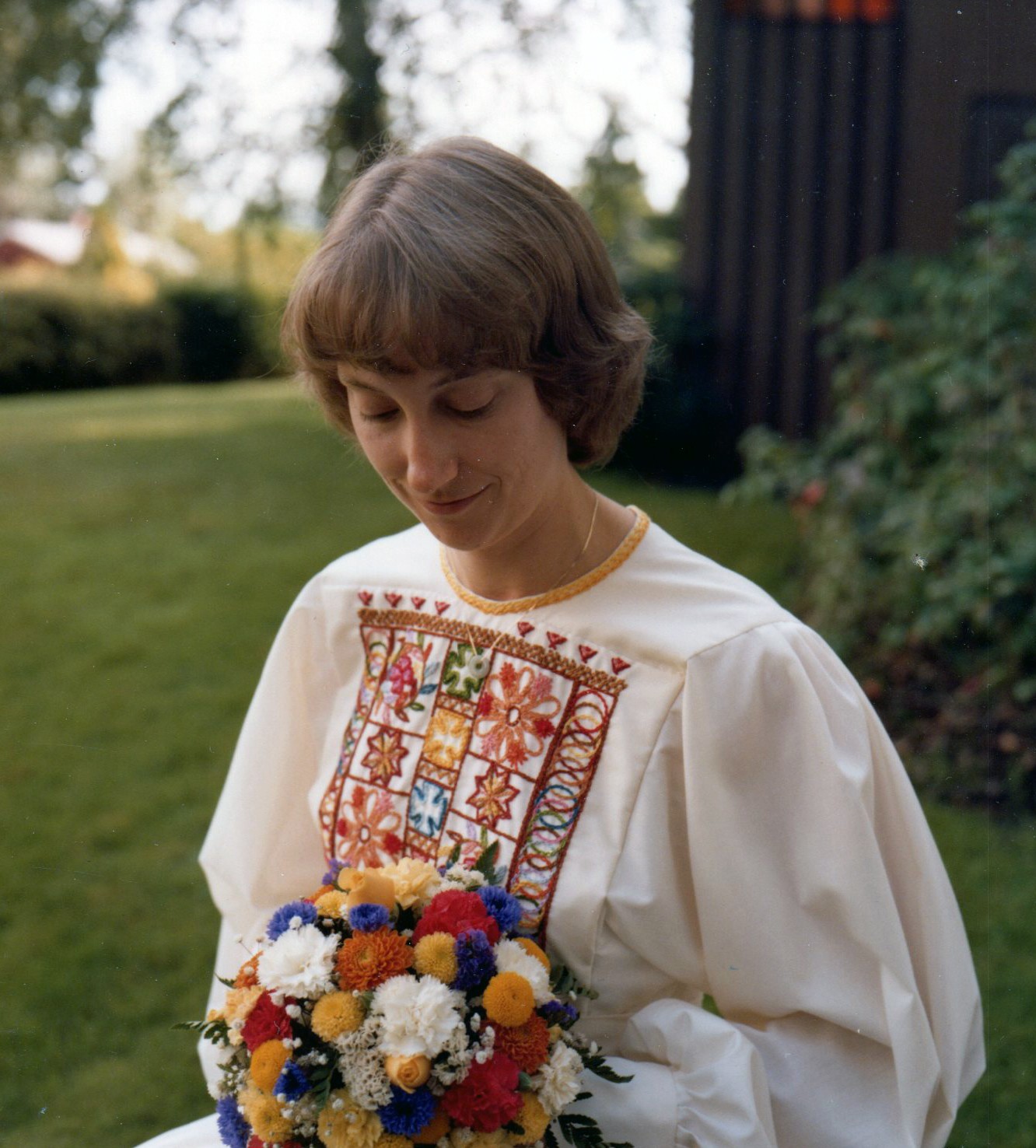
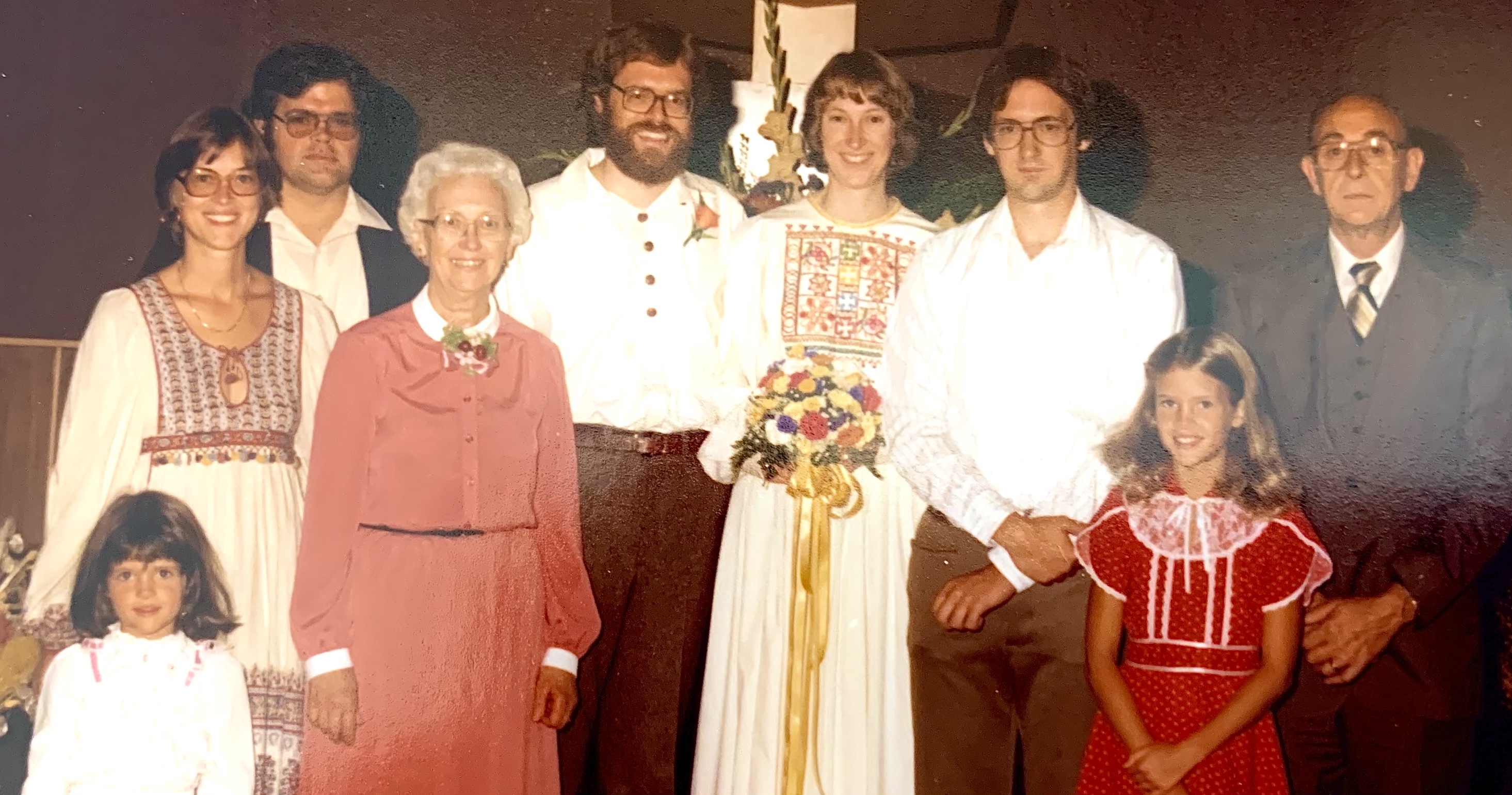
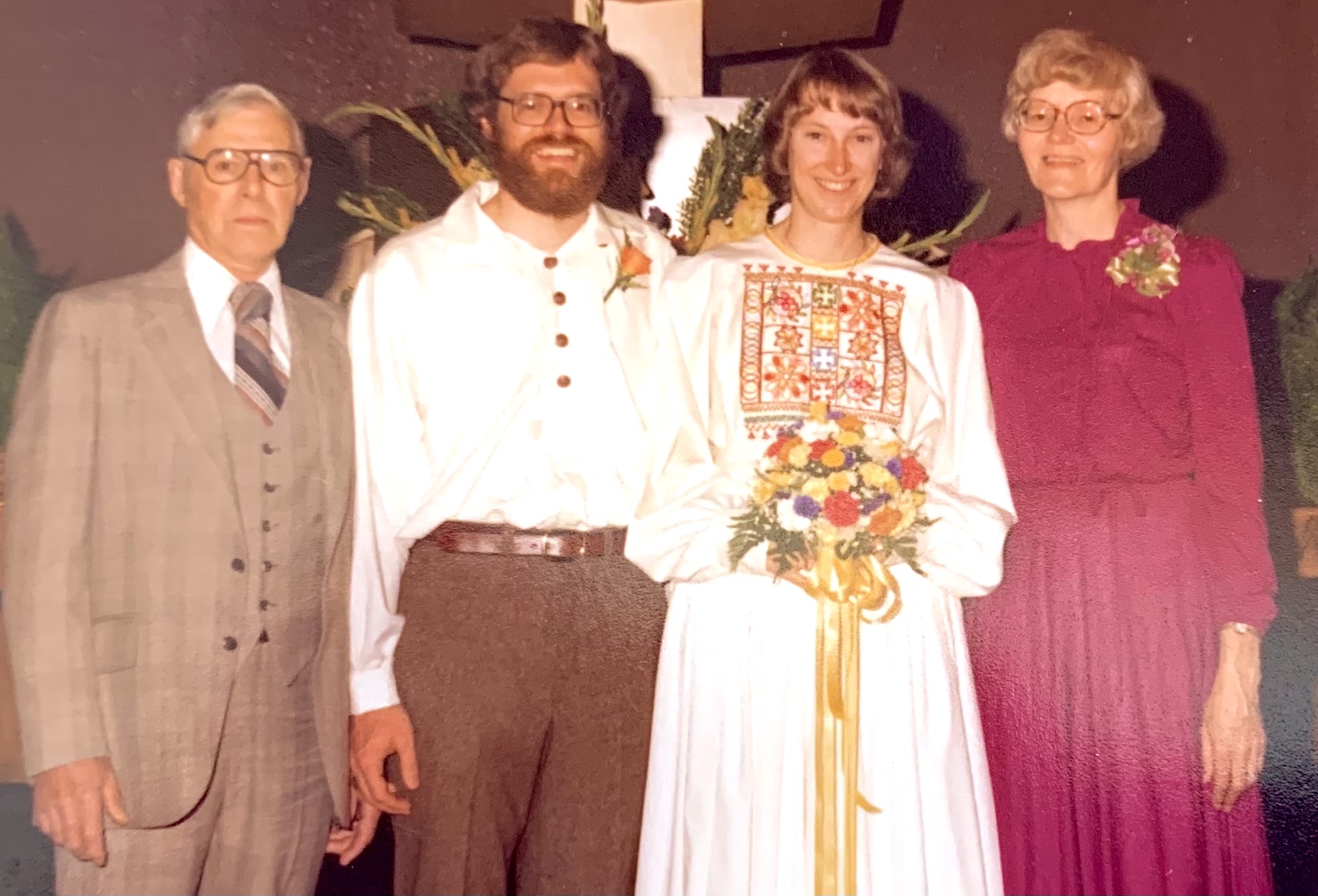
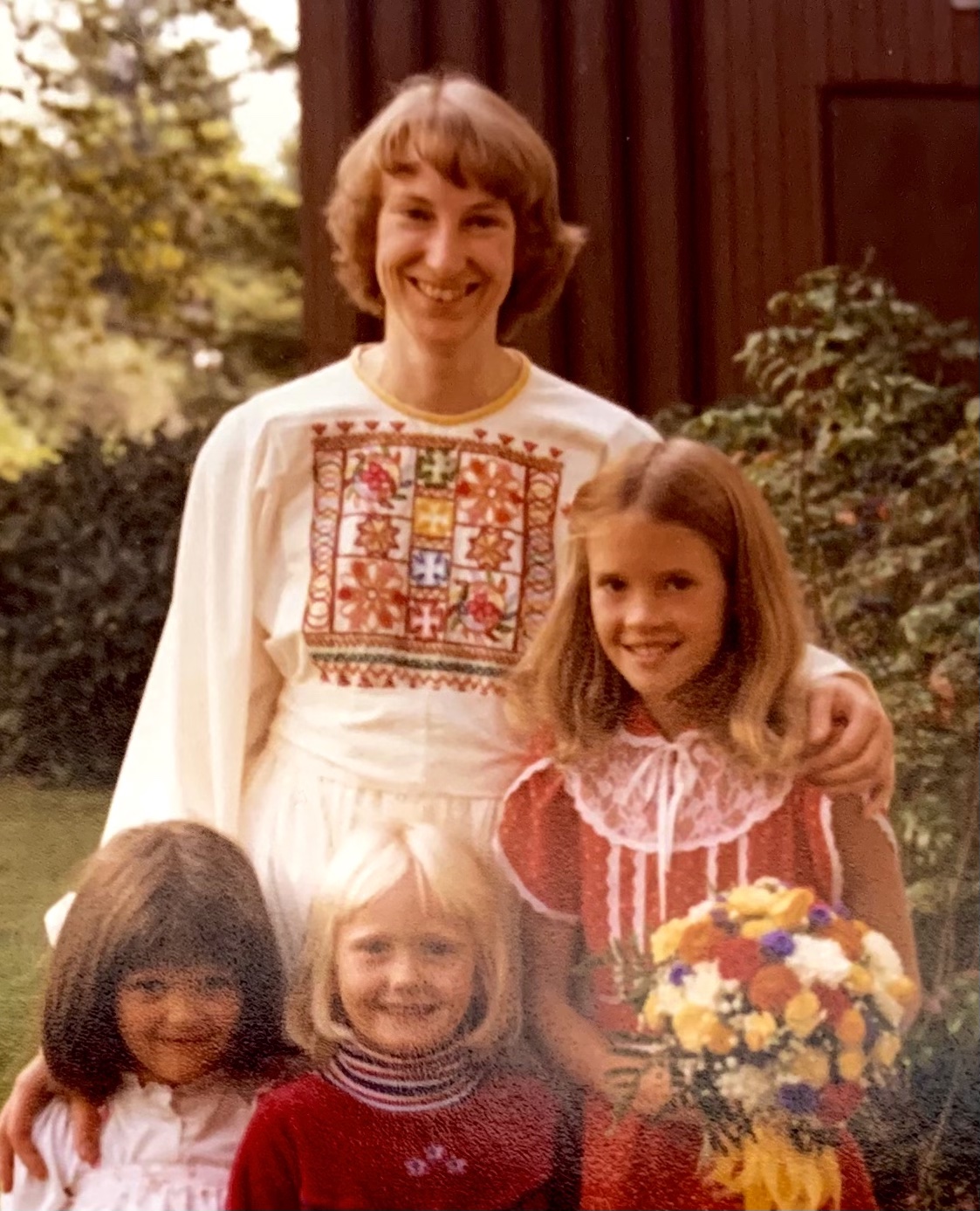
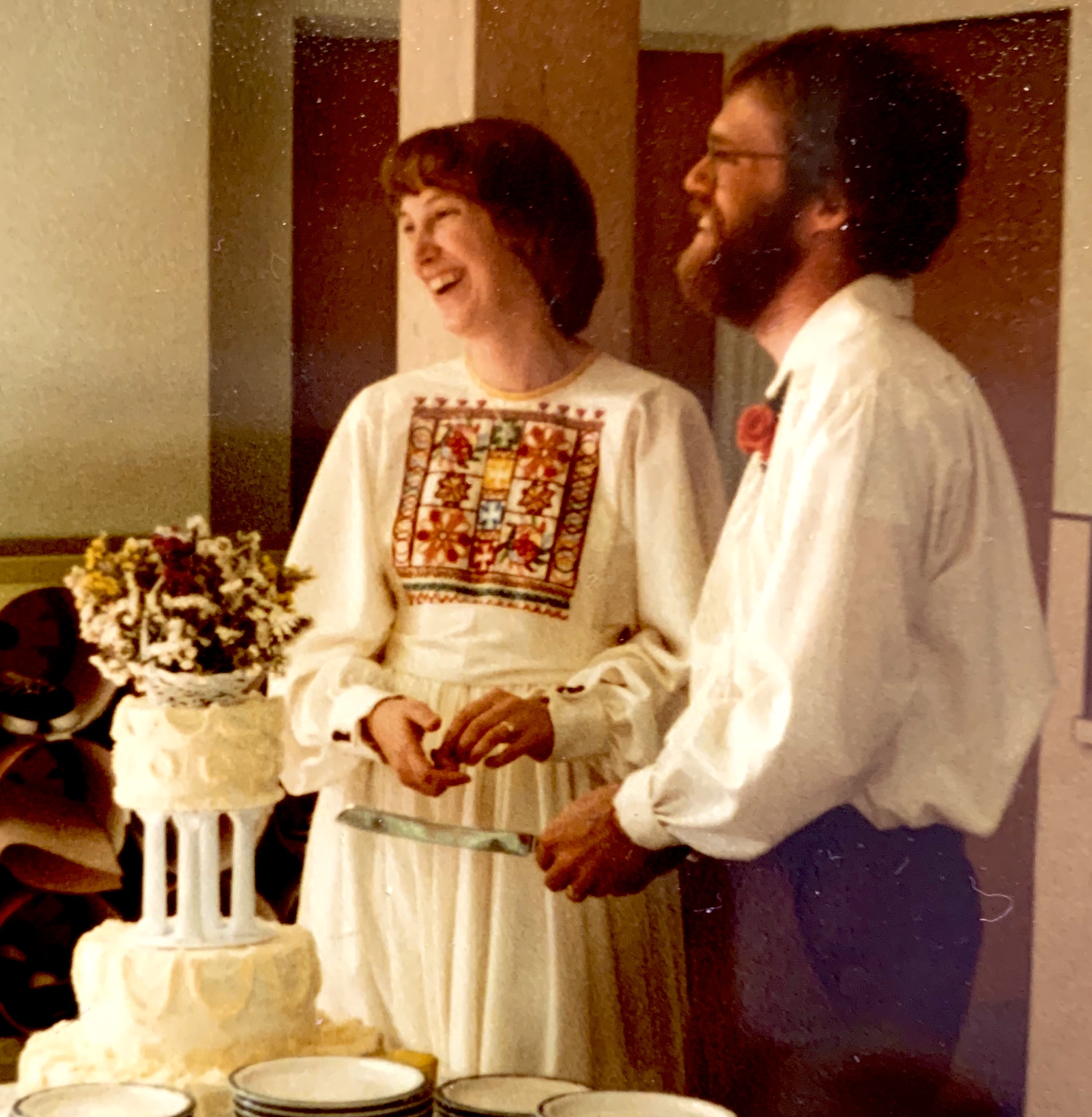
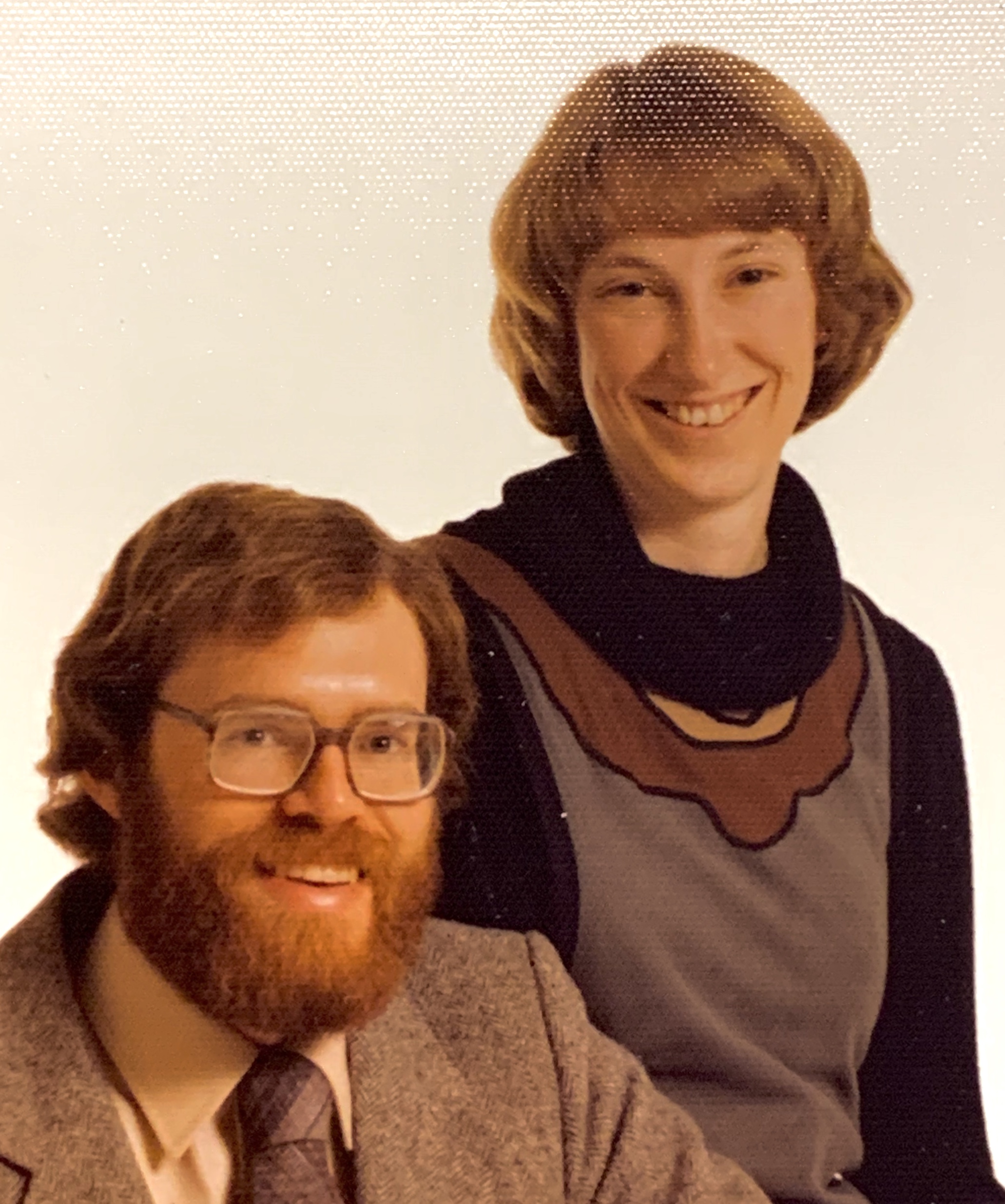
We married forty-four years ago today in our Seattle church with Pastor Peter Holwerda officiating, with a small group of family and friends as witnesses.

It was a wedding of two frugal people with little to spend – I sewed my dress and Dan’s shirt from muslin, we grew our own flowers, our families helped potluck the lunch afterward and our tiered carrot cake was made by a friend.

Yet our vows to one another were not frugal and held nothing back.
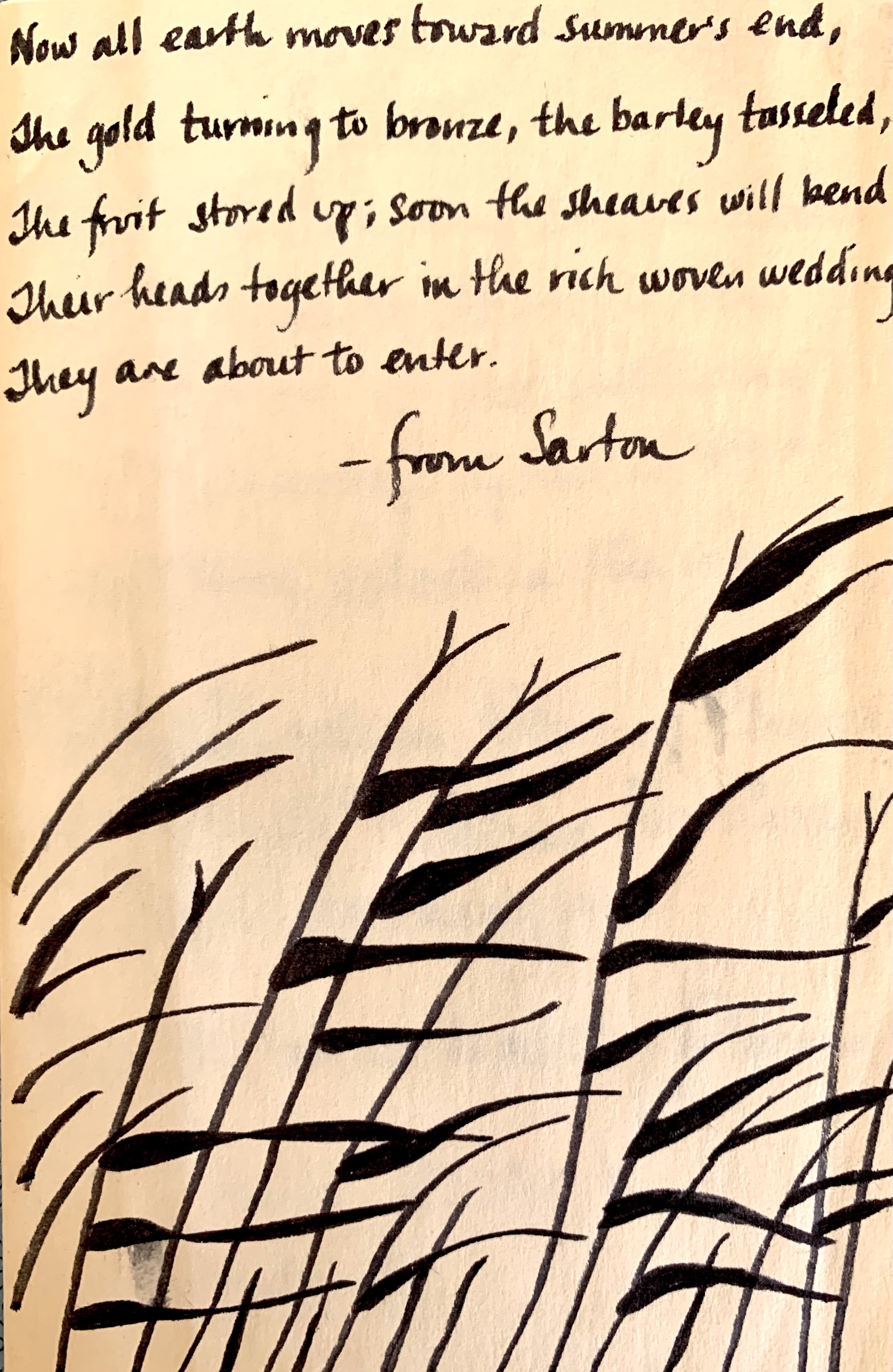
They were extravagant and comprehensive, coming from our hearts and spirits. The music we asked our amazing organist to play (versions below) inspired us by its simplicity and complexity – very much like the families that raised us and the God we worship.

Our vows have taken us from the city to the countryside, to the raising and rejoicing in three amazing children and now six grandchildren. We both served more than forty years as a public-employed attorney and physician. We have laid down those responsibilities, and picked up the tools of farm and garden along with church and community service for as long as we are able.

We treasure each day of living together in faithfulness, respect, compassion and hope – knowing that how we love and find joy in one another mirrors how God loves and revels in His people.

We pray for many more days to fill us with what endures.

A pot of red lentils
simmers on the kitchen stove.
All afternoon dense kernels
surrender to the fertile
juices, their tender bellies
swelling with delight.

In the yard we plant
rhubarb, cauliflower, and artichokes,
cupping wet earth over tubers,
our labor the germ
of later sustenance and renewal.

Across the field the sound of a baby crying
as we carry in the last carrots,
whorls of butter lettuce,
a basket of red potatoes.

I want to remember us this way—
late September sun streaming through
the window, bread loaves and golden
bunches of grapes on the table,
spoonfuls of hot soup rising
to our lips, filling us
with what endures.
~Peter Pereira from “A Pot of Red Lentils”

Here are versions of the organ music we selected for prelude, processional, recessional and postlude

One-Time
Monthly
Yearly

Make a one-time or recurring donation to support daily Barnstorming posts

Make a monthly donation

Make a yearly donation

Choose an amount

$10.00
$25.00
$50.00
$5.00
$15.00
$100.00
$5.00
$15.00
$100.00

Or enter a custom amount

$

Your contribution is deeply appreciated.

Your contribution is appreciated.

Your contribution is appreciated.

DonateDonate monthlyDonate yearly
Calling from the Wind Phone

The pain I feel now is the happiness I had before. That’s the deal.
~C.S. Lewis
from A Grief Observed

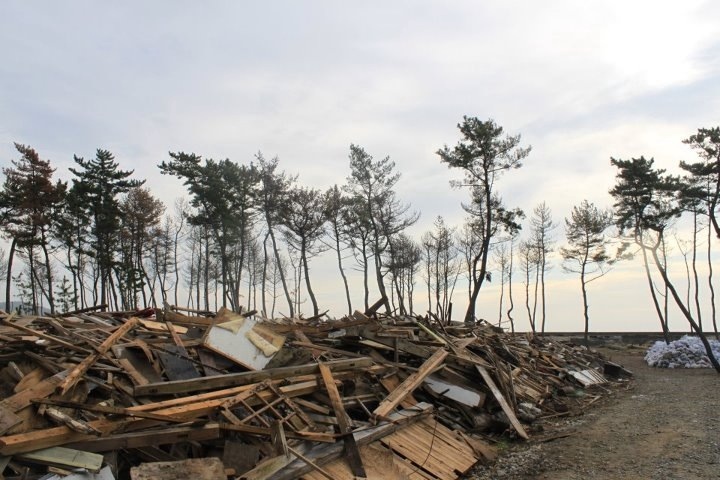
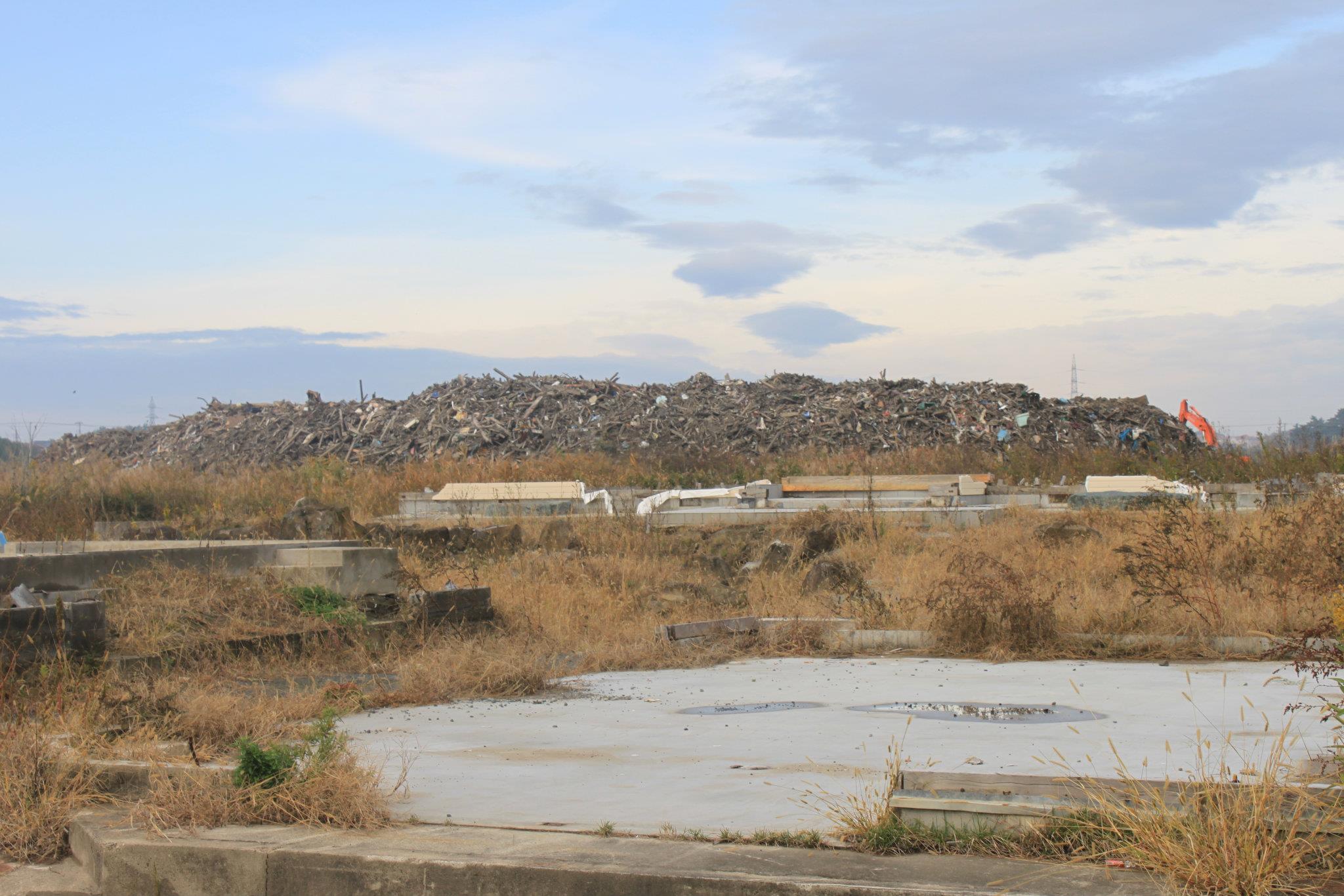
the rubble still piled on the beach at Tohoku, Japan, a year after the 3/11/11 tsunami

In the wrecked landscape
of Fukushima

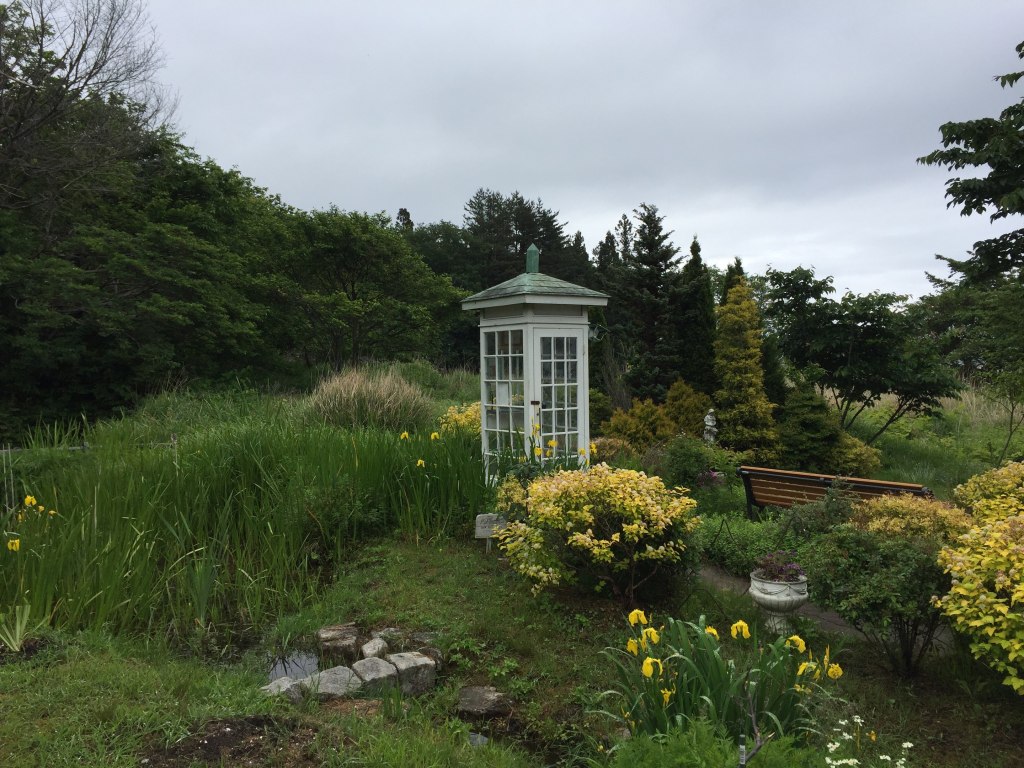
a white telephone booth
shines

with many panes of glass
in the hinged door

and a man steps in
dials the cell number

of his wife’s phone,
of course unanswering—

she was swept away
in the tsunami,

a photo in the paper
shows her sitting outside

on a blanket, knees
up, rocking back in laughter.

I pick up the black
receiver, still warm

from his hand, dialing
my sister’s number I used

to know by heart.
No answer from the sea

or her, just the whirling sound
of blood pounding in my ear.
~Patricia Clark “The Wind Phone”

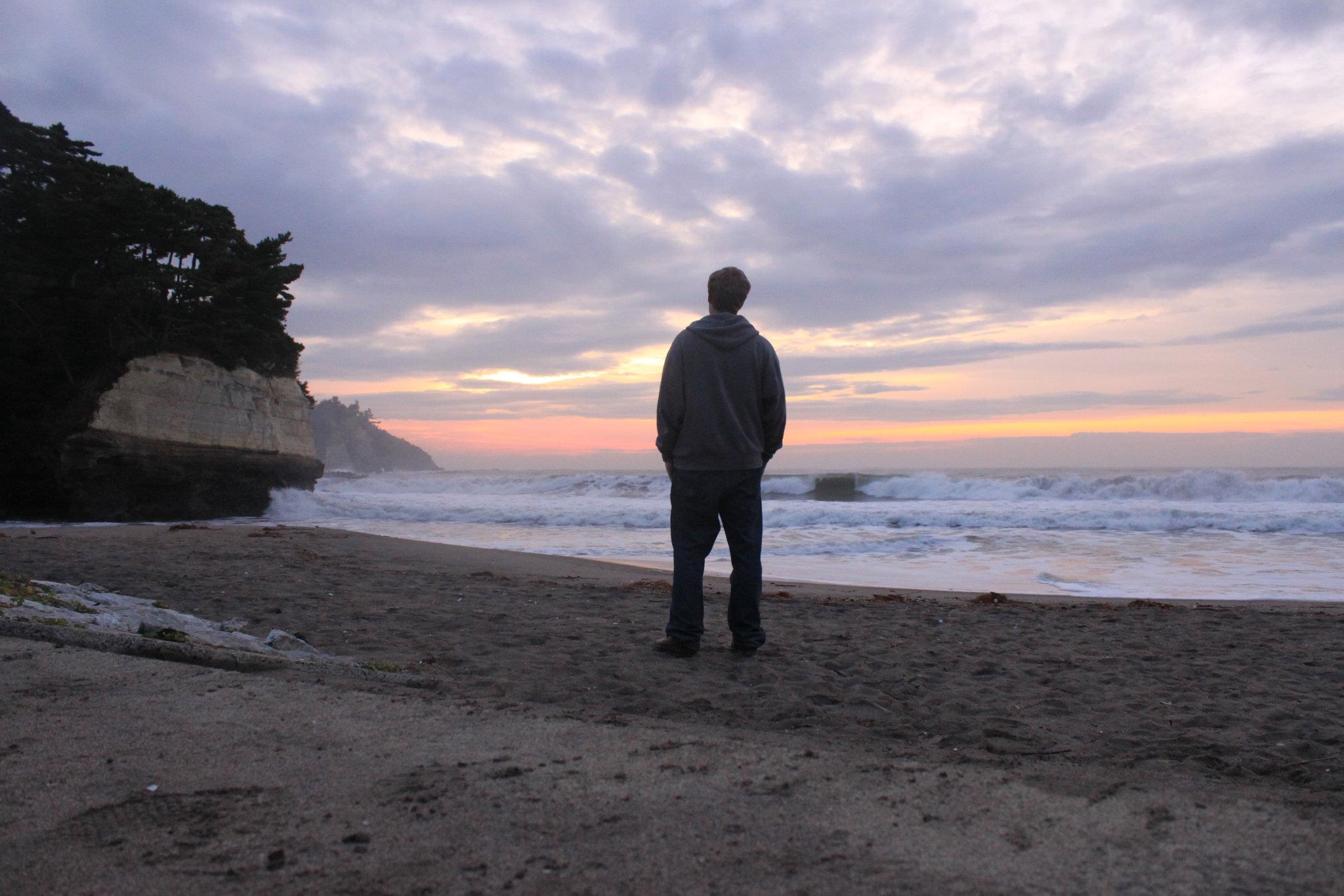
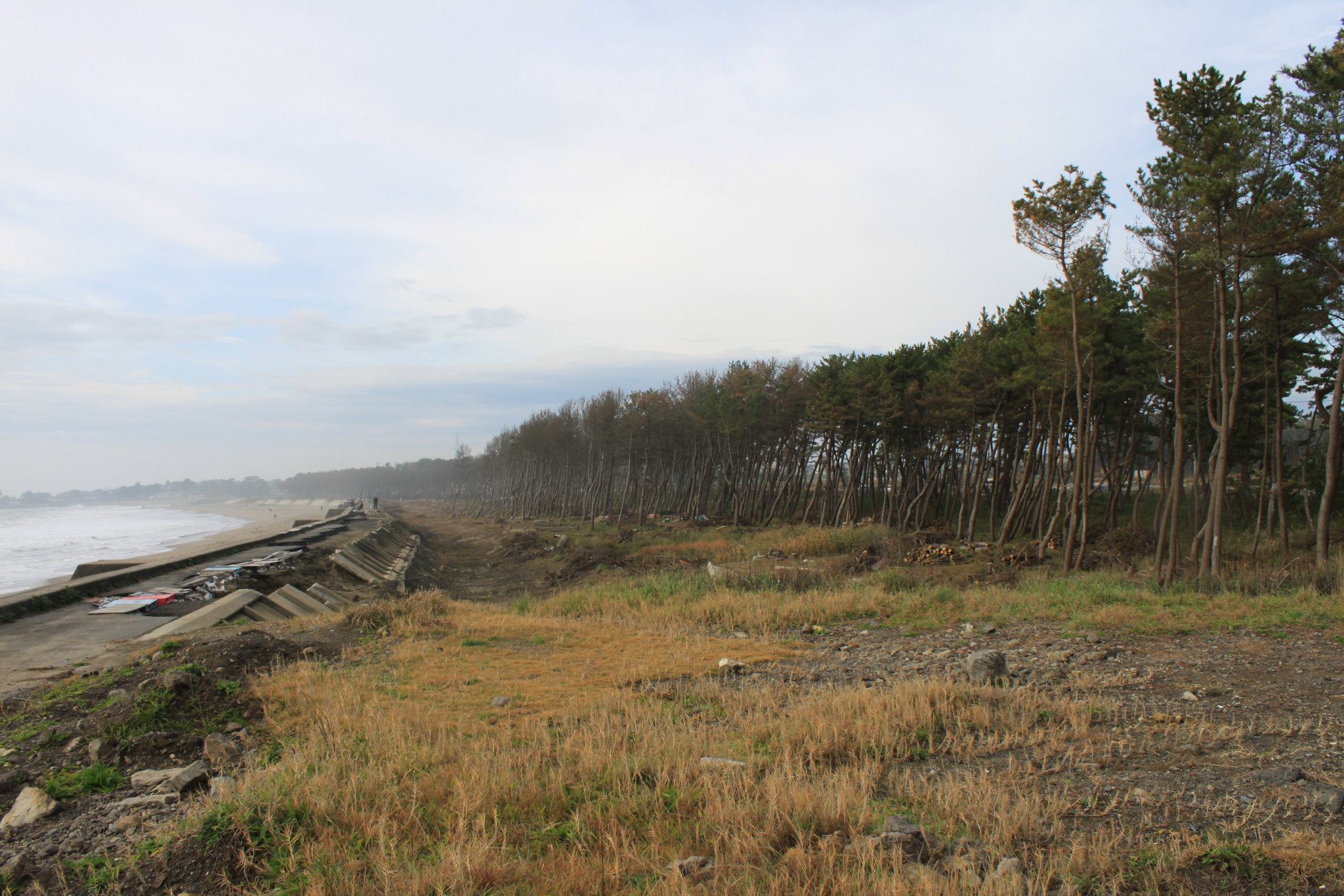
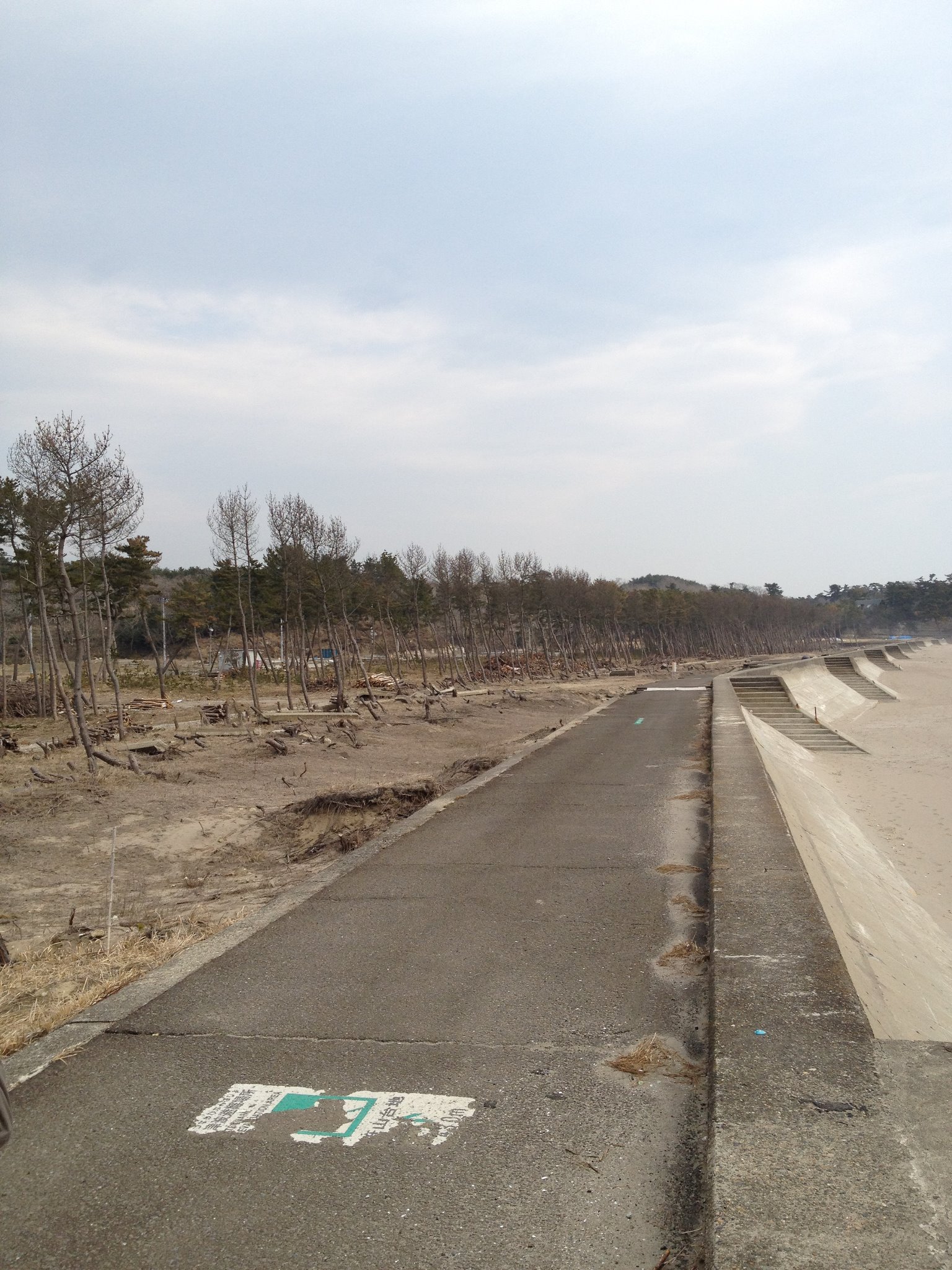
photo by Nate Gibson at Sendai, Japan
photo by Nate Gibson 11/11
photo by Nate Gibson of Sendai rubble pile 11/11

My life closed twice before its close;
It yet remains to see
If immortality unveil
A third event to me

So huge, so hopeless to conceive
As these that twice befell.
Parting is all we know of heaven,
And all we need of hell.

~Emily Dickinson “Parting”

Original windphone is Otsuchi Garden, Japan

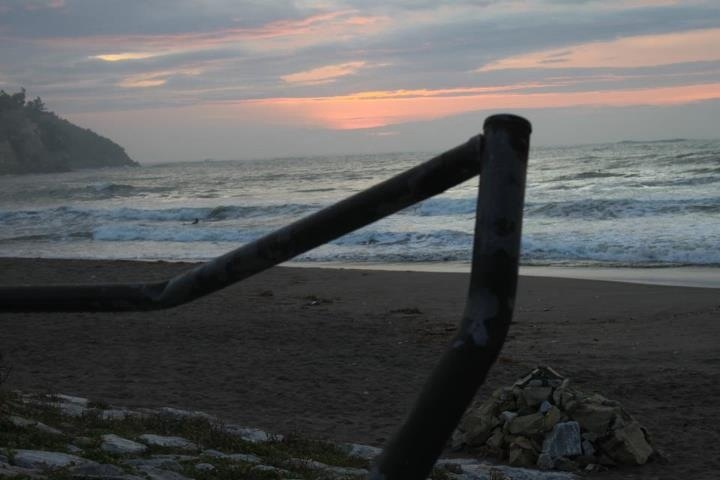
In 2012, we stayed with our friends Brian and Bette at their cabin on a bluff just above the Pacific Ocean at Sendai, Japan, just a few dozen feet above the devastation that wiped out an entire fishing village below during the 3/11/11 earthquake and tsunami.

As we walked that stretch of beach, we heard the stories of the people who had lived there, some of whom did not survive the waves that swept their houses and cars away before they could escape. We walked past the footprints of foundations of hundreds of demolished homes, humbled by the rubble mountains yet to be hauled away a year later, to be burned or buried. There were acres of wrecked vehicles piled one on another, waiting to become scrap metal.

It was visual evidence of life so suddenly and dramatically disrupted and carried away.

This had been a place of recreation and respite for some who visited regularly, commerce and livelihood for others who stayed year round and, in ongoing recovery efforts, struggling to be restored to something familiar. Yet it looked like a foreign ghostly landscape. Many trees perished, lost, broken off, fish nets still stuck high on their scarred trunks. There were small memorials to lost family members within some home foundations, with stuffed animals and flowers wilting from the recent anniversary observance.

Tohoku is a powerful place of memories for those who still live there and know what it once was, how it once looked and felt, and painfully, what it became in a matter of minutes on 3/11/11. The waves swept in inexplicable suffering, then carried their former lives away. Happiness gave ground to such terrible pain that could never have hurt as much without the joy and contentment that preceded it.

We are tempted to ask God why He doesn’t do something about the suffering that happened in this place or anywhere a disaster occurs –but if we do, He will ask us the same question right back. We need to be ready with our answer and our action.

God knows suffering. Far more than we do. He took it all on Himself, feeling His pain amplified, as it was borne out of His love and joy in His creation.

This beautiful place, and its dedicated survivors have slowly recovered, but the inner and outer landscape is forever altered. What remains the same is the pulsing tempo of the waves, the tides, and the rhythm of the light and the night, happening just as originally created.

With that realization, pain will finally give way, unable to stand up to His love, His joy, and our response to His sacrifice.

We can call Him up anytime and anywhere.

bent gate at Sendai beach -2012
One-Time
Monthly
Yearly

Make a one-time or recurring donation to support daily Barnstorming posts

Make a monthly donation

Make a yearly donation

Choose an amount

$10.00
$25.00
$50.00
$5.00
$15.00
$100.00
$5.00
$15.00
$100.00

Or enter a custom amount

$

Your contribution is deeply appreciated.

Your contribution is appreciated.

Your contribution is appreciated.

DonateDonate monthlyDonate yearly
The Healing Crack in the Coil

Needing them still, I come
when I can, this time to the sea
where we share a room: their double bed,
my single. Morning fog paints the pale
scene even paler. Lace curtains breathing,
the chenille spread folded back,
my father’s feet white sails furled
at the edge of blue pajamas.
Every child’s dream, a parent
in each hand, though this child is fifty.
Their bodies fit easily, with room
to spare. When did they grow
so small? Grow so small—
as if it were possible to swell
backwards into an earlier self.


One more year, I ask the silence.
Last night to launch myself
into sleep I counted their breaths, the tidal
rise and fall I now put my ear to,
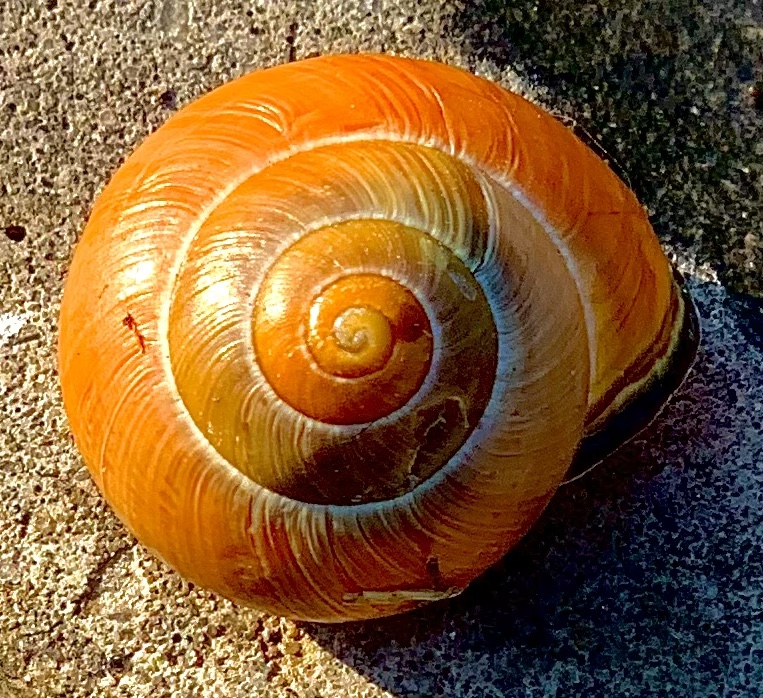
the coiled shell of their lives.
~Rebecca McClanahan from “Watching my Parents Sleeping Beside an Open Window Near the Sea” from Deep Light: New and Selected Poems.

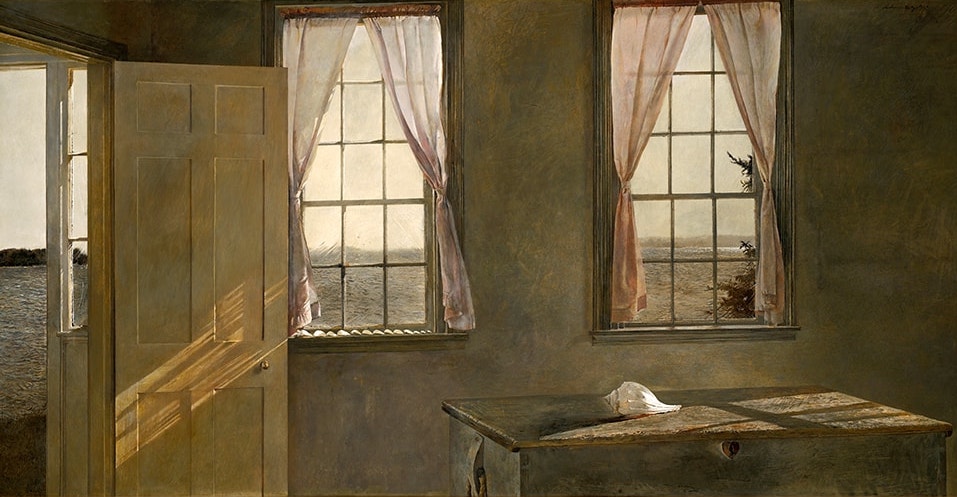
“Her Room” by Andrew Wyeth in the Farnsworth Art Museum

My parents have been gone now for some time, my father 30 years, my mother, nearly 17 years. Their dying was a long process of counted breaths and pauses. I witnessed their bodies curling into themselves, shrinking smaller, worn down by illness and age.

I still miss them as I’m reminded of them by the events of my own life, still wanting them to take me by the hand as I navigate my own daily path.

After mom’s death, those possessions not distributed to family members have remained packed up and stored in our barn buildings. I know it is well past time to deal with their stuff as I become keenly aware of my own graying and aging.

In the house, next to where I write, is a box of over 500 letters written by my mother and father between 1941 and 1945. The letters began as they were getting to know each other at college, going from “pinned” to “engaged” and continue for three and a half more years after a hurried wedding Christmas Eve 1942. By mid-January 1943, my newly minted Marine officer father shipped out to spend the next three years of his life fighting on the battlefields of Saipan, Tinian and Tarawa in the Pacific Ocean, not to return again to the states until late summer of 1945.

My mother wrote her letters from the small rural eastern Washington community of Colville, living in a “teachers’ cottage” with other war wives who taught school while waiting for their husbands to return home – or not.

It took me a decade to find the courage and time to devote to reading these letters they treasured and never threw away. I sorted them unopened by postmark date into some semblance of order and sat down to start at the very beginning, which, of course, is my beginning as well. I opened each one with some trepidation and a lump in my throat about what I might find written there. I worried I may find things I didn’t want to know. I hoped I would find things that I desperately needed to know.

Most of all I wanted to understand the two people who became my parents within the coiled shell of their forty years together, though broken by a painful divorce which lasted a decade. Having lived through that awful time with them, I want to understand the origin of a love which eventually mended their cracked shell of companionship, gluing them back together for five more years before my father died.

As I ponder their words, I too cross a bridge back to them both, my ear pressed to the coiled shell of those fading voices, as if I might still hear the sea, at times bringing them closer, then pulling them farther away.

AI image created for this post
One-Time
Monthly
Yearly

Make a one-time or recurring donation to support daily Barnstorming posts

Make a monthly donation

Make a yearly donation

Choose an amount

$10.00
$25.00
$50.00
$5.00
$15.00
$100.00
$5.00
$15.00
$100.00

Or enter a custom amount

$

Your contribution is deeply appreciated.

Your contribution is appreciated.

Your contribution is appreciated.

DonateDonate monthlyDonate yearly
Back to Back

We lie back to back. Curtains
lift and fall,
like the chest of someone sleeping.
Wind moves the leaves of the box elder;
they show their light undersides,
turning all at once
like a school of fish.
Suddenly I understand that I am happy.
For months this feeling
has been coming closer, stopping
for short visits, like a timid suitor.
~Jane Kenyon “The Suitor”

Andrew Wyeth – Wind from the Sea, 1947

Happiness can be an elusive suitor and is altogether undependable.

I too have had glimpses of it throughout my life – a fleeting “this is it.”
Then the clouds roll in and the ecstasy of the realization fades to mist.

I tend to trust the old reliable friends who show up regularly – like “hopeful” and “contented” and “being at peace” – plus moments when the sweetness of each breath brings tears of overwhelming joy.

Instead of pursuing happiness, (always a pursuit rather than a destination), I thrive on knowing I love deeply and am loved.
That knowledge is what gets me through the really tough times when happiness doesn’t always put in an appearance.

Love shows up.
Love has my back when I’m afraid and full of doubt.
Love persists through sadness.
Love doesn’t give up when everything hurts.
Love is sufficient.

Love is enough to bring those happy tears to my eyes…

Love is patient, love is kind. It does not envy, it does not boast, it is not proud. It does not dishonor others, it is not self-seeking, it is not easily angered, it keeps no record of wrongs. Love does not delight in evil but rejoices with the truth. It always protects, always trusts, always hopes, always perseveres.

Love never fails.
1 Corinthians 13: 4-8a

One-Time
Monthly
Yearly

Make a one-time or recurring donation to support daily Barnstorming posts

Make a monthly donation

Make a yearly donation

Choose an amount

$10.00
$25.00
$50.00
$5.00
$15.00
$100.00
$5.00
$15.00
$100.00

Or enter a custom amount

$

Your contribution is deeply appreciated.

Your contribution is appreciated.

Your contribution is appreciated.

DonateDonate monthlyDonate yearly
Where We Could Not Reach

My father would lift me
to the ceiling in his big hands
and ask, 
How’s the weather up there?
And it was good, the weather
of being in his hands, his breath
of scotch and cigarettes, his face
smiling from the world below.
O daddy, was the lullaby I sang
back down to him as he stood on earth,
my great, white-shirted father, home
from work, his gold wristwatch
and wedding band gleaming
as he held me above him
for as long as he could,
before his strength failed
down there in the world I find myself
standing in tonight, my little boy
looking down from his flight
below the ceiling, cradled in my hands,
his eyes wide and already staring
into the distance beyond the man
asking him again and again,
How’s the weather up there?
~George Bilgere “Weather”.

It was hard work, dying, harder
than anything he’d ever done.

Whatever brutal, bruising, back-
breaking chore he’d forced himself

to endure—it was nothing
compared to this. And it took

so long. When would the job
be over? Who would call him

home for supper? And it was
hard for us (his children)—

all of our lives we’d heard
my mother telling us to go out,

help your father, but this
was work we could not do.

He was way out beyond us,
in a field we could not reach.

~Joyce Sutphen “My Father, Dying”

Deep in one of our closets is an old film reel of me about 16 months old sitting securely held by my father on his shoulders. I am bursting out with giggles as he repeatedly bends forward, dipping his head and shoulders down. I tip forward, looking like I am about to fall off, and when he stands back up straight, my mouth becomes a large O and I can almost remember the tummy tickle I feel. I want him to do it again and again, taking me to the edge of falling off and then bringing me back from the brink.

My father was a tall man, so being swept up onto his shoulders felt a bit like I was touching heaven.

It was as he lay dying 30 years ago this summer that I realized again how tall he was — his feet kept hitting the foot panel of the hospital bed my mother had requested for their home. We cushioned his feet with padding so he wouldn’t get abrasions even though he would never stand on them again, no longer towering over us.

His helplessness in dying was startling – this man who could build anything and accomplish whatever he set his mind to was unable to subdue his cancer. Our father, who was so self-sufficient he rarely asked for help, did not know how to ask for help now.

So we did what we could when we could tell he was uncomfortable, which wasn’t often. He didn’t say much, even though there was much we could have been saying. We didn’t reminisce. We didn’t laugh and joke together. We just were there, taking shifts catching naps on the couch so we could be available if he called out, which he never did.

This man:
who had grown up dirt poor,
fought hard with his alcoholic father
left abruptly to go to college – the first in his family –
then called to war for three years in the South Pacific.

This man:
who had raised a family on a small farm while he was a teacher,
then a supervisor, then a desk worker.

This man:
who left our family to marry another woman
but returned after a decade to ask forgiveness.

This man:
who died in a house he had built completely himself,
without assistance, from the ground up.

He didn’t need our help – he who had held tightly to us and brought us back from the brink when we went too far – he had been on the brink himself and was rescued, coming back humbled.

No question the weather is fine for him up there. I have no doubt.

One-Time
Monthly
Yearly

Make a one-time or recurring donation to support daily Barnstorming posts

Make a monthly donation

Make a yearly donation

Choose an amount

$10.00
$25.00
$50.00
$5.00
$15.00
$100.00
$5.00
$15.00
$100.00

Or enter a custom amount

$

Your contribution is deeply appreciated.

Your contribution is appreciated.

Your contribution is appreciated.

DonateDonate monthlyDonate yearly