Through our scientific and technological genius, we have made of this world a neighborhood and yet we have not had the ethical commitment to make of it a brotherhood. We must all learn to live together as brothers or we will all perish together as fools. We are tied together in the single garment of destiny, caught in an inescapable network of mutuality. And whatever affects one directly affects all indirectly.
This is the way God’s universe is made; this is the way it is structured.
John Donne caught it years ago and placed it in graphic terms: “No man is an island entire of itself. Every man is a piece of the continent, a part of the main.” And he goes on toward the end to say, “Any man’s death diminishes me because I am involved in mankind; therefore send not to know for whom the bell tolls; it tolls for thee.”
We must see this, believe this, and live by it… ~Martin Luther King Jr. from a sermon in A Knock At Midnight
Dr. King’s words and wisdom in his sermons spoken nearly sixty years ago still inform us of our shortcomings. We flounder in flaws and brokenness despite our shared global neighborhood, persisting in a resistance to serve one another in brotherhood.
We still stand apart from one another; even as the bell tolls, we suffer the divisiveness from a lack of humility, grace and love.
Perhaps today, for a day, for a week, for a year, we can unite in our shared tears: shed for continued strife and disagreement, shed for injustice that results in senseless killings, shed for our inability to hold up one another as brothers and sisters holy in God’s eyes.
We weep together as the light dawns on this day, knowing as Dr. King knew, a new day will come when the Lord God will wipe tears away from all faces and all colors — a brotherhood and sisterhood created exactly as He intends.
Sundays too my father got up early And put his clothes on in the blueback cold, then with cracked hands that ached from labor in the weekday weather made banked fires blaze. No one ever thanked him.
I’d wake and hear the cold splintering, breaking. When the rooms were warm, he’d call, and slowly I would rise and dress, fearing the chronic angers of that house,
Speaking indifferently to him, who had driven out the cold and polished my good shoes as well. What did I know, what did I know of love’s austere and lonely offices? – Robert Hayden, Those Winter Sundays
We cannot know nor comprehend the sacrifices made for us, so much hidden away and inscrutable.
We who feel so entitled to comfort and pleasure and attention will find that none of it is deserved yet still freely given. May we ourselves someday feel such love for another – if we are so blessed to give of ourselves so deeply.
Our shoes shined, our hearts brimming with gratitude on a cold Sunday morning – we go to thank God for His ultimate sacrifice and His grace in loving us as we are: deserving nothing, filled with everything from Him.
If your everyday life seems poor to you, do not accuse it; accuse yourself, tell yourself you are not poet enough to summon up its riches; since for the creator there is no poverty and no poor or unimportant place. ― Rainer Maria Rilke
Instructions for living a life: Pay attention. Be astonished. Tell about it. ~Mary Oliver
As a child, I would sometimes spend long rainy afternoons languishing on the couch, complaining to my mother how boring life was.
Her typical response was to remind me my boredom said more about me than about life– I became the accused, rather than the accuser, failing to summon up life’s riches.
Thus convicted, my sentence followed: she would promptly give me chores to do. I learned not to voice my complaints about how boring life seemed, because it always meant work.
Some things haven’t changed, even fifty-some years later. Whenever I am tempted to feel frustrated or pitiful or bored, accusing my life of being poor or unfair, I need to remember what that says about me. If I’m not poet enough to recognize the Creator’s brilliance in every slant of light or every molecule, then it is my poverty I’m accusing, not His.
So – back to the work of paying attention and being astonished. There is a life to be lived and almost always something to say about it.
In gratitude to poet Mary Oliver, who did not wake up this morning on this side of the veil, but did wake up to unimaginable glory on another side:
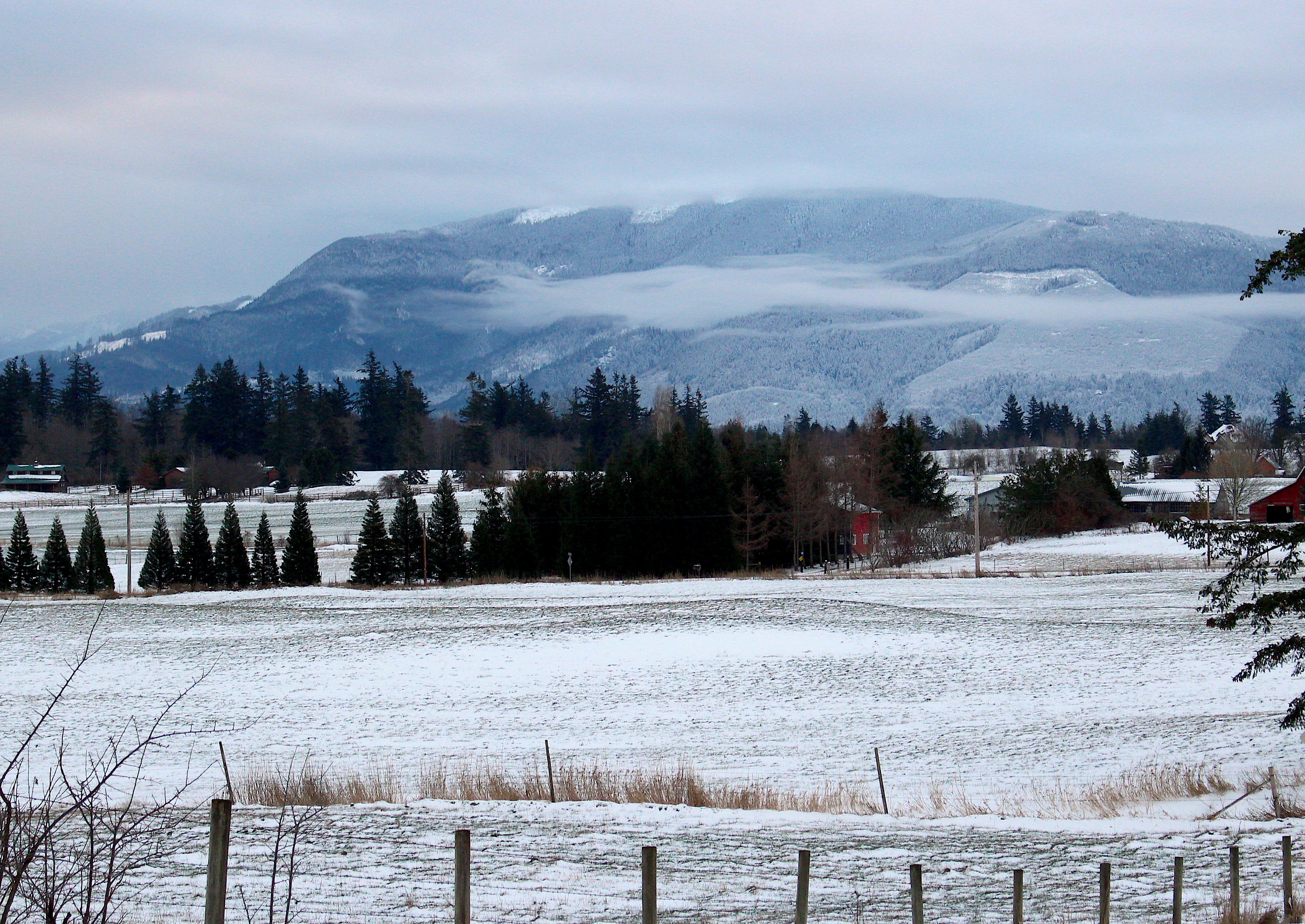
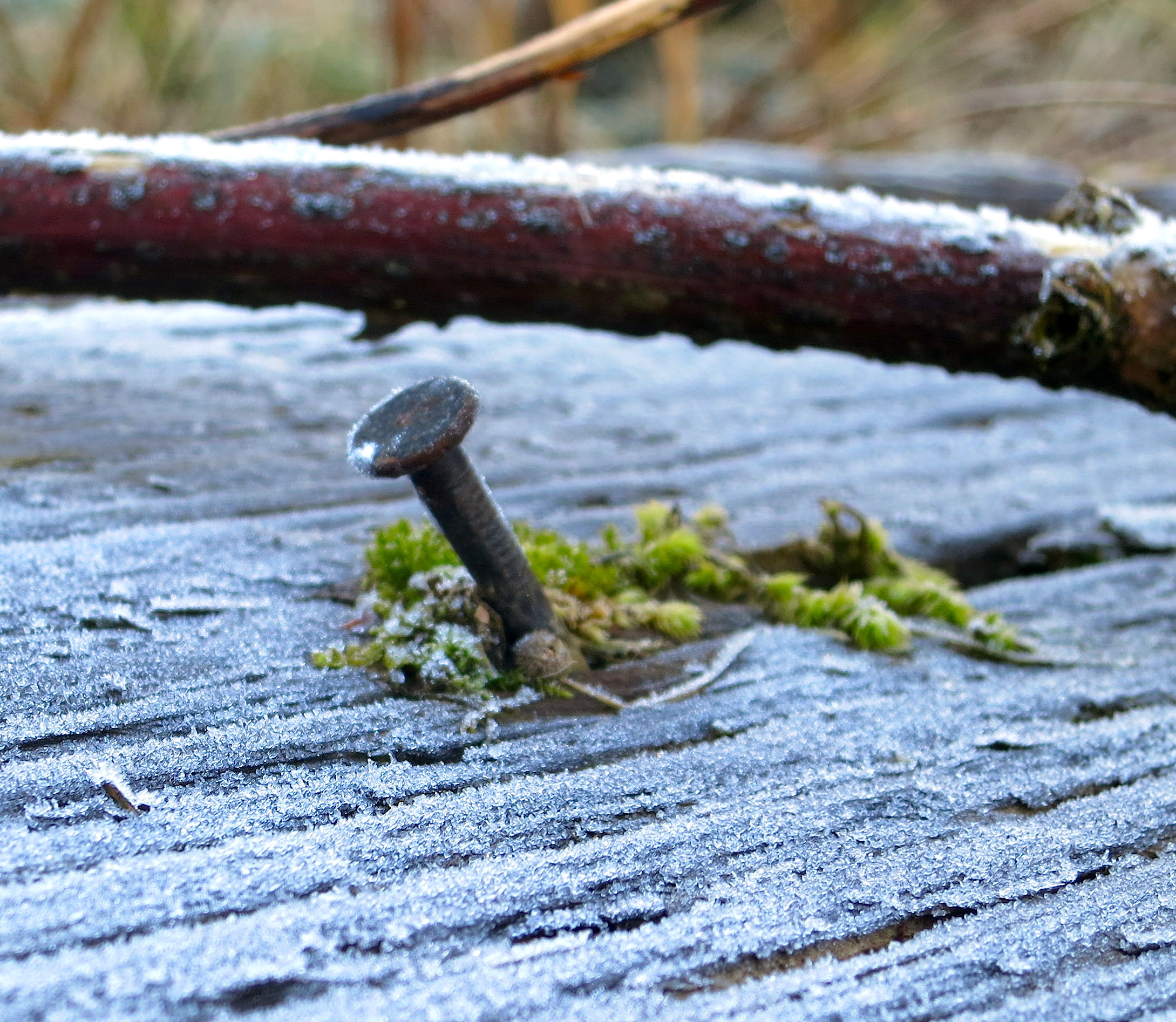
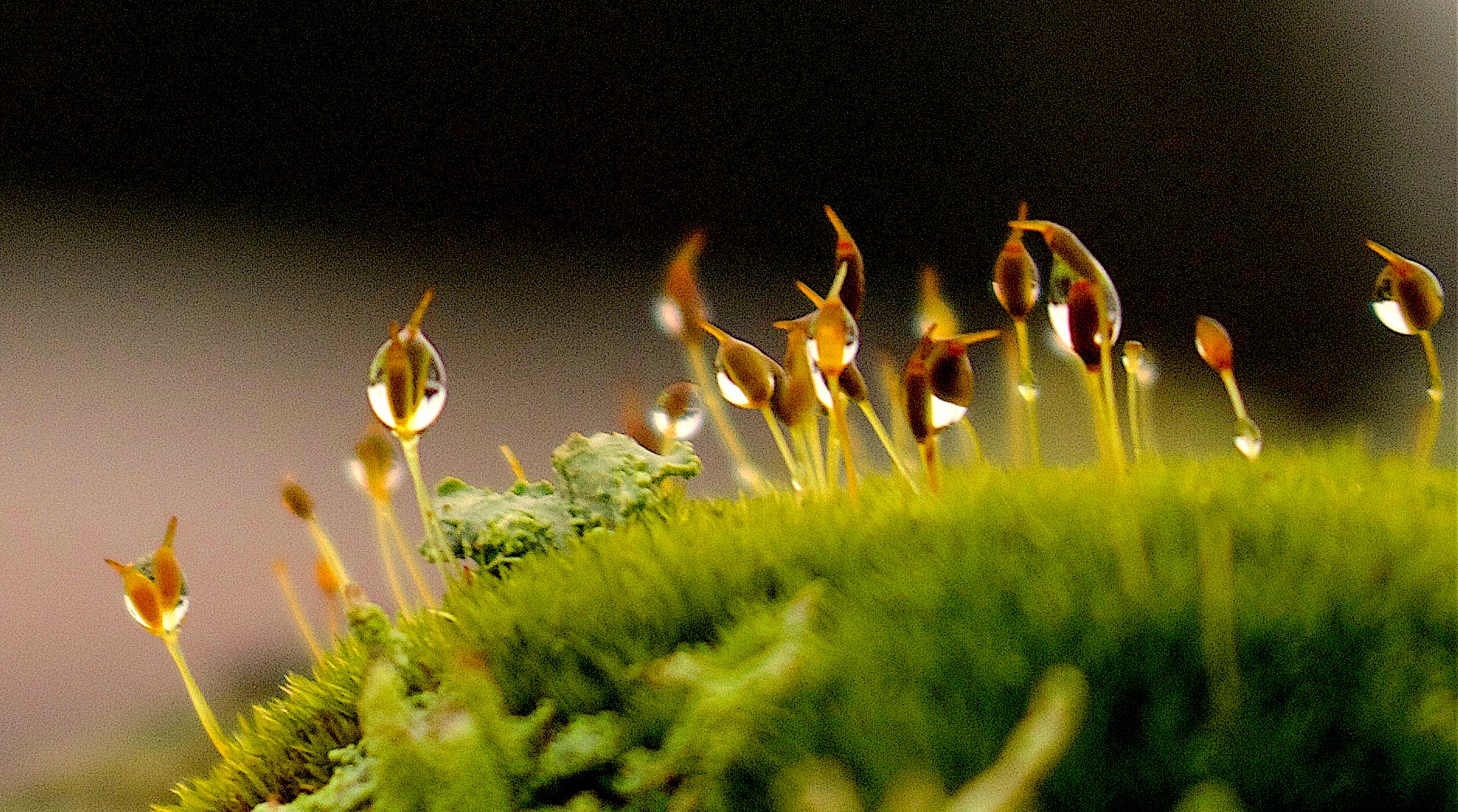
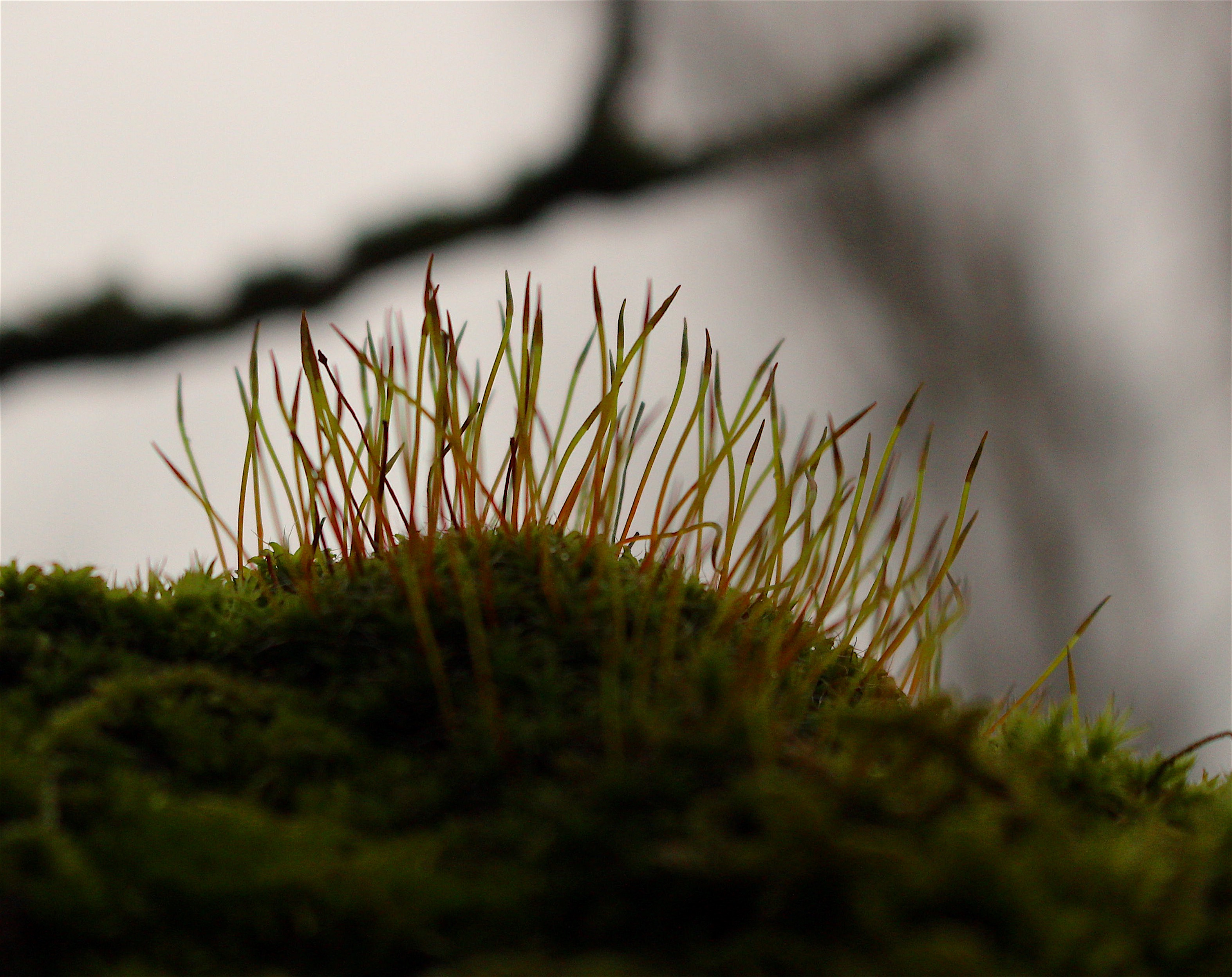
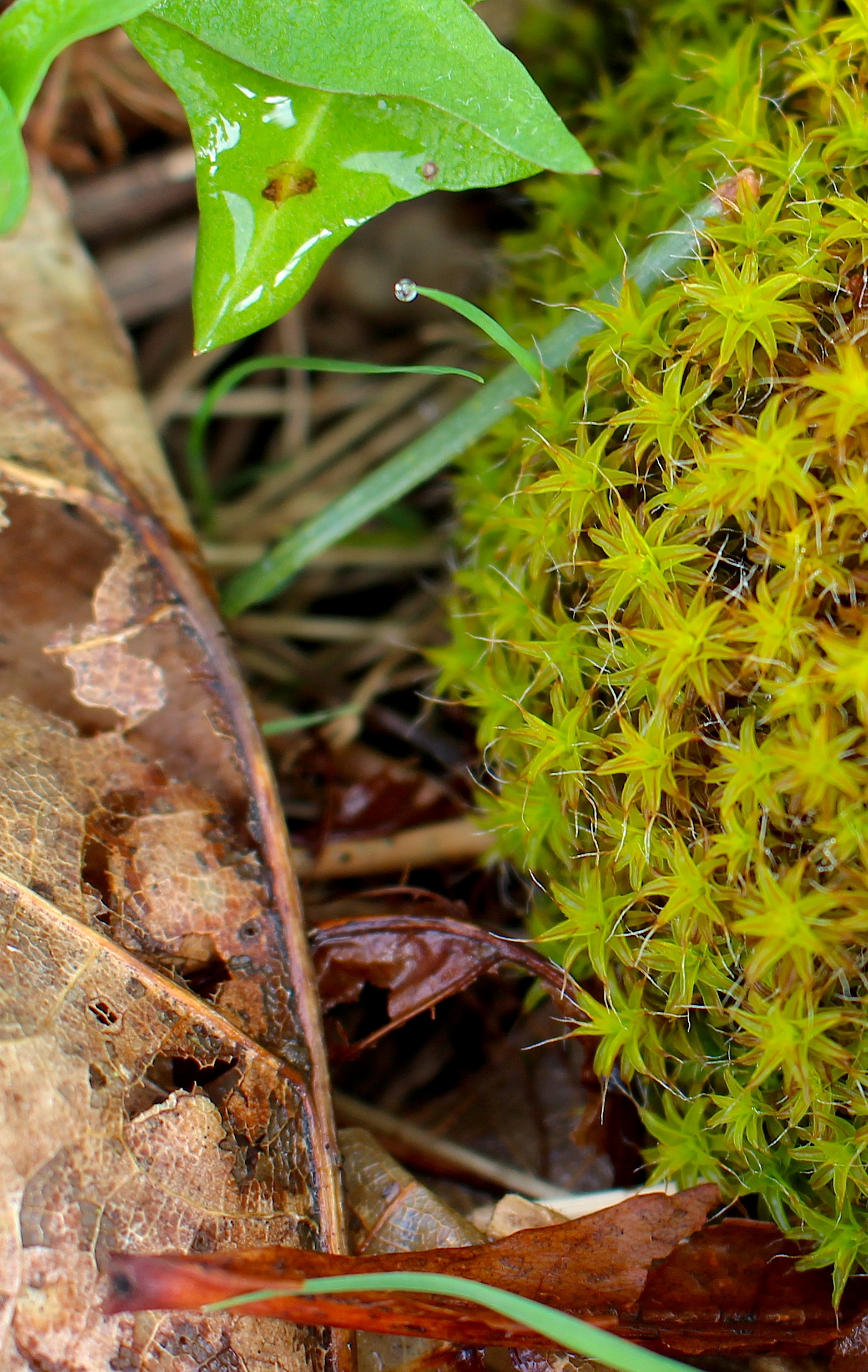
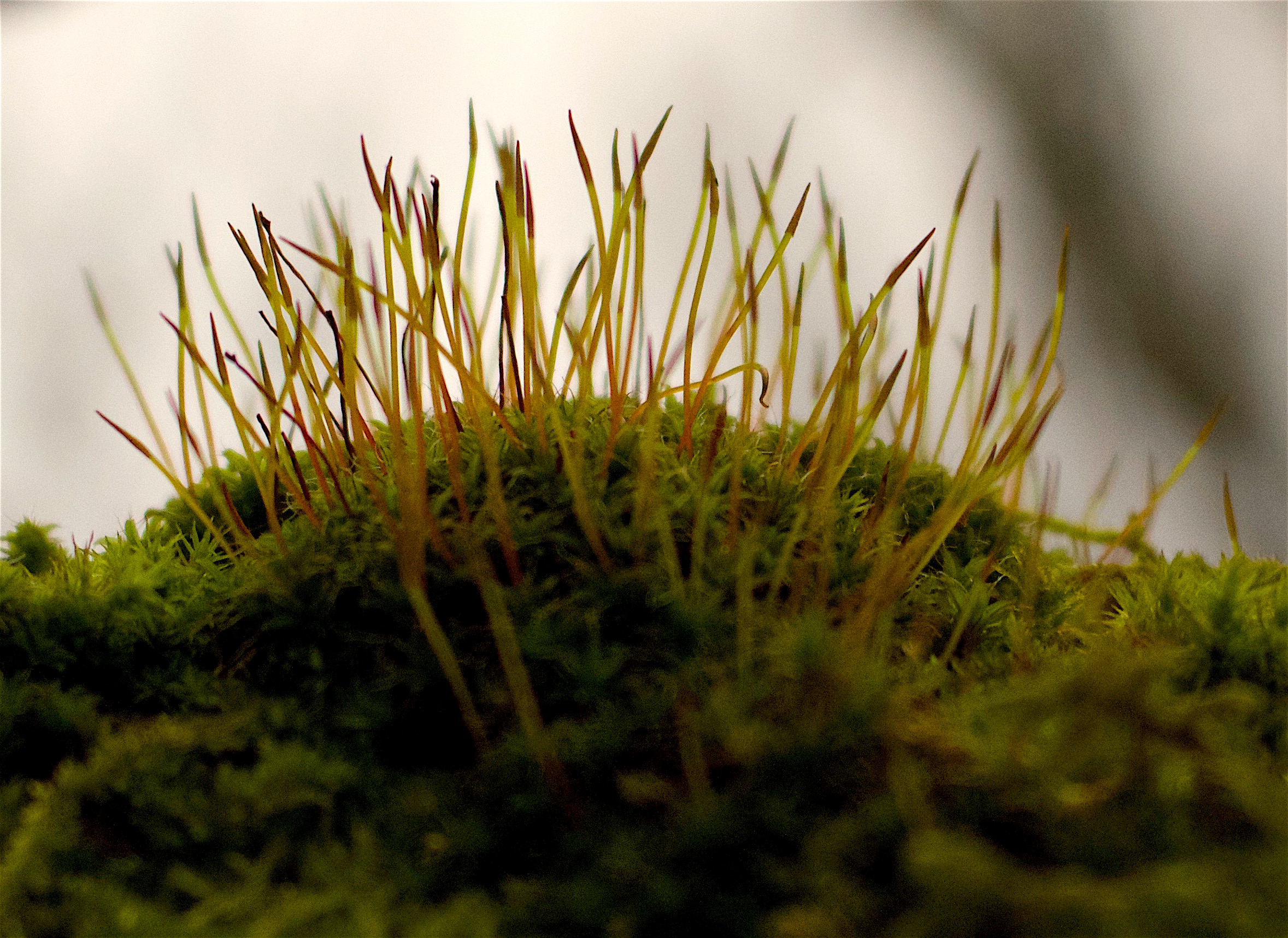
Even in mid-January, when endless days drag on dark and damp~ even when I am unconvinced new life and light will ever return, these mosses grow with enthusiasm, requiring so little to stay alive~
they patiently encourage me to fly with strong wings, to keep open the doors of my heart to the possibility that even now, especially now when I can’t imagine it, I too will thrive.
When it’s over, I want to say: all my life I was a bride married to amazement. I was the bridegroom, taking the world into my arms.
When it’s over, I don’t want to wonder if I have made of my life something particular, and real. I don’t want to find myself sighing and frightened, or full of argument.
I don’t want to end up simply having visited this world. ~Mary Oliver from “When Death Comes”
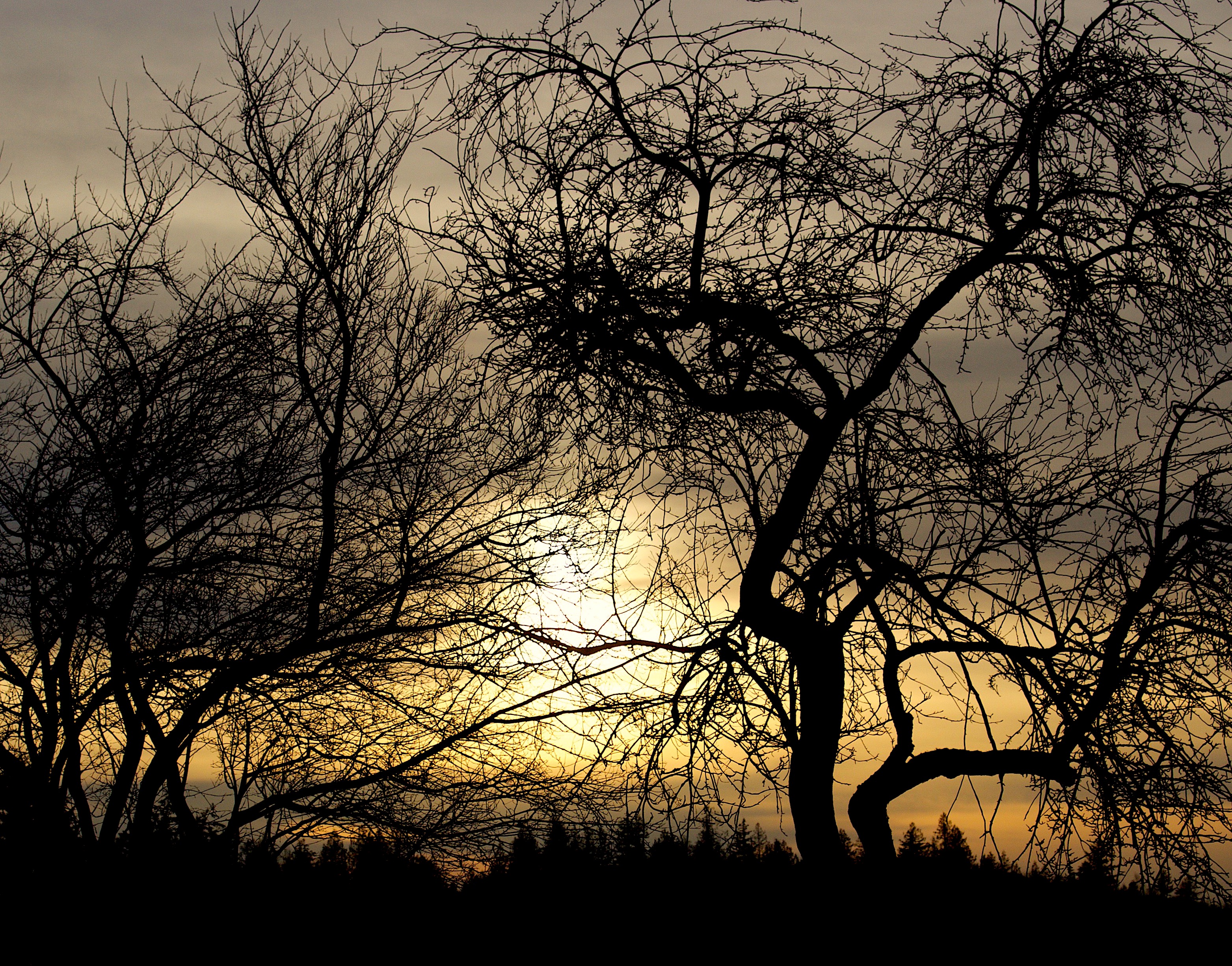
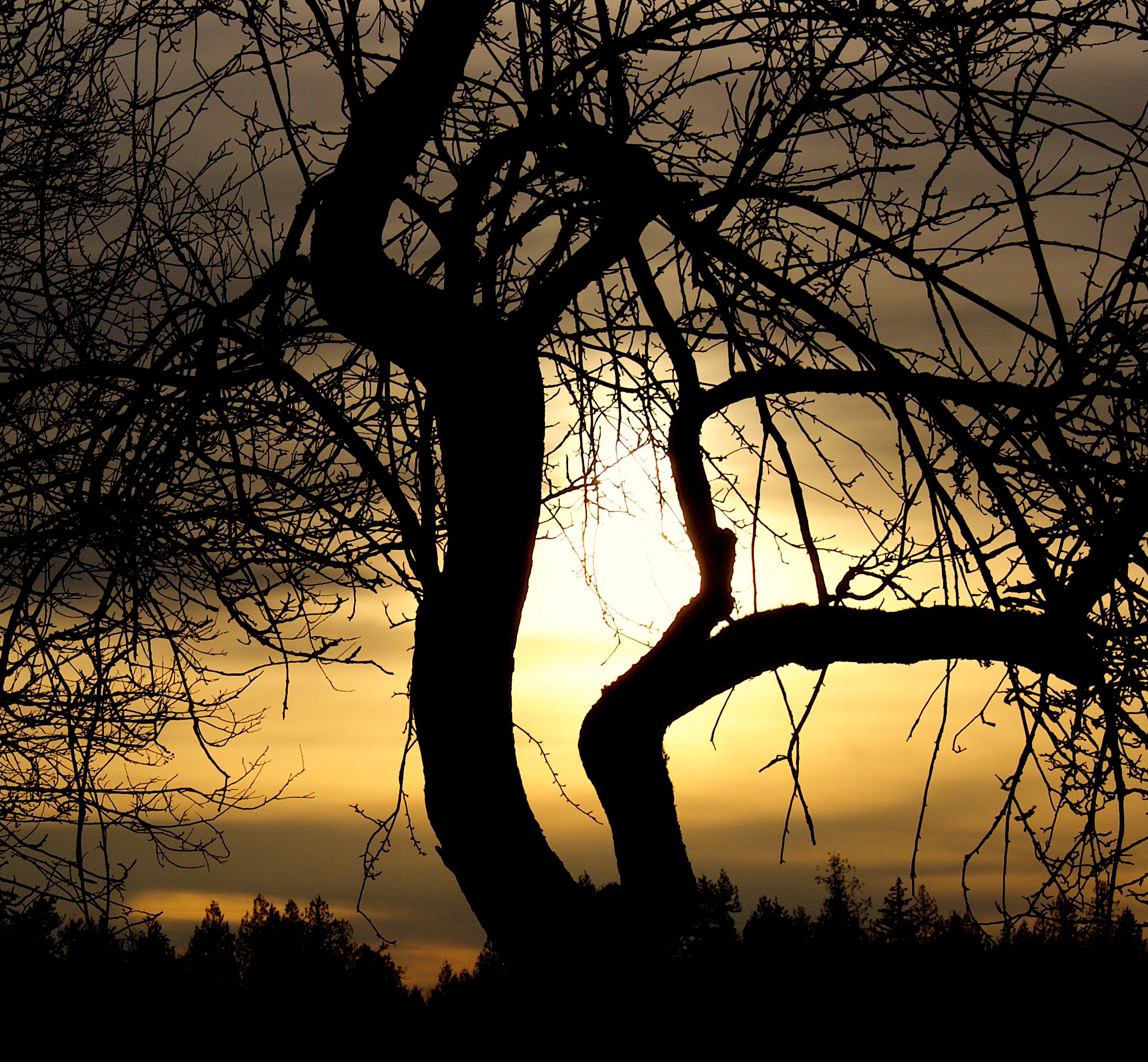
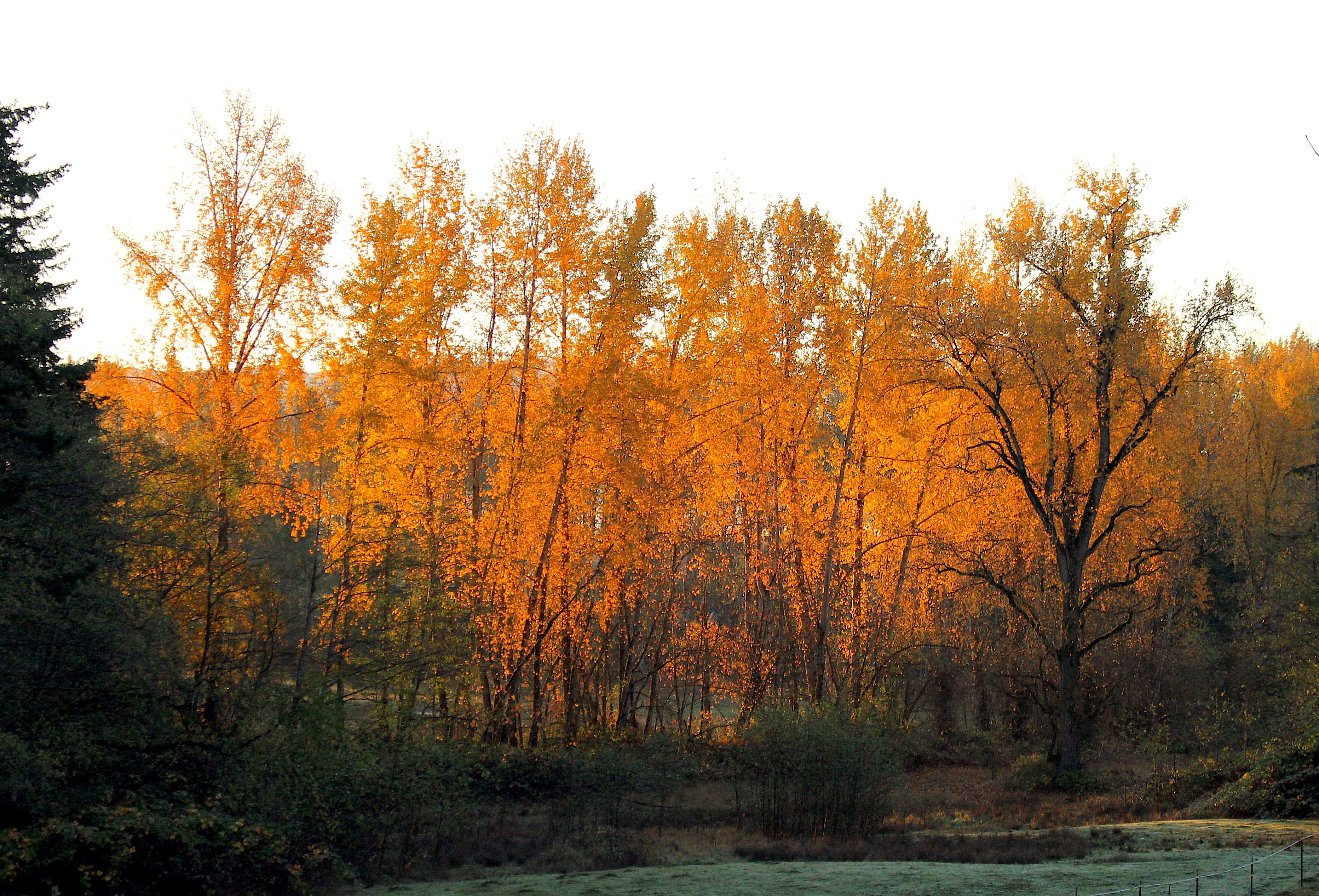
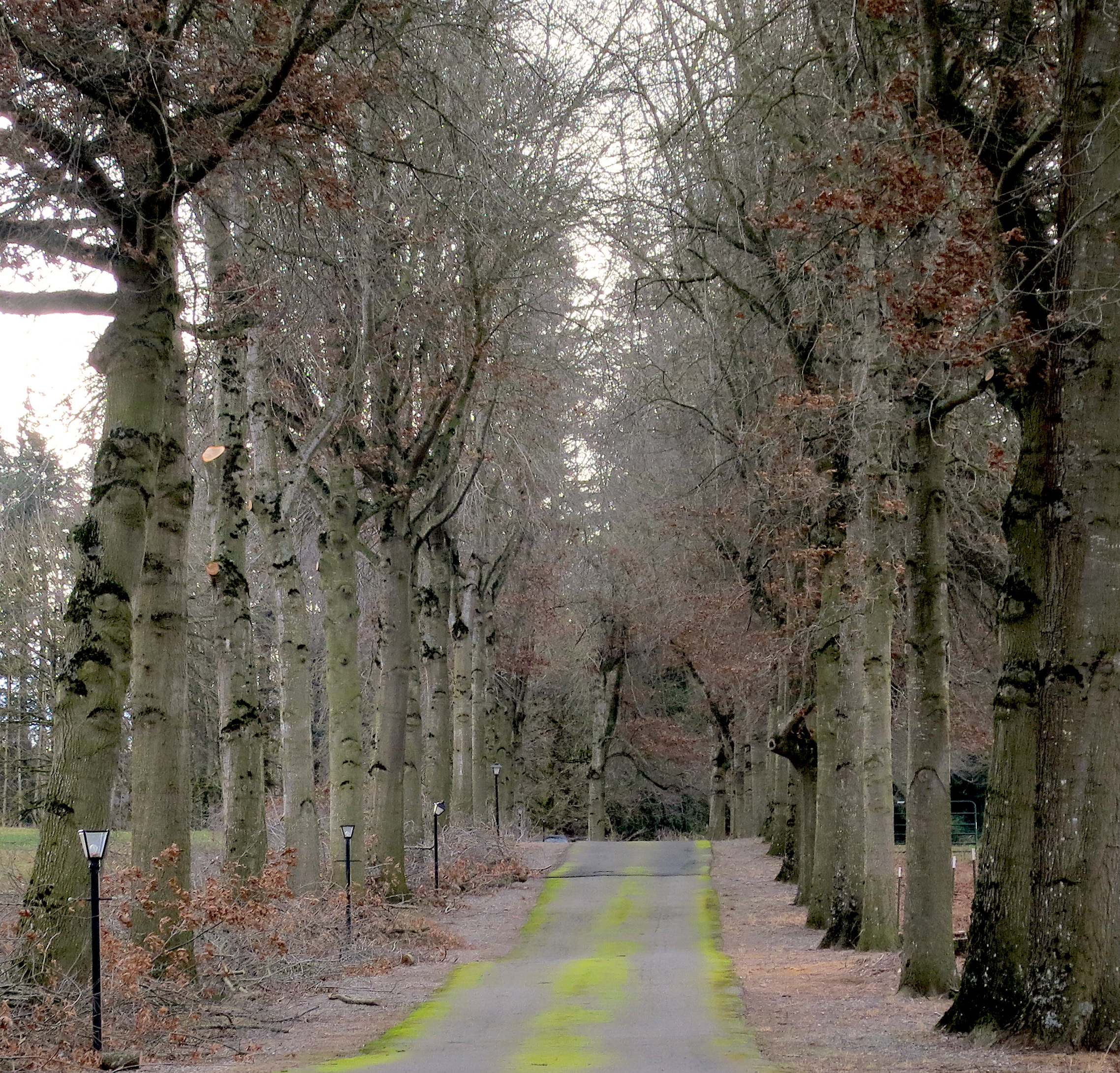
A silence slipping around like death, Yet chased by a whisper, a sigh, a breath, One group of trees, lean, naked and cold, Inking their crest ‘gainst a sky green-gold, One path that knows where the corn flowers were; Lonely, apart, unyielding, one fir; And over it softly leaning down, One star that I loved ere the fields went brown. ~Angelina Weld Grimke “A Winter Twilight”
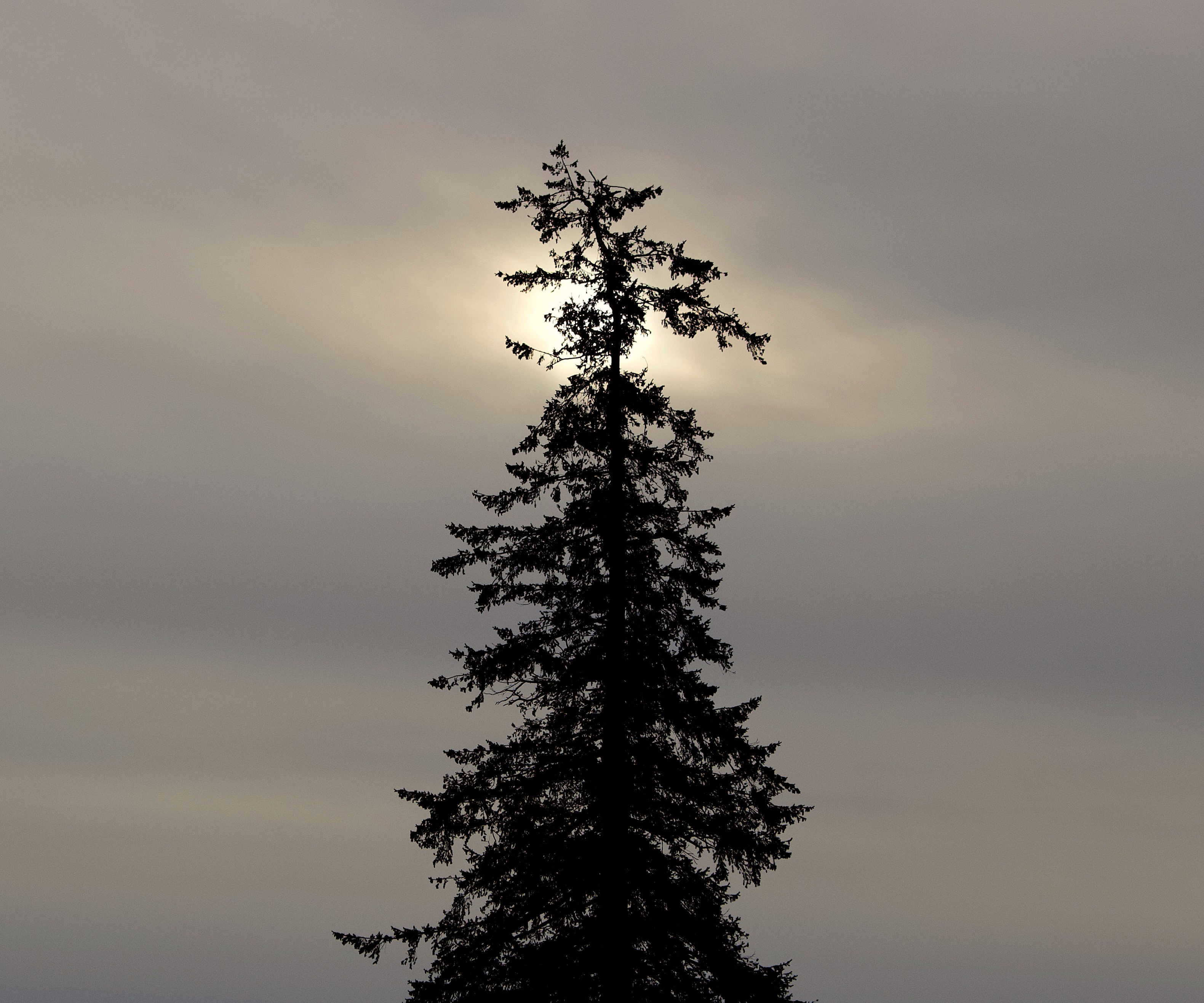
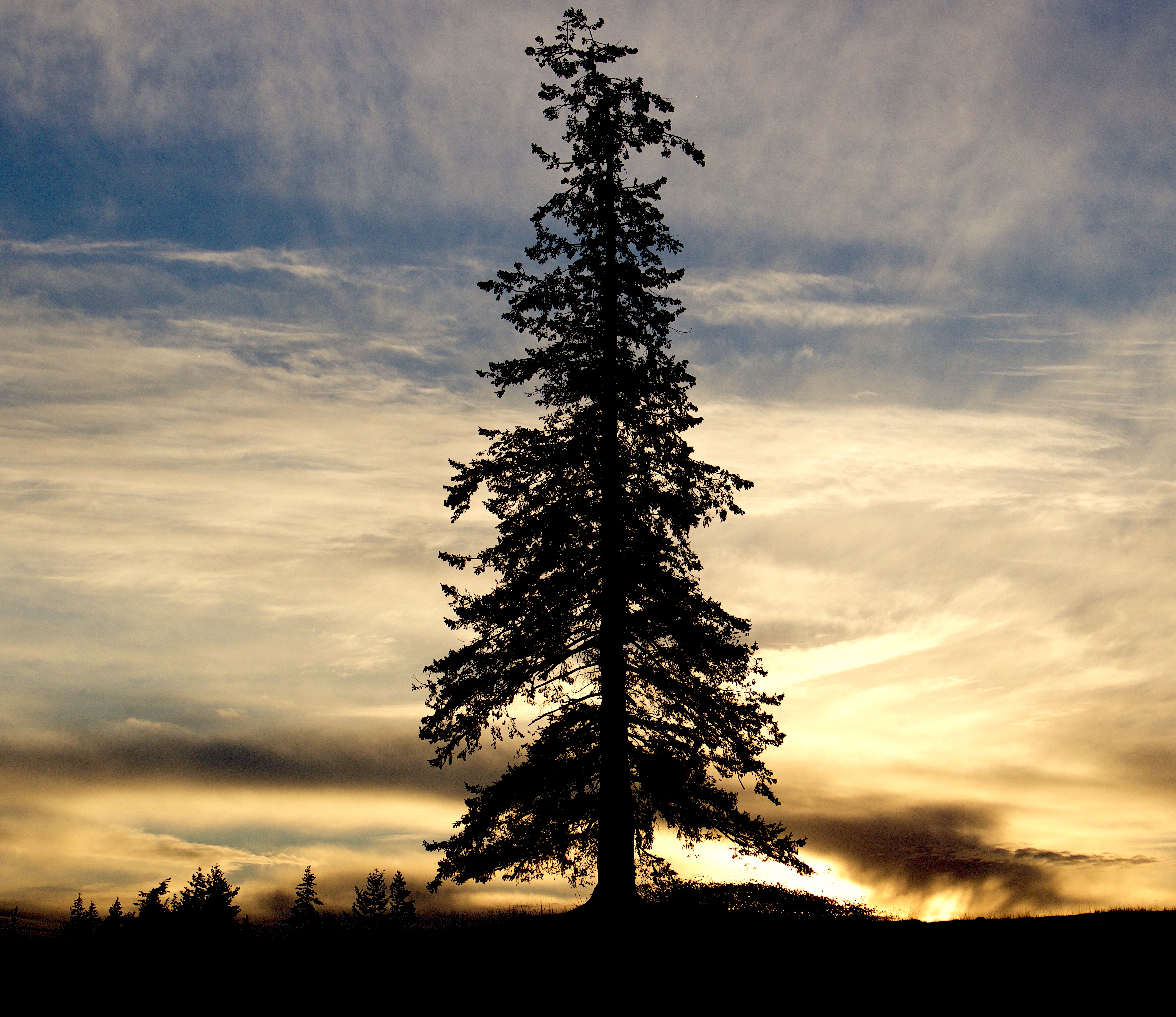
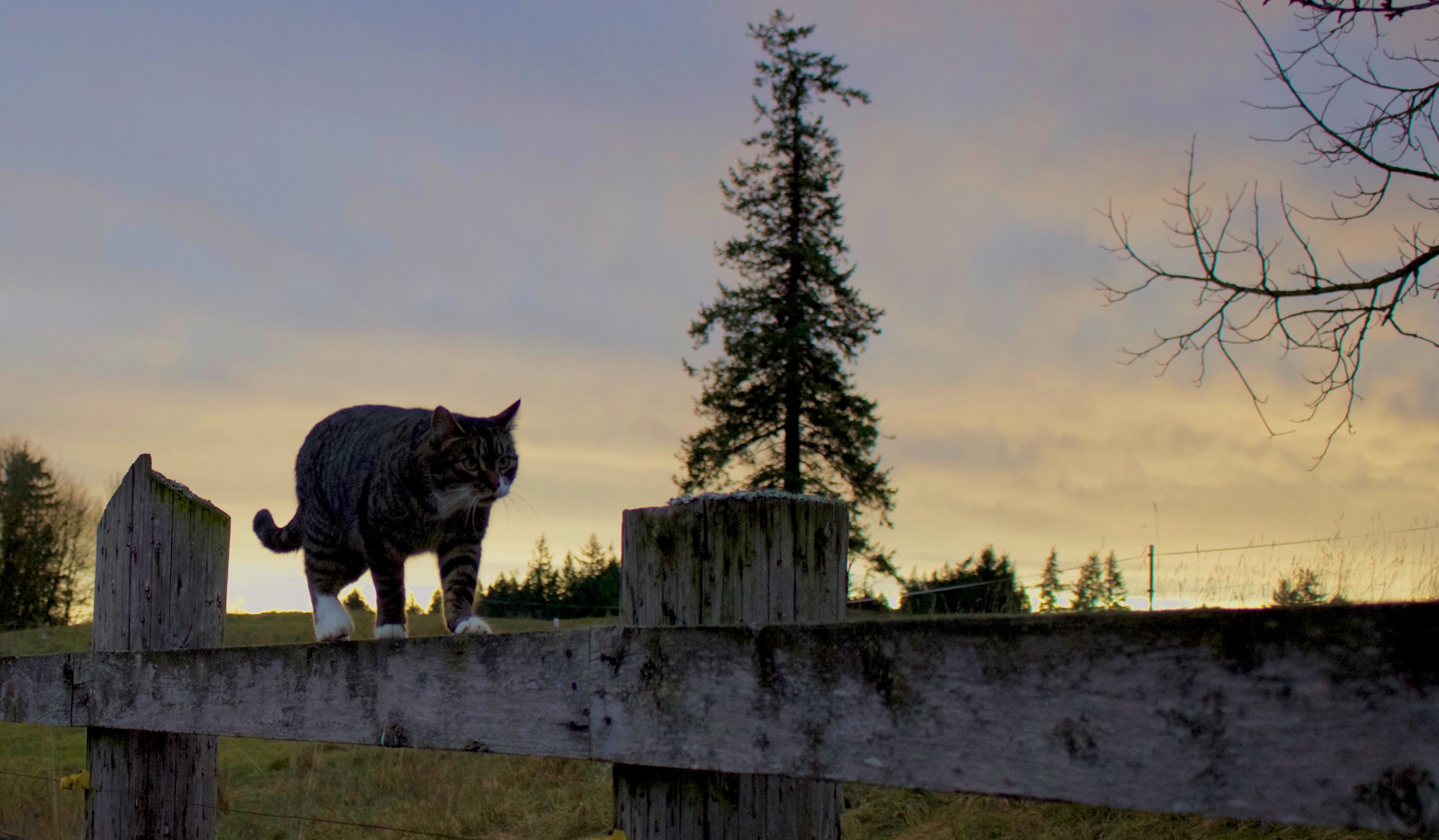
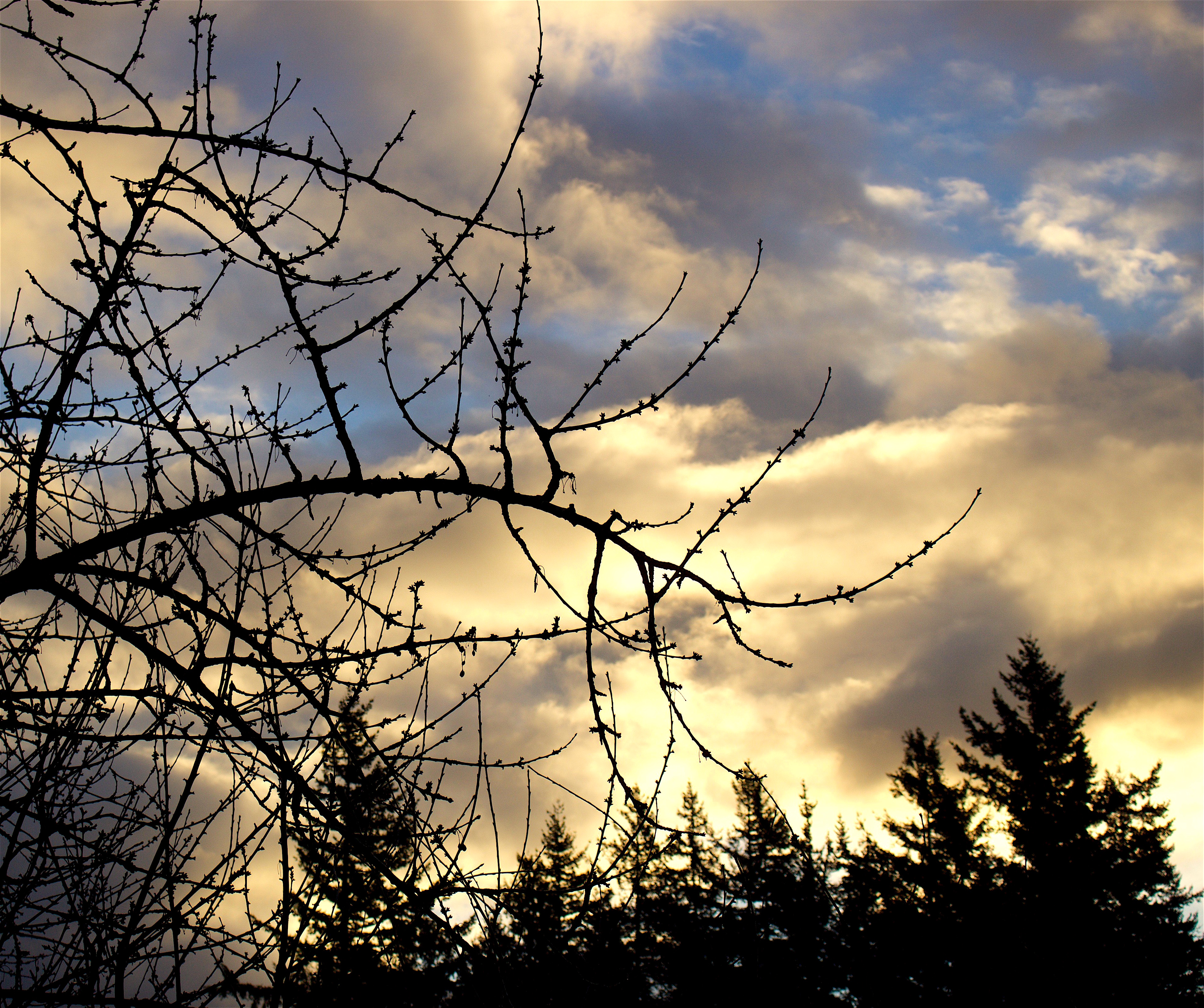
I am astonished at my thirstiness slaked by such simple things as a moment of pink, a burst of birdsong, a cat balancing on a fence rail, a focal fir that stands unyielding on a hill top, a glimpse of tomorrow over the horizon of today.
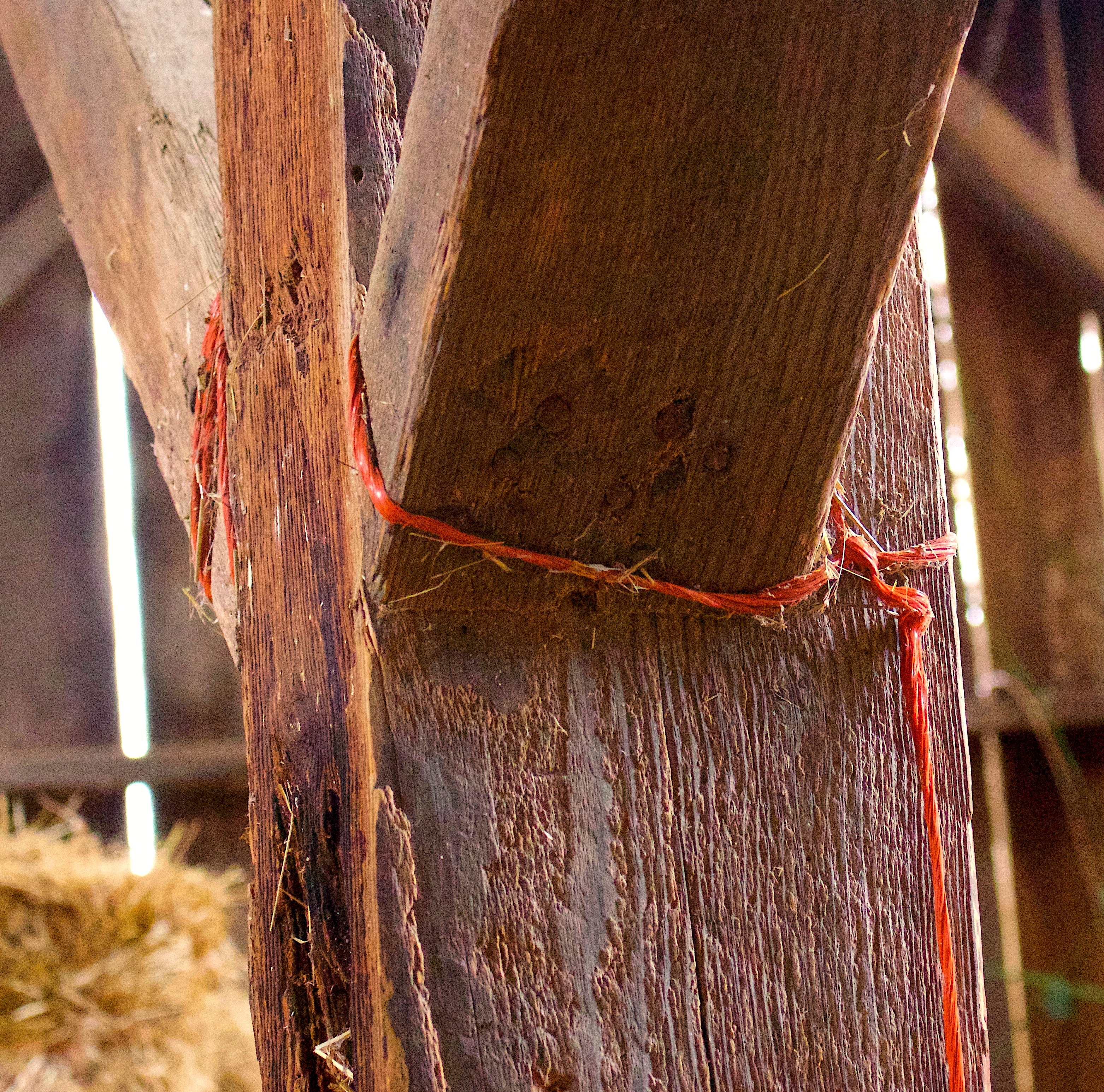
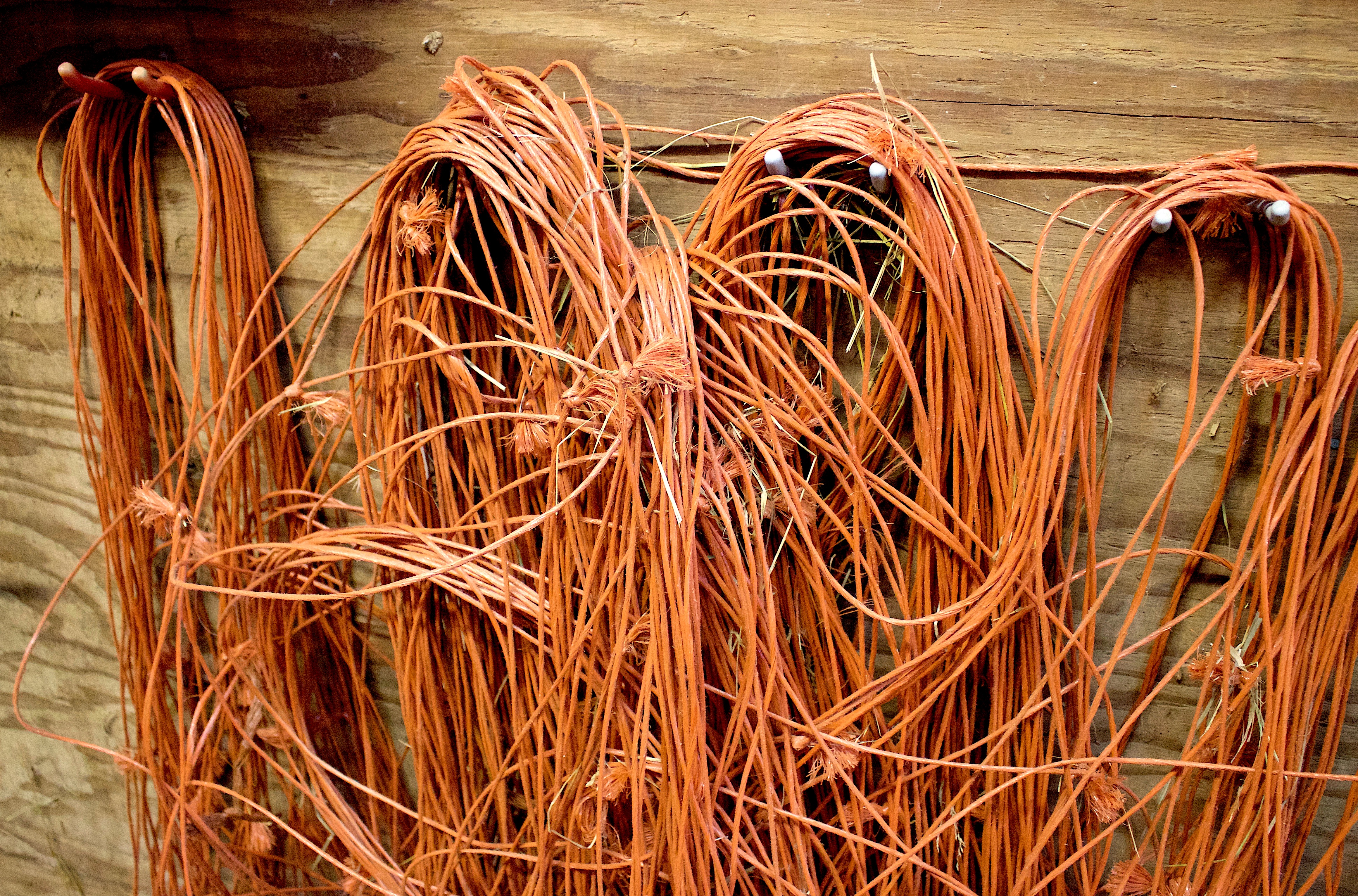
My hands are torn by baling twine, not nails, and my side is pierced by my ulcer, not a lance. ~Hayden Carruth from “Emergency Haying”
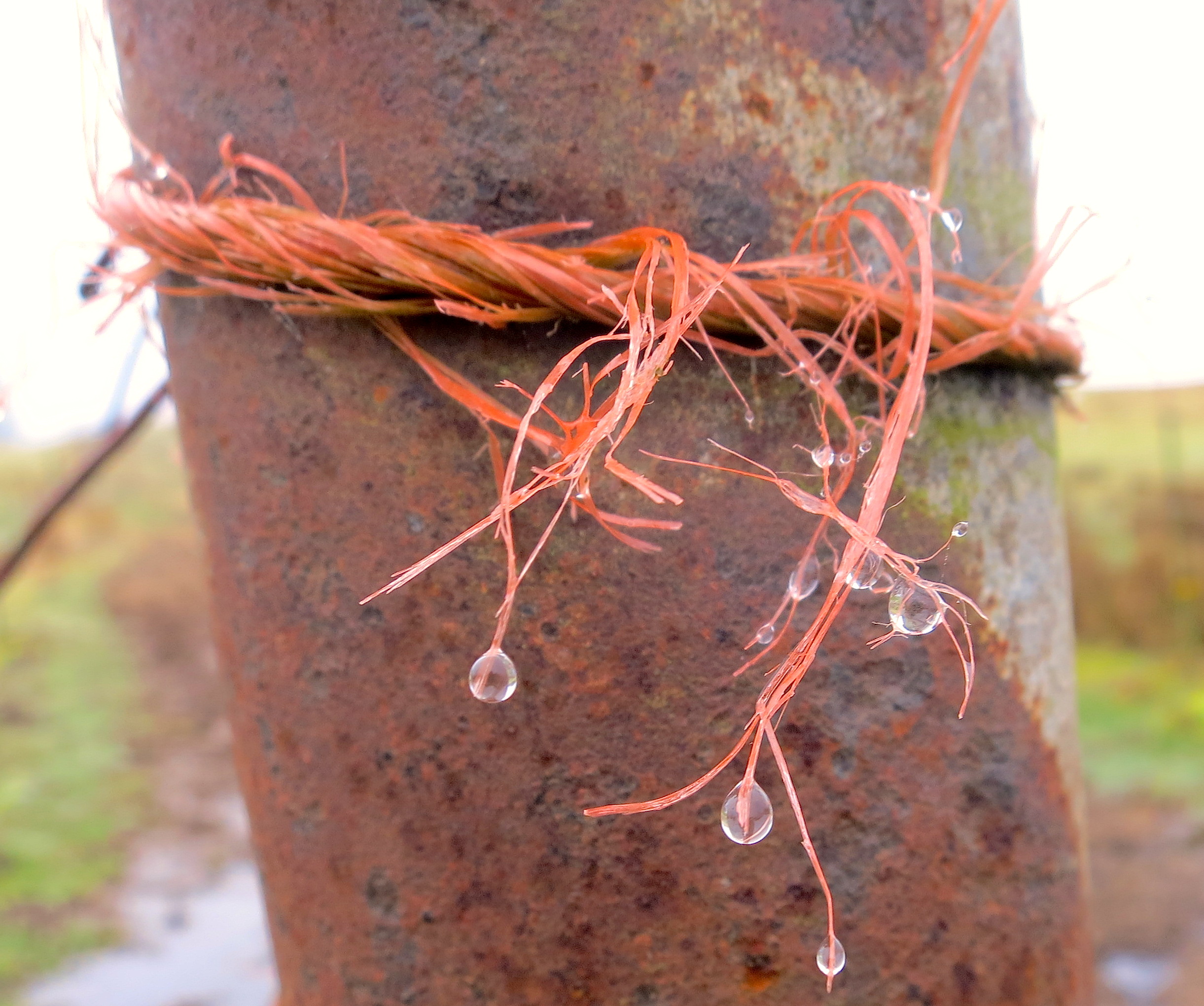
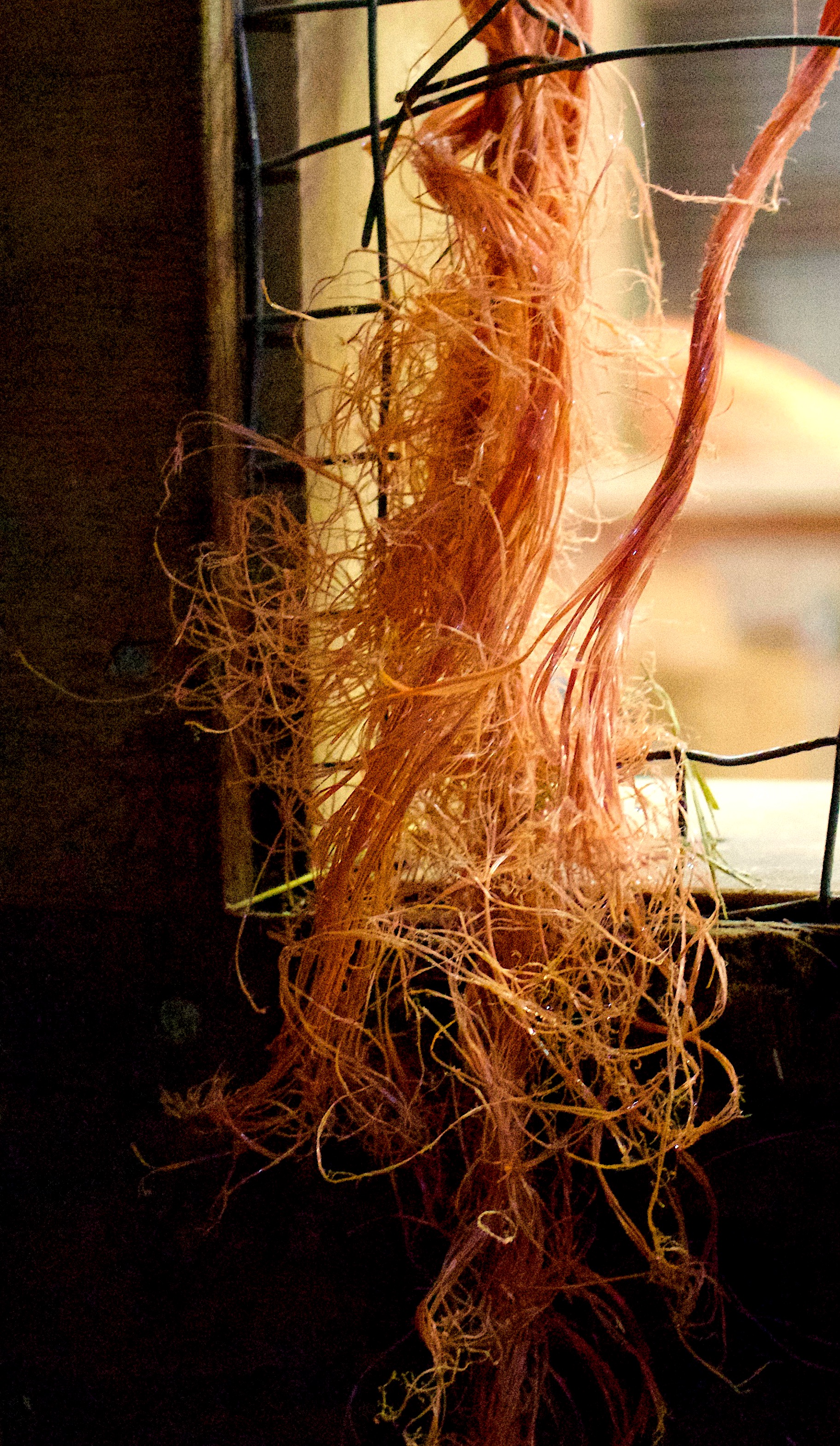
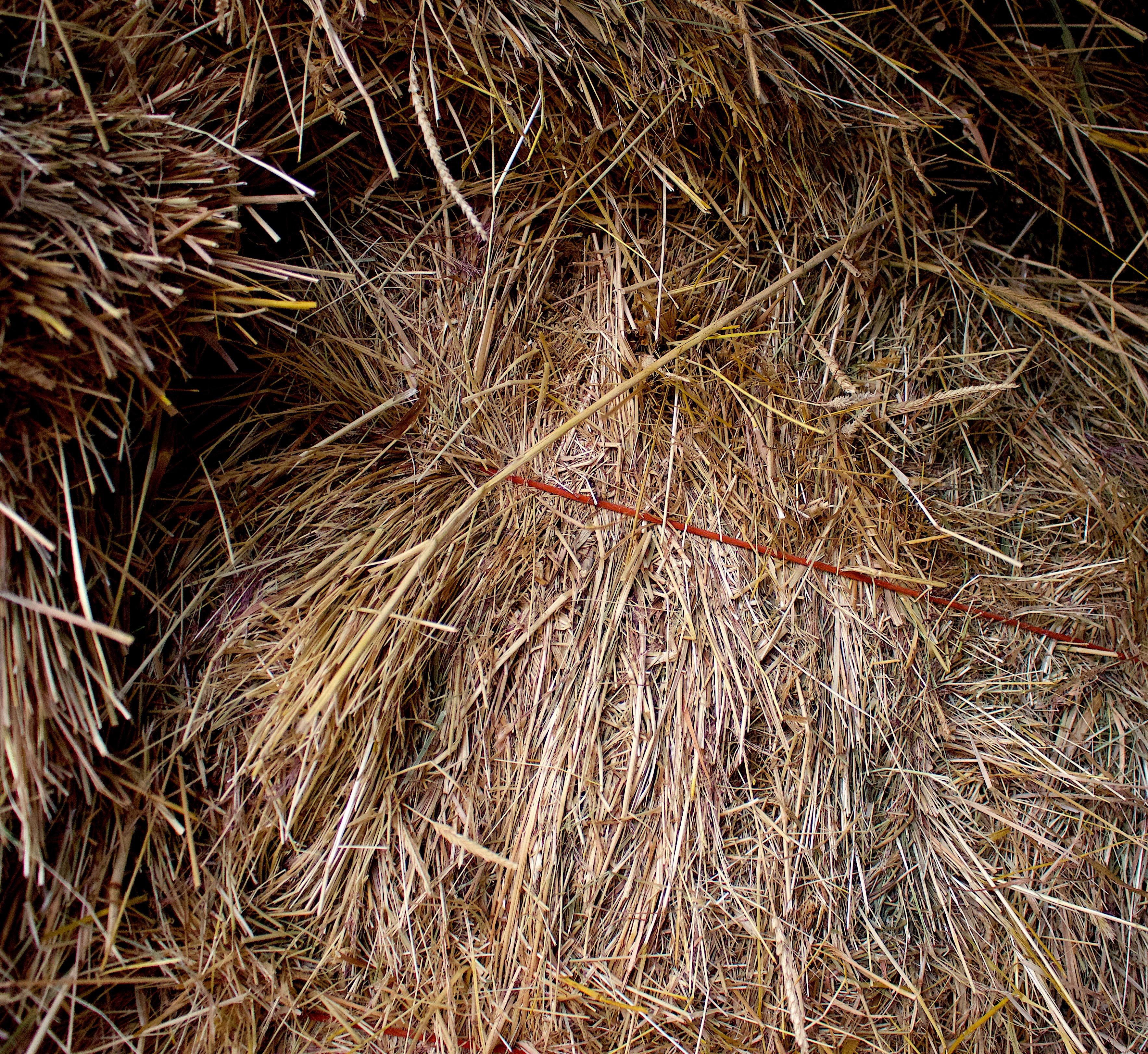
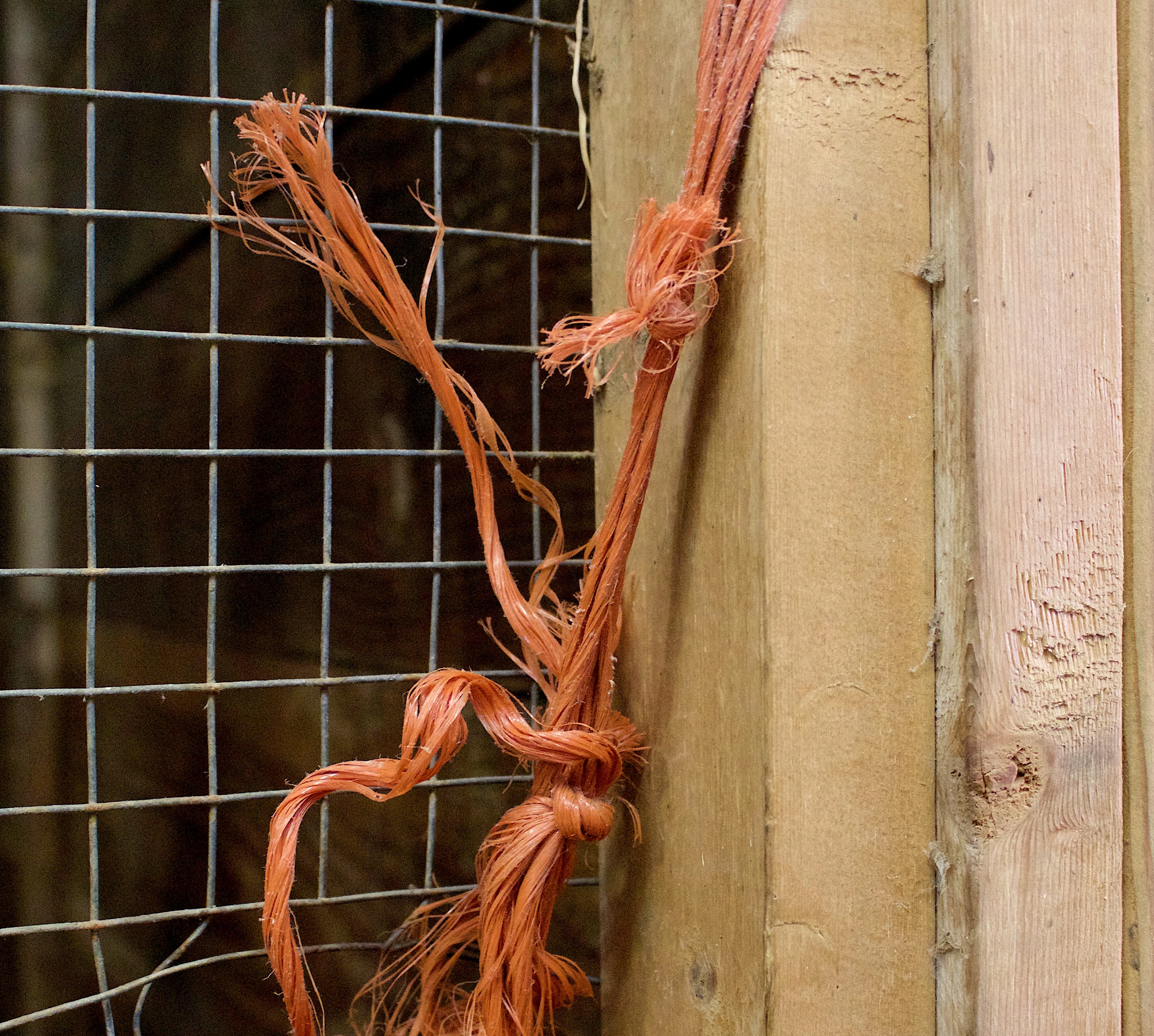
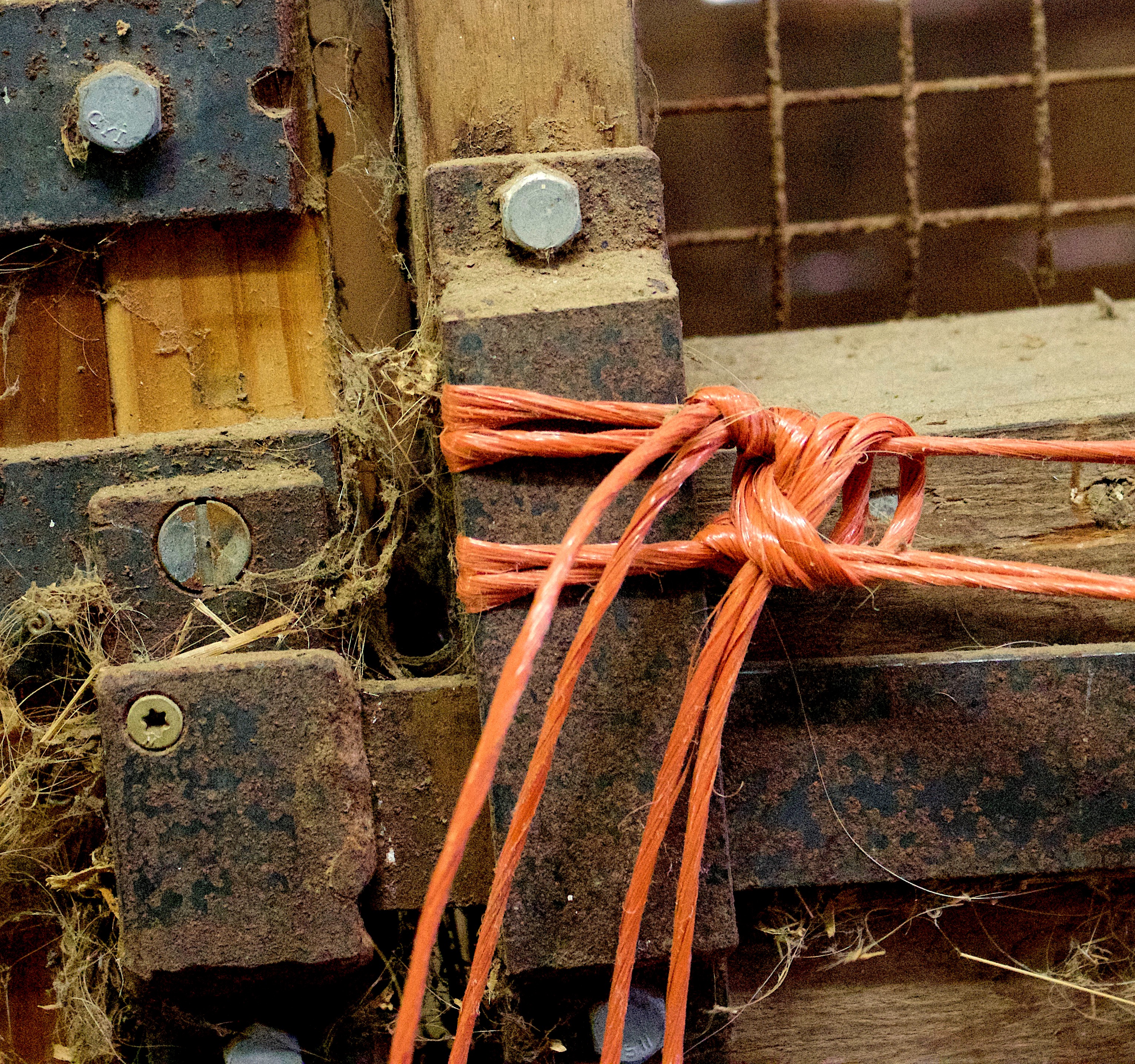
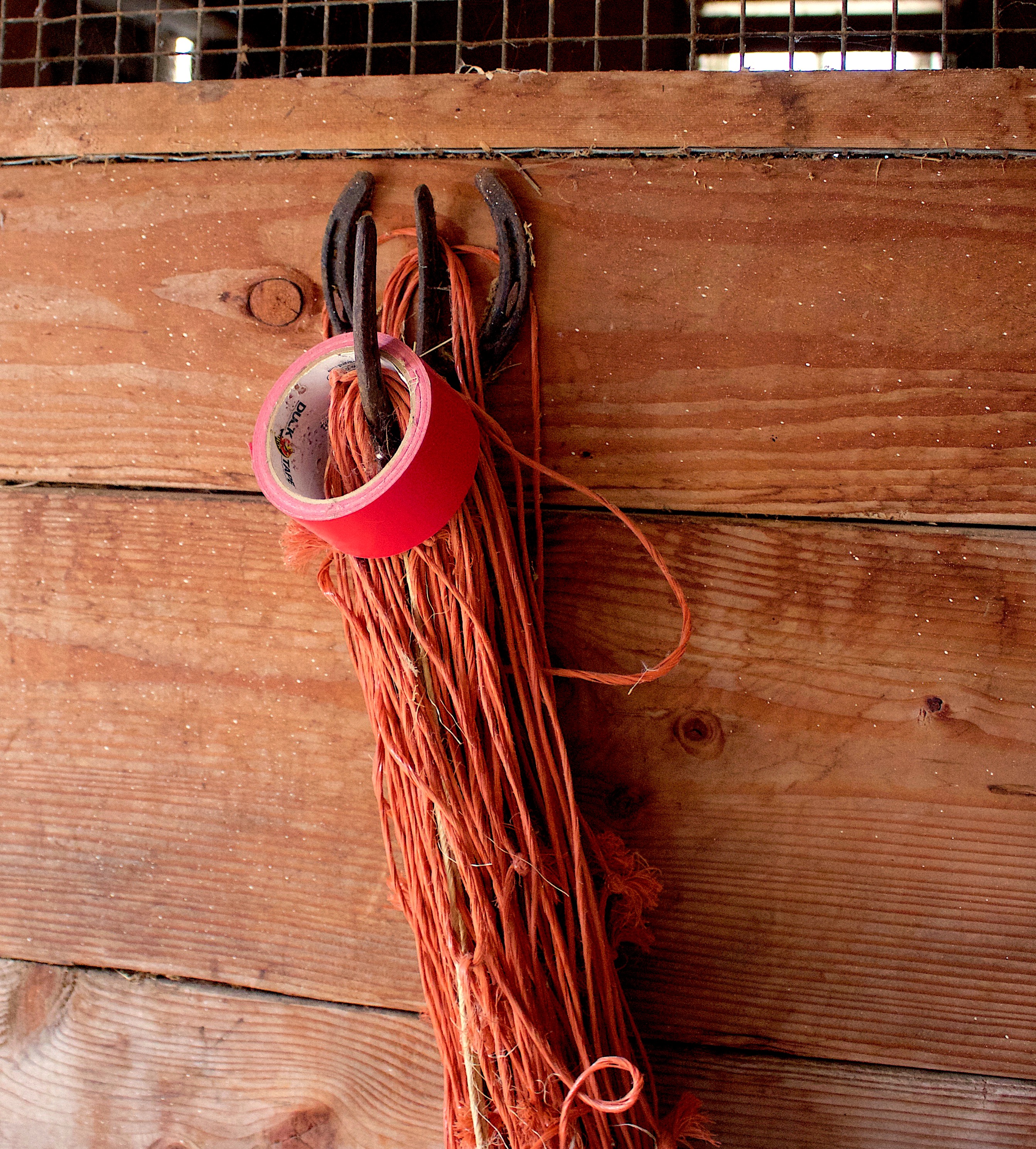
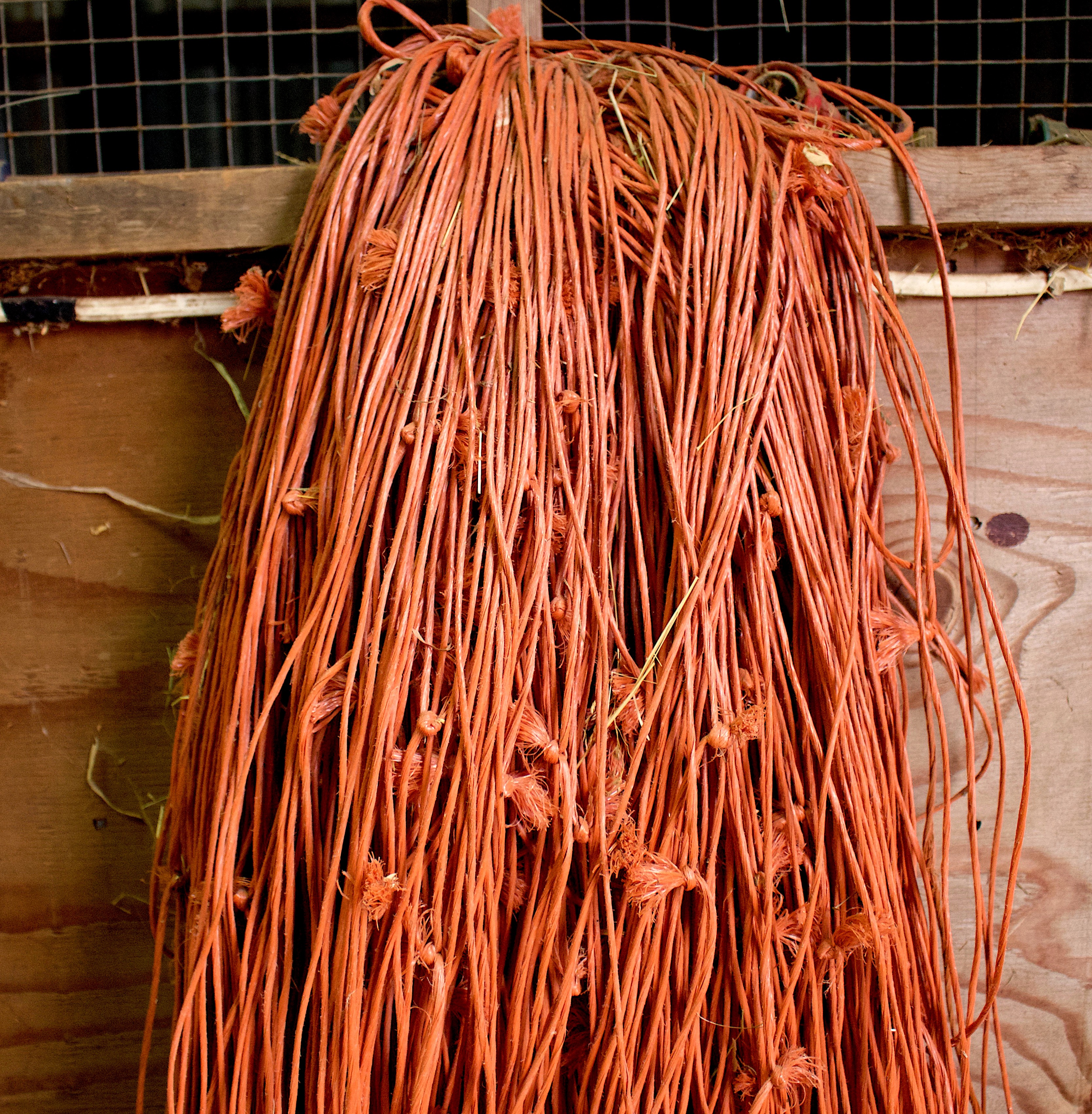
Blessed are the miles of baling twine encircling tons of hay in our barn, twice daily cut loose, freed of grasses and hung up to reuse again in myriad ways:
~~tighten a sagging fence latch a swinging gate tie shut a gaping door replace a broken handle hang a water bucket suspend a sagging overalls fix a broken halter entertain a bored barn cat snug a horse blanket belt~~
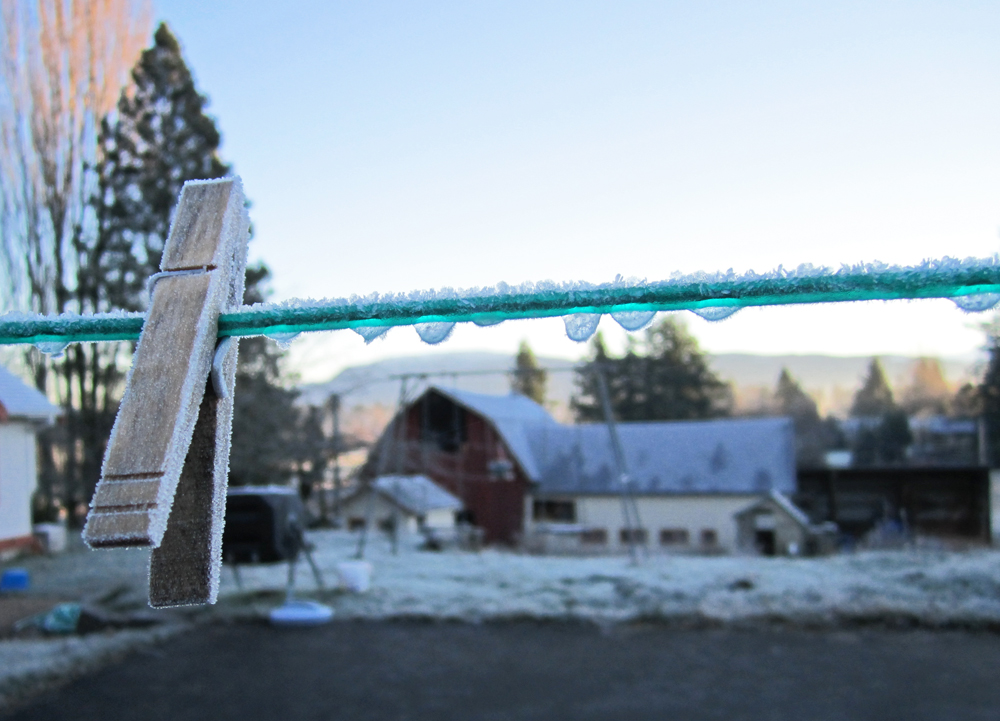
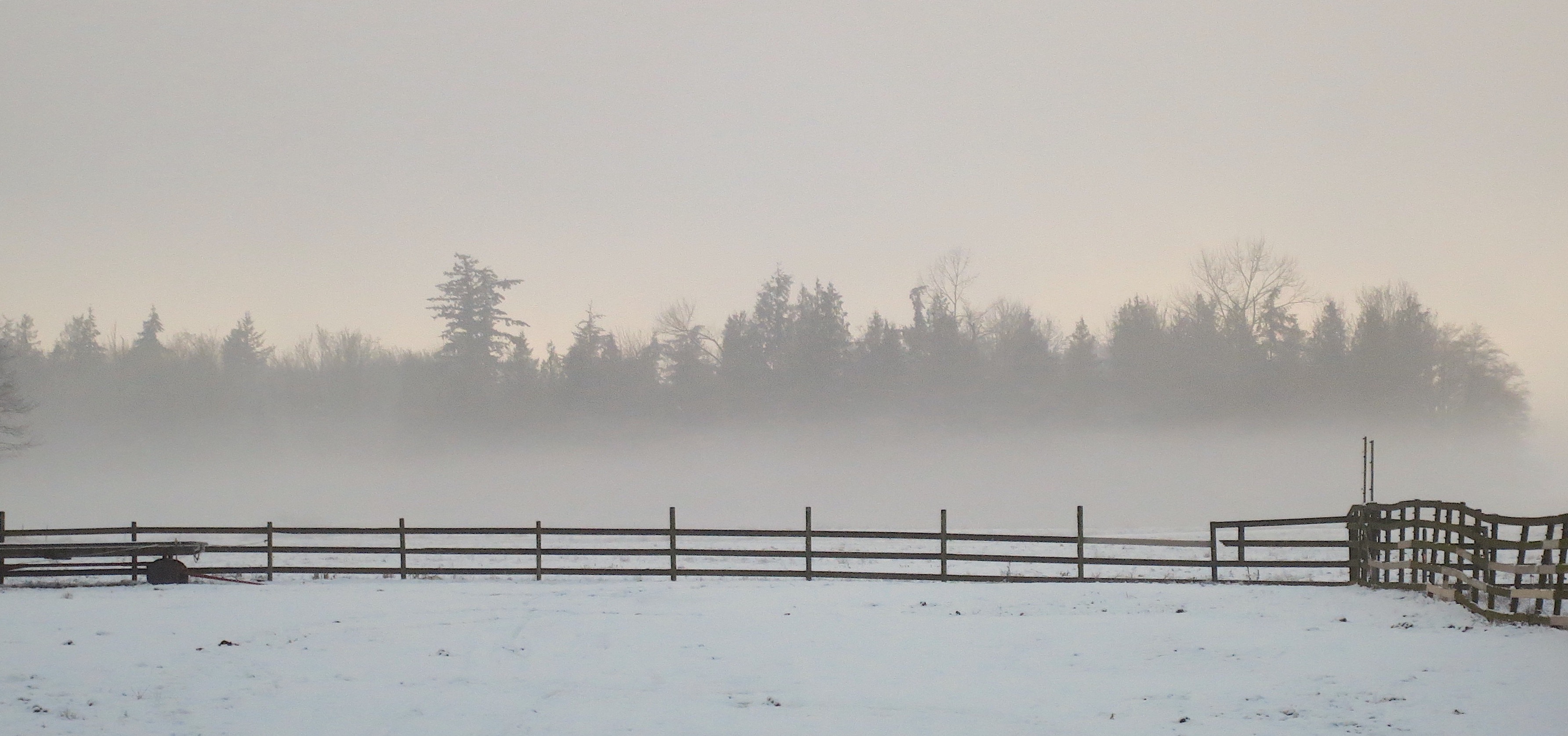
Blessed be this duct tape of the barn when even duct tape won’t work; a fix-all handy in every farmer’s pocket made beautiful by a morning fog’s weeping.
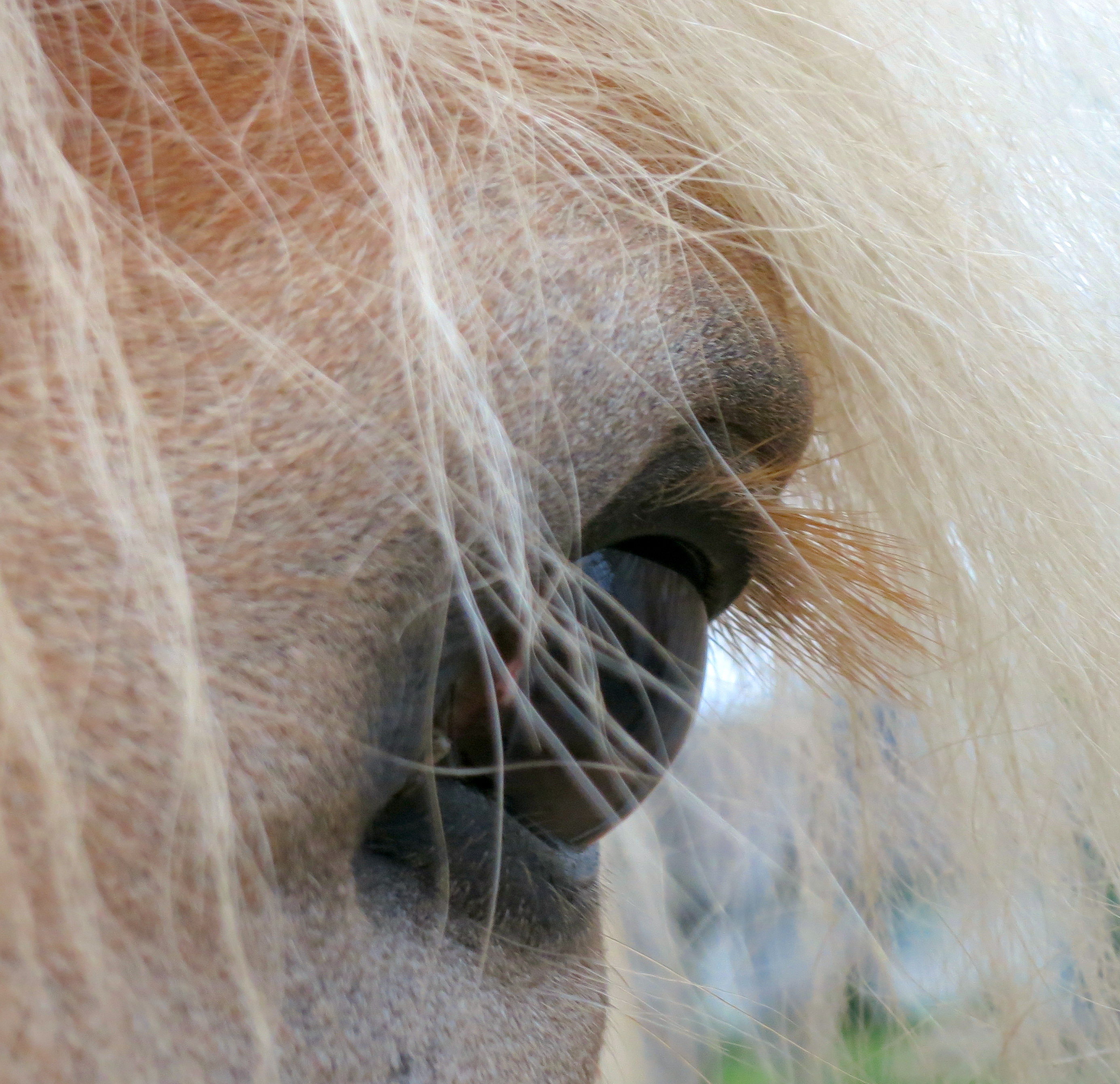
When I pull open the barn doors, every morning and each evening, as my grandparents did one hundred years ago, six rumbling voices rise in greeting. We exchange scents, nuzzle each others’ ears.
I do my chores faithfully as my grandparents once did– draw fresh water into buckets, wheel away the pungent mess underfoot, release an armful of summer from the bale, reach under heavy manes to stroke silken necks.
I don’t depend on our horses’ strength and willingness to don harness to carry me to town or move the logs or till the soil as my grandparents did.
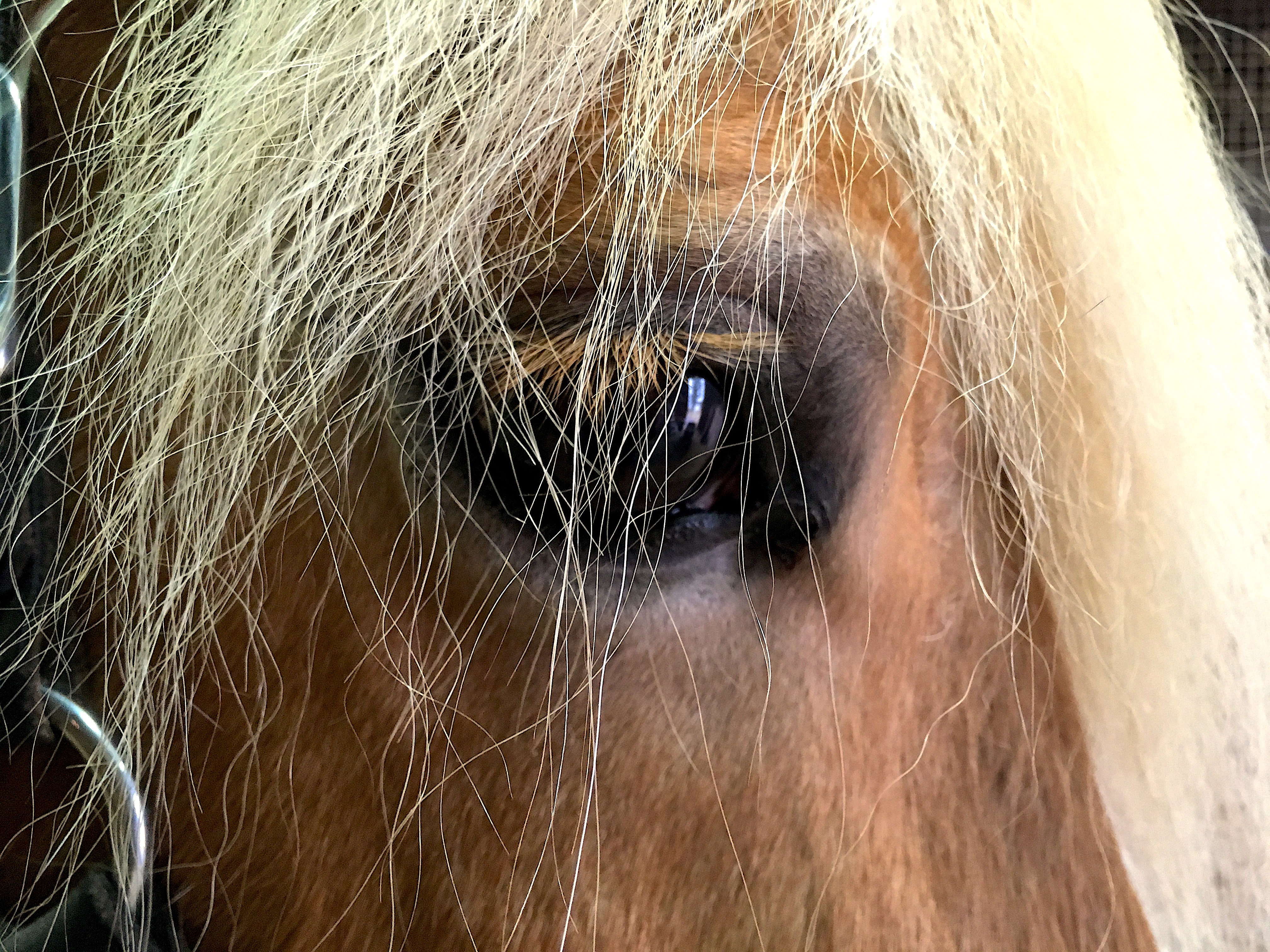
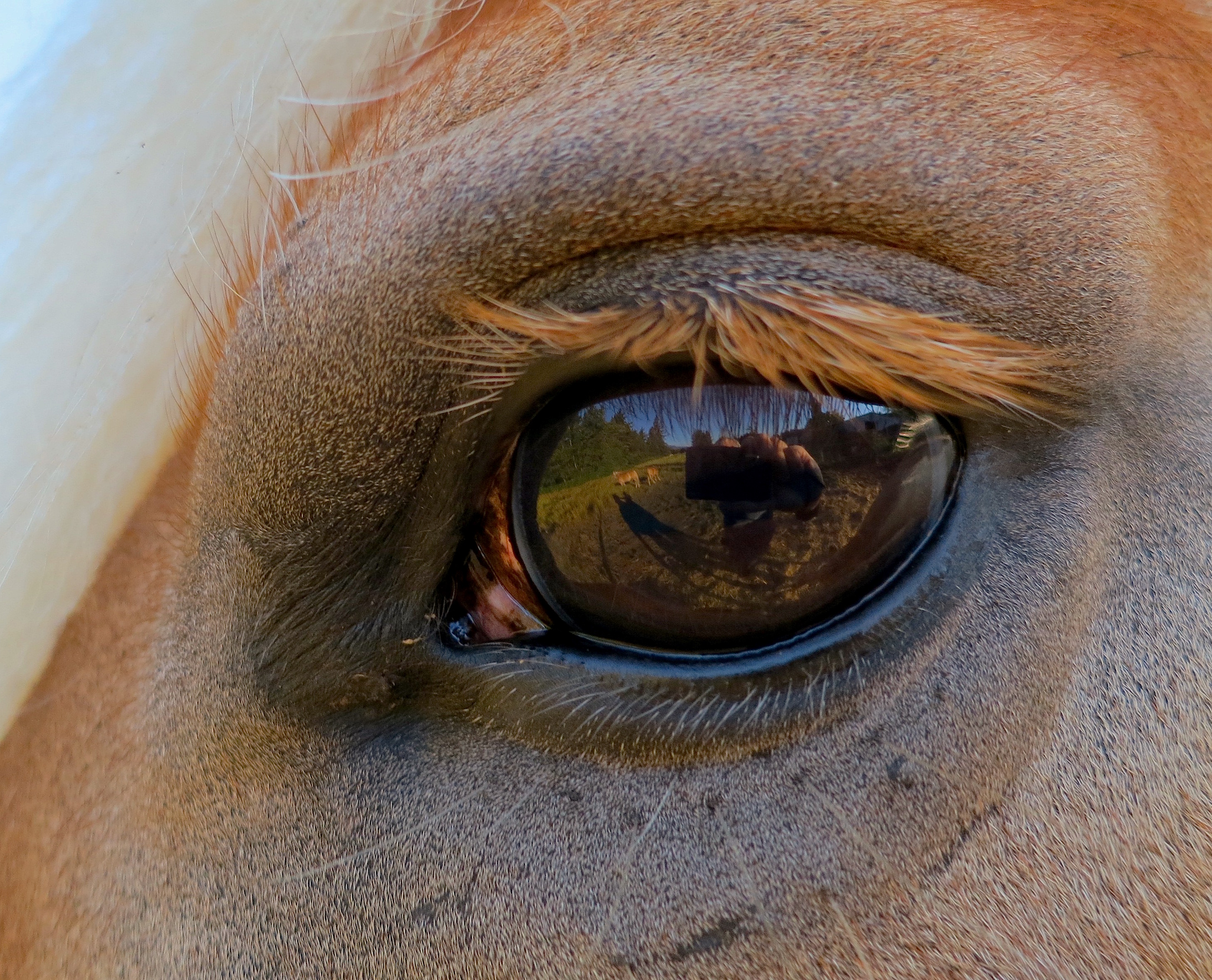
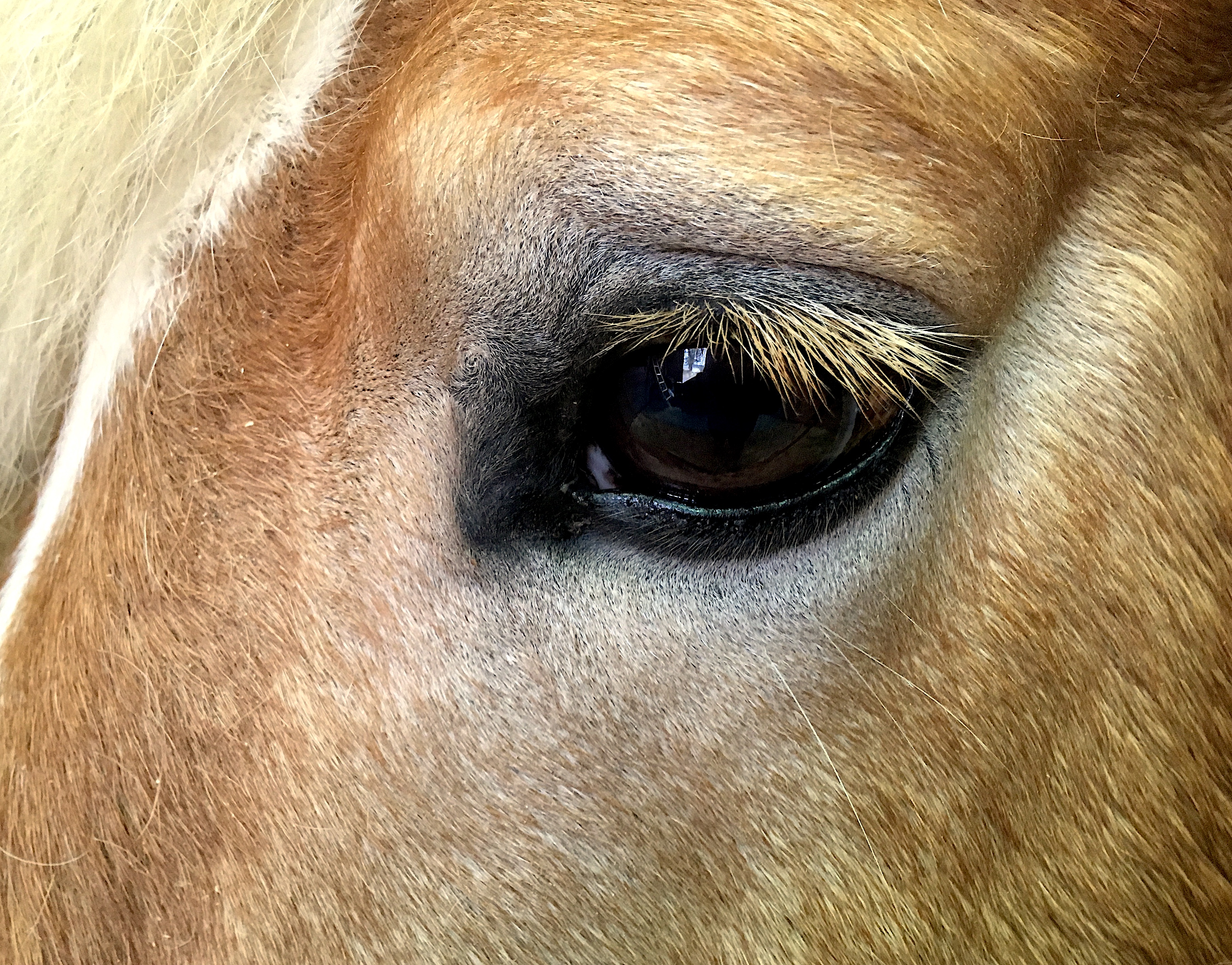
Instead, these soft eyed souls, born on this farm almost three long decades ago, are simply grateful for my constancy morning and night to serve their needs until the day comes they need no more.
I depend on them to depend on me to be there to open the doors; their low whispering welcome gives voice to the blessings of living on a farm ripe with rhythms and seasons, as if today and tomorrow are just like one hundred years ago.
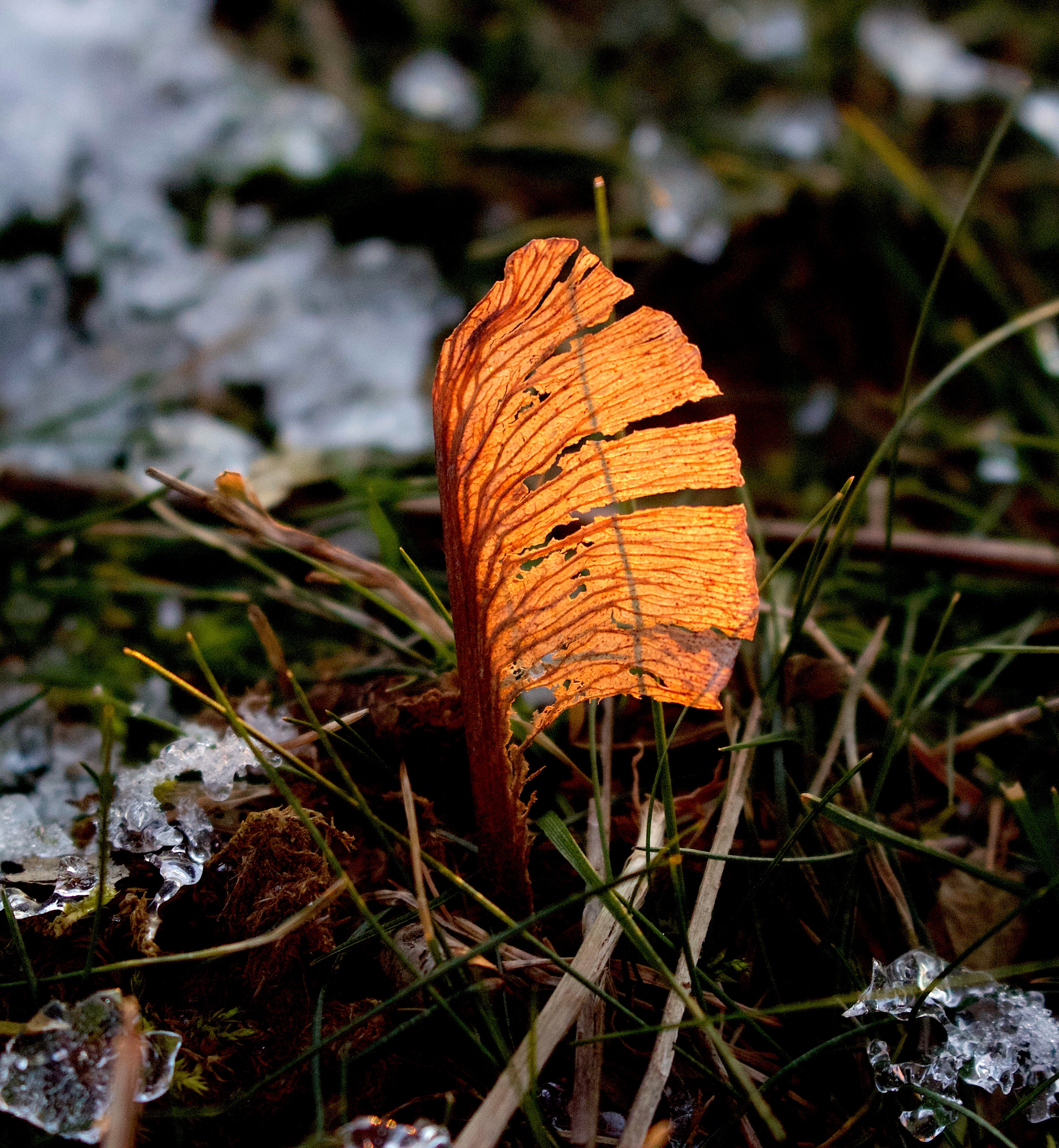
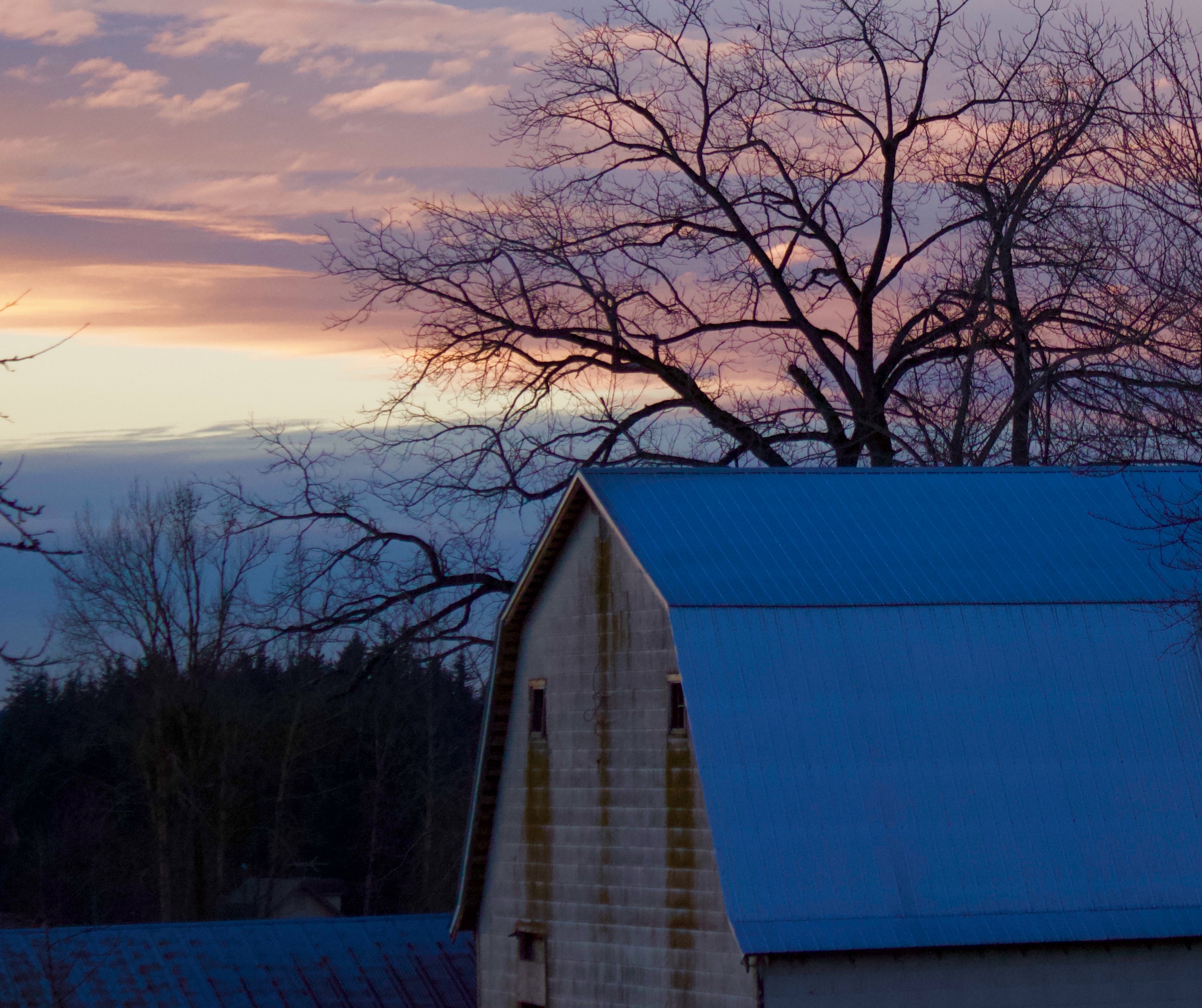
Today is one of those excellent January partly cloudies in which light chooses an unexpected part of the landscape to trick out in gilt, and then the shadow sweeps it away. You know you’re alive. You take huge steps, trying to feel the planet’s roundness arc between your feet. ~Annie Dillard from Pilgrim at Tinker Creek
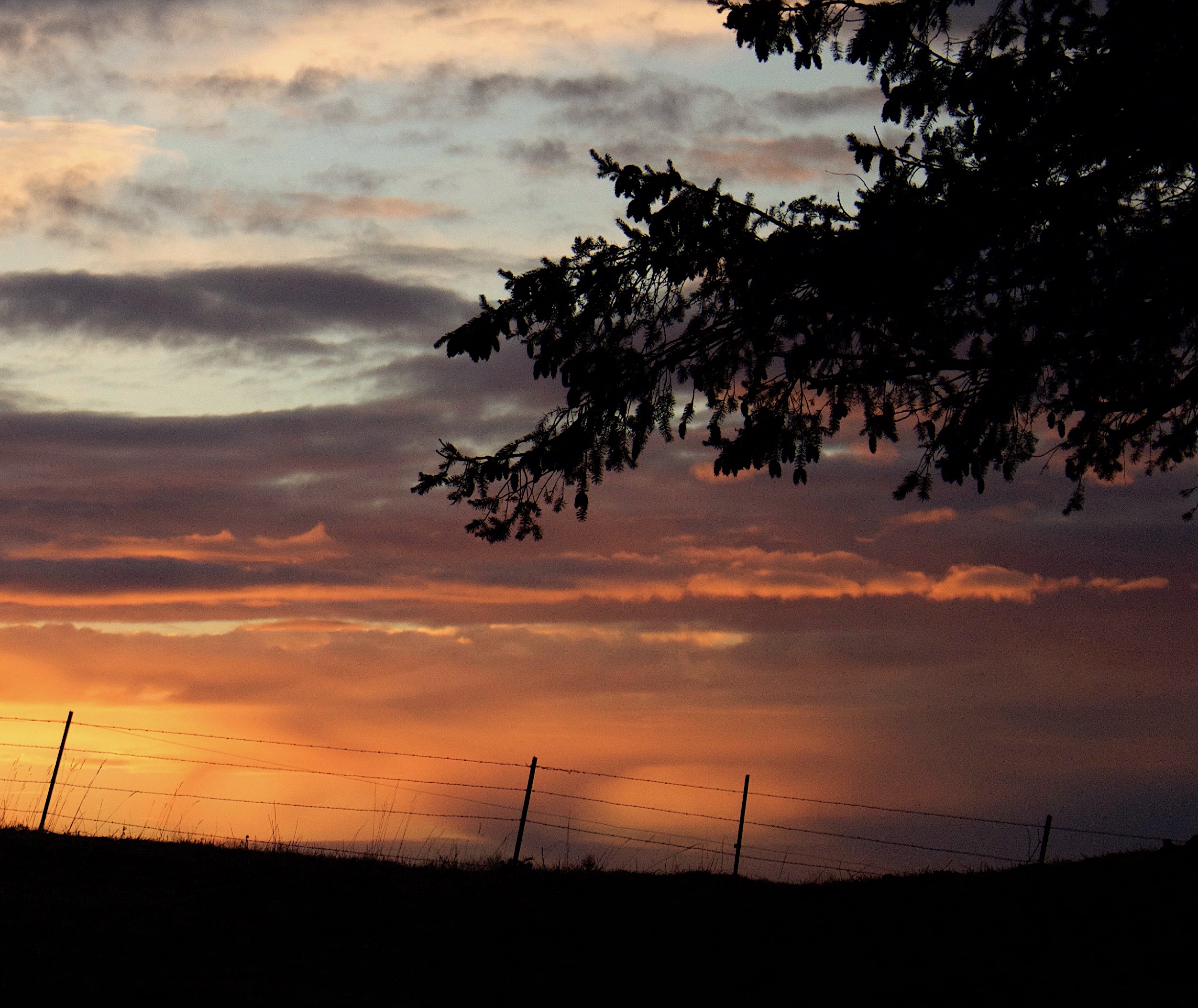
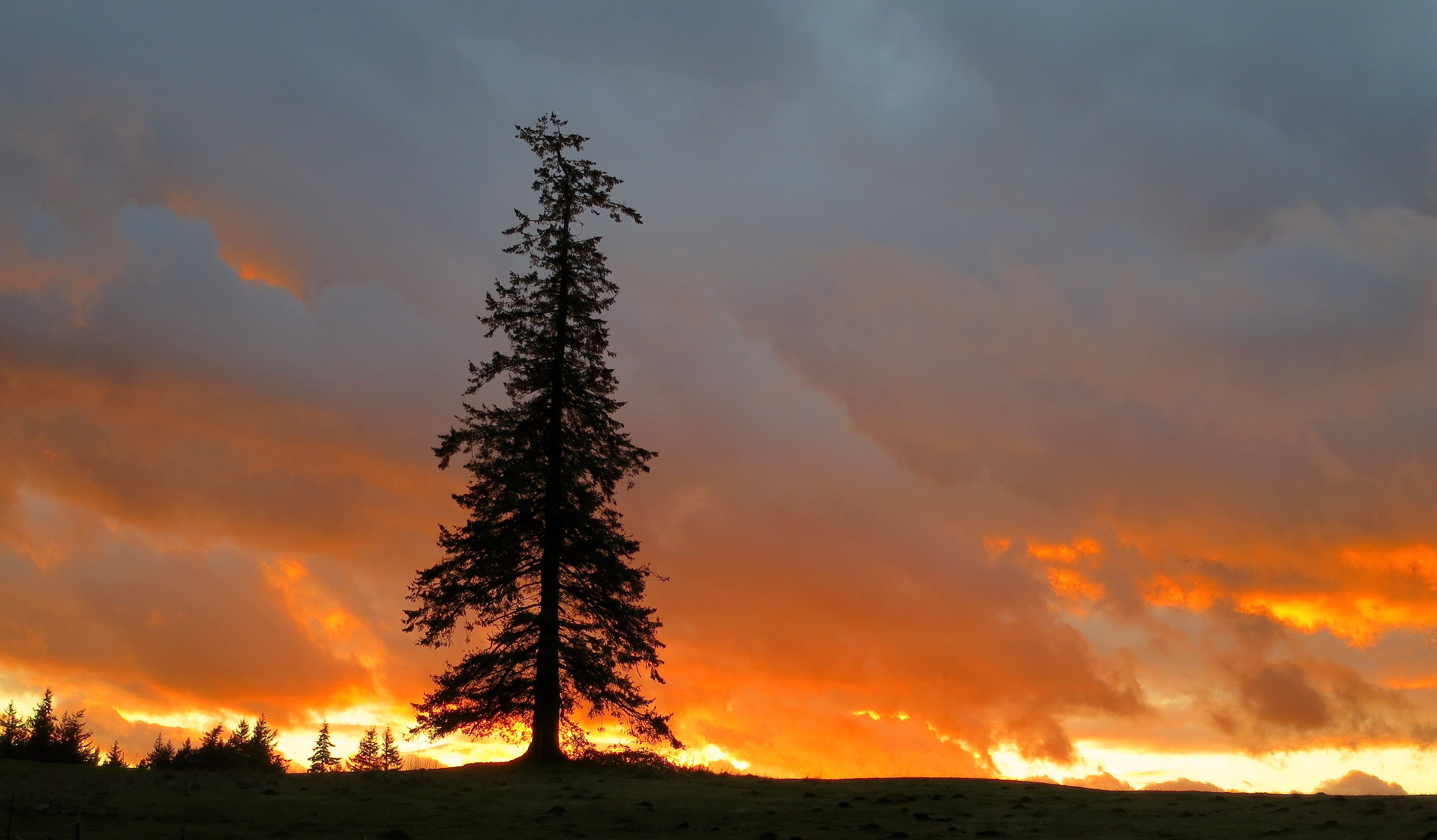
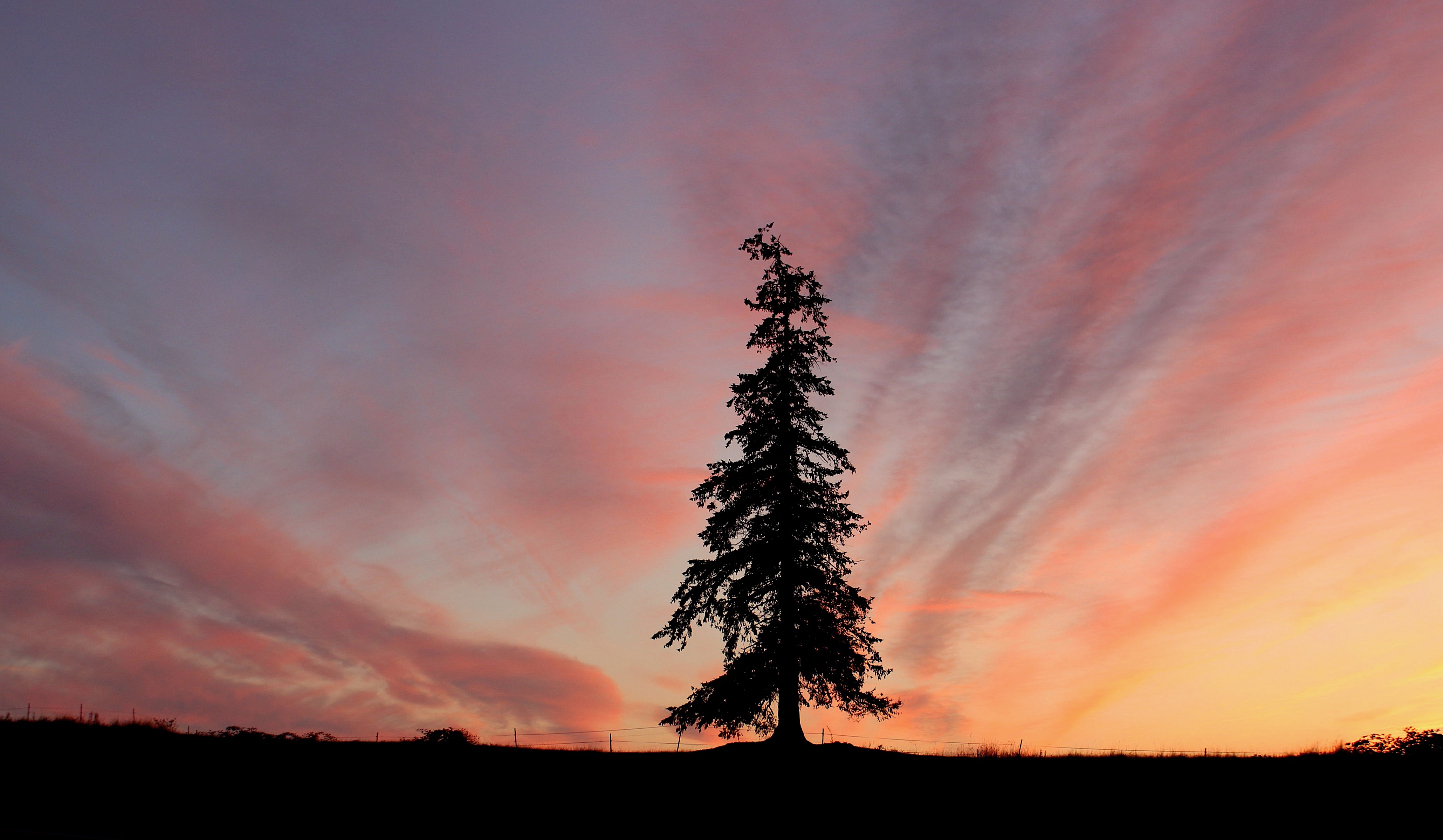
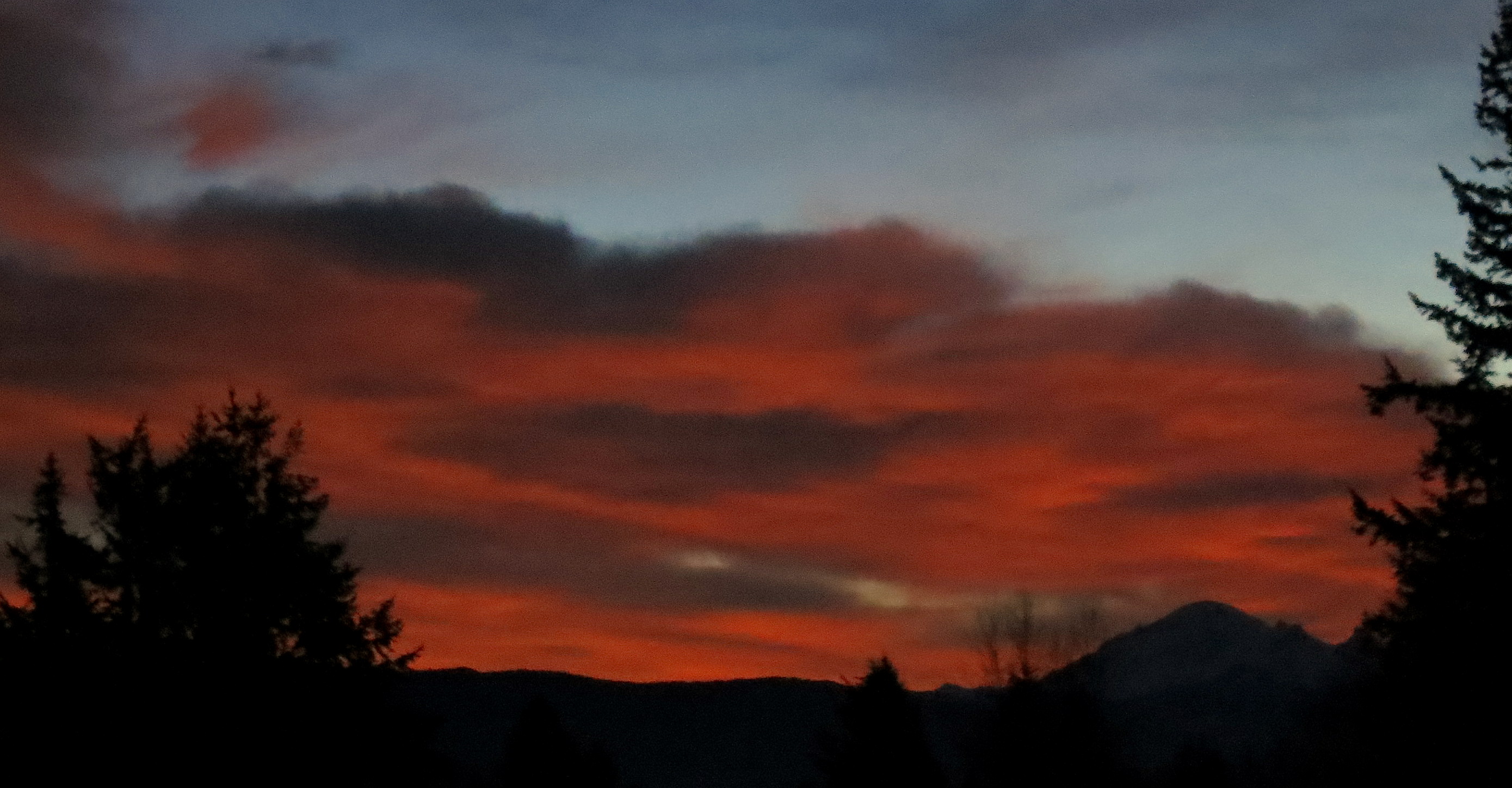
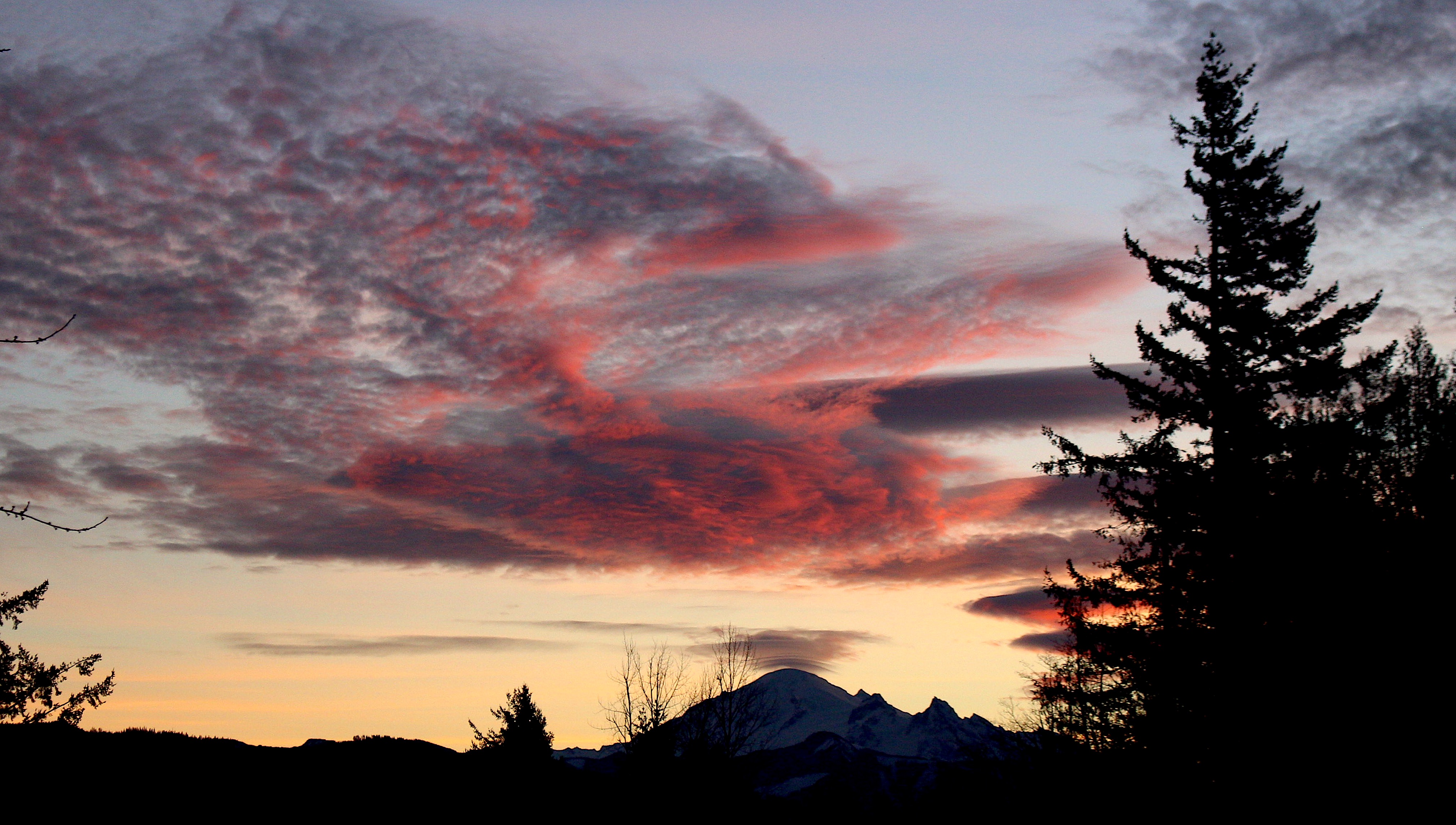
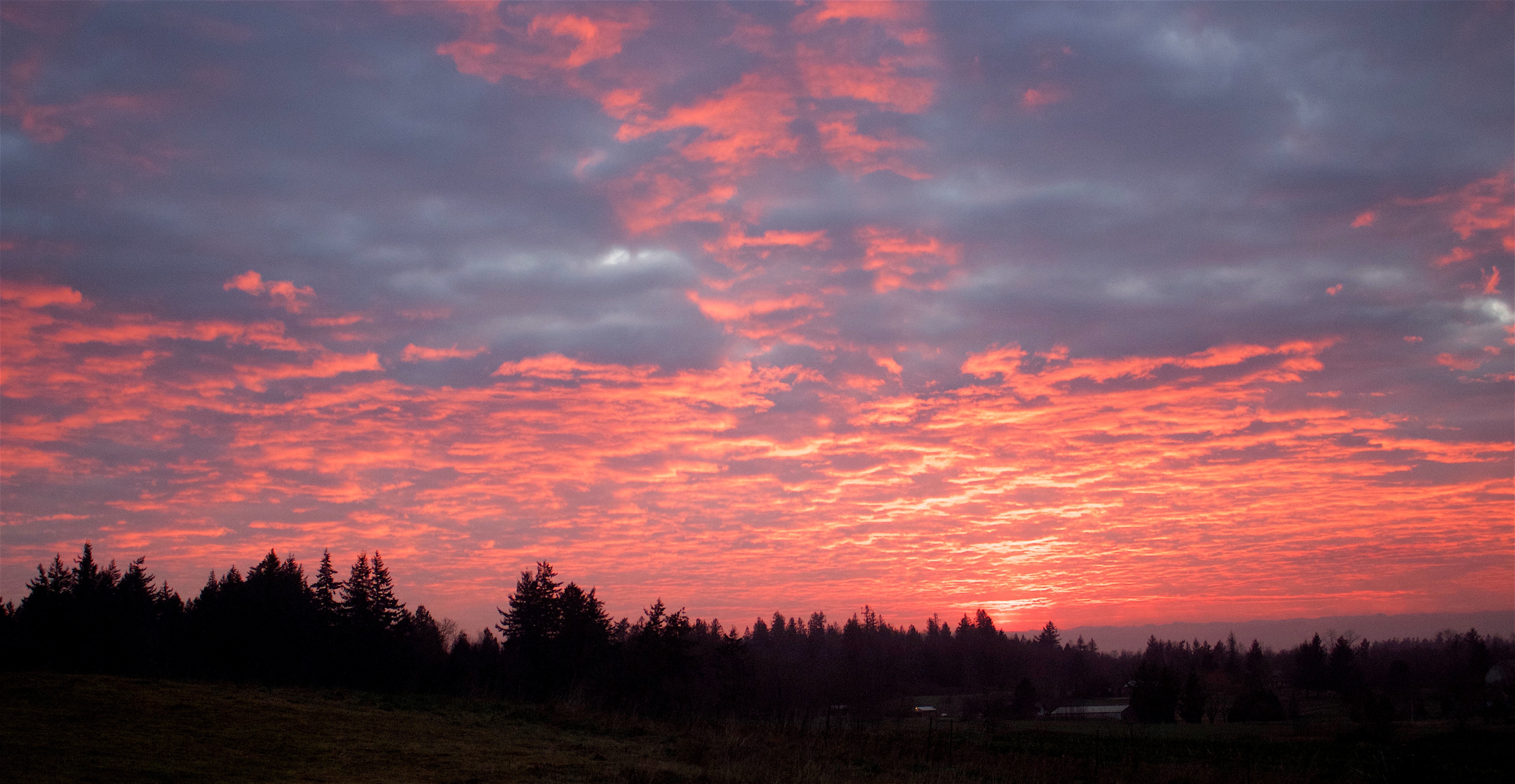
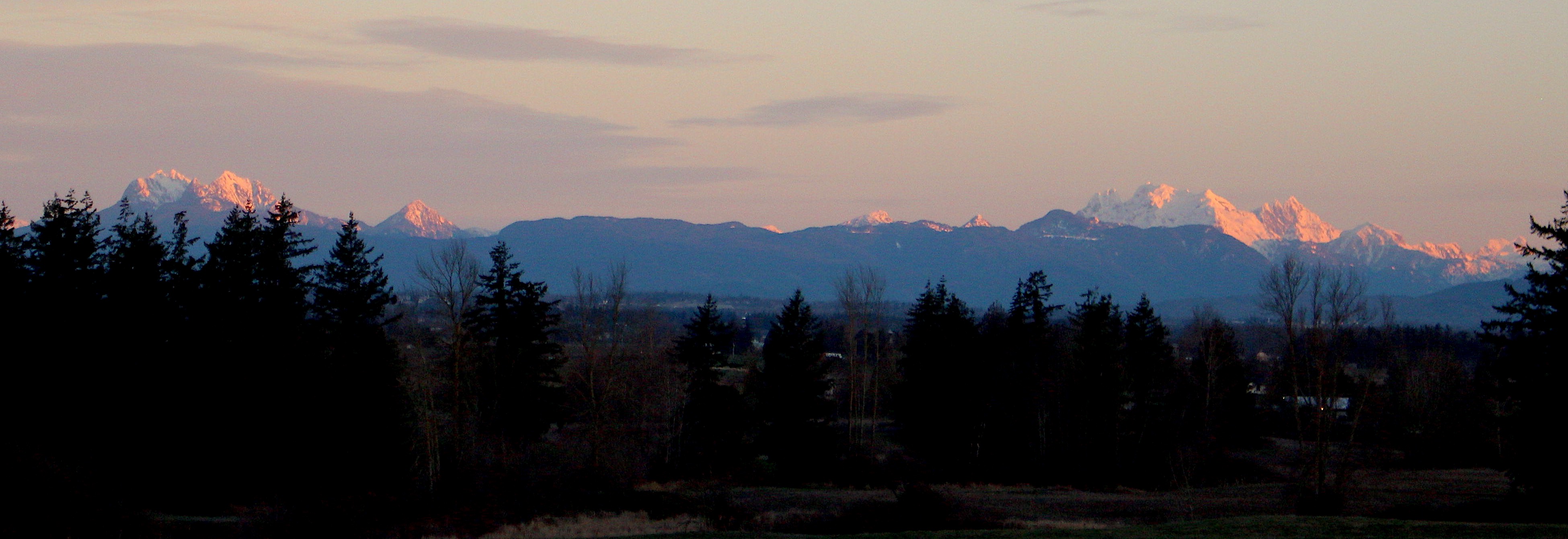
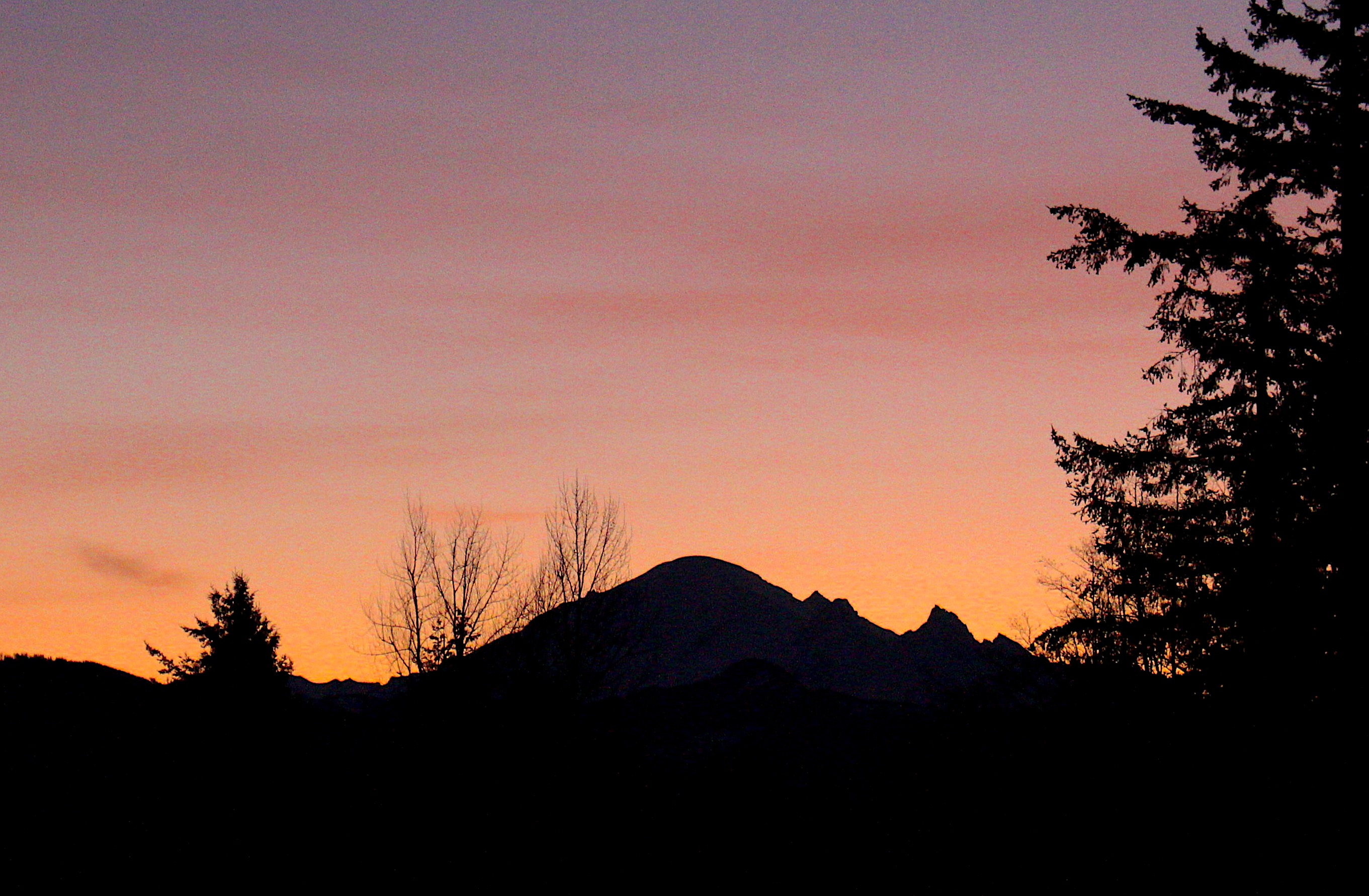
After years of rarely paying attention, too busy with whatever household or clinic or barnyard task needed doing, I realized there are only a finite number of sunrises and sunsets left to me and I don’t want to miss them, so now I stop, take a deep breath and feel lucky to be alive, a witness to that moment.
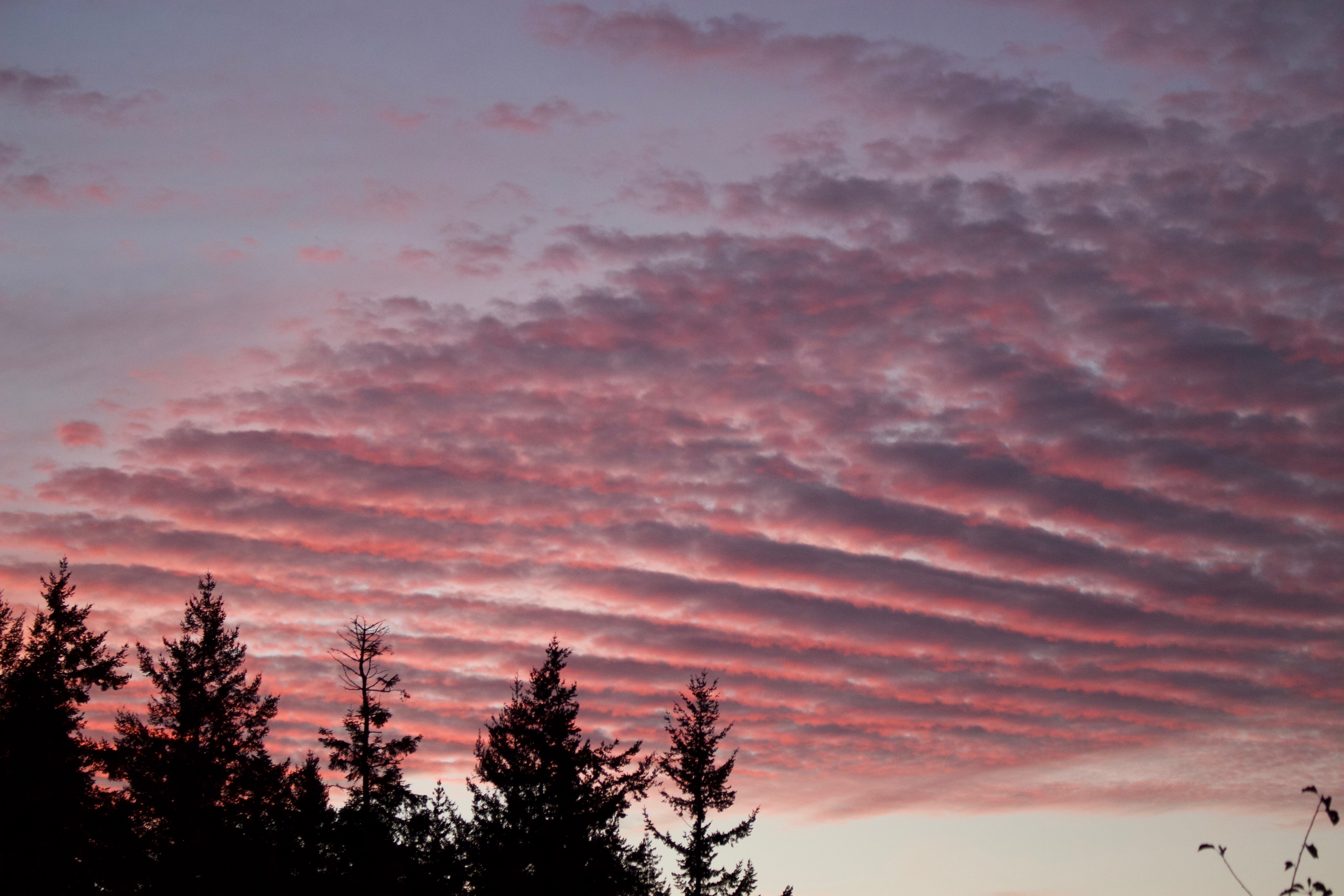
Sometimes they are plain and gray just as I am, but there are days that are lit from above and beneath with a fire that ignites across the sky. I too am engulfed for a moment or two, until sun or shadow sweeps me away, transfixed and transformed, forever grateful for the light.
If that’s what he means,’ says the student to the poetry teacher, ‘why doesn’t he just say it?’
‘If God is real,’ says the parishioner to the preacher, ‘why doesn’t he simply storm into our lives and convince us?’
The questions are vastly different in scale and relative importance, but their answers are similar.
A poem, if it’s a real one, in some fundamental sense means no more and no less than the moment of its singular music and lightning insight; it is its own code to its own absolute and irreducible clarity.
A god, if it’s a living one, is not outside of reality but in it, of it, though in ways it takes patience and imagination to perceive.
Thus the uses and necessities of metaphor, which can flash us past our plodding resistance and habits into strange new truths.
Thus the very practical effects of music, myth, and image, which tease us not out of reality, but deeper and more completely into it. ~Christian Wiman, My Bright Abyss: Meditation of a Modern Believer
We are an impatient and unimaginative people; we want proof of God and we want it now. Yet we plod through our days blind and deaf to His presence in our lives, with little awareness of Him walking beside us.
So each day I try to take the blinders off and look for Him, listen for Him and wait on Him to make His presence known.
Deep in the grip of the midwinter cold The stars glitter and sparkle. All are asleep on this lonely farm, Deep in the winter night. The pale white moon is a wanderer, snow gleams white on pine and fir, snow gleams white on the roofs. Only tomten is awake.
Rubs his hand through his beard and hair, Shakes his head and his cap. Turns at his own command, Turns to the task at hand. He must appreciate what life he’s got By finding ways to tie time’s knot.
The ponies dream on in the cold moon’s light, Summer dreams in each stall. And free of harness and whip and rein, Tomten starts to twist and twirl each mane While the manger they drowse over Brims with fragrant clover.
Still is the forest and all the land, Locked in this wintry year. Only the distant waterfall Whispers and sighs in his ear. The tomten listens and, half in dream, Thinks that he hears Time’s endless stream, And wonders, how can its knots be bound? Where will its eternal source to be found? ~adapted from “Tomten” by Viktor Rydberg
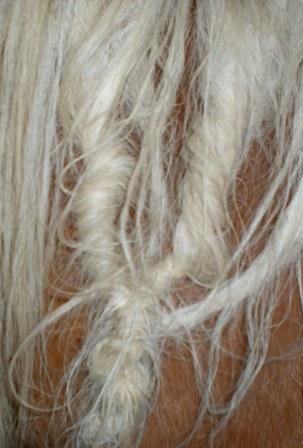
It is hard to say exactly when the first one moved in. This farm was distinctly gnome-less when we bought it, largely due to twenty-seven hungry barn cats residing here at the time, in various stages of pregnancy, growth, development and aging. It took awhile for the feline numbers to whittle down to an equilibrium that matched the rodent population. In the mean time, our horse numbers increased from three to seven to over fifteen with a resultant exponential increase in barn chores. One winter twenty years ago, I was surprised to walk in the barn one morning to find numerous complex knots tied in the Haflingers’ manes. Puzzling as I took precious time to undo them, (literally adding hours to my chores), I knew I needed to find the cause or culprit.
It took some research to determine the probable origin of these tight tangles. Based on everything I read, they appeared to be the work of Gernumbli faenilesi, a usually transient species of gnome called “tomtens” preferring to live in barns and haylofts in close proximity to heavy maned ponies. In this case, as the tangles persisted for months, they clearly had moved in, lock, stock and barrel. The complicated knots were their signature pride and joy, their artistic way of showing their devotion to a happy farm and trying to slow down time so they can stay in residence eternally.
All well and good, but the extra work was killing my fingers and thinning my horses’ hair. I plotted ways to get them to cease and desist.
I set live traps of cheese and peanut butter cracker sandwiches, hoping to lure them into cages for a “catch and release”. Hoping to drive them away, I played polka music on the radio in the barn at night. Hoping to be preemptive, I braided the manes up to be less tempting but even those got twisted and jumbled. Just as I was becoming ever more desperate and about to bring in more feral cats, the tangling stopped.
It appeared the tomtens had moved on to a more hospitable habitat. I had succeeded in my gnome eradication plan. Or so I thought.
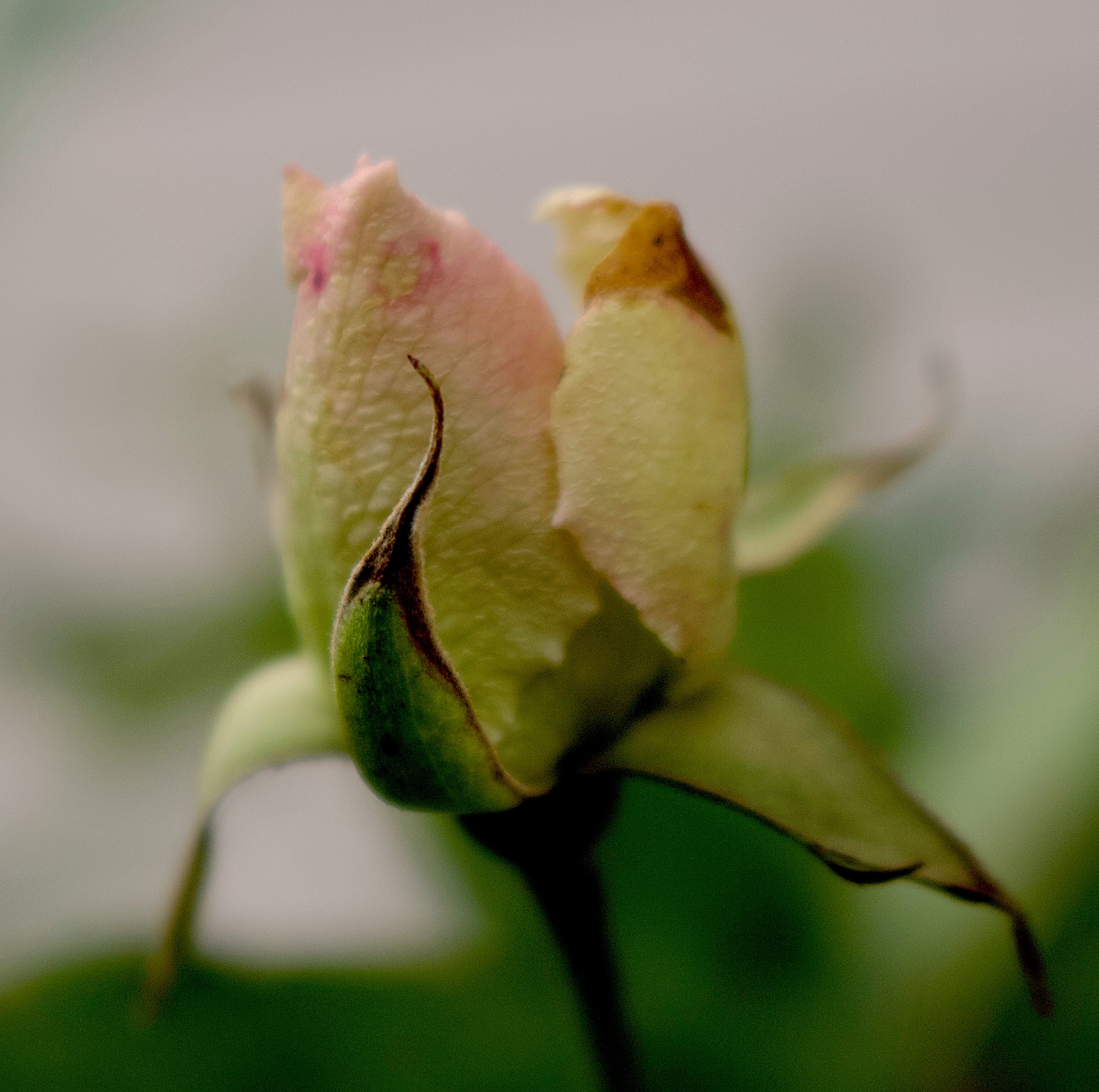
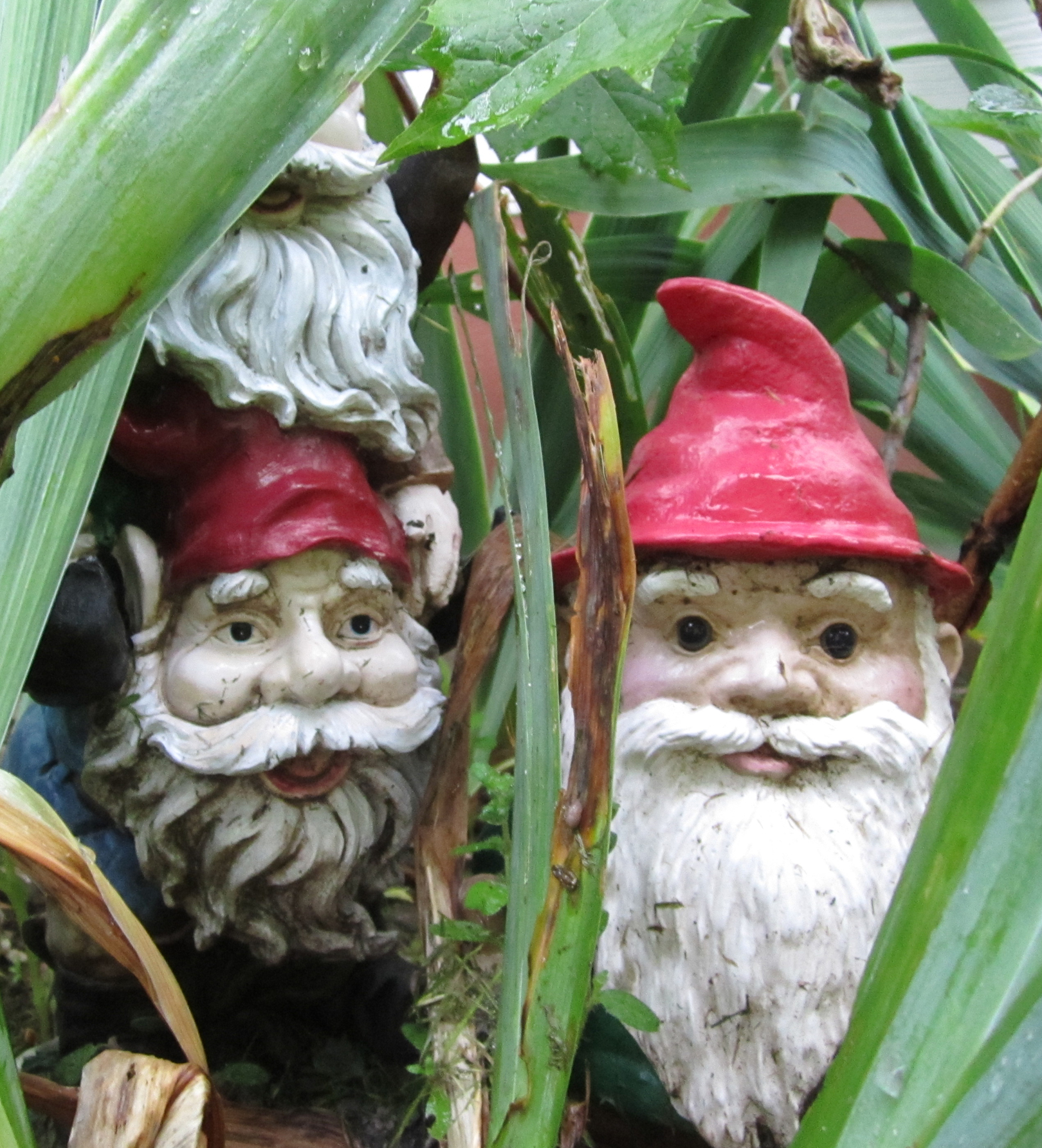
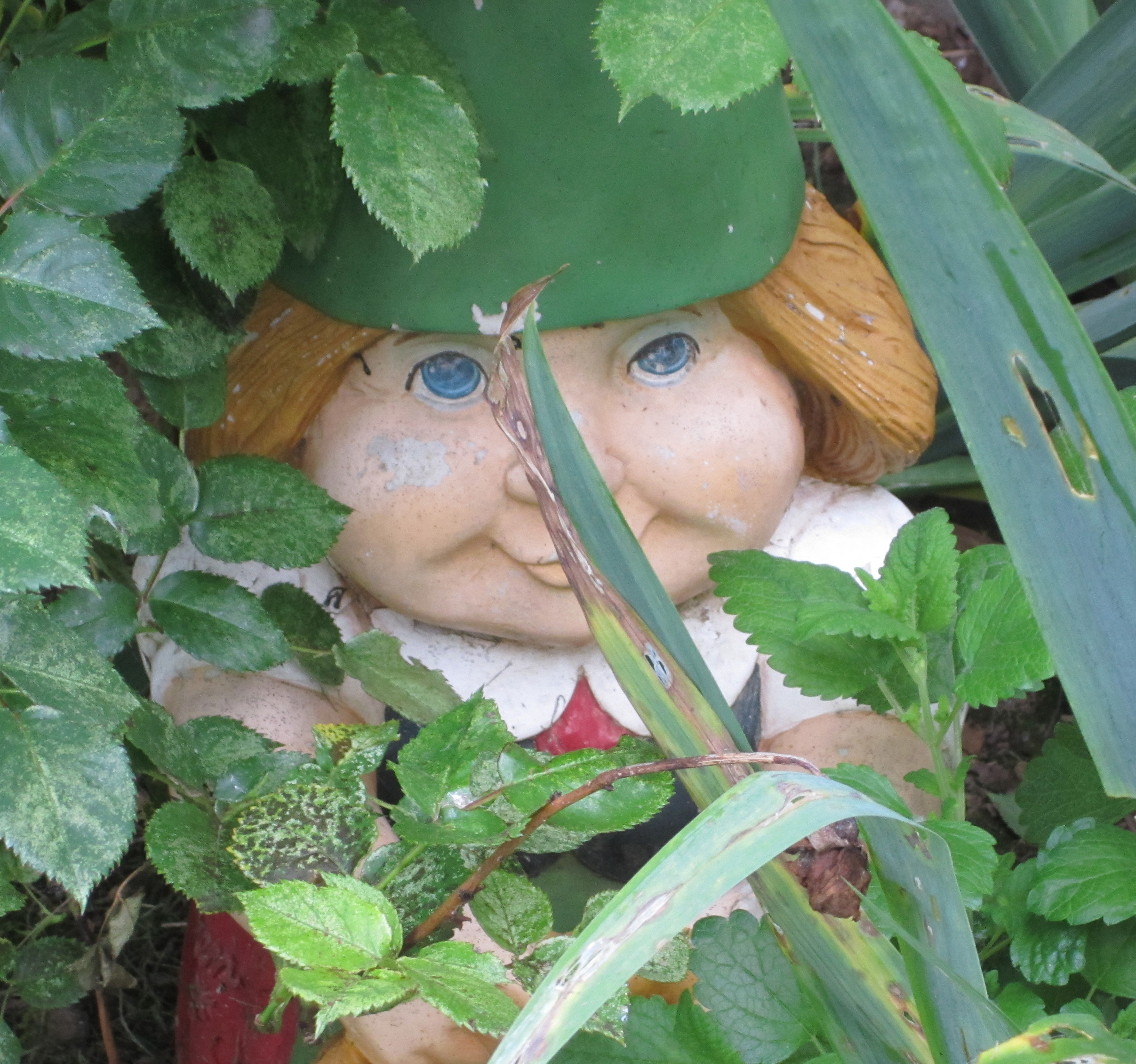
Not long after, I had the distinct feeling of being watched as I walked past some rose bushes in the yard. I stopped to take a look, expecting to spy the shining eyes of one of the pesky raccoons that frequents our yard to steal from the cats’ food dish. Instead, beneath the thorny foliage, I saw two round blue eyes peering at me serenely. This little gal was not at all intimidated by me, and made no move to escape. She was an ideal example of Gernumbli gardensi, a garden gnome known for their ability to keep varmints and vermin away from plants and flowers. They also happen to actively feud with Gernumbli Faenilesi so that explained the sudden disappearance of my little knot-tying pests in the barn.
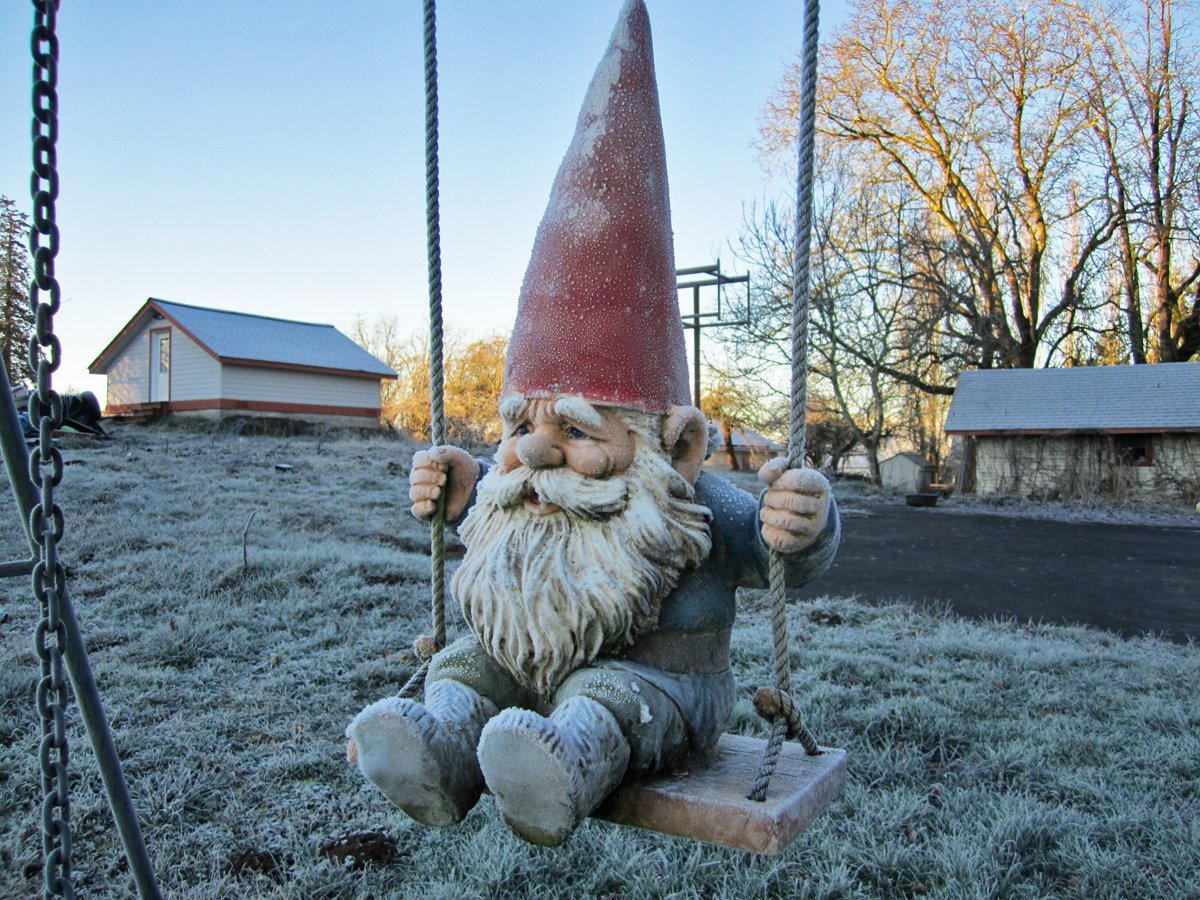
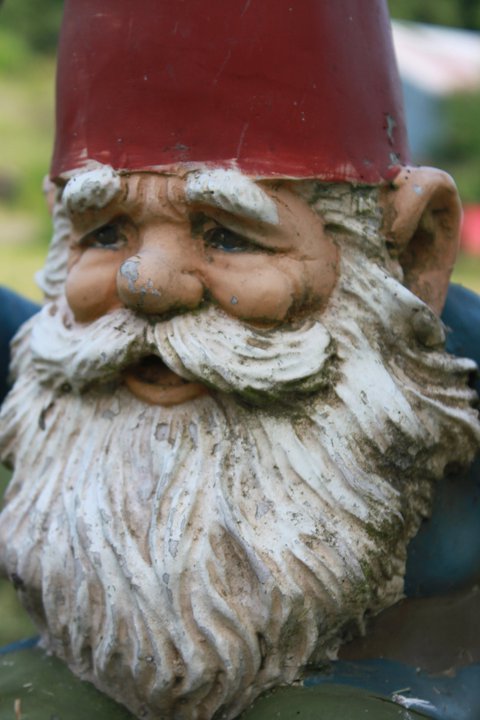
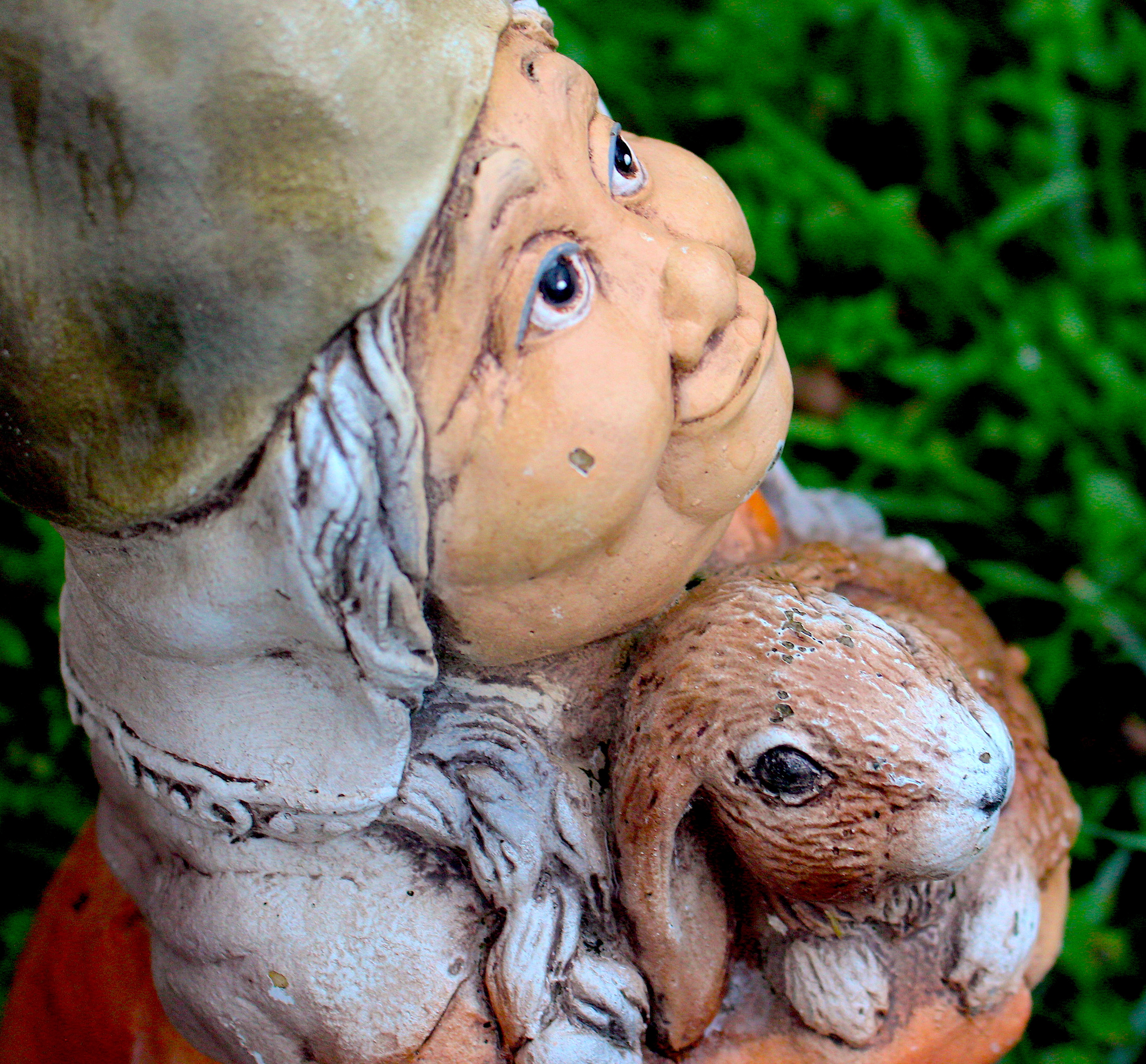
It wasn’t long before more Gardensi moved in, a gnomey infestation. They tended to arrive in pairs and bunches, liked to play music, smoked pipes, played on a teeter totter, worked with garden tools, took naps on sun-warmed rocks and one even preferred a swing. They are a bit of a rowdy bunch but I enjoy their happy presence and jovial demeanor.
As long as they continue to coexist peaceably with us and each other, keep the varmints and their knot tying cousins away, and avoid bad habits and swear words, I’m quite happy they are here. Actually, I’ve given them the run of the place. I’ve been told to be cautious as there are now news reports of an even more invasive species of gnome, Gernumbli kitschsi, that could move in and take over if I’m not careful.
I shudder to think. One has to consider the neighborhood.
She lingered in that charming little garden to say hello to the gnomes, such a glorious infestation! How few wizards realize just how much we can learn from the wise little gnomes-or, to give them their correct names, the Gernumbli gardensi. ‘Ours do know a lot of excellent swear words,’ said Ron… ~J.K. Rowling in Harry Potter and the Deathly Hallows












 Barnstorming