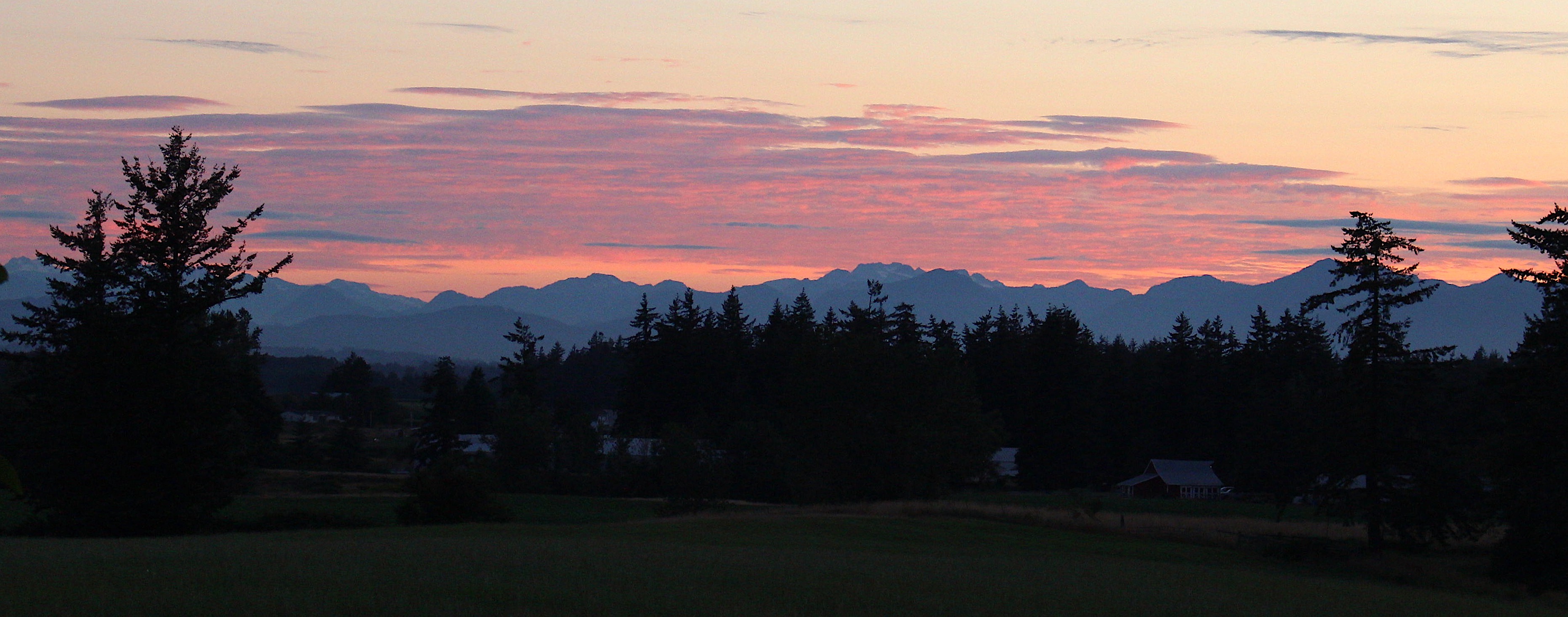
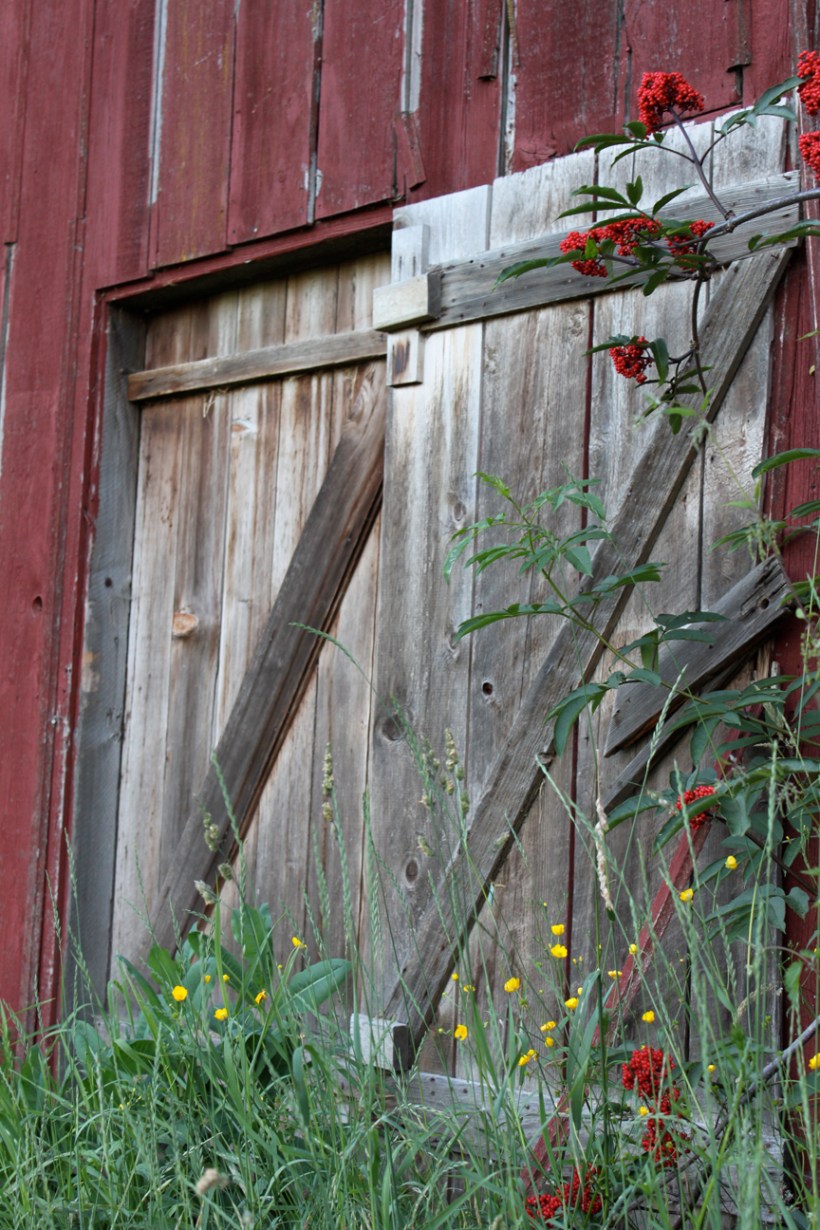
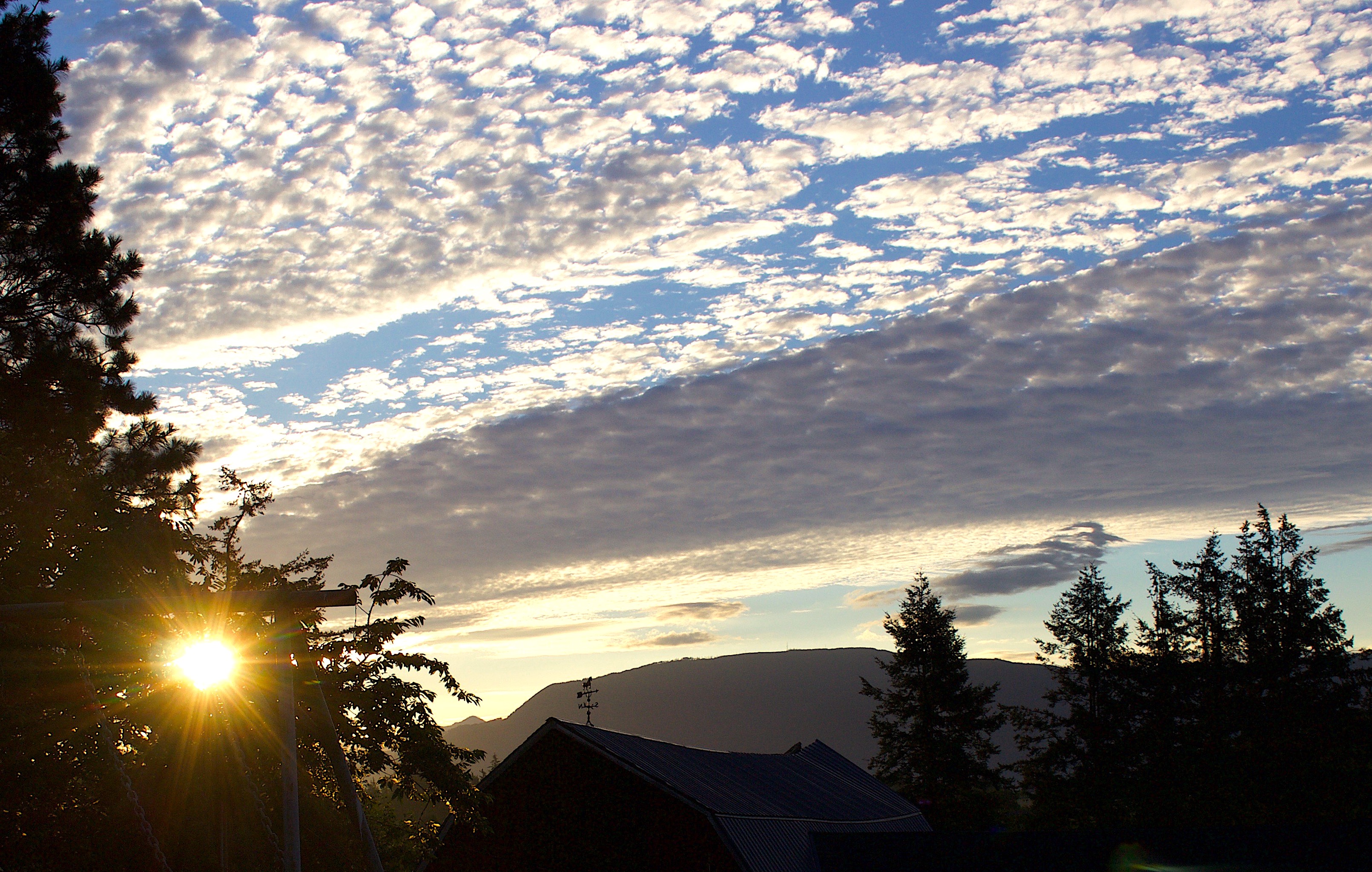
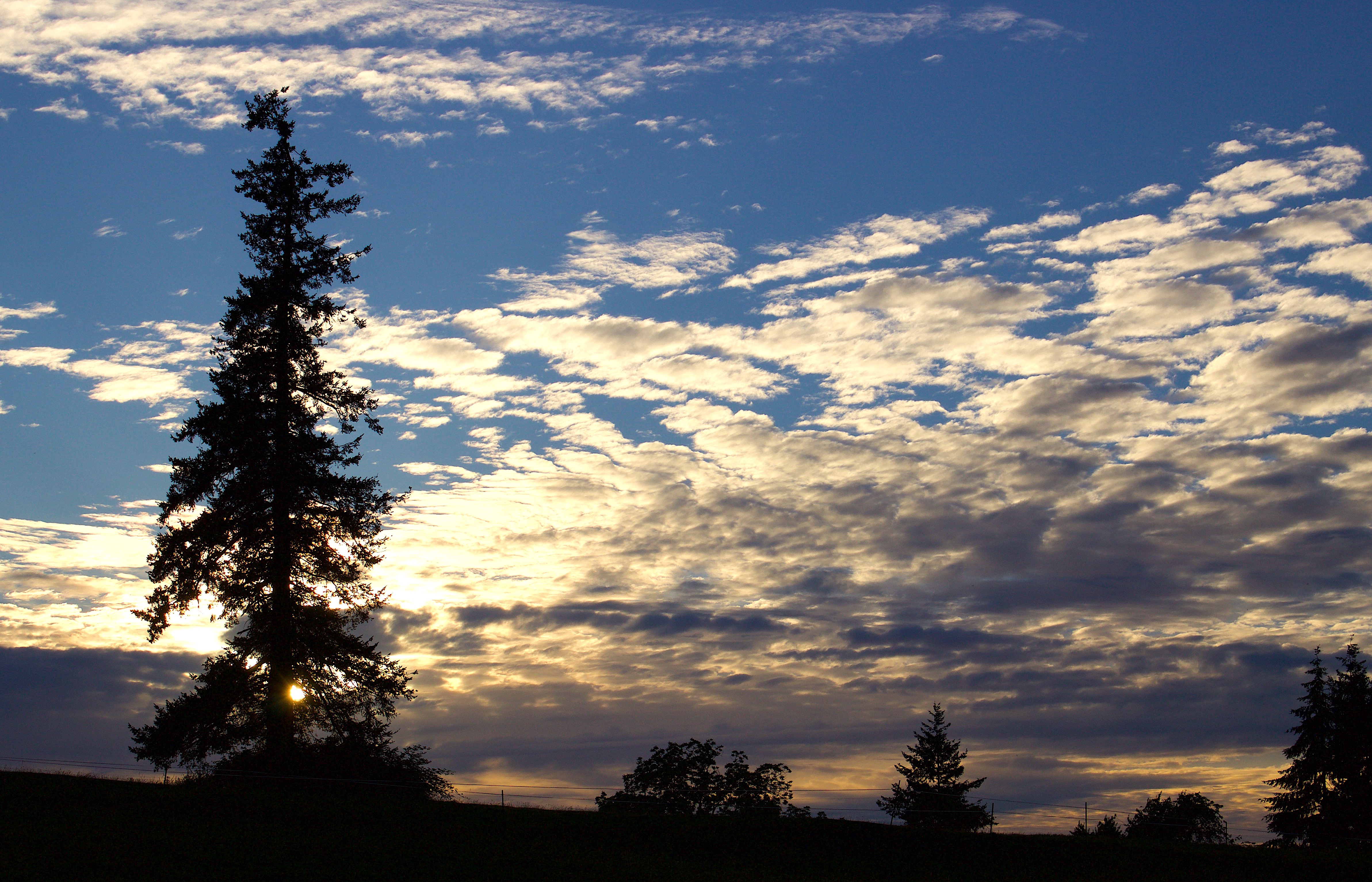
A Blanket of Peace and Forgetting

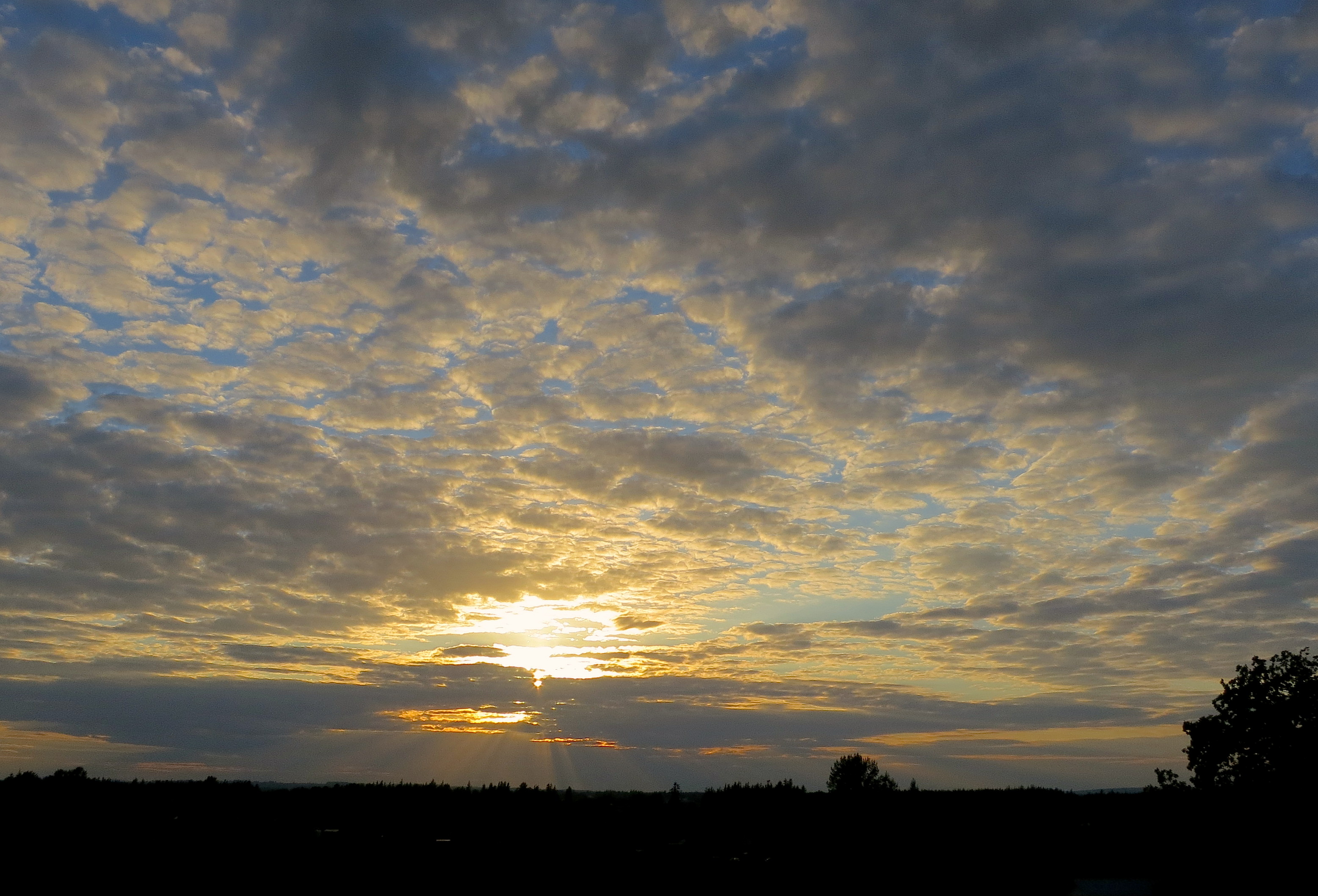
sunrise97143


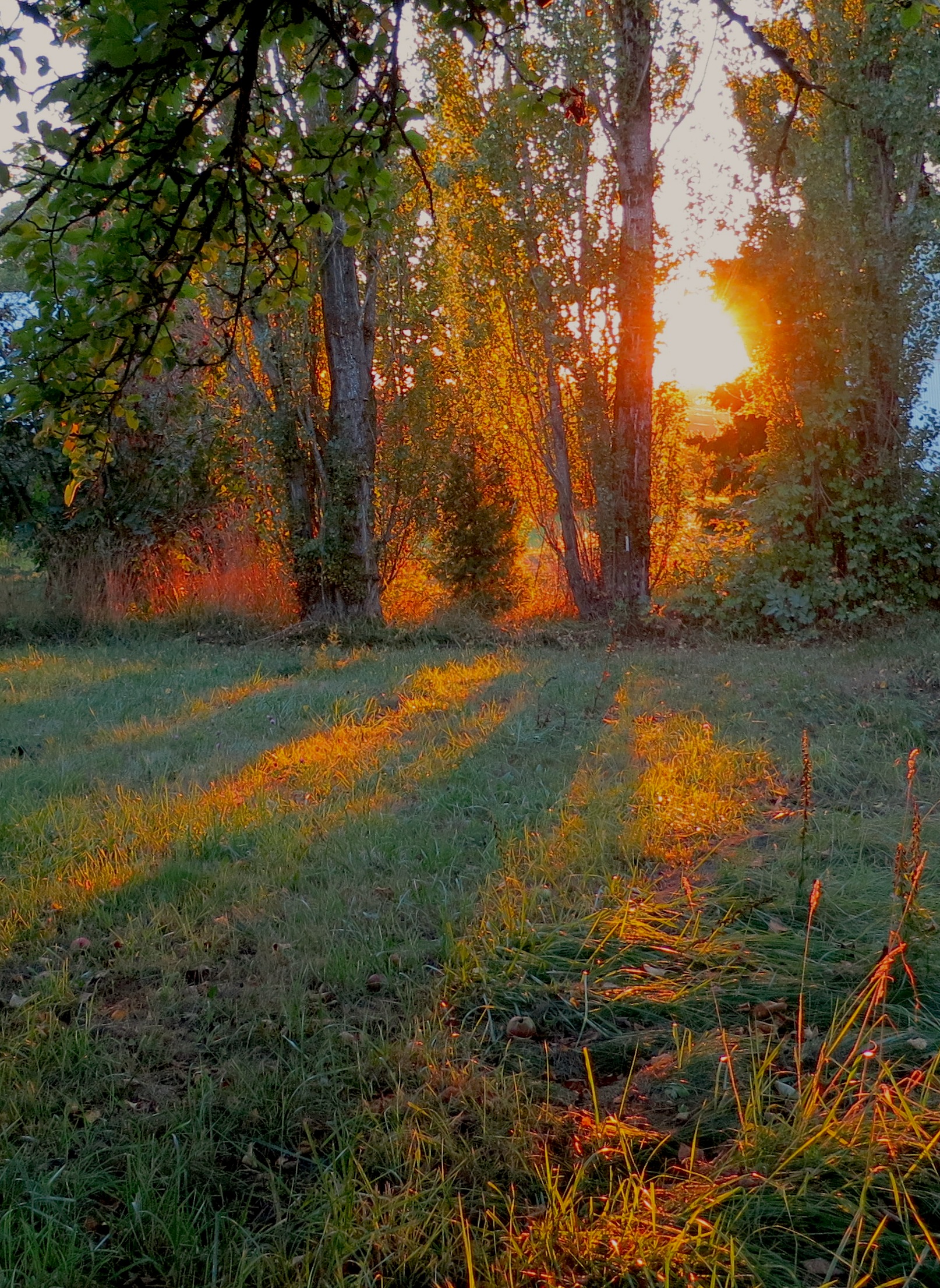
sunrise97147


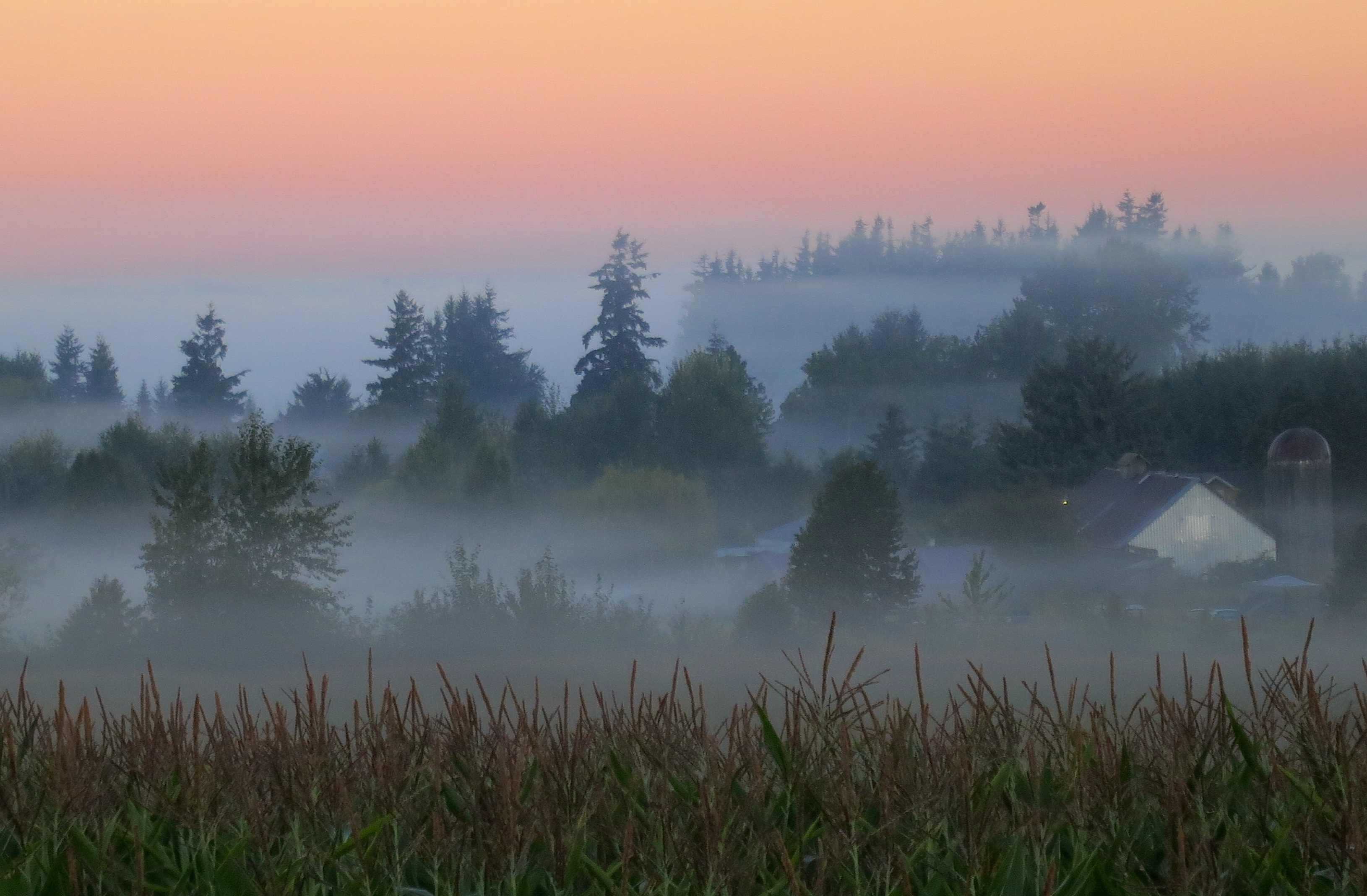
Well I know now the feel of dirt under the nails,
I know now the rhythm of furrowed ground under foot,
I have learned the sounds to listen for in the dusk,
the dawning and the noon.

I have held cornfields in the palm of my hand,
I have let the swaying wheat and rye run through my fingers,
I have learned when to be glad for sunlight and for sudden
thaw and for rain.

I know now what weariness is when the mind stops
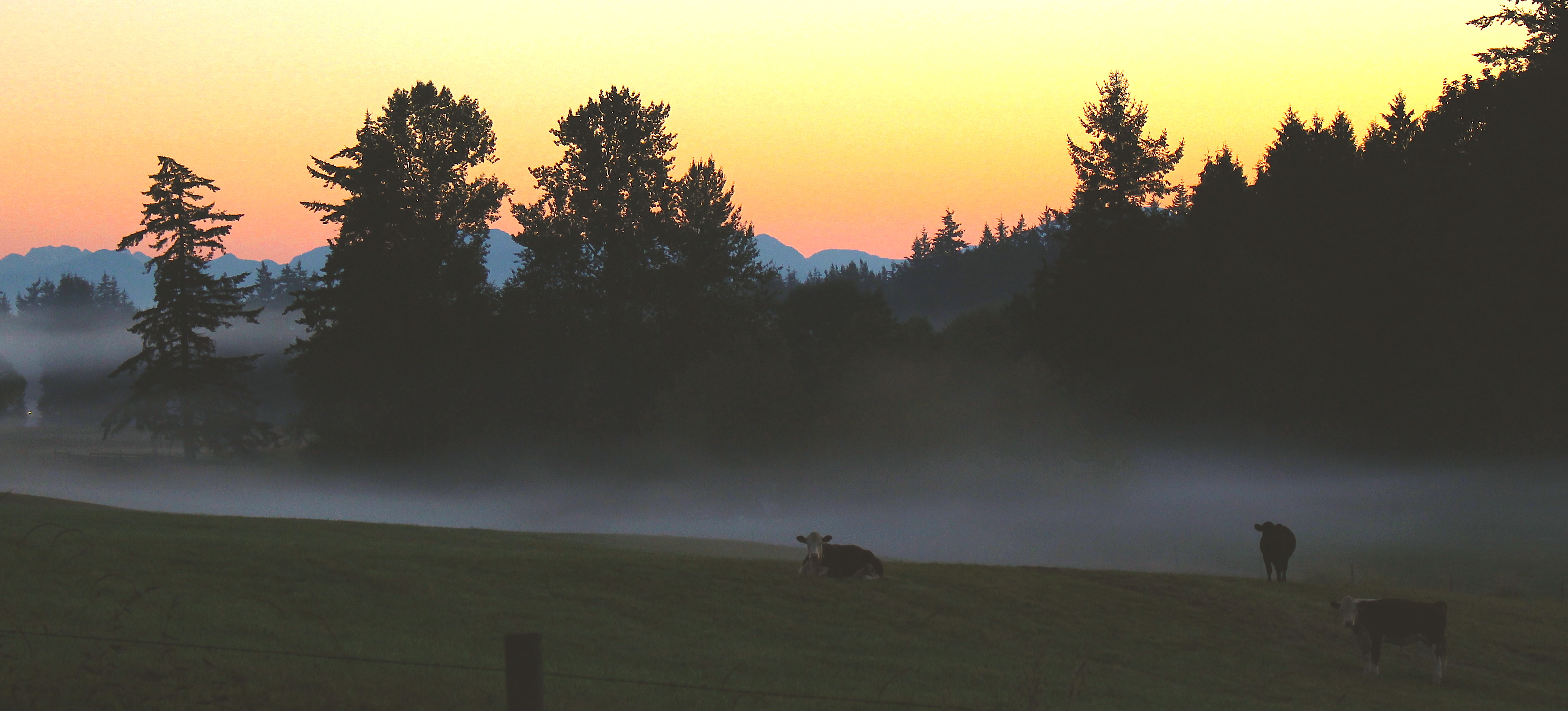
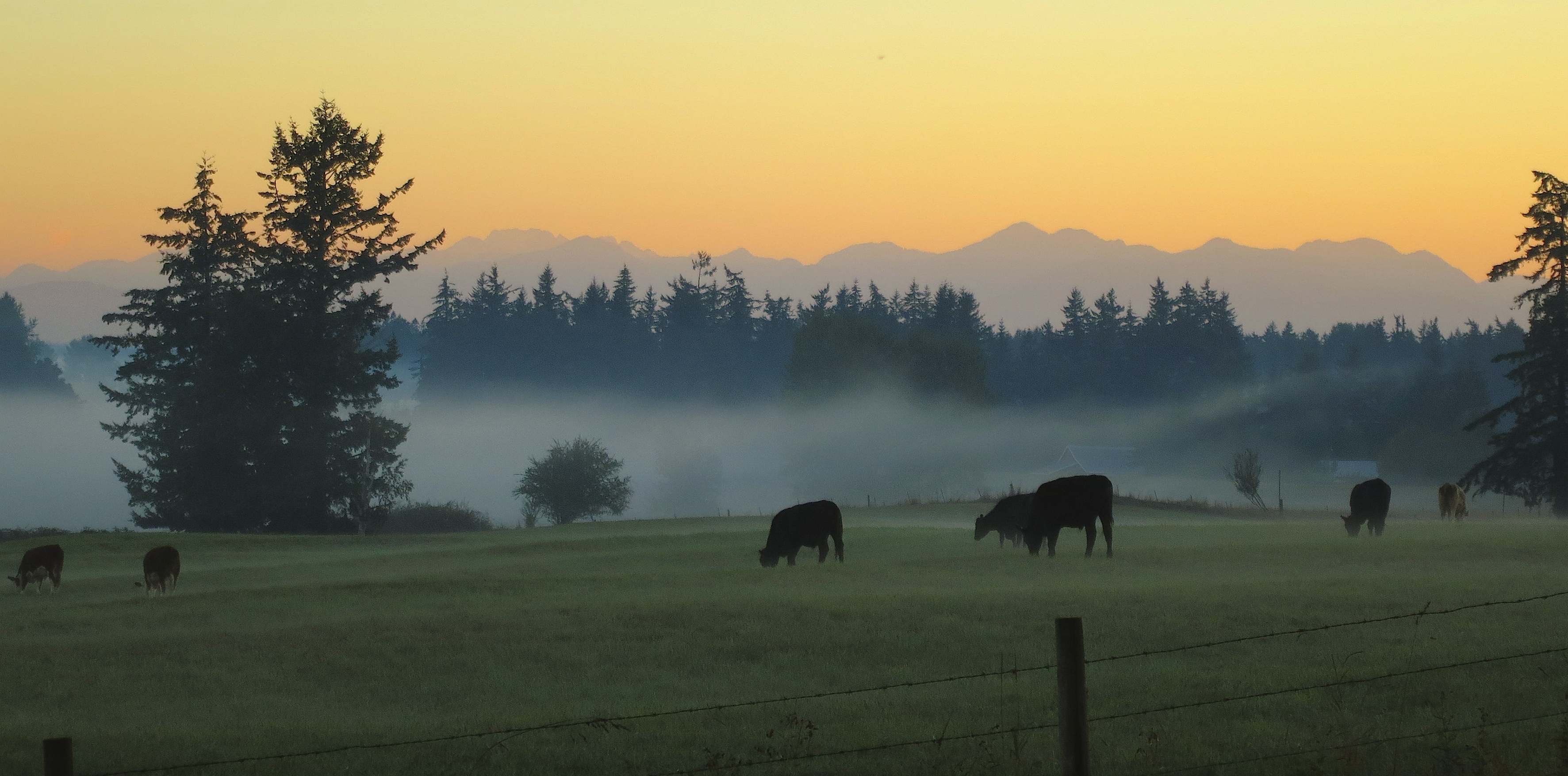
and night is a dark blanket of peace and forgetting
and the morning breaks to the same ritual and the same
demands and the silence.
~Jane Clement from No One Can Stem the Tide


sunrise9714


sunrise971411


sunrise97141


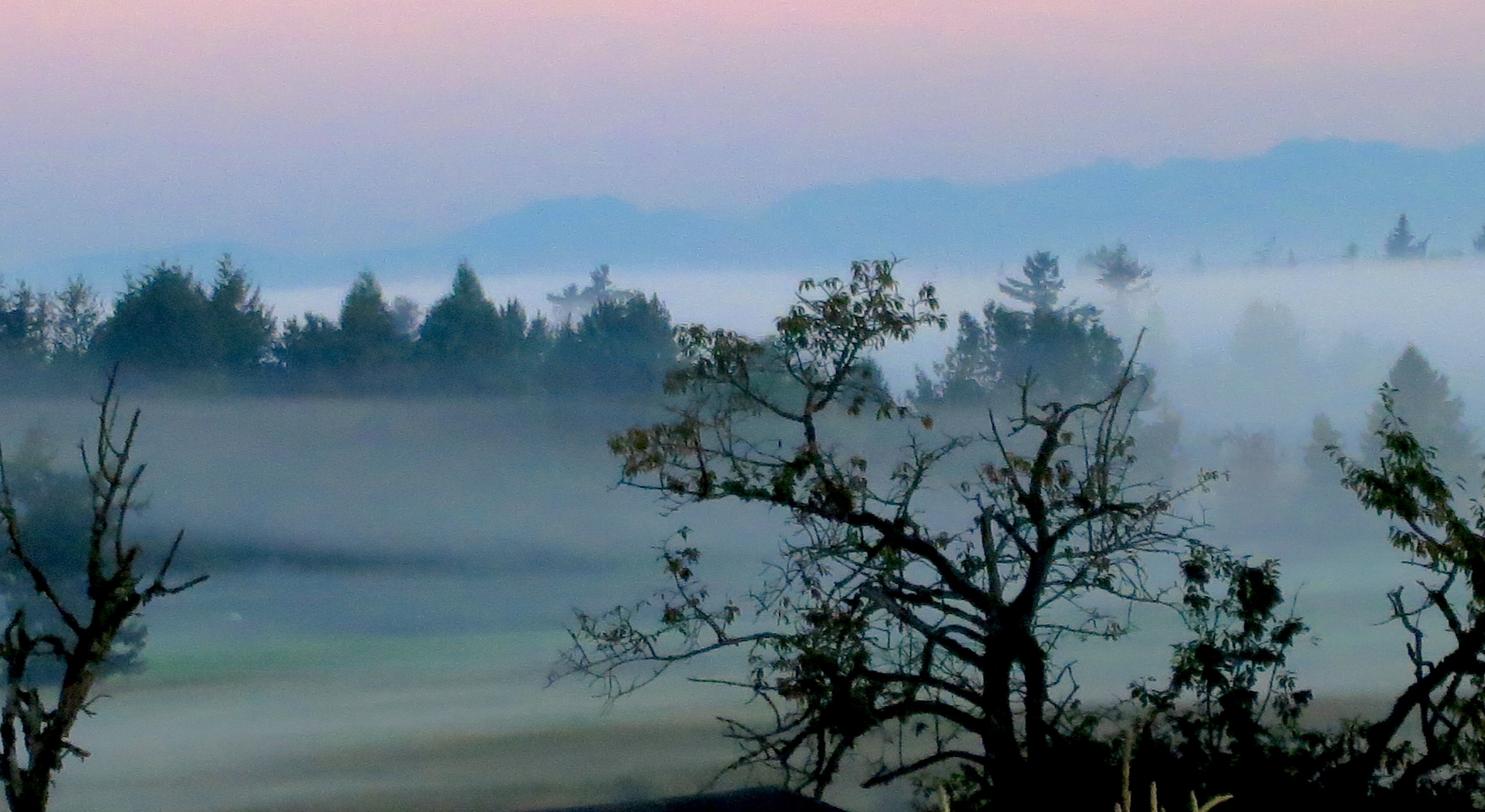
I did not sleep last night — my mind would not stop, my blankets twisted in turmoil, my muscles too tight.  The worries of the day needed serious wrestling in the dark rather than settling forgotten under my pillow.

Yet morning dawns anew and I’m comforted by the rhythm of hours starting fresh.

Today I’ll get my hands dirty digging a hole deep enough to hold the worries, and tomorrow forget where exactly I buried them.


sunrise971410


sunrise97148


Financial Support for the Barnstorming Blog from our Readers

Your financial support helps to keep this blog an ad-free daily offering. Your contribution of any amount is encouragement to me and deeply appreciated.

$10.00

Nothing Left to Do

dryaugust


dryhydrangea


Toward the end of August I begin to dream about fall, how
this place will empty of people, the air will get cold and
leaves begin to turn. Everything will quiet down, everything
will become a skeleton of its summer self. Toward

the end of August I get nostalgic for what’s to come, for
that quiet time, time alone, peace and stillness, calm, all
those things the summer doesn’t have. The woodshed is
already full, the kindling’s in, the last of the garden soon

will be harvested, and then there will be nothing left to do
but watch fall play itself out, the earth freeze, winter come.
~David Budbill “Toward the End of August” from Tumbling Toward the End.


weed9715


I dream now of fall, wanting this stubborn summer to flame out, to leave its bare bones behind.  The last few weeks have been particularly cruel with wildfires, hurricanes, drought, sweltering heat, and flooding rains.  As if nature is not damaging enough, humanity continues to threaten humanity with local and global violence and threats of annihilation, while hundreds of thousands of refugees migrate from one poor country into even poorer countries in search of some semblance of hope and security for a safe future.

Anxiety and despair seem appropriate responses in the face of so much tragedy – they take root like weeds in a garden patch– overwhelming, crowding out and impairing all that is fruitful.  The result is nothing of value grows–only unchecked proliferation of more weeds. My worry and anguish help no one and changes nothing, serving only to hinder me from being fruitful.

It shouldn’t take bad news and disaster to remind me of what I already know:
I am not God and never will be.  He tends the garden and He pulls the weeds when the time is right.

His harvest is at hand.  Either I’m fruit or weed.

Acknowledging this is everything.  There is nothing left to do but watch as it plays itself out.


weedybarn


twinlayers


Financial Support for the Barnstorming Blog from our Readers

Your financial support helps to keep this blog an ad-free daily offering. Your contribution of any amount is encouragement to me and deeply appreciated.

$10.00

To Balance Upon a Broken World

sunset831149


Summer ends now; now, barbarous in beauty, the
Stooks arise
Around; up above, what wind-walks! what
lovely behavior
Of silk-sack clouds!  Has wilder, willful-waiver
Meal-drift molded ever and melted across the skies?
~Gerard Manley Hopkins, “Hurrahing in Harvest”


sunset917165
This afternoon was the colour of water falling through sunlight;
The trees glittered with the tumbling of leaves;
The sidewalks shone like alleys of dropped maple leaves,
And the houses ran along them laughing out of square, open windows.
Under a tree in the park,
Two little boys, lying flat on their faces,
Were carefully gathering red berries
To put in a pasteboard box.
Some day there will be no war,
Then I shall take out this afternoon
And turn it in my fingers,
And remark the sweet taste of it upon my palate,
And note the crisp variety of its flights of leaves.
To-day I can only gather it
And put it into my lunch-box,
For I have time for nothing
But the endeavour to balance myself
Upon a broken world.
~Amy Lowell “September 1918”
sunset831146
sunset8315
Am I the only one who awakes this morning with a prayer asking
that today be a day of healing between peoples rather than conflict and pain,
that the barbaric become peaceable~
no missiles launched,
no one gunned down in the streets,
no vehicles used as weapons,
no child misused,
no one sold into slavery,
no one abandoned, homeless and starving.
Am I the only one who awakes this morning and seeks only
to watch the clouds
to praise the heavens
to see the leaves turn color
to take out this day and taste it
and save it away somehow
so as to balance myself on this brokenness all around?
I am not the only one.
I know I am not.
sunset831141
sunset917166

All That Was Me is Gone

northpeaks
foothillsunset73117
Sing me a song of a lad that is gone,
Say, could that lad be I?
Merry of soul he sailed on a day
Over the sea to Skye.
Give me again all that was there,
Give me the sun that shone!
Give me the eyes, give me the soul,
Give me the lad that’s gone!
Sing me a song of a lad that is gone,
Say, could that lad be I?
Merry of soul he sailed on a day
Over the sea to Skye.
Billow and breeze, islands and seas,
Mountains of rain and sun,
All that was good, all that was fair,
All that was me is gone.
~Robert Louis Stevenson from “Sing Me a Song of a Lad That is Gone”
13582040_10209847969305847_7694704282789970999_o
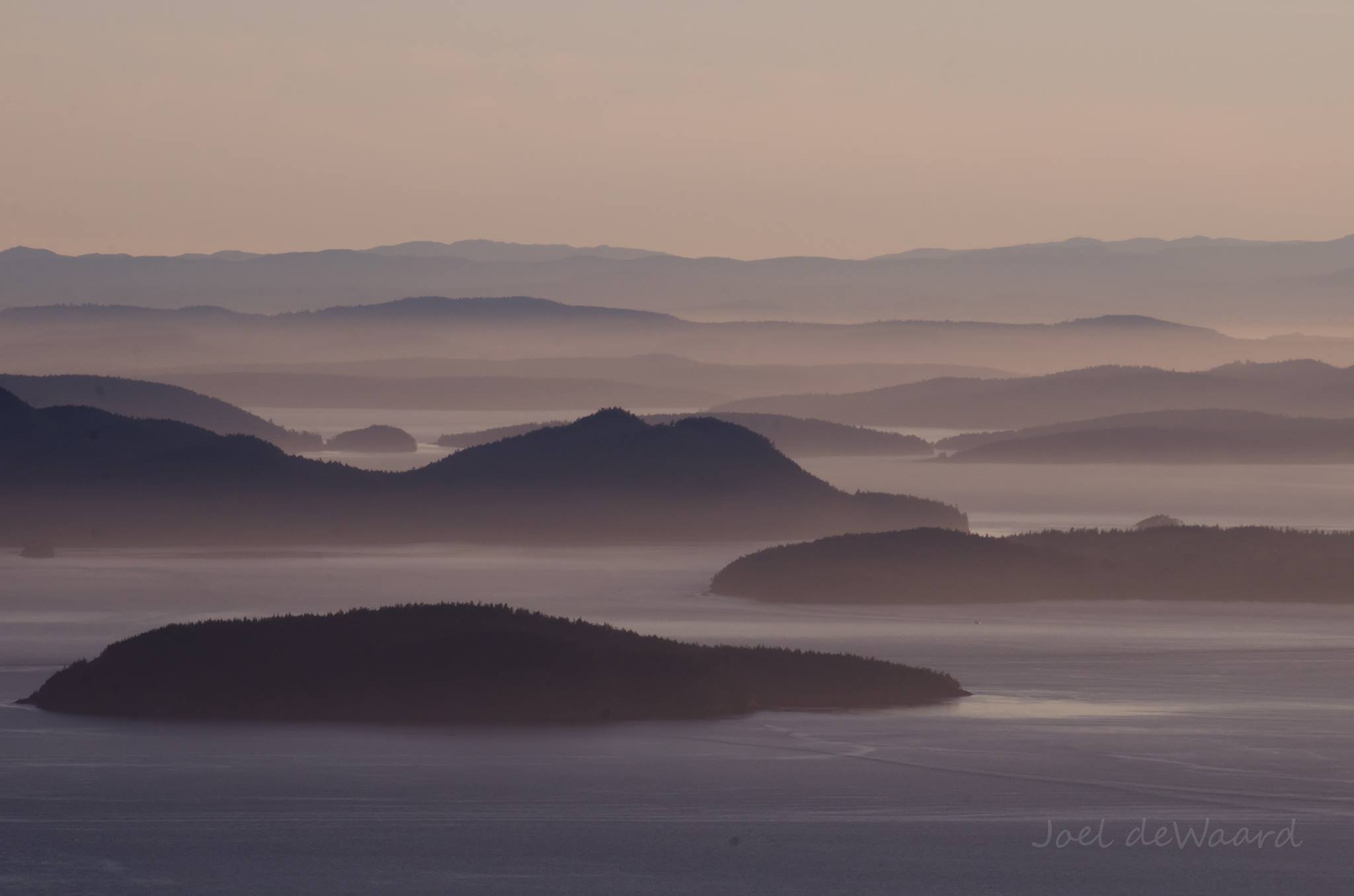
photo of San Juan Islands by Joel deWaard


Do we recognize ourselves as we journey through life, at first lighthearted and merry, but with each stumble, disappointment and wound, become more embittered and wary?

All that was me is gone?

To where to we flee in this sorry world?

I want to cover my eyes and ears, to be shielded from the headlines, from the threats and the worries.

This is not our home.  Give me the soul; give me the Son that shone!


13568908_1331106450251998_5537218373532189485_o
photo of San Juan Islands by Joel DeWaard
sunset728171

Thorns Will Never Overcome

Now Let the Day Decline


But hark! the drowsy day has done its task,
Far in yon hazy field where stands a barn,
Unanxious hens improve the sultry hour
And with contented voice now brag their deed—
A new laid egg—Now let the day decline—
They’ll lay another by tomorrow’s sun.
~Henry David Thoreau from “I’m thankful that my life doth not deceive”
We cycle, reassured, from the decline into night, climbing back into day to descend yet again into night,
even at summer-sultry 90+ degrees.
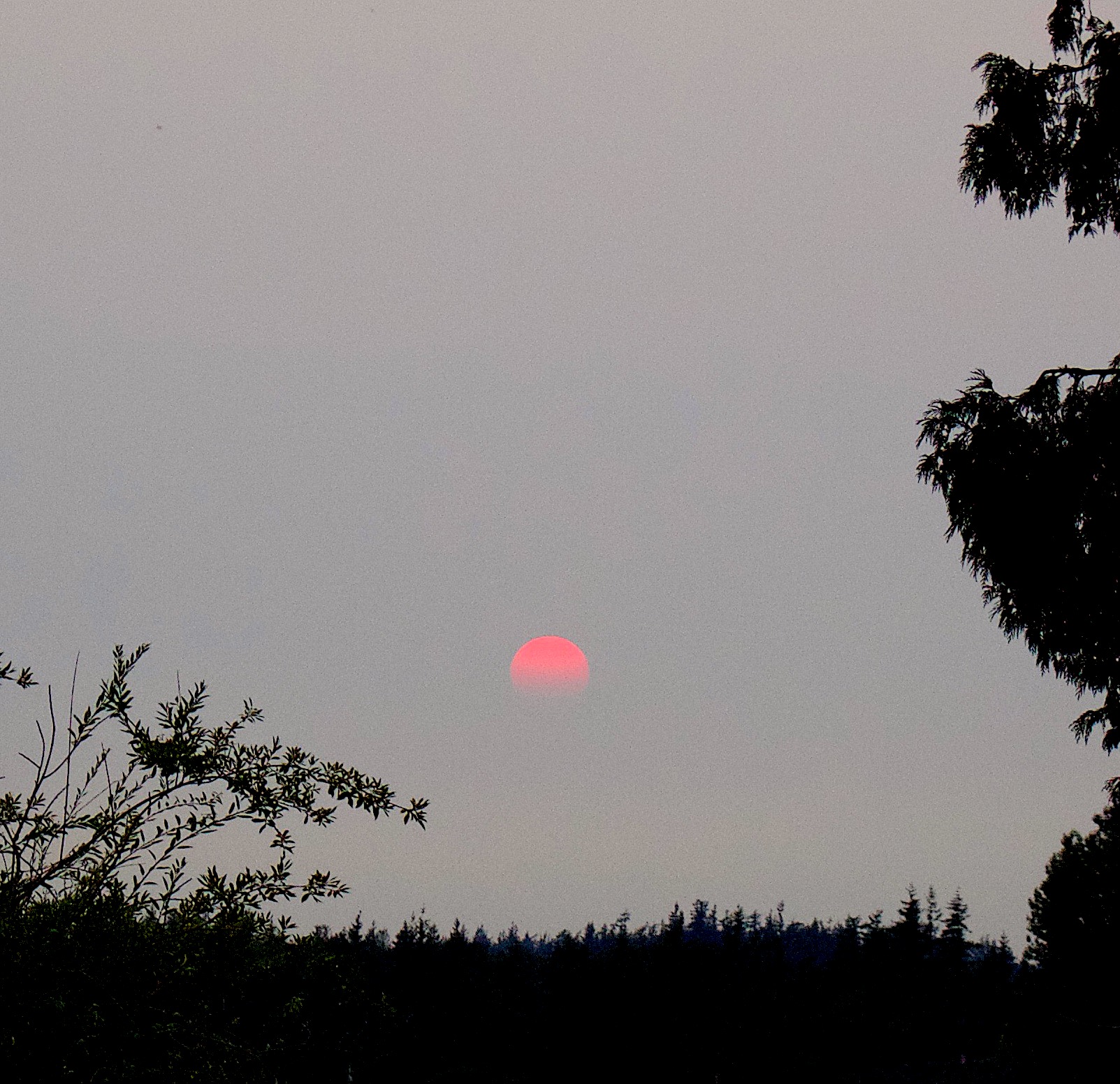
There will be a new sun tomorrow
reddened in the smoky haze of wildfires.
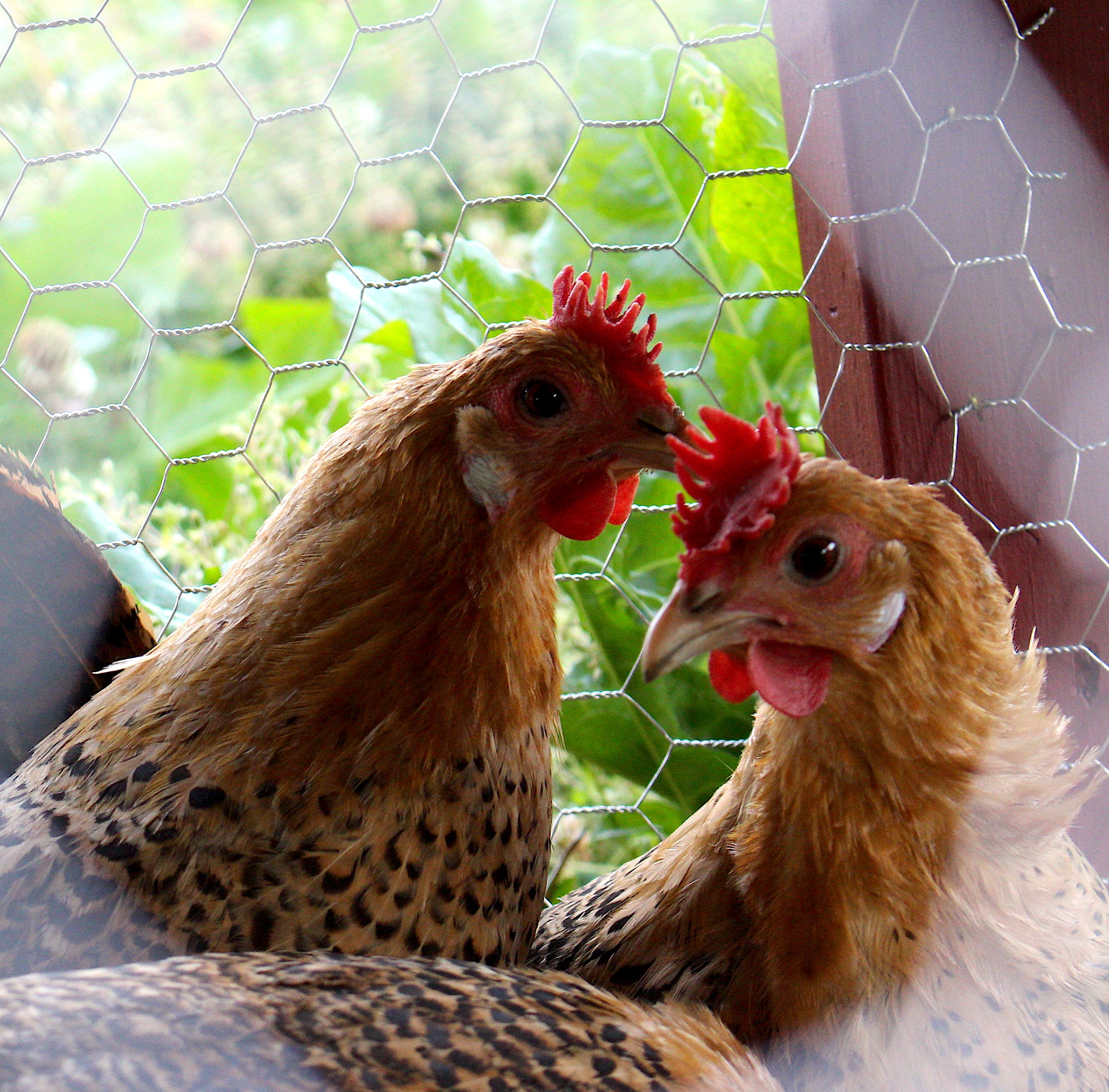
There will be new eggs tomorrow,
bright, clean, fresh, announced by hen-cackle.There will be a tomorrow
and I am thankful.

Is Everything Sad Going to Come Untrue?

dewaardbaker
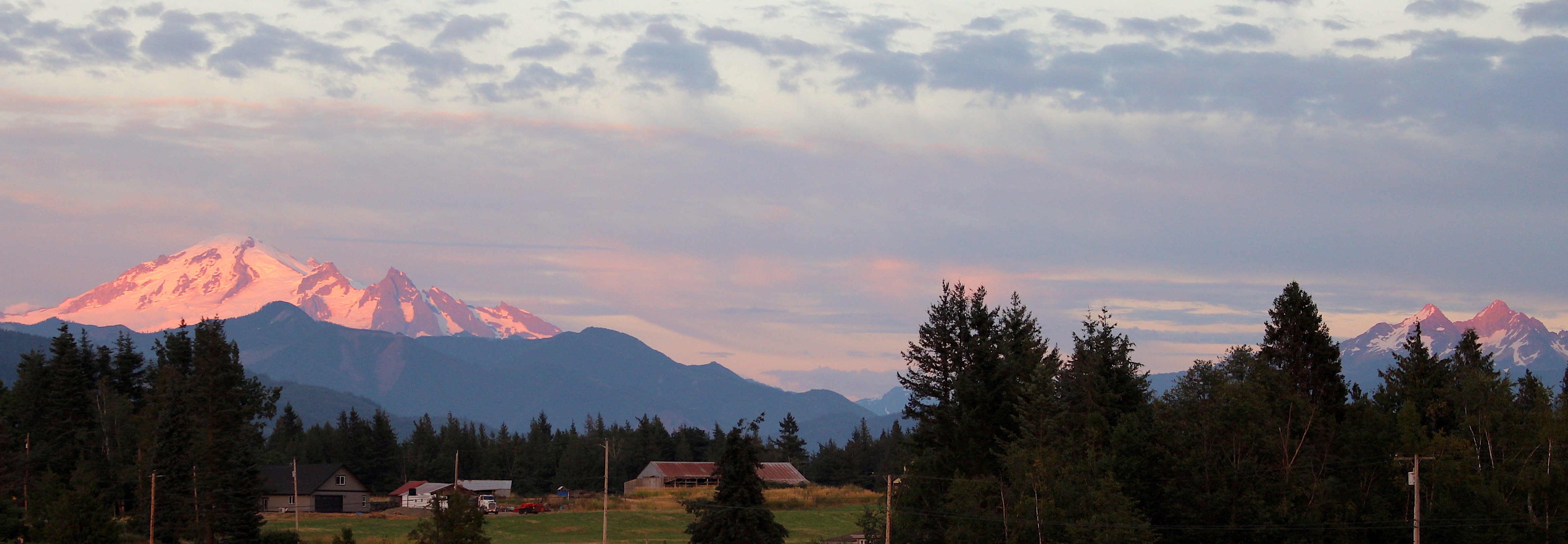
photo of Mt. Baker by Joel DeWaard


morning7917


“Gandalf! I thought you were dead! But then I thought I was dead! Is everything sad going to come untrue?”
~J.R.R. Tolkien as Samwise Gamgee wakes to find his friends all around him in The Lord of the Rings

“The answer is yes. And the answer of the Bible is yes. If the resurrection is true, then the answer is yes. Everything sad is going to come untrue.”
~Pastor Tim Keller’s response in a sermon given in an ecumenical prayer service memorial in Lower Manhattan on the fifth anniversary of Sept. 11.


sunset720171


In our minds, we want to rewind and replay the sad events of a tragedy in a way that would prevent it from happening in the first place.

We want those in a broken relationship to come back together, hug and forgive.  The devastating diagnosis would be proven an error, only a mere transient illness.  When a mass casualty event happens, we want the dead and injured to rise up again.  The destructive earthquake becomes a mere tremor, the flooding tsunami is only one foot, not over thirty feet tall, the hijackers are prevented from ever boarding a plane, the shooter changes his mind at the last minute and lays down his arms, the terrorist disables his suicide bombs and walks away from his training and misguided mission.

We want so badly for it all to be untrue.  The bitter reality of horrendous suffering and sadness daily all over the earth is too much for us to absorb.   We plead for relief and beg for a better day.

Our minds may play mental tricks like this, but God does not play tricks.  He knows and feels what we do.  He too wants to see it rewound and replayed differently.  He has known grief and sadness, He has wept, He has suffered, He too has died.  And because of this, because of a God who came to dwell with us, was broken, died and then rose again whole and holy, we are assured, in His time, everything sad is going to come untrue.

Our tears will be dried, our grief turned to joy, our pain nonexistent, not even a memory.  It will be a new day, a better day–as it is written, trustworthy and true.

May it come.

Quickly.

He will wipe away every tear from their eyes, and death shall be no more, neither shall there be mourning, nor crying, nor pain anymore, for the former things have passed away. And he who was seated on the throne said, “Behold, I am making all things new.” Also he said, “Write this down, for these words are trustworthy and true.  Revelation 21: 4-5


morning719172


Missing the Knock on the Door

barndoor


When a great moment knocks on the door of your life,
it is often no louder than the beating of your heart,
and it is very easy to miss it.
~Boris Pasternak


Years ago, a young woman I’d been treating for depression for several weeks in my clinic called unexpectedly on a Friday afternoon and canceled an upcoming appointment for the following Monday and did not reschedule. The receptionist sent me a message as is our policy for patients who “cancel and do not reschedule”. It gave me a bad feeling that she was turning her back on her treatment plan and I was uneasy about the upcoming weekend without knowing what was going on with her.

I could have just put on my coat and headed home at the end of that long Friday after a very stressful work week and even more stressful year. I was discouraged about many aspects of the clinic work load and the after-hours responsibilities only seemed to get heavier.  I was frustrated at how ineffectively I was communicating to administrative supervisors about the need for change.  I was ready to quit and walk away.

Instead I decided to call my patient to find out how she was doing.  She didn’t answer her phone. I mulled over my options, looked up her apartment address and drove the few blocks to get there. As I approached her door, I could hear someone moving around in her apartment, but she ignored my knocks and my voice and when I tried the door, it was locked.

So I stayed right there, talking to her through the door for about 15 minutes, letting her know I wasn’t leaving until she opened up the door. I finally told her she could decide to open the door or I would call 911 and ask the police to come to make sure she was okay. She then unlocked the door, tears streaming down her face. She had been drinking heavily, with liquor bottles strewn around on the floor. She admitted an intent to overdose on aspirin and vodka. The vodka was already consumed but the unopened aspirin bottle was in her hand. I was the last person she expected to see at her door.

Miraculously the mental health unit at the local hospital had an open bed. I told my patient that we could save time and hassle by heading over there together right then and there, and avoid the emergency room mess, and the possibility of an involuntary detainment.

She agreed to come with me and be admitted voluntarily for stabilization. I visited the hospital the next day and she greeted me with a hug and thanked me for not giving up on her when she had given up on herself. In sobriety, her eyes were brighter and she was more hopeful. She never expected anyone to care enough to come knock on her door when she was at her lowest point,  and she struggled to answer, as consumed as she was in her own painfully beating heart.

She was astounded and grateful and frankly, by deciding to do what I knew was necessary and right even though it disregarded every workplace policy, so was I.

Four years later, a small card arrived in my clinic mailbox on another most challenging work day from an unfamiliar address two thousand miles away. The name looked vaguely familiar to me but when I opened and read the contents, this time the knock on the door was to get my attention, to focus the beating of my heart on what was most important – not the stresses of my work place — and it was my turn to let tears flow:


“Dear Doctor,

I am not sure if you will remember me considering you see a number of patients daily; however, I am a patient whose life you changed in the most positive way. I never truly THANKED YOU for listening to me and hearing my silent words of grief and hearing my cries for help. If it had not been for you, had you not knocked on my door, I would not be writing this letter to you today. I don’t know exactly what to say to the person who saved me from hurting myself fatally. You were a stranger in my life, but a dear friend in my time of need. THANK YOU, for everything that you did for me. You have a permanent place in my heart, you have given my spirit hope, you have reminded me that a life is worth living. Thank you, thank you, thank you! Sincerely, L_____”


I’m grateful 4 years ago I had the sense to go knock on her door when all she could hear was the beating of her own painful heart. I had the stubbornness to stay put until she responded, and most of all, I’m appreciative for her gracious note letting me know it made a difference. When I needed it the most, she made a difference for me that has kept me on the job all these years later.

She knocked, oh so gently, on my door and I opened it, amazed that someone cared, and found me awash in my own tears.


An Audience of Terminal Patients

chelanblooms1

Write as if you were dying. At the same time, assume you write for an audience consisting solely of terminal patients. That is, after all, the case.
~Annie Dillard from “Write Till You Drop”

chelanducklings5

You’re going to feel like hell if you wake up someday and you never wrote the stuff that is tugging on the sleeves of your heart: your stories, memories, visions, and songs–your truth, your version of things–in your own voice. That’s really all you have to offer us, and that’s also why you were born.

~Anne Lamott in a recent TED Talk

chelanspirea

I began to write after September 11, 2001 because that day it became obvious to me I was dying, albeit more slowly than the thousands who vanished that day in fire and ash, their voices obliterated with their bodies.   So, nearly each day since, while I still have voice and a new dawn to greet, I speak through my fingers and my camera lens to others dying around me.

My good friend, Sara, who I’ve known and loved half my life, is fighting for her life in an all day cancer surgery today, having fought a chronic disease and a totally different cancer once before and won.  She knows well the hard cost of winning even when the odds aren’t good,  yet still has a courage in her to fight once again.

That will to fight is heavy on my mind today.

We are, after all, terminal patients, some more imminent than others, some of us more prepared to move on, as if our readiness had anything to do with the timing.

Each day I too get a little closer, so I write and share photos of my world in order to hang on awhile longer.  Each day I must detach just a little bit, leaving a small trace of my voice and myself behind.  Eventually, through unmerited grace, so much of me will be left on the page there won’t be anything or anyone left to do the typing.

There is no moment or picture or word to waste.


chelanpoppies

 image1


Doc Season

duckchelan2

img_0761


It may not be rabbit season or duck season but it definitely seems to be doc season, especially as the next version of the American Health Care Act is unveiled today. This (and the Affordable Care Act which preceded it) is not about patients — it is about how to keep doctors and the health care industry under reasonable cost control and maintain some semblance of quality service.


Physicians are lined up squarely in the gun sights of the media, government agencies and legislators, as well as our employers and coworkers, not to mention our own professional organizations, our Board Certifying bodies, and our dissatisfied patients, all happily acquiring hunting licenses in order to trade off taking aim. It’s not enough any more to wear a bullet proof white coat. It’s driving doctors to hang up their stethoscope much earlier than they expected just to get out of the line of fire. Depending on who is expressing an opinion, doctors are seen as overcompensated, demanding, whiny, too uncommitted, too over-committed, uncaring, egotistical, close-minded, inflexible, and especially, and most annoyingly – perpetually late.

One of the most frequent complaints expressed about doctors is their lack of sensitivity to the demands of their patients’ schedule. Doctors do run late and patients wait. And wait. And wait some more. Patients get angry while waiting and this is reflected in patient (dis)satisfaction surveys which are becoming one of the tools the industry uses to judge the quality of a physician’s work and character as well as their salary compensation.  It is considered basic Customer Service 101.

I admit I’m one of those late doctors. I don’t share the reasons why I’m late with my patients as I enter the exam room apologizing for my tardiness. Taking time to explain takes time away from the task at hand: taking care of the person sitting or lying in front of me. At that moment, they are the most important person in the world to me. More important than the six waiting to see me, more important than the several dozen emails and calls waiting to be returned, more important than the fact I missed lunch or need to go to the bathroom, more important even than the text message from my daughter from school or the worry I carry about my dying mother.

I’m a salaried doctor, just like more and more of my primary care colleagues these days, providing more patient care with fewer resources. I don’t earn more by seeing more patients. There is a work load that I’m expected to carry and my day doesn’t end until that work is done. Some days are typically a four patient an hour schedule, but most days my colleagues and I must work in extra patients triaged to us by careful nurse screeners, and there are only so many minutes that can be squeezed out of an hour so patients end up feeling the pinch. I really want to try to go over the list of concerns some patients bring in so they don’t need to return to clinic for another appointment, and I really do try to deal with the inevitable “oh, by the way” question when my hand is on the door knob. Anytime that happens, I run later in my schedule, but I see it as my mission to provide essential caring for the “most important person in the world” at that moment.

The patient who is angry about waiting for me to arrive in the exam room can’t know that I’m late because the previous patient just found out that her upset stomach was caused by an unplanned and unwanted pregnancy. Perhaps they might be more understanding if they knew that an earlier patient came in with severe self injury so deep it required repair. Or the woman with a week of cough and new rib pain with a deep breath that could be a simple viral infection is showing signs of a pulmonary embolism caused by oral contraceptives. Or the man with blood on the toilet paper after a bowel movement finding out he has sexually transmitted anal warts when he’s never disclosed he has sex with other men, or the woman with bloating whose examination reveals an ominous ovarian mass, or finding incidental needle tracks on arms during an evaluation for itchiness, which leads to a suspicion of undiagnosed chronic hepatitis.

Doctors running late are not being inconsiderate, selfish or insensitive to their patients’ needs. Quite the opposite. We strive to make our patients feel respected, listened to and cared for. Most days it is a challenge to do that well and stay on time. For those who say we are being greedy, so we need to see fewer patients, I respond that health care reform and salaried employment demands we see more patients in less time, not fewer patients in more time. The waiting will only get longer as more doctors hang up their stethoscopes rather than become a target of anger and resentment as every day becomes “doctor season.”

Patients need to bring a book or catch up on correspondence,  bring knitting, schedule for the first appointment of the day. They also need to bring along a dose of charitable grace when they see how crowded the waiting room is. It might help to know you are not alone in your worry and misery.

But your doctor and health care team is very alone, scrambling to do the very best healing they can in the time available.

I’m not hanging my stethoscope up anytime soon though some days I’m so weary by the end, I’m not sure my brain between the ear tips is still functioning. I don’t wear a bullet proof white coat since I refuse to be defensive. If it really is doctor season, I’ll just continue on apologizing as I walk into each exam room, my focus directed to the needs of the “most important person in the whole world.”

And that human being deserves every minute I can give them.

chelanbirches2

chelanshadows