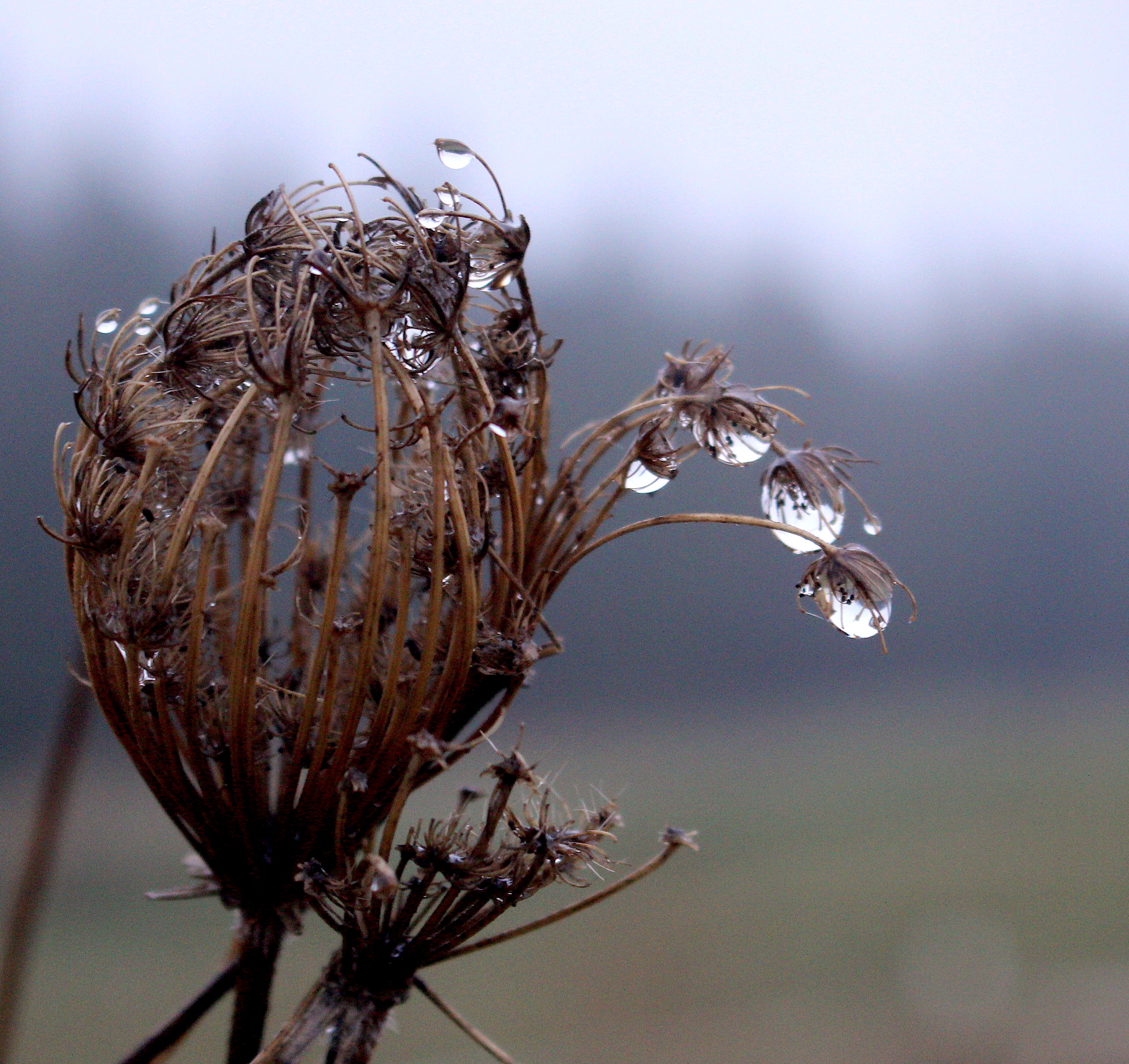
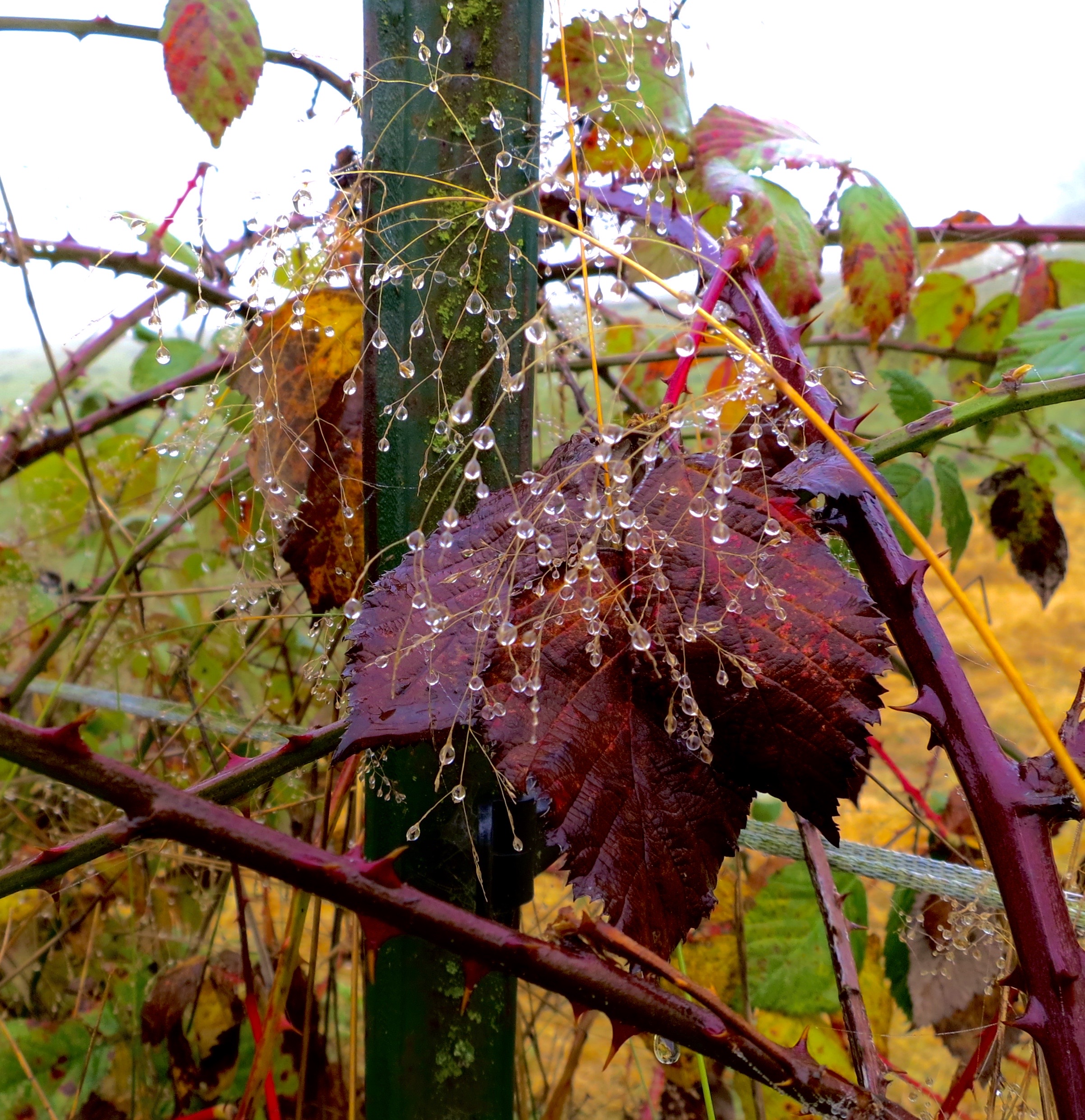
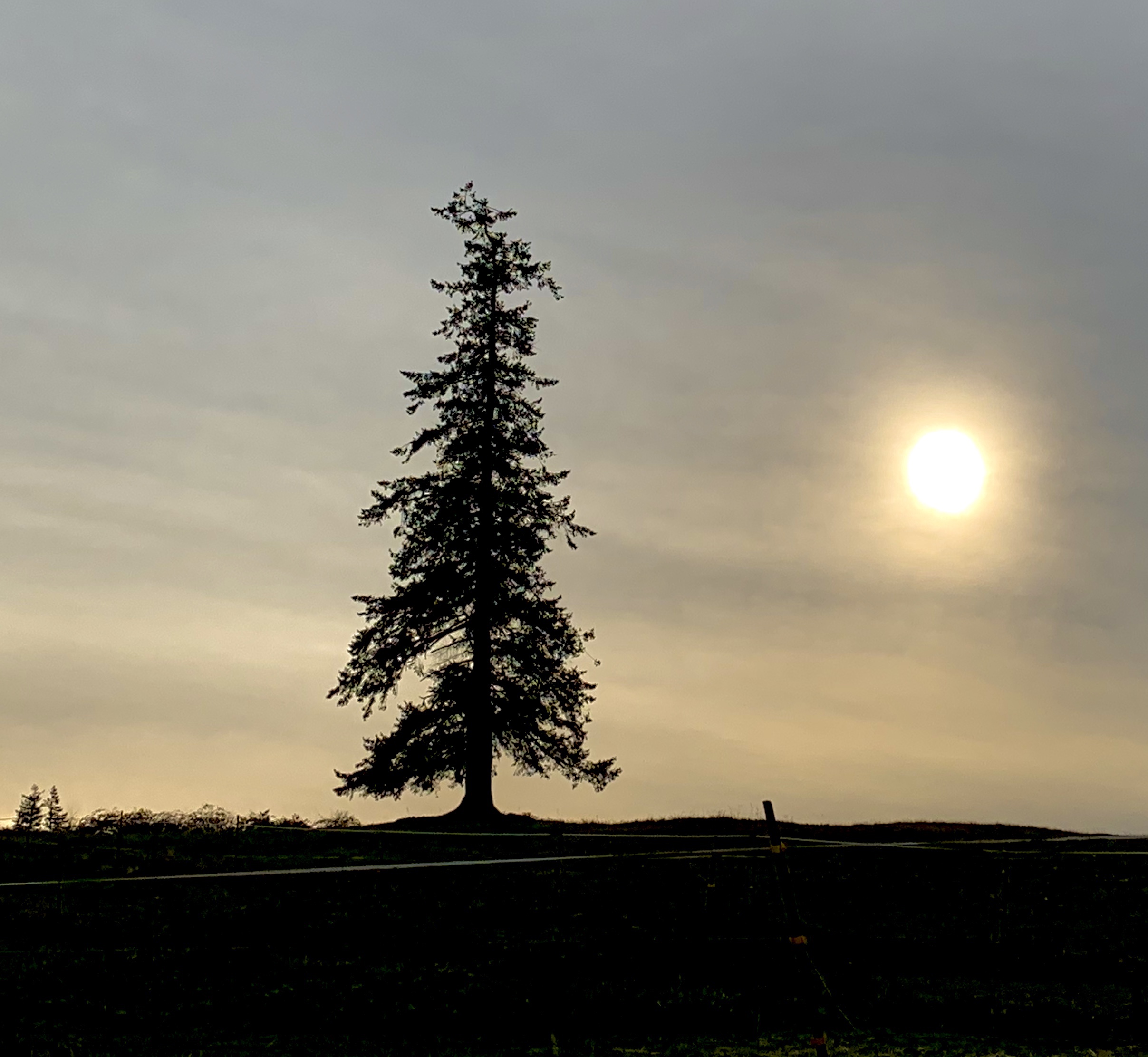
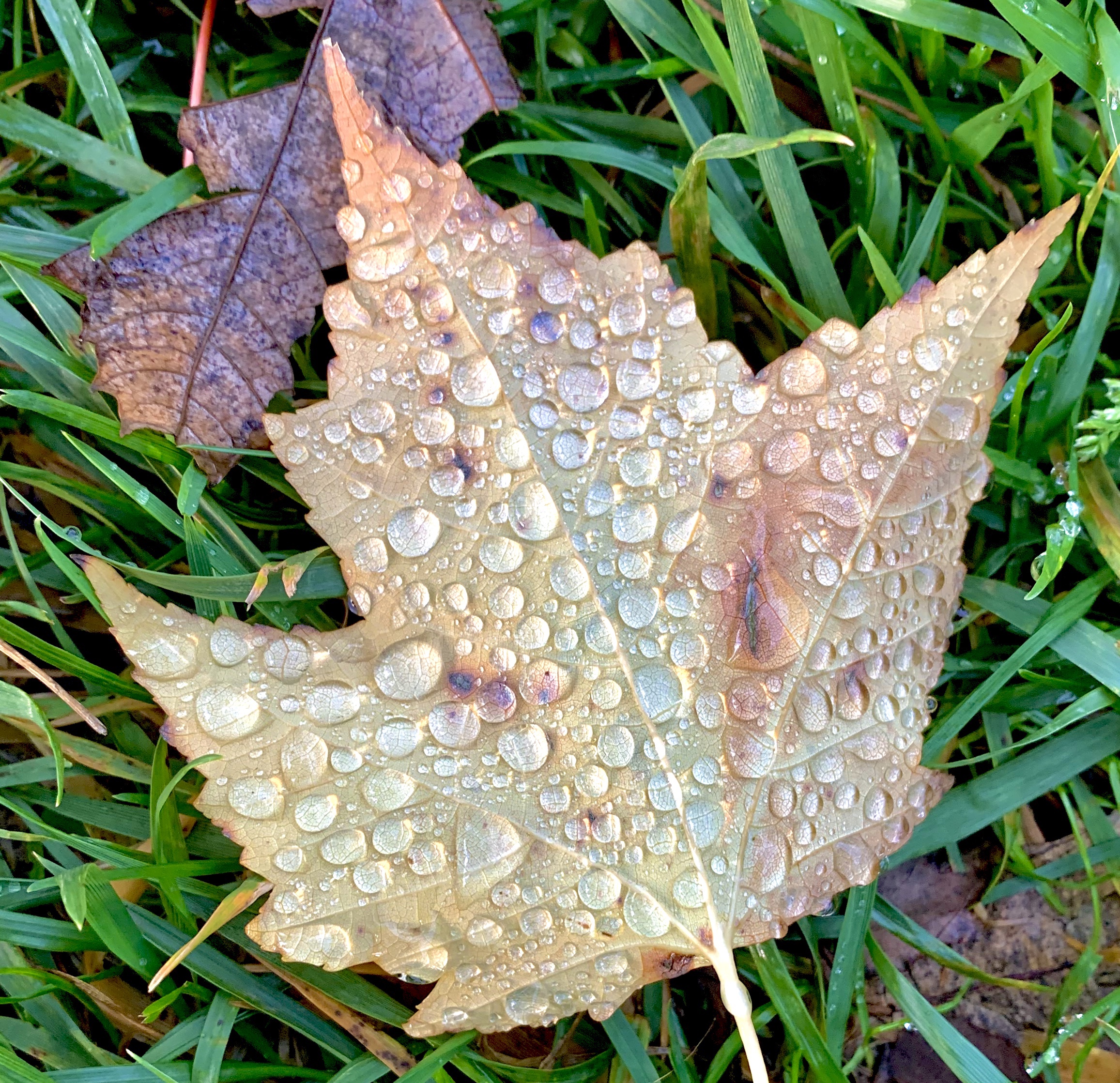
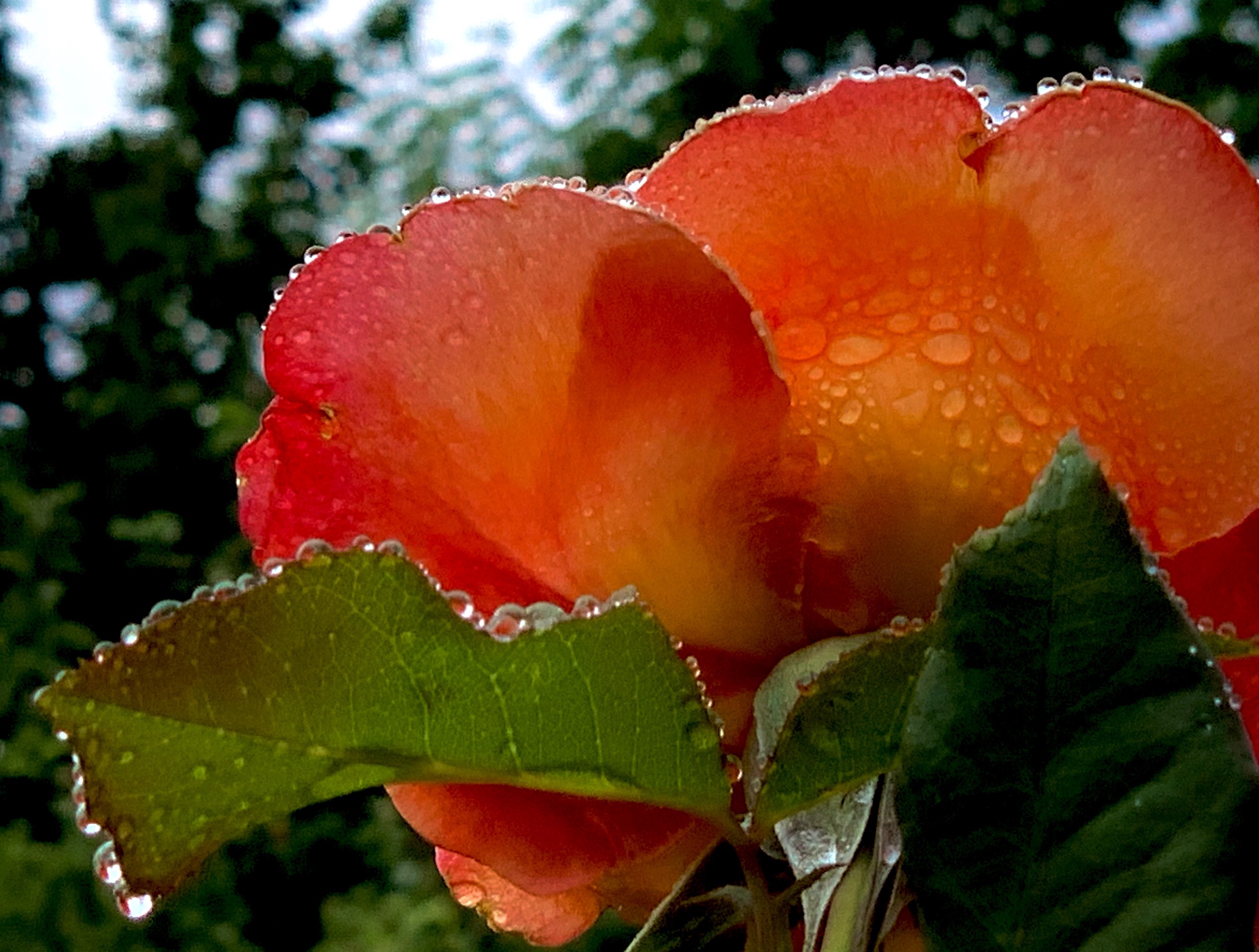
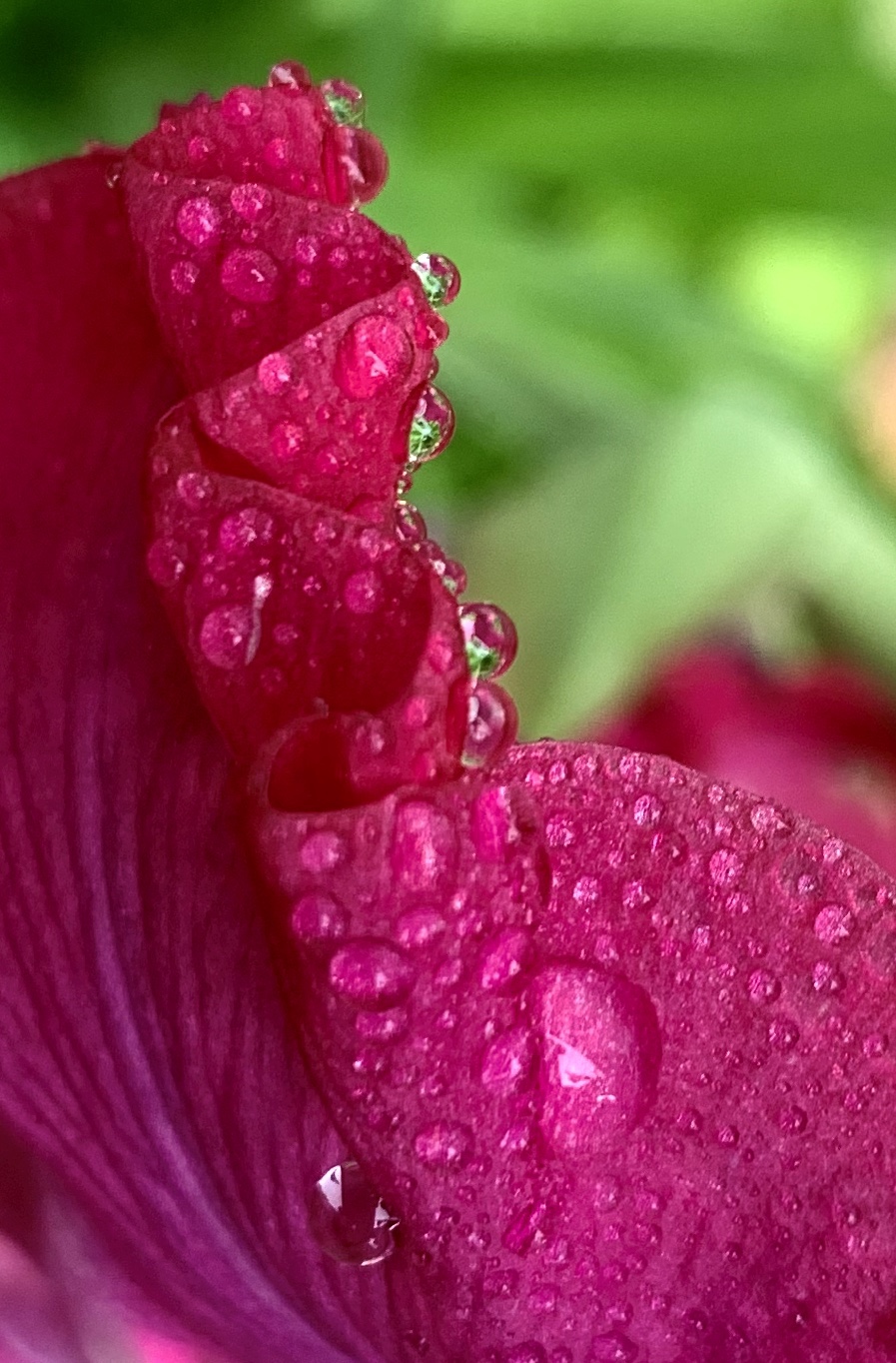
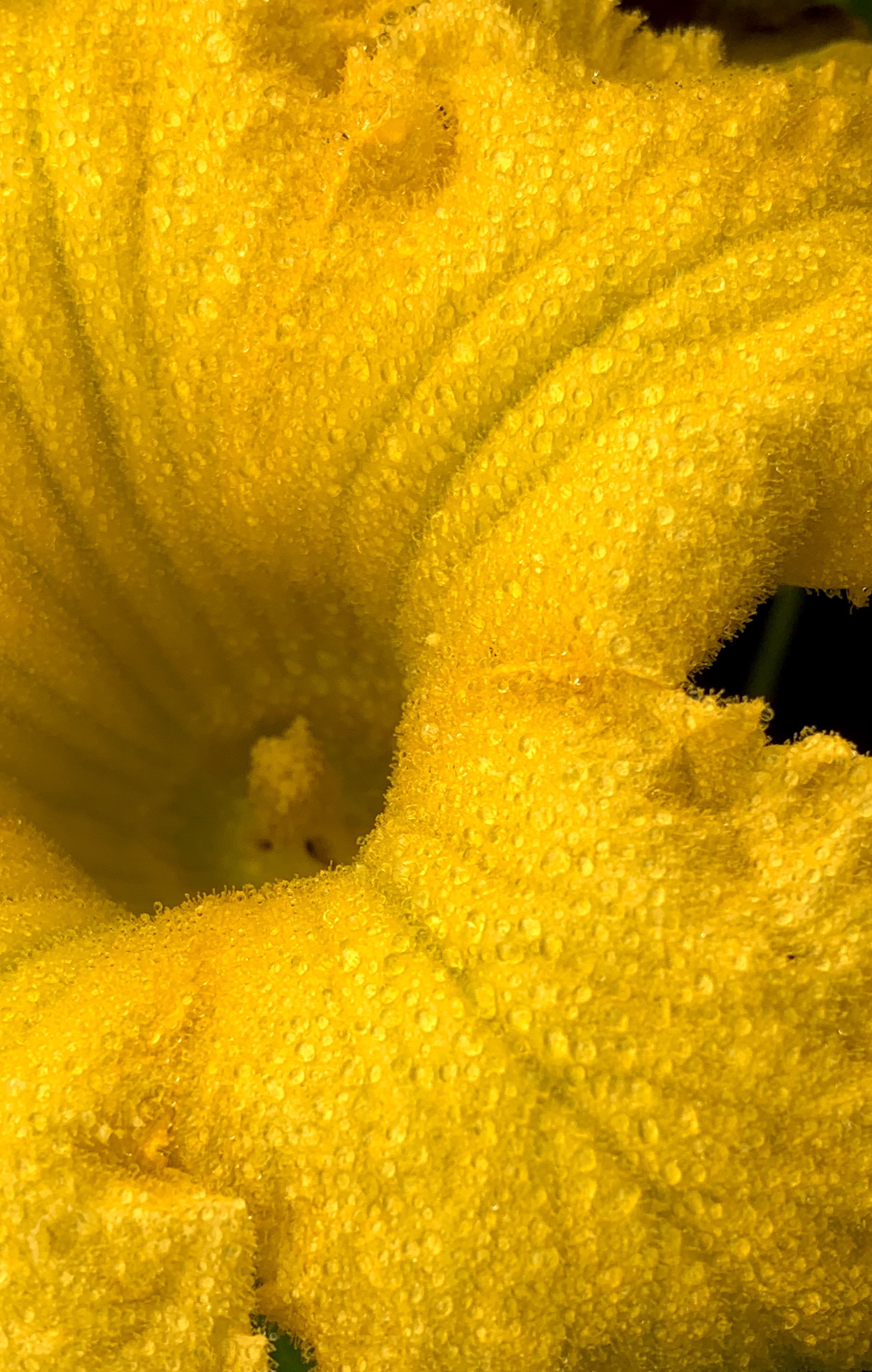
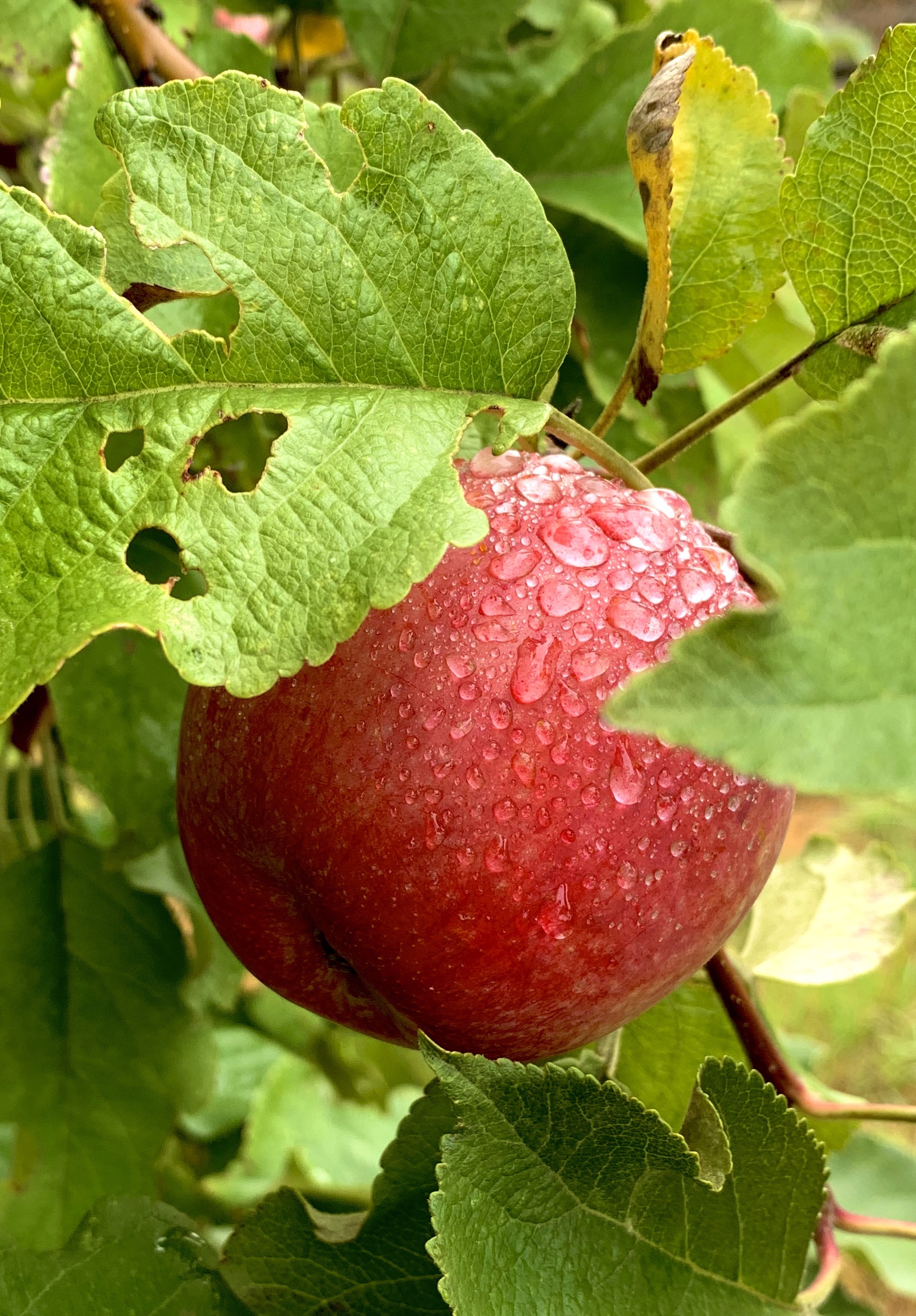
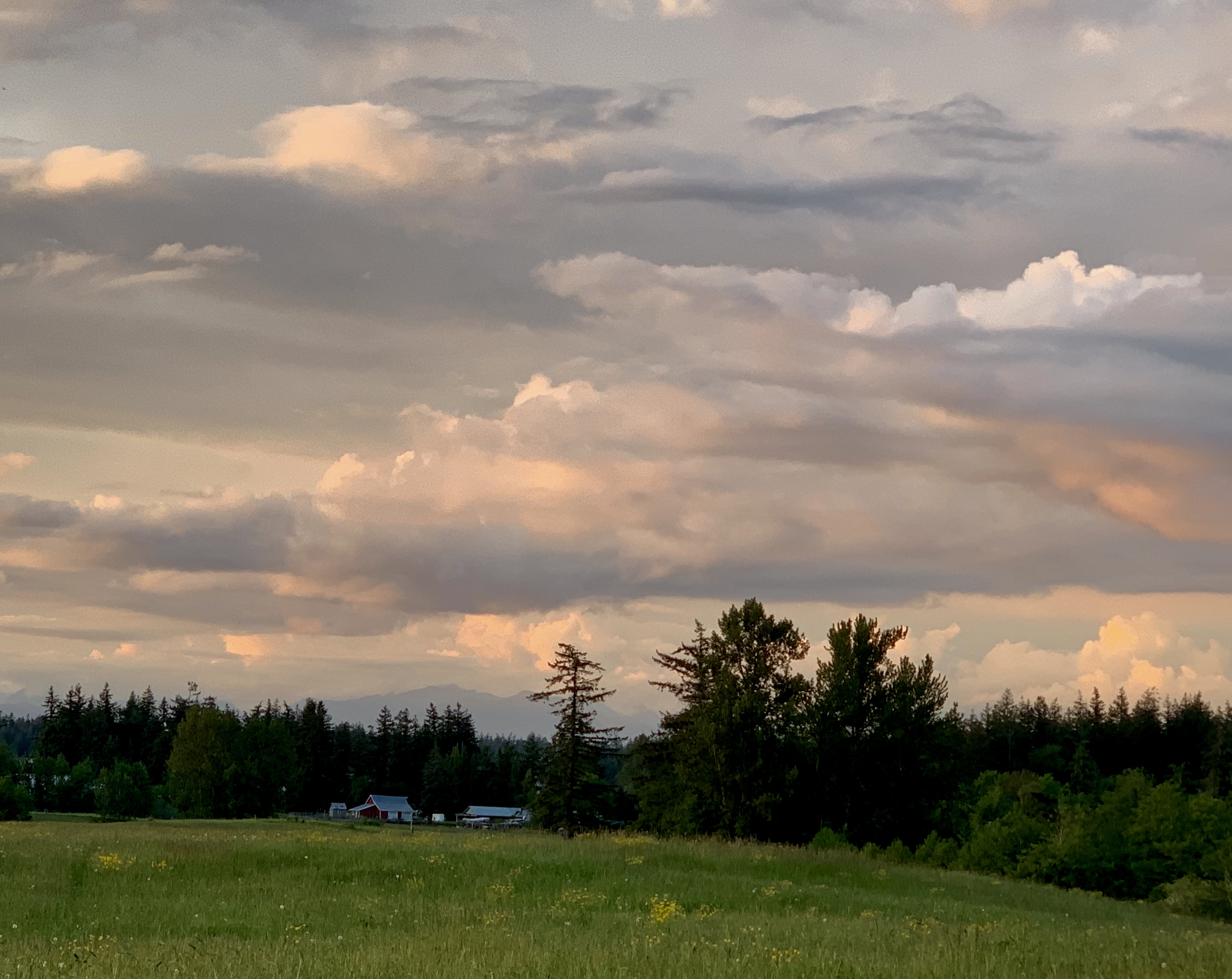
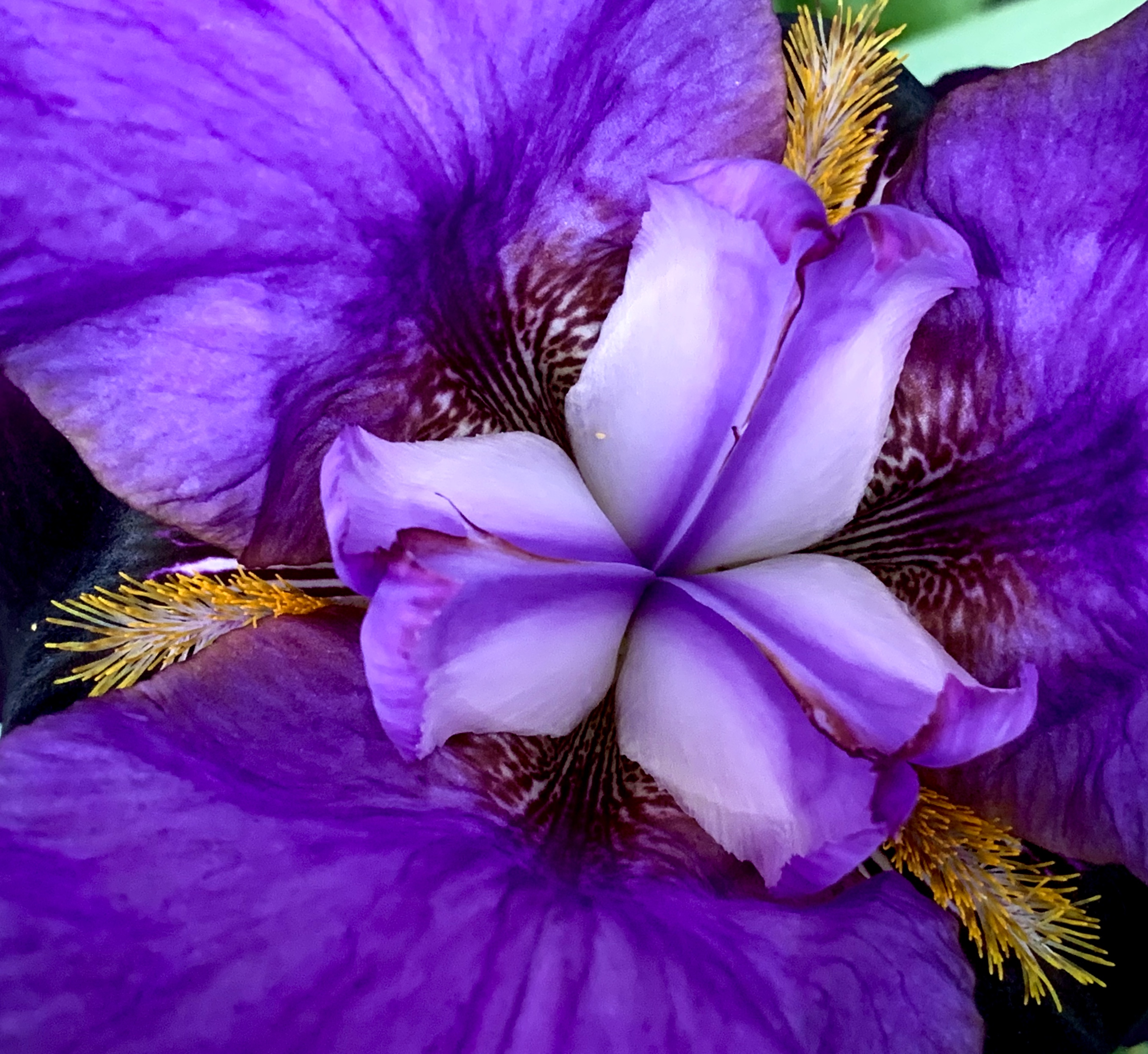
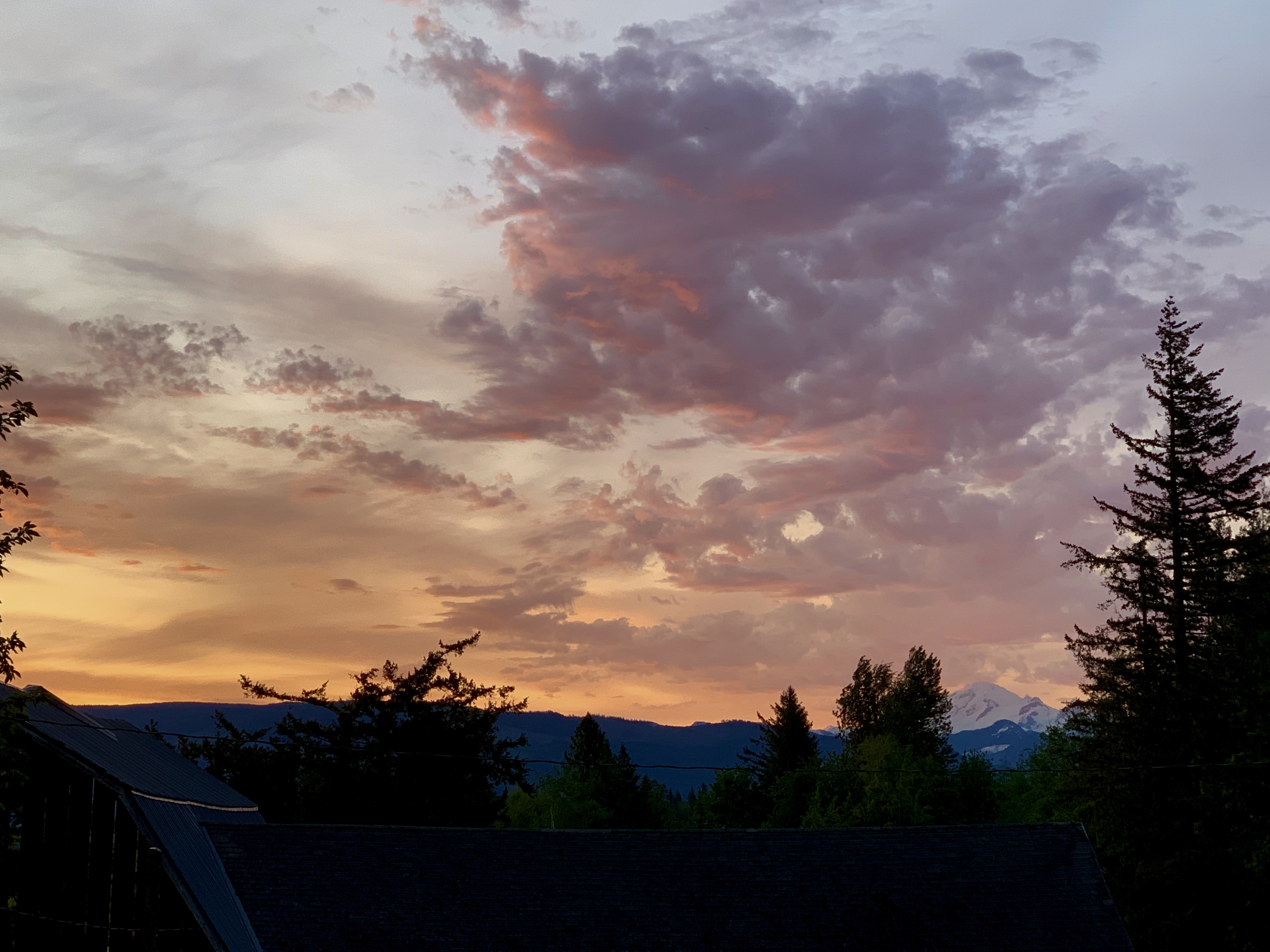
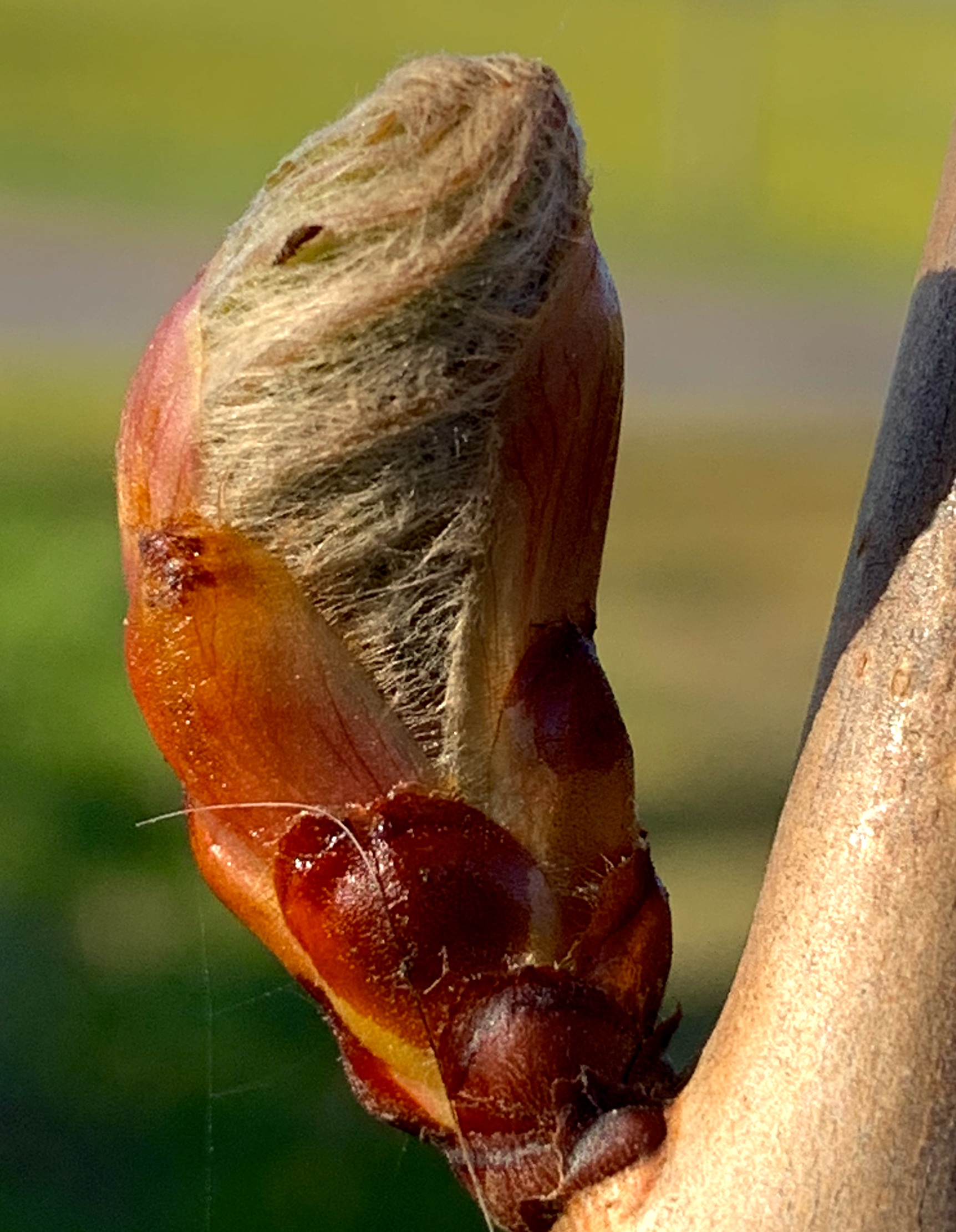
A Genial Light

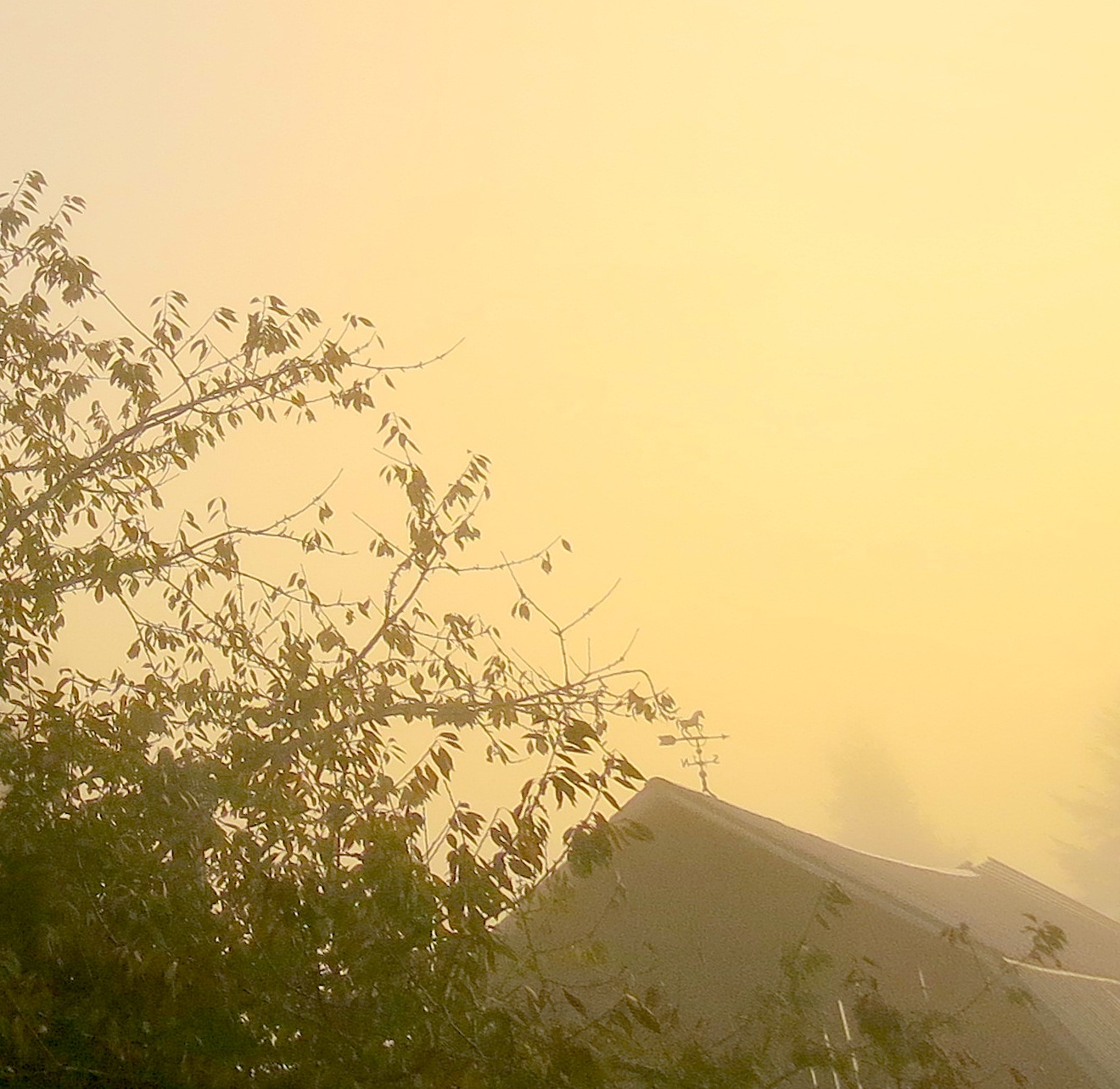
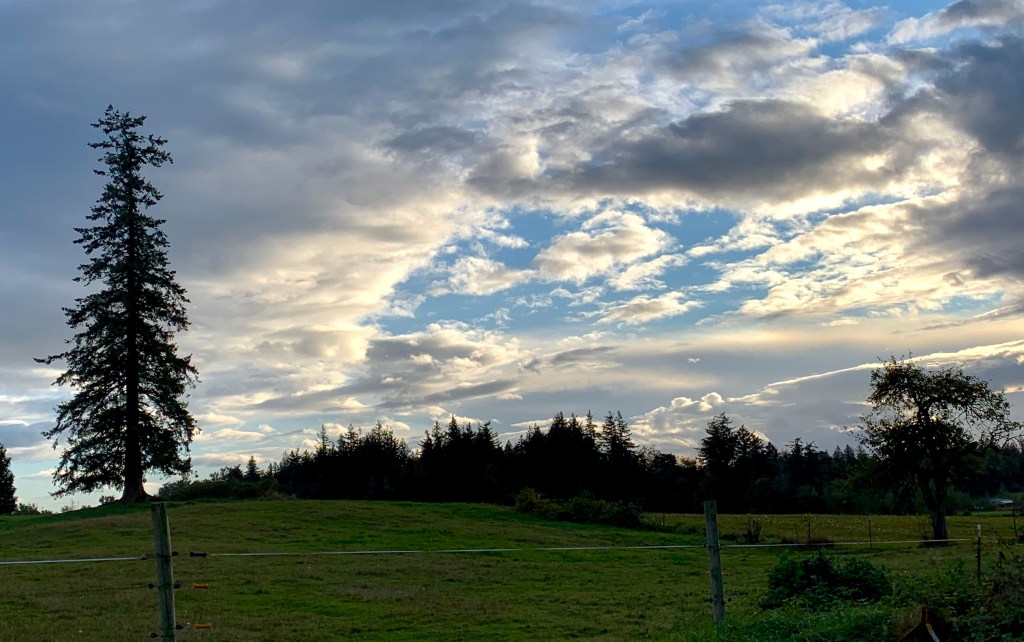
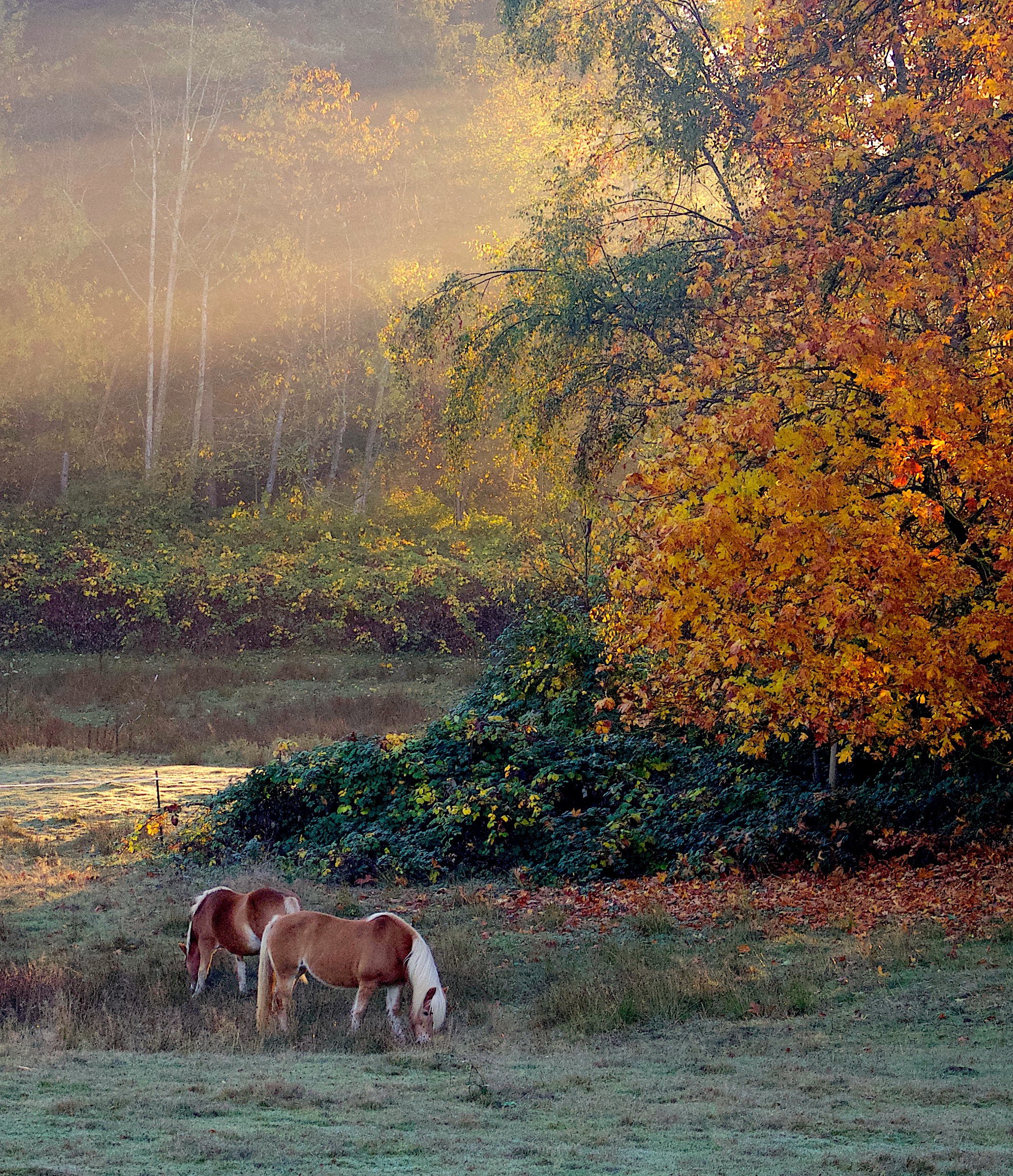
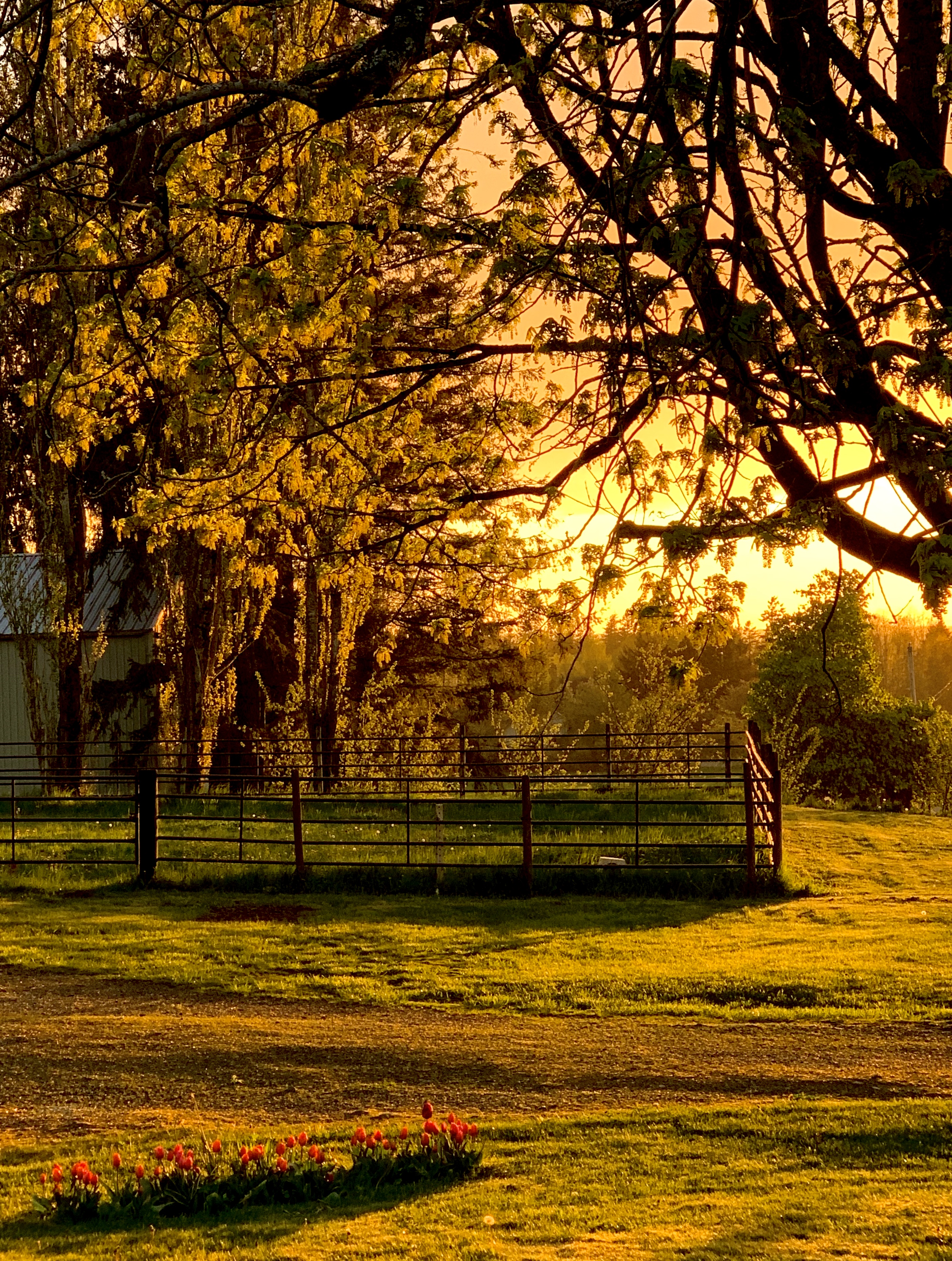
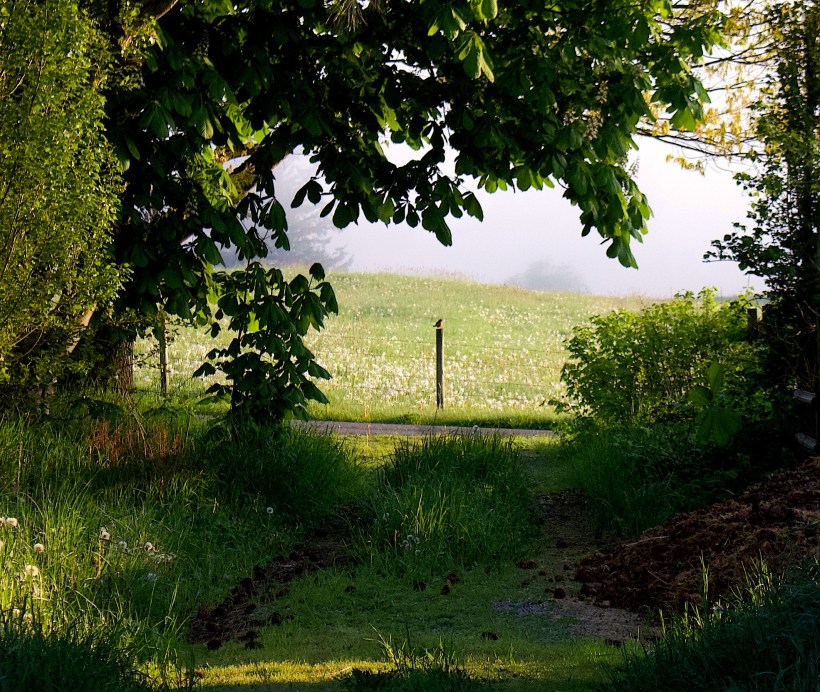
I cannot endure to waste anything so precious as autumnal sunshine by staying in the house.
There is no season
when such pleasant and sunny spots may be lighted on,
and produce so pleasant an effect on the feelings,

as now in October.
The sunshine is peculiarly genial;
and in sheltered places,

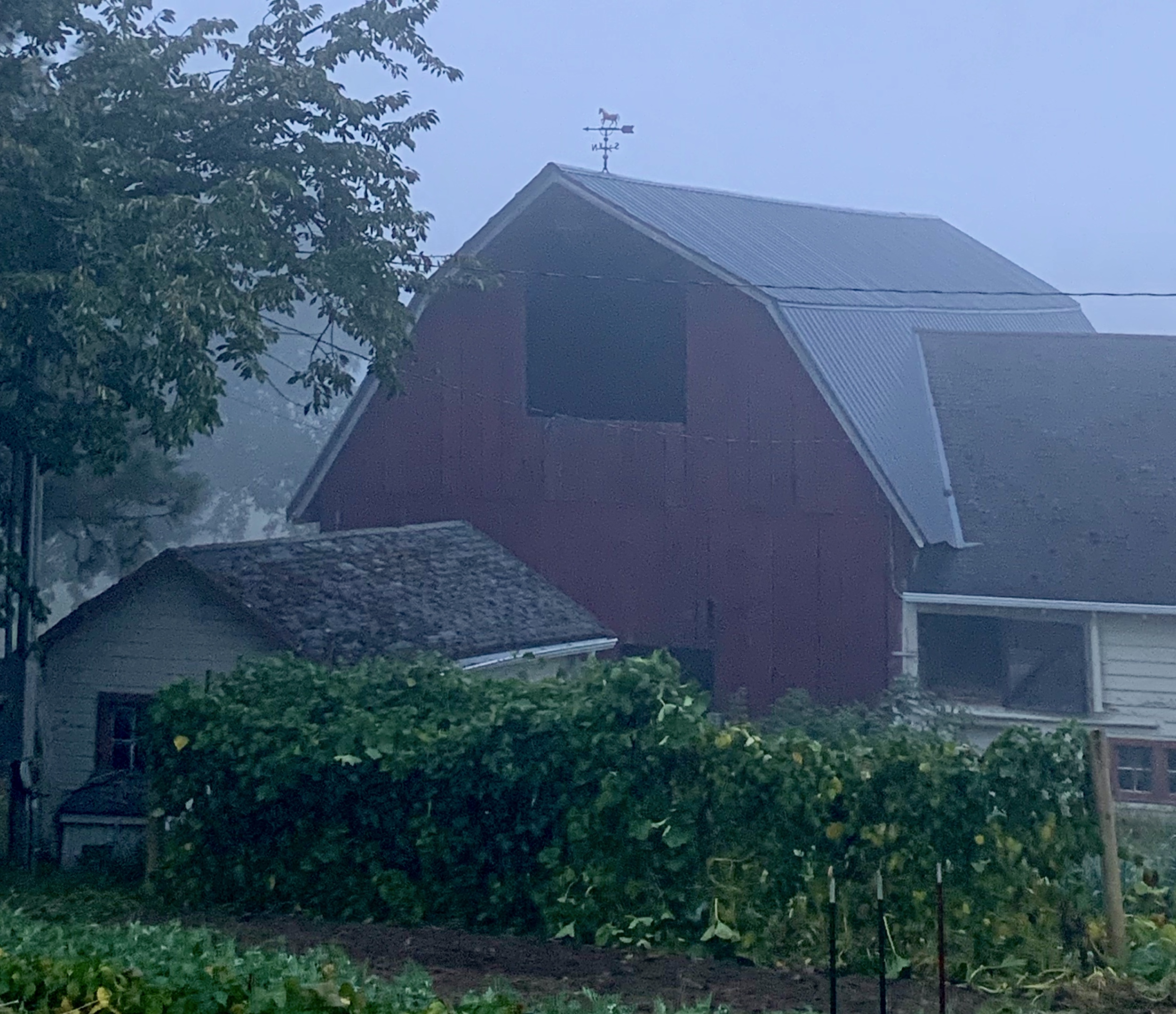
as on the side of a bank, or of a barn or house,
one becomes acquainted and friendly with the sunshine.
It seems to be of a kindly and homely nature.
And the green grass strewn with a few withered leaves looks the more green and beautiful for them.

~Nathaniel Hawthorne
from The American Notebooks

After the keen still days of September,
the October sun filled the world with mellow warmth…
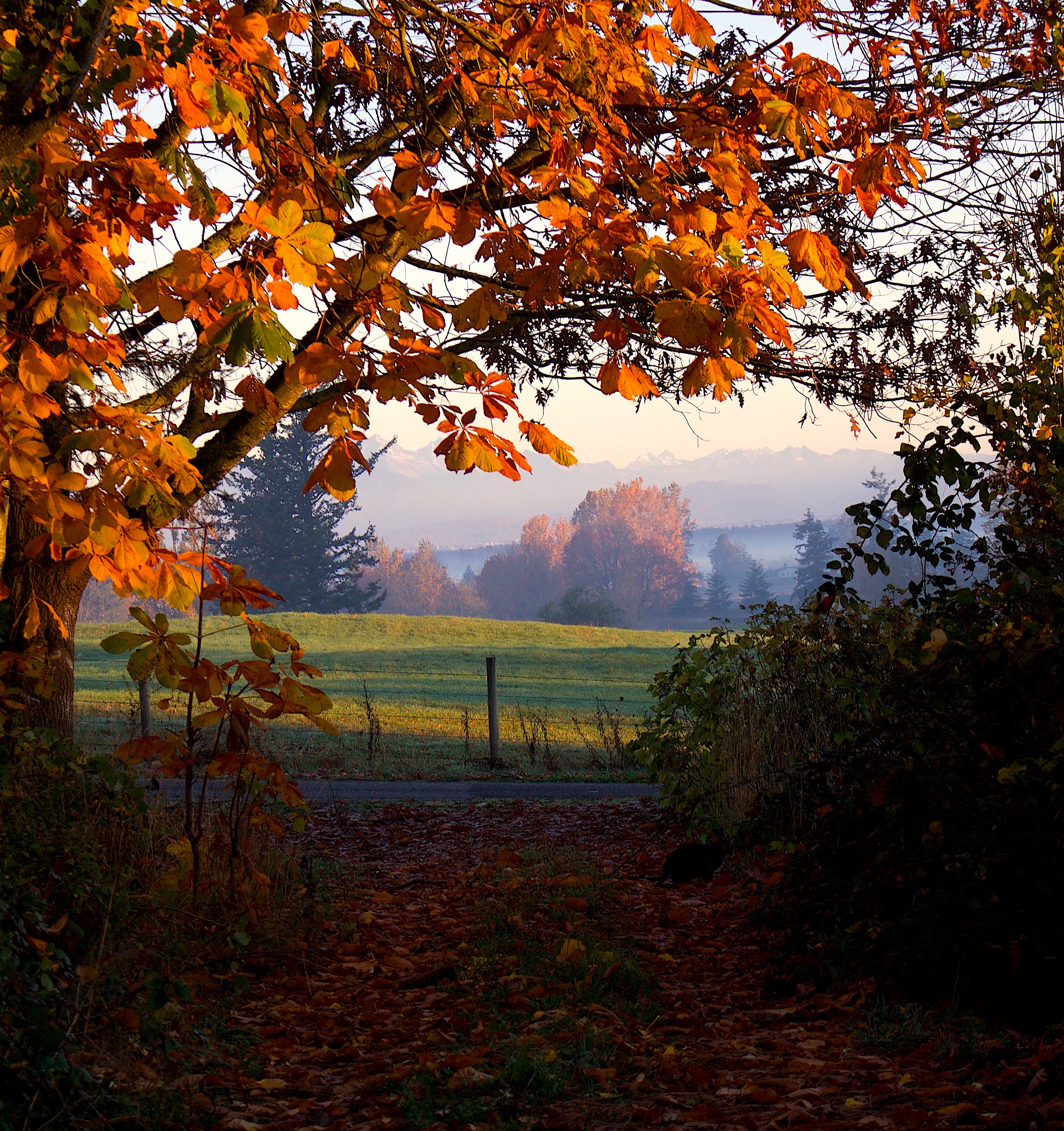
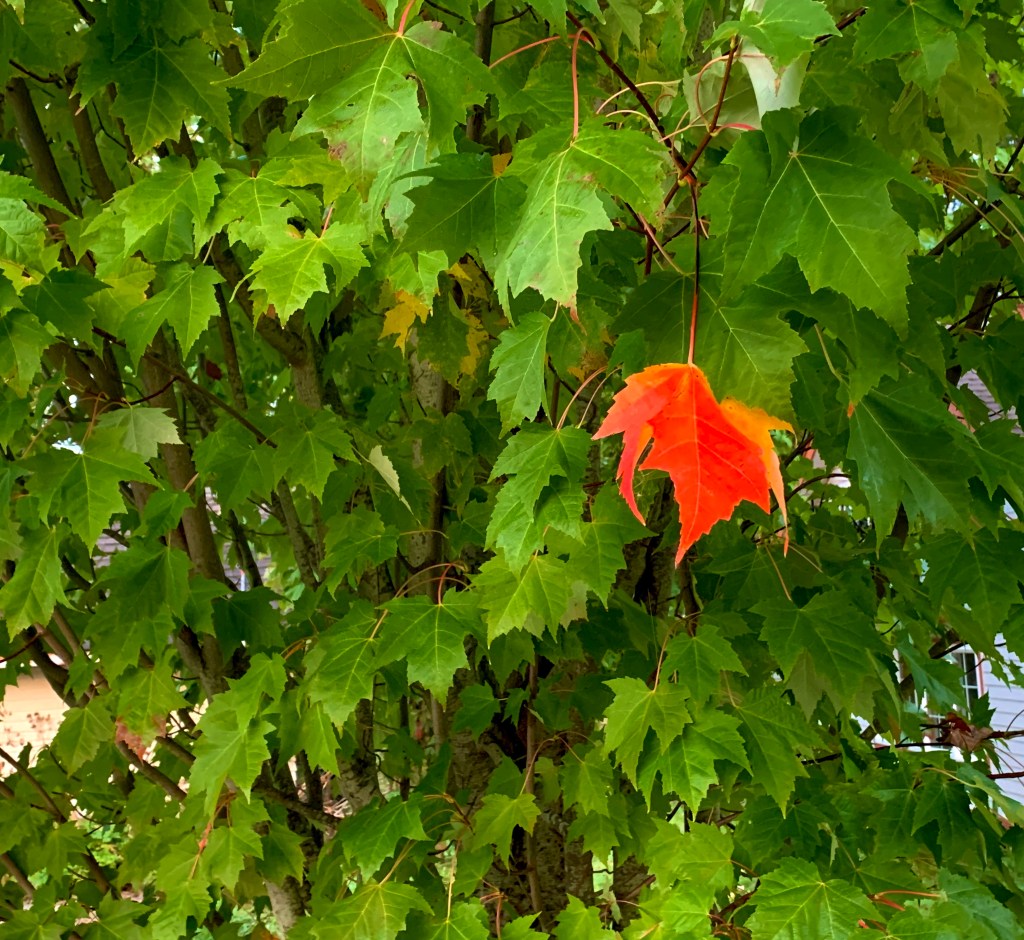
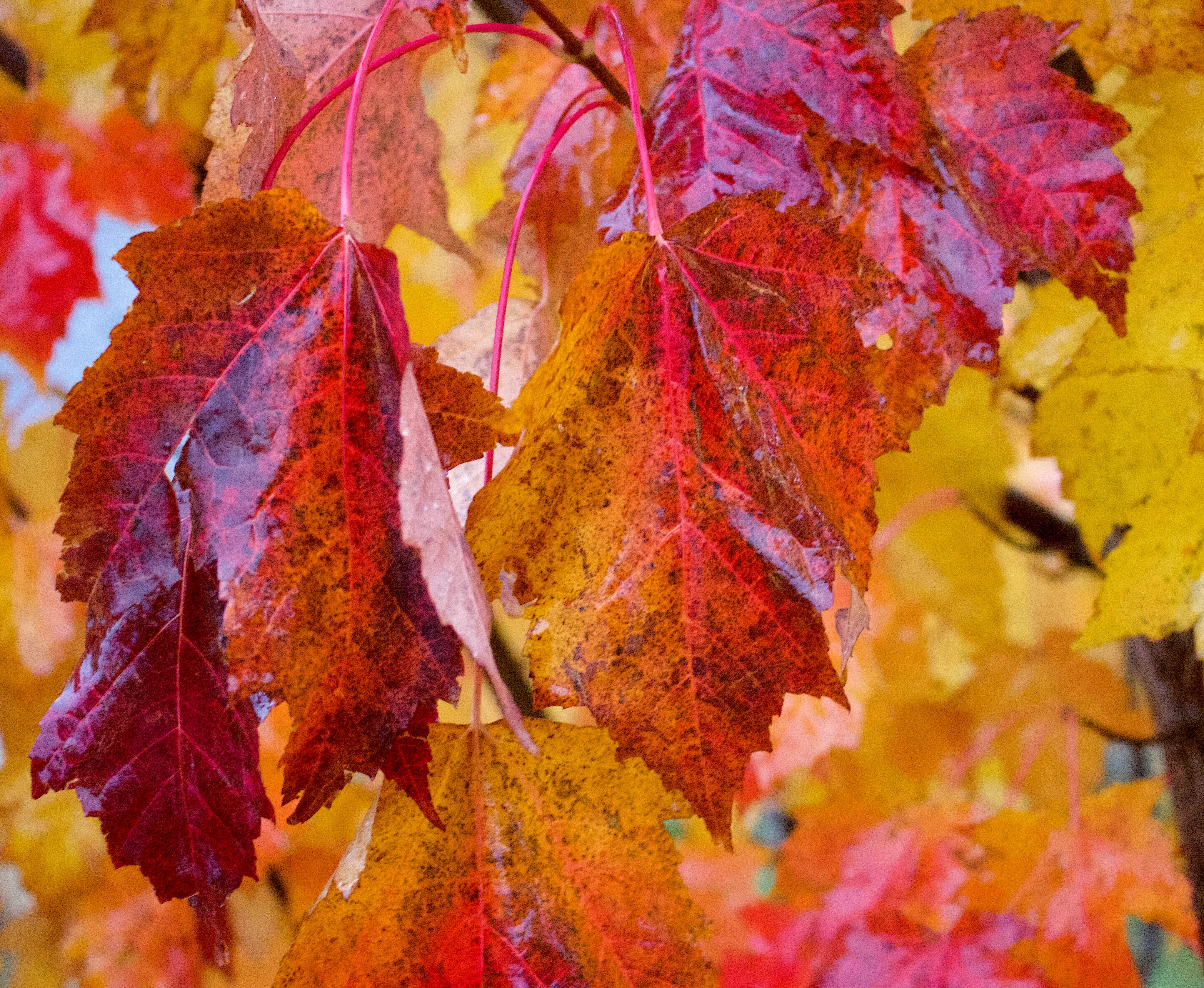
The maple tree in front of the doorstep

burned like a gigantic red torch.
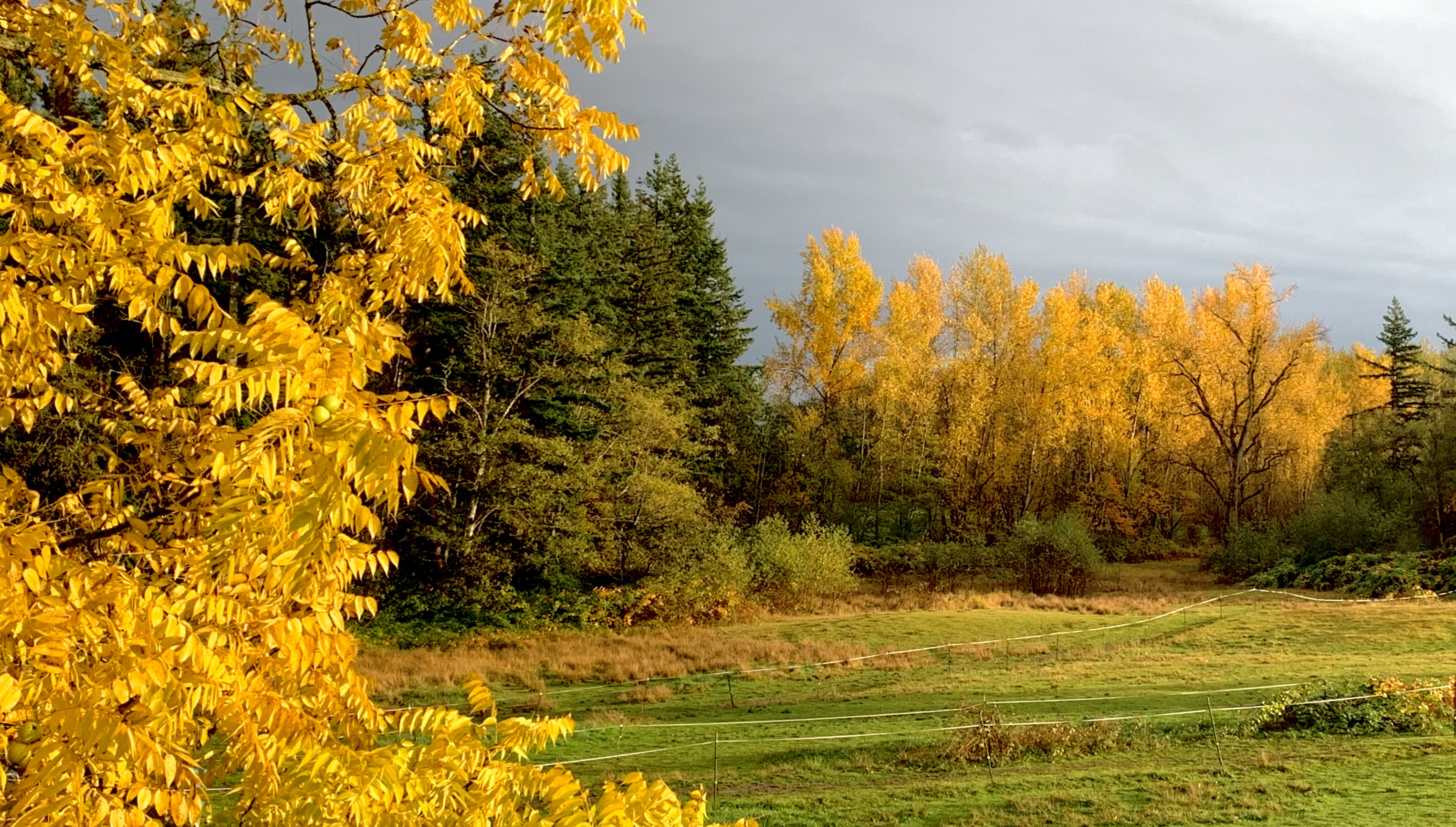
The oaks along the roadway glowed yellow and bronze.
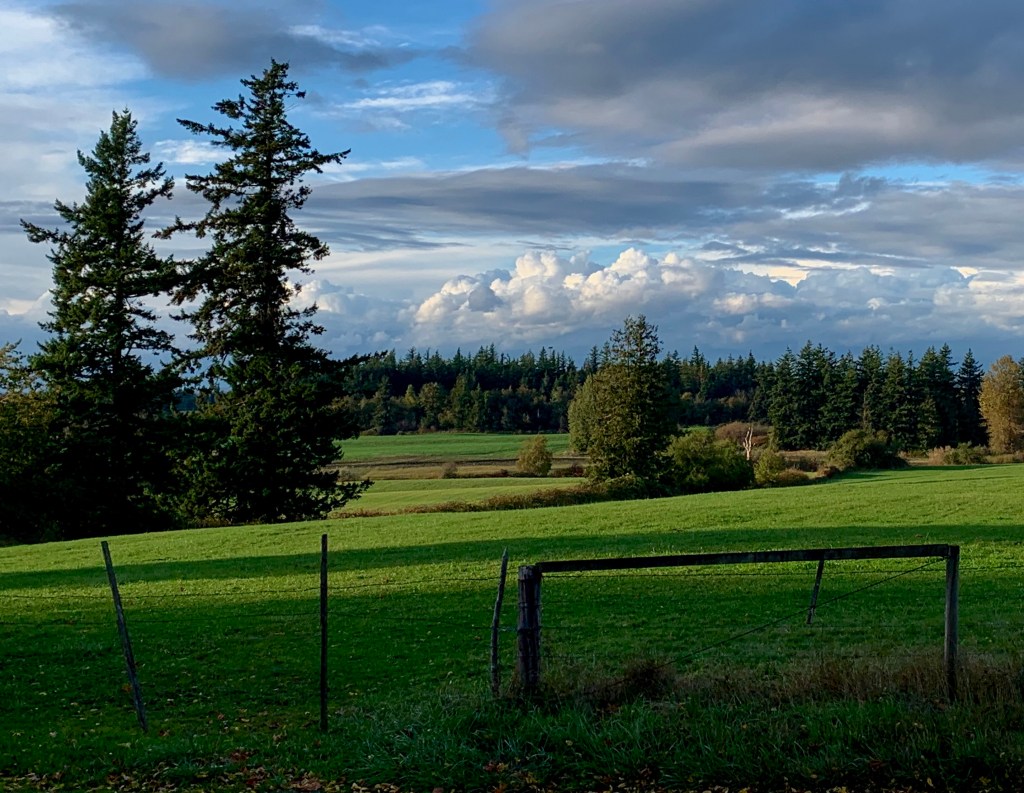
The fields stretched like a carpet of jewels,

emerald and topaz and garnet.
Everywhere she walked the color shouted and sang around her…
In October any wonderful unexpected thing might be possible.
~Elizabeth George Speare from The Witch of Blackbird Pond 

If I were a month,
I would choose to be October:
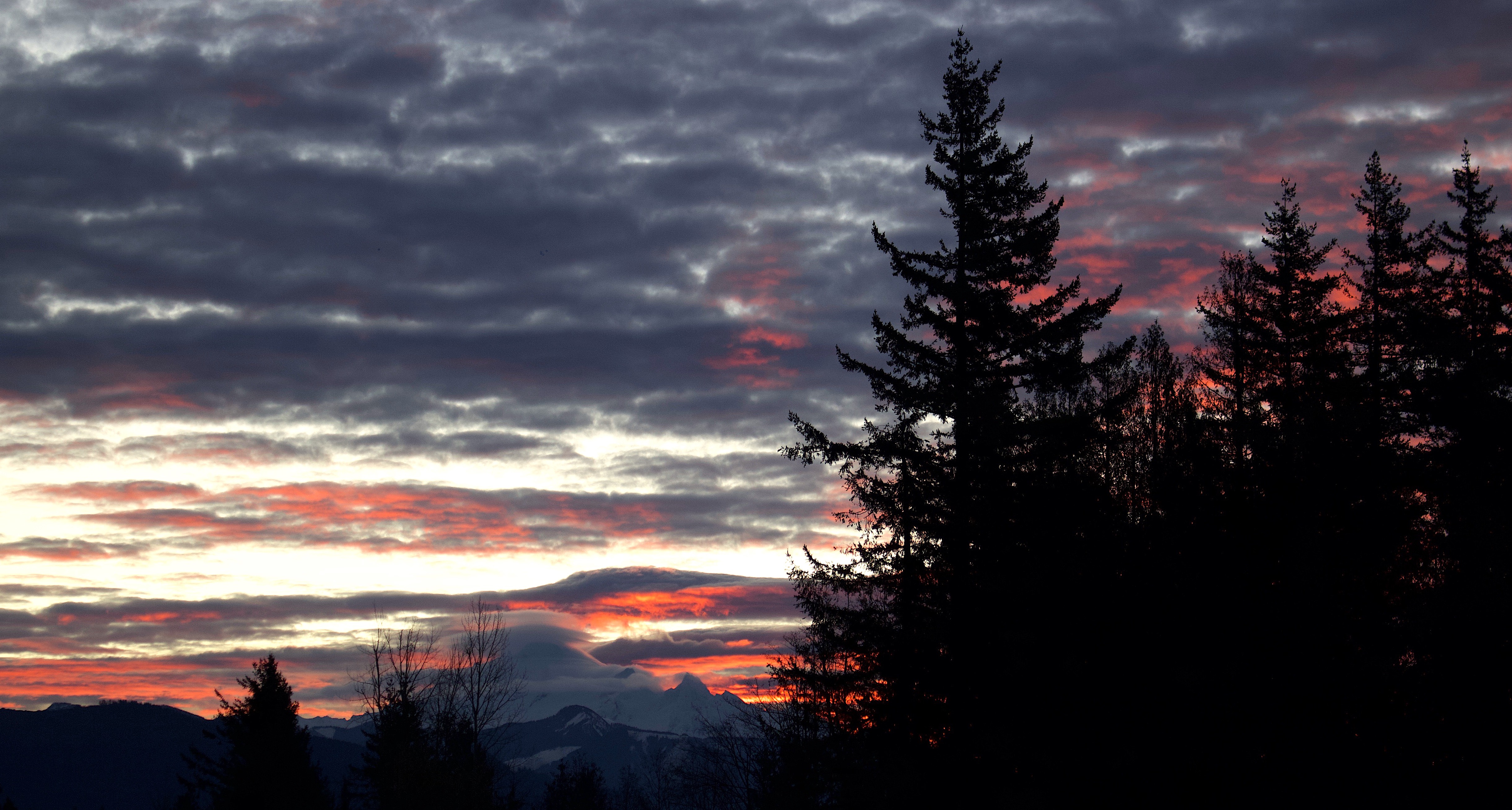
bathed by a genial and friendly sun,
within a kindly and homely nature,
slowly withering, yet still crisp,
with mild temperature and modest temperament
despite a rain and wind storm or two,
only once in a while foggy.

Most of all,
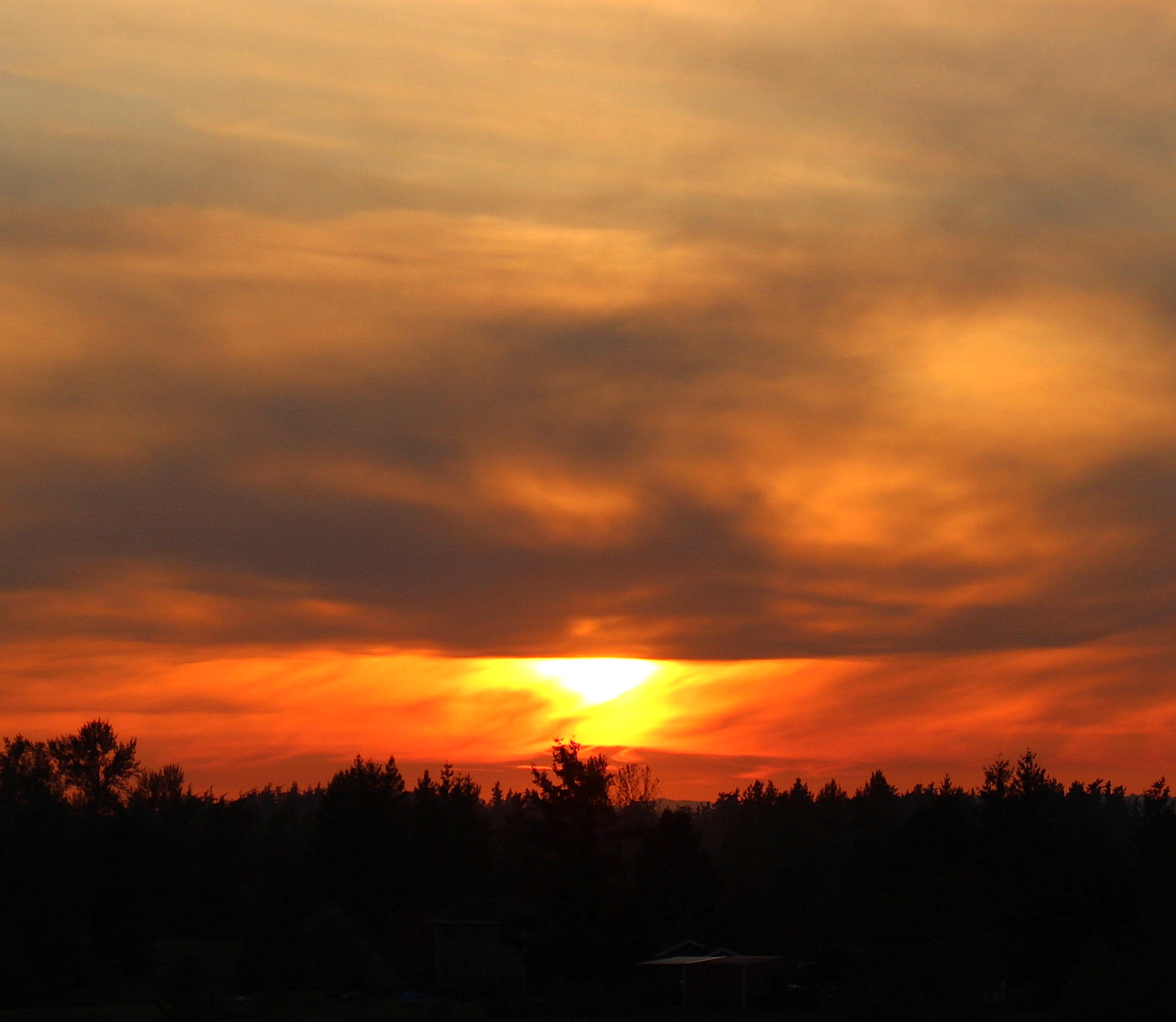
I would cherish my flashes of burnt umber
as I reluctantly relinquish the light.

A Long, Long Road

The road is long
With many a winding turn
That leads us to who knows where
Who knows where
But I’m strong
Strong enough to carry him
He ain’t heavy, he’s my brother

If I’m laden at all
I’m laden with sadness
That everyone’s heart
Isn’t filled with the gladness
Of love for one another

It’s a long, long road
From which there is no return
While we’re on the way to there
Why not share

And the load
Doesn’t weigh me down at all…

~Bobby Scott and Bob Russell from “He Ain’t Heavy, He’s My Brother”

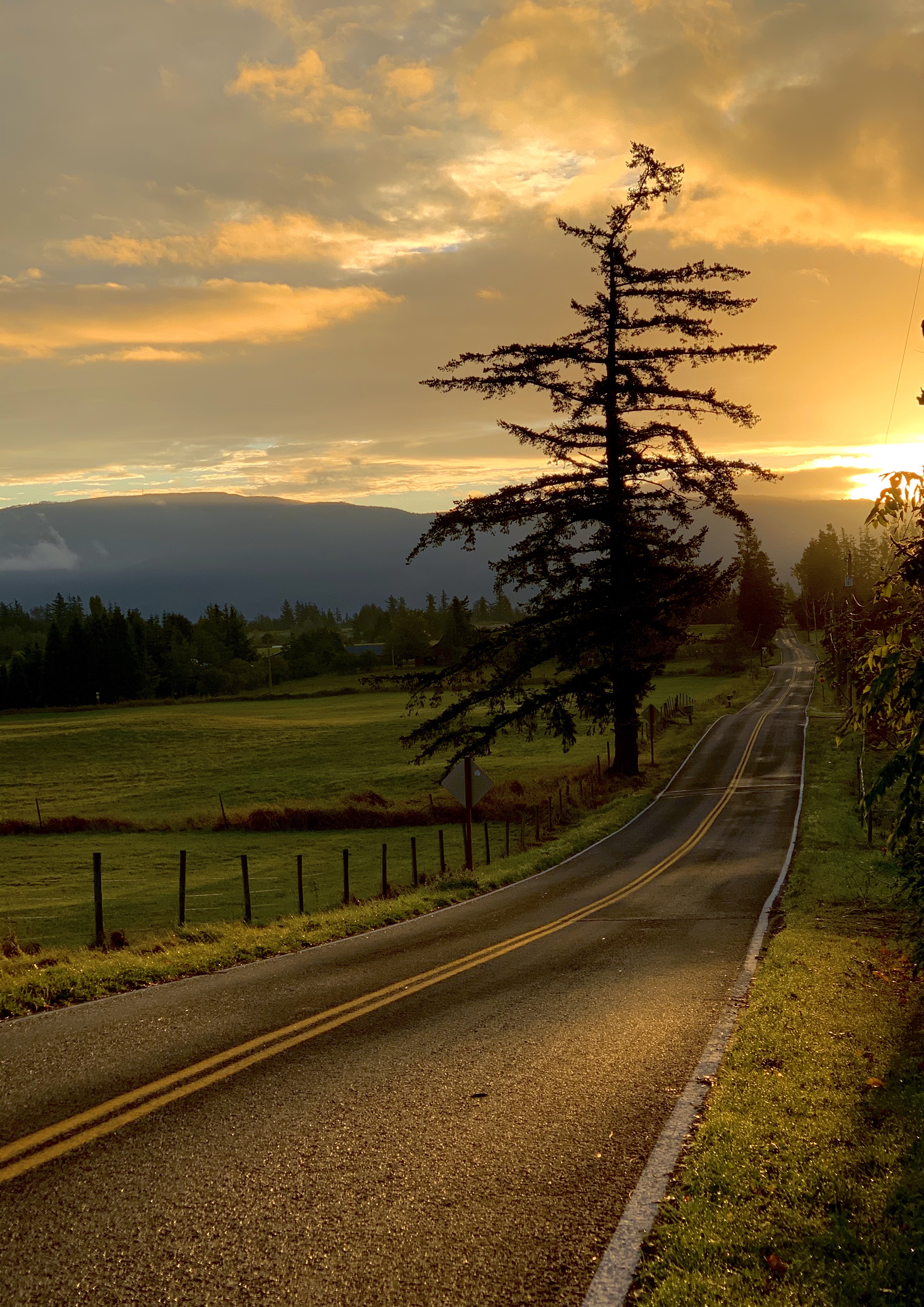
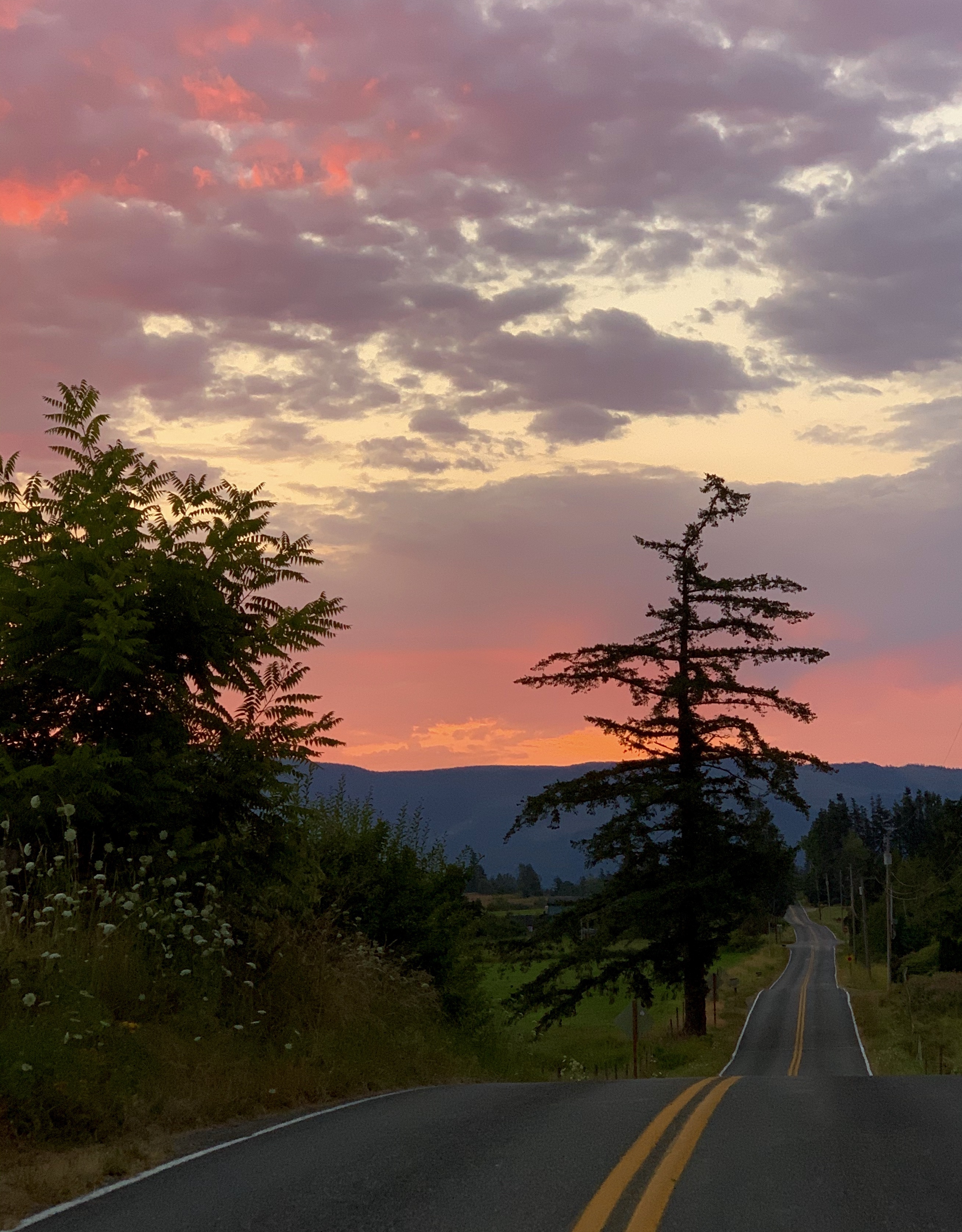
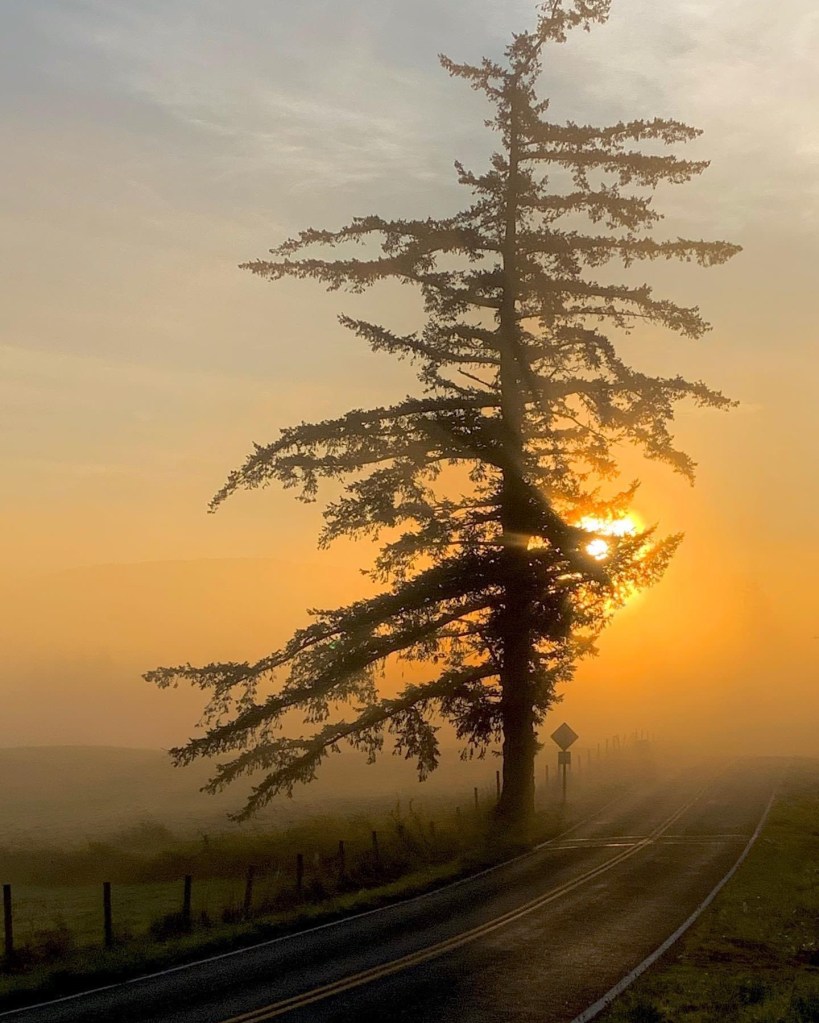
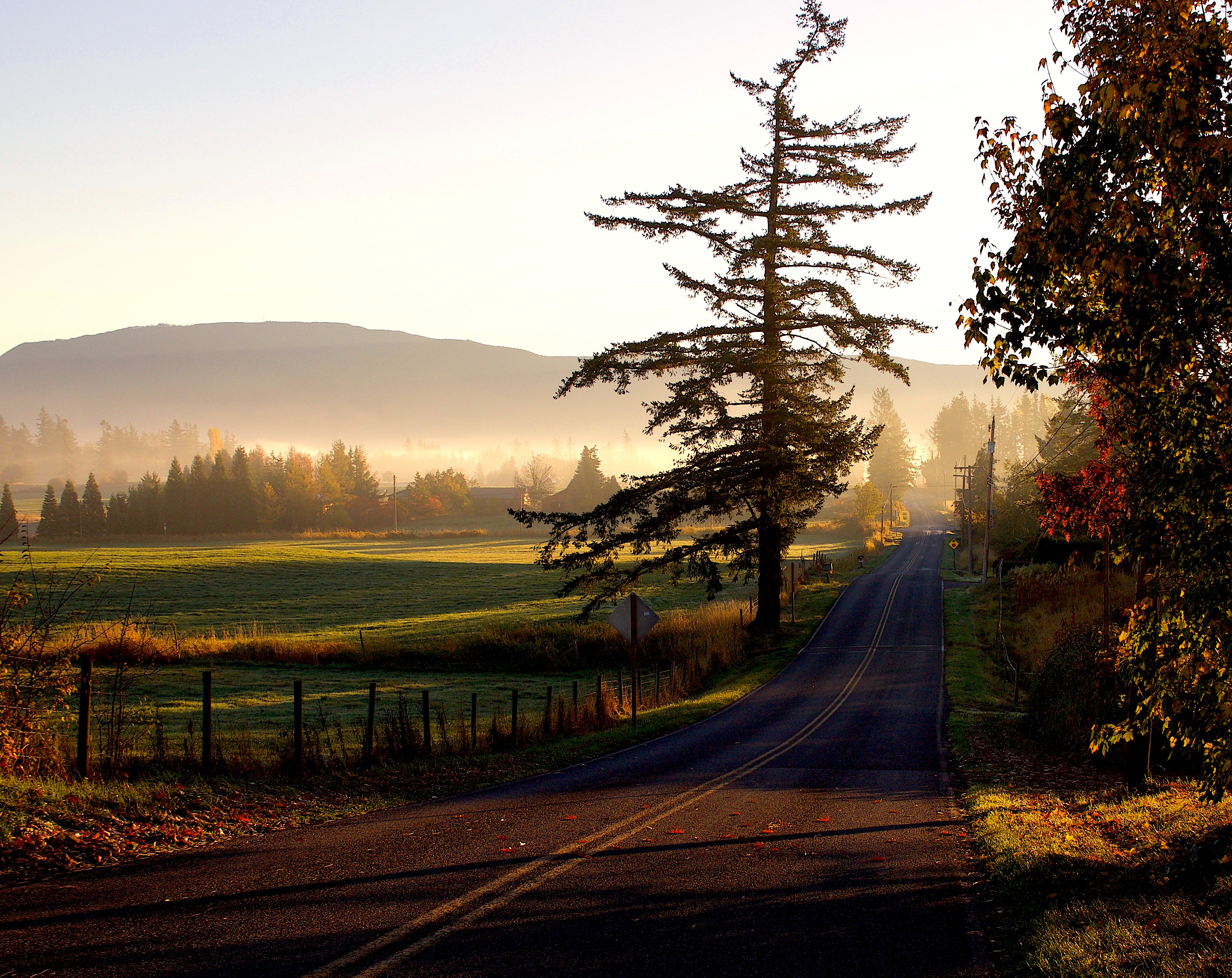
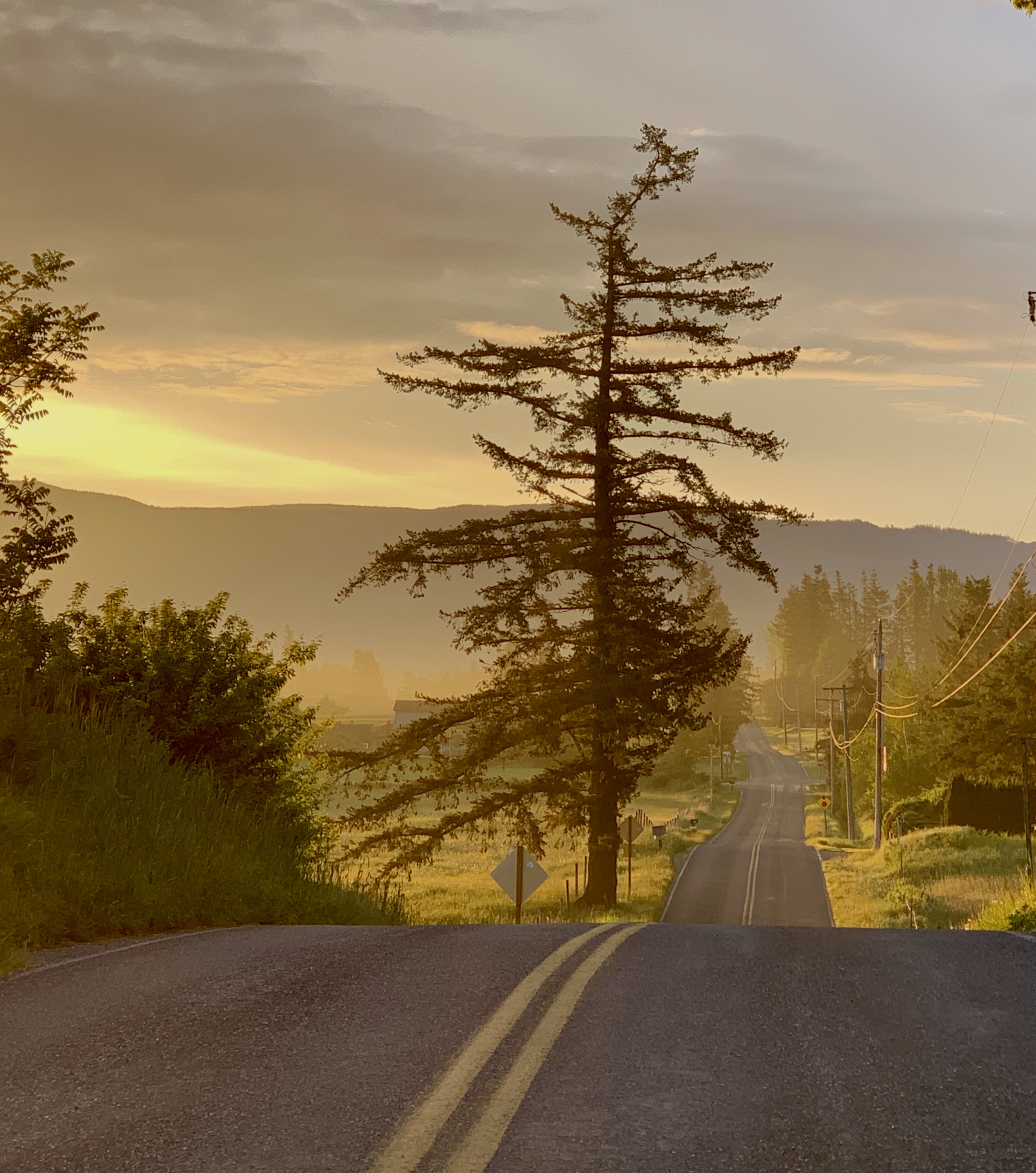
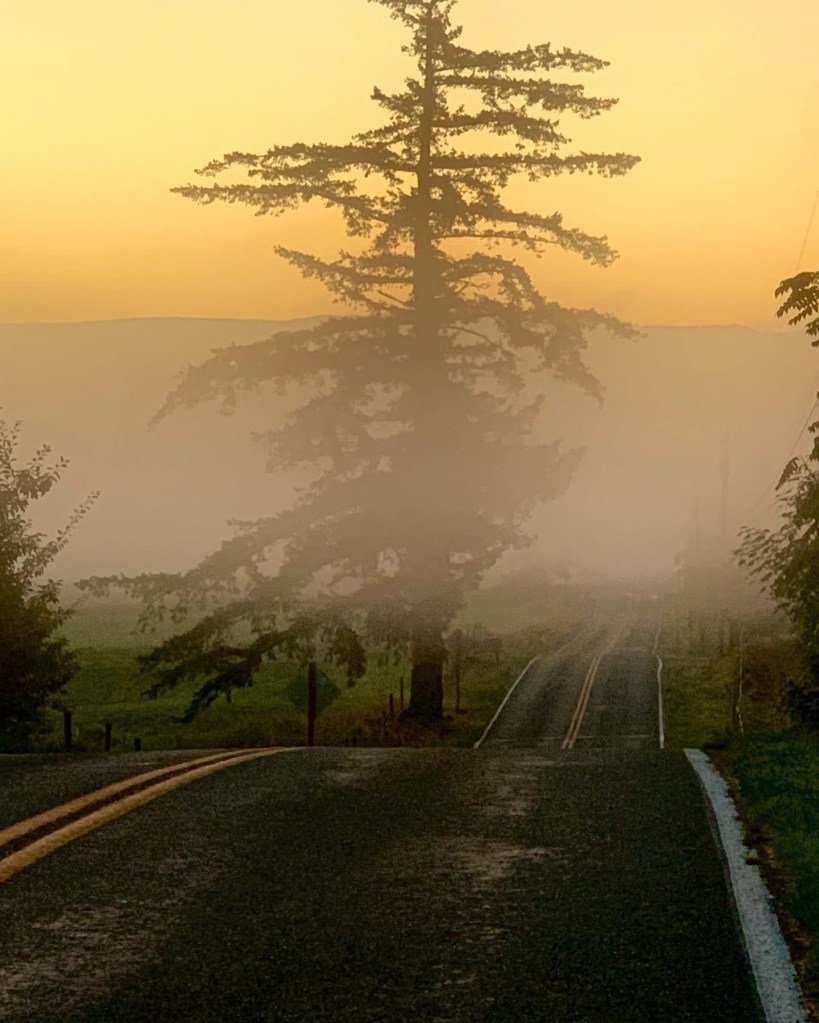
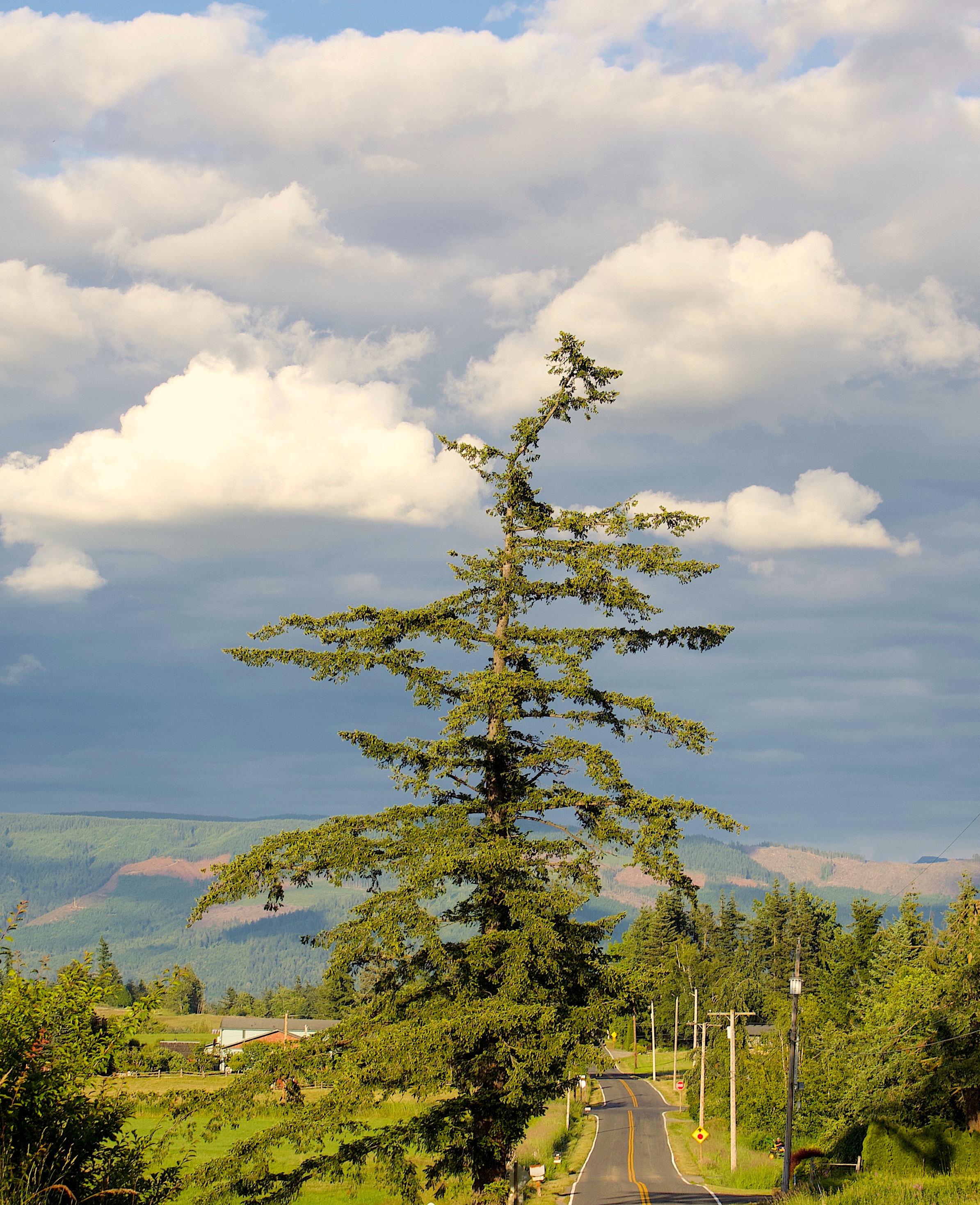
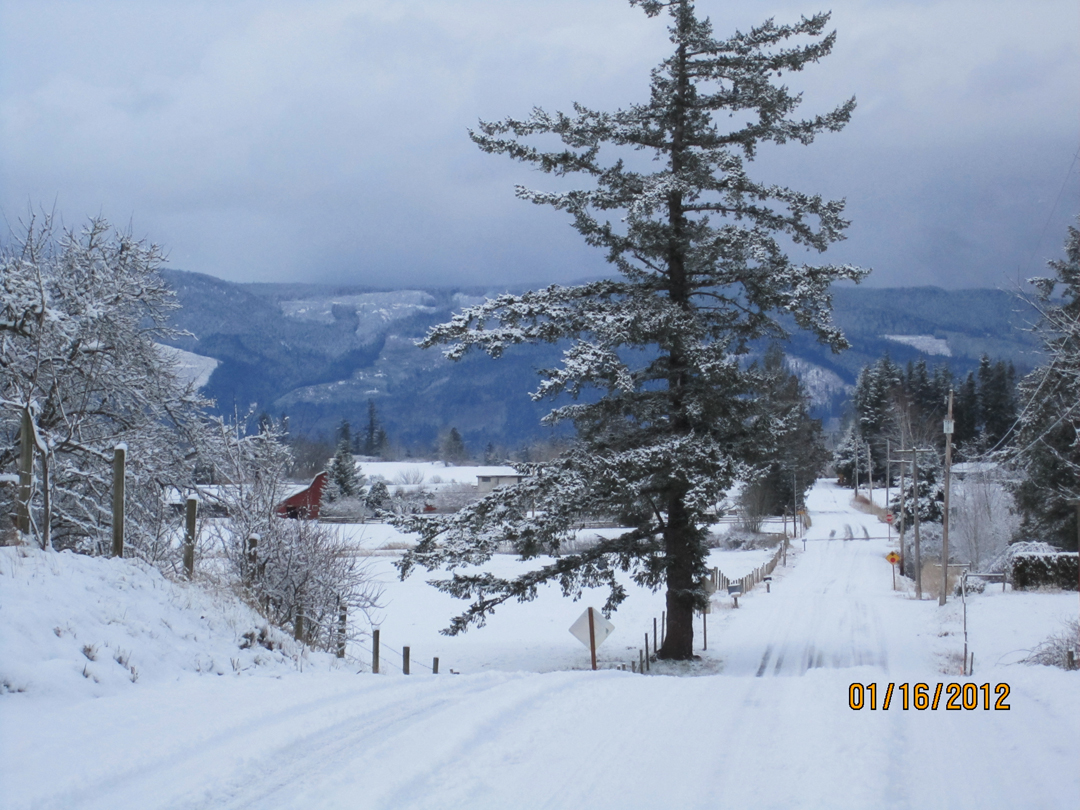
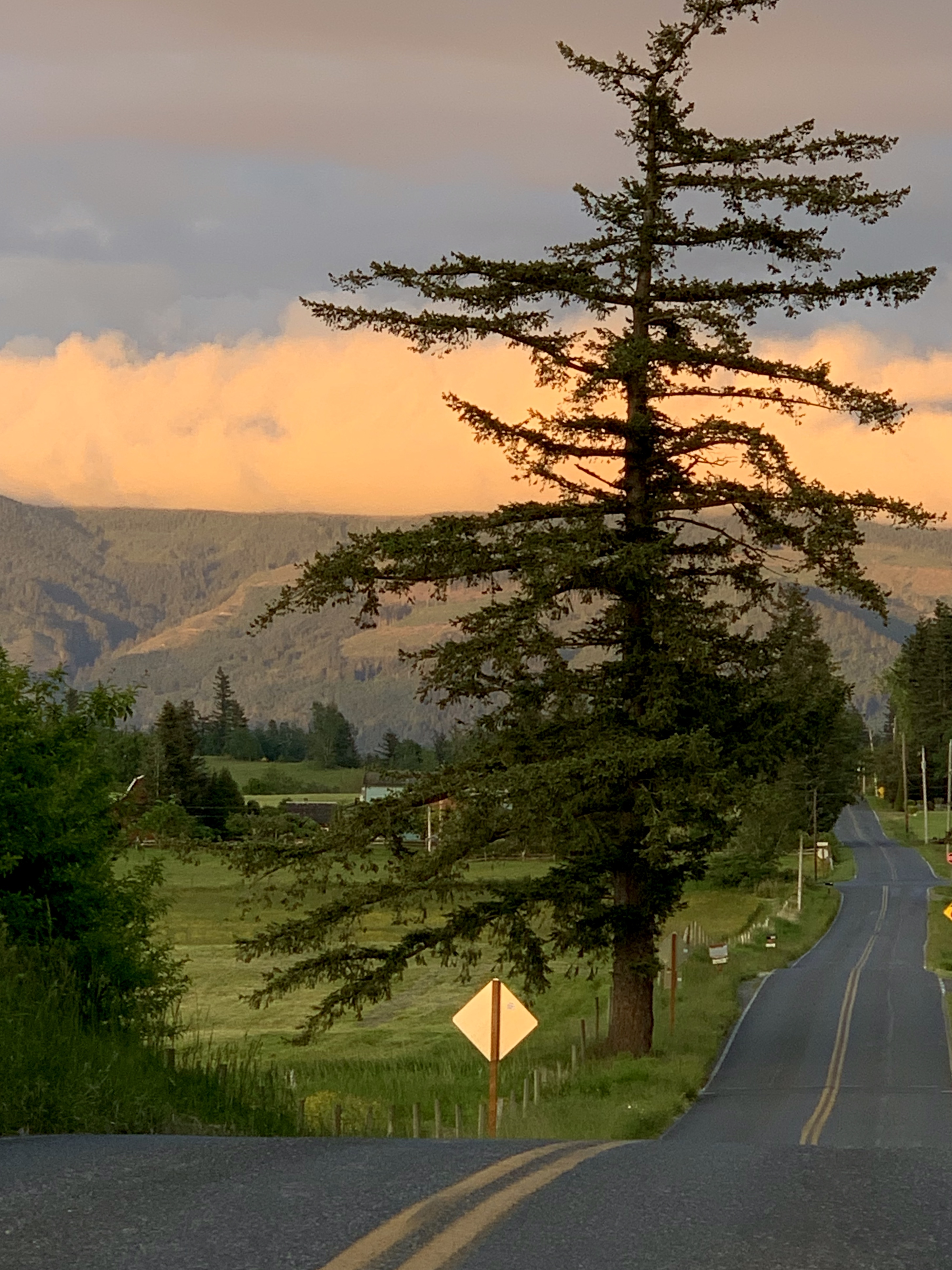
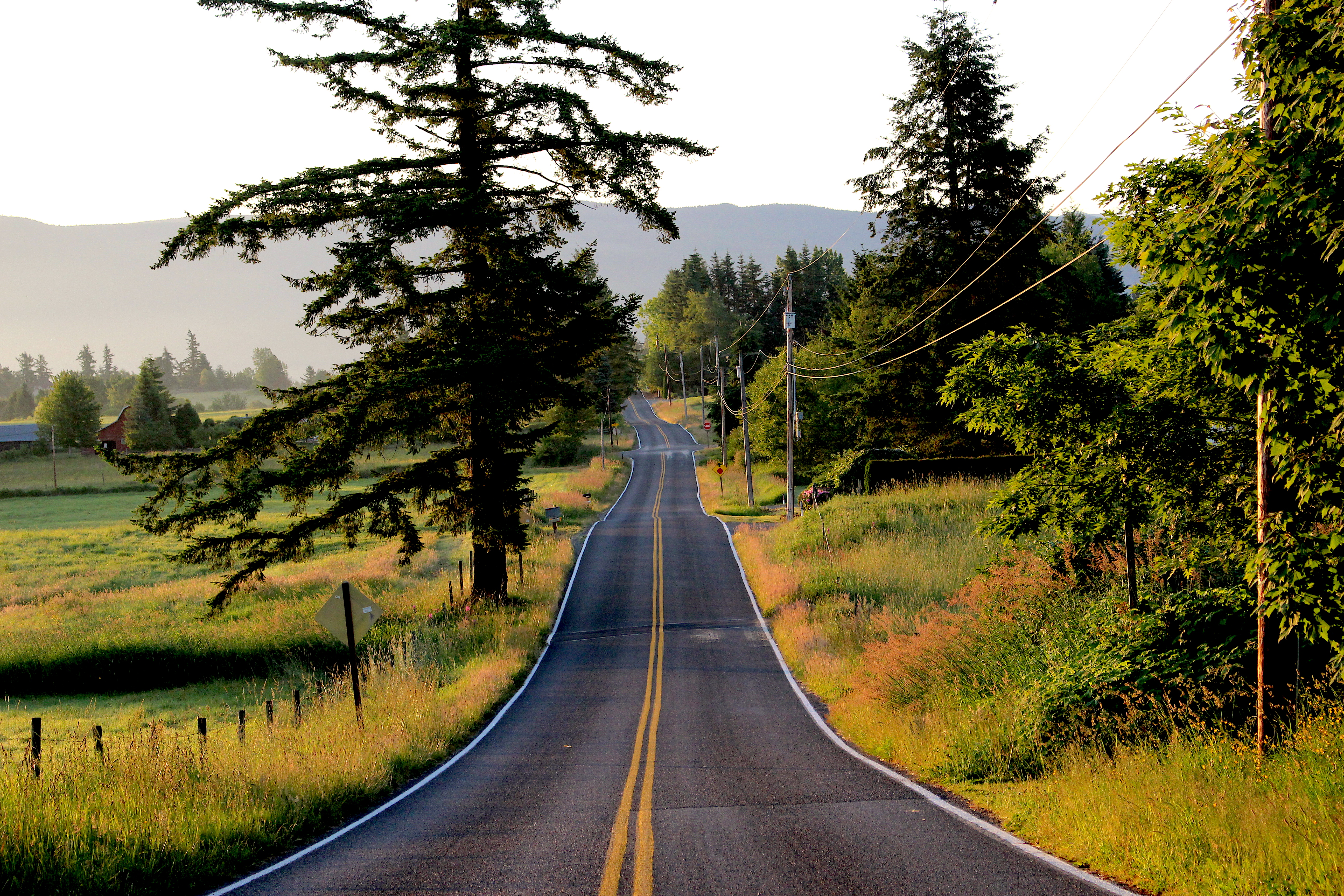
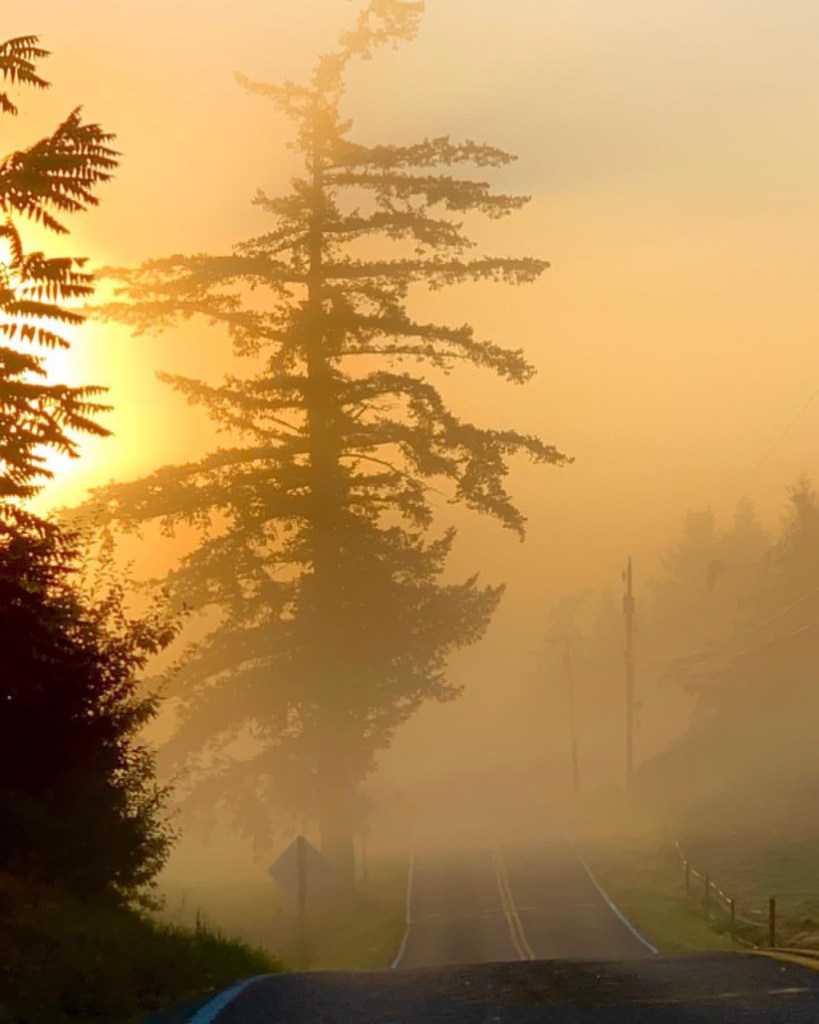
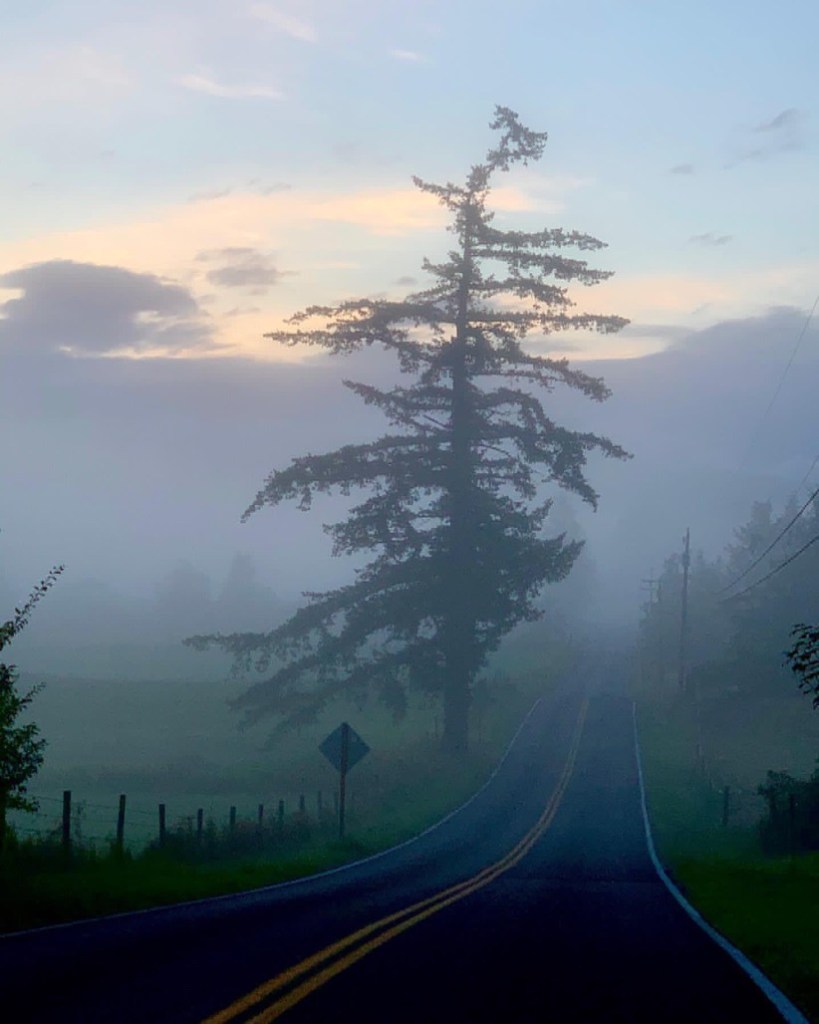
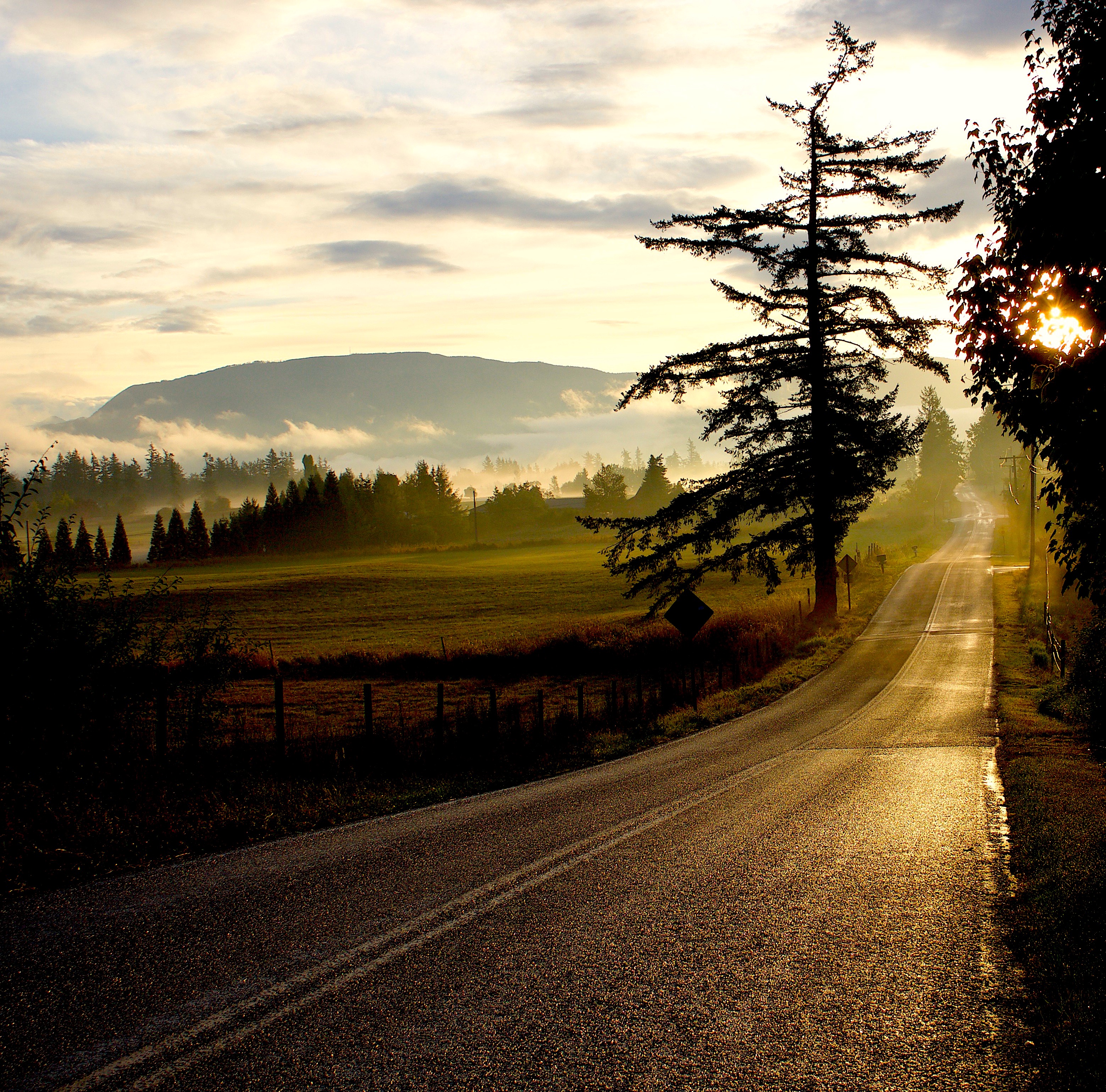
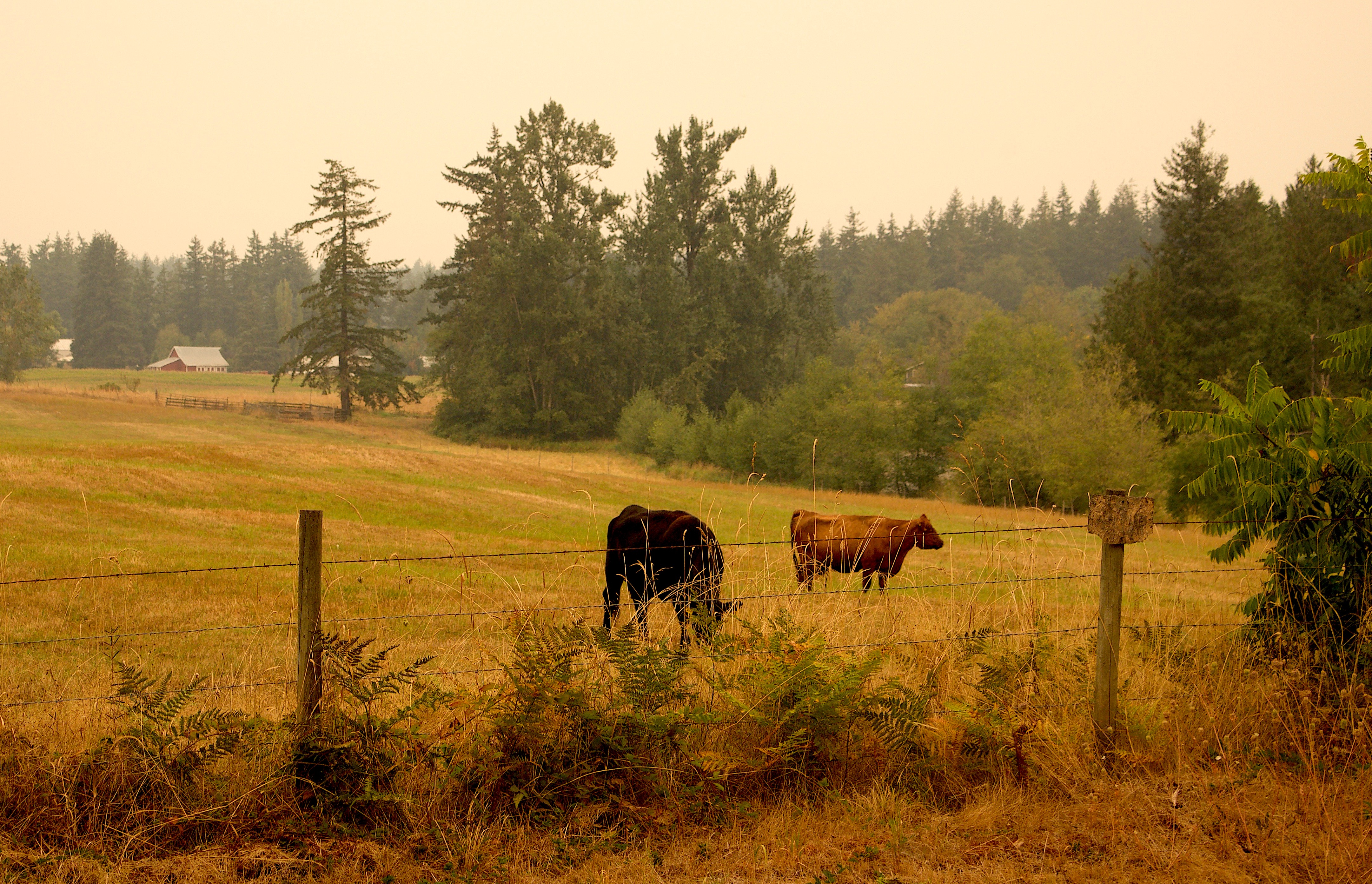
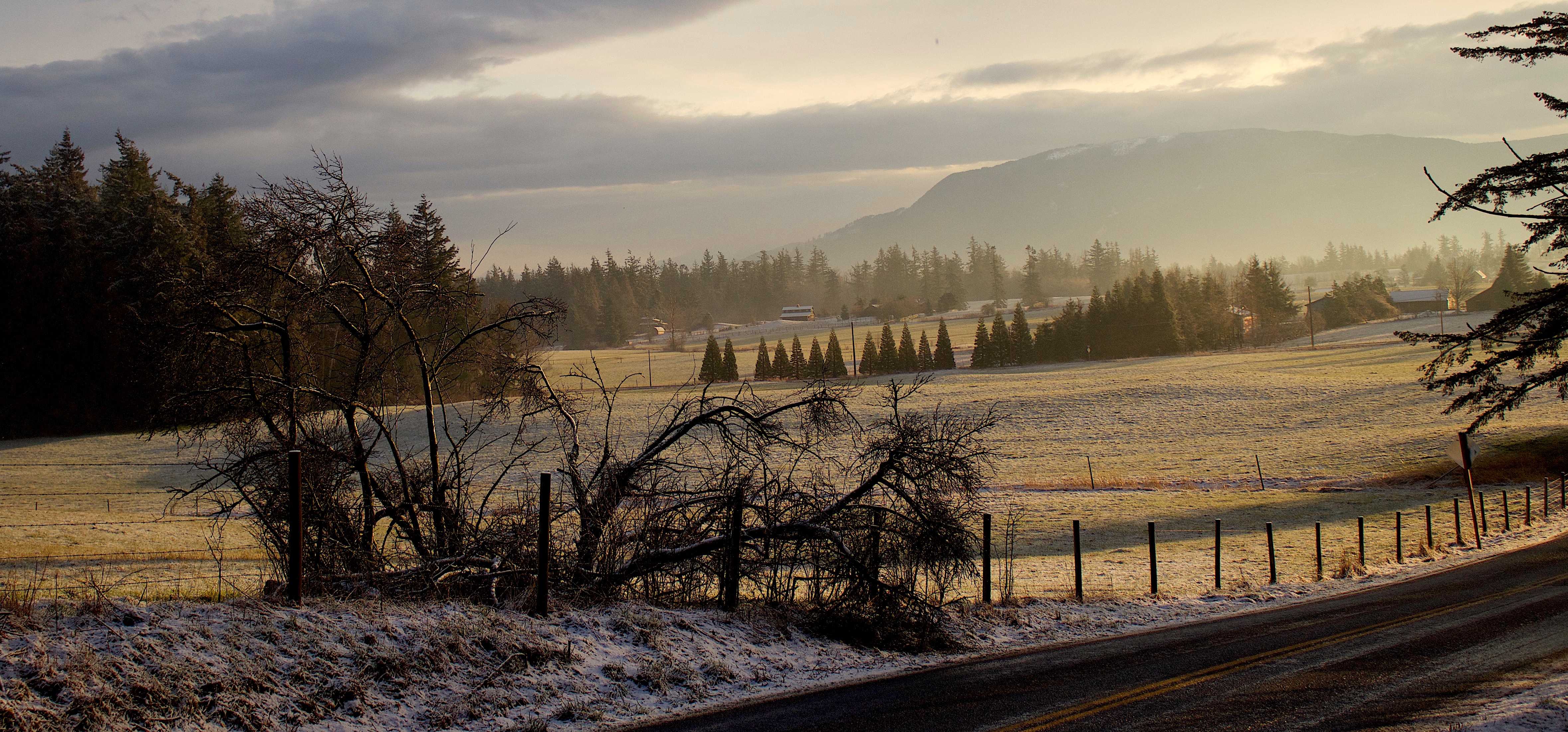
I know where this road ends to the east: at the very edge of the Cascade foothills, right in the middle of a small tribal nation trying to survive challenging economic times on their reservation land.

Heading west from here, there is another tribal nation trying to survive. In between are farmers who are having to sell their dairy herds because milk prices aren’t keeping up with the cost of maintaining their business. There are families now without sustainable wage employment because large industries have pulled up stakes and closed their doors. There is land that is overpriced as people flee the cities to come to rural surroundings because of ongoing pandemic shutdowns and worries.

There is much sadness all along this country road during times like these, but that’s not new. In another 100 years it will still not be new. There will always be foggy and stormy days interspersed among times of hope and light.
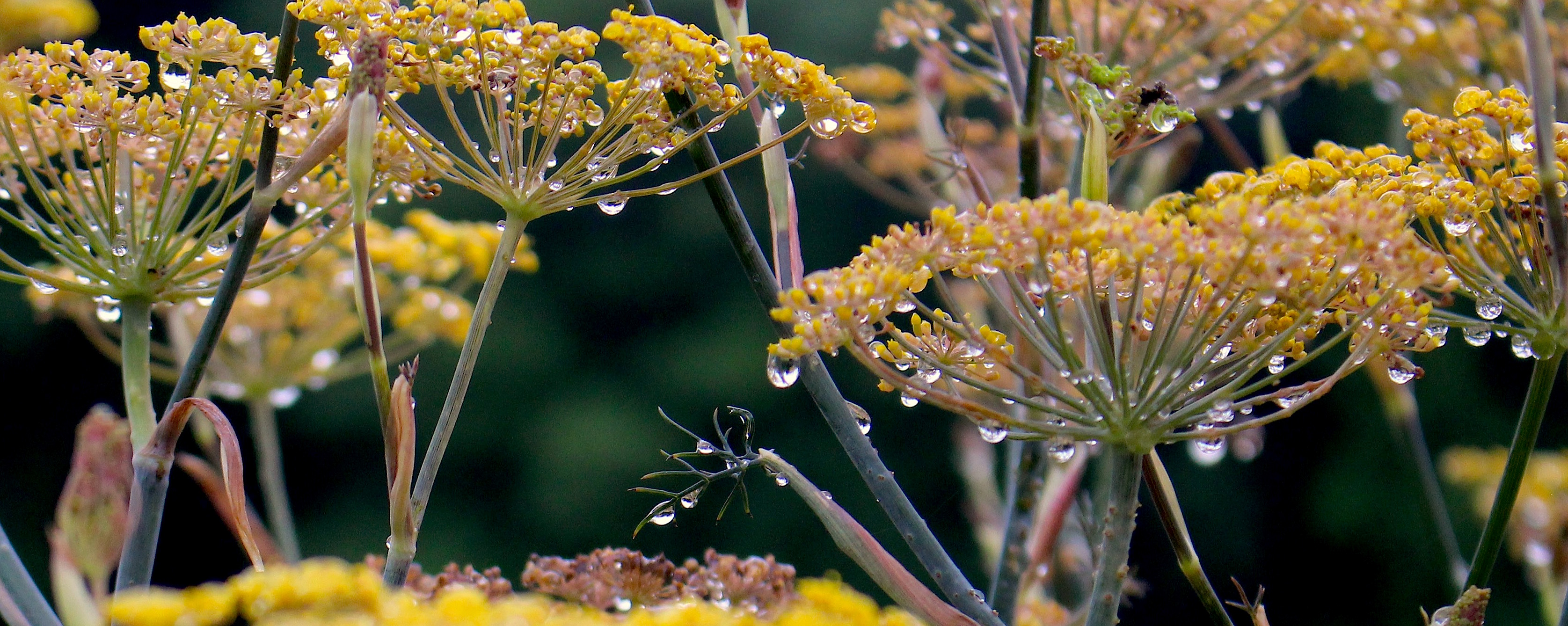
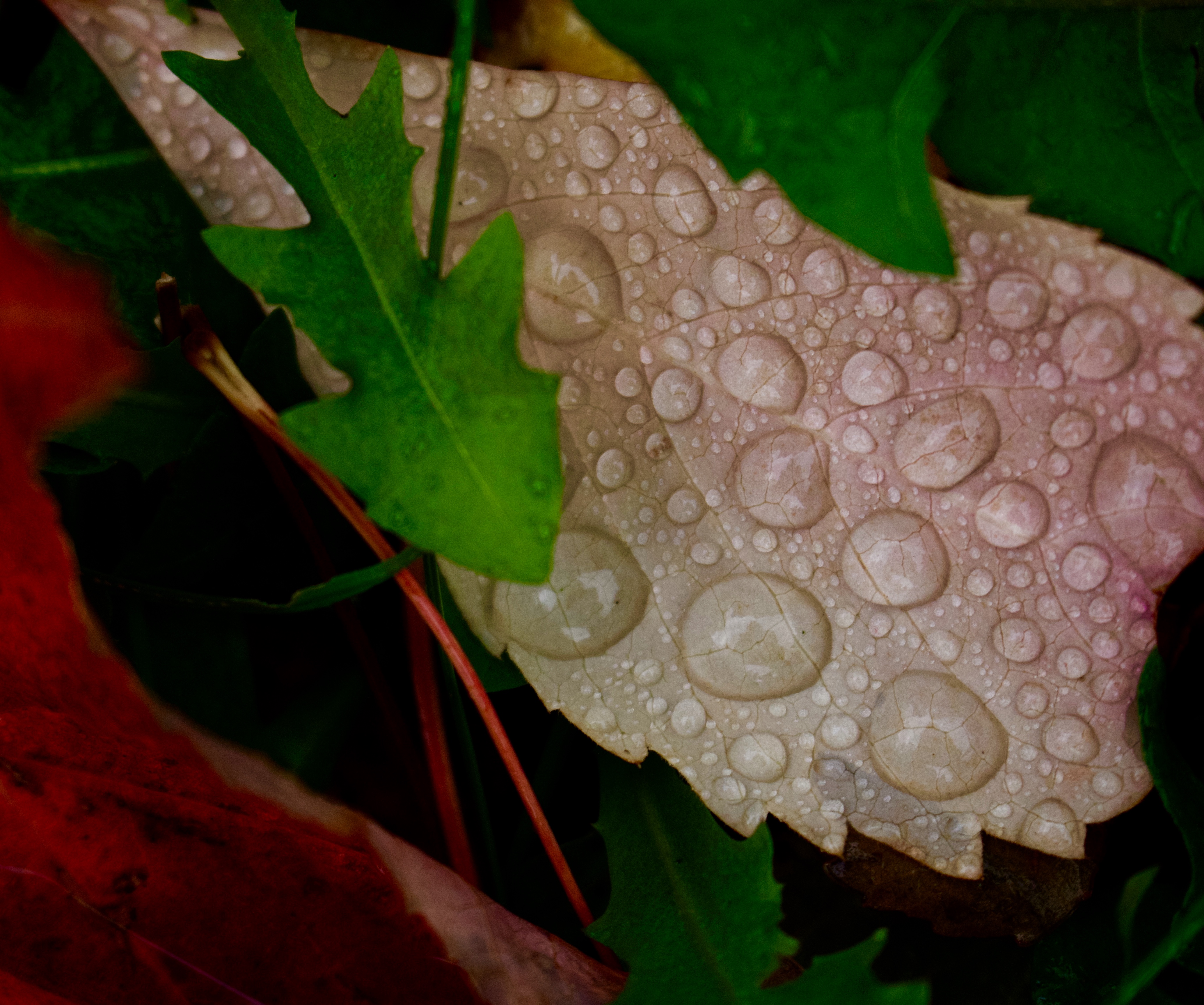
We remain a diverse people of tears and struggle, but we take turns carrying one another when one has what another does not. We still have the sun and the rain and the soil, the turning of the seasons and the rhythm of sun up and sun down.

On our way to there, why not share?

The Rain Comes Down

The world is changed.
I feel it in the water.
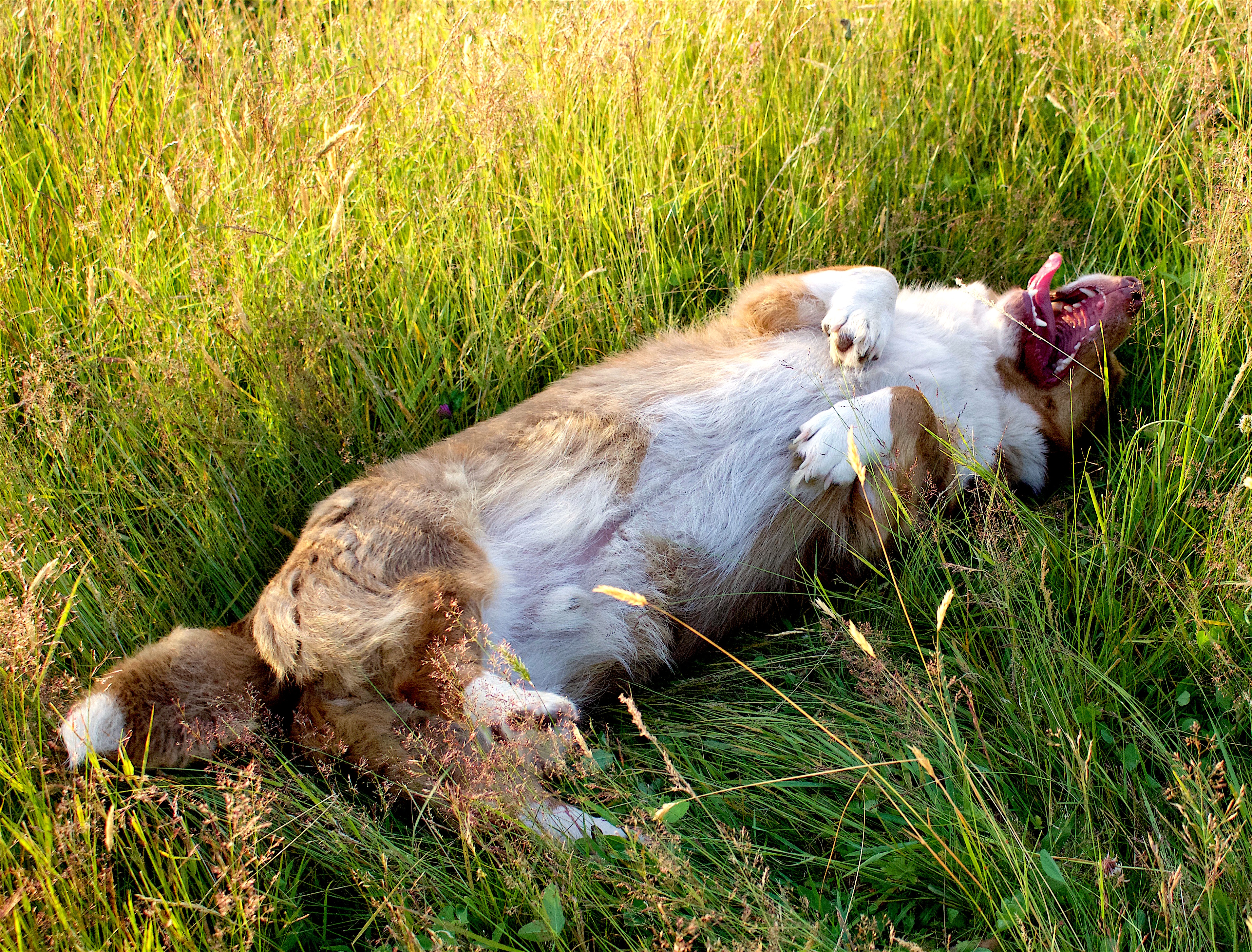
I feel it in the earth.
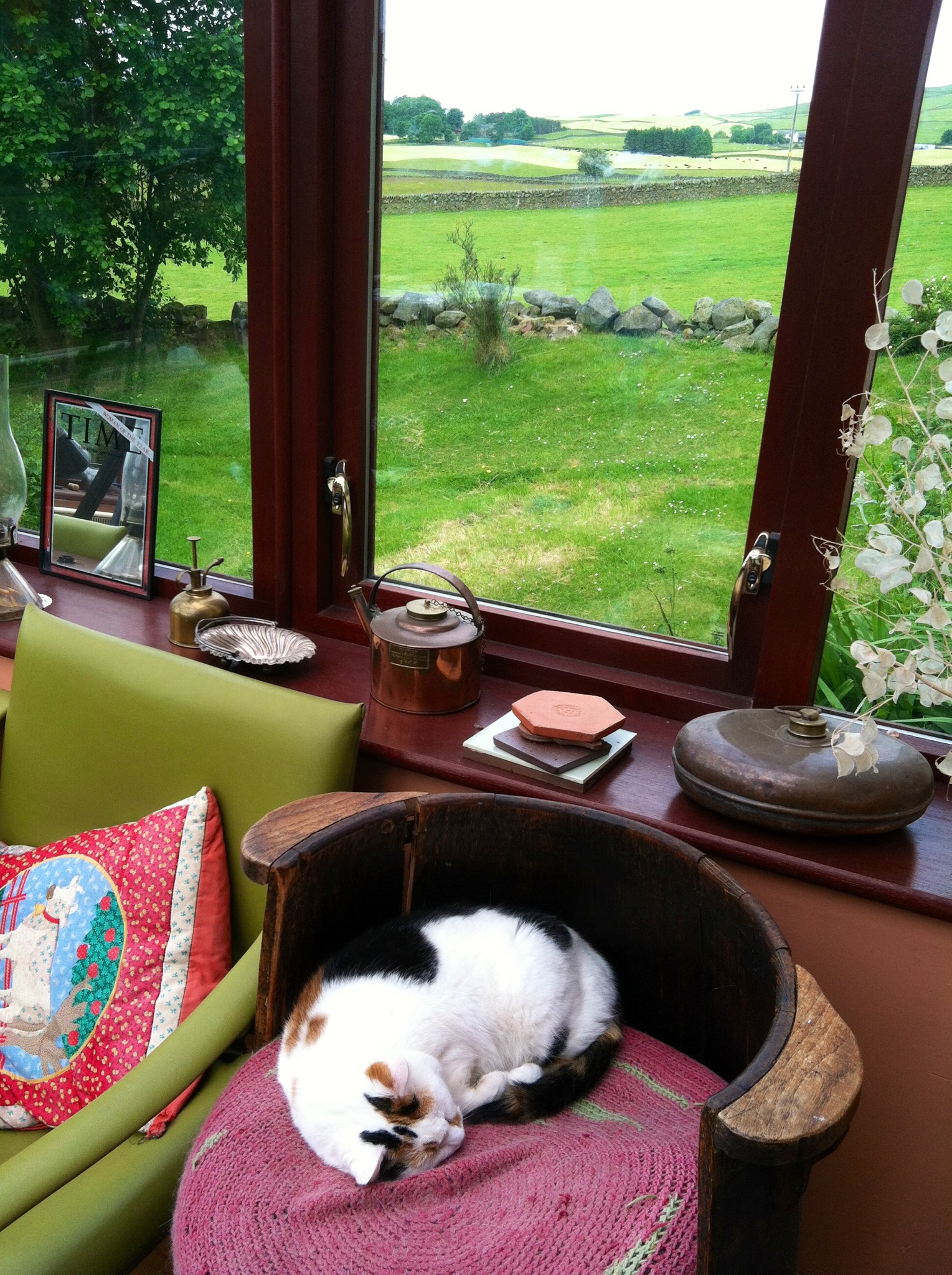
I smell it in the air.
Much that once was, is lost

For none now live who remember it.
~J.R.R. Tolkien Galadriel’s prologue to The Fellowship of the Rings

There trudges one to a merry-making
      With a sturdy swing,
   On whom the rain comes down.

To fetch the saving medicament
      Is another bent,
   On whom the rain comes down.

One slowly drives his herd to the stall
      Ere ill befall,
   On whom the rain comes down.

This bears his missives of life and death
      With quickening breath,
   On whom the rain comes down.

One watches for signals of wreck or war
      From the hill afar,
   On whom the rain comes down.

No care if he gain a shelter or none,
      Unhired moves on,
   On whom the rain comes down.

And another knows nought of its chilling fall
      Upon him at all,
   On whom the rain comes down.

~Thomas Hardy “An Autumn Rain-scene”(1904)

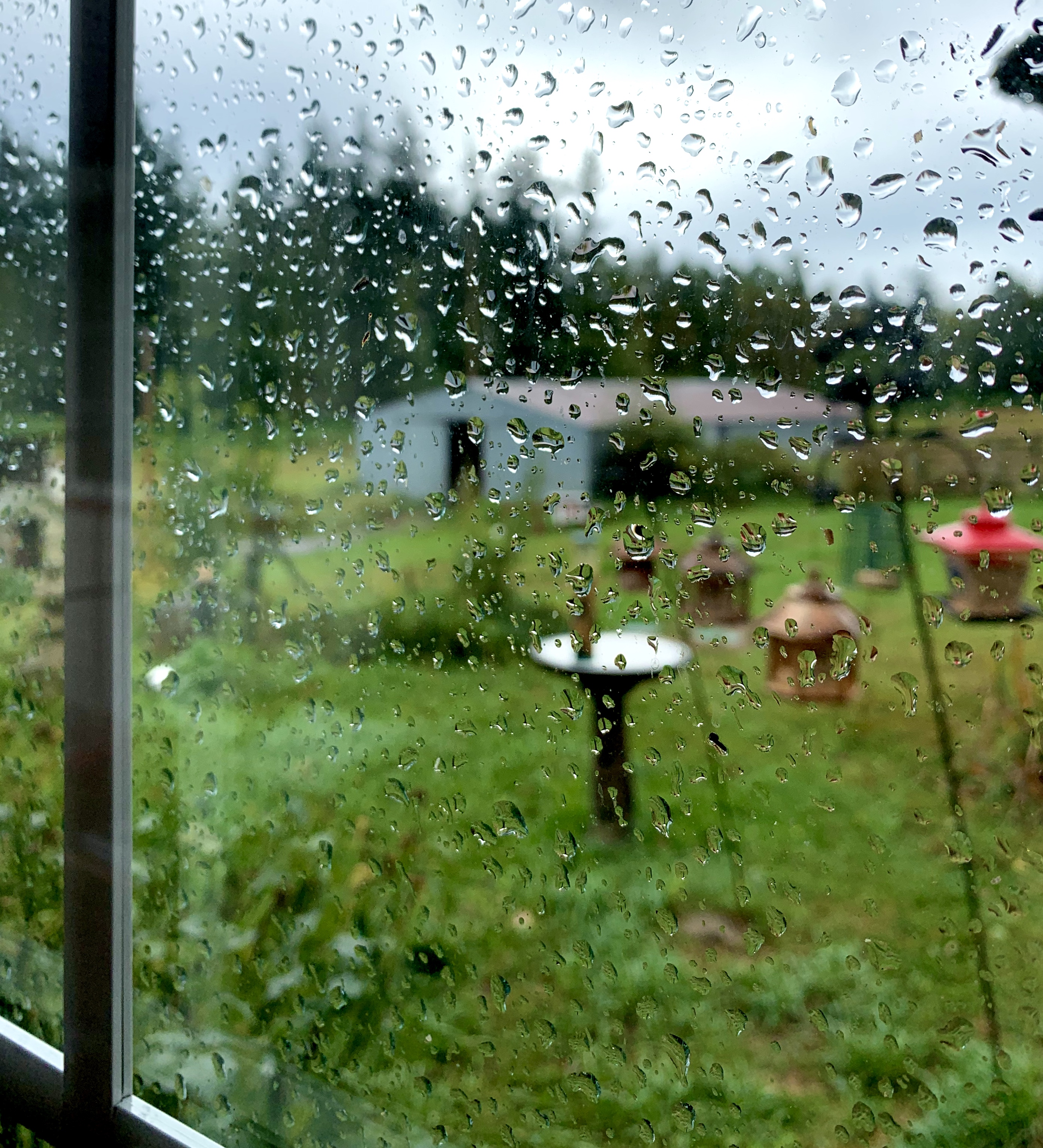
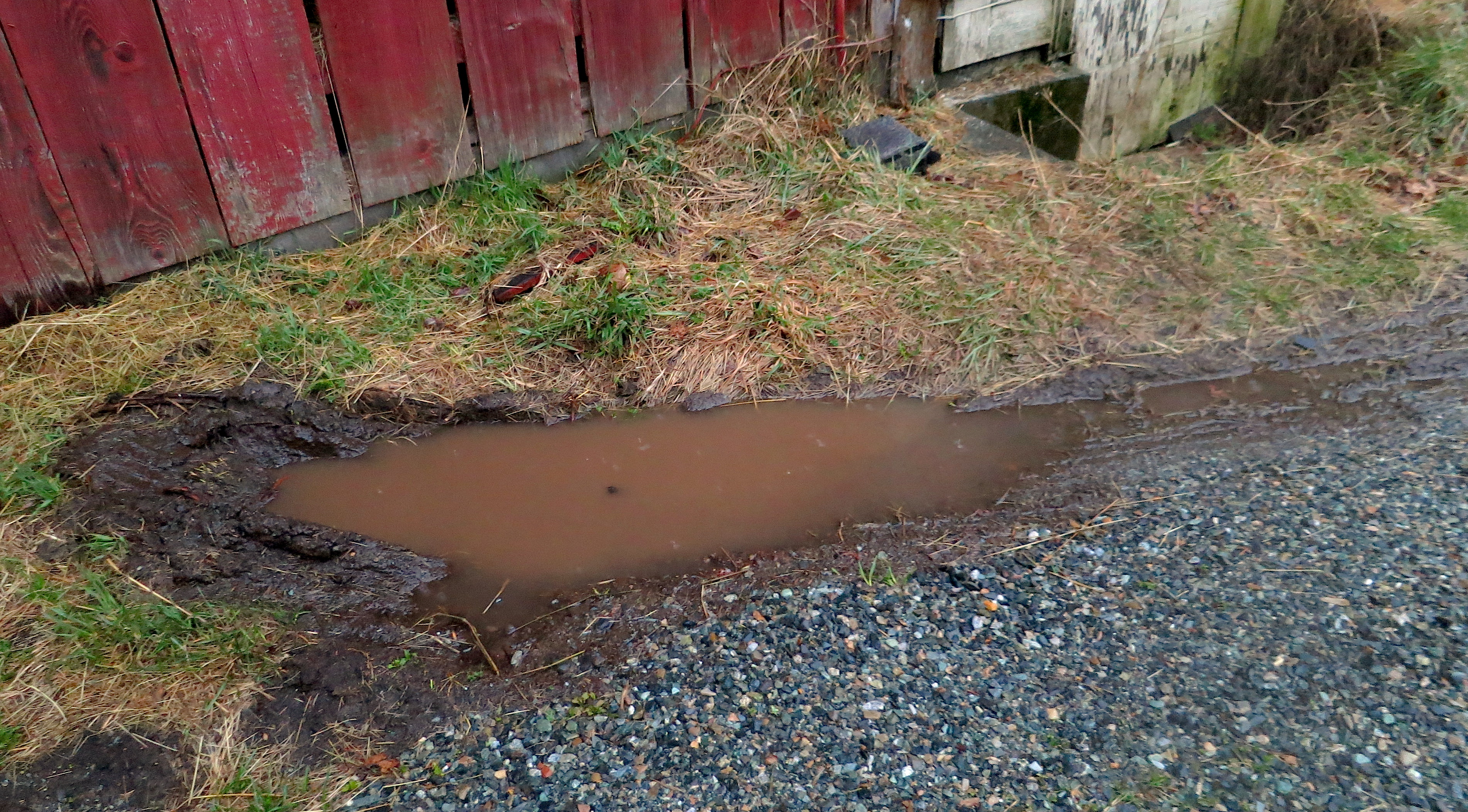
The rain has returned, now six months into a changed world. The rain blows, raging against the windows and puddling in the low spots, sparing nothing and no one.

It drenches all and everyone – none of us immune from the cleansing: whether missing the joy of sweet fellowship, whether bearing urgent messages or administering badly needed medication, whether trudging through the day’s chores, whether unemployed and praying for work, whether bearing witness to ongoing divisive conflict and tragedy, or whether the rain falls chill upon those newly lying still and silent beneath the soil.

In our universal soaking, may we look at one another with a renewed compassion. Each one of us deserves a warm and comforting toweling off, being buffed and fluffed so we’re ready to face what comes next.

You first.

Dragging Summer Away

August rushes by like desert rainfall,
A flood of frenzied upheaval,
Expected,
But still catching me unprepared.
Like a match flame
Bursting on the scene,
Heat and haze of crimson sunsets.
Like a dream
Of moon and dark barely recalled,
A moment,
Shadows caught in a blink.
Like a quick kiss;
One wishes for more
But it suddenly turns to leave,
Dragging summer away.
Elizabeth Maua Taylor
“August”

August is rushing by in its anxiousness
to be done with this summer of upheaval:
too many tears and too much tragedy.

The sky in weeping empathy
leaves a quick moist kiss on our cheeks,
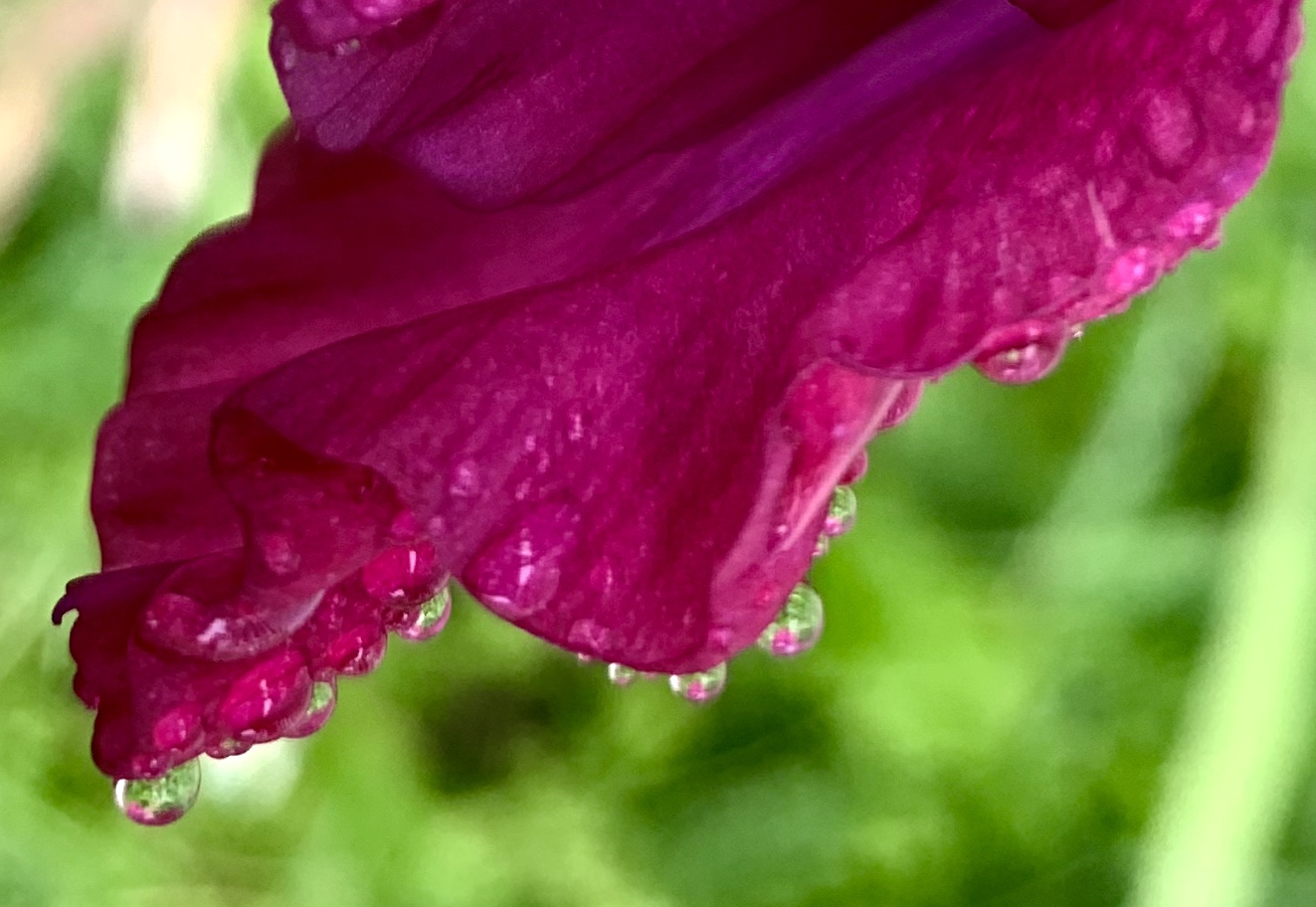
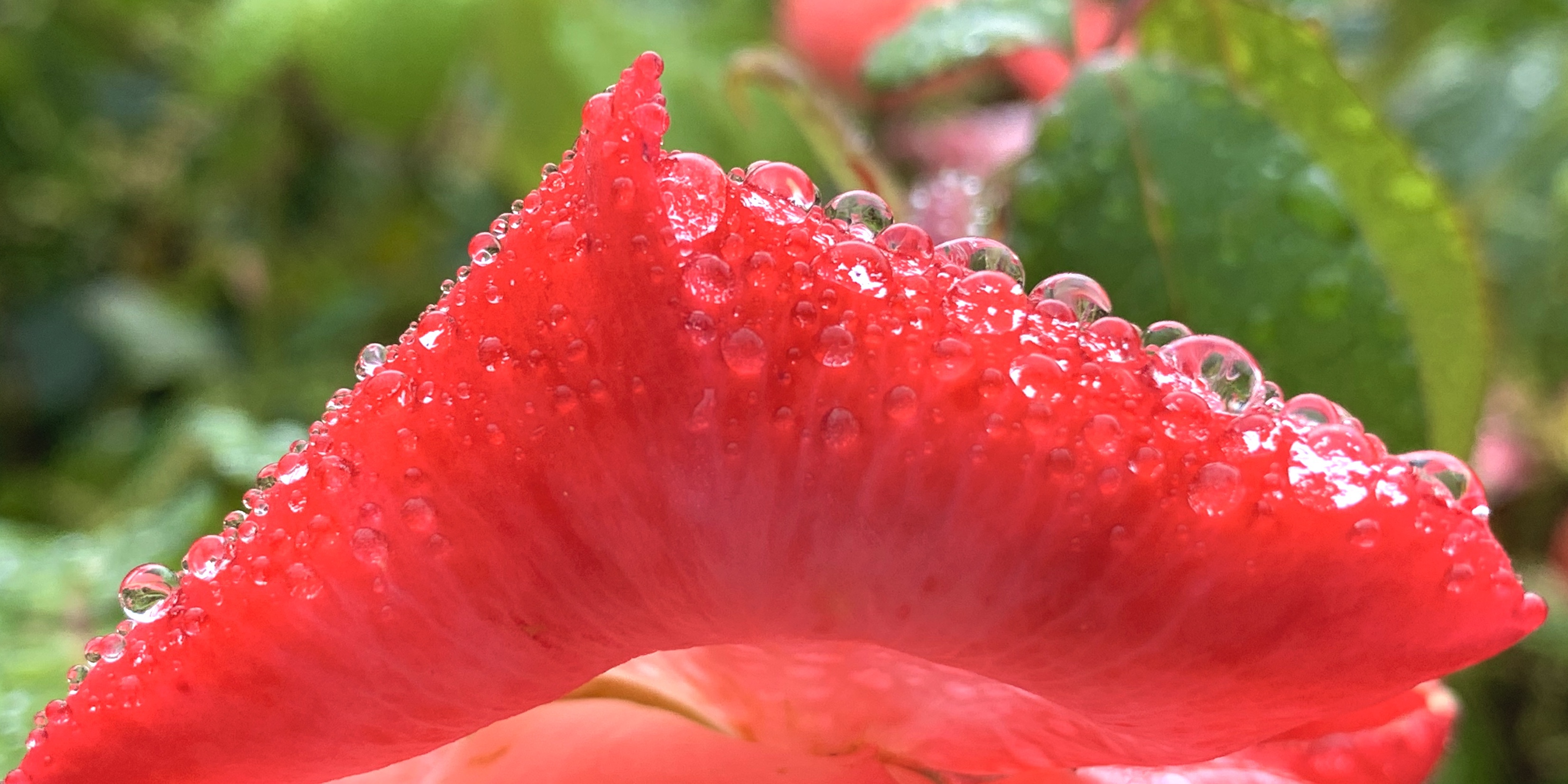
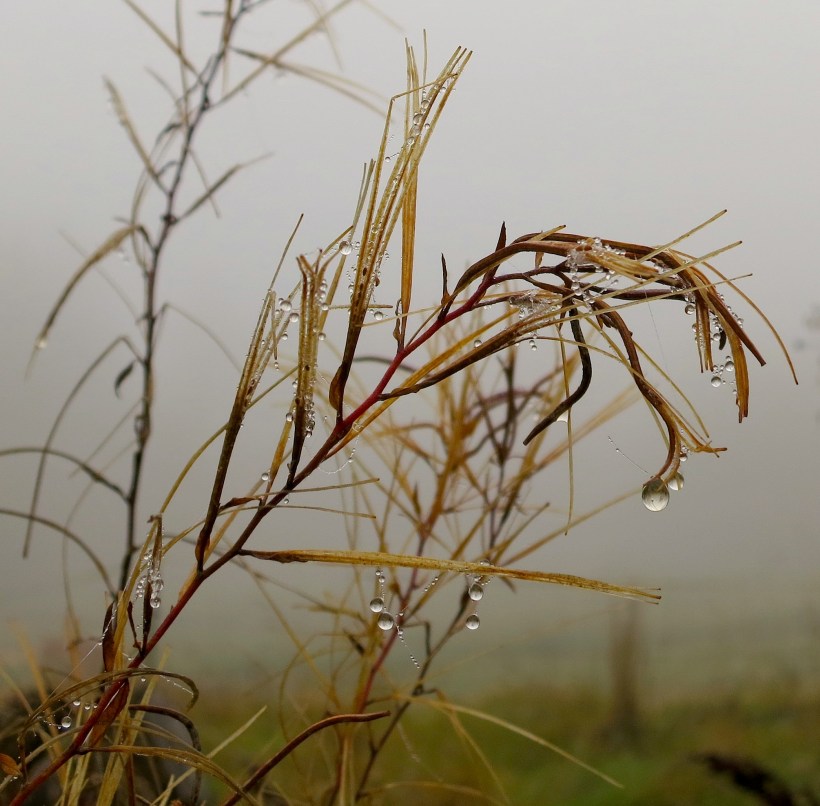
dripping bedazzled.

It won’t last;
we know these dangling drops will fade
in the heat of the moment.

This wilted, withered summer won’t leave easy
~dragged away still kicking~
we’ll wave it goodbye, blowing our kisses in the air.

Bathed in Beauty

We do not want merely to see beauty…
we want something else which can hardly be put into words-
to be united with the beauty we see,
to pass into it,
to receive it into ourselves,
to bathe in it,
to become part of it.


We discern the freshness and purity of morning,
but they do not make us fresh and pure.
We cannot mingle with the splendours we see.


But all the leaves of the New Testament
are rustling with the rumour
that it will not always be so.


Someday, God willing, we shall get in.

~C.S. Lewis from The Weight of Glory

We are wounded by the grime of this world, no question about it. Just one look at the headlines shows how tainted and sullied we’ve become, so long separated from the beauty and perfection for which we were created.

The wounds we bear are from beauty banished when we desperately wish to bathe in it. We’re offered just such a cleansing when we offer up our soiled selves.

Come on in, the water is fine.

Shafts of Golden Light

Again the woods are odorous, the lark 
Lifts on upsoaring wings the heaven gray
That hung above the tree-tops, veiled and dark, 
Where branches bare disclosed the empty day. 

After long rainy afternoons an hour 
Comes with its shafts of golden light and flings 
Them at the windows in a radiant shower, 
And rain drops beat the panes like timorous wings. Then all is still. The stones are crooned to sleep
By the soft sound of rain that slowly dies; 
And cradled in the branches, hidden deep
In each bright bud, a slumbering silence lies.
~ Rainer Maria Rilke [trans. Jessie Lemont], from Poems

It seems in May everything explodes with energy:
the birdsong earlier and louder
the grass nearly squeaks with growth
the buds unfurling before our eyes.

There is much momentum
running pellmell into longer days;
I need to catch my breath.

As showers blow in from
clouds gray and thick with menace, dumping their load,
everything stills from the drenching,
waiting for a shaft of light to break through again,
turning everything to gold.

Stumbling into February

“Why, what’s the matter, 
That you have such a February face, 
So full of frost, of storm and cloudiness?” 
–  William Shakespeare,  Much Ado About Nothing

January was particularly dark and dank, especially last night as the month wrapped up with a deluge, flooding numerous roads in our rural county.  The beginning of February often feels like this: the conviction winter will never be finished messing with us. Our doldrums are deep; brief respite of sun and warmth too rare.

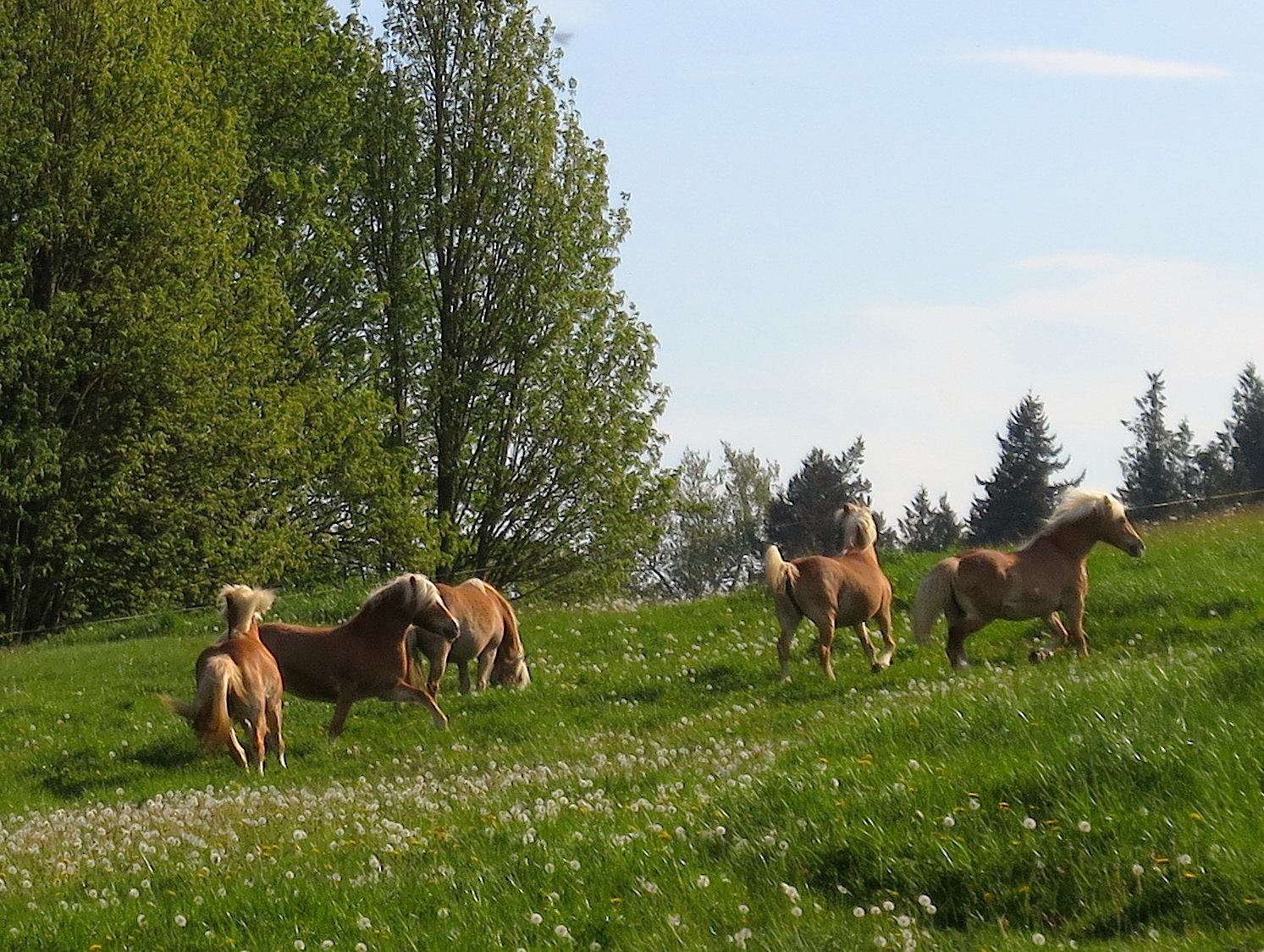
I feel it in the barn as I go about my daily routine.   The Haflingers are impatient and yearn for freedom, over-eager when handled, sometimes banging on the stall doors in their frustration at being shut in,  not understanding that the alternative is to stand outside all day in cold rain and wind.  To compensate for their confinement, I do some grooming of their thick winter coats, urging their hair to loosen and curry off in sheets over parts of their bodies, yet otherwise still clinging tight.  The horses are a motley crew right now, much like a worn ’60s shag carpet, uneven and in dire need of updating.  I prefer that no one see them like this and discourage visitors to the farm, begging people to wait a few more weeks until they (and I) are more presentable. Eventually I know the shag on my horses will come off, revealing the sheen of new short hair beneath, but when I look at myself, I’m unconvinced there is such transformation in store for me. Cranky, I  put one foot ahead of the other, get done what needs to be done, oblivious to the subtle renewal around me, refusing to believe even in the possibility.

It happened today.  Dawn broke bright and blinding and I heard the fields calling, so I heeded, climbing the hill and turning my face to the eastern light, soaking up all I could.  It was almost too much to keep my eyes open, as they are so accustomed to gray darkness. And then I stumbled across something extraordinary.

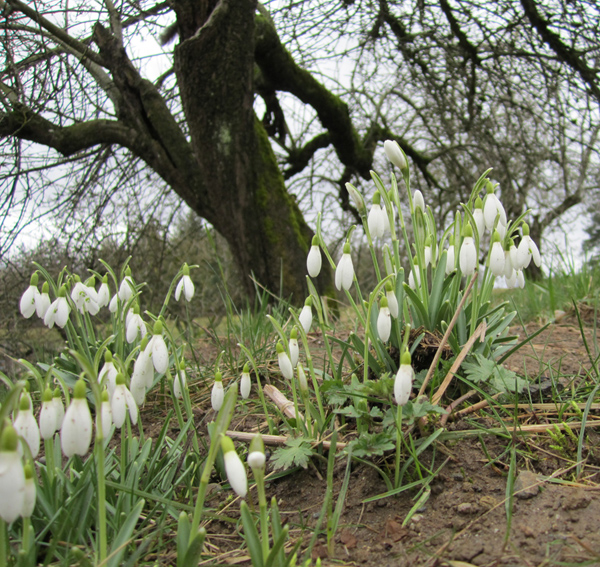
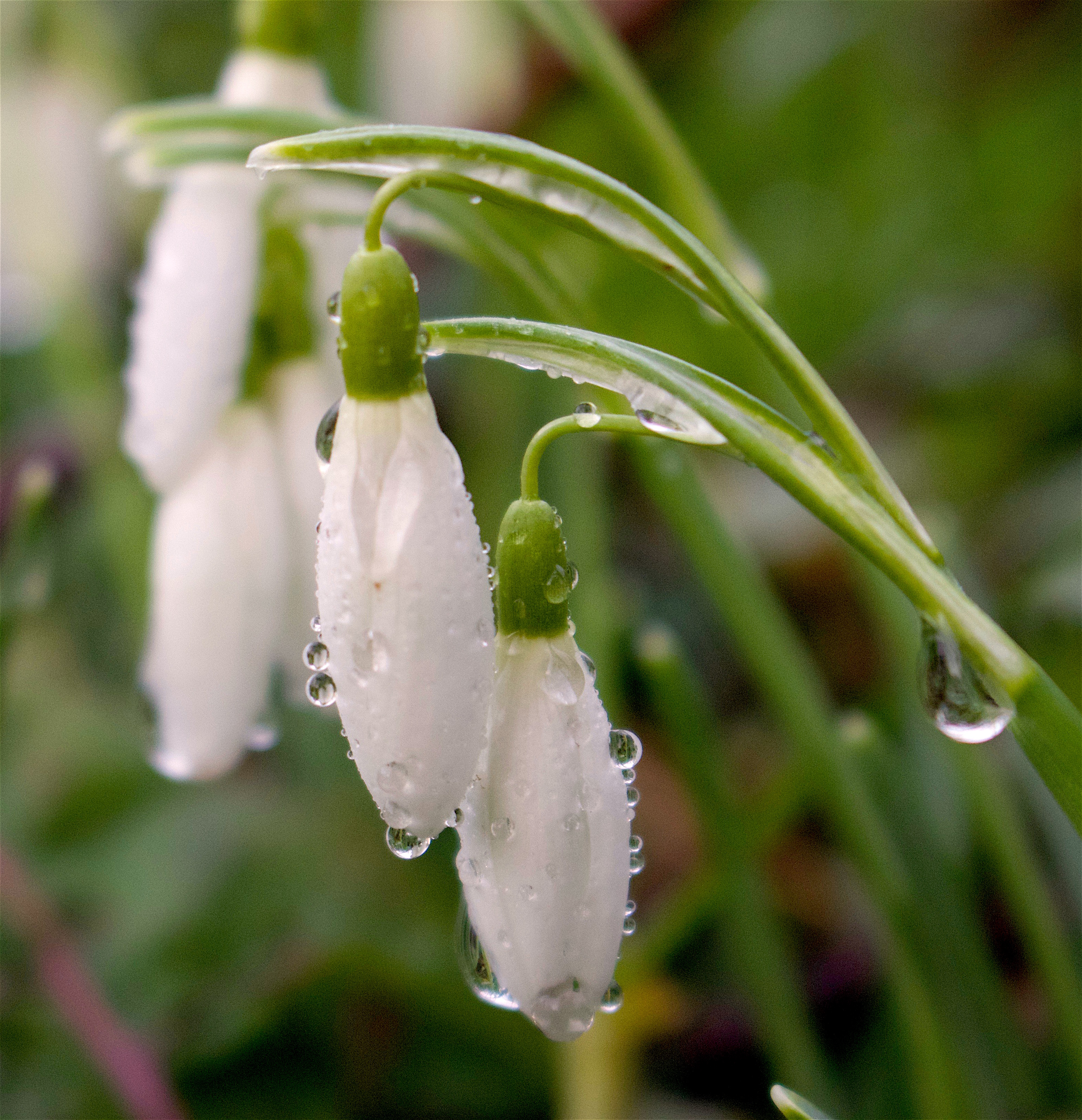
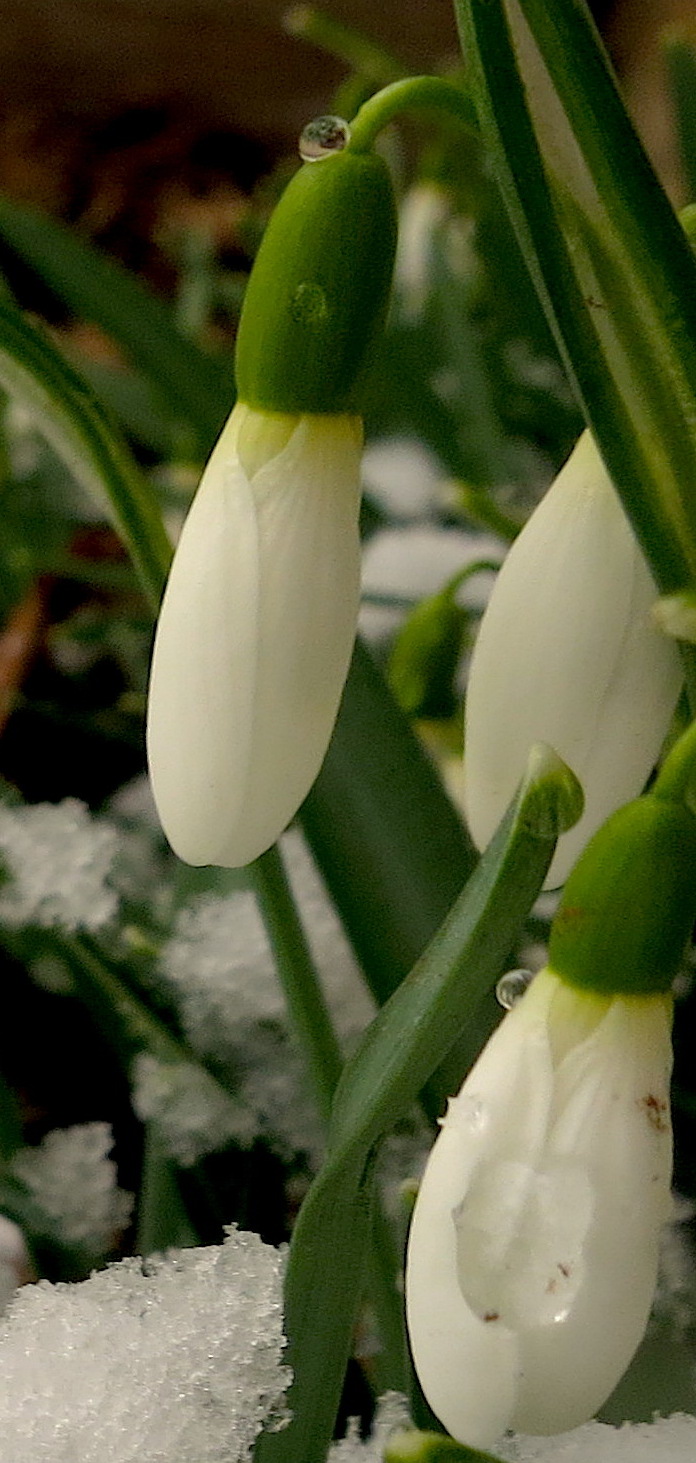
A patch of snowdrops sat blooming in an open space on our acreage, visible now only because of the brush clearing that was done last fall. Many of these little white upside down flowers were planted long ago around our house and yard, but  I had no idea they were also such a distance away, hiding underground. Yet there they’ve been, year after year, harbingers of the long-awaited spring to come in a few short weeks, though covered by the overgrowth of decades of neglect and invisible to me in my self-absorbed blindness.  I was astonished that someone, many many years ago, had carried these bulbs this far out to a place not easy to find, and planted them, hoping they might bless another soul sometime somehow.  Perhaps the spot marks a grave of a beloved pet, or perhaps it was simply a retreat of sorts, but there the blossoms had sprung from their sleep beneath the covering of years of fallen leaves and blackberry vines.

It was if I’d been physically hugged by this someone long dead,  now flesh and blood beside me, with work-rough hands, and dirty fingernails, and broad brimmed hat, and a satisfied smile.  I’m certain the secret gardener is no long living, and I reach back across those years in gratitude, to show my deep appreciation for the time and effort it took to place a foretaste of spring in an unexpected and hidden place.

I am thus compelled to look for ways to leave such a gift for someone to find 50 years hence as they likewise stumble blindly through too many gray days full of human frailty and flaw. Though I will be long gone,  I can reach across the years to grab them, hug them in their doldrums, lift them up and give them hope for what is to come.  What an astonishing thought that it was done for me and in reaffirming that promise of renewal,  I can do it for another.

How You Foretell the Weather is Changing

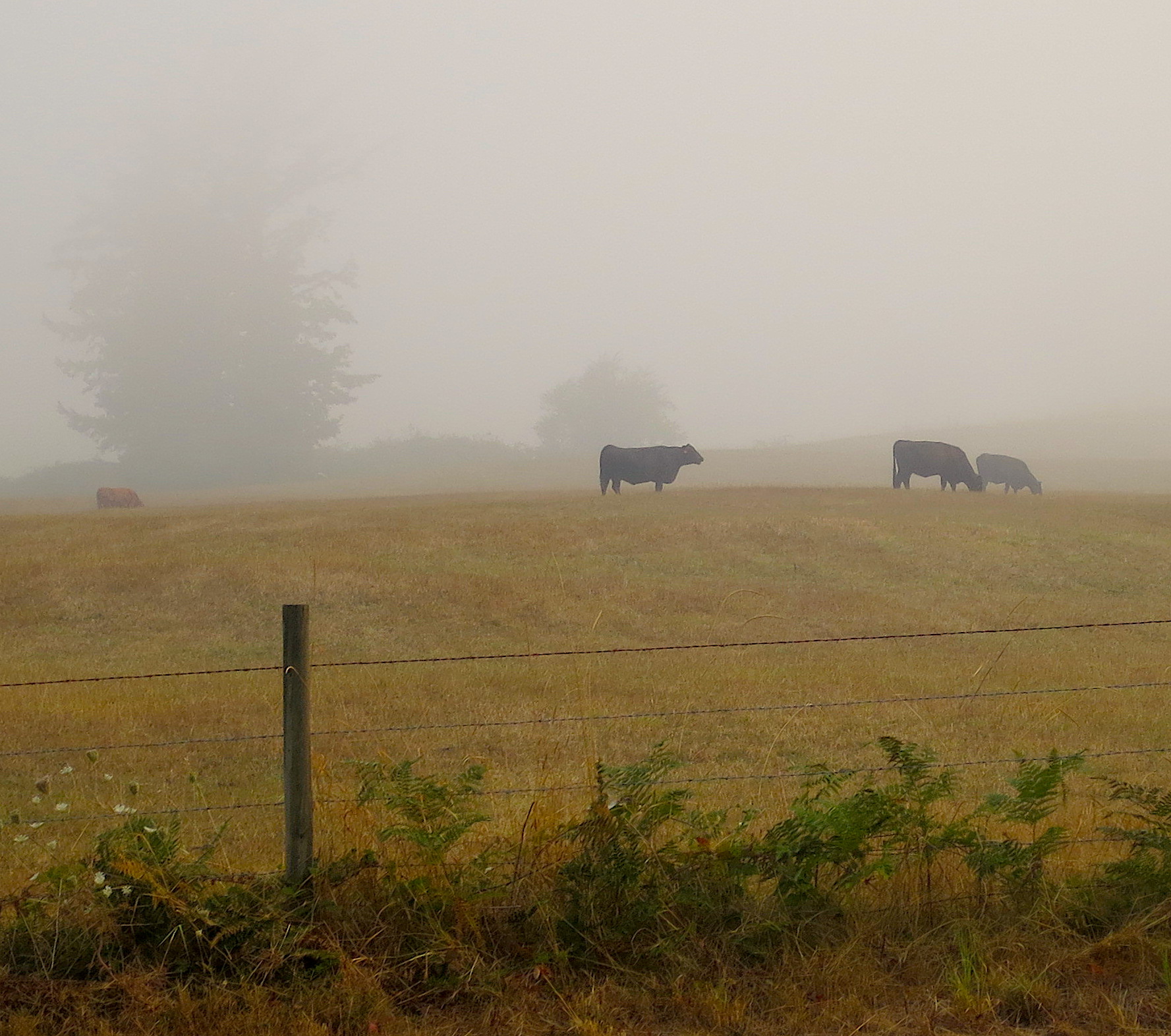
Rain always follows the cattle
sniffing the air and huddling
in fields with their heads to the lee.
You will know that the weather is changing
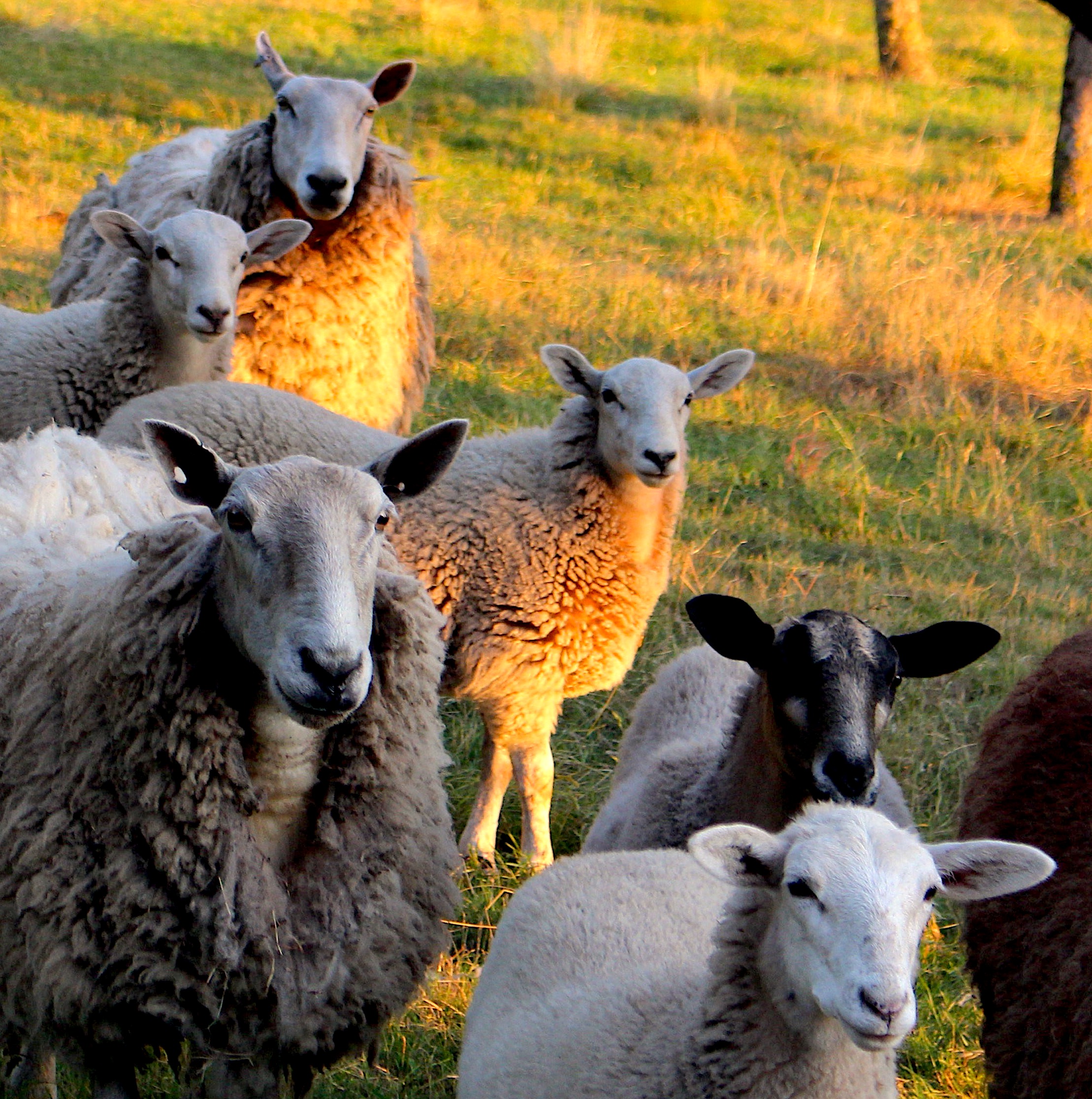
when your sheep leave the pasture
too slowly, and your dogs lie about
and look tired; when the cat
turns her back to the fire,
washing her face, and the pigs
wallow in litter; cocks will be crowing
at unusual hours, flapping their wings;
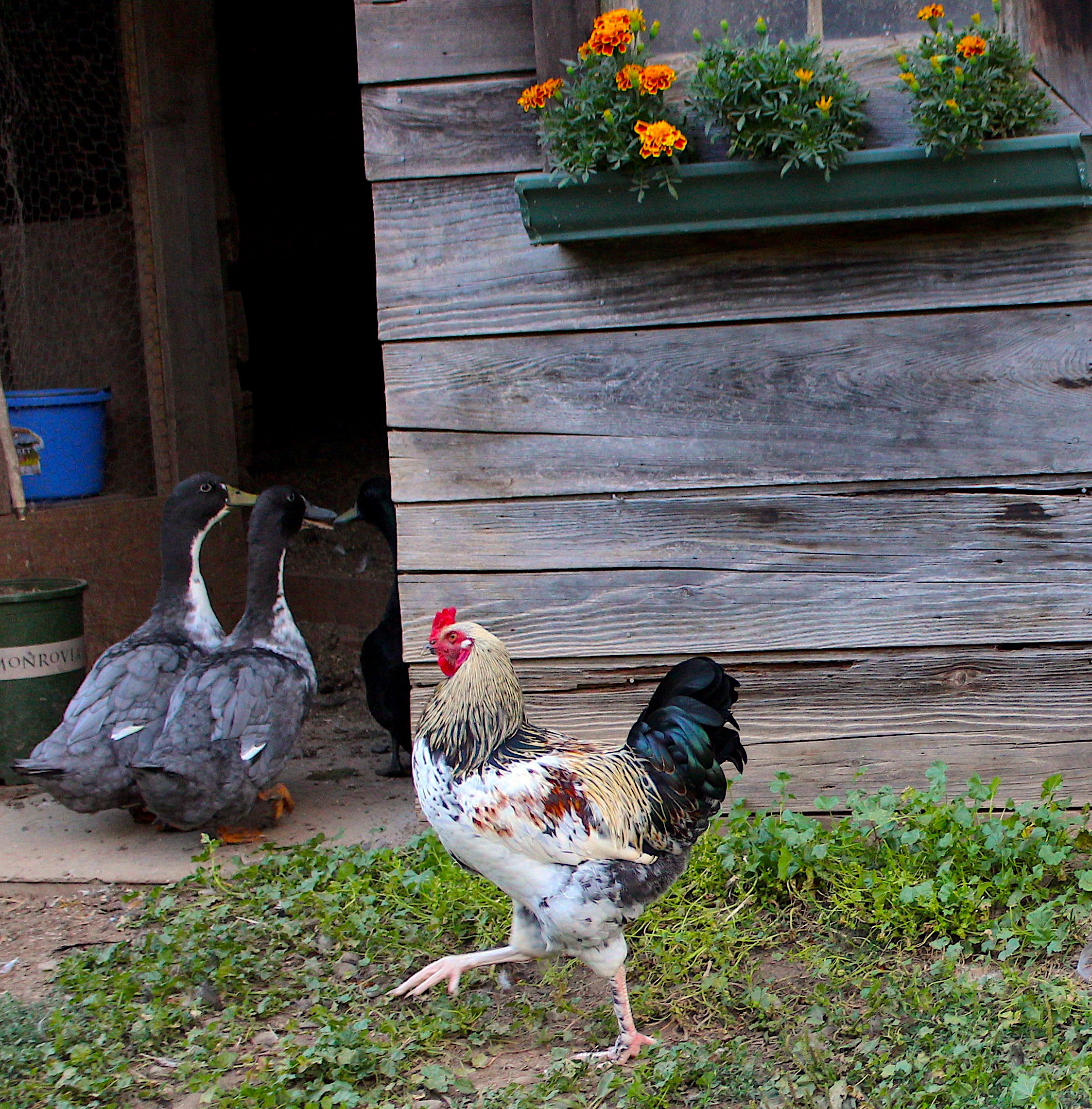
hens will chant; when your ducks
and your geese are too noisy,
and the pigeons are washing themselves;
when the peacocks squall loudly
from the tops of the trees,
when the guinea fowl grates;
when sparrows chirp loudly
and fuss in the roadway, and when swallows
fly low, skimming the earth;
when the carrion crow
croaks to himself, and wild fowl
dip and wash, and when moles
throw up hills with great fervor;
when toads creep out in numbers;
when frogs croak; when bats
enter the houses; when birds
begin to seek shelter,
and the robin approaches your house;
when the swan flies at the wind,
and your bees leave the hive;
when ants carry their eggs to and fro,
and flies bite, and the earthworm
is seen on the surface of things.

~Ted Kooser “How to Foretell a Change in the Weather” from Flying at Night: Poems 1965-1985, 

I reckon the birds and mammals and insects and worms are much better at anticipating weather change than we humans are. It is programmed into their DNA in a way that we have lost in our evolved state. Instead we are glued to our cell phone weather apps, or the Weather Channel, watching the prediction change hour to hour as if it is the gospel truth. I’m here to remind us all it is called a “prediction” for good reason.

We forget about checking the sky for the direction the clouds are traveling, or even what clouds are up there. We forget about checking our own outdoor thermometers because we don’t own them any longer. We certainly forget about barometers – a little kitchen window gadget that my father thumped with his finger every morning of my childhood, so he could see what the atmospheric pressure was doing so he could anticipate how wet or wind-blown he would be that day.

In particular, we forget to watch the critters around us – how their behavior changes and how they are preparing themselves and their environment for whatever weather change to come. They feel it in their bones and their brains by whatever means God has given them.

Our Haflinger horses are already shedding off their winter coats yet there are still six weeks left of winter. What are they trying to say about the weather to come?

So, we humans are weather-challenged creatures but all the clues still exist if only we pay attention. My weather app says the northwest will have rain rain and more rain through the weekend with a possibility of snow late Sunday. The Weather Channel website says we’ll experience high potentially damaging winds, flooding and snow. Who to believe?

I think, all things being equal, I’ll choose to believe what is predicted for Denver this weekend: all sun and a high temperature of 71 degrees. I’m sure all the critters there will be out sunbathing. Wish I could too.

Lost in Grayness

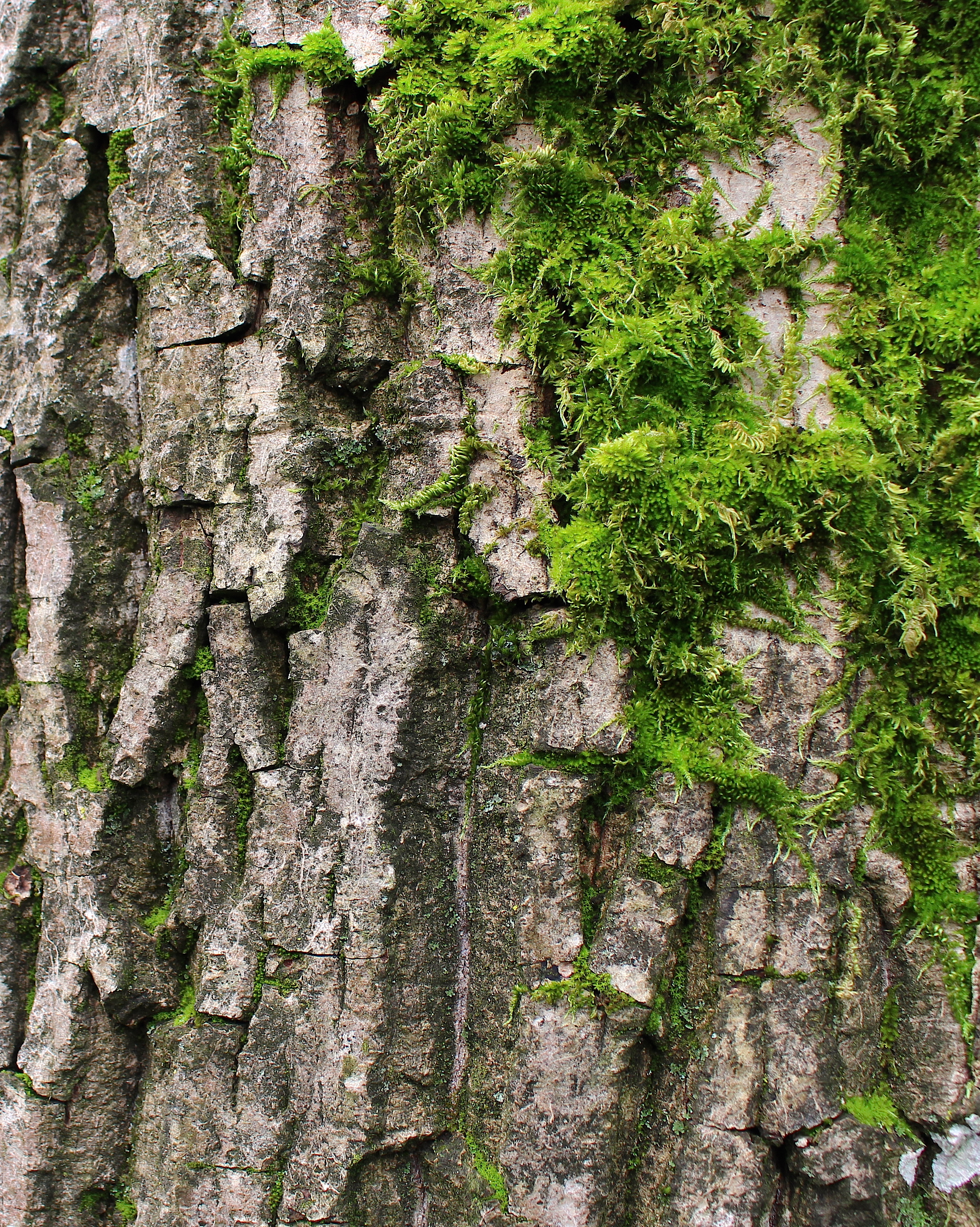
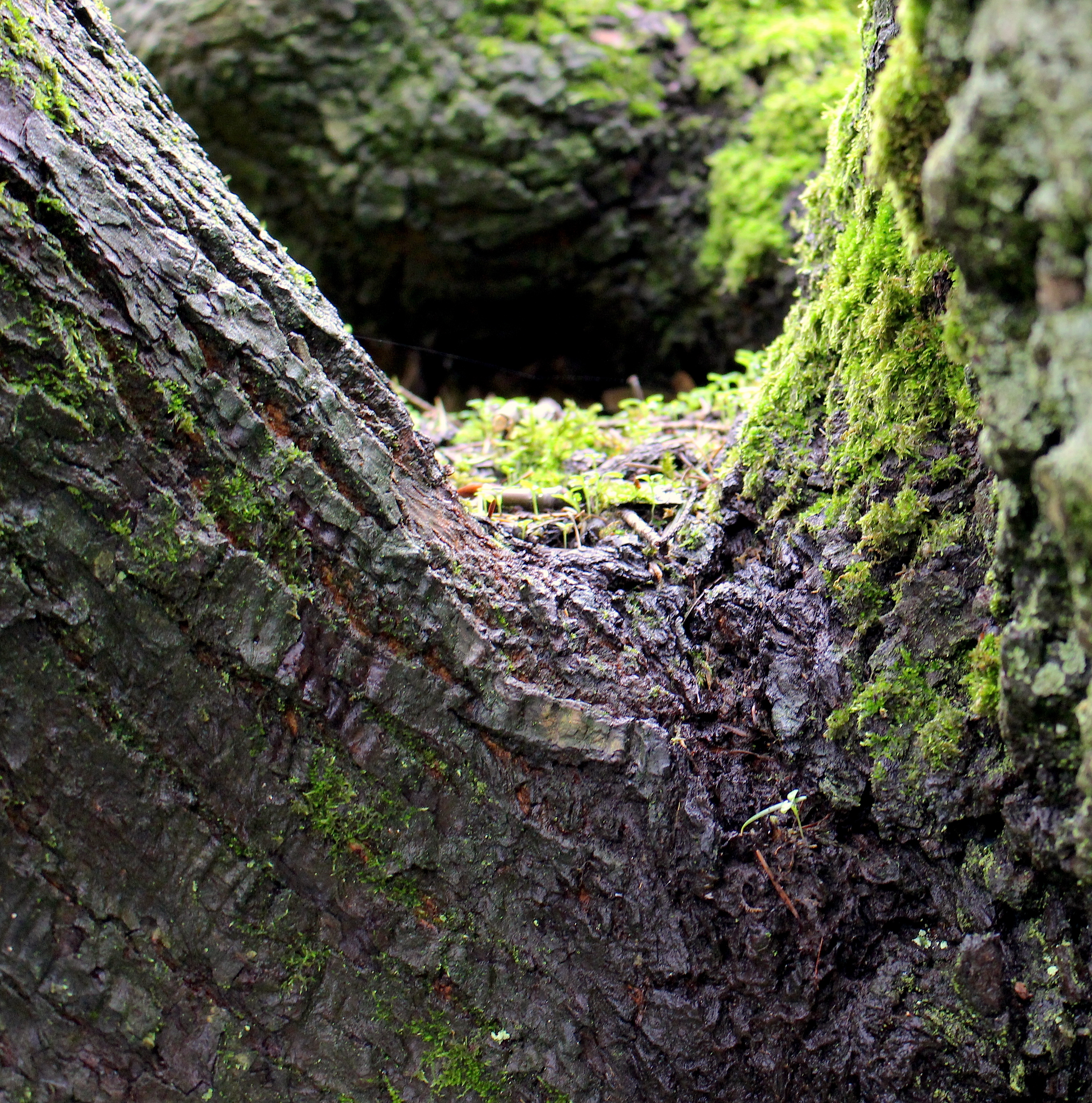
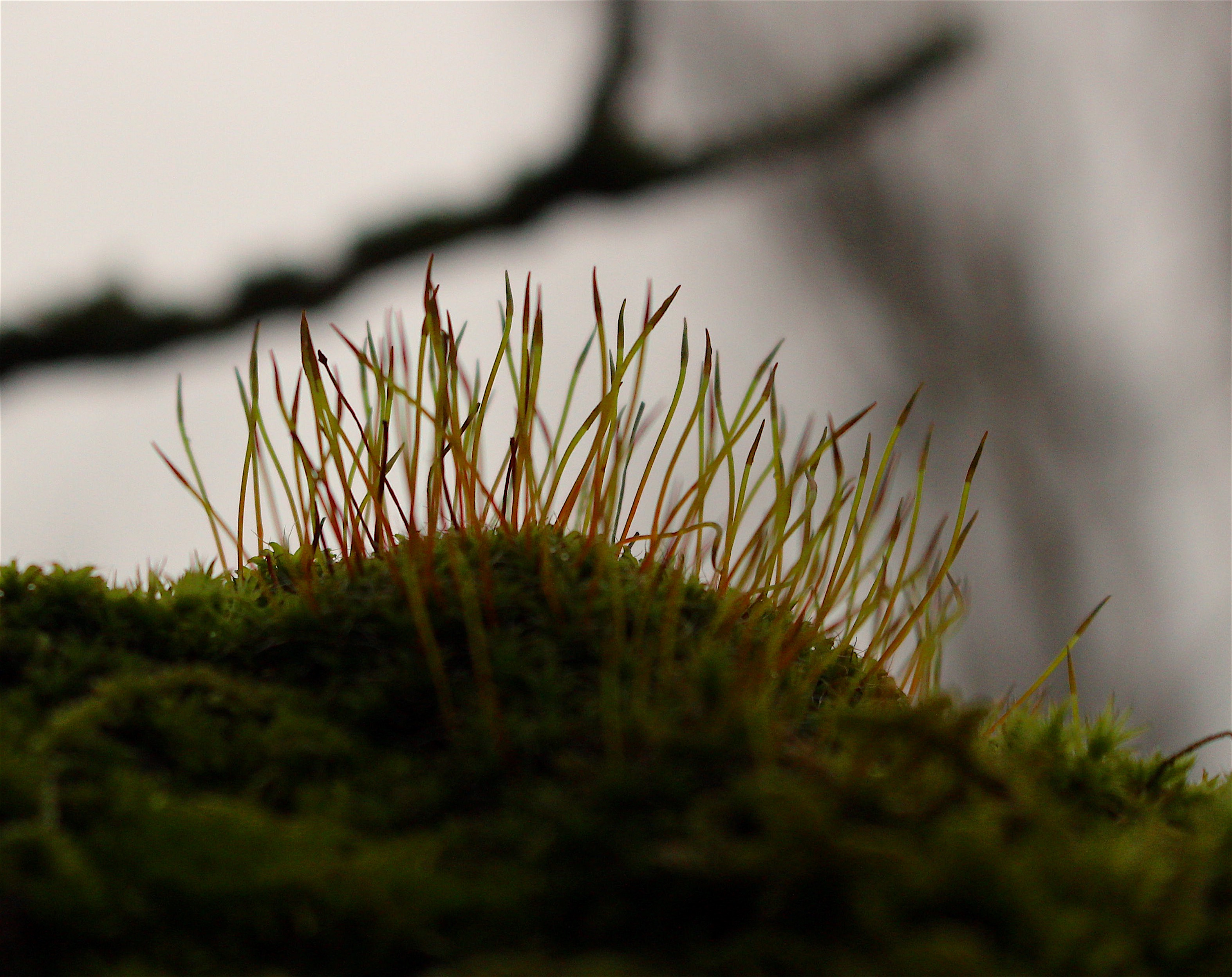
Moss the color of malachite weaves
its way up and under bark crevices of an old oak.
Enchanting furry tendrils reach out
as I walk past, my head burrowed
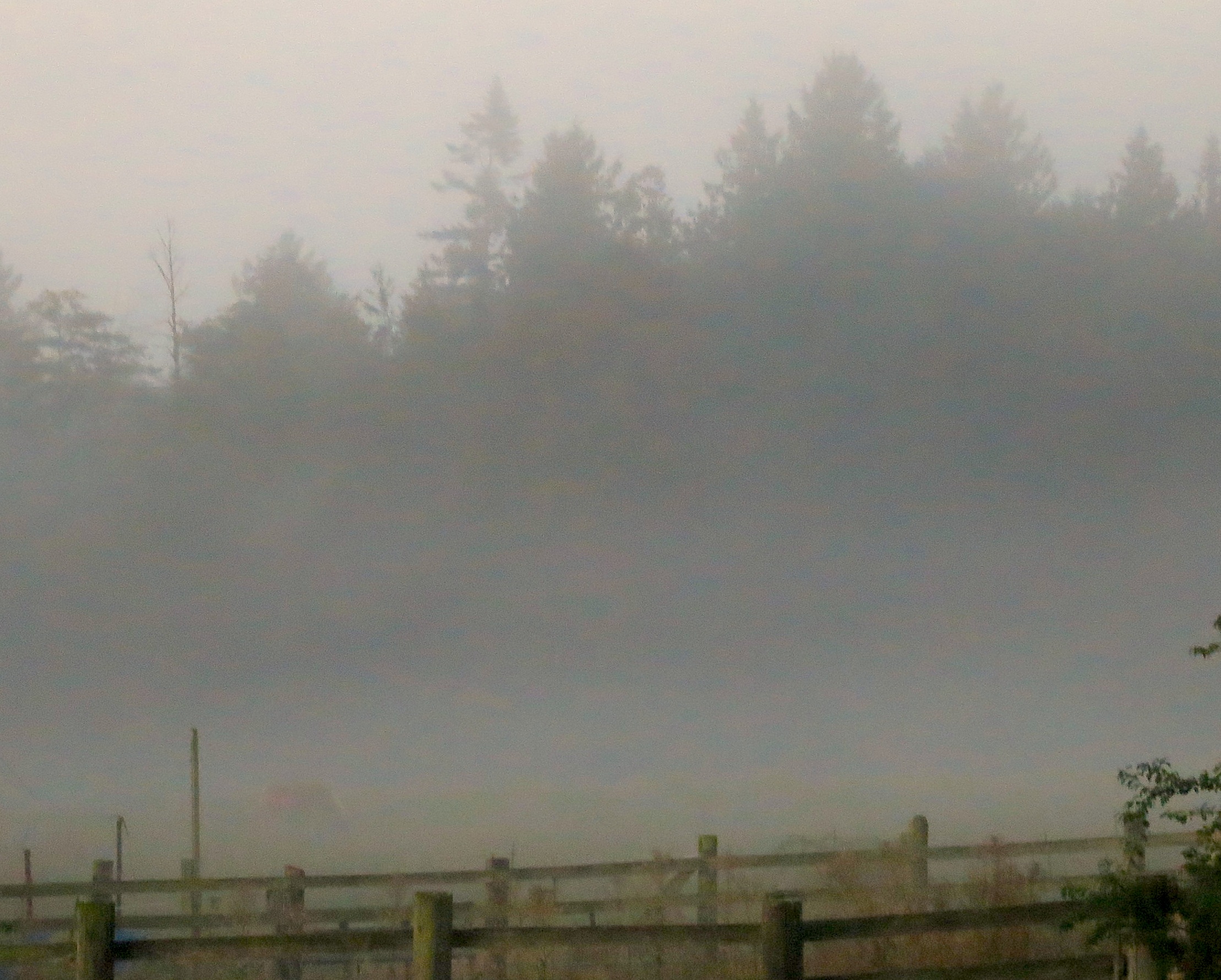
against the January morning fog.

Because it seems the sun
has vanished for the foreseeable future,
I am so lost in grayness I resist
the curled invitations
to dig deep, to engage
to applaud the colors of the fog
even as it surrounds me.
~Claire Weiner,”The Sun is in Hiatus”  from VerseWrights Journal

Come here
and share the rain
with me. You.
Isn’t it wonderful to hear
the universe
shudder. How old it all,
everything,
must be.
~Eileen Myles from “And Then the Weather Arrives”

I’m looking longingly at a weather prediction for rain all day.  I want gray, wet and miserable when I am buried in a windowless room at work all day.

Some winters bring too much perfection for too long:  360 degree views of snowy mountains and foothills that gleam in the sun, glistening crystalline fields of frost, sparkling clear waters in Puget Sound,  and bright blue cloudless skies. It is difficult for any northwest native to tolerate.    It is hard work keeping up the smiles and general good humor that goes with excellent weather.   There is always a clear expectation that one should be outside enjoying the rare sunny day, when it is far more appealing to curl up with a good book and a warm dog by a roaring fire, pretending not to notice how nice it is out.

We native Washingtonians are congenitally grumpy people, born to splash through puddles and lose our boots in footwear-sucking mud.    We don’t carry umbrellas because they are useless when our horizontal rain comes from the side, not from the top.   We wear sunglasses on mid-winter sunny days because we can’t possibly get our eyes to adjust to so much brightness.   We perpetually wear sweatshirt hoods and baseball caps, even when we are indoors, just in case,  because you never know.

Gray is preferred.   Gray with wet and cold is even better.   No one even questions my staying sequestered inside on days like this.   Being in a good mood would be highly suspect.

So I savor the opportunity to act outwardly disgruntled with such obvious justification as a rainy evening.

Downright crabby.  No apologies needed.  No excuses given.

It’s almost enough to put a smile on my face.

God is Weeping

The day is cold, and dark, and dreary
It rains, and the wind is never weary;
The vine still clings to the mouldering wall,
But at every gust the dead leaves fall,
And the day is dark and dreary.

My life is cold, and dark, and dreary;
It rains, and the wind is never weary;
My thoughts still cling to the mouldering Past,
But the hopes of youth fall thick in the blast,
And the days are dark and dreary.

Be still, sad heart! and cease repining;
Behind the clouds is the sun still shining;
Thy fate is the common fate of all,
Into each life some rain must fall,
Some days must be dark and dreary.
~Henry Wadsworth Longfellow “The Rainy Day”

People who grow up in the Pacific Northwest suffer from peculiar climate-related disorders unique to only to us.   This deserves a page in the next version of the DSM — the diagnostic psychiatric manual:  we in the PNW don’t feel 100% normal unless it is raining.  We love weather like we’re having right now – full on gray and full on wet with threats of northeast winds and snow.

In fact, we born and bred web-footers can feel downright depressed when it is sunny all the time.  We groan inwardly when yet another day dawns bright instead of gray, we start to look longingly at accumulating clouds,  and we get positively giddy when morning starts with a drizzly mist.

It’s difficult to say what exactly is at work in brain chemistry in cases like this.  It is the opposite effect of classically described Seasonal Affective Disorder diagnosed especially in those transplants from more southerly climates who get sadder and slowed down with darker days and longer nights.   In people like me, born a stone’s throw from Puget Sound, the more sunlight there is, the more doldrums I feel:  desolaration (desolation from too much solar exposure).   The grayer the day, the wetter the sky–> a lightening of the heart and the spirit:  precipilicity (felicity arising from precipitation).

Like most northwesterners, I have low Vitamin D levels even in the summer.  It just isn’t seemly to expose all that skin to UV light.

So I celebrate the profound relief of a rainy day, thank you.   There would be no internal conflict about feeling compelled to go outside to work up a sweat and soak up the elusive sun rays.   There would only be the cozy invitation to stay inside to read and write and sleep.

I know I’m not alone in this disorder.  Many of us are closet sufferers but would never admit it in polite company.  To complain about sunny days is perceived as meteorologically, spiritually and poetically incorrect.  It is time to acknowledge that many of us are in this wet boat rowing together.

Robert Frost (definitely not a northwesterner) confessed his own case of desolaration in the first stanza of his poem November Guest:

My Sorrow, when she’s here with me,
Thinks these dark days of autumn rain
Are beautiful as days can be;
She loves the bare, the withered tree;
She walks the sodden pasture lane.

And Jack Handey, the satirist, summarizes the real reason for the guilty pleasure of the northwest native in liking rain:

“If a kid asks where rain comes from, I think a cute thing to tell him is ‘God is crying.’
And if he asks why God is crying, another cute thing to tell him is ‘Probably because of something you did.”

Okay, okay, I guess we’ve been really naughty to have so much rainfall in the last month. We should repent for our misbehavior and eventually God’s tears will dry up and the sun would shine again.

Then again, maybe God likes a good rain and a good cry as much as we do.