Who loves the rain And loves his home, And looks on life with quiet eyes, Him will I follow through the storm; And at his hearth-fire keep me warm; Nor hell nor heaven shall that soul surprise, Who loves the rain, And loves his home, And looks on life with quiet eyes. ~Frances Shaw, “Who loves the rain” from Look To the Rainbow
I would like to be the air that inhabits you for a moment only. I would like to be that unnoticed and that necessary. ~Margaret Atwood from “Variation on the Word Sleep”
For Dan’s birthday…
In this journey together, we inhabit each other, however long may be the road we travel; you have become the air I breathe, refreshing, renewing, restoring~~ you are that necessary to me, and that beloved.
Each year, as we grow older together: grayer, softer, gentler with ourselves, each other and the world.
I pause, on this day you were born, to thank God yet again for bringing you to earth so we could meet, raise three amazing children, and walk this journey together with pulse and breath and dreams.
It was your quiet brown eyes I trusted first and just knew I’d follow you anywhere and I have…
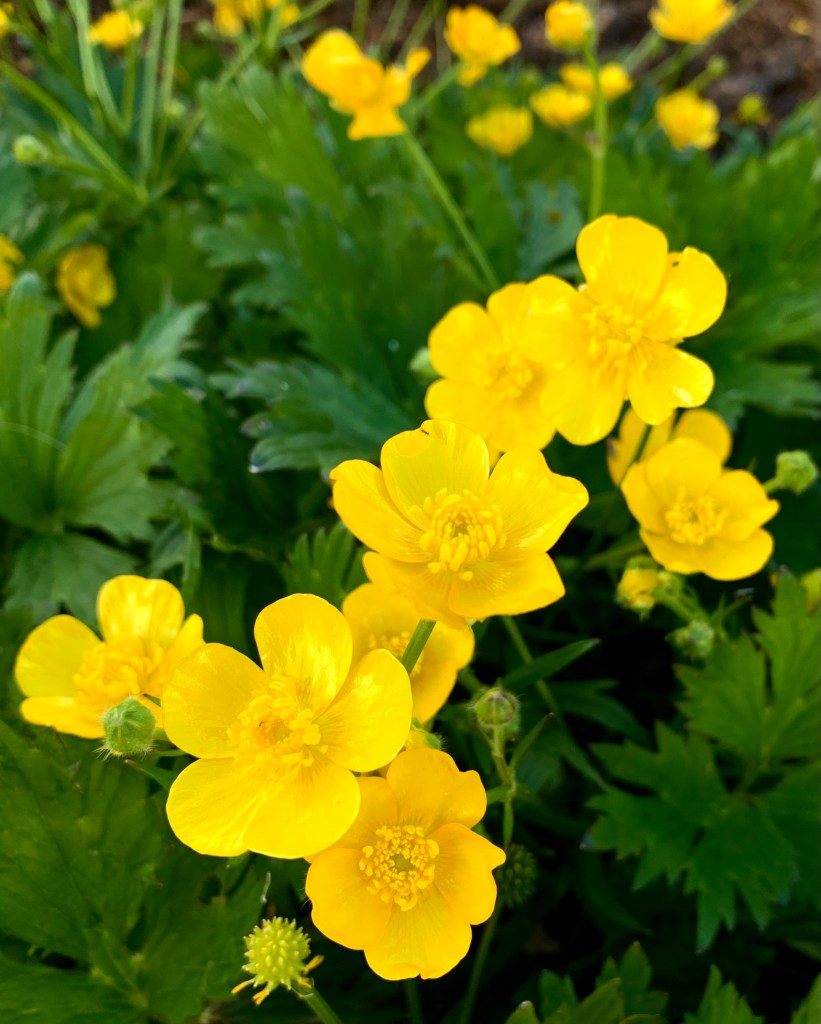
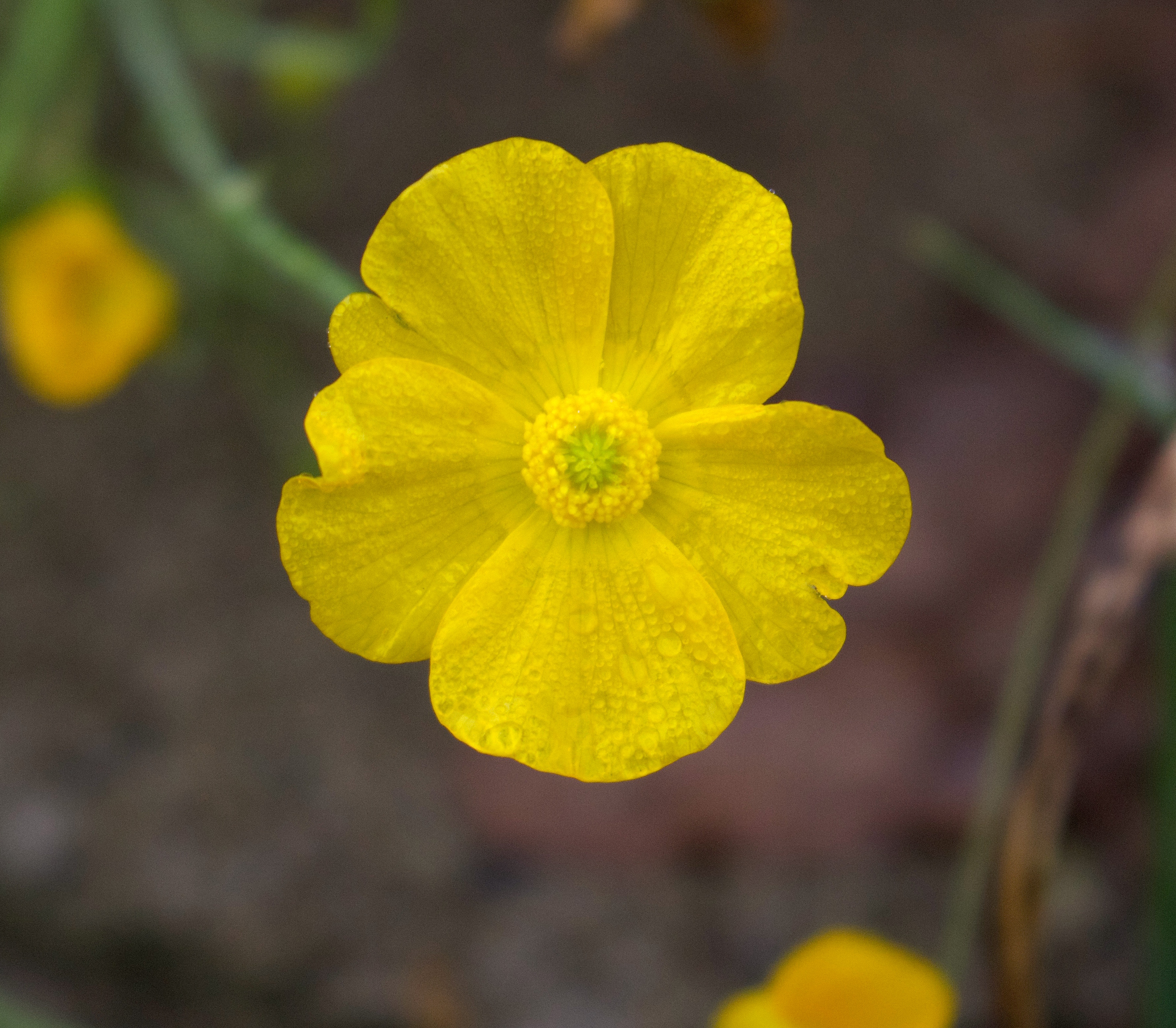
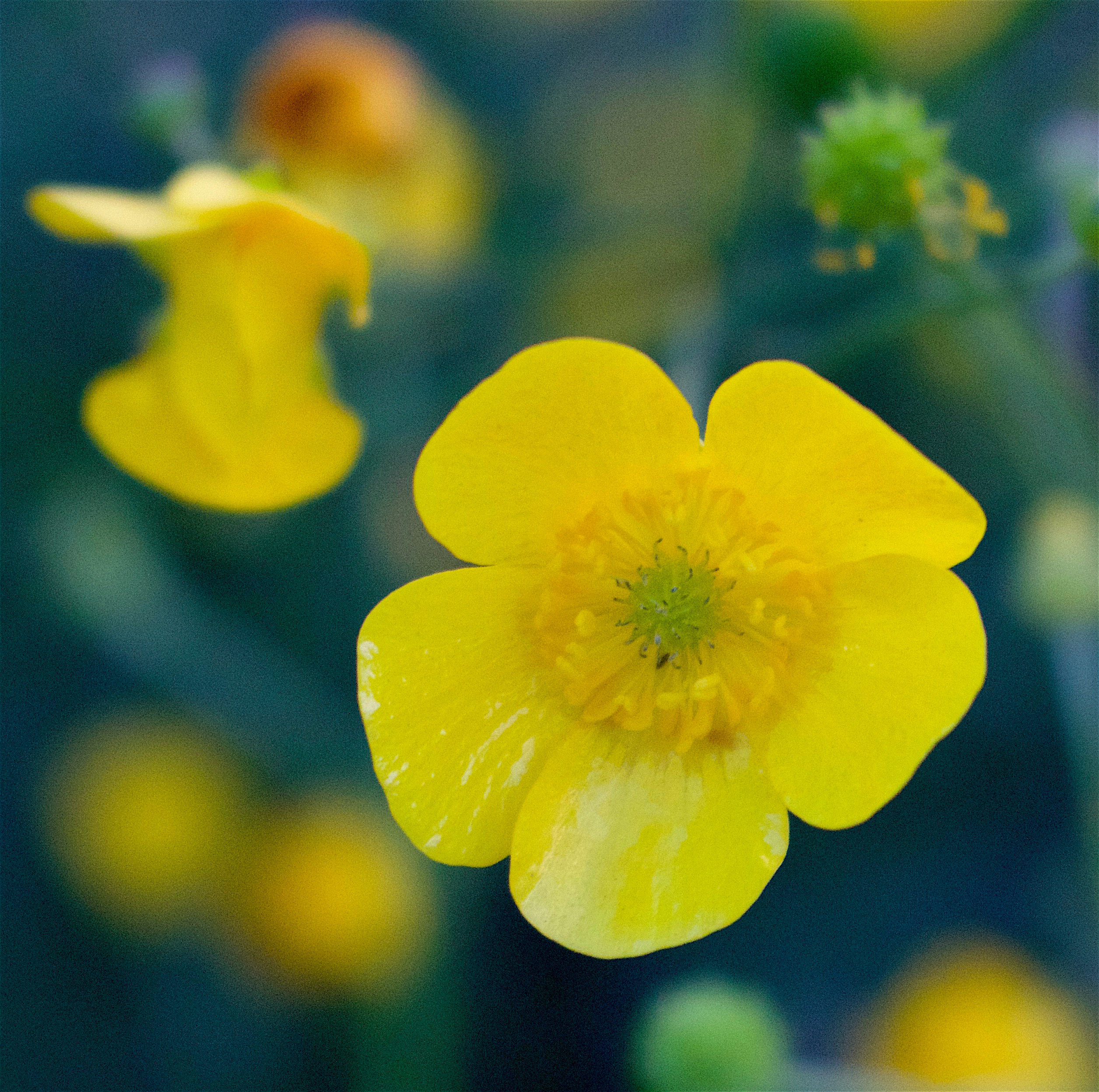
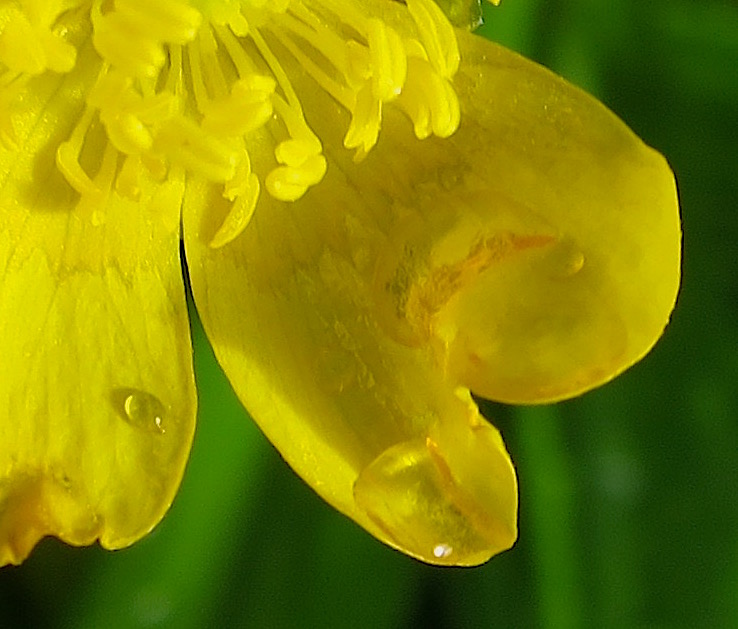
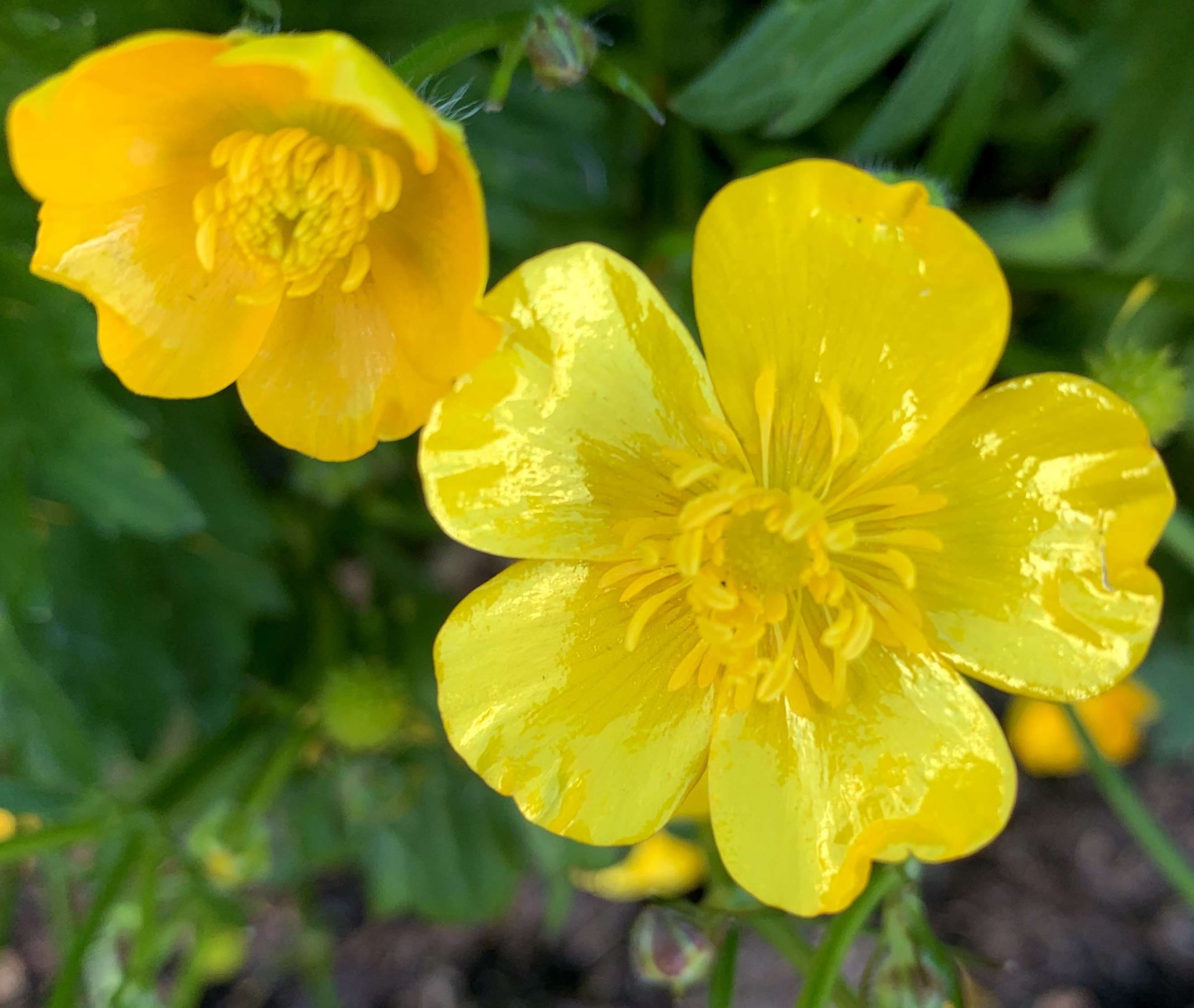
Buttercup’s heart was a secret garden and the walls were very high.
Buttercup: We’ll never survive. Westley: Nonsense. You’re only saying that because no one ever has.
Westley: Hear this now. I will always come for you. Buttercup: But how can you be sure? Westley: This is true love. You think this happens every day?
************************
Westley: “I told you I would always come for you. Why didn’t you wait for me?” Buttercup: “Well… you were dead.” Westley: “Death cannot stop true love. All it can do is delay it for a while.” Buttercup: “I will never doubt again.” Westley: “There will never be a need.”
That day, she was amazed to discover that when he was saying “As you wish”, what he meant was, “I love you.” And even more amazing was the day she realized she truly loved him back. ~William Golding, above quotes from The Princess Bride
How was I ever blessed to find just such a farm boy? A farm boy who says “I love you” in many ways every day, as the walls of my secret garden heart come tumbling down…
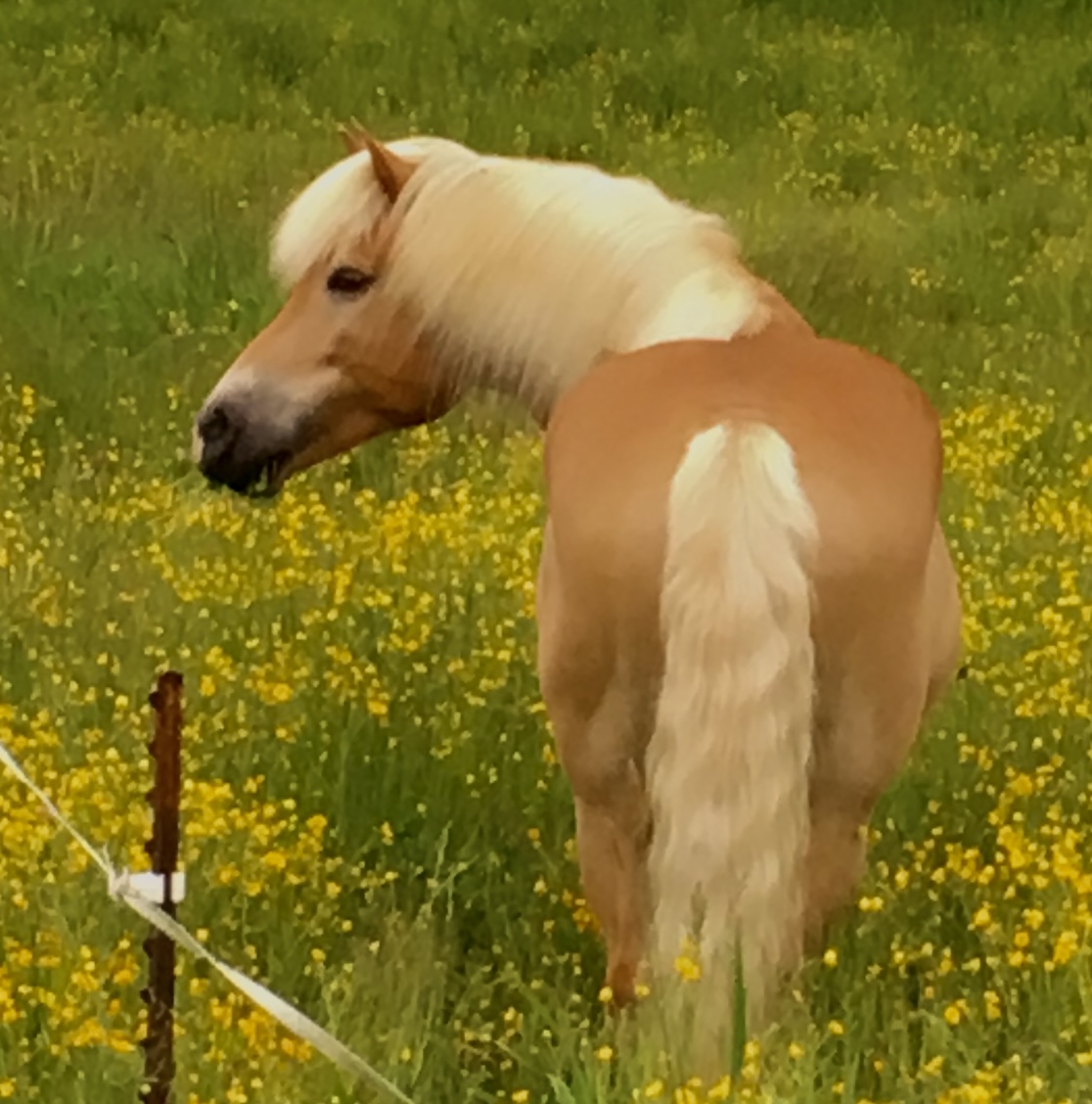
buttercup pony
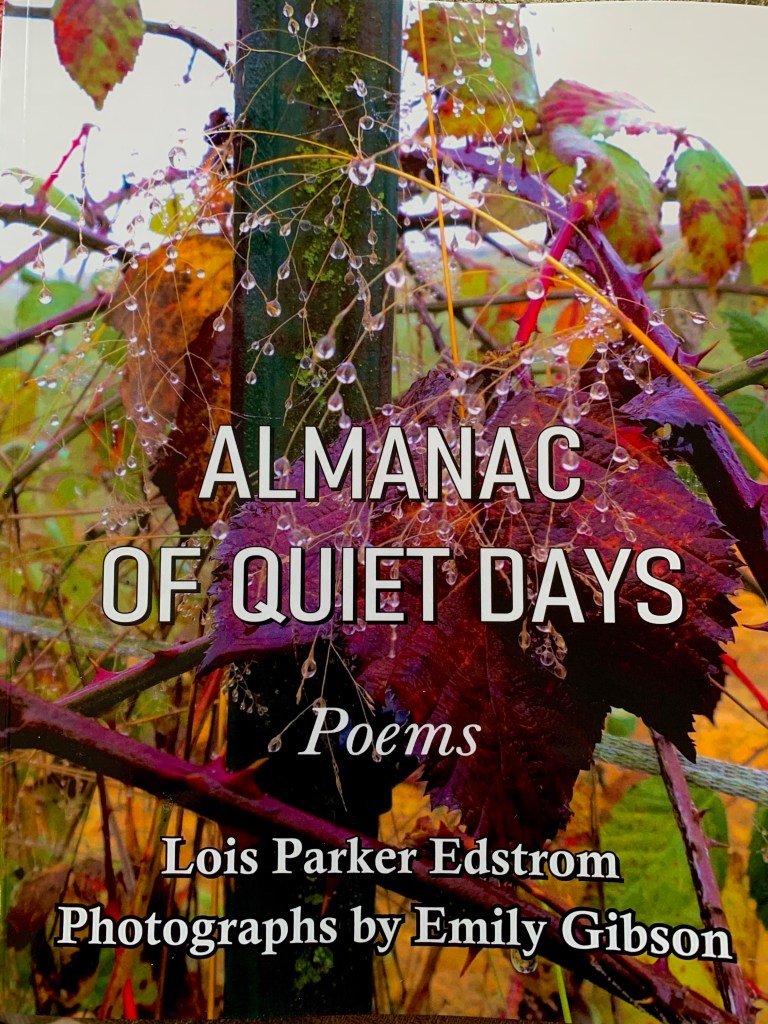
A new book from Barnstorming – more information about ordering here:
Sometimes, in the middle of a crowded store on a Saturday afternoon, my husband will rest his hand on my neck, or on the soft flesh belted at my waist, and pull me to him. I understand
his question: Why are we so fortunate when all around us, friends are falling prey to divorce and illness? It seems intemperate to celebrate in a more conspicuous way
so we just stand there, leaning in to one another, until that moment of sheer blessedness dissolves and our skin, which has been touching, cools and relents,
settling back into our separate skeletons as we head toward Housewares to resume our errands. ~Sue Ellen Thompson, “Leaning In” from The Golden Hour
It never fails to amaze me that after nearly forty years of life together, even in the most mundane moments, I still feel that invisible connection to you no matter where we are. That connection is made visible and tangible in our children and now our grandchildren.
We are blessed to have found each other and to regularly remind ourselves of that. We were meant to be and everything good continues to flow from that.
Soli Deo gloria.
A new book available from Barnstorming – information on how to order here
No doubts are permitted— though they will come and may before our time overwhelm us.
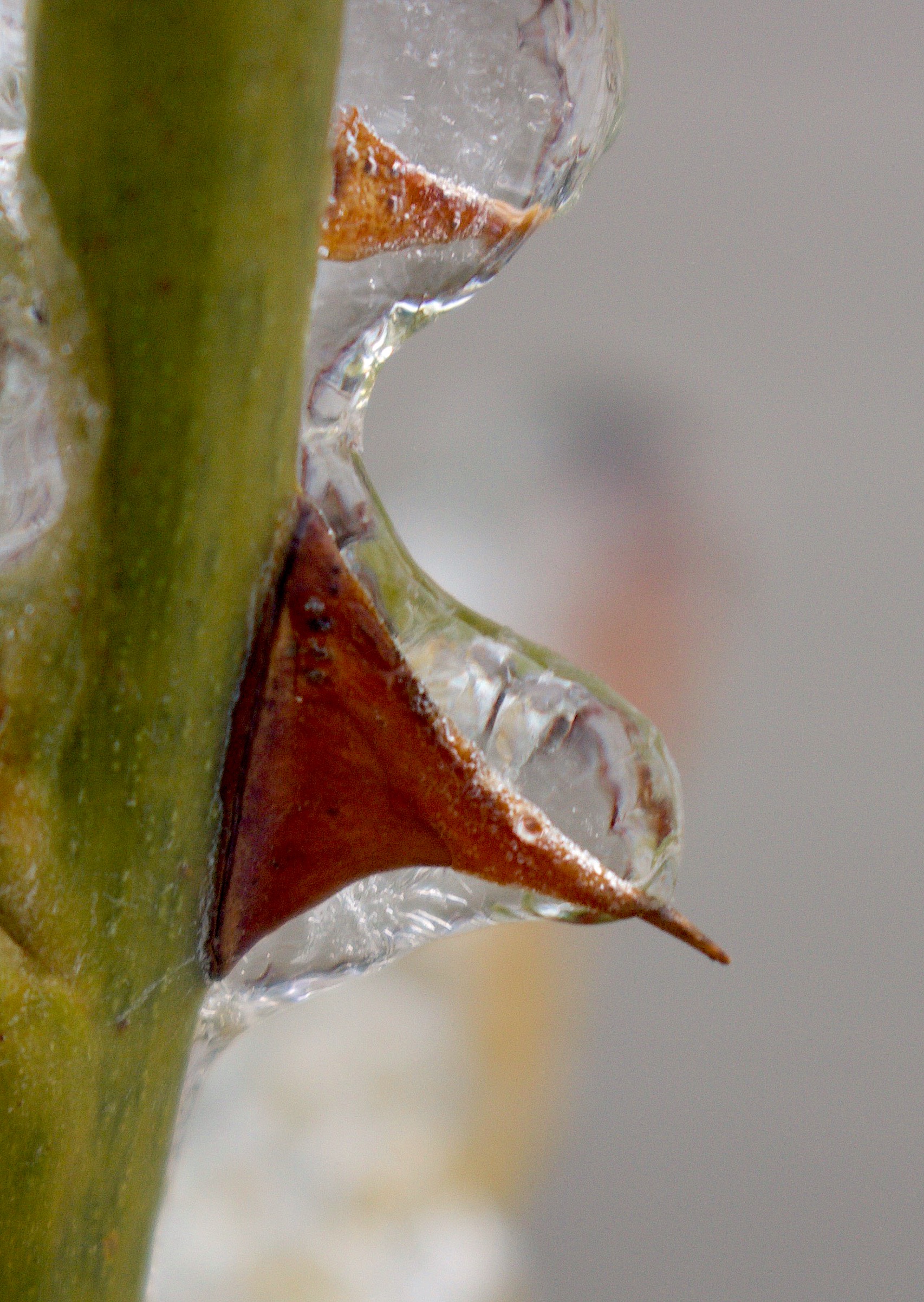
Just as the nature of briars is to tear flesh, I have proceeded through them. Keep the briars out, they say. You cannot live and keep free of briars.
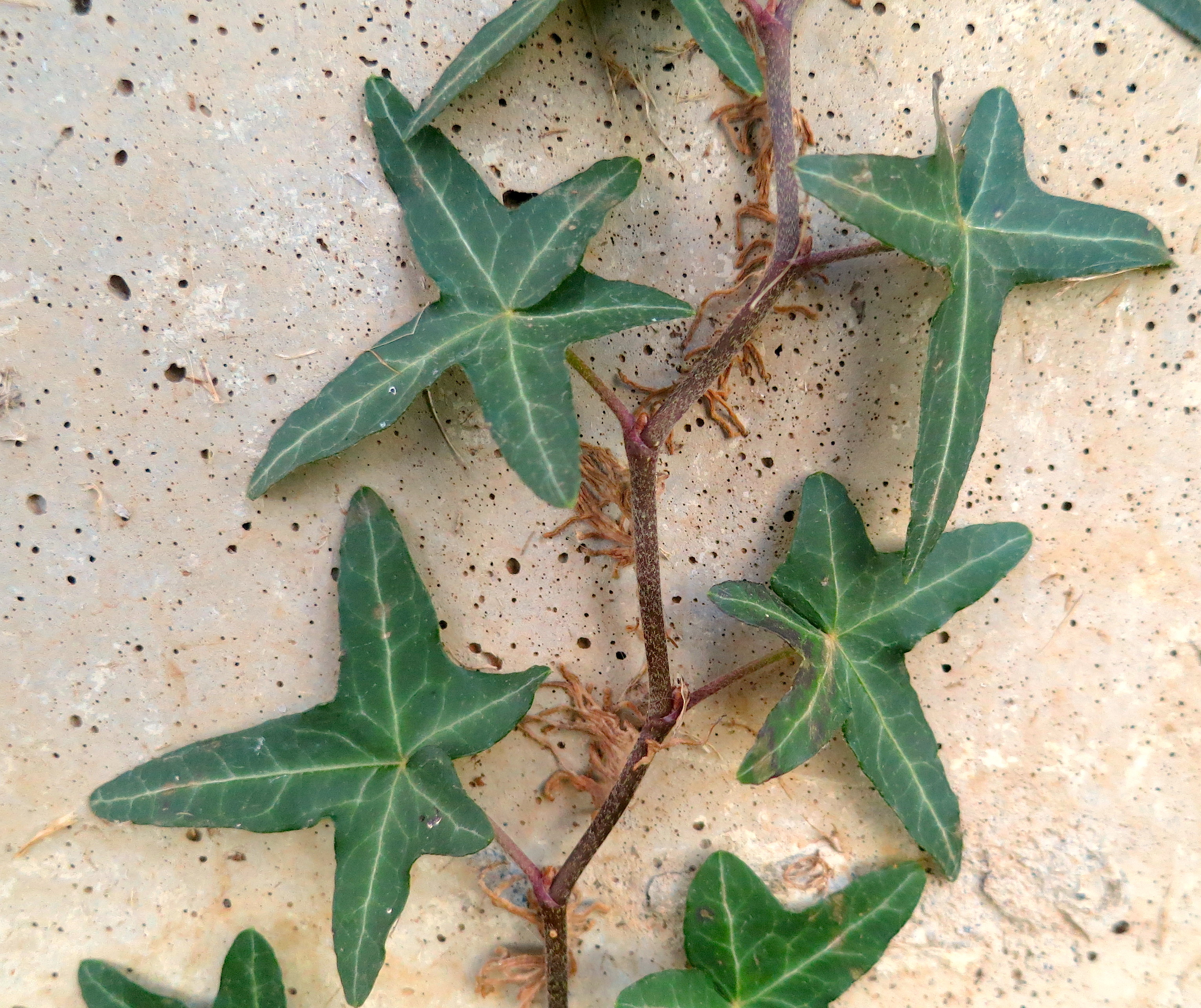
At our age the imagination across the sorry facts lifts us to make roses stand before thorns.
But we are older, I to love and you to be loved, we have, no matter how, by our wills survived to keep the jeweled prize always at our finger tips. We will it so and so it is past all accident. ~William Carlos Williams (written at age 72) from “The Ivy Crown”
How can we, at our age, who have treated love as no accident, looking into a well of such depth and richness – how can we tell the young to will their love to survive – to strive through thorns and briars, though tears wept and flesh torn, to come to cherish the prize of rose and ivy crown.
It is everything that matters, this crown of love we have willed and worn together:
I love you or I do not live at all. I to love and you to be loved.
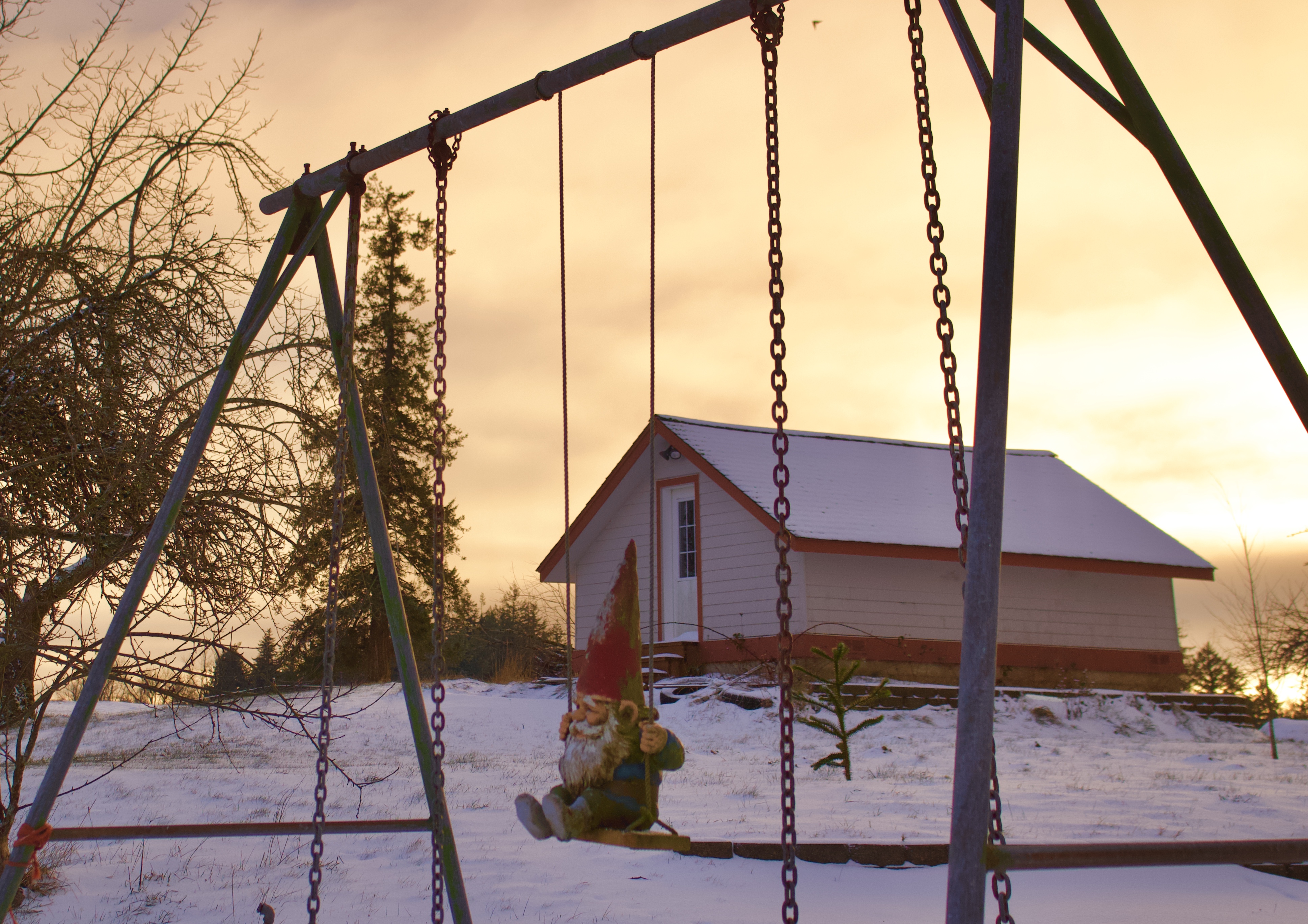
When it snows, he stands at the back door or wanders around the house to each window in turn and watches the weather like a lover.
O farm boy, I waited years for you to look at me that way. Now we’re old enough to stop waiting for random looks or touches or words, so I find myself watching you watching the weather, and we wait together to discover whatever the sky might bring. ~Patricia Traxler “Weather Man”
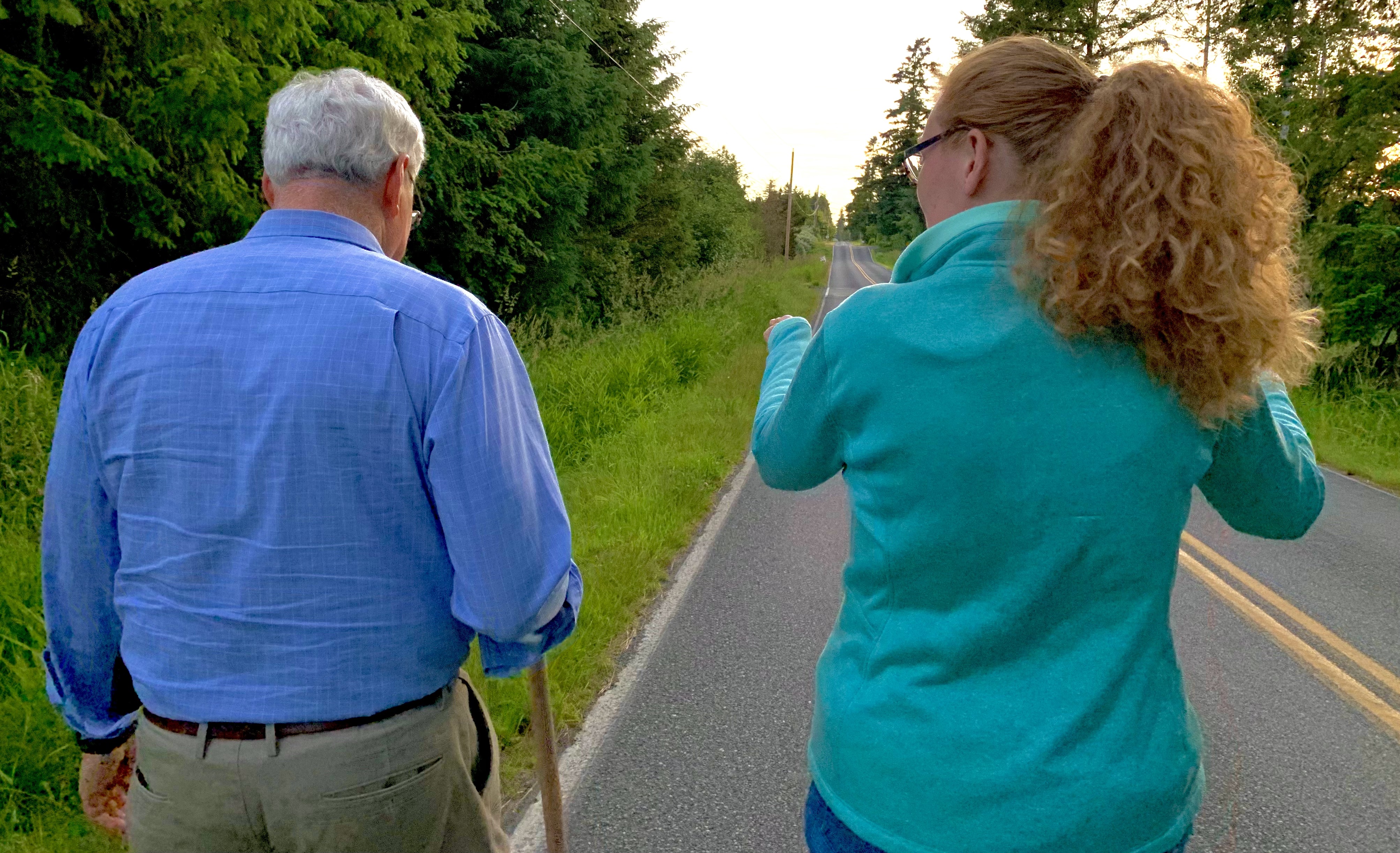
My farm boy always looked at me that way, and still does — wondering if today will bring a hard frost, a chilly northeaster, a scorcher, or a deluge, and I reassure him as best I can, because he knows me so well in our many years together: today, like every other day, will always be partly sunny with some inevitable cloud cover and always a possibility of rain.
When I wake up earlier than you and you are turned to face me, face on the pillow and hair spread around, I take a chance and stare at you, amazed in love and afraid that you might open your eyes and have the daylights scared out of you. But maybe with the daylights gone you’d see how much my chest and head implode for you, their voices trapped inside like unborn children fearing they will never see the light of day. The opening in the wall now dimly glows its rainy blue and gray. I tie my shoes and go downstairs to put the coffee on. ~Ron Padgett, “Glow” from Collected Poems.
It is my morning routine to wake early and I take a moment to look at you still asleep, your slow even breaths and peaceful face- I’m thankful for every day I get to spend with you.
I know you know this~ we remind each other each day in many ways, to never forget.
What blessing comes from a love openly expressed and never hidden~ thriving in the dark of night, yet never shining brighter than in the delights and daylights of each new morning together.
I got out of bed on two strong legs. It might have been otherwise. I ate cereal, sweet milk, ripe, flawless peach. It might have been otherwise. I took the dog uphill to the birch wood. All morning I did the work I love. At noon I lay down with my mate. It might have been otherwise. We ate dinner together at a table with silver candlesticks. It might have been otherwise. I slept in a bed in a room with paintings on the walls, and planned another day just like this day. But one day, I know, it will be otherwise. ~Jane Kenyon “Otherwise” from Otherwise
We become complacent in our routines, confident in the knowledge that tomorrow will be very much like yesterday. The small distinct blessings of an ordinary day become lost in the rush of moving forward to the next experience, the next task, the next responsibility.
The reality is there is nothing ordinary about this day – it could be otherwise and some day it will be otherwise.
Jane Kenyon wrote much of her best poetry in the knowledge she was dying of leukemia. She reminds us that we don’t need a terminal diagnosis to understand the blessings of each ordinary moment.
So I look around longingly at the blessings of my life that I don’t even realize, knowing that one day, it will be otherwise. I dwell richly in the experience of these moments, these peaches and cream of daily life, as they are happening.
In the quiet misty morning When the moon has gone to bed, When the sparrows stop their singing And the sky is clear and red, When the summer’s ceased its gleaming When the corn is past its prime, When adventure’s lost its meaning – I’ll be homeward bound in time
Bind me not to the pasture Chain me not to the plow Set me free to find my calling And I’ll return to you somehow
If you find it’s me you’re missing If you’re hoping I’ll return, To your thoughts I’ll soon be listening, And in the road I’ll stop and turn Then the wind will set me racing As my journey nears its end And the path I’ll be retracing When I’m homeward bound again
Bind me not to the pasture Chain me not to the plow Set me free to find my calling And I’ll return to you somehow
In the quiet misty morning When the moon has gone to bed, When the sparrows stop their singing I’ll be homeward bound again. ~Marta Keen “Homeward Bound”
Seventy eight years ago, my parents married on Christmas Eve. It was not a conventional wedding day but a date of necessity, only because a justice of the peace was available to marry a score of war-time couples in Quantico, Virginia, shortly before the newly trained Marine officers were shipped out to the South Pacific to fight in WWII.
When I look at my parents’ young faces – ages 22 and just turned 21 — in their only wedding portrait, I see a hint of the impulsive decision that led to that wedding just a week before my father left for 30 months. They had known each other at college for over a year, had talked about a future together, but with my mother starting a teaching job in a rural Eastern Washington town, and the war potentially impacting all young men’s lives very directly, they had not set a date.
My father put his college education on hold to enlist, knowing that would give him some options he wouldn’t have if drafted, so they went their separate ways as he headed east to Virginia for his Marine officer training, and Mom started her high school teaching career as a speech and drama teacher. One day in early December of 1942, he called her and said, “If we’re going to get married, it’ll need to be before the end of the year. I’m shipping out the first week in January.” Mom went to her high school principal, asked for a two week leave of absence which was granted, told her astonished parents, bought a dress, and headed east on the train with a friend who had received a similar call from her boyfriend.
This was a completely uncharacteristic thing for my overly cautious mother to do, so… it must have been love.
They were married in a brief civil ceremony with another couple as the witnesses. They stayed in Virginia only a couple days and took the train back to San Diego, and my father was shipped out. Just like that. Mom returned to her teaching position and the first three years of their married life was composed of letter correspondence only, with gaps of up to a month during certain island battles when no mail could be delivered or posted.
As I sorted through my mother’s things following her death over a decade ago, I found their war-time letters to each other, stacked neatly and tied together in a box.
In my father’s nearly daily letters home to my mother during WWII, month after month after month, he would say, over and over, while apologizing for the repetition:
“I will come home to you, I will return, I will not let this change me, we will be joined again…”
This was his way of convincing himself even as he carried the dead and dying after island battles: men he knew well and the enemy he did not know. He knew they were never returning to the home they died protecting and to those who loved them.
He shared little of battle in his letters as each letter was reviewed and signed off by a censor before being sealed and sent. This story, however, made it through:
“You mentioned a story of Navy landing craft taking the Marines into Tarawa. It reminded me of something which impressed me a great deal and something I’m sure I’ll never forget.
So you’ll understand what I mean I’ll try to start with an explanation. In training – close order drill- etc. there is a command that is given always when the men form in the morning – various times during the day– after firing– and always before a formation is dismissed. The command is INSPECTION – ARMS. On the command of EXECUTION- ARMS each man opens the bolt of his rifle. It is supposed to be done in unison so you hear just one sound as the bolts are opened. Usually it is pretty good and sounds O.K.
Just to show you how the morale of the men going to the beach was – and how much it impressed me — we were on our way in – I was forward, watching the beach thru a little slit in the ramp – the men were crouched in the bottom of the boat, just waiting. You see- we enter the landing boats with unloaded rifles and wait till it’s advisable before loading. When we got about to the right distance in my estimation I turned around and said – LOAD and LOCK – I didn’t realize it, but every man had been crouching with his hand on the operating handle and when I said that — SLAM! — every bolt was open at once – I’ve never heard it done better – and those men meant business when they loaded those rifles.
A man couldn’t be afraid with men like that behind him.”
My father did return home to my mother after nearly three years of separation. He finished his college education to become an agriculture teacher to teach others how to farm the land while he himself became bound to the pasture and chained to the plow.
He never forgot those who died, making it possible for him to return home. I won’t forget either.
My mother and father could not have foretold the struggles that lay ahead for them. The War itself seemed struggle enough for the millions of couples who endured the separation, the losses and grieving, as well as the eventual injuries–both physical and psychological. It did not seem possible that beyond those harsh and horrible realities, things could go sour after reuniting.
The hope and expectation of happiness and bliss must have been overwhelming, and real life doesn’t often deliver. After raising three children, their 35 year marriage fell apart with traumatic finality. When my father returned home (again) over a decade later, asking for forgiveness, they remarried and had five more years together before my father died in 1995.
Christmas is a time of joy, a celebration of new beginnings and new life when God became man, humble, vulnerable and tender. But it also gives us a foretaste for the profound sacrifice made in giving up this earthly life, not always so gently.
As I peer at my father’s and mother’s faces in their wedding photo, I remember those eyes, then so trusting and unaware of what was to come. I find peace in knowing they returned home to behold the Light, the Salvation and the Glory~~the ultimate Christmas~~in His presence.
In the quiet misty morning When the moon has gone to bed, When the sparrows stop their singing And the sky is clear and red, When the summer’s ceased its gleaming When the corn is past its prime, When adventure’s lost its meaning – I’ll be homeward bound in time
Bind me not to the pasture Chain me not to the plow Set me free to find my calling And I’ll return to you somehow
If you find it’s me you’re missing If you’re hoping I’ll return, To your thoughts I’ll soon be listening, And in the road I’ll stop and turn Then the wind will set me racing As my journey nears its end And the path I’ll be retracing When I’m homeward bound again
Bind me not to the pasture Chain me not to the plow Set me free to find my calling And I’ll return to you somehow
In the quiet misty morning When the moon has gone to bed, When the sparrows stop their singing I’ll be homeward bound again. ~Marta Keen “Homeward Bound”
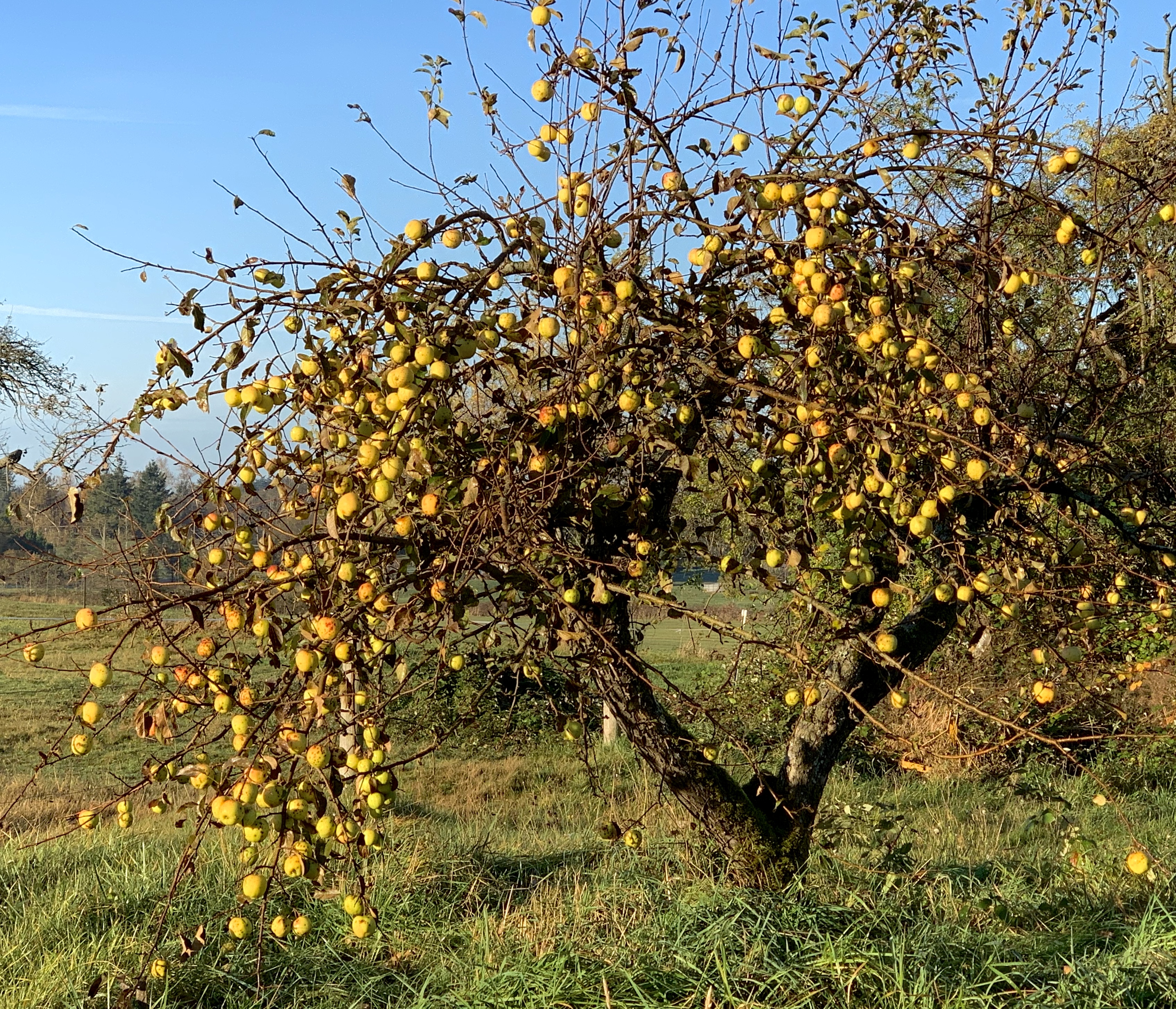
Night and day seize the day, also the night — a handful of water to grasp. The moon shines off the mountain snow where grizzlies look for a place for the winter’s sleep and birth. I just ate the year’s last tomato in the year’s fatal whirl. This is mid-October, apple time. I picked them for years. One Mcintosh yielded sixty bushels.
Fifty years later we hold each other looking out the windows at birds, making dinner, a life to live day after day, a life of dogs and children and the far wide country out by rivers, rumpled by mountains. So far the days keep coming. Seize the day gently as if you loved her. ~Jim Harrison, from “Carpe Diem” from Dead Man’s Float.
Forty some years later, the days keep coming, a life to live day after day after day. I try not to take a single one for granted, each morning a gift to be seized gently and embraced with reverent gratitude.
Even knowing I am meant to cherish this gift, I squander it. I grumble, I grouse, I can be tough to live alongside. I know better than to give into an impulse toward discontent, yet still it happens. Something inside me whispers that things could be better than they are — more of this, less of that — I tend to dwell on whatever my heart yearns for rather than the riches right in front of me.
I’m not the first one to struggle with this nor will I be the last. It turned out rather badly when those before me gave into their discontent and took what was not theirs to have.
We are still living out the consequences of that fall from grace.
Yet, even in our state of disgrace, despite our grumbling and groaning, we have been seized – gently and without hesitation – and held closely by One who loves us at our most unloveable.
Though my troubles and yearnings may continue, I will be content in that embrace, knowing even if I loosen my grip, I will not be let go.
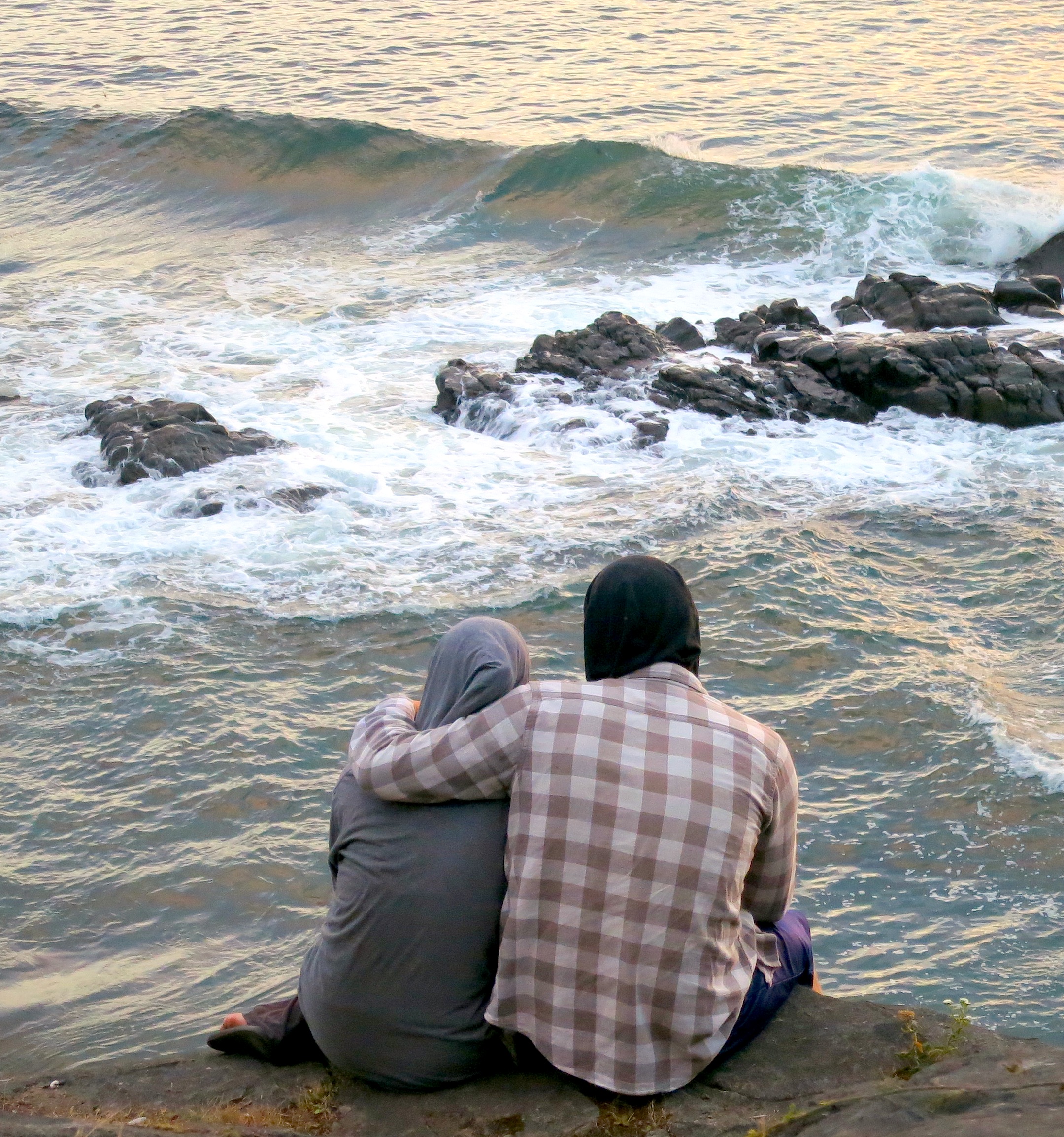
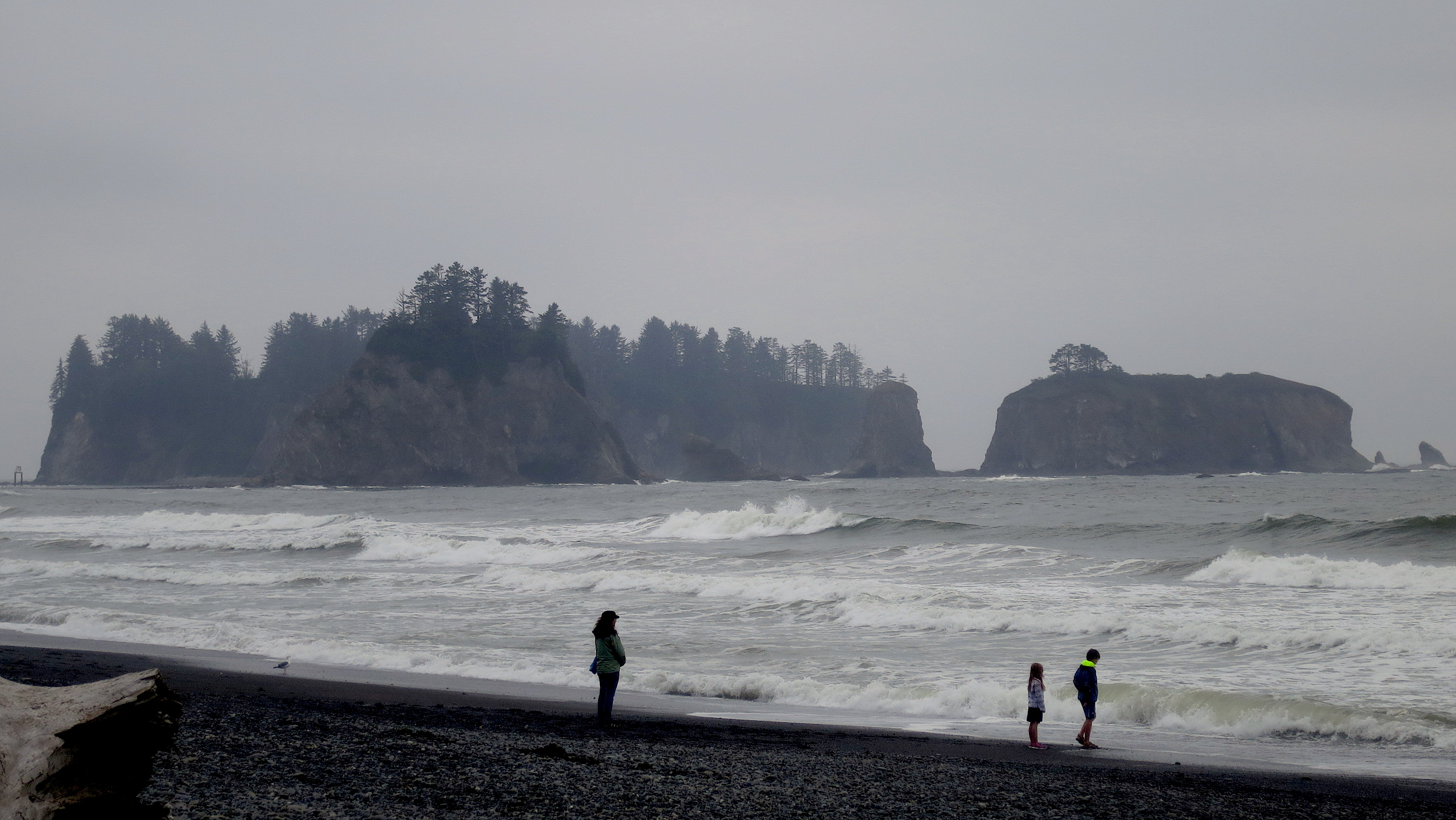
We walked at the edge of the sea, the dog, still young then, running ahead of us.
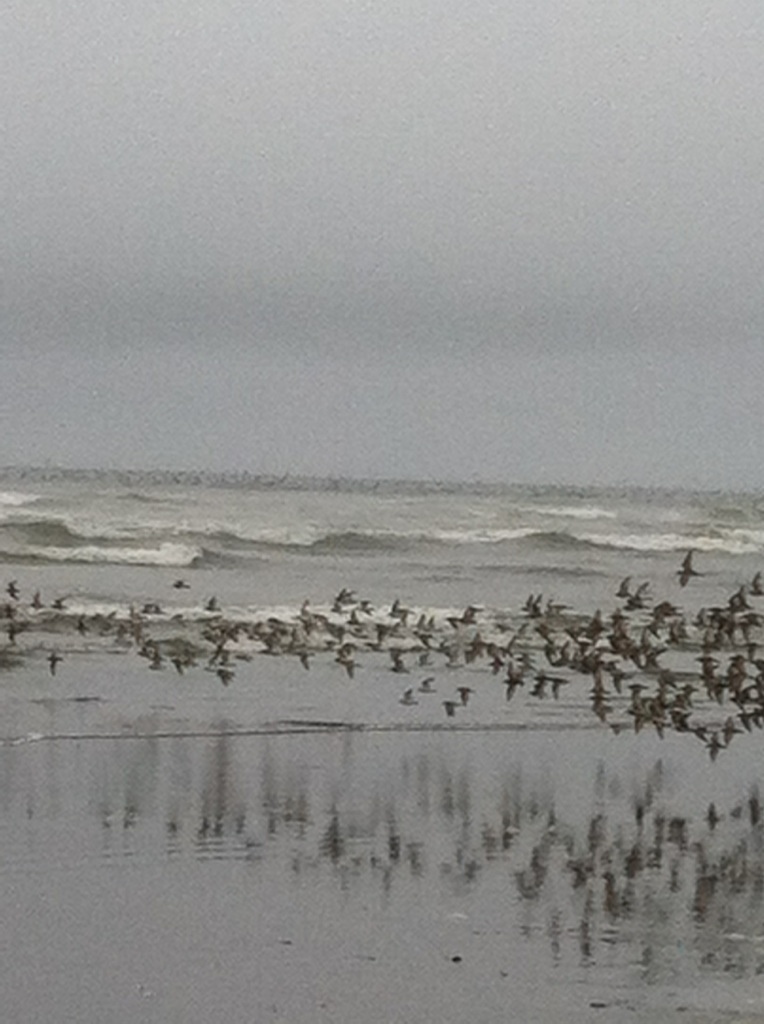
Few people. Gulls. A flock of pelicans circled beyond the swells, then closed their wings and dropped head-long into the dazzle of light and sea. You clapped your hands; the day grew brilliant.
Later we sat at a small table with wine and food that tasted of the sea.
A perfect day, we said to one another, so that even when the day ended and the lights of houses among the hills came on like a scattering of embers, we watched it leave without regret.
That night, easing myself toward sleep, I thought how blindly we stumble ahead with such hope, a light flares briefly—Ah, Happiness! then we turn and go on our way again.
But happiness, too, goes on its way, and years from where we were, I lie awake in the dark and suddenly it returns— that day by the sea, that happiness,
though it is not the same happiness, not the same darkness. ~Peter Everwine, “The Day,” from New Letters
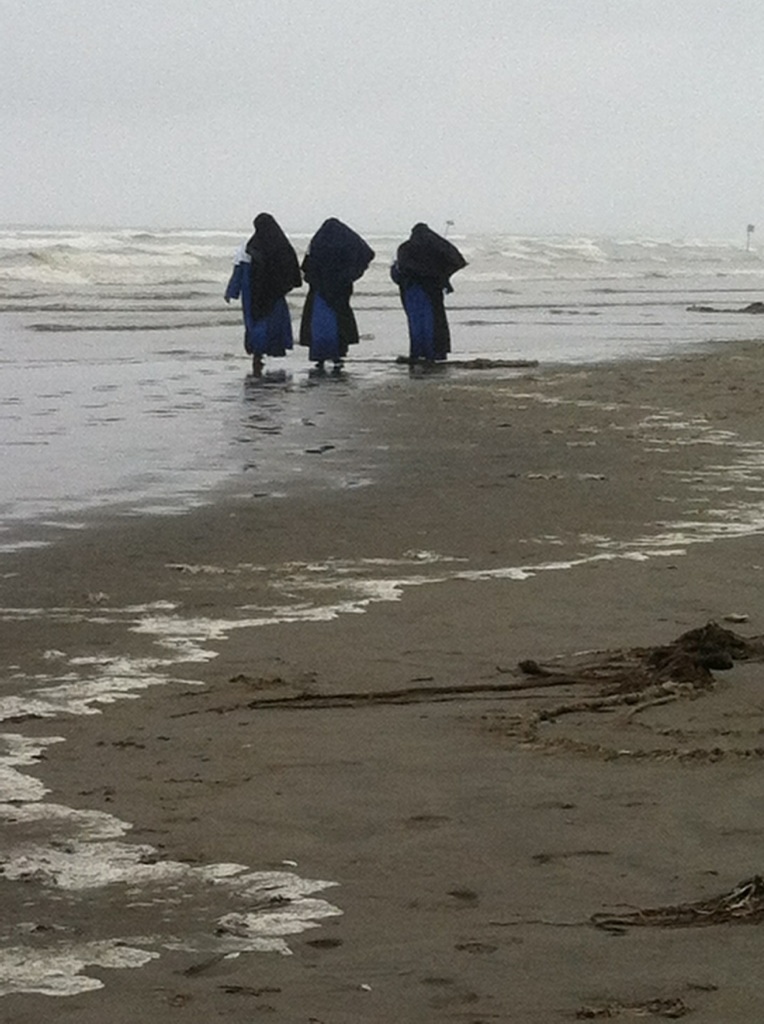
The beach at Tohoku, Japan where the tsunami hit in March 2011
The traumas of the past may revisit me in the night as they linger in the fringes of my mind, ready to creep back into my consciousness in times of stress. When I feel vulnerable and weak, I remind myself that past darkness must not overpower my nights. I try to call up different memories to push the sadness or fear back to the periphery.
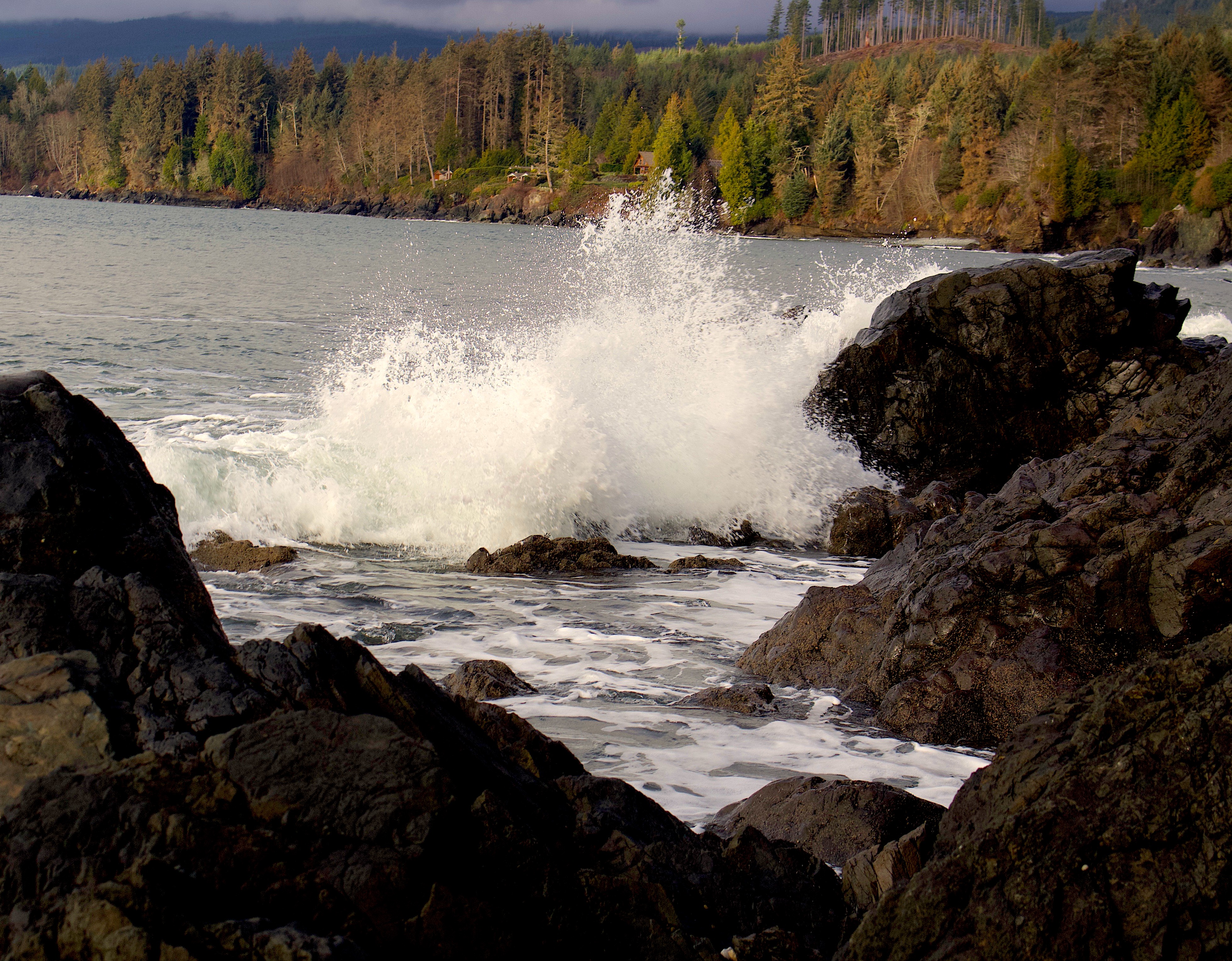
So I return to my visits to the sea.
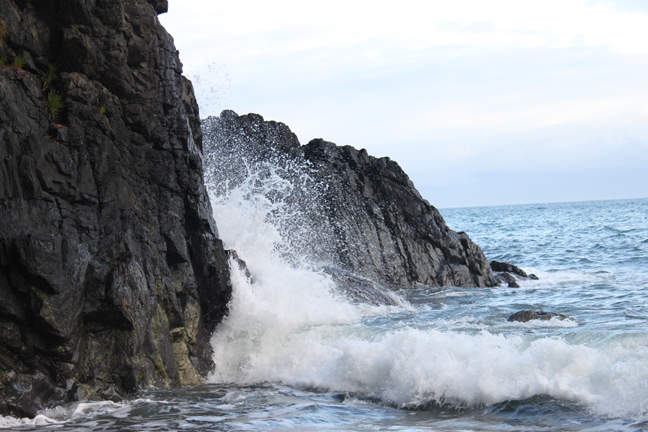
During those halcyon days, I was surrounded by beauty, of peacefulness, of family come together in warmth and closeness. Those times we’ve spent on the coast are treasures to open when I need them — breathing deeply of the sea, hearing the rhythm of the waves and feeling the cool breezes once again on my skin.
The memories themselves become precious reservoirs of happiness – readily renewed and refreshed. The darkness is overwhelmed, no longer overwhelming. Instead, it retreats from the shore of my mind like a wave pulls back into the depths of an endless sea.




























 Barnstorming