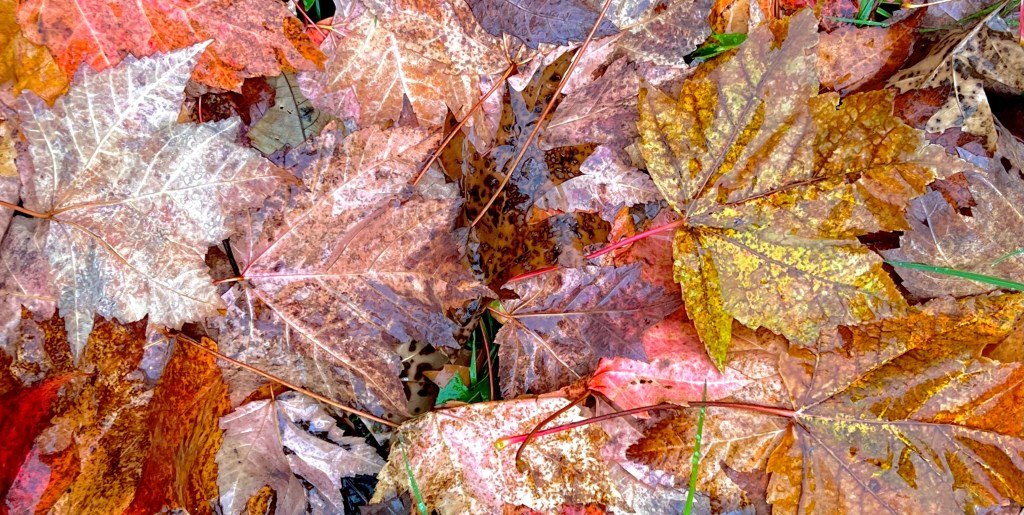
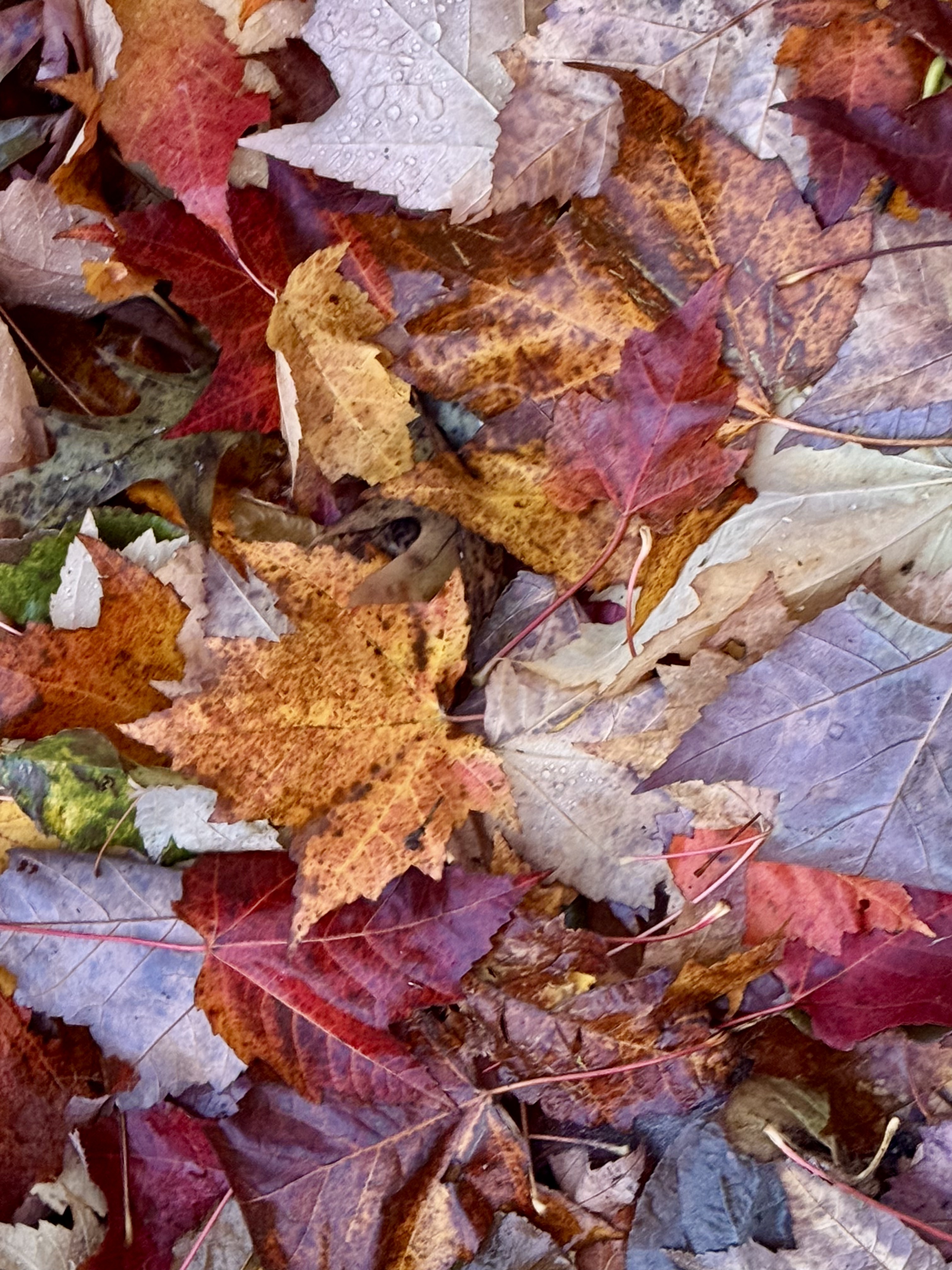
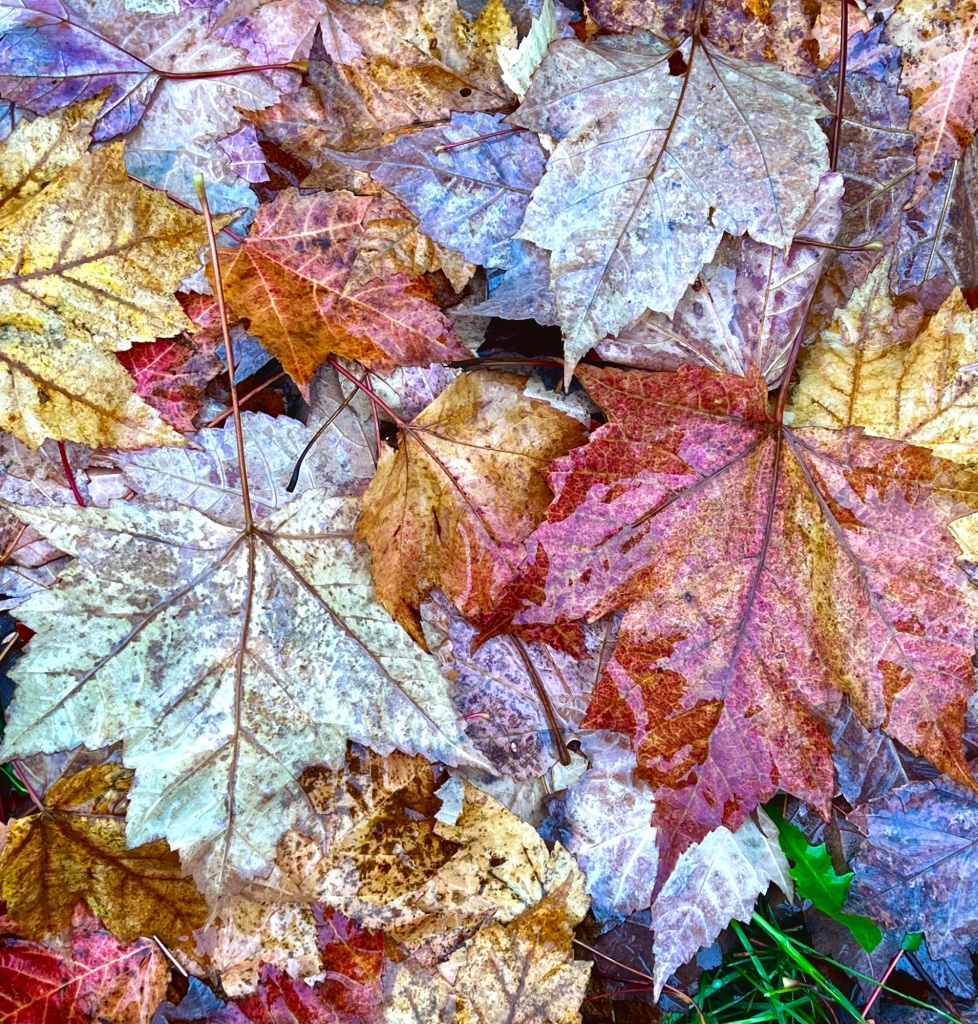
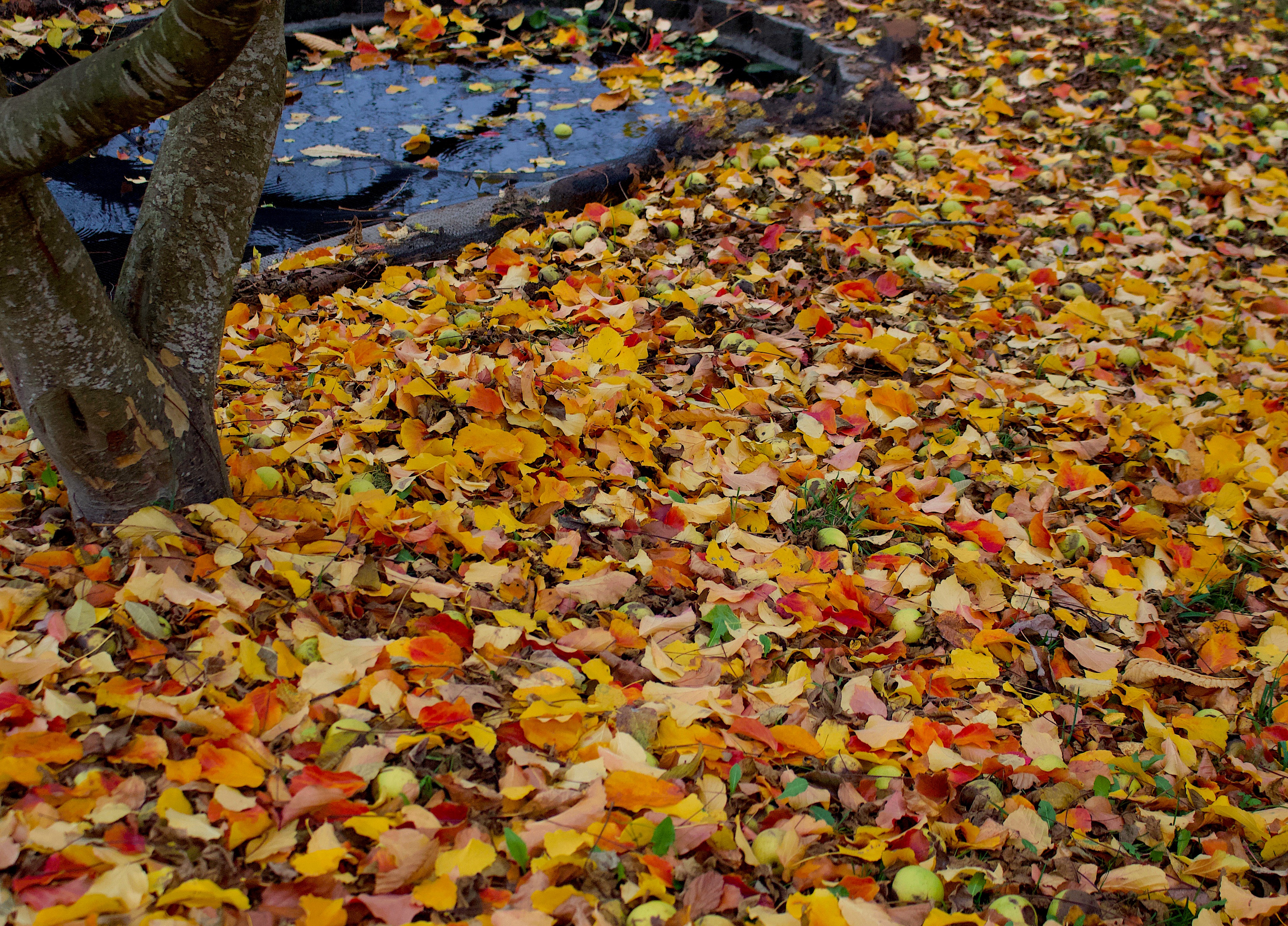
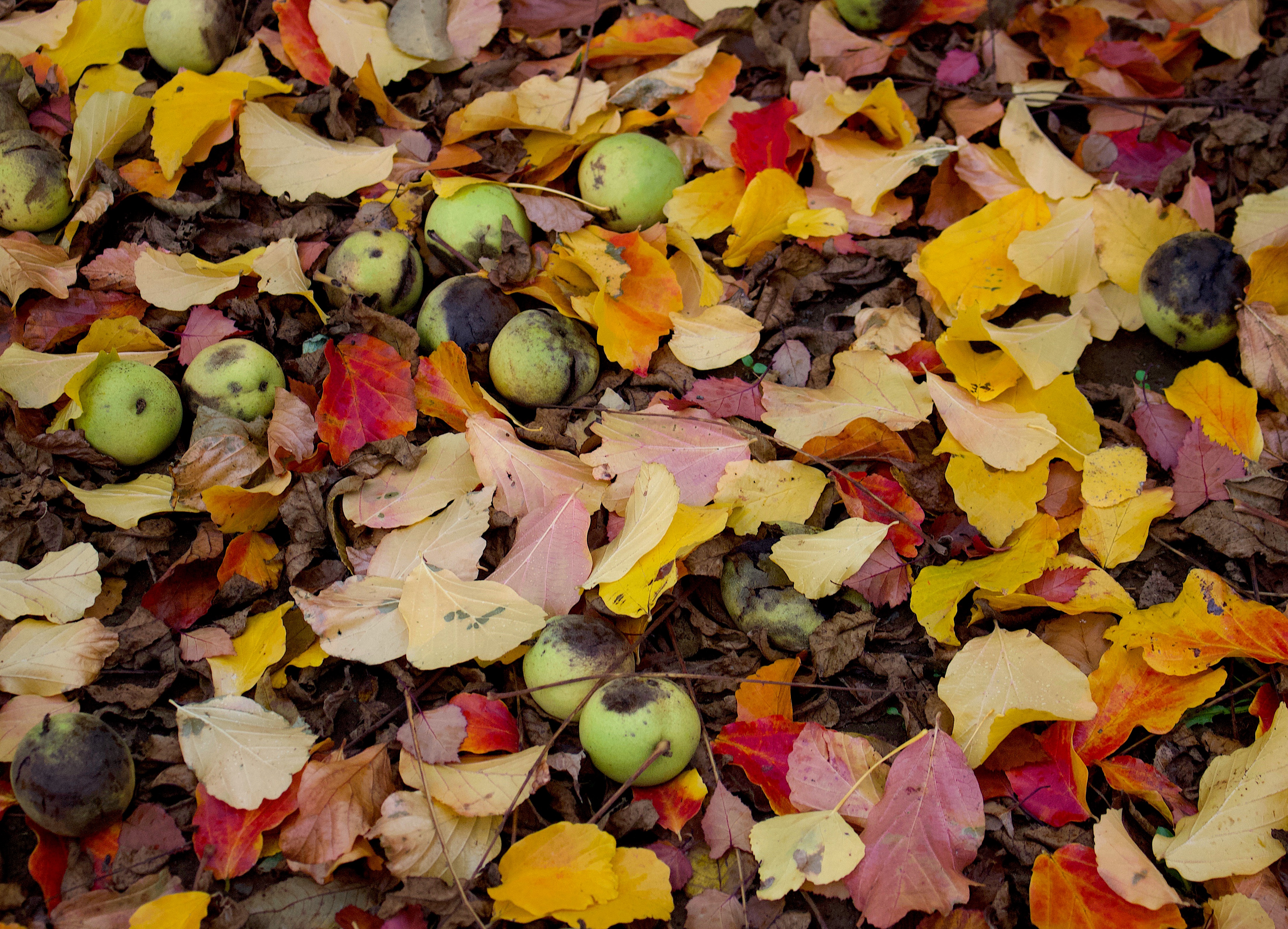
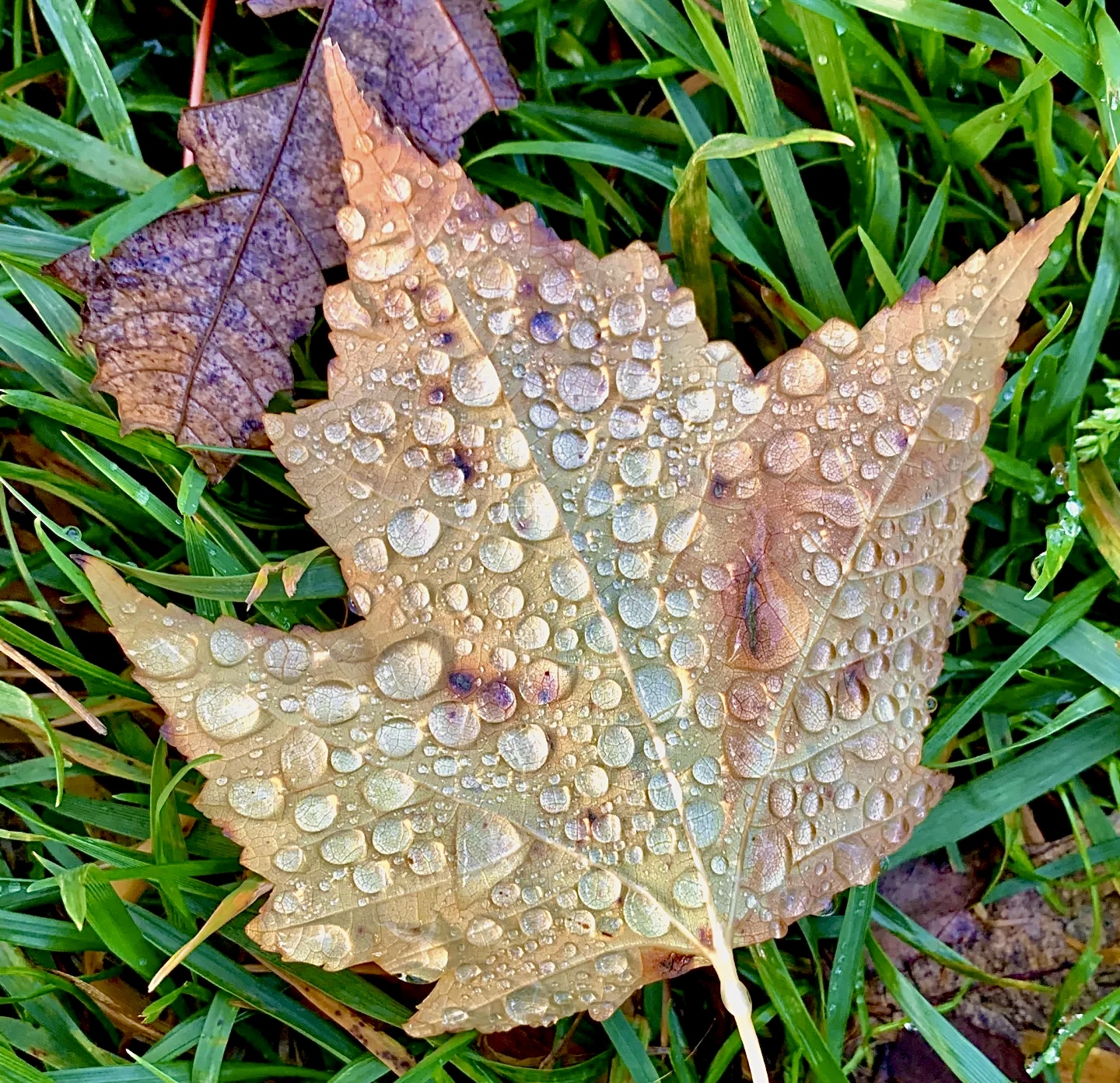
Lamenting Leaves Scattered in Ruin

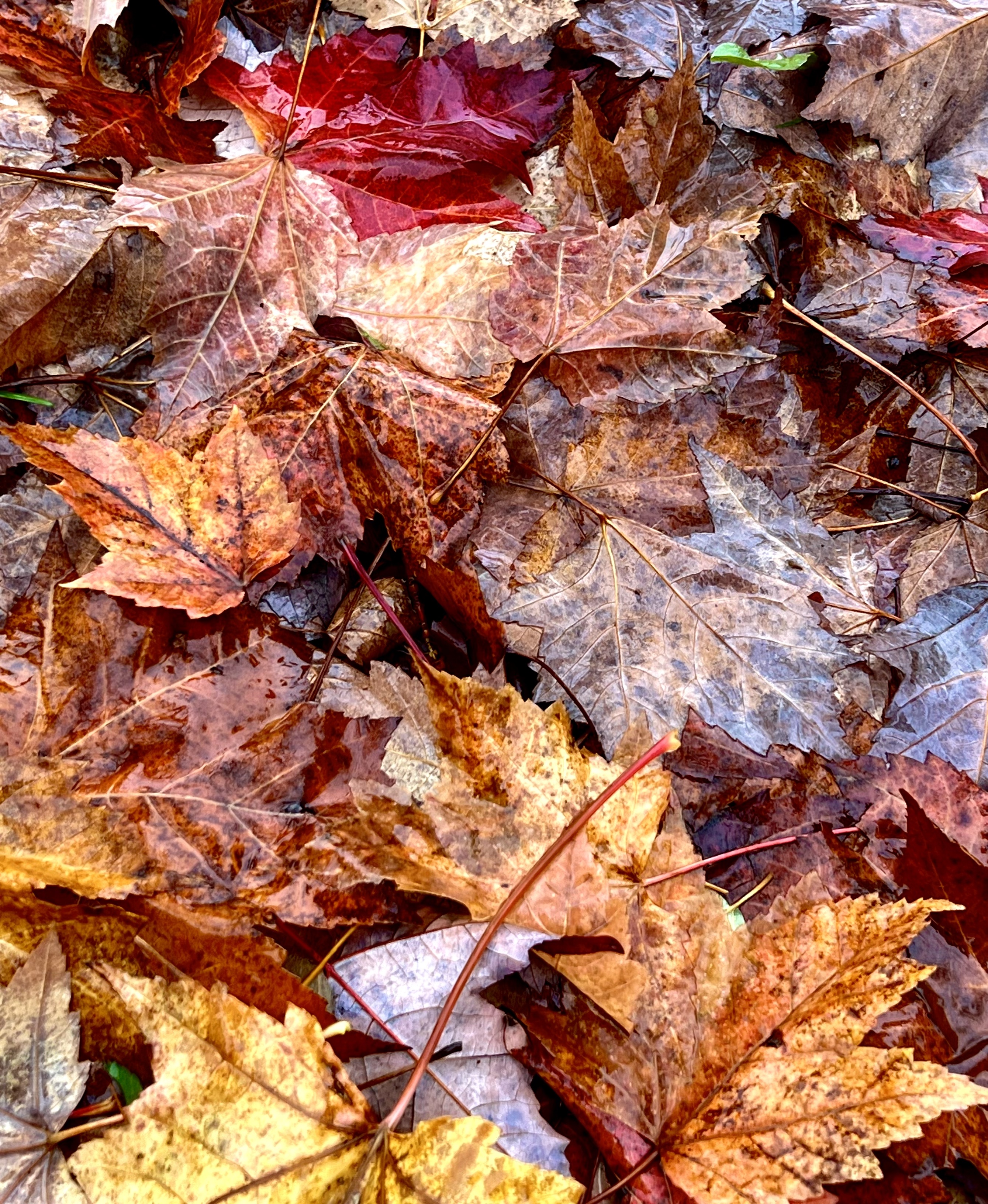
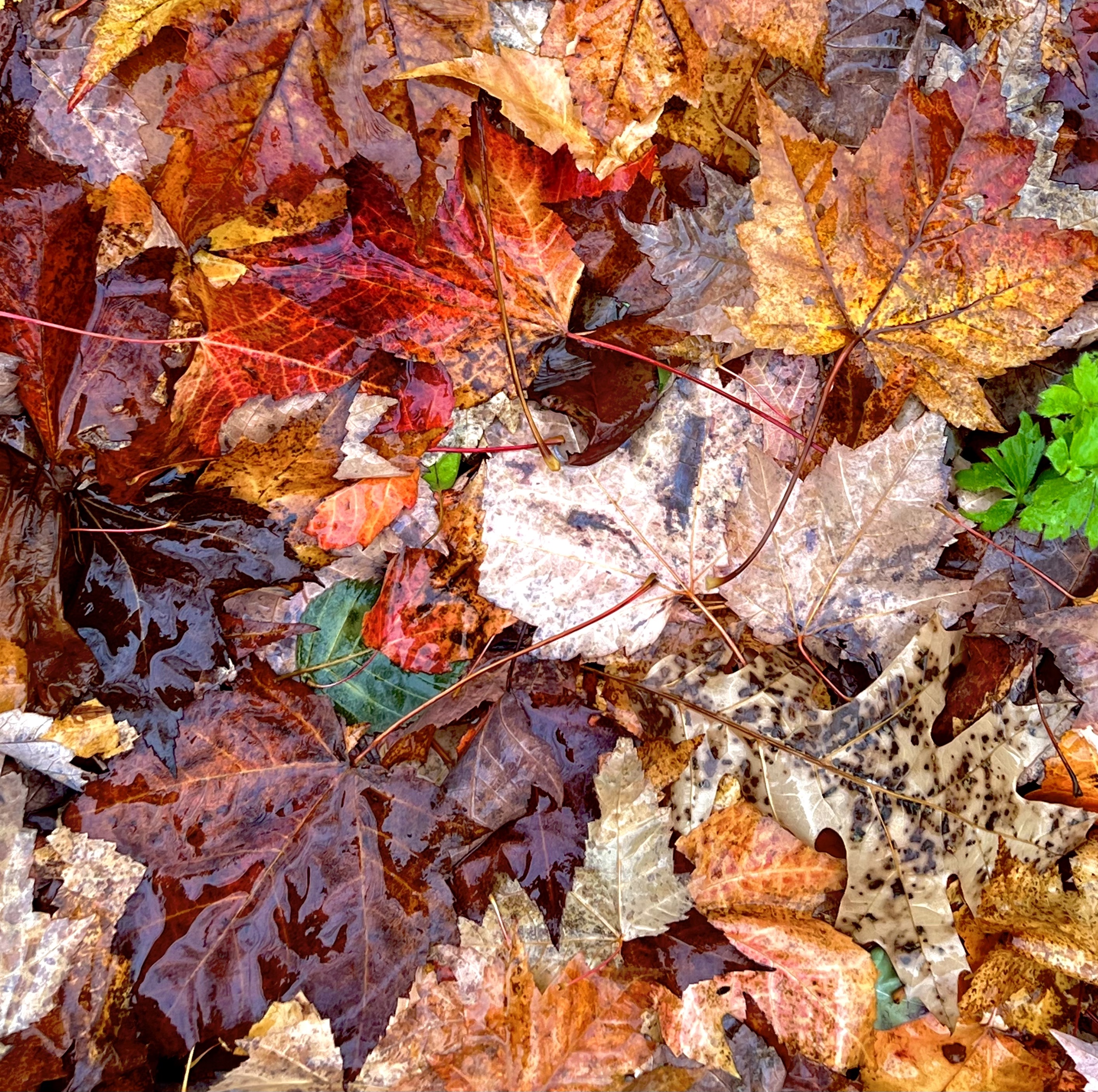
October’s bellowing anger breaks and cleaves
The bronzed battalions of the stricken wood
In whose lament I hear a voice that grieves
For battle’s fruitless harvest, and the feud
Of outraged men. Their lives are like the leaves
Scattered in flocks of ruin, tossed and blown
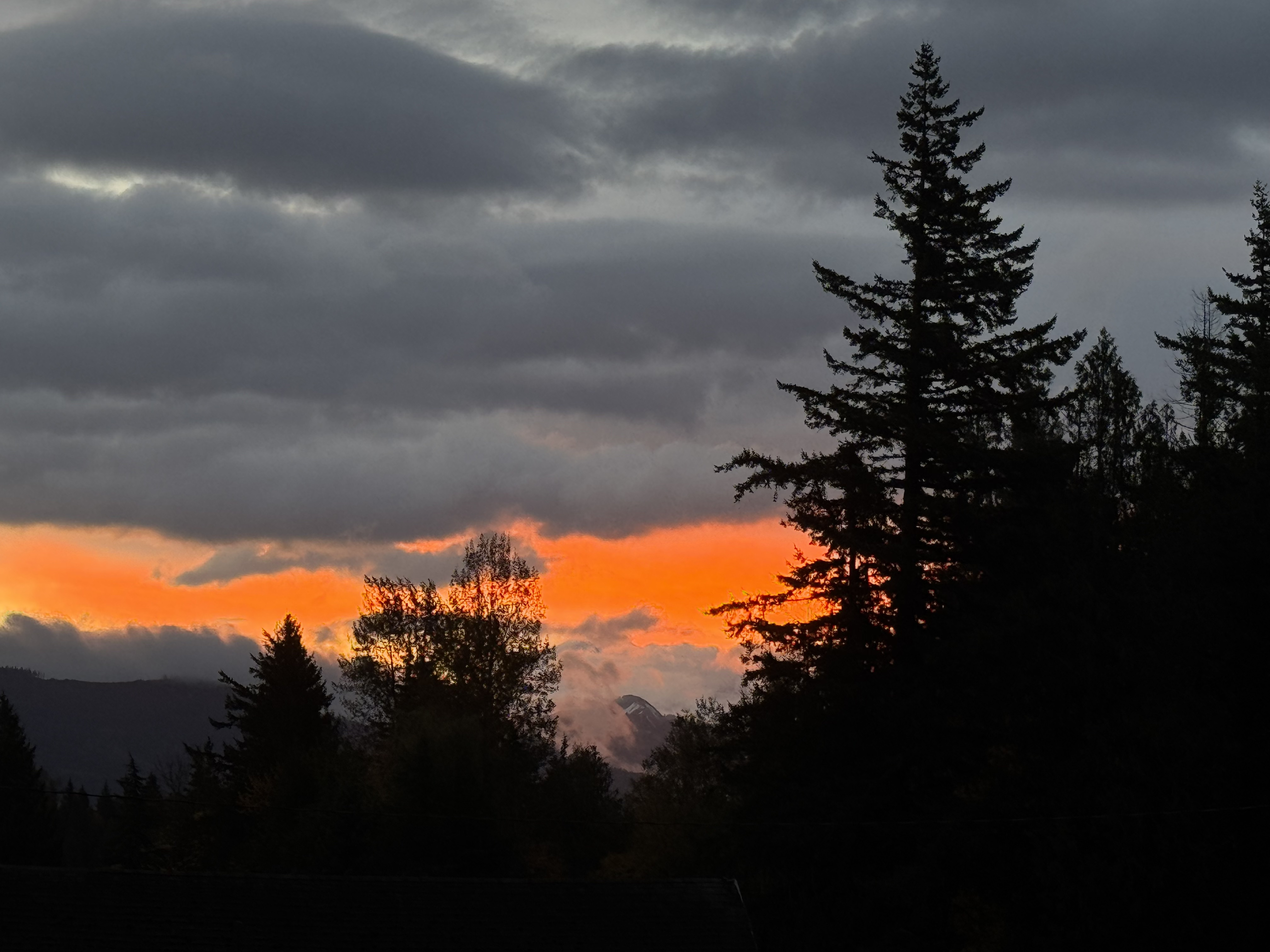
Along the westering furnace flaring red.
O martyred youth and manhood overthrown,
The burden of your wrongs is on my head.

~Siegfried Sassoon “Autumn” (about his time in the trenches in WWI)

Over more than a century,
we have learned little
about how to resolve
the bellows of outraged men.

The fruitless harvest of battle,
counting up each violent death,
as warships gather
for unsanctioned war games.

Lament the tossing and blowing of lives
like October leaves, in a show of force
as transient and arbitrary as the wind,
merely to make a fruitless point…

to what end are the feuds of angry men?

One-Time
Monthly
Yearly

Make a one-time or recurring donation to support daily Barnstorming posts

Make a monthly donation

Make a yearly donation

Choose an amount

$10.00
$25.00
$50.00
$5.00
$15.00
$100.00
$5.00
$15.00
$100.00

Or enter a custom amount

$

Your contribution is deeply appreciated.

Your contribution is appreciated.

Your contribution is appreciated.

DonateDonate monthlyDonate yearly

A Sight Unsought

I awoke in the Midsummer not to call night,
in the white and the walk of the morning:
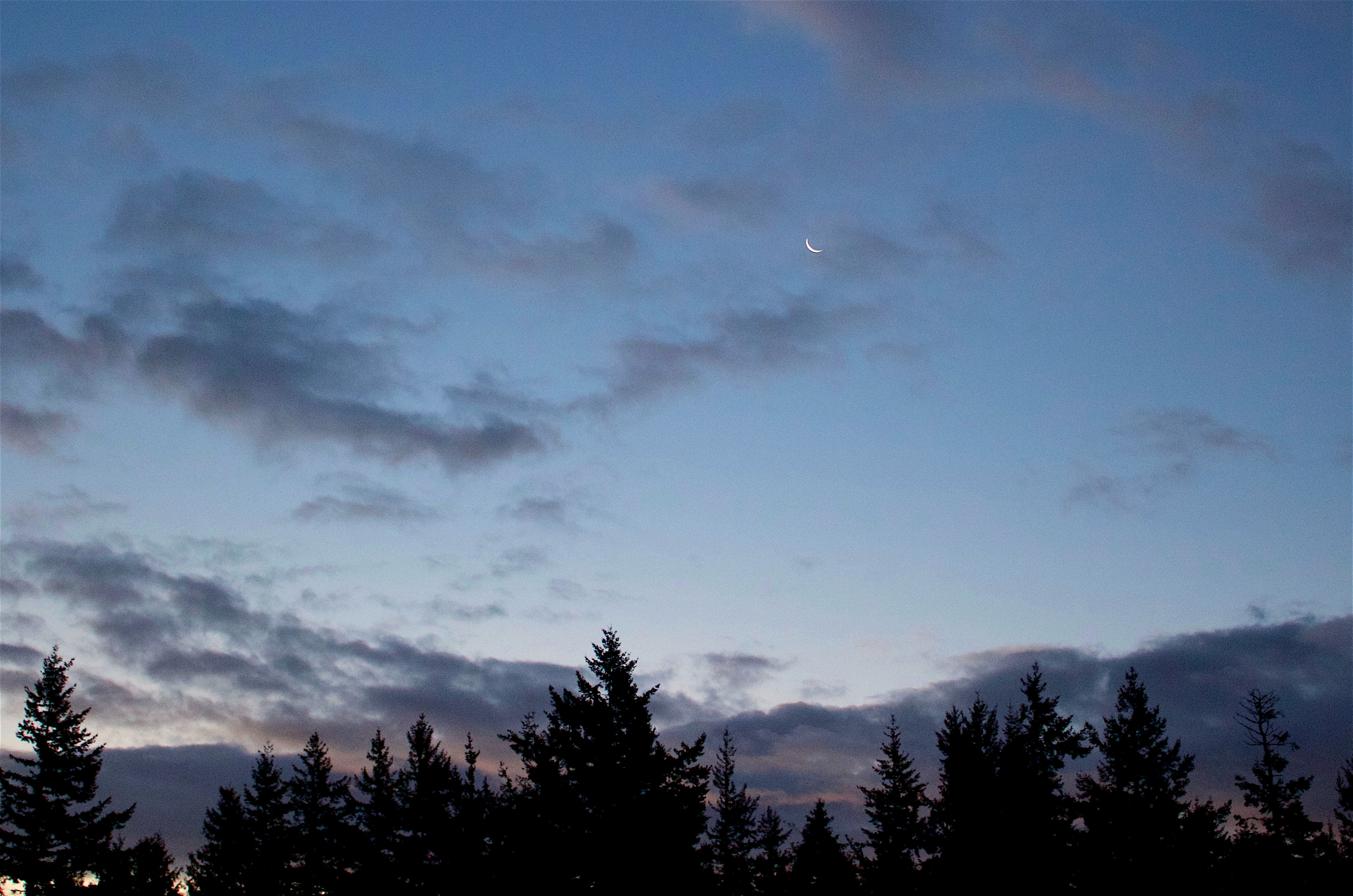
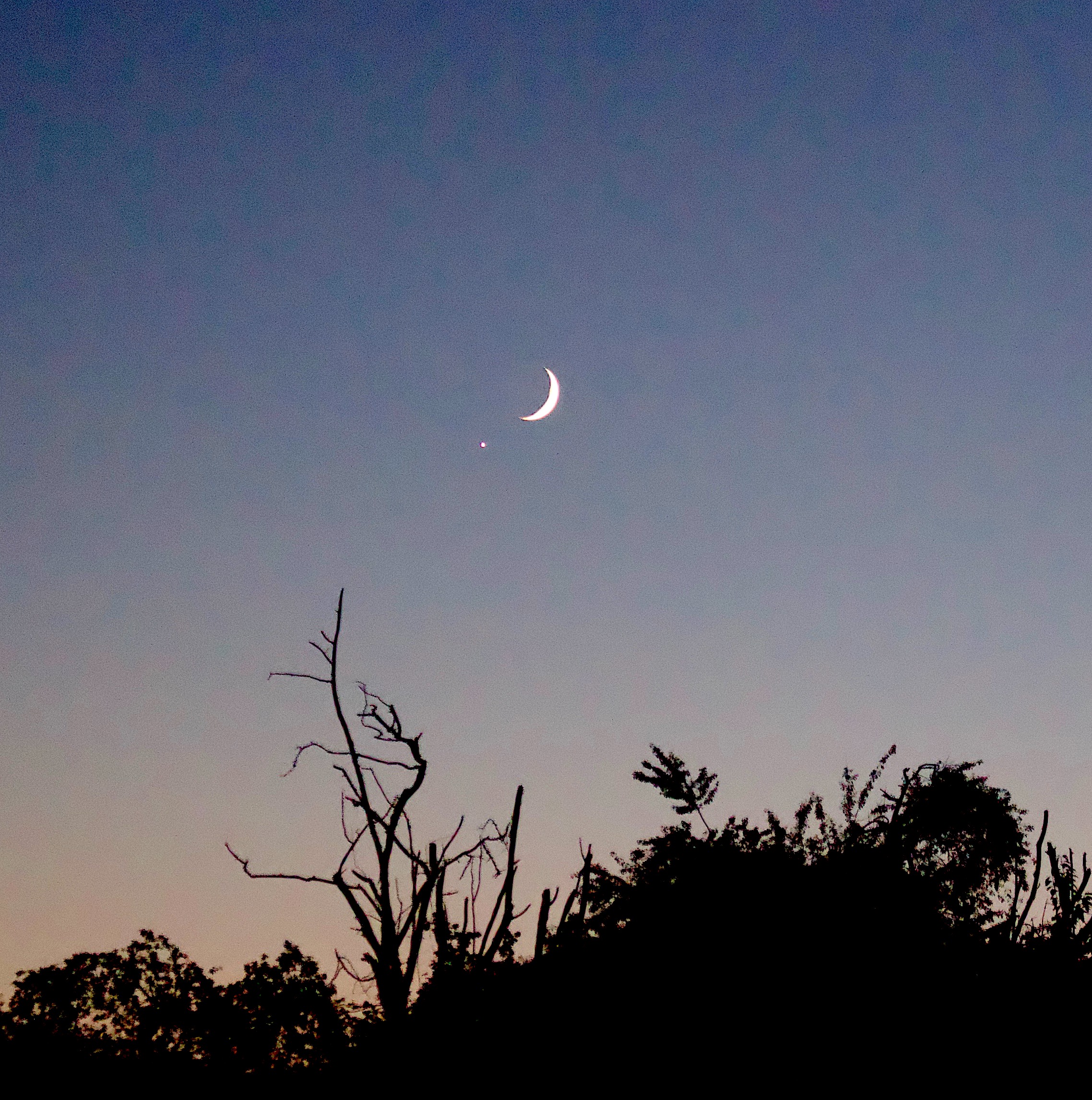
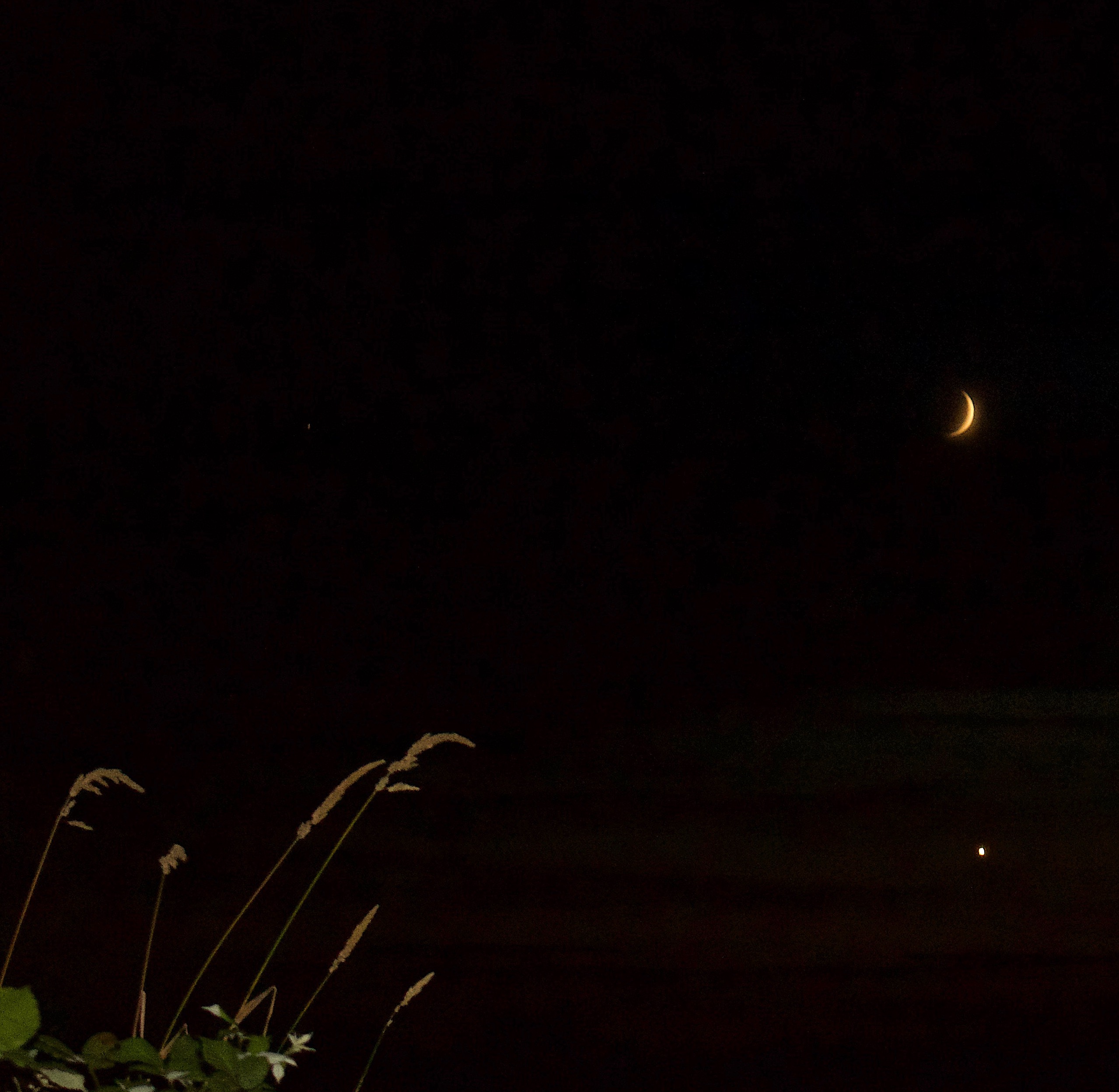
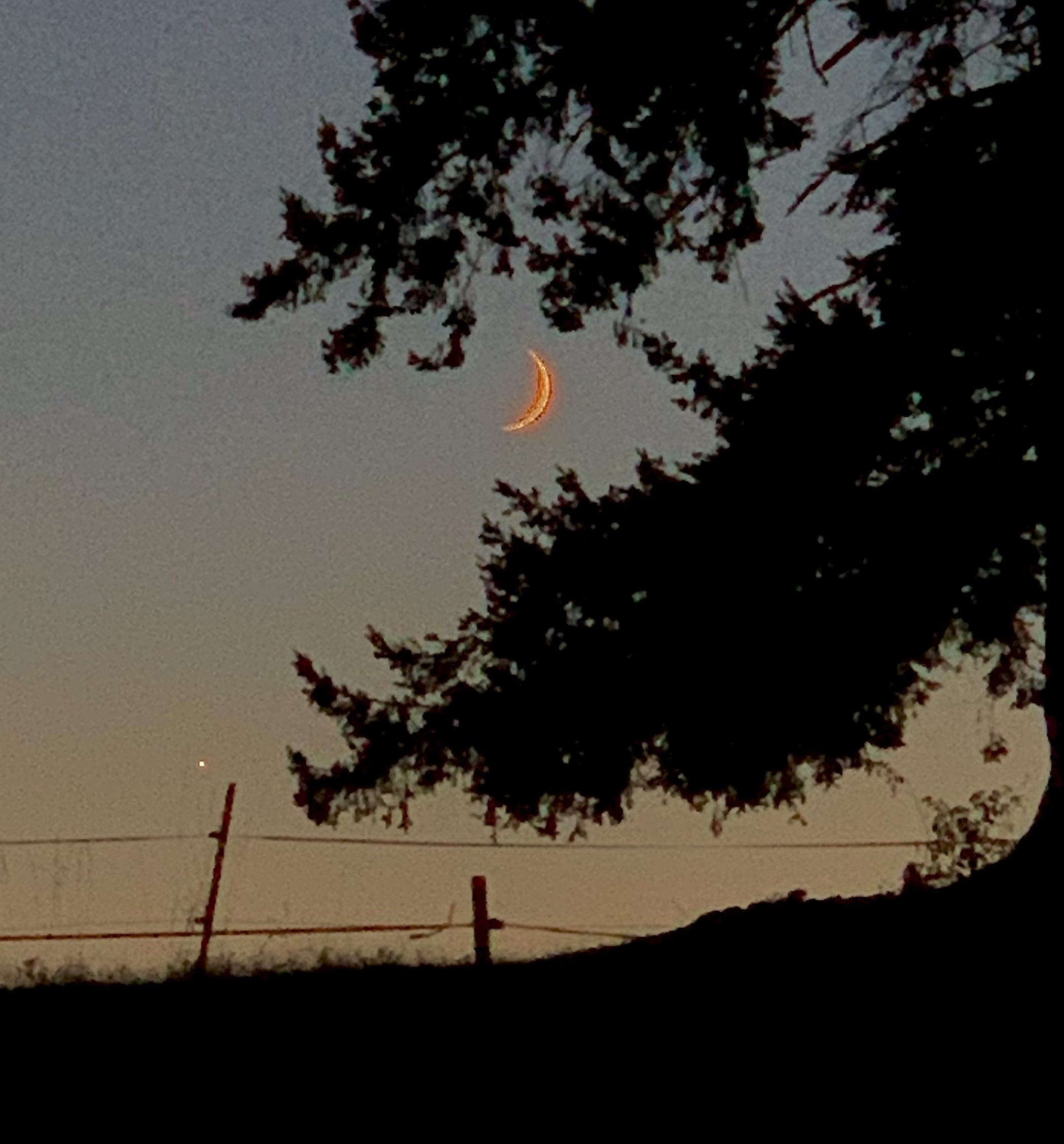
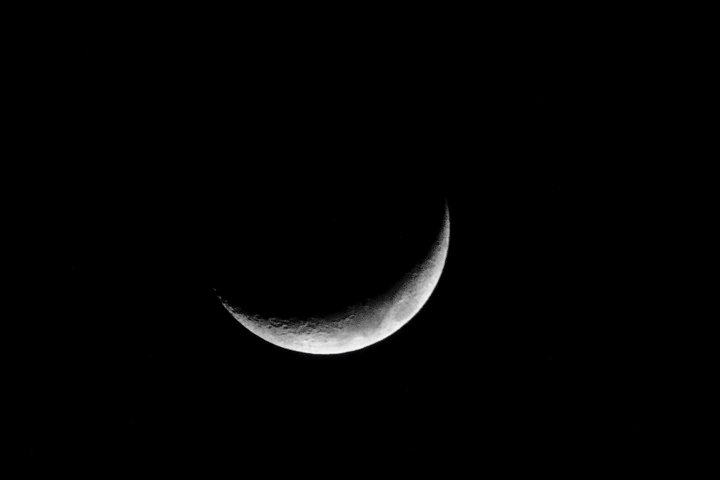
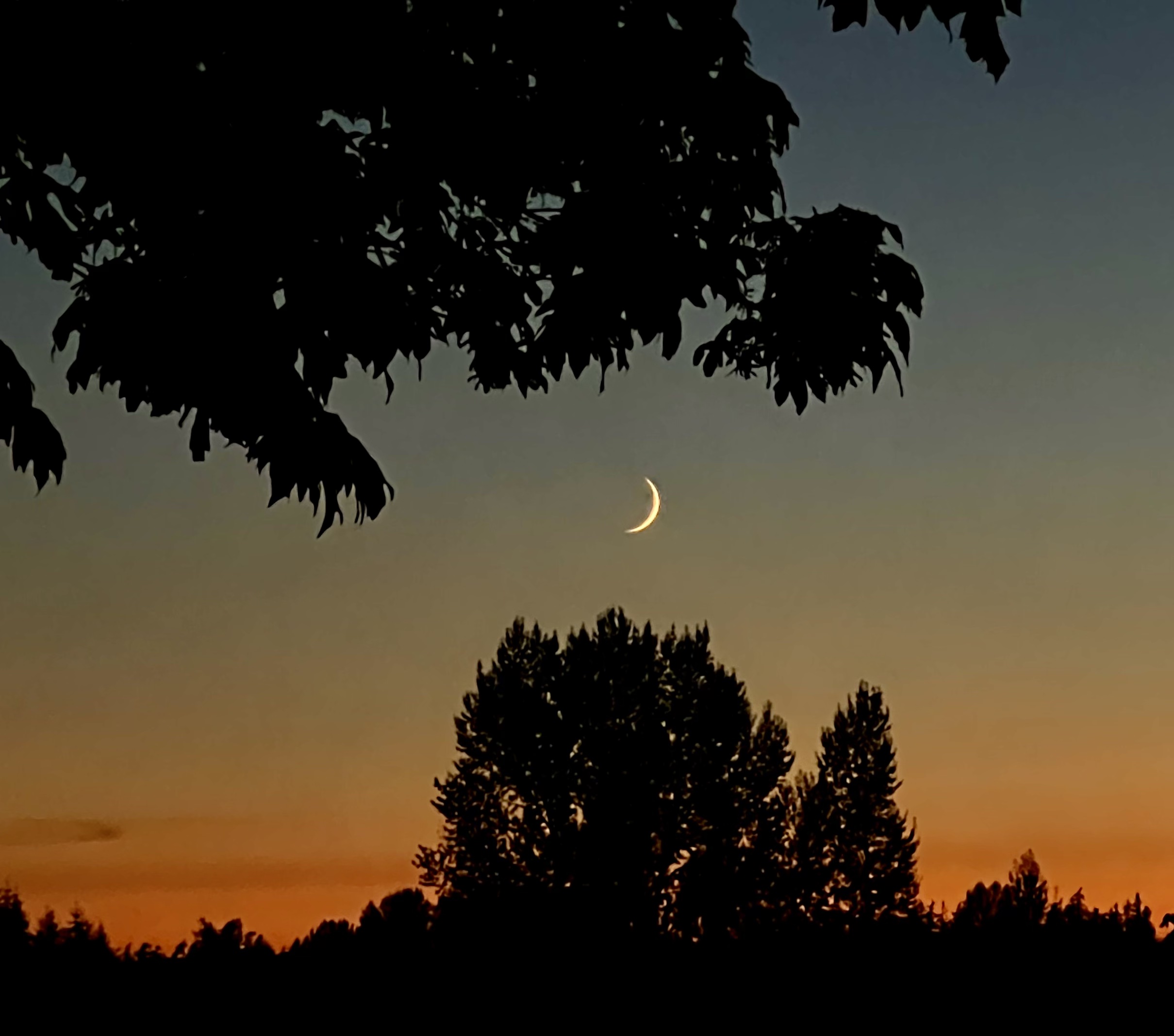
The moon, dwindled and thinned to the fringe

of a finger-nail held to the candle,
Or paring of paradisaïcal fruit,

lovely in waning but lustreless,
Stepped from the stool,

drew back from the barrow,
of dark Maenefa the mountain;
A cusp still clasped him,

a fluke yet fanged him,
entangled him, not quit utterly.
This was the prized, the desirable sight,

unsought, presented so easily,
Parted me leaf and leaf, divided me,

eyelid and eyelid of slumber.
~Gerard Manley Hopkins “Moonrise” June 19, 1876

how you can never reach it, no matter how hard you try,
walking as fast as you can, but getting nowhere,
arms and legs pumping, sweat drizzling in rivulets;
each year, a little slower, more creaks and aches, less breath.
Ah, but these soft nights, air like a warm bath, the dusky wings
of bats careening crazily overhead, and you’d think the road
goes on forever. Apollinaire wrote, “What isn’t given to love
is so much wasted,” and I wonder what I haven’t given yet.
A thin comma moon rises orange, a skinny slice of melon,
so delicious I could drown in its sweetness. Or eat the whole
thing, down to the rind. Always, this hunger for more.

~Barbara Crooker “How the Trees on Summer Nights Turn into a Dark River,” from More

The secret of seeing is,
then the pearl of great price. 
If I thought he could teach me to find it and keep it forever 
I would stagger barefoot
across a hundred deserts
after any lunatic at all. 
But although the pearl may be found,
it may not be sought.

The literature of illumination reveals this above all: 
although it comes to those who wait for it, 
it is always, even to the most practiced and adept, 
a gift and a total surprise.

I return from one walk 
knowing where the killdeer nests in the field by the creek
and the hour the laurel blooms. 
I return from the same walk a day later
scarcely knowing my own name.

Litanies hum in my ears; 
my tongue flaps in my mouth. 
Ailinon, alleluia!
~Annie Dillard from Pilgrim at Tinker Creek

photo by Josh Scholten

The greatest gift is the one I stumble upon
rather than having desired, sought out, fought for.
Sometimes I don’t even know what I’m missing,
so oblivious to being surrounded by hidden treasures.

Surprise me, dear Lord. 

Though I regularly lament in the shadows,
though I try to hide under the blankets each morning,
slumbering through the tragic, the painful, the sorrow,
you send your gentle crescent light to awaken me.

So I lift my voice in praise and gratitude for your unexpected gift
that I didn’t know I needed, would never had thought to seek, 
the pearl of great price held out for me to take each day.

AI image created for this post
One-Time
Monthly
Yearly

Make a one-time or recurring donation to support daily Barnstorming posts

Make a monthly donation

Make a yearly donation

Choose an amount

$10.00
$25.00
$50.00
$5.00
$15.00
$100.00
$5.00
$15.00
$100.00

Or enter a custom amount

$

Your contribution is deeply appreciated.

Your contribution is appreciated.

Your contribution is appreciated.

DonateDonate monthlyDonate yearly

Making a Comment

And that is just the point…
how the world, moist and beautiful,
calls to each of us to make a new and serious response.

That’s the big question,
the one the world throws at you every morning.
“Here you are, alive.
Would you like to make a comment?”
~Mary Oliver

The last few days, it has been impossible to stay
a silent observer of the world when one awakes,
still alive on a morning moist and beautiful,
while on the other side of the earth,
innocents have been brutally butchered in their beds,
whole families murdered,
bodies desecrated and dragged into the street.

It demands a response.

I cannot remain speechless in the face of evil.
Such violence, fed by generations of hatred,
begets more hatred and violence, on and on.
It festers, blusters, rips apart, tortures, buries.
And so it goes, an ongoing human history
of wars and more wars.

And here I am,
alive on a brilliant autumn morning,
while others immeasurably suffer.

Called to make a new and serious response.
Called to comment, as I do every day.
Knowing my voice is only one
in a vast wilderness of voices,
crying out in lament over the dead and dying.

Lord, have mercy, have mercy, have mercy on us.

Consider donations to assist humanitarian aid
to Save the Children or Doctors without Borders

Kicking on the Furnace

When the cold air comes on in,
it kicks the furnace on,
and the furnace overwhelms the cold.
As the sorrow comes into the heart of a Christian,
it kicks on more of the joy.
It gets you closer to him,
it helps you dig down deeper into him,
and the joy kicks up, you might say, like a furnace,
and overwhelms the sorrow.
That is a picture of a solid Christian.
Not a sorrow-less person who is
happy, happy, happy, all the time.
That’s not the picture.
A picture of a real Christian
is a person who has a furnace of joy in there
that kicks up as the sorrow comes in
and overwhelms the sorrow.
But the sorrow is there.
It is there.
~Pastor Tim Keller (1990)
, now in treatment for pancreatic cancer

The Cross is the blazing fire at which the flame of our love is kindled, but we have to get near enough for its sparks to fall on us.
~John Stott

I have listened to criticism at times in my faith life that I don’t exhibit enough joy and happiness in my Christian walk. It is true that I tend toward lamenting the state of the world and the state of my own soul. I could use more balance in my expressions of gratitude. So what I hear from others is fair feedback.

My faith furnace thermostat is now set so high that it rarely kicks on and I dwell too much in the cold.

Especially in the last year of COVID-time, I have been especially feeling the chill as I watch so many dealing with immense sorrow and loss. So much has changed, particularly in how we can safely gather and worship together, resulting in finger pointing among Christians about who is showing more righteous dedication to the Word of God.

So the nit-picking begins.

If we don’t sing together in worship as commanded by our Lord but temporarily restricted by state regulations, do we lack conviction in our faith, allowing fear and earthly authorities to rule over us? If we sing outside, even in the cold dark rain and snow, is that sufficient compromise and does it truly “turn on” the furnace of our joy?

Or wearing a mask shows fear and a lack of faith that God is ultimately in charge as only He determines how many days we dwell on this earth. Yet by wearing a mask at all times when together we are showing compassion for others by loving them enough to try to protect them from any infection we may unknowingly harbor.

These feel like irreconcilable differences in perspective among people who purportedly love one another in the name of Christ. So we all end up in the cold, waiting on the furnace of our love and joy to kick on.

In my self-absorption, I tend to forget that the fire has always been there, lit by Christ’s sacrifice, despite His own mortal fear and hesitation and tears, yet fueled solely by His divine desire to save His children. I need to come closer to feel the heat of His love, and feel those sparks landing on my earthly skin to remind me there can be no love without pain.

Amen to that.

Earth Day Lamenting

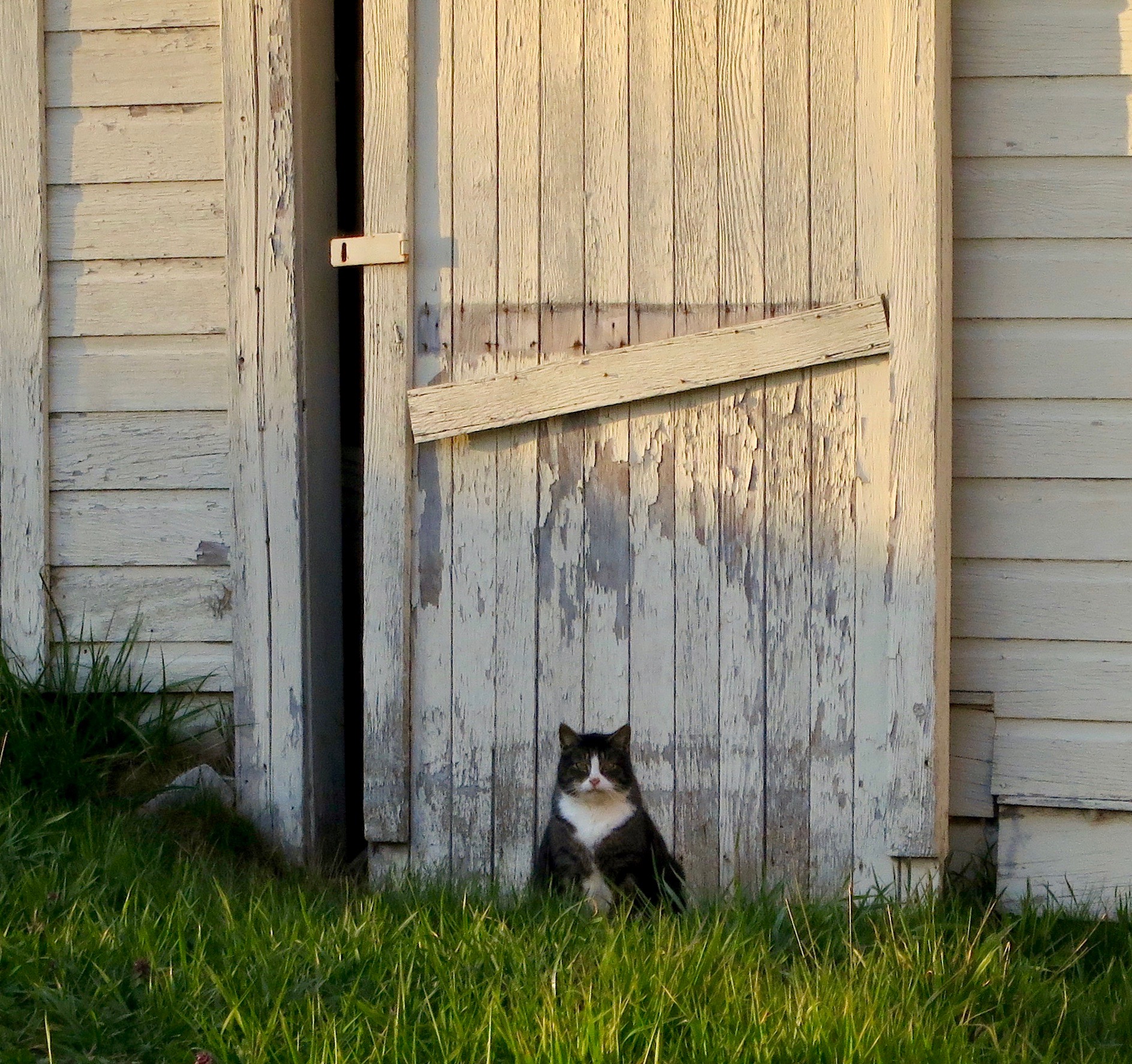
More often than not, I’m still groggy every morning when I step out the front door onto the porch to make my way down the gravel driveway to fetch the newspaper. More often than not, it is still quite dark out at 5:15 AM.  More often than not, my slippered foot lands on something a little crunchy and a little squishy and a lot icky on the welcome mat in front of my door.

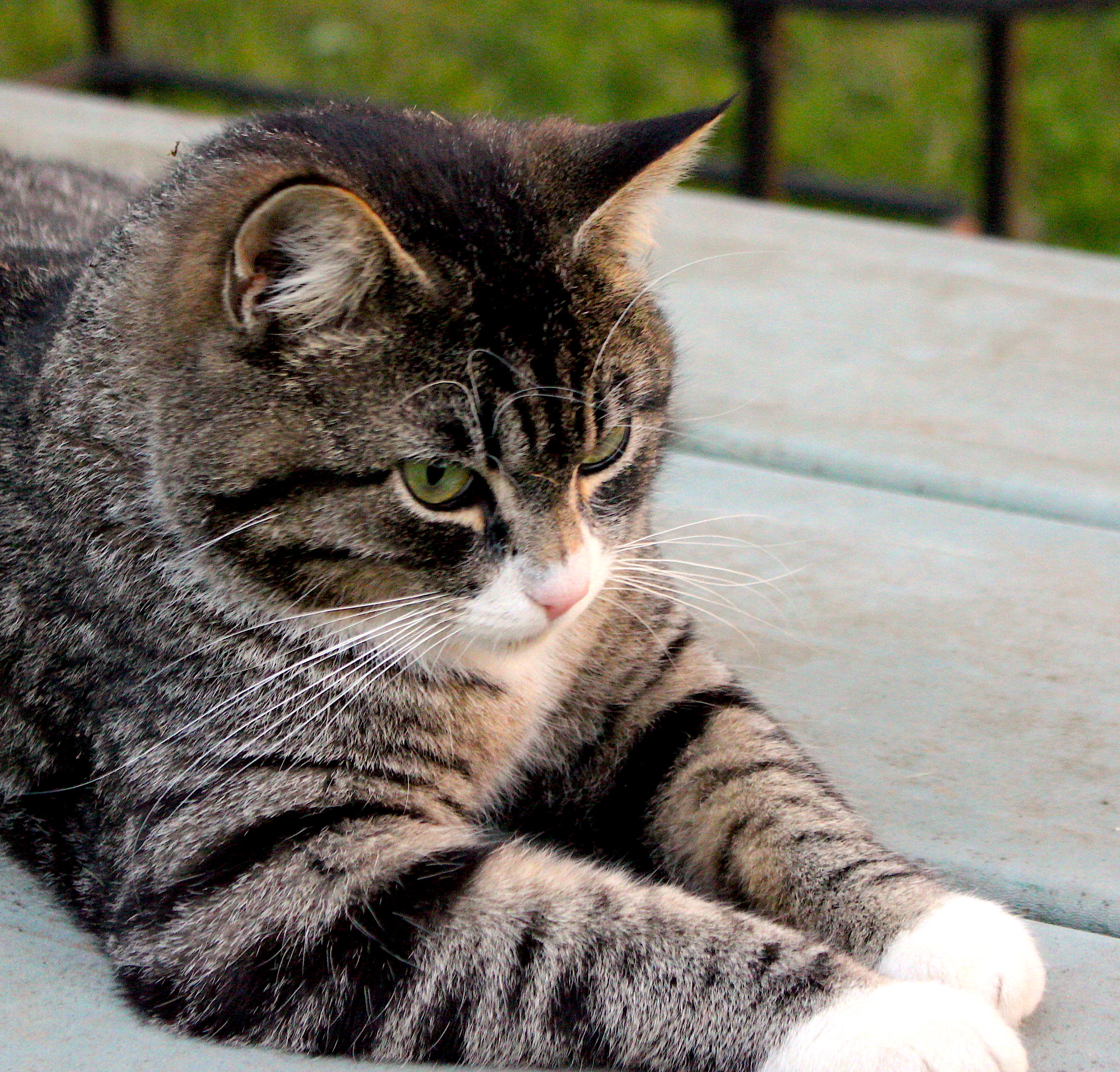
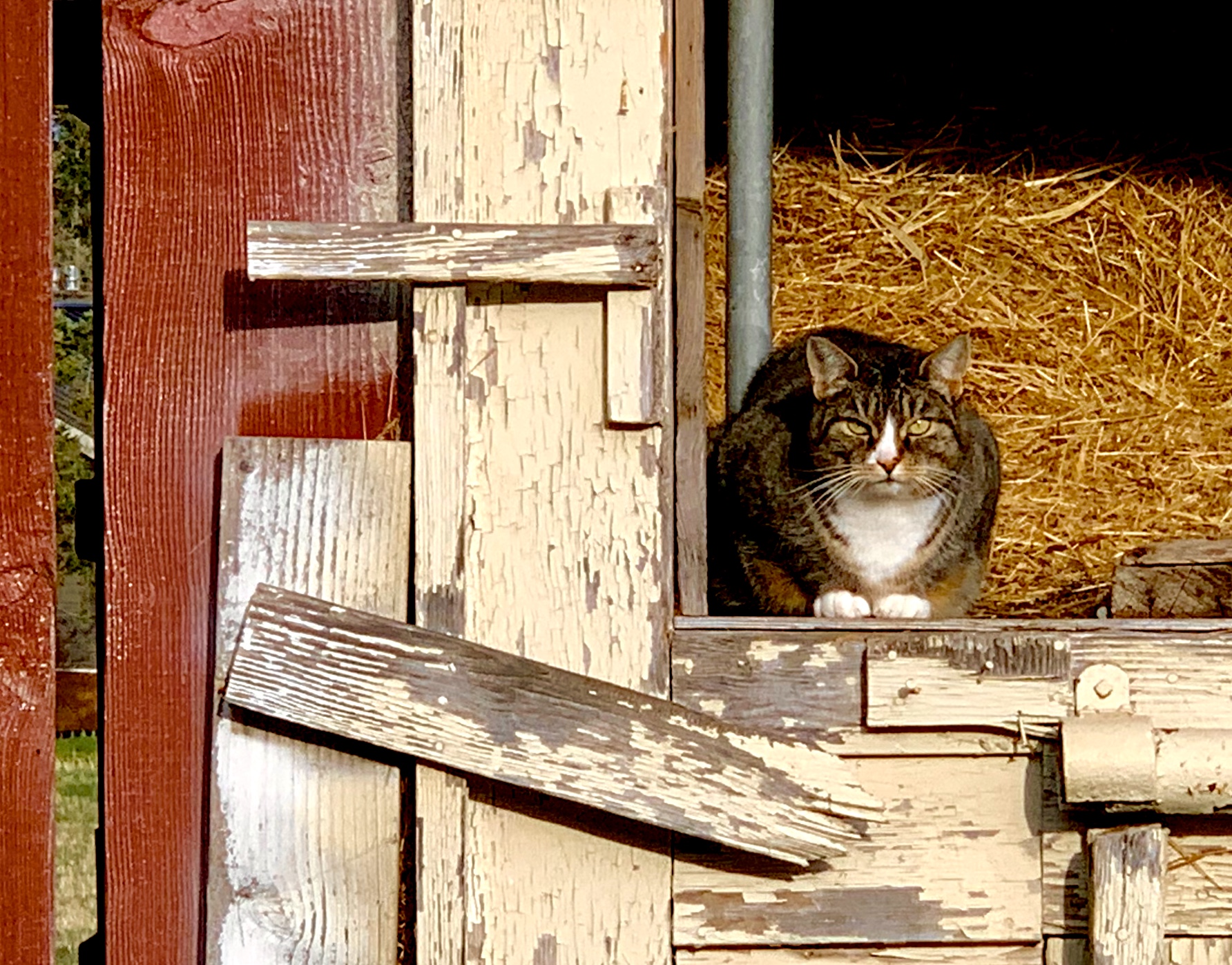
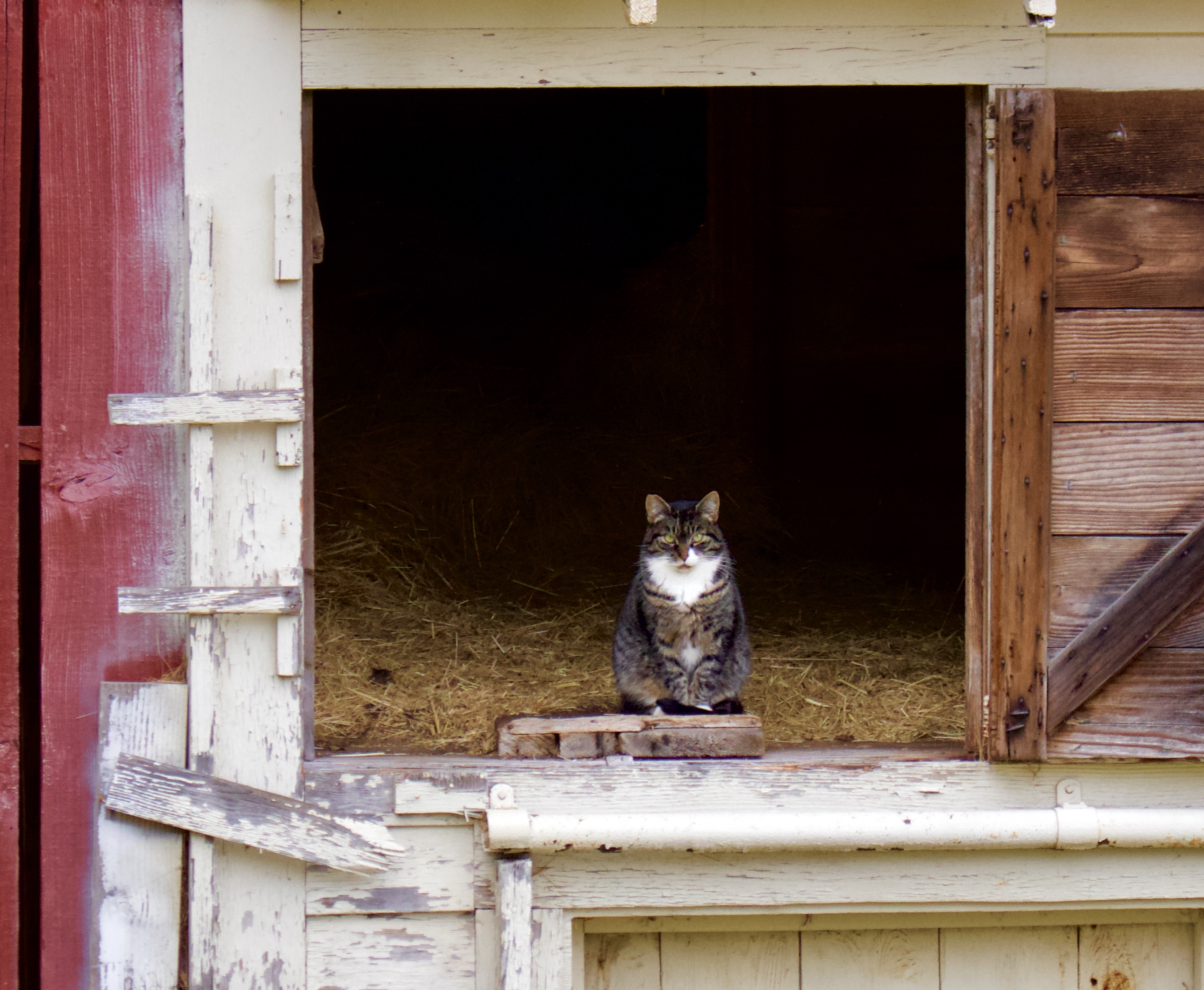
The front porch cat (as opposed to the back porch cat, the garden shed cat, the hay barn cat, the horse barn cat and an average of 3 additional stray cats), predator that he is, leaves behind certain remnants of his prey’s….um, body parts.  Mousey body parts or birdie body parts.  I assume, from the consistency of this little carnivore compost pile, these are unappealing to the kitty, so become the “leavings”, so to speak,  of the kill. Typically, it is a little mouse head, complete with little beady eyes, or a little bird head, complete with little beak, and something that looks suspiciously green and bulbous, like a gall bladder.  I don’t think heads or gall bladders are on my preferred delicacy list either. And they are certainly not on my list of things I like to wear on the bottom of my slipper.  Yet I do and I have.

I’m perplexed by this habit cats have of leaving behind the stuff they don’t want on the welcome mat, even the occasional whole shrew or field mouse, seemingly untouched by claw or incisor, but yet dead as a doornail on the doormat.  Some cat owners naively think their cats are presenting them with “gifts” – kind of a sacrificial offering to the human god that feeds them.  Nonsense.  Ask the mouse or bird how they feel about becoming the blood sacrifice.

I believe the welcome mat is the universal trash heap for cats and a testimony to their utter disdain for humans.   Leave for the human the unappetizing and truly grotesque…

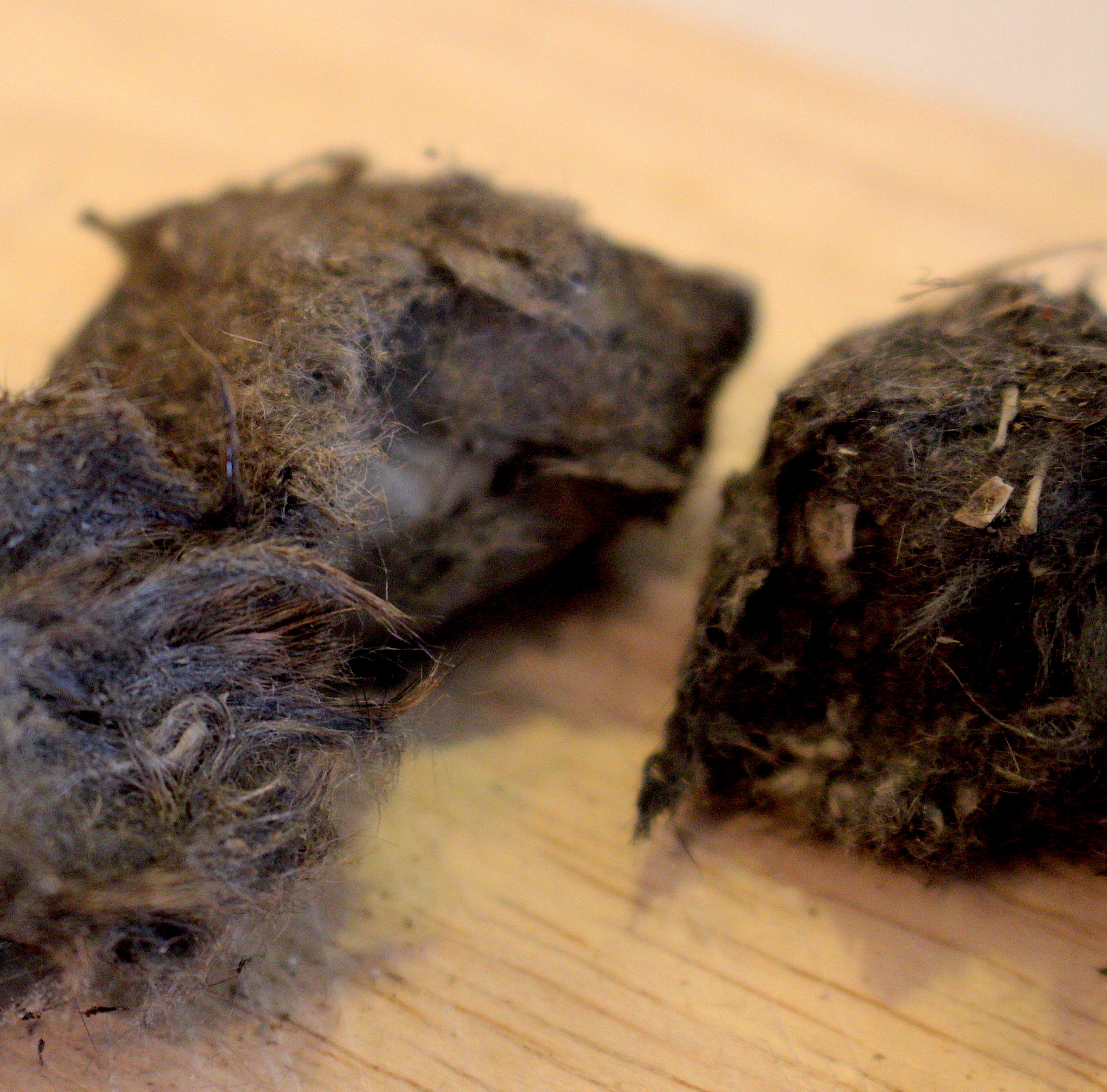
So humanity is not alone of earth’s creatures to create garbage heaps of unwanted stuff.  Not only cats, but barn owls are incredibly efficient at tossing back what they don’t want out of their furry meals.   Our old hay barn is literally peppered with pellets, popular with high school biology classes and my grand-nephews for dissection instruction.  These dried up brown fuzzy poop shaped objects are regurgitated by the owl after sitting in one of its  two stomachs for a number of hours. 

Bird barf.  

It’s fairly interesting stuff, which is why these pellets (which we recycle by donating by the  dozens to local schools) are great teaching material.  It is possible to practically reconstruct a mouse or bird skeleton from a pellet, or perhaps even both on a night when the hunting was good.  There is fur and there are feathers.  Whatever isn’t easily digestible doesn’t have much purpose to the owl, so up it comes again and becomes so much detritus on the floor and rafters of our barn.  Ask the mouse or rabbit (or occasional kitten) how they feel about becoming owl litter.  There should be a law.
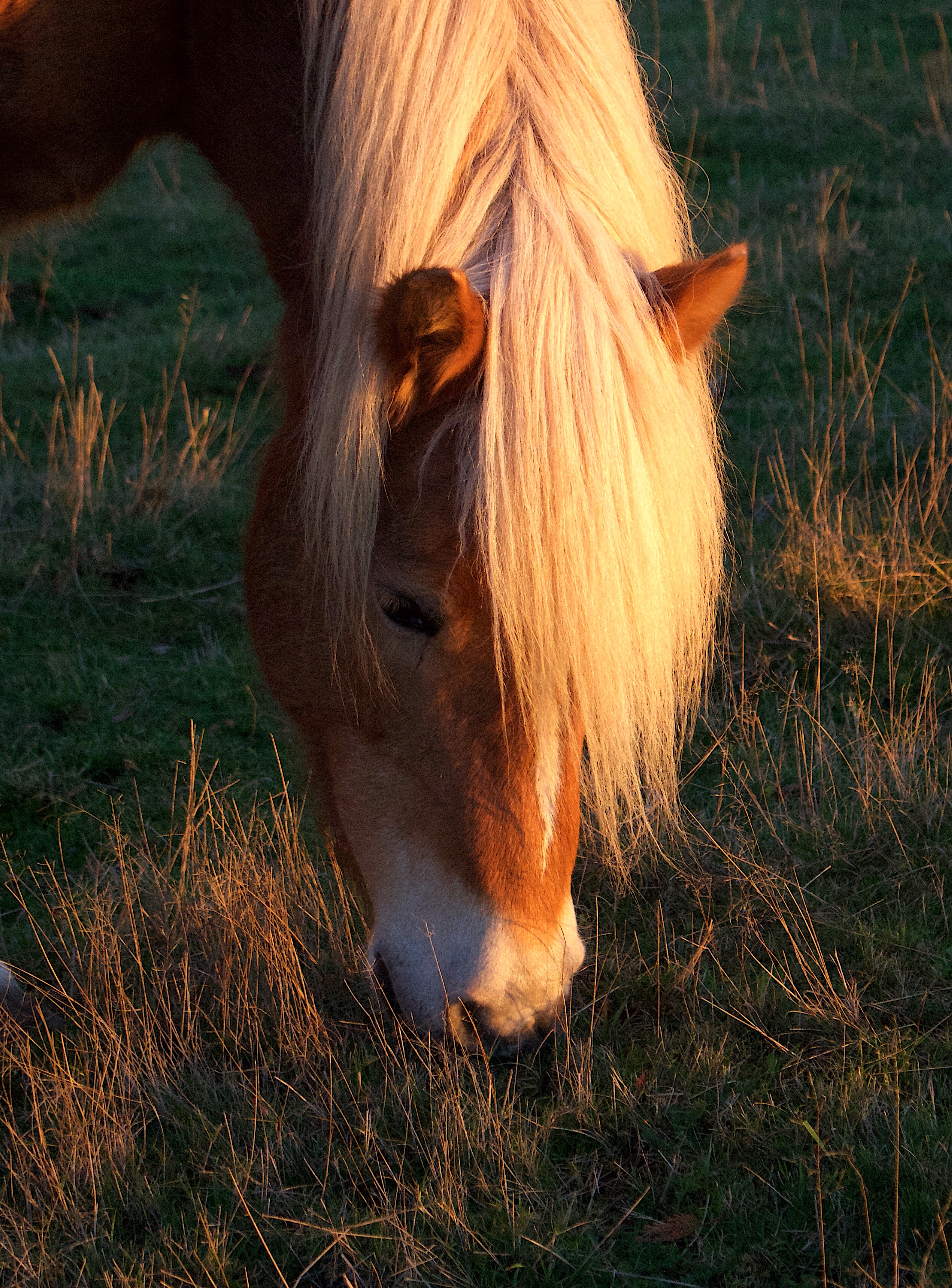
Then there is the rather efficient Haflinger horse eating machine which leaves no calorie unabsorbed, which vacuums up anything remotely edible within reasonable reach, even if reasonable means contortions under a gate or fence with half of the body locked under the bottom rung, and the neck stretched 6 feet sideways to grab that one blade of grass still standing.  The reason why Haflingers don’t eventually explode from their intake is that Haflinger poop rivals elephant poop pound for pound per day, so there must be a considerable amount ingested that is indigestible and passed on, so to speak – like part of a cloth tail wrap, and that halter that went missing… you know, like those black holes in outer space–that’s what a Haflinger represents on earth.

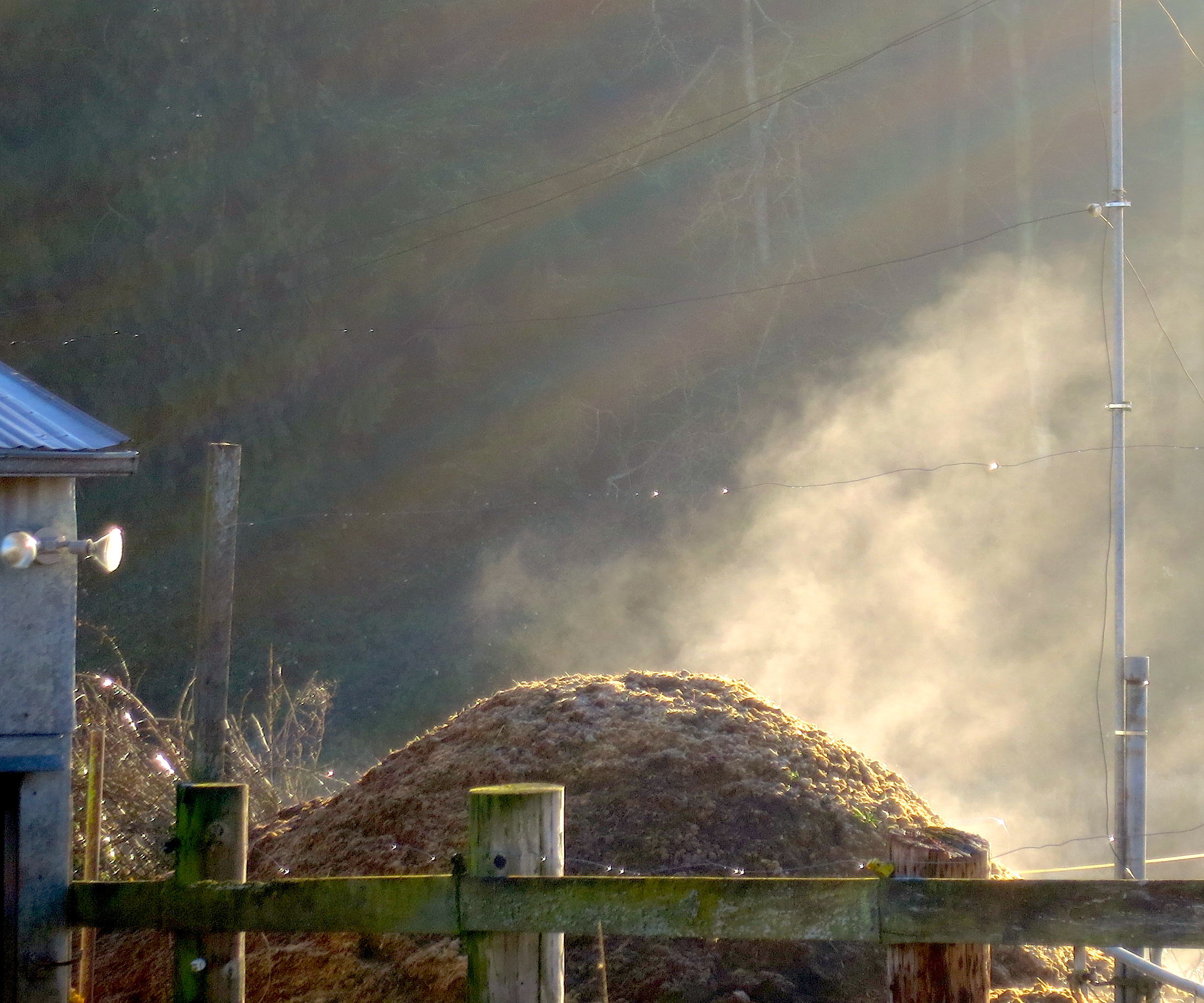
At least we have figured out how to recycle all that poop back to the fields to feed the next generation of grass, which feeds the next generation of Haflingers, which becomes poop to feed the next generation of grass, and so on and so on and so on…

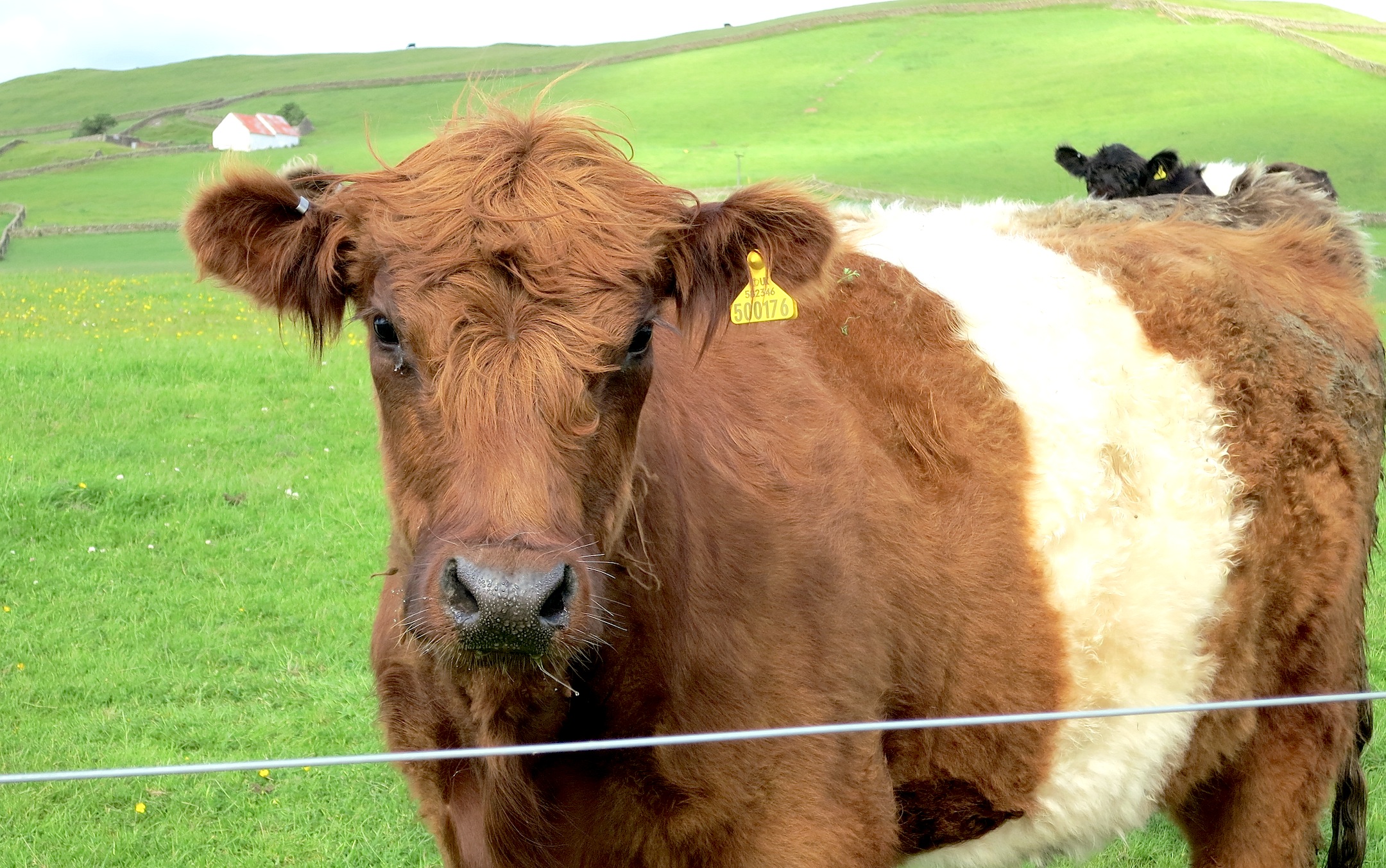
This is quite different from the recycled “cud” of the typical herbivore cow who regurgitates big green gobs of  grass/hay/silage to chew it  again in a state of (udder) contentment and pleasure.   If humans could figure out how to recycle a good meal for another good chew or two, the obesity rate would surely drop precipitously.   So would attendance at most happy hours. But then, how many skinny cows have I seen?  Probably as many as purple cows.  I never hope to see one, but I’d rather see than be one.
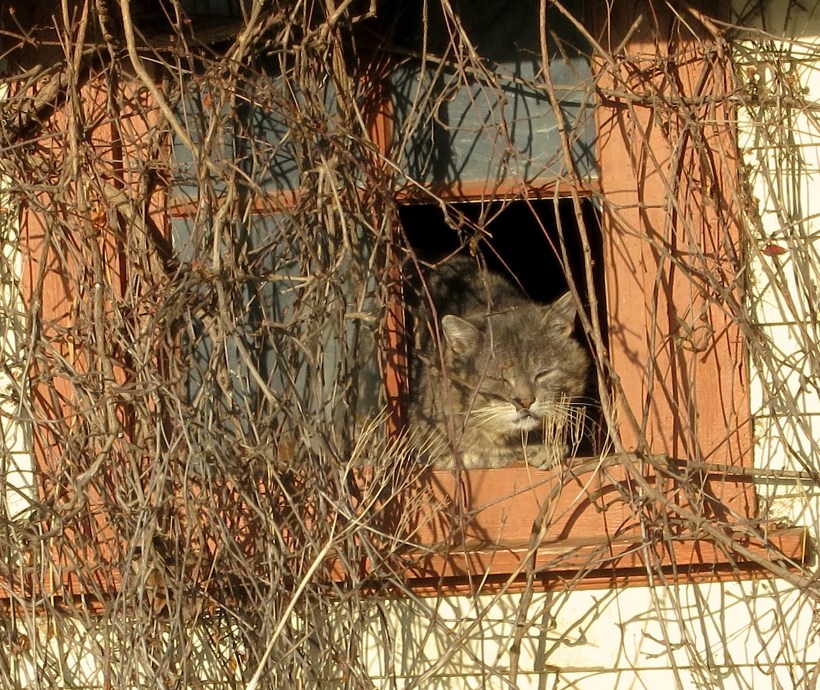
In my daily walk through life, I have my share of things I unceremoniously dump that I don’t want, don’t need,  can’t use, or abandon when I only want the palatable so figure the rest can rot. 

Today is Earth Day, and I feel properly shamed and guilty for my contribution to landfills, despite my avid recycling efforts for the past 50 years.  Nonetheless, I am in good company with my fellow carnivores and omnivores who daily leave behind and (sometimes) recycle what they don’t want or need.

I now need to figure out that herbivore cud thing.  I can go green, just might save on the grocery bill and my bathroom scale would thank me.

A Bright Sadness: What Man has Made of Man

I heard a thousand blended notes,
While in a grove I sate reclined,
In that sweet mood when pleasant thoughts
Bring sad thoughts to the mind.

To her fair works did Nature link
The human soul that through me ran;
And much it grieved my heart to think
What man has made of man.

Through primrose tufts, in that green bower,
The periwinkle trailed its wreaths;
And ’tis my faith that every flower
Enjoys the air it breathes.

The birds around me hopped and played,
Their thoughts I cannot measure:
—But the least motion which they made
It seemed a thrill of pleasure.

The budding twigs spread out their fan,
To catch the breezy air;
And I must think, do all I can,
That there was pleasure there.

If this belief from heaven be sent,
If such be Nature’s holy plan,
Have I not reason to lament
What man has made of man?
~William Wordsworth from “Lines Written in Early Spring”

As spring boldly emerges from winter’s haze,
I can’t let go the fog of lament
about what we’ve become:
man in the midst of the muck
cannot fix man.

We await the joy of a
heaven-sent rescue —
divinity indwelling within
a man who wept for us —
this bright sadness,
our Creator’s holy plan.


God Scraped and Torn


God is not only the God of the sufferers but the God who suffers. … It is said of God that no one can behold his face and live. I always thought this meant that no one could see his splendor and live. A friend said perhaps it meant that no one could see his sorrow and live. Or perhaps his sorrow is splendor. … Instead of explaining our suffering God shares it.

How is faith to endure, O God, when you allow all this scraping and tearing on us? You have allowed rivers of blood to flow, mountains of suffering to pile up, sobs to become humanity’s song–all without lifting a finger that we could see. You have allowed bonds of love beyond number to be painfully snapped. If you have not abandoned us, explain yourself.

We strain to hear. But instead of hearing an answer we catch sight of God himself scraped and torn. Through our tears we see the tears of God.
~Nicholas Wolterstorff  in Lament for a Son


trilliumweeping


“My God, My God,” goes the Psalm 22, “hear me, why have you forsaken me?”  This is the anguish all we of Godforsaken heart know well. But hear the revelation to which Christ directs us, further in the same psalm:

For He has not despised nor scorned the beggar’s supplication,
Nor has He turned away His face from me;
And when I cried out to Him, He heard me.

He hears us, and he knows, because he has suffered as one Godforsaken. Which means that you and I, even in our darkest hours, are not forsaken. Though we may hear nothing, feel nothing, believe nothing, we are not forsaken, and so we need not despair. And that is everything. That is Good Friday and it is hope, it is life in this darkened age, and it is the life of the world to come.
~Tony Woodlief from “We are Not Forsaken”


candle_in_the_dark_by_barkingbeagle-d33vdew


Scratch the surface of a human being and the demons of hate and revenge … and sheer destructiveness break forth.

    The cross stands before us to remind us of this depth of ourselves so that we can never forget. These forces continue to break forth in many parts of the world now, and many of us would like to forget how in some places in the United States we treat a person whose skin is black.

    Again and again we read the stories of violence in our daily papers, of the mass murders and ethnic wars still occurring in numerous parts of our world. But how often do we say to ourselves: “What seizes people like that, even young people, to make them forget family and friends, and suddenly kill other human beings?” We don’t always ask the question in that manner. Sometimes we are likely to think, almost smugly: “How different those horrible creatures are from the rest of us. How fortunate I am that I could never kill or hurt other people like they did.”

    I do not like to stop and, in the silence, look within, but when I do I hear a pounding on the floor of my soul. When I open the trap door into the deep darkness I see the monsters emerge for me to deal with. How painful it is to bear all this, but it is there to bear in all of us. Freud called it the death wish, Jung the demonic darkness. If I do not deal with it, it deals with me. The cross reminds me of all this.

    This inhumanity of human to human is tamed most of the time by law and order in most of our communities, but there are not laws strong enough to make men and women simply cease their cruelty and bitterness. This destructiveness within us can seldom be transformed until we squarely face it in ourselves. This confrontation often leads us into the pit. The empty cross is planted there to remind us that suffering is real but not the end, that victory still is possible…
~Morton Kelsey from “The Cross and the Cellar”


sunriseholyweek13


In a daring and beautiful creative reversal, 
God takes the worse we can do to Him
and turns it into the very best He can do for us.
~Malcolm Guite from The Word in the Wilderness


May we remember today, of all days, the worst that can happen becomes the best that can happen.
We tussle and haggle over the price of what this will cost us, but realizing it has been paid for us makes an impossible loss possible.

We are paid in full, no longer debtors.  From now on, we are freed from worry: the worst became the best.


We Will Weep and Know Why

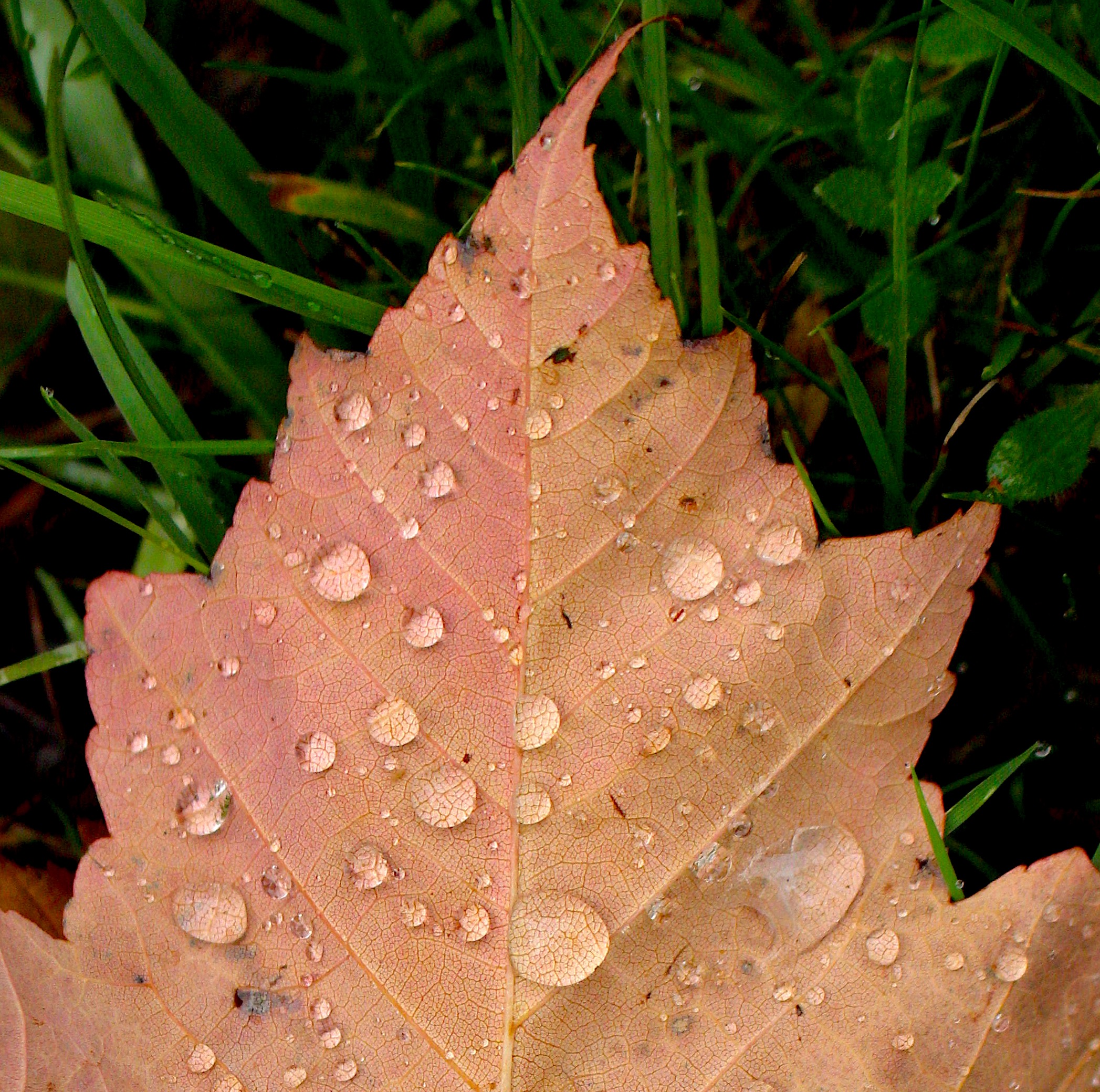
septleaves4


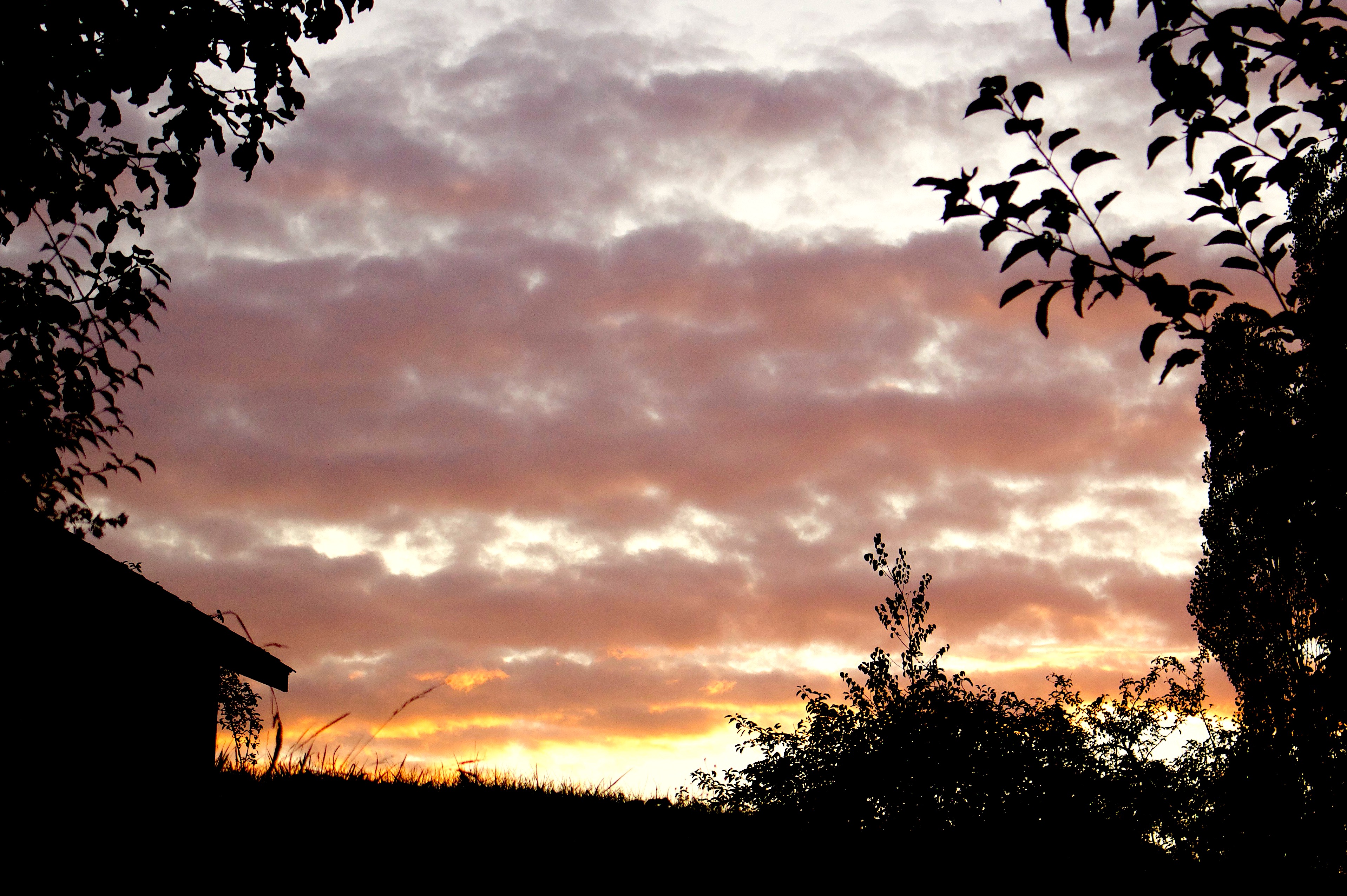
sunset10117

~to a young child~

Márgarét, áre you gríeving
Over Goldengrove unleaving?
Leáves like the things of man, you
With your fresh thoughts care for, can you?
Ah! ás the heart grows older
It will come to such sights colder
By and by, nor spare a sigh
Though worlds of wanwood leafmeal lie;
And yet you wíll weep and know why.
Now no matter, child, the name:
Sórrow’s spríngs áre the same.
Nor mouth had, no nor mind, expressed
What heart heard of, ghost guessed:
It ís the blight man was born for,
It is Margaret you mourn for.
~Gerard Manley Hopkins “Spring and Fall”
septleaves
This morning we weep and know why.
It is not simply the sorrowful loss
of the perfection of spring and childhood
giving way to the dying of the fall,
the last gasp coloring of leaves and skies.It is the loss of innocence, of sense of reverence for life,
this blight man was born for,
this bleeding out for no reason.

What must drive one man’s selfish rage, loneliness and despair to compel him to deprive innocent others of their blood and life?

What unexplained evil overtakes one heart that he seeks to stop the beating hearts of others before his own is stopped?


When will there ever be safe havens again in society?
Not schools, not churches, not hospitals, not concerts, not any place people gather.

This is a day for lament, for tears, and for prayers to God that we cry out and bleed out the spiritual sickness that is infecting us all.
madronajoint
moonrise10117
sunsetbarnlight

Send Our Roots Rain

redsquare

Justus quidem tu es, Domine, si disputem tecum; verumtamen
justa loquar ad te: Quare via impiorum prosperatur? (Jeremiah 12)

Thou art indeed just, Lord, if I contend
With thee; but, sir, so what I plead is just.
Why do sinners’ ways prosper? and why must
Disappointment all I endeavour end?
    Wert thou my enemy, O thou my friend,
How wouldst thou worse, I wonder, than thou dost
Defeat, thwart me? Oh, the sots and thralls of lust
Do in spare hours more thrive than I that spend,
Sir, life upon thy cause. See, banks and brakes

Now, leavèd how thick! lacèd they are again
With fretty chervil, look, and fresh wind shakes
Them; birds build — but not I build; no, but strain,
Time’s eunuch, and not breed one work that wakes.

Mine, O thou Lord of life, send my roots rain
~Gerard Manley Hopkins  “Thou art indeed just, Lord”

rainstorm

As I look out through a tear-streaked window at the beginning of this dark day,
I feel inadequate to the task before me.

Parched and struggling patients will line my schedule in weeks to come;
they are anxious and already weary and barren, seeking something, anything
to ease their distress in a hostile world.
Preferably an easy pill to swallow.
Nothing that hurts going down.

While others thrive around them,
they wilt and wither, wishing to die.

Lord of Life, equip me to find the words to say that might help.
May it be about more than
genetics, neurotransmitters and physiology.

In this dry season for young lives,
send your penetrating rain to reach them
and those who guide them.
Reach down and shake our roots fiercely
to slake our continual thirst.

1031drops7

What Man has Made of Man

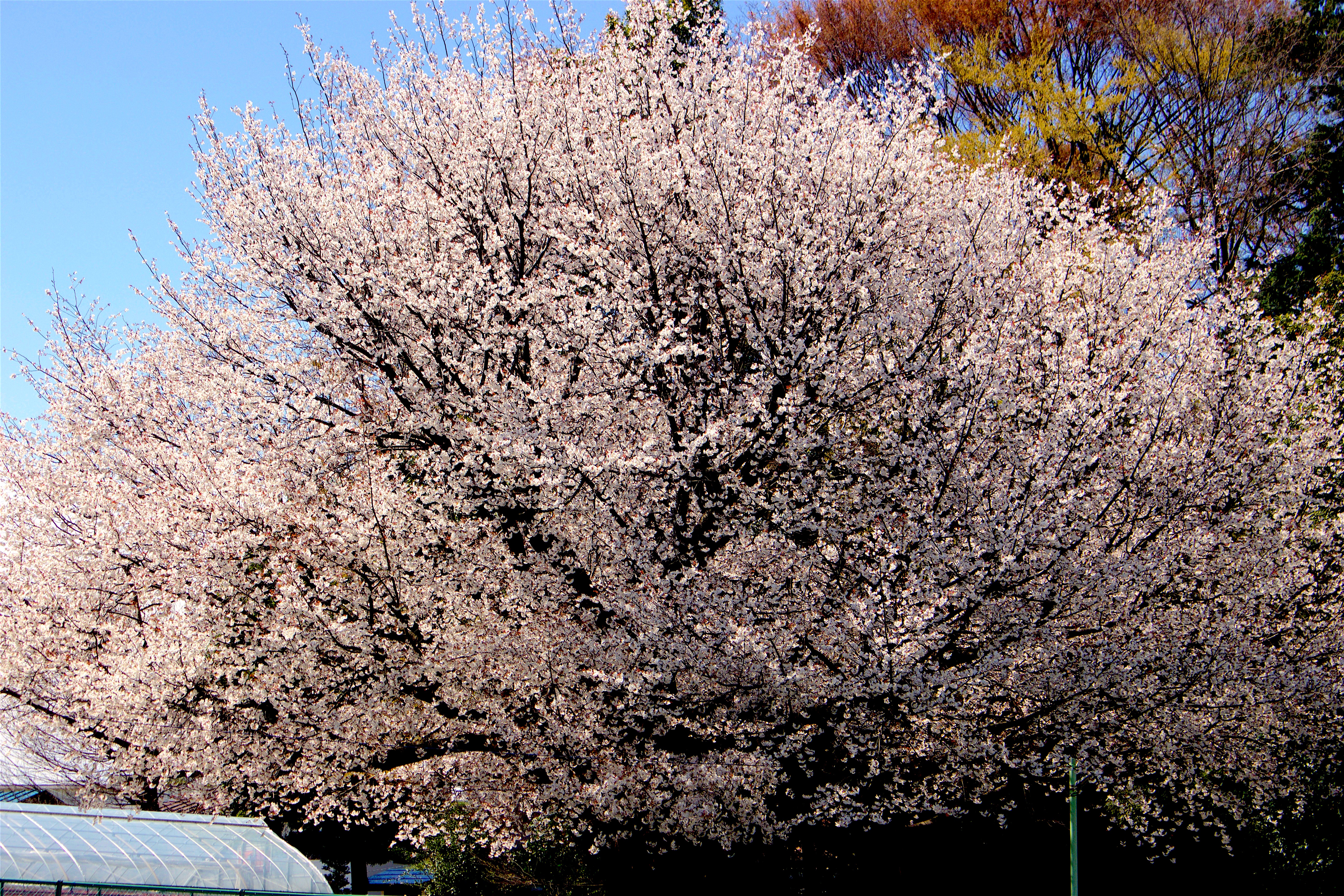
cherry232716

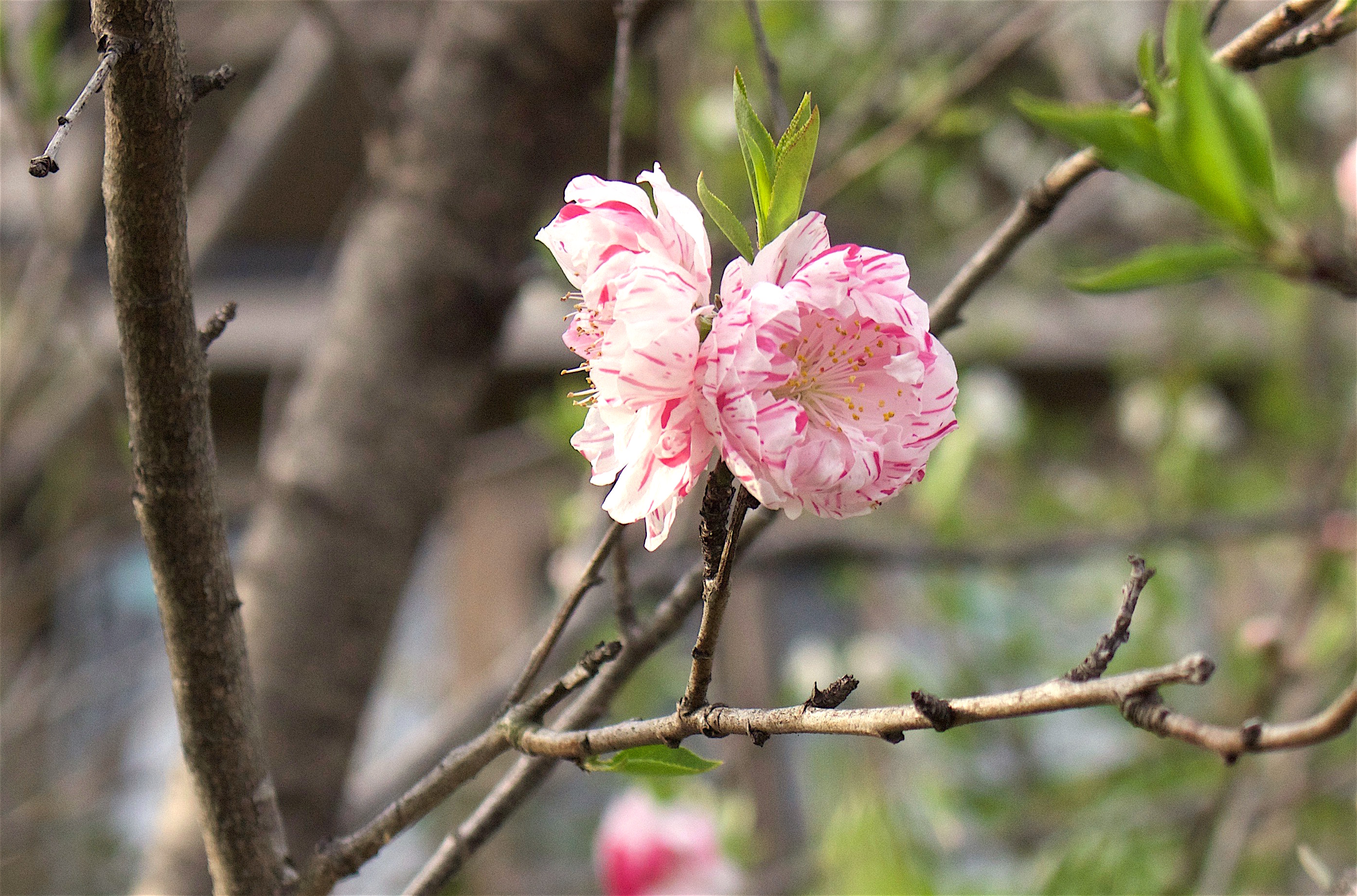
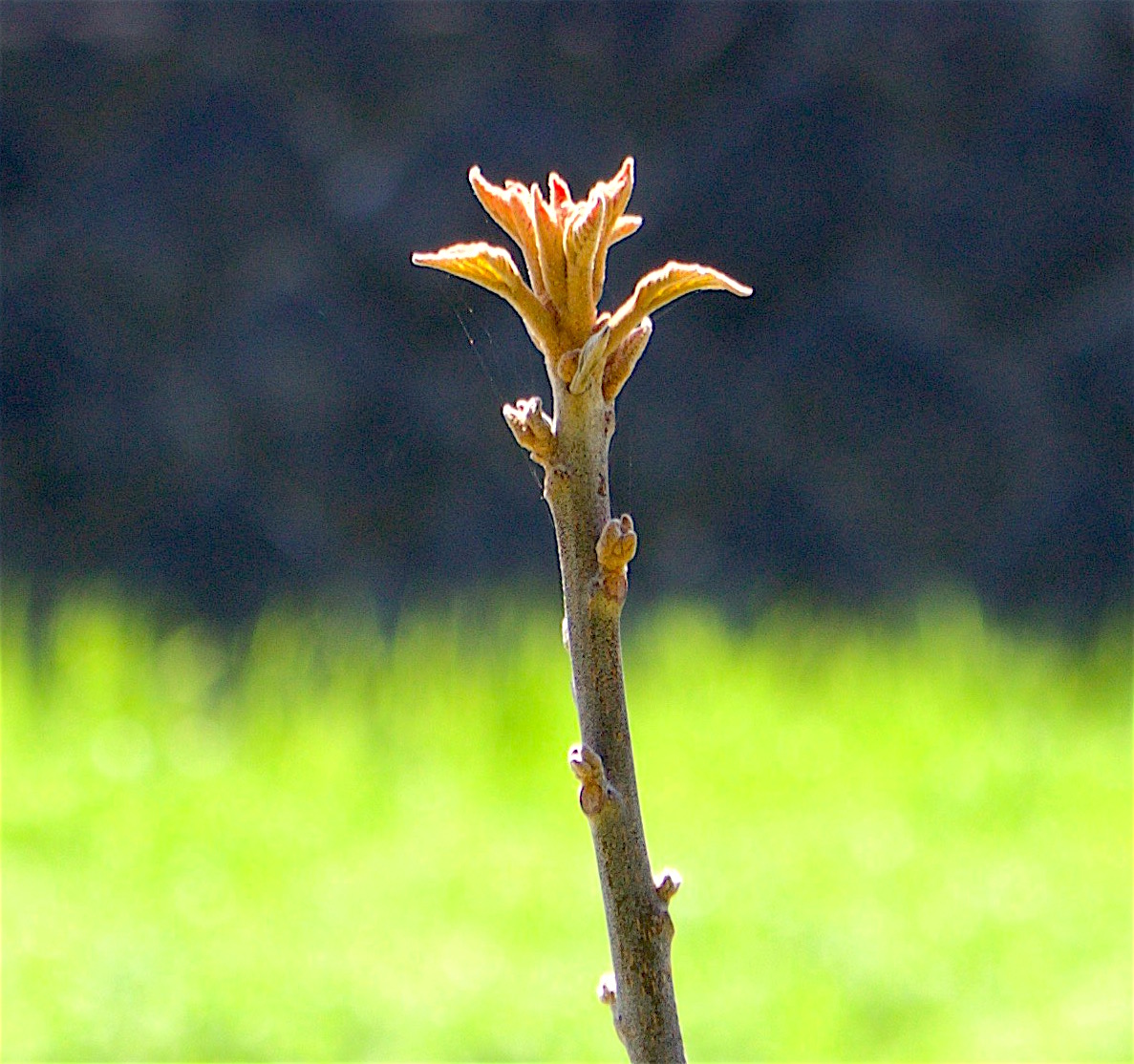
The budding twigs spread out their fan,
To catch the breezy air;
And I must think, do all I can,
That there was pleasure there.
If this belief from heaven be sent,
If such be Nature’s holy plan,
Have I not reason to lament
What man has made of man?
~William Wordsworth from “Lines Written in Early Spring”
cherry316
As shy spring emerges from this morning’s haze,
I can’t let go the fog of lament
about what we’ve become
and the mess we’ve made of things:
man cannot fix man.

We are irretrievably lost
if repair was up to us.
We need our
heaven-sent rescue
~divinity clothed inside
a human soul~
fixed to bloom fully
in our broken hearts.

cherry32716