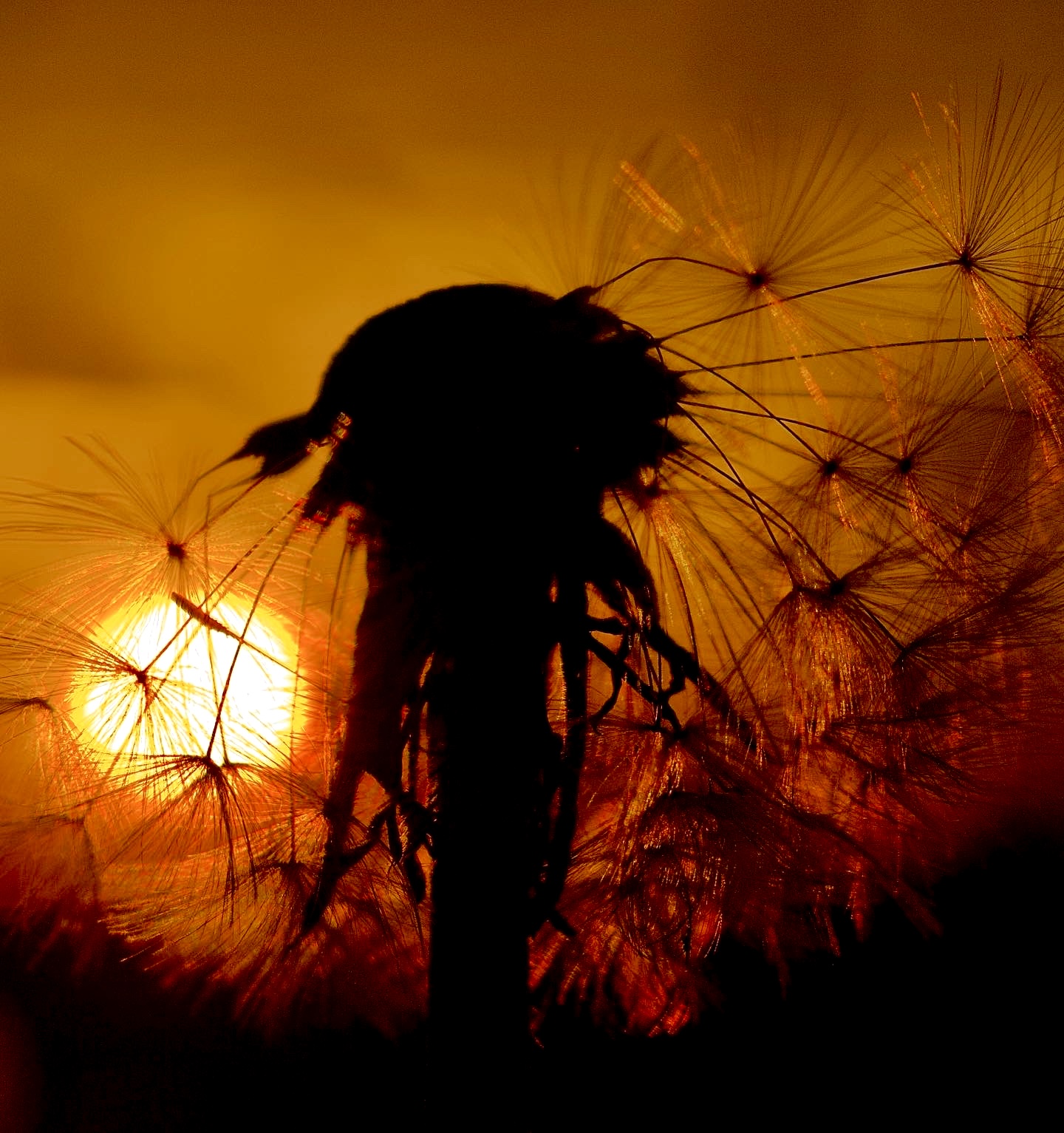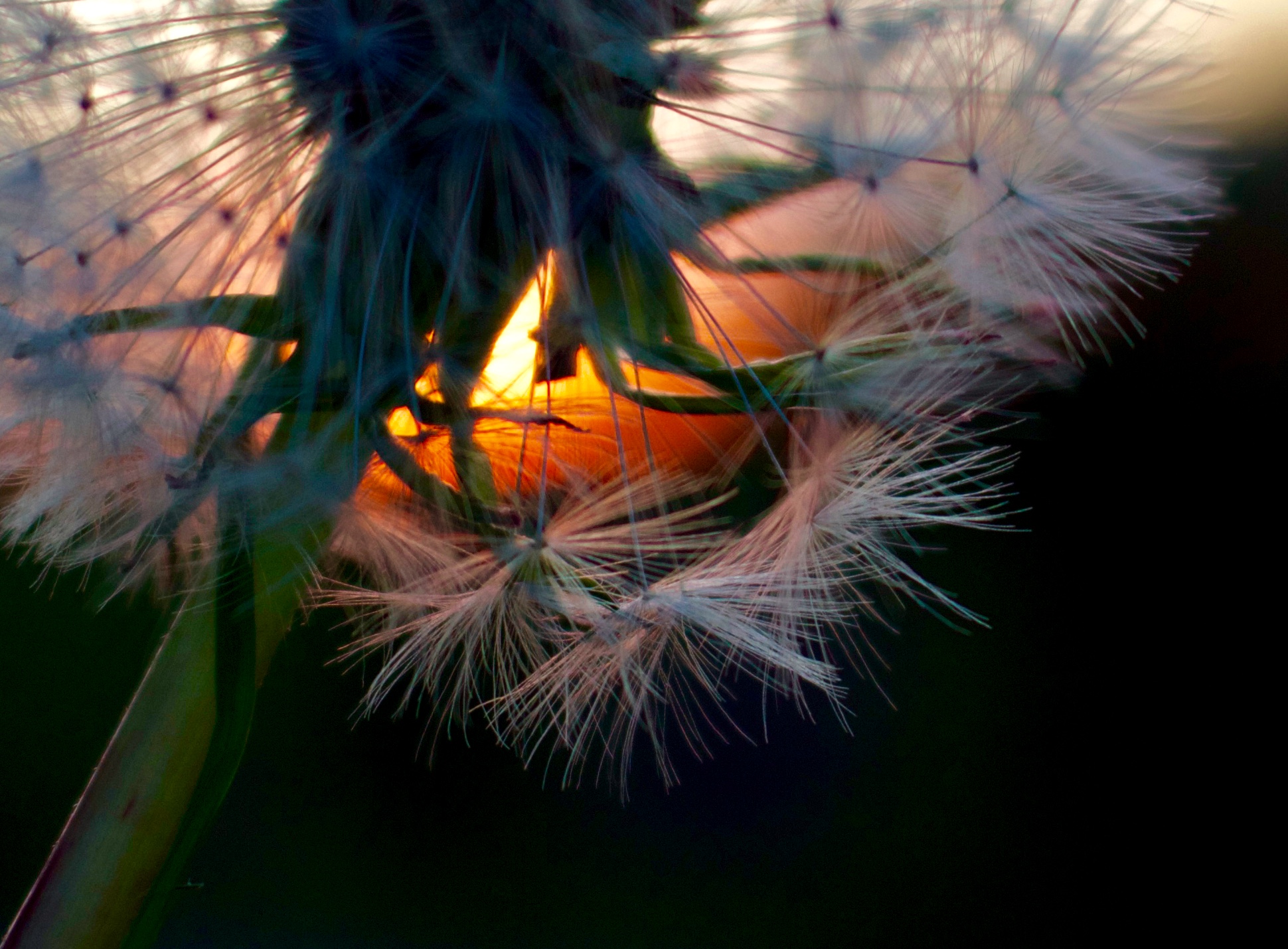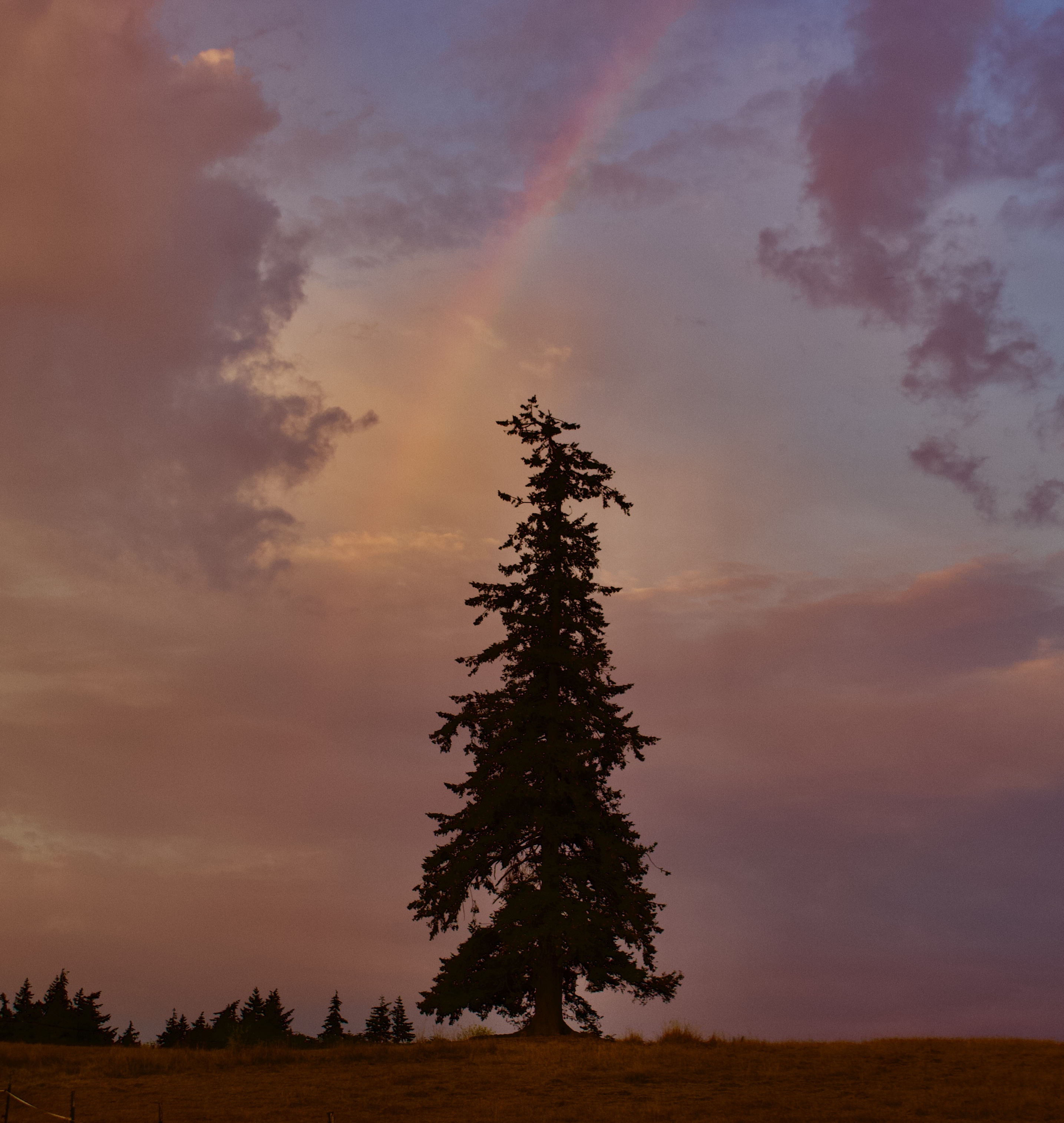
An Advent Threshold: What Are You Seeking? Come and See What is Possible…

The next day again John was standing with two of his disciples, and he looked at Jesus as he walked by and said, “Behold, the Lamb of God!” 

The two disciples heard him say this, and they followed Jesus.
 Jesus turned and saw them following and said to them, 
“What are you seeking?” 
And they said to him, “Rabbi” (which means Teacher), “where are you staying?”  

He said to them, “Come and you will see.” So they came and saw where he was staying, and they stayed with him that day, for it was about the tenth hour.

One of the two who heard John speak and followed Jesus was Andrew, Simon Peter’s brother.  He first found his own brother Simon and said to him, “We have found the Messiah” (which means Christ). He brought him to Jesus. Jesus looked at him and said, 
“You are Simon the son of John. You shall be called Cephas” (which means Peter).


 The next day Jesus decided to go to Galilee. He found Philip and said to him, “Follow me.” Now Philip was from Bethsaida, the city of Andrew and Peter. Philip found Nathanael and said to him, “We have found him of whom Moses in the Law and also the prophets wrote, Jesus of Nazareth, the son of Joseph.”  Nathanael said to him, “Can anything good come out of Nazareth?”

Philip said to him, “Come and see.”  

Jesus saw Nathanael coming toward him and said of him, “Behold, an Israelite indeed, in whom there is no deceit!”  Nathanael said to him, “How do you know me?” Jesus answered him, “Before Philip called you, when you were under the fig tree, I saw you.”  Nathanael answered him, “Rabbi, you are the Son of God! You are the King of Israel!”  Jesus answered him, “Because I said to you, ‘I saw you under the fig tree,’ do you believe? You will see greater things than these.”  And he said to him, “Truly, truly, I say to you, you will see heaven opened, and the angels of God ascending and descending on the Son of Man.”
John 1:35-51

I never knew what was going on.

He would say, “Let’s go,” and we
would follow. “Follow” was his word.

And we would. Fools we were to let that
take us all that way. Why we did to this day

I don’t know. Look how it ended. Look
what it became. But what did we have

to stay for? Nothing. There wasn’t much
work. Nothing much to do. There were no

stories left. Bread. Fish. So we ended up
with more bread and fish. But we did find

stories and stories. Well, what else is there?
I never did much along the way. Look it up…


I will say, though, that it was his words. Words!

Imagine. Words had never done what his did.
I’d listen, and I wasn’t much of a listener. Then

later I would try to make sense of them. I couldn’t.
But I could feel them. And maybe that was it, how

they got inside you and made you wonder and wrinkle.
They got in my brain’s garden and made it seem like

the roots were above ground and all the flowers and
vegetables, all the nourishing, were now below…

See? See how hard it is to
explain this stuff? You just started seeing everything with a

new mind. You began to be drawn to a whole new world,
and it was a world.

You might say, okay, whatever, and yet those words
did become flesh, my flesh. And my flesh, my body, held

the kingdom of God, and if it’s a place that’s a place
for children, then most of what I know really doesn’t matter.

Labor doesn’t, and money, and reason, and, well, you
go make a list. He’d get me so confused. And then we’d

head off worrying about how we would eat and where
we’d sleep. Our feet were filthy. My God, we were always

filthy. We stank. And then he’d go and point at birds or
stalks of grain, even stop and have us kneel before a flower,

and then he’d smile. That haunts me still. That smile.
And then he died. He brought out hate, not love. He had

a terrifying sense of justice. Nothing he said or did
was impossible. Maybe that was it. It was all possible.

~Jack Ridl from “Bartholomew: Disciple”

What are you seeking? What are you looking for in your life?

Jesus asks the new disciples because He needs to know whether they are expecting a wise rabbi/teacher, or a prophesied Messiah come to change the world, or a mighty king who will liberate them from political oppression.

No matter what our expectation is, Jesus asks that we come to see what he is doing, following him to witness what will happen as he speaks, allowing his words to become our new flesh and skin.

He takes us to the threshold of heaven and throws the gate wide open. Nothing he says or does is impossible.

He shows us what is possible simply by asking us what we hope for.

I am reading slowly through the words in the Book of John over the next year or so. Each week, I will invite you to “come and see” what those words might mean as we explore His promises together.

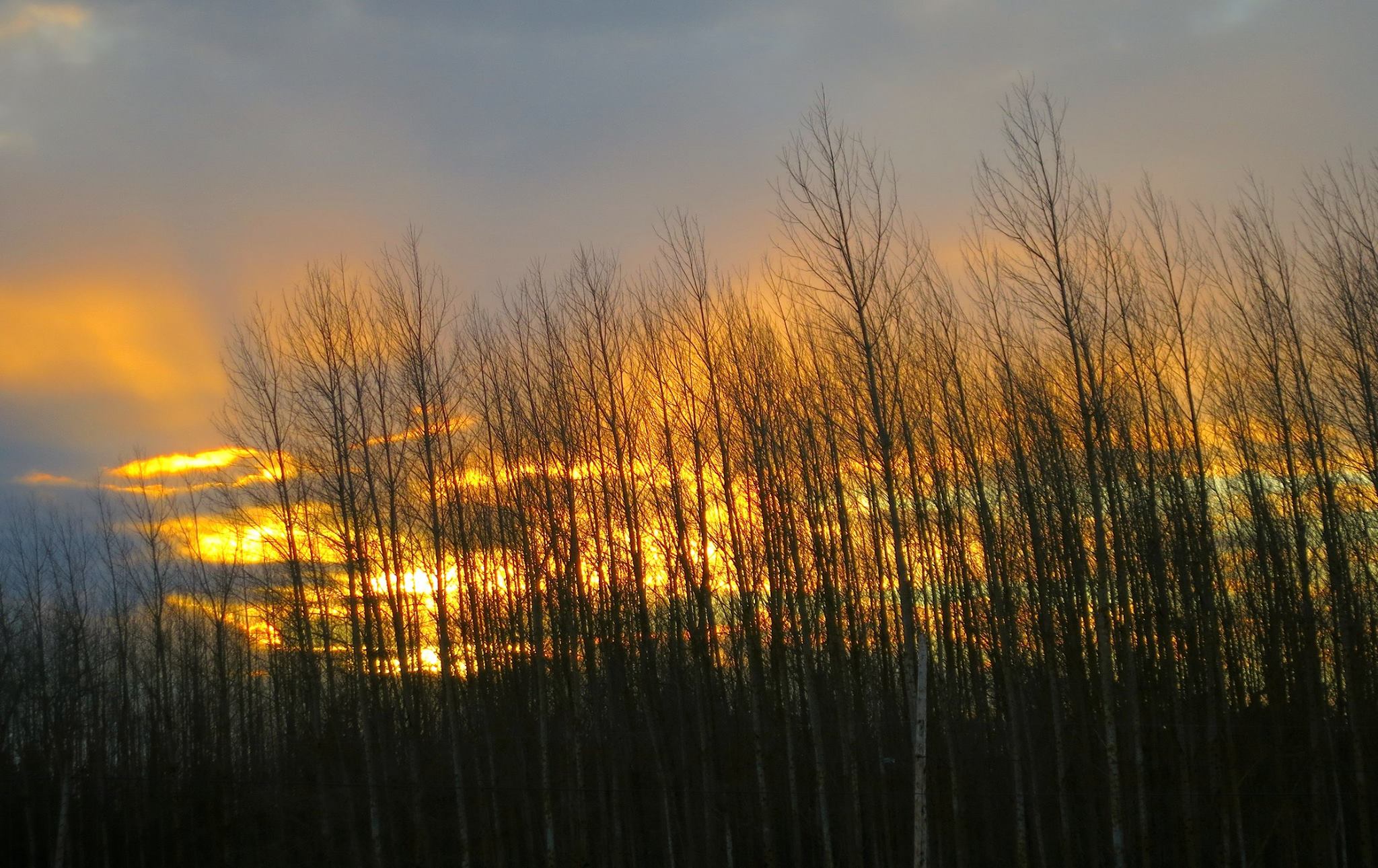
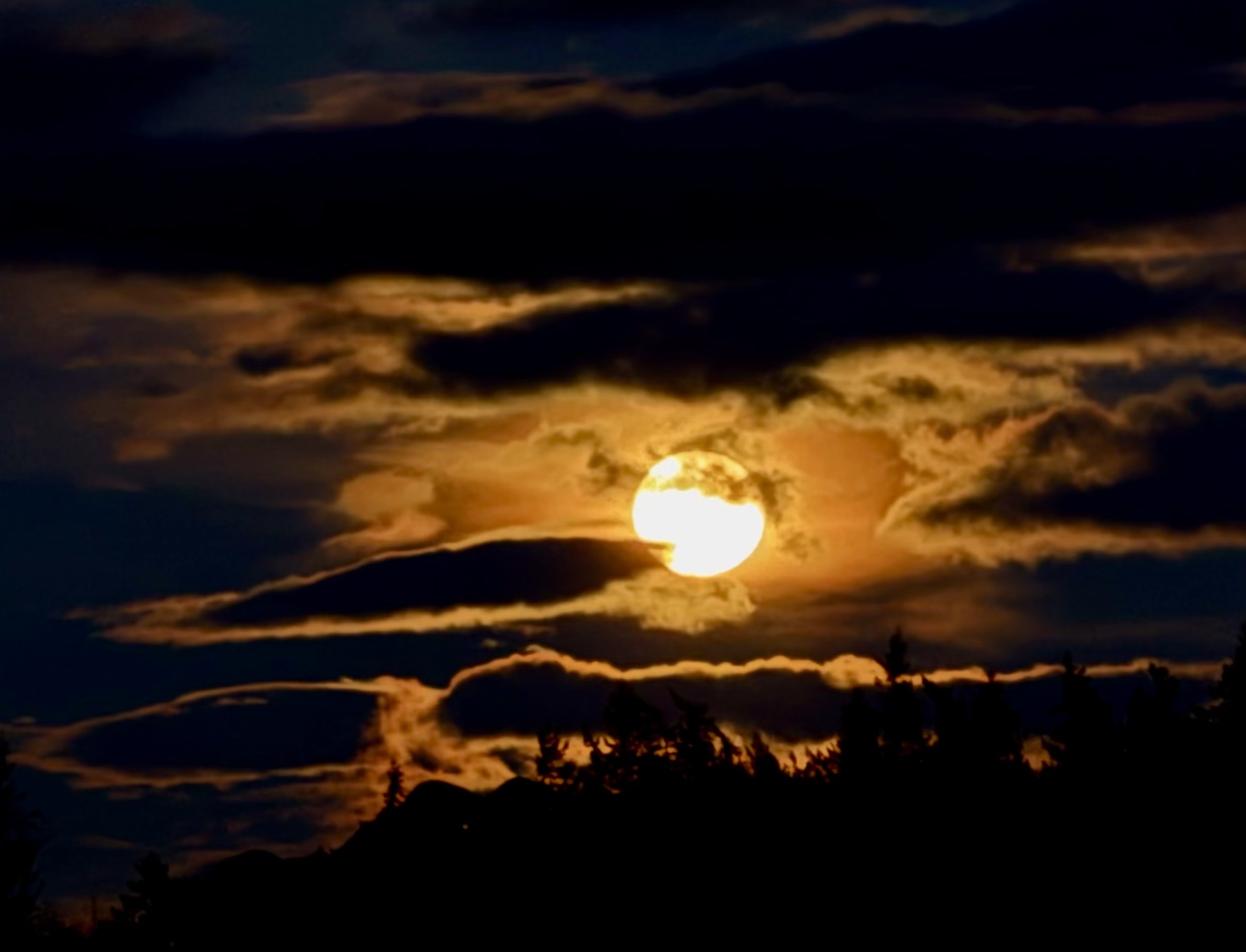
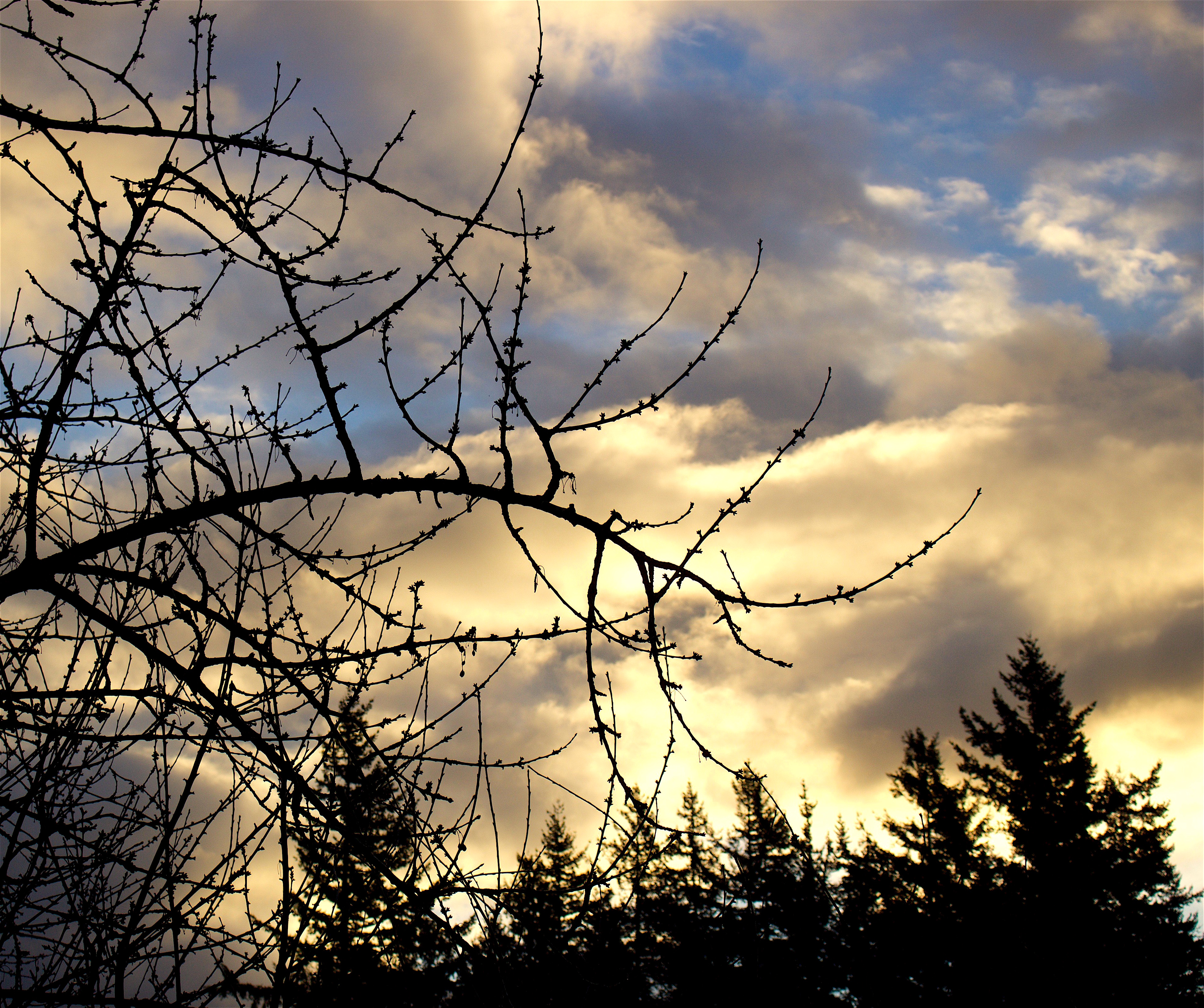
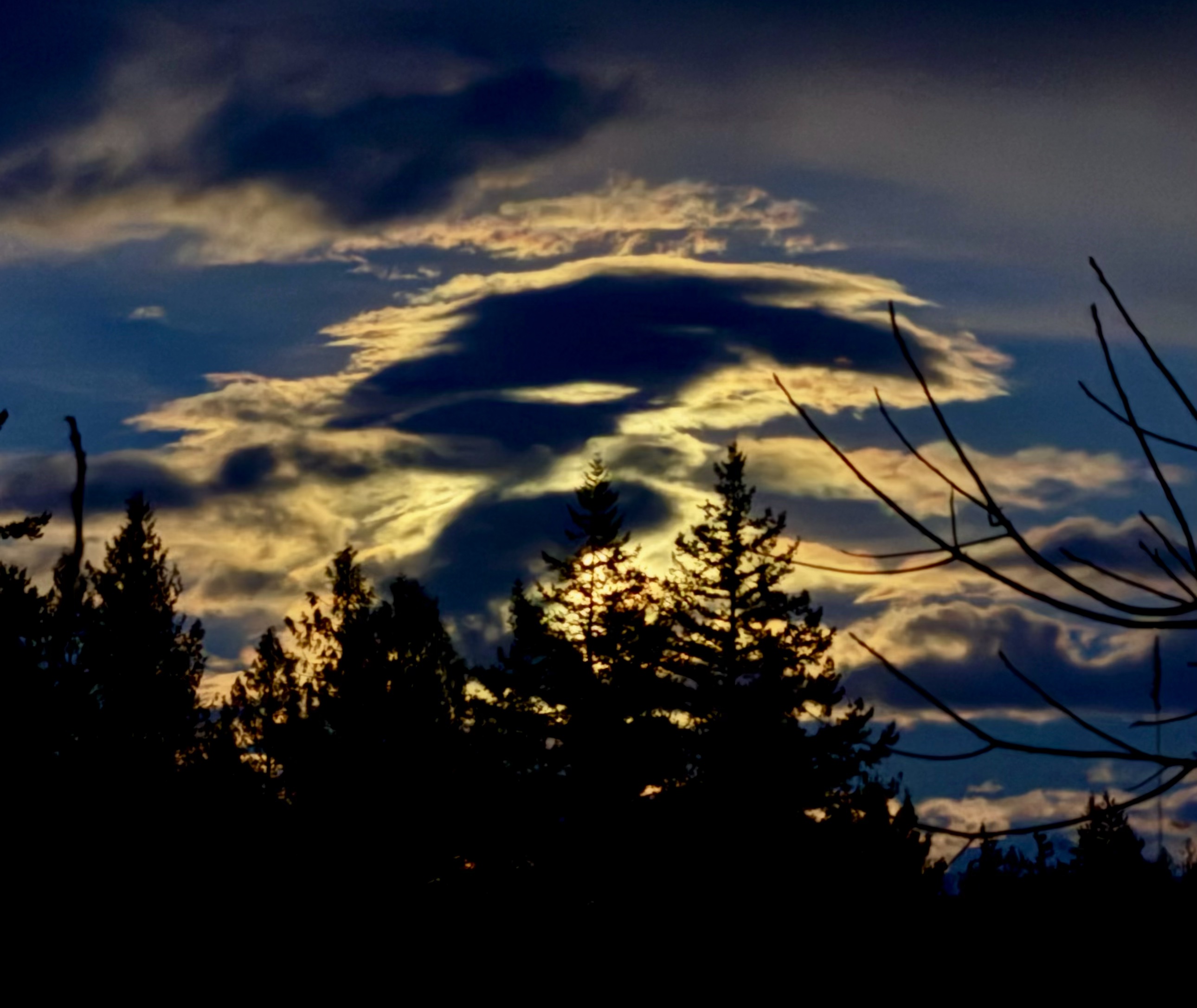
My 2025 Advent theme:
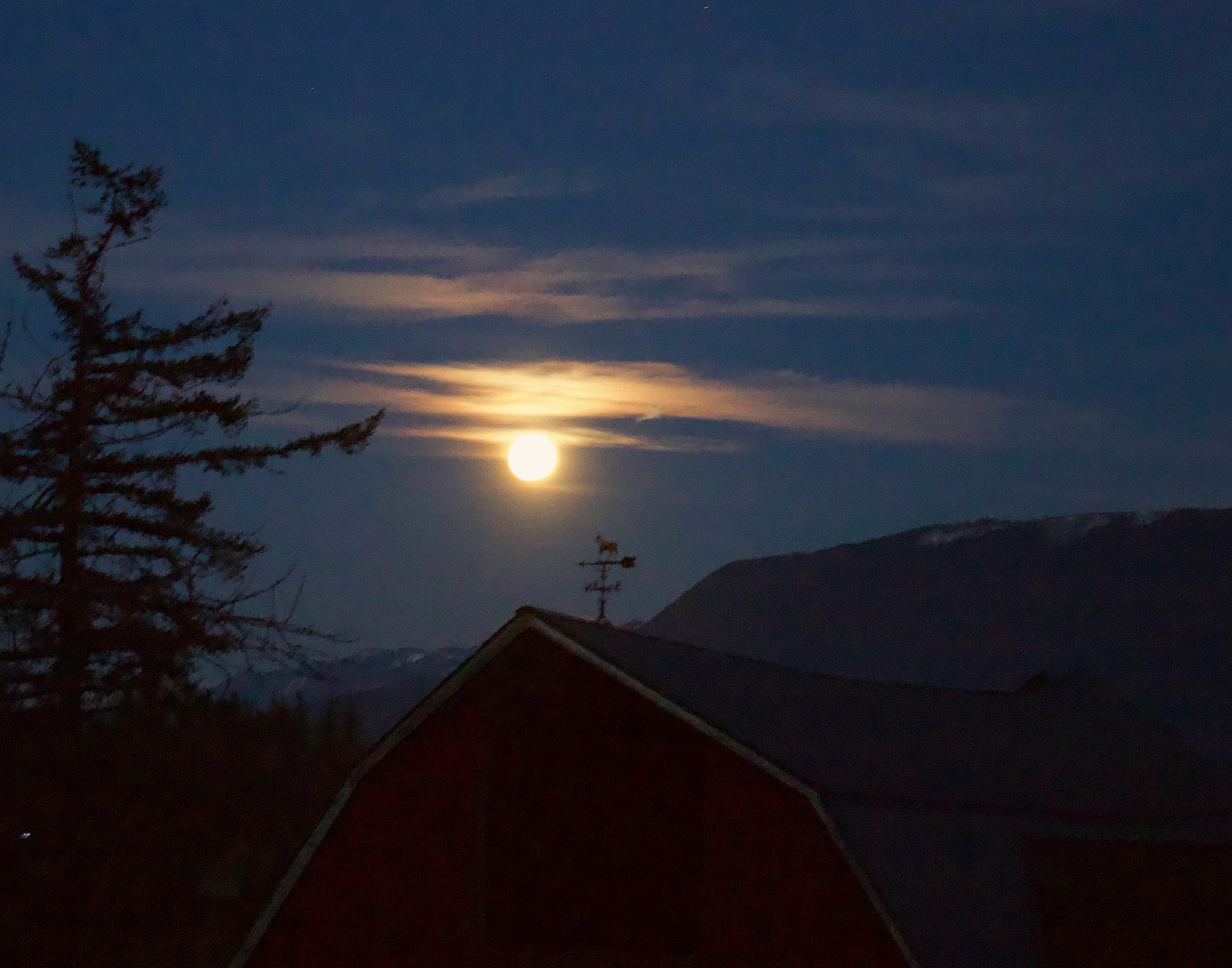
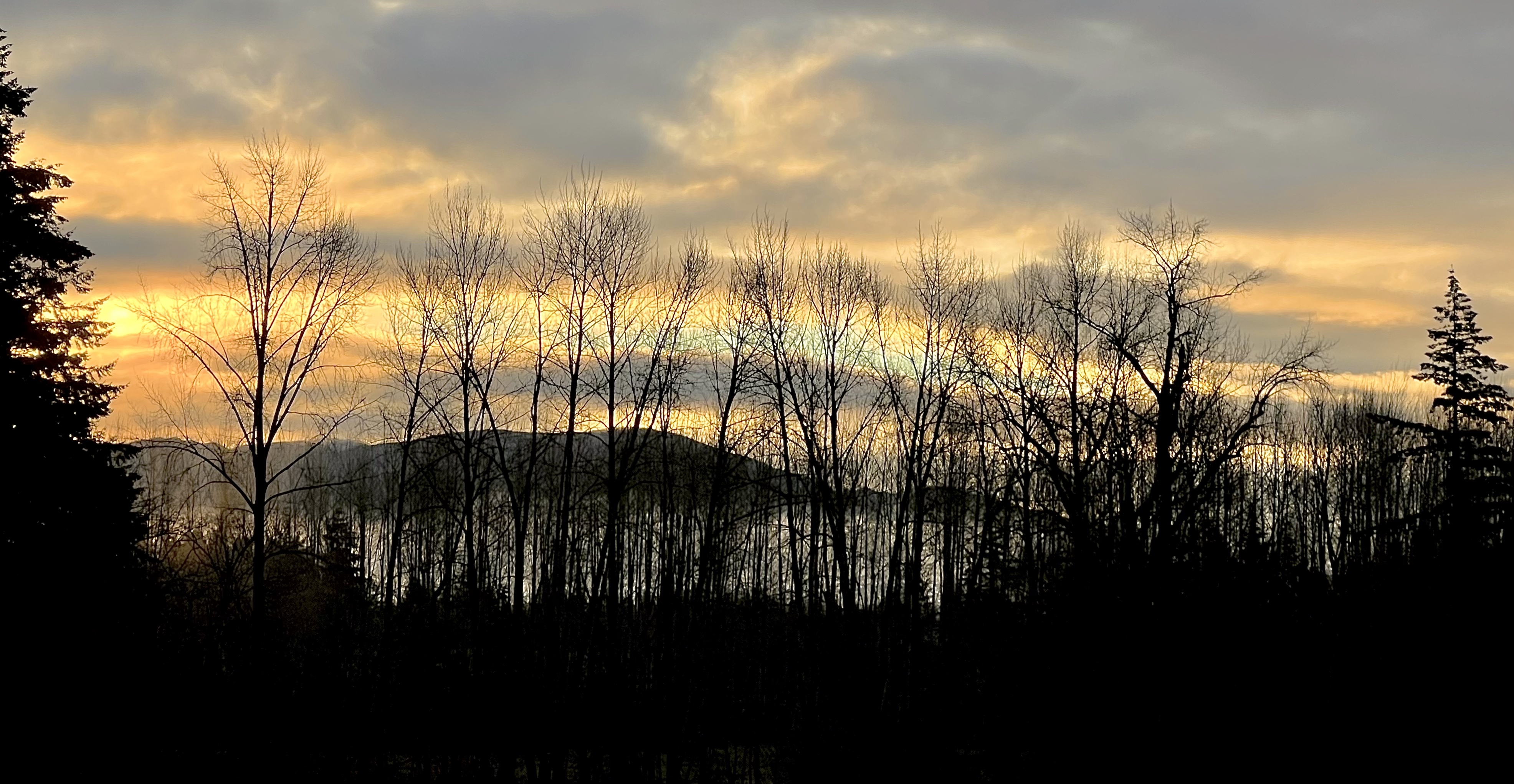
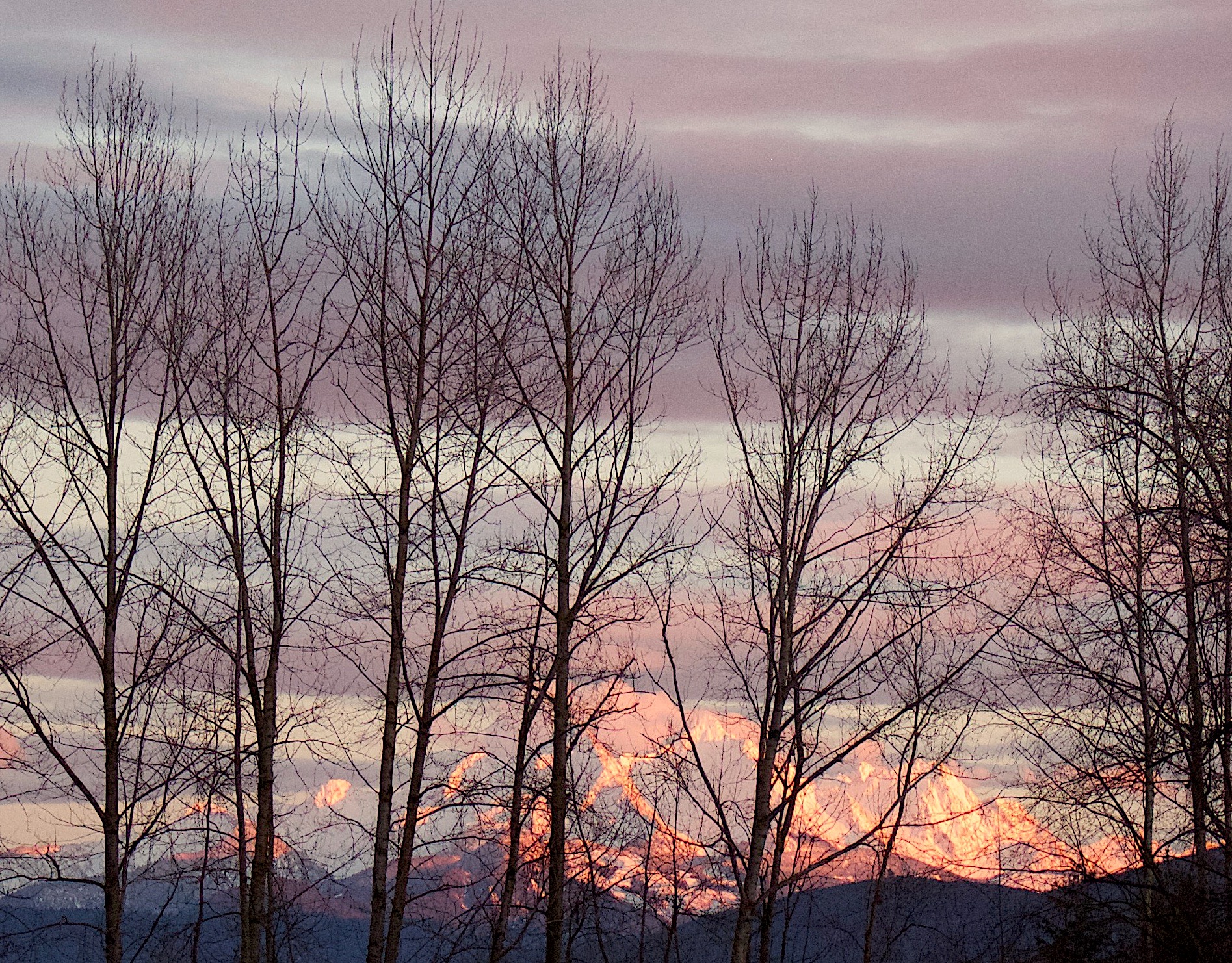
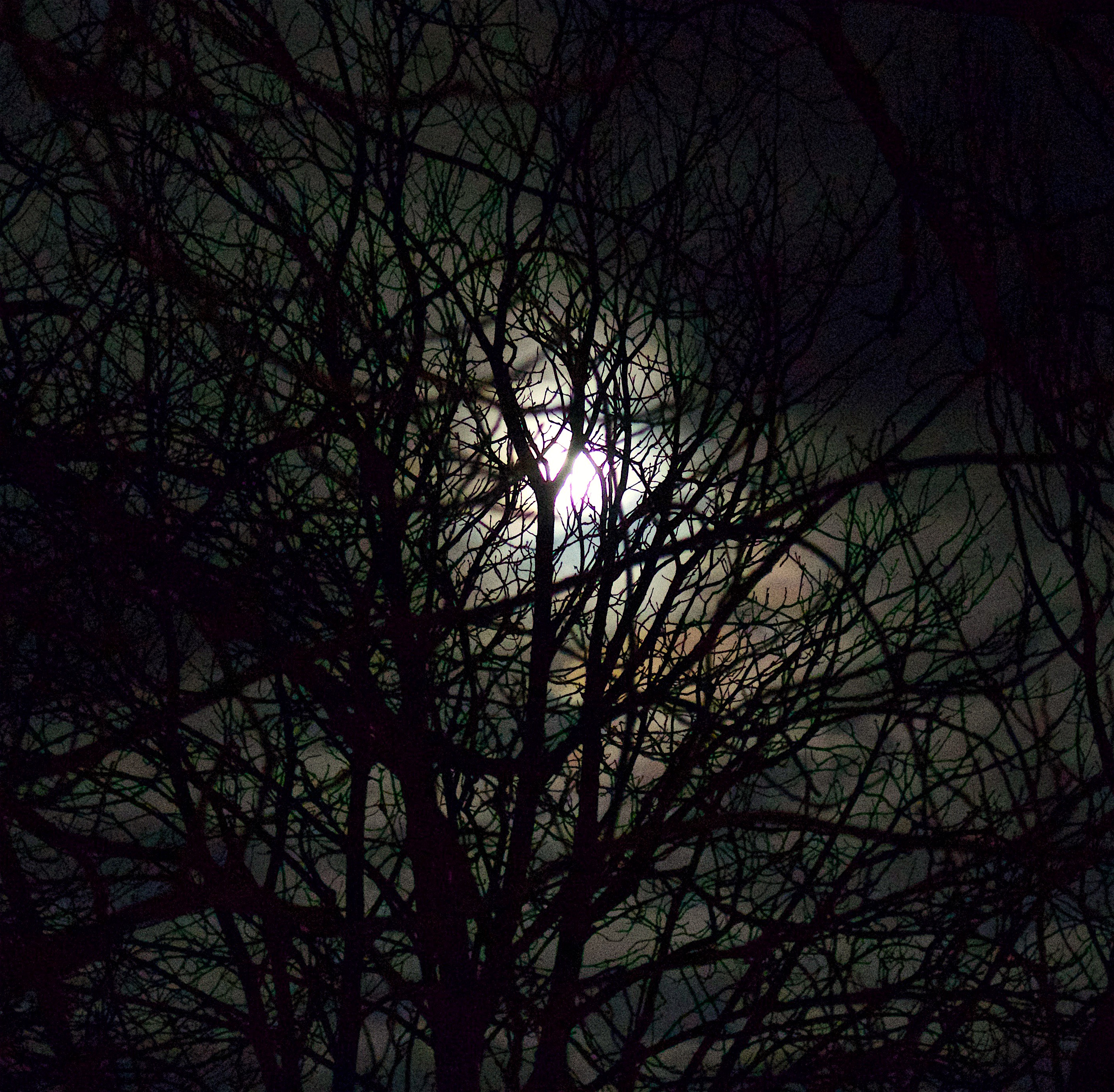
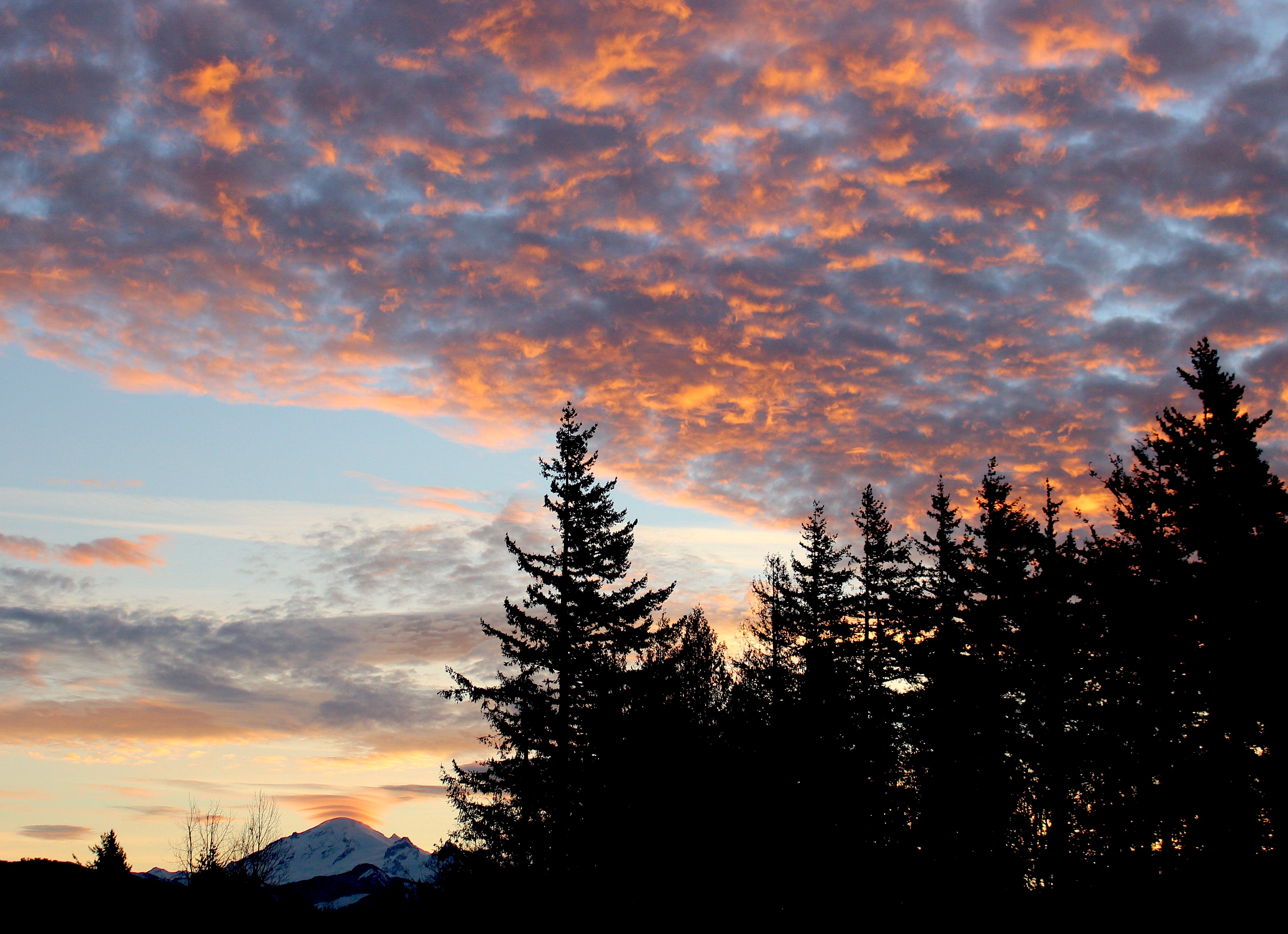
On the threshold between day and night

On that day there will be neither sunlight nor cold, frosty darkness. 
It will be a unique day—a day known only to the Lord—

with no distinction between day and night. 
When evening comes, there will be light.
Zechariah 14:6-7

So once in Israel love came to us incarnate, stood in the doorway between two worlds, and we were all afraid.
~Annie Dillard in Teaching a Stone to Talk

One-Time
Monthly
Yearly

Make a one-time or recurring donation to support daily Barnstorming posts

Make a monthly donation

Make a yearly donation

Choose an amount

$10.00
$25.00
$50.00
$5.00
$15.00
$100.00
$5.00
$15.00
$100.00

Or enter a custom amount

$

Your contribution is deeply appreciated.

Your contribution is appreciated.

Your contribution is appreciated.

DonateDonate monthlyDonate yearly
An Advent Threshold: Come and See the Lamb

The next day he saw Jesus coming toward him, and said,
“Behold, the Lamb of God, who takes away the sin of the world! 
This is he of whom I said, ‘After me comes a man who ranks before me, because he was before me.’ 


 I myself did not know him, but for this purpose I came baptizing with water, that he might be revealed to Israel.” 

And John bore witness: “I saw the Spirit descend from heaven like a dove, and it remained on him. I myself did not know him, but he who sent me to baptize with water said to me, ‘He on whom you see the Spirit descend and remain, this is he who baptizes with the Holy Spirit.’ 

And I have seen and have borne witness that this is the Son of God.”
John 1: 29-34

When the stars threw down their spears
And water’d heaven with their tears:
Did he smile his work to see?
Did he who made the Lamb make thee?

~William Blake from “The Tyger”

Little Lamb, who made thee?
Dost thou know who made thee?
Gave thee life, and bid thee feed,
By the stream and o’er the mead;
Gave thee clothing of delight,
Softest clothing woolly, bright;
Gave thee such a tender voice,
Making all the vales rejoice?
Little Lamb, who made thee?
Dost thou know who made thee?

Little Lamb, I’ll tell thee,
Little Lamb, I’ll tell thee:
He is callèd by thy name,
For He calls Himself a Lamb.
He is meek, and He is mild:
He became a little child.
I a child, and thou a lamb,
We are callèd by His name.
Little Lamb, God bless thee!
Little Lamb, God bless thee

~William Blake “Little Lamb”

He is the Lion and the Lamb.
Despite his high claims, he is never pompous;
you never see him standing on his own dignity.
Despite being absolutely approachable to the weakest and broken,
he is completely fearless before the corrupt and powerful.
He has tenderness without weakness.
Strength without harshness.
Humility without the slightest lack of confidence.
Unhesitating authority with a complete lack of self-absorption. Holiness and unending convictions

without any shortage of approachability.
Power without insensitivity.

~Tim Keller from Encounters with Jesus: Unexpected Answers to Life’s Biggest Questions

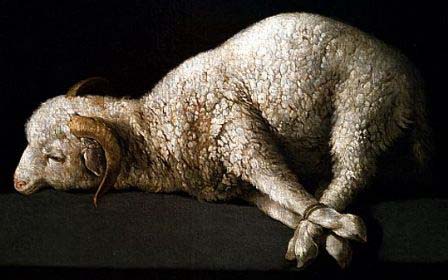
John the Baptist is the only one who actually calls Jesus a Lamb to His Face. It seems a curious label to put on the Messiah expected to bring the Kingdom of God to His people with great power, might, and fanfare.
A lamb?
A defenseless helpless lamb?
How could God send a mere lamb?

The label is particularly apt for this Messiah. This mere lamb is marked for slaughter, destined for sacrifice. The Jewish people well understood the age-old directive to find a “year old male lamb without defect”, the perfect lamb, as only that blood would demarcate their Passover rescue in Egypt. 

There would be no mistaking what “Lamb of God” implied to the Jews who knew their Passover history.

But John is even more revolutionary than simply calling Jesus a Lamb of God. He is not talking about a sacrifice meant only for his own people. He is talking about a sacrifice on behalf of the world…
for the Jews, for the Gentiles, for the enemies of the Jews, for the millions of people as yet unborn. His words cannot be clearer, ringing through to the unsettled times and people of today.

The perfect lamb is sacrificed, his blood spilling over the hands of the slaughterers, and washing them clean.

No mere lamb forgives the holder of the knife. 
Only would the Lamb of God.

I am reading slowly through the words in the Book of John over the next year or so. Each week, I will invite you to “come and see” what those words might mean as we explore His promises together.

My 2025 Advent theme:
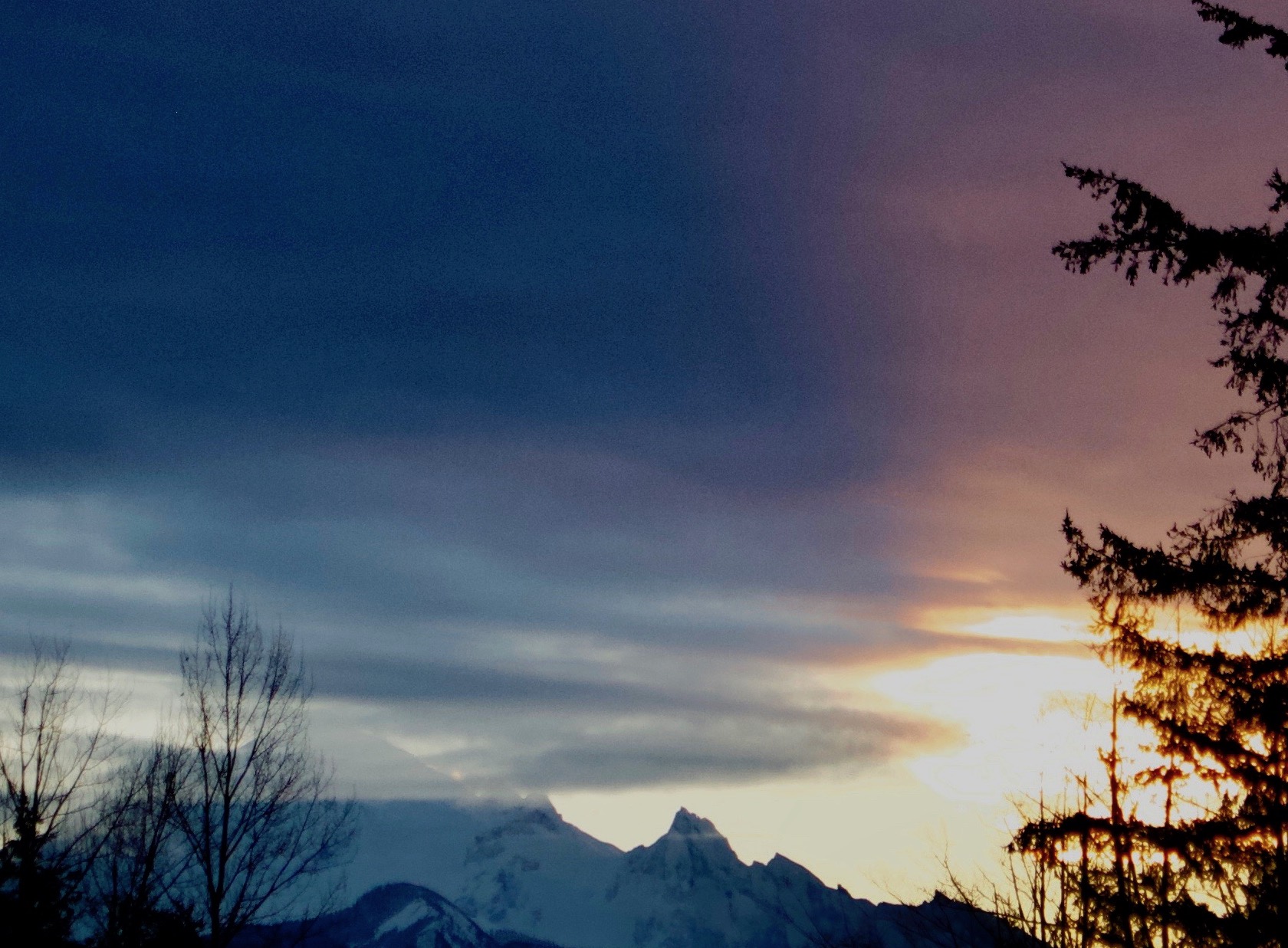
On the threshold between day and night

On that day there will be neither sunlight nor cold, frosty darkness. 
It will be a unique day—a day known only to the Lord—

with no distinction between day and night. 
When evening comes, there will be light.
Zechariah 14:6-7

So once in Israel love came to us incarnate, stood in the doorway between two worlds, and we were all afraid.
~Annie Dillard in Teaching a Stone to Talk

One-Time
Monthly
Yearly

Make a one-time or recurring donation to support daily Barnstorming posts

Make a monthly donation

Make a yearly donation

Choose an amount

$10.00
$25.00
$50.00
$5.00
$15.00
$100.00
$5.00
$15.00
$100.00

Or enter a custom amount

$

Your contribution is deeply appreciated.

Your contribution is appreciated.

Your contribution is appreciated.

DonateDonate monthlyDonate yearly
Come and See: Make Straight the Way

And this is the testimony of John, when the Jews sent priests and Levites from Jerusalem to ask him, “Who are you?”  He confessed, and did not deny, but confessed, “I am not the Christ.” 

And they asked him, “What then? Are you Elijah?”
He said, “I am not.” “Are you the Prophet?”
And he answered, “No.” 
 So they said to him, “Who are you? We need to give an answer to those who sent us. What do you say about yourself?” 
 He said, “I am the voice of one crying out in the wilderness, ‘Make straight the way of the Lord,’ as the prophet Isaiah said.”

(Now they had been sent from the Pharisees.) They asked him, “Then why are you baptizing, if you are neither the Christ, nor Elijah, nor the Prophet?” 

John answered them, “I baptize with water, but among you stands one you do not know, even he who comes after me, the strap of whose sandal I am not worthy to untie.” These things took place in Bethany across the Jordan, where John was baptizing.
John 1:19-28

We grow accustomed to the Dark —
When Light is put away —
As when the Neighbor holds the Lamp
To witness her Good bye —

A Moment — We Uncertain step
For newness of the night —
Then — fit our Vision to the Dark —
And meet the Road — erect —

And so of larger — Darknesses —
Those Evenings of the Brain —
When not a Moon disclose a sign —
Or Star — come out — within —

The Bravest — grope a little —
And sometimes hit a Tree
Directly in the Forehead —
But as they learn to see —

Either the Darkness alters —
Or something in the sight
Adjusts itself to Midnight —
And Life steps almost straight.

~Emily Dickinson

I admit that I’ve been stumbling about in the dark,
bearing the bruises and scrapes of
random collisions with objects hidden in the night.

My eyes must slowly adjust to such bare illumination,
as the Lamp sometimes is carried away.
I must feel my way along the road of life.

I know there are fellow darkness travelers
who also have lost their way and their Light,
giving what they can and sometimes more.

And so, blinded as we each are,
we run forehead-first into the Tree
which has always been there and always will be.

Because of who we are and Who loves us,
we, now free and forgiven,
follow a darkened road guaranteed straight, all the way Home.

I am reading slowly through the words in the Book of John over the next year. Each week, I will invite you to “come and see” what those words might mean as we explore His promises together.

One-Time
Monthly
Yearly

Make a one-time or recurring donation to support daily Barnstorming posts

Make a monthly donation

Make a yearly donation

Choose an amount

$10.00
$25.00
$50.00
$5.00
$15.00
$100.00
$5.00
$15.00
$100.00

Or enter a custom amount

$

Your contribution is deeply appreciated.

Your contribution is appreciated.

Your contribution is appreciated.

DonateDonate monthlyDonate yearly
Come and See: The Light Shines in the Darkness

He was with God in the beginning.
 Through him all things were made;
without him nothing was made that has been made. 
 In him was life, and that life was the light of all mankind. 
The light shines in the darkness, 
and the darkness has not overcome it.

John 1:2-5

Bring us, O Lord God, at our last awakening
into the house and gate of heav’n:
to enter into that gate and dwell in that house,
where there shall be no darkness nor dazzling,
but one equal light;
no noise nor silence,
but one equal music;
no fears nor hopes,
but one equal possession;
no ends nor beginnings,
but one equal eternity;
in the habitation of thy glory and dominion,
world without end.
Amen.
~John Donne – a prayer

For God, who said, “Let light shine out of darkness,” has shone in our hearts to give the light of the knowledge of the glory of God in the face of Jesus Christ.
2 Corinthians 4:6

It seems impossible that God could be contained within the darkness of a womb.

The Creator, who made the heavens, went deep into His vast inner universe of atoms and sub-atomic particles. He hosted tiny cellular nuclei within His body, instead of the heaven-flung massive nebulae in distant galaxies.

And He chose to do this. Out of His love and goodness, He became Light in the darkest space of the human body, to be birthed to illuminate a world bent on destruction.

From radiance to ribosomes,
from cosmos to cytoplasm,
from galaxies to Golgi apparatus,
from moons to mitochondria,
from utter darkness to “let there be light.”

And there is Light.
God is there, coming from above and coming from within.

I am reading slowly through the words in the Book of John over the next year. Once a week, I will invite you to “come and see” what those words might mean as we explore His promises together.

Lyrics:
Through love to light!
Oh, wonderful the way
That leads from darkness to the perfect day!
From darkness and from sorrow of the night
To morning that comes singing o’er the sea.
Through love to light!
Through light, O God, to thee,
Who art the love of love, the eternal light of light!

One-Time
Monthly
Yearly

Make a one-time or recurrent donation to support daily Barnstorming posts

Make a monthly donation

Make a yearly donation

Choose an amount

$10.00
$25.00
$50.00
$5.00
$15.00
$100.00
$5.00
$15.00
$100.00

Or enter a custom amount

$

Your contribution is deeply appreciated.

Your contribution is appreciated.

Your contribution is appreciated.

DonateDonate monthlyDonate yearly
Come and See: Grasping a Rainbow of Words

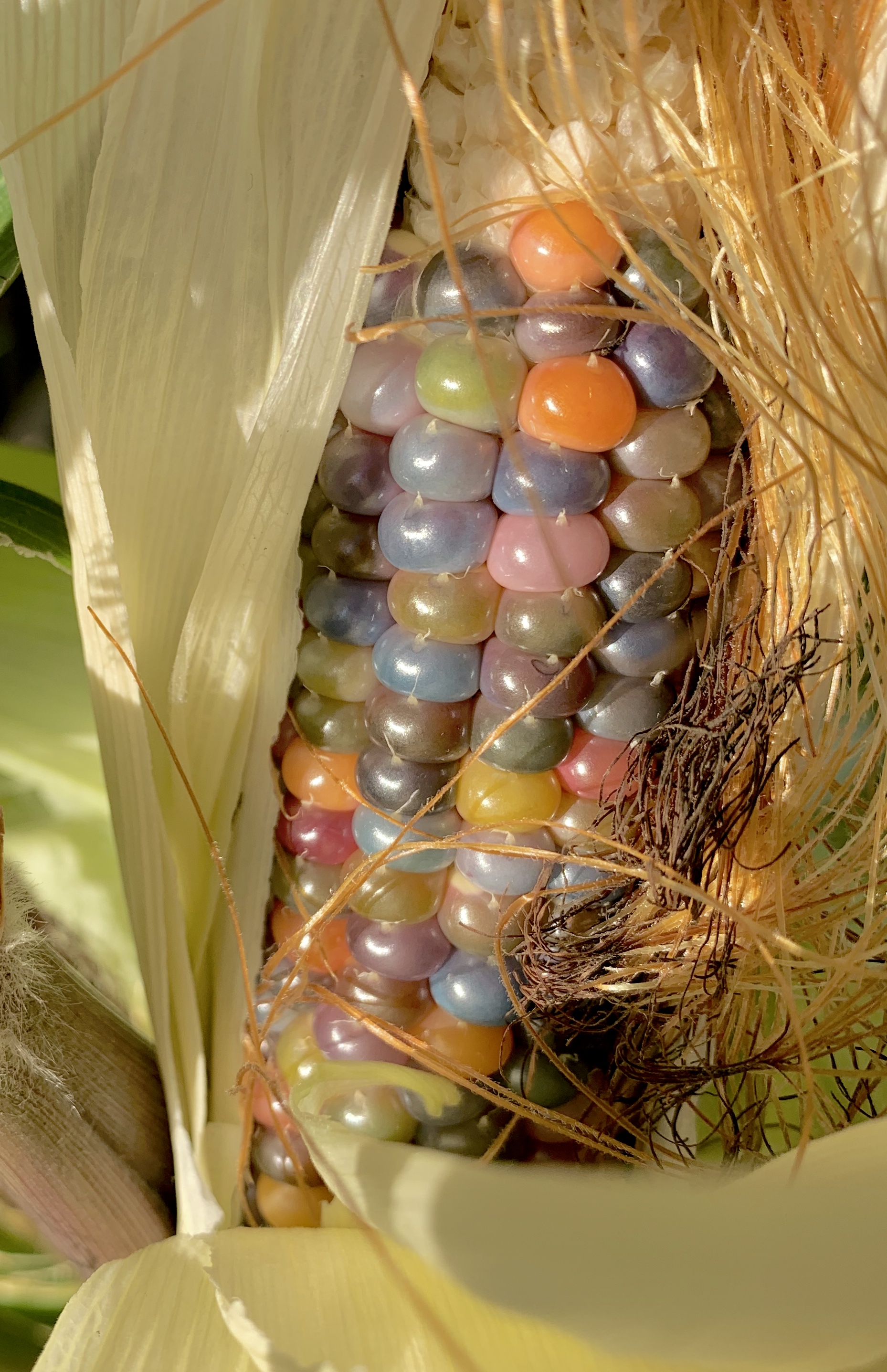
The true harvest of my daily life is somewhat as intangible and indescribable as the tints of morning or evening.  It is a little star-dust caught, a segment of the rainbow which I have clutched.
~Henry David Thoreau
from Walden

In the beginning was the Word, 
and the Word was with God, 
and the Word was God.

John 1:1

Painting the indescribable with words necessitates subtlety, sound and rhythm.

The best word color portraits I know are by Gerard Manley Hopkins who created pictures through startling word combinations: 

“crimson-cresseted”,
“couple-colour”,
“rose-moles”,
“fresh-firecoal”,
“adazzle, dim”,
“dapple-dawn-drawn”,
“blue-bleak embers”,
“gash gold-vermillion”.

I understand how difficult it is to harvest daily life using ordinary words. Like grasping ephemeral star trails or the transient rainbow that moves away as I approach, what I hold on the page is intangible —
yet nevertheless very real.

I keep reaching for understanding, searching for the best words to share here: those that are ephemeral color yet eternal, and very very real.

After all, in the beginning was the Word, and there is no better place to start with its promise.

I’ll be reading slowly through the words in the Book of John over the next year. Once a week, I will invite you to “come and see” what those words might mean as we explore the promise together.

One-Time
Monthly
Yearly

Make a one-time or recurring donation to support daily Barnstorming posts

Make a monthly donation

Make a yearly donation

Choose an amount

$10.00
$25.00
$50.00
$5.00
$15.00
$100.00
$5.00
$15.00
$100.00

Or enter a custom amount

$

Your contribution is deeply appreciated.

Your contribution is appreciated.

Your contribution is appreciated.

DonateDonate monthlyDonate yearly
A Canticle for Advent: Come and See

Gerrit van Honthorst "L'adoration des bergers"
Gerrit van Honthorst “L’adoration des bergers”

Sing we now of Christmas
Sing we all Noel
Of the Lord and Savior
We the tidings tell
Sing we Noel
For Christ our Lord is born
Sing we Noel
For Christ our Lord is born
Angels from on high
May shepherds come and see
He’s born in Bethleham
A blessed family
Glory to God
For Christ our King is born
Glory to God
For Christ our King is born
Sing we now of Christmas

Sing we all Noel
Sing we now of Christmas
Sing we all Noel
Sing we all Noel
~Noël Nou­ve­let, 15th Cen­tu­ry French mel­o­dy

http://www.youtube.com/watch?v=tUGoxHEADG8


I grew up knowing this bittersweet melody as an Easter hymn, “Now the Green Blade Riseth” and later was surprised to find it was actually a Christmas carol.
I find the Easter words even more meaningful, and the imagery fits for Advent as well, as we wait expectantly for the call back to life again from the fields of our dead hearts.

Love is come again.  Indeed.


Now the green blade rises from the buried grain,
Wheat that in the dark earth many years has lain;
Love lives again, that with the dead has been:
Love is come again, like wheat that springs up green.

In the grave they laid Him, Love Whom we had slain,
Thinking that He’d never wake to life again,
Laid in the earth like grain that sleeps unseen:
Love is come again, like wheat that springs up green.

Up He sprang at Easter, like the risen grain,
He that for three days in the grave had lain;
Up from the dead my risen Lord is seen:
Love is come again, like wheat that springs up green.

When our hearts are saddened, grieving or in pain,
By Your touch You call us back to life again;
Fields of our hearts that dead and bare have been:
Love is come again, like wheat that springs up green.
~John Crum 1928