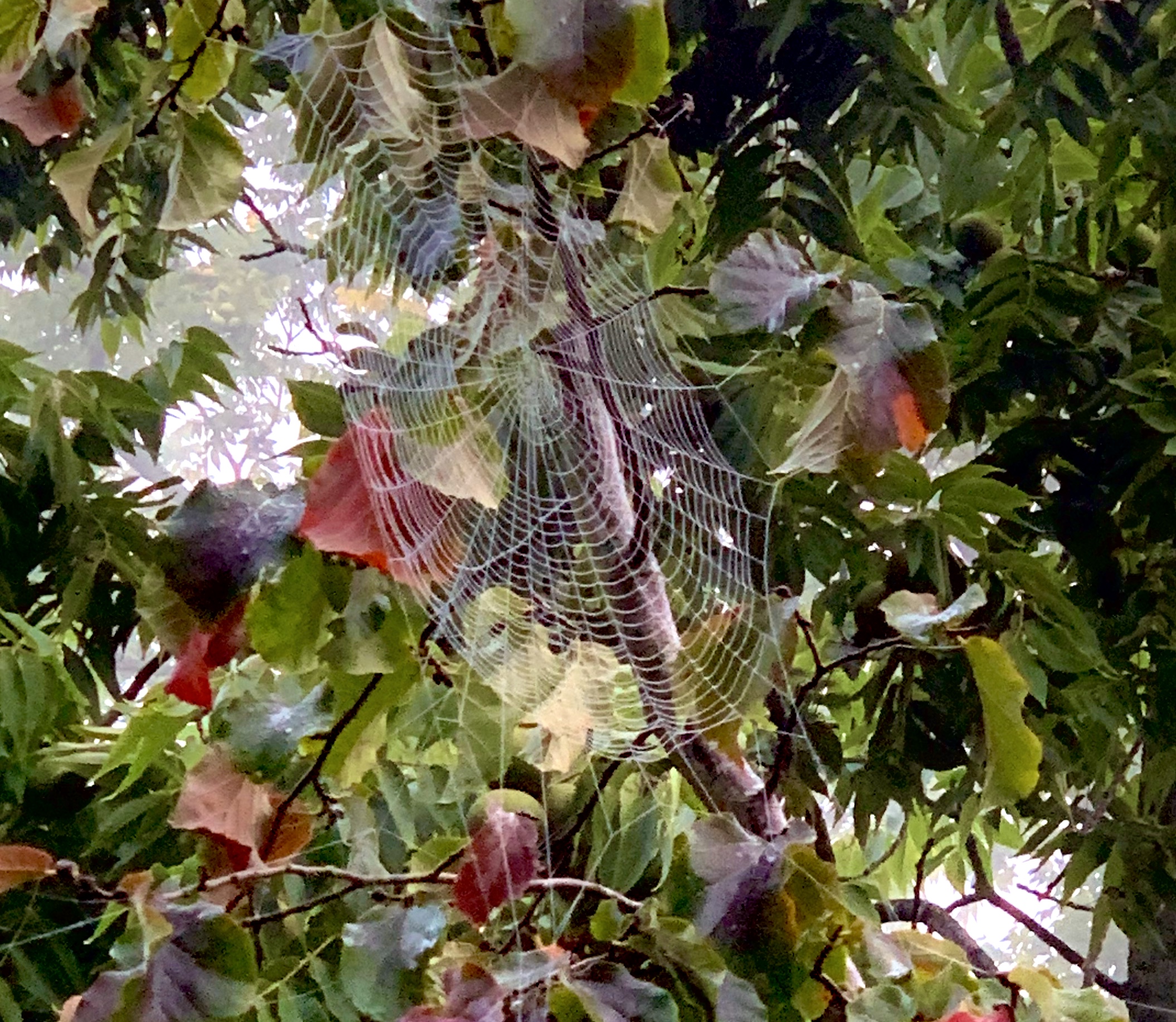
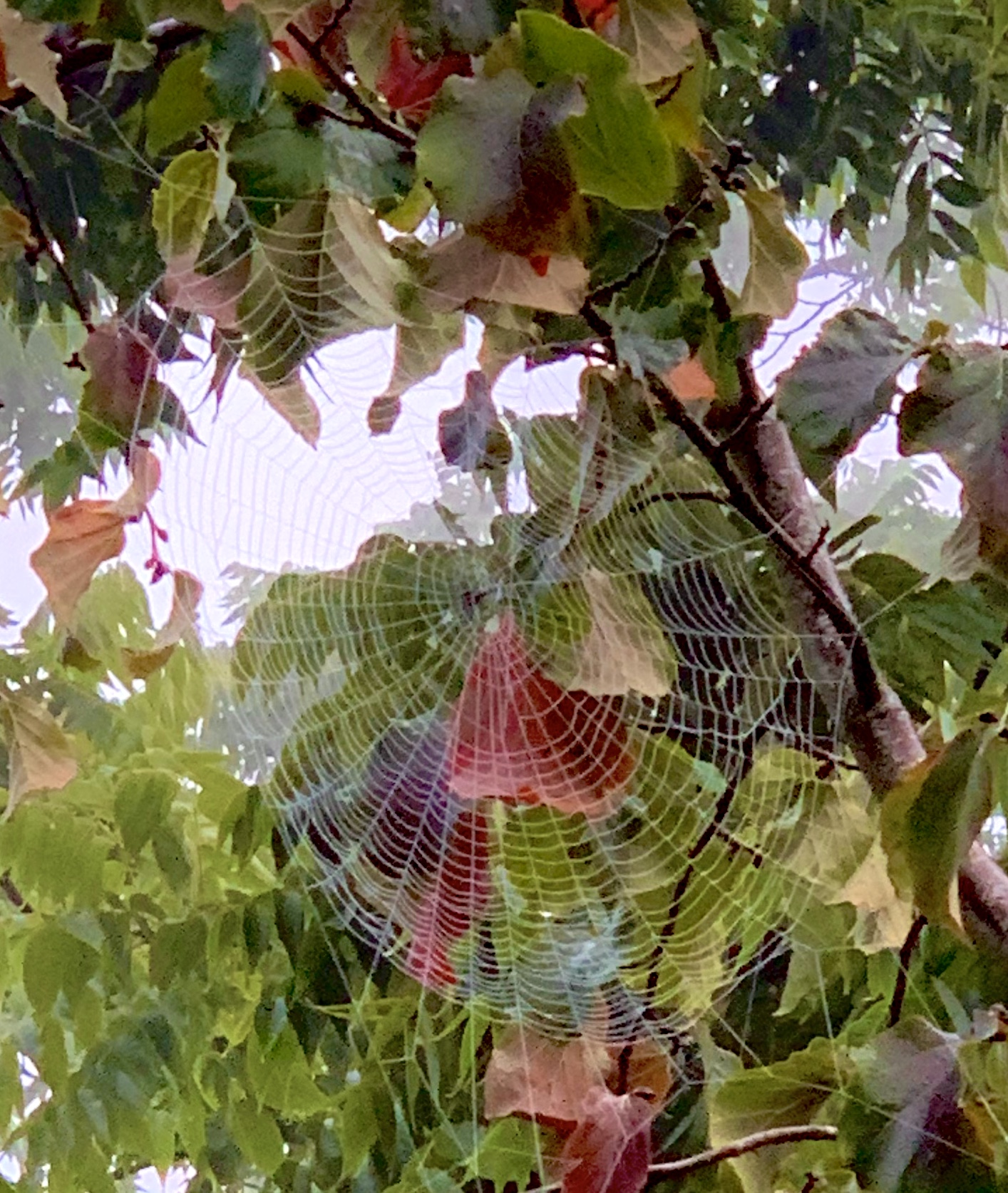
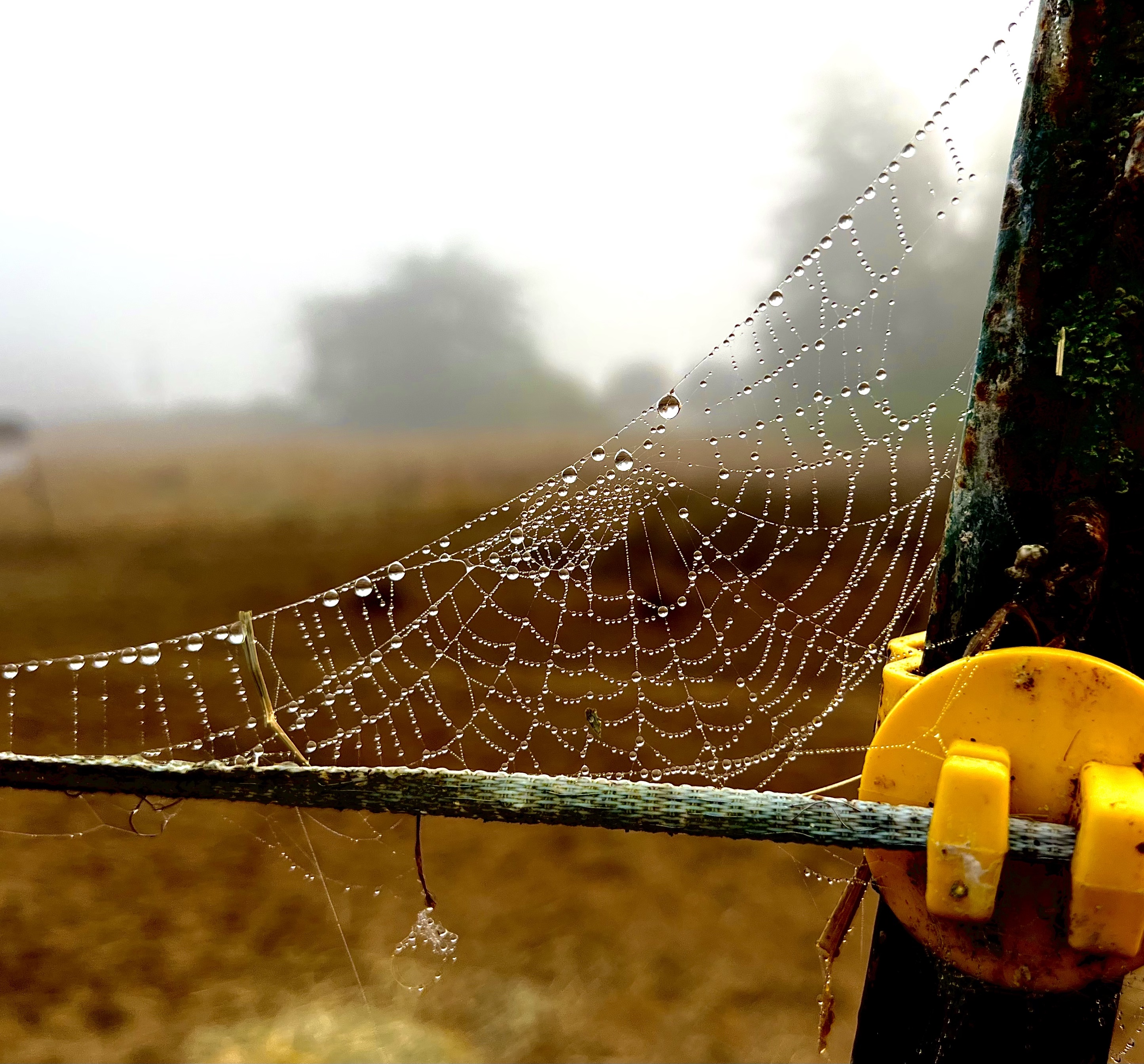
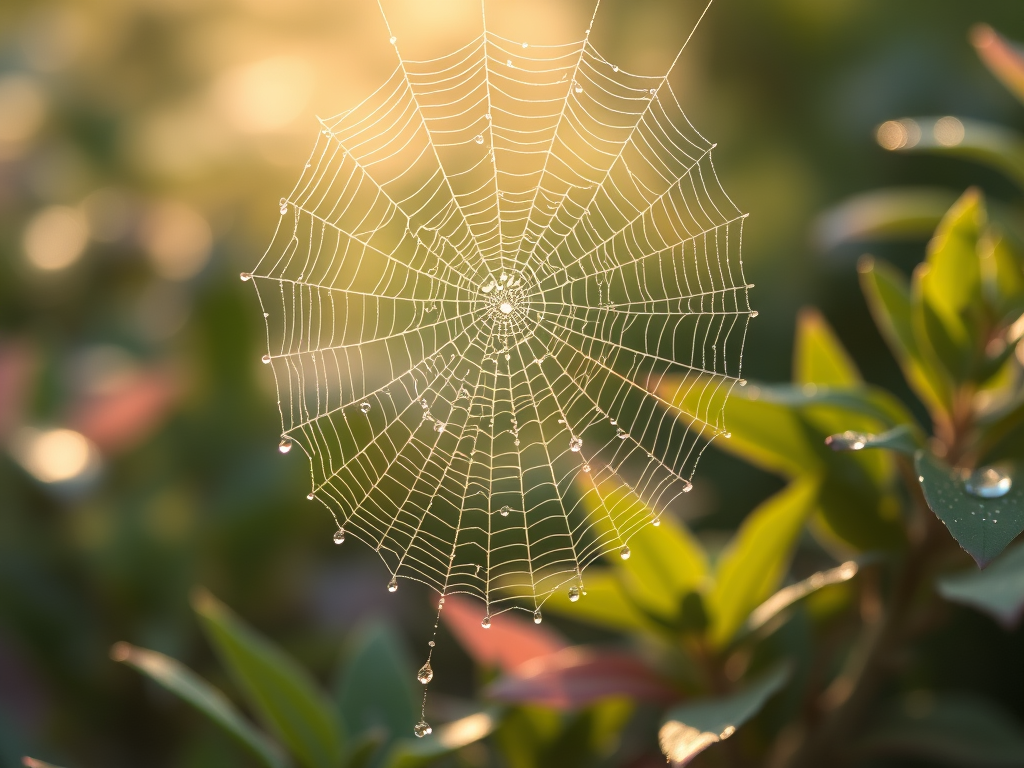
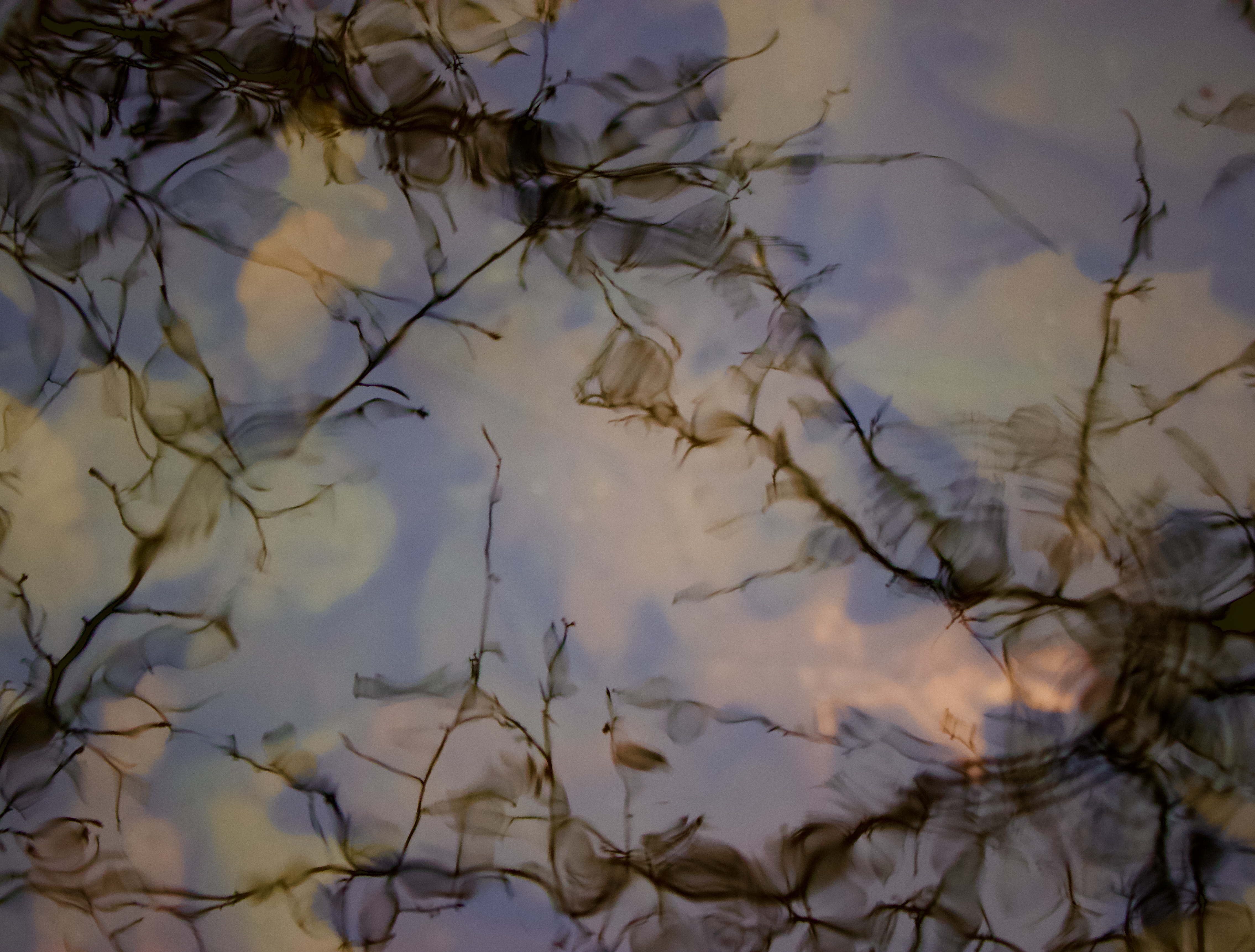
I too am feeling stretched, trying to connect between post and branch and leaf and ground.
I move between them, sometimes not sure where I’ll land or what I’ll leave behind. Connection is a hard and heavy work of strength and aspiration, not knowing what stands firm in a world where wind and rain and storms or an oblivious creature can tear things all asunder.
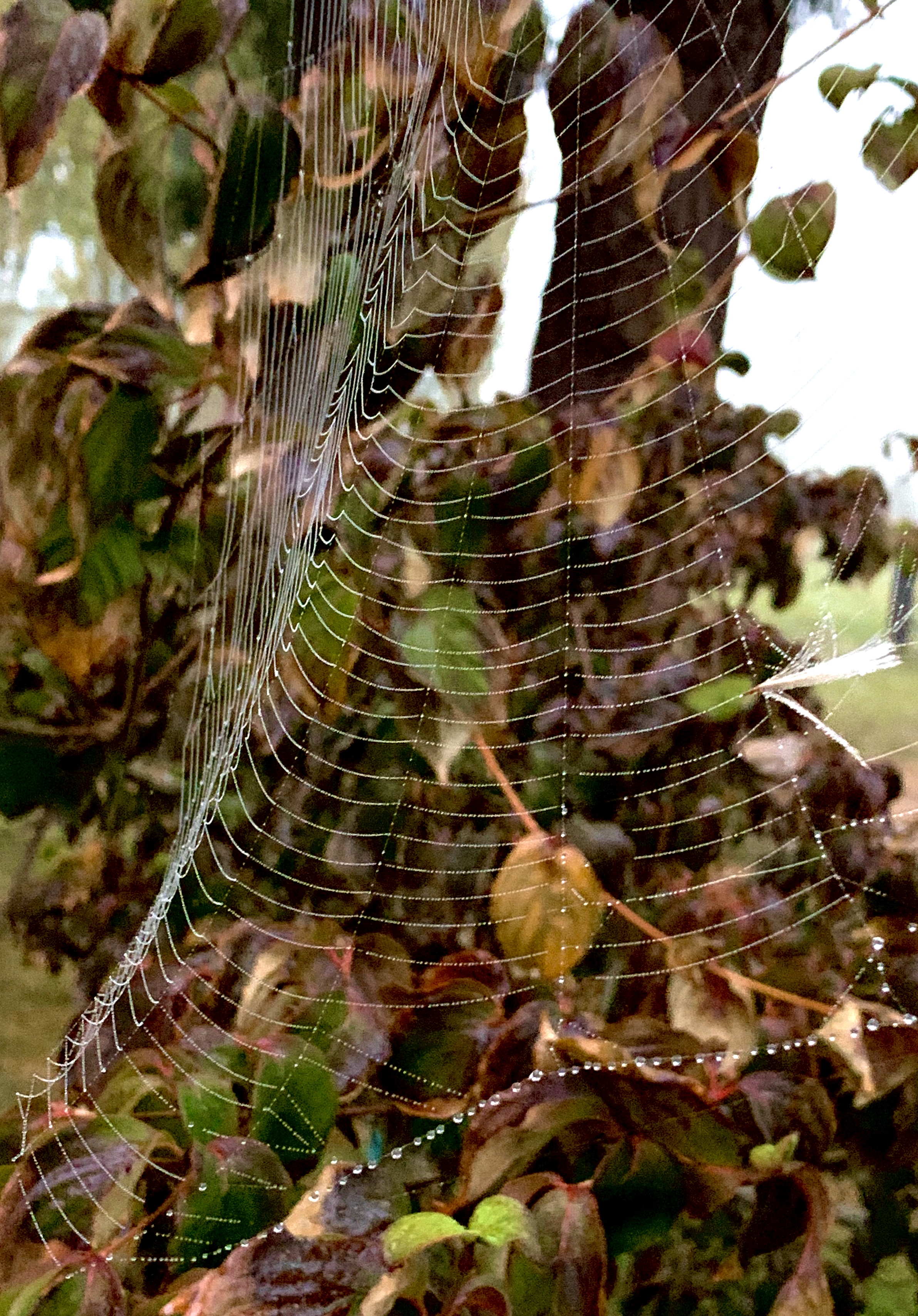
Sometimes what I weave is both beautifully delicate and strong.
Sometimes it is easily shredded, full of holes, and ultimately useless.
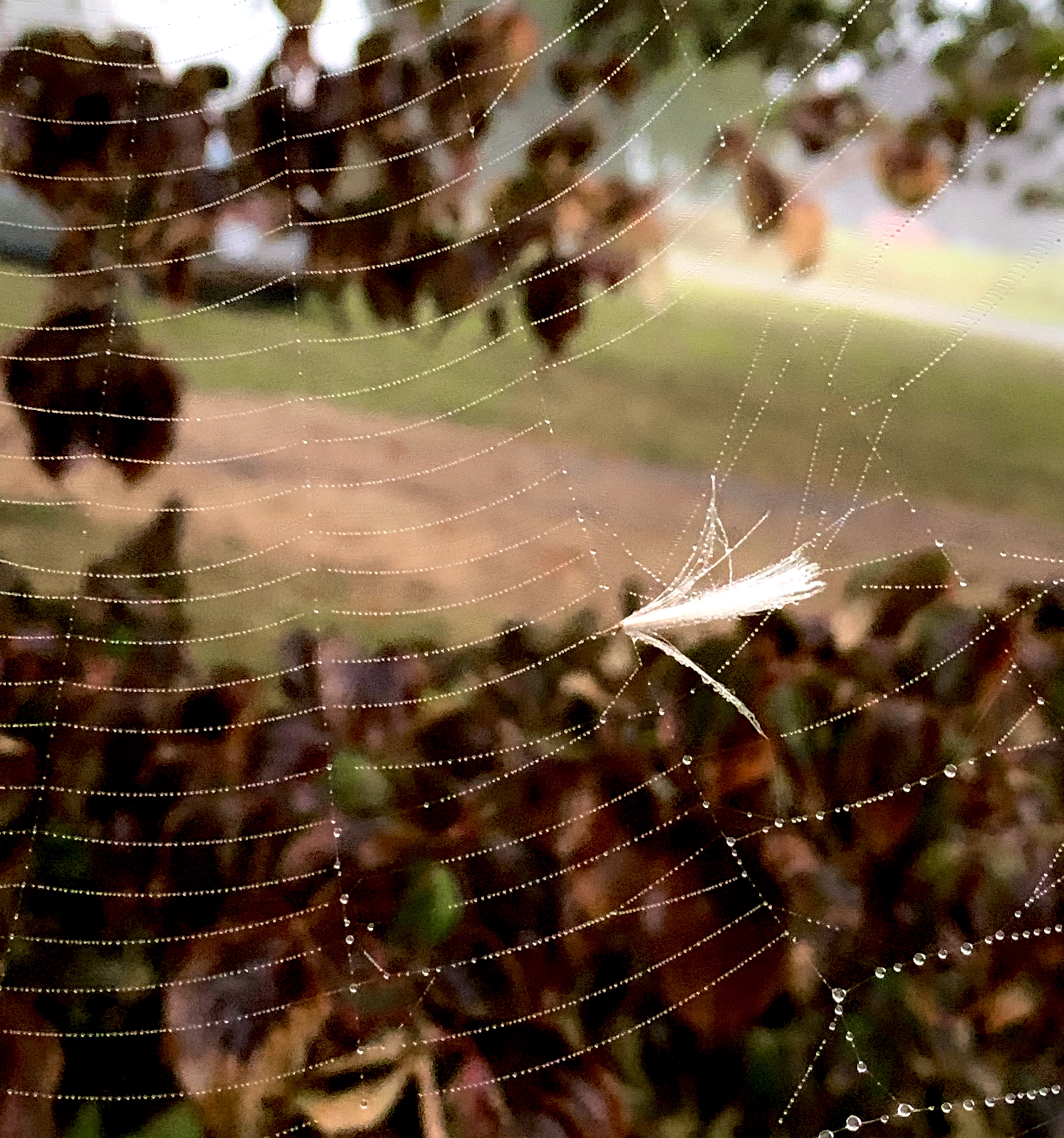
The center doesn’t always hold. The tethers loosen. The periphery sags, frays and tears.
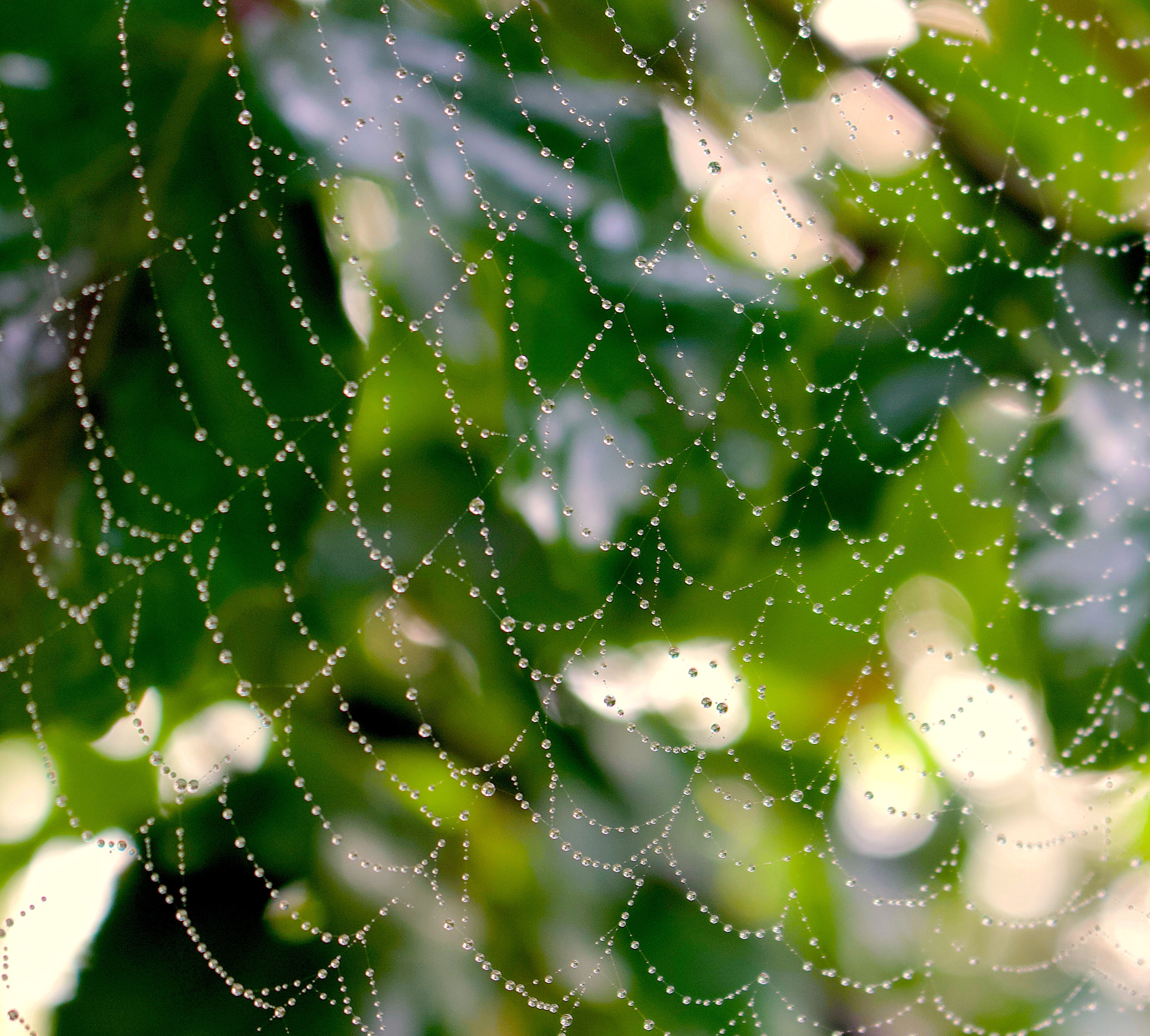
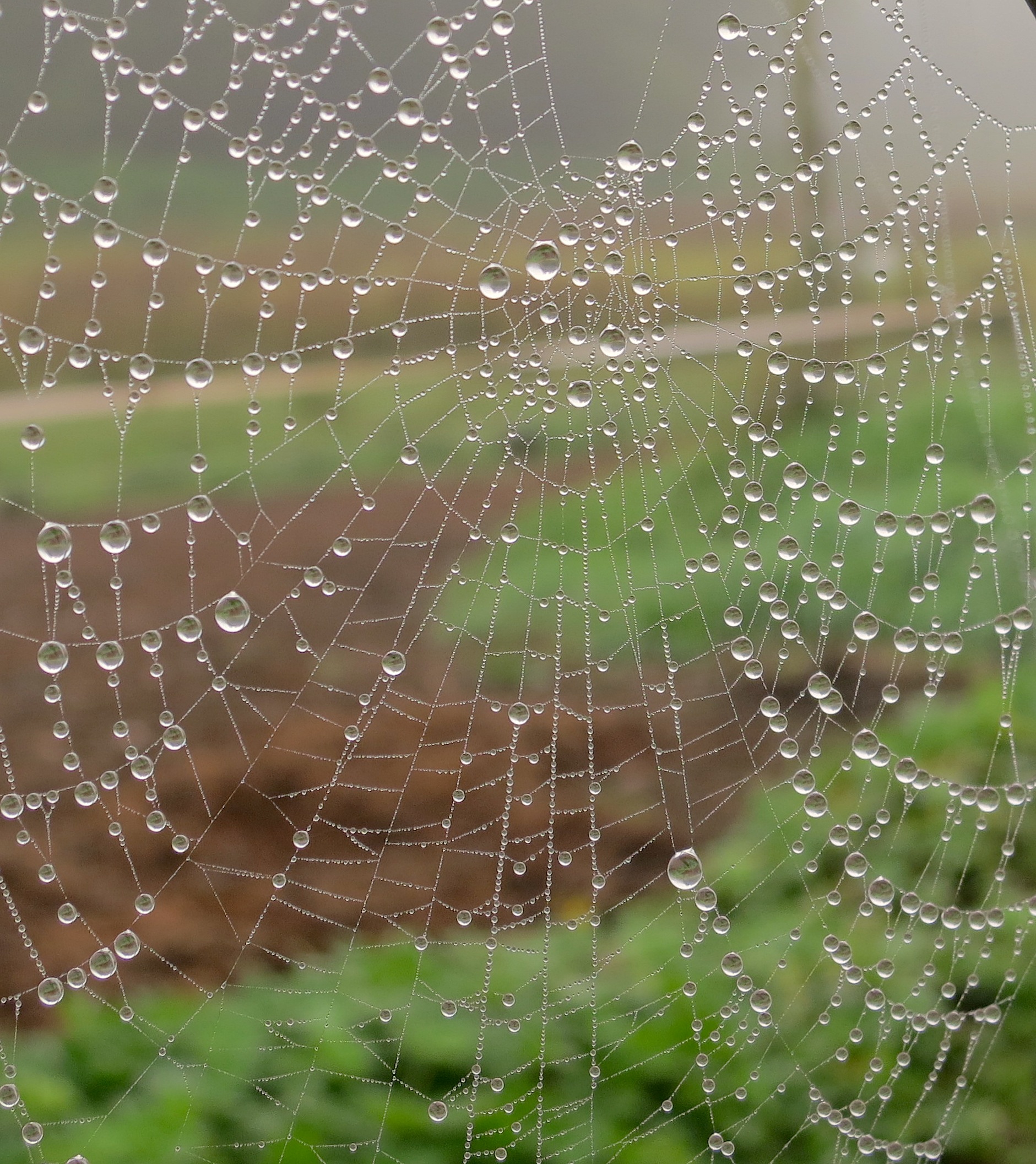
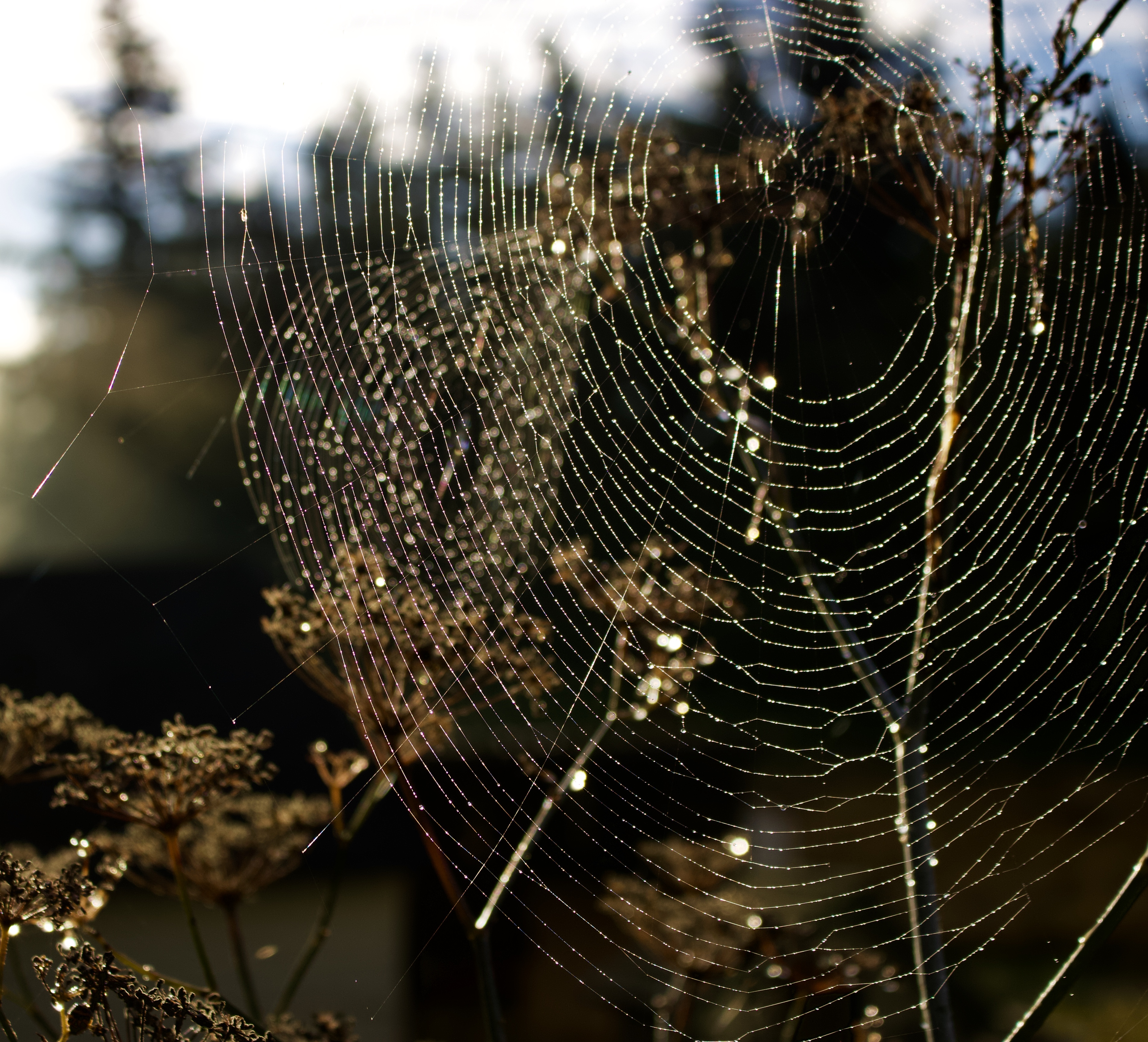
It is a matrix of fragile light, yet holding on…
…something created with purpose and intention. Simply that effort makes it all worthwhile.
I’ll try again tomorrow.
(Lois Edstrom is my poet friend who lives on nearby Whidbey Island; my web photo at the top of this post is the cover for her new book of poems: A Fragile Light)
AI image created for this post
One-Time
Monthly
Yearly
Make a one-time or recurring donation to support daily Barnstorming posts
Roads go ever ever on, Over rock and under tree, By caves where never sun has shone, By streams that never find the sea; Over snow by winter sown, And through the merry flowers of June, Over grass and over stone, And under mountains in the moon.
Roads go ever ever on, Under cloud and under star. Yet feet that wandering have gone Turn at last to home afar. Eyes that fire and sword have seen, And horror in the halls of stone Look at last on meadows green, And trees and hills they long have known.
The Road goes ever on and on Down from the door where it began. Now far ahead the Road has gone, And I must follow, if I can, Pursuing it with weary feet, Until it joins some larger way, Where many paths and errands meet. And whither then? I cannot say.
The Road goes ever on and on Out from the door where it began. Now far ahead the Road has gone. Let others follow, if they can! Let them a journey new begin. But I at last with weary feet Will turn towards the lighted inn, My evening-rest and sleep to meet.
Still ’round the corner there may wait A new road or secret gate; And though I oft have passed them by, A day will come at last when I Shall take the hidden paths that run West of the Moon, East of the Sun. ~J.R.R. Tolkien “Bilbo’s Walking Song”
It’s a dangerous business, Frodo, going out of your door. You step into the Road, and if you don’t keep your feet, there is no knowing where you might be swept off too. ~J.R.R. Tolkien – Bilbo to Frodo in Fellowship of the Rings
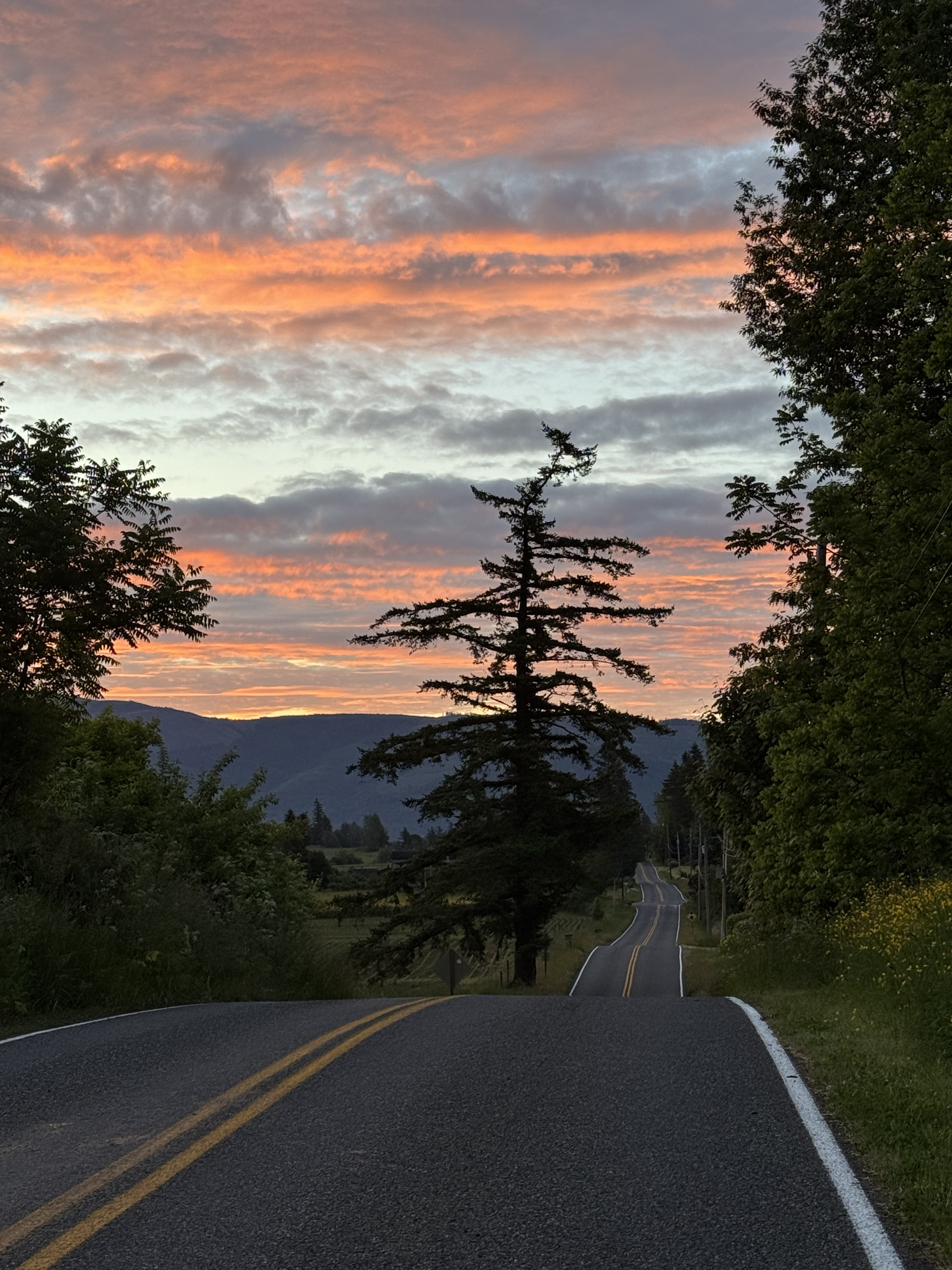
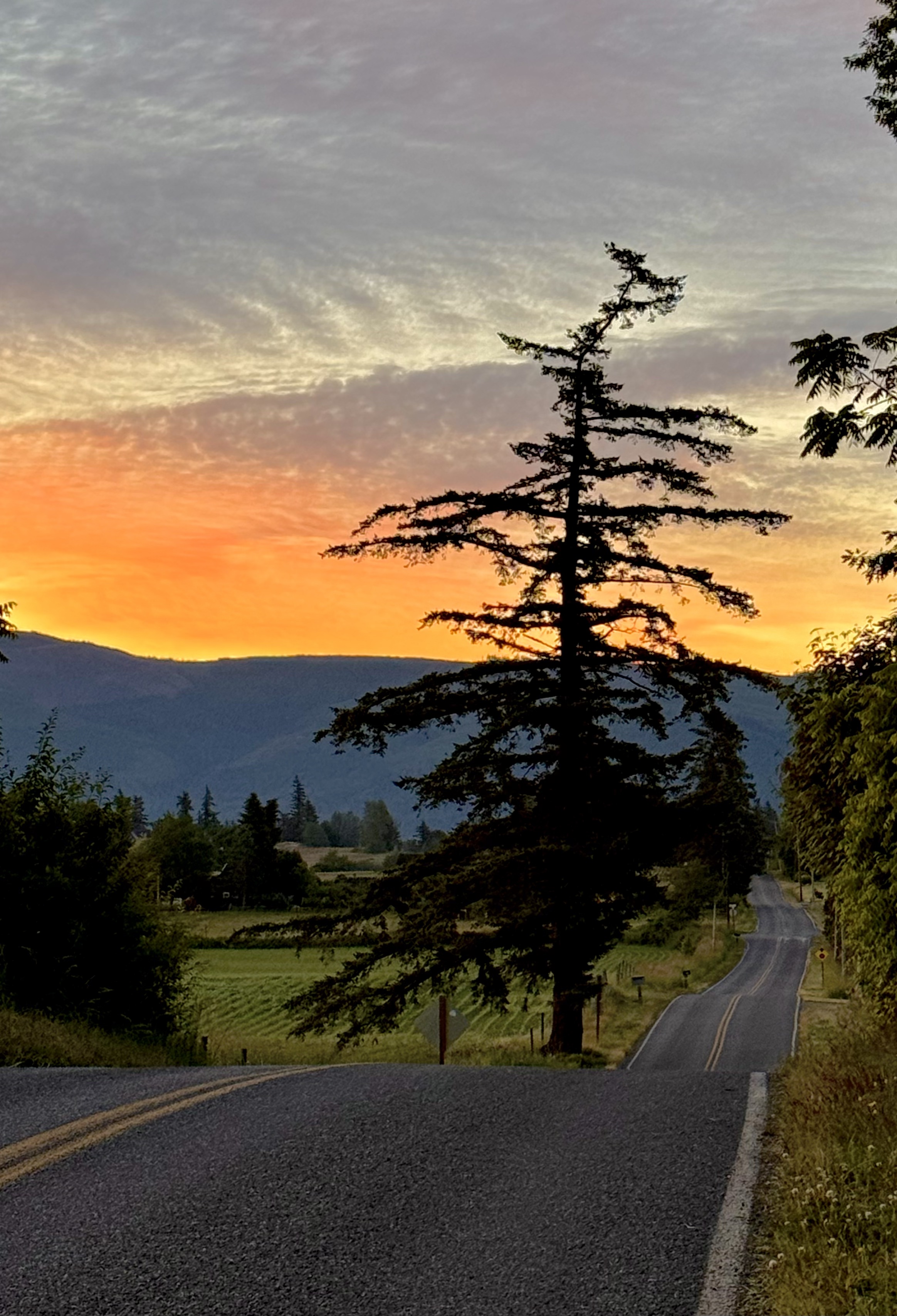
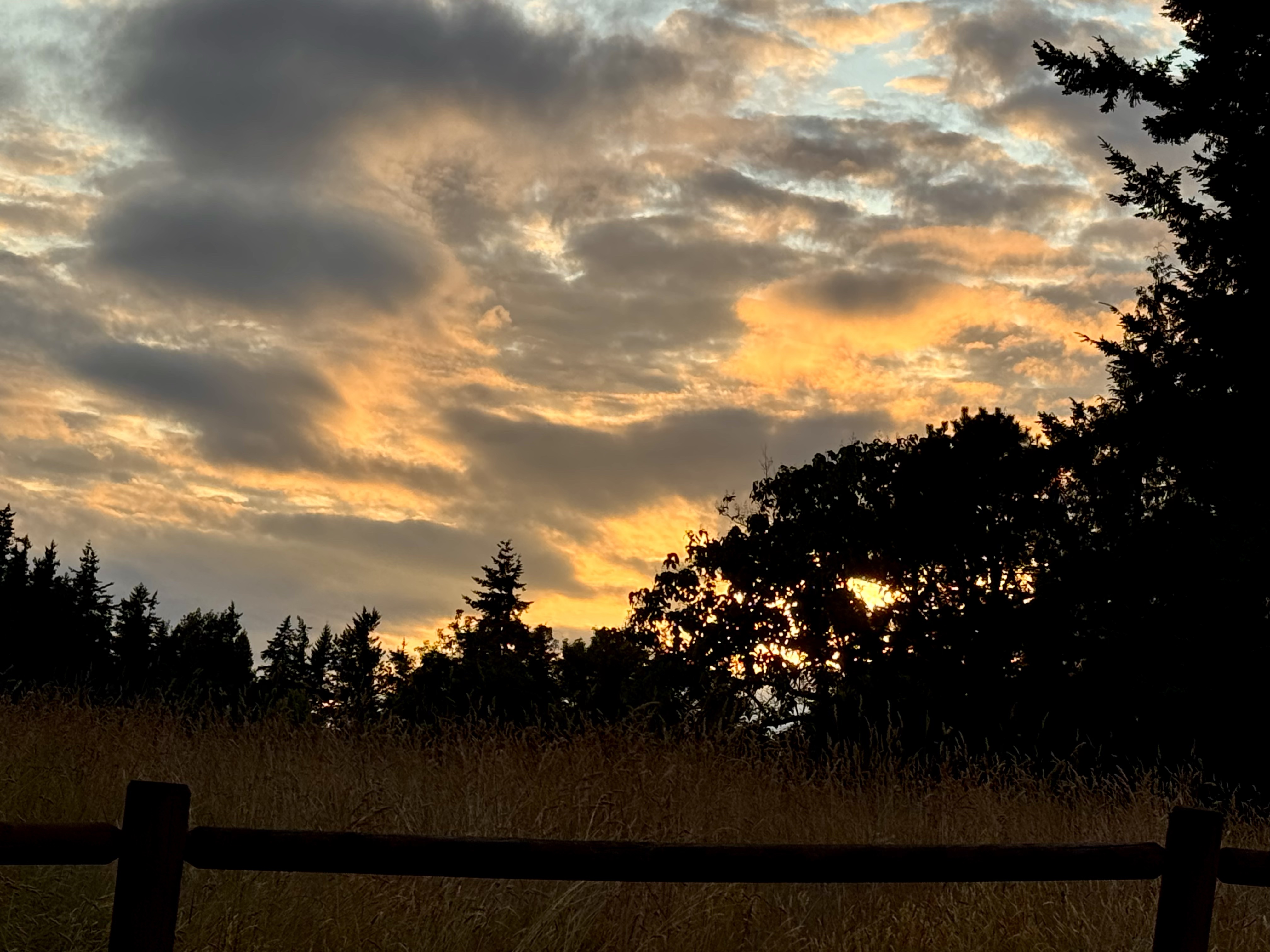
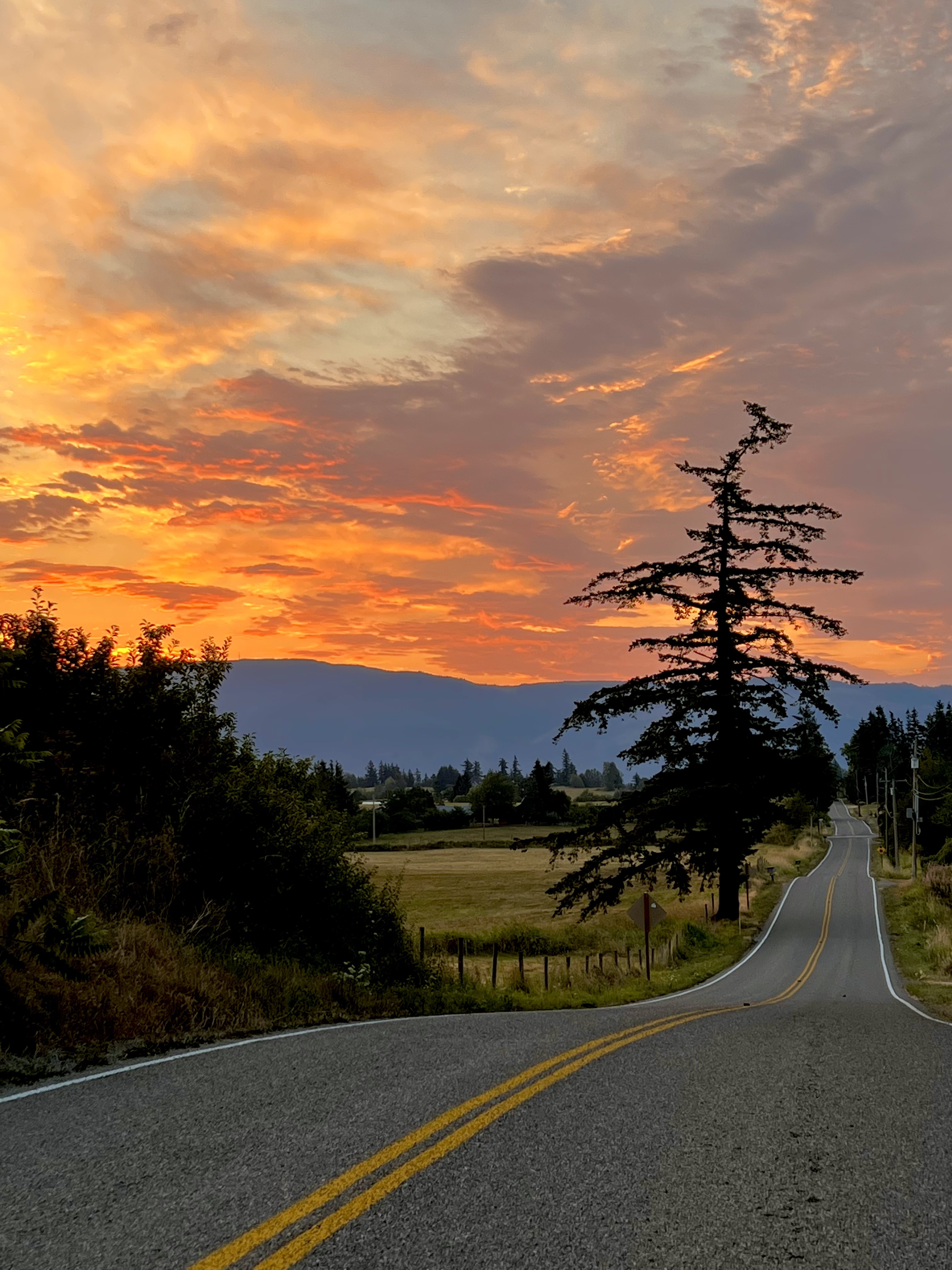
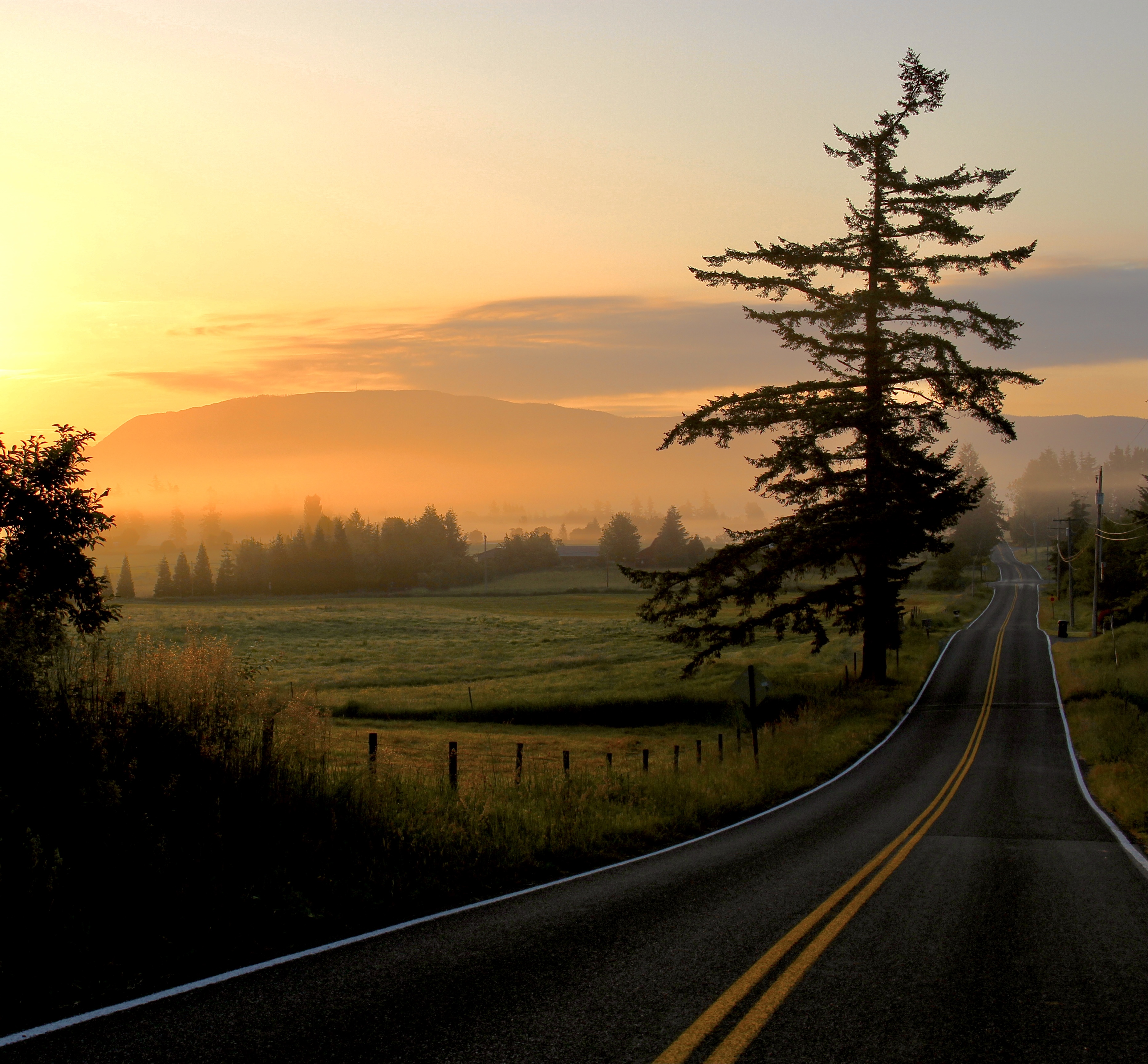
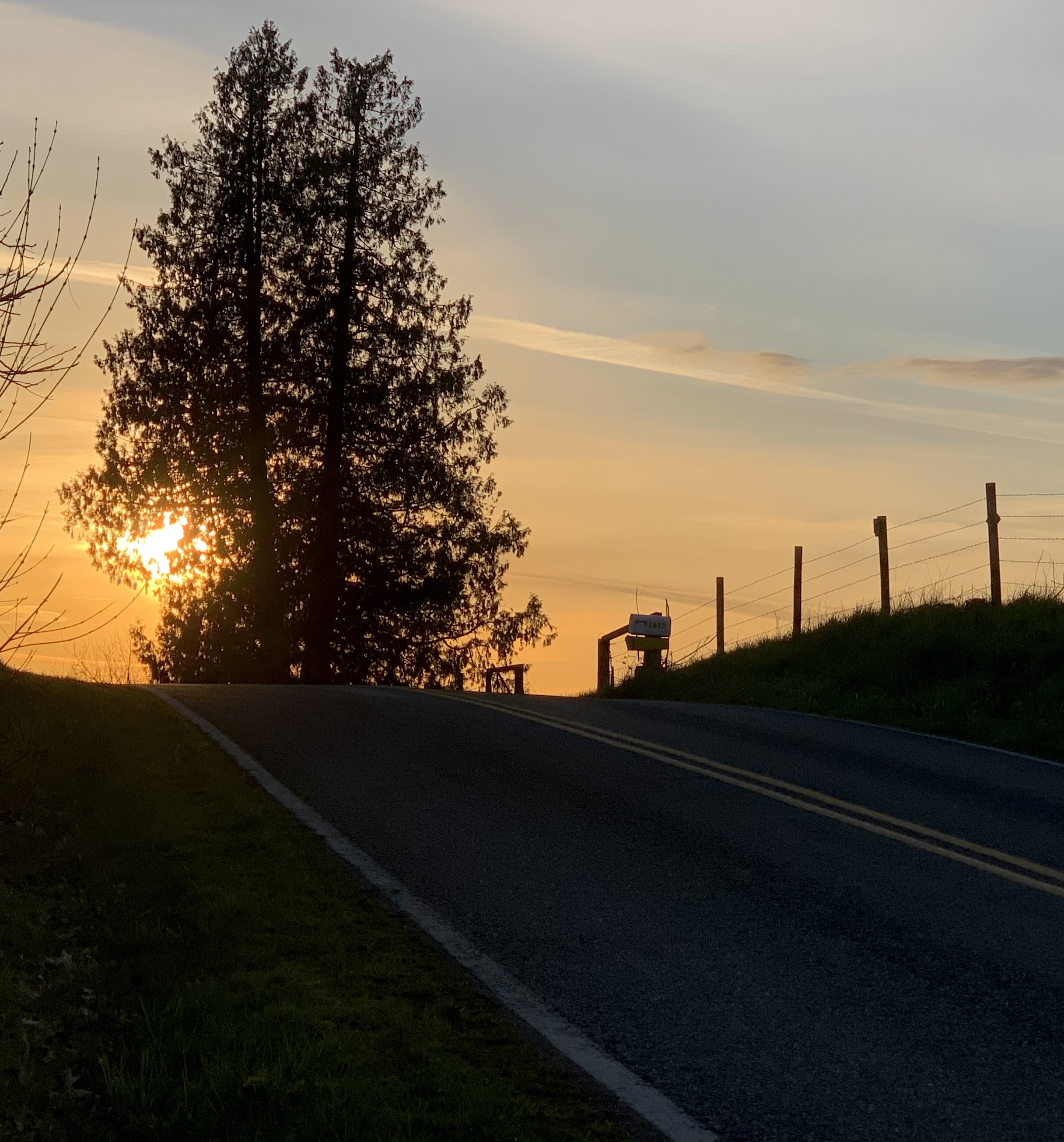
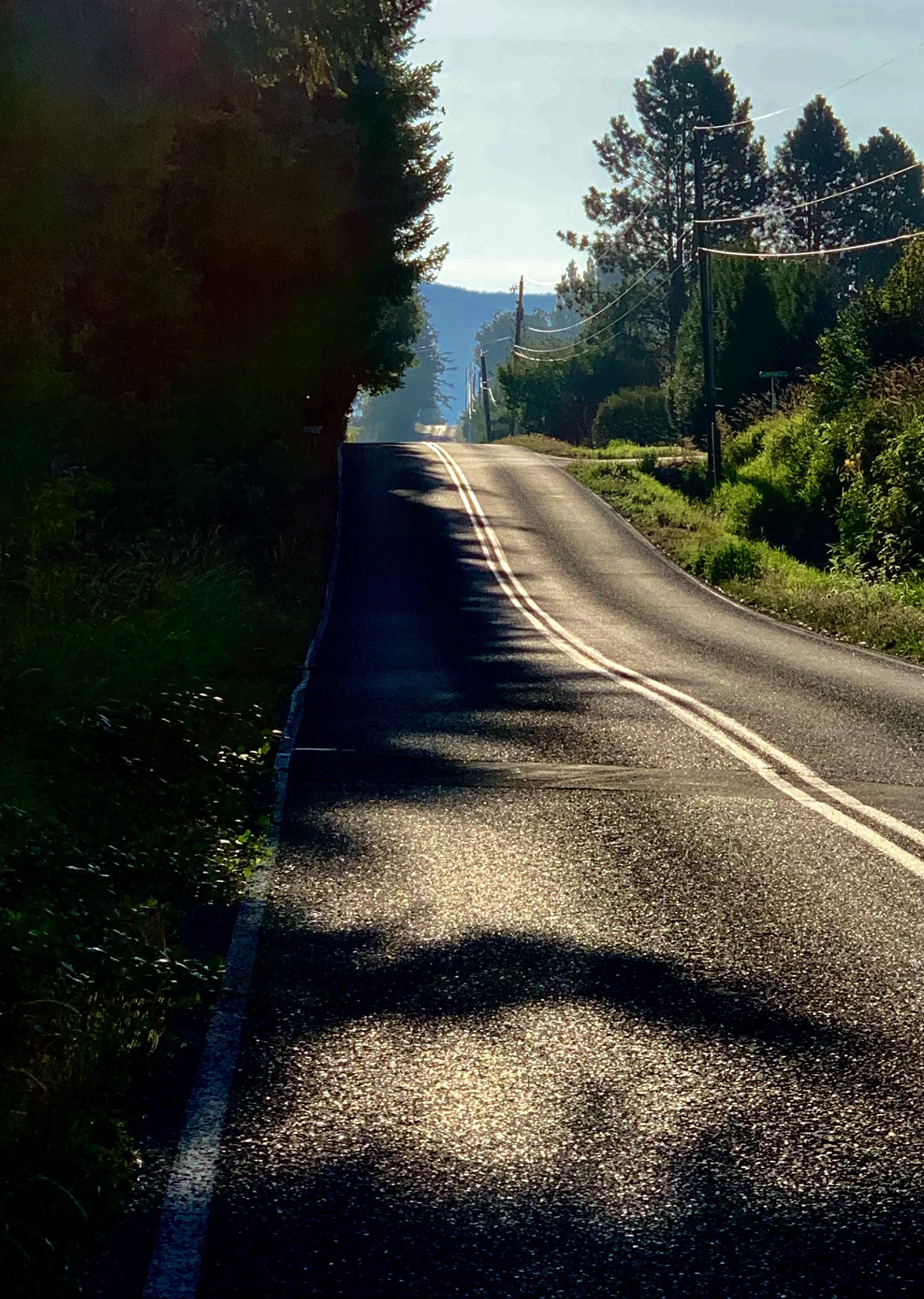
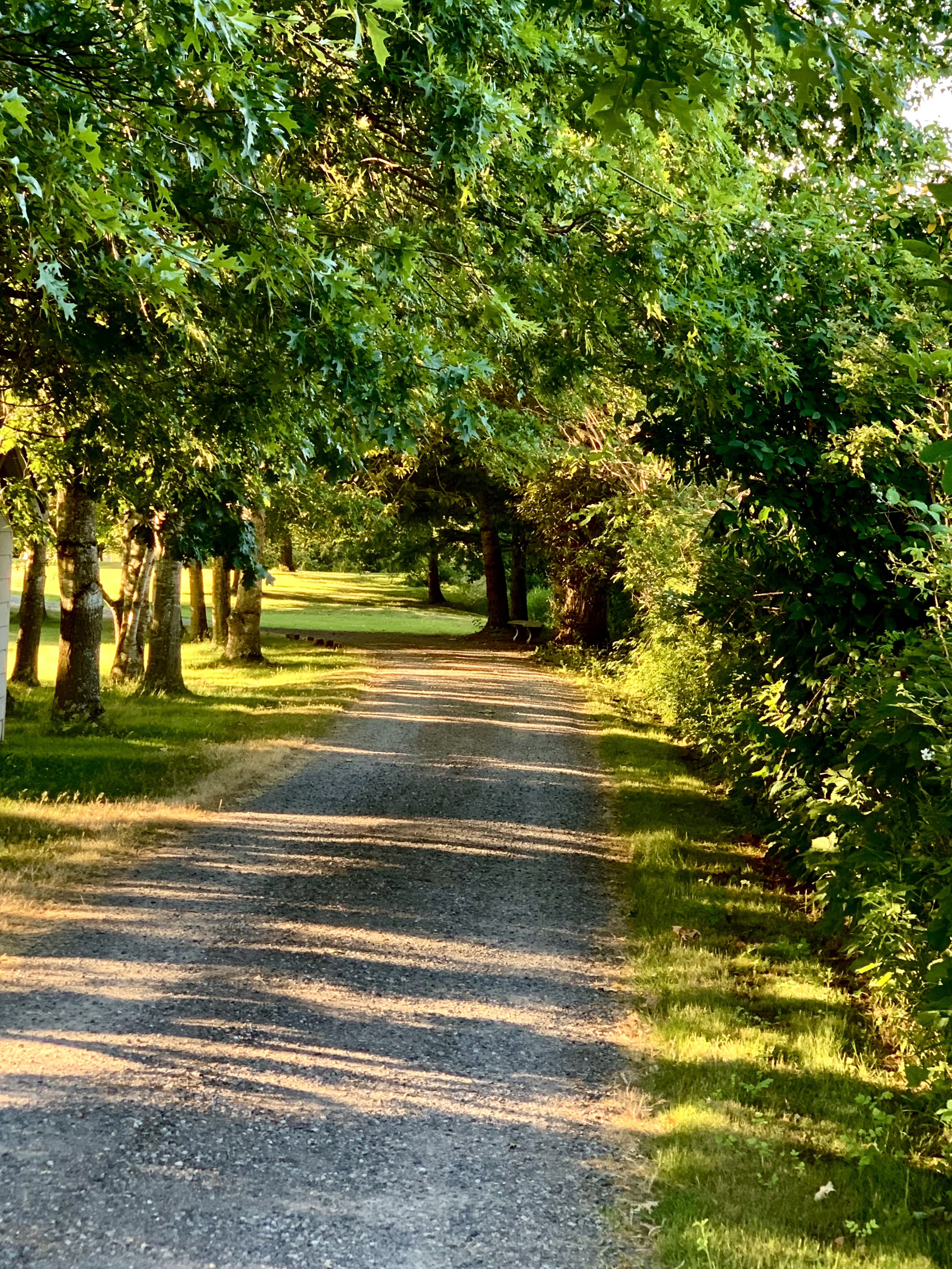
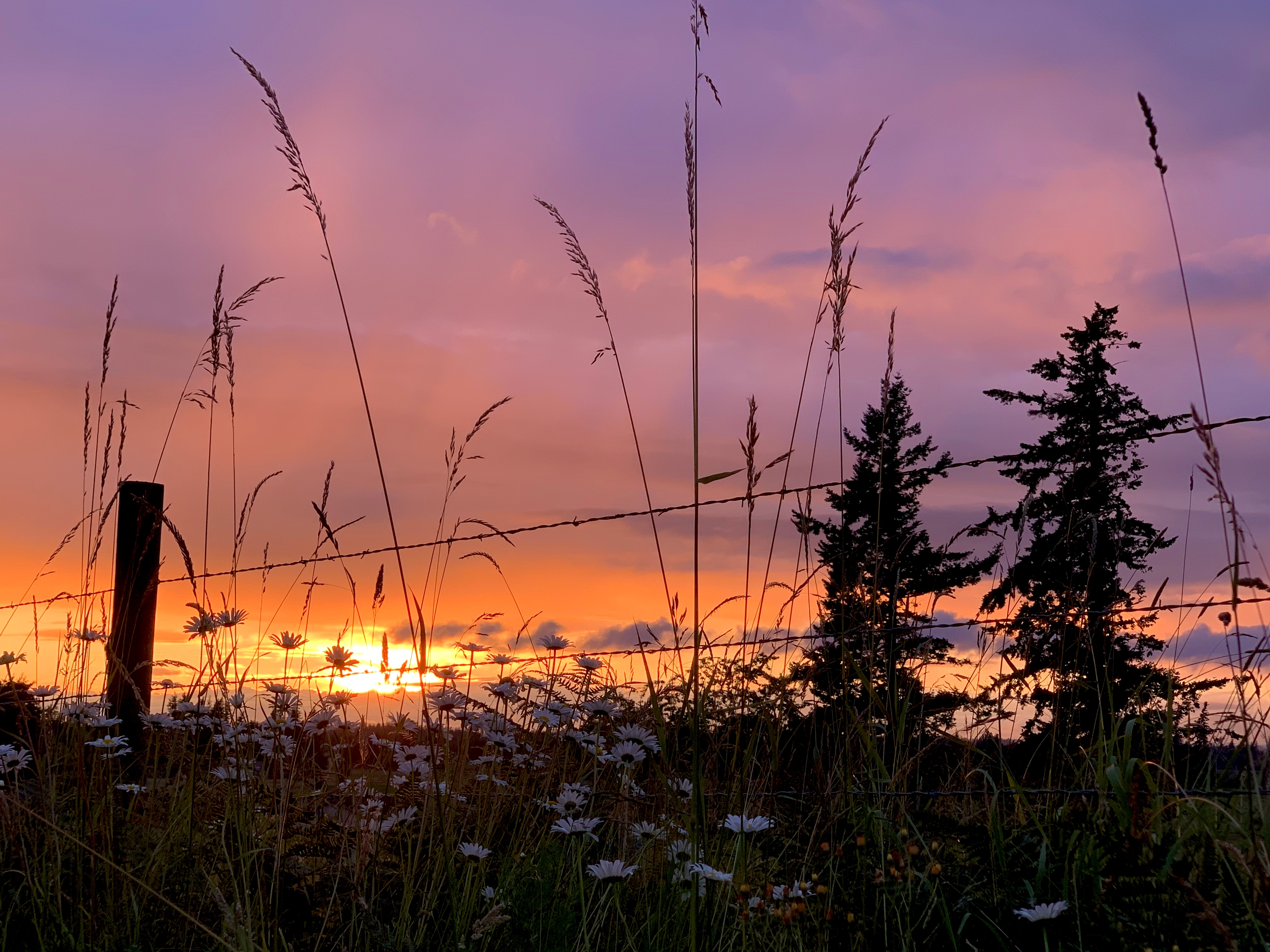
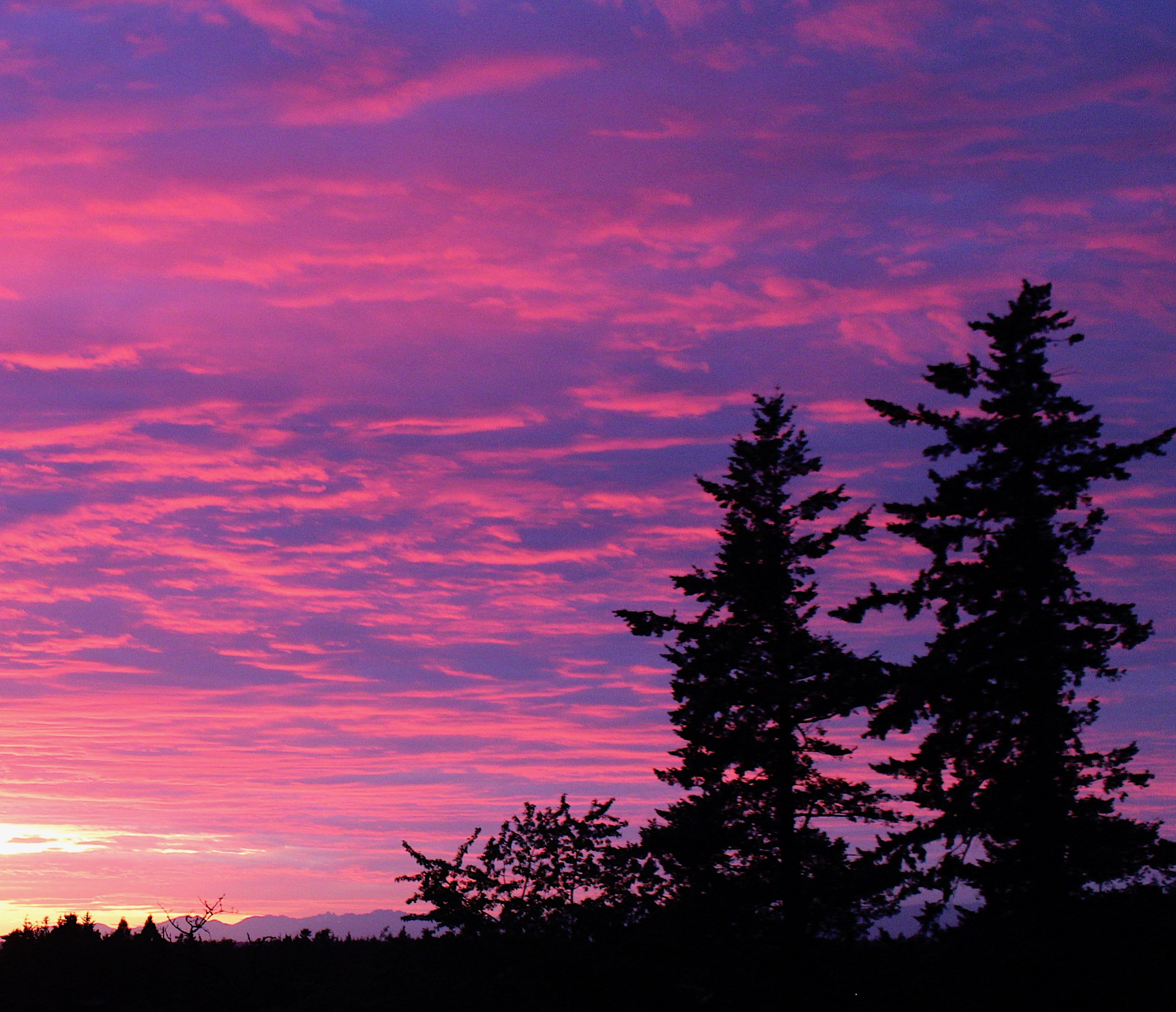
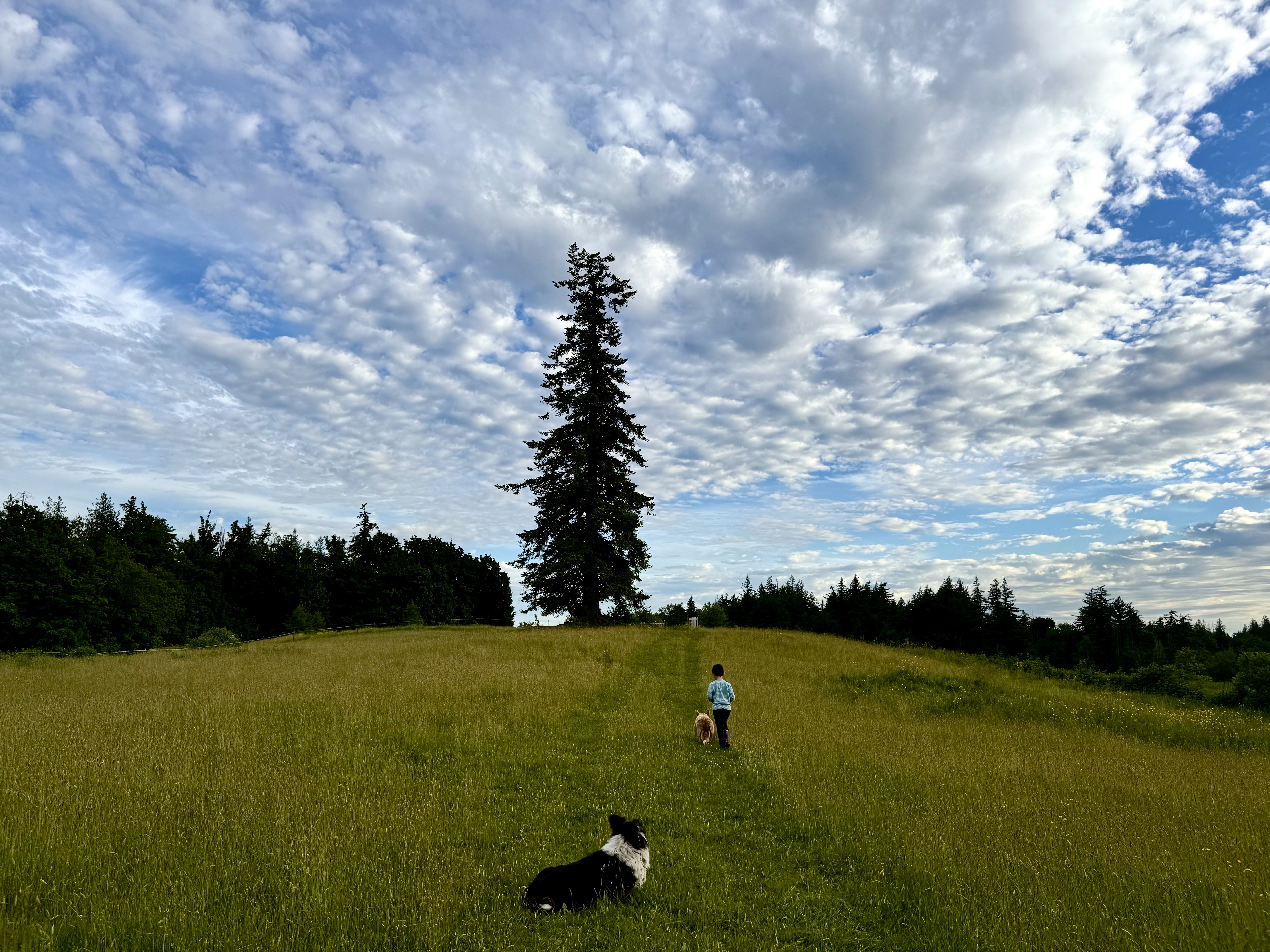
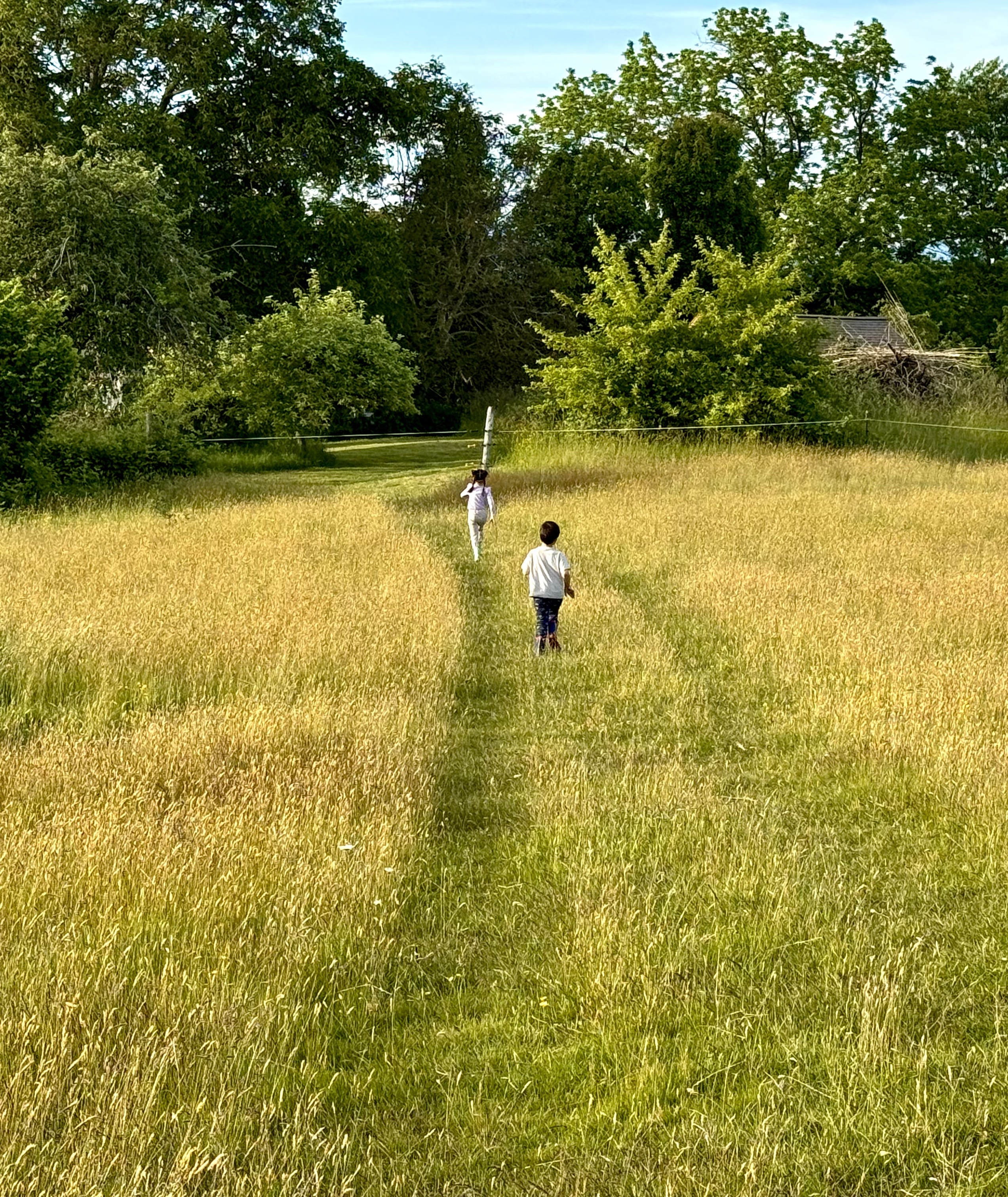
I love these country roads in June, at dawn or dusk, the light and shadow playing over the path, promising summer breezes and simple joys.
When we walk these roads, we pass by deep ditches, hop the potholes and avoid the bumps.
Still it’s a dangerous business, walking out the front door into life, not knowing just where we may be swept off to.
Passing by secret gates and overgrown paths, I take the familiar route that leads me home, following the Master Guide so I don’t lose my way.
One-Time
Monthly
Yearly
Make a one-time or recurring donation to support daily Barnstorming posts
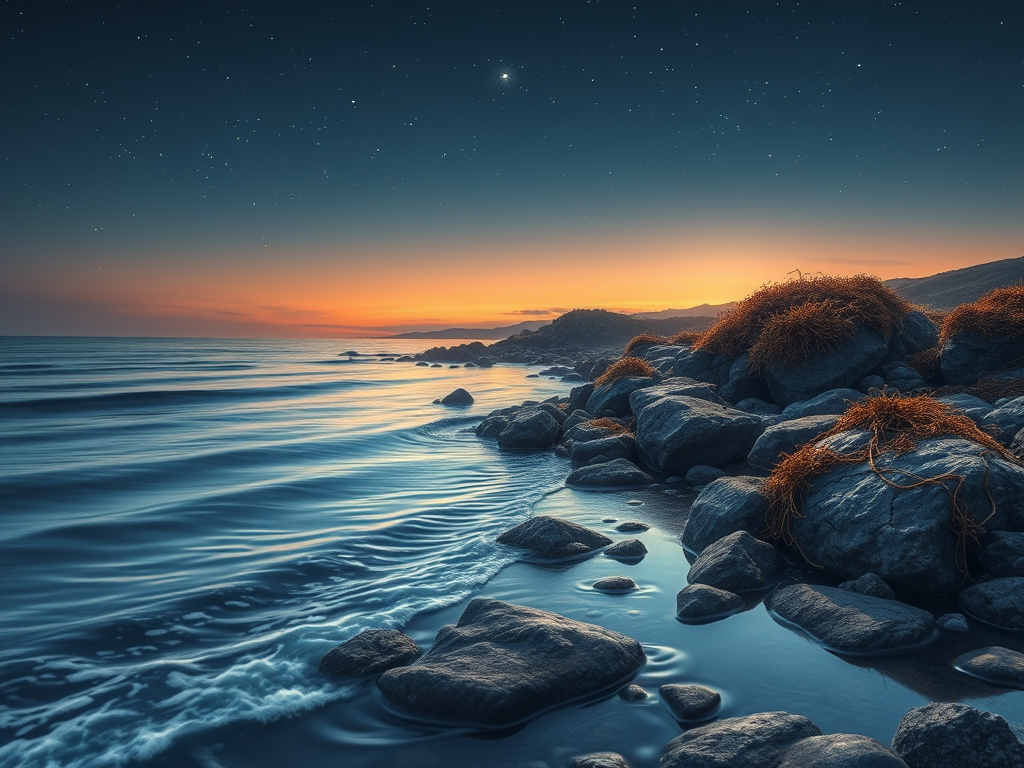
The cold remote islands And the blue estuaries Where what breathes, breathes The restless wind of the inlets, And what drinks, drinks The incoming tide;
Where shell and weed Wait upon the salt wash of the sea, And the clear nights of stars Swing their lights westward To set behind the land;
Where the pulse clinging to the rocks Renews itself forever; Where, again on cloudless nights, The water reflects The firmament’s partial setting;
—O remember In your narrowing dark hours That more things move Than blood in the heart. Louise Bogan “Night” from The Blue Estuaries
I know what my heart is like Since your love died: It is like a hollow ledge Holding a little pool Left there by the tide, A little tepid pool, Drying inward from the edge. ~Edna St. Vincent Millay “Ebb”
My mother was 58 when my father left her for a younger woman.
For months, she withered, her heart broken, her pulse erratic, crying until there were no more tears left.
She began drying inward from her edges despite the ebbing and flowing of her heartbeat.
It took ten years, but he came back like an overdue high tide.
She was sure her love had died but that tepid pool refilled with water cool to the touch, yet overflowing.
AI image created for this post
One-Time
Monthly
Yearly
Make a one-time or recurring donation to support daily Barnstorming posts
Evening, and all the birds In a chorus of shimmering sound Are easing their hearts of joy For miles around.
The air is blue and sweet, The few first stars are white,– Oh let me like the birds Sing before night. ~Sara Teasdale “Dusk in June”
I am half agony, half hope… ~Jane Austen from Persuasion
Sure on this shining night Of star made shadows round, Kindness must watch for me This side the ground. The late year lies down the north. All is healed, all is health. High summer holds the earth. Hearts all whole. Sure on this shining night I weep for wonder wand’ring far alone Of shadows on the stars. ~James Agee “Sure on this Shining Night”
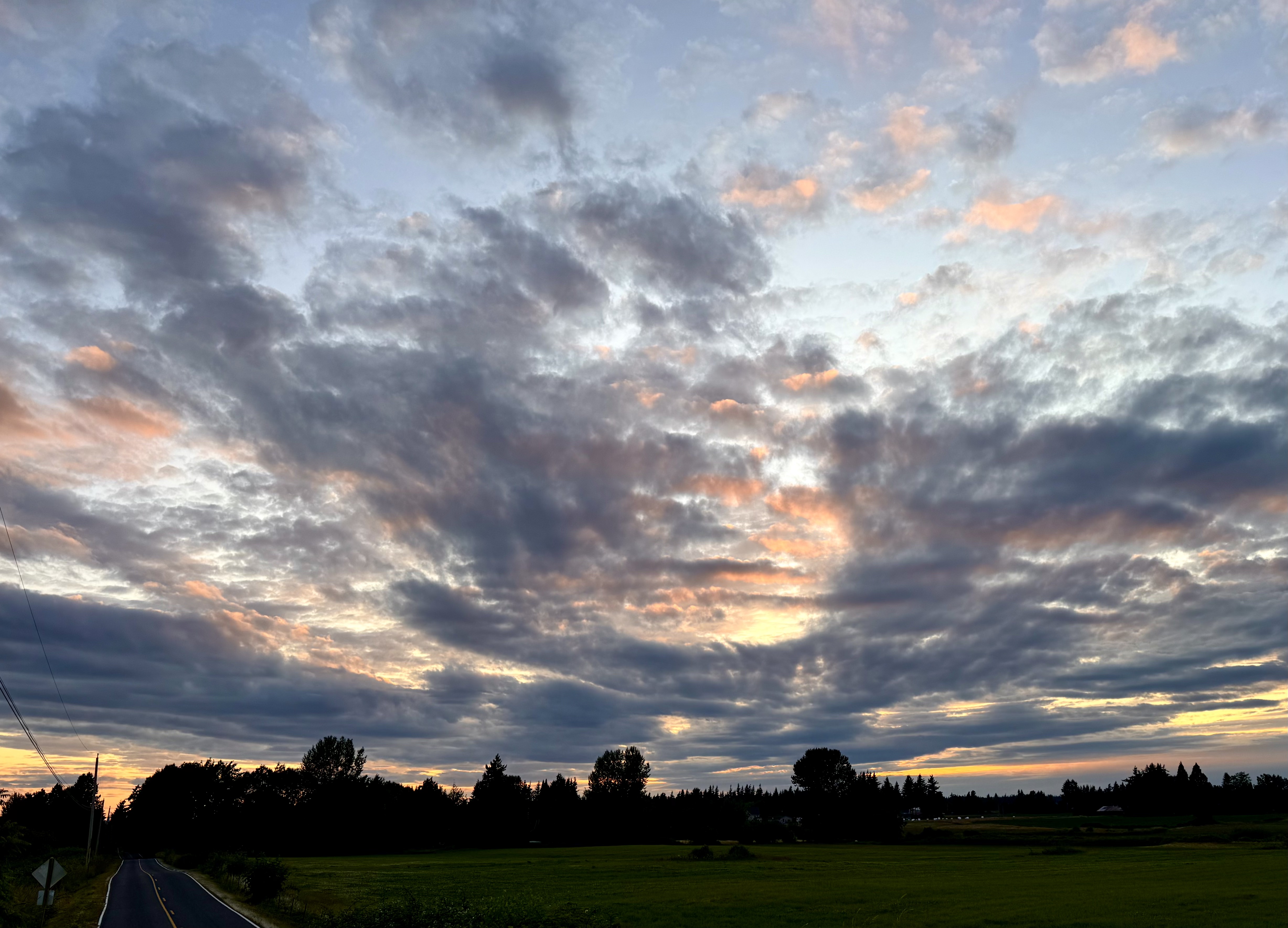
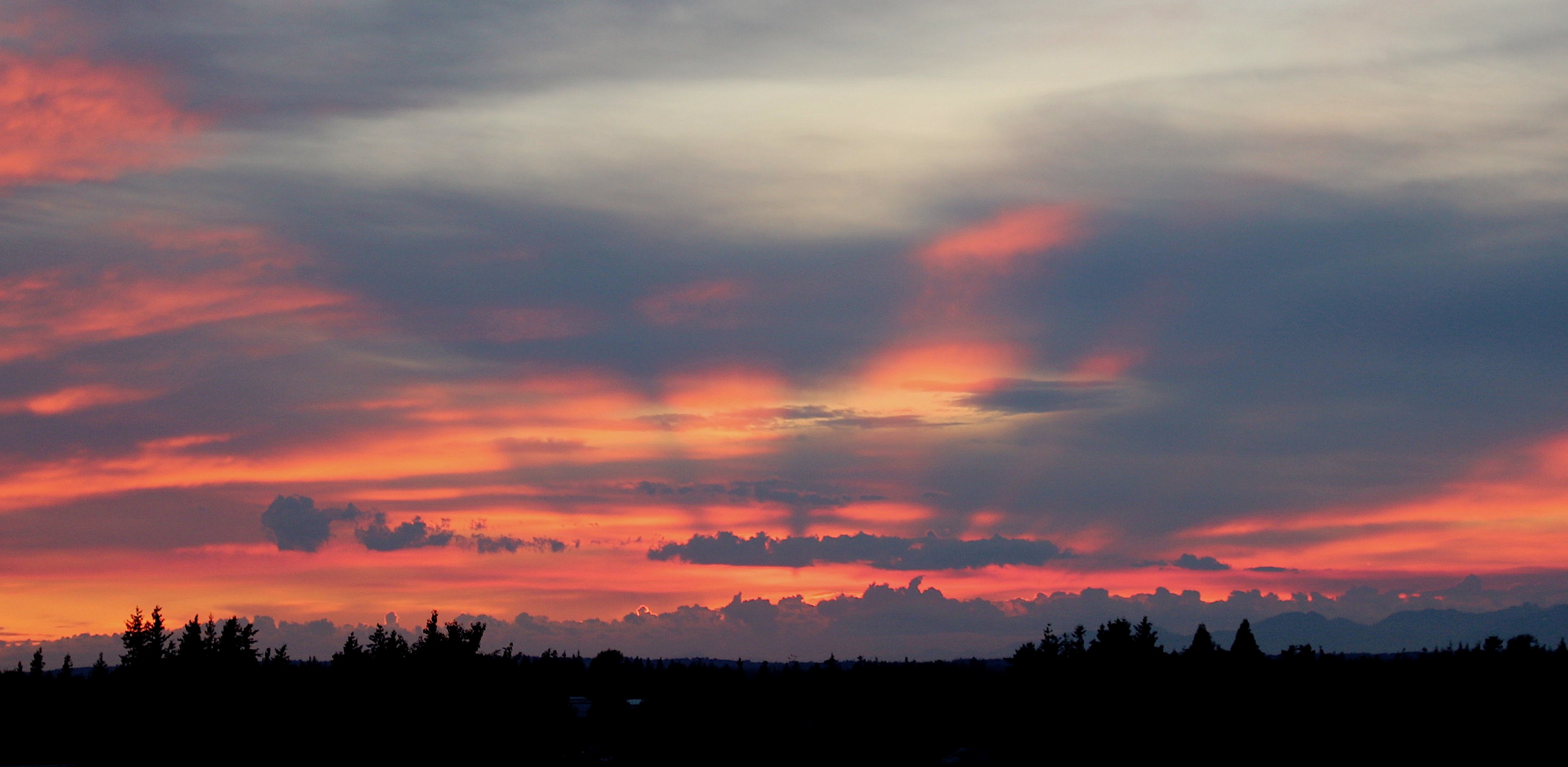
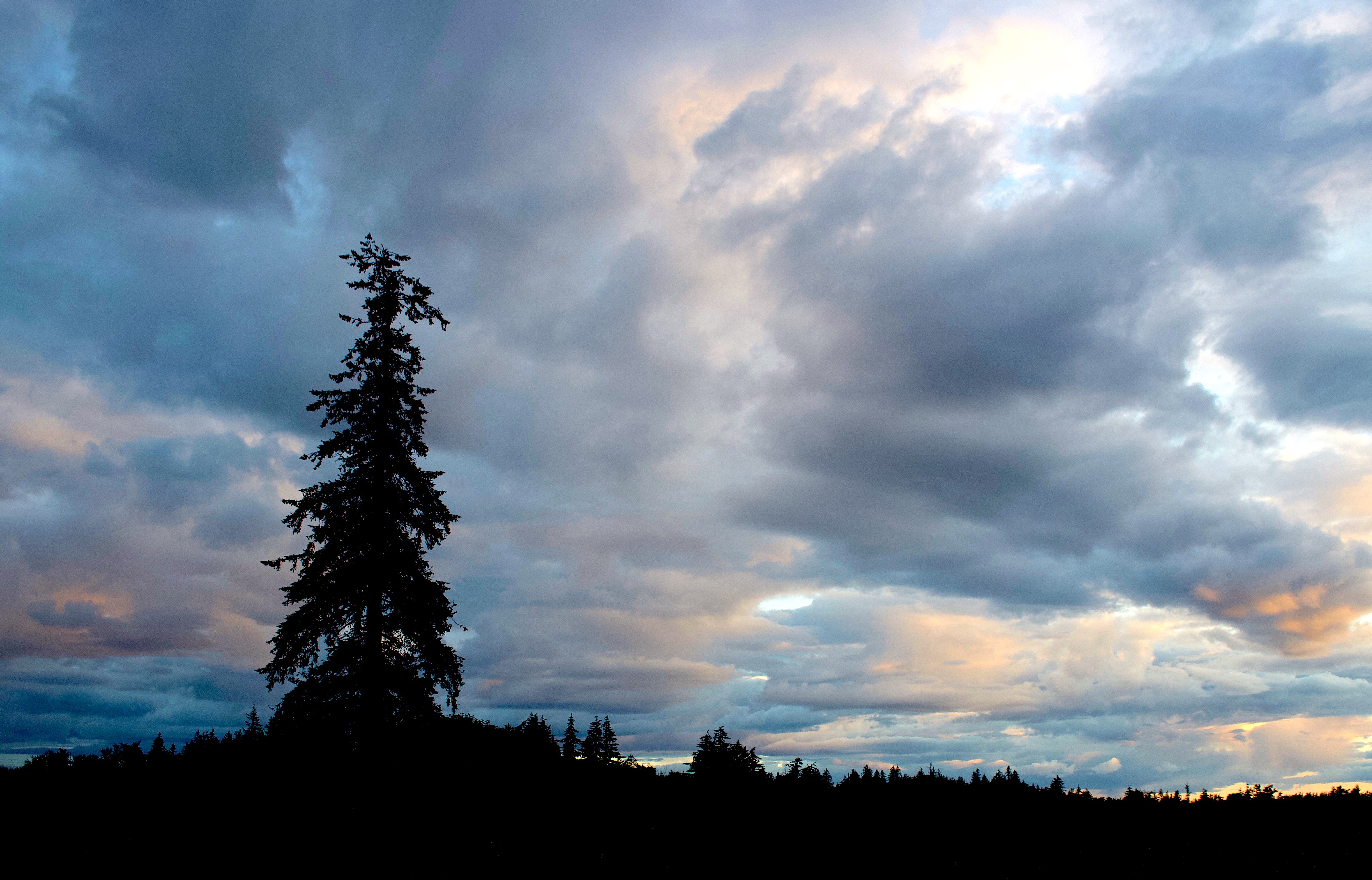
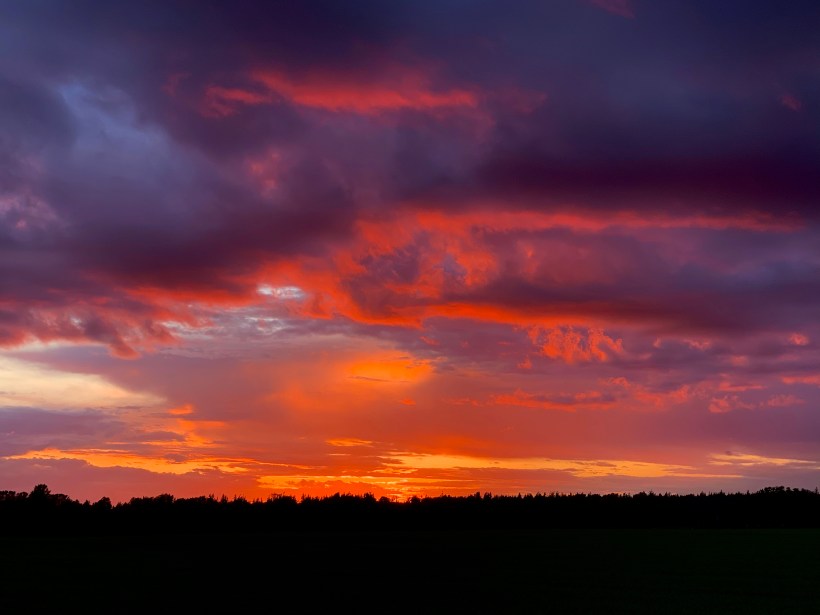
This time of uncertainty holds the earth captive; our hearts fearful of war in a shimmering summer dusk.
I weep for wonder in hope for a healing peace, at this time, at this place, singing under these stars.
May we rest assured, on another shining night, sometime, we know not when, we know not how, we will lay down arms and live without threat of war.
Amen and Amen.
One-Time
Monthly
Yearly
Make a one-time or recurring donation to support daily Barnstorming posts
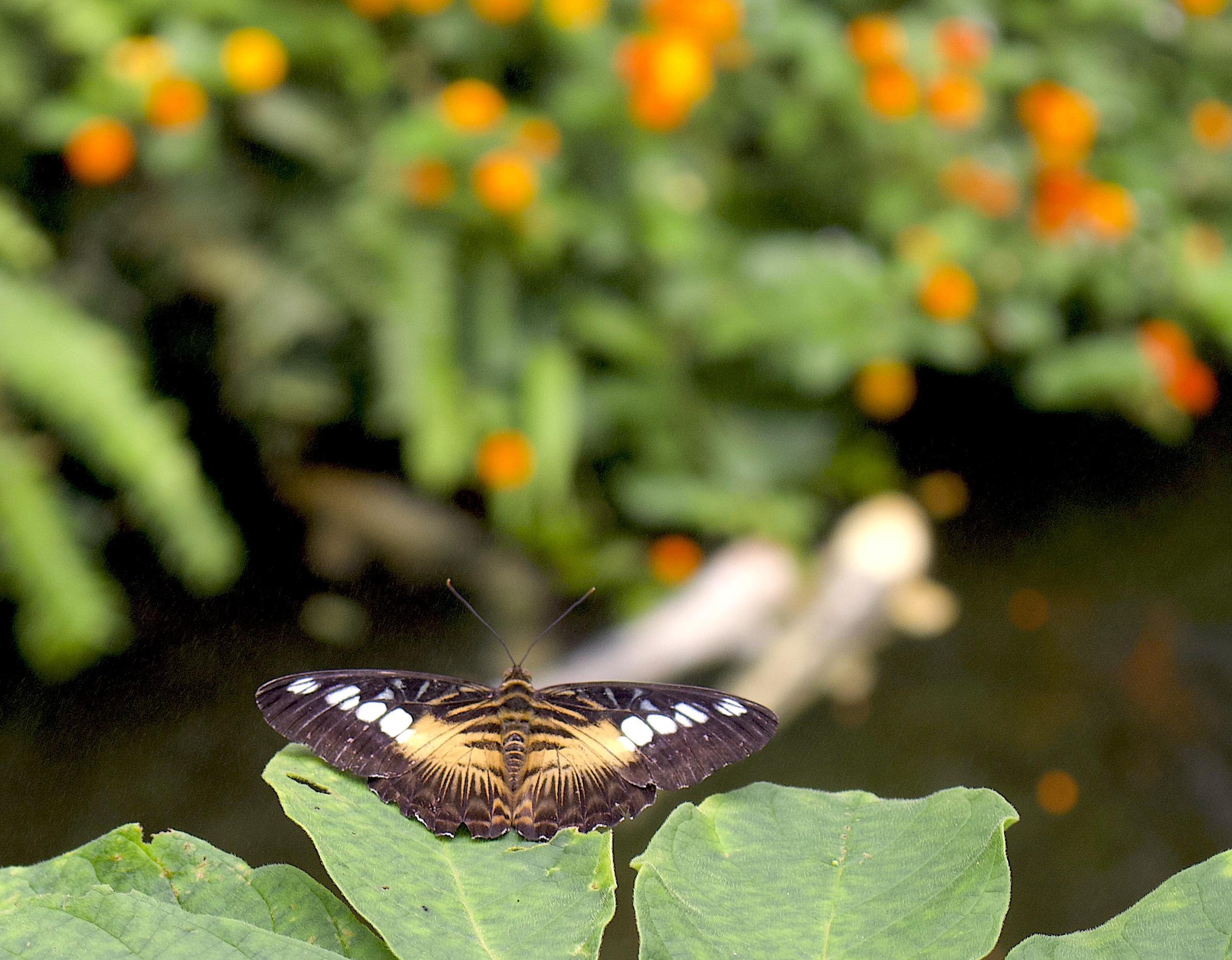
Green was the silence, wet was the light the month of June trembled like a butterfly ~Pablo Neruda from “Sonnet XL”
Why do we bother with the rest of the day, the swale of the afternoon, the sudden dip into evening, then night with his notorious perfumes, his many-pointed stars?
This is the best— throwing off the light covers, feet on the cold floor, and buzzing around the house on espresso— maybe a splash of water on the face, a palmful of vitamins—
but mostly buzzing around the house on espresso, dictionary and atlas open on the rug, the typewriter waiting for the key of the head, a cello on the radio, and, if necessary, the windows— trees fifty, a hundred years old out there, heavy clouds on the way and the lawn steaming like a horse in the early morning. ~Billy Collins “Morning”
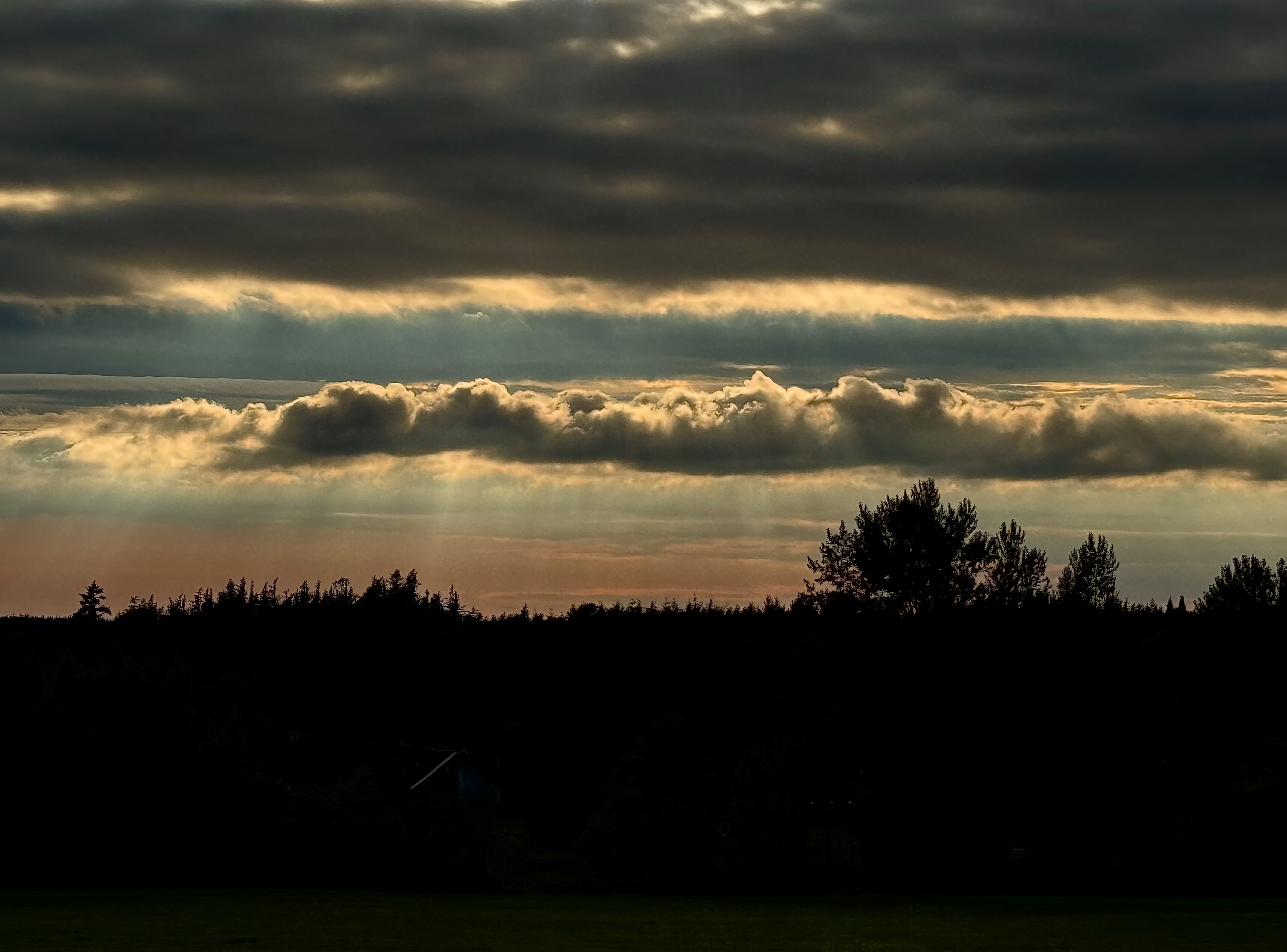
We are now four days into summer but aside from the date on the calendar, it would be difficult to prove otherwise. After a dry stretch of warm late spring weather, it is now unseasonably cool, the skies stony gray, the rivers running full and fast, the ground peppered with puddles. Rain has fallen at night, hiding behind the cover of darkness as if ashamed of itself.
As it should be.
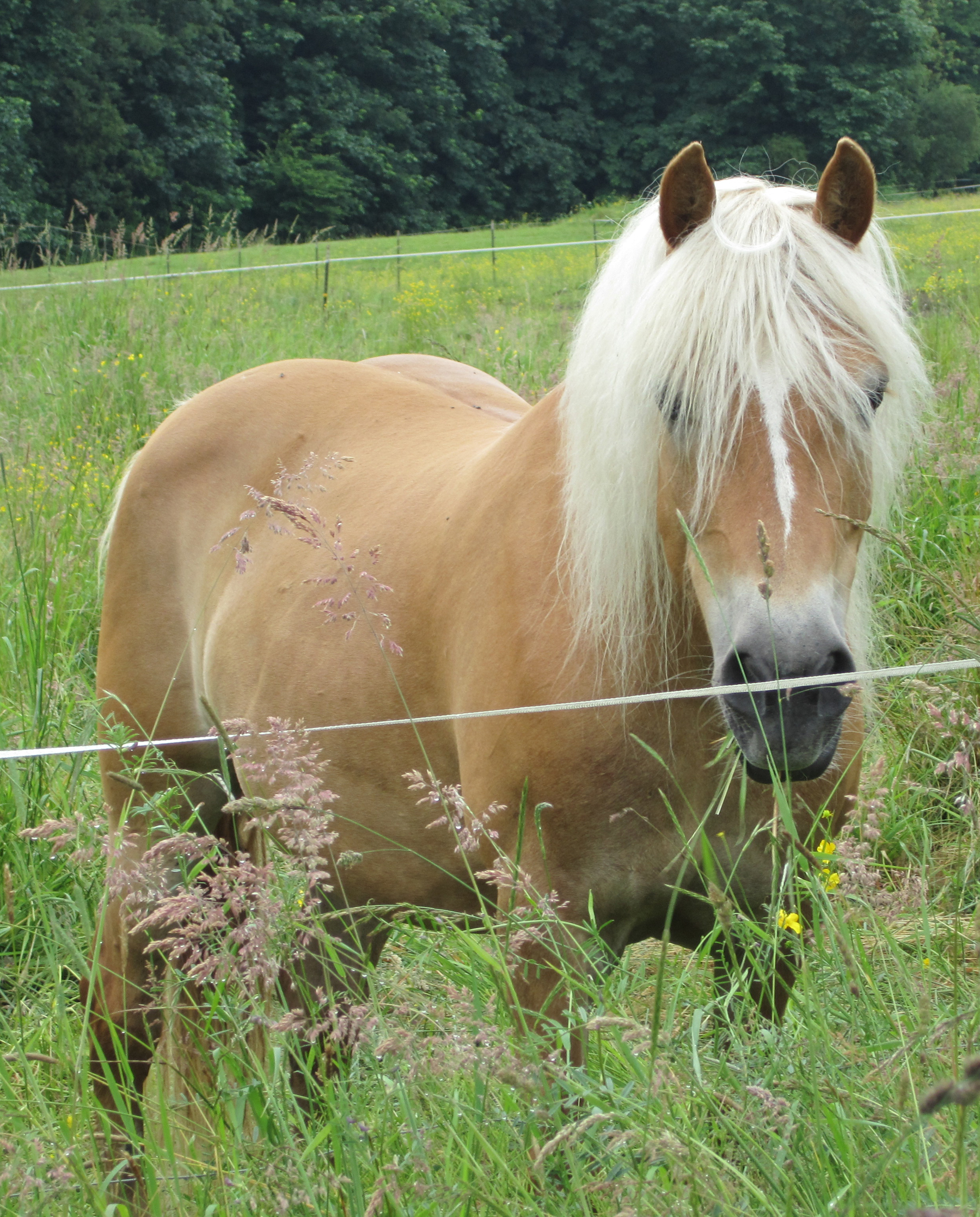
What all this moisture will yield is acres and acres of towering grass growth, more grass than imaginable, more grass than we can keep mowed, burying the horses up to their backs as they dive head long into the pasture. The Haflingers don’t need to lower their necks to graze, choosing instead to simply strip off the ripe tops of the grasses as they forge paths through five foot forage. It is like children at a birthday party swiping the frosting off cupcake after cupcake, licking their fingers as they go. Instead of icing, the horses’ muzzles are smeared with dandelion fluff, grass seed and buttercup petals.
In the northwest, June can tend to shroud its promise of longer days under clouds. Outdoor weddings brace for rain and wind with a supply of umbrellas, graduation potlucks are served in the garage and Fourth of July picnics stay safely under cover. There is a wary anticipation of solstice as it signals the slow inexorable return of darkness from which we have barely recovered.
So I tremble as I too splash through the squishiness of late June, quivering like a wet butterfly emerging from its cocoon ready to unfurl its wings to dry, but unsure how to fly and uncertain of the new world that awaits. In fact the dark empty cocoon can look mighty inviting on a rainy June night. If I could manage to squeeze myself back in, it might be worth a try.
After all, there is no place like home.
One-Time
Monthly
Yearly
Make a one-time or recurring donation to support daily Barnstorming posts
…And when the sun rises we are afraid it might not remain when the sun sets we are afraid it might not rise in the morning when our stomachs are full we are afraid of indigestion when our stomachs are empty we are afraid we may never eat again when we are loved we are afraid love will vanish when we are alone we are afraid love will never return and when we speak we are afraid our words will not be heard nor welcomed but when we are silent we are still afraid
So it is better to speak remembering we were never meant to survive. ~Audre Lorde from “A Litany for Survival”
We are all here so briefly, just trying to survive.
Although designed to live forever, we are fallen, running the clock out as long as we can.
Just one day more, we say. Give us just one more.
From the first, there has been struggle – the pain of our birth, the cry of our laboring mother, then feeding and protection of our children, keeping them safe from the bombs of war and the ravages of disease, followed by weakening of our frail aging bodies.
If there is a reason for all this (and there is): life’s struggles redeem us.
Heaven knows, each life means something to God, each death echoes His sorrow.
We fear we fail to make a difference in such a short time. So we speak. Hear our voices. Just one day more, Lord. Please – one day more.
Tomorrow we’ll discover What our God in Heaven has in store One more dawn One more day One day more… ~from Les Miserable
AI image created for this post
One-Time
Monthly
Yearly
Make a one-time or recurring donation to support daily Barnstorming posts
In science we have been reading only the notes to a poem: in Christianity we find the poem itself. ~C.S. Lewis from Miracles
Science itself fails to love us when we’re alone, to feed us when we’re starving, to lead us to water when we’re thirsty, to grasp the hand of the dying, to give hope to the weak and afraid, to become sacrifice for our sin, to offer us everlasting forgiveness and grace.
Science is only one of God’s footnotes within His poetic Word, a well-timed fermata allowing His creation to pause and listen, reflecting for a moment on the symphony of His redeeming Work.
One-Time
Monthly
Yearly
Make a one-time or recurring donation to support daily Barnstorming posts
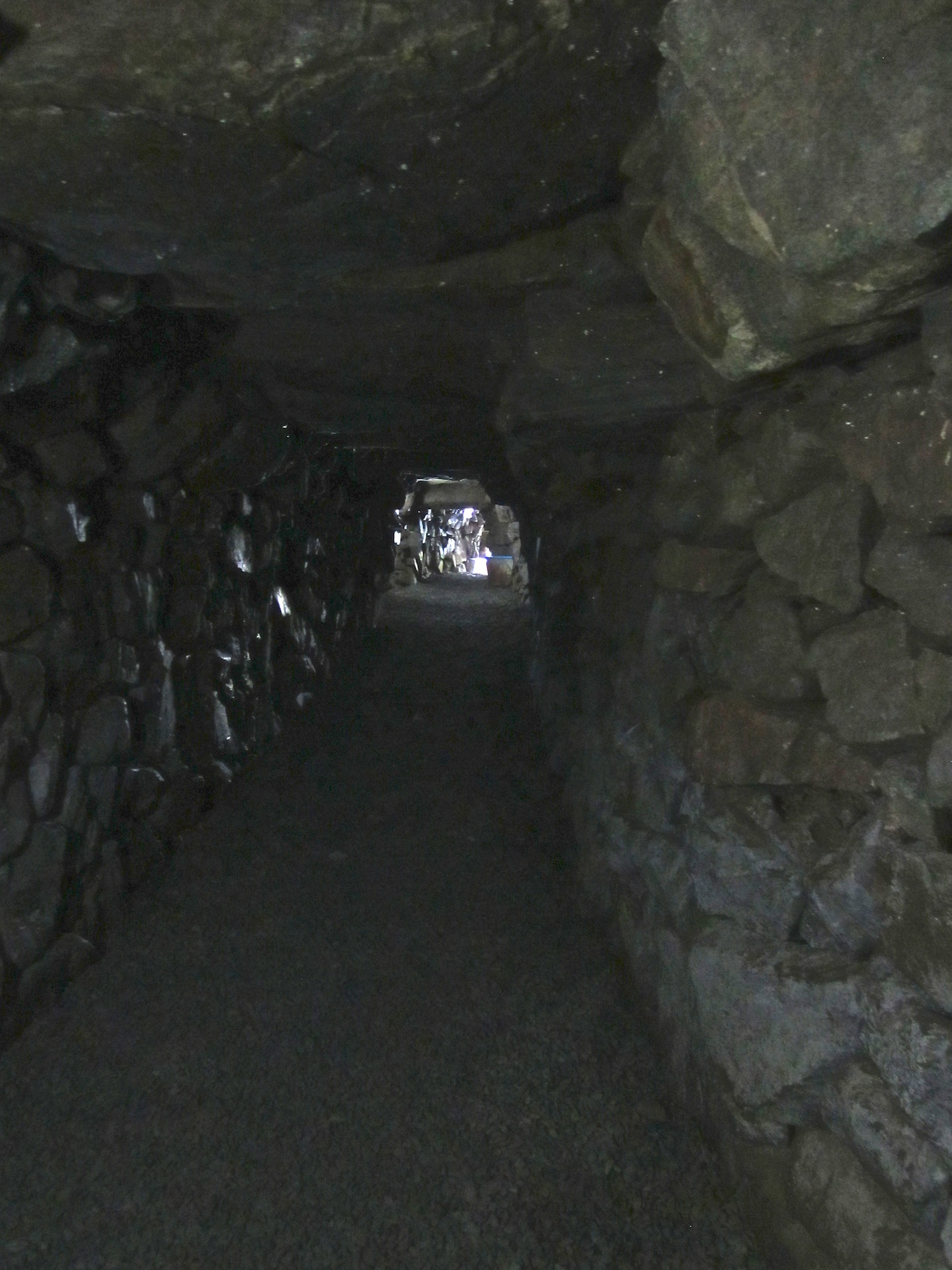
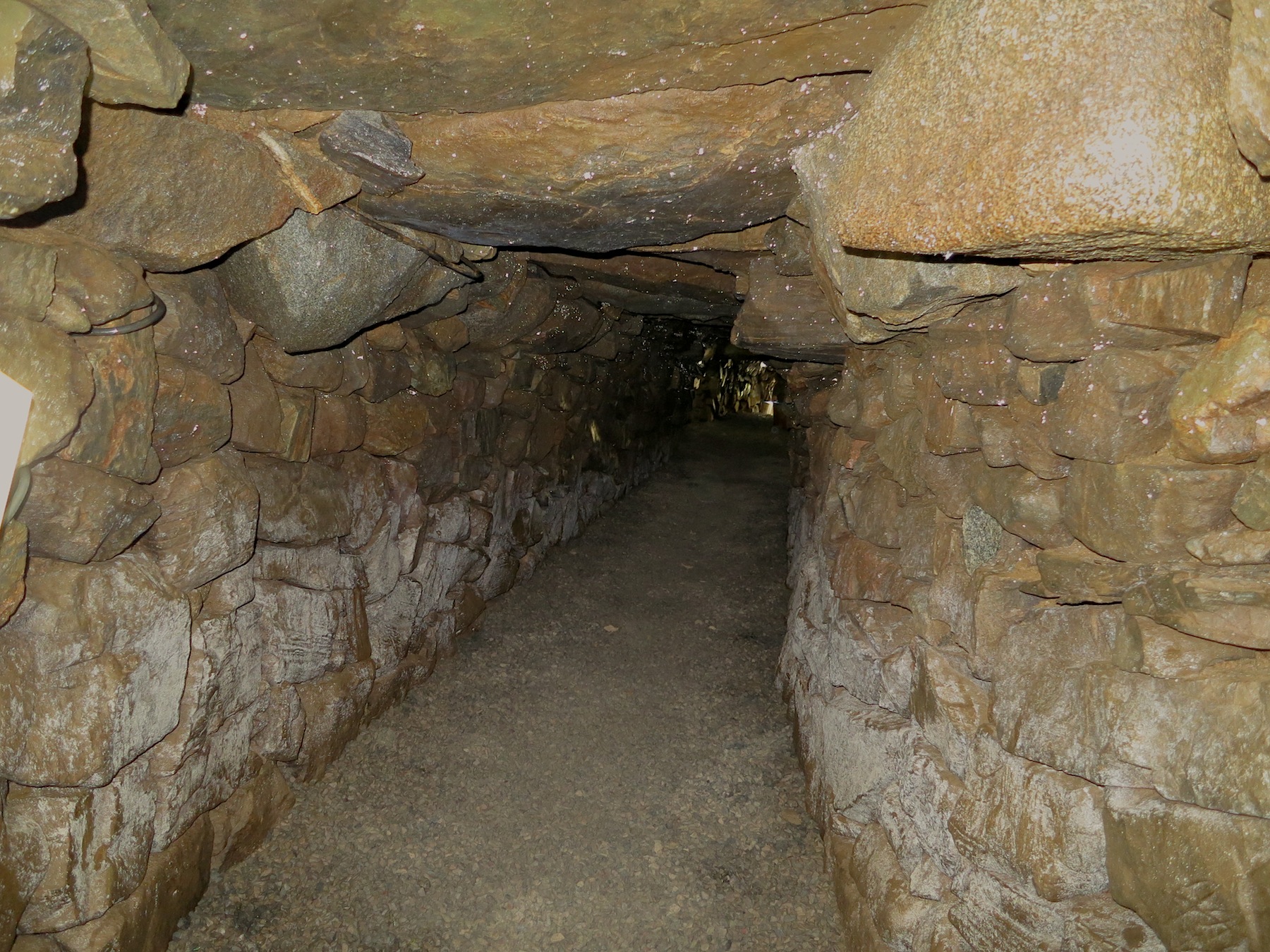
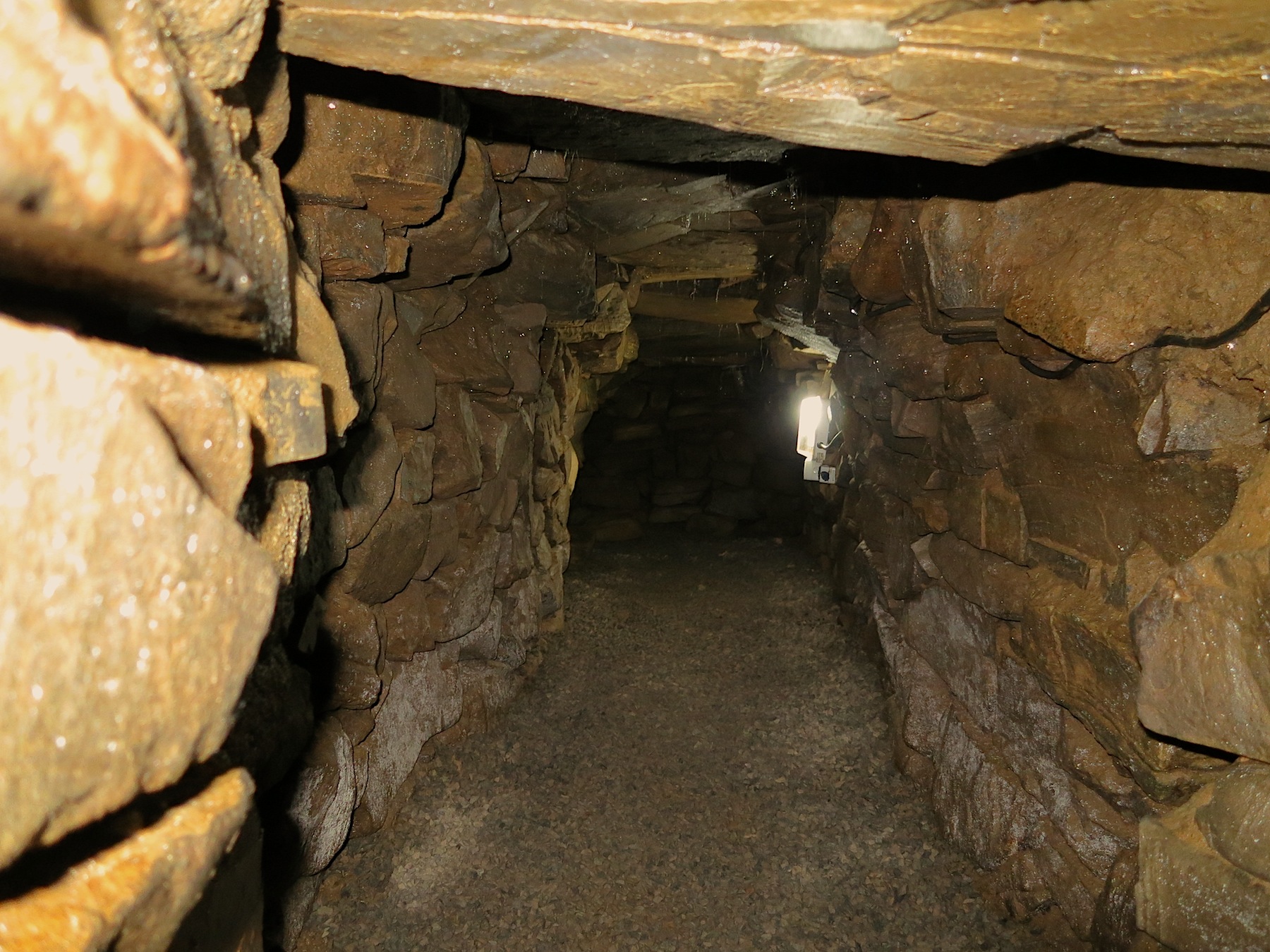
It’s deep time here, this barrow grave five thousand years old, where we follow like sheep behind the guide to the heart of its cruciform center.
I’ve never been in a space so dark. What was it like to fear that the sun would not return, that crops would wither, deer flee, that night’s dark cloak was all there was?
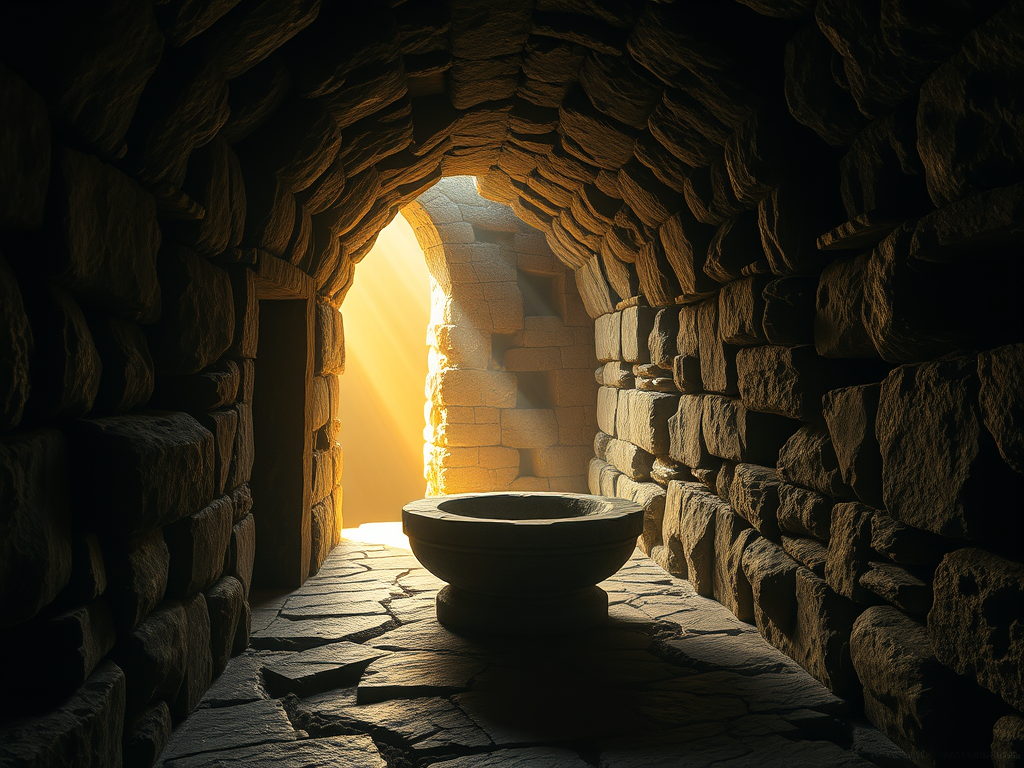
But miraculously, on the lip of the solstice, the light returned, liquid and golden, ran down the narrow corridor, hit the back wall, splashed in the stone basin, and they knew summer would come back, run to fruit. Light, dark, freeze, thaw, seedtime, harvest, wheel of the year, the spiral dance.
What would they make of our device-laden lives, fossil-fueled cars, over-stocked larders? Who stands in the dark and listens now, gaping at the stars? — Barbara Crooker, “Newgrange” from The Book of Kells
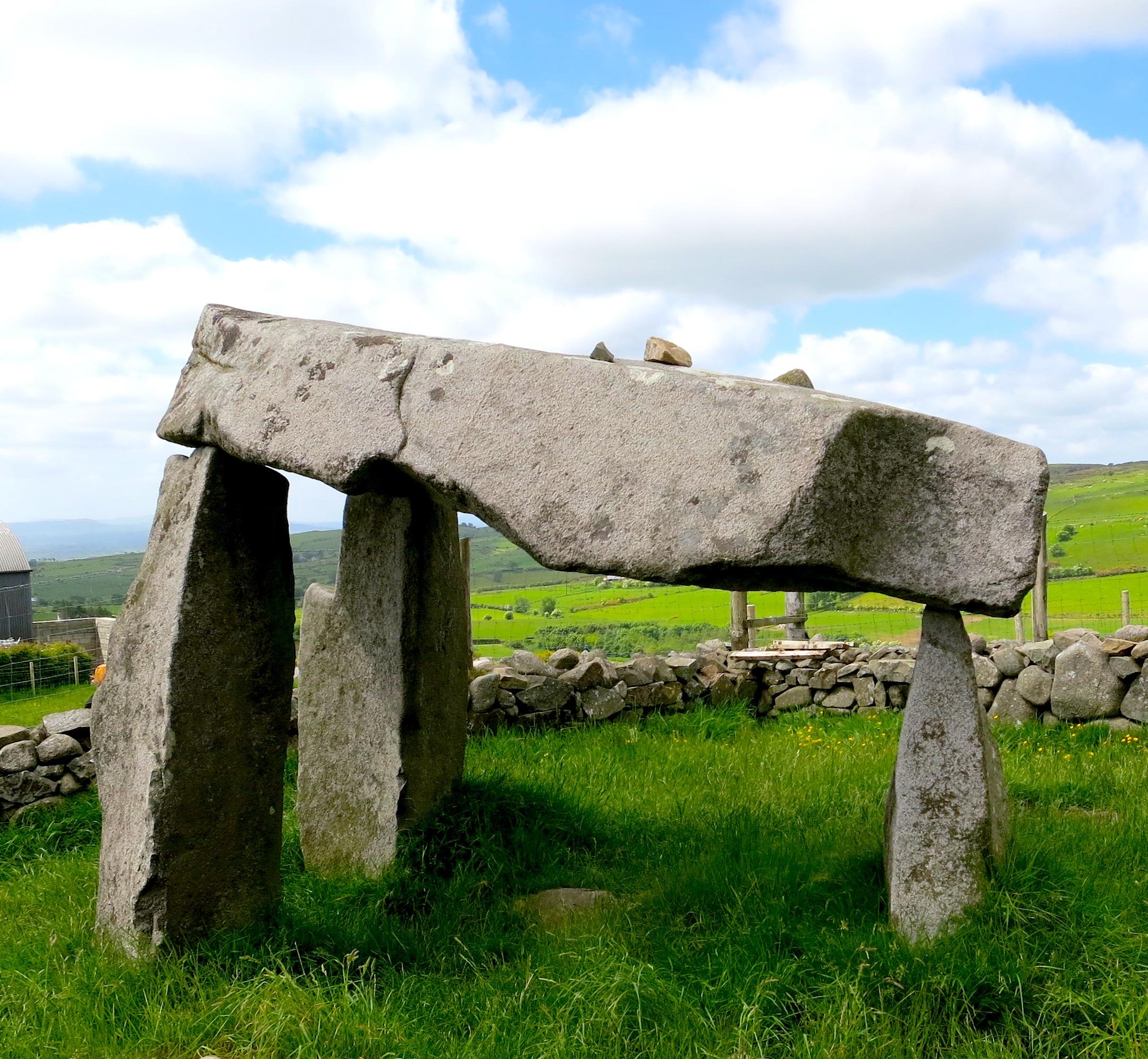
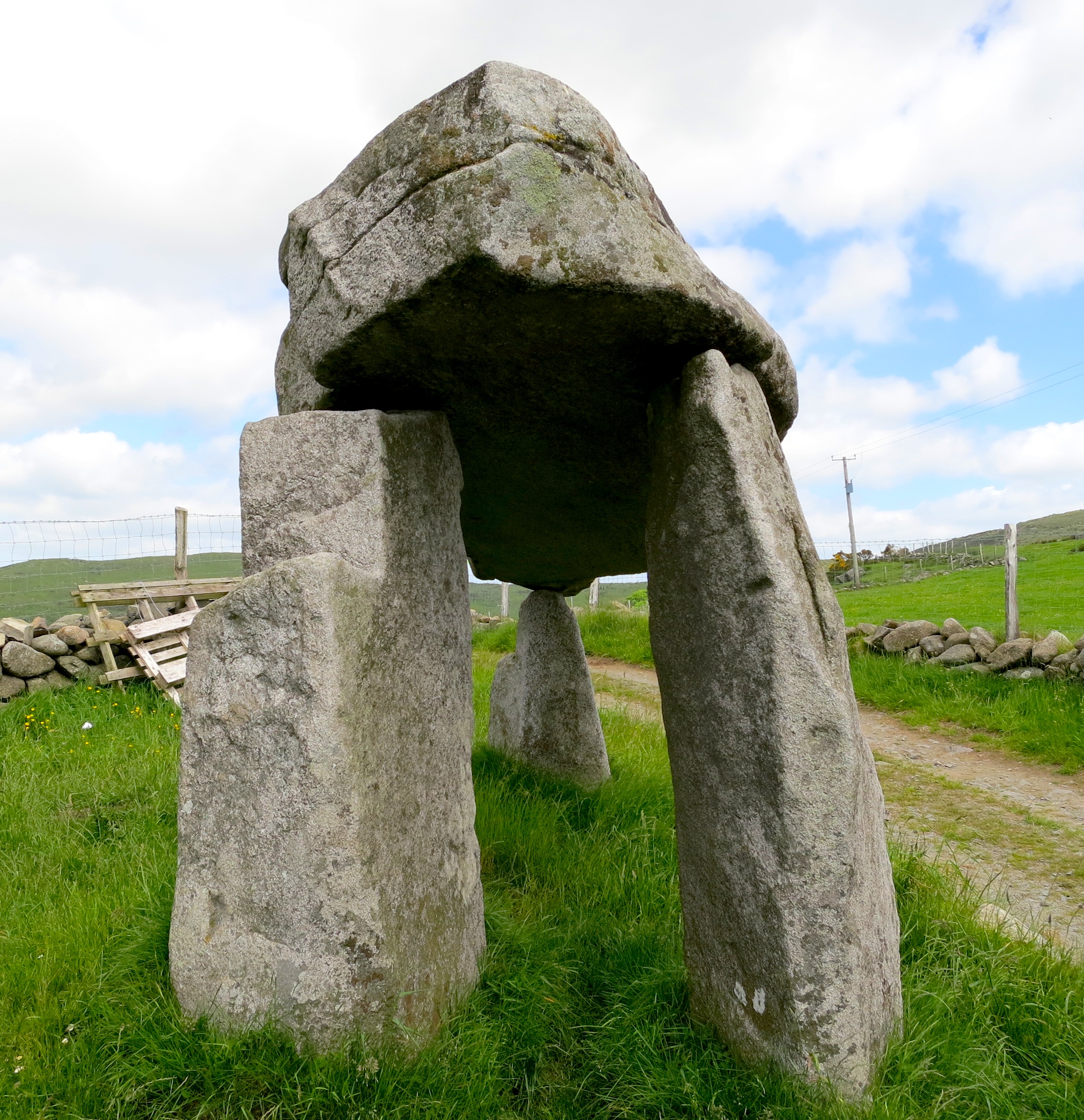
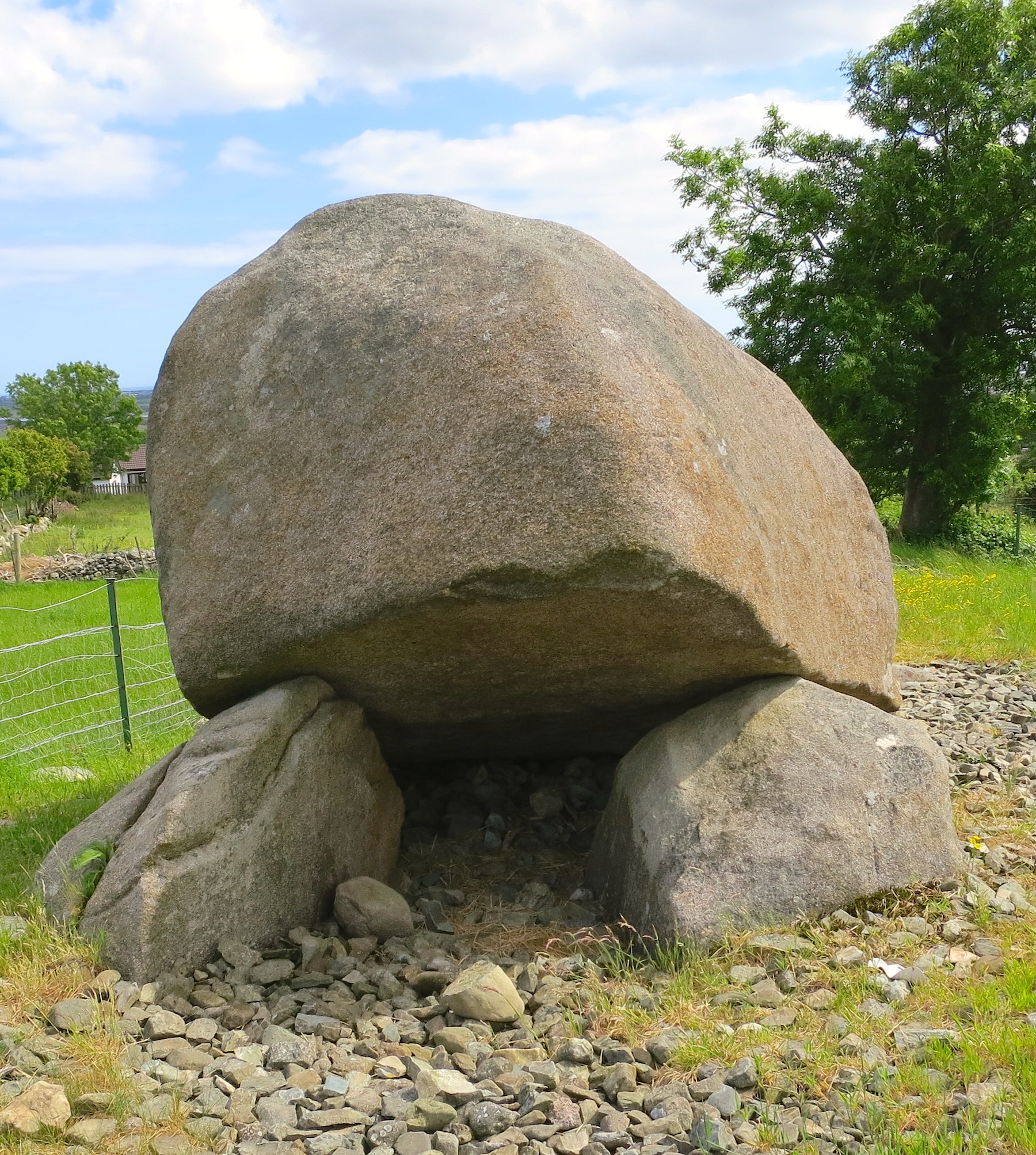
There is nothing so dark as centuries-old underground tunnels and portal tombs, some positioned with an opening to capture a beam of light exactly at either the winter or summer solstice, illuminating what dwells in blackness the rest of the year.
The more recent ninth century soutterain tunnels were refuge for Christians hiding from invaders, keeping whole villages safe from capture.
The dolmens and portal graves are Neolithic structures built before the pyramids. They still exist today as they were constructed to last by people serious about their beliefs.Though those people are long dust, the stones and tunnels remain as they were, to protect the spirits of the departed.
What would they think now of our extravagance, our plethora of goods and foods, our ways of crippling others remotely using weapons dropped from the sky, but also the weapons of internet disinformation and hacking, hallucinations and lies from artificial intelligence?
Our ways make stealing, pillaging, raping and enslaving strangers seem so… messy.
We mustn’t fool ourselves. We are still messy.
We moderns are lost in our over-abundance of light year round, scarcely noting the calendar or the passing of the longest and shortest days.
I bow my head to the remarkable people of strength who have preceded us, who sought mightily to preserve the significance of a Light returning to penetrate their darkness.
Legananny Dolmen, Northern IrelandLegananny dolmenKilfeaghan DolmenAI image created for this post
Lyrics: Daylight comes and nighttime goes, nighttime falls, day flies Round and round the cycle goes, we live and then we die and then we live and then we die. The seasons of my life go round, the sunshine and the rain The fallow and the fruitful days, the joy and then the pain and then the joy and then the pain. As light below, so light above, so light in all we see
The light is in the act of love, the light that sets us free, yes, it’s the light that sets free. Daylight comes…
One-Time
Monthly
Yearly
Make a one-time or recurring donation to support daily Barnstorming posts
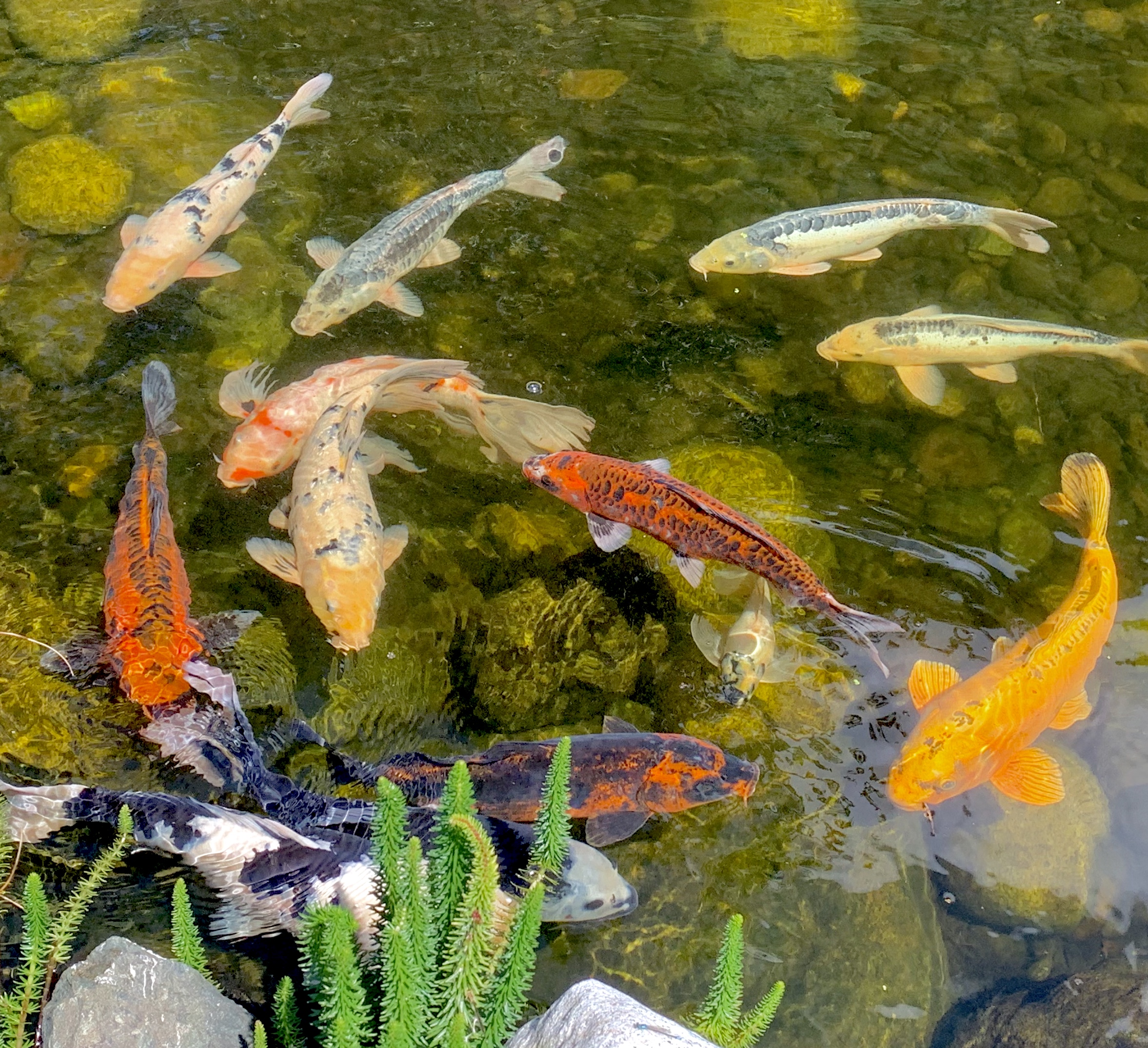
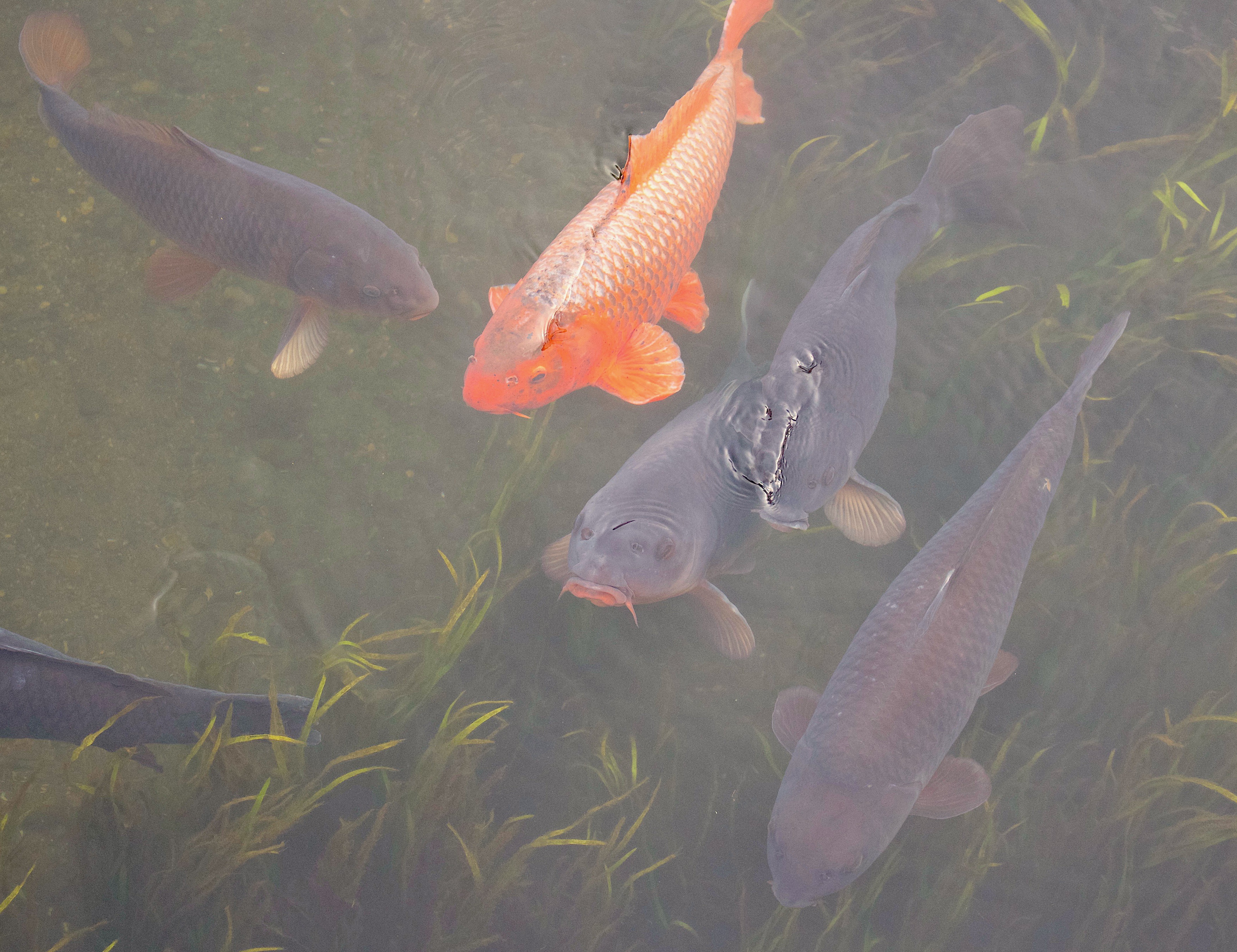
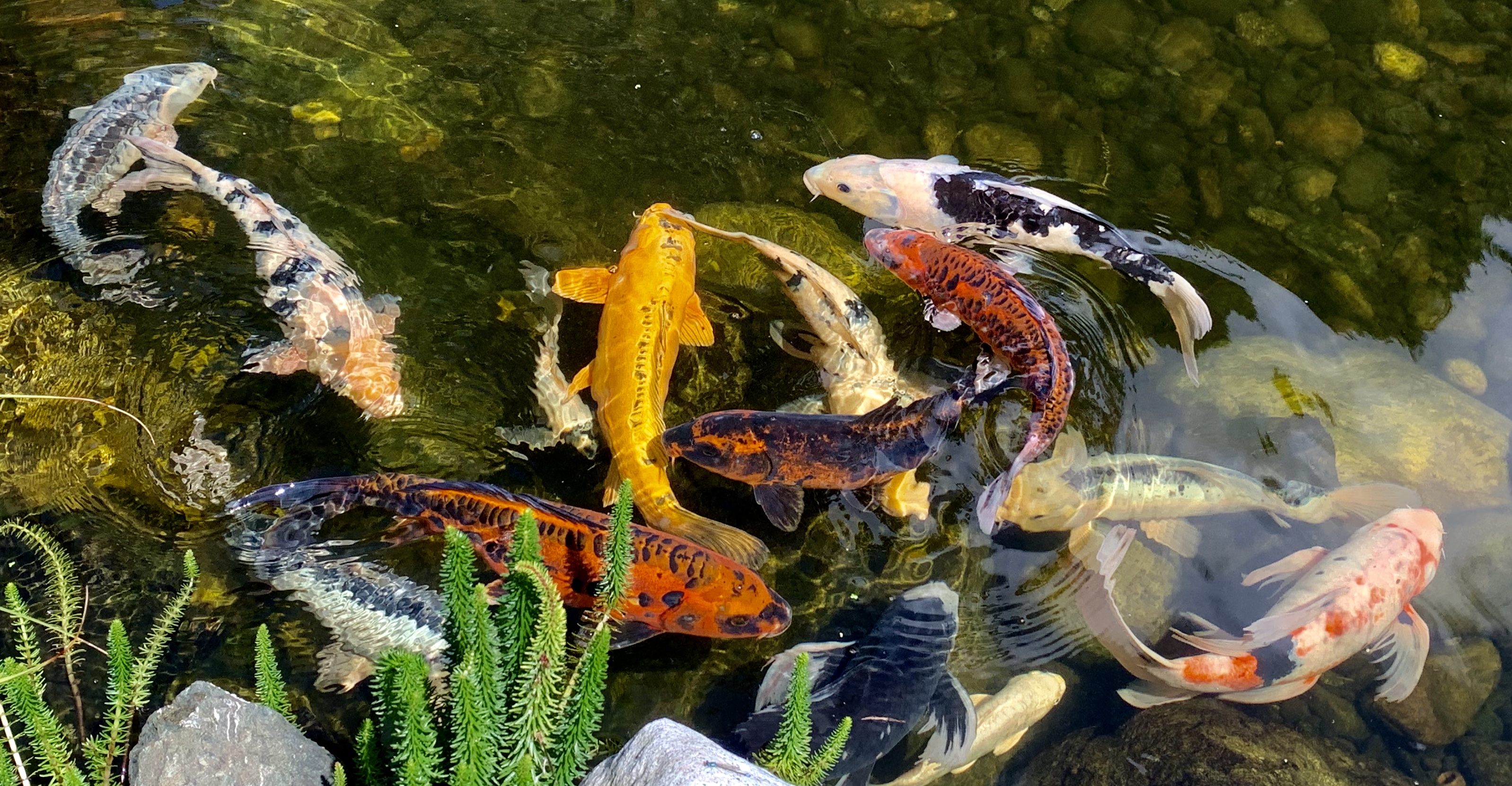
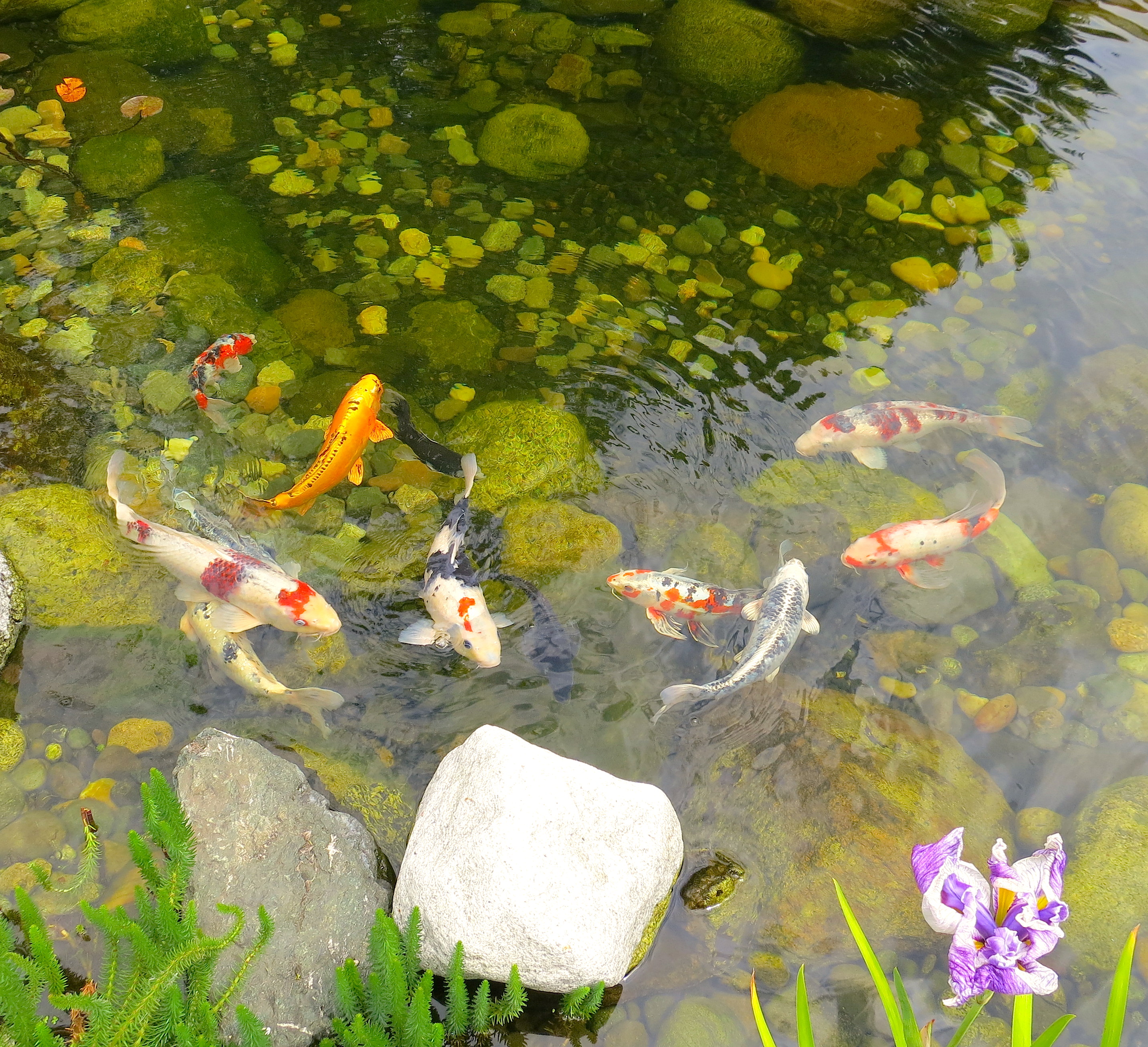
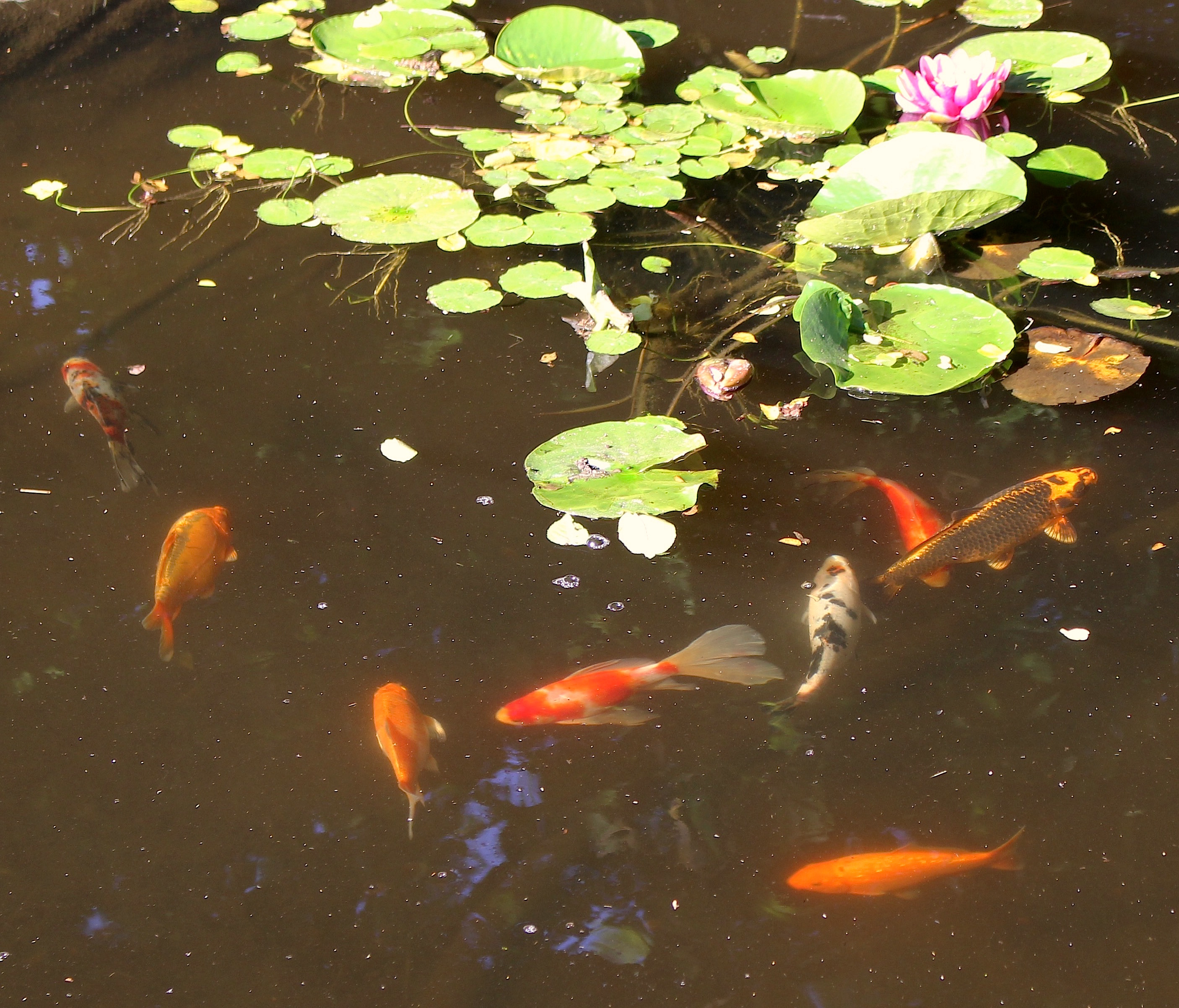
Our shadows bring them from the shadows: a yolk-yellow one with a navy pattern like a Japanese woodblock print of fish scales. A fat 18-karat one splashed with gaudy purple and a patch of gray. One with a gold head, a body skim-milk-white, trailing ventral fins like half-folded fans of lace. A poppy-red, faintly disheveled one, and one, compact, all indigo in faint green water. They wear comical whiskers and gather beneath us as we lean on the cement railing in indecisive late-December light, and because we do not feed them, they pass, then they loop and circle back. Loop and circle. Loop. “Look,” you say, “beneath them.” Beneath them, like a subplot or a motive, is a school of uniformly dark ones, smaller, unadorned, perhaps another species, living in the shadow of the gold, purple, yellow, indigo, and white, seeking the mired roots and dusky grasses, unliveried, the quieter beneath the quiet. ~Susan Kolodny “Koi Pond, Oakland Museum”
The boardwalk, a treachery of feathers ready to receive another broken bone, looms just above the surface. Step deliberately when approaching. With few exceptions, ice has claimed this part of the pond.
This is where you see her, moving through what free water remains: a sluggish ghost in the shadows, slow, conserving the fragile heat she still has in this late winter. A canopy of juniper dressed with light snow overhangs, watching.
Last year, a quorum of her kind was lost, turned to stone, to frigid silence. She doesn’t know that story, but some instinct guides her to keep what warmth she can, to cruise in stubborn torpor.
In her drift, she remembers the summer, her long, languid vowels, the accompanying texts of her companions. How they interwove manuscripts, narrations of sky, tree, sun, and moon. Warm days are a memory now, and thoughts rest lightly in her body.
She has held the same posture for an hour. Her bones have reached a conclusion— an idea about hope itself— there, near the indifferent bridge, inches from the force that will take her ~Carolyn Adams, “Koi Pond” from Going Out to Gather
The water going dark only makes the orange seem brighter, as you race, and kiss, and spar for food, pretending not to notice me. For this gift of your indifference, I am grateful. I will sit until the pond goes black, the last orange spark extinguished. ~Robert Peake from “Koi Pond”
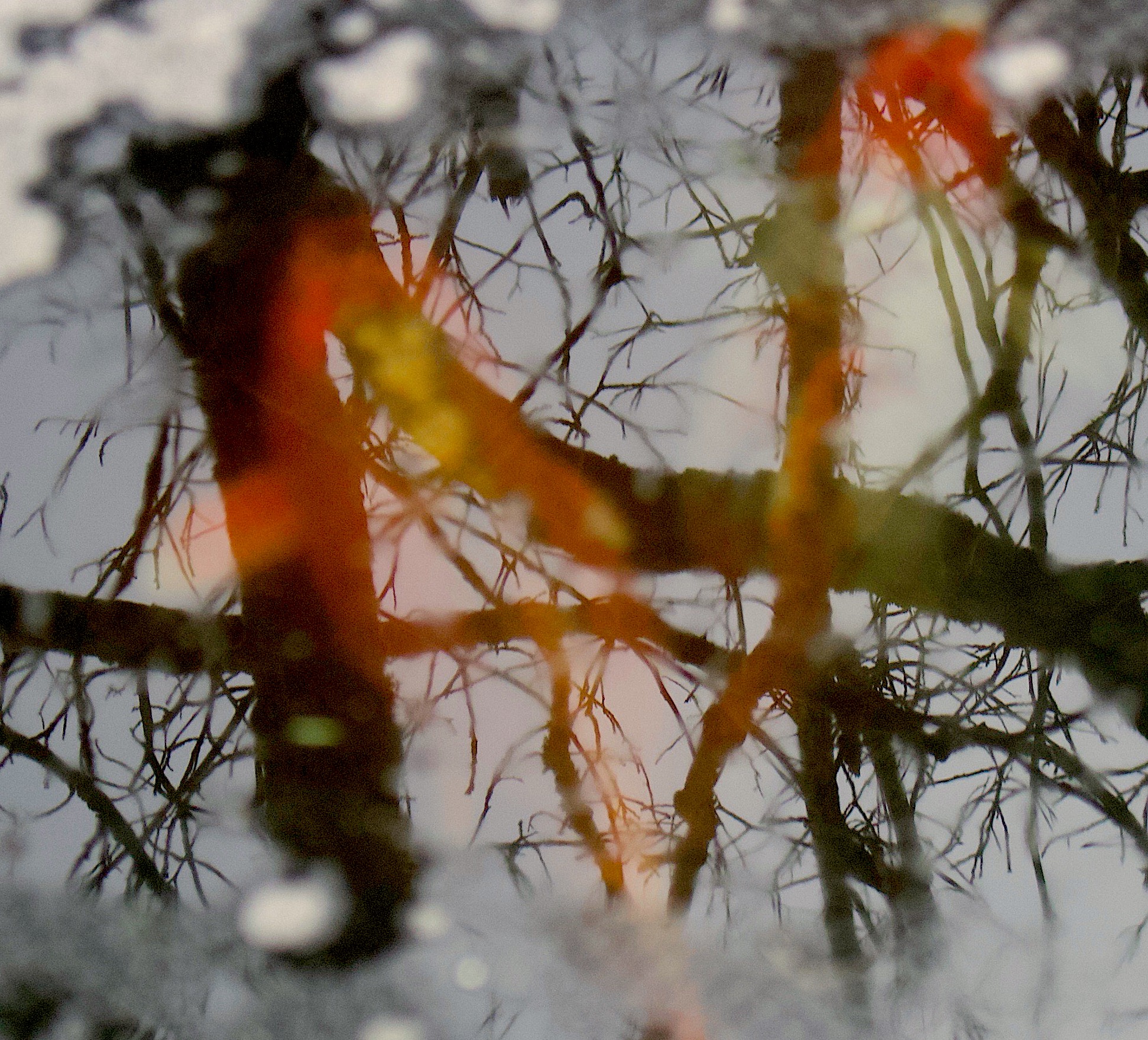
Koi and goldfish thrived in our pond after we covered it with netting, finally thwarting the herons arriving at dawn for breakfast.
Thus protected, our fish grew huge, celebrating each feeding with a flurry of tail flips and gaping mouths as I tossed pellets to them each evening.
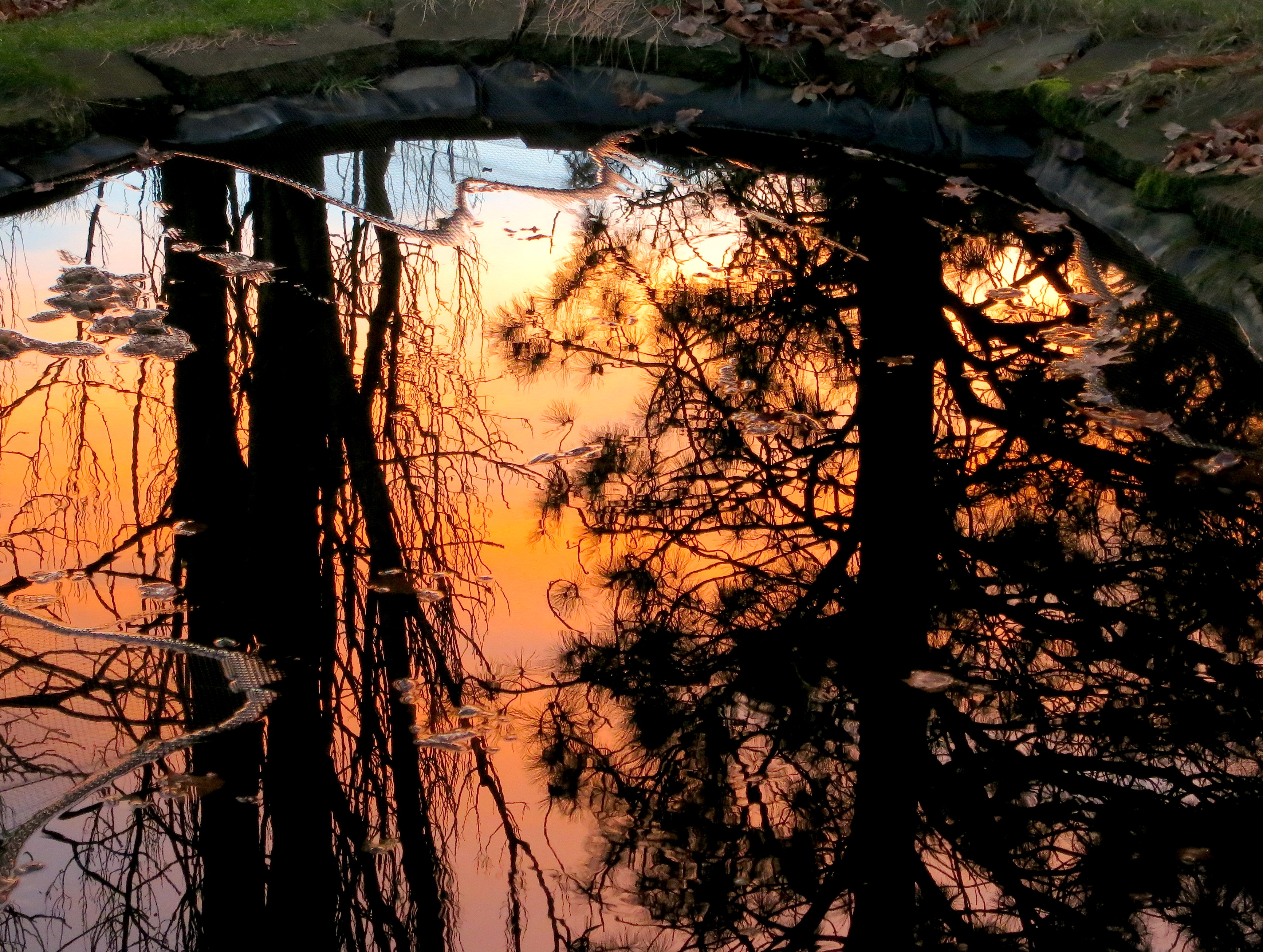
When the pond cooled in the fall and sometimes ice-covered in winter, the fish settled at the bottom, barely moving silhouettes of color in the darkness. Spring would warm them to action again. As the water temperature rose, so did they, eager and hungry to flash their color and fins again.
Two winters ago, the chill winds and low temperatures lasted longer than usual. As the pond ice began to melt, the fish at the bottom remained still as stones. Netting them for burial felt like burying the sun and the moon and the stars, relegating their rainbows of light and color deep into the earth.
No longer would their colorful glory shine, an illumination now extinguished.
I haven’t had the heart to try again. I need a pond heater, a new filter system, and a total clean out of the pond if I am going to restock.
But then I remember the joy of feeding those flashes of fins and fish mouths, so I just might try again.
Rainbows promise to return, even from buried stone.
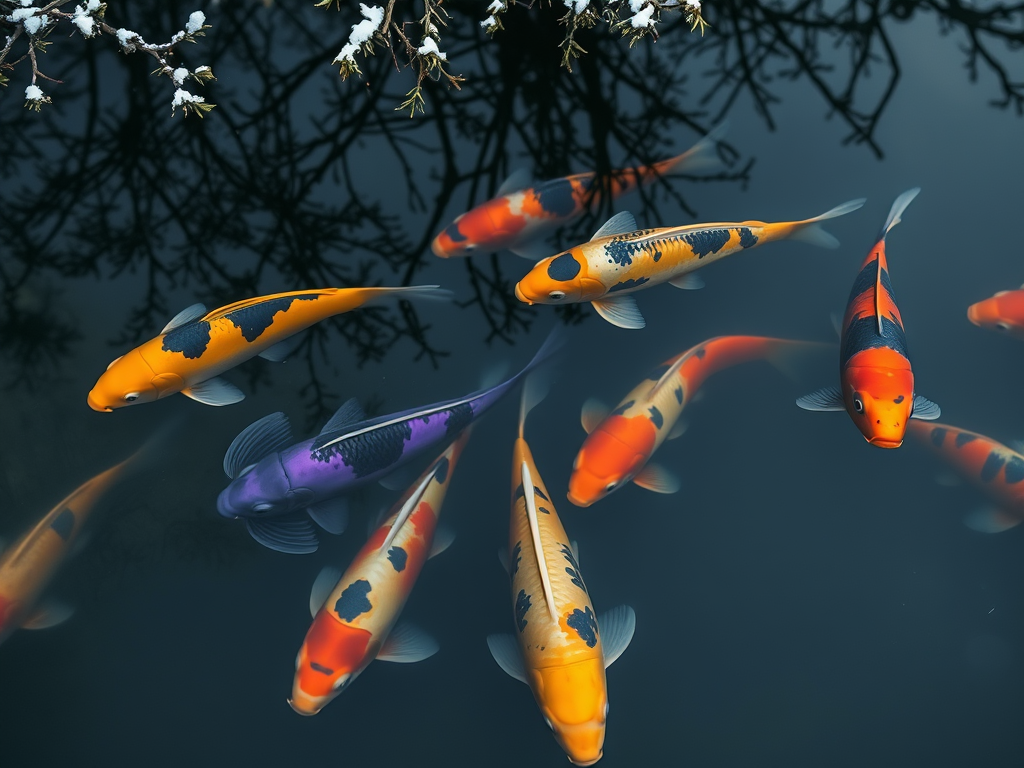
AI image created for this post
Lyrics From the love of my own comfort From the fear of having nothing From a life of worldly passions Deliver me O God From the need to be understood From the need to be accepted From the fear of being lonely Deliver me O God And I shall not want I shall not want When I taste Your goodness I shall not want From the fear of serving others From the fear of death or trial From the fear of humility Deliver me O God
One-Time
Monthly
Yearly
Make a one-time or recurring donation to support daily Barnstorming posts
Our memories are, at best, so limited, so finite, that it is impossible for us to envisage an unlimited, infinite memory, the memory of God.
It is something I want to believe in: that no atom of creation is ever forgotten by him; always is; cared for; developing; loved. ~Madeleine L’Engle from The Summer of the Great-Grandmother
…a friend told me a story about a little girl who wanted time alone with her infant brother. Her parents were suspicious of her motives. What if she did something to harm the baby? The big sister was so persistent that her mom and dad finally decided to allow her ten minutes alone with him in his room. After they closed the door, they listened quietly.
They felt chills when they heard their daughter say, “Baby tell me what heaven is like. I’m starting to forget.” ~Sue Shanahan from “Fresh from Heaven”
He of strength and hope, of infinite memory and everlasting love:
He knows us down to our very atoms ~~ even we who are weak, broken, and undeserving.
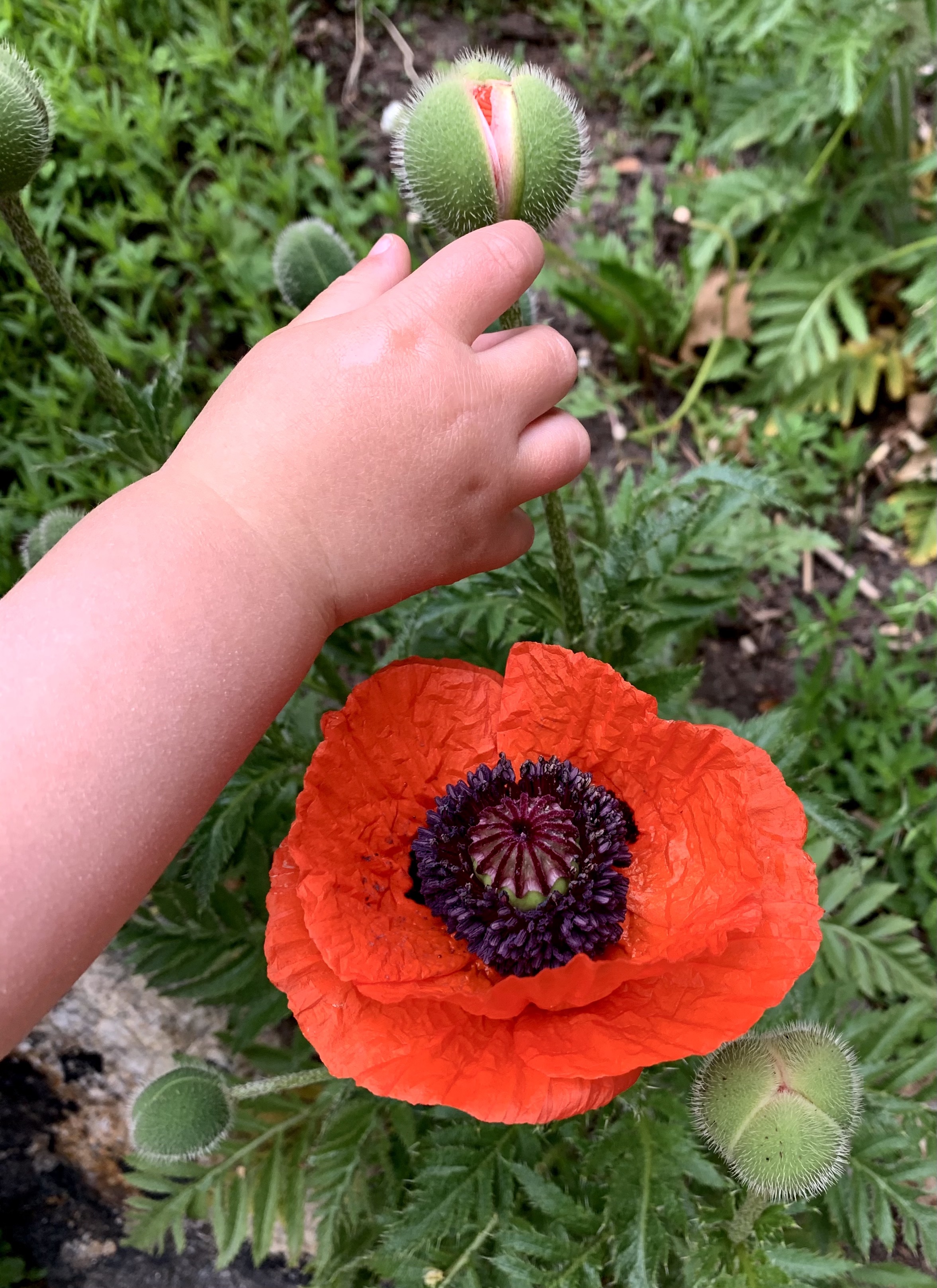
He causes us to burst into bloom in remembrance of having been in His presence.
AI image created for this post
One-Time
Monthly
Yearly
Make a one-time or recurring donation to support daily Barnstorming posts

















 Barnstorming