The world is indeed full of peril and in it there are many dark places. But still there is much that is fair. And though in all lands, love is now mingled with grief, it still grows, perhaps, the greater. — J. R. R. Tolkien from The Fellowship of the Ring
A man of sorrows and acquainted with grief Isaiah 53:3
Shut out suffering, and you see only one side of this strange and fearful thing, the life of man. Christ saw both sides. He could be glad, he could rejoice with them that rejoice; and yet the settled tone of his disposition was a peculiar and subdued sadness.
That gave the calm depth to the character of Christ; he had got the true view of life by acquainting himself with grief. ~Frederick Robertson from a 1846 sermon entitled Typified by the Man of Sorrows, the Human Race
An elderly mother/grandmother apparently kidnapped from her home is yet to be heard from.
And another school shooting takes hold of my heart and breaks it.
Our sorrows fill a chasm so deep and dark that it is a fearsome thing to even peer from the edge. We join the helplessness of countless people in human history who have lived through times which appeared unendurable.
We don’t understand why inexplicable tragedy befalls good and gracious people, taking them when they are not yet finished with their work on earth.
From the unconscionable shootings of innocents, to quakes that topple buildings burying people, to waves that wipe out whole communities sweeping away thousands, to pathogens too swift and devastating for modern medicine —
we are reminded every day: we live on perilous ground and our time here has always been finite.
We don’t have control over the amount of time, but we do have control over how extensively our compassion for others is heard and spread.
There is assurance in knowing we do not weep alone; our Lord is acquainted with grief.
Our grieving is so familiar to a suffering God who too wept at the death of a beloved friend, when He faced a city about to condemn Him to death and He was tasked with enduring the unendurable.
There is comfort in knowing He too peered into the chasm of darkness; He willingly entered its depths to come to our rescue.
His has an incomparable capacity for Light, bringing to the world a Love that lasts an eternity.
Lyrics:
Angels, where you soar Up to God’s own light Take my own lost bird On your hearts tonight; And as grief once more Mounts to heaven and sings Let my love be heard Whispering in your wings ~Alfred Noyes
One-Time
Monthly
Yearly
Make a one-time or recurring donation to support daily Barnstorming posts
Eighteen years ago this week, a college student was brought to our university health clinic by his concerned roommates, as he seemed to be getting sicker with that winter’s seasonal influenza. His family gave permission for his story to be told.
Nothing was helping. Everything had been tried for a week of the most intensive critical care possible. A twenty year old man – completely healthy only two weeks previously – was dying and nothing could stop it.
The battle against a sudden MRSA (Methicillin Resistant Staph Aureus) pneumonia precipitated by a routine seasonal influenza infection had been lost. Despite aggressive hemodynamic, antibiotic, antiviral and ventilator management, he was becoming more hypoxic and his renal function was deteriorating. He was no longer responsive to stimuli.
The intensivist looked weary and defeated. The nurses were staring at their laps, unable to look up, their eyes tearing. The hospital chaplain reached out to hold this young man’s mother’s shaking hands.
After a week of heroic effort and treatment, there was now clarity about the next step.
Two hours later, a group gathered in the waiting room outside the ICU doors. The average age was about 21; they assisted each other in tying on the gowns over their clothing, distributed gloves and masks. Together, holding each other up, they waited for the signal to gather in his room after the ventilator had been removed and he was breathing without assistance. They entered and gathered around his bed.
He was ravaged by this sudden illness, his strong body beaten and giving up. His breathing was now ragged and irregular, sedation preventing response but not necessarily preventing awareness. He was surrounded by silence as each individual who had known and loved him struggled with the knowledge that this was the final goodbye.
His father approached the head of the bed and put his hands on his boy’s forehead and cheek. He held this young man’s face tenderly, bowing in silent prayer and then murmuring words of comfort:
It is okay to let go. It is okay to leave us now. We will see you again. We’ll meet again. We’ll know where you will be.
His mother stood alongside, rubbing her son’s arms, gazing into his face as he slowly slowly slipped away. His father began humming, indistinguishable notes initially, just low sounds coming from a deep well of anguish and loss.
As the son’s breaths spaced farther apart, his dad’s hummed song became recognizable as the hymn of praise by John Newton, Amazing Grace. The words started to form around the notes. At first his dad was singing alone, giving this gift to his son as he passed, and then his mom joined in as well. His sisters wept. His friends didn’t know all the words but tried to sing through their tears. The chaplain helped when we stumbled, not knowing if we were getting it right, not ever having done anything like this before.
Amazing Grace, how sweet the sound, That saved a wretch like me. I once was lost but now am found, Was blind, but now I see.
Through many dangers, toils and snares I have already come; ‘Tis Grace that brought me safe thus far and Grace will lead me home.
Yea, when this flesh and heart shall fail, And mortal life shall cease, I shall possess within the veil, A life of joy and peace.
When we’ve been here ten thousand years Bright shining as the sun. We’ve no less days to sing God’s praise Than when we’ve first begun.
And he left us.
His mom hugged each sobbing person there–the young friends, the nurses, the doctors humbled by powerful pathogens. She thanked each one for being present for his death, for their vigil kept through the week in the hospital as his flesh and heart had failed.
This young man, now lost to this mortal life, had profoundly touched people in a way he could not have ever predicted or expected. His parents’ grief, so gracious and giving to the young people who had never confronted death before, remains unforgettable.
This was their sacred gift to their son – so Grace could lead him home.
One-Time
Monthly
Yearly
Make a one-time or recurring donation to support daily Barnstorming posts
The rain falls and falls cool, bottomless, and prehistoric falls like night — not an ablution not a baptism just a small reason to remember all we know of Heaven to remember we are still here with our love songs and our wars…
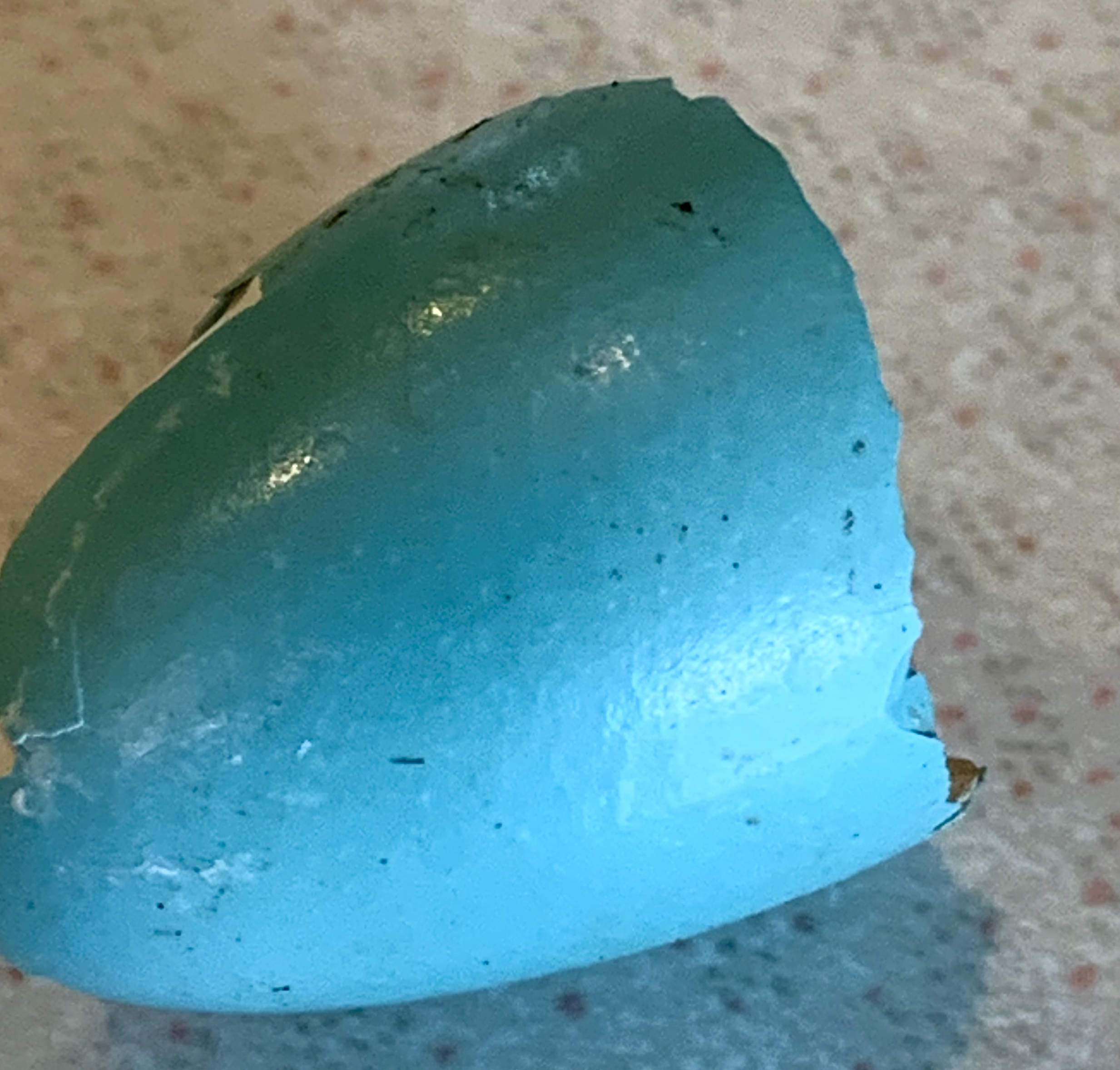
Here too in the wet grass half a shell of a robin’s egg shimmers blue as a newborn star fragile as a world. ~Maria Popova from “Spell Against Indifference”
…I had sat down to rest with my back against a stump. Through accident I was concealed from the glade, although I could see into it perfectly.
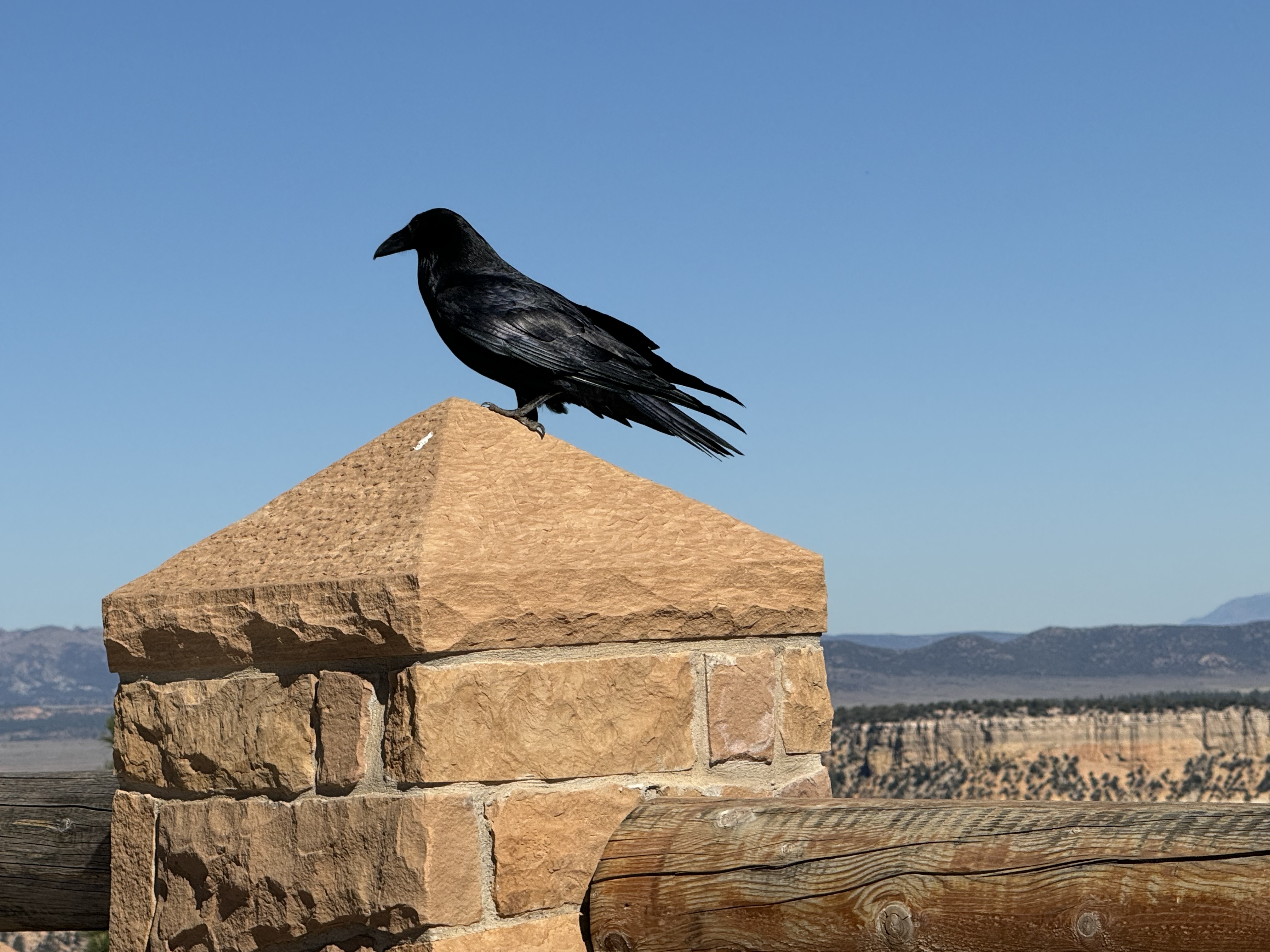
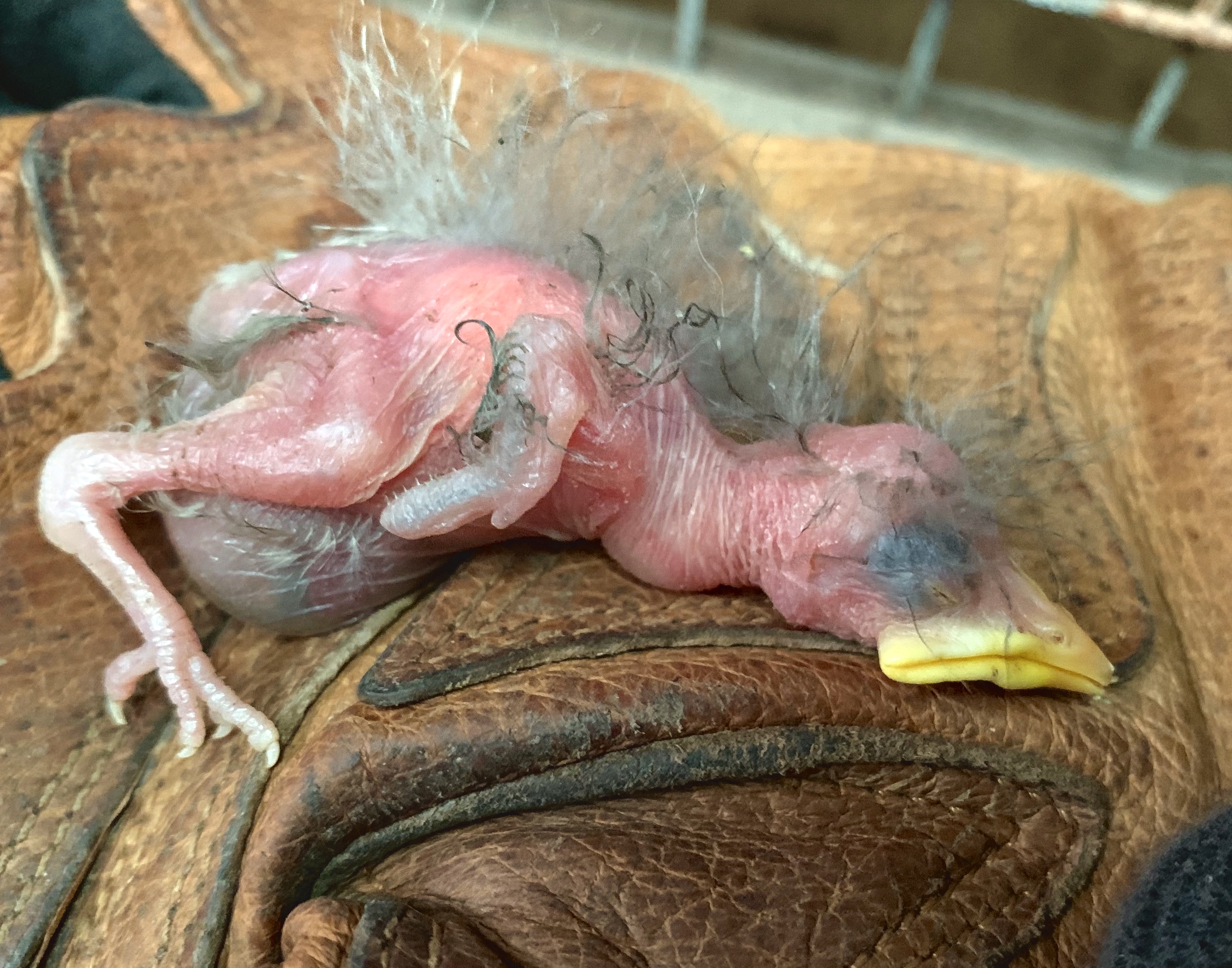
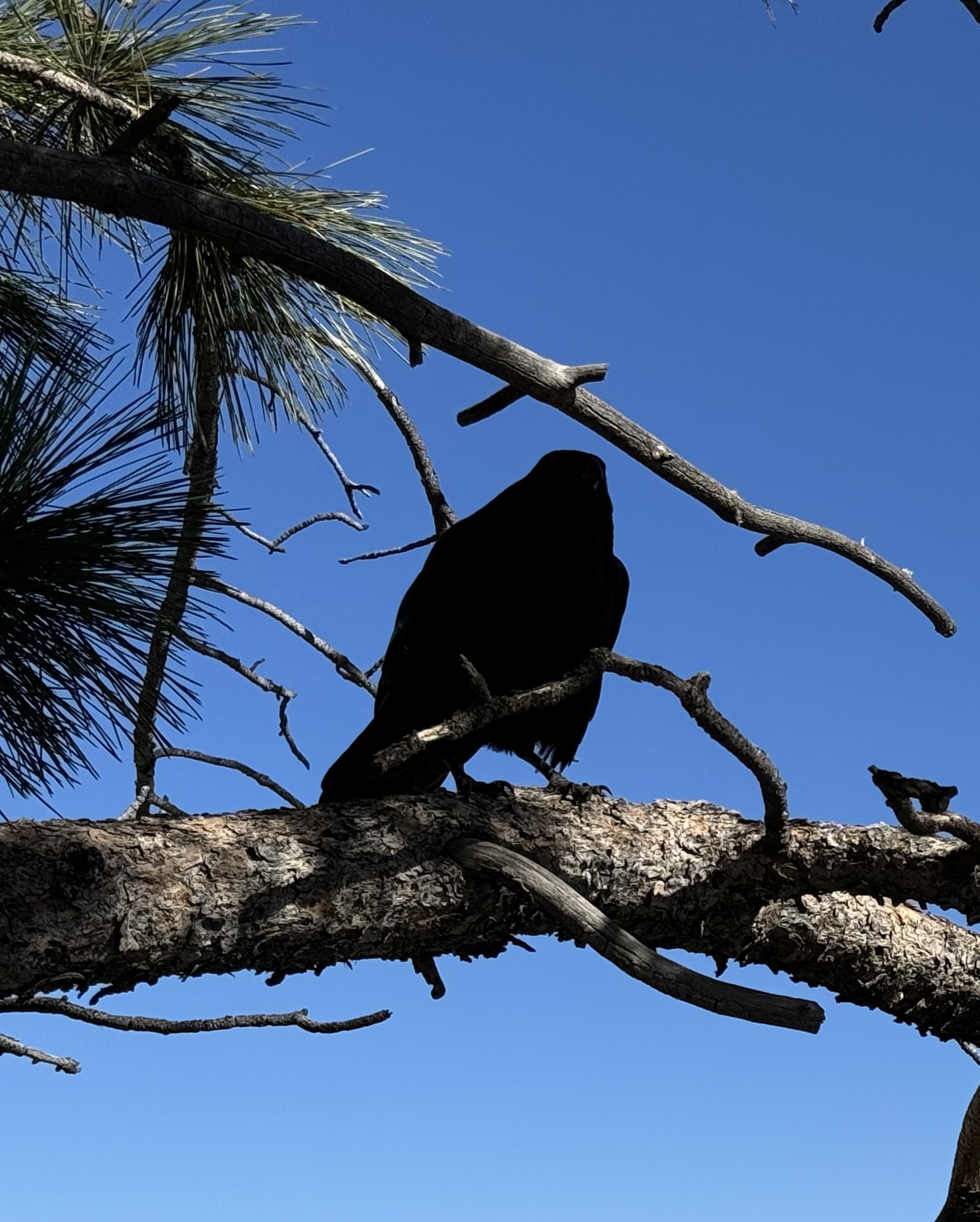
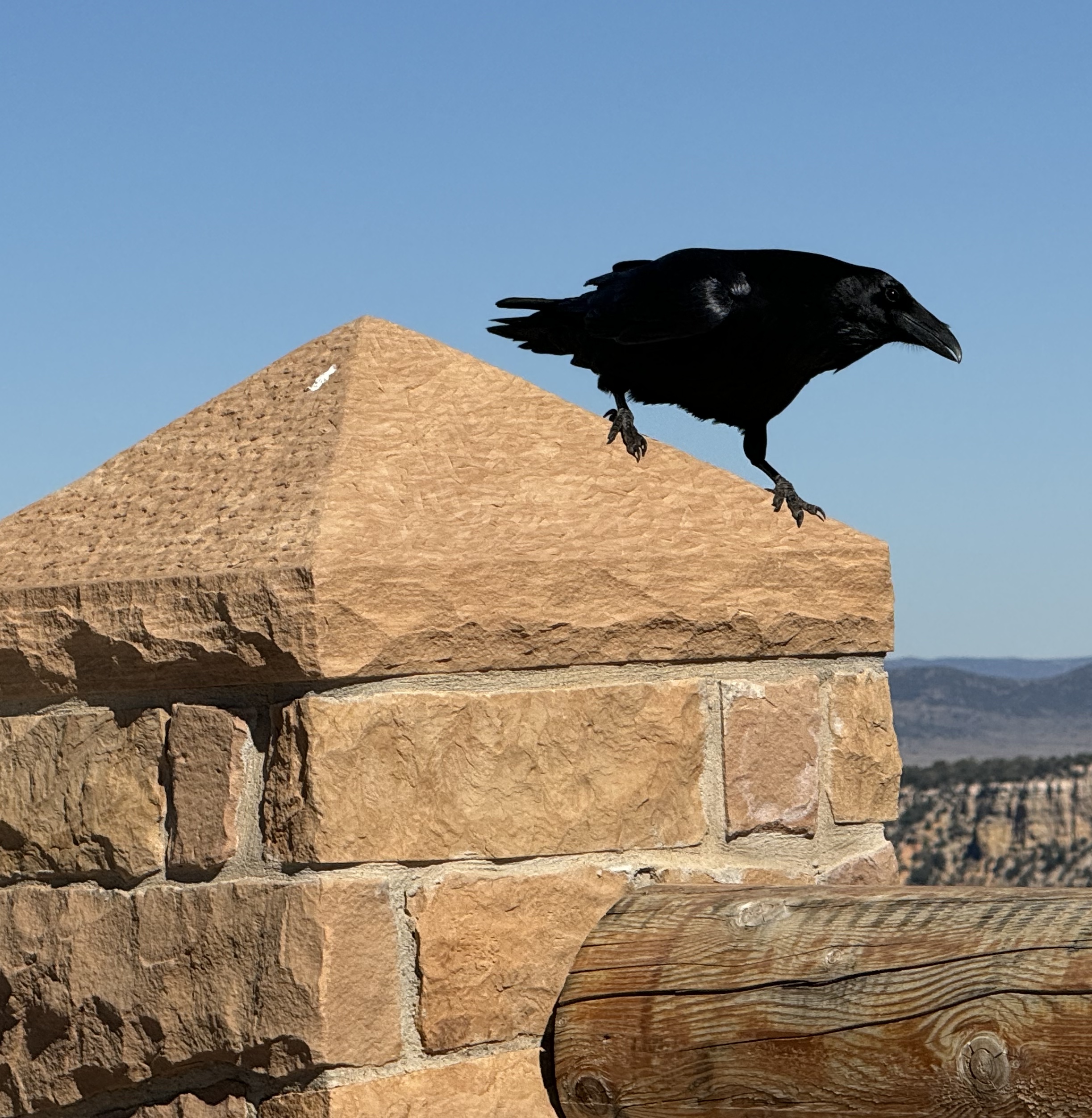
The sun was warm there, and the murmurs of forest life blurred softly away into my sleep. When I awoke, dimly aware of some commotion and outcry in the clearing, the light was slanting down through the pines in such a way that the glade was lit like some vast cathedral. I could see the dust motes of wood pollen in the long shaft of light, and there on the extended branch sat an enormous raven with a red and squirming nestling in his beak.
The sound that awoke me was the outraged cries of the nestling’s parents, who flew helplessly in circles about the clearing. The sleek black monster was indifferent to them. He gulped, whetted his beak on the dead branch a moment, and sat still. Up to that point the little tragedy had followed the usual pattern.
But suddenly, out of all that area of woodland, a soft sound of complaint began to rise. Into the glade fluttered small birds of half a dozen varieties drawn by the anguished outcries of the tiny parents.
No one dared to attack the raven. But they cried there in some instinctive common misery, the bereaved and the unbereaved. The glade filled with their soft rustling and their cries. They fluttered as though to point their wings at the murderer. There was a dim intangible ethic he had violated, that they knew. He was a bird of death.
And he, the murderer, the black bird at the heart of life, sat on there, glistening in the common light, formidable, unmoving, unperturbed, untouchable.
The sighing died. It was then I saw the judgment. It was the judgment of life against death. I will never see it again so forcefully presented. I will never hear it again in notes so tragically prolonged.
For in the midst of protest, they forgot the violence.
There, in that clearing, the crystal note of a song sparrow lifted hesitantly in the hush. And finally, after painful fluttering, another took the song, and then another, the song passing from one bird to another, doubtfully at first, as though some evil thing were being slowly forgotten. Till suddenly they took heart and sang from many throats joyously together as birds are known to sing.
They sang because life is sweet and sunlight beautiful. They sang under the brooding shadow of the raven. In simple truth they had forgotten the raven, for they were the singers of life, and not of death. ~Loren Eiseley from The Star Thrower
Each of us at times are as vulnerable as a nestling, just hatched. The world is full of those who would eat us for lunch and do.
The world is also full of those who grieve and lament the violence that surrounds us, the tragedy of lives lost, the unending wars, the bullies and the bullied.
But the bird of death does not have the final word. He will soon be forgotten, forever sidelined as we reject what he and others like him represent.
Our cries of lament, our protests of violence transform into a celebration of life – we do not abandon all we have lost, but no longer allow any more to be stolen from us.
Only then may grief’s shadow be overwhelmed by joy.
One-Time
Monthly
Yearly
Make a one-time or recurring donation to support daily Barnstorming posts
After nourishment, shelter and companionship, stories are the thing we need most in the world. Philip Pullman
You’re going to feel like hell if you wake up someday and you never wrote the stuff that is tugging on the sleeves of your heart: your stories, memories, visions, and songs–your truth, your version of things–in your own voice. That’s really all you have to offer us, and that’s also why you were born. ~Anne Lamott in a TED Talk
Write as if you were dying. At the same time, assume you write for an audience consisting solely of terminal patients. That is, after all, the case. ~Annie Dillard from “Write Till You Drop”
I began to write after September 11, 2001 because that day it became obvious to me I too was dying, albeit more slowly than the thousands who vanished that day in fire and ash, their voices obliterated with their bodies.
So, nearly each day since, while I still have voice and a new dawn to greet, I speak through my fingers and my camera lens to others dying around me.
We are, after all, terminal patients, some more imminent than others, some of us more prepared to move on, as if our readiness had anything to do with the timing.
Each day I too get a little closer, so I write in my own voice and share photos of my world as a way to hang on a while longer, yet with a loosening grasp. Each day I must detach just a little bit, leaving a small trace of my voice and myself behind.
Eventually, through unmerited grace, so much of me will be left on the page there won’t be anything or anyone left to do the typing.
There is no moment or picture or word to waste.
One-Time
Monthly
Yearly
Make a one-time or recurring donation to support daily Barnstorming posts
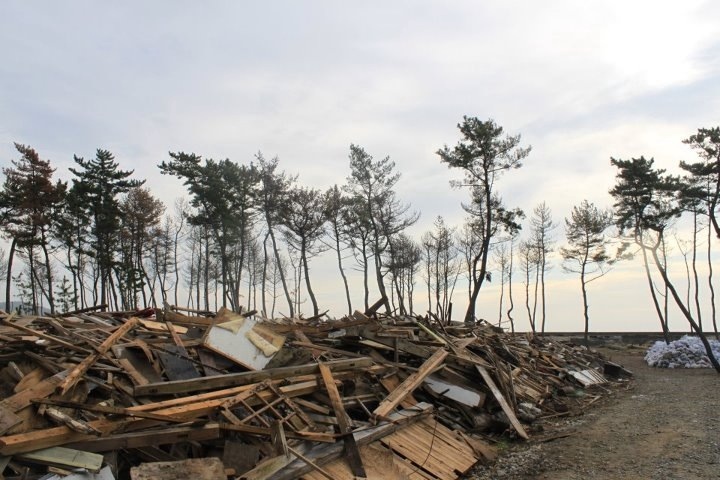
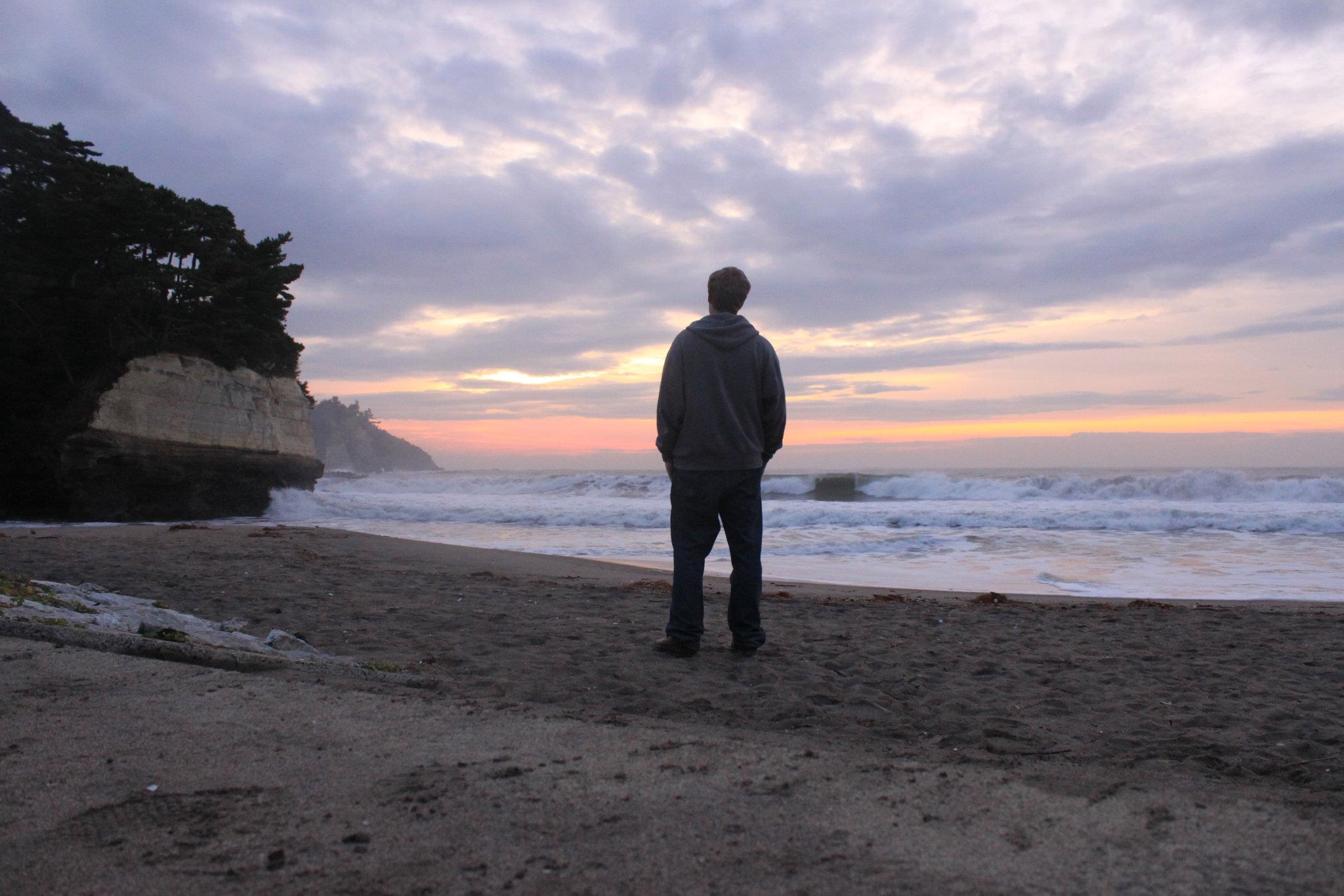
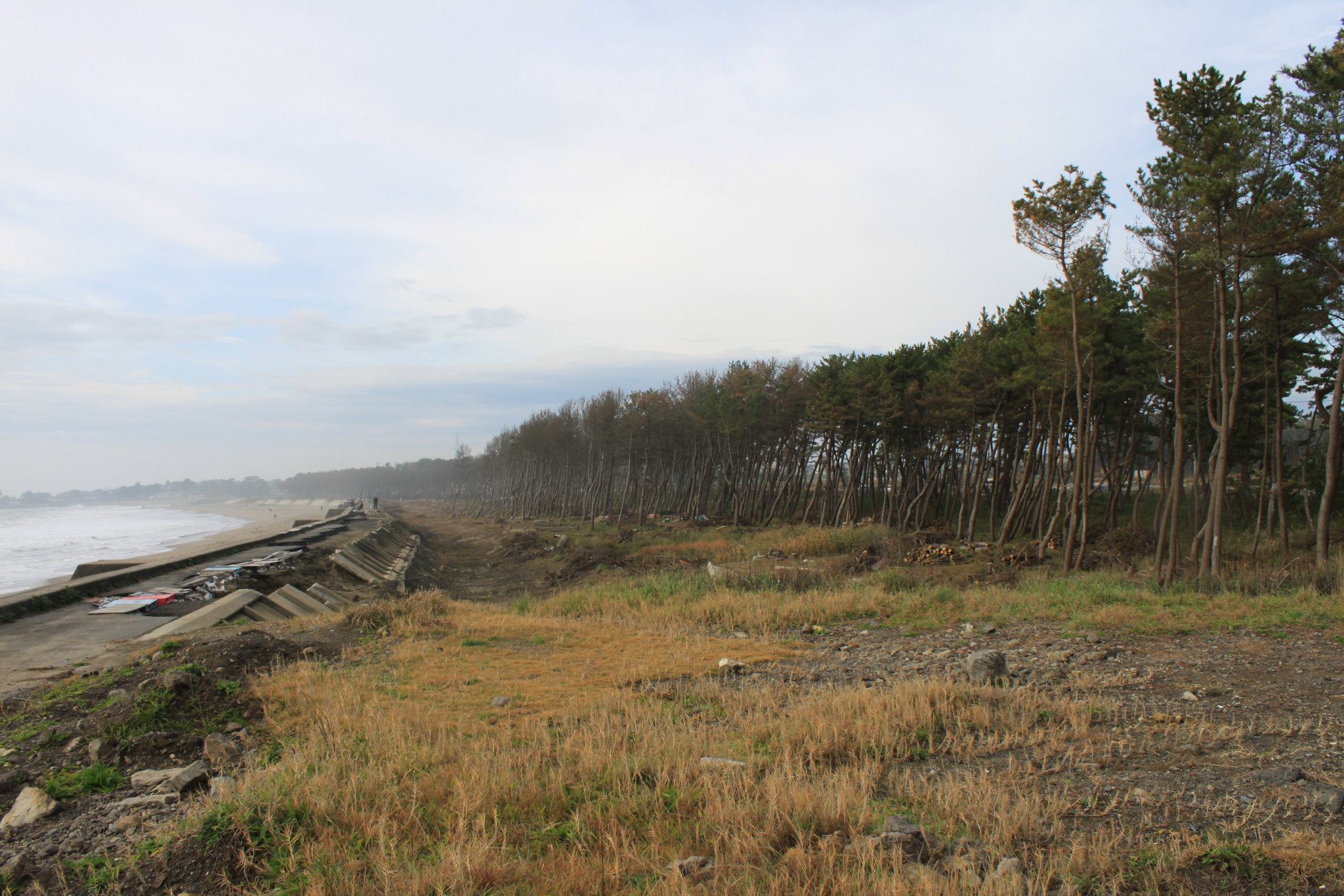
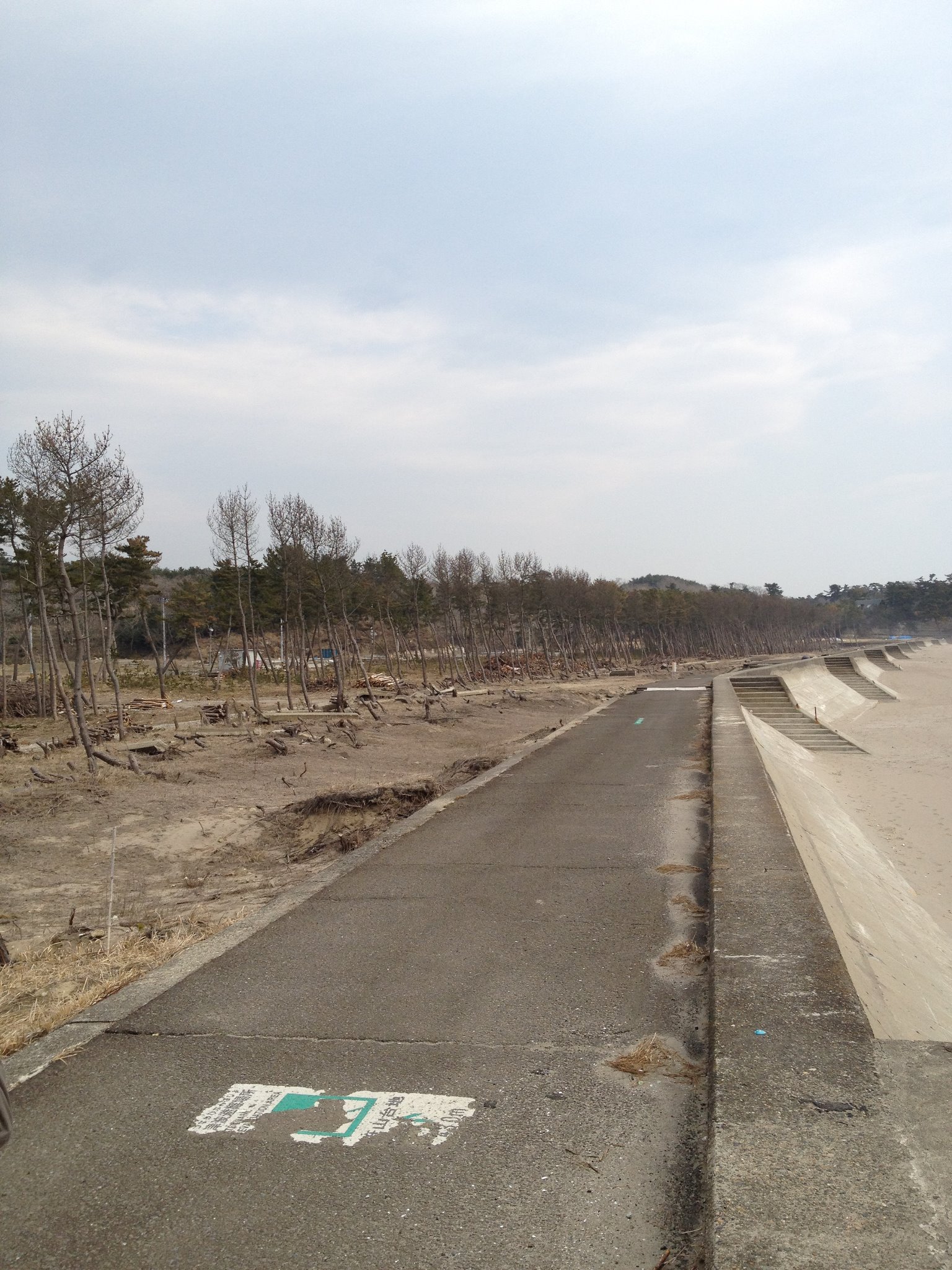
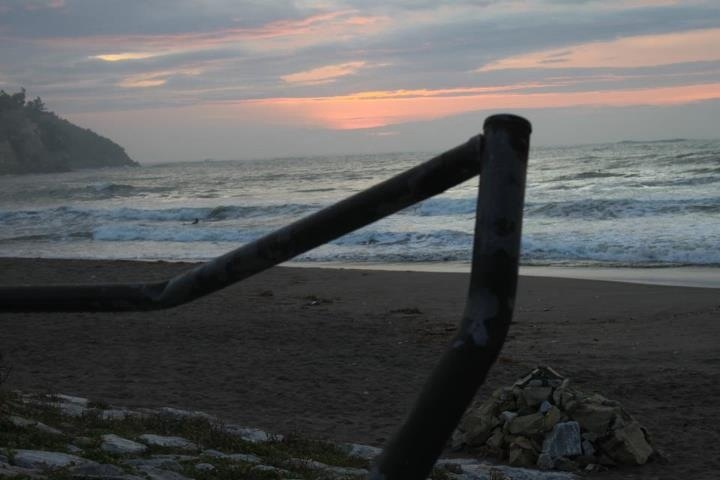
In 2012, we stayed with our friends Brian and Bette at their cabin on a bluff just above the Pacific Ocean at Sendai, Japan, just a few dozen feet above the devastation that wiped out an entire fishing village below during the 3/11/11 earthquake and tsunami.
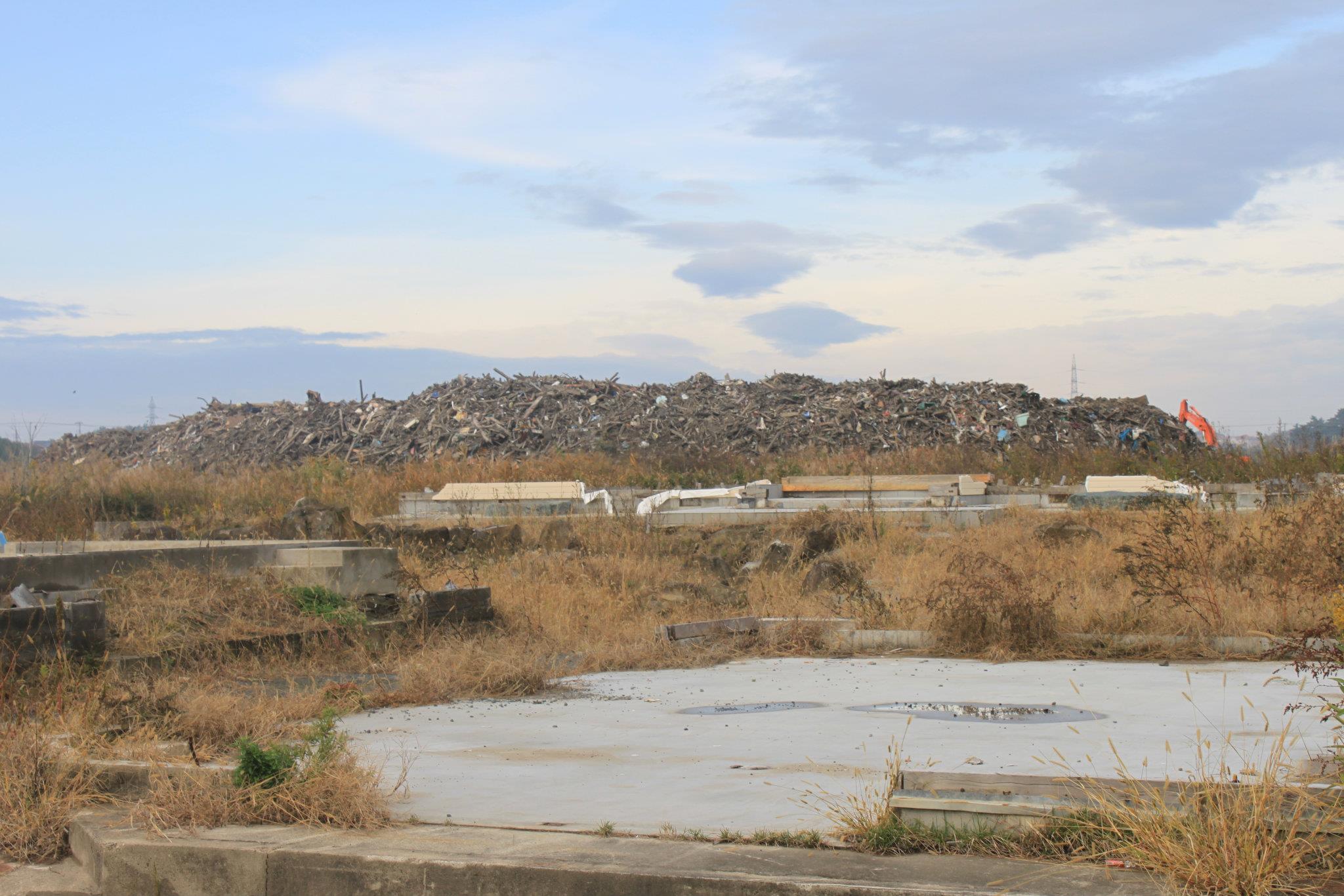
As we walked that stretch of beach, we heard the stories of the people who had lived there, some of whom did not survive the waves that swept their houses and cars away before they could escape. We walked past the footprints of foundations of hundreds of demolished homes, humbled by the rubble mountains yet to be hauled away a year later, to be burned or buried. There were acres of wrecked vehicles piled one on another, waiting to become scrap metal.
It was visual evidence of life so suddenly and dramatically disrupted and carried away.
This had been a place of recreation and respite for some who visited regularly, commerce and livelihood for others who stayed year round and, in ongoing recovery efforts, struggling to be restored to something familiar. Yet it looked like a foreign ghostly landscape. Many trees perished, lost, broken off, fish nets still stuck high on their scarred trunks. There were small memorials to lost family members within some home foundations, with stuffed animals and flowers wilting from the recent anniversary observance.
Tohoku is a powerful place of memories for those who still live there and know what it once was, how it once looked and felt, and painfully, what it became in a matter of minutes on 3/11/11. The waves swept in inexplicable suffering, then carried their former lives away. Happiness gave ground to such terrible pain that could never have hurt as much without the joy and contentment that preceded it.
We are tempted to ask God why He doesn’t do something about the suffering that happened in this place or anywhere a disaster occurs –but if we do, He will ask us the same question right back. We need to be ready with our answer and our action.
God knows suffering. Far more than we do. He took it all on Himself, feeling His pain amplified, as it was borne out of His love and joy in His creation.
This beautiful place, and its dedicated survivors have slowly recovered, but the inner and outer landscape is forever altered. What remains the same is the pulsing tempo of the waves, the tides, and the rhythm of the light and the night, happening just as originally created.
With that realization, pain will finally give way, unable to stand up to His love, His joy, and our response to His sacrifice.
We can call Him up anytime and anywhere.
bent gate at Sendai beach -2012
One-Time
Monthly
Yearly
Make a one-time or recurring donation to support daily Barnstorming posts
After another school/church massacre; how can there be nothing new to say?
We’ve learned nothing about keeping weapons out of the hands of people bent on destruction – taking themselves out after taking others with them.
To our children and grandchildren: as a society, we have failed to keep you out of harm’s way by failing to control the harm of modern weapons in the wrong hands.
How can we be forgiven over and over as shootings happen again and again. Maybe we didn’t pull the trigger, but we allowed someone else to.
Together, we share the responsibility for each and every death that has happened, and more bound to happen on our watch.
And that is a heavy burden to bear.
One-Time
Monthly
Yearly
Make a one-time or recurring donation to support daily Barnstorming posts
We used to pick cherries over the hill where we paid to climb wooden ladders into the bright haven above our heads, the fruit dangling earthward. Dark, twinned bells ringing in some good fortune just beyond our sight. I have lived on earth long enough to know good luck arrives only on its way to someone else, for it must leave you to the miracle of your own misfortune, lest you grow weary of harvest, of cherries falling from the crown of sky in mid-summer, of hours of idle. Let there be a stone of suffering. Let the fruit taste of sweetness and dust. Let grief split your heart so precisely you must hold, somehow, a memory of cherries— tart talismans of pleasure—in the rucksack of your soul. Taut skin, sharp blessing.
Life is not a bowl of cherries, unless you count the ones that aren’t yet ripe, or are over-ripe, or have a squirrel- or bird-bite taken, or have shriveled to raisins on the tree.
Yes, there are perfect cherries that shine in the dark, glistening with promise, tempting us to climb high to pick them.
Those we really want usually are out of reach.
How can we know what perfection is unless we experience where life falls short?
The lingering taste of grief, the agony of waiting for word in a tragedy, the gnawing emptiness of indescribable loss.
Only the memory of what was nearly perfect, remembering what could have been knowing what will someday be our reality can ease the bitter pit of suffering now.
May the families of those swept away in flooding, those who live in the path of war and violence, those who hunger for justice, or starving for food, those who struggle with life-threatening and chronic illness somehow know the comfort of God’s perfection awaits them. The Light and Goodness is there for us to taste, yet just beyond our reach.
AI image created for this post
One-Time
Monthly
Yearly
Make a one-time or recurring donation to support daily Barnstorming posts
The second before the sun went out we saw a wall of dark shadow come speeding at us. We no sooner saw it than it was upon us, like thunder. It roared up the valley. It slammed our hill and knocked us out. It was the monstrous swift shadow cone of the moon. I have since read that this wave of shadow moves 1,800 miles an hour. Language can give no sense of this sort of speed—1,800 miles an hour. It was 195 miles wide. No end was in sight—you saw only the edge. It rolled at you across the land at 1,800 miles an hour, hauling darkness like plague behind it. Seeing it, and knowing it was coming straight for you, was like feeling a slug of anesthetic shoot up your arm. If you think very fast, you may have time to think, “Soon it will hit my brain.” You can feel the deadness race up your arm; you can feel the appalling, inhuman speed of your own blood. We saw the wall of shadow coming, and screamed before it hit.
This was the universe about which we have read so much and never before felt: the universe as a clockwork of loose spheres flung at stupefying, unauthorized speeds. How could anything moving so fast not crash, not veer from its orbit amok like a car out of control on a turn?
Less than two minutes later, when the sun emerged, the trailing edge of the shadow cone sped away. It coursed down our hill and raced eastward over the plain, faster than the eye could believe; it swept over the plain and dropped over the planet’s rim in a twinkling. It had clobbered us, and now it roared away. We blinked in the light. It was as though an enormous, loping god in the sky had reached down and slapped the Earth’s face.
When the sun appeared as a blinding bead on the ring’s side, the eclipse was over. The black lens cover appeared again, back-lighted, and slid away. At once the yellow light made the sky blue again; the black lid dissolved and vanished. The real world began there. I remember now: We all hurried away.
We never looked back. It was a general vamoose … but enough is enough. One turns at last even from glory itself with a sigh of relief. From the depths of mystery, and even from the heights of splendor, we bounce back and hurry for the latitudes of home. ~Annie Dillard from her essay “Total Eclipse” in The Atlantic about the February 1979 eclipse in Washington State
From my six week psychiatric inpatient rotation at a Veteran’s Hospital—late winter 1979
Sixty eight year old male catatonic with depression
He lies still, so very still under the sheet, eyes closed; the only clue that he is living is the slight rise and fall of his chest. His face is skull- like framing his sunken eyes, his facial bones standing out like shelves above the hollows of his cheeks, his hands lie skeletal next to an emaciated body. He looks as if he is dying of cancer but without the smell of decay. He rouses a little when touched, not at all when spoken to. His eyes open only when it is demanded of him, and he focuses with difficulty. His tongue is thick and dry, his whispered words mostly indecipherable, heard best by bending down low to the bed, holding an ear almost to his cracked lips.
He has stopped feeding himself, not caring about hunger pangs, not salivating at enticing aromas or enjoying the taste of beloved coffee. His meals are fed through a beige rubber tube running through a hole in his abdominal wall emptying into his stomach, dripping a yeasty smelling concoction of thick white fluid full of calories. He ‘eats’ without tasting and without caring. His sedating antidepressant pills are crushed, pushed through the tube, oozing into him, deepening his sleep, but are designed to eventually wake him from his deep debilitating melancholy.
After two weeks of treatment and nutrition, his cheeks start to fill in, and his eyes are closed less often. He watches people as they move around the room and he responds a little faster to questions and starts to look us in the eye. He asks for coffee, then pudding and eventually he asks for steak. By the third week he is sitting up in a chair, reading the paper.
After a month, he walks out of the hospital, 15 pounds heavier than when he was wheeled in. His lips, no longer dried and cracking, have begun to smile again.
Thirty two year old male rescued by the Coast Guard at 3 AM in the middle of the bay
As he shouts, his eyes dart, his voice breaks, his head tosses back and forth, his back arches and then collapses as he lies tethered to the gurney with leather restraints. He writhes constantly, his arm and leg muscles flexing against the wrist and ankle bracelets.
“The angels are waiting!! They’re calling me to come!! Can’t you hear them? What’s wrong with you? I’m Jesus Christ, King of Kings!! Lord of Lords!! If you don’t let me return to them, I can’t stop the destruction!”
He finally falls asleep by mid-morning after being given enough antipsychotic medication to kill a horse. He sleeps uninterrupted for nine hours. Then suddenly his eyes fly open, and he looks startled.
He glares at me. “Where am I? How did I get here?”
“You are hospitalized in the VA psych ward after being picked up by the Coast Guard after swimming out into the bay in the middle of the night. You said you were trying to reach the angels.”
He turns his head away, his fists relaxing in the restraints, and begins to weep uncontrollably, the tears streaming down his face.
“Forgive them, Father, for they know not what they do.”
Twenty two year old male with auditory and visual hallucinations
He seems serene, much more comfortable in his own skin when compared to the others on the ward. Walking up and down the long hallways alone, he is always in deep conversation. He takes turns talking, but more often is listening, nodding, almost conspiratorial.
During a one-on-one session, he looks at me briefly, but his attention continues to be diverted, first watching an invisible something or someone enter the room, move from the door to the middle of the room, until finally, his eyes lock on an empty chair to my left. I ask him what he sees next to me.
“Jesus wants you to know He loves you.”
It takes all my will power not to turn and look at the empty chair.
Fifty four year old male with chronic paranoid schizophrenia
He has been disabled with psychiatric illness for thirty years, having his first psychotic break while serving in World War II. His only time living outside of institutions has been spent sharing a home with his mother who is now in her eighties. This hospitalization was precipitated by his increasing delusion that his mother is the devil and the voices in his head commanded that he kill her. He had become increasingly agitated and angry, had threatened her with a knife, so she called the police, pleading with them not to arrest him, but to bring him to the hospital for medication adjustment.
His eyes have taken on the glassy staring look of the overmedicated psychotic, and he sits in the day room much of the day sleeping in a chair, drool dripping off his lower lip. When awake he answers questions calmly and appropriately with no indication of the delusions or agitation that led to his hospitalization. His mother visits him almost daily, bringing him his favorite foods from home which he gratefully accepts and eats with enthusiasm. By the second week, he is able to take short passes to go home with her, spending a lunch time together and then returning to the ward for dinner and overnight. By the third week, he is ready for discharge, his mother gratefully thanking the doctors for the improvement she sees in her son. I watch them walk down the long hallway together to be let through the locked doors to freedom.
Two days later, a headline in the local paper:
“Veteran Beheads Elderly Mother”
Forty five year old male — bipolar disorder with psychotic features
He has been on the ward for almost a year, his unique high pitched laughter heard easily from behind closed doors, his eyes intense in his effort to conceal his struggles. Trying to follow his line of thinking is challenging, as he talks quickly, with frequent brilliant off topic tangents, and at times he lapses into a “word salad” of almost nonsensical sentences. Every day as I meet with him I become more confused about what is going on with him, and am unclear what is expected of me in my interactions with him. He senses my discomfort and tries to ease my concern.
“Listen, this is not your problem to fix but I’m bipolar and regularly hear command voices and have intrusive thoughts. My medication keeps me under good control. But just tell me if you think I’m not making sense because I don’t always recognize it in myself.”
During my rotation, his tenuous tether to sanity is close to breaking. He starts to listen more intently to the voices in his head, becoming frightened and anxious, often mumbling and murmuring under his breath as he goes about his day.
On a particular morning, all the patients are more anxious than usual, pacing and wringing their hands as the light outdoors slowly fades, with noon being transformed to an oddly shadowy dusk. The street lights turn on automatically and cars are driving with headlights shining. We stand at the windows in the hospital, watching the city become dark as night in the middle of the day. The unstable patients are sure the world is ending and extra doses of medication are dispensed as needed while the light slowly returns to the streets outside. Within an hour the sunlight is back, and all the patients are napping soundly.
The psychiatrist locks himself in his office and doesn’t respond to knocks on the door or calls on his desk phone.
Stressed by the recent homicide by one of his discharged patients, and identifying with his patients due to his own mental illness, he is overwhelmed by the eclipse. The nurses call the hospital administrator who comes to the ward with two security guards. They unlock the door and lead the psychiatrist off the ward. We watch him leave, knowing he won’t be back.
It is as if the light had left and only his shadow remains.
AI image created for this post
Lyrics: Measure me, sky! Tell me I reach by a song Nearer the stars; I have been little so long.
Weigh me, high wind! What will your wild scales record? Profit of pain, Joy by the weight of a word.
Horizon, reach out! Catch at my hands, stretch me taut, Rim of the world: Widen my eyes by a thought.
Sky, be my depth, Wind, be my width and my height, World, my heart’s span; Loveliness, wings for my flight. ~Leonora Speyer
One-Time
Monthly
Yearly
Make a one-time or recurring donation to support daily Barnstorming posts
Before the second summit party began the ascent of the princess of mountains, an ominous black cloud settled slowly around the summit block, persuading us to take a rest day, but morale was good. The next day at seven in the evening, my daughter Devi was on her last pitch, and it took her until midnight to haul up over the final lip. A long day.
Two days later, a blizzard kept us in our tents, but the next morning, Devi was stricken, saying calmly, “She is calling me. I am going to die,” before she fell into unconsciousness. I tried to revive her, mouth-to-mouth, but felt her lips grow cold against mine. We had lost her. My daughter was gone. I and the other climbers wept.
Her fiancé Andy and I bundled her in her sleeping bag and slipped her off the precipice of the North- East face. I said we had committed her to the deep. She had been the driving force behind this expedition, as she was inexorably drawn to her namesake. The Bliss-Giving Goddess had claimed her own. An excerpt from her last diary is inscribed on a stone placed in a high-altitude meadow of Patai:
“I stand on a windswept ridge at night with the stars bright above and I am no longer alone but I waver and merge with all the shadows that surround me. I am part of the whole and I am content.” ~Eleanor Swanson, Last Light on the West Face of Nanda Devifrom Non Finito
Nanda Devi peak, courtesy of Stanford Alpine Club
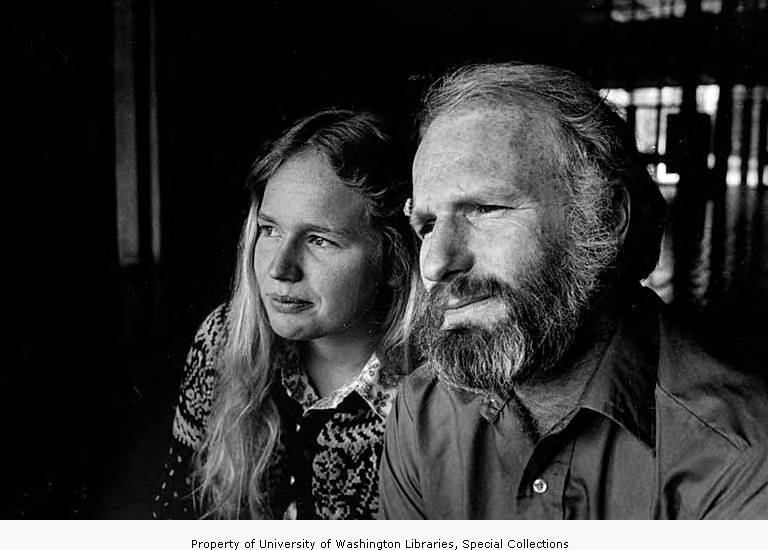
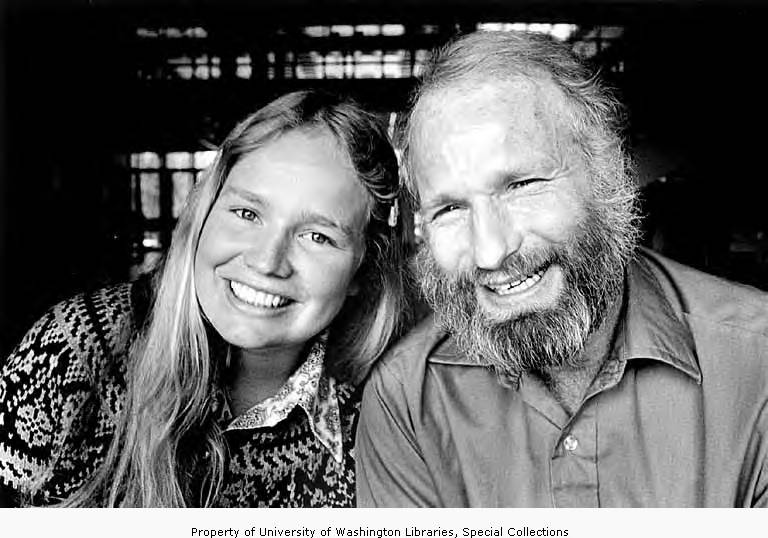
The ripple effect from Nanda Devi Unsoeld’s arrival as a new junior in Olympia High School in 1970 reached me within minutes, as I felt the impact of her presence on campus immediately. One of my friends elbowed me, pointing out a new girl being escorted down the hall by the assistant principal. Students stared at the wake she left behind: Devi had wildly flowing wavy long blonde hair, a friendly smile and bold curious eyes greeting everyone she met.
From the neck up, she fit right in with the standard appearance at the time: as the younger sisters of the 60’s generation of free thinking flower children, we tried to emulate them in our dress and style, going braless and choosing bright colors and usually skirts that were too short and tight. There was the pretense we didn’t really care how we looked, but of course we did care very much, with hours spent daily preparing the “casual carefree” look that would perfectly express our freedom from fashion trends amid our feminist longings.
Practicing careful nonconformity perfectly fit our peers’ expectations and aggravated our parents.
But Devi never looked like she cared what anyone else thought of her. The high school girls honestly weren’t sure what to make of her, speculating together whether she was “for real” and viewed her somewhat suspiciously, as if she was putting on an act.
The high school boys were mesmerized.
She preferred baggy torn khaki shorts or peasant skirts with uneven hems, loose fitting faded T shirts and ripped tennis shoes without shoelaces. Her bare legs were covered with long blonde hair, as were her armpits which she showed off while wearing tank tops. She pulled whole cucumbers from her backpack in class and ate them like cobs of corn, rind and all. She smelled like she had been camping without a shower for three days, but then riding her bike to school from her home 11 miles away in all kinds of weather accounted for that. One memorable day she arrived a bit late to school, pushing her bike through 6 inches of snow in soaking tennis shoes, wearing her usual broad smile of satisfaction.
As a daughter of two Peace Corps workers who had just moved back to the U.S. after years of service in Nepal, Devi had lived very little of her life in the United States. Her father Willi Unsoeld, one of the first American climbers to reach the summit of Mt. Everest up the difficult west face, had recently accepted a professorship in comparative religion at new local Evergreen College. He moved his wife and family back to the northwest to be near his beloved snowy peaks, suddenly immersing four children in an affluent culture that seemed foreign and wasteful.
Devi recycled before there was a word for it simply by never buying anything new and never throwing anything useful away, involved herself in social justice issues before anyone had coined the phrase, and was an activist behind the scenes more often than a leader, facilitating and encouraging others to speak out at anti-war rallies, organizing sit-ins for world hunger and volunteering in the local soup kitchen. She mentored adolescent peers to get beyond their self-consciousness and self-absorption to explore the world beyond the security of high school walls.
Regretfully, few of us followed her lead. We preferred the relative security and camaraderie of hanging out at the local drive-in to taking a shift at the local 24-hour crisis line. We showed up for our graduation ceremony in caps and gowns while the rumor was that Devi stood at the top of Mt. Rainier with her father that day.
I never saw Devi after high school but heard of her plans in 1976 to climb with an expedition to the summit of Nanda Devi, the peak in India for which she was named. She never returned, dying in her father’s arms as she suffered severe abdominal pain and irreversible high altitude sickness just below the summit. She lies forever buried in the ice on that faraway peak in India.
Her father died in an avalanche only a few years later, as he led an expedition of Evergreen students on a climb on Mt. Rainier, only 60 miles from home. Her mother, Jolene, later served in Congress from our district in Washington state.
Had Devi lived these last 50 years, I have no doubt she would have led our generation with her combination of charismatic boldness and excitement about each day’s new adventure. She lived without pretense, without hiding behind a mask of fad and fashion and conformity and without any desire for wealth or comfort.
I wish I had learned what she had to teach me when she sat beside me in class, encouraging me by her example to become someone more than the dictates of societal expectations. I secretly admired the freedom she embodied in not being concerned in the least about fitting in. Instead, I still mourn her loss all these years later, having to be content with the legacy she has now left behind on a snowy mountain peak that called her by name.
Mt. Shuksan, Washington state
One-Time
Monthly
Yearly
Make a one-time or recurring donation to support daily Barnstorming posts
Oh! hush thee, my baby, the night is behind us, And black are the waters that sparkled so green. The moon, o’er the combers, looks downward to find us At rest in the hollows that rustle between. Where billow meets billow, there soft be thy pillow; Ah, weary wee flipperling, curl at thy ease! The storm shall not wake thee, nor shark overtake thee, Asleep in the arms of the slow-swinging seas. ~Rudyard Kipling “Seal Lullaby”
For you created my inmost being; you knit me together in my mother’s womb. 14 I praise you because I am fearfully and wonderfully made; your works are wonderful, I know that full well. 15 My frame was not hidden from you when I was made in the secret place, when I was woven together in the depths of the earth. 16 Your eyes saw my unformed body; all the days ordained for me were written in your book before one of them came to be. 17 How precious to me are your thoughts,[a] God! How vast is the sum of them! 18 Were I to count them, they would outnumber the grains of sand— when I awake, I am still with you. Psalm 139: 13-18
The call came in the middle of a busy night as we worked on a floppy baby with high fever, a croupy toddler whose breathing squeezed and squeaked, a pale adolescent transfusing due to leukemia bleeding.
It was an anencephalic baby just born, unexpected, unwanted in a hospital across town, and she needed a place to die.
Our team of three puzzled how to manage a baby without a brain– simply put her in a room, swaddled, kept warm but alone? Hydrate her with a dropper of water to moisten her mouth? Offer her a taste of milk?
She arrived by ambulance, the somber attendants leaving quickly, unnerved by her mewing cries.
I took the wrapped bundle and peeled away the layers to find a plump full term baby, her hands gripping, arms waving once freed; just another newborn until I pulled off her stocking cap and looked into an empty crater — only a brainstem lumped at the base.
No textbook pictures had prepared me for the wholeness, the holiness of this living, breathing child.
Her forehead quit above the eyebrows with the entire skull missing, tufts of soft brown hair fringed her perfect ears, around the back of her neck. Her eyelids puffy, squinting tight, seemingly too big above a button nose and rosebud pink lips.
She squirmed under my fingers, her muscles strong, breaths coming steady despite no awareness of light or touch or noise.
Yet she cried in little whimpers, mouth working, seeking, lips tentatively gripping my fingertip. A bottle warmed, nipple offered, a tentative suck allowing tiny flow, then, amazing, a gurgling swallow.
Returning every two hours, more for me than for her, I picked her up to smell the salty sweet scent of amnion still on her skin as she grew dusky.
Her breathing weakened, her muscles loosened, giving up her grip on a world she would never see or hear or feel to behold something far more glorious, as I gazed into her emptiness, waiting to be filled.
















































 Barnstorming