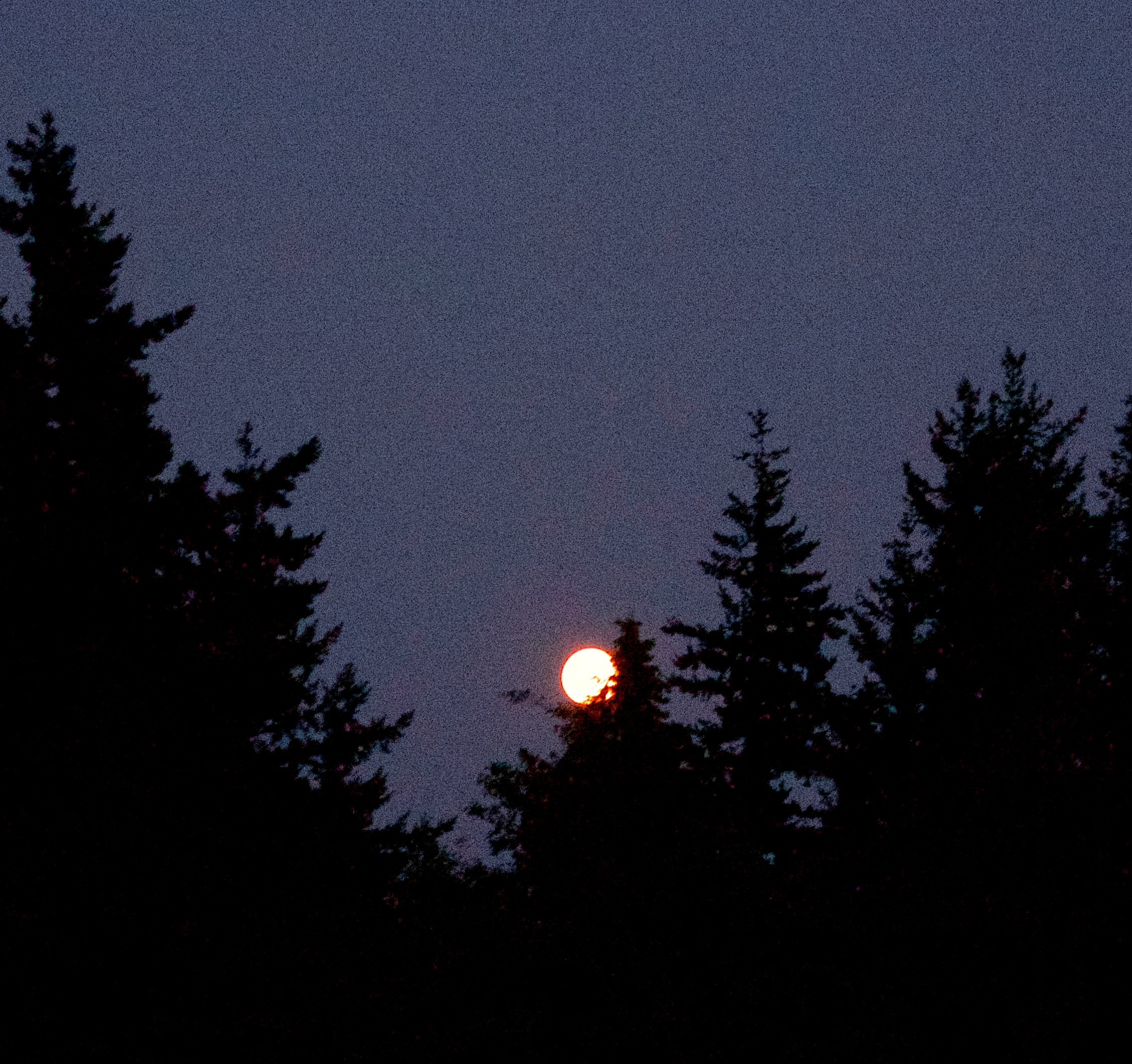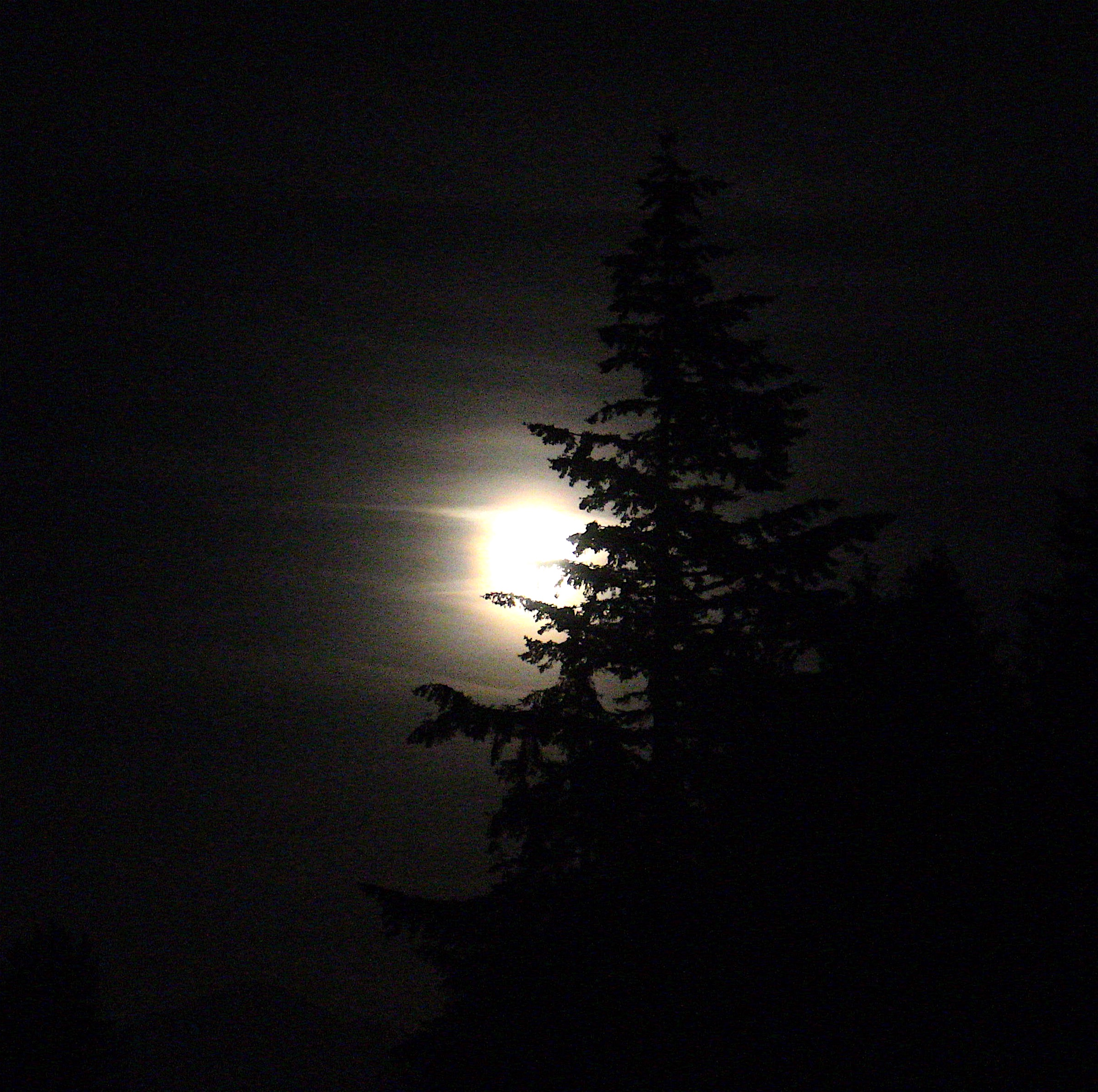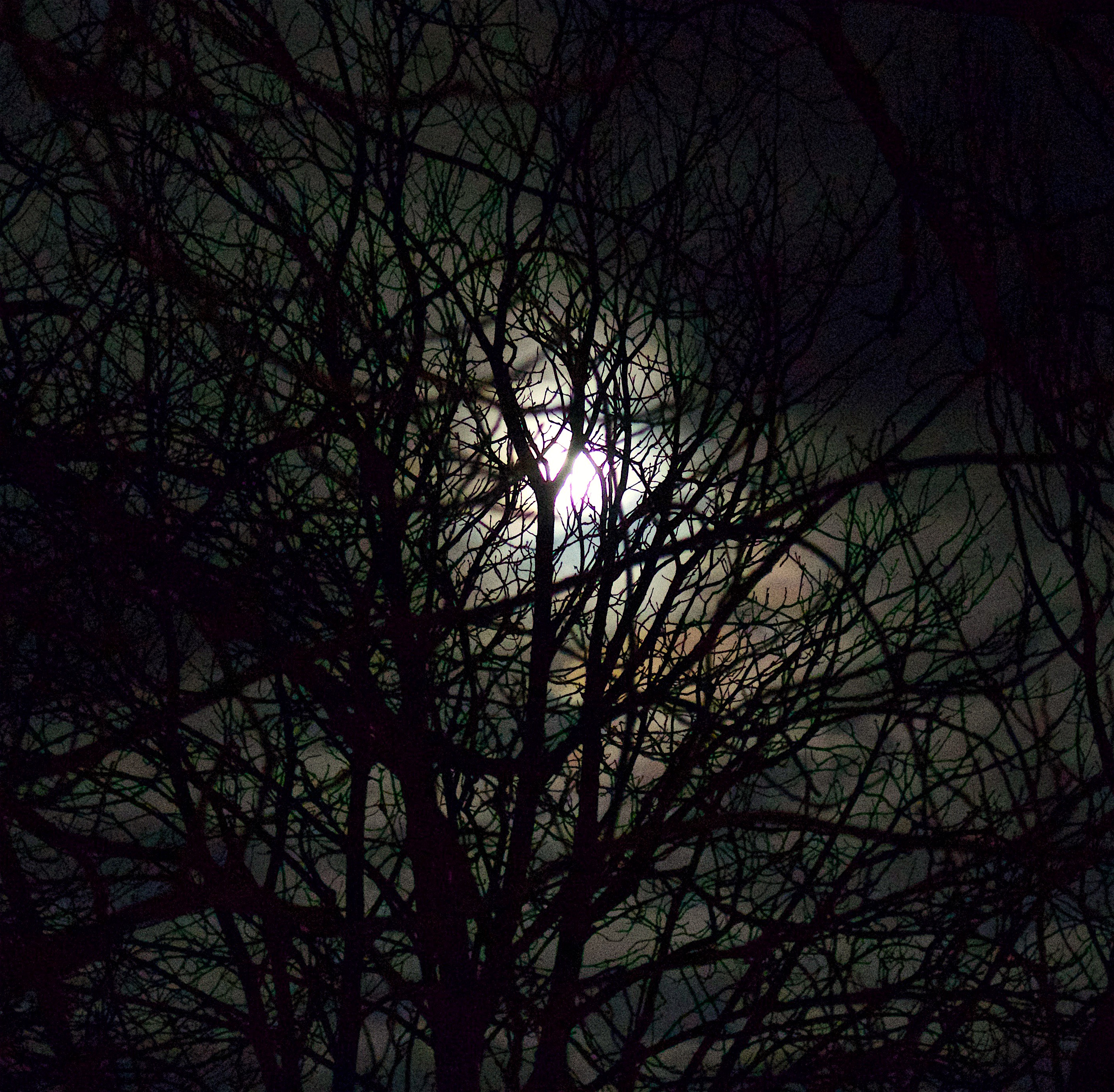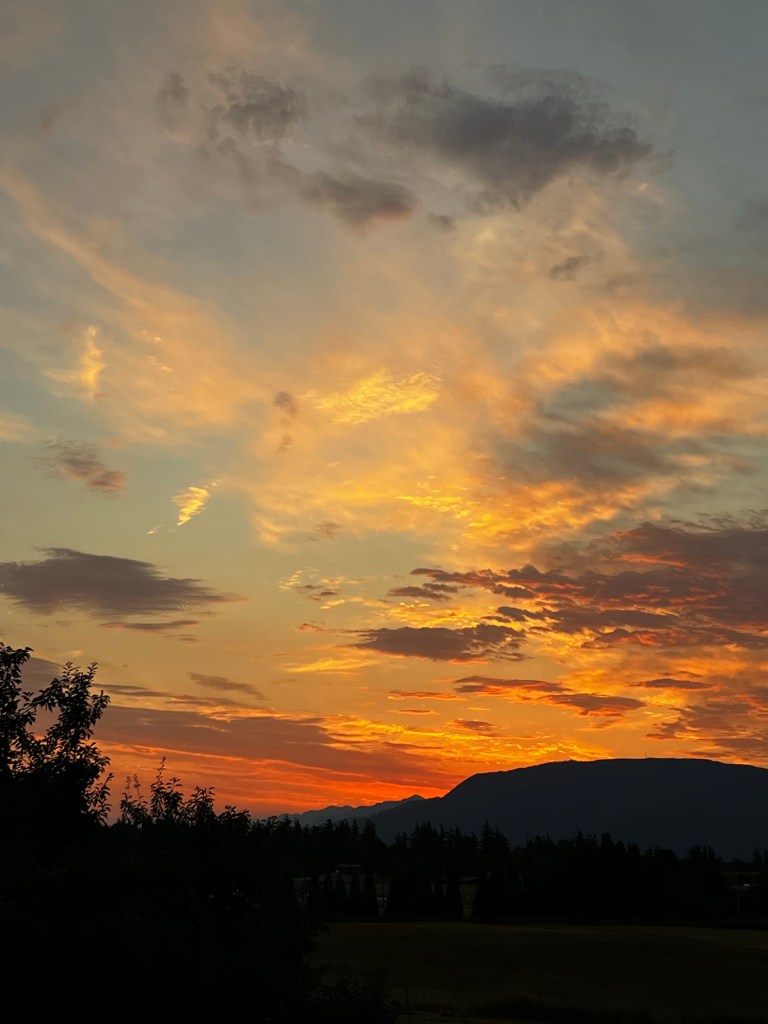
Too Many Missing Pieces

Adrift in the liberating, late light
of August, delicate, frivolous,
they make their way to my front porch
and flutter near the glassed-in bulb,
translucent as a thought suddenly
wondered aloud, illumining the air
that’s thick with honeysuckle and dusk.
You and I are doing our best
at conversation, keeping it light, steering clear
of what we’d like to say.
You leave, and the night becomes
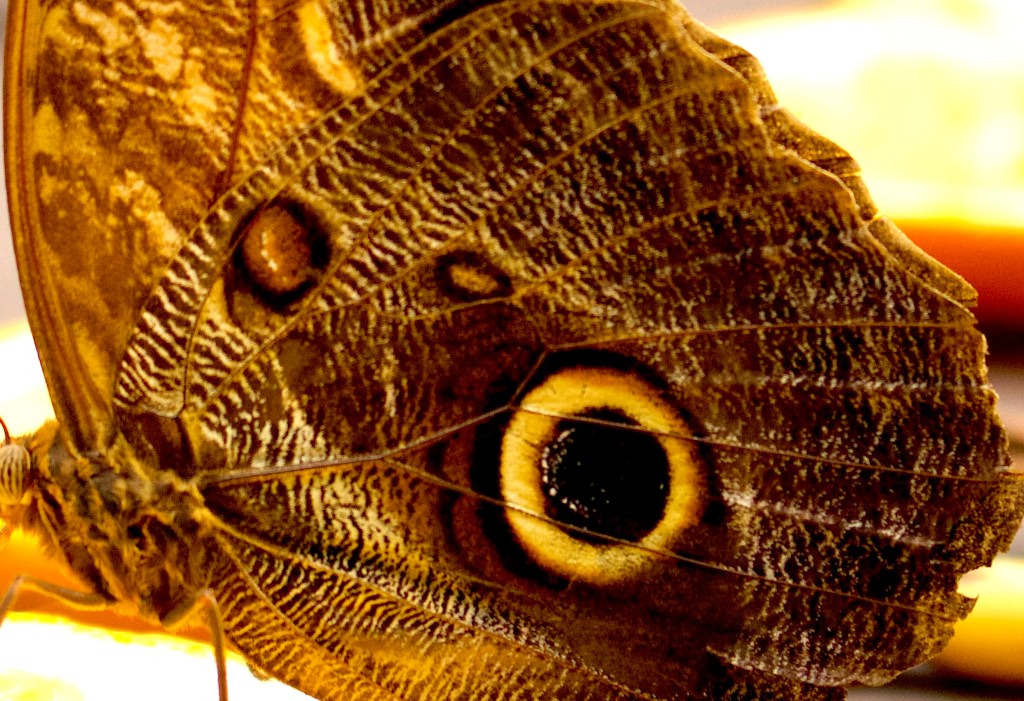
cluttered with moths, some tattered,
their dumbly curious filaments
startling against my cheek. How quickly,
instinctively, I brush them away.
Dazed, they cling to the outer darkness
like pale reminders of ourselves.
Others seem to want so desperately
to get inside. Months later, I’ll find
the woolens, snug in their resting places,
full of missing pieces.

~Jennifer O’Grady “Moths” from White.
The peculiar evil of silencing the expression of an opinion is, that it is robbing the human race; posterity as well as the existing generation; those who dissent from the opinion, still more than those who hold it. If the opinion is right, they are deprived of the opportunity of exchanging error for truth: if wrong, they lose, what is almost as great a benefit, the clearer perception and livelier impression of truth, produced by its collision with error.
~John Stuart Mill from On Liberty
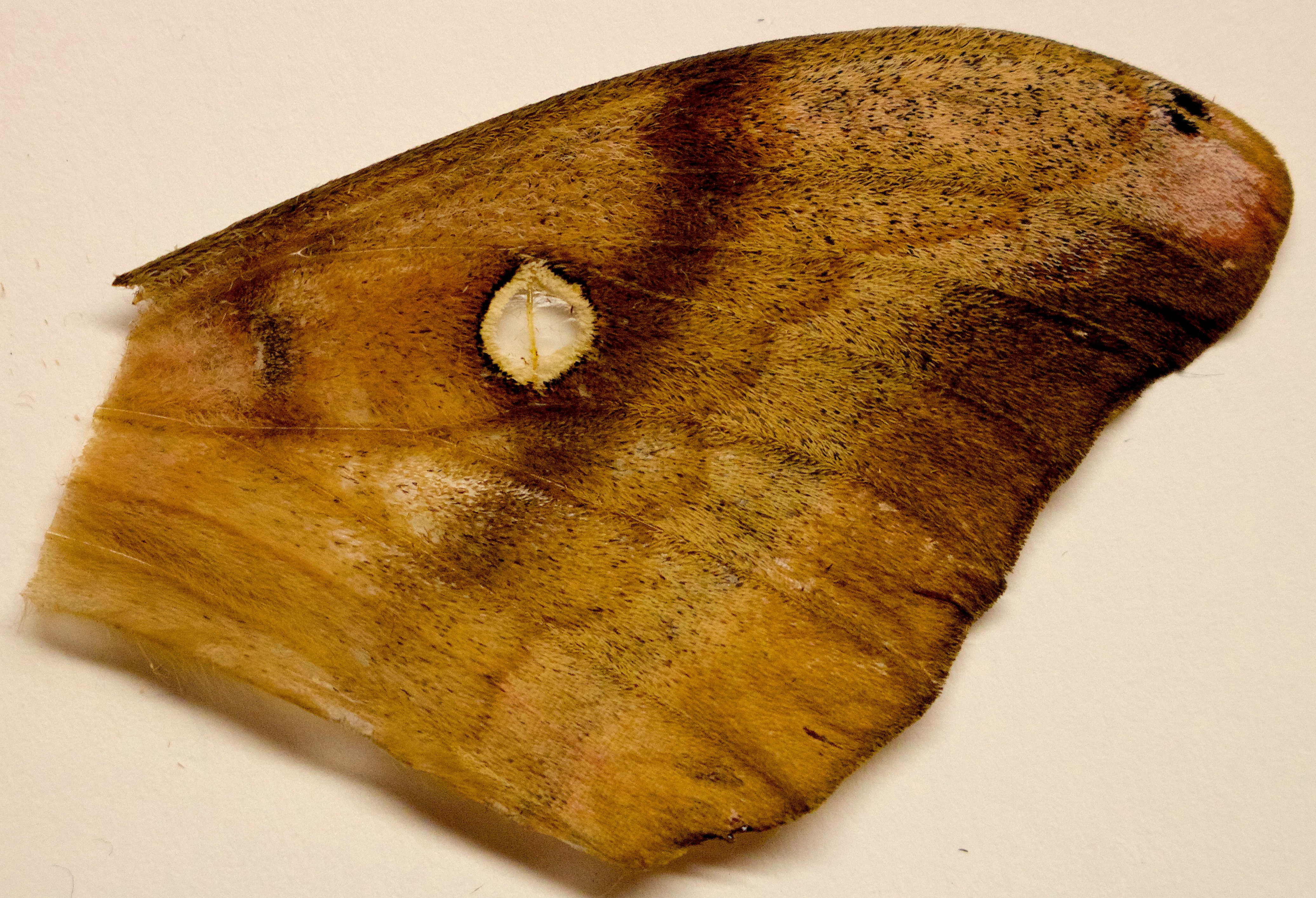
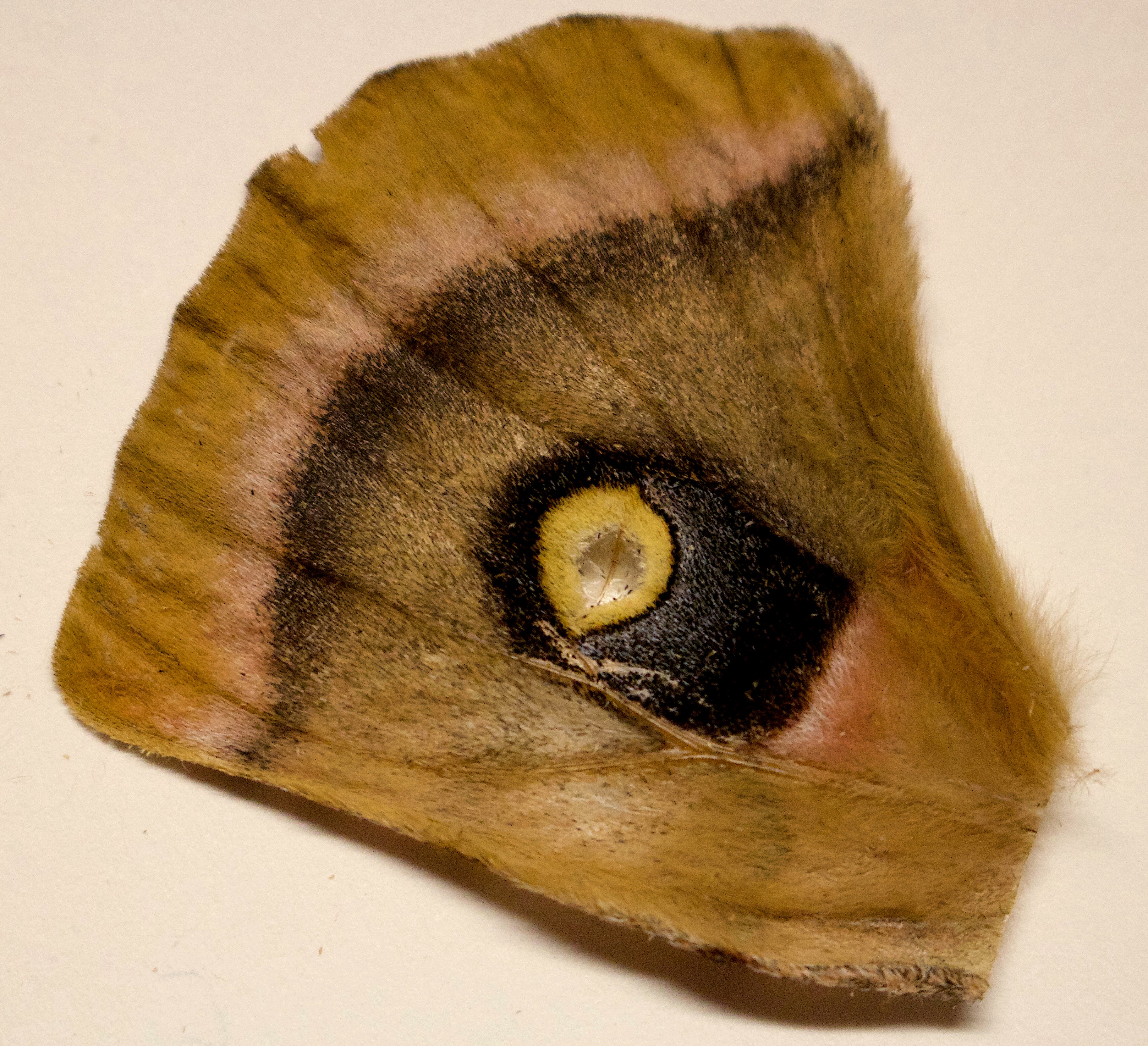
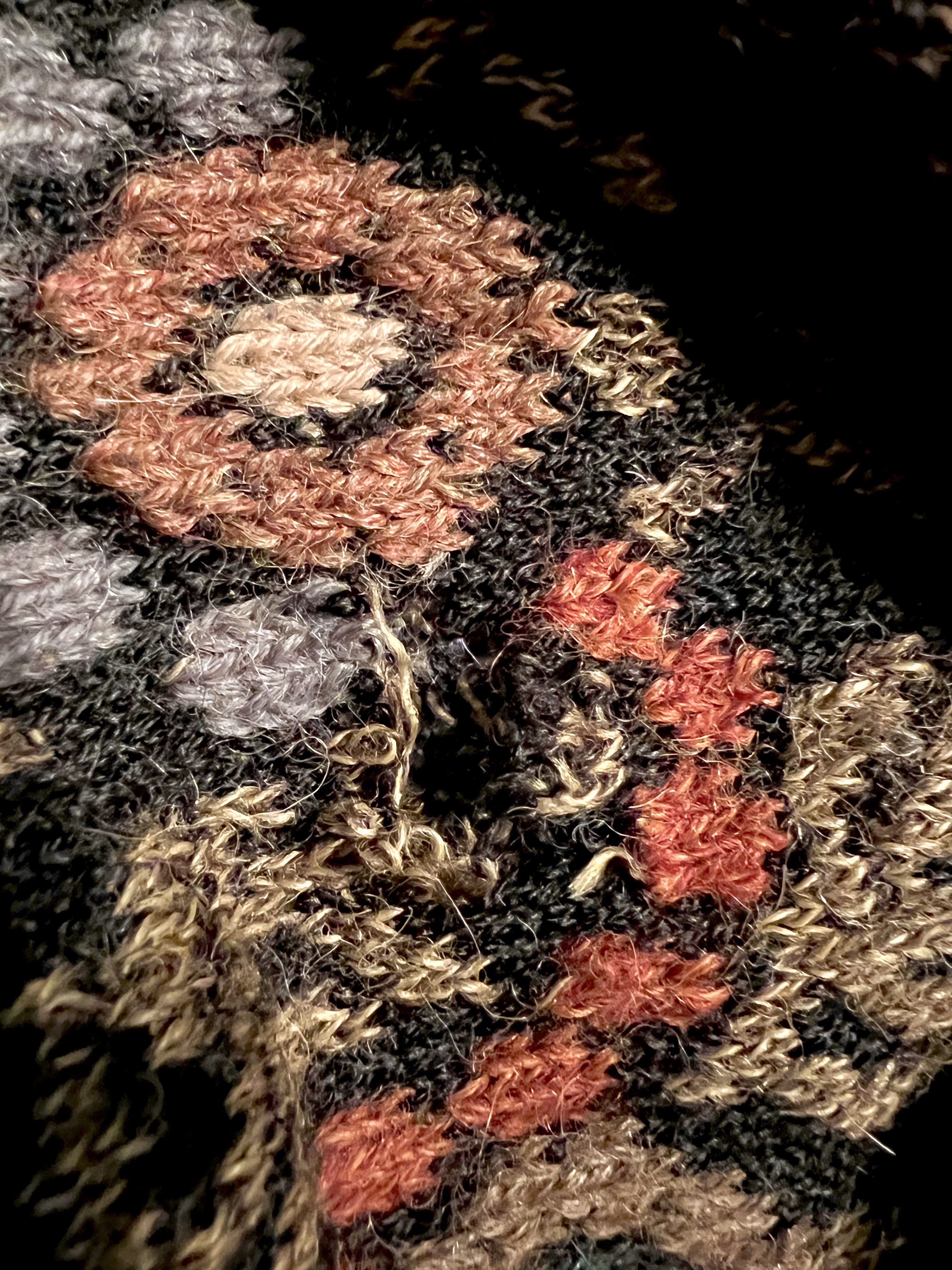
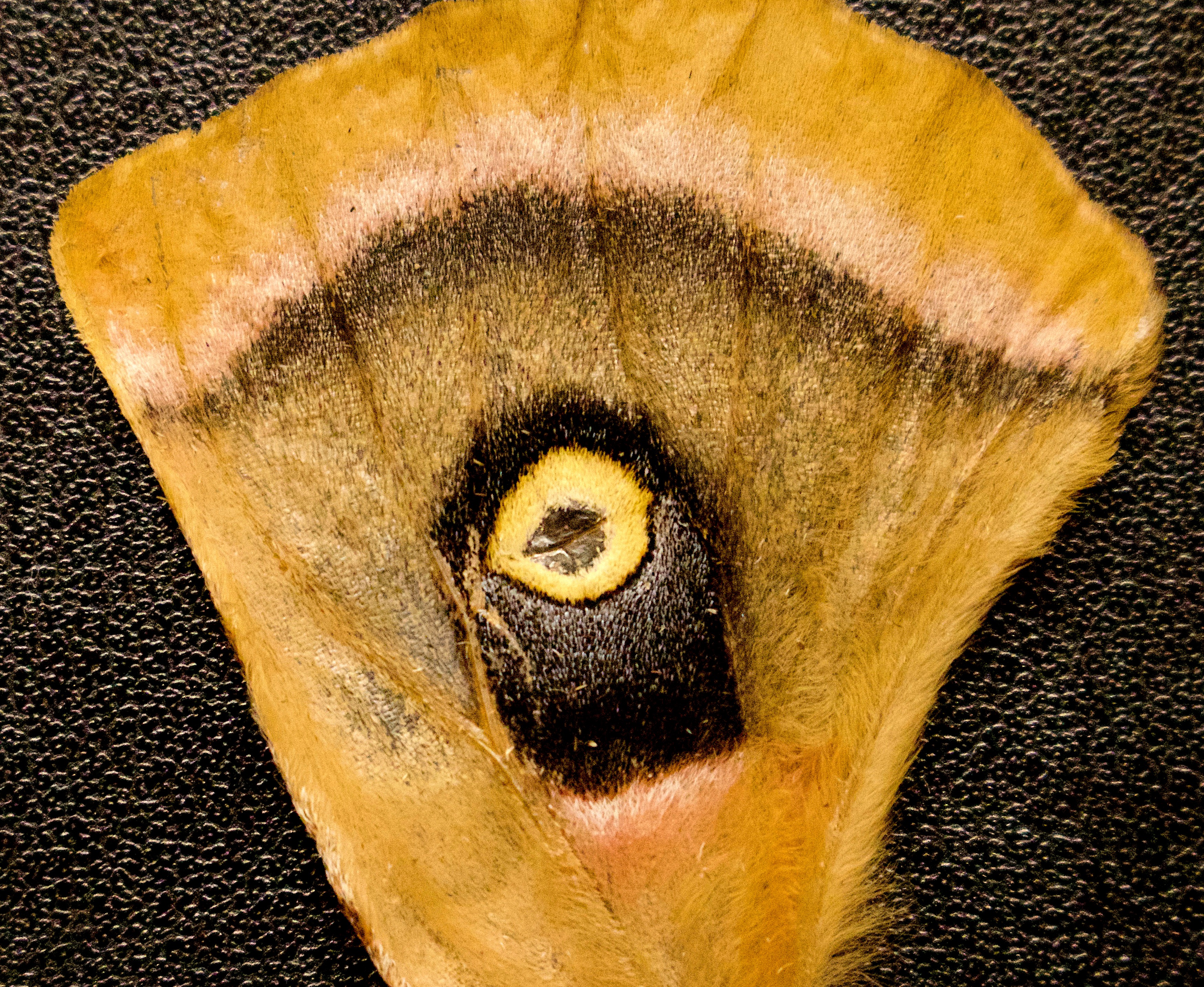
I recently discovered my favorite wool sweater has several holes thanks to a past moth invasion. The moths were feasting while I was simmering in frustration at the state of the world.

It is just human nature to want others to think and believe as I do and when they don’t, I’m befuddled, flummoxed and can feel downright pissy about it. I’m trying to rehabilitate myself but some days I suffer a set-back.

I read an article in the New York Times today that I found infuriating in its conclusion that maternal instinct is only a myth created by men. The headline was so offensive to me that I initially couldn’t finish the article. I just got angrier the second time through. I was like a moth to a flame shining bright: I found the article so irresistible to read because I disagreed so strongly. There were holes everywhere in the writer’s arguments claiming mothering is a male-self serving myth – like so many other hot button issues today, this was an opportunity for “woke” points to be made and non-woke points (like mine) being gaslit.

Unfortunately, this has become the way of modern discourse.

On further reflection, I realize my own point of view also is chock-full of moth-eaten holes if submitted to the scrutiny of irritable New York Times readers with a different life experience and world view. Instead, I wish there could be an opportunity for a sit-on-the-front-porch-in-waning-August discussion about what really matters in this life, leaving the porch light on for disoriented and misguided moths of public opinion to beat themselves silly. We could commit ourselves to ongoing relationship despite our disagreements, rather than an insistence controversial topics should be avoided between consenting adults.

Yet my energy for argument has ebbed as I age while the general public penchant for cruelty grows.

My holey sweater will never be the same, nor is my peace with seeking truth among the opinions of the world.

In retrospect, the moths who found my sweater had the better meal.
One-Time
Monthly
Yearly

Make a one-time or recurring donation to support daily Barnstorming posts

Make a monthly donation

Make a yearly donation

Choose an amount

¤5.00
¤10.00
¤20.00
¤5.00
¤15.00
¤100.00
¤5.00
¤15.00
¤100.00

Or enter a custom amount

¤

Your contribution is deeply appreciated.

Your contribution is appreciated.

Your contribution is appreciated.

DonateDonate monthlyDonate yearly
A Calliope Cadence

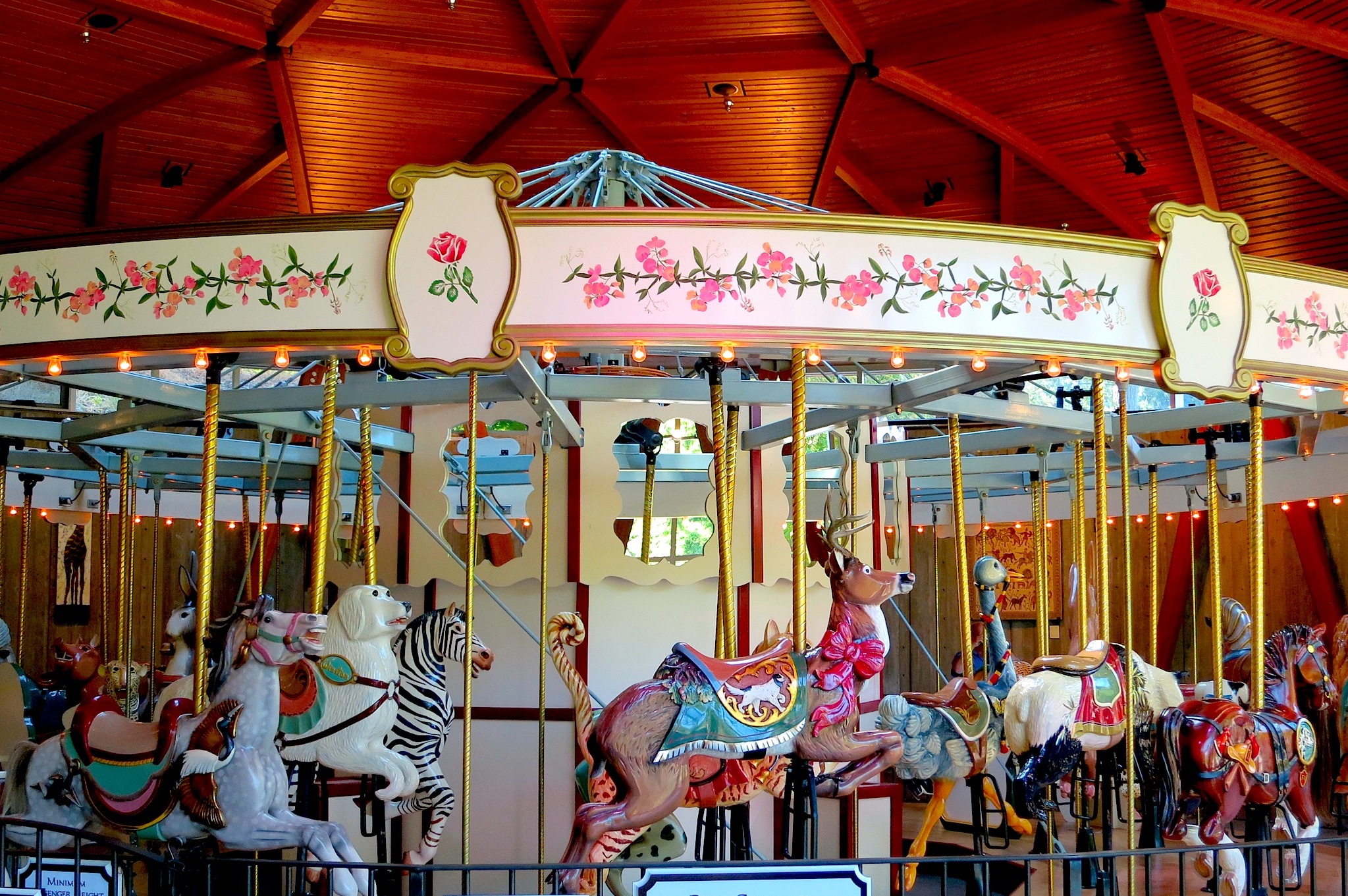
those lovely horses,
that galloped me,


moving the world,
piston push and pull,


into the past—dream to
where? there, when


the clouds swayed by
then trees, as a tire


swing swung
me under—rope groan.


now, the brass beam,
holds my bent face,


calliope cadence—O
where have I been?
~Richard Maxson “Carousel at Seventy”

Under its canopy, in the shade it casts,
turns a world with painted horses,
all from a land that lingers a while
before it disappears.
Some, it’s true, are harnessed to a wagon,
but all have valor in their eyes.
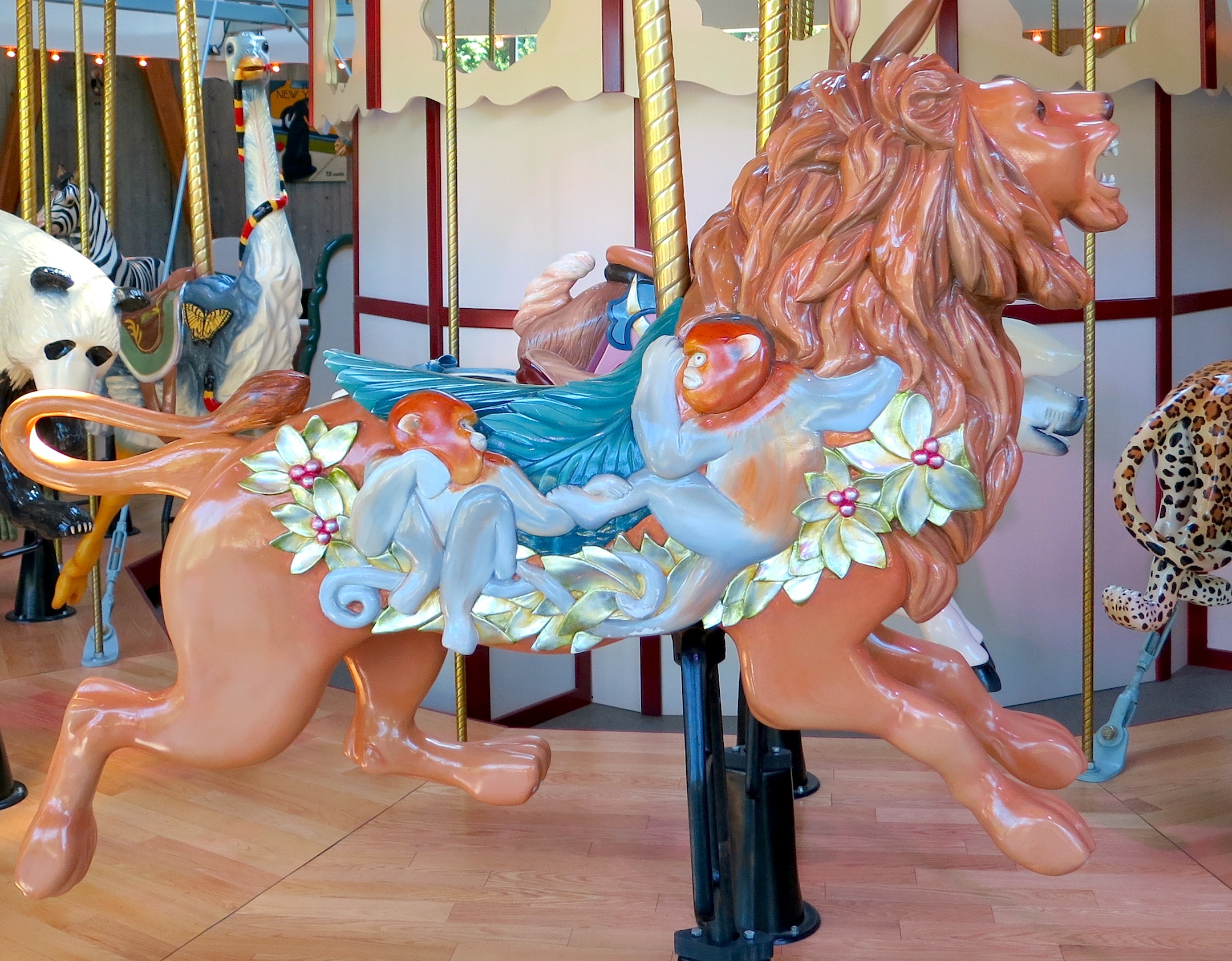
A fierce red lion leaps among them,
and here comes ’round a snow-white elephant.

Even a stag appears, straight from the forest,
except for the saddle he wears, and,
buckled on it, a small boy in blue.

And a boy in white rides the lion,
gripping it with small clenched hands,
while the lion flashes teeth and tongue.

And here comes ’round a snow-white elephant.

And riding past on charging horses come girls,
bright-eyed, almost too old now for this children’s play.
With the horses rising under them,
they are looking up and off to what awaits.
~Rainer Maria Rilke from “Jardin de Luxembourg”

You don’t really understand human nature unless you know why a child on a merry-go-round will wave at his parents every time around – and why his parents will always wave back.
~William D. Tammeus

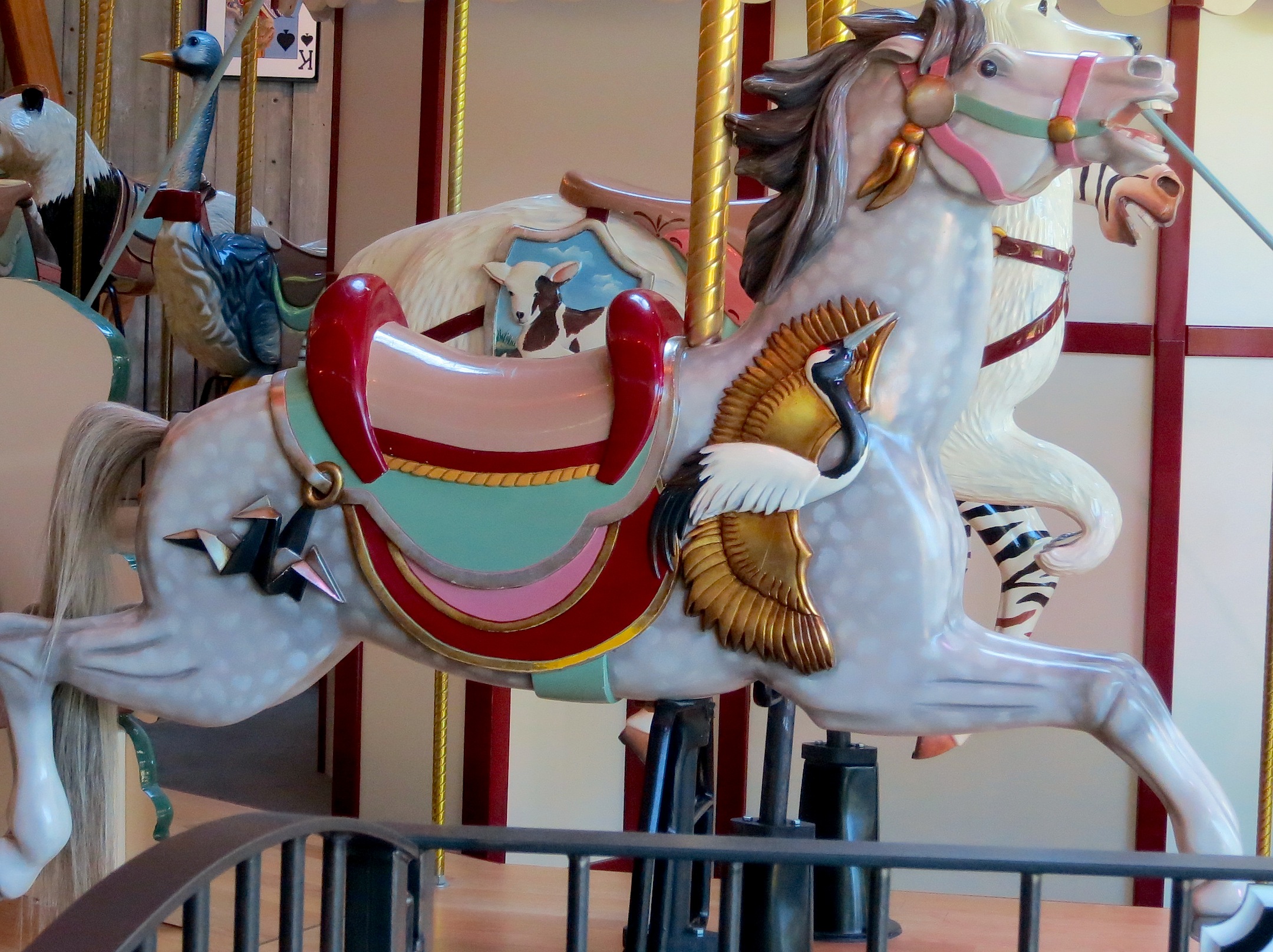
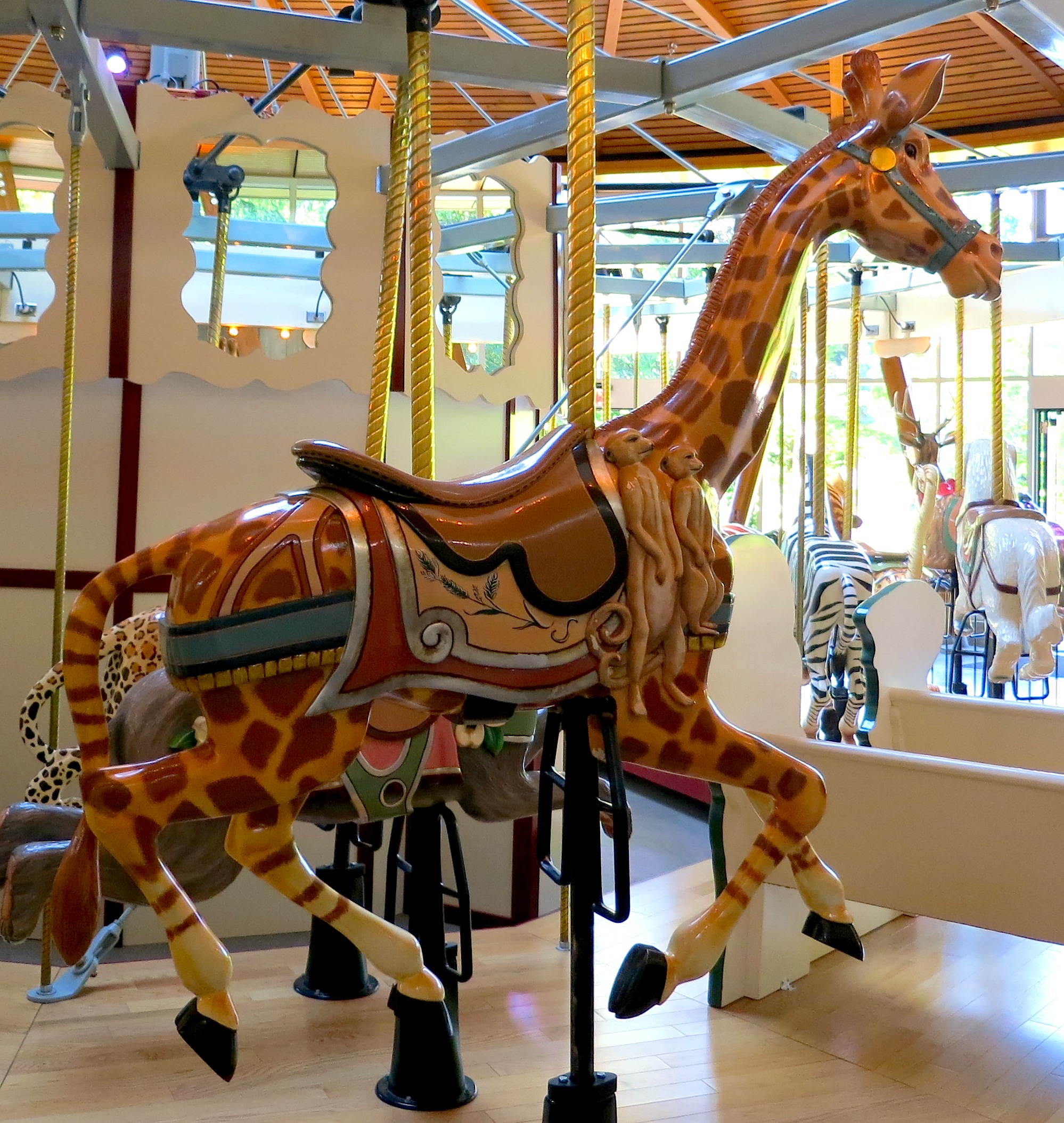
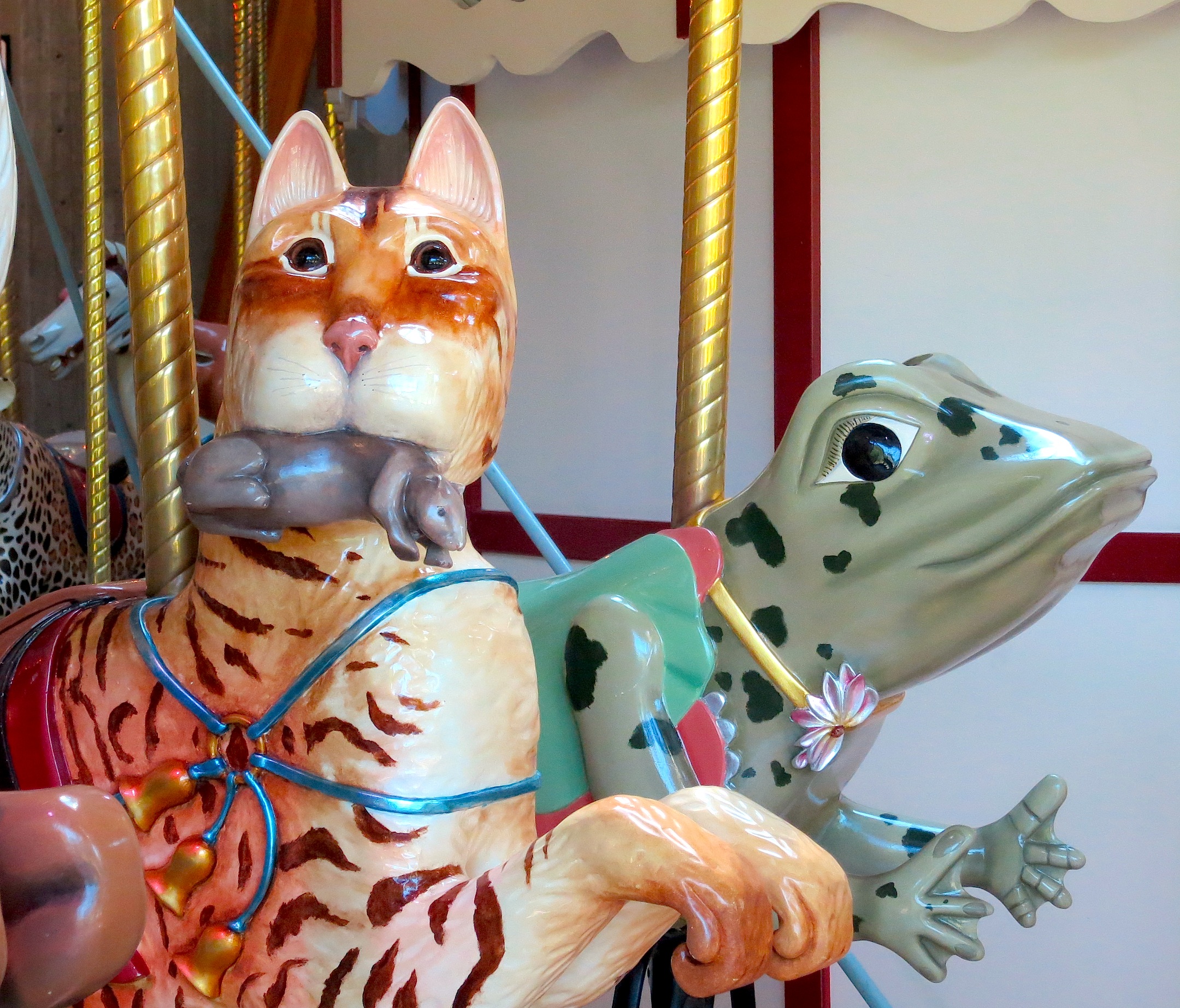
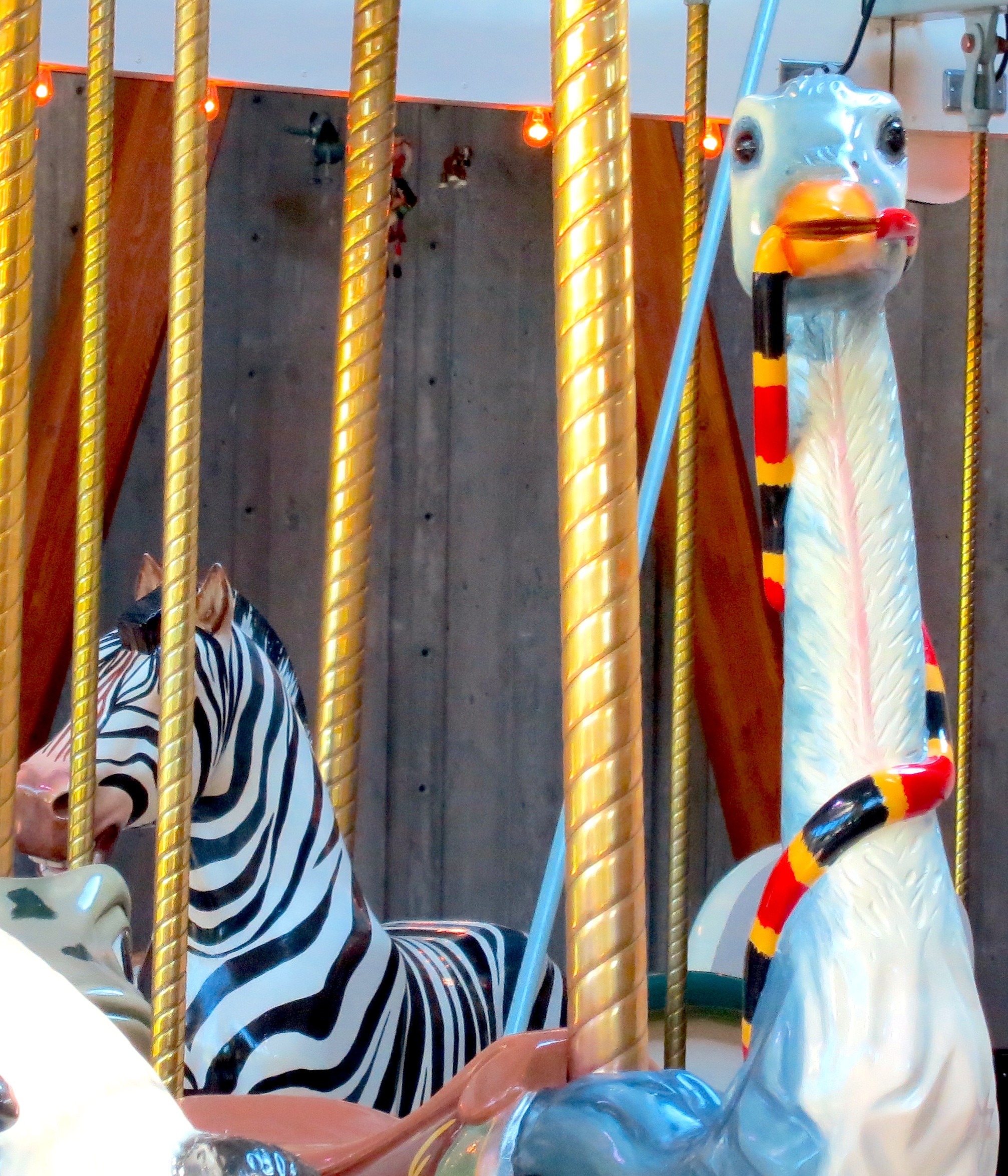
As a child, I could not resist a ride on a carousel, waving each time I came round.  Decades later, I can not resist standing and watching a carousel, waving back at whoever waves at me.

It is a world that turns and turns without going anywhere, except in the imaginations of the riders who fly higher, leap farther, jump huge gaps, race fastest. For them, it becomes a world that goes anywhere and everywhere. 

The swirl of surroundings and magic of music raises each child up, up, speeding faster and faster to catch whatever may await them. Then the world slows, settling and settling until each waving child becomes the stationary waving adult who stands their ground faithfully waiting — remembering how going round and round without going anywhere was the most wonderful feeling in the ever turning world.

Yesterday a child came out to wonder
Caught a dragonfly inside a jar
Fearful when the sky was full of thunder
And tearful at the falling of a star

And the seasons they go round and round
And the painted ponies go up and down
We’re captive on the carousel of time
We can’t return we can only look behind
From where we came
And go round and round and round In the circle game

Then the child moved ten times round the seasons
Skated over ten clear frozen streams
Words like, when you’re older, must appease him
And promises of someday make his dreams

Sixteen springs and sixteen summers gone now
Cartwheels turn to car wheels thru the town
And they tell him, Take your time, it won’t be long now
Till you drag your feet just to slow the circles down

So the years spin by and now the boy is twenty
Though his dreams have lost some grandeur coming true
There’ll be new dreams, maybe better dreams and plenty
Before the last revolving year is through
~Joni Mitchell “The Circle Game”

One-Time
Monthly
Yearly

Make a one-time or recurring donation to support daily Barnstorming posts

Make a monthly donation

Make a yearly donation

Choose an amount

¤5.00
¤10.00
¤20.00
¤5.00
¤15.00
¤100.00
¤5.00
¤15.00
¤100.00

Or enter a custom amount

¤

Your contribution is deeply appreciated.

Your contribution is appreciated.

Your contribution is appreciated.

DonateDonate monthlyDonate yearly
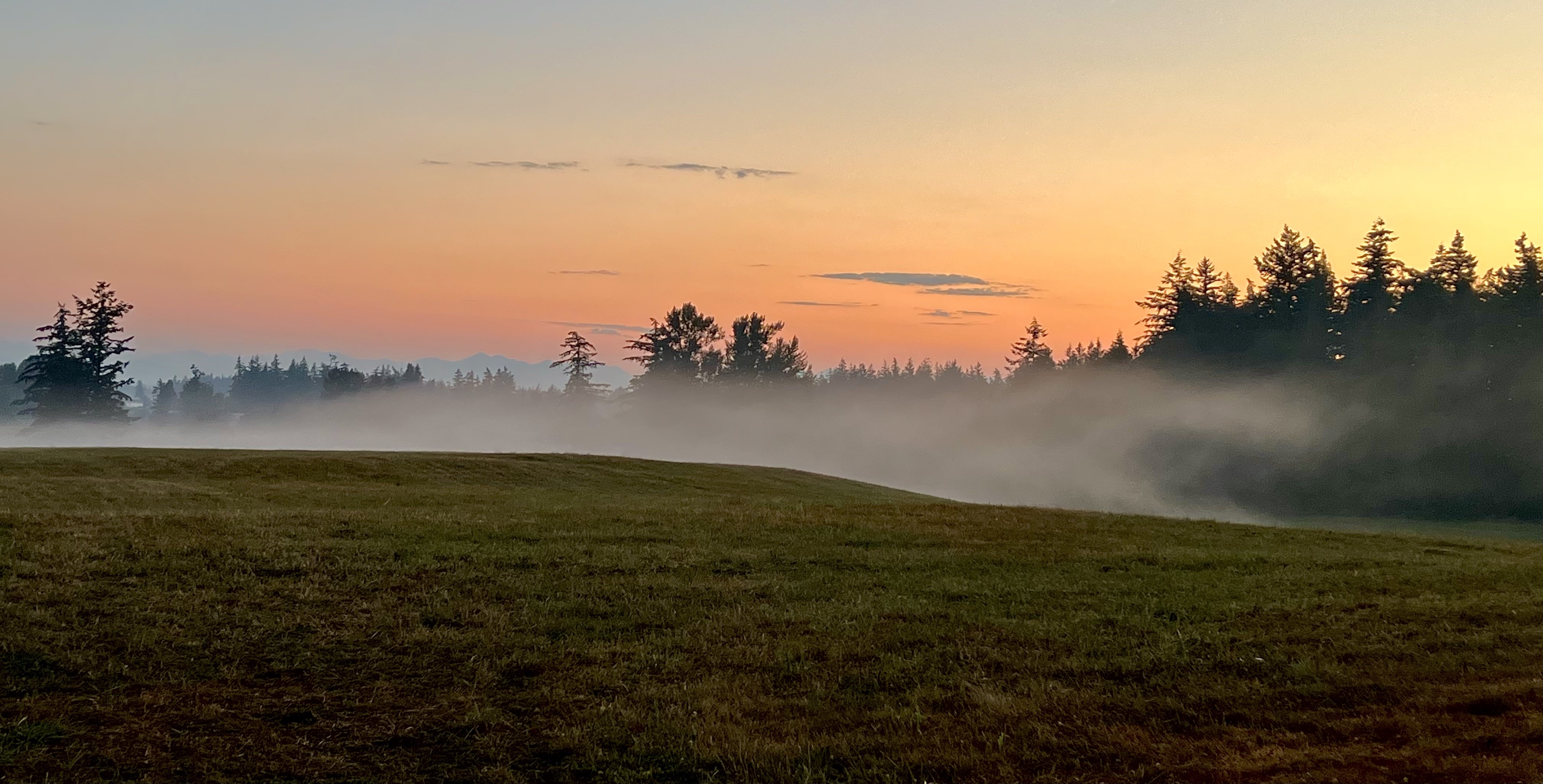
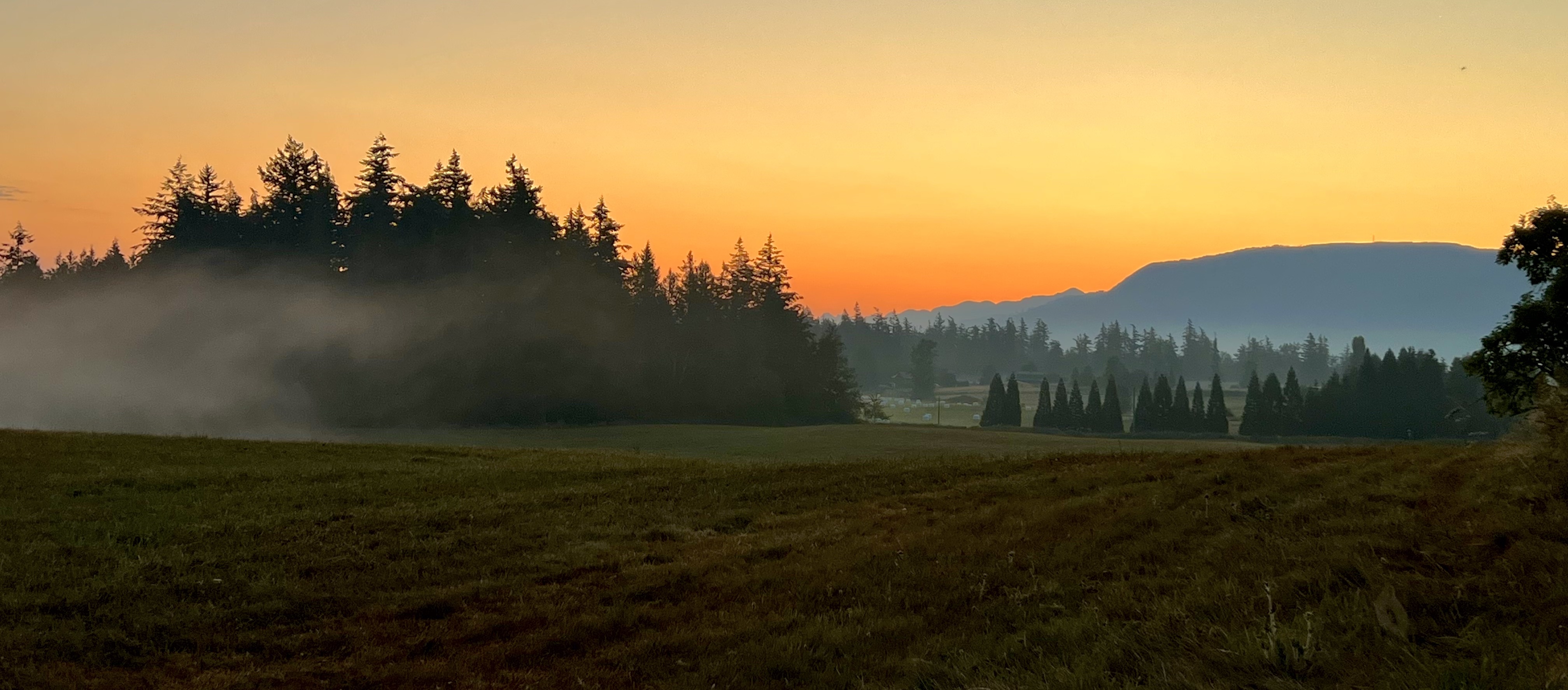
The Fog is Rising

I must go in; the fog is rising…
~Emily Dickinson, her last words

I have watched the dying
in their last hours:
often through the fog of waning breaths,
they see what I cannot,
they listen to what I do not hear,
stretching their arms overhead
as their fingers extend and grasp
to touch what is, as yet,
far beyond my reach.

I watch and wonder how it is
to reverse the journey that brought me here
from the fog of my amnion.

The mist of living lifts.

I will enter a place
unsurpassed in brilliance and clarity;
the mystery of what lies beyond solved
only by going in to it,
welcomed back to where I started.

One-Time
Monthly
Yearly

Make a one-time or recurring donation to support daily Barnstorming posts

Make a monthly donation

Make a yearly donation

Choose an amount

¤5.00
¤10.00
¤20.00
¤5.00
¤15.00
¤100.00
¤5.00
¤15.00
¤100.00

Or enter a custom amount

¤

Your contribution is deeply appreciated.

Your contribution is appreciated.

Your contribution is appreciated.

DonateDonate monthlyDonate yearly
Taking It Slow

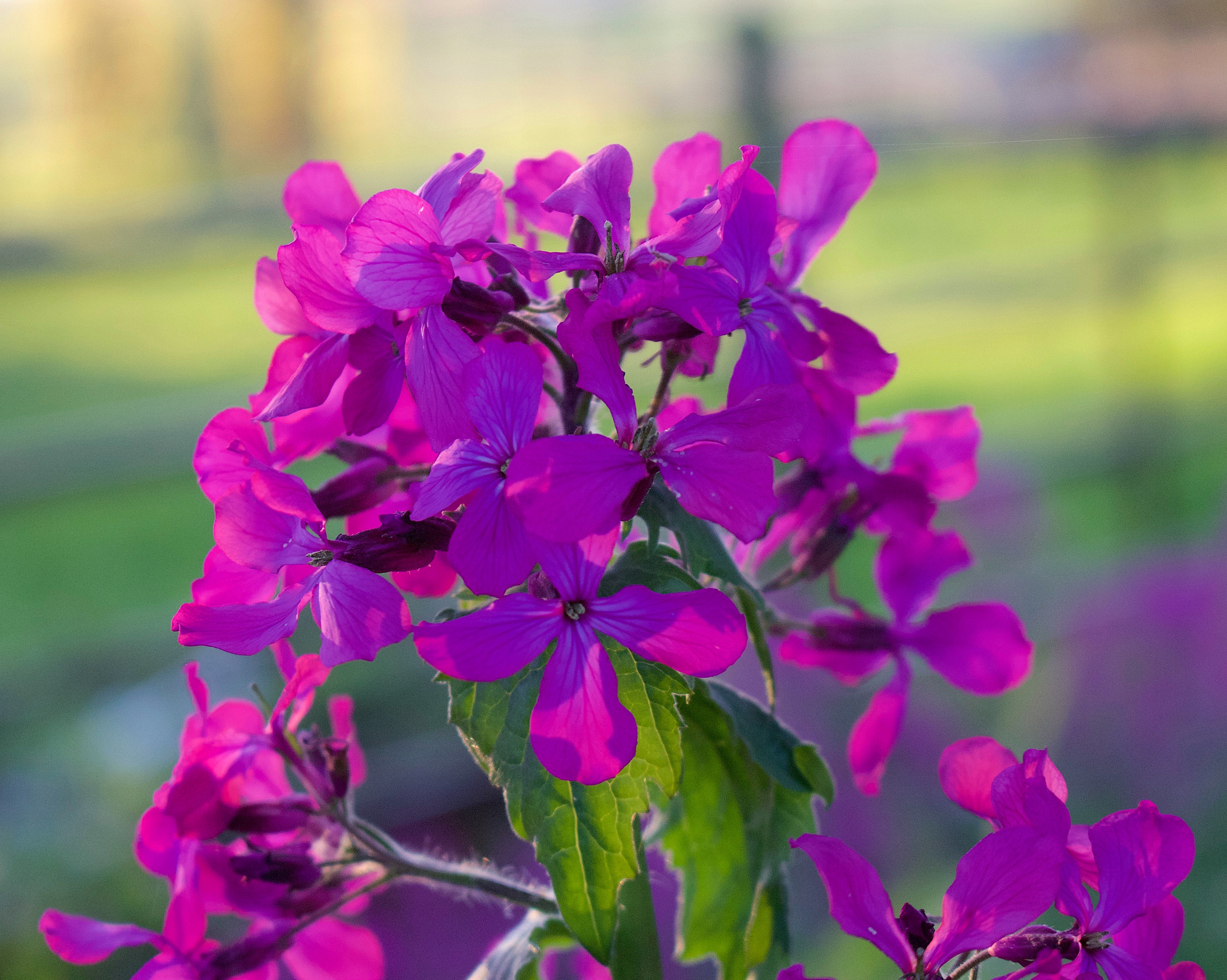
Sweet smell of phlox drifting across the lawn—
an early warning of the end of summer.
August is fading fast, and by September
the little purple flowers will all be gone.

Season, project, and vacation done.
One more year in everybody’s life.
Add a notch to the old hunting knife
Time keeps testing with a horny thumb.

Over the summer months hung an unspoken
aura of urgency. In late July
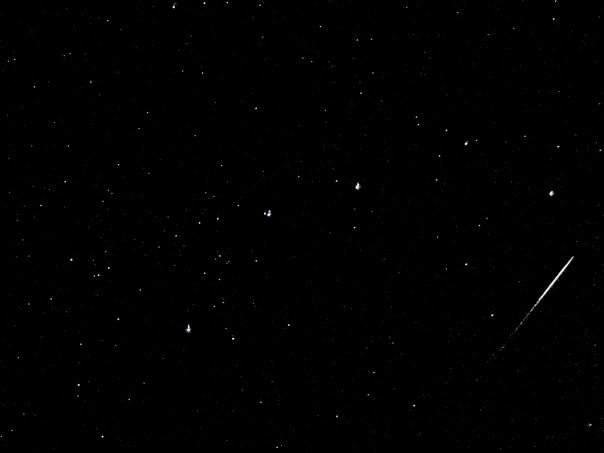
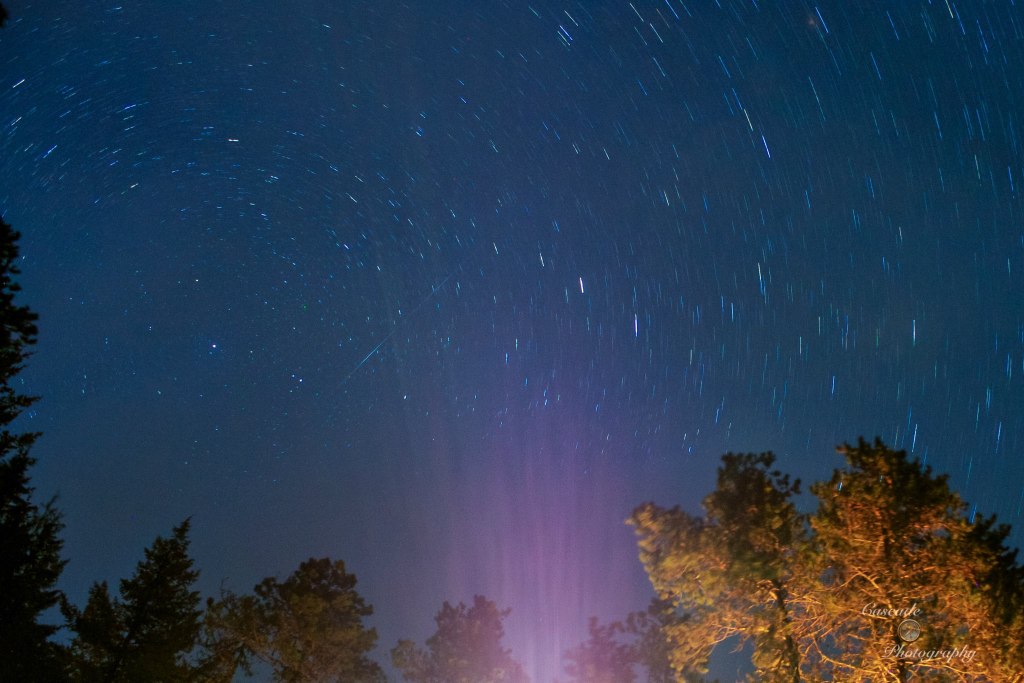
galactic pulsings filled the midnight sky
like silent screaming, so that, strangely woken,

we looked at one another in the dark,
then at the milky magical debris
arcing across, dwarfing our meek mortality.
There were two ways to live: get on with work,

redeem the time, ignore the imminence
of cataclysm; or else take it slow,
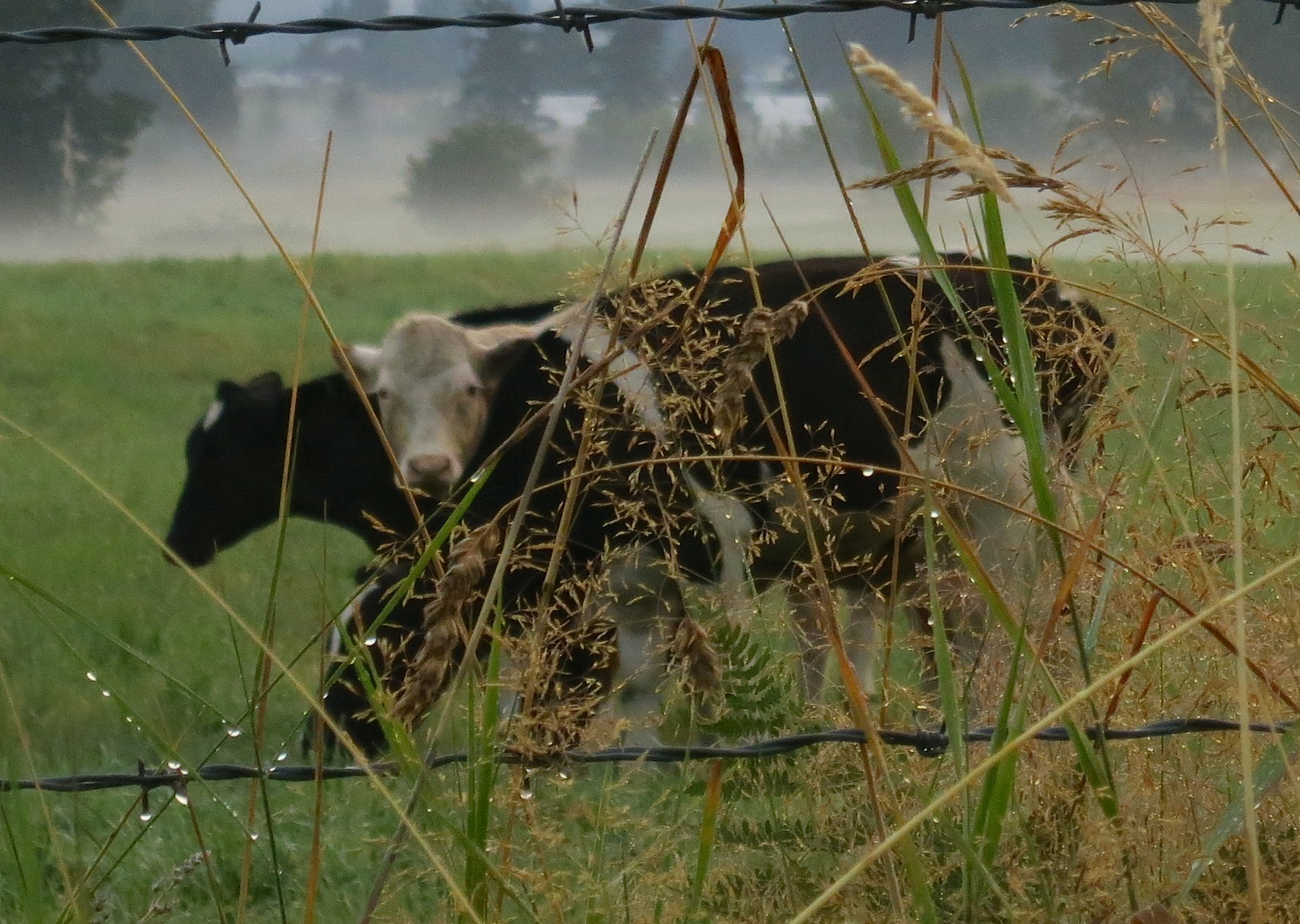
be as tranquil as the neighbors’ cow
we love to tickle through the barbed wire fence
(she paces through her days in massive innocence,
or, seeing green pastures, we imagine so).

In fact, not being cows, we have no choice.
Summer or winter, country, city, we
are prisoners from the start and automatically,
hemmed in, harangued by the one clamorous voice.

Not light but language shocks us out of sleep
ideas of doom transformed to meteors
we translate back to portents of the wars
looming above the nervous watch we keep.

~Rachel Hadas, “The End of Summer” from Halfway Down the Hall: New and Selected Poems.

For a thousand years in your sight are but as yesterday when it is past…
Psalm 90: 4

photo by Josh Scholten

Each summer that passes feels more urgent; most of my summers are far behind me and I have no idea how many more are ahead. I try to take each day slowly, lingering in the moments yet time speeds ahead, irredeemable.

I tend to forget that Time, which feels so precious and burdensome to me, is of no consequence to an infinite God who built an infinite universe. He began it all with a Word, and despite all our human efforts to thwart and even destroy a perfect Creation, He remains a constant presence, guaranteeing the sun will rise again.

We are not alone; we are not abandoned. We are loved.

Good night, love! May heaven’s brightest stars watch over thee!
Good angels spread their wings, and cover thee;
And through the night, So dark and still,
Spirits of light Charm thee from ill!
My heart is hovering round thy dwelling-place,
Good night, dear love! God bless thee with His grace!
Good night, love! Soft lullabies the night-wind sing to thee!
And on its wings sweet odours bring to thee;
And in thy dreaming May all things dear,
With gentle seeming, Come smiling near!
My knees are bowed, my hands are clasped in prayer—
Good night, dear love! God keep thee in His care!
~Frances Anne Kemble

One-Time
Monthly
Yearly

Make a one-time or recurring donation to support daily Barnstorming posts

Make a monthly donation

Make a yearly donation

Choose an amount

¤5.00
¤10.00
¤20.00
¤5.00
¤15.00
¤100.00
¤5.00
¤15.00
¤100.00

Or enter a custom amount

¤

Your contribution is deeply appreciated.

Your contribution is appreciated.

Your contribution is appreciated.

DonateDonate monthlyDonate yearly
As Much Serenity As Yearning

Last night I walked the woods
lit by the final moon of the month.
Days don’t count here
beneath the centuries-old pines
where my grandmother took her solace
on hard farm days, passing up
the washboard or jam-making
for the eternal whooshing
of the forest as much serenity
as yearning.
~Dave Malone, “Walk in the Woods” from Tornado Drill

My grandparents owned the land,
worked the land, bound
to the earth by seasons of planting
and harvest.

They watched the sky, the habits
of birds, hues of sunset,
the moods of moon and clouds,
the disposition of air.
They inhaled the coming season,
let it brighten their blood
for the work ahead.

Soil sifted through their fingers
imbedded beneath their nails
and this is what they knew;
this rhythm circling the years.
They never left their land;
each in their own time
settled deeper.
~Lois Parker Edstrom “Almanac” from Night Beyond Black.

My husband and I met in the late 70’s while we were both in graduate school in Seattle, living over 100 miles away from our grandparents’ farms farther north in Washington. We lived farther still from my grandparents’ wheat farm in Eastern Washington and his grandparents’ hog farm in Minnesota. One of our first conversations together, the one that told me I needed to get to know this man better, was about wanting to move back to work on the land. We were both descended from peasant immigrants from the British Isles, Holland and Germany – farming was in our DNA, the land remained under our fingernails even as we sat for endless hours studying in law school and medical school classes.

When we married and moved north after buying a small farm, we continued to work full time at desks in town. We’ve never had to depend on this farm for our livelihood, but we have fed our family from the land, bred and raised livestock, and harvested and preserved from a large garden and orchard. It has been a good balance thanks to career opportunities made possible by our education, something our grandparents would have marveled was even possible.

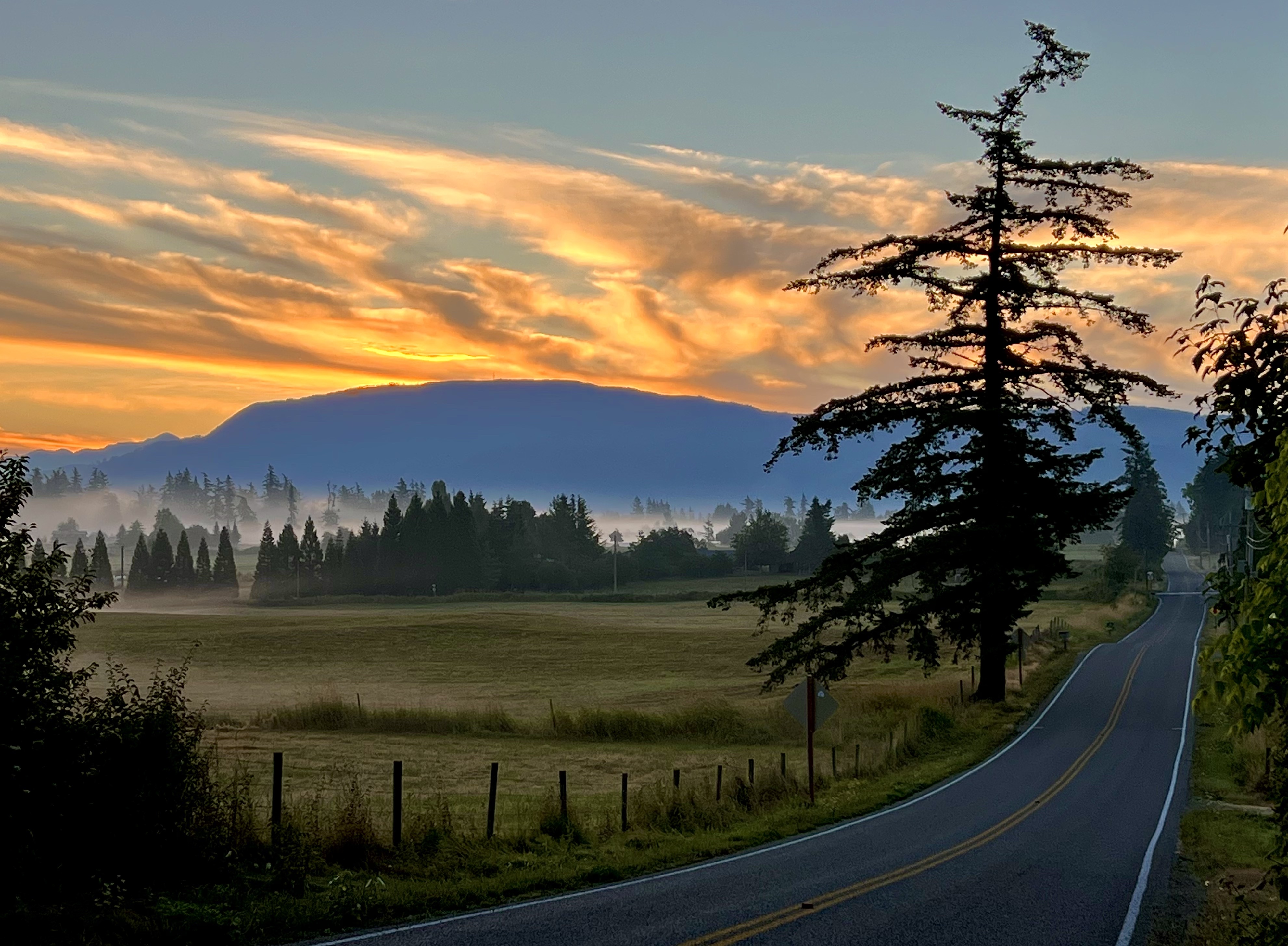
Like our grandparents, we watch in wonder at what the Creator brings to the rhythm of the land each day – the light of the dawn over the fields, the activity of the wild birds and animals in the woods, the life cycles of the farm critters we care for, the glow of the evening sun as night enfolds us when the moon ascends.

We are blessed by the land’s generosity when it is well cared for. Each new day promises another chance to treat it with the love it warrants.

Now forty-some years after that first conversation together about returning to farming, my husband and I hope we never have to leave the land. It brought us together, fed our family, remains imbedded under our fingernails and in our DNA.

Each in our own time, we will settle even deeper.

One-Time
Monthly
Yearly

Make a one-time or recurring donation
to support daily Barnstorming posts

Make a monthly donation

Make a yearly donation

Choose an amount

¤5.00
¤10.00
¤20.00
¤5.00
¤15.00
¤100.00
¤5.00
¤15.00
¤100.00

Or enter a custom amount

¤

Your contribution is deeply appreciated.

Your contribution is appreciated.

Your contribution is appreciated.

DonateDonate monthlyDonate yearly
So Gradual the Grace

Further in Summer than the Birds
Pathetic from the Grass
A minor Nation celebrates
Its unobtrusive Mass.

No Ordinance be seen
So gradual the Grace
A pensive Custom it becomes
Enlarging Loneliness.

Antiquest felt at Noon
When August burning low
Arise this spectral Canticle
Repose to typify

Remit as yet no Grace
No Furrow on the Glow
Yet a Druidic Difference
Enhances Nature now
~Emily Dickinson

…<Dickinson’s Further in Summer is> one of the great poems of American literature. The statement of the poem is profound; it remarks the absolute separation between man and nature at a precise moment in time.  The poet looks as far as she can into the natural world, but what she sees at last is her isolation from that world.  She perceives, that is, the limits of her own perception. But that, we reason, is enough. This poem of just more than sixty words comprehends the human condition in relation to the universe:

So gradual the Grace
A pensive Custom it becomes
Enlarging Loneliness.

But this is a divine loneliness, the loneliness of a species evolved far beyond all others. The poem bespeaks a state of grace. In its precision, perception and eloquence it establishes the place of words within that state.  Words are indivisible with the highest realization of human being.
~N.Scott Momaday from The Man Made of Words

Silence again. The glorious symphony
Hath need of pause and interval of peace.
Some subtle signal bids all sweet sounds cease,
Save hum of insects’ aimless industry.
Pathetic summer seeks by blazonry
Of color to conceal her swift decrease.
Weak subterfuge! Each mocking day doth fleece
A blossom, and lay bare her poverty.
Poor middle-agèd summer! Vain this show!
Whole fields of golden-rod cannot offset
One meadow with a single violet;
And well the singing thrush and lily know,
Spite of all artifice which her regret
Can deck in splendid guise, their time to go!

~Helen Hunt Jackson “August”

On the first day I took his class on Native American Mythology and Lore in 1974 at Stanford, N.Scott Momaday strolled to the front, wrote the 60 words of this Dickinson poem on the blackboard.  He told us we would spend at least a week working out the meaning of what he considered the greatest poem written — this in a class devoted to Native American writing and oral tradition.  In his resonant bass, he read the poem to us many times, rolling the words around his mouth as if to extract their sweetness. This man of the plains, a member of the Kiowa tribe, loved this poem put together by a New England recluse poet — someone as culturally distant from him and his people as possible.

But grace works to unite us, no matter our differences, and Scott knew this as he led us, mostly white students, through this poem.  What on the surface appears a paean to late summer insect droning – doomed to extinction by oncoming winter – is a statement of the transcendence of man beyond our understanding of nature and the world in which we, its creatures, find ourselves. As summer begins its descent into the dark death of winter, we, unlike cicadas and crickets, become all too aware we too are descending.  There is no one as lonely as an individual facing their mortality and no one as lonely as a poet facing the empty page, in search of words to describe the sacrament of sacrifice and perishing.

The poem “August” by Helen Hunt Jackson has similar themes without the acknowledgement of grace. Helen was a childhood friend of Dickinson, and she comments on August heralding the coming silence of the winter of our lives.

Yet the written Word is not silent; the Word brings Grace unlike any other, even when the summer, pathetic and transient as it is, is gone. The Word brings Grace, like no other, to pathetic and transient man who will emerge transformed.

There is no furrow on the glow.  There is no need to plow and seed our salvaged souls, already lovingly planted by our Creator God, yielding a fruited plain.

One-Time
Monthly
Yearly

Make a one-time or recurring donation to support daily Barnstorming posts

Make a monthly donation

Make a yearly donation

Choose an amount

¤5.00
¤10.00
¤20.00
¤5.00
¤15.00
¤100.00
¤5.00
¤15.00
¤100.00

Or enter a custom amount

¤

Your contribution is deeply appreciated.

Your contribution is appreciated.

Your contribution is appreciated.

DonateDonate monthlyDonate yearly
Ordinary is Just Extraordinary That Happens Over and Over

…it’s easy to forget that the ordinary is just the extraordinary that’s happened over and over again. Sometimes the beauty of your life is apparent. Sometimes you have to go looking for it. And just because you have to look for it doesn’t mean it’s not there.

God, grant me the grace of a normal day.
~Billy Coffey

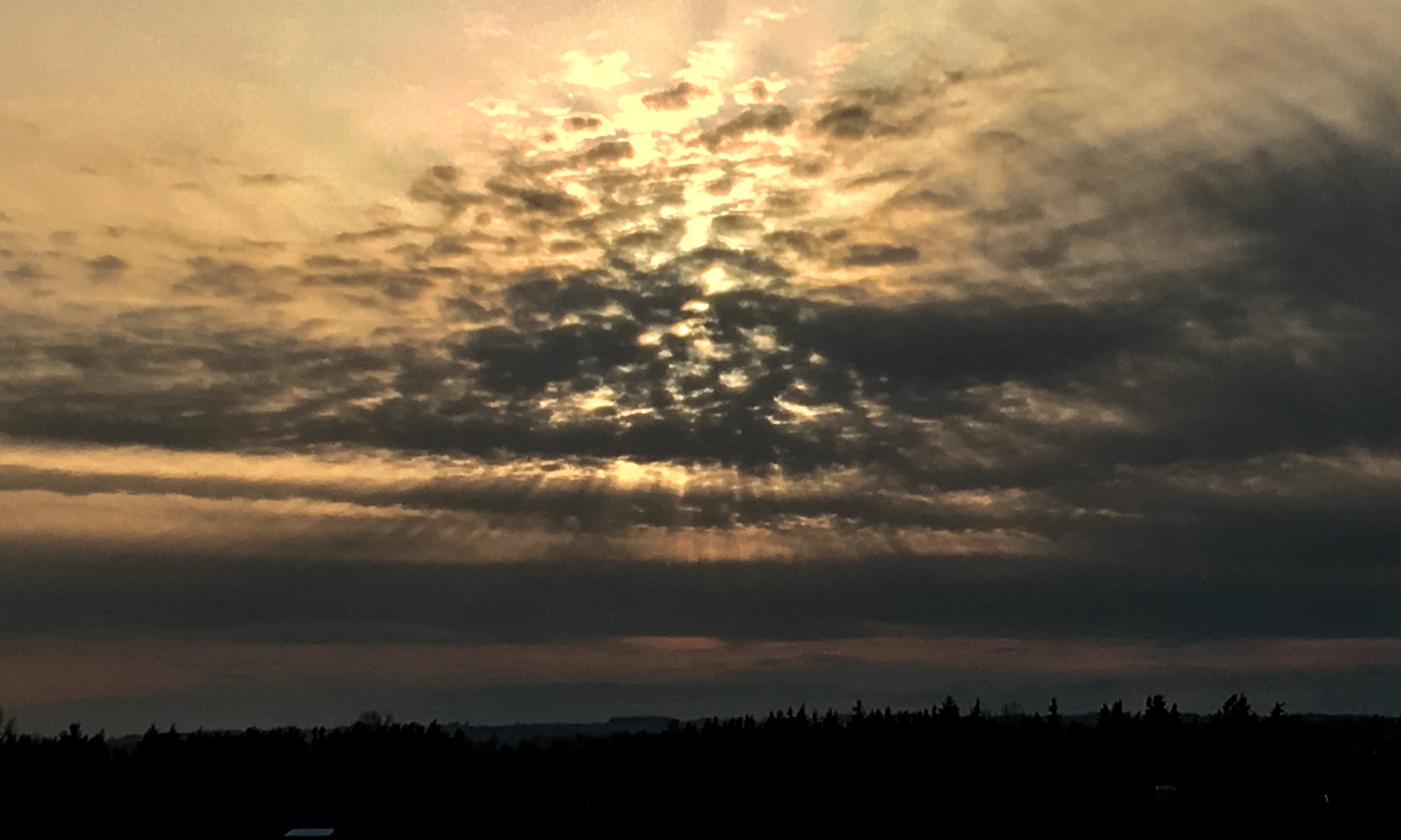
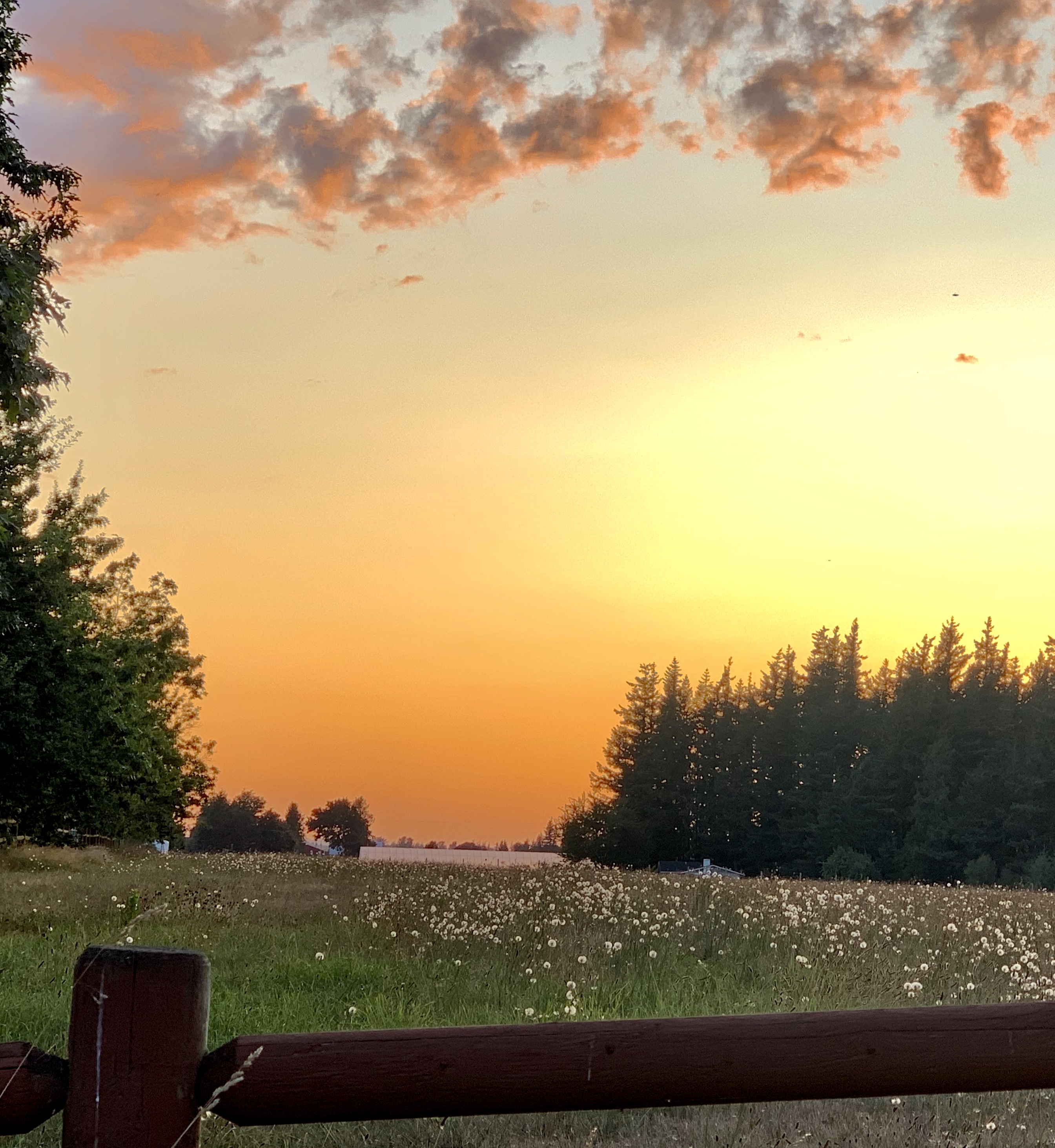
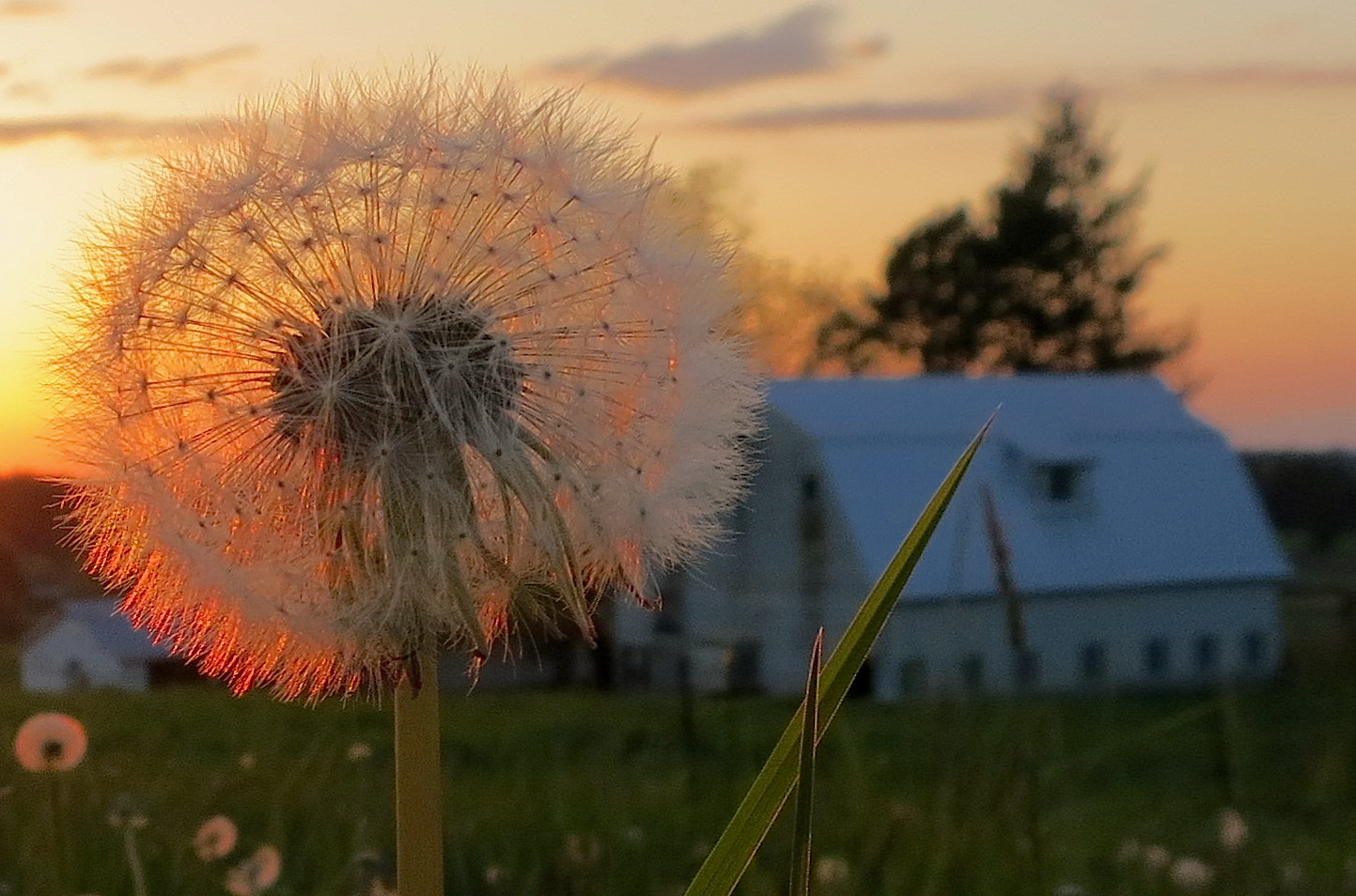
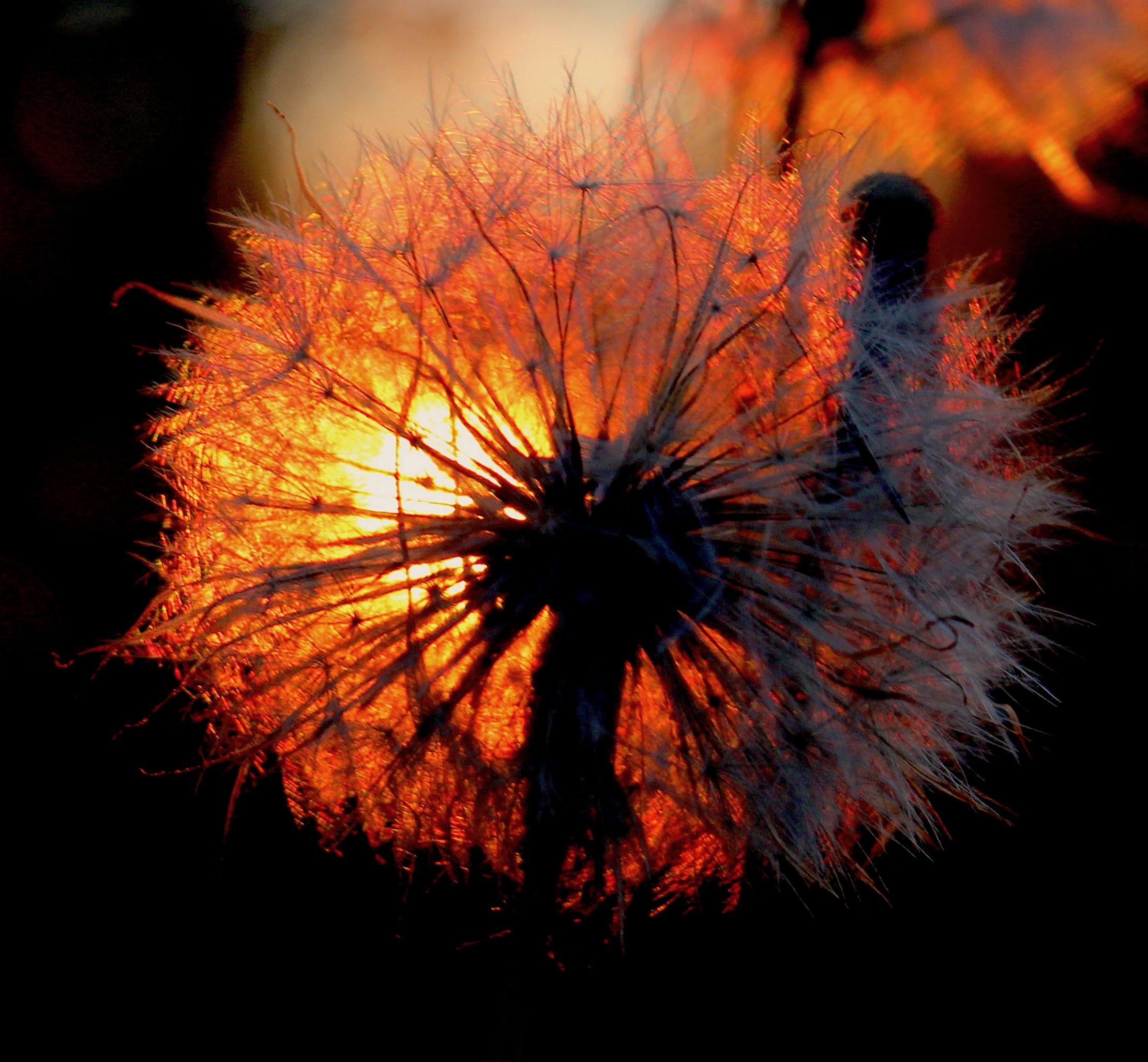
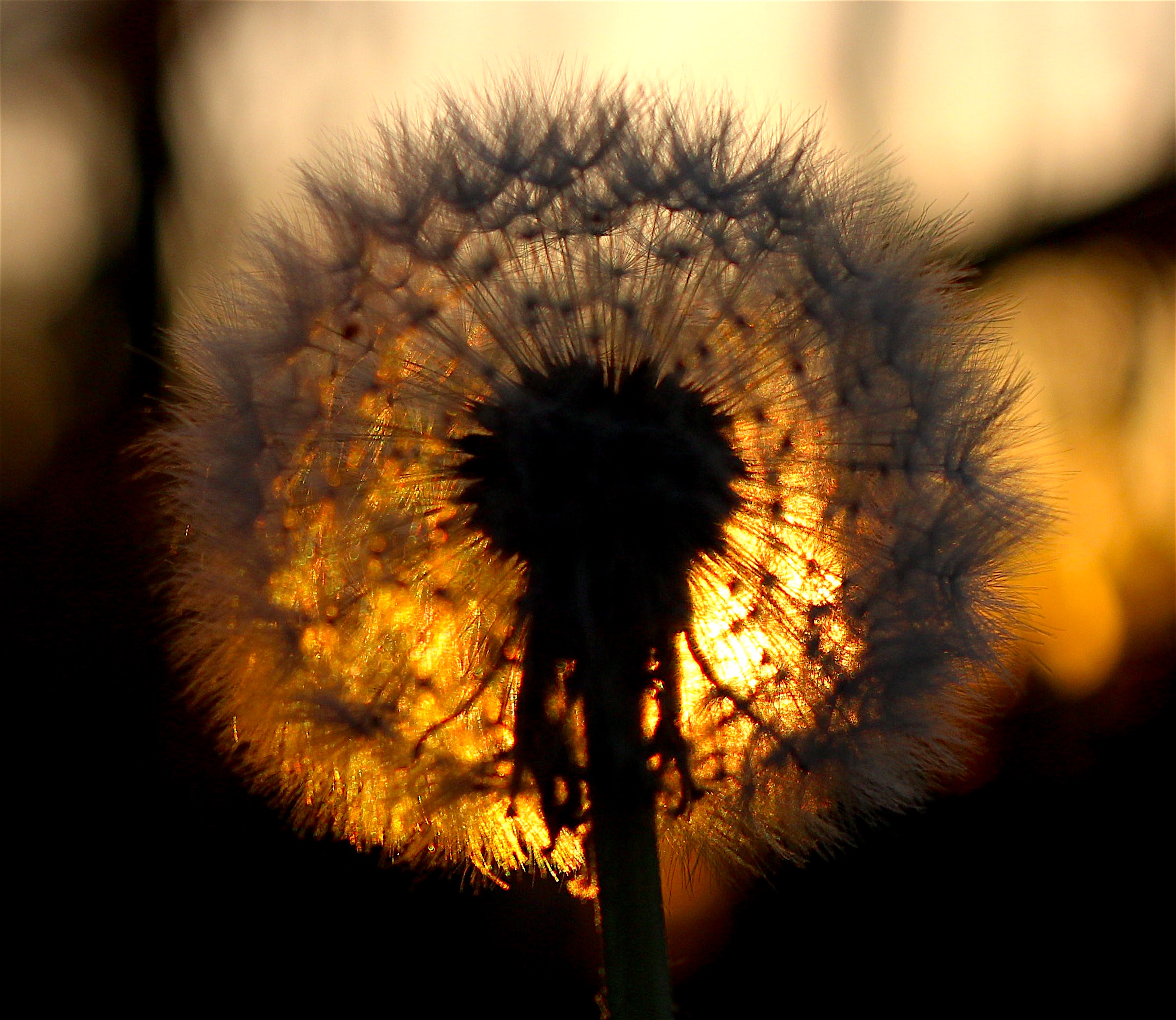
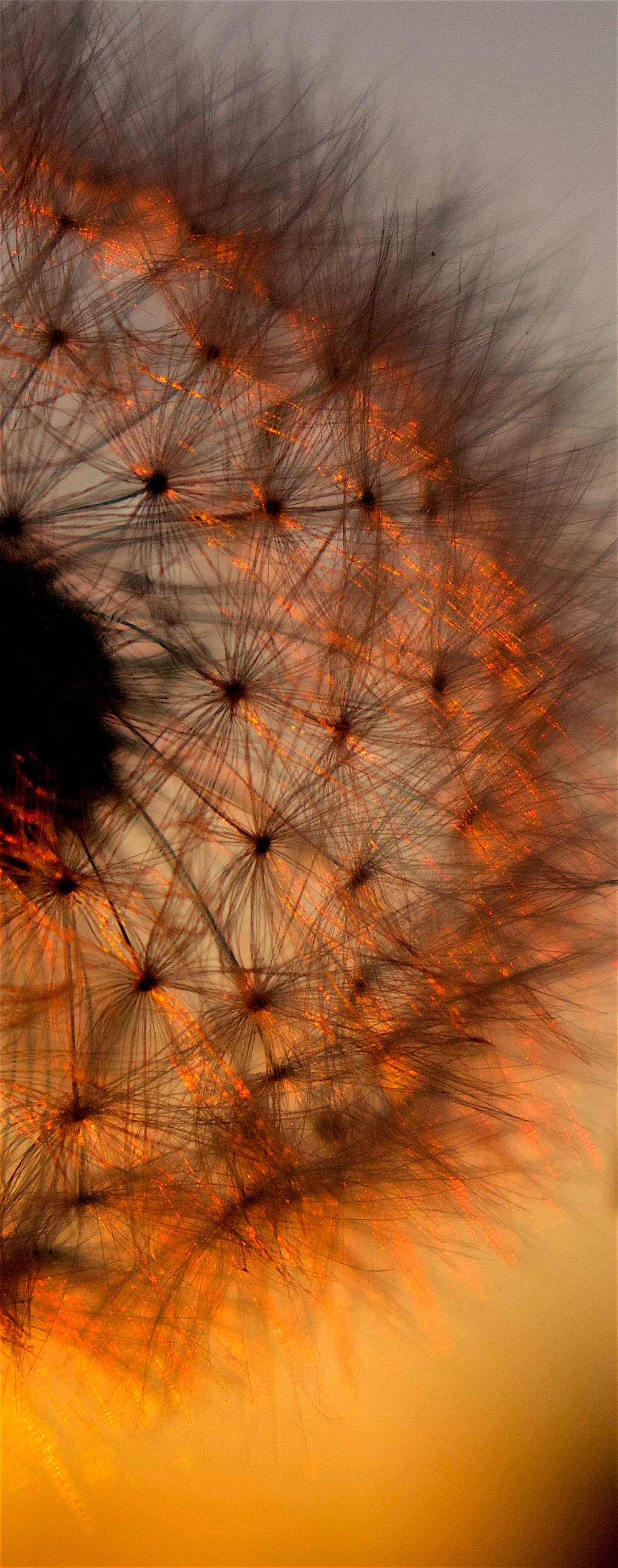
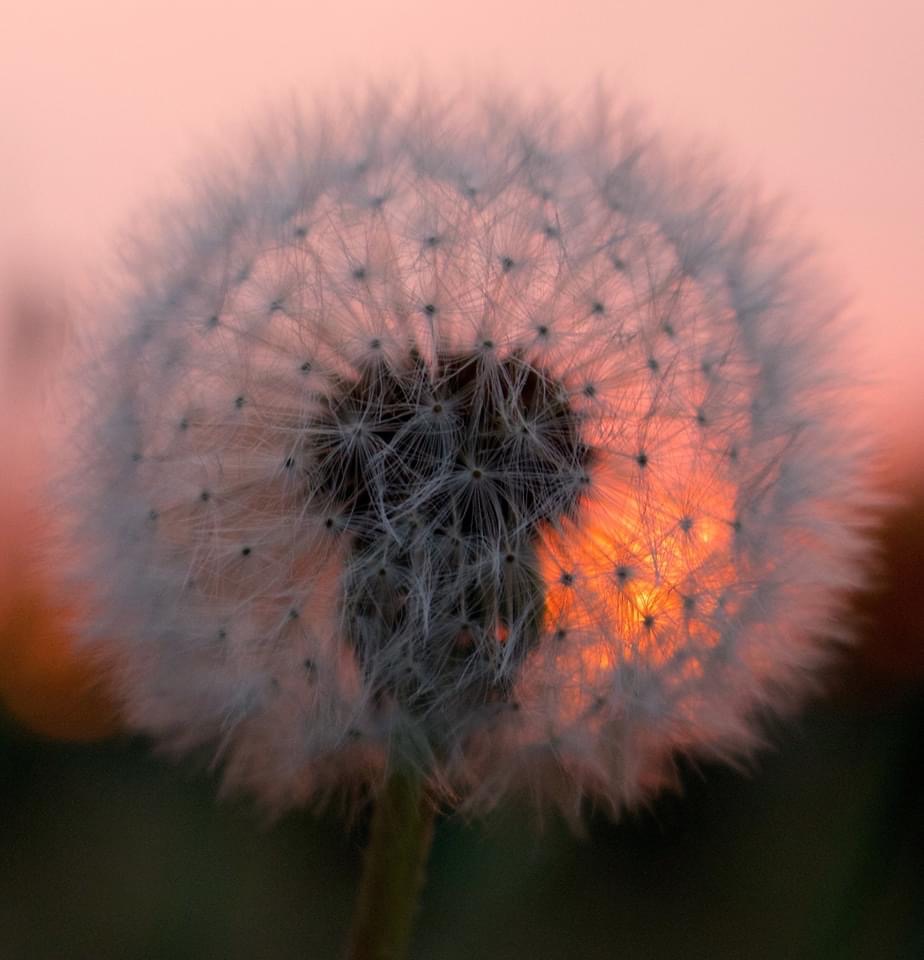
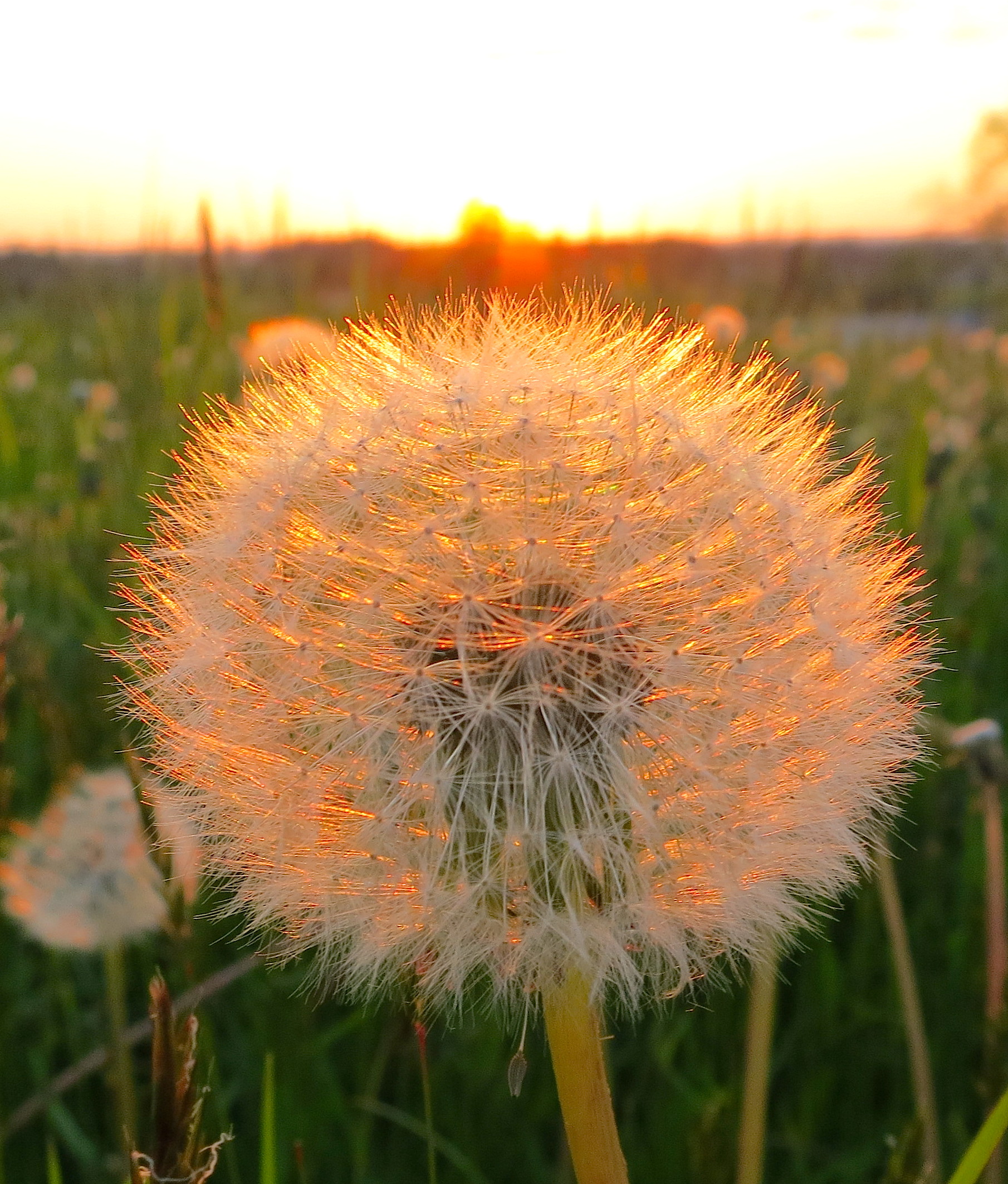
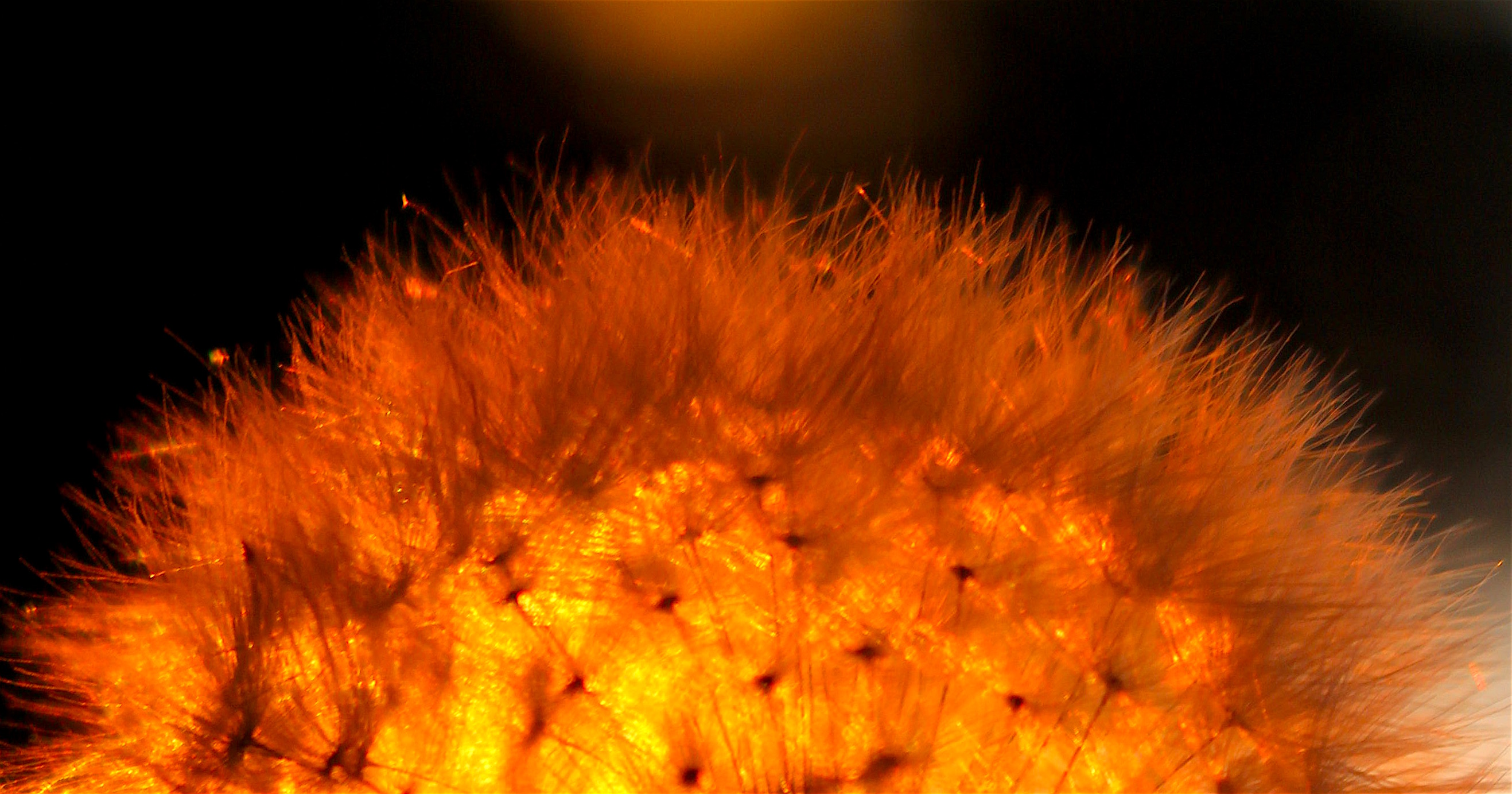
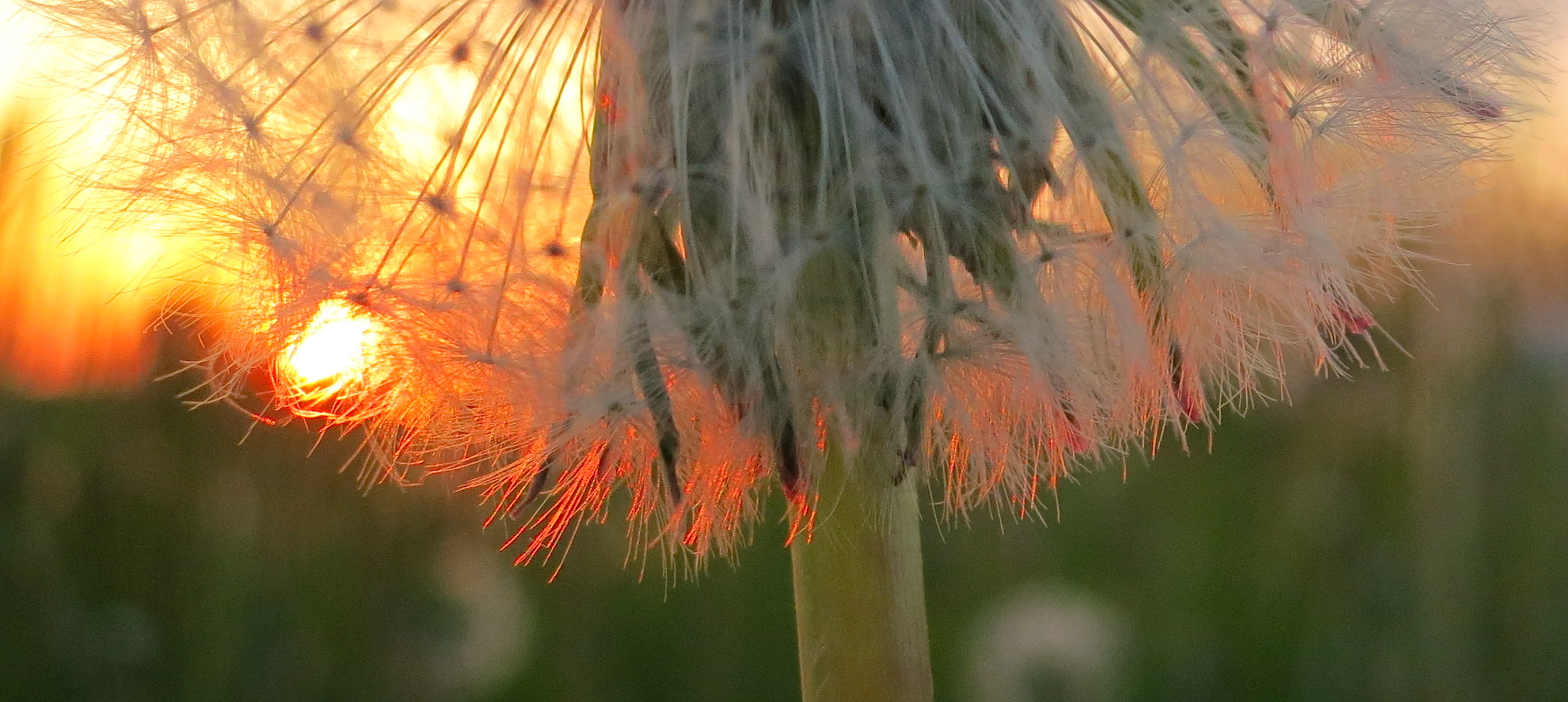
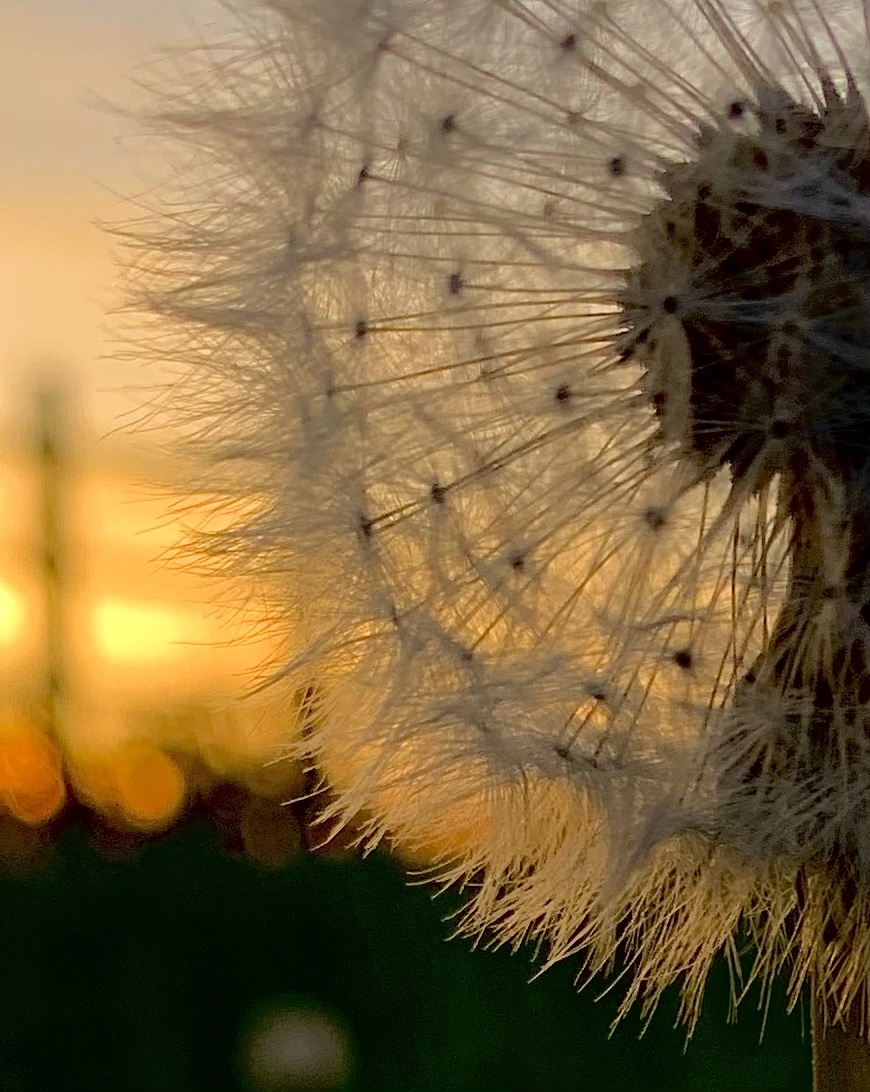
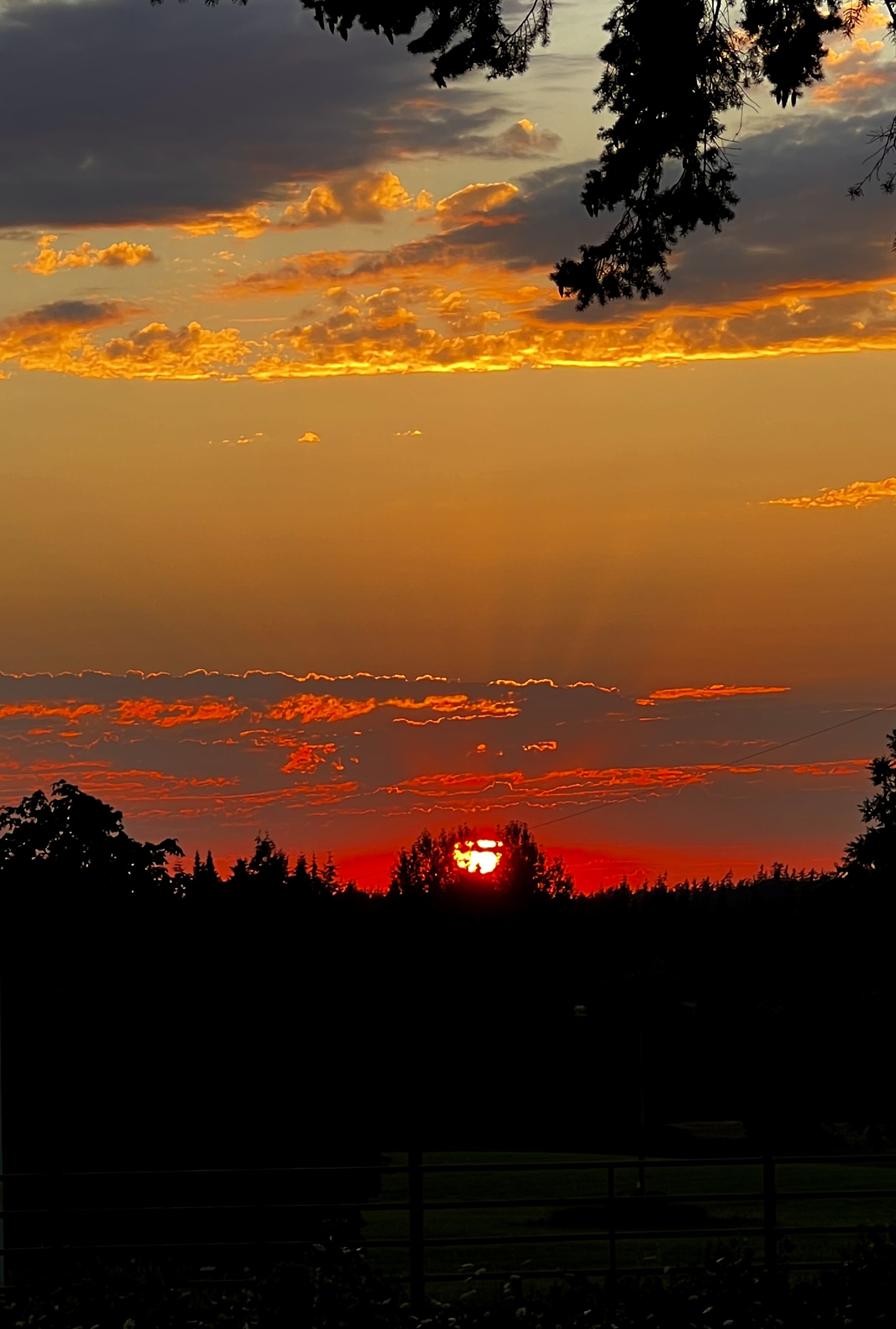
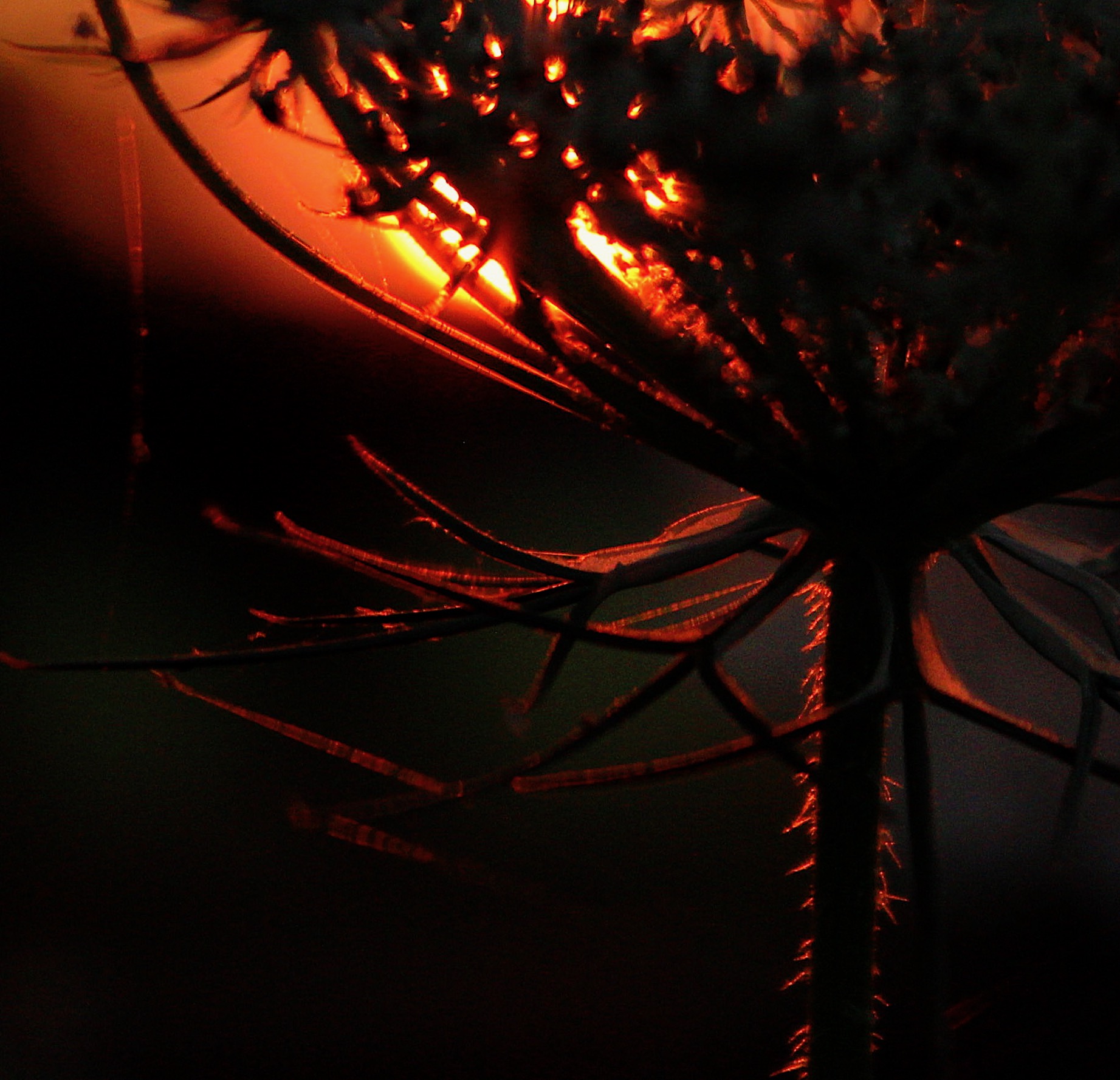
Now, at sunset, all I see are dandelions on fire in the field.

To think I’ve carelessly
walked through,
on top of,
over and around them
for nearly 70 years,
and only now I see what magic they contain
once I settle down at their level and look.
God grants me grace for my years of dandelion destruction.

They are so normal and ordinary: extraordinary happening over and over again.

One-Time
Monthly
Yearly

Make a one-time and recurring donation to support daily Barnstorming posts

Make a monthly donation

Make a yearly donation

Choose an amount

¤5.00
¤10.00
¤20.00
¤5.00
¤15.00
¤100.00
¤5.00
¤15.00
¤100.00

Or enter a custom amount

¤

Your contribution is deeply appreciated.

Your contribution is appreciated.

Your contribution is appreciated.

DonateDonate monthlyDonate yearly

Getting Out of the Way

Dear God, I cannot love Thee the way I want to.
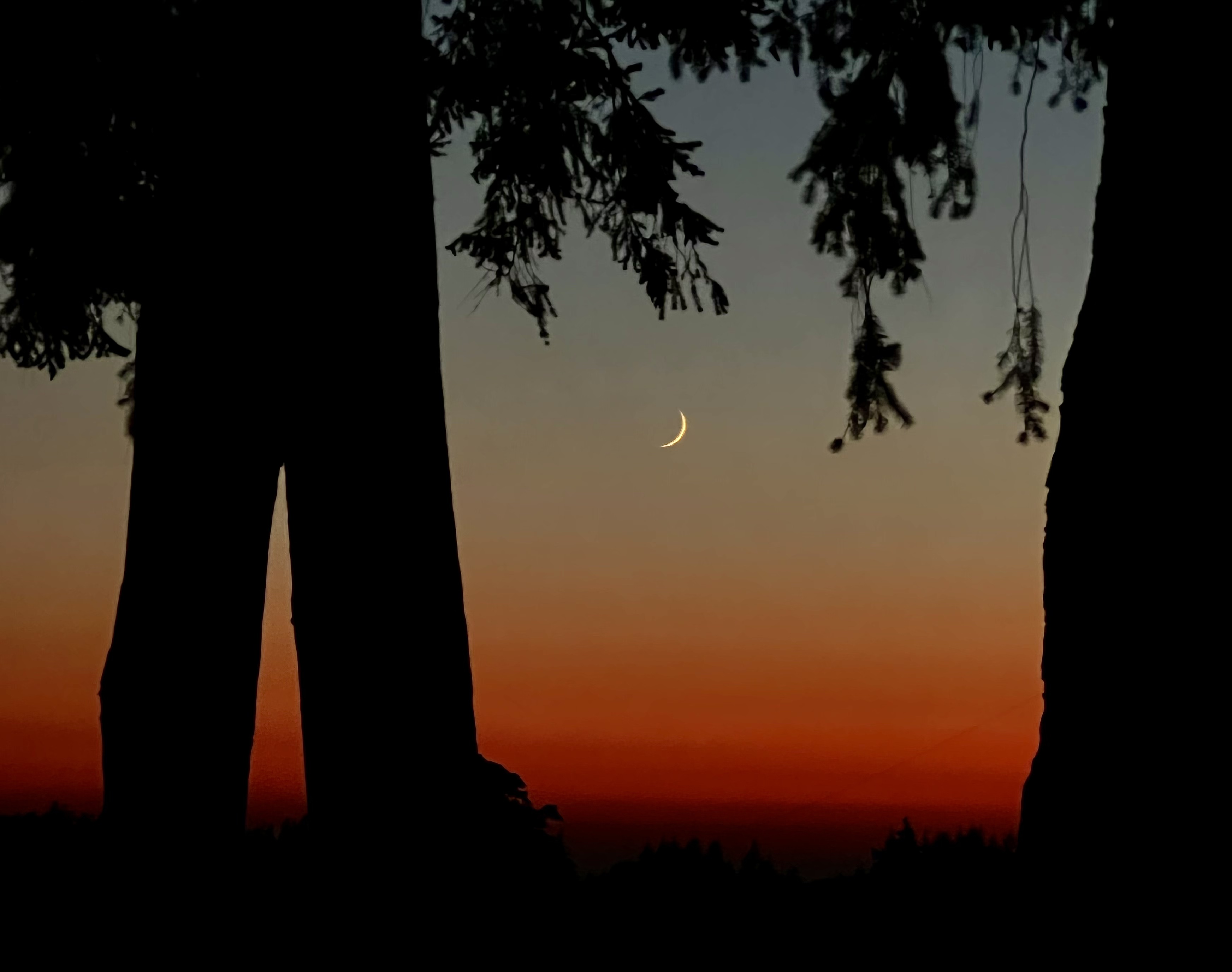
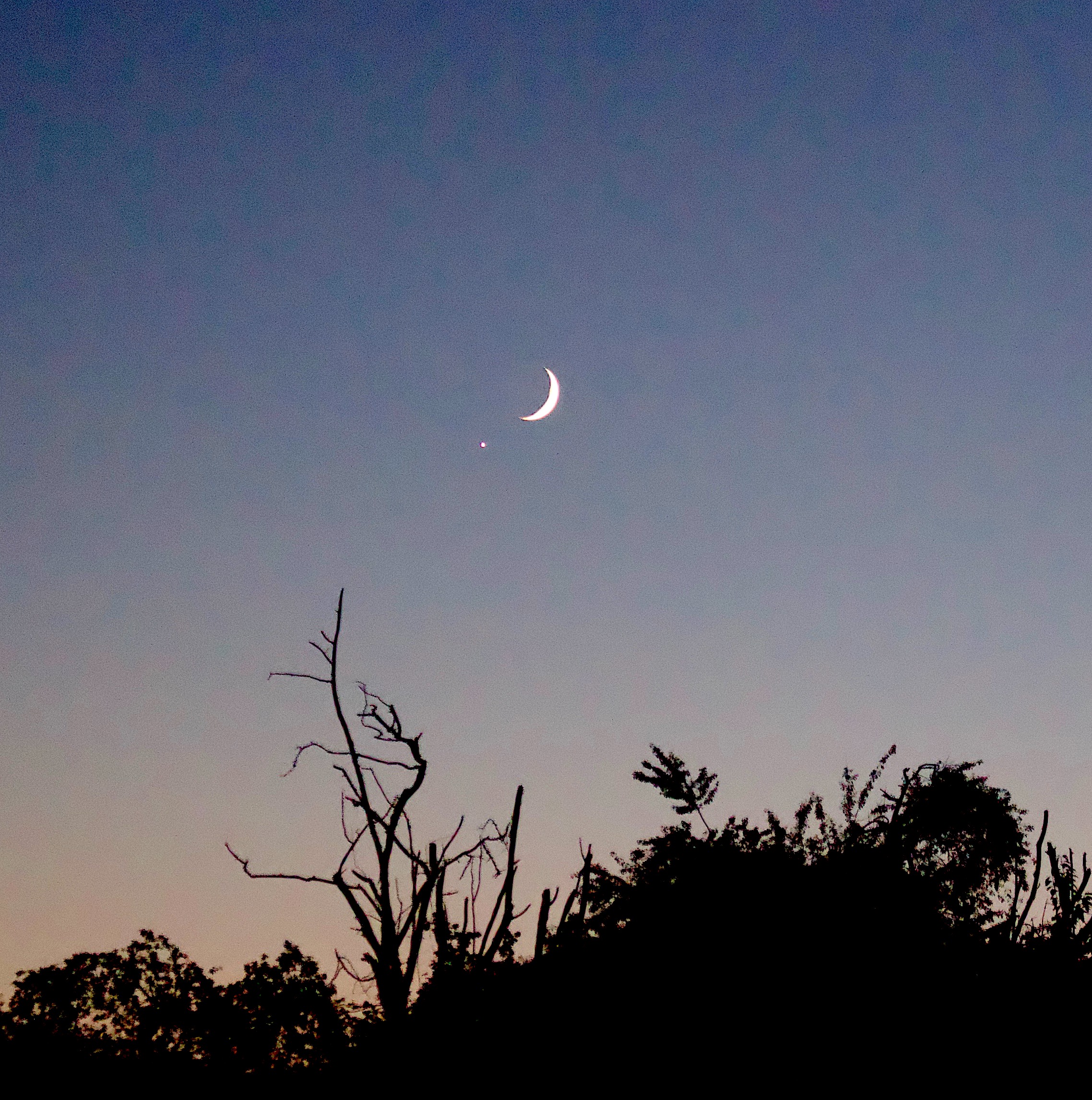
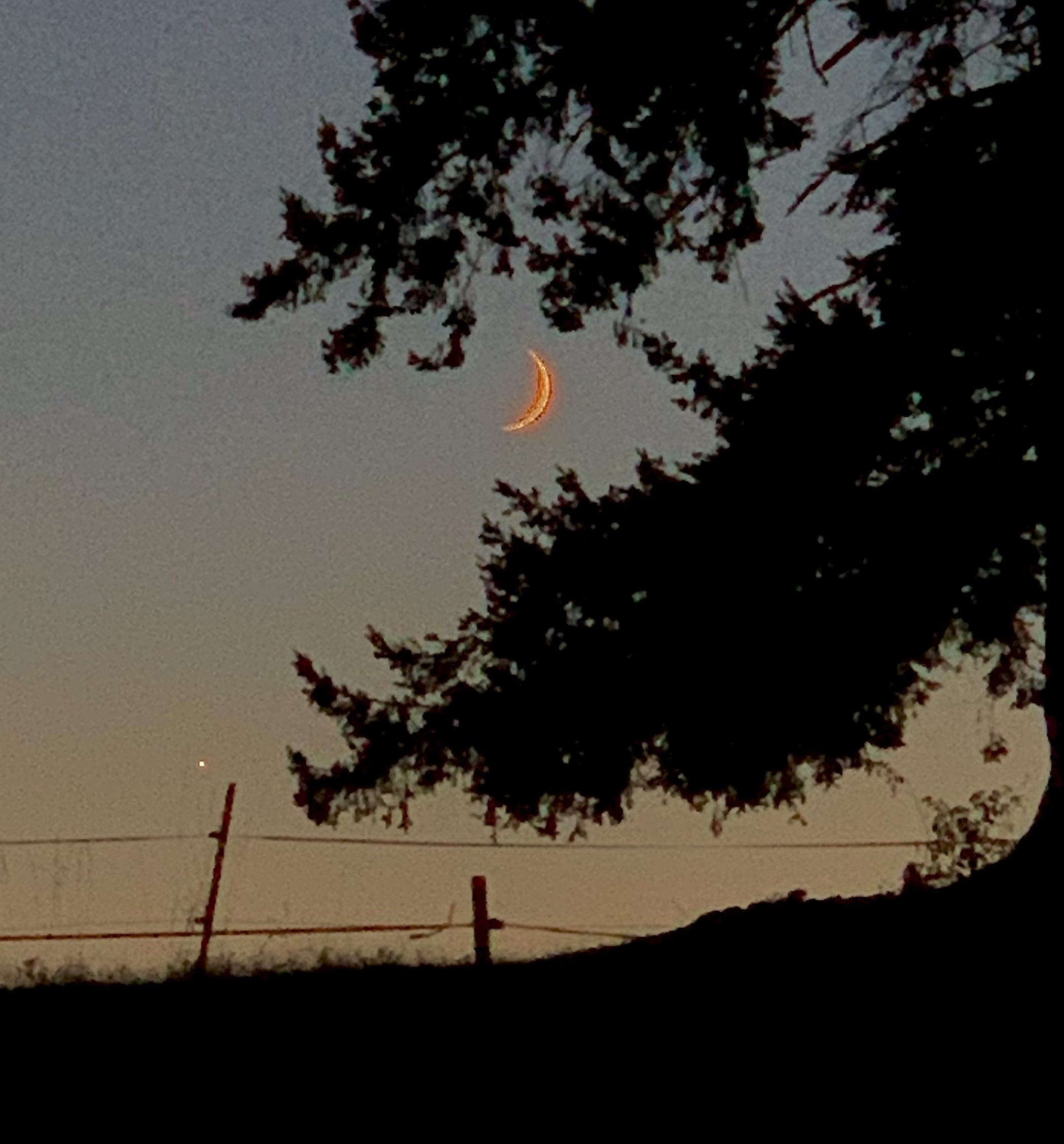
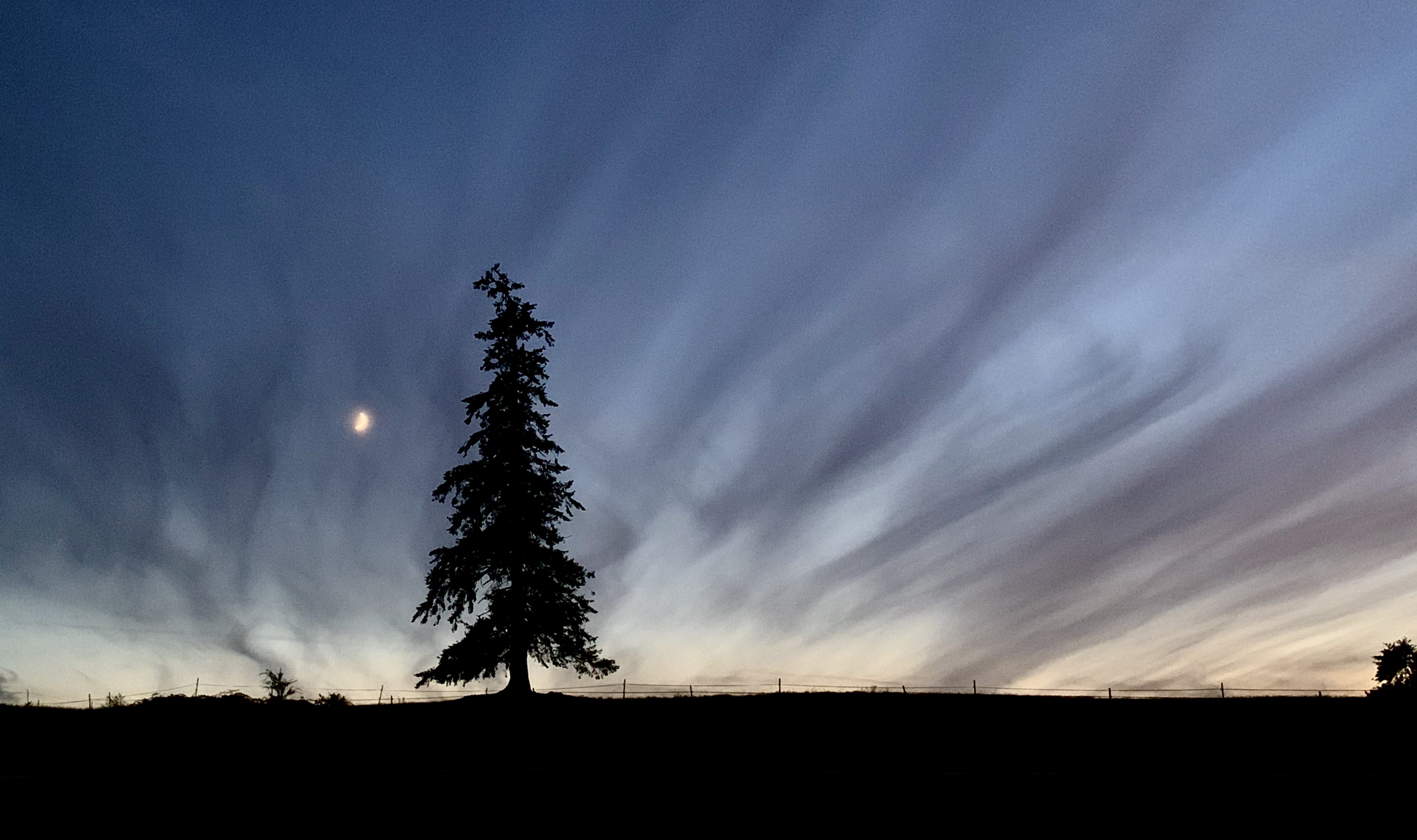
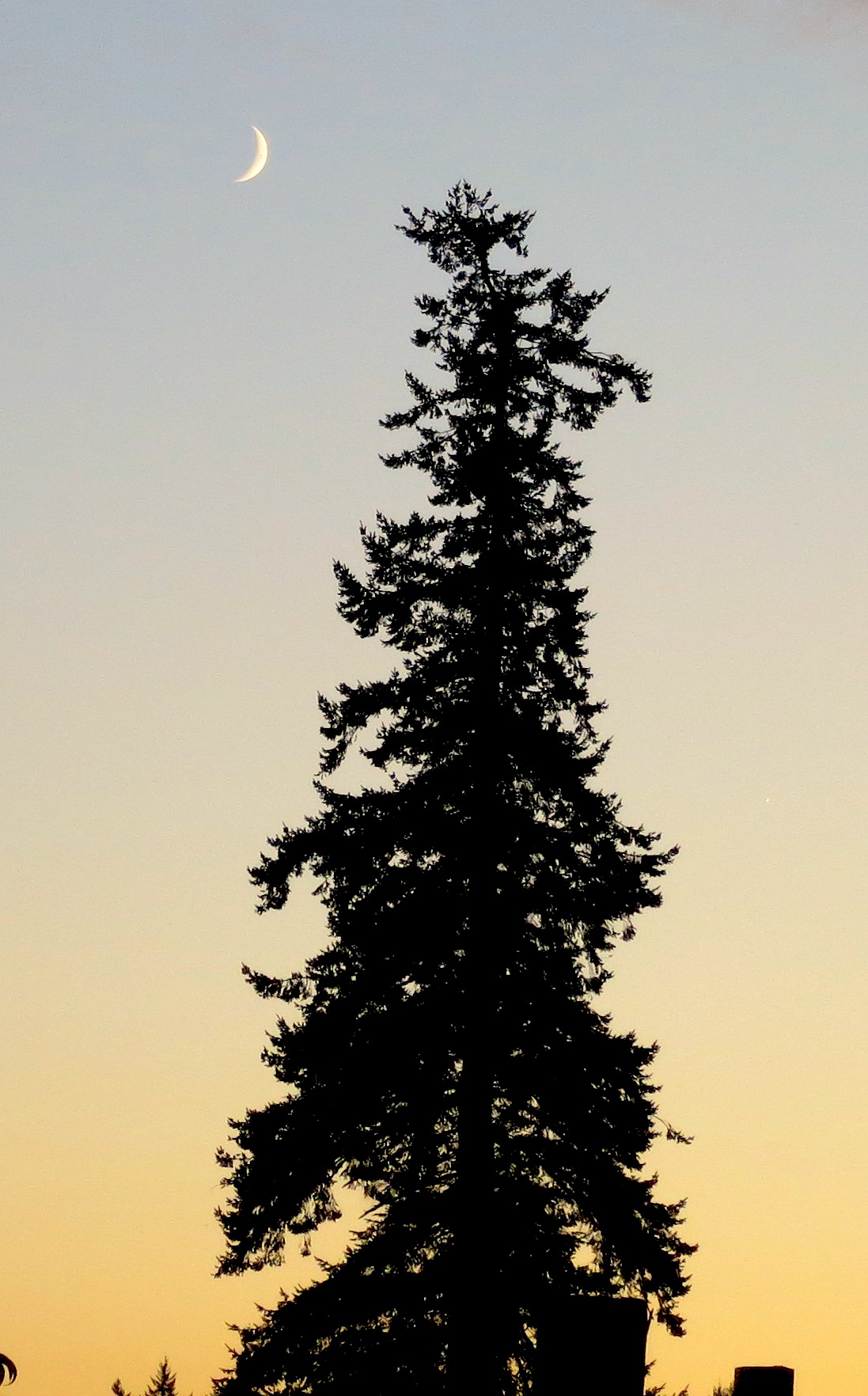
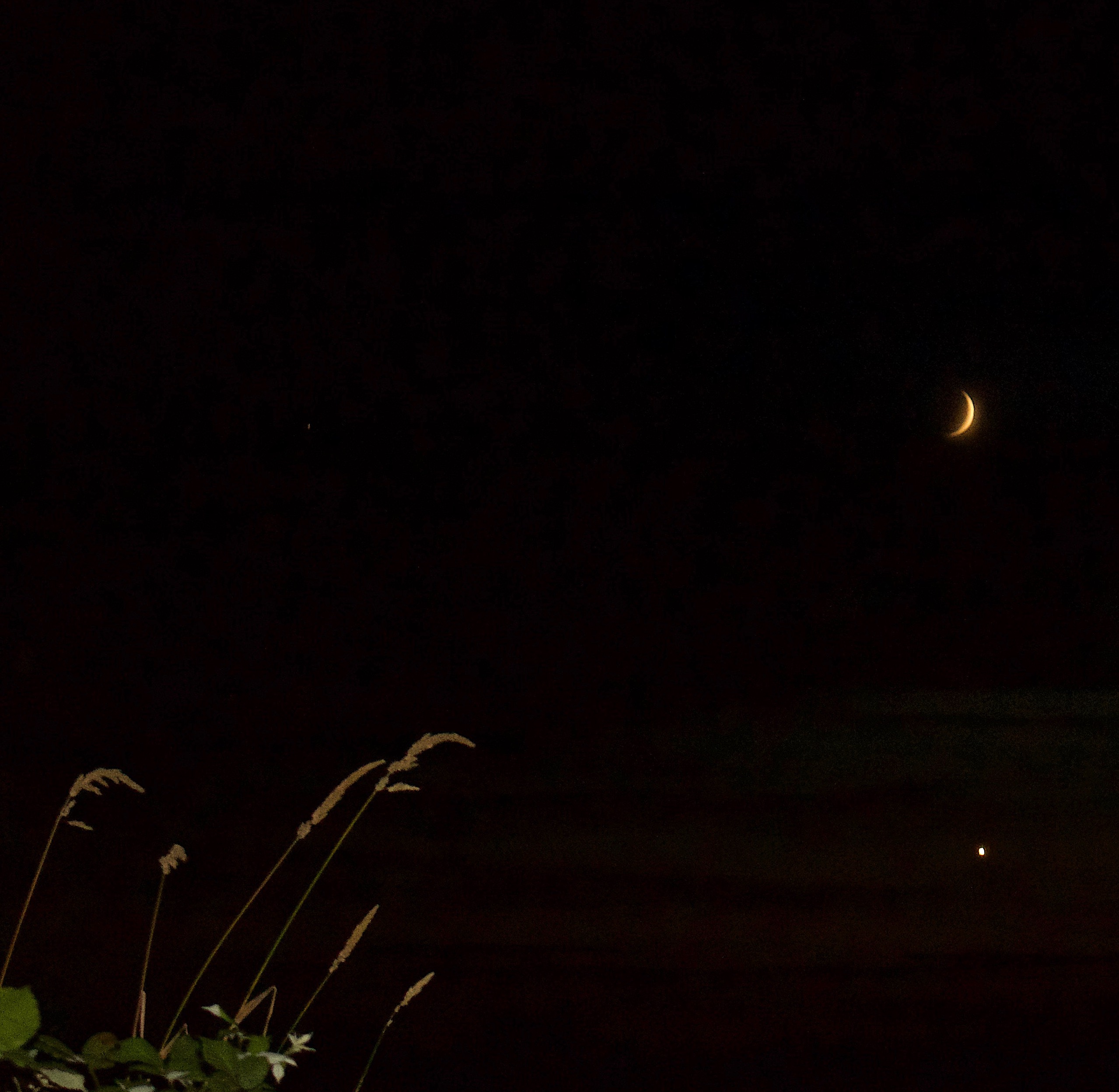
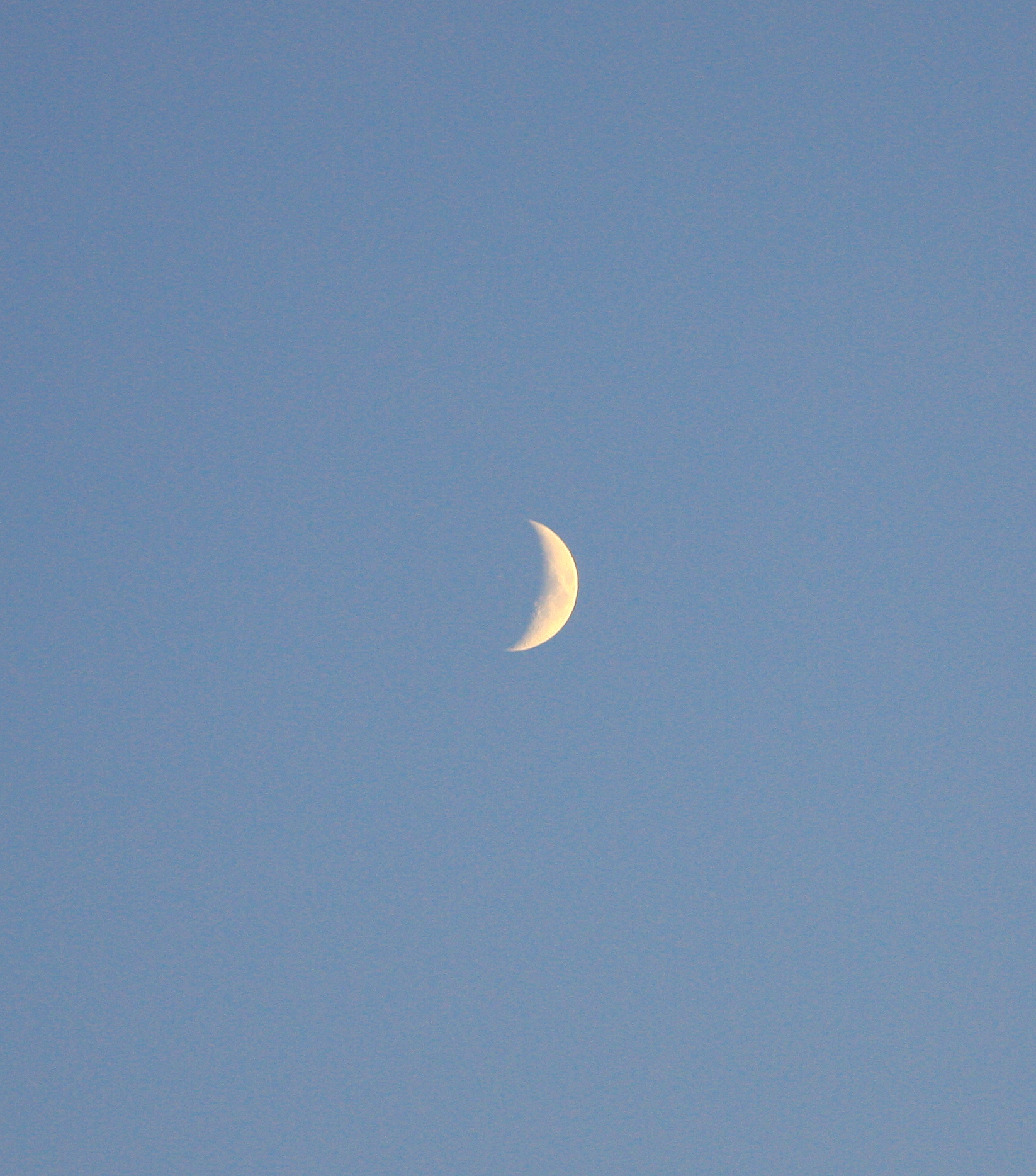
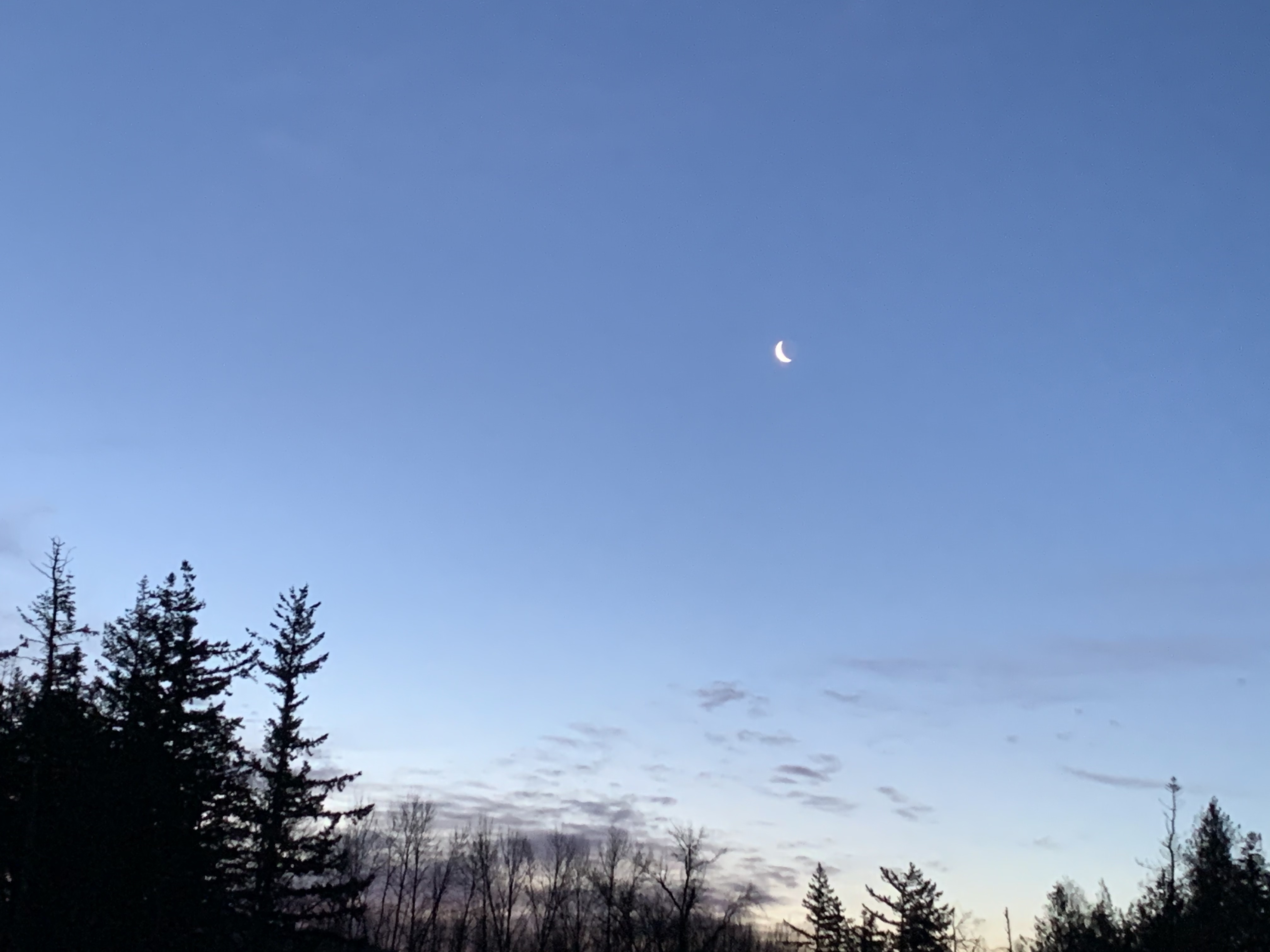
You are the slim crescent of a moon that I see
and my self is the earth’s shadow
that keeps me from seeing all the moon.
The crescent is very beautiful
and perhaps that is all one like I am should or could see;
but what I am afraid of, dear God,
is that my self shadow will grow so large
that it blocks the whole moon,
and that I will judge myself by the shadow that is nothing.

I do not know You God
because I am in the way.
Please help me to push myself aside.
~Flannery O’Connor from her journals

I get in God’s way all the time — as if I were a photobomb of a shadow casting darkness on all that is light and beauty. With my human “blinders” on,  I can’t see beyond where I stand, where I move, what I feel, what I fear, what I see and hear.

And I certainly get in the way of my knowing God. I think all this is about me.

It’s not.

He’s here, though partially hidden in my need to be front and center.
He’s here, His glory and truth manifest behind me, if only I would turn to see.
He’s here, gently instructing me to get out of my own way and His way.
He’s here, fully radiant, once I step back in awe to actually look at Who really matters.

photo by Harry Rodenberger
One-Time
Monthly
Yearly

Make a one-time or recurring donation to support daily Barnstorming posts

Make a monthly donation

Make a yearly donation

Choose an amount

¤5.00
¤10.00
¤20.00
¤5.00
¤15.00
¤100.00
¤5.00
¤15.00
¤100.00

Or enter a custom amount

¤

Your contribution is deeply appreciated.

Your contribution is appreciated.

Your contribution is appreciated.

DonateDonate monthlyDonate yearly
Everything is Meant for You

The difficulty to think at the end of day,
When the shapeless shadow covers the sun
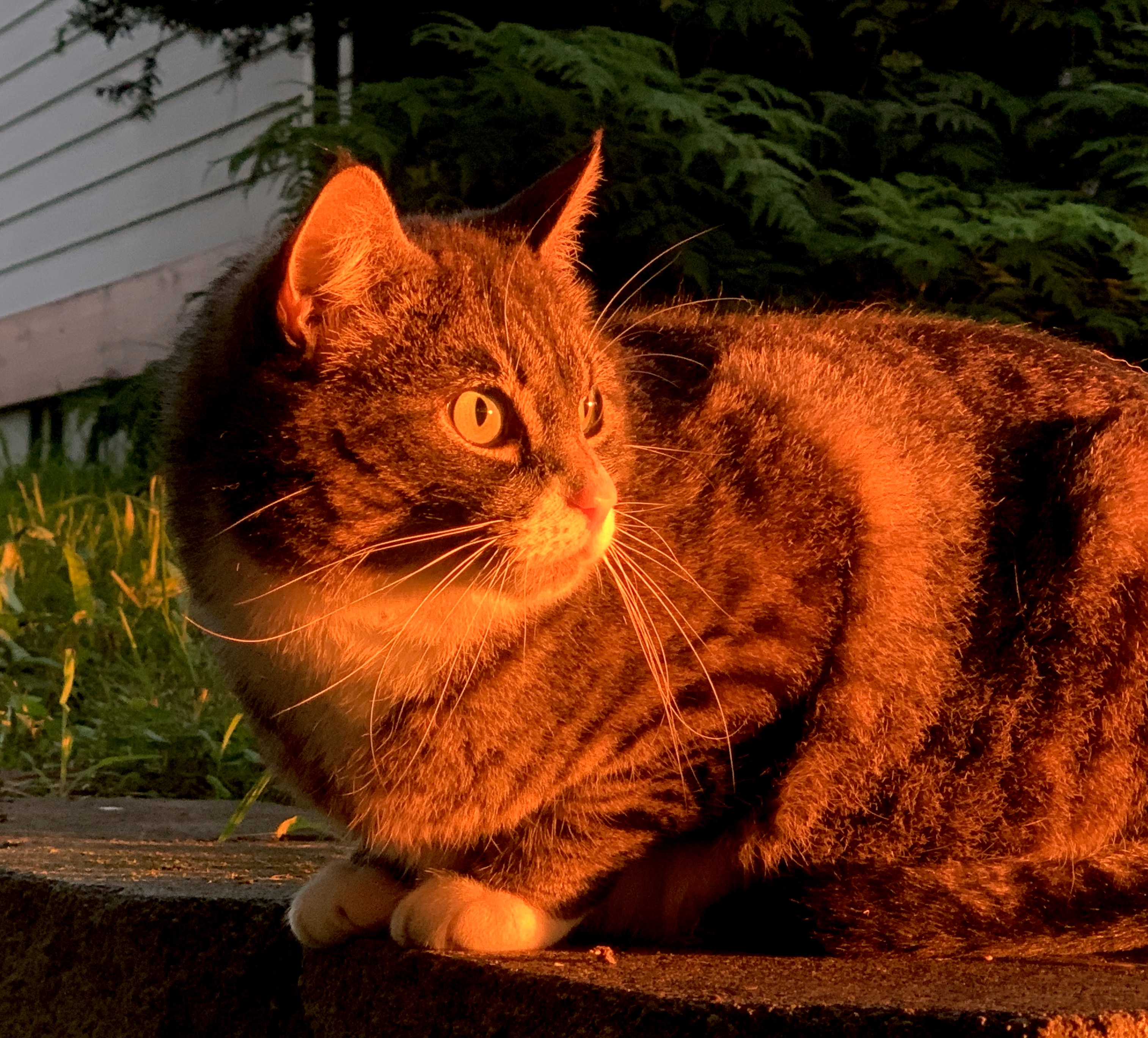
And nothing is left except light on your fur—

There was the cat slopping its milk all day,
Fat cat, red tongue, green mind, white milk

and August the most peaceful month.

To be, in the grass, in the peacefullest time,
Without that monument of cat,
The cat forgotten on the moon;


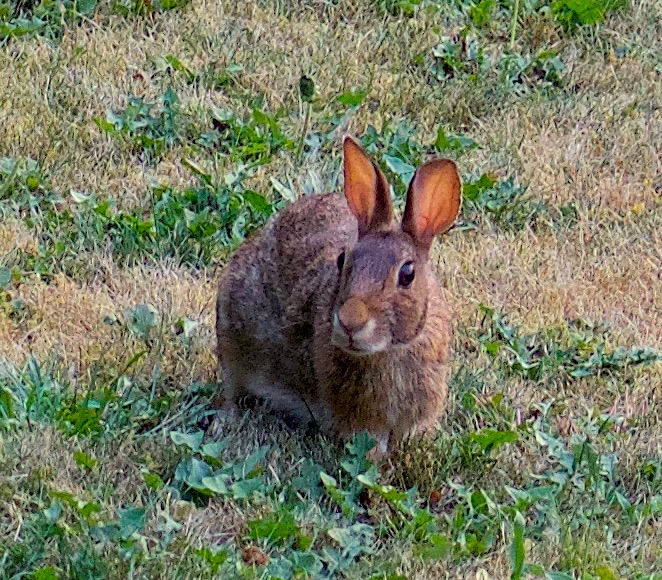
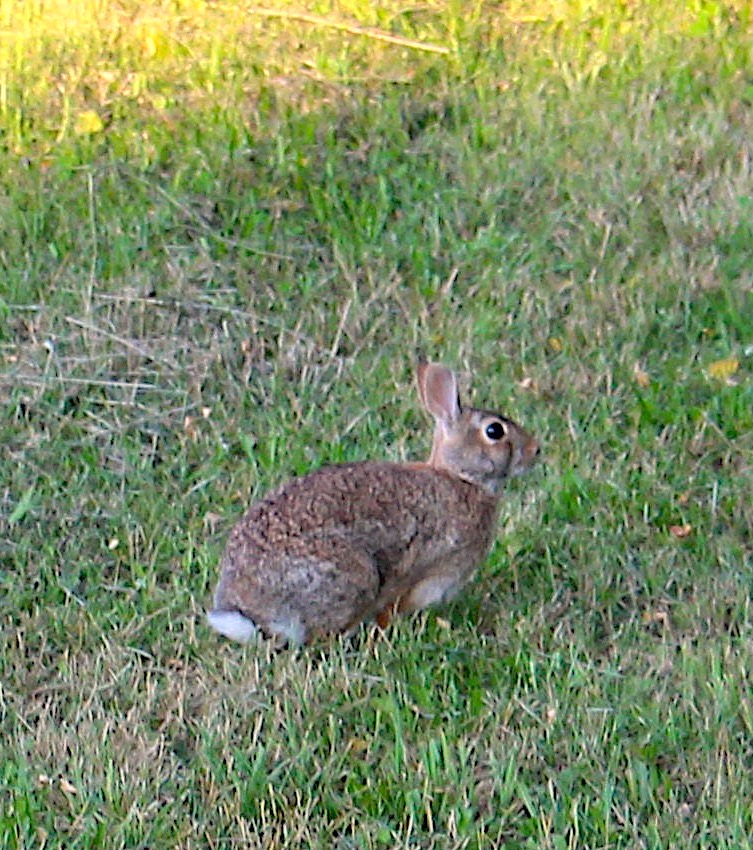
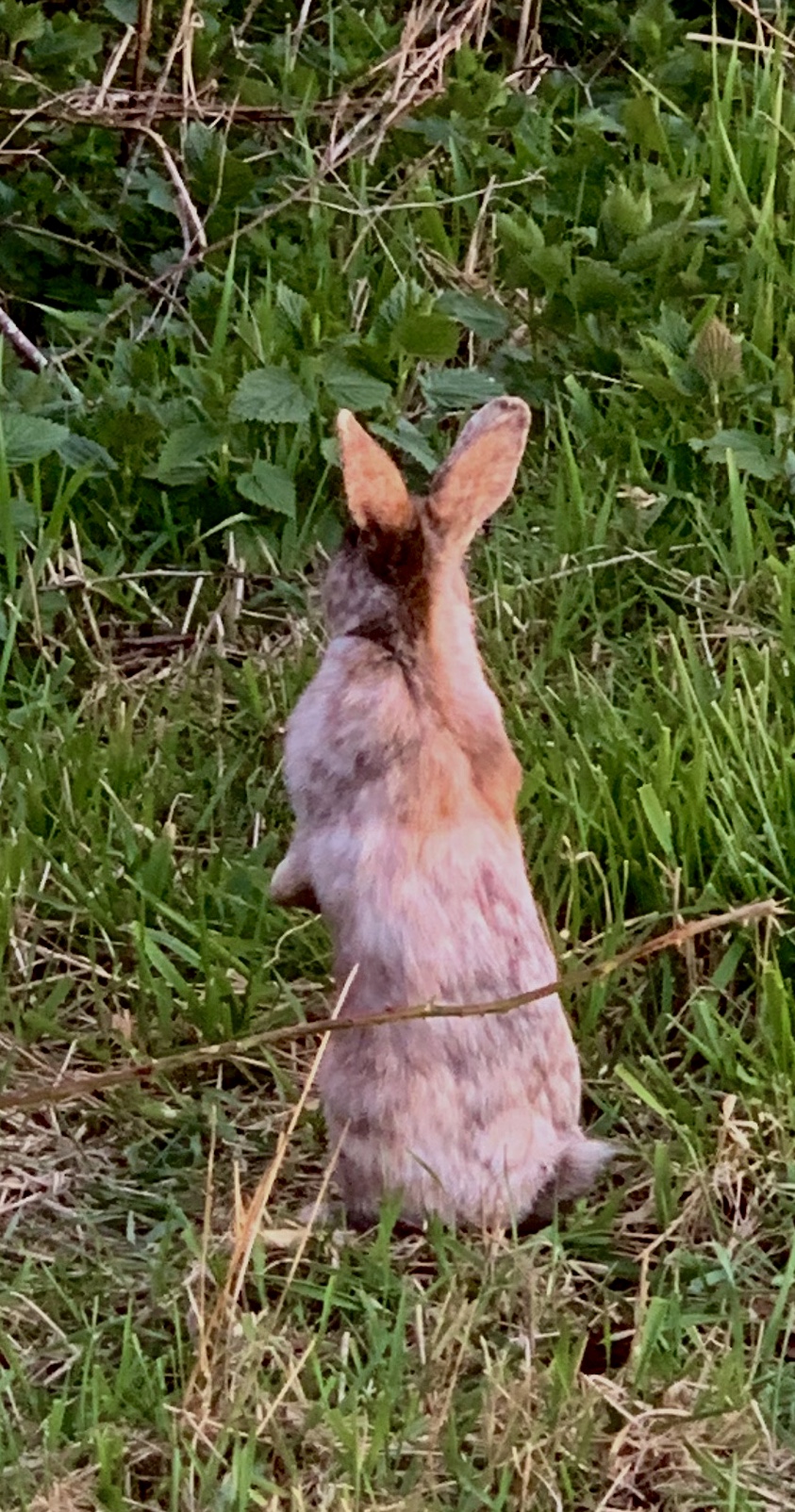
And to feel that the light is a rabbit-light
In which everything is meant for you
And nothing need be explained;

Then there is nothing to think of. It comes of itself;
And east rushes west and west rushes down,
No matter. The grass is full

And full of yourself. The trees around are for you,
The whole of the wideness of night is for you,
A self that touches all edges,

You become a self that fills the four corners of night.
The red cat hides away in the fur-light
And there you are humped high, humped up,

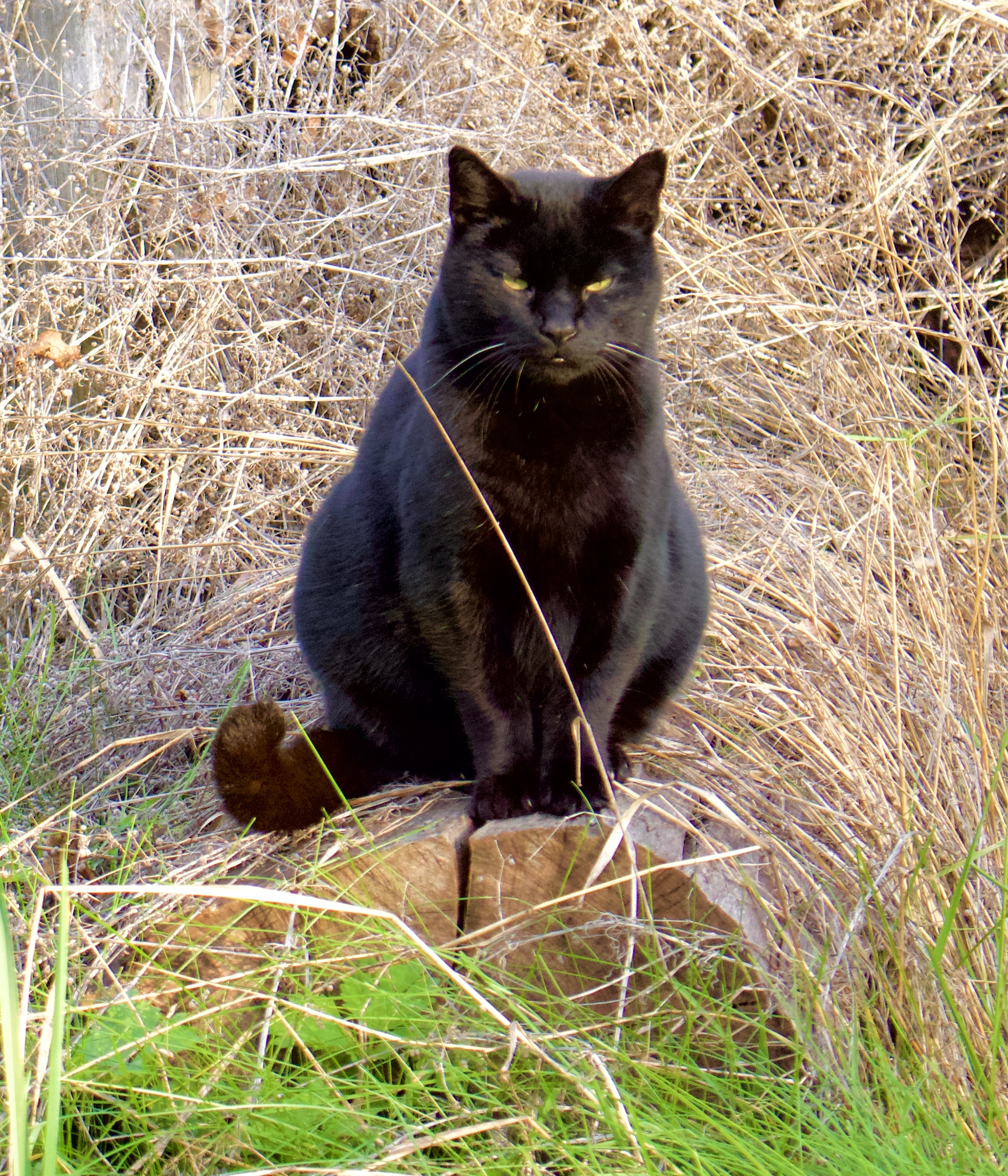
You are humped higher and higher, black as stone —
You sit with your head like a carving in space
And the little green cat is a bug in the grass
.
~Wallace Stevens, from “A Rabbit As King of the Ghosts”

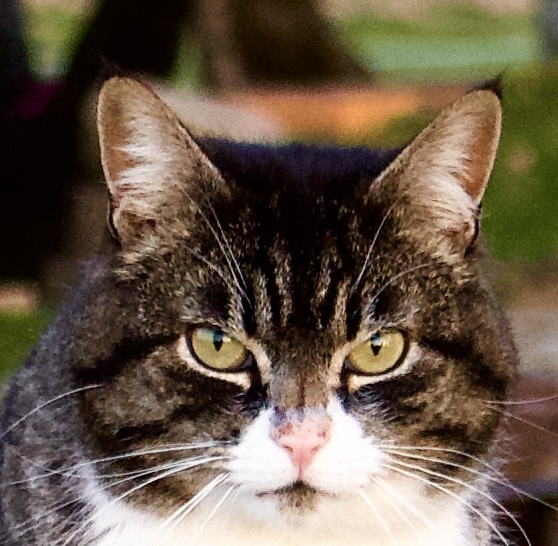
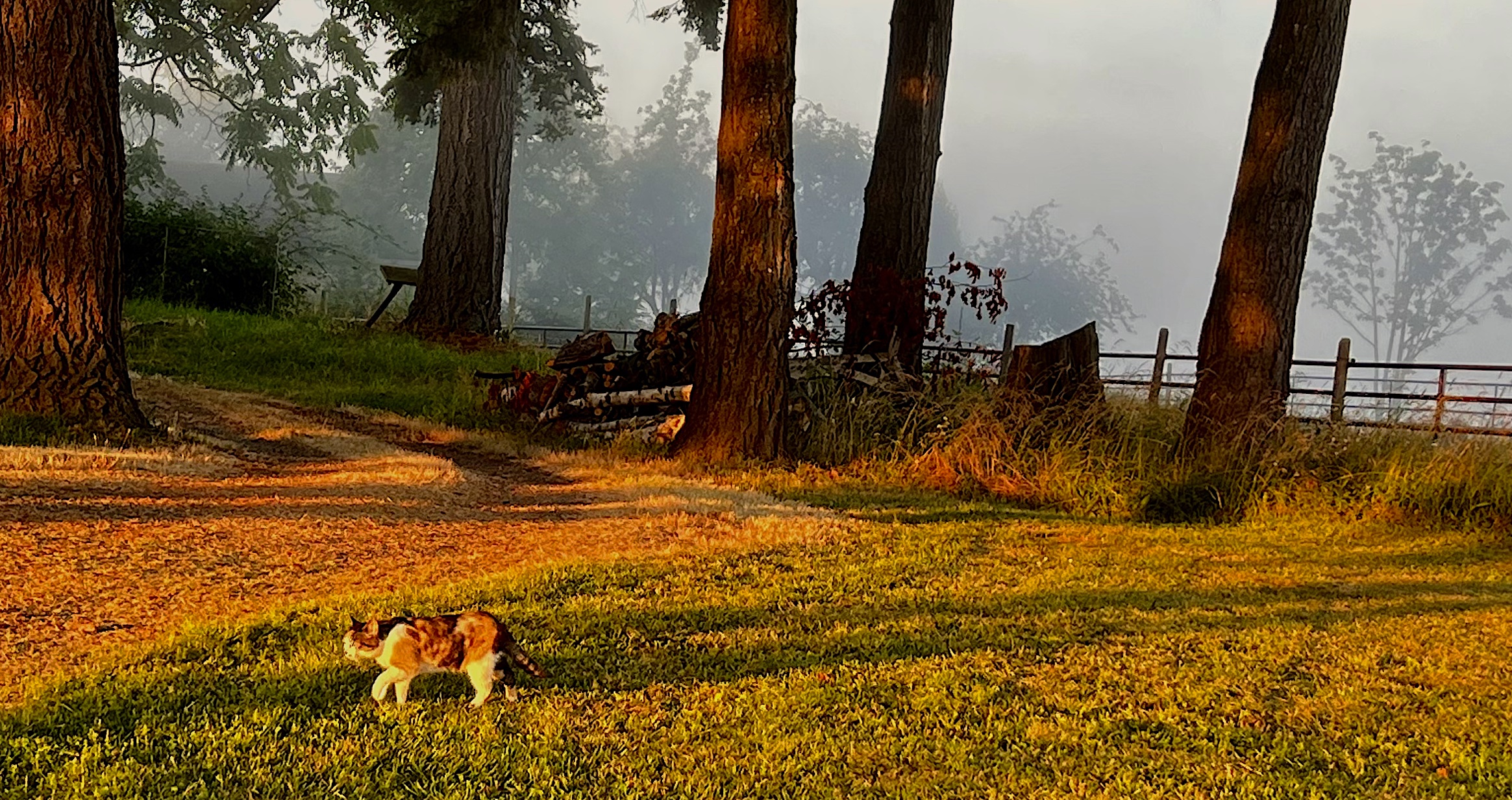
This summer has brimmed with fullness ready for emptying:
a spilling over of light and sun and heat and life,
almost too much to take in.

I tried to blend in, almost disappear into my surroundings,
as evening fell, catching me just-so, immobile,
captured by failing light as the day darkened.

Then I prepared to dream unthinkingly
peaceful in the night
when all is stilled anticipation.

With pulsing vessels in twitching transparent ears,
both warming and cooling, aglow yet fading,
my empty spaces are filled.

I welcome the relief of sitting still as a statue
in the cool whiff of this misty August morning.

One-Time
Monthly
Yearly

Make a one-time or recurring donation to support daily Barnstorming posts

Make a monthly donation

Make a yearly donation

Choose an amount

¤5.00
¤10.00
¤20.00
¤5.00
¤15.00
¤100.00
¤5.00
¤15.00
¤100.00

Or enter a custom amount

¤

Your contribution is deeply appreciated.

Your contribution is appreciated.

Your contribution is appreciated.

DonateDonate monthlyDonate yearly
Walking Over the Threshold

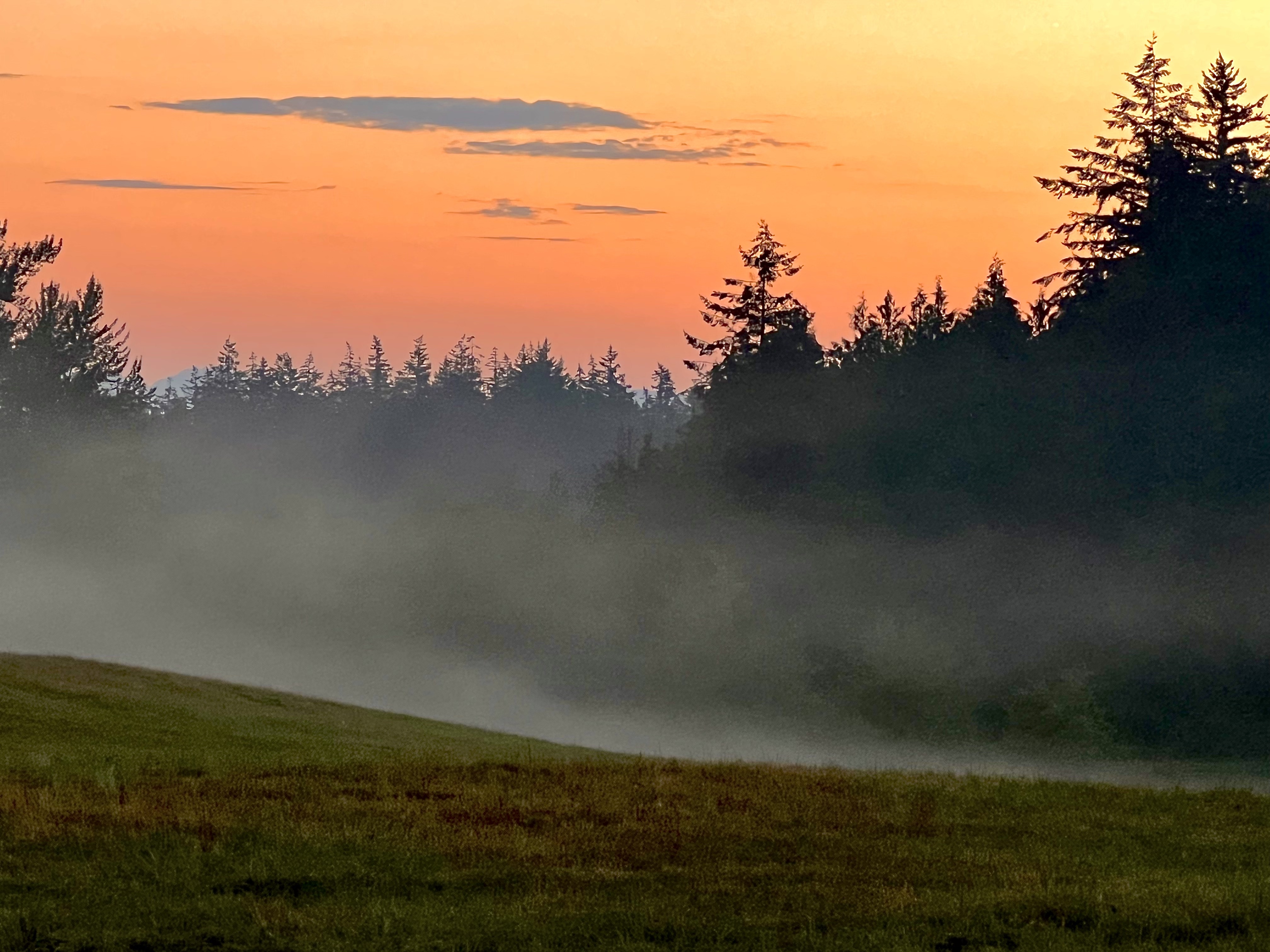
I know for a while again,
the health of self-forgetfulness,
looking out at the sky through
a notch in the valley side,
the black woods wintry on
the hills, small clouds at sunset
passing across. And I know
that this is one of the thresholds
between Earth and Heaven,
from which I may even step
forth from myself and be free.
~ Wendell Berry, Sabbaths 2000

John O’Donohue gave voice to the connection between beauty and those edges of life — thresholds was the word he loved—
where the fullness of reality becomes more stark and more clear.

If you go back to the etymology of the word “threshold,” it comes from “threshing,” which is to separate the grain from the husk. So the threshold, in a way, is a place where you move into more critical and challenging and worthy fullness.

There are huge thresholds in every life.

You know that, for instance, if you are in the middle of your life in a busy evening, fifty things to do and you get a phone call that somebody you love is suddenly dying, it takes ten seconds to communicate that information.

But when you put the phone down, you are already standing in a different world. Suddenly everything that seems so important before is all gone and now you are thinking of this. So the given world that we think is there and the solid ground we are on is so tentative.

And a threshold is a line which separates two territories of spirit, and very often how we cross is the key thing.

When we cross a new threshold worthily, what we do is we heal the patterns of repetition that were in us that had us caught somewhere.
~John O’Donohue from an “On Being” interview with Krista Tippett on “Becoming Wise”

A decade ago, someone I respected told me that my writing reflects a “sacramental” life —  touching and tasting the holiness of everyday moments, as if they are the cup and bread that sustains me as God’s eternal grace and gift.

I allow that feedback to sit warmly beside me, like a welcome companion during the many hours I struggle with what to write here.

It is all too tempting to emphasize the sacrament over the sacrifice it represents.  As much as I love the world and the beauty in the moments I share here, my search should be for the entrance to the “thin places” between heaven and earth, through forgetting self and stepping forth through a holy threshold into something far greater.

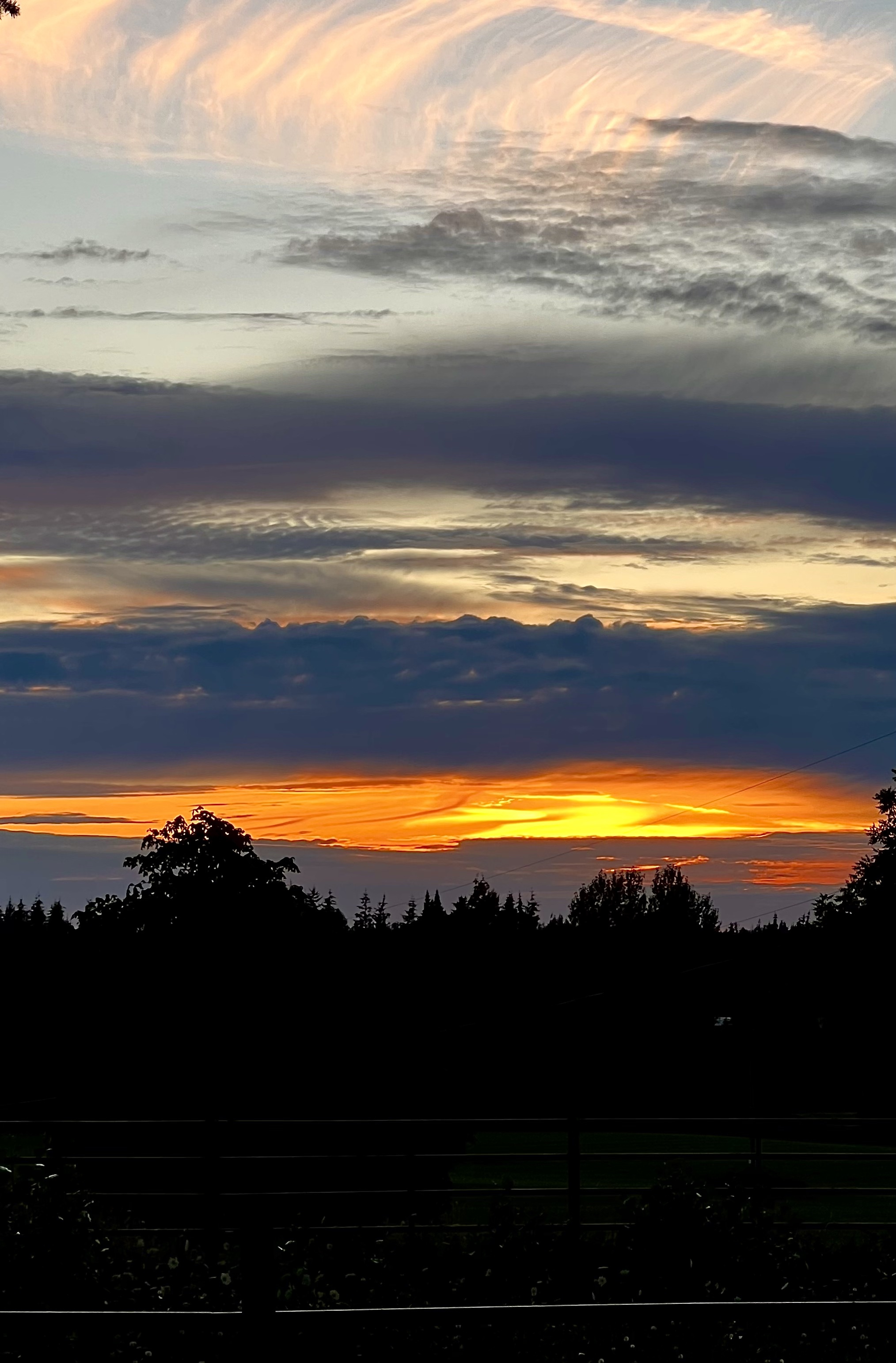
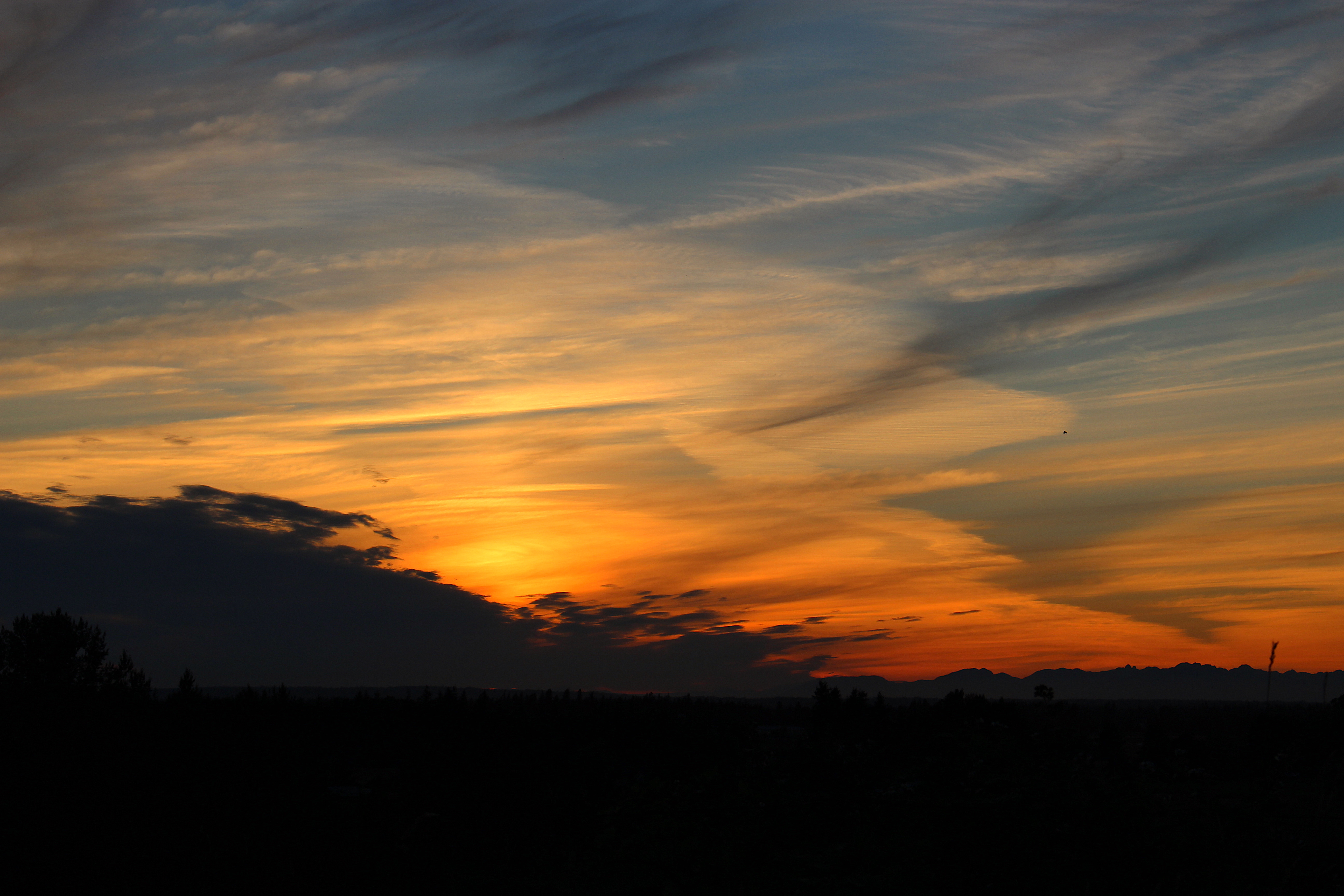
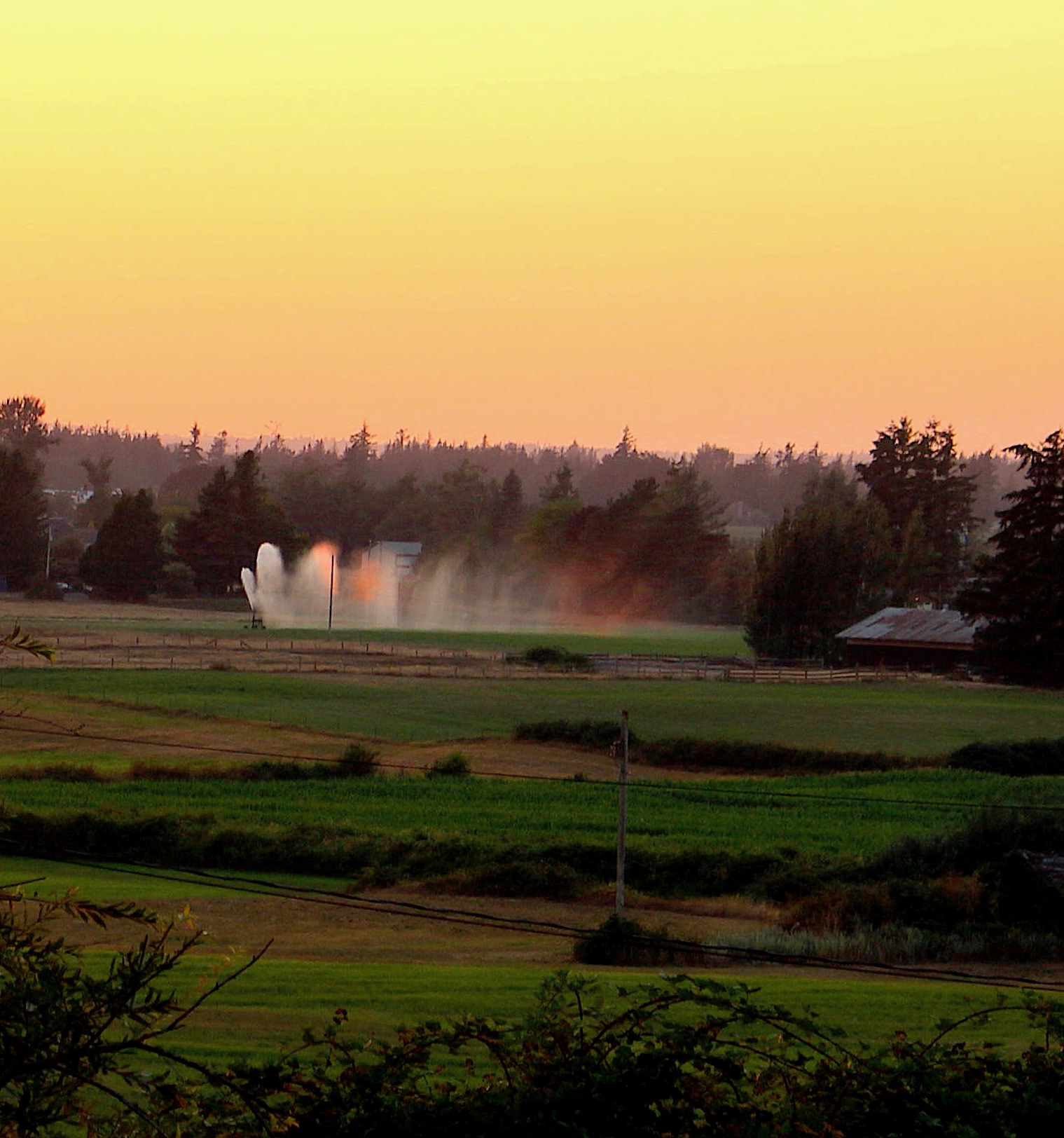
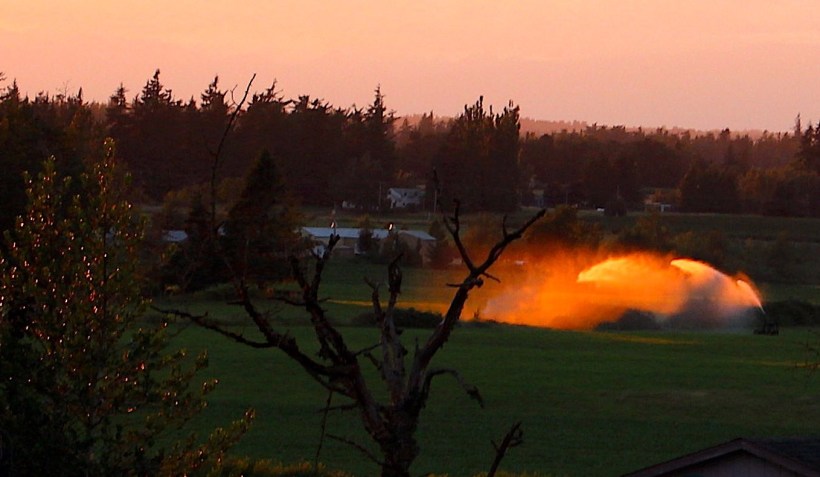
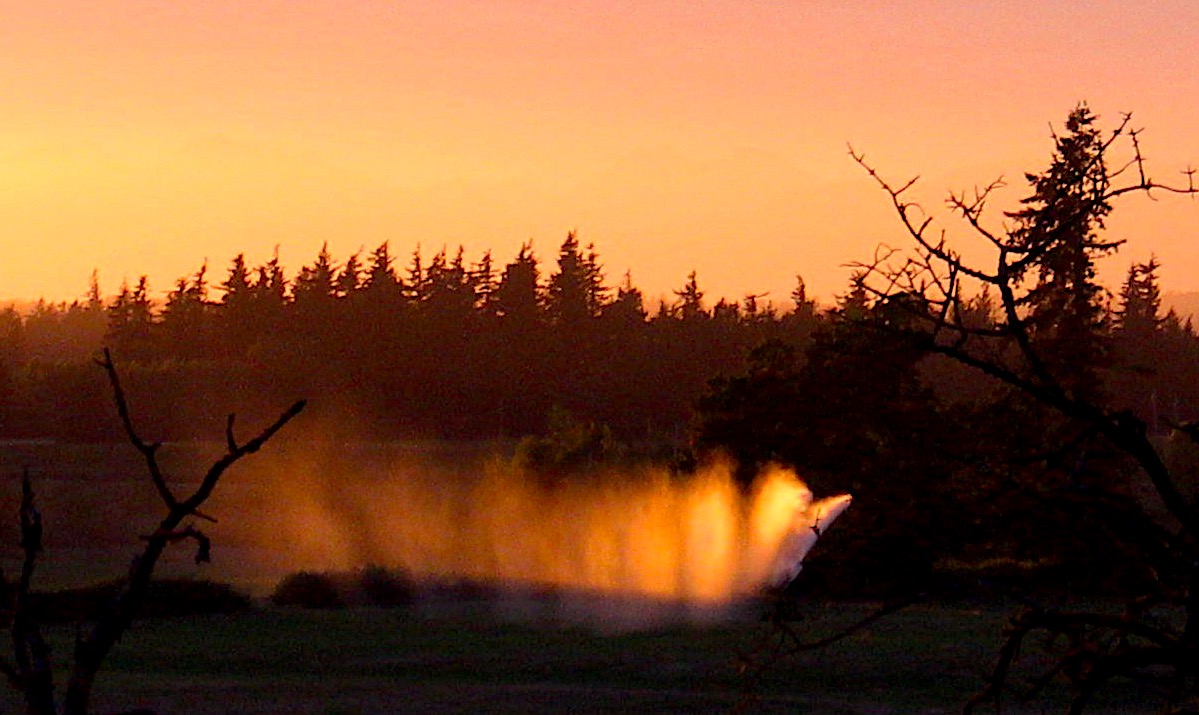
I feel so unworthy — in fact, threshed to pieces most days, incapable of thinking of anything but how I feel reduced to fragments. Perhaps those fragments can be like the droplets coming from a farm sprinkler at sunset, sparkling and golden despite waning light, bringing something essential to anyone feeling dry, parched and dusty.

I may even step
forth from myself and be free
.

Only then we can walk each other home.

One-Time
Monthly
Yearly

Make a one-time or recurring donation to support daily Barnstorming posts

Make a monthly donation

Make a yearly donation
Choose an amount

¤5.00
¤10.00
¤20.00
¤5.00
¤15.00
¤100.00
¤5.00
¤15.00
¤100.00

Or enter a custom amount

¤

Your contribution is deeply appreciated.
Your contribution is appreciated.

Your contribution is appreciated.

DonateDonate monthlyDonate yearly