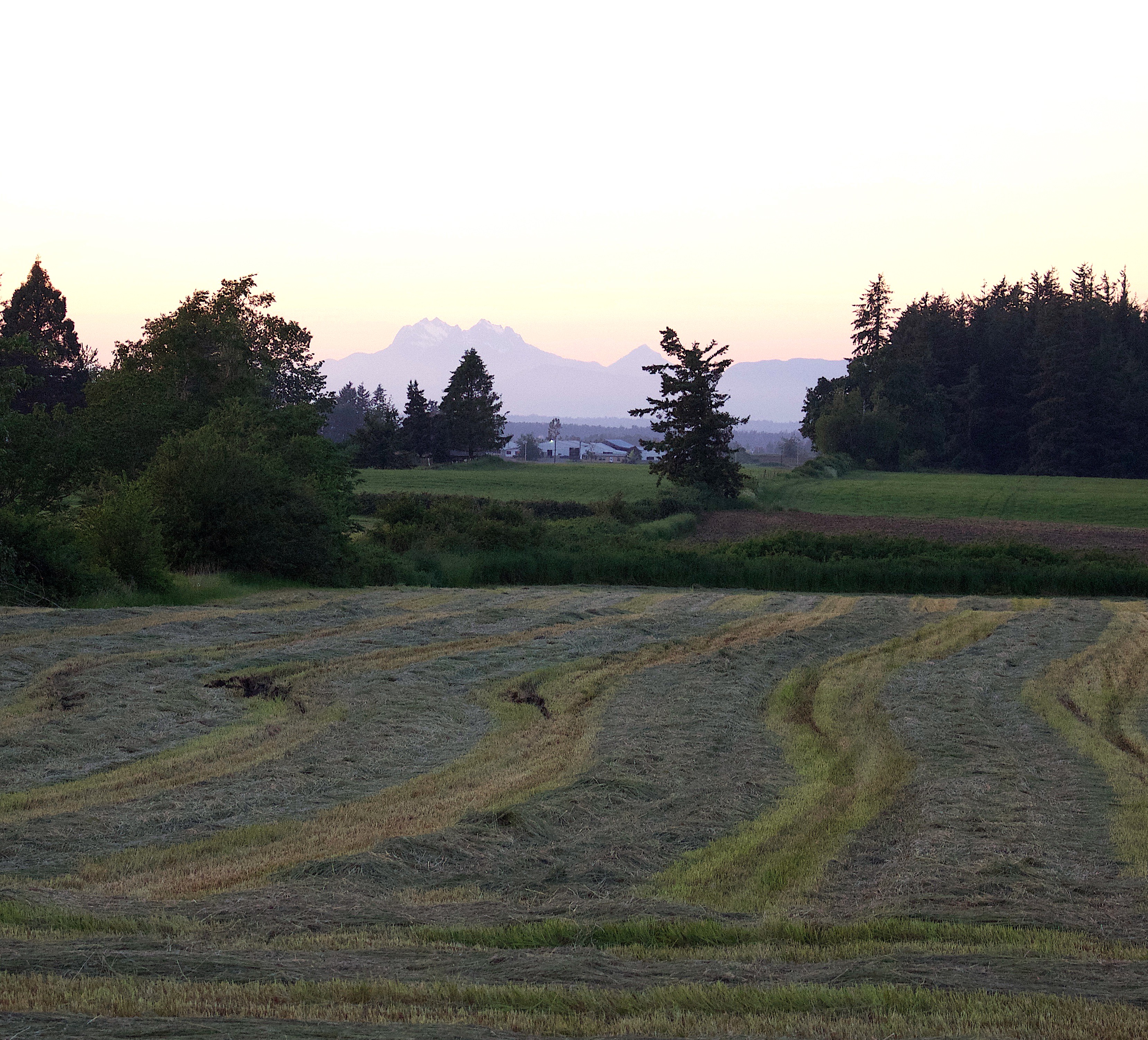
The Grass Forgiving the Scythe

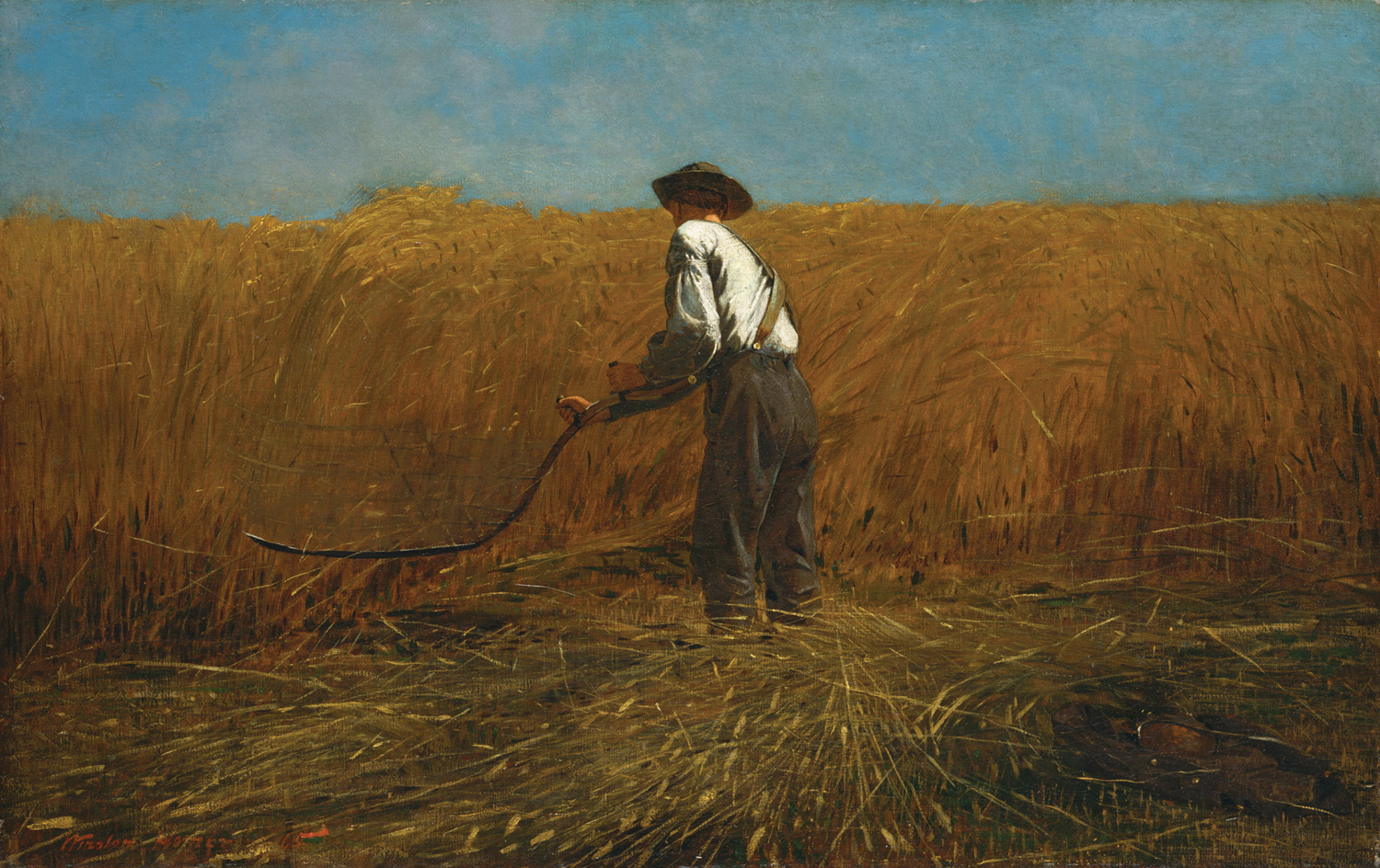
Winslow Homer’s The Veteran in a New Field
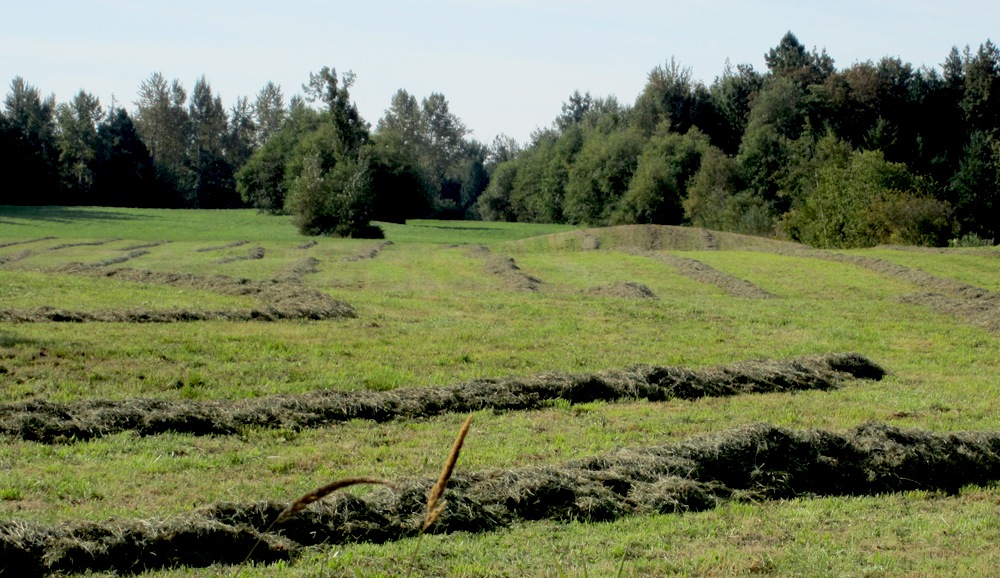
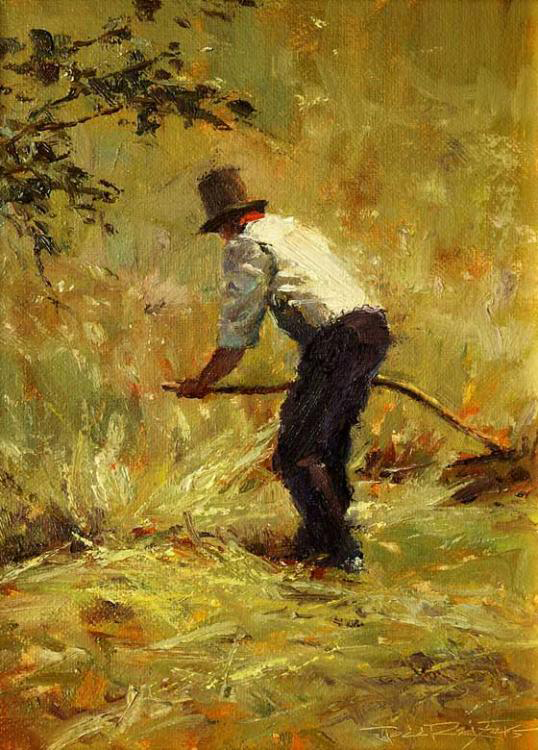
Man Scything Hay by Todd Reifers

There was never a sound beside the wood but one,
And that was my long scythe whispering to the ground.
What was it it whispered? I knew not well myself;
Perhaps it was something about the heat of the sun,
Something, perhaps, about the lack of sound—
And that was why it whispered and did not speak.

To the earnest love that laid the swale in rows,
The fact is the sweetest dream that labor knows.
My long scythe whispered and left the hay to make.
~Robert Frost in “Mowing”
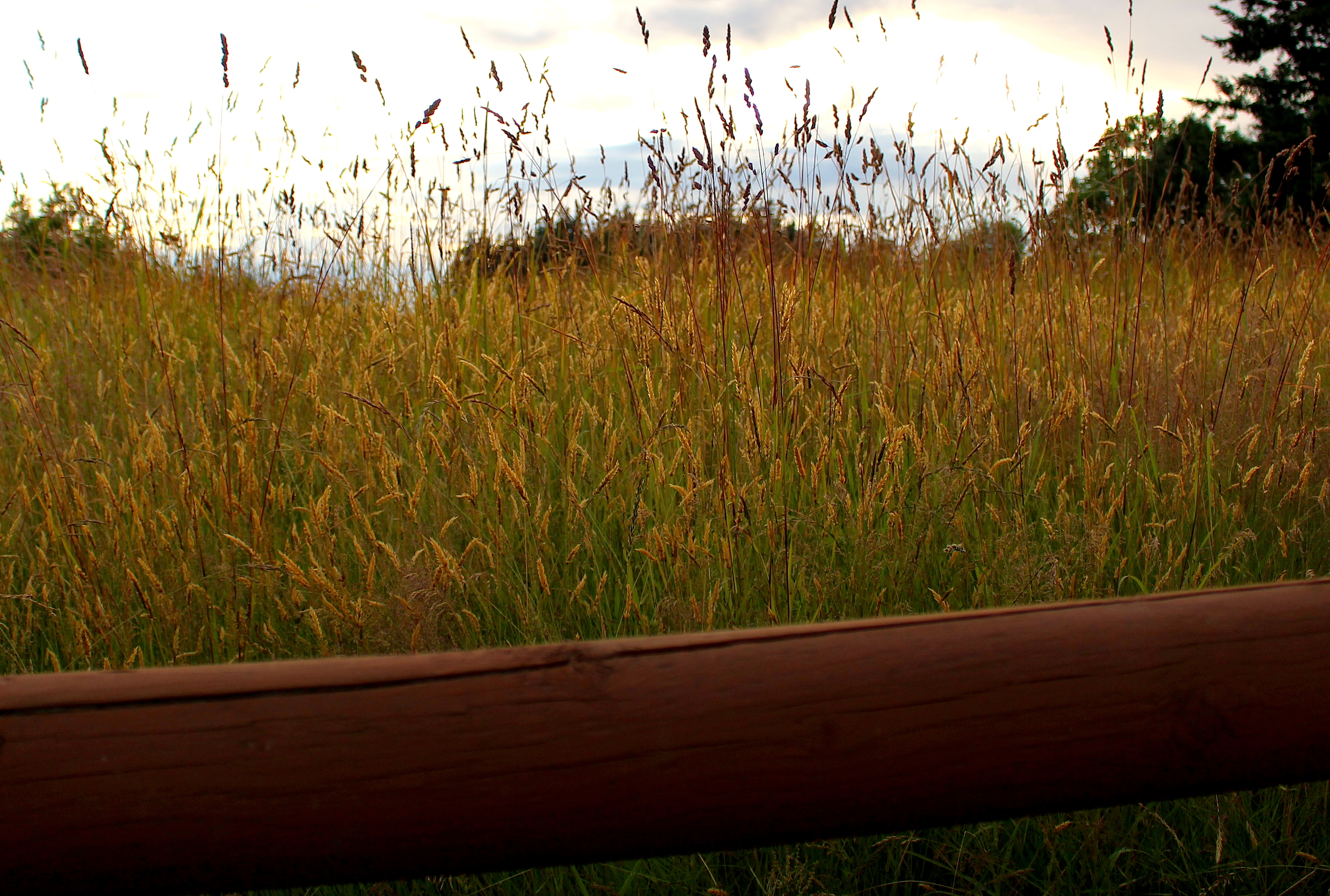
Mowers, weary and brown, and blithe,
What is the word methinks ye know,
Endless over-word that the Scythe
Sings to the blades of the grass below?
Scythes that swing in the grass and clover,
Something still, they say as they pass;
What is the word that, over and over,
Sings the Scythe to the flowers and grass?

Hush, ah hush, the Scythes are saying,
Hush, and heed not, and fall asleep;
Hush, they say to the grasses swaying,
Hush, they sing to the clover deep!
Hush – ’tis the lullaby Time is singing –
Hush, and heed not, for all things pass,
Hush, ah hush! and the Scythes are swinging
Over the clover and over the grass!

~Andrew Lang (1844-1912) “The Scythe Song”
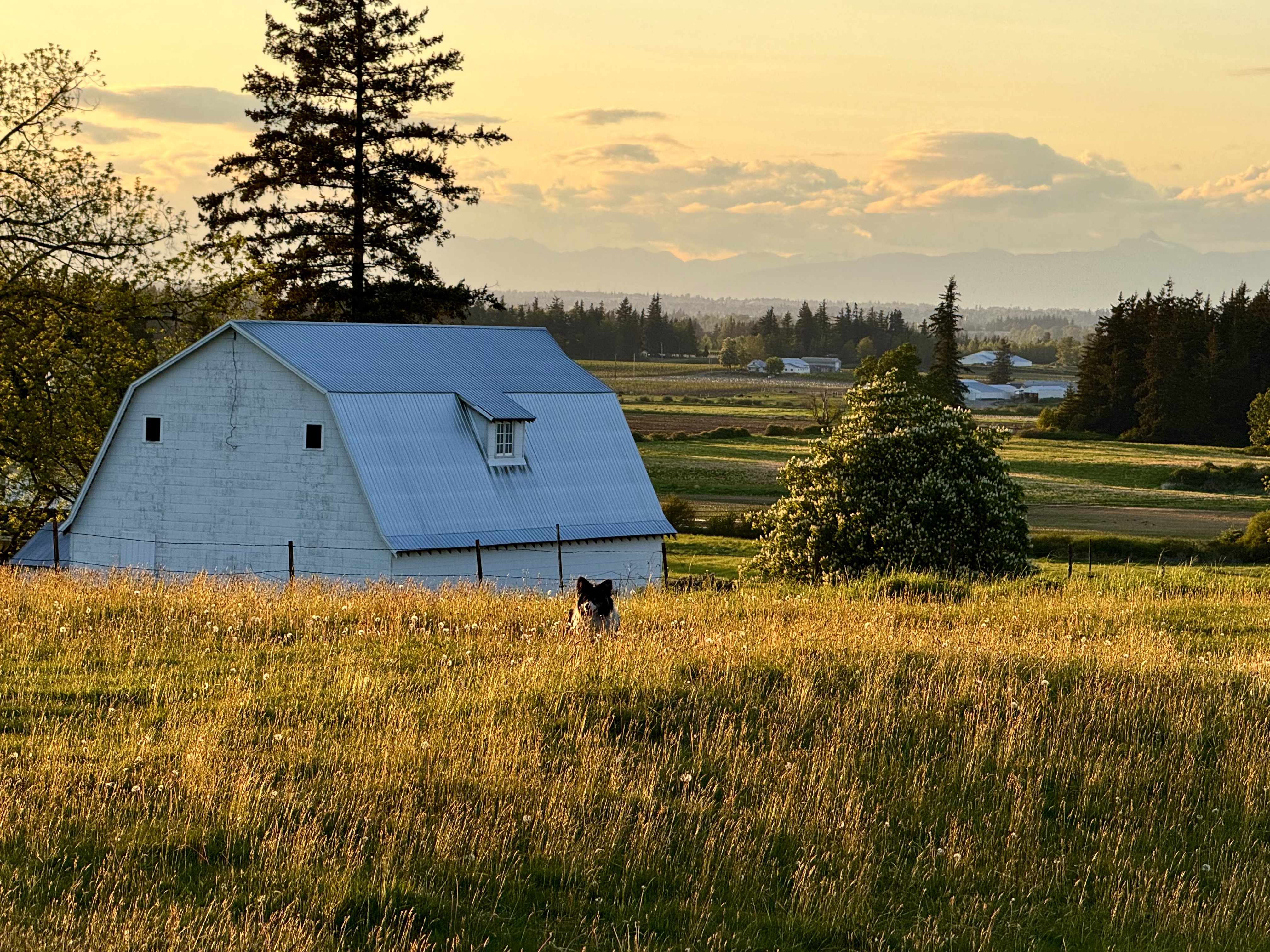
It is blue May. There is work
to be done. The spring’s eye blind
with algae, the stopped water
silent. The garden fills
with nettle and briar.
Dylan drags branches away.
I wade forward with my scythe.

There is stickiness on the blade.
Yolk on my hands. Albumen and blood.
Fragments of shell are baby-bones,
the scythe a scalpel, bloodied and guilty
with crushed feathers, mosses, the cut cords
of the grass. We shout at each other
each hurting with a separate pain.

From the crown of the hawthorn tree
to the ground the willow warbler
drops. All day in silence she repeats
her question. I too return
to the place holding the pieces,
at first still hot from the knife,
recall how warm birth fluids are.

~Gillian Clarke “Scything” from Letter from a Far Country (1982)

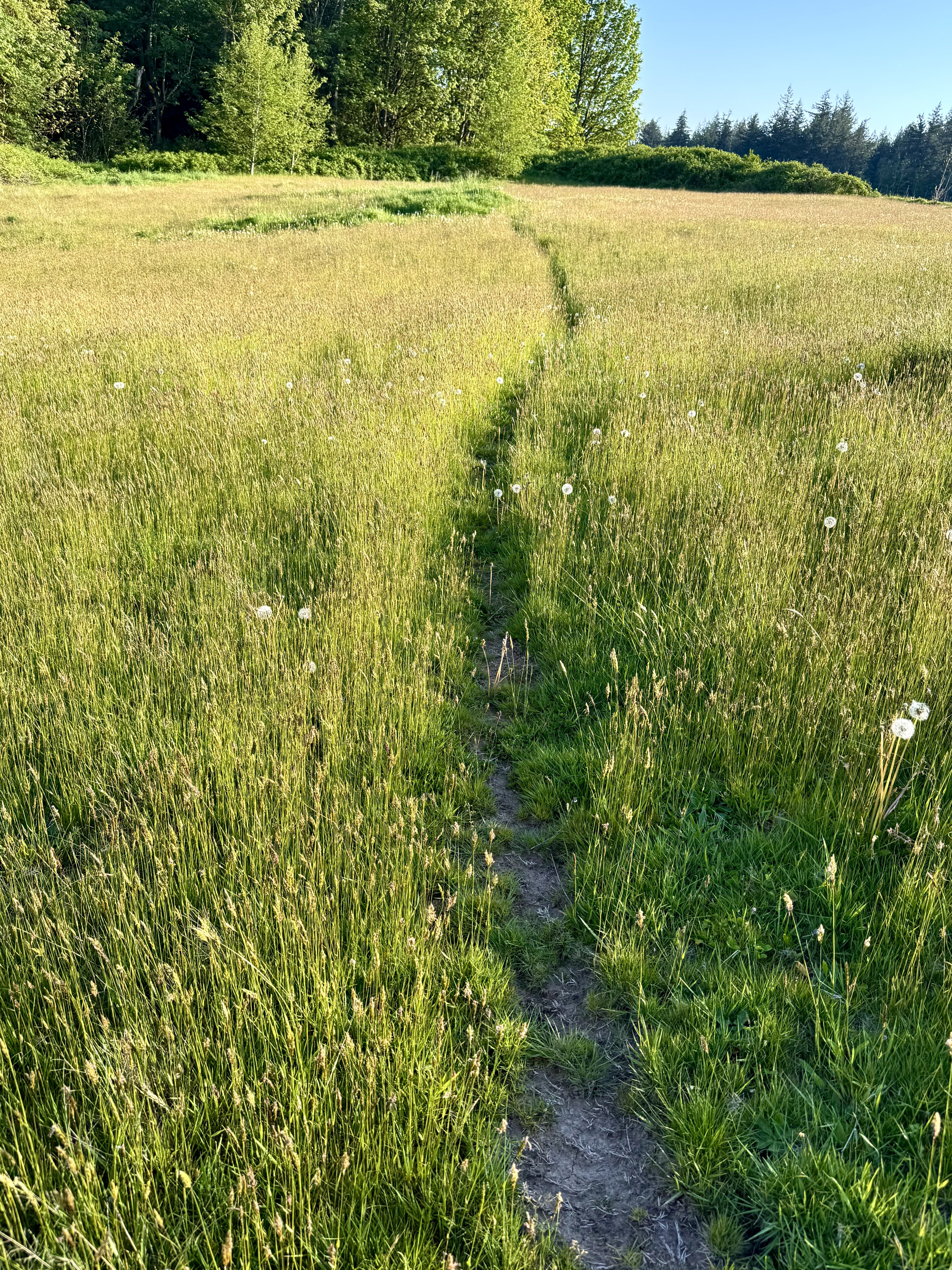
The grass around our orchard and yet-to-be-planted garden is now thigh-high. It practically squeaks while it grows. Anything that used to be in plain sight on the ground is rapidly being swallowed up in a sea of green: a ball, a pet dish, a garden gnome, a hose, a tractor implement, a bucket. In an effort to stem this tidal flood of grass, I grab the scythe out of the garden shed and plan my attack.

When the pastures are too wet yet for heavy hooves, I have hungry horses to provide for and there is more than plenty fodder to cut down for them.

I’m not a weed whacker kind of gal. First there is the necessary fuel, the noise necessitating ear plugs, the risk of flying particles requiring goggles–it all seems too much like an act of war to be remotely enjoyable. Instead, I have tried to take scything lessons from my husband.

Emphasis on “tried.”

I grew up watching my father scythe our hay in our field because he couldn’t afford a mower for his tractor. He enjoyed physical labor in the fields and woods–his other favorite hand tool was a brush cutter that he’d take to blackberry bushes. He would head out to the field with the scythe over this shoulder, grim reaper style. Once he was standing on the edge of the grass needing to be mowed, he would then lower the scythe, curved blade to the ground, turn slightly, positioning his hands on the two handles just so, raise the scythe up past his shoulders, and then in a full body twist almost like a golf swing, he’d bring the blade down. It would follow a smooth arc through the base of the standing grass, laying clumps flat in a tidy pile alongside the 2 inch stubble left behind. It was a swift, silky muscle movement — a thing of beauty.

Once, when I was three years old, I quietly approached my dad in the field while he was busily scything grass for our cows, but I didn’t announce my presence. The handle of his scythe connected with me as he swung it, laying me flat with a bleeding eyebrow. I still bear the scar, somewhat proudly, as he abruptly stopped his fieldwork to lift me up as I bawled and bled on his sweaty shirt. He must have felt so badly to have injured his little girl and drove my mom and I to the local doctor who patched my brow with sticky tape rather than stitches.

So I identify a bit with the grass laid low by the scythe. I forgave my father, of course, and learned never again to surprise him when he was working in the field.

Instead of copying my father’s graceful mowing technique, I tended to chop and mangle rather than effect an efficient slicing blow to the stems. I unintentionally trampled the grass I meant to cut. I got blisters from holding the handles too tightly. It felt hopeless that I’d ever perfect that whispery rise and fall of the scythe, with the rhythmic shush sound of the slice that is almost hypnotic.

Not only did I become an ineffective scything human, I also learned what it is like to be the grass laid flat, on the receiving end of a glancing blow. Over a long career, I bore plenty of footprints from the trampling. It can take awhile to stand back up after being cut down.

Sometimes it makes more sense to simply start over as the oozing stubble bleeds green, with deep roots that no one can reach. As I have grown back over the years, singing rather than squeaking or bawling, I realize, I forgave the scythe every time it came down on my head.
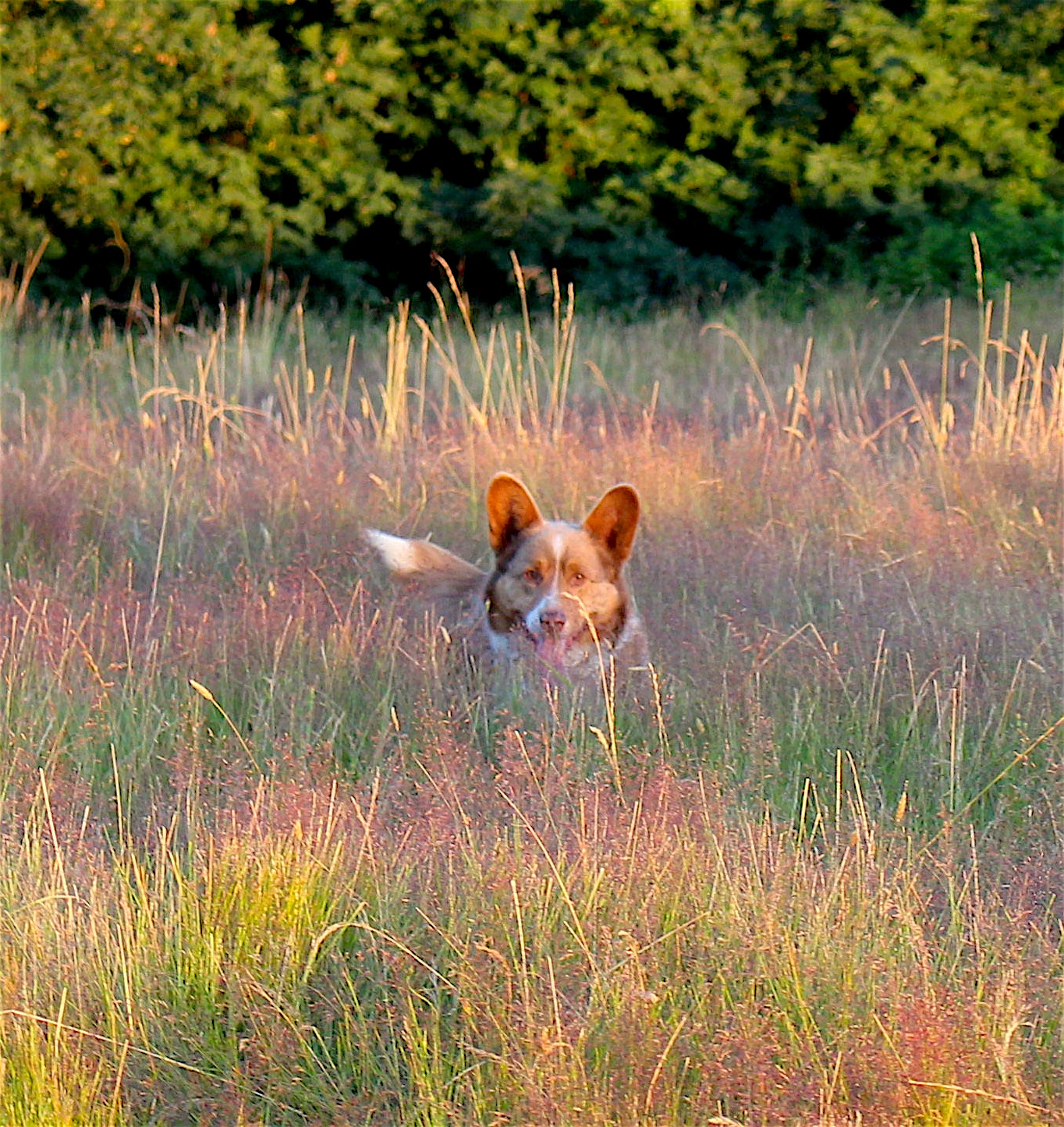
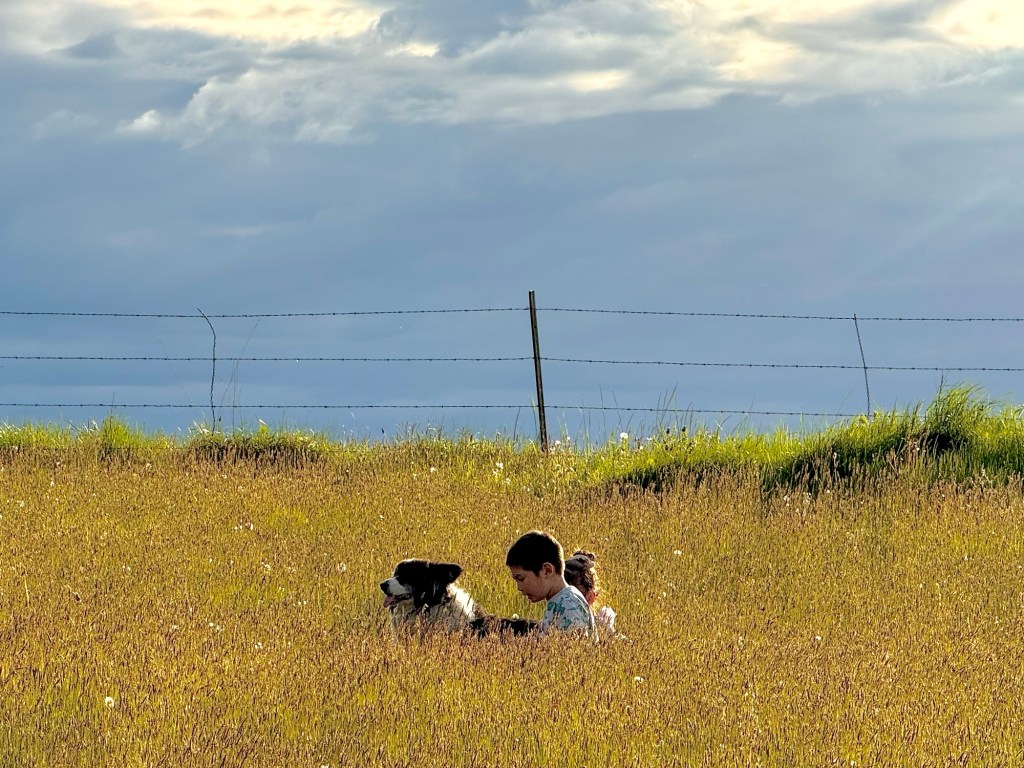
photo by Nate Gibson
One-Time
Monthly
Yearly

Make a one-time or recurring donation to support daily Barnstorming posts

Make a monthly donation

Make a yearly donation

Choose an amount

$5.00
$15.00
$100.00
$5.00
$15.00
$100.00
$5.00
$15.00
$100.00

Or enter a custom amount

$

Your contribution is deeply appreciated.

Your contribution is appreciated.

Your contribution is appreciated.

DonateDonate monthlyDonate yearly
A Sacred Groove

One day thru the primeval wood 
A calf walked home, as good calves should, 
But made a trail all bent askew, 
A crooked trail, as all calves do. 
Since then three hundred years have fled, 
And I infer, the calf is dead; 
But still behind he left his trail, 
And thereon hangs my mortal tale.

The trail was taken up next day 
By a lone dog that passed that way, 
And then a wise bell-weather sheep 
Sliding into a rut now deep, 
Pursued that trail over hill and glade 
Thru those old woods a path was made.

And many men wound in and out, 
And dodged and turned and bent about, 
and uttered words of righteous wrath 
Because “twas such a crooked path” 
But still they follow-do not laugh- 
The first migrations of that calf.

The forest became a lane 
That bent and turned and turned again; 
This crooked lane became a road 
where many a poor horse with his load 
Toiled on beneath the burning sun, 
And traveled some three miles in one.

The years passed on in swiftness fleet, 
The village road became a street, 
And this, before the men were aware, 
A city’s crowded thoroughfare.

And soon a central street was this 
In a renowned metropolis; 
And men two centuries and a half 
Followed the wanderings of this calf.

Each day a hundred thousand strong 
Followed this zigzag calf along; 
And over his crooked journey went 
The traffic of a continent.

A hundred thousand men were led 
By one poor calf, three centuries dead. 
For just such reverence is lent 
To well established precedent.

A moral lesson this might teach 
Were I ordained and called to preach.

For men are prone to go it blind
Along the calf paths of the mind; 
And work away from sun to sun 
To do what other men have done.

They follow in the beaten track,
And out and in, and forth and back,

And still their devious course pursue,
To keep the path that others do.
They keep the path a sacred groove,
Along which all their lives they move.

But how the wise old wood gods laugh,
Who saw the first primeval calf.

Ah, many things this tale might teach—
But I am not ordained to preach.
~Sam Walter Foss “Cow Path”

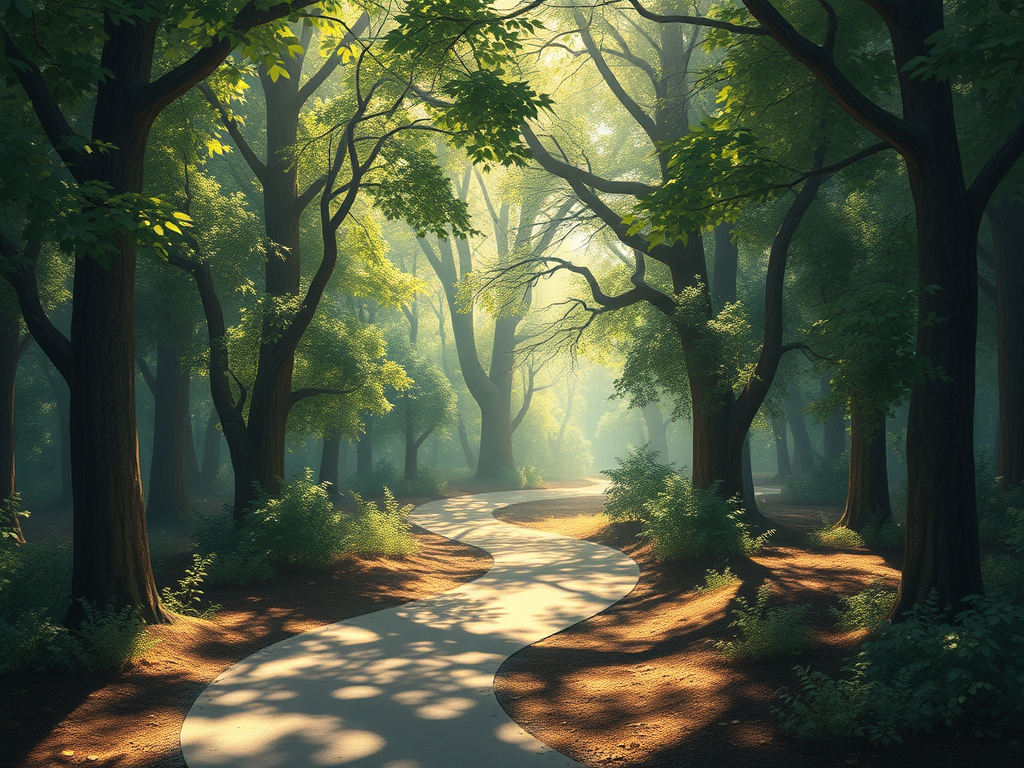
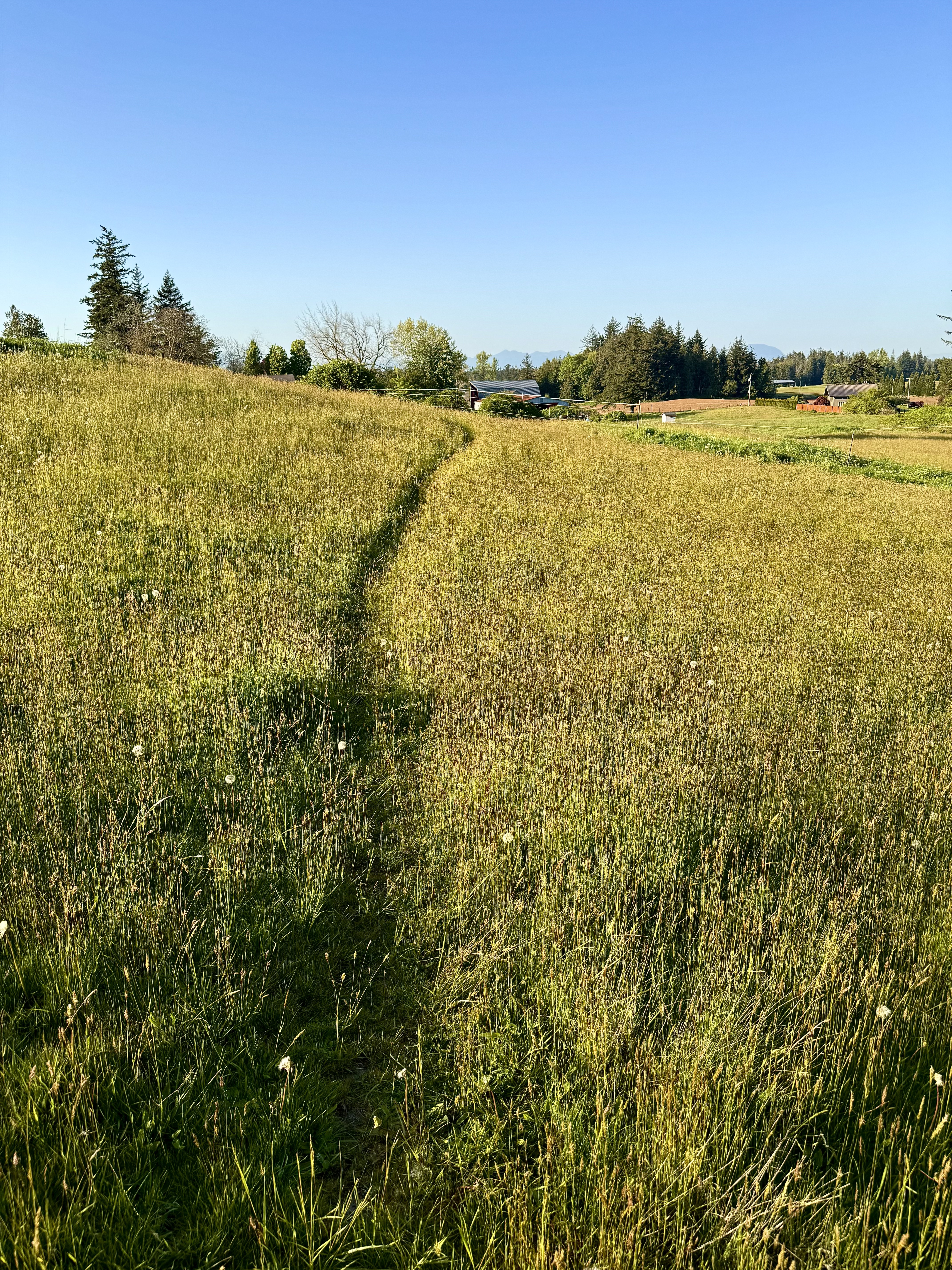
As I age, I try to keep perspective while traveling this winding road of life, looking back at where I’ve been, hoping for the best about what lies ahead, while trying to stick to the path ahead without too much deviation.  My one regret about this journey is that I haven’t stopped nearly often enough to simply take in the scenery, listen to the birds, smell the orchard blossoms, and feel the grass under my bare feet.

It is the conundrum of following only the cow path laid down before me: sticking to traveling a well-worn pathway – a “sacred groove” of precedent.

Nevertheless, as with all cow paths, there may have been no greater reason for the bend or curve than a patch of tall appealing grass at one time, or a good itching spot on a tree trunk or a boulder obstructing the way.  Still I follow the curve, dodge the now-absent boulder, tread the zig zag.

My path may appear random without focus on the destination and that’s okay: I need to stop once in awhile to let the sun warm my face, settle down for a really good nap, enjoy a particularly fine meal, read an insightful book, or play a lovely hymn. 

It is not which path I’ve meandered to my eventual destination but treasuring my journey along the way.

I will enjoy the twists and turns of life more, if I take the time to appreciate them. Just maybe – I’ll throw in a few curves and sacred digressions of my own for those who follow behind me.

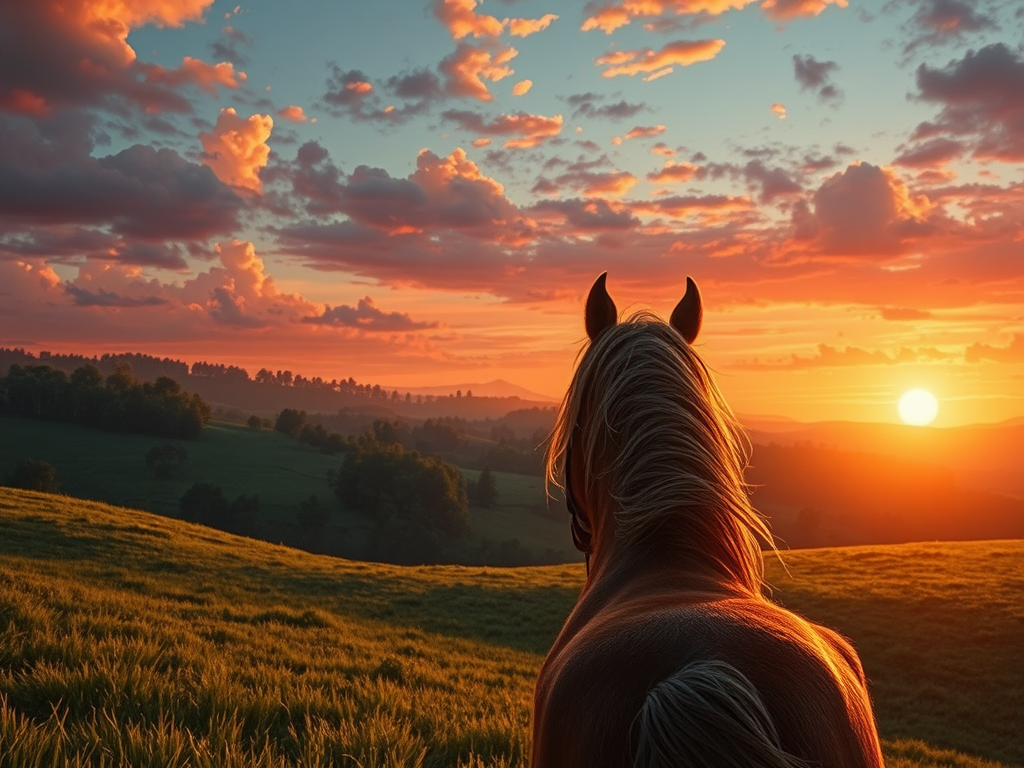
AI image created for this post
One-Time
Monthly
Yearly

Make a one-time or recurring donation to support daily Barnstorming posts

Make a monthly donation

Make a yearly donation

Choose an amount

$10.00
$25.00
$50.00
$5.00
$15.00
$100.00
$5.00
$15.00
$100.00

Or enter a custom amount

$

Your contribution is deeply appreciated.

Your contribution is appreciated.

Your contribution is appreciated.

DonateDonate monthlyDonate yearly
Merging with the Shadows

For Nanda Devi Unsoeld: 1954–1976

Before the second summit party began the ascent
of the princess of mountains, an ominous black cloud
settled slowly around the summit block, persuading
us to take a rest day, but morale was good.
The next day at seven in the evening, my daughter
Devi was on her last pitch, and it took her until
midnight to haul up over the final lip. A long day.

Two days later, a blizzard kept us in our tents, but
the next morning, Devi was stricken, saying calmly,
“She is calling me. I am going to die,” before
she fell into unconsciousness.
I tried to revive her, mouth-to-mouth,
but felt her lips grow cold against mine.
We had lost her. My daughter was gone.
I and the other climbers wept.

Her fiancé Andy and I bundled her in her sleeping
bag and slipped her off the precipice of the North-
East face. I said we had committed her to the deep.
She had been the driving force behind this expedition,
as she was inexorably drawn to her namesake.
The Bliss-Giving Goddess had claimed her own.
An excerpt from her last diary is inscribed
on a stone placed in a high-altitude meadow of Patai:

“I stand on a windswept ridge at night with the stars
bright above and I am no longer alone but I waver
and merge with all the shadows that surround me.
I am part of the whole and I am content.”
~Eleanor Swanson, Last Light on the West Face of Nanda Devi
from Non Finito

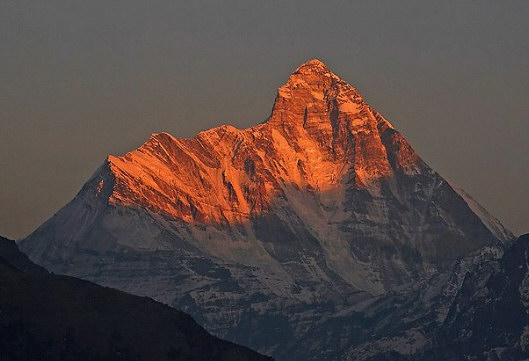
Nanda Devi peak, courtesy of Stanford Alpine Club

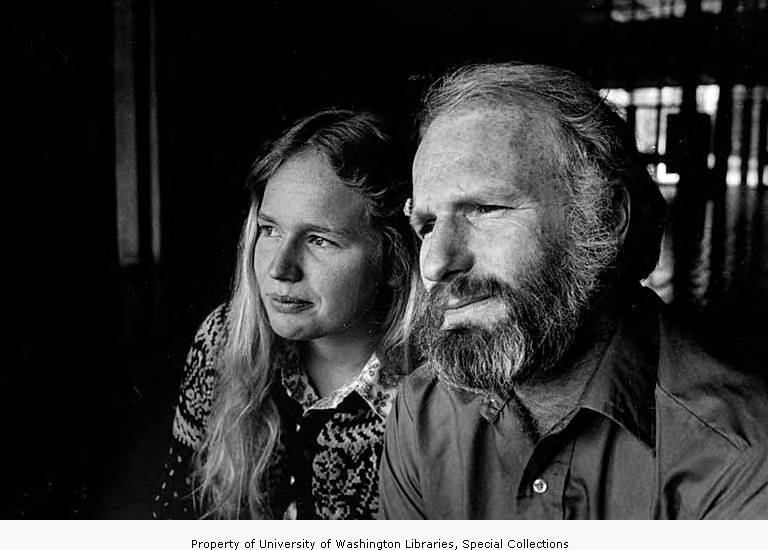
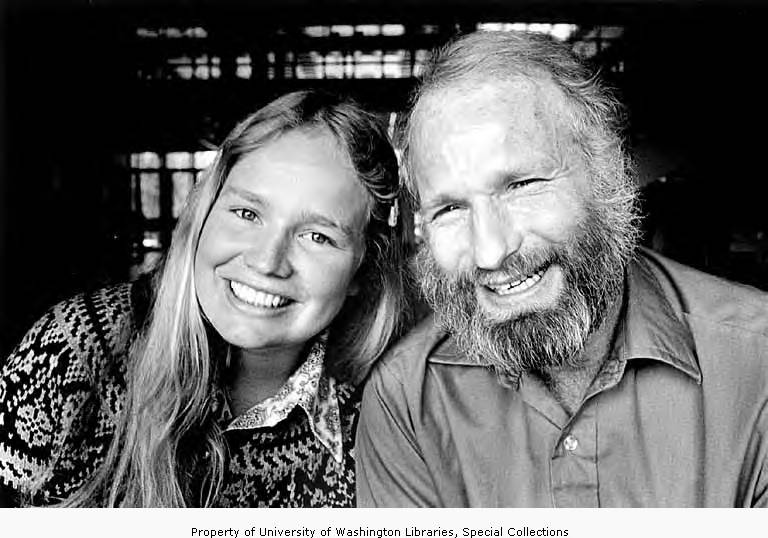
The ripple effect from Nanda Devi Unsoeld’s arrival as a new junior in Olympia High School in 1970 reached me within minutes, as I felt the impact of her presence on campus immediately. One of my friends elbowed me, pointing out a new girl being escorted down the hall by the assistant principal. Students stared at the wake she left behind: Devi had wildly flowing wavy long blonde hair, a friendly smile and bold curious eyes greeting everyone she met.

From the neck up, she fit right in with the standard appearance at the time: as the younger sisters of the 60’s generation of free thinking flower children, we tried to emulate them in our dress and style, going braless and choosing bright colors and usually skirts that were too short and tight. There was the pretense we didn’t really care how we looked, but of course we did care very much, with hours spent daily preparing the “casual carefree” look that would perfectly express our freedom from fashion trends amid our feminist longings.

Practicing careful nonconformity perfectly fit our peers’ expectations and aggravated our parents.

But Devi never looked like she cared what anyone else thought of her.  The high school girls honestly weren’t sure what to make of her, speculating together whether she was “for real” and viewed her somewhat suspiciously, as if she was putting on an act.

The high school boys were mesmerized.

She preferred baggy torn khaki shorts or peasant skirts with uneven hems, loose fitting faded T shirts and ripped tennis shoes without shoelaces. Her bare legs were covered with long blonde hair, as were her armpits which she showed off while wearing tank tops. She pulled whole cucumbers from her backpack in class and ate them like cobs of corn, rind and all. She smelled like she had been camping without a shower for three days, but then riding her bike to school from her home 11 miles away in all kinds of weather accounted for that. One memorable day she arrived a bit late to school, pushing her bike through 6 inches of snow in soaking tennis shoes, wearing her usual broad smile of satisfaction.

As a daughter of two Peace Corps workers who had just moved back to the U.S. after years of service in Nepal, Devi had lived very little of her life in the United States. Her father Willi Unsoeld, one of the first American climbers to reach the summit of Mt. Everest up the difficult west face, had recently accepted a professorship in comparative religion at new local Evergreen College. He moved his wife and family back to the northwest to be near his beloved snowy peaks, suddenly immersing four children in an affluent culture that seemed foreign and wasteful.

Devi recycled before there was a word for it simply by never buying anything new and never throwing anything useful away, involved herself in social justice issues before anyone had coined the phrase, and was an activist behind the scenes more often than a leader, facilitating and encouraging others to speak out at anti-war rallies, organizing sit-ins for world hunger and volunteering in the local soup kitchen. She mentored adolescent peers to get beyond their self-consciousness and self-absorption to explore the world beyond the security of high school walls.

Regretfully, few of us followed her lead. We preferred the relative security and camaraderie of hanging out at the local drive-in to taking a shift at the local 24-hour crisis line. We showed up for our graduation ceremony in caps and gowns while the rumor was that Devi stood at the top of Mt. Rainier with her father that day.

I never saw Devi after high school but heard of her plans in 1976 to climb with an expedition to the summit of Nanda Devi, the peak in India for which she was named. She never returned, dying in her father’s arms as she suffered severe abdominal pain and irreversible high altitude sickness just below the summit. She lies forever buried in the ice on that faraway peak in India. 

Her father died in an avalanche only a few years later, as he led an expedition of Evergreen students on a climb on Mt. Rainier, only 60 miles from home. Her mother, Jolene, later served in Congress from our district in Washington state.

Had Devi lived these last 50 years, I have no doubt she would have led our generation with her combination of charismatic boldness and excitement about each day’s new adventure. She lived without pretense, without hiding behind a mask of fad and fashion and conformity and without any desire for wealth or comfort.

I wish I had learned what she had to teach me when she sat beside me in class, encouraging me by her example to become someone more than the dictates of societal expectations. I secretly admired the freedom she embodied in not being concerned in the least about fitting in. Instead, I still mourn her loss all these years later, having to be content with the legacy she has now left behind on a snowy mountain peak that called her by name.

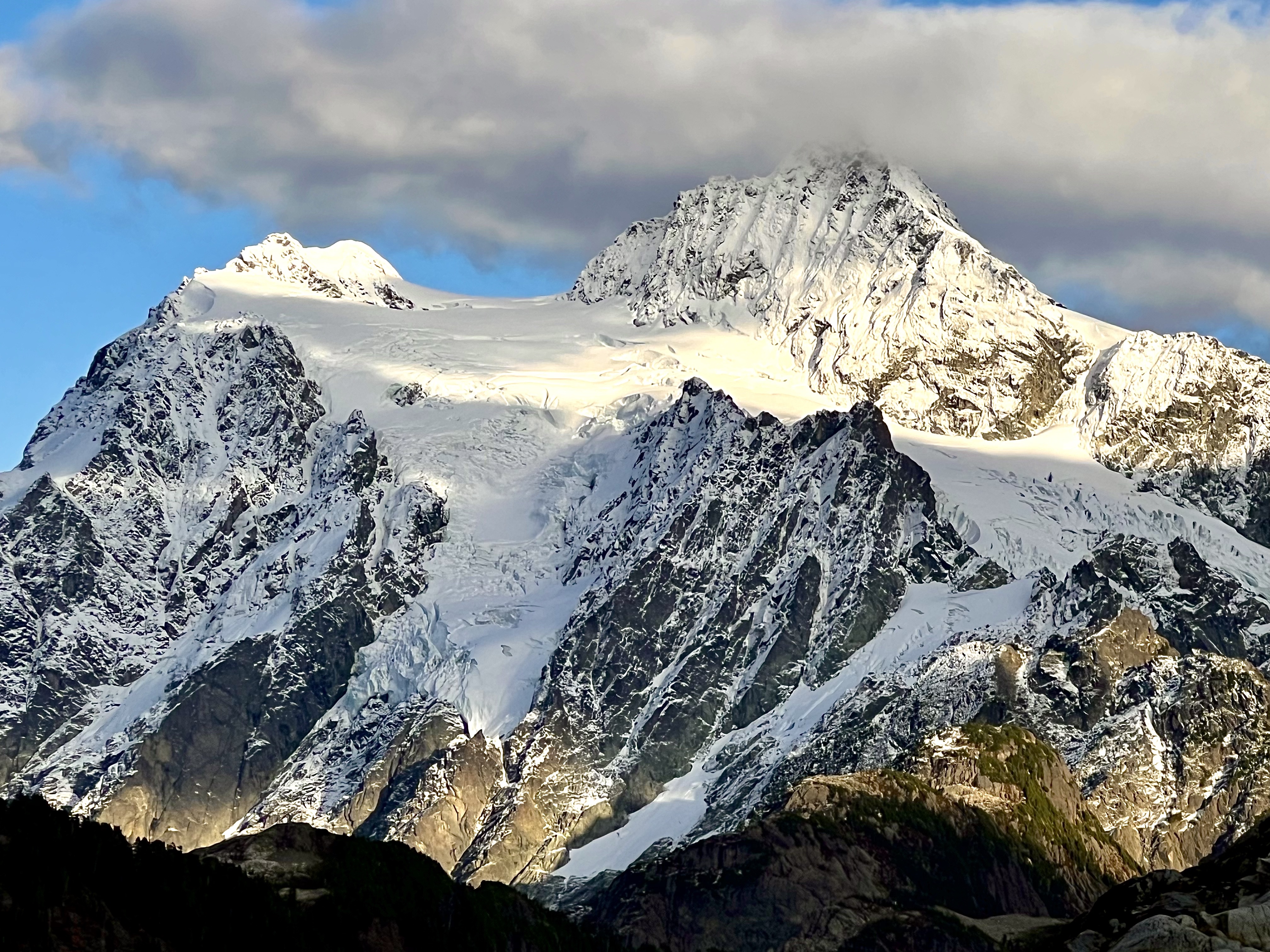
Mt. Shuksan, Washington state
One-Time
Monthly
Yearly

Make a one-time or recurring donation to support daily Barnstorming posts

Make a monthly donation

Make a yearly donation

Choose an amount

$10.00
$25.00
$50.00
$5.00
$15.00
$100.00
$5.00
$15.00
$100.00

Or enter a custom amount

$

Your contribution is deeply appreciated.

Your contribution is appreciated.

Your contribution is appreciated.

DonateDonate monthlyDonate yearly
Rummaging Among Clouds

The fields are snowbound no longer;
There are little blue lakes and flags of tenderest green.
The snow has been caught up into the sky—
So many white clouds—and the blue of the sky is cold.
Now the sun walks in the forest,
He touches the boughs and stems with his golden fingers;
They shiver, and wake from slumber.
Over the barren branches he shakes his yellow curls. …
Yet is the forest full of the sound of tears….
A wind dances over the fields.
Shrill and clear the sound of her waking laughter,
Yet the little blue lakes tremble
And the flags of tenderest green bend and quiver.

~Katherine Mansfield “Very Early Spring”

You might say that clouds have no nationality
Being flags of no country, flaunting their innocent neutrality
Across frontiers, ignorant of boundaries;
But these clouds are clearly foreign, such an exotic clutter
Against the blue cloth of the sky
I want to rummage among them, I want to turn them over
With eager fingers, I want to bargain
For this one or that one, I want to haggle and dicker
Over the prices, and I want to see my clouds wrapped up
In sheets of old newspapers, and give them away
To young girls to pin in their hair
Or tuck them, glossy as gardenias, behind an ear,
Or stretch one out to the length of a lacy shawl
And toss it over a shoulder, or around a waist.
~Constance Urdang “Clouds”

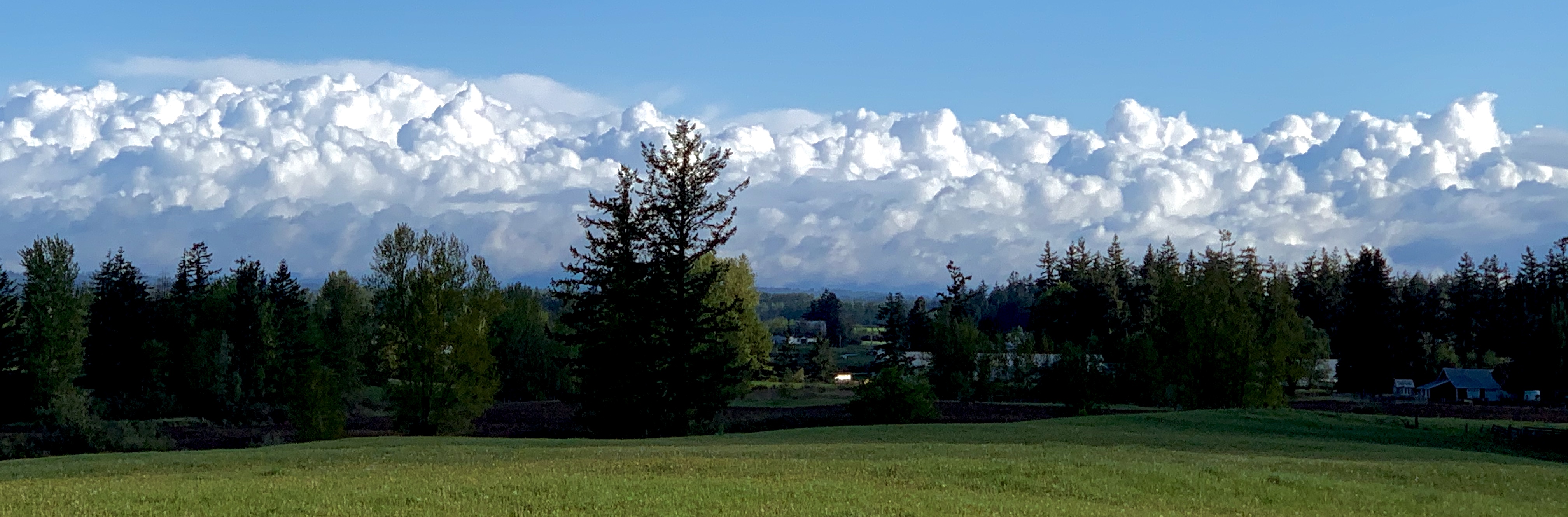
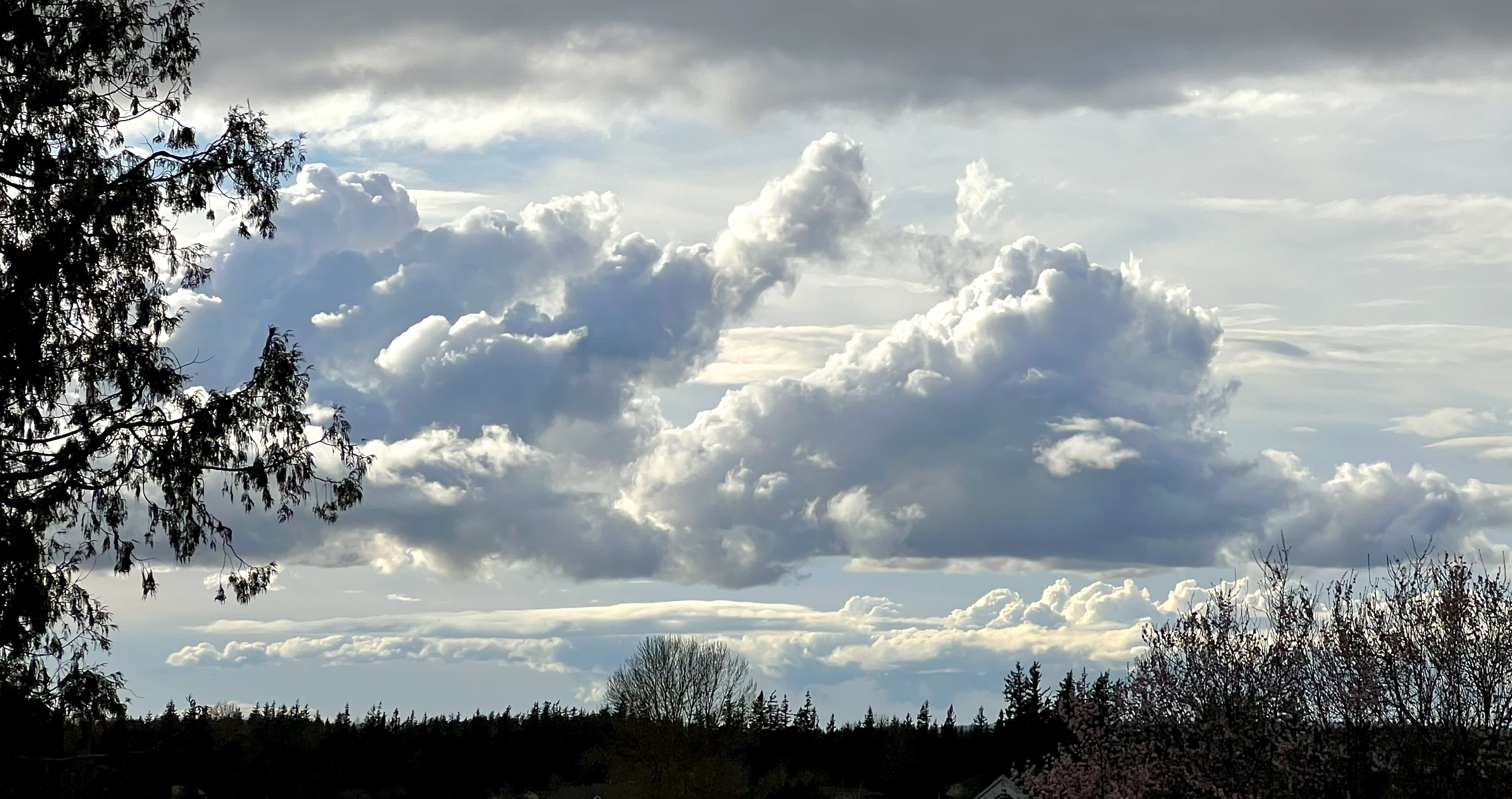
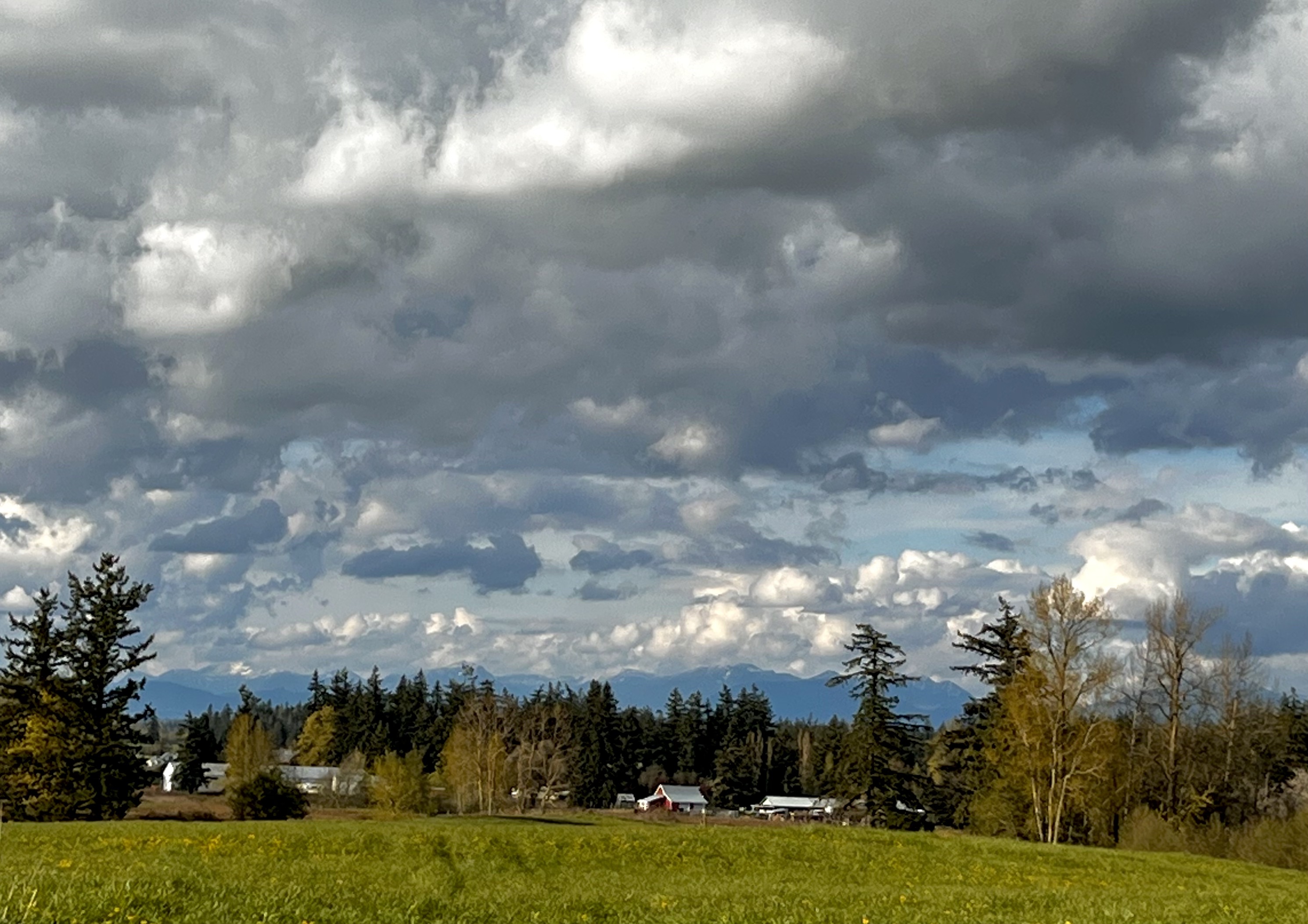
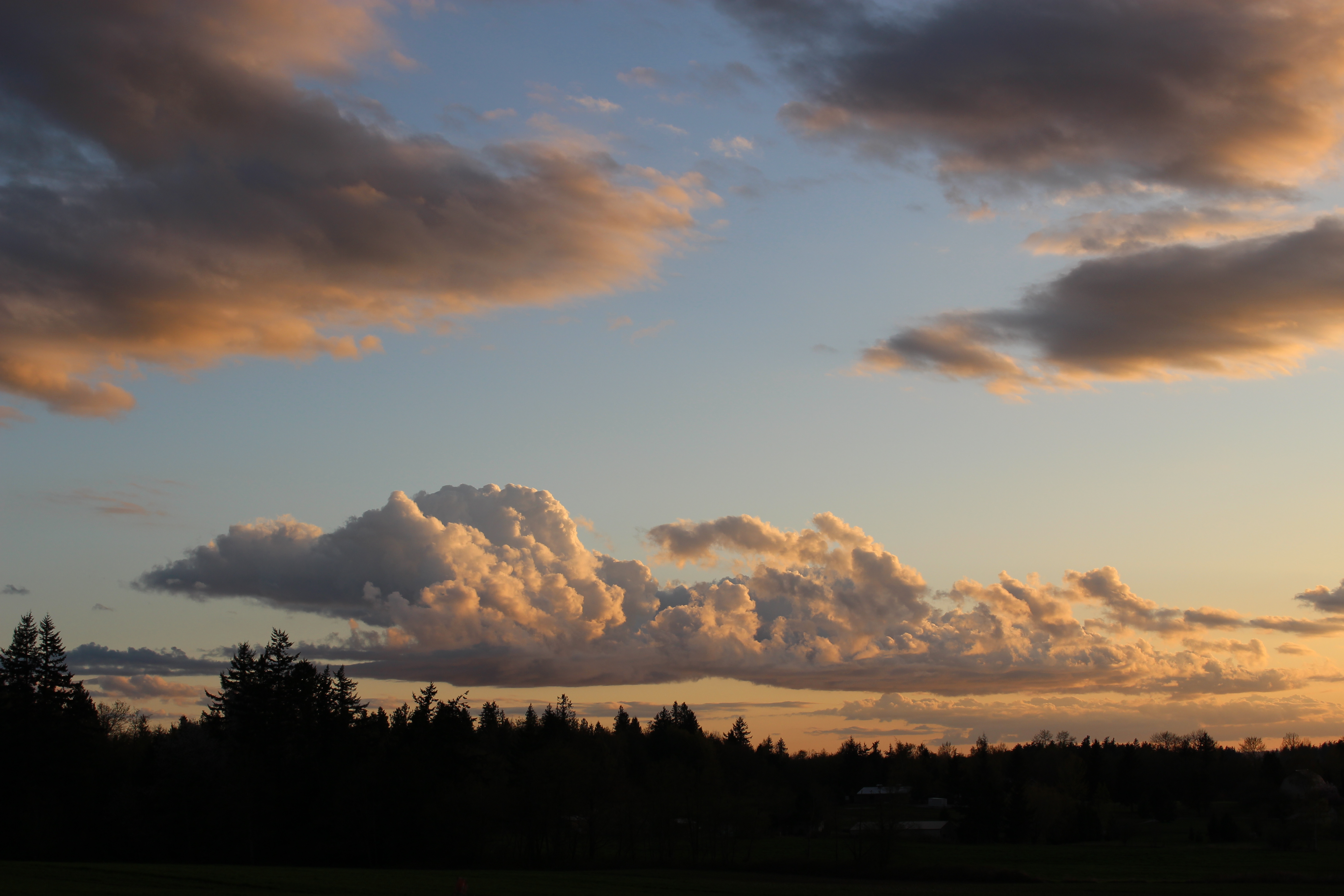
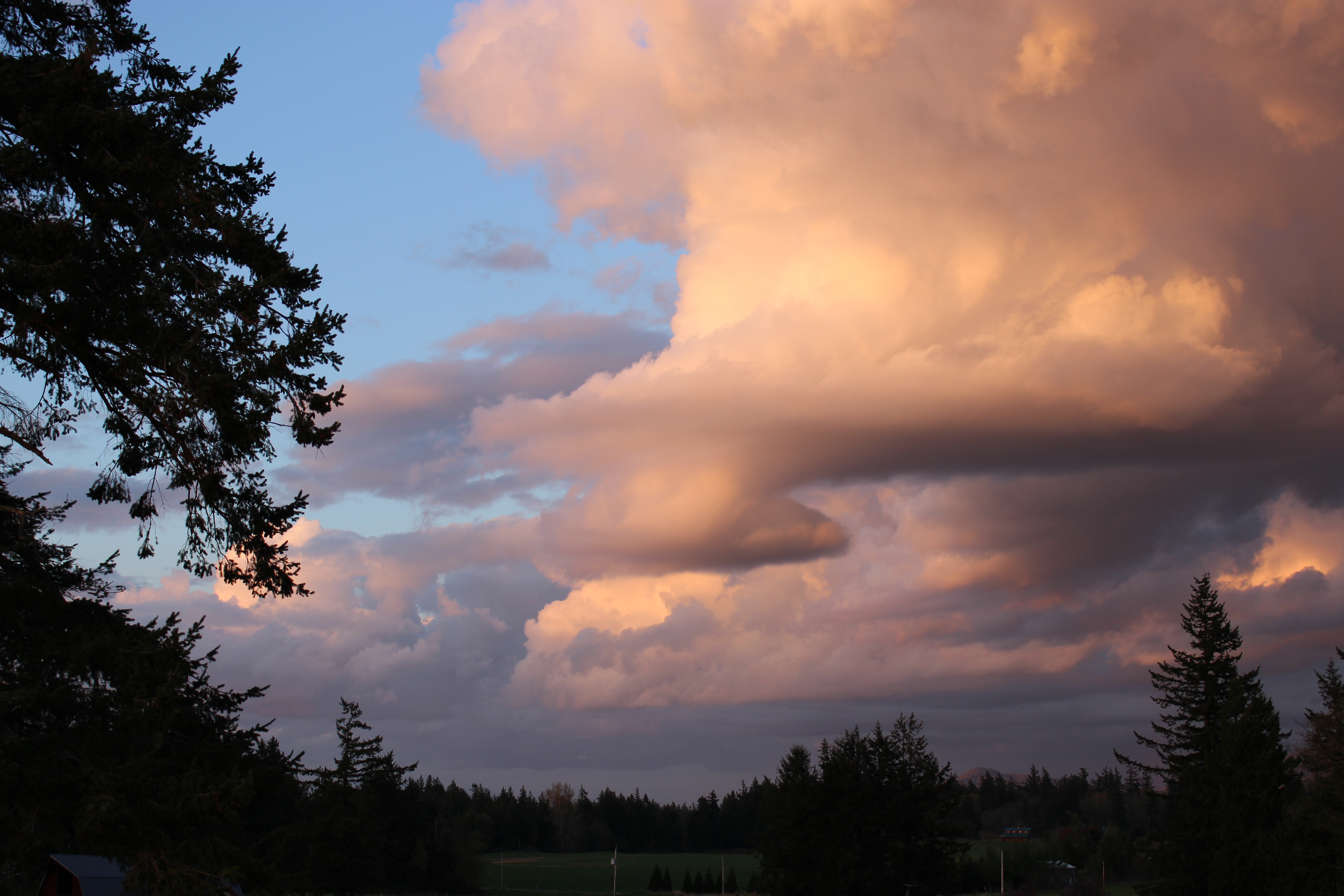
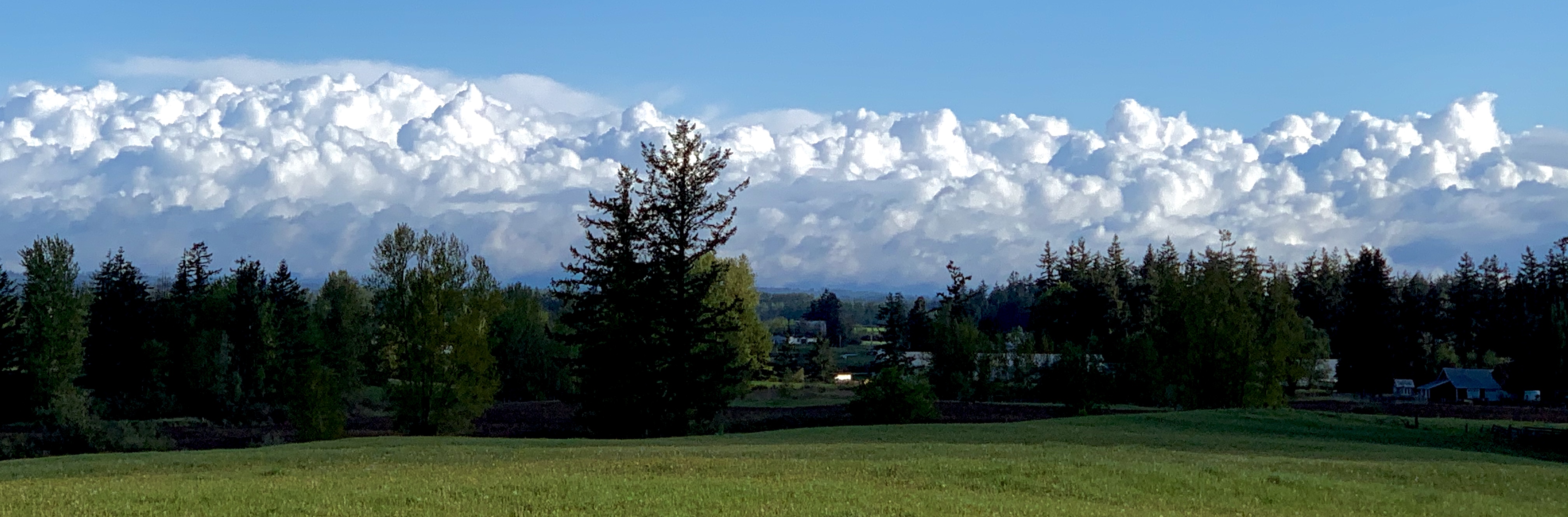
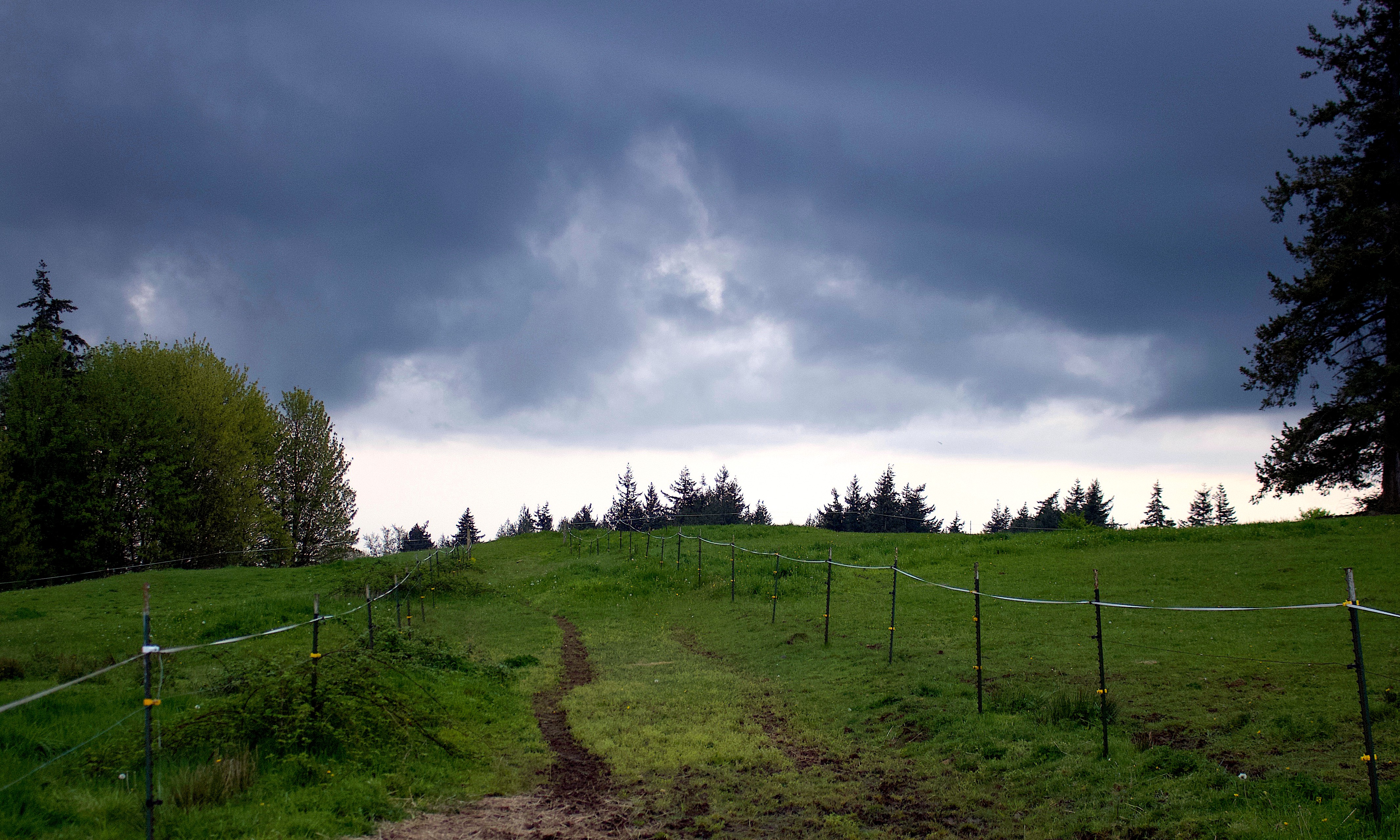
Our farm sits about 9 miles from an international border. The sky and clouds are oblivious to the line drawn by two governments, and don’t bother to stop at the border stations controlling access of humans across that line.

The clouds are free to go where they please, so they do, while we watch. They are both a foreign and domestic cloud of witnesses to our earthbound follies and foolishness.

No passports or IDs, no being pulled into “secondary” for more intensive searches and questioning, no being “turned back” not allowed across, no deportations.

They simply float and glide where the breezes take them, assuming whatever shape, identity or characteristics they wish.

What a beautiful day in the neighborhood if one happens to be a cloud or a cloud of witnesses…

AI image created for this post
One-Time
Monthly
Yearly

Make a one-time or recurring donation to support daily Barnstorming posts

Make a monthly donation

Make a yearly donation

Choose an amount

$10.00
$25.00
$50.00
$5.00
$15.00
$100.00
$5.00
$15.00
$100.00

Or enter a custom amount

$

Your contribution is deeply appreciated.

Your contribution is appreciated.

Your contribution is appreciated.

DonateDonate monthlyDonate yearly
Where You Go, I Will Go: The Last to Leave

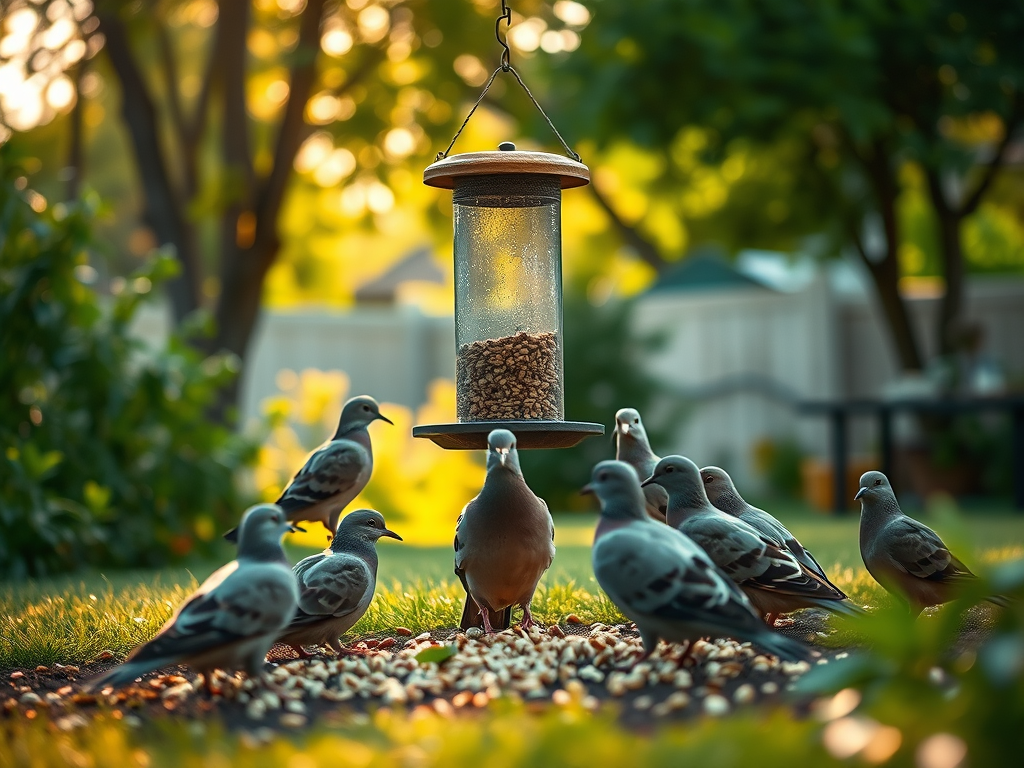
When the bird feeders lie barren
for a few days, as I have forgotten
to buy seeds or your mom wants to rid

the yard of the cowbirds and starlings,
and they begin to sway without rhythm
in the summer winds, the mourning doves

come, bound by what they pursue,
uninterrupted, picking the lost seeds
among the shells—these gleaners

profiting on the sporadic eating
habits of the finches. Forgive me
for not acknowledging the finches

as kind benefactors, the Boaz
of backyard birds. They are not.
They are messy and wasteful,

but we love their colors. Nervously
pecking, like Tolstoy’s Vasily
Andreevich, the master in crisis,

the fat man with two coats, groping
for warmth and the horse’s reins
in the growing cold and darkness,

the doves don’t rest or notice the family
of squirrels running circles or the robin
who lands on the shepherd’s hook, surveying

the yard, or the hopeful finches, one or two,
back now, who perch for a moment
and peck at emptiness. These doves

are usually the last to leave
when the cat comes, when I open
the back door, when the leftover

seeds are gone. Is the constant searching
for food a part of their essence?
Should we pity the one who is made

to search? To be always in want?
Is this mourning? Or is it hope?
Waiting and expecting that seeds

will reappear from above by means
they cannot know, and also below
by a grace that is provisional?
~Jacob Stratman “A Poem for my sons on their first Eucharist”

When I lived in the foothills
birds flocked to the feeder:

house finches, goldfinches,
skyblue lazuli buntings,

impeccably dressed chickadees,
sparrows in work clothes, even

hummingbirds fastforwarding
through the trees. Some of them

disappeared after a week, headed
north, I thought, with the sun.

But the first cool day
they were back, then gone,

then back, more reliable
than weathermen, and I realized

they hadn’t gone north at all,
but up the mountain, as invisible

to me as if they had flown
a thousand miles, yet in reality

just out of sight, out of reach—
maybe at the end of our lives

the world lifts that slightly
away from us, and returns once

or twice to see if we’ve refilled
the feeder, if we still remember it,

or if we’ve taken leave
of our senses altogether.
~Sharon Bryan, “The Underworld” from Sharp Stars

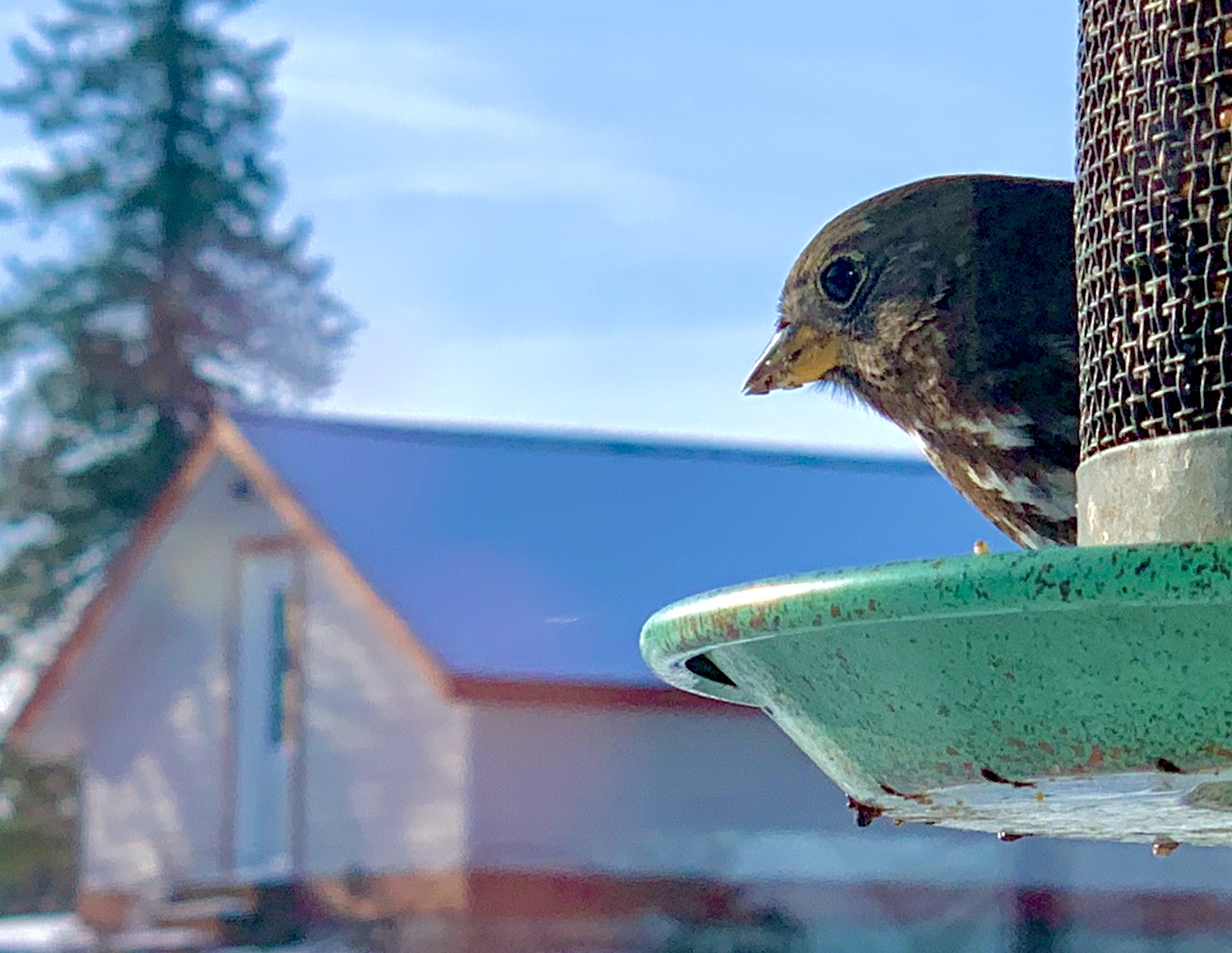
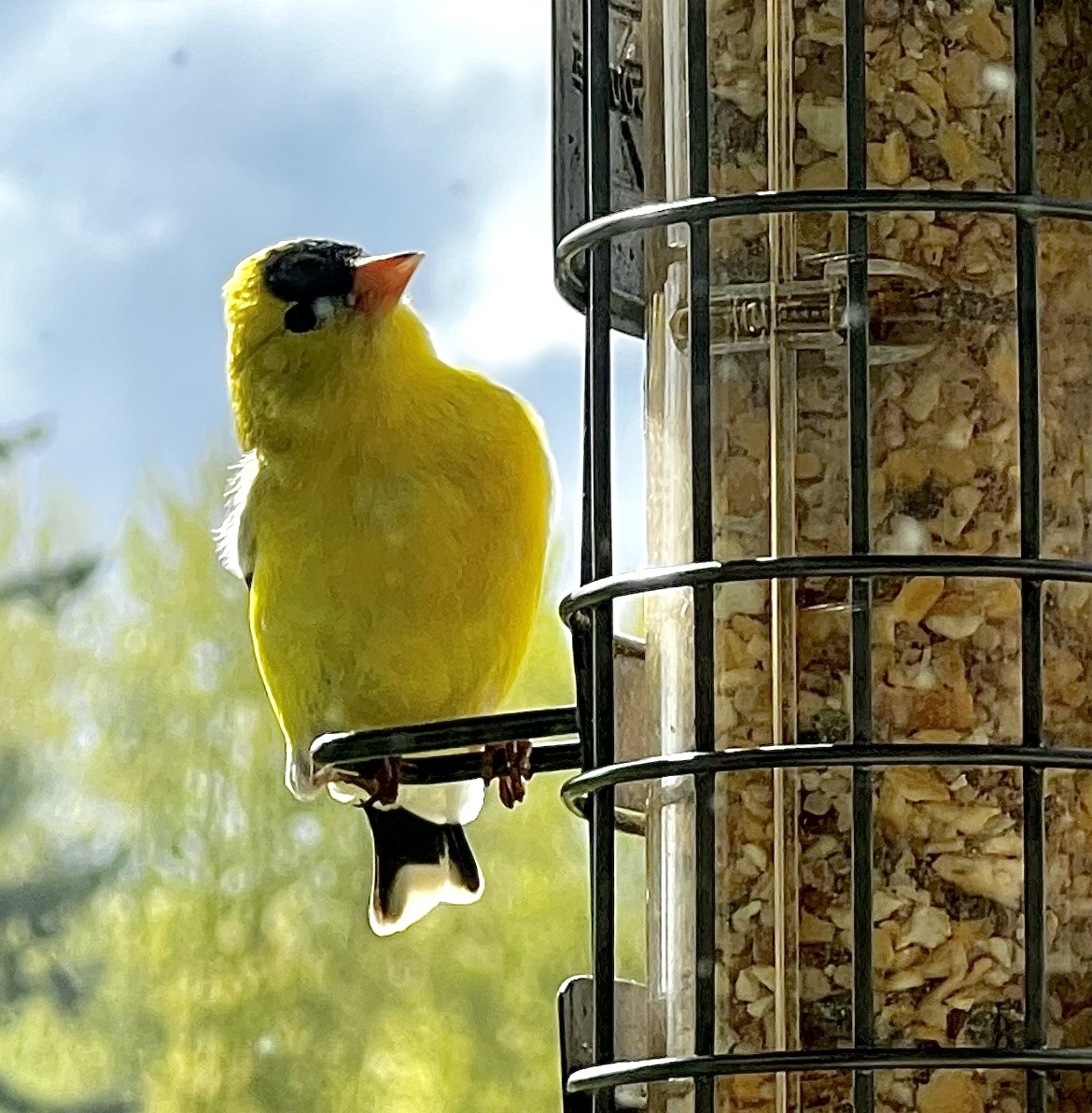
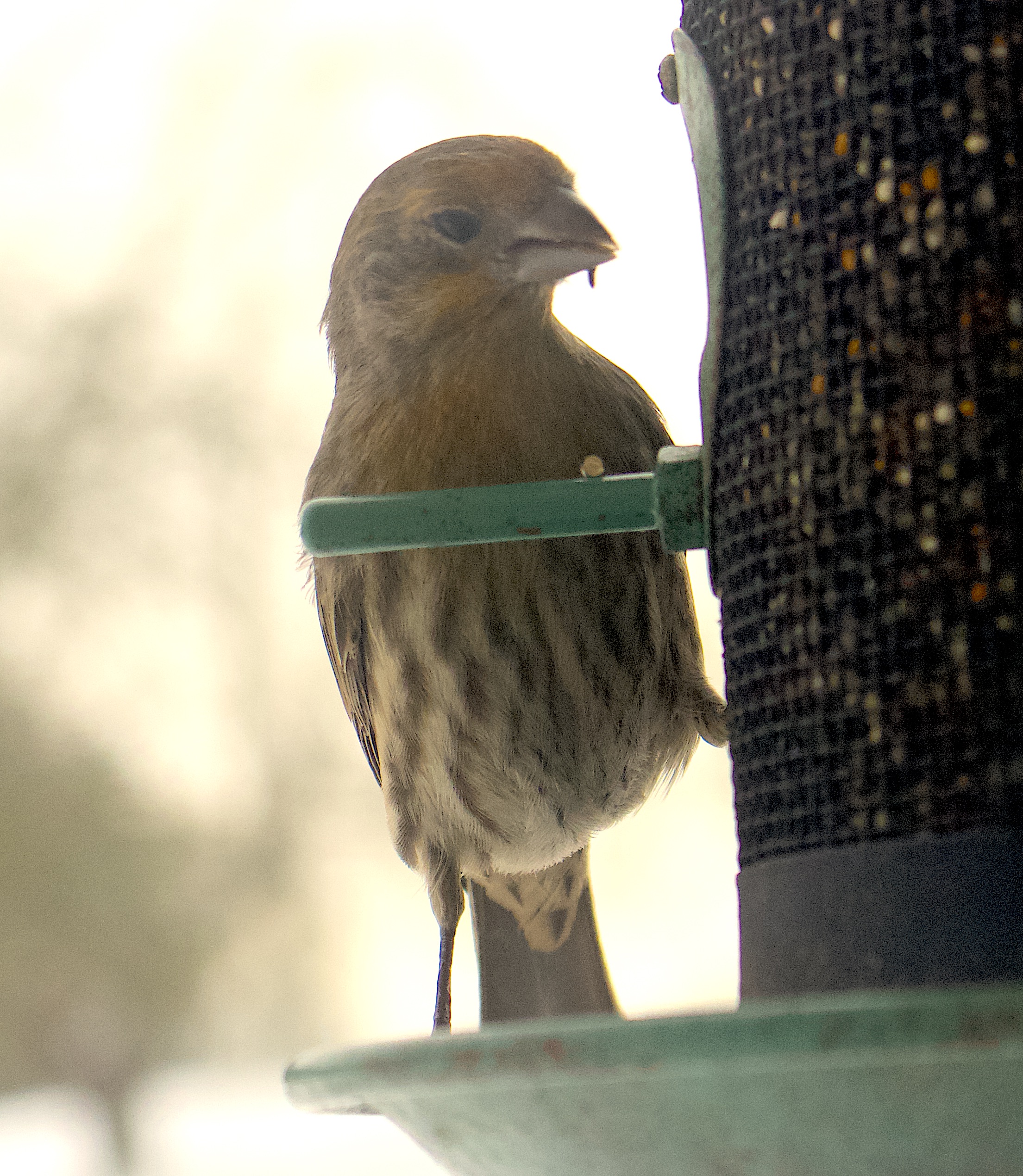
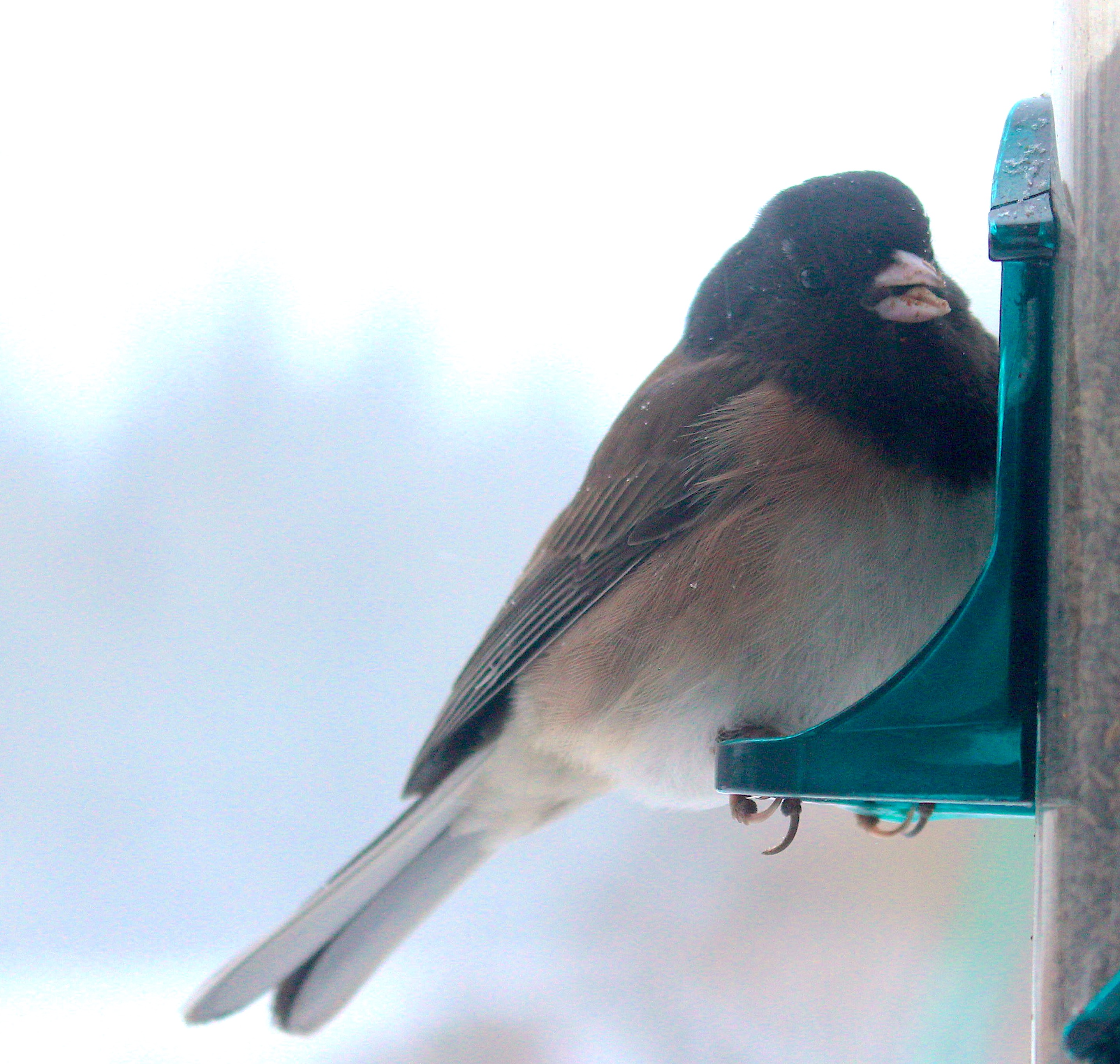
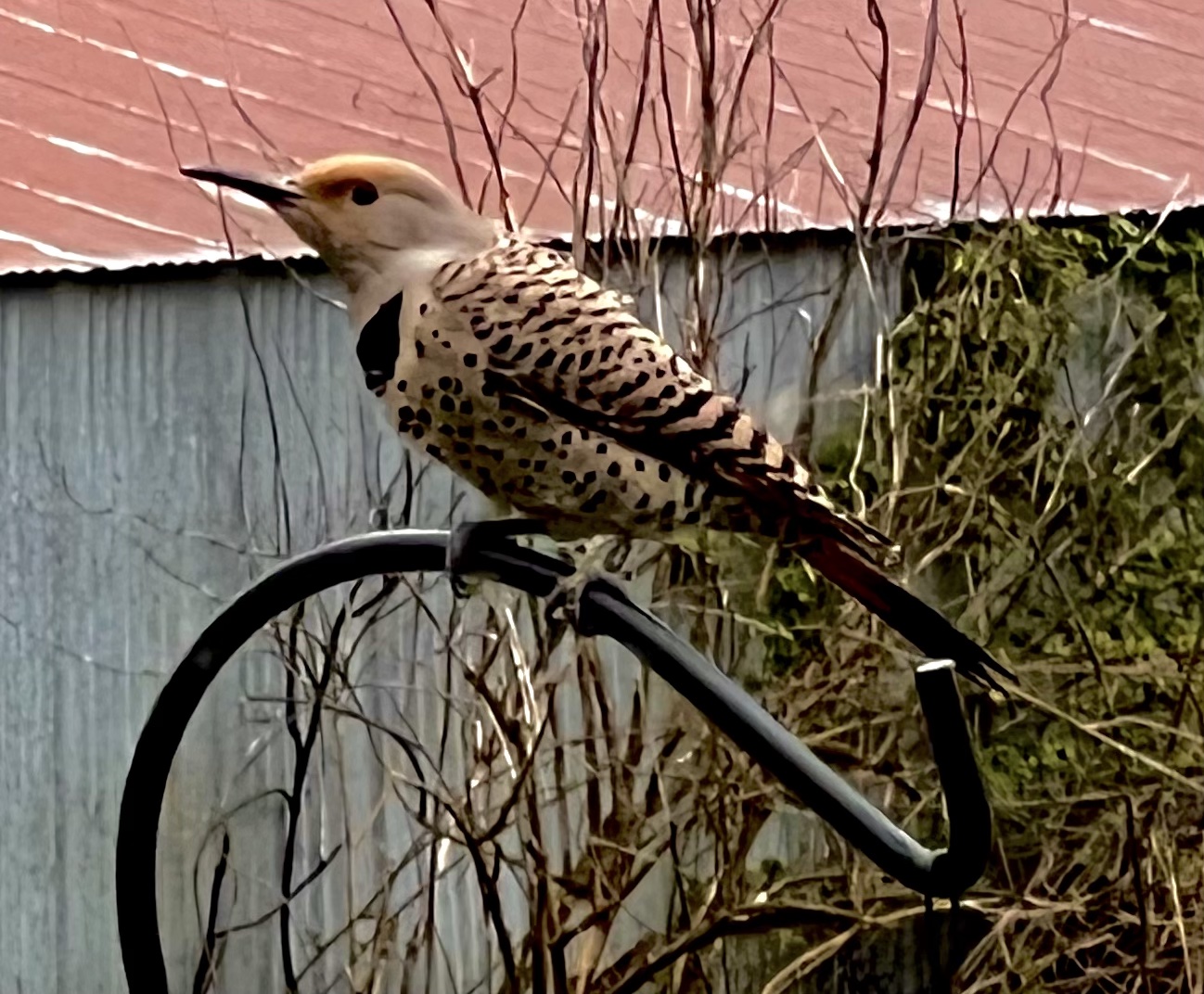
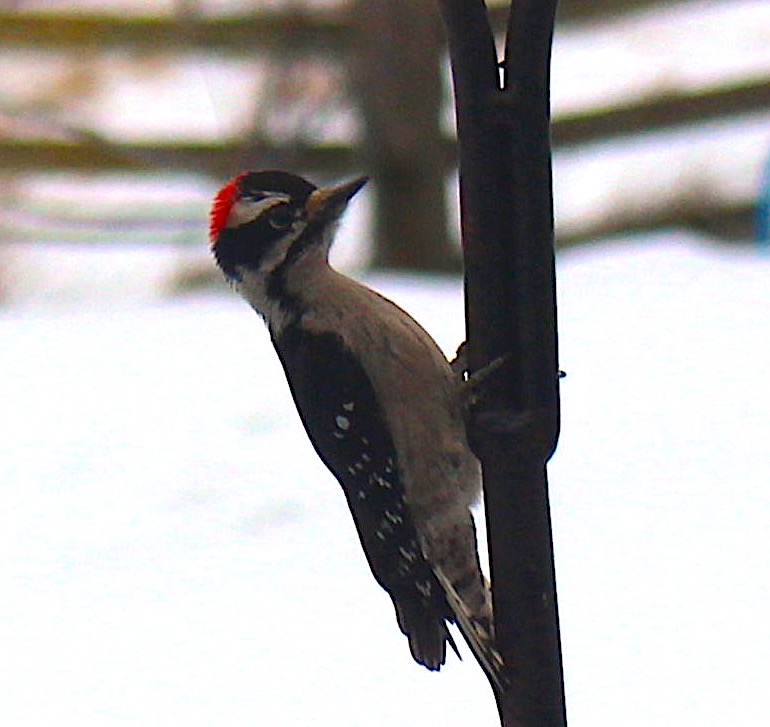
I wasn’t paying enough attention when my bird feeders ran out of suet and seed this week. My little feathered buddies fly up to the feeders by our kitchen window and poke around the empty trays, glance disparagingly in my direction, then fly away disheartened.

Although there is no free lunch today, knowing me as they do, they trust it will replenish. They will keep an eye out from a distance, will return to feast, especially the doves who have chosen to nest nearby, so are constantly cleaning up what the other birds leave behind.

I am no birder; I don’t go out looking for birds like the serious people of the birding community who keep a careful list of all they see or hear. I don’t even track every species visiting my humble offerings here on the farm nor do I recognize the frequent visitors as individuals. I just enjoy watching so many diverse sizes, colors and types coming together in one place to feast in relative peace and cooperation.

So unlike my own kind.

I’m happy to host such grateful creatures — even the innovative, voracious and athletic squirrel thieves.

This is my visual and tangible reminder that the good Lord provides, and I, in my own little way, can help.

This year’s Lenten theme:

…where you go I will go…
Ruth 1:16

AI image created for this post

One-Time
Monthly
Yearly

Make a one-time or recurring donation to support daily Barnstorming posts

Make a monthly donation

Make a yearly donation

Choose an amount

$10.00
$25.00
$50.00
$5.00
$15.00
$100.00
$5.00
$15.00
$100.00

Or enter a custom amount

$

Your contribution is deeply appreciated.

Your contribution is appreciated.

Your contribution is appreciated.

DonateDonate monthlyDonate yearly

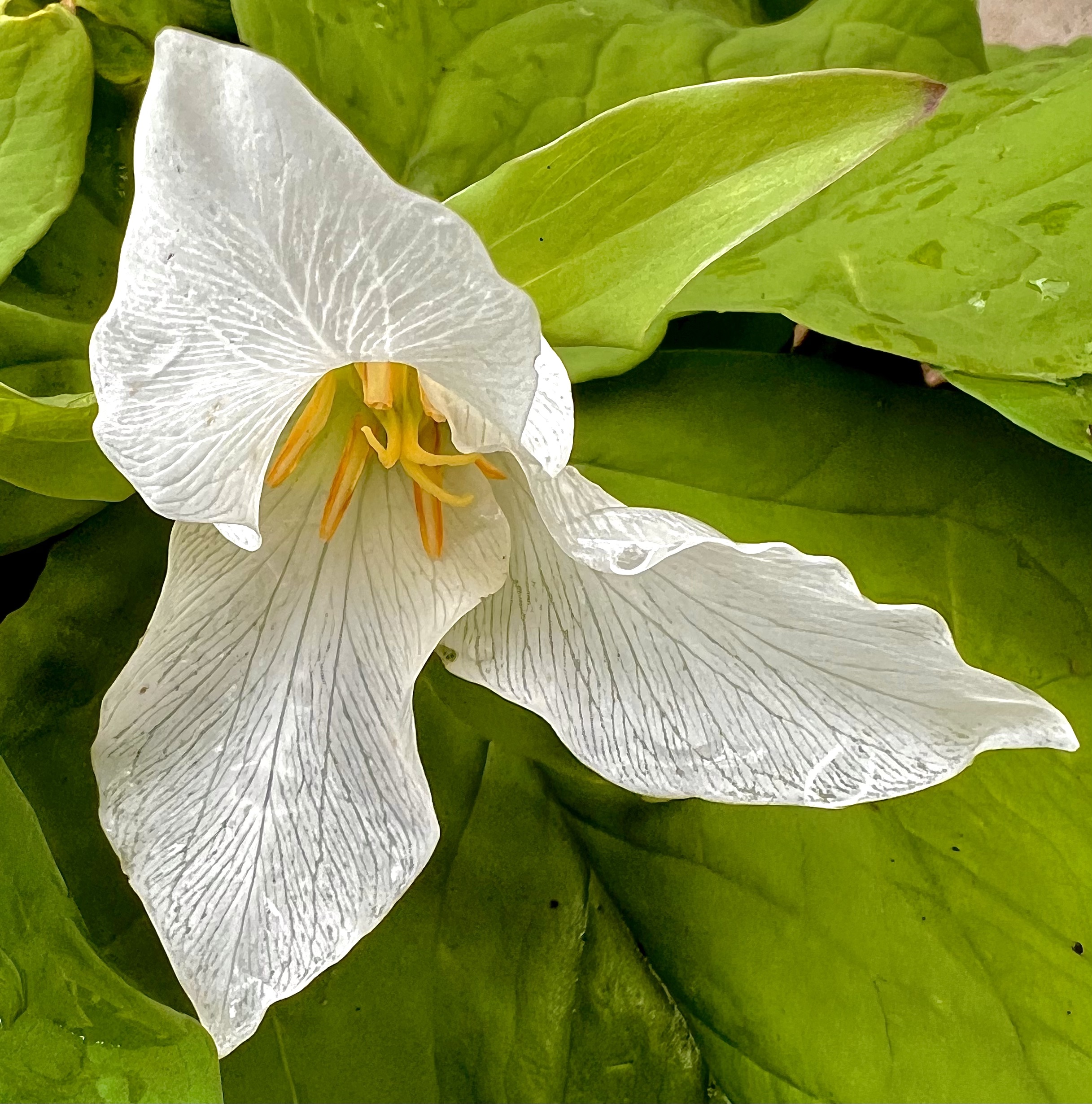
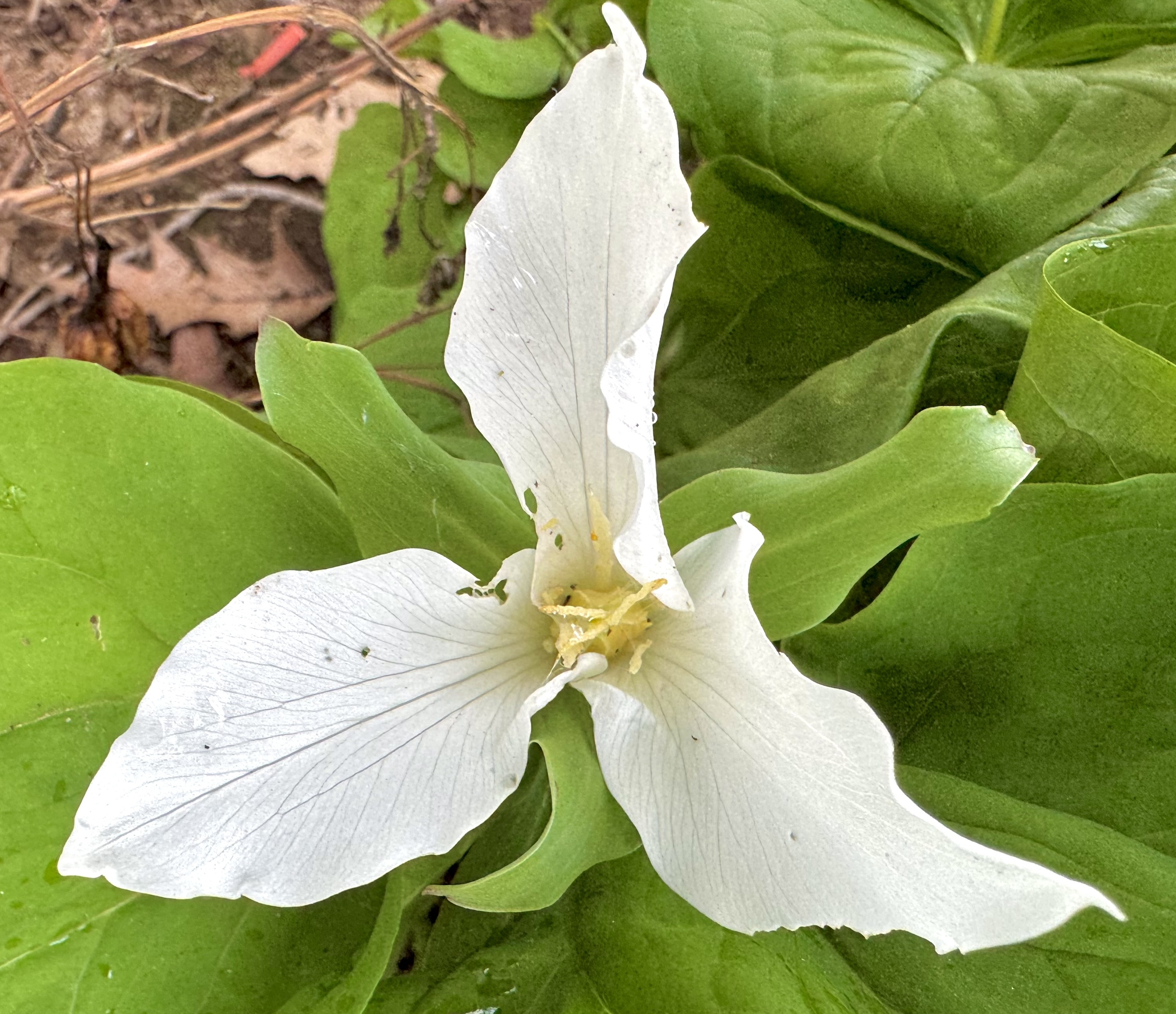
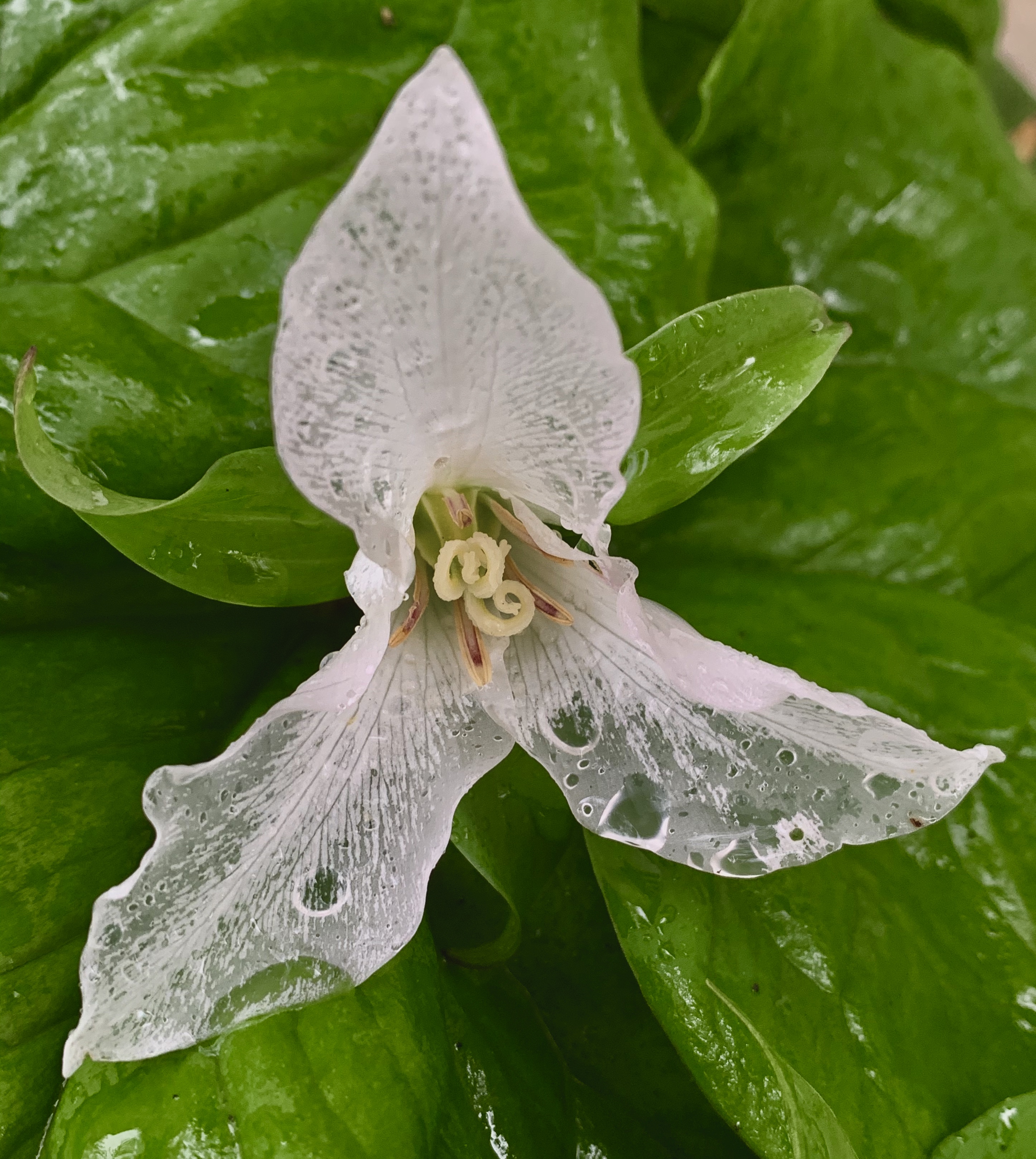
Where You Go, I Will Go: A Trinity of Petals

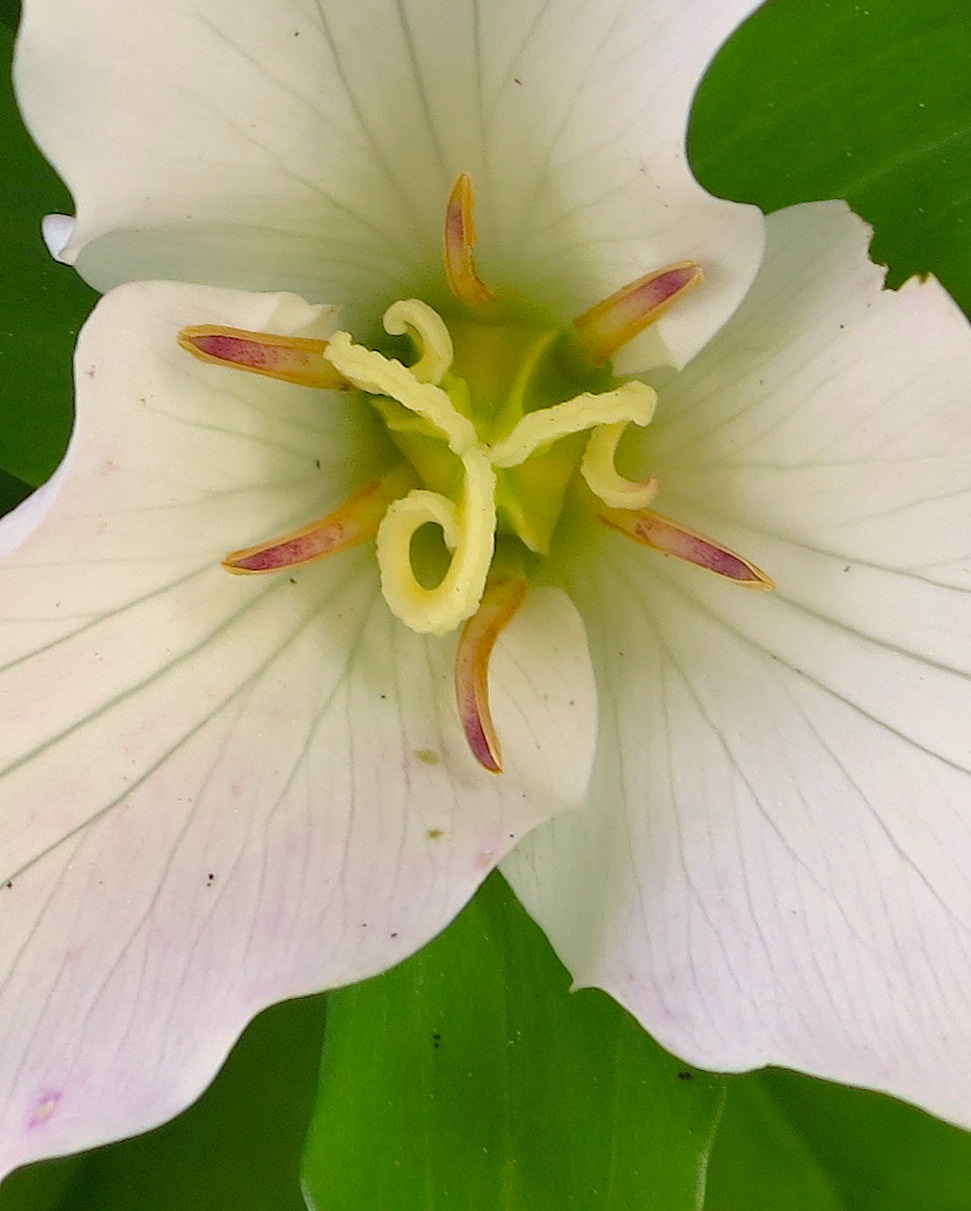
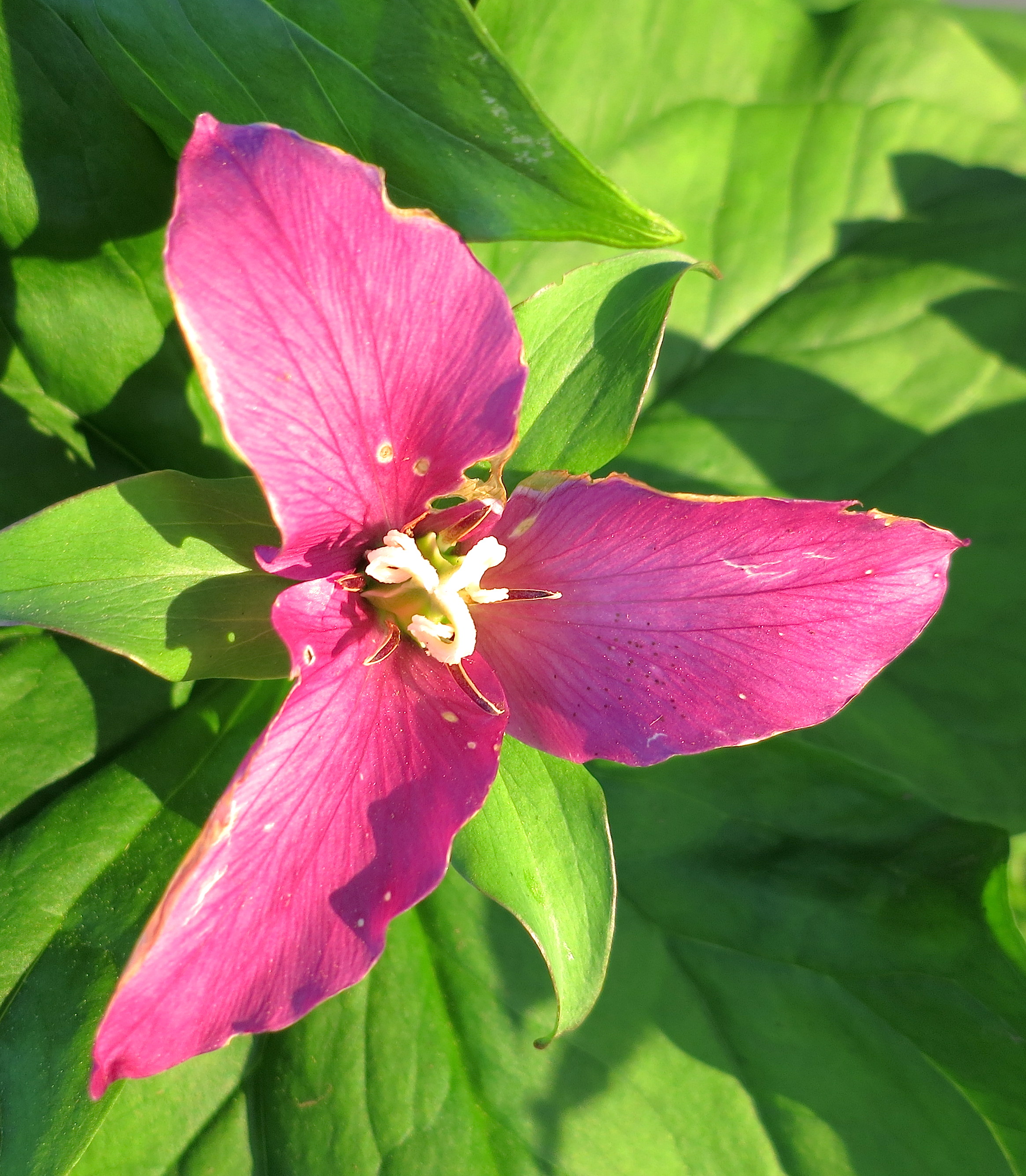
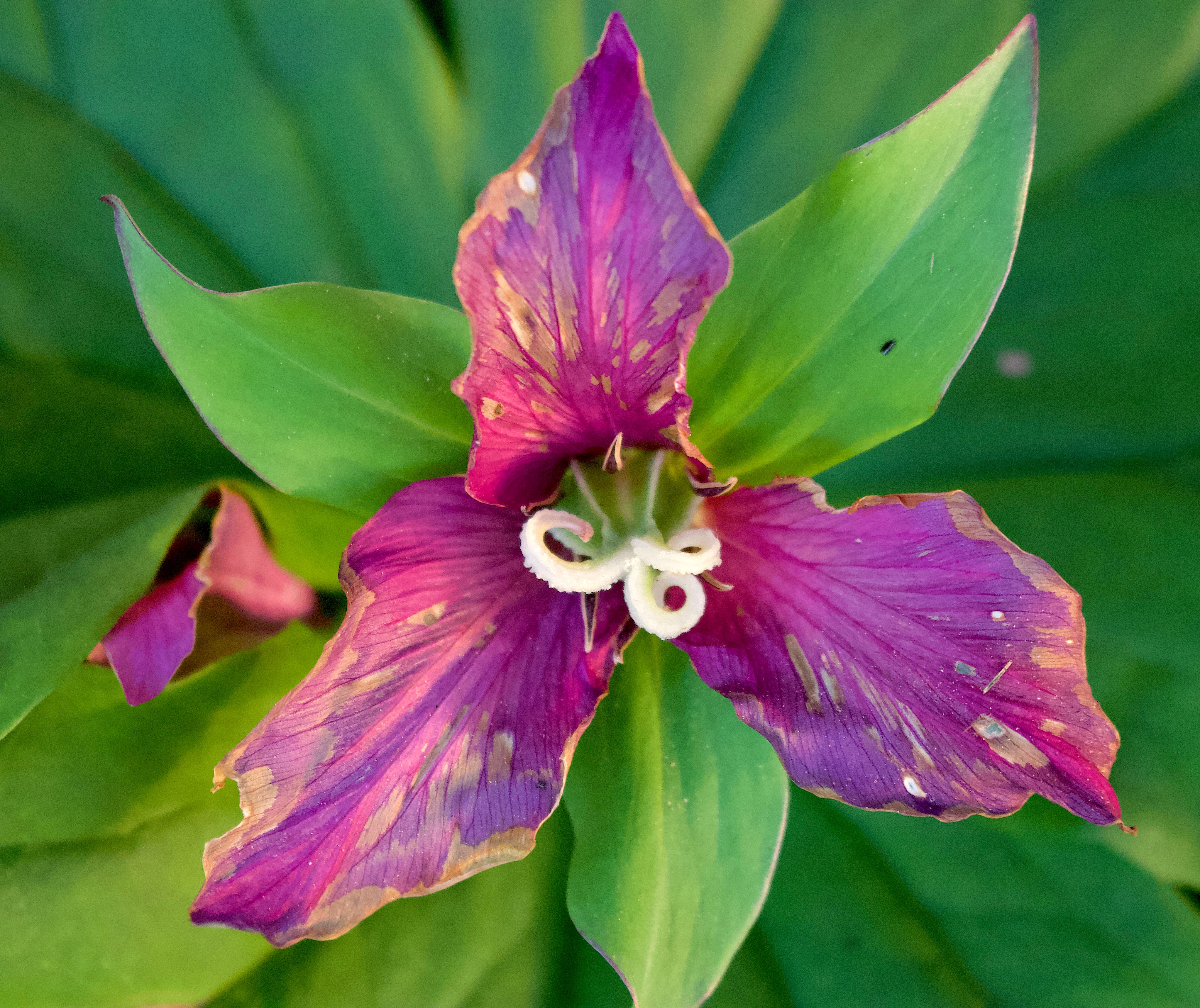
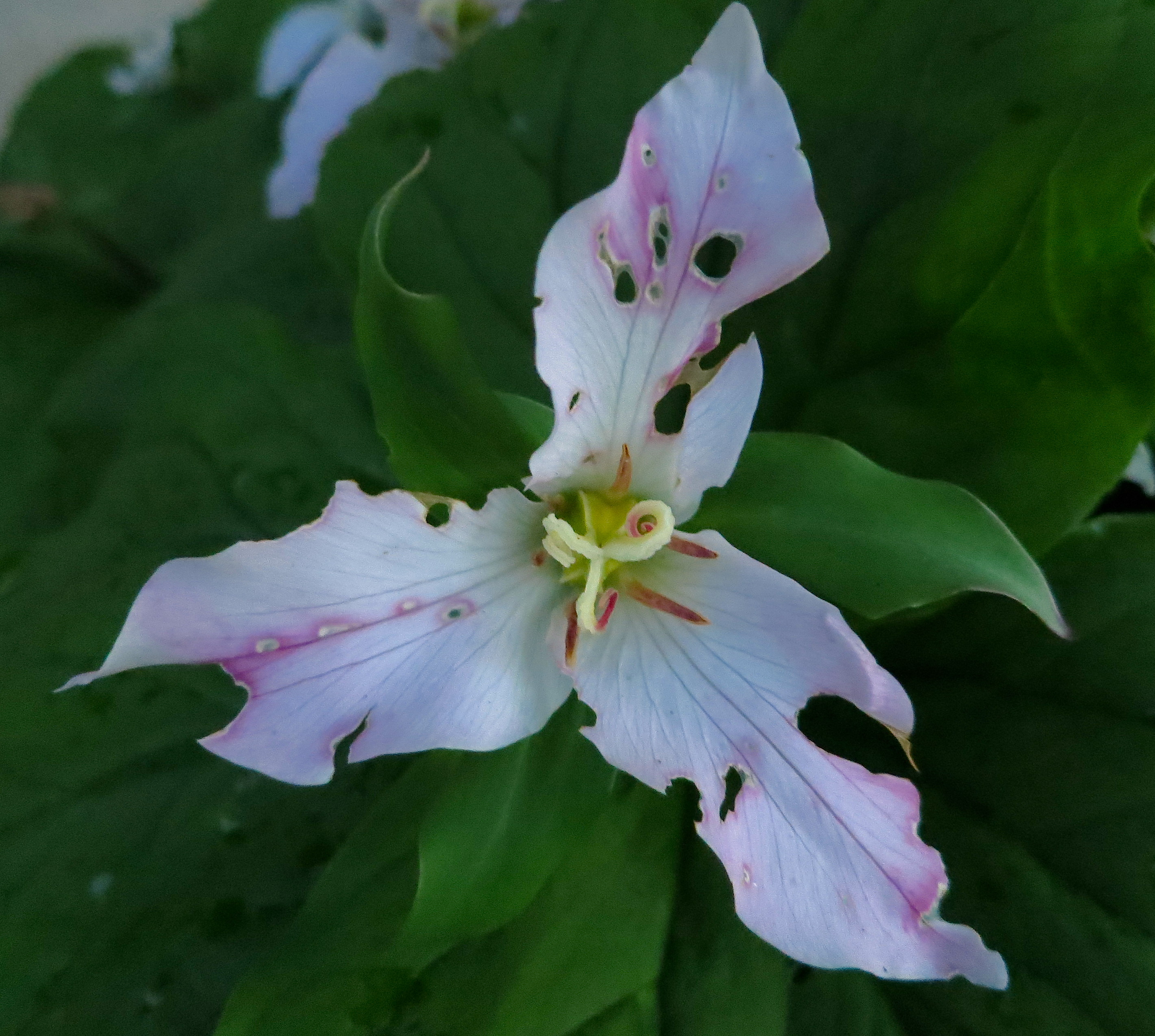
It is at the edge of a petal that love waits.
― William Carlos Williams

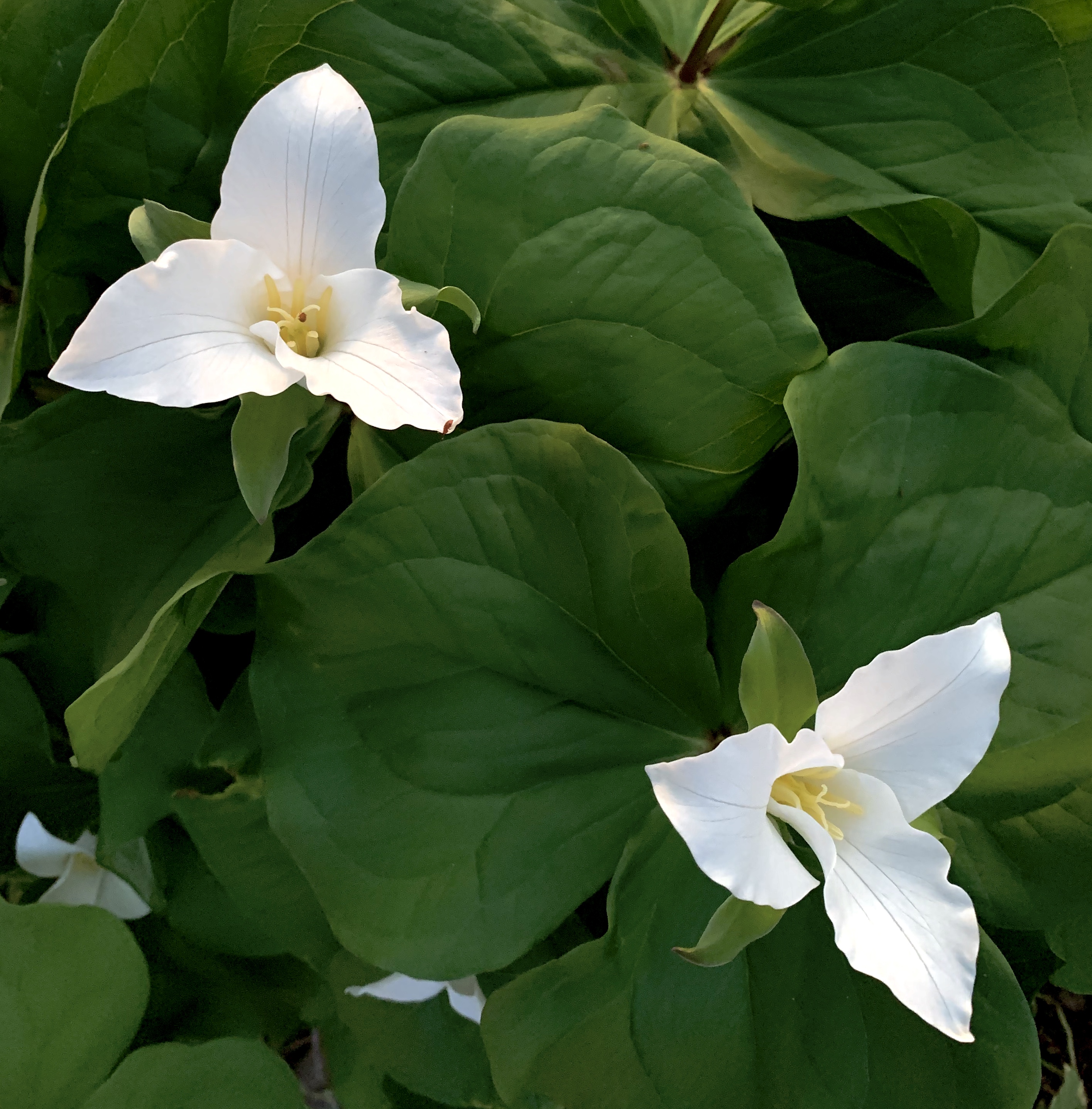
All the field’s a hymn!
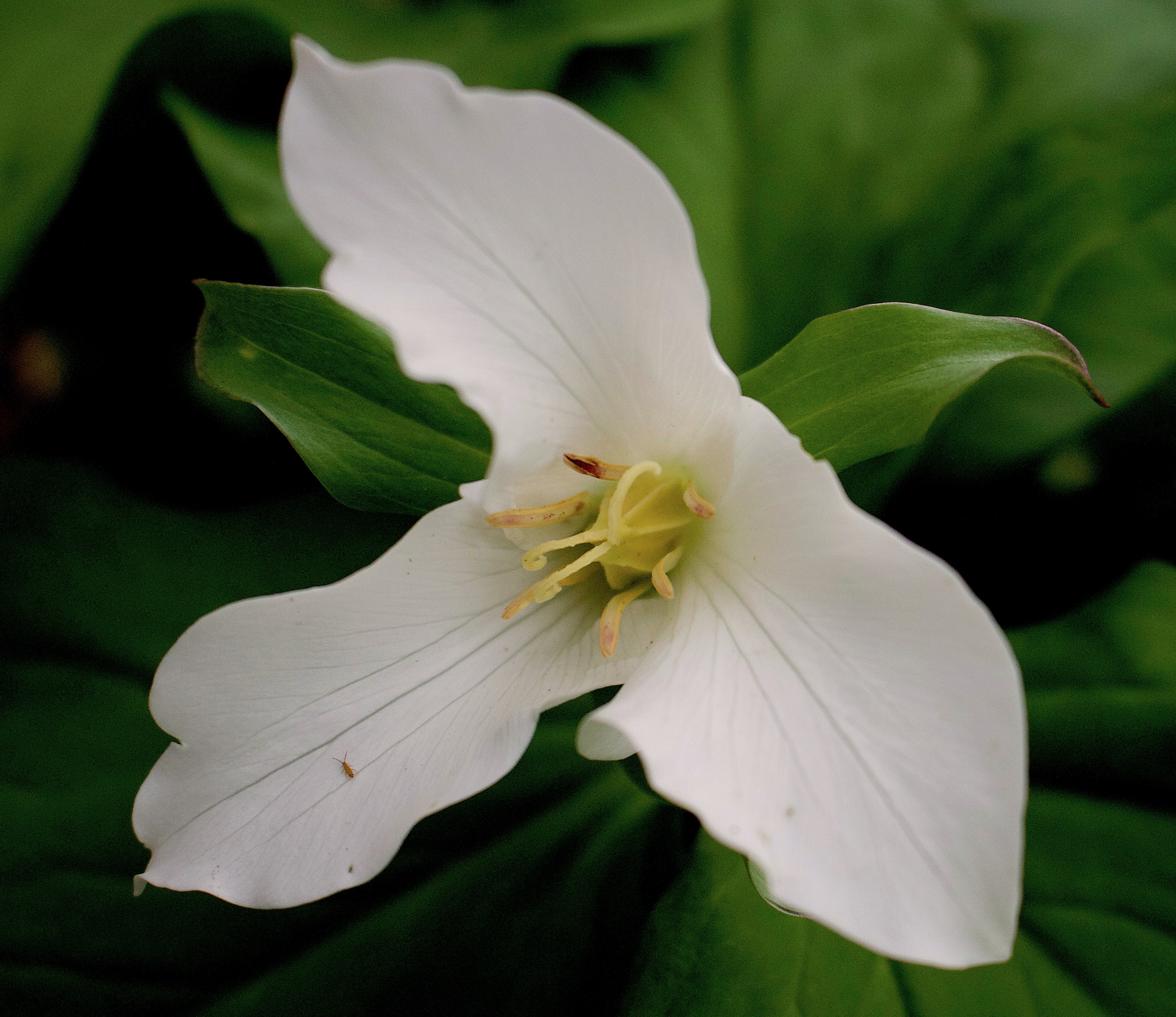
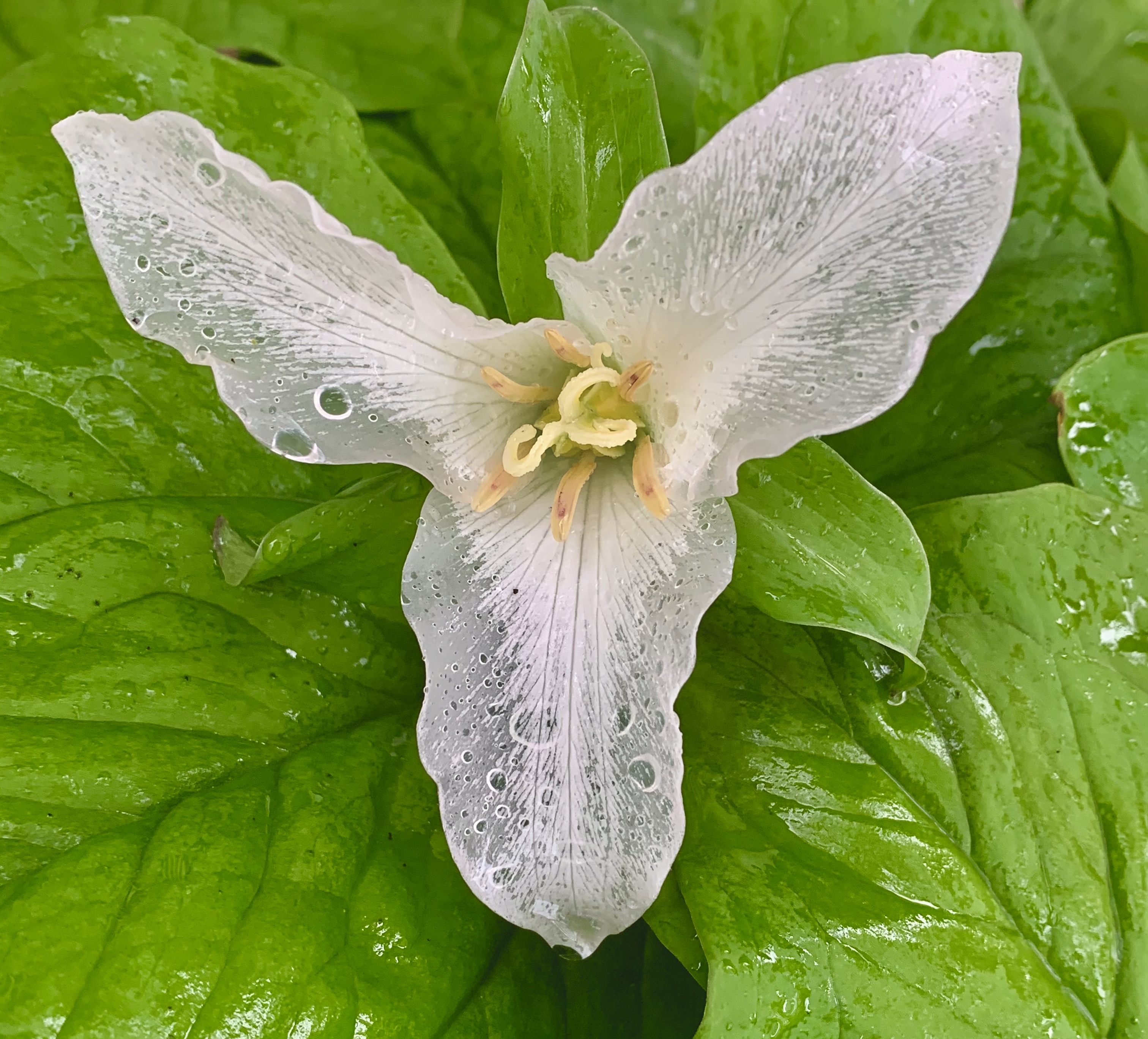
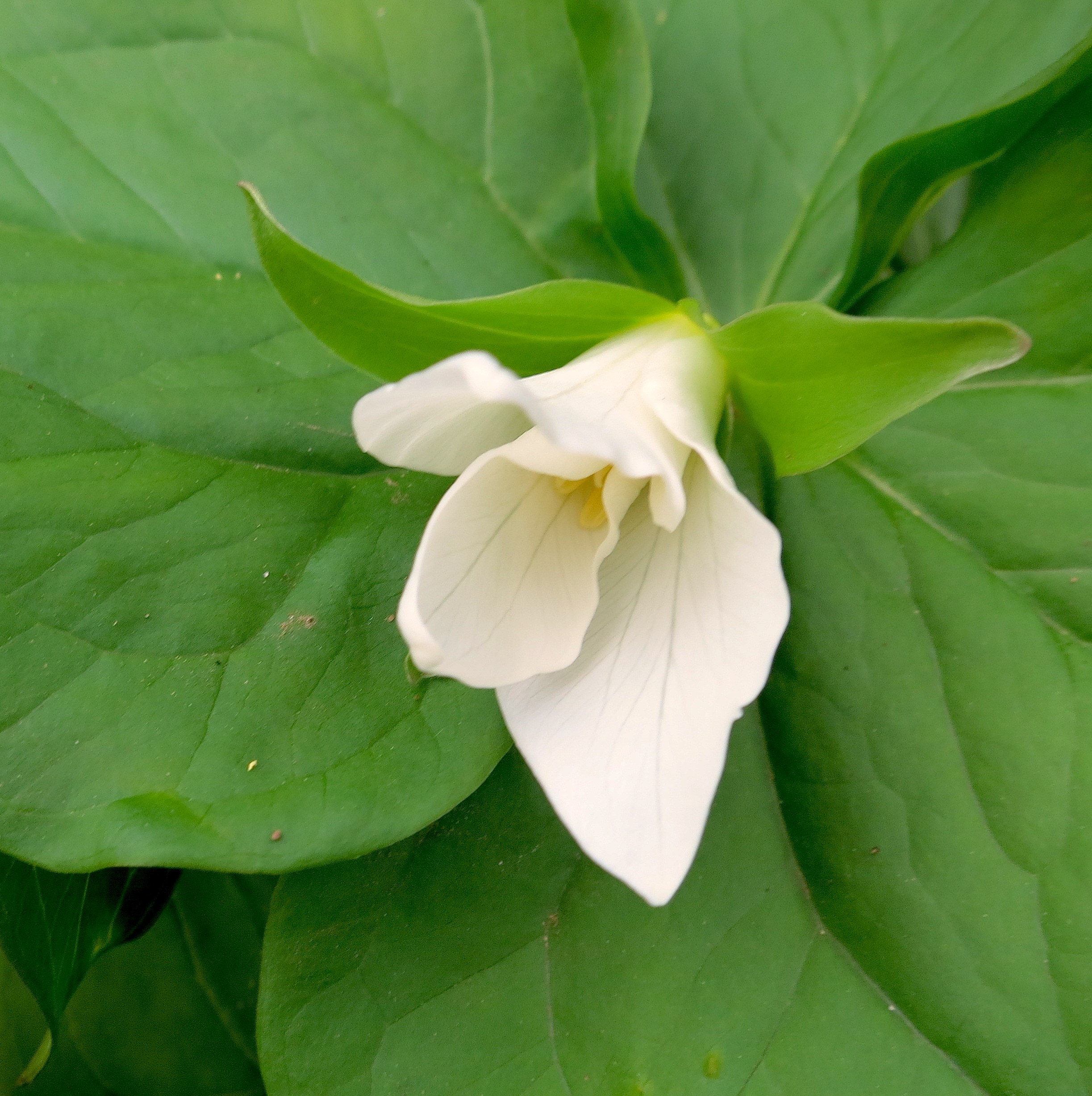
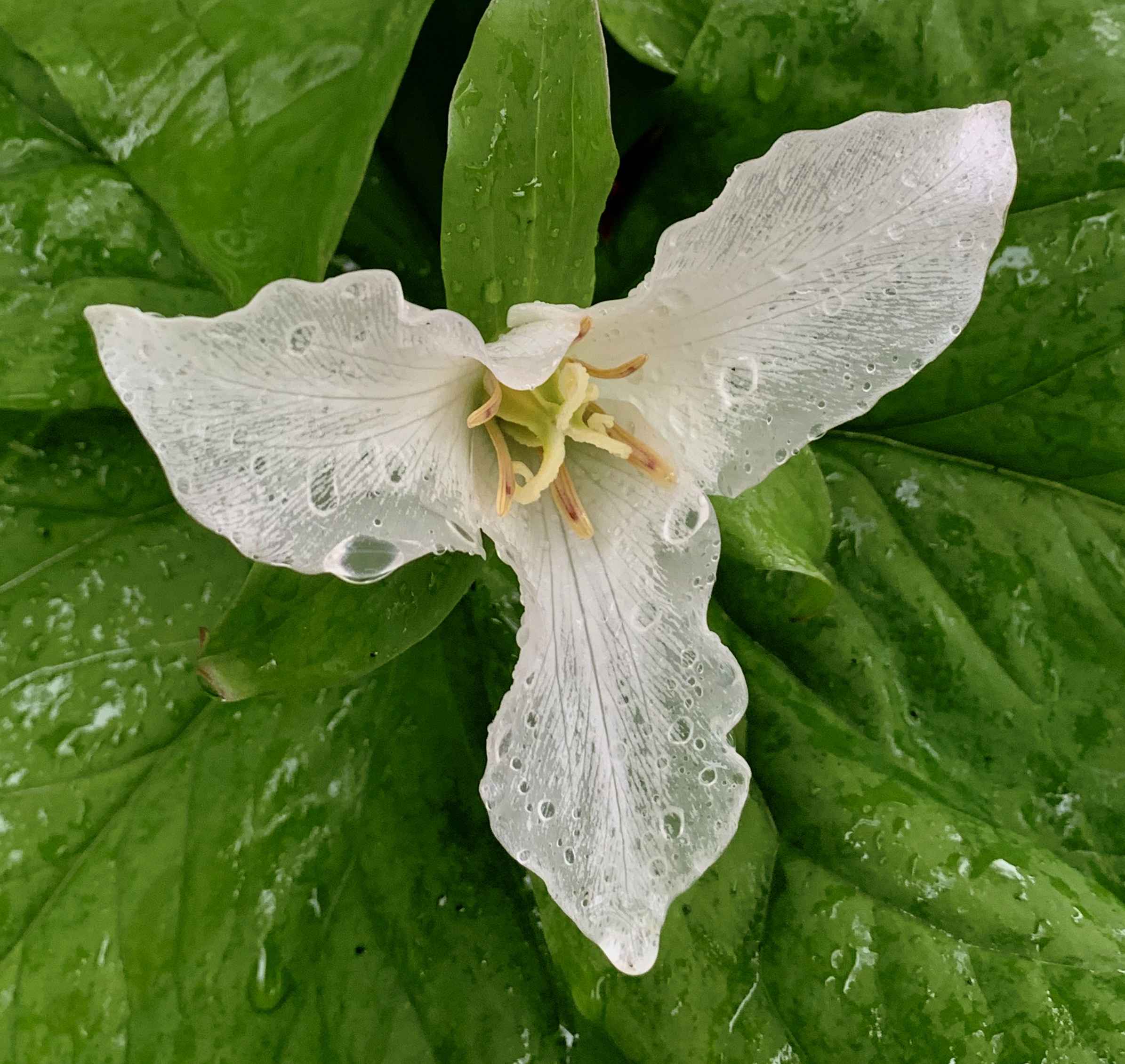
All trilliums unfold
white flames above their trinities
of leaves…

now
make of our hearts a field
to raise your praise

~Luci Shaw from “Spring song, very early morning” from The Green Earth: Poems of Creation

The flaw is no more
noticeable, even to me,
than a new moth-hole
in my sweater, or
a very bald spot
on the fabric of
my velvet vest.

Yet when
I hold the cloth
up to the window
the sunlight
bleeds through.

~Luci Shaw “Defect”

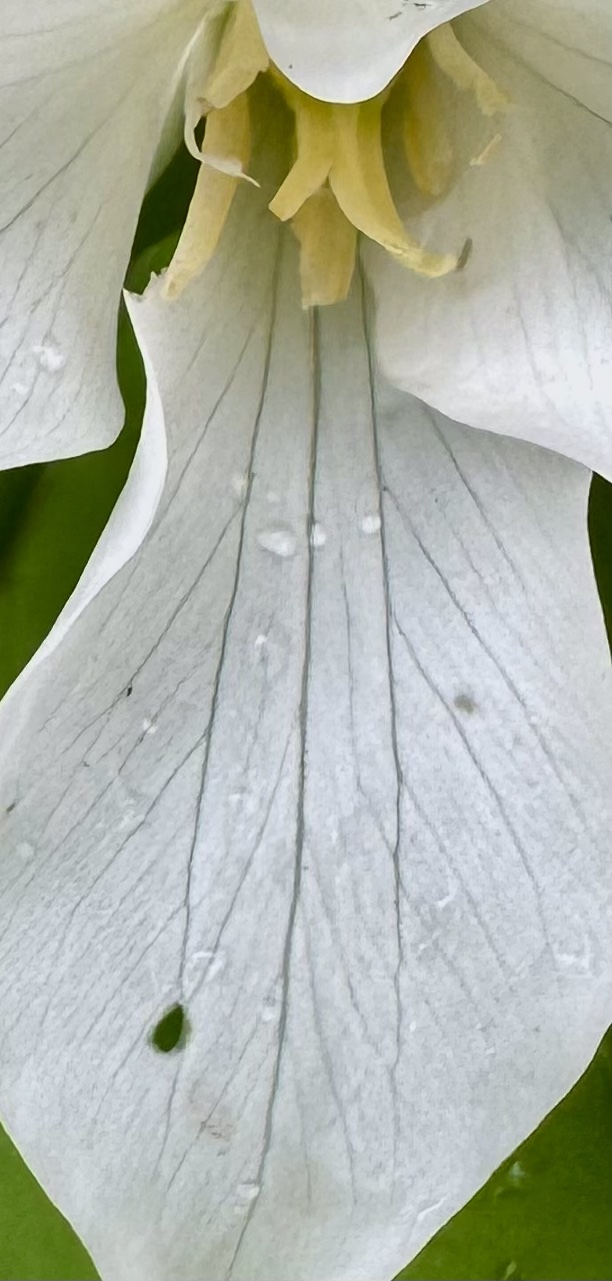
The trillium only thrives where death has been.
The mulch of hundreds of autumns
fluffs the bed where trillium bulbs sleep,
quietly content through most of the year.

When the frost is giving way to dew,
the trillium leaves peek out, curious, testing the air.
A few stray rays of sun filtering through the overgrowth and canopy encourage the shoots to rise, spread and unfurl.

In the middle, a white bud appears in humility,
almost embarrassed to be seen at all.

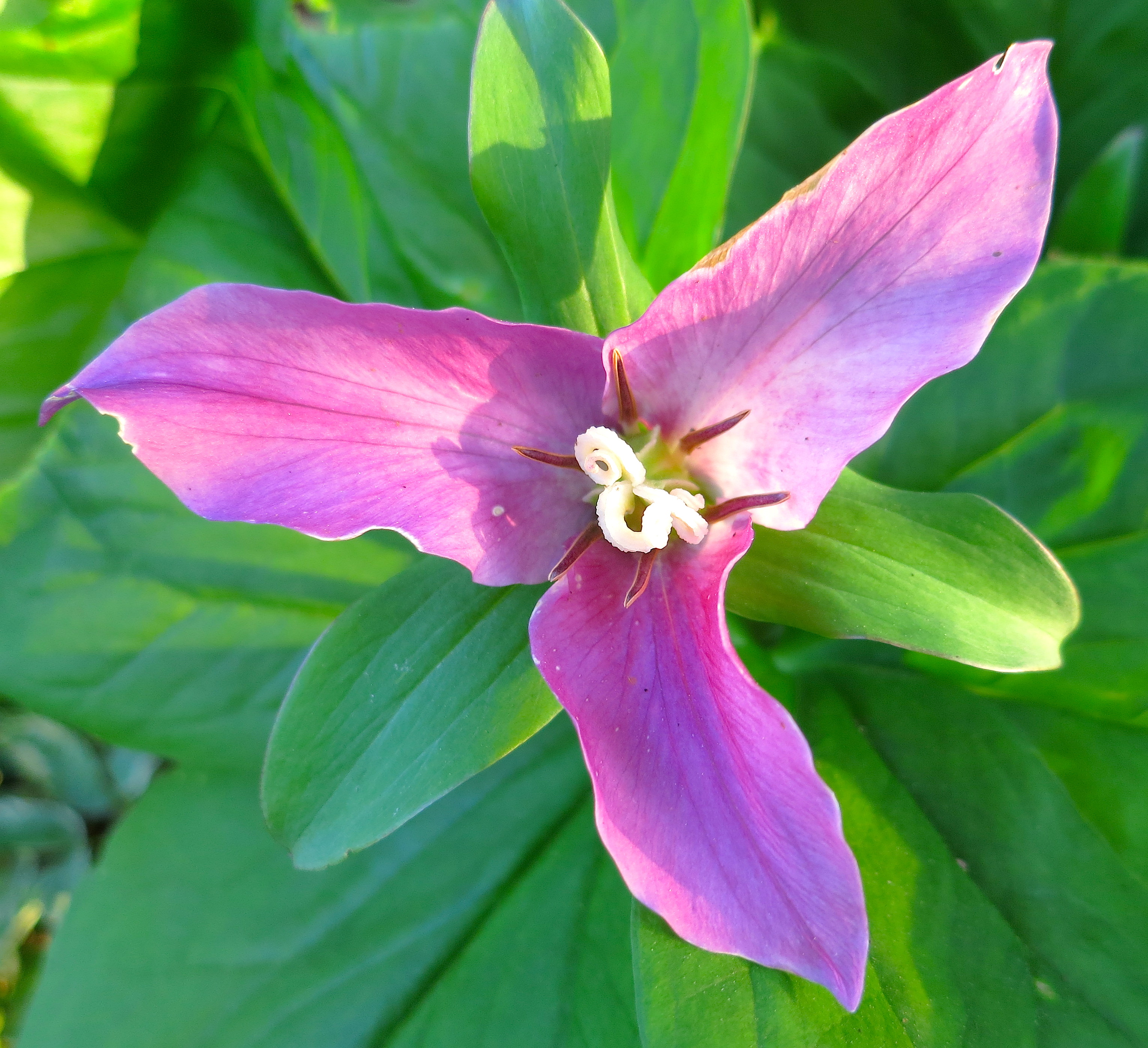
In a matter of days, the petals spread wide and bold so briefly,
curl purplish, wilt and return aground.
Leaves wither and fall unnoticed, becoming dust once again.

Then, beauty will rise from decay.
Death gives way to pure triune perfection.

This year’s Lenten theme:

…where you go I will go…
Ruth 1:16

One-Time
Monthly
Yearly

Make a one-time or recurring donation to support daily Barnstorming posts

Make a monthly donation

Make a yearly donation

Choose an amount

$10.00
$25.00
$50.00
$5.00
$15.00
$100.00
$5.00
$15.00
$100.00

Or enter a custom amount

$

Your contribution is deeply appreciated.

Your contribution is appreciated.

Your contribution is appreciated.

DonateDonate monthlyDonate yearly
Where You Go, I Will Go: Solitudes of Peace

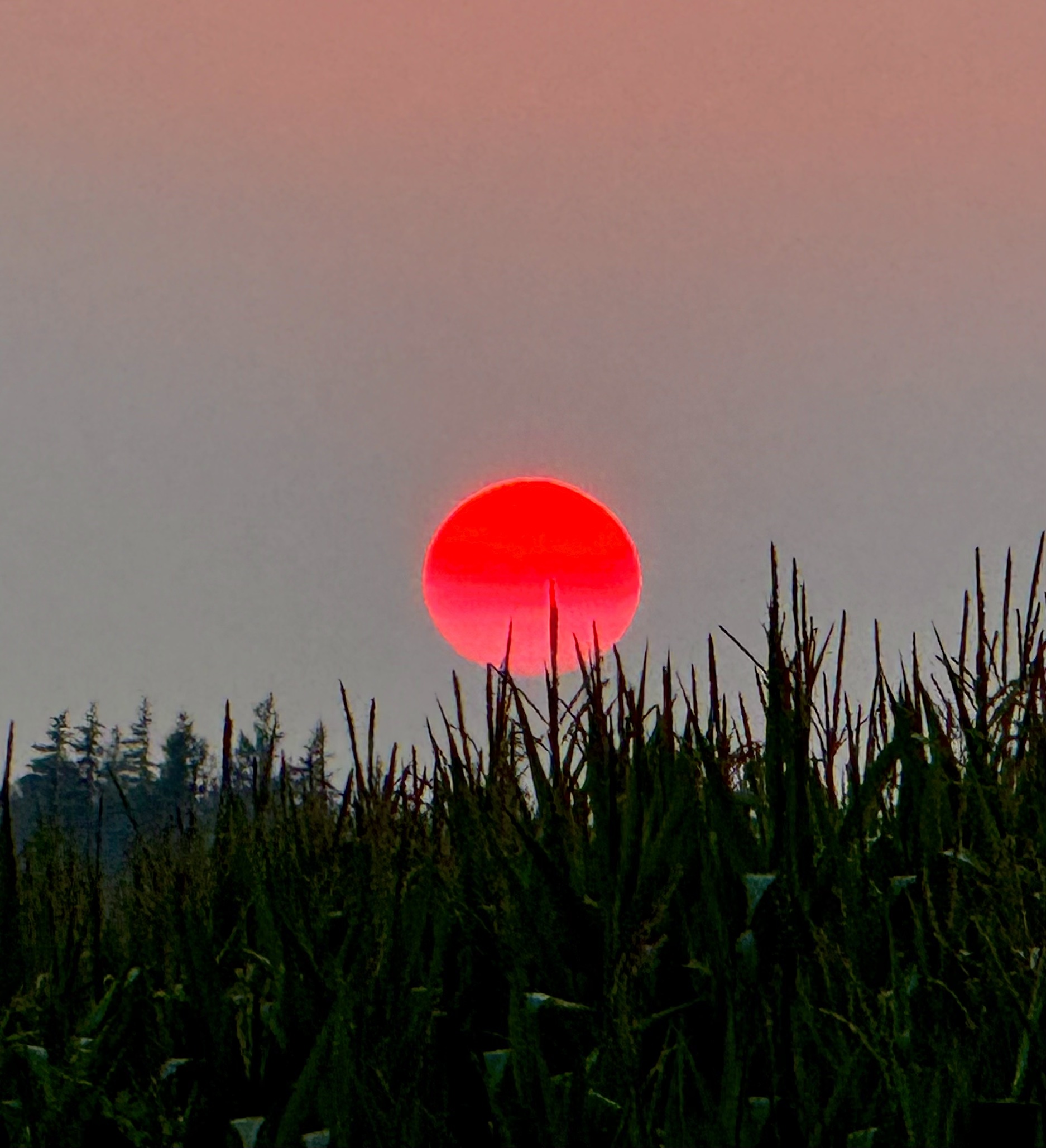
Now a red, sleepy sun above the rim
Of twilight stares along the quiet weald,
And the kind, simple country shines revealed
In solitudes of peace, no longer dim.
The old horse lifts his face and thanks the light,
Then stretches down his head to crop the green.
All things that he has loved are in his sight;
The places where his happiness has been
Are in his eyes, his heart, and they are good.
~Siegfried Sassoon from “Break of Day”

Stay away from reading 24 hour headlines.
Avoid being crushed by disturbing news.
Try facing the sun as it rises and sets,
knowing it will continue to do so, no matter what.

Do not forget
the eternal source of peace was
sent to earth
directly from God:
one Man walked among us, became sacrifice,
and He will return.

A new day breaks fresh each morning
and folds into itself gently each evening.

Be glad for another day
when all things you love are within reach.

Breathe deeply in gratitude for the remembrance
of infinite blessings.

This year’s Lenten theme:

…where you go I will go…
Ruth 1:16

AI image created for this post
One-Time
Monthly
Yearly

Make a one-time or recurring donation to support daily Barnstorming posts

Make a monthly donation

Make a yearly donation

Choose an amount

$10.00
$25.00
$50.00
$5.00
$15.00
$100.00
$5.00
$15.00
$100.00

Or enter a custom amount

$

Your contribution is deeply appreciated.

Your contribution is appreciated.

Your contribution is appreciated.

DonateDonate monthlyDonate yearly
Where You Go, I Will Go: We Need More Cow Bell

We come across a ridge and hear
a cowbell in the cove beyond,
a tinkle sweetening the air
with vague rubato as the breeze
erases tones and then the notes
resume like echoes from the past
or from a cave inside the cliff,
a still, calm voice in dialect
and keeping its own company,
both out of time and long as time,
both here and from a higher sphere,
as if the voice of history
were intimate as memory.

~Robert Morgan “Cowbell”

Over my head, I see the bronze butterfly,   
Asleep on the black trunk,
Blowing like a leaf in green shadow.   
Down the ravine behind the empty house,   
The cowbells follow one another   
Into the distances of the afternoon.   
To my right,
In a field of sunlight between two pines,   
The droppings of last year’s horses   
Blaze up into golden stones.
I lean back, as the evening darkens and comes on.   
A chicken hawk floats over, looking for home.
I have wasted my life.
~James Wright “Lying in a Hammock at William Duffy’s Farm in Pine Island, Minnesota”

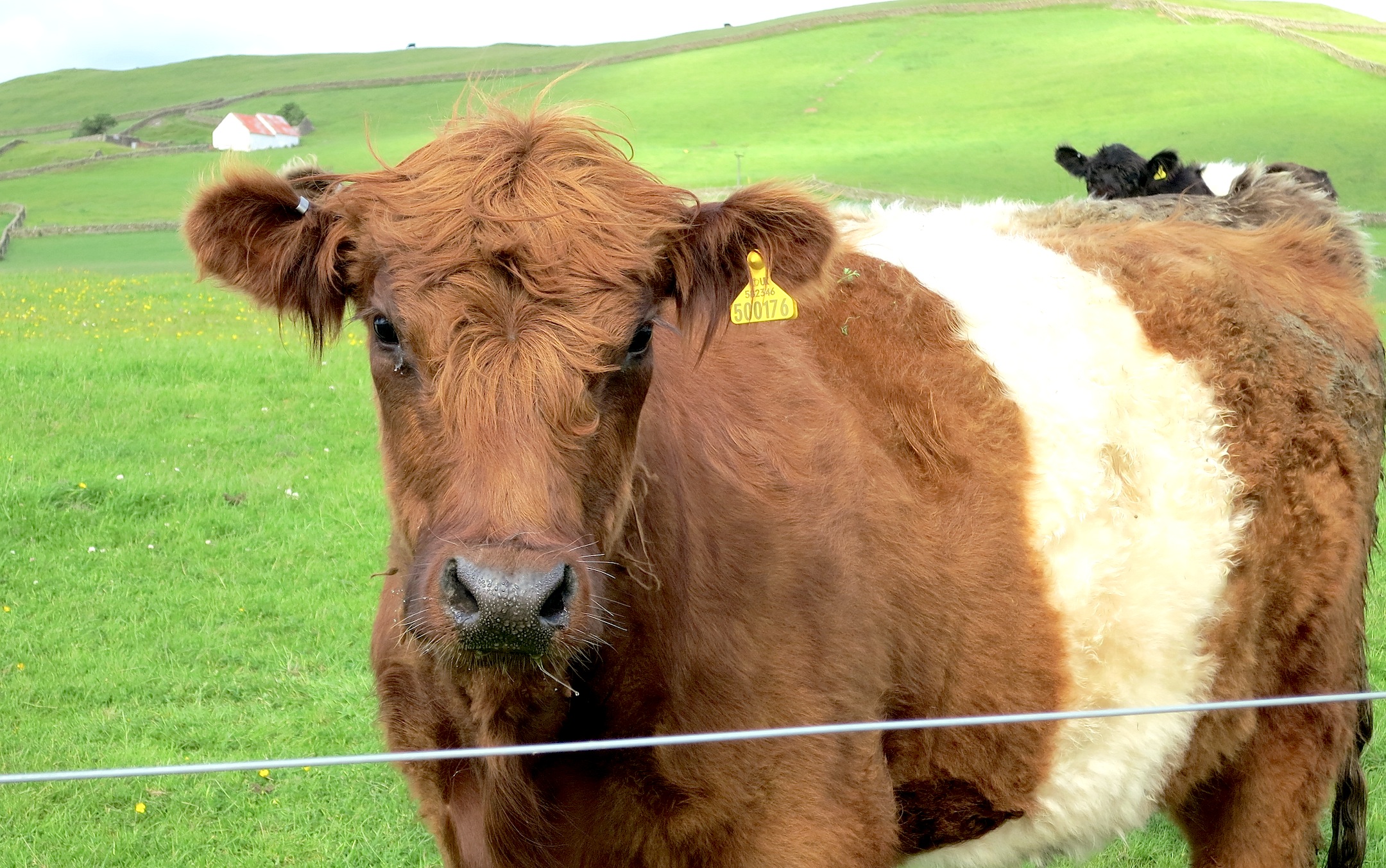
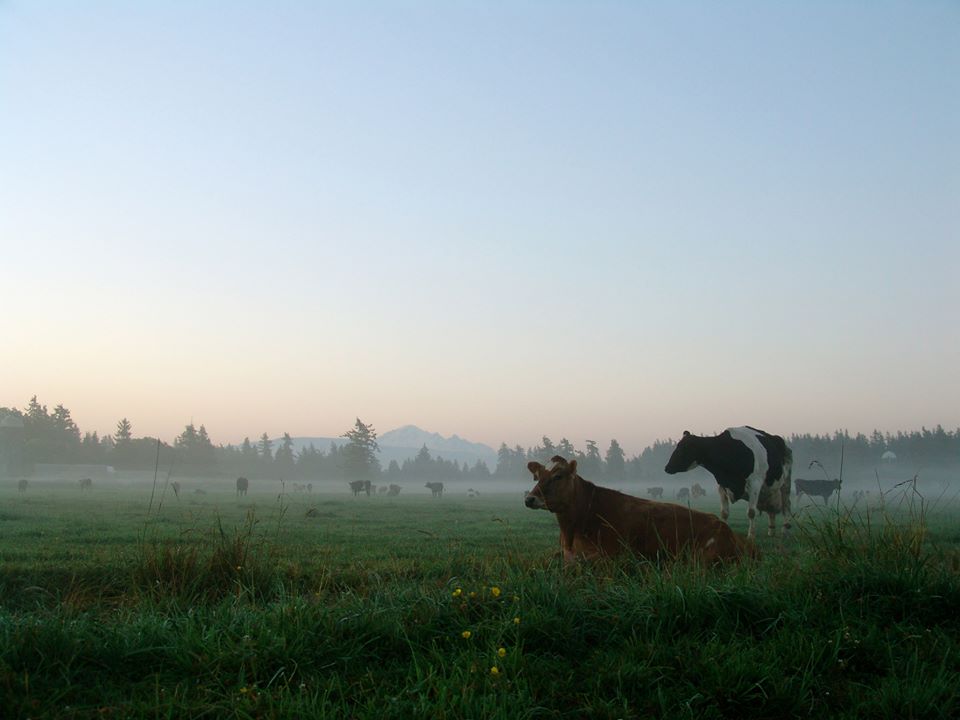
photo by Kate Steensma from Steensma Creamery

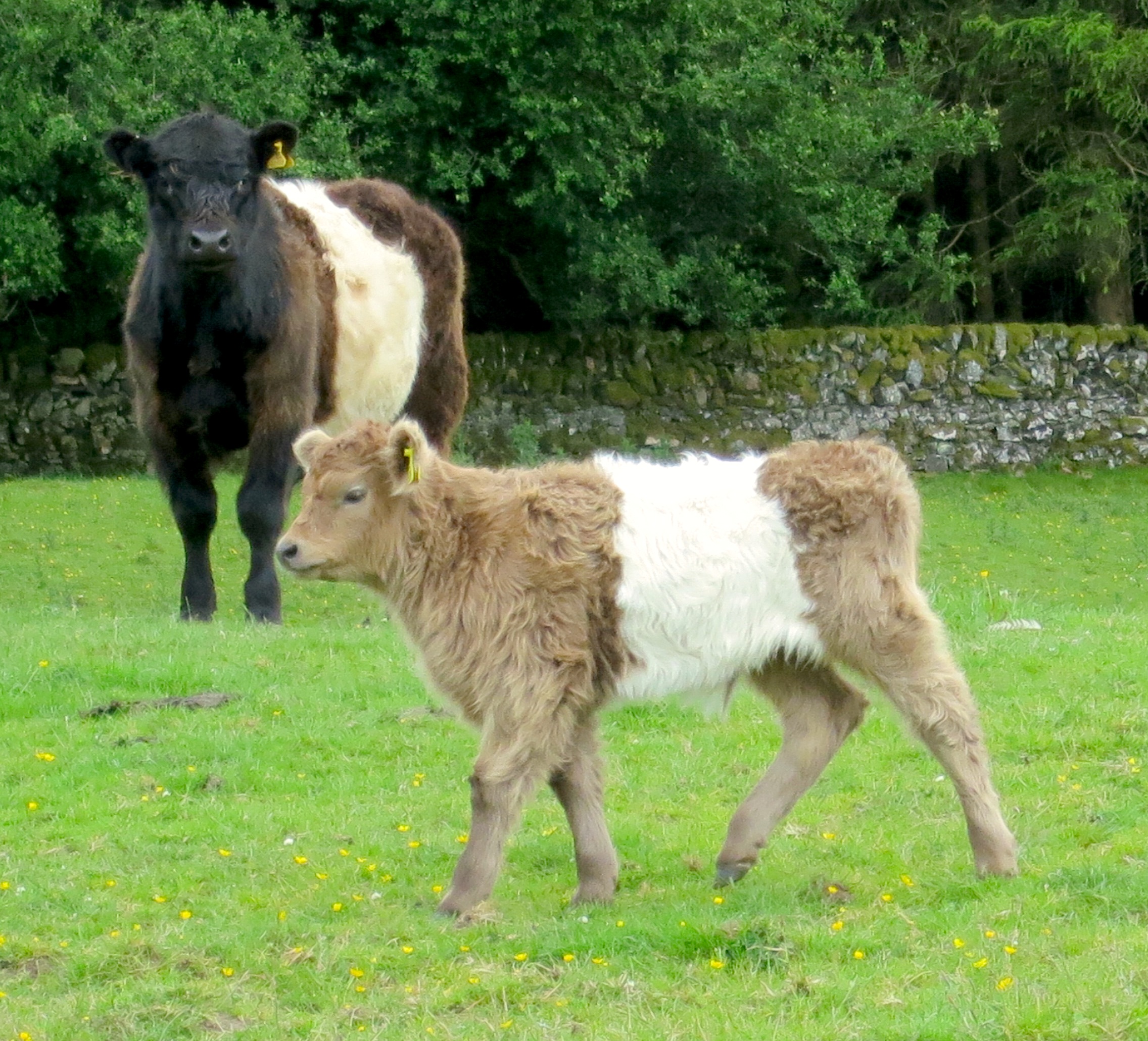
One of the lullabies I remember hearing as a youngster were cowbells in the pasture outside my bedroom window on our small family farm. Each of our three milking Guernsey cows wore a bell on her neck so my dad could tell where they were in our wooded field. He’d whistle and call “Come Bossy!” and they would walk single file into the barn, ringing and tinkling with each step, for their twice daily grain and hand-milking.

When I was old enough, I liked to perch on top of their bony backs while my dad leaned his head into their flank, whistling a tune while he milked them, the steaming stream of milk hitting the metal bucket with a high-pitched whine. The bells on their necks still chimed as the cows chewed, moving their heads up and down to finish their meal.

This was divine music that soothed and reassured me and I felt I could follow it anywhere. All was right with the world, thanks to the cows and their intrinsic tunes created by their movements, as if they were created to charm their keepers.

There are moments when I believe we are hearing what heaven must sound like.

Now, seven decades later, the soft harmony of cowbells is replaced by the random chords of wind chimes hanging outside our house.

The memory of cowbell music remains a reminder: I have not wasted my life if I can taste heaven through such simple things and magical moments.

But I still need more cowbell…

This year’s Lenten theme:

…where you go I will go…
Ruth 1:16

and because there is always a need for more cowbell…

One-Time
Monthly
Yearly

Make a one-time or recurring donation to support daily Barnstorming posts

Make a monthly donation

Make a yearly donation

Choose an amount

$10.00
$25.00
$50.00
$5.00
$15.00
$100.00
$5.00
$15.00
$100.00

Or enter a custom amount

$

Your contribution is deeply appreciated.

Your contribution is appreciated.

Your contribution is appreciated.

DonateDonate monthlyDonate yearly
Where You Go, I Will Go: The Depth of His Wounds

…by his wounds you have been healed.
1Peter 2:24b

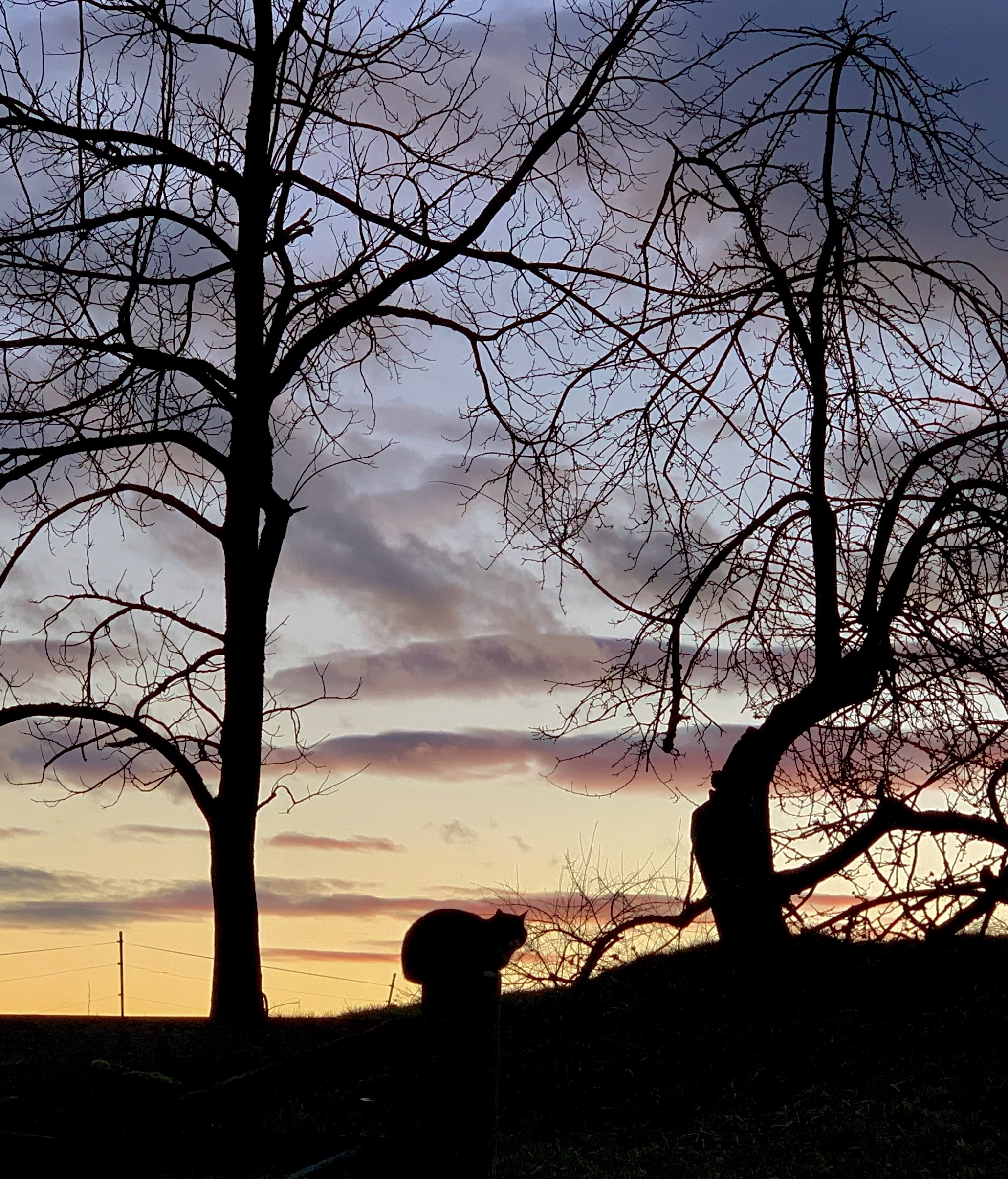
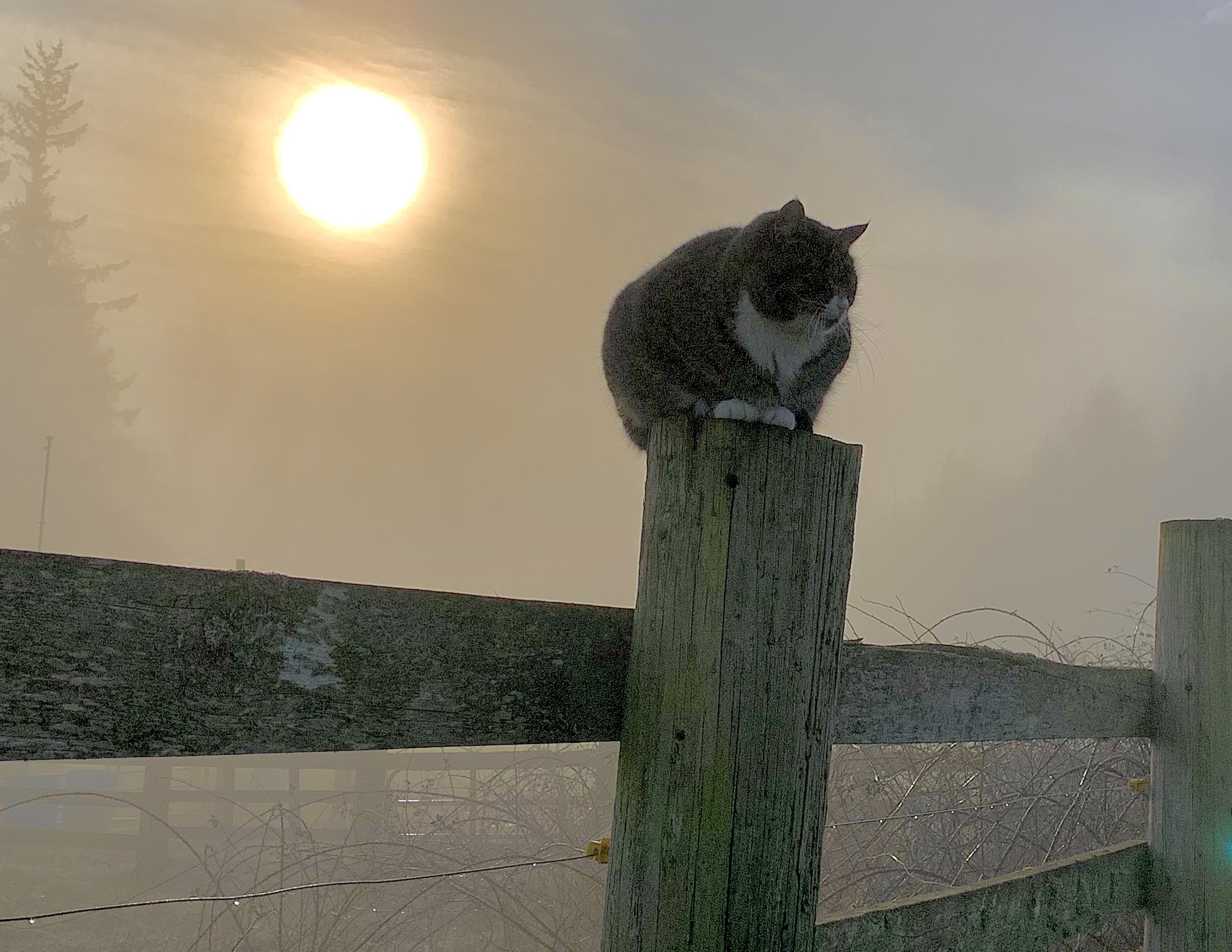
The first time I saw him it was just a flash of gray ringed tail
disappearing into autumn night mist as I opened the back door
to pour kibble into the empty cat dish on the porch:
just another stray cat among many who visit the farm.

A few stay.

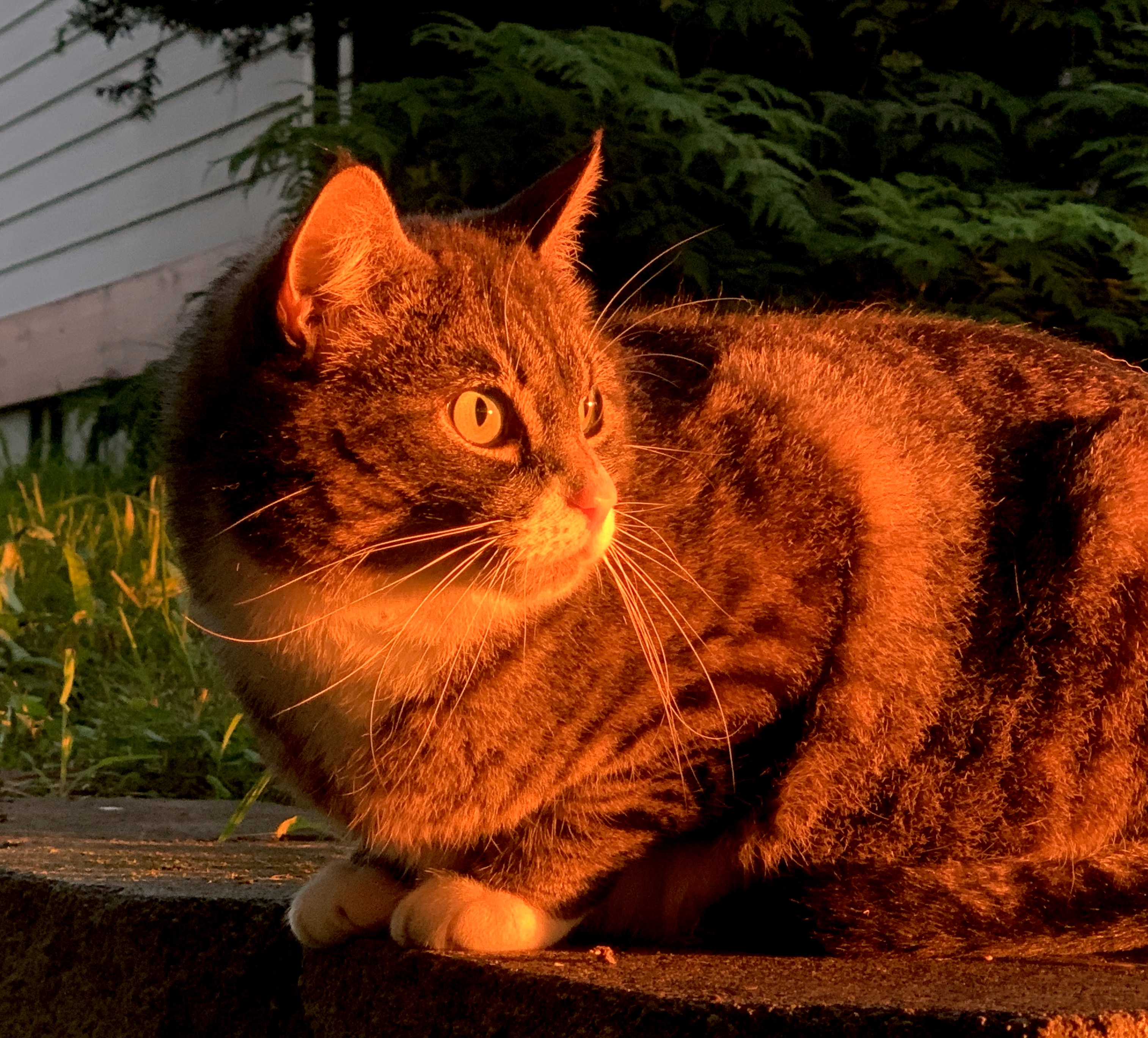
So he did, keeping a distance in the shadows under the trees,
a gray tabby with white nose and bib, serious yet skittish,
watching me as I moved about feeding dogs, cats, birds, horses,
creeping to the cat dish only when the others drifted away.

There was something in the way he held his head,
an oddly forward ear; a stilted swivel of the neck.
I startled him one day as he ate his fill at the dish.

He ran, the back of his head flashing red, scalp completely gone.

Not oozing, nor something new, but recent. A nearly mortal scar
from an encounter with coyote, or eagle or bobcat.
This cat thrived despite trauma and pain, tissue still raw, trying to heal.

He had chosen to live; life had chosen him.

My first thought was to trap him, to put him humanely to sleep
to end his suffering, in truth to end my distress at seeing him every day, envisioning florid flesh even as he hunkered invisible
in the shadowlands of the barnyard.

Yet the scar did not keep him from eating well or licking clean his pristine fur.

As much as I want to look away, to avoid confronting his mutilation,
I always greet him from a distance, a nod to his maimed courage,
through wintry icy blasts and four foot snow,
through spring rains and summer heat with flies.

His wounds remain unhealed, a reminder of his inevitable fate.

I never will stroke that silky fur,
or feel his burly purr, assuming he still knows how,
but still feed his daily fill,
as he feeds my need to know:
the value of a life so broken,
each breath taken filled with sacred air.

The depth of his wounds shows how much he still bleeds.

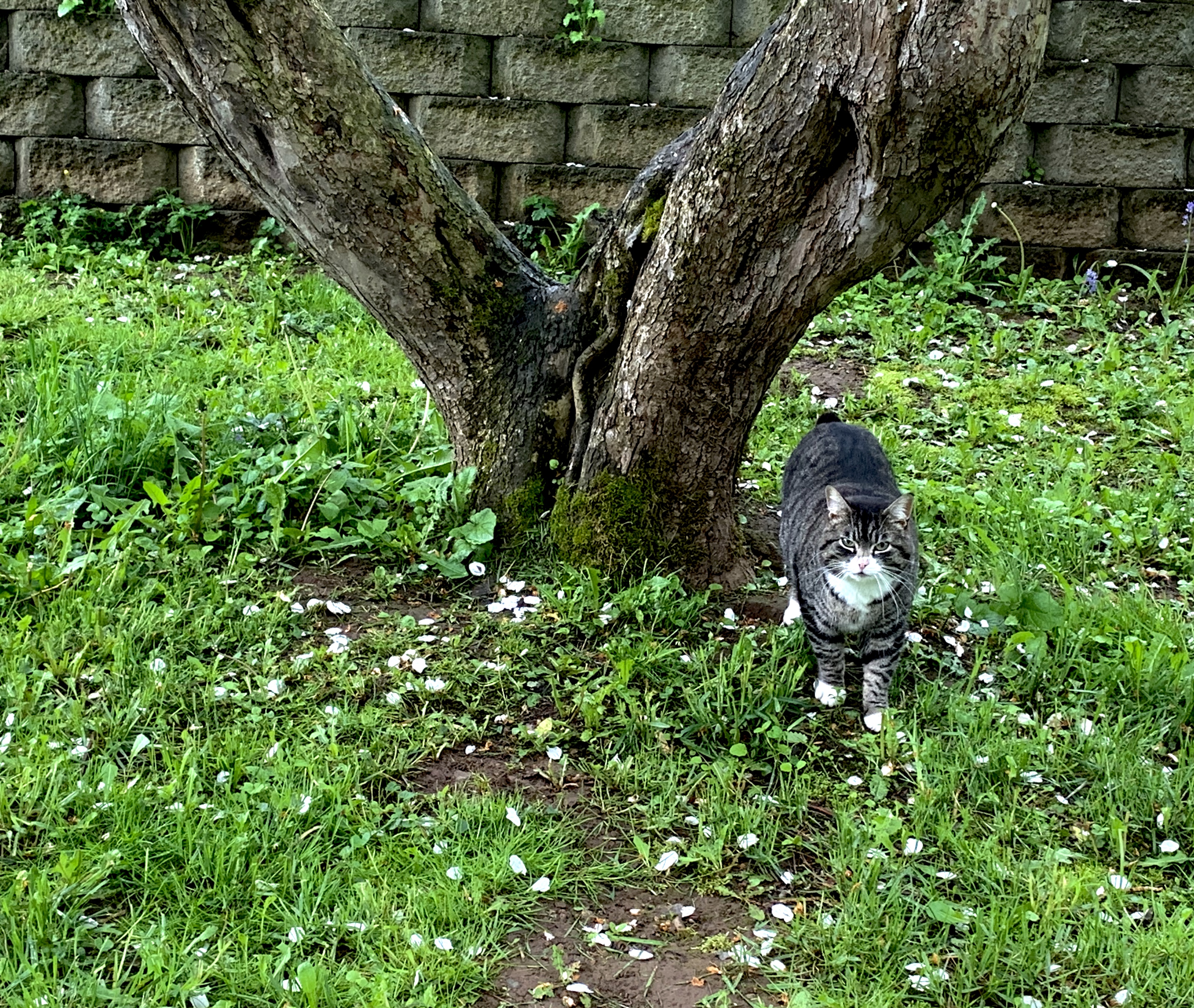
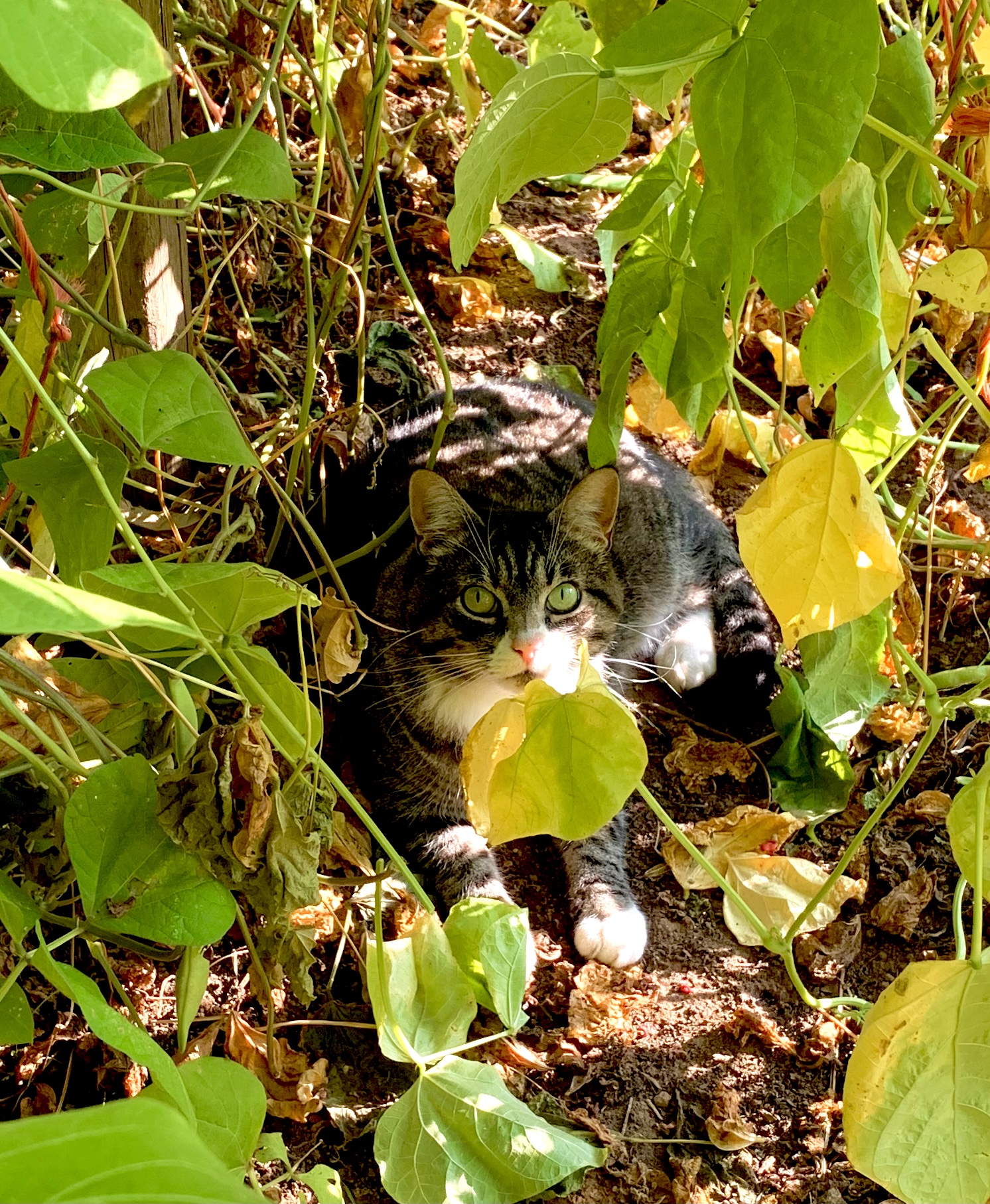
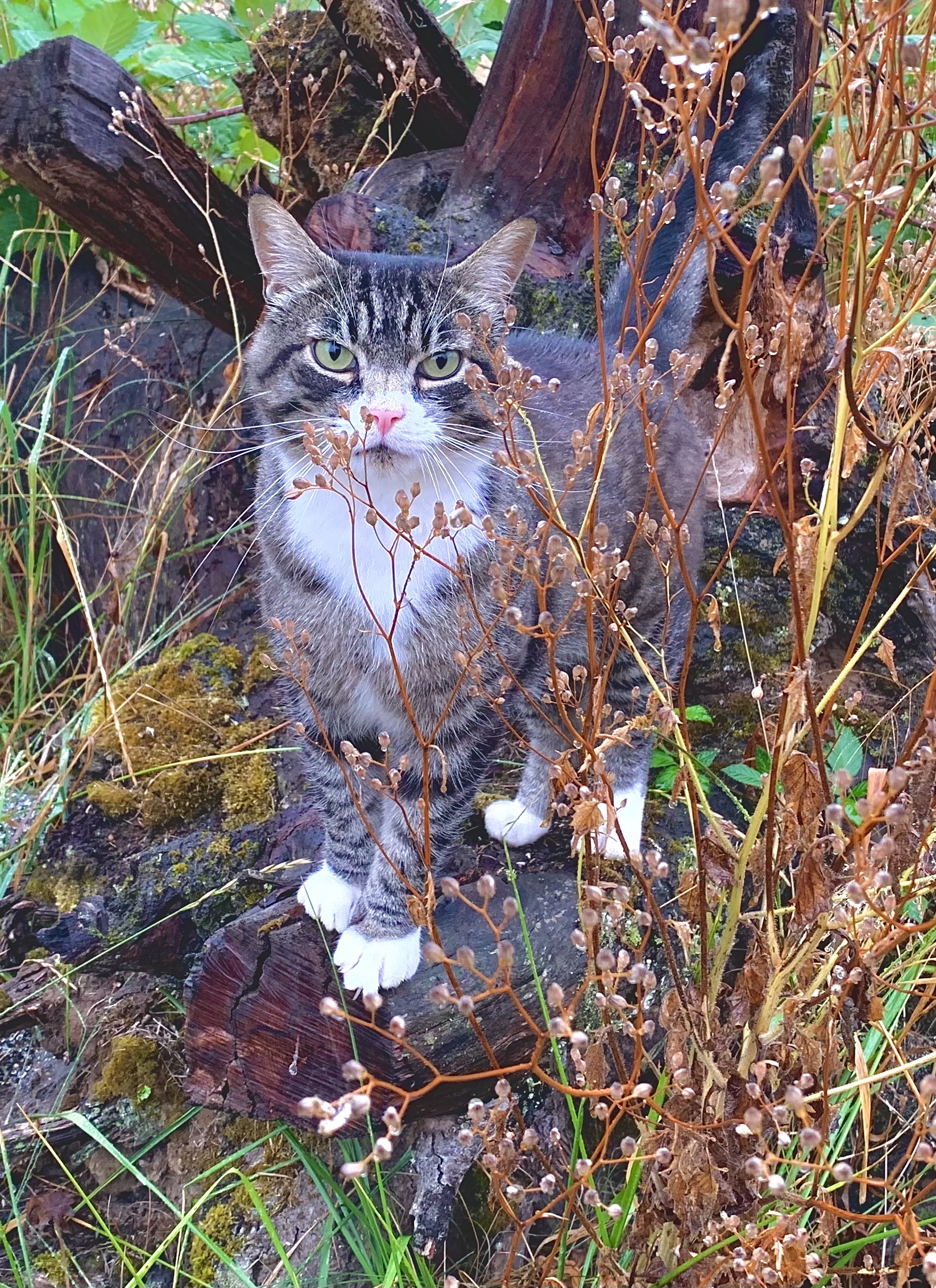
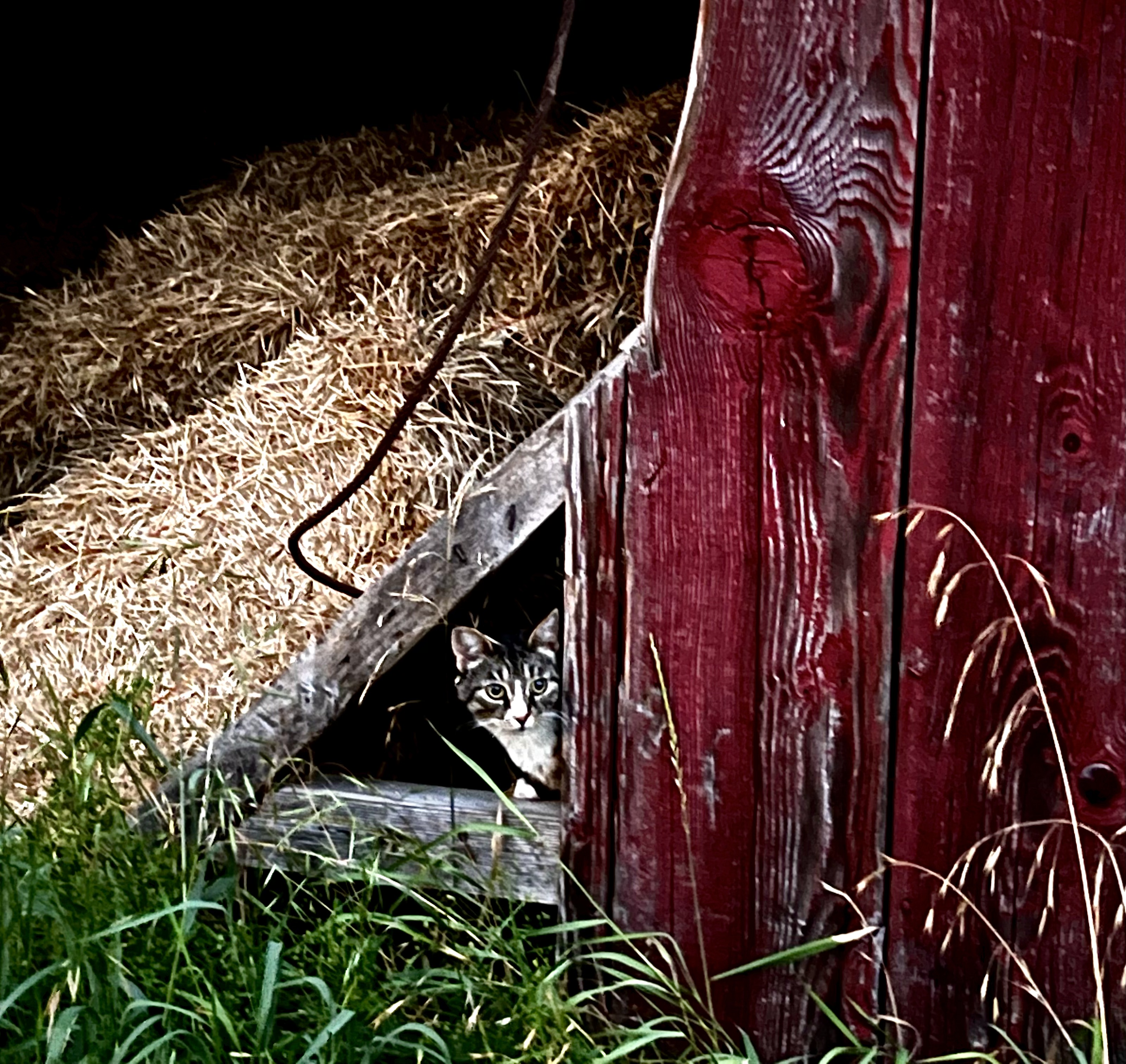
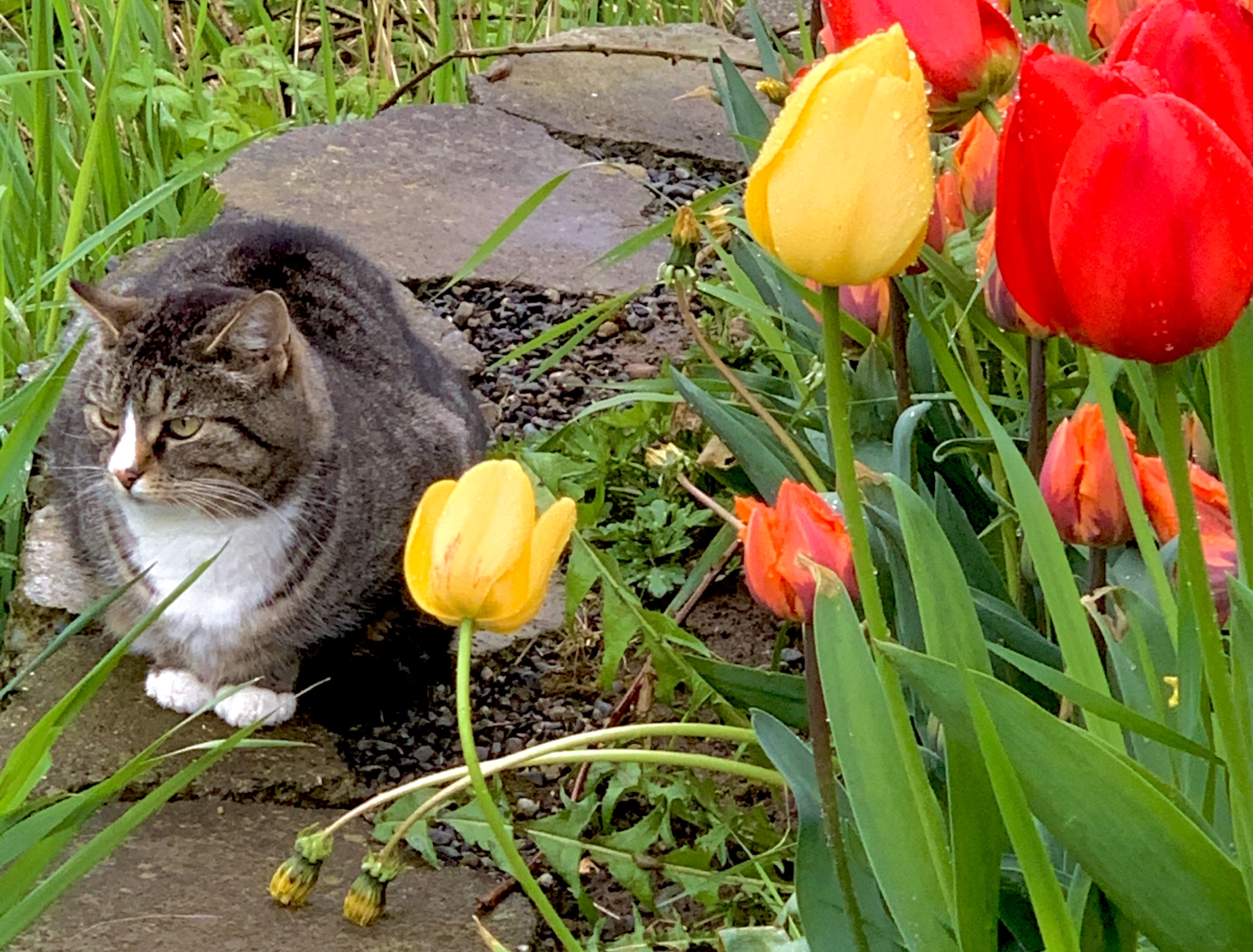
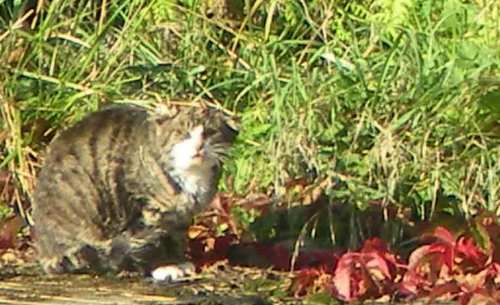
This is my only close photo of our wounded farm guest

This year’s Lenten theme:

…where you go I will go…
Ruth 1:16

One-Time
Monthly
Yearly

Make a one-time or recurring donation to support daily Barnstorming posts

Make a monthly donation

Make a yearly donation

Choose an amount

$10.00
$25.00
$50.00
$5.00
$15.00
$100.00
$5.00
$15.00
$100.00

Or enter a custom amount

$

Your contribution is deeply appreciated.

Your contribution is appreciated.

Your contribution is appreciated.

DonateDonate monthlyDonate yearly

Where You Go, I Will Go: A Constant Who Never Changes

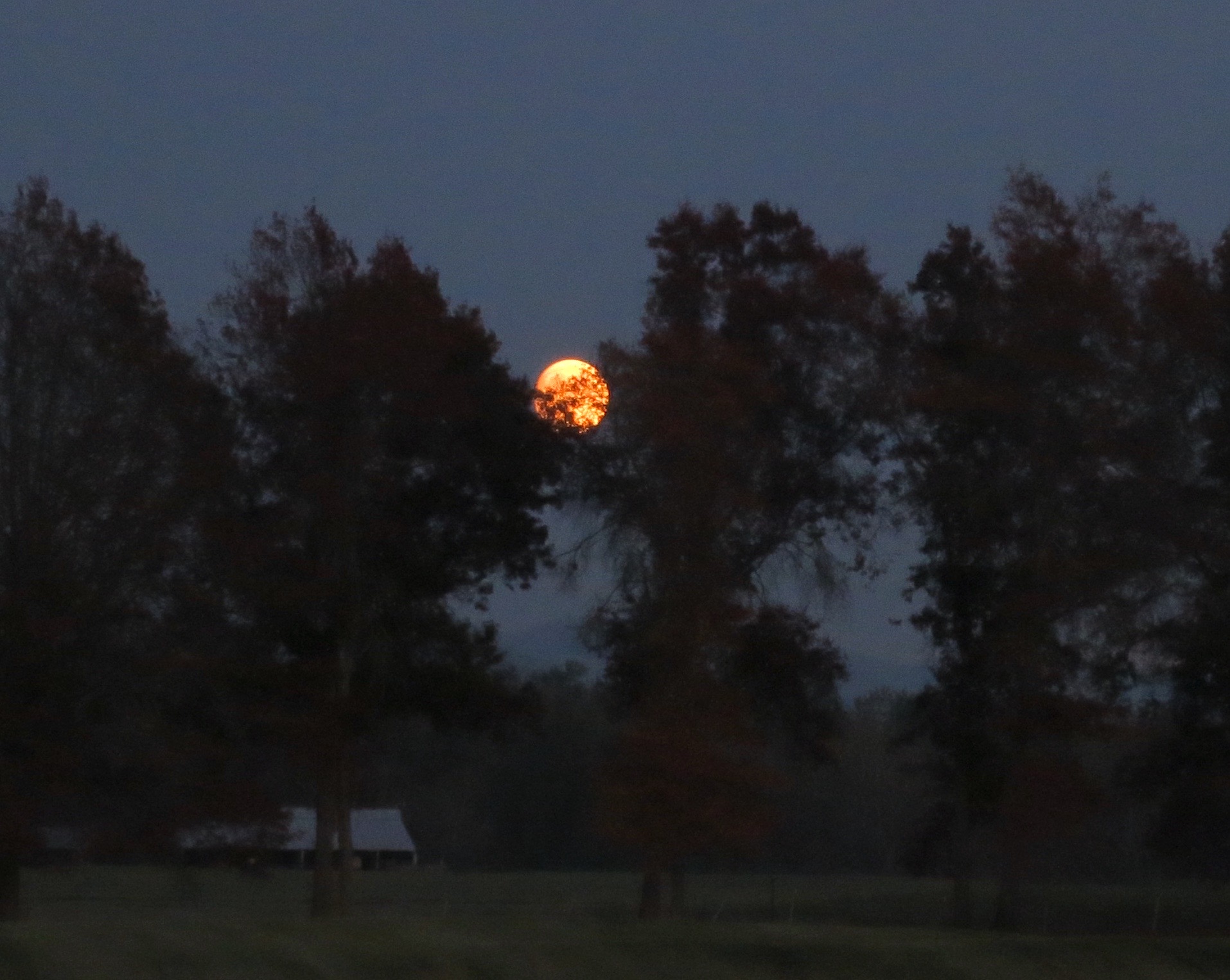
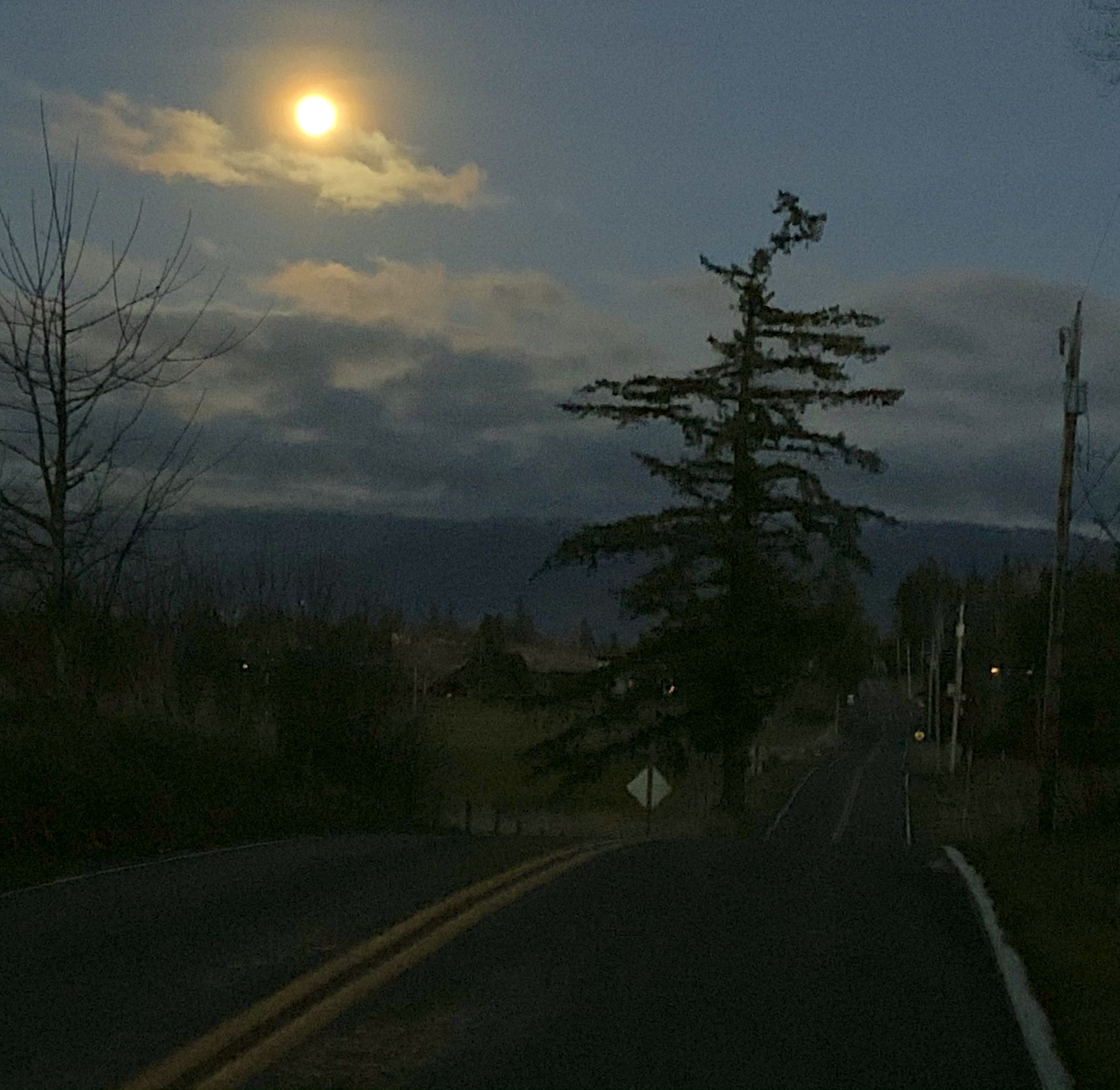
When the moon scrapes past obscuring clouds,
there is the startle of pale-yellow light
escaping the sky onto the pasture, where
I walk my two young whippets in early spring
listening to chorus frogs shamelessly seeking
mates in the marsh-ponds spring rain has become
in my back pasture. And then coyotes too on the
far hill startling the dogs with their turbulent yips
joining the necessary summoning for more
of this tipping into spring, night-ascending prayers to
the moon and watching stars. But the moonlight’s
caught sounds of fecundity are deceiving—cold north wind
needles my cheeks, embraces my earlobes despite the
upturned hood on my too-thin jacket. A light frost
on pasture-grass licks against my winter chore boots. Despite the
whetted signs and sounds of approaching spring, there is
yet to be early crocus, daffodils filling the yard, or leaves
on the maple trees that will later shade the pigs in summer
now shivering in the night’s transition in the barnyard.
~Ed Higgins, “Transitions” from  Near Truth Only

Only another day until the spring equinox.

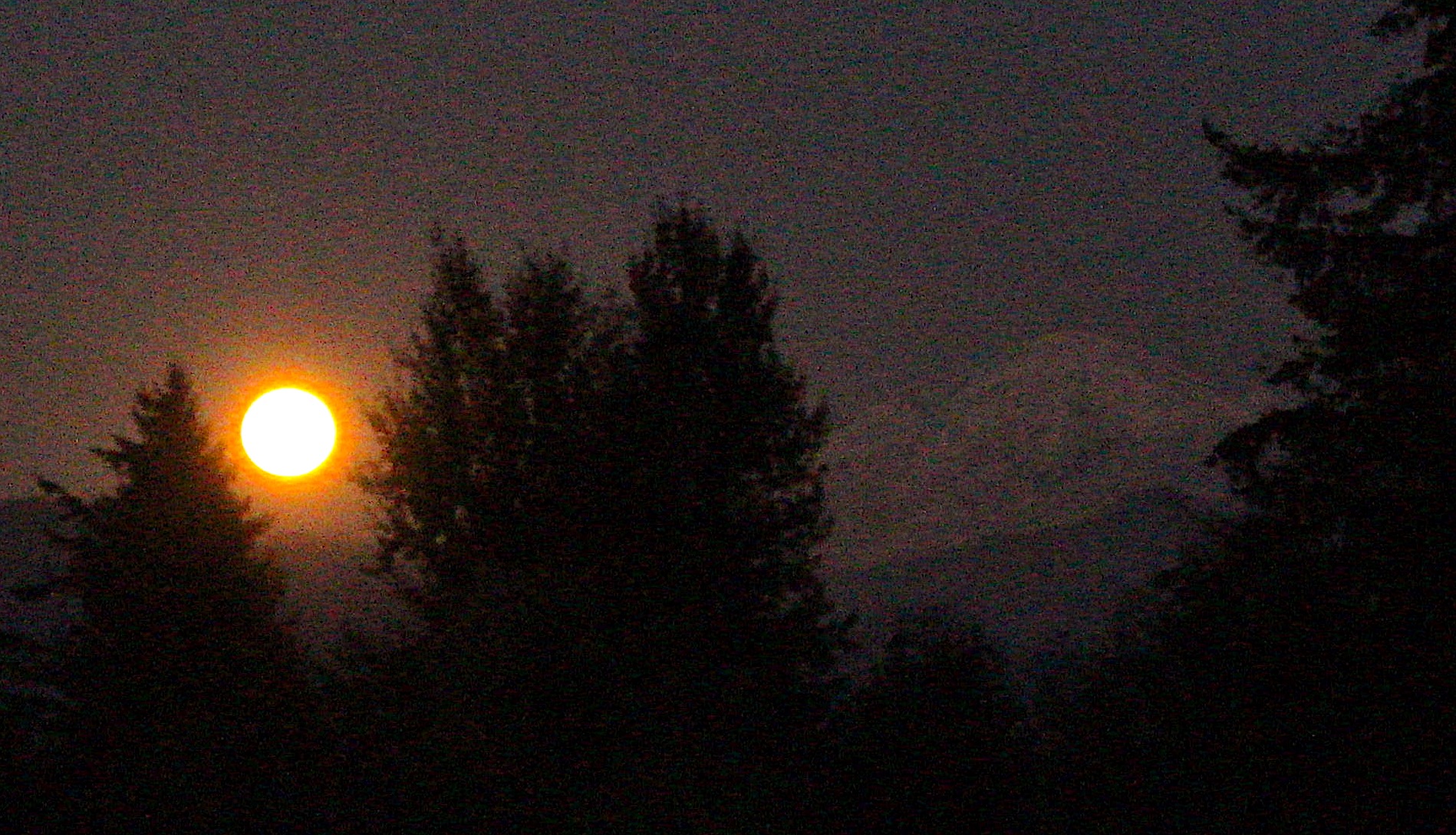
I confess to being impatient to transition away from winter, although we had snow and hail only a few days ago, our mornings are chilly with cold north breezes and our nights leave frosty icing on the barn roofs.

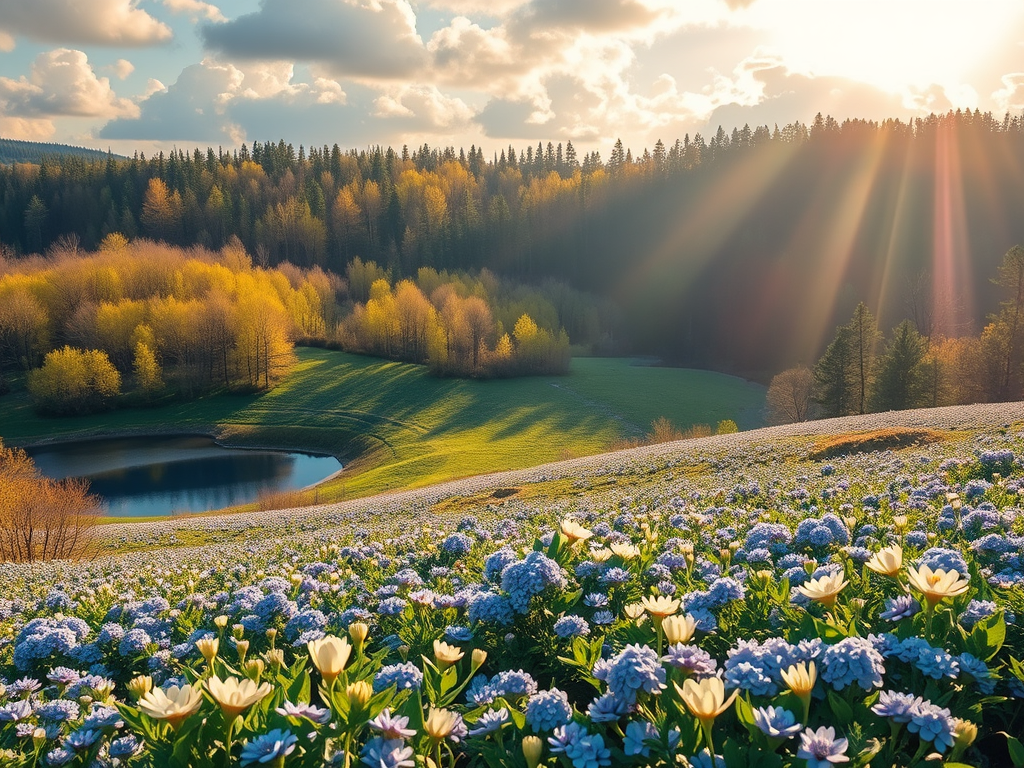
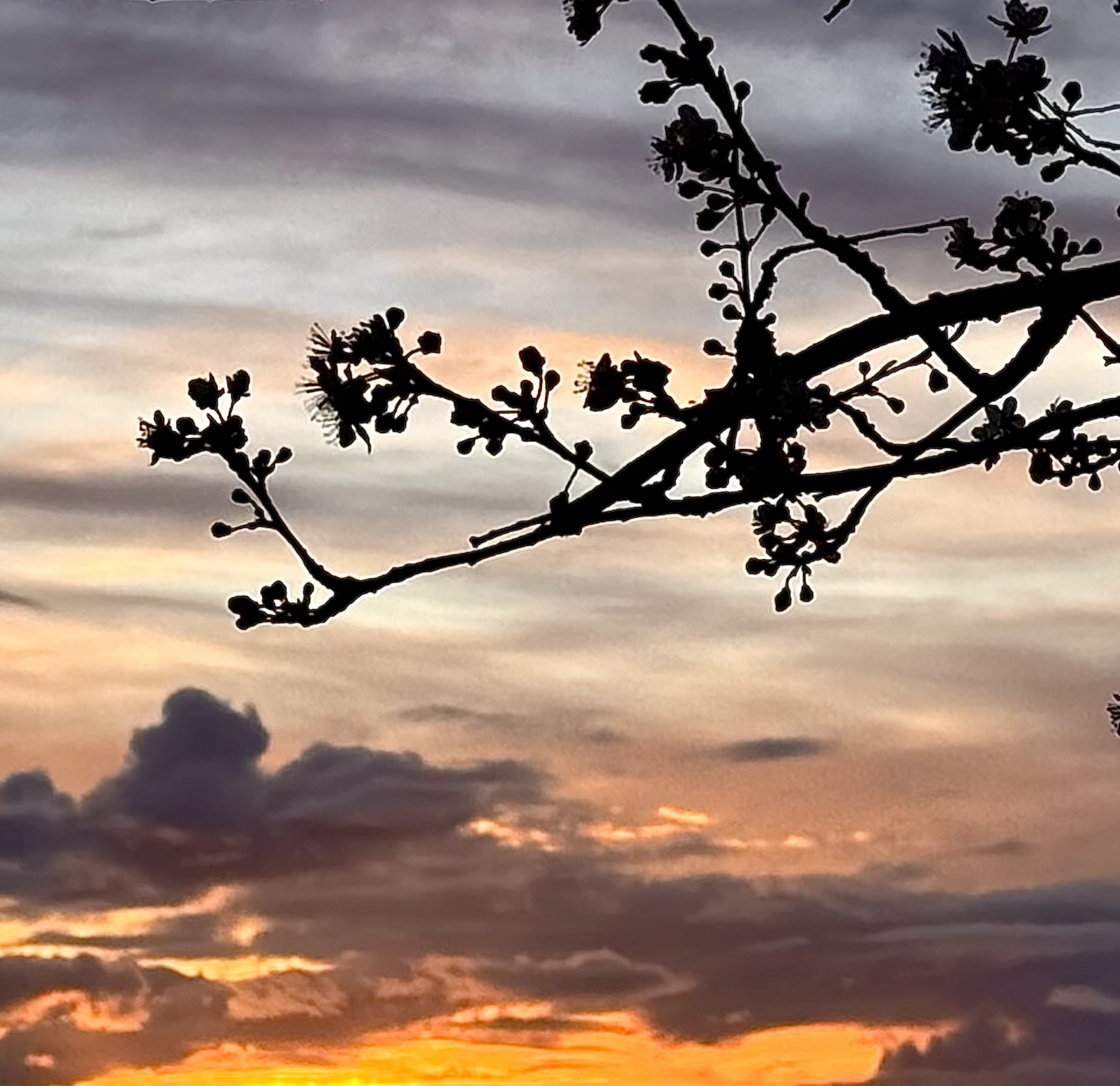
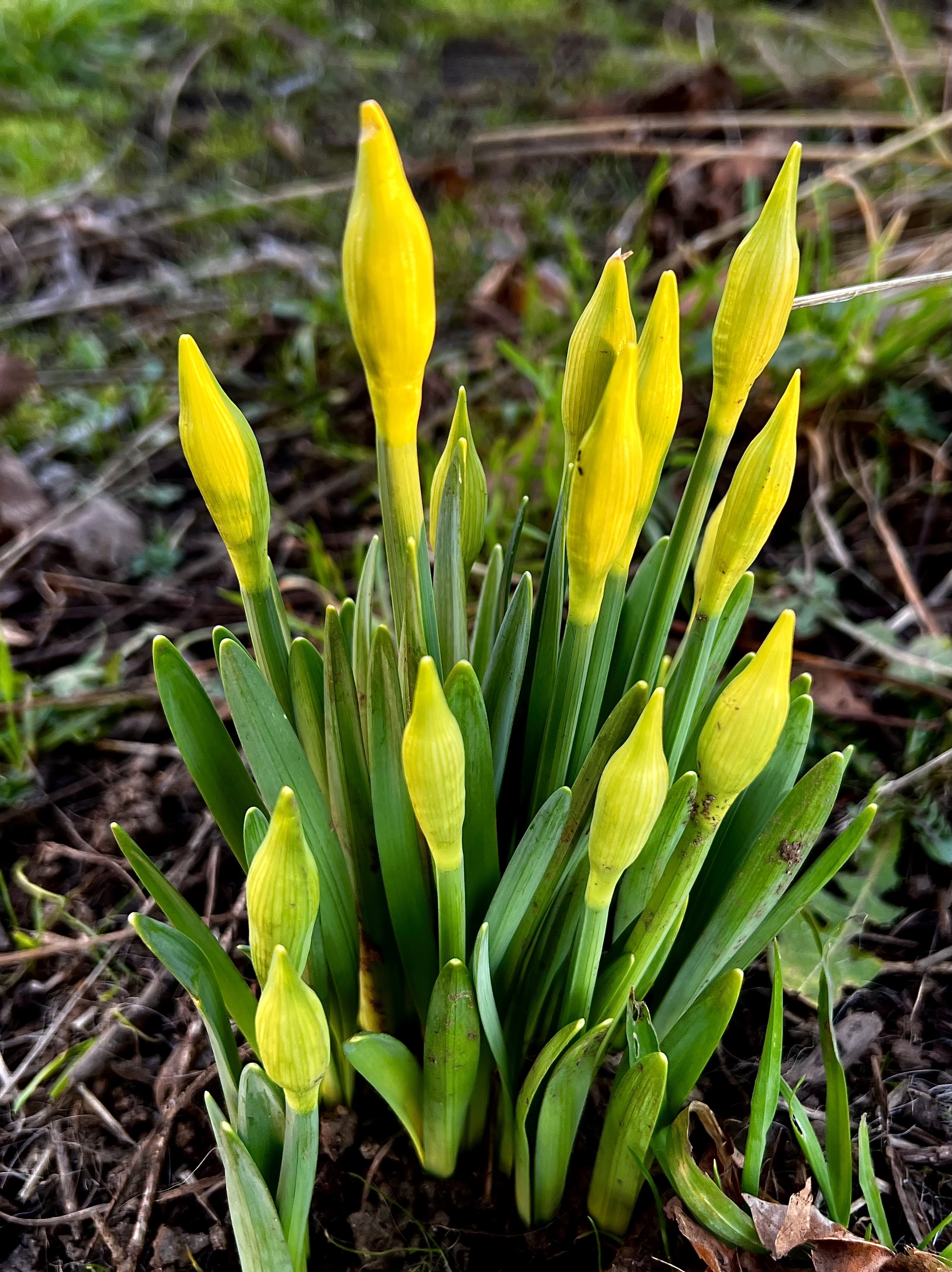
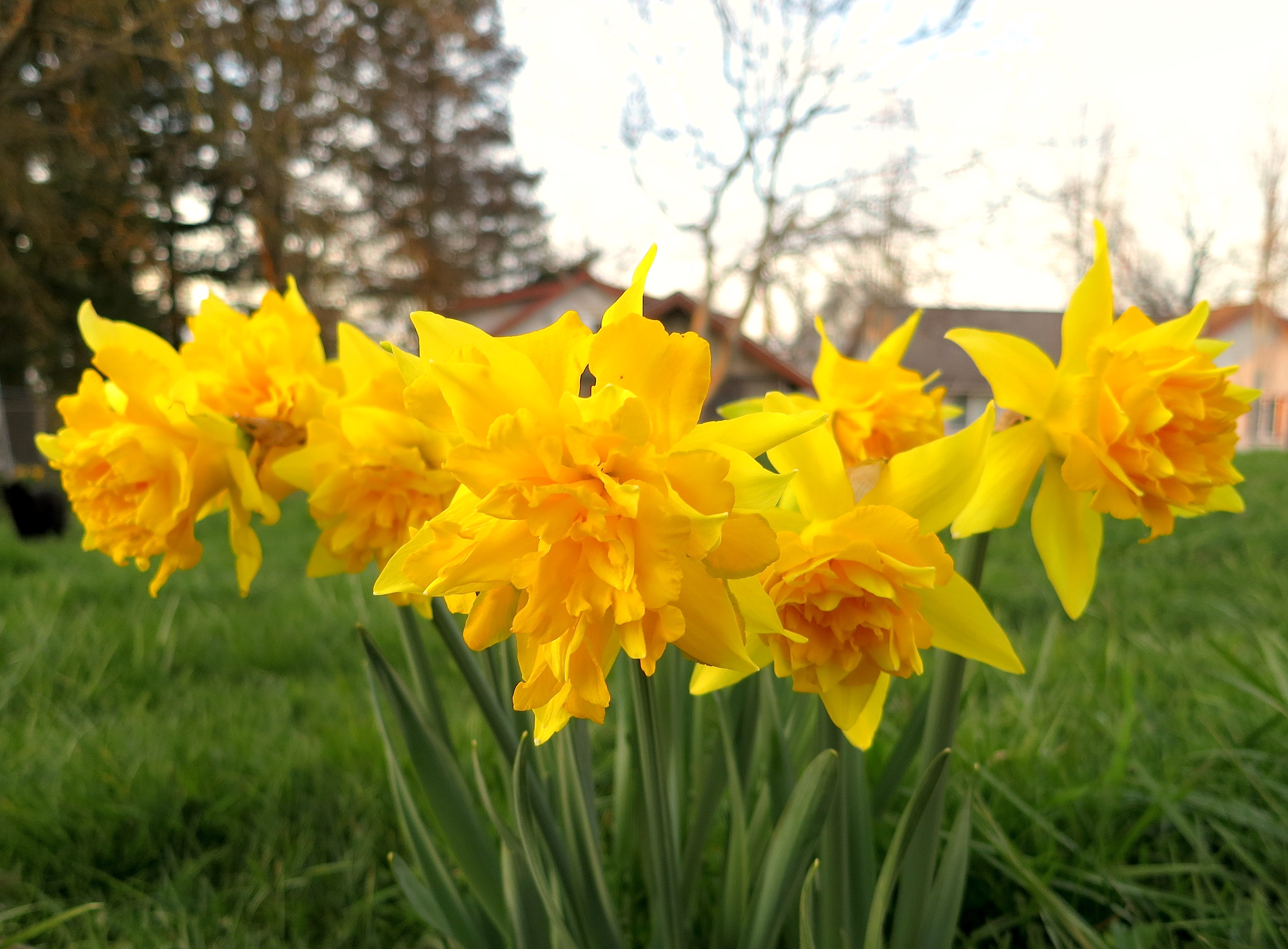
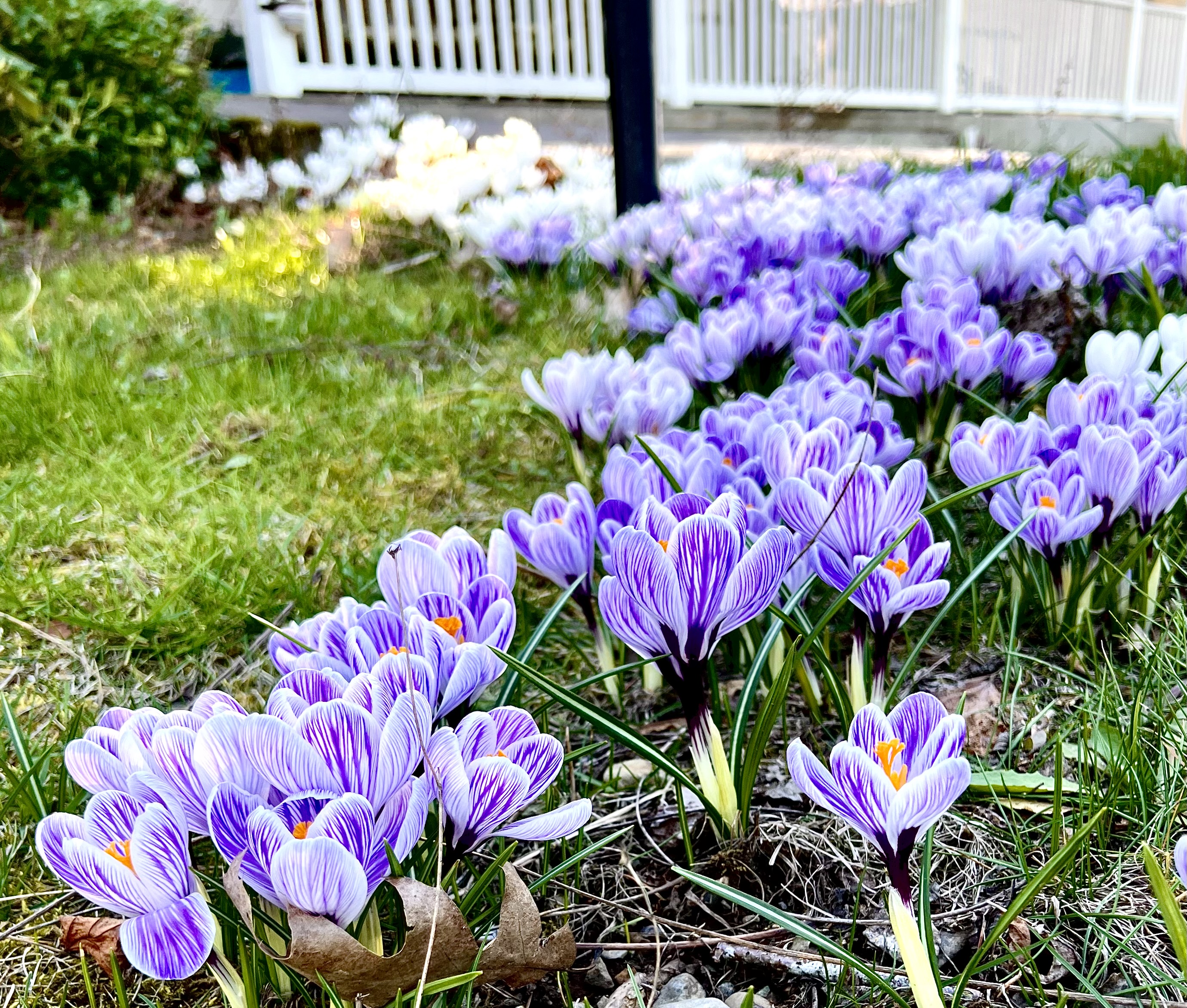
Even so, all the signs are there: the marsh frogs have been chorusing for nearly a month, coyotes are yipping it up, the pastures show a hint of green, early plum trees have broken open their tiny blossoms, crocus and daffodils have erupted in cheer and hope.

Some seasonal and life transitions are welcome.
Some not at all.
Some take my breath away.
One won’t give my breath back.

Whatever we face in this life, we will face it together,
knowing the arms of God surround us
when we’re weary,
when we’re ill,
when we’re discouraged.

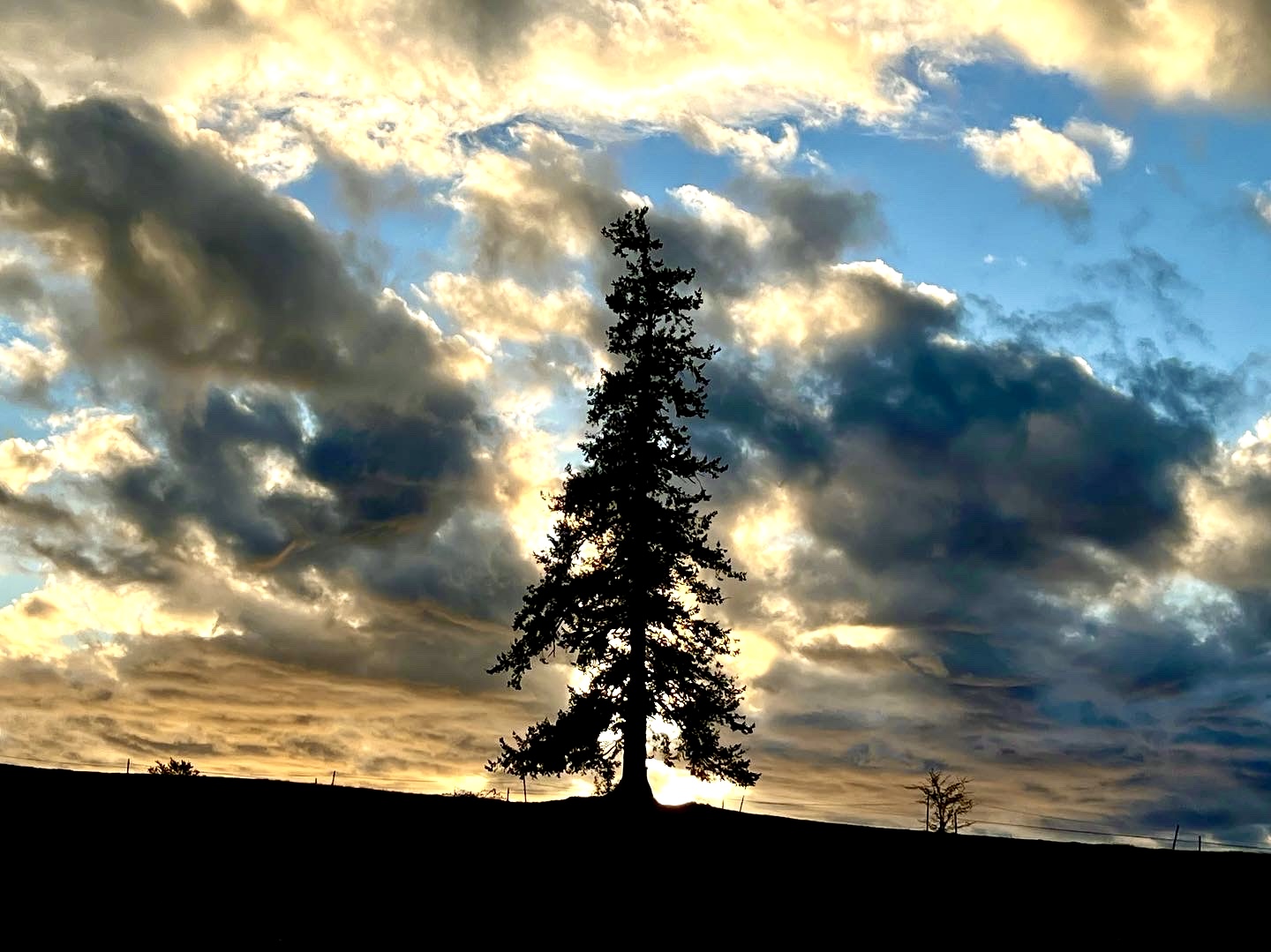
His love is a sentinel beacon welcoming us home.

He is the constant when all else is in transition.

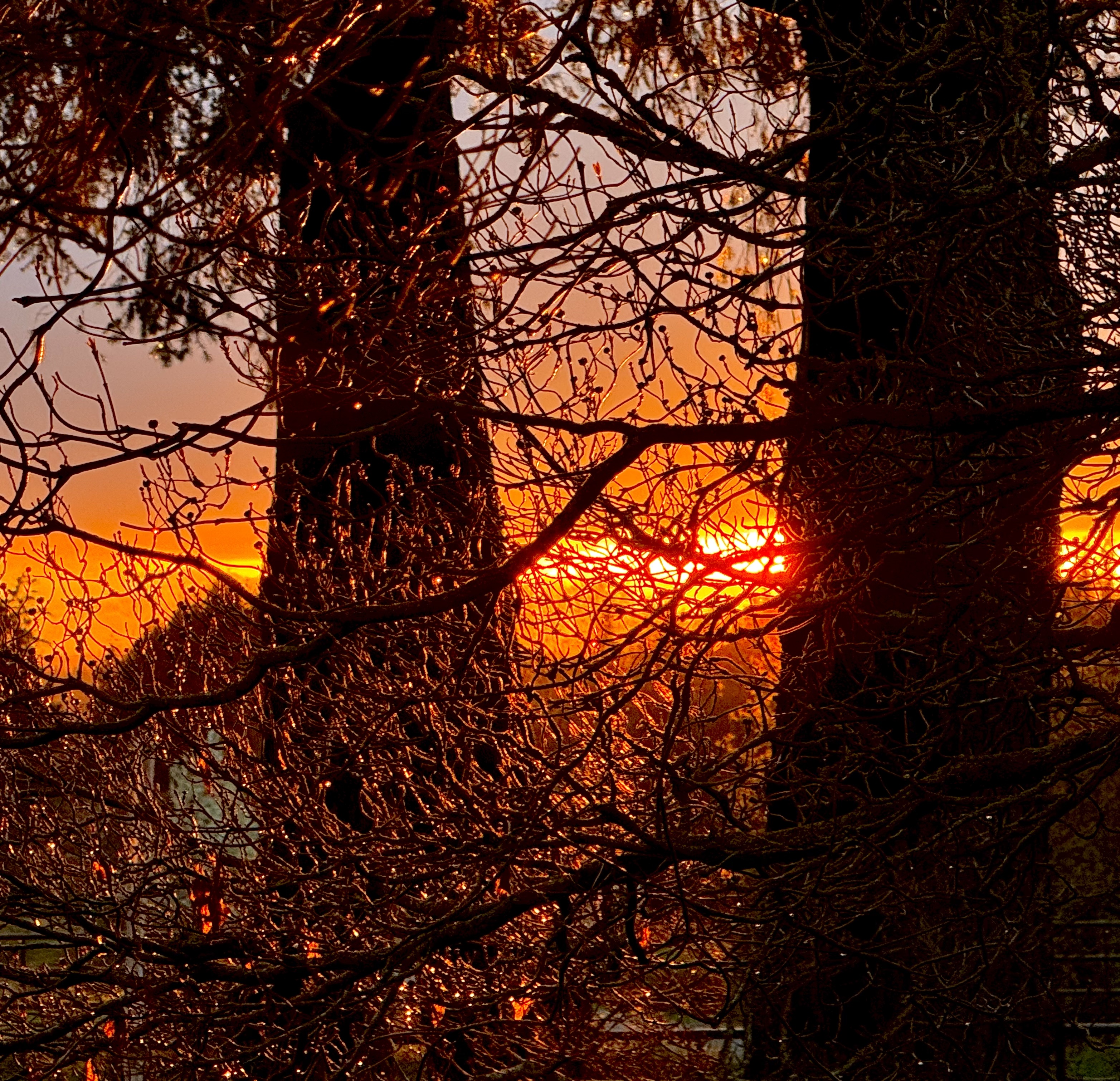
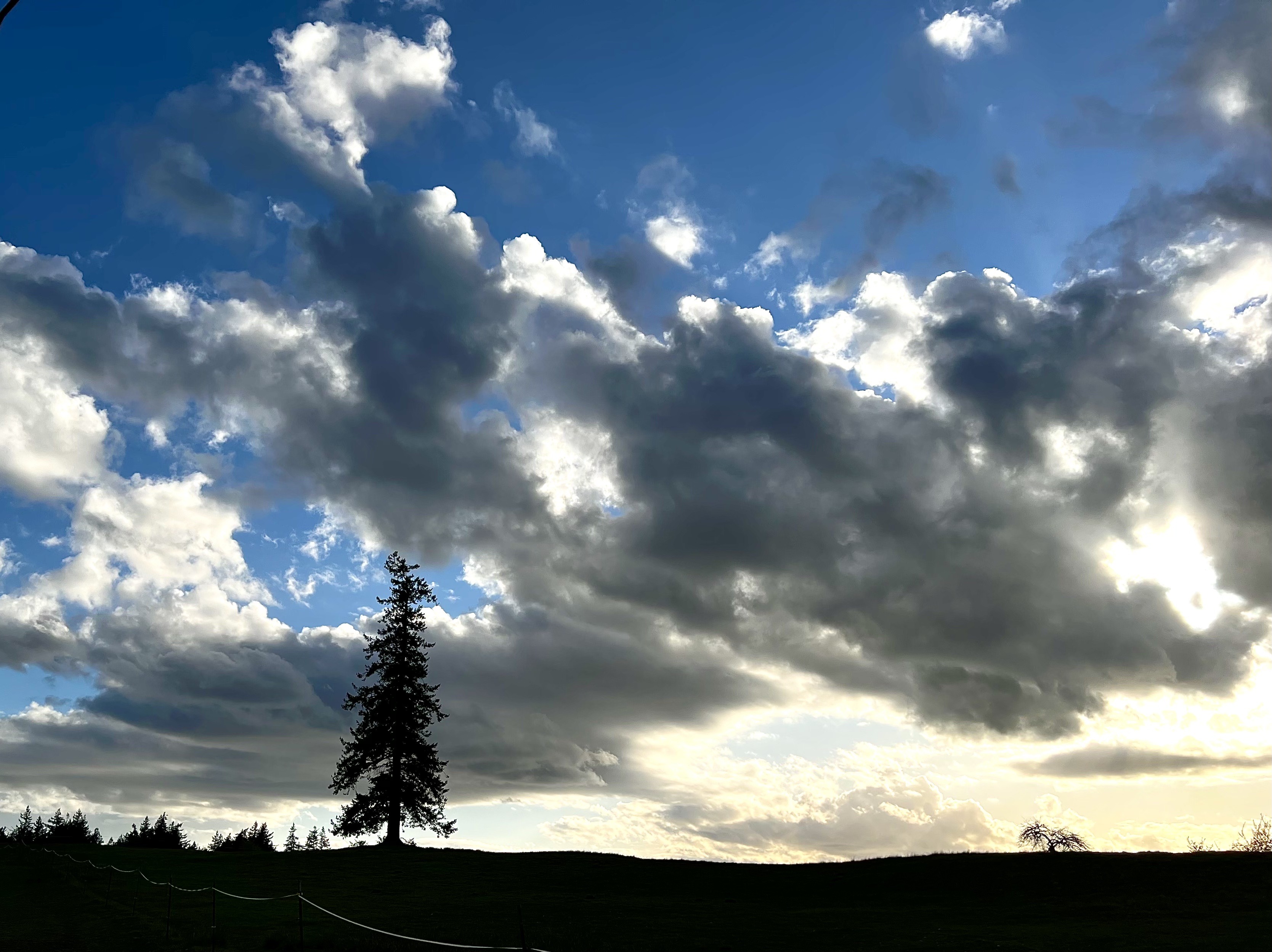
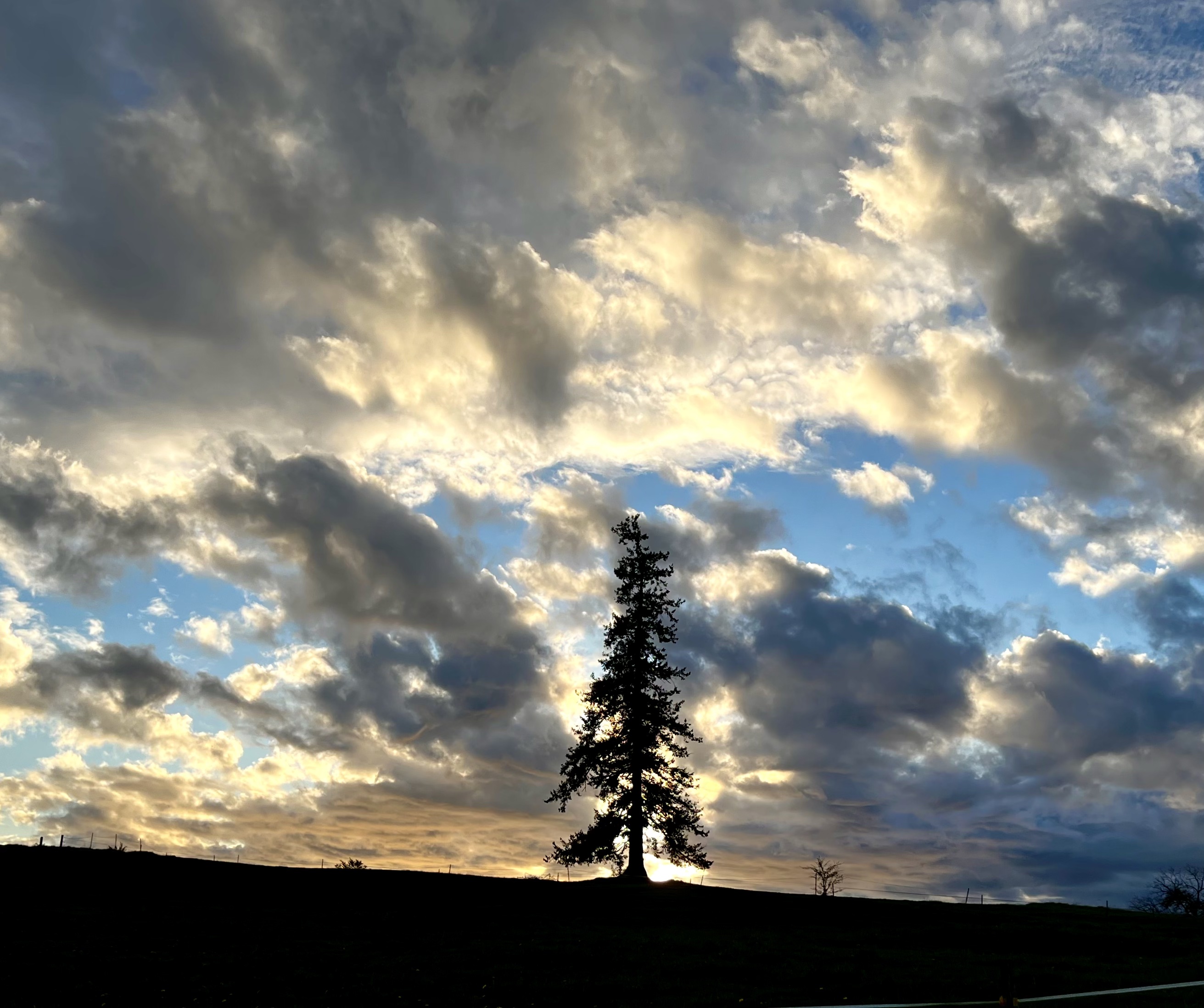
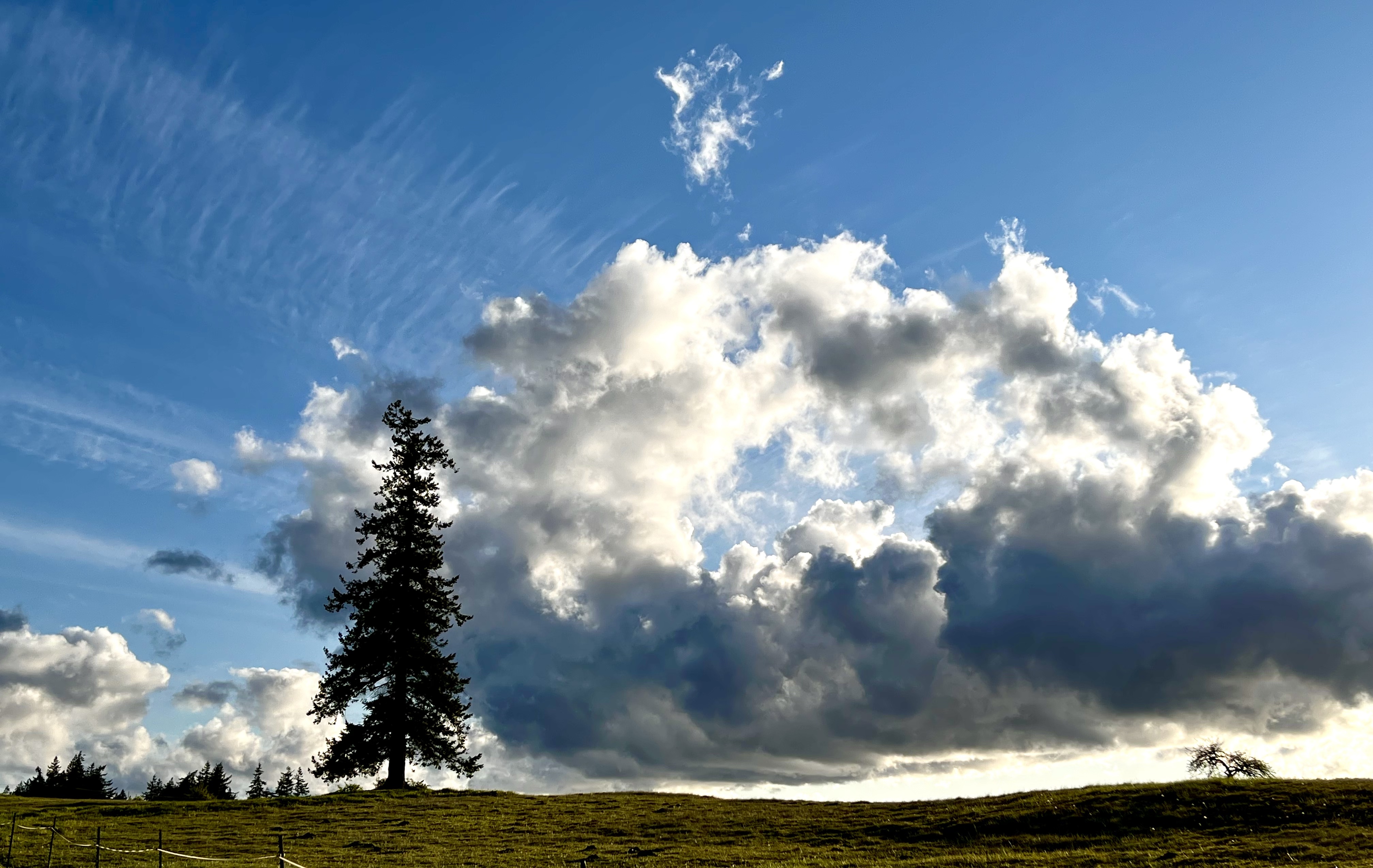
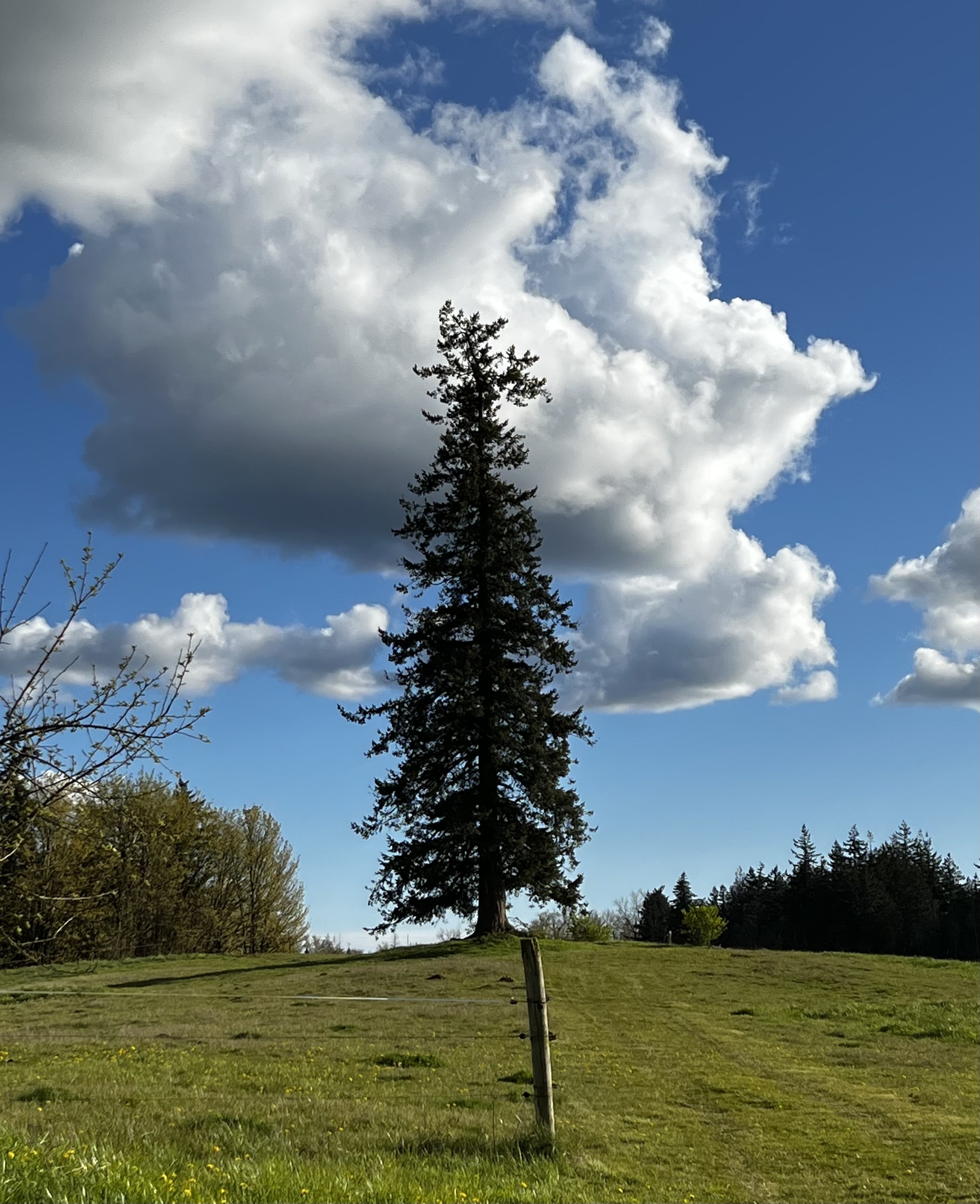
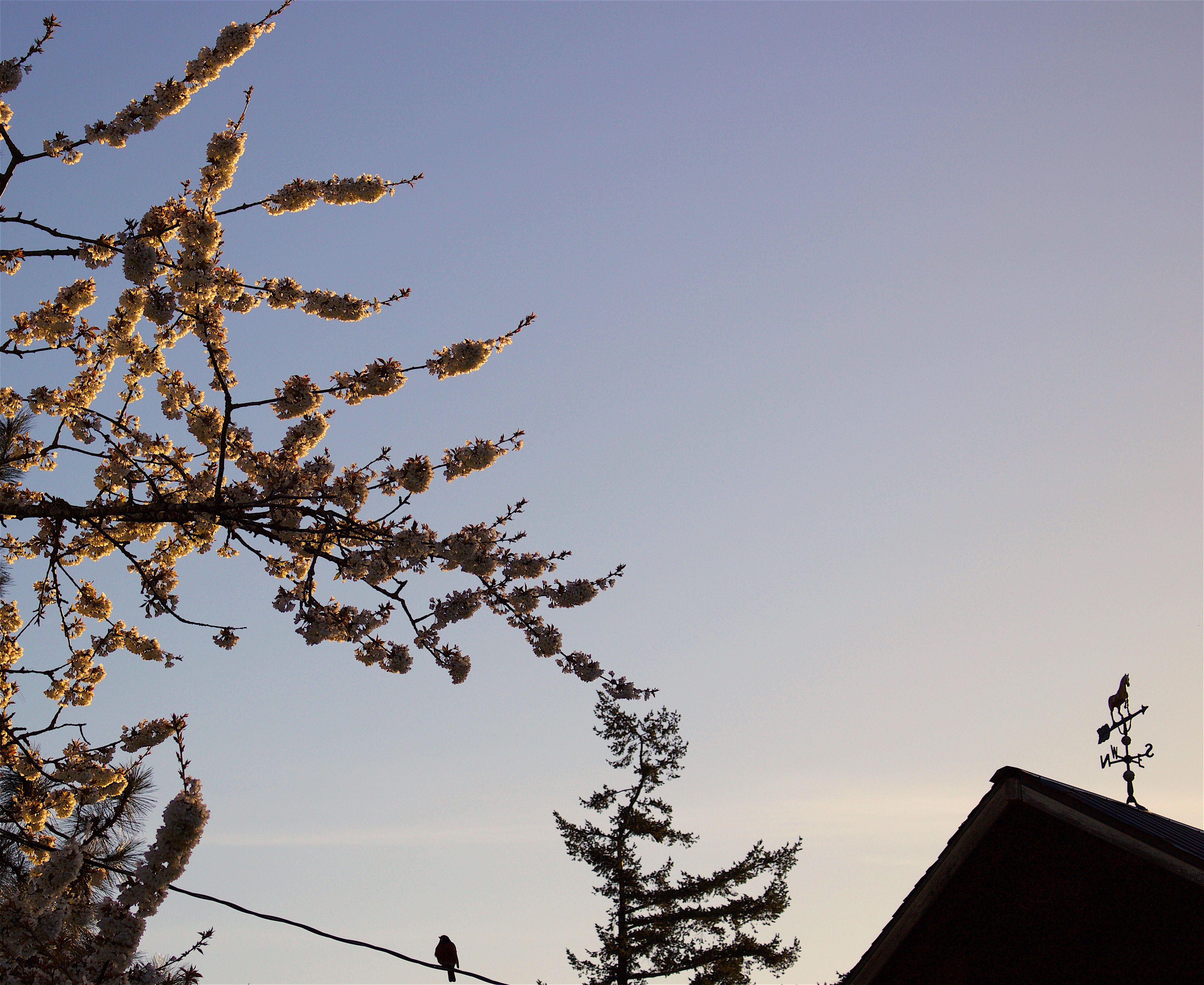
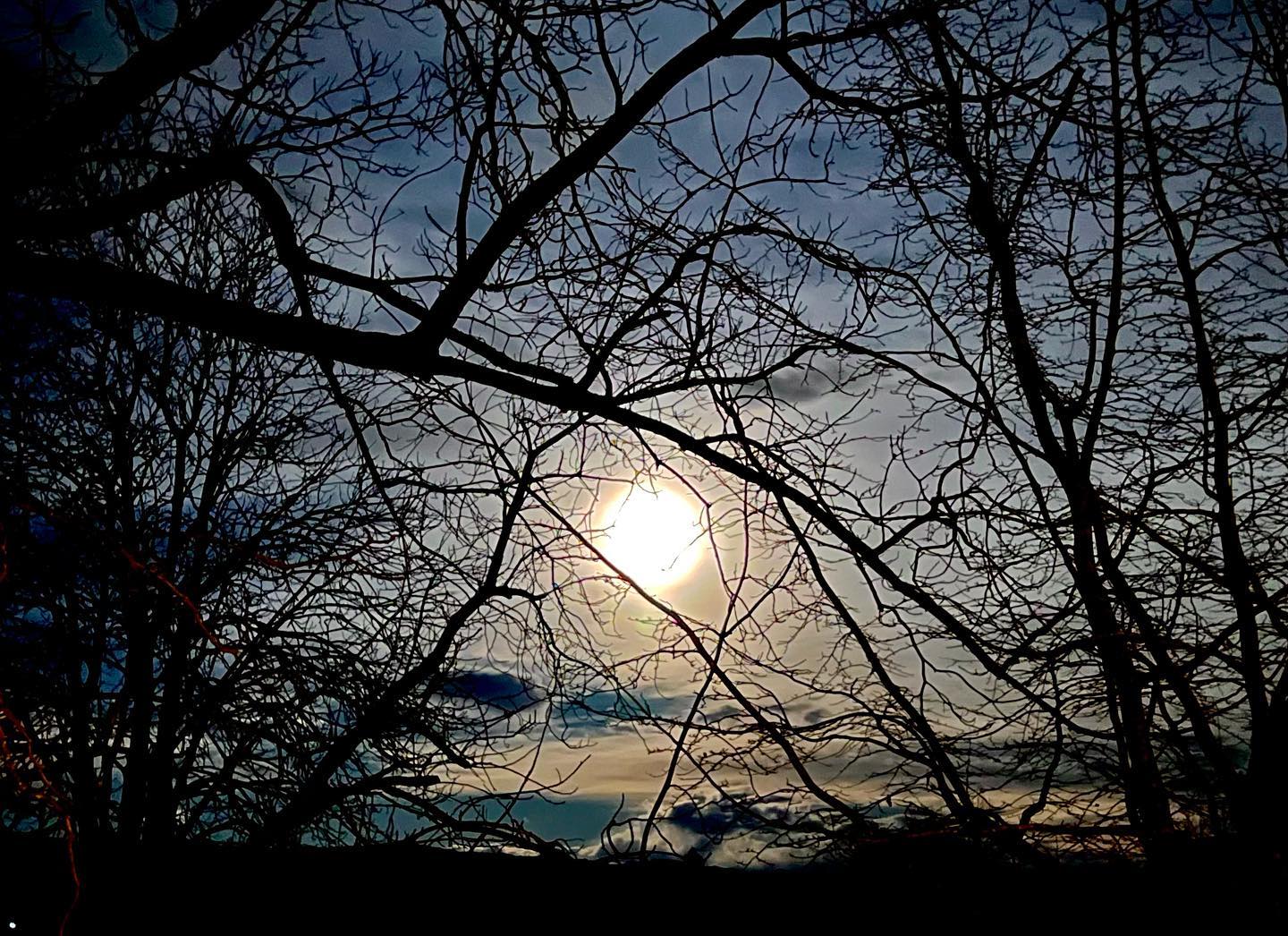
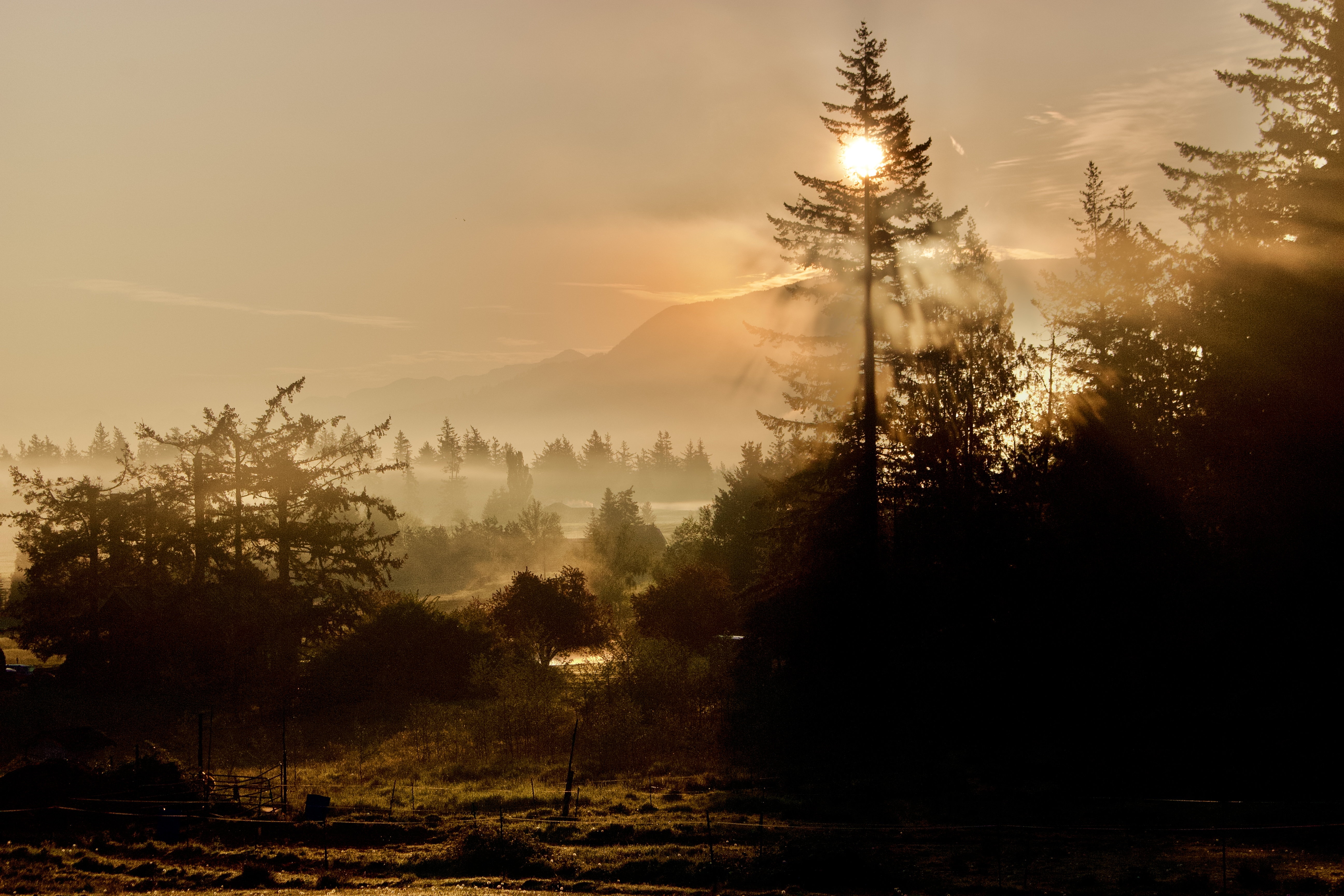
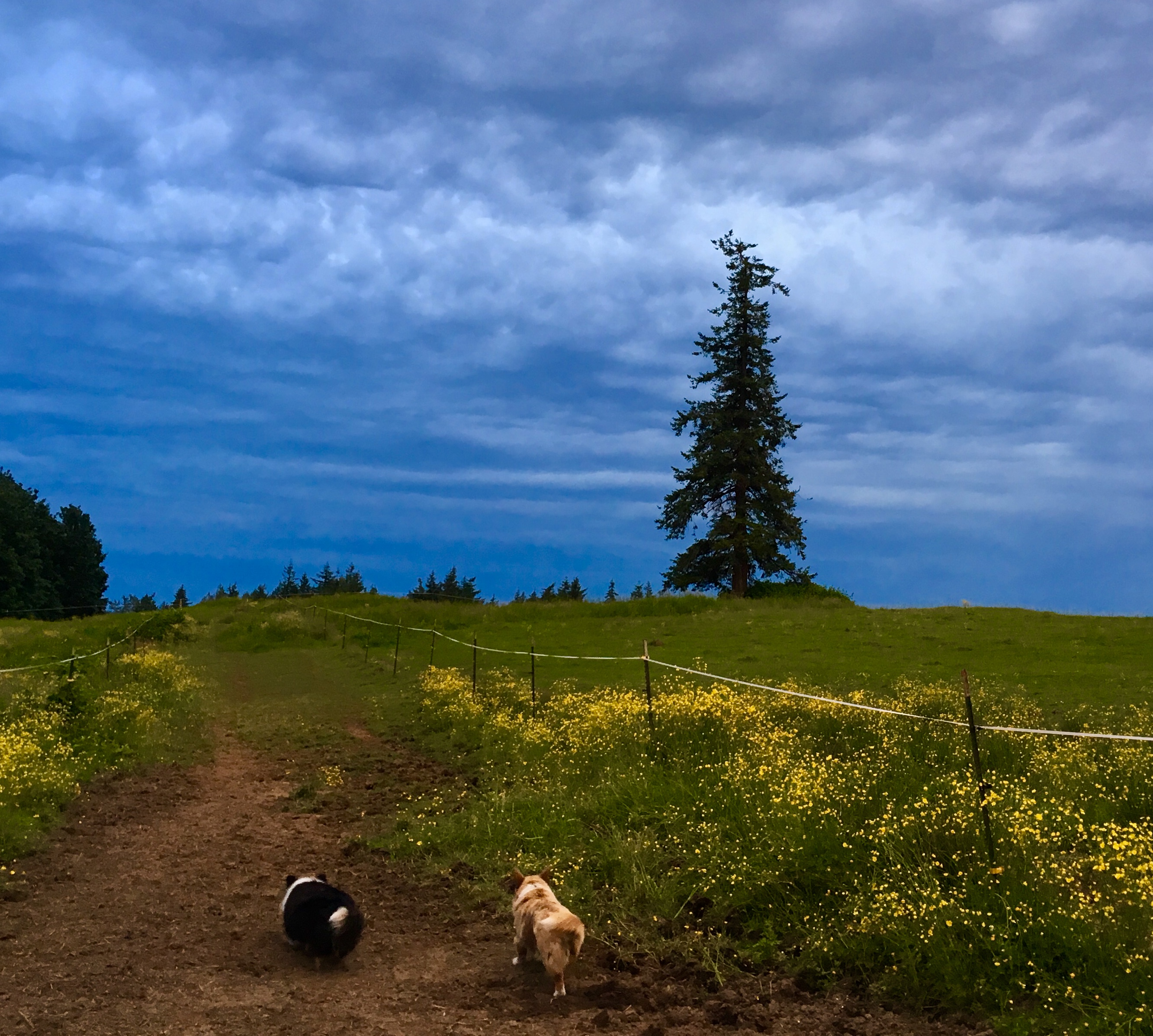
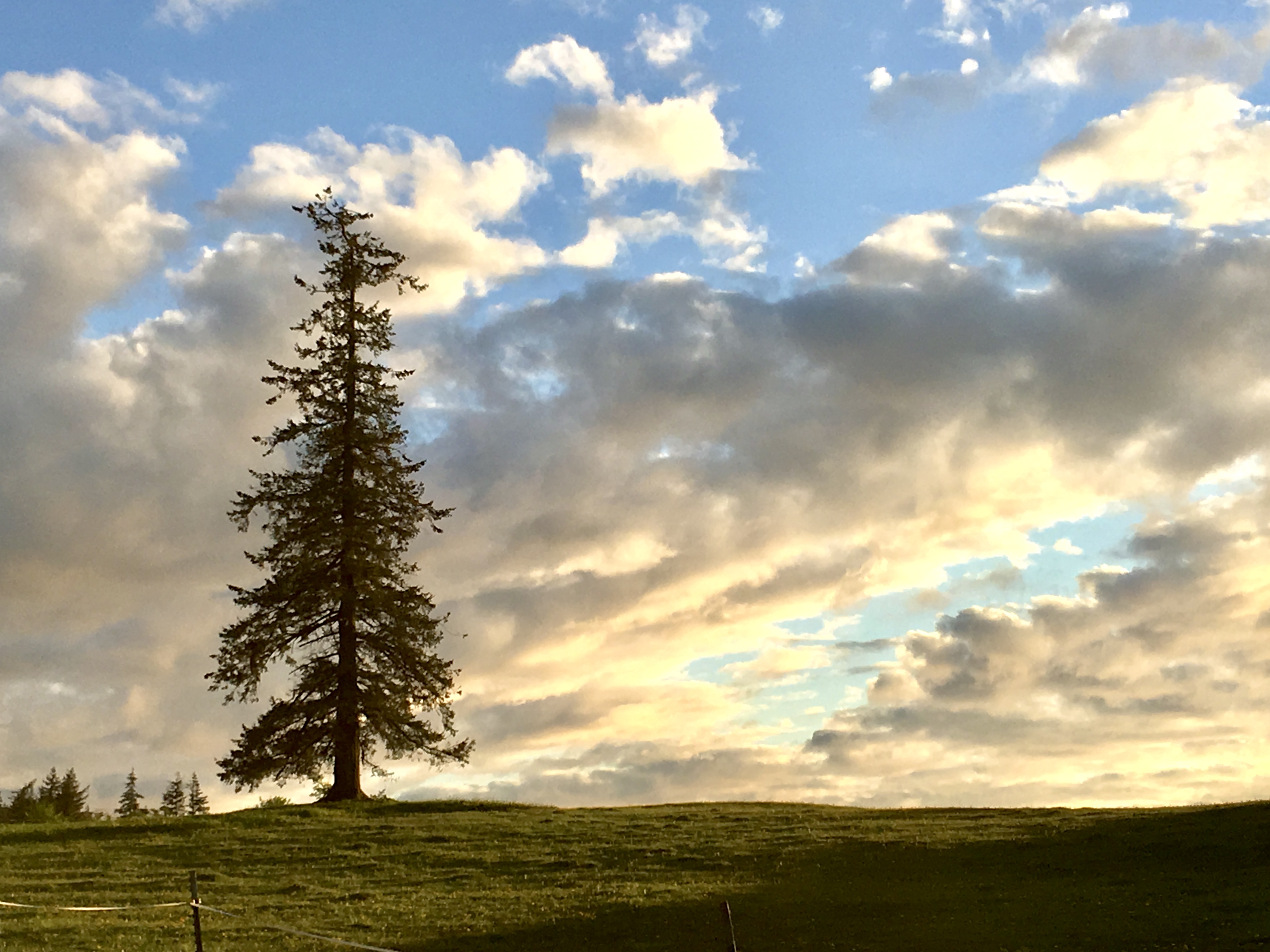
photo by Bob Tjoelker of our sentinel tree

Let nothing disturb thee,
Nothing affright thee;
All things are passing;
God never changeth;
Patient endurance attaineth to all things;
Who God possesseth in nothing is wanting;
Alone God sufficeth.
– St. Teresa of Avila
“Prayer”

This year’s Lenten theme:

…where you go I will go…
Ruth 1:16

AI image created for this post
One-Time
Monthly
Yearly

Make a one-time or recurring donation to support daily Barnstorming posts

Make a monthly donation

Make a yearly donation
Choose an amount

$10.00
$25.00
$50.00
$5.00
$15.00
$100.00
$5.00
$15.00
$100.00

Or enter a custom amount

$

Your contribution is deeply appreciated.
Your contribution is appreciated.

Your contribution is appreciated.

DonateDonate monthlyDonate yearly