Standing on Holy Ground

I am still skeptical about the reasons some seek spirituality in the land,
for the spirituality the land offers is anything but easy.

It is the spirituality of a God who would, with lightening and earthquakes, sneeze away the bland moralism preached in many pulpits,
a wildly free, undomesticated divinity,
the same God who demands of Moses from a burning bush,
“Remove your shoes,
for the place on which you are standing is holy ground.”

When God appears to Job, the comforting sentiments we might expect to feel are absent because such sentiments
are at most God’s trappings, not the infinite himself.
The God who speaks to Job from the whirlwind reminds him that, comforting or terrifying, he alone is God.  
To be satisfied with anything less
would be the spiritual catastrophe the Old Testament calls idolatry.

Some of our idols shatter in the West’s rugged vastness, others remain.

Perhaps God leaves exposed the land’s brokenness –
the scars of forest fires,
the fossils of extinct biospheres,
rifts showing ancient continents now scattered like puzzle pieces –
to remind us that he is greater than the icon, too.

The heavens and earth will wear out like a garment, the Psalmist says, like clothes that are changed.

“But You neither change, nor have an end.”
Psalm 102:27
~Anthony Lusvardi from “Nature is Your Church?”

We are now 45 days into a hotter dry spell this summer with a slight possibility of some rain next week. Everything here in the Pacific Northwest is looking as it would in late August with the snow melt in the Cascades much accelerated from its usual timeline. With the fires already happening for weeks on the eastern side of the state, as well as to the north of us in British Columbia and south in Oregon and California, we are looking at a withering August of smoke and ash.

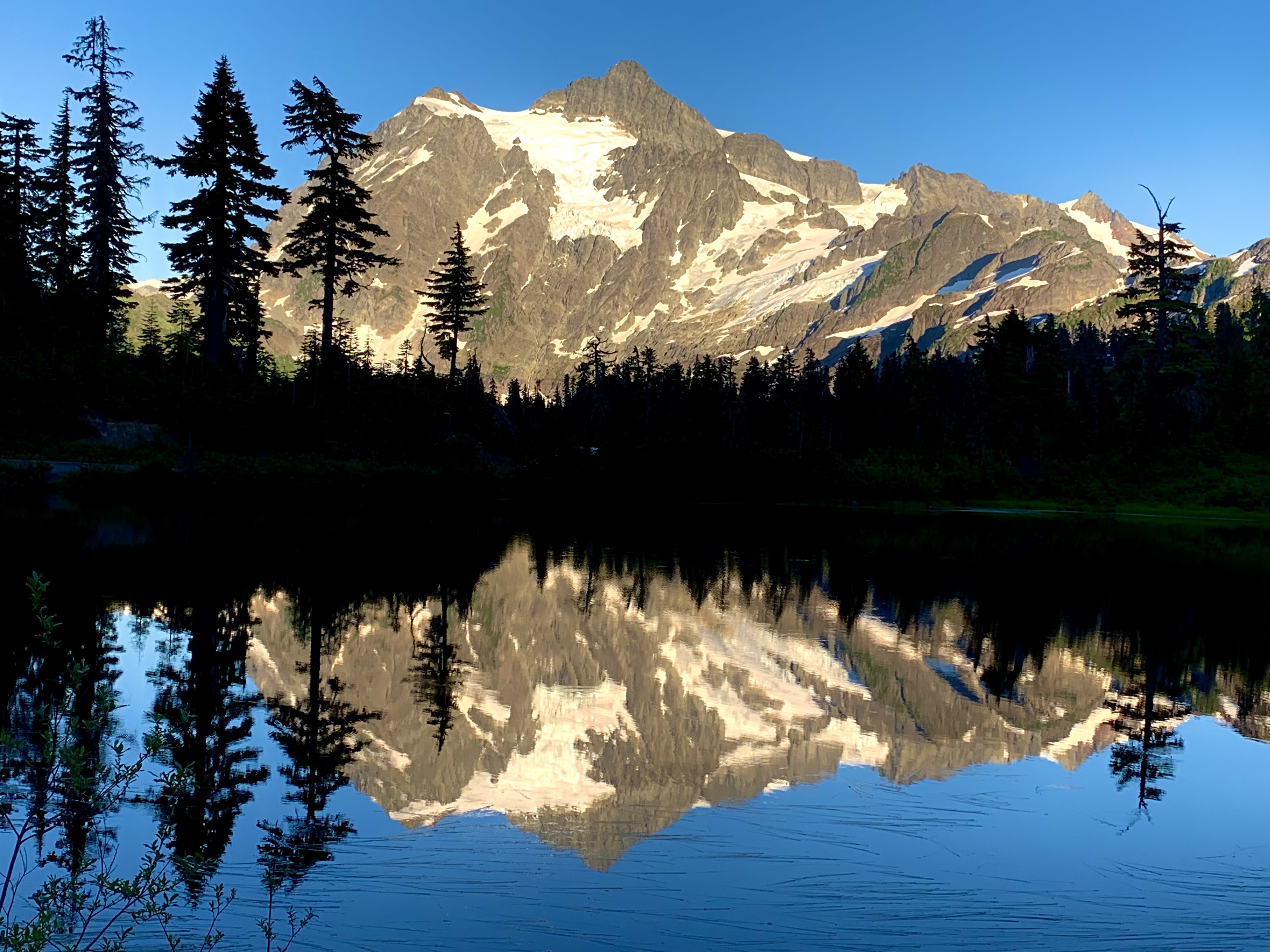
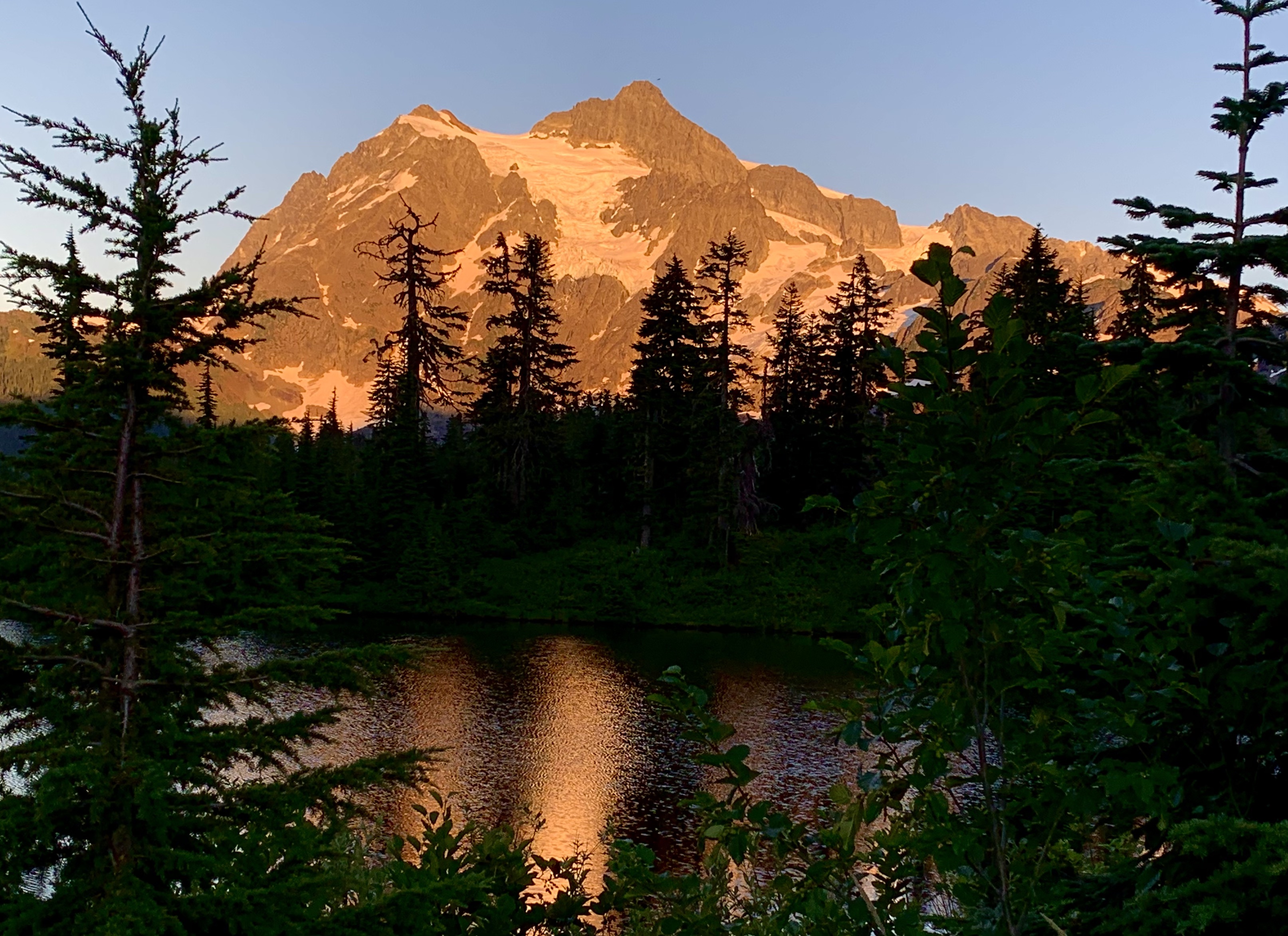
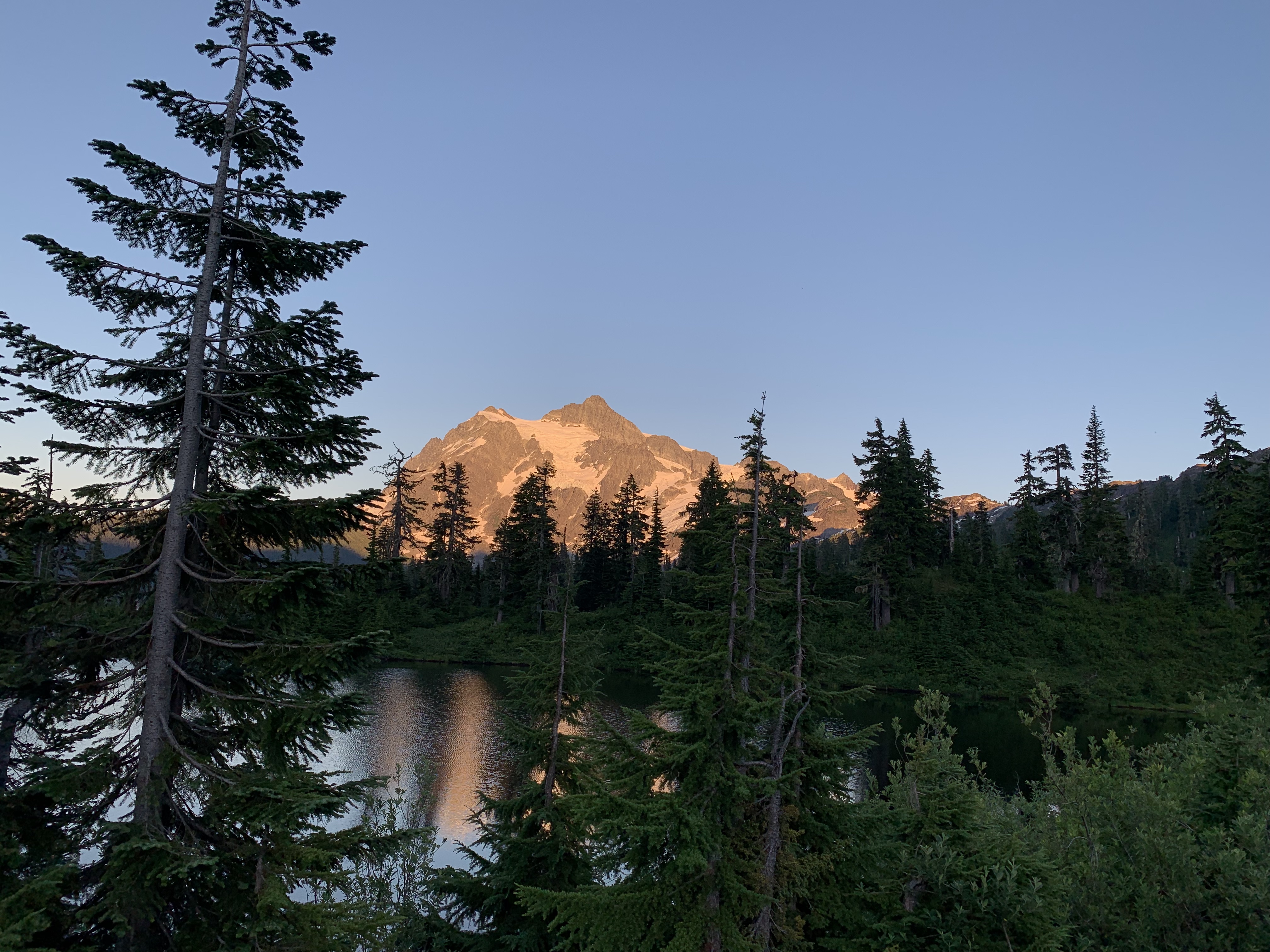
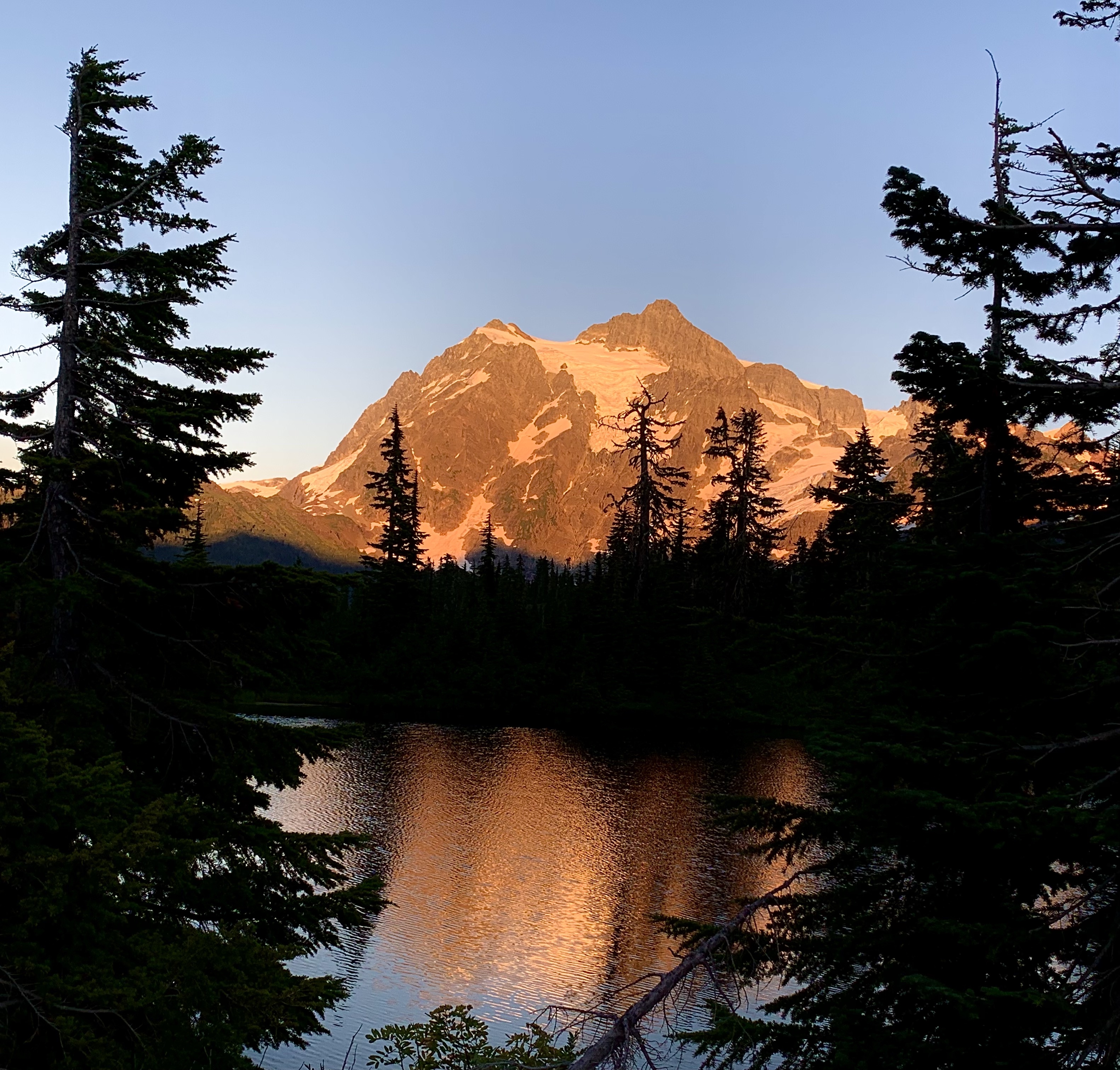
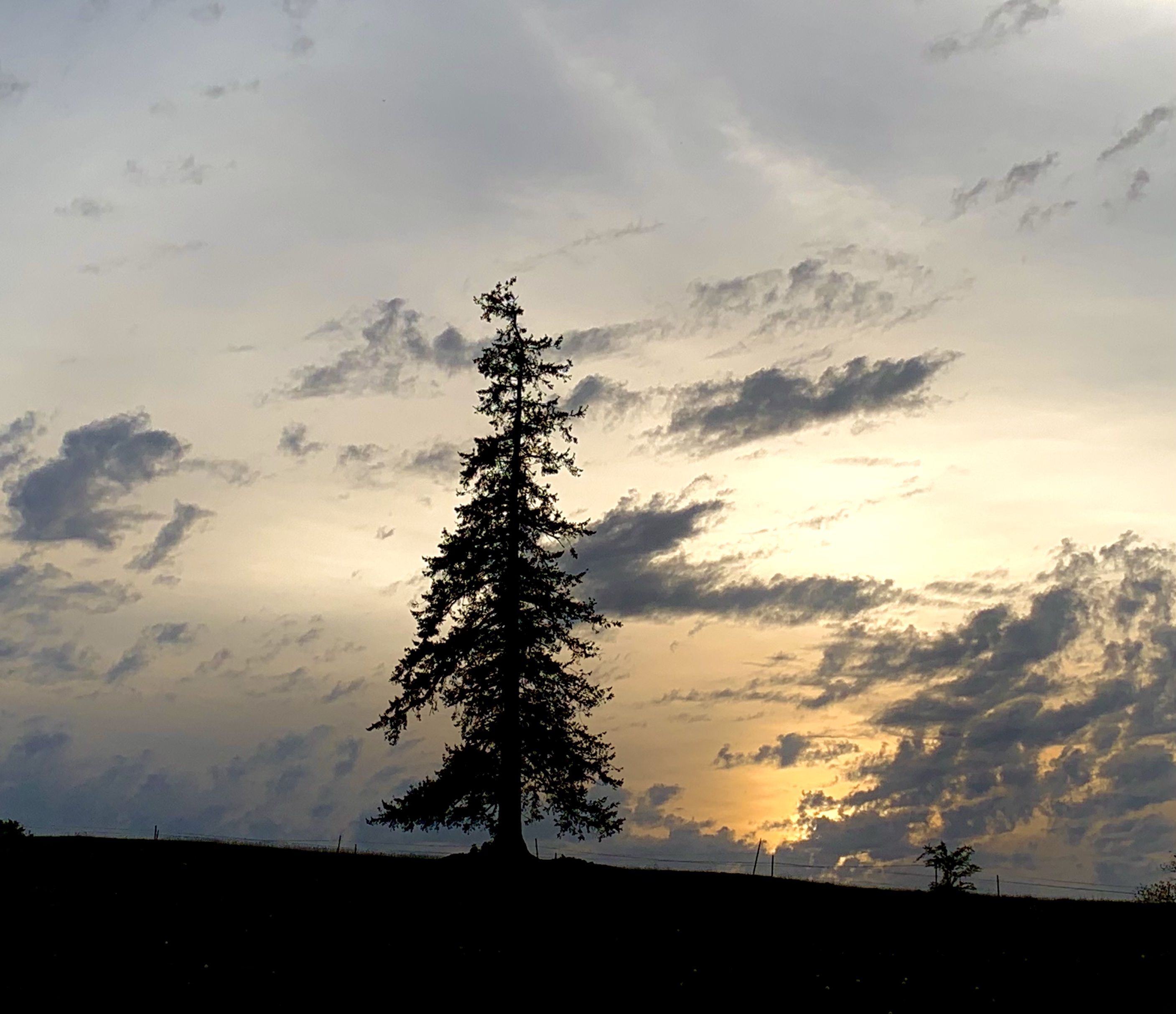
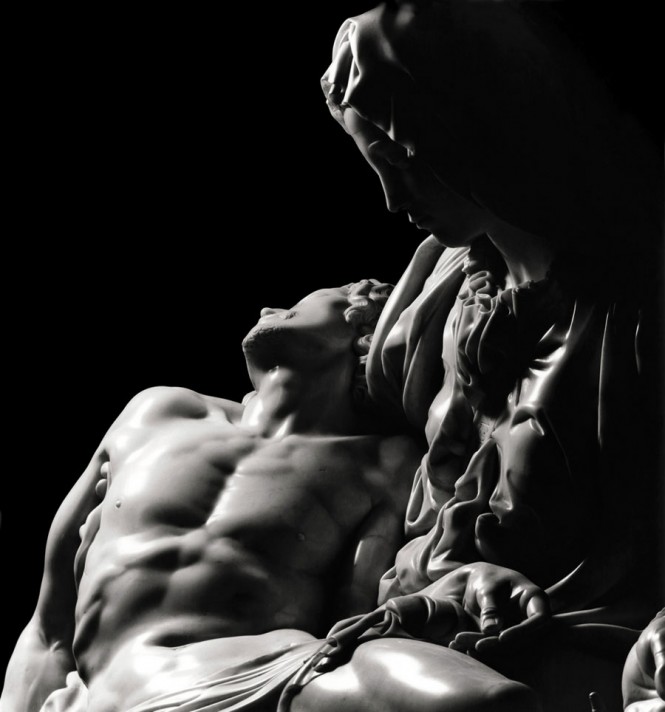
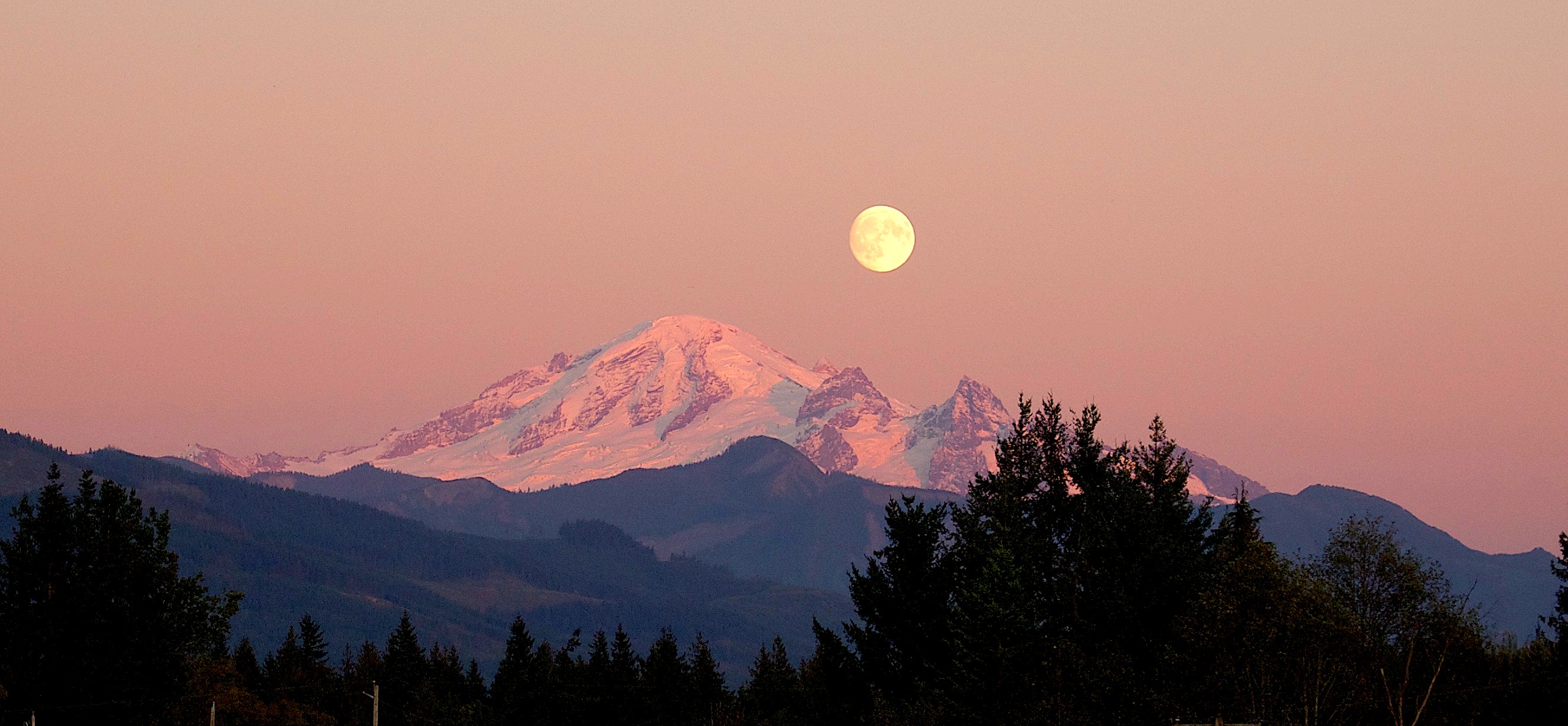
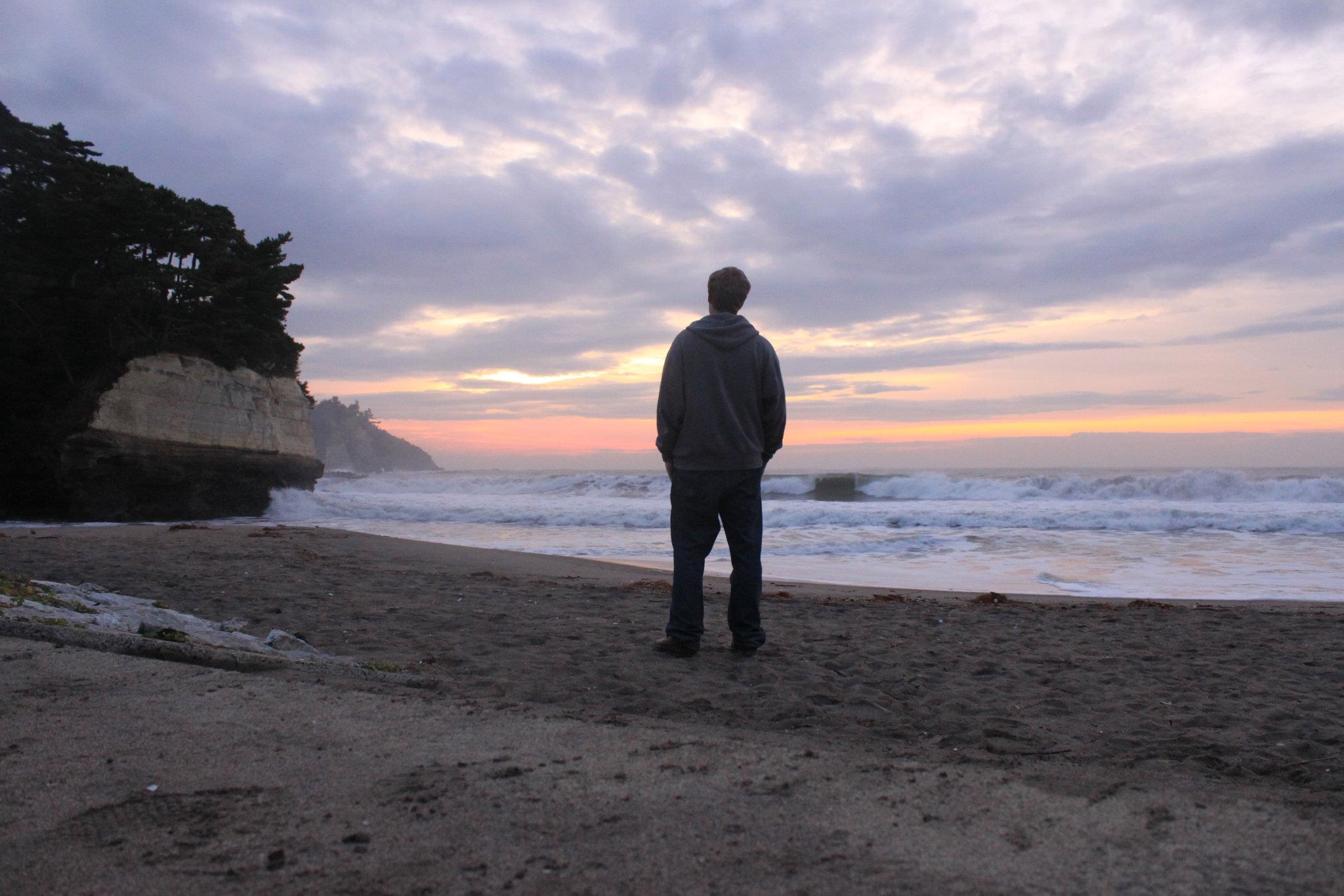
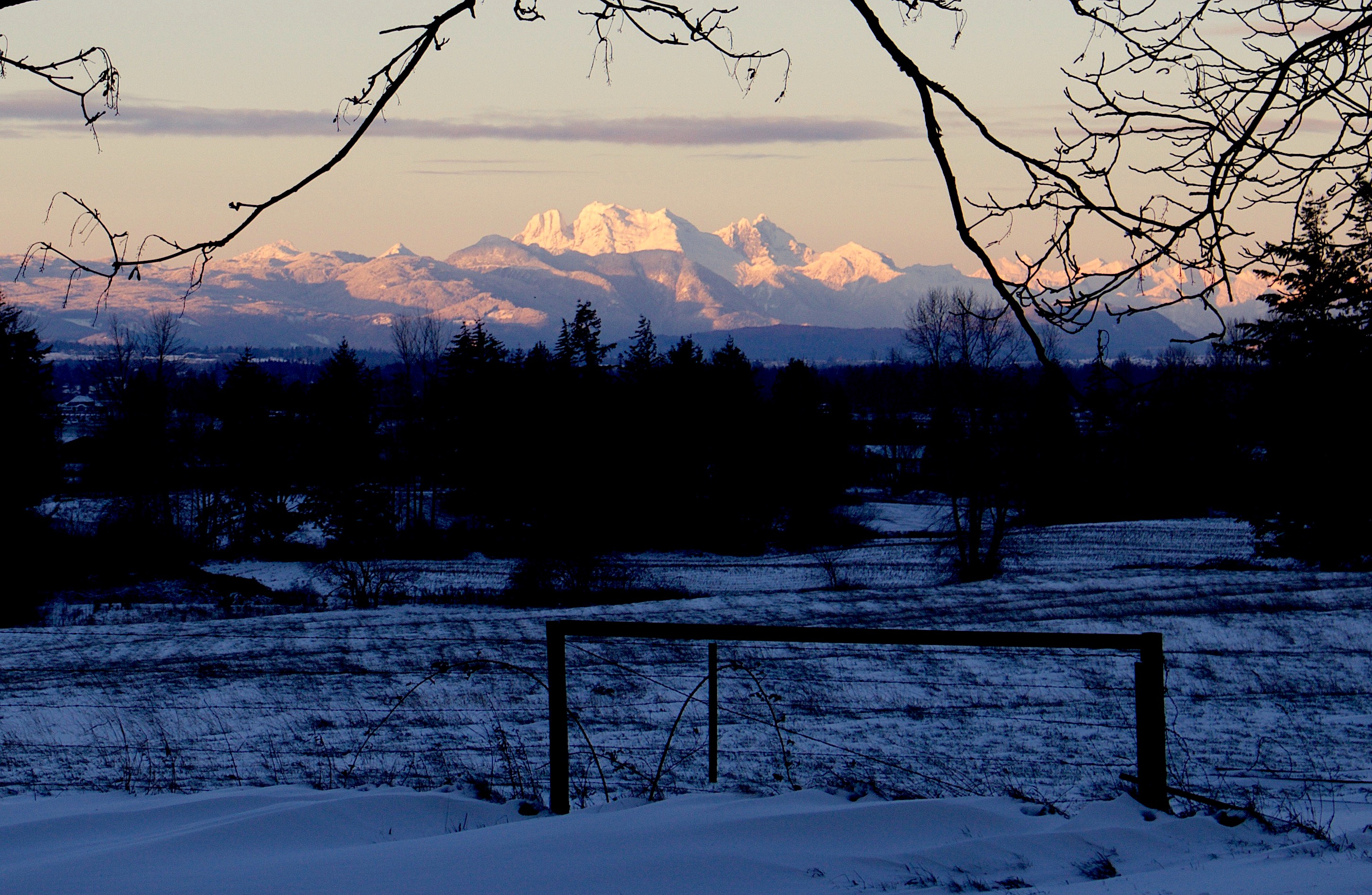
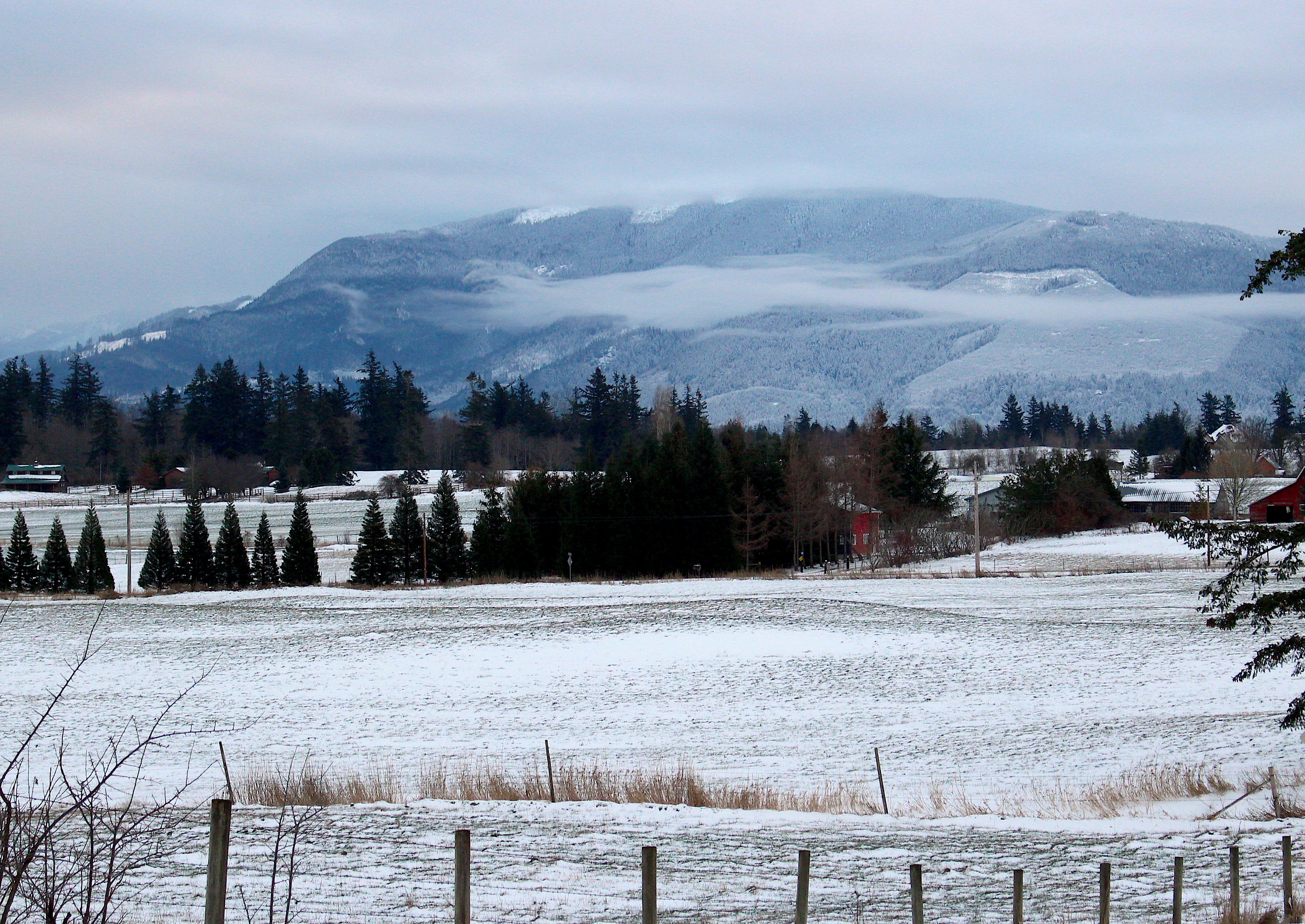
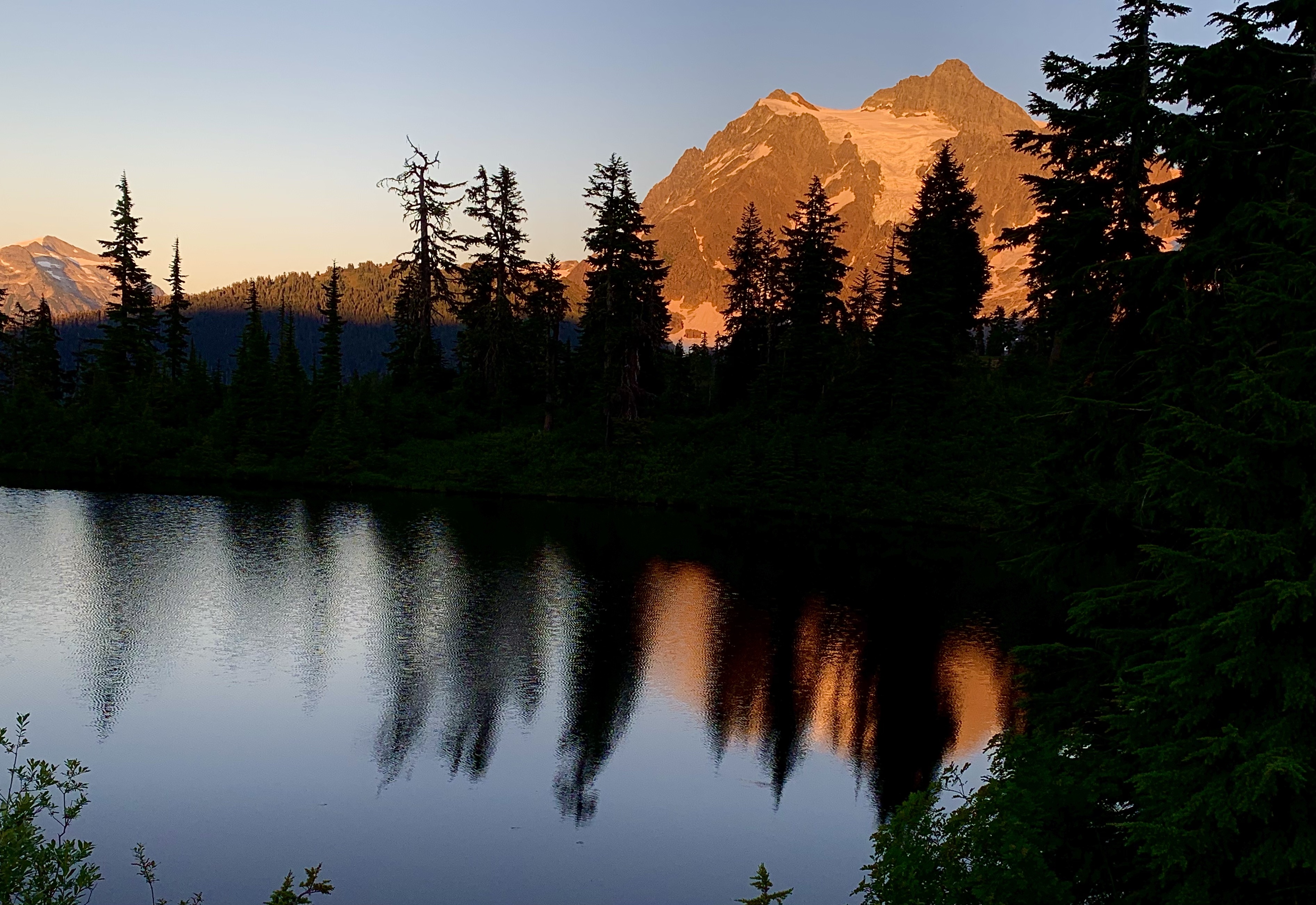
Dan and I headed up the Mt. Baker Highway yesterday evening to see how bare Baker and Shuksan look up close. We wonder what snow will be left before our typical precipitation begins in earnest in early October. These seemingly unchanging monoliths are being stripped of their usual garments, now naked and vulnerable. They are subject to God’s transforming power just as surely as we are.

When I stand at the foot of these peaks, I never fail to be awed to a whisper, as if I were inside an immense cathedral. God reminds us to remove our shoes out of respect for His holy ground. Yet I worship not the mountains nor the awe-inspiring landscape they are placed in, but worship their Creator whose strength and love is greater than all.

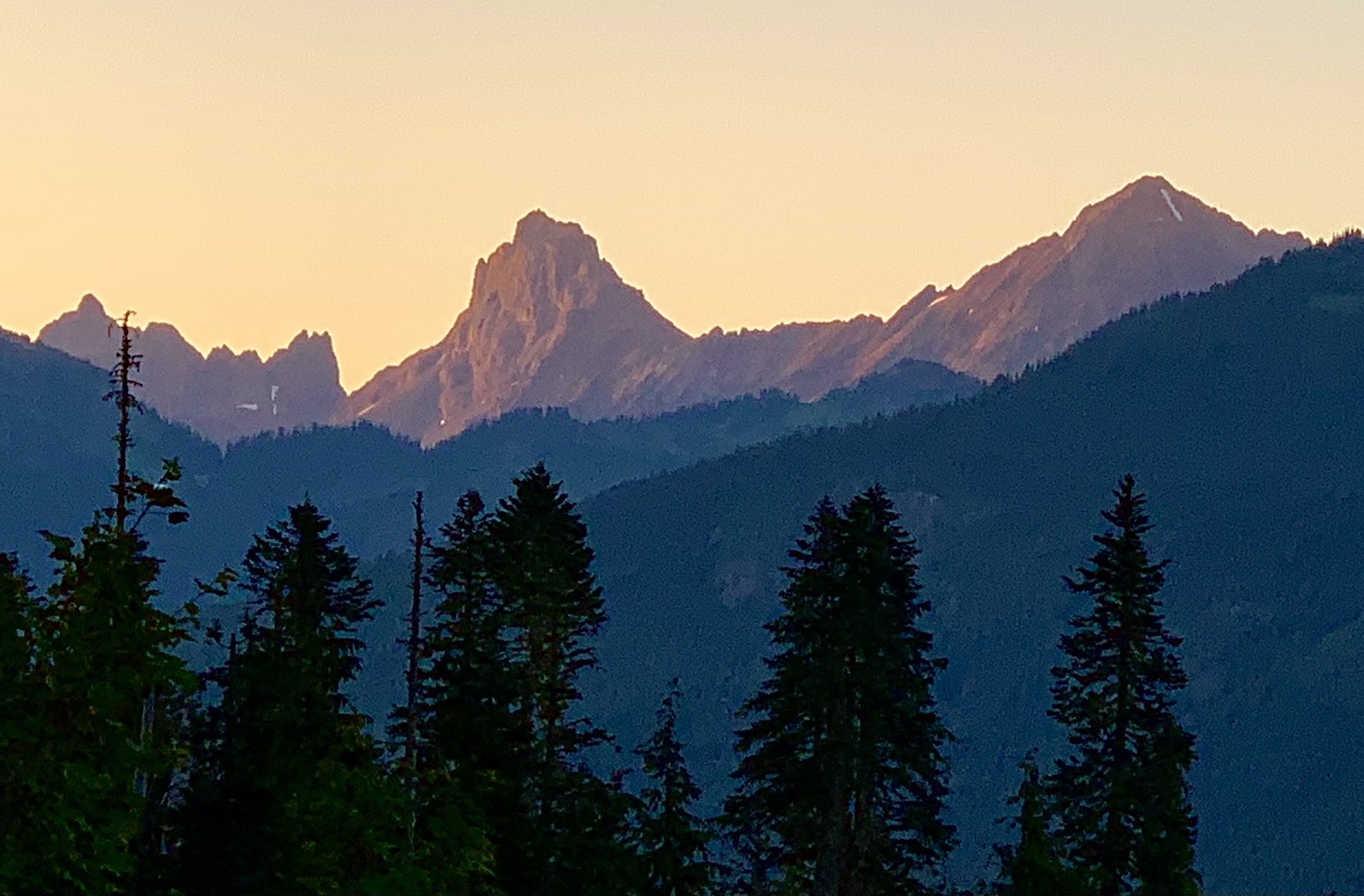
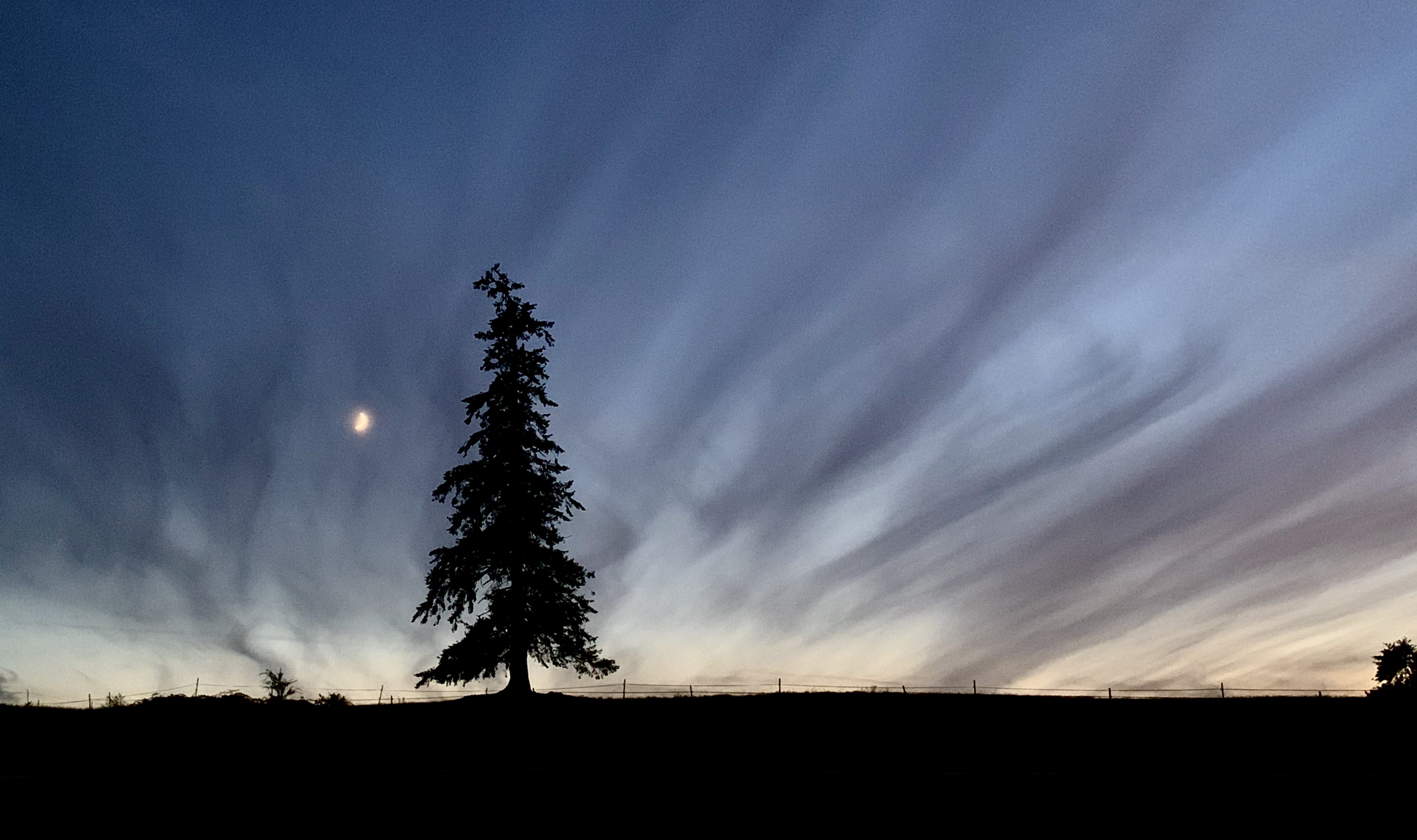
I tread lightly. I speak softly. I remove my shoes. I witness the fading light.

God, the eternal, the unchangeable, takes my breath away, as only He can..
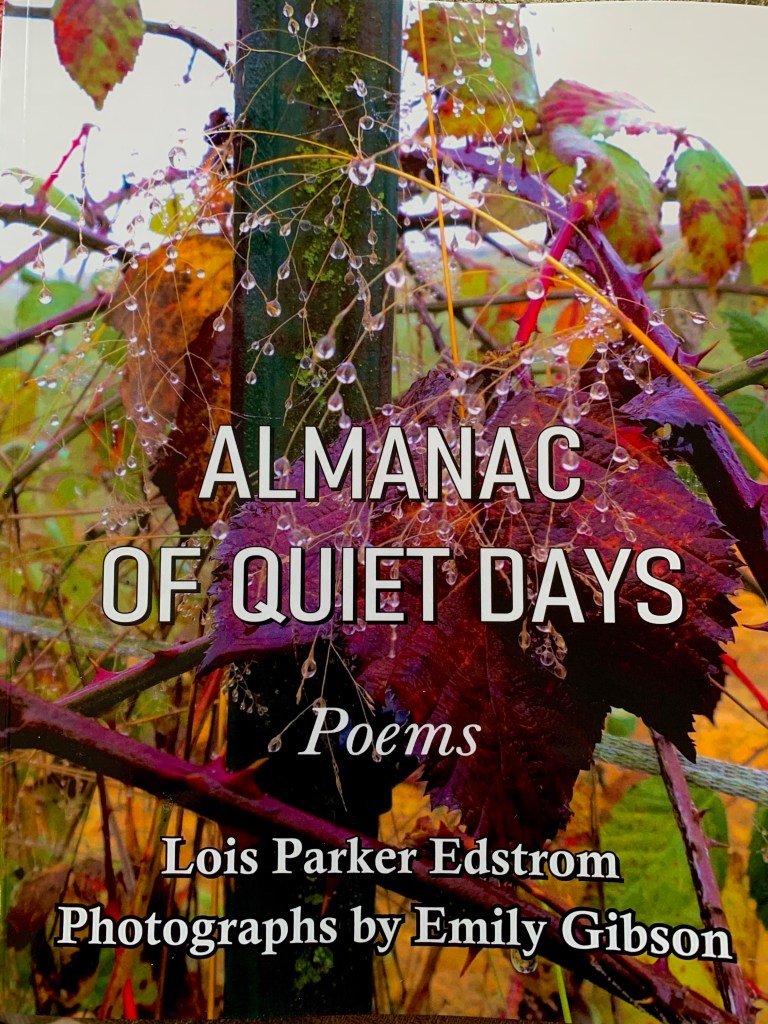
Here is an opportunity to own a Barnstorming book of more photos like these along with poems written for each poem by Lois Edstrom. It is available to order here:

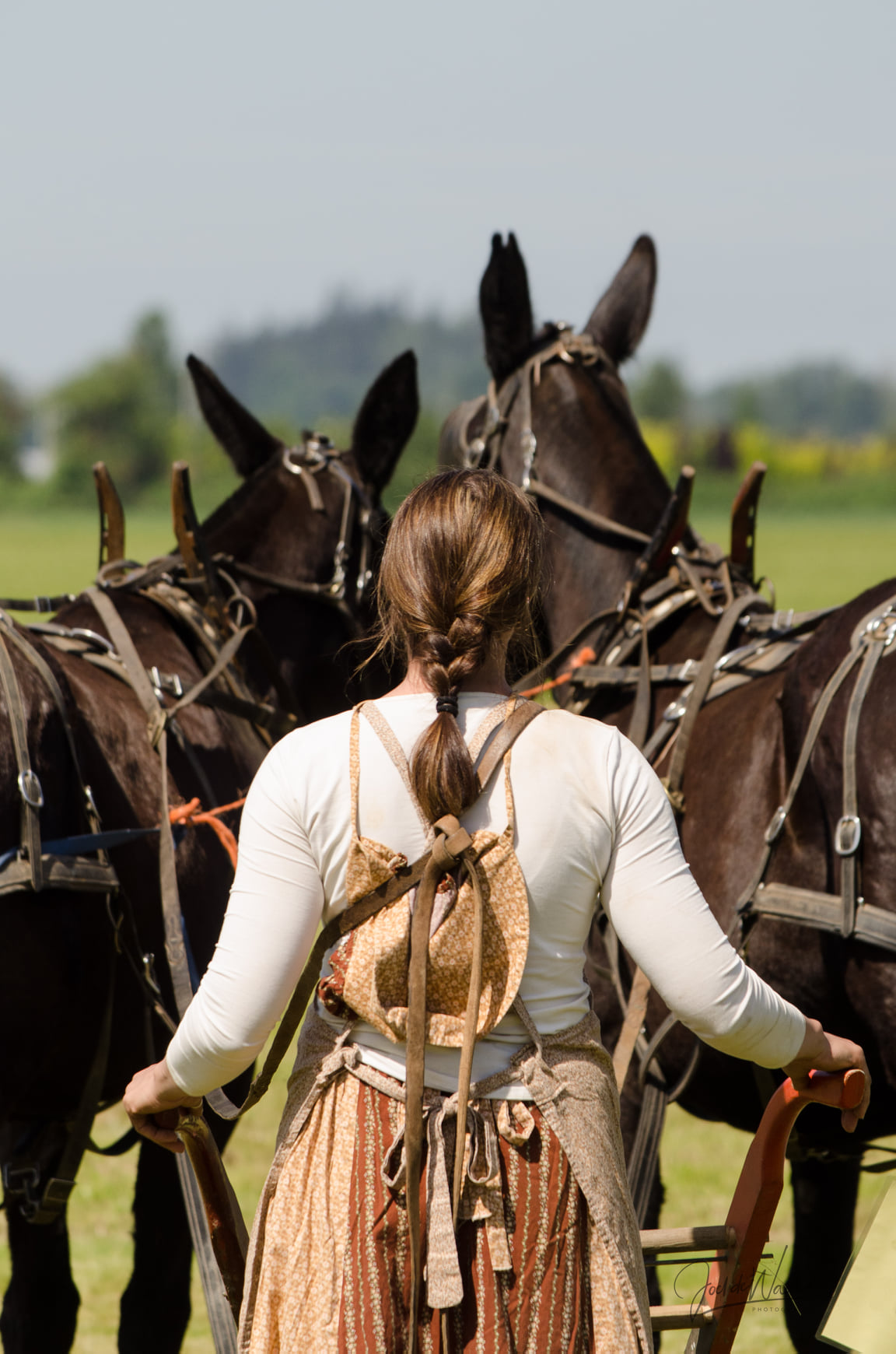
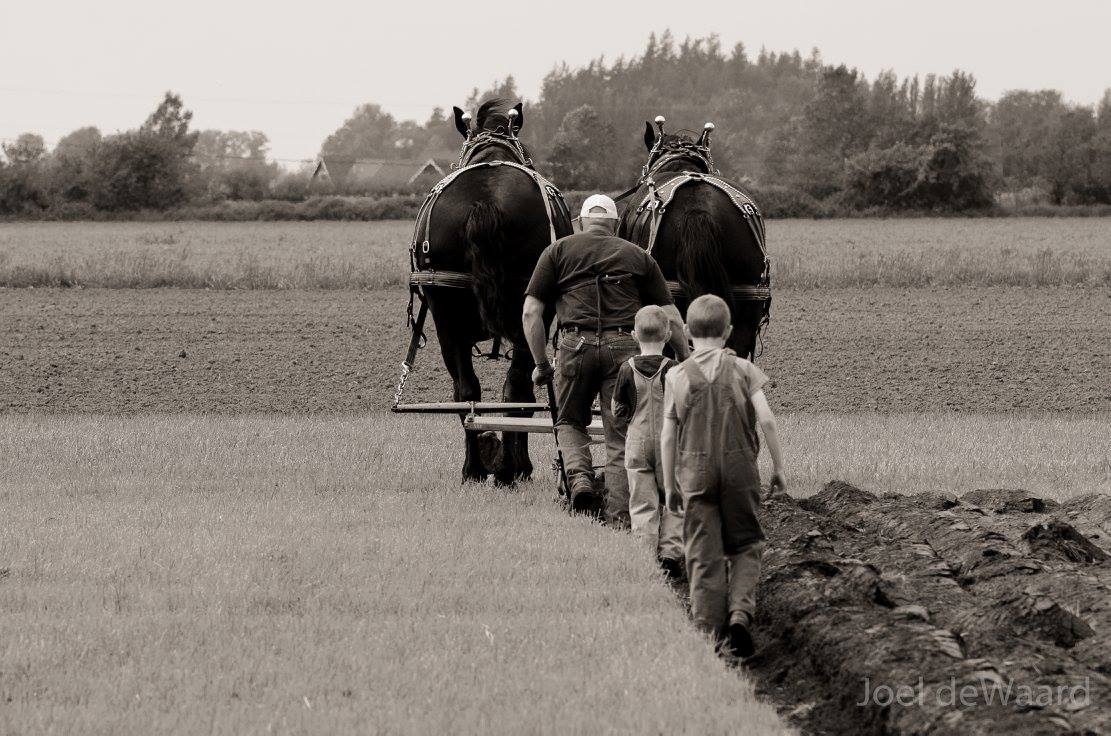
It’s Being Easy in the Harness

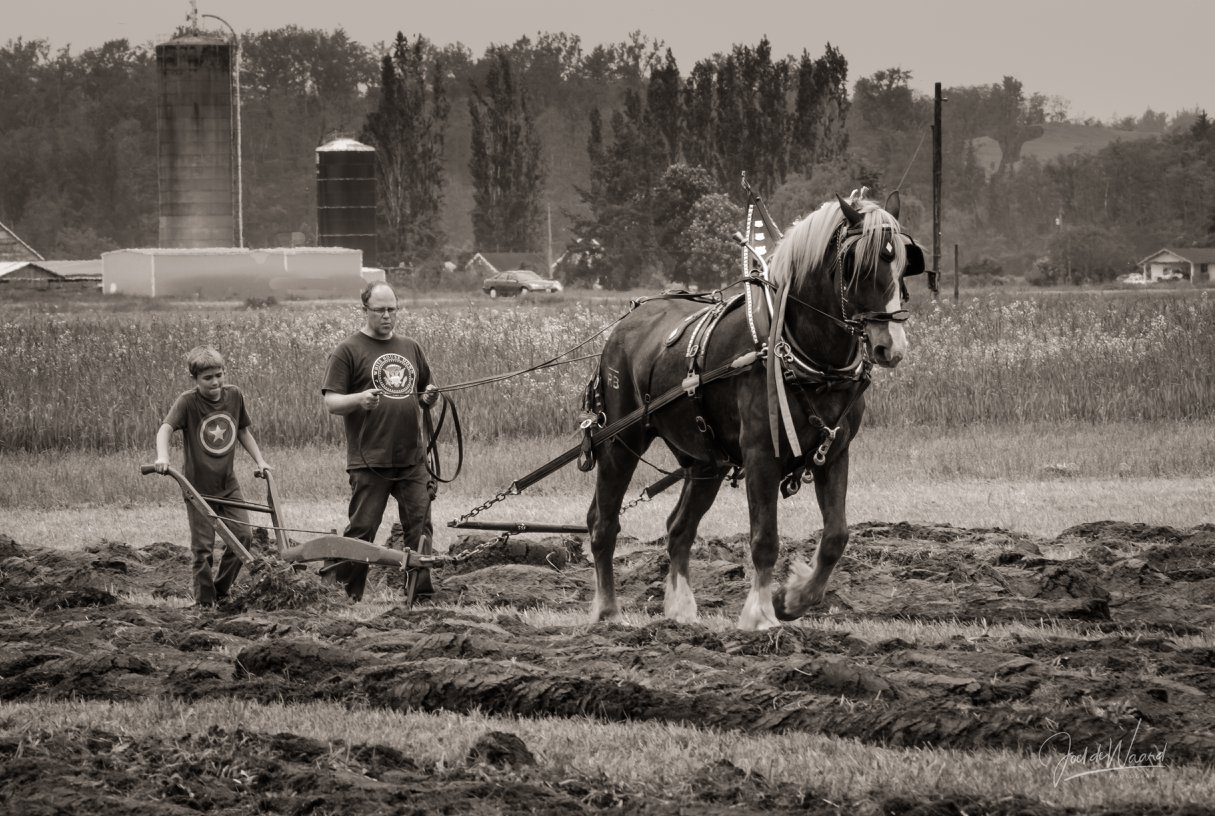
Photo by Joel deWaard
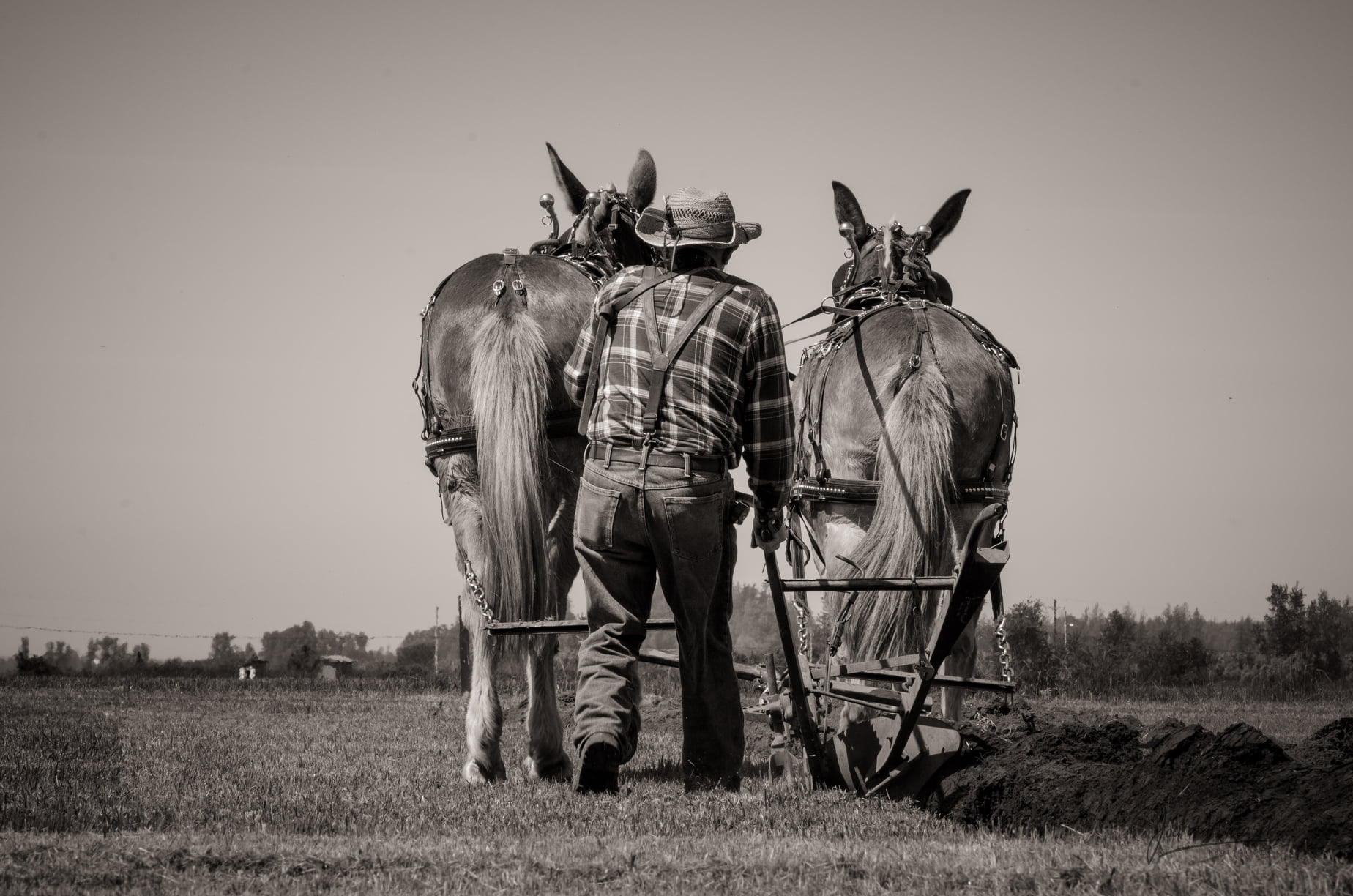
photo by Joel deWaard

I find my greatest freedom on the farm.
I can be a bad farmer or a lazy farmer and it’s my own business.
A definition of freedom:
It’s being easy in your harness.

~Robert Frost in 1954, at a news conference on the eve of his 80th birthday

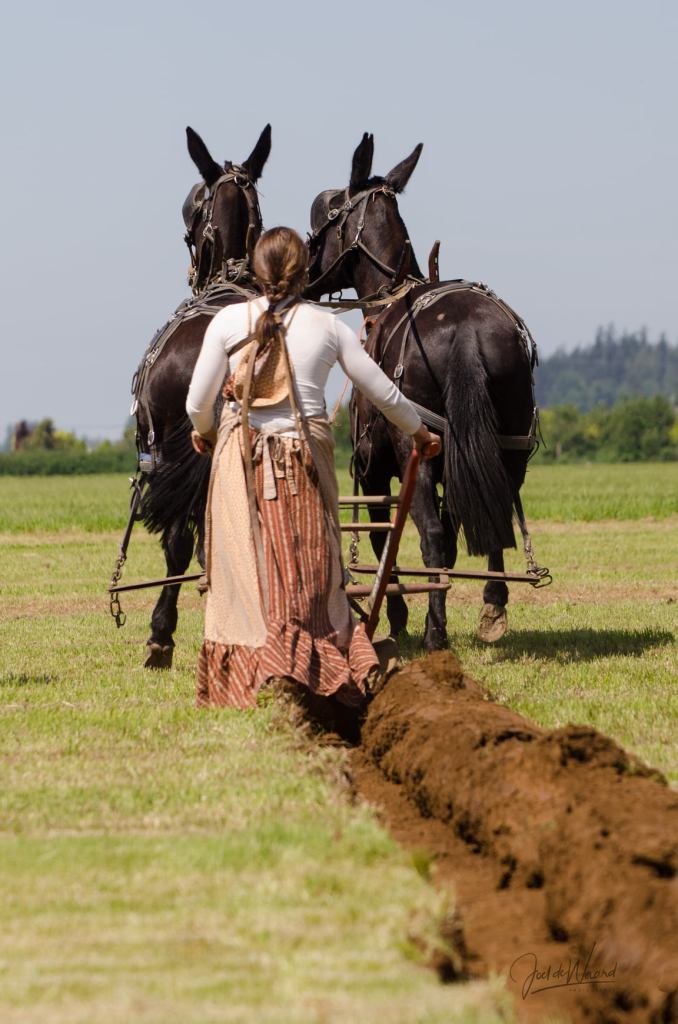
photo by Joel deWaard

The past was faded like a dream; 
There come the jingling of a team, 
A ploughman’s voice, a clink of chain, 
Slow hoofs, and harness under strain. 
Up the slow slope a team came bowing, 
Old Callow at his autumn ploughing, 
Old Callow, stooped above the hales, 
Ploughing the stubble into wales. 
His grave eyes looking straight ahead, 
Shearing a long straight furrow red; 
His plough-foot high to give it earth 
To bring new food for men to birth. 

O wet red swathe of earth laid bare,
O truth, O strength, O gleaming share,
O patient eyes that watch the goal,
O ploughman of the sinner’s soul.
O Jesus, drive the coulter deep
To plough my living man from sleep…

At top of rise the plough team stopped, 
The fore-horse bent his head and cropped. 
Then the chains chack, the brasses jingle, 

The lean reins gather through the cringle, 
The figures move against the sky, 
The clay wave breaks as they go by. 
I kneeled there in the muddy fallow, 
I knew that Christ was there with Callow, 
That Christ was standing there with me, 
That Christ had taught me what to be, 
That I should plough, and as I ploughed 
My Saviour Christ would sing aloud, 
And as I drove the clods apart 
Christ would be ploughing in my heart, 
Through rest-harrow and bitter roots, 
Through all my bad life’s rotten fruits.

Lo, all my heart’s field red and torn,
And Thou wilt bring the young green corn,
And when the field is fresh and fair
Thy blessed feet shall glitter there,
And we will walk the weeded field,
And tell the golden harvest’s yield,
The corn that makes the holy bread
By which the soul of man is fed,
The holy bread, the food unpriced,
Thy everlasting mercy, Christ.
~John Masefield from The Everlasting Mercy

photo by Joel deWaard

We shoulder much burden in the pursuit of happiness and freedom,
worth every ounce of sweat,
every sore muscle,
every drop of blood,
every tear.

Our heart land is plowed,
yielding to the plowshare
digging deep with the pull of the harness.
The furrow should be straight and narrow.

We are tread upon
yet still bloom;
we are turned upside down
yet still produce bread.

The plowing under brings freshness to the surface,
a new face upturned to the cleansing dew,
knots of worms now making fertile our simple dust.

Plow deep our hearts this day of celebrating freedom, Dear Lord.
This is the day of rest You made for us
and let us remember to worship You, and not ourselves.

May we plow, sow, grow, and harvest what is needed
to feed your vast and hungry children
everywhere.

photo by Joel deWaard

Thank you once again to Joel deWaard, local farmer, craftsman and photographer, who graciously shares his photos of the Annual International Lynden (Washington) Plowing Match

A new book from Barnstorming is available for order here:
There Be Dragons

Fairy tales do not tell children the dragons exist.
Children already know that dragons exist.
Fairy tales tell children the dragons can be killed.
~G.K. Chesterton from Tremendous Trifles

But a dragon lies in ambush for the traveler;
take care he does not bite you and inject you his poison of unbelief.
Seeing this numerous company winning salvation,
he selects and stalks his prey.
In your journey to the Father of souls,
your way lies past that dragon.
How shall you pass him?
You must have “your feet stoutly with the gospel of peace,”
so that, even if he does bite you,
he may not hurt you.
~St. Cyril of Jerusalem


<regarding St. Cyrus’s story>:
No matter what form the dragon may take,
it is of this mysterious passage past him, or into his jaws,
that stories of any depth will always be concerned to tell,
and this being the case, it requires considerable courage
at any time, in any country, not to turn away from the storyteller.

~Flannery O’Connor from A Good Man is Hard to Find

<Here be dragons>
was any place on the ancient maps
that was unknown and unexplored-
a place to avoid at all costs,
or — for the daring and carefree,
exactly the place to explore.

Here be dragons
marks the remainder of our days
that dwell at the edge of life’s roadmap
~ unknown and unexplored ~
and too often full of peril.

So many dragons to pass by,
ready to swallow us whole if we make a wrong turn,
or singe our britches if we stray off the map.

So many dark valleys and impenetrable forests to pass through.
so many mysteries unsolved,
so many stories of fateful journeys told,
and above all,
we must listen to what they have to teach us:
try not to stray from the well-worn lighted path of the faithful
who have managed to stay out of the jaws of the dragons
just so they could tell their story and save our souls.

A new book available from Barnstorming! To order, click here

A Game of Chicken

Every few minutes, he wants
to march the trail of flattened rye grass
back to the house of muttering
hens. He too could make
a bed in hay. Yesterday the egg so fresh
it felt hot in his hand and he pressed it
to his ear while the other children
laughed and ran with a ball, leaving him,
so little yet, too forgetful in games,
ready to cry if the ball brushed him,
riveted to the secret of birds
caught up inside his fist,
not ready to give it over
to the refrigerator
or the rest of the day.
~Naomi Shibab Nye “Boy and Egg” from Fuel

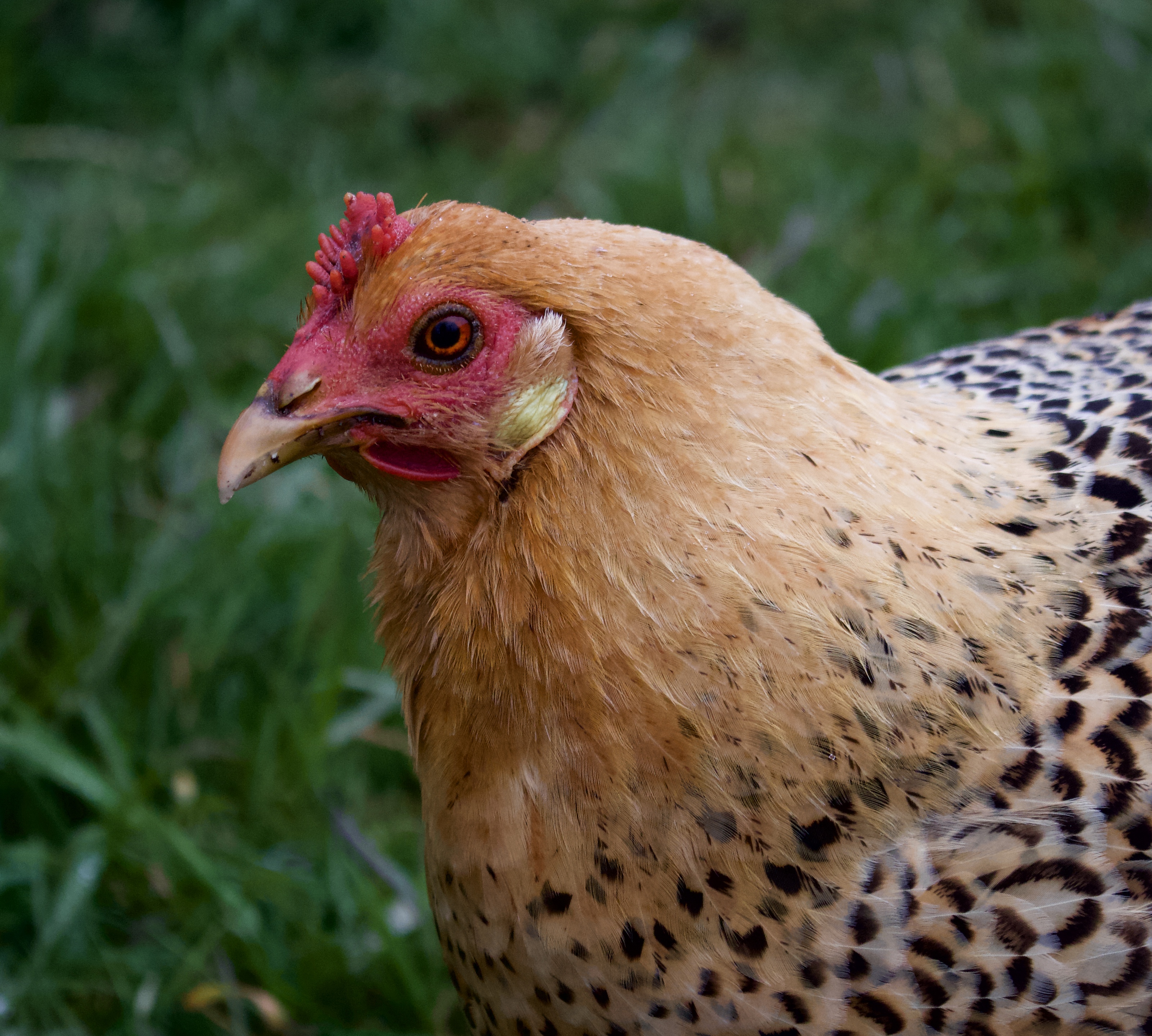
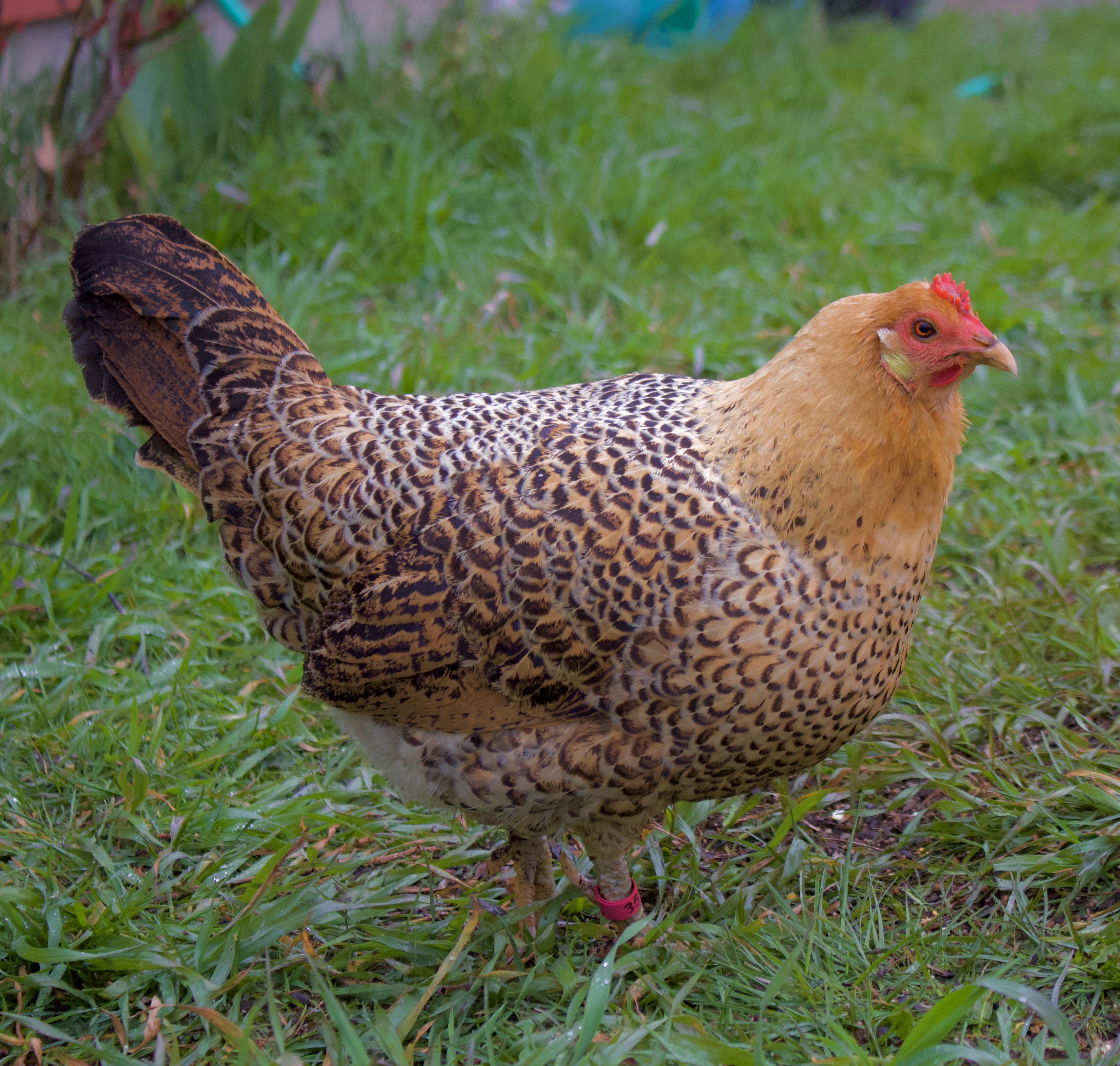
Gathering eggs on my childhood farm
was a source of wonder and terror:
the pleasure and challenge
of reaching under a downy breast
to wrap my fingers
around such smooth warm wholeness.

Daily I fought my fear
of a hen muttering under her breath,
staring warily at me, her beak at the ready,
ready to defend what was rightfully hers
and not mine.

It was a game of chicken
in the truest sense,
a stand-off between a four year old girl
and two year old hen:
we locked onto each other’s eyes
while I bravely grabbed the egg
and she pecked at my hand.
I would never let go
of her egg or her eyes
and, as part of the daily game,
she allowed me to have both.

Like the game of chicken
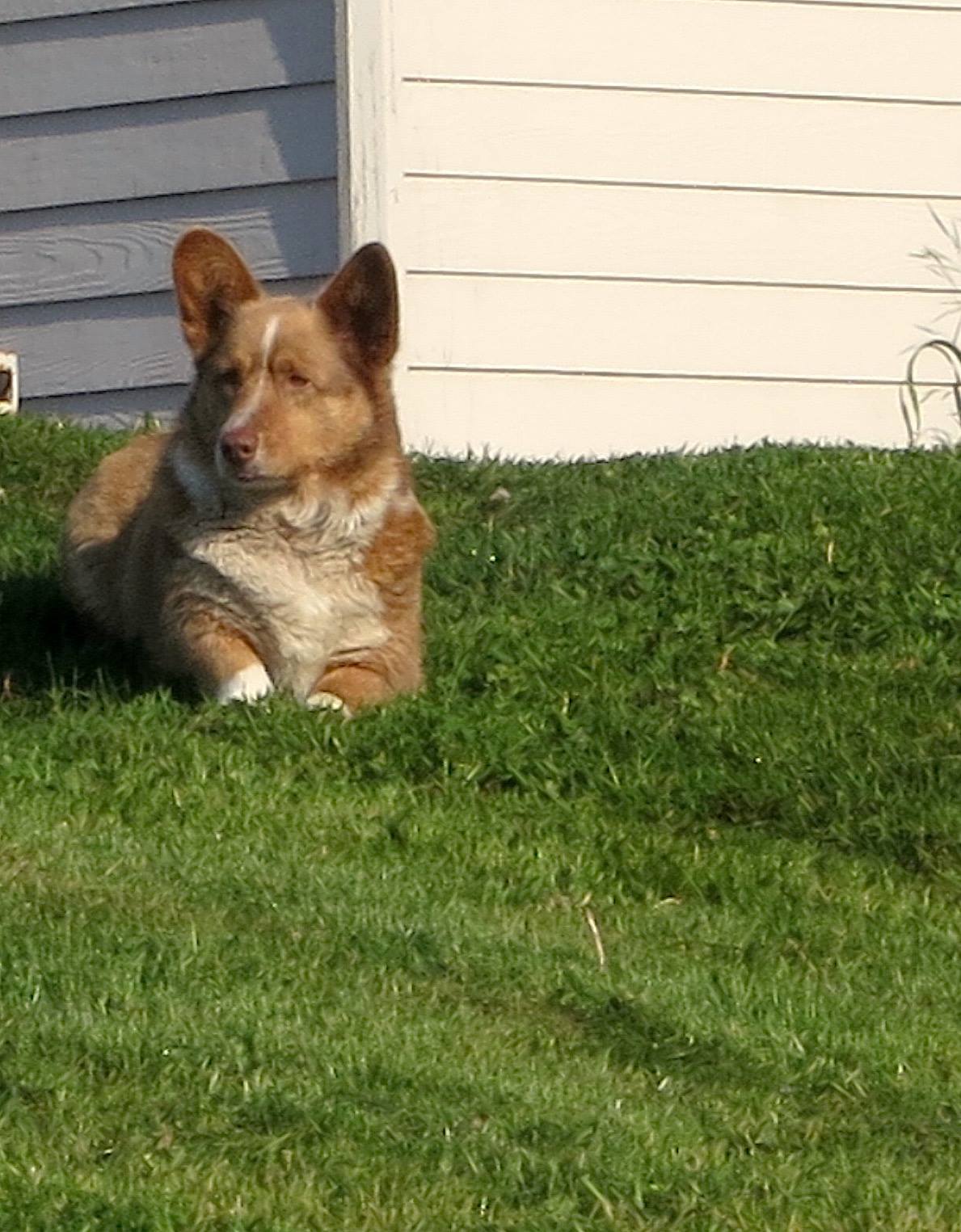
I watch my dogs play daily now,
their eyes locked
in mutual respect, intimidation and affection.
They need one another for this
game of love:
give and take,
take and give.

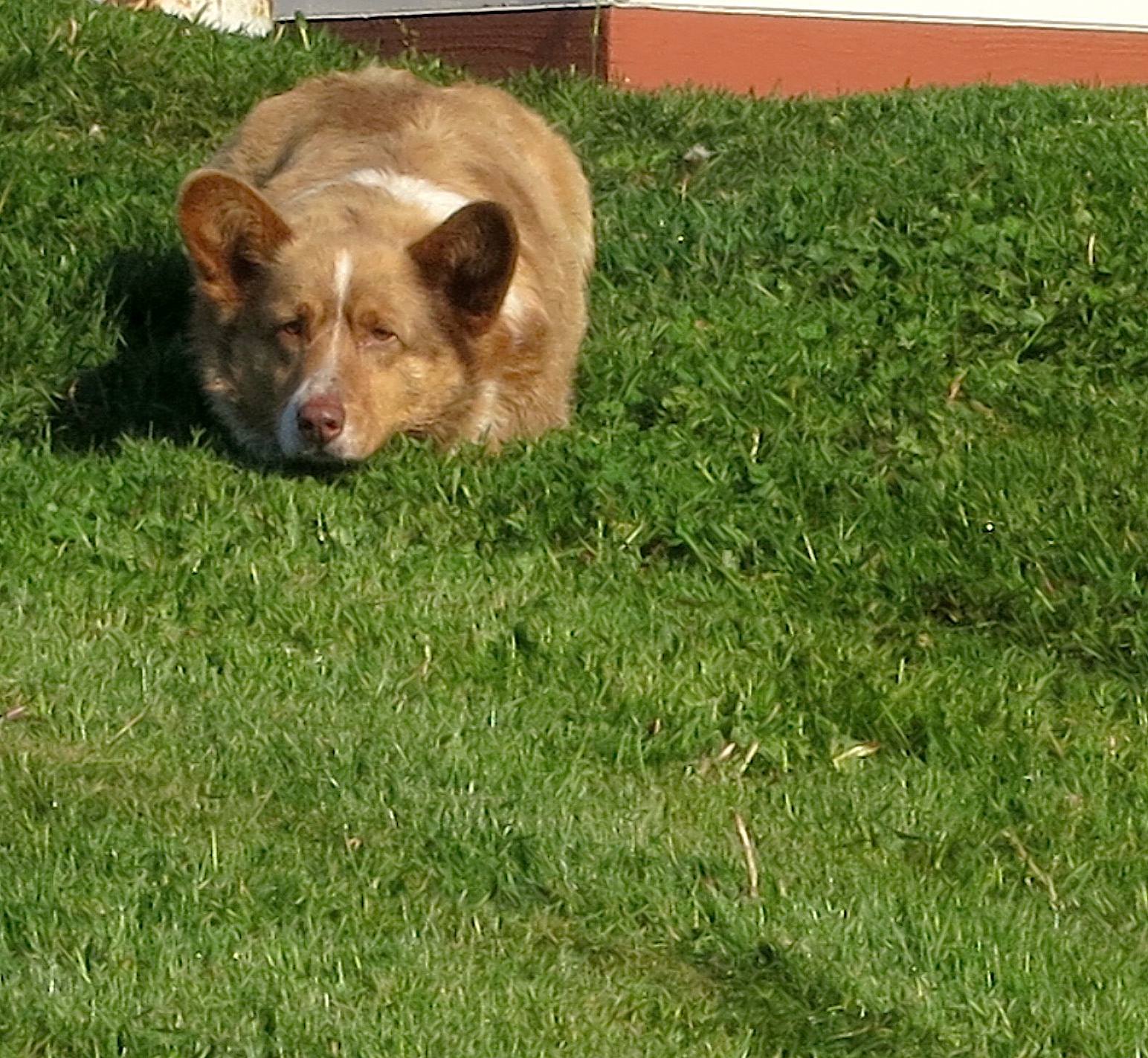
Sam waiting for Homer
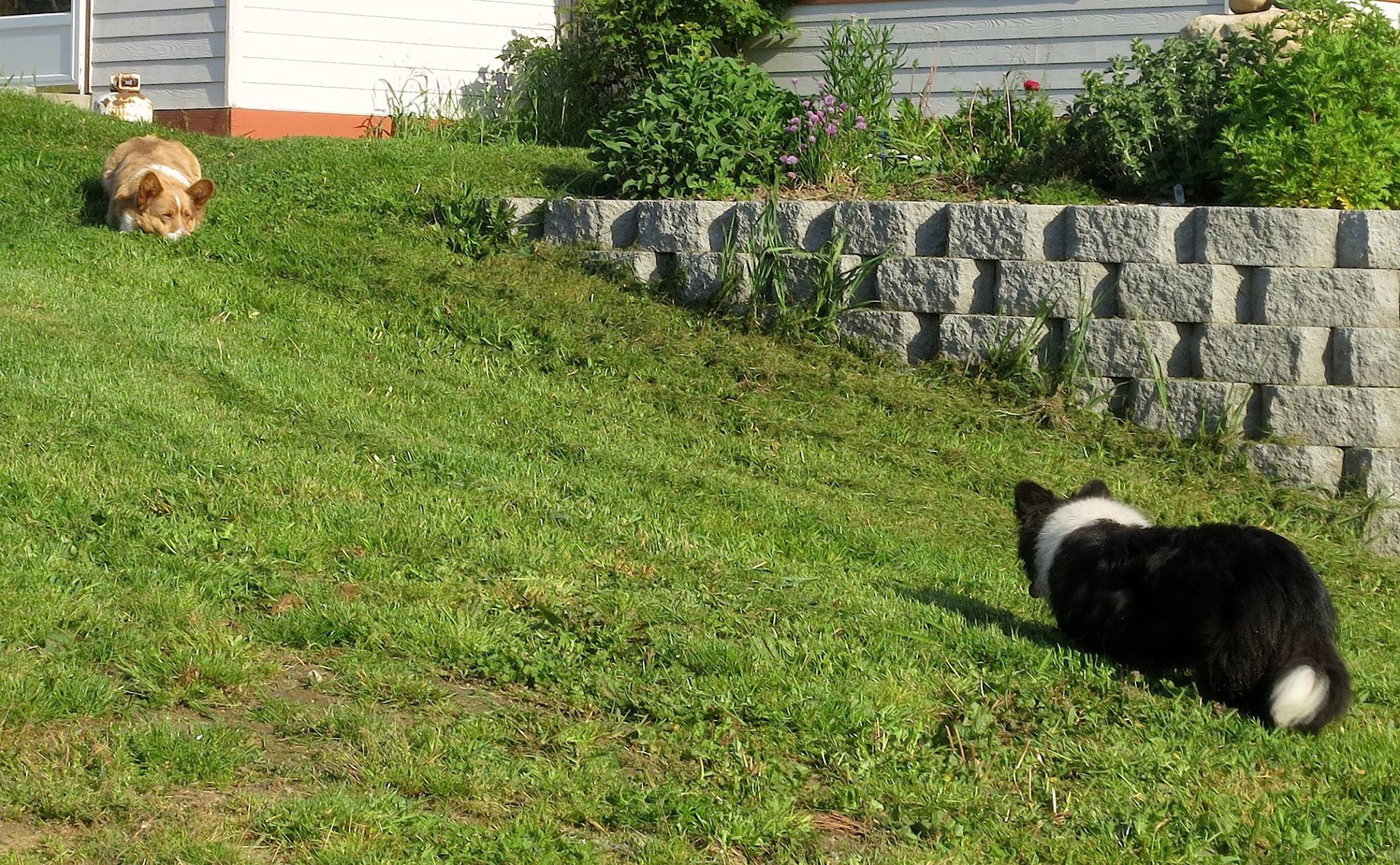
Sam getting in position
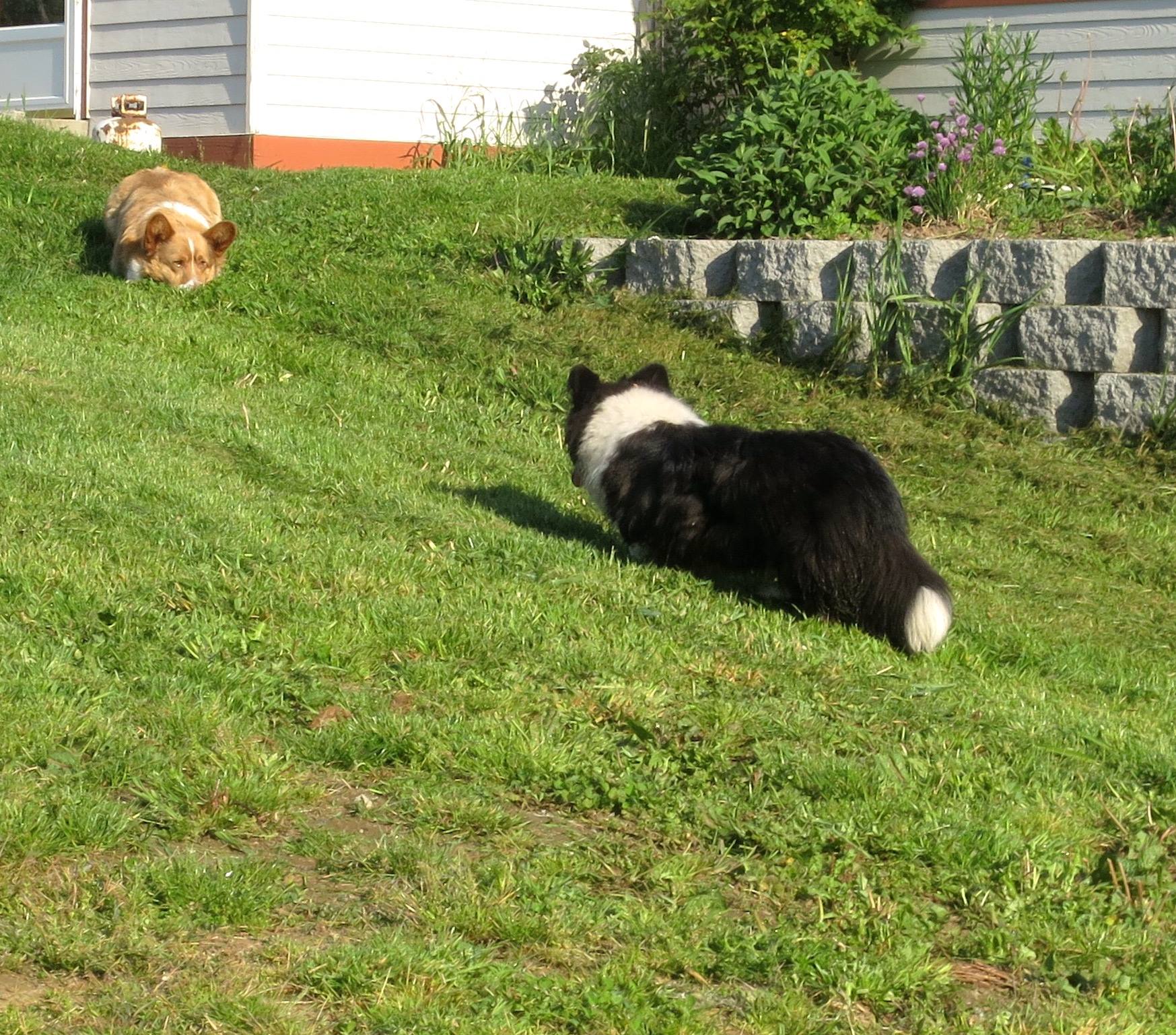
Homer approaches – their eyes lock
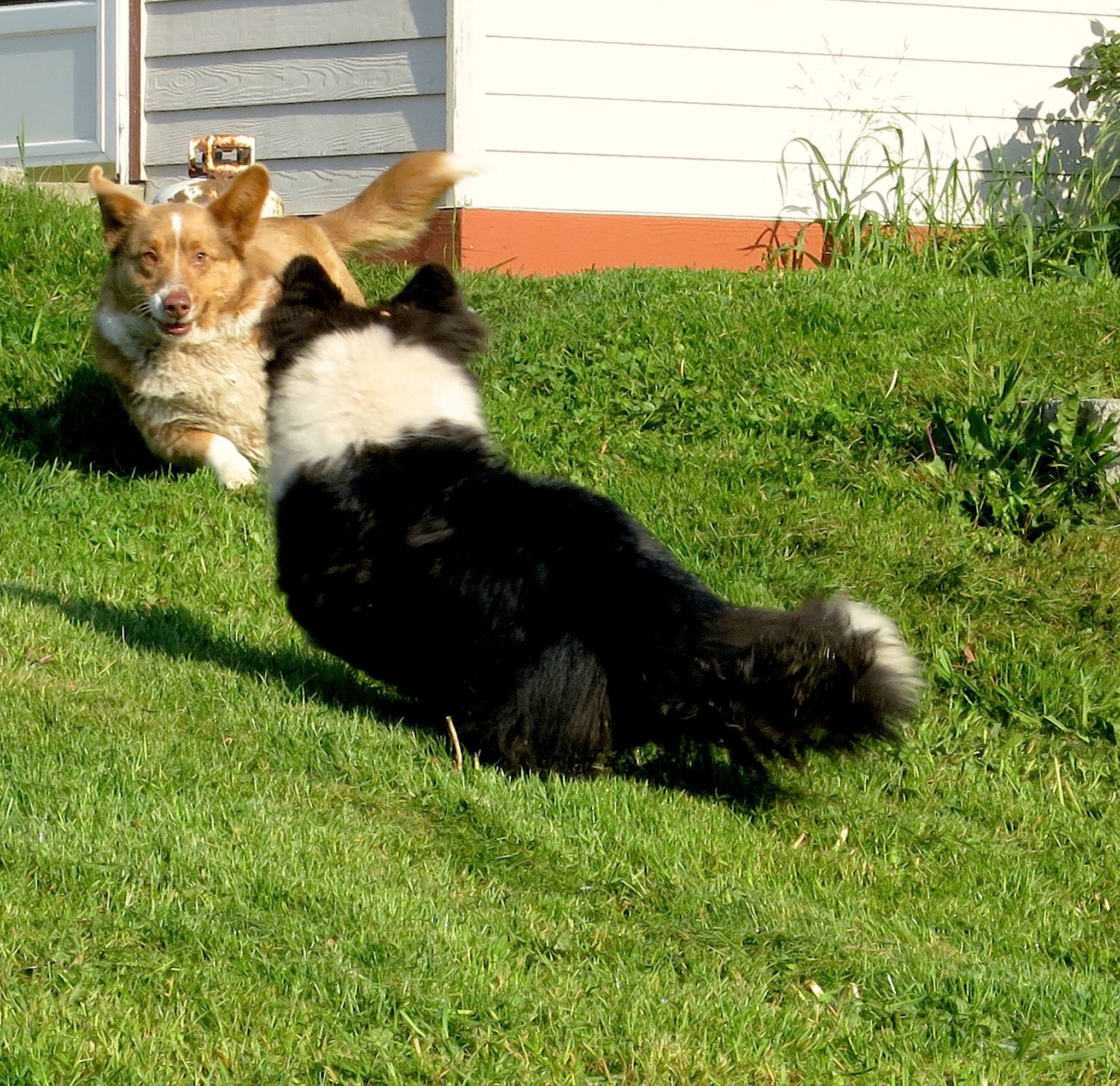
A little closer
Let the game begin!

A new book from Barnstorming and poet Lois Edstrom now available for order here:
Leaving the Wilderness: The Worst We Can Do

In a daring and beautiful creative reversal,
God takes the worse we can do to Him
and turns it into the very best He can do for us.
~Malcolm Guite from The Word in the Wilderness

See, my servant will act wisely;
    he will be raised and lifted up and highly exalted.
14 Just as there were many who were appalled at him—
    his appearance was so disfigured beyond that of any human being
    and his form marred beyond human likeness—
15 so he will sprinkle many nations,
    and kings will shut their mouths because of him.
For what they were not told, they will see,
    and what they have not heard, they will understand.
Isaiah 52: 13-15

When I was wounded
whether by God, the devil, or myself
—I don’t know yet which—
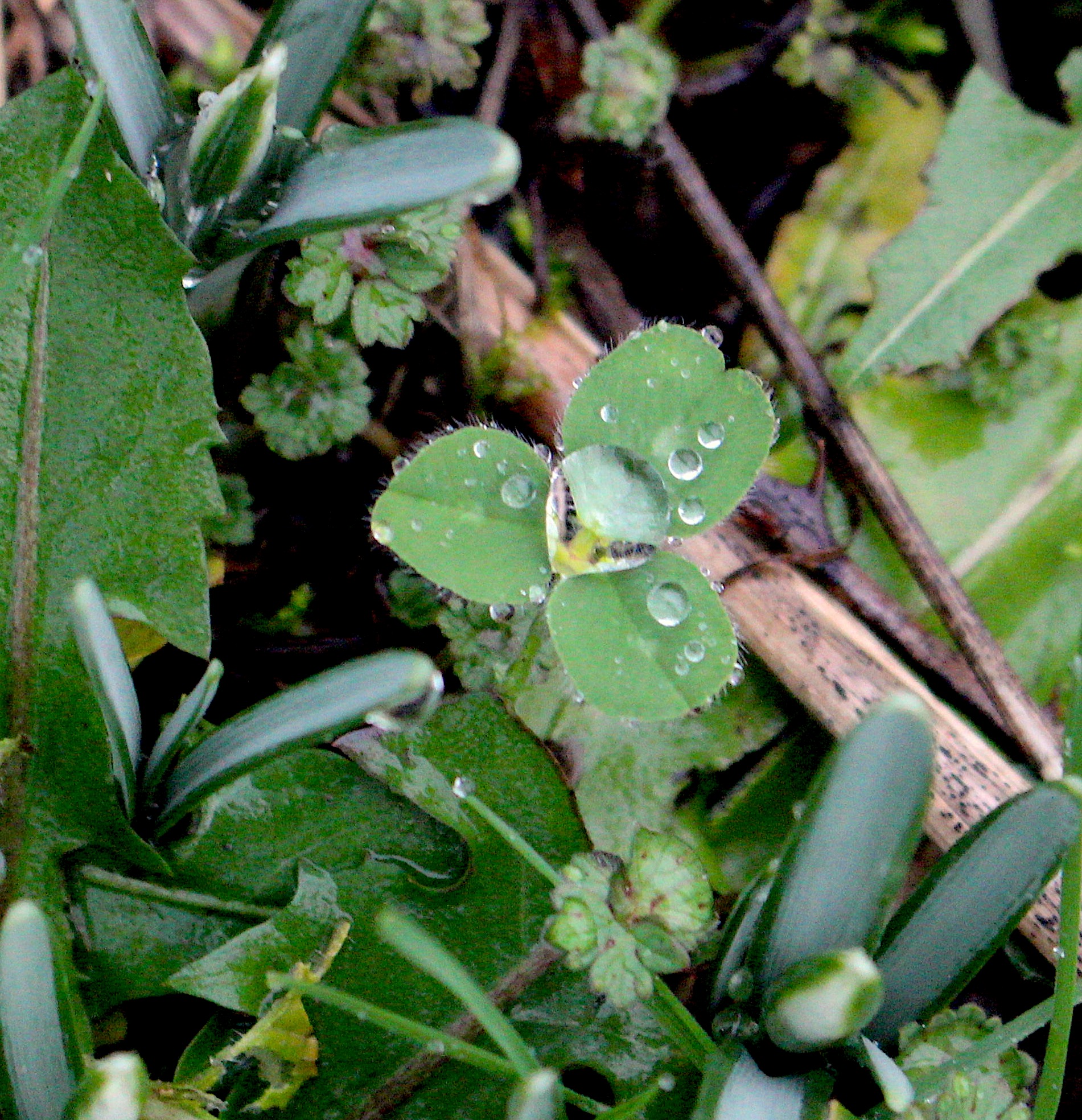
it was seeing the sparrows again
and clumps of clover, after three days,
that told me I hadn’t died.
When I was young,
all it took were those sparrows,
those lush little leaves,
for me to sing praises,
dedicate operas to the Lord.
But a dog who’s been beaten
is slow to go back to barking
and making a fuss over his owner
—an animal, not a person
like me who can ask:
Why do you beat me?
Which is why, despite the sparrows and the clover,
a subtle shadow still hovers over my spirit.
May whoever hurt me, forgive me.
~Adelia Prado “Divine Wrath” translated from Brazilian Portuguese by Ellen Doré Watson

Emmet Till’s mother
speaking over the radio

She tells in a comforting voice
what it was like to touch her dead boy’s face,

how she’d lingered and traced
the broken jaw, the crushed eyes–

the face that badly beaten, disfigured—
before confirming his identity.

And then she compares his face to
the face of Jesus, dying on the cross.

This mother says no, she’d not recognize
her Lord, for he was beaten far, far worse

than the son she loved with all her heart.
For, she said, she could still discern her son’s curved earlobe,

but the face of Christ
was beaten to death by the whole world.
~Richard Jones “The Face” from Between Midnight and Dawn

Too many people today continue to be crushed, disfigured, beaten and left for dead–

for taking a stand, or being the wrong color, the wrong faith, the wrong tribe, or simply being different enough to trigger distrust and hatred.

And so it was with our Lord. He walked into the hornet’s nest of Jerusalem fully knowing such an overwhelming attack was coming.

Crushed, broken and delivered into His Father’s arms as His mother wept over Him.

Yet He took the worst that could be done to Him and turned it into the best that He could do for us. We are stung forever by His Love.

Waiting in Wilderness: God Will See Us Through

My Lord, my Lord,
Long have I cried out to Thee
In the heat of the sun,
The cool of the moon,
My screams searched the heavens for Thee.
My God,
When my blanket was nothing but dew,
Rags and bones
Were all I owned,
I chanted Your name
Just like Job.

Father, Father,
My life give I gladly to Thee
Deep rivers ahead
High mountains above
My soul wants only Your love
But fears gather round like wolves in the dark.
Have You forgotten my name?
O Lord, come to Your child.
O Lord, forget me not.

You said to lean on Your arm
And I’m leaning
You said to trust in Your love
And I’m trusting
You said to call on Your name
And I’m calling
I’m stepping out on Your word.

Into the alleys
Into the byways
Into the streets
And the roads
And the highways
Past rumor mongers
And midnight ramblers
Past the liars and the cheaters and the gamblers.
On Your word
On Your word.
On the wonderful word of the Son of God.
I’m stepping out on Your word.

~Maya Angelou from “Just Like Job”

Once again — and again and again — bullets have been fired out of evil intent by disturbed and hate-filled men, striking down people who look (and are) just like us. 

Weeping never needs translation or interpretation, no matter what color cheeks they moisten.

Distrust and fear continue to impact us daily, settling like a shroud over the most routine activities – going to school, going grocery shopping, going to church. It isn’t just a virus that threatens us; it is being targeted in someone’s gun sight.

In order to even walk out the door in the morning, we must fall back on what we are told, each and every day, in 365 different verses in God’s Word itself:

Fear not.

Do not be overwhelmed with evil but overcome evil with good.

We shall overcome despite evil and our fear of each other.

The goal of this life is to live for others, to live in such a way that death cannot erase the meaning and significance of a life.  We are called to give up our selfish agendas in order to consider the dignity of others and their greater good. We are called to keep weapons out of the hands of those who would use them to harm themselves or others, which means better screening, longer waiting periods, improved tracking of ownership.

It is crystal clear from Christ’s example as we observe His journey to the cross over the next week: we are to cherish life, all lives, born and unborn, even unto death. Christ forgave those who hated and murdered Him.

Our only defense against the evil we witness is God’s offense. Only God can lead us to Tolkien’s “where everything sad will come untrue”, where we shall live in peace, walk hand in hand, no longer alone, no longer afraid, no longer shedding tears of grief and sorrow, but tears of relief and joy.

We shall all be free. We shall overcome because God does.

We shall overcome

We shall live in peace

We’ll walk hand in hand

We shall all be free

We are not afraid

We are not alone

God will see us through

We shall overcome

Oh, deep in my heart
I do believe
We shall overcome some day

The ultimate weakness of violence is that it is a descending spiral
begetting the very thing it seeks to destroy.
Instead of diminishing evil, it multiplies it.
Through violence you may murder the liar,
but you cannot murder the lie, nor establish the truth.
Through violence you may murder the hater,
but you do not murder hate.
In fact, violence merely increases hate.
So it goes.
Returning violence for violence multiplies violence,
adding deeper darkness to a night already devoid of stars.
Darkness cannot drive out darkness:
only light can do that.
Hate cannot drive out hate: only love can do that.
Hate multiplies hate,
violence multiplies violence,
and toughness multiplies toughness
in a descending spiral of destruction….
The chain reaction of evil —
hate begetting hate,
wars producing more wars —
must be broken,
or we shall be plunged
into the dark abyss of annihilation.
~Dr. Martin Luther King, Jr. from Strength to Love

Waiting in Wilderness: The Deal with Pain
The pain I feel now is the happiness I had before.
That’s the deal.
~C.S. Lewis from A Grief Observed

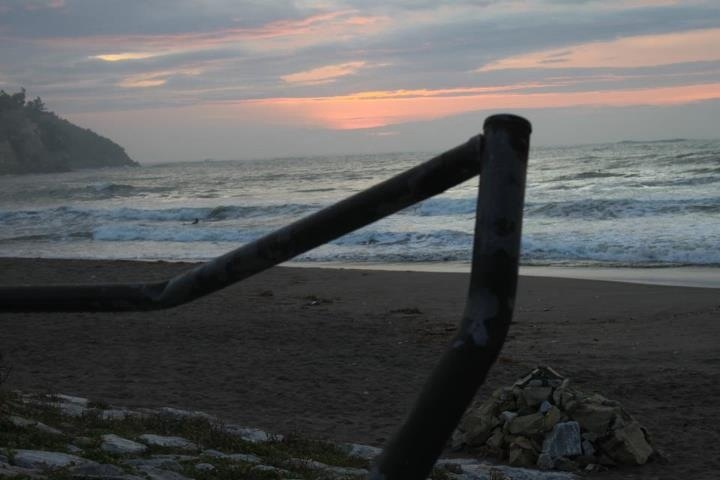
The beach at Tohoku, Japan where the tsunami hit 10 years ago today.

For thus says the LORD of hosts,
Once more in a little while,
I am going to shake the heavens and the earth,

the sea also and the dry land.
I will shake all the nations;

and they will come with the wealth of all nations,
and I will fill this house with glory,’ says the LORD of hosts.
Haggai 2:6-7

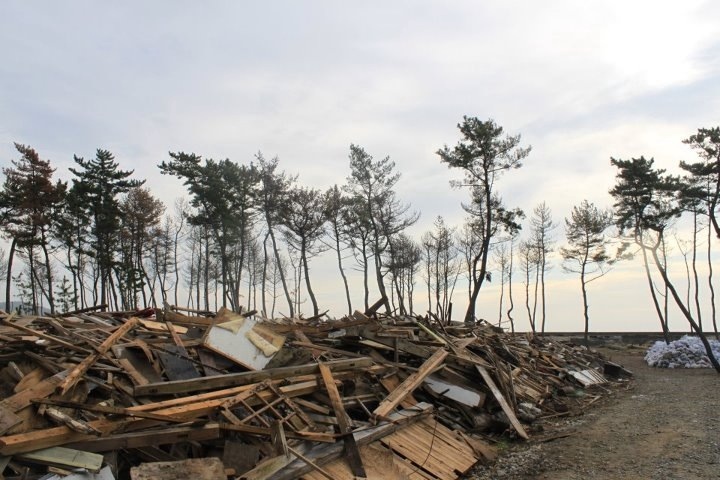
the rubble still piled on the beach at Tohoku, Japan, a year after the 3/11/11 tsunami
She recognizes its crest in the way he looks at her. 
The wave is as vast as the roiling mass in the Japanese
Print they had paused in front of at the museum,
Capped with ringlets of foam, all surging sinew.
That little village along the shore would be
Totally lost. There is no escaping this.
The wave is flooding his heart,
And he is sending the flood
Her way. It rushes
Over her.

Can you look at one face
For the whole of a life?

Does the moon peer down
At the tides and hunger for home?

~Michele Wolf “The Great Tsunami”

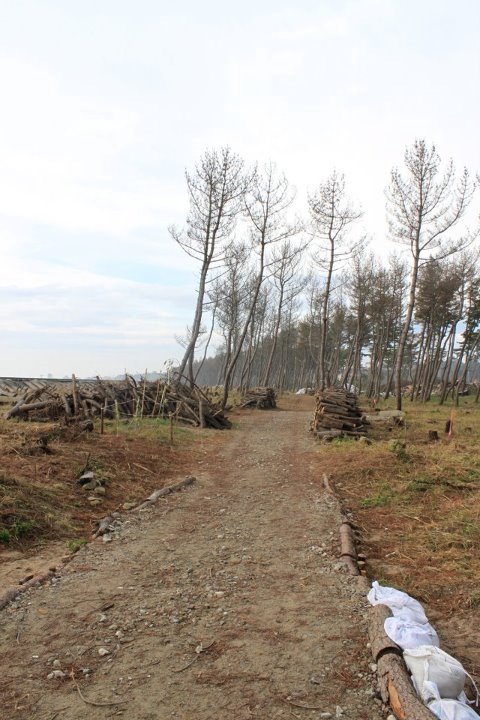
In March 2012, we stayed with our friends Brian and Bette Vander Haak at their cabin on a bluff just above the beach at Sendai, Japan, just a few dozen feet above the devastation that wiped out an entire fishing village below during the 3/11/11 earthquake and tsunami. We walked that stretch of beach, learning of the stories of the people who had lived there, some of whom did not survive the waves that swept their houses and cars away before they could escape. We walked past the footprints of foundations of hundreds of demolished homes, humbled by the rubble mountains yet to be hauled away to be burned or buried and scanned acres of wrecked vehicles now piled one on another, waiting to become scrap metal. It was visual evidence of life suddenly and unexpectedly disrupted.

This was a place of recreation and respite for some who visited regularly, commerce and livelihood for others who stayed year round and then, in ongoing recovery efforts, was struggling to be restored to something familiar. Yet it looked like a foreign ghostly landscape. Even many trees perished, lost, broken off, fish nets still stuck high on their scarred trunks. There were small memorials to lost family members within some home foundations, with stuffed animals and flowers wilted from the recent anniversary observance.

It was a powerful place of memories for those who lived there and knew what it once was, how it once looked and felt, and painfully, what it became in a matter of minutes on 3/11. The waves swept in inexplicable suffering, then carried their former lives away. Happiness gave ground to such terrible pain. It could never have hurt as much without the joy that preceded it.

We want to ask God why He doesn’t do something about the suffering that happens anywhere a disaster occurs –but if we do, He will ask us the same question right back: why don’t you do something about the suffering you see around you?

We need to be ready with our answer and our action.

God knows suffering, far more than we do. He took it all on Himself, feeling His pain amplified, as it was borne out of His love and joy in His creation.

Now ten years later, on March 11,  beautiful Tohoku and Sendai, and its dedicated survivors have mostly recovered, but their inner and outer landscape is forever altered. What remains the same is the tempo of the waves, the tides, and the rhythm of the light and the night, happening just as originally created.

In that realization, our pain gives way as God soars above the storm. Pain cannot stand up to His love, His joy, and His sacrifice on our behalf.

photo by Nate Gibson at Sendai, Japan

Hide me now
Under Your wings
Cover me
Within Your mighty hand

When the oceans rise and thunders roar
I will soar with You above the storm
Father, you are King over the flood
I will be still, know You are God

Find rest, my soul
In Christ alone
Know His power
In quietness and trust

Waiting in Wilderness: Becoming His Cells

The whole mass of Christians are the physical organism through which Christ acts—
that we are his fingers and muscles,
the cells of His body
.
~C.S. Lewis
from Mere Christianity

Now you are the body of Christ, and each one of you is a part of it.
1Corinthians 12:27

Christ has no body now but yours.
No hands, no feet on earth but yours.
Yours are the eyes through which he looks compassion on this world.
Yours are the feet with which he walks to do good.
Yours are the hands through which he blesses all the world.
Yours are the hands,
yours are the feet,
yours are the eyes,
you are his body.
Christ has no body now on earth but yours.
~Teresa of Avila

When I am awake in the night to attend to those who are hurting,
some who have been hurt by illness, injury or abuse or
who hurt themselves to escape their hopelessness,
I remember, in my own weariness,
this dear one too is part of His body,
one of the cells
that adjoins the cell that is me,
each of us critical to the life
raised in the body of Christ.

Why have have so many of us Christians forgotten this in the last year?
How can we not care first and foremost for the vulnerable,
for our beloved brothers and sisters in Christ,
as well as those who we don’t know and don’t yet know Christ,
by doing whatever we can,
whether it is the inconvenience of masking
or accepting the low risk of an effective vaccine,
to shield others and ourselves from potential harm
and end this painful time of pandemic history?

Pastor Tim Keller has said:
Christians are called by God to be living so sacrificially and beautifully that the people around us, who don’t believe what we believe, will soon be unable to imagine the world without us.

Thank you to David French, Michael Luo, and Scott Sauls for their insights into the role of Christ’s church during the pandemic and how we can do better in living out our mandate as the body and cells of Christ.

Keep watch, dear Lord,
with those who work, or watch, or weep this night,
and give your angels charge over those who sleep.
Tend the sick, Lord Christ;
give rest to the weary,
bless the dying,
soothe the suffering,
pity the afflicted,
shield the joyous;
and all for your loves sake.
Amen.
~Common Book of Prayer

Absorbing the Shock

There are three kinds of men.
The ones that learn by reading.
The few who learn by observation. 
The rest of them have to pee on the electric fence for themselves.
~Will Rogers

Learning is a universal human experience from the moment we take our first breath.  It is never finished until the last breath is given up.  With a lifetime of learning, one would think eventually we should get it right.

But we don’t.  We tend to learn the hard way especially when it comes to matters having to do with our (or others’) health.

As physicians in training, we “see one, do one, teach one.”   That kind of approach doesn’t always go so well for the patient.   As patients, we like to eat, drink, and live how we wish, demanding what interventions we want only when we want them – this also doesn’t go so well for the patient.  You’d think we’d know better, but as fallible human beings, we may impulsively make decisions about our health without actually using our heads (is it evidence-based or simply an anecdotal story about what “worked” for someone else?).

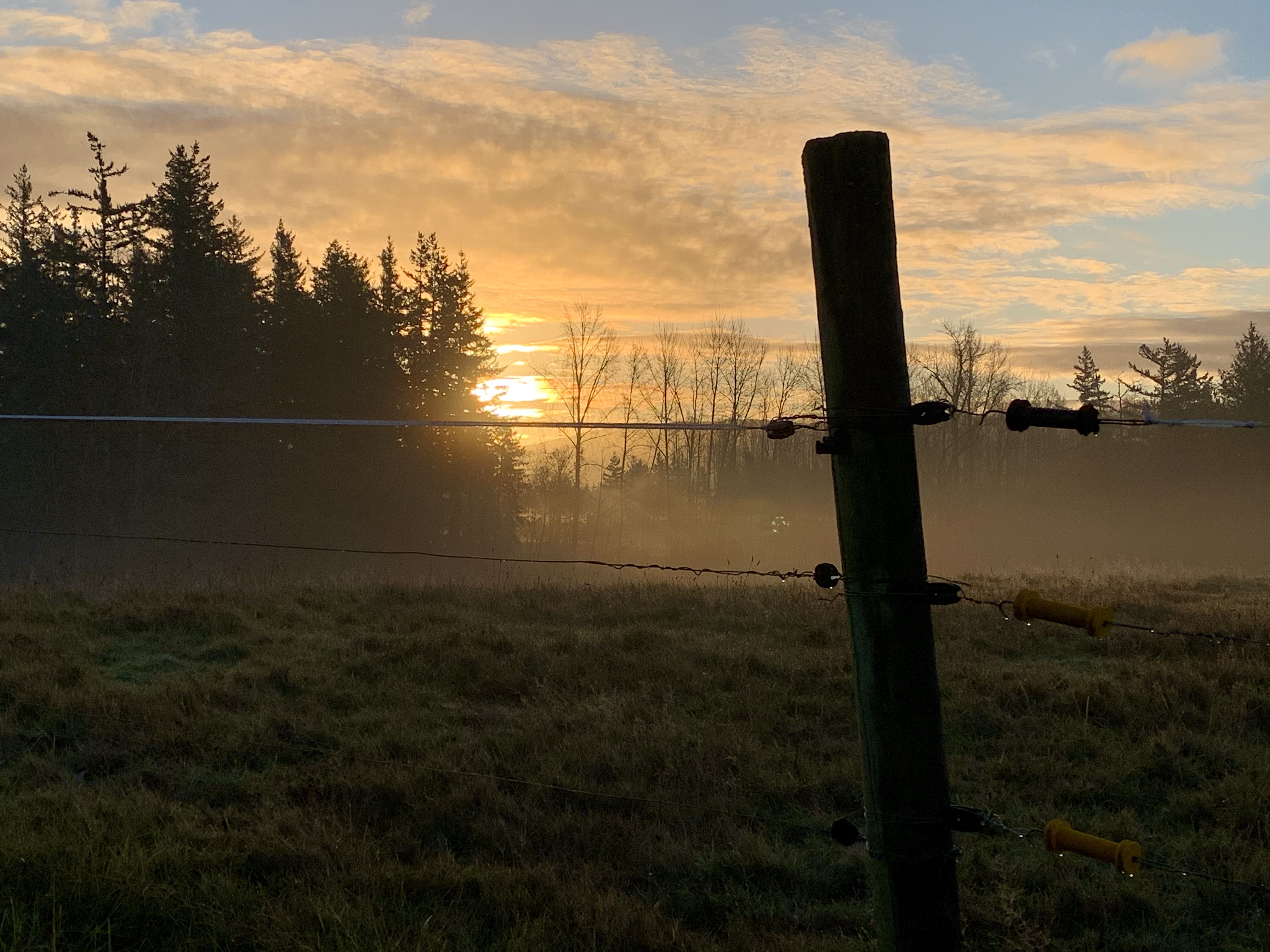
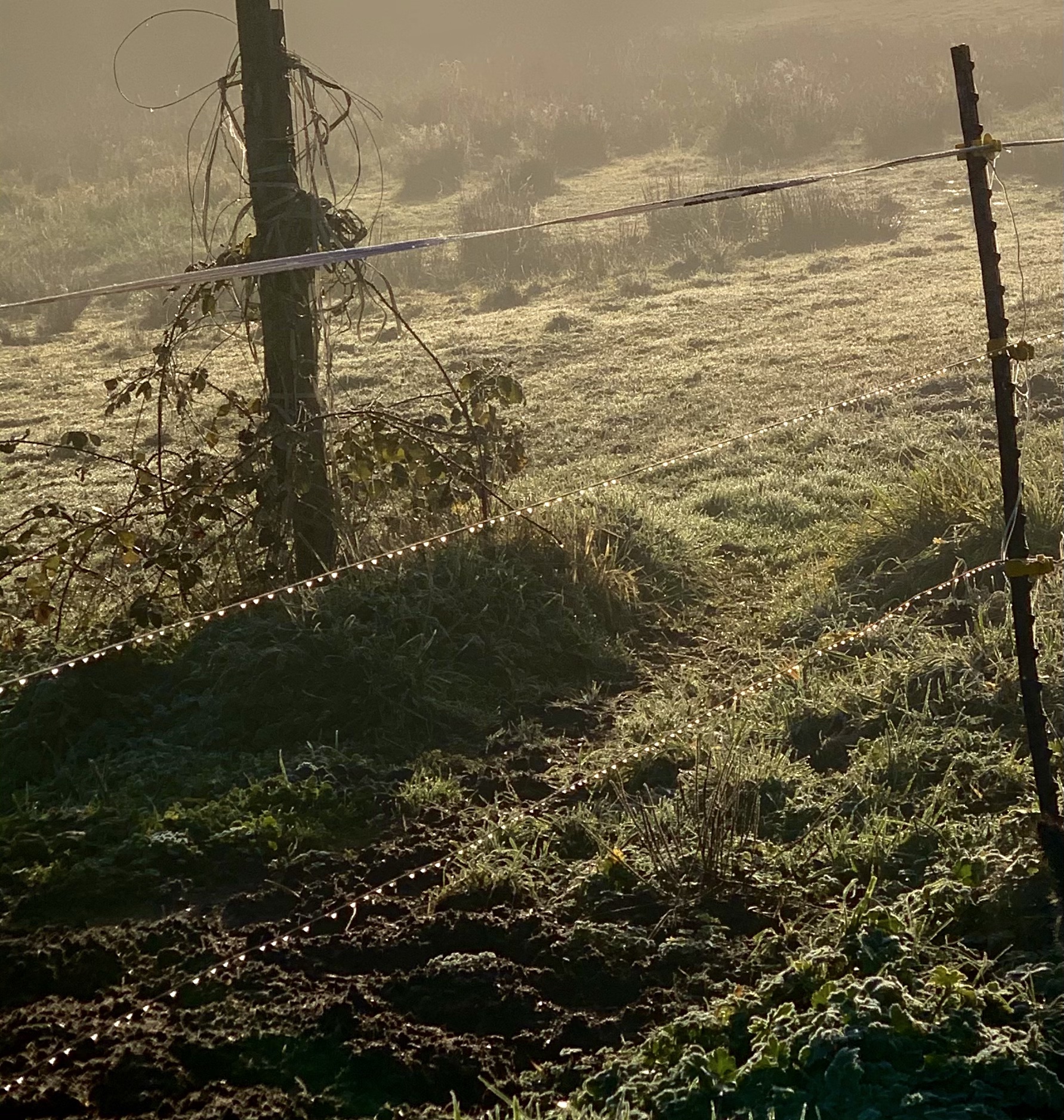
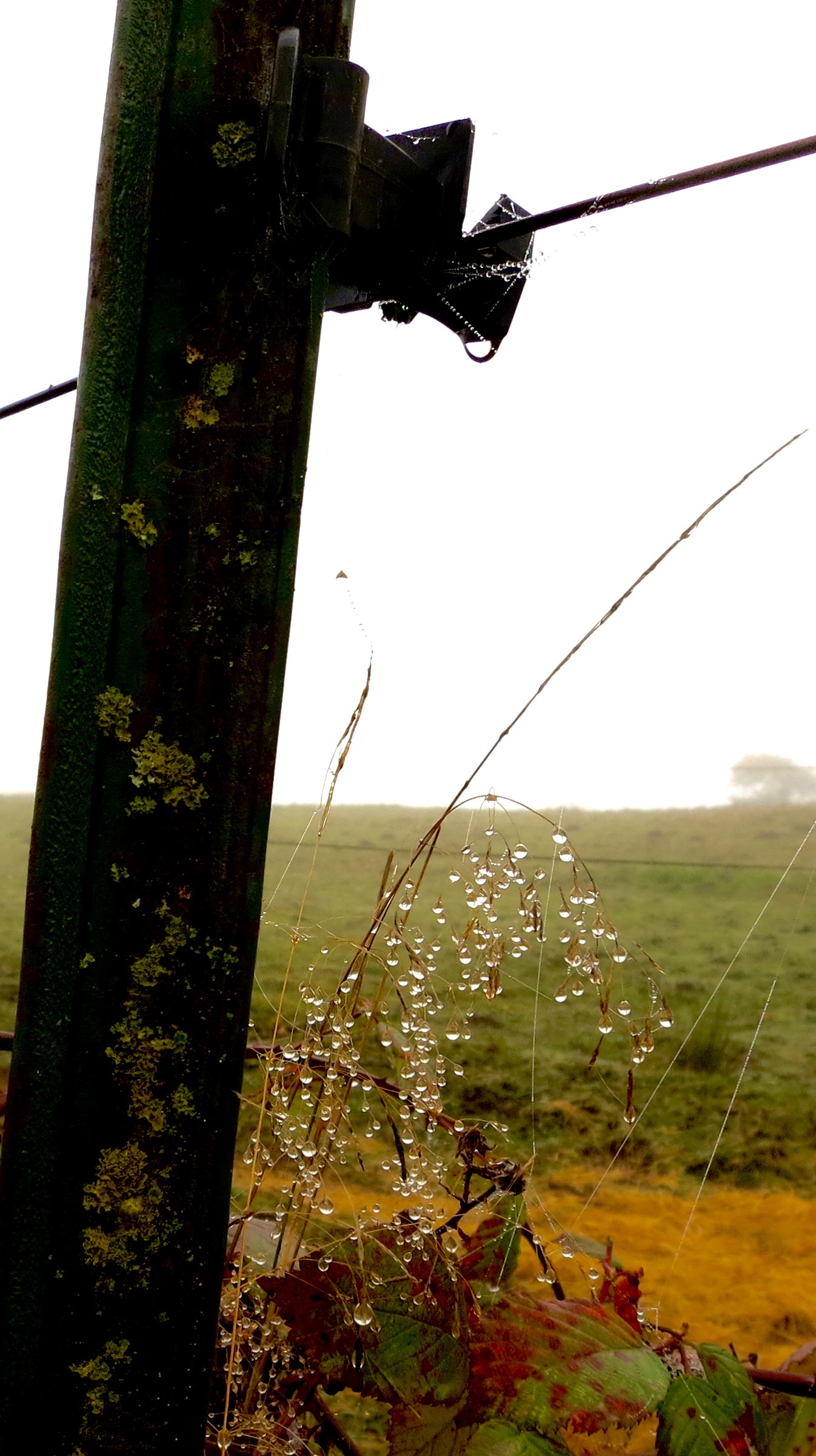
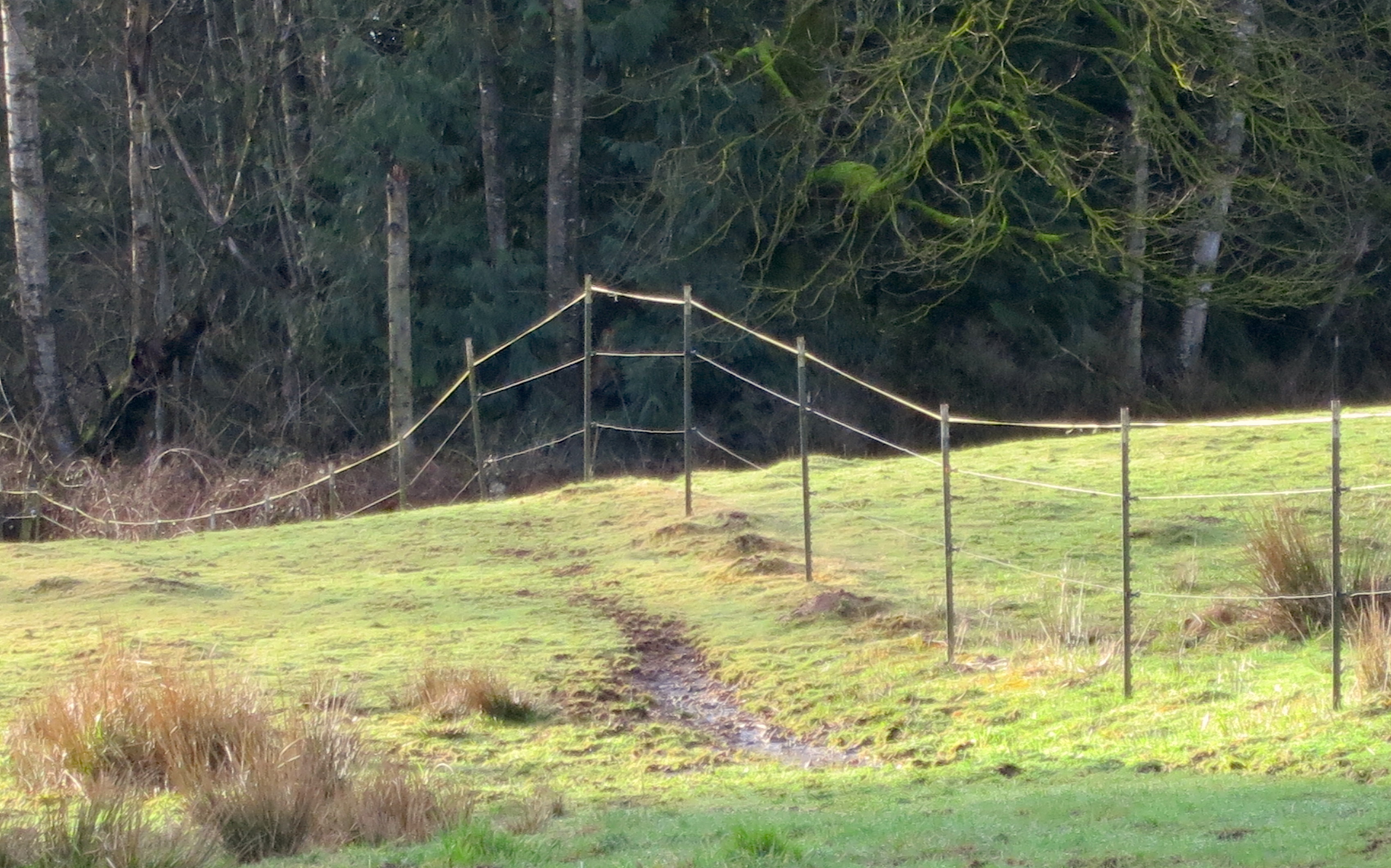
The cows and horses on our farm need to touch an electric fence only once when reaching for greener grass on the other side.  That moment provides a sufficient learning curve for them to make an important decision.  They won’t try testing it again no matter how alluring the world appears on the other side.   Humans are smarter sentient beings who should learn as quickly as animals but unfortunately don’t.  I know all too well what a shock feels like and I want to avoid repeating that experience.  Even so, in unguarded careless moments of feeling invulnerable (it can’t happen to me!), and yearning to have what I don’t necessarily need,  I may find myself reaching for the greener grass (or another cookie) even though I know better.   I suspect I’m not alone in my surprise when I’m jolted back to reality when I continually indulge myself and climb on the scale to see the results.

Many great minds have worked out various theories of effective learning, but, great mind or not, Will Rogers confirms a common sense suspicion: an adverse experience, like a “bolt out of the blue,” can be a powerful teacher.  As clinicians, we call it “a teachable moment.”  None of us want to experience a teachable moment — none of us, and we resent it when someone points it out to us.

When physicians and patients learn the hard way, we need to come along aside one another rather than work at cross-purposes.

It just might help absorb the shock.

The Edge of Morning

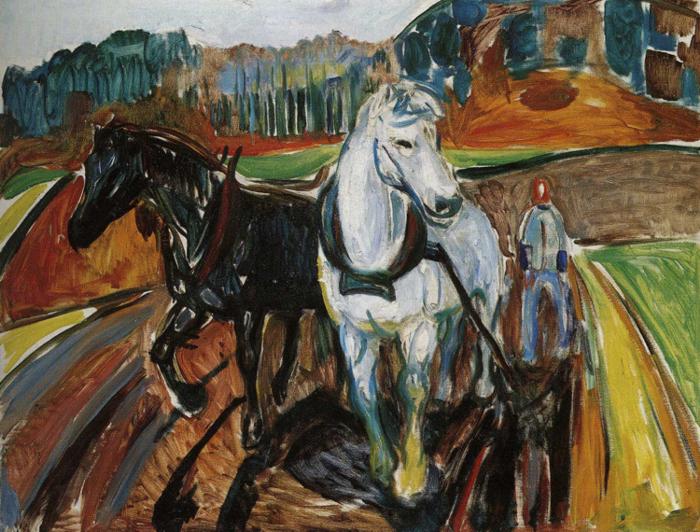
Horse Team by Edvard Munch
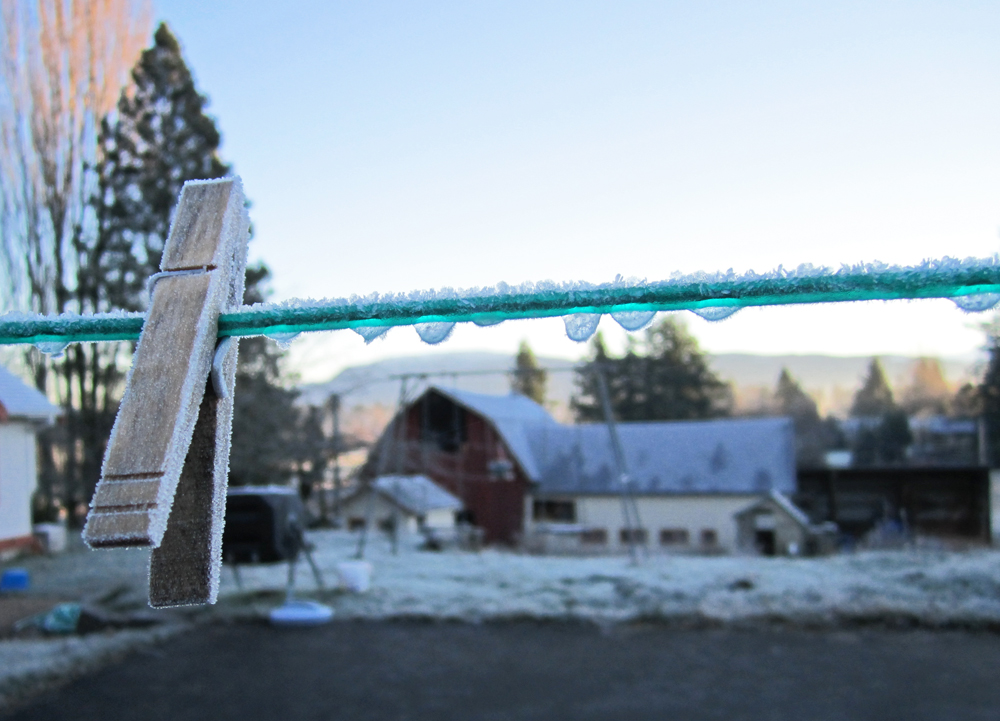
The glittering roofs are still with frost; each worn
Black chimney builds into the quiet sky
Its curling pile to crumble silently.
Far out to the westward on the edge of morn,
The slender misty city towers up-borne
Glimmer faint rose against the pallid blue;
And yonder on those northern hills, the hue
Of amethyst, hang fleeces dull as horn.

And here behind me come the woodmen’s sleighs
With shouts and clamorous squeakings; might and main
Up the steep slope the horses stamp and strain,
Urged on by hoarse-tongued drivers–cheeks ablaze,
Iced beards and frozen eyelids–team by team,
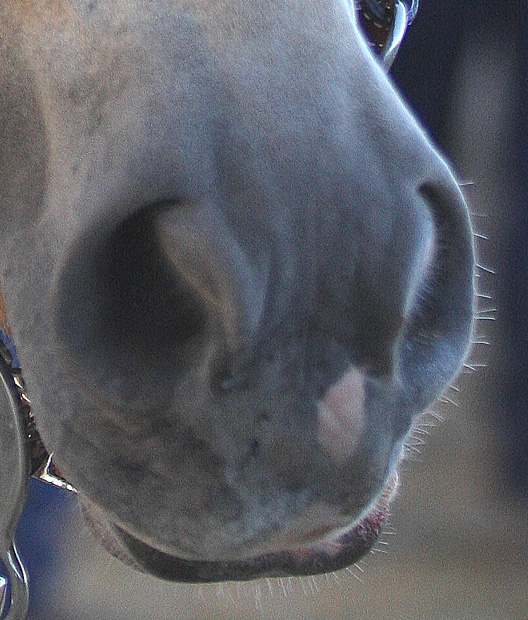
With frost-fringed flanks, and nostrils jetting steam.

~Archibald Lampman “A January Morning”
photo by Josh Scholten

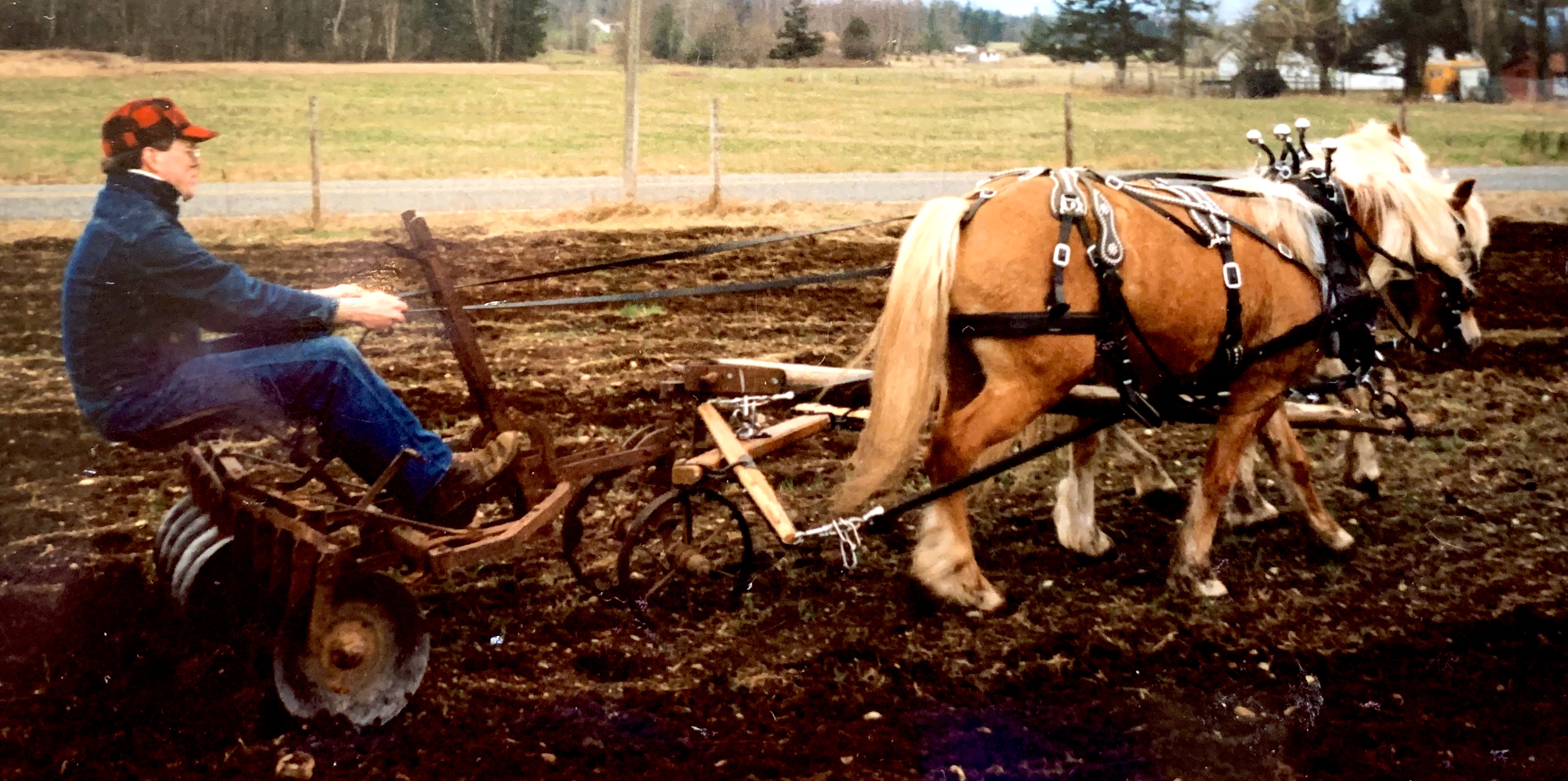
The vast majority of the world no longer depends on horse power on hooves to bring us the things we need to live every day.

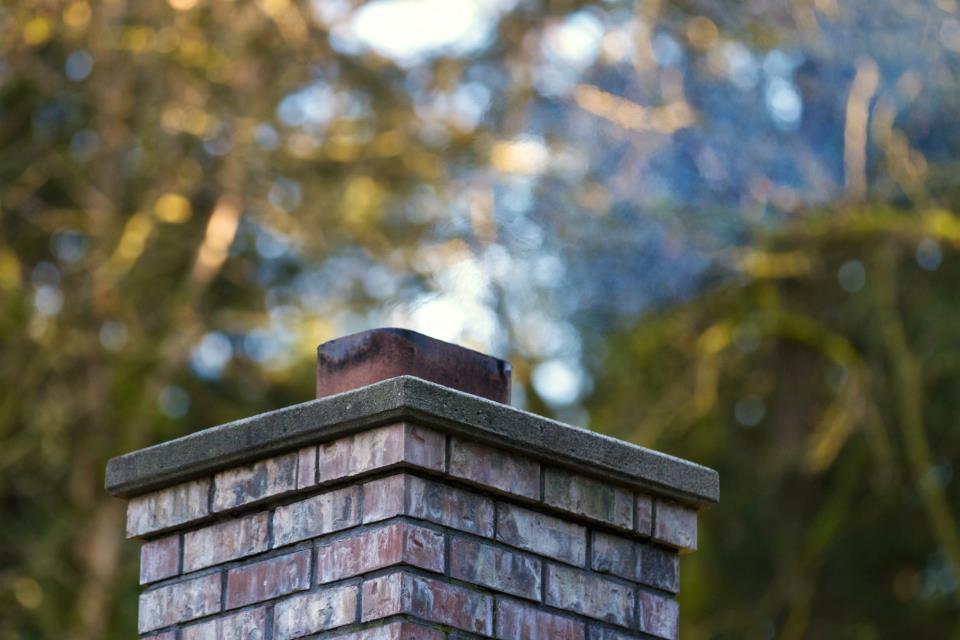
Few of us depend on wood heat in our homes during these chilly January nights. Chimneys have become obsolete or merely decorative.

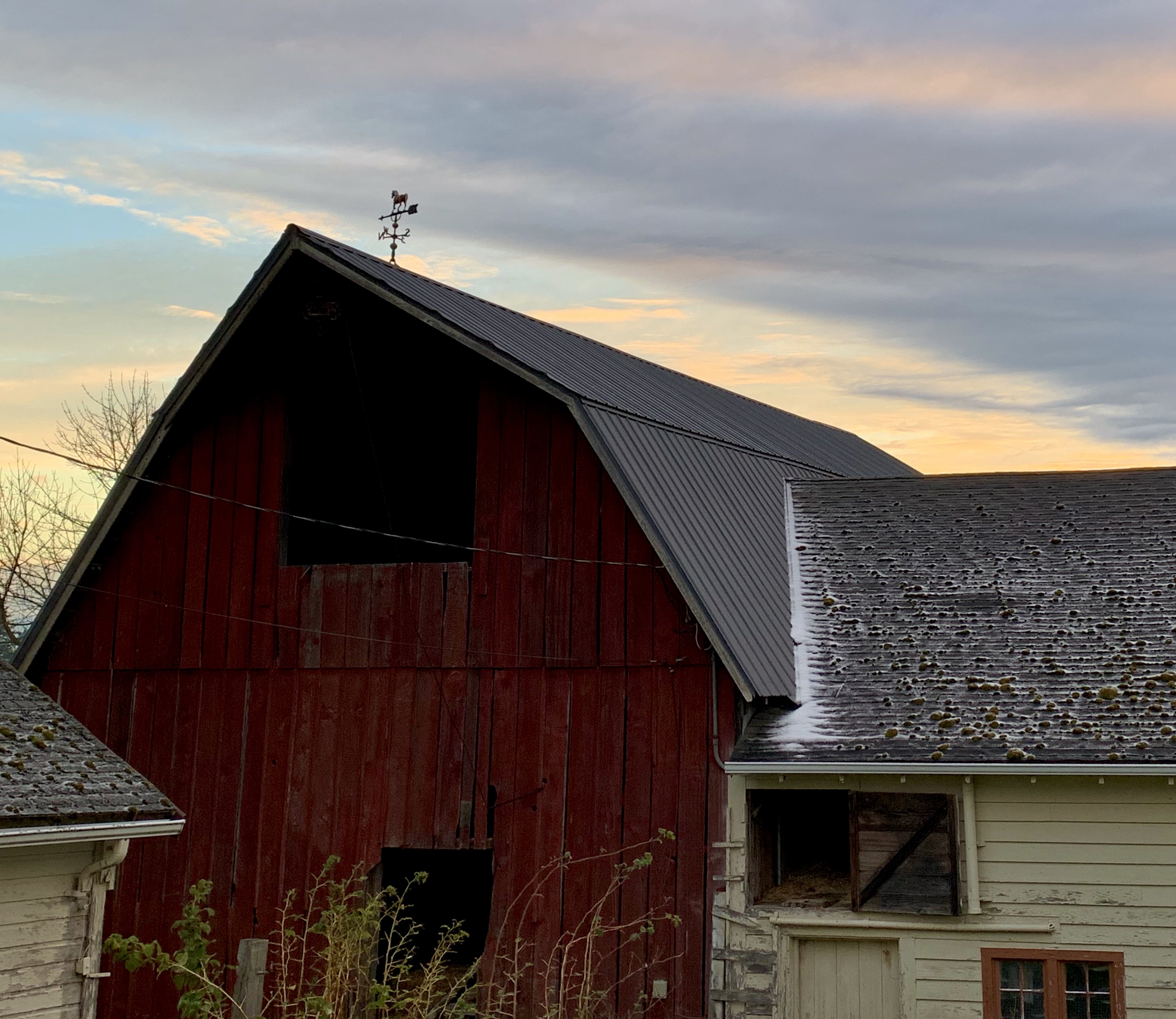
We live in a farm house that depended solely on wood heat to keep its original family warm through decades of brisk Pacific Northwest winters – in our remodel twenty plus years ago, we removed two wood stoves and installed a propane furnace and gas stove instead – now dependent on fossil fuels but trying to keep the air clean around us.

We also no longer have to wait, as our parents and grandparents did, on teamsters with frosted beards urging on their teams of steaming horses – pulling sleighs and wagons loaded with firewood or other goods. Now, sleek semis back up to the ramps of grocery stores and off-load their cargo into warehouse and freezers so night stockers can ensure the shelves are full for shoppers each morning.

For most of us living in a time of modern and immediate conveniences, we have little connection to the original source of the daily supplies we need and how they get to us. As descendants of subsistence farmers, my husband and I feel a relationship to the land we live on, fortunate to be able to store much of our garden and orchard produce right here in our pantry, root cellar and freezer.

And what of the horses who were so critical to the economy up until a century ago? Their role has been reduced to recreation and novelty rather than providing the essential horse power that supplied the goods we needed to live and moved us where we needed to go.

No fossil fuel necessary back then.
No exhaust other than steaming nostrils
and a pile of manure here or there.

We are the aging bridge generation between the end of horse power on hooves giving way to universal horse power on wheels. I remind myself of this each day as I do the chores in the barn. I’m a fortunate farmer, working alongside these animals on the edge of a frosty morning, knowing few people will remember how essential they were or have the privilege to continue to care for them as they deserve.