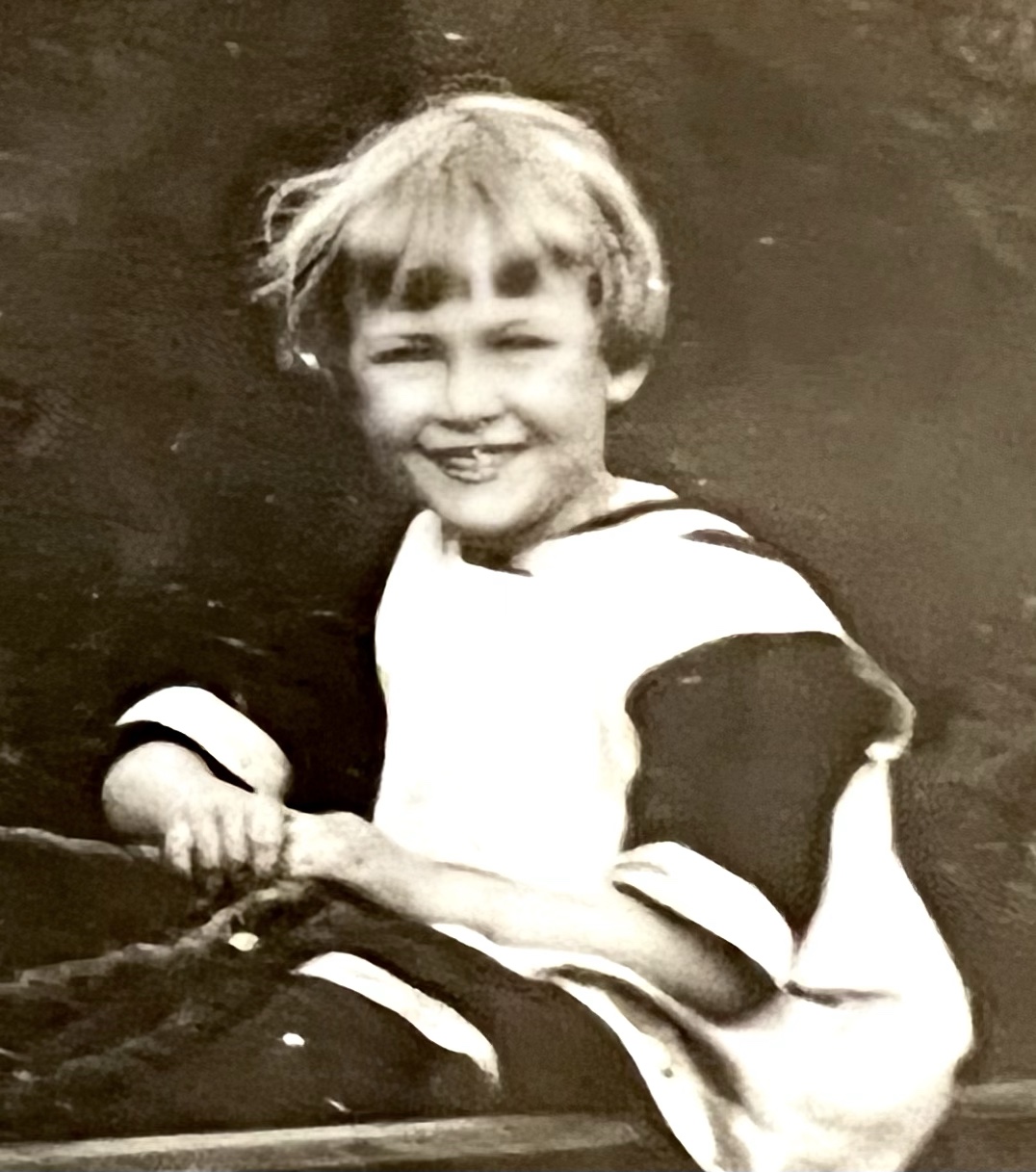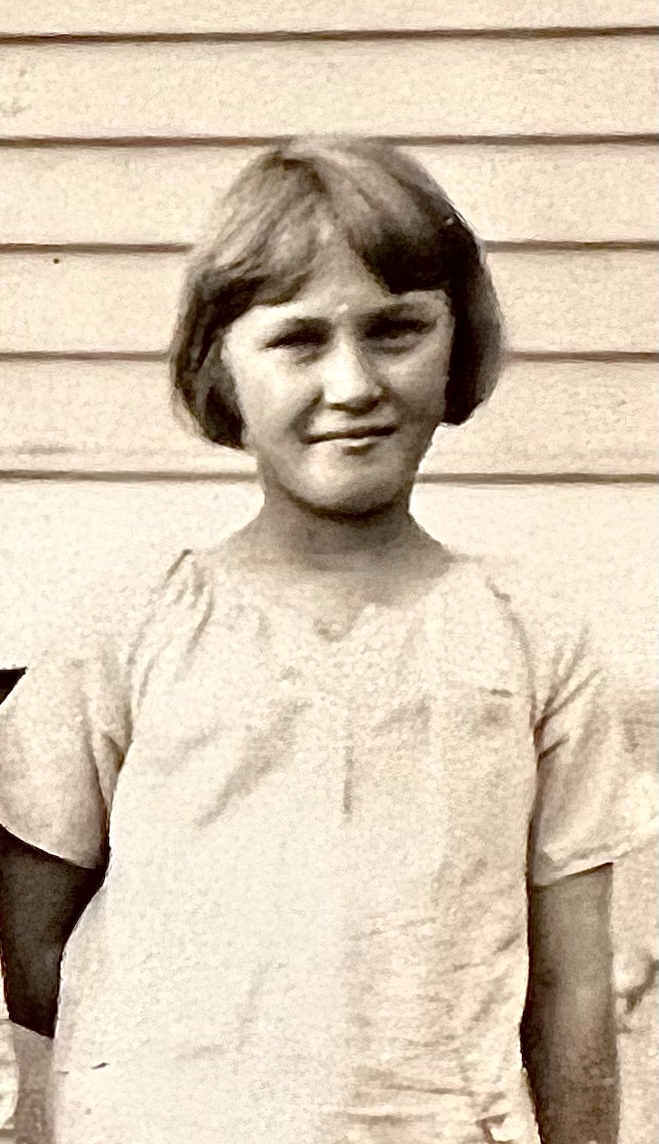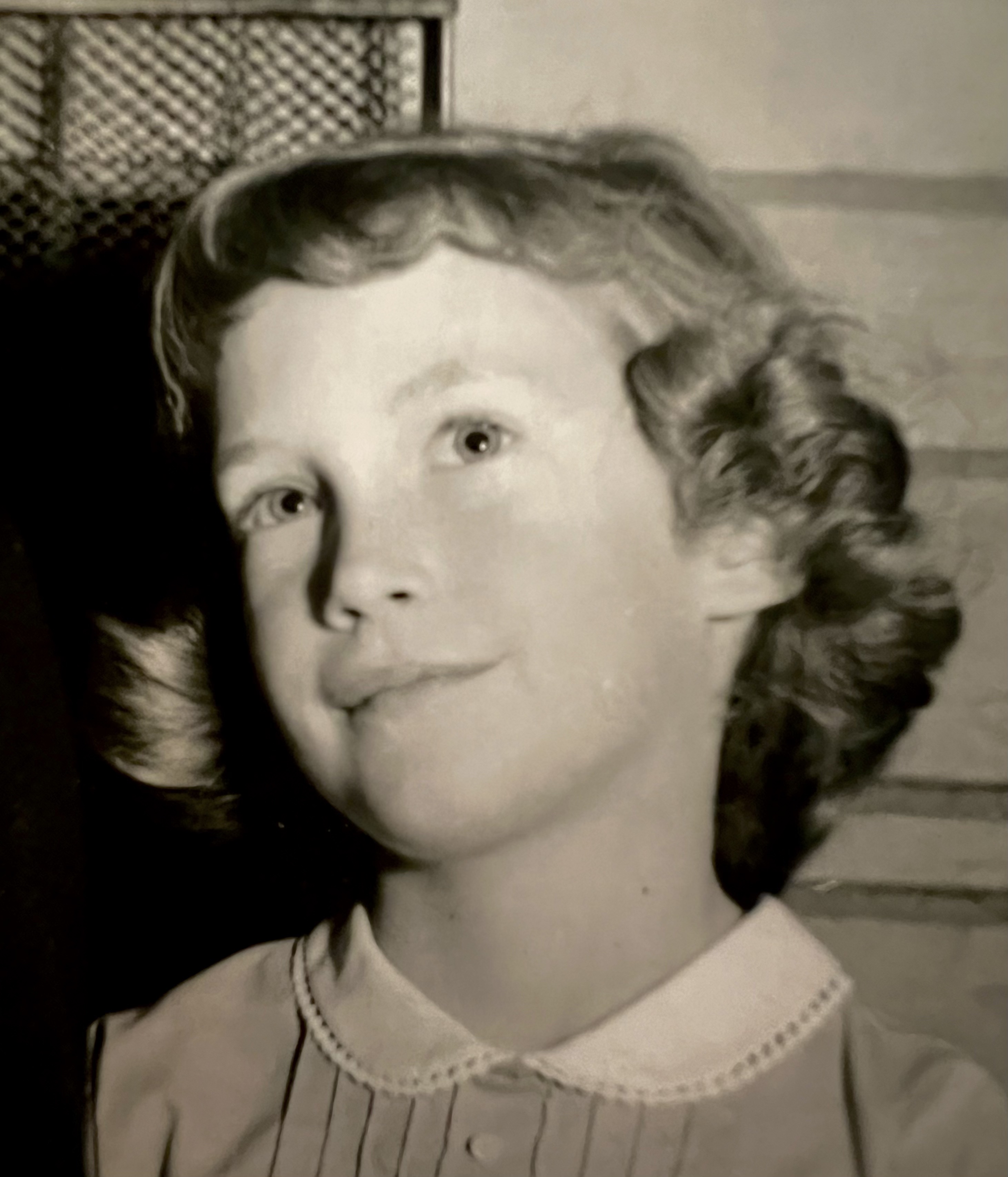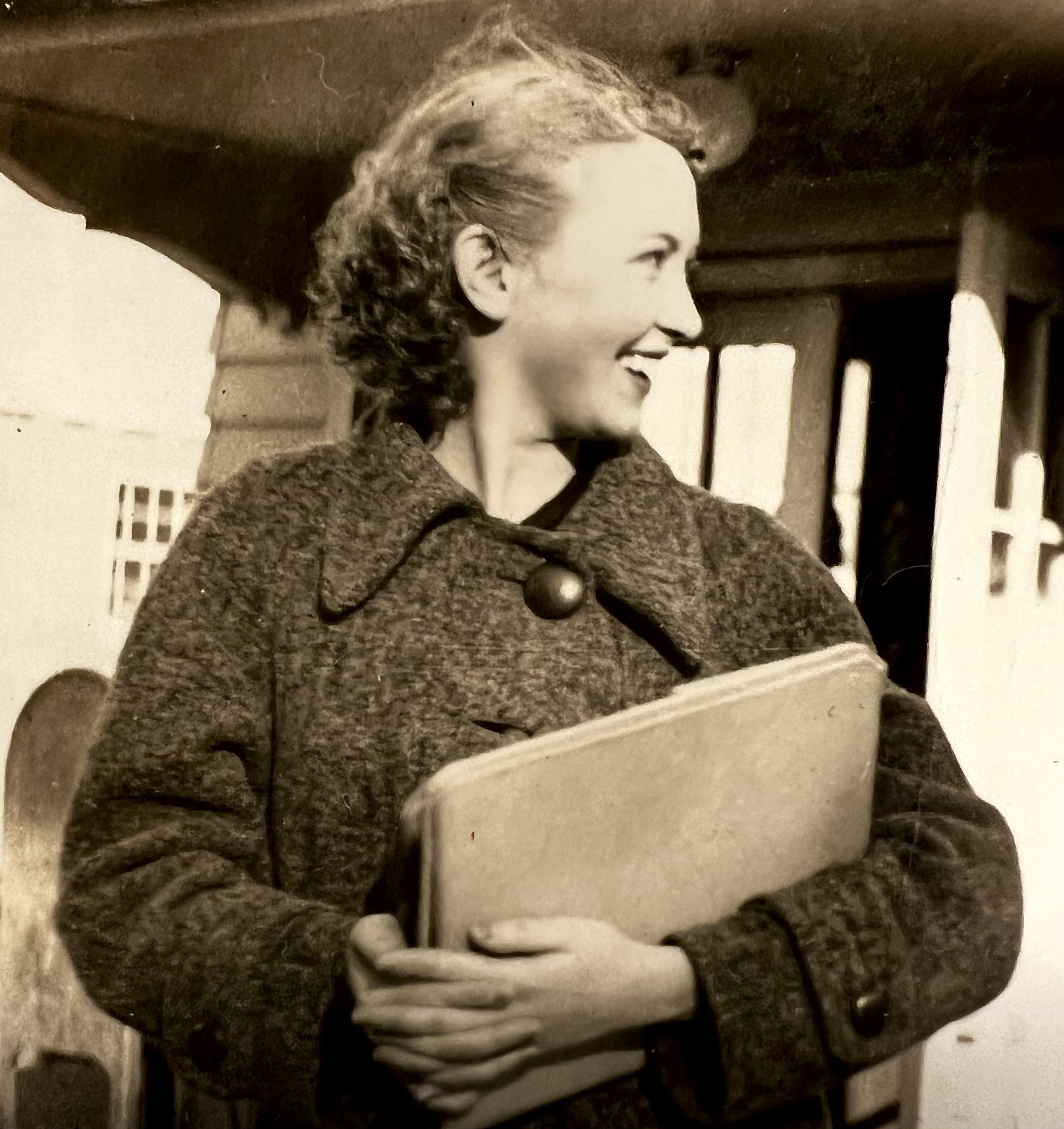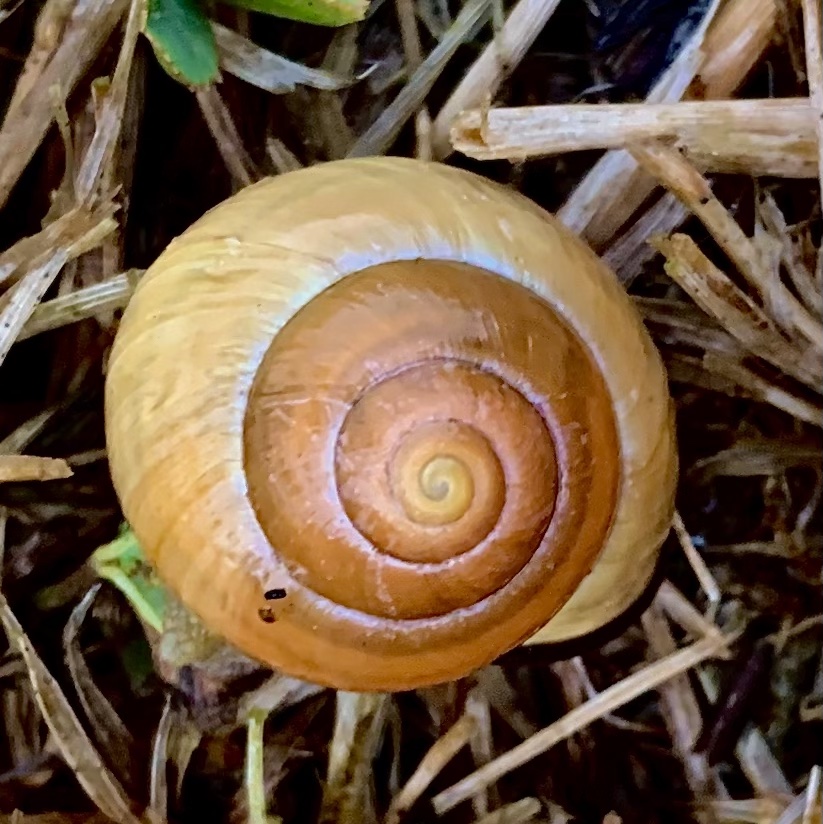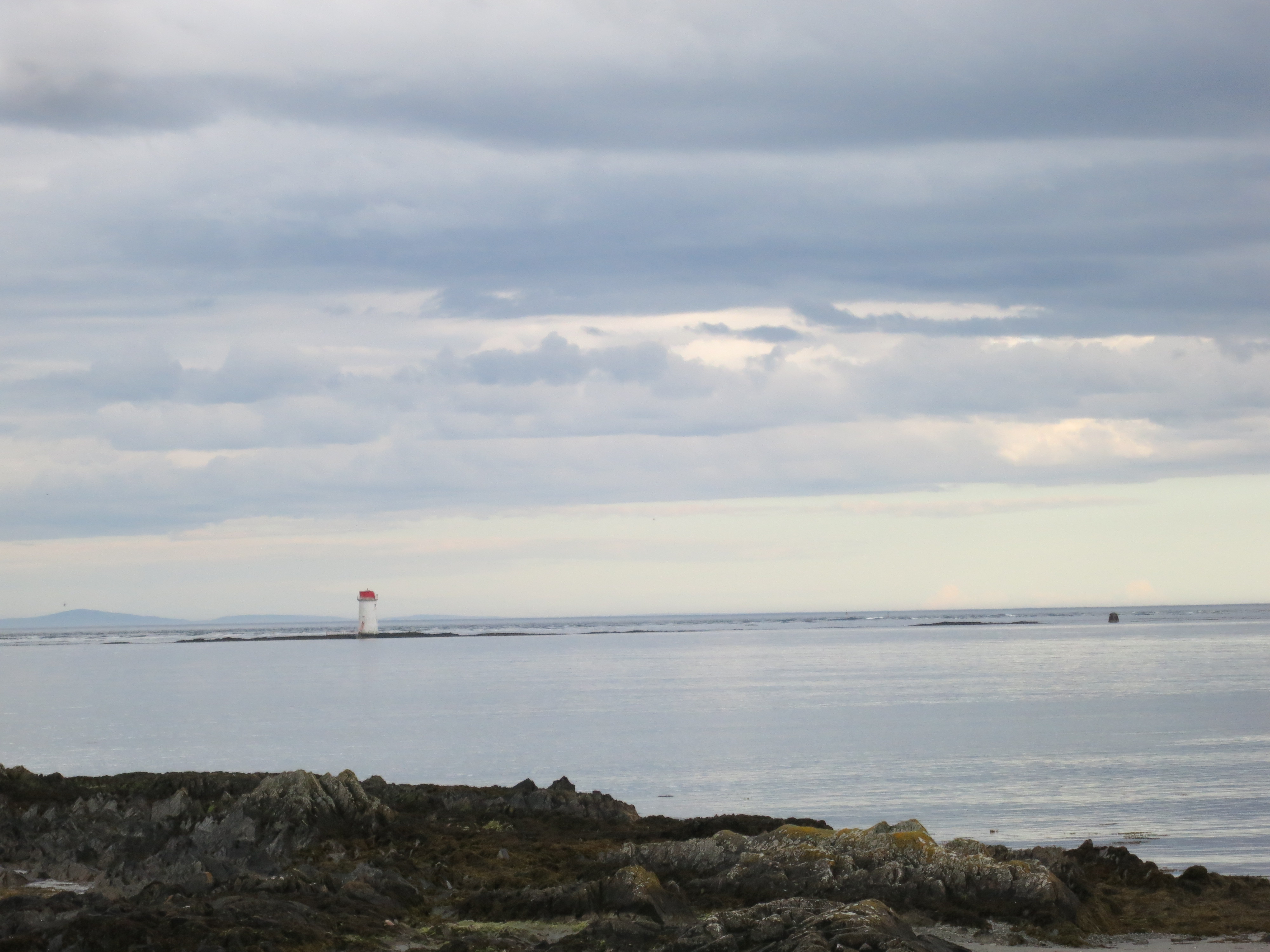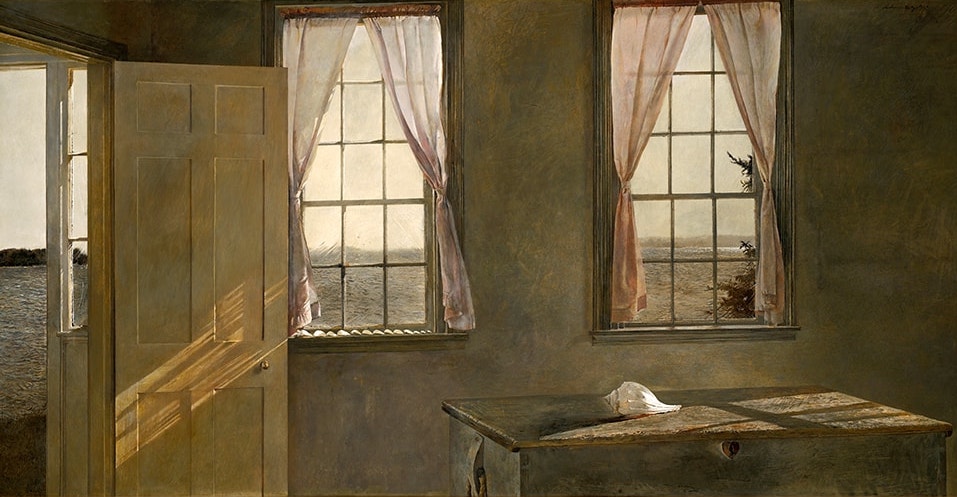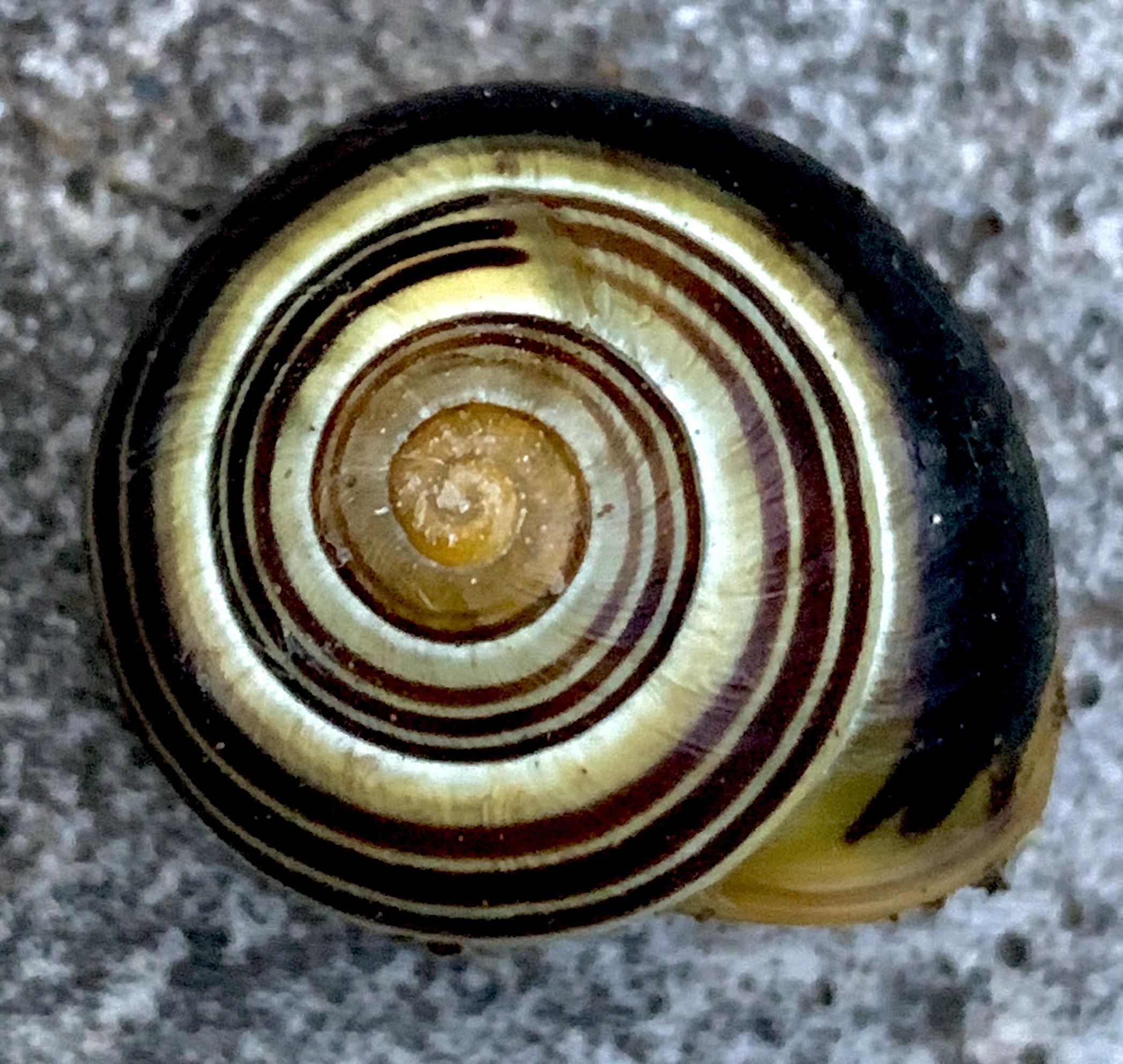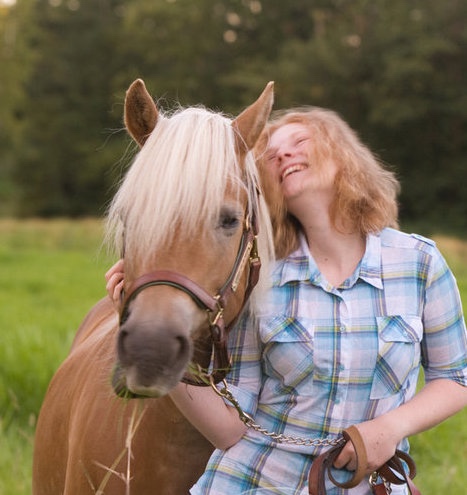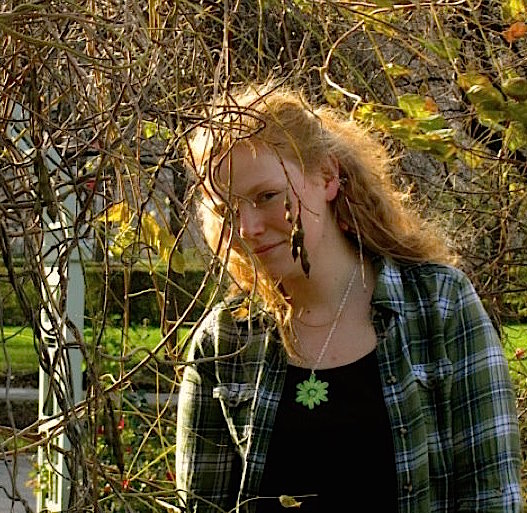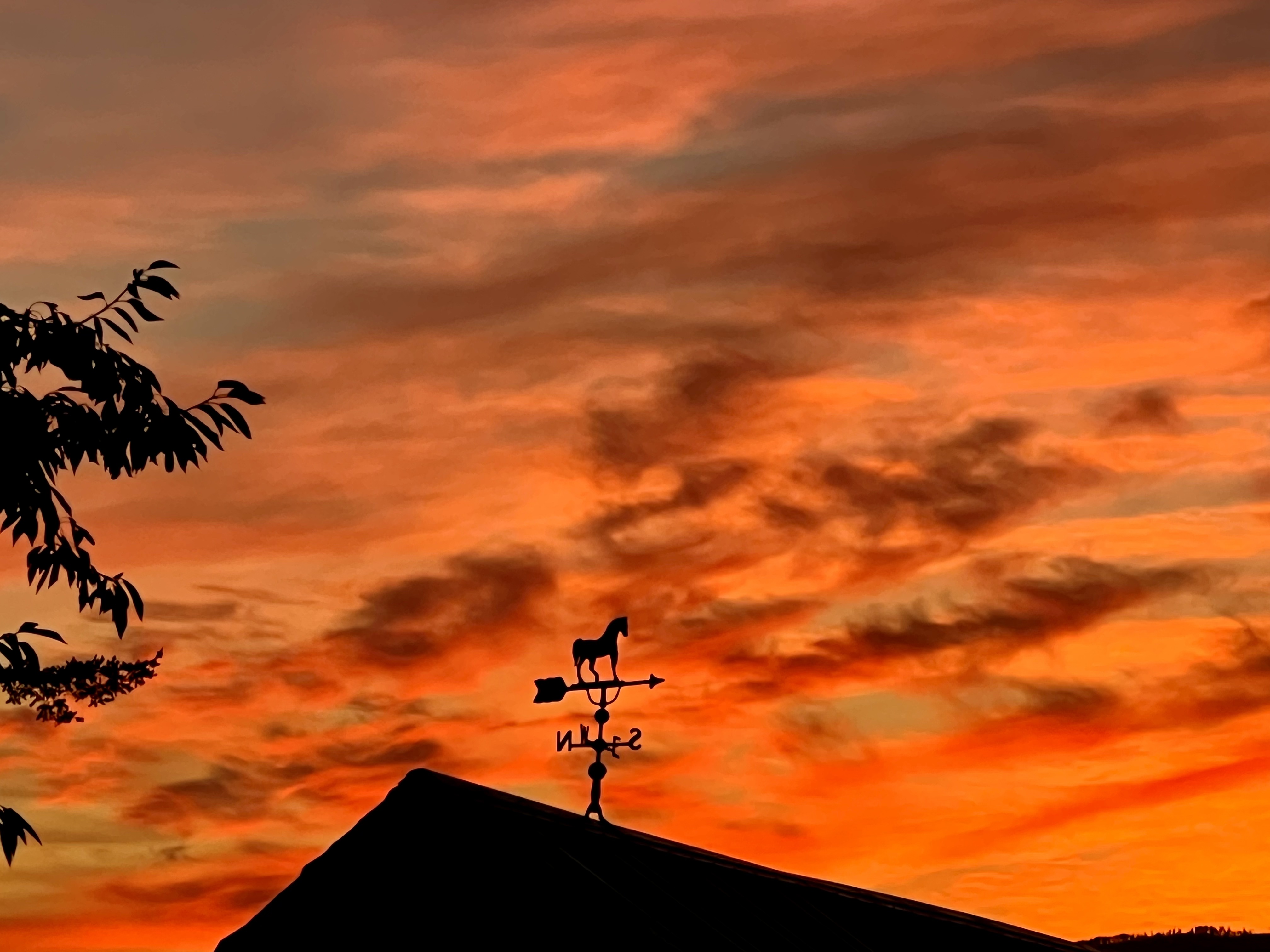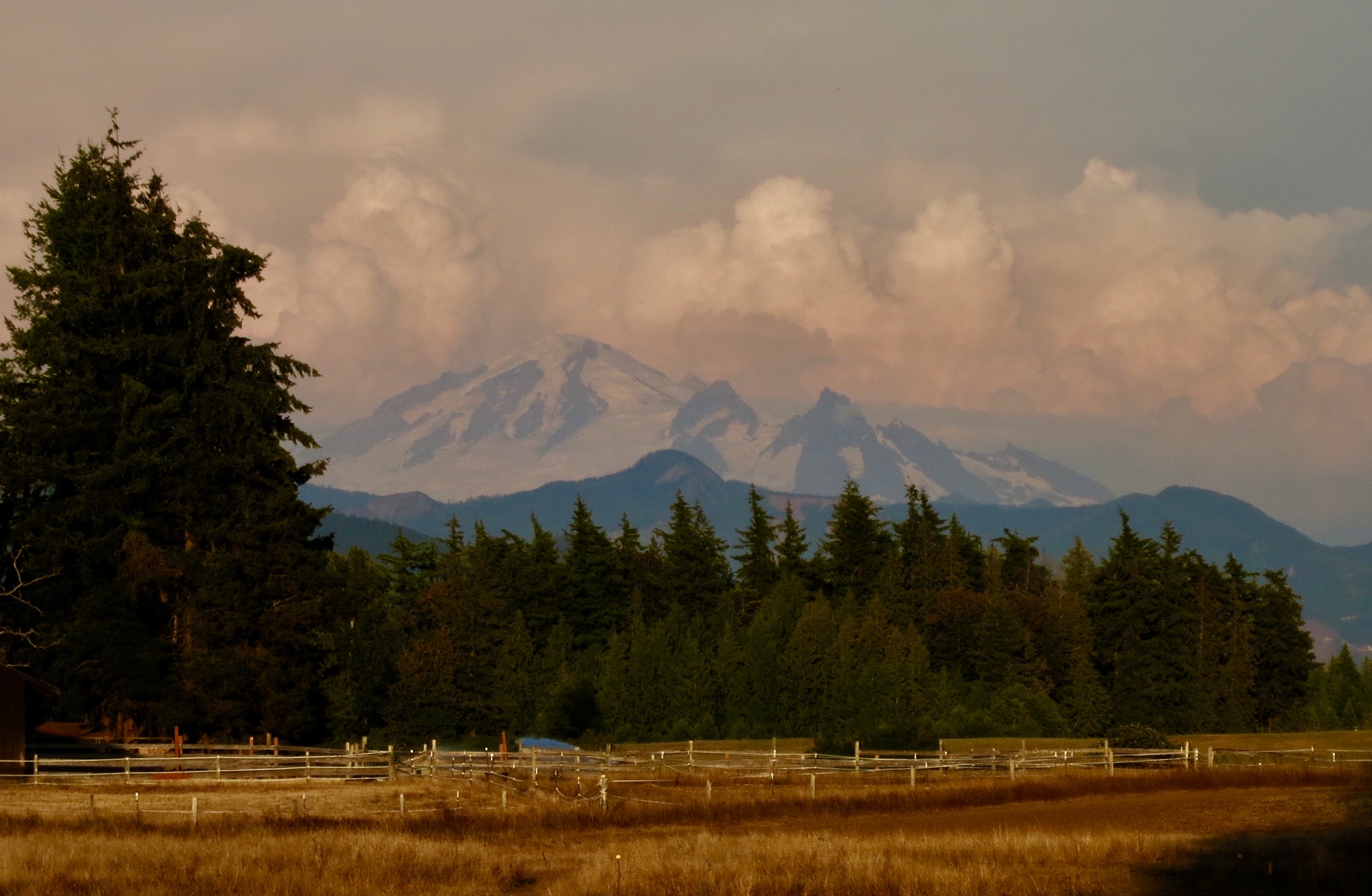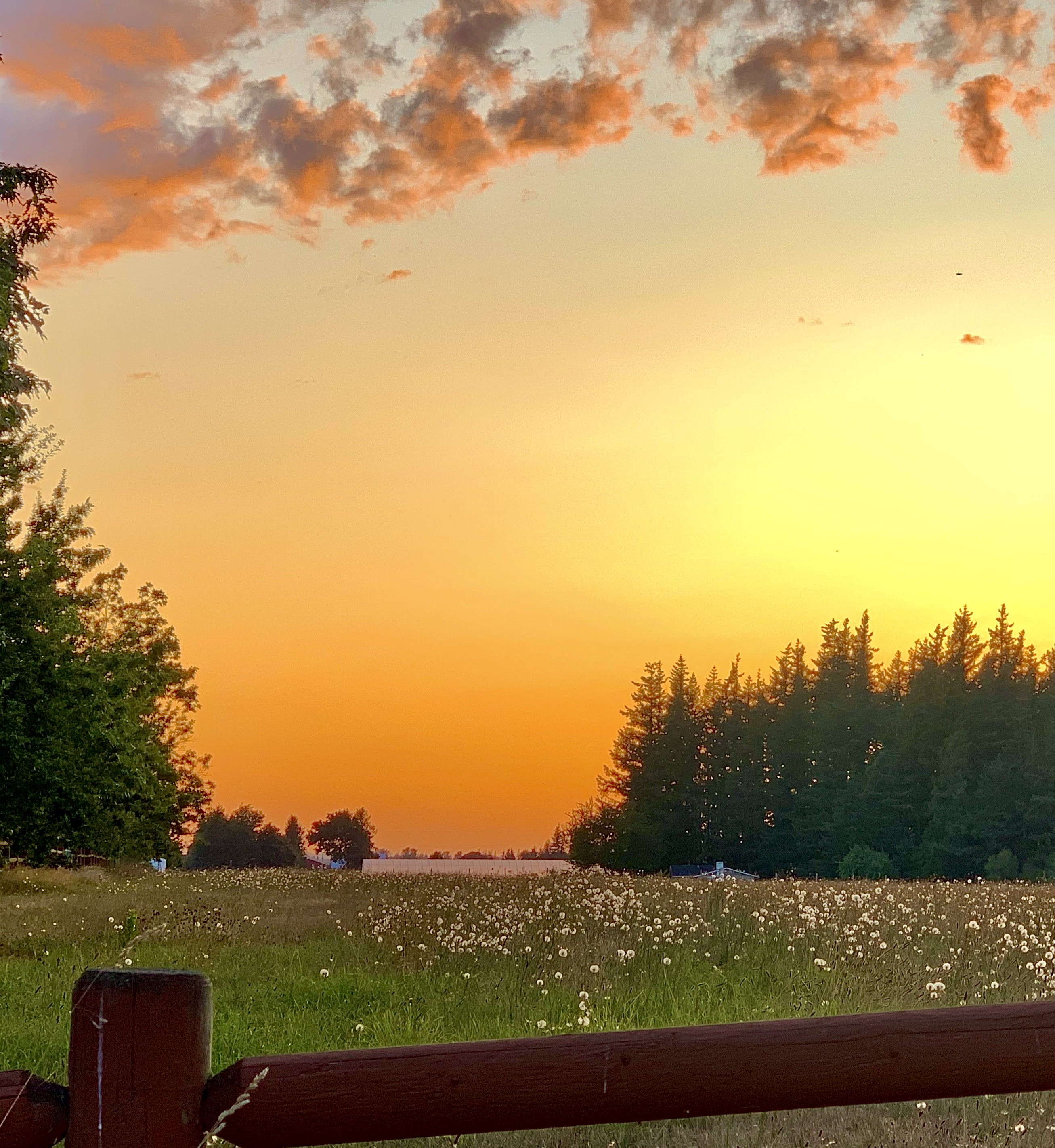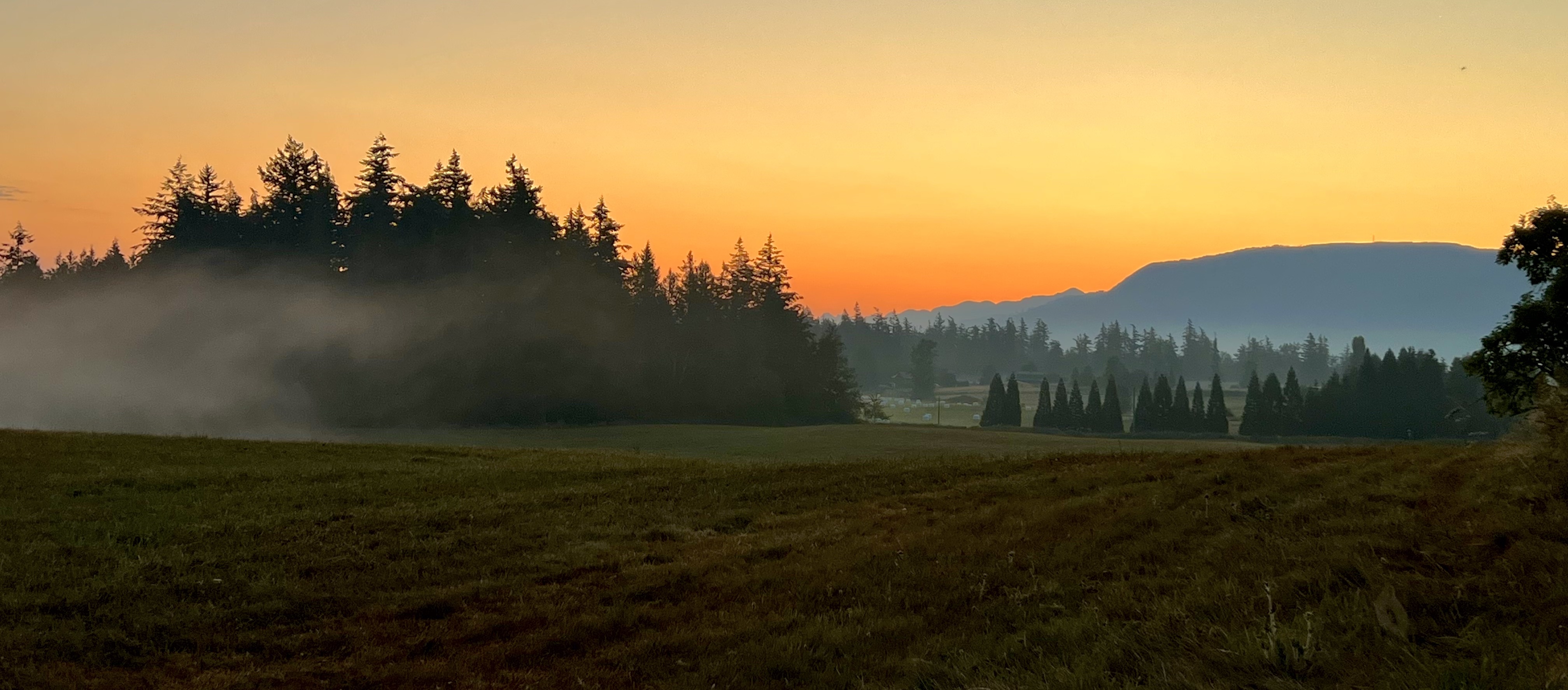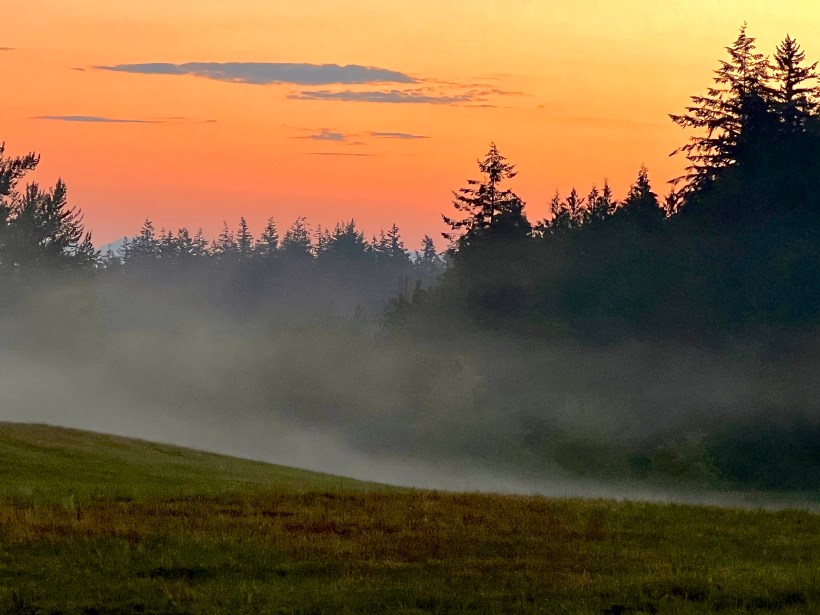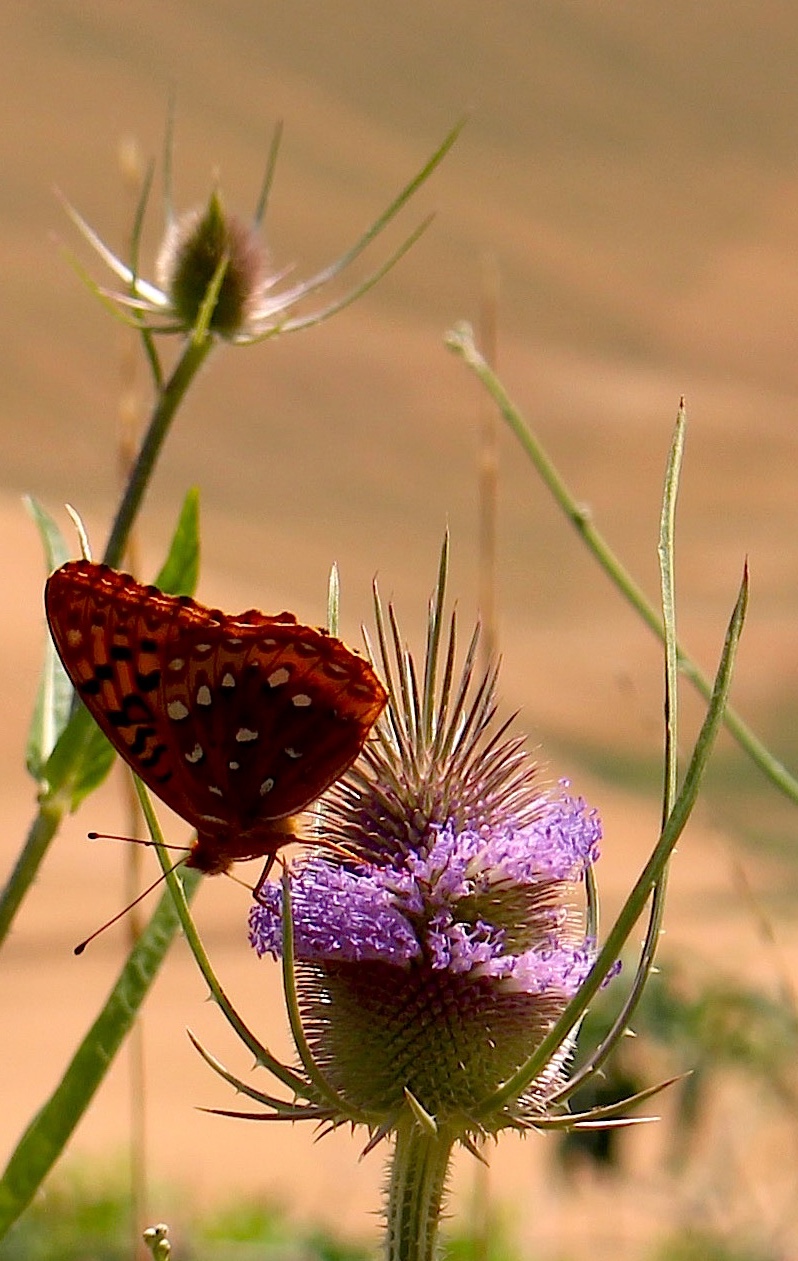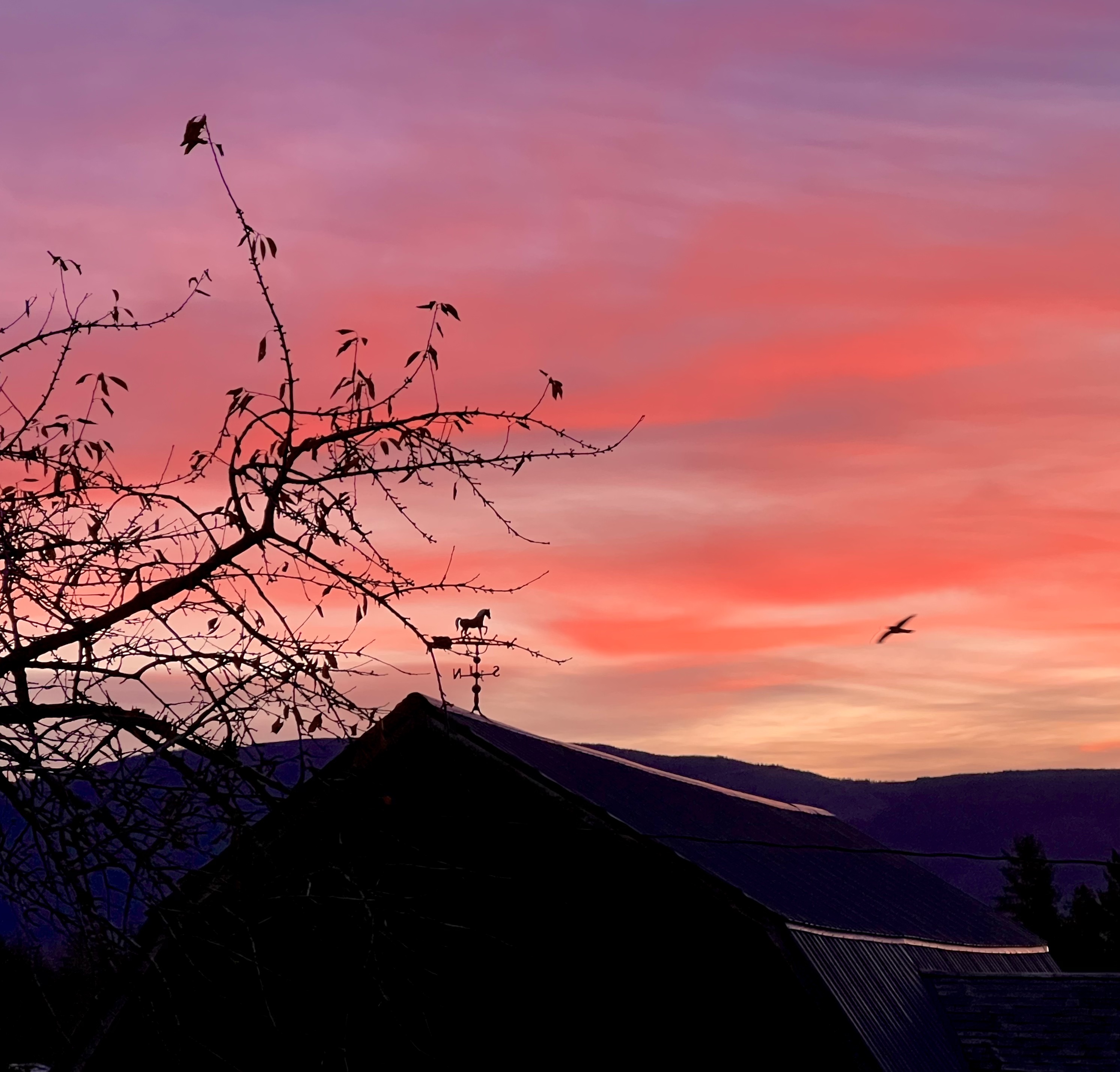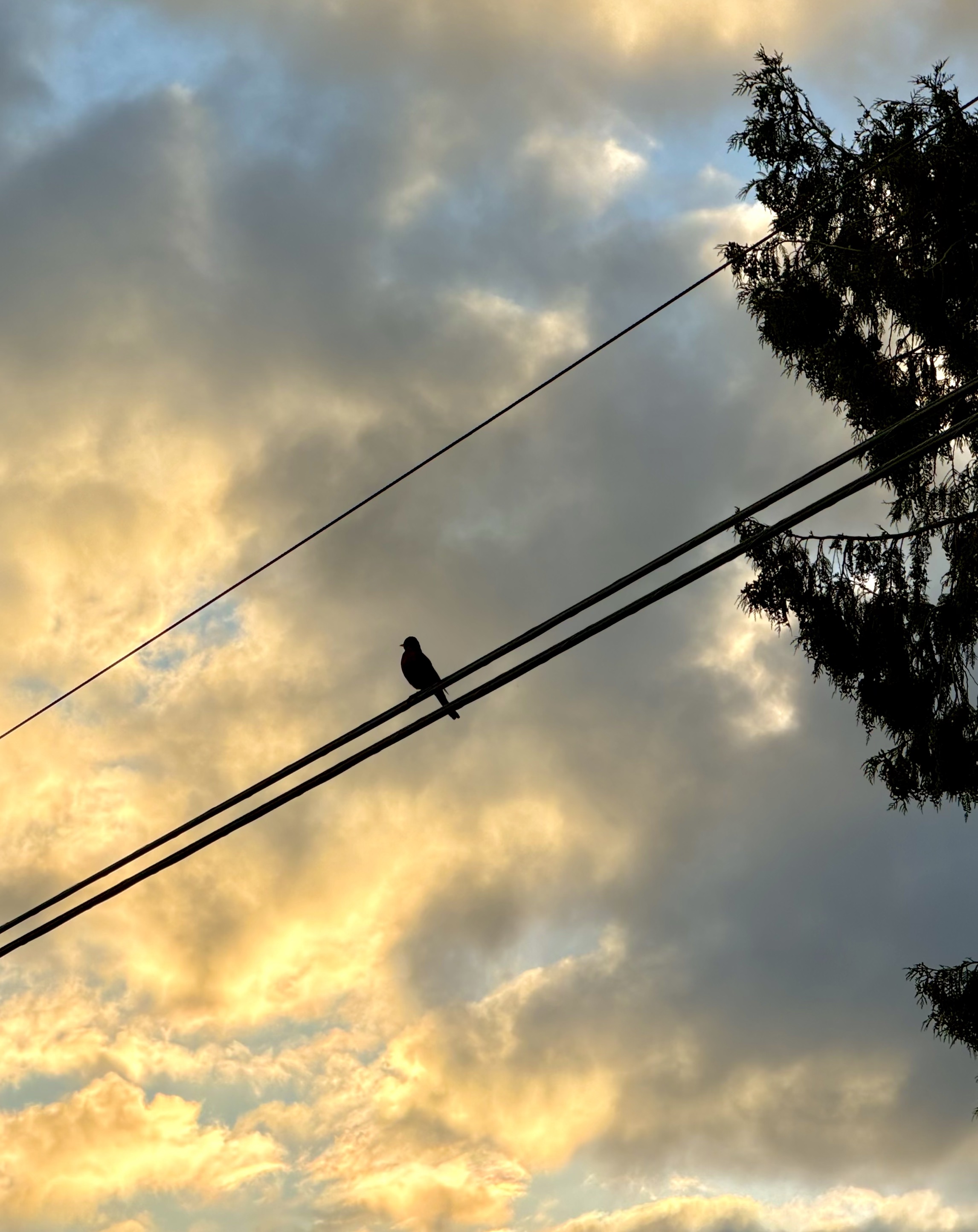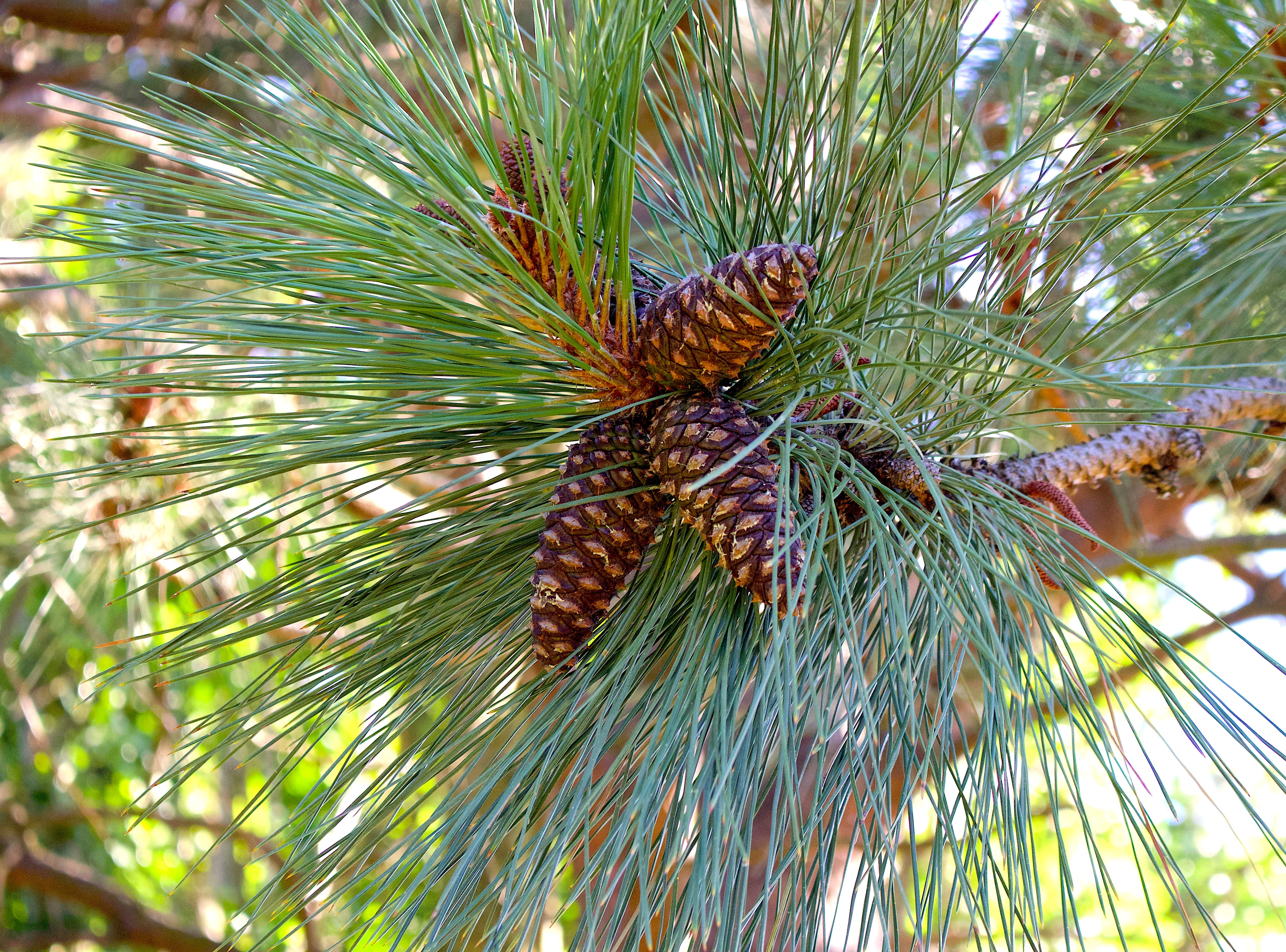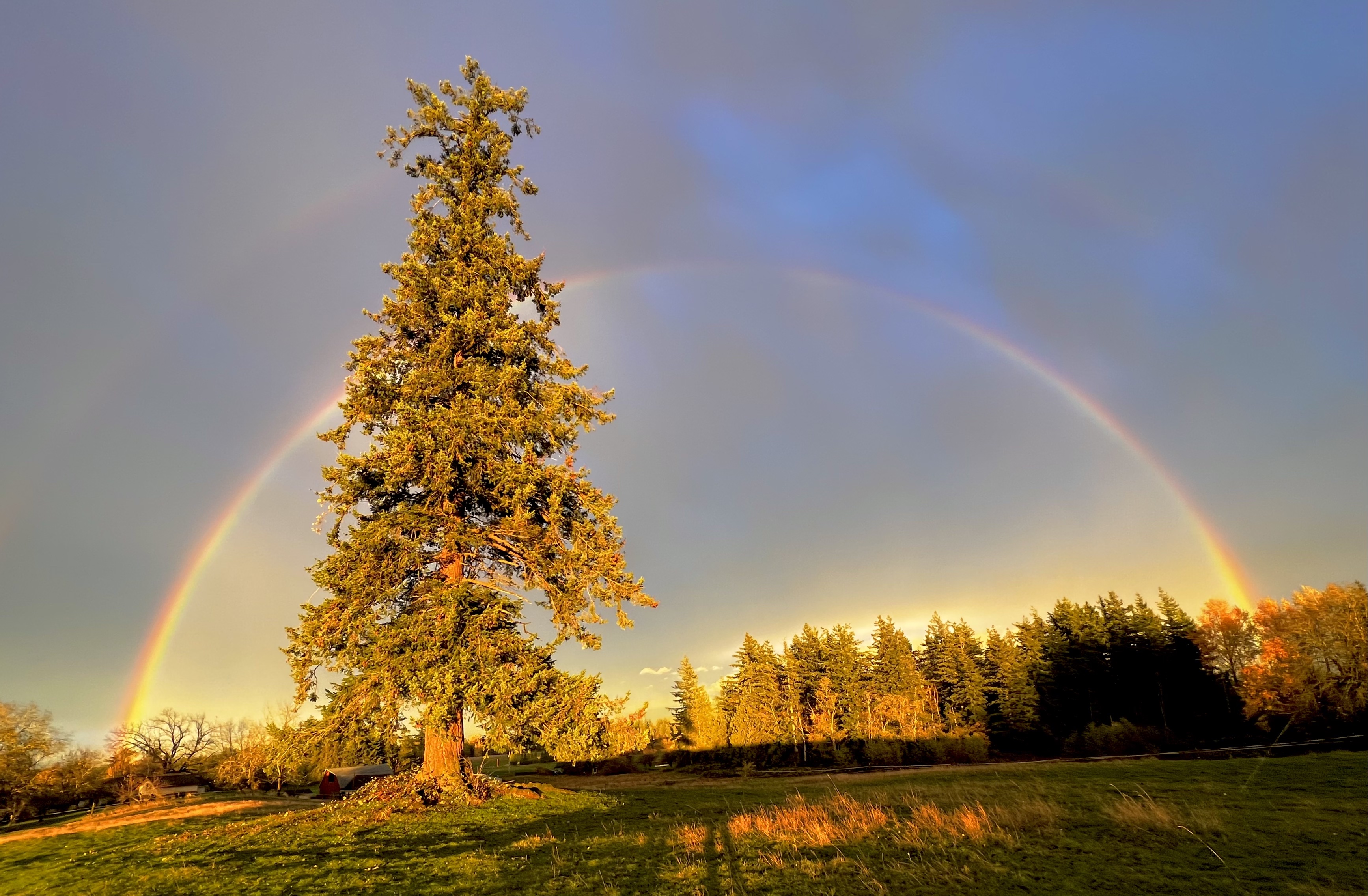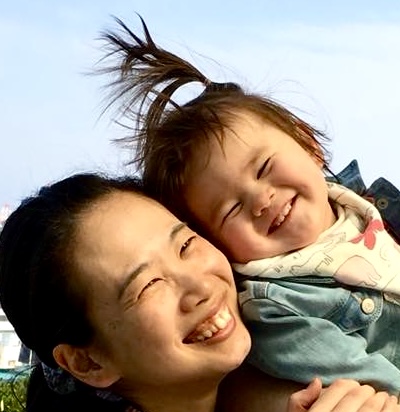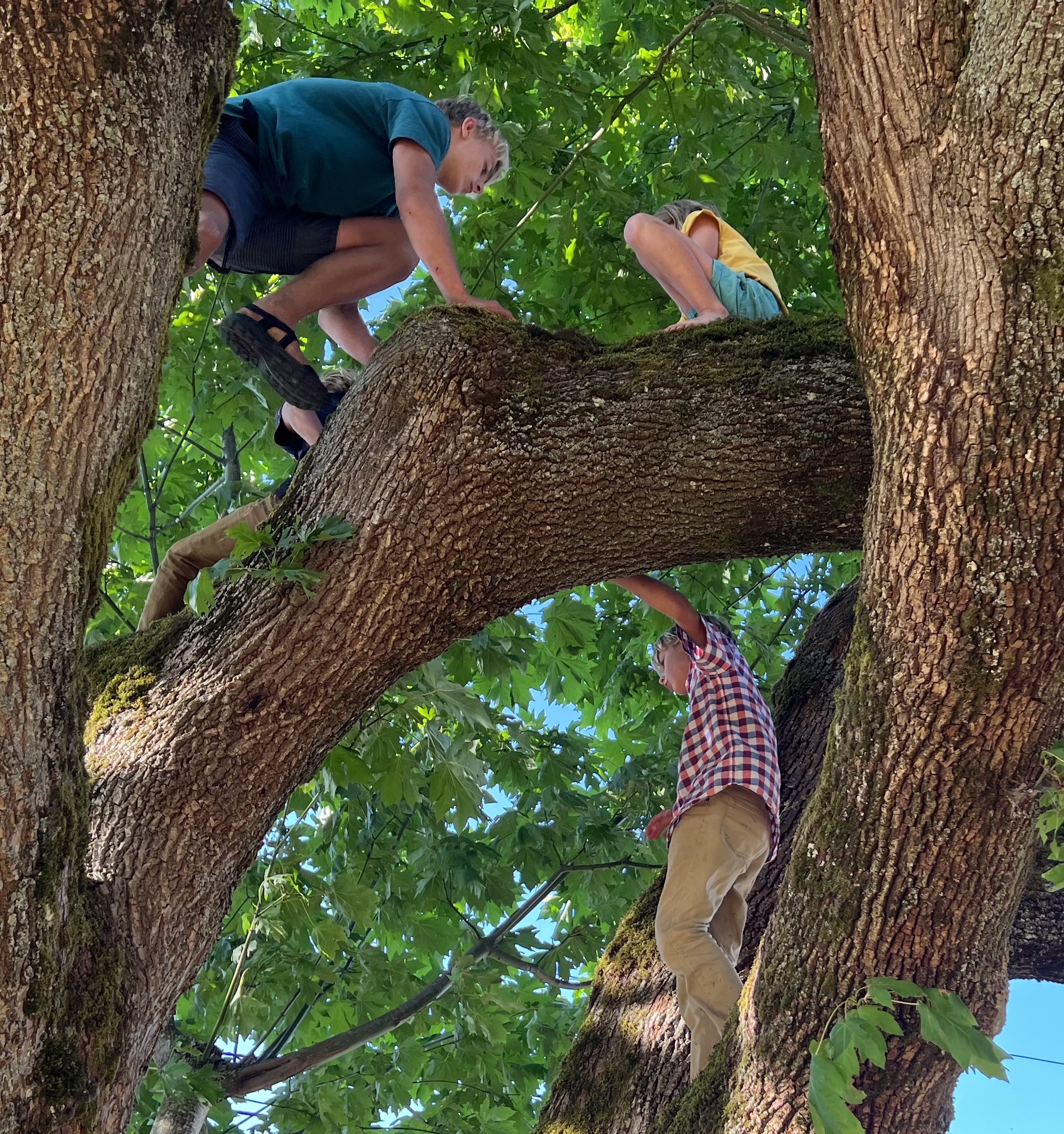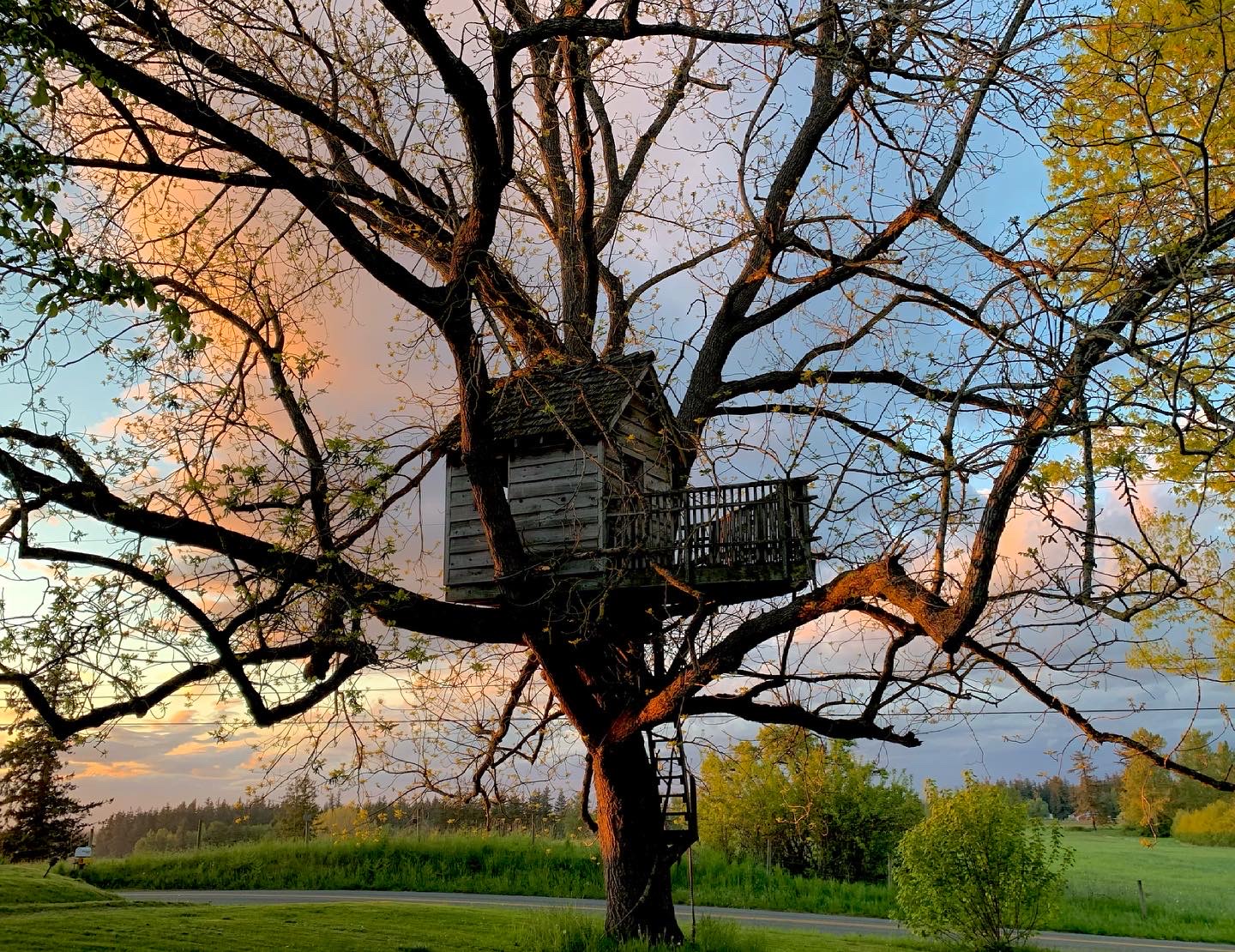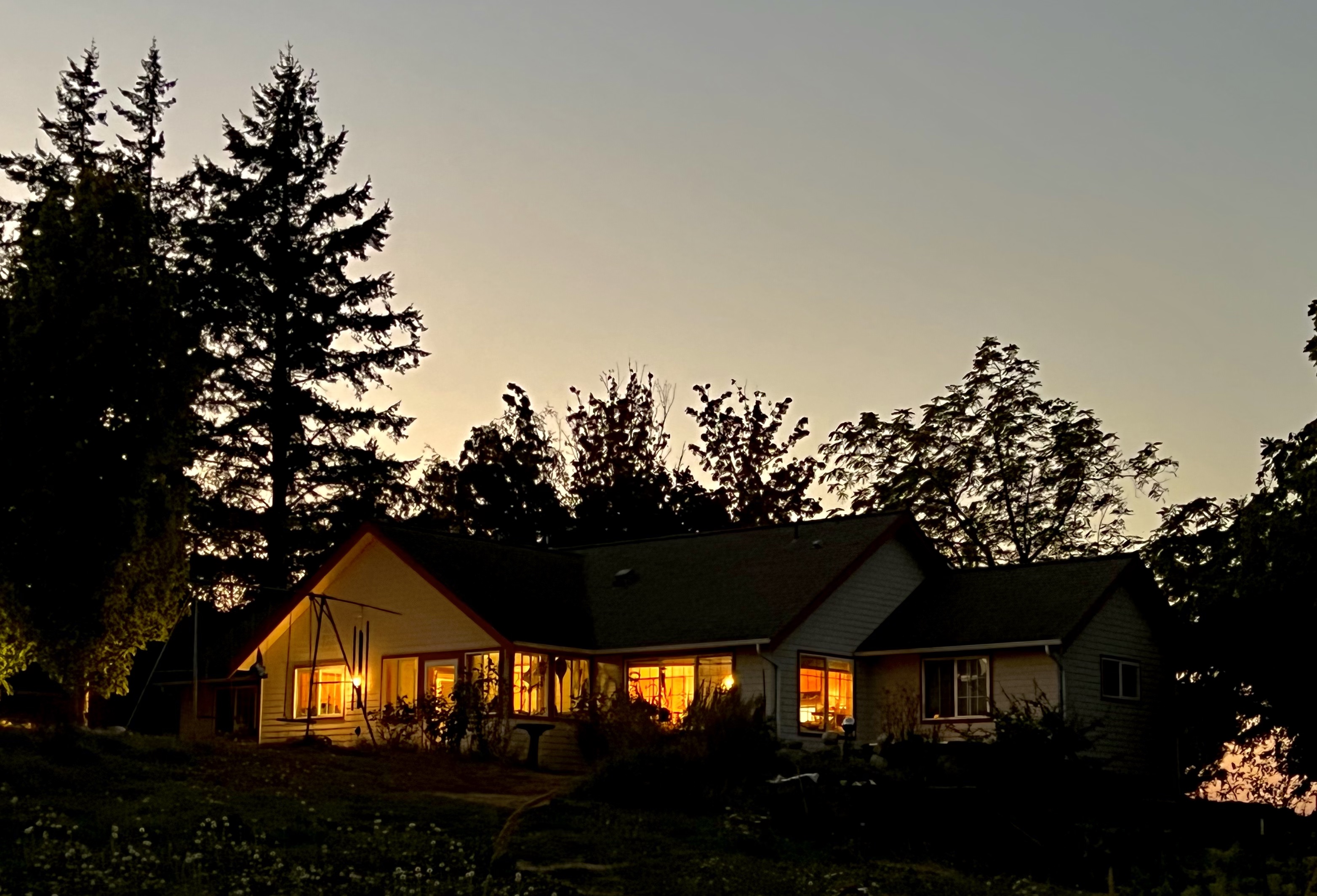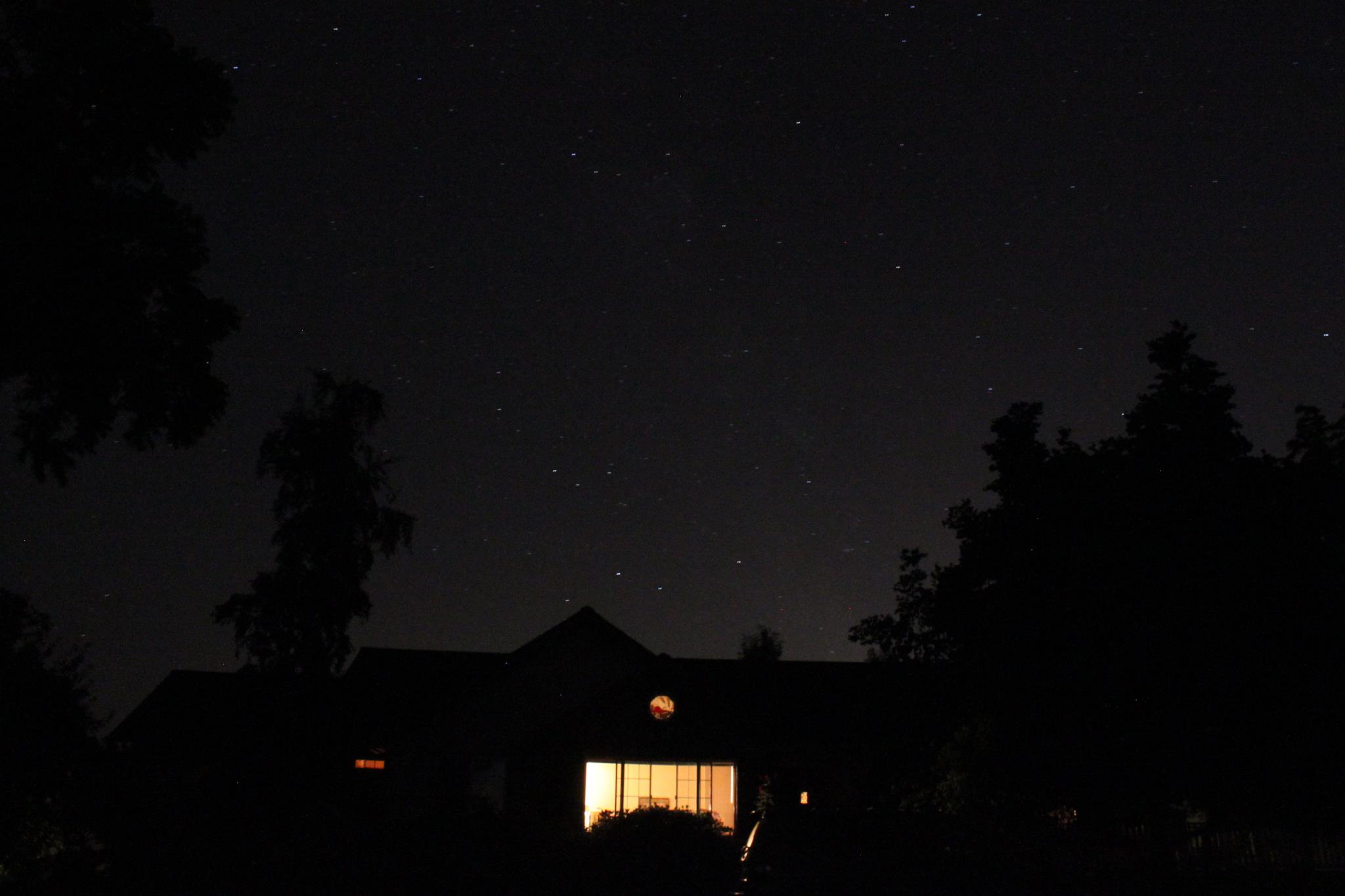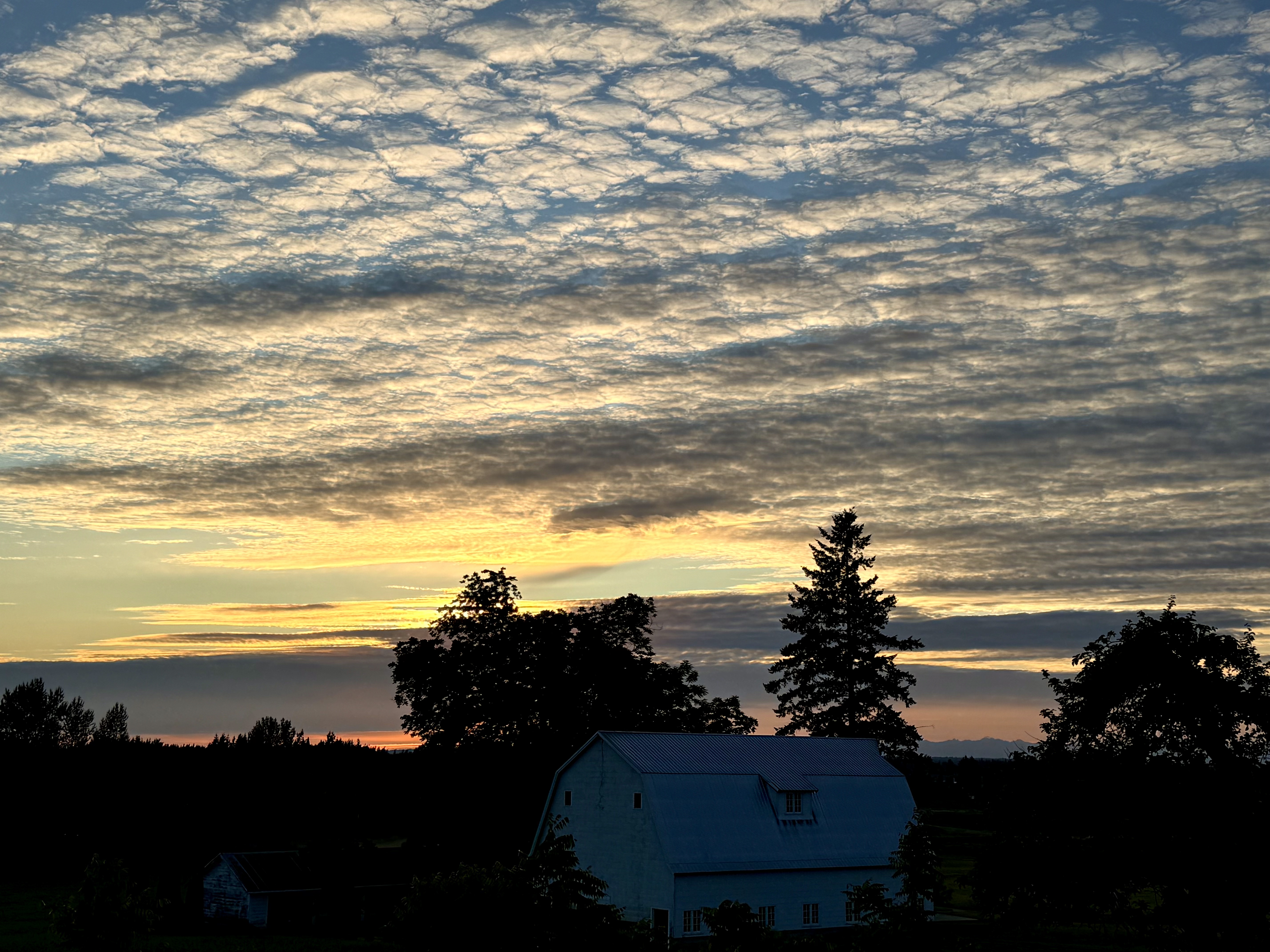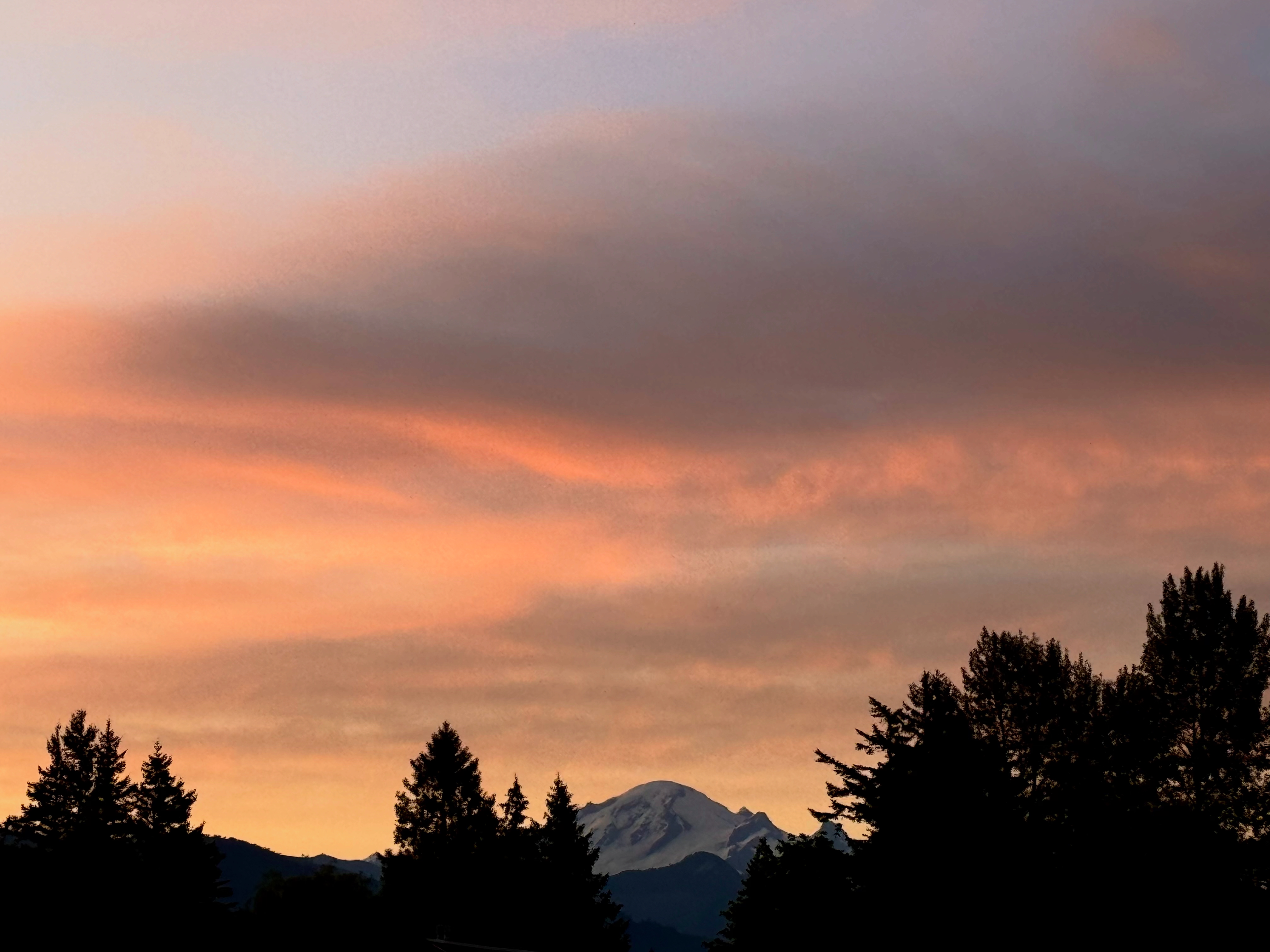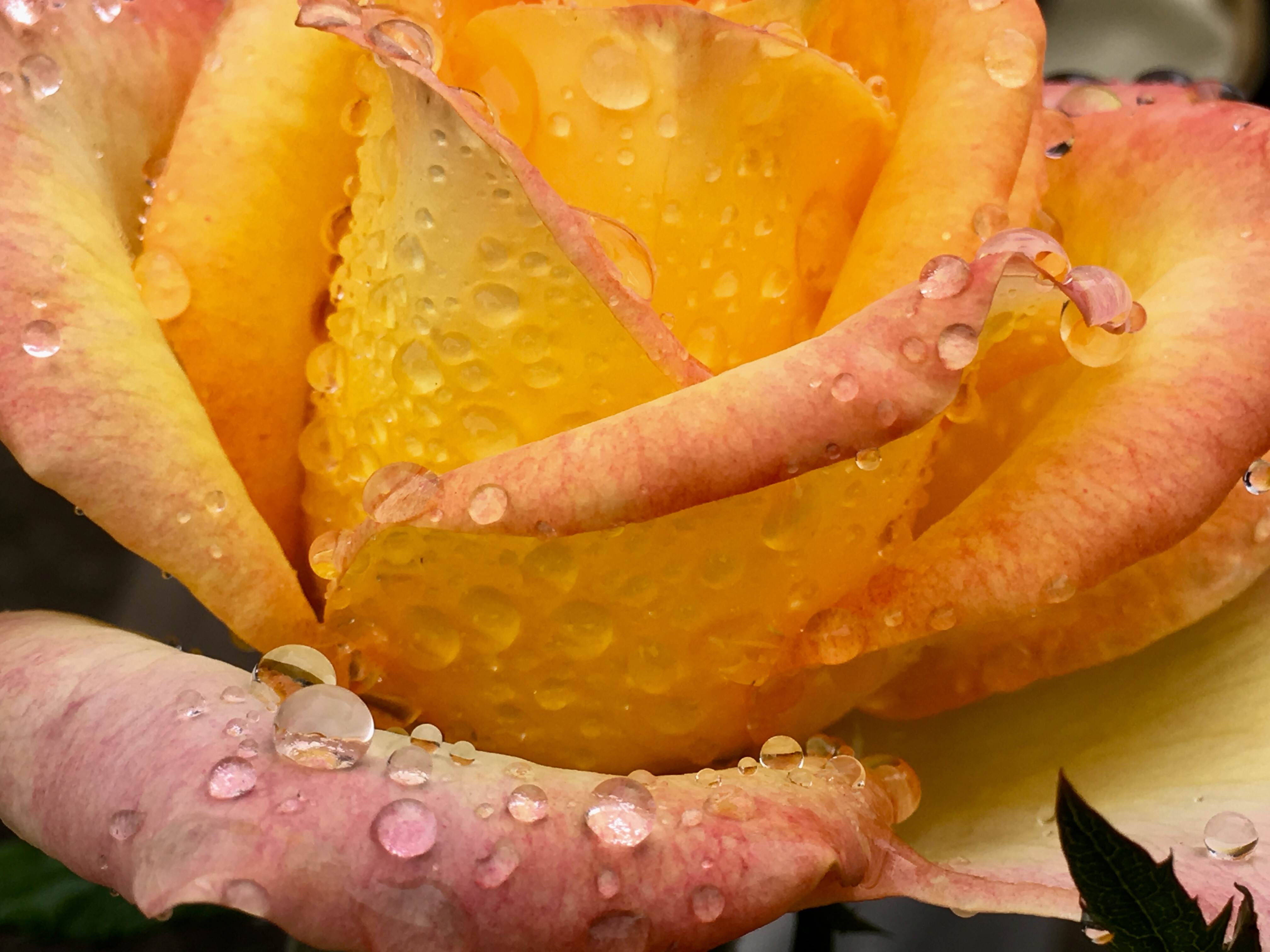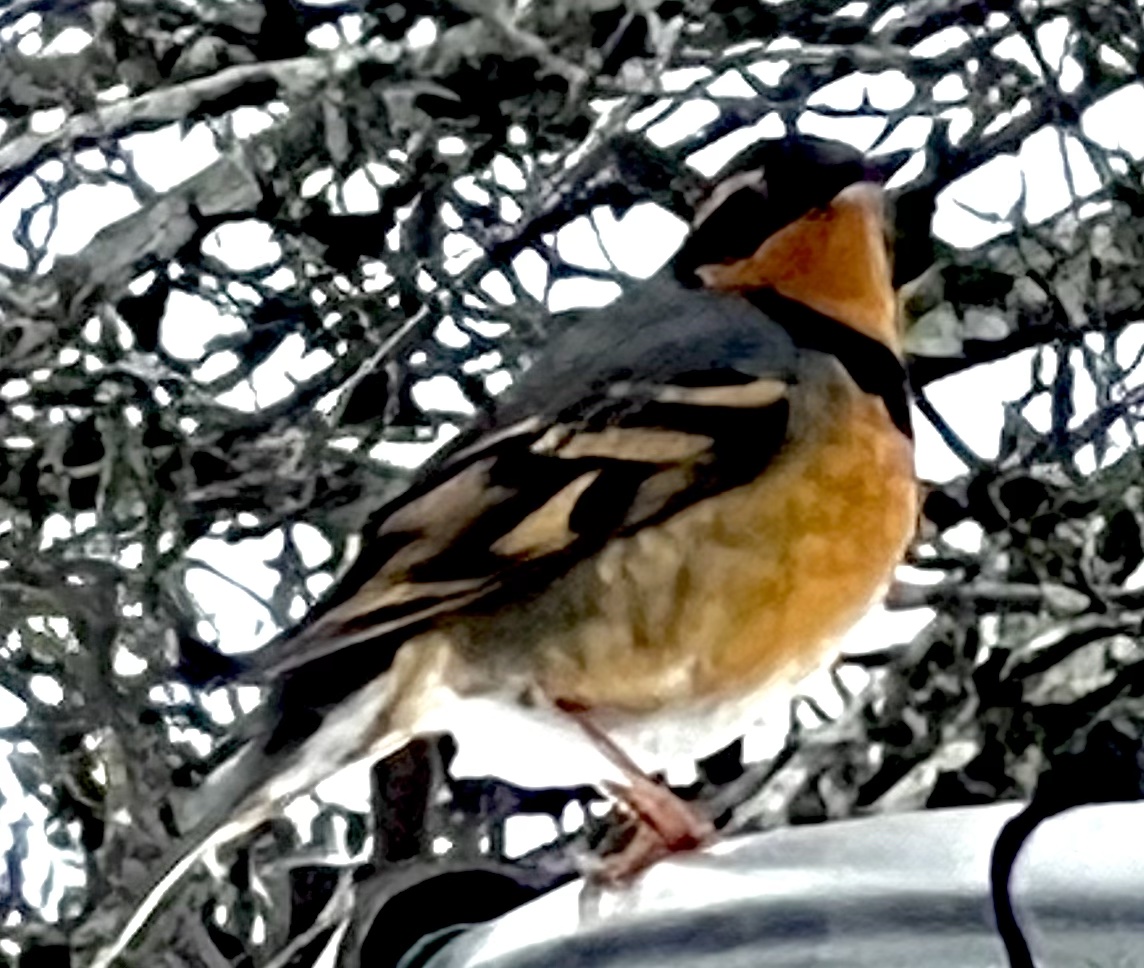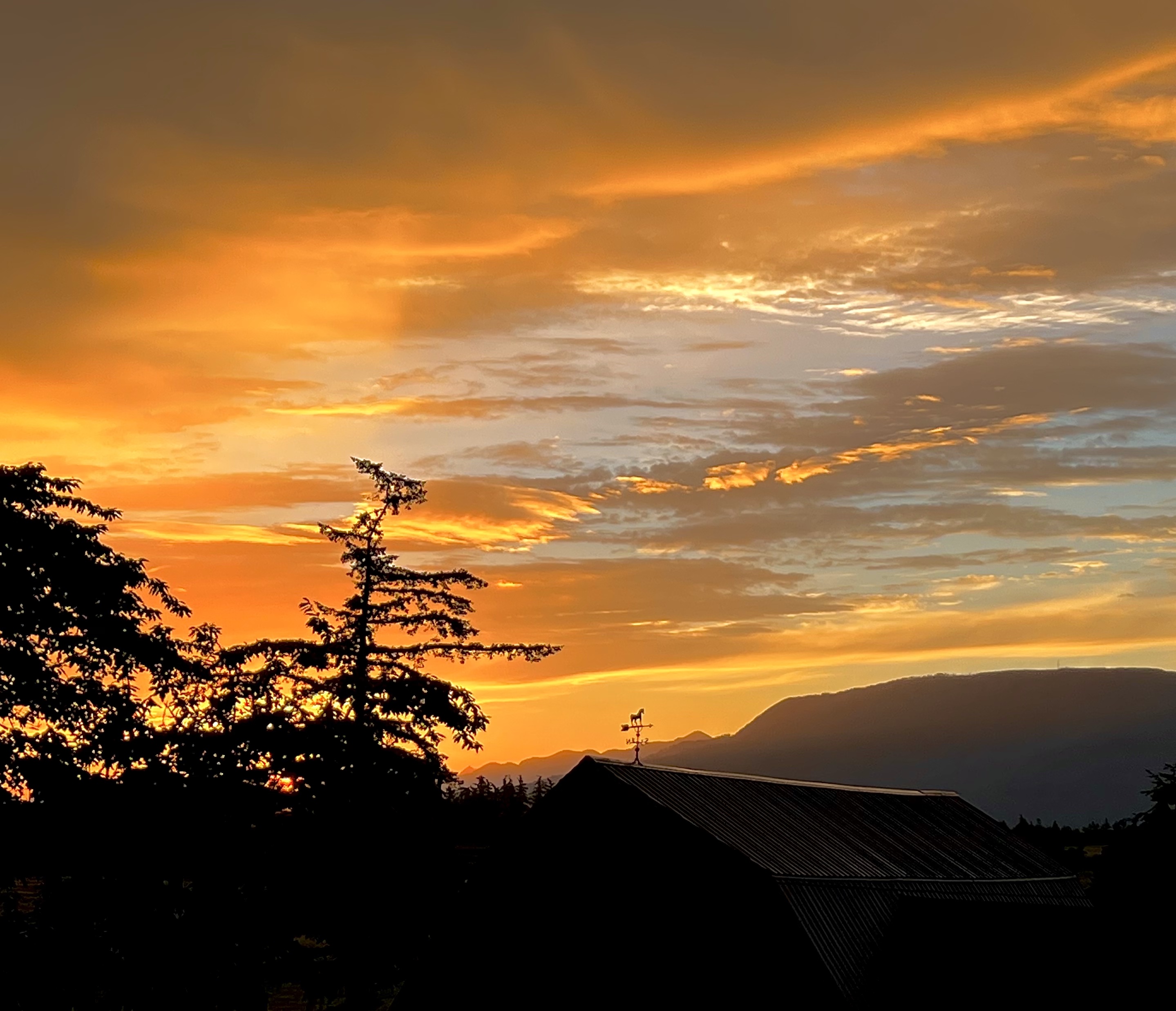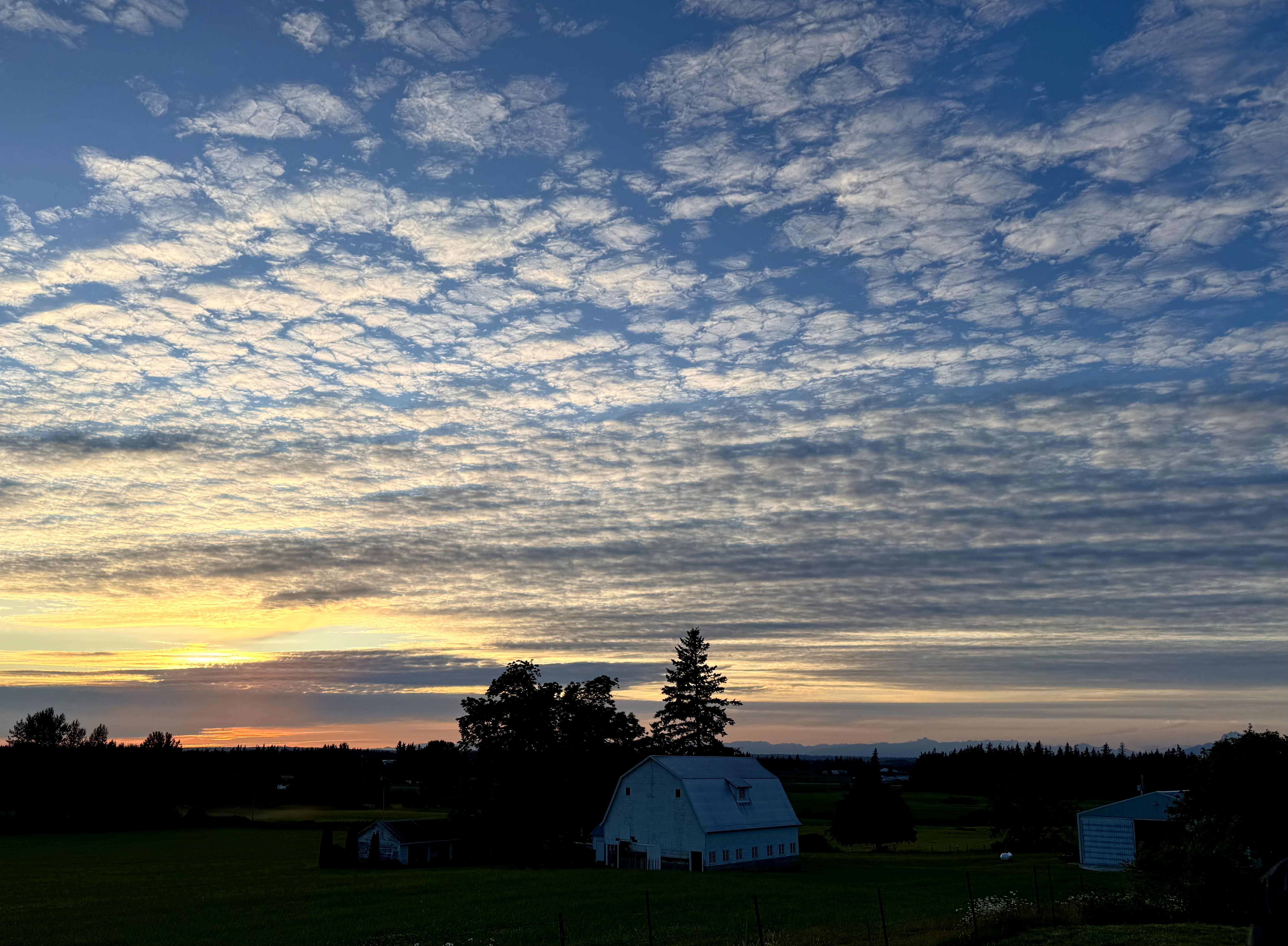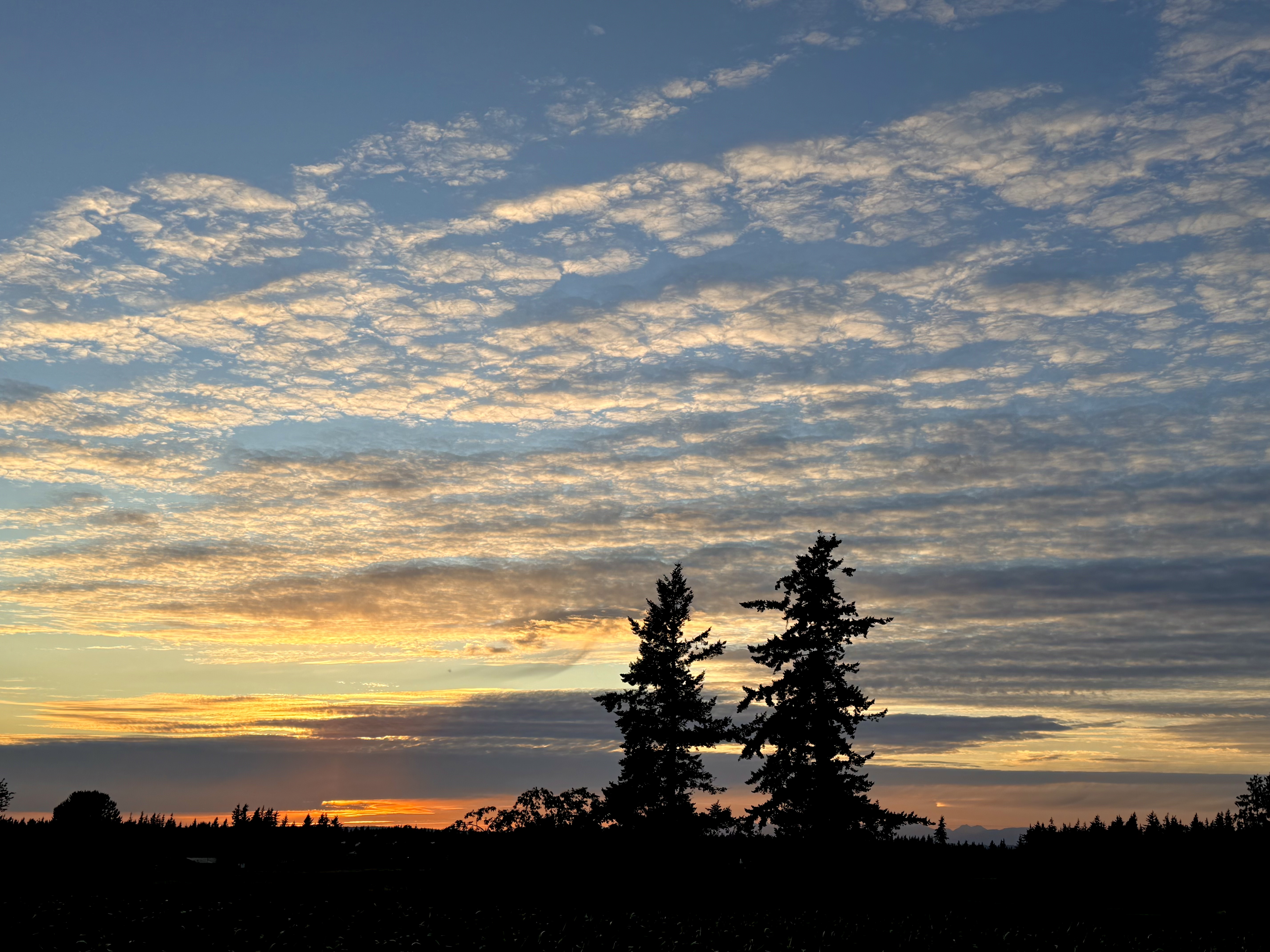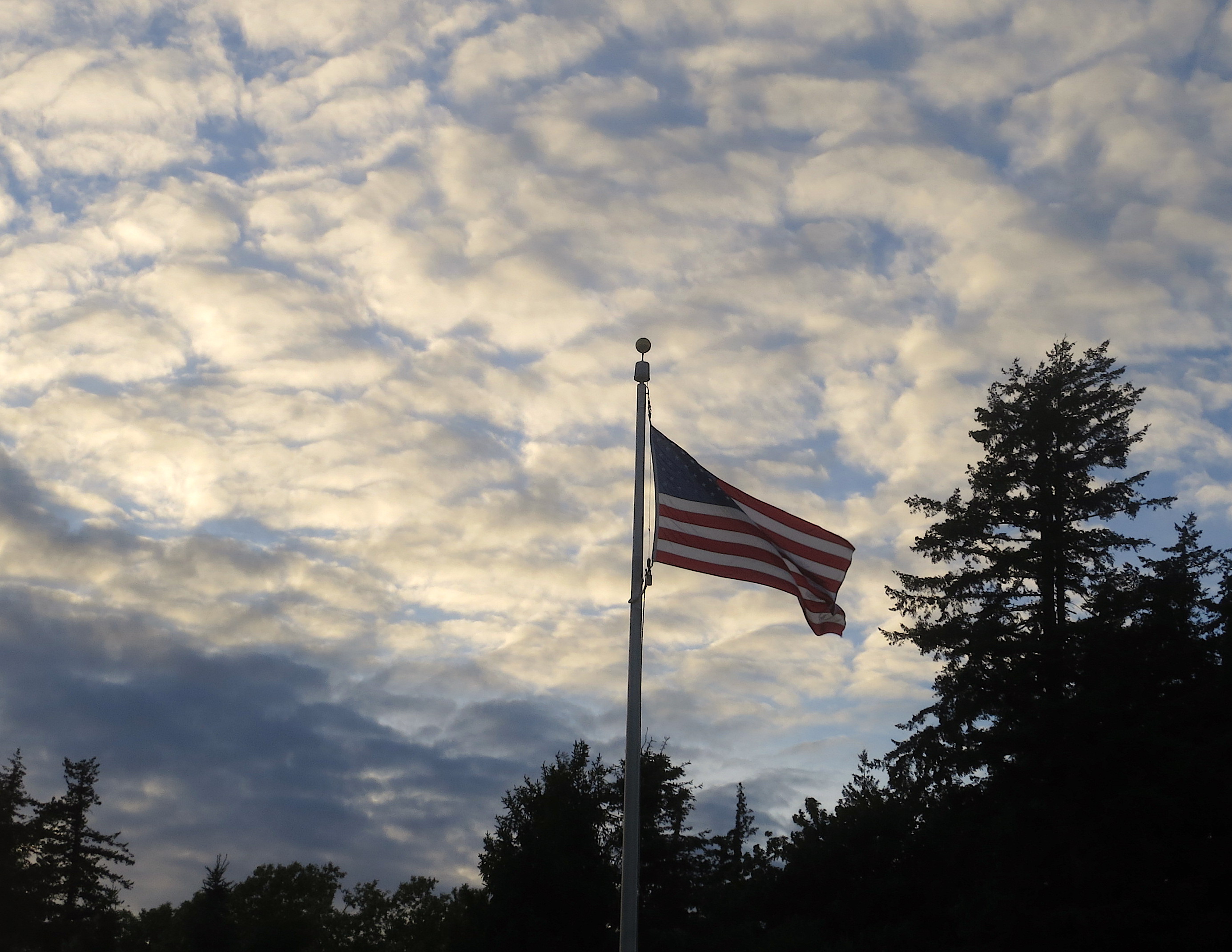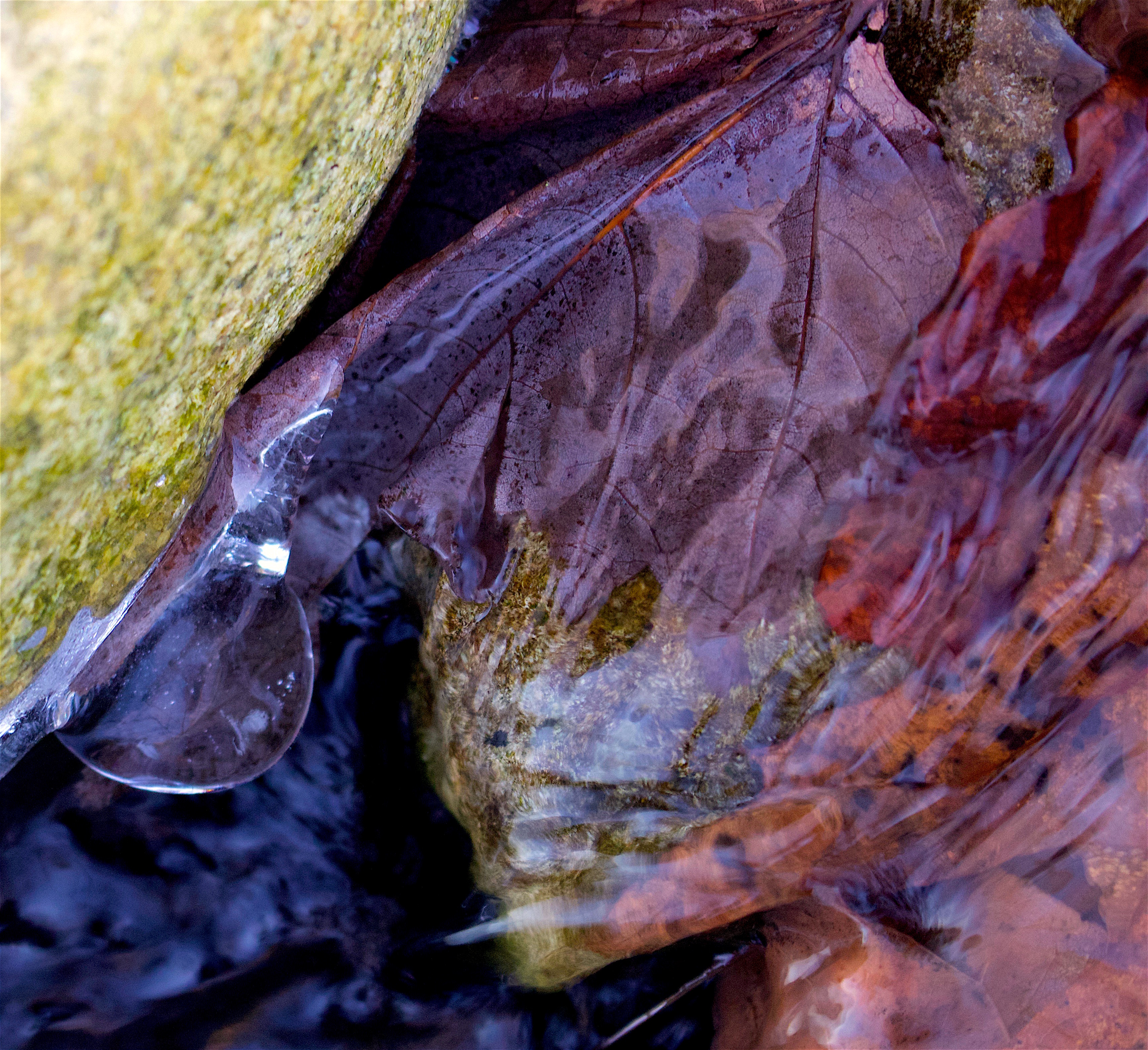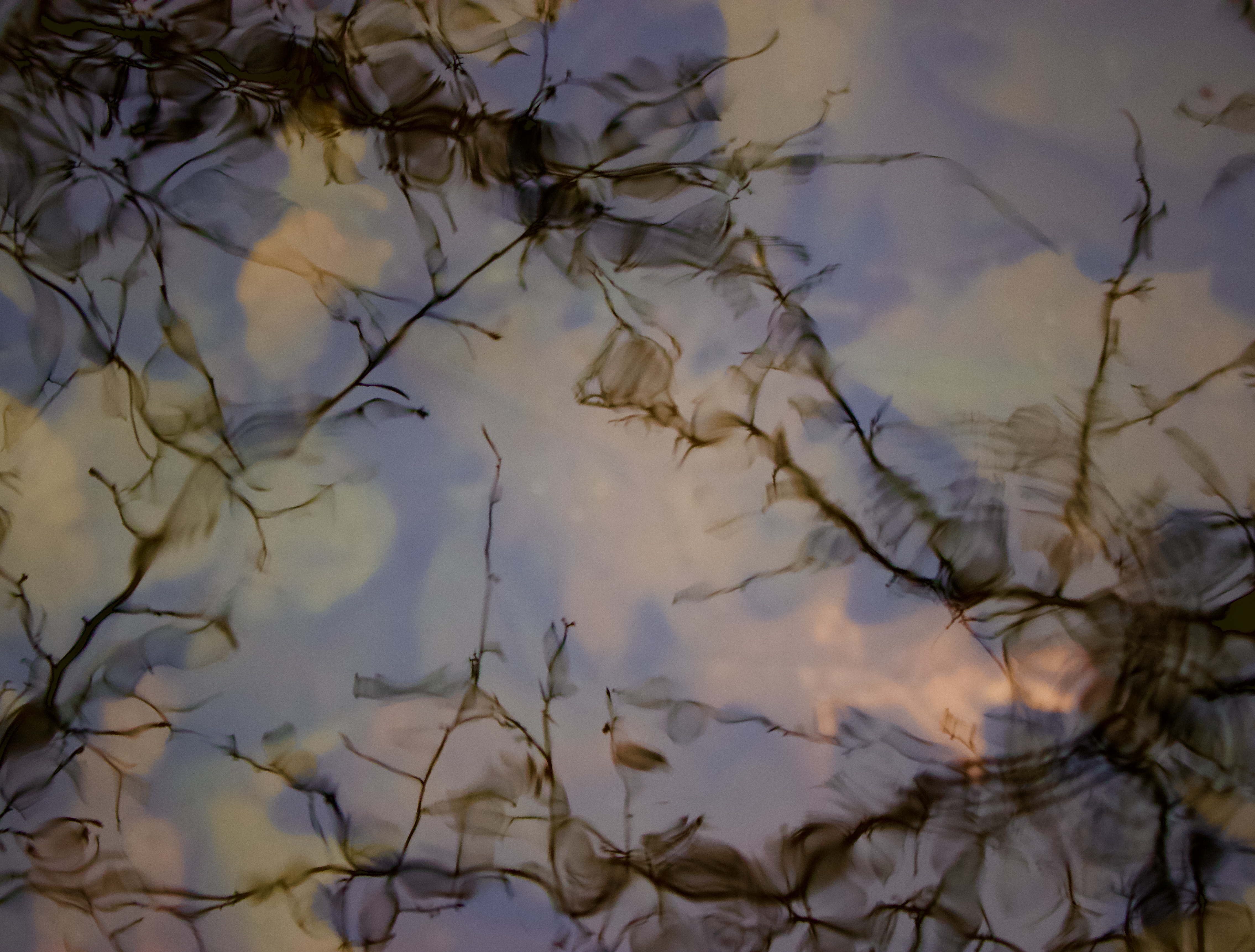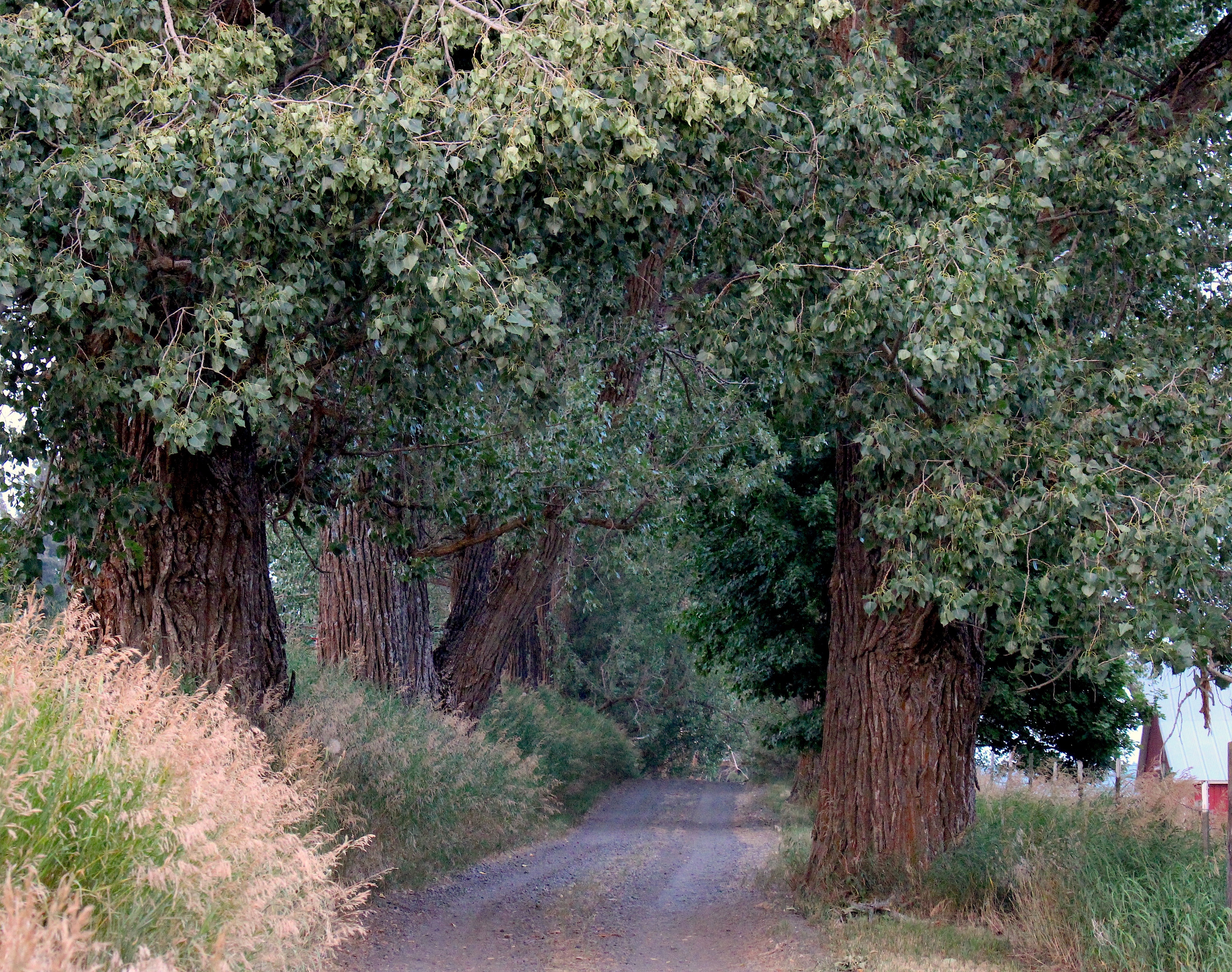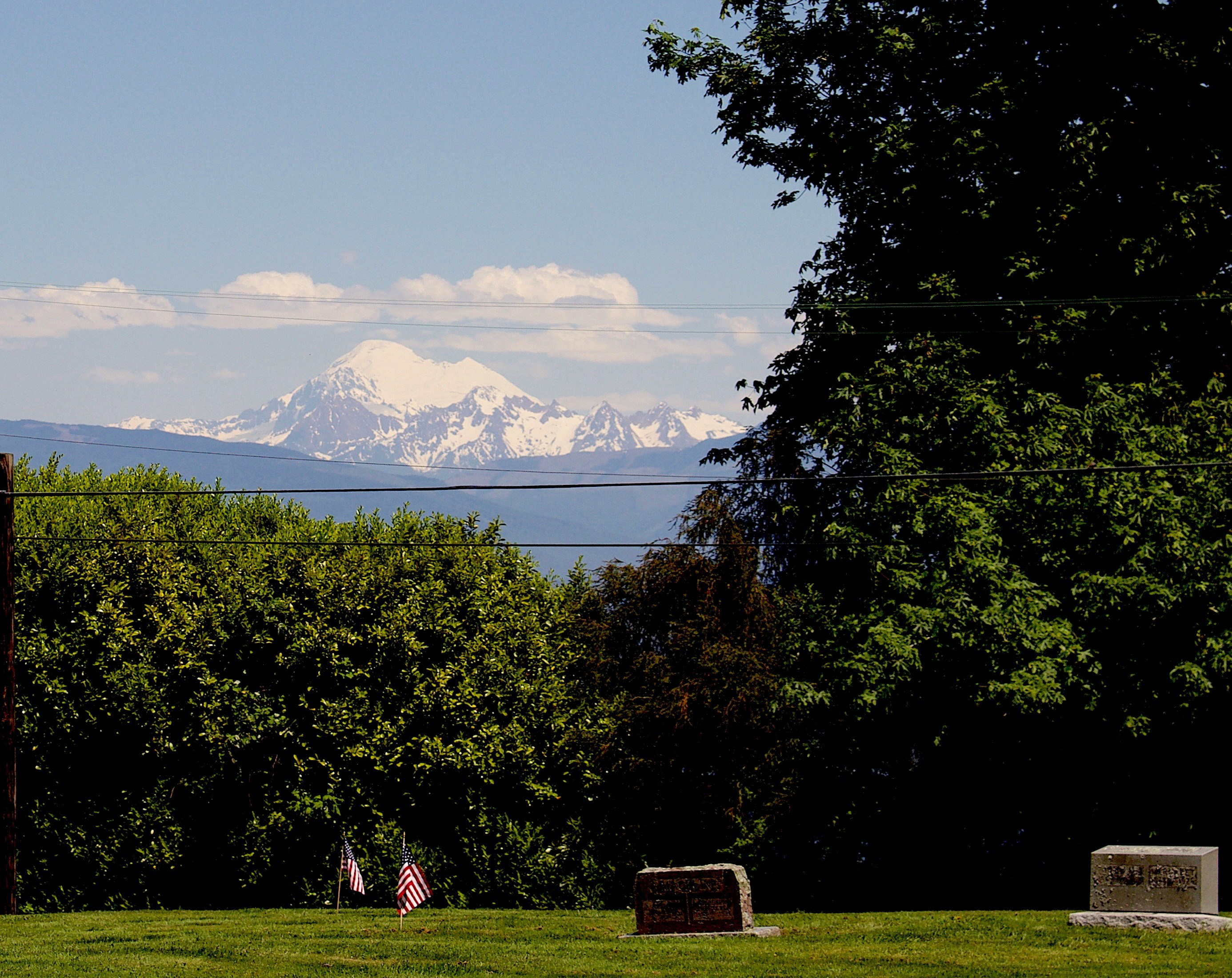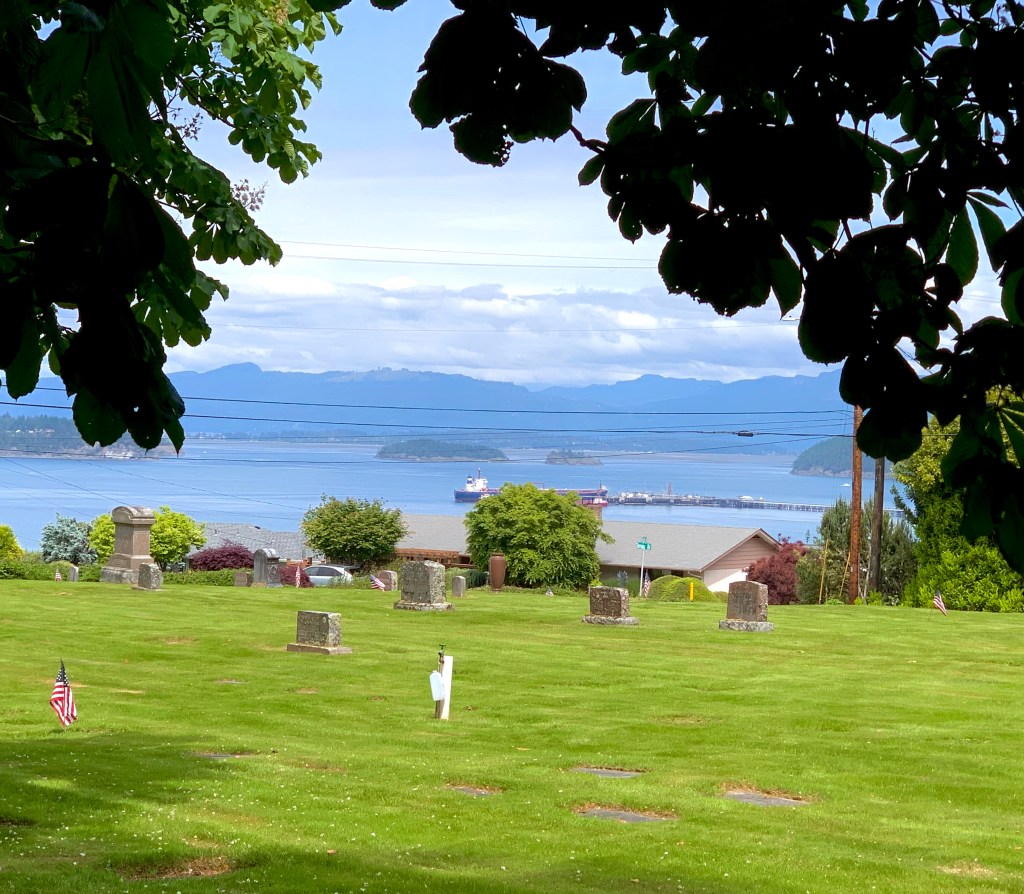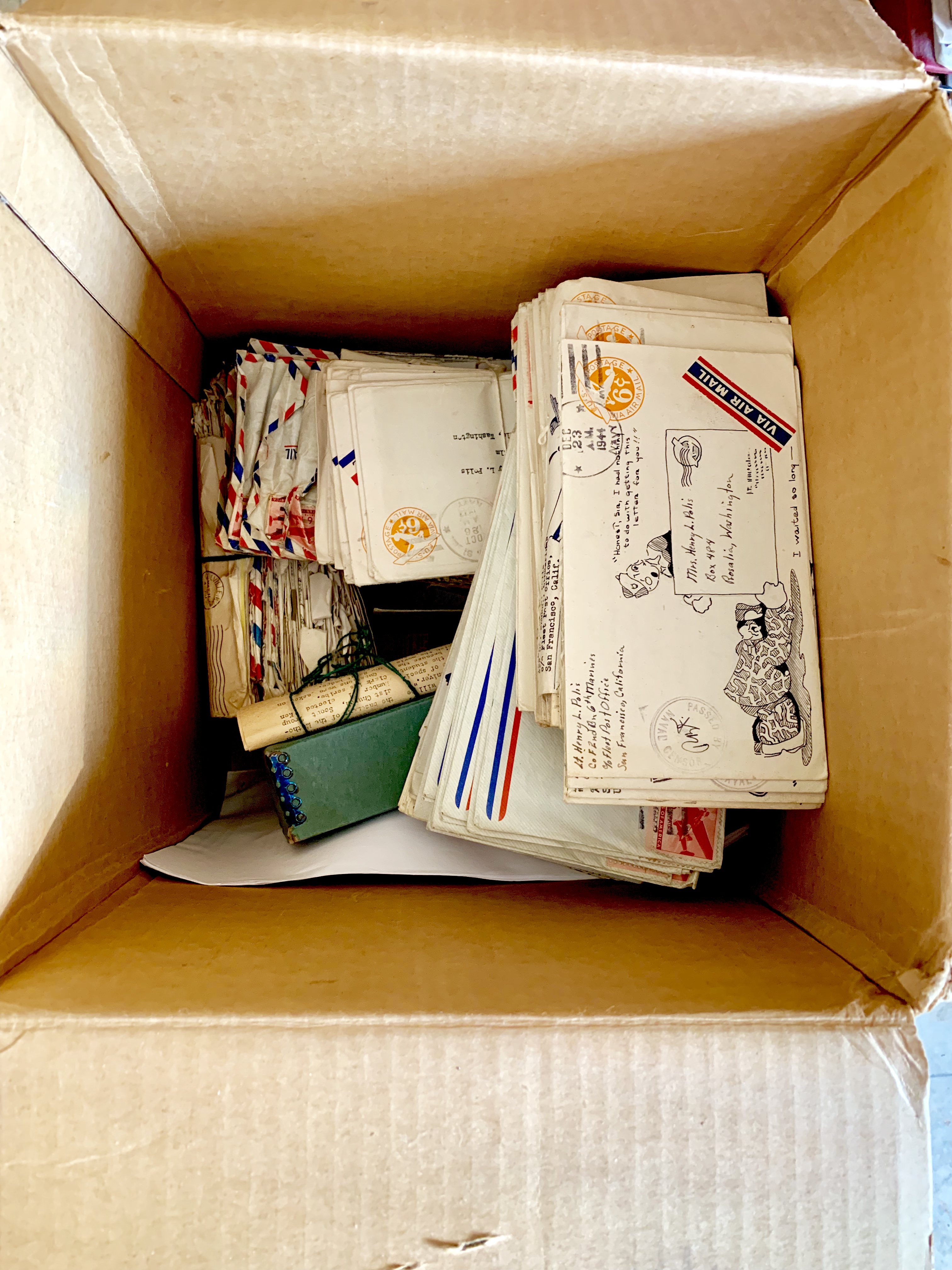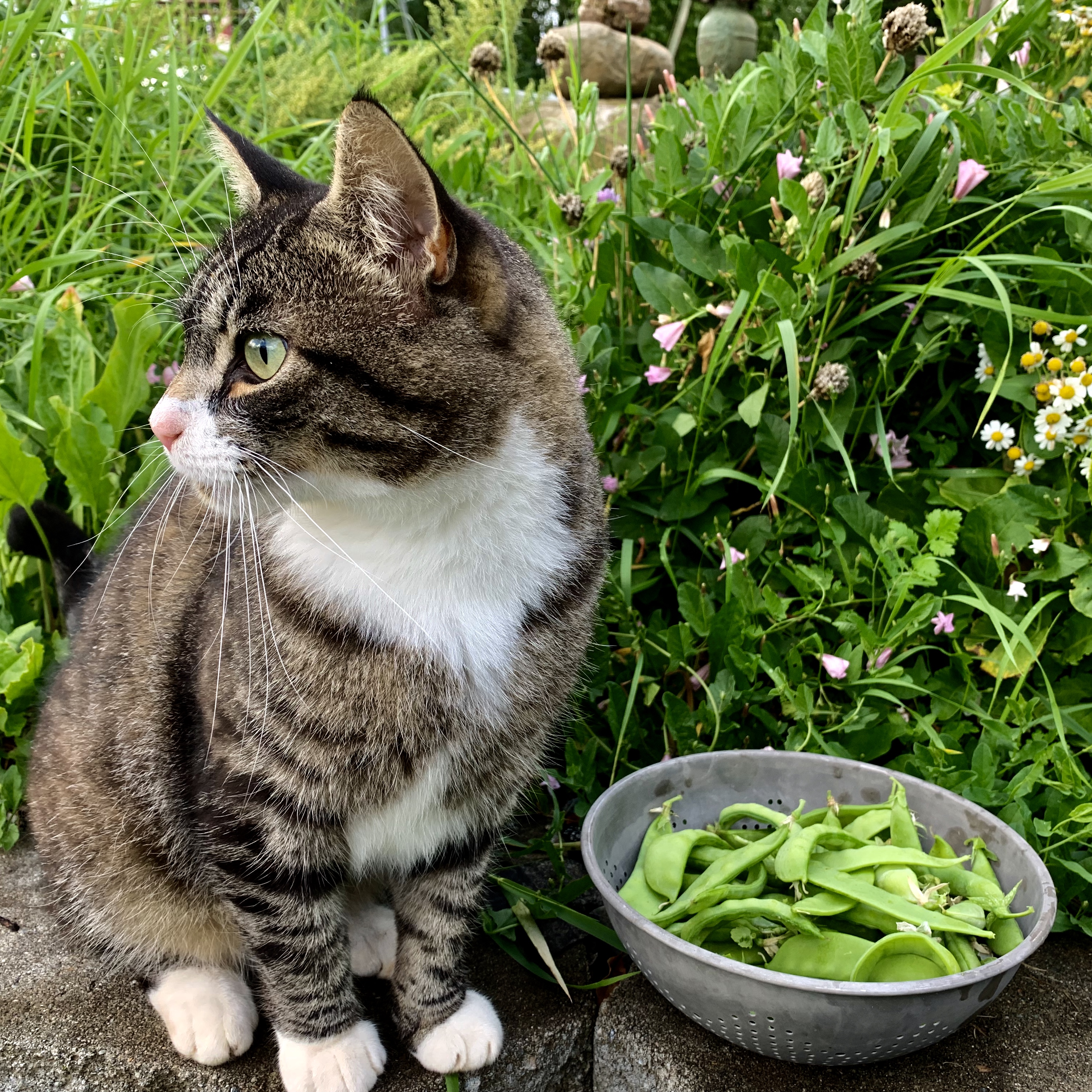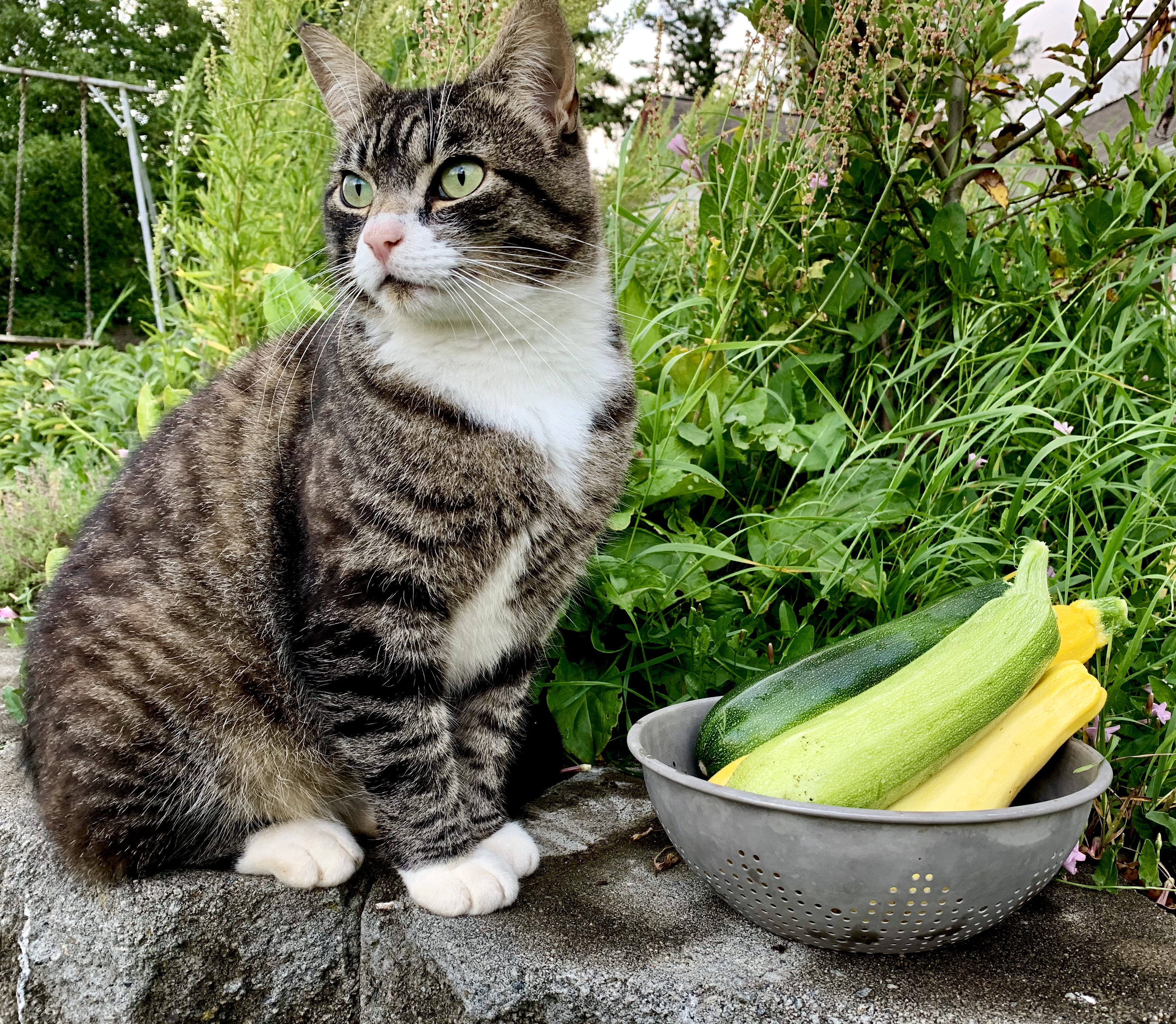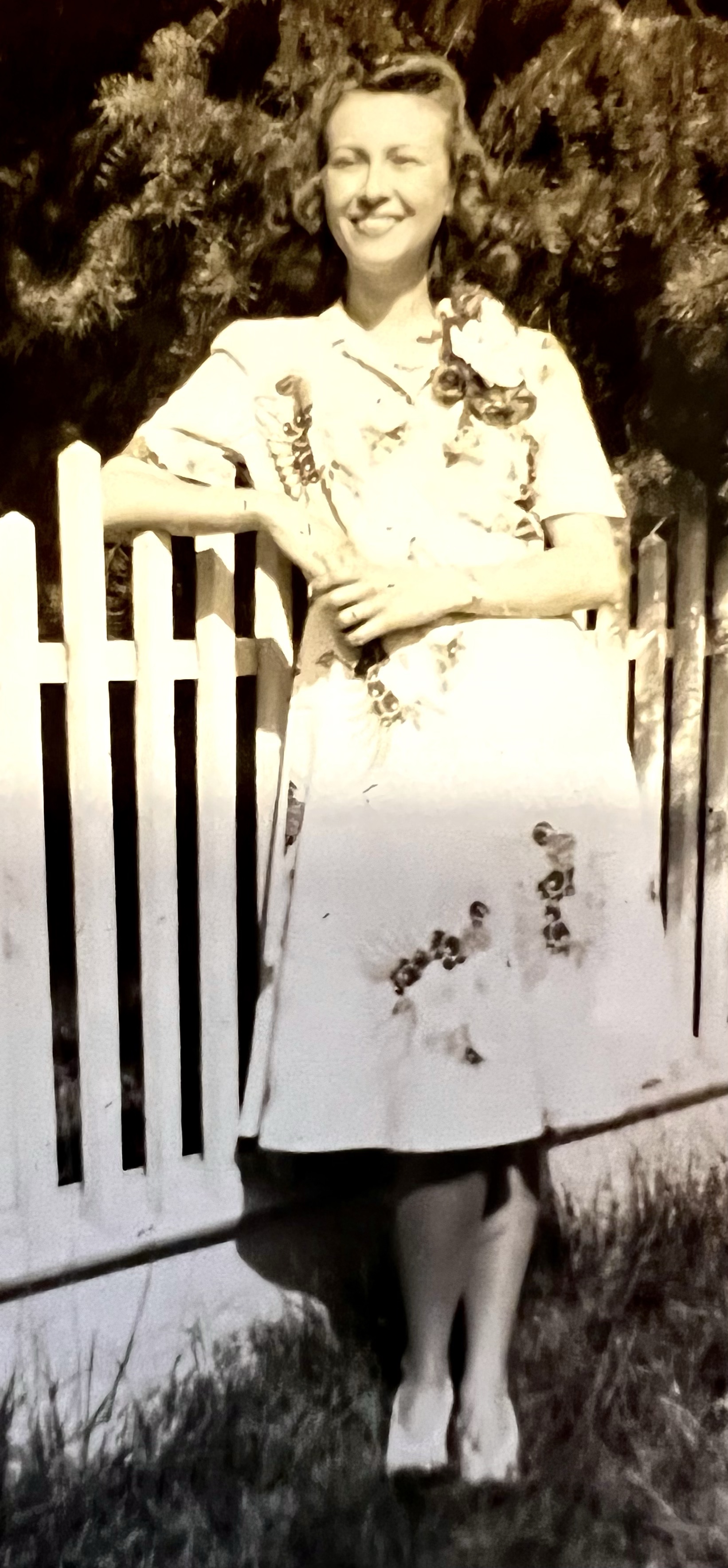
A butterfly dancing in the sunlight, A bird singing to his mate, The whispering pines, The restless sea, The gigantic mountains, A stately tree, The rain upon the roof, The sun at early dawn, A boy with rod and hook, The babble of a shady brook, A woman with her smiling babe, A man whose eyes are kind and wise, Youth that is eager and unafraid— When all is said, I do love best A little home where love abides, And where there’s kindness, peace, and rest. ~Scottie McKenzie Frasier “The Things I Love”
When all is said and done, I love best the people who bring kindness, peace and rest to the little house we call home.
It is enough and everything.
One-Time
Monthly
Yearly
Make a one-time or recurring donation to support daily Barnstorming posts
In the grey summer garden I shall find you With day-break and the morning hills behind you. There will be rain-wet roses; stir of wings; And down the wood a thrush that wakes and sings. Not from the past you’ll come, but from that deep Where beauty murmurs to the soul asleep: And I shall know the sense of life re-born From dreams into the mystery of morn Where gloom and brightness meet. And standing there Till that calm song is done, at last we’ll share The league-spread, quiring symphonies that are Joy in the world, and peace, and dawn’s one star. ~Siegfried Sassoon“Idyll”
Seventy-one years ago today was a difficult day for both my mother and me.
She remembered it was a particularly hot July 4 with the garden coming on gangbusters and she having quite a time keeping up with summer farm chores. With three weeks to go in her pregnancy, her puffy legs were aching and she wasn’t sleeping well.
She was almost done gestating, with the planned C-section scheduled a few days before my due date of August 1.
She and my dad and my sister had waited eight long years for this pregnancy, having given up hope, having already chosen an infant boy to adopt, the papers signed and waiting on the court for the final approval. They were ready to bring him home when she discovered she was pregnant and the adoption agency gave him to another family.
I’ve always wondered where that little boy ended up, his life trajectory suddenly changed by my unexpected conception. I feel responsible, hoping and praying his life was blessed in another adoptive home.
Every subsequent July 4, my mother would tell me about July 4, 1954 when I was curled upside down inside her impatiently kicking her ribs in my attempts to stretch, hiccuping when she tried to nap, and dozing as she cooked the picnic meal they took to eat while waiting for the local fireworks show to start.
As I grew up, she would remind me as I cringed and covered my ears as fireworks shells boomed overhead, that in 1954 I leapt, startled, inside her with each explosion. She wondered if I might jump right out of her, so she held onto her belly tight, trying to calm and reassure me. Perhaps I was justifiably fearful about what chaos was booming on the outside, as I remained securely inside until the doctor opened Mom up three weeks later.
Now I know I am meant for quieter things, greeting the mystery of each morning with as much calm as I can muster. I still cringe and jump at fireworks and recognize I was blessed to be born to a family who wanted me and waited for me, in a country that had just fought a terrible war. Each child born in those post-war years was a testament to the survival of the American spirit and hope for the future.
Our country now has lost its way in caring first and foremost for the poor, the ill, the hungry, the helpless, the homeless, not only within our borders, but as an outreach beyond our shores to those countries where our help has saved millions of lives.
Will there ever come a day when a baby born in this world will not be threatened with starvation, potentially fatal yet preventable pathogens, or the devastation of war?
Where gloom and brightness meet: defining the drawn lines and borders around and within our country right now…
partial lyrics: And I don’t know a soul who’s not been battered I don’t have a friend who feels at ease I don’t know a dream that’s not been shattered Or driven to its knees
But it’s alright, it’s alright For we lived so well so long Still, when I think of the Road we’re traveling on I wonder what’s gone wrong I can’t help it, I wonder what has gone wrong
Text: Where charity and love are, God is there.
One-Time
Monthly
Yearly
Make a one-time or recurring donation to support daily Barnstorming posts
The cold remote islands And the blue estuaries Where what breathes, breathes The restless wind of the inlets, And what drinks, drinks The incoming tide;
Where shell and weed Wait upon the salt wash of the sea, And the clear nights of stars Swing their lights westward To set behind the land;
Where the pulse clinging to the rocks Renews itself forever; Where, again on cloudless nights, The water reflects The firmament’s partial setting;
—O remember In your narrowing dark hours That more things move Than blood in the heart. Louise Bogan “Night” from The Blue Estuaries
I know what my heart is like Since your love died: It is like a hollow ledge Holding a little pool Left there by the tide, A little tepid pool, Drying inward from the edge. ~Edna St. Vincent Millay “Ebb”
My mother was 58 when my father left her for a younger woman.
For months, she withered, her heart broken, her pulse erratic, crying until there were no more tears left.
She began drying inward from her edges despite the ebbing and flowing of her heartbeat.
It took ten years, but he came back like an overdue high tide.
She was sure her love had died but that tepid pool refilled with water cool to the touch, yet overflowing.
AI image created for this post
One-Time
Monthly
Yearly
Make a one-time or recurring donation to support daily Barnstorming posts
The sunlight now lay over the valley perfectly still. I went over to the graveyard beside the church and found them under the old cedars… I am finding it a little hard to say that I felt them resting there, but I did…
I saw that, for me, this country would always be populated with presences and absences, presences of absences, the living and the dead. The world as it is would always be a reminder of the world that was, and of the world that is to come. ~Wendell Berry in Jayber Crow
In great deeds, something abides. On great fields, something stays. Forms change and pass; bodies disappear; but spirits linger, to consecrate ground for the vision-place of souls. And reverent men and women from afar, and generations that know us not and that we know not of, heart-drawn to see where and by whom great things were suffered and done for them, shall come to this deathless field, to ponder and dream; and lo! the shadow of a mighty presence shall wrap them in its bosom, and the power of the vision pass into their souls. This is the great reward of service. To live, far out and on, in the life of others; this is the mystery of the Christ, –to give life’s best for such high sake that it shall be found again unto life eternal. ~Major-General Joshua Chamberlain, Gettysburg, Pennsylvania 1889
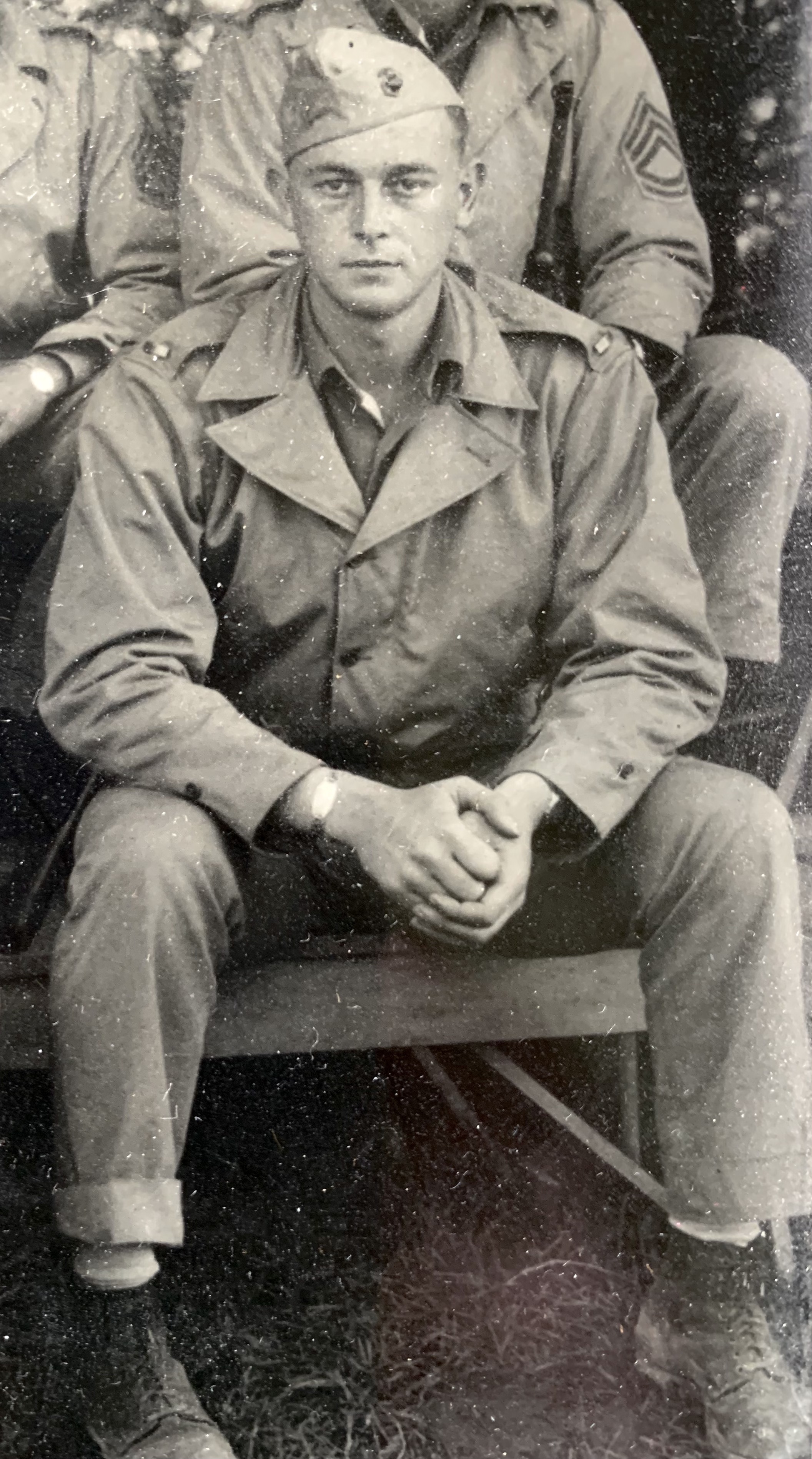
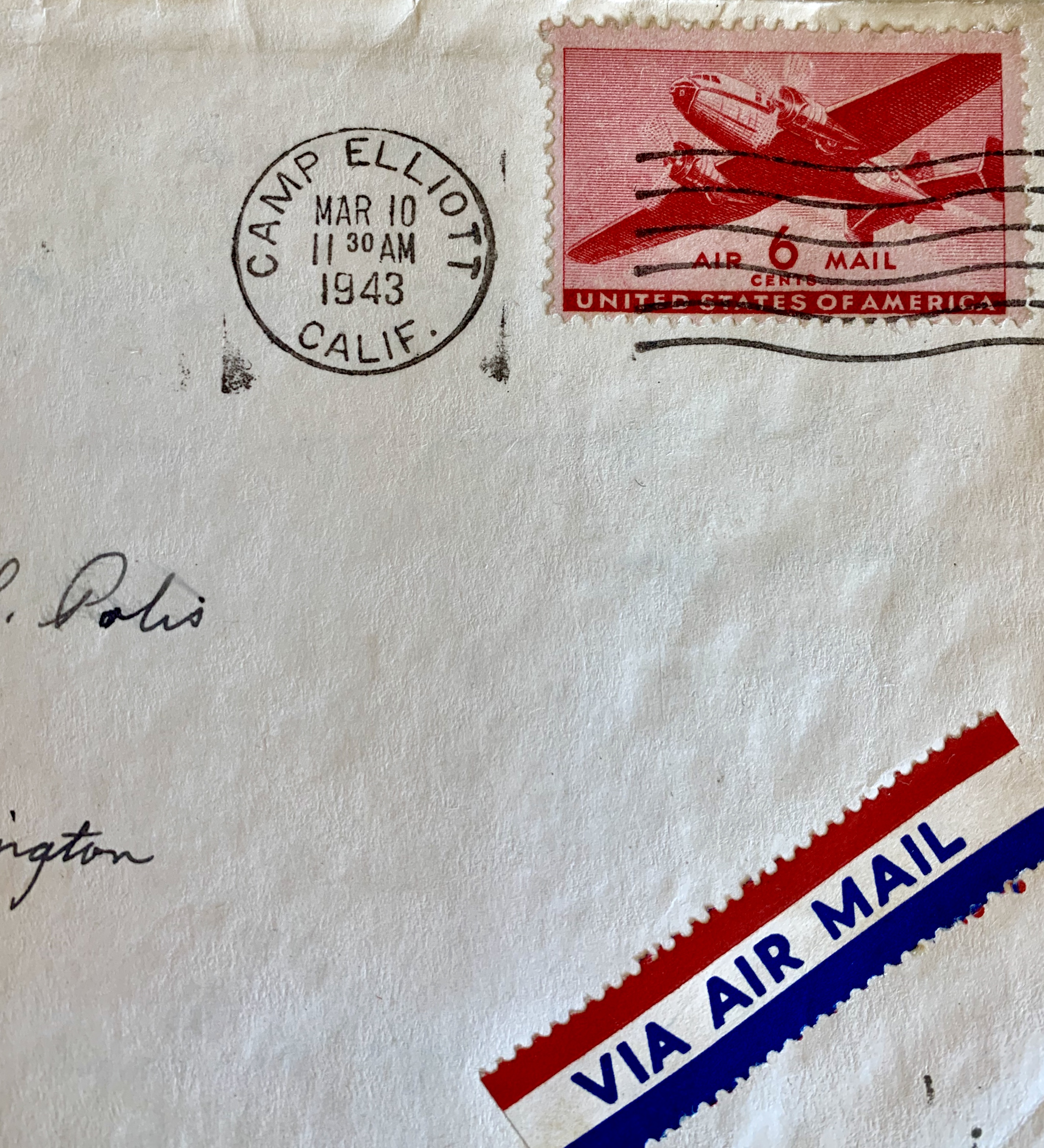
A box of over 700 letters, exchanged between my parents from late 1941 to mid-1945, sat unopened for six decades.
I started reading. I felt them resting in those inked words.
My parents barely knew each other before marrying quickly on Christmas Eve 1942 – the haste due to the uncertain future for a newly trained Second Lieutenant in the Marine Corps. They only had a few weeks together before she returned home to her rural teaching position and he readied himself to be shipped out for the island battles to come.
They had no idea they would not see each other for another 30+ months or even see each other again at all. They had no idea their marriage would fall apart 35 years later and they would reunite a decade after the divorce for five more years together before Dad died of cancer at age 73.
A presence of absence: the letters do contain the long-gone but still-familiar voices of my parents, but they are the words and worries of youngsters of 20 and 21, barely prepared for the horrors to come from war and interminable waiting. When he was fighting battles on Tarawa, Saipan, and Tinian, no letters or news would be received for a month or more, otherwise they tried to write each other daily, though with minimal news to share due to military censorship. They speak mostly of their desire for a normal life together rather than a routine centered on mailbox, pen and paper and waiting – lots and lots of waiting.
I’m not sure what I hoped to find in these letters. Perhaps I hoped for flowery romantic whisperings and the poetry of longing and loneliness. Instead I am reading plain spoken words from two people who somehow made it through those awful years to make my sister and brother and myself possible.
Our inheritance is contained in this musty box of words bereft of poetry. But decades later my heart is moved by these letters – I carefully refold them back into their envelopes and replace them gently back in order. A six cent airmail stamp – in fact hundreds and hundreds of them – was a worthwhile investment in the future, not only for themselves and their family to come, but for generations of U.S. citizens who tend to take their freedom for granted.
Thank you, Dad and Mom, for the early years together you gave up to make today possible for us and the generations to follow.
I hear the mountain birds The sound of rivers singing A song I’ve often heard It flows through me now So clear and so loud I stand where I am And forever I’m dreaming of home I feel so alone, I’m dreaming of home
It’s carried in the air The breeze of early morning I see the land so fair My heart opens wide There’s sadness inside I stand where I am And forever I’m dreaming of home I feel so alone, I’m dreaming of home
This is no foreign sky I see no foreign light But far away am I From some peaceful land I’m longing to stand A hand in my hand …forever I’m dreaming of home I feel so alone, I’m dreaming of home ~Lori Barth and Philippe Rombi “I’m Dreaming of Home”
AI image created for this post
One-Time
Monthly
Yearly
Make a one-time or recurring donation to support daily Barnstorming posts
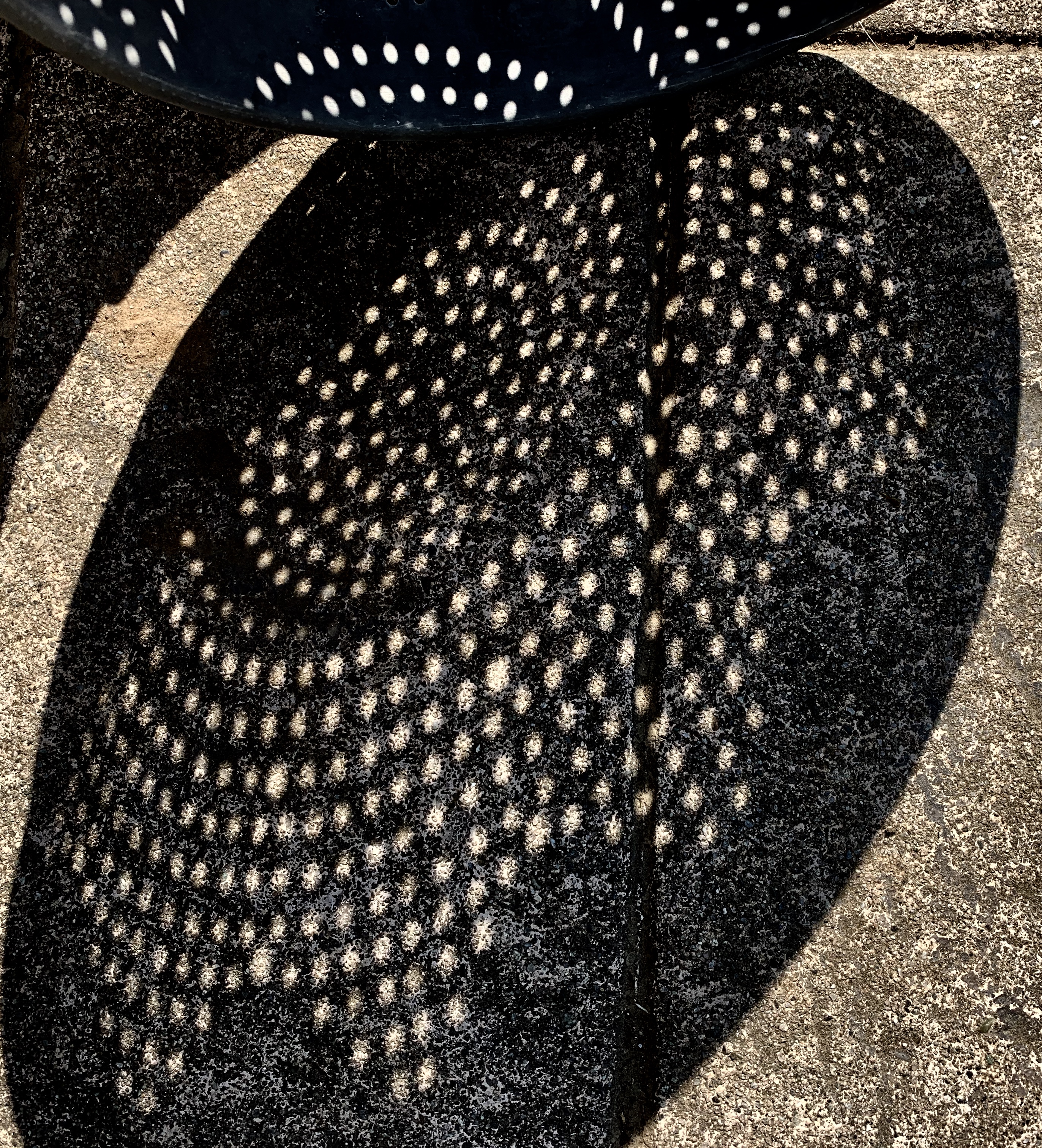
Holes in the shape of stars punched in gray tin, dented, cheap, beaten by each of her children with a wooden spoon.
Noodle catcher, spaghetti stopper, pouring cloudy rain into the sink, swirling counter clockwise down the drain, starch slime on the backside, caught in the piercings.
Scrubbed for sixty years, packed and unpacked, the baby’s helmet during the cold war, a sinking ship in the bathtub, little boat of holes.
Dirt scooped in with a plastic shovel, sifted to make cakes and castles. Wrestled from each other’s hands, its tin feet bent and re-bent.
Bowl daylight fell through onto freckled faces, noon stars on the pavement, the universe we circled aiming jagged stones, rung bells it caught and held. ~Dorianne Laux “My Mother’s Colander”
Many of my mother’s kitchen things, some over eighty years old, are still packed away in boxes that I haven’t had the emotional wherewithal to open. They sit waiting for me to sort and purge and save and weep.
It is as if I haven’t wanted to say goodbye after her death at age 88, now seventeen years ago.
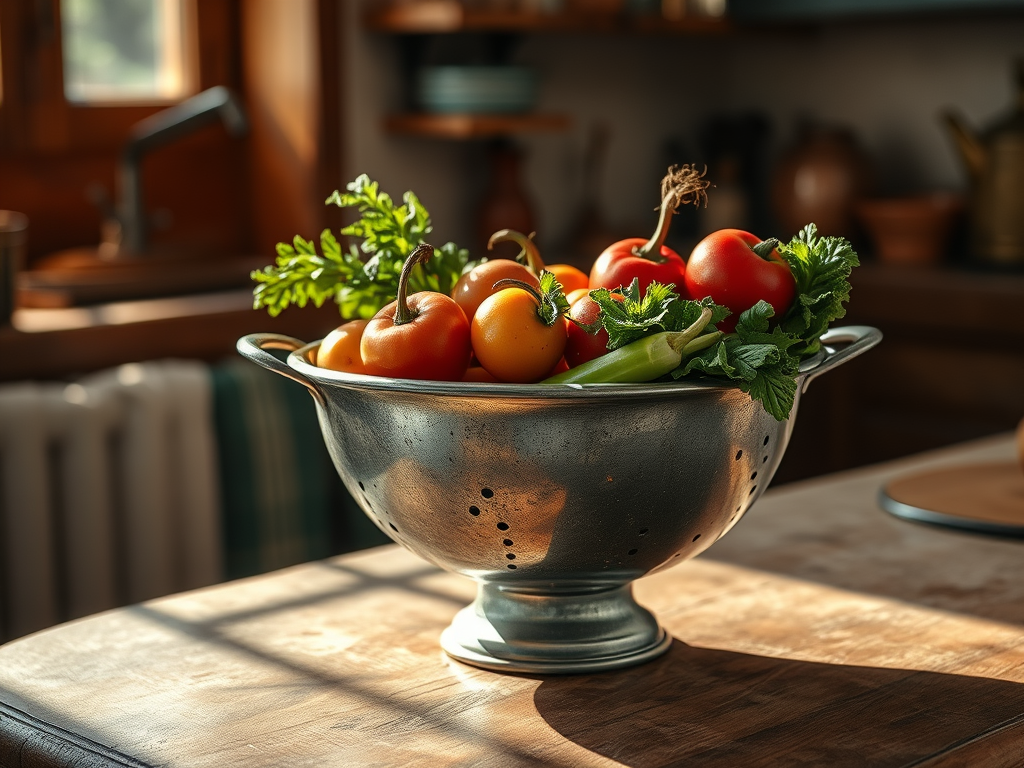
This particular kitchen item- her old dented metal colander – found its way to me when I moved into my first apartment some 49 years ago. She had purchased a bright green plastic colander at a Tupperware party so she felt the old metal one was somehow outdated, overworked and plain, and ready for retirement.
It had held hundreds of pounds of rinsed garden vegetables during my childhood, had drained umpteen pasta noodles, had served as a sifter in our sandbox, and a helmet for many a pretend rocket launch to infinity and beyond.
Dented and battered, it still works fine, thank you very much, for all intended and some unintended purposes. It does make me wonder what other treasures may surprise me as I begin to open and sort my mother’s boxes. Her things have remained in suspended animation, waiting to be rediscovered.
I know there will be tons of tupperware, carefully saved yogurt containers with lids, and quite likely a hoard of pickle jars. As a child of the depression, she saved anything that could be potentially used again.
Perhaps these items have waited patiently to be touched lovingly and with distinct purpose as they once were, and be remembered for the part they played in one woman’s long sacrificial and faith-filled life.
Maybe, just maybe, it will feel like I’ve unpacked Mom once again and maybe this time it can be both a hello and a goodbye.
To infinity and beyond…
AI image created for this post
One-Time
Monthly
Yearly
Make a one-time or recurring donation to support daily Barnstorming posts
The bud stands for all things, even for those things that don’t flower, for everything flowers, from within, of self-blessing; though sometimes it is necessary to reteach a thing its loveliness, to put a hand on its brow of the flower and retell it in words and in touch it is lovely until it flowers again from within, of self-blessing; as Saint Francis put his hand on the creased forehead of the sow, and told her in words and in touch blessings of earth on the sow, and the sow began remembering all down her thick length, from the earthen snout all the way through the fodder and slops to the spiritual curl of the tail, from the hard spininess spiked out from the spine down through the great broken heart to the sheer blue milken dreaminess spurting and shuddering from the fourteen teats into the fourteen mouths sucking and blowing beneath them: the long, perfect loveliness of sow. ~Galway Kinnell “Saint Francis and the Sow”
None of us trust our own loveliness; we who are concerned with a blemish or an unusual shape of toe or nose.
Yet we are made as we are as an image of our Maker.
If we consider the purpose for which we’re created, then we are just as we should be – blessed with exact shape and size and spirit with which we serve and bring joy to others.
Our loveliness must be retold so we believe it thoroughly – as a bud is all about blossoming, a mother pours her love into the empty, a father leads and guides the lost.
One-Time
Monthly
Yearly
Make a one-time or recurring donation to support daily Barnstorming posts
Make a monthly donation
Make a yearly donation
Choose an amount
$10.00
$25.00
$50.00
$5.00
$15.00
$100.00
$5.00
$15.00
$100.00
Or enter a custom amount
$
Your contribution is deeply appreciated to help offset the cost of maintaining an ad-free website.
In the quiet misty morning When the moon has gone to bed, When the sparrows stop their singing And the sky is clear and red, When the summer’s ceased its gleaming When the corn is past its prime, When adventure’s lost its meaning – I’ll be homeward bound in time
Bind me not to the pasture Chain me not to the plow Set me free to find my calling And I’ll return to you somehow
If you find it’s me you’re missing If you’re hoping I’ll return, To your thoughts I’ll soon be listening, And in the road I’ll stop and turn Then the wind will set me racing As my journey nears its end And the path I’ll be retracing When I’m homeward bound again
Bind me not to the pasture Chain me not to the plow Set me free to find my calling And I’ll return to you somehow
In the quiet misty morning When the moon has gone to bed, When the sparrows stop their singing I’ll be homeward bound again. ~Marta Keen “Homeward Bound”
Eighty-two years ago, my parents married on Christmas Eve. It was not a conventional wedding day but a date of necessity, only because a justice of the peace was available to marry a score of war-time couples in Quantico, Virginia, shortly before the newly trained Marine officers were shipped out to the South Pacific to fight in WWII.
When I look at my parents’ young faces – ages 22 and just turned 21 — in their only wedding portrait, I see a hint of the impulsive decision that led to that wedding just a week before my father left for 30 months. They had known each other at college for over a year, had talked about a future together, but with my mother starting a teaching job in a rural Eastern Washington town, and the war potentially impacting all young men’s lives very directly, they had not set a date.
My father put his college education on hold to enlist, knowing that would give him some options he wouldn’t have if drafted, so they went their separate ways as he headed east to Virginia for his Marine officer training, and Mom started her high school teaching career as a speech and drama teacher. One day in early December of 1942, he called her and said, “If we’re going to get married, it’ll need to be before the end of the year. I’m shipping out the first week in January.” Mom went to her high school principal, asked for a two week leave of absence which was granted, told her astonished parents, bought a dress, and headed east on the train with a friend who had received a similar call from her boyfriend.
This was a completely uncharacteristic thing for my overly cautious mother to do, so… it must have been love.
They were married in a brief civil ceremony with another couple as the witnesses. They stayed in Virginia only a couple days and took the train back to San Diego, and my father was shipped out. Just like that. Mom returned to her teaching position and the first three years of their married life was composed of letter correspondence only, with gaps of up to a month during certain island battles when no mail could be delivered or posted.
As I sorted through my mother’s things following her death over a decade ago, I found their war-time letters to each other, stacked neatly and tied together in a box.
In my father’s nearly daily letters home to my mother during WWII, month after month after month, he would say, over and over, while apologizing for the repetition:
“I will come home to you, I will return, I will not let this change me, we will be joined again…”
This was his way of convincing himself even as he carried the dead and dying after island battles: men he knew well and the enemy he did not know. He knew they were never returning to the home they died protecting and to those who loved them.
He shared little of battle in his letters as each letter was reviewed and signed off by a censor before being sealed and sent. This story, however, made it through:
“You mentioned a story of Navy landing craft taking the Marines into Tarawa. It reminded me of something which impressed me a great deal and something I’m sure I’ll never forget.
So you’ll understand what I mean I’ll try to start with an explanation. In training – close order drill- etc. there is a command that is given always when the men form in the morning – various times during the day– after firing– and always before a formation is dismissed. The command is INSPECTION – ARMS. On the command of EXECUTION- ARMS each man opens the bolt of his rifle. It is supposed to be done in unison so you hear just one sound as the bolts are opened. Usually it is pretty good and sounds O.K.
Just to show you how the morale of the men going to the beach was – and how much it impressed me — we were on our way in – I was forward, watching the beach thru a little slit in the ramp – the men were crouched in the bottom of the boat, just waiting. You see- we enter the landing boats with unloaded rifles and wait till it’s advisable before loading. When we got about to the right distance in my estimation I turned around and said – LOAD and LOCK – I didn’t realize it, but every man had been crouching with his hand on the operating handle and when I said that — SLAM! — every bolt was open at once – I’ve never heard it done better – and those men meant business when they loaded those rifles.
A man couldn’t be afraid with men like that behind him.”
My father did return home to my mother after nearly three years of separation. He finished his college education to become an agriculture teacher to teach others how to farm the land while he himself became bound to the pasture and chained to the plow.

He never forgot those who died, making it possible for him to return home. I won’t forget either.
My mother and father could not have foretold the struggles that lay ahead for them. The War itself seemed struggle enough for the millions of couples who endured the separation, the losses and grieving, as well as the eventual injuries–both physical and psychological. It did not seem possible that beyond those harsh and horrible realities, things could go sour after reuniting.
The hope and expectation of happiness and bliss must have been overwhelming, and real life doesn’t often deliver. After raising three children, their 35 year marriage fell apart with traumatic finality. When my father returned home (again) over a decade later, asking for forgiveness, they remarried and had five more years together before my father died in 1995.
Christmas is a time of joy, a celebration of new beginnings and new life when God became man, humble, vulnerable and tender. But it also gives us a foretaste for the profound sacrifice made in giving up this earthly life, not always so gently.
As I peer at my father’s and mother’s faces in their wedding photo, I remember those eyes, then so trusting and unaware of what was to come. I find peace in knowing they both have returned home to behold the Light, the Salvation and the Glory~~the ultimate Christmas~~in His presence.

AI image created for this postAI image created for this post
One-Time
Monthly
Yearly
Make a one-time or recurring donation to support daily Barnstorming posts
What next, she wonders, with the angel disappearing, and her room suddenly gone dark.
The loneliness of her news possesses her. She ponders how to tell her mother.
Still, the secret at her heart burns like a sun rising. How to hold it in— that which cannot be contained.
She nestles into herself, half-convinced it was some kind of good dream, she its visionary.
But then, part dazzled, part prescient— she hugs her body, a pod with a seed that will split her. ~Luci Shaw “Mary Considers Her Situation”
Wide open, then it happens: A glance, a blow, error a kind of cleaving— Of? Or to? So something else can enter. Open wide then. ~Katherine Coles from “Annunciation”
…the child that will soon form inside her body, this loss by which we come to bend before the given, its arms that open unexplained, and take us in. ~Laurie Sheck from “The Annunciation”
We know the scene: the room, variously furnished,
almost always a lectern, a book; always the tall lily. Arrived on solemn grandeur of great wings, the angelic ambassador, standing or hovering, whom she acknowledges, a guest.
But we are told of meek obedience. No one mentions courage. The engendering Spirit did not enter her without consent. God waited.
She was free to accept or to refuse, choice integral to humanness.
____________________________
Aren’t there annunciations of one sort or another in most lives? Some unwillingly undertake great destinies, enact them in sullen pride, uncomprehending. More often those moments when roads of light and storm open from darkness in a man or woman, are turned away from in dread, in a wave of weakness, in despair and with relief. Ordinary lives continue. God does not smite them. But the gates close, the pathway vanishes.
______________________________
She had been a child who played, ate, slept like any other child – but unlike others, wept only for pity, laughed in joy not triumph. Compassion and intelligence fused in her, indivisible.
Called to a destiny more momentous than any in all of Time, she did not quail, only asked a simple, ‘How can this be?’ and gravely, courteously, took to heart the angel’s reply, perceiving instantly the astounding ministry she was offered:
to bear in her womb Infinite weight and lightness; to carry in hidden, finite inwardness, nine months of Eternity; to contain in slender vase of being, the sum of power – in narrow flesh, the sum of light. Then bring to birth, push out into air, a Man-child needing, like any other, milk and love –
but who was God.
This was the moment no one speaks of, when she could still refuse.
A breath unbreathed, Spirit, suspended, waiting.
______________________________
She did not cry, ‘I cannot. I am not worthy,’ Nor, ‘I have not the strength.’ She did not submit with gritted teeth, raging, coerced. Bravest of all humans, consent illumined her. The room filled with its light, the lily glowed in it, and the iridescent wings. Consent, courage unparalleled, opened her utterly. ~Denise Levertov “Annunciation”
…yea, thou art now Thy Maker’s maker, and thy Father’s mother, Thou hast light in dark, and shutt’st in little room Immensity, cloister’d in thy dear womb. ~John Donne from “Annunciation”
34 “How will this be,” Mary asked the angel, “since I am a virgin?”35 The angel answered, “The Holy Spirit will come on you, and the power of the Most High will overshadow you.“ Luke 1:34-35
We are puzzled when God intervenes in our lives in ways that are completely unexpected and sometimes downright inconvenient. We are touched in ways we have never been touched before, as His power “overshadows” us so deeply we can never possibly remain the same.
A transformation takes place and new life begins to grow in us.
When God touches our lives, He opens and fills us with His Spirit, even when we have been sullied from the mire of the world. What makes Mary unique is her complete and total surrender to His will for her life:
“I am the Lord’s servant,”Mary answered. “May it be to me as you have said.”
Let it be for us as well – our hearts made ready and opened wide.
This year’s Advent theme is from Dietrich Bonhoeffer’s sermon on the First Sunday in Advent, December 2, 1928:
The celebration of Advent is possible only to those who are troubled in soul, who know themselves to be poor and imperfect, and who look forward to something greater to come. For these, it is enough to wait in humble fear until the Holy One himself comes down to us, God in the child in the manager.
God comes.
He is, and always will be now, with us in our sin, in our suffering, and at our death. We are no longer alone. God is with us and we are no longer homeless. ~Dietrich Bonhoeffer – from Christmas Sermons
One-Time
Monthly
Yearly
Make a one-time or recurring donation to support daily Barnstorming posts
The Visitation by Mariotto AlbertinelliAnnunciation by Bartolome Esteban Perez Murillo
…we should not try to escape a sense of awe, almost a sense of fright, at what God has done. Nothing can alter the fact that we live on a visited planet… We shall be celebrating no beautiful myth, no lovely piece of traditional folklore, but a solemn fact. God has been here once historically, but he will come again with the same silence and same devastating humility into any human heart ready to receive him. J.B. Phillipsfrom Watch for the Light
Angels Announcing the Birth of Christ by Govert Flinck
I want to be like the visited Mary in her daily routine, awed yet accepting, as the angel interrupts her with an incredible announcement.
I want to be like the visited Elizabeth, overjoyed, along with the leaping baby in her womb, seeing her cousin Mary pregnant with her Lord.
I want to be like the visited shepherds, silenced and aghast, flattened with so much fear that they need the reassurance “do not be afraid” and immediately go to find the baby in a manger.
I want to be like the visited Joseph whose life would never be the same again, as my own self-sufficiency and sense of “how things should be” is shot through and leaking dry.
I too need interruption – to be overjoyed, aghast, my expectations upended, eager to find this new gift of life.
Only then is my heart ready to receive and welcome this visitor. Only then.
The Dream of Saint Joseph by Anton Raphael Mengs, 1773
This year’s Advent theme is from Dietrich Bonhoeffer’s sermon on the First Sunday in Advent, December 2, 1928:
The celebration of Advent is possible only to those who are troubled in soul, who know themselves to be poor and imperfect, and who look forward to something greater to come. For these, it is enough to wait in humble fear until the Holy One himself comes down to us, God in the child in the manager.
God comes.
He is, and always will be now, with us in our sin, in our suffering, and at our death. We are no longer alone. God is with us and we are no longer homeless. ~Dietrich Bonhoeffer – from Christmas Sermons
1. This is the truth sent from above, The truth of God, the God of love; Therefore don’t turn me from your door, But hearken all both rich and poor.
2. The first thing which I do relate, Is That God did man create The next thing which to you I tell, Woman was made with man to dwell.
3. Then after this was God’s own choice To place them both in Paradise, There to remain from evil free Except they eat of such a tree.
4. But they did eat, which was a sin, And thus their ruin did begin — Ruin’d themselves, both you and me, And all of their posterity.
5. Thus we were as heirs to endless woes, Till God the Lord did interpose And so a promise soon did run That He would redeem us by His Son. ~the Herefordshire Carol Collected by E. M. Williams from Mr. W. Jenkins, Kings Pyon, Herefordshire, July, 1909. Music Noted by R. Vaughan William
and you will know the truth, and the truth will set you free. John 8:32
One-Time
Monthly
Yearly
Make a one-time or recurring donation to support daily Barnstorming posts
The crust of sleep is broken Abruptly— I look drowsily Through the wide crack. I do not know whether I see Three minds, bird-shaped, Flashing upon the bough of morning; Or three delicately tinted souls Butterflying in the sun; Or three brown-fleshed, husky children Sprawling hilarious Over my bed And me. ~Jeanne D’Orge “Matins”(published in 1917)

This morning I broke through the misty tides of my dreams, surfacing to cool morning air and prelude of a dawn bird chorus.
Today I wake imagining who I might be from a myriad of dreams…
Sometimes I wake as if once again a young girl, sun coming through frilly curtains to shower my face with a warming light.
Sometimes I wake as if once again a sleep-thirsty student, hoping to snooze another 15 minutes before class.
Sometimes I wake once again as if a new mother, dripping and leaking at the sound of my baby’s cries.
Sometimes I wake as if once again a weary farmer, up much of the night with a laboring mare and slow-to-suck foal.
Sometimes I wake as if once again a preoccupied physician, mentally reviewing the night’s phone calls and concerns.
Today I wake as a grandma, wishing my bed would bounce with a pile of birds and butterflies and jubilant children, wishing me good morning and eager to see me up and at ’em.
So who am I?
I was, I am, I will be all those things, as I hang tight to the bough of morning.
One-Time
Monthly
Yearly
Make a one-time or recurring donation to support daily Barnstorming posts