When the Lines Went Flat

I was still a kid
interning at State
he reminisces late in the meal—
It was a young red-headed woman
looked like my sister
when the lines went flat
I fell apart
shook
like a car with a broken axle
Went to the head surgeon
a fatherly man
Boy, he said, you got to fill a graveyard
before you know this business
and you just did row one, plot one.
~Alicia Suskin Ostriker, “The Surgeon” from The Book of Seventy
As a physician-in-training in the late 1970’s, I rotated among a variety of inner city public hospitals, learning clinical skills on patients who were grateful to have someone, anyone, care enough to take care of them. There were plenty of homeless street people who needed to be deloused before the “real” doctors would touch them, and there were the alcoholic diabetics whose gangrenous toes would self-amputate as I removed stinking socks. There were people with gun shot wounds and stabbings who had police officers posted at their doors and rape victims who were beaten and poisoned into submission and silence. Someone needed to touch them with compassion when their need was greatest.

As a 25 year old idealistic and naive student, I truly believed I could make a difference in the 6 weeks I spent in any particular hospital rotation. That proved far too grandiose and unrealistic, yet there were times I did make a difference, sometimes not so positive, in the few minutes I spent with a patient. As part of the training process, mistakes were inevitable. Lungs collapsed when putting in central lines, medications administered caused anaphylactic shock, pain and bleeding caused by spinal taps–each error creates a memory that never will allow such a mistake to occur again. It is the price of training a new doctor and the patient always–always– pays the price.

I was finishing my last on-call night on my obstetrical rotation at a large military hospital that served an army base. The hospital, built during WWII was a series of far flung one story bunker buildings connected by miles of hallways–if one part were bombed, the rest of the hospital could still function. The wing that contained the delivery rooms was factory medicine at its finest: a large ward of 20 beds for laboring and 5 delivery rooms which were often busy all at once, at all hours.  Some laboring mothers were married girls in their mid-teens whose husbands were stationed in the northwest, transplanting their young wives thousands of miles from their families and support systems. Their bittersweet labors haunted me: children delivering babies they had no idea how to begin to parent.

I had delivered 99 babies during my 6 week rotation. My supervising residents and the nurses on shift had kept me busy on that last day trying to get me to the *100th* delivery as a point of pride and bragging rights; I had already followed and delivered 4 women that night and had fallen exhausted into bed in the on call-room at 3 AM with no women currently in labor, hoping for two hours of sleep before getting up for morning rounds. Whether I reached the elusive *100* was immaterial to me at that moment.

I was shaken awake at 4:30 AM by a nurse saying I was needed right away. An 18 year old woman had arrived in labor only 30 minutes before and though it was her first baby, she was already pushing and ready to deliver. My 100th had arrived. The delivery room lights were blinding; I was barely coherent when I greeted this almost-mother and father as she pushed, with the baby’s head crowning. The nurses were bustling about doing all the preparation for the delivery:  setting up the heat lamps over the bassinet, getting the specimen pan for the placenta, readying suture materials for the episiotomy.

I noticed there were no actual doctors in the room so asked where the resident on call was.

What? Still in bed? Time to get him up! Delivery was imminent.

I knew the drill. Gown up, gloves on, sit between her propped up legs, stretch the vulva around the crowning head, thinning and stretching it with massaging fingers to try to avoid tears. I injected anesthetic into the perineum and with scissors cut the episiotomy to allow more room, a truly unnecessary but, at the time, standard procedure in all too many deliveries. Amniotic fluid and blood dribbled out then splashed on my shoes and the sweet salty smell permeated everything. I was concentrating so hard on doing every step correctly, I didn’t think to notice whether the baby’s heart beat had been monitored with the doppler, or whether a resident had come into the room yet or not. The head crowned, and as I sucked out the baby’s mouth, I thought its face color looked dusky, so checked quickly for a cord around the neck, thinking it may be tight and compromising. No cord found, so the next push brought the baby out into my lap. Bluish purple, floppy, and not responding. I quickly clamped and cut the cord and rubbed the baby vigorously with a towel.

Nothing, no response, no movement, no breath. Nothing.  I rubbed harder.

A nurse swept in and grabbed the baby and ran over to the pediatric heat lamp and bed and started resuscitation.

Chaos ensued. The mother and father began to panic and cry, the pediatric and obstetrical residents came running, hair askew, eyes still sleepy, but suddenly shocked awake with the sight of a blue floppy baby.

I sat stunned, immobilized by what had just happened in the previous five minutes. I tried to review in my foggy mind what had gone wrong and realized at no time had I heard this baby’s heart beat from the time I entered the room. The nurses started answering questions fired at me by the residents, and no one could remember listening to the baby after the first check when they had arrived in active pushing labor some 30 minutes earlier. The heart beat was fine then, and because things happened so quickly, it had not been checked again. It was not an excuse, and it was not acceptable. It was a terrible terrible error. This baby had died sometime in the previous half hour. It was not apparent why until the placenta delivered in a rush of blood and it was obvious it had partially abrupted–prematurely separated from the uterine wall so the circulation to the baby had been compromised. Potentially, with continuous fetal monitoring, this would have been detected and the baby delivered in an emergency C section in time. Or perhaps not. The pediatric resident worked for another 20 minutes on the little lifeless baby.

The parents held each other, sobbing, while I sewed up the episiotomy. I had no idea what to say,  mortified and helpless as a witness and perpetrator of such agony. I tried saying I was so sorry, so sad they lost their baby, felt so badly we had not known sooner. There was nothing that could possibly comfort them or relieve their horrible loss or the freshness of their raw grief.

And of course, there were no words of comfort for my own anguish.

Later, in another room, my supervising resident made me practice intubating the limp little body so I’d know how to do it on something other than a mannequin. I couldn’t see the vocal cords through my tears but did what I was told, as I always did.

I cried in the bathroom, a sad exhausted selfish weeping. Instead of achieving that “perfect” 100, I learned something far more important: without constant vigilance, and even with it,  tragedy intervenes in life unexpectedly without regard to age or status or wishes or desires. I went on as a family physician to deliver a few hundred babies during my career,  never forgetting the baby that might have had a chance, if only born at a hospital with adequately trained well rested staff without a med student trying to reach a meaningless goal.

This baby would now be in his 40’s, likely with children of his own, his parents now proud and loving grandparents.

I wonder if I’ll meet him again — this little soul only a few minutes away from a full life — if I’m ever forgiven enough to share a piece of heaven with humanity’s millions of unborn babies who, through intention or negligence, never had opportunity to draw a breath.

Then, just maybe then, forgiveness will feel real and grace will flood the terrible void where, not for the first time nor the last, my guilt overwhelmed what innocence I had left.

One-Time
Monthly
Yearly

Make a one-time or recurring donation to support daily Barnstorming posts

Make a monthly donation

Make a yearly donation

Choose an amount

¤10.00
¤20.00
¤50.00
¤5.00
¤15.00
¤100.00
¤5.00
¤15.00
¤100.00

Or enter a custom amount

¤

Your contribution is deeply appreciated.

Your contribution is appreciated.

Your contribution is appreciated.

DonateDonate monthlyDonate yearly


Another World Waiting For Me

If librarians were honest,
they would say, No one
spends time here without being
changed. Maybe you should
go home. While you still can.

~Joseph Mills from “If Librarians Were Honest”

This is my first memory:
A big room with heavy wooden tables that sat on a creaky
       wood floor
A line of green shades—bankers’ lights—down the center
Heavy oak chairs that were too low or maybe I was simply
       too short
              For me to sit in and read
So my first book was always big

In the foyer up four steps a semi-circle desk presided
To the left side the card catalogue
On the right newspapers draped over what looked like
       a quilt rack
Magazines face out from the wall

The welcoming smile of my librarian
The anticipation in my heart
All those books—another world—just waiting
At my fingertips.
~Nikki Giovanni "My First Memory (of Librarians)"


There’s a book called
A Dictionary of Angels.
No one had opened it in fifty years,
I know, because when I did,
The covers creaked, the pages
Crumbled. There I discovered

The angels were once as plentiful
As species of flies.
The sky at dusk
Used to be thick with them.
You had to wave both arms
Just to keep them away.

Now the sun is shining
Through the tall windows.
The library is a quiet place.
Angels and gods huddled
In dark unopened books.
The great secret lies
On some shelf Miss Jones
Passes every day on her rounds.

She’s very tall, so she keeps
Her head tipped as if listening.
The books are whispering.
I hear nothing, but she does.

~Charles Simic “In the Library” from The Voice at 3am 

Perhaps in another life and another time, I would have chosen to become a librarian. Some of my best hours/days/weeks/years were spent in old musty buildings among stacks of books towering over me. I believed in the power contained within the covers and could hear the cacophony of voices that oozed from those shelves.

Libraries are heaven for introverts like me who might never see the world except through others’ eyes and words.

I never studied well in a library as I was constantly lured off to discover something new and more exciting than whatever it was I was supposed to read. As a rule, I would search for the most remote carrel in the building, if only to reduce my desire to explore some dark corner and find a book that had not been touched in decades, just waiting for me to pull it down and open it up.

It was a library that led me to drop band class to take a high school forensics where I made it to nationals in interpretive reading. A library introduced me to Stanford University and its libraries encouraged me to apply for wild chimpanzee research in Tanzania. Later in medical school, the medical library stacks fostered my passion for family medicine. Once I was in clinical practice, my library time was limited to specific research for particular patients, but once I became a mother, I took our children regularly to our local library, just to see them delight in picking through the shelves as I once did.

Now I take our grandchildren, who consider the local small town library nearly as wonderful as the nearby play park. The librarian knows them and reserves books she thinks they would love (unicorns and fire engines).

I have too many unread books waiting for me at home to justify checking out books for myself. Still, I know there are many worlds yet to explore; I have so little time left to discover them all. I know I still can be changed…

One-Time
Monthly
Yearly

Make a one-time or recurring donation to support daily Barnstorming posts

Make a monthly donation

Make a yearly donation

Choose an amount

¤10.00
¤20.00
¤50.00
¤5.00
¤15.00
¤100.00
¤5.00
¤15.00
¤100.00

Or enter a custom amount

¤

Your contribution is deeply appreciated.

Your contribution is appreciated.

Your contribution is appreciated.

DonateDonate monthlyDonate yearly

Moving from Loneliness to Love

It’s the immemorial feelings
I like the best: hunger, thirst,
their satisfaction; work-weariness,
earned rest; the falling again
from loneliness to love;
the green growth the mind takes
from the pastures in March;
the gayety in the stride 
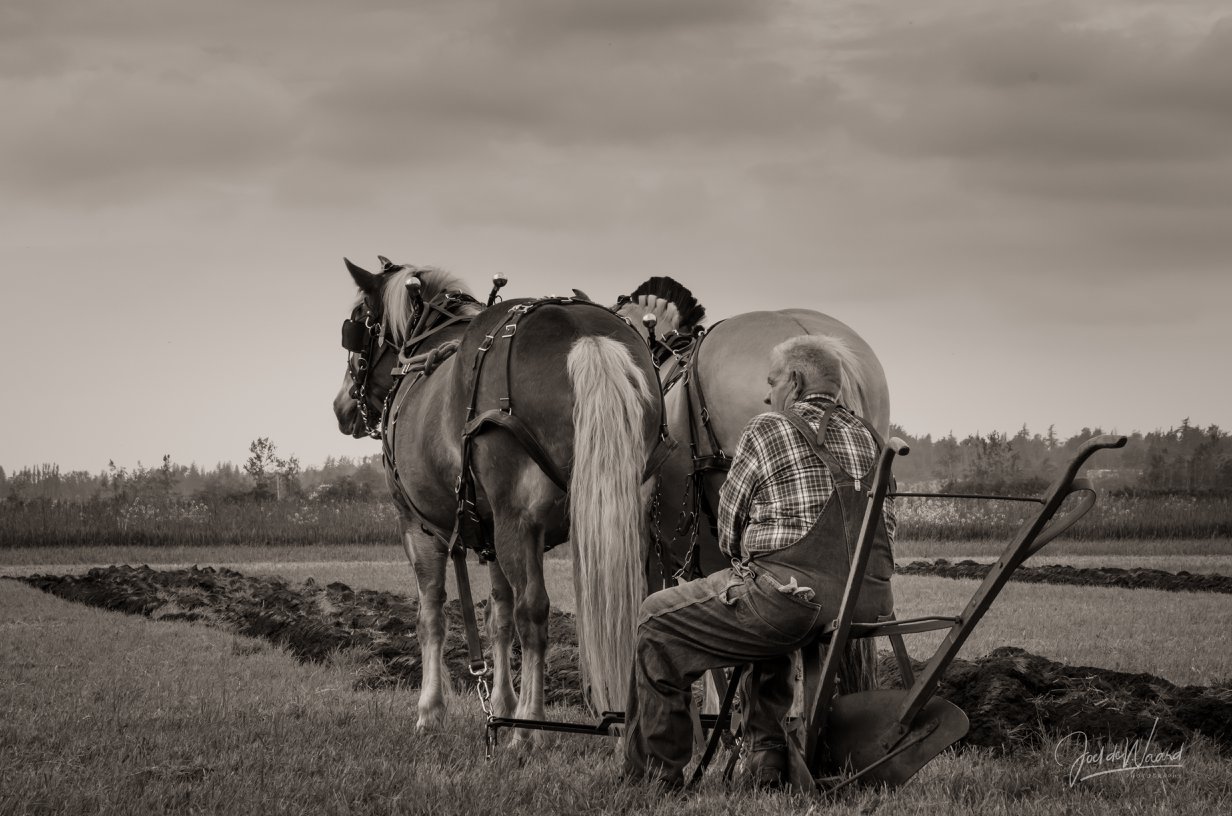
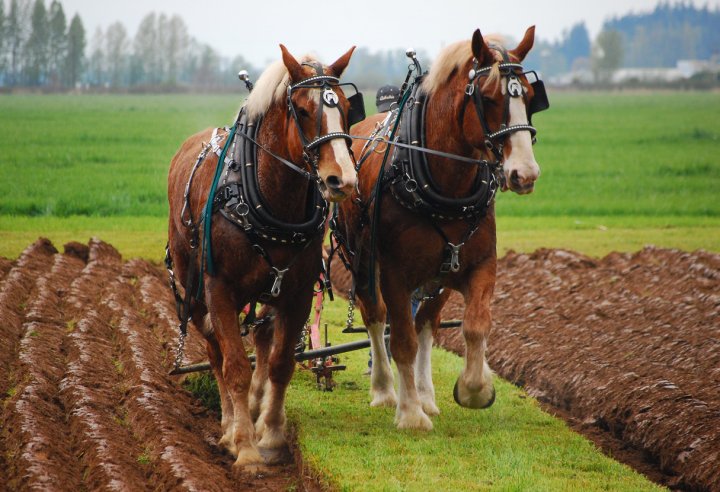
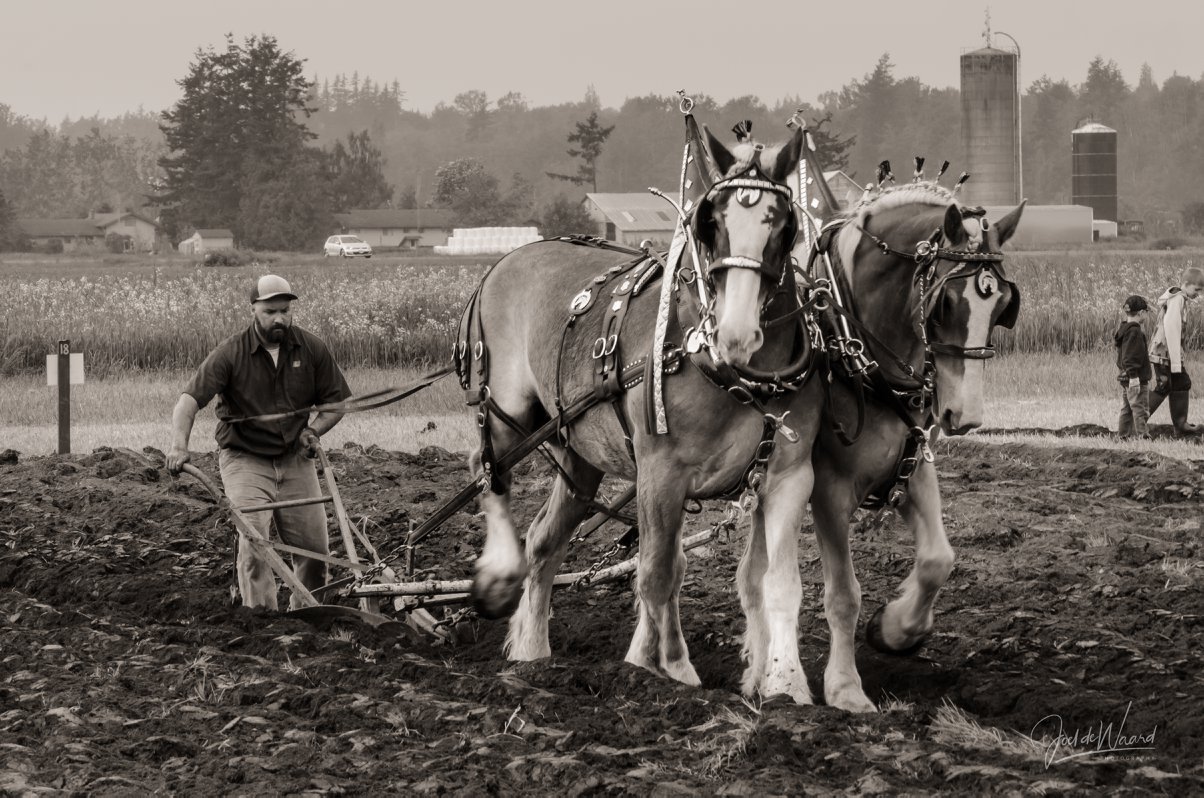
of a good team of Belgian mares
that seems to shudder from me
through all my ancestry.
~Wendell Berry “Goods”

photo by Joel De Waard

It seems unlikely anyone would say
I didn’t work hard enough all those years.
After all, I come from a long line of human work-horses
and I know it takes sweat and tears, and sometimes bleeding.

Even so, I know I could have done more all those years.

I could have thrown myself more fully into the pull on the tugs,
could have shouldered the yoke with more enthusiasm,
could have bent down low with unbroken determination.

You might say somewhere I lost the gayety in my stride,
and you would be right — I ended up trudging through my day,
bruised from running into too many submerged rocks,
bumping into immoveable tree stumps and tripping on hidden roots,
falling into deep furrows of long and lonely post-midnight hours.

You might even say eventually the knowledge of a job well-done
seemed to lay deeper than my plow could ever reach.

When it came time for me to shrug out of the yoke
and shake off the harness,
I knew others die in their harness,
never to rest easy on this earth.

I am unsure what to do next with the seasons I have left.
Even so, I love the wondering and wandering,
almost as much as I love the feel of the sun on my unyoked withers.


photo by Joel De Waard
One-Time
Monthly
Yearly

Make a one-time or recurring donation to support daily Barnstorming posts

Make a monthly donation

Make a yearly donation

Choose an amount

¤10.00
¤20.00
¤50.00
¤5.00
¤15.00
¤100.00
¤5.00
¤15.00
¤100.00

Or enter a custom amount

¤

Your contribution is deeply appreciated.

Your contribution is appreciated.

Your contribution is appreciated.

DonateDonate monthlyDonate yearly

Taking a Moment to Thank the Light

Now a red, sleepy sun above the rim
Of twilight stares along the quiet weald,
And the kind, simple country shines revealed
In solitudes of peace, no longer dim.
The old horse lifts his face and thanks the light,
Then stretches down his head to crop the green.
All things that he has loved are in his sight;
The places where his happiness has been
Are in his eyes, his heart, and they are good.
~Siegfried Sassoon from “Break of Day”

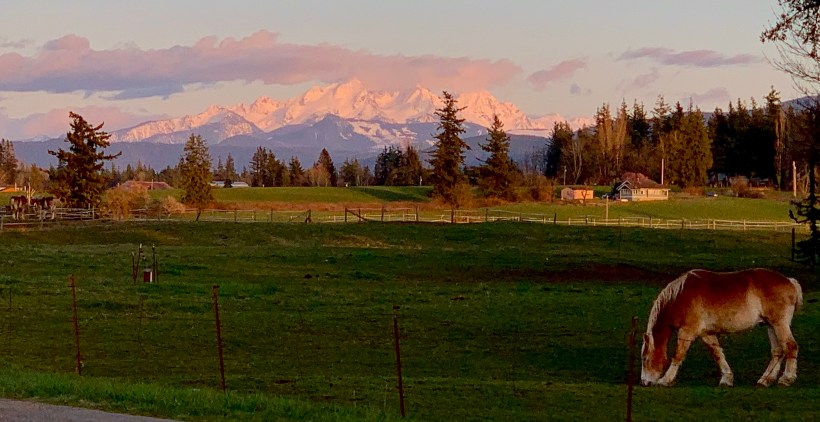
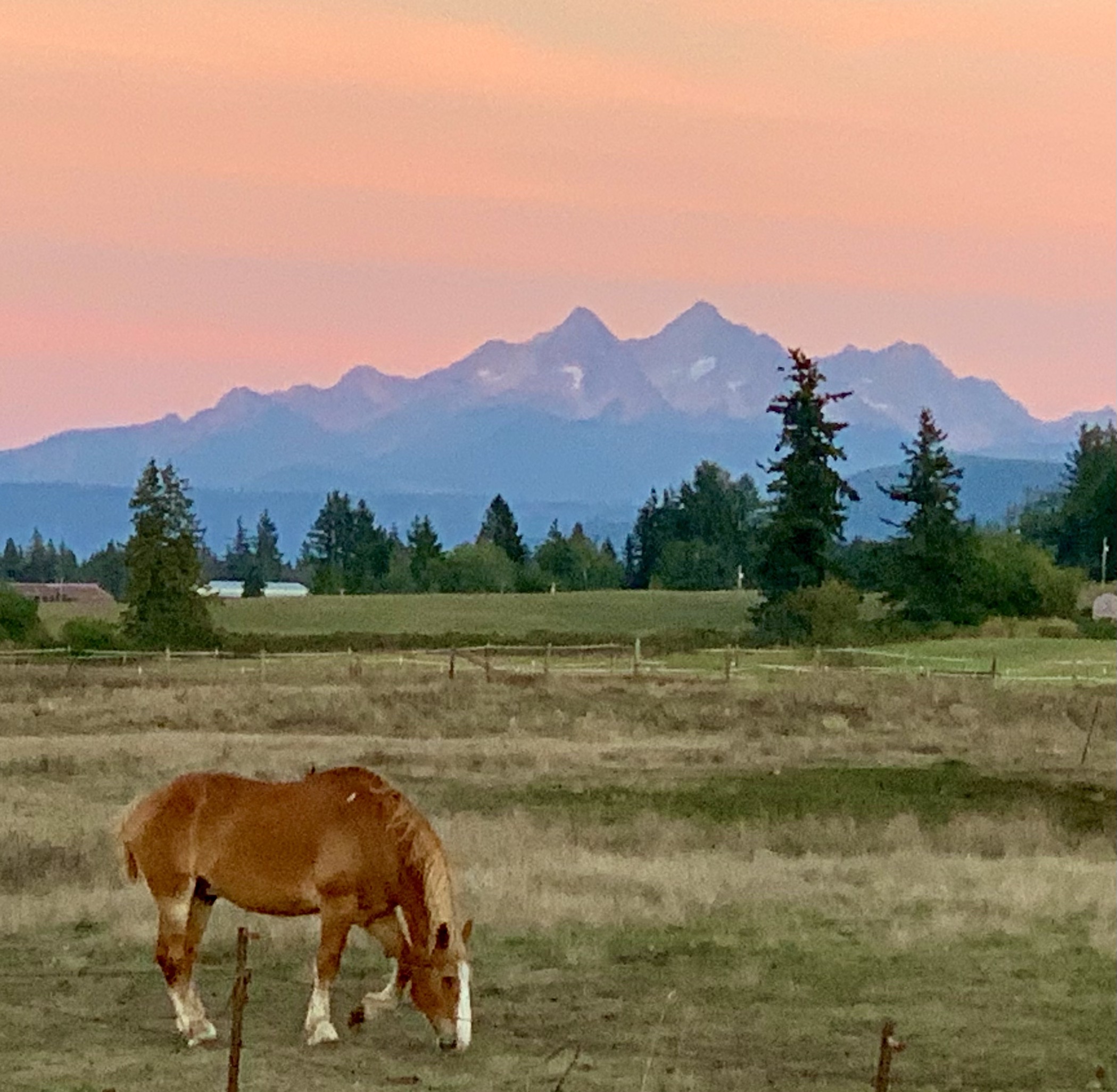
We grow older along with our horses – as we near seventy, our oldest mare is thirty years old. None of us, horses or humans, have to climb in the harness to pull the heavy loads of our former work lives.

During these October days, as the horses feel the morning sun on their withers and the green blades under their feet, they scan the pasture for the sweetest tender patch to munch in the fields they know and love so well. They nap more now than in their younger years, taking breaks to let their heads hang relaxed and nodding, their tails slowly swishing at flies.

To be honest, I nap and nod more now as well.

They remind me to borrow the calm of the pasture to balance the noise and misery always present in the morning headlines. Carrying that calm to my decades of work as a physician was an essential survival skill. I remembered how peace and light intentionally descended to a troubled earth in sore need of healing.

A new day’s sunlight breaks fresh each morning and sinks gently and quietly beneath the horizon each evening. All things I love are within my sight; happiness and contentment do grow, like the grass beneath my feet, thanks to the Light.

And I am glad, so very glad that it is good.

One-Time
Monthly
Yearly

Make a one-time donation

Make a monthly donation

Make a yearly donation

Choose an amount

¤10.00
¤20.00
¤50.00
¤5.00
¤15.00
¤100.00
¤5.00
¤15.00
¤100.00

Or enter a custom amount

¤

Your contribution is deeply appreciated.

Your contribution is appreciated.

Your contribution is appreciated.

DonateDonate monthlyDonate yearly

Never Got Wet

When the doctor suggested surgery
and a brace for all my youngest years,
my parents scrambled to take me
to massage therapy, deep tissue work,
osteopathy, and soon my crooked spine
unspooled a bit, I could breathe again,
and move more in a body unclouded
by pain. My mom would tell me to sing
songs to her the whole forty-five minute
drive to Middle Two Rock Road and forty-
five minutes back from physical therapy.
She’d say, even my voice sounded unfettered
by my spine afterward. So I sang and sang,
because I thought she liked it. I never
asked her what she gave up to drive me,
or how her day was before this chore. Today,
at her age, I was driving myself home from yet
another spine appointment, singing along
to some maudlin but solid song on the radio,
and I saw a mom take her raincoat off
and give it to her young daughter when
a storm took over the afternoon. My god,
I thought, my whole life I’ve been under her
raincoat thinking it was somehow a marvel
that I never got wet.
~Ada Limón “The Raincoat”

When I was 13, I grew too quickly. My spine developed a thoracic scoliosis (curvature) — after inspecting my back as I bent over to touch my toes, my pediatrician referred me to a pediatric orthopedic specialist an hour away from my home town.

The question was whether I would need to have a metal rod surgically placed along my spine to prevent it from more misalignment or whether I would need to wear a back brace like a turtle. The least intervention would be physical therapy to try to keep my back and abdominal muscles as strong as possible to limit the curvature.

Since my father didn’t have much flexibility in his work schedule, my mother had to drive me to the “big city” for my appointments – as a nervous driver, she did it only because she knew it was necessary to get the medical opinion needed. She asked me to read aloud to her from whatever book I was reading at the time – I don’t think she listened closely but I think she knew it would keep me occupied while she navigated traffic.

At first, we went every three months for new xrays. The orthopedist would draw on my bare back and on my spine xrays with a black marker, calculating my curves and angles with his protractor, watching for a trend of worsening as I grew taller. He reassured us that I hadn’t yet reached a critical level of deviation requiring more aggressive treatment.

Eventually my growth rate slowed down and the specialist dismissed me from further visits, wishing me well. He told me I would certainly be somewhat “crooked” for the rest of my life, and it would inevitably worsen in my later years. I continued to visit PT for regular visits; my mom would patiently wait in the car as I sweated my way through the regimen.

The orthopedist was right about the curvature of my aging spine. I am not only a couple inches shorter now, but my rib cage and chest wall is asymmetric affecting my ability to stand up totally straight. Just last week, I had an xray of my collar bones as even those joints have developed wear and tear changes. I consider being crooked a small price to pay for avoiding a serious surgery or a miserable brace as a teenager.

What I didn’t understand at the time was the commitment my mother made to make sure I got the care I needed, even if it meant great inconvenience in her life, even if she was awake at night worried about the outcome of the appointments, even if the financial burden was significant for my family. She, like so many parents with children with significant medical or psychological challenges, gave up her wants and wishes to make sure I received what I needed. As a kid, I just assumed that’s what a mom does. Later, as a mom myself, I realized it is what moms do, but often at significant personal cost. As a physician, I saw many young people whose parents couldn’t make the commitment to see they got the care they needed, and it showed.

I was one blessed by parents who did what their kids needed to thrive.

My mom constantly offered me her raincoat so I wouldn’t get wet. Meanwhile she was being drenched.

Thank you, Mom, for making sure I was covered by your love. I still am.

Original Barnstorming artwork note cards available as a gift to you with a $50 donation to support Barnstorming – information here

The Forgiveness of Sleep

The children have gone to bed.
We are so tired we could fold ourselves neatly
behind our eyes and sleep mid-word, sleep standing
warm among the creatures in the barn, lean together
and sleep, forgetting each other completely in the velvet,
the forgiveness of sleep.

Then the one small cry:
one strike of the match-head of sound:
one child’s voice:
and the hundred names of love are lit
as we rise and walk down the hall.

One hundred nights we wake like this,
wake out of our nowhere
to kneel by small beds in darkness.
One hundred flowers open in our hands,
a name for love written in each one.
~Annie Lighthart, from Iron String

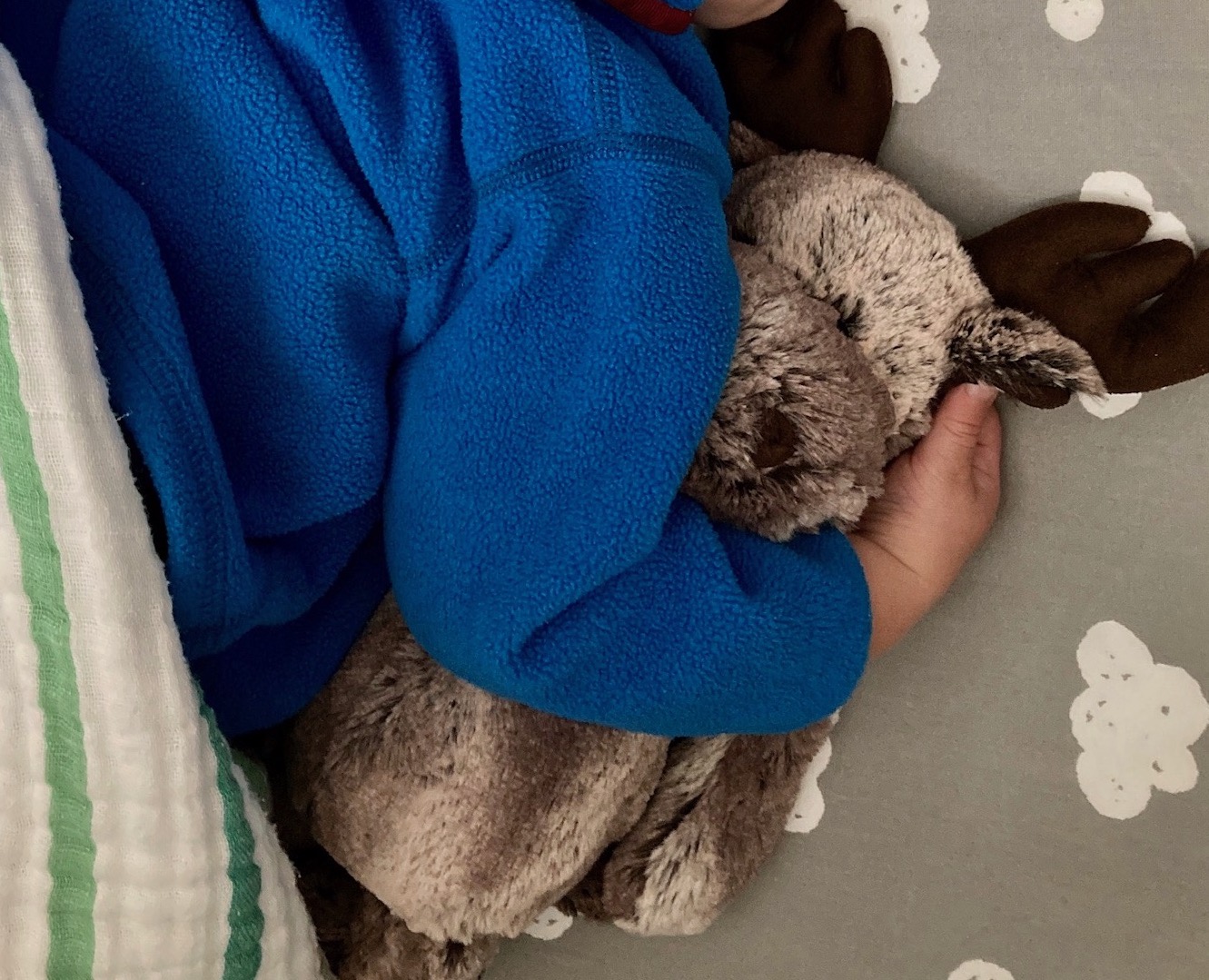
I thought I had forgotten how to wake to the sound of a child’s voice in the night. I thought I wouldn’t remember how to gently open their bedroom door, entering their darkness from my own darkness, discerning what was distressing them, sensing how to soothe them back to slumber, wondering if I might sing or pray the words they needed to hear, bringing a blossoming peace and stillness to their night.

And then our son’s family arrived two months ago from thousands of miles away, to stay until they could settle in their own place, and I remembered my nights were never meant to be mine alone. As a child, I had so many night-wakenings that I’m sure my mother despaired that I would ever sleep through the night. She would come when I called, sitting beside my bed, rubbing my back until I forgot what woke me in the first place. She was patient and caring despite her own weariness, sleep problems and worriedness. She loved me and forgave me for needing her presence in the night, so her nights were never her own.

I too responded with compassion when my own children called out in the night. I woke regularly to phone calls from hospitals and patients during forty years of medical practice and listened and answered questions with grace and understanding. And now, for a time, I’m on call again, remembering the sweetness of being loved when the dark fears of the night need the light and promise of a new day coming, if only just a few hours away.

One-Time
Monthly
Yearly

Make a one-time or recurring donation to support daily Barnstorming posts

Make a monthly donation

Make a yearly donation

Choose an amount

¤5.00
¤10.00
¤20.00
¤5.00
¤15.00
¤100.00
¤5.00
¤15.00
¤100.00

Or enter a custom amount

¤

Your contribution is deeply appreciated.

Your contribution is appreciated.

Your contribution is appreciated.

DonateDonate monthlyDonate yearly

The Fog is Rising

I must go in; the fog is rising…
~Emily Dickinson, her last words

I have watched the dying
in their last hours:
often through the fog of waning breaths,
they see what I cannot,
they listen to what I do not hear,
stretching their arms overhead
as their fingers extend and grasp
to touch what is, as yet,
far beyond my reach.

I watch and wonder how it is
to reverse the journey that brought me here
from the fog of my amnion.

The mist of living lifts.

I will enter a place
unsurpassed in brilliance and clarity;
the mystery of what lies beyond solved
only by going in to it,
welcomed back to where I started.

One-Time
Monthly
Yearly

Make a one-time or recurring donation to support daily Barnstorming posts

Make a monthly donation

Make a yearly donation

Choose an amount

¤5.00
¤10.00
¤20.00
¤5.00
¤15.00
¤100.00
¤5.00
¤15.00
¤100.00

Or enter a custom amount

¤

Your contribution is deeply appreciated.

Your contribution is appreciated.

Your contribution is appreciated.

DonateDonate monthlyDonate yearly

Postpone Until Monday

I was relief, once, for a doctor on vacation
and got a call from a man on a window sill.
This was New York, a dozen stories up.
He was going to kill himself, he said.
I said everything I could think of.
And when nothing worked, when the guy
was still determined to slide out that window
and smash his delicate skull
on the indifferent sidewalk, “Do you think,”
I asked, “you could just postpone it
until Monday, when Dr. Lewis gets back?”


The cord that connected us—strung
under the dirty streets, the pizza parlors, taxis,
women in sneakers carrying their high heels,
drunks lying in piss—that thick coiled wire
waited for the waves of sound.


In the silence I could feel the air slip
in and out of his lungs and the moment
when the motion reversed, like a goldfish
making the turn at the glass end of its tank.
I matched my breath to his, slid
into the water and swam with him.
“Okay,” he agreed.

~Ellen Bass “Phone Therapy” from Mules of Love

Love your neighbor as yourself is part of the great commandment.

The other way to say it is, ‘Love yourself as your neighbor.’ Love yourself not in some egocentric, self-serving sense but love yourself the way you would love your friend in the sense of taking care of yourself, nourishing yourself, trying to understand, comfort, strengthen yourself.

Ministers in particular, people in the caring professions in general, are famous for neglecting their selves with the result that they are apt to become in their own way as helpless and crippled as the people they are trying to care for and thus no longer selves who can be of much use to anybody. 

It means pay mind to your own life, your own health and wholeness, both for your own sake and ultimately for the sake of those you love too. Take care of yourself so you can take care of them.

A bleeding heart is of no help to anybody if it bleeds to death.
~Frederick Buechner from Telling Secrets

We are reminded every time we hear safety instructions on an airplane before a flight takes off: “in the event of a sudden pressure change in the cabin, oxygen masks will appear – remember to put your own on before helping others with their masks.”   

If we aren’t able to breathe ourselves, we won’t last long enough to be of assistance to anyone around us.  We must breathe, we must stay afloat to save the drowning. Too often,  sacrificing our self-care threatens others’ well-being.

A headline appeared in my email from the American Psychiatric Association this morning: “Physicians Experience the Highest Suicide Rate of Any Profession” – there is rampant depression and burn-out among those who should know best how to recognize and respond to the danger signs — for women physicians, nearly 1 out of 5 are afflicted.   Yet the work load only seems to increase, not diminish, the legal and moral responsibility weighs more heavily, and the hours available for sleep and respite shrink.  In forty plus years of practicing medicine (my father liked to remind me “when are you going to stop ‘practicing’ and actually ‘do’ it?”),  the work never got easier, only harder and heavier to carry.

I saw suicidal patients every day and am immensely grateful I myself have never been suicidal, thank God, but anxiety is embedded deep in my DNA from my non-physician fretful farmer ancestors.  Anxiety becomes the fuel and driver of the relentless physician journey on long lonely roads, spurring us to stay awake too many hours when we should be resting our eyes and taking a break to breathe, just breathe.

However, we are trained to respond to our own anxiety from the first day in anatomy class:
“and while you, Miss Polis, are trying to think of the name of that blood vessel, your patient is exsanguinating in front of you– drip, drip, drip….”

Terror-stricken at the thought I was inadequate to the task of saving a life, it took years for me to realize the name of the vessel didn’t bloody matter as long as I knew instinctively to clamp it, compress it, or by the love of the Living God, transfuse my own blood from my bleeding heart into my patient’s.

I learned those many years ago:
to save another life, I must first preserve my own.

Your bleeding heart, in your hands –
It’s been there a while you’re just now noticing –
I wish I could help you –
The way that you want me to –
We all have our own bleeding heart to attend to –

Your bleeding heart, let it go –
You feel like it’s hopeless, but you never know –
I wish I could help you –
The way that you want me to –
We all have our own bleeding heart to mend
~Kim Taylor
One-Time
Monthly
Yearly

Make a one-time or recurring donation to support daily Barnstorming posts

Make a monthly donation

Make a yearly donation

Choose an amount

¤5.00
¤10.00
¤20.00
¤5.00
¤15.00
¤100.00
¤5.00
¤15.00
¤100.00

Or enter a custom amount

¤

Your contribution is deeply appreciated.

Your contribution is appreciated.

Your contribution is appreciated.

DonateDonate monthlyDonate yearly

Whispering Words of Wisdom: Let It Be

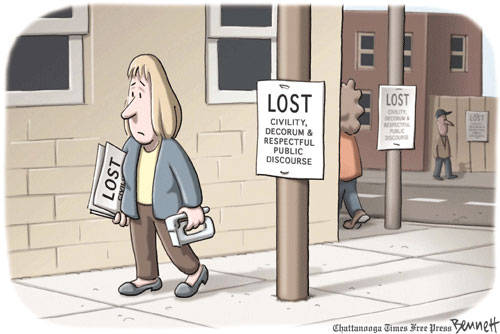
Aspire to decency. Practice civility toward one another. Admire and emulate ethical behavior wherever you find it. Apply a rigid standard of morality to your lives; and if, periodically, you fail ­as you surely will, adjust your lives, not the standards.
Ted Koppel

Ten years ago during this week in August, my clinical work was routine and ordinary but took a quick turn when I got a message from the media director at my university that a 14 month old medical opinion article I’d written for the student newspaper and then posted as a regular contributor on www.kevinmd.com was suddenly being quoted on the Huffington Post, Salon.com and other websites.  

Within hours, over a dozen media websites were citing “A War on Pubic Hair”

The original article was written as one in a series of opinion pieces on medical issues pertinent to college students requested by the student newspaper. I wrote it in spring 2011 after draining my umpteenth staph bacteria genital abscess due to the increasingly common practice of cosmetic removal of pubic hair. I felt the students needed to understand the hazards of what they were doing and hoped I could spare the next patient from experiencing an infection so painful and potentially serious.

So it went viral, over a year after it was written, all in a matter of hours. I was being quoted as if I had just been interviewed by these news agencies, which I had not, and they began feeding wrong information to each other: I was identified as “a leading British physician” since the first media report originated in the U.K.  One British site actually asked permission to reprint the original article, which I appreciated so that my words could not be taken out of context, but they attached a photo of me to the article lifted from my family picture on my personal blog.

Soon my personal cell phone started to ring in the middle of the night and my email in-box filled up. Messages from Europe, South America and all over the U.S. came in with requests for interviews, wanting me to elaborate in more detail on my very “provocative” point of view. I said no to every one of them even though some were respectable agencies, like the BBC, because I’d said all I had to say on this particular subject. I did not want my long career to be reduced to my defense of pubic hair or my life motto to read “Leave it alone!” Indeed I can hold my head up and be proud to tell my grandchildren someday that I actually turned down the Playboy Channel.

The online comments on the articles rapidly reproduced themselves, numbering in the thousands, with many hostile to my perspective and saying so in the most mean and inflammatory ways possible, citing my age, my looks and obvious lack of sex appeal as showing I lacked credibility in this subject. I dared to question the point of a multi-billion dollar cosmetic industry spawned by the even bigger multi-billion dollar porn industry, and no one was going to let me get away with it unscathed.

Civility has become even more endangered on the internet in the intervening ten years so I believe I actually got off easy at the time. Human beings lack accountability for their words and actions while hiding behind anonymous comments on media websites and blogs. It is easy to attack, lie, threaten, and bully when it is only words on a screen directed at someone you don’t know and will never meet. Decency and civility are lost forever when the standards for moral and ethical behavior disappear in a fog of pixels and bytes.

It has taken some time and distance for me to consider whether I did the right thing writing about a medical issue no one else would touch at the time. The “bare” trend has definitely waned over the last decade yet plenty of people still engage in the practice, although the recent sexual spread of the monkey pox virus is making some think twice about it.

If I managed to convince someone to put away the razor, stop the waxing, and respect their body as nature intended it to be, maybe I did the right thing after all.

After all – I shared whispered words of wisdom:
Let it be…

Cartoon by Clay Bennett
One-Time
Monthly
Yearly

Make a one-time or recurring donation

Make a monthly donation

Make a yearly donation

Choose an amount

¤5.00
¤10.00
¤20.00
¤5.00
¤15.00
¤100.00
¤5.00
¤15.00
¤100.00

Or enter a custom amount

¤

Your contribution is deeply appreciated.

Your contribution is appreciated.

Your contribution is appreciated.

DonateDonate monthlyDonate yearly
To Keep From Being Forgotten

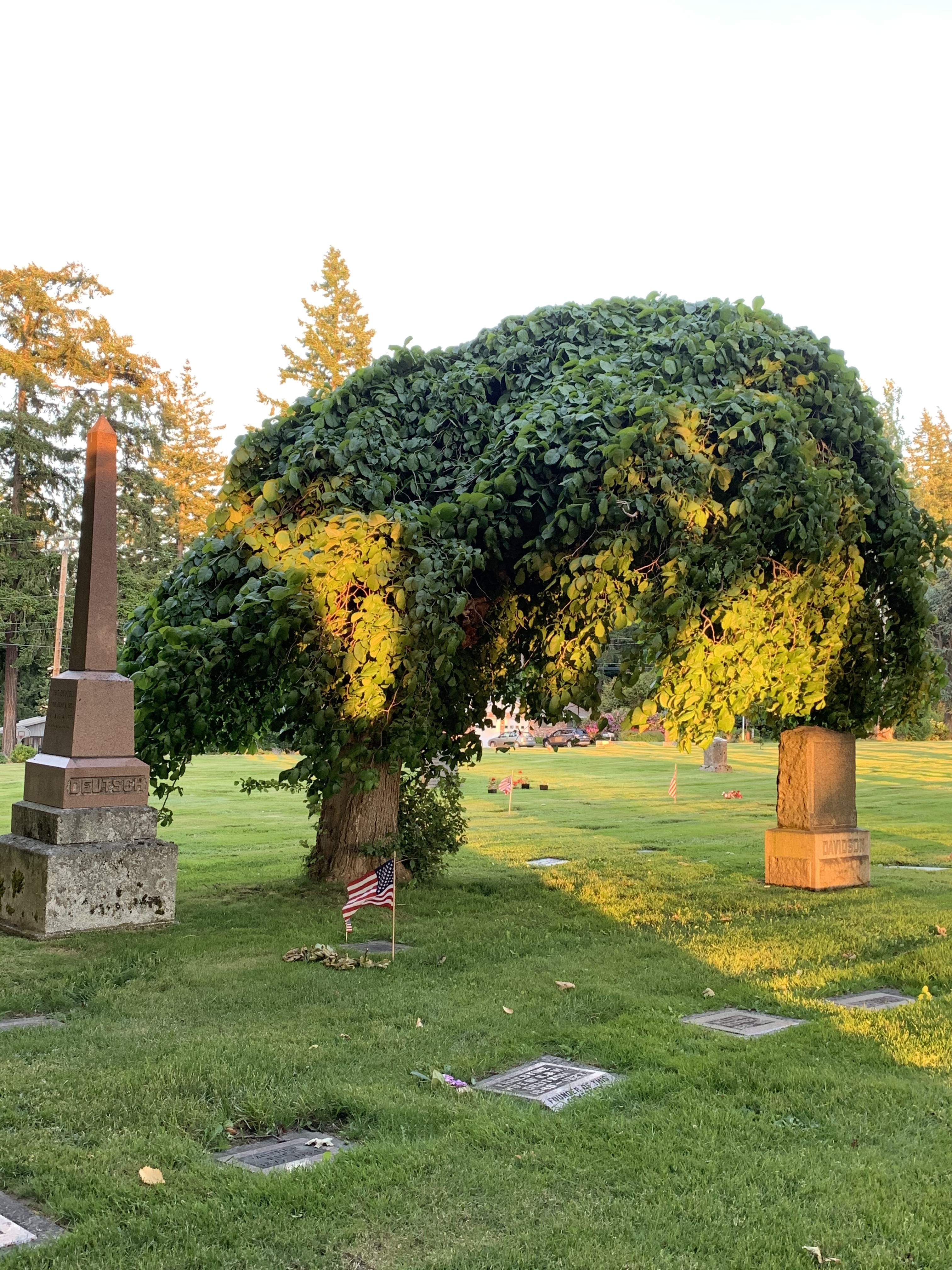
I like to stroll the graveyard in the middle of town
With my friend Anne, though we seldom agree
On what an epitaph we happen to read implies.
I’m inclined to find the one-line gravestone,
Dr. Noah Vedder, M.D., as sadly comic.
If we can’t take our money into the dark,
I read it as saying, at least we can take our titles.
But Anne, whose sympathies are aroused
More quickly than mine, reads it more darkly
As confessional. Here is the man’s admission
That he saw himself as a better doctor
Than he was a friend, or father, or husband,
A better listener in his office than at home.

If his kin were responsible for the inscription,
Its terseness, I say, may suggest they were moved
More by duty than they were by love.
But for her, its terseness seems to imply
Their painful acknowledgment that no praise
Inscribed on the stone would keep their friend
From being forgotten soon after they would be.
And behind this truth she hears a protest:
If the world were fair, he wouldn’t be sentenced
To endless retirement but allowed to practice,
In a life beyond this one, the profession he loved.

What use would a doctor be, I ask, in a realm
Where bodies are laid aside? But for her the point is
That those who knew him were certain that if
Such a realm existed and a doctor were called for there,
He’d volunteer, glad to hold office hours
And glad after hours to visit patients
Too sick to leave home,
However modest the streets they lived on,
However winding and poorly lit.

~Carl Dennis “At the Graveyard with Anne”

Since my people are crushed, I am crushed;
    I mourn, and horror grips me.
 Is there no balm in Gilead?
    Is there no physician there?
Why then is there no healing
    for the wound of my people?

Jeremiah 8:21-22

We physicians can be an arrogant lot in our devotion to our profession above all else in our lives – I’ve known a few who wear their M.D. title full-time like a banner and shield to prove their expertise.

The only time the label M.D. is relevant is on a name tag in a clinical setting and often it doesn’t even make a difference there. We do what we can with what knowledge we possess from our training, as limited as it is. There is so much that we don’t know and don’t understand.

Even so, there are many altruistic physicians who give of themselves 24 hours a day for their lifetime. Some would gladly continue their healing efforts long after they have become dust, yet those skills are no longer needed. In heaven, all are already healed.

Our healing comes from beyond our expertise, from a balm that can never be prescribed. We have a Great Physician who never forgets us, even when we are crushed and mourning, when all seems hopeless with our wounds so incredibly deep.

We are not forgotten.

Every face is in you, every voice,
Every sorrow in you.
Every pity, every love,
Every memory, woven into fire.
Every breath is in you, every cry,
Every longing in you.

Every singing, every hope,
Every healing, woven into fire.
Every heart is in you,
Every tongue, every trembling in you,
Every blessing, every soul,
Every shining, woven into fire.
~Michael Dennis Browne

One-Time
Monthly
Yearly

Make a one-time or recurring donation to support daily Barnstorming posts

Make a monthly donation

Make a yearly donation

Choose an amount

¤5.00
¤10.00
¤20.00
¤5.00
¤15.00
¤100.00
¤5.00
¤15.00
¤100.00

Or enter a custom amount

¤

Your contribution is deeply appreciated.

Your contribution is appreciated.

Your contribution is appreciated.

DonateDonate monthlyDonate yearly