
Where You Go, I Will Go: The Mourning Bench

…we all suffer.
For we all prize and love;
and in this present existence of ours,
prizing and loving yield suffering.
Love in our world is suffering love.


Some do not suffer much, though,
for they do not love much.
Suffering is for the loving.
This, said Jesus, is the command of the Holy One:
“You shall love your neighbor as yourself.”
In commanding us to love, God invites us to suffer
.

Over there, you are of no help.
What I need to hear from you is that you recognize how painful it is.
I need to hear from you that you are with me in my desperation.


To comfort me, you have to come close.
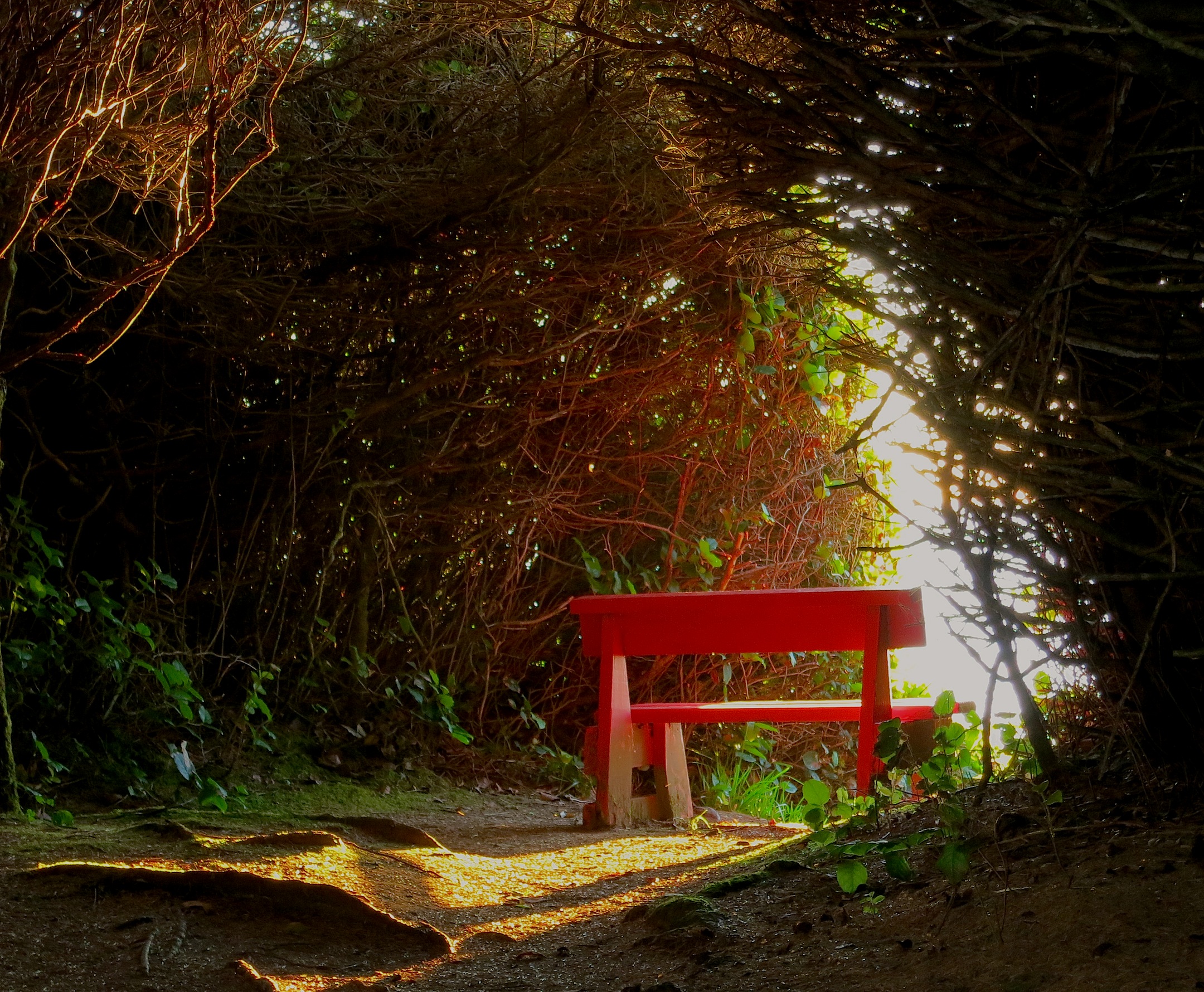
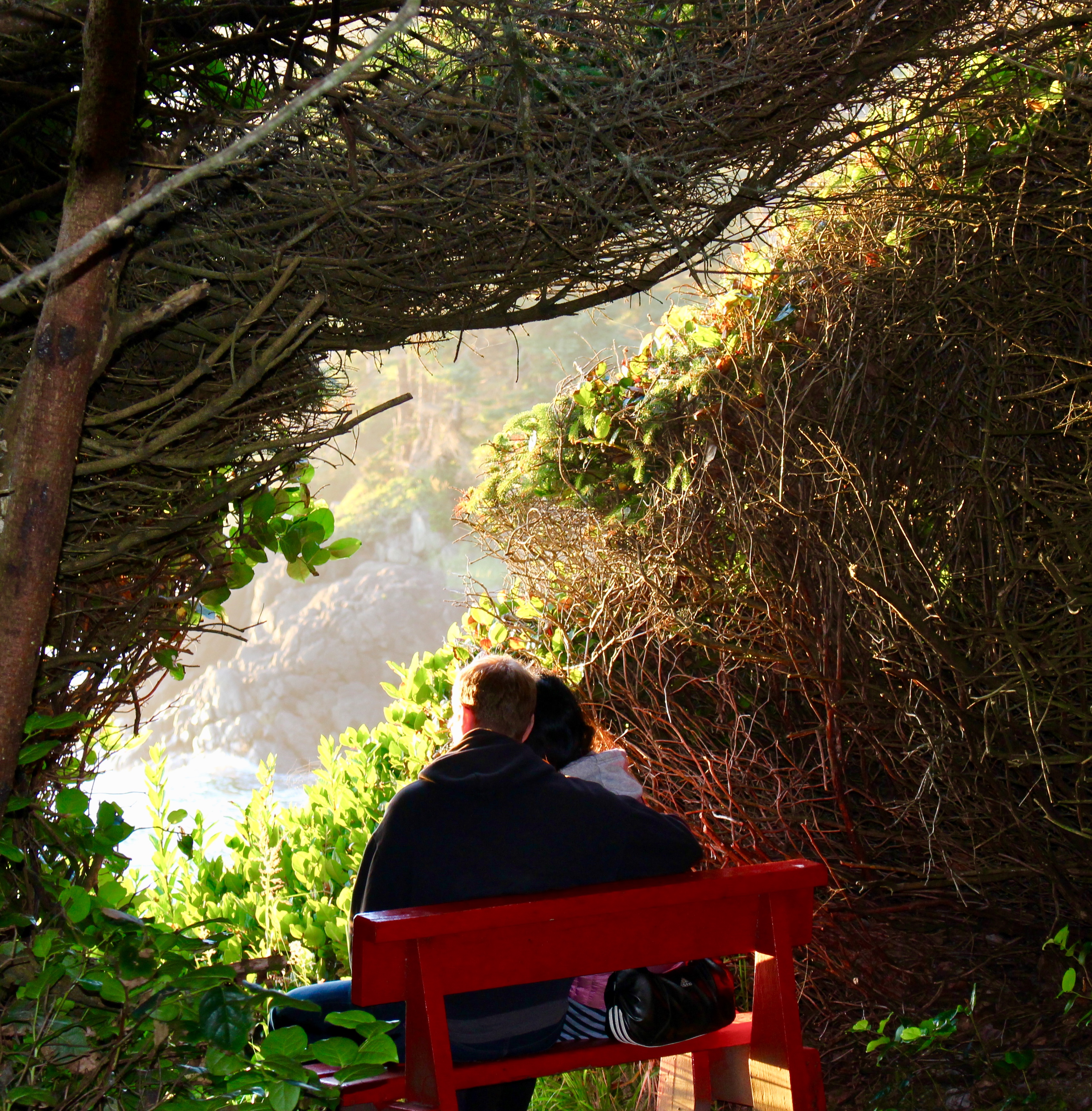
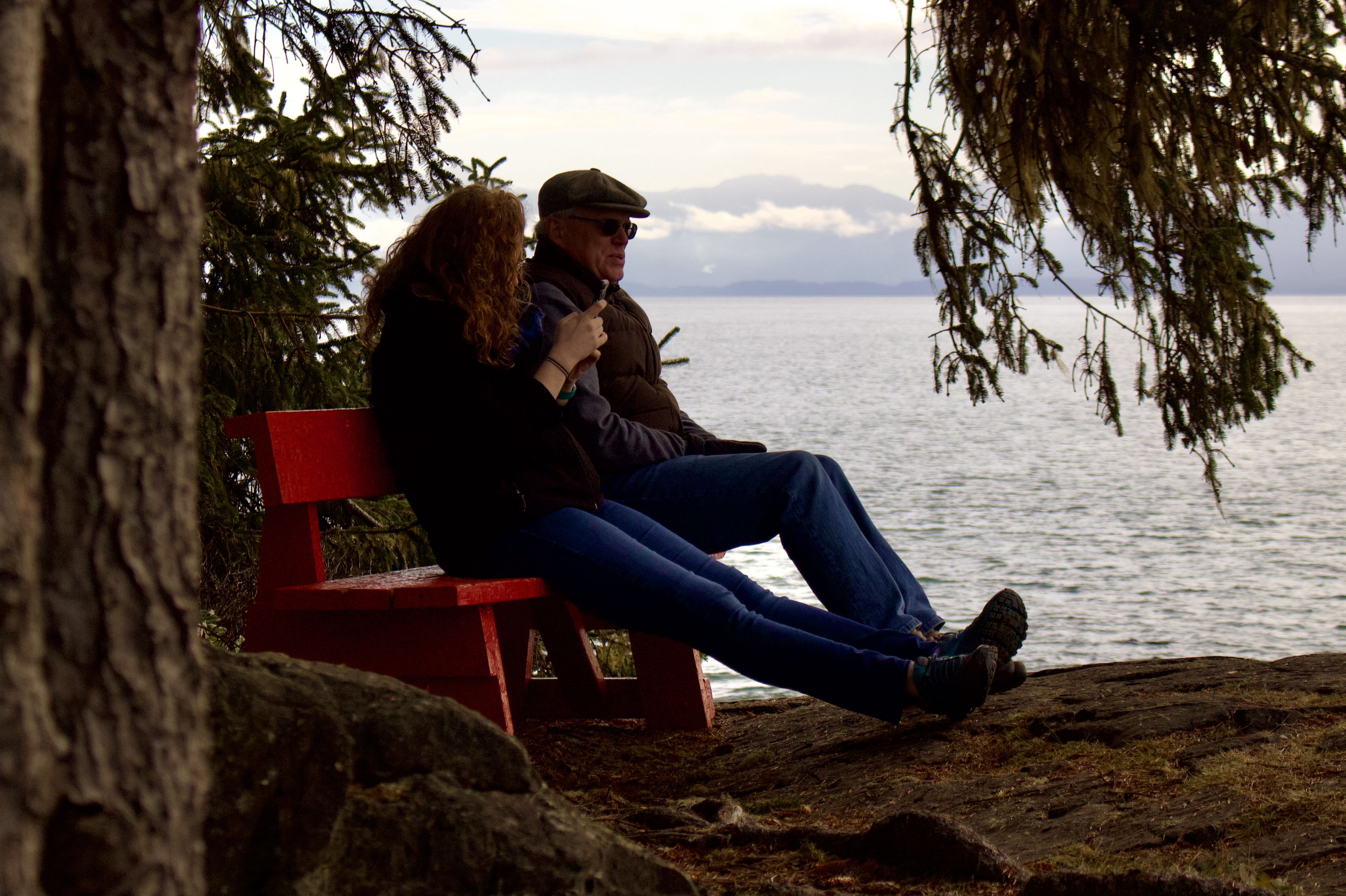
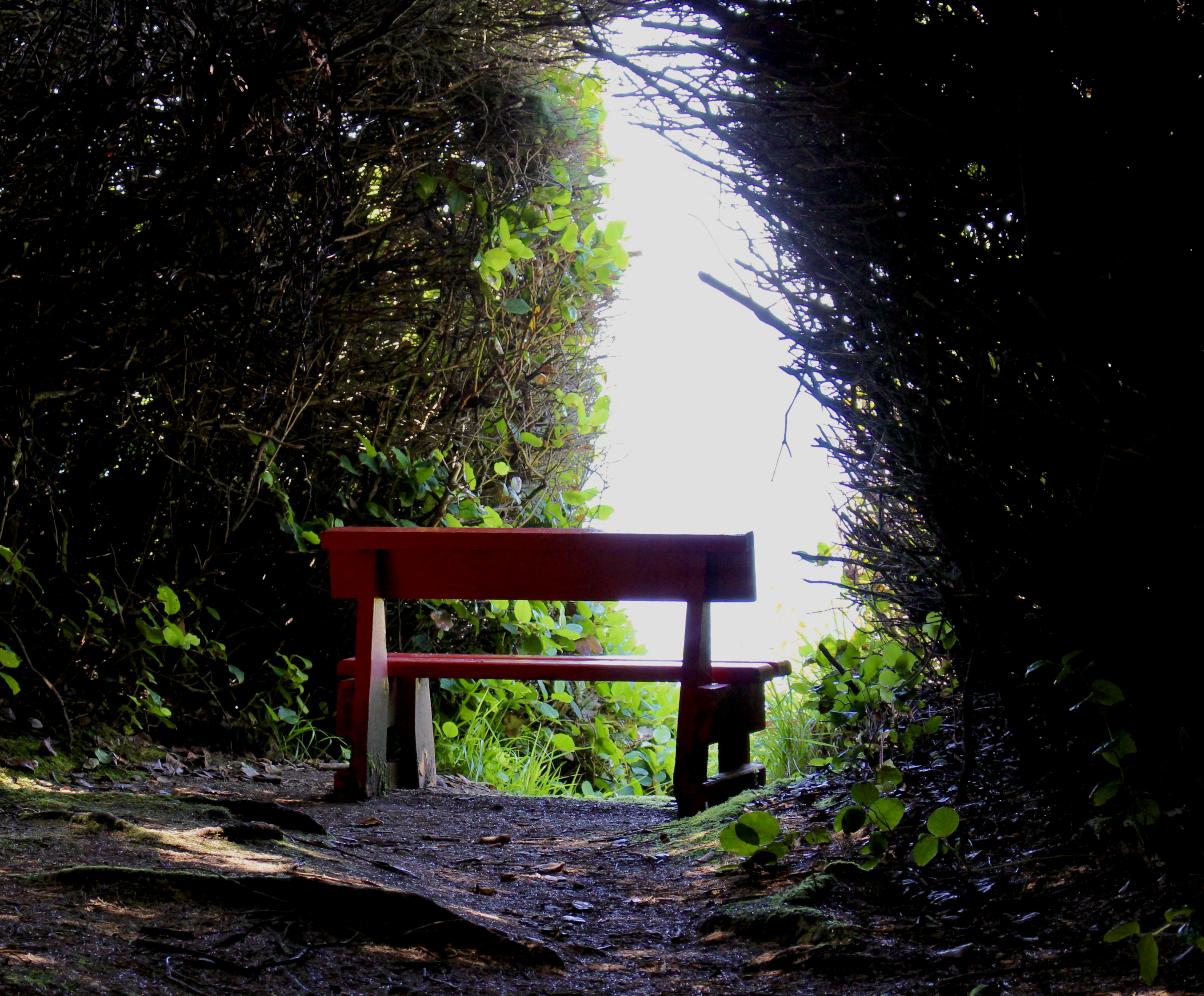
Come sit beside me on my mourning bench.
~Nicholas Wolterstorff from Lament for a Son
I wondered if 7:30 AM was too early to call her. As a sleep-deprived fourth year medical student finishing a long night admitting patients in the hospital, I selfishly needed to hear her voice.

I wanted to know how Margy was doing with the latest round of chemotherapy for breast cancer; I knew she was not sleeping well these days. She was wearing a new halo brace—a metal contraption that wrapped around her head like a scaffolding to secure her degenerating cervical spine from collapsing from metastatic tumor growths in her bones.

She knew, we all knew, she was trying to buy more time from a life of rapidly diminishing days.

Each patient I had seen the previous 24 hours while working in the Emergency Room benefited from the interviewing skills Margy had taught each medical student in our class. She reminded us that each patient had an important story to tell, and no matter how pressured our time, we needed to ask questions that gave permission for that story to be told. As a former nun now married with two teenage children, Margy had become our de facto therapist at a time no medical school hired supportive counselors.

She insisted physicians-in-training remember the suffering soul thriving inside the broken body.

“Just let the patient know with certainty, through your eyes, your body language, your words, that you want to hear what they have to say. You can heal so much hurt simply by sitting beside them and caring enough to listen…”

After her diagnosis with stage 4 cancer, Margy herself became the broken vessel who needed the glue of a good listener. She continued to teach, often from her bed at home. I planned to visit her that day, maybe help out by cleaning her house, or take her for a drive as a diversion.

Her phone rang only once after I dialed her number. There was a long pause; I could hear a clearing of her throat. A deep dam of tears welled behind a muffled “Hello?”

“Margy?”

“Yes? Emily? ”

“Margy? What is it? What’s wrong?”

Her voice shattered like glass into fragments, strangling on words that struggled to form.

“Gordy’s gone, Emily. He’s gone. He’s gone forever…”

“What? What are you saying?”

“A policeman just left. He told us our boy is dead.”

I sat in stunned silence, listening to her sobs, completely unequipped to know how to respond.

None of this made sense. I knew her son was on college spring break, heading to Mexico for a missions trip.

“I’m here, what’s happened?”

“The doorbell rang about an hour ago. Larry got up to answer it. I heard him talking to someone downstairs, so I decided to try to get up and go see what was going on. There was a policeman sitting with Larry on the couch. I knew it had to be about Gordy.”

She paused and took in a shuddering breath.

“The group was driving through the night in California. He was asleep in the back of the camper. They think he was sleepwalking and walked right out of the back of the moving camper and was hit by another car.”

Silence.  A strangling choking silence.

“They’ll bring him home to me, won’t they? I need to know I can see my boy again. I need to tell him how much I love him.”

“They’ll bring him home to you, Margy.
I’m on my way to help you get ready…

God is not only the God of the sufferers
but the God who suffers. …
It is said of God that no one can behold his face and live.
I always thought this meant
that no one could see his splendor and live.
A friend said perhaps it meant
that no one could see his sorrow and live.
Or perhaps his sorrow is splendor. …
Instead of explaining our suffering, God shares it.

~Nicholas Wolterstorff from Lament for a Son
This year’s Lenten theme:

…where you go I will go…
Ruth 1:16

One-Time
Monthly
Yearly

Make a one-time or recurring donation to support daily Barnstorming posts

Make a monthly donation

Make a yearly donation

Choose an amount

$10.00
$25.00
$50.00
$5.00
$15.00
$100.00
$5.00
$15.00
$100.00

Or enter a custom amount

$

Your contribution is deeply appreciated.

Your contribution is appreciated.

Your contribution is appreciated.

DonateDonate monthlyDonate yearly
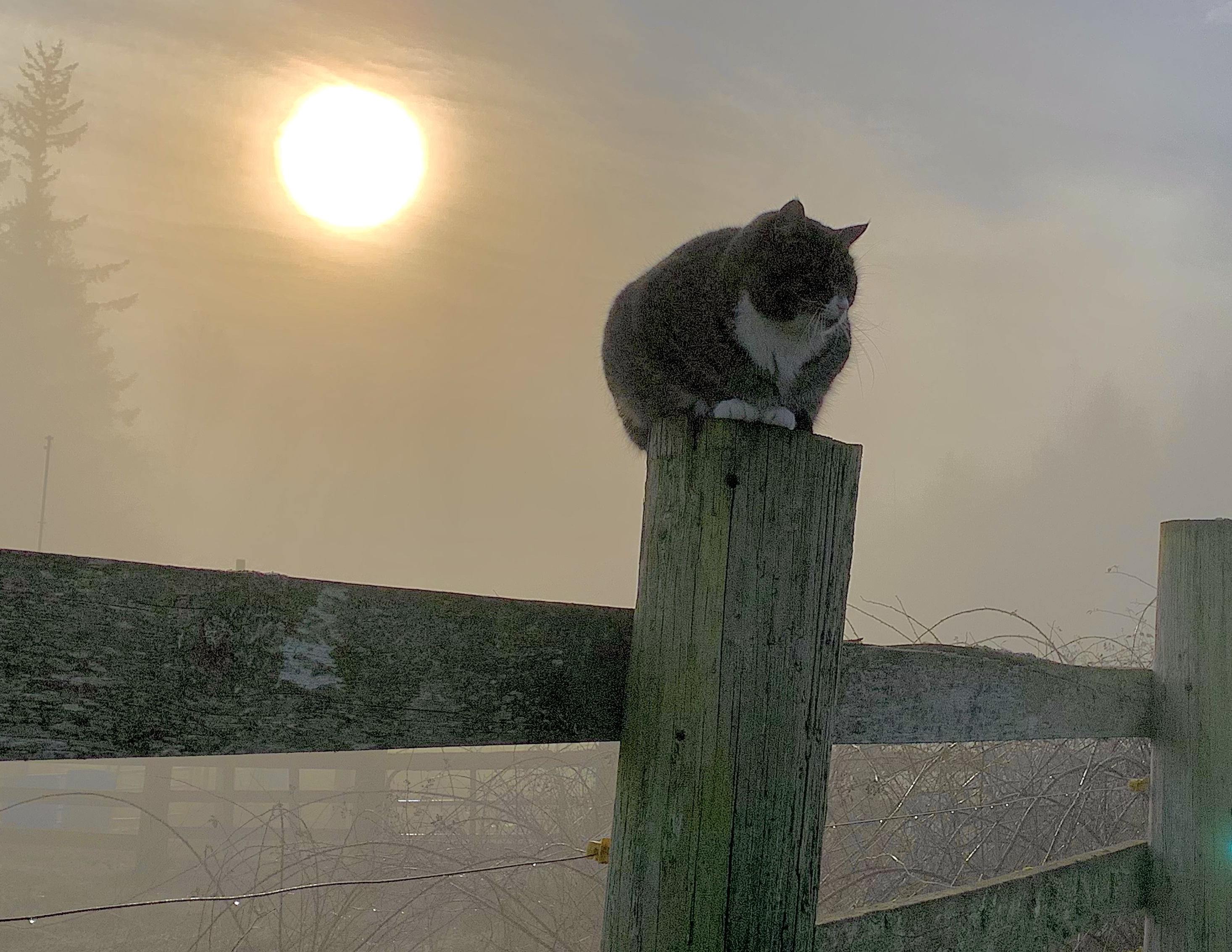
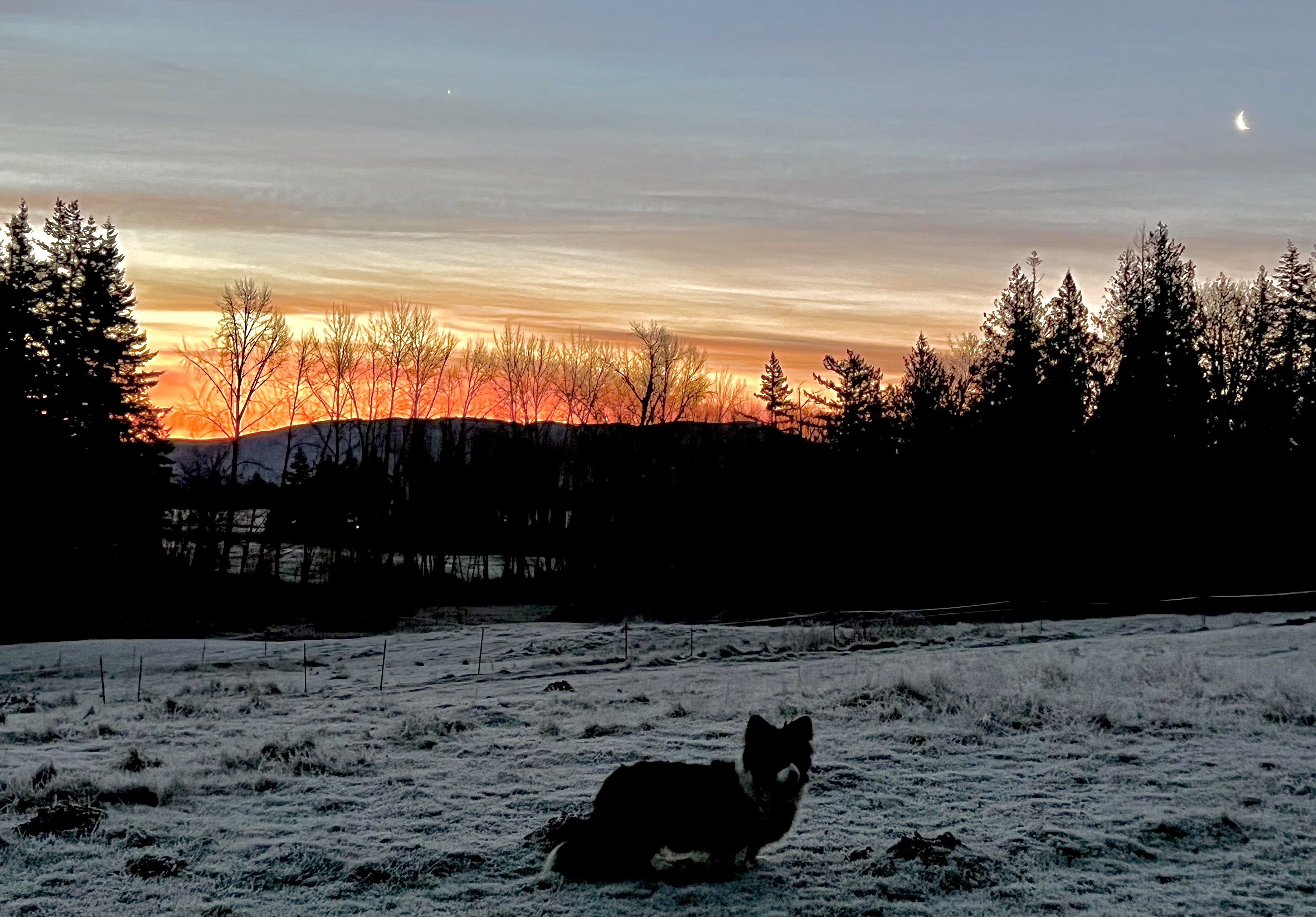
Where You Go, I Will Go: Restless in Winter’s Grip

This morning’s sun is not the honey light
of summer, thick with golden dust and slow
as syrup pouring from a jug. It’s bright,
but thin and cold, and slanted steep and low
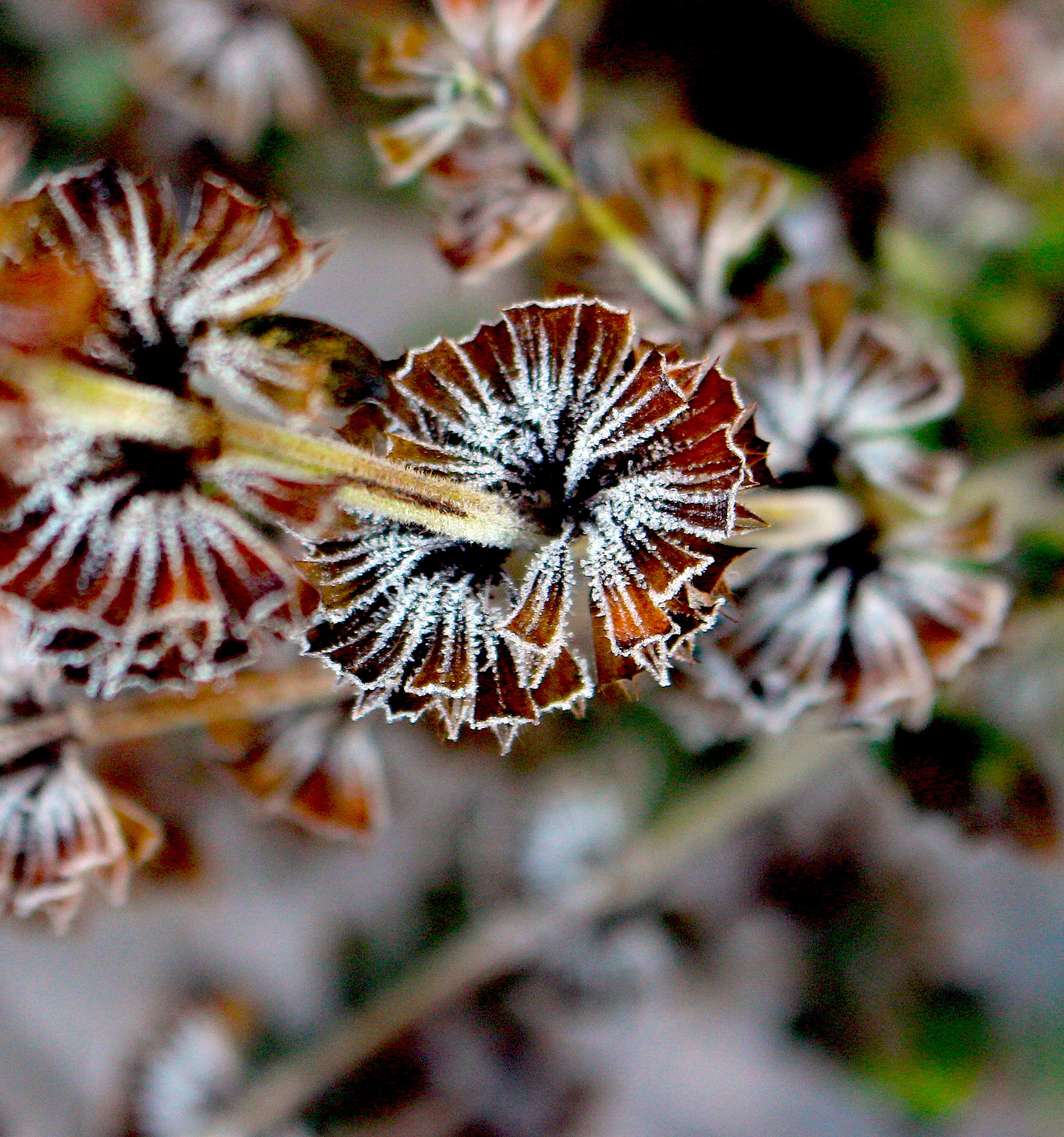
across the hillsides. Frost is blooming white,
these flowers forced by icy winds that blow
as hard this morning as they blew all night.
Too cold for rain, but far too dry for snow.

And I am restless, pacing to and fro
enduring winter’s grip that holds us tight.
But my camellias, which somehow know
what weather to expect—they’re always right—
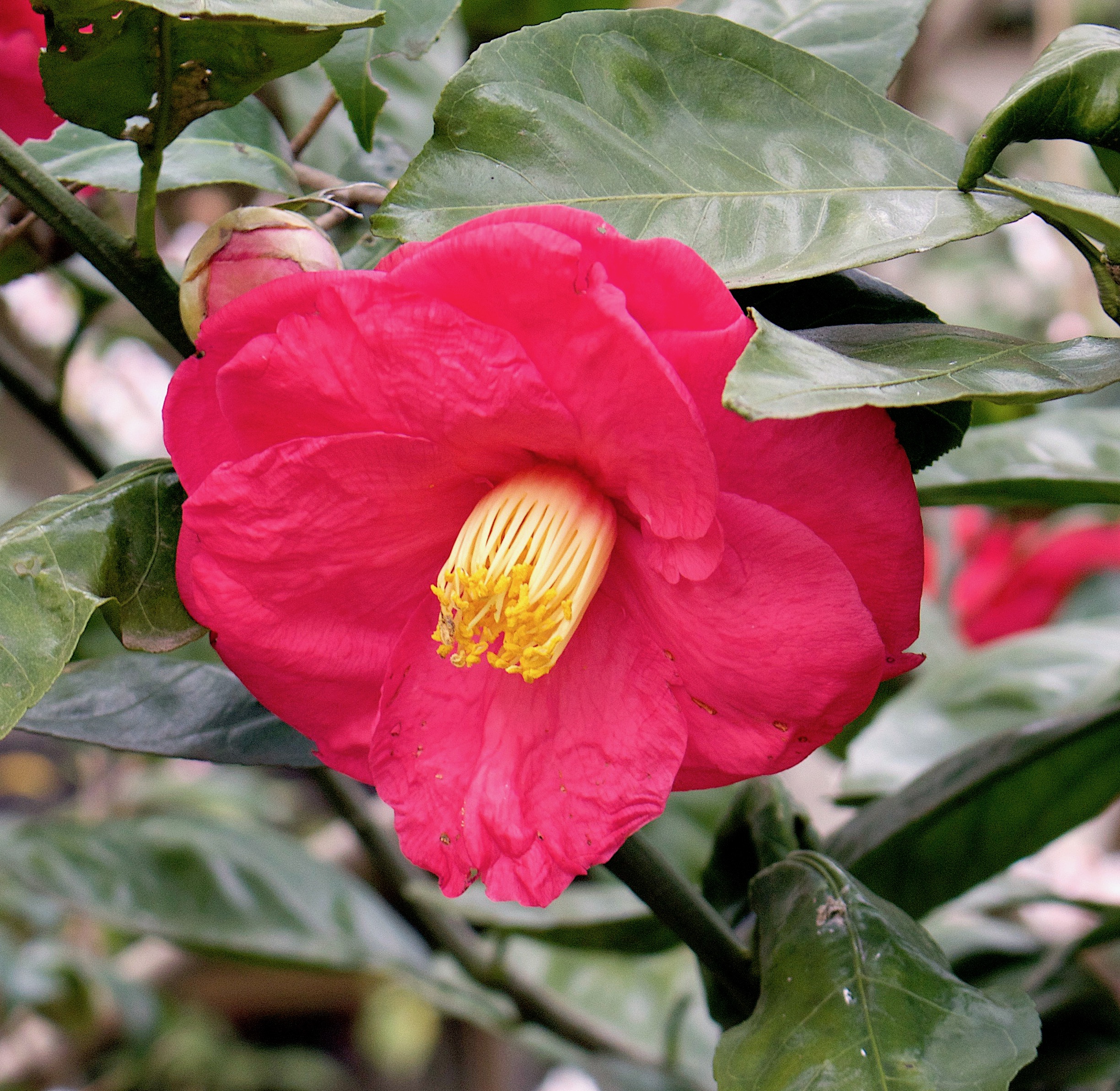
have broken bud. Now scarlet petals glow
outside the window where I sit and write.

~Tiel Aisha Ansari “Camellias” from Dervish Lions

Near a shrine in Japan he’d swept the path
and then placed camellia blossoms there.

Or — we had no way of knowing — he’d swept the path
between fallen camellias.

~Carol Snow “Tour”

Camellias are hardy enough to withstand winter’s low temperatures, defying freezing winds and hard frosts with their resilience.

On windy days, full and ripe camellia blooms plop to the ground without warning, scattering about like a nubby floral throw rug. They are too bulky to step on, so the tendency is to pick a path around them, allowing them the dignity of a few more days before being swept off sidewalks.

In one sense, these fallen winter blossoms are holy messengers, gracing the paths the living must navigate. They are grounding for the passersby, a reminder our own time to let go will soon come. As we restlessly pursue our days and measure our steps, we respectfully make our way around their fading beauty.

An unexpected blessing is bestowed in the camellia’s restlessness:
in their budding,
in their breaking open,
in their full blooming,
in their falling to earth,
in their ebbing away.

The grass withers and the flowers fall,
    because the breath of the Lord blows on them.
    Surely the people are grass.
The grass withers and the flowers fall,
    but the word of our God endures forever.
Isaiah 40:7-8

Mortals, born of woman,
    are of few days and full of trouble.
They spring up like flowers and wither away;
    like fleeting shadows, they do not endure.
Do you fix your eye on them?
Job 14: 1-3

This year’s Lenten theme:

…where you go I will go…
Ruth 1:16

AI image created for this post
One-Time
Monthly
Yearly

Make a one-time or recurring donation to support daily Barnstorming posts

Make a monthly donation

Make a yearly donation

Choose an amount

$10.00
$25.00
$50.00
$5.00
$15.00
$100.00
$5.00
$15.00
$100.00

Or enter a custom amount

$

Your contribution is deeply appreciated.

Your contribution is appreciated.

Your contribution is appreciated.

DonateDonate monthlyDonate yearly
Going Forth with the Dawn

The heart of a woman goes forth with the dawn,
As a lone bird, soft winging, so restlessly on,
Afar o’er life’s turrets and vales does it roam
In the wake of those echoes the heart calls home.

The heart of a woman falls back with the night,
And enters some alien cage in its plight,
And tries to forget it has dreamed of the stars
While it breaks, breaks, breaks on the sheltering bars.

~Georgia Douglas Johnson
“The Heart of a Woman” from The Heart of a Woman and Other Poems

Some mornings I’m not sure what else to do with my worry,
so I fling my tender heart out ahead of me, hoping
I might eventually catch up with it
to bring it back home before nightfall.

Sometimes it is a race to see
if anyone else rescues it first
or if someone even notices it out there
fluttering its way through the day,
trying to stay aloft.

Perhaps, in its lonely flight,
it will try winging its way home
and there I’ll find it patiently waiting for me
on the doorstep as I return empty-handed.

One-Time
Monthly
Yearly

Make a one-time or recurring donation to support daily Barnstorming posts

Make a monthly donation

Make a yearly donation

Choose an amount

$10.00
$25.00
$50.00
$5.00
$15.00
$100.00
$5.00
$15.00
$100.00

Or enter a custom amount

$

Your contribution is deeply appreciated.

Your contribution is appreciated.

Your contribution is appreciated.

DonateDonate monthlyDonate yearly
Fresh Tears

When we have died,
and arms long empty of our memories,
reach to know love’s pure and sacred touch,
and to embrace a long sought, long anticipated place

when we have gone the way of all the earth,
and pain and sorrow are no more, not seen or heard or found,
no more the discontent of place or time or any lesser haste,
but only One whose love transcends our harsh and wearied days,

when we have died and gone and fallen fast asleep,
and found the settled light and our so much a sweeter sacral rest,
forever held in caring arms, yes,

held now everlasting in a wonder of it all,
then we have not gone down empty, we have not died alone.

~Henry Lewis from “When”

This event happened in 1975 while I was an undergraduate student researcher in Tanzania, East Africa, working alongside other researchers assisting Dr. Jane Goodall in her study of wild chimpanzees and baboons.

Several metal buildings were scattered along the shore at Gombe National Park, having been built over the years since Jane Goodall and her mother Vanne arrived on a bare beach in 1960. From the very beginning, one of the most powerful connections between these two British women and the Tanzanian villagers who lived up and down Lake Tanganyika was their provision of basic medical supplies and services when needed. Initially, under the cover of the camp tents, they tended to wounds, provided a few medications, and assisted whenever they were needed for help. 

Later, an actual dispensary was built as part of the park buildings, with storage for first aid supplies and medications, many of which were traditional Chinese medications, in little boxes with Chinese characters, and no translation. All we had was a sheet of paper explaining if a medication was to be used for headaches, fevers,  bleeding problems or infections.

There were “open” times in the dispensary and each of the research assistants took turns to see villagers as they came by to be seen for medical issues. We saw injuries that had never healed properly, some people with permanently crippled limbs, centipede bites that swelled legs, babies who were malnourished, malarial fevers.

It felt like so little to offer. None of us had medical training beyond first aid and CPR, but what small service we could provide was met with incredible gratitude. 

So it wasn’t a surprise when a villager arrived one afternoon, running and out of breath, asking that we come right away to help. There had been a terrible accident up the beach when a water taxi engine exploded while transporting two dozen villagers, along with their provisions, including goats and chickens. As people rushed to get away from the engine fire, the roofed boat overturned, with everyone trapped among the boxes, unable to escape. 

Even more tragic, Tanzanians were never taught to swim, so no one on shore could help in the rescue effort.

We dropped everything and six of us ran up the beach for a mile, and could see an overturned water taxi just off shore. The best swimmers went out and started searching for people who had been too long in the deep water. They began to pull the bloated bodies to shore, one by one, the lake water pouring from lifeless mouths and noses.  All we could do was line them up side by side on the beach, trying to keep the biting flies from covering them,  trying to make sense of what was so senseless. There were eight children of various ages, including two small babies, several older women, one pregnant woman, the rest men of all ages–twenty four souls in all, not a single survivor.

As a nurses’ aide, I had cared for the dying and helped to bathe their bodies after death, but I had never before seen so much death at once, and never a dead child.

Before long, relatives started arriving, their grief-stricken wails of loss filling the air on this remote African lakeshore. Husbands and wives wept, keening over a spouse. Children crouched, in shock, by a dead parent. Grandmothers clutched their dead children and grandchildren and would not let go. 

We had saved no one. We had no power to bring them back to life. 

We could only bear witness to the loss and grief with deep compassion for our neighbors who had come to depend on us to help. It became even clearer to me, in a way I had never understood before, how deep our need is for the mercy of God who is our only comfort when terrible things happen.

I have not forgotten those who were lost to the world that day fifty years ago. Still, all these years later, when I see photos of senseless violence and death, whether war or other disasters, I grieve for them anew with fresh tears, all over again.

Psalm 51:
Have mercy, O God…
according to your great compassion…

AI image created for this post
One-Time
Monthly
Yearly

Make a one-time or recurring donation to support daily Barnstorming posts

Make a monthly donation

Make a yearly donation

Choose an amount

$10.00
$25.00
$50.00
$5.00
$15.00
$100.00
$5.00
$15.00
$100.00

Or enter a custom amount

$

Your contribution is deeply appreciated.

Your contribution is appreciated.

Your contribution is appreciated.

DonateDonate monthlyDonate yearly

A-Sighing and A-Sobbing

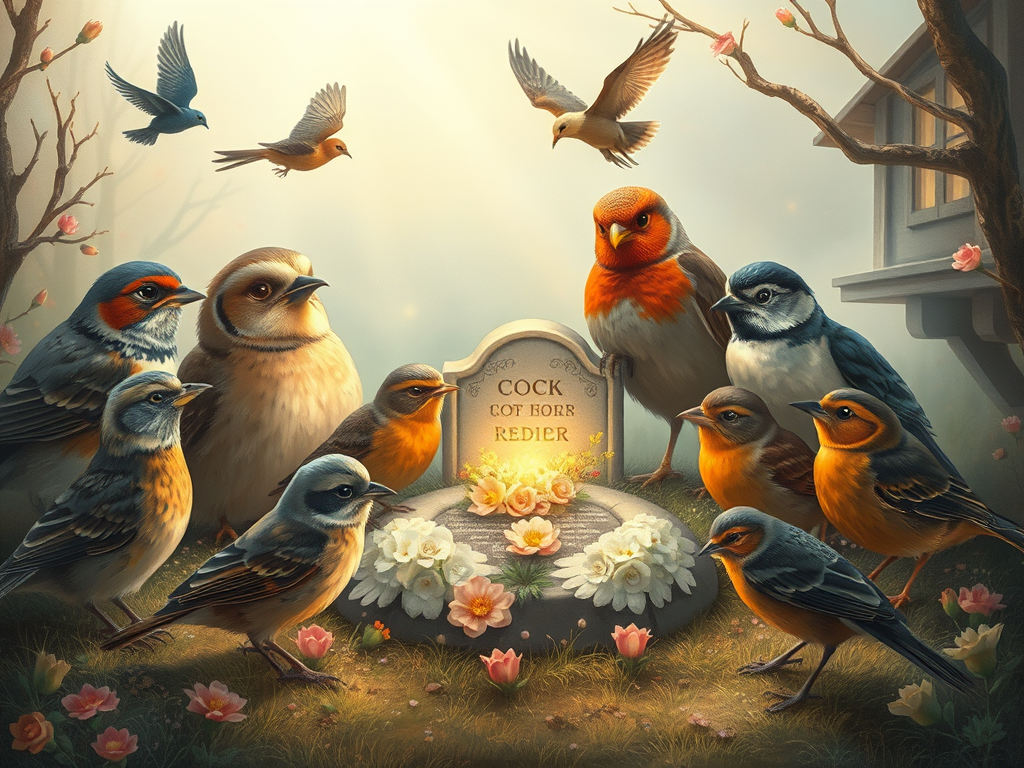
“Who killed Cock Robin?” “I,” said the Sparrow,
“With my bow and arrow, I killed Cock Robin.”
“Who saw him die?” “I,” said the Fly,
“With my little eye, I saw him die.”
“Who caught his blood?” “I,” said the Fish,
“With my little dish, I caught his blood.”
“Who’ll make the shroud?” “I,” said the Beetle,
“With my thread and needle, I’ll make the shroud.”
“Who’ll dig his grave?” “I,” said the Owl,
“With my pick and shovel, I’ll dig his grave.”
“Who’ll be the parson?” “I,” said the Rook,
“With my little book, I’ll be the parson.”
“Who’ll be the clerk?” “I,” said the Lark,
“If it’s not in the dark, I’ll be the clerk.”
“Who’ll carry the link?” “I,” said the Linnet,
“I’ll fetch it in a minute, I’ll carry the link.”
“Who’ll be chief mourner?” “I,” said the Dove,
“I mourn for my love, I’ll be chief mourner.”
“Who’ll carry the coffin?” “I,” said the Kite,
“If it’s not through the night, I’ll carry the coffin.”
“Who’ll bear the pall?” “We,” said the Wren,
“Both the cock and the hen, we’ll bear the pall.”
“Who’ll sing a psalm?” “I,” said the Thrush,
“As she sat on a bush, I’ll sing a psalm.”
“Who’ll toll the bell?” “I,” said the bull,
“Because I can pull, I’ll toll the bell.”
All the birds of the air fell a-sighing and a-sobbing,
When they heard the bell toll for poor Cock Robin.

~Anonymous “Who Killed Cock Robin”

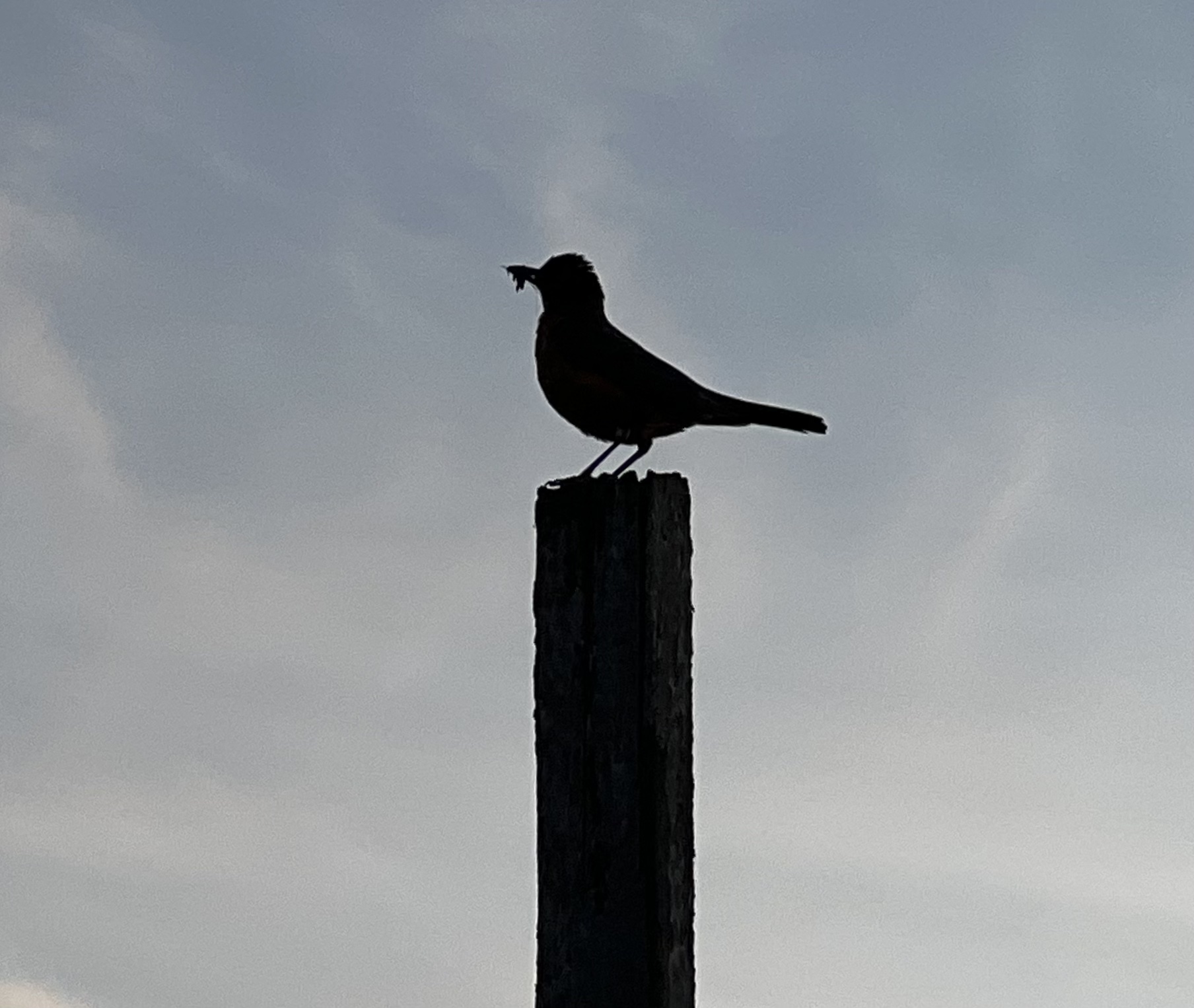
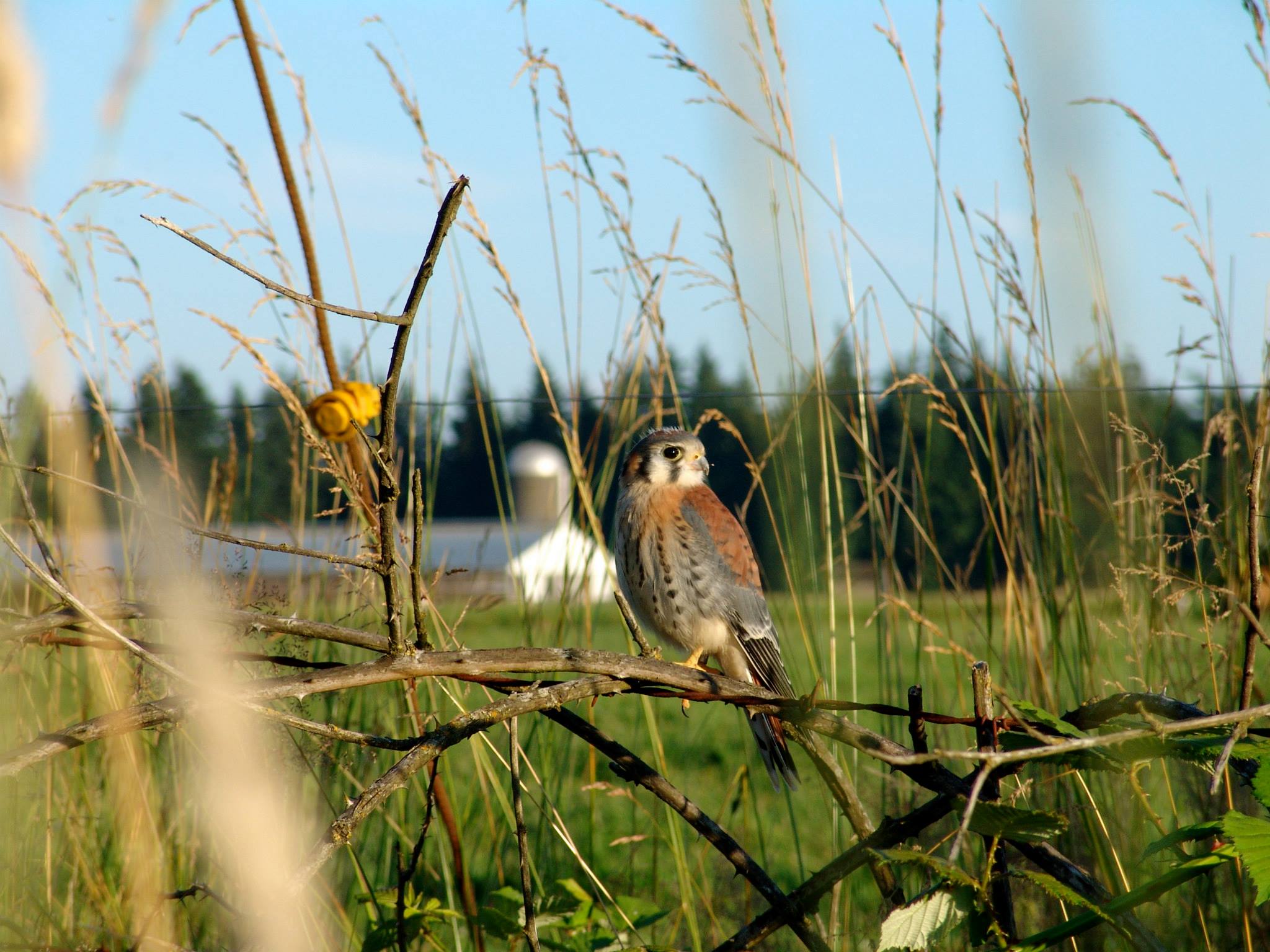
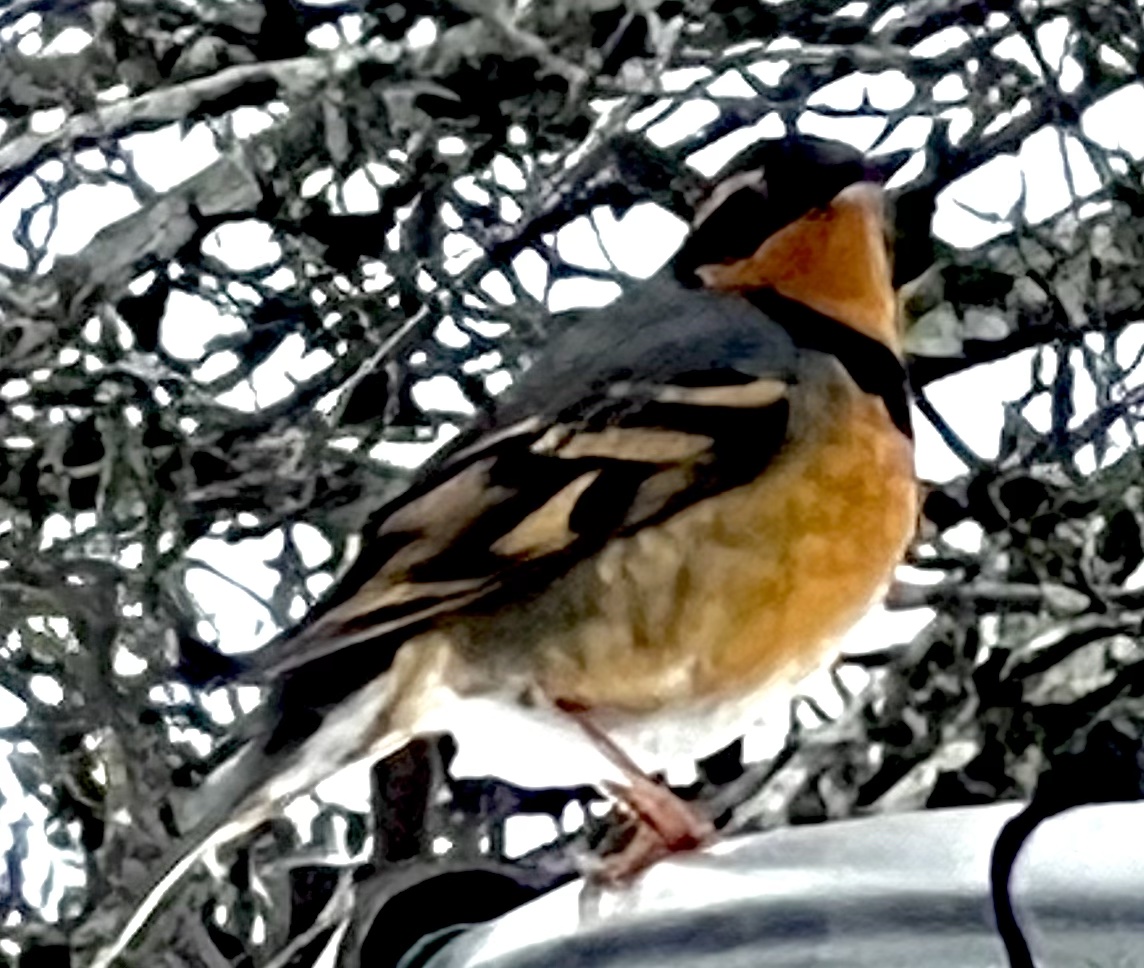
photo by Kate Steensma of Steensma Creamery
photo by Harry Rodenberger

Sighing and sobbing…

The times we live in now are surreal as this dark nursery tale rhyme about the killing of a robin by a smaller bird.

What do we do with the sparrow’s proud confession in the first stanza? Whatever happened to instigate such destructive violence?
Self-defense? Vengeance? Accident? Just for sport?
Or simple random cruelty?

Such boasting about a killing makes about as much sense as our being witness to the overt destruction of the rule of law taking place right under our noses in the U.S.

Hear the bell toll.
We are each diminished as citizens.
Let the mourning begin.
It is our own death we grieve…

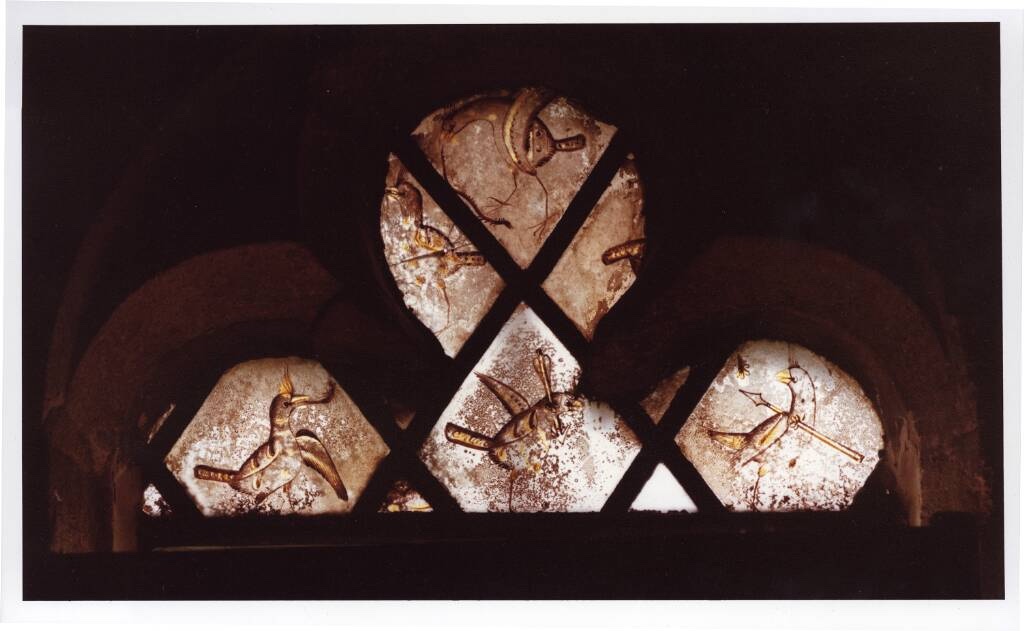
Medieval Stained Glass of a robin shot by an arrow in Buckland Rectory, Gloucester, UK

No man is an island,
Entire of itself.

Each is a piece of the continent,
A part of the main.
Each man’s death diminishes me,
For I am involved in mankind.
Therefore, send not to know
For Whom the bell tolls,

It tolls for thee…
~John Donne from “For Whom the Bell Tolls”

AI image created for this post
One-Time
Monthly
Yearly

Make a one-time or recurring donation to support daily Barnstorming posts

Make a monthly donation

Make a yearly donation

Choose an amount

$10.00
$25.00
$50.00
$5.00
$15.00
$100.00
$5.00
$15.00
$100.00

Or enter a custom amount

$

Your contribution is deeply appreciated.

Your contribution is appreciated.

Your contribution is appreciated.

DonateDonate monthlyDonate yearly
Breaking Through

Walking in February
A warm day after a long freeze
On an old logging road
Below Sumas Mountain
Cut a walking stick of alder,
Looked down through clouds
On wet fields of the Nooksack—
And stepped on the ice
Of a frozen pool across the road.
It creaked
The white air under
Sprang away, long cracks
Shot out in the black,
My cleated mountain boots
Slipped on the hard slick
—like thin ice—the sudden
Feel of an old phrase made real—
Instant of frozen leaf,
Icewater, and staff in hand.
“Like walking on thin ice—”
I yelled back to a friend,
It broke and I dropped
Eight inches in
~Gary Snyder “Thin Ice”
from No Nature

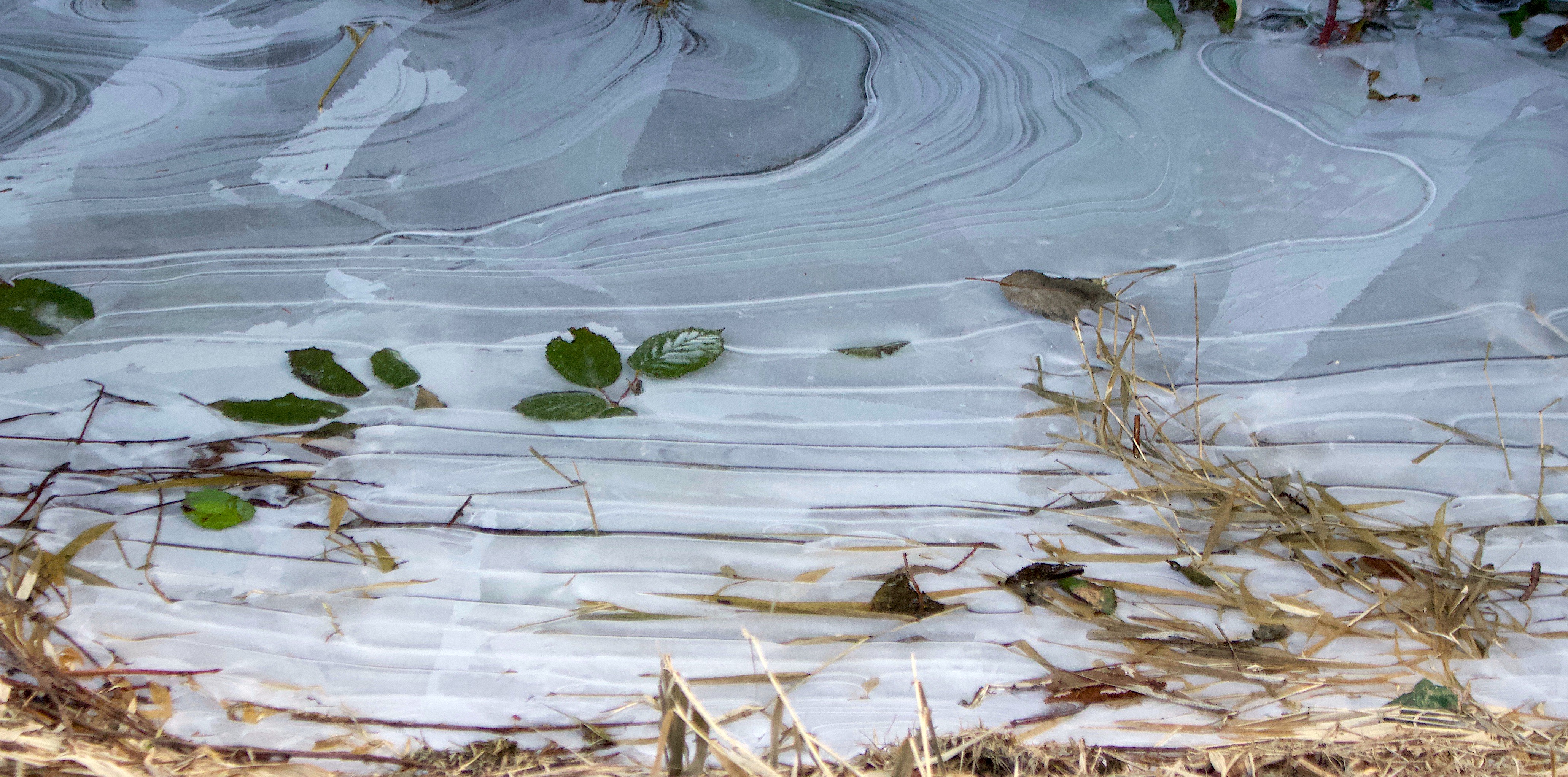
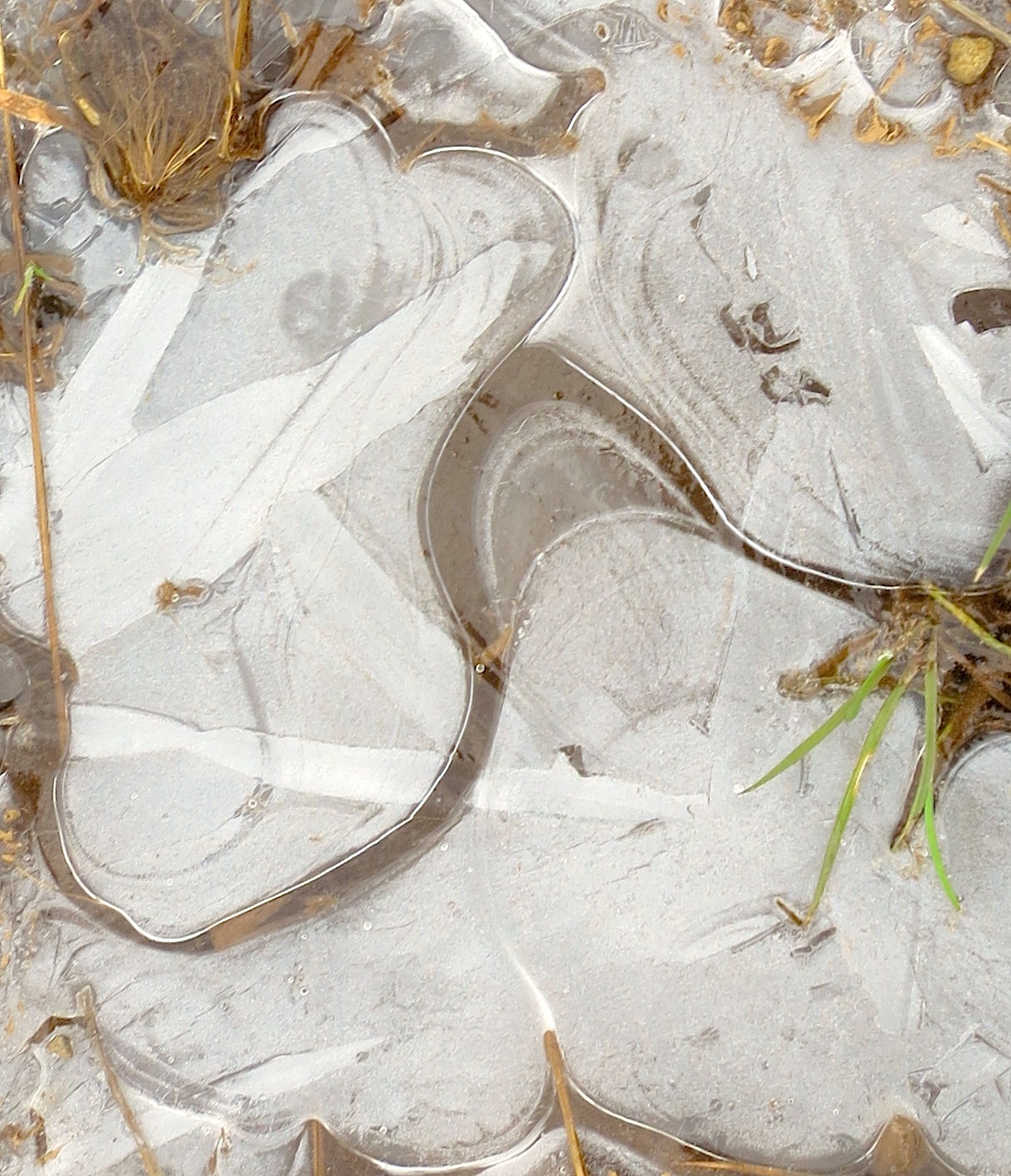
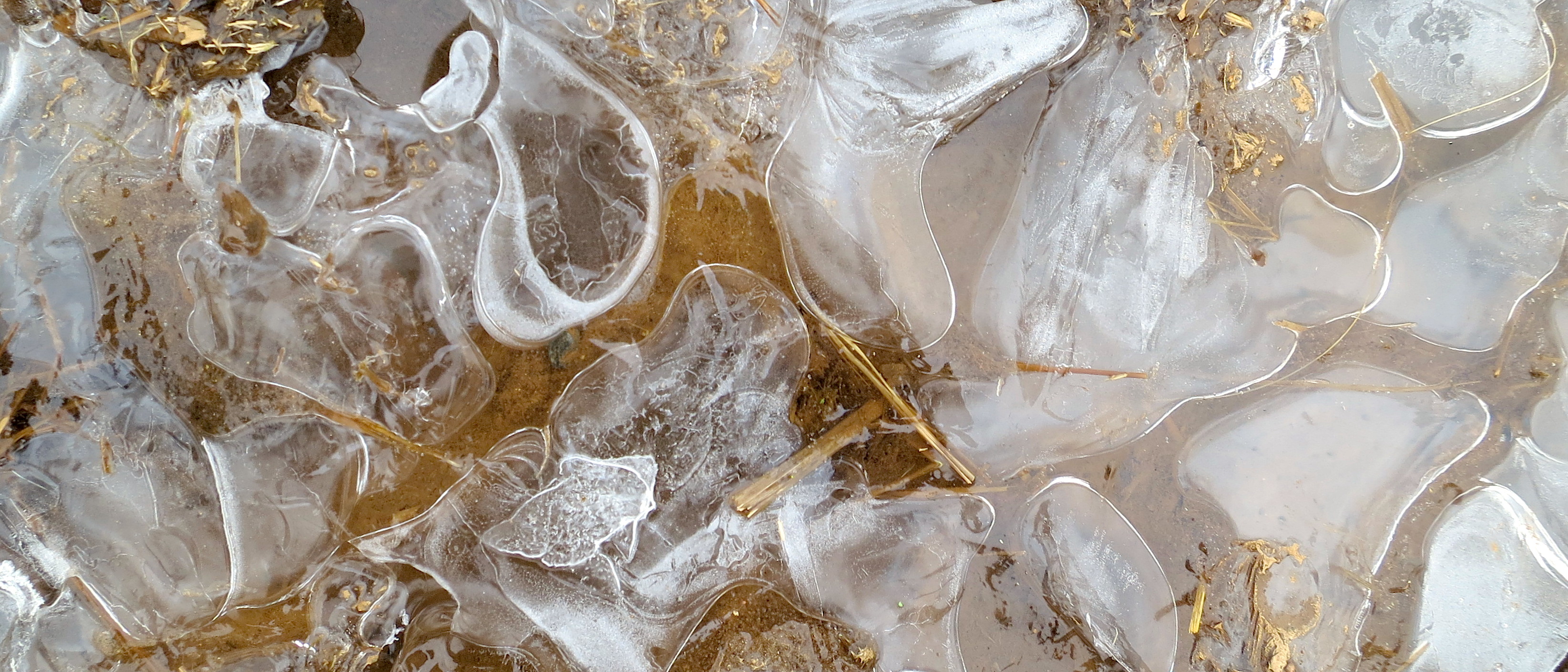
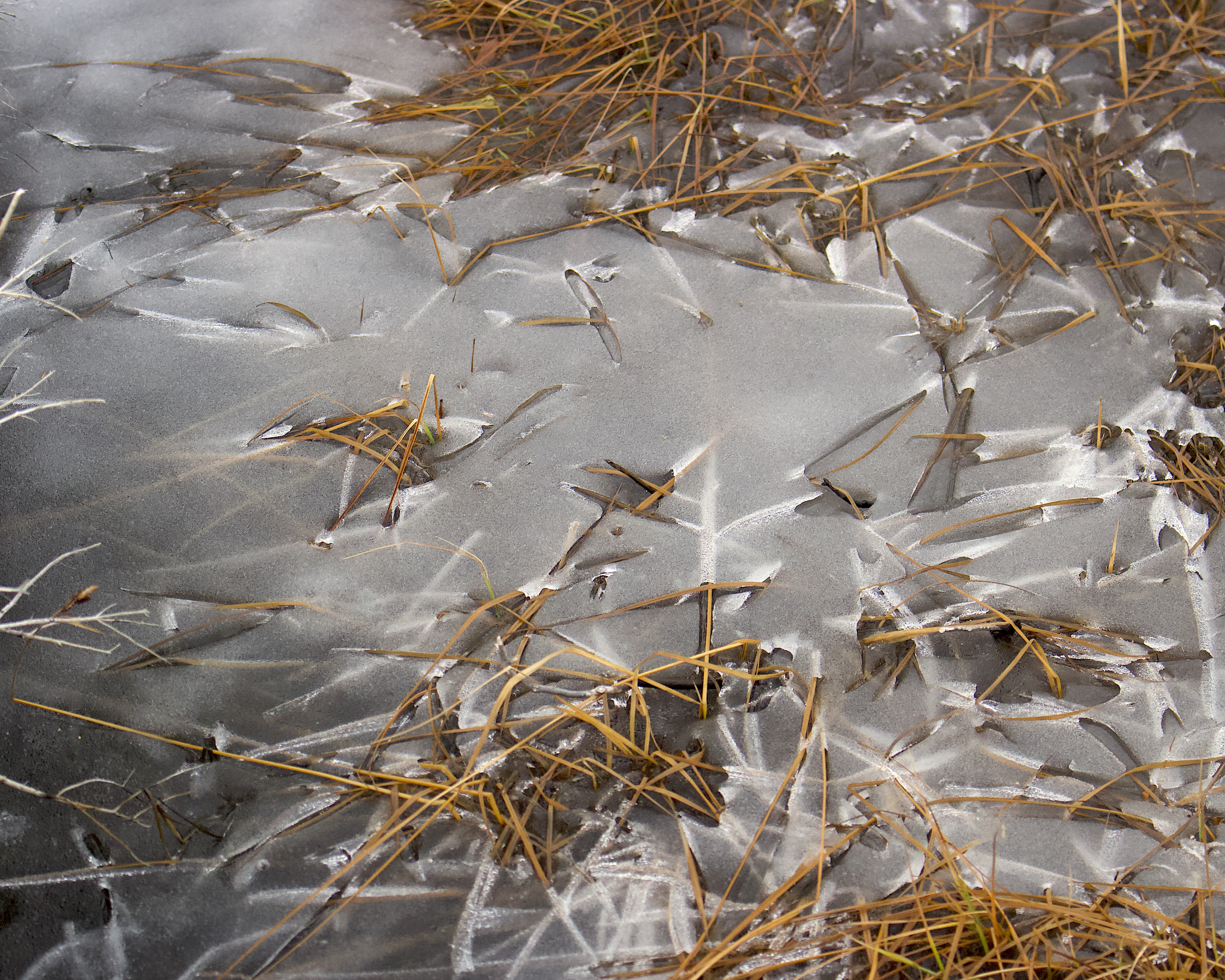
Everyone is treading on thin ice right now, unsure where to go next.

The trouble with overheated action and rhetoric in the middle of winter is that we all end up at risk of breaking through, no matter where we try to tread.

When we allow ourselves to be put in such peril, when we hear the creak with each step as a warning, we deserve to be doused by the chilly waters beneath our feet.

Lord, have mercy on us as we call your name in our fear and distress.
Help us recognize the cracks forming with each step we take.

Put us on our knees before you and lead us to safety.
Only you know where we need to be rather than where we are.
You’ll be there to pull us out of the mess we’re in.

AI image created for this post
One-Time
Monthly
Yearly

Make a one-time or recurring donation to support daily Barnstorming posts

Make a monthly donation

Make a yearly donation

Choose an amount

$10.00
$25.00
$50.00
$5.00
$15.00
$100.00
$5.00
$15.00
$100.00

Or enter a custom amount

$

Your contribution is deeply appreciated.

Your contribution is appreciated.

Your contribution is appreciated.

DonateDonate monthlyDonate yearly

Is There a Cure?

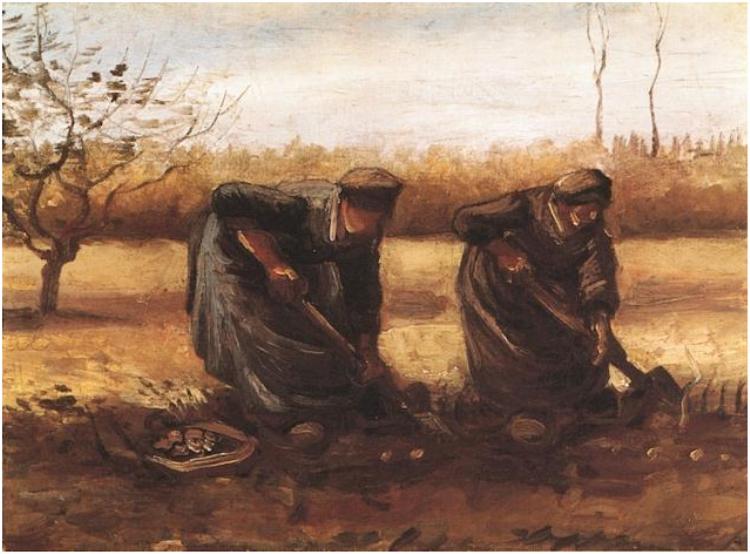
“Peasant women digging potatoes” Van Gogh 1885 Kröller-Müller Museum The Netherlands

“Do you know a cure for me?”
“Why yes,” he said, “I know a cure for everything. Salt water.”
“Salt water?” I asked him.
“Yes,” he said, “in one way or the other. Sweat, or tears, or the salt sea.”
~Isak Dinesen from Seven Gothic Tales

A good night sleep, or a ten minute bawl, or a pint of chocolate ice cream, or all three together, is good medicine.
~Ray Bradbury from Dandelion Wine

The woods are lovely, dark and deep,   
But I have promises to keep,   
And miles to go before I sleep,   
And miles to go before I sleep.
~Robert Frost from “Stopping by Woods on a Snowy Evening”

If there is anything I learned in 42 years of doctoring, it’s that physicians “practice” every day in the pursuit of getting it right. As much as MDs emphasize the science of what we do through “evidence-based” decision-making, there were still days when a fair amount of educated guessing and a gut feeling was based on past experience, along with my best hunch. 

Many patients don’t arrive with classic cookbook symptoms that fit the standardized diagnostic and treatment algorithms. The nuances of their stories require interpretation, discernment, and flexibility. A surprise once in awhile made me look at a patient in a new or unexpected way and taught me something I didn’t know before. It kept me coming back with more questions, to figure out the mystery and dig a little deeper.

I also learned that though much medical treatment comes through some intervention using surgical procedures, pills or injections, those aren’t the only options in our doctor bag.

A simple good night’s sleep can do wonders for what ails a mind and body, especially when we’ve kept our promises.

At times the most appropriate cure is simple salt water in all its forms – just feeling ocean waves lapping at our feet, or sweating it out with exertion, or feeling the flow of tears down our cheeks.

How many of us allow ourselves a good cry when we feel it welling up behind our eyes?  It could be a sentimental moment–a song that brings back bittersweet memories, a movie that touches just the right chord of feeling and connection. It may be a moment of frustration and anger when nothing seems to go right. It could be the pain of physical illness or injury or emotional turmoil. 

Or just maybe there is weeping when everything is absolutely perfect and there cannot be another moment just like it, so it is tough to let it go without our tears spilling over.

And lastly, aside from the obvious curative properties of salt water, the healing found in chocolate is unquestioned by this physician. It can fix most everything that ails a person – at least for an hour or so.

It doesn’t always take an M.D. degree to determine the best medicine. It just takes a degree in common sense.

Healing tools to consider when all else fails: 
sleep, weep, keep ( promises), and reap (chocolate!)

One-Time
Monthly
Yearly

Make a one-time or recurring donation to support daily Barnstorming posts

Make a monthly donation

Make a yearly donation

Choose an amount

$10.00
$25.00
$50.00
$5.00
$15.00
$100.00
$5.00
$15.00
$100.00

Or enter a custom amount

$

Your contribution is deeply appreciated.

Your contribution is appreciated.

Your contribution is appreciated.

DonateDonate monthlyDonate yearly
Soon Enough

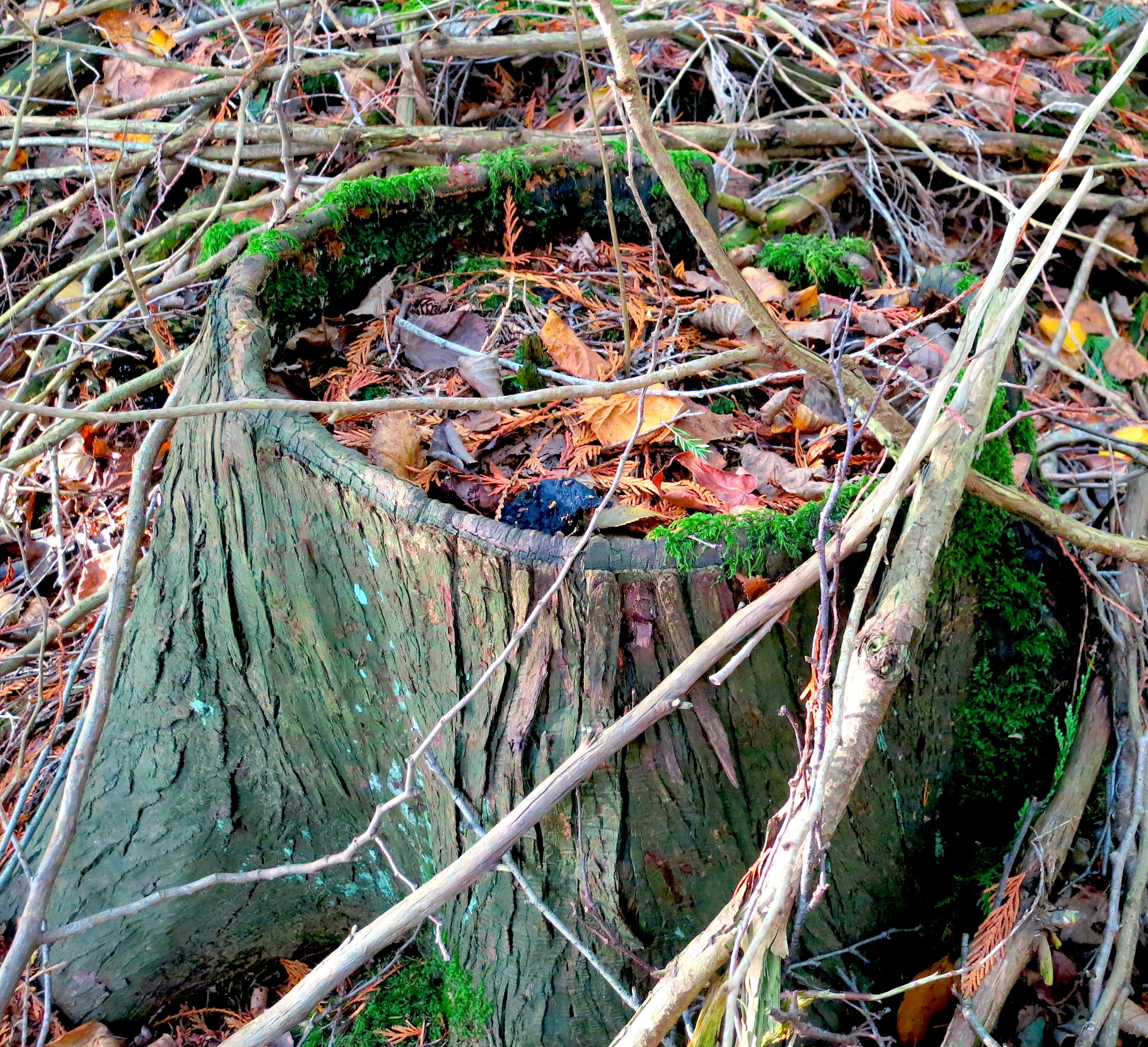
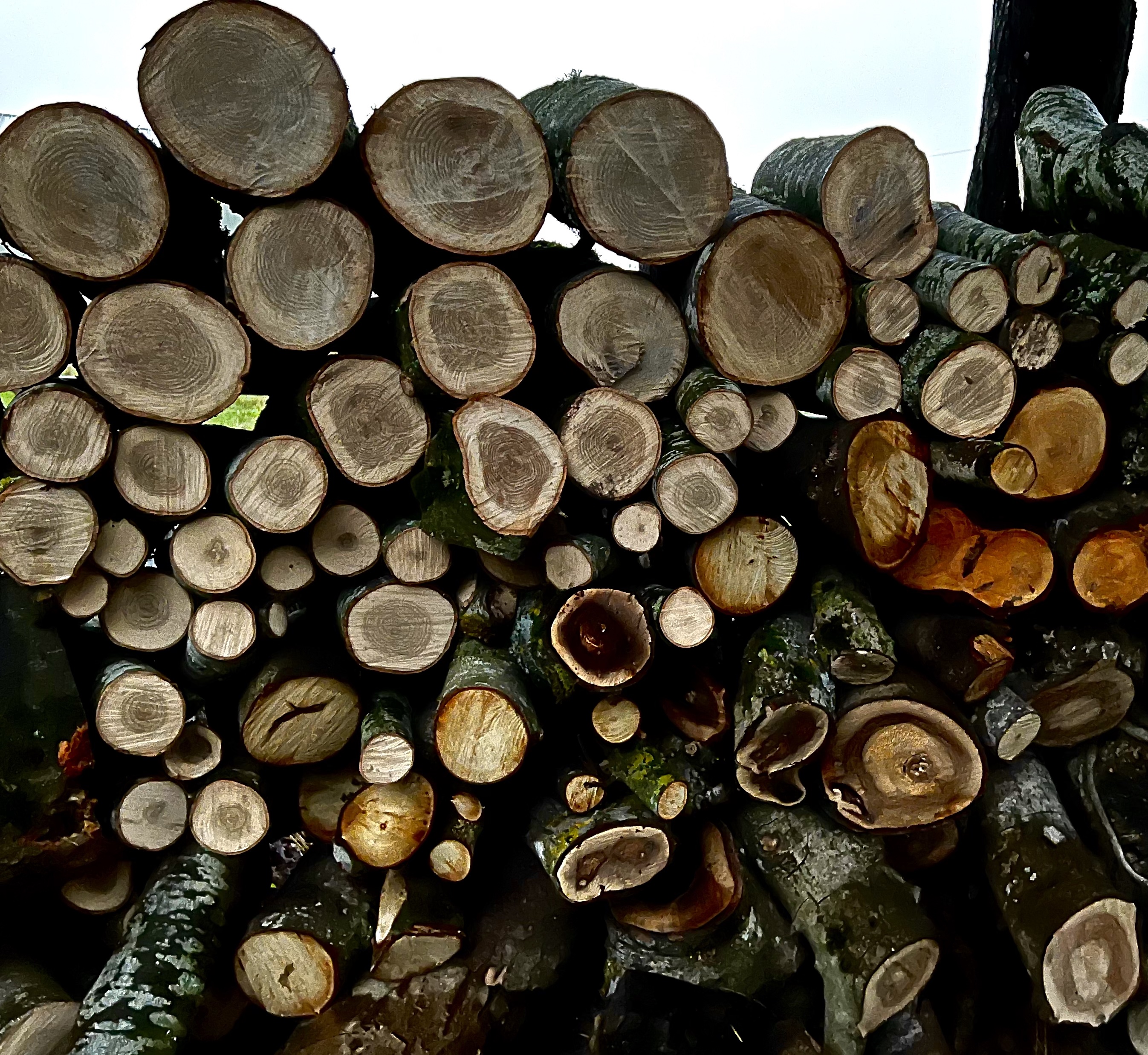
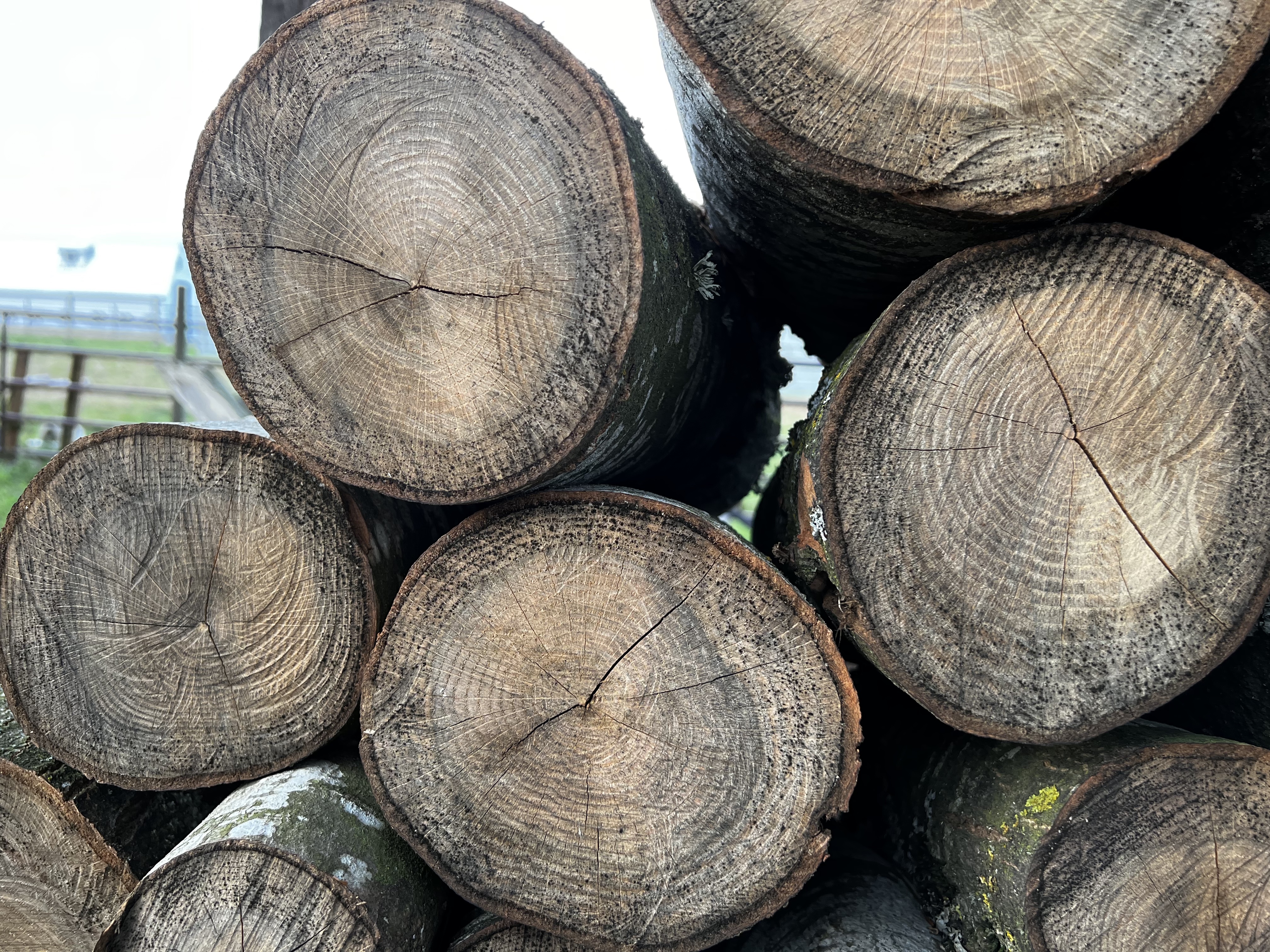
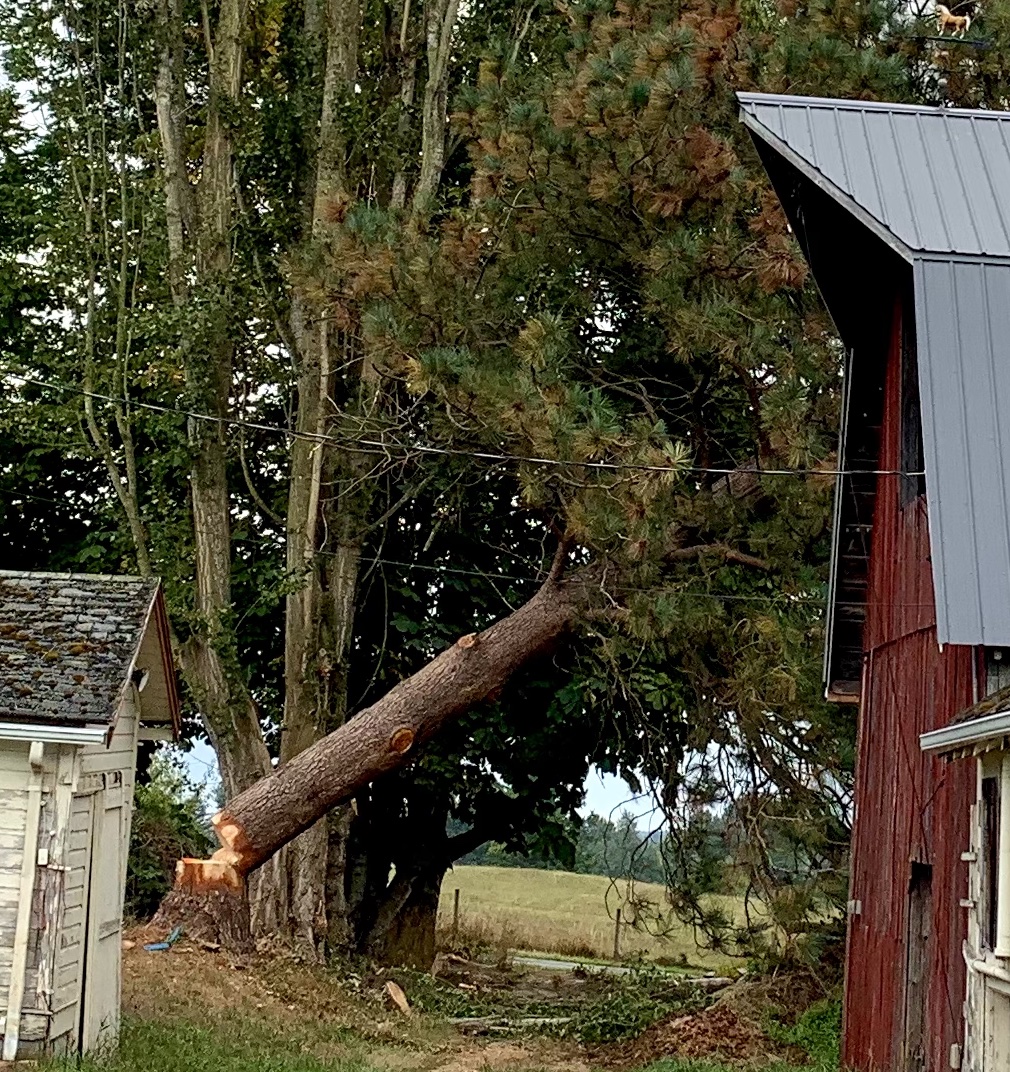
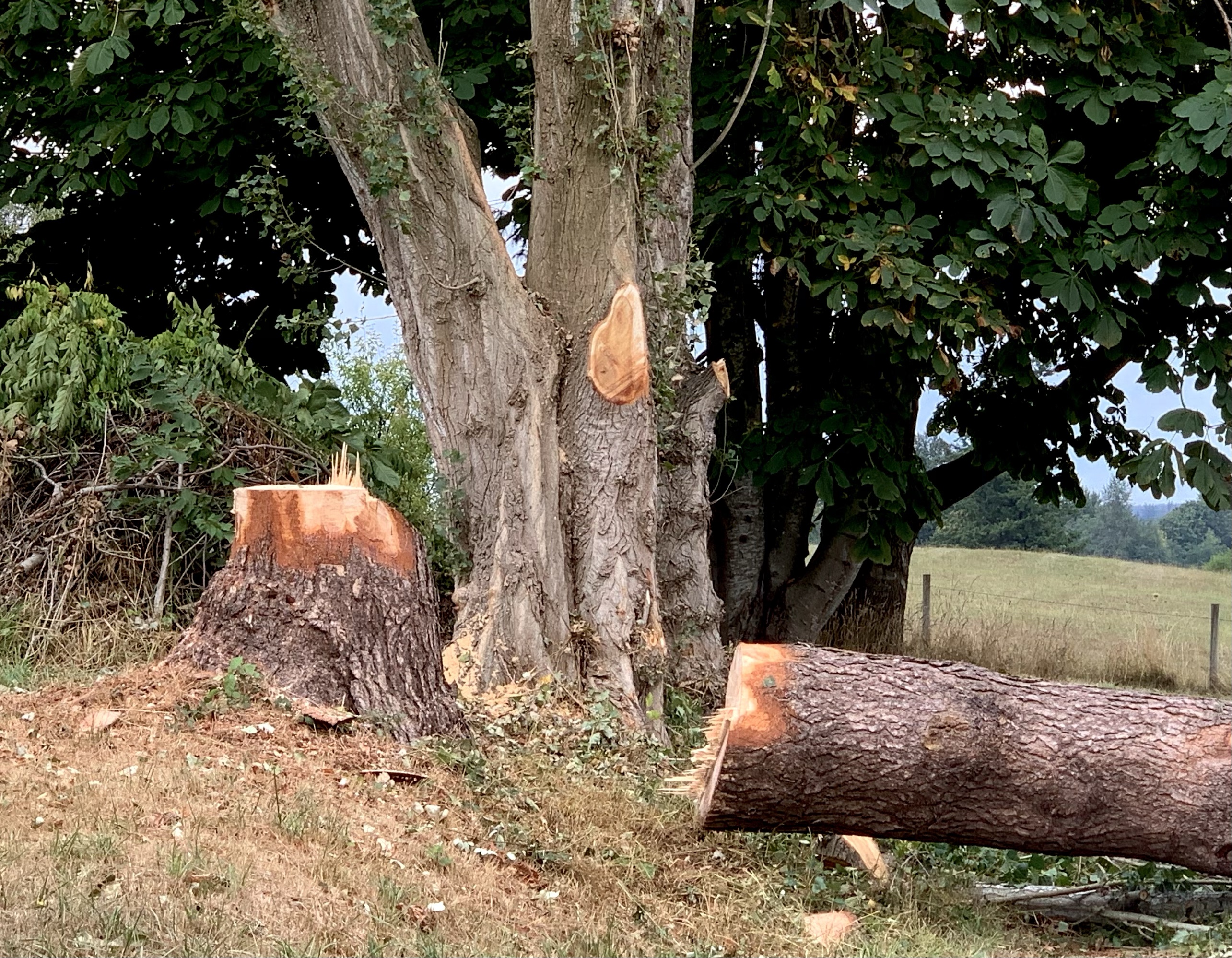
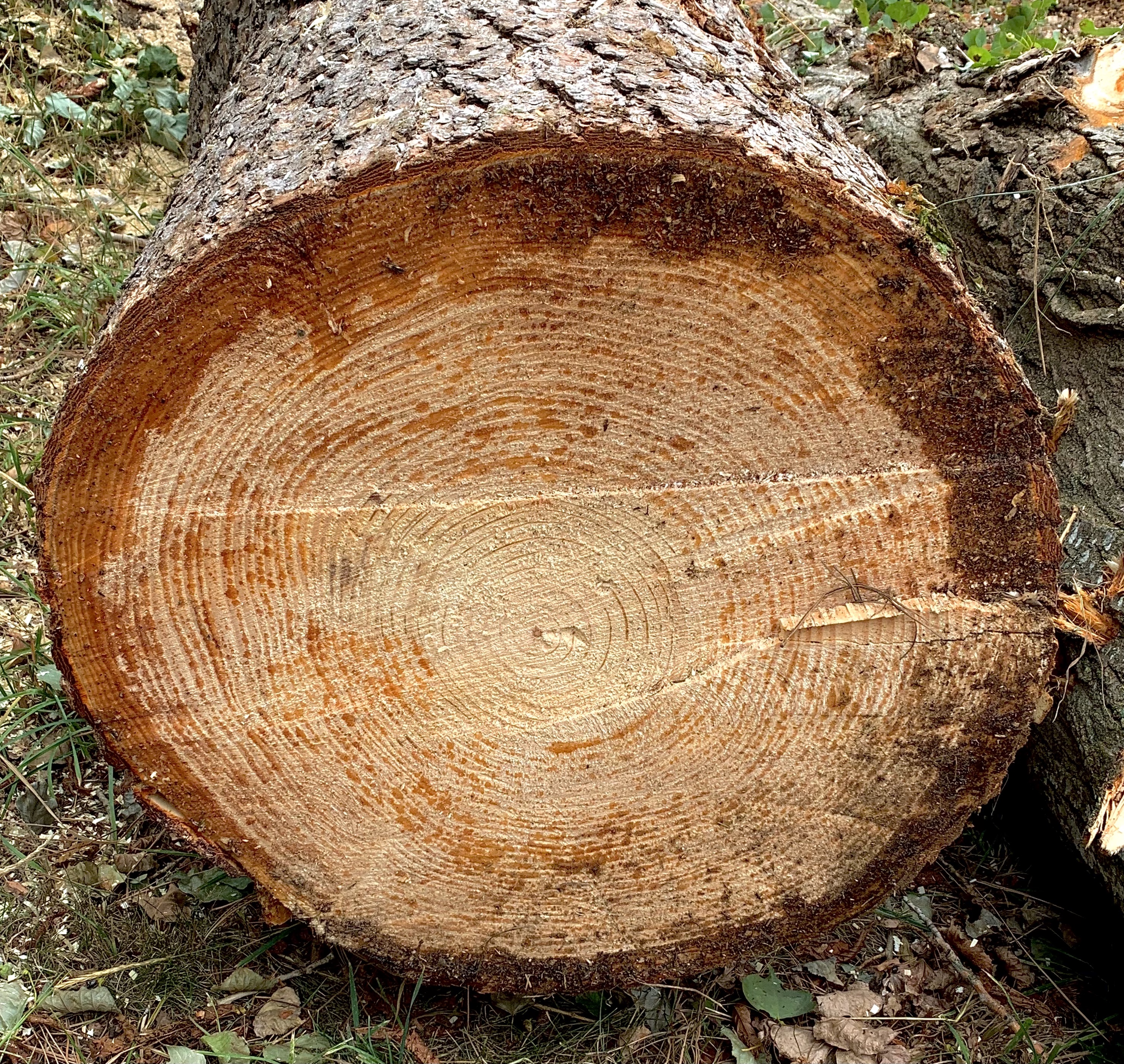
When I was young, I cut the bigger, older trees for firewood, the ones with heart rot, dead and broken branches, the crippled and deformed ones,

because, I reasoned, they were going to fall soon anyway, and therefore, I should give the younger trees more light and room to grow.

Now I’m older and I cut the younger, strong and sturdy, solid
and beautiful trees, and I let the older ones have a few more years

of light and water and leaf in the forest they have known so long.
Soon enough they will be prostrate on the ground.

~David Budbill “The Woodcutter Changes His Mind” from While We’ve Still Got Feet

we are fallen like the trees, our peace
Broken, and so we must
Love where we cannot trust,
Trust where we cannot know,
And must await the wayward-coming grace
That joins living and dead,
Taking us where we would not go–
Into the boundless dark.
When what was made has been unmade
The Maker comes to His work.

~Wendell Berry from  “Sabbaths, II”

Things: simply lasting, then
failing to last:

into light all things
must fall, glad at last to have fallen.
~Jane Kenyon, from “Things”
 in Collected Poems

I know I am brief and finite,
leaning more and more from the prevailing winds,
wobbly through each storm that comes.

Things I wish would last
don’t, so I hold them lightly in love.

I must trust God’s Light passes
through the darkness,
an illuminated pathway
I follow,
even when falling,
even when finite and failing
until I am part of the Light myself.

AI image created for this post
One-Time
Monthly
Yearly

Make a one-time or recurring donation to support daily Barnstorming posts

Make a monthly donation

Make a yearly donation

Choose an amount

$10.00
$25.00
$50.00
$5.00
$15.00
$100.00
$5.00
$15.00
$100.00

Or enter a custom amount

$

Your contribution is deeply appreciated.

Your contribution is appreciated.

Your contribution is appreciated.

DonateDonate monthlyDonate yearly

Preparing Their Buds

All the complicated details
of the attiring and
the disattiring are completed!
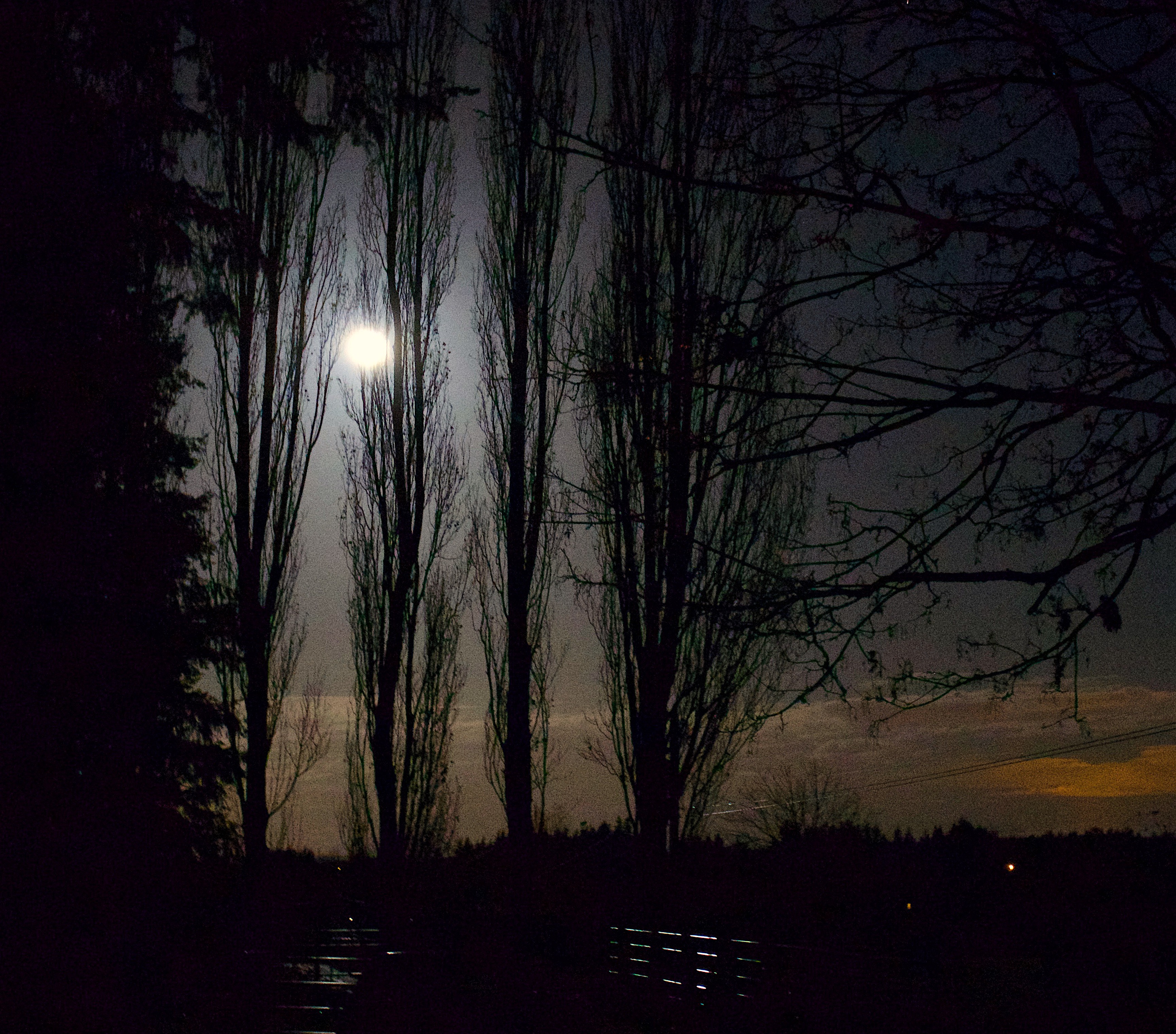
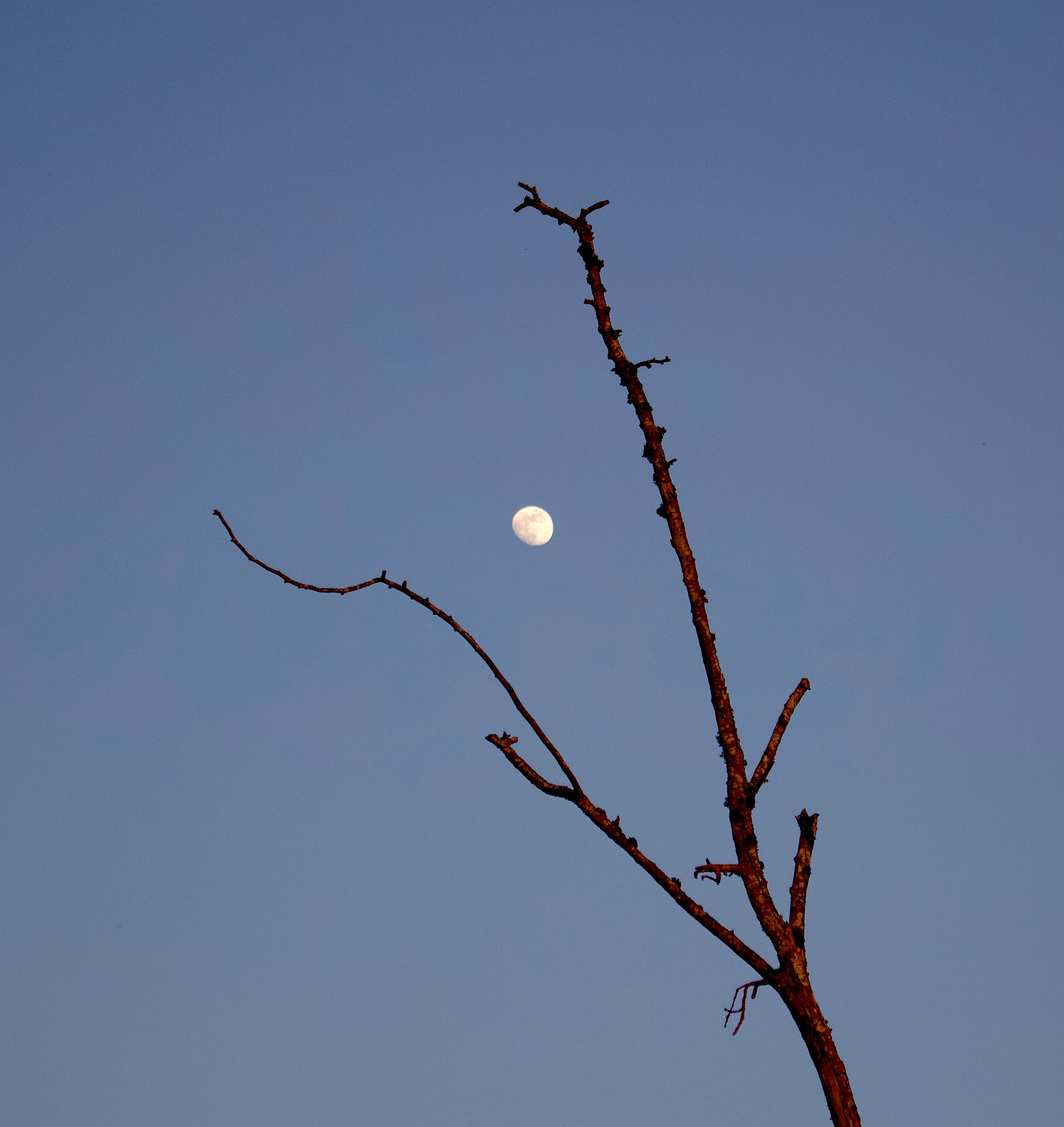
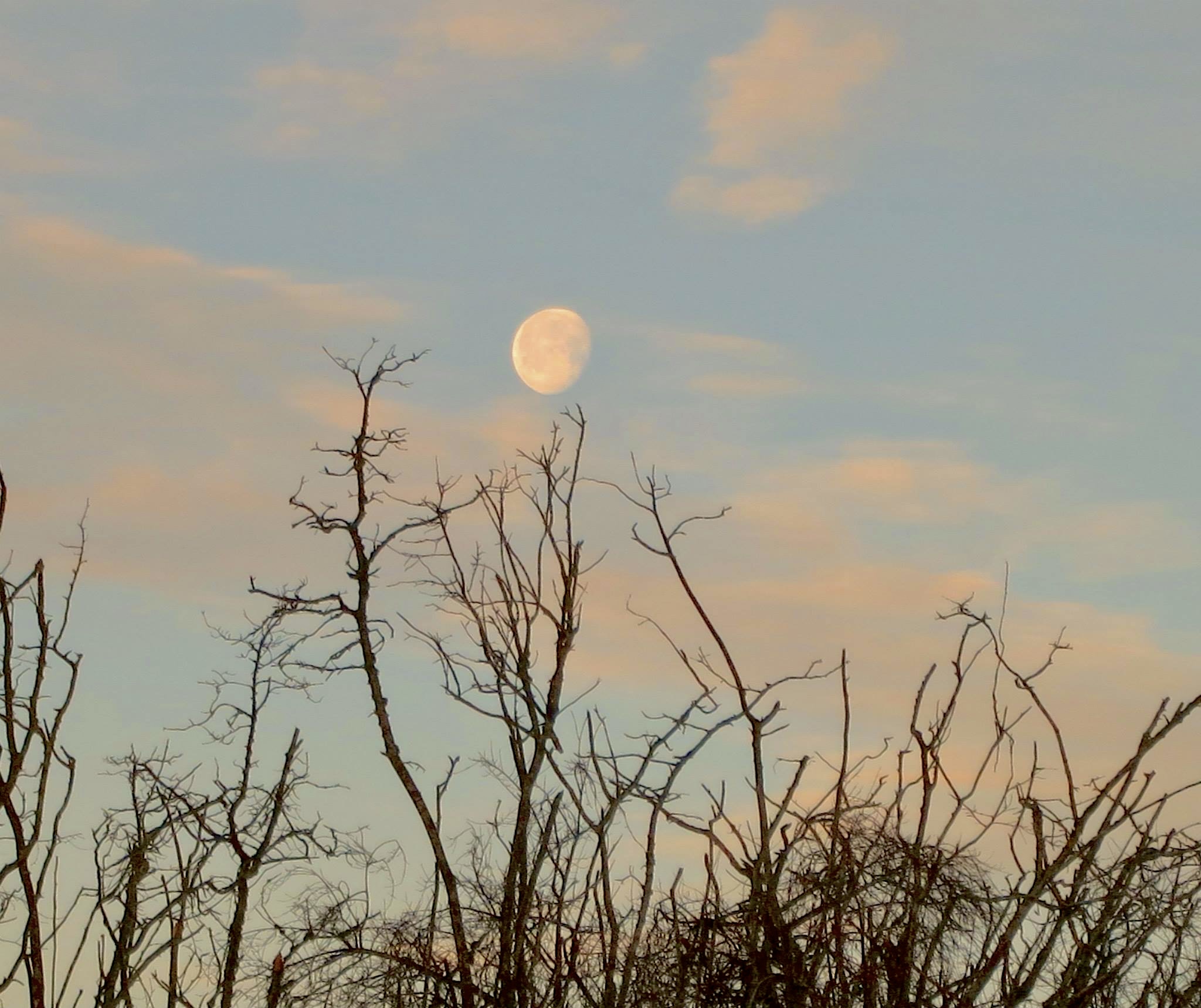
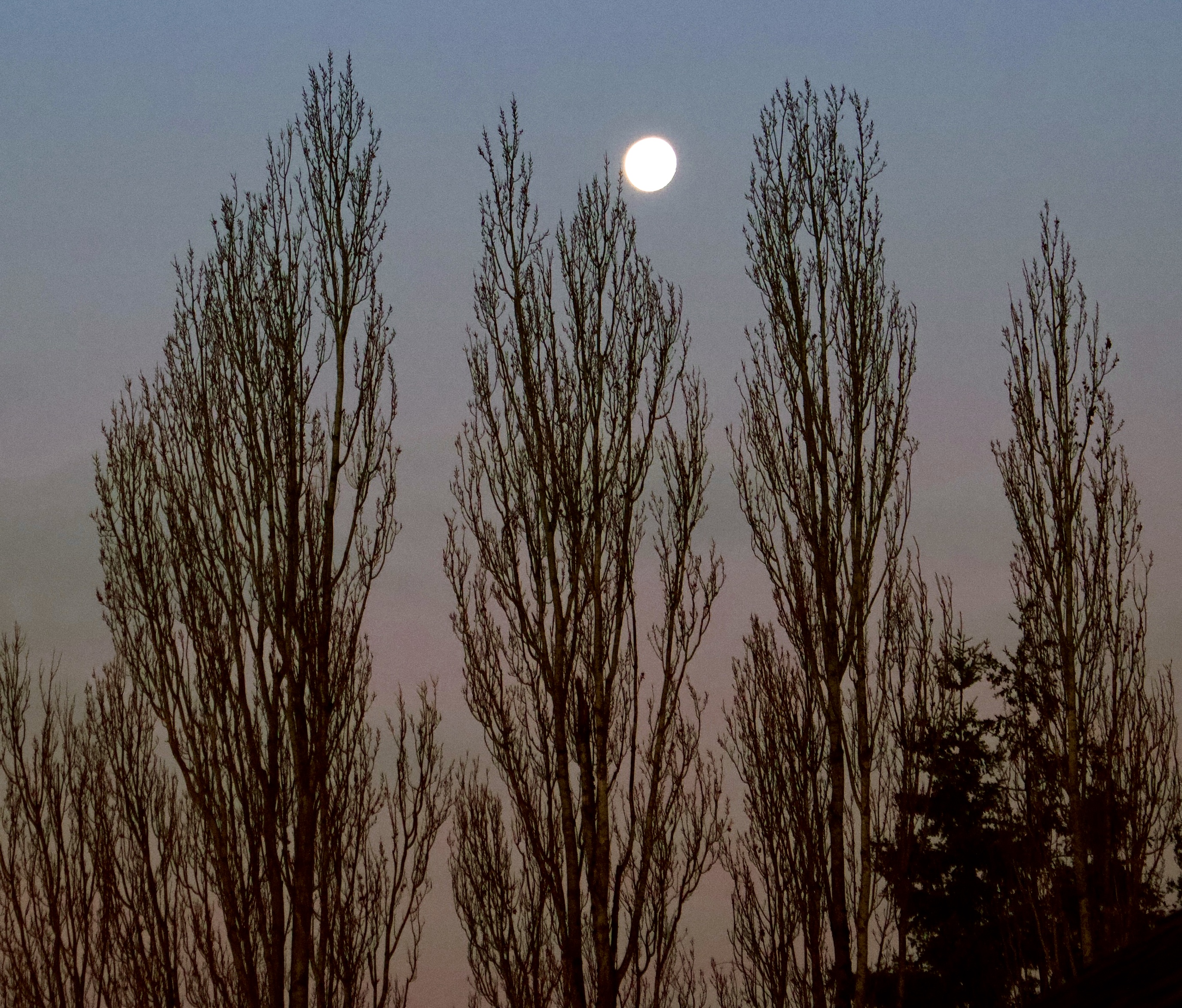
A liquid moon
moves gently among
the long branches.
Thus having prepared their buds
against a sure winter
the wise trees
stand sleeping in the cold.

~William Carlos Williams “Winter Trees”

Winter – a quiet, still time for trees,
a time for preparation for new attire,
a time for root-stretching and branch-reaching.

Unless there are windstorms
Unless there is frozen rain
Unless there is heavy burden of snowfall

A tree might be taken unawares in the night,
branches breaking like popping gunshots,
as if innocent prey is hunted.

Remnants lie waiting on the ground,
unaware of their brokenness,
still budding, hopeful for yet another spring.

AI image created for this post
One-Time
Monthly
Yearly

Make a one-time or recurring donation to support daily Barnstorming posts

Make a monthly donation

Make a yearly donation

Choose an amount

$10.00
$25.00
$50.00
$5.00
$15.00
$100.00
$5.00
$15.00
$100.00

Or enter a custom amount

$

Your contribution is deeply appreciated.

Your contribution is appreciated.

Your contribution is appreciated.

DonateDonate monthlyDonate yearly

A Poem of the Air

Out of the bosom of the Air,
Out of the cloud-folds of her garments shaken,
Over the woodlands brown and bare,
Over the harvest-fields forsaken
Silent, and soft, and slow
Descends the snow.

Even as our cloudy fancies take
Suddenly shape in some divine expression,
Even as the troubled heart doth make
In the white countenance confession,
The troubled sky reveals
The grief it feels.

This is the poem of the air,
Slowly in silent syllables recorded;
This is the secret of despair,
Long in its cloudy bosom hoarded,
Now whispered and revealed
To wood and field.

~Henry Wadsworth Longfellow “Snow-Flakes”

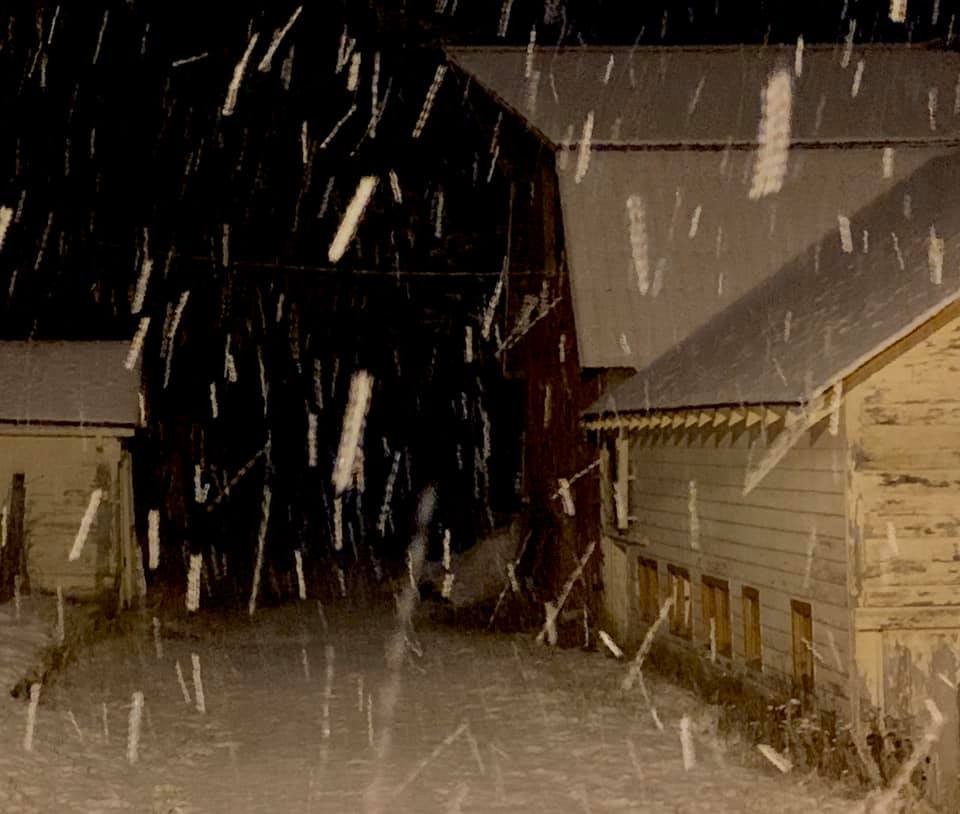
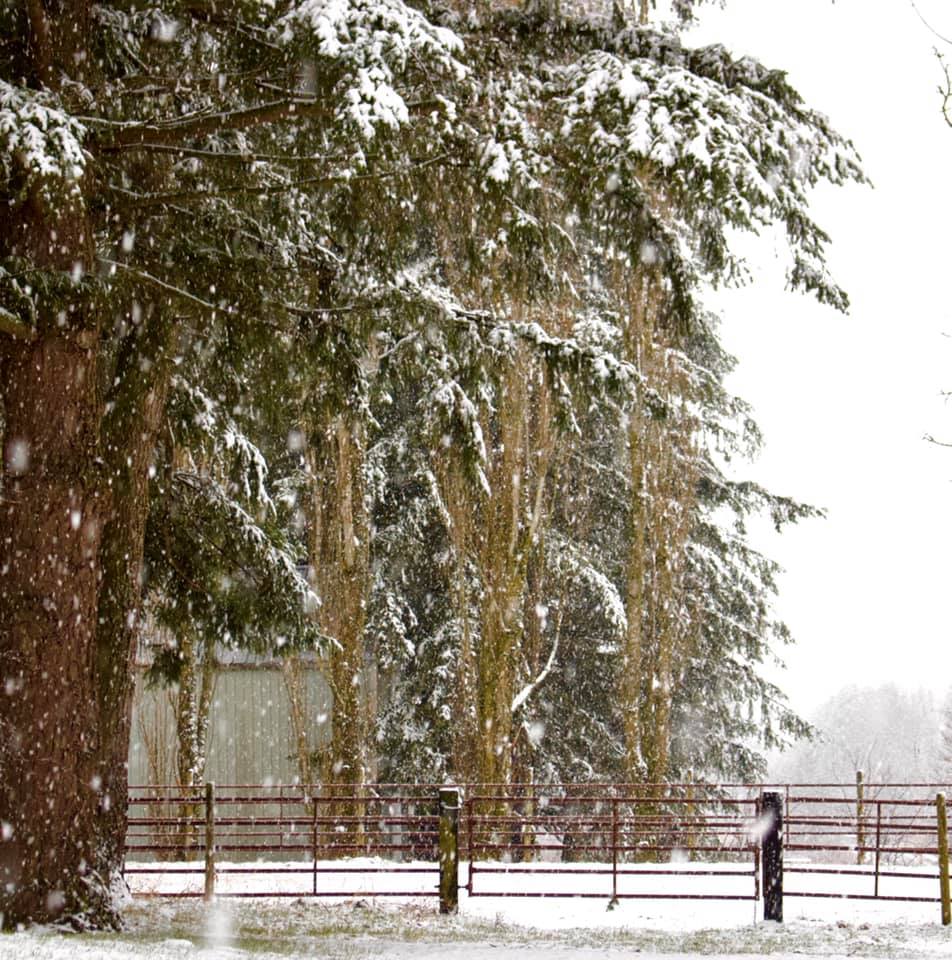
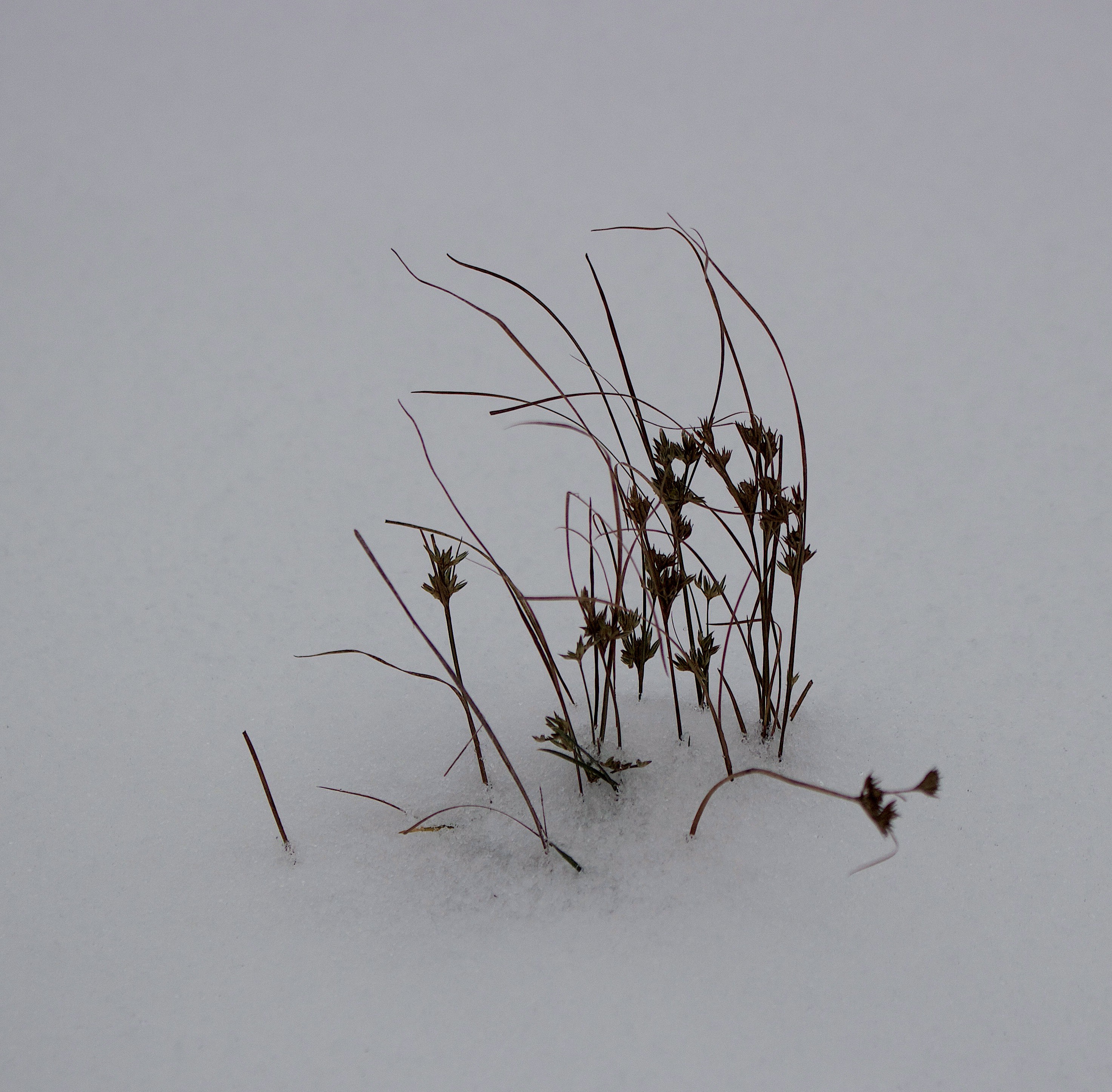
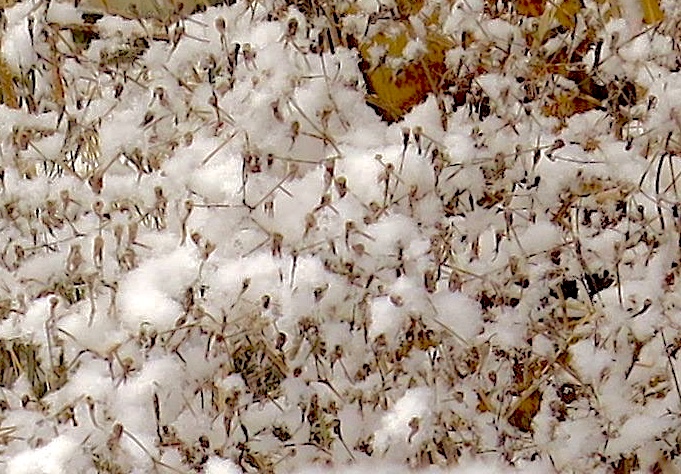
Snowflakes cover all,
settling in around us,
drifting about the tucked corners
of a downy white comforter

Watching as heaven comes to earth,
plumps the pillows,
cushions the landscape,
and tries to lighten our grieving hearts.

I know dark clouds will gather ’round me
I know my way is hard and steep
But beauteous fields arise before me
Where God’s redeemed, their vigils keep

~from Wayfaring Stranger

AI image created for this post
One-Time
Monthly
Yearly

Make a one-time or recurring donation to support daily Barnstorming posts

Make a monthly donation

Make a yearly donation
Choose an amount

$10.00
$25.00
$50.00
$5.00
$15.00
$100.00
$5.00
$15.00
$100.00

Or enter a custom amount

$

Your contribution is deeply appreciated.

Your contribution is appreciated.

Your contribution is appreciated.

DonateDonate monthlyDonate yearly