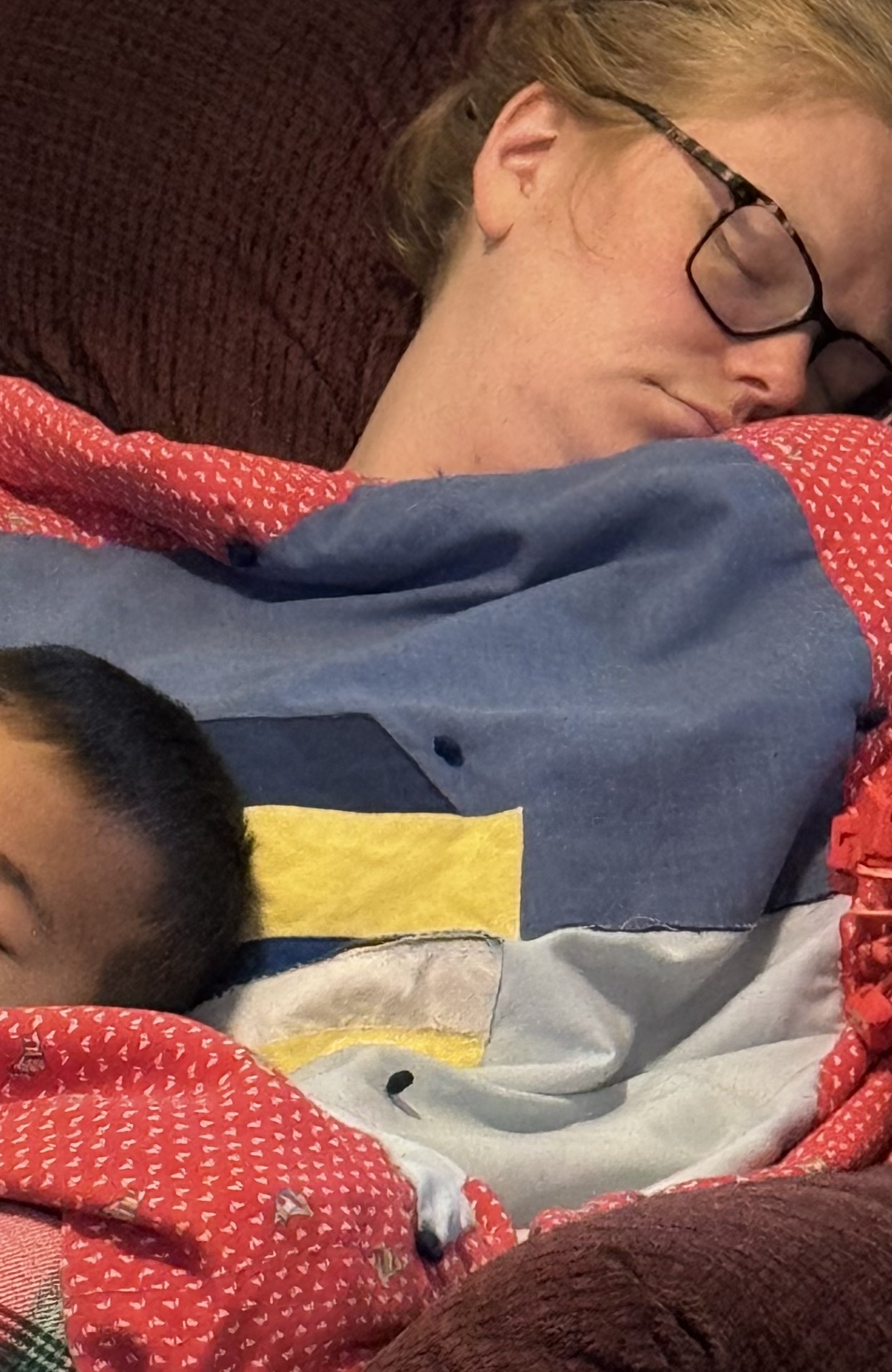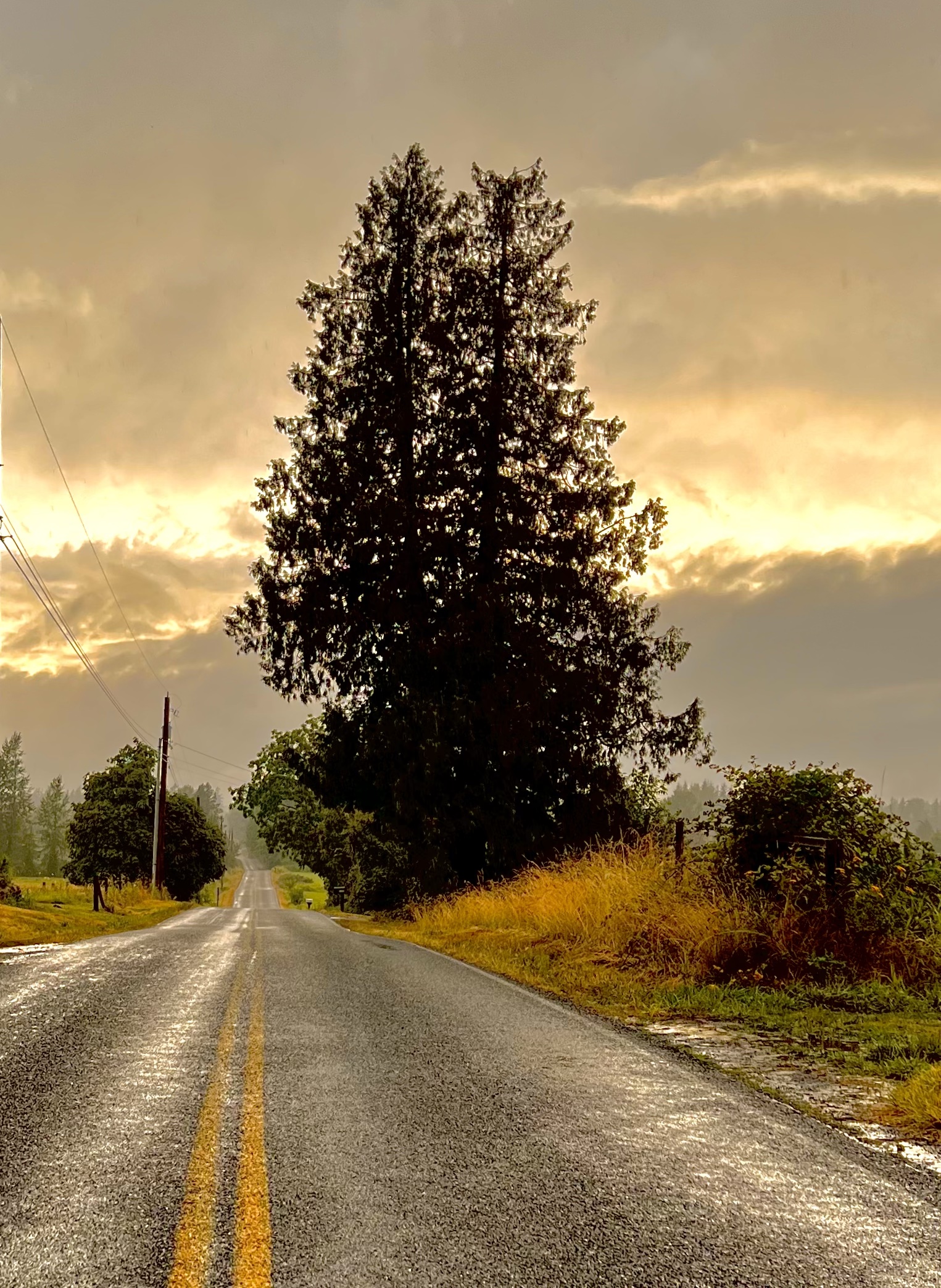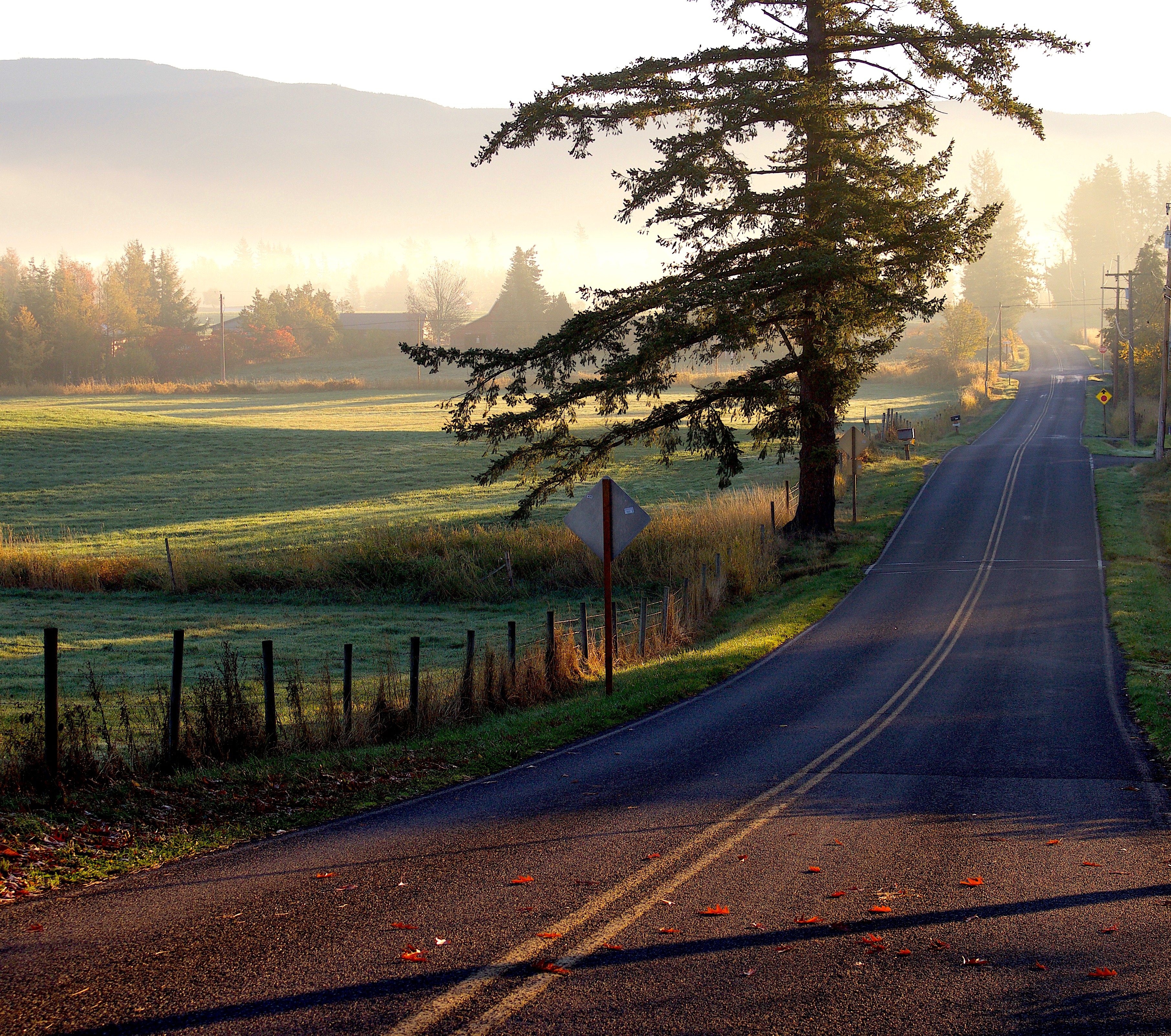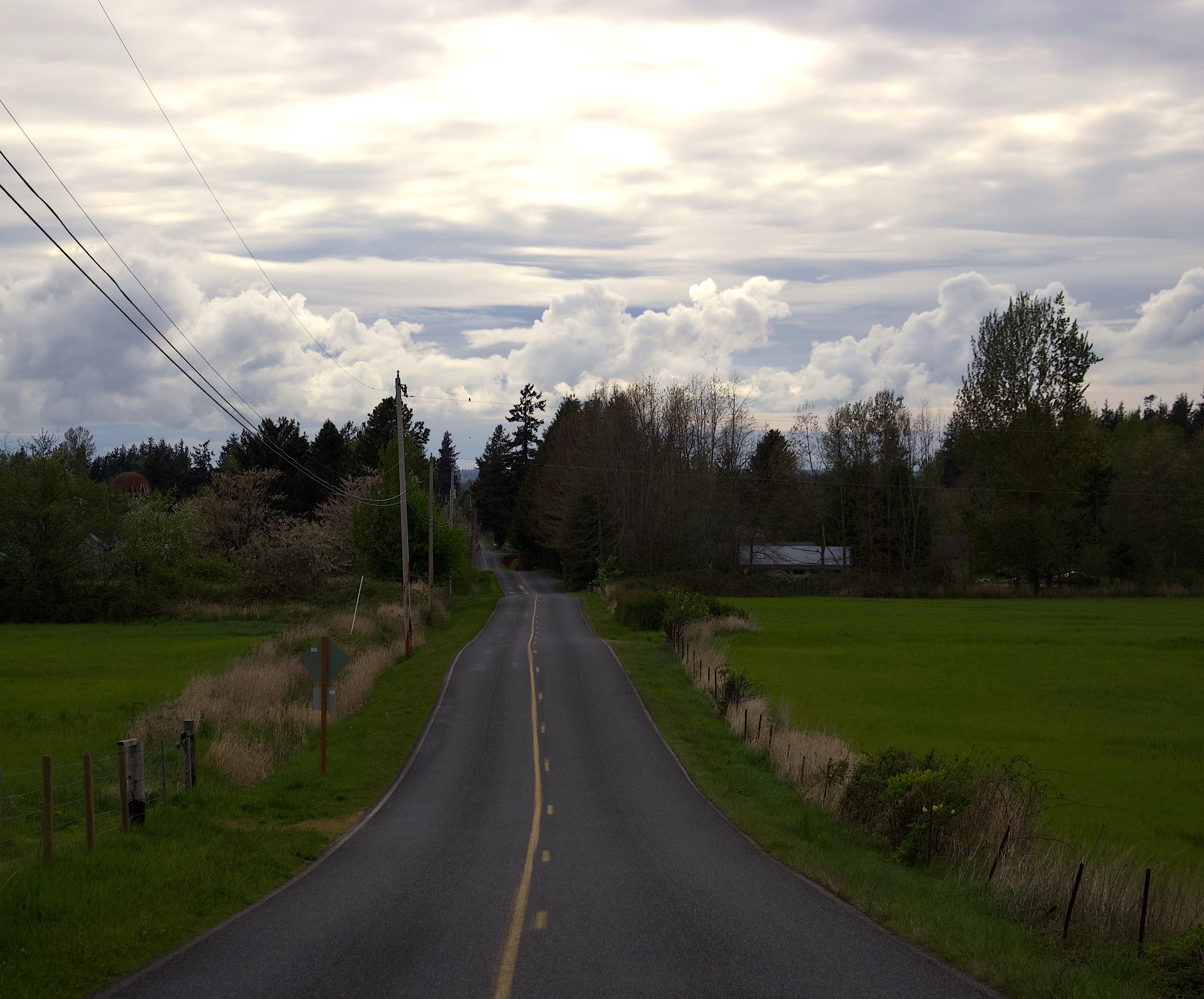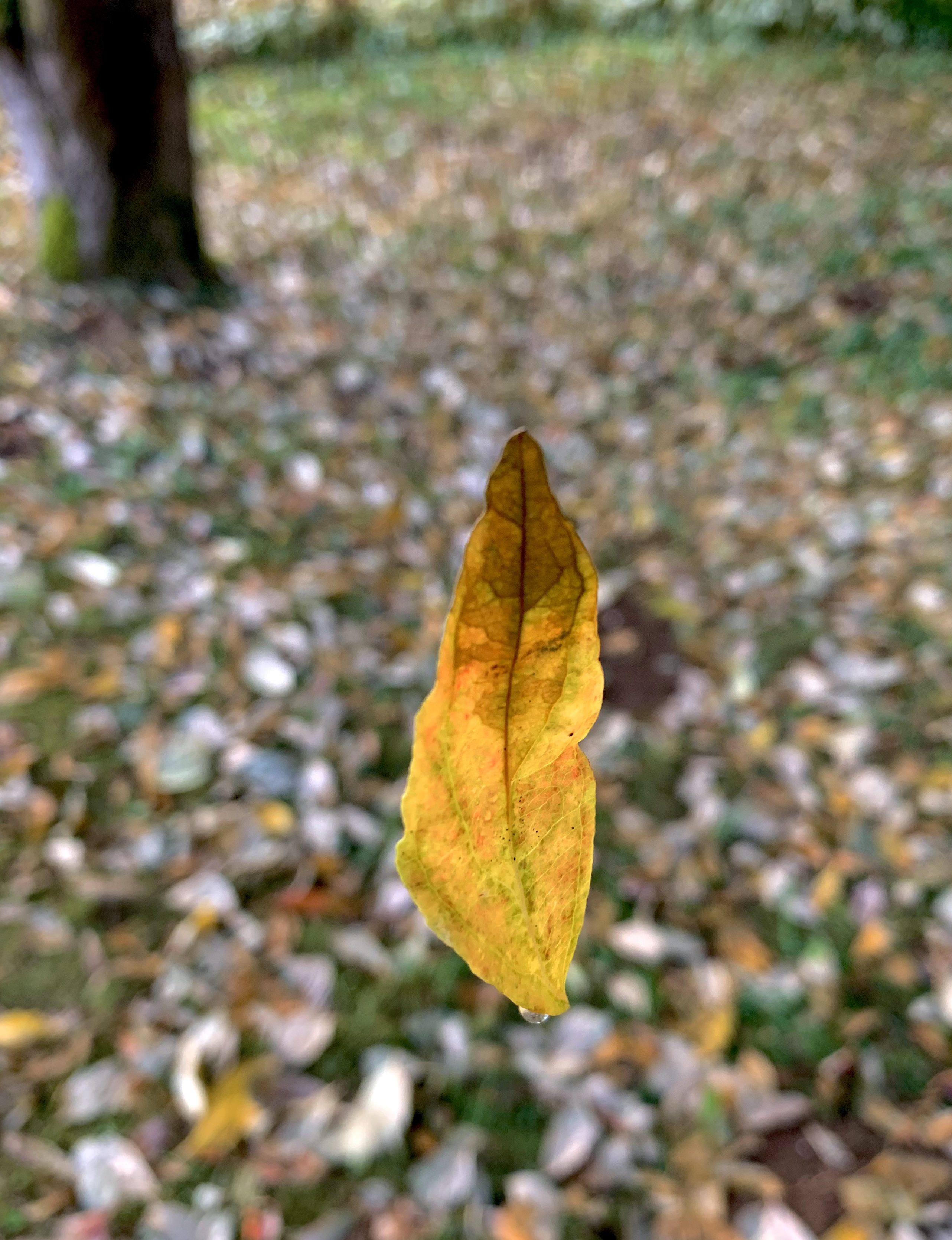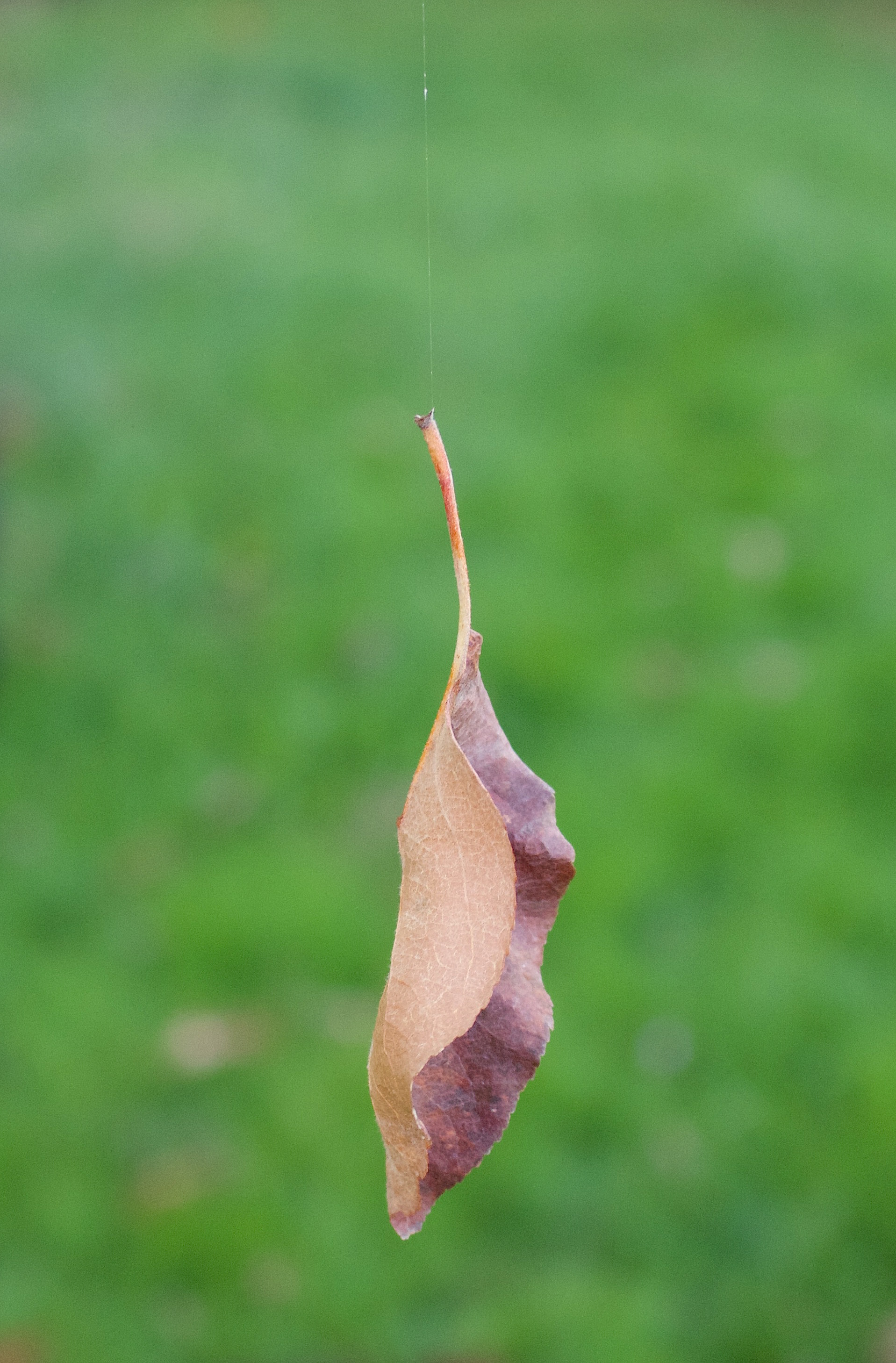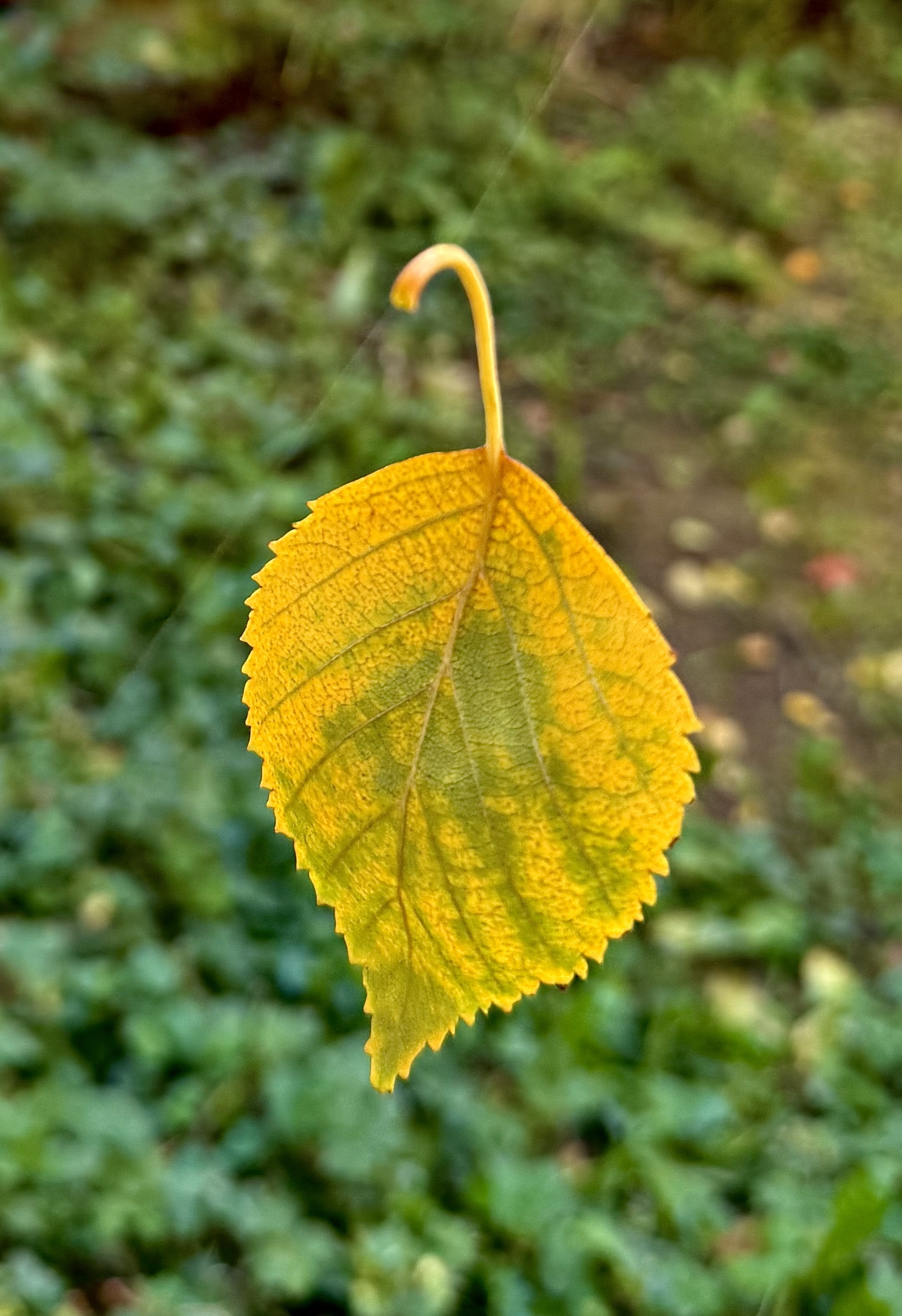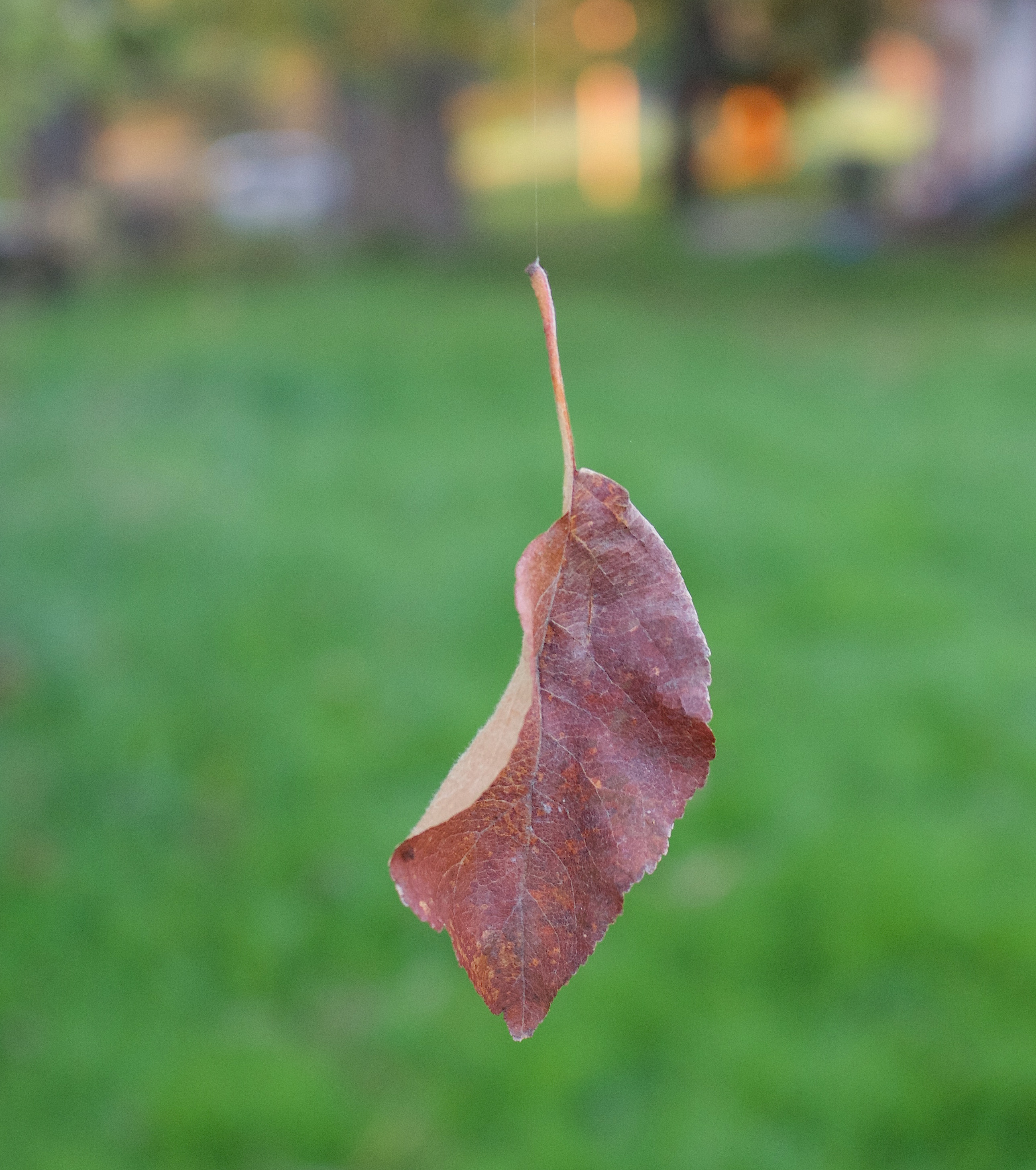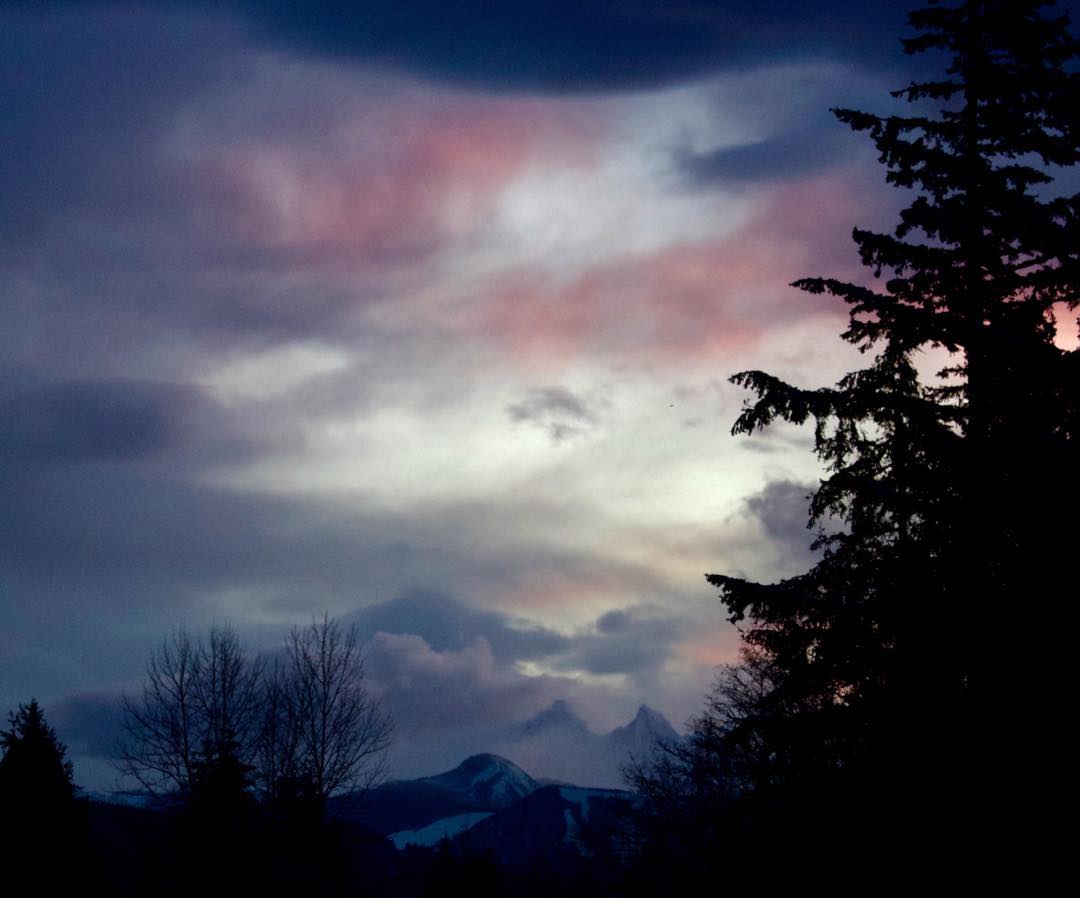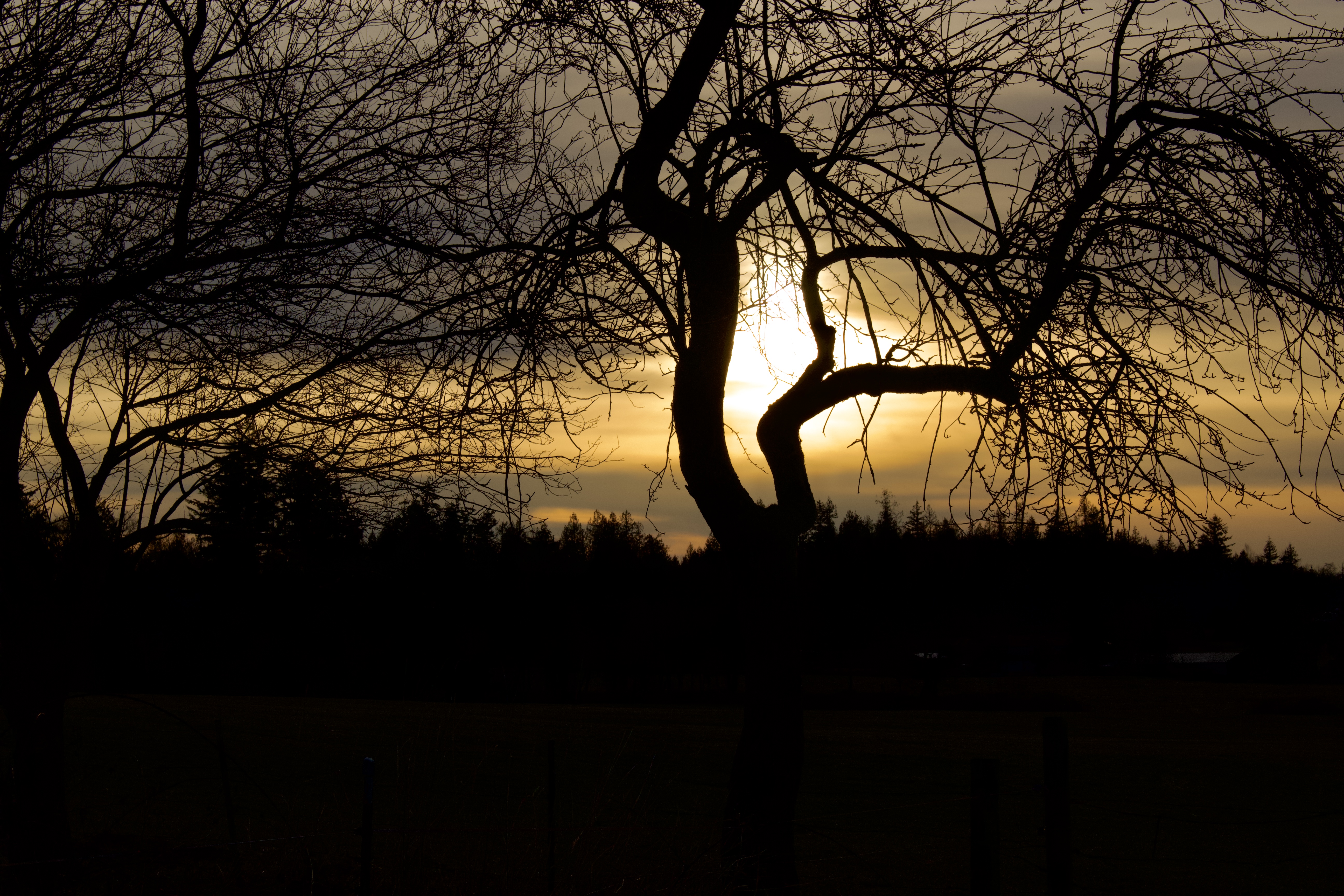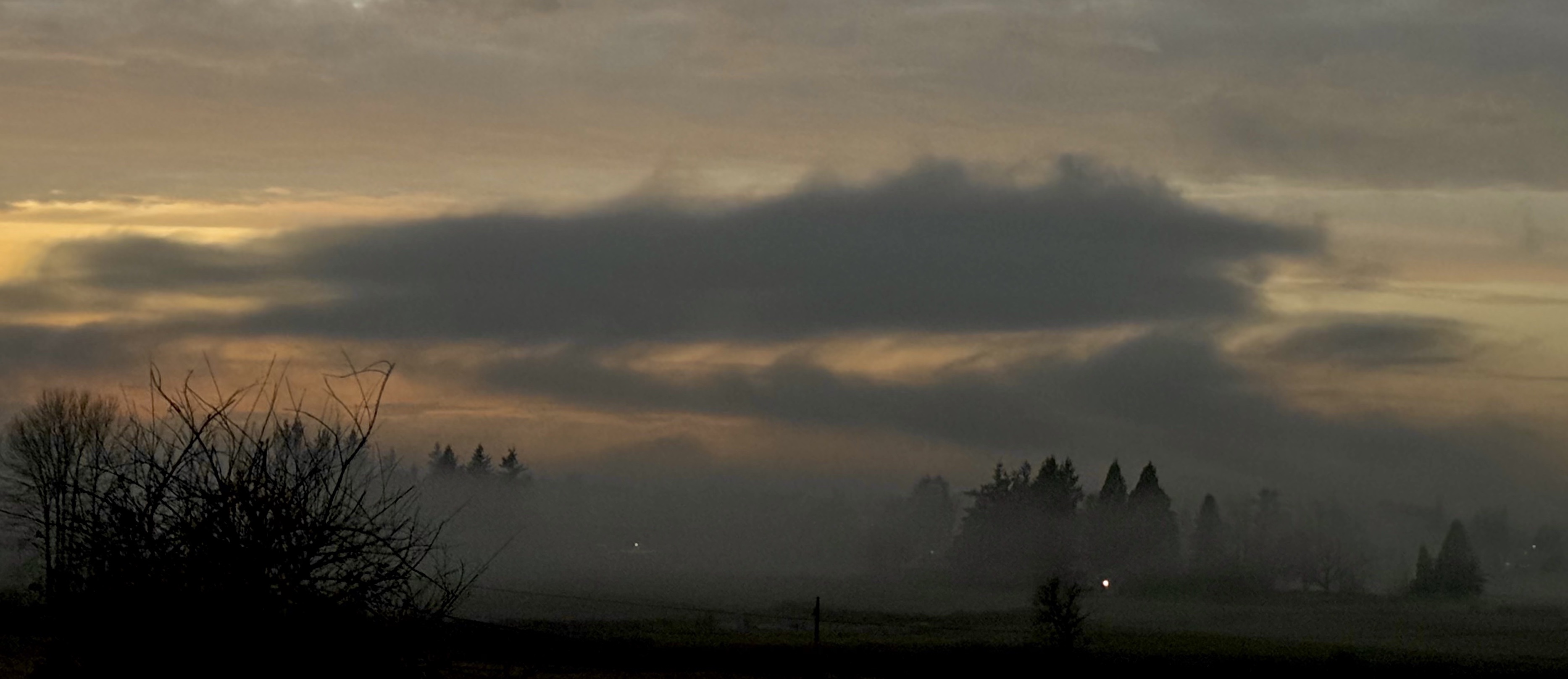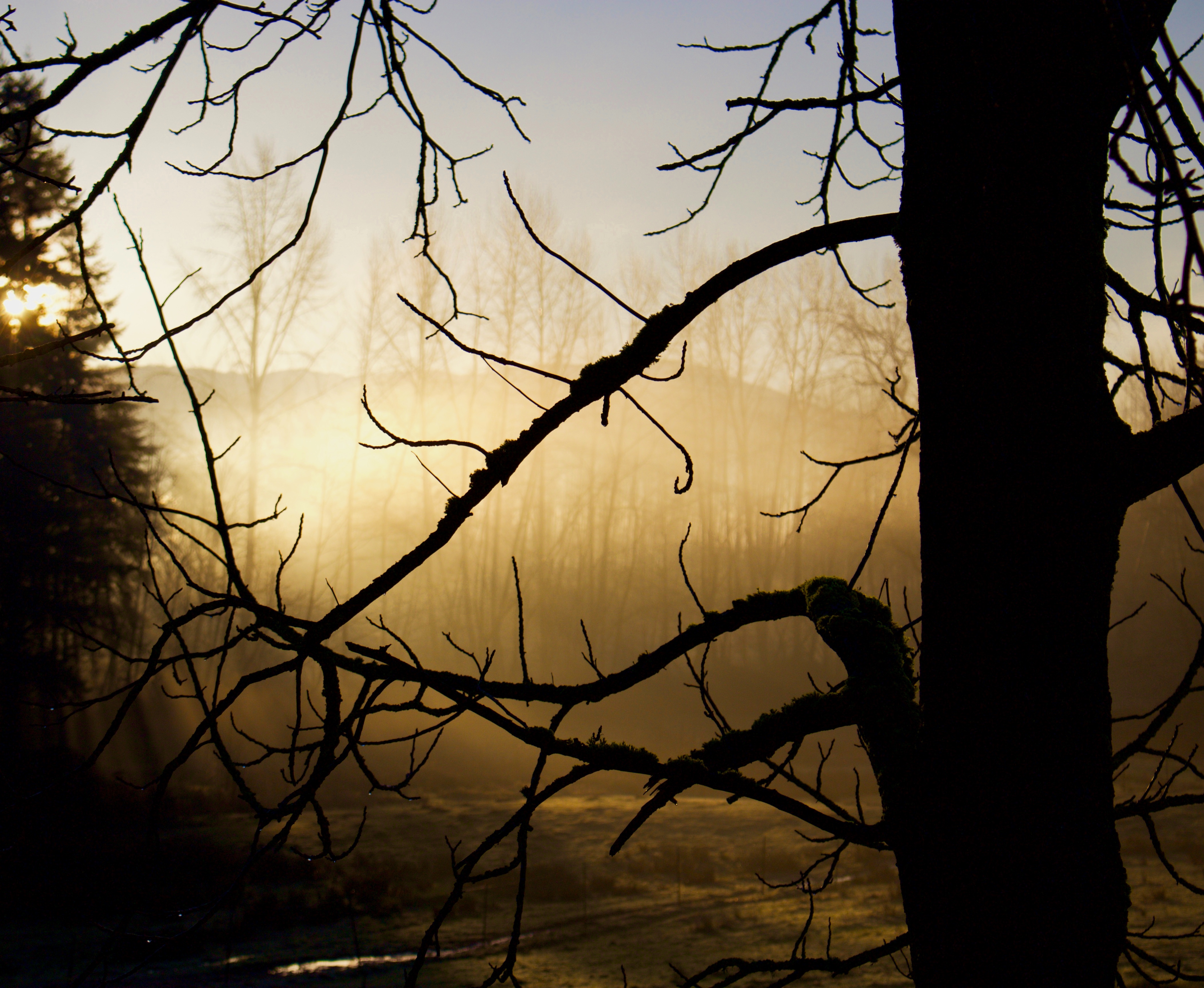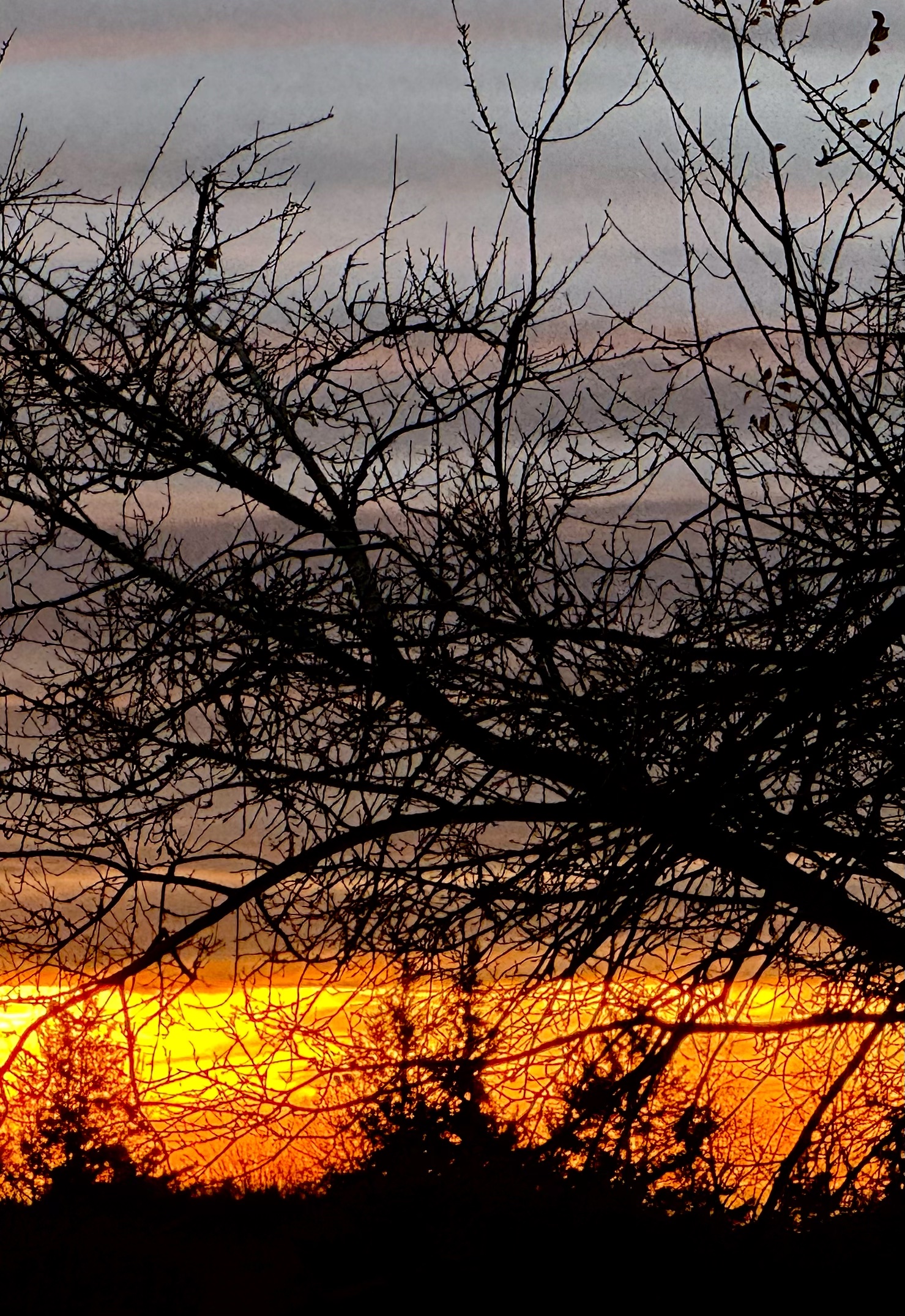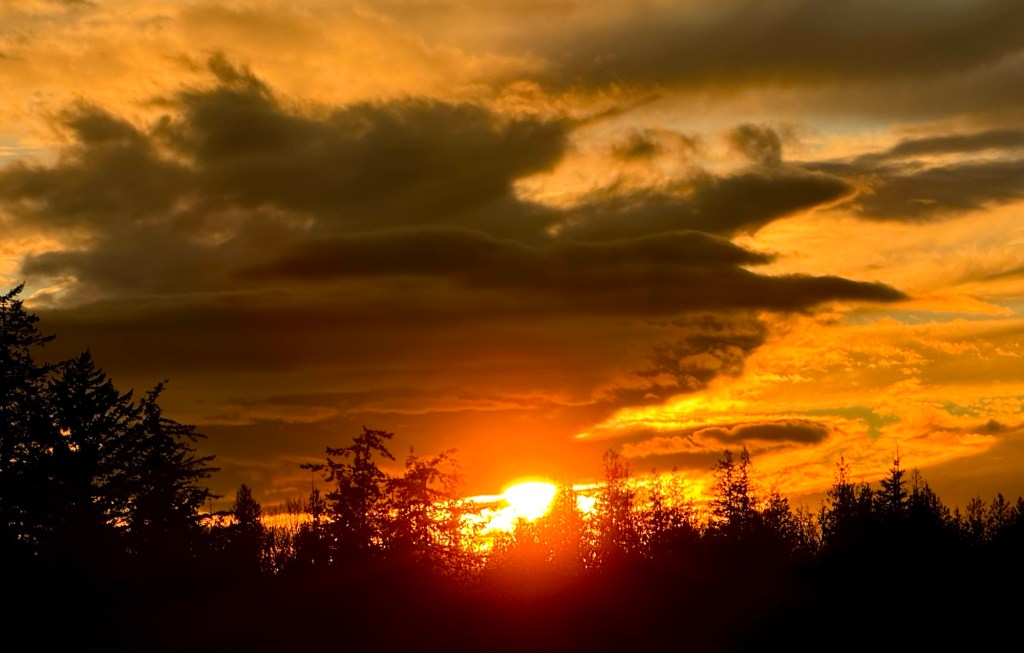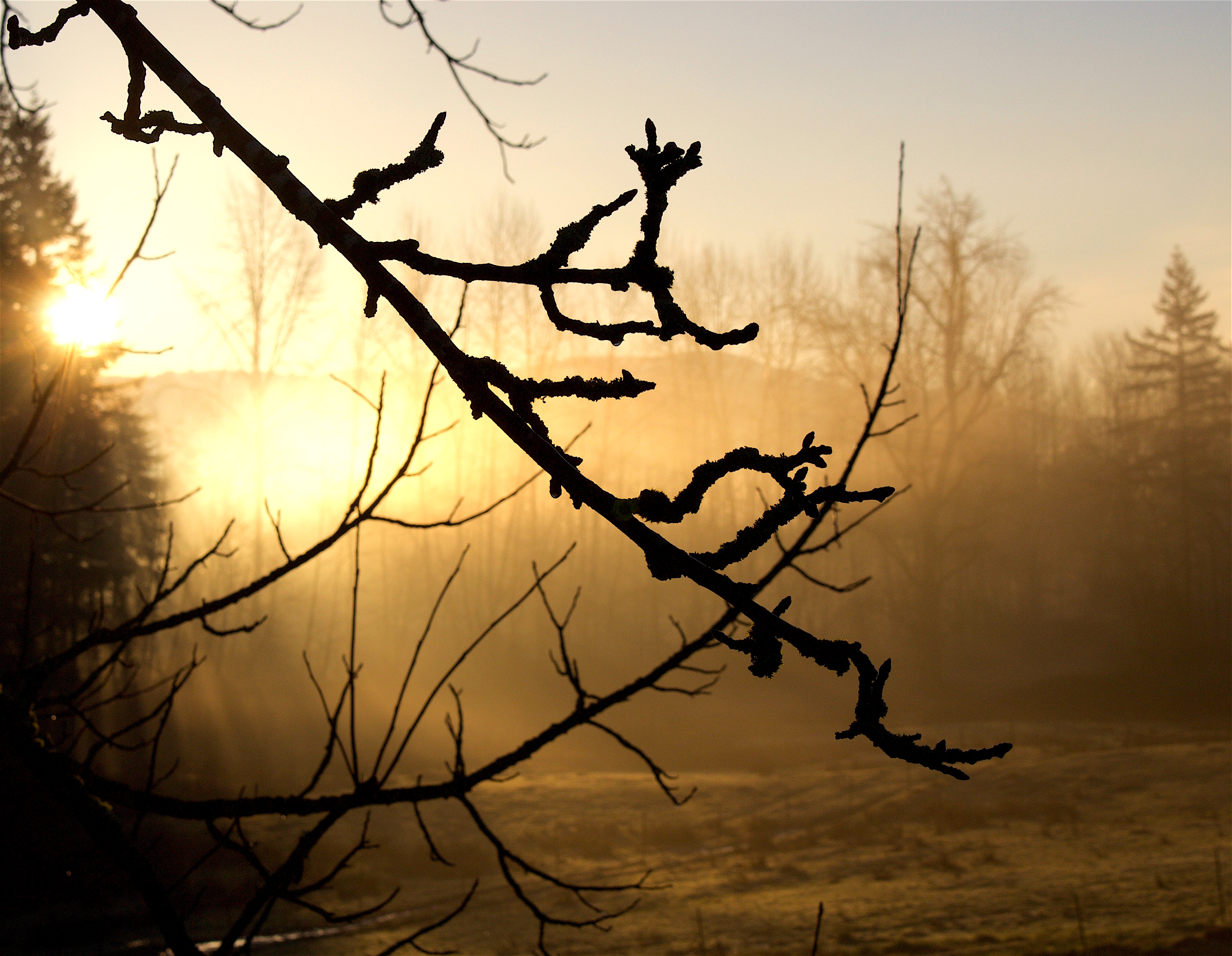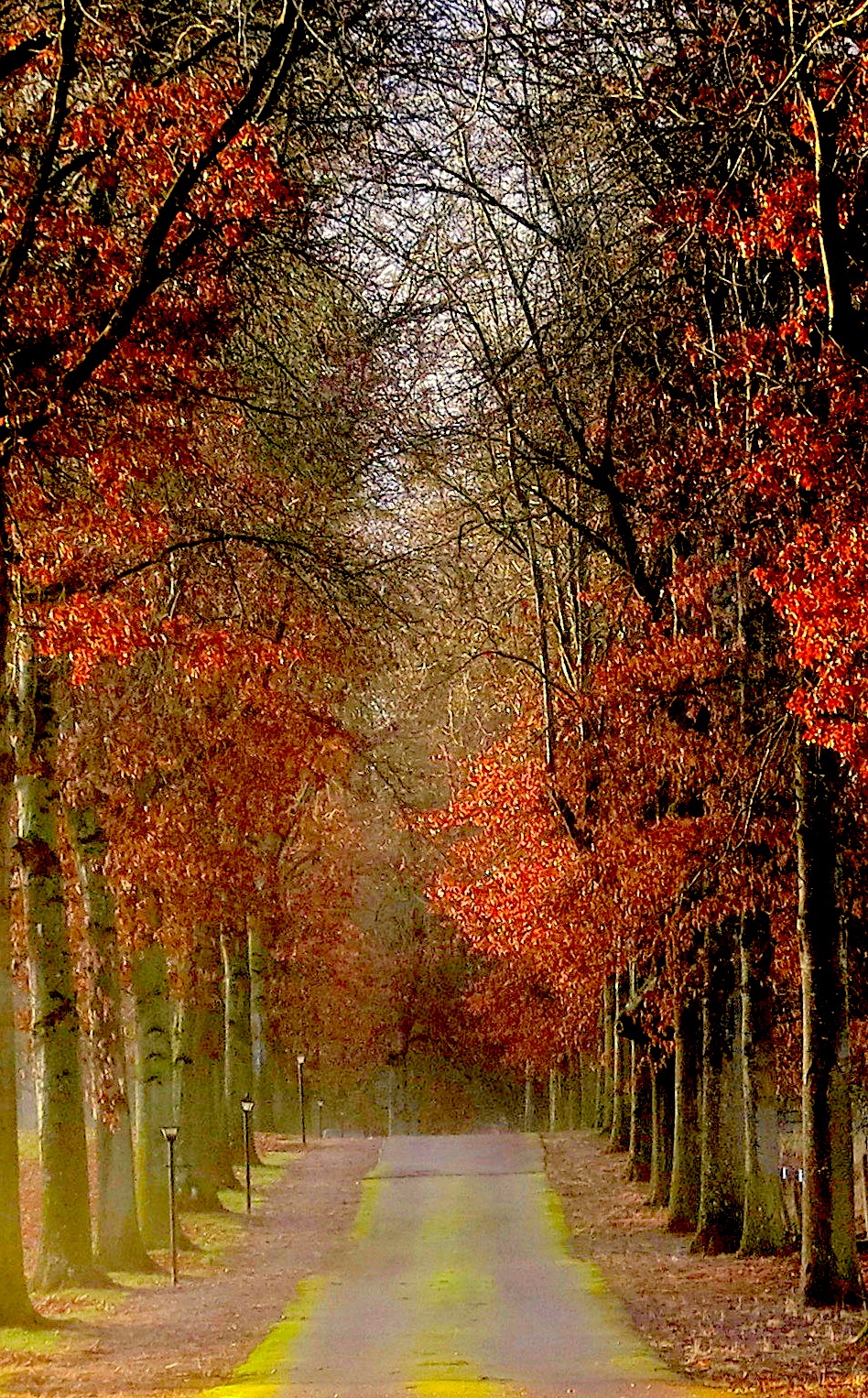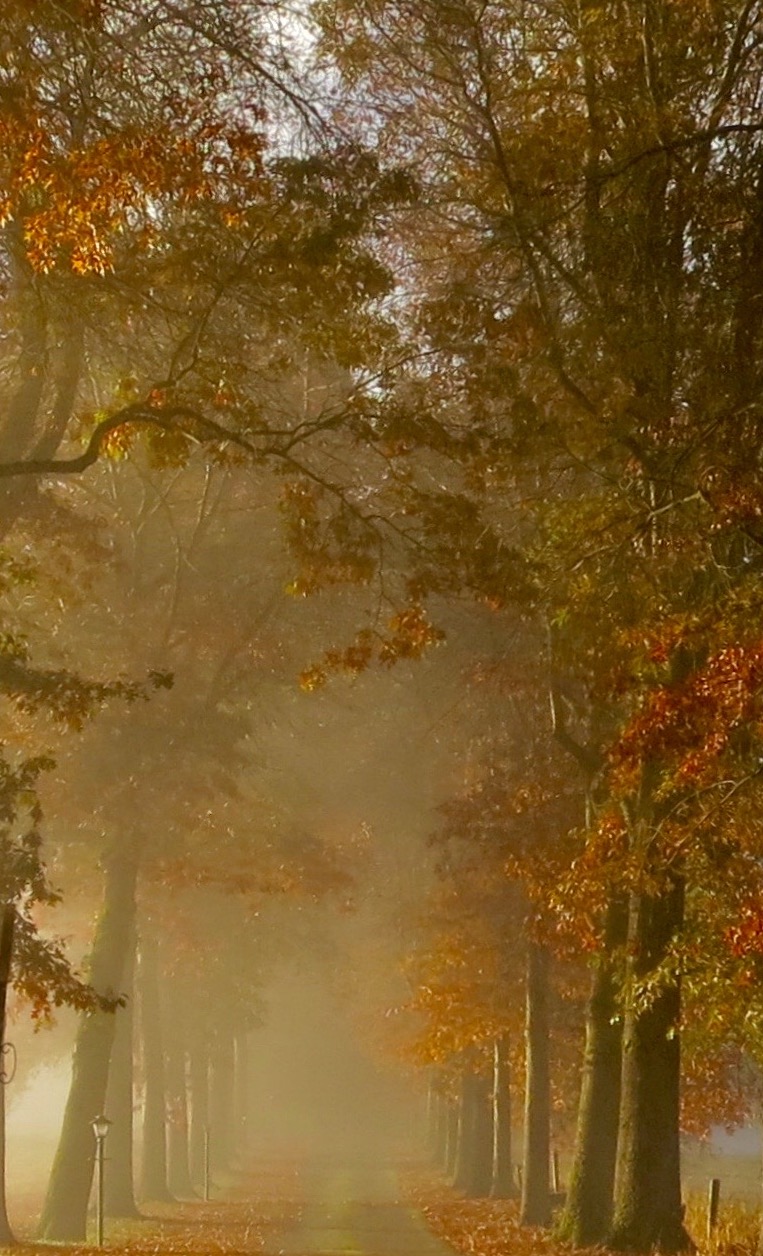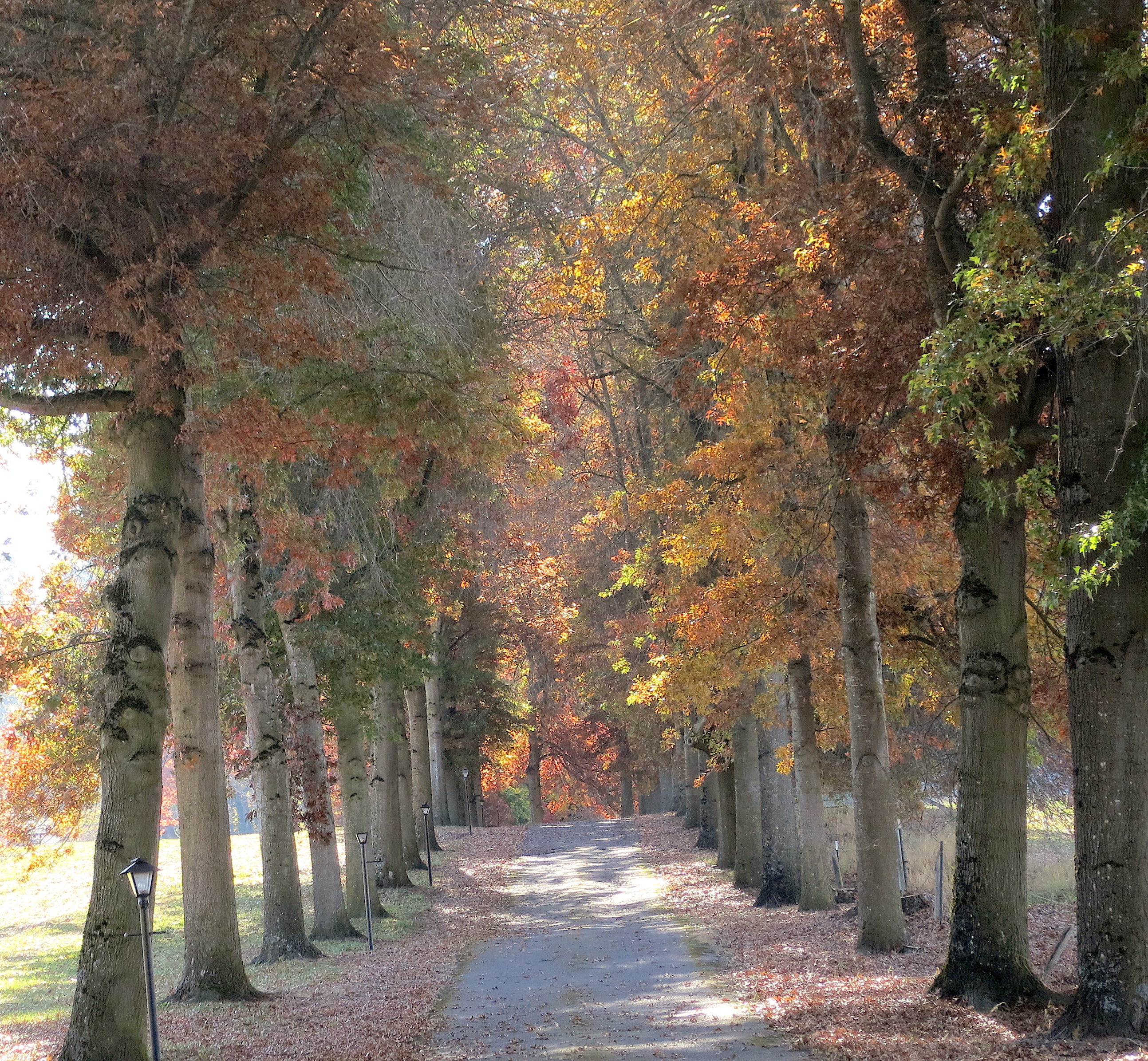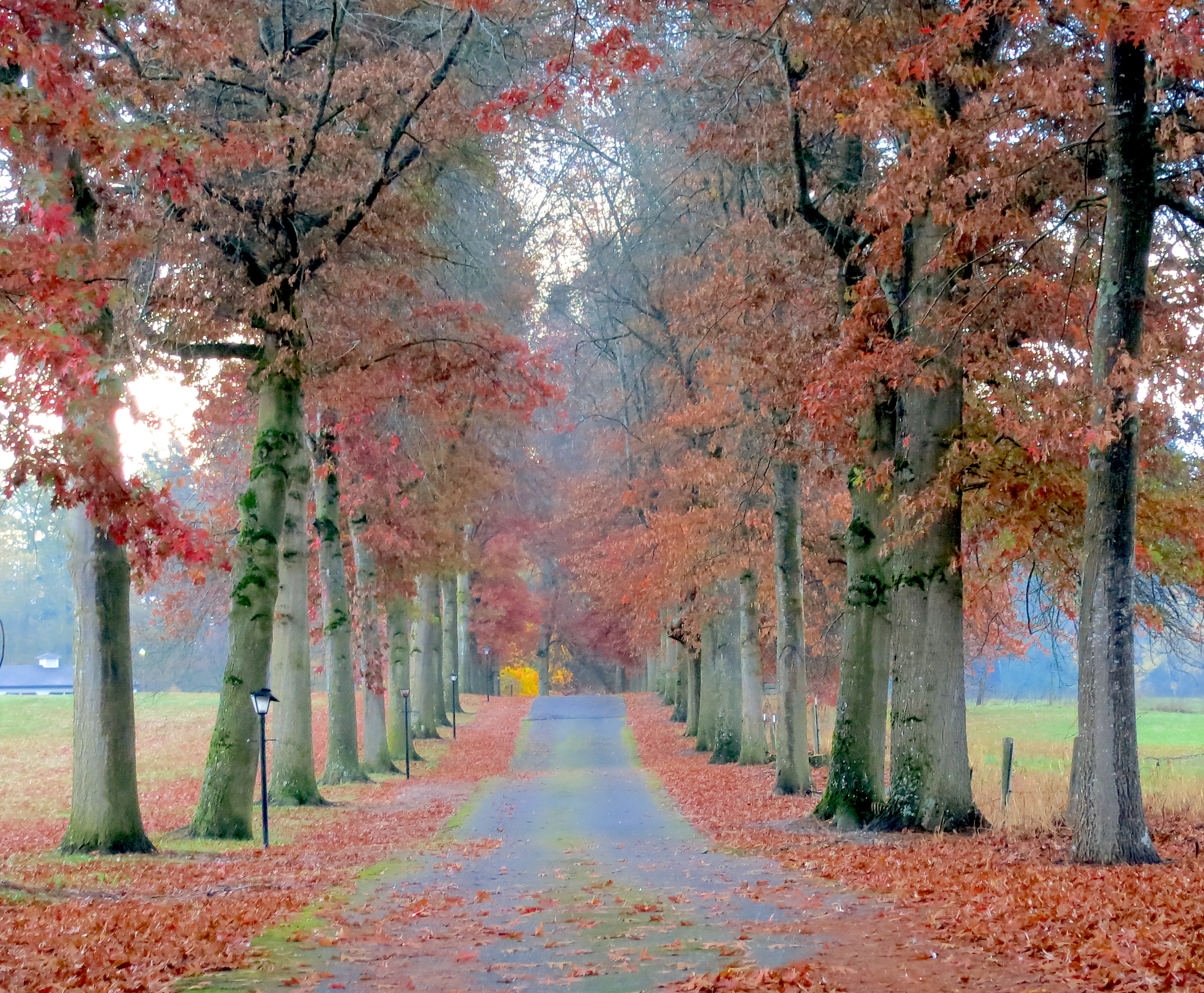
When you go home tell them of us and say – “For your tomorrow we gave our today” ~John Maxwell Edmonds from “The Kohima Epitaph”
They shall grow not old, as we that are left grow old: Age shall not weary them, nor the years condemn. At the going down of the sun and in the morning We will remember them. ~Lawrence Binyon from “For the Fallen” (1914)
We are the Dead. Short days ago We lived, felt dawn, saw sunset glow, Loved and were loved, and now we lie In Flanders fields. ~LtCol (Dr.) John McCrae from “In Flanders Fields”
We who are left, how shall we look again Happily on the sun, or feel the rain, Without remembering how they who went Ungrudgingly, and spent Their all for us, loved, too, the sun and rain?
A bird upon the rain-wet lilac sings — But we, how shall we turn to little things And listen to the birds and winds and streams Made holy by their dreams, Nor feel the heartbreak in the heart of things? ~Wilfred Wilson Gibson “A Lament”
November pierces with its bleak remembrance Of all the bitterness and waste of war. Our silence tries but fails to make a semblance Of that lost peace they thought worth fighting for. Our silence seethes instead with wraiths and whispers, And all the restless rumour of new wars, The shells are falling all around our vespers, No moment is unscarred, there is no pause, In every instant bloodied innocence Falls to the weary earth ,and whilst we stand Quiescence ends again in acquiescence, And Abel’s blood still cries in every land One silence only might redeem that blood Only the silence of a dying God. ~Malcolm Guite “Silence: a Sonnet for Remembrance Day”
To our military veterans here and abroad – in deep appreciation and gratitude– for the freedoms you have defended on behalf of us all:
No one is left untouched and unscarred in the bitterness of war.
My father was one of the fortunate ones who came home, returning to a quiet farm life after three years serving in the Pacific with the Marines Corp from 1942 to 1945. Hundreds of thousands of his colleagues didn’t come home, dying on beaches and battlefields. Tens of thousands more came home forever marked, through physical or psychological injury, by the experience of war and witness of death and mayhem all around them.
No matter how one views wars our nation has fought and may be obligated to fight in the future, we must support and care for the men and women who have made, on our behalf, the commitment and sacrifice to be on the front line for freedom’s sake.
Even our God died so we could stop fighting each other (and Him). What a waste we have not stopped to listen and understand His sacrifice enough to finally lay down our weapons against one another forever.
What would the world be, once bereft Of wet and of wildness? Let them be left, O let them be left, wildness and wet; Long live the weeds and the wilderness yet. ~Gerard Manley Hopkins from “Inversnaid”
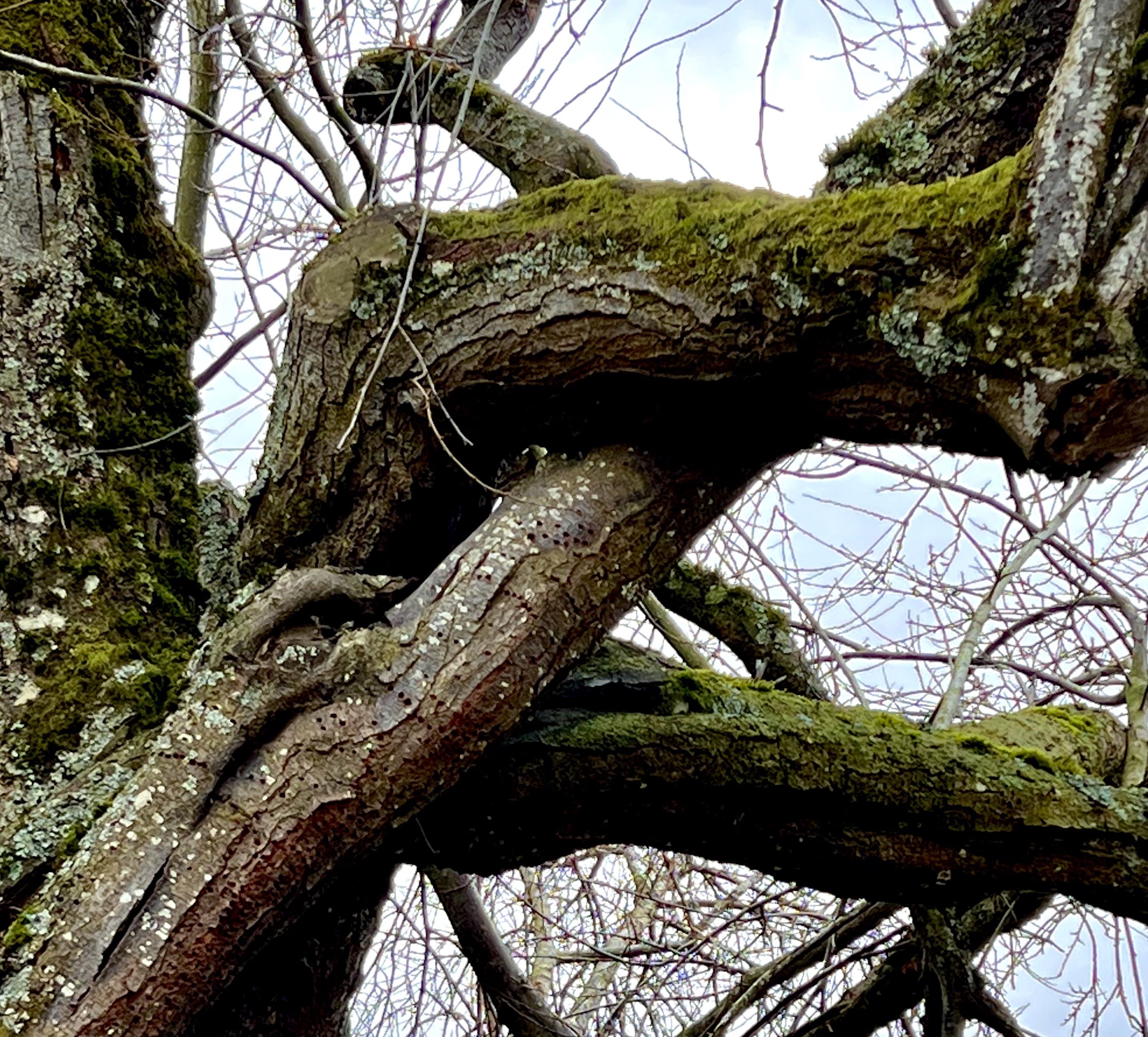
In my anguish at the chaos in the world, let me remember, when I look closely, through the rain, even the weeds, the unruly, unholy weeds are connected in this wilderness.
There is order here even if I can’t feel it now. Let us weeds be left. We are meant to be.
One-Time
Monthly
Yearly
Make a one-time or recurring donation to support daily Barnstorming posts
I like the lady horses best, how they make it all look easy, like running 40 miles per hour is as fun as taking a nap, or grass. I like their lady horse swagger, after winning. Ears up, girls, ears up! But mainly, let’s be honest, I like that they’re ladies. As if this big dangerous animal is also a part of me, that somewhere inside the delicate skin of my body, there pumps an 8-pound female horse heart, giant with power, heavy with blood. Don’t you want to believe it? Don’t you want to lift my shirt and see the huge beating genius machine that thinks, no, it knows, it’s going to come in first. ~Ada Limón “How to Triumph Like a Girl”
Primarily from my college training in animal behavior, I have an appreciation for social cues, both human and non-human: those often nonverbal signals that are communicated through subtle means–in people, perhaps it is a raised eyebrow, a rapid blink, a tensing of the lips, a fidgeting foot.
When I studied captive and wild chimpanzees, they showed very familiar facial expressions and nonverbal communication that could be understood readily by a human primate.
In horses, it can be harder to interpret but their nonverbal language is there for all to see. The herdmates and the human handler, with careful observation and interpretation, should not be surprised about “what is going to happen next.”
It is no mystery.
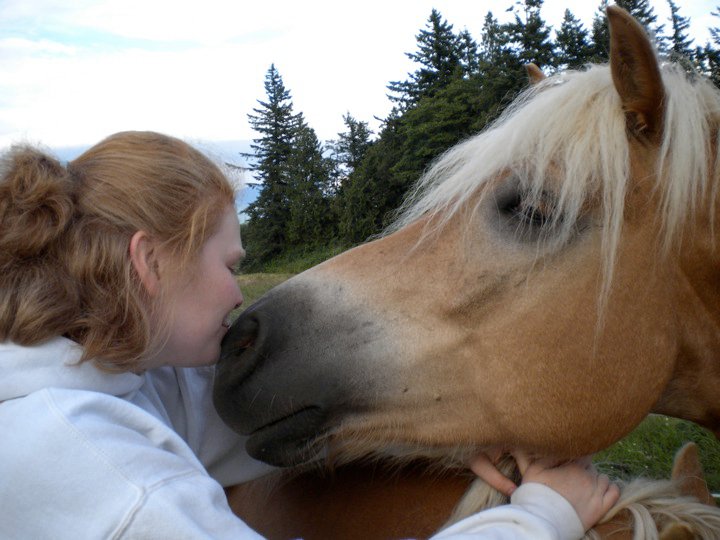
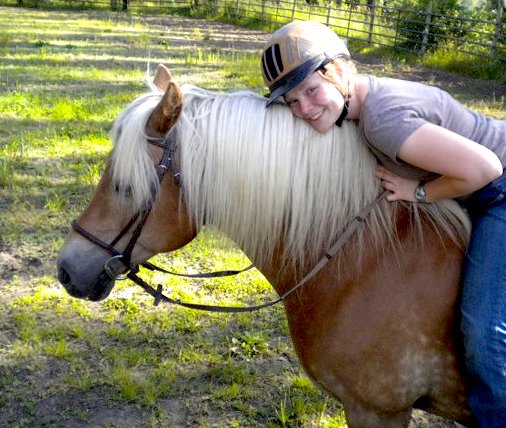
I don’t consider Haflinger horses particularly subtle in their communication with each other or with humans. They can tend to have a “bull in a china shop” approach to life; this is not a breed that evolved particularly plagued with the existence of many predators in the Austrian Alps, so the need to blend into the background was minimal. Haflingers tend to be “out there”: unafraid, bold, meeting one’s gaze, and curious what the human is thinking.
I’ve found over the years that the best way to interpret a Haflinger’s emotions is by watching their ears, and to a lesser extent, their lips and tails. They usually have “poker face” eyes, deceptive at times in their depth, calmness and serenity. I tend to get lost in the beauty of their eyes and not pay attention to what the rest of the horse is saying.
Watching them interact with each other, almost everything is said with their ears. A horse with a friendly approach has ears forward, receptive, eager. If the horse being approached is welcoming, the ears are relaxed. Two good friends grooming or grazing together have swiveling, loose ears, often pointing toward each other, almost like a unique conversation between the four ears themselves. So when a Haflinger is happy to approach, or be approached by humans, the ears always say so.
Ears that are swiveling back, tensing and tight, or pinning are another story altogether. It is the clear signal of “get outta my way!”, or “you are not sharing this pile of hay with me” or “you may think you are a cute colt, but if you climb on me one more time…”
Ears can signal impatience “you are not getting my grain fast enough”, or “I’ve been standing here tied for too long!” A simple change in ear position can cause a group of horses to part like the Red Sea.
I owned a mare who was orphaned at 3 days of age, and spent her early weeks with intensive handling by people, and then allowed to socialize with a patient older gelding until she was old enough to be among other weanlings. When she came to our farm at 6 months of age, she had not learned all the usual equine social cues of a mare herd, and though very astute at reading human gestures and behavior, took awhile to learn appropriate responses. When turned out with the herd, she was completely clueless–she’d approach the dominant alpha mare incorrectly, without proper submission, get herself bitten and kicked and was the bottom of the social heap for years, a lonesome little filly with few friends and very few social skills.
She had never learned submission with people either, and had to have many remedial lessons on her training path. Once she was a mature working mare, her relationship with people markedly improved as there was structure to her work and predictability for her, and after having her own foals, she picked up cues and signals that helped her keep her foal safe, though she has always been one of our most relaxed “do whatever you need to do” mothers when we handle her foals as she simply never learned that she needed to be concerned.
Over the years, as the herd changed, this mare became the alpha mare, largely by default and seniority, so I don’t believe she really trusted her position as “real”. She tended to bully, and react too quickly out of her own insecurity about her inherited position. She was very skilled with her ears but she is also a master at the tail “whip” and the tensed upper lip–no teeth, just a slight wrinkling of the lip. The herd scattered when they see her face change.
The irony of being on top of the herd hierarchy: she was more lonely than when she was at the bottom. She was a whole lot less happy as she had few grooming partners any more. She craved power more than friends.
I certainly see people like this at times in the world. Some are not at all attuned to social cues, blundering their way into situations without understanding the consequences and “blurting without thinking”. It takes lots of kicks and bites for them to learn how to read other people and behave appropriately. Sometimes they turn to bullying because it is communication that everyone understands and responds to, primarily by “getting out of their way”. Perhaps they are very lonely, insecure, and need friends but their need for power overcomes their need for support.
We see this too frequently in people in our news headlines.
I continue to “watch the ears”–both Haflinger and human. And I continue to refine my own way of communicating so that I’m not a mystery to those around me. Hopefully no one scatters when they see me coming…
One-Time
Monthly
Yearly
Make a one-time or recurring donation to support daily Barnstorming posts
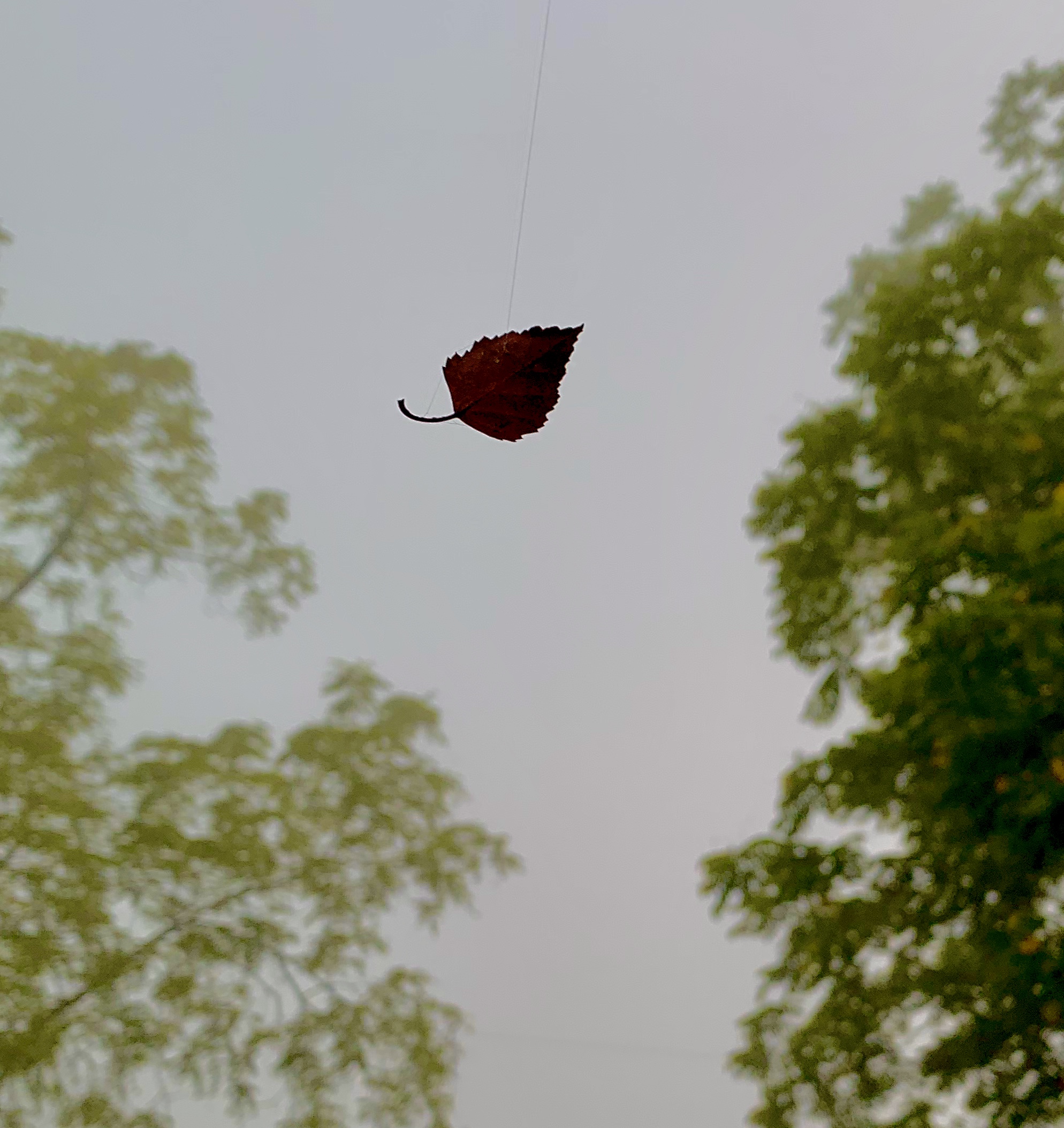
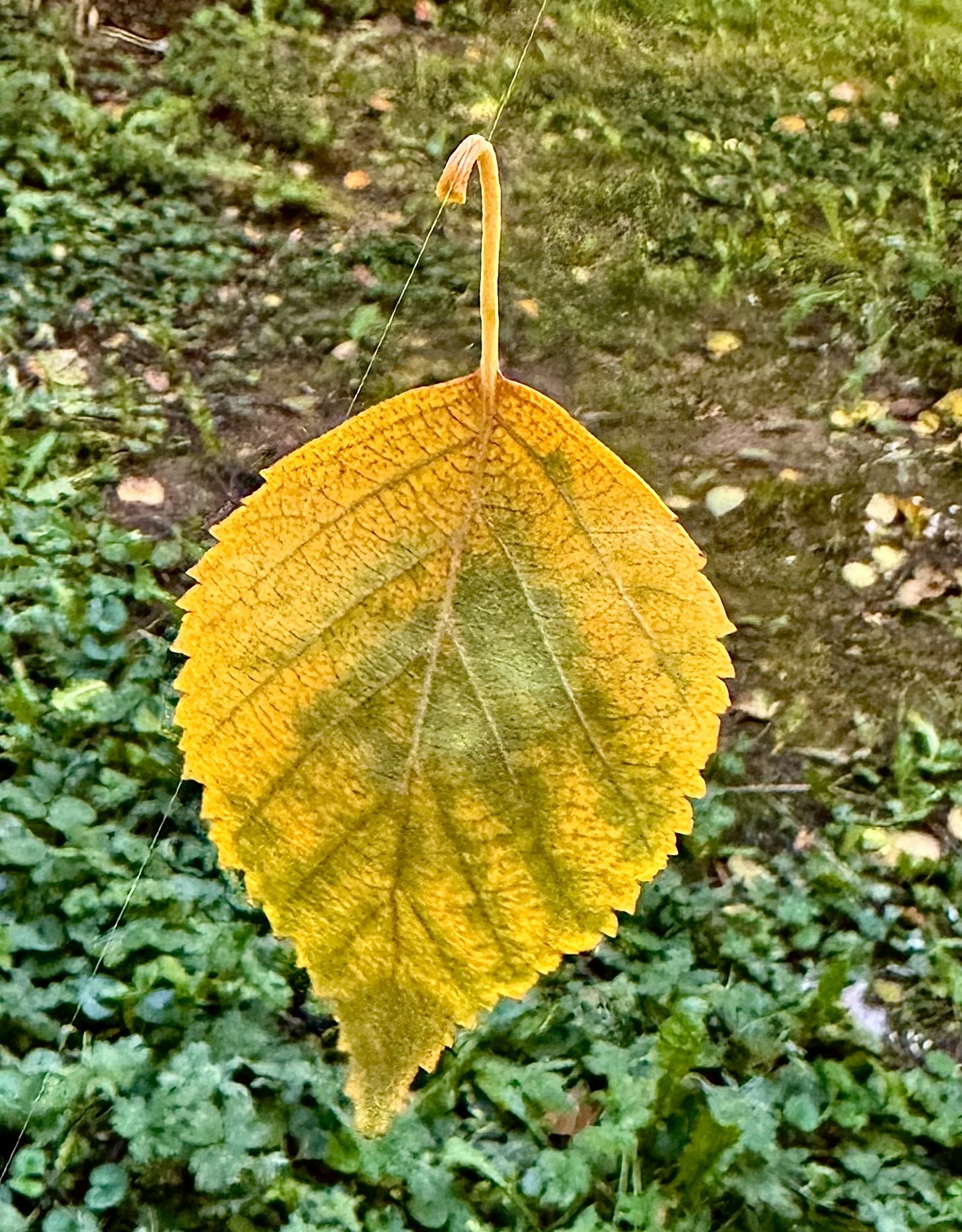
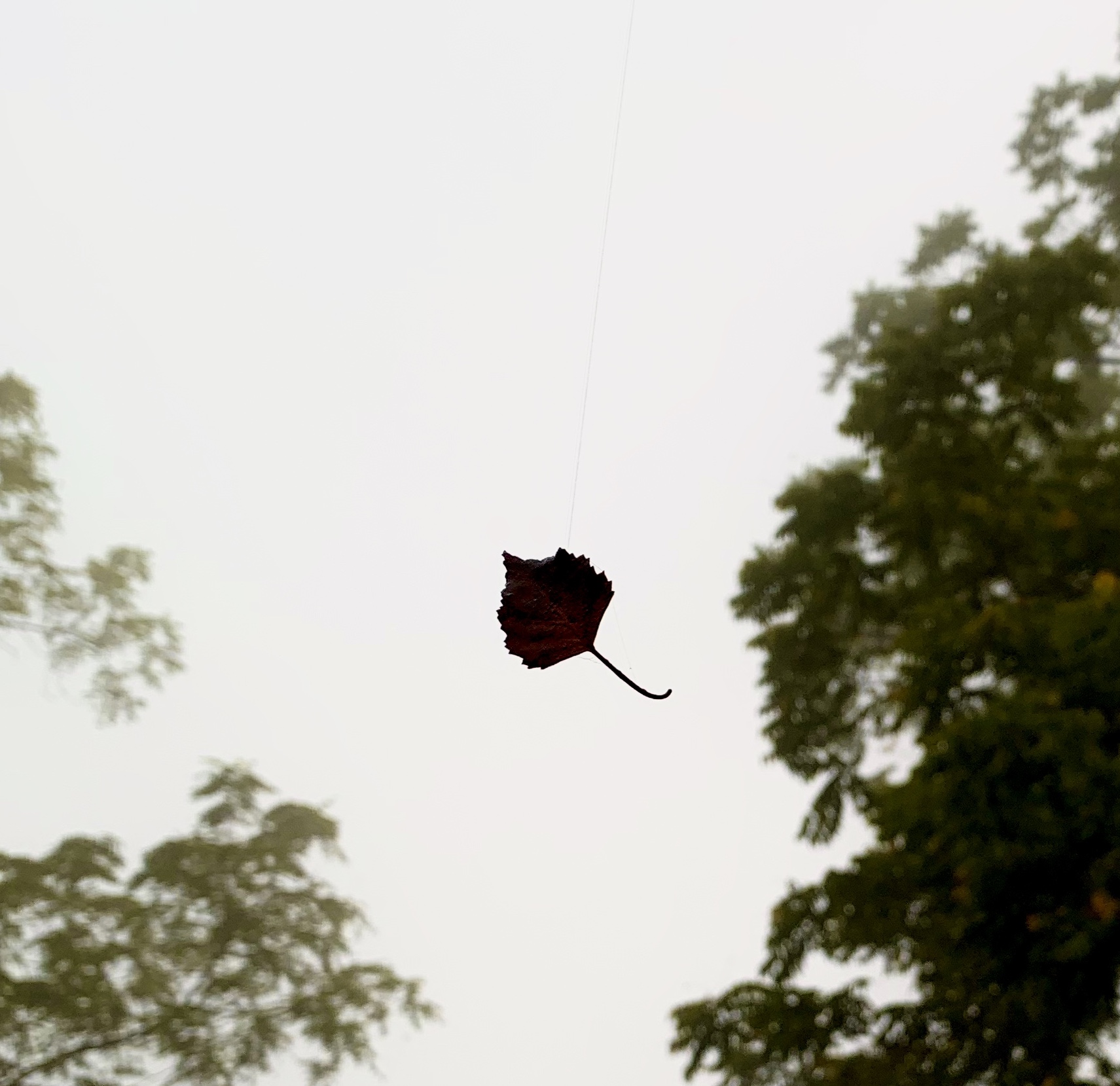
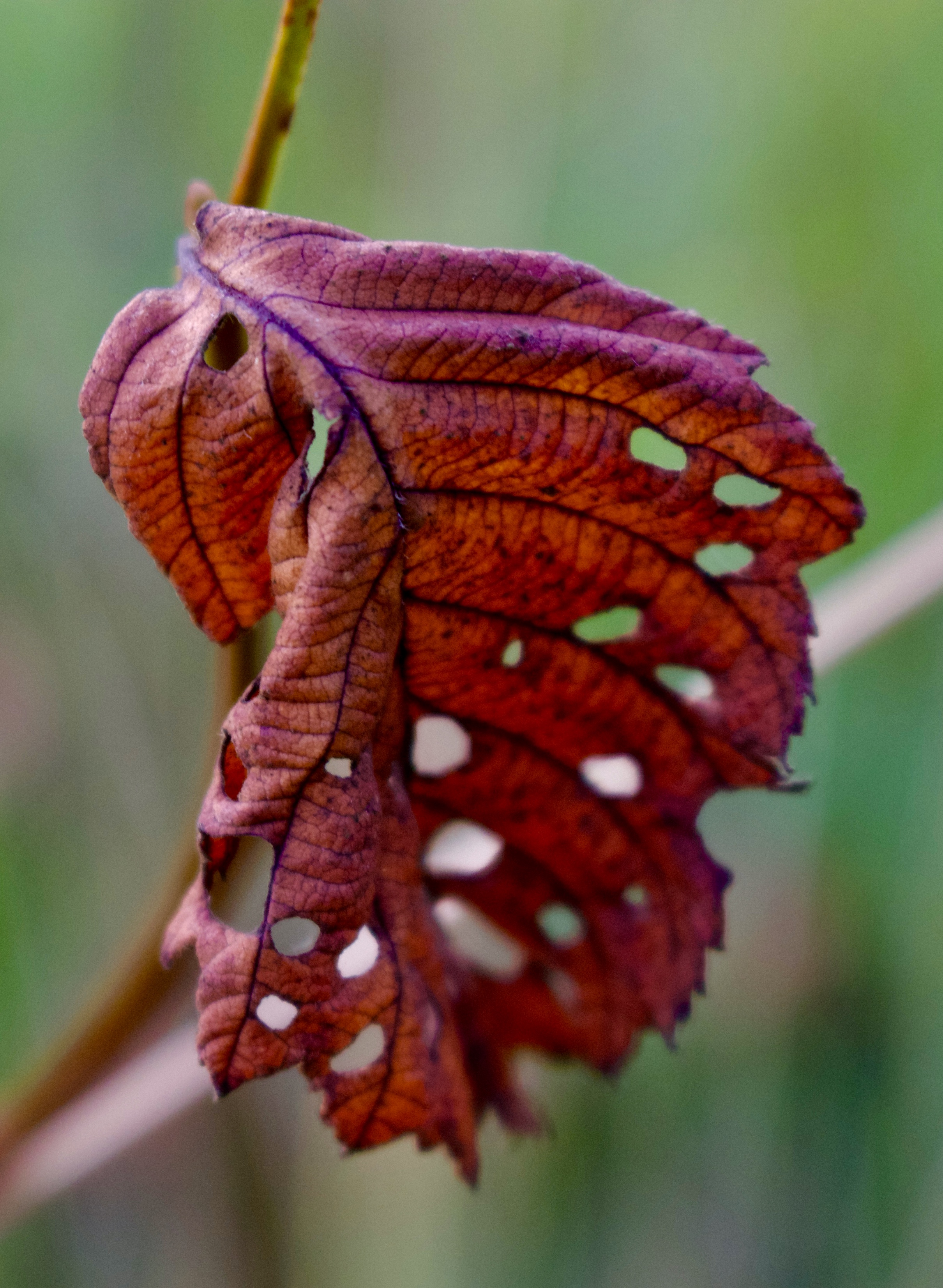
October’s bellowing anger breaks and cleaves The bronzed battalions of the stricken wood In whose lament I hear a voice that grieves For battle’s fruitless harvest, and the feud Of outraged men. Their lives are like the leaves Scattered in flocks of ruin, tossed and blown Along the westering furnace flaring red. O martyred youth and manhood overthrown, The burden of your wrongs is on my head. ~Siegfried Sassoon “Autumn”(about his time in the trenches in WWI)
Over more than a century, we have learned little about how to resolve the bellows of outraged men.
The fruitless harvest of battle, counting up each violent death, as warships gather for unsanctioned war games.
Lament the tossing and blowing of lives like October leaves, in a show of force as transient and arbitrary as the wind, merely to make a fruitless point…
to what end are the feuds of angry men?
One-Time
Monthly
Yearly
Make a one-time or recurring donation to support daily Barnstorming posts
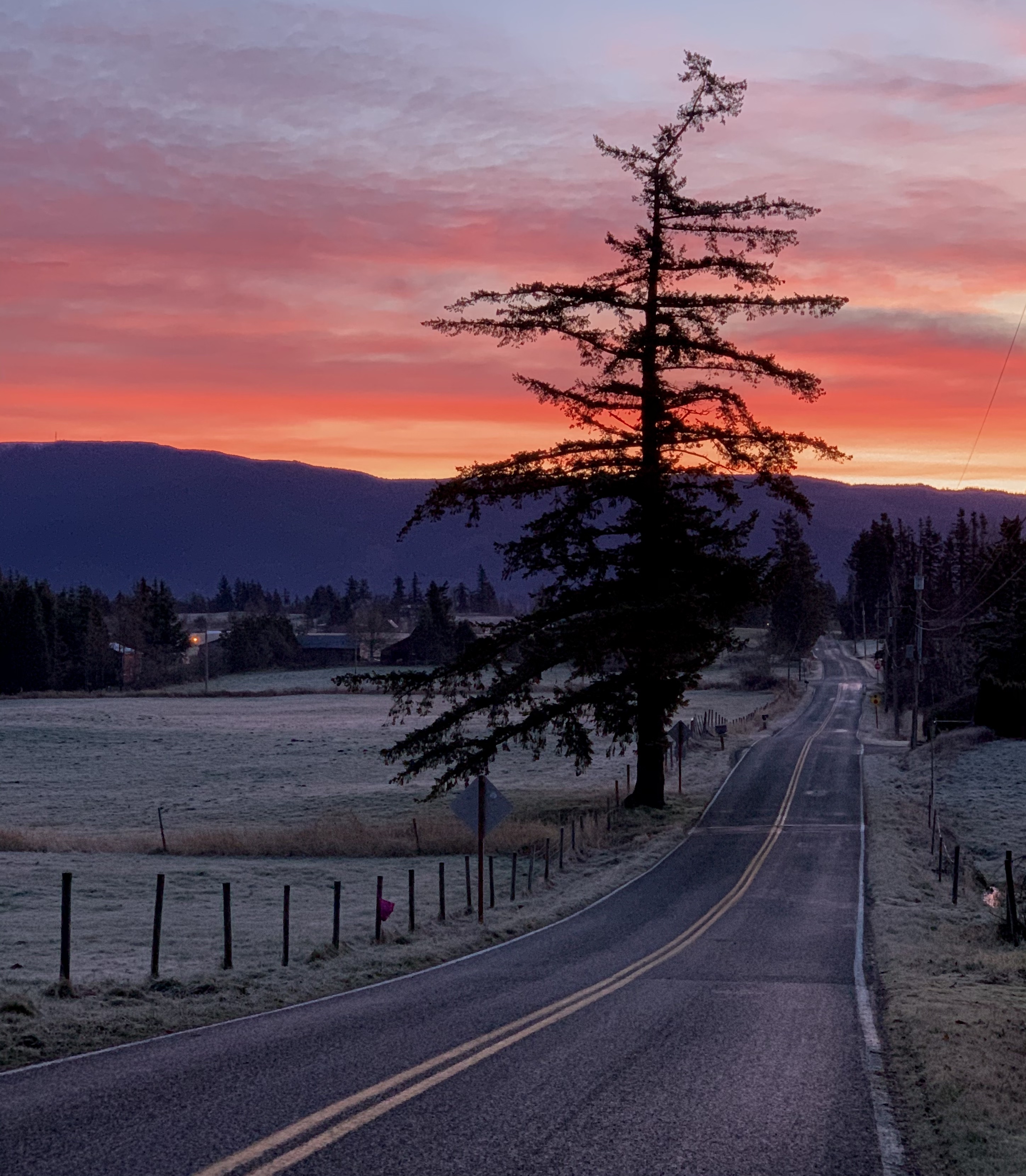
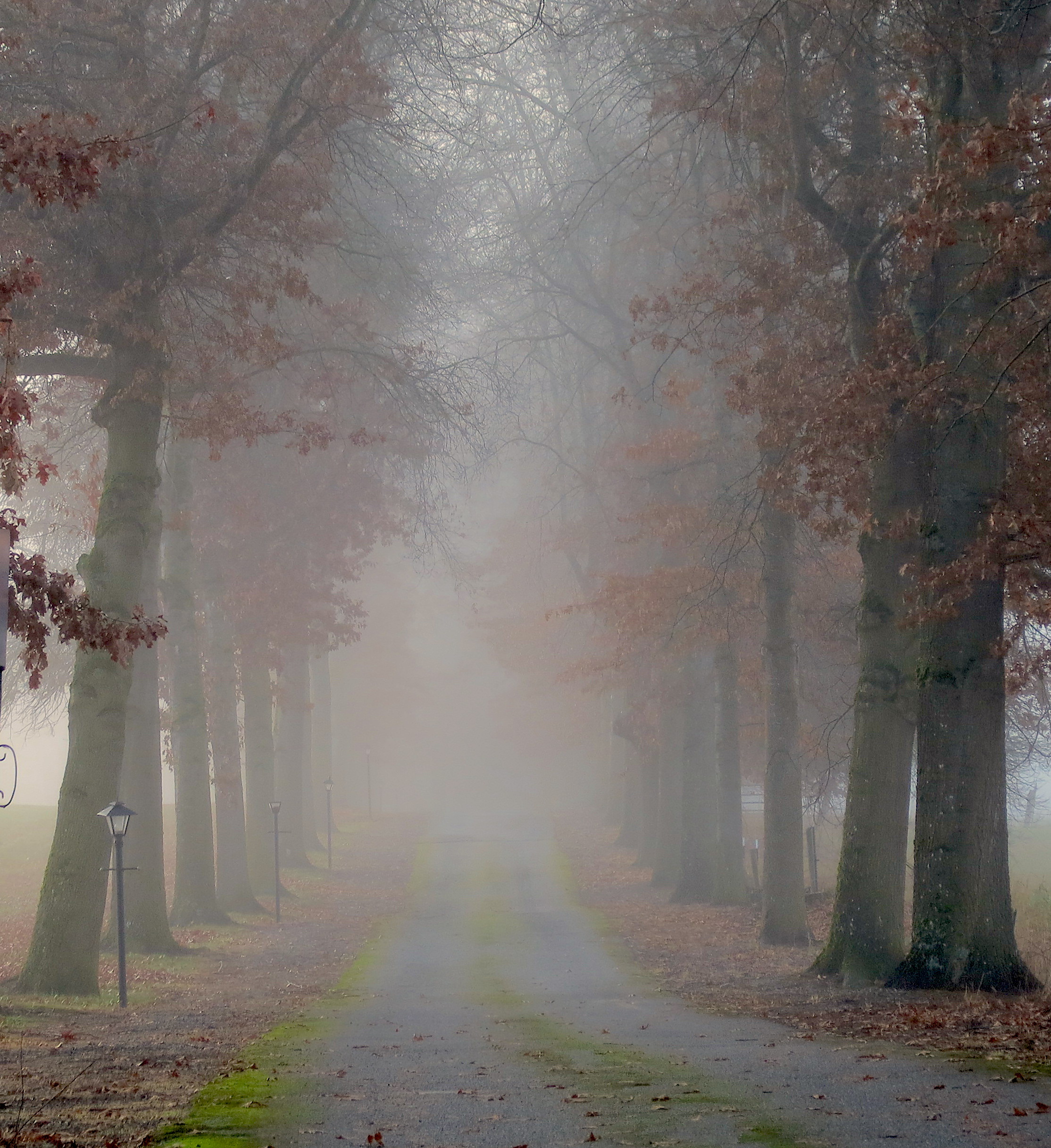
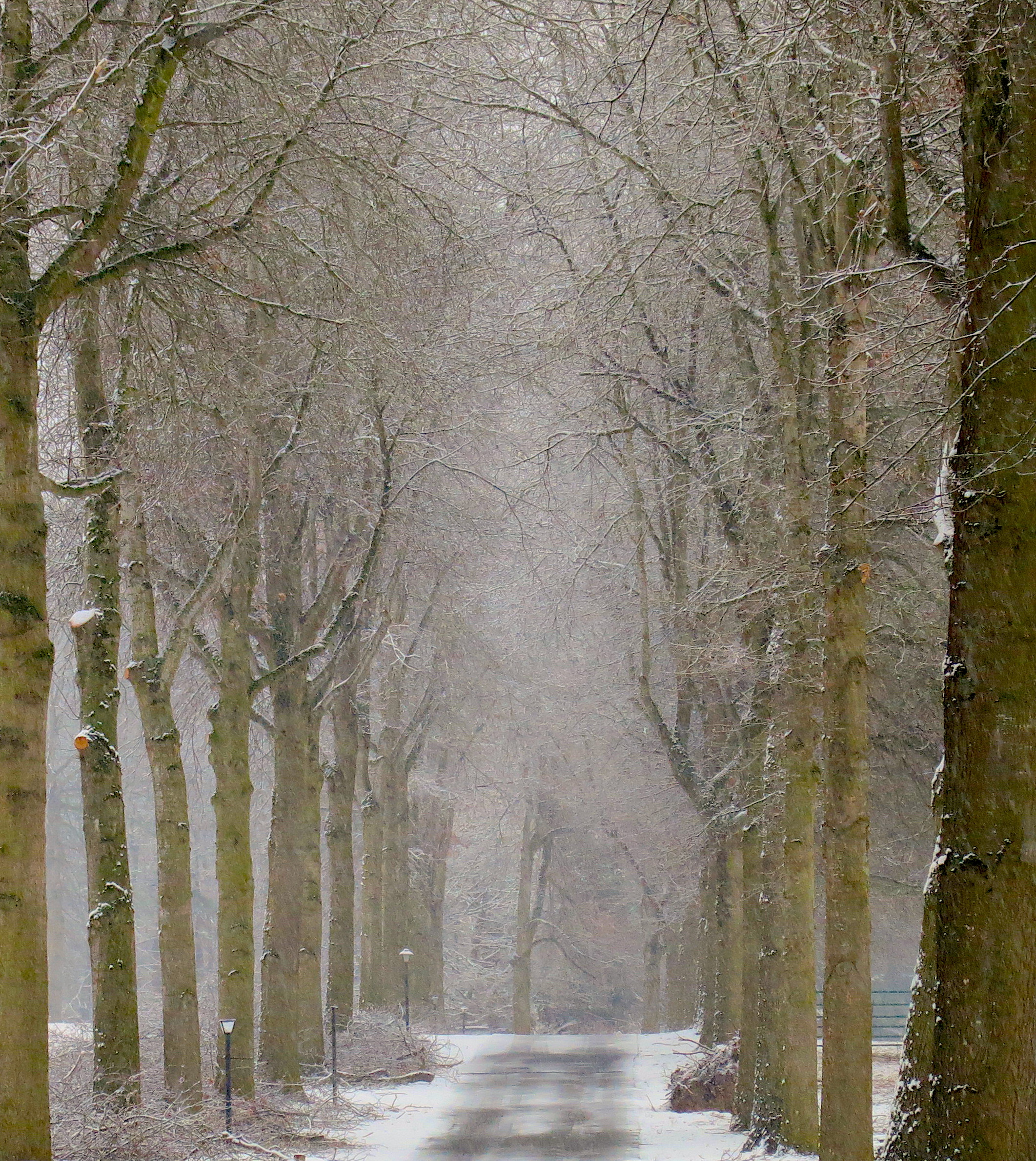
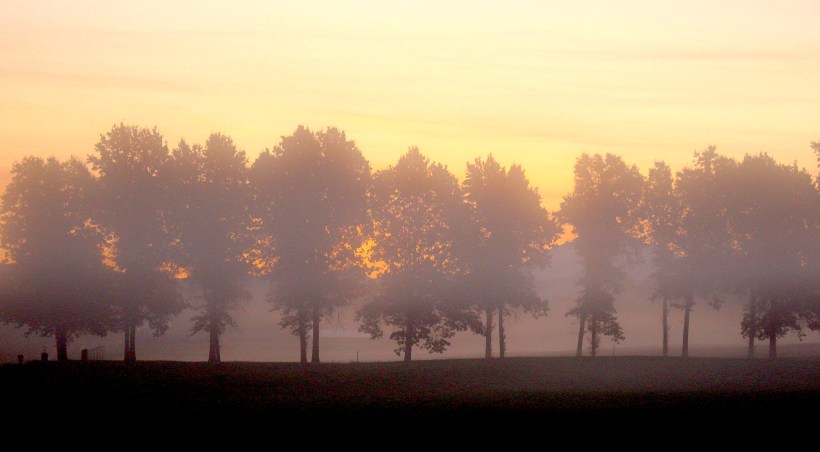
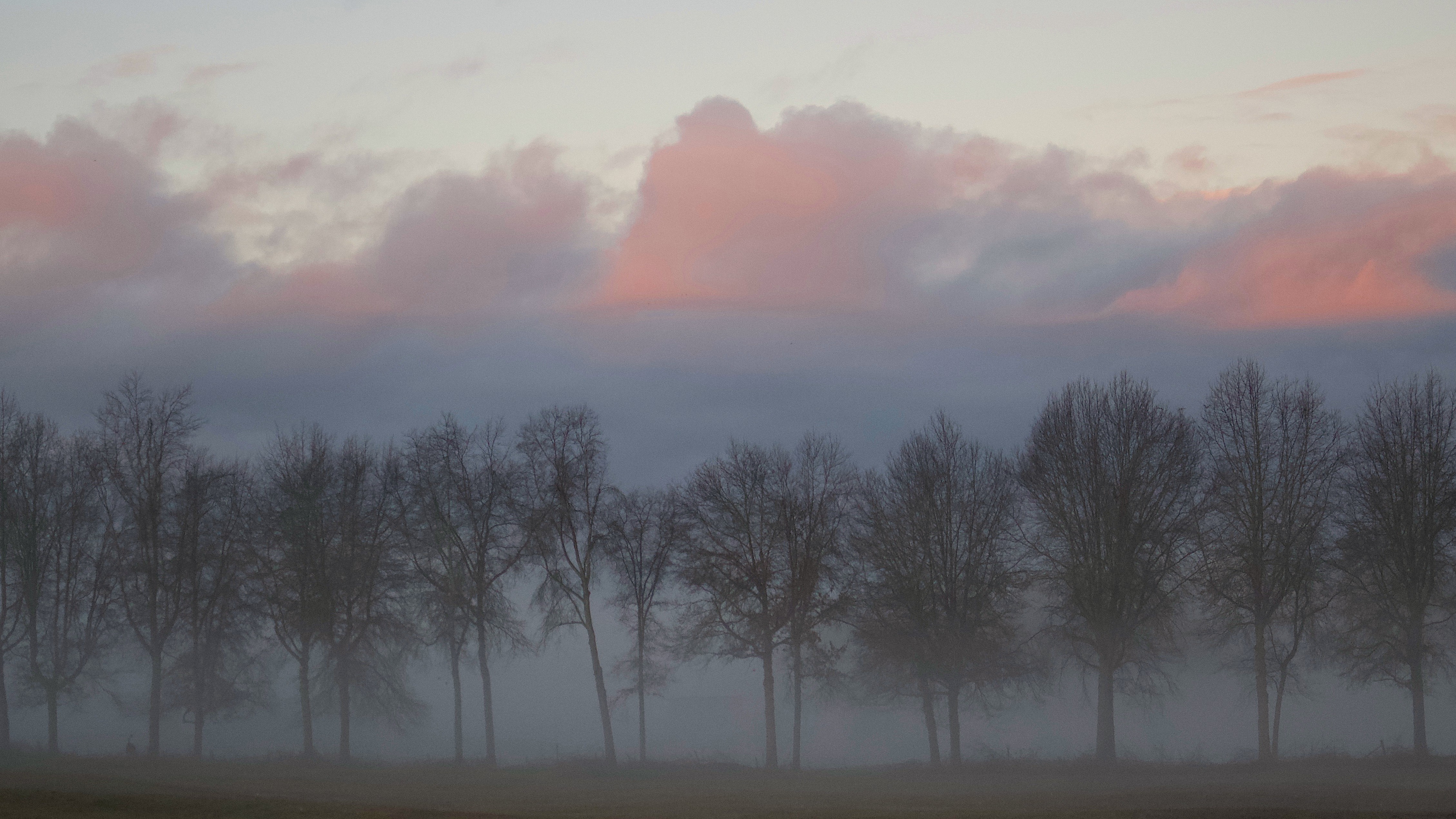
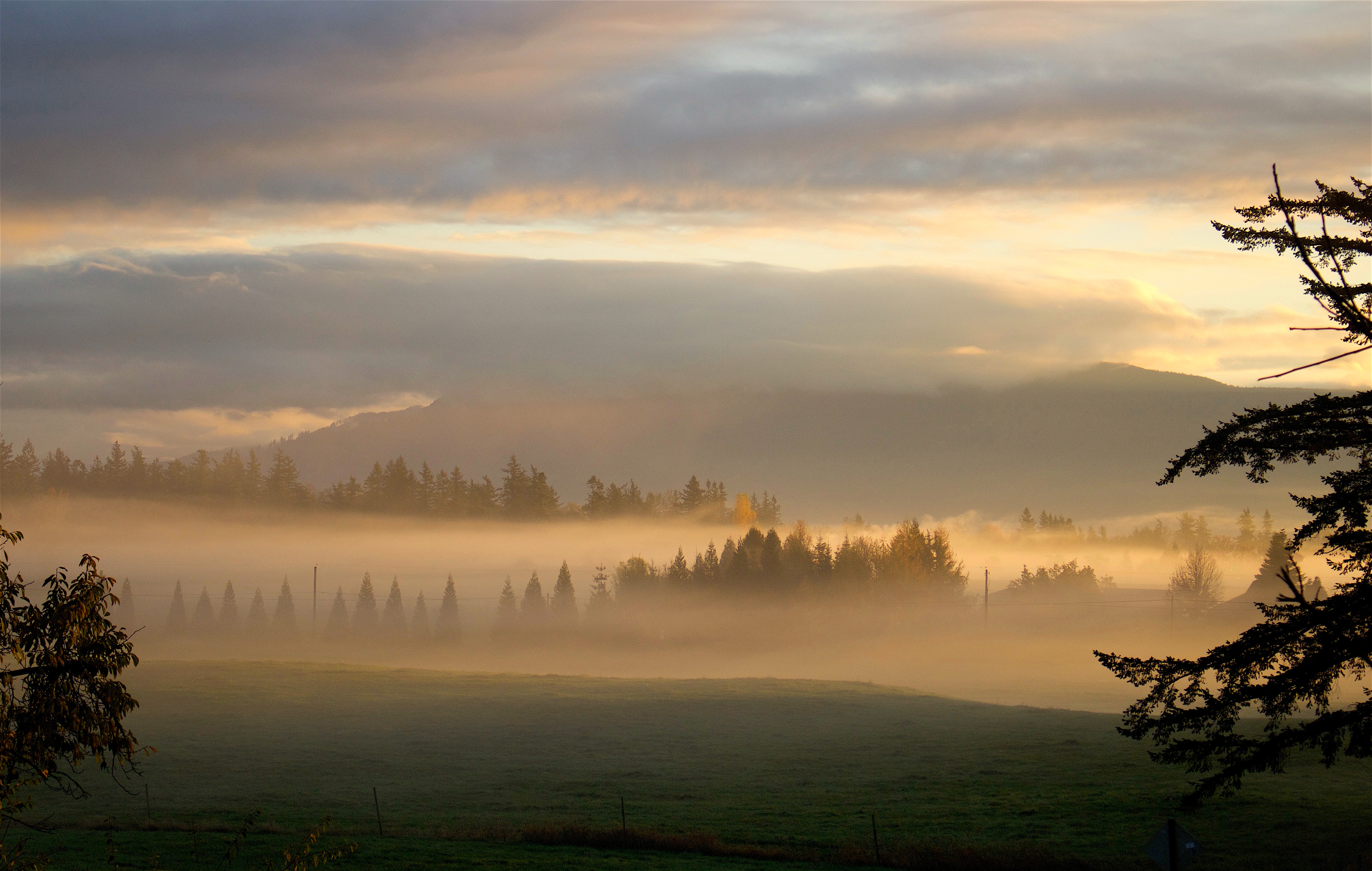
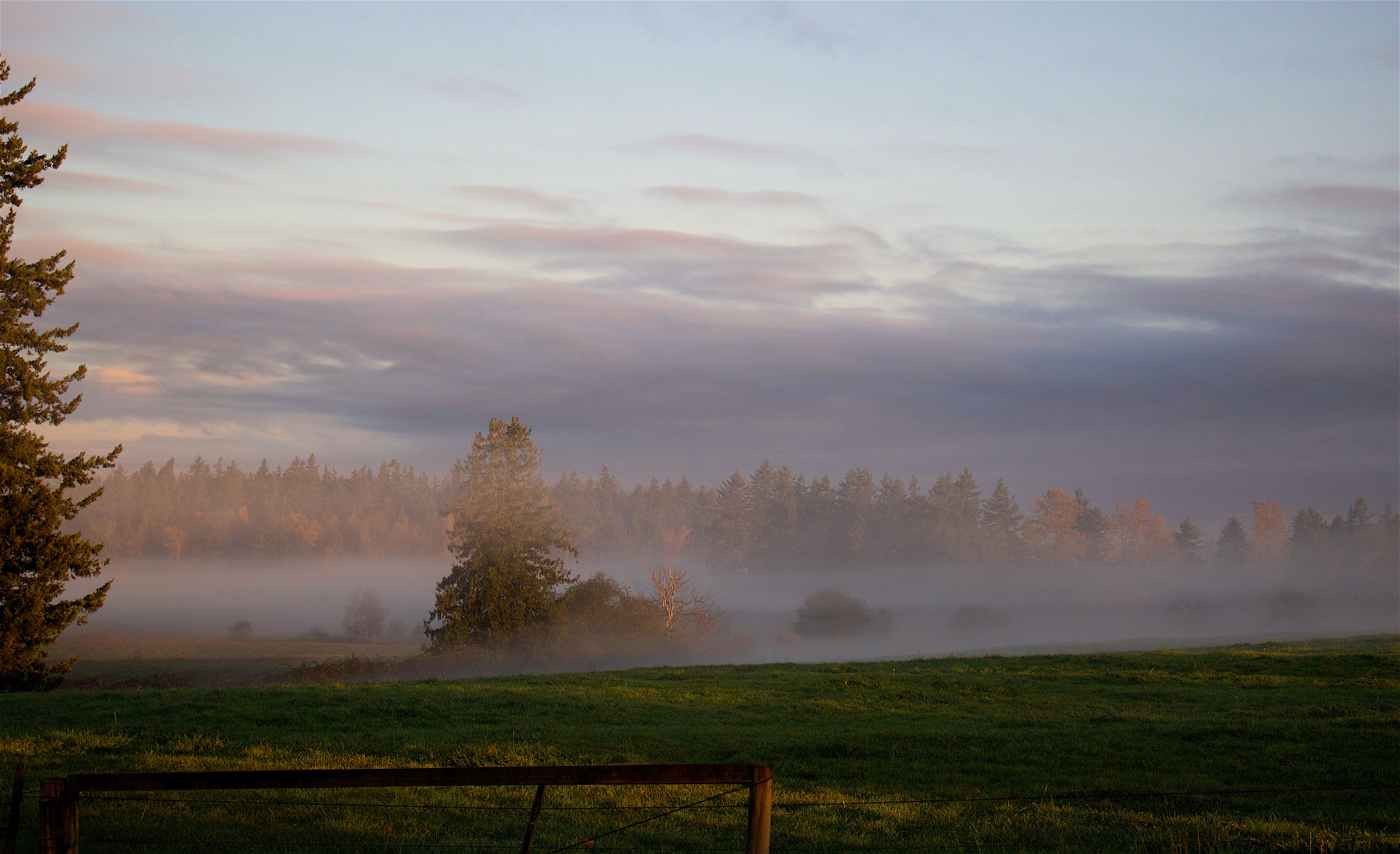
~Lustravit lampade terras~ (He has illumined the world with a lamp) The weather and my mood have little connection. I have my foggy and my fine days within me; my prosperity or misfortune has little to do with the matter. – Blaise Pascal from “Miscellaneous Writings”
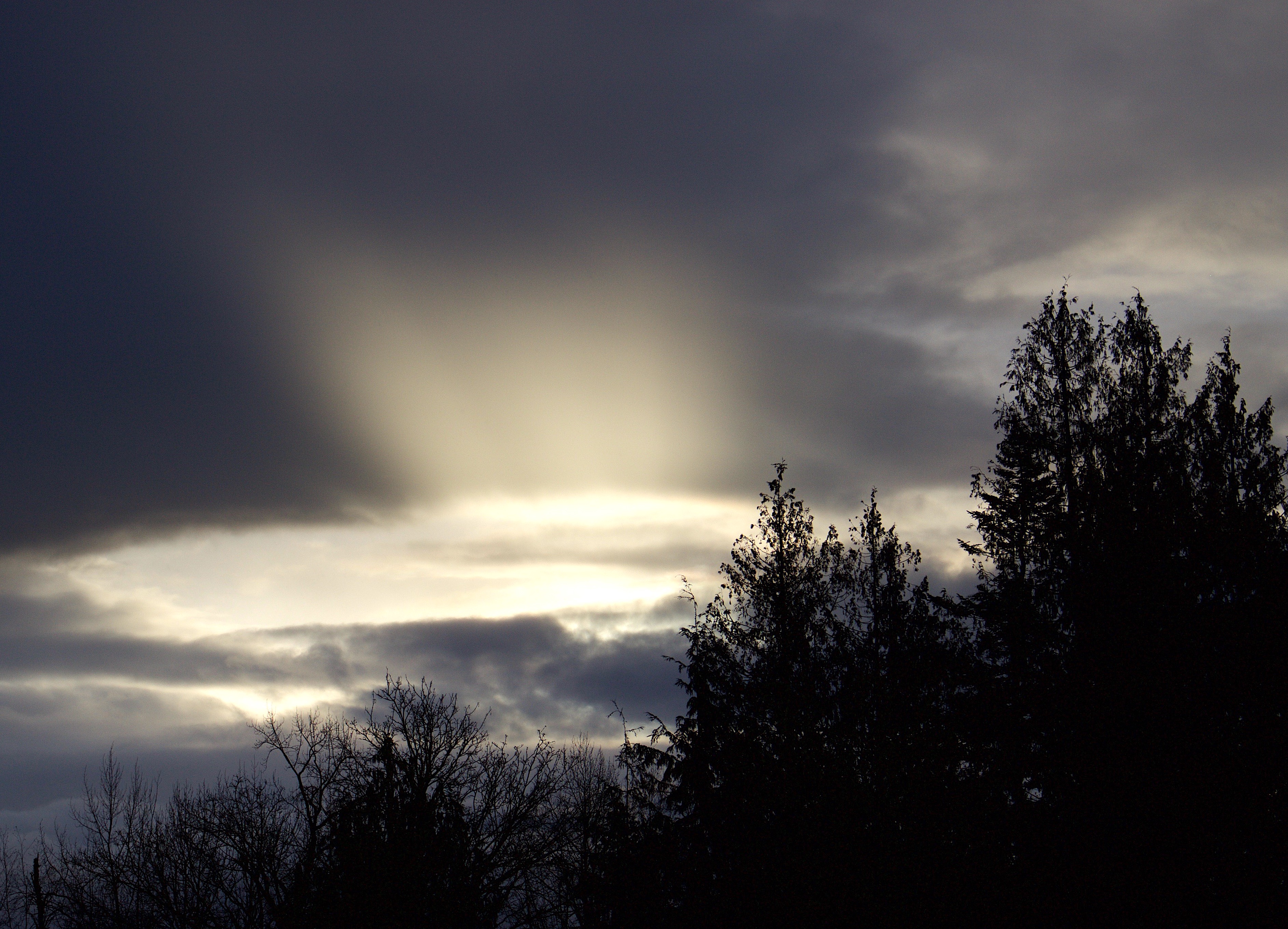
And so you have a life that you are living only now, now and now and now, gone before you can speak of it, and you must be thankful for living day by day, moment by moment … a life in the breath and pulse and living light of the present… ~Wendell Berry from Hannah Coulter
Early morning, everything damp all through. Cars go by. A ripping sound of tires through water. For two days the air Has smelled like salamanders. The little lake on the edge of town hidden in fog, Its cattails and island gone. All through the gloom of the dark week Bright leaves have been dropping From black trees Until heaps of color lie piled everywhere In the falling rain. ~Tom Hennen “Wet Autumn” from Darkness Sticks to Everything.
An absolute patience. Trees stand up to their knees in fog. The fog slowly flows uphill. White cobwebs, the grass leaning where deer have looked for apples. The woods from brook to where the top of the hill looks over the fog, send up not one bird. So absolute, it is no other than happiness itself, a breathing too quiet to hear. – Denise Levertov “The Breathing“
Worry and anger and angst can be more contagious than the flu.
I want to mask up and wash my hands of it throughout the day. There should be a vaccination against the fear of reading headlines.
I want to say to myself: Stop now, this moment in time. Stop and stop and stop.
Stop needing to be numb to all discomfort. Stop resenting the gift of each breath. Just stop. Instead, simply be still, in this moment
I want to say to myself: this moment, foggy or fine, is yours alone, this moment of weeping and sharing and breath and pulse and light.
Shout for joy in it. Celebrate it. I am alive in it, even in worry.
Be thankful for tears that flow over grateful lips just as rain clears the fog. Stop holding them back.
Just be– be blessed in both the fine and the foggy days– in the now and now and now.
One-Time
Monthly
Yearly
Make a one-time or recurring donation to support daily Barnstorming posts
It happens in an instant. My grandma used to say someone is walking on your grave.
It’s that moment when your life is suddenly strange to you as someone else’s coat
you have slipped on at a party by accident, and it is far too big or too tight for you.
Your life feels awkward, ill fitting. You remember why you came into this kitchen, but you
feel you don’t belong here. It scares you in a remote numb way. You fear that you—
whatever you means, this mind, this entity stuck into a name like mercury dropped into water—
have lost the ability to enter your self, a key that no longer works. Perhaps you will be locked
out here forever peering in at your body, if that self is really what you are. If you are at all. ~Marge Piercy “Dislocation” from The Crooked Inheritance
This Self—Hispanic, Latin, blond, black, olive-skinned, native and immigrant— dispersed far and wide was here with everyone, yesterday and again today;
I am large, I contain multitudes. They will not manage to deny me or ignore me or declare me undocumented: I am written in you, in all, as all are in me… ~Luis Alberto Ambroggio from We Are All Whitman: #2:Song of/to/My/Your/Self
Each of us a work of art, heaven-sent, called to reflect on our own creation, placed in this world to feel grace when we stumble, unsure where we are to go, who we are meant to be, as if we don’t really belong here, a feeling of jamais vu when the familiar becomes strange.
This is who we are: called to act out that grace – to praise goodness, to protest evil, to grapple with reality, to respond to injustice, to change the direction we’re heading fearing who we become if we don’t .
A traditional Catalan Song from Pablo Casals, a symbol of peace and freedom worldwide
One-Time
Monthly
Yearly
Make a one-time or recurring donation to support daily Barnstorming posts
The rain falls and falls cool, bottomless, and prehistoric falls like night — not an ablution not a baptism just a small reason to remember all we know of Heaven to remember we are still here with our love songs and our wars…
Here too in the wet grass half a shell of a robin’s egg shimmers blue as a newborn star fragile as a world. ~Maria Popova from “Spell Against Indifference”
…I had sat down to rest with my back against a stump. Through accident I was concealed from the glade, although I could see into it perfectly.
The sun was warm there, and the murmurs of forest life blurred softly away into my sleep. When I awoke, dimly aware of some commotion and outcry in the clearing, the light was slanting down through the pines in such a way that the glade was lit like some vast cathedral. I could see the dust motes of wood pollen in the long shaft of light, and there on the extended branch sat an enormous raven with a red and squirming nestling in his beak.
The sound that awoke me was the outraged cries of the nestling’s parents, who flew helplessly in circles about the clearing. The sleek black monster was indifferent to them. He gulped, whetted his beak on the dead branch a moment, and sat still. Up to that point the little tragedy had followed the usual pattern.
But suddenly, out of all that area of woodland, a soft sound of complaint began to rise. Into the glade fluttered small birds of half a dozen varieties drawn by the anguished outcries of the tiny parents.
No one dared to attack the raven. But they cried there in some instinctive common misery, the bereaved and the unbereaved. The glade filled with their soft rustling and their cries. They fluttered as though to point their wings at the murderer. There was a dim intangible ethic he had violated, that they knew. He was a bird of death.
And he, the murderer, the black bird at the heart of life, sat on there, glistening in the common light, formidable, unmoving, unperturbed, untouchable.
The sighing died. It was then I saw the judgment. It was the judgment of life against death. I will never see it again so forcefully presented. I will never hear it again in notes so tragically prolonged.
For in the midst of protest, they forgot the violence.
There, in that clearing, the crystal note of a song sparrow lifted hesitantly in the hush. And finally, after painful fluttering, another took the song, and then another, the song passing from one bird to another, doubtfully at first, as though some evil thing were being slowly forgotten. Till suddenly they took heart and sang from many throats joyously together as birds are known to sing.
They sang because life is sweet and sunlight beautiful. They sang under the brooding shadow of the raven. In simple truth they had forgotten the raven, for they were the singers of life, and not of death. ~Loren Eiseley from The Star Thrower
Each of us at times are as vulnerable as a nestling, just hatched. The world is full of those who would eat us for lunch and do.
The world is also full of those who grieve and lament the violence that surrounds us, the tragedy of lives lost, the unending wars, the bullies and the bullied.
But the bird of death does not have the final word. He will soon be forgotten, forever sidelined as we reject what he and others like him represent.
Our cries of lament, our protests of violence transform into a celebration of life – we do not abandon all we have lost, but no longer allow any more to be stolen from us.
Only then may grief’s shadow be overwhelmed by joy.
One-Time
Monthly
Yearly
Make a one-time or recurring donation to support daily Barnstorming posts
In those days, we finally chose to walk like giants and hold the world in arms grown strong with love. And there may be many things we forget in the days to come, but this will not be one of them. ~Brian Andreas from Traveling Light: Stories & Drawings for a Quiet Mind
No discipline seems pleasant at the time, but painful. Later on, however, it produces a harvest of righteousness and peace for those who have been trained by it.
Therefore, strengthen your feeble arms and weak knees. Hebrews 12:11-12
She sets about her work vigorously; her arms are strong for her tasks. ~Proverbs 31:17
I know what it is to be in need, and I know what it is to have plenty. I have learned the secret of being content in any and every situation, whether well fed or hungry, whether living in plenty or in want. I can do all this through him who gives me strength. ~Philippians 4: 12-13
Some of us think holding on makes us strong; but sometimes it is letting go. ~Hermann Hesse
The world asks of us only the strength we have and we give it. Then it asks more, and we give it. ~Jane Hirshfield from “The Weighing” from The Beauty
A few years ago, I dislocated and broke my elbow in a clumsy fall while doing barn chores.
After a trip to the ER to have it set and put in a restrictive brace for three months, I learned letting go takes far more strength than holding on and pushing through.
I had to figure out how to “be flexible” when in reality, I felt immobilized.
I discovered how to ask for help when I’m in need which is tough for someone who has always been the helper – there was unity in our mutual need for one another.
Others watched me carefully to see if I’d quietly go stir-crazy with my new temporary limitations. Instead, I began seeing the world in a different light: what could I do on my own and what was impossible without assistance.
I needed to rely on others. For a stubborn person who thrives on self-sufficiency, this is a humbling reminder of my brokenness and frailty.
May the Lord have mercy on all those with broken wings who still endeavor to lift up the weight of the world and fly as high as ever.
Instead, may we find our strength is in Him, not in our feeble (and very breakable) arms.
photos of “Feats of Strength” by Tom Otterness at Western Washington University
One-Time
Monthly
Yearly
Make a one-time or recurring donation to support daily Barnstorming posts
Late in November, on a single night Not even near to freezing, the ginkgo trees That stand along the walk drop all their leaves In one consent, and neither to rain nor to wind But as though to time alone: the golden and green Leaves litter the lawn today, that yesterday Had spread aloft their fluttering fans of light.
What signal from the stars? What senses took it in? What in those wooden motives so decided To strike their leaves, to down their leaves, Rebellion or surrender? and if this Can happen thus, what race shall be exempt? What use to learn the lessons taught by time, If a star at any time may tell us: Now. ~Howard Nemerov “The Consent”from The Collected Poems of Howard Nemerov
So many reasons these days to awake in the night, eyes wide open, searching the dark seas of trouble for some sign of hope, for calm and peace in this stormy world.
When asleep again, I float among abundant golden gingko leaves, each waving like a sail in the breeze, before they tumble, swirling, to the ground, forming deeply cushioned and comforting pools of yellow.
Navigating these brutal times, I am meant to be anchored within some safer harbor – I treasure the old ginkgo as it reaches over each cherished child with its golden cloak of love and protection.
One-Time
Monthly
Yearly
Make a one-time or recurring donation to support daily Barnstorming posts
Teach me to walk with tender feet, as the wild ones do. Let me be the cinder-glow of the fox in her burrow, wreathed around the honey-spark fur of her sleeping kits.
Let me be the shaded pools of the doe’s eyes in winter, when the snow falls, when the stars lean down to listen, when the world is darker and softer than rain.
Let me be the swallow after flight, when she is perched upon the branch where the petals of the lilacs used to be, and she is just still, and quiet, her downy head inclined, as though she is praying for their return. ~Kimberly Beck “Tender Feet”
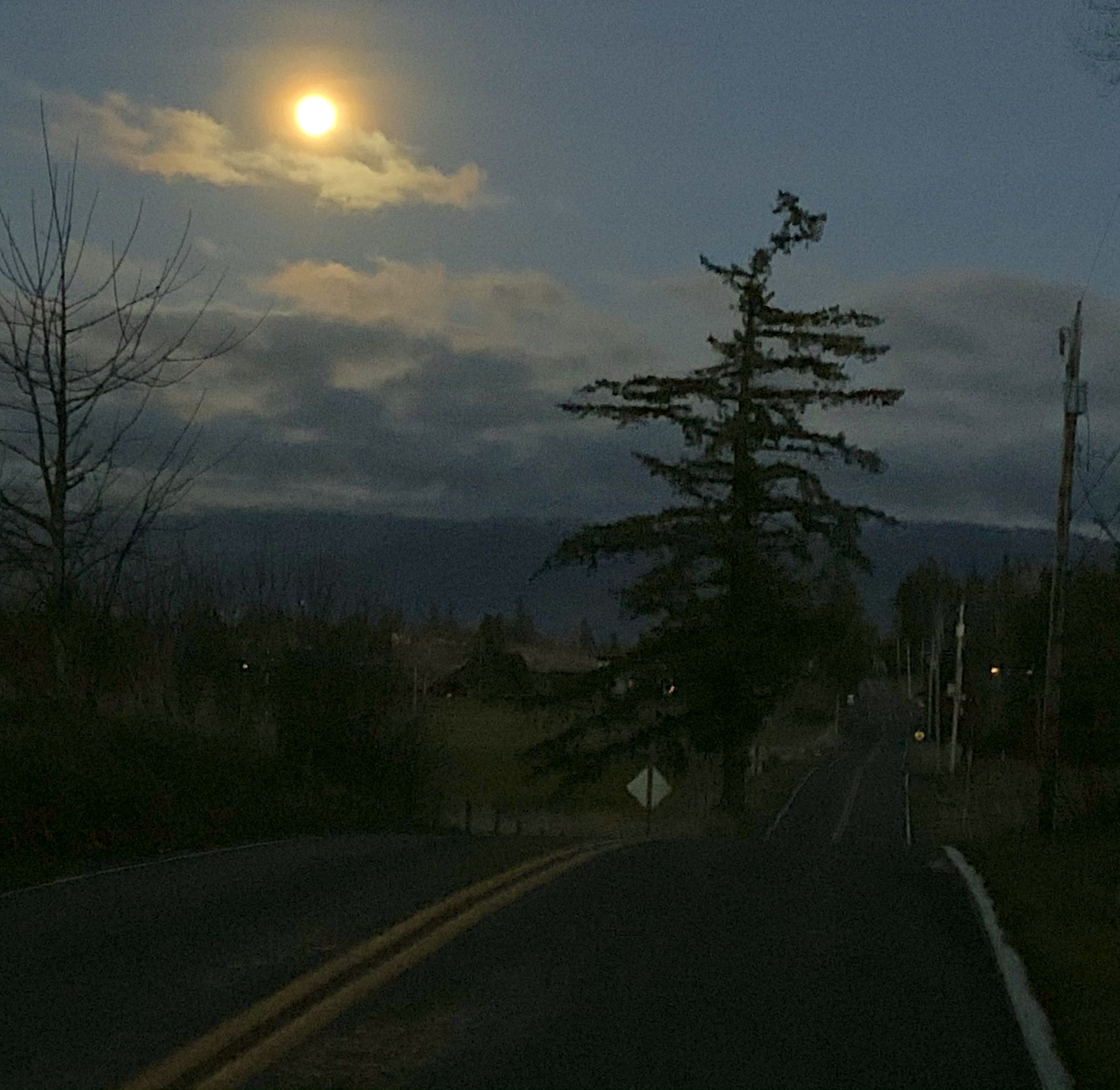
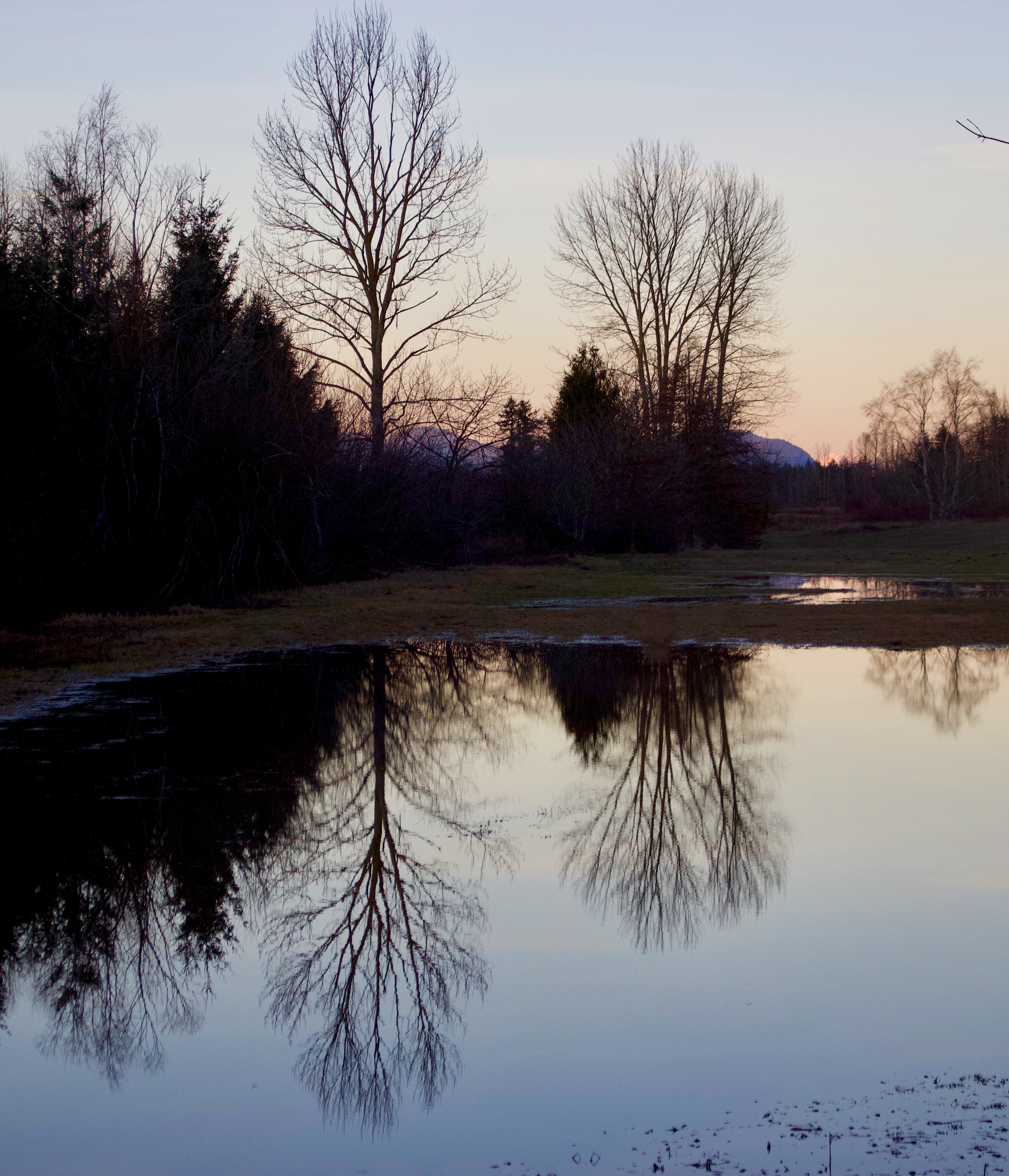
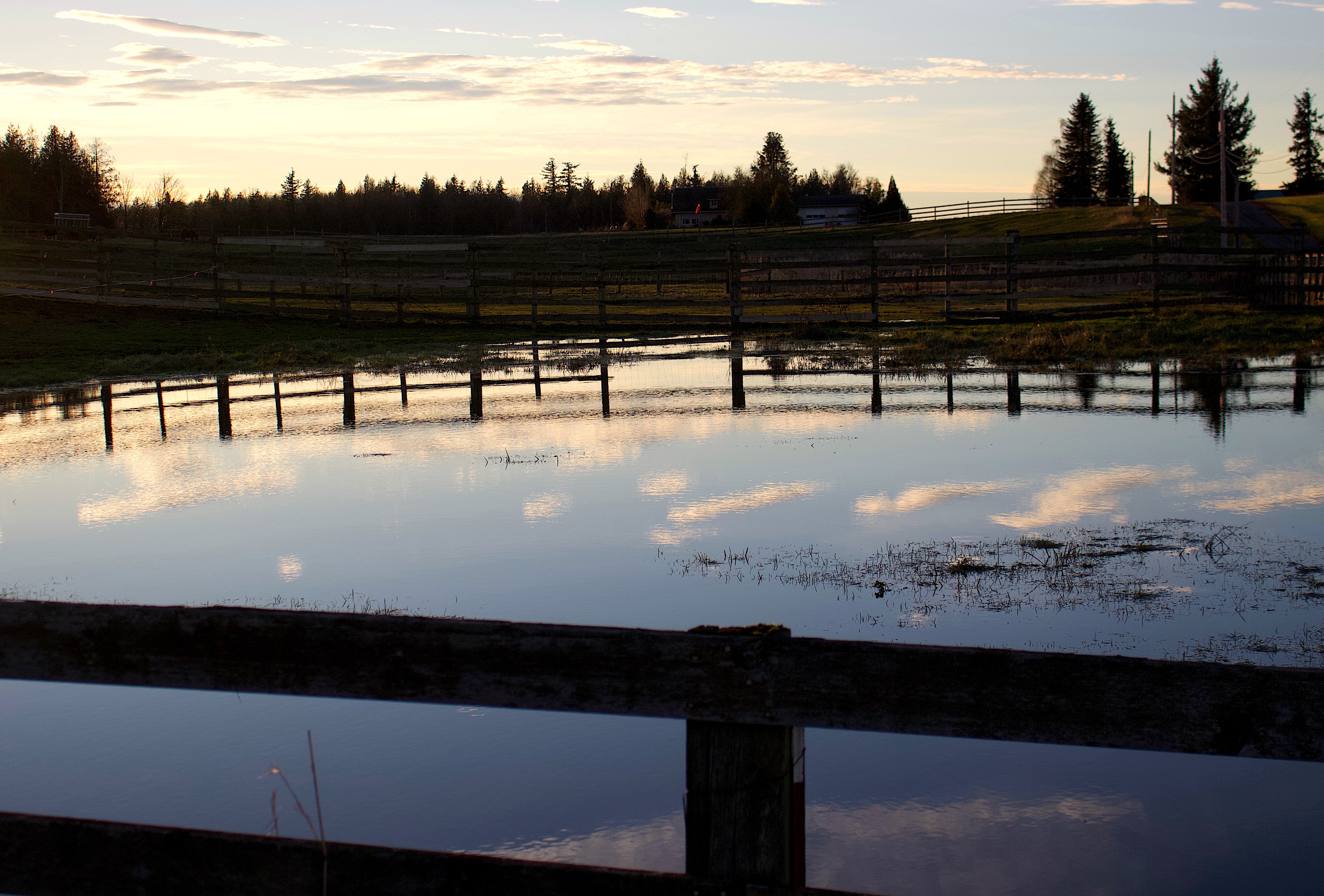
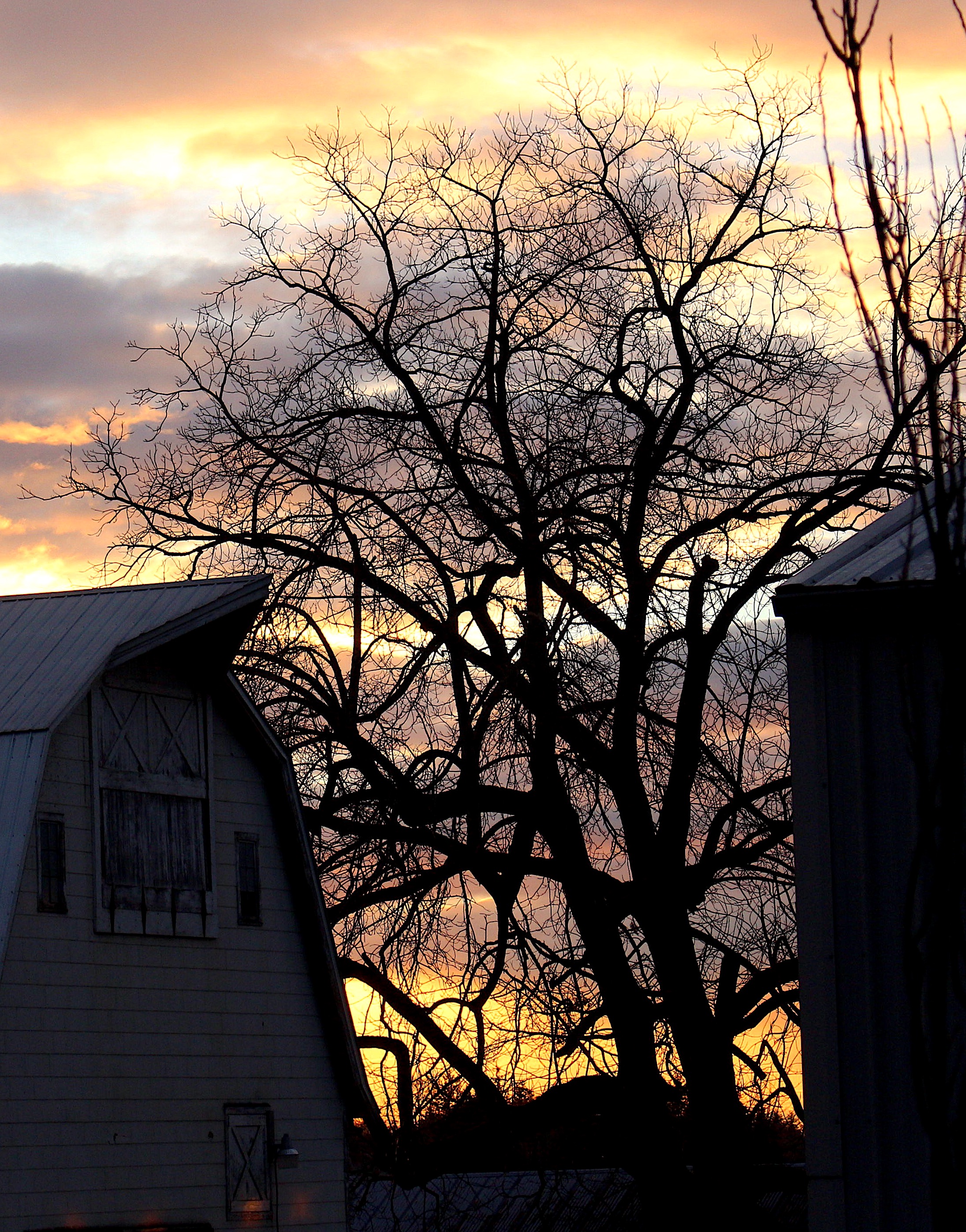
As the weather changes, softening in the mists of autumn, I walk each step with careful feet, my tender heart singing songs in the rain. I pray for peace in this troubled land, for protection from harm until spring comes again.
May God grant a gentle night’s sleep for all His creatures.
video by Harry Rodenberger
Lyrics for Aragorn’s Sleepsong: Lay down your head and I’ll sing you a lullaby Back to the years of loo-li lai-lay And I’ll sing you to sleep and I’ll sing you tomorrow
Bless you with love for the road that you go May you sail far to the far fields of fortune With diamonds and pearls at your head and your feet And may you need never to banish misfortune
May you find kindness in all that you meet May there always be angels to watch over you To guide you each step of the way To guard you and keep you safe from all harm Loo-li, loo-li, lai-lay
May you bring love and may you bring happiness Be loved in return to the end of your days Now fall off to sleep, I’m not meaning to keep you I’ll just sit for a while and sing loo-li, lai-lay
May there always be angels to watch over you To guide you each step of the way To guard you and keep you safe from all harm Loo-li, loo-li, lai-lay
One-Time
Monthly
Yearly
Make a one-time or recurring donation to support daily Barnstorming posts