What’s incomplete in me seeks refuge in blackberry bramble and beech trees, where creatures live without dogma and water moves in patterns more ancient than philosophy. I stand still, child eavesdropping on her elders. I don’t speak the language but my body translates best it can, wakening skin and gut, summoning the long kinship we share with everything. ~Laura Grace Weldon, “Common Ground” from Blackbird
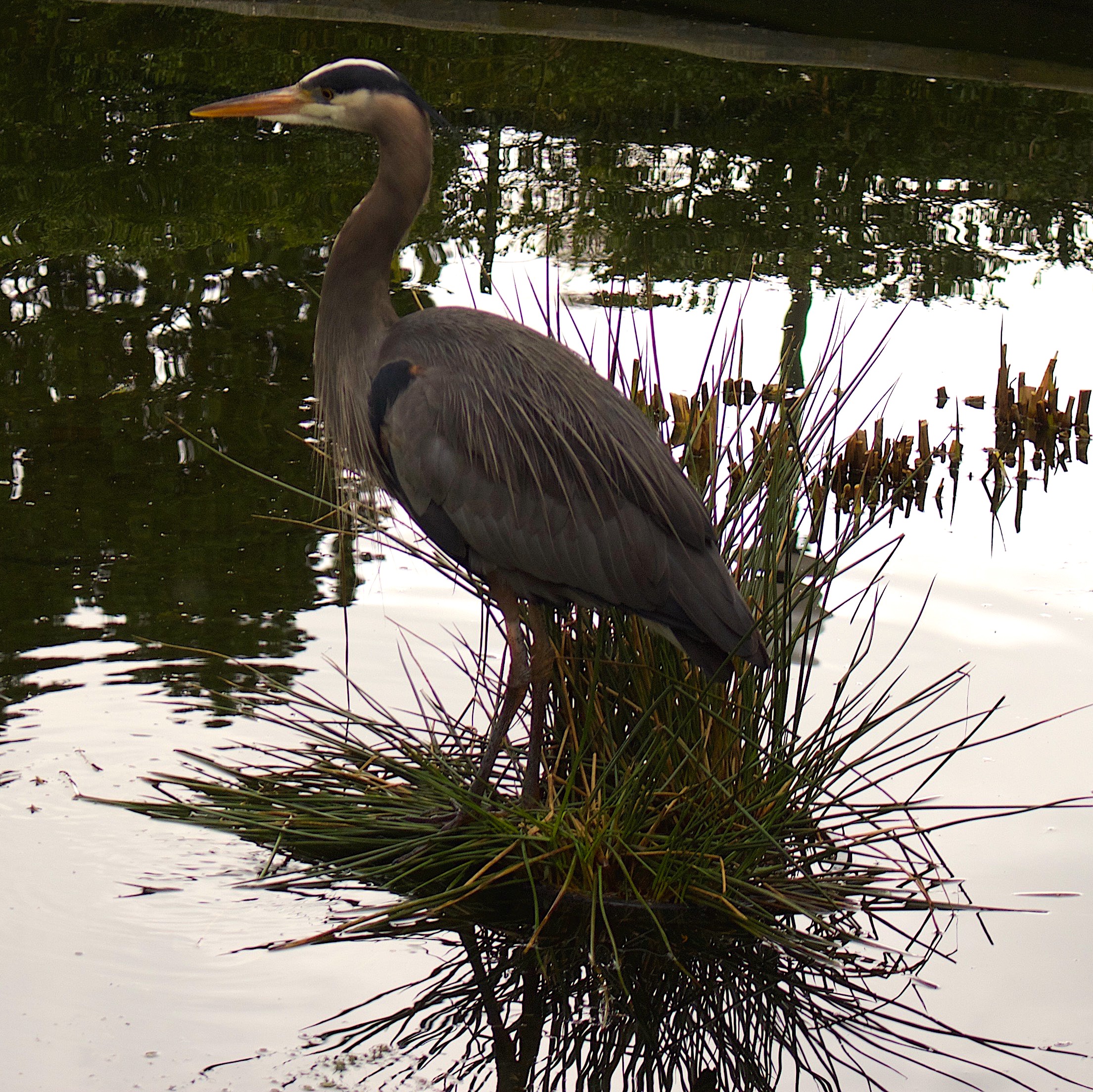
When despair for the world grows in me and I wake in the night at the least sound in fear of what my life and my children’s lives may be, I go and lie down where the wood drake rests in his beauty on the water, and the great heron feeds. I come into the peace of wild things who do not tax their lives with forethought of grief. I come into the presence of still water. And I feel above me the day-blind stars waiting with their light. For a time I rest in the grace of the world, and am free. ~Wendell Berry “The Peace of Wild Things”
Nearly thirty months of pandemic separation and I long to share our farm with our far-flung grandchildren who live across the ocean, to watch them discover the joys and sorrows of this place we inhabit. I will tell them there is light beyond this darkness, there is refuge amid the brambles, there is kinship with what surrounds us, there is peace amid the chaos, there is a smile behind the tears, there is stillness within the noisiness, there is rescue when all seems hopeless, there is grace as the old gives way to new.
One-Time
Monthly
Yearly
Make a one-time or recurring donation to support daily Barnstorming posts
Two horses were put together in the same paddock. Night and day. In the night and in the day wet from heat and the chill of the wind on it. Muzzle to water, snorting, head swinging and the taste of bay in the shadowed air. The dignity of being. They slept that way, knowing each other always. Withers quivering for a moment, fetlock and the proud rise at the base of the tail, width of back. The volume of them, and each other’s weight. Fences were nothing compared to that. People were nothing. They slept standing, their throats curved against the other’s rump. They breathed against each other, whinnied and stomped. There are things they did that I do not know. The privacy of them had a river in it. Had our universe in it. And the way its border looks back at us with its light. This was finally their freedom. The freedom an oak tree knows. That is built at night by stars. ~Linda Gregg, “The Weight” from All of It Singing: New and Selected Poems
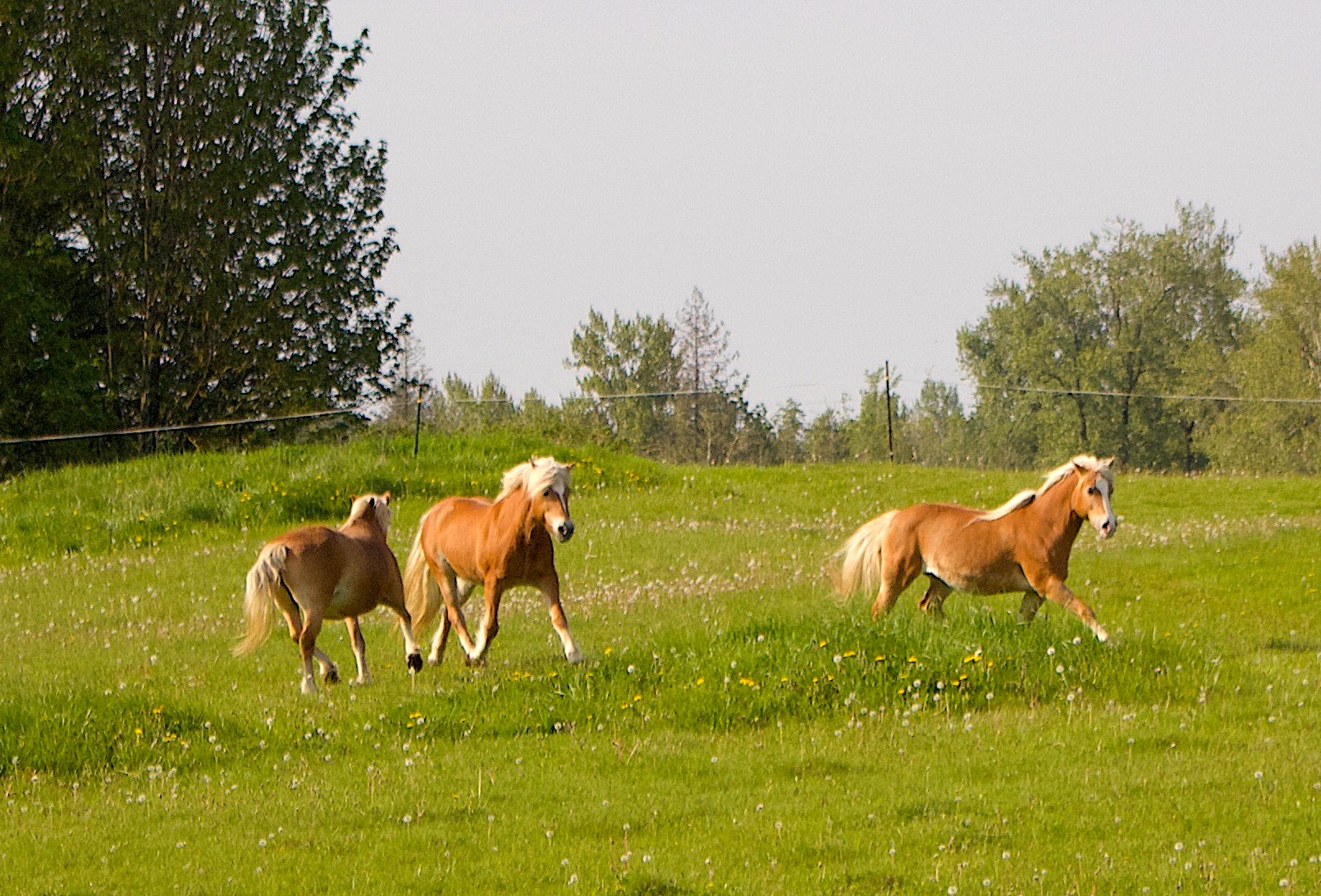
When the pasture gate opens after a long winter, they are let out on grass to a world vast and green and lush beyond their wildest imaginings.
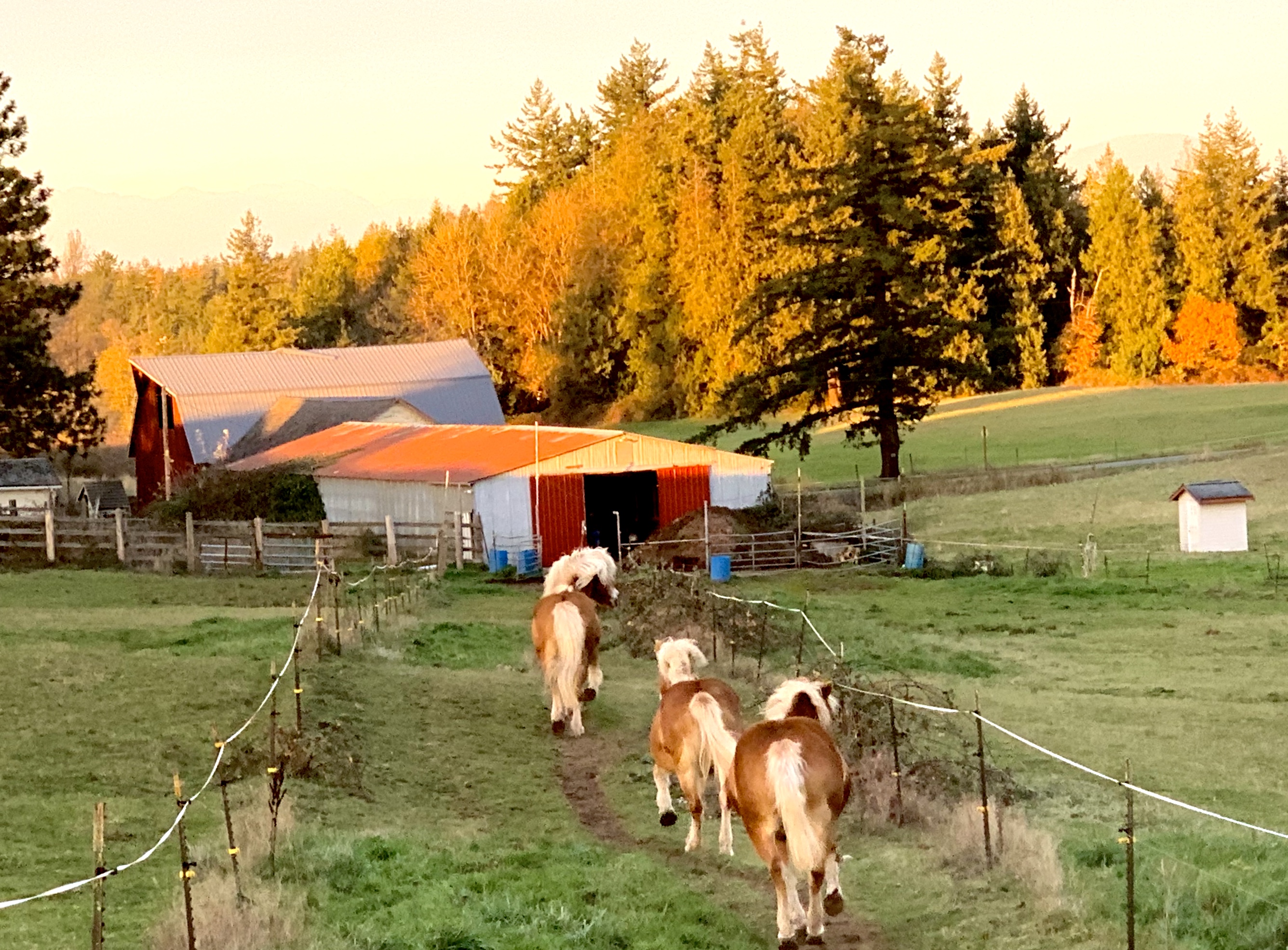
They run leaping and bounding, hair flying in the wind, heels kicked up in a new freedom to re-form together their binding trust of companionship.
They share feasting and grooming with one another, as grace grows like grass stretching to eternity yet bounded safely within fence rows.
When cold rains come, as miserable times will, and this spring day feels far removed, when covered in the mud or frost or drought of life, they still have warm memories of one another.
Even though fences lean and break, as they will, the ponies are reminded where home is, whistled back to the barn if they lose your way, pointing them back to the gate to night’s rest and quiet.
Once there they long again for the gift of pasture freedom: how blessed is this opened gate, these fences, and most of all their dignity of being together as they feast with joy on the richness of spring.
One-Time
Monthly
Yearly
Make a one-time or recurring donation to support daily Barnstorming posts
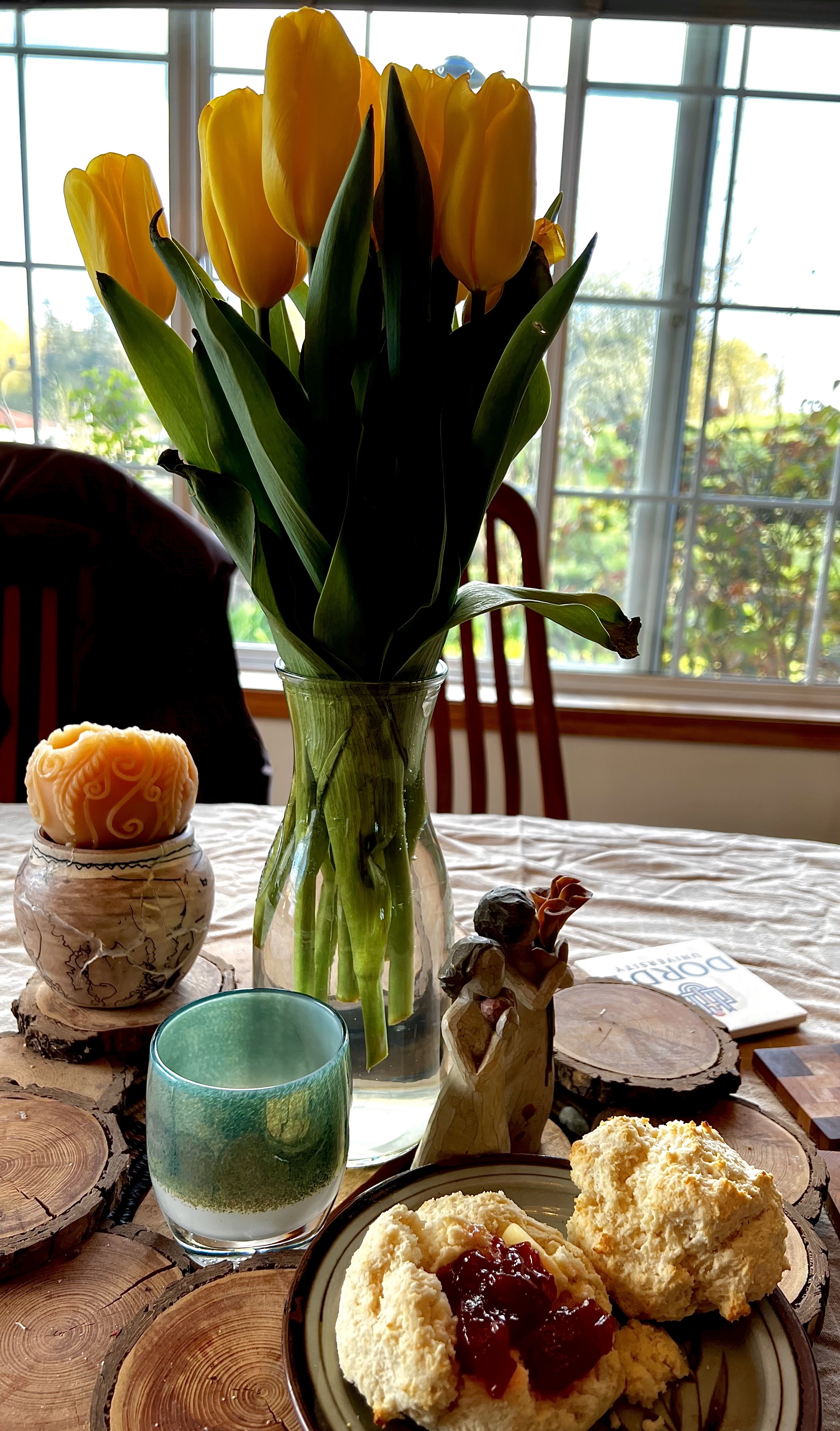
I came downstairs for Lavina’s scones, butter-ready from the oven, crusty and cratered, awaiting their dollop of jam.
The morning clouds had whipped themselves up to a billow, mounds of soft cream.
The plink plink song of a chaffinch dotted the air like currants. Daffodils, pats of butter on thin stems, did their little dance, and the edible world spread its feast before me on the fresh green tablecloth. Oh, how delicious, this sweet Irish spring. ~Barbara Crooker, “Morning Tea” from The Book of Kells
Northern IrelandWhatcom CountyNorthern IrelandHomeWhatcom CountyWhatcom County
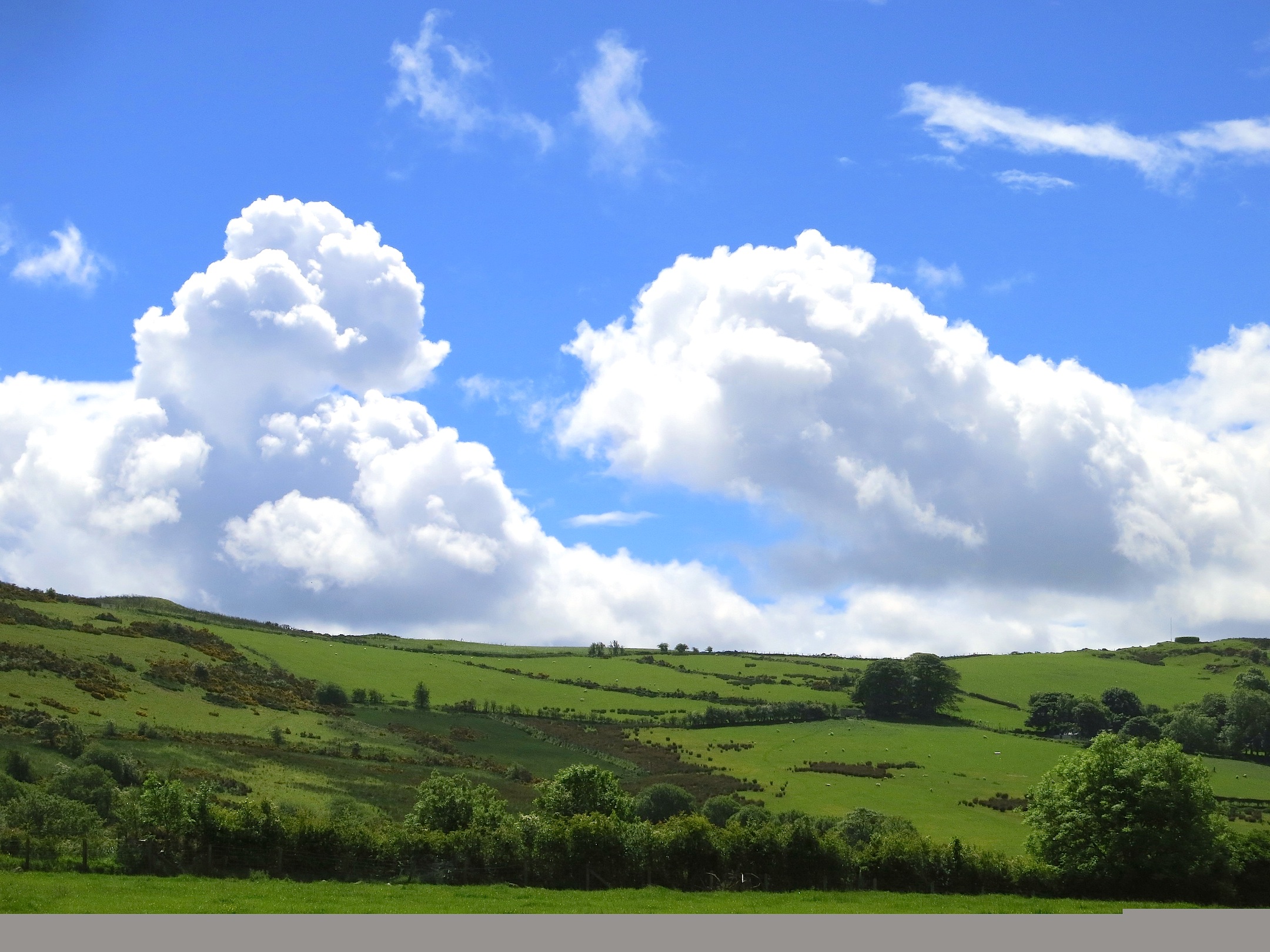
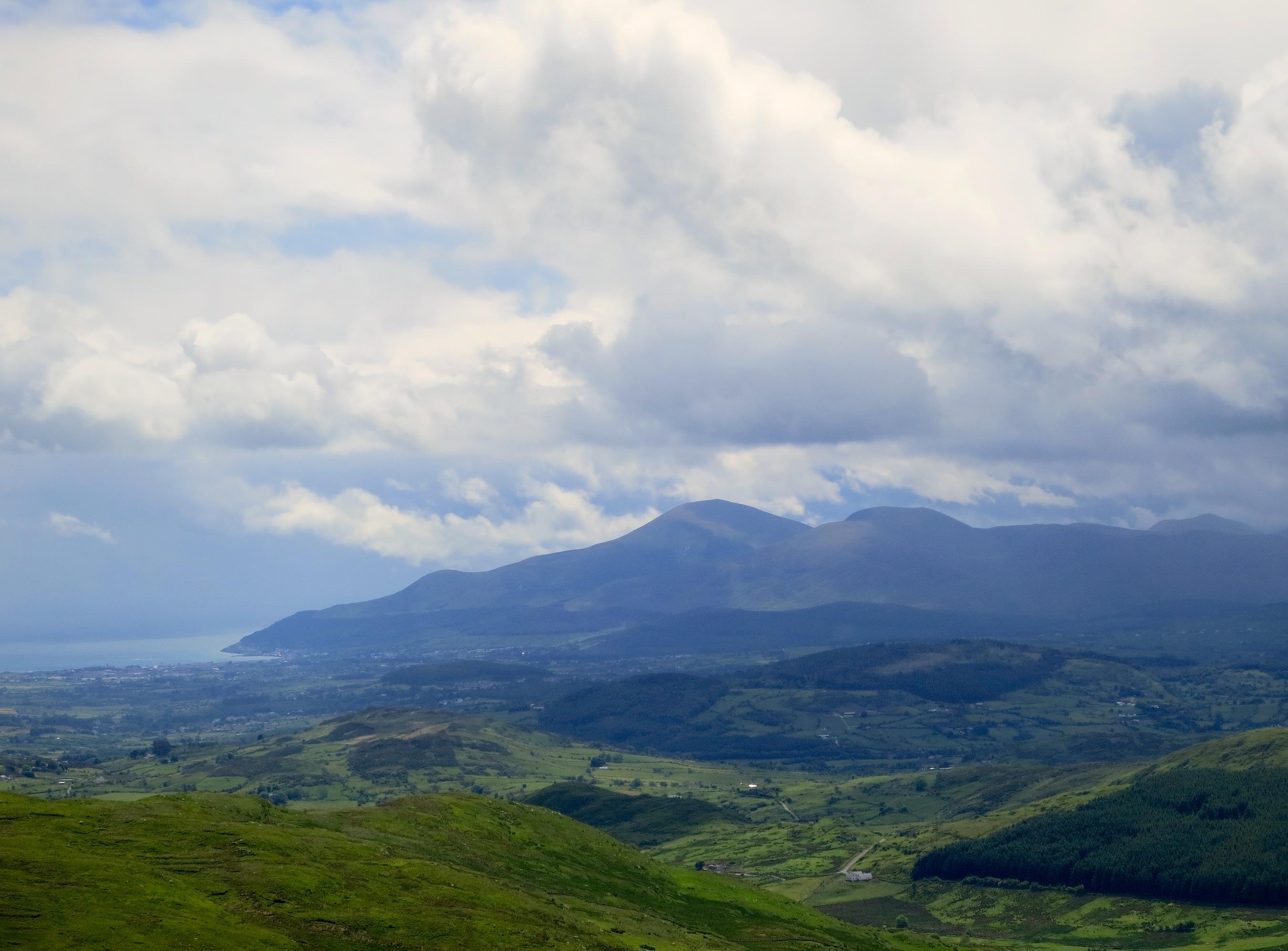
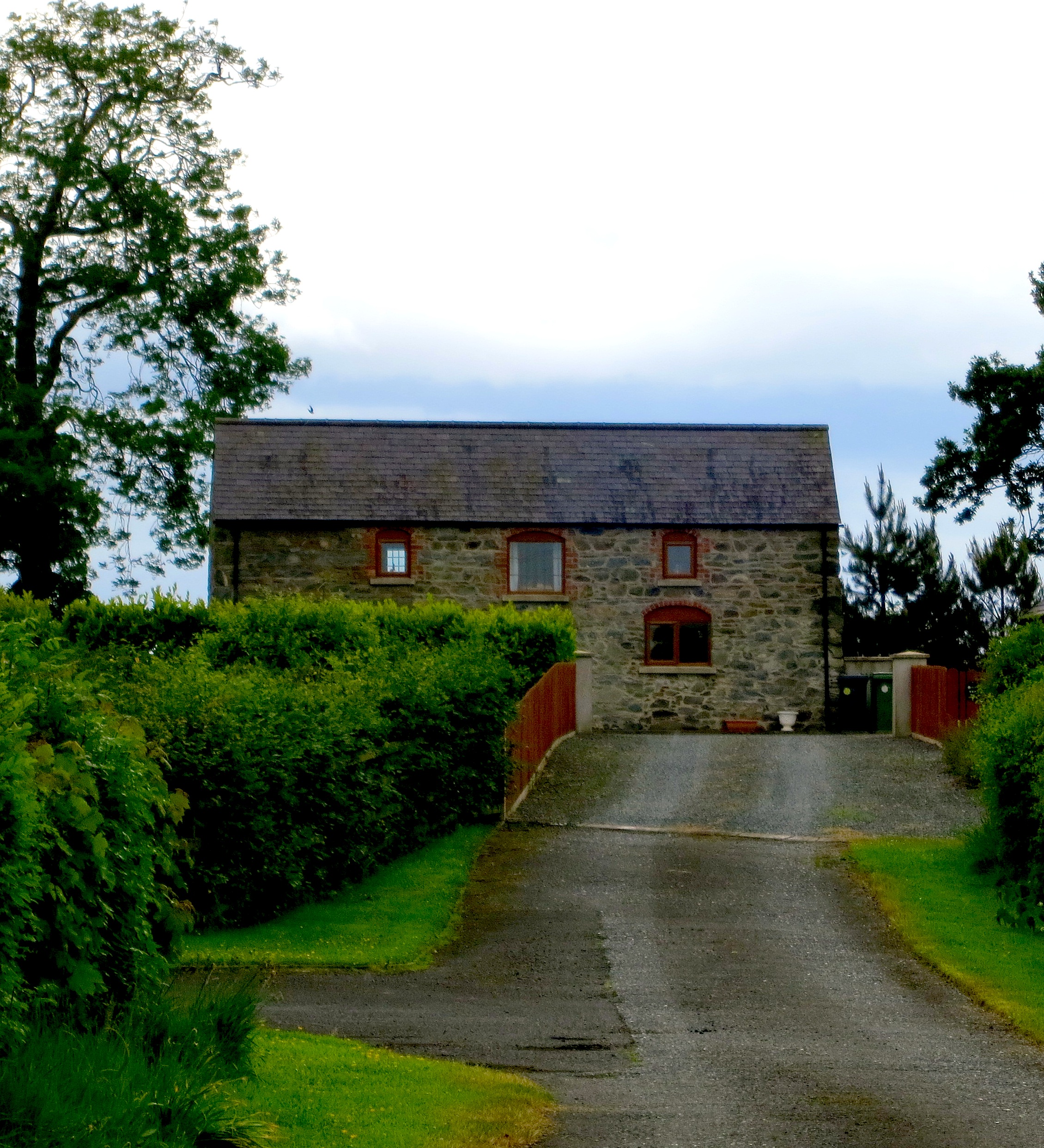
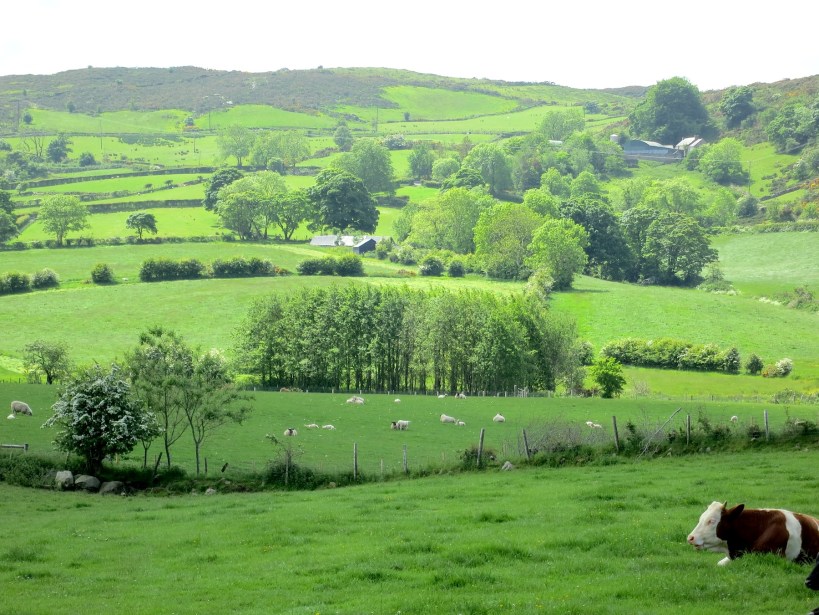
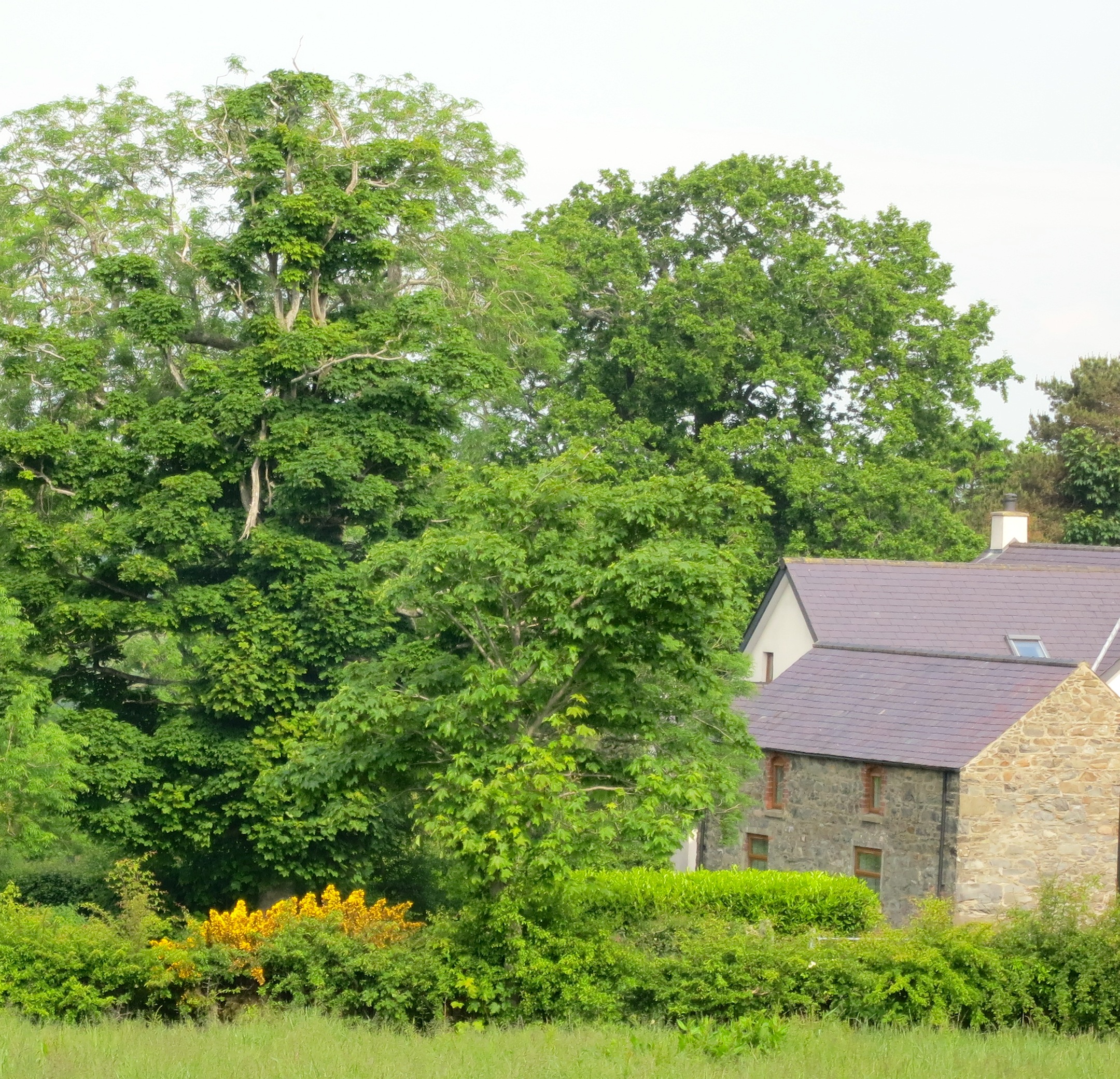
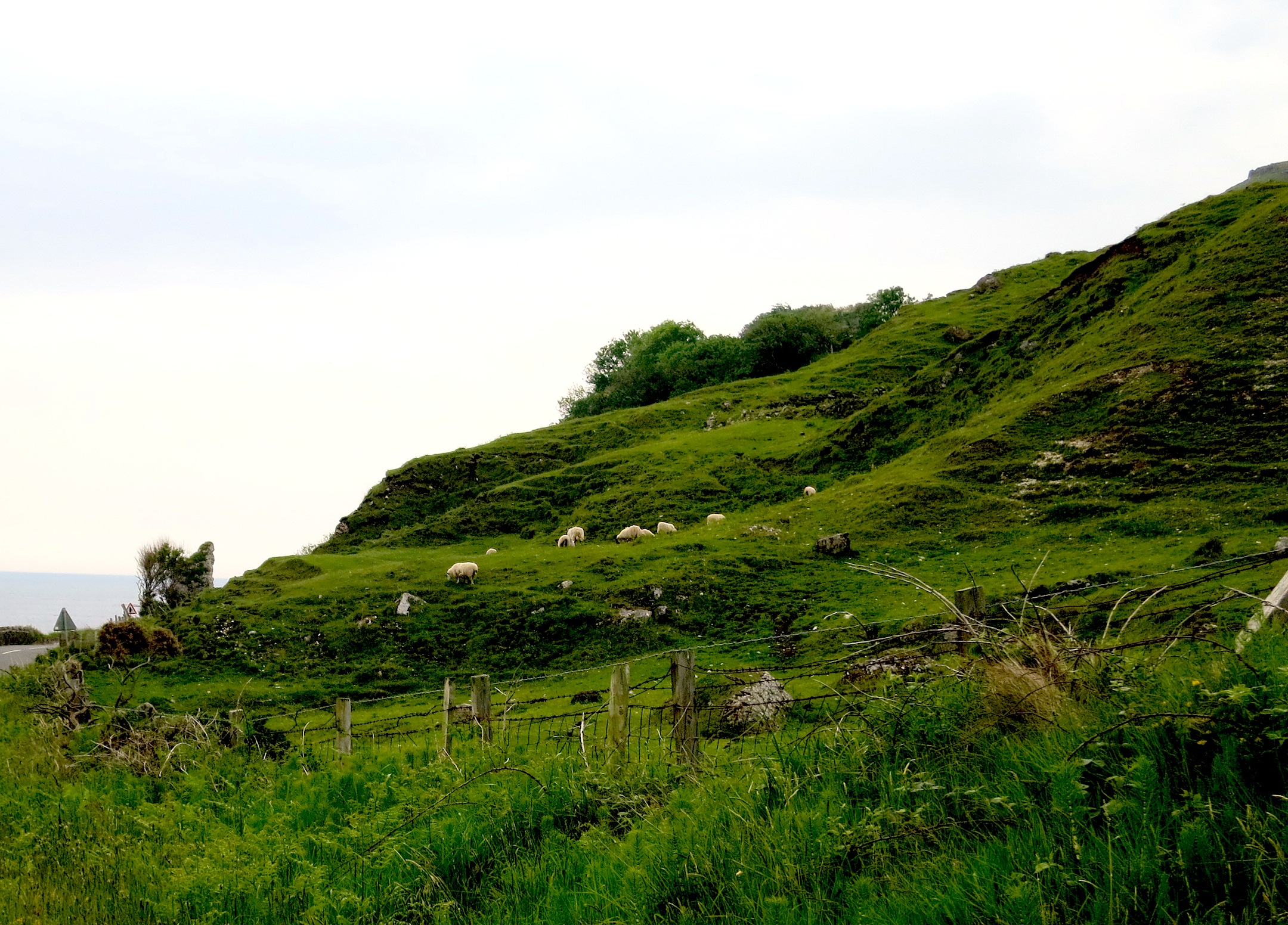
It was nine years ago we visited Northern Ireland where we were surrounded by ever-delicious colors and landscape and gracious hospitality where ever we went.
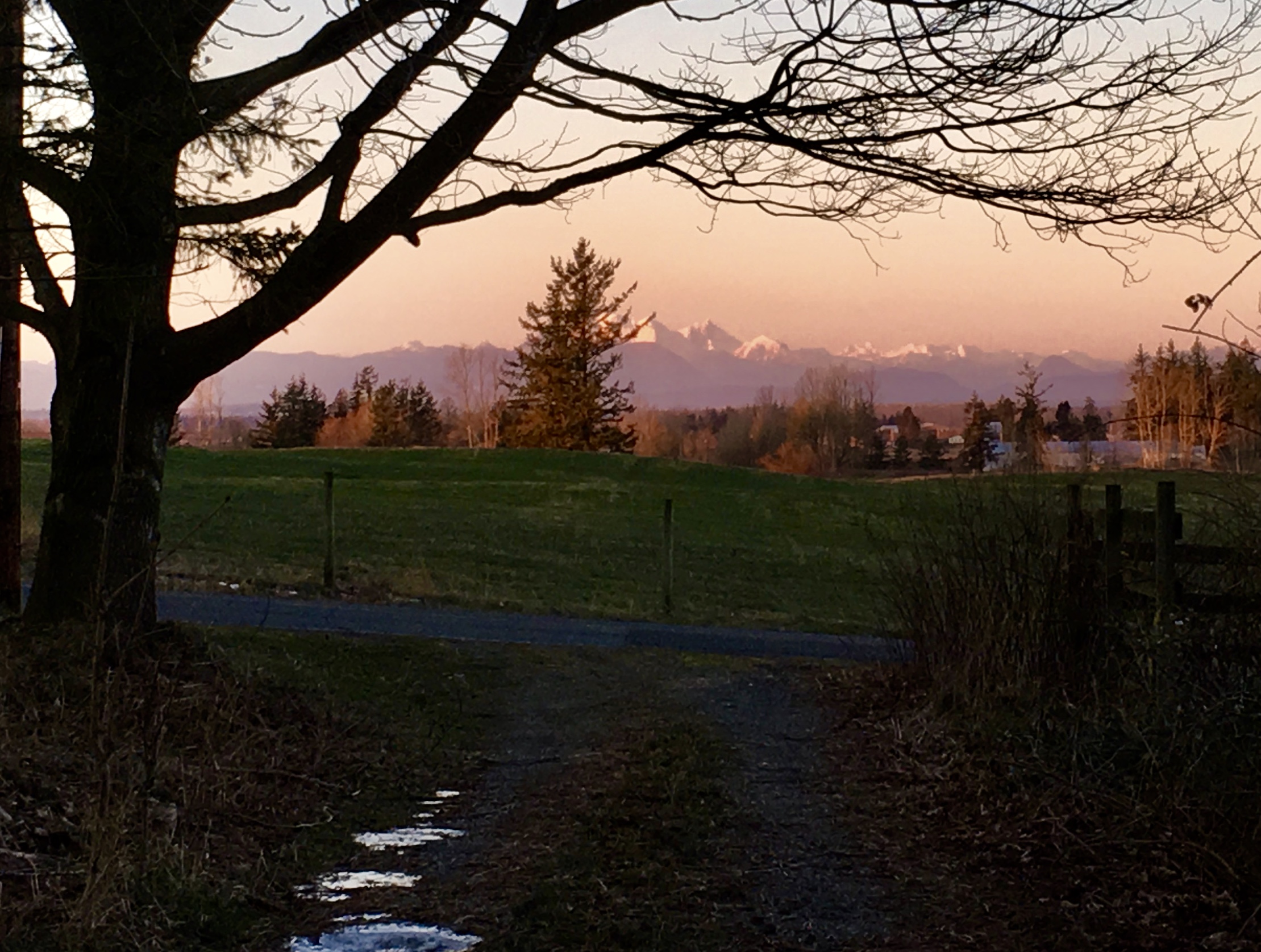
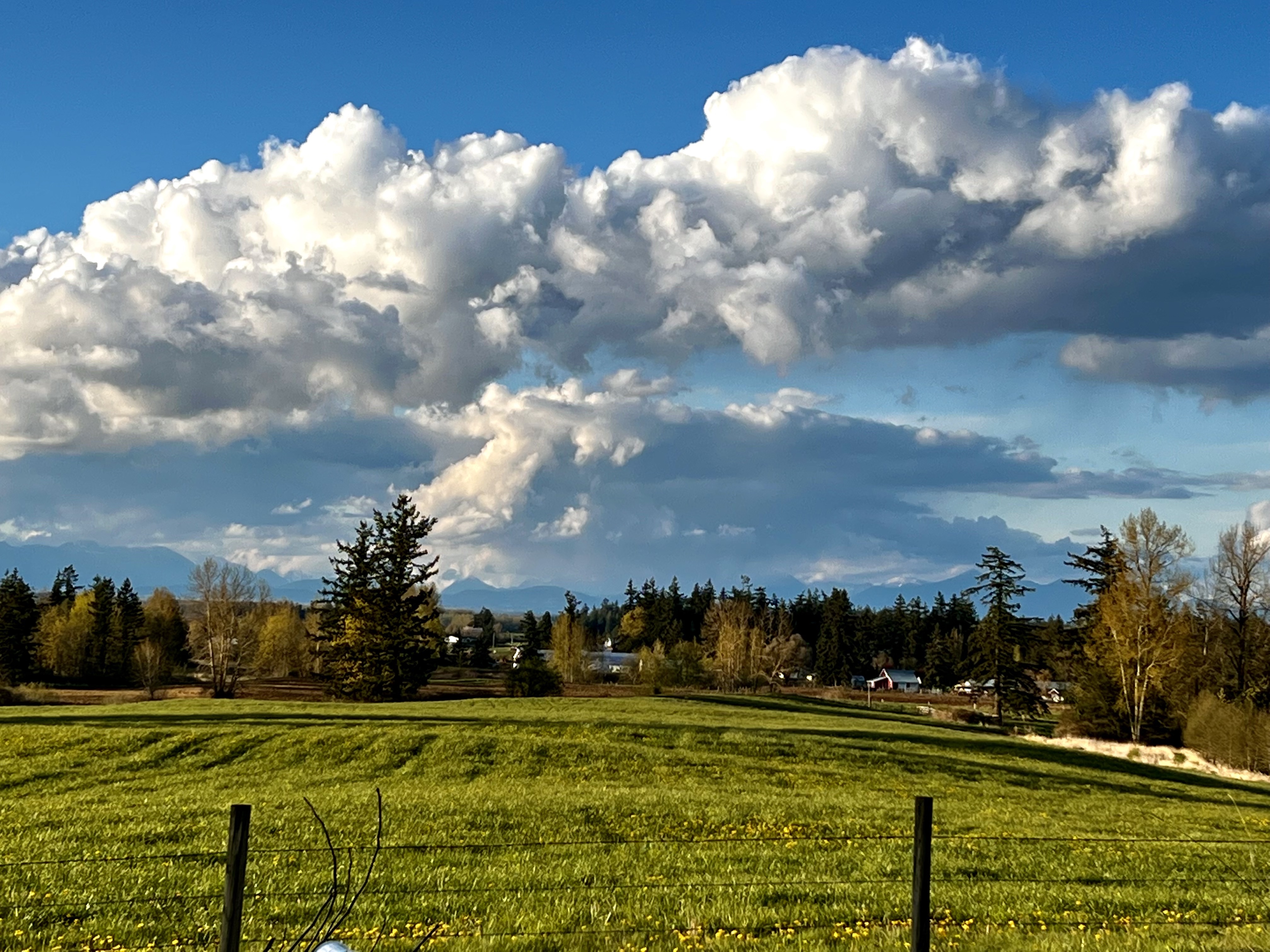
As I look out at our own rolling green hills and billowy clouds of a Whatcom County springtime, I am filled as if it were all edible feast, reminded of the vibrant green of the Irish countryside, backed by the silhouettes of the nearby Mourne Mountains.
If only all the world could be blessed and tasty as fresh warm scones with jam and a pot of tea.
Soon we shall reach the distant shining shore, Free from all the storms, we’ll rest forevermore. Safe within the veil, we’ll furl the riven sail, And the storm will all be over, Hallelujah! ~Last stanza of “The Storm is Passing Over” (below)
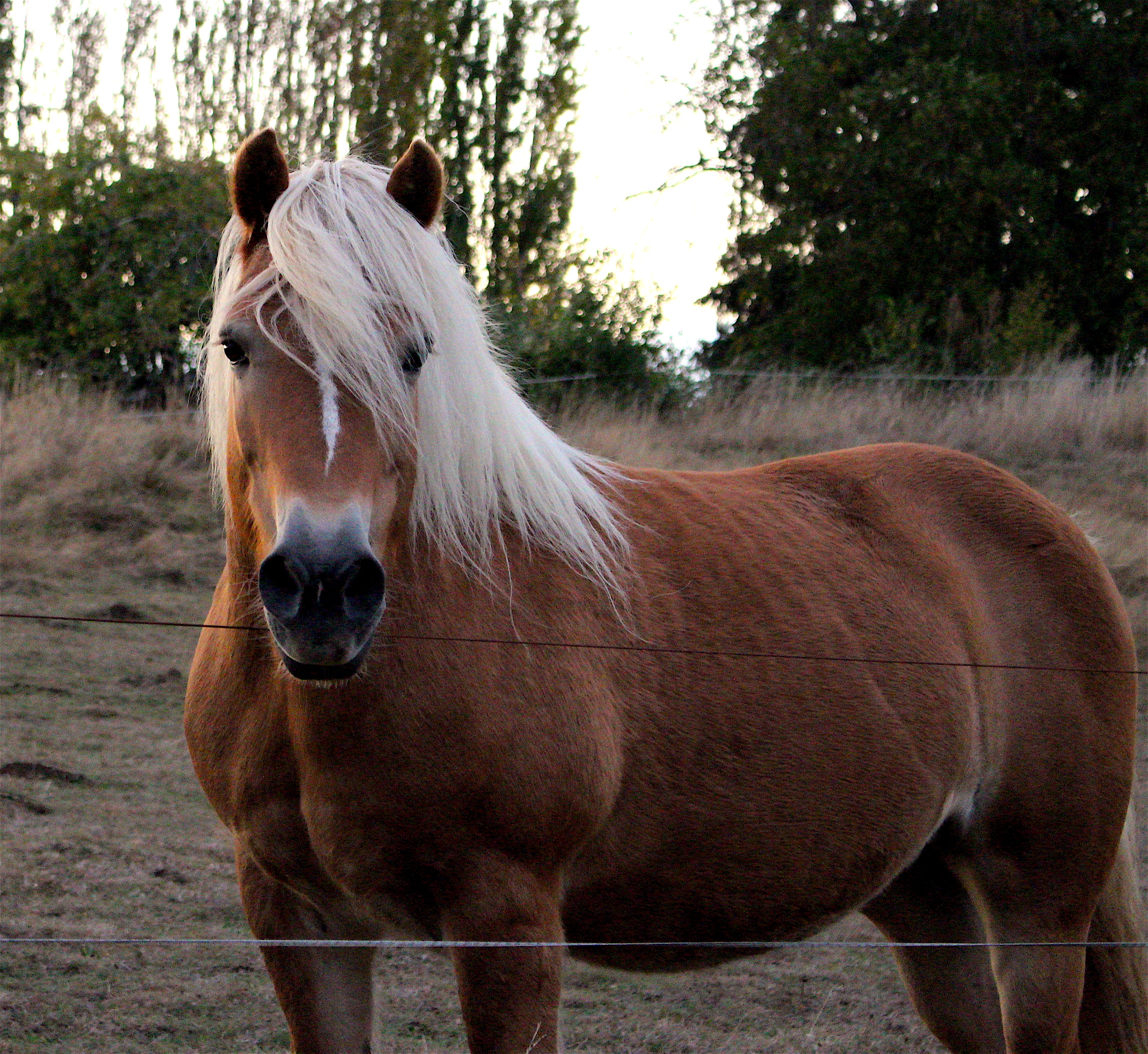
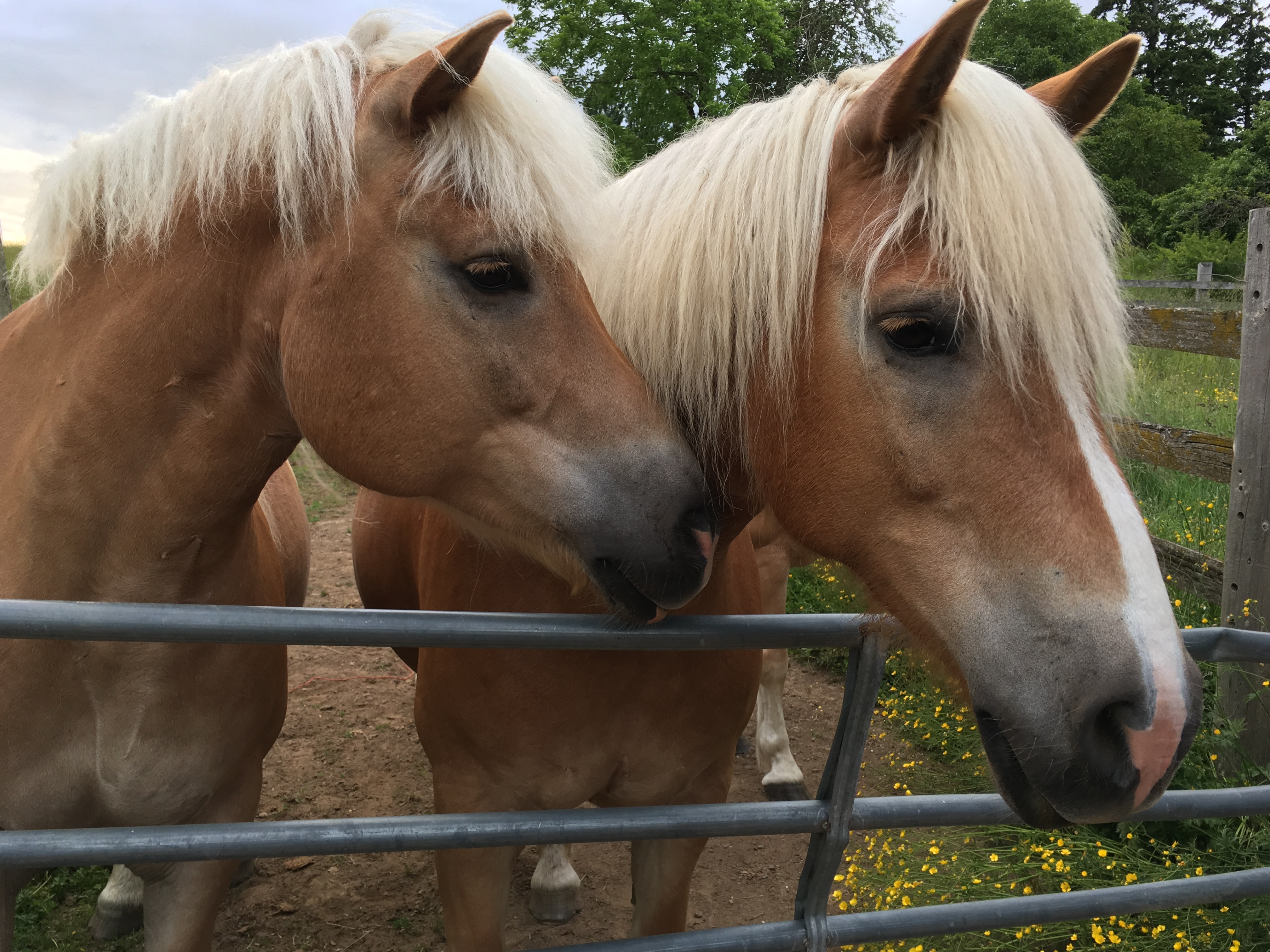
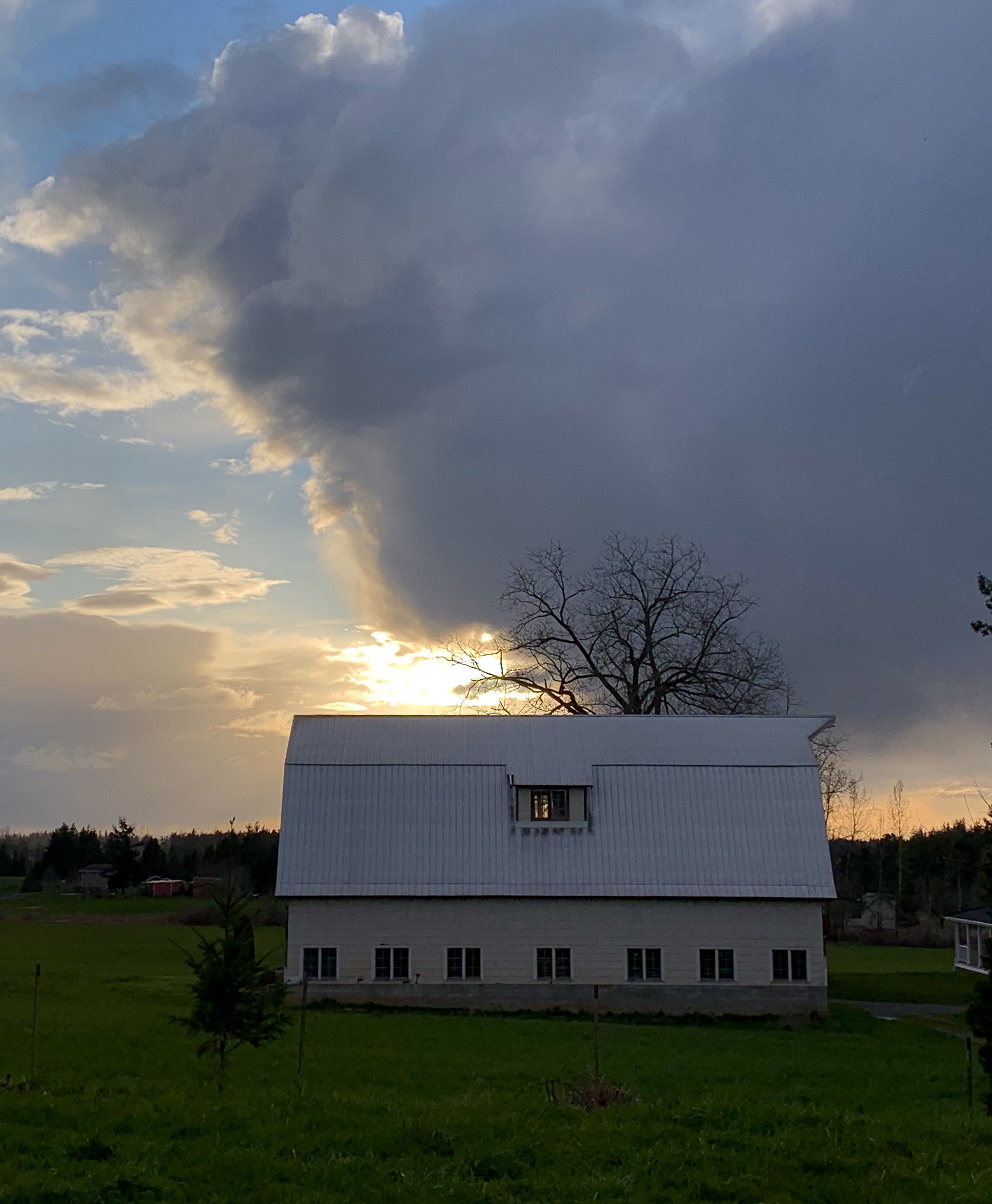
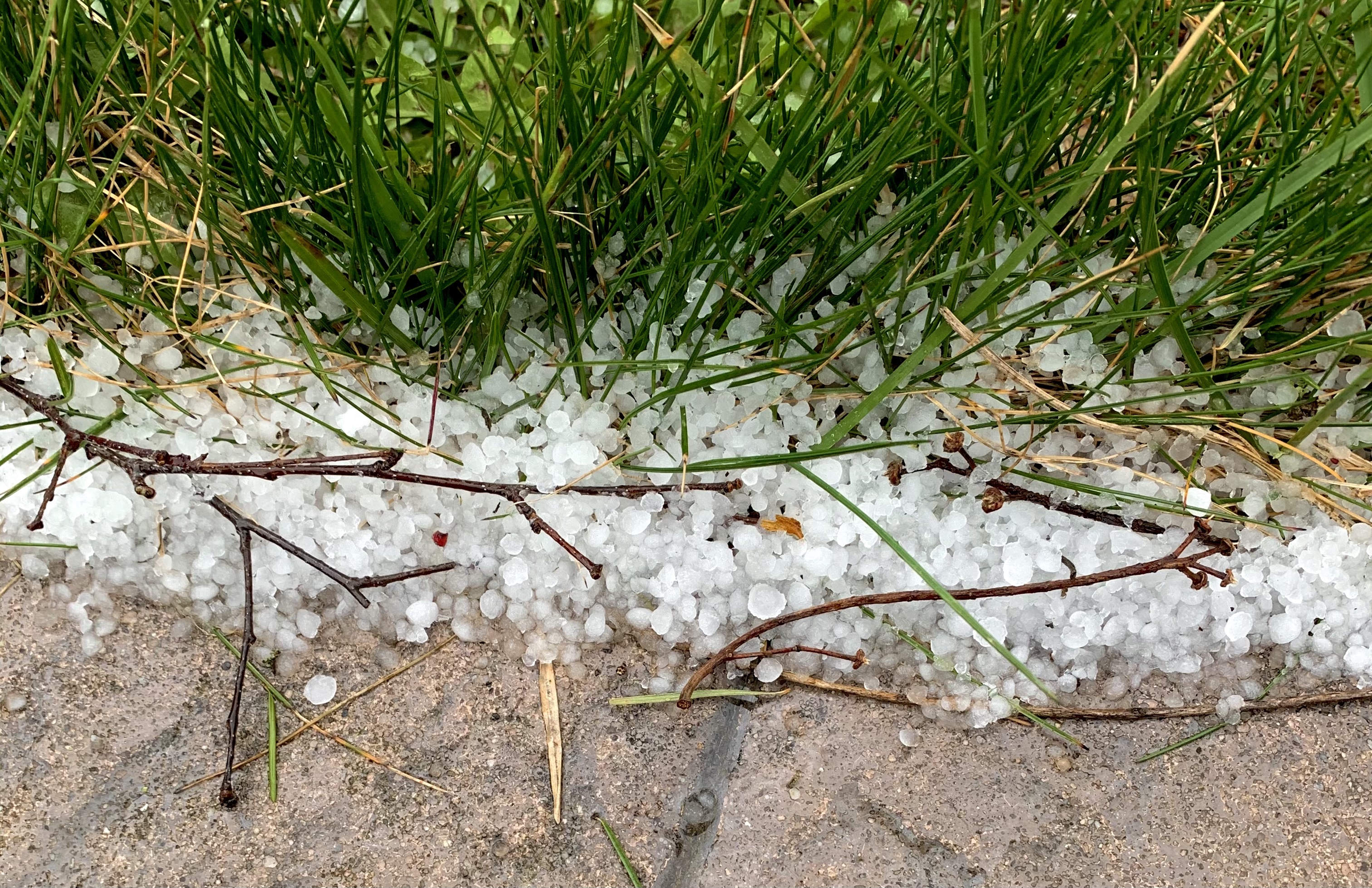
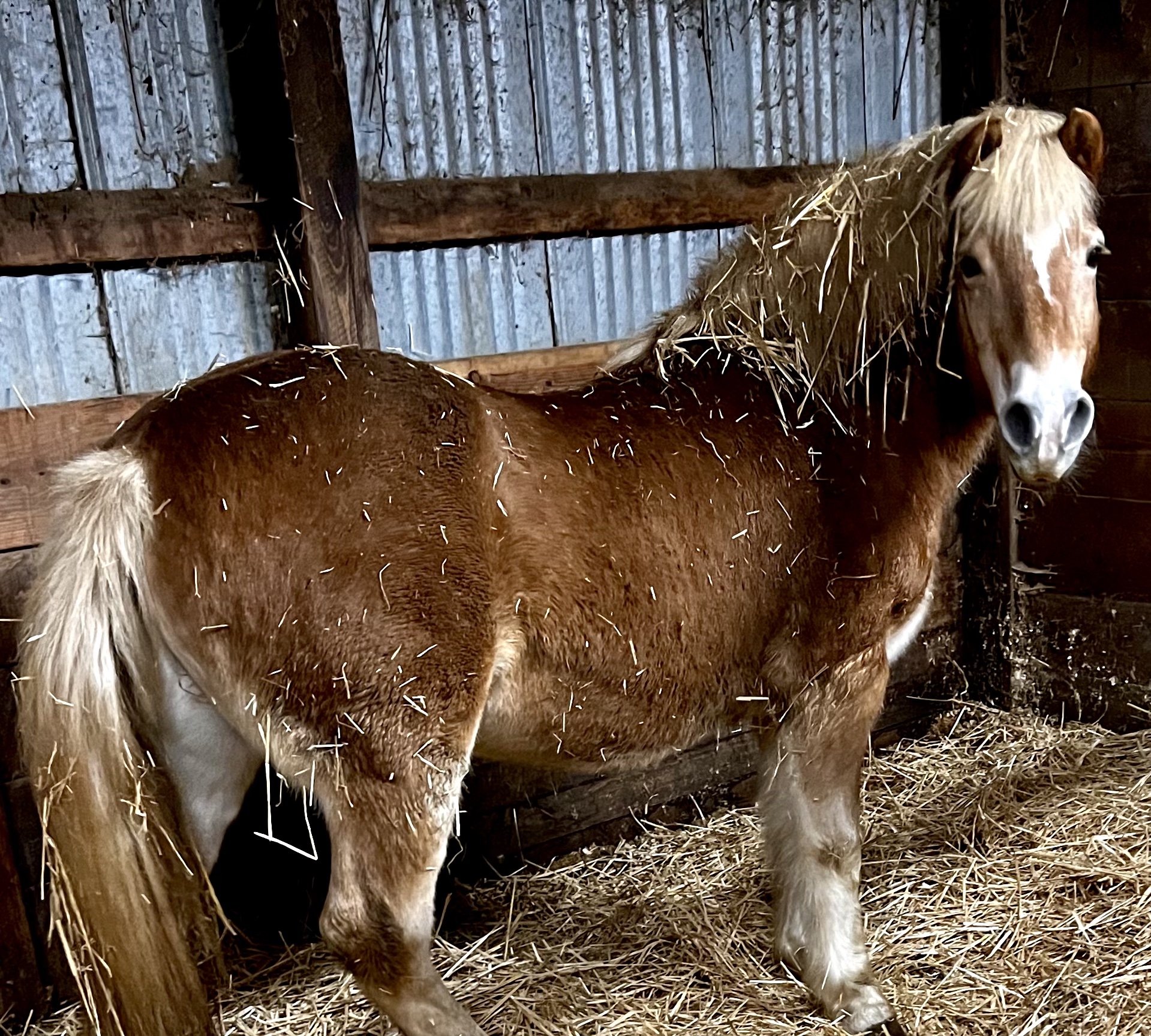
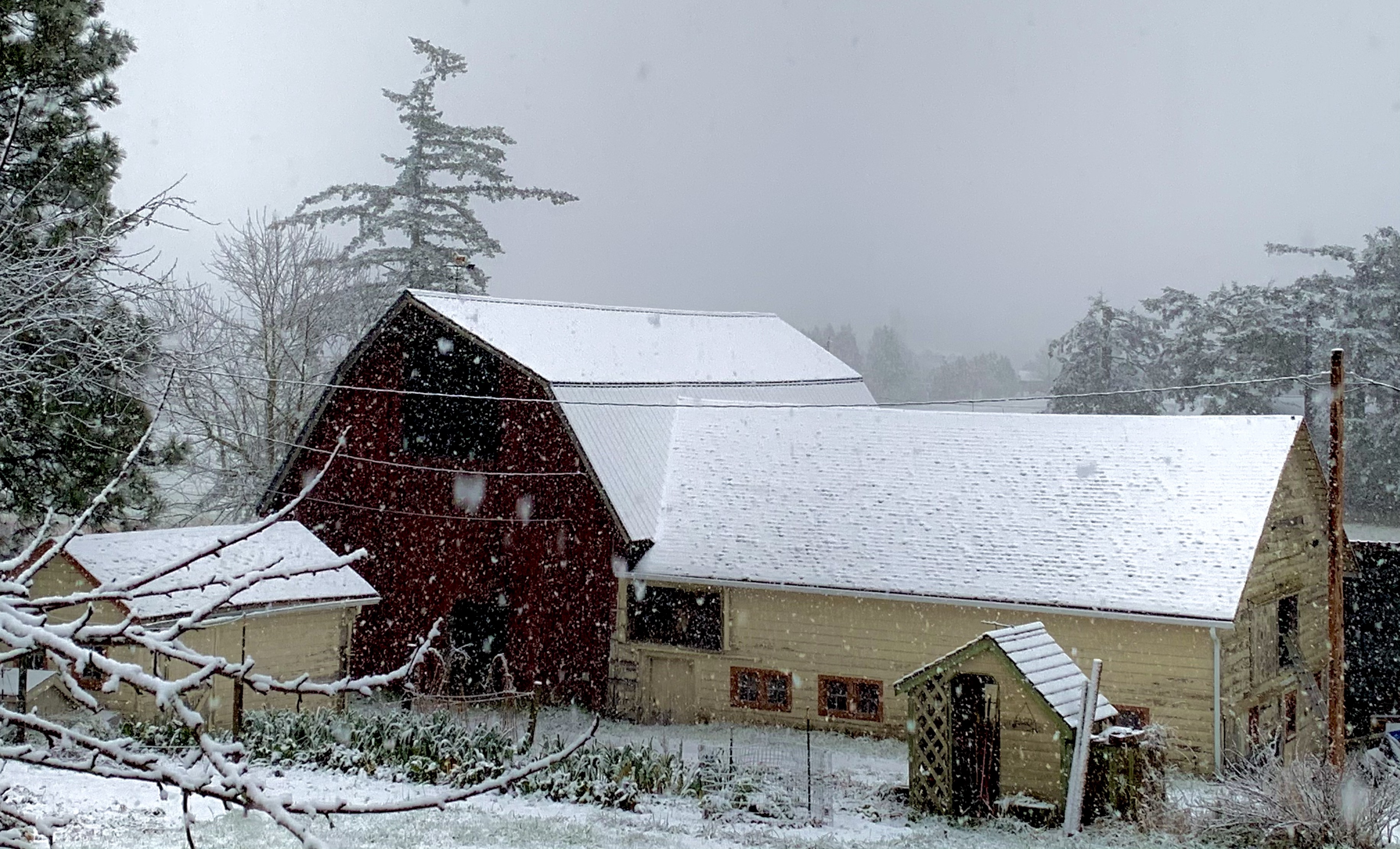
We’ve had two days of intermittent chilly winds with rain and noisy hale storms. I wish I had not left the barn doors wide open after morning chores, as the storm also blew through the barn. Hay, empty buckets, horse halters and cat food were strewn about. The Haflinger horses stood wide-eyed and fretful in their stalls as the hail on the metal roof was deafening.
Once I got the doors closed and secured, all was soon made right. The horses relaxed and got back to their meals and things felt normal again.
The barn is still standing with the roof still on, the horses are where they belong and all seems to be as it was before the barnstorming wind.
Or so it might appear.
This wind heralds another storm beginning this week that hits with such force that I’m knocked off my feet, blown away, and left bruised and breathless. No latches, locks, or barricades are strong enough to protect me from what will come over the next few days.
Today he rides in on a donkey softly, humbly, and wept at what he knew must come.
Tomorrow he curses the fig tree that is all show with plenty of leaves, and no fruit. Then at the temple, he overturns the money-changers’ tables in His fury at their corruption of a holy place.
Tuesday he describes the destruction of Jerusalem that is to happen, yet no one understands.
Wednesday, a woman boldly anoints him with precious oil, as preparation.
On Thursday, he kneels before his friends, pours water over their dusty feet, presides over a simple meal, and later, abandoned, sweats blood in agonized prayer.
By Friday, all culminates in a most perfect storm, transforming everything in its path, leaving nothing untouched, the curtain torn, the veil removed.
The silence on Saturday is deafening.
Next Sunday, the Son rises, sheds his shroud and neatly folds what is no longer needed. He is nearly unrecognizable in his glory.
He calls my name, my heart burns within me at his words and I can never be the same again.
I am, once again, barnstormed to the depths of my soul. Doors flung open wide, my roof pulled off, everything of no consequence blown away and now replaced, renewed and reconciled.
The storm is passing over, again and yet again, year after year, life after life.
This year’s Lenten theme for Barnstorming is a daily selection from songs and hymns about Christ’s profound sacrifice on our behalf.
If we remain silent about Him, the stones themselves will shout out and start to sing (Luke 19:40).
In His name, may we sing…
Courage, my soul, and let us journey on, Tho’ the night is dark, it won’t be very long. Thanks be to God, the morning light appears, And the storm is passing over, Hallelujah!
Chorus: Hallelujah! Hallelujah! The storm is passing over, Hallelujah!
2. Billows rolling high, and thunder shakes the ground, Lightnings flash, and tempest all around, Jesus walks the sea and calms the angry waves, And the storm is passing over, Hallelujah! [Chorus]
3. The stars have disappeared, and distant lights are dim, My soul is filled with fears, the seas are breaking in. I hear the Master cry, “Be not afraid, ’tis I,” And the storm is passing over, Hallelujah! [Chorus]
4. Soon we shall reach the distant shining shore, Free from all the storms, we’ll rest forevermore. Safe within the veil, we’ll furl the riven sail, And the storm will all be over, Hallelujah! [Chorus]
One-Time
Monthly
Yearly
Make a one-time or recurring donation to support daily Barnstorming posts
A stable lamp is lighted Whose glow shall wake the sky The stars shall bend their voices And every stone shall cry And every stone shall cry And straw like gold will shine A barn shall harbour heaven A stall become a shrine
This child through David’s city Will ride in triumph by The palm shall strew its branches And every stone shall cry And every stone shall cry Though heavy, dull and dumb And lie within the roadway To pave the Kingdom come
Yet He shall be forsaken And yielded up to die The sky shall groan and darken And every stone shall cry And every stone shall cry For thorny hearts of men God’s blood upon the spearhead God’s love refused again
But now as at the ending The low is lifted high The stars will bend their voices And every stone shall cry And every stone shall cry In praises of the child By whose descent among us The worlds are reconciled ~Richard Wilbur“A Christmas Hymn”
Castlerigg Stone Circle in Cumbria
Feeling heavy, dull and dumb, I am convinced I’m no better than a simple rock, inconsequential and immobile, trod upon and paved over, forgettable and forgotten.
I could believe there exists no pulse in my stony heart, incapable of love if I turn away from God who has come to walk beside me on this humble ground .
Yet the especially the low are lifted high by His descent– every stone, even the dumb and lifeless, shall cry out in community with Him, even the silent will find a voice to praise.
Even my own voice, meager and anemic, shall be heard.
I am no longer forgotten. In fact, never have been forgotten. So hard to reconcile: as the stones have known Him all along, then so should I.
So must I.
One-Time
Monthly
Yearly
Make a one-time or recurring donation to support daily Barnstorming posts
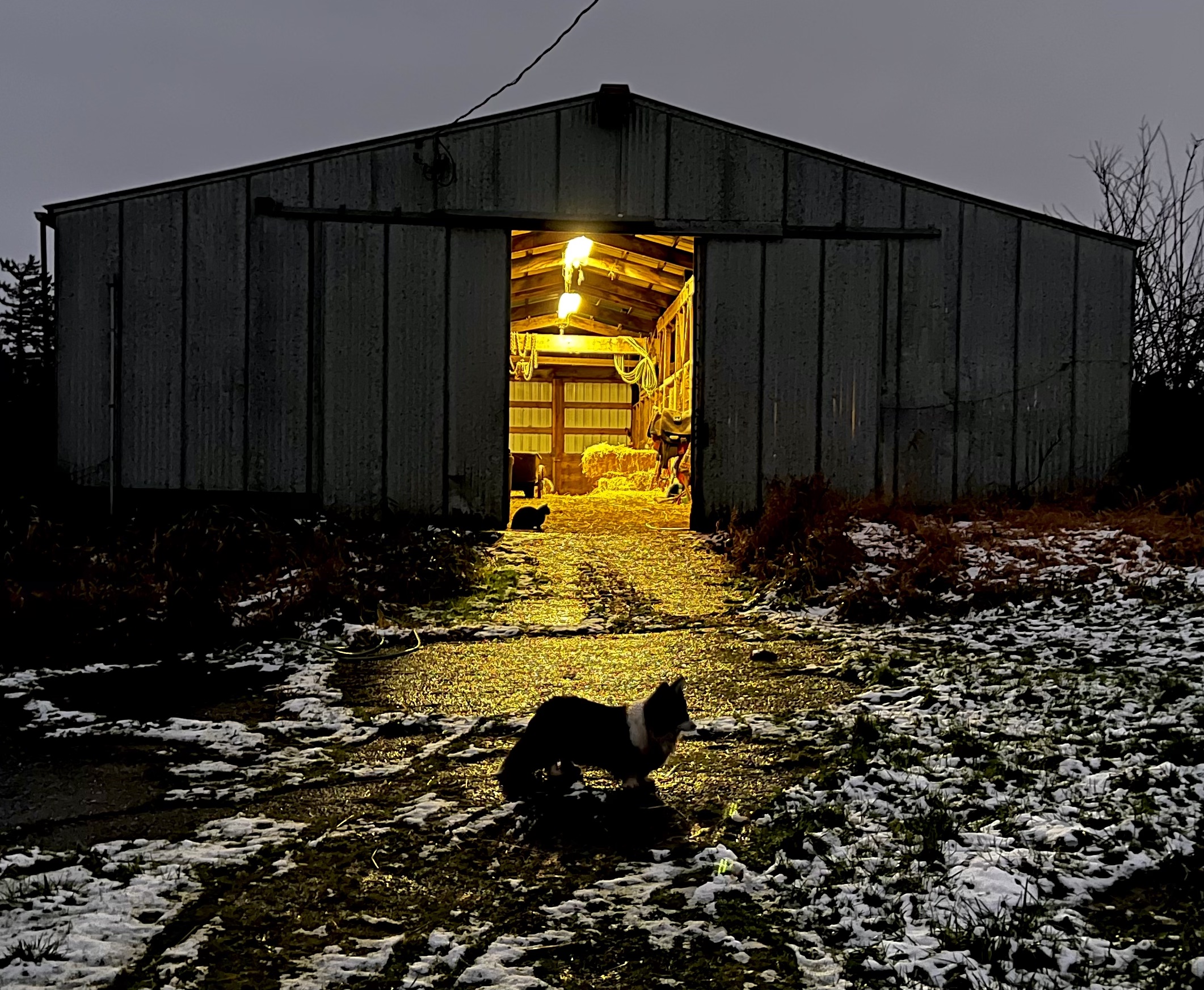
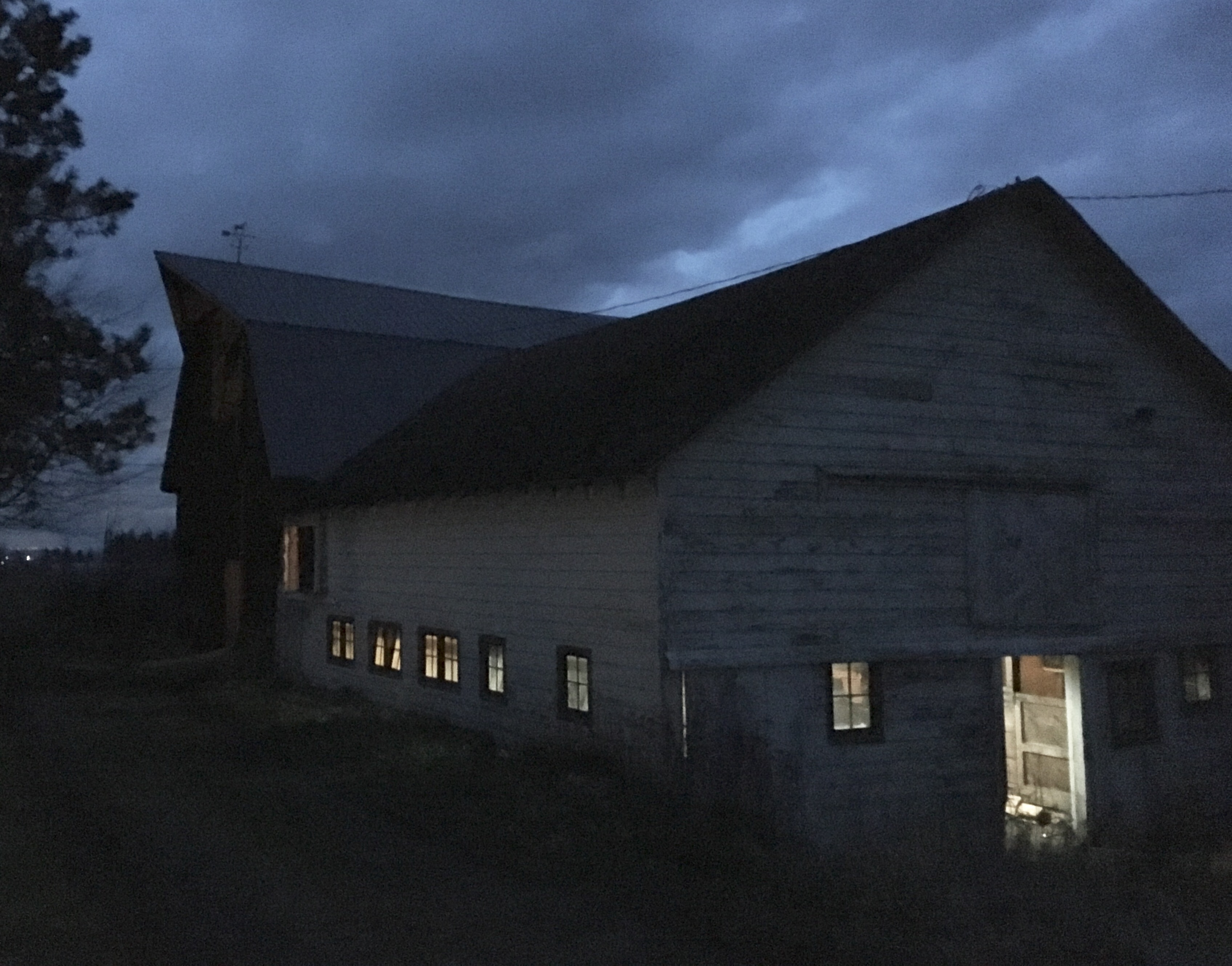
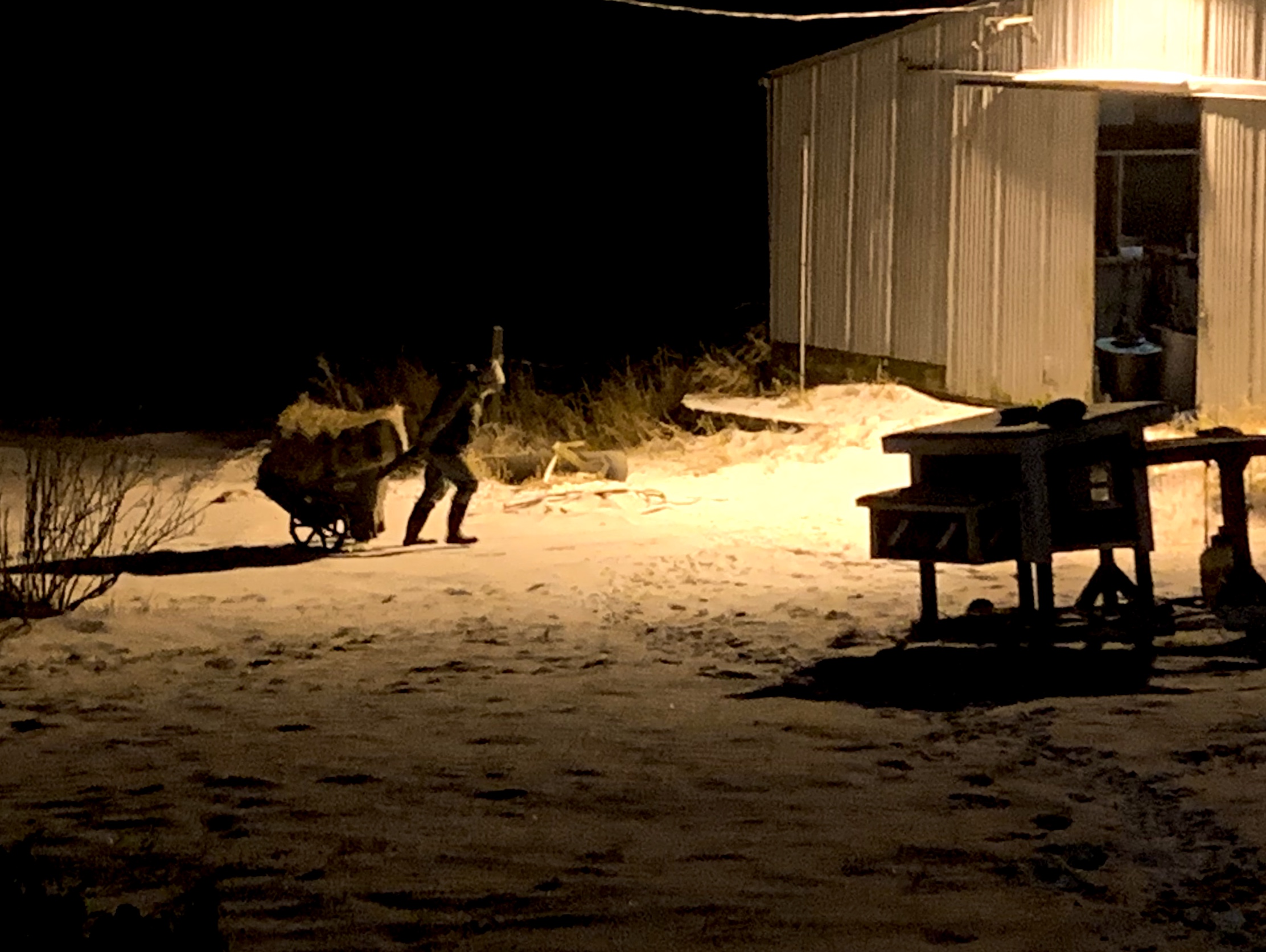
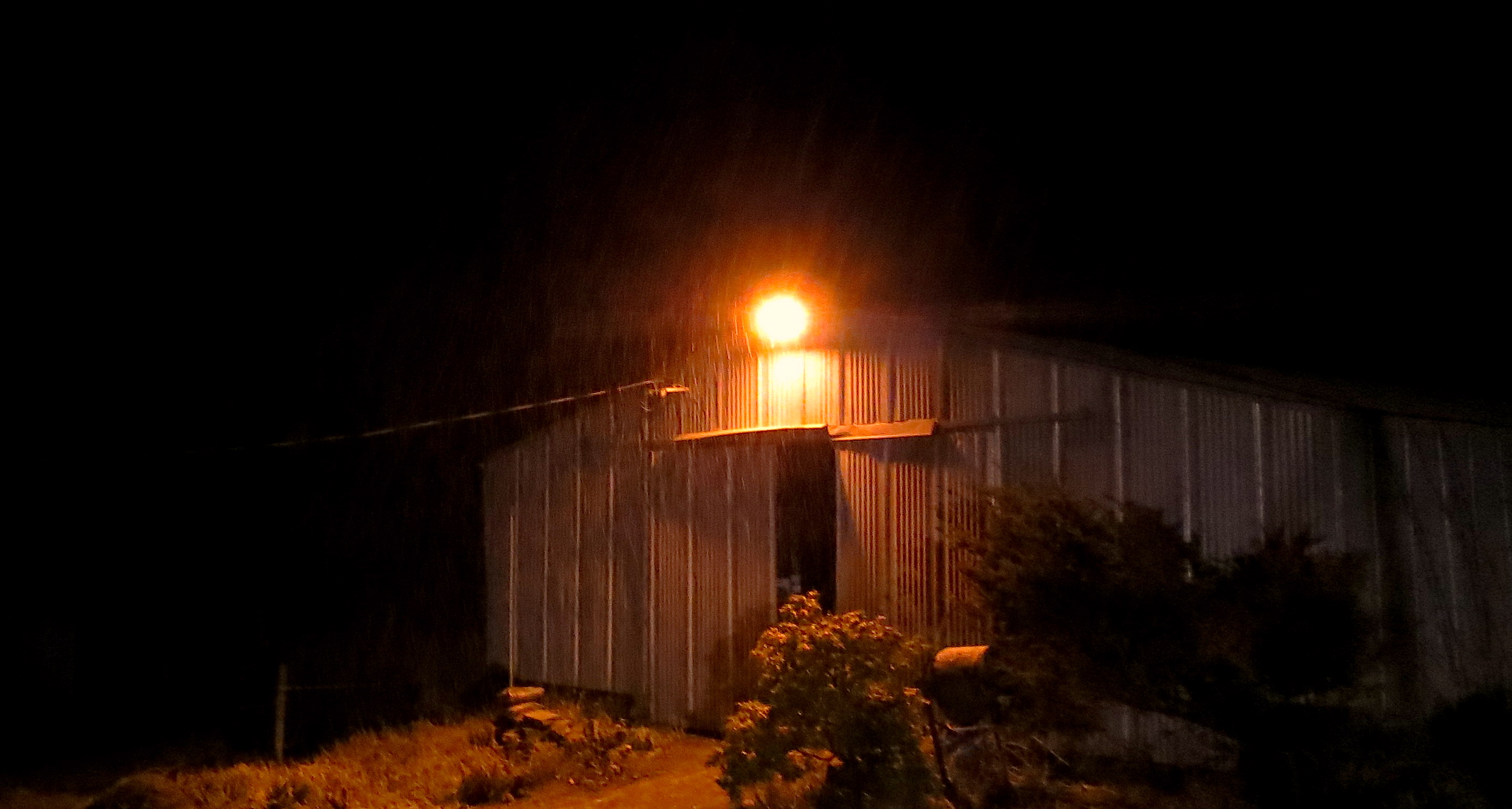
Usually, after turning out that forgotten barn light, I sit on the edge of the tractor bucket for a few minutes and let my eyes adjust to the night outside. City people always notice the darkness here, but it’s never very dark if you wait till your eyes owl out a little….
I’m always glad to have to walk down to the barn in the night, and I always forget that it makes me glad. I heave on my coat, stomp into my barn boots and trudge down toward the barn light, muttering at myself. But then I sit in the dark, and I remember this gladness, and I walk back up to the gleaming house, listening for the horses. ~Verlyn Klinkenborg from A Light in the Barn
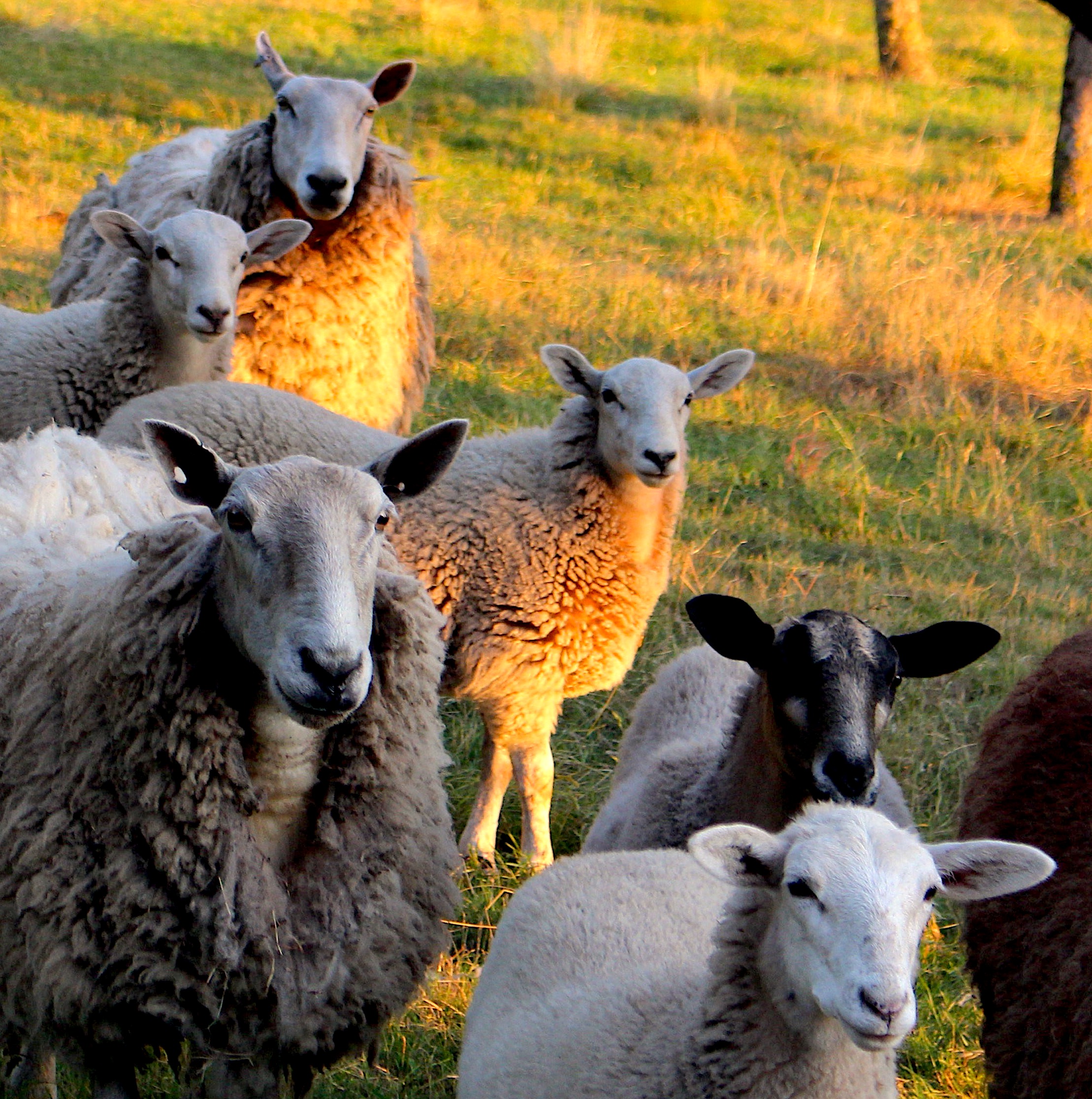
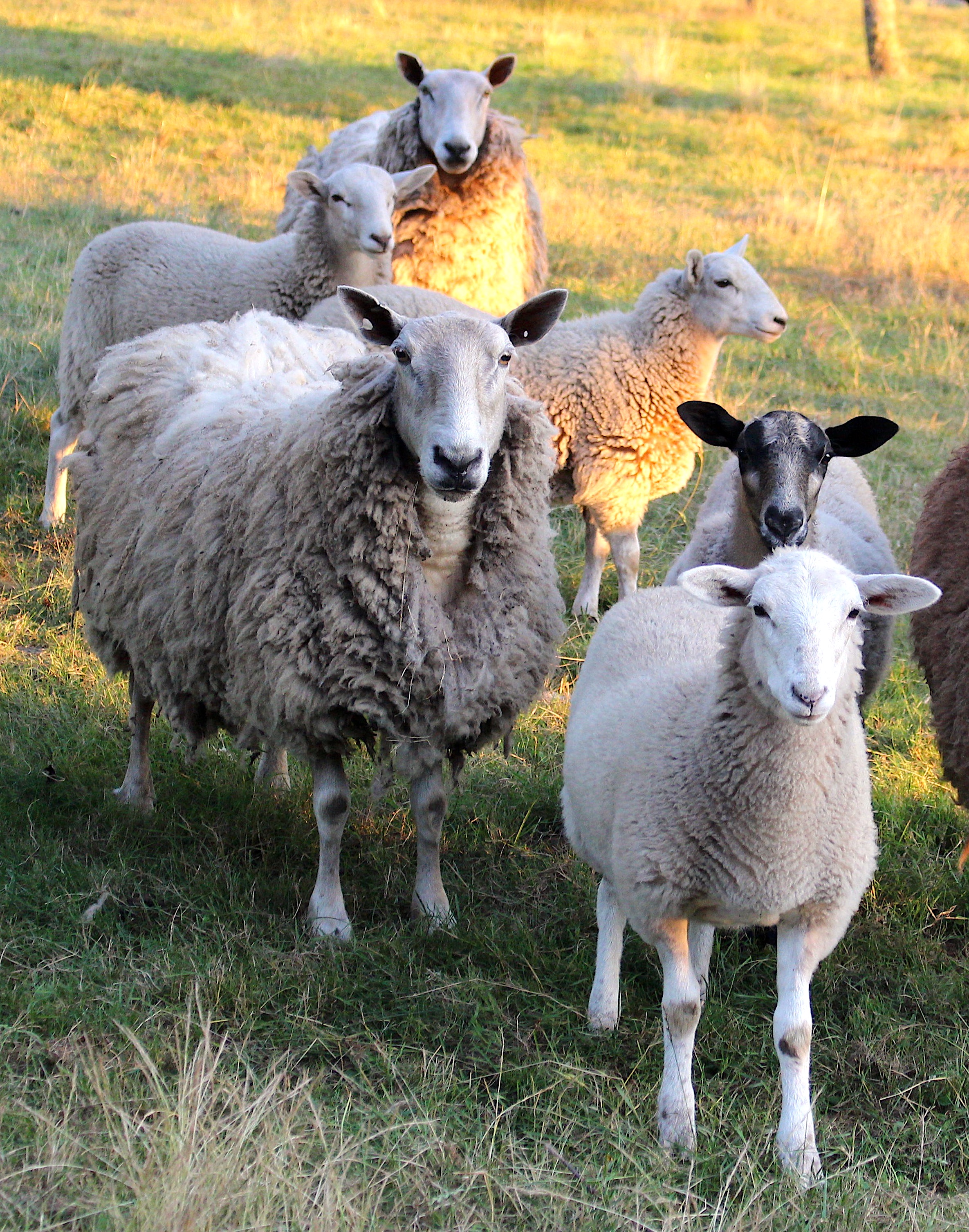
Inside the barn the sheep were standing, pushed close to one another. Some were dozing, some had eyes wide open listening in the dark. Some had no doubt heard of wolves. They looked weary with all the burdens they had to carry, like being thought of as stupid and cowardly, disliked by cowboys for the way they eat grass about an inch into the dirt, the silly look they have just after shearing, of being one of the symbols of the Christian religion. In the darkness of the barn their woolly backs were full of light gathered on summer pastures. Above them their white breath was suspended, while far off in the pine woods, night was deep in silence. The owl and rabbit were wondering, along with the trees, if the air would soon fill with snowflakes, but the power that moves through the world and makes our hair stand on end was keeping the answer to itself. ~Tom Hennen “Sheep in the Winter Night” from Darkness Sticks to Everything: Collected and New Poems.
There is so much about this world I don’t understand – headline news of each day seems to cause more questions and a sense of even deeper mystery. There are times when I feel all my hairs rising in gooseflesh at my privilege of being alive witnessing history as it plays out now, and wondering where it will lead to.
I don’t have to have answers now to appreciate the mystery of the gift given to me each day.
Half a lifetime ago, I was far more confident of the extent of my learned knowledge after so many years in school and training; now I am far more content about knowing there is much I will never understand.
All shall be revealed in the fullness of time. And time is getting fuller by the minute.
I want to know why too many are taken from us too young, why there is persisting darkness and evil causing us fear and suffering, why we stumble and fall and fail before we can ever consider flying. I want to know why we can’t trust one another or trust God when there are simply things that can’t be known yet.
Most of all I need faith that God has my life and your life in His hands. His power moving through our hearts is real and true and trustworthy even if we don’t know all the answers to our questions yet.
So like sheep, huddled and frightened, we wait for our Shepherd’s voice to tell us what comes next. He leaves the light on for us when we are overwhelmed by the darkness.
One-Time
Monthly
Yearly
Make a one-time or recurring donation to support daily Barnstorming posts
I like farming. I like the work. I like the livestock and the pastures and the woods. It’s not necessarily a good living, but it’s a good life. I now suspect that if we work with machines the world will seem to us to be a machine, but if we work with living creatures the world will appear to us as a living creature. That’s what I’ve spent my life doing, trying to create an authentic grounds for hope. ~Wendell Berry, horse farmer, essayist, poet, professor
The barn is old, and very old, But not a place of spectral fear. Cobwebs and dust and speckling sun Come to old buildings every one. Long since they made their dwelling here, And here you may behold
Nothing but simple wane and change; Your tread will wake no ghost, your voice Will fall on silence undeterred. No phantom wailing will be heard, Only the farm’s blithe cheerful noise; The barn is old, not strange. ~Edward Blunden from “The Barn”
When we pull open the barn doors, every morning and each evening, as our grandfathers did over a hundred years ago, six rumbling voices rise in greeting. We exchange scents, nuzzle each others’ ears.
We do our chores faithfully as our grandfathers once did– draw fresh water into buckets, wheel away the pungent mess underfoot, release an armful of summer from the bale, reach under heavy manes to stroke silken necks.
We don’t depend on our horses’ strength and willingness to don harness to carry us to town or move the logs or till the soil as our grandfathers did.
Instead, these soft eyed souls, some born on this farm three long decades ago, are simply grateful for our constancy morning and night to serve their needs until the day comes they need no more.
And we depend on them to depend on us to be there to open the doors; their low whispering welcome gives voice to the blessings of living on a farm ripe with rhythms and seasons, as if today and tomorrow are just like one hundred years ago.
This is a barn and I know it’s haunted The corn rattles and the shadows move It’s just the way, it’s just the way I’m feeling I want to lie down in a field of rain
This is a river and I pray for the bottom Some kind of measure of the way things change I’ve been stuck in the middle of a slow storm, counting the days, love
I know we’re in the dark, and the cold comes Through the very cracks that let the light through Bring me something back from that sunny coast, and keep us, moving on
These are the shadowlands, I’ve known them And I think it’s going to be the long way down But I’ll be the tiny flame, that you carry around, around, around
I know we’re in the dark, and the cold comes Through the very cracks that let the light through Bring me something back from that sunny coast, and keep us, moving on
This is a blessing and I don’t date doubt it We built a boat out of willow trees We caught the moonlight, like a mirror Shine right through to the best of me Shine right through to the best of me We’ve been living in abandoned houses Sometimes we’re tending to abandoned fields It’s just the way it’s just the way I’m feeling I want to wake up with the sun in my head ~Chris Pureka
One-Time
Monthly
Yearly
Make a one-time or recurring donation to support Barnstorming
Heaven-invading hills are drowned In wide moving waves of mist, Phlox before my door are wound In dripping wreaths of amethyst.
Ten feet away the solid earth Changes into melting cloud, There is a hush of pain and mirth, No bird has heart to speak aloud.
Here in a world without a sky, Without the ground, without the sea, The one unchanging thing is I, Myself remains to comfort me. ~Sara Teasdale “White Fog”
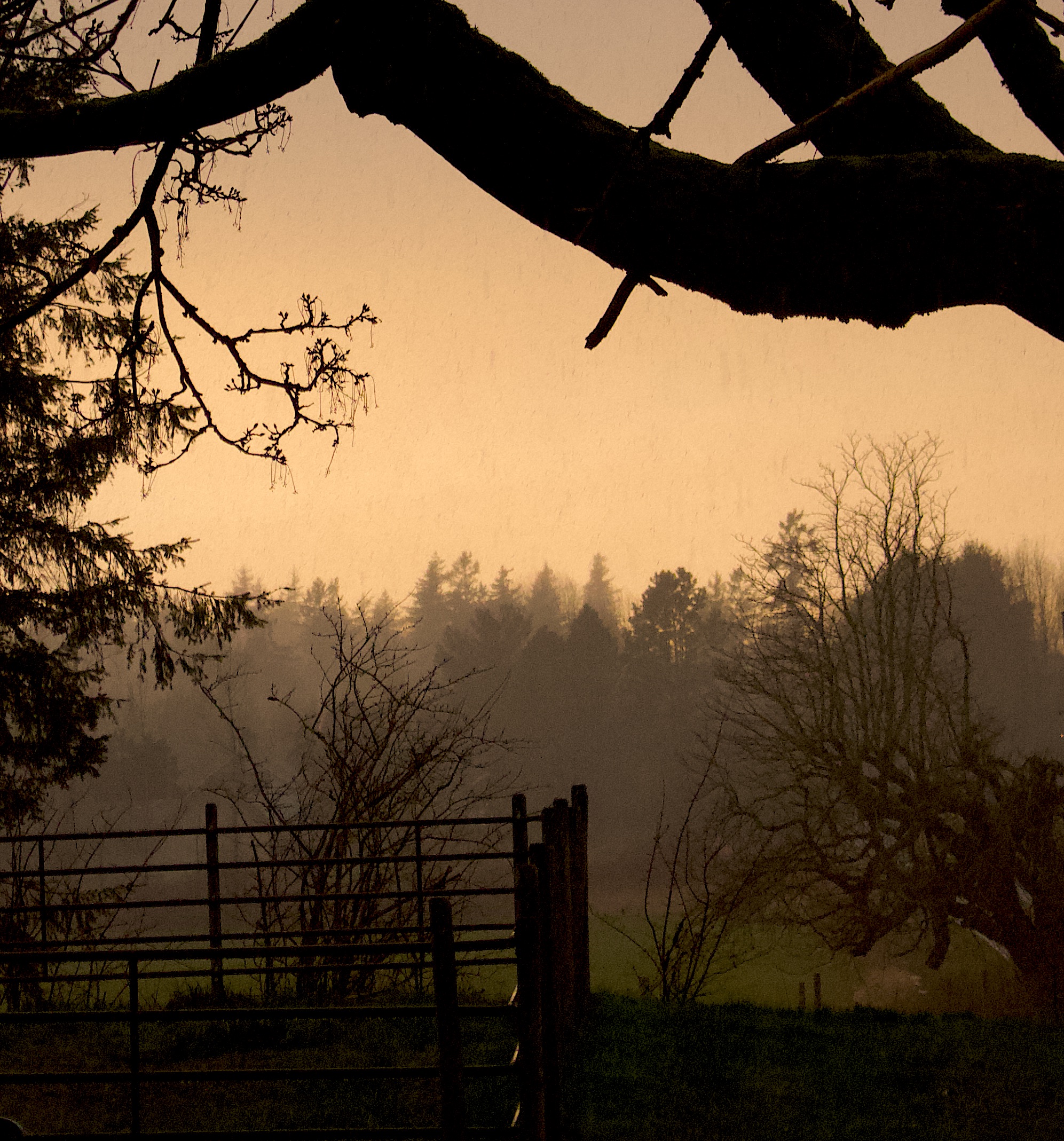
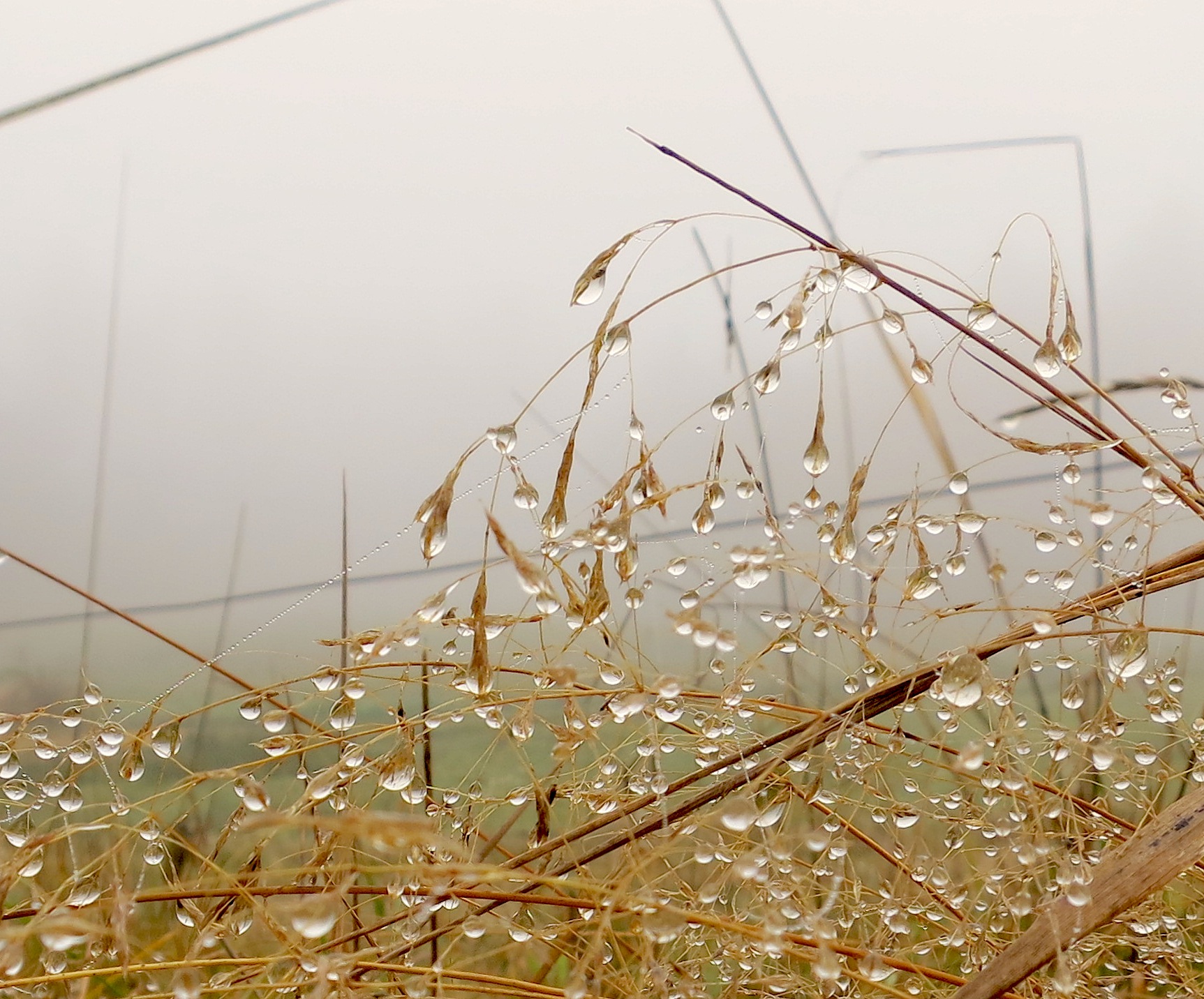
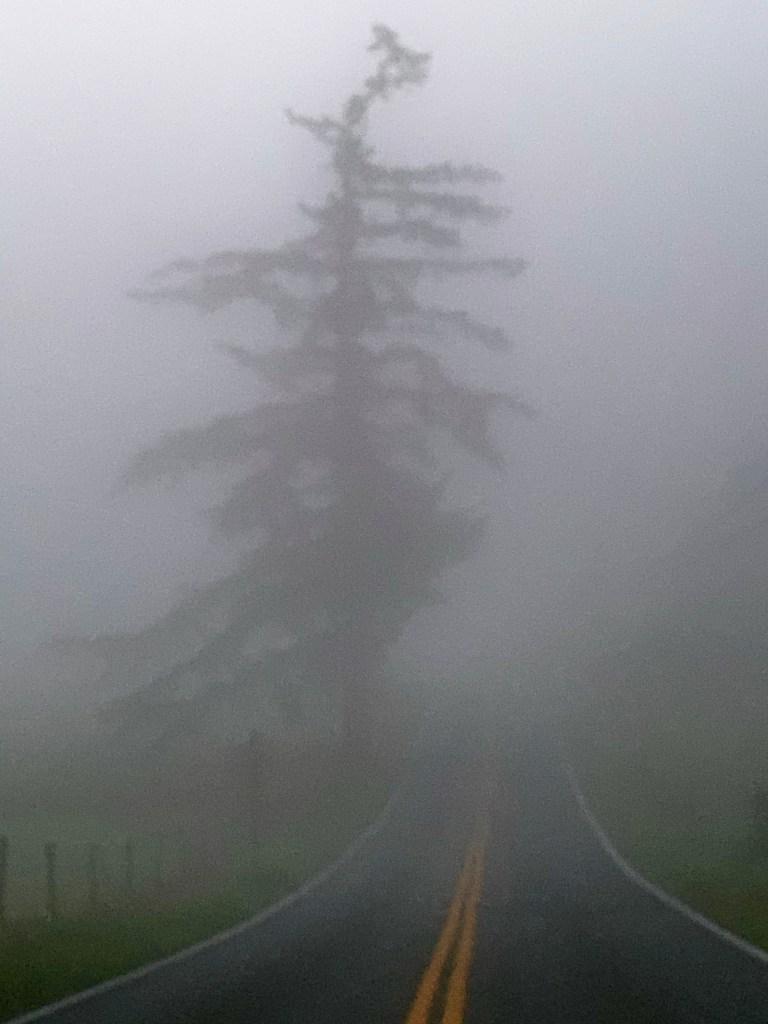
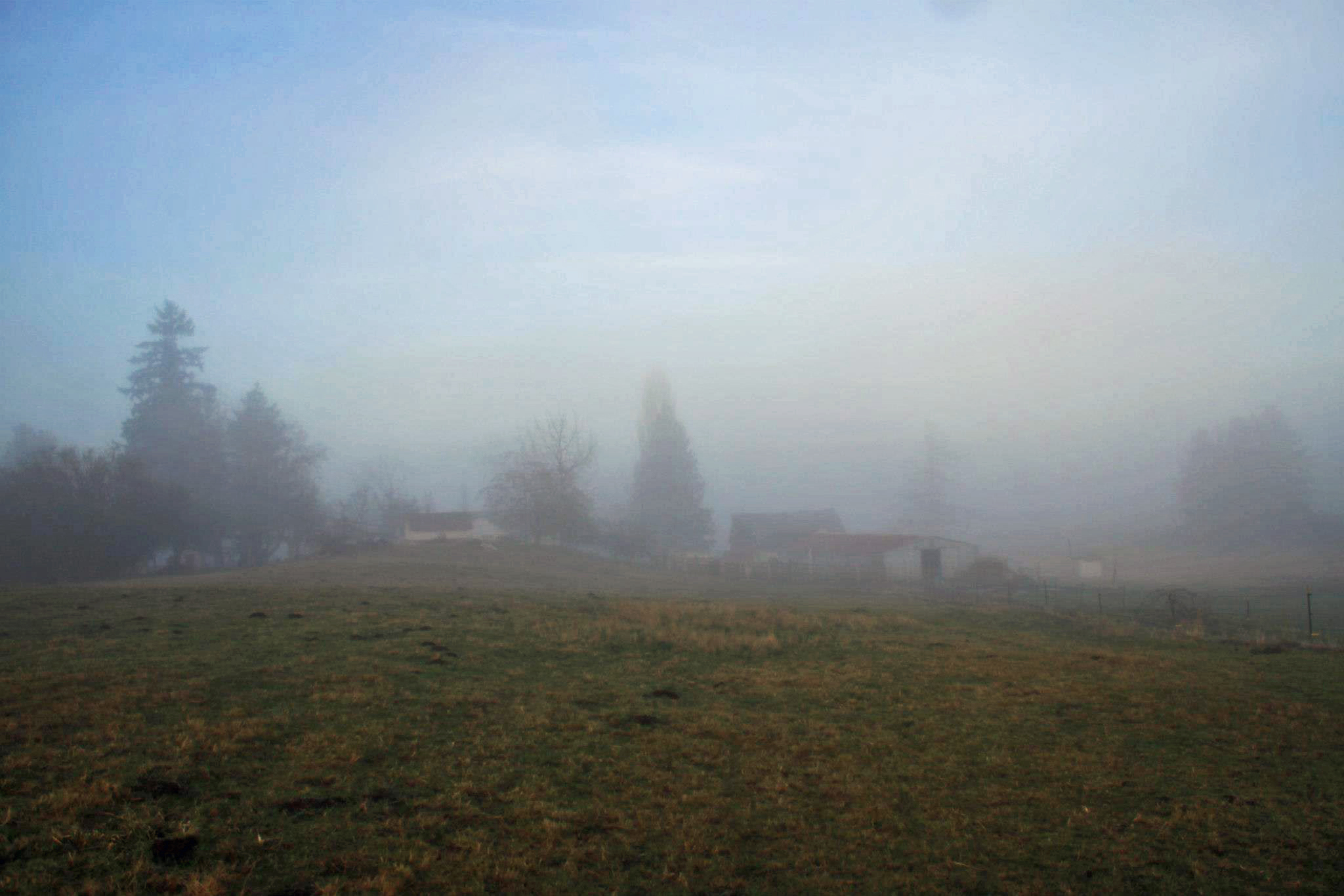
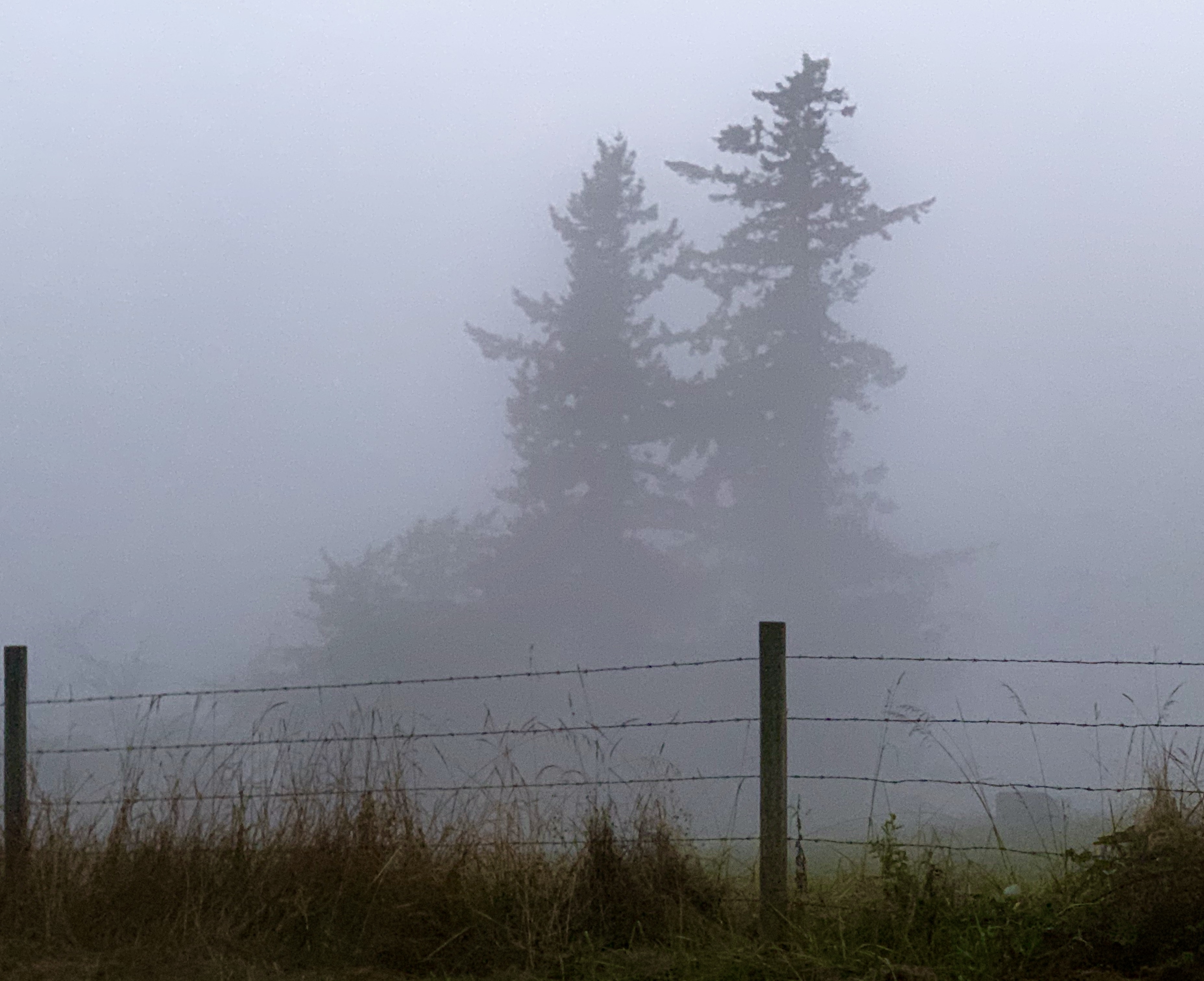
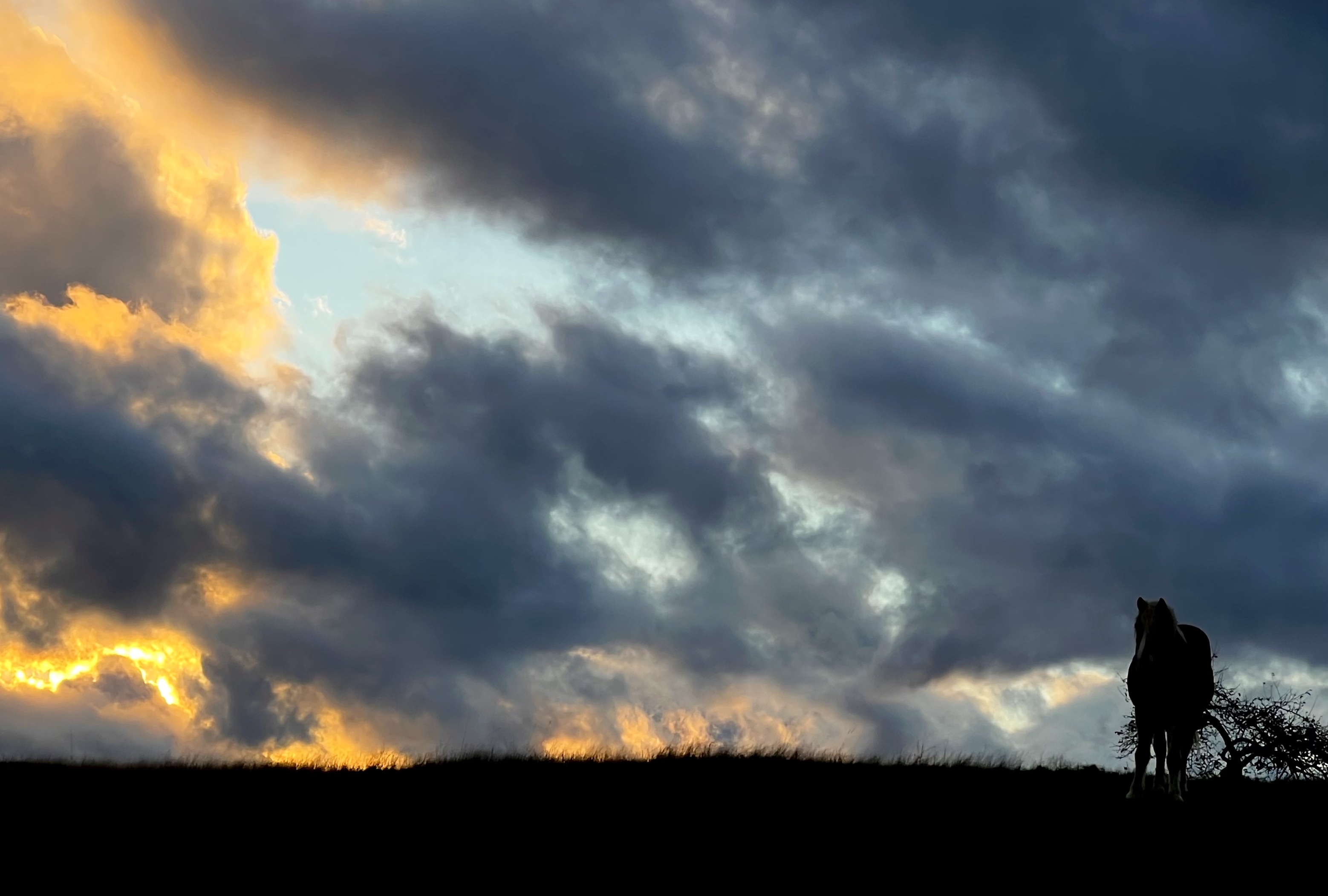
We’ve had all-day fog up and down Puget Sound over the past few days, atypical for a Pacific Northwest winter. This is fog that literally drips from the trees and soaks like rain, swallowing up visible landscape, hushing bird song, erasing all color by homogenizing everything.
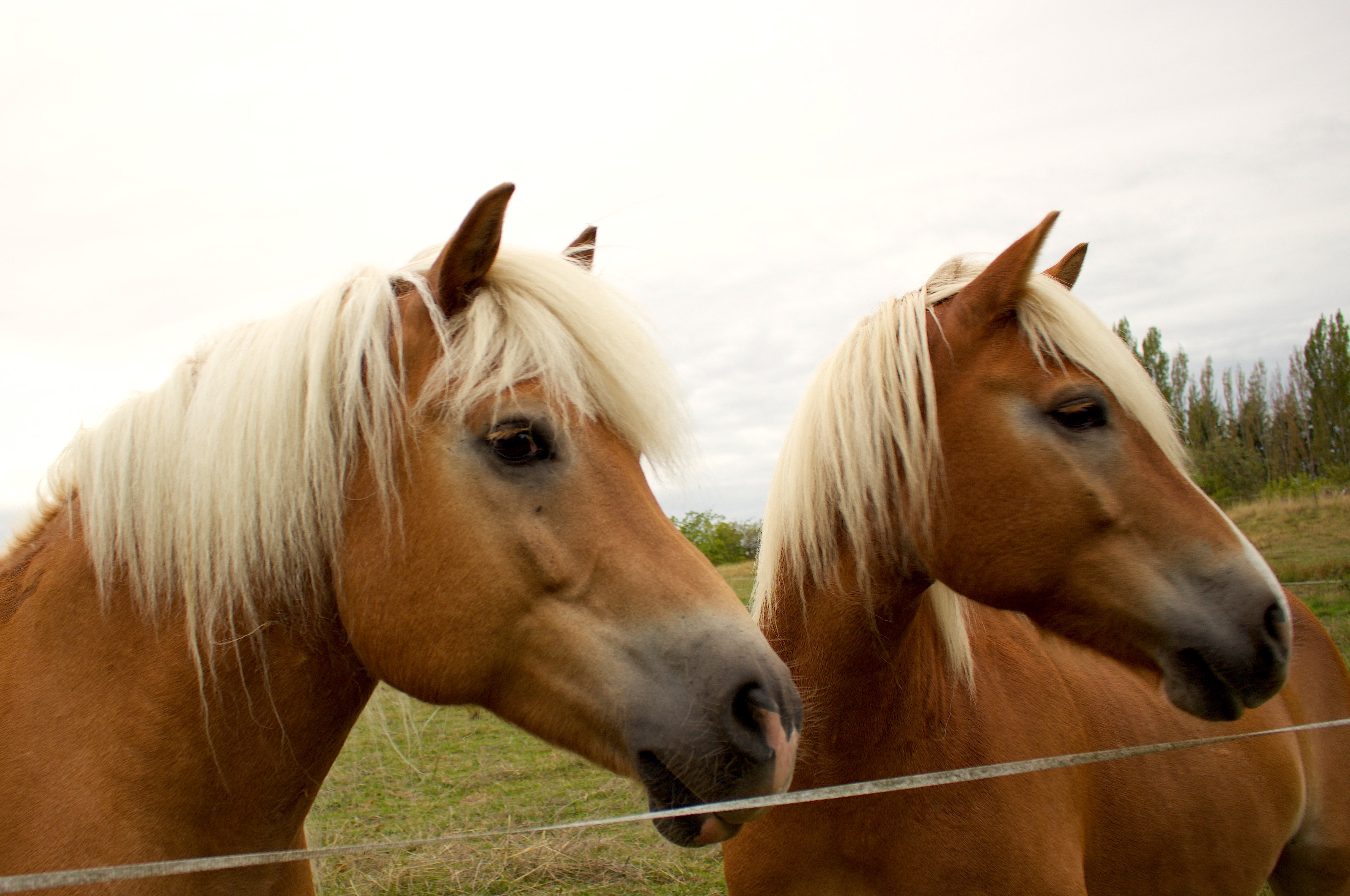
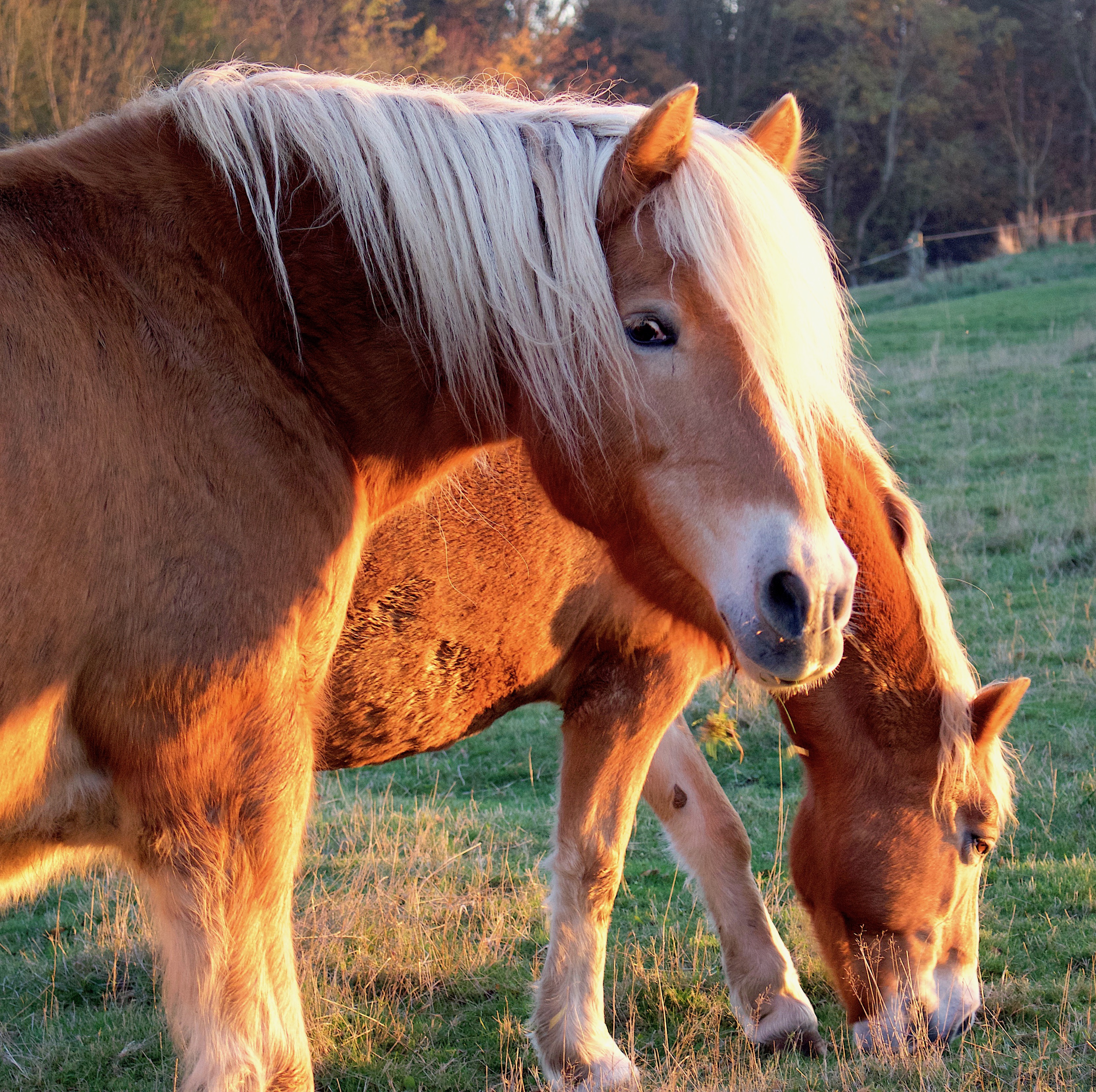
When not barn-bound in the winter, a foggy day means our horses are literally sucked up into the morning mist as I send them out one by one to the field from the barn. Stopping at the barn door, they sniff the wet air, hesitant to be turned out into the grey sea surrounding them. What could there be to eat out in this murk? Each one, when turned loose, would wander into the soup, disappearing, as if never to be seen again. One by one they wander out to look for their buddies, seeing nothing, hearing nothing, smelling nothing. They are lost and alone and bewildered until somehow they meet up out in the pasture, forming a pod of Haflingers.
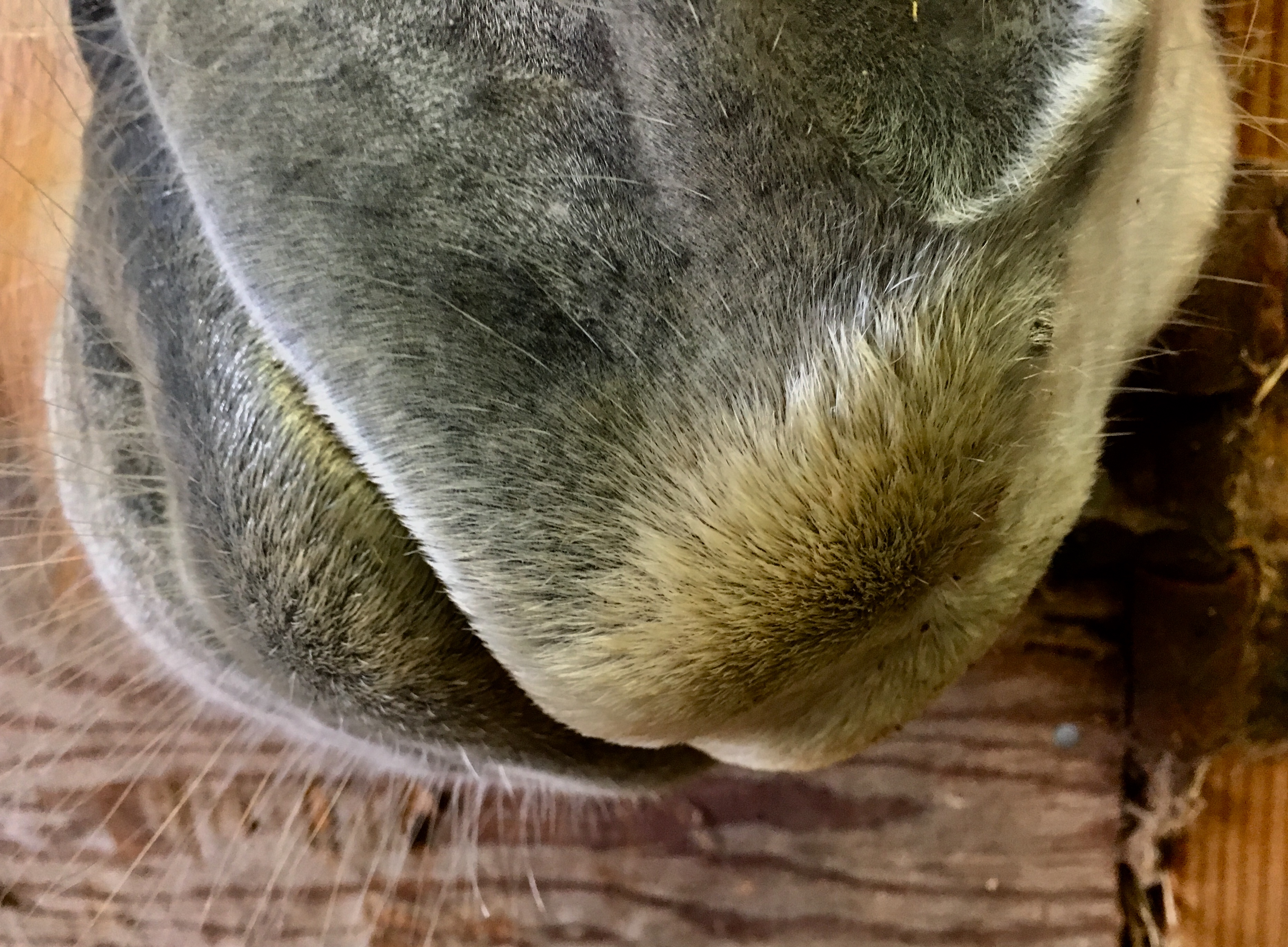
I muse at their initial confusion and then their utter conviction there must be “something out there” worth finding. They are dependent on the usual cues–visual, auditory, olfactory–all limited in the fog. Instead they rely on some inner sonar to find each other and bunch together in a protective knot, drops of fog dew clinging to their manes, their eyelashes and their muzzle whiskers. As day wears on, the fog usually dissipates, their coats drying under a warming sun, and the colors of the fields and trees and chestnut horses emerge from the cocoon of haze.
This winter, I have felt lost in fog too. I’m disconnected from a regular work schedule since retiring as a physician, so am helping as a volunteer in a variety of service opportunities. I am still feeling afloat and circling somewhat aimlessly, searching for a touch point of purpose and direction. Every so often I bump into a fellow fog wanderer and we’ll knot together for a bit, relieved to be connected to something solid and familiar.
My isolation is likely a combination of pandemic limitations and my own self-absorbed state of mind, sucking me in deep, separating me from others, distancing me from joy. At times, I feel soaked, dripping and shivering. If I only had the faith shown by my horses in the mist, I’d charge into the fog fearlessly, knowing there are others out there ready to band together for company, comfort and support, awaiting the sun. When warming and rejuvenation do come, I hope it will be enough to dry my whiskers, put color back in my cheeks and refresh my hopes and dreams.
Most importantly, I am reminded yet again — no fog is forever.
An absolute patience. Trees stand up to their knees in fog. The fog slowly flows uphill. White cobwebs, the grass leaning where deer have looked for apples. The woods from brook to where the top of the hill looks over the fog, send up not one bird. So absolute, it is no other than happiness itself, a breathing too quiet to hear. ~Denise Levertov “The Breathing”
One-Time
Monthly
Yearly
Make a one-time or recurring donation to support Barnstorming
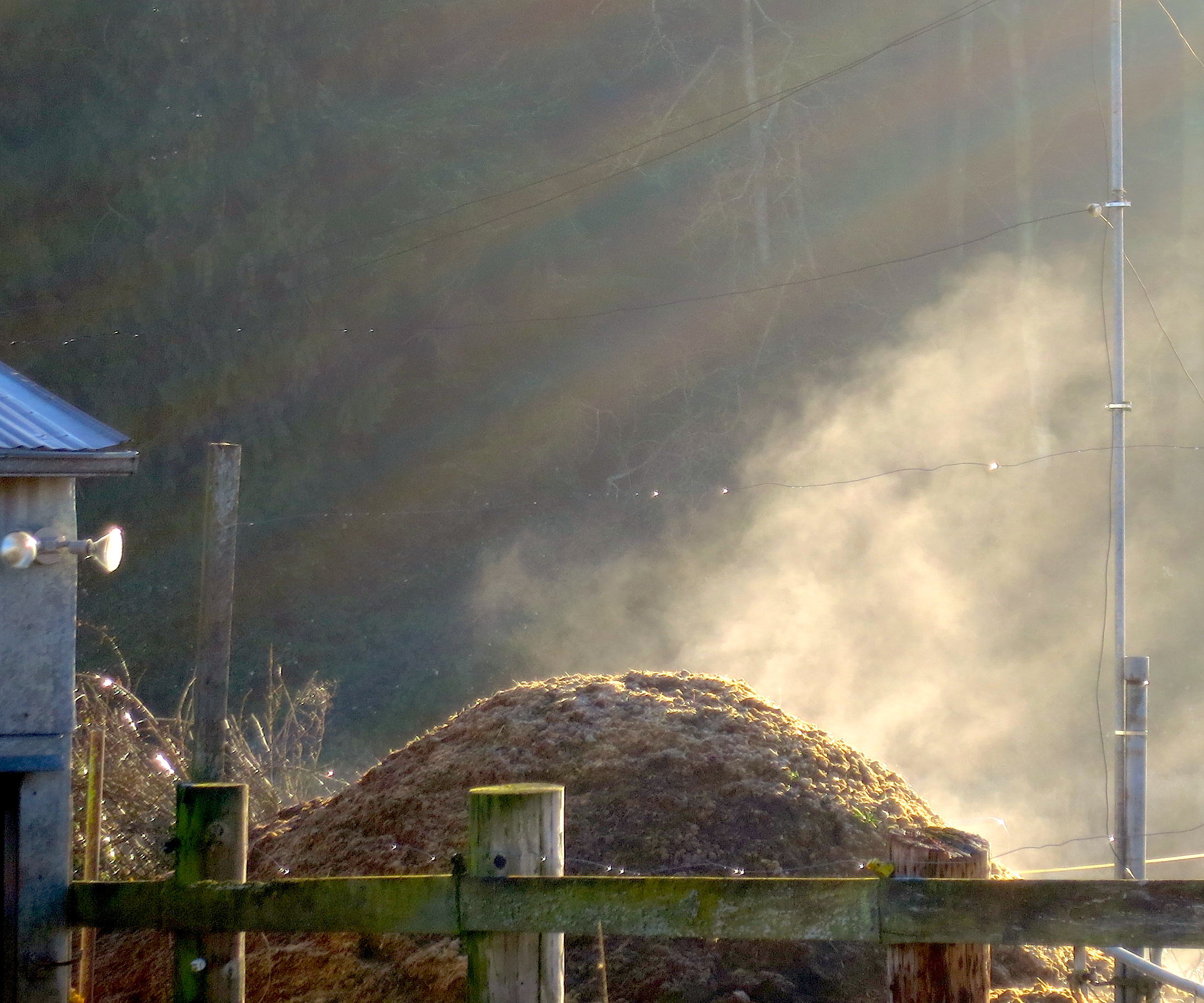
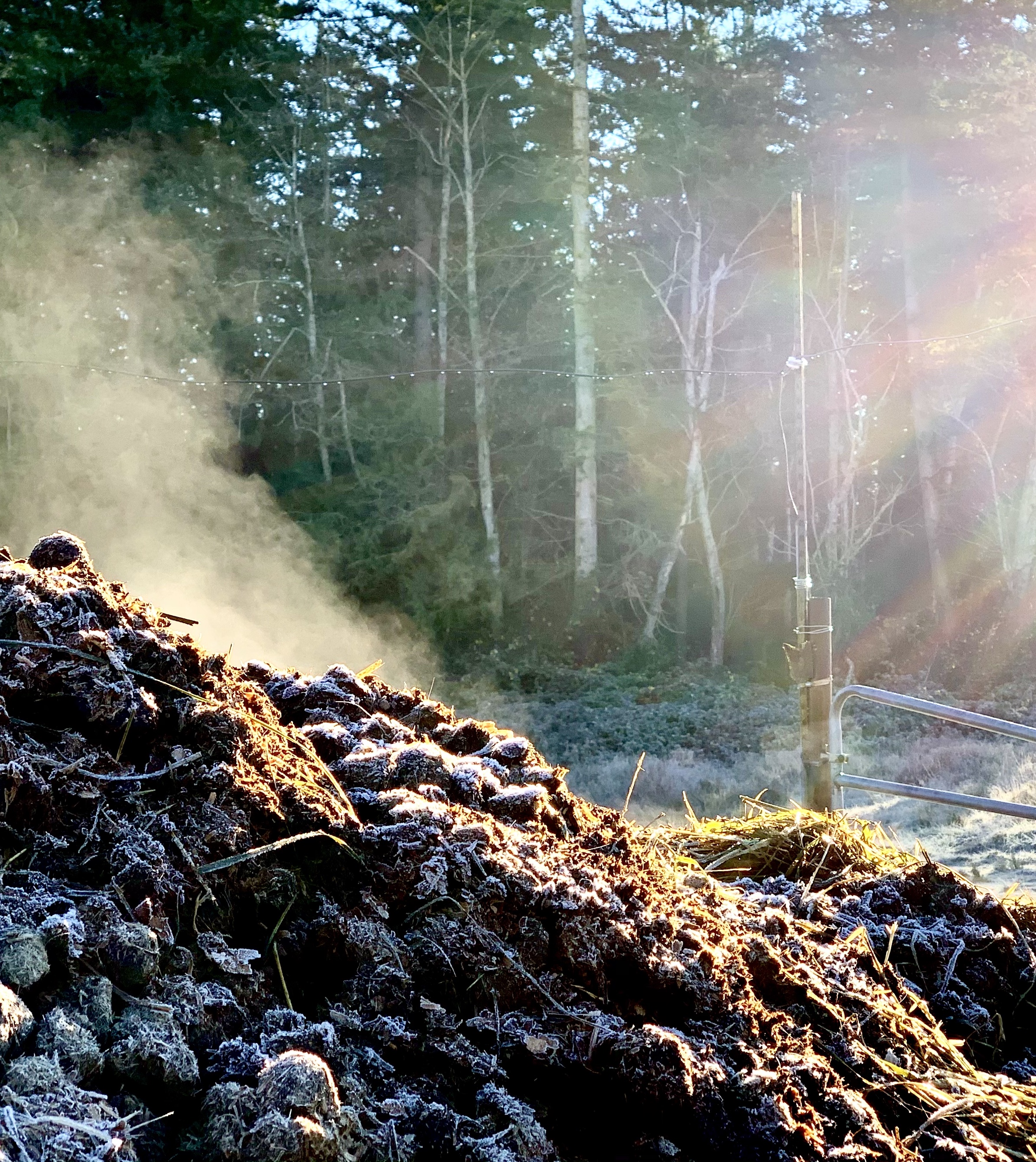
I’ve banked nothing, or everything. Every daythe chores need doing again. Early in the morning, I clean the horse barn with a manure fork. Every morning, it feels as though it could be the day beforeor a year agoor a year before that. With every pass, I give the fork one final upward flick to keep the manure from falling out,and every day I remember where I learned to do that and from whom. Time all but stops. But then I dump the cart on the compost pile. I bring out the tractor and turn the pile, once every three or four days. The bucket bites and lifts, and steam comes billowing out of the heap. It’s my assurance that time is really moving forward, decomposing us all in the process. ~Verlyn Klinkenborg from More Scenes from the Rural Life
He <the professor> asked what I made of the other Oxford students so I told him: They were okay, but they were all very similar… they’d never failed at anything or been nobodies, and they thought they would always win. But this isn’t most people’s experience of life.
He asked me what could be done about it. I told him the answer was to send them all out for a year to do some dead-end job like working in a chicken processing plant or spreading muck with a tractor. It would do more good than a gap year in Peru.
He laughed and thought this was tremendously witty. It wasn’t meant to be funny. ~James Rebanks from The Shepherd’s Life (how a sheep farmer succeeds at Oxford and then goes back to the farm)
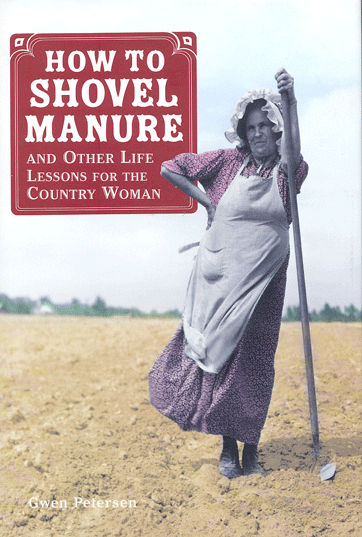
For well over thirty years, my husband and I have spent about an hour a day shoveling manure out of numerous horse stalls and I’m a better person for it. The last few weeks of sub-freezing snow/icy weather while running low on trucked-in supplies of shavings and straw bedding has been a particular character-building experience. It feels like everything, myself included, is in a process of decomposition.
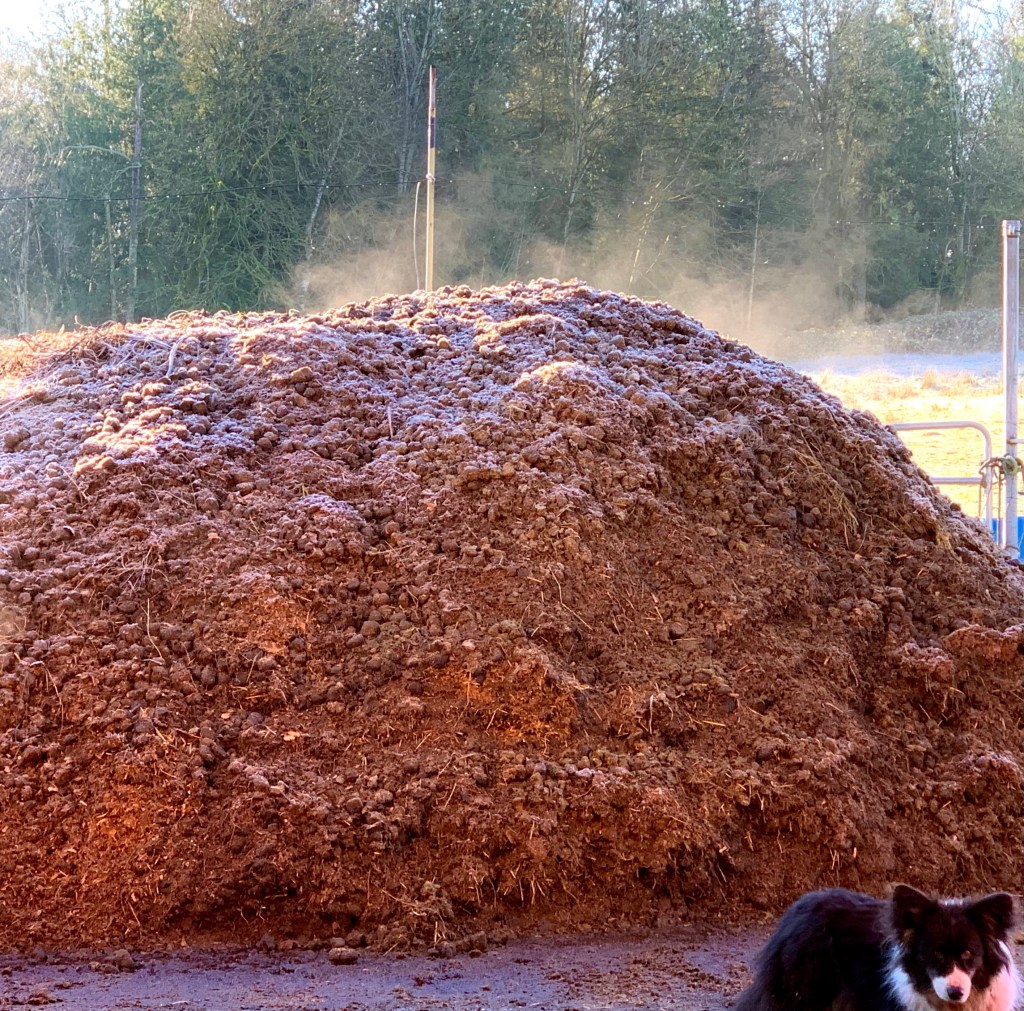
Wheeled to a mountainous pile in our barnyard, our daily collection of manure happily composts year round, becoming rich fertilizer in a matter of months through a crucible-like heating process of organic chemistry, bacteria and earthworms. Nothing mankind has achieved quite matches the drama of useless and basically disgusting stuff transforming into the essential elements needed for productive growth and survival. This is a metaphor I can <ahem> happily muck about in.
I’m in awe, every day, at being part of this process — in many ways a far more tangible improvement to the state of the world than anything else I manage to accomplish every day. The horses, major contributors that they are, act underwhelmed by my enthusiasm. I guess some miracles are relative, depending on one’s perspective, but if the horses understood that the grass they contentedly eat in the pasture, or the hay they munch on during the winter months, was grown thanks to their carefully recycled waste products, they might be more impressed.
Their nonchalance about the daily mucking routine is understandable. If they are outside, they probably don’t notice their beds are clean when they return to the stalls at night. If they are inside during the heavy rain days, they feel duty-bound to be in our faces as we move about their stall, toting a pitchfork and pushing a wheelbarrow. I’m a source of constant amusement as they nose my jacket pockets for treats that I never carry, as they beg for scratches on their unreachable itchy spots, and as they attempt to overturn an almost full load, just to see balls of manure roll to all corners of the stall like breaking a rack of billiard balls in a game of pool.
Good thing I’m a patient person always seeking an object lesson in whatever I see or do ~ mucking out stalls every day helps me tolerate the proverbial muck I encounter every day off the farm. And spending an hour a day getting dirty in the real stuff somehow makes the virtual manure less noxious.
Everyone should be spending time daily mucking out; I think the world would generally be a better place.
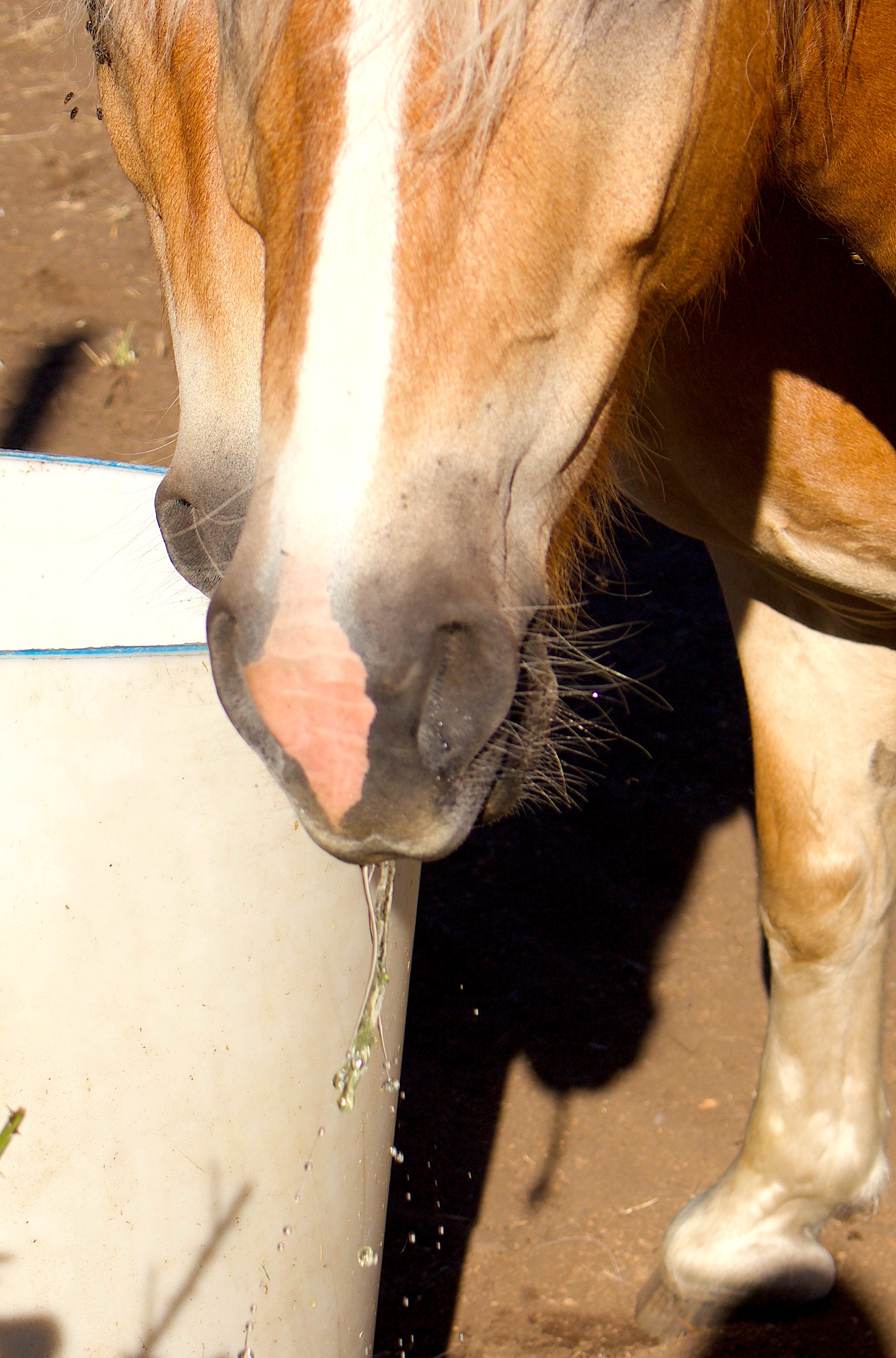
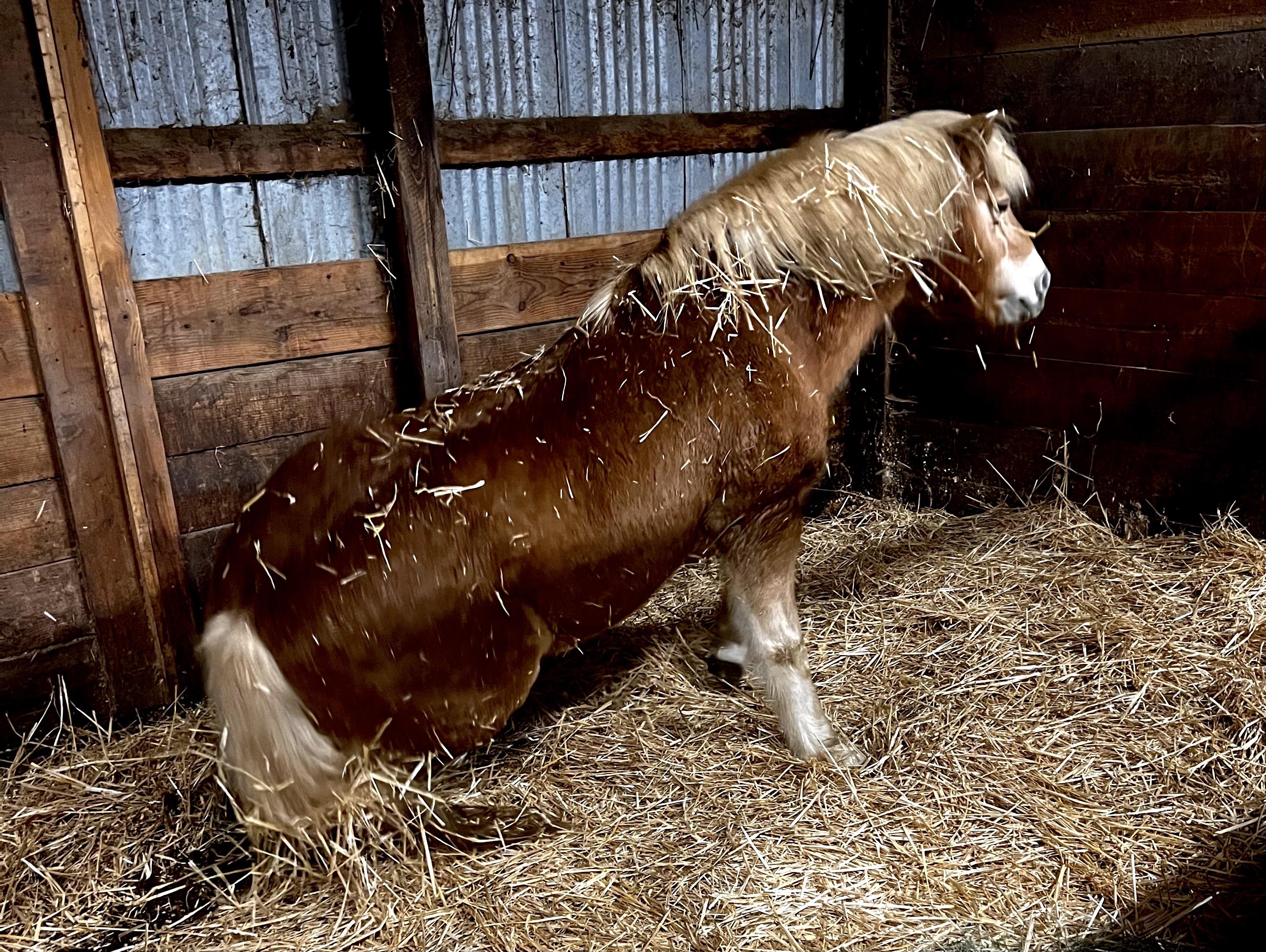
Wally, our former stallion, now gelded, discovered a way to make my life easier rather than complicating it. He hauled a rubber tub into his stall from his paddock, by tossing it into the air with his teeth and throwing it, and it finally settled against one wall. Then he began to consistently pile his manure, with precise aim, right in the tub. I didn’t ask him to do this. It had never occurred to me. I hadn’t even thought it was possible for a horse to house train himself. But there it is, proof that some horses prefer neat and tidy rather than the whirlwind eggbeater approach to manure distribution. After a day of his manure pile plopping, it is actually too heavy for me to pick up and dump into the wheelbarrow all in one tub load, but it takes 1/4 of the time to clean his stall than the others, and he spares all this bedding.
What a guy. He provides me unending inspiration in how to keep my own personal muck concentrated rather than spreading it about, contaminating the rest of the world.
Now, once I teach him to put the seat back down when he’s done, he’s welcome to move into the house…
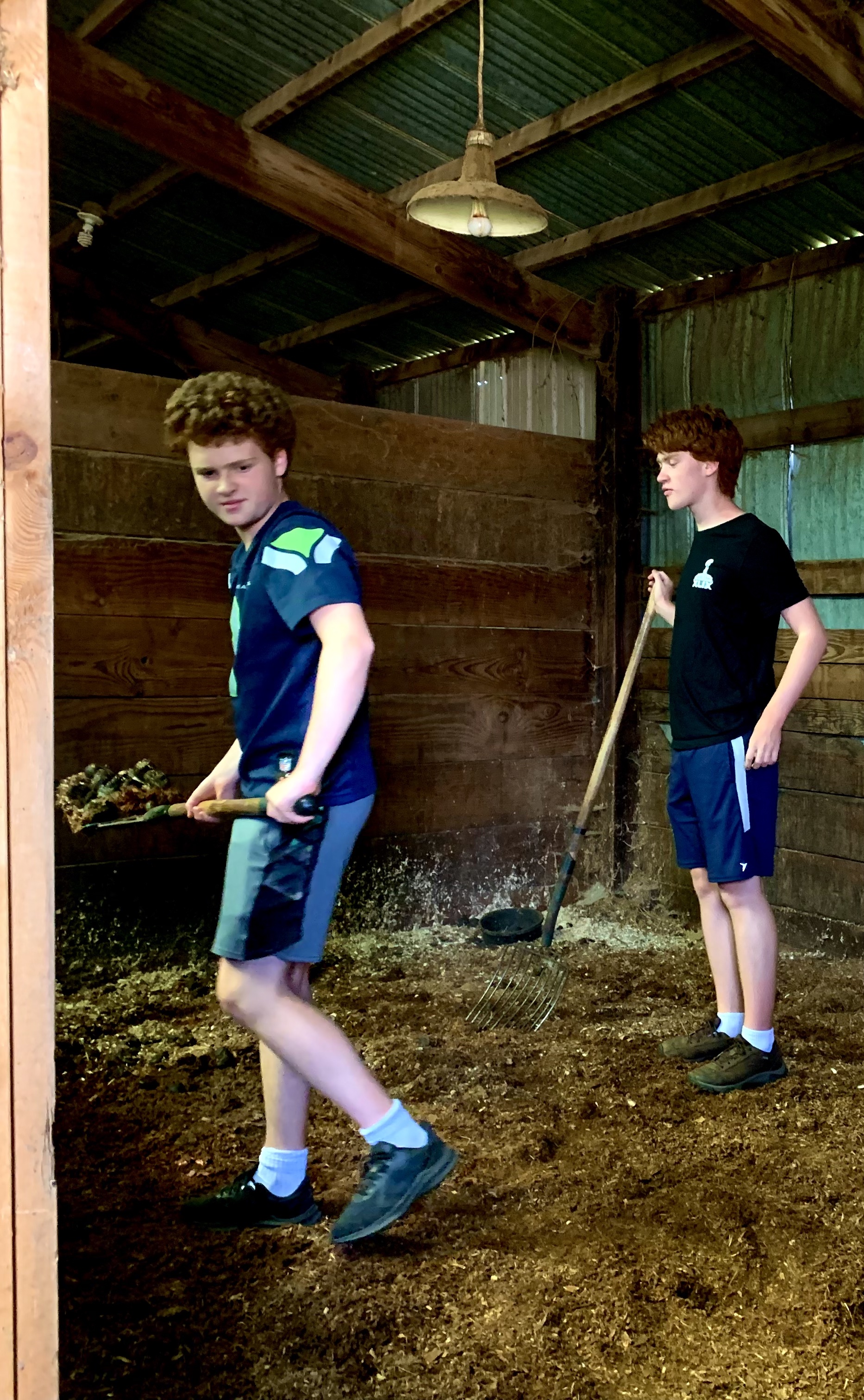
teaching my city nephews how to muck out a stallWally’s purposeful pile
One-Time
Monthly
Yearly
Make a one-time or recurring donation to support Barnstorming
Christmas Eve, and twelve of the clock. “Now they are all on their knees,” An elder said as we sat in a flock By the embers in hearthside ease.
We pictured the meek mild creatures where They dwelt in their strawy pen, Nor did it occur to one of us there To doubt they were kneeling then. So fair a fancy few would weave In these years!
Yet, I feel,If someone said on Christmas Eve, “Come; see the oxen kneel,“ In the lonely barton by yonder coomb Our childhood used to know, ”I should go with him in the gloom, Hoping it might be so.“ ~Thomas Hardy “The Oxen”
Says a country legend told every year: Go to the barn on Christmas Eve and see what the creatures do as that long night tips over. Down on their knees they will go, the fire of an old memory whistling through their minds!
So I went. Wrapped to my eyes against the cold I creaked back the barn door and peered in. From town the church bells spilled their midnight music, and the beasts listened – yet they lay in their stalls like stone.
Oh the heretics! Not to remember Bethlehem, or the star as bright as a sun, or the child born on a bed of straw! To know only of the dissolving Now!
Still they drowsed on – citizens of the pure, the physical world, they loomed in the dark: powerful of body, peaceful of mind, innocent of history.
Brothers! I whispered. It is Christmas! And you are no heretics, but a miracle, immaculate still as when you thundered forth on the morning of creation! As for Bethlehem, that blazing star
still sailed the dark, but only looked for me. Caught in its light, listening again to its story, I curled against some sleepy beast, who nuzzled my hair as though I were a child, and warmed me the best it could all night. ~Mary Oliver “Christmas Poem”from Goodness and Light
The winds were scornful, Passing by; And gathering Angels Wondered why
A burdened Mother Did not mind That only animals Were kind.
For who in all the world Could guess That God would search out Loneliness. ~Sr. M. Chrysostom, O.S.B. “The Stable”
Beholding his glory is only half our job. In our souls too the mysteries must be brought forth; we are not really Christians till that has been done. A mystic says human nature is like a stable inhabited by the ox of passion and the ass of prejudice— animals which take up a lot of room and which I suppose most of us are feeding on the quiet. And it is there between them, pushing them out, that Christ must be born and in their very manger he must be laid— and they will be the first to fall on their knees before him. Sometimes Christians seem far nearer to those animals than to Christ in his simple poverty, self-abandoned to God. ~Evelyn Underhill“Light of the World” from Watch for the Light
Growing up on my childhood farm, remembering the magic of Christmas eve night, I bundled myself up to stay warm in our barn, to witness an unbelievable sight.
At midnight we knew the animals knelt down, speaking words we could all understand, to worship a Child born in Bethlehem town, in a barn, long ago in a far away land.
They were there that night, to see and to hear, the blessings that came from the sky. They patiently stood watch at the manger near, in a barn, while shepherds and kings stopped by.
My trips to the barn were always too late, our cows would be chewing, our chickens asleep, our horses breathing softly, cats climbing the gate, in our barn, there was never a neigh, moo or peep.
But I knew they had done it, I just missed it again! They were plainly so calm, well-fed and at peace in the sweet smelling straw, all snug in their pens, in a barn, a mystery, once more, took place.
Even now, I still bundle to go out Christmas eve, in the hope I’ll catch them just once more this time. Though I’m older and grayer, I still firmly believe in the barn, a Birth happened amid cobwebs and grime.
Our horses sigh low as they hear me come near, that tells me the time I hope for is now, they will drop to their knees without any fear in our barn, as worship, all living things bow.
I wonder anew at God’s immense trust for His creatures so sheltered that darkening night – the mystery of why of all places, His Son must begin life in a barn: a welcoming most holy and right. ~Emily Gibson “In the Barn” (written Christmas Eve 1999)
Let it come, as it will, and don’t be afraid. God does not leave us comfortless, so let evening come. ~Jane Kenyon, from “Let Evening Come”
This year’s Barnstorming Advent theme “… the Beginning shall remind us of the End” is taken from the final lines in T.S. Eliot’s poem “The Cultivation of Christmas Trees”
Latin text O magnum mysterium, et admirabile sacramentum, ut animalia viderent Dominum natum, iacentem in praesepio! Beata Virgo, cujus viscera meruerunt portare Dominum Iesum Christum. Alleluia!
English translation O great mystery, and wonderful sacrament, that animals should see the newborn Lord, lying in a manger! Blessed is the virgin whose womb was worthy to bear the Lord, Jesus Christ. Alleluia!
Sing O the wild wood, the green holly, The silent river and barren tree; The humble creatures that no man sees: Sing O the wild wood.
A weary journey one winter’s night; No hope of shelter, no rest in sight. Who was the creature that bore Mary? A simple donkey.
And when they came into Beth’lem Town They found a stable to lay them down; For their companions that Christmas night, An ox and an ass.
And then an angel came down to earth To bear the news of the Saviour’s birth; The first to marvel were shepherds poor, And sheep with their lambs.
Sing O the wild wood, the green holly, The silent river and barren tree; The humble creatures that no man sees: Sing O the wild wood. John Rutter
Jesus our brother, strong and good Was humbly born in a stable rude And the friendly beasts around him stood Jesus our brother, strong and good “I, ” said the donkey, shaggy and brown “I carried his mother up hill and down I carried his mother to Bethlehem town” “I, ” said the donkey, shaggy and brown “I, ” said the cow, all white and red “I gave him my manger for his bed I gave him my hay to pillow his head” “I, ” said the cow, all white and red “I, ” said the sheep with curly horn “I gave him my wool for his blanket warm He wore my coat on Christmas morn” “I, ” said the sheep with curly horn “I, ” said the dove from the rafters high “I cooed him to sleep so he would not cry We cooed him to sleep, my mate and I” “I, ” said the dove from rafters high Thus every beast by some good spell In the stable dark was glad to tell Of the gifts they gave Emmanuel Of the gifts they gave Emmanuel



































 Barnstorming