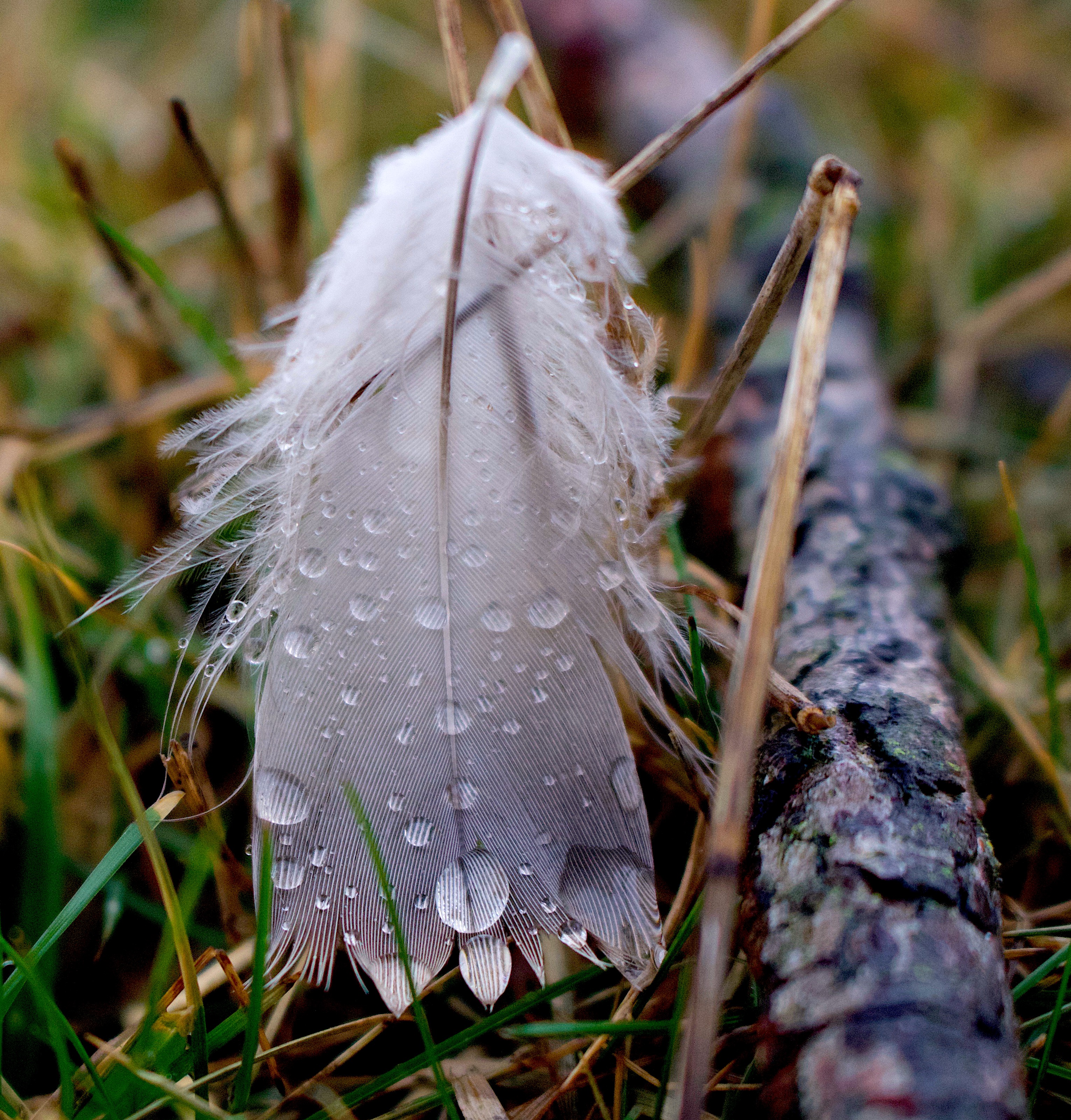
He will cover you with his feathers, and under his wings you will find refuge; his faithfulness will be your shield and rampart. Psalm 91:4
To be commanded to love God at all, let alone in the wilderness, is like being commanded to be well when we are sick, to sing for joy when we are dying of thirst, to run when our legs are broken. But this is the first and great commandment nonetheless. Even in the wilderness- especially in the wilderness – you shall love him. ~Frederick Buechner from A Room Called Remember:Uncollected Pieces
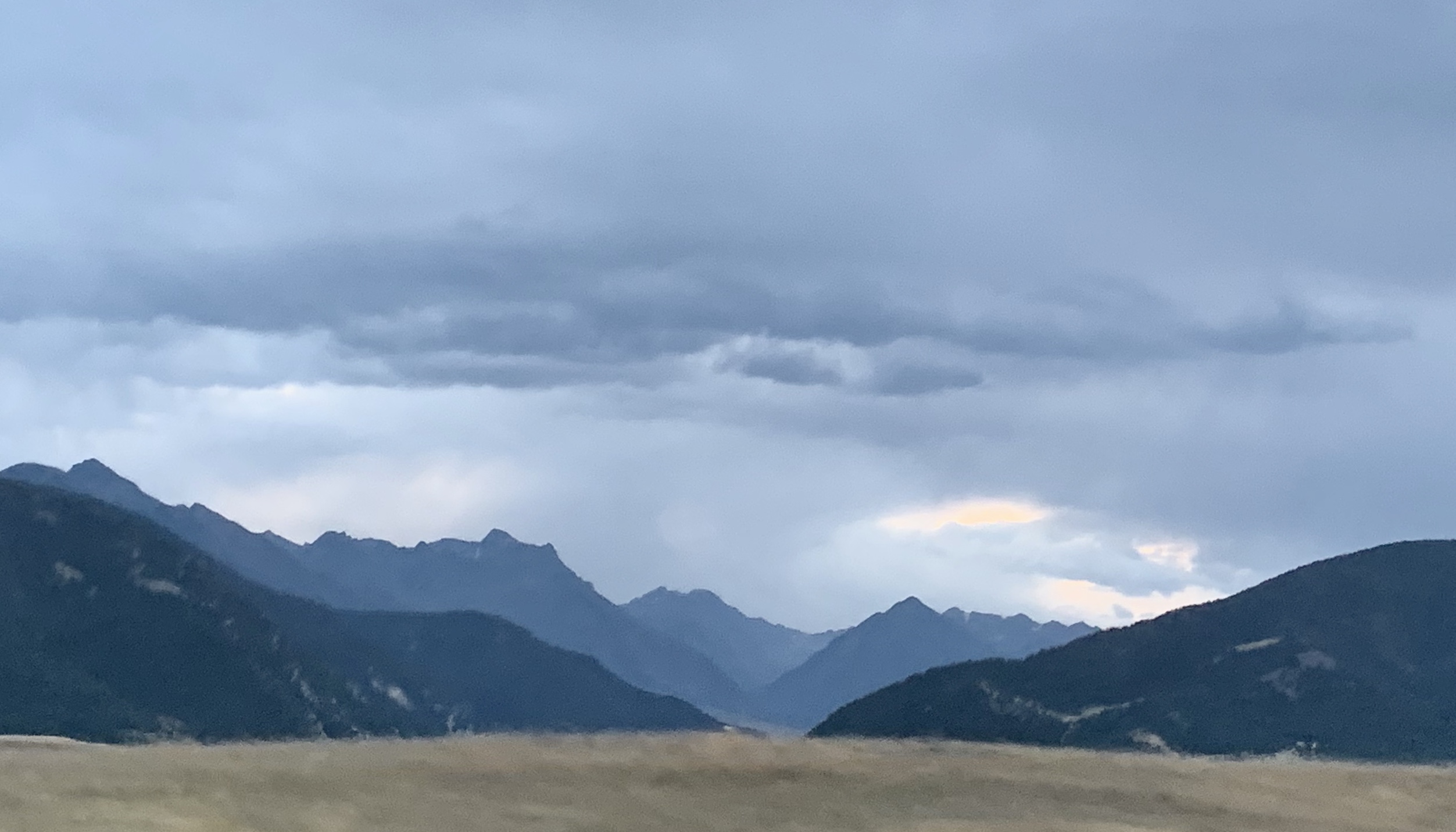
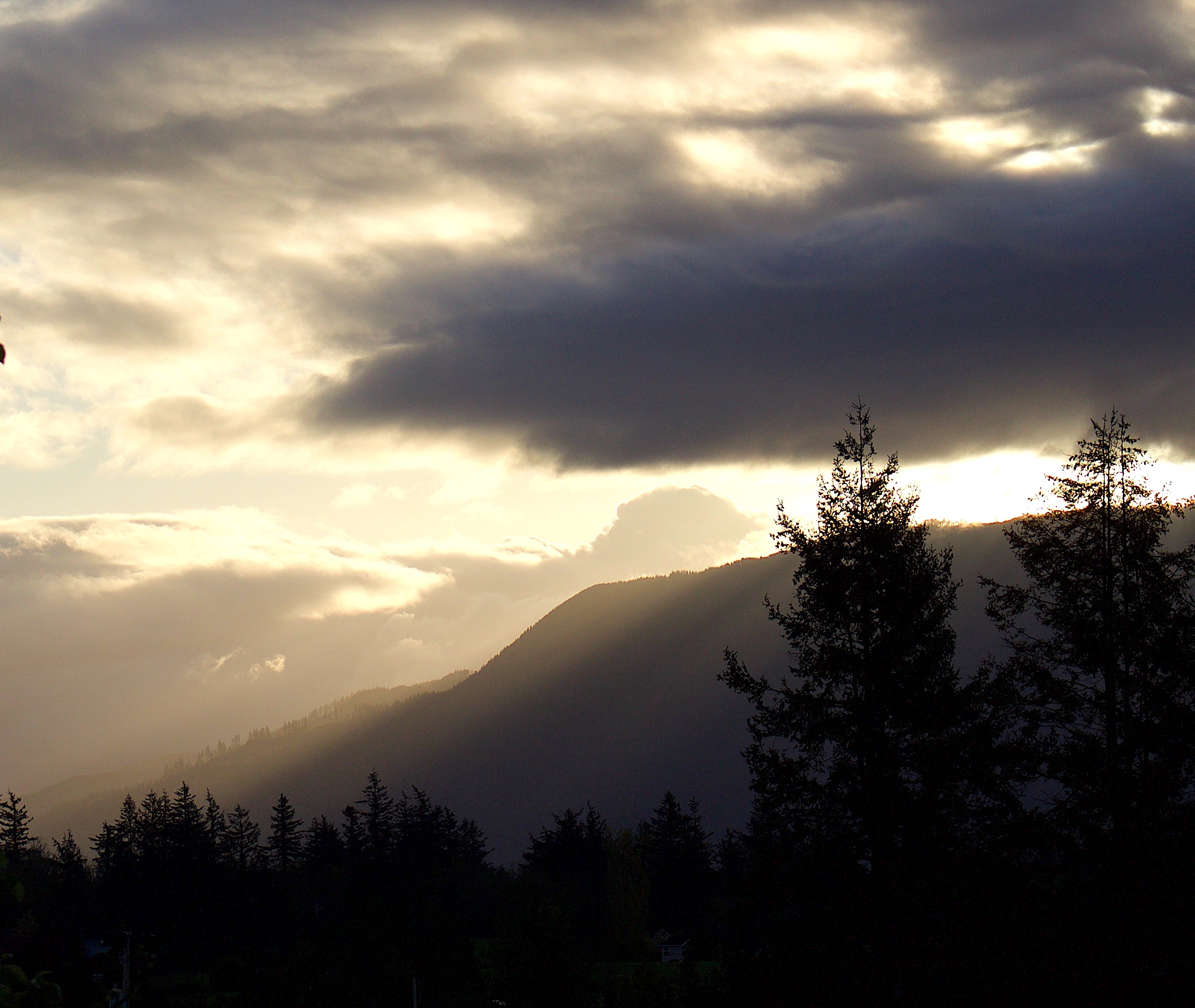
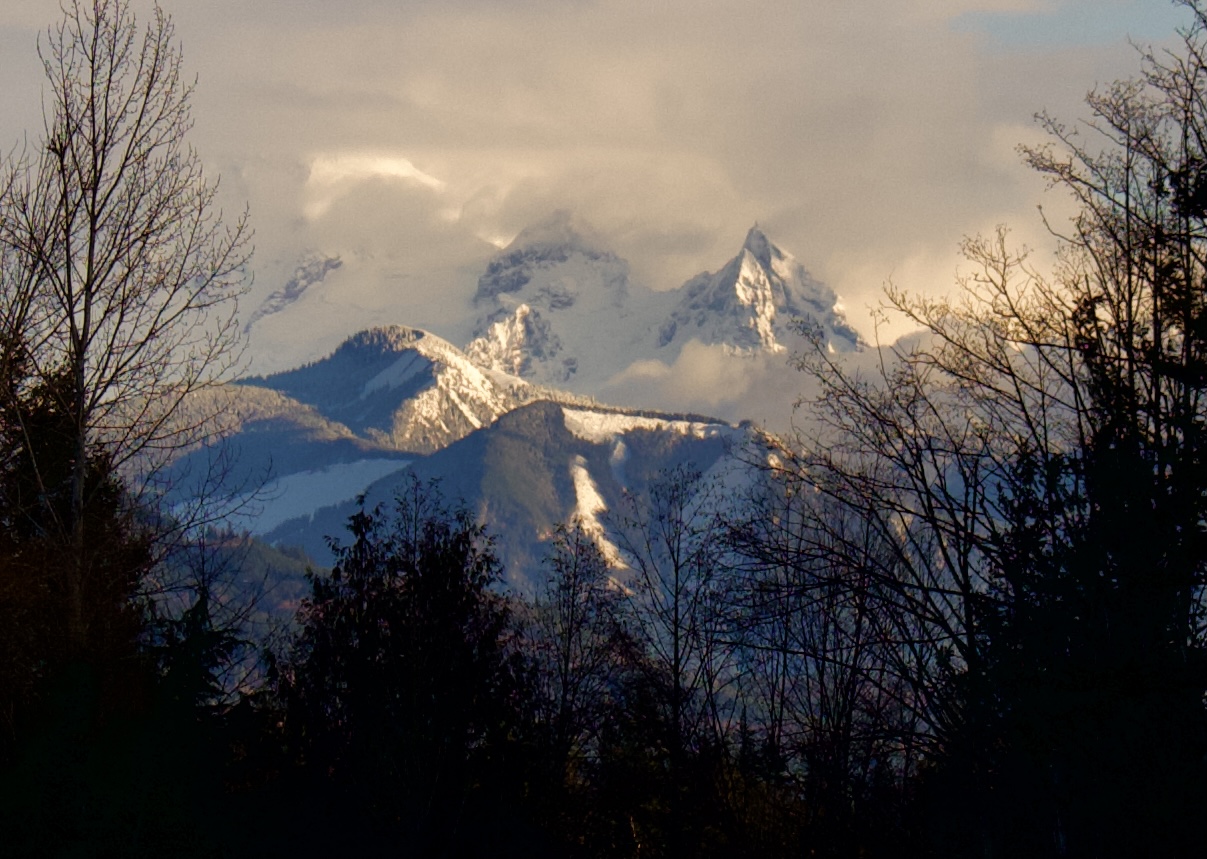
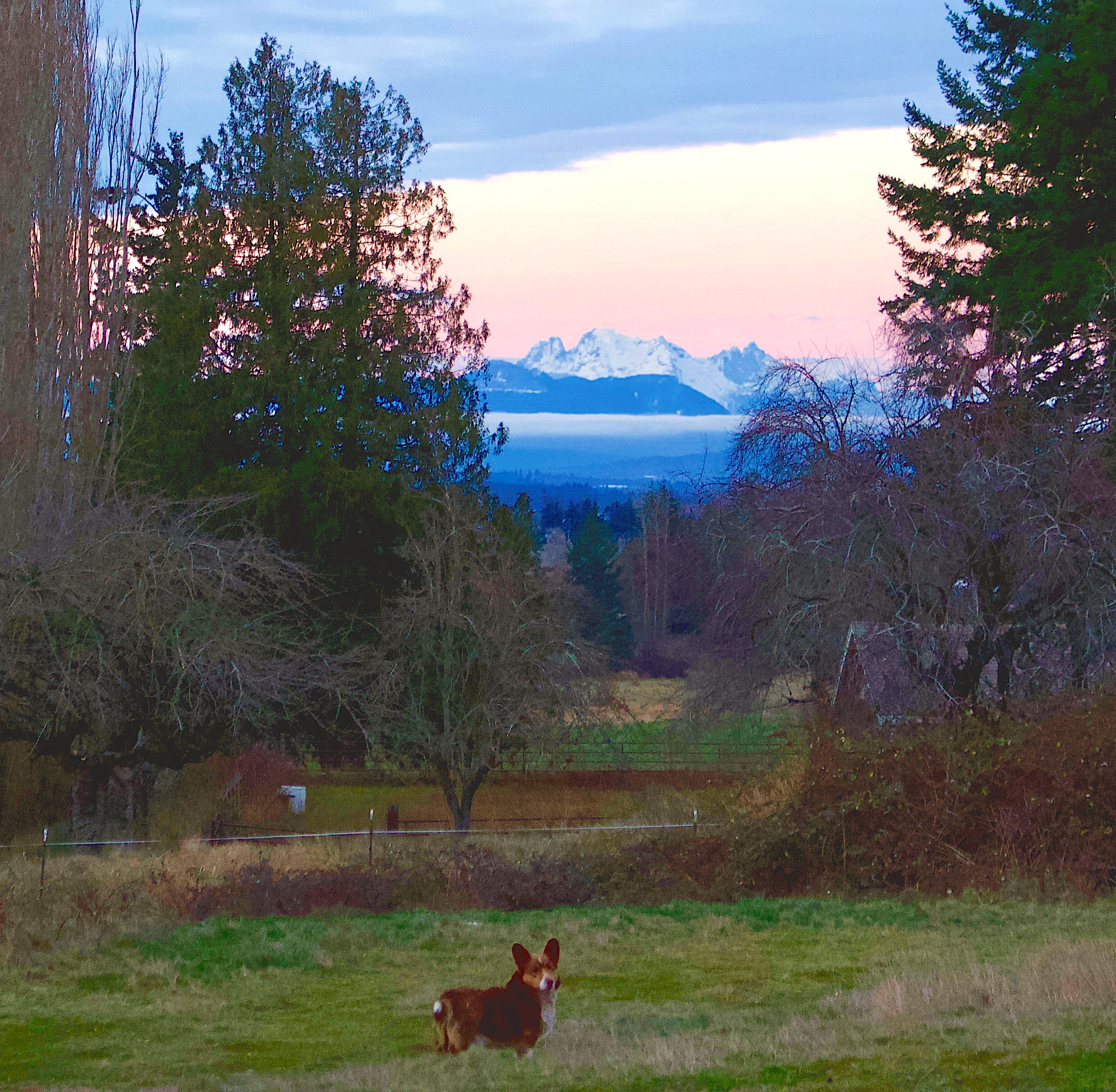
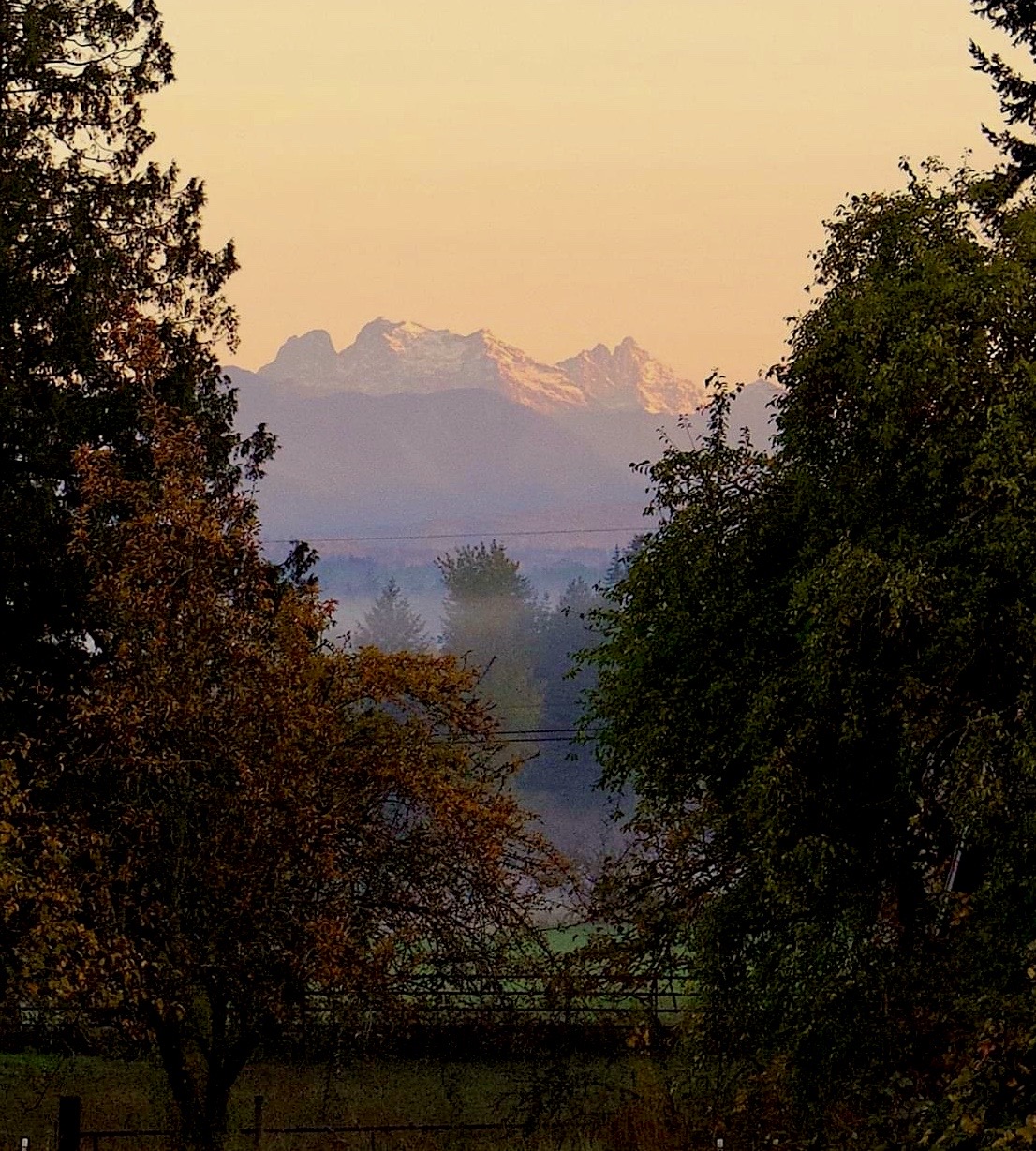
I usually think of wilderness as a distant peak far removed from anything or anyone. From my farmhouse window on a clear day, I can see a number of distant peaks if the cloud cover moves away to reveal them.
Or perhaps the wilderness is a desolate plain that extends for miles without relief in sight.
Wilderness is also found in an isolated corner of my human heart. I keep it far removed from anything and anyone. During my televisit computer work, I witness this wilderness in others, many times every day.
A diagnosis of “wilderness of the heart” doesn’t require a psychiatric manual: there is despair, discouragement, disappointment, lack of gratitude, lack of hope. One possible treatment to tame that wilderness is a covenantal obedience to God and others. It reaches so deep no corner is left untouched.
There come times in one’s life, and this past year especially, when loving God as commanded seems impossible. We are too broken, too frightened, too ill and too wary to trust God with faith and devotion. We are treading life simply to stay afloat.
During this second Lenten pandemic, God’s love becomes respite and rescue from the wilderness of my own making. He is the sweet cure for a bitter and broken heart.
Are Job’s successes — even his holy successes — his treasure? Or is God his treasure? That’s the question everyone of us must ask. And there is no reason to believe that God will not test any one of us just as he did Job. When he takes it all away, will we love him more than things, more than health, more than family, and more than life? That’s the question. That’s the warning. That’s the wonderful invitation. ~John Piper in “I Was Warned By Job This Morning”
For I know that my Redeemer lives, and at the last he will stand upon the earth. And after my skin has been thus destroyed, yet in my flesh I shall see God. Job 19: 25-26
The warning of the Book of Job is that it could happen to us too -– everything we have strived for, cared about, loved and valued — taken away. If we are stripped bare naked, nothing left but our love for God and His sovereign power over our lives, will we still worship His Name, inhale His Word like air itself, submit ourselves to His plan over our plan?
I know I have fallen far short of the mark. It takes only small obstacles or losses to trip me up so I stagger in my faith, trying futilely to not lose my balance, falling flat-faced and immobilized.
This past year, in particular, I’ve seen people lose almost everything in the pandemic: their health, their loved ones, their financial security, their home, their worship community. I’ve looked hard at myself and asked if I could sustain such loss in my life and still turn myself over to the will of God. I would surely plead for reprieve and ask the horribly desperate question, “why me?”, girding myself for the response: “and why not you?”
The invitation, scary and radical as it is, is from God straight to my heart, asking that I trust His plan for my life and death, no matter what happens, no matter how much suffering, no matter how much, like Christ in the garden, I plead that it work out differently, that it be closer to something I would choose to do, somehow that it not hurt so much.
His plan for my life was written before I was born, personally carried to me via His Son, and placed in my hands. It is up to me to open it, read it carefully, and with deep gratitude, respond with an emphatic RSVP: “I’ll be there! Nothing could keep me away from your invitation to me.”
Or I could leave it unopened, hesitant and fearful to reveal its contents. Or even toss it away altogether, believing it really wasn’t meant for me.
Even if, in my heart, I absolutely know it is meant for me.
There are only two kinds of people in the end: those who say to God, ‘Thy will be done,’ and those to whom God says, in the end, ‘Thy will be done.’ ~C. S. Lewis from The Great Divorce
Measure the walls. Count the ribs. Notch the long days. Look up for blue sky through the spout. Make small fires with the broken hulls of fishing boats. Practice smoke signals. Call old friends, and listen for echoes of distant voices. Organize your calendar. Dream of the beach. Look each way for the dim glow of light. Work on your reports. Review each of your life’s ten million choices. Endure moments of self-loathing. Find the evidence of those before you. Destroy it. Try to be very quiet, and listen for the sound of gears and moving water. Listen for the sound of your heart. Be thankful that you are here, swallowed with all hope, where you can rest and wait. Be nostalgic. Think of all the things you did and could have done. Remember treading water in the center of the still night sea, your toes pointing again and again down, down into the black depths. ~Dan Albergotti “Things to Do in the Belly of the Whale” from The Boatloads.
But the Lord replied, “Is it right for you to be angry?” Jonah 4:4
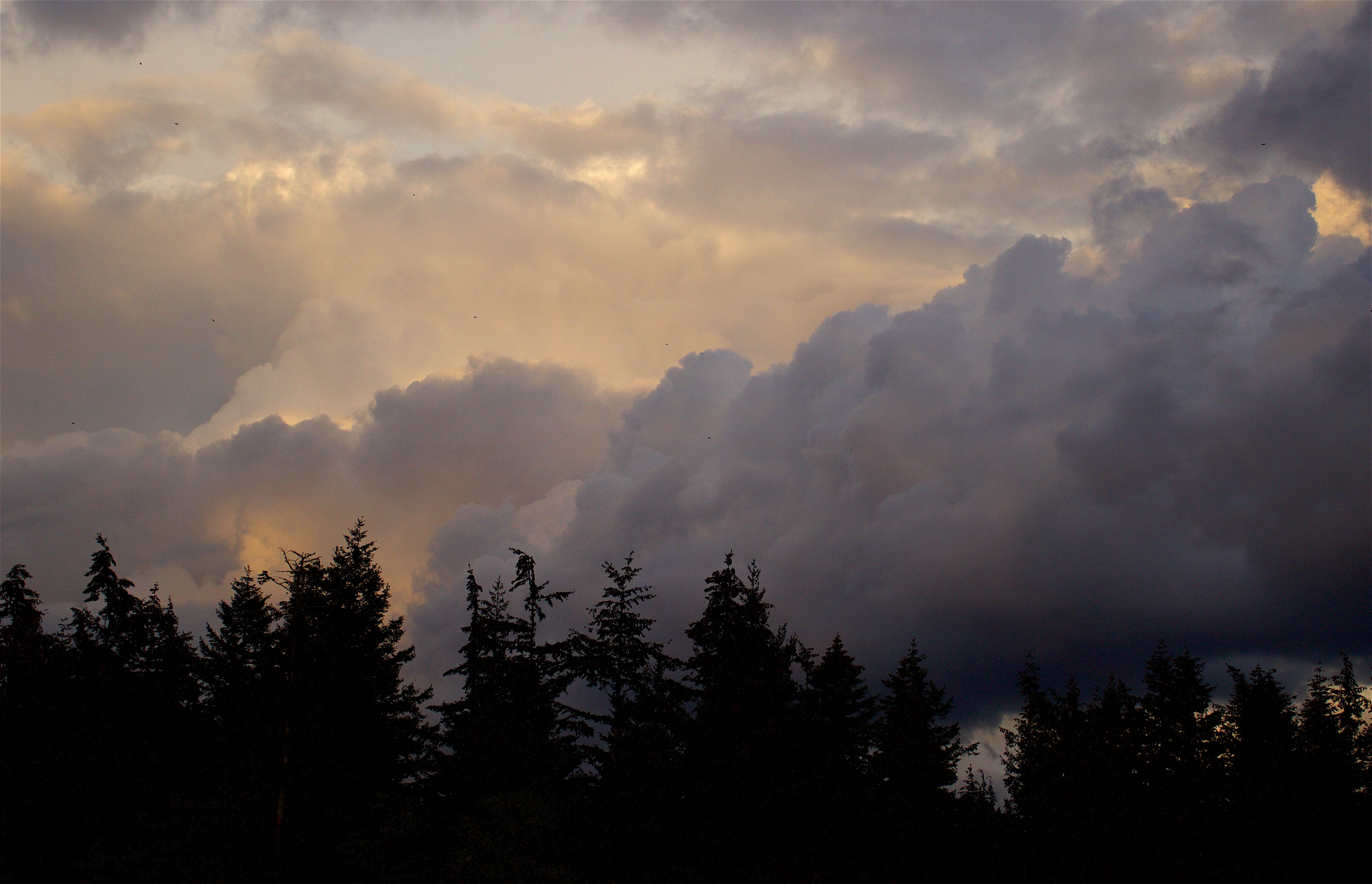
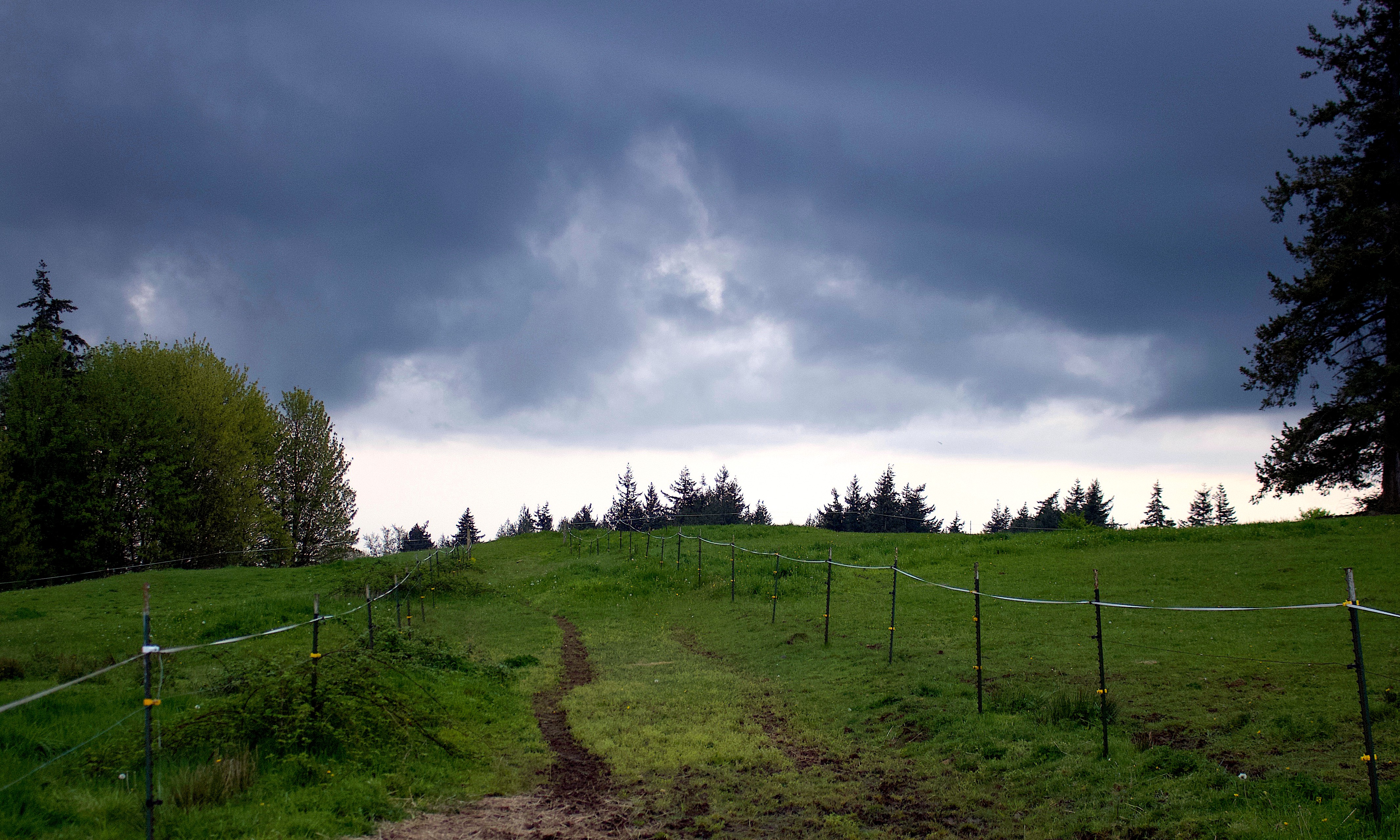
Most of us feel as though we were swallowed into the belly of the whale a year ago. We are treading water in the dark, disoriented and not just a little angry. All we can see of the outside world is a bit of blue sky through a tiny hole above us.
We try to imagine what life was like before the pandemic swallowed up our light and hope but if you are like me, you are grumpy.
Yet the belly of the whale is not forever. It is a time of contemplation with little distraction other than our own emotions. We’ll soon be regurgitated back onto the shore of our trivial pursuits and busyness where suddenly it will feel too noisy with too many demands.
This quiet time is meant to teach something to each of us, even if it is just to count the ribs, gaze into our own darkness and contemplate how we were trying to escape when God asked something of us.
I think of all the things I did and could have done, but resisted when the Lord asked me. It is time that I stop being angry and start to listen.
1. Courage, my soul, and let us journey on, Tho’ the night is dark, it won’t be very long. Thanks be to God, the morning light appears, And the storm is passing over, Hallelujah!
Chorus: Hallelujah! Hallelujah! The storm is passing over, Hallelujah!
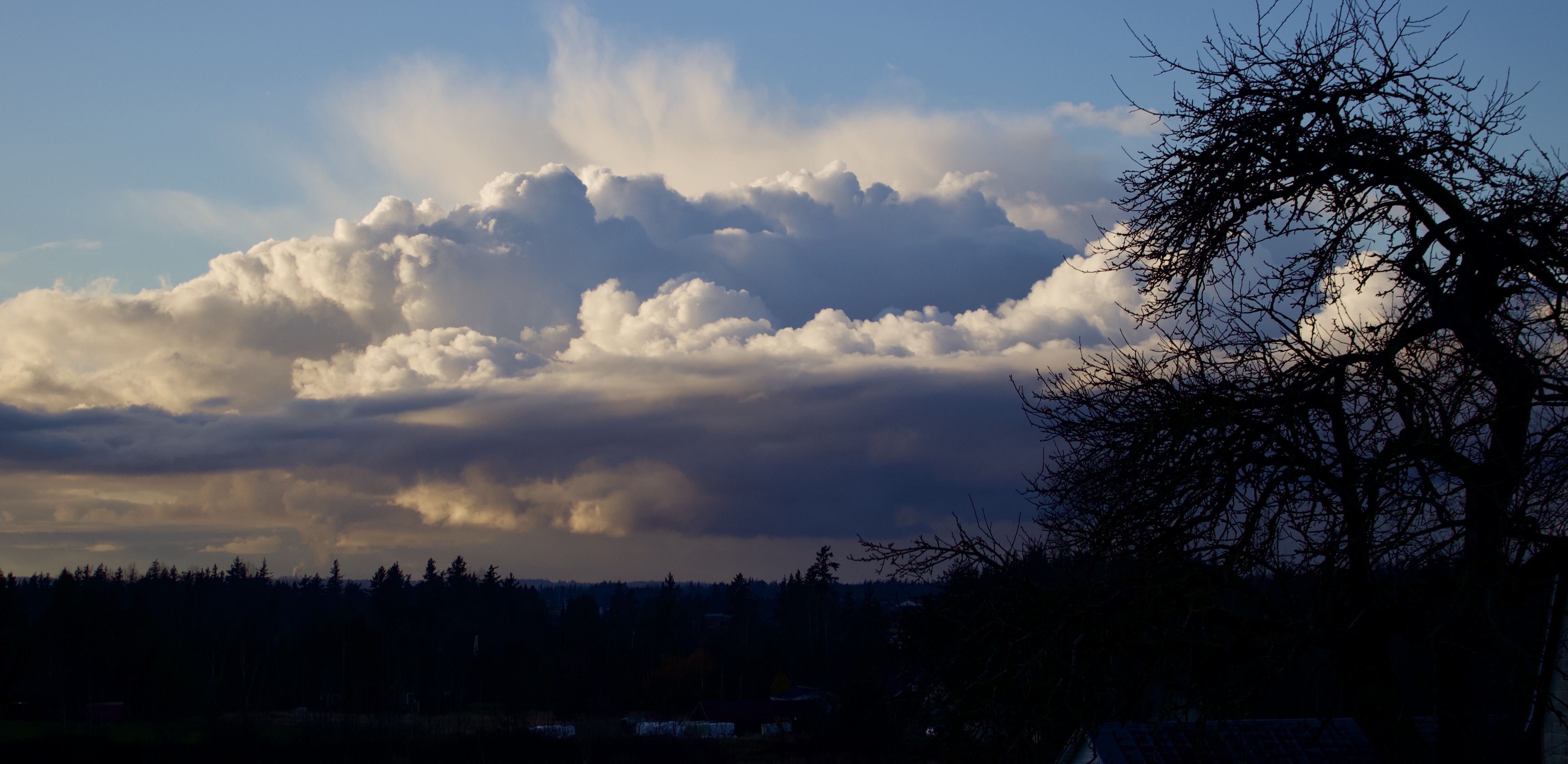
2. Billows rolling high, and thunder shakes the ground, Lightnings flash, and tempest all around, Jesus walks the sea and calms the angry waves, And the storm is passing over, Hallelujah!
[Chorus]
3. The stars have disappeared, and distant lights are dim, My soul is filled with fears, the seas are breaking in. I hear the Master cry, “Be not afraid, ’tis I,” And the storm is passing over, Hallelujah!
[Chorus]
4. Soon we shall reach the distant shining shore, Free from all the storms, we’ll rest forevermore. Safe within the veil, we’ll furl the riven sail, And the storm will all be over, Hallelujah!
Walking in February A warm day after a long freeze On an old logging road Below Sumas Mountain Cut a walking stick of alder, Looked down through clouds On wet fields of the Nooksack— And stepped on the ice Of a frozen pool across the road. It creaked The white air under Sprang away, long cracks Shot out in the black, My cleated mountain boots Slipped on the hard slick —like thin ice—the sudden Feel of an old phrase made real— Instant of frozen leaf, Icewater, and staff in hand. “Like walking on thin ice—” I yelled back to a friend, It broke and I dropped Eight inches in ~Gary Snyder “Thin Ice”
We have witnessed an unprecedented year of spreading infection. Not only have we been outwitted by a wily virus that mutates as needed to further its domination of its hosts and the world, but we stand on a frozen lake pandemic of daily discouragement and ice-cracking political division, not sure where we may safely take our next step.
Viruses depend on us harboring them without us dying promptly so we might infect as many others as possible as quickly as possible. The better we feel while contagious, the better it is for the virus to wreak potential havoc on those around us.
A mask on you and a mask on me helps to block my virus from entering your (as yet) uninfected nose. Similarly, we can both don “masks” to impede the intentional spread of our insistence that one of us is right and the other is wrong. If we don’t attempt to muzzle our disagreements, we’re creating cracks in the tenuous ice beneath our feet.
The trouble with overheated debates in the middle of winter is that we all end up walking on too-thin ice, breaking through and doused by the chilly waters below.
Lord, have mercy on us, help us see and hear the cracks forming beneath our feet. Put us on our knees before you, you alone, humble and aware of the contagious cracks we perpetuate.
I don’t know half of you half as well as I should like; and I like less than half of you half as well as you deserve. ~ J.R.R. Tolkien, The Fellowship of the Ring
To love means loving the unlovable. To forgive means pardoning the unpardonable. Faith means believing the unbelievable. Hope means hoping when everything seems hopeless. ~G.K. Chesterton
I can grumble along with the best of the them, especially over the last year of nothing being as it was. There can be camaraderie in shared grumbling, as well as an exponential increase in dissatisfaction. Everyone shares their frustrations over how we have come to this — how people we thought we knew, and thought we loved, can be so obstinate and hard-headed.
You undoubtedly feel the same about me.
And I know better. I’ve seen where grousing and grumbling leads. It aches in my bones when I’m steeped in it. The sky is grayer, the clouds are thicker, the night is darker – on and on to an overwhelming suffocating conclusion that hey, life sucks.
Turning away from the vacuum of discouragement, I am reminded:
I have been loved even when unlovable. I have been forgiven even when I’ve done the unforgivable.
I have the privilege to choose hope and joy, turning away from being bleak and disgruntled and simply seek and bathe in the warmth and wonder of each new day.
This is not putting on a “happy face” — instead — in a true welcoming hospitality, joy finds me, adopts me, holds me close in the tough times and won’t abandon me.
Joy is always within my reach because hope has chosen me despite my hopelessness. How welcoming is that?
If we want to support each other’s inner lives, we must remember a simple truth: the human soul does not want to be fixed, it wants simply to be seen and heard.
If we want to see and hear a person’s soul, there is another truth we must remember: the soul is like a wild animal – tough, resilient, and yet shy.
When we go crashing through the woods shouting for it to come out so we can help it, the soul will stay in hiding. But if we are willing to sit quietly and wait for a while, the soul may show itself. ~Parker Palmer from The Courage to Teach
I tend to be a crash-through-the-woods kind of person, searching out those in hiding needing help whether they want it or not. Part of this is my medical training: I’m not subtle, I can be brash and bold as I go where no one else wants to go.
Friends have reminded me this actually isn’t helpful much of the time and certainly doesn’t translate well in non-clinical settings. They have a good point. Undoing what I’ve learned isn’t easy, but I’m trying.
Before I trained in clinical medicine, I knew how to blend into my surroundings, to simply wait and listen and take note of what I observe. I never would have been part of a research team observing wild chimpanzee behavior without being born with that skill. The wild and shy around me eventually did show themselves, but it took time and patience and a willingness to let things happen without my making it happen.
I’m trying to relearn what I knew intuitively fifty years ago and unlearn what I was trained to do forty years ago as a “fix-it” clinician. It helps when people remind me to tone it down, back off and simply “be.”
I just might see and hear and understand more than I ever have before.
When the cold air comes on in, it kicks the furnace on, and the furnace overwhelms the cold. As the sorrow comes into the heart of a Christian, it kicks on more of the joy. It gets you closer to him, it helps you dig down deeper into him, and the joy kicks up, you might say, like a furnace, and overwhelms the sorrow. That is a picture of a solid Christian. Not a sorrow-less person who is happy, happy, happy, all the time. That’s not the picture. A picture of a real Christian is a person who has a furnace of joy in there that kicks up as the sorrow comes in and overwhelms the sorrow. But the sorrow is there. It is there. ~Pastor Tim Keller (1990), now in treatment for pancreatic cancer
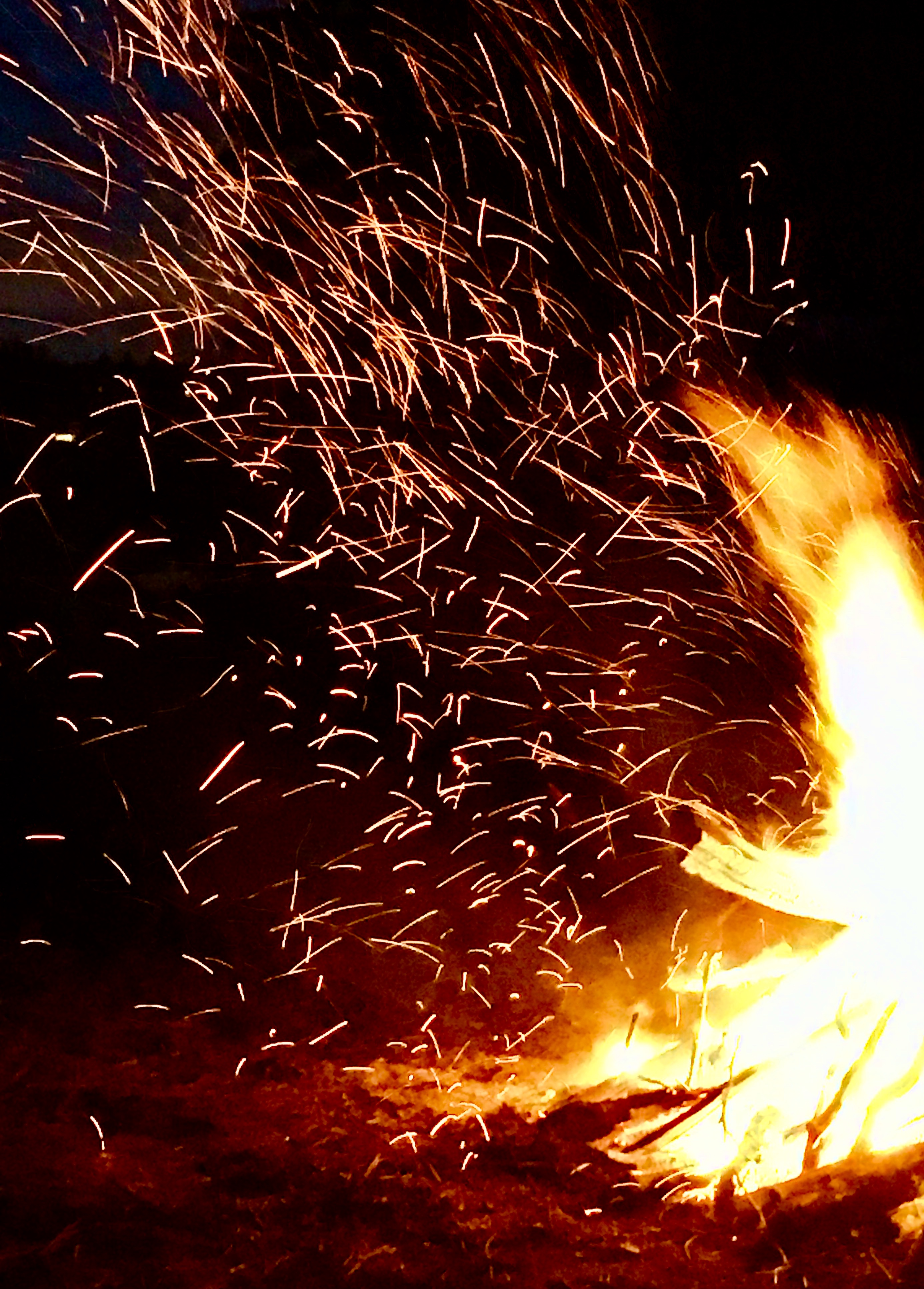
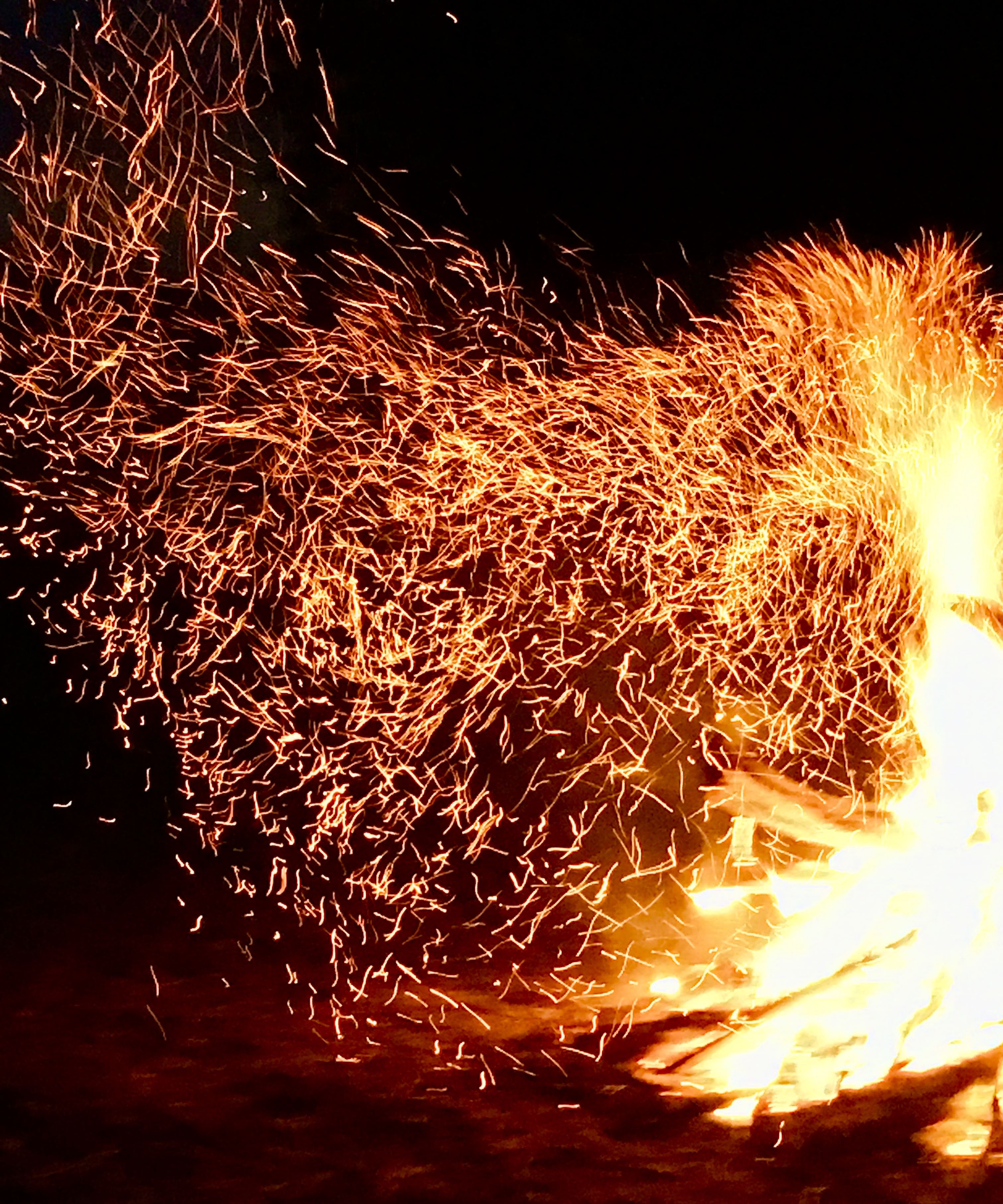
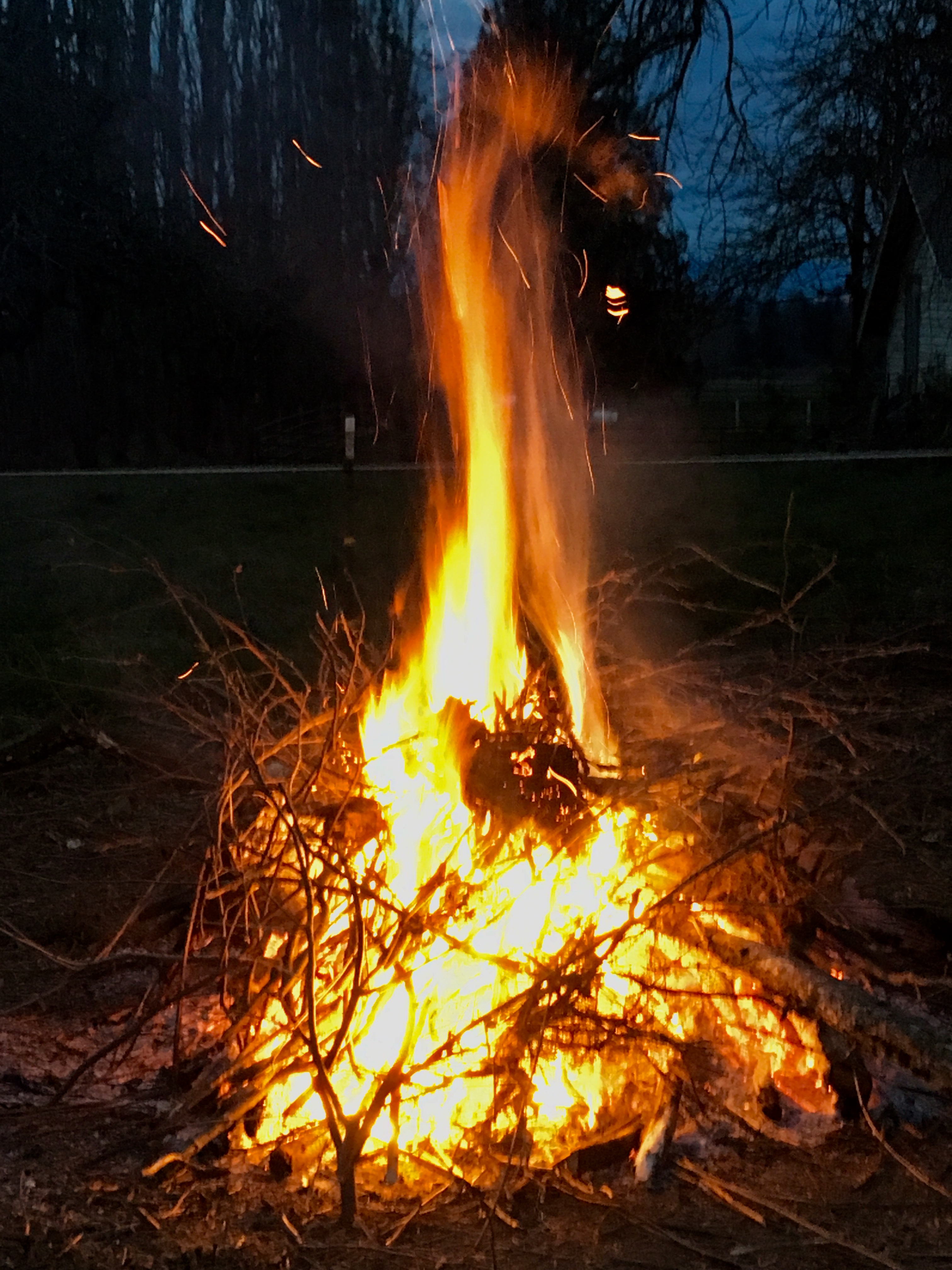
The Cross is the blazing fire at which the flame of our love is kindled, but we have to get near enough for its sparks to fall on us. ~John Stott
I have listened to criticism at times in my faith life that I don’t exhibit enough joy and happiness in my Christian walk. It is true that I tend toward lamenting the state of the world and the state of my own soul. I could use more balance in my expressions of gratitude. So what I hear from others is fair feedback.
My faith furnace thermostat is now set so high that it rarely kicks on and I dwell too much in the cold.
Especially in the last year of COVID-time, I have been especially feeling the chill as I watch so many dealing with immense sorrow and loss. So much has changed, particularly in how we can safely gather and worship together, resulting in finger pointing among Christians about who is showing more righteous dedication to the Word of God.
So the nit-picking begins.
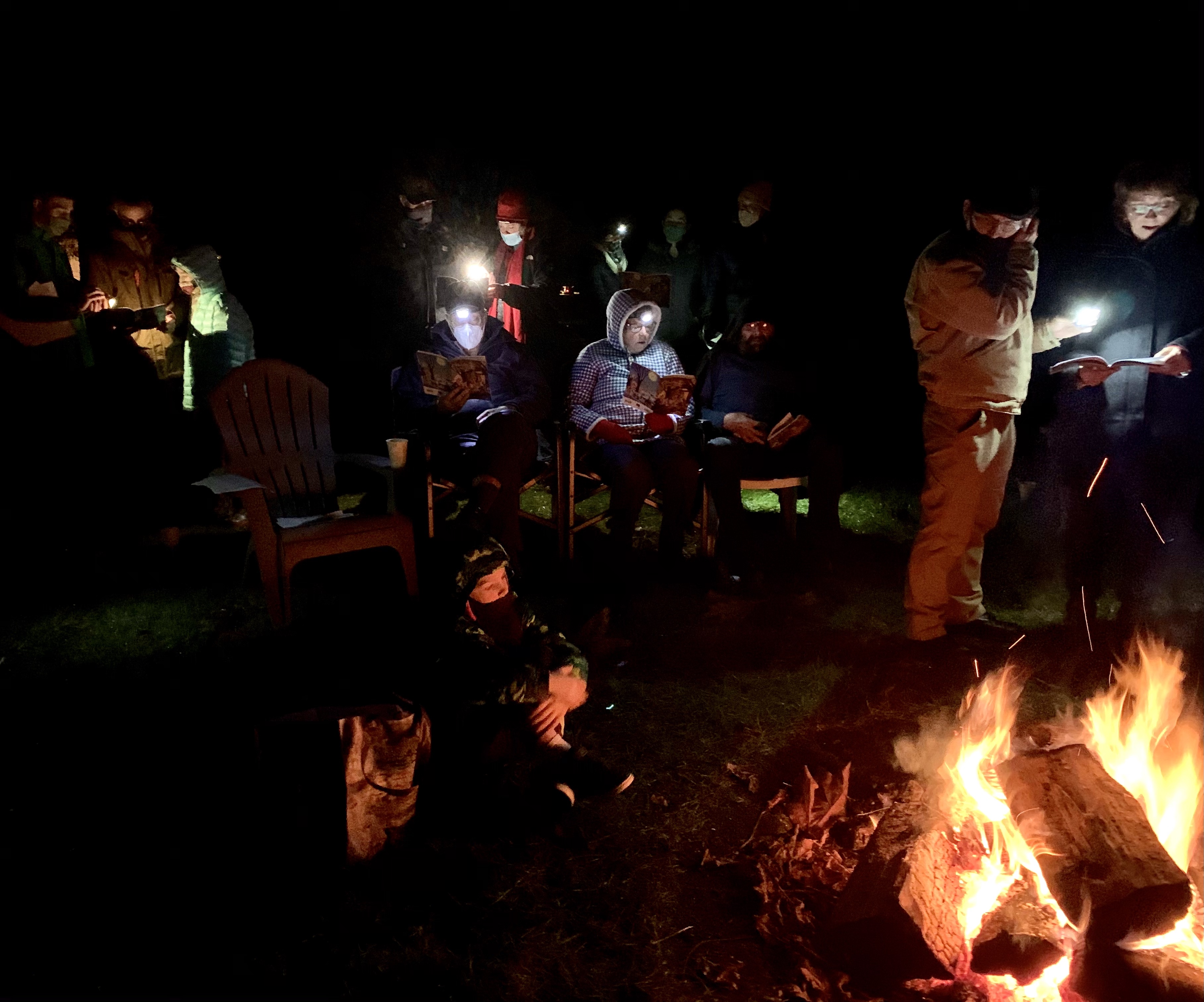
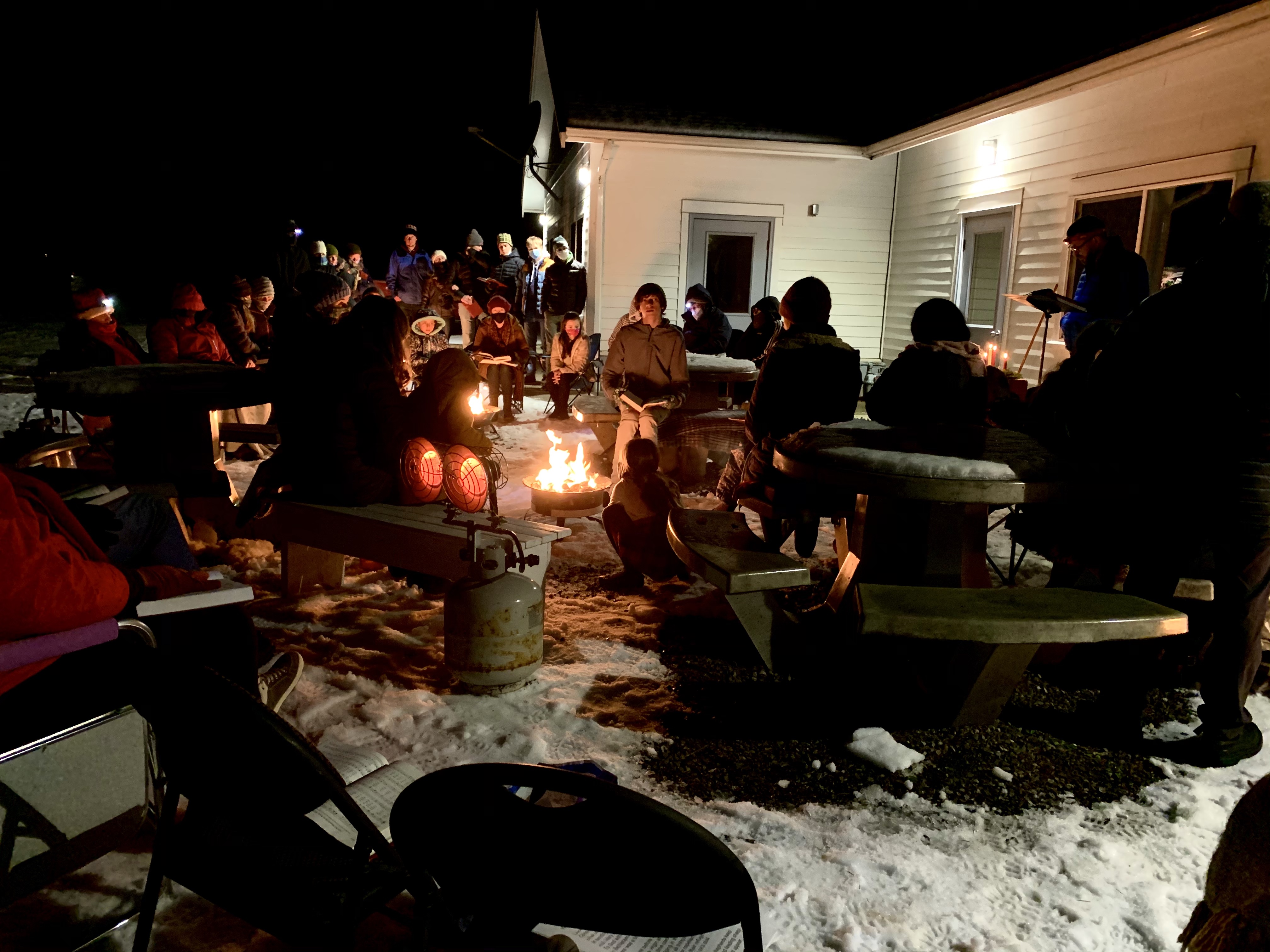
If we don’t sing together in worship as commanded by our Lord but temporarily restricted by state regulations, do we lack conviction in our faith, allowing fear and earthly authorities to rule over us? If we sing outside, even in the cold dark rain and snow, is that sufficient compromise and does it truly “turn on” the furnace of our joy?
Or wearing a mask shows fear and a lack of faith that God is ultimately in charge as only He determines how many days we dwell on this earth. Yet by wearing a mask at all times when together we are showing compassion for others by loving them enough to try to protect them from any infection we may unknowingly harbor.
These feel like irreconcilable differences in perspective among people who purportedly love one another in the name of Christ. So we all end up in the cold, waiting on the furnace of our love and joy to kick on.
In my self-absorption, I tend to forget that the fire has always been there, lit by Christ’s sacrifice, despite His own mortal fear and hesitation and tears, yet fueled solely by His divine desire to save His children. I need to come closer to feel the heat of His love, and feel those sparks landing on my earthly skin to remind me there can be no love without pain.
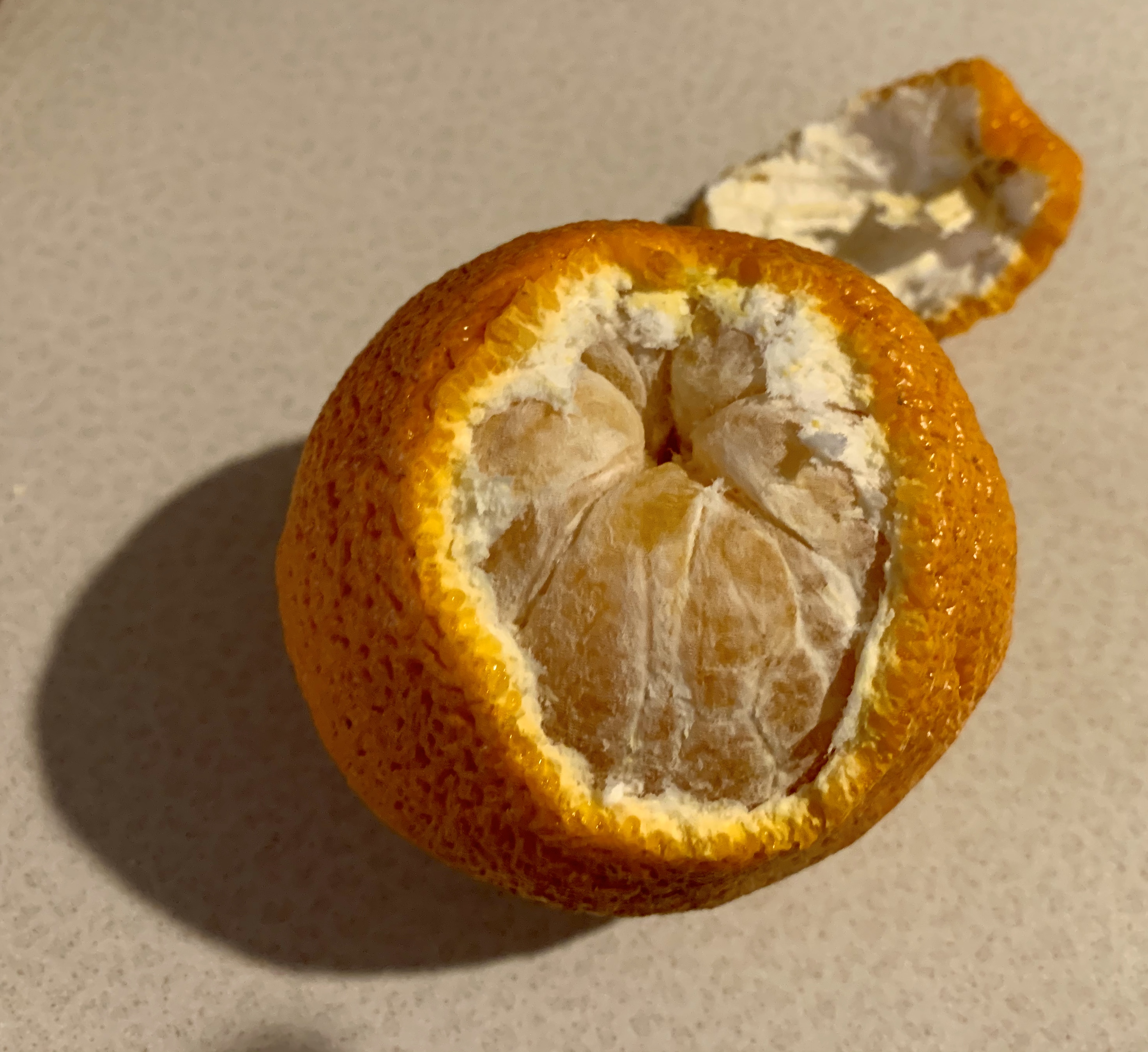
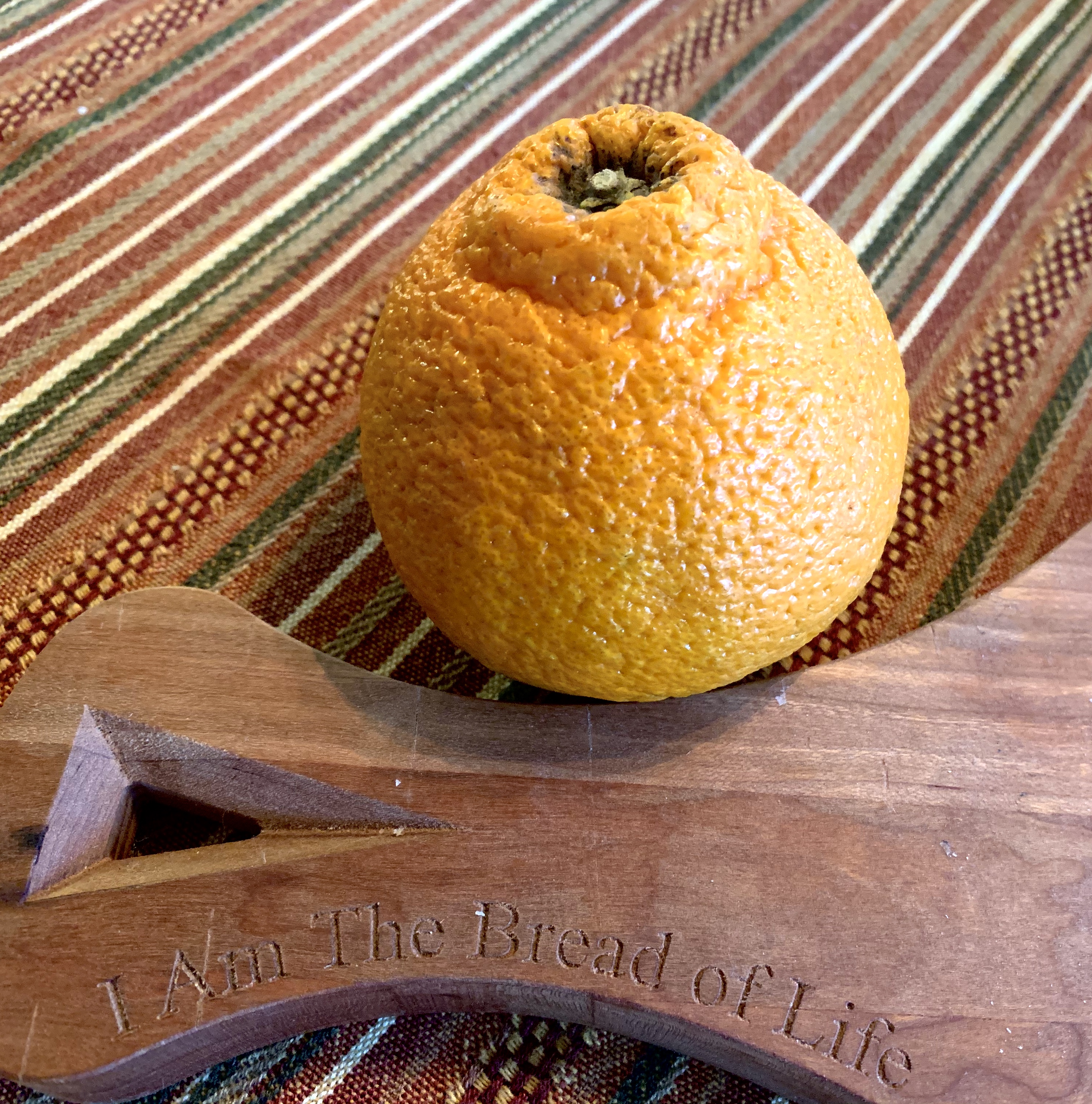
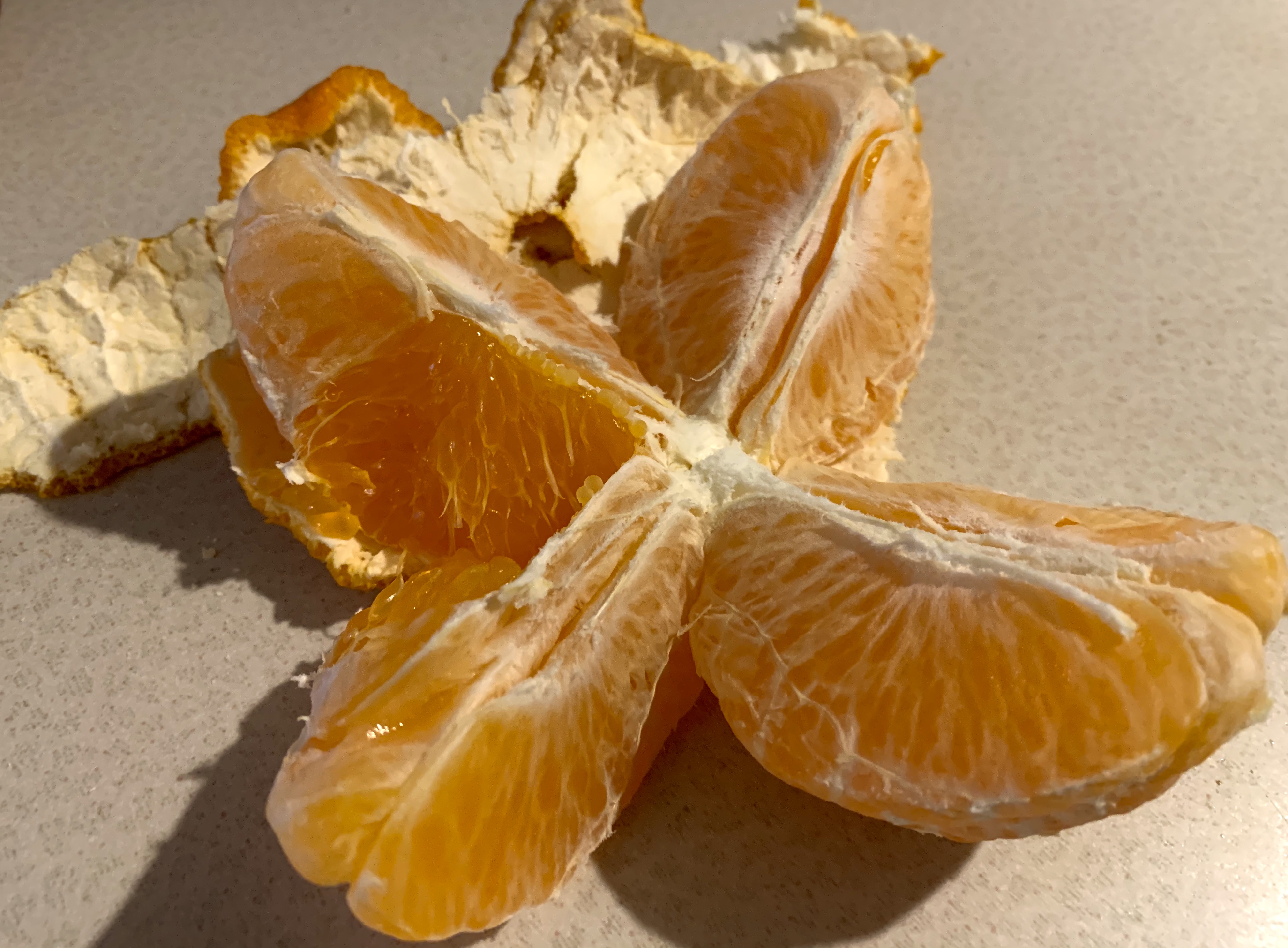
When I can no longer say thank you for this new day and the waking into it, for the cold scrape of the kitchen chair and the ticking of the space heater glowing orange as it warms the floor near my feet, I know it is because I’ve been fooled again by the selfish, unruly man who lives in me and believes he deserves only safety and comfort. But if I pause as I do now, and watch the streetlights outside winking off one by one like old men closing their cloudy eyes, if I listen to my tired neighbors slamming car doors hard against the morning and see the steaming coffee in their mugs kissing their chapped lips as they sip and exhale each of their worries white into the icy air around their faces—then I can remember this one life is a gift each of us was handed and told to open: Untie the bow and tear off the paper, look inside and be grateful for whatever you find even if it is only the scent of a tangerine that lingers on the fingers long after you’ve finished eating it. ~James Crews, “Winter Morning” from How to Love the World: Poems of Gratitude and Hope
I close my eyes, savor a wafer of sacred cake on my tongue and try to taste my mother, to discern the message she baked in these loaves when she was too ill to eat them:
I love you. It will end. Leave something of sweetness and substance in the mouth of the world. ~Anna Belle Kaufman “Cold Solace”
Each day, even now, brings something new and special to my life, for which I am so grateful; I peel it carefully to find what hides inside, all the while inhaling its fragrance then carefully, slowly, gently lifting it to my mouth to savor it, knowing only love, only loving, only the gift of sacrifice could taste this sweet.
A voice is heard in Ramah, mourning and great weeping, Rachel weeping for her children and refusing to be comforted, because they are no more. Matthew 2:18 and Jeremiah 31:15
We think of him as safe beneath the steeple, Or cosy in a crib beside the font, But he is with a million displaced people| On the long road of weariness and want. For even as we sing our final carol His family is up and on that road, Fleeing the wrath of someone else’s quarrel, Glancing behind and shouldering their load.
Whilst Herod rages still from his dark tower Christ clings to Mary, fingers tightly curled,| The lambs are slaughtered by the men of power, And death squads spread their curse across the world. But every Herod dies, and comes alone To stand before the Lamb upon the throne. ~Malcolm Guite from Waiting on the Word
…as you sit beneath your beautifully decorated tree, eat the rich food of celebration, and laugh with your loved ones, you must not let yourself forget the horror and violence at the beginning and end of the Christmas story. The story begins with the horrible slaughter of children and ends with the violent murder of the Son of God. The slaughter depicts how much the earth needs grace. The murder is the moment when that grace is given.
Look into that manger representing a new life and see the One who came to die. Hear the angels’ celebratory song and remember that sad death would be the only way that peace would be given. Look at your tree and remember another tree – one not decorated with shining ornaments, but stained with the blood of God.
As you celebrate, remember that the pathway to your celebration was the death of the One you celebrate, and be thankful. ~Paul Tripp
There can be no consolation; only mourning and great weeping, sobbing that wrings dry every human cell, leaving dust behind– dust, only dust which is beginning and end.
He came to us for times such as this, born of the dust of woman and the breath of Spirit, God who bent down to lie in barn dust, walk on roads of dust, die and be laid to rest as dust in order to conquer such evil as this that could terrify masses and massacre innocents.
He became dust to be like us He began a mere speck in a womb like us, so easily washed away as unexpected, unneeded, unwanted.
Lord, You are long expected. You are needed You are wanted.
Your heart beat like ours breathing each breath like ours until a fearful fallen world took Your and our breath away.
You shine through the shadows of death to guide our stumbling uncertain feet. Your tender mercies flow freely when there is no consolation when there is no comfort.
You hear our cries as You cry too. You know our tears as You weep too. You know our mourning as You mourned too. You know our dying as You died too.
God weeps as tragedy happens. Evil comes not from God yet humankind embraces it. Sin is a choice we made from the beginning, a choice we continue to make.
Only God can glue together what evil has shattered. He just asks us to hand Him the pieces of our broken hearts.
We will know His peace when He comes to bring us home, our tears will finally be dried, our cells no longer just dust, never only dust as we are glued together by the breath of God forevermore.
the tender mercy of our God, by which the rising sun will come to us from heaven to shine on those living in darkness and in the shadow of death, to guide our feet into the path of peace. Luke 1: 78-79
In the quiet misty morning When the moon has gone to bed, When the sparrows stop their singing And the sky is clear and red, When the summer’s ceased its gleaming When the corn is past its prime, When adventure’s lost its meaning – I’ll be homeward bound in time
Bind me not to the pasture Chain me not to the plow Set me free to find my calling And I’ll return to you somehow
If you find it’s me you’re missing If you’re hoping I’ll return, To your thoughts I’ll soon be listening, And in the road I’ll stop and turn Then the wind will set me racing As my journey nears its end And the path I’ll be retracing When I’m homeward bound again
Bind me not to the pasture Chain me not to the plow Set me free to find my calling And I’ll return to you somehow
In the quiet misty morning When the moon has gone to bed, When the sparrows stop their singing I’ll be homeward bound again. ~Marta Keen “Homeward Bound”
Seventy eight years ago, my parents married on Christmas Eve. It was not a conventional wedding day but a date of necessity, only because a justice of the peace was available to marry a score of war-time couples in Quantico, Virginia, shortly before the newly trained Marine officers were shipped out to the South Pacific to fight in WWII.
When I look at my parents’ young faces – ages 22 and just turned 21 — in their only wedding portrait, I see a hint of the impulsive decision that led to that wedding just a week before my father left for 30 months. They had known each other at college for over a year, had talked about a future together, but with my mother starting a teaching job in a rural Eastern Washington town, and the war potentially impacting all young men’s lives very directly, they had not set a date.
My father put his college education on hold to enlist, knowing that would give him some options he wouldn’t have if drafted, so they went their separate ways as he headed east to Virginia for his Marine officer training, and Mom started her high school teaching career as a speech and drama teacher. One day in early December of 1942, he called her and said, “If we’re going to get married, it’ll need to be before the end of the year. I’m shipping out the first week in January.” Mom went to her high school principal, asked for a two week leave of absence which was granted, told her astonished parents, bought a dress, and headed east on the train with a friend who had received a similar call from her boyfriend.
This was a completely uncharacteristic thing for my overly cautious mother to do, so… it must have been love.
They were married in a brief civil ceremony with another couple as the witnesses. They stayed in Virginia only a couple days and took the train back to San Diego, and my father was shipped out. Just like that. Mom returned to her teaching position and the first three years of their married life was composed of letter correspondence only, with gaps of up to a month during certain island battles when no mail could be delivered or posted.
As I sorted through my mother’s things following her death over a decade ago, I found their war-time letters to each other, stacked neatly and tied together in a box.
In my father’s nearly daily letters home to my mother during WWII, month after month after month, he would say, over and over, while apologizing for the repetition:
“I will come home to you, I will return, I will not let this change me, we will be joined again…”
This was his way of convincing himself even as he carried the dead and dying after island battles: men he knew well and the enemy he did not know. He knew they were never returning to the home they died protecting and to those who loved them.
He shared little of battle in his letters as each letter was reviewed and signed off by a censor before being sealed and sent. This story, however, made it through:
“You mentioned a story of Navy landing craft taking the Marines into Tarawa. It reminded me of something which impressed me a great deal and something I’m sure I’ll never forget.
So you’ll understand what I mean I’ll try to start with an explanation. In training – close order drill- etc. there is a command that is given always when the men form in the morning – various times during the day– after firing– and always before a formation is dismissed. The command is INSPECTION – ARMS. On the command of EXECUTION- ARMS each man opens the bolt of his rifle. It is supposed to be done in unison so you hear just one sound as the bolts are opened. Usually it is pretty good and sounds O.K.
Just to show you how the morale of the men going to the beach was – and how much it impressed me — we were on our way in – I was forward, watching the beach thru a little slit in the ramp – the men were crouched in the bottom of the boat, just waiting. You see- we enter the landing boats with unloaded rifles and wait till it’s advisable before loading. When we got about to the right distance in my estimation I turned around and said – LOAD and LOCK – I didn’t realize it, but every man had been crouching with his hand on the operating handle and when I said that — SLAM! — every bolt was open at once – I’ve never heard it done better – and those men meant business when they loaded those rifles.
A man couldn’t be afraid with men like that behind him.”
My father did return home to my mother after nearly three years of separation. He finished his college education to become an agriculture teacher to teach others how to farm the land while he himself became bound to the pasture and chained to the plow.
He never forgot those who died, making it possible for him to return home. I won’t forget either.
My mother and father could not have foretold the struggles that lay ahead for them. The War itself seemed struggle enough for the millions of couples who endured the separation, the losses and grieving, as well as the eventual injuries–both physical and psychological. It did not seem possible that beyond those harsh and horrible realities, things could go sour after reuniting.
The hope and expectation of happiness and bliss must have been overwhelming, and real life doesn’t often deliver. After raising three children, their 35 year marriage fell apart with traumatic finality. When my father returned home (again) over a decade later, asking for forgiveness, they remarried and had five more years together before my father died in 1995.
Christmas is a time of joy, a celebration of new beginnings and new life when God became man, humble, vulnerable and tender. But it also gives us a foretaste for the profound sacrifice made in giving up this earthly life, not always so gently.
As I peer at my father’s and mother’s faces in their wedding photo, I remember those eyes, then so trusting and unaware of what was to come. I find peace in knowing they returned home to behold the Light, the Salvation and the Glory~~the ultimate Christmas~~in His presence.
In the quiet misty morning When the moon has gone to bed, When the sparrows stop their singing And the sky is clear and red, When the summer’s ceased its gleaming When the corn is past its prime, When adventure’s lost its meaning – I’ll be homeward bound in time
Bind me not to the pasture Chain me not to the plow Set me free to find my calling And I’ll return to you somehow
If you find it’s me you’re missing If you’re hoping I’ll return, To your thoughts I’ll soon be listening, And in the road I’ll stop and turn Then the wind will set me racing As my journey nears its end And the path I’ll be retracing When I’m homeward bound again
Bind me not to the pasture Chain me not to the plow Set me free to find my calling And I’ll return to you somehow
In the quiet misty morning When the moon has gone to bed, When the sparrows stop their singing I’ll be homeward bound again. ~Marta Keen “Homeward Bound”



















 Barnstorming