Grace is Glue

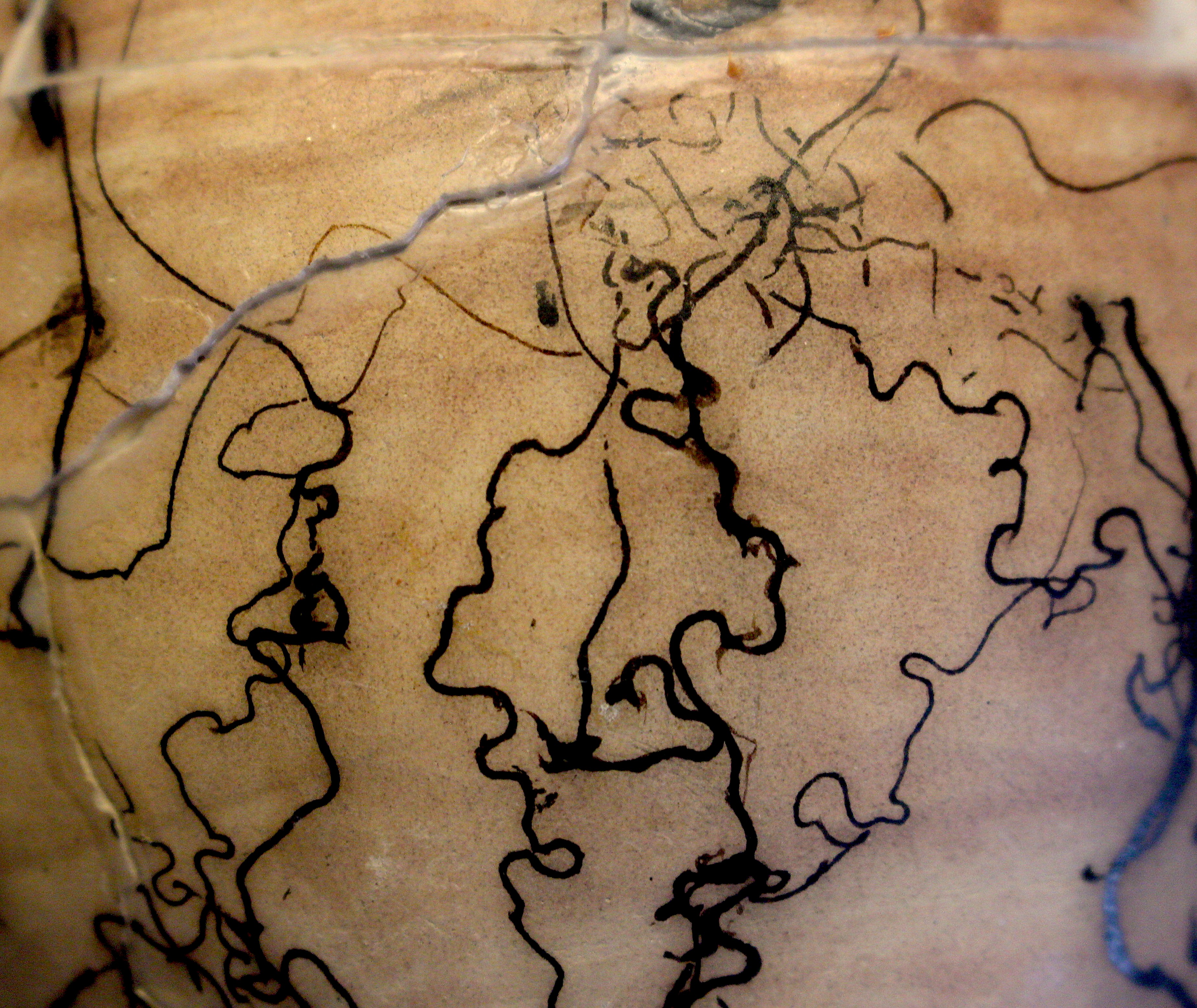
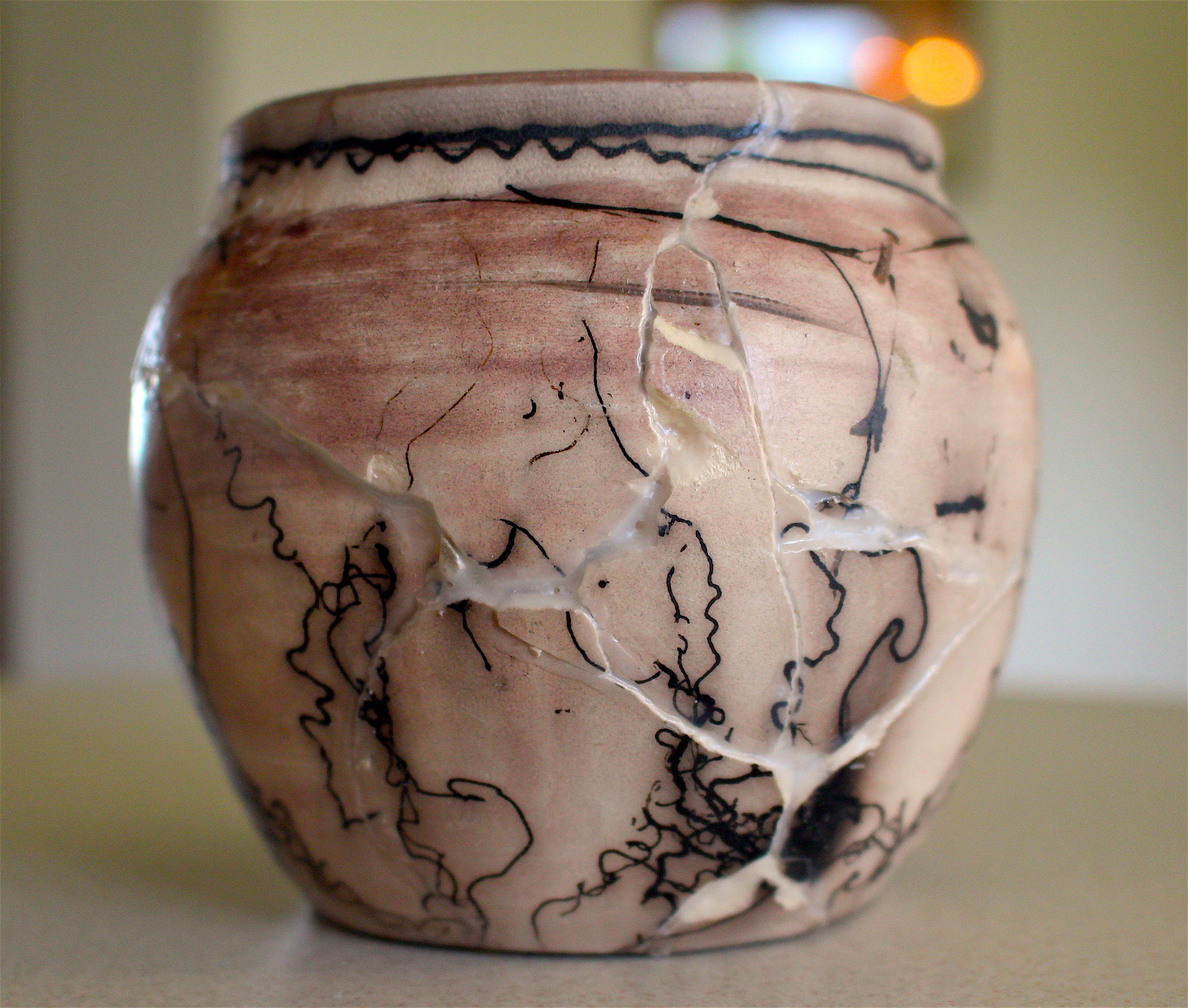
Man is born broken. He lives by mending. The grace of God is glue.
~Eugene O’Neill

We are born hollering,
already aware of our brokenness –
our emptiness evident
from the first breath,
each tiny air sac bursting
with the air of a fallen world
that is never quite enough to satisfy.

The rest of our days are spent
filling up our empty spaces:
whether alveoli
or stomach
or synapse hungry for knowledge;
still hollering and heart
broken.

So we mend and are mended
through healing another,
sewn up
by knitting together
the scraggly fragments of lives,
becoming the crucial glue
boiled from His gifted Grace,
all empty holes made holy
when filled to brimming
so wholly.

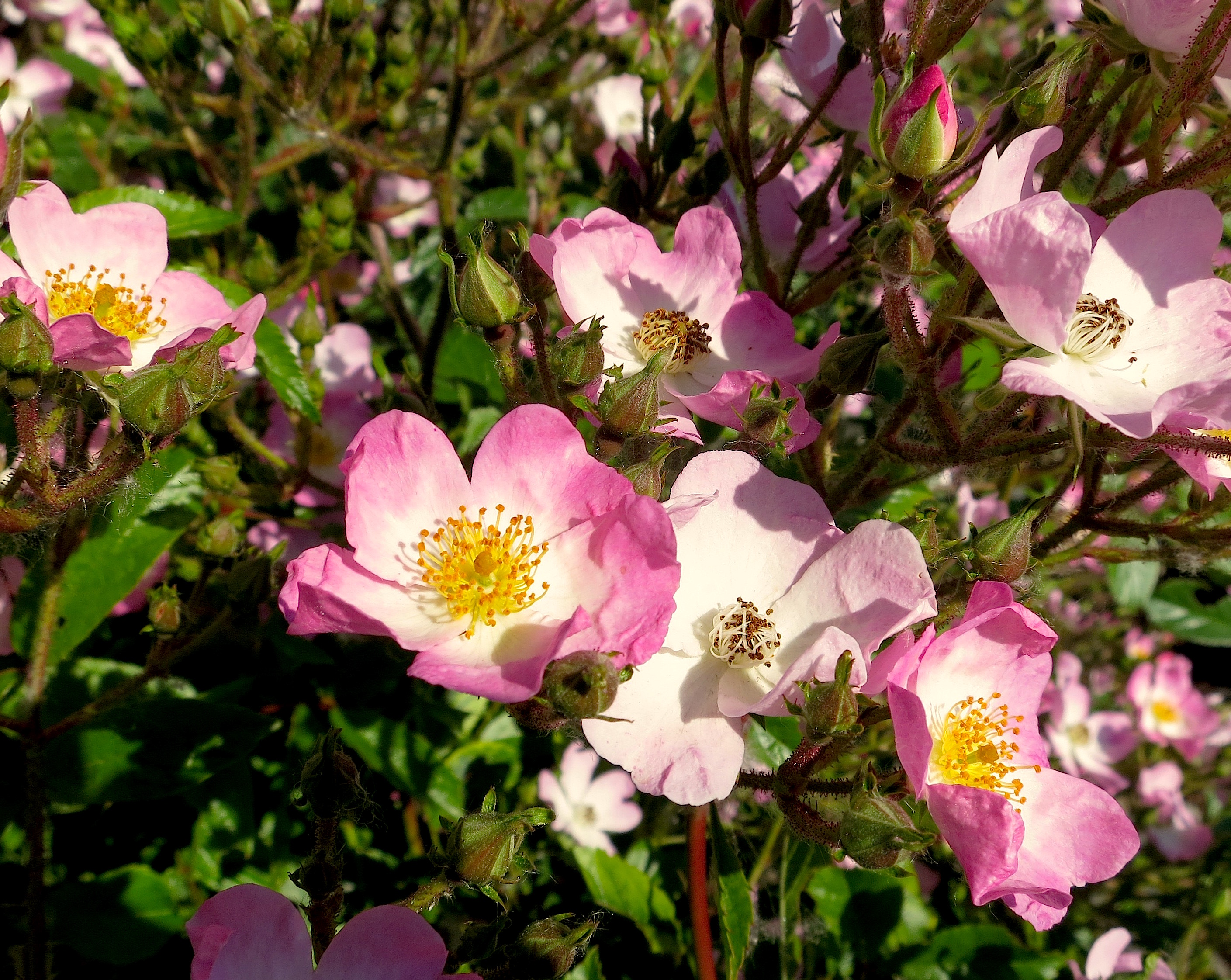
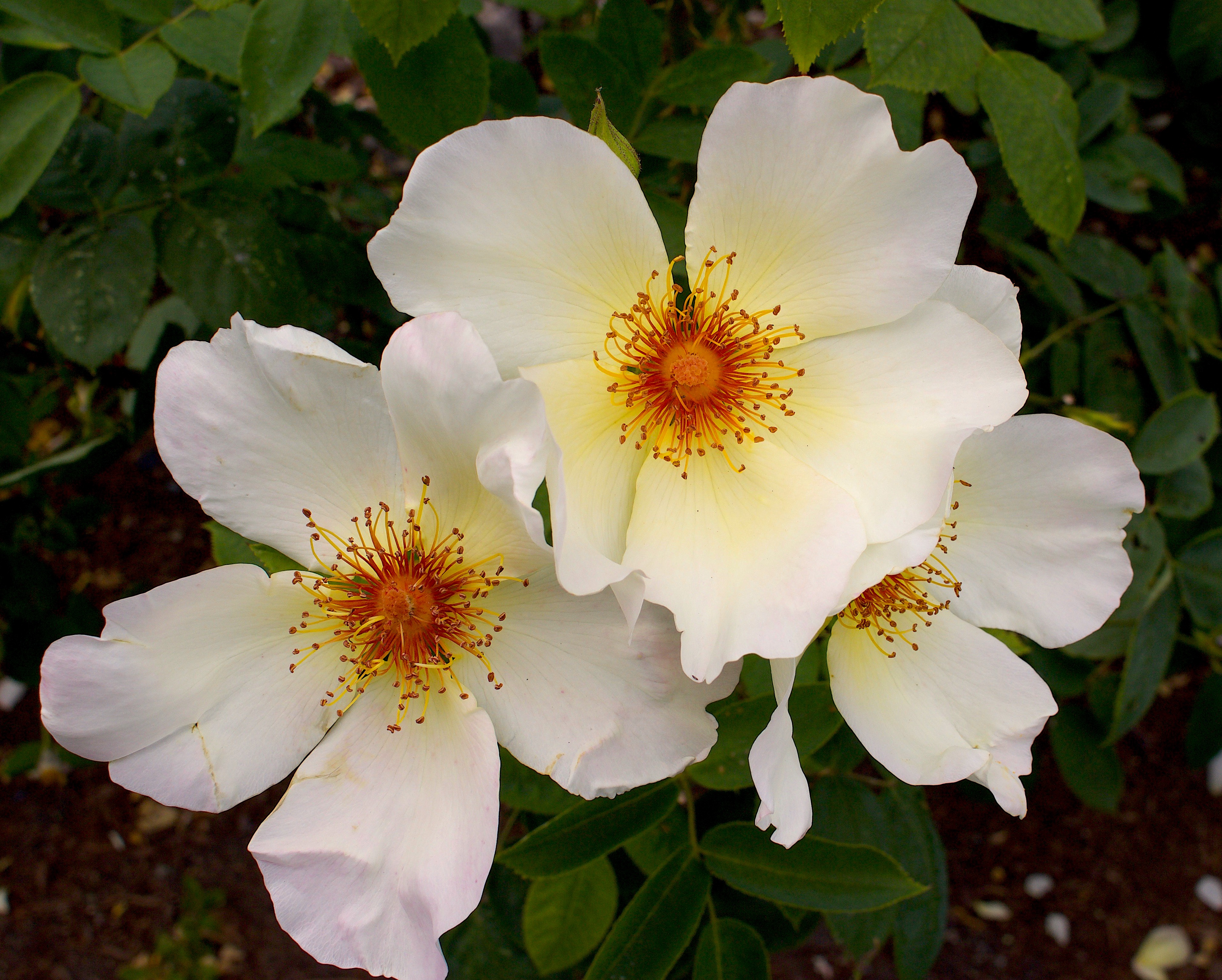
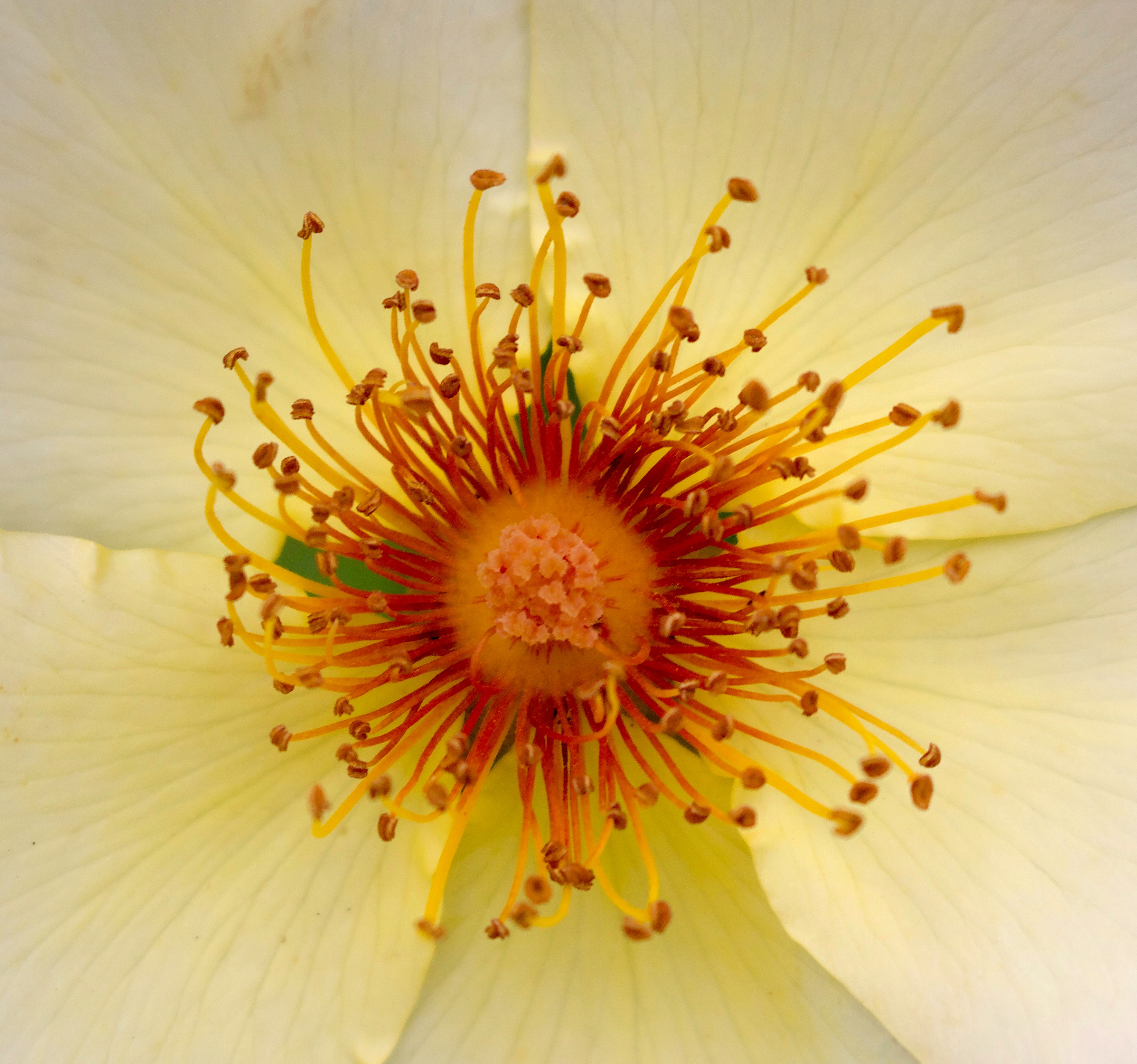
Always a Rose

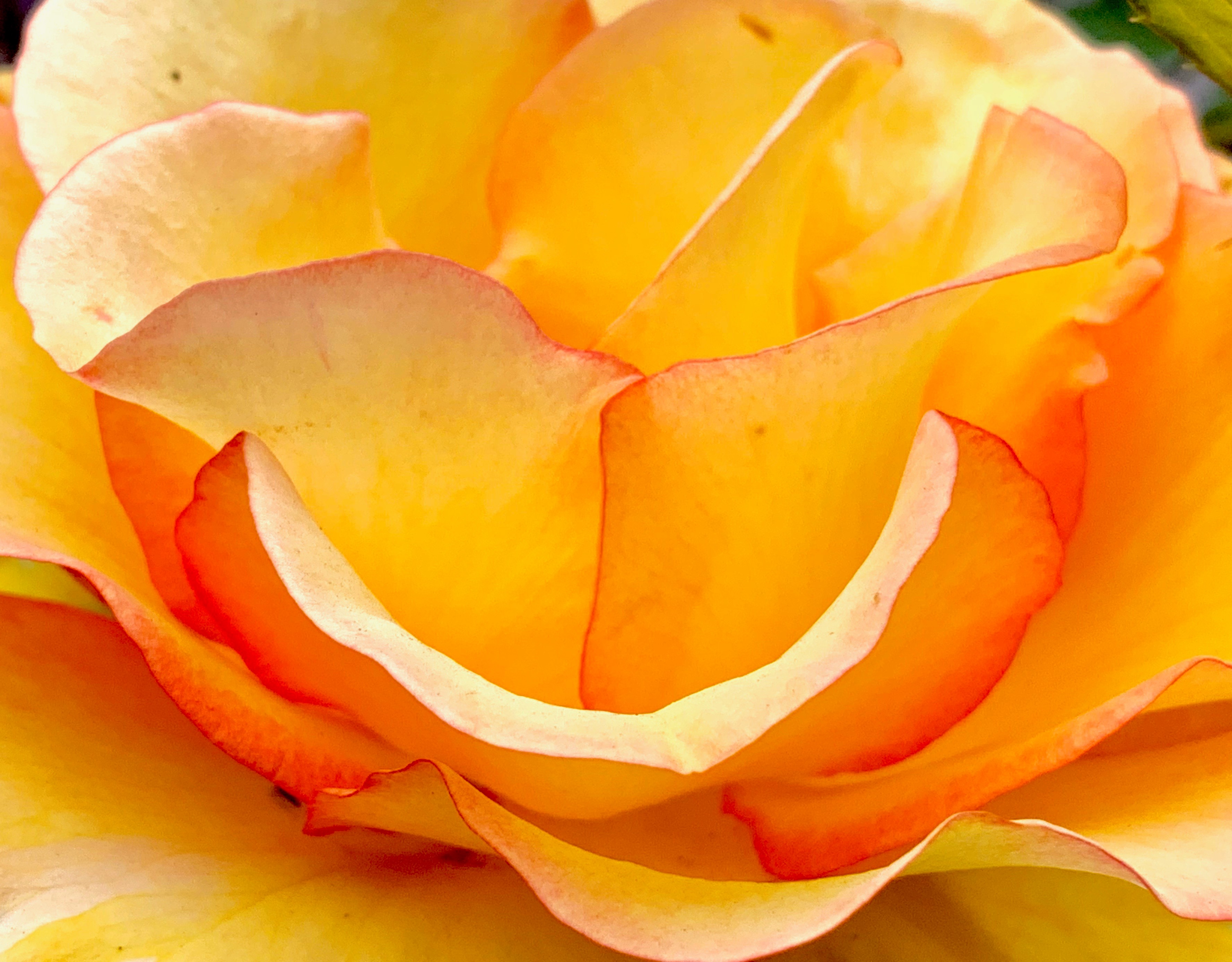
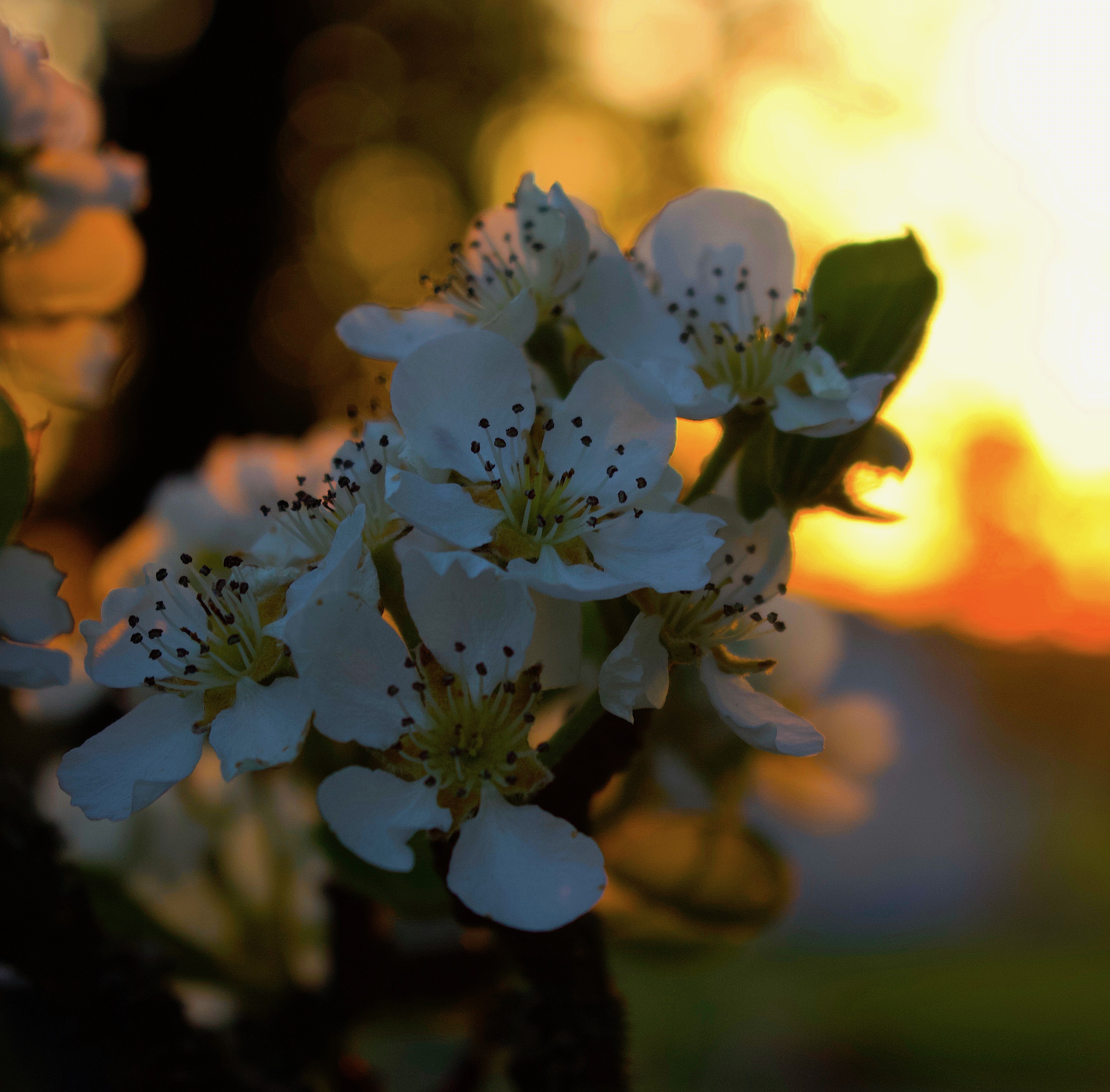
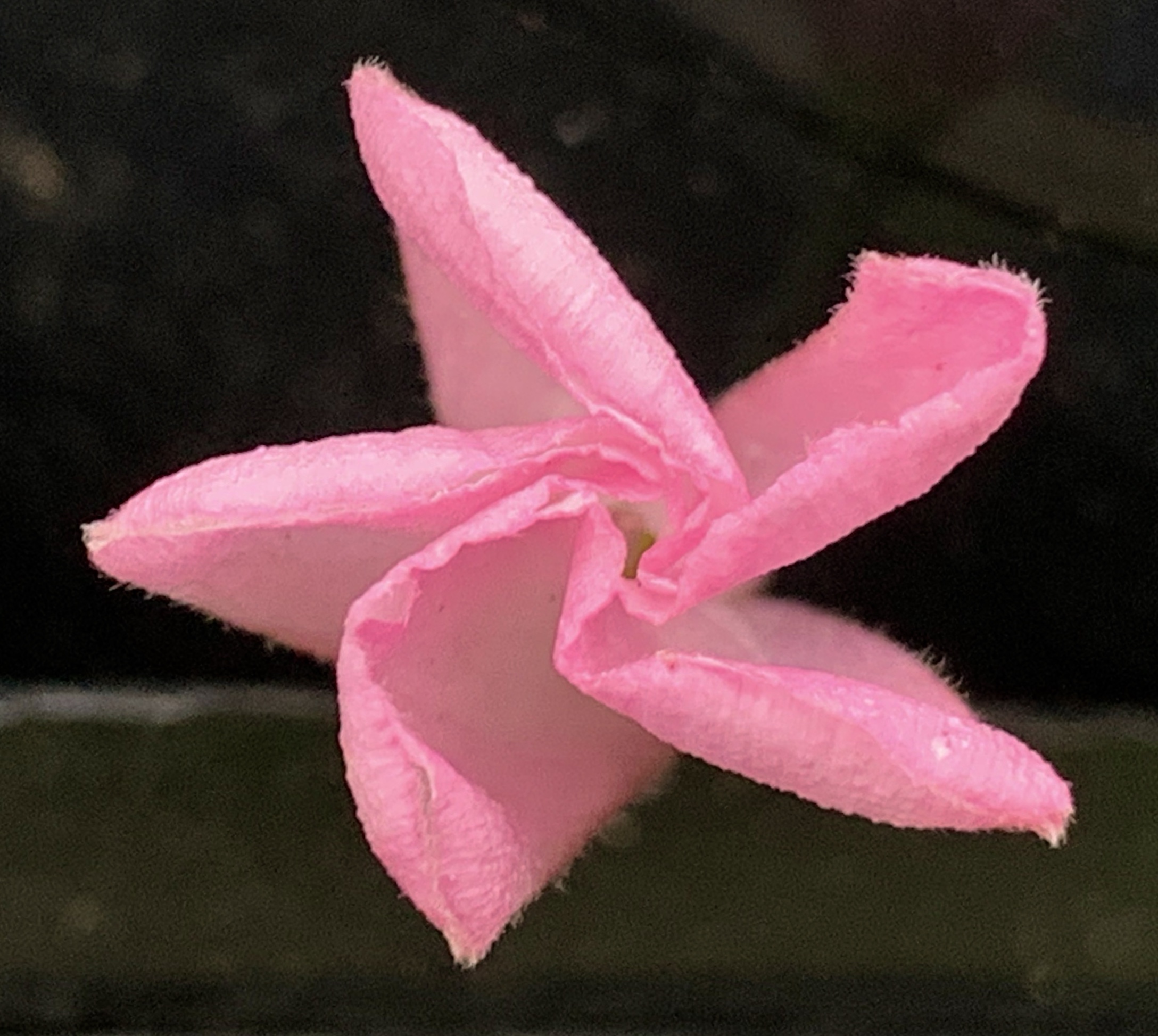
The rose is a rose,
And was always a rose.
But the theory now goes
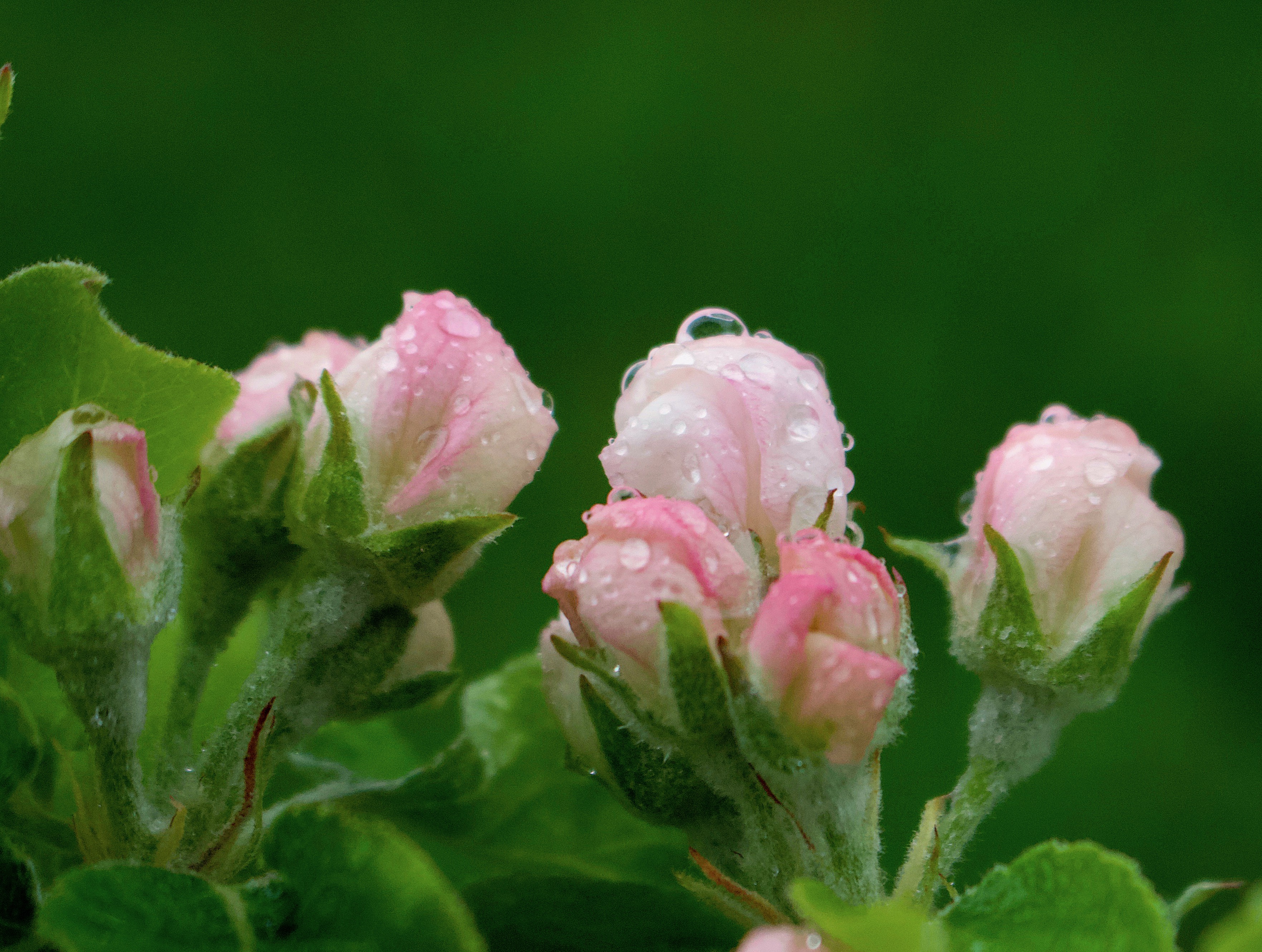
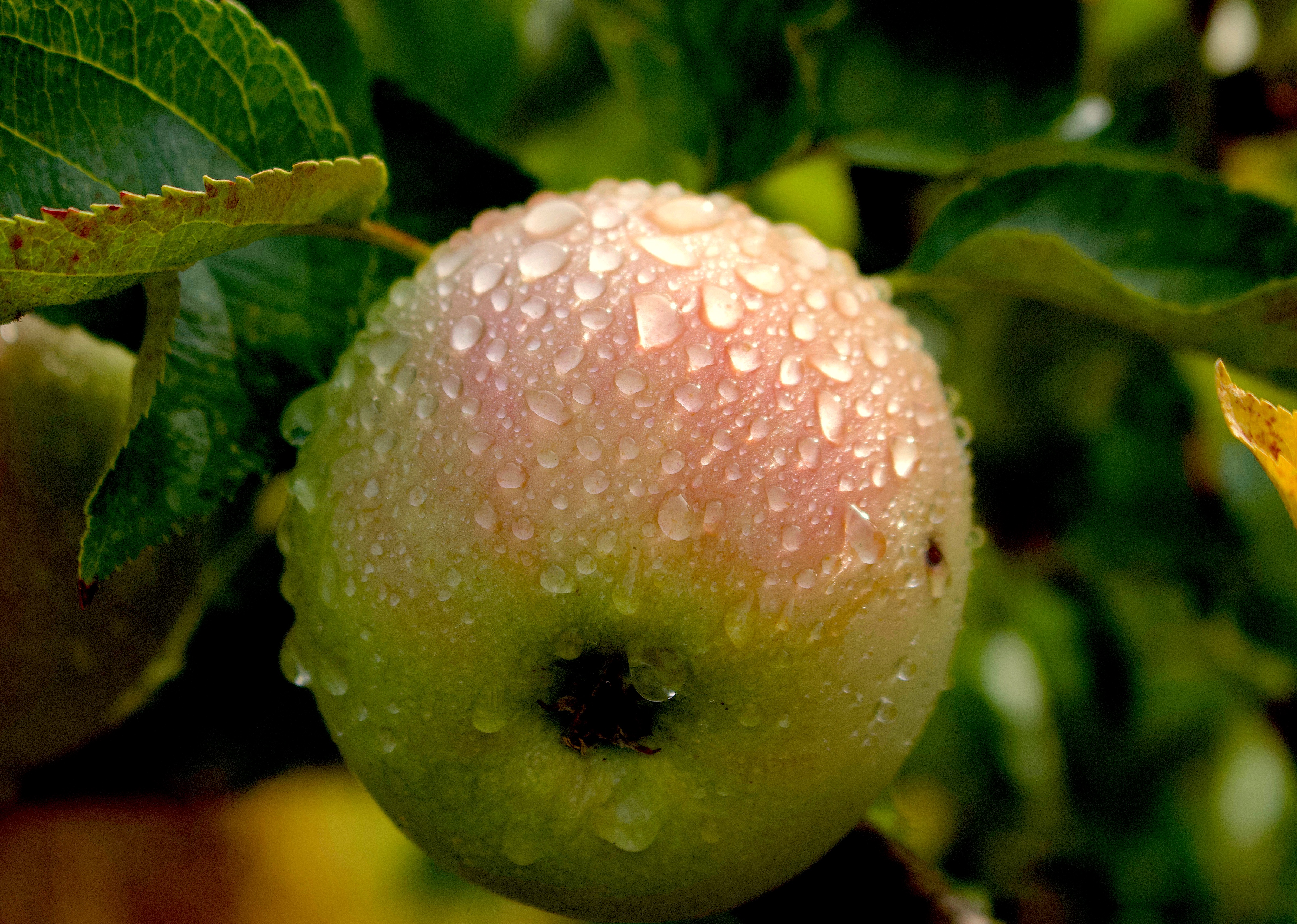
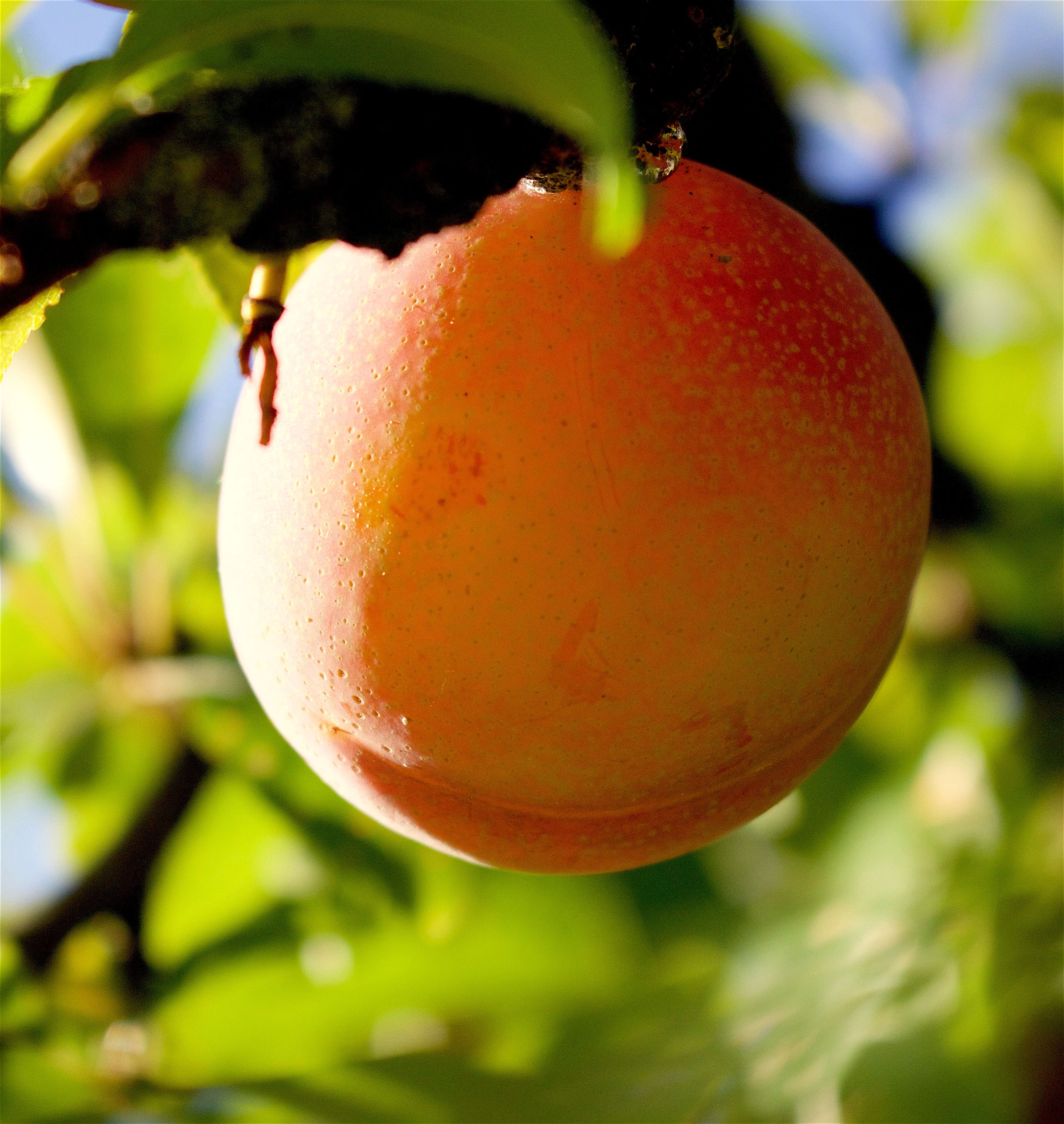
That the apple’s a rose,
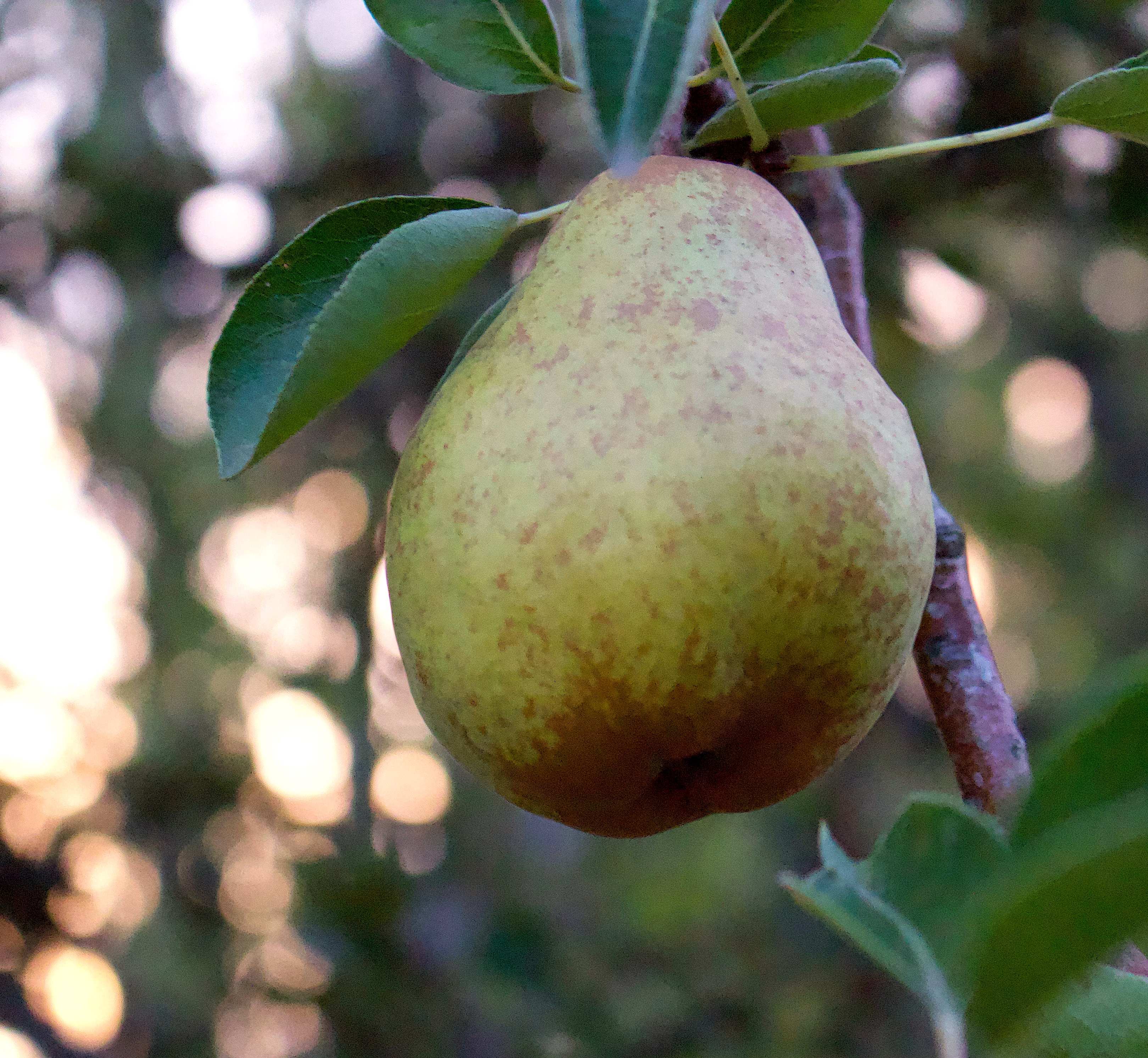
And the pear is, and so’s 
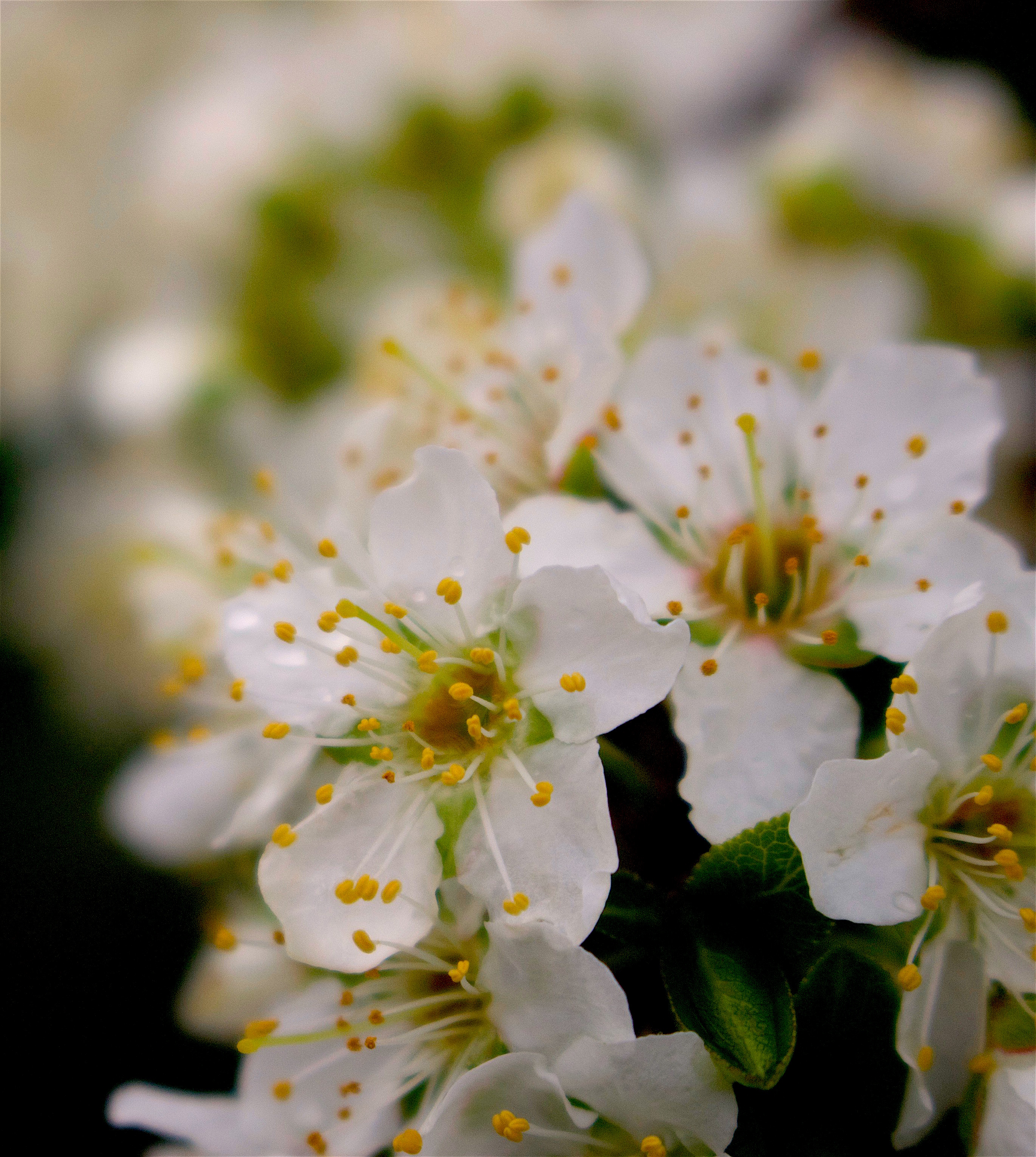
The plum, I suppose.
The dear only know
What will next prove a rose.
You, of course, are a rose–
But were always a rose.
~Robert Frost, “The Rose Family” from  The Poetry of Robert Frost: The Collected Poems

We are more alike than we are different,
from every thing to every one,
yet we still strive
to discriminate and differentiate.

We arose from the same origin:

put together atom to atom,
amino acid to amino acid,
conceived within the mind of God,
formed by His Hands and Breath,
designed as treasured artwork
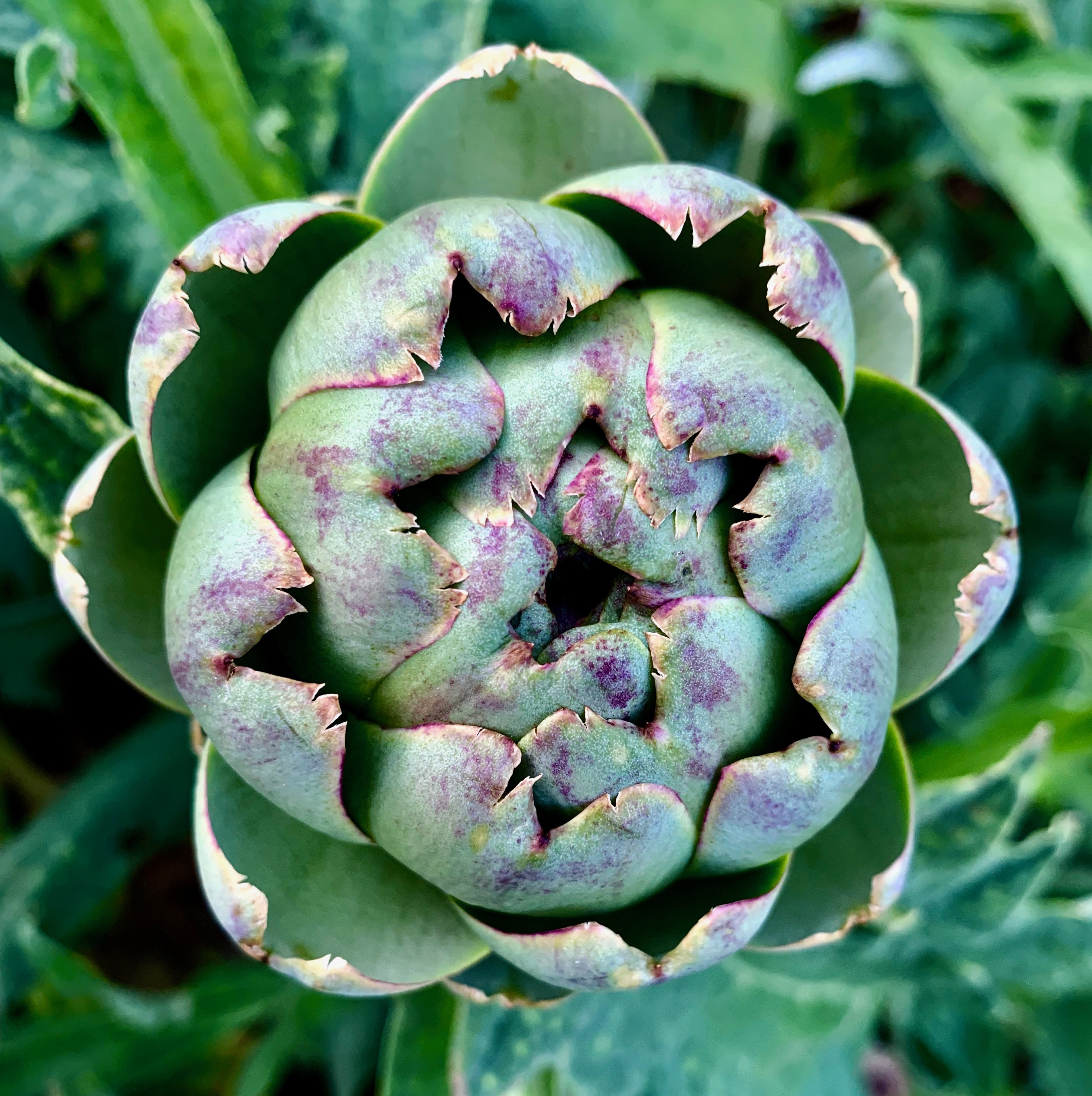
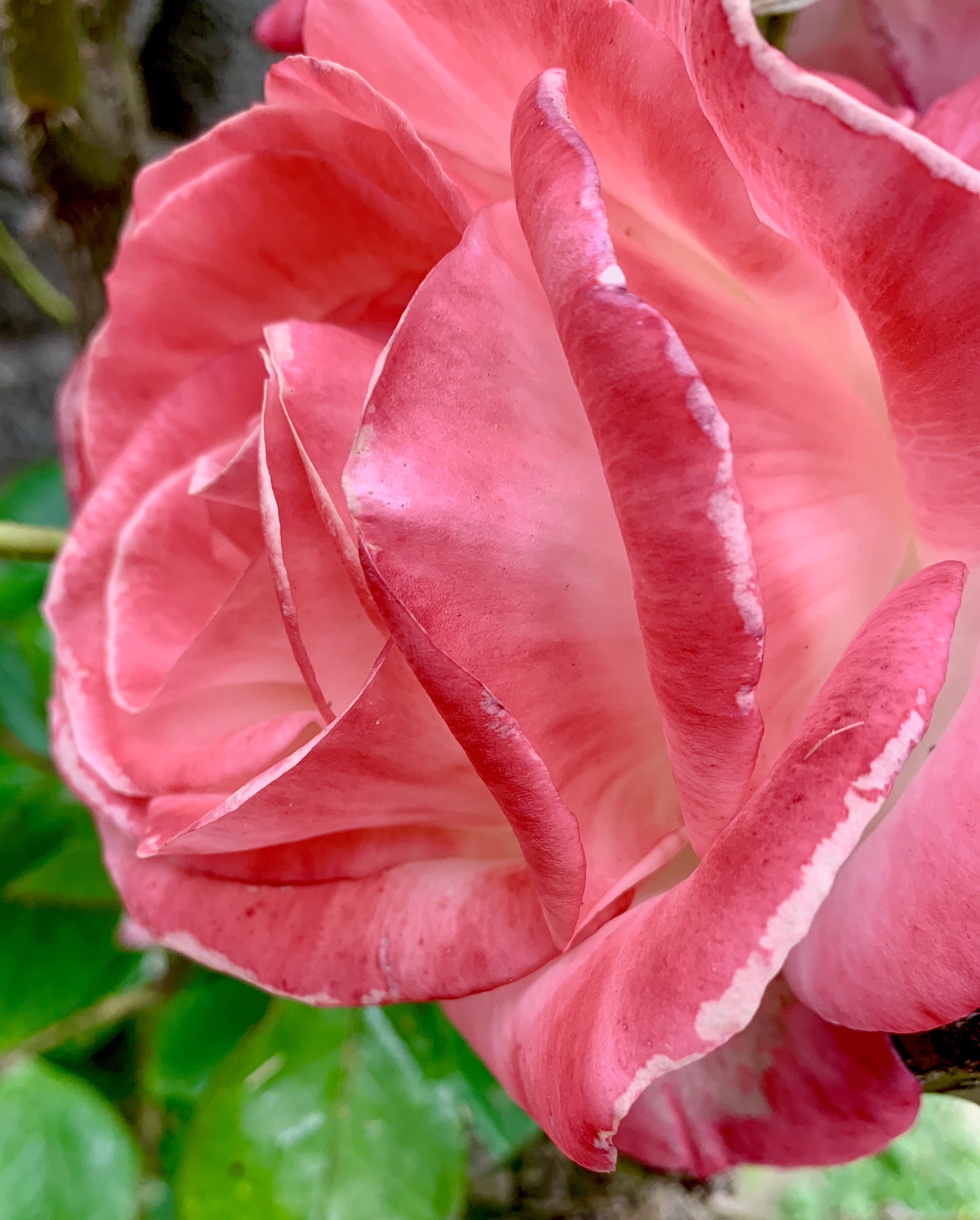
whether flower or fruit or fetus.
So we can only know
what He has told us
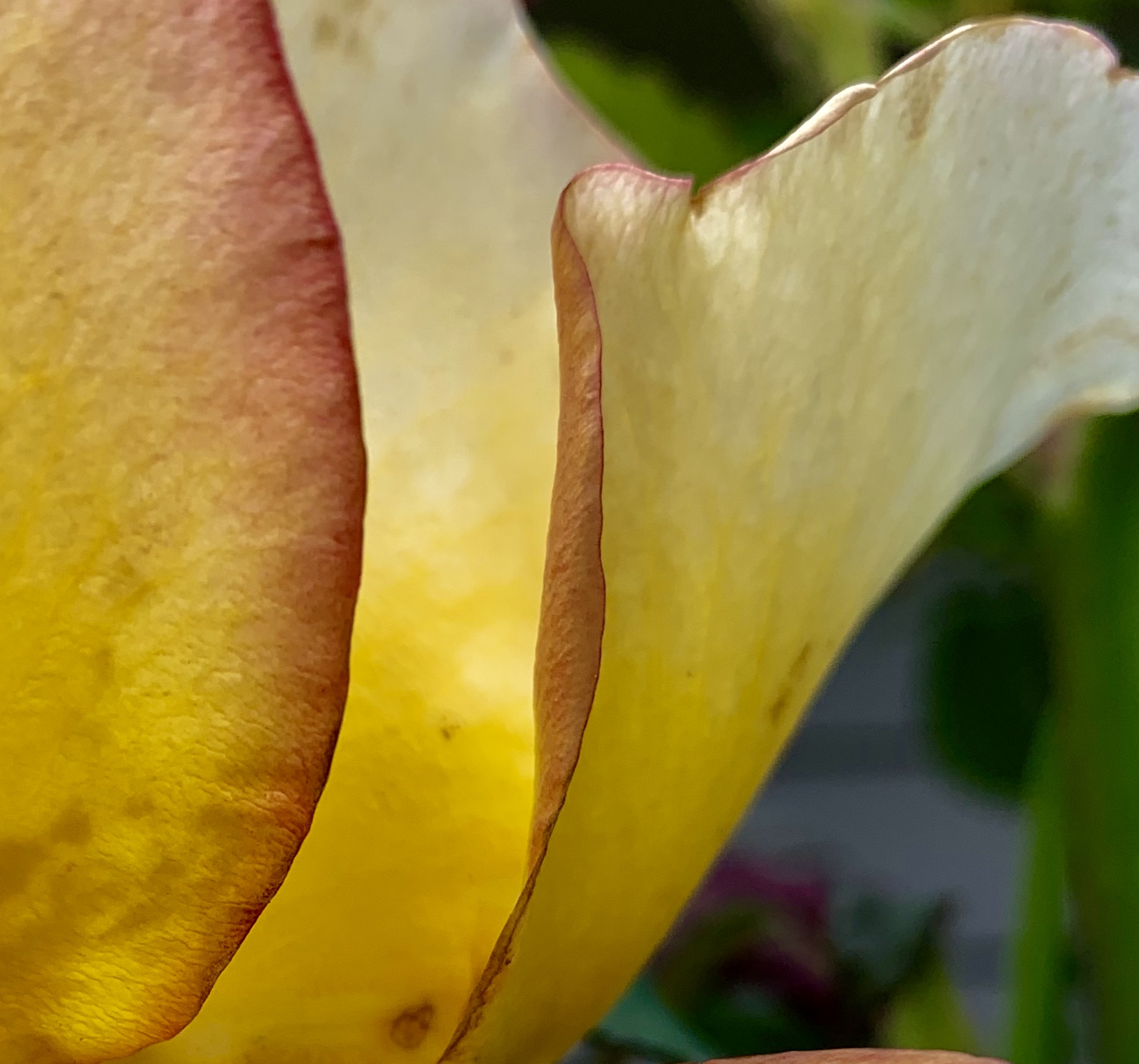
in His carefully chosen Words:
we are dear,
we are His rose,
in whatever form or function we appear,
however we have been put together~

We will always be His rose.

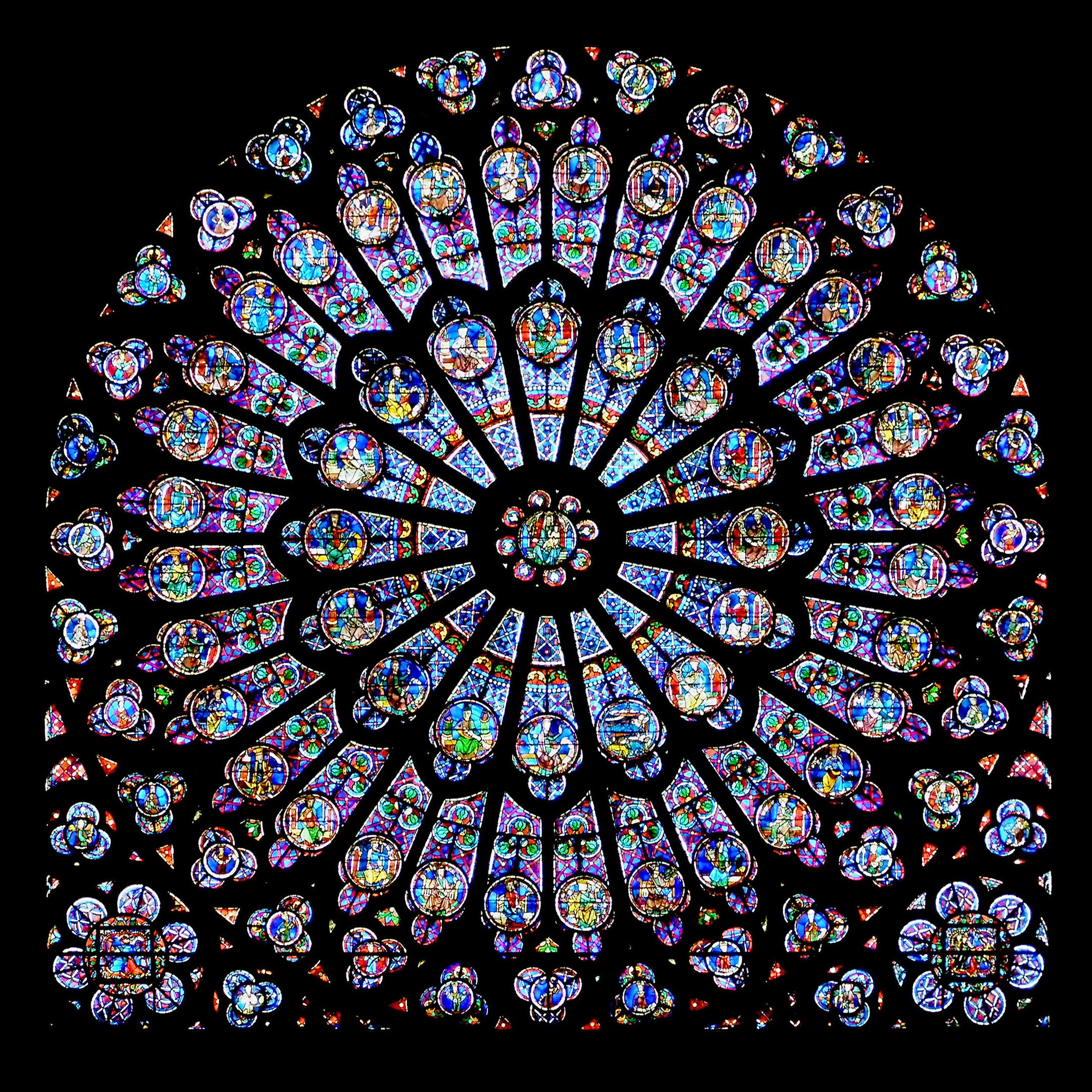
Rayonnant rose window in Notre Dame de Paris

There is no rose of such virtue
As is the Rose that bore Jesu:
Alleluia.
For in this rose was contained
Heaven and earth in a small space.
Wondrous thingRes miranda.
By that rose we may well see
There is one God in persons three.
Equally formedPares forma.
The angels sang; the shepherds, too:
Glory to God in the highest!
Let us rejoiceGaudeamus.
Leave we all these worldly cares
And follow we this joyful birth.
Let us be transformed. Transeamus.
~Benjamin Britten “There is no rose” from “Ceremony of the Carols”

A New Life Begins

Light splashed this morning
on the shell-pink anemones
swaying on their tall stems;
down blue-spiked veronica
light flowed in rivulets
over the humps of the honeybees;
this morning I saw light kiss
the silk of the roses
in their second flowering,
my late bloomers
flushed with their brandy.
A curious gladness shook me.

So I have shut the doors of my house,
so I have trudged downstairs to my cell,
so I am sitting in semi-dark
hunched over my desk
with nothing for a view
to tempt me
but a bloated compost heap,
steamy old stinkpile,
under my window;
and I pick my notebook up
and I start to read aloud
the still-wet words I scribbled
on the blotted page:
“Light splashed . . .”

I can scarcely wait till tomorrow
when a new life begins for me,
as it does each day,
as it does each day.
~Stanley Kunitz, “The Round” from 
Passing Through: The Later Poems, New and Selected

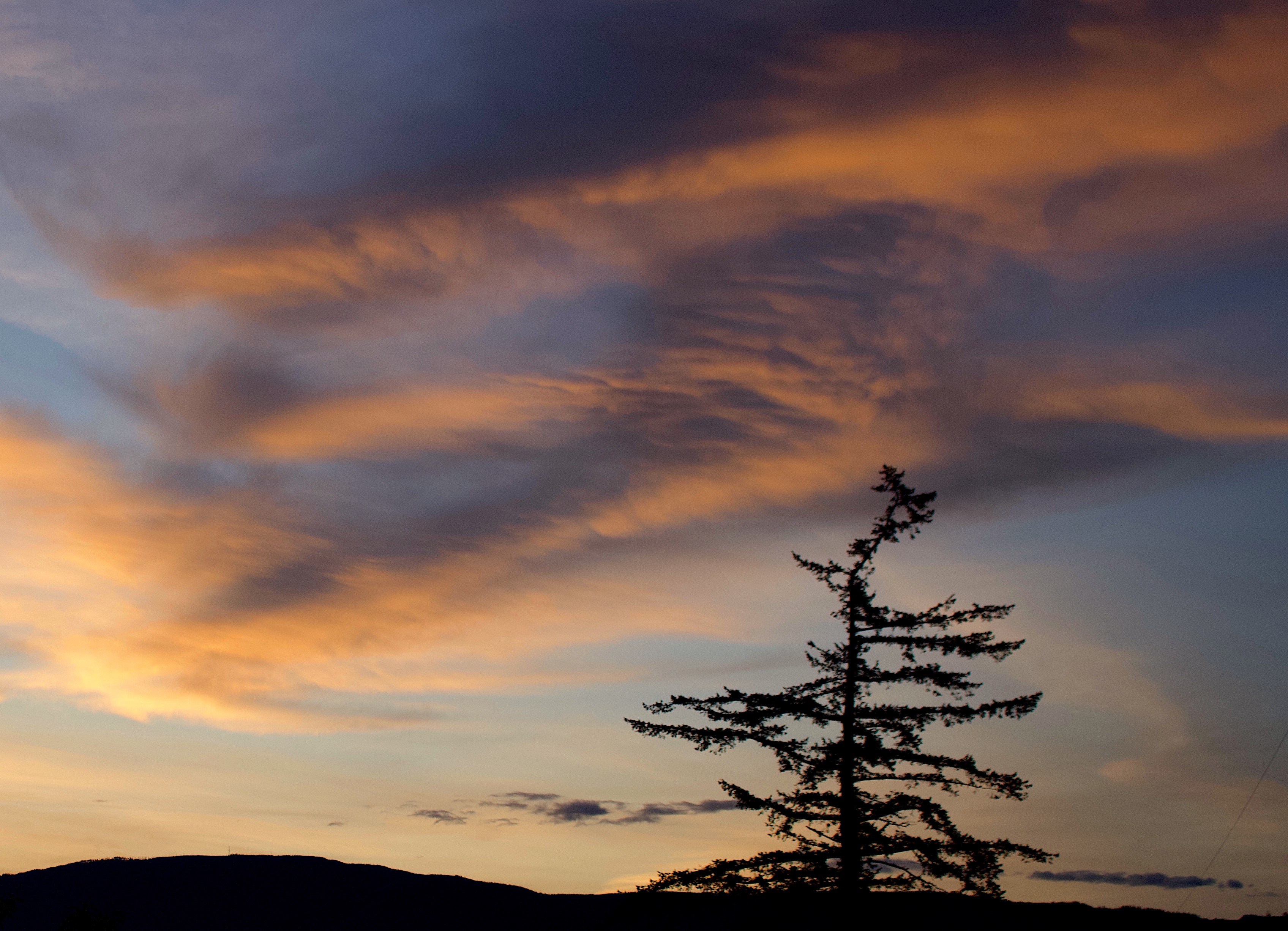
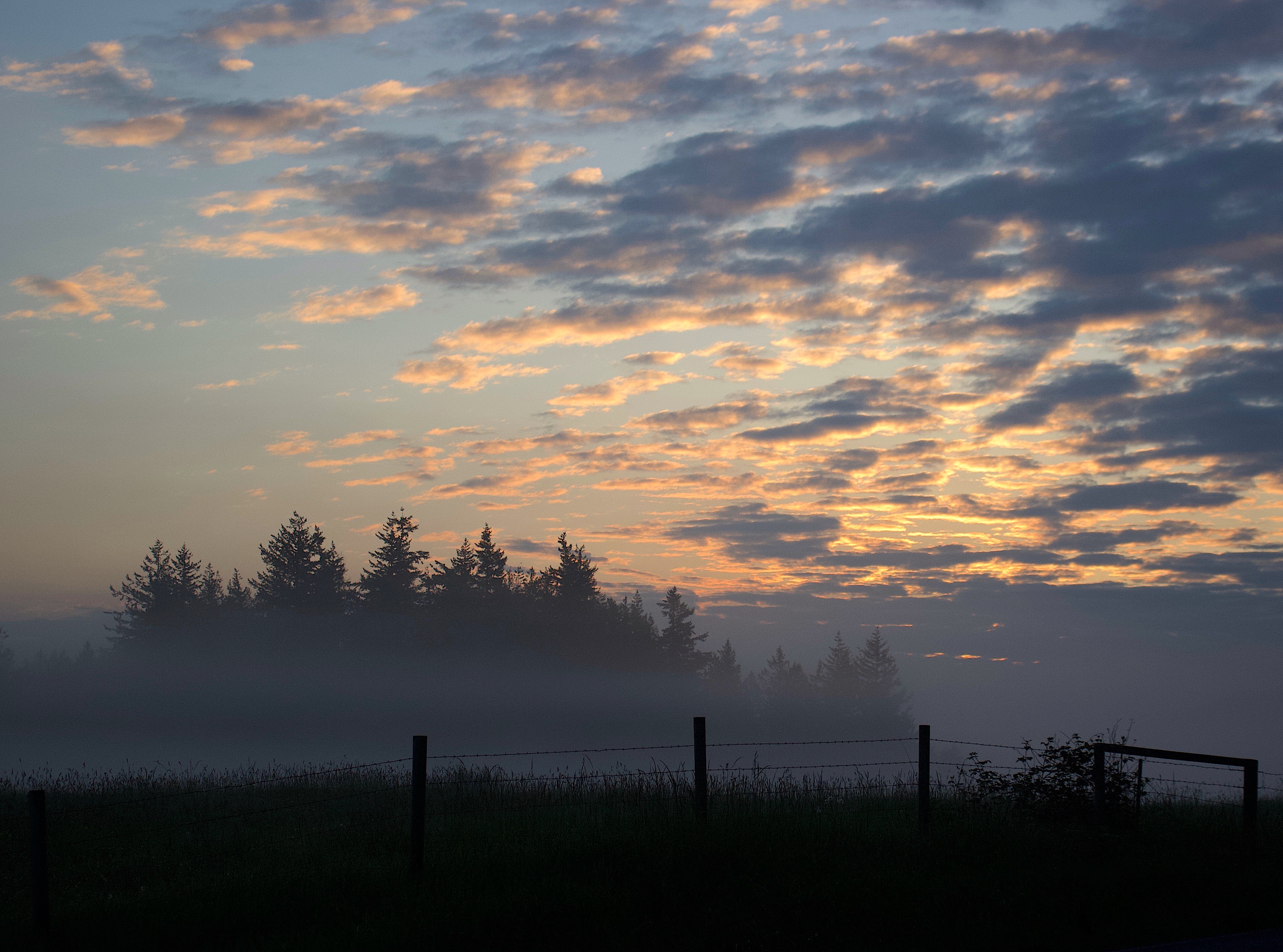
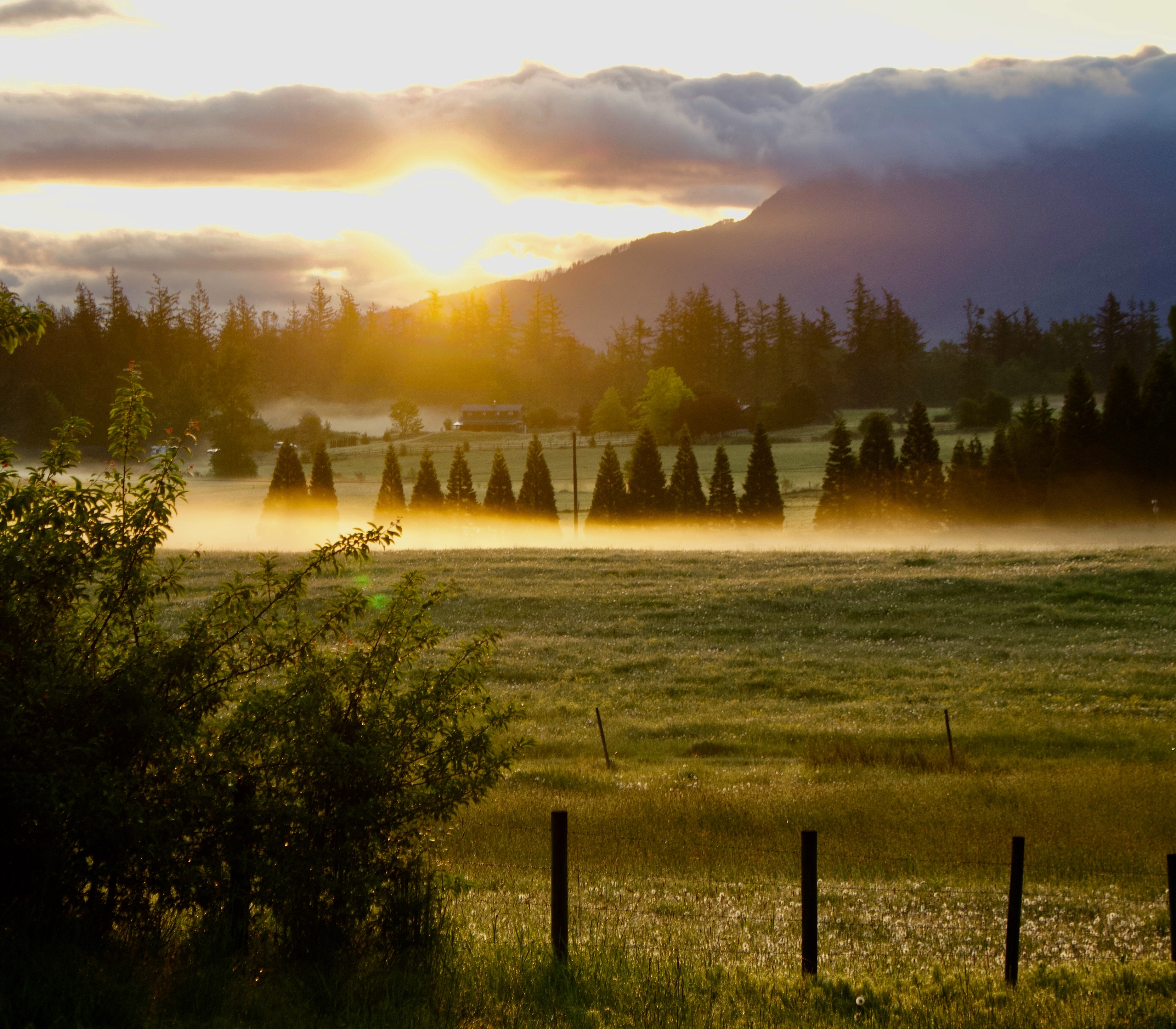
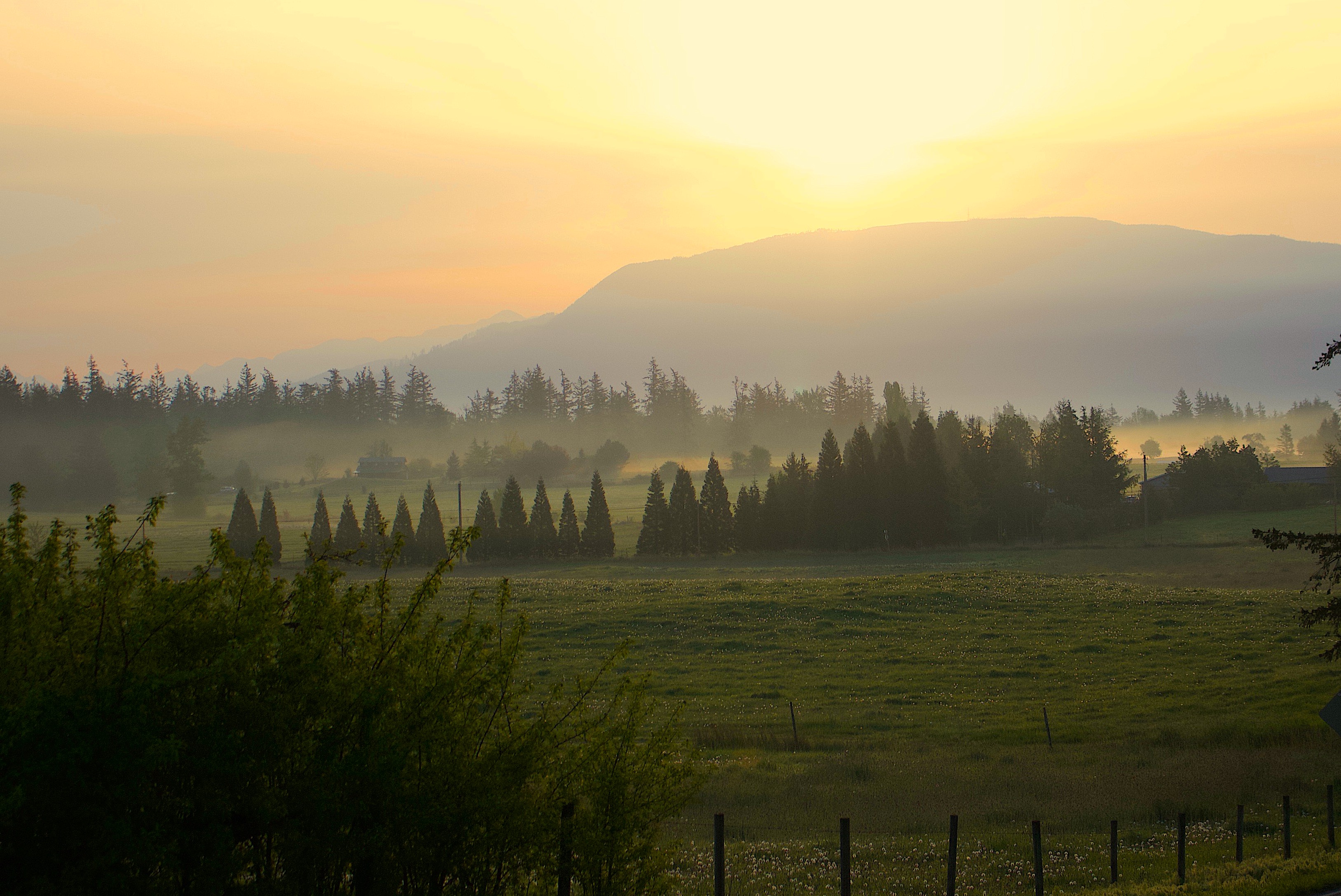
If I rise early enough, I can see a new day’s light splash everything awake.

I wander about the farm, bleary-eyed, watching and feeling it happen.

By the time I come in to sit down to my words and photos, I’m thoroughly washed with dawn, ready to take on what this day will bring.


As If Death Were Nowhere in the Background

There are days we live
as if death were nowhere
in the background; from joy
to joy to joy, from wing to wing,
from blossom to blossom to
impossible blossom, to sweet impossible blossom.

~Li-Young Lee from “From Blossoms”

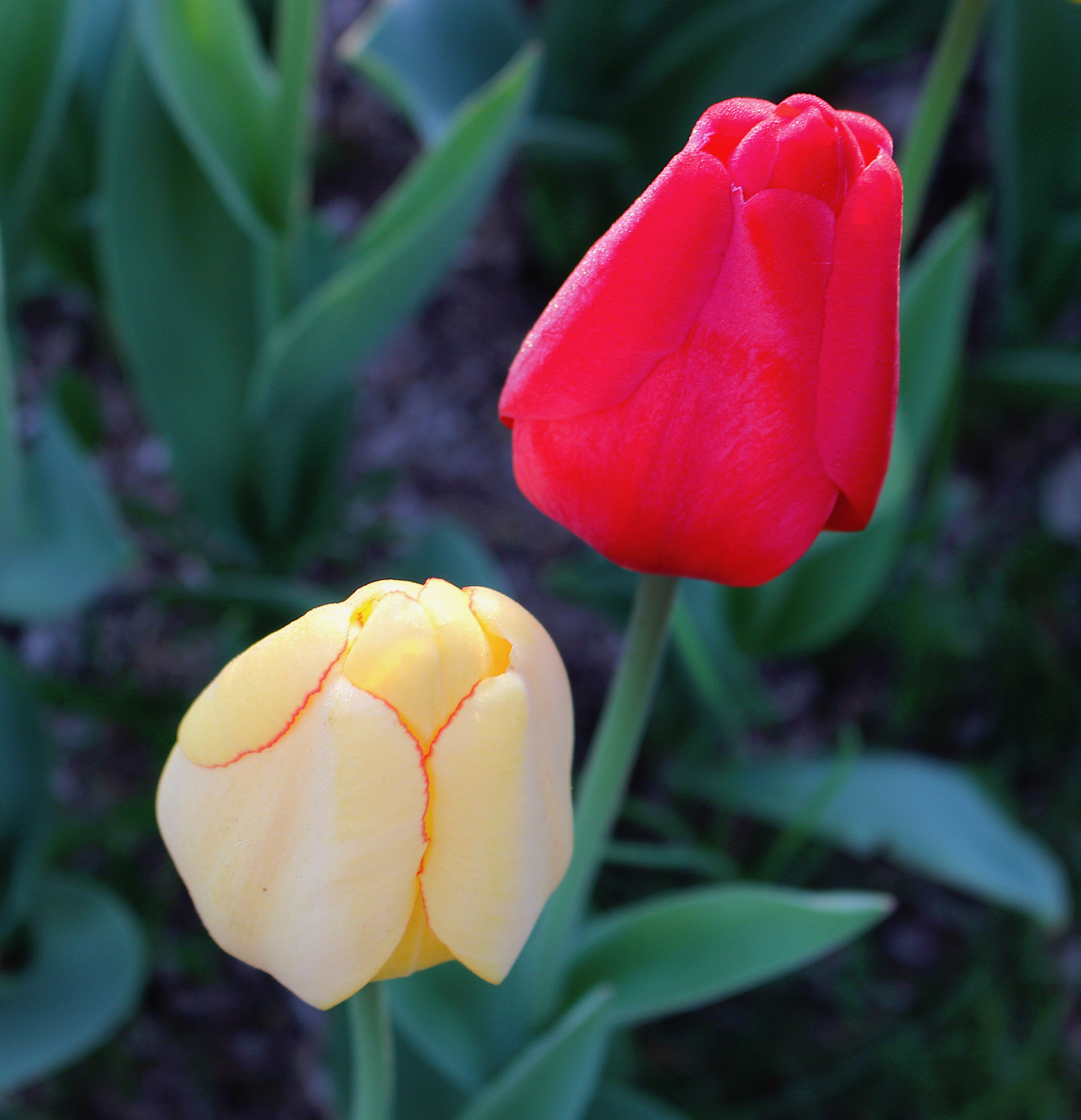
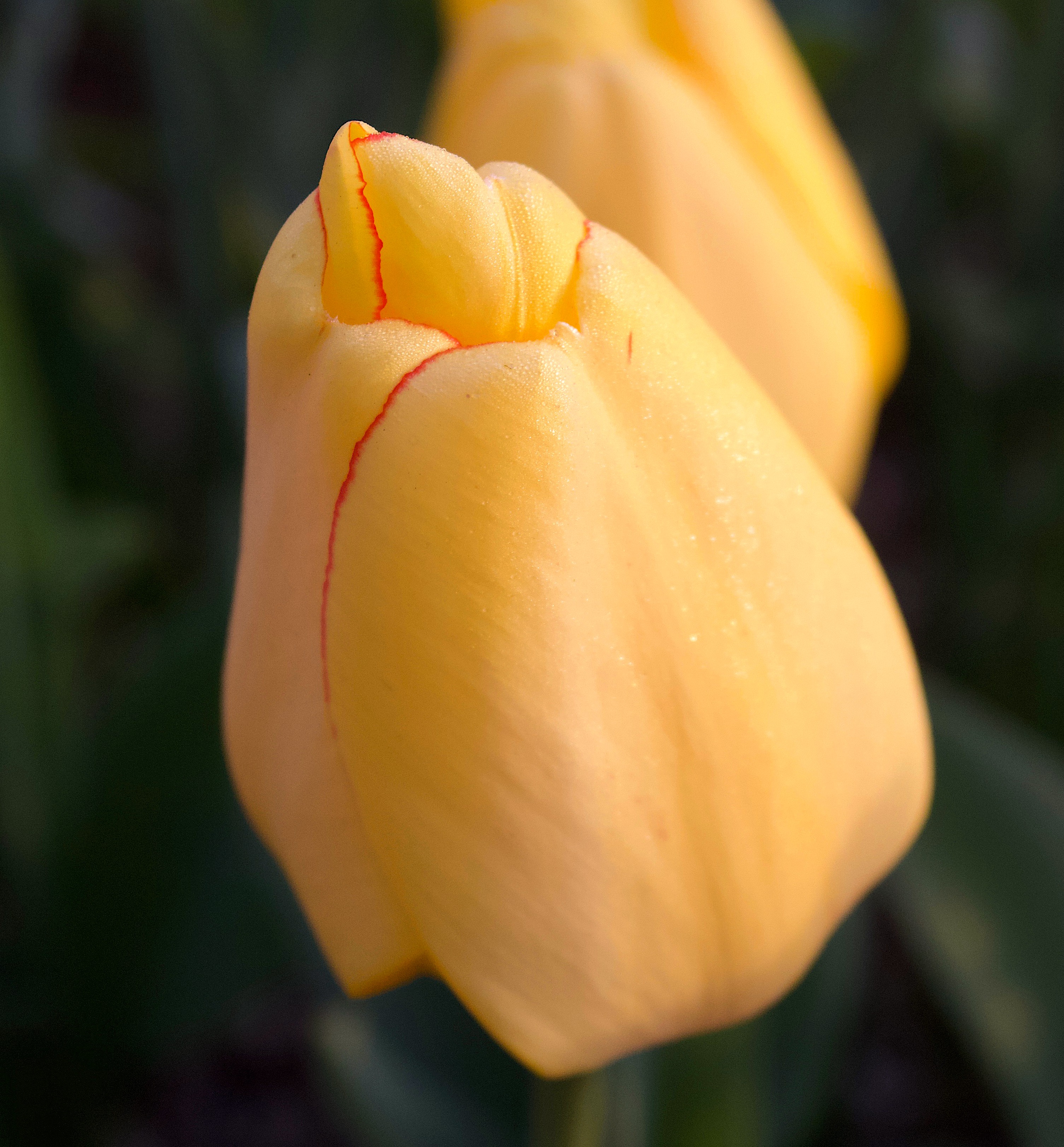
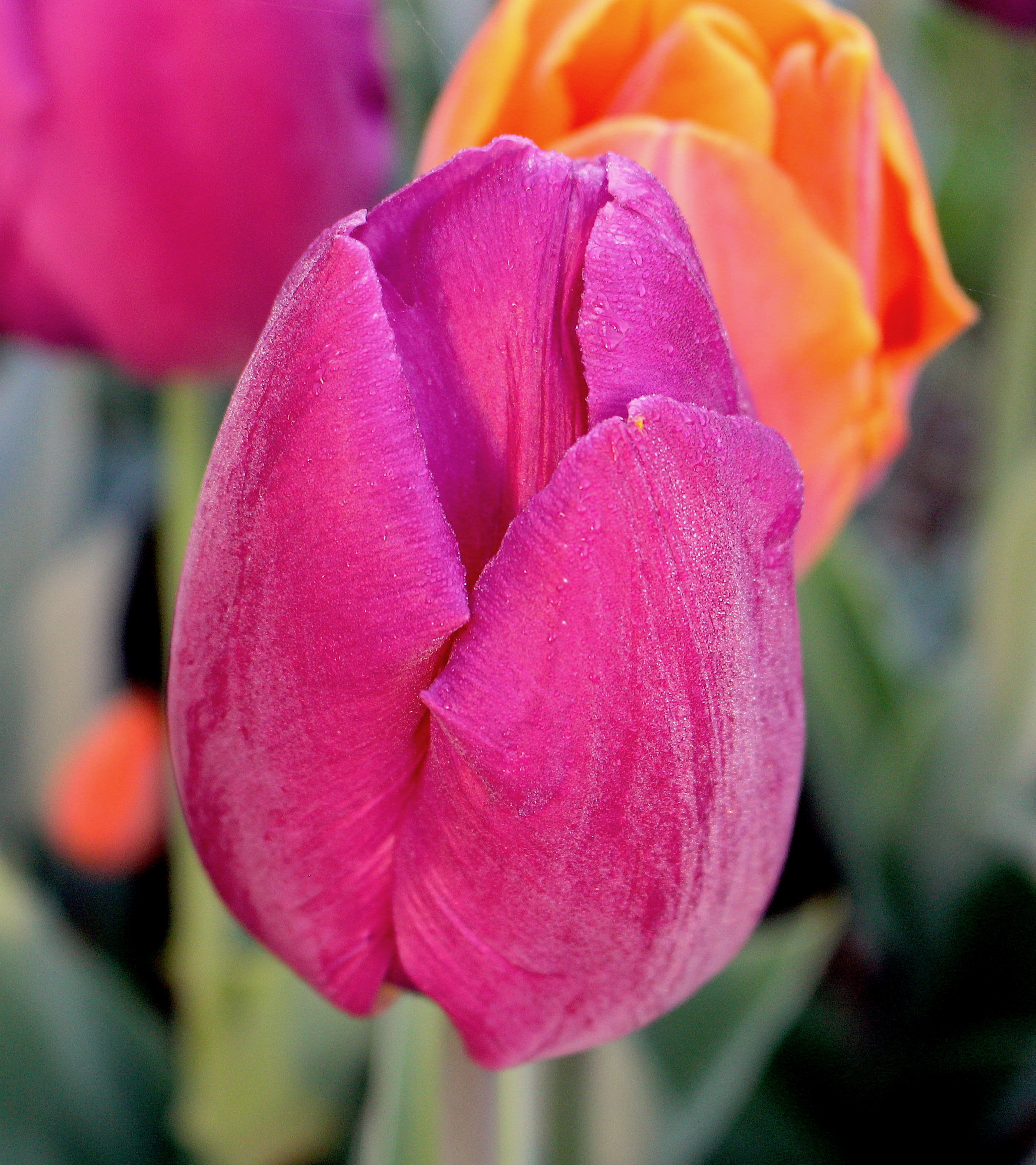
These are impossible mornings of color and cool breezes.
A hope of immortality extends across the sky as far as the eye can see.
Impossible — because we know it won’t last;
these ordinary days, this precious time is ephemeral.
Still I revel in it,
moving from joy to joy to joy,
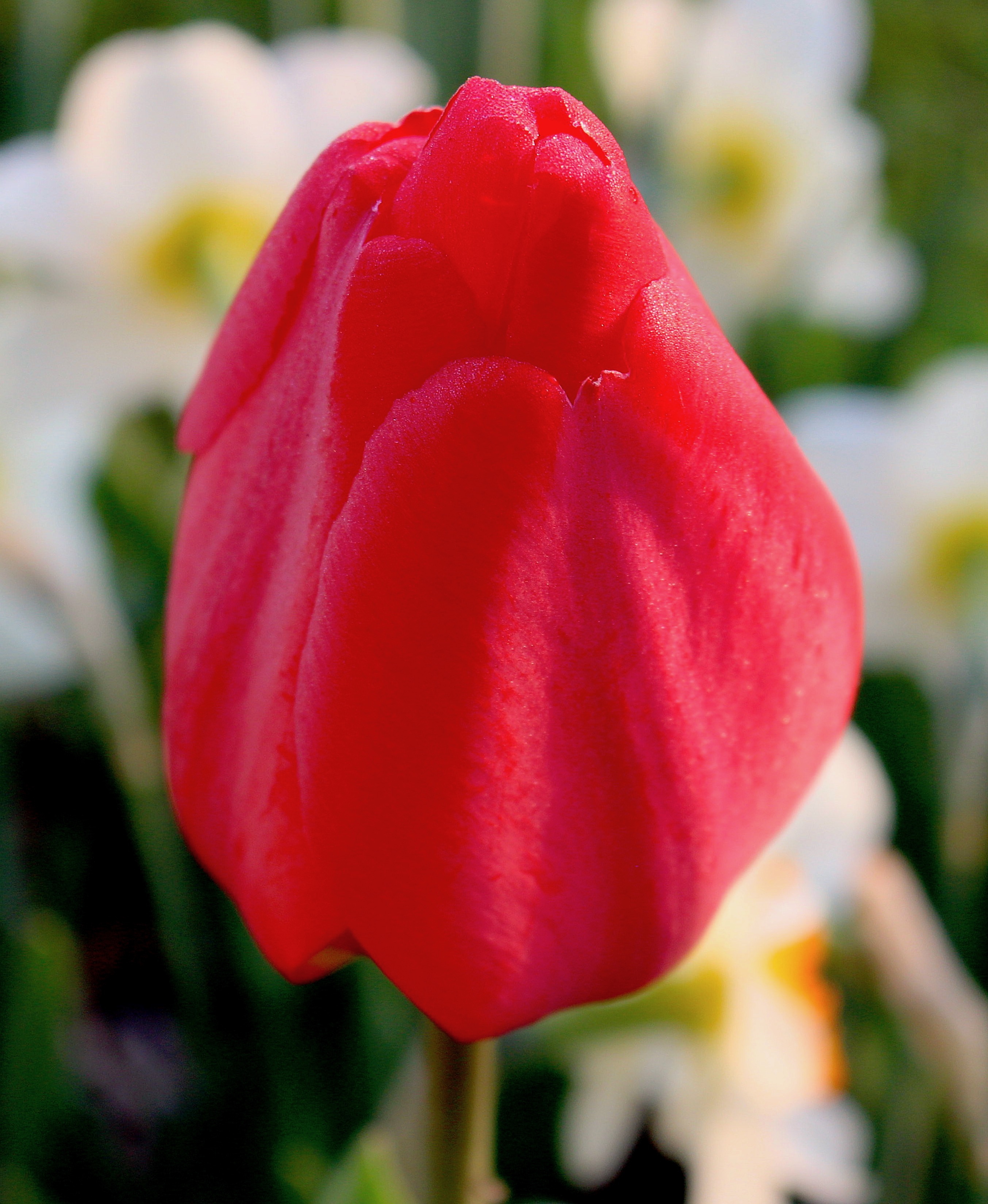
from tulip to tulip to tulip,
rising up so vividly alive from mere dirt,
eventually to sink back down to dust so gently,
~oh so gently~
to rest in the promise, that vibrant living promise
that spring someday will last forever.

A Bright Sadness: Trust Our Own Greening

…every year
the dull and dead in us
meets our Easter challenge:

to be open to the unexpected,
to believe beyond our security,
to welcome God in every form,
and trust in our own greening.
~Joyce Rupp from Out of the Ordinary: Prayers, Poems, and Reflections for Every Season

The challenge after each Sabbath
is to go back to an every day routine
as if nothing has happened
when everything has happened.

There is laundry to do
floors to mop
patients to comfort
barns to clean
taxes to pay.

Nothing seemingly has changed,
yet…
everything is changed.

Now I know why,
though dead and pruned,
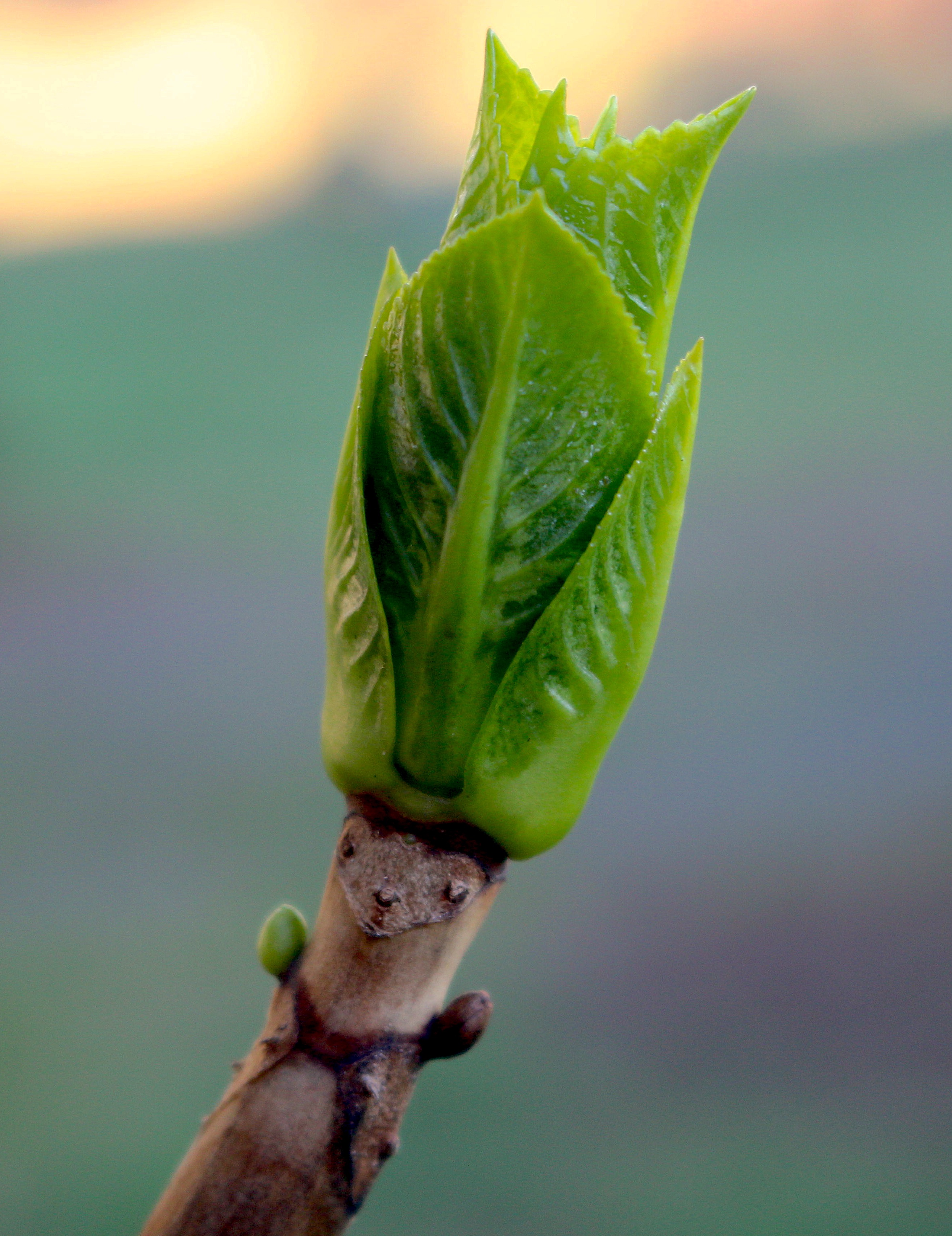
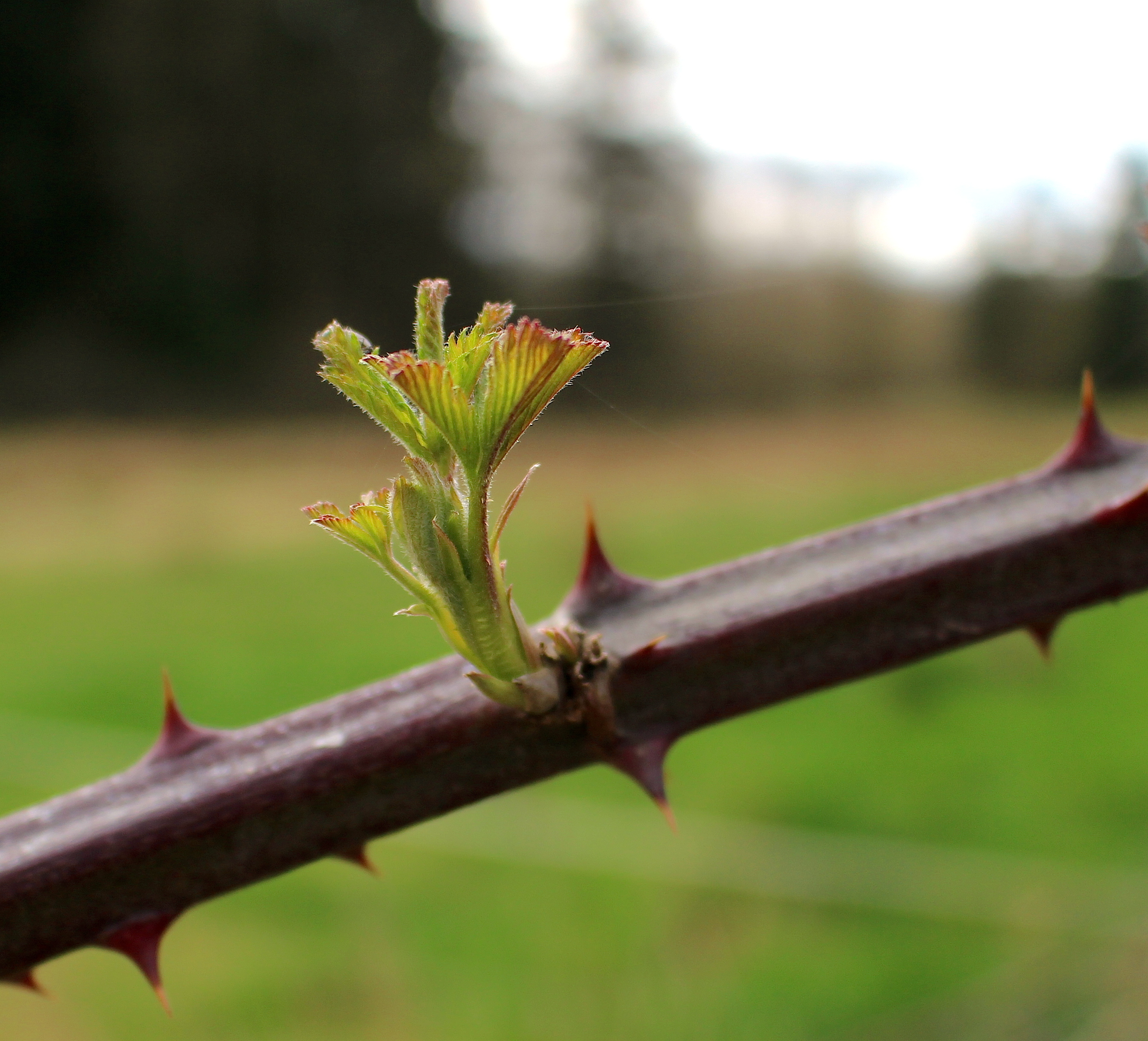
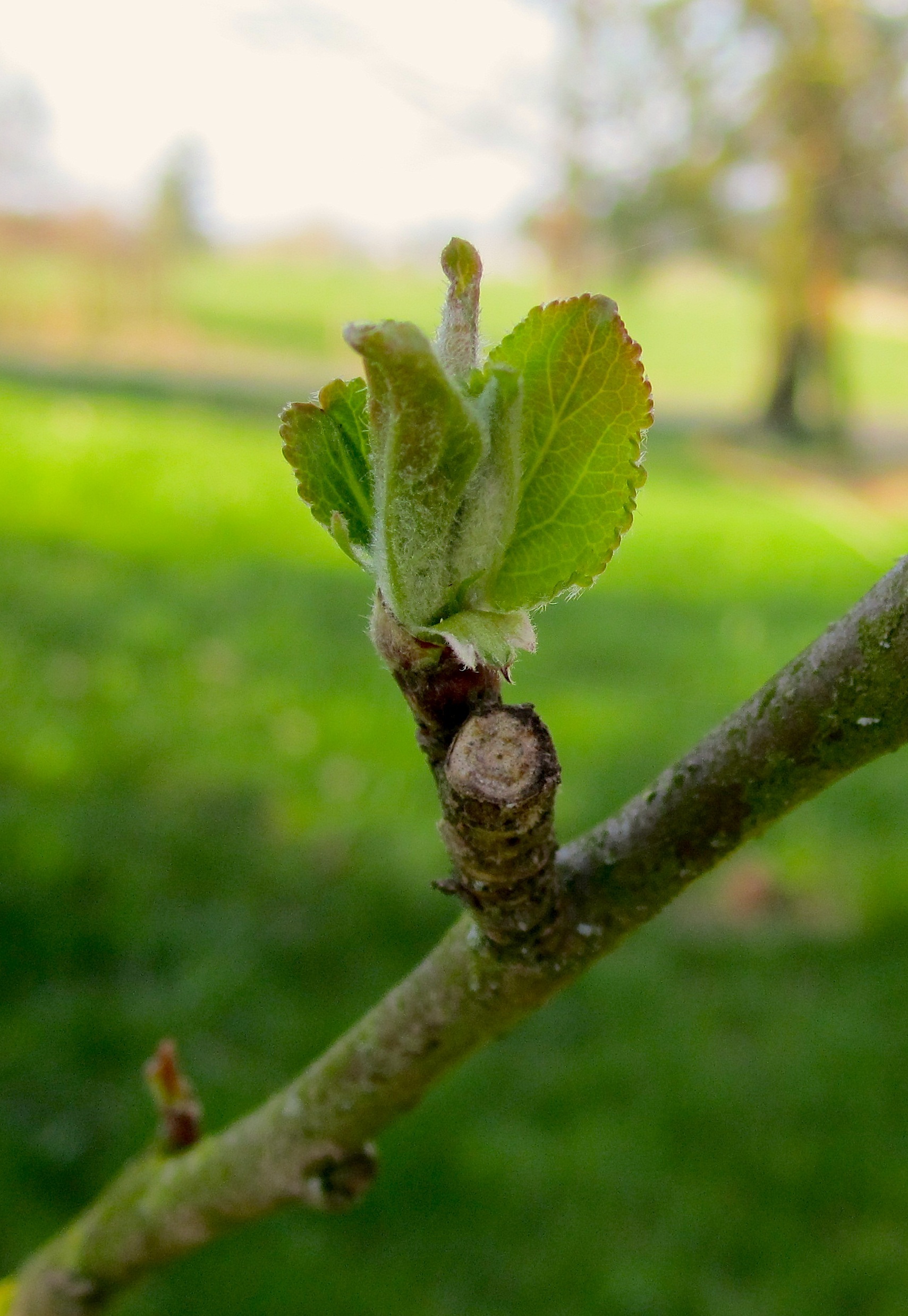
after every Sabbath I sprout green ~
I am alive only
because He is.

Traditionally, Lent does not include the five Sundays before Easter as every Sabbath is a celebration of Christ’s resurrection. We should let Him Easter in us every week!

This is one of six Easter reflections on Barnstorming during the next few weeks. We wait for the glorious day when we can meet as Christ’s body on April 21, first on our farm’s hill at dawn, and then later inside our church’s sanctuary to feel the full impact of “He is Risen!”

A Bright Sadness: All Creatures Doing Their Best

All creatures are doing their best
to help God in His birth
of Himself.

Enough talk for the night.
He is laboring in me;

I need to be silent 
for a while,

worlds are forming
in my heart.    
~Meister Eckhart from “Expands His Being”

These last few days of winter are a reawakening of nature’s rebirthing rhythms, with increased activity of all the wild creatures and birds around us, and most importantly, God’s renewal of our weary wintery hearts.

Some late winter and early spring mornings still are pitch black with blustering winds and rain, looking and feeling like the bleakest of December mornings about to plunge into the death spiral of winter all over again.

No self-respecting God would birth Himself into a dawn as dark as night.

But this God would.

He labors in our bleakest of hearts for good reason.  We are unformed and unready to meet Him in the light, clinging as we do to our dark ways and thoughts.  Though we soon celebrate the rebirth of springtime, it is just so much talk until we accept the change of being transformed ourselves.

Though soon the birds will be singing their hearts out and the frogs chorusing in the warming ponds, we, His people, are silenced as He prepares us and prepares Himself for birth within us.   The labor pains are His, not ours;  we become awed witnesses to His first and last breath when He makes all things, including us, new again.

The world and its creatures, including us, is reborn — even where dark reigned before, even where it is bleakest, especially inside our healing wintery hearts.

A Bright Sadness: Abandoning Terrifying Divinity

Man was added to Him,
God not lost to Him;
He emptied Himself not by losing what He was,
but by taking to Him what He was not.
~Augustine

Look upon the baby Jesus.
Divinity may terrify us.
Inexpressible majesty will crush us.
That is why Christ took on our humanity…
that he should not terrify us
but rather that with love and favor
he should console and confirm.”
~Martin Luther

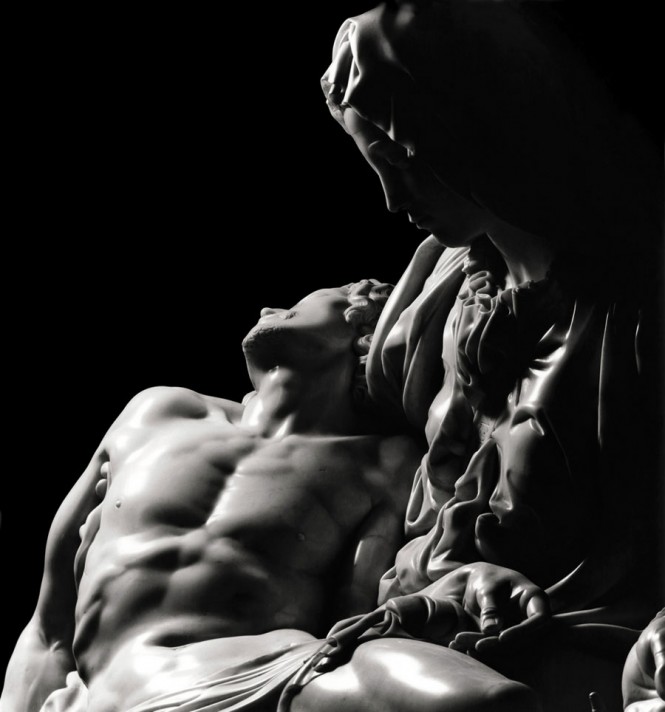
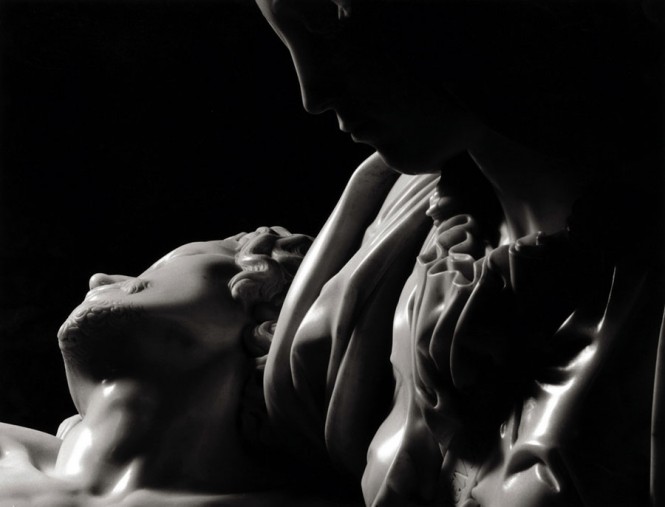
He was pushed out to take his first breath on earth, birth-bloodied, then cradled and held in human arms.

Three decades later, He was pulled down following His last breath, death-bloodied, cradled and held in human arms.

The symmetry of His birth and death mirrors the symmetry of our lives, a consolation that He belongs to us as much as we belong to Him.

The blood shed at birth is his mother’s alone.
The blood lost at death is God’s alone,
pumping through broken human heart and arteries,
soaking the wretched ground below.

He empties wholly because He is fully human;
He returns risen and whole because He is fully God.

We, who would be terrified, are deeply loved: cradled, consoled and comforted by such inexpressible divinity emptied into our humanity.

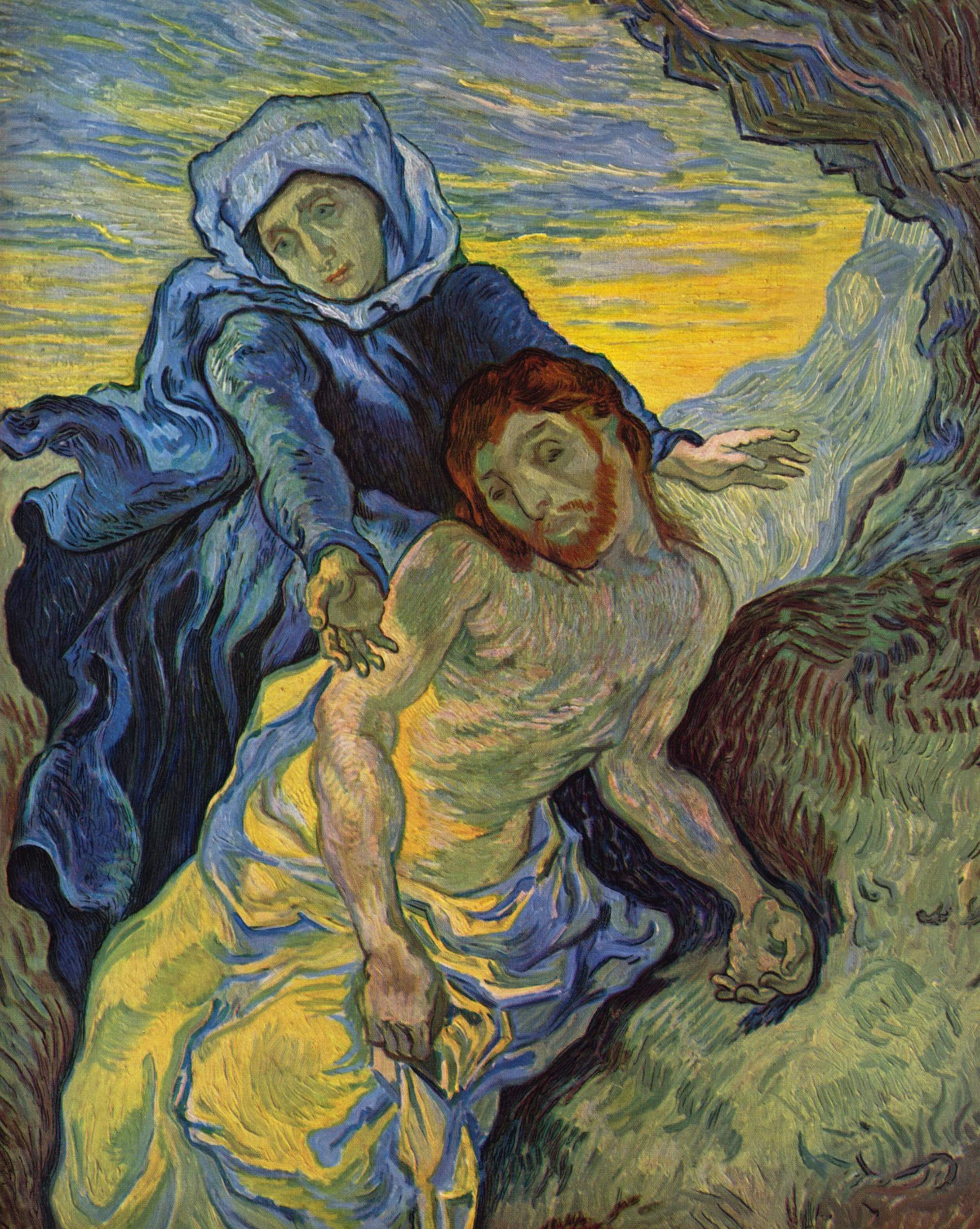
Van Gogh Pieta

The Snuffle of Winter

We praise thee, O God, for thy glory
displayed in all the creatures of the earth,
In the snow, in the rain, in the wind, in the storm;
in all of thy creatures, both the hunters and the hunted…
They affirm thee in living;
all things affirm thee in living;
the bird in the air, both the hawk and the finch;
the beast on the earth, both the wolf and the lamb;…
Therefore man, whom thou hast made
to be conscious of thee,
must consciously praise thee,
in thought and in word and in deed.
Even with the hand to the broom,
the back bent in laying the fire,
the knee bent in cleaning the hearth…
The back bent under toil,
the knee bent under sin,
the hands to the face under fear,
the head bent under grief,
Even in us the voices of the seasons,
the snuffle of winter, the song of spring,
the drone of summer,
the voices of beasts and of birds,
praise thee. 

~T.S. Eliot from Murder in the Cathedral

In the midst of all the snuffling viruses of winter,
the back breaking daily work and labor:

this amazing glory happens this morning

the sky is afire with Him

I am reminded yet again
all things affirm thee in living
and so shall I.

And so shall I.

To Go Home By Another Way

If you could see
the journey whole
you might never
undertake it;
might never dare
the first step
that propels you
from the place
you have known
toward the place
you know not.

Call it
one of the mercies
of the road:
that we see it
only by stages
as it opens
before us,
as it comes into
our keeping
step by

single step.

There are vows
that only you
will know;
the secret promises
for your particular path
and the new ones
you will need to make
when the road
is revealed
by turns
you could not
have foreseen.

Keep them, break them,
make them again:
each promise becomes
part of the path;
each choice creates
the road
that will take you
to the place
where at last
you will kneel

to offer the gift
most needed—
the gift that only you
can give—
before turning to go
home by
another way.
~Jan Richardson from
“Blessing for Those Who Travel Far”

… having been warned in a dream not to go back to Herod, they returned to their country by another route.
Matthew 2:12

The night sky was still dim and pale.  
There, peeping among the cloud wrack above a dark tor high up in the mountains, 
Sam saw a white star twinkle for a while.  
The beauty of it smote his heart, 
as he looked up out of the forsaken land, and hope returned to him.  
For like a shaft, clear and cold, 
the thought pierced him that in the end 
the Shadow was only a small and passing thing: 
there was light and high beauty for ever beyond its reach.
~J.R.R. Tolkien, The Return of the King

The star represented a hope
too long elusive;
so weary and with so much need
they headed out for unknown lands
to follow a light seemingly
beyond their reach.

When they found its source
they could touch His earthliness.
No shadow cast of darkness,
and no iron nails
could quell the beauty
of its brilliance.

Having been so illumined
they could only return home another way~
No longer could they be
who they had been.

The Secret of Who I Am

You never know what may cause them. The sight of the ocean can do it, or a piece of music, or a face you’ve never seen before. A pair of somebody’s old shoes can do it. Almost any movie made before the great sadness that came over the world after the Second World War, a horse cantering across a meadow…

You can never be sure. But of this you can be sure. Whenever you find tears in your eyes, especially unexpected tears, it is well to pay the closest attention.  They are not only telling you something about the secret of who you are, but more often than not God is speaking to you through them of the mystery of where you have come from and is summoning you to where, if your soul is to be saved, you should go next.
~Frederick Buechner from
 Whistling in the Dark

photo by Emily Vander Haak

I’m not paying close enough attention to the meaning of my leaking eyes if I’m constantly looking for kleenex to stem the flow.  During the holidays it seems I have more than ample opportunity to find out the secret of who I am, where I have come from and where I am to be next.

So I keep my pockets loaded with kleenex.

It mostly has to do with welcoming family members back home for the holidays to become a full-out noisy messy chaotic household again, with puzzles and games and music and laughter and laundry and meal preparation.  It is about singing grace together before a meal in five-part harmony and choking on precious words of gratitude.  It is about remembering the drama of our youngest’s birthday twenty six years ago today, when she was saved by a snowstorm.

It certainly has to do with bidding farewell again as we will this weekend, gathering them all in for that final hug and then letting go.

We urge and encourage them to go where their hearts are telling them they are needed and called to be, even if that means thousands of miles away from their one-time home on the farm.

I too was let go once and though I would try to look back, too often in tears, I set my face toward the future.  It led me here, to this marriage, this family, this farm, this work, our church, to more tears, to more letting go if I’m granted more years to weep again and again with gusto and grace.

This is the secret of me: to love so much and so deeply that letting go is so hard that tears are no longer unexpected or a mystery to me or my children and grandchildren.   They are the spill-over of fullness that can no longer be contained: God’s still small voice spills down my cheeks drop by drop like wax from a burning candle.

No kleenex are needed with these tears.

Let them flow as I let them go.