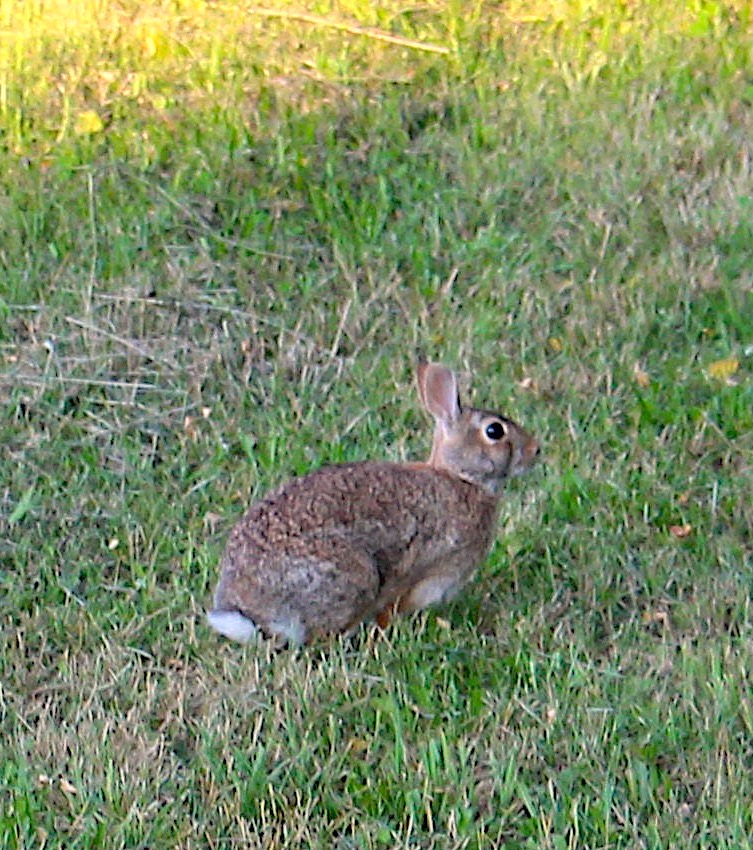
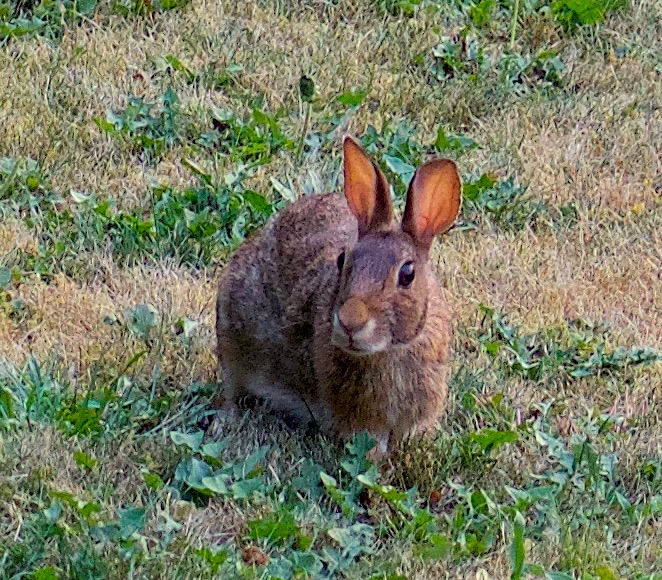
Eventually balance moves out of us into the world; it’s the pull of rabbits grazing on the lawn as we talk, the slow talk of where and when, determining what and who we will become as we age.
We admire the new plants and the rings of mulch you made, we praise the rabbits eating the weeds’ sweet yellow flowers.
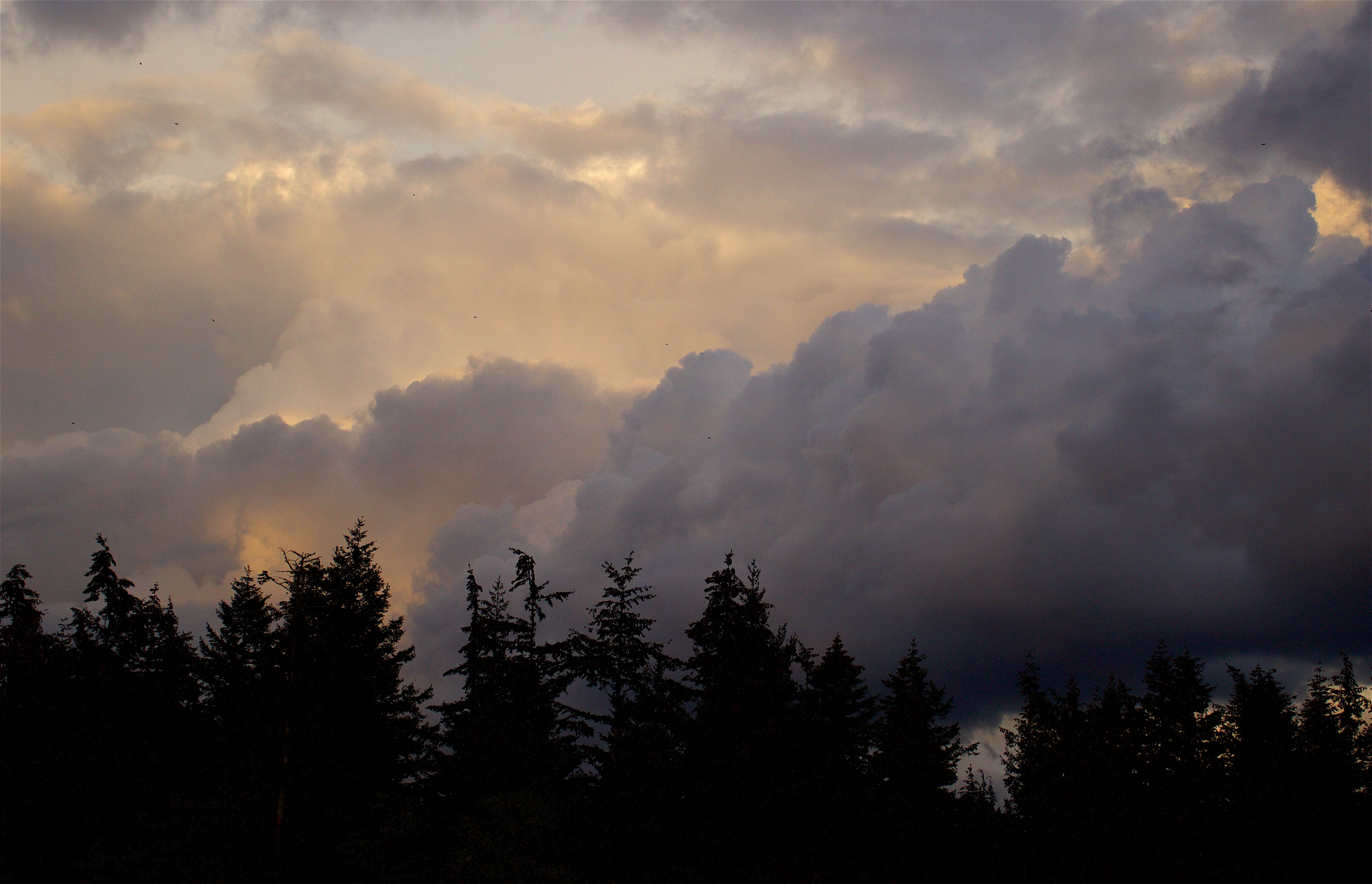
Behind our words the days serve each other as mother, father, cook, builder, and fixer; these float like the clouds beyond the trees.
It is a simple life, now, children grown, our living made and saved, our years our own, husband and wife,
but in our daily stride, the one that rises with the sun, the chosen pride, we lean on our other selves, lest we fall into a consuming fire and lose it all. ~Richard Maxson, “Otherwise” from Searching for Arkansas
Our days are slower now, less rush, more reading and writing, walking and sitting, taking it all in and wondering what comes next.
I slowly adapt to not hurrying to work every other day, looking to you to see how I should parcel out each moment. Should I stay busy cleaning, sorting, giving away, simplifying our possessions so our children someday won’t have to? Or should I find some other kind of service off the farm to feel worthy of each new day, each new breath?
It is an unfamiliar phase, this facing a day with no agenda and no appointments. What comes next is uncertain, as it always has been but I didn’t pay attention before.
So I lean lest I fall. I breathe lest I forget how.
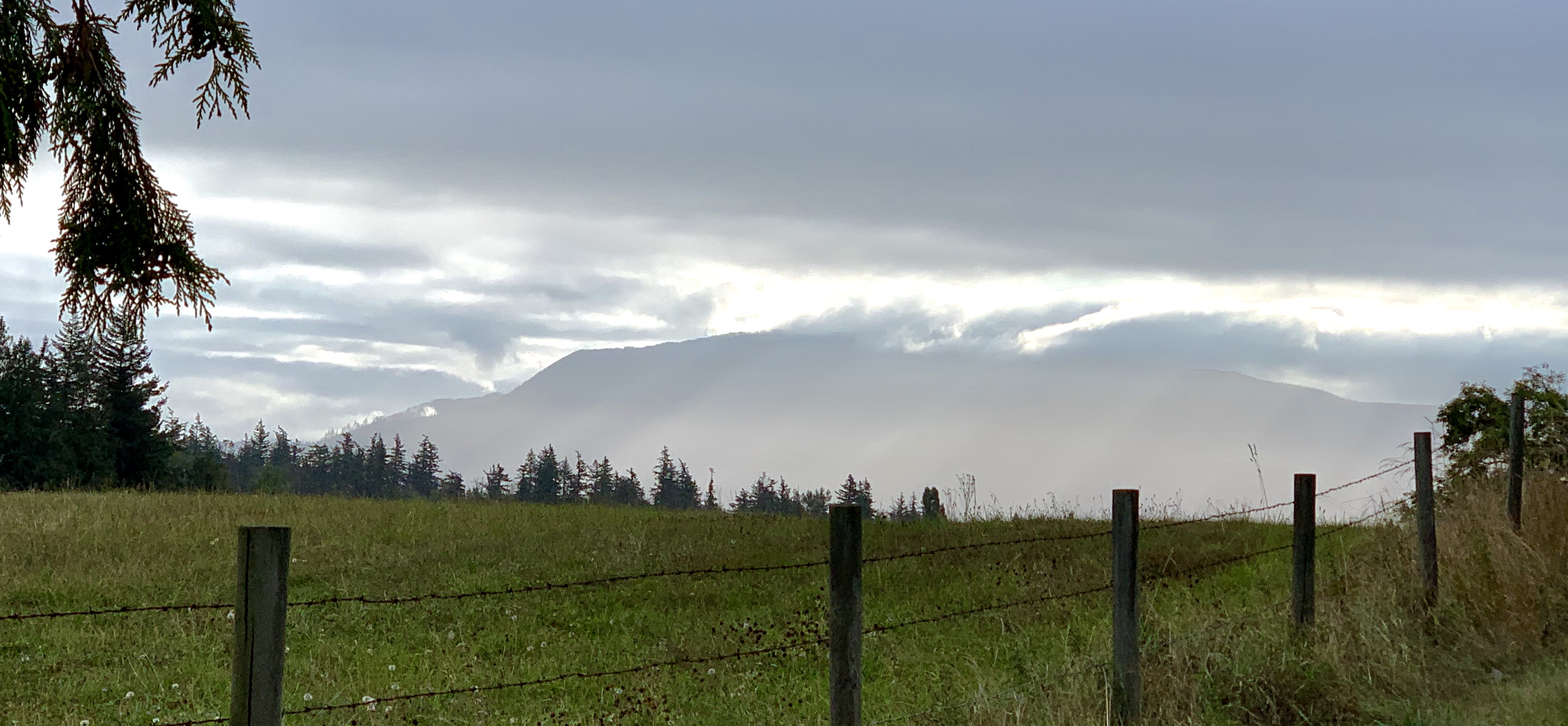
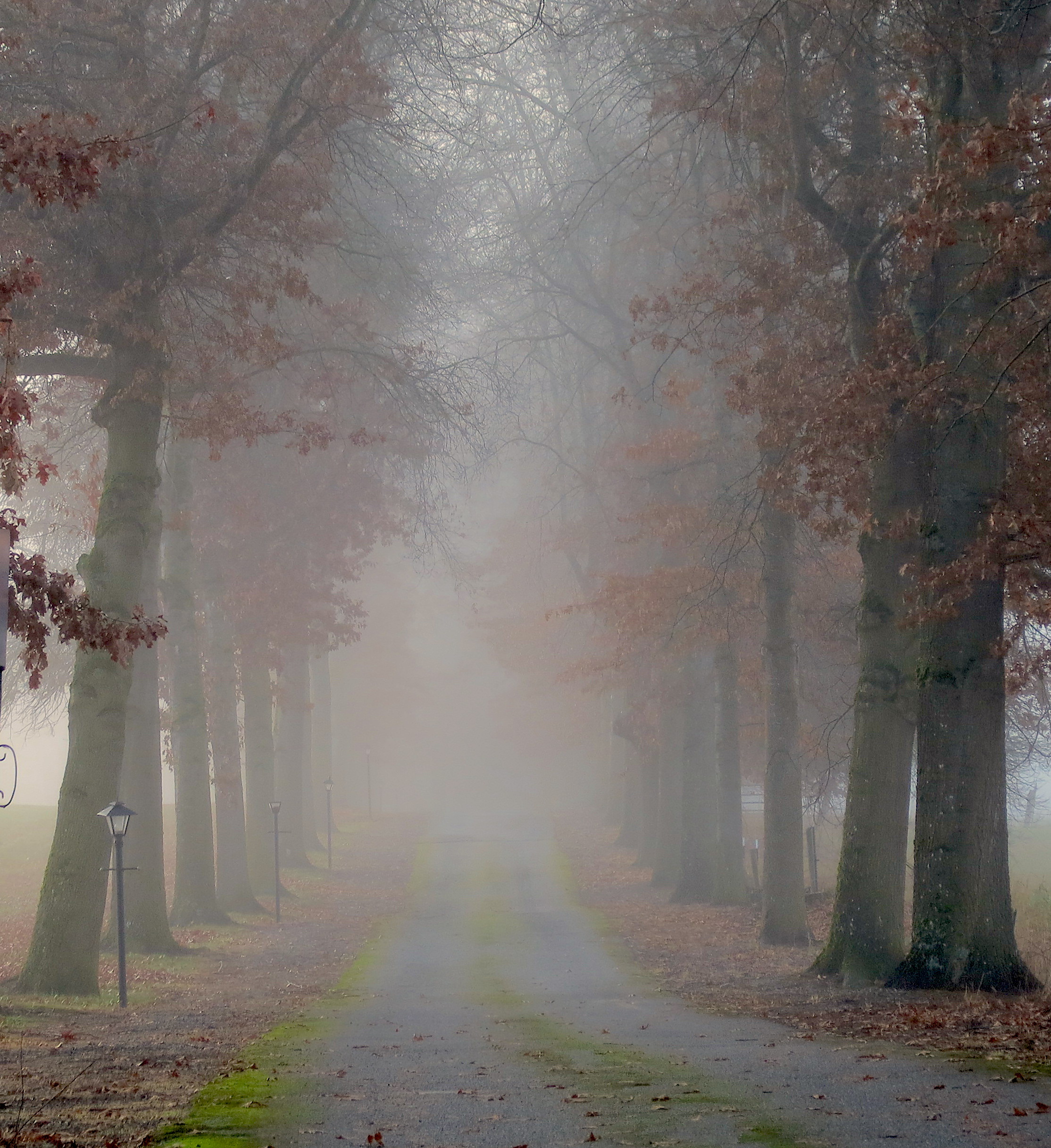
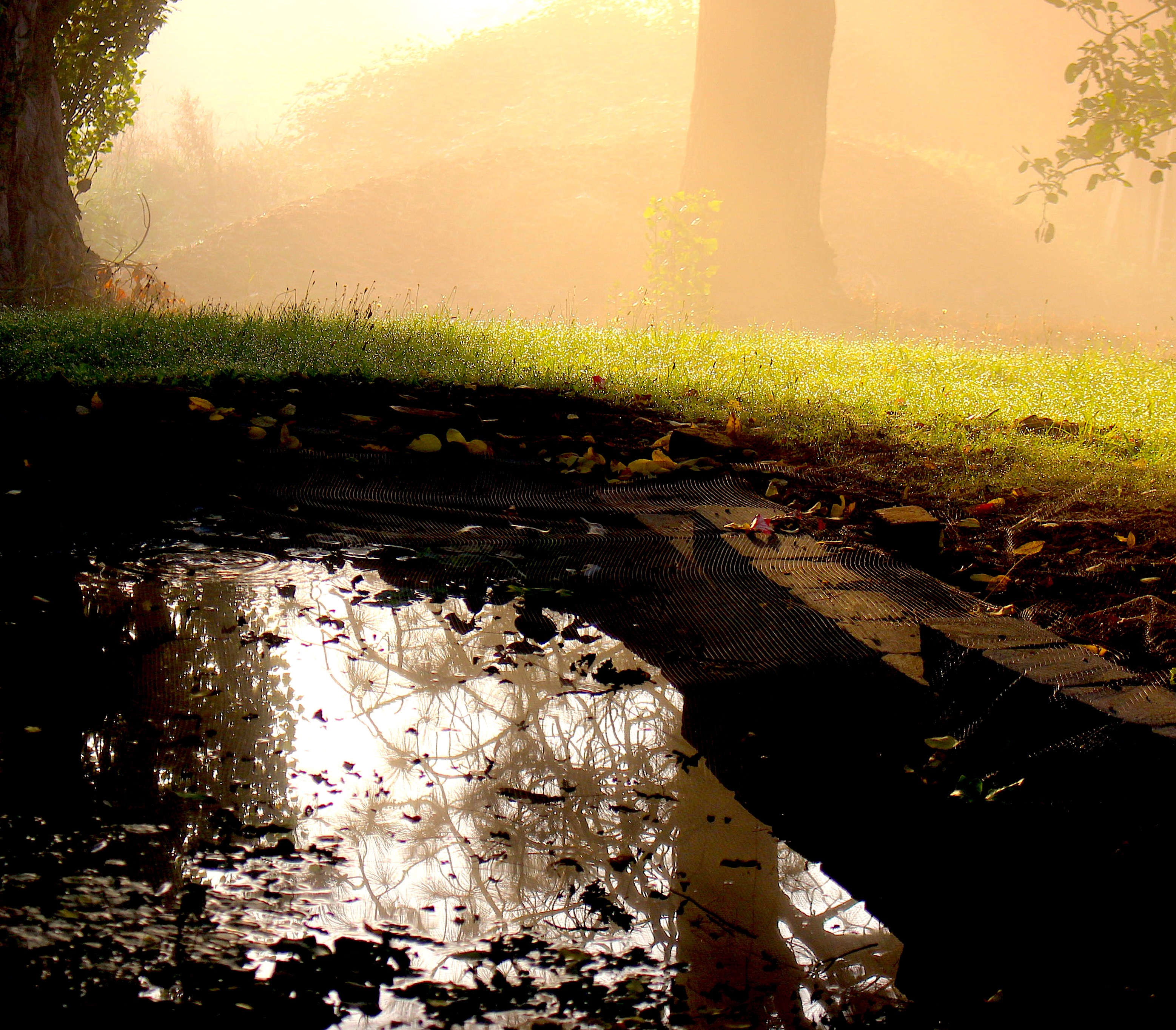
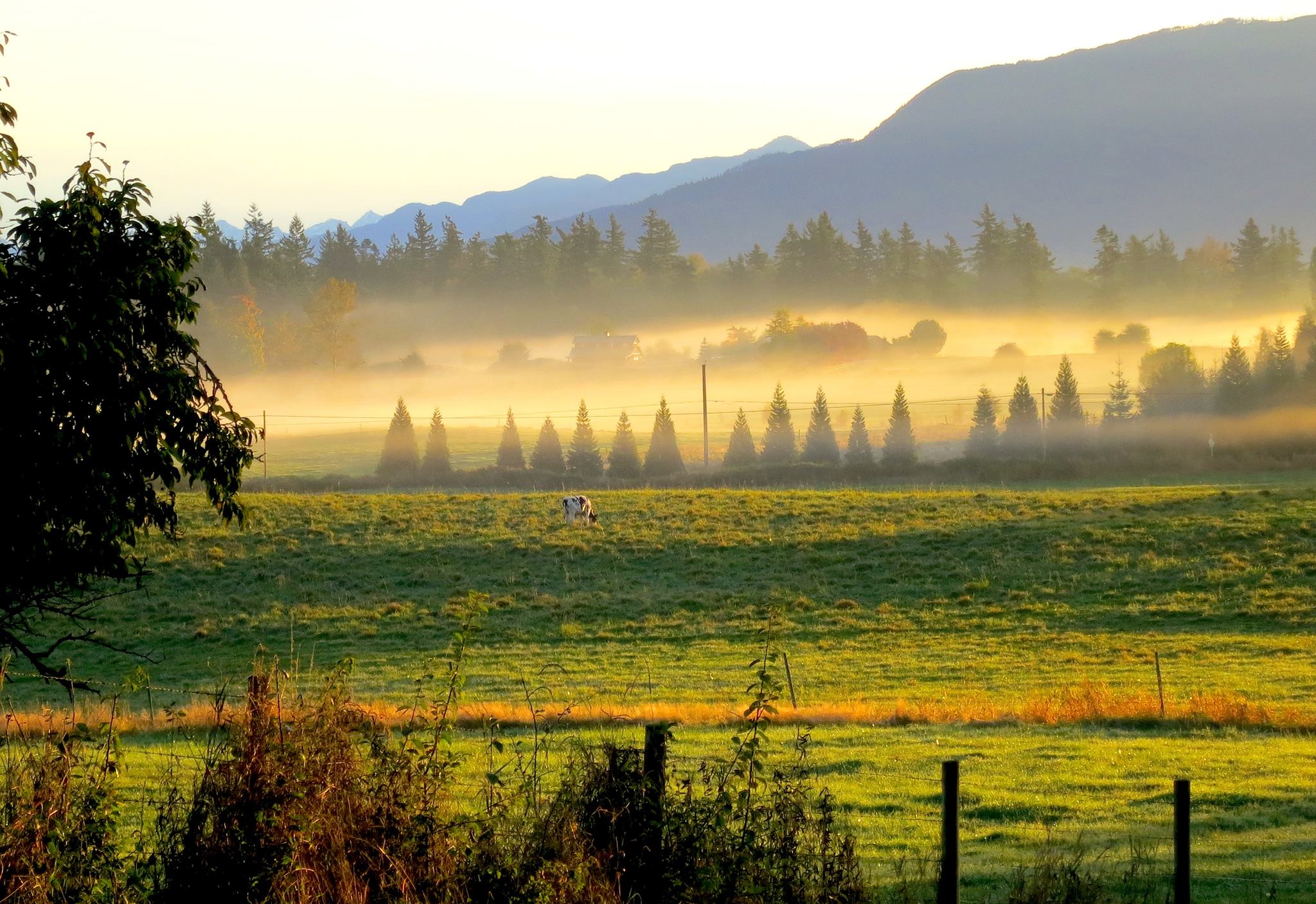
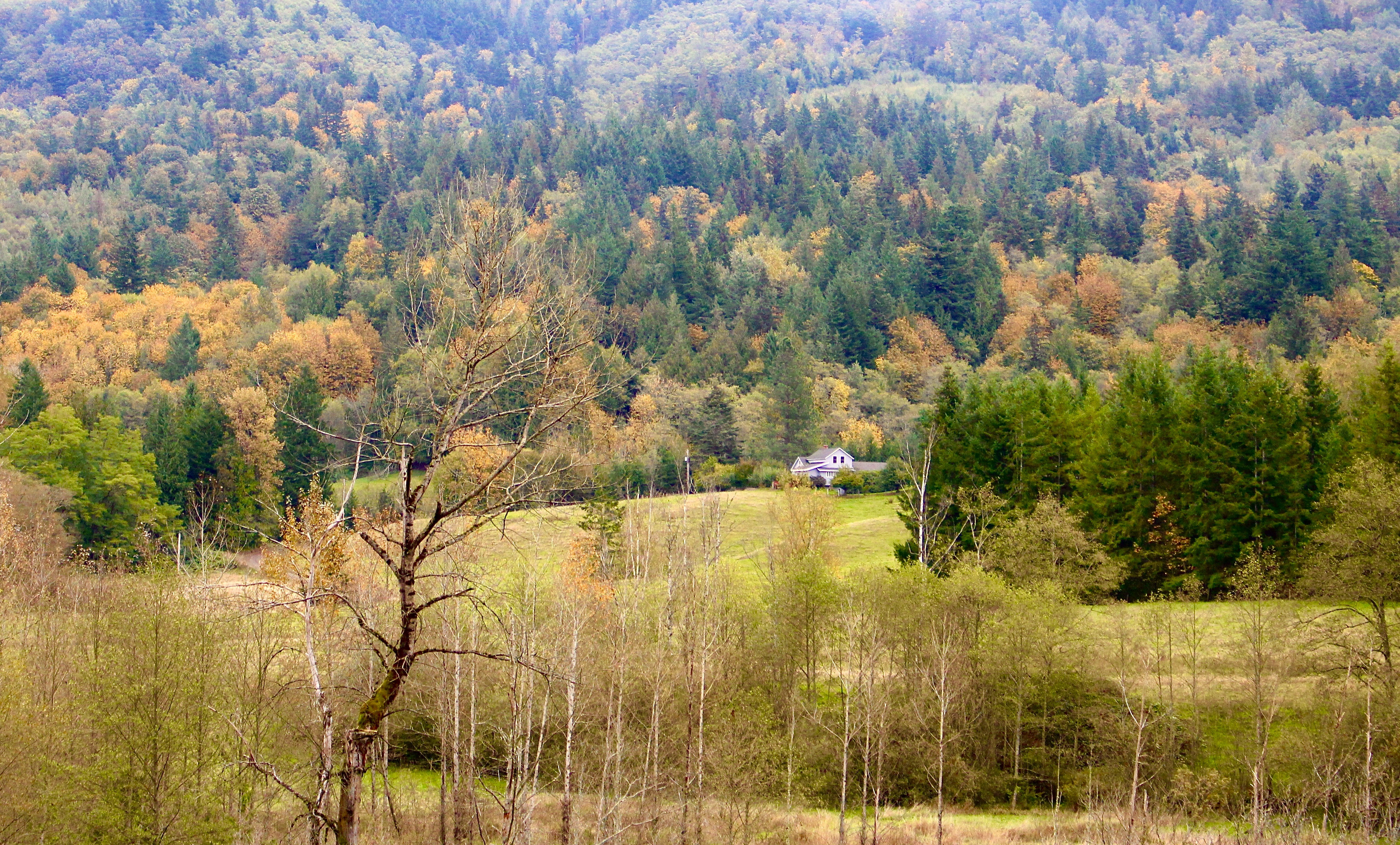
A fine rain was falling, and the landscape was that of autumn. The sky was hung with various shades of gray, and mists hovered about the distant mountains – a melancholy nature. The leaves were falling on all sides like the last illusions of youth under the tears of irremediable grief. Every landscape is, as it were, a state of the soul, and whoever penetrates into both is astonished to find how much likeness there is in each detail.” ~Henri Frederic Amiel from The Amiel Journal
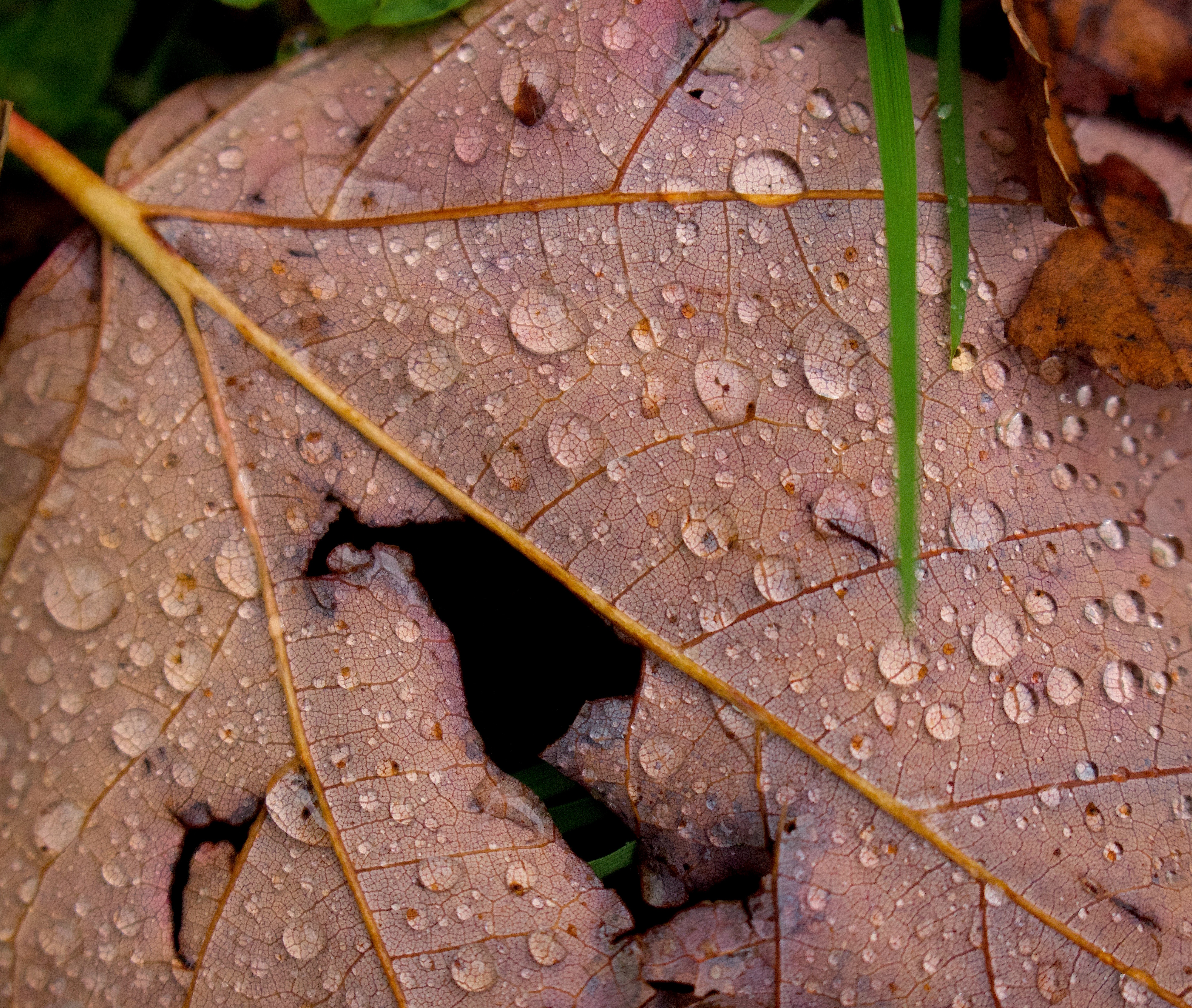
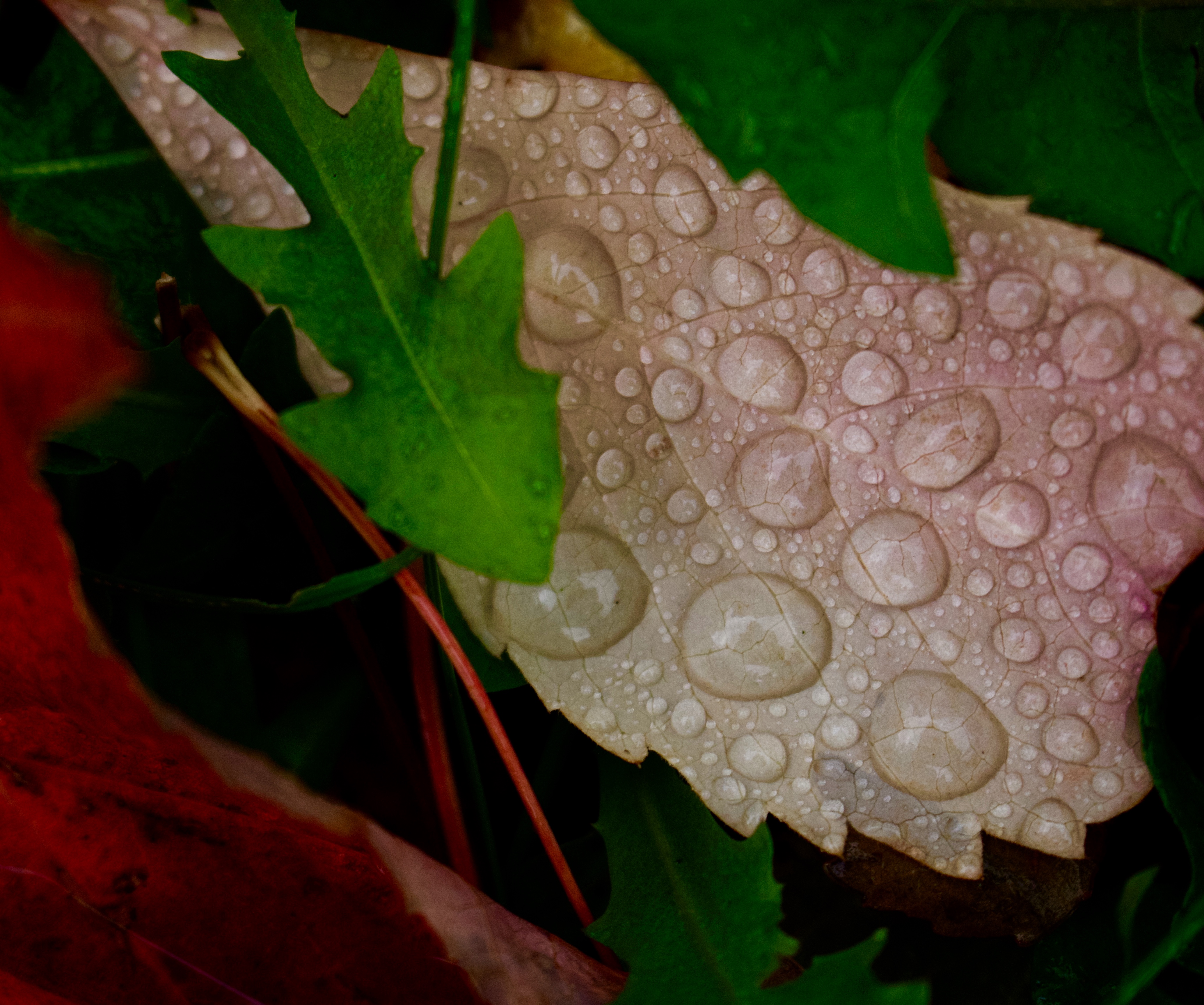
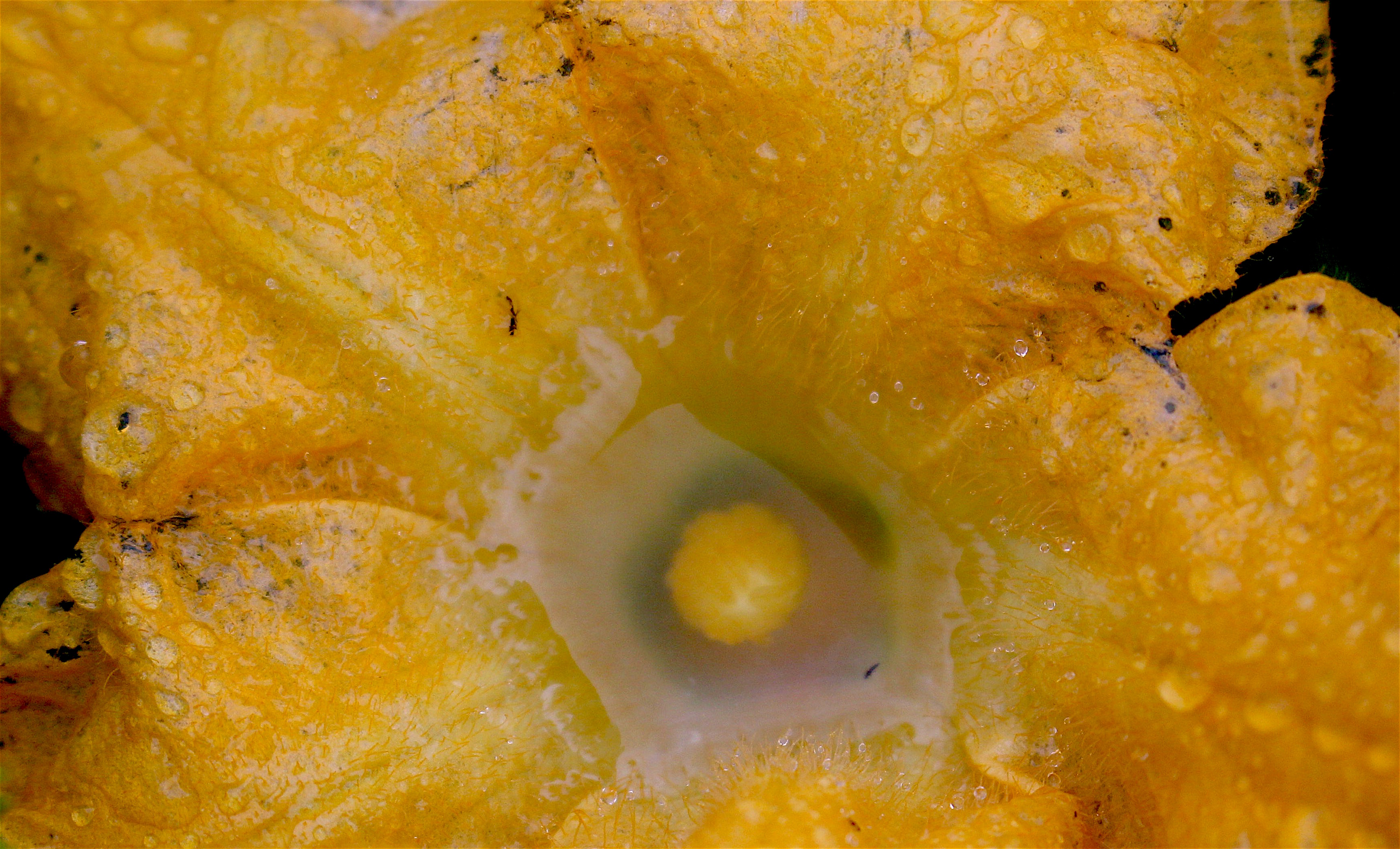
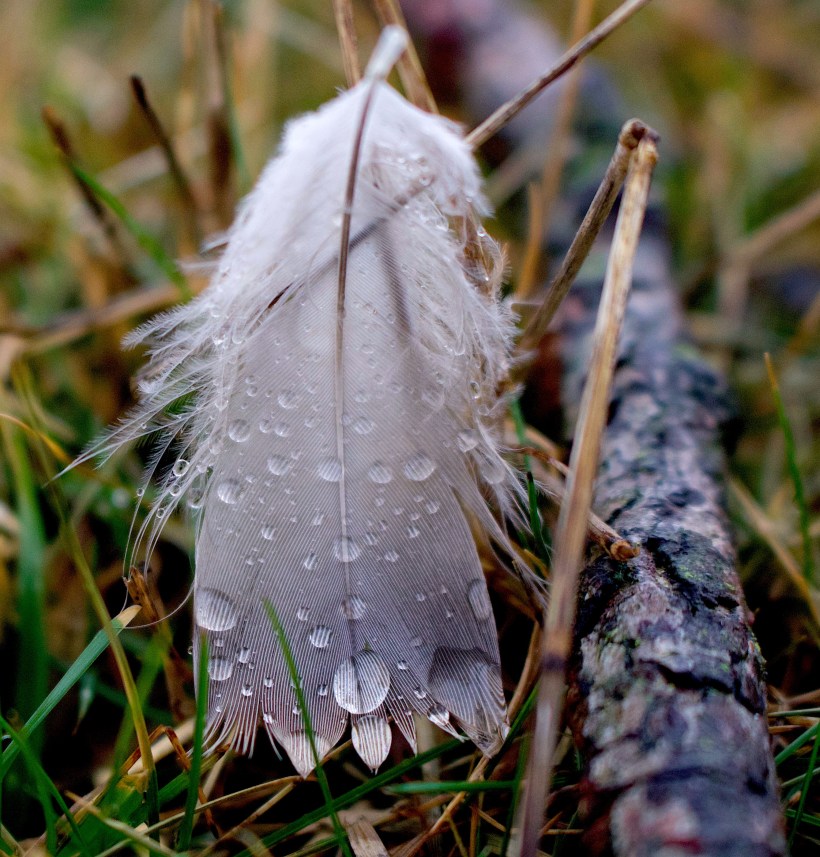
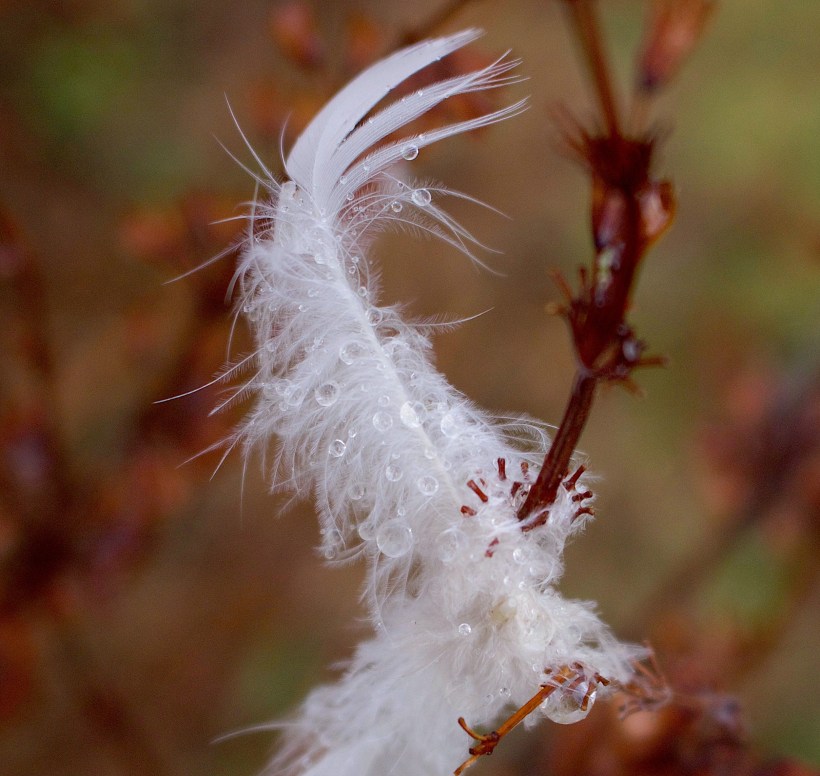
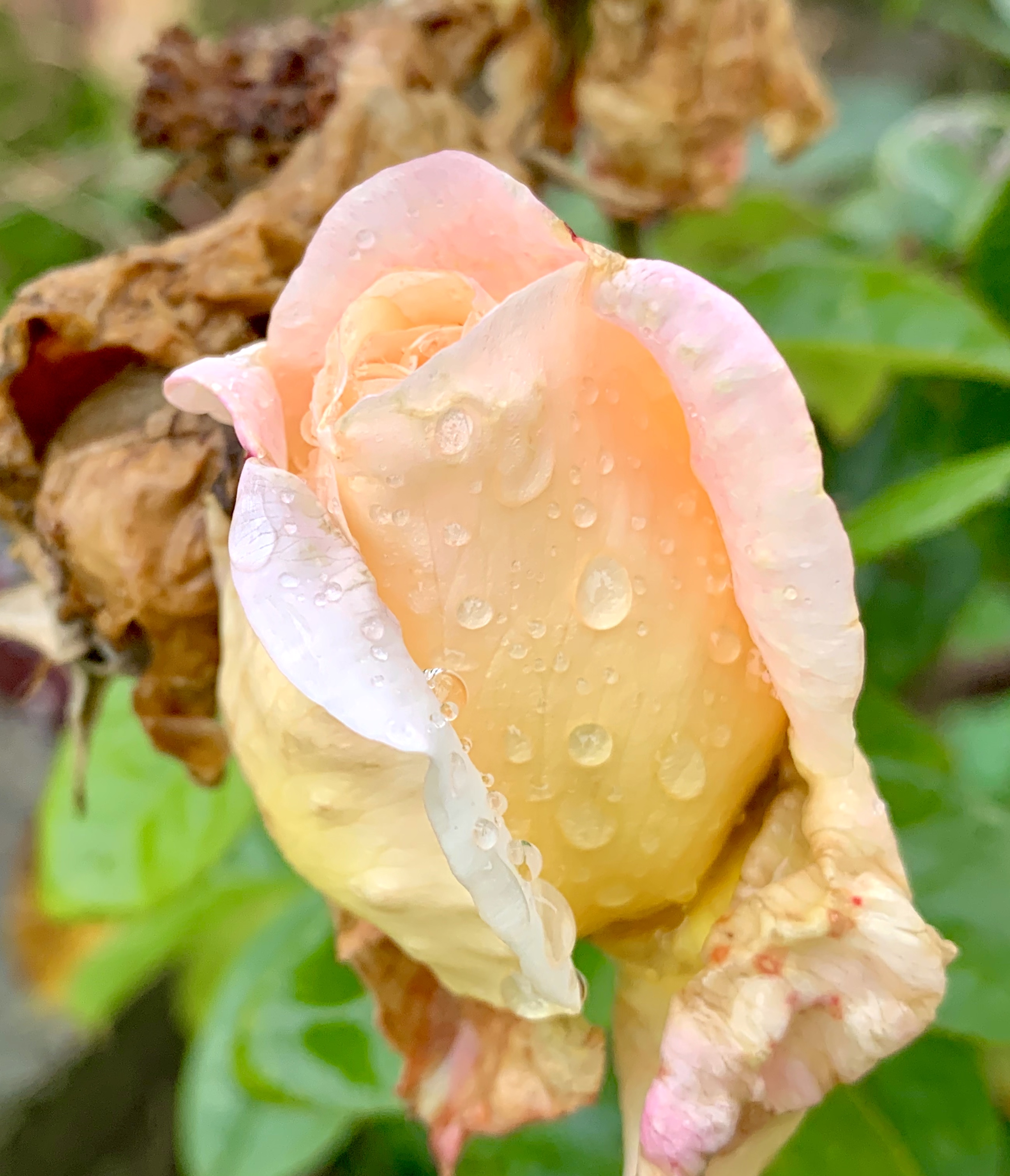
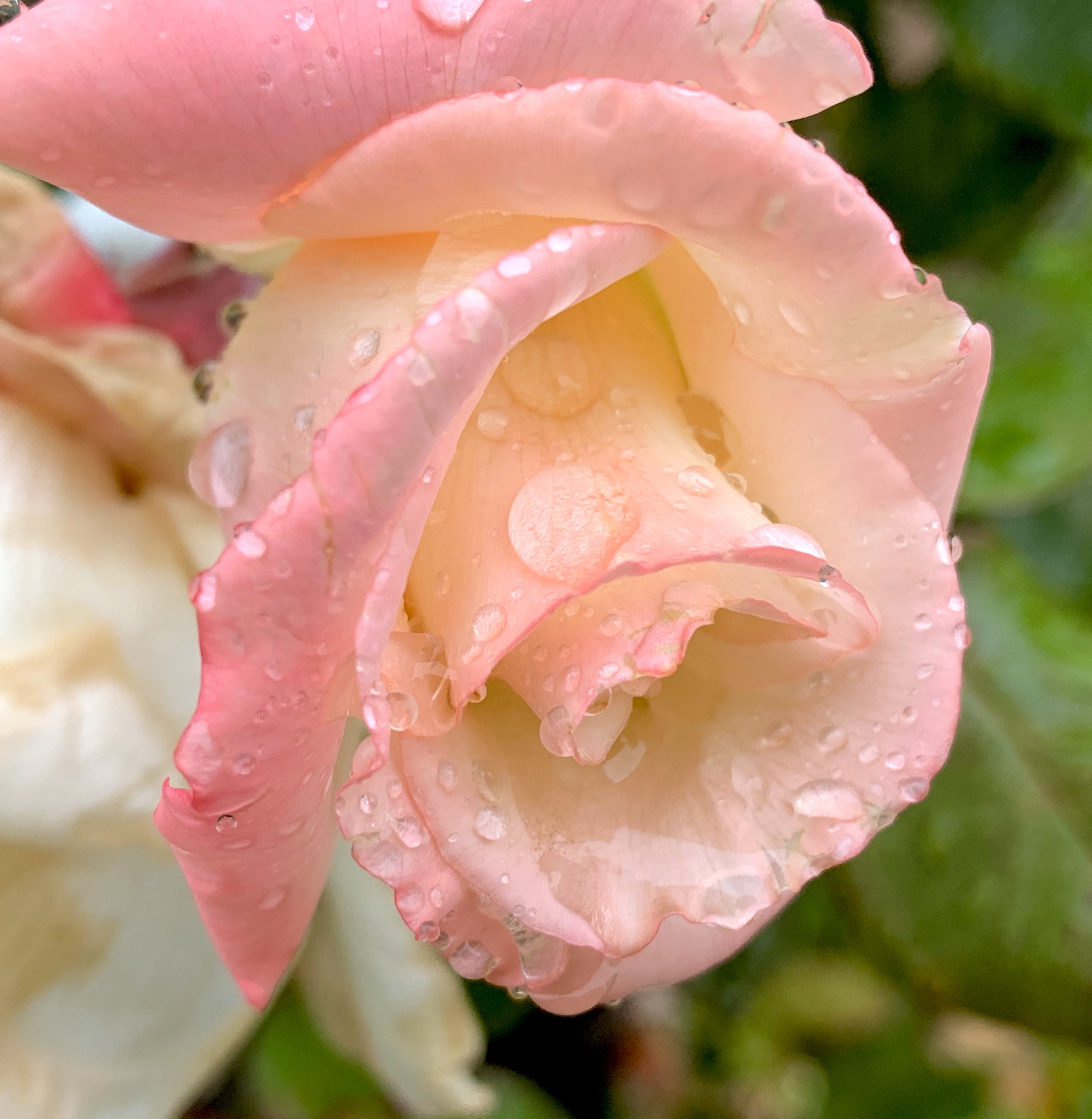
What is melancholy at first glance glistens bejeweled when studied up close.
It isn’t all sadness~ there is solace in knowing: the landscape and my soul share an inner world of tears.
If you appreciate reading Barnstorming daily, consider a contribution to keep it going ad-free.
Out through the fields and the woods And over the walls I have wended; I have climbed the hills of view And looked at the world, and descended; I have come by the highway home, And lo, it is ended.
The leaves are all dead on the ground, Save those that the oak is keeping To ravel them one by one And let them go scraping and creeping Out over the crusted snow, When others are sleeping.
And the dead leaves lie huddled and still, No longer blown hither and thither; The last lone aster is gone; The flowers of the witch hazel wither; The heart is still aching to seek, But the feet question ‘Whither?’
Ah, when to the heart of man Was it ever less than a treason To go with the drift of things, To yield with a grace to reason, And bow and accept the end Of a love or a season? ~Robert Frost “Reluctance”
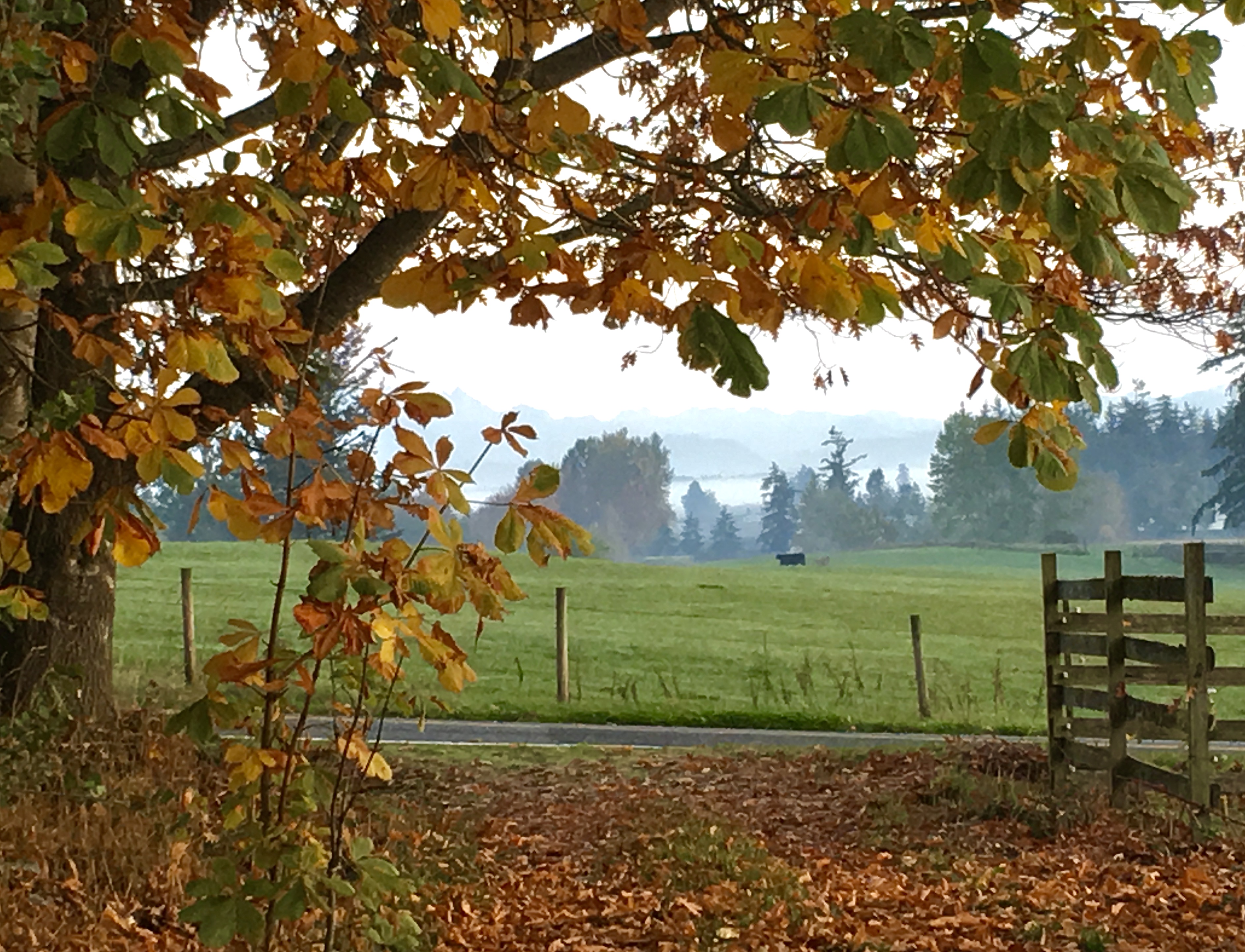
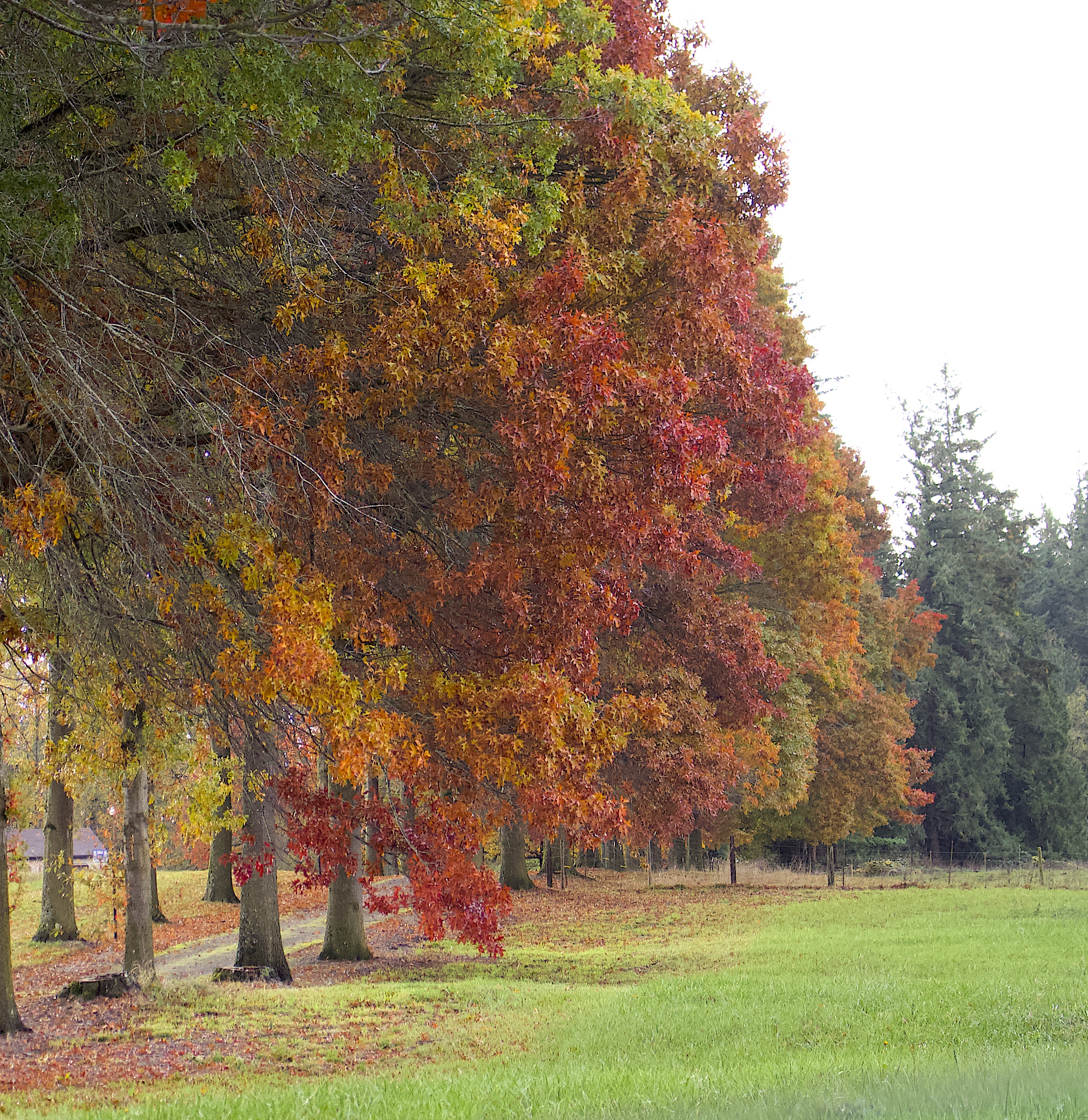
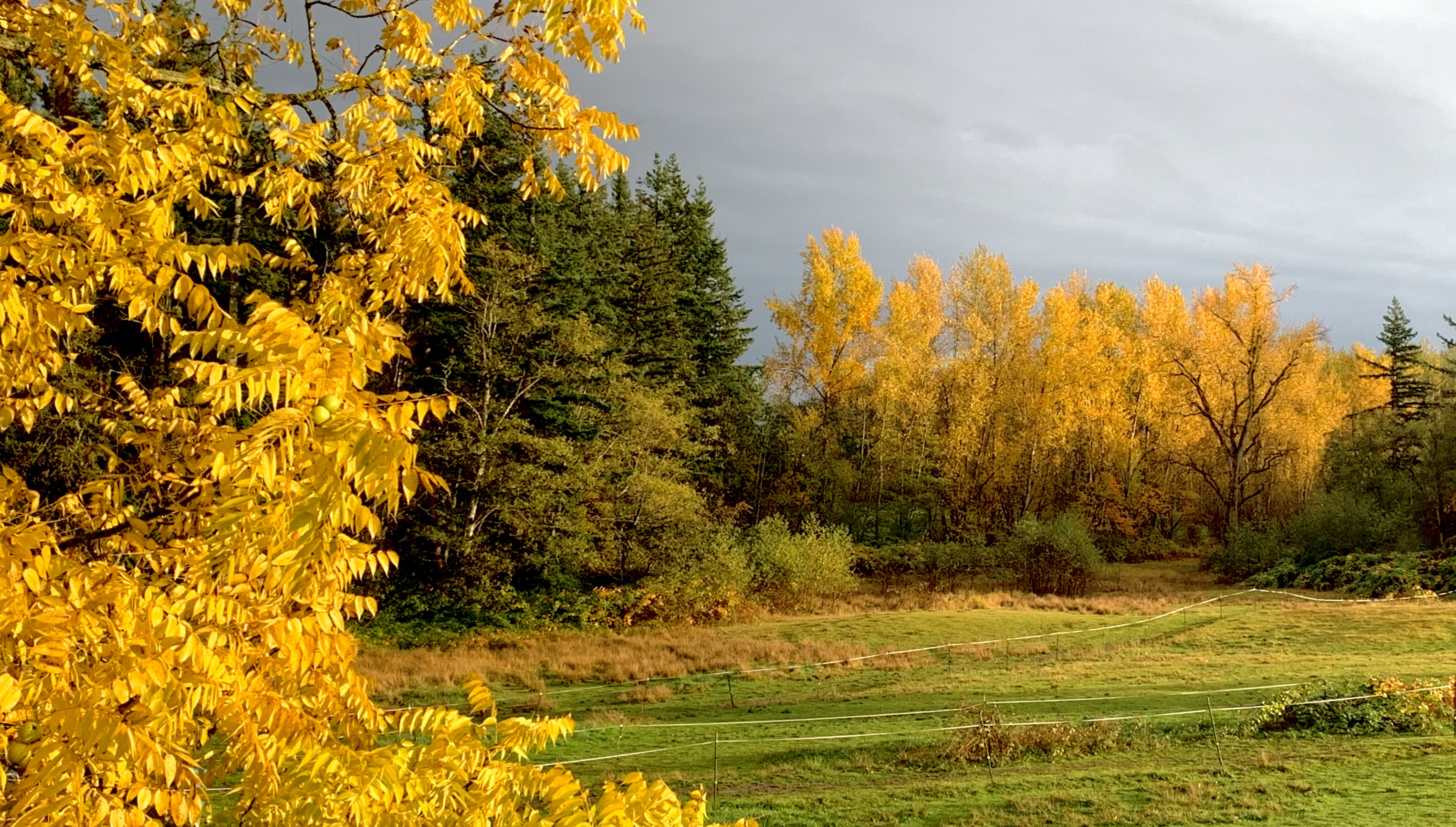
As I kick through piles of fallen leaves in the barnyard, I realize how close I am to becoming one of them. Within my own seasons, I have flourished and bloomed and fruited, but, with aging, am now reminded of my fading, withering and eventual letting go. I find I’m not nearly so bold anymore, instead trembling nervously when harsh winds blow me about.
I have come to question the stability of the stems, branches, trunk and roots I’ve always depended upon. Will they continue to nourish and sustain me?
Everything feels transitory — especially me.
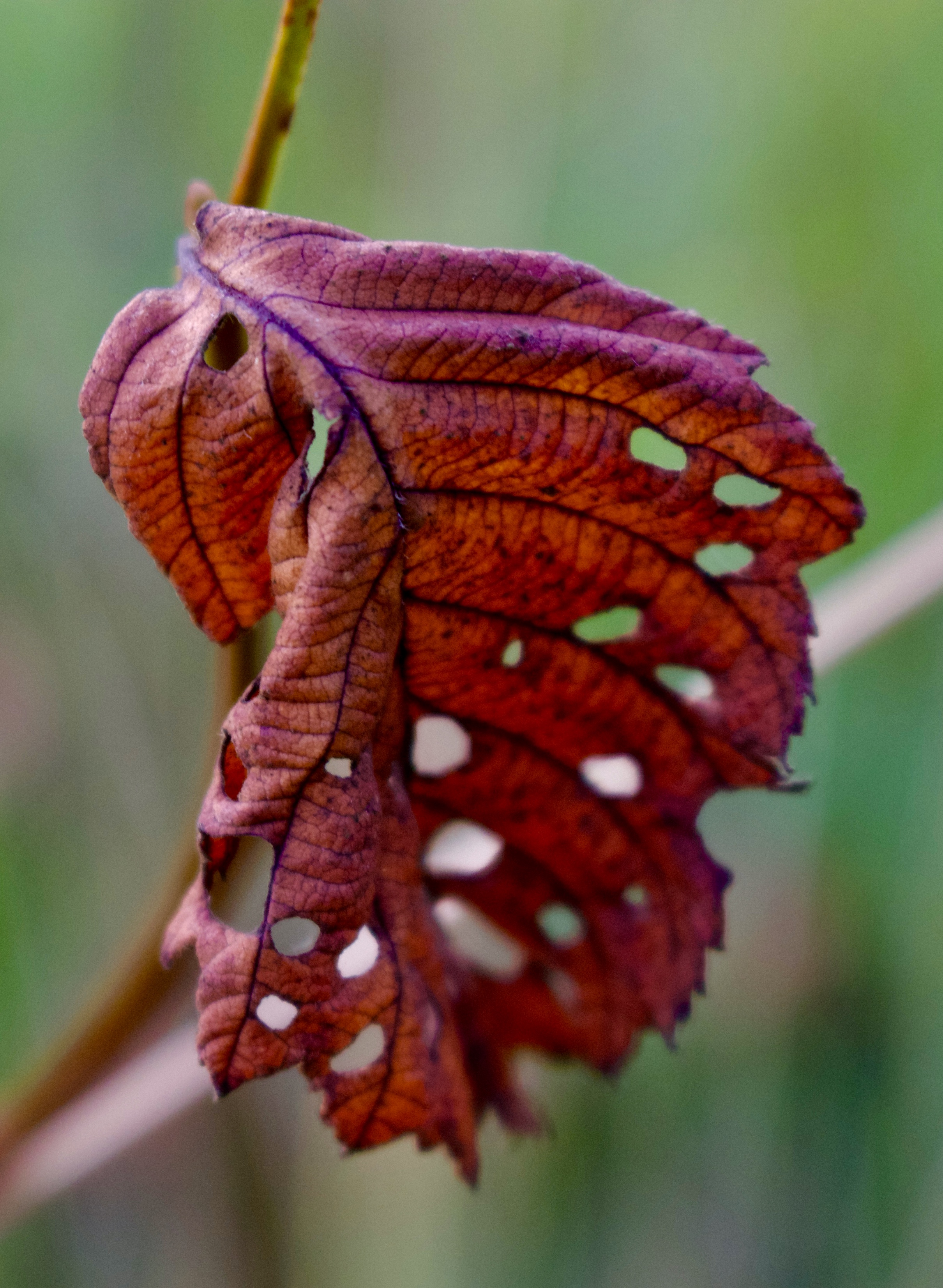
When these thoughts overwhelm, I tend to hang on tighter rather than simply giving up and letting go. My feet stumble when I try to do the same tasks I did so smoothly years ago. I am easily torn, broken and full of holes. No graceful bow from me; I’m stubbornly wanting things to stay the same, reluctant for a transition to something different.
My only solace is that the heart of man — indeed my own holey heart — is transient compared to the holy Heart of God. I am sustained by His steady Pulse, His ubiquitous Circulation, His impeccable Rhythm of Life and Death.
In that I trust. In that I come to abandon my stubborn reluctance.
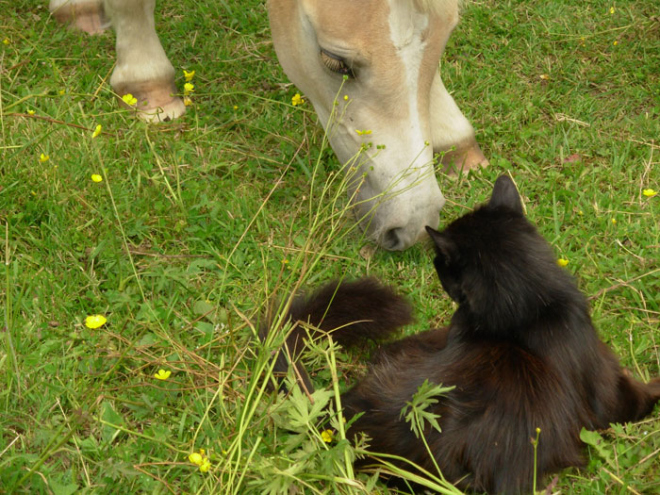
Chores at our farm are rarely routine since our batch of four male kittens were born 6 months ago. They were delivered unceremoniously in the corner of one of the horse stalls by their young mother whose spontaneous adoption we accepted a mere four weeks before, not realizing we were accepting five kitties, not just one.
They were born under a Haflinger’s nose, and amazingly survived the ordeal and managed to stay safe until the next day when we came in to clean and discovered them nicely warmed near a nice fresh pile of poop. What a birthing spot this mama had chosen. Thankfully Haflingers are tolerant about sharing their space as long as you don’t ask for a share of their food too…
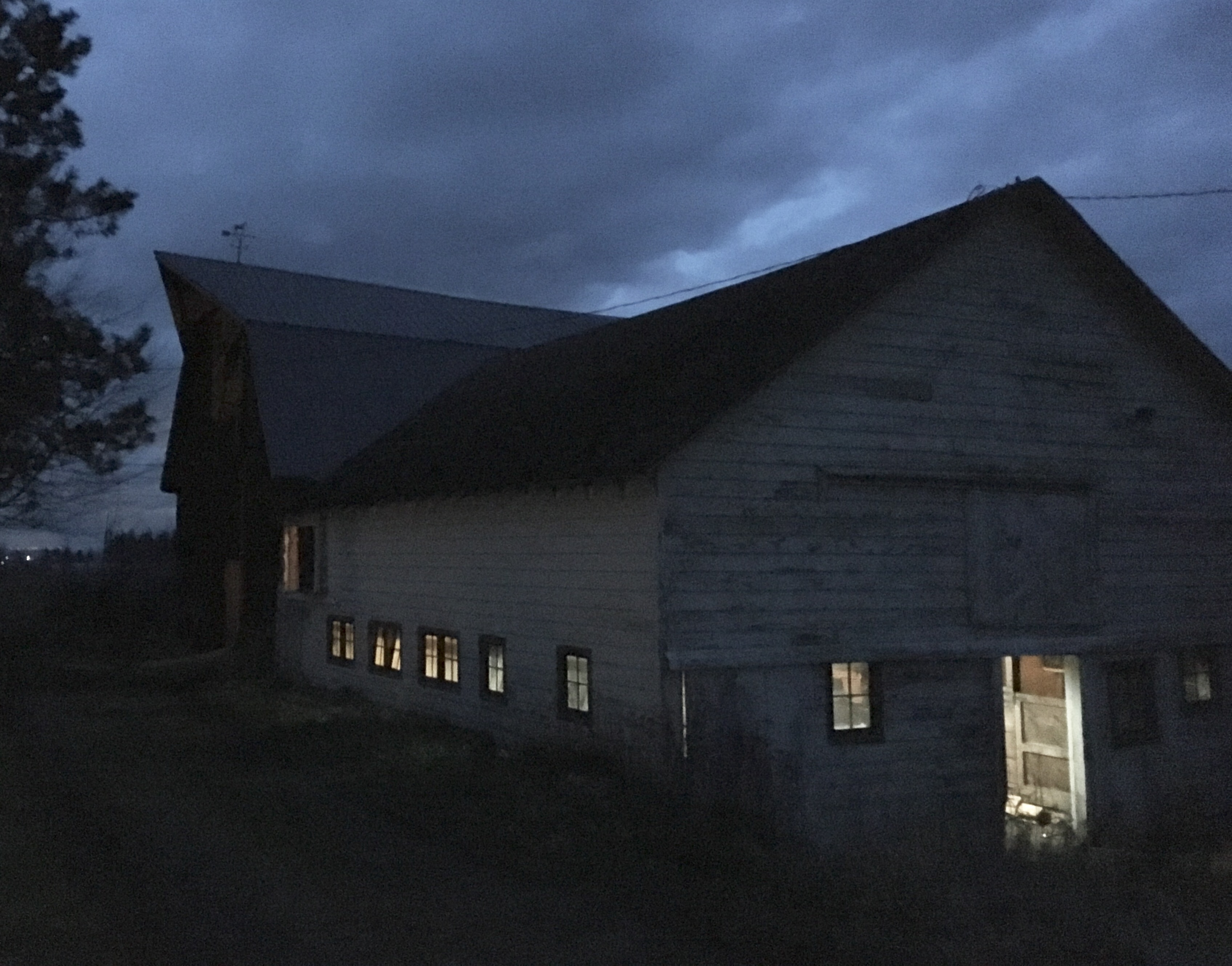
We moved them and mama to a safer spot in the barn, away from big Haflinger feet, and they thrived, getting more adventuresome by the week, until they are now in full adolescent glory, mock fighting with each other, scrambling up and down the hay bales, using the shavings as their personal litter box, doing rodent patrol, and most of all, strolling along the shelves that line the stalls, breathing in the Haflinger smell, and rubbing their fur up against Haflinger noses through the wire. They are best of friends with these ponies in the light of day, as after all they were born right in a Haflinger bed.
But at night it’s another story. Each evening as I come out to do chores after returning home from work, it is pitch dark and the Haflingers, out in their winter paddocks, must walk with me one by one back to their box stalls for the night. Only this is now far more of an adventure thanks to four cats who glory in stealth attacks in the dark, like mountain lions in the shadows, waiting for their prey to pass by.
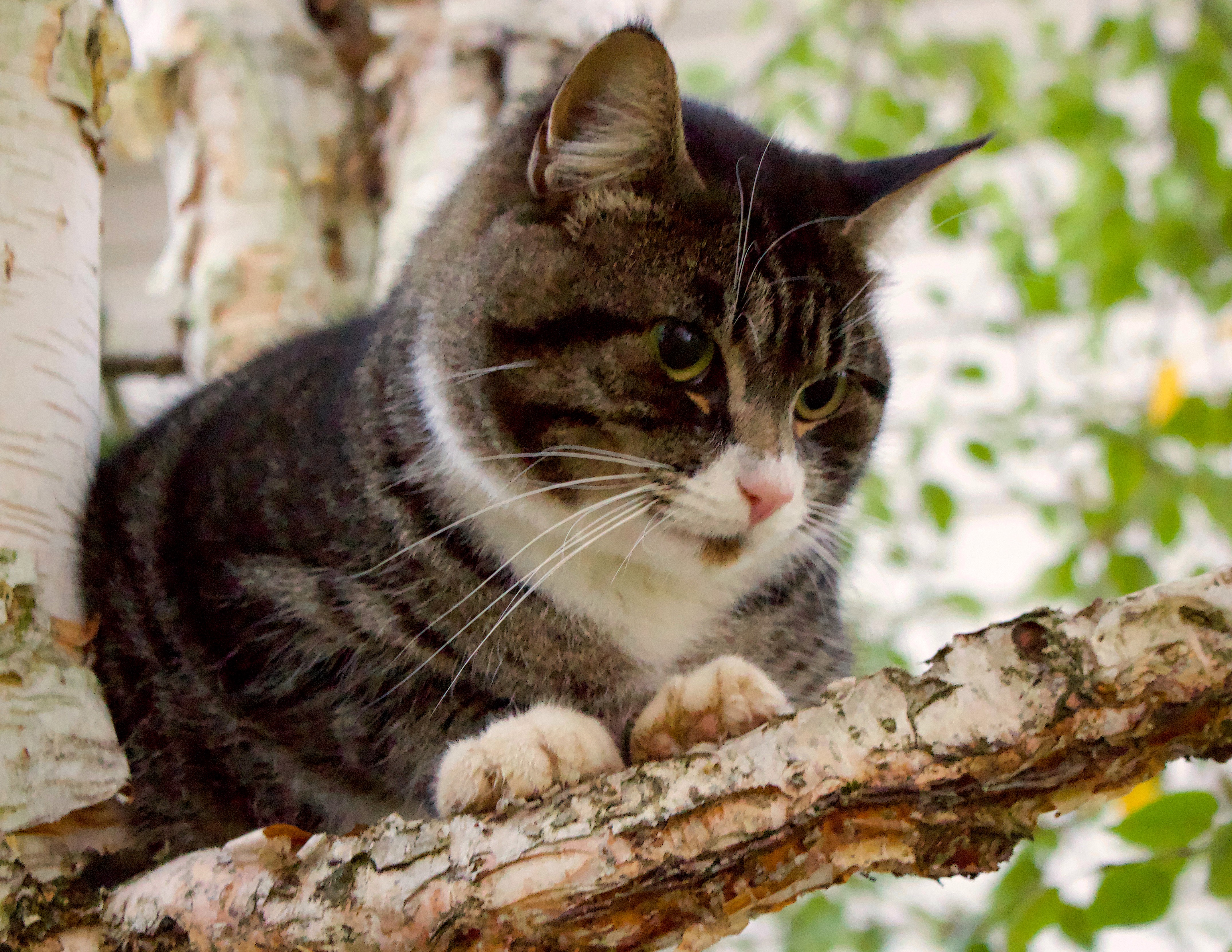
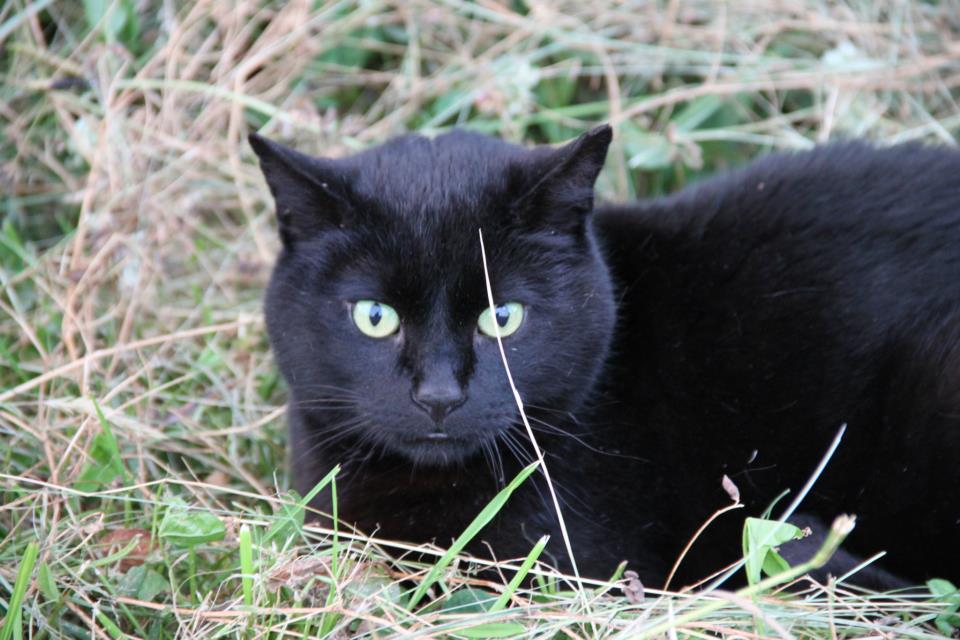
These four rascals are two tabbies, one black and one gray, all four perfectly suited to be camouflaged in the northwest dim misty fall evenings along a barely lit pathway between paddocks and barn. They flatten themselves tight on the ground, just inches from where our feet will pass, and suddenly, they spring into the air as we approach, just looking for a reaction from either the horse or myself. It never fails to unnerve me, as I’m always anticipating and fearing the horse’s response to a surprise cat attack. Interestingly, the Haflingers, used to kitten antics all night long in the barn, are completely bored by the whole show, but when the tension from me as I tighten on the lead rope comes through to them, their head goes up and they sense there must be something to fear. Then the dancing on the lead rope begins, only because I’m the one with the fear transmitted like an electric current to the Haflinger. We do this four times along the path to the barn as four kittens lay in wait, one after another, just to torment me. By the end of bringing in eight horses, I’m done in by my own case of nerves.
You’d think I’d learn to stop fearing, and start laughing at these pranksters. They are hilarious in their hiding places, their attempts to “guard” the barn door from intruders, their occasional miscalculations that land them right in front of a hoof about to hit the ground. Why I haven’t had at least one squished kitten by now is beyond my comprehension. Yet they survive to torment me and delight me yet another night. I cuddle them after the horses are all put away, flopping them on their backs in my arms, and tickling their tummies and scolding them for their contribution to my increasingly gray hair.
I’m a slow learner. These are like so many of my little daily fears, which seem to hide, blended in to the surroundings of my daily life, ready to spring at me without warning, looking like much bigger scarier things than they really are. I’m a highly skilled catastrophizer in the best of circumstances, and if I have a kitten sized worry, it becomes a mountain lion sized melodrama in no time. Only because I allow it to become so.
Stepping back, taking a deep breath, if I learn to laugh at the small stuff, then it won’t become a “cat”astrophe, now will it? If I can grab those fears, turn them over on their back and tickle their tummies until they purr, then I’m the one enjoying a good time.
I’ll try that the next time I feel that old familiar sensation of “what if?” making my muscles tense and my step quicken. I just might tolerate that walk in the dark a little better, whether it is the scary plane flight, the worry over a loved one’s health, the state of the economy, where the next terrorist will strike, or the uncertainty of what tomorrow might bring.
I’ll know that behind that mountain lion is a soft loving purring fur ball, granting me relief from the mundane, for which I’m extremely grateful. Life is always an adventure, even if it is just a stroll down a barn lane in the dark wondering what might come at me next on the path.
Gratitude as a discipline involves a conscious choice. I can choose to be grateful even when my emotions and feelings are still steeped in hurt and resentment. It is amazing how many occasions present themselves in which I can choose gratitude instead of a complaint. I can choose to be grateful when I am criticized, even when my heart still responds in bitterness. I can choose to speak about goodness and beauty, even when my inner eye still looks for someone to accuse or something to call ugly. ~ Henri Nouwen
When the slings and arrows are directly aimed at me, hit their mark and open a wound, I can choose to pick at the scab, maybe even cause it to get infected and make the scar worse, or I can marvel I’m still standing, still capable of doing what I do best, and able to fully heal.
I see beauty in recovery and becoming whole again. I see goodness in those who come alongside even if it means they become a target along with me.
Even when my heart bleeds from its inflicted wounds, I choose forgiveness arising from grace and gratitude. I hope I too will be forgiven for any wounds I inflict.
All becomes grace, the gift that never stops giving.
I want to be like water, go low where there is least resistance, loll in the vestibules of leaks, the flaws of casks, painlessly pool around rocks, unworried about which part of me splits off. I want to flow, drop by drop, with crown-shaped splatters, hang like a spangled globule on the oily feather of a bird, jewel-like in the sun, or be flung
in diamond-crested shakes by a wet dog. Let me be of a piece, the shape of shape- lessness, like my airy partner, the fog. Let me forget I’m caught in the trap of a body, that abyss of bone and blood inside my skin where I founder, drowning. ~Enid Shomer, “Shoreless” from This Close To the Earth
I’m of an age where I try not to look at my shape in the mirror too often. My reflection reminds me too much of the ravages of time and faltering self-discipline. The old gray mare ain’t what she used to be.
I was a skinny kid, so much so that my mother despaired of ever “fattening me up” with visits to the doctor and recommendations of high calorie supplements to add “meat to my bones.” I didn’t mind this plumping up at all, having been teased mercilessly at grade school that I was “Polebean Polis”. My overweight grandmother just shook her head at my mother and told me more than once about how skinny she was too as a kid and “look at me now.”
Grandma was right, particularly considering the challenges of post-childbirth and post-menopause. It takes lots of effort to keep from becoming “shapeless” when everything conspires to loosen, round out, sag, wrinkle and droop.
I like the thought that my shape is softened by the “fog” and water of time passing. I may not have the silhouette I used to have, or the firmness of muscle, nor can you easily count my ribs, but this is no trap I inhabit. It is merely temporary housing.
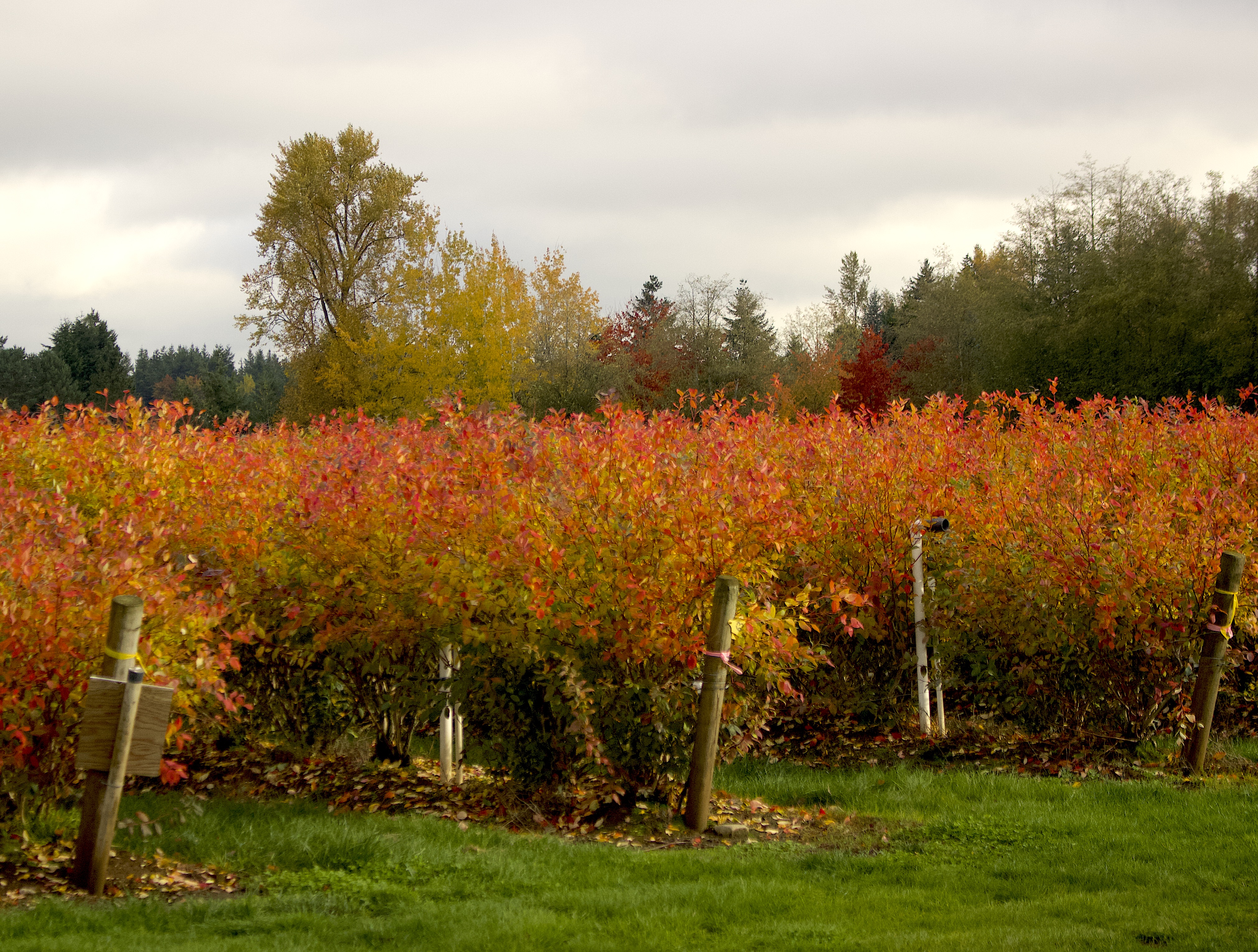
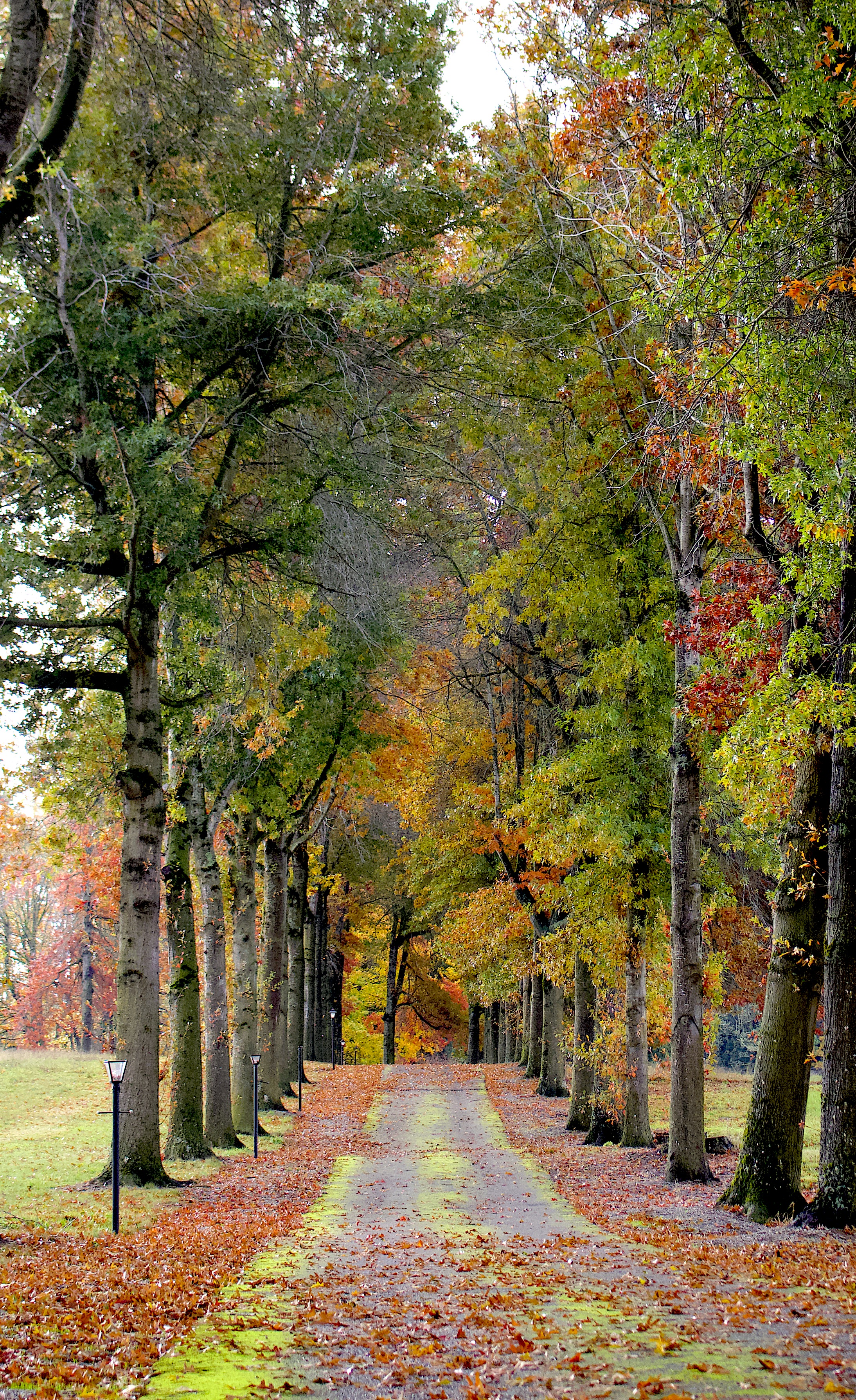
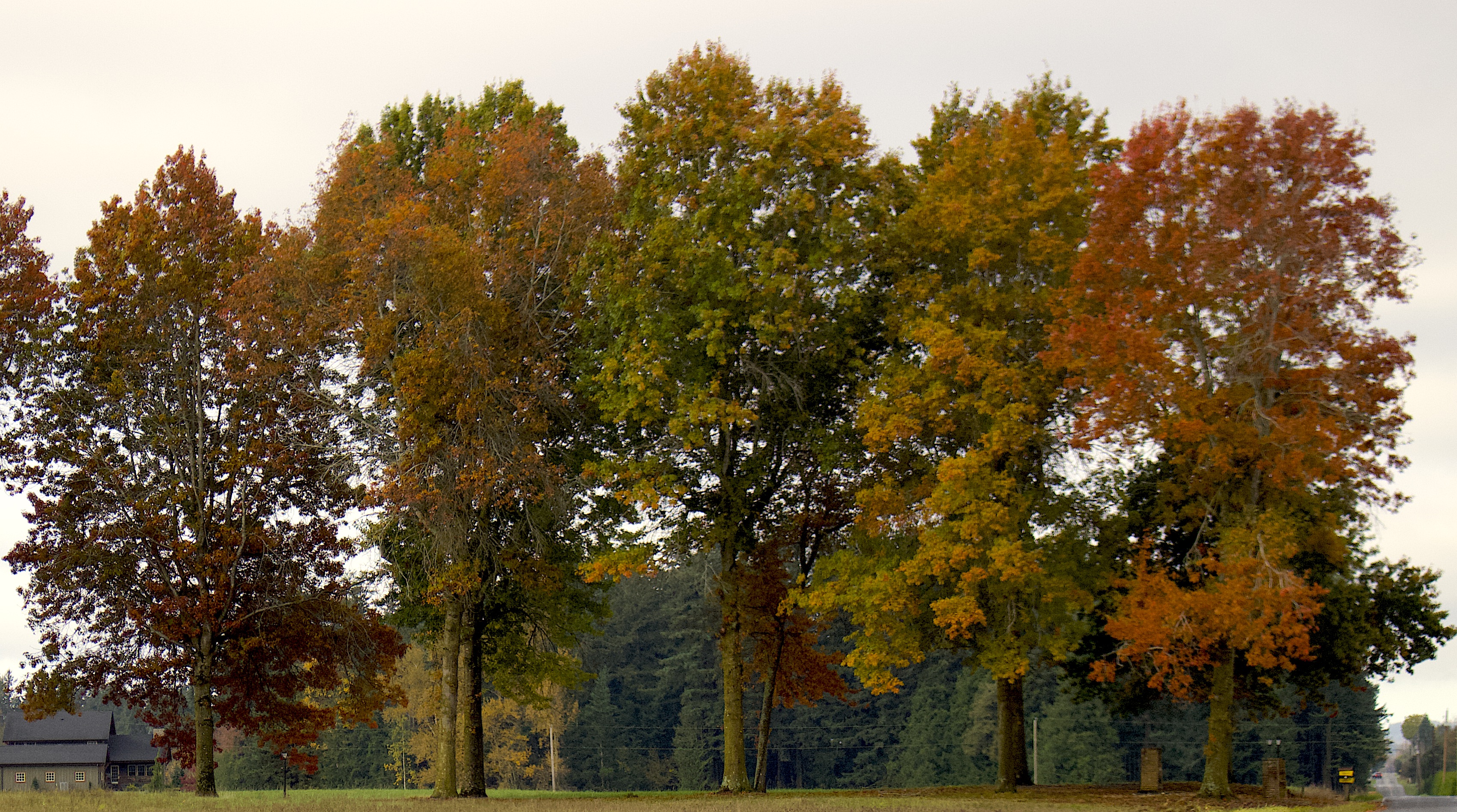
Autumn in my part of the world is a season of bounty and beauty. It’s also a season of steady decline—and, for some of us, a slow slide into melancholy. The days become shorter and colder, the trees shed their glory, and summer’s abundance starts to decay toward winter’s death.
I’m a professional melancholic, and for years my delight in the autumn color show quickly morphed into sadness as I watched the beauty die. Focused on the browning of summer’s green growth, I allowed the prospect of death to eclipse all that’s life-giving about fall and its sensuous delights.
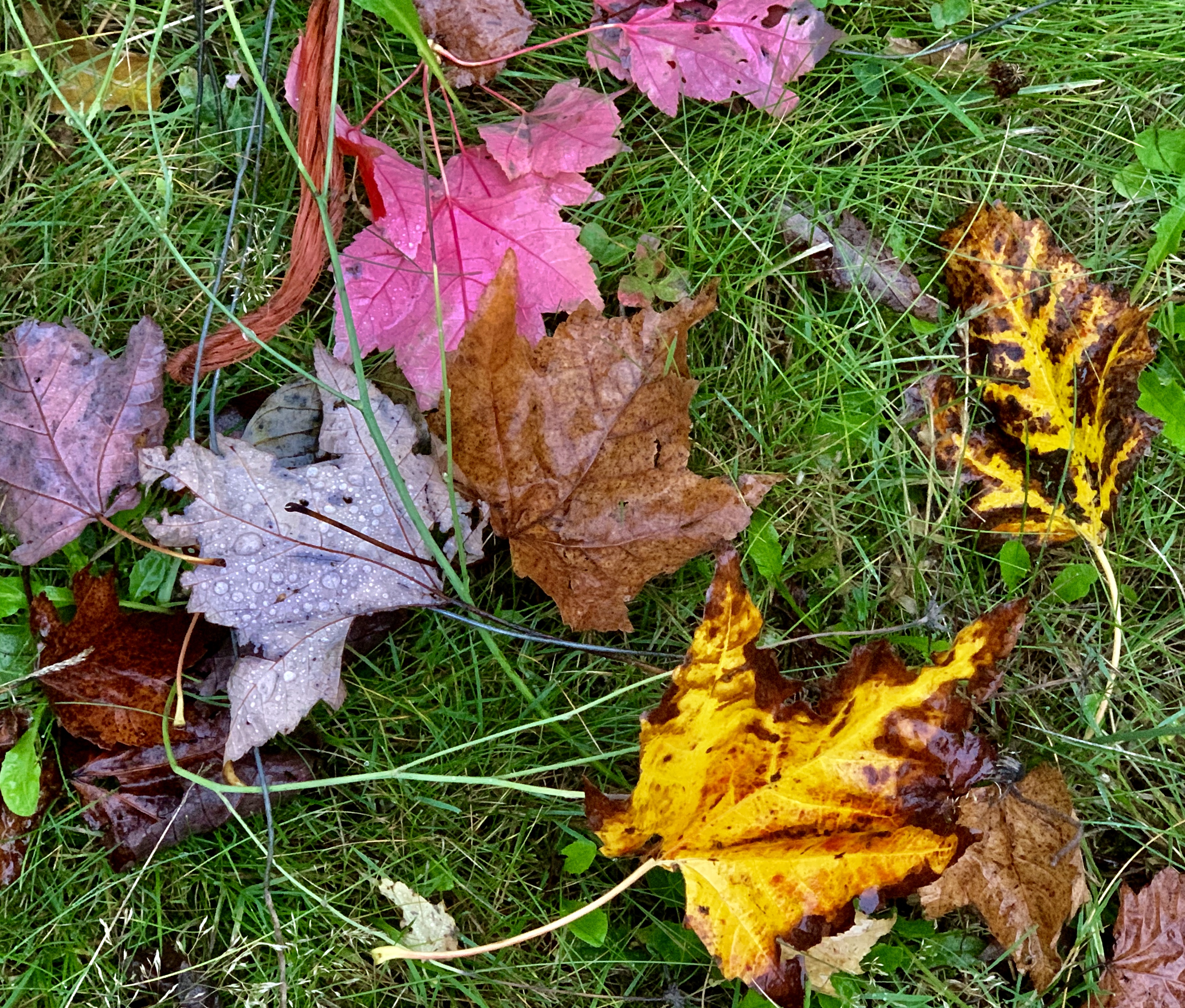
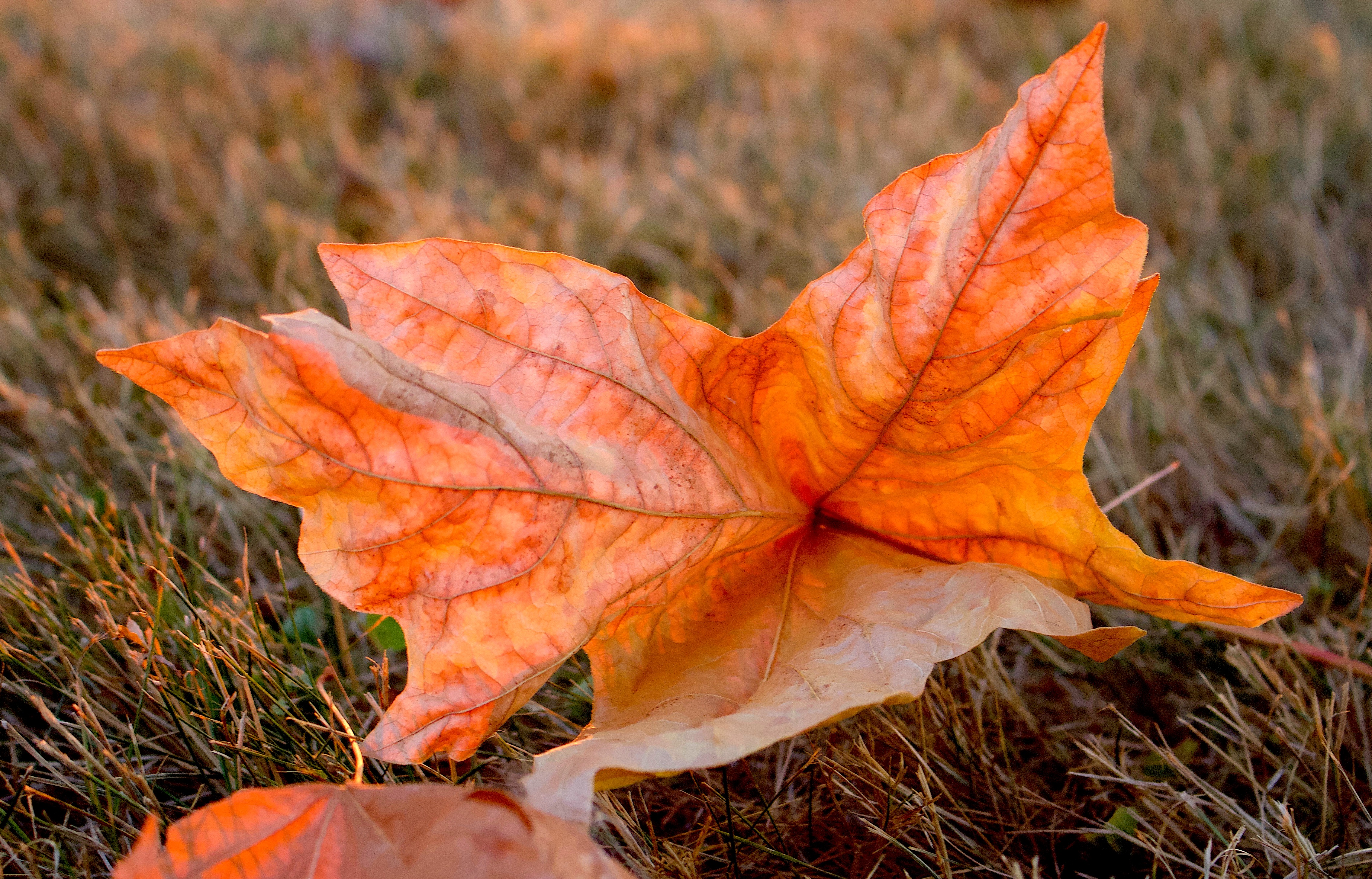
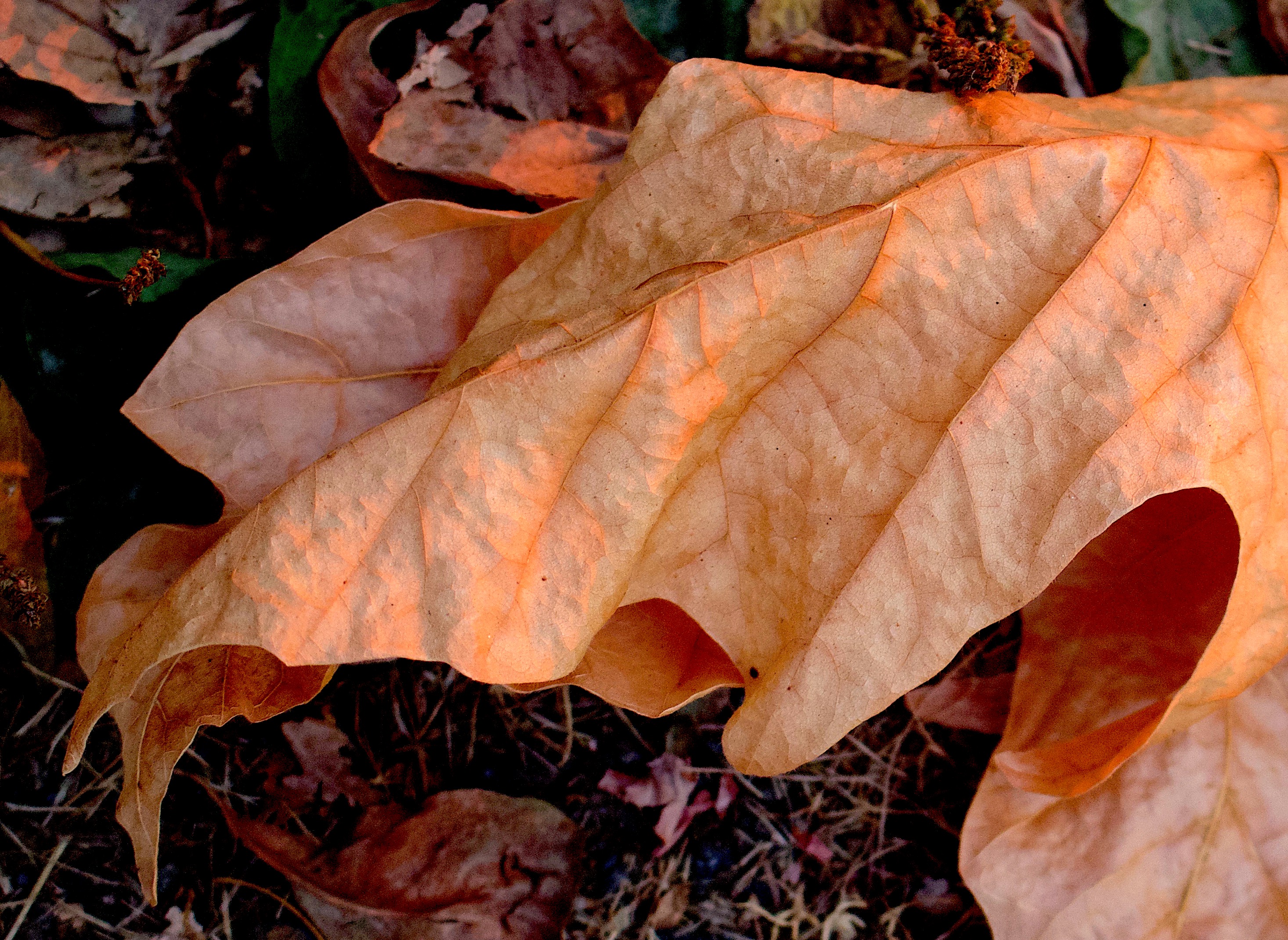
Then I began to understand a simple fact: All the “falling” that’s going on out there is full of promise. Seeds are being planted and leaves are being composted as Earth prepares for yet another uprising of green. ~ Parker J. Palmer from On the Brink of Everything: Grace, Gravity, and Getting Old
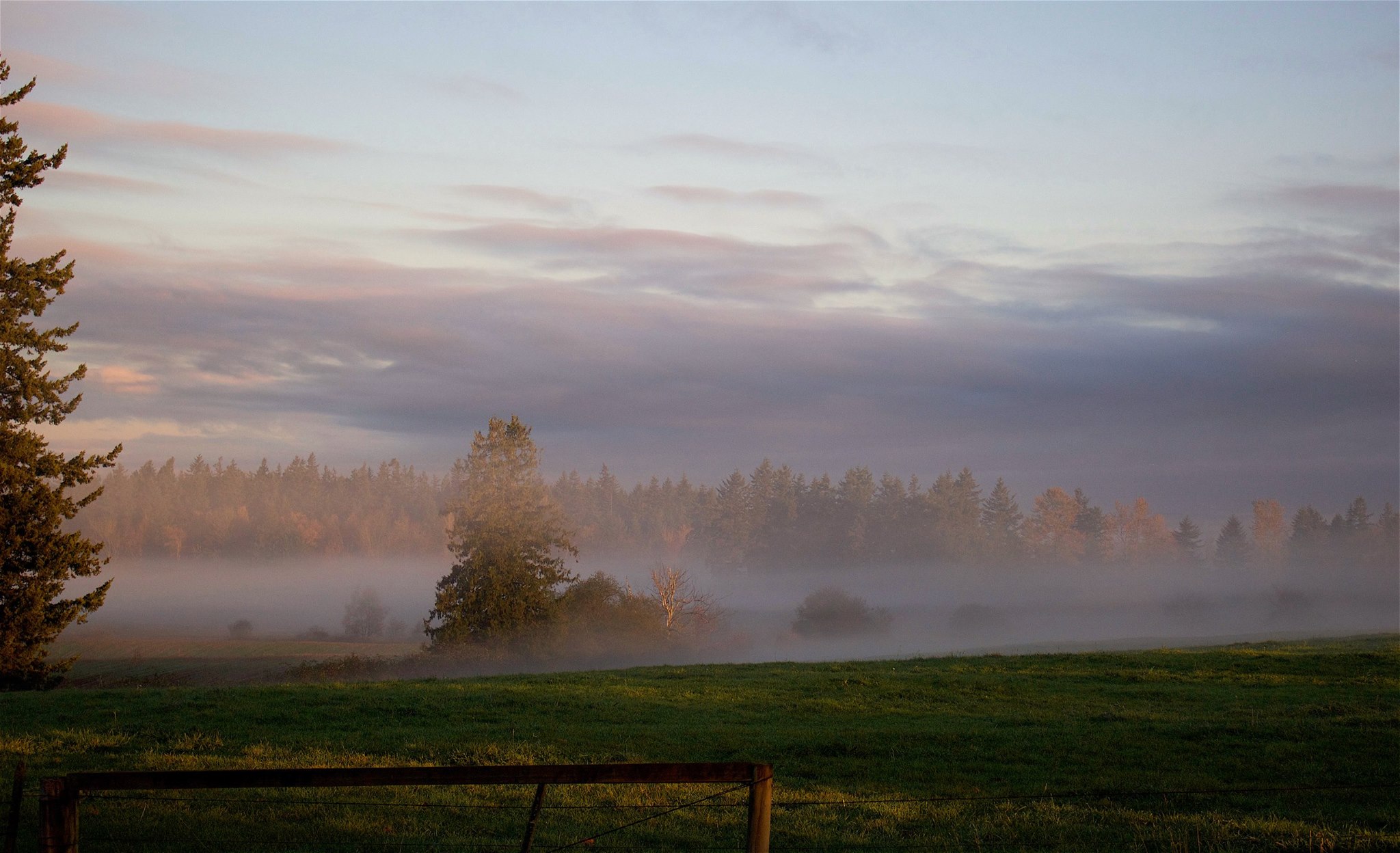
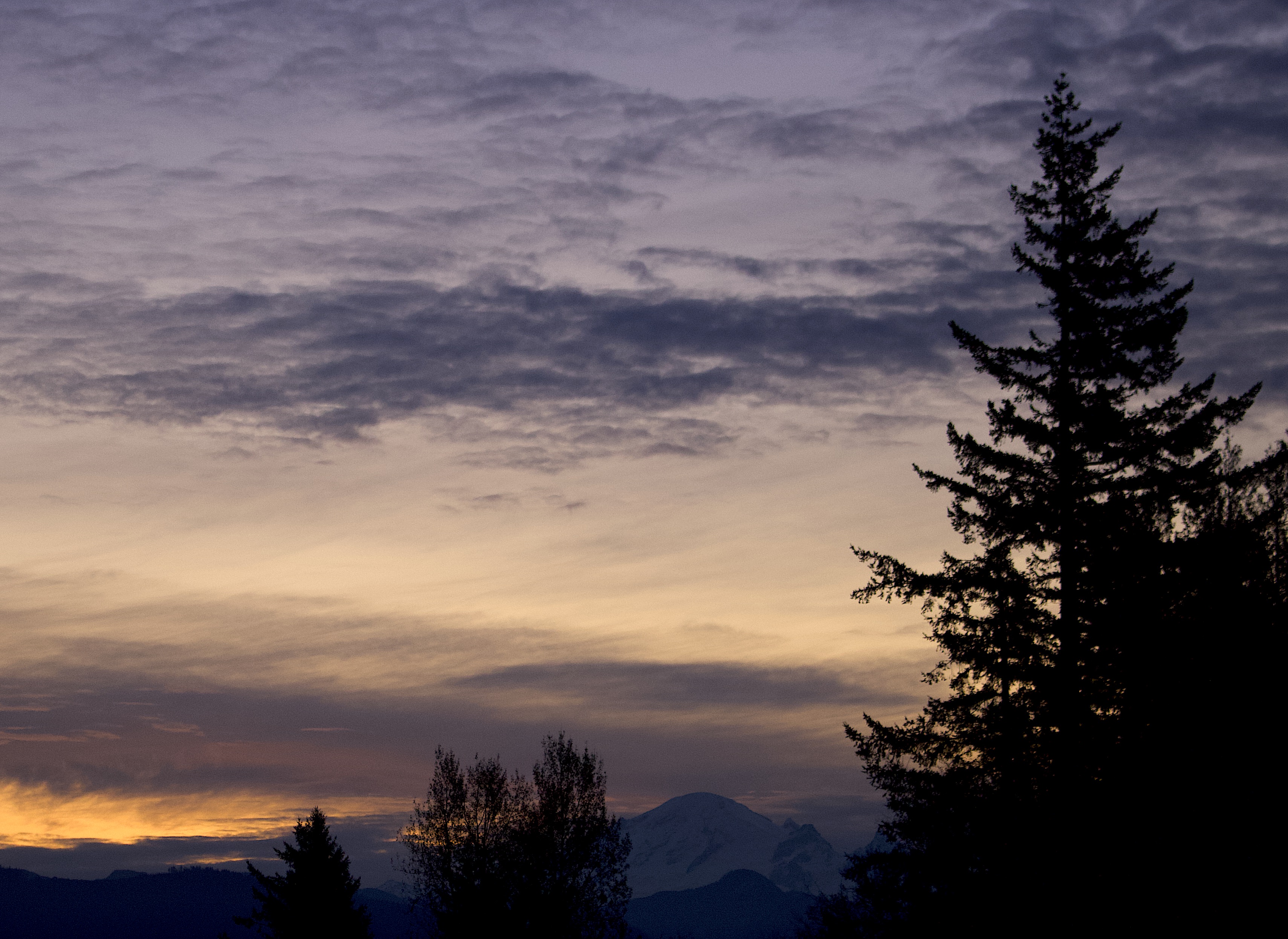
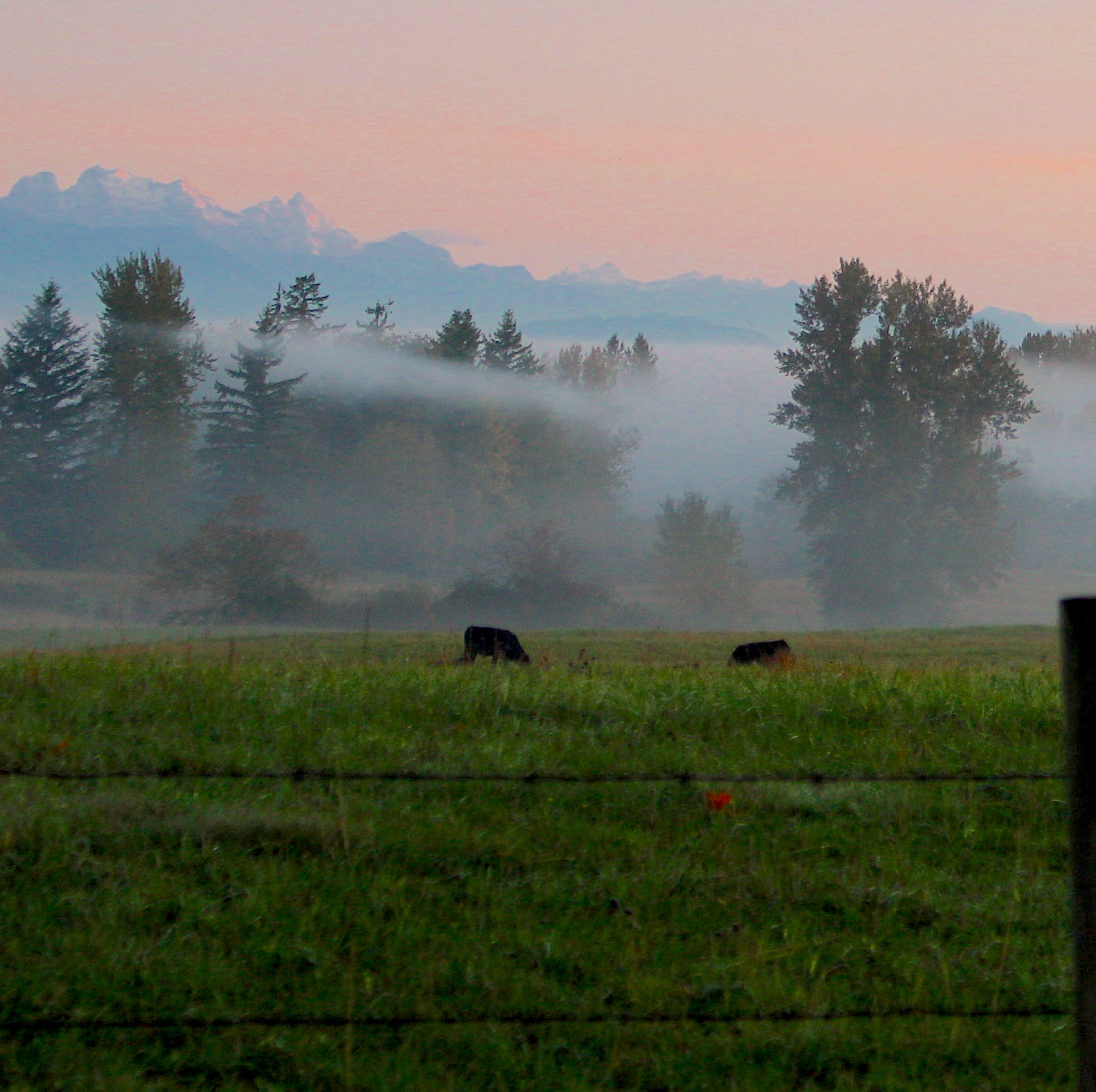
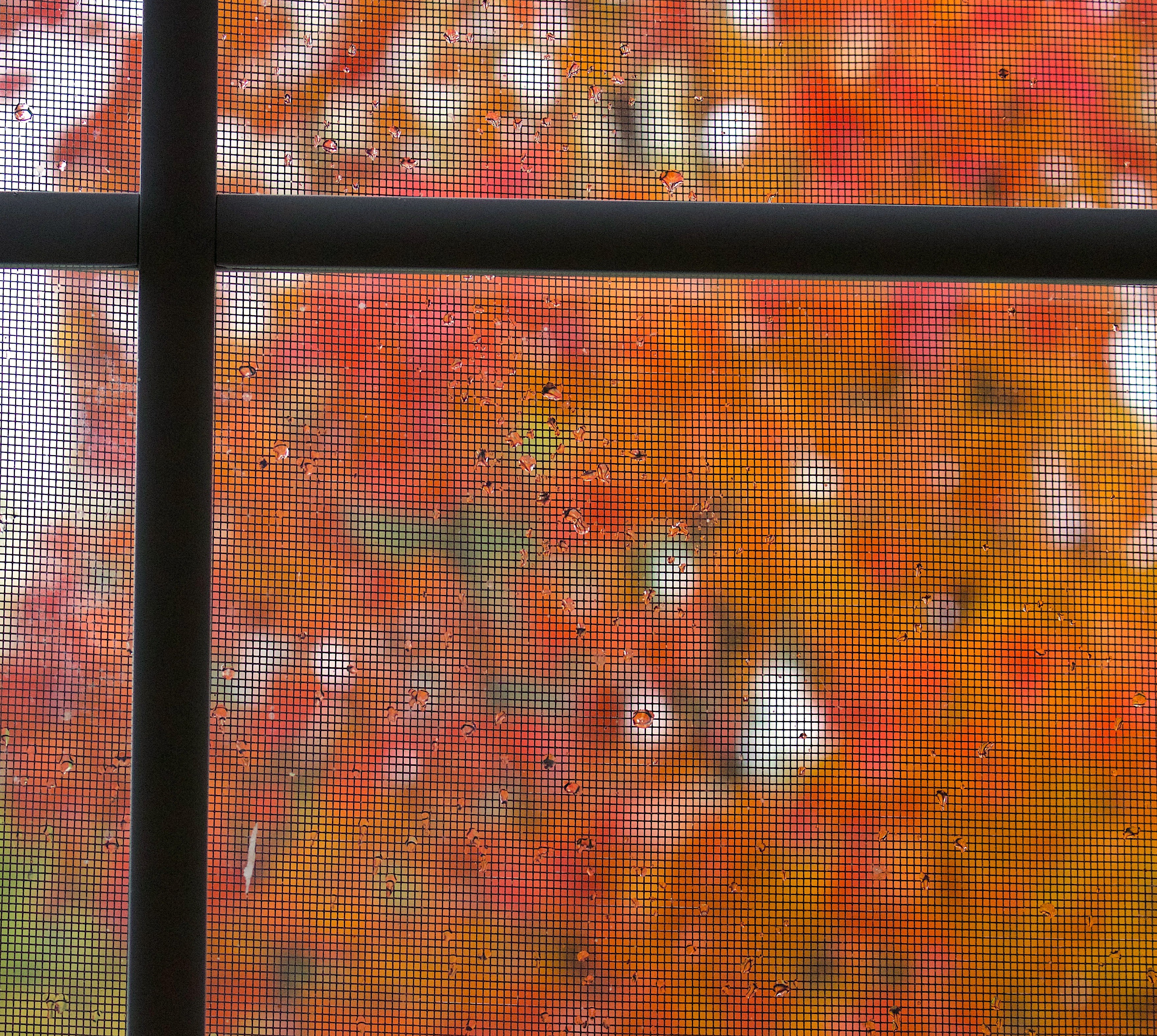
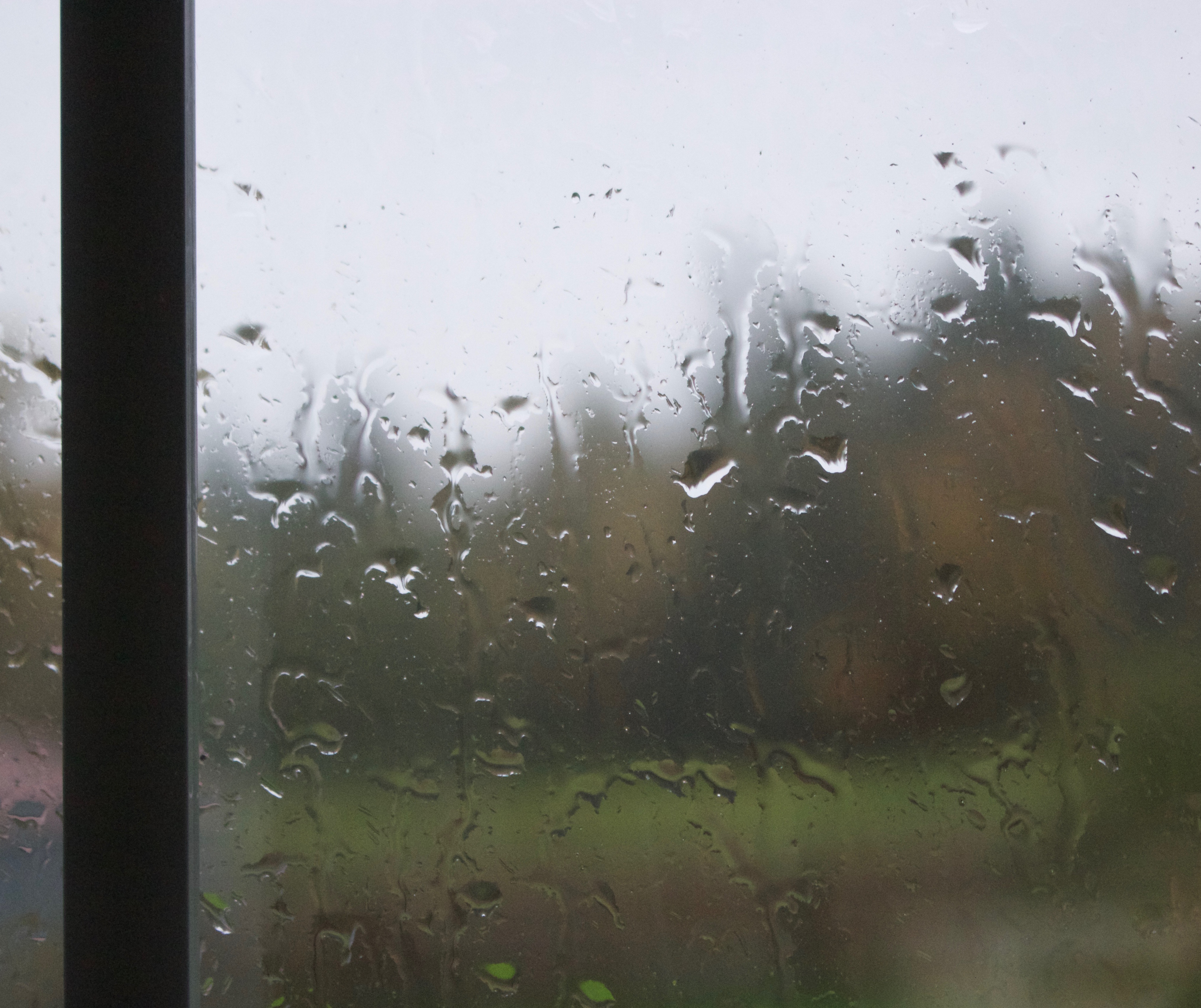
A fine rain was falling, and the landscape was that of autumn. The sky was hung with various shades of gray, and mists hovered about the distant mountains – a melancholy nature. Every landscape is, as it were, a state of the soul, and whoever penetrates into both is astonished to find how much likeness there is in each detail. ~Henri Frederic Amiel
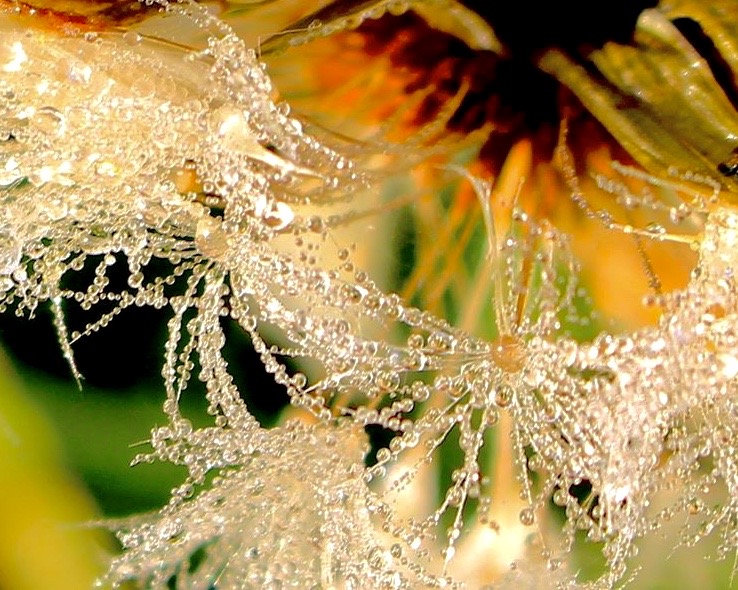
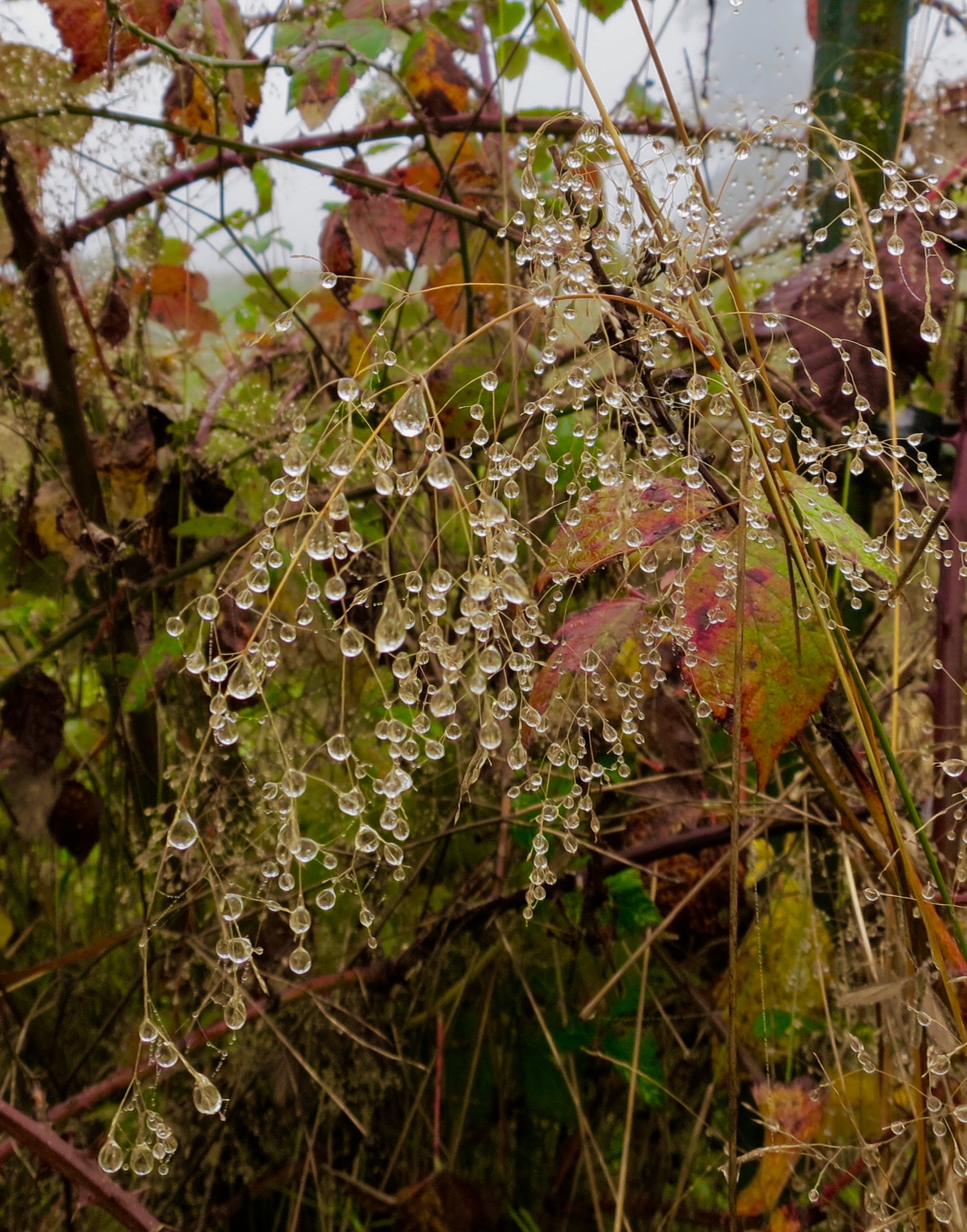
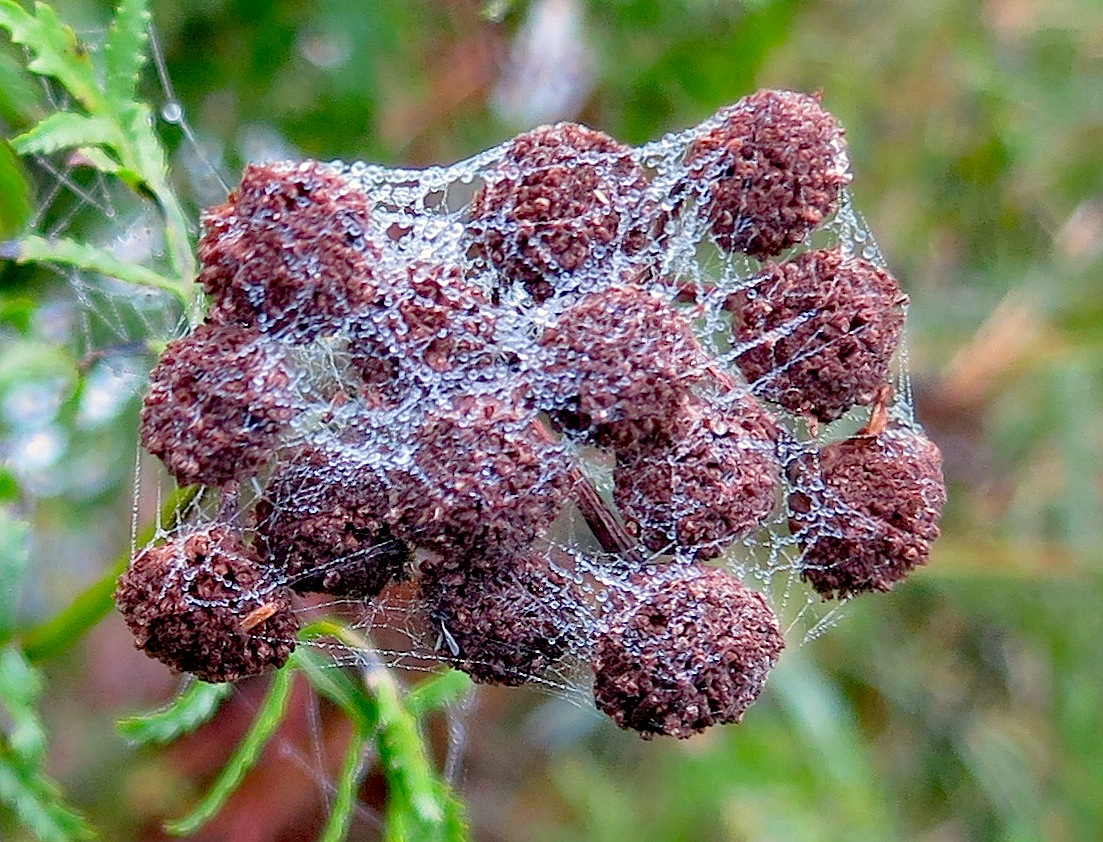
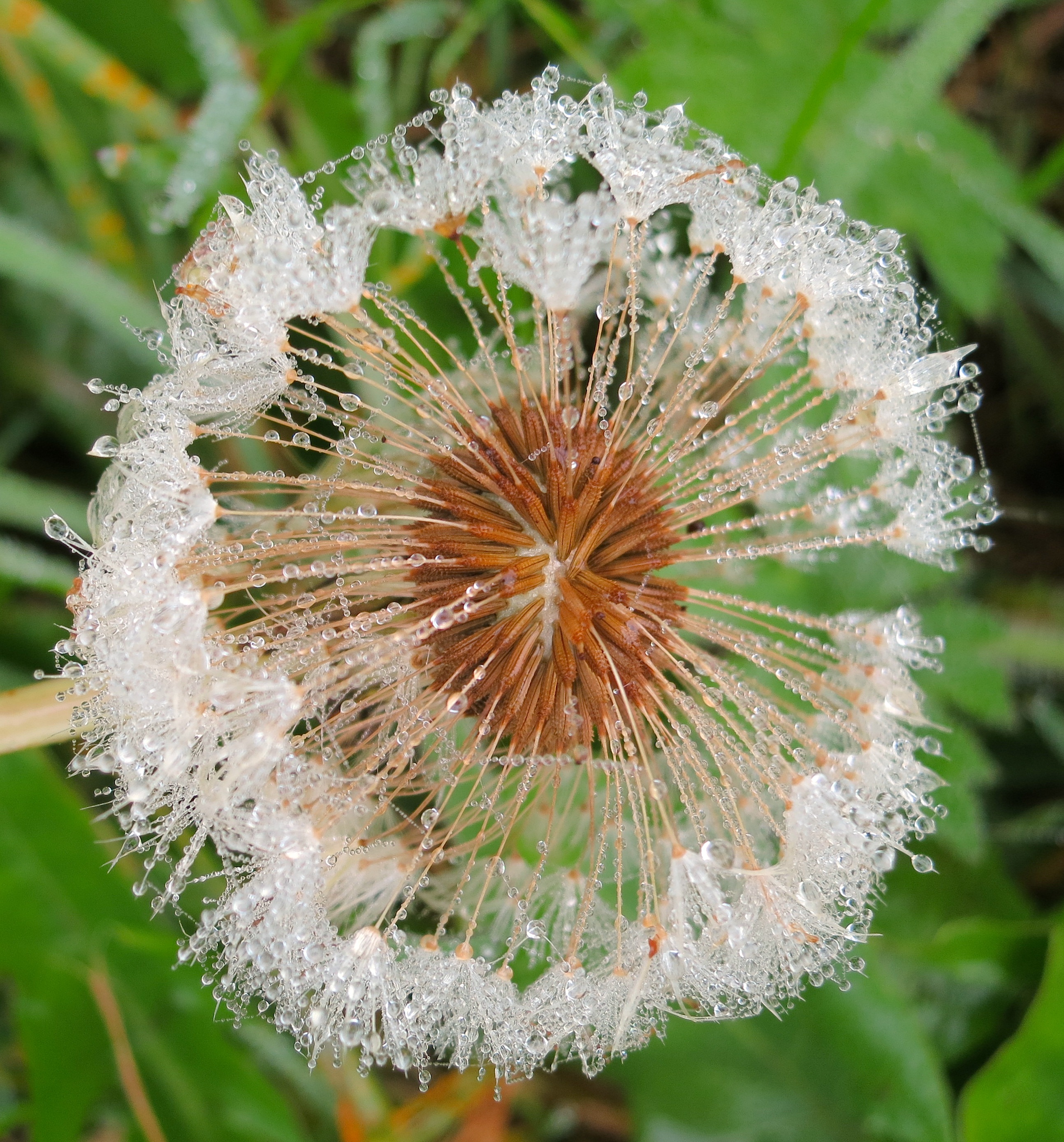
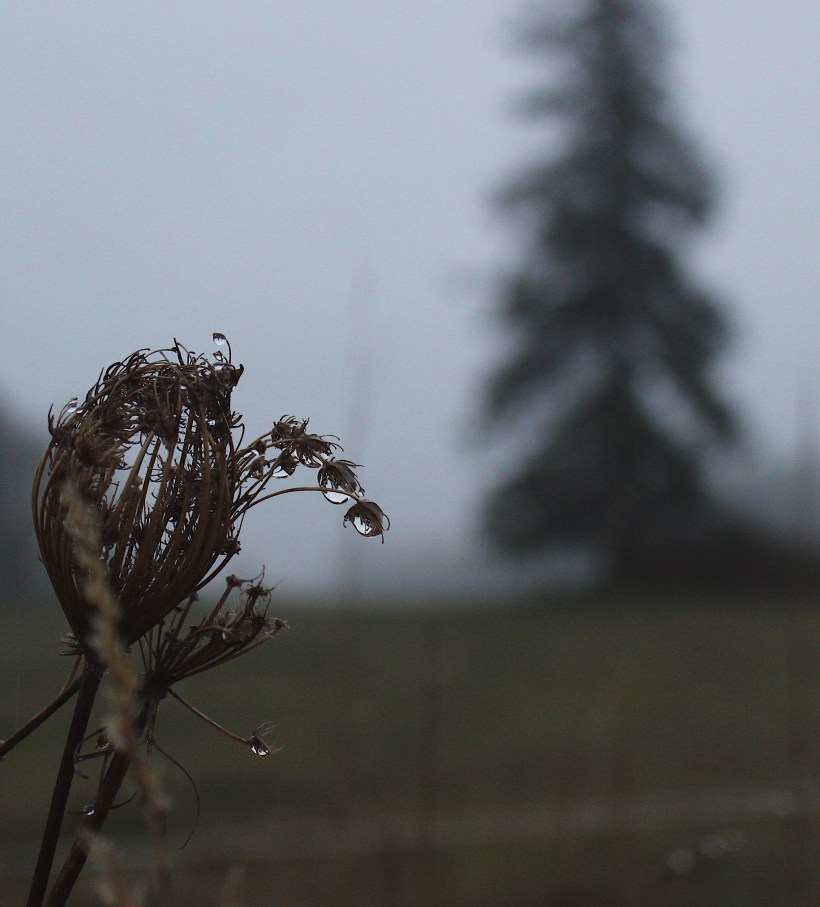
A melancholic first glance~ rain droplets glisten bejeweled when studied up close.
It isn’t all sadness~ there is solace in knowing the landscape and I share an inner world of change: both promises and tears.
She skimmed the yellow water like a moth, Trailing her feet across the shallow stream; She saw the berries, paused and sampled them Where a slight spider cleaned his narrow tooth. Light in the air, she fluttered up the path, So delicate to shun the leaves and damp, Like some young wife, holding a slender lamp To find her stray child, or the moon, or both. Even before she reached the empty house, She beat her wings ever so lightly, rose, Followed a bee where apples blew like snow; And then, forgetting what she wanted there, Too full of blossom and green light to care, She hurried to the ground, and slipped below. ~James Wright “My Grandmother’s Ghost from Above the River: The Complete Poems
I saw my grandma’s ghost once.
She was my only grandparent I actually knew and who actually knew me — the others were lost before I was born or too young to realize what I had lost.
She had lived a hard life: losing her mother when she was 12, taking over the household duties for her father and younger brother while leaving school forever, too young marrying an abusive alcoholic, losing her first child to lymphoma at age 8, taking her three remaining children to safety away from their father for a year to live above a seedy restaurant where she cooked seven days a week to make ends meet.
But there was grace too. A marriage that somehow got patched together after Grandpa found God and sobriety, her faith that never wavered, their soil that yielded beautiful flowers she planted and nurtured and picked to sell, children and grandchildren who welcomed her many open armed visits and hugs.
She was busy planning her first trip of a lifetime at age 72 when we noticed her eyes looked yellow. Only two weeks later she was bed-bound in unrelenting pain due to pancreatic cancer, gazing heaven-ward instead of Europe-bound. Her dreams had been dashed so quickly, she barely realized her itinerary and destination had changed.
I was 16 at the time, too absorbed in my own teenage cares and concerns to really notice how quickly she was fading and failing like a wilted flower. Instead I was picking fights with my stressed parents, worrying over taking my driver’s license driving test, distracted by all the typical social pressures of high school life.
Her funeral was unbearable as I never really said goodbye – only one brief hospital visit when she was hardly recognizable in her anguish and jaundice. I didn’t even get to hold her hand.
Soon after she had been lowered into the ground next to her husband and young daughter, she came back to me in a dream.
I was asleep when my bedroom door opened into the dark, wakening me as the bright hallway light pushed its way via a shimmering beam to my bed. Grandma Kittie stood in my bedroom doorway, backlit by the light surrounding her silhouette. She silently stood there, just looking at me.
Startled, I sat up in my bed and said to her, “Grandma, why are you here? You died and we buried you!”
She nodded and smiled. And then she said to me:
“I wanted you to know I’m okay and always will be. You will be too.”
She gave a little wave, turned and left, closing the door behind her. I woke suddenly with a gasp in my darkened bedroom and knew I had just been visited.
She hadn’t come to say goodbye or to tell me she loved me — that I knew already.
She had come to shine with her light blossoming around her, mending my broken heart by planting it with peace.
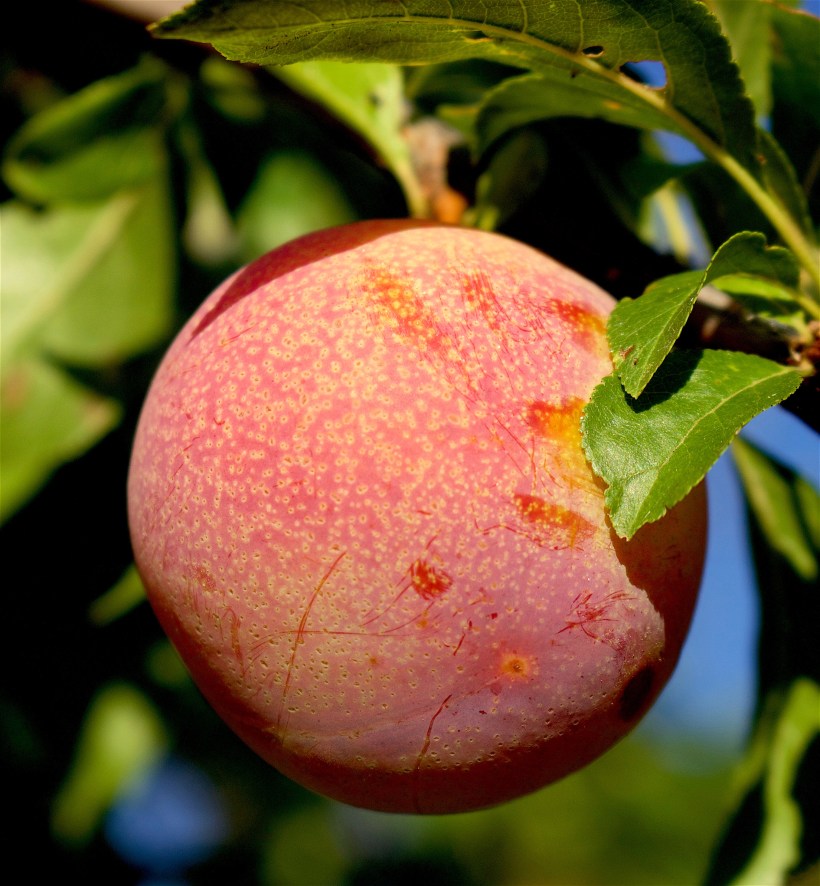
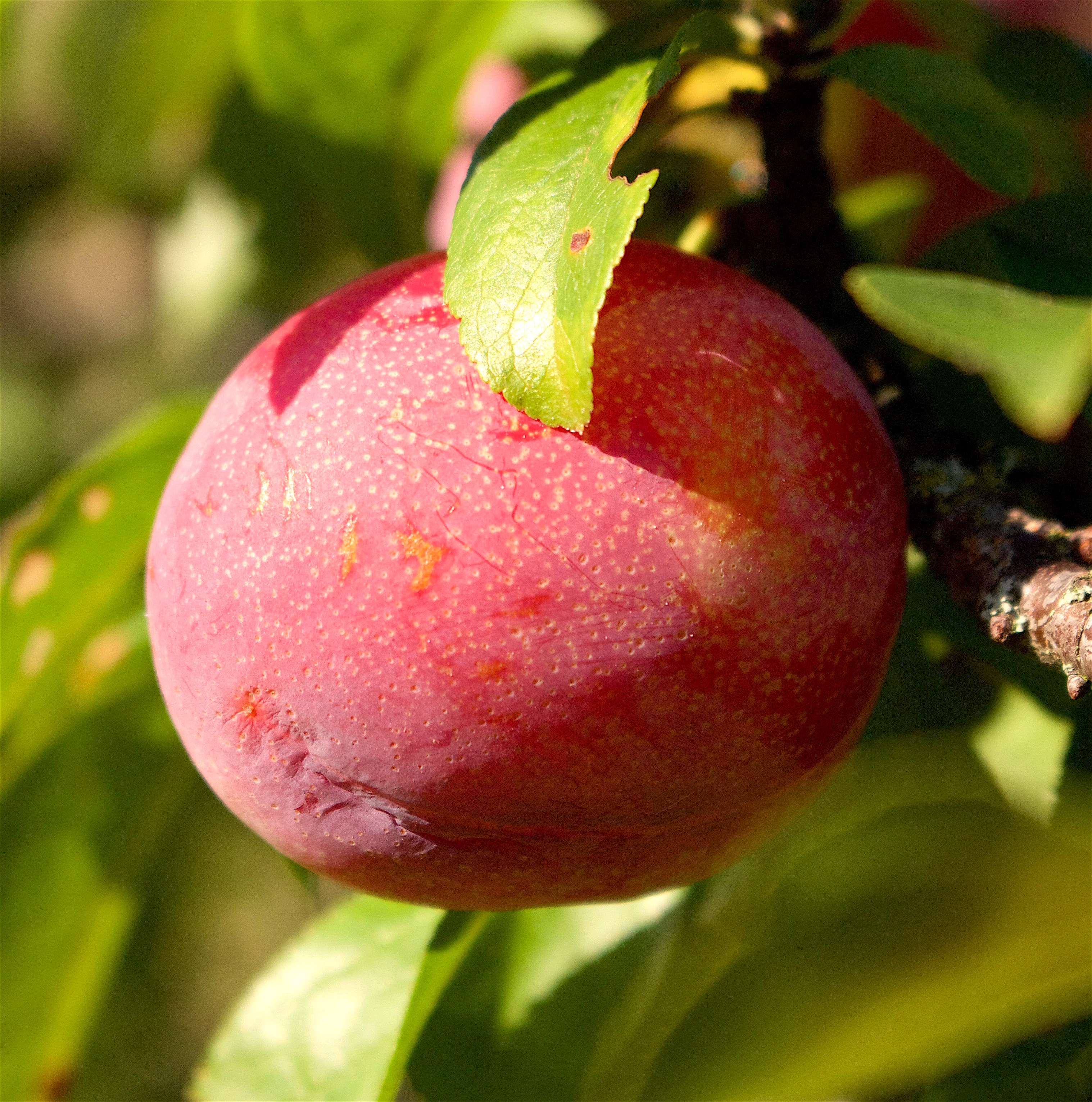
It hangs on its stem like a plum at the edge of a darkening thicket.
It’s swelling and blushing and ripe and I reach out a hand to pick it
but flesh moves slow through time and evening comes on fast
and just when I think my fingers might seize that sweetness at last
the gentlest of breezes rises and the plum lets go of the stem.
And now it’s my fingers ripening and evening that’s reaching for them. ~Geoffrey Brock, “The Day” author of Voices Bright Flags
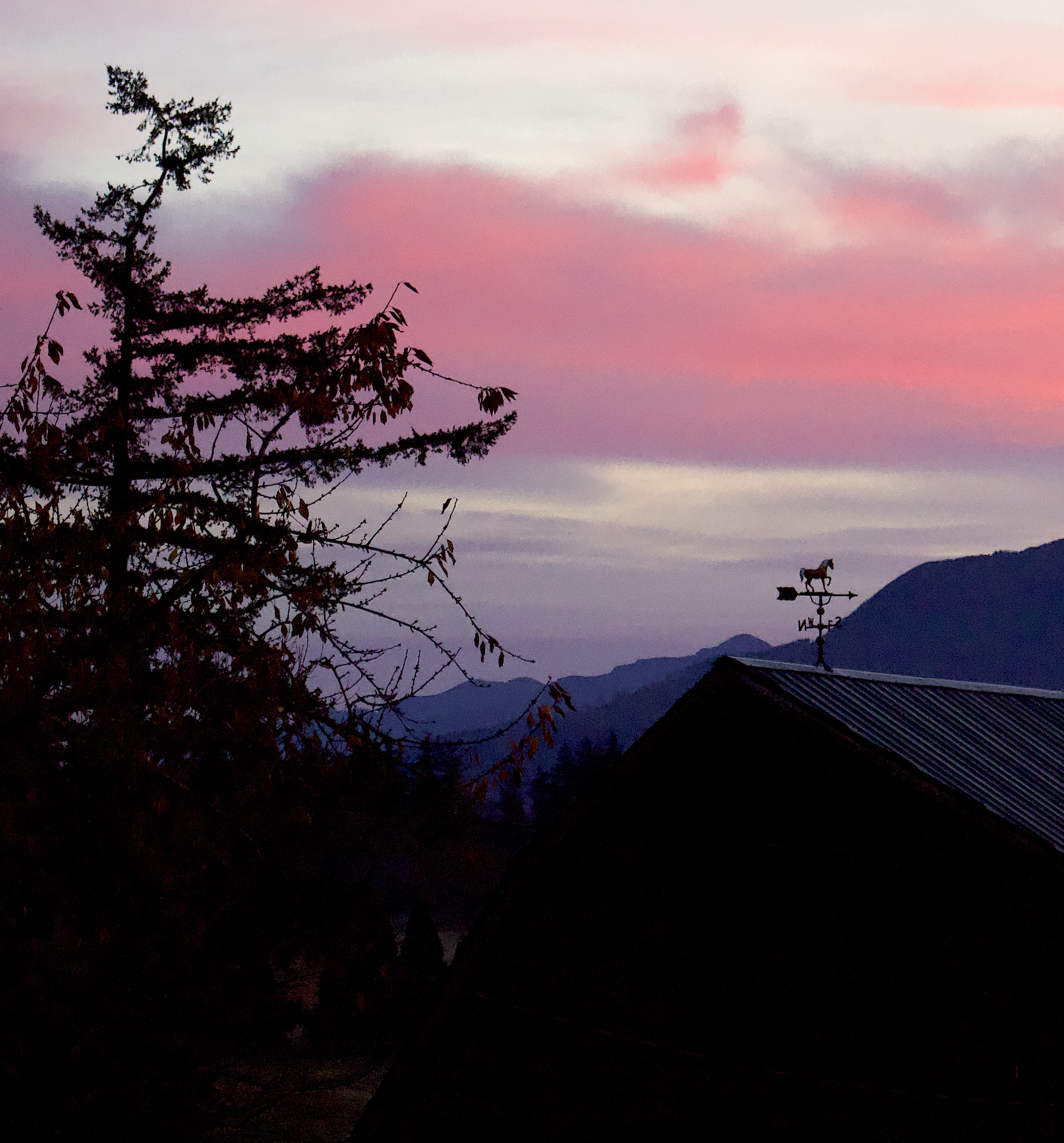
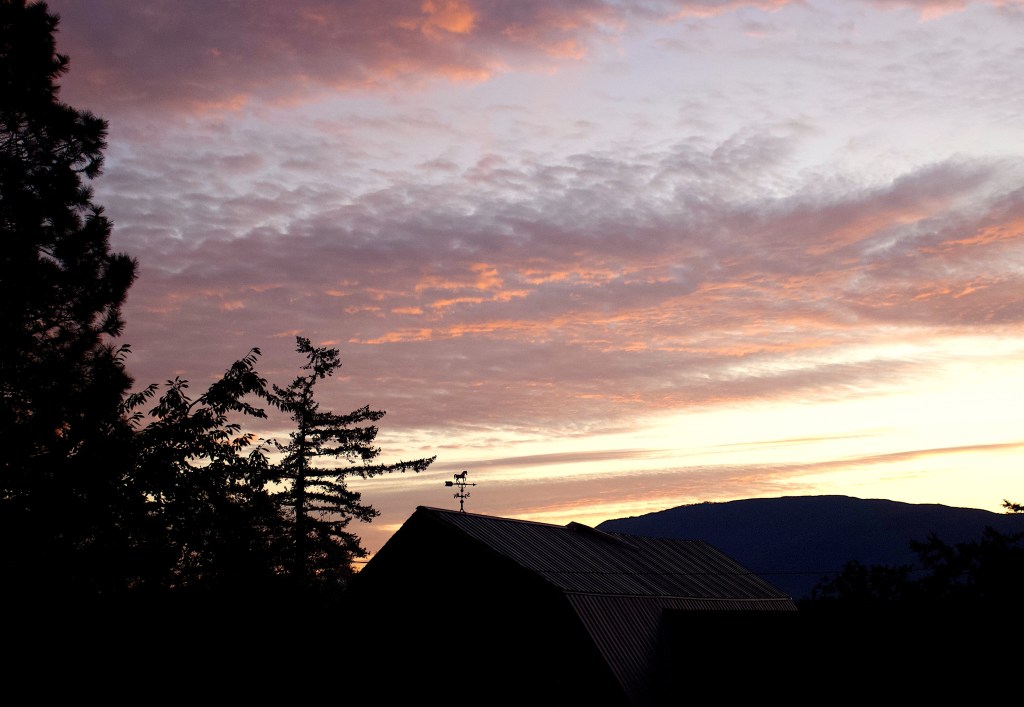
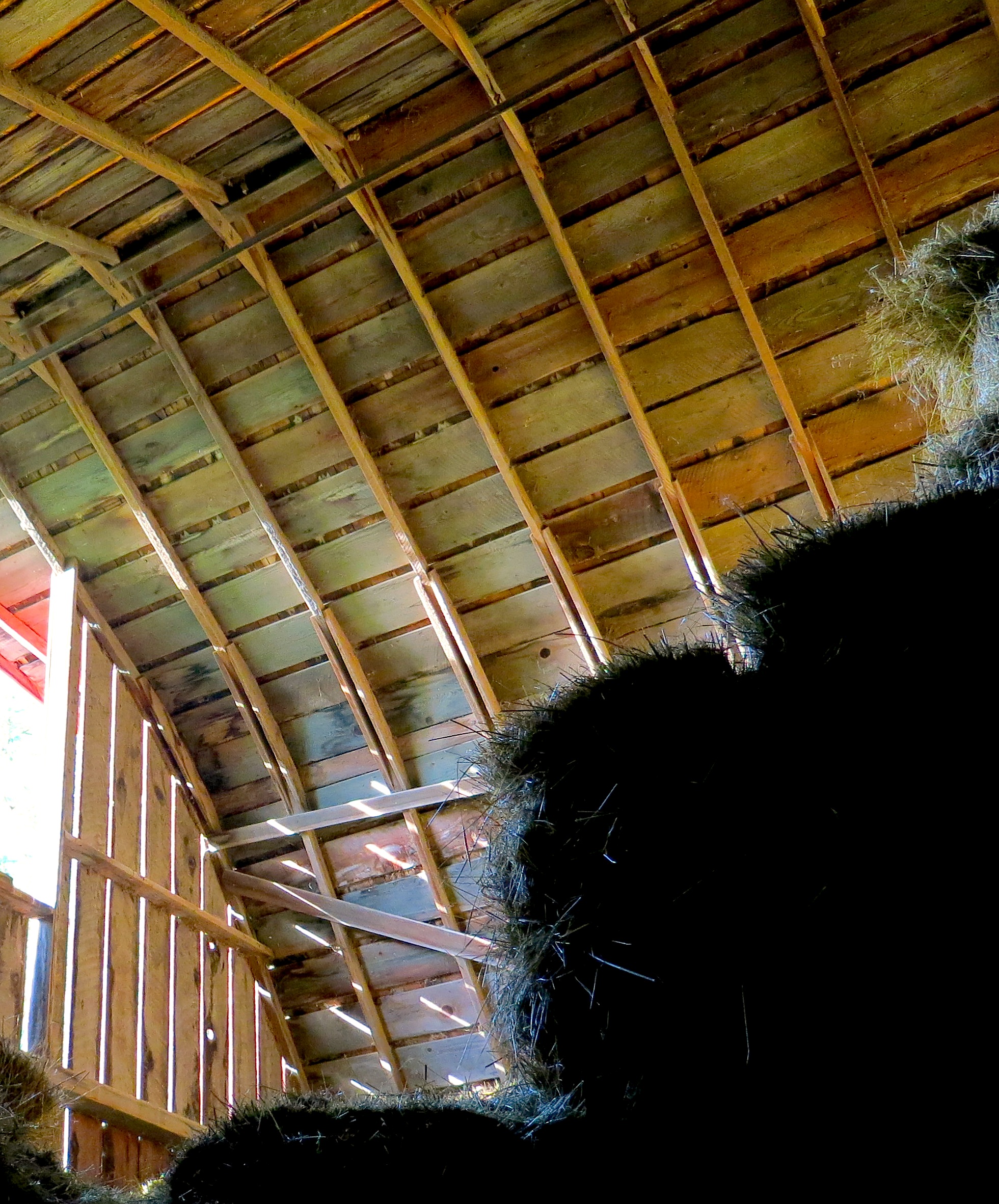
Let the light of late afternoon shine through chinks in the barn, moving up the bales as the sun moves down.
Let the cricket take up chafing as a woman takes up her needles and her yarn. Let evening come.
Let dew collect on the hoe abandoned in long grass. Let the stars appear and the moon disclose her silver horn.
To the bottle in the ditch, to the scoop in the oats, to air in the lung let evening come.
Let it come, as it will, and don’t be afraid. God does not leave us comfortless, so let evening come. ~Jane Kenyon, from “Let Evening Come” from Collected Poems.
So much of our living is preparing for rest and here we are, fighting it every step of the way.
We resist it mightily: the toddler fussing about taking a nap, the youngster devoted to their screen time and unwilling to surrender to darkness, or the parent trying to eke out the last bit of daylight to get the chores done.
We are comforted by activity. We are created in the image of One who remembered to rest.
So must we be “evened” by Him. The evening comes – there is no stopping it – we are to settle into it, our fingertips ripening, to close our eyes and drift on the comfort it brings.
We thought we were the perfect family— loyal, stable, a brick wall you couldn’t topple with a wrecking ball. Parents dependable as the frozen Minute Maid juice we squeezed from cardboard cans and drank mornings, reconstituted.
We’d come to this place just to be together. October in Ogunquit, record heat, no need for the sweaters we’d packed. Dad had died but Mom, in her 80s, sat pouring green tea, our wicker chairs on the small porch, six sets of knees touching.
She didn’t mean to mention Dad’s first wife.
To our collective what? she sputtered lasted a year, before the war, her name: Phyllis. Remember that chest in the basement? It was hers.
Some moments passed, then mutely we agreed to let it go. Radium glowed green in our brains but didn’t burn. The knowing, a relief: We didn’t have to be perfect.
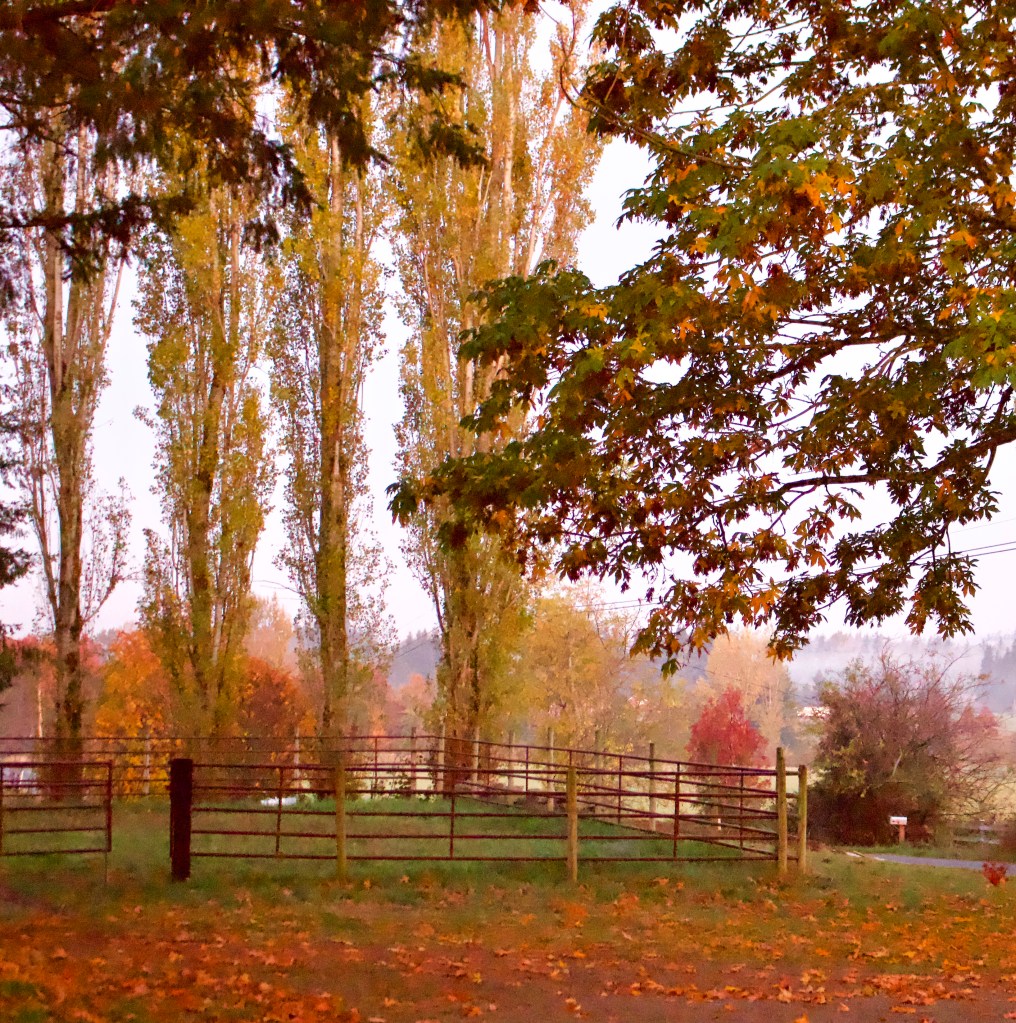
The August-warm wind felt pleasant and odd. We sat on that porch, orange leaves pinwheeling down the street. ~Karen Paul Holmes “Rental Cottage, Maine” from No Such Thing as Distance
Surfacing to the street from a thirty two hour hospital shift usually means my eyes blink mole-like, adjusting to searing daylight after being too long in darkened windowless halls. This particular day is different. As the doors open, I am immersed in a subdued gray Seattle afternoon, with horizontal rain soaking my scrubs.
Finally remembering where I had parked my car in pre-dawn dark the day before, I start the ignition, putting the windshield wipers on full speed. I merge onto the freeway, pinching myself to stay awake long enough to reach my apartment and my pillow.
The freeway is a flowing river current of head and tail lights. Semitrucks toss up tsunami waves cleared briefly by my wipers frantically whacking back and forth.
Just ahead in the lane to my right, a car catches my eye — it looks just like my Dad’s new Buick. I blink to clear my eyes and my mind, switching lanes to get behind. The license plate confirms it is indeed my Dad, oddly 100 miles from home in the middle of the week. I smiled, realizing he and Mom, the best parents ever, have probably planned to surprise me by taking me out for dinner.
I decide to surprise them first, switching lanes to their left and accelerating up alongside. As our cars travel side by side in the downpour, I glance over to my right to see if I can catch my Dad’s eye through streaming side windows. He is looking away to the right at that moment, obviously in conversation. It is then I realize something is amiss. When my Dad looks back at the road, he is smiling in a way I have never seen before. There are arms wrapped around his neck and shoulder, and a woman’s auburn head is snuggled into his chest.
My mother’s hair is gray.
My initial confusion turns instantly to fury. Despite the rivers of rain obscuring their view, I desperately want them to see me. I think about honking, I think about pulling in front of them so my father would know I have seen and I know. I think about ramming them with my car so that we’d perish, unrecognizable, in an explosive storm-soaked mangle.
At that moment, my father glances over at me and our eyes meet across the white line separating us. His face is a mask of betrayal, bewilderment and then shock, and as he tenses, she straightens up and looks at me quizzically.
I can’t bear to look any longer.
I leave them behind, speeding beyond, splashing them with my wake. Every breath burns my lungs and pierces my heart. I can not distinguish whether the rivers obscuring my view are from my eyes or my windshield.
Somehow I made it home to my apartment, my heart still pounding in my ears. The phone rings and remains unanswered.
I throw myself on my bed, bury my wet face in my pillow and pray — for a sleep without dreams, without secrets, without lies, without the burden of knowing the truth I alone now knew and wished I didn’t.











 Barnstorming