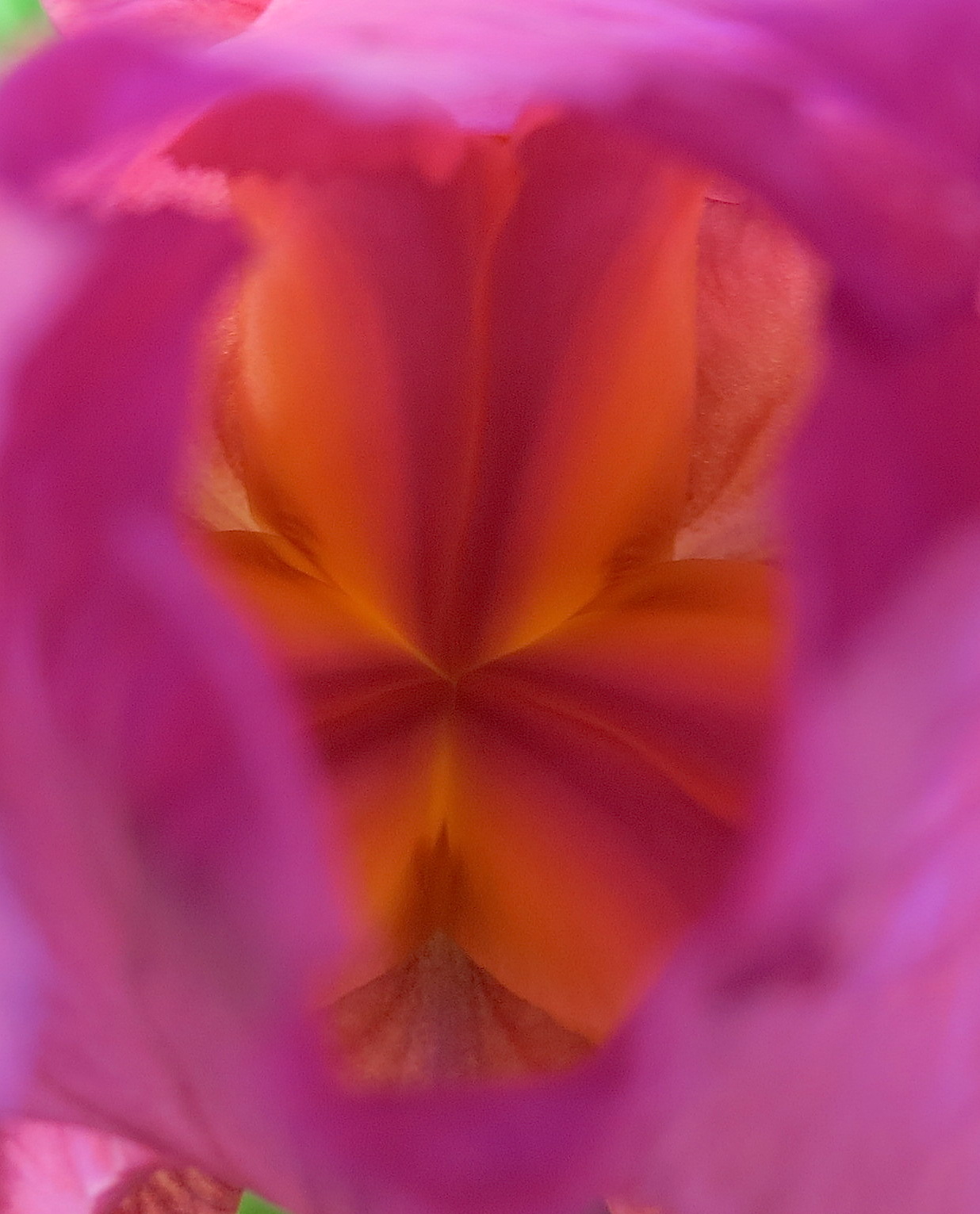
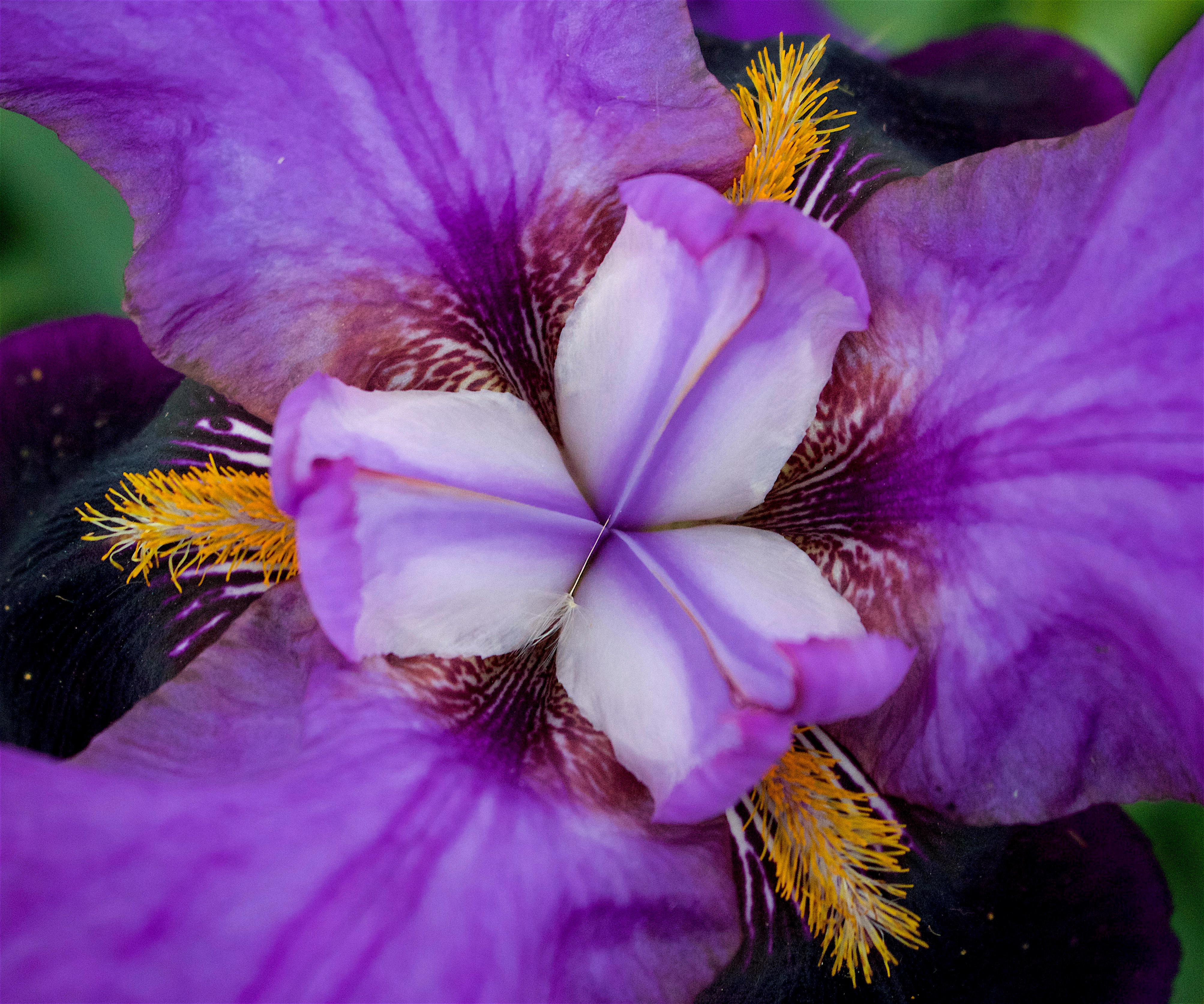
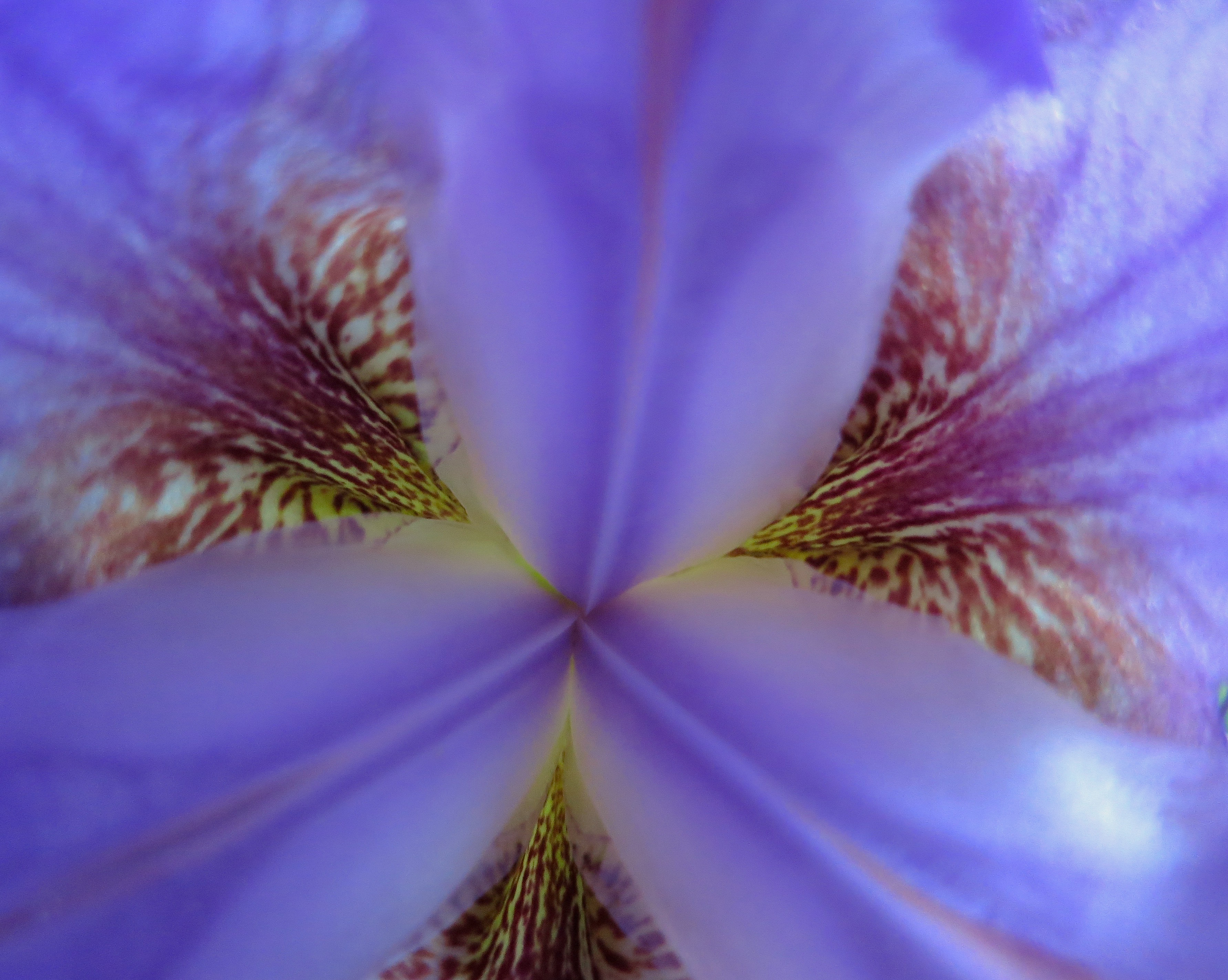
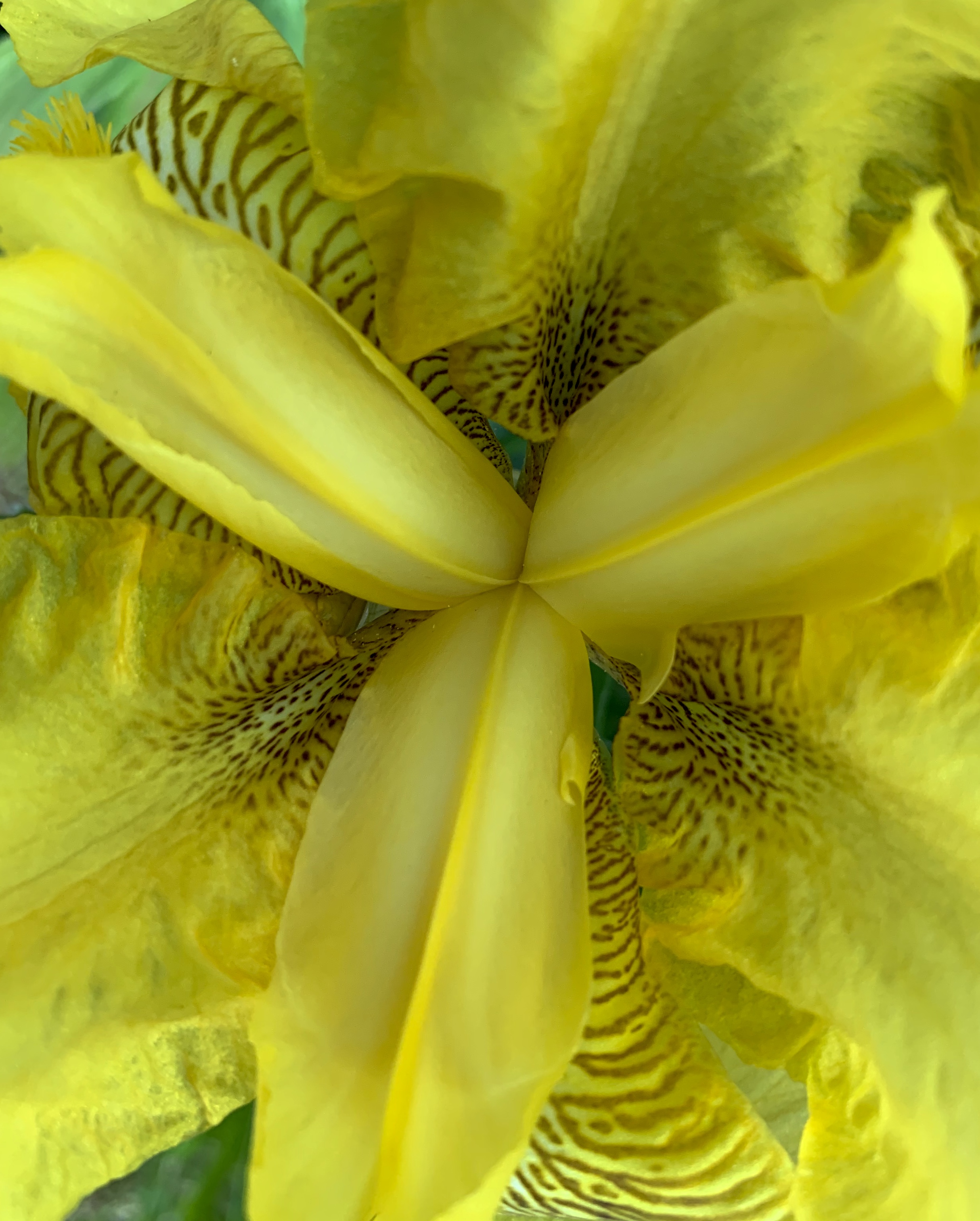
The Clarity of Light

On the day when
The weight deadens
On your shoulders
And you stumble,
May the clay dance
To balance you.

And when your eyes
Freeze behind

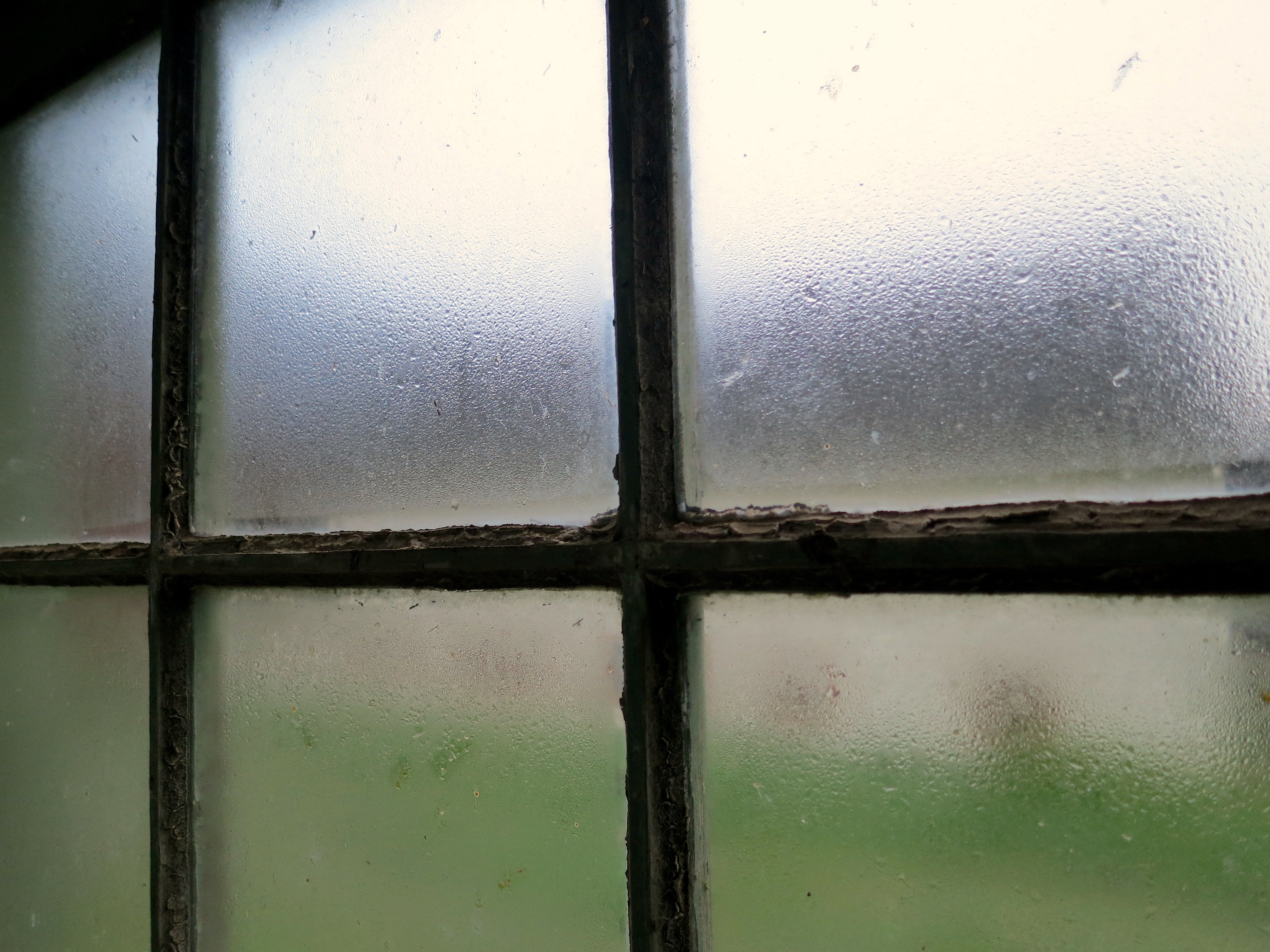
The gray window
And the ghost of loss
Gets in to you,
May a flock of colors,
Indigo, red, green
And azure blue,
Come to awaken in you
A meadow of delight.

When the canvas frays
in the currach of thought
and a stain of ocean
blackens beneath you,
may there come across the waters
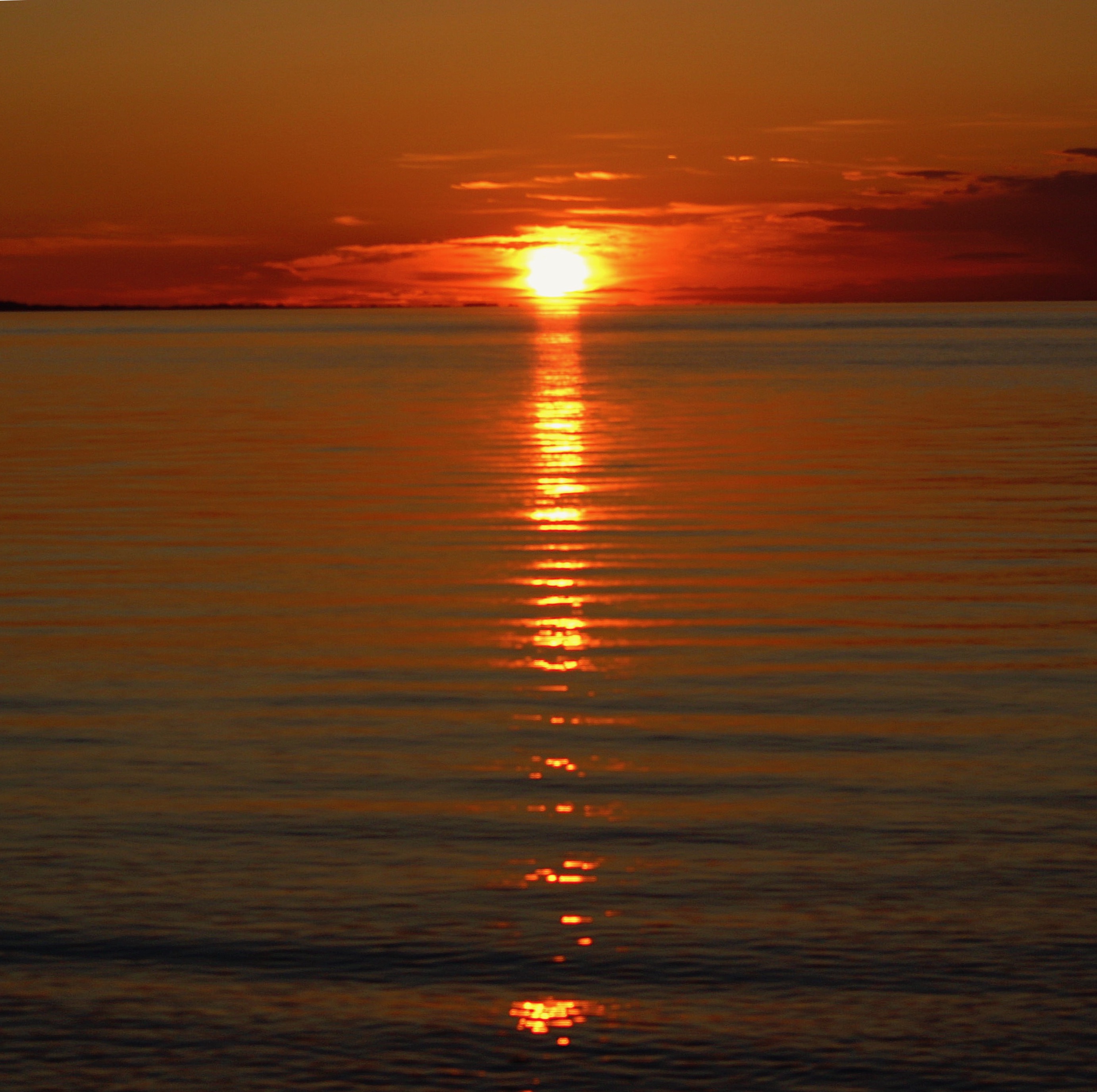
a path of yellow moonlight
to bring you safely home.

May the nourishment of the earth be yours,
may the clarity of light be yours,
may the fluency of the ocean be yours,
may the protection of the ancestors be yours.

And so may a slow
wind work these words
of love around you,
an invisible cloak
to mind your life.

~John O’Donohue “Beannacht”

So many of us grieve the loss of the way things were
and the loss of the people we loved.

There seems no light at all in the world,
only heaviness of burden, of clouds and sickness.

May God bring back the lightness to our days,
the color back to the gray,
the clarity of purpose throughout generations.

May God be real to us now, cleansing us
from our doubts, our frustrations,
our anger and our impatience
with one another
and with Him.

May God love us
in the midst of our weeping,
cloaked in His Word and His arms.

Springing

Oh, give us pleasure in the flowers today;
And give us not to think so far away
As the uncertain harvest; keep us here
All simply in the springing of the year.

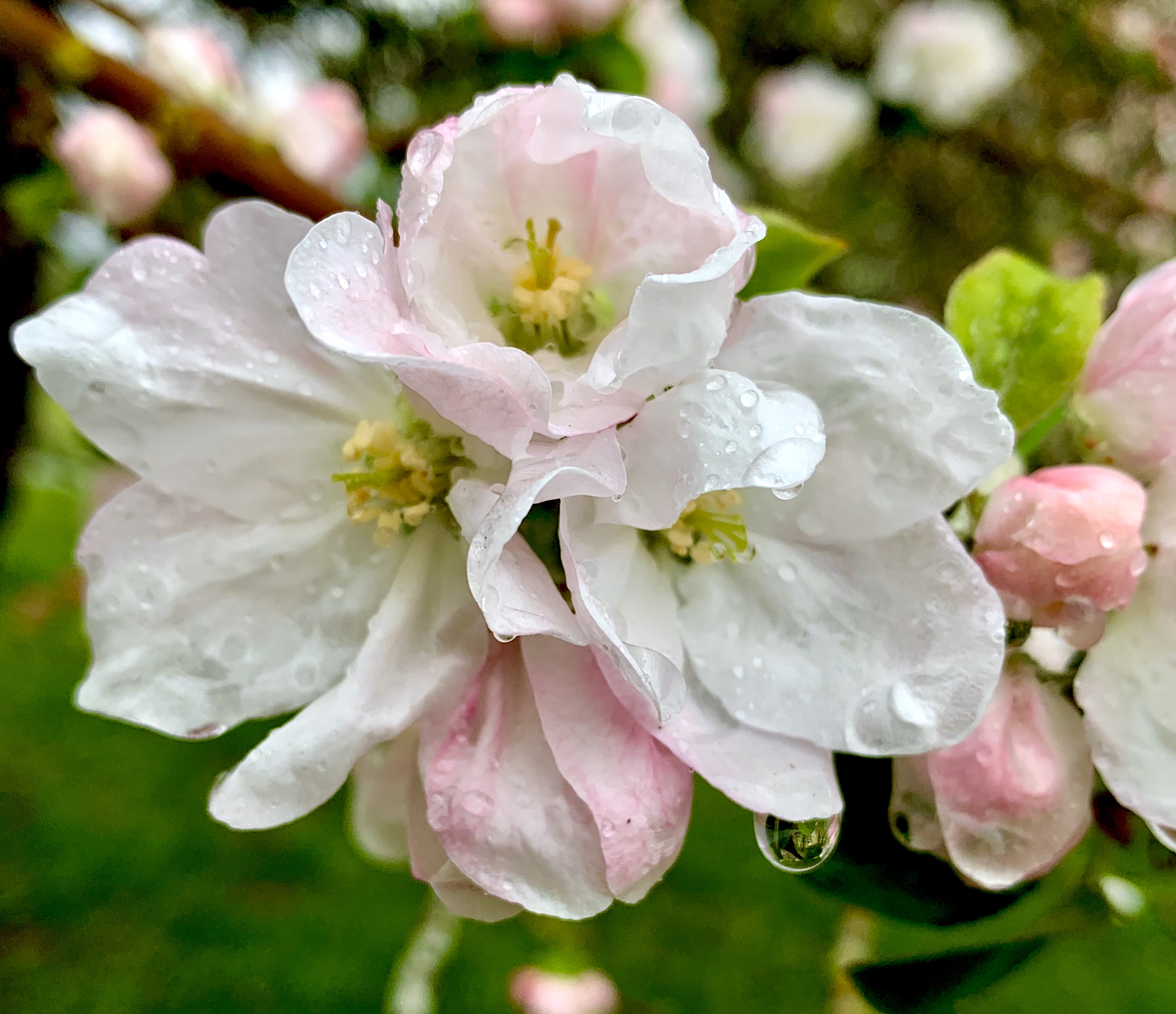
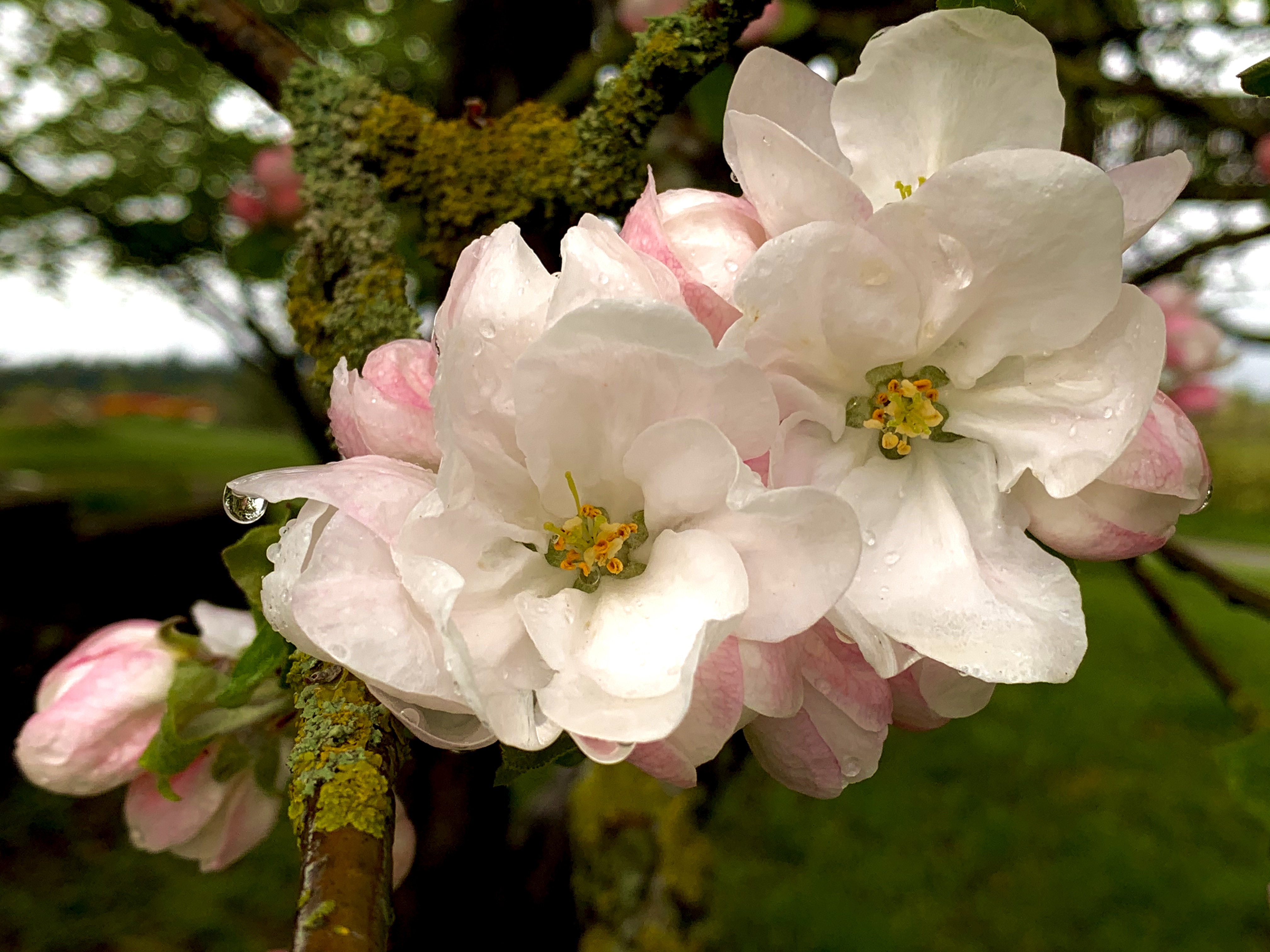
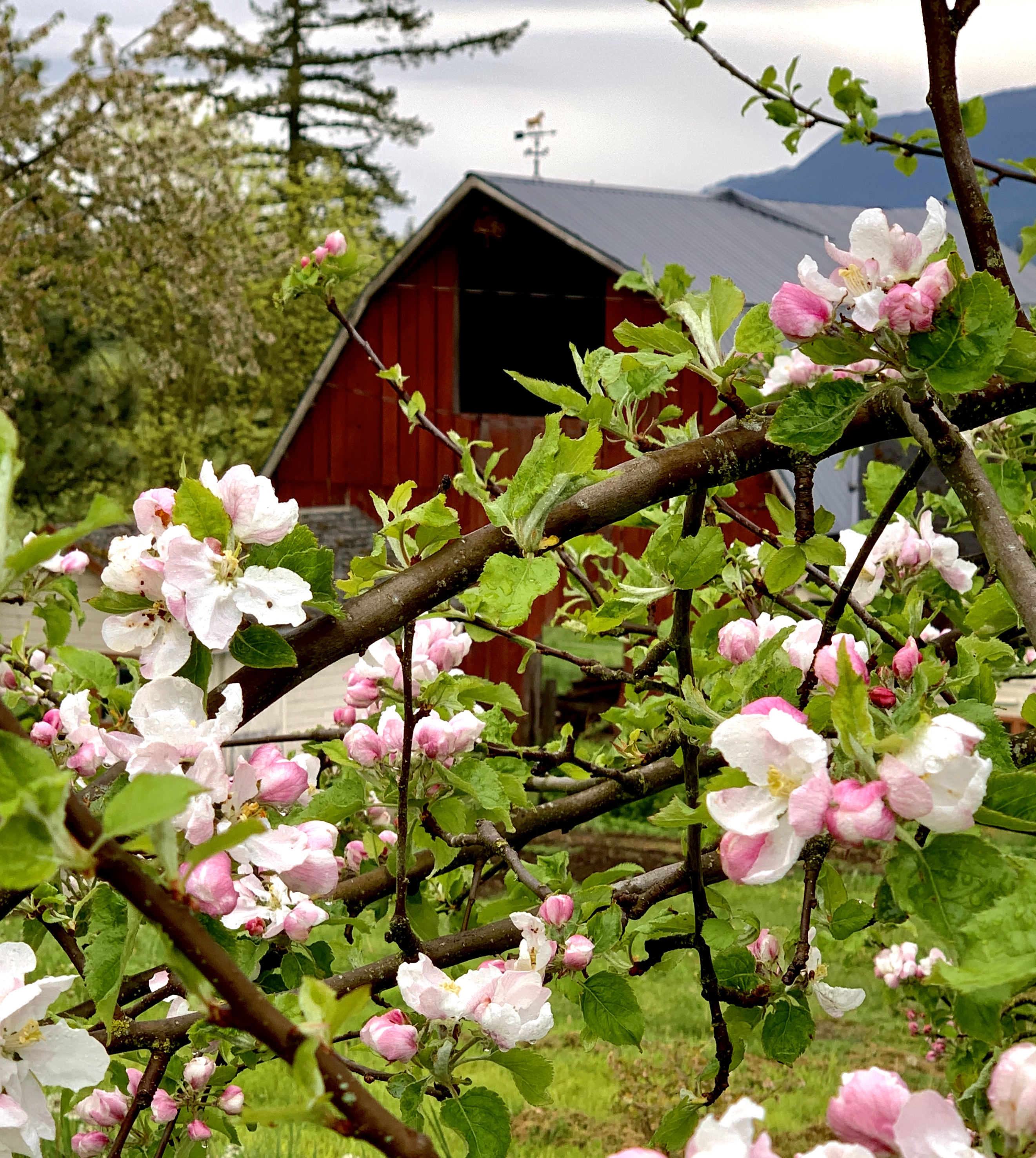
Oh, give us pleasure in the orchard white,
Like nothing else by day, like ghosts at night;
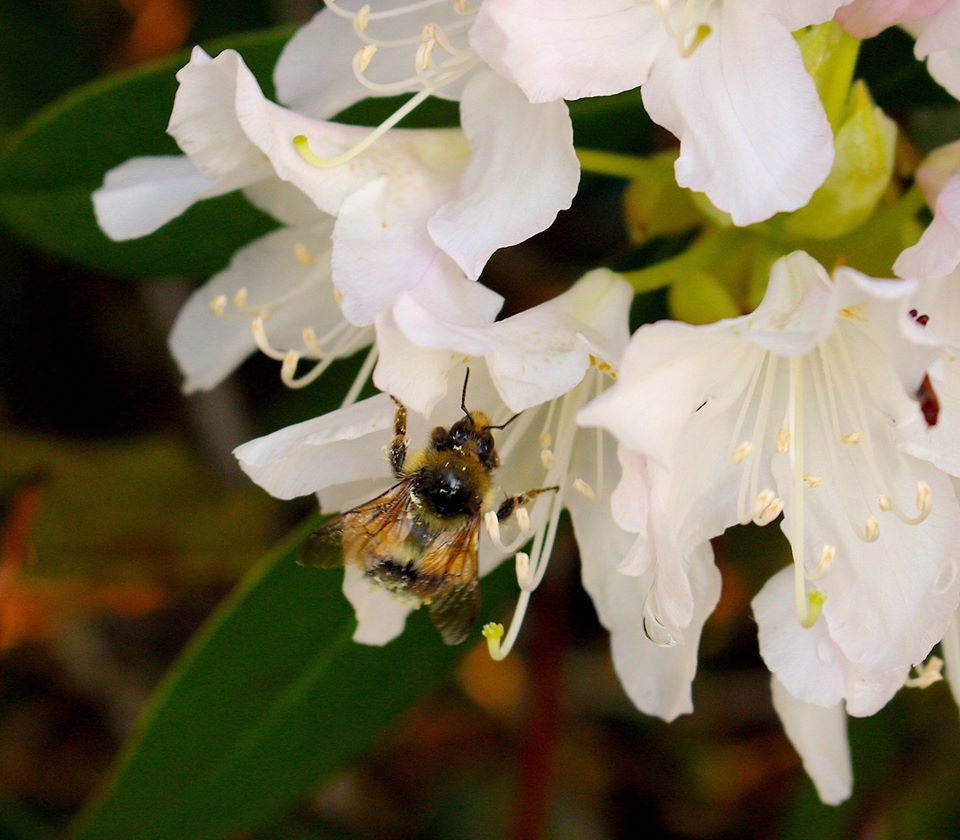
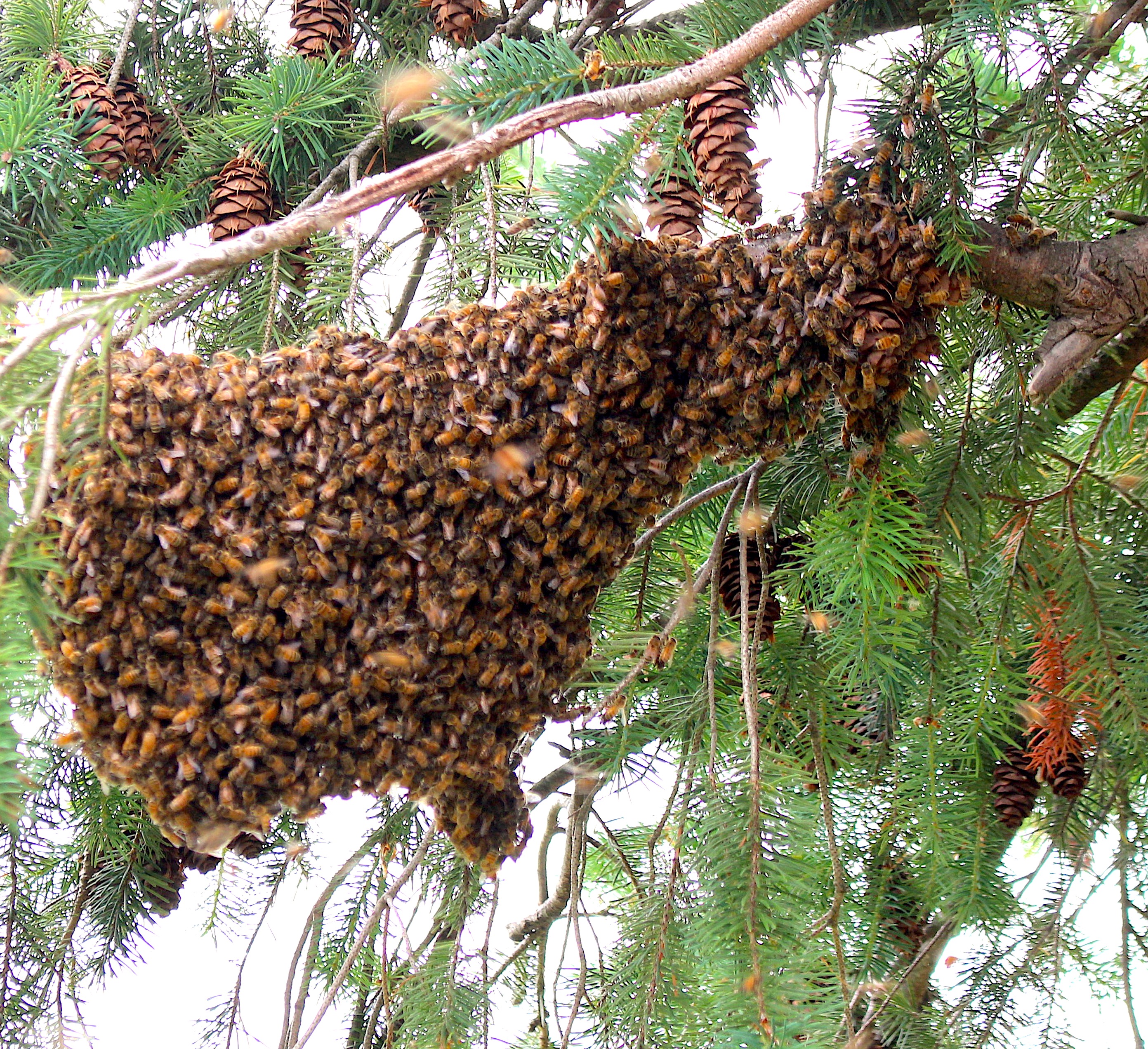
And make us happy in the happy bees,
The swarm dilating round the perfect trees.

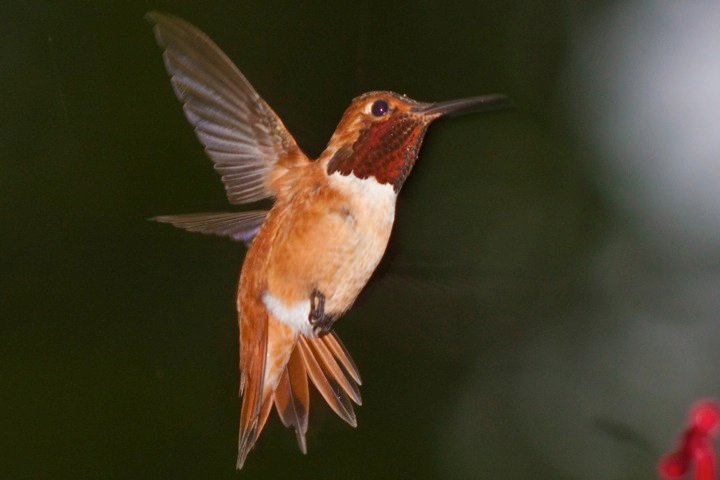
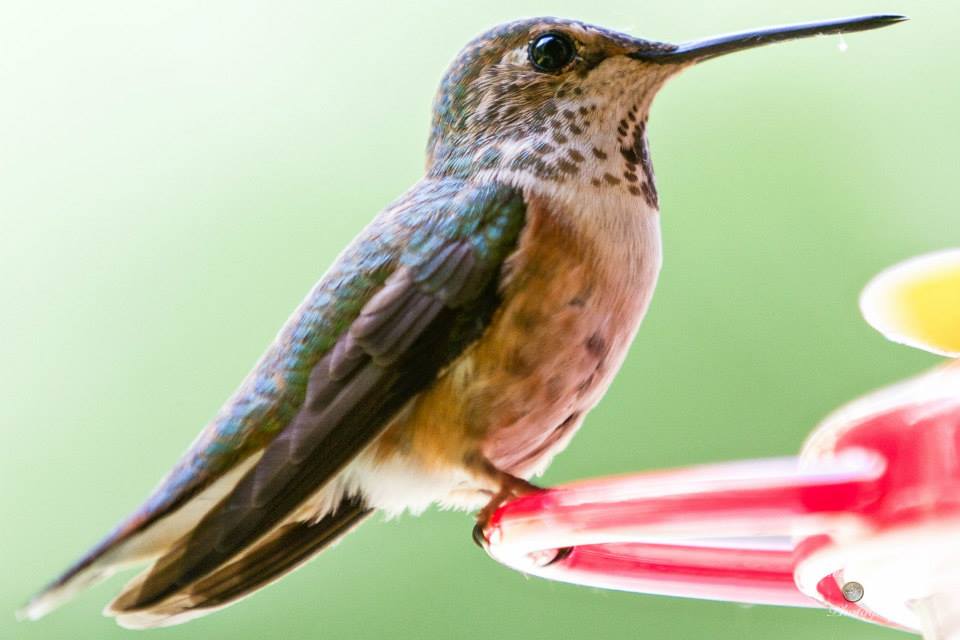
And make us happy in the darting bird
That suddenly above the bees is heard,
The meteor that thrusts in with needle bill,
And off a blossom in mid-air stands still.

For this is love and nothing else is love,
The which it is reserved for God above
To sanctify to what far ends He will,
But which it only needs that we fulfil.
~Robert Frost “A Prayer in Spring”

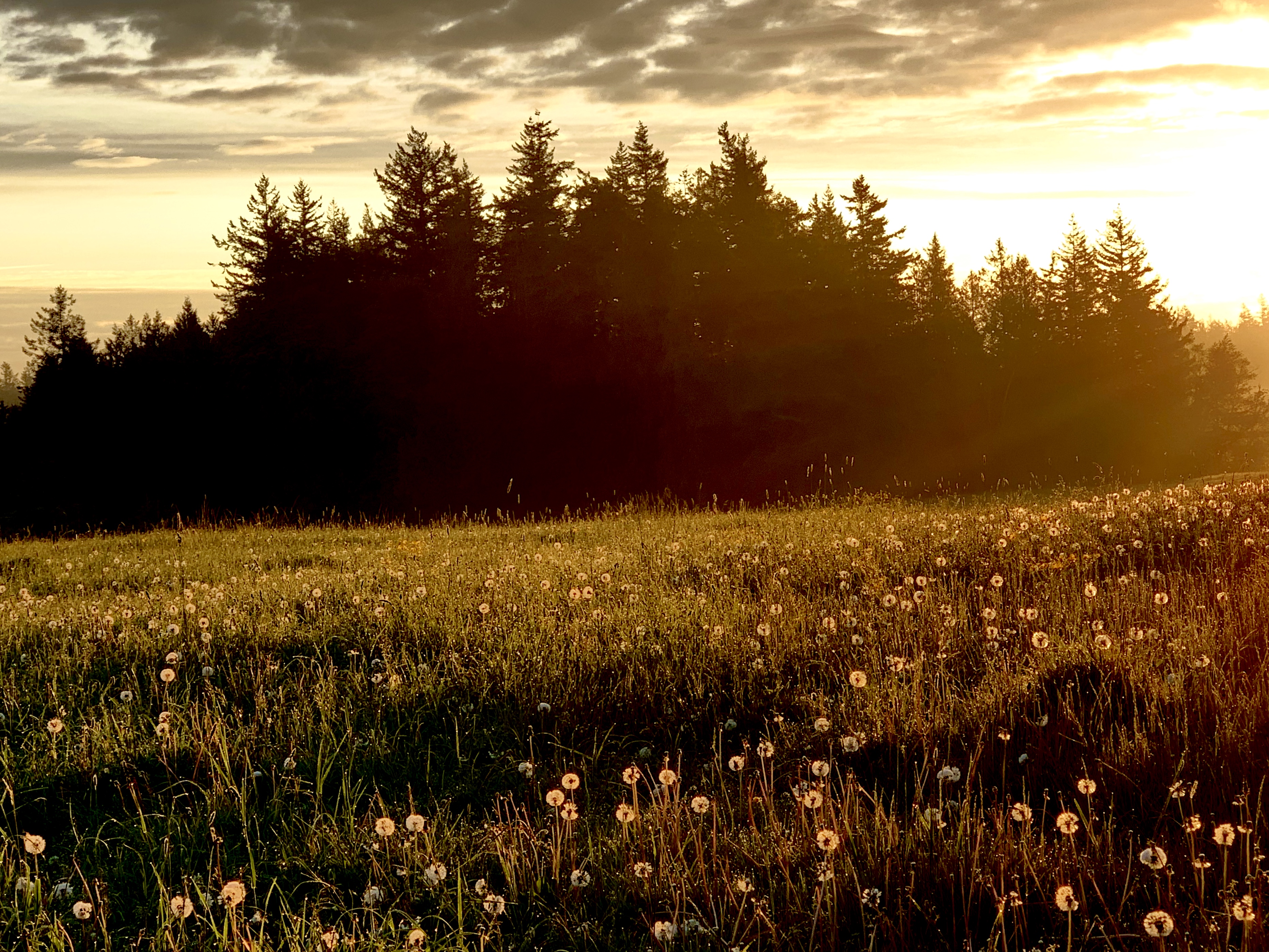
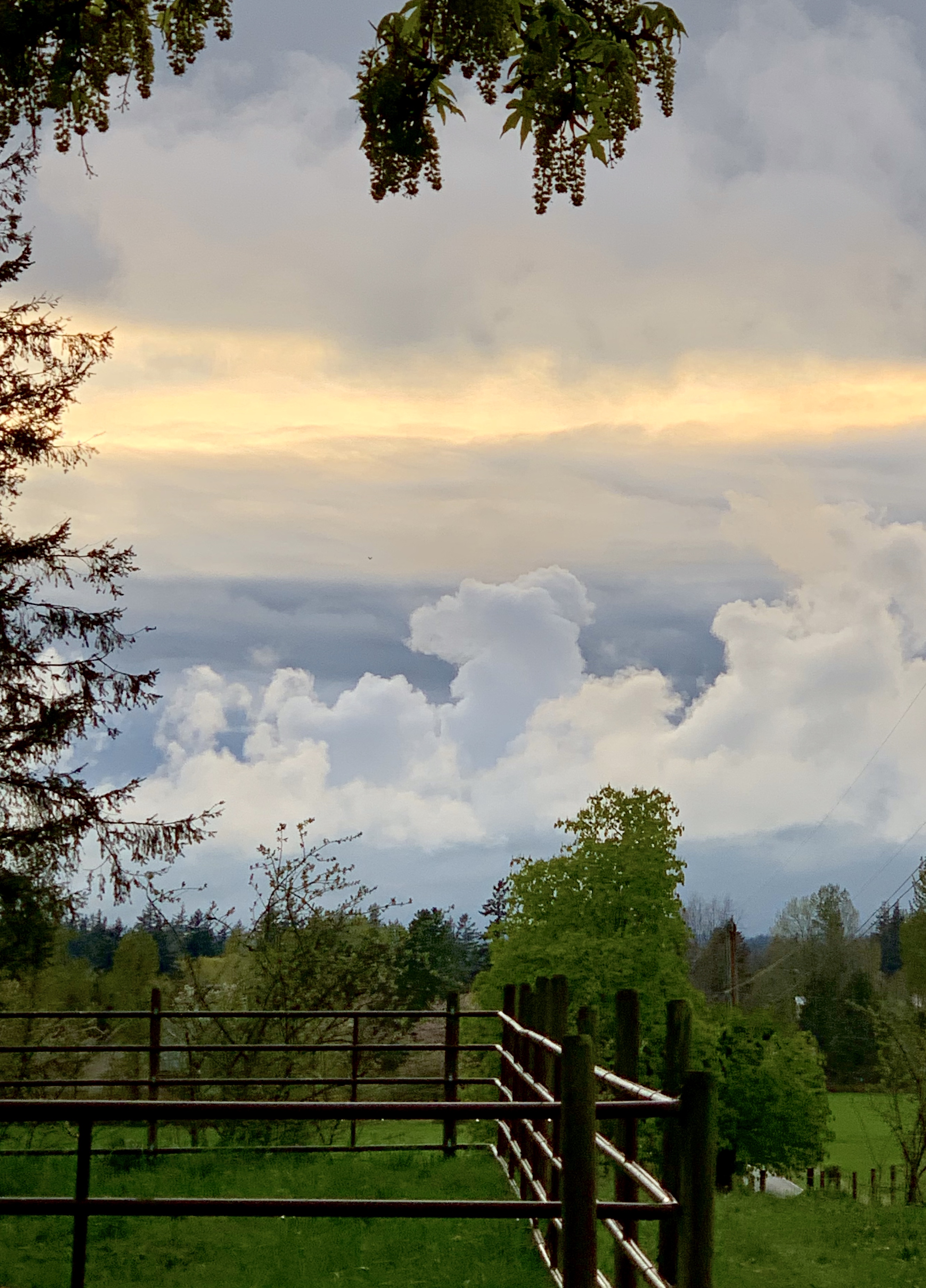
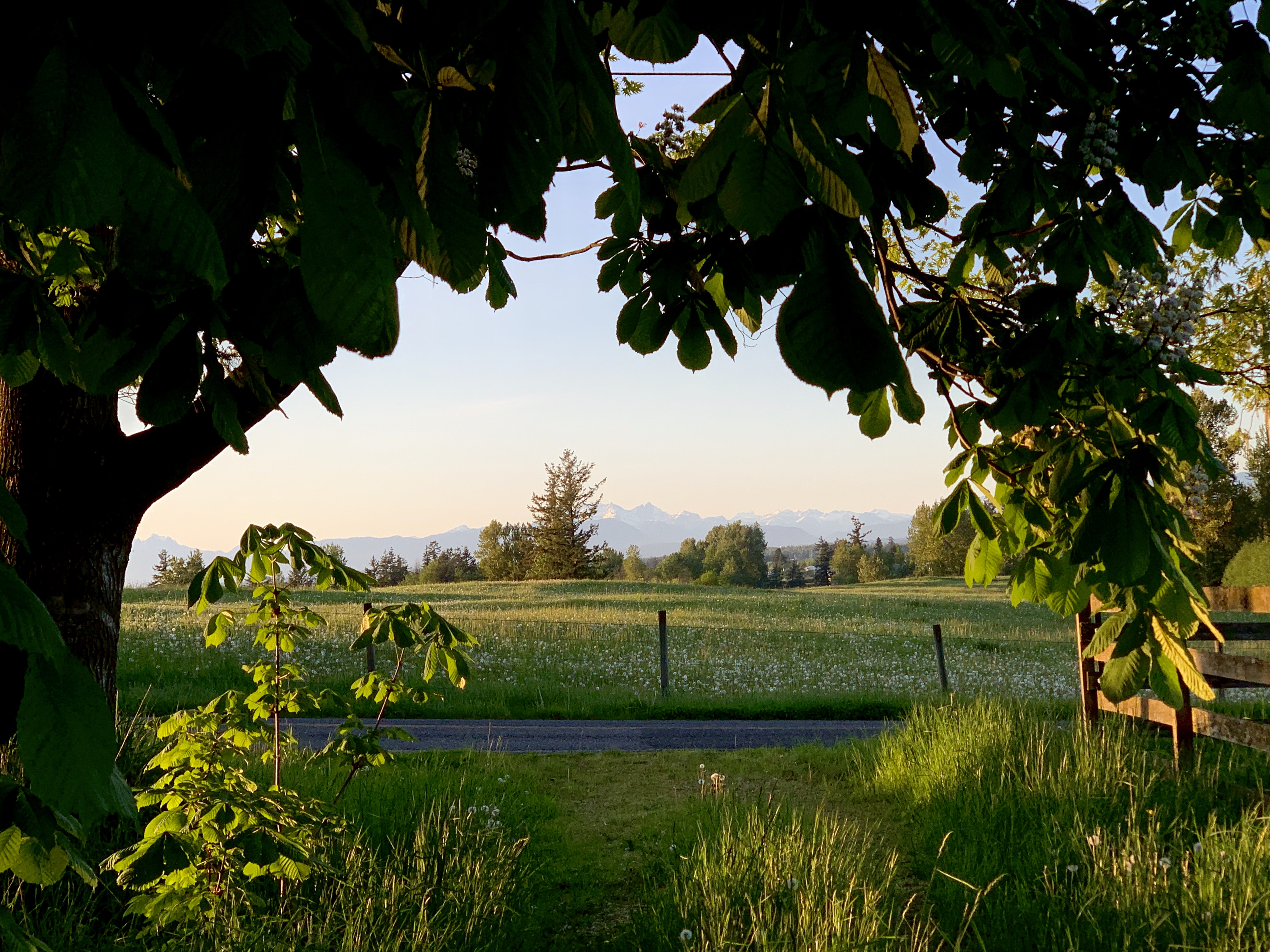
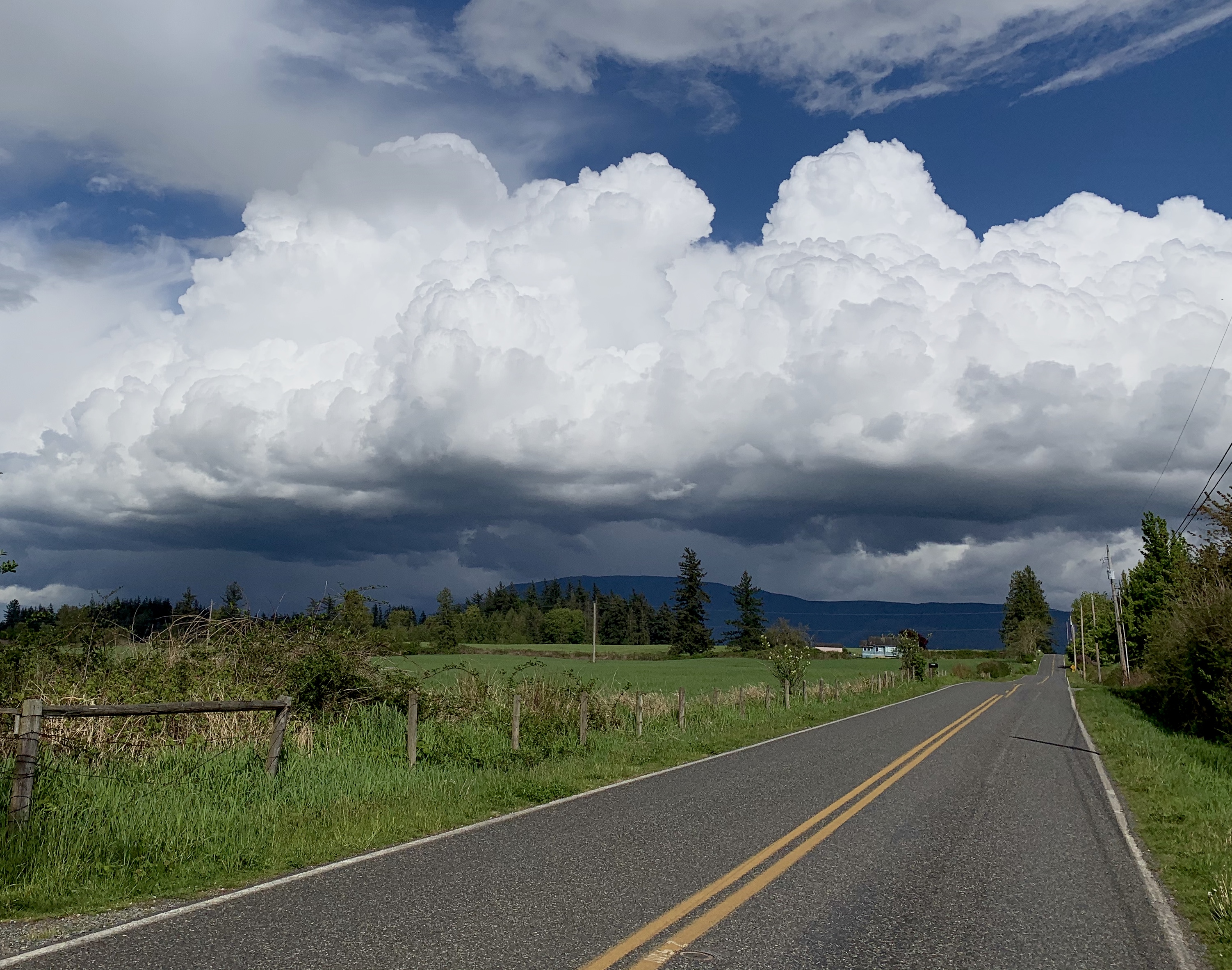
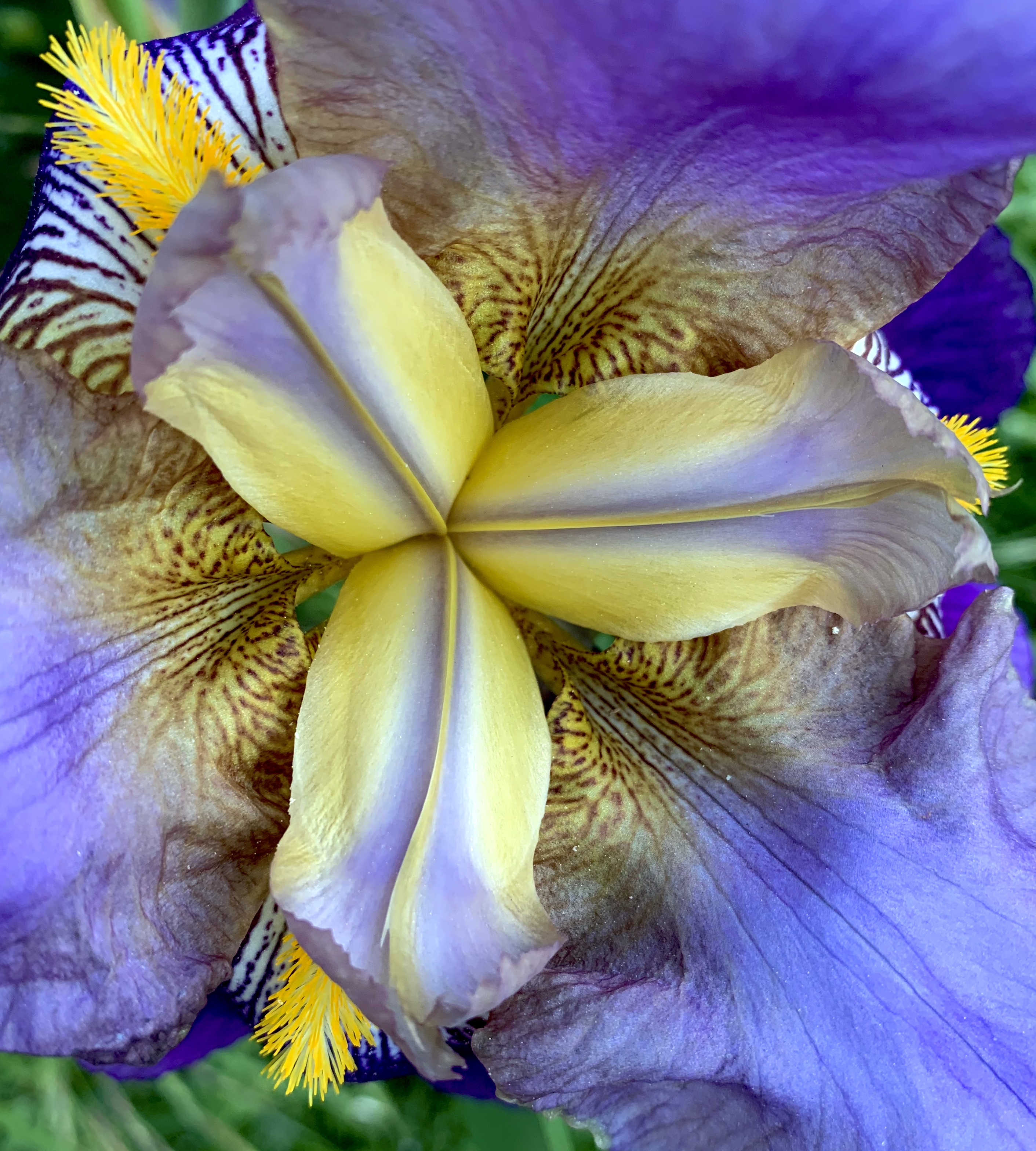
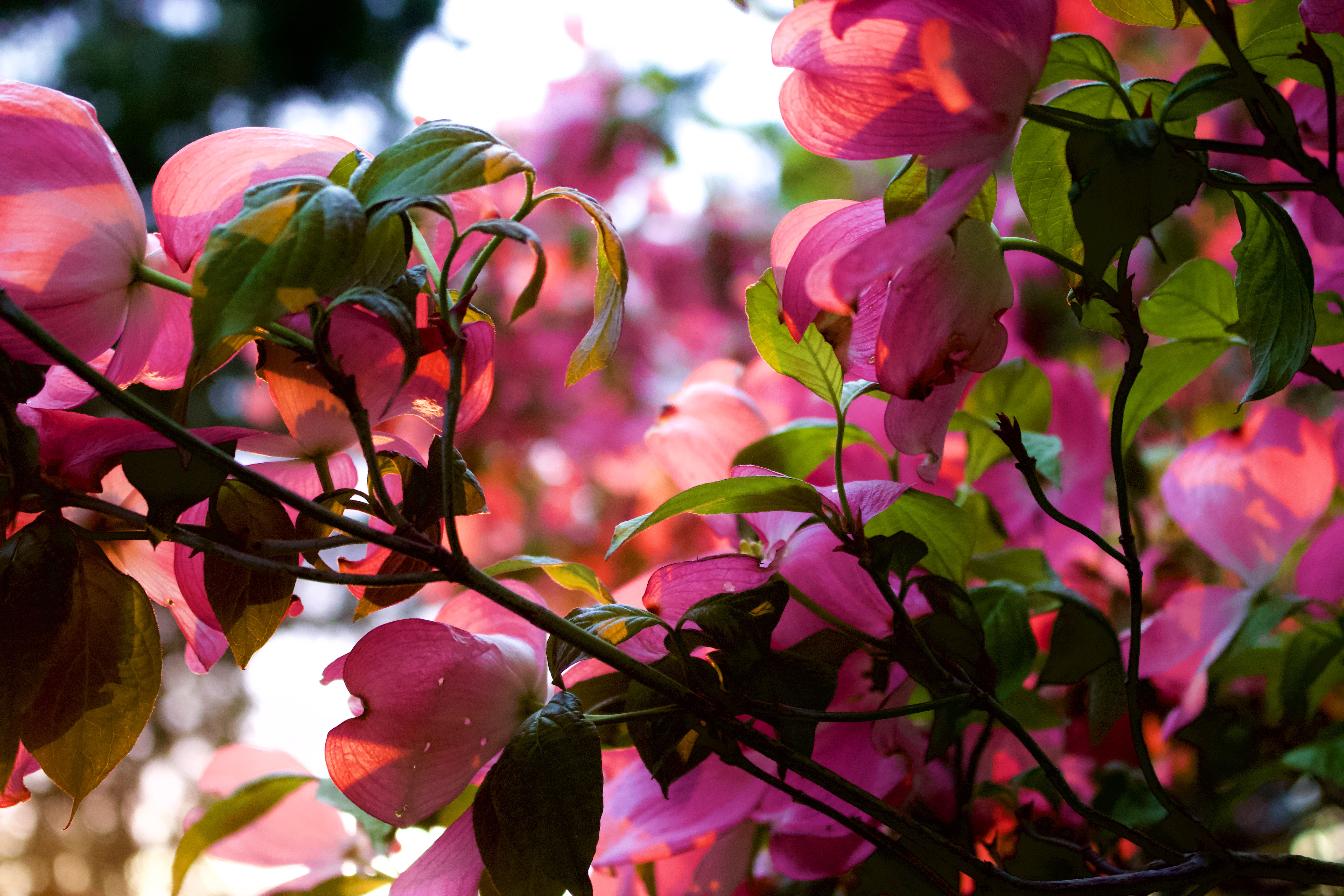
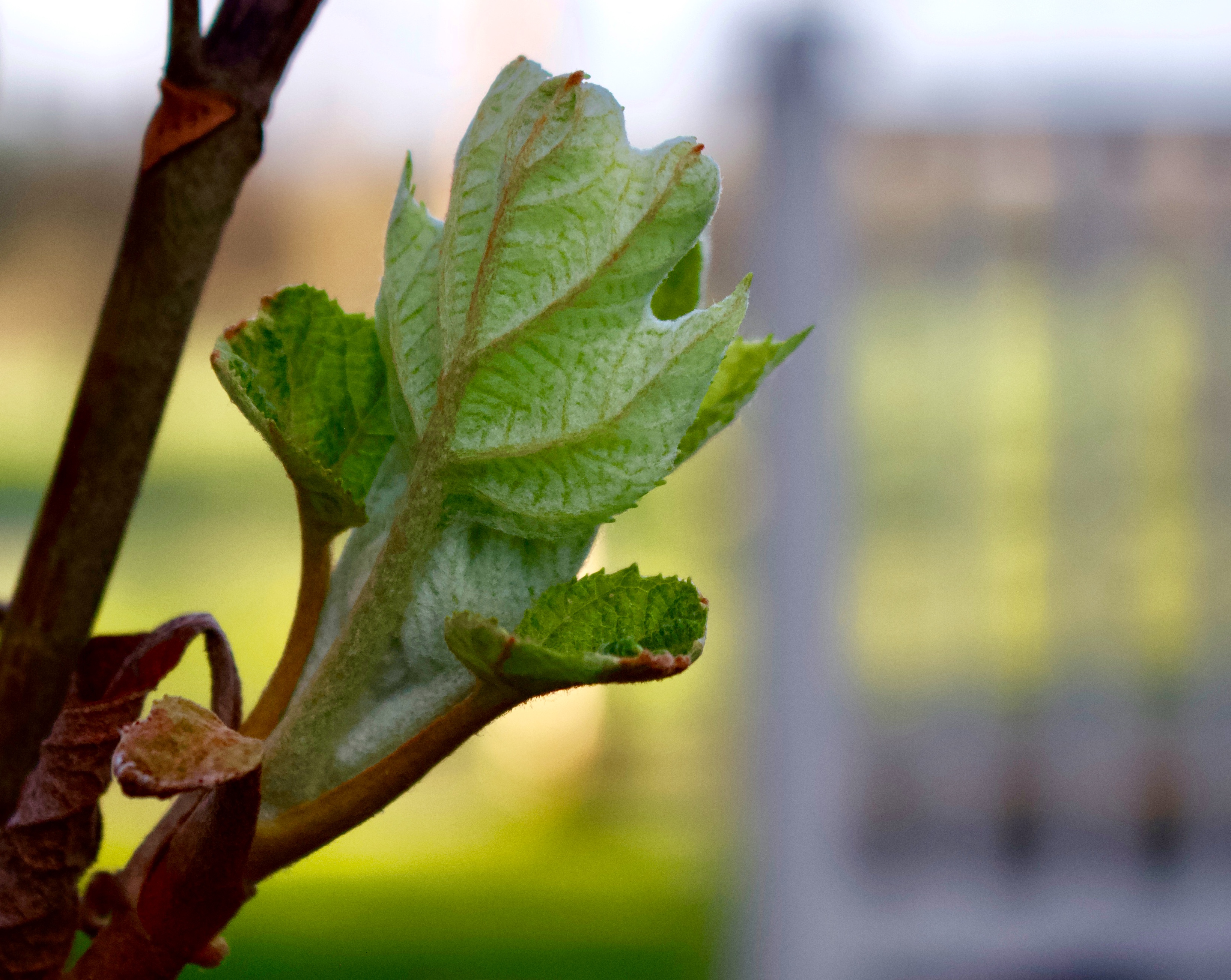
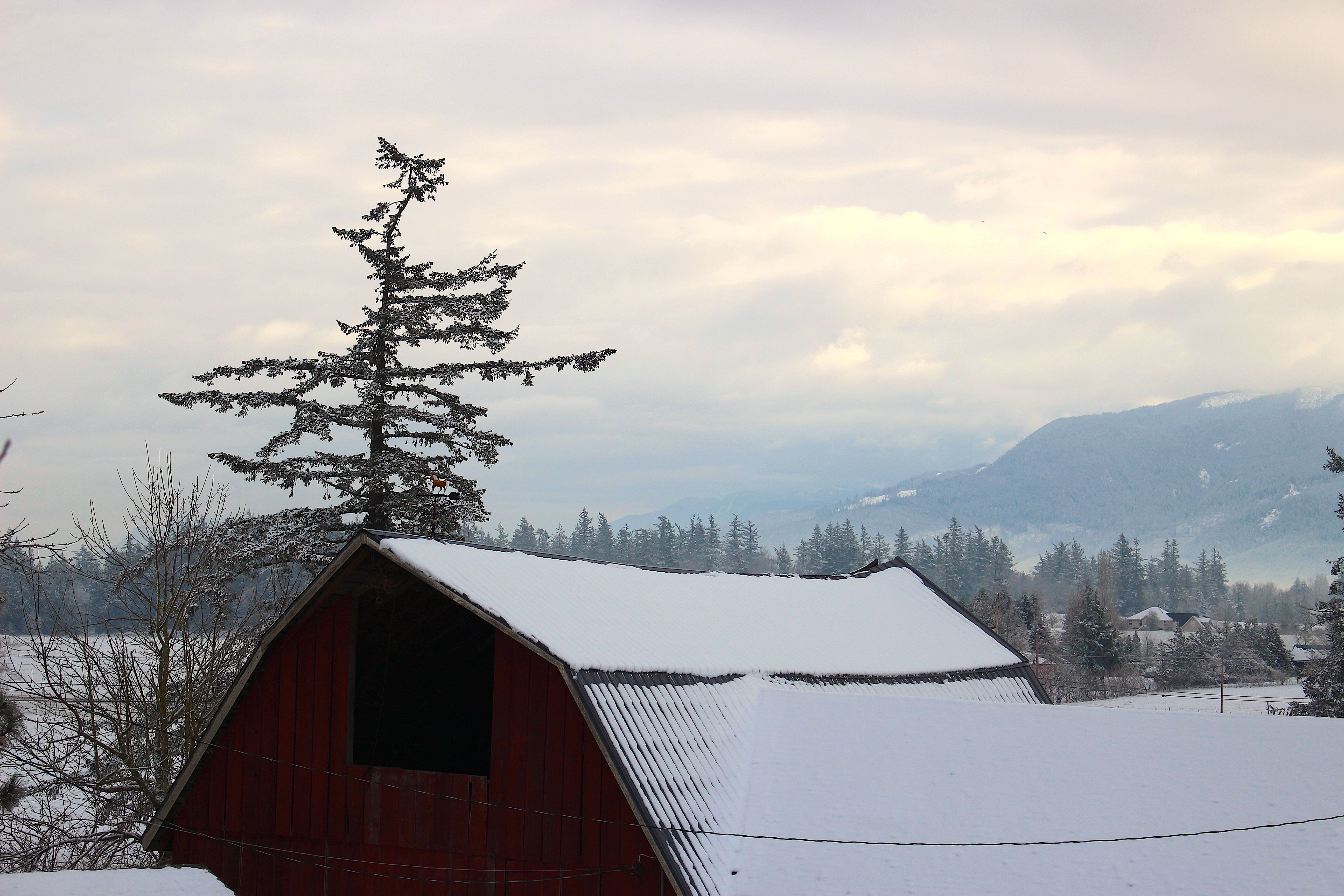
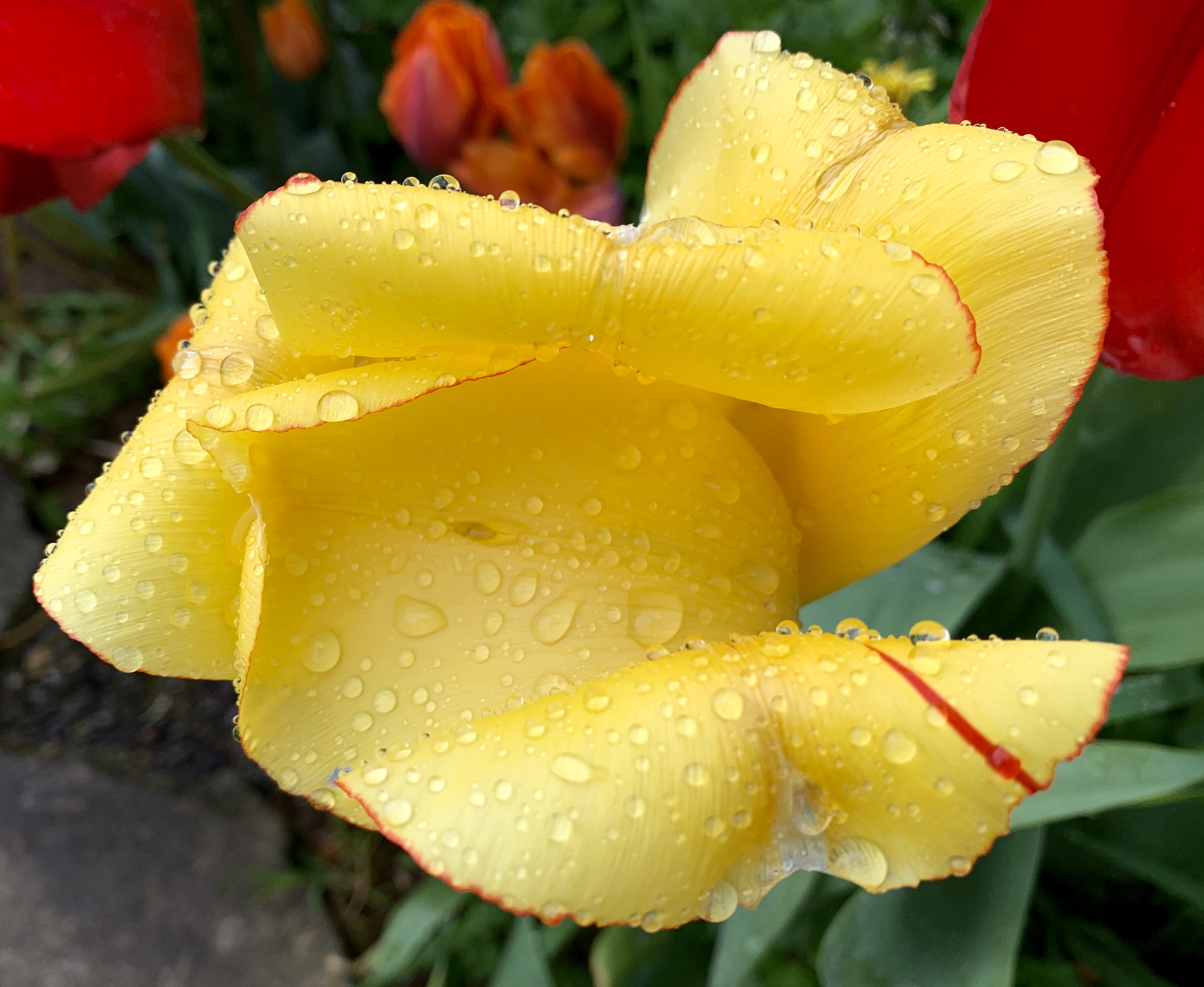
photo by Josh Scholten

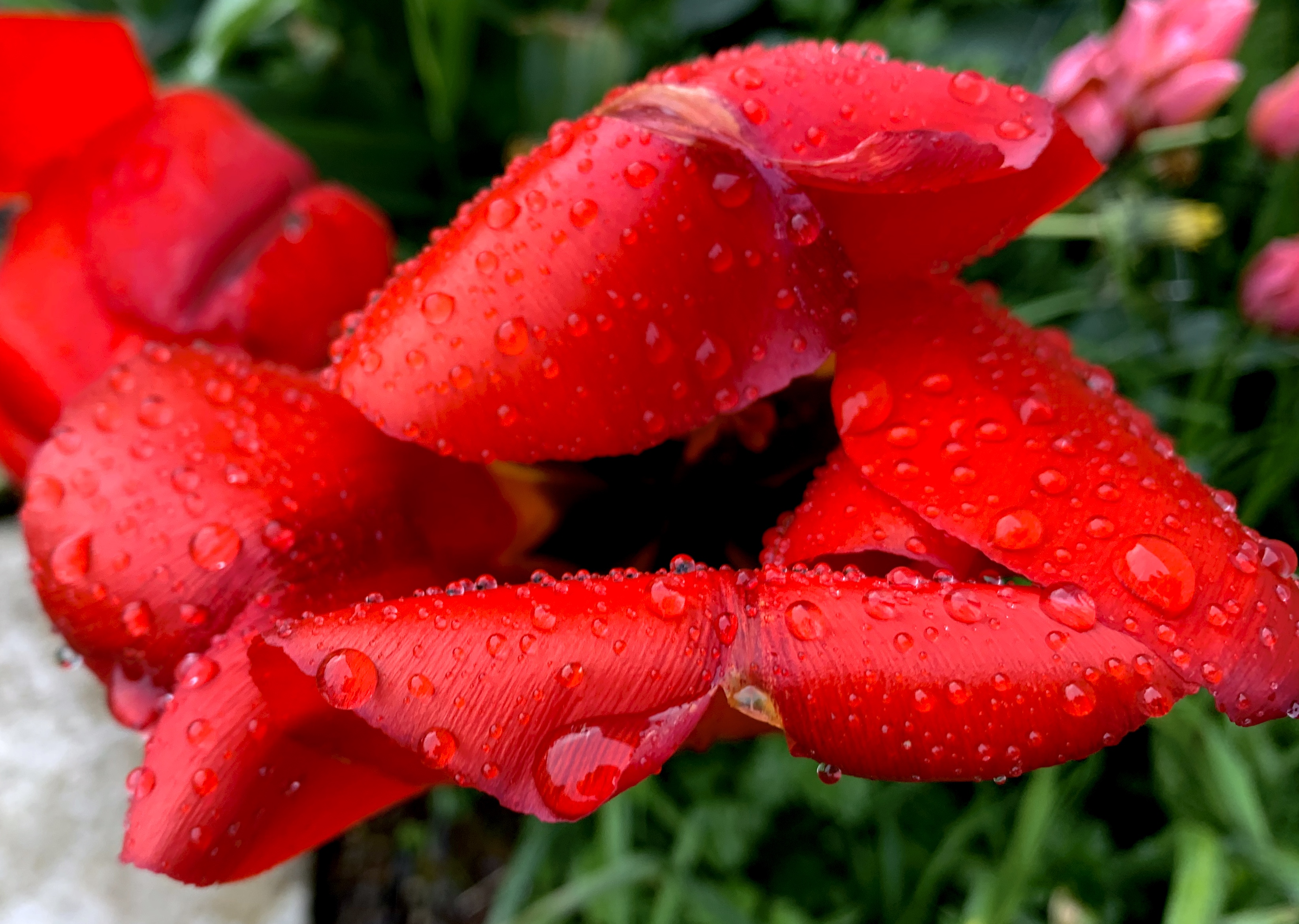
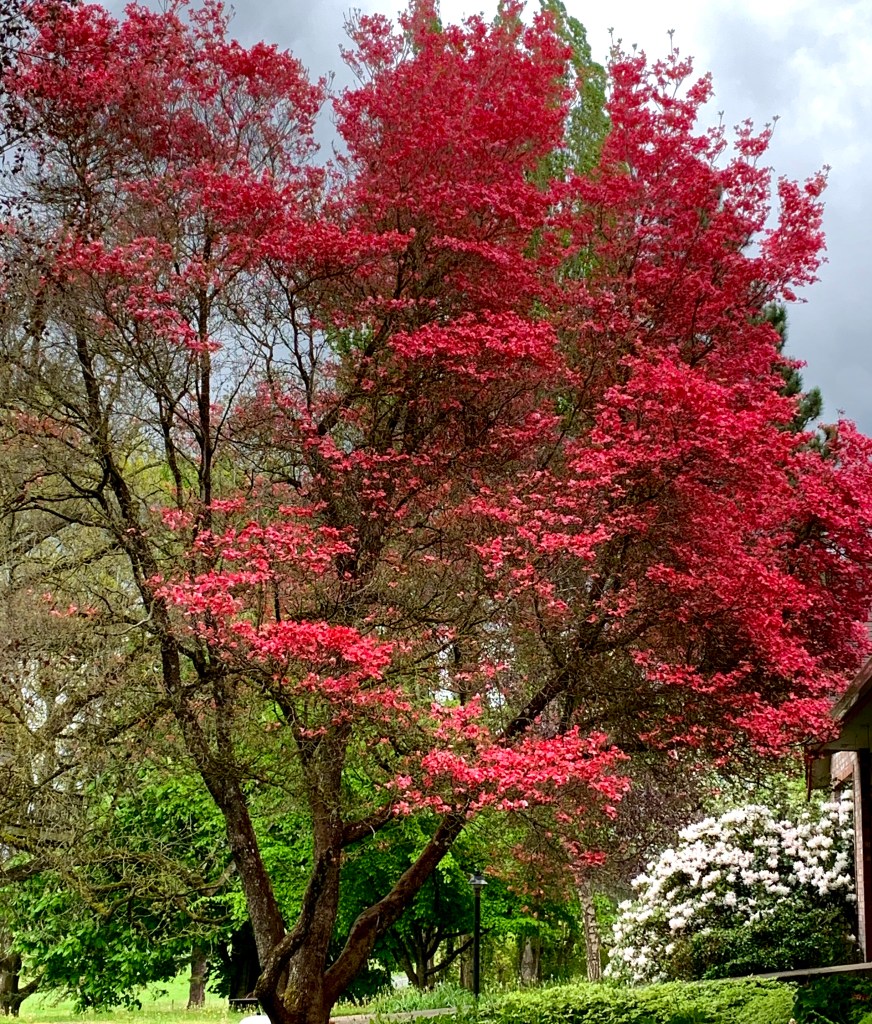
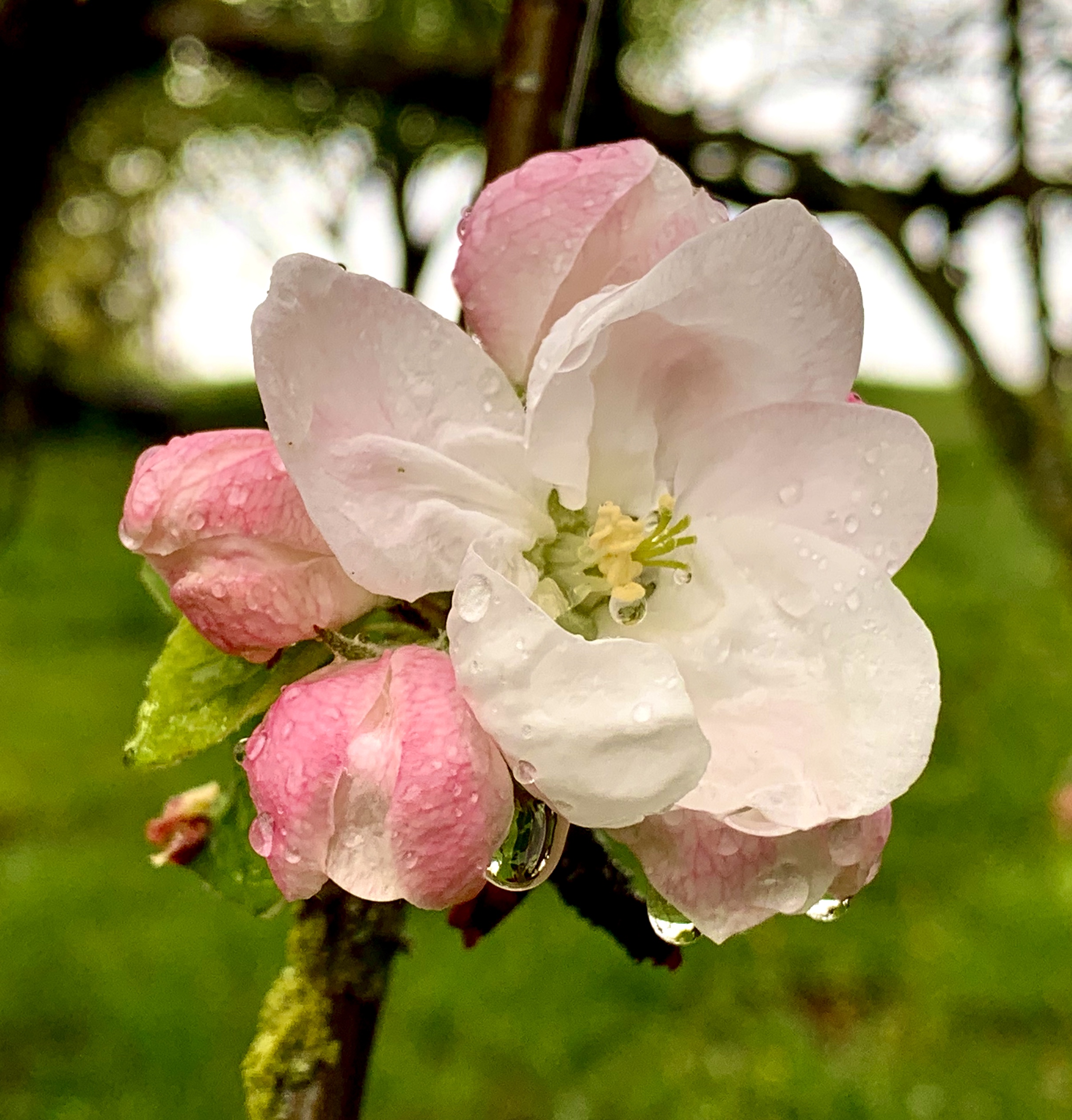
photo by Josh Scholten

We are wisely warned what may happen in the next few months: a second or third wave of virus, more disruption, more closures, more deaths. There seems no end in sight on this long COVID road. Or perhaps the end is prematurely near for too many.

Thinking so far away to uncertain times ahead, we need to remember the future has always been uncertain; we just aren’t reminded so starkly. Instead we are reminded to dwell in the present here and now, appreciating these quiet moments at home for what they may bestow.

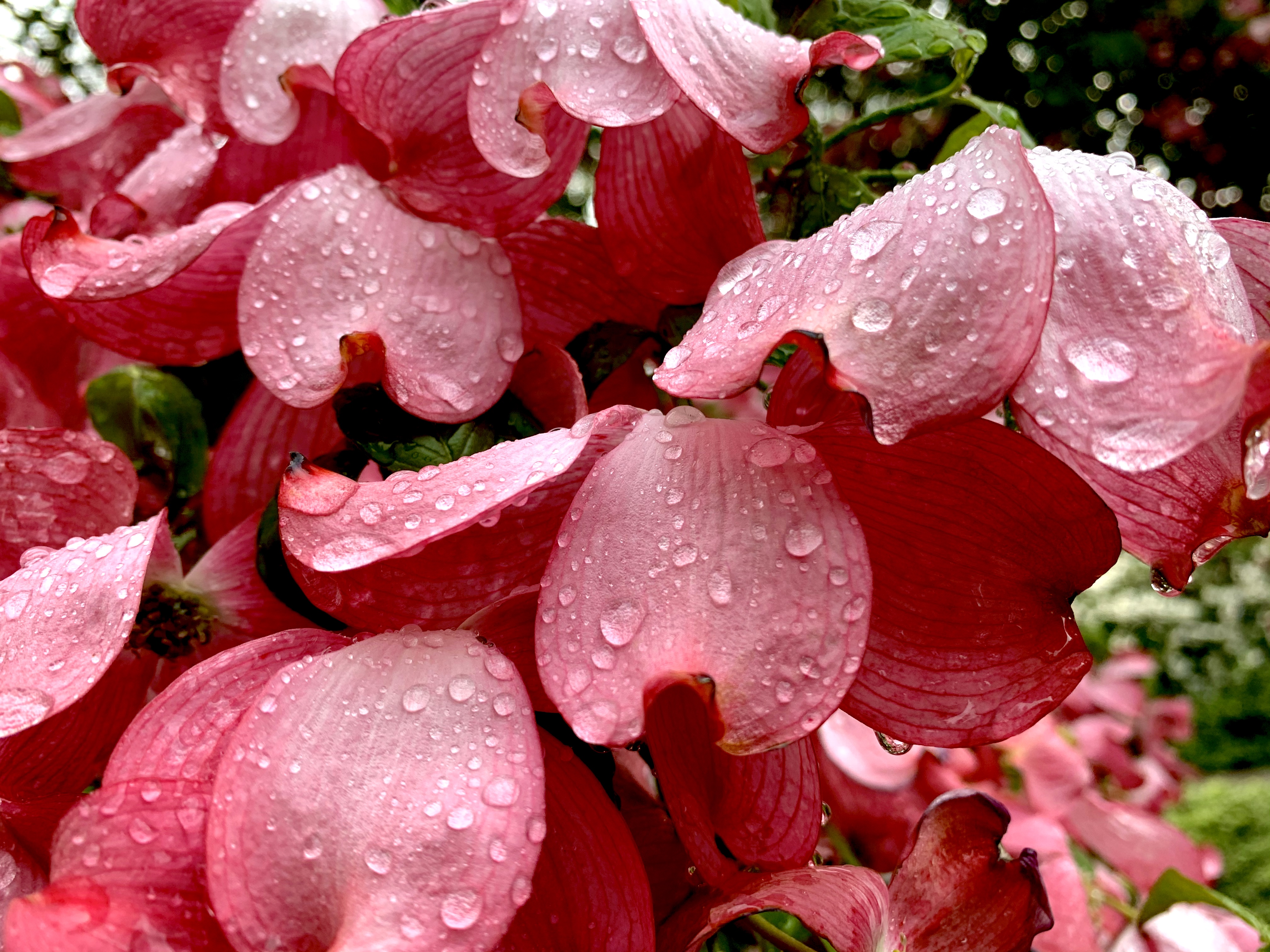
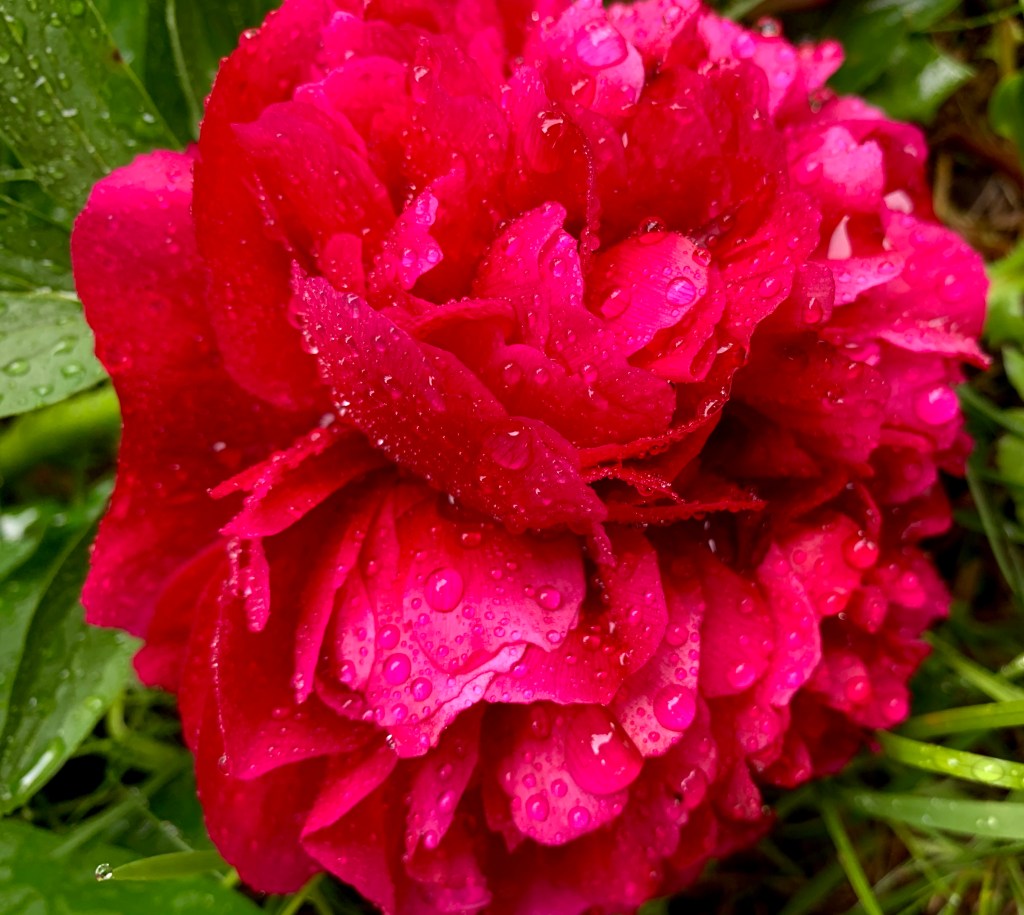
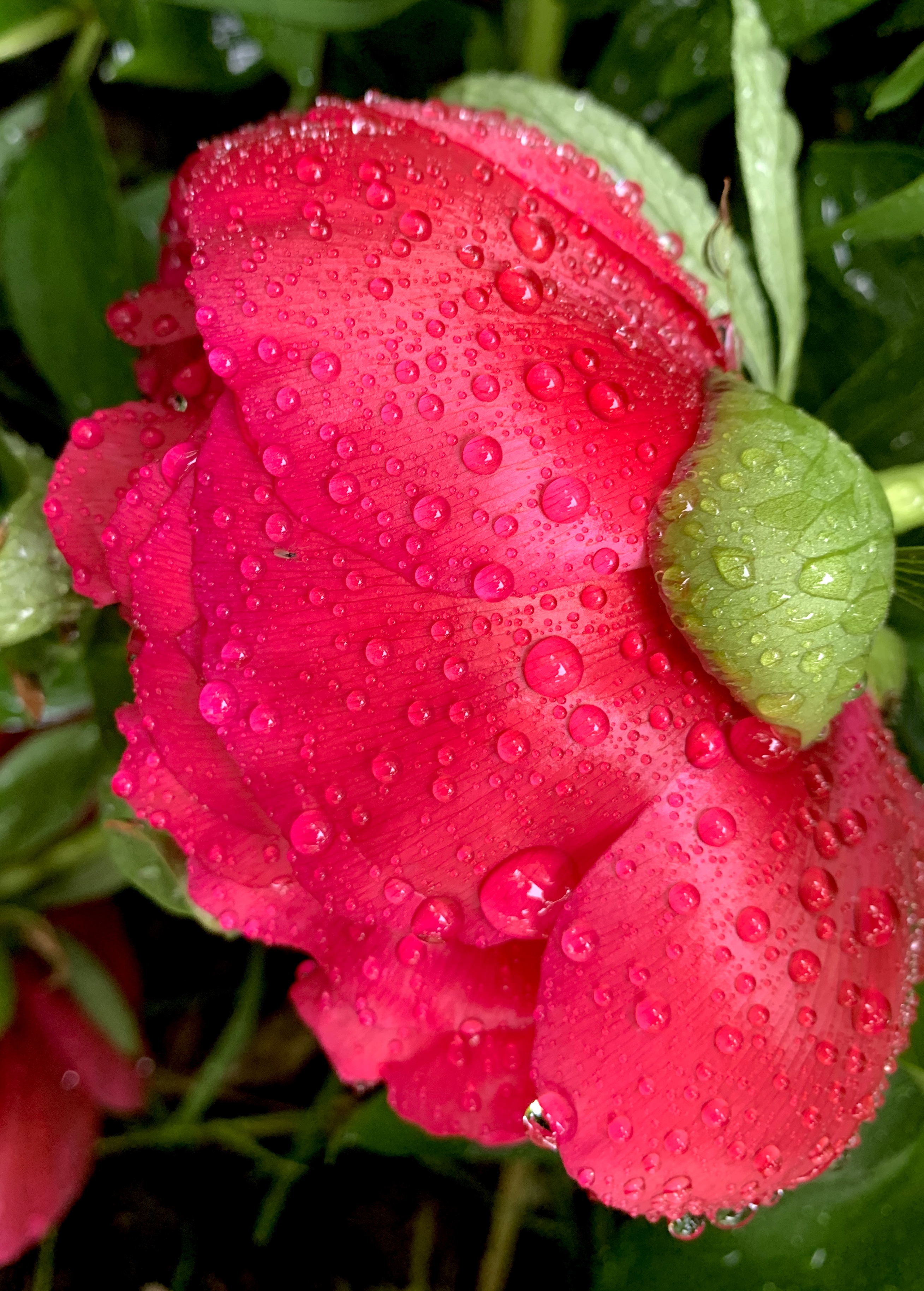
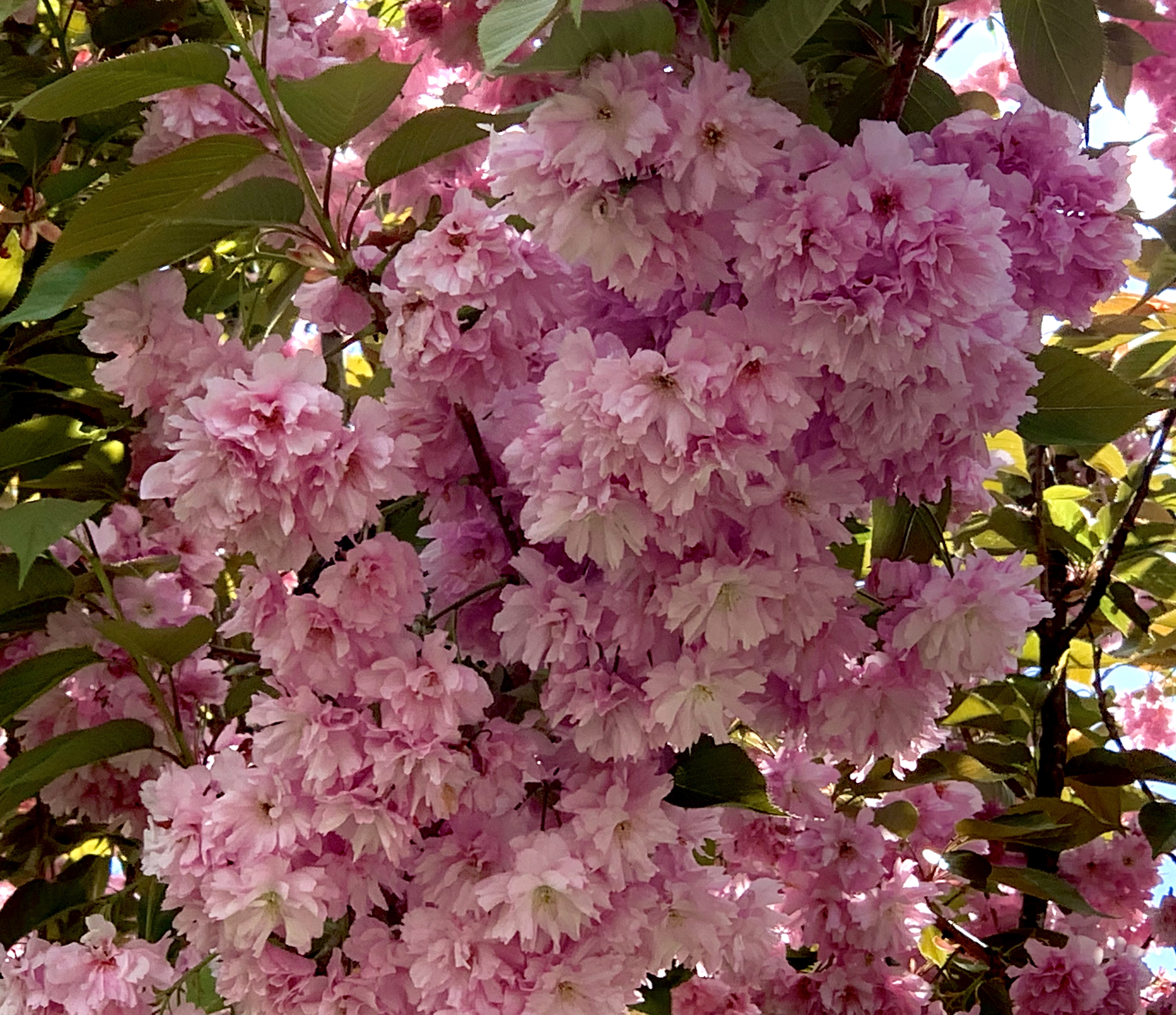
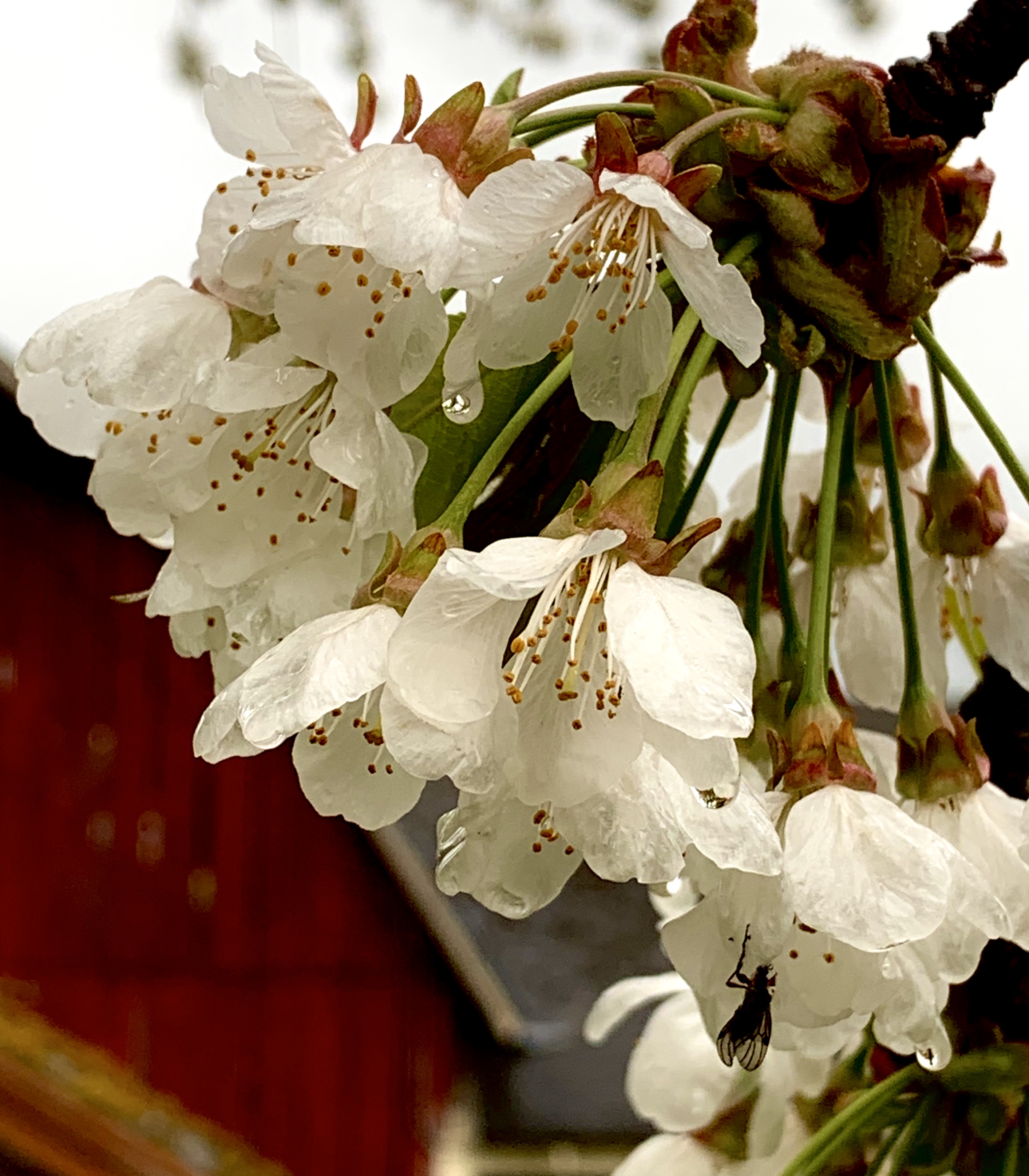
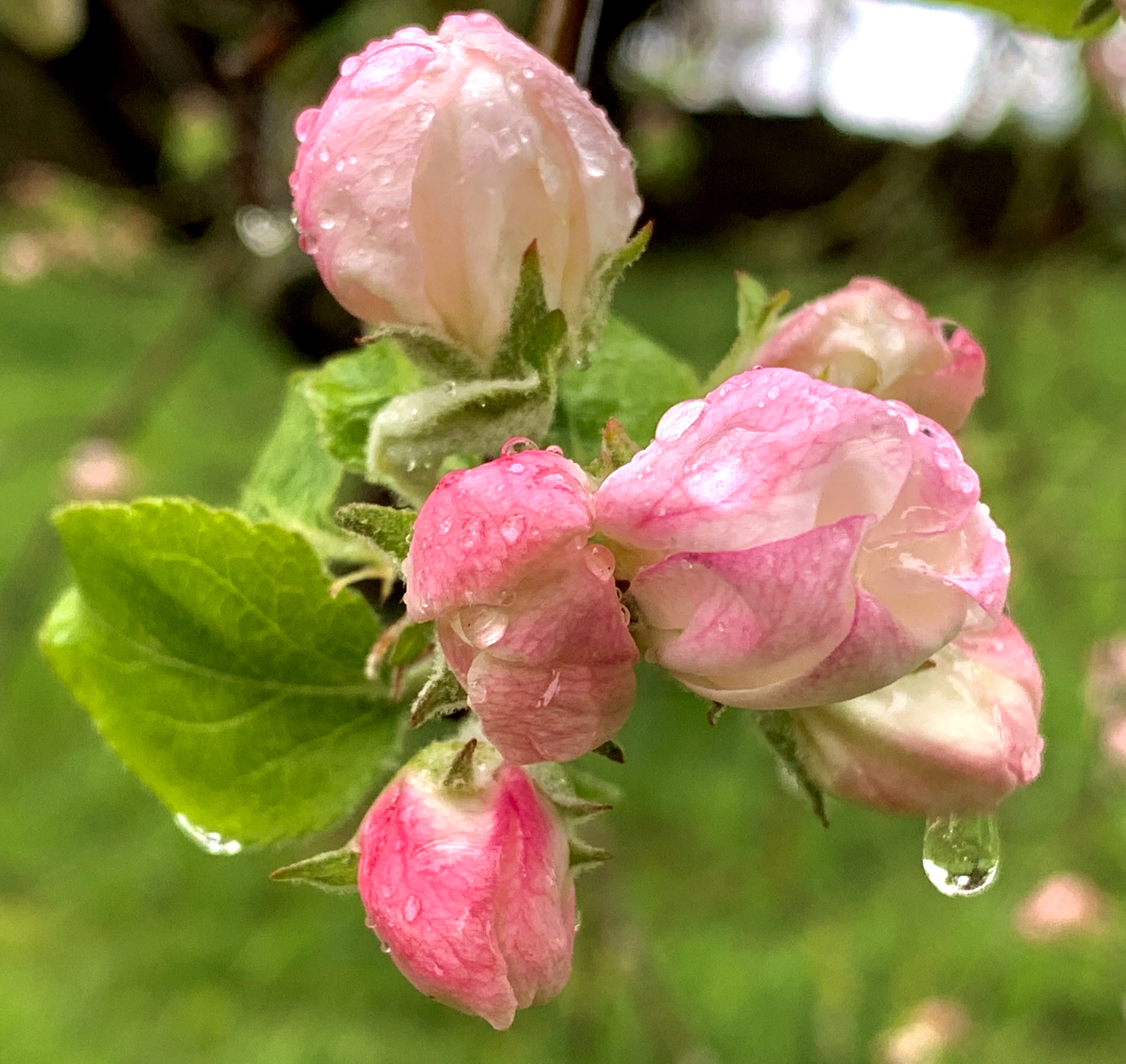
The earth is springing even while our hearts are weary of distancing and isolation. Each breath is filled with new fragrance, the greens startlingly verdant, each blossom heavy with promise.

There is reassurance in this renewal we witness yet again.

This, now, is love springing.
This is His love, reminding us He has not abandoned us.
This is love and nothing else can be as certain as that.

So Much Better

How much better it is
to carry wood to the fire
than to moan about your life.
How much better
to throw the garbage
onto the compost, or to pin the clean
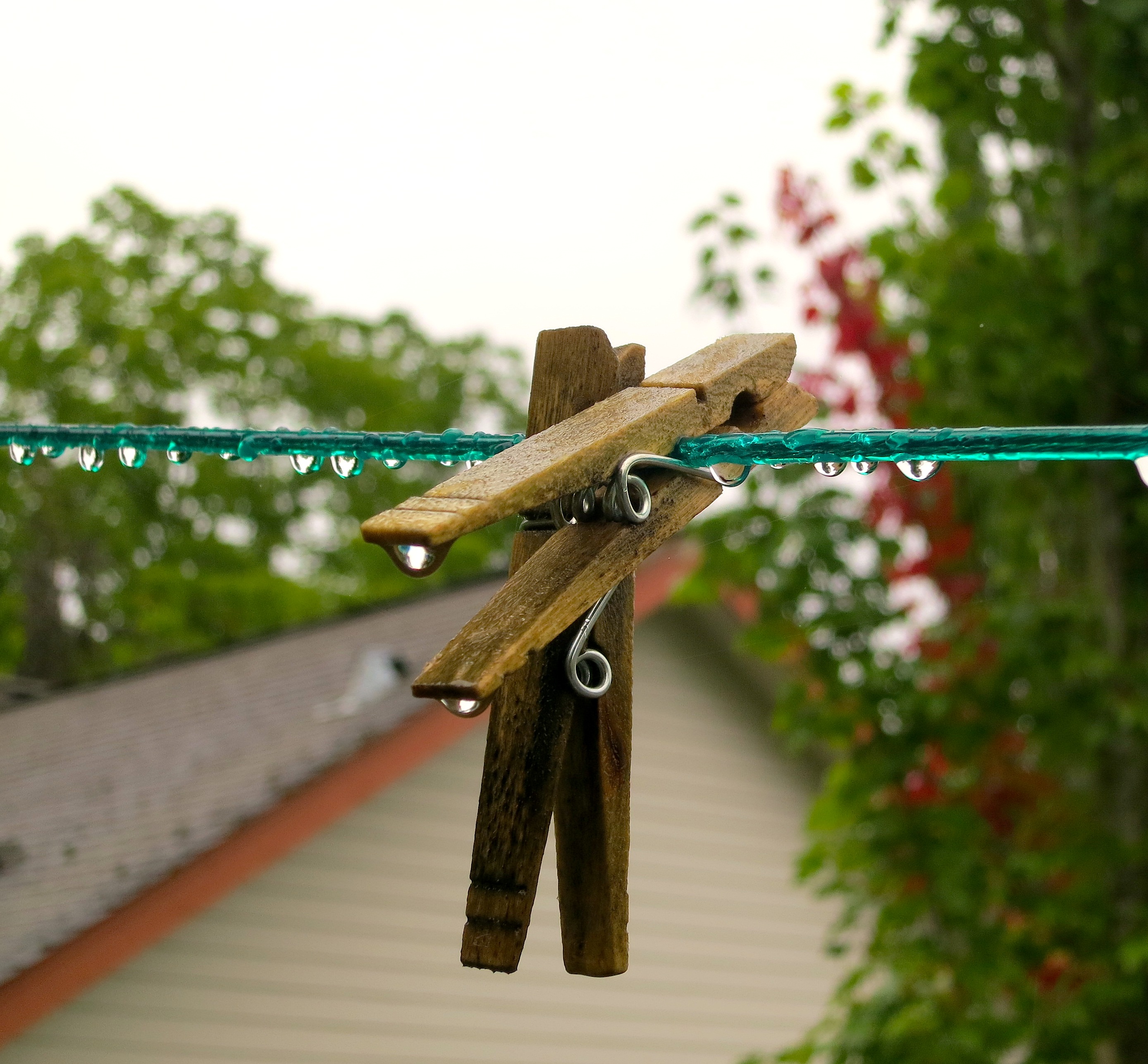
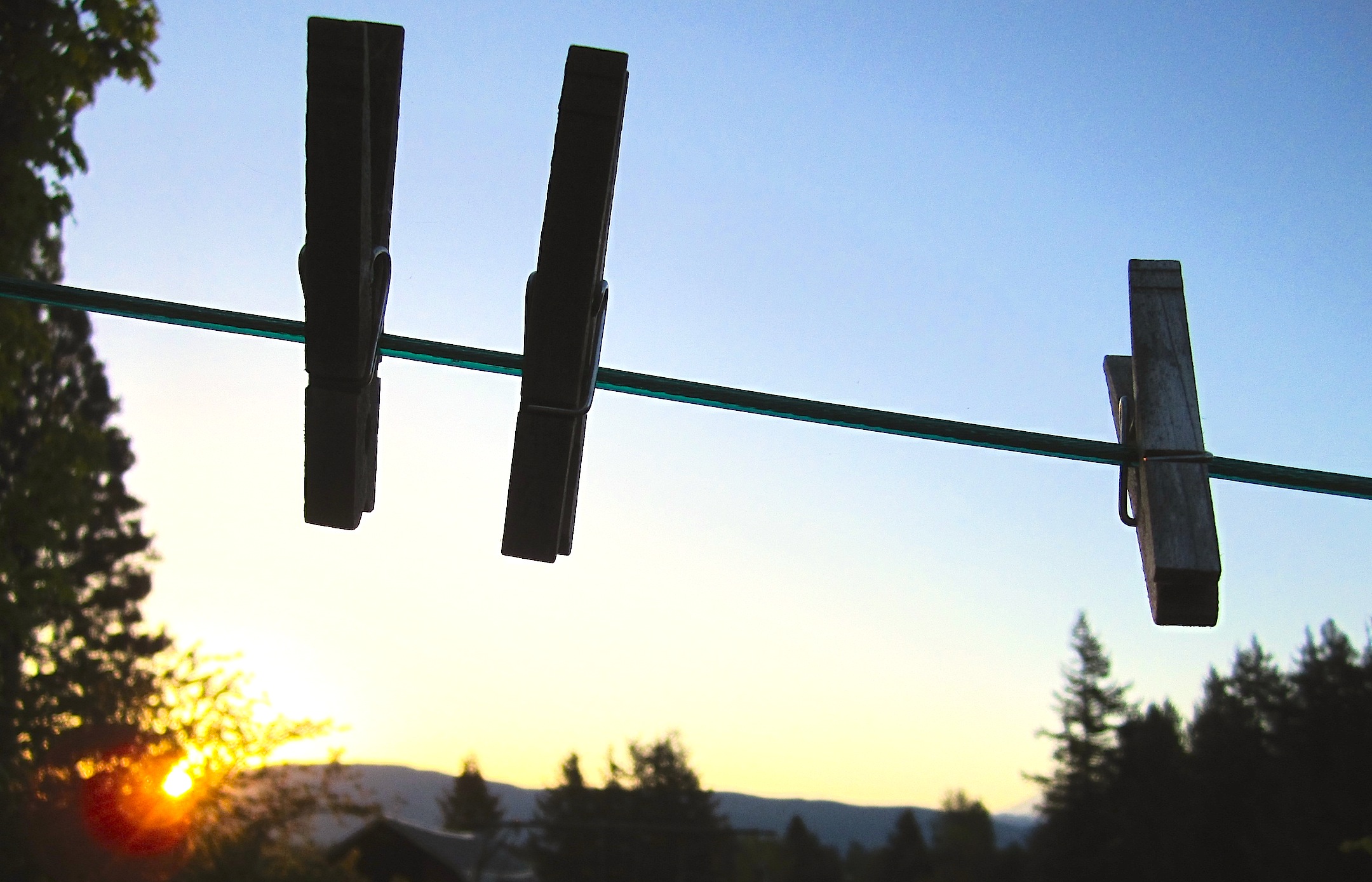
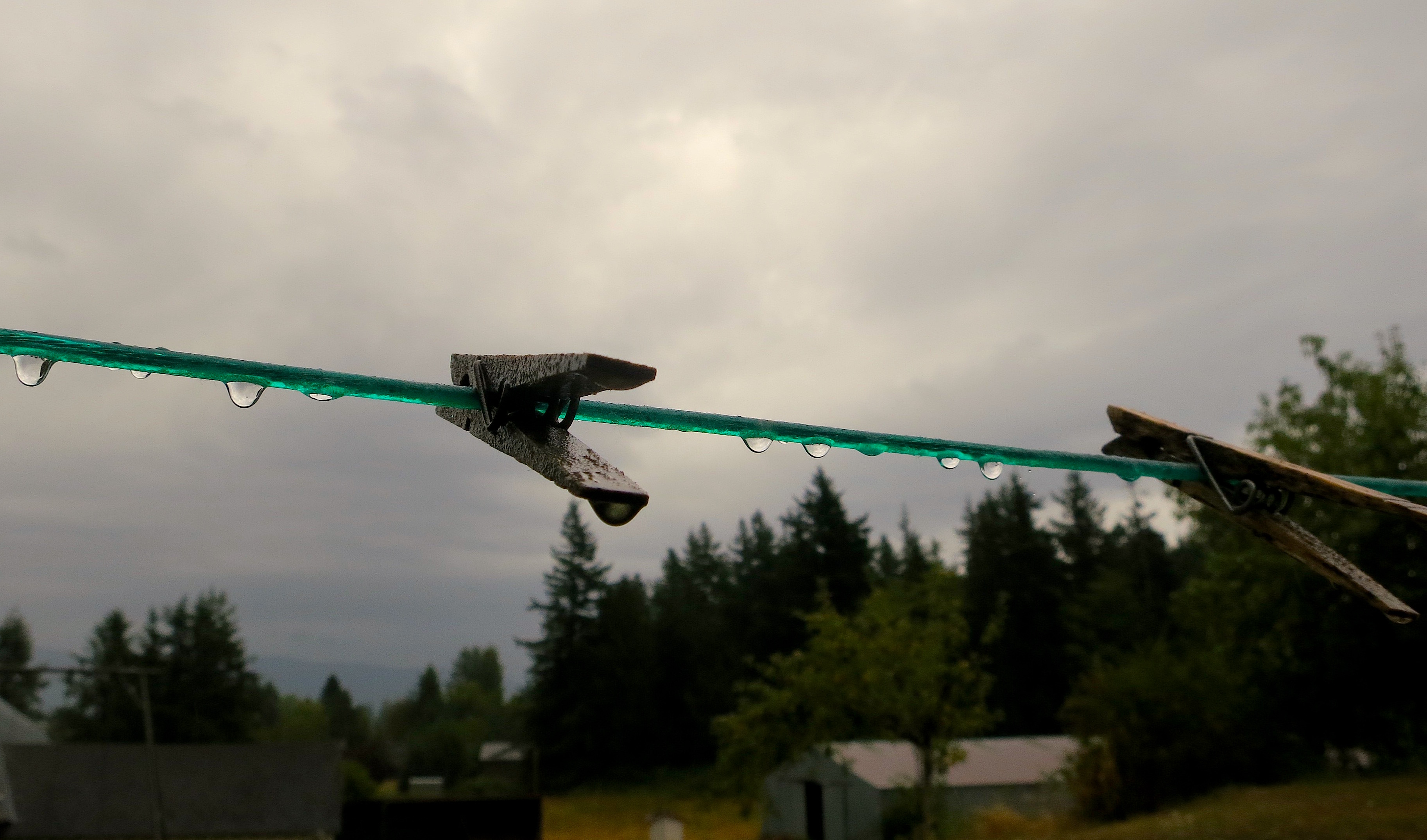
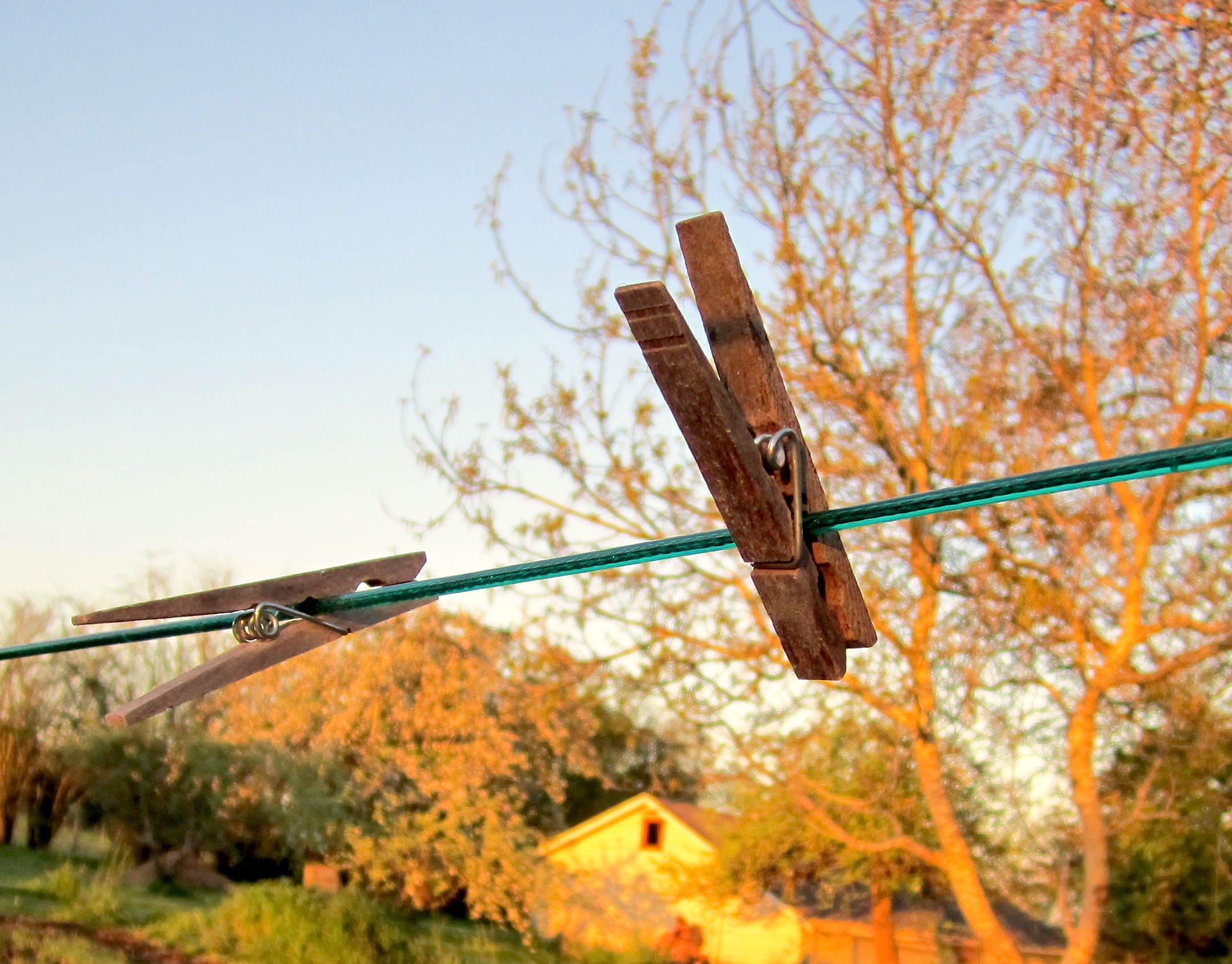
sheet on the line,
With a gray-brown wooden clothes pin.
~Jane Kenyon “The Clothespin”

I get easily overwhelmed with everything that needs to get done:
a full day of telehealth computer visits with patients from home but all the usual household and farm tasks waiting for me –grass to mow, flower beds to weed, garden to plant, fences to fix, manure to haul, animals to brush out — the list is endless and there are never enough hours in the day.  

So of course, I moan and whine and write about it.

Or I can set to work, tackling one thing at a time.  A simple task is accomplished, and then another, like hanging clothes on the line: this one is done, and now this one, pinned and hanging to freshen, renewed, in the spring breezes.

At the end of the day, I pull them down, bury my face in them and breathe deeply, knowing how much better I am than before I began.

So much better.

Blooming Impossibly

There are days we live
as if death were nowhere
in the background; from joy
to joy to joy, from wing to wing,
from blossom to blossom to
impossible blossom, to sweet impossible blossom.

~Li-Young Lee, last stanza of “From Blossoms” from Rose.

… it seemed as if the tiniest seed of belief had finally flowered in me, or, more accurately, as if I had happened upon some rare flower deep in the desert and had known, though I was just then discovering it, that it had been blooming impossibly year after parched year in me, surviving all the seasons of my unbelief.
~Christian Wiman from My Bright Abyss

To live as if
death were nowhere in the background:
that is impossible right now
when death is in every headline
and everyone knows someone
who has been lost to the virus.

Yet, to still emerge and blossom,
despite the dryness and drought of pandemic~
this is Christ’s call to us.
 
We are not dying,
but alive in Him,
an amazing impossible flowering.

So I allow my eye to peer through
a dying time such as this,
needing a flotation device
and depth finder
as I’m likely to get lost,
sweeping and swooning
through the inner space
of life’s deep tunnels,
canyons and corners,
coming up for air and diving in again
to journey into exotic locales
draped in silken hues
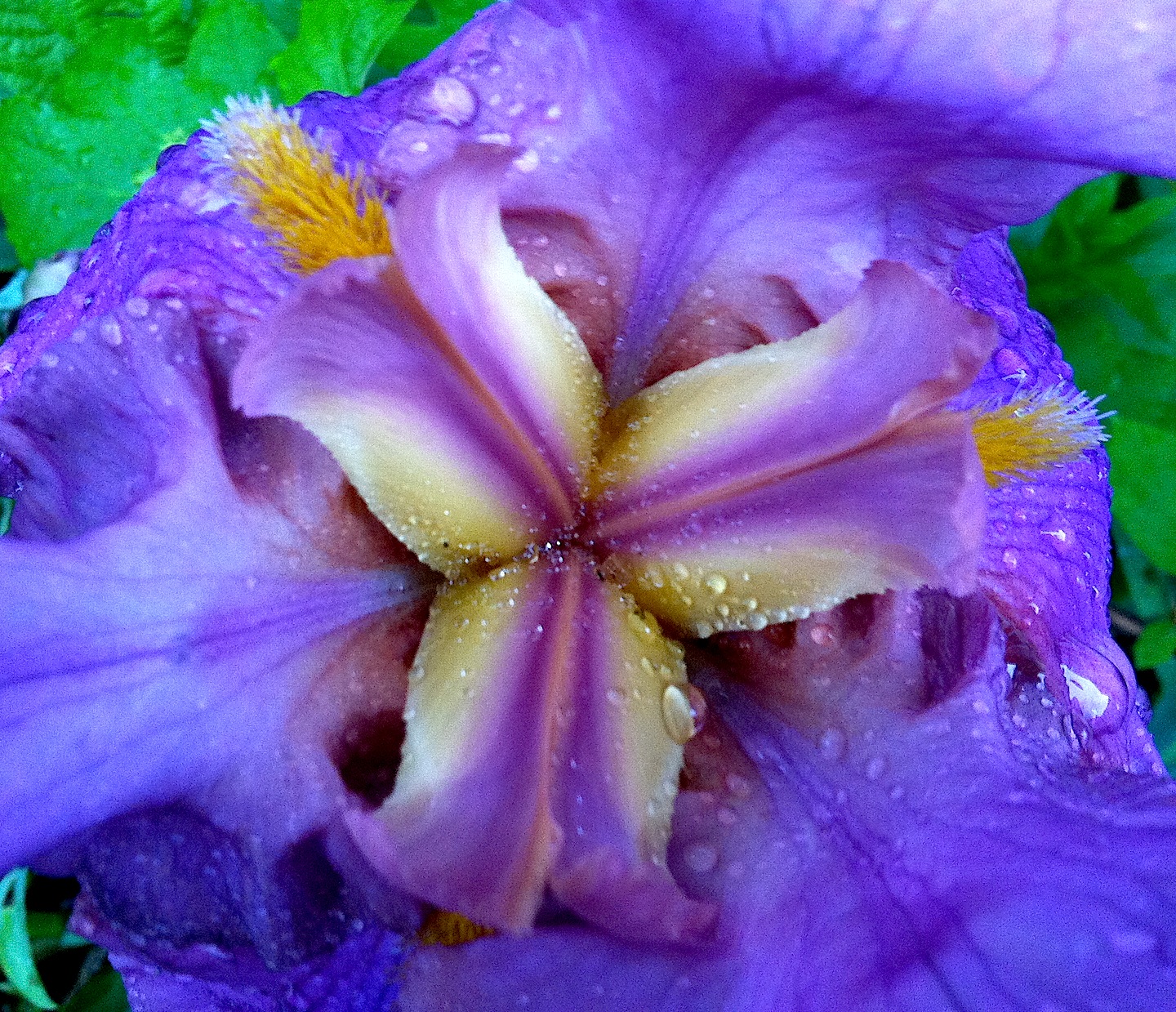
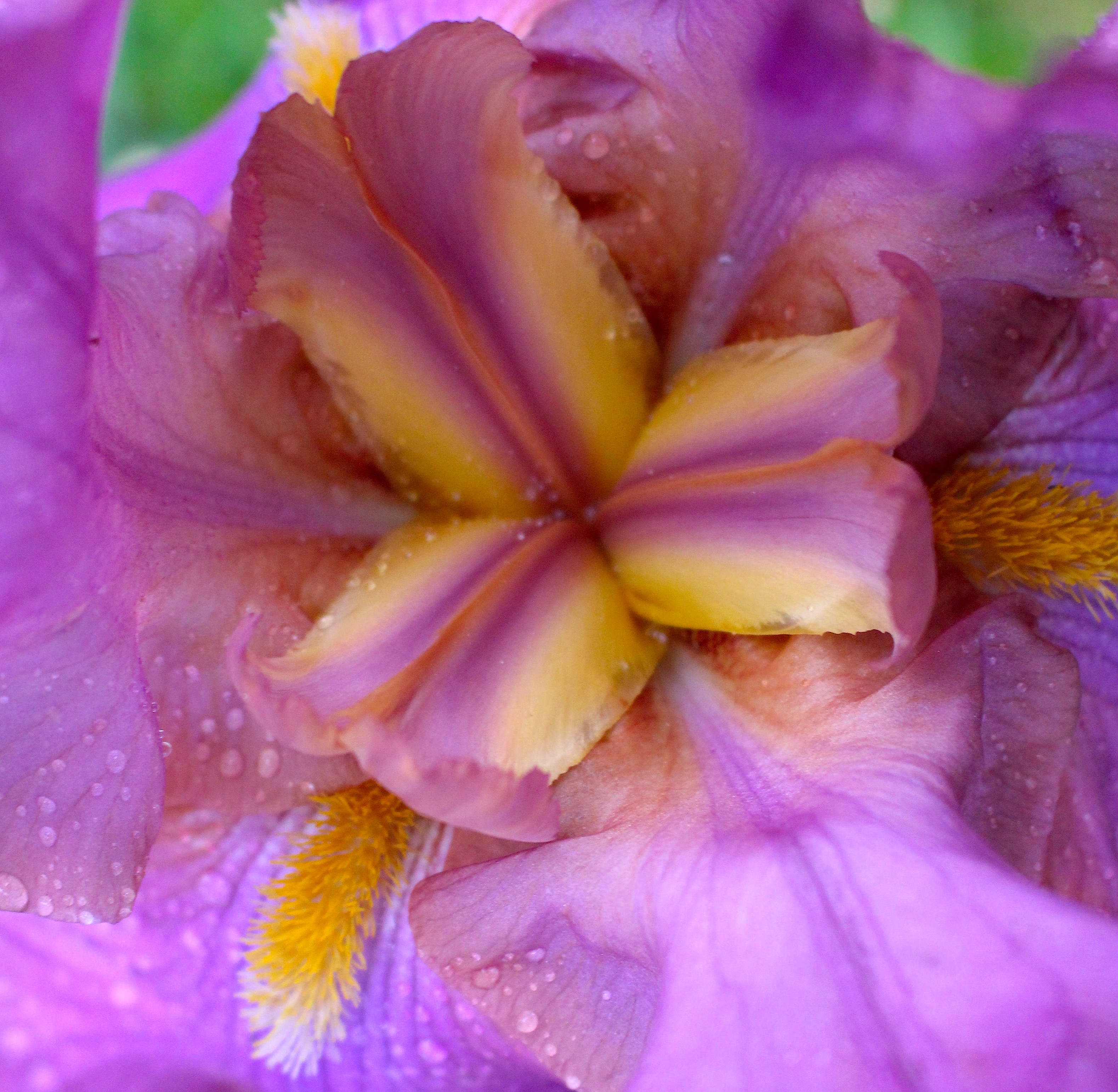
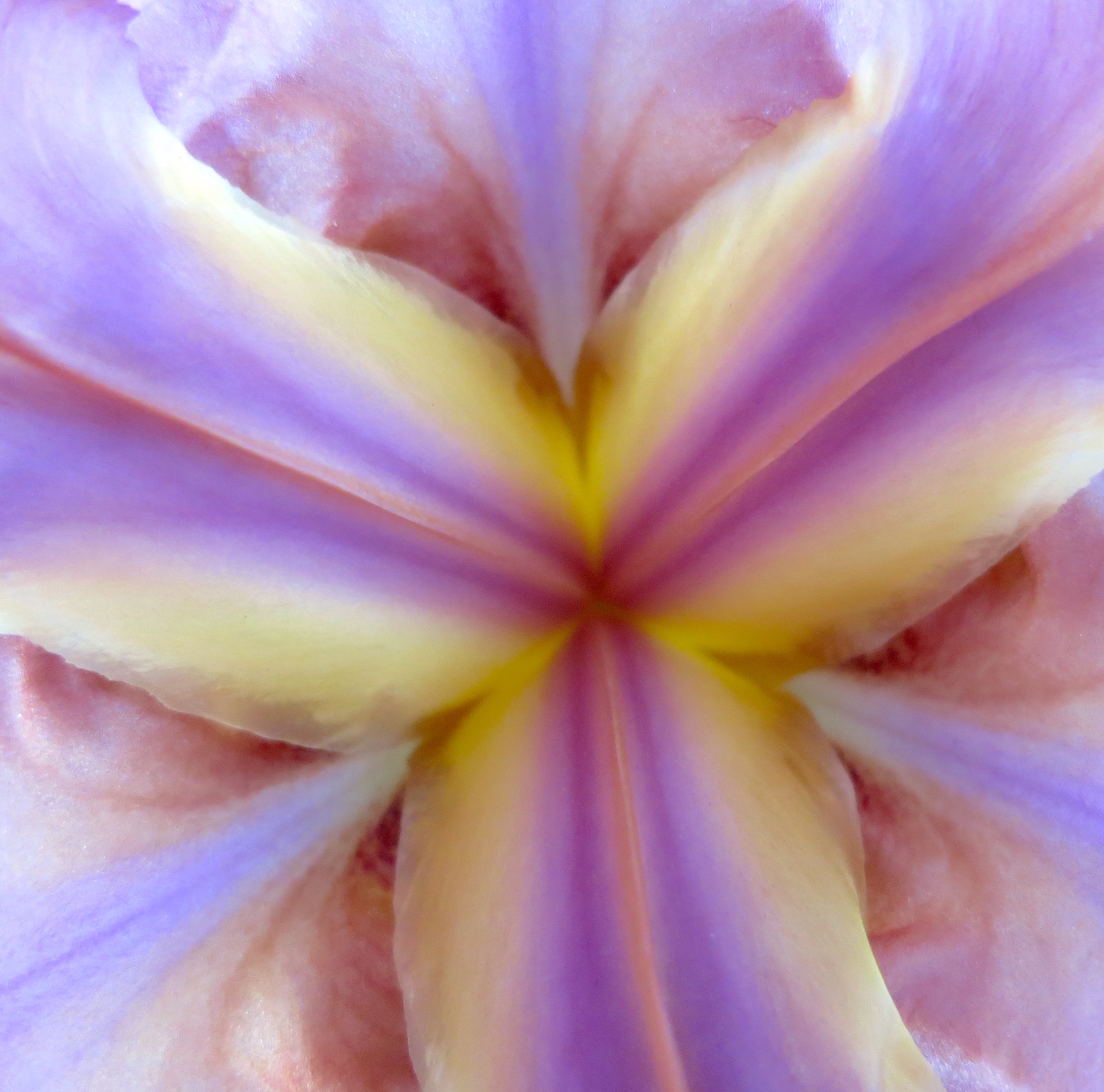
~this fairy land on a stem~
to immerse and emerge
in the possibilities
of such an impossible blossom.

Spreading Infection

Good things as well as bad, you know, are caught by a kind of infection.

If you want to get warm you must stand near the fire:
if you want to be wet you must get into the water.
If you want joy, power, peace, eternal life,
you must get close to, or even into, the thing that has them. 

They are not a sort of prize which God could,
if He chose, just hand out to anyone.
They are a great fountain of energy and beauty

spurting up at the very centre of reality.
If you are close to it, the spray will wet you:

if you are not, you will remain dry.

Once a man is united to God, how could he not live forever?
Once a man is separated from God, what can he do but wither and die?

~C.S. Lewis- Mere Christianity

As society becomes more divided about how to manage continued COVID pandemic spread with new long-term medical complications among young and old — I wonder what is it that is truly infecting us aside from a tiny packet of RNA?

We are willing to believe almost anything without verification if it suits our previously held viewpoints; we can’t discern truth from fiction if it appears in a youtube video or a clickable headline.

The forces of evil are using a virus to divide and conquer good and well- meaning people who become infected without realizing it, spreading a contagion of suspicion, distrust and conspiracy theories.

Out of caution, as I’ve done for forty years inside the walls of my clinic, I now glove and mask outside the clinic to prevent me from inadvertently infecting others. Just as it has been during my whole professional career, taking those precautions doesn’t infringe on my rights nor does it harm me. It simply shows my careful consideration for others around me. Yet, more than ever, I am unwillingly exposed to the sad reality of this fallen fragile world through the angry words and deeds of others.

Instead, I want to be infected and contagious with the reality of God. I seek out the life-saving vaccination of God’s Word: eternal, unchanging and 100% effective.

If I’m to be contagious to others, let it be because I’m overwhelmed with the Spirit, not dangling helplessly by a mere thread in a pandemic spread of suspicion and distrust.

This Tranquil Dust

I like to live in the sound of water,
in the feel of mountain air. A sharp
reminder hits me: this world still is alive;
it stretches out there shivering toward its own
creation, and I’m part of it. Even my breathing
enters into the elaborate give-and-take,
this bowing to sun and moon, day or night,
winter, summer, storm, still—this tranquil
chaos that seems to be going somewhere.
This wilderness with a great peacefulness in it.
This motionless turmoil, this everything dance.

~William Stafford, “Time for Serenity, Anyone?” from Even in Quiet Places

We are, as breathed on dust, called into the service and company of another, called to do work other than our own. This creature, formed of dust, is entrusted with the garden, with all the animals, and with all living things. Our creatureliness binds us to the role of steward, friend, and companion of all other creatures who share our fragility.
~Walter Brueggemann from “Remember You Are Dust”

As a physician, I am reminded daily of the fragility of our bodies and minds, this breathed-on dust of us, especially now as a mere novel virus has immobilizes the world’s population.

As a farmer, I dwell compatibly with the dust I’m entrusted to steward.  I carry it around under my fingernails, on my boots, my skin smudged in unexpected ways and places as I go about my chores and tasks.  The dust of the barnyard wilderness clings to me, not wanting to let go of one of its own as I return indoors.  Sunbeams in our house swirl with released dust motes given new life through solar energy, each mote a source of fragile strength, tranquil beauty, complex simplicity.  Such joyful dust dance makes me reluctant to get out the dust rags and cleaning solutions.

As a child of the Creator, I am well aware of the cleansing needed in this grimy, desperately soiled world.  The dustiest parts of me lie far deeper than my shedding skin — the breathed-on dust that innervates, circulates and motivates me.

God sent His Son to be the dust rag I sorely need;  I cling to Him as He comes to clean house.

Upheld from Falling

I had grasped God’s garment in the void 
but my hand slipped on the rich silk of it. 

The ‘everlasting arms’ my sister loved to remember 
must have upheld my leaden weight from falling, even so, 

for though I claw at empty air and feel nothing, no embrace, 
I have not plummetted.
~Denise Levertov “Suspended”

Ah, but a man’s reach should exceed his grasp,
Or what’s a heaven for? 
~Robert Browning from “Andrea Del Sarto”

As richly dressed as the world is this time of year,
beauty abounds everywhere I look,
it slips through my fingers when I try to capture it and hold on,
I cannot save myself by my own grasp.

Yet I’m not allowed to plummet
despite my flailing panic
as the bottom drops out beneath my feet

The air around me is not empty~
it is full of His breath
and where God breathes,
He suspends the fallen.

Using Both Hands

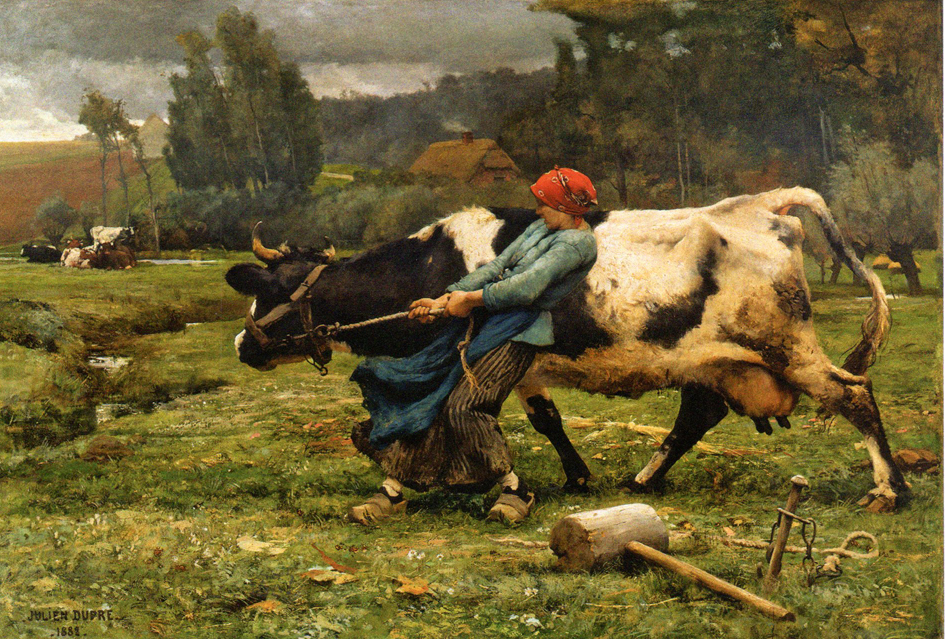
In the Pasture–Julien Dupre`

This is the grip, like this:
both hands. You can close
your eyes if you like. When I say,
“Now,” it’s time. Don’t wait
or it’s all over. But not
too soon, either—just right.
Don’t worry. Let’s go.
Both hands.

~William Stafford, “Survival Course” from Even in Quiet Places. 

I know well the feeling of pulling against a momentum determined to break free of the strength I can muster to keep it under control. This is how my life, personally and professionally has often felt over the decades. It seems I am barely hanging on, at times losing my grip, my feet braced but slipping beneath me.

The full-uddered cow in the painting is compelled to join her herd in a pastoral scene just across the creek, but the milk maid must resist the cow’s escape. For the cow’s benefit and comfort, she must be milked. The cow has another agenda. She has snapped her rope tie, almost pulled up the stake, and in a show of strength and determination, the maid braces to pull a much larger animal around to retie her and restore things to how they were.

The action suggests the maid may succeed, but the cow’s attention is directed far afield. She doesn’t even feel the tug on her halter. We’re not fully convinced the cow won’t suddenly pull loose and break away from the maid’s grip, leaping the stream, tail raised straight in the air like a flag of freedom.

Right now, as spring advances rapidly with grass growing thick in the pastures, our horses smell that richness in the air. Sometimes this tug of war takes place when my plan is different than the horse’s. The fields are too wet for them to be out full time yet, so they must wait for the appropriate time to be released to freedom. The grass calls to them like a siren song as I feed them their portion of last summer’s uninviting hay. They can pull my shoulders almost out of joint when they are determined enough, they break through fences in their pursuit of green, they push through stall doors and lift gates off hinges. Right now I’m barely an adequate counterbalance to the pursuit of their desires and I struggle to remind them I’m on the other end of their lead rope.

Each day I find I try too hard to restore order in my life, on the farm, in the house, in my work, with my family. I want to pull that cow back around, get her tied up and relieved of her burden of milk so that it can nurture and replenish others. Sometimes I hang on, only to be pulled roughly along on the ground, scraped and yelling in the process.

Sometimes I just let go and have to try to catch that cow all over again.

Once in awhile I successfully get the cow turned around and actually milked without a spill.

I’ve held on with both hands. I’m clasping them together in prayer and petition that I won’t get pulled into the mud. I’ve got a grip.
And maybe, just maybe, I will make cheese….

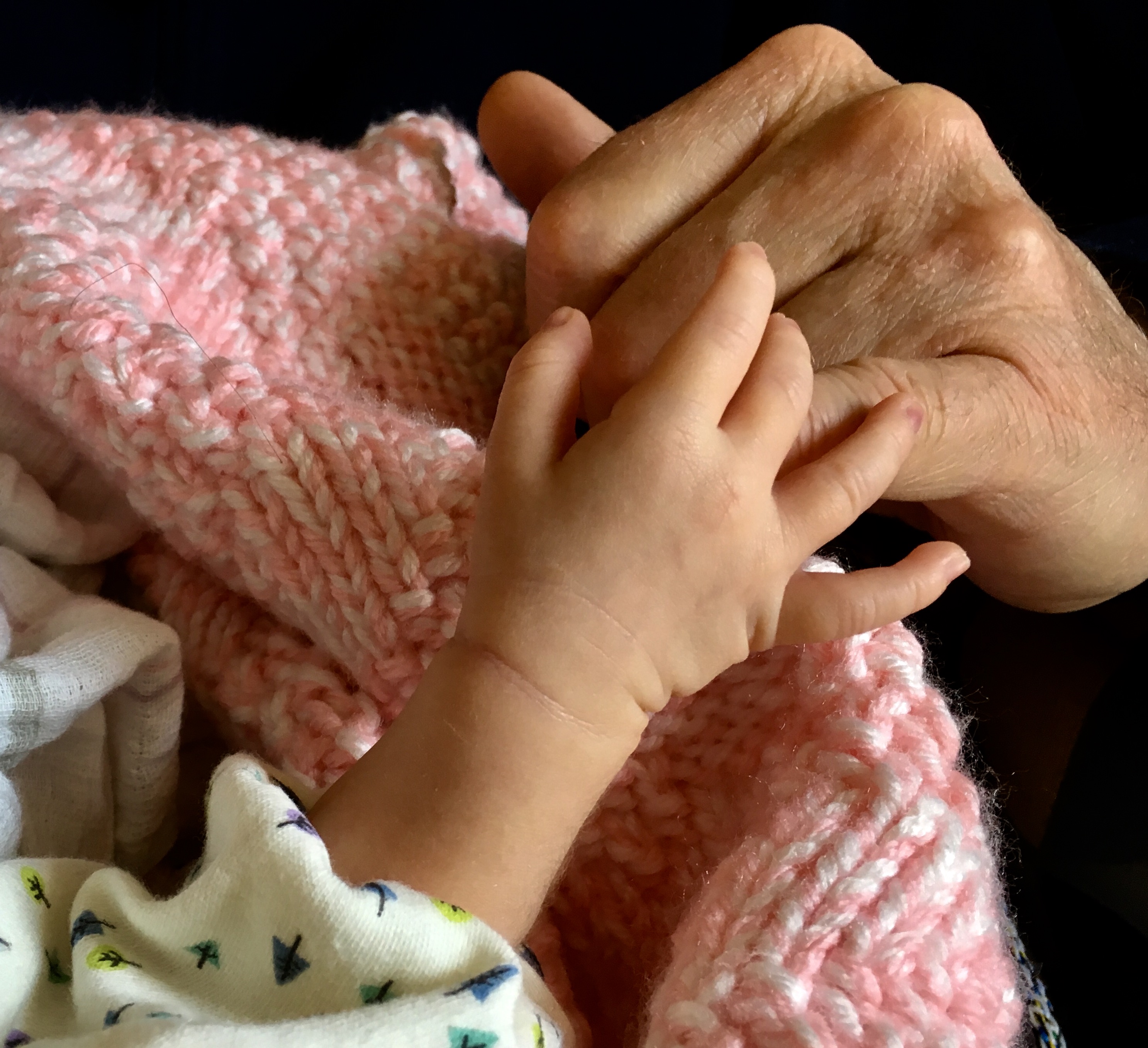
portrait of Dan’s mom, Emma Gibson, praying, by granddaughter Sara Larsen

The Soul Confined

 
It’s frail, this spring snow, it’s pot cheese
packing down underfoot. It flies out of the trees
at sunrise like a flock of migrant birds.
It slips in clumps off the barn roof,
wingless angels dropped by parachute.
Inside, I hear the horses knocking
aimlessly in their warm brown lockup,
testing the four known sides of the box
as the soul must, confined under the breastbone.
Horses blowing their noses, coming awake,
shaking the sawdust bedding out of their coats.
They do not know what has fallen
out of the sky, colder than apple bloom,
since last night’s hay and oats.
They do not know how satisfactory
they look, set loose in the April sun,
nor what handsprings are turned under
my ribs with winter gone.
~Maxine Kumin “Late Snow” from Selected Poems: 1960 – 1990

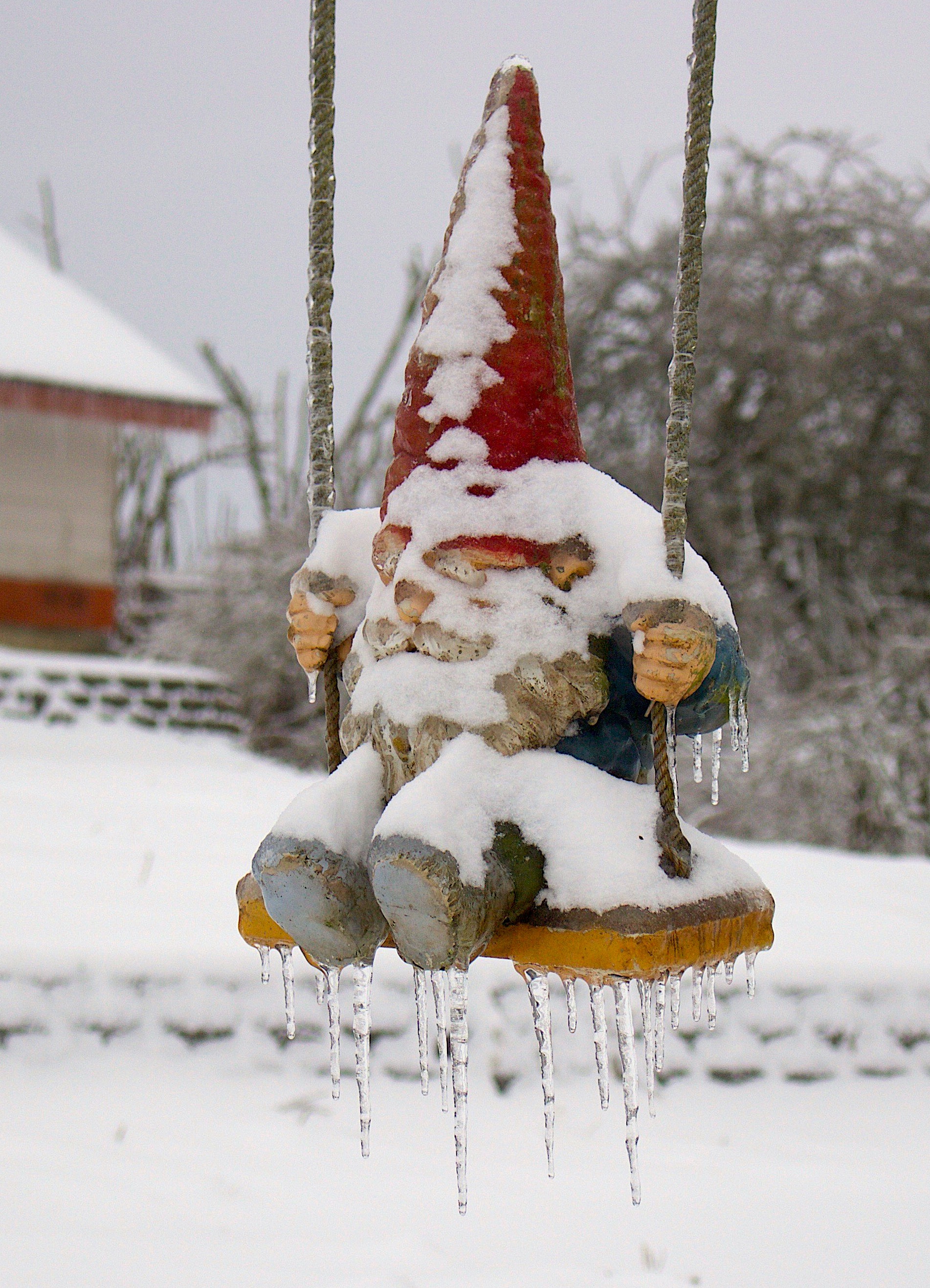
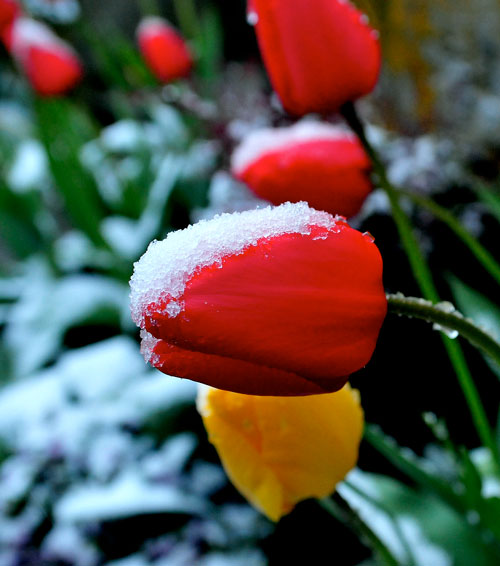
photo of spring snow by Paul Dorpat

This past weekend we had it all: sun, rain, windstorm, hail, and some local areas even reported a late April snowfall. It is disorienting to have one foot still in winter and the other firmly on grass growing out of control and needs mowing.

It is also confusing to look at pandemic data and hear varying experts’ interpretations about what is happening, what they predict and what strategies are recommended.

It may be time to loosen the tight grip on social distancing yet many are reticent to emerge from the safety of their confinement, for good reason.

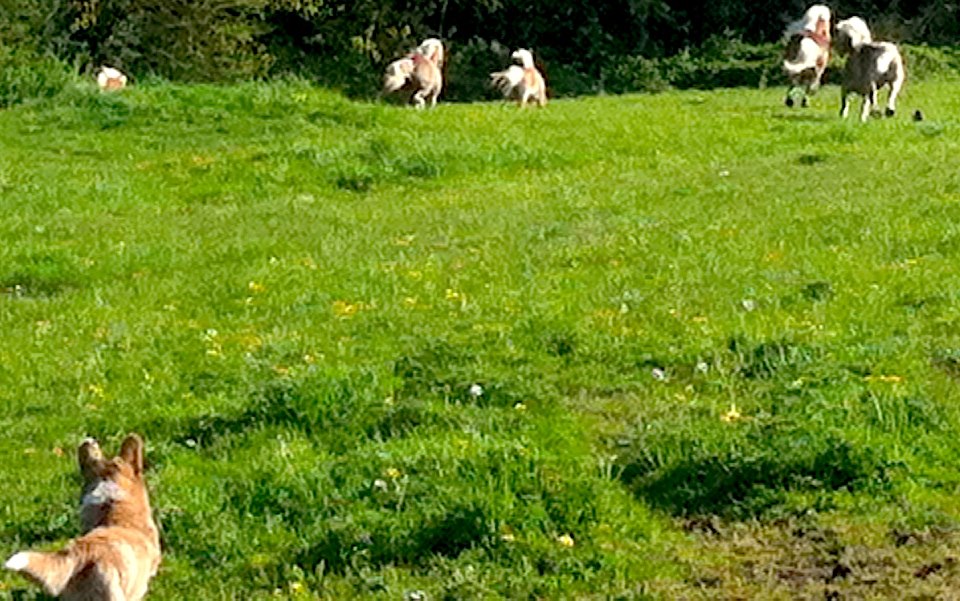
Just last week, we released the Haflingers from their winter lock-in back onto the fields – their winter-creaky barn-confined joints stretched as they joyfully ran the perimeter of the fields before settling their noses into fresh clover. Their ribs sprung with the fragrance of the apple blossom perfume of the orchard and it lifted my sagging spirit to see them gallop. But even the horses are not ready for complete freedom either – I whistled them in after two hours, not wanting them to eat themselves sick with too much spring grass. Their time on the outside will be tightly controlled until it is safe for them to be out unrestricted.

Surprisingly, the horses leave the sun and the grass and the relative freedom and come in willingly to settle back into their stalls and their confinement routine.

I’m not so different. I long to be set loose in the April sun with the freedom to go when and where I wish. But the new reality means winter is not entirely gone yet and may not be for some time. There are still tragic and untimely losses of life, still plenty of weeping and lament from the grief-stricken who have been robbed prematurely of loved ones due to a virus that is circulating indiscriminately.

So we must ease out slowly, carefully and cautiously, with one ear cocked and ready to be whistled back in when we are called to return to safety.

Lest They Sicken

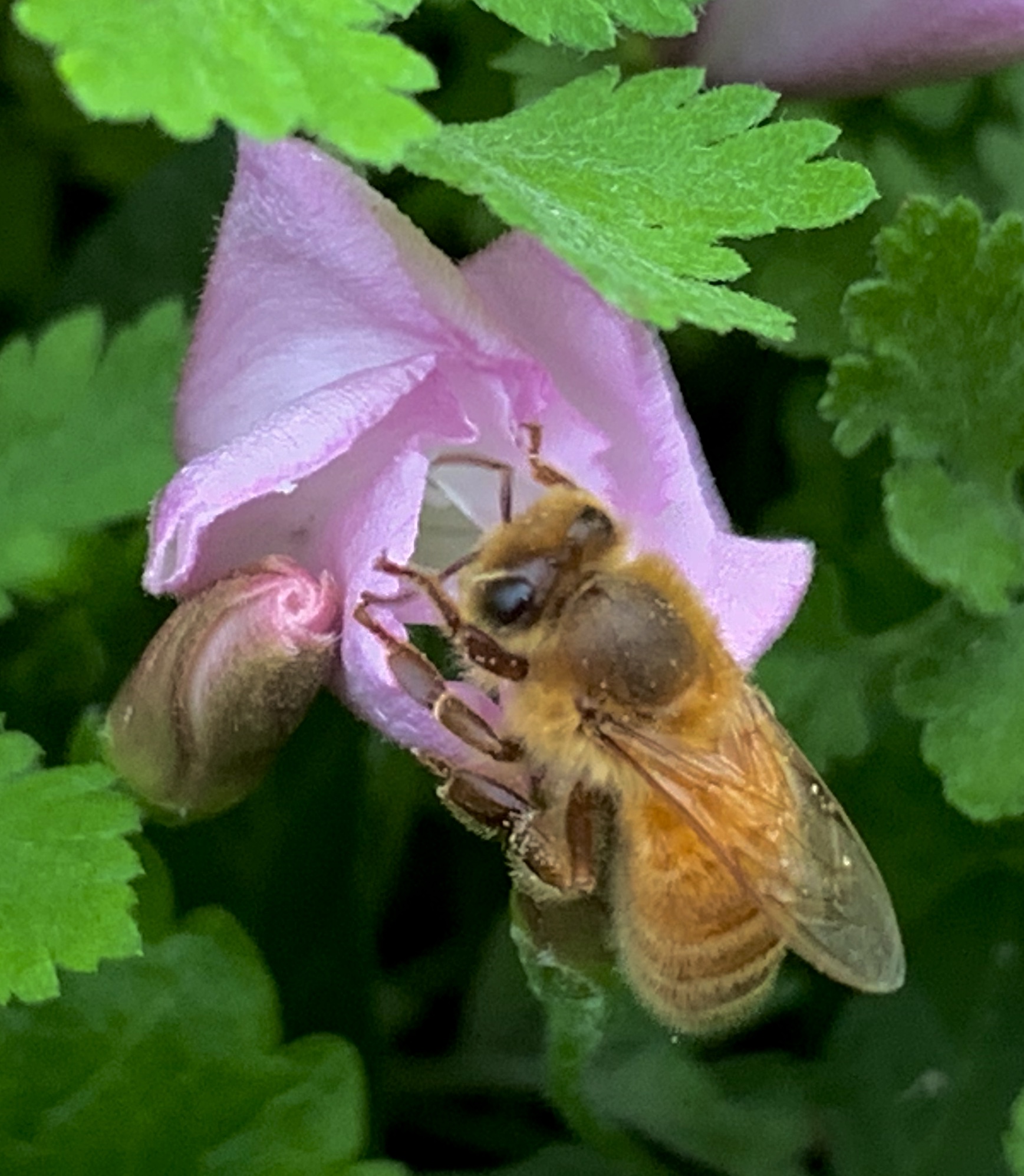
Tell the bees. They require news of the house;
they must know, lest they sicken
from the gap between their ignorance and our grief.
Speak in a whisper. Tie a black swatch
to a stick and attach the stick to their hive.
From the fortress of casseroles and desserts
built in the kitchen these past few weeks
as though hunger were the enemy, remove
a slice of cake and lay it where they can
slowly draw it in, making a mournful sound.

And tell the fly that has knocked on the window all day.
Tell the redbird that rammed the glass from outside
and stands too dazed to go. Tell the grass,
though it’s already guessed, and the ground clenched in furrows;
tell the water you spill on the ground,
then all the water will know.
And the last shrunken pearl of snow in its hiding place.

Tell the blighted elms, and the young oaks we plant instead.
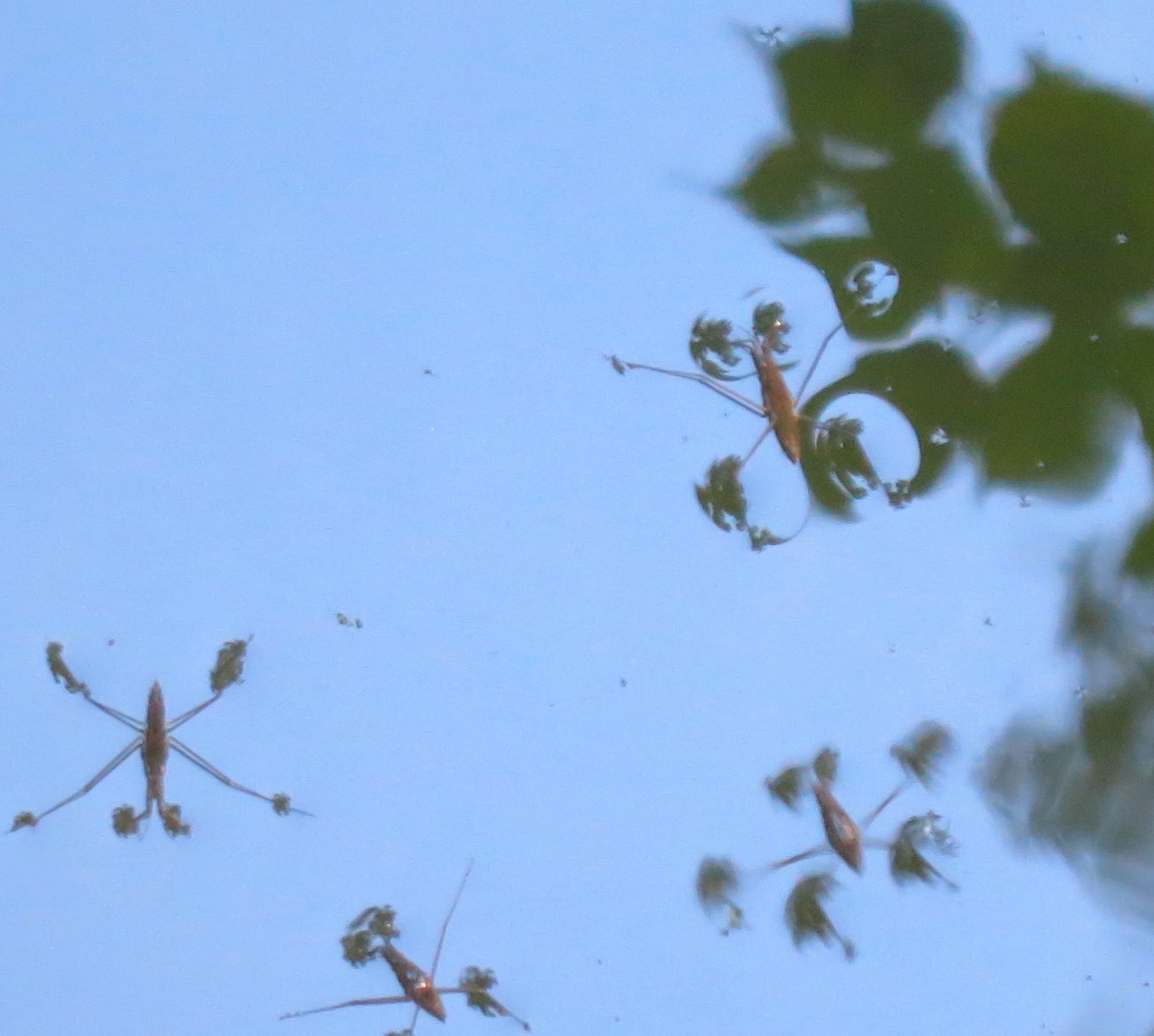
The water bug, while it scribbles
a hundred lines that dissolve behind it.
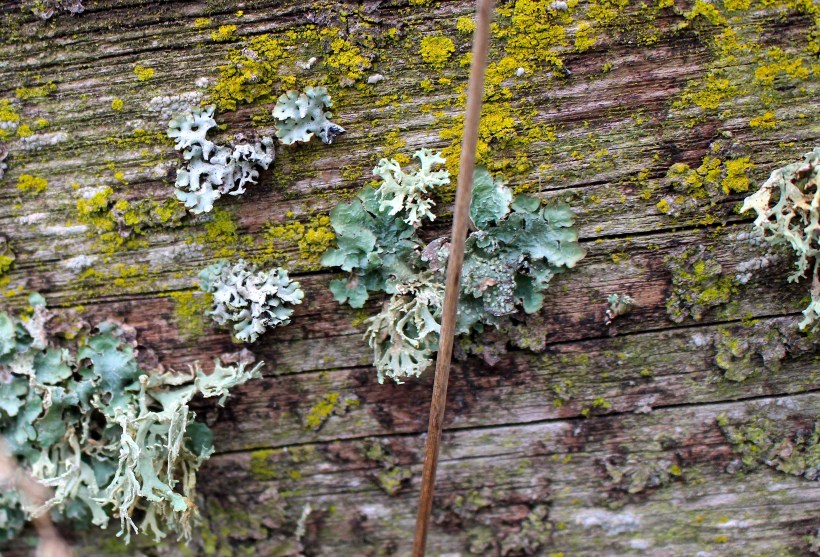
The lichen, while it etches deeper
its single rune. The boulders, letting their fissures widen,
the pebbles, which have no more to lose,
the hills—they will be slightly smaller, as always,

when the bees fly out tomorrow to look for sweetness
and find their way
because nothing else has changed.
~Sarah Lindsay “Tell the Bees”

So many around the globe are grieving their losses, their reality forever changed by a virus. Yet the world churns on, oblivious to the sorrows of individuals.

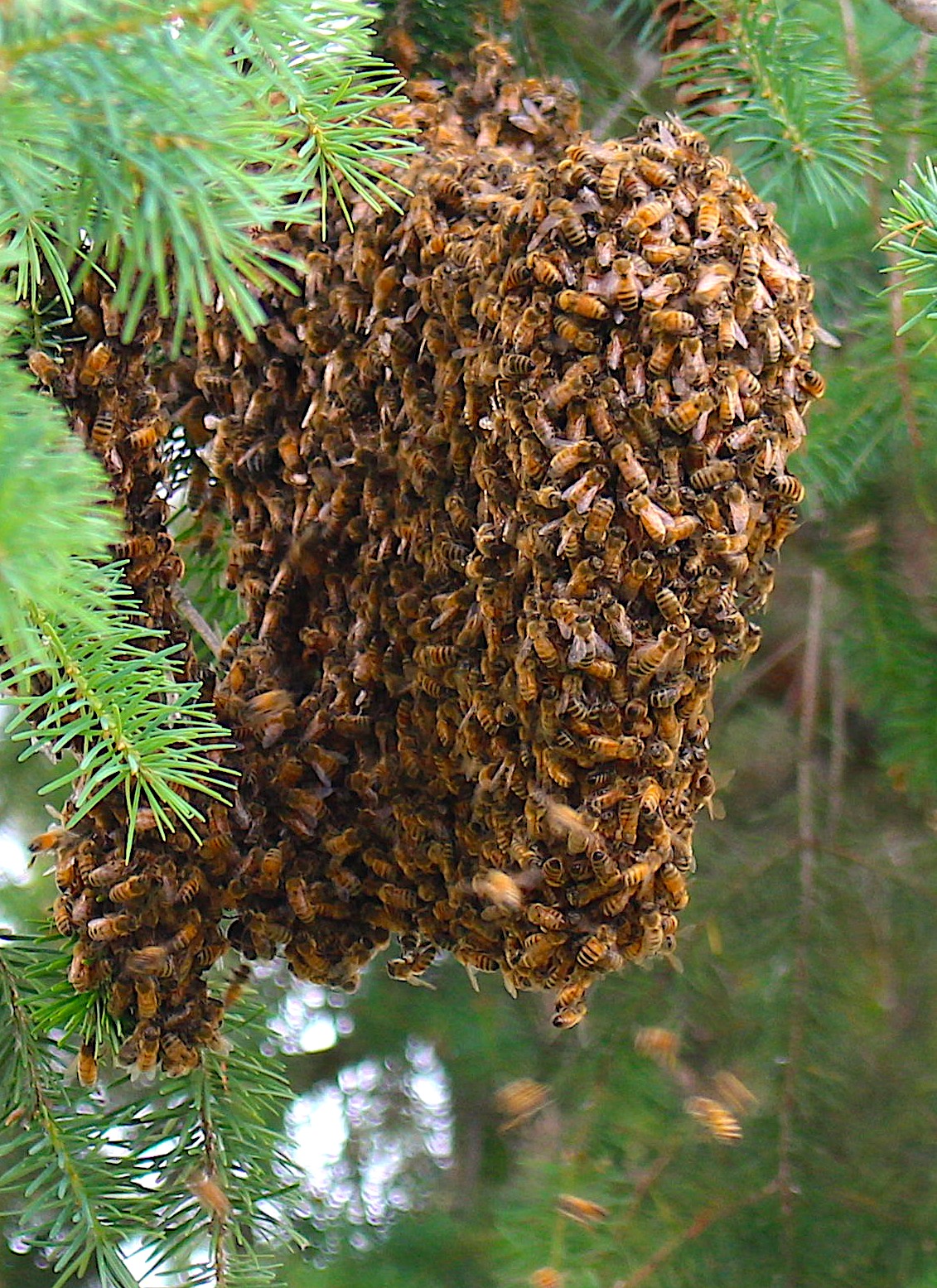
The tradition of telling the bees is that it matters to the community of hives how people who care for them are faring: is there a wedding coming up? a baby due? an overwhelming illness? a death of a loved one? If a hive is kept in ignorance, the cloud of grief will sicken them or drive them away. Shared grief is a nurturing spirit that allows the community to thrive and move on in sweetness.

Nothing happens without an impact down the line; the butterfly effect is also the bee effect. We speak softly of our desolation and suffering so our tears water thirsty ground.

Let the bees know, let them hear; the bees will go about their work and they will turn our sorrow to honey.