Come and See: Take Him At His Word

After the two days he left for Galilee.  (Now Jesus himself had pointed out that a prophet has no honor in his own country.) When he arrived in Galilee, the Galileans welcomed him. They had seen all that he had done in Jerusalem at the Passover Festival, for they also had been there.

Once more he visited Cana in Galilee, where he had turned the water into wine. And there was a certain royal official whose son lay sick at Capernaum. When this man heard that Jesus had arrived in Galilee from Judea, he went to him and begged him to come and heal his son, who was close to death.

 “Unless you people see signs and wonders,” Jesus told him, “you will never believe.”

The royal official said, “Sir, come down before my child dies.”

 “Go,” Jesus replied, “your son will live.”

The man took Jesus at his word and departed. While he was still on the way, his servants met him with the news that his boy was living. When he inquired as to the time when his son got better, they said to him, “Yesterday, at one in the afternoon, the fever left him.”

Then the father realized that this was the exact time at which Jesus had said to him, “Your son will live.” So he and his whole household believed.

This was the second sign Jesus performed after coming from Judea to Galilee.
John 4: 43-54
Faith is to believe what you do not see;
the reward of this faith is to see what you believe.
Hebrews 11:1
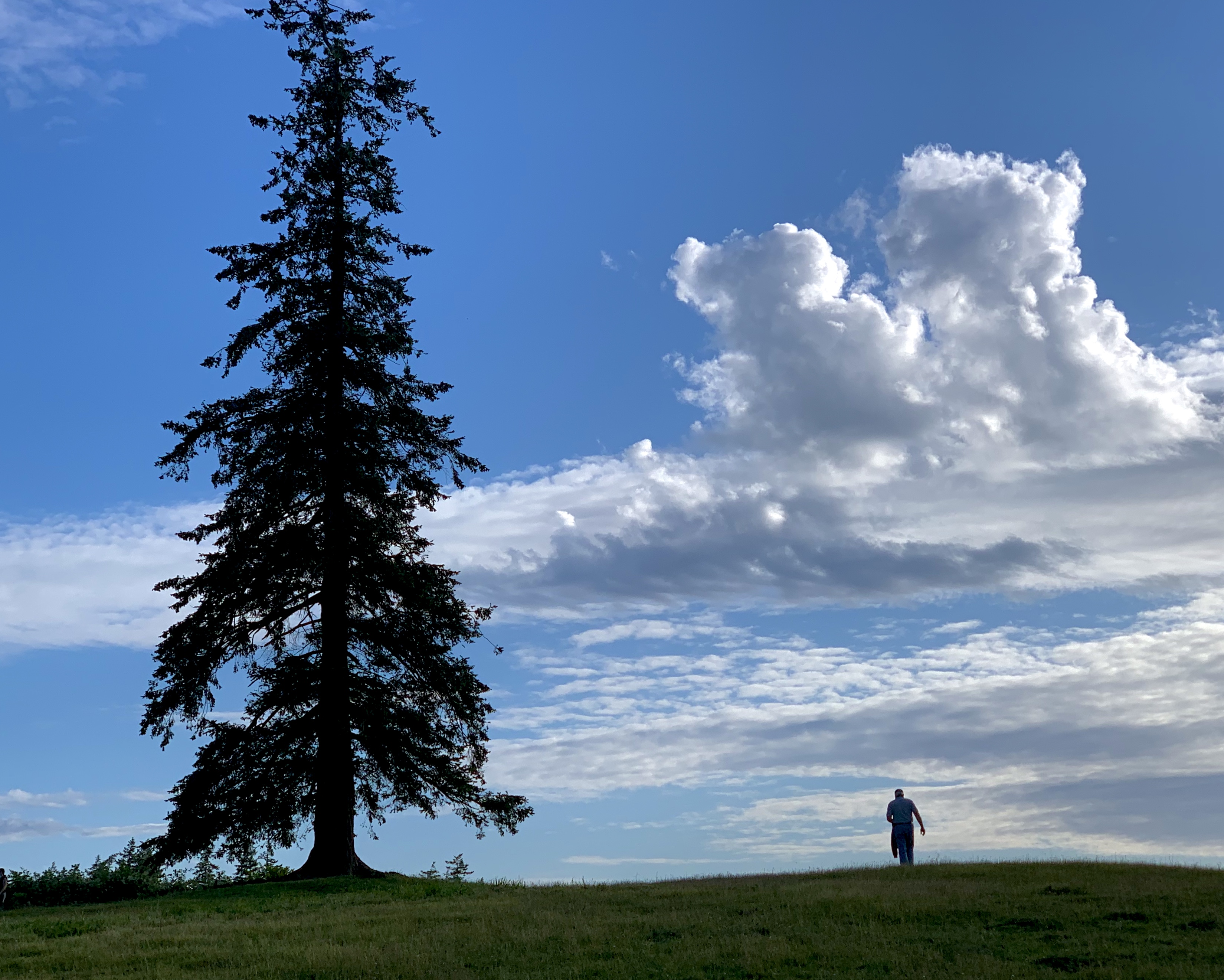
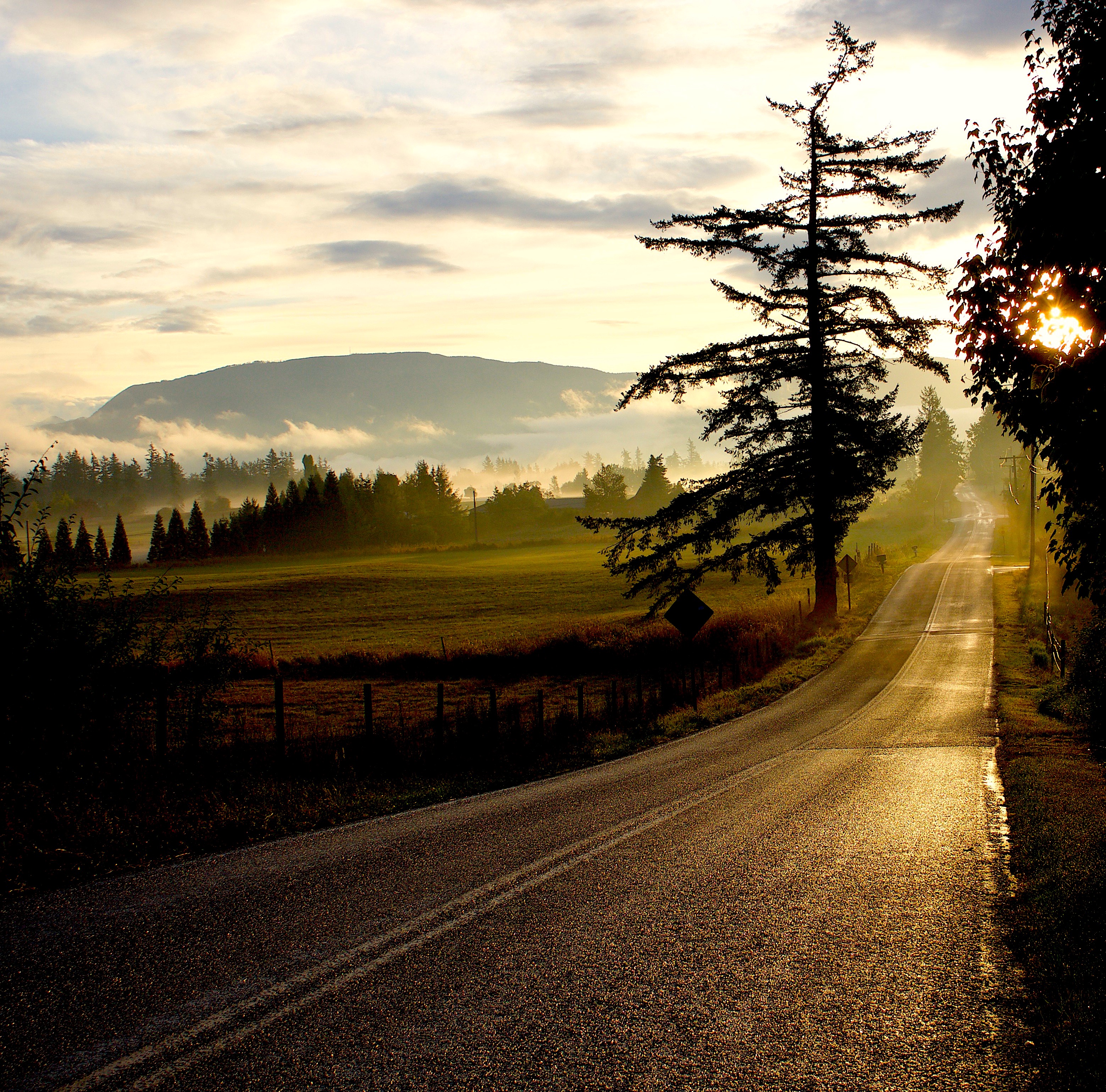
Does the road wind up-hill all the way?
Yes, to the very end.

Will the day’s journey take the whole long day?
From morn to night, my friend.

But is there for the night a resting-place?
A roof for when the slow dark hours begin.

May not the darkness hide it from my face?
You cannot miss that inn.

Shall I meet other wayfarers at night?
Those who have gone before.

Then must I knock, or call when just in sight?
They will not keep you standing at that door.

Shall I find comfort, travel-sore and weak?
Of labour you shall find the sum.

Will there be beds for me and all who seek?
Yea, beds for all who come.

~Christina Rossetti “Up-Hill”
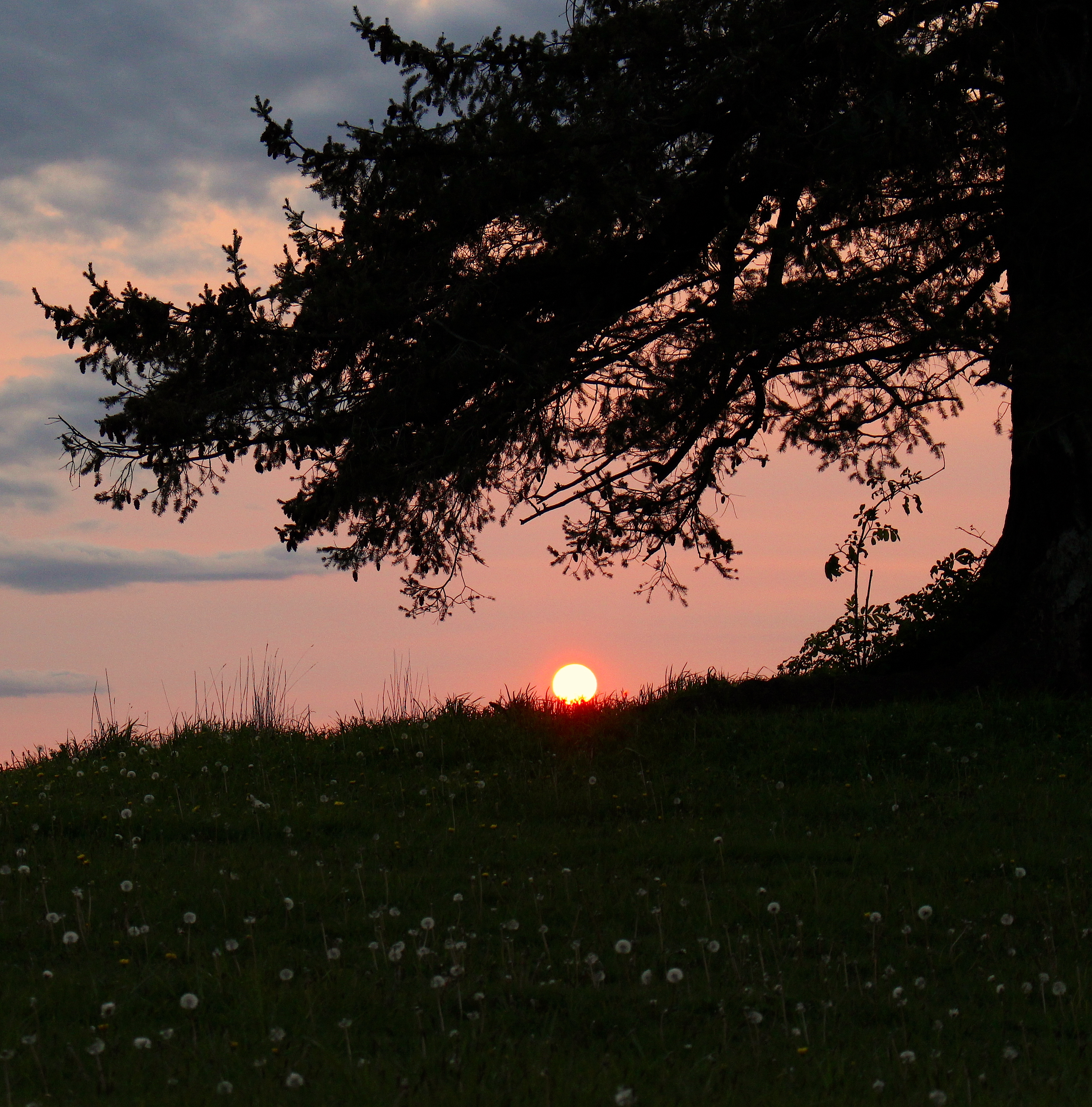
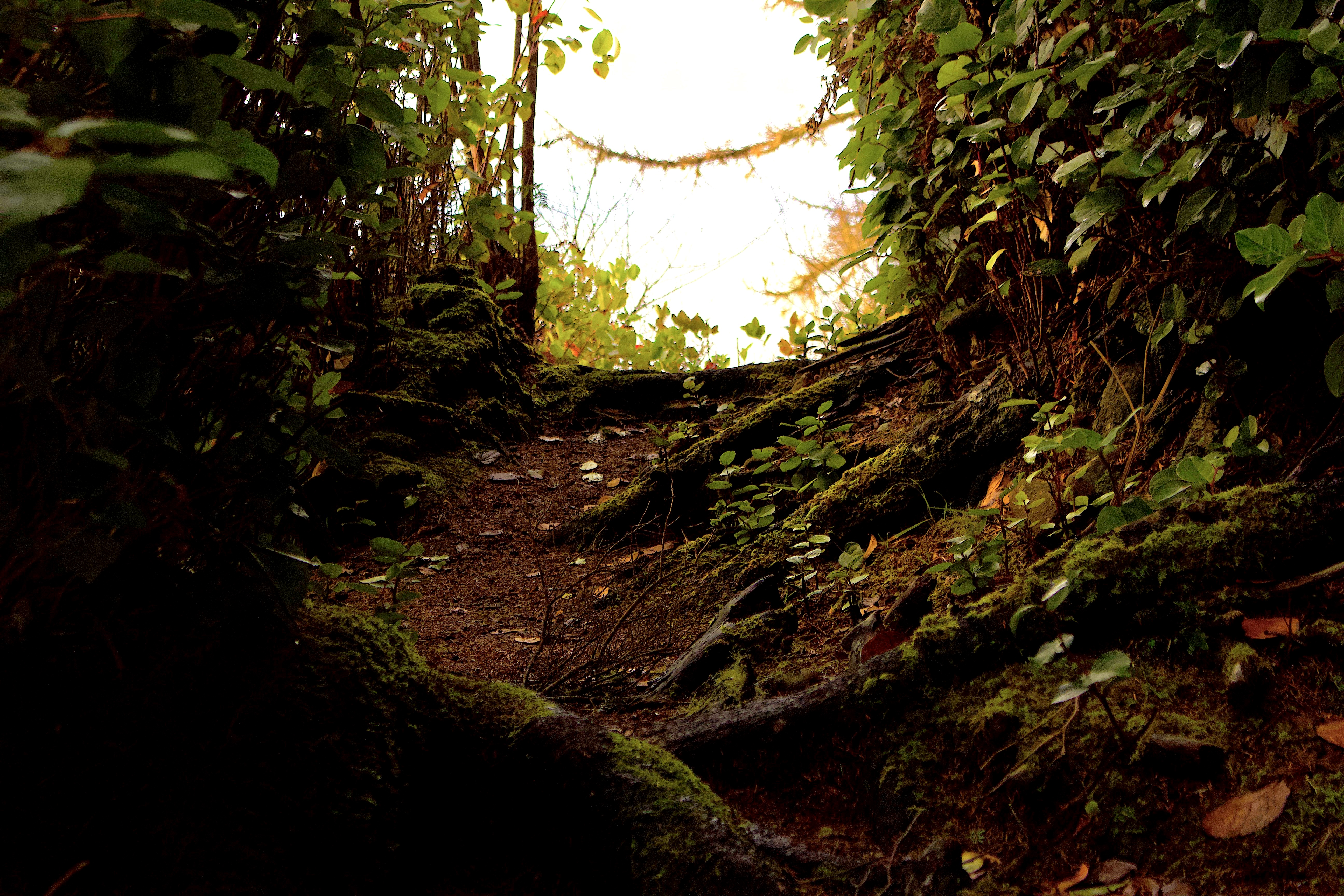
This life of ours can be an arduous and often troubled journey.

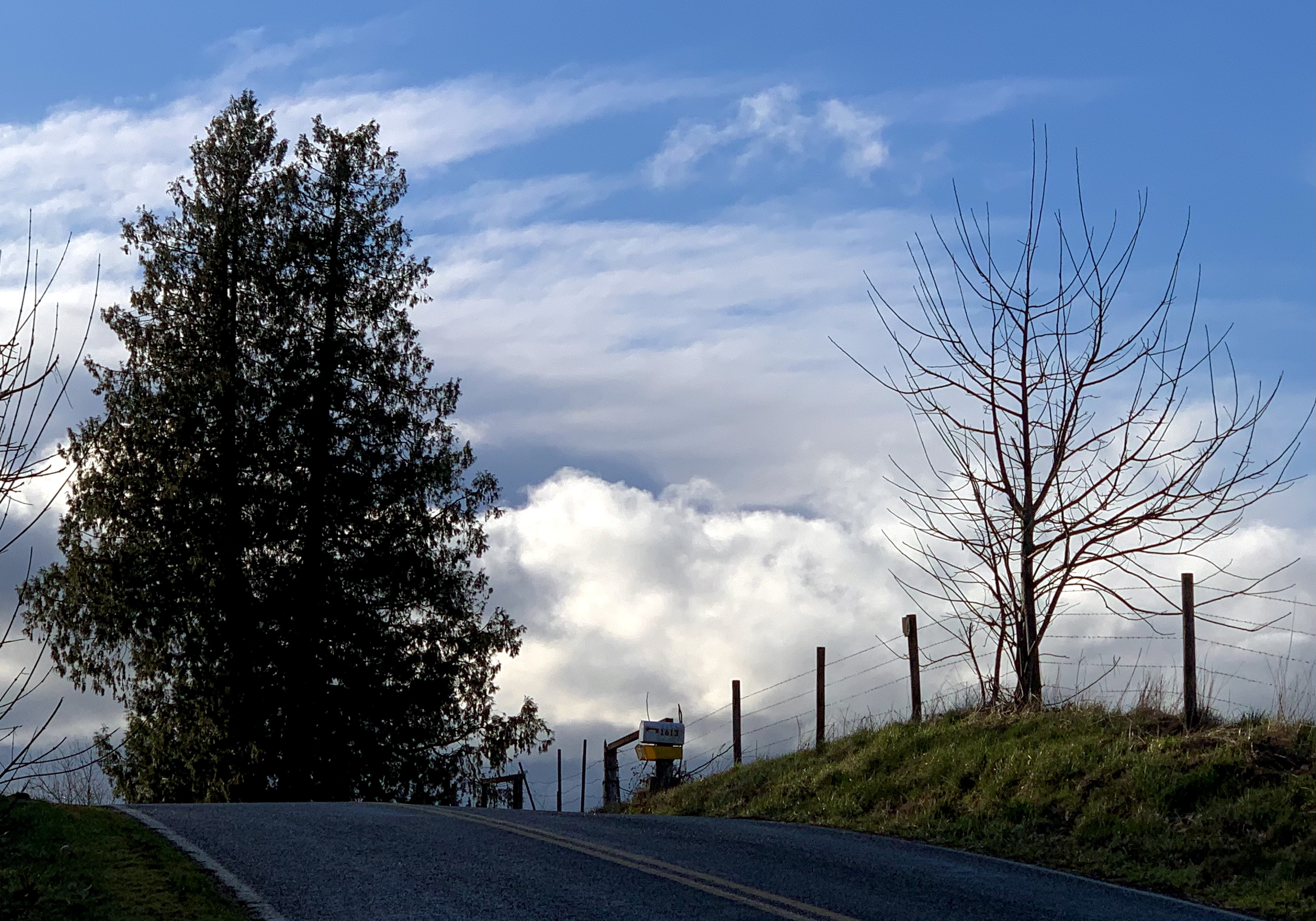
We might feel like we are never able to reach a point of rest in our uphill climb through obstacles and hazards. It can be so dark we’re not sure we can see the road, much less where we’re headed.

When a royal official makes the 20 hour journey uphill to find Jesus to ask him to heal and save his son, he surely was at a point of desperate need. He is so convinced by the stories of Jesus’ power to heal, he would go wherever needed to make that happen for his dying son.

Yet he discovers Jesus’ power is not just in His hands, but in His words.

Our faith is not just based on what we see with our eyes,
but in our trust and belief in Jesus, who is the Word.

When we are faced with that up-hill journey through troubled times, we will not be left stranded, lost and waiting by the roadside. Many have gone on before us, and those faithful are ready and waiting to help walk alongside us and give us encouragement to keep going.

There is a place waiting for wayfarers like us.

Jesus speaks the healing of the son
and the royal official takes Him at His Word.

No longer is that official merely politically powerful; he descends back down the road to his home spreading the word to all around him about the far greater power of Jesus.

There is salvation through the Word to those who believe. We all are weary travelers welcomed with open arms as the uphill road points us to the best home of all.

I am reading slowly through the words in the Book of John over the next year. Once a week, I will invite you to “come and see” what those words might mean as we explore His promises together.

Lyrics by Lori McKenna:

When the road under your feet is dark and feels wrong
And you find yourself lost and all your confidence gone
And the stars over your head through the clouds won’t be revealed
I’ll walk with you, even if it’s uphill

When the weight of your troubles send your knees into the dirt
And all your loyal distractions only magnify the hurt
When lonesome doesn’t quite define how so alone you feel
I’ll walk with you, even if it’s uphill

Hard times and landslides are part of life I know
Like they say, none of us get out alive
Whatever ocean you’re swimming across
However valley low
Whatever mountains you climb
I’ll walk with you, even if it’s uphill

Blessed are the times filled with sun, surrounded by your friends
Those days when all the new roads wait right where the old roads end
And should you wake up to Everest right outside your windowsill
I’ll walk with you even if it’s uphill

Hard times and landslides are part of life God knows
We all got some mountains to climb
Whatever ocean you’re swimming across
However valley low
I’m right here, I’ve been right here all this time
And I’ll walk with you, even if it’s uphill
I’ll walk with you, even if it’s uphill

One-Time
Monthly
Yearly

Make a one-time or recurring donation to support daily Barnstorming posts

Make a monthly donation

Make a yearly donation

Choose an amount

$10.00
$25.00
$50.00
$5.00
$15.00
$100.00
$5.00
$15.00
$100.00

Or enter a custom amount

$

Your contribution is deeply appreciated.

Your contribution is appreciated.

Your contribution is appreciated.

DonateDonate monthlyDonate yearly
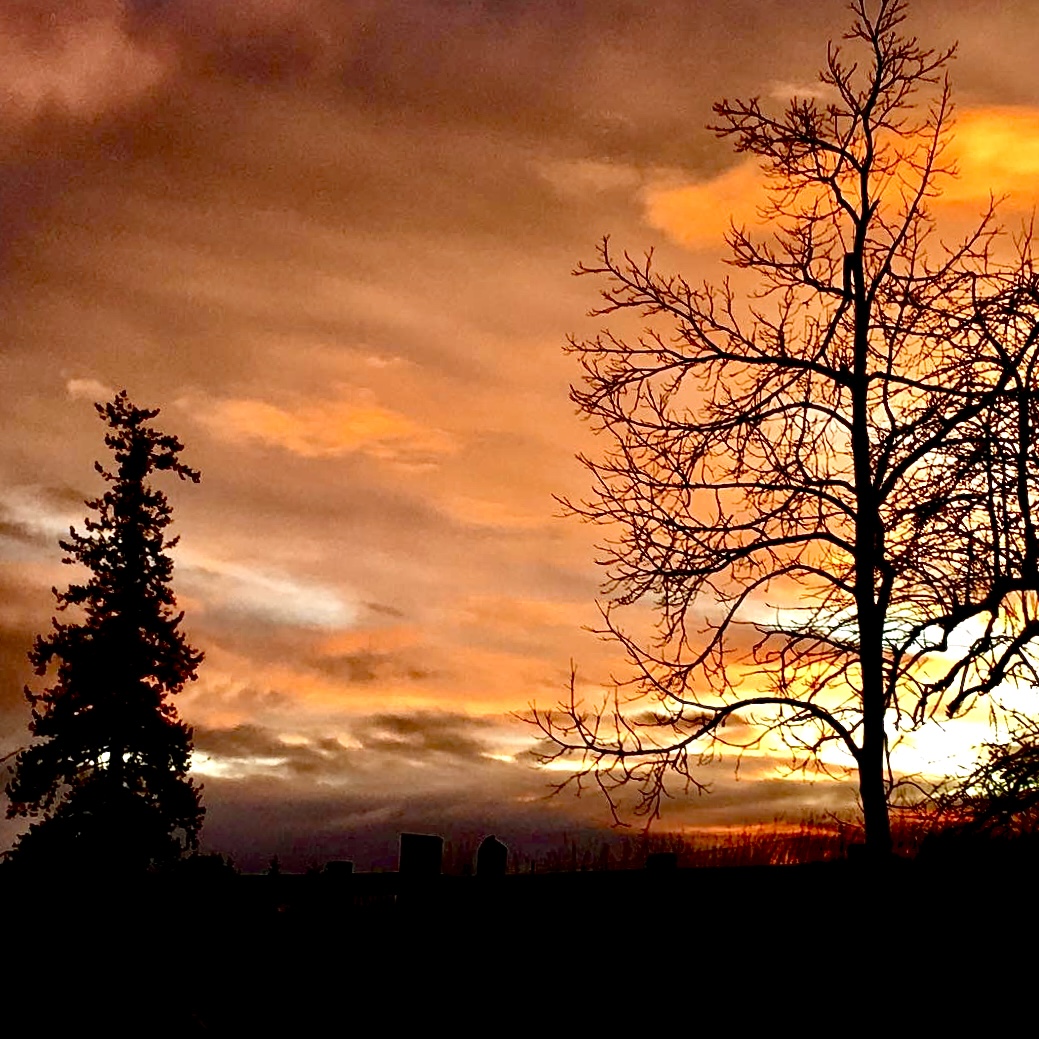
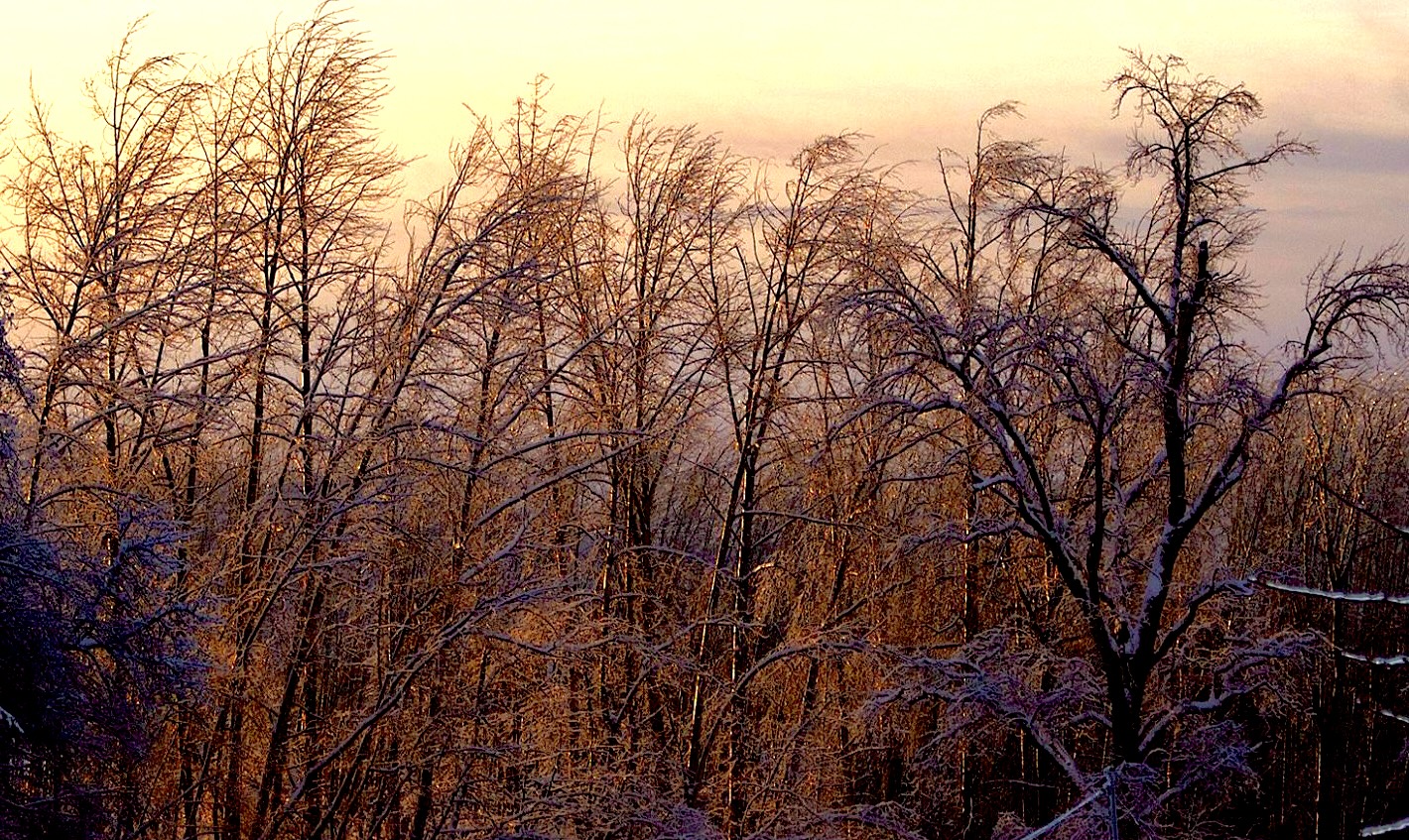
A World Full of Peril

The world is indeed full of peril
and in it there are many dark places.
But still there is much that is fair.

And though in all lands,
love is now mingled with grief,
it still grows, perhaps, the greater.
— J. R. R. Tolkien from The Fellowship of the Ring

A man of sorrows and acquainted with grief
Isaiah 53:3

Shut out suffering, and you see only one side of this strange and fearful thing, the life of man. Christ saw both sides. He could be glad, he could rejoice with them that rejoice; and yet the settled tone of his disposition was a peculiar and subdued sadness.

That gave the calm depth to the character of Christ;
he had got the true view of life by acquainting himself with grief.
~Frederick Robertson from a 1846 sermon entitled Typified by the Man of Sorrows, the Human Race

An elderly mother/grandmother apparently kidnapped from her home is yet to be heard from.

And another school shooting takes hold of my heart and breaks it.

Our sorrows fill a chasm so deep and dark that it is a fearsome thing to even peer from the edge. We join the helplessness of countless people in human history who have lived through times which appeared unendurable.

We don’t understand why inexplicable tragedy befalls good and gracious people, taking them when they are not yet finished with their work on earth.

From the unconscionable shootings of innocents,
to quakes that topple buildings burying people,
to waves that wipe out whole communities sweeping away thousands,
to pathogens too swift and devastating for modern medicine —

we are reminded every day: we live on perilous ground and our time here has always been finite.

We don’t have control over the amount of time, but we do have control over how extensively our compassion for others is heard and spread.

There is assurance in knowing we do not weep alone;
our Lord is acquainted with grief. 

Our grieving is so familiar to a suffering God who too wept at the death of a beloved friend, when He faced a city about to condemn Him to death and He was tasked with enduring the unendurable.

There is comfort in knowing He too peered into the chasm of darkness; He willingly entered its depths to come to our rescue.

His has an incomparable capacity for Light,
bringing to the world a Love that lasts an eternity.

Lyrics:

Angels, where you soar
Up to God’s own light
Take my own lost bird
On your hearts tonight;
And as grief once more
Mounts to heaven and sings
Let my love be heard
Whispering in your wings
~Alfred Noyes

One-Time
Monthly
Yearly

Make a one-time or recurring donation to support daily Barnstorming posts

Make a monthly donation

Make a yearly donation

Choose an amount

$10.00
$25.00
$50.00
$5.00
$15.00
$100.00
$5.00
$15.00
$100.00

Or enter a custom amount

$

Your contribution is deeply appreciated.

Your contribution is appreciated.

Your contribution is appreciated.

DonateDonate monthlyDonate yearly

A Marshy Cacophony

Cold, wet leaves
Floating on moss-coloured water   
And the croaking of frogs—
Cracked bell-notes in the twilight.

~Amy Lowell “The Pond”

Poets who know no better
rhapsodize about the peace of nature,
but a well-populated marsh is a cacophony.
~Bern Keating

O, I love to hear the frogs
When they first begin to sing;
How they vocalize the bogs,
And vociferate the Spring.
How they carol as they croak,
How they mingle jest and joke
With their solemn chant and dirge
On the river’s slimy verge.

O, I love to hear the frogs,
For their monotone uncouth
Is the music of the cogs
Of the mill wheel of my youth.
And I listen half asleep,
And the eyes of mem’ry peep
Through the bars that hold me fast,
From the pleasures of the past.

O, I love to hear the frogs,
For their melody is health
To the heart that worry flogs
With the lash of want or wealth.
And the cares of life take wing,
And its pleasures lose their sting,
And love’s channel way unclogs
In the croaking of the frogs.

~Harry Edward Mills “The Early Frogs”

I wanted to speak at length about
The happiness of my body and the
Delight of my mind

But something in myself for maybe
From somewhere other said: not too
Many words, please, in the muddy shallows the
Frogs are singing.

~Mary Oliver, from “April”

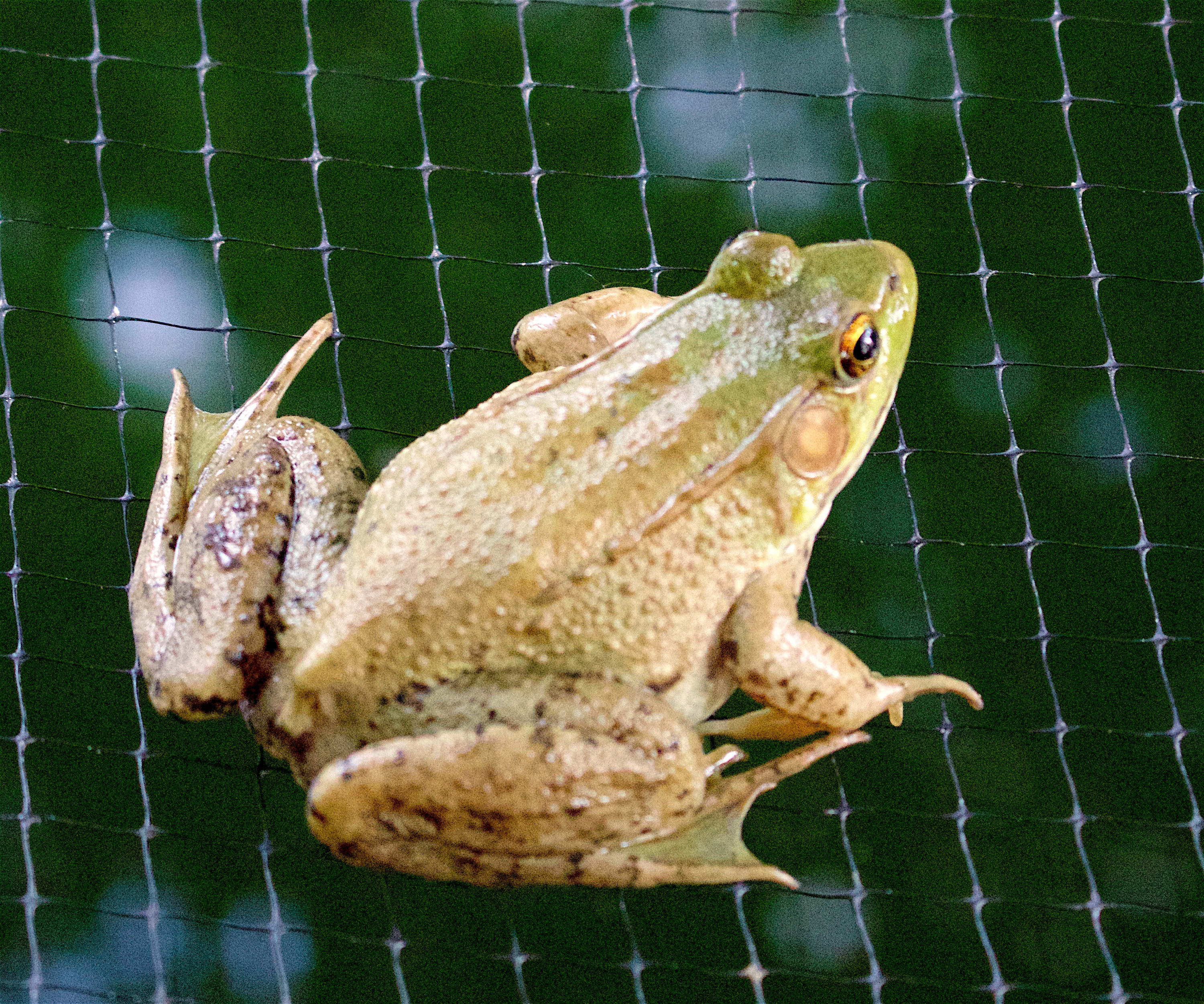
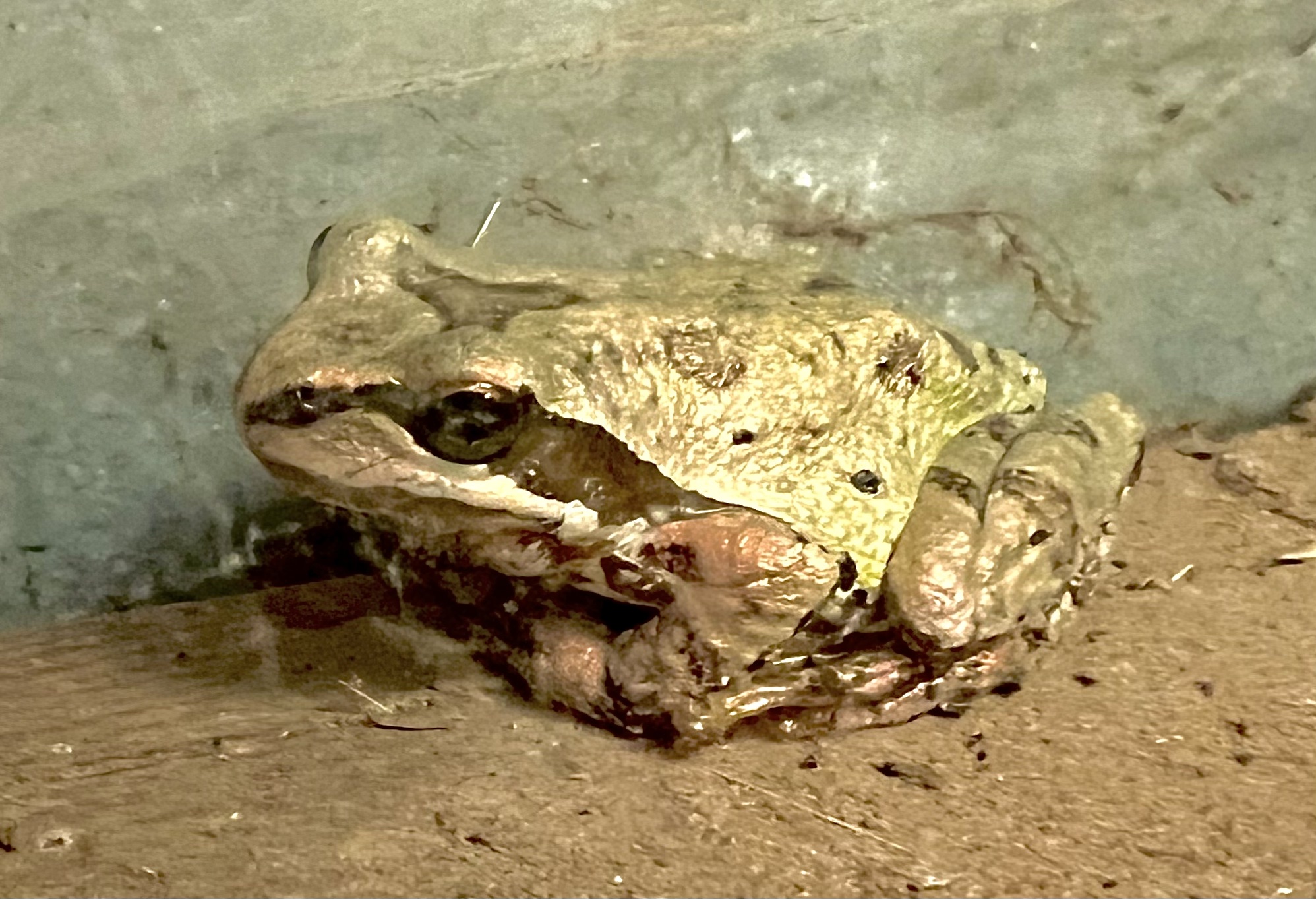
About two weeks ago, music from the wetlands became faintly detectable in the distance. We were only a little over a month into winter, yet due to unduly mild temperatures, the chorus had begun.

The sleigh-bell jingle song of the Pacific Chorus Frogs now fills the air each evening, rising from the ponds and standing water that surround our farm. I stand still for a moment to soak up that song that heralds spring–a certainty that the muddy marshes are thawed enough to invite the frogs out of their sleep and start their courting rituals.

Now winter won’t return anytime soon with any seriousness.

This marsh music is disorienting this early, along with daffodils budding in late January and lawns needing mowing in February. With voices so numerous, strong and insistent, it feels as though a New York City of frogs has moved in next door; we are seated in the balcony of Carnegie Hall. 

They seem to be directed by an unseen conductor, as their voices rise and fall together and then cut off suddenly with a slice of the baton, plunging the landscape into uncomfortable silence at the slightest provocation, as if they hold an extended fermata for minutes on end.

The frogs’ repertoire is limited but their wind power, stamina and ability to project their voices impressive. They are most tenacious at making their presence known to any other peeper within a mile radius. Their mystical, twilight symphony of love and territory has begun, soft and surging, welcome and reassuring.

There’s a spring a-comin’, the peepers proclaim. 
Nothing can be sweeter.

I know all the behaviorist theories about frog chorus being about territoriality –the “I’m here and you’re not” view of the animal kingdom’s staking their claims. Knowing that theory somehow distorts the cheer I feel when I hear these songs. I want the frogs (and birds) to be singing out of the sheer joy of living. Instead, they are singing to defend their piece of mud or branch.

Then I remember, that’s not so different from people. Our voices tend to be loudest when we are being insistently territorial: we own this and you do not, and we are irresistibly better than you.

I’m not sure anyone enjoys human cacophony in the same way I enjoy listening to the chorus of frogs at night or birdsong in the morning. We humans are most harmonic when we choose to listen. Instead of sounding off, we should soak up. Instead of shouting “this is mine,” we should sit expectant and grateful.

Perhaps that is why the most beloved human choruses are derived from prayers and praise – singing out in joy and gratitude rather than in warning.

I’ll try to remember this when I get into my own righteous and “territorial” mode. I don’t bring joy to the listener nor to myself. When it comes right down to it, all that noise I make is nothing more than a croaking cacophony in a smelly mucky swamp.

Here’s what it sounds like all around us: https://www.facebook.com/share/v/1Ab4EBKYx9

One-Time
Monthly
Yearly

Make a one-time or recurring donation to support daily Barnstorming posts

Make a monthly donation

Make a yearly donation

Choose an amount

$10.00
$25.00
$50.00
$5.00
$15.00
$100.00
$5.00
$15.00
$100.00

Or enter a custom amount

$

Your contribution is deeply appreciated.

Your contribution is appreciated.

Your contribution is appreciated.

DonateDonate monthlyDonate yearly
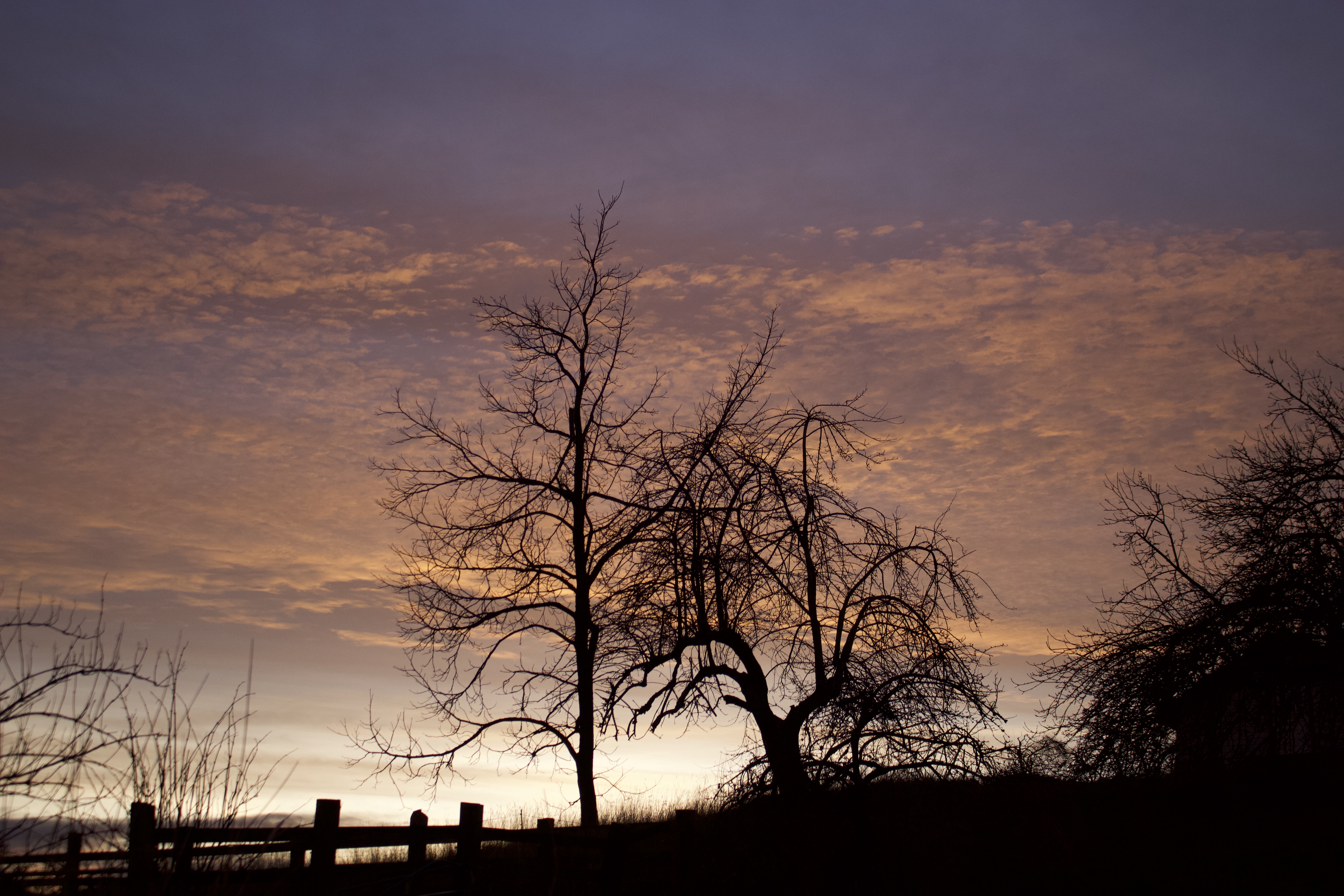
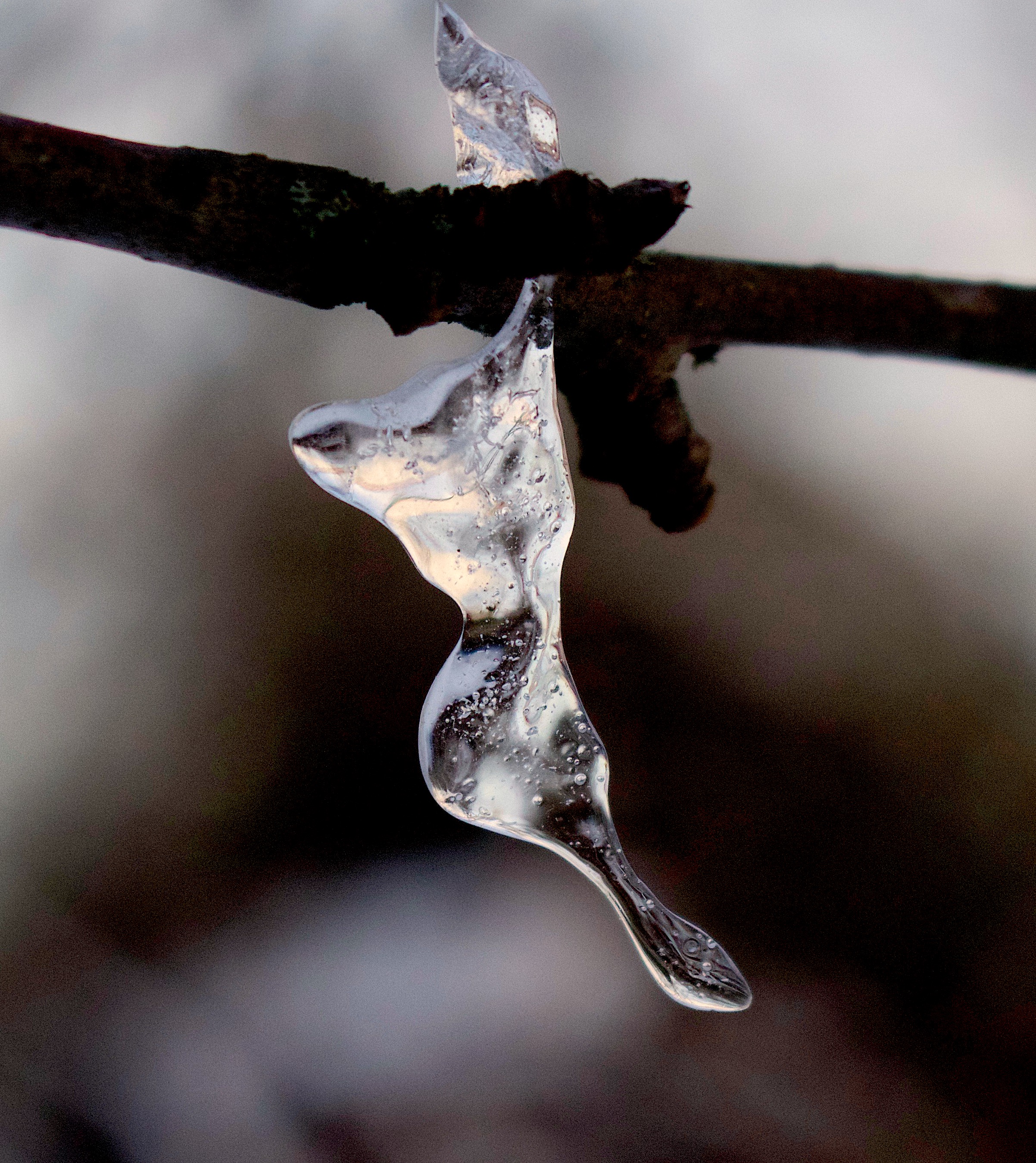
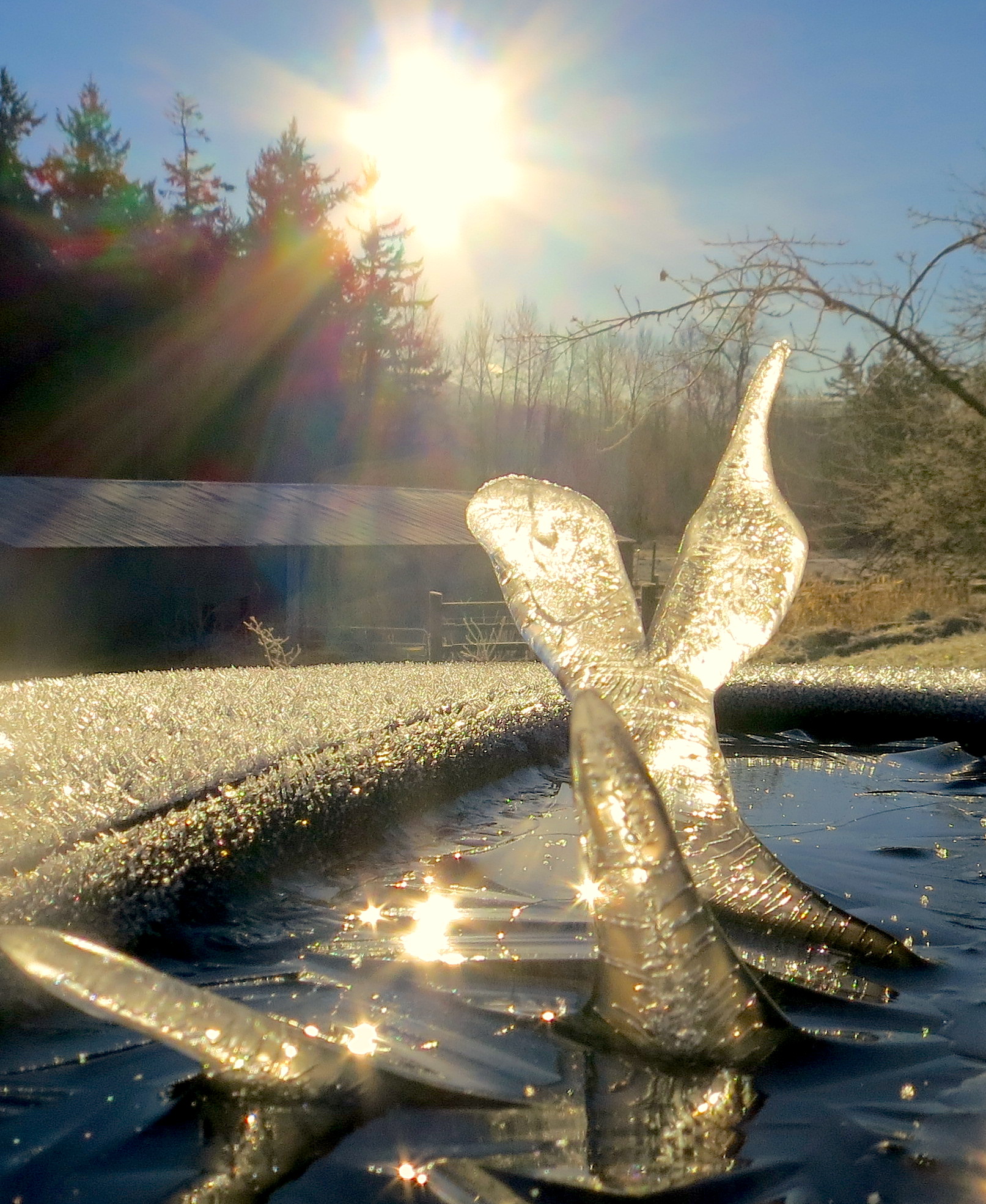
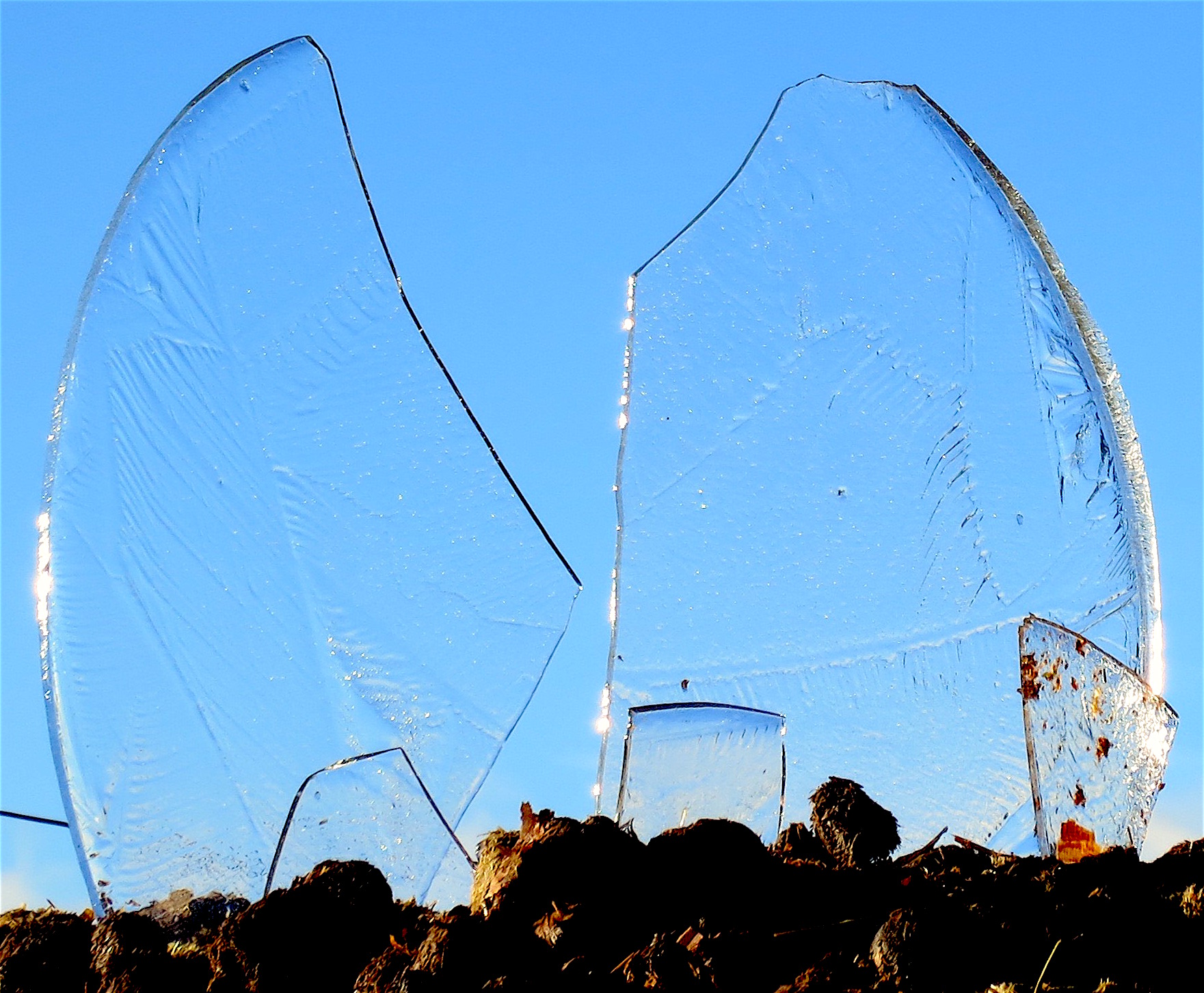
Encased in Ice

Ice burns,
and it is hard to the warm-skinned
to distinguish one sensation,
fire,
from the other,
frost.
~A. S. Byatt from Elementals: Stories of Fire and Ice

I have reservoirs of want enough   
to freeze many nights over.
~Conor O’Callaghan from “January Drought”

Some say the world will end in fire,
Some say in ice.
From what I’ve tasted of desire
I hold with those who favor fire.
But if it had to perish twice,
I think I know enough of hate
To say that for destruction ice
Is also great
And would suffice.
~Robert Frost “Fire and Ice”

Whether consumed by flames or frost,
if rendered to ash or crystal —
both burn.

Yet ashes remain ashes, reduced to
mere dust.

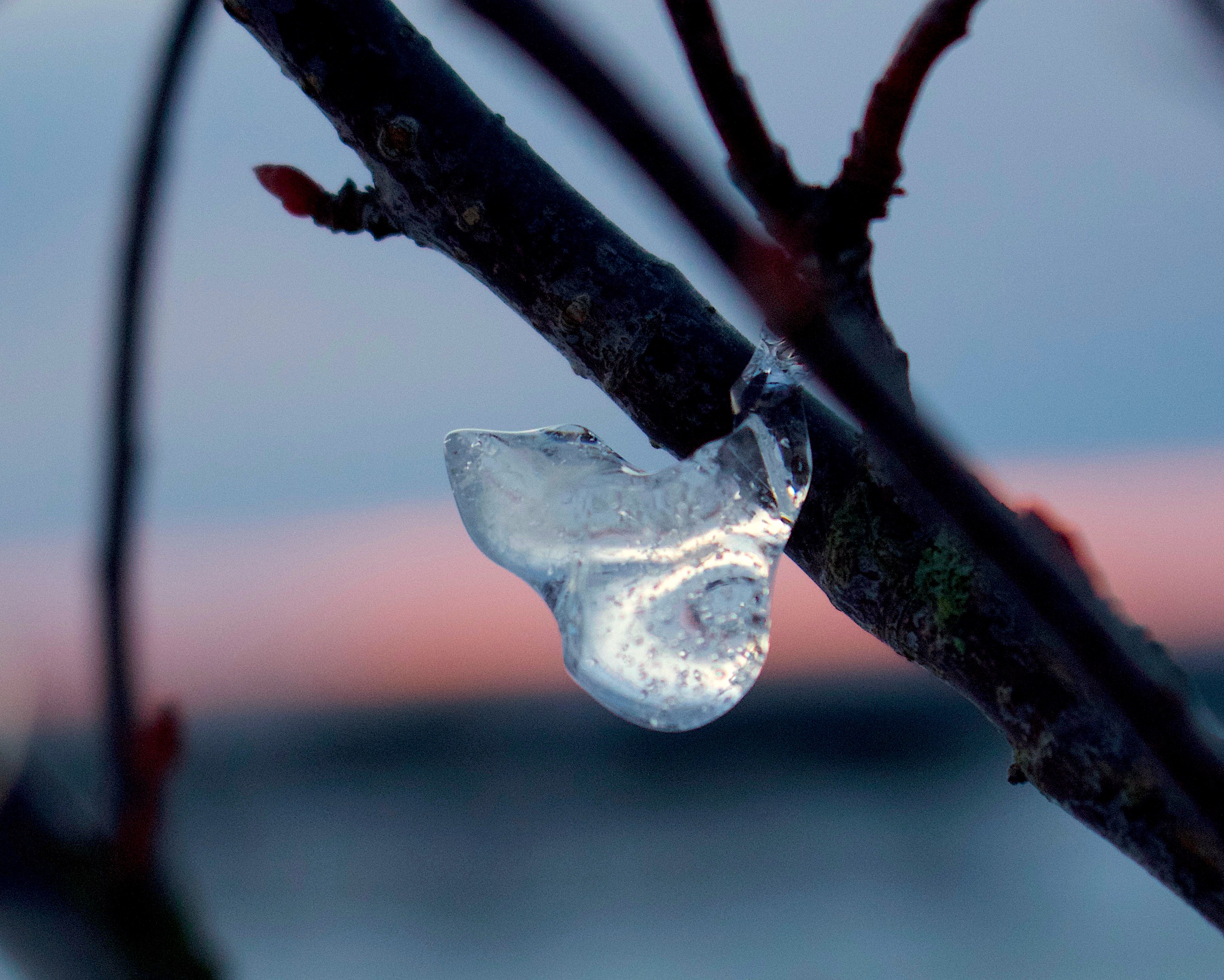
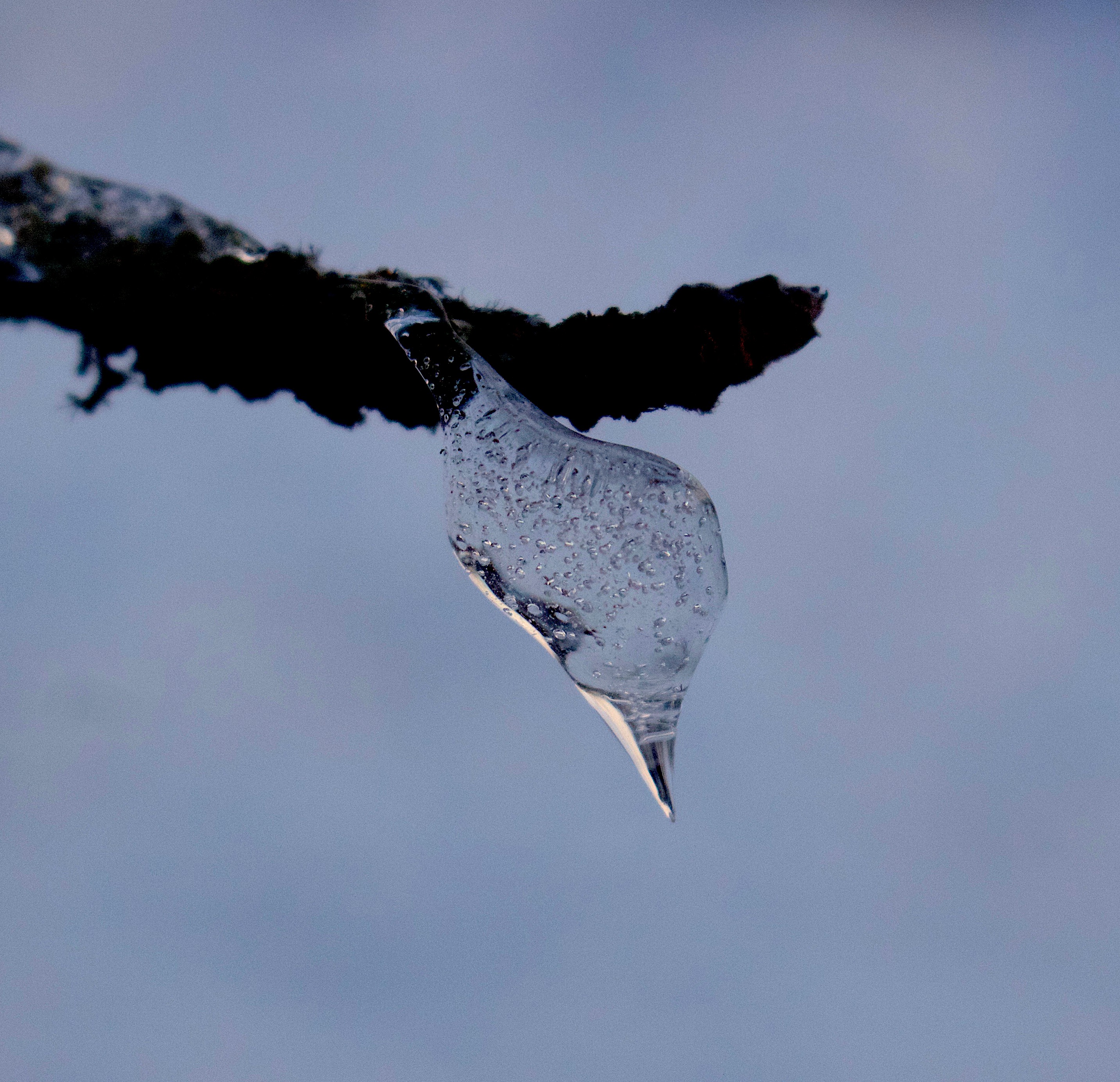
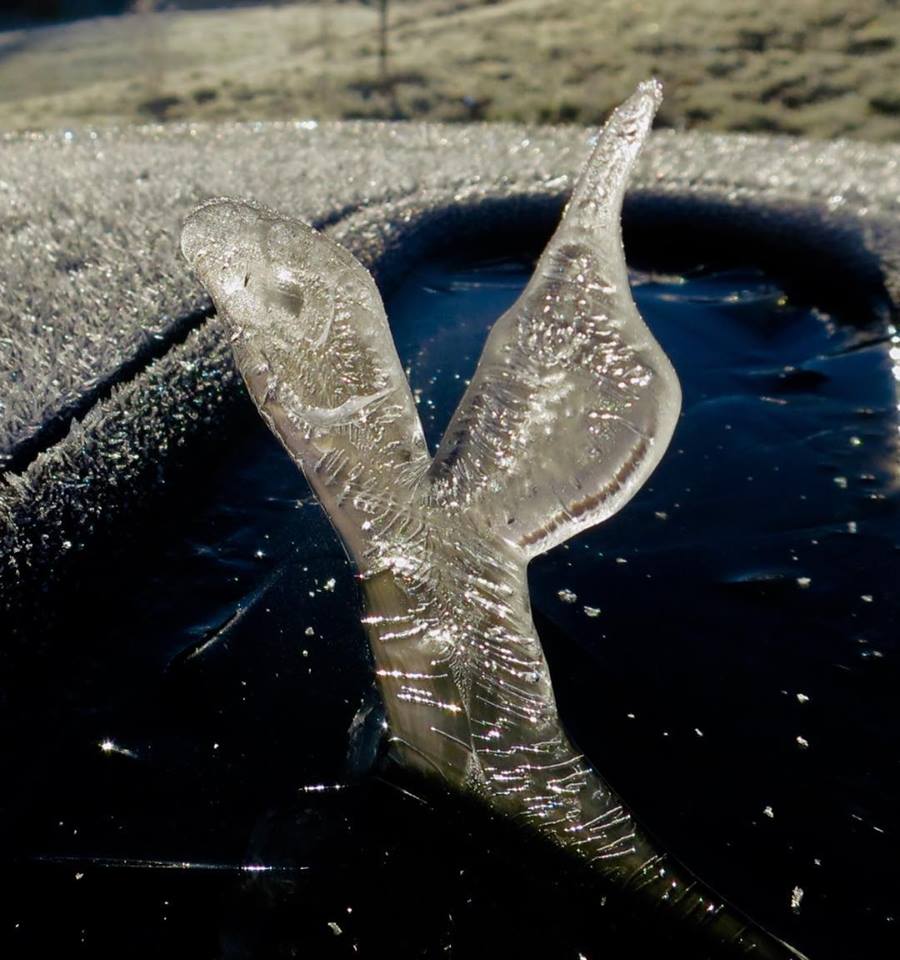
Yet encased by ICE, only a thaw will restore.

Frozen memories sear
until starting to melt,
thereby the imprisoned
are freed.

One-Time
Monthly
Yearly

Make a one-time or recurring donation to support daily Barnstorming posts

Make a monthly donation

Make a yearly donation

Choose an amount

$10.00
$25.00
$50.00
$5.00
$15.00
$100.00
$5.00
$15.00
$100.00

Or enter a custom amount

$

Your contribution is deeply appreciated.

Your contribution is appreciated.

Your contribution is appreciated.

DonateDonate monthlyDonate yearly
A Tuesday in January

Ms. Marcus says that an occasional poem is a poem
written about something
important
or special
that’s gonna happen
or already did.
Think of a specific occasion, she says—and write about it.

Like what?! Lamont asks.
He’s all slouched down in his seat.
I don’t feel like writing about no occasion.


How about your birthday? Ms. Marcus says.
What about it? Just a birthday. Comes in June and it ain’t
June, Lamont says. As a matter of fact,
he says, it’s January and it’s snowing.

Then his voice gets real low and he says
And when it’s January and all cold like this
feels like June’s a long, long ways away.

The whole class looks at Ms. Marcus.
Some of the kids are nodding.

Outside the sky looks like it’s made out of metal
and the cold, cold air is rattling the windowpanes
and coming underneath them too.

Then write about January, Ms. Marcus says, that’s
an occasion.
But she looks a little bit sad when she says it
Like she’s sorry she ever brought the whole
occasional poem thing up.

I was gonna write about Mama’s funeral
but Lamont and Ms. Marcus going back and forth
zapped all the ideas from my head.

I guess them arguing
on a Tuesday in January’s an occasion
So I guess this is an occasional poem.

~Jacqueline Woodson from “Occasional Poem”

I like these cold, gray winter days.  Days like these let you savor a bad mood.
–  Bill Watterson in Calvin and Hobbes

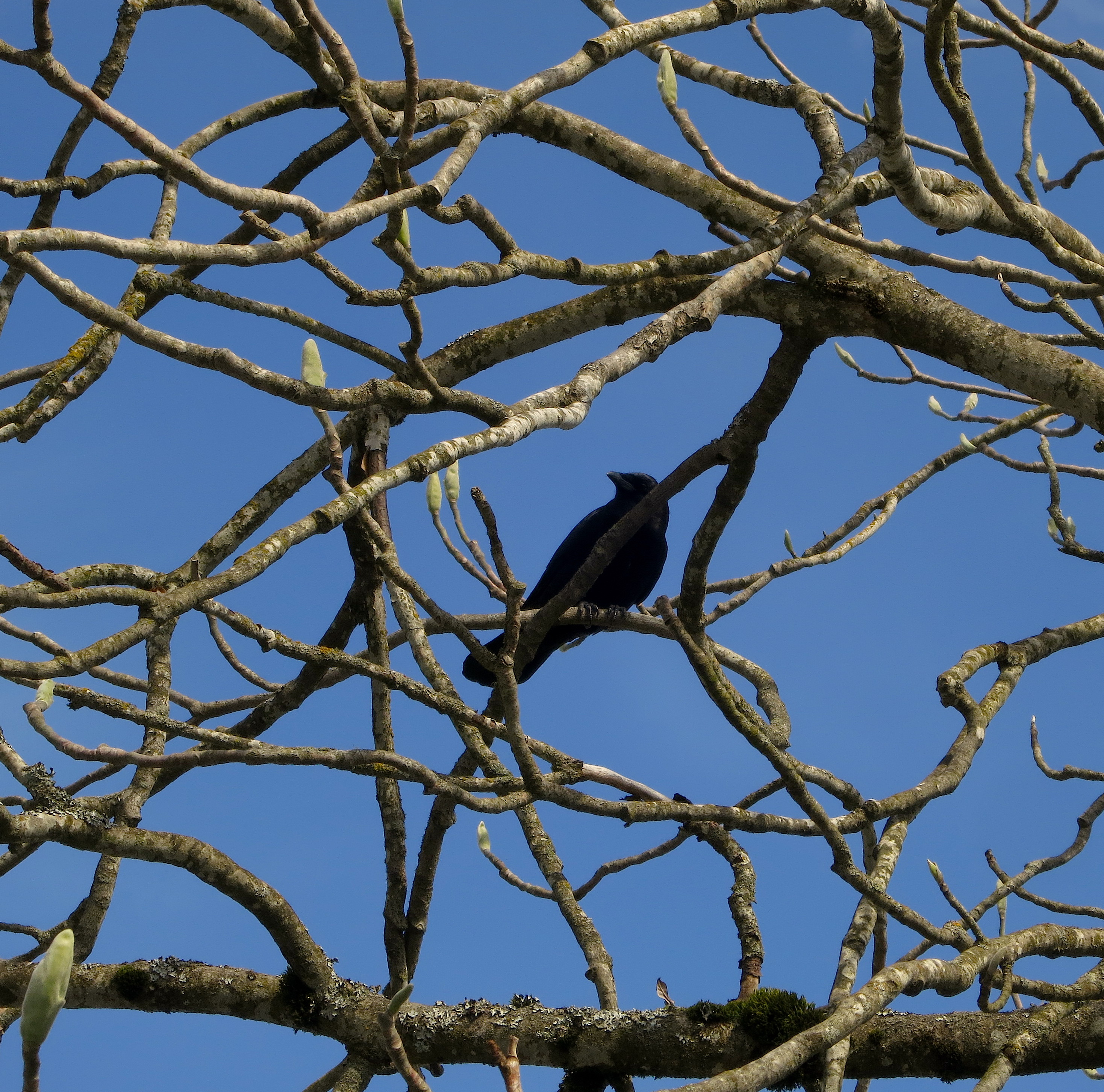
The way a crow
Shook down on me
The dust of snow
From a hemlock tree
Has given my heart
A change of mood
And saved some part
Of a day I had rued.

~Robert Frost “Dust of Snow”

Now one year later after the occasion of an inauguration,
most of us wish things could be different than they are~
nothing feels right, rights feel like nothing,
we’re more than out of sorts, grumpy, in a bad mood –
we’re all sadly angry and angrily sad.

And we thought the pandemic was bad.

But moral decay at the highest level
is doing more damage than any virus did.
We’ve allowed politics to sow and reproduce
discord, distrust, discouragement
into our very beings.

There is no vaccine
for this aching of the heart.

An infection of the spirit
will far outlast any pandemic virus
by spreading to future generations,
eroding trust as we allow justice to decay,
as human bonds break,
withering our faith and our hope
that our country can survive anything.

One-Time
Monthly
Yearly

Make a one-time or recurring donation to support daily Barnstorming posts

Make a monthly donation

Make a yearly donation

Choose an amount

$10.00
$25.00
$50.00
$5.00
$15.00
$100.00
$5.00
$15.00
$100.00

Or enter a custom amount

$

Your contribution is deeply appreciated.

Your contribution is appreciated.

Your contribution is appreciated.

DonateDonate monthlyDonate yearly
We Share the Guilt

Do you know why this world is as bad as it is?
It is because people think only about their own business, 
and won’t trouble themselves to stand up for the oppressed, 
nor bring the wrong-doers to light. 
My doctrine is this: that if we see cruelty or wrong

that we have the power to stop, 
and do nothing,
we make ourselves sharers in the guilt.
~Anna Sewell from Black Beauty

foggydrops18

As nightfall does not come at once,
neither does oppression.
In both instances, there is a twilight

when everything remains seemingly unchanged.
And it is in such twilight

that we all must be most aware of change in the air
– however slight –
lest we become unwitting victims of the darkness.
~William O. Douglas
from The Douglas letters: Selections from the private papers of Justice William O. Douglas by William O. Douglas

barnsunsetcentral

We live in a time where the groaning need
and dividedness of humankind
is especially to be felt and recognized.
Countless people are subjected to hatred,
violence and oppression which go unchecked.
The injustice and corruption which exist today
are causing many voices to be raised to protest
and cry out that something be done.
Many men and women are being moved to sacrifice much
in the struggle for justice, freedom, and peace.
There is a movement afoot in our time,
a movement which is growing, awakening.

We must recognize that we as individuals are to blame
for every social injustice,
every oppression,
the downgrading of others
and the injury that man does to man,
whether personal or on a broader plane.…
God must intervene with his spirit and his justice and his truth.
The present misery, need, and decay must pass away
and the new day of the Son of Man must dawn.
This is the advent of God’s coming.
~Dwight Blough from the introduction to When the Time was Fulfilled (1965)

foggydrops10

Be careful whom you choose to hate.
The small and the vulnerable own a protection great enough,
if you could but see it,
to melt you into jelly.

~Leif Enger from Peace Like a River

A true revolution of values will soon cause us to question
the fairness and justice of many of our past and present policies.
On the one hand, we are called to play the good Samaritan

on life’s roadside; but that will be only an initial act.
One day the whole Jericho road must be transformed
so that men and women will not be beaten and robbed
as they make their journey through life.
True compassion is more than flinging a coin to a beggar;
it understands that an edifice

that produces beggars needs restructuring.
America, the richest and most powerful nation in the world,
can well lead the way in this revolution of values.
There is nothing, except a tragic death wish,
to prevent us from reordering our priorities…

~Martin Luther King, Jr. from a speech April 4, 1967

roadeast921171

As we walk this life, this Jericho Road together,
we cannot pass by the brother, the sister, the child
who lies dying in the ditch.
We must stop and help.

By mere circumstances of our place of birth,
it could be you or me there bleeding, beaten, abandoned
until Someone,
journeying along that road,
comes looking for us,
He who was sent to take our place,
as Substitution
so we can get up, be made whole again,
and walk Home.

Maranatha.

The ultimate weakness of violence is that it is a descending spiral
begetting the very thing it seeks to destroy.
Instead of diminishing evil, it multiplies it.
Through violence you may murder the liar,
but you cannot murder the lie, nor establish the truth.
Through violence you may murder the hater,
but you do not murder hate.
In fact, violence merely increases hate.
So it goes.
Returning violence for violence multiplies violence,
adding deeper darkness to a night already devoid of stars.
Darkness cannot drive out darkness:
only light can do that.
Hate cannot drive out hate: only love can do that.
Hate multiplies hate,
violence multiplies violence,
and toughness multiplies toughness
in a descending spiral of destruction….
The chain reaction of evil —
hate begetting hate,
wars producing more wars —
must be broken,
or we shall be plunged
into the dark abyss of annihilation.
~Dr. Martin Luther King, Jr. from Strength to Love

Lyrics:
At the edge of Jericho Road
Beneath the street light’s yellow orange glow
The feared and the fallen go
In the way of predator and prey
No one’s spared
Because hate is too great a weight to bear

In a cage of shadows we meet
Naked and bloodied in the street
At the mercy, at the feet
Of the way of predator and prey
No one’s spared
Because hate is too great a weight to bear

In the darkness on shattered pavement
The better angels fade
Blurred in slumber, murder by numbers
Do you know my name?
I believe in you

Because everyone holds some part of the truth
And now, I’m in your way
Do we stay on Jericho Road, forever going nowhere
Till hate is too great a weight to bear

One-Time
Monthly
Yearly

Make a one-time or recurring donation to support daily Barnstorming posts

Make a monthly donation

Make a yearly donation

Choose an amount

$10.00
$25.00
$50.00
$5.00
$15.00
$100.00
$5.00
$15.00
$100.00

Or enter a custom amount

$

Your contribution is deeply appreciated.

Your contribution is appreciated.

Your contribution is appreciated.

DonateDonate monthlyDonate yearly
How We Heal

Some people see scars, and it is wounding they remember. To me they are proof of the fact that there is healing.
~ Linda Hogan
 from Solar Storms

Wet stones from the middle path.
A shard of green heartwood
ripped by the big storm
from the oak’s broken, heavy limb.


And we all have scar stories.

Which say more than wound stories.
Wound stories tell how we were injured.
Scar stories tell how we heal.
~Liza Hyatt,”What I Carry Home With Me” from Wayfaring

between the rosebuds
and the thorns
the pine tree branches
with their needles
and kitty claws

my hands are
always bleeding

and turning up
scars that cry, “I’m alive,
I feel it. I feel it all”
and then falling
back into whispers
while my body
heals itself
one more time

~Juniper Klatt, I was raised in a house of water

…see how the flesh grows back across a wound, with a great vehemence, more strong than the simple, untested surface before.

There’s a name for it on horses, when it comes back darker and raised: proud flesh, as all flesh is proud of its wounds,
wears them as honors given out after battle,
small triumphs pinned to the chest –

And when two people have loved each other,
see how it is like a scar between their bodies,
stronger, darker, and proud;
how the black cord makes of them a single fabric
that nothing can tear or mend.
~Jane Hirshfield from  “For What Binds Us”

I prefer winter and fall, when you feel the bone structure of the landscape — the loneliness of it, the dead feeling of winter. Something waits beneath it, the whole story doesn’t show.
~Andrew Wyeth, artist

photo by Nate Gibson

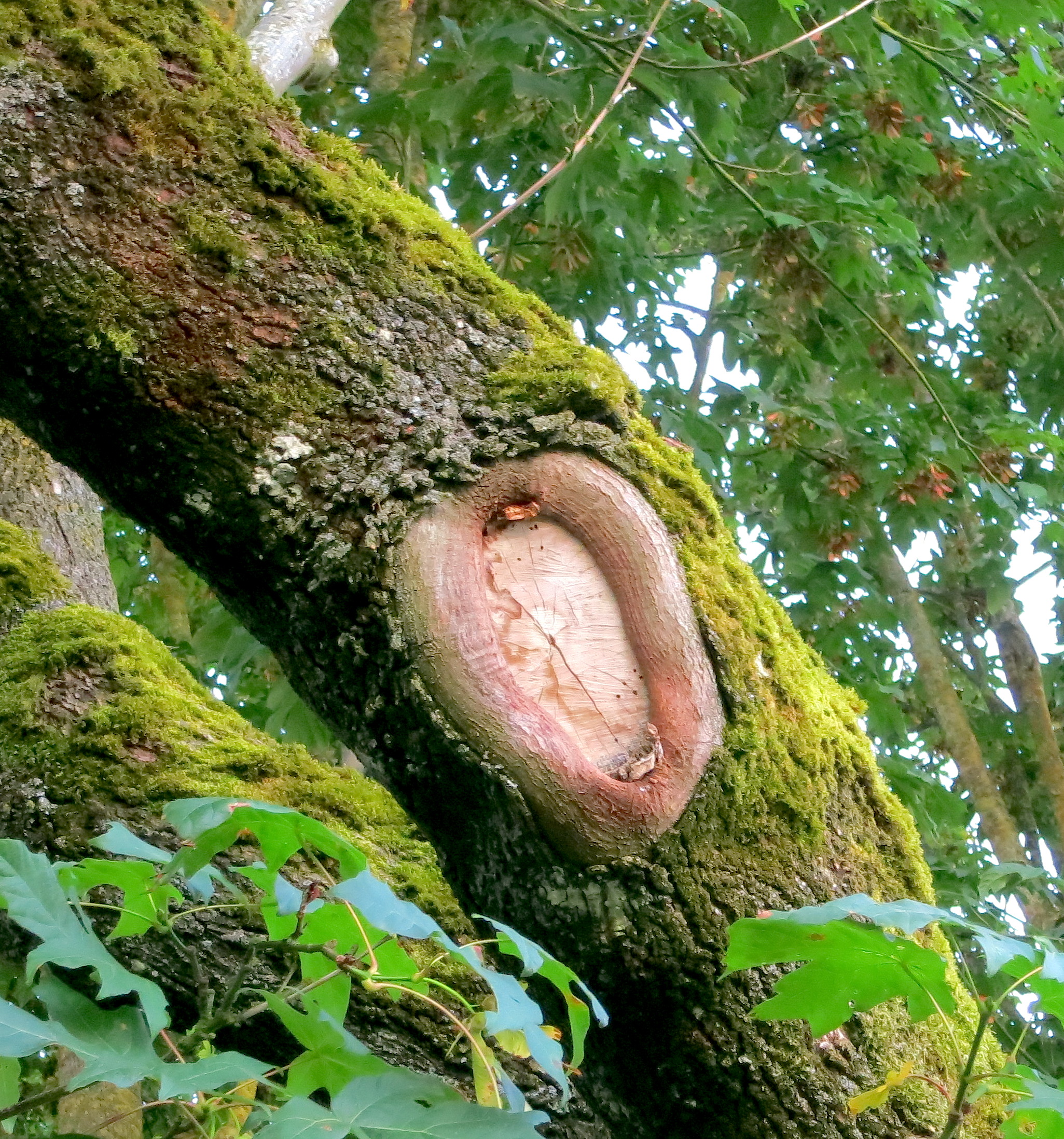
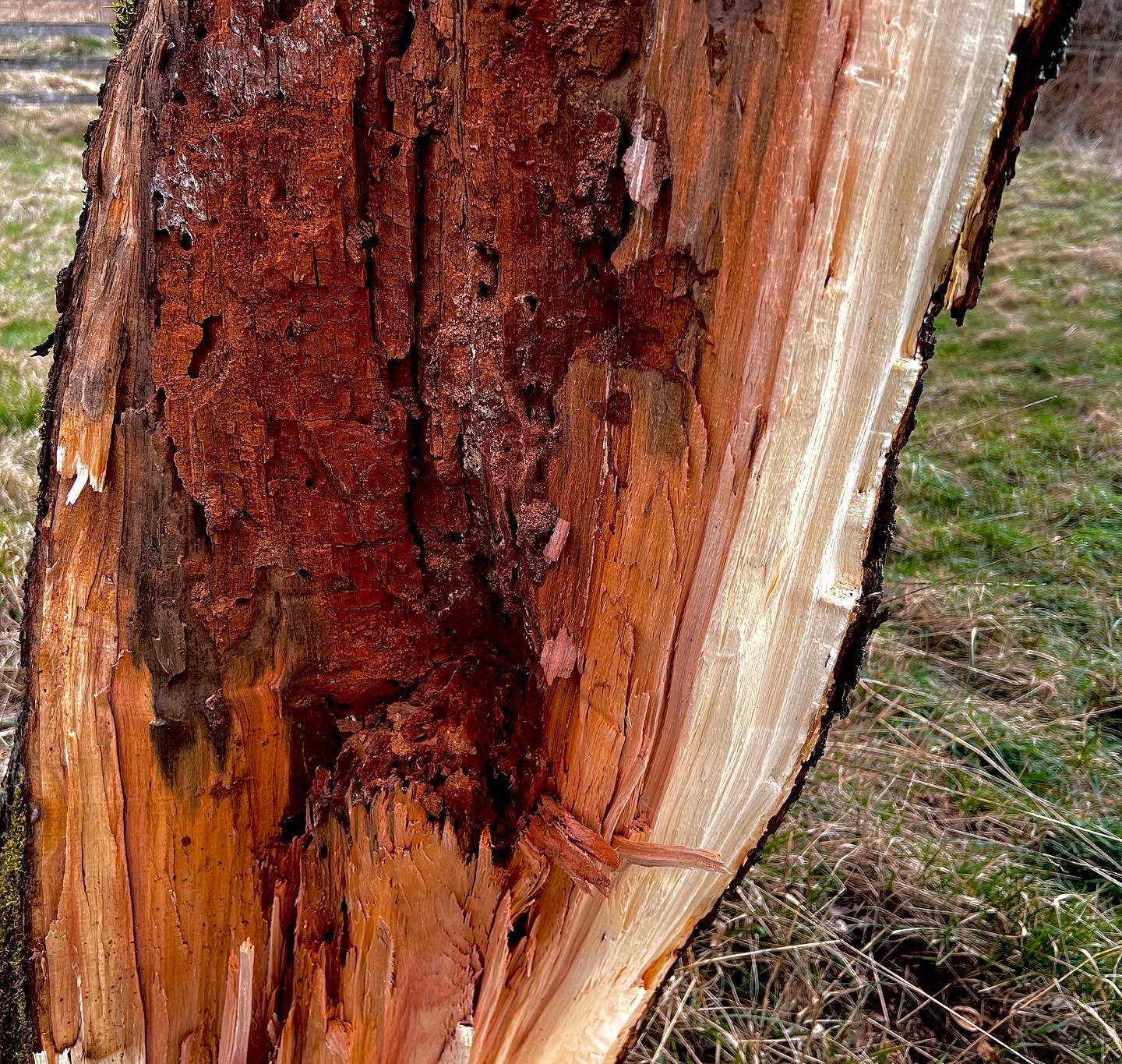
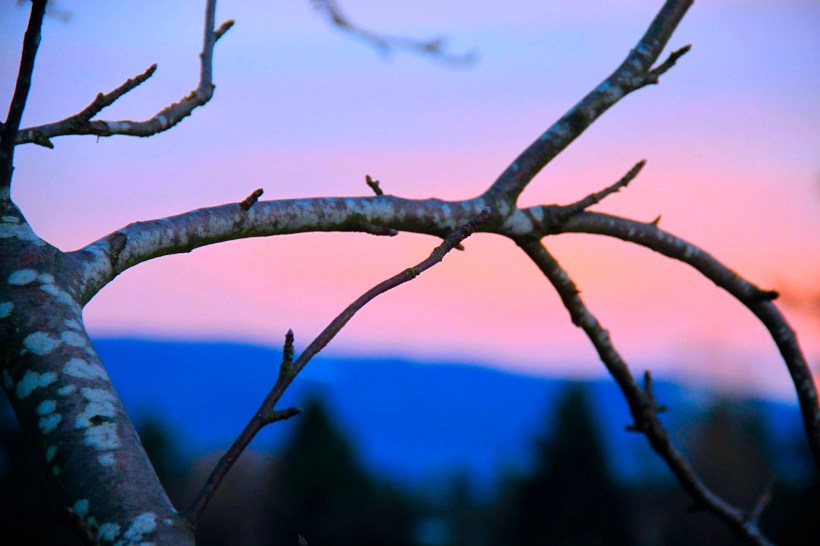
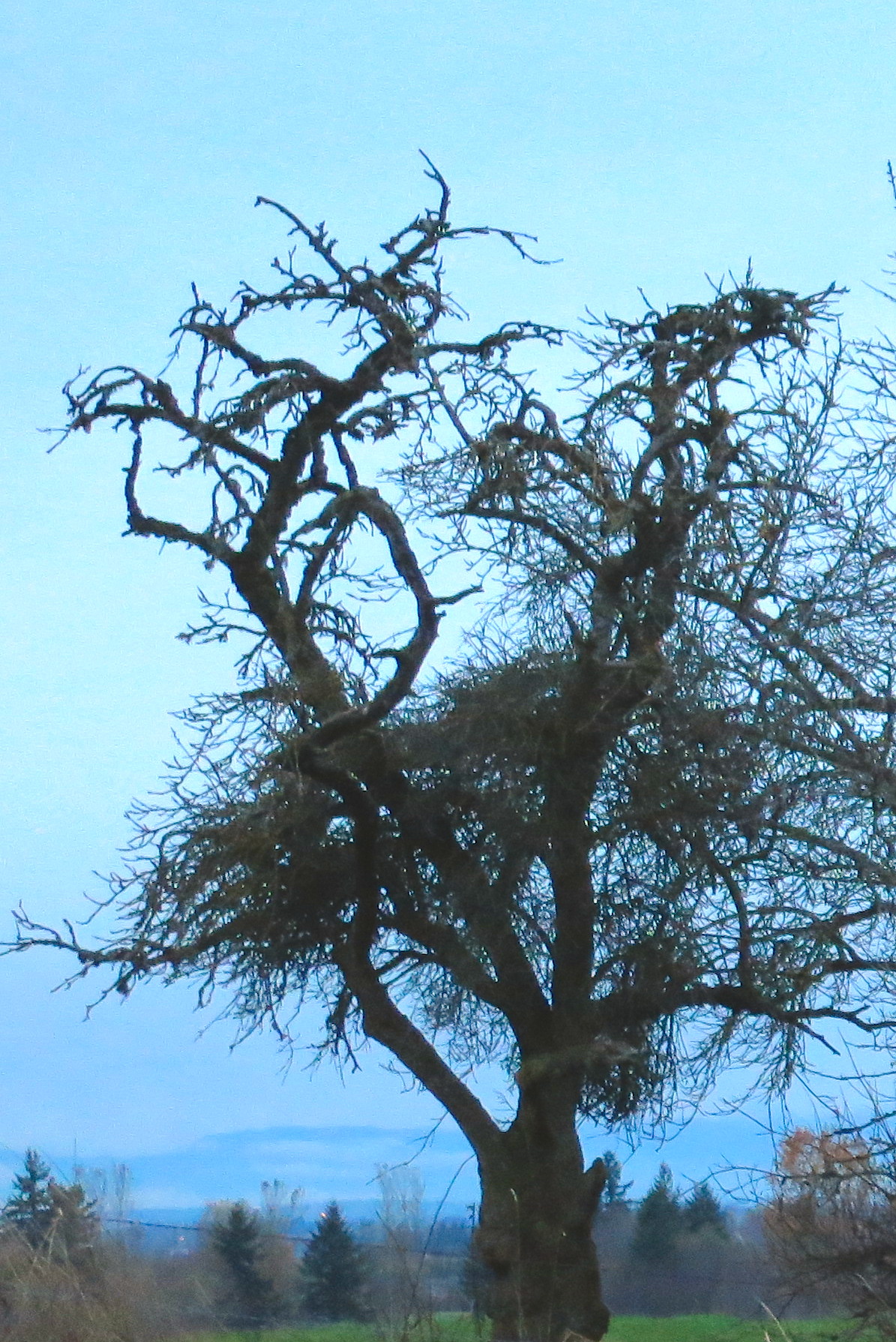
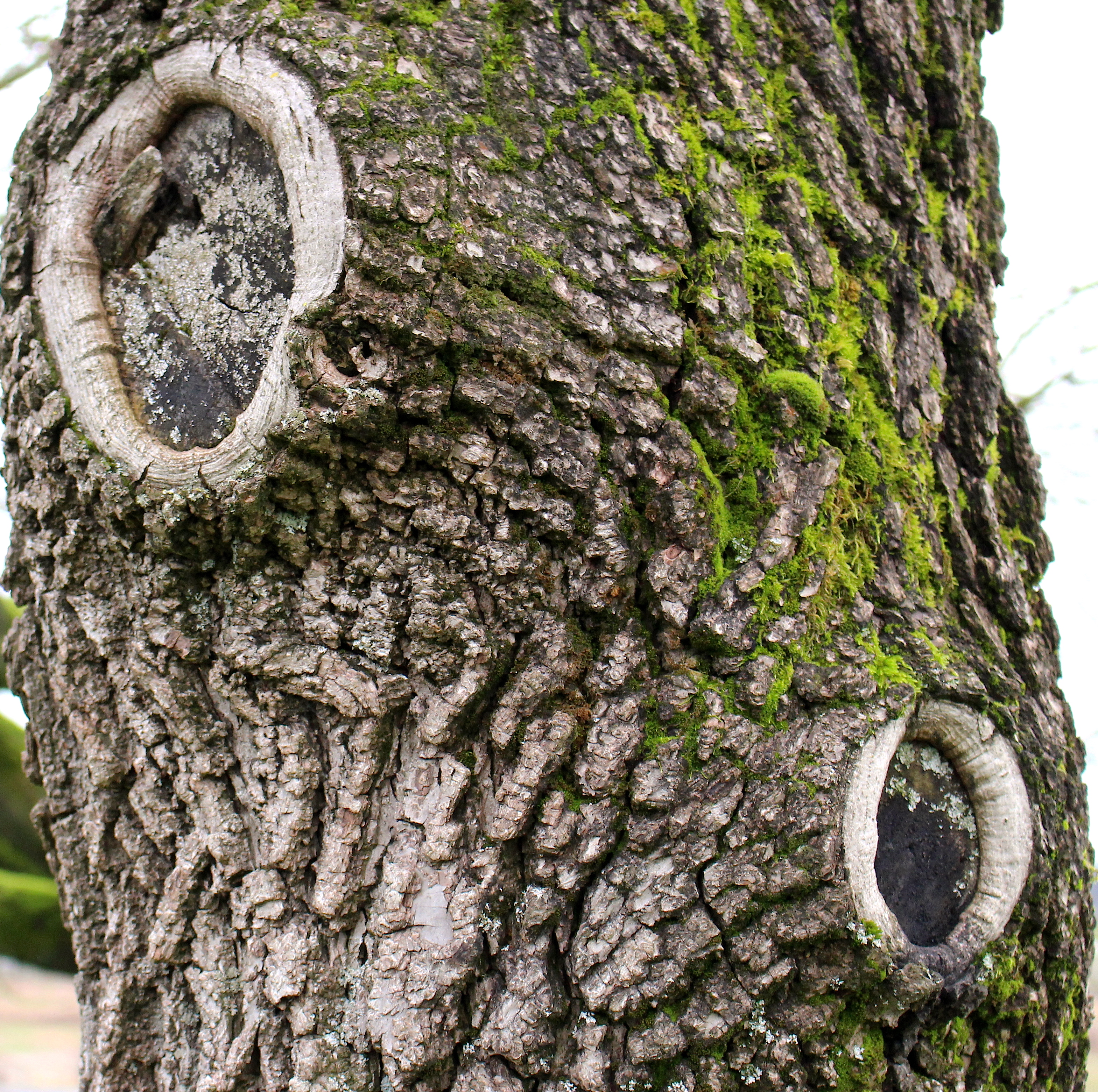
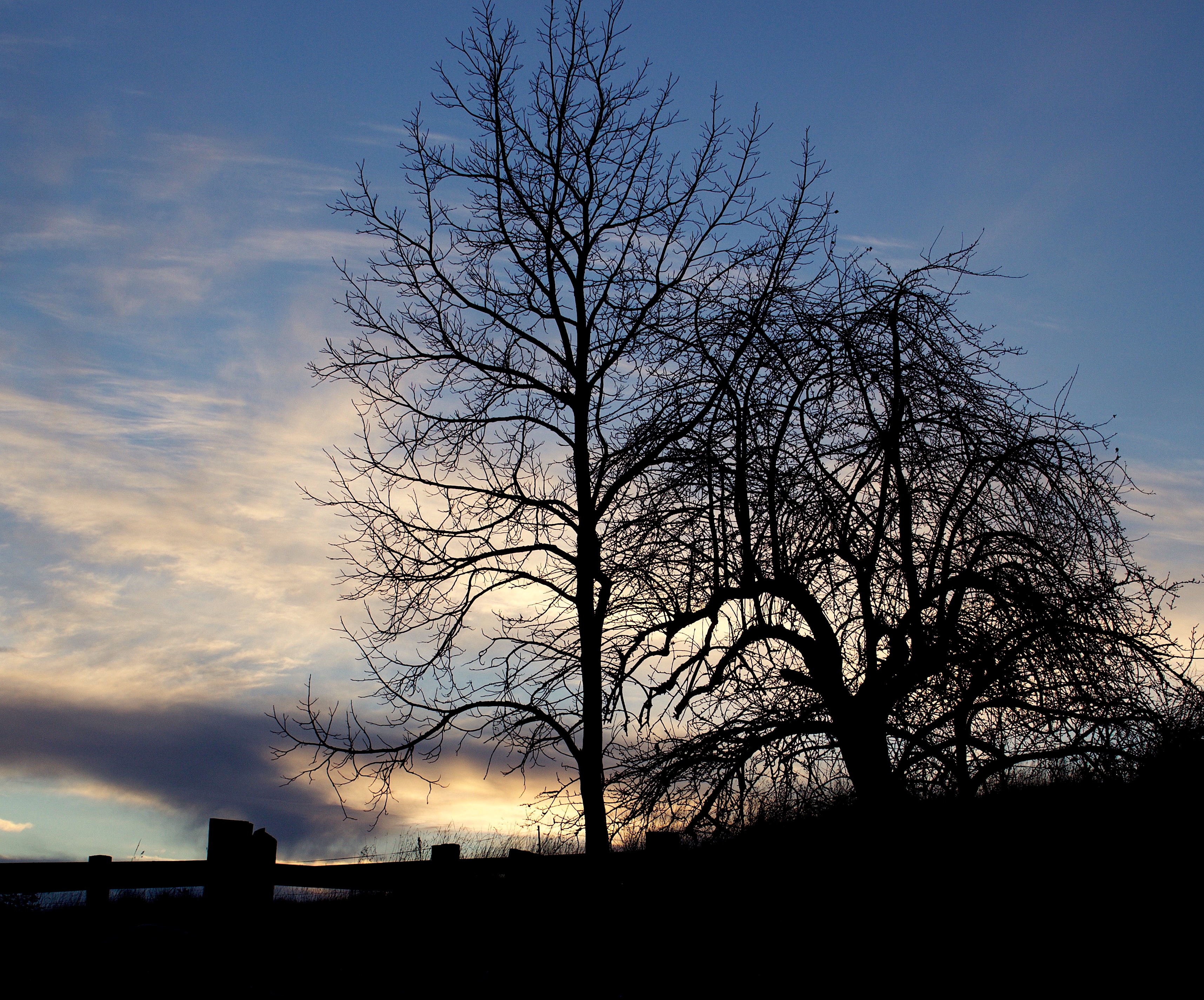
In winter, we are stripped naked as the bare trees right now; our skin and bones reveal the scars, broken branches, and healed fractures of previous winter windstorms. We no longer have anything to hide behind or among, as our defects are plain to see.  

Our whole story is a mystery untold, impossible to conceal.

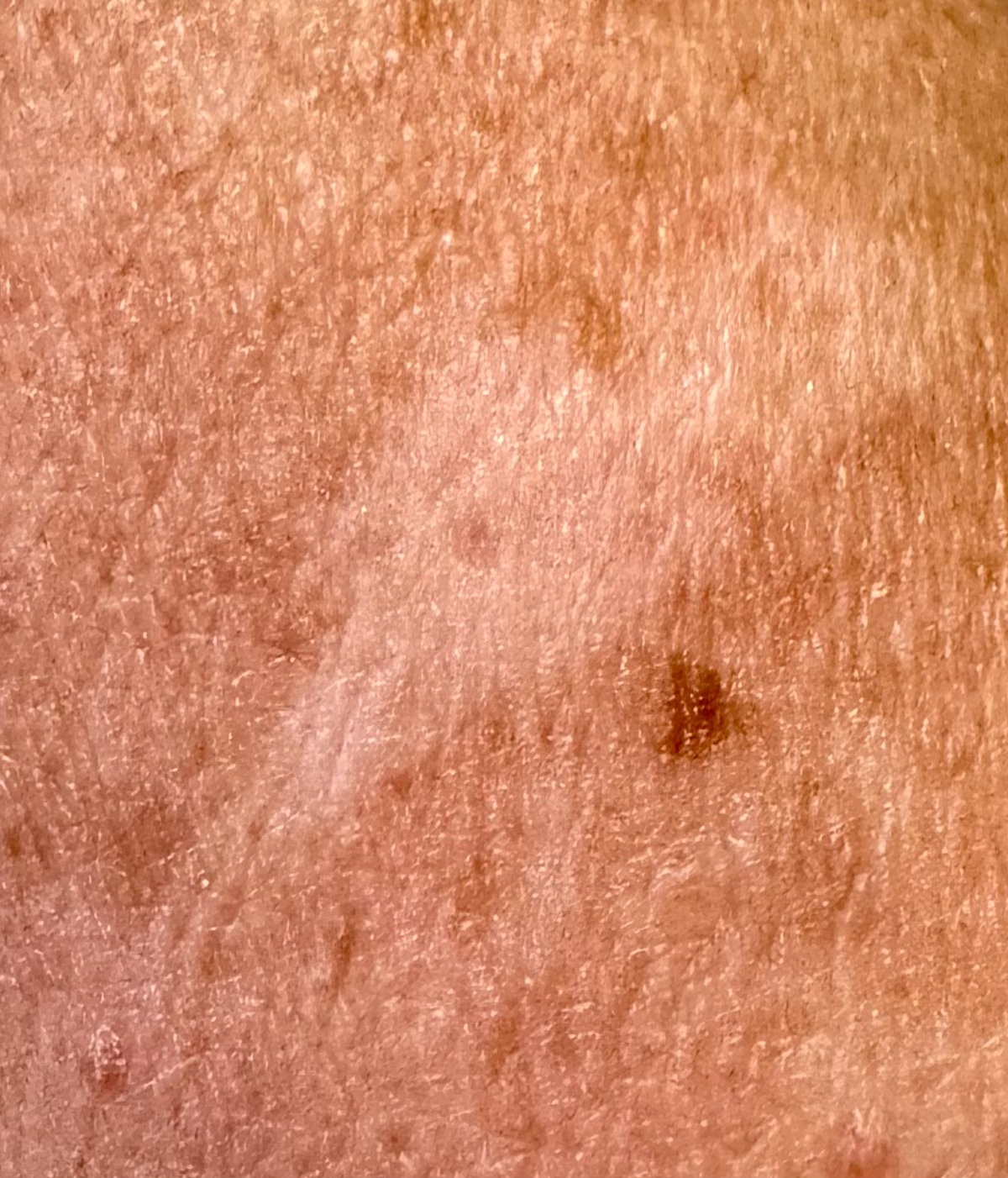
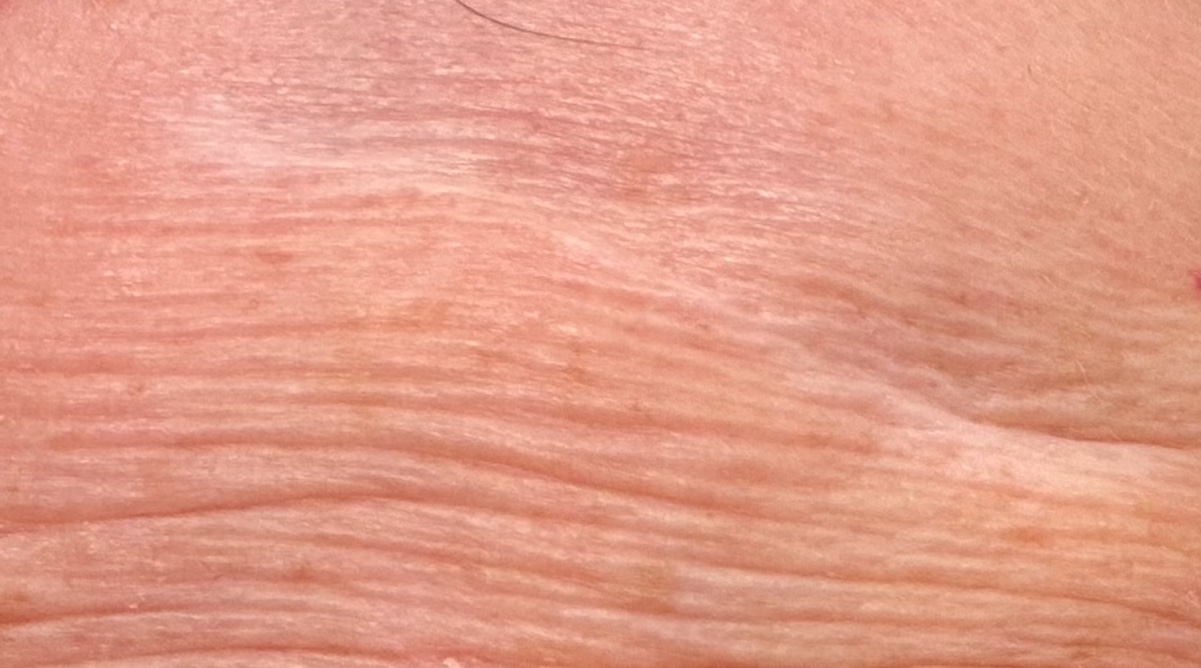
Scars come in various sizes and shapes, some hidden, some quite obvious to all. How they are inflicted also varies–some accidental, others therapeutic, and too many intentional. 

The most insidious are the ones so internal, no one can see or know they are there. Sometimes we aren’t aware of them ourselves – only something unreachable is still hurting at times.

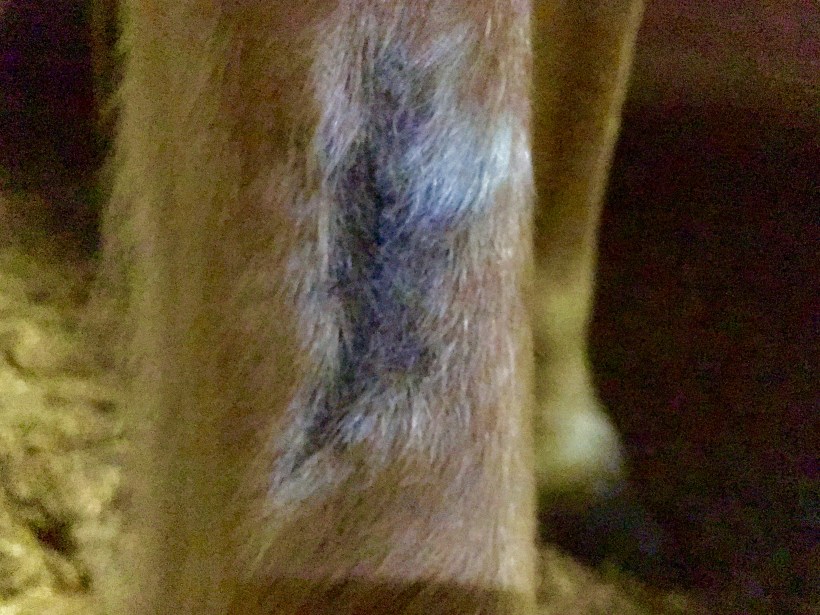
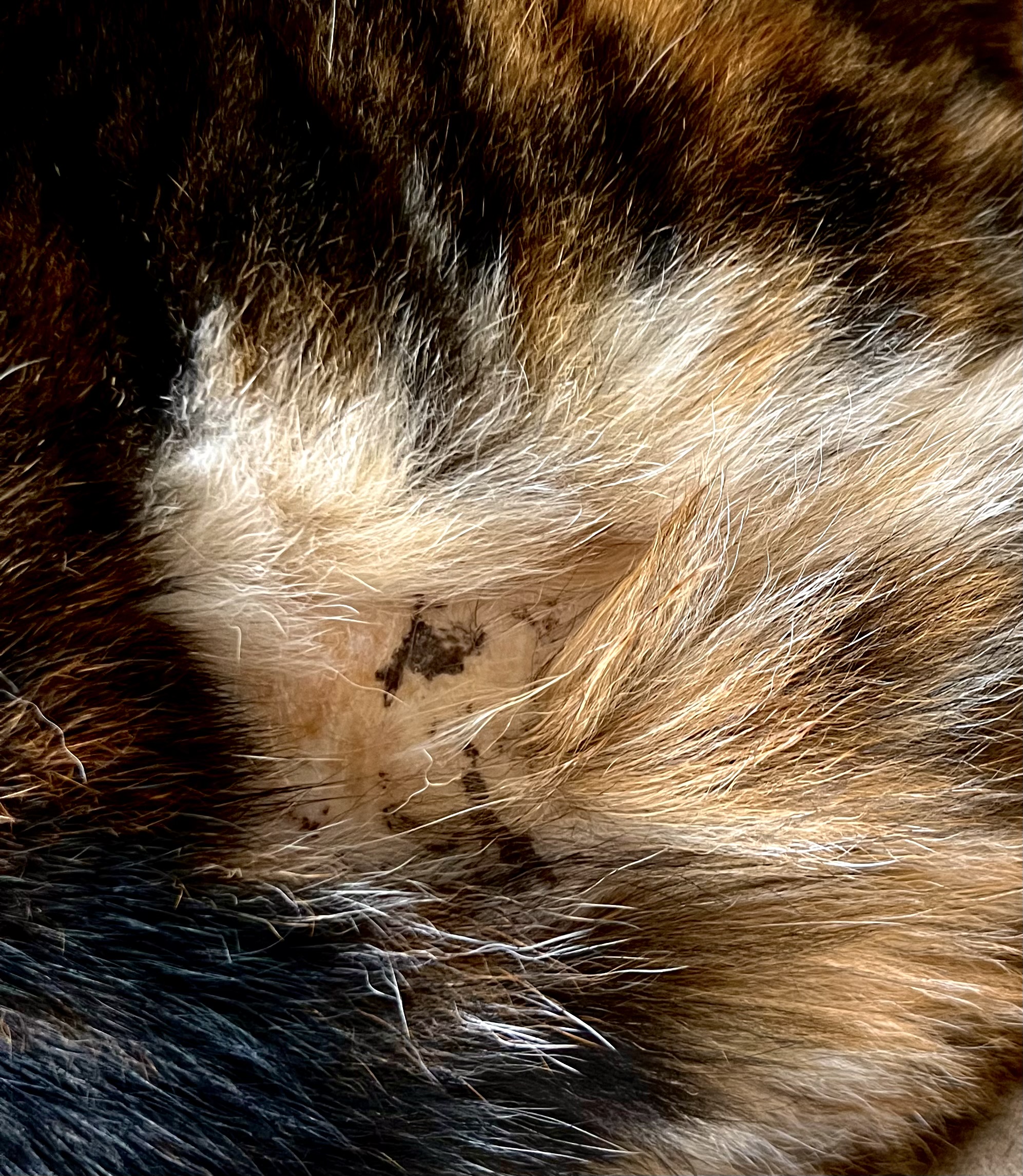
Most often, they are simply the scars of living in a hazardous world – on farm animals, healing into a tough scar of leathery “proud flesh”.

Yet, none of them are as deep and wide as scars accepted on our behalf, nor as wondrous as the Love that oozed from them, nor as amazing as the Grace that abounds to this day because of the promise they represent. These are scars from the Word made Flesh, a proud flesh that won’t give way, lasting forever.

Though I am abundantly flawed with pocks and scars, I am reminded each winter of my renewal. There are hints of new growth to come when the frost abates and the sap thaws.  

Indeed, I am prepared to wait an eternity, if necessary, to understand the rest of the story.

One-Time
Monthly
Yearly

Make a one-time or recurring donation to support daily Barnstorming posts

Make a monthly donation

Make a yearly donation

Choose an amount

$10.00
$25.00
$50.00
$5.00
$15.00
$100.00
$5.00
$15.00
$100.00

Or enter a custom amount

$

Your contribution is deeply appreciated.

Your contribution is appreciated.

Your contribution is appreciated.

DonateDonate monthlyDonate yearly
When They Are No More…

The snow is melting
and the village is flooded
     with children.
~Kobayashi Issa (translated by Robert Haas)

A voice is heard in Ramah,
mourning and great weeping,
Rachel weeping for her children
and refusing to be comforted,
because they are no more.
Matthew 2:18 and Jeremiah 31:15

…as you sit beneath your beautifully decorated tree, eat the rich food of celebration, and laugh with your loved ones, you must not let yourself forget the horror and violence at the beginning and end of the Christmas story. The story begins with the horrible slaughter of children and ends with the violent murder of the Son of God. The slaughter depicts how much the earth needs grace. The murder is the moment when that grace is given.

Look into that manger representing a new life and see the One who came to die. Hear the angels’ celebratory song and remember that sad death would be the only way that peace would be given. Look at your tree and remember another tree – one not decorated with shining ornaments, but stained with the blood of God.

As you celebrate, remember that the pathway to your celebration was the death of the One you celebrate, and be thankful.
~Paul Tripp

We think of him as safe beneath the steeple,
Or cosy in a crib beside the font,
But he is with a million displaced people
On the long road of weariness and want.

For even as we sing our final carol
His family is up and on that road,
Fleeing the wrath of someone else’s quarrel,
Glancing behind and shouldering their load.

Whilst Herod rages still from his dark tower
Christ clings to Mary, fingers tightly curled,
The lambs are slaughtered by the men of power,
And death squads spread their curse across the world.

But every Herod dies, and comes alone
To stand before the Lamb upon the throne.

~Malcolm Guite “Refugee”

When Christ was born in Bethlehem,
Fair peace on earth to bring,
In lowly state of love He came
To be the children’s King.

And round Him, then, a holy band
Of children blest was born,
Fair guardians of His throne to stand
Attendant night and morn.

And unto them this grace was giv’n
A Saviour’s name to own,
And die for Him Who out of Heav’n
Had found on earth a throne.

O blessèd babes of Bethlehem,
Who died to save our King,
Ye share the martyrs’ diadem,
And in their anthem sing!

Your lips, on earth that never spake,
Now sound th’eternal word;
And in the courts of love ye make
Your children’s voices heard.

Lord Jesus Christ, eternal Child,
Make Thou our childhood Thine;
That we with Thee the meek and mild
May share the love divine.

~Laurence Houseman “The Holy Innocents”

There is no consolation for families
of those children lost to death too soon:
a rogue king’s slaughter of innocents.

And still today – so much intentional death of the young,
to inflict the most pain,
lands flooded with blood,
across disputed borders and faith.

Arms ache through centuries with the emptiness of grief,
beds and pillows lie cold and unused,
hugs never to come again.

There is no consolation for loss then or now;
only mourning and great weeping,
sobbing that wrings dry every human cell,

leaving only dust behind:
our beginning
and, without salvation,
our end.

One-Time
Monthly
Yearly

Make a one-time or recurring donation to support daily Barnstorming posts

Make a monthly donation

Make a yearly donation

Choose an amount

$10.00
$25.00
$50.00
$5.00
$15.00
$100.00
$5.00
$15.00
$100.00

Or enter a custom amount

$

Your contribution is deeply appreciated.

Your contribution is appreciated.

Your contribution is appreciated.

DonateDonate monthlyDonate yearly
God is Not Dead, Nor Does He Sleep…

And in despair I bowed my head;
“There is no peace on earth,” I said;
    “For hate is strong,
    And mocks the song
Of peace on earth, good-will to me
n!”

Then pealed the bells more loud and deep:
“God is not dead, nor doth He sleep;
    The Wrong shall fail,
    The Right prevail,
With peace on earth, good-will to me
n.”
~Henry Wadsworth Longfellow from Christmas Bells

When the song of the angels is stilled,
When the star in the sky is gone,
When the kings and princes are home,
When the shepherds are back with their flock,
The work of Christmas begins:
To find the lost,
To heal the broken,
To feed the hungry,
To release the prisoner,
To rebuild the nations,
To bring peace among others,
To make music in the heart.
~Howard Thurman “The Work of Christmas”

The core truth of Christ’s birth is that when God became man, he entered the world in a posture of extreme humility and extreme vulnerability, and that posture never changed.

Jesus, God made flesh, spent his life as a carpenter and an itinerant preacher. He proved so vulnerable that he was easily executed by the Roman Empire, with only the tiniest band of followers still clinging to their faith.

And if we who call ourselves Christians are to truly imitate Christ, then shouldn’t we also place little regard on our own worldly status? Jesus told us to take up our own cross, not to nail others to that terrible tree.

Yes, Christ is King, but of a very different kind of kingdom, where the first are last, where you love your enemies, where you bless those who persecute you, and where you sacrifice to serve your neighbor.

~David French from Christianity is a Dangerous Faith in the New York TImes -12/21/25

Let the stable still astonish;
Straw – dirt floor, dull eyes,
Dusty flanks of donkeys, oxen;
Crumbling, crooked walls;
No bed to carry that pain,
And then, the child,
Rag-wrapped, laid to cry
In a trough.


Who would have chosen this?
Who would have said: “Yes,
Let the God of all the heavens and earth
Be born here, in this place?”


Who but the same God
Who stands in the darker, fouler rooms
Of our hearts
And says, “Yes,
Let the God of Heaven and Earth
Be born here –


In this place.
~Leslie Leyland Fields “Let the Stable Still Astonish”

During Advent, I am guilty of nostalgia and sentiment, invoking the gentle bedtime story of that silent night, with the infant napping away in a hay-filled manger, His devoted parents hovering, the humble shepherds peering in the stable door.   

All is calm.  All is bright.

Yet no – this is not a sentimental story.
It is astonishing.

God never sleeps.

This is no gentle bedtime story: 
– a teenage mother gives birth in a smelly cave among domestic animals, with no alternative but to lay her baby in a rough feed trough.

– the heavenly host appears to shepherds – the lowest of the low in society – shouting and singing glories which causes terror.

– Herod’s response to the news that a Messiah had been born is to kill a legion of male children whose parents undoubtedly begged for mercy, clinging to their about-to-be murdered sons.

– a family’s flight to Egypt as refugees seeking asylum so their son would not be yet another victim of Herod.

– Jesus grows up to become itinerant and homeless, tempted while fasting in the wilderness, owns nothing, rejected by His own people, betrayed by His disciples, sentenced to death by acclamation before Pilate, tortured, hung on a cross until He gave up his spirit.

– Jesus understood He was not of this world. He knew the power that originally brought him to earth as a helpless infant lying in an unforgiving stone trough would eventually move the stone covering His tomb.

He would be sacrificed,
He would die and rise again,
He would return again as King of all nations.

When I hear skeptics scoff at Christianity as a “crutch for the weak”, they underestimate the courage it takes to walk into church each week admitting we are a desperate people seeking rescue. We cling to the life preserver found in the Word, hanging on for dear life. It is only because of grace that we survive the tempests of temptation, shame, guilt and self-doubt to worship an all-knowing God who is not dead and who never ever sleeps.

This bedtime story is not for the faint of heart. It is meant to astonish. The Power invoked created the very dust we are made of, and breathed His life into us.

So be not afraid:
the wrong shall fail
the Right prevail.
He chose this place to be among us.
Peace on earth, good-will to men.

The grass withers, the flower fades,
But the word of our God stands forever.
Isaiah 40:8

One-Time
Monthly
Yearly

Make a one-time or recurring donation to support daily Barnstorming posts

Make a monthly donation

Make a yearly donation

Choose an amount

$10.00
$25.00
$50.00
$5.00
$15.00
$100.00
$5.00
$15.00
$100.00

Or enter a custom amount

$

Your contribution is deeply appreciated.

Your contribution is appreciated.

Your contribution is appreciated.

DonateDonate monthlyDonate yearly

An Advent Threshold: When a Door Opens, Ah, What Then?

“Thin places,” the Celts call this space,
Both seen and unseen,
Where the door between the world
And the next is cracked open for a moment
And the light is not all on the other side.
God shaped space.

Holy.
~Sharlande Sledge

What if you slept
And what if
In your sleep
You dreamed
And what if
In your dream
You went to heaven
And there plucked a strange and beautiful flower
And what if
When you awoke
You had that flower in your hand
Ah, what then?
~Samuel Coleridge  “What if you slept”

Advent does not train us to look away from suffering. No, it gives us the strength with which to face it. A cup of water. A stone on which to rest. A star to guide us. And the essential hope to know that somewhere, a door is opening.

Advent is how we survive, for to live in Advent is to root ourselves in the essential gravity of things, to know that love and goodness are always stronger than whatever seeks to defeat them. We train our eyes on the small and know that it matters. A flower. A kind word. A child in the manger. That is the way that God breaks through the void.
~Stephanie Saldaña “Living on Manger Street”

I know for a while again,
the health of self-forgetfulness,
looking out at the sky through
a notch in the valley side,
the black woods wintry on
the hills, small clouds at sunset
passing across. And I know
that this is one of the thresholds
between Earth and Heaven,
from which I may even step
forth from myself and be free.
~ Wendell Berry, Sabbaths 2000

The partition thins between this world and the world to come, or
the next or the other world. On the other side of the partition
the dead are living. As one grows older some of the dead grow
more alive, more essentially themselves. One loves them more. As
the next world grows more distinct, this one becomes, not more
vague, but more strange.
~Wendell Berry “New Poems”

photo by Nate Gibson

“Thin places,” the Celts call this space,
Both seen and unseen,
Where the door between the world
And the next is cracked open for a moment
And the light is not all on the other side.
God shaped space.

Holy.
~Sharlande Sledge

Ah, what then?

Home is not nearly big enough for heaven to dwell.  I must content myself with this visit to the thin edge, peering through the open door, and waiting until invited to come inside.
My 2025 Advent theme:
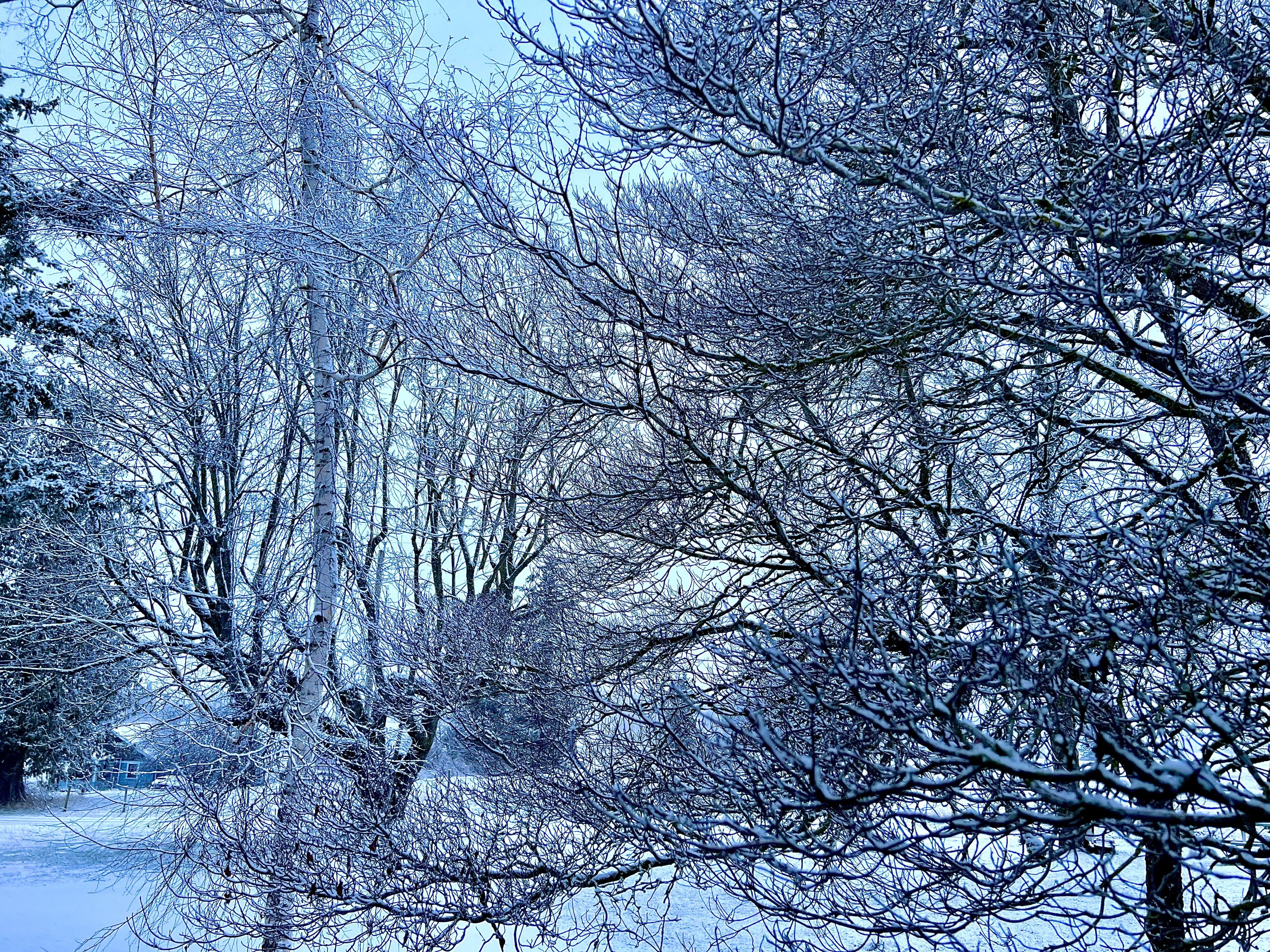
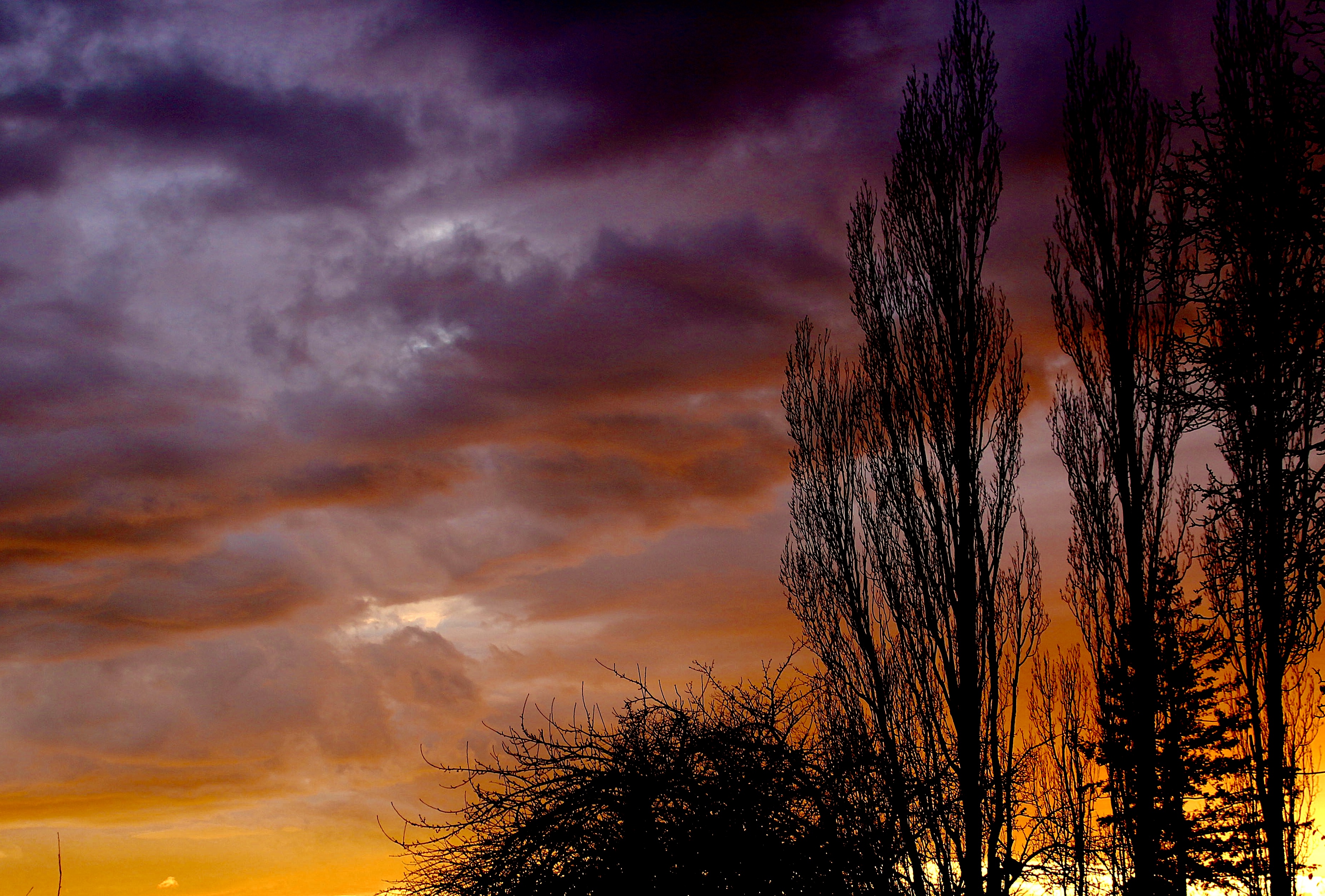
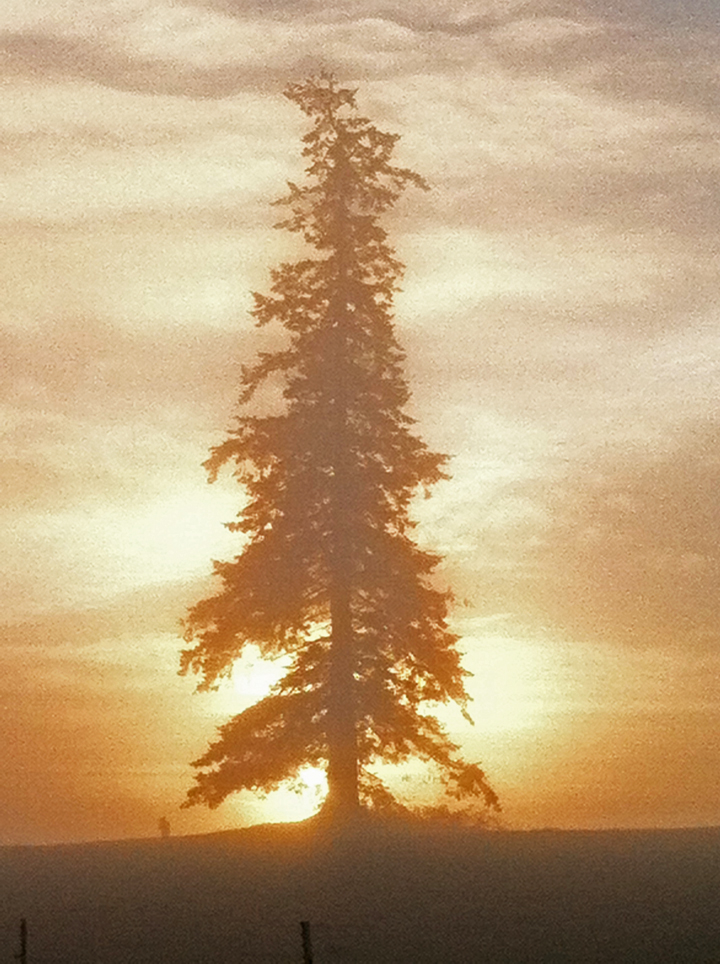
On the threshold between day and night

On that day there will be neither sunlight nor cold, frosty darkness. 
It will be a unique day—a day known only to the Lord—
with no distinction between day and night. 

When evening comes, there will be light.
Zechariah 14:6-7

So once in Israel love came to us incarnate, stood in the doorway between two worlds, and we were all afraid.
~Annie Dillard in Teaching a Stone to Talk

In the stillness of a church where candles glow,
In the softness of a fall of fresh white snow,
In the brightness of the stars hat shine this night,
In the calmness of a pool of healing light,
In the clearness of a choir that softly sings,
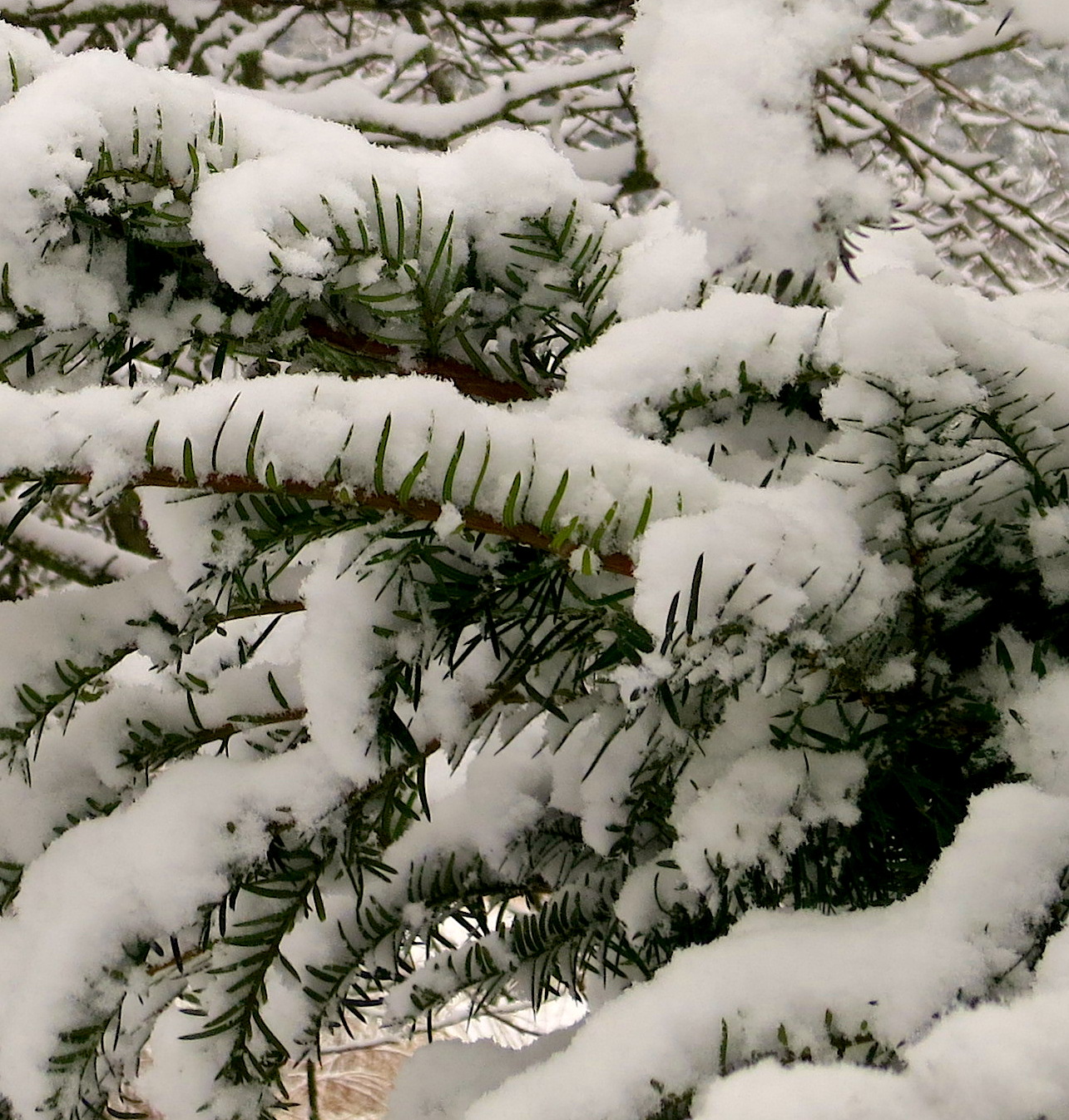
In the oneness of a hush of angels’ wings,
In the mildness of a night by stable bare,
In the quietness of a lull near cradle fair,
There’s a patience as we wait for a new morn,
And the presence of a child soon to be born.
~Sally Beamish “In the Stillness”