“Why, what’s the matter, That you have such a February face, So full of frost, of storm and cloudiness?” – William Shakespeare, Much Ado About Nothing
The wrap-up to February feels like spring is flirting with us. But will winter really ever be finished?
Our doldrums are deep; a brief respite of sun and warmth too rare.
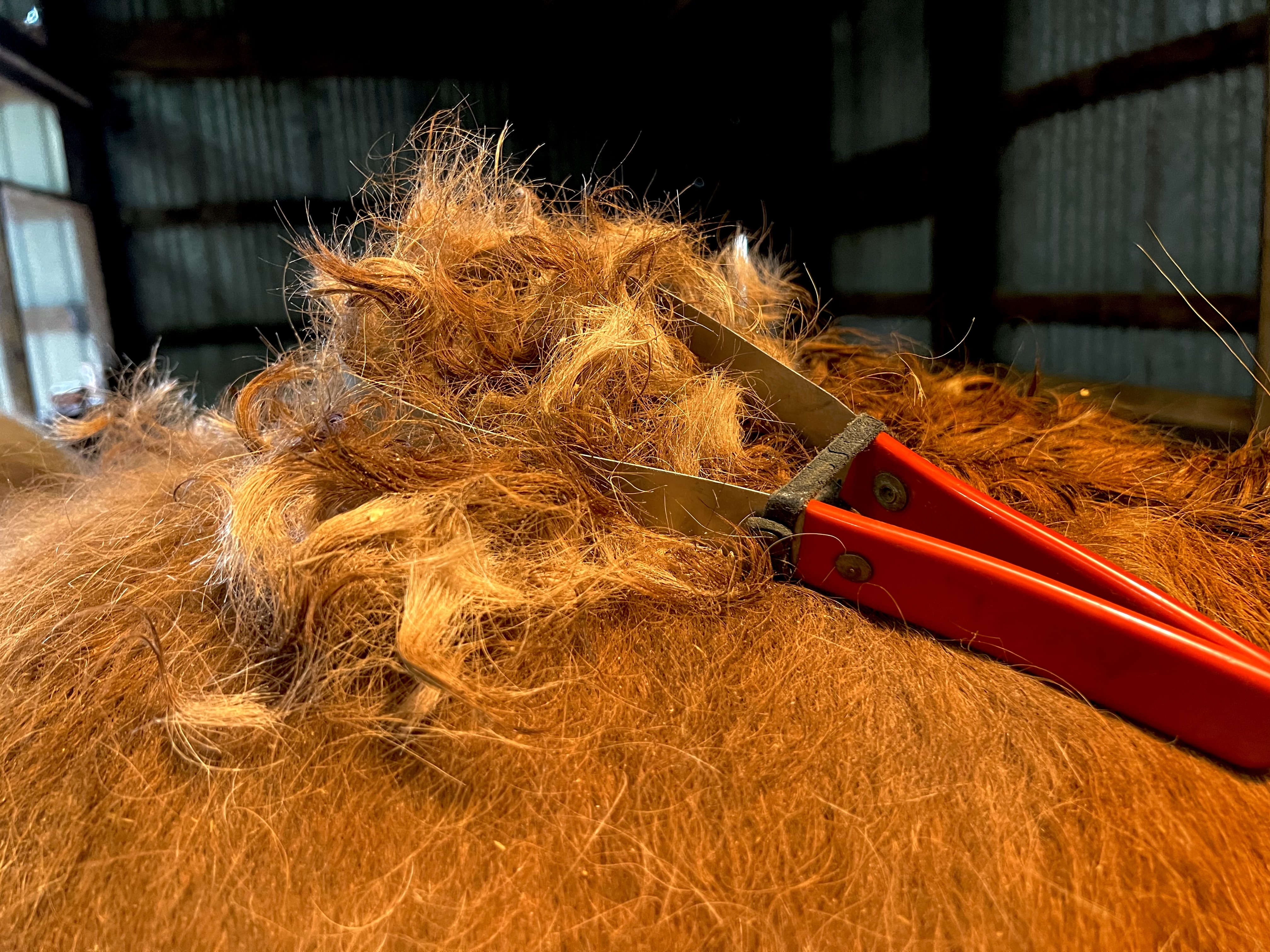
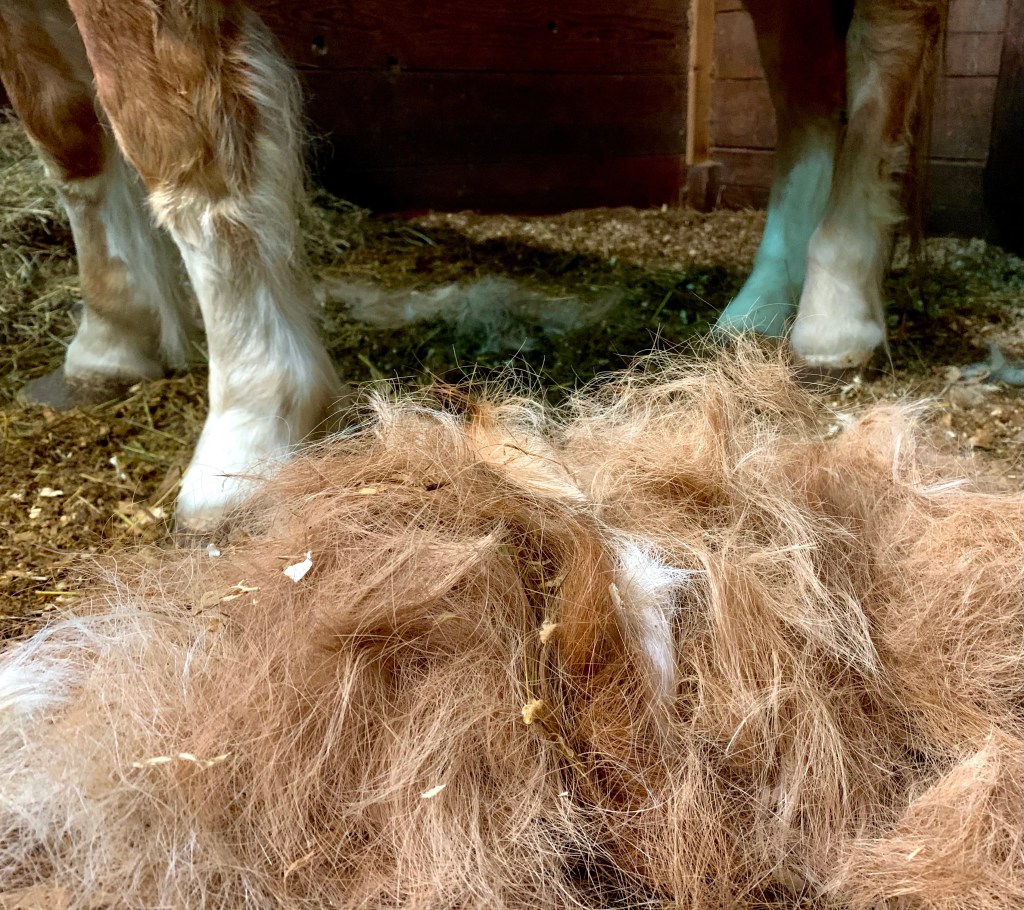
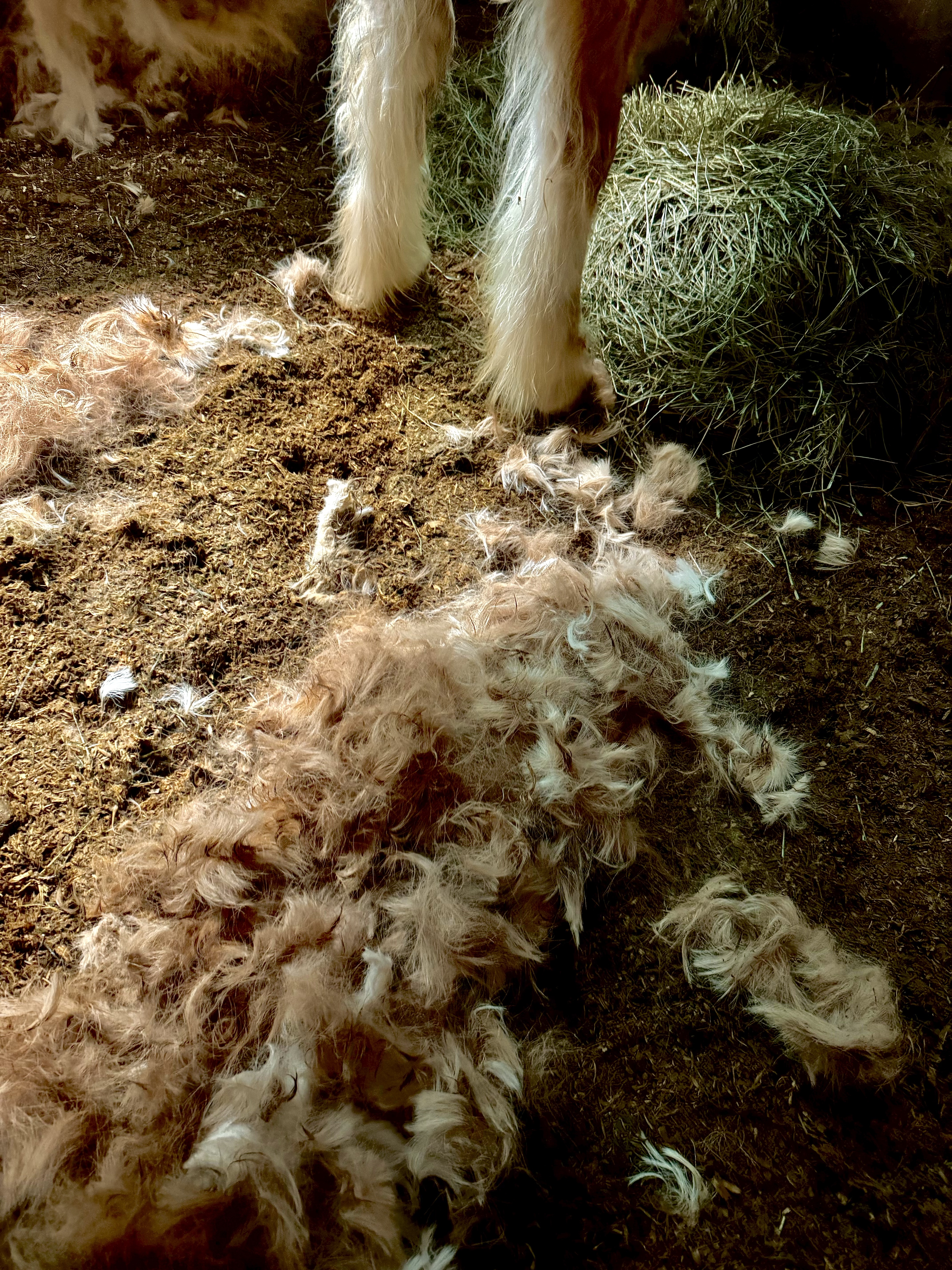
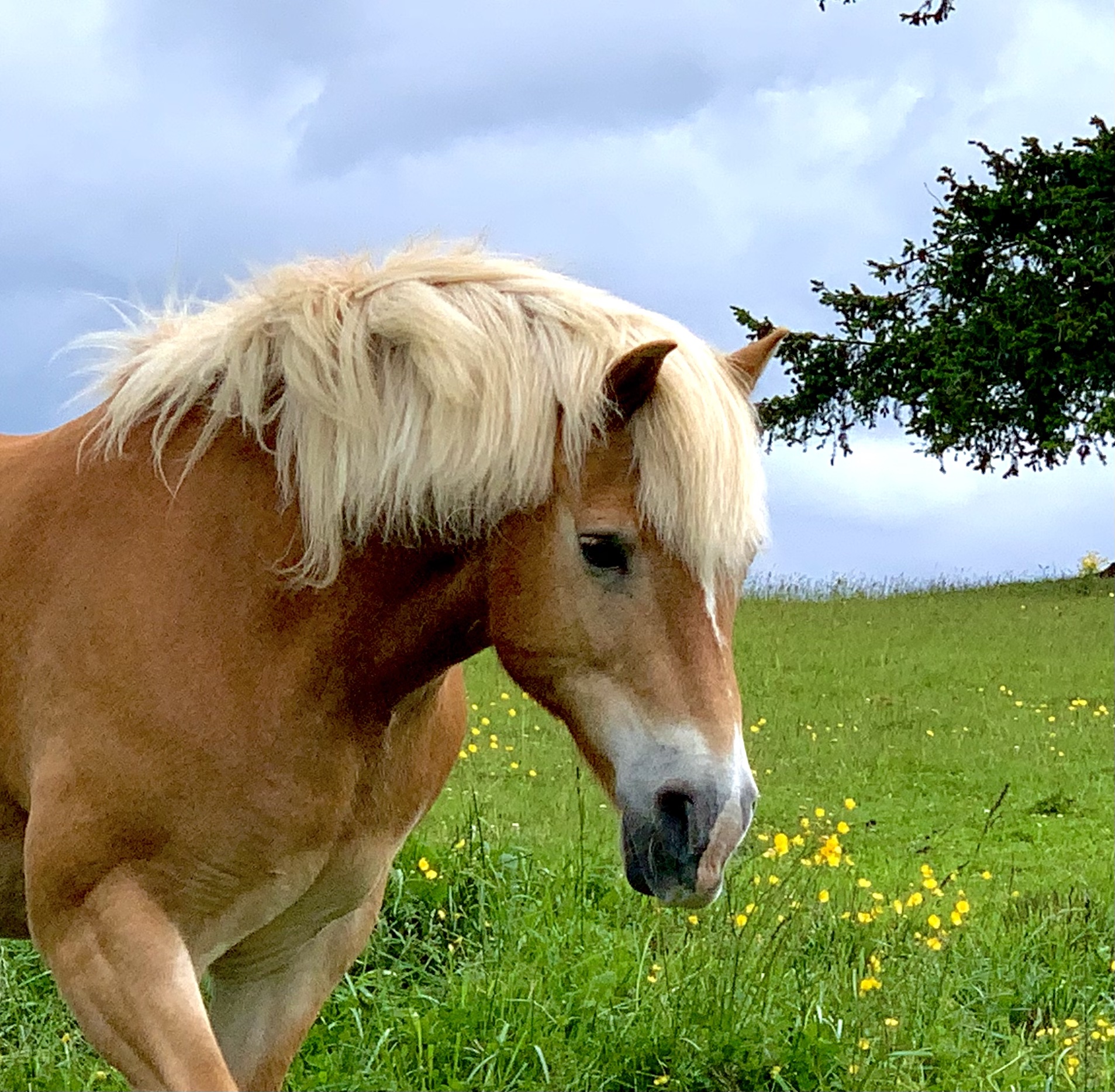
We feel it in the barn as we go about our daily winter routine. The Haflingers are impatient and yearn for freedom, over-eager when handled, sometimes banging on the stall doors in their frustration at being shut in, not understanding that the alternative is to stand outside all day in cold rain and wind. To compensate for their confinement, we start grooming off their thick winter coats, urging their hair to loosen and curry off in sheets over parts of their bodies, yet otherwise still clinging tight.
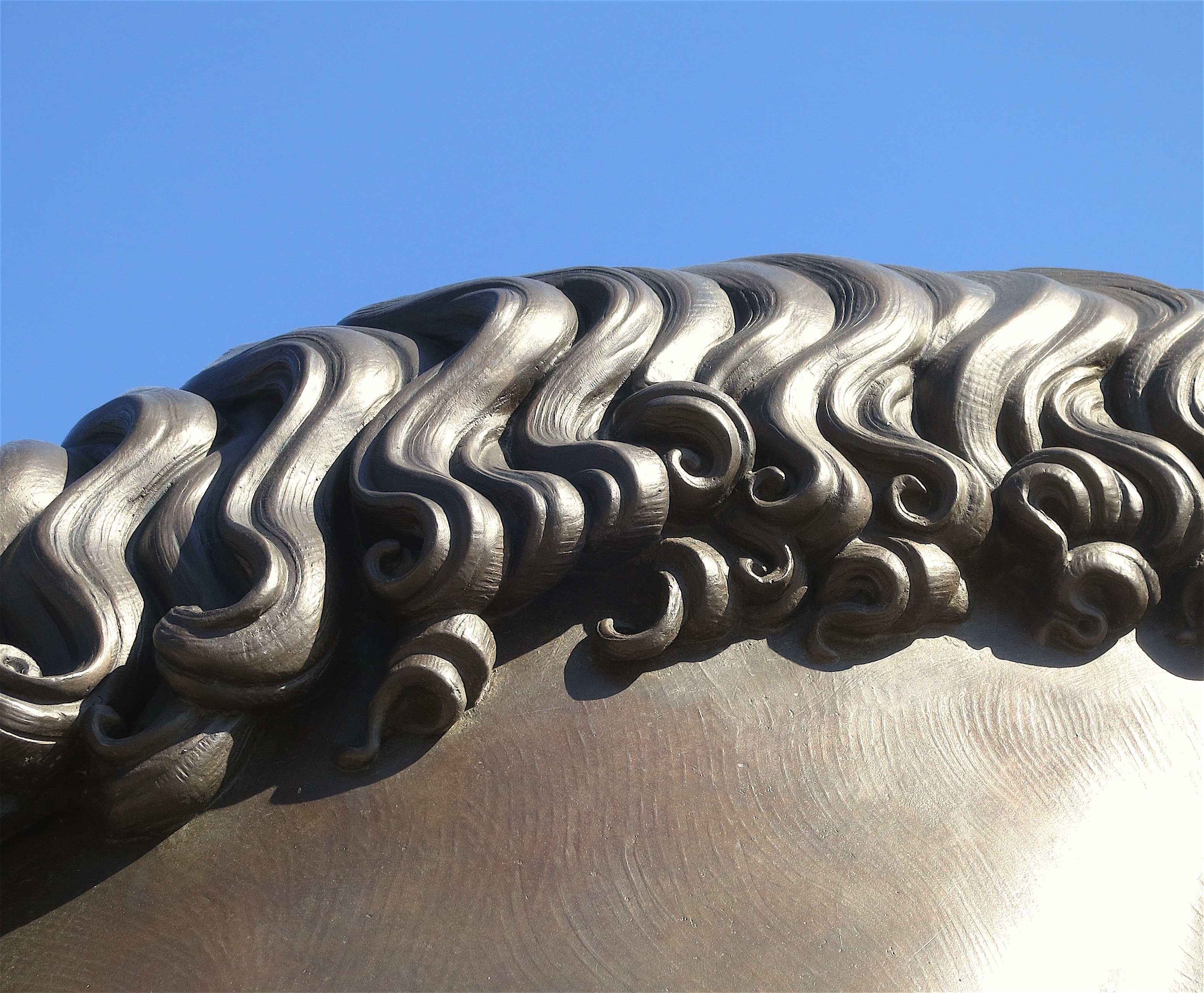
The horses are a motley crew right now, much like a worn ’60s shag carpet, uneven and in dire need of updating. I prefer that no one see them (or me) like this. Eventually I know the shag on my horses will come off, revealing the sheen of new short hair beneath, but when I look at myself, I’m unconvinced there is such transformation in store for me.
Cranky, I put one foot ahead of the other, oblivious to the subtle seasonal renewal around me, refusing to believe even in the possibility.
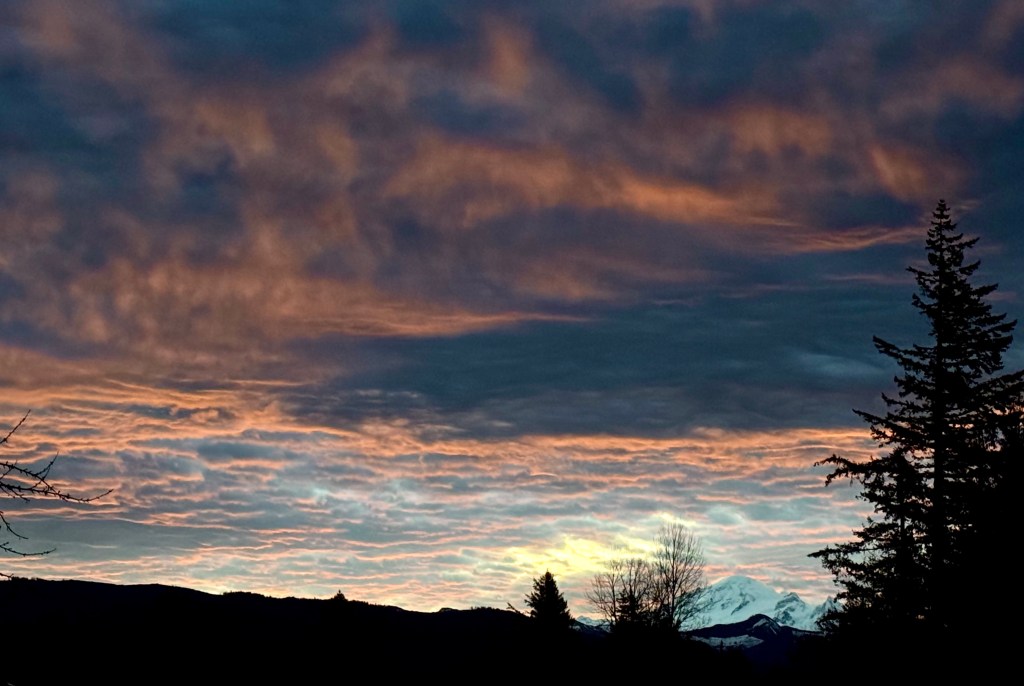
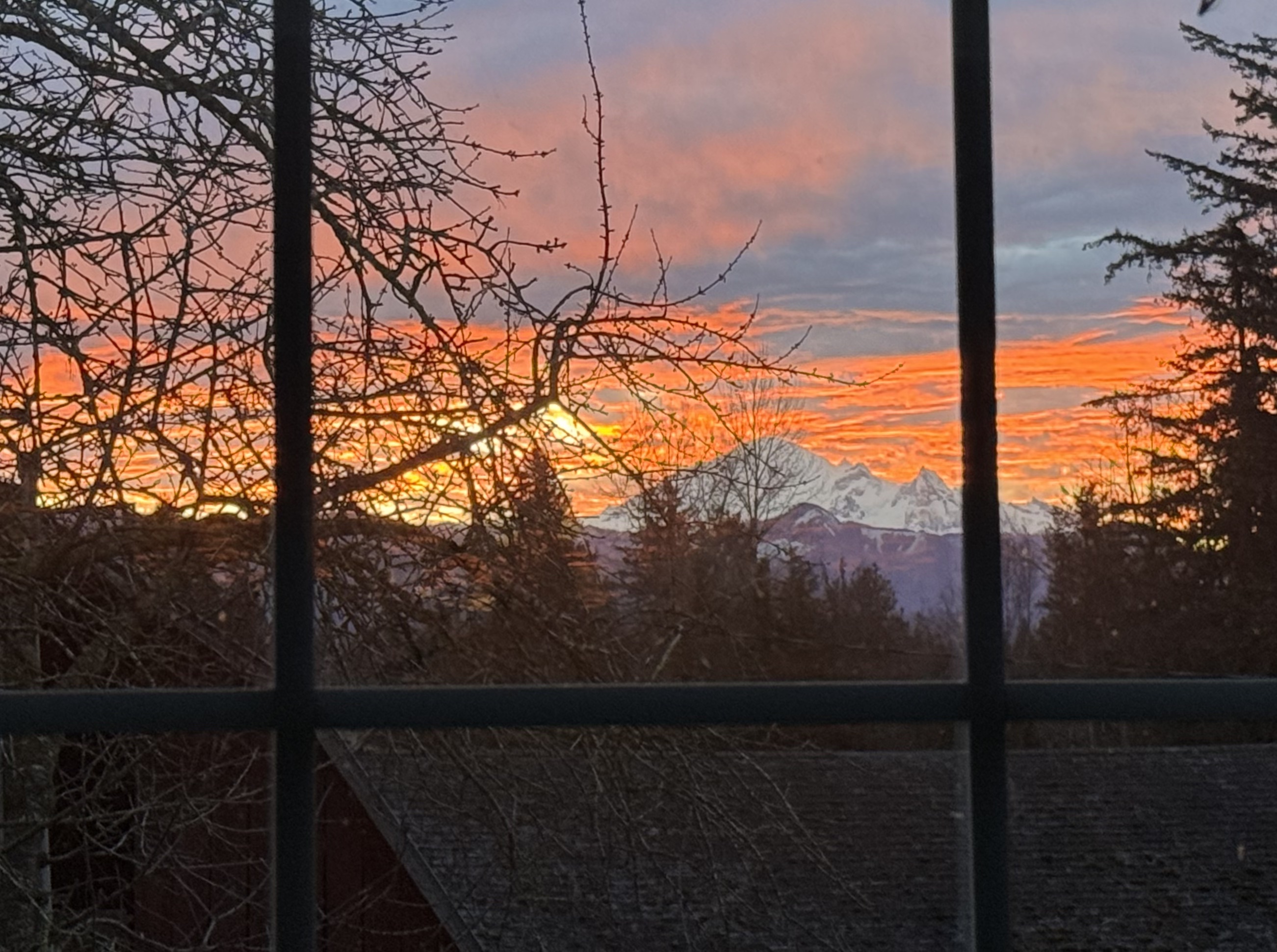
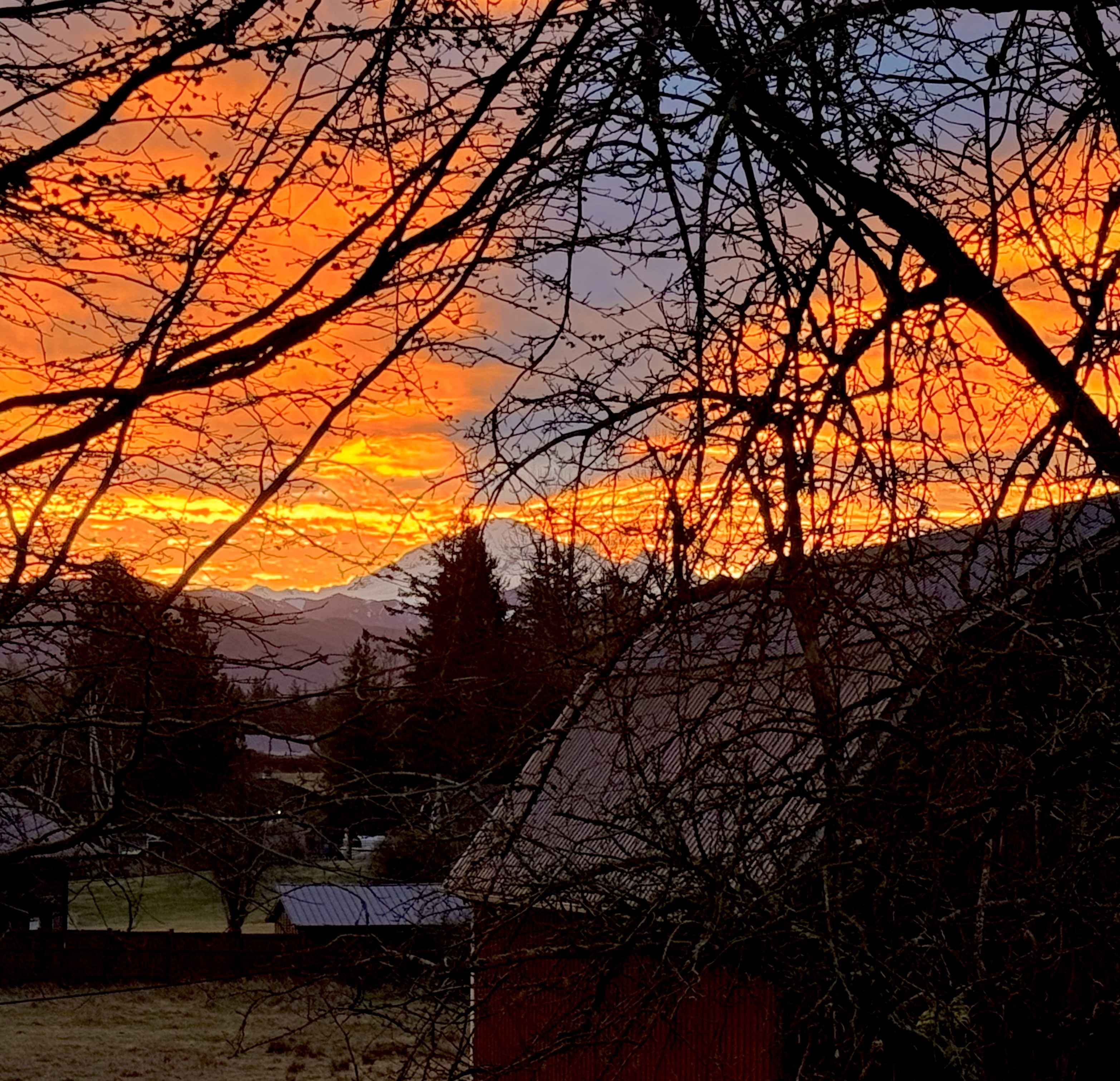
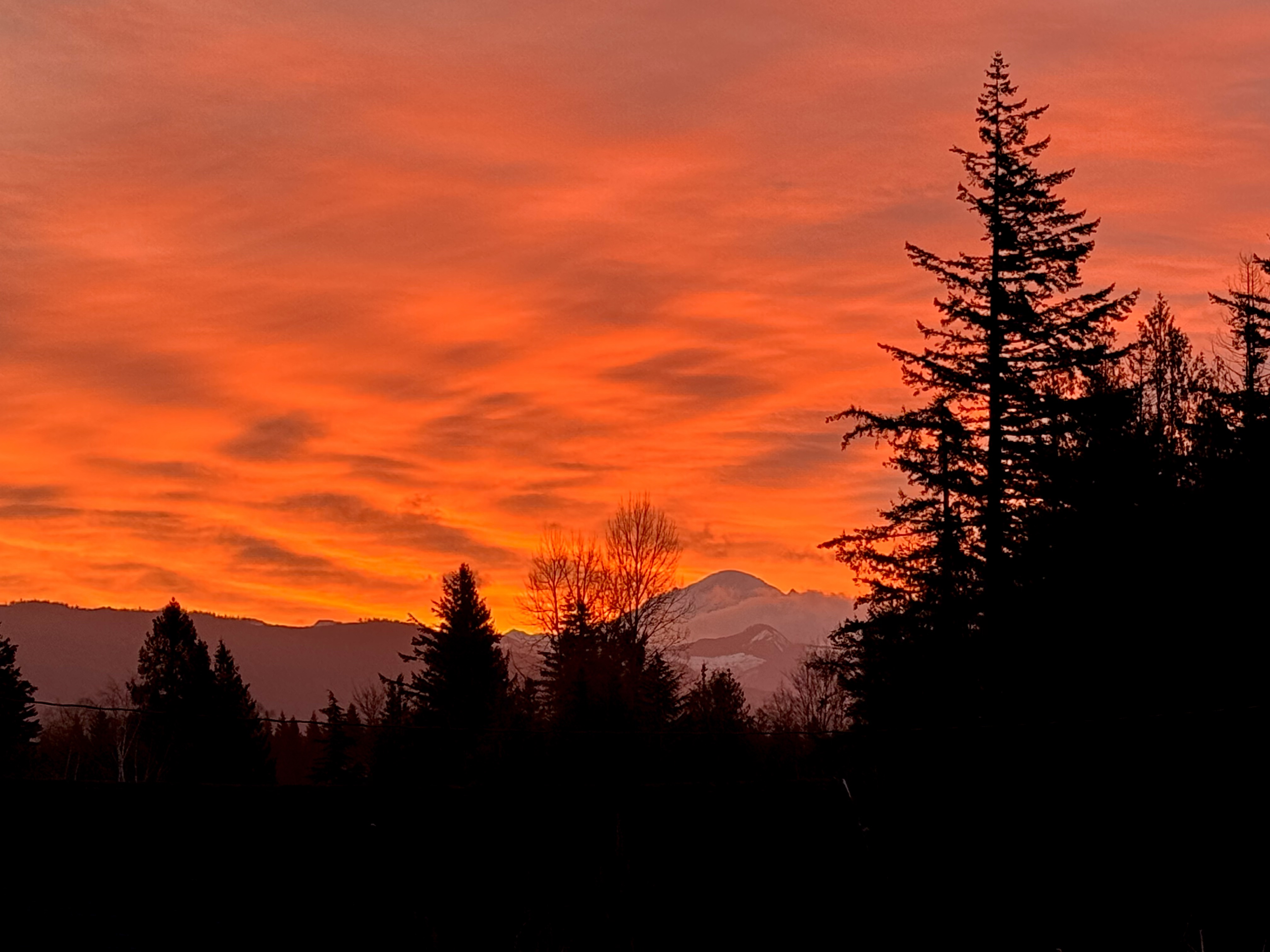
It happened today. Dawn broke bright and blinding so I headed outside and stumbled across something extraordinary.
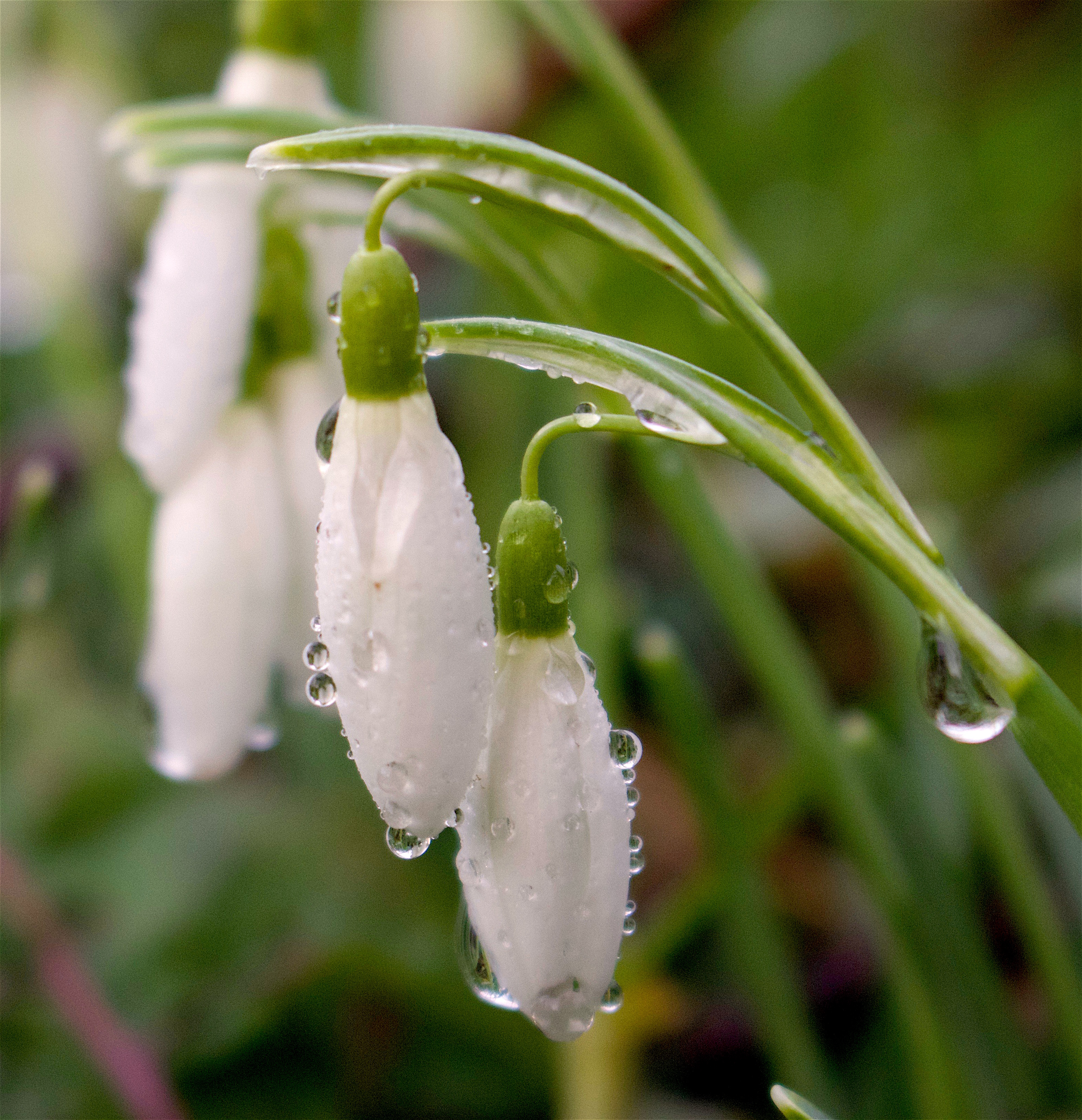
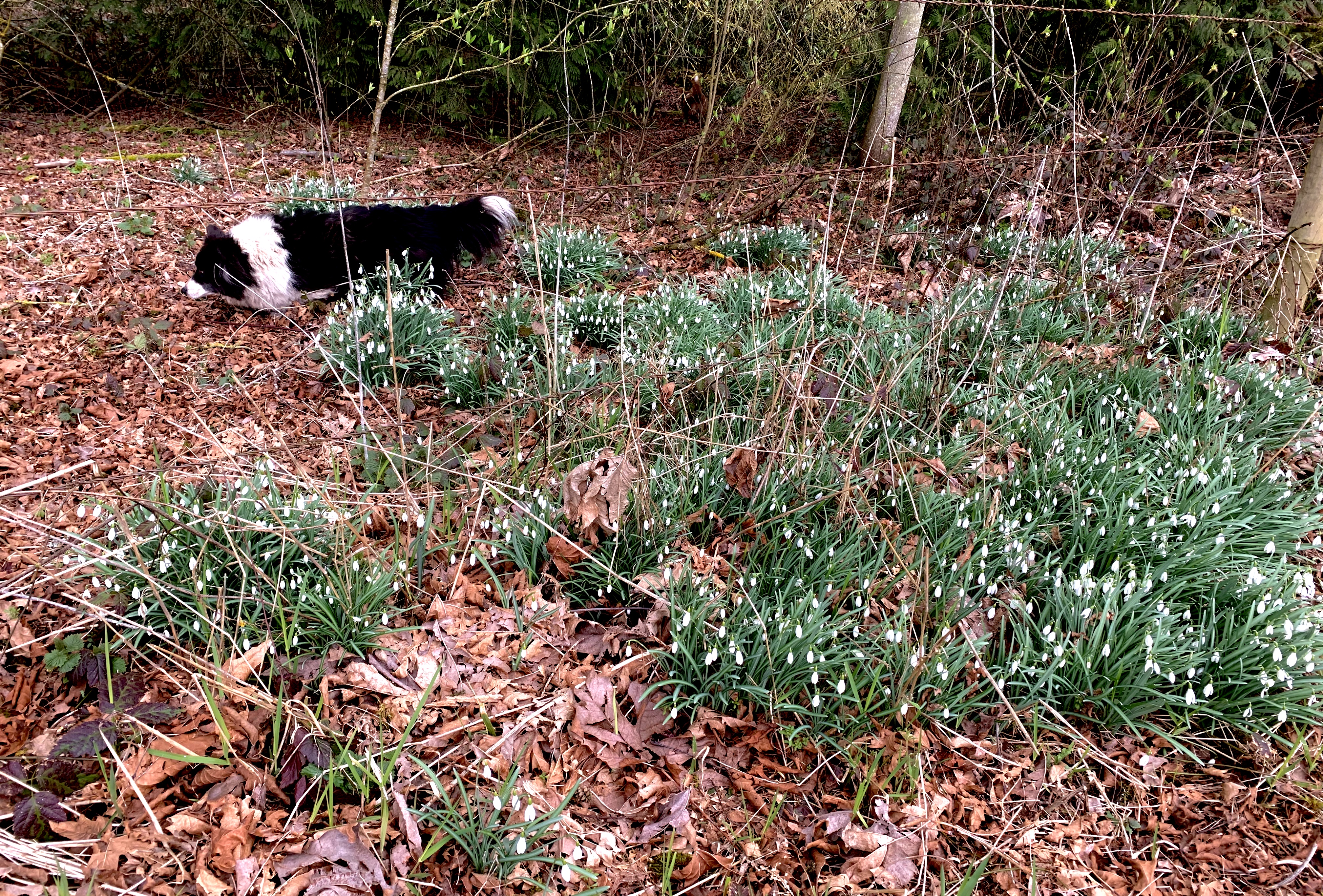
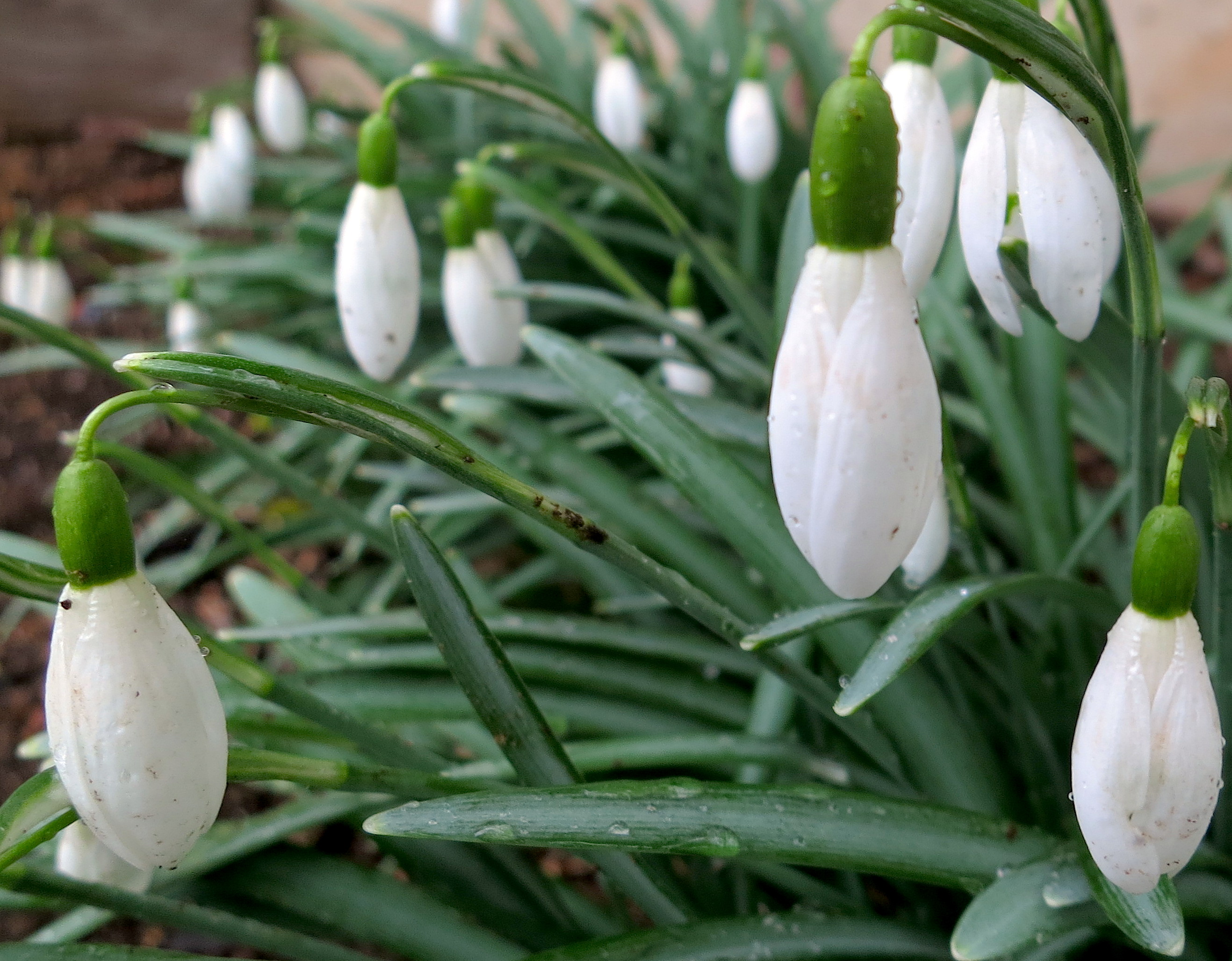
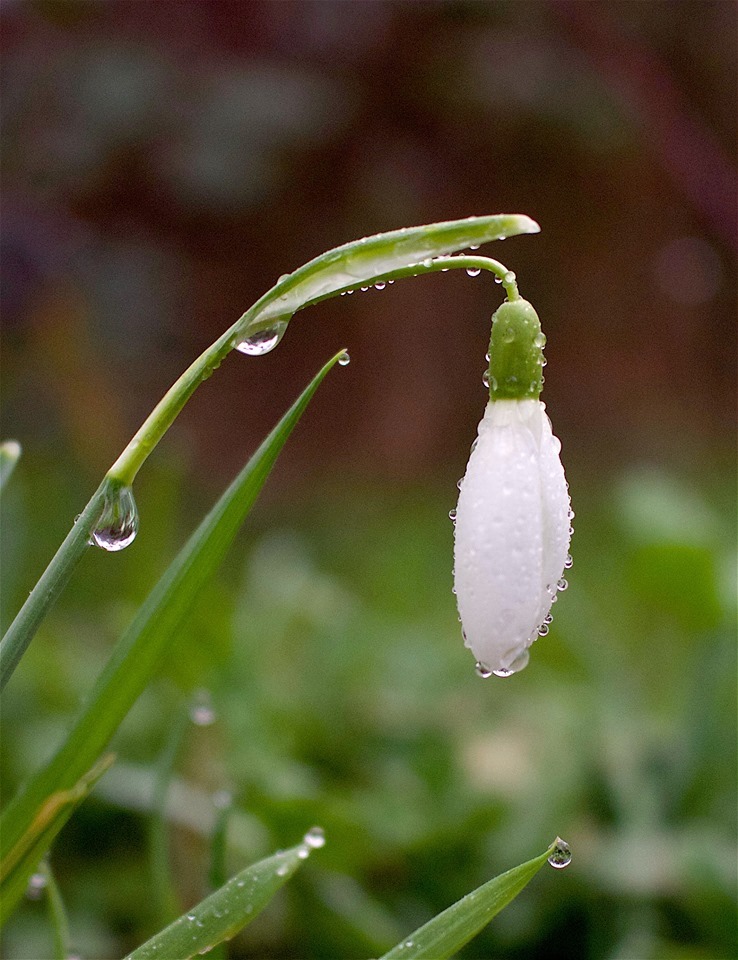
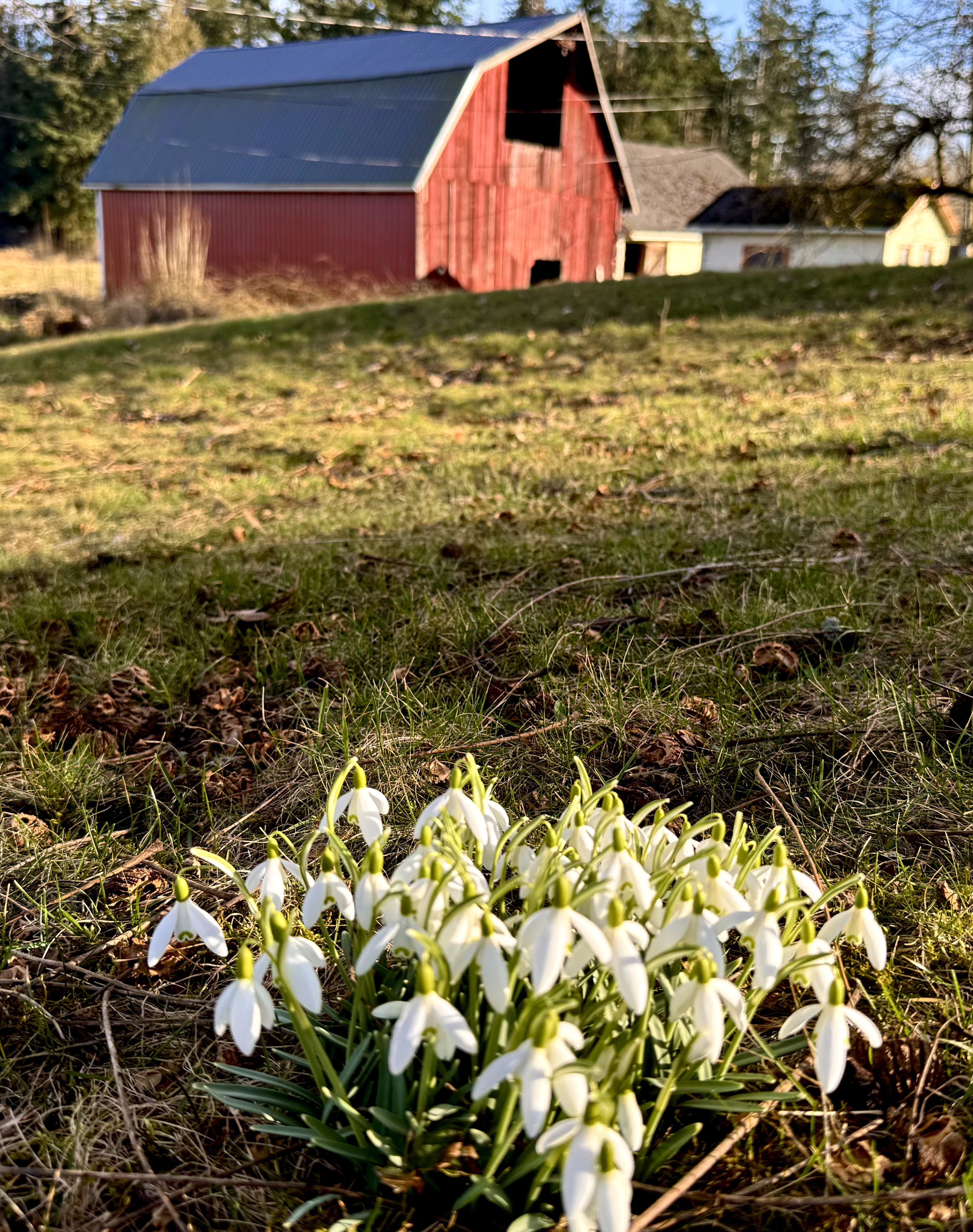
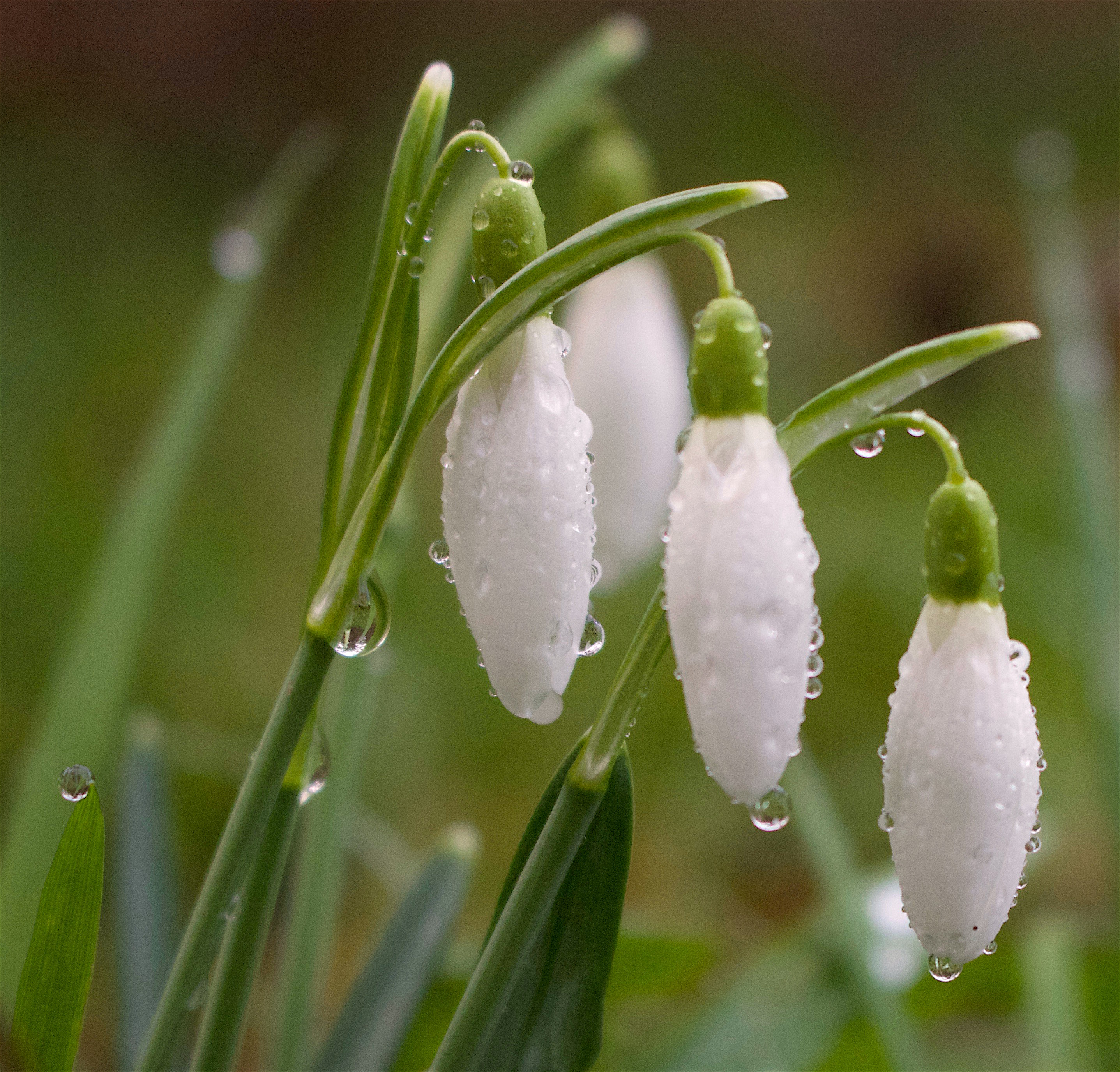
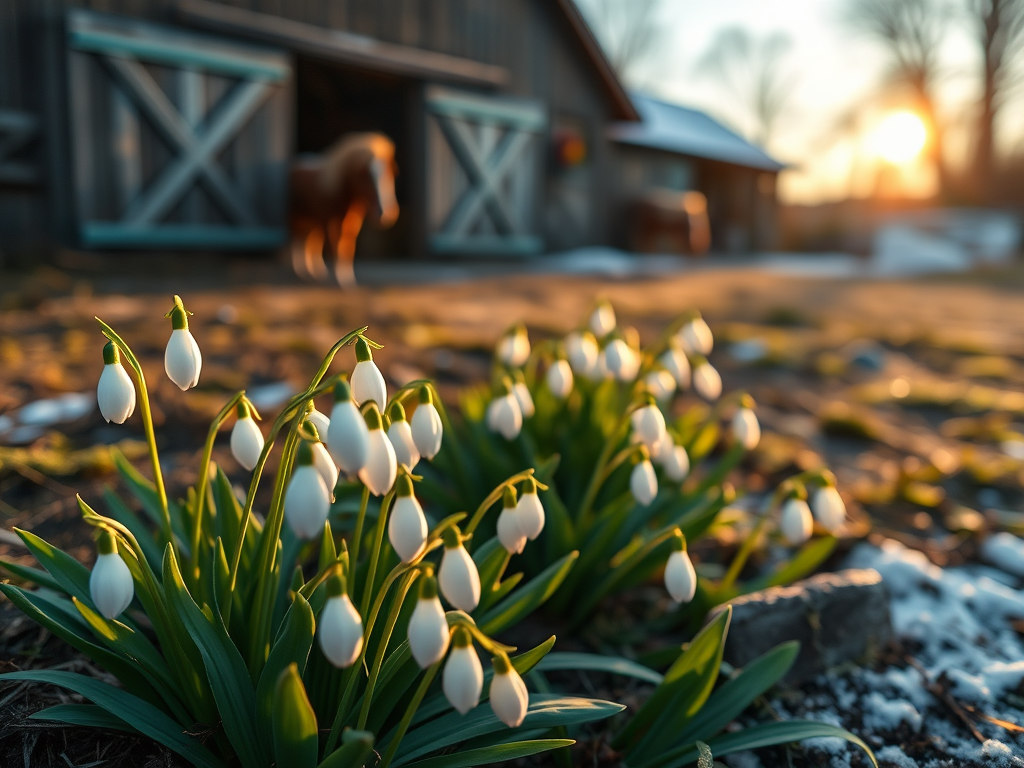
A patch of snowdrops sat blooming in a newly cleared space in our farmyard, visible now only because of bramble removal done last fall. These little white upside down flowers were planted decades ago around our house and yard. There they’ve been, year after year, harbingers of the long-awaited spring to come in a few short weeks, sometimes covered by the overgrowth and invisible to me in my self-absorbed blindness.
I was astonished that someone, many many years ago, had carried these bulbs around the farm, planting them, hoping they might bless another soul sometime somehow. The blossoms had sprung from their sleep beneath the covering of years of fallen leaves and blackberry vines.
It was as if I’d been physically hugged by this someone long dead, now flesh and blood beside me, with work-rough hands, and dirty fingernails, and broad brimmed hat, and a satisfied smile. This secret gardener is no long living, so I mentally reach back across those years in gratitude, showing my deep appreciation for the time and effort it took to place a foretaste of spring in an unexpected and hidden place.
I am thus compelled to look for ways to leave such a gift for someone to find 70 years from now as they likewise stumble blindly through too many gray days full of human drama, frailty and flaw. Though I will be long gone, I can reach across the years to grab them, hug them in their doldrums, lift them up and give them hope for what is to come.
It is the peeling away of winter’s shaggy coat, revealing the fresh smoothness of spring glistening underneath.
What an astonishing thought that it was done for me, and in reaffirming that promise of renewal, I might do it for another.
AI image created for this post
One-Time
Monthly
Yearly
Make a one-time or recurring donation to support daily Barnstorming posts
Texas has been in the news as the origin of the most recent rubeola measles outbreak, continuing to spread with over 124 cases recorded and one child’s death. This morning, travelers are informed they were exposed to measles earlier this month at LAX after an international flight brought an infected person to the U.S. Later today, there was a Seattle area case announced.
The potential exponential climb of more rubeola cases is anticipated over the next weeks due to the growing percentage of unvaccinated children due to the “anti-vaccine” movement.
Mr. Kennedy, our new HHS secretary, has a great deal to do with that change in vaccination rates, but I’m not writing about the politics of his views which are popular among a strident minority of citizens.
He does not speak or act in concert with the world’s public health scientists and experts. They have worked tirelessly for decades to develop safe life-saving preventive medical care that has significantly dropped infant and child mortality rates, as well as all-age hospitalizations and deaths from infectious diseases.
It started with the small pox vaccine, routine in the U.S. 175 years ago. It’s now been almost seventy years since effective vaccinations became standard for childhood killers like polio, measles, mumps and whooping cough. People my age and older had no choice but to suffer through childhood infectious diseases, given how quickly they spread through a non-immune community.
Yes, most of us survived, harboring life-long natural immunity. A significant number did not survive or have suffered life-long complications from the effects of those diseases.
People living in privileged first world countries have forgotten the harsh reality of morbidity and mortality statistics, and too many turn their backs on vaccinations, considering them “too risky” for themselves and their children as these diseases become less common in a mostly vaccinated society. In contrast, millions of people without easy and affordable access to vaccines in third world countries have not forgotten the devastation of these infections. They gladly walk miles to get their children vaccinated to give them a better chance at a long life.
As most measles cases in the U.S. originate from overseas travel, it’s especially critical that Americans be vaccinated when traveling outside the U.S., even to Europe. Those who serve in third world countries and mission fields are particularly vulnerable, and I’ve found it interesting that previously unvaccinated Christians are usually more than willing to accept immunizations when they know the risk of exposure is high where medical care may be minimal.
As a society, we simply don’t think about immunizations in the same way as we did in the 1940s and 50s. When I received my first DPT vaccination at the age of 4 months, my mother wrote in my baby book: “Up most of the night with fever 104.5 degrees, considered a good ‘take’ for the vaccine.” She truly was relieved that it had made me so sick, as it meant that I would be safe if exposed to those common killer diseases. Now a febrile reaction like that might be considered grounds for a law suit. Our vaccines have vastly improved with ongoing research to improve their effectiveness and reduce their side effects.
When measles or mumps or pertussis outbreaks reemerge within our borders, we act surprised when it becomes a major media event — but we shouldn’t be. Diseases that were nearly nonexistent a few years ago are occurring with greater frequency again in modern societies due to misguided and misinformed anti-vaccination campaigns.
As a college health physician, I helped enforce vaccination requirements for a public university. A week didn’t go by without my having a discussion with a prospective student (or more likely the student’s parent) about the necessity for our requirement for proof of mumps, measles, rubella vaccination immunity.
I am accused of being a pawn (or, absurdly, a financial beneficiary??) of the pharmaceutical industry because I believe in undeniable evidence of the efficacy of modern vaccines to help keep a community free of infectious disease outbreaks that can kill healthy people.
I helped coordinate a public health response at our university in 1995 when we had a rubeola outbreak of eleven confirmed cases over a three week period, necessitating the mass vaccinations of over 8000 students and staff over three days so our institution could safely remain open.
Having experienced first hand what the effort and resources it takes to respond to a potentially lethal contagious disease outbreak, I am so discouraged it is now happening again and again, due to a “MAHA – Make America Healthy Again” misinformation campaign swallowed whole without questions by thousands of concerned parents.
These families are banking that everyone else will be vaccinated, which puts their own child at lower risk. The problem is: guess again. There are too many deciding that they are the ones who can remain vaccine-free.
I don’t think any one of these parents would deny the life-saving miracle of injectable insulin for their child diagnosed with diabetes, nor would they fail to strap their child into a car seat for the rare but real possibility of a life-threatening collision on even the shortest car ride.
Vaccines are miracles and instruments of prevention too, but the rub is that we have to give them to healthy youngsters in order to keep them healthy.
I’m an old enough physician to have seen deaths from these diseases as well as the ravages of post-polio paralysis and post-polio syndrome, the sterility from mumps, and deafness from congenital rubella. My father nearly died from the mumps that I brought home from school when I was eight and he was in his early forties. My sister-in-law almost didn’t pull through when she was an infant and contracted pertussis. I’ve seen healthy people develop encephalitis and pneumonia from chicken pox.
If only there were a shot for irrational fears and conspiratorial distrust. When I’ve written about my stance on vaccinations over the years, I’m astonished at the vehemence of the angry responses coming from individuals who have no trust whatsoever in the advances of modern medicine to prevent the killers that have devastated mankind for centuries, but will spend resources on unproven prevention strategies.
Sure, I wish vaccines were perfect with no side effects and conferring 100% immunity — but as yet they aren’t.
I wish medications that are developed for treatment of a few of these illnesses were perfect but we can’t depend on a 100% guarantee of cure once sickened.
I wish our immune systems were perfectly able to respond to infectious diseases, but they too fail and people do die.
There will always be a new plague on the horizon – history has demonstrated that over and over with the appearance of COVID, HIV, SARS, Ebola or multidrug resistant tuberculosis, and now new strains of Avian flu are in our farmyards. There will be plenty to keep our immune systems at the ready because we don’t yet or may never have effective vaccines widely available for all diseases.
But there is simply no good reason to invite the old plagues back into our homes, our schools, our blood streams, and onto our death certificates. They deserve to be merely a chapter in the history books as the killers of yesteryear, now wholly overcome by modern medicine.
It takes a united front against these killers to prevent them from leaping from the pages of history to once again wreak devastation upon us all.
One-Time
Monthly
Yearly
Make a one-time or recurring donation to support daily Barnstorming posts
When we have died, and arms long empty of our memories, reach to know love’s pure and sacred touch, and to embrace a long sought, long anticipated place…
when we have gone the way of all the earth, and pain and sorrow are no more, not seen or heard or found, no more the discontent of place or time or any lesser haste, but only One whose love transcends our harsh and wearied days,
when we have died and gone and fallen fast asleep, and found the settled light and our so much a sweeter sacral rest, forever held in caring arms, yes, held now everlasting in a wonder of it all, then we have not gone down empty, we have not died alone. ~Henry Lewis from “When”
This event happened in 1975 while I was an undergraduate student researcher in Tanzania, East Africa, working alongside other researchers assisting Dr. Jane Goodall in her study of wild chimpanzees and baboons.
Several metal buildings were scattered along the shore at Gombe National Park, having been built over the years since Jane Goodall and her mother Vanne arrived on a bare beach in 1960. From the very beginning, one of the most powerful connections between these two British women and the Tanzanian villagers who lived up and down Lake Tanganyika was their provision of basic medical supplies and services when needed. Initially, under the cover of the camp tents, they tended to wounds, provided a few medications, and assisted whenever they were needed for help.
Later, an actual dispensary was built as part of the park buildings, with storage for first aid supplies and medications, many of which were traditional Chinese medications, in little boxes with Chinese characters, and no translation. All we had was a sheet of paper explaining if a medication was to be used for headaches, fevers, bleeding problems or infections.
There were “open” times in the dispensary and each of the research assistants took turns to see villagers as they came by to be seen for medical issues. We saw injuries that had never healed properly, some people with permanently crippled limbs, centipede bites that swelled legs, babies who were malnourished, malarial fevers.
It felt like so little to offer. None of us had medical training beyond first aid and CPR, but what small service we could provide was met with incredible gratitude.
So it wasn’t a surprise when a villager arrived one afternoon, running and out of breath, asking that we come right away to help. There had been a terrible accident up the beach when a water taxi engine exploded while transporting two dozen villagers, along with their provisions, including goats and chickens. As people rushed to get away from the engine fire, the roofed boat overturned, with everyone trapped among the boxes, unable to escape.
Even more tragic, Tanzanians were never taught to swim, so no one on shore could help in the rescue effort.
We dropped everything and six of us ran up the beach for a mile, and could see an overturned water taxi just off shore. The best swimmers went out and started searching for people who had been too long in the deep water. They began to pull the bloated bodies to shore, one by one, the lake water pouring from lifeless mouths and noses. All we could do was line them up side by side on the beach, trying to keep the biting flies from covering them, trying to make sense of what was so senseless. There were eight children of various ages, including two small babies, several older women, one pregnant woman, the rest men of all ages–twenty four souls in all, not a single survivor.
As a nurses’ aide, I had cared for the dying and helped to bathe their bodies after death, but I had never before seen so much death at once, and never a dead child.
Before long, relatives started arriving, their grief-stricken wails of loss filling the air on this remote African lakeshore. Husbands and wives wept, keening over a spouse. Children crouched, in shock, by a dead parent. Grandmothers clutched their dead children and grandchildren and would not let go.
We had saved no one. We had no power to bring them back to life.
We could only bear witness to the loss and grief with deep compassion for our neighbors who had come to depend on us to help. It became even clearer to me, in a way I had never understood before, how deep our need is for the mercy of God who is our only comfort when terrible things happen.
I have not forgotten those who were lost to the world that day fifty years ago. Still, all these years later, when I see photos of senseless violence and death, whether war or other disasters, I grieve for them anew with fresh tears, all over again.
Psalm 51: Have mercy, O God… according to your great compassion…
AI image created for this post
One-Time
Monthly
Yearly
Make a one-time or recurring donation to support daily Barnstorming posts
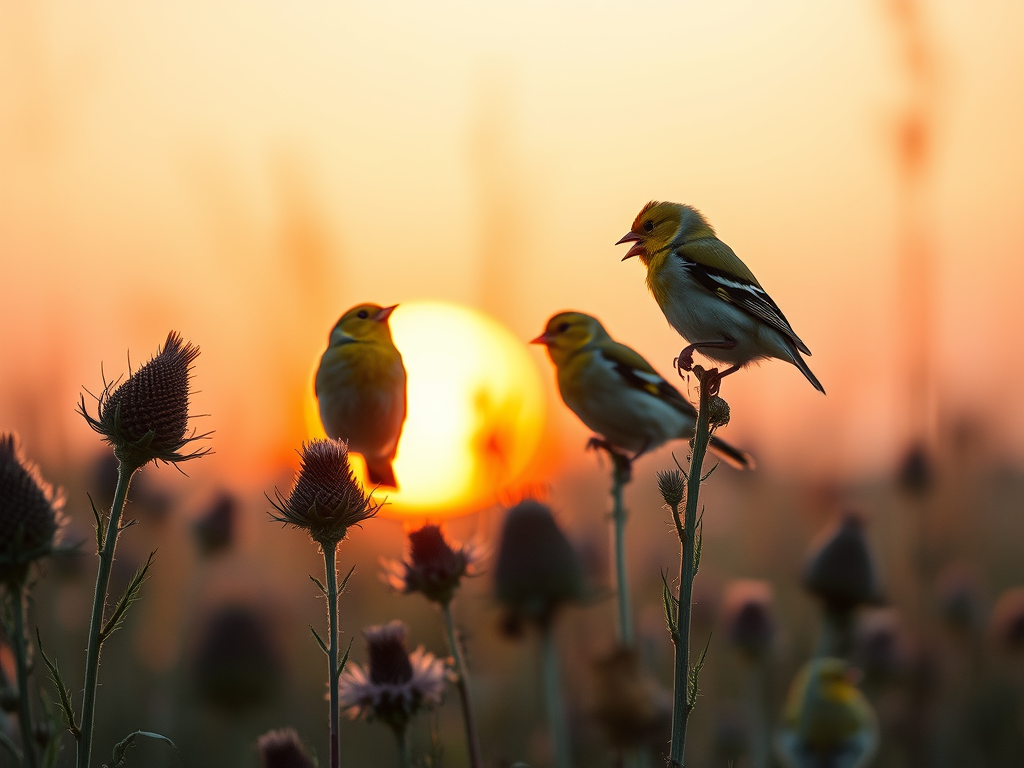
Oh do you have time to linger for just a little while out of your busy
and very important day for the goldfinches that have gathered in a field of thistles
for a musical battle, to see who can sing the highest note, or the lowest,
or the most expressive of mirth, or the most tender? Their strong, blunt beaks drink the air
as they strive melodiously not for your sake and not for mine
and not for the sake of winning but for sheer delight and gratitude – believe us, they say, it is a serious thing
just to be alive on this fresh morning in the broken world. I beg of you,
do not walk by without pausing to attend to this rather ridiculous performance.
It could mean something. It could mean everything. It could be what Rilke meant, when he wrote: You must change your life. ~Mary Oliver “Invitation” from ” A Thousand Mornings
…here there is no place that does not see you. You must change your life. ~Rainer Maria Rilke from “Archaic Torso of Apollo”
Just to be alive means everything~~
Despite all the brokenness in this world and our own cracks in need of glue, we need healing.
I welcome the change; a new day of delight and gratitude.
I beg of you, do not simply walk by.
Pause. Linger. Listen. Change.
You are welcome.
AI image created for this post
One-Time
Monthly
Yearly
Make a one-time or recurring donation to support daily Barnstorming posts
Toads are smarter than frogs. Like all of us who are not good- looking they have to rely on their wits. A woman around the beginning of the last century who was in love with frogs wrote a wonderful book on frogs and toads. In it she says if you place a frog and a toad on a table they will both hop. The toad will stop just at the table’s edge, but the frog with its smooth skin and pretty eyes will leap with all its beauty out into nothing- ness. I tried it out on my kitchen table and it is true. That may explain why toads live twice as long as frogs. Frogs are better at romance though. A pair of spring peepers were once observed whispering sweet nothings for thirty-four hours. Not by me. The toad and I have not moved. ~Tom Hennen “Plains Spadefoot Toad”
Plain, bumpy, staid, cautious, contemplative, tending to plop or splat rather than risk a graceful, carefree leap into nothingness.
Someone has to hold down the swamp, while peering over the edge of the abyss, belching out an occasional thoughtful croak while thousands of dainty peepers sing their hearts out like so many sleighbells jingling gaily throughout the endless, late winter night.
We all sing together…
AI image created for this post
Poets who know no better rhapsodize about the peace of nature, but a well-populated marsh is a cacophony. ~Bern Keating
One-Time
Monthly
Yearly
Make a one-time or recurring donation to support daily Barnstorming posts
I slip, grabbing twigs as I fall, assaulting an innocent hemlock— skinning my palms, arms, legs, landing muddy-bruised and sore, taken down by a path I thought kind— a familiar wooded walk hiding its ice beneath a sheath of old, dried leaves. ~Laura Foley, “Spring Treachery” from It’s This
“Tell us please, what treatment in an emergency is administered by ear?” ….I met his gaze and I did not blink. “Words of comfort,” I said. ~Abraham Verghese from Cutting for Stone
I was walking a kind and familiar path, part of my usual daily walk, not paying much attention when I stepped on what appeared a solid and trustworthy surface.
The danger was hidden from my eyes; I had no idea it would take me down, put me on my knees, render me helpless.
I believed I couldn’t be rendered helpless by something I trusted like the back of my hand … or the interior of my heart vessels.
But treacherous surfaces are almost anywhere we are least expecting. And so are the helpers, ready and able and willing.
When I lost my grip, I felt hands and voices lifting and supporting me, pulling me to safety, encouraging me with hope and refuge.
And so I’m here to share this, richly blessed by those coming along side me – still walking this path I love, despite its hidden and sometimes deadly, dangers.
AI image created for this post
One-Time
Monthly
Yearly
Make a one-time or recurring donation to support daily Barnstorming posts
The main thing is this– when you get up in the morning you must take your heart in your two hands. You must do this every morning. Then talk softly to your heart, don’t yell. Say anything but be respectful. Say–maybe say, Heart, little heart, beat softly but never forget your job, the blood. You can whisper also, Remember, remember. ~Grace Paley from “The Art of Growing Older” in Just As I Thought
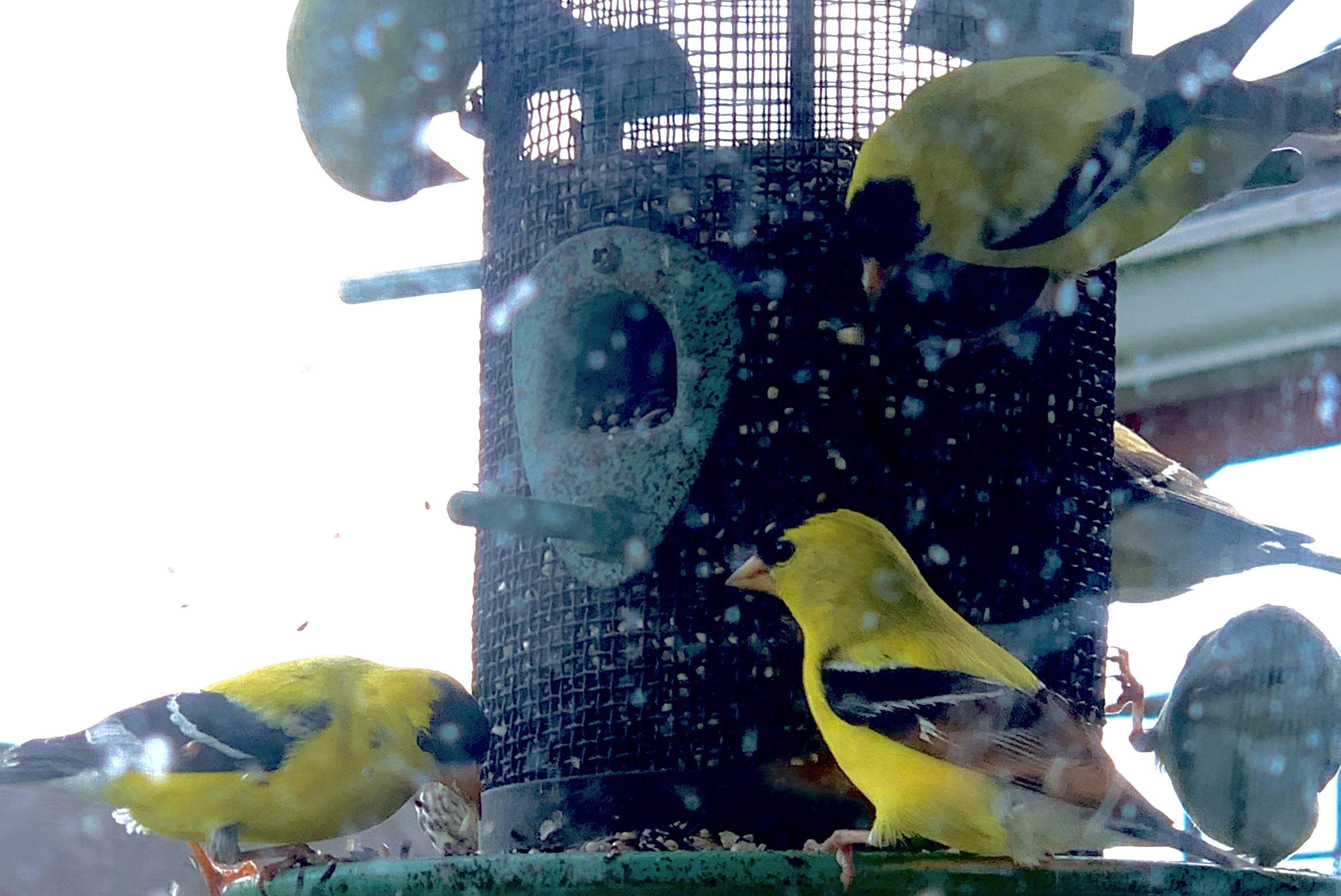
Approaching seventy, she learns to live, at last. She realizes she has not accomplished half of what she struggled for, that she surrendered too many battles and seldom celebrated those she won. Approaching seventy, she learns to live without ambition: a calm lake face, not a train bound for success and glory. For the first time, she relaxes her hands on the controls, leans back to watch the coming end. Asked, she’d tell you her life is made out of the things she didn’t do, as much as the things she did do. Did she sing a love song? Approaching seventy, she learns to live without wanting much more than the light in the catbird window seat where, watching the voracious fist-sized tweets, she hums along. ~Marilyn Nelson “Bird Feeder”
I’ve been learning in retirement to let go by relaxing my grip on the controls on the runaway train of ambition. This is a change for someone driven for decades to succeed in various professional and personal roles.
I’m aware who I am is defined both by what I haven’t gotten done and what I managed to do. And now, at seventy years old, I hope I still have some time to explore some of those things I left undone.
Except I haven’t been as robust and healthy as I wish to be. For the past month, during very chilly weather and after a prolonged bout of bronchitis, I found I couldn’t tolerate the cold air outside or in the barn while I did daily chores. My chest strangely hurt.
I finally took myself to a cardiologist who was concerned with a number of risk factors in my family and my own history and arranged testing, which I flunked yesterday.
I ended up with two stents to open blockages in my main coronary artery, plus a night in the hospital. I spent the night thinking about blessings and what needs to happen in my life now:
Reflecting with gratitude on being alive by the grace of our Lord. Holding my heart gently and treating it well. Humming as I go. Just sitting when I wish but walking when I must. Watching out the window for the real twitters and tweeters in this crazy noisy world. Loving up those around me.
It’s sweet to remember why I’m here. I’ve been given a new chance to enjoy every moment.
So after a lifetime of getting mostly A’s, flunking isn’t always bad.
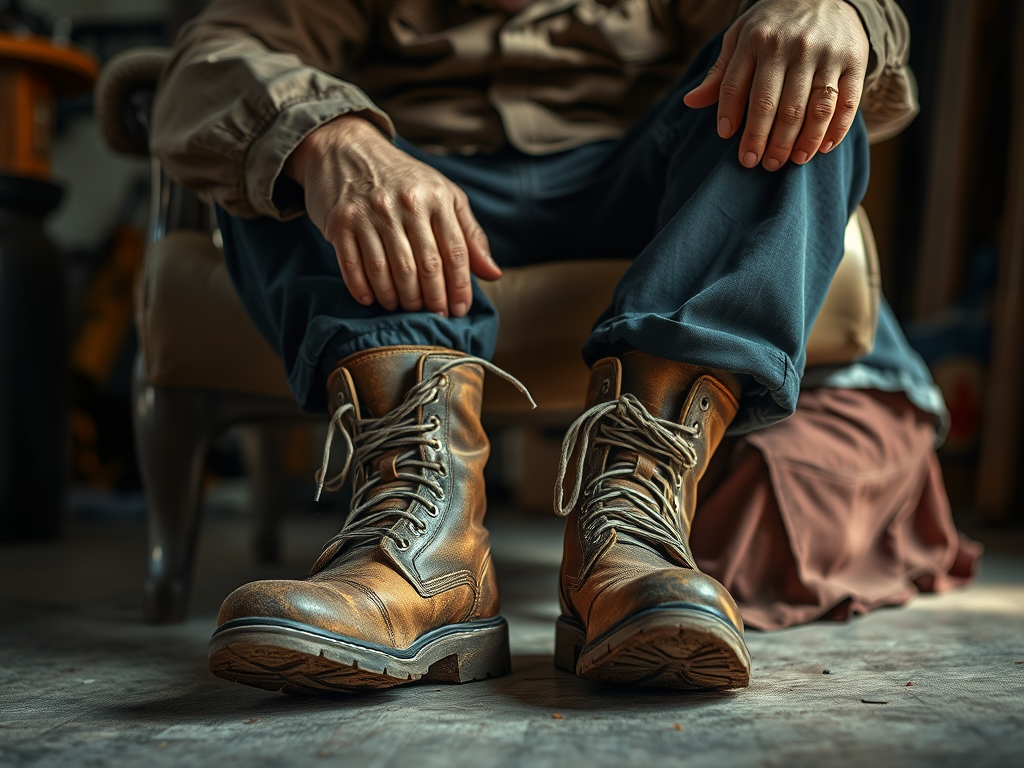
Every day after work he’d sit in his armchair with its antimacassar and its plush burgundy velour and she’d kneel on the floor to unfasten the laces, loosen the tongues, and lift out his feet. When I was ten I stayed for a week and did it for her. He thought I did it for him. ~Andrea Hollander Budy “My Grandmother Taking Off My Grandfather’s Shoes” from When She Named Fire
I did not grow up in a household that took time off. Time was redeemed by work, and work was noble and honorable and proved we had a right to exist.
Vacation road trips were rare and almost always associated with my father’s work. When he came home from his desk job in town, he would immediately change into his farm clothes and put in several hours of work outside, summer or winter, rain or shine, light or dark.
My mother did not work in town while we were children, but worked throughout her day inside and outside the house doing what farm wives and mothers need to do: growing, hoeing, harvesting, preserving, washing, cleaning, sewing, and most of all, being there for us.
As kids, we had our share of chores that were simply part of our day as our work was never done on a farm. When we turned ten, we began working for others: babysitting, weeding, barn and house cleaning, berry picking. I figure I put in over 60 years of gainful employment – there were times I worked four part-time jobs at once because that was what I could put together to keep things together.
I know I’ve missed out on much of life being a “nose to the grindstone” person.
Now retired, I try a different way to redeem my time: to notice, to record, to observe, to appreciate beauty that still exists in the midst of chaos and cataclysm..
Life isn’t all about non-stop labor, yet we get on with our work because work is about showing up when and where we are needed.
And we are always needed, by someone, somewhere, somehow. That’s the reason why we’re here.
AI image created for this post
One-Time
Monthly
Yearly
Make a one-time or recurring donation to support daily Barnstorming posts
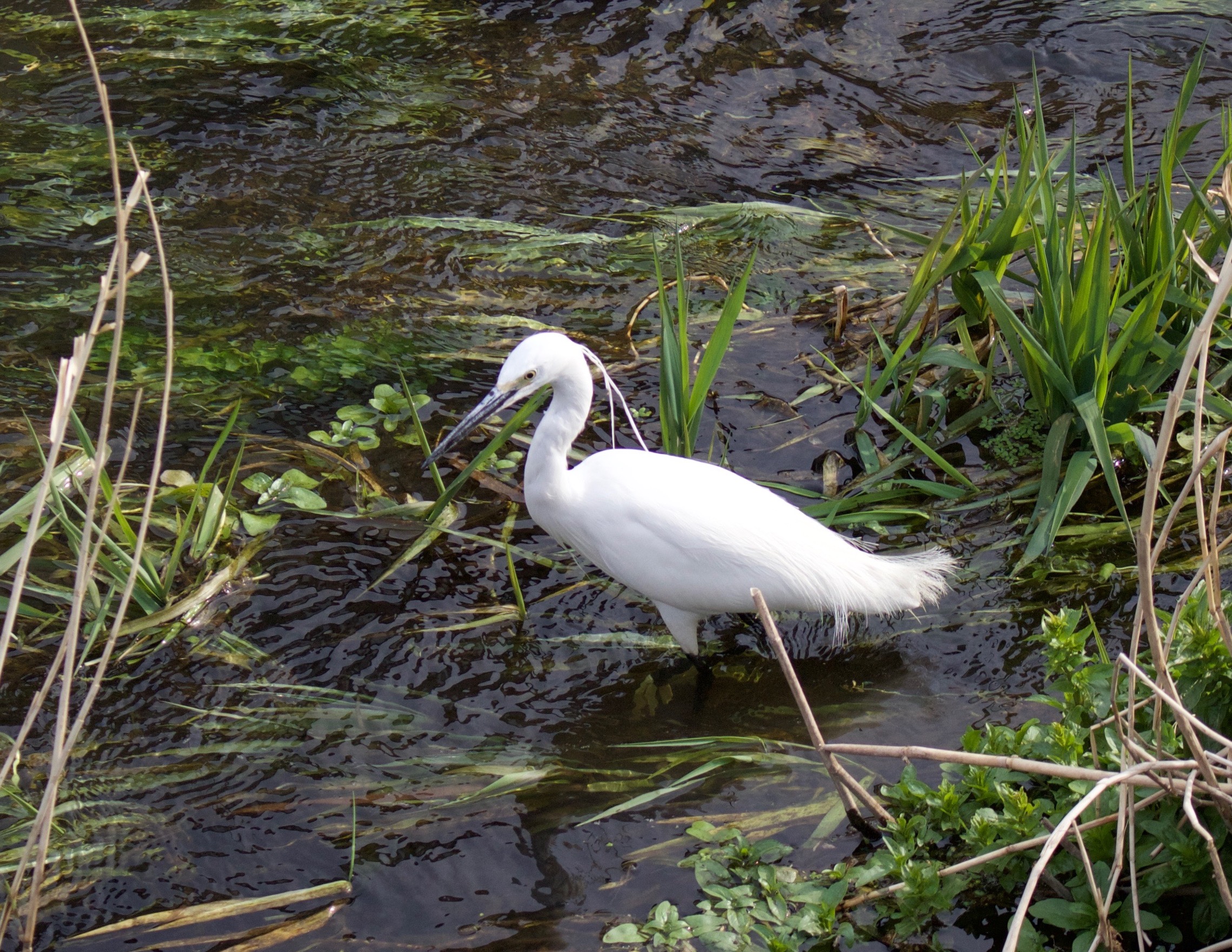
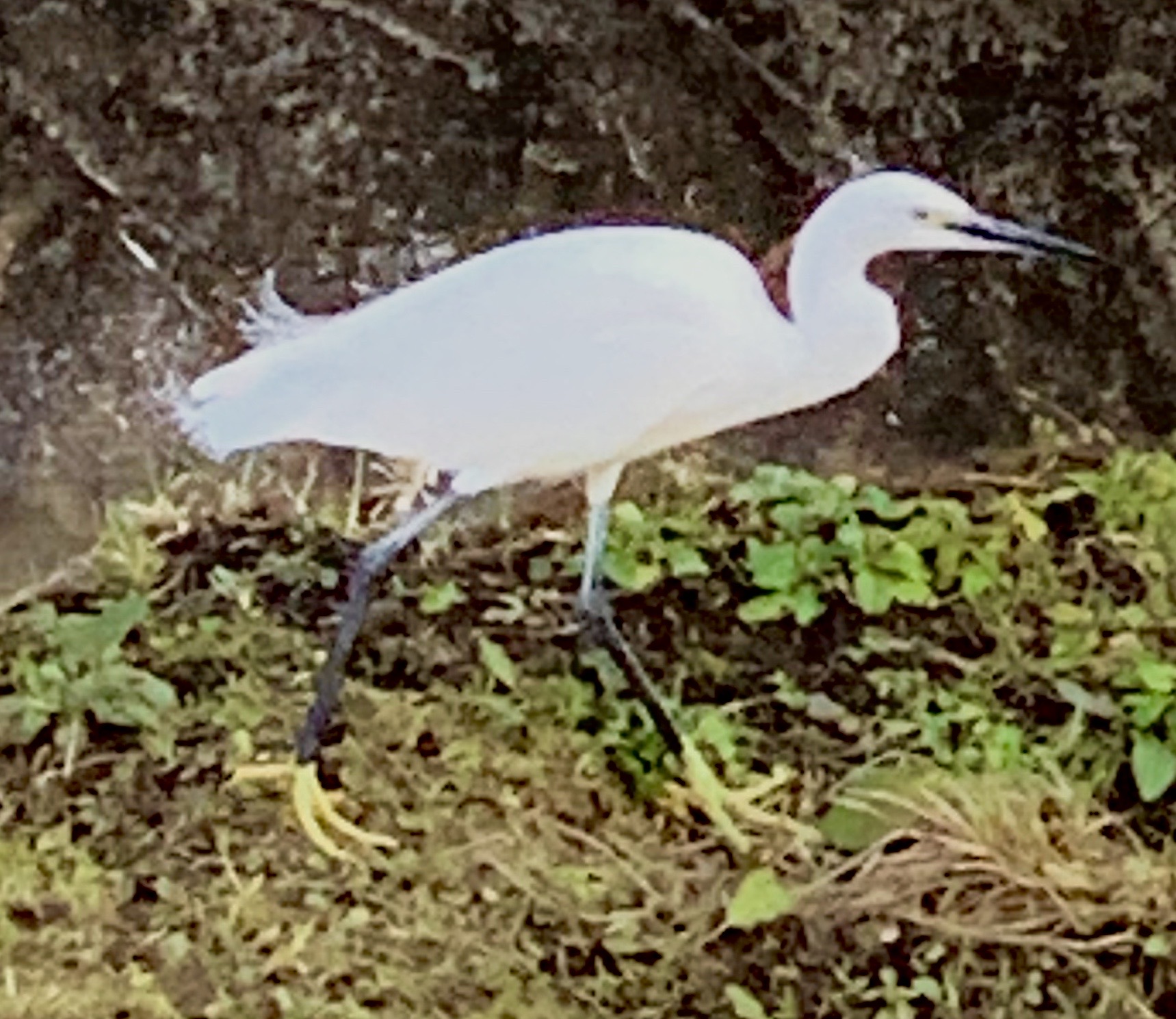
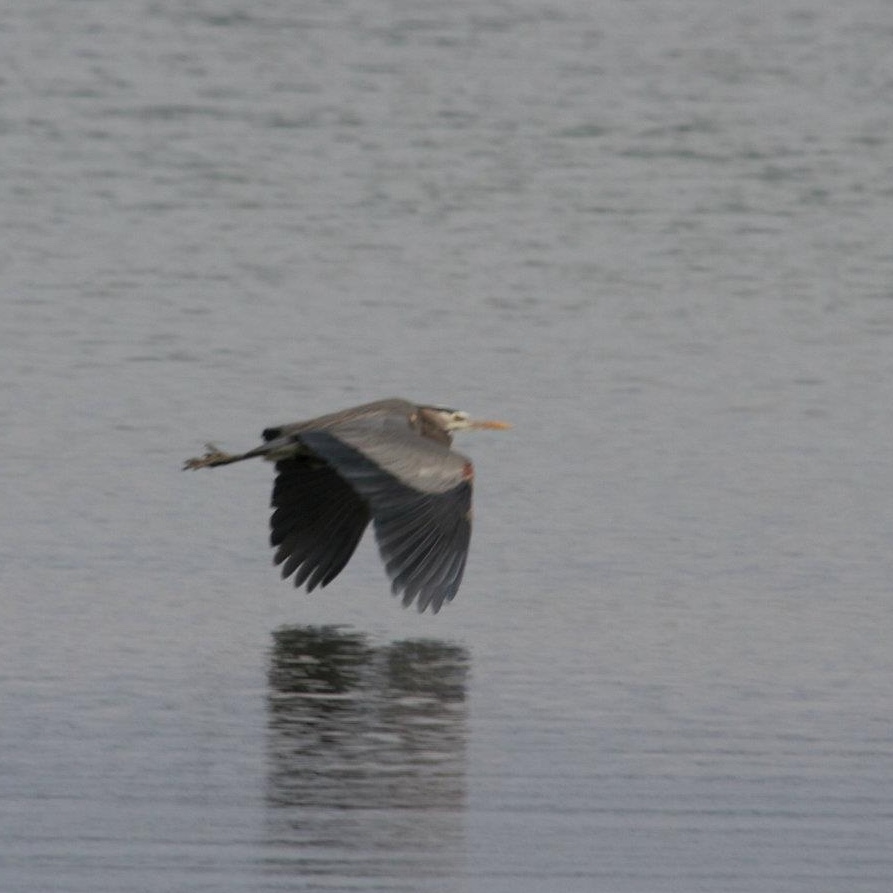
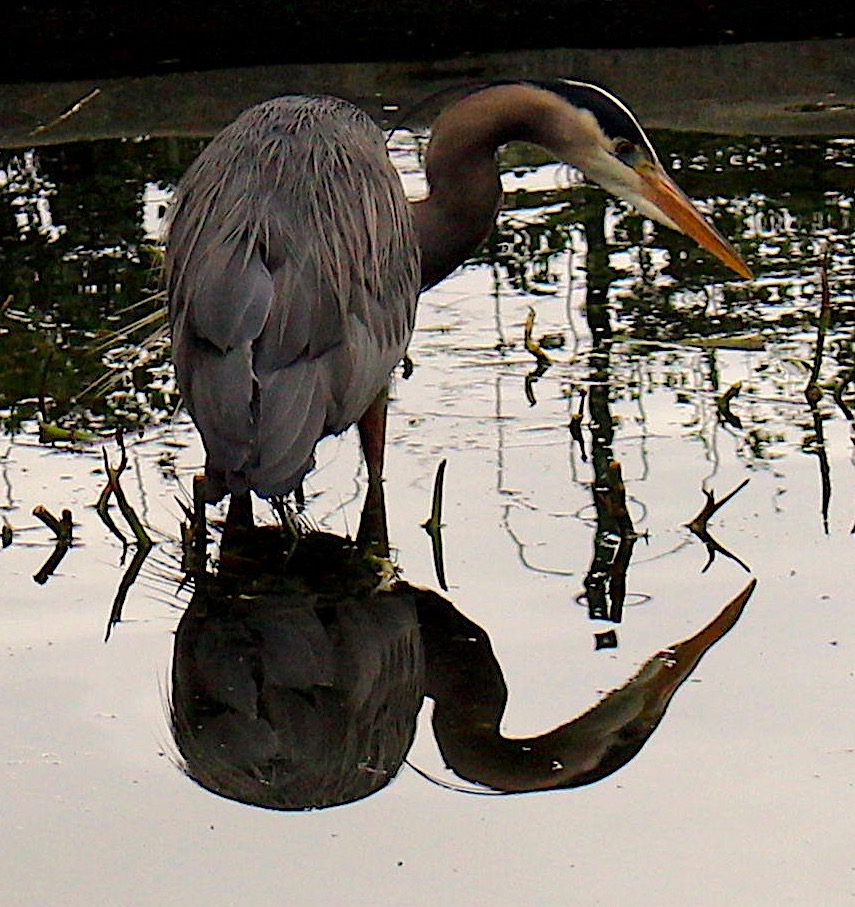
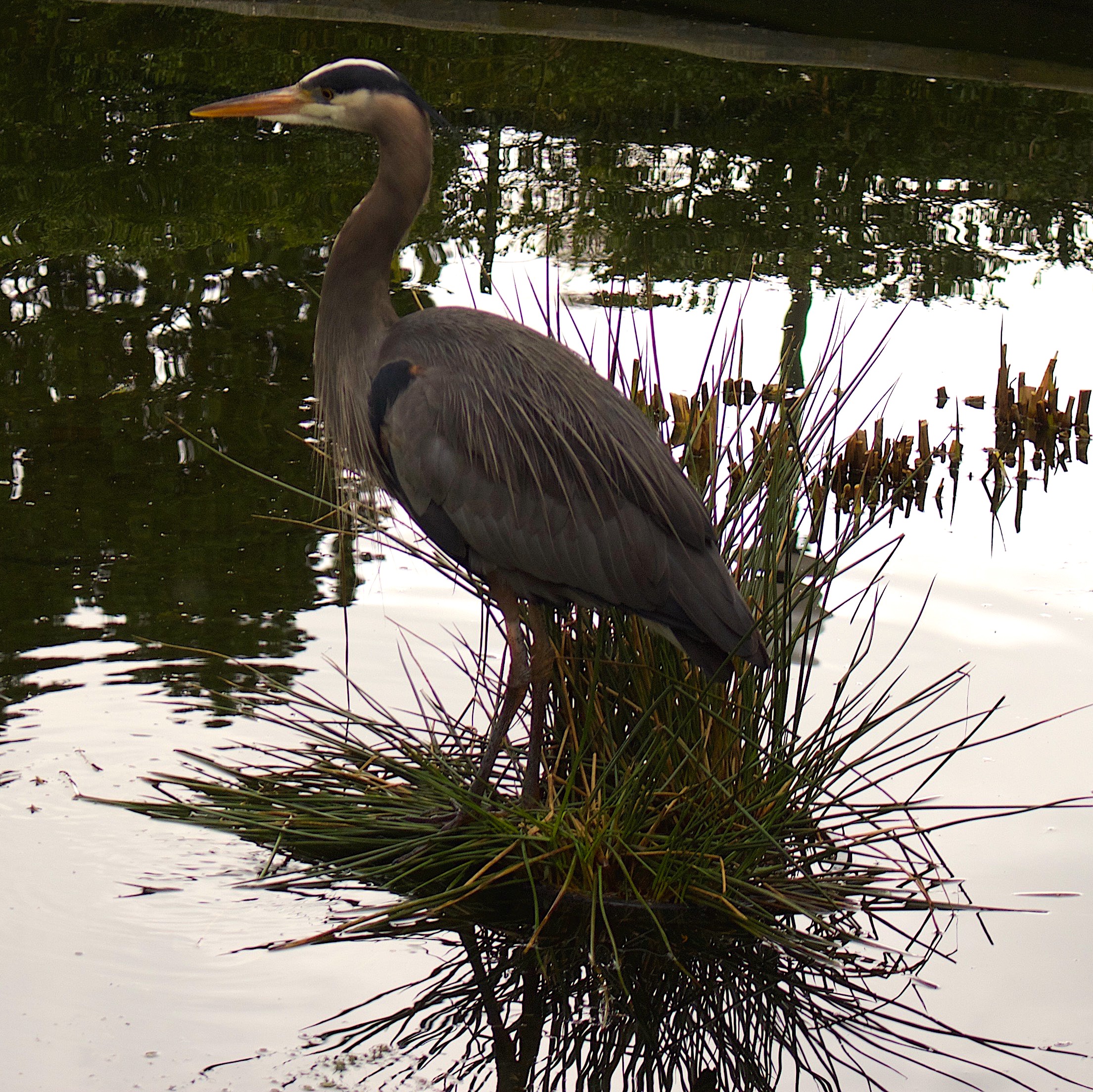
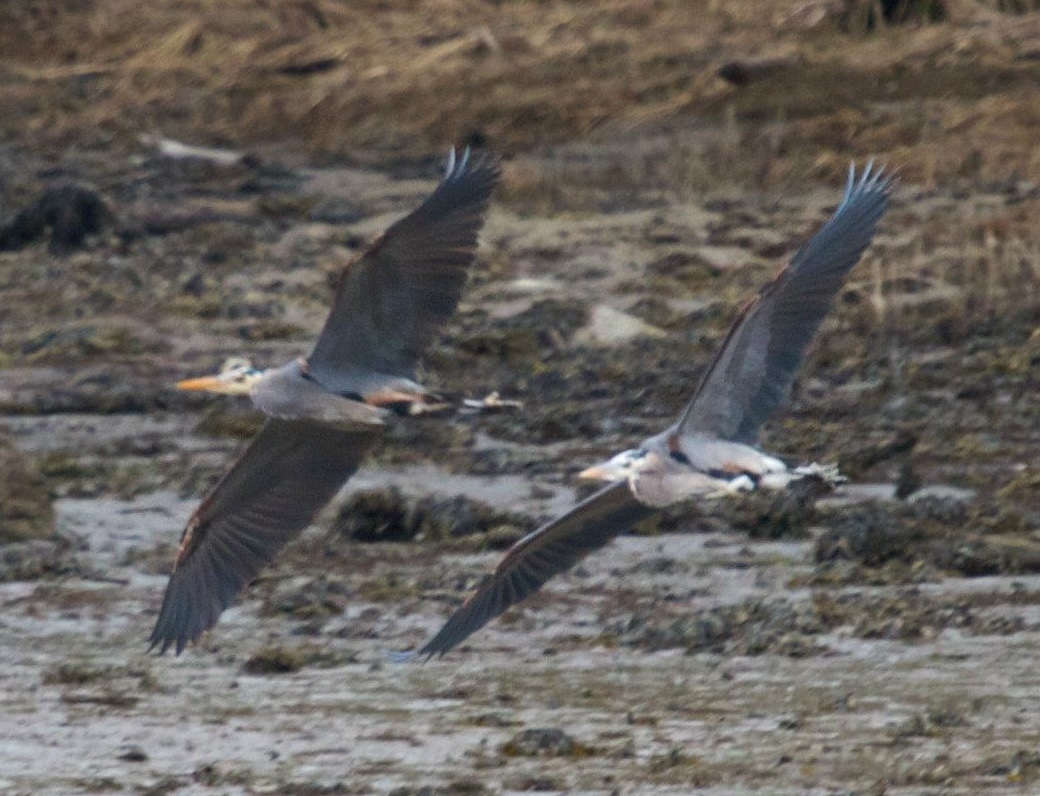
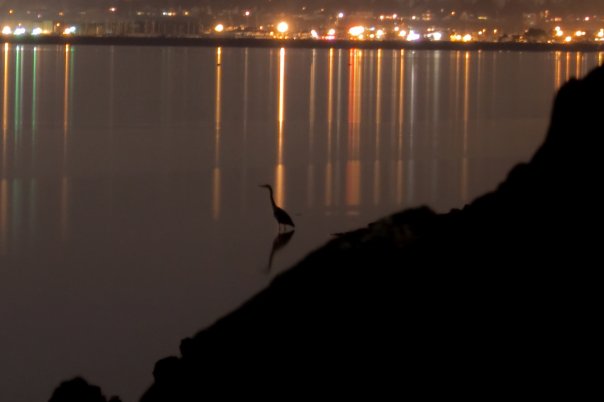
All winter the blue heron slept among the horses. I do not know the custom of herons, do not know if the solitary habit is their way, or if he listened for some missing one— not knowing even that was what he did— in the blowing sounds in the dark, I know that hope is the hardest love we carry. He slept with his long neck folded, like a letter put away. ~Jane Hirshfield “Hope and Love” from The Lives of the Heart
I know what it is like to feel out of step with those around me, an alien in my own land, especially these days.
At times I wonder if I belong at all as I watch the choices others make.
I grew up this way, missing a connection that I could not find, never quite fitting in, a solitary kid becoming a solitary adult. The aloneness bothered me, but not in a “I’ve-got-to-become-like-them” kind of way.
I went my own way, never losing hope.
Somehow misfits find each other. Through the grace and acceptance of others, I found a soul mate and community. Even so, there are times when the old feeling of not-quite-belonging creeps in and I wonder whether I’ll be a misfit all the way to the cemetery, placed in the wrong plot in the wrong graveyard.
We disparate creatures are made for connection of some kind, trying to find those who look and think and act like us, and especially hoping to be accepted by those who are completely different.
I’ll keep on the lookout for my fellow misfits, just in case there is another one out there looking for company along this journey.
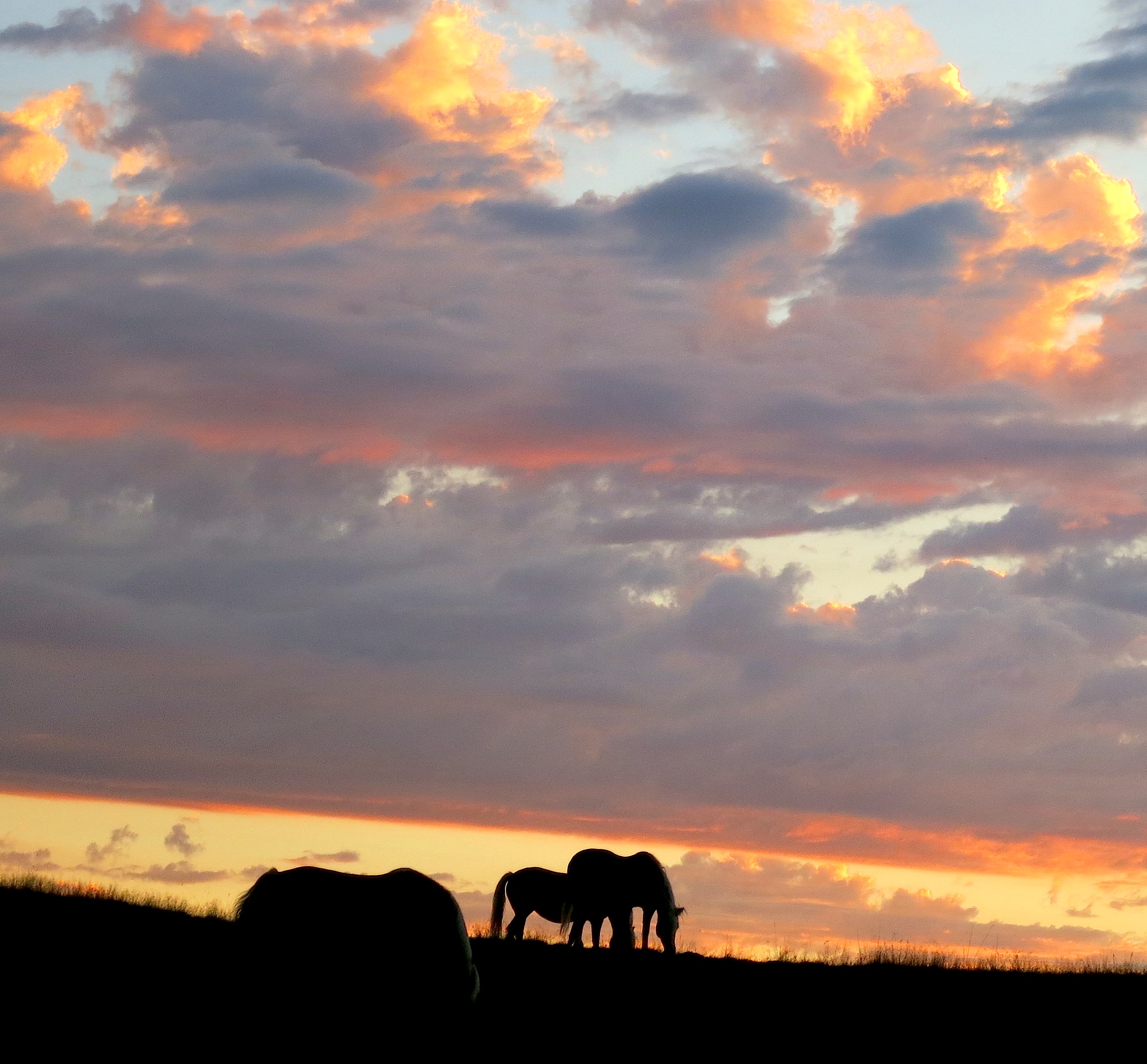
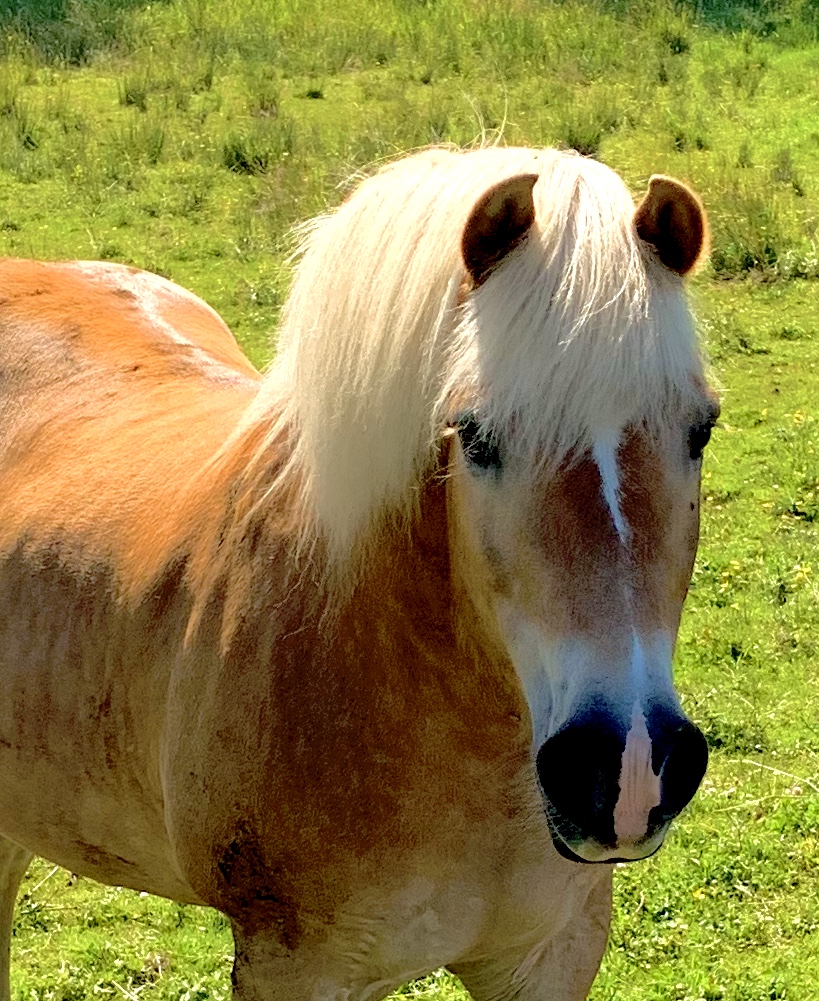
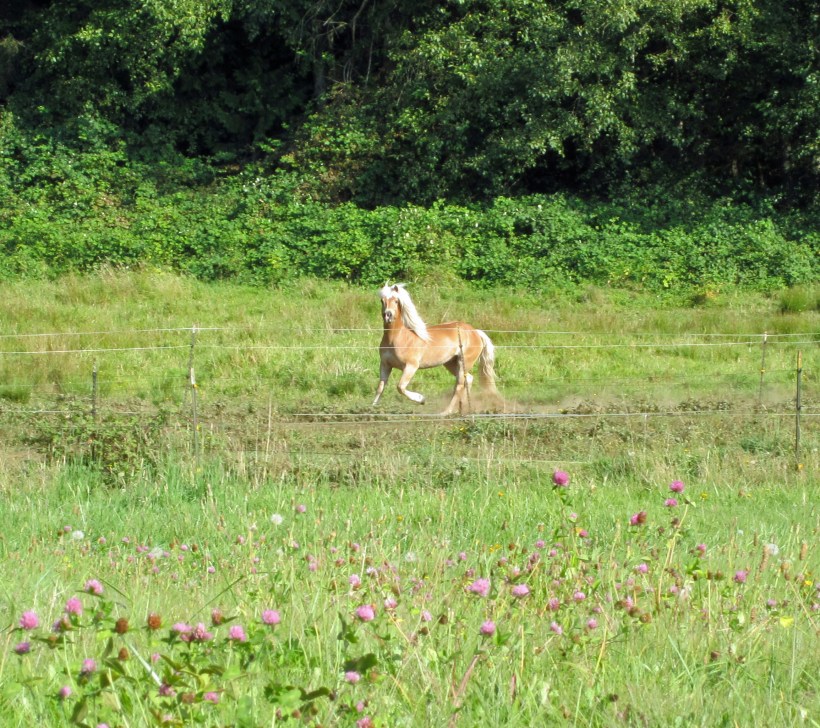
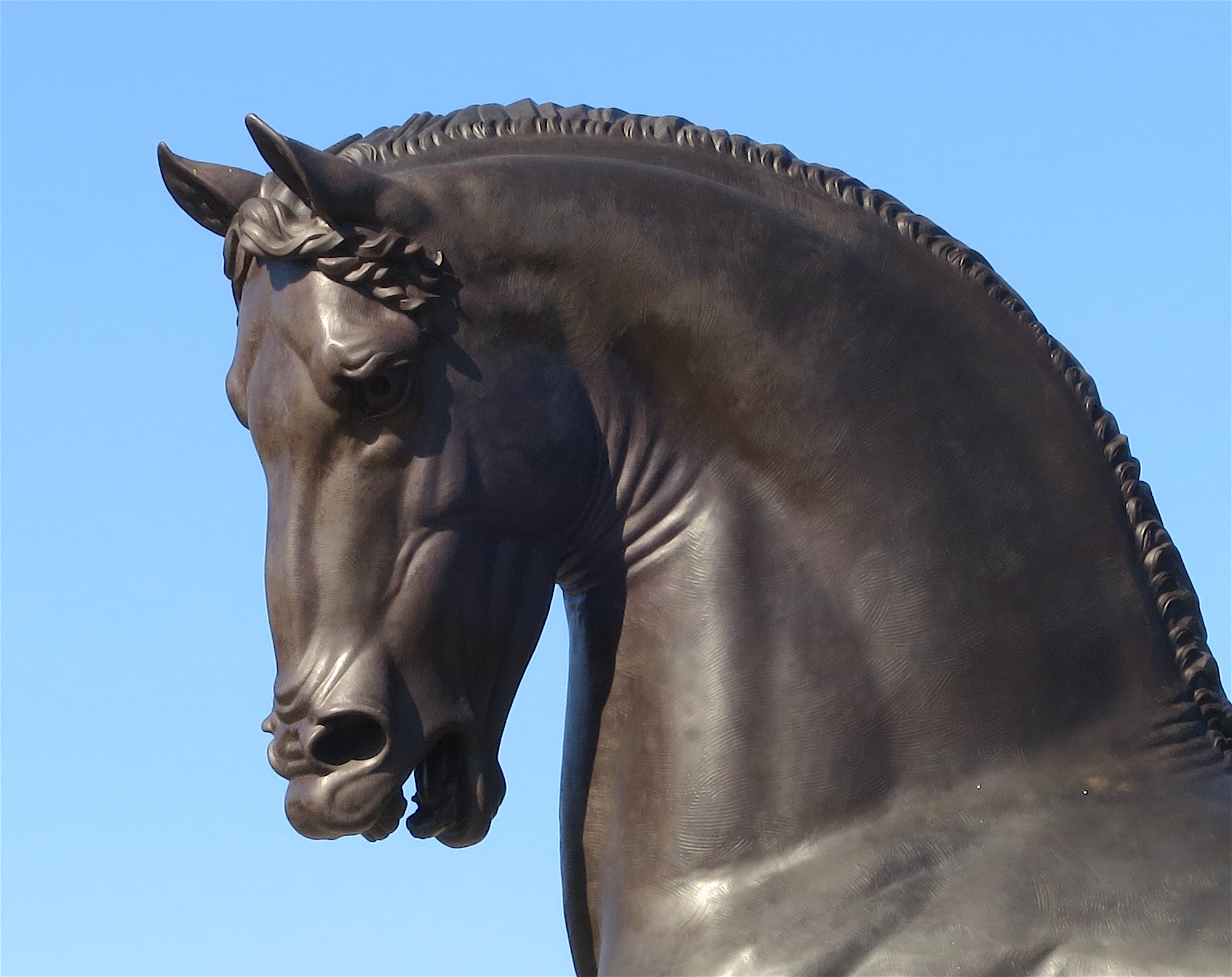
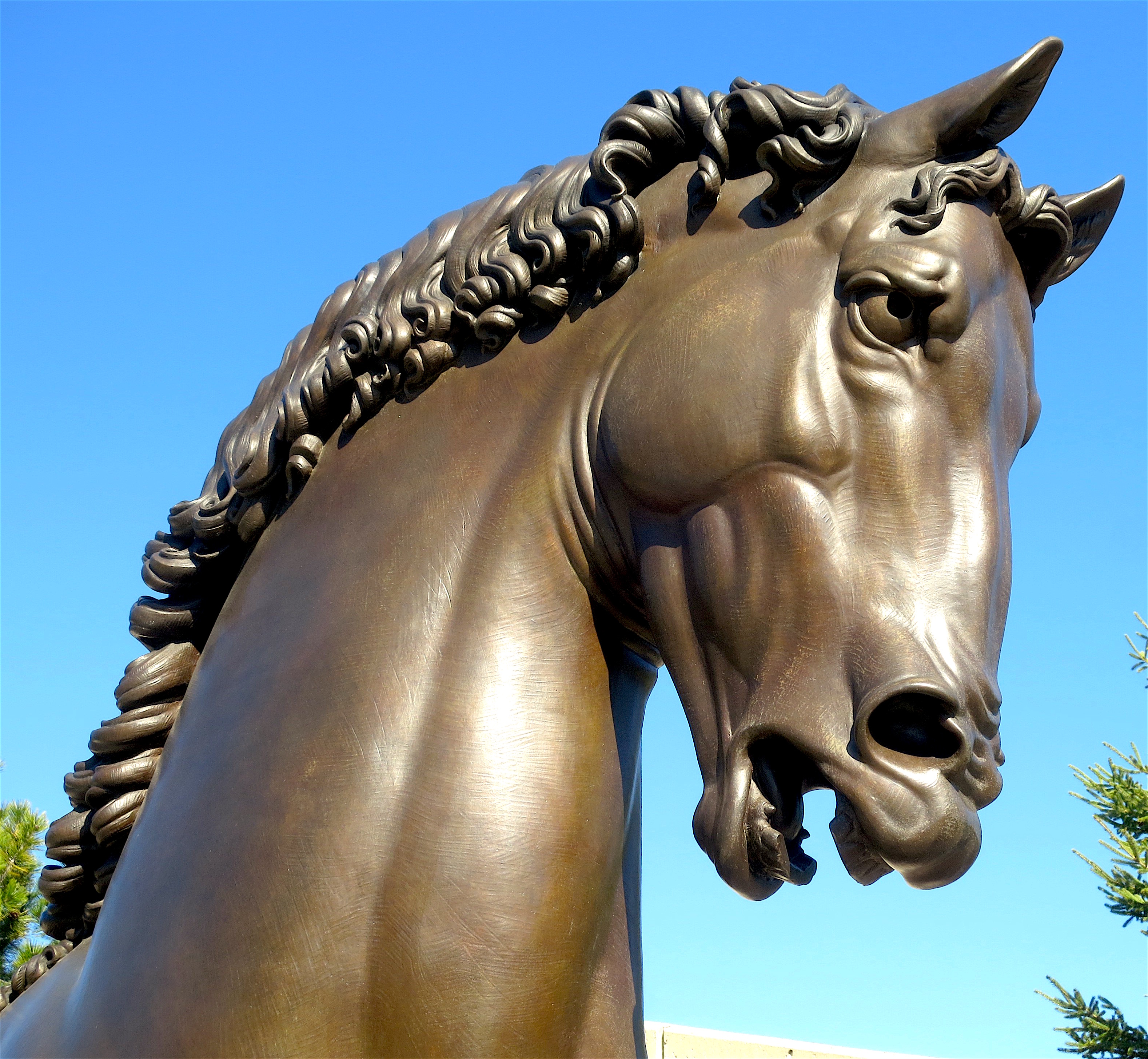
To understand the meek picture a great stallion at full gallop in a meadow, who— at his master’s voice—seizes up to a stunned but instant halt. So with the strain of holding that great power in check, the muscles along the arched neck keep eddying, and only the velvet ears prick forward, awaiting the next order. ~Mary Karr from “Who The Meek Are Not”
Blessed are the meek, for they shall inherit the earth. Matthew 5:5
Let every man be quick to hear, slow to speak, slow to anger, for the anger of man does not work the righteousness of God. James 1: 19-20
I’ve seen meekness like this, first hand.
Our stallion allowed his strength and passion to be under control. He was eager to listen. He wanted to see what we might ask of him. He took instruction eagerly. He never lashed back in anger. He simply wanted to be with us.
Meekness and humility make no sense given the world’s demand now for “strongman” leadership: someone who submits to no one, apologizes to no one, blames others for what goes wrong, feels compassion for no one.
Globally and individually, we have desperate need of meekness. True strength is when someone knows the extent of their power but resists the need to prove it to anyone else.
The meek love this God who shares Himself, who sacrifices for the bereft, and whose great strength is obvious, yet directed completely to our salvation.
Humble and Human, willing to bend You are Fashioned of flesh and the fire of life, You are Not too proud to wear our skin To know this weary world we’re in Humble, humble Jesus
Humble in sorrow, You gladly carried Your cross Never refusing Your life to the weakest of us Not too proud to bear our sin To feel this brokenness we’re in
Humble, humble Jesus We bow our knees We must decrease You must increase We lift You high
Humble in greatness, born in the likeness of man Name above all names, holding our world in Your hands Not too proud to dwell with us, to live in us, to die for us
Humble, humble Jesus We bow our knees We must decrease You must increase We lift You high We bow our knees We must decrease You must increase We lift You high
One-Time
Monthly
Yearly
Make a one-time or recurring donation to support daily Barnstorming posts

























 Barnstorming