Saved, Once Again

How can I love this spring
when it’s pulling me
through my life faster
than any time before it?
When five separate dooms
are promised this decade
and here I am, just trying
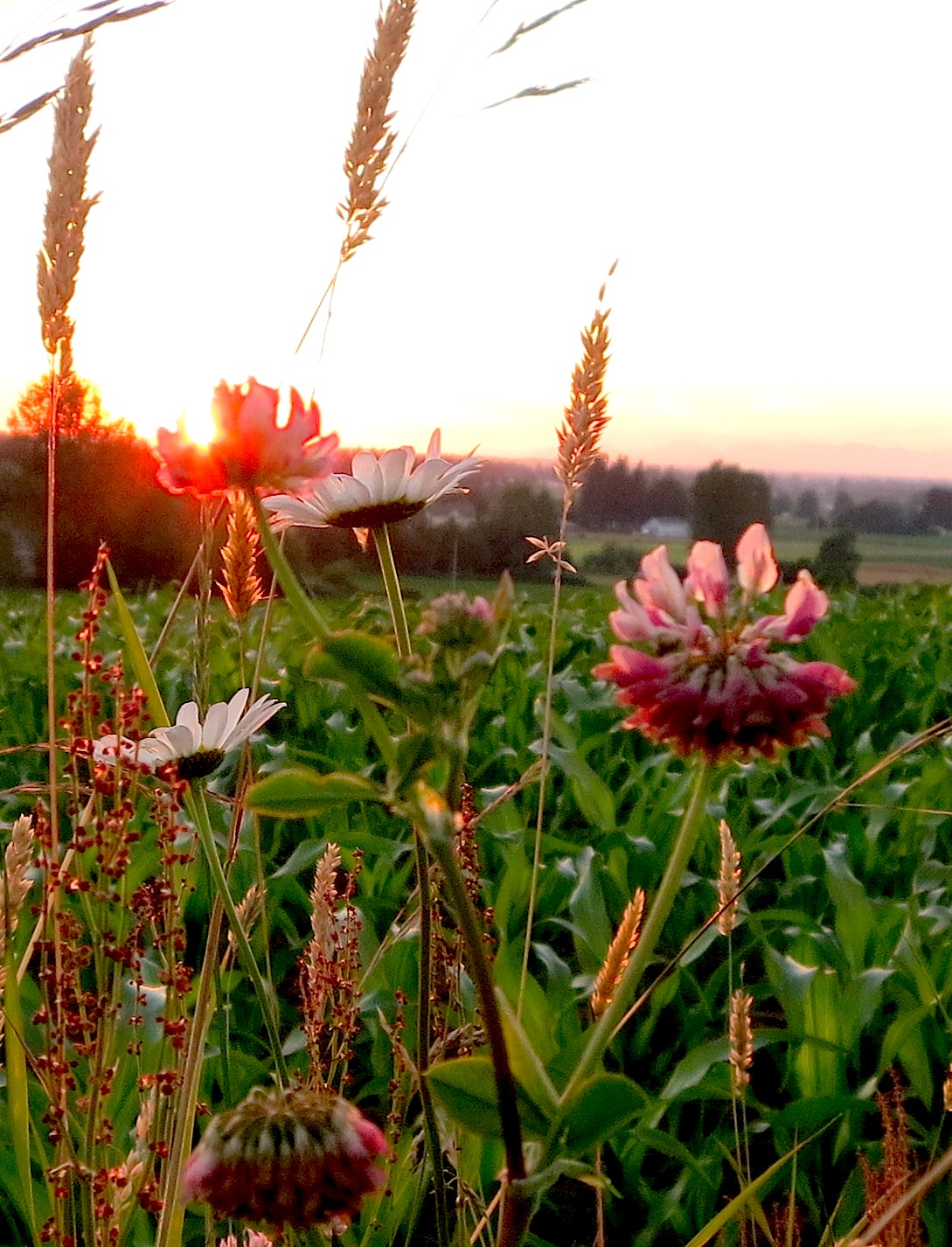
to watch a bumblebee cling
to its first purple flower.
I cannot save this world.
But look how it’s trying,
once again, to save me.

~James Pearson “This Spring”

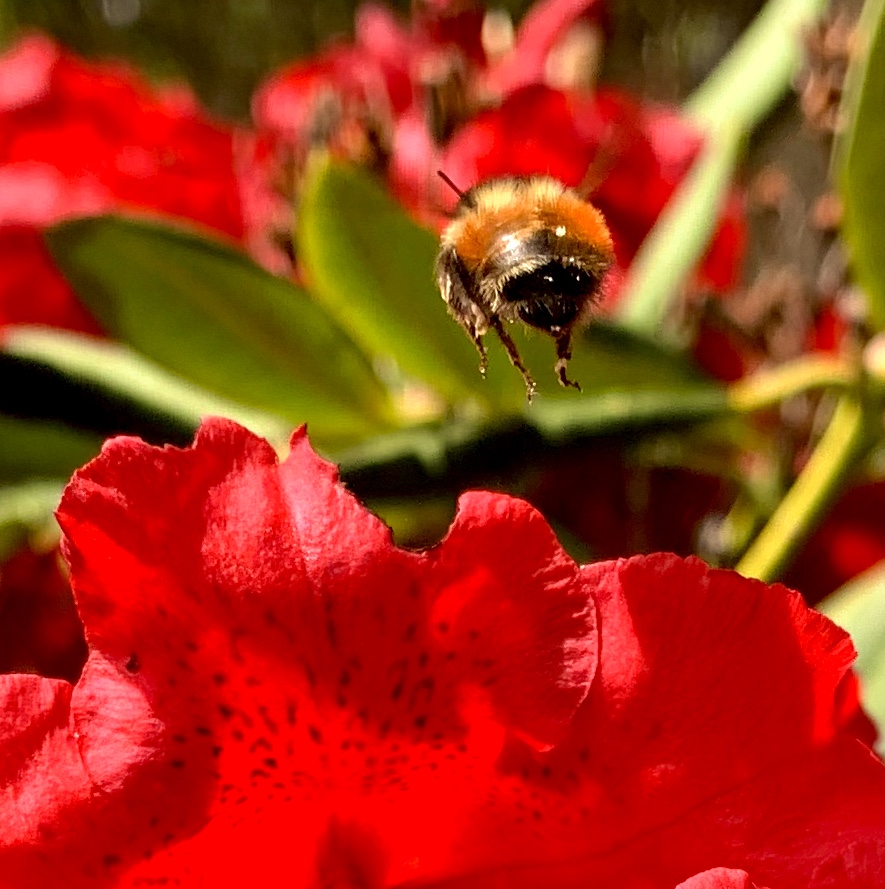
My first close encounter with a bumblebee was when I was five.
I was wearing my swimsuit, playing in the sprinkler in our backyard.
After running and leaping in the spray, I sat down on our porch step for a moment, unaware that is precisely where a wet bumblebee chose to dry off in the sun.

Both the bumblebee and my bum had a bit of a rumble.
I jumped up, tumbled off the step crying hard, while the bumblebee buzzed off, miffed.

I mumbled and grumbled sore for several days, my feelings about bees jumbled and my confidence crumbled.

Even now, decades later, whenever I see a bumblebee, I wonder if it is a distant descendant of my bumbling stumble. I am reminded of the consequences of not paying enough attention to what I say, where I stand, and particularly where I sit in this world that is easily offended and stings hard when squished and mad.
Some painful things are best never forgotten. I’m humbled by the memory of an indignant bumblebee, who, in a teachable moment over and over, saves my fumbling bum once again.

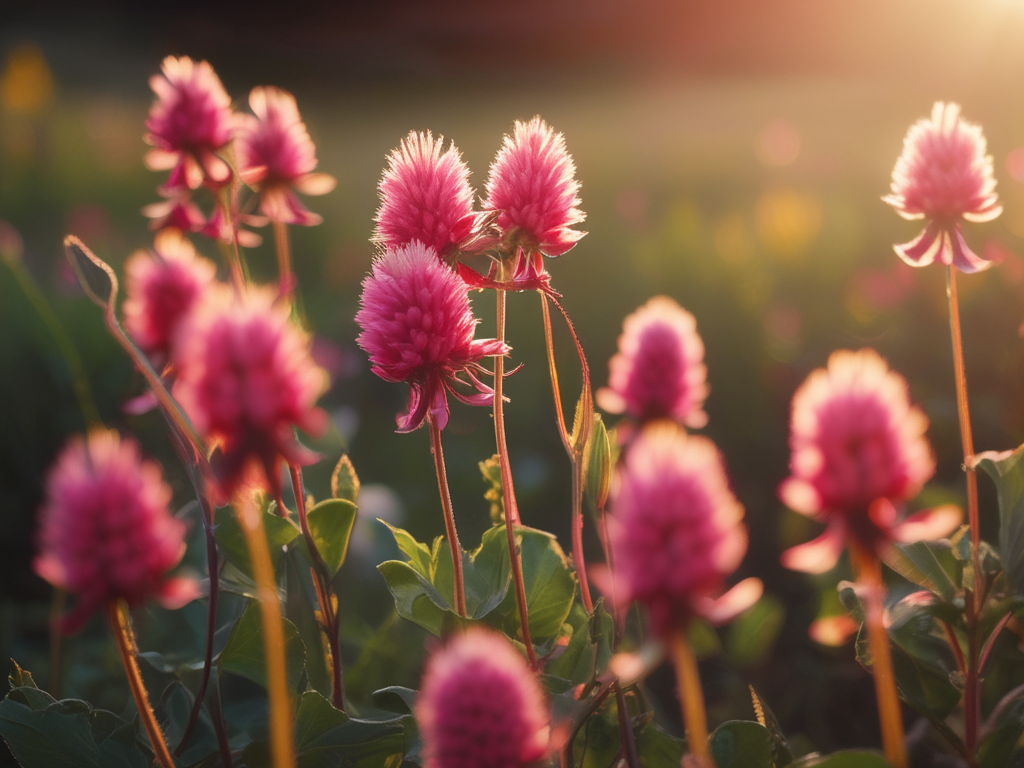
AI image created for this post
One-Time
Monthly
Yearly

Make a one-time or recurring donation to support daily Barnstorming posts

Make a monthly donation

Make a yearly donation

Choose an amount

$10.00
$25.00
$50.00
$5.00
$15.00
$100.00
$5.00
$15.00
$100.00

Or enter a custom amount

$

Your contribution is deeply appreciated.

Your contribution is appreciated.

Your contribution is appreciated.

DonateDonate monthlyDonate yearly

Warmness of Clover Breath

To enrich the earth I have sowed clover and grass
to grow and die. I have plowed in the seeds
of winter grains and of various legumes,
their growth to be plowed in to enrich the earth.
I have stirred into the ground the offal
and the decay of the growth of past seasons
and so mended the earth and made its yield increase.
All this serves the dark. I am slowly falling
into the fund of things. And yet to serve the earth,
not knowing what I serve, gives a wideness
and a delight to the air, and my days
do not wholly pass. It is the mind’s service,
for when the will fails so do the hands
and one lives at the expense of life.
After death, willing or not, the body serves,
entering the earth. And so what was heaviest
and most mute is at last raised up into song.

~Wendell Berry “Enriching the Earth” from Collected Poems

It was the face of spring, it was the face of summer,
it was the warmness of clover breath.
Pomegranate glowed in her lips, and the noon sky in her eyes.
And all of this, this breath-warmness and plum-tenderness

was held forever
~Ray Bradbury from Dandelion Wine

To make a prairie it takes a clover and one bee,
One clover, and a bee,
And revery.
The revery alone will do,
If bees are few.
Emily Dickinson

Every autumn my father, an agriculture teacher by training, brought home gunny sacks of grass seed from the feed and seed store.  He would start up his 1954 Farmall Cub tractor, proceed to disc and harrow an acre of bare ground in our field, and then fill the seeder, distributing seed on the soil for his annual agronomy cover crop over winter growing experiment.  The little sprouts would wait to appear in the warming spring weather, an initial green haziness spread over the brown dirt, almost like damp green mold.  Within days they would form a plush and inviting velveteen green cushion, substantial enough for a little wiggle of blades in the breezes.  A few weeks later the cover would be a full fledged head of waving green hair, the wind blowing it wantonly, bending the stems to its will.  It was botanical pasture magic, renewable and marvelous,  only to be mowed and stubble turned over with the plow back into the soil as nutrition for the summer planting to come.  It was the sacrificial nature of cover crops to be briefly beautiful on top of the ground, but the foundational nurture once underground.

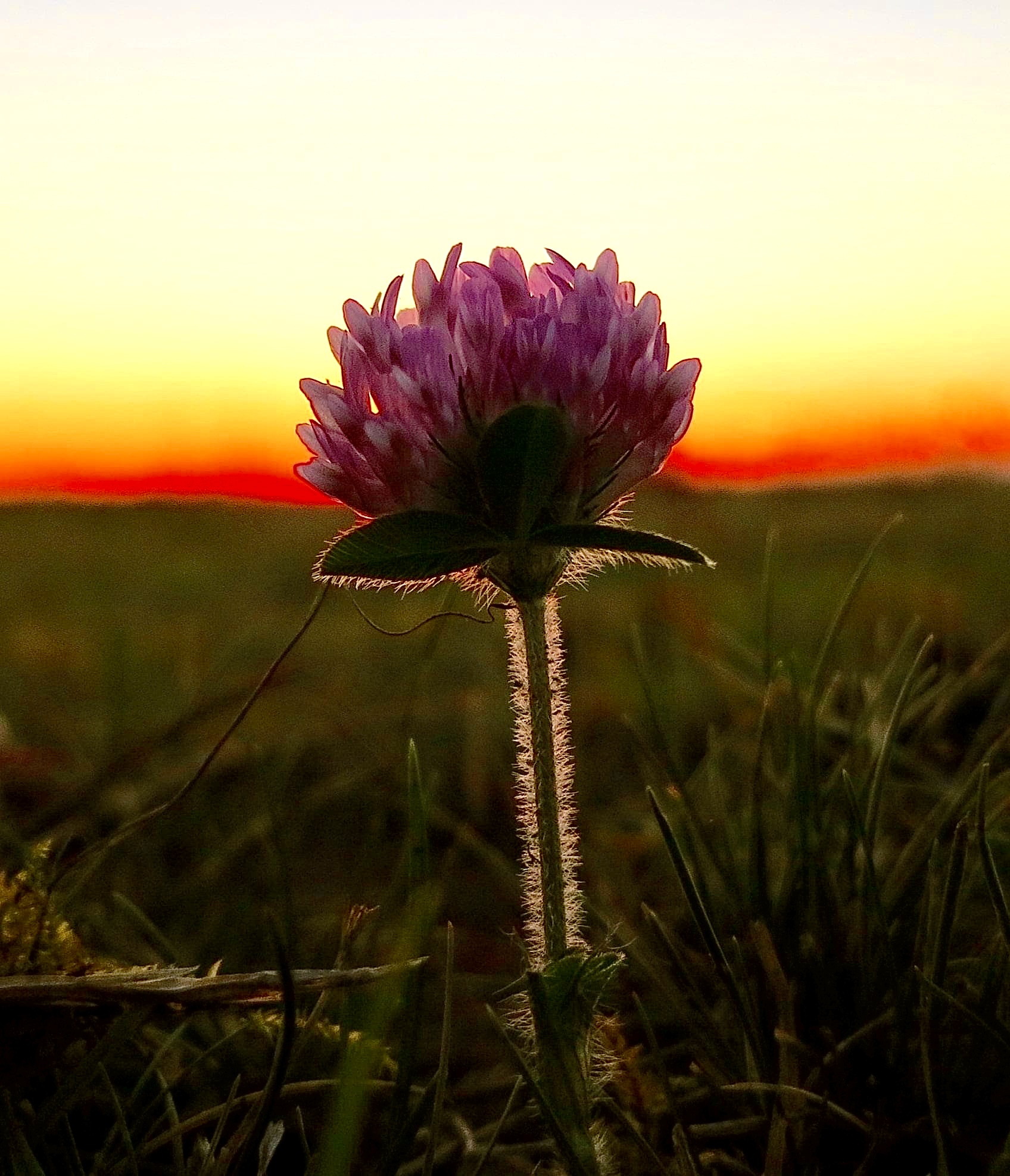
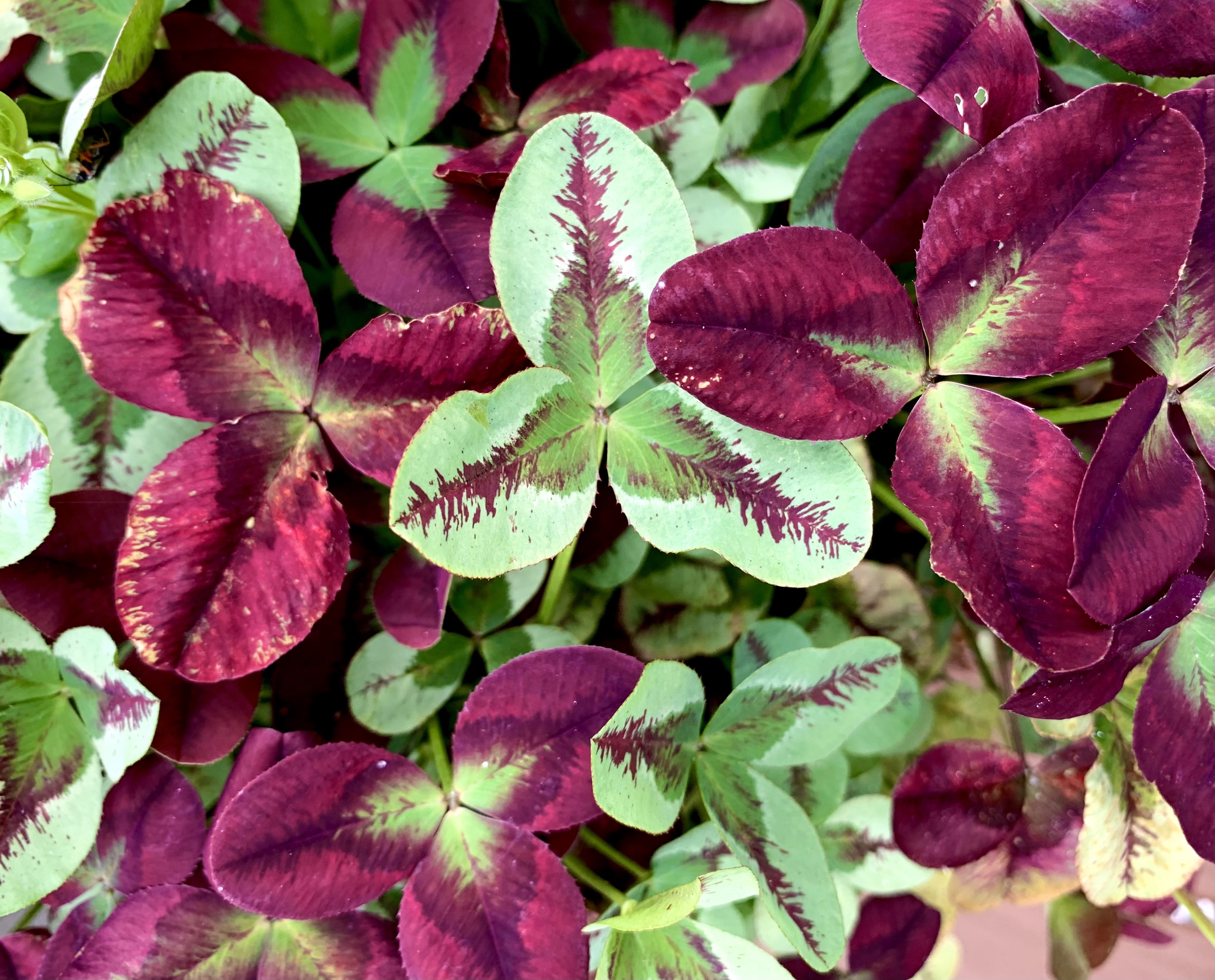
One spring the expected grassy carpet growth didn’t look quite the same after germination–the sprouts were little round leaves, not sharp edged blades.  Instead of identical uniform upright stems, the field was producing curly chaotic ovoid and spherical shapes and sizes. Clover didn’t abide by the same rules as grasses.  It had a mind of its own with a burgeoning and bumpy napped surface that didn’t bend with breezes, all its effort invested instead in producing blossoms.

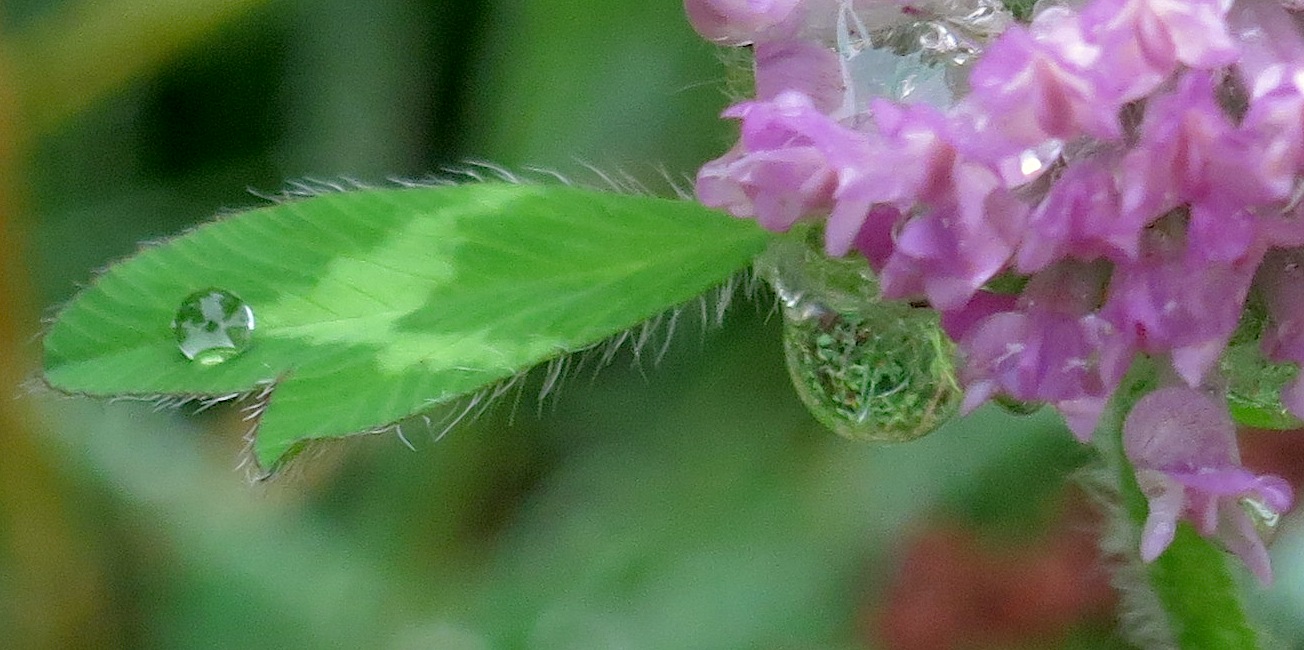
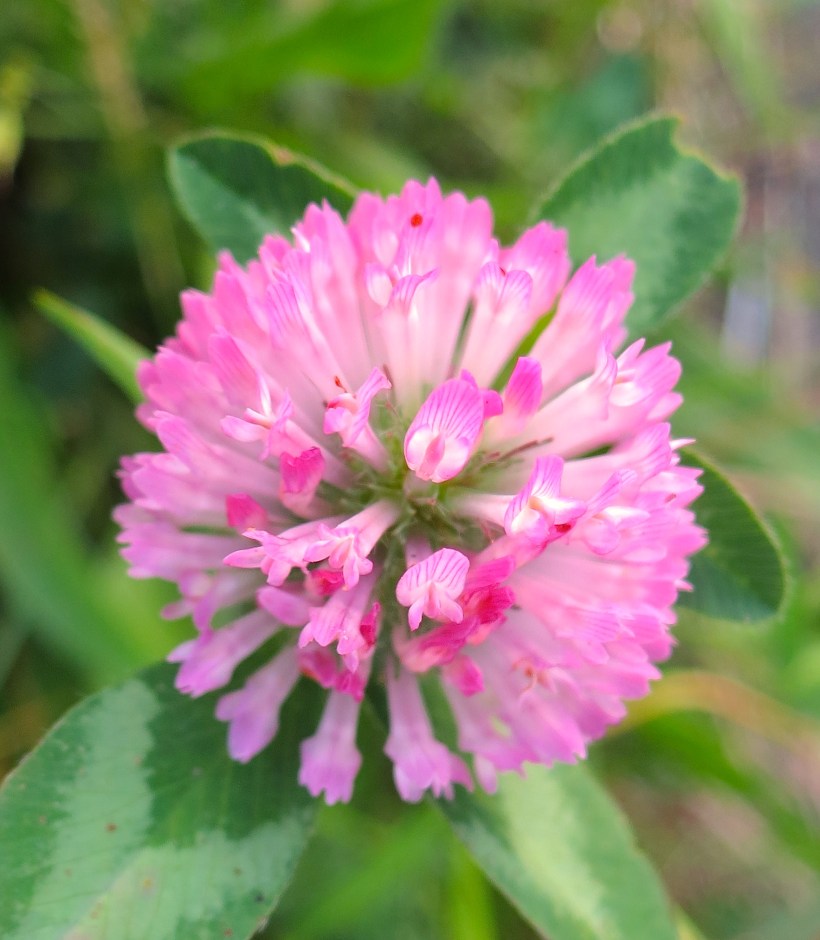
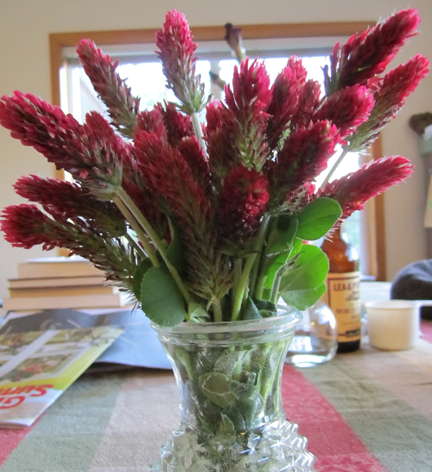
A hint of pink one morning was so subtle it was almost hallucinatory.  Within a day it was unmistakeably reddening and real.  Within a week the green sea flowed with bobbing crimson heads. We had never seen such vibrancy spring from our soil before.  It exuded scented clover breath, the fragrance calling honey bees far and near.  True reverie.

The field of crimson dreams and sated honey bees lasted several weeks before my father headed back out on the Farmall to turn it under with the plow, burying the fading blossoms into the ground.  Their sacrifice bled red into the soil, their fragrant breath halted, their memory barely recognizable in the next summer crop germination.   Yet the crimson heads were there, feeding the growth of the next generation, deepening the green as it reached to the sun.

Such a sweet thing, alive a thousand summers hence in the soil.

What a beautiful feeling.

Crimson and clover, over and over.

AI image created for this post
One-Time
Monthly
Yearly

Make a one-time or recurring donation to support daily Barnstorming posts

Make a monthly donation

Make a yearly donation

Choose an amount

$10.00
$25.00
$50.00
$5.00
$15.00
$100.00
$5.00
$15.00
$100.00

Or enter a custom amount

$

Your contribution is deeply appreciated.

Your contribution is appreciated.

Your contribution is appreciated.

DonateDonate monthlyDonate yearly

Now I Know…

We don’t have time to look at one another.
I didn’t realize.
All that was going on in life and we never noticed.

Oh, earth, you’re too wonderful for anybody to realize you. 
Do any human beings ever realize life while they live it?

– every, every minute? 
~Thornton Wilder, from Emily’s monologue in Our Town

An awful lot of sorrow has sort of quieted down up here.
People just wild with grief have brought their relatives up this hill. We all know how it is.
And then time…and rainy days…and sunny days..n’ snow…
We’re all glad they’re in a beautiful place
and we are coming up here ourselves when our fit’s over.
~Thornton Wilder from “Our Town”

“Choose the least important day in your life. It will be important enough.”   —  Mrs. Gibbs to Emily in Our Town
We are ages away
from our high school class
where first we walked
the streets of Grover’s Corners
and have lived decades and
decades of important days
writing our own scenes
along the way. In this theater
we meet again the lives of people
as ordinary and extraordinary
as we are and find ourselves
smiling and weeping watching
a play we first encountered as teens.
In our 70’s Our Town brings us joy
and also breaks our hearts.
Now we know.
~
Edwin Romond Seeing “Our Town” in Our 70’s”

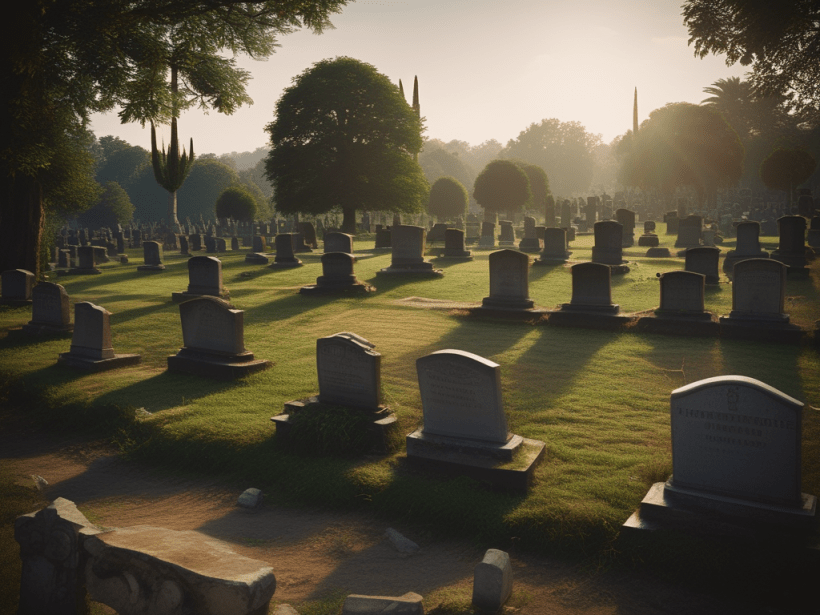
Last night, we watched the play “Our Town” by Thornton Wilder acted out by high schoolers under our son Nate’s direction. As it always does, this play hits me in my core: my mother also directed Our Town as a speech and drama teacher in a small town high school in Eastern Washington during WWII, while my dad was fighting in the South Pacific. Mom loved the play so much, she named me after one of the main characters. Nate didn’t know about that family connection when he chose it for his American Literature class production.

Watching “Our Town” at the beginning of my eighth decade is different than when I was in high school reciting Emily’s monologue in the graveyard. It is especially poignant this week after the 80th anniversary of D-Day, with only a few surviving liberators in attendance.

When our time gets short, we must realize life while we live it, every every minute, ordinary as they seem.

Wilder’s Pulitizer Prize winning words from “Our Town” still ring as true now as in 1938:
then, our country was crushed under the Great Depression,
now, our country staggers under a Great Depression of the spirit.
Though more economically secure, we are emotionally and morally bankrupt.

Even living through the most routine and unimportant days, may we always be conscious of our many treasures and abundance, striving to care for others in need.

So I search the soil of my life, this farm, this faith
to find what yearns to grow, to bloom, to fruit, in order
to be harvested to share with others.

I my so grateful for the tie that binds me to each of you who visit here, hoping what I share makes a difference in your ordinary, but precious, day.

Now I know…

AI image created for this post
One-Time
Monthly
Yearly

Make a one-time or recurring donation to support daily Barnstorming posts

Make a monthly donation

Make a yearly donation

Choose an amount

$10.00
$25.00
$50.00
$5.00
$15.00
$100.00
$5.00
$15.00
$100.00

Or enter a custom amount

$

Your contribution is deeply appreciated.

Your contribution is appreciated.

Your contribution is appreciated.

DonateDonate monthlyDonate yearly

Licked Clean of Fog

At first she sees the fog as a shroud
settling over the fields of beans, but
she does not wish to start this day
with such a word. She could say the fog
is like muslin stretched over the mouth
of a jelly jar, or it could be like
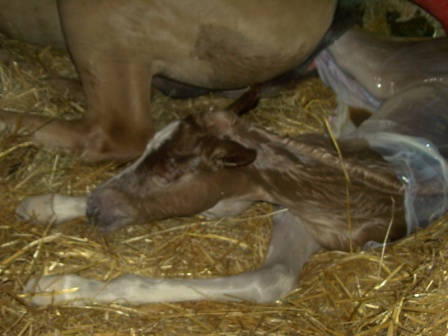
the birth caul covering a newborn calf
before its mother licks it clean.
It could be like the clouds
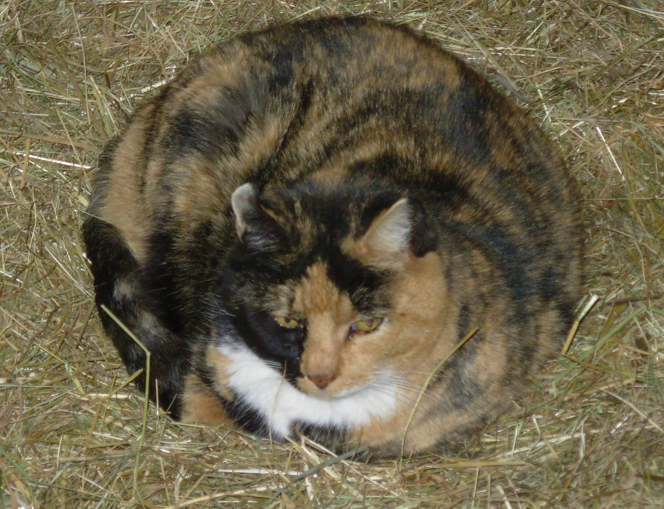
in the calico’s old eyes—
no, not that. Let it be the caul.
The bean fields, like a baby calf,
are born again this morning,
and the sun will lick them clean.
~Lonnie Hull DuPont, “At first she sees the fog…” from She Calls the Moon by Its Name

This is an interesting comparison of the “bags” we find ourselves in at the very beginning and ending of life.

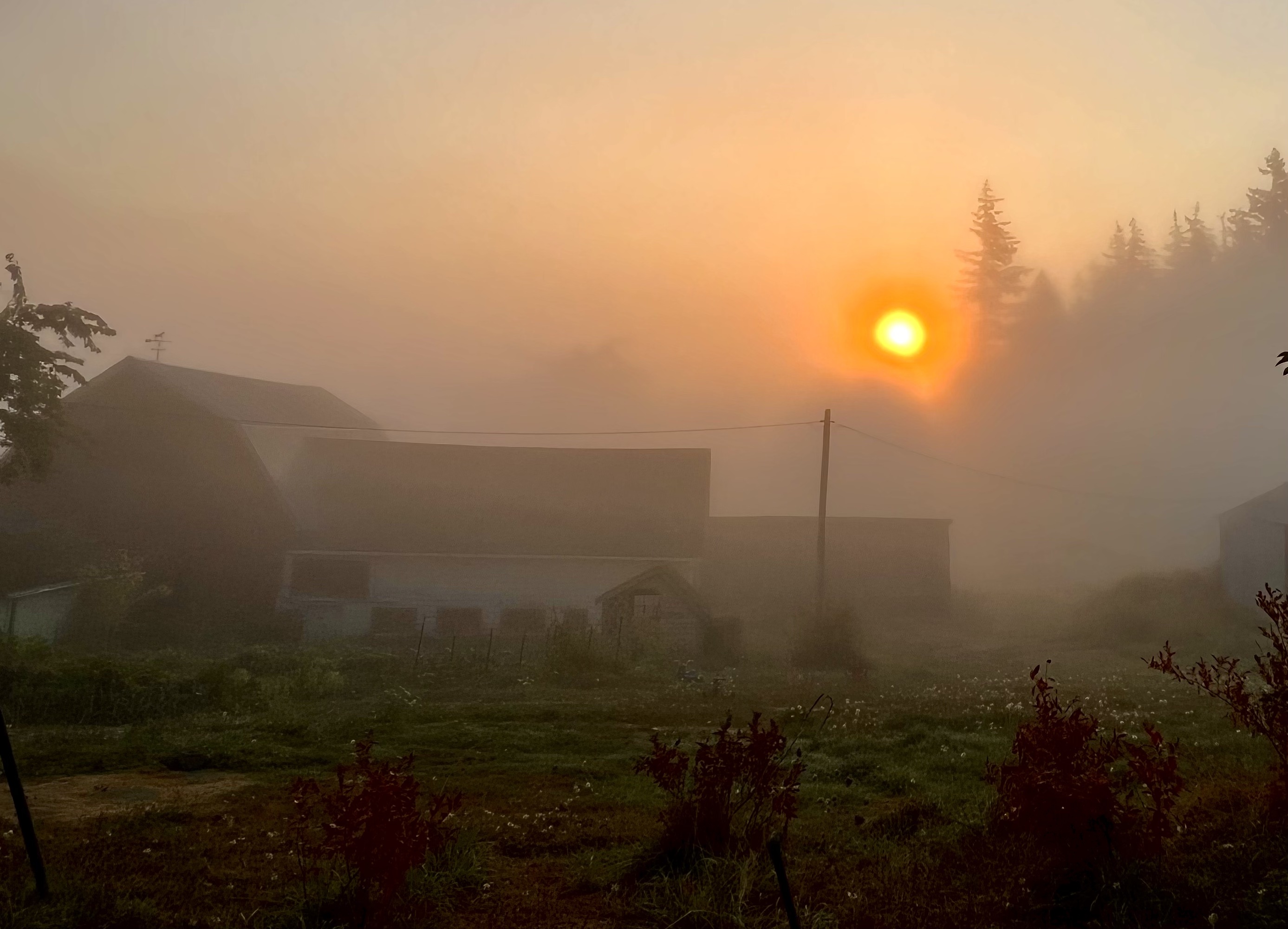
Evening fog often acts like a shroud, cloudy, murky and blinding. It muffles sound and stifles light and feels like walking in a gray sponge that sucks our breath and life.

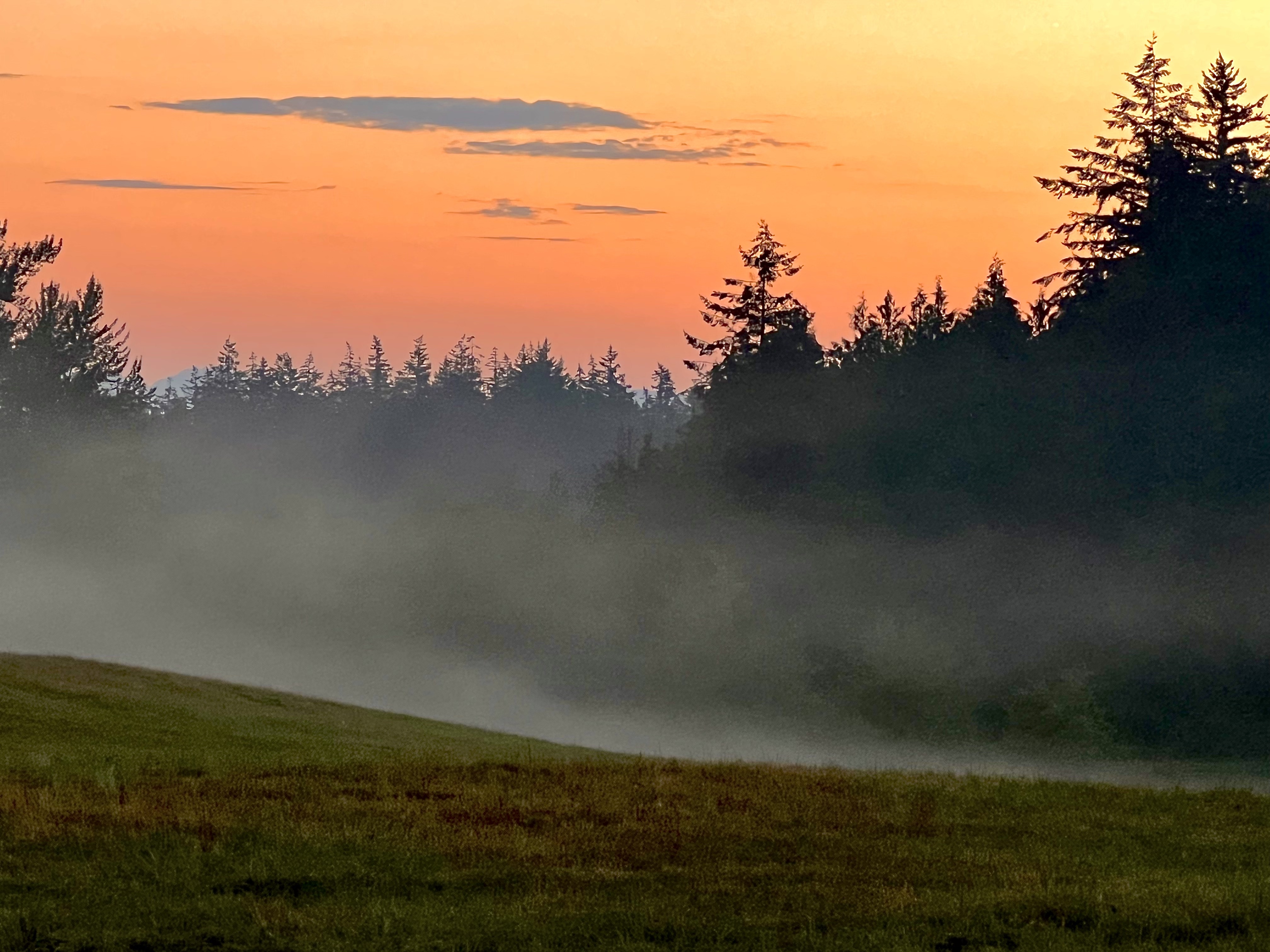
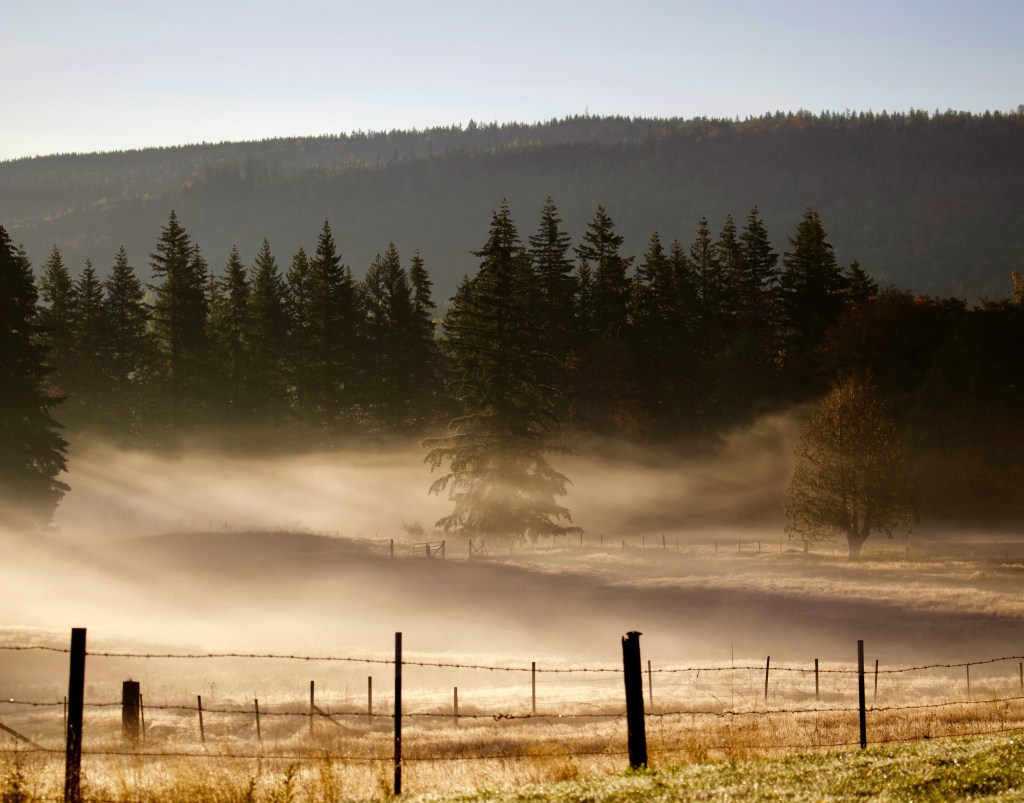
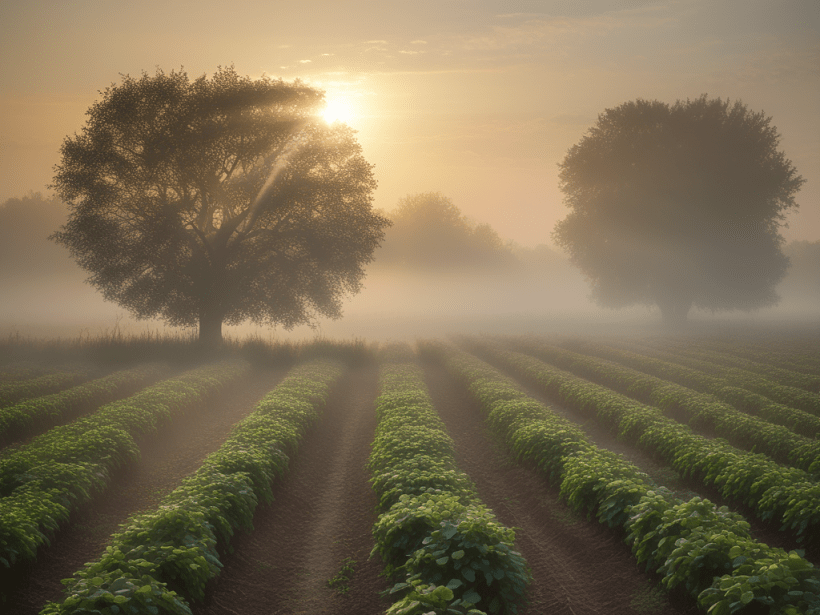
On the other hand, morning fog appears on the wane, fading away while torn apart by the rising sun’s rays and warmth. It is discarded as it dissipates. The world emerges fresh, its surface clean and drying.

I would rather strive to break free of a covering caul than immobilized in a smothering shroud. Each morning, I am born into a fresh start with new and clearer vision.

I too have been licked clean.

AI image created for this post
One-Time
Monthly
Yearly

Make a one-time or recurring donation to support daily Barnstorming posts

Make a monthly donation

Make a yearly donation

Choose an amount

$10.00
$25.00
$50.00
$5.00
$15.00
$100.00
$5.00
$15.00
$100.00

Or enter a custom amount

$

Your contribution is deeply appreciated.

Your contribution is appreciated.

Your contribution is appreciated.

DonateDonate monthlyDonate yearly

My Legs Were Oars…

How do you like to go up in a swing,
Up in the air so blue?
Oh, I do think it the pleasantest thing
Ever a child can do!

Up in the air and over the wall,
Till I can see so wide,
River and trees and cattle and all
Over the countryside—

Till I look down on the garden green,
Down on the roof so brown—
Up in the air I go flying again,
Up in the air and down!
~Robert Louis Stevenson “The Swing”

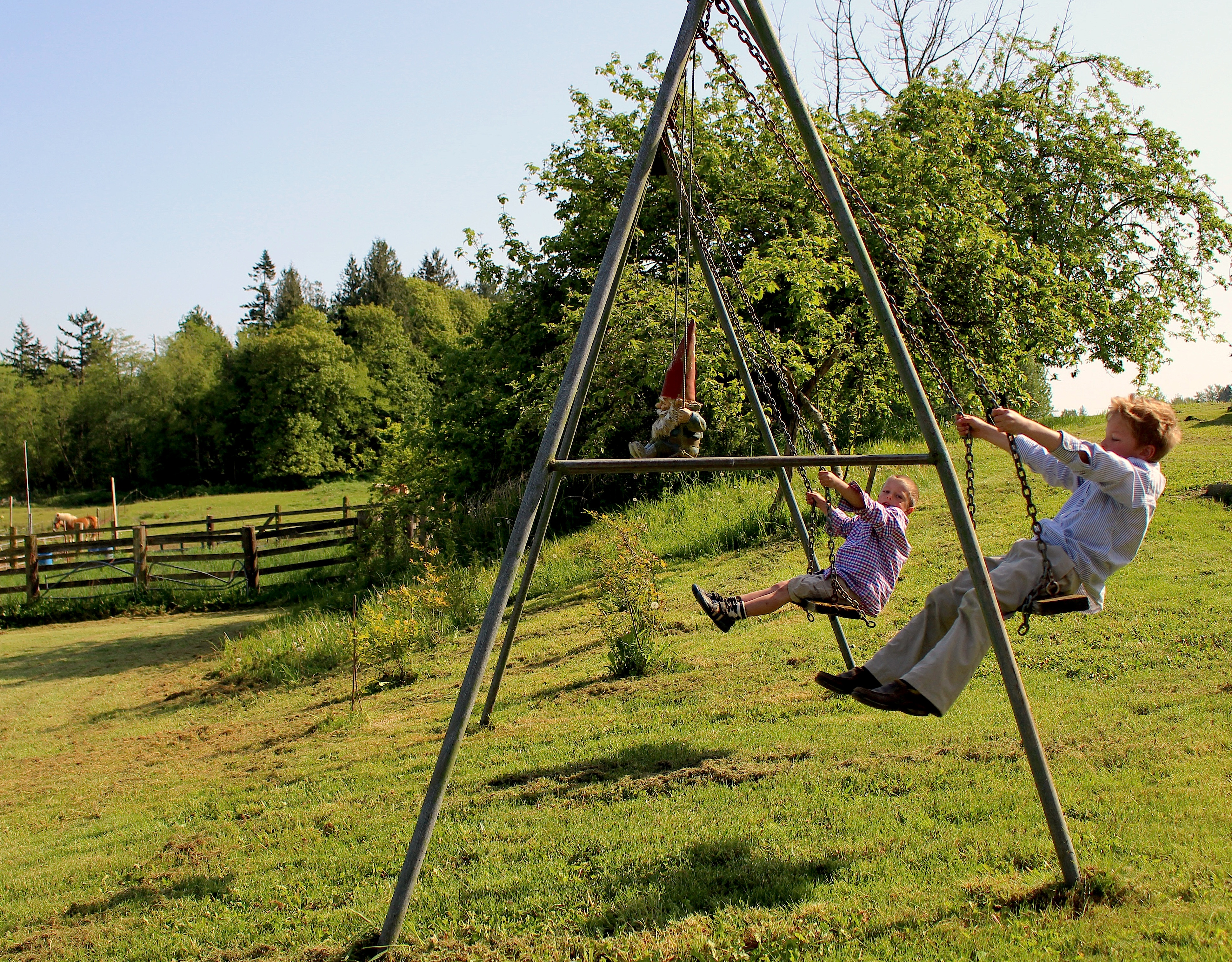
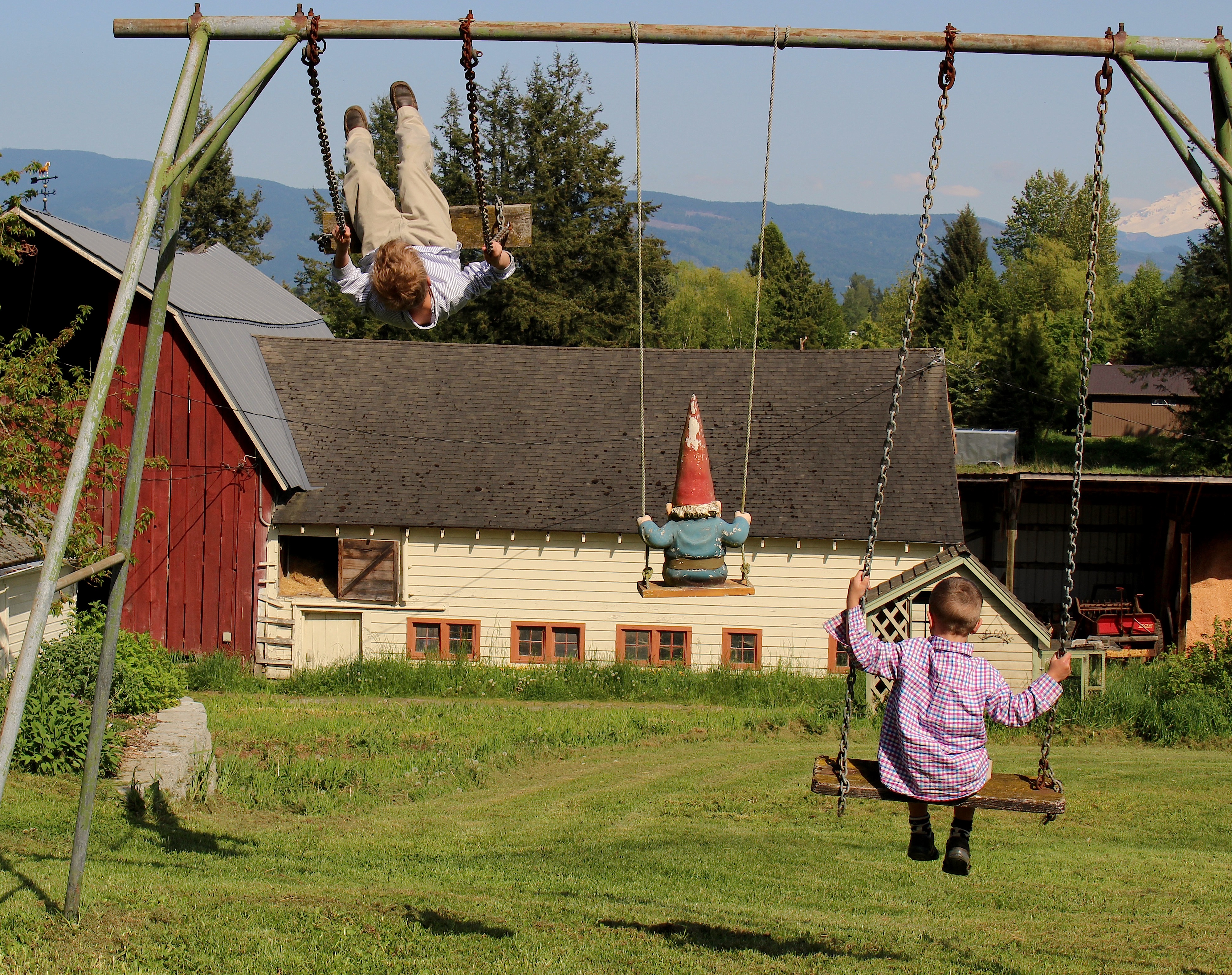
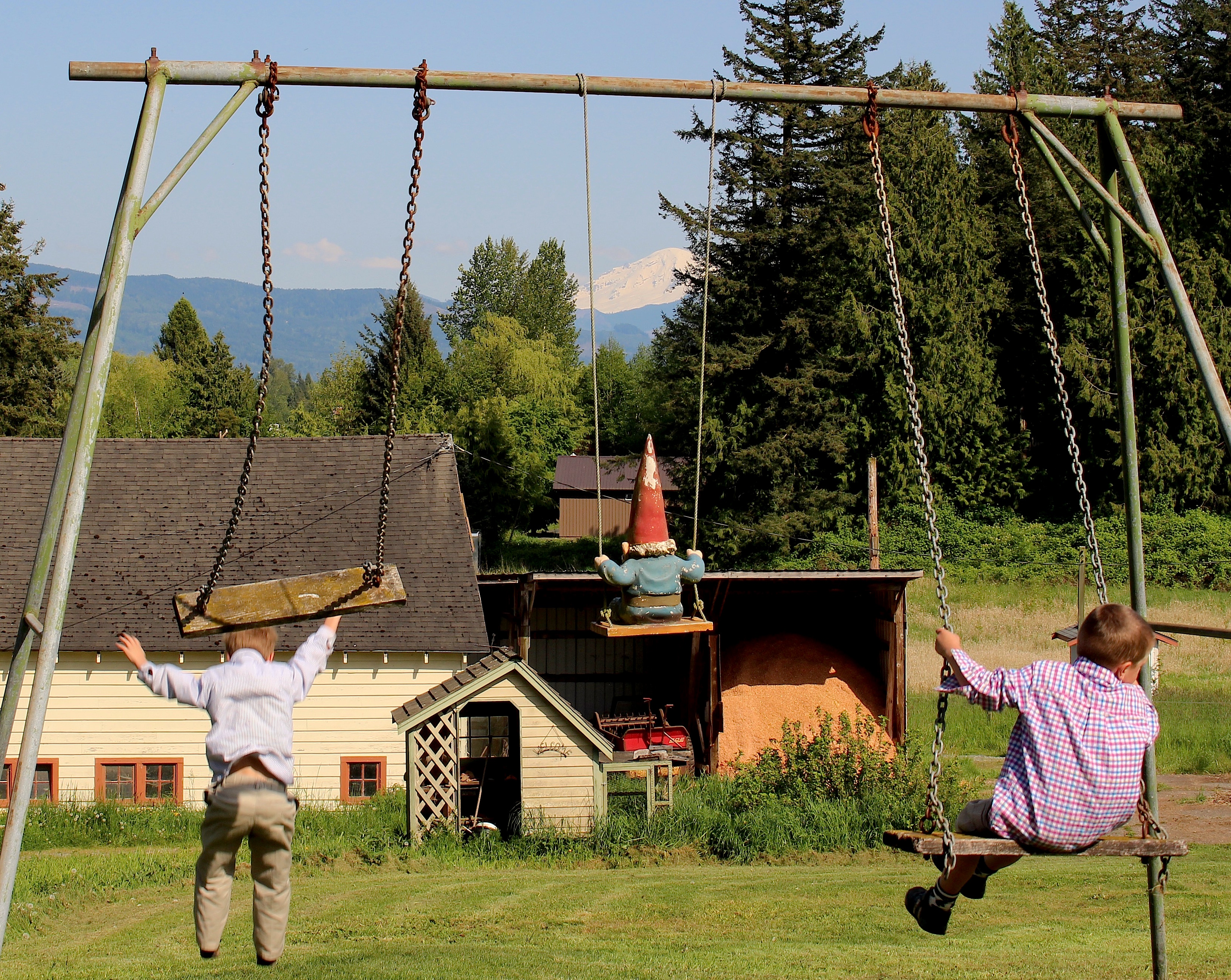
When I was five and
undifferentiated energy, animal spirits,
pent-up desire for the unknown built in me
a head of steam I had
no other way to let off, I ran
at top speed back and forth
end to end of the drawingroom,
bay to French window, shouting–
roaring, really–slamming
deliberately into the rosewood
desk at one end, the shaken
window-frames at the other, till the fit
wore out or some grownup stopped me.

But when I was six I found better means:
on its merry gallows
of dark-green wood my swing, new-built,
awaited my pleasure, I rushed
out to it, pulled the seat
all the way back to get a good start, and
vigorously pumped it up to the highest arc:
my legs were oars, I was rowing a boat in air–
and then, then from the furthest
forward swing of the ropes

I let go and flew!

At large in the unsustaining air,
flew clear over the lawn across
the breadth of the garden
and fell, Icarian, dazed,
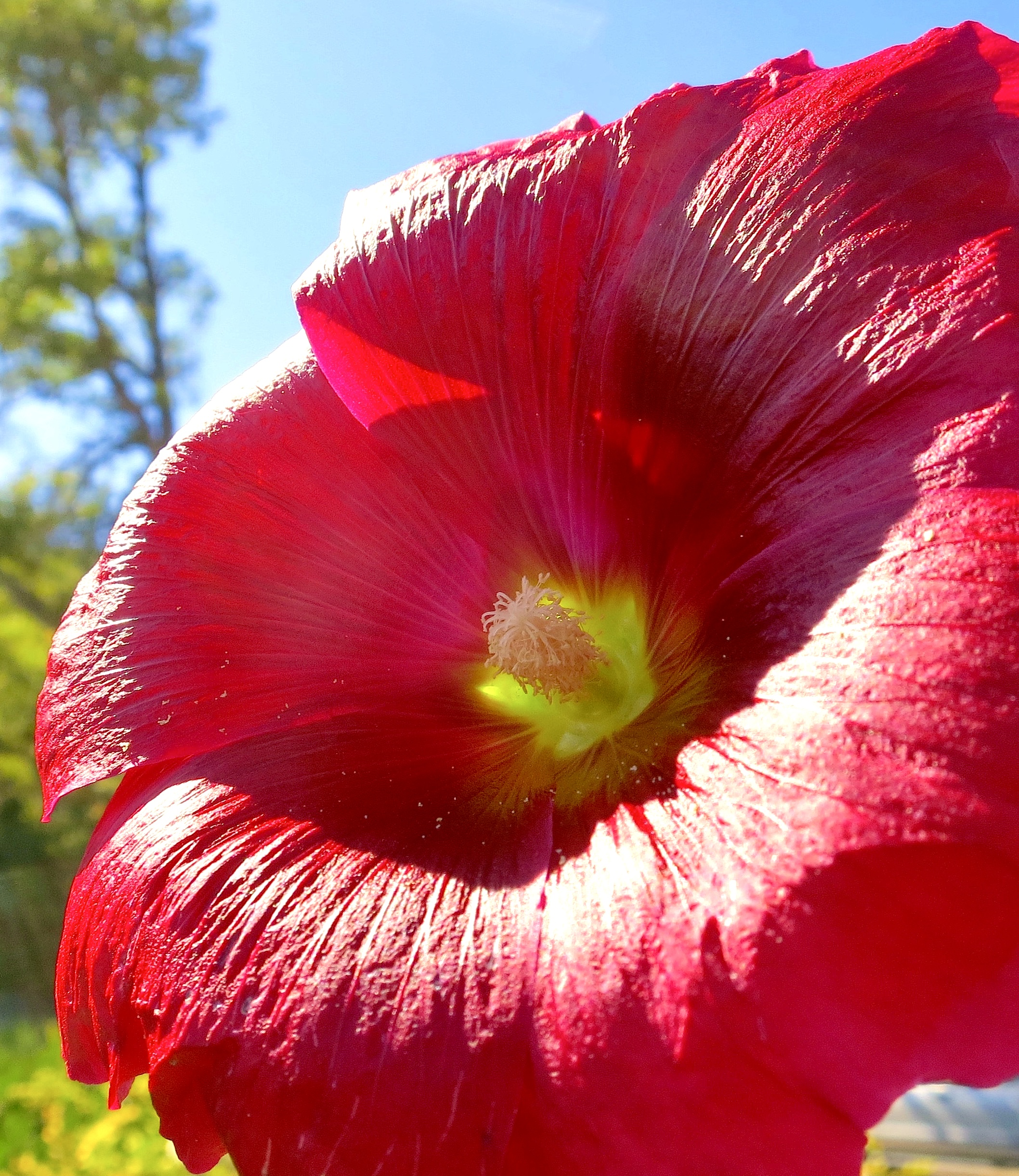
among hollyhocks, snapdragons, love-in-a-mist,
and stood up uninjured, ready
to swing and fly over and over.

The need passed as I grew;
the mind took over, devising
paths for that force in me, and the body curled up,
sedentary, glad to be quiet and read and read,
save once in a while, when it demanded
to leap about or to whirl–or later still
to walk swiftly in wind and rain
long and far and into the dusk,
wanting some absolute, some exhaustion.

~Denise Levertov “Animal Spirits”

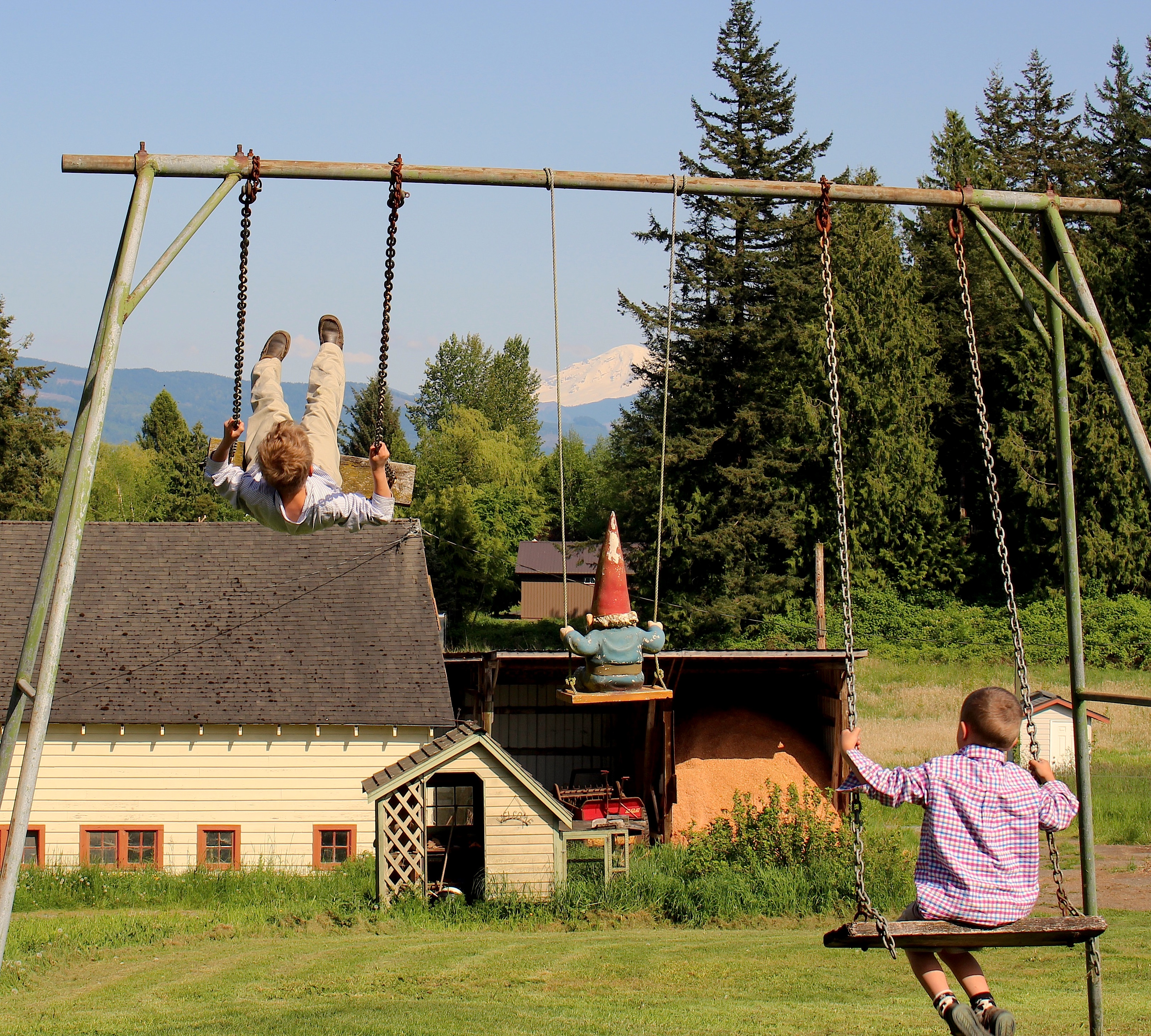
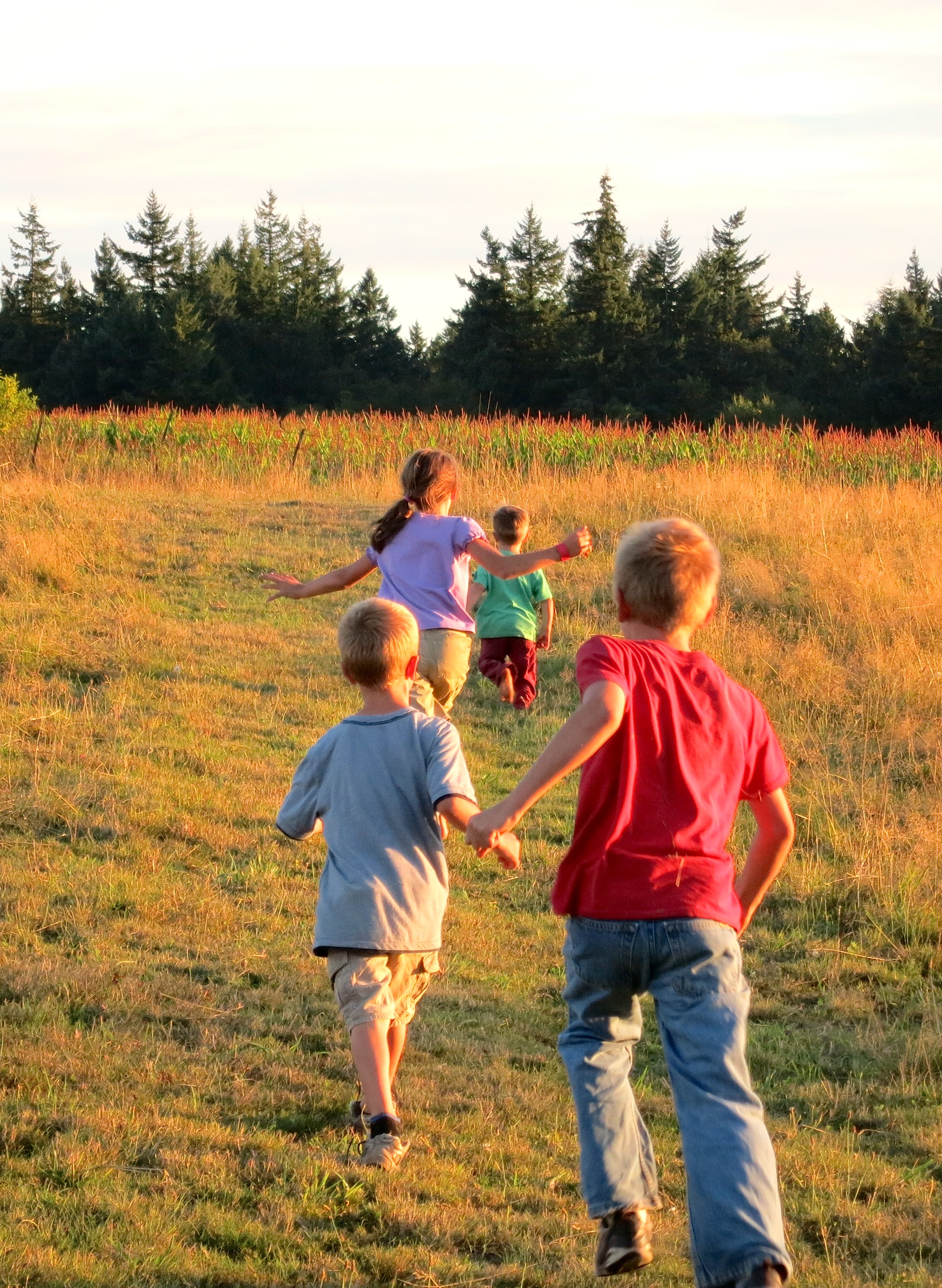
As children we have energy that demands to be unleashed, whether it is stomping in puddles, climbing trees, running up a hill or swinging as high as possible.

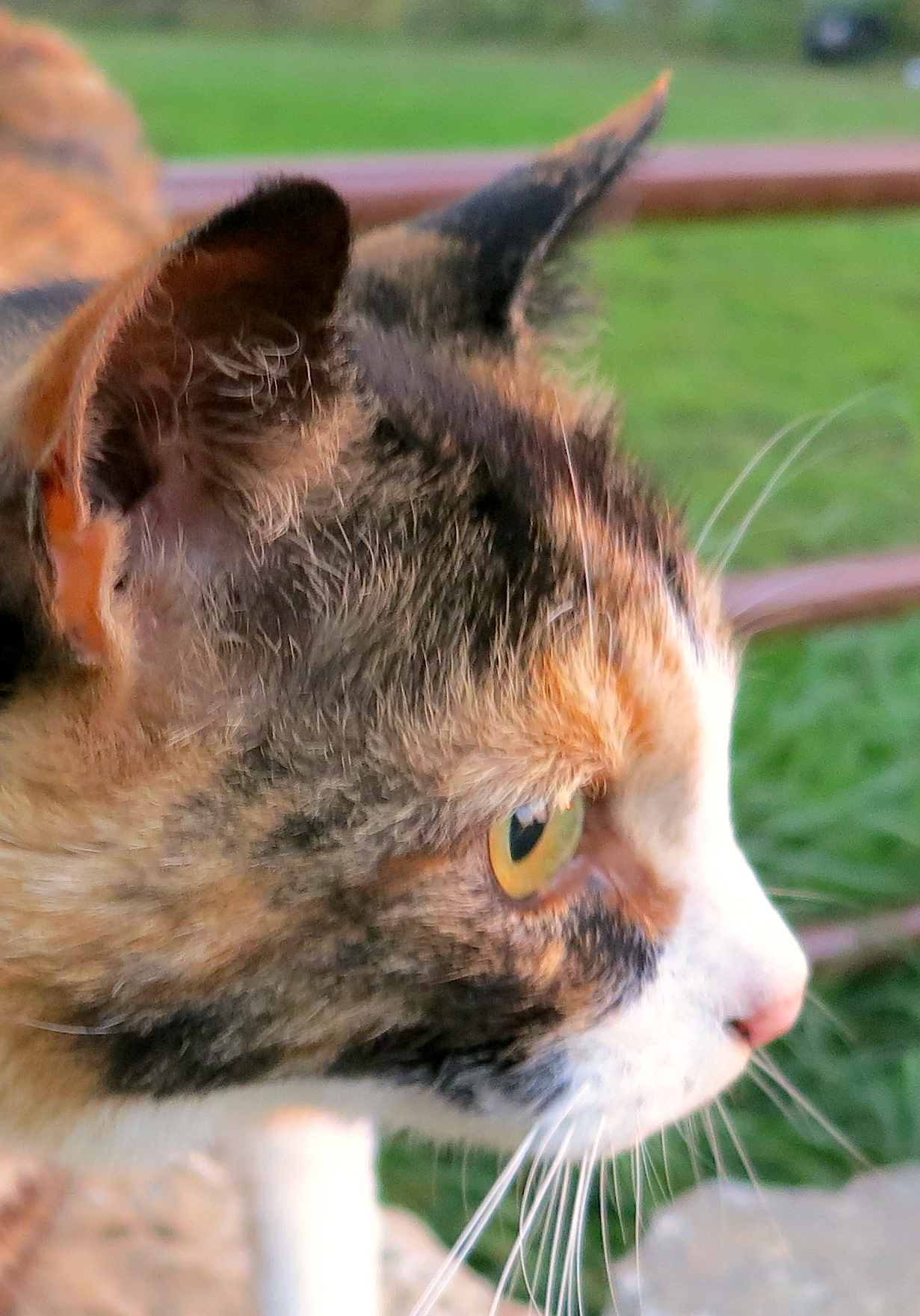
I do remember those times but my feeling of unlimited energy has faded quite a bit over the last decade or so. At some point, I lost my desire to run and jump and twirl and swing and instead, prefer to be tucked in a favorite chair with a book. If not reading, I’m out wandering our fields in all kinds of weather, my mind more energized than my muscles.
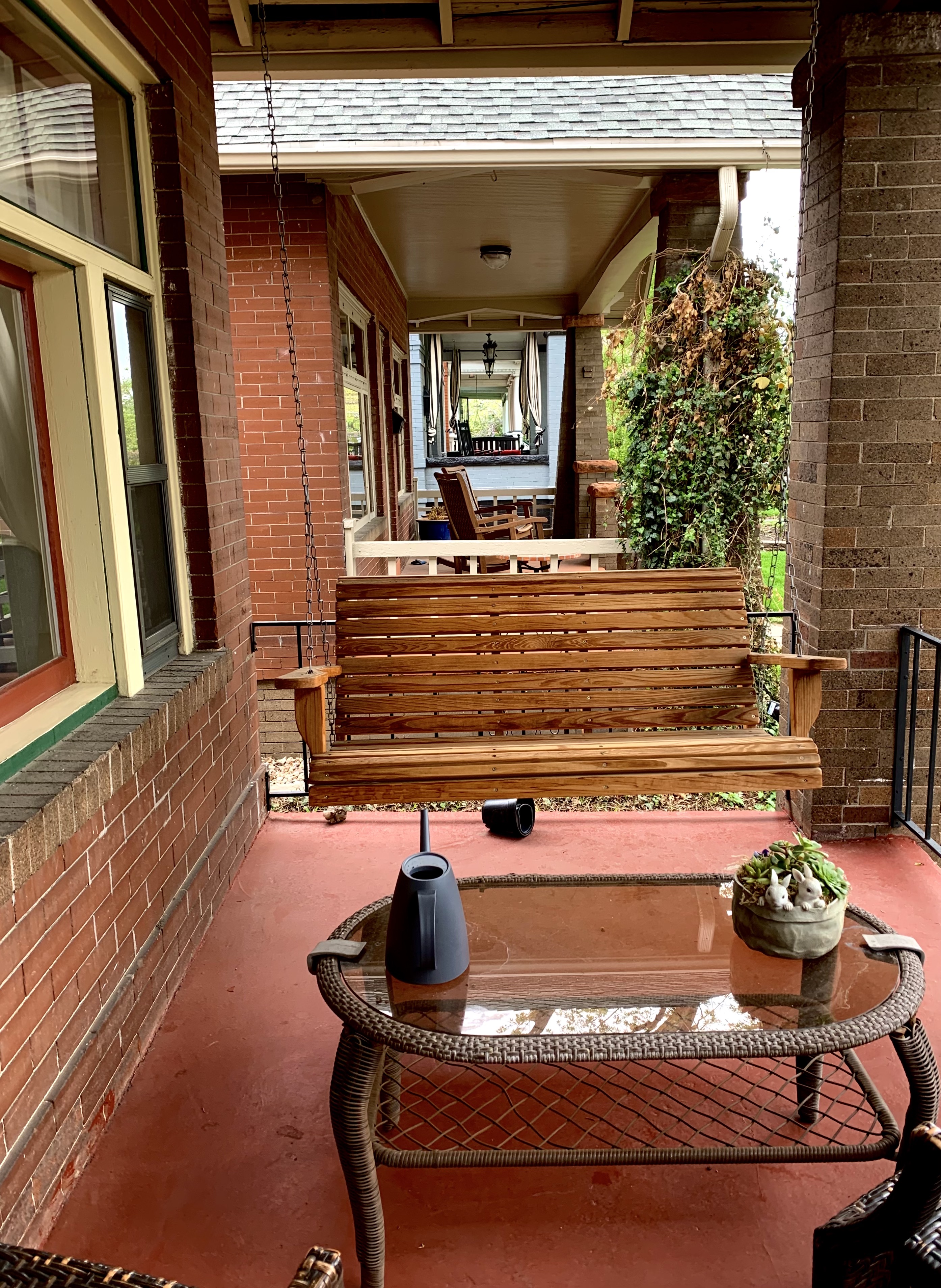
Yes, I wish I might soar through the air again, launching from a swing into a nest of flowers. But I would risk breaking something more than my pride. So now, I am content on a porch swing and using my leg oars for a gentle stroll. My days of launching myself into mid-air are over — except in my dreams when I land with a thump, waking up sore all over…

AI image created by this post
One-Time
Monthly
Yearly

Make a one-time or recurring donation to support daily Barnstorming posts

Make a monthly donation

Make a yearly donation

Choose an amount

$10.00
$25.00
$50.00
$5.00
$15.00
$100.00
$5.00
$15.00
$100.00

Or enter a custom amount

$

Your contribution is deeply appreciated.

Your contribution is appreciated.

Your contribution is appreciated.

DonateDonate monthlyDonate yearly

An Old Barn Revived

Just down the road… around the bend,
Stands an old empty barn; nearing the end.
It has sheltered no animals for many years;
No dairy cows, no horses, no sheep, no steers.
The neigh of a horse; the low of a cow;
Those sounds have been absent for some time now.
There was a time when the loft was full of hay,
And the resounding echoes of children at play.
At one time the paint was a bold shade of red;
Gradually faded by weather and the sun overhead.
The doors swing in the wind… the hinges are loose,
Windows and siding have taken a lot of abuse.
The fork, rope and pulleys lifted hay to the mow,
A task that always brought sweat to the brow.
But those good days are gone; forever it seems,
And that old barn now stands with sagging beams.
It is now home to pigeons, rats and mice;

The interior is tattered and doesn’t look very nice.
Old, abandoned barns have become a trend,
Just down the road… around the bend.

~Vance Oliphant “Old Barn”

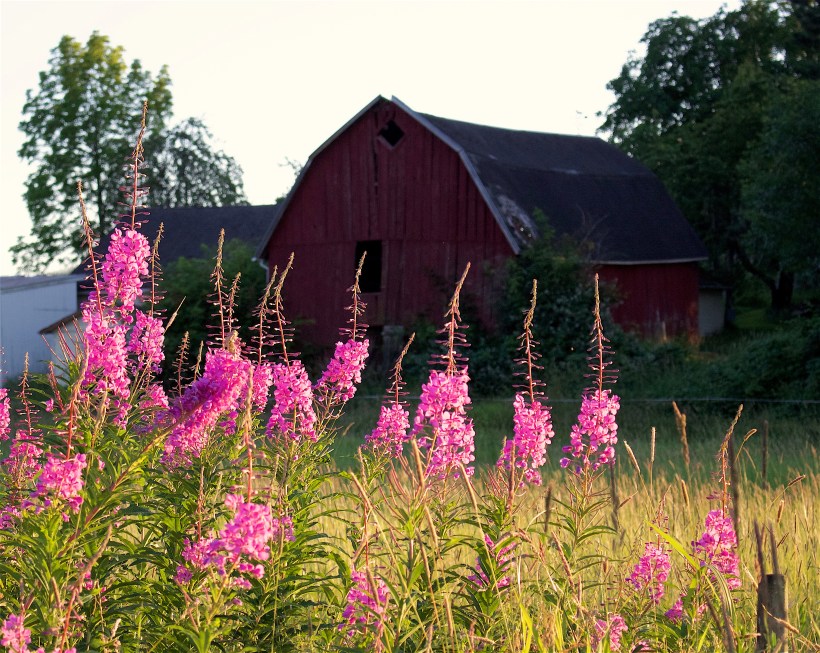
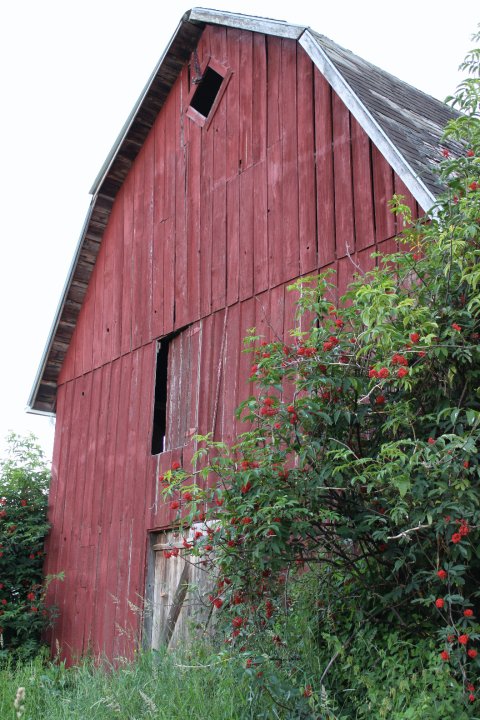
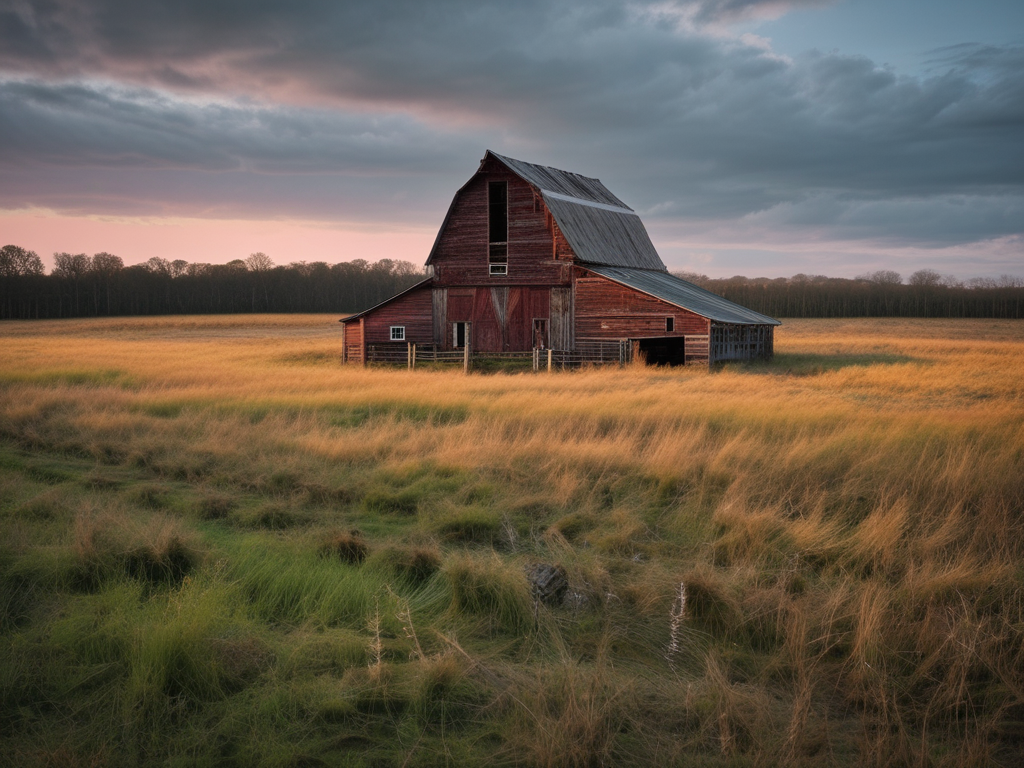
photo by Nate Gibson

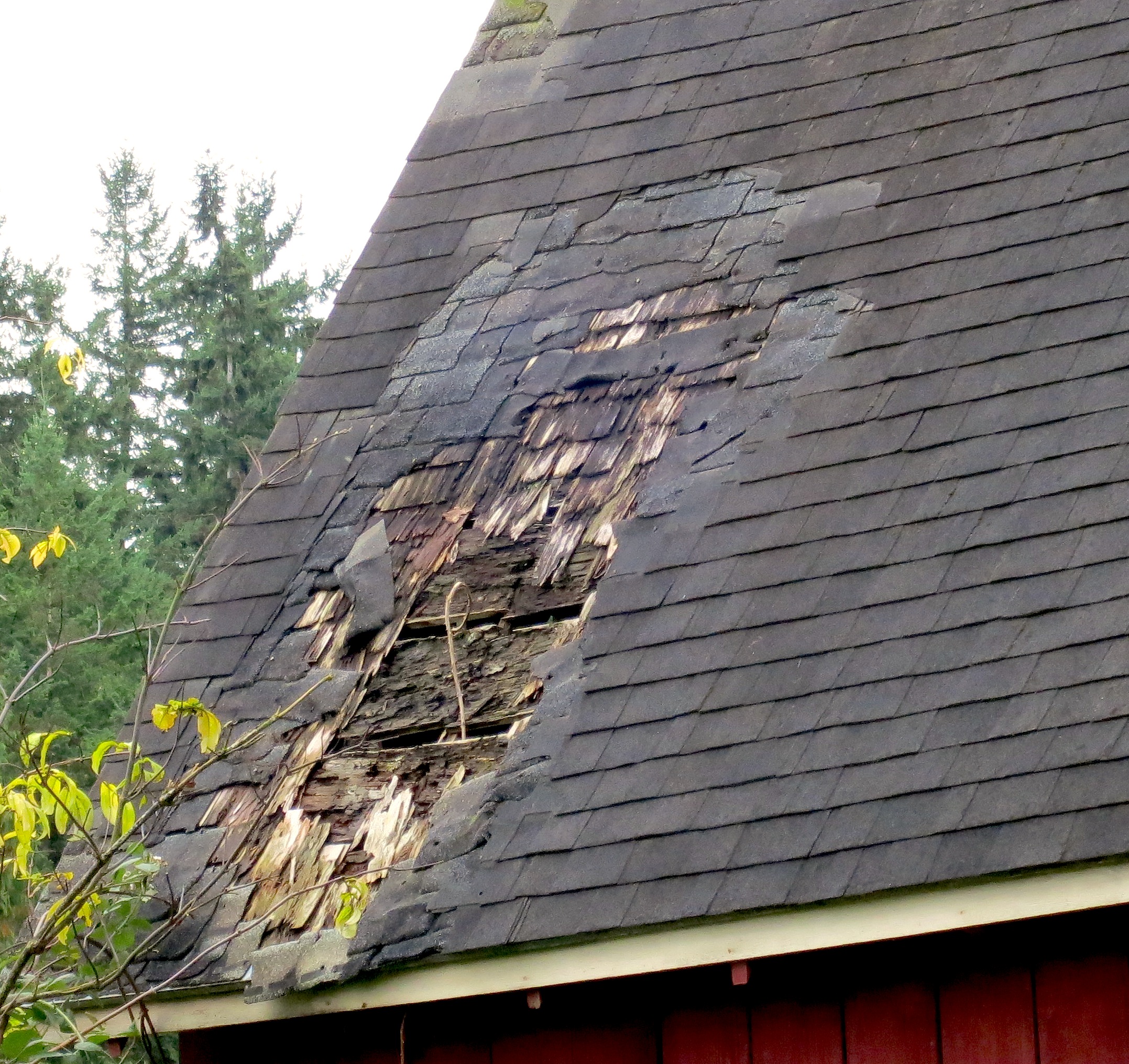
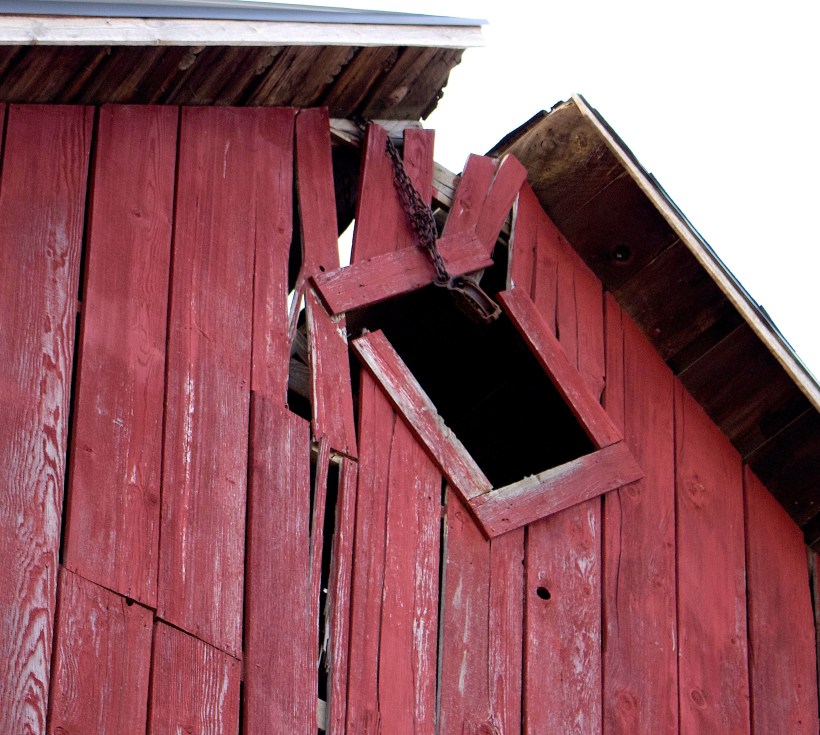
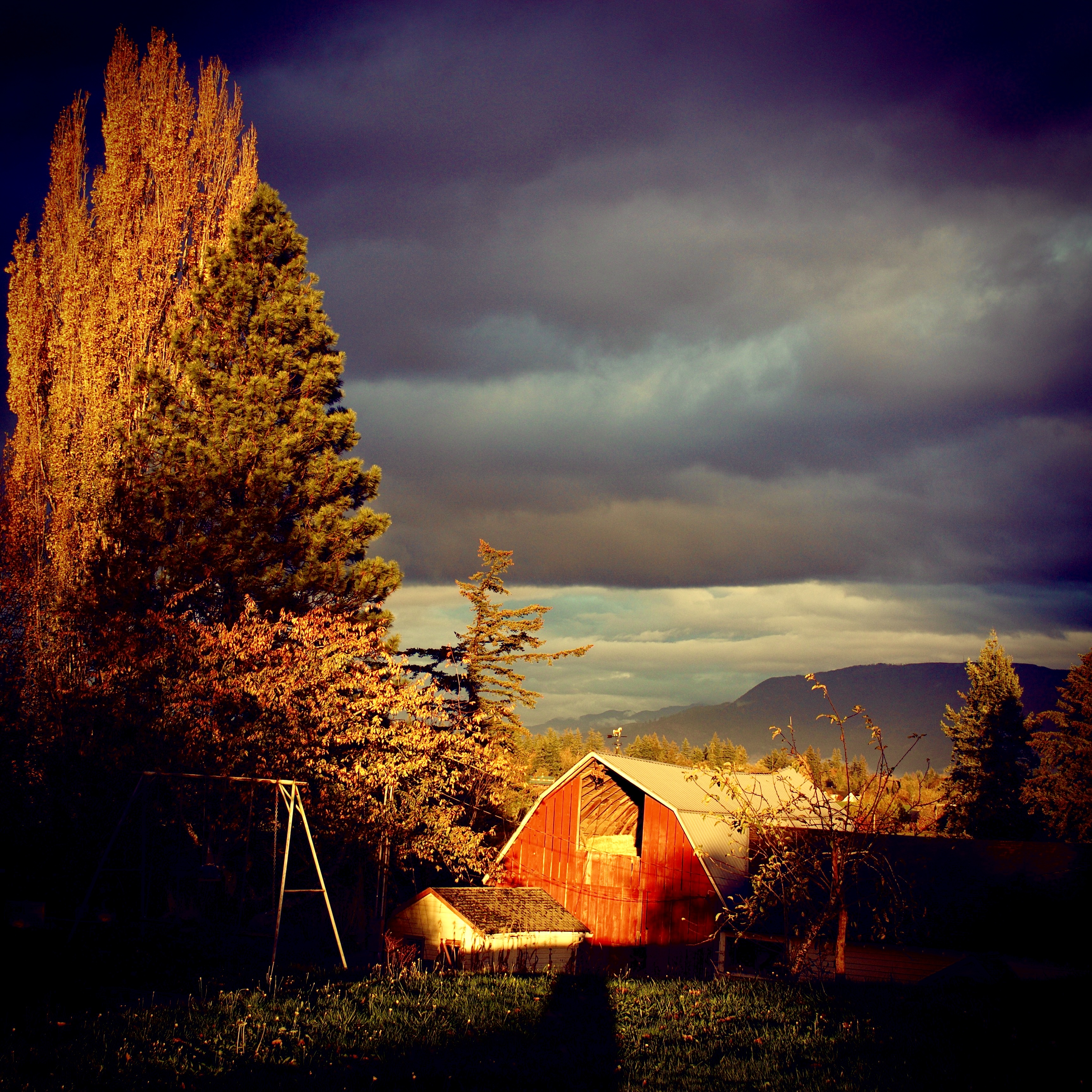
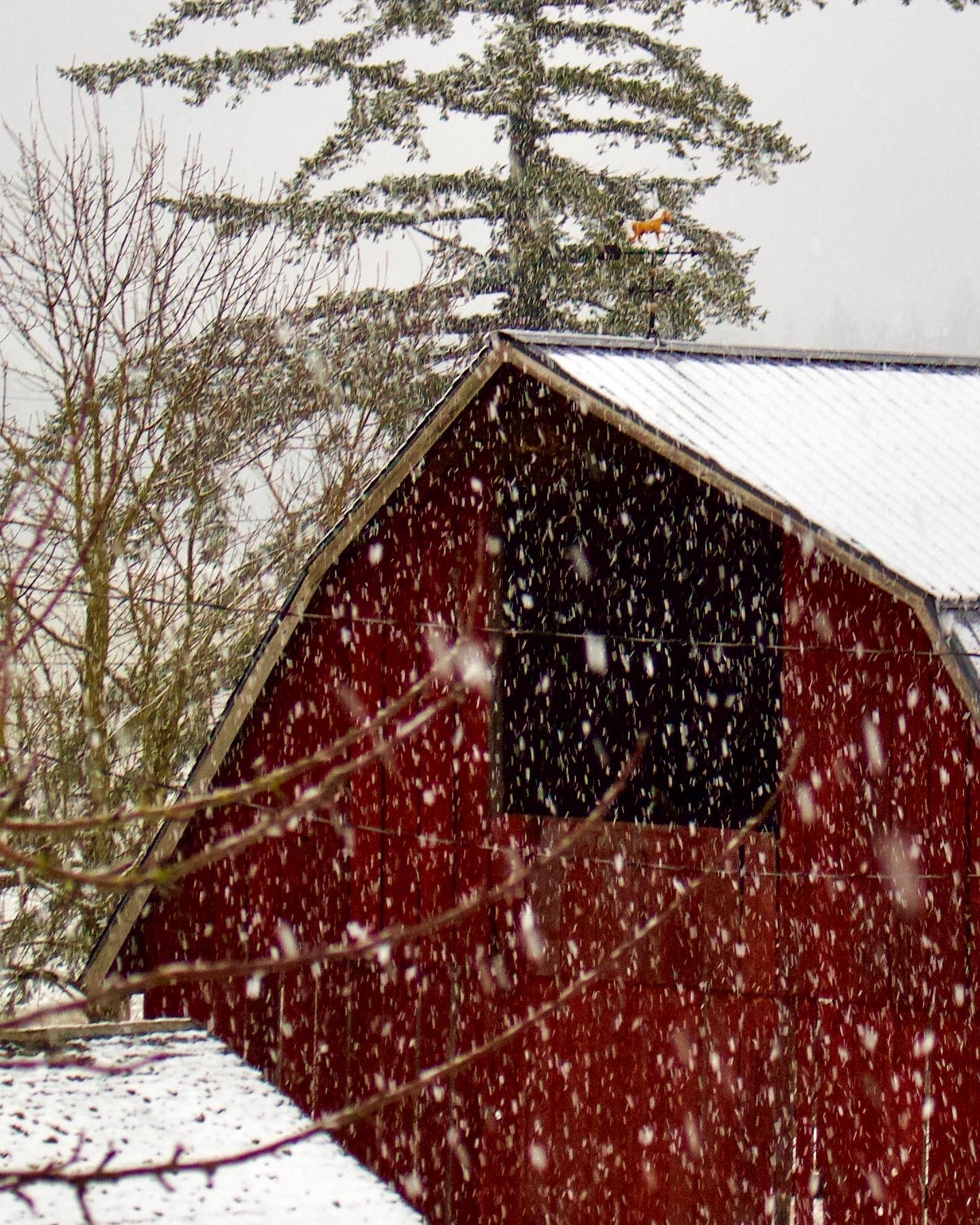
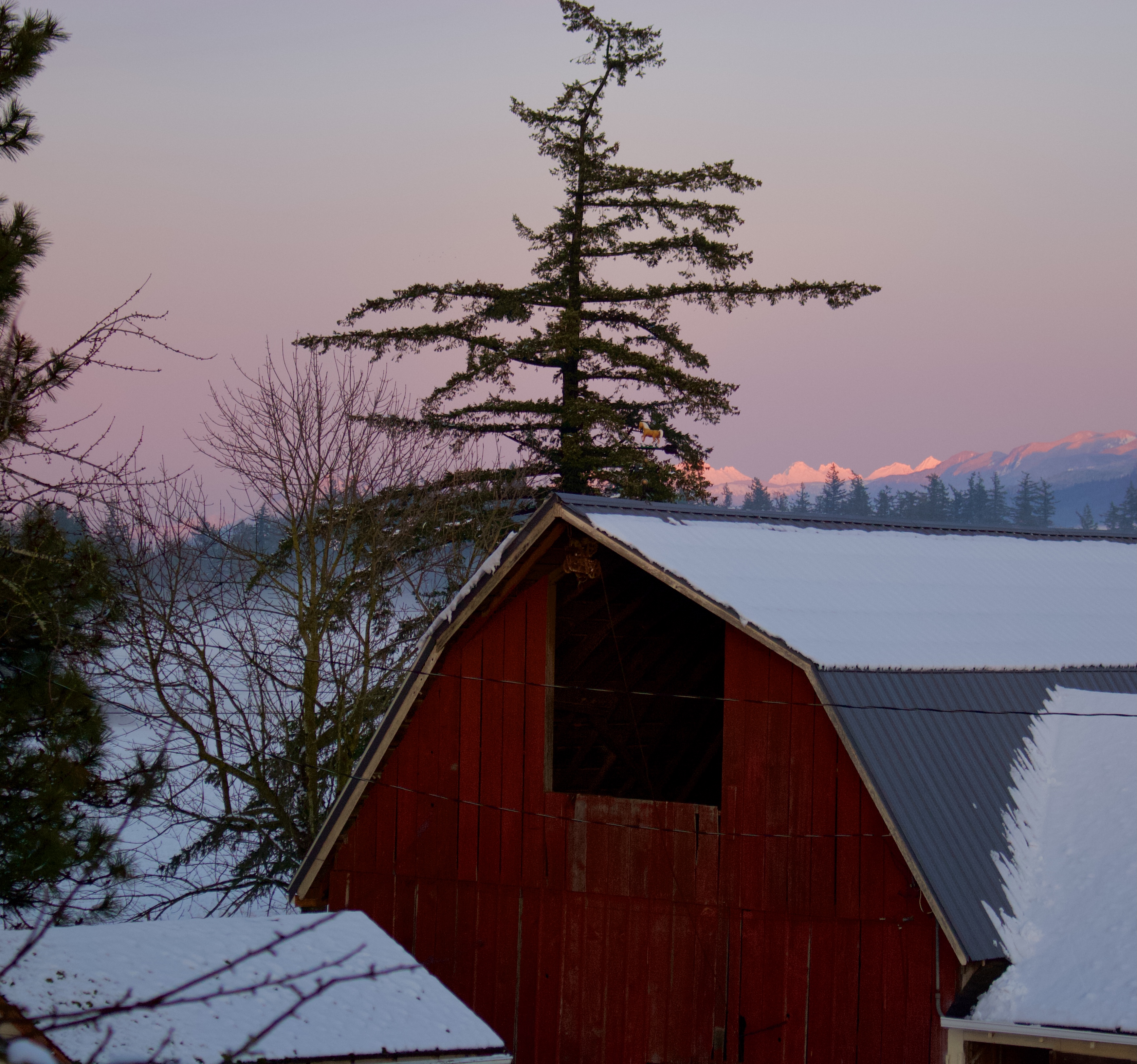
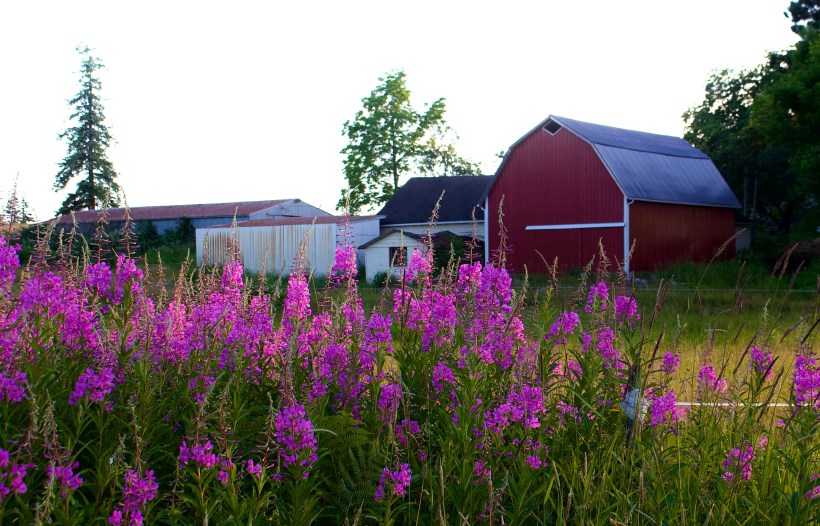
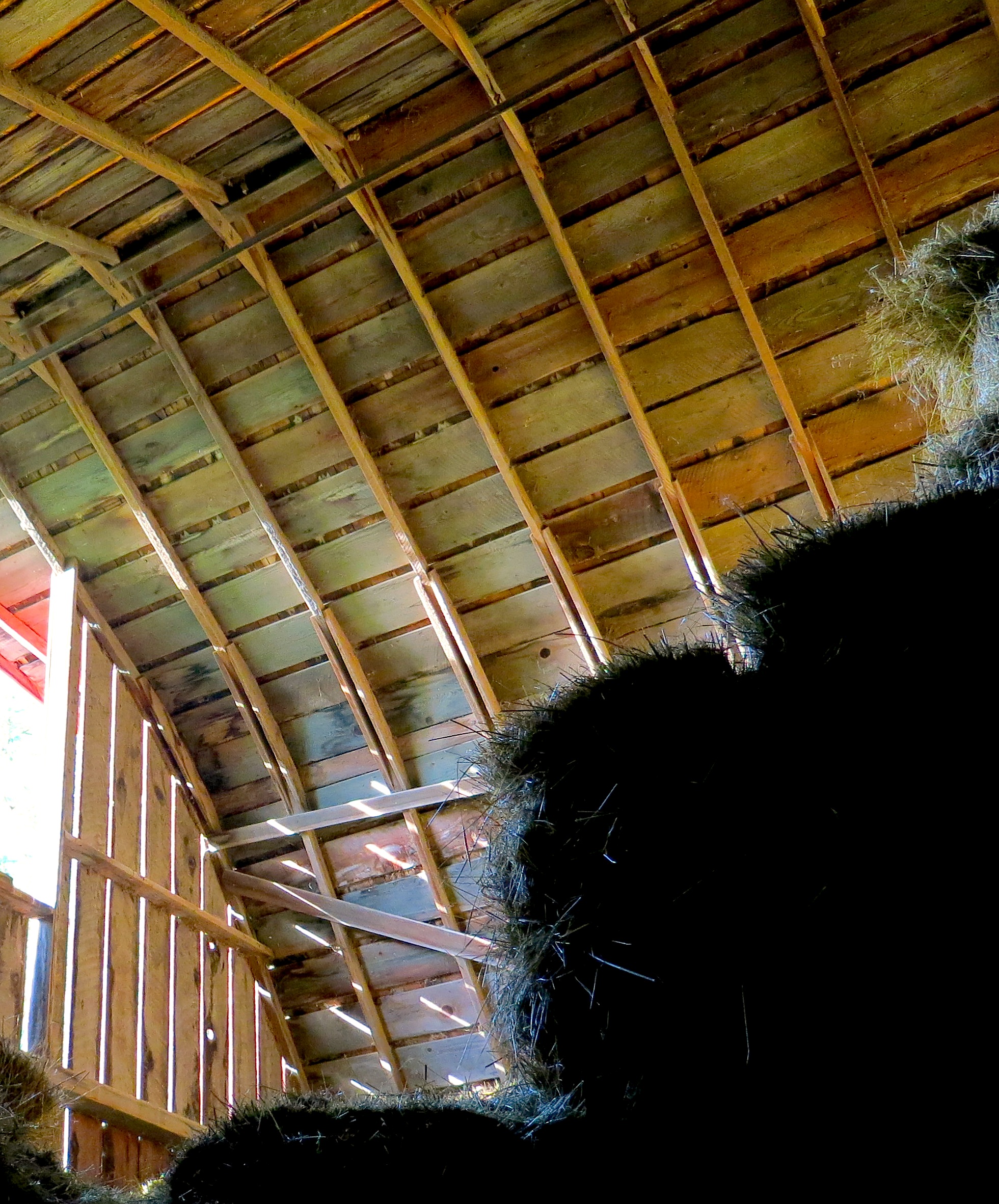
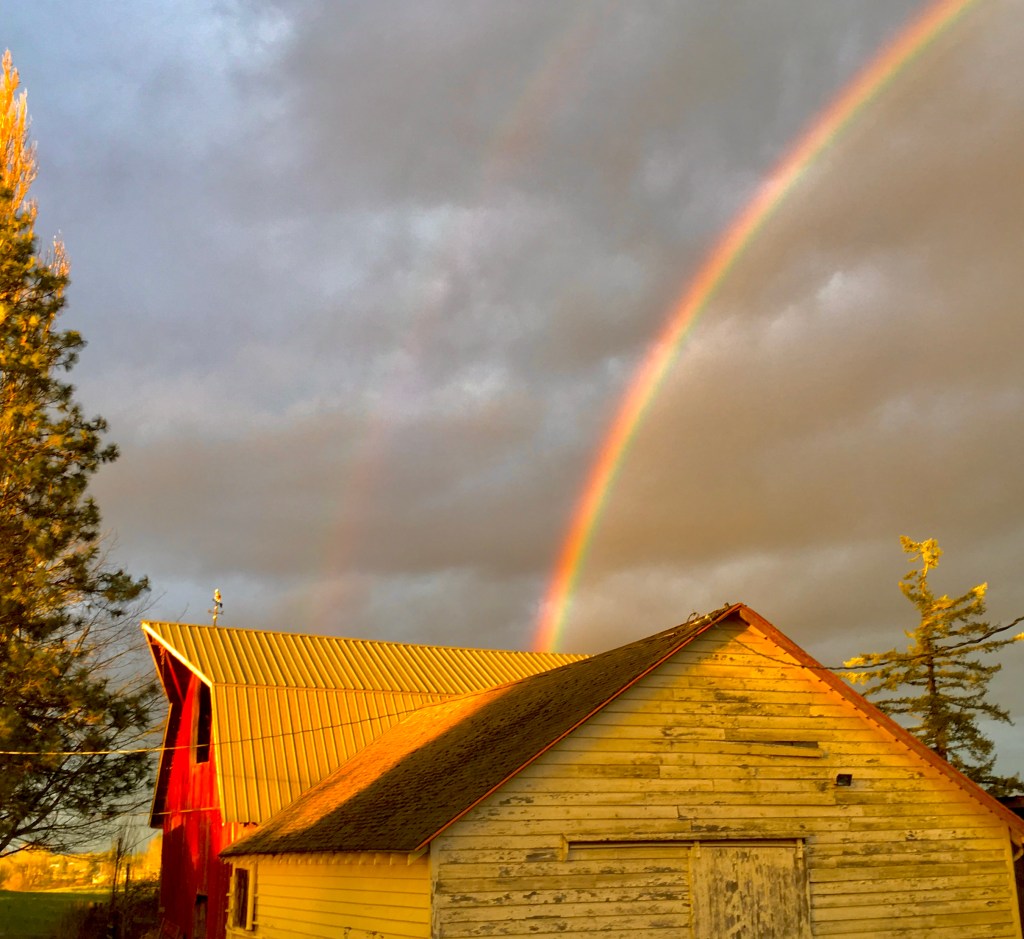
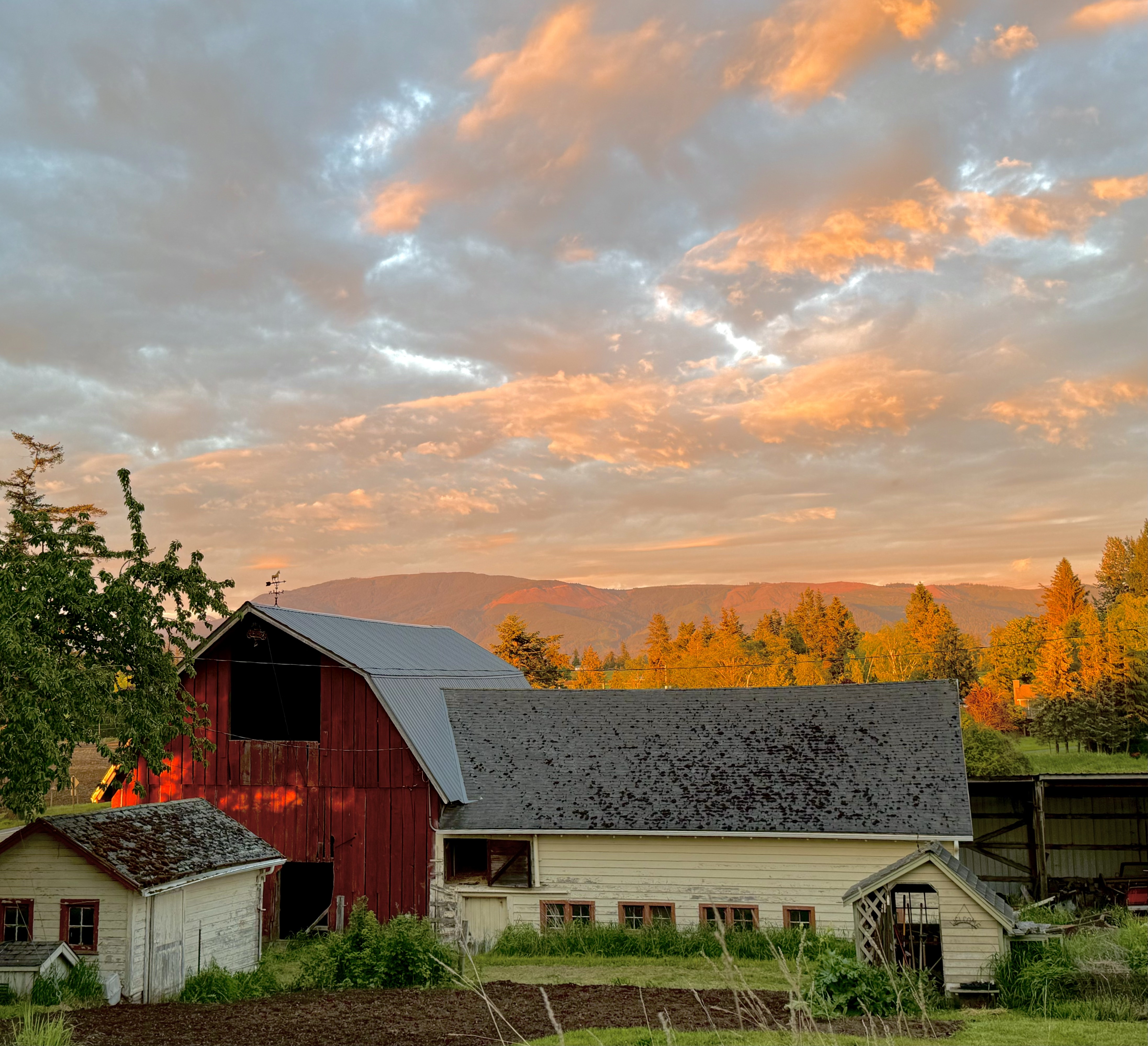
There is something very lonely about a barn completely empty of its hay stores. Our old red hay barn had stood empty for several years; because of roof leaks and gaps in the walls, we and our neighbors who had used it for years to house a winter hay supply found other places to put our hay. The winter winds wore away its majesty: missing shingles tore away larger holes in the roof, the mighty beams providing foundational support started sinking and rotting in the ground, a gap opened in the sagging roof crest, and most devastating of all, two walls collapsed in a particularly harsh blow.

The old barn was in death throes after over one hundred years of history.

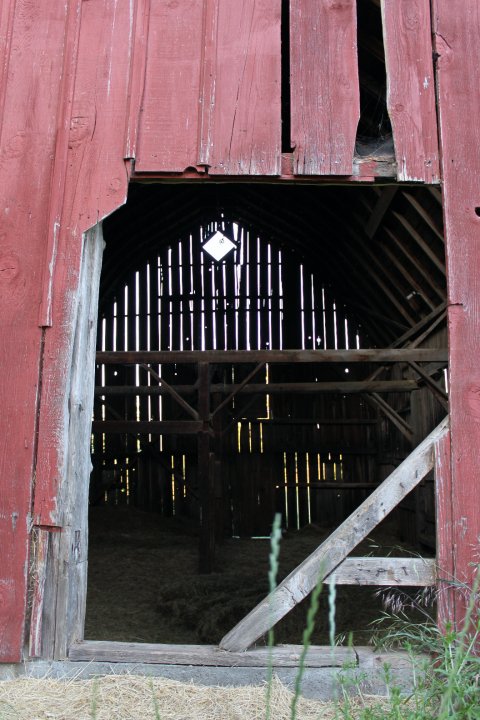
Its hollow interior echoed with a century of farmers’ voices:
soothing an upset cow during a difficult milking,
uncovering a litter of kittens high in a hay loft,
shouting orders to a steady workhorse,
singing a soft hymn while cleaning stalls,
startling out loud as a barn owl or bat flies low overhead.
Dust motes lazily drift by in the twilight,
seemingly forever suspended above the straw covered wood floor, floating protected from the cooling evening breezes

There was no heart beat left in this dying barn. It was in full arrest, all life blood drained out, vital signs flat lined. I could hardly bear to go inside much less take pictures of its deteriorating shell.

We had people show up at our front door offering to demolish it for the lumber, now all the fad for expensive modern “vintage” look in new house construction. A photo of our barn showed up in local media declaring “another grand old barn in the county has met its end.” That stung. Meanwhile we were saving our money, waiting until we could afford to bring our old red barn back to life.

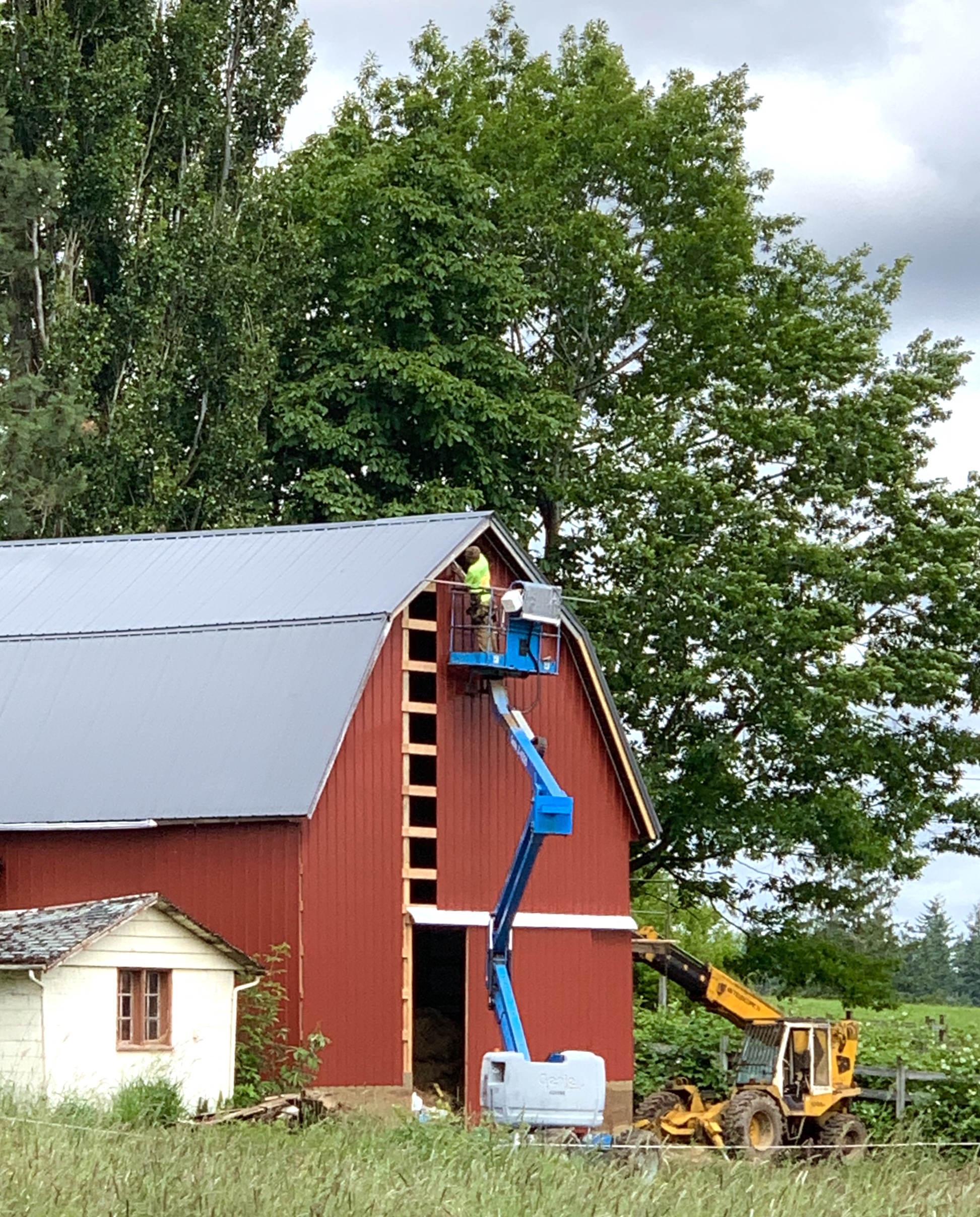
It started with one strong young man digging out the support posts to locate the rot. Then another remarkable young man was able to jack up the posts one by one, putting in reinforcing steel and concrete and straightening the gaping sagging roof line, providing the old barn with its first ever foundation.

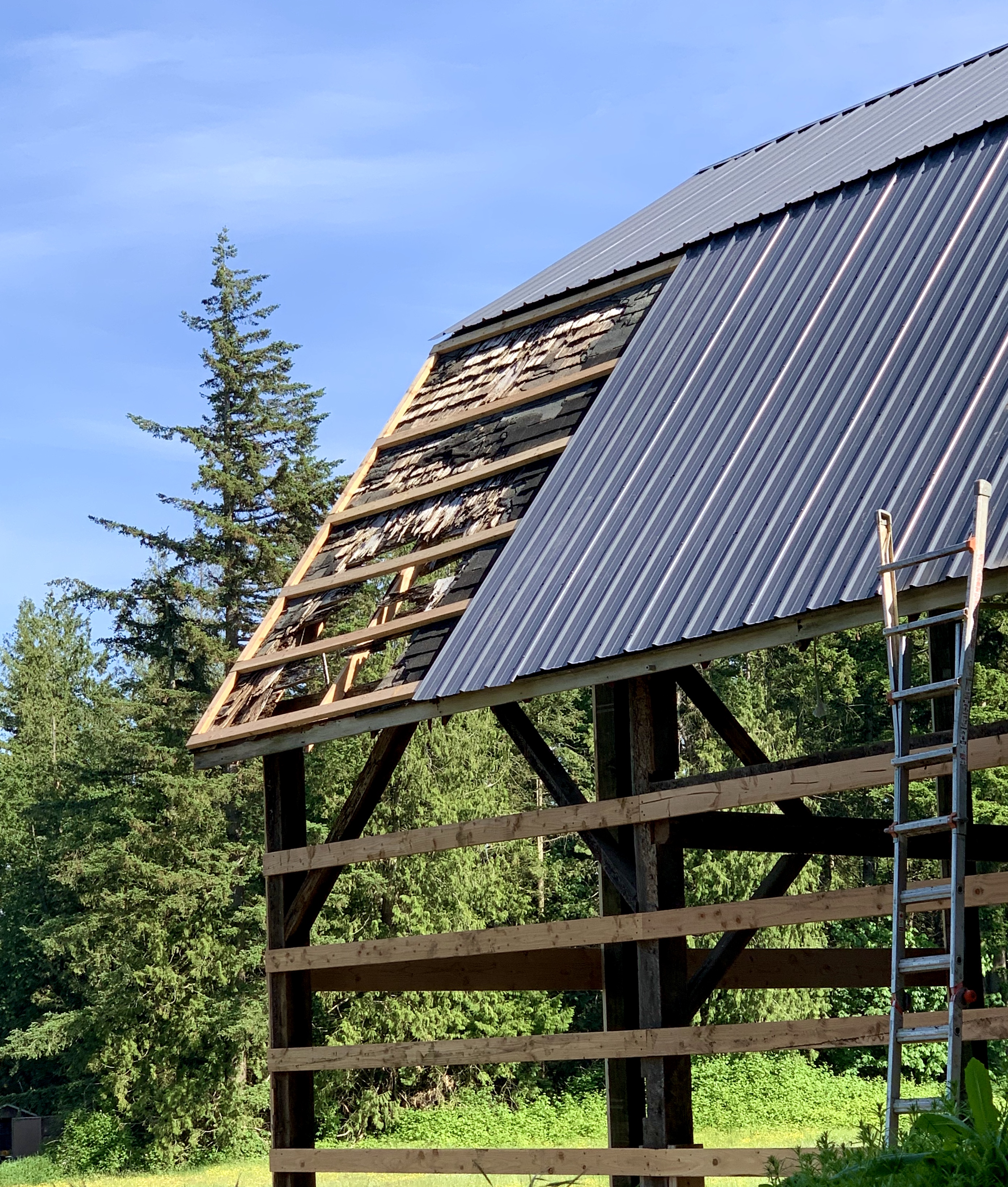
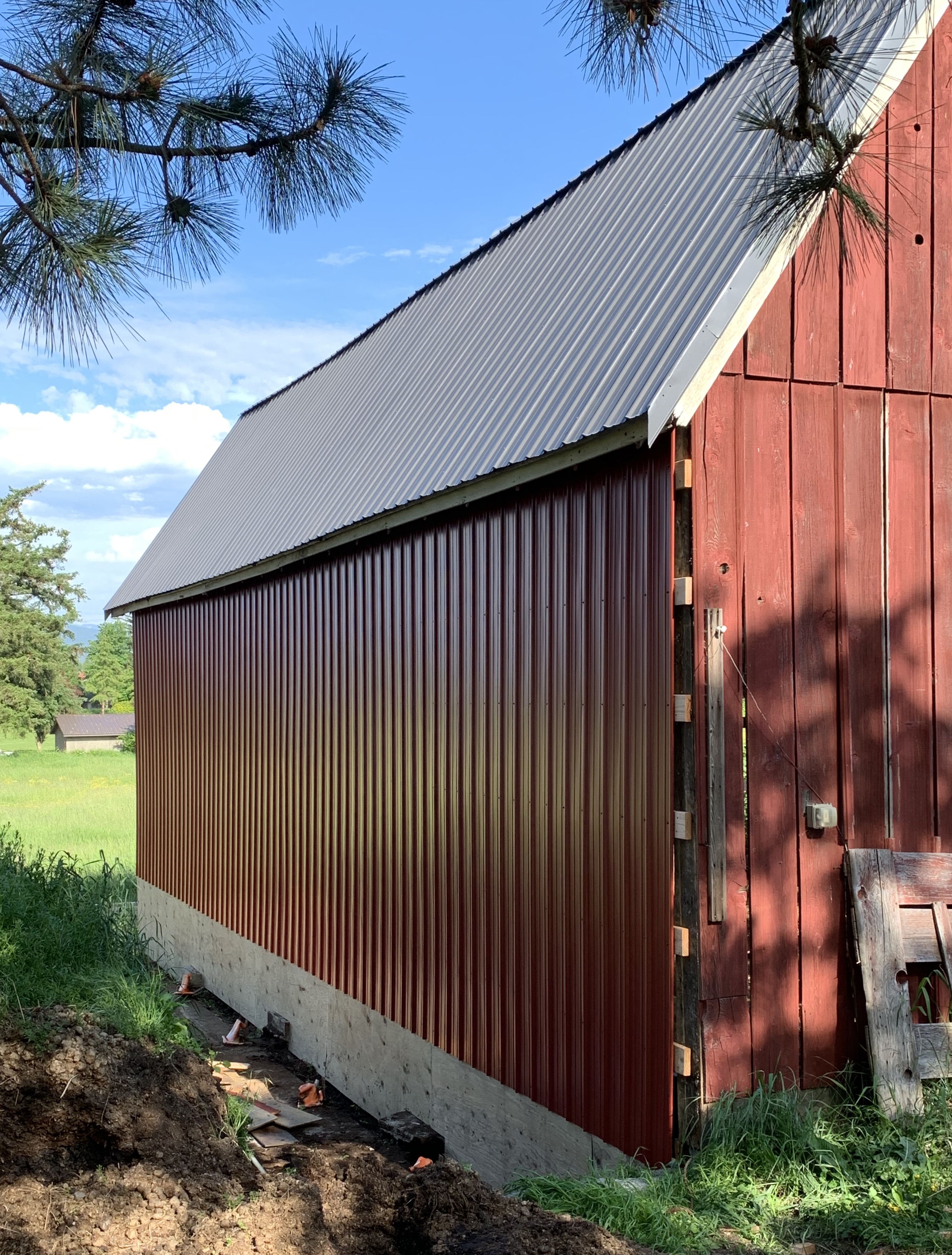
And then a crew of two men replaced the damaged roof and absent walls with metal siding. The barn became whole again.

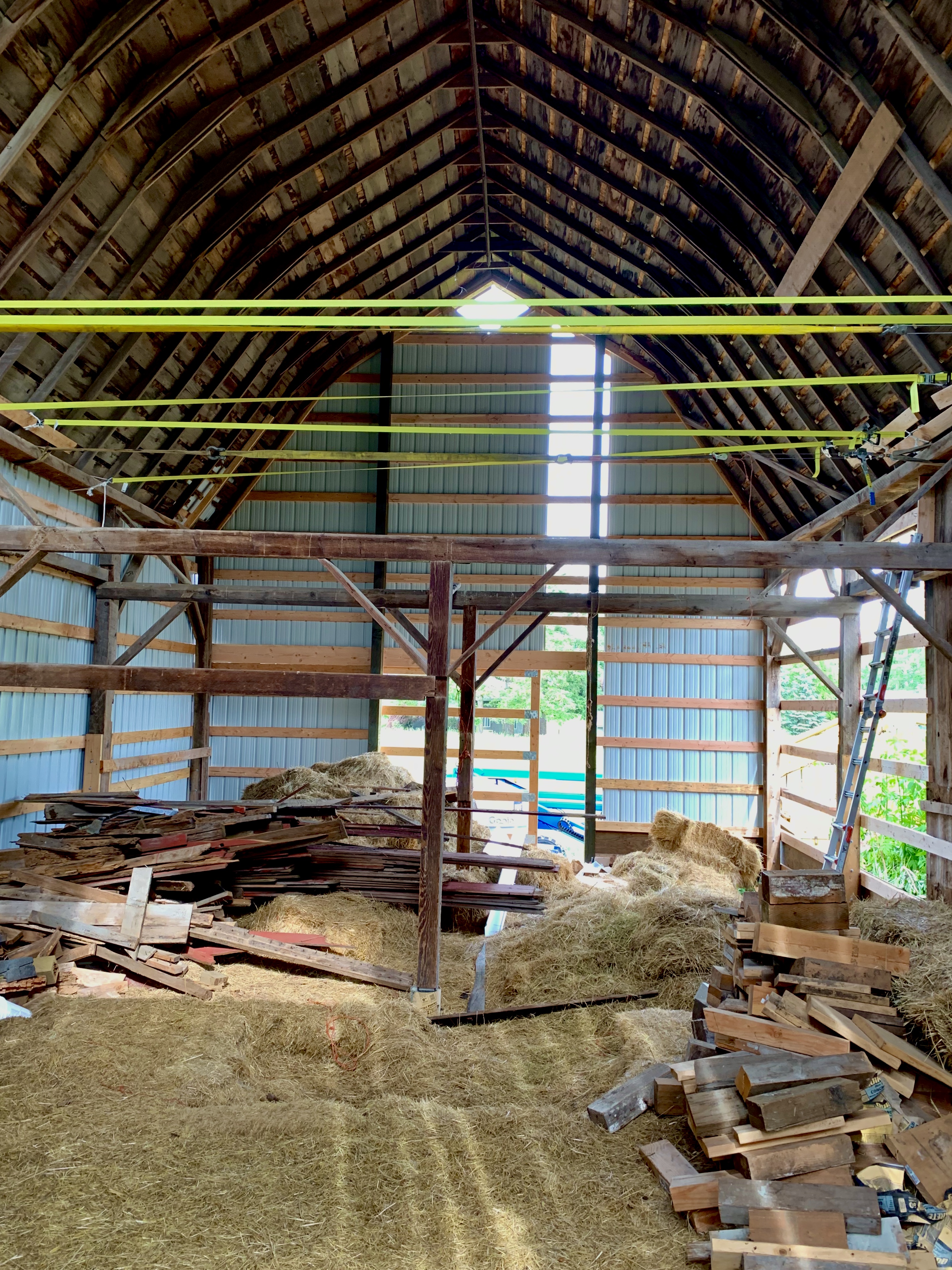
There was a lot of clean up left to do inside: decades of old hay build up and damaged lumber and untold numbers of abandoned mouse nests and scattered barn owl pellets.

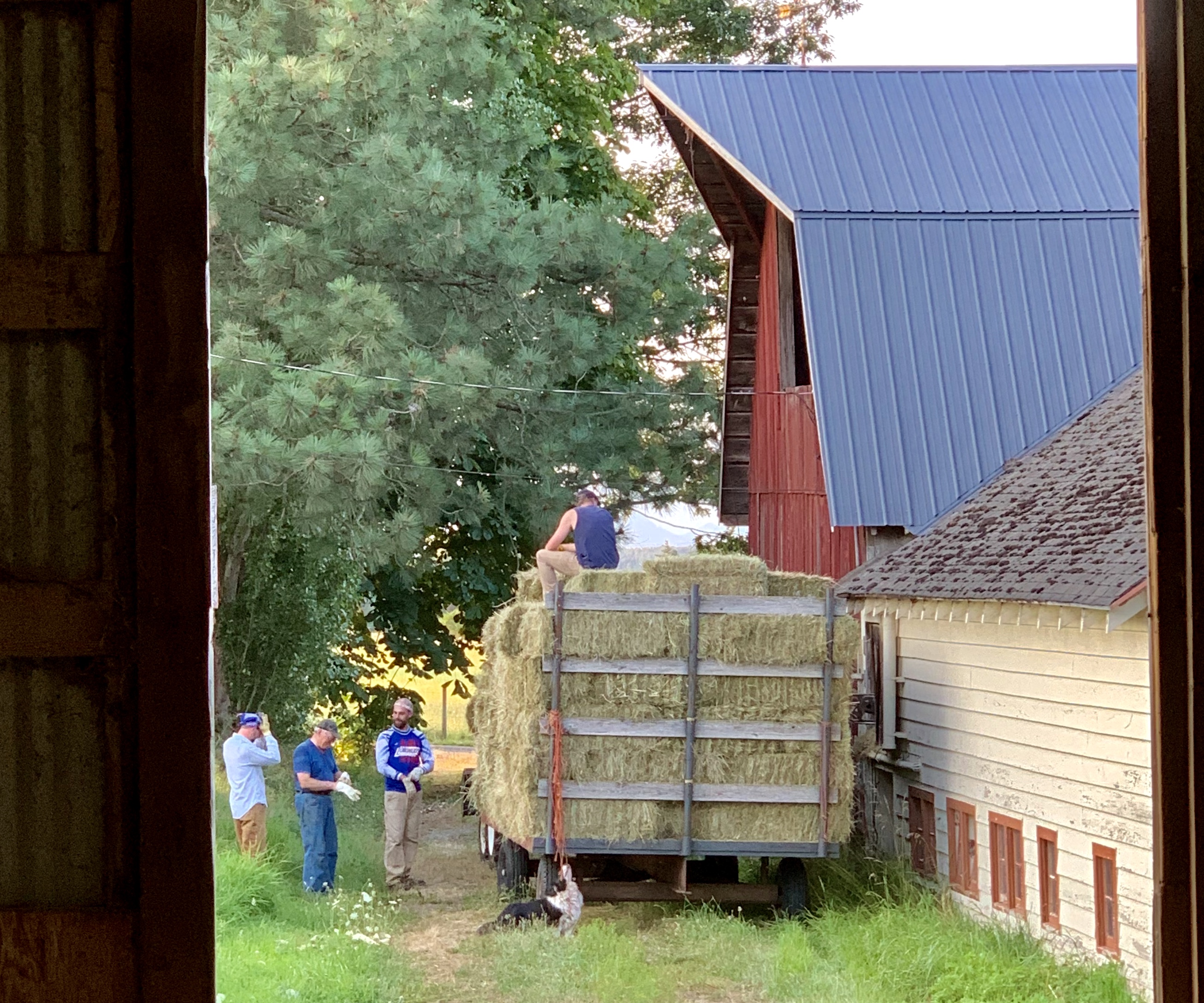
The barn had been shocked back to a pulse like in its “heyday” – the throb of voices, music blaring, dust and pollen flying chaotically, the rattle of the electric “elevator” hauling bales from wagon to loft, the grunts and groans of the crew as they heft and heave the bales into place in the stack. It will go on late into the night, the barn ablaze with lights, the barnyard buzzing with excitement and activity.

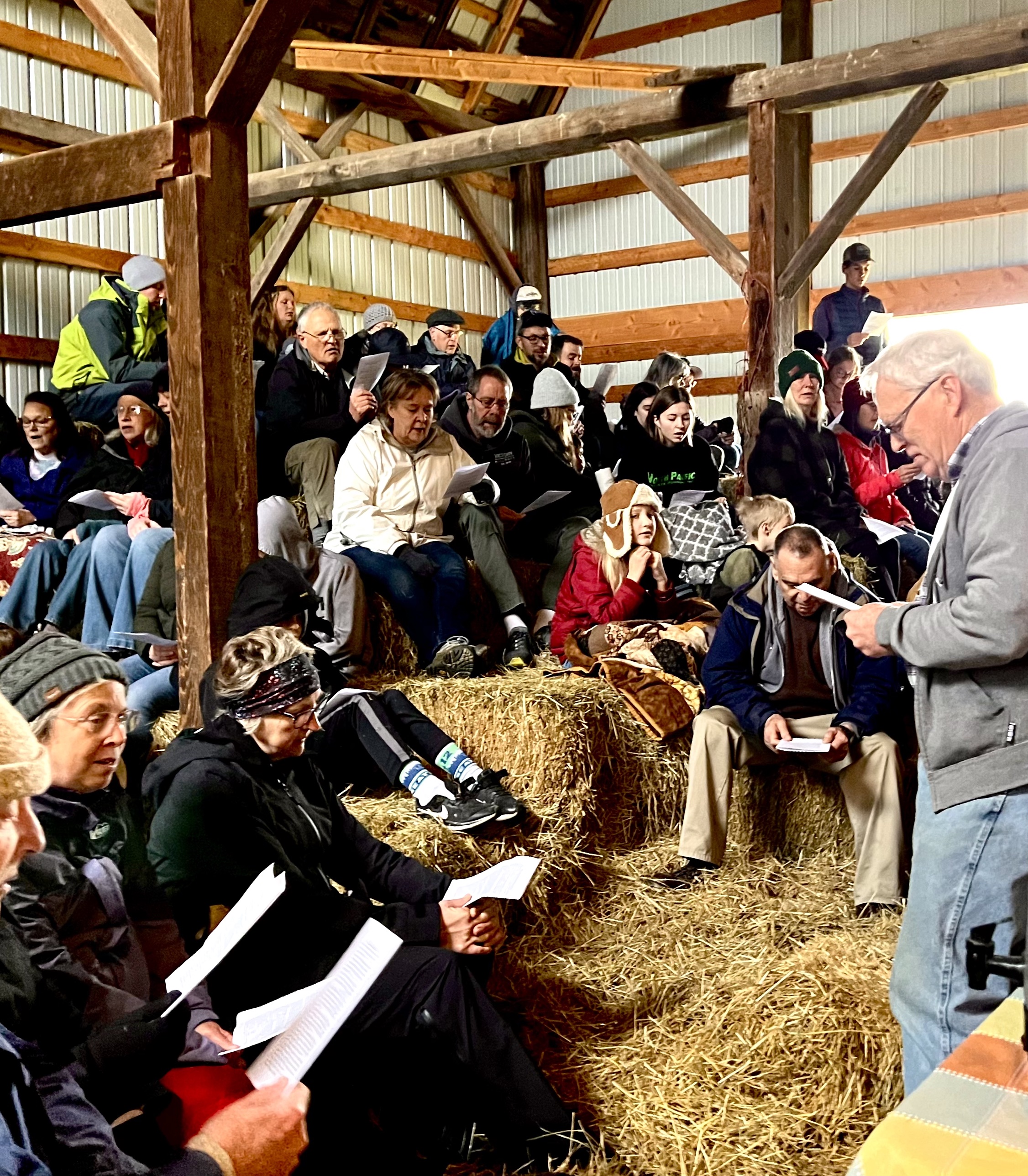
It once again has served as the back up sanctuary on Easter morning when we were rained out up on the hill for Sunrise Service.

Now vital signs are measurable, rhythm restored, volume depletion reversed, prognosis good for another 100 years.

Another old barn has been resuscitated back to life when so many are left to die. It is revived and breathing on its own again. Its floor will creak with the weight of the hay bales and walls will groan with the pressure of stacks.

I must remember there is always hope for the shattered and weary and frail among us. If an old barn can be saved, then so can we.

So can we.

AI image created for this post
One-Time
Monthly
Yearly

Make a one-time and recurring donation to support daily Barnstorming posts

Make a monthly donation

Make a yearly donation

Choose an amount

$10.00
$25.00
$50.00
$5.00
$15.00
$100.00
$5.00
$15.00
$100.00

Or enter a custom amount

$

Your contribution is deeply appreciated.

Your contribution is appreciated.

Your contribution is appreciated.

DonateDonate monthlyDonate yearly

Roads Go Ever Ever On

Roads go ever ever on,
Over rock and under tree,
By caves where never sun has shone,
By streams that never find the sea;
Over snow by winter sown,
And through the merry flowers of June,
Over grass and over stone,
And under mountains in the moon.

Roads go ever ever on,
Under cloud and under star.
Yet feet that wandering have gone
Turn at last to home afar.
Eyes that fire and sword have seen,
And horror in the halls of stone
Look at last on meadows green,
And trees and hills they long have known.

The Road goes ever on and on
Down from the door where it began.
Now far ahead the Road has gone,
And I must follow, if I can,
Pursuing it with weary feet,
Until it joins some larger way,
Where many paths and errands meet.
And whither then? I cannot say.

The Road goes ever on and on
Out from the door where it began.
Now far ahead the Road has gone.
Let others follow, if they can!
Let them a journey new begin.
But I at last with weary feet
Will turn towards the lighted inn,
My evening-rest and sleep to meet.

Still ’round the corner there may wait
A new road or secret gate;
And though I oft have passed them by,
A day will come at last when I
Shall take the hidden paths that run
West of the Moon, East of the Sun.
~J.R.R. Tolkien “Bilbo’s Walking Song”

It’s a dangerous business, Frodo, going out of your door. You step into the Road, and if you don’t keep your feet, there is no knowing where you might be swept off too.
~J.R.R. Tolkien – Bilbo to Frodo in Fellowship of the Rings


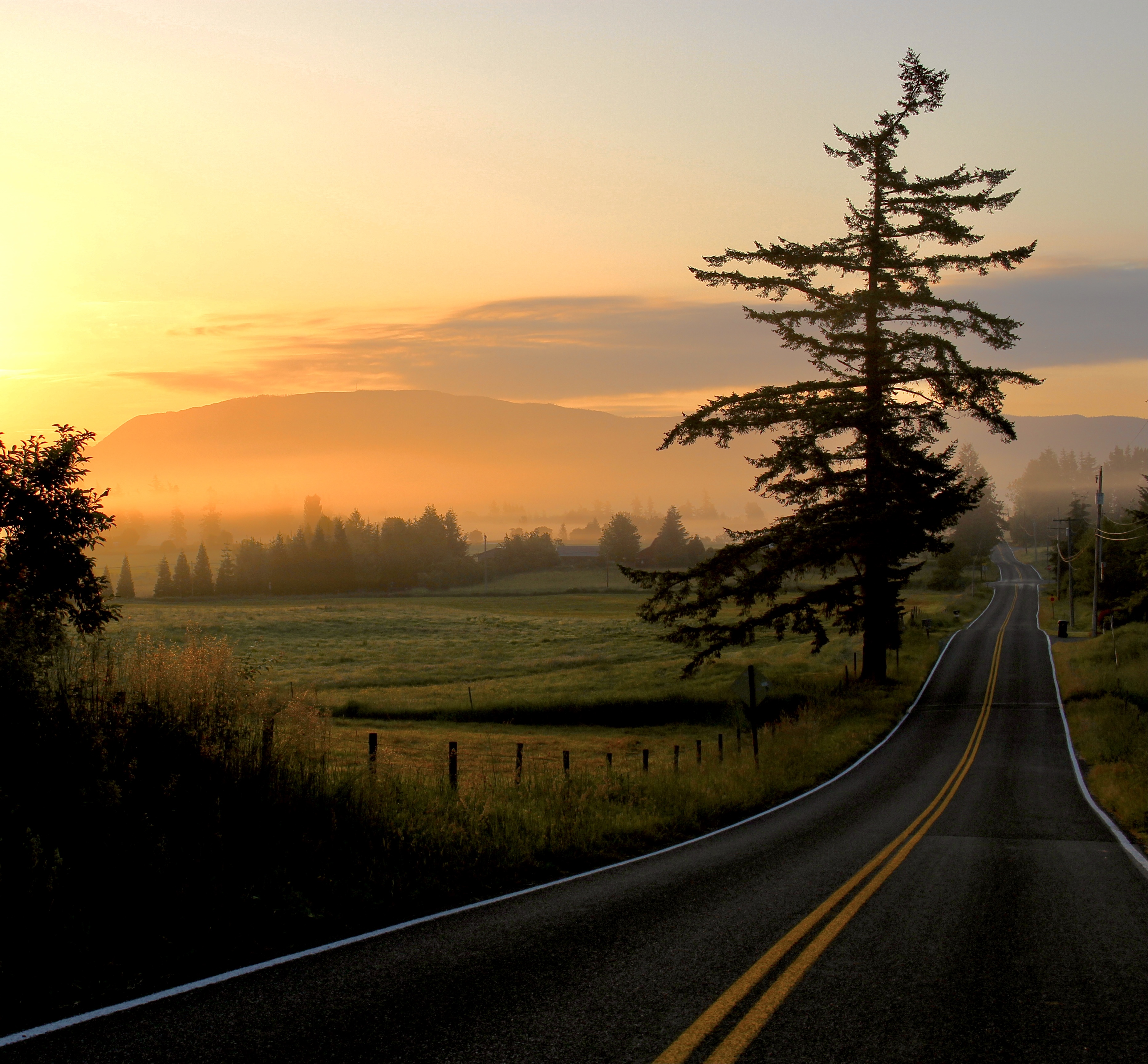
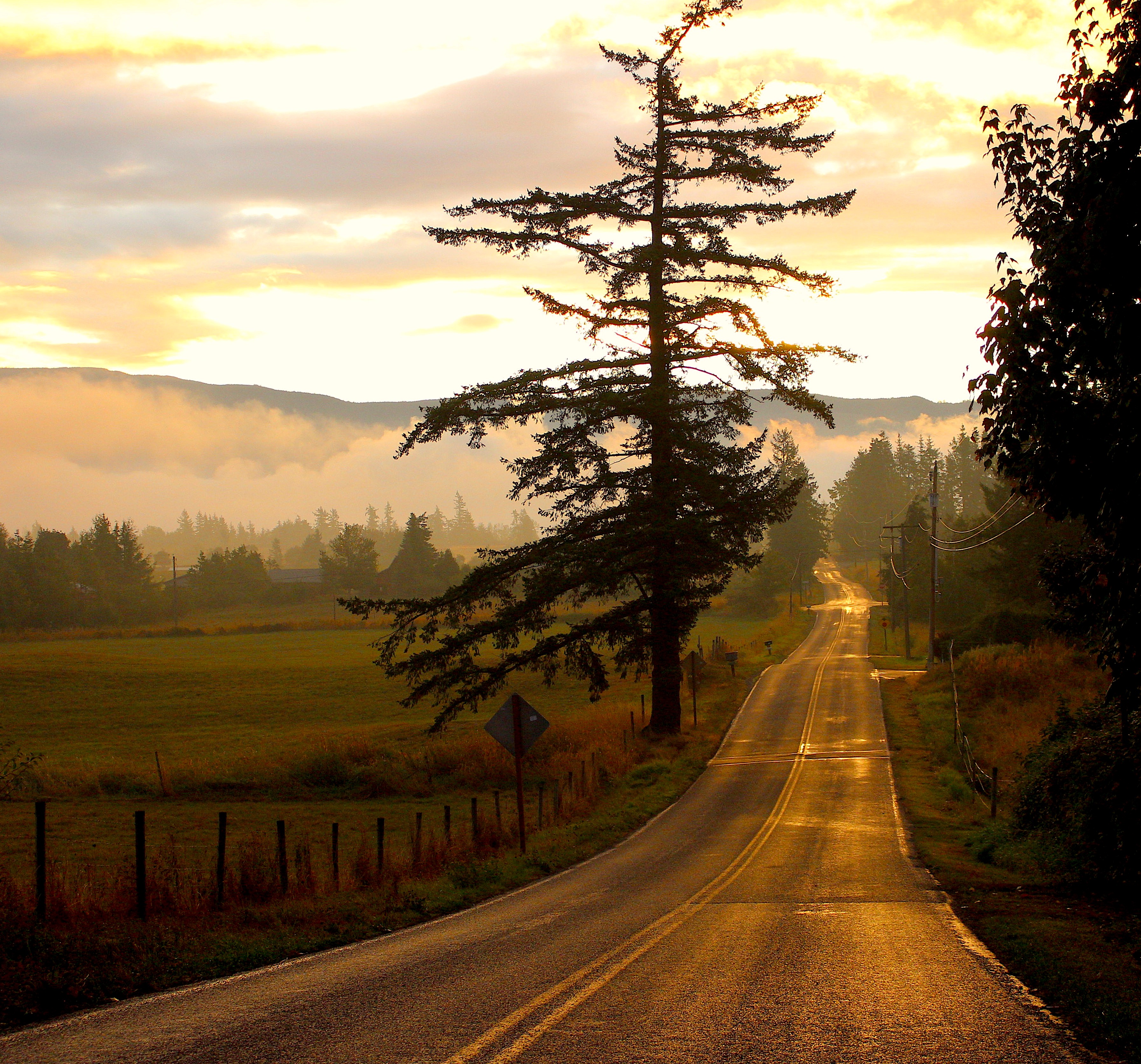
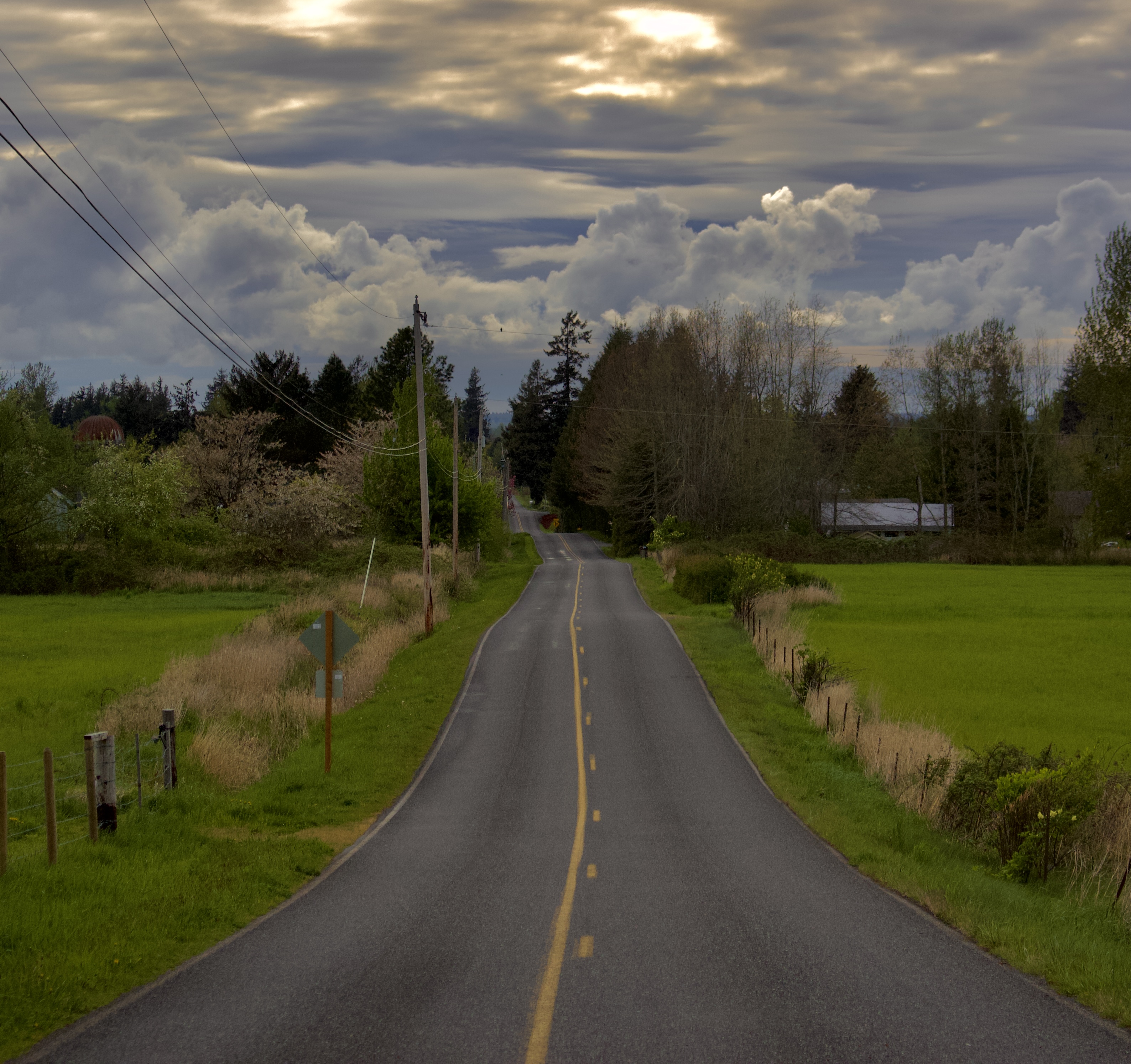
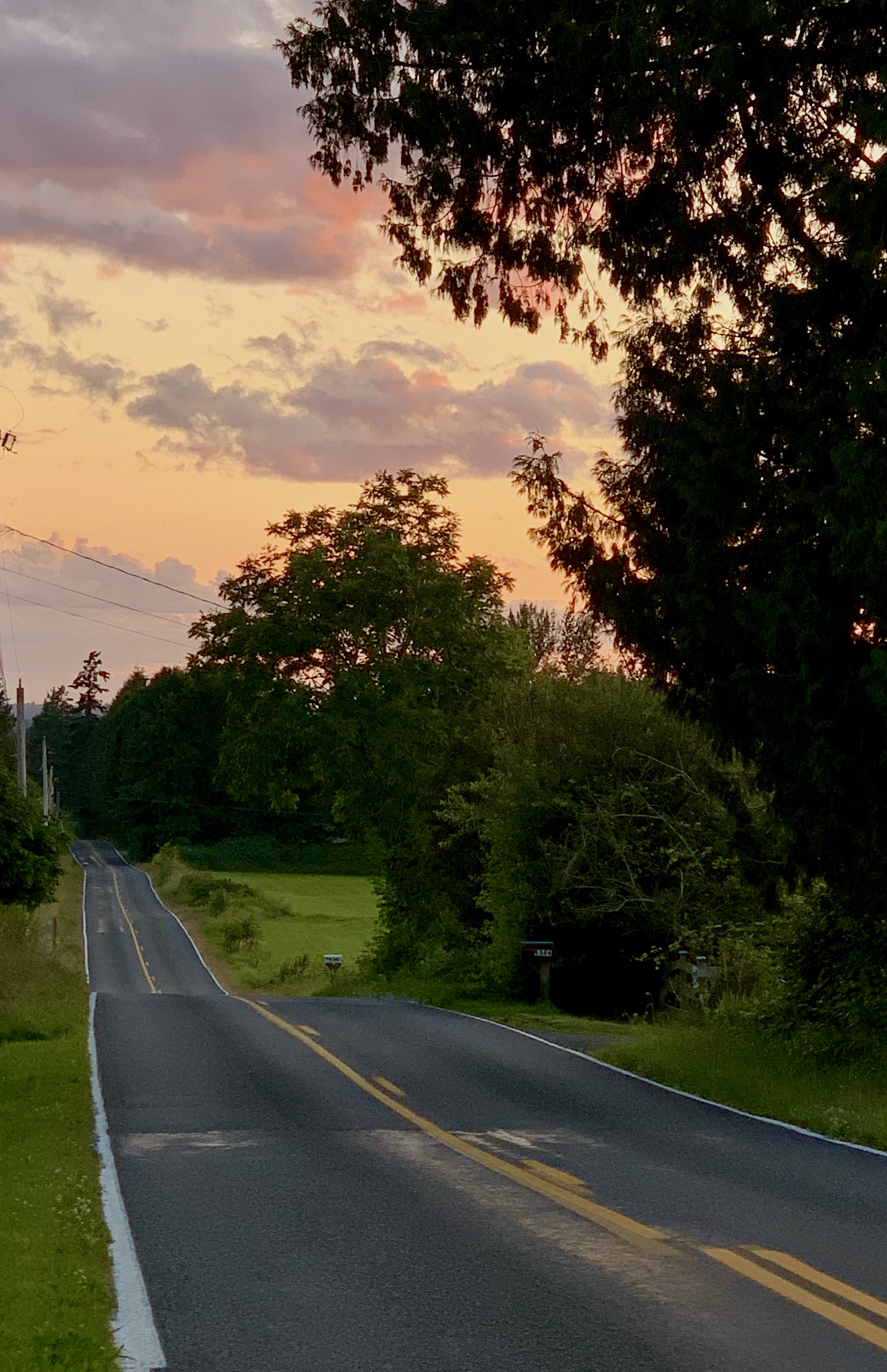
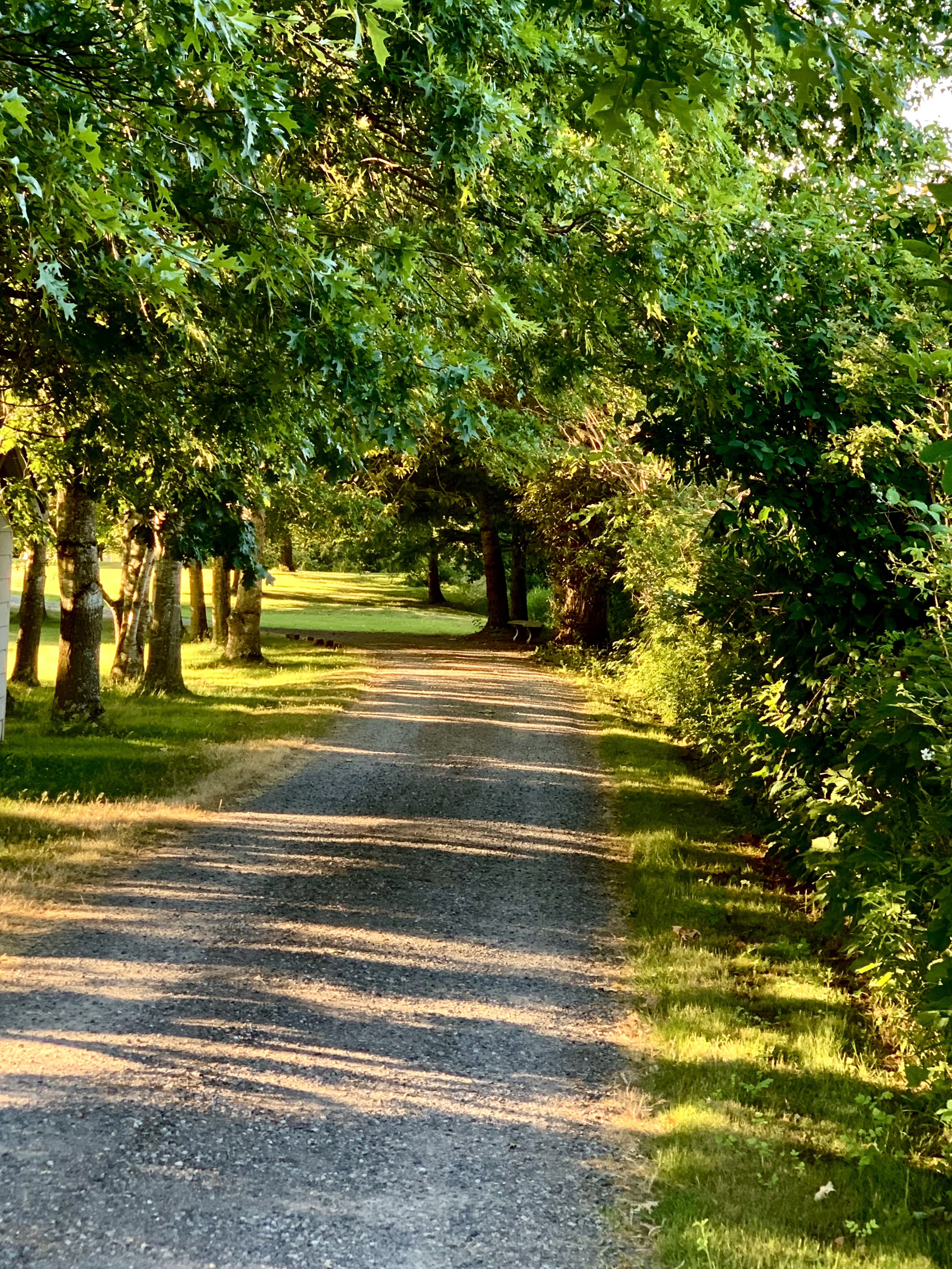
I love these roads in June, at dawn or dusk,
the light and shadow playing over the path,
promising summer songs and simple joys.

When I walk these roads,
I try to avoid the deep ditches,
the potholes and speed bumps.

It’s a dangerous business,
walking out the front door,
not knowing where I may be swept off to.

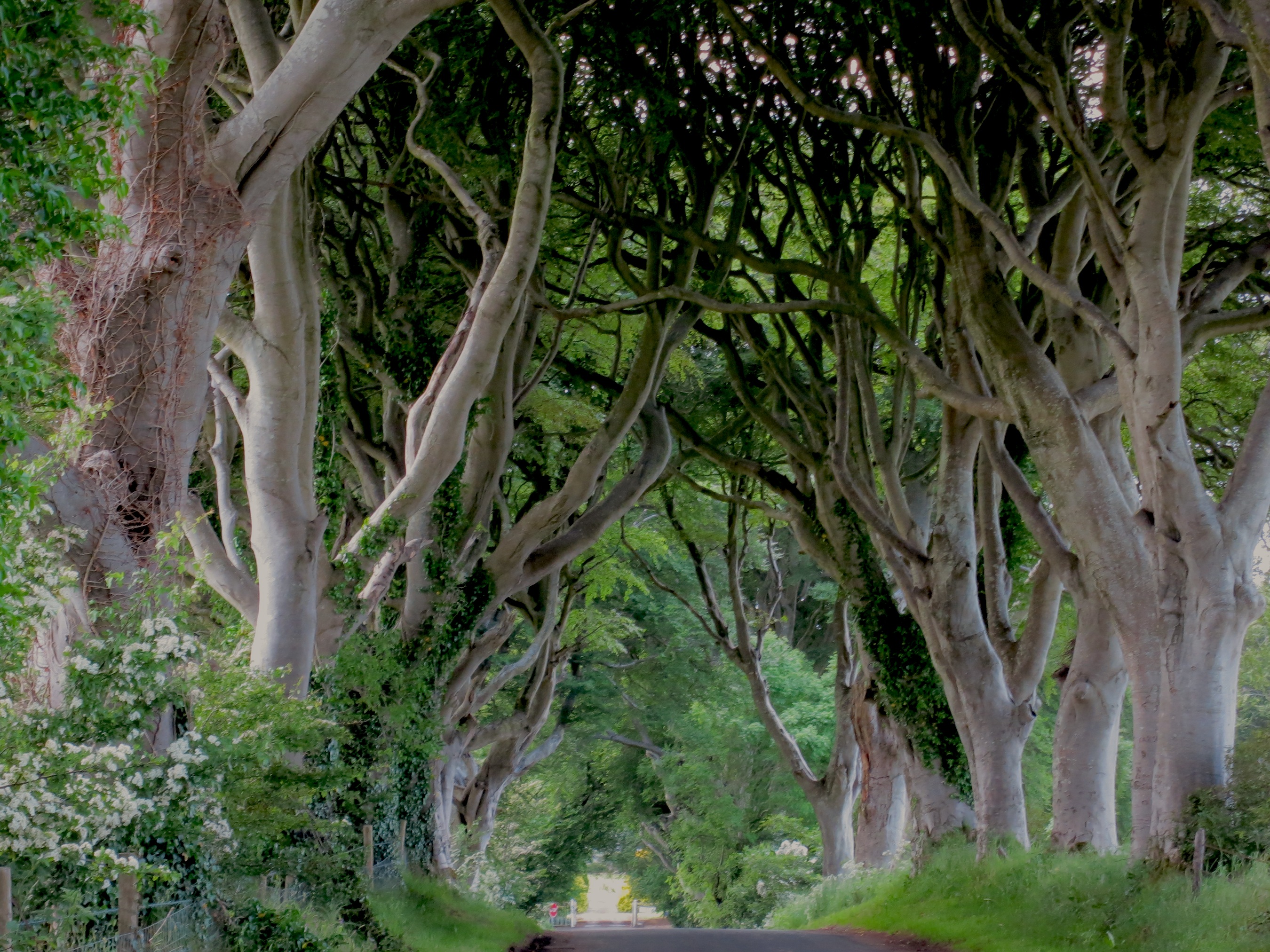
Passing by secret gates and overgrown paths,
I take the familiar route that leads me home,
waiting for a Guide so I don’t lose my way.

AI image created for this post
One-Time
Monthly
Yearly

Make a one-time or recurring donation to support daily Barnstorming posts

Make a monthly donation

Make a yearly donation

Choose an amount

$10.00
$25.00
$50.00
$5.00
$15.00
$100.00
$5.00
$15.00
$100.00

Or enter a custom amount

$

Your contribution is deeply appreciated.

Your contribution is appreciated.

Your contribution is appreciated.

DonateDonate monthlyDonate yearly

Understanding Meekness

Not the bristle-bearded Igors bent
under burlap sacks, not peasants knee-deep
              in the rice paddy muck,
nor the serfs whose quarter-moon sickles
              make the wheat fall in waves
they don’t get to eat. My friend the Franciscan
              nun says we misread
that word meek in the Bible verse that blesses them.
              To understand the meek
(she says) picture a great stallion at full gallop
              in a meadow, who—
at his master’s voice—seizes up to a stunned
              but instant halt.
So with the strain of holding that great power
              in check, the muscles
along the arched neck keep eddying,
              and only the velvet ears
prick forward, awaiting the next order.

~Mary Karr “Who the Meek Are Not” from Sinners Welcome

Blessed are the meek, for they shall inherit the earth.
Matthew 5:5

I’ve seen meekness like this.

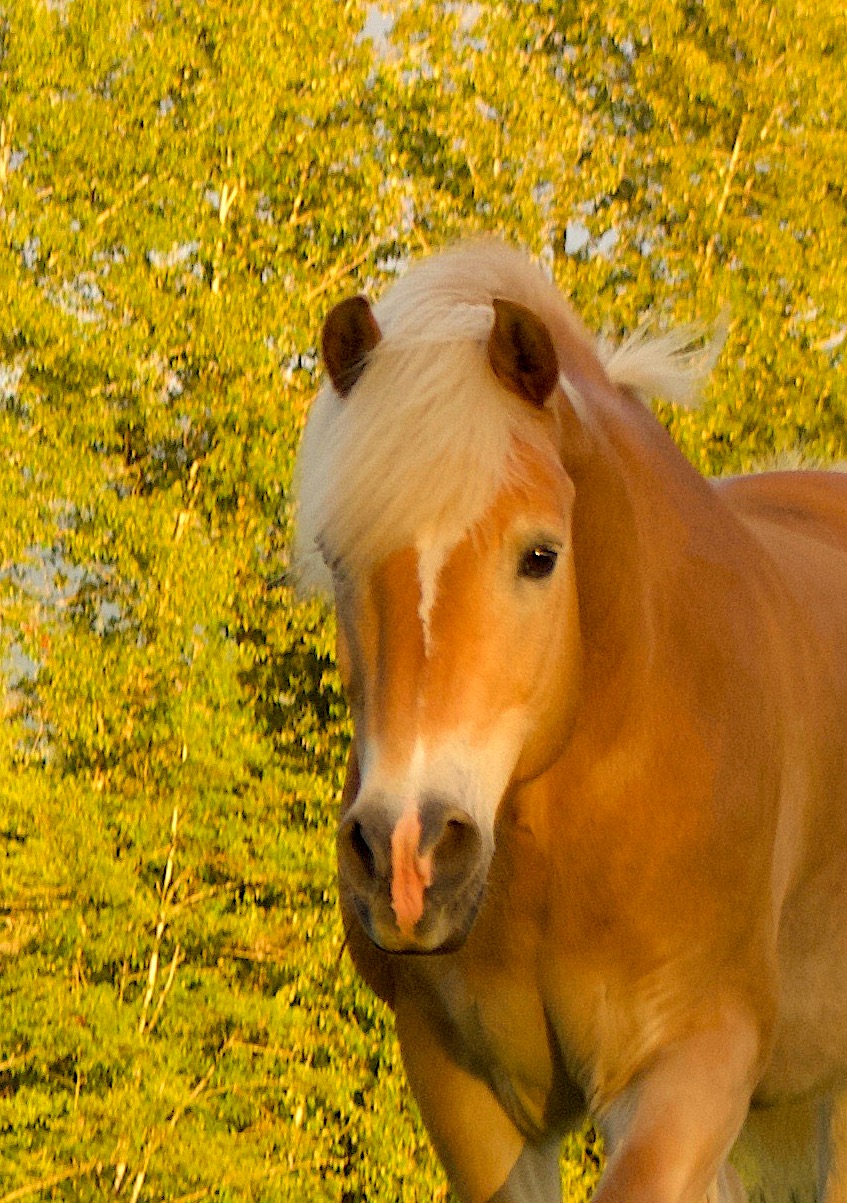
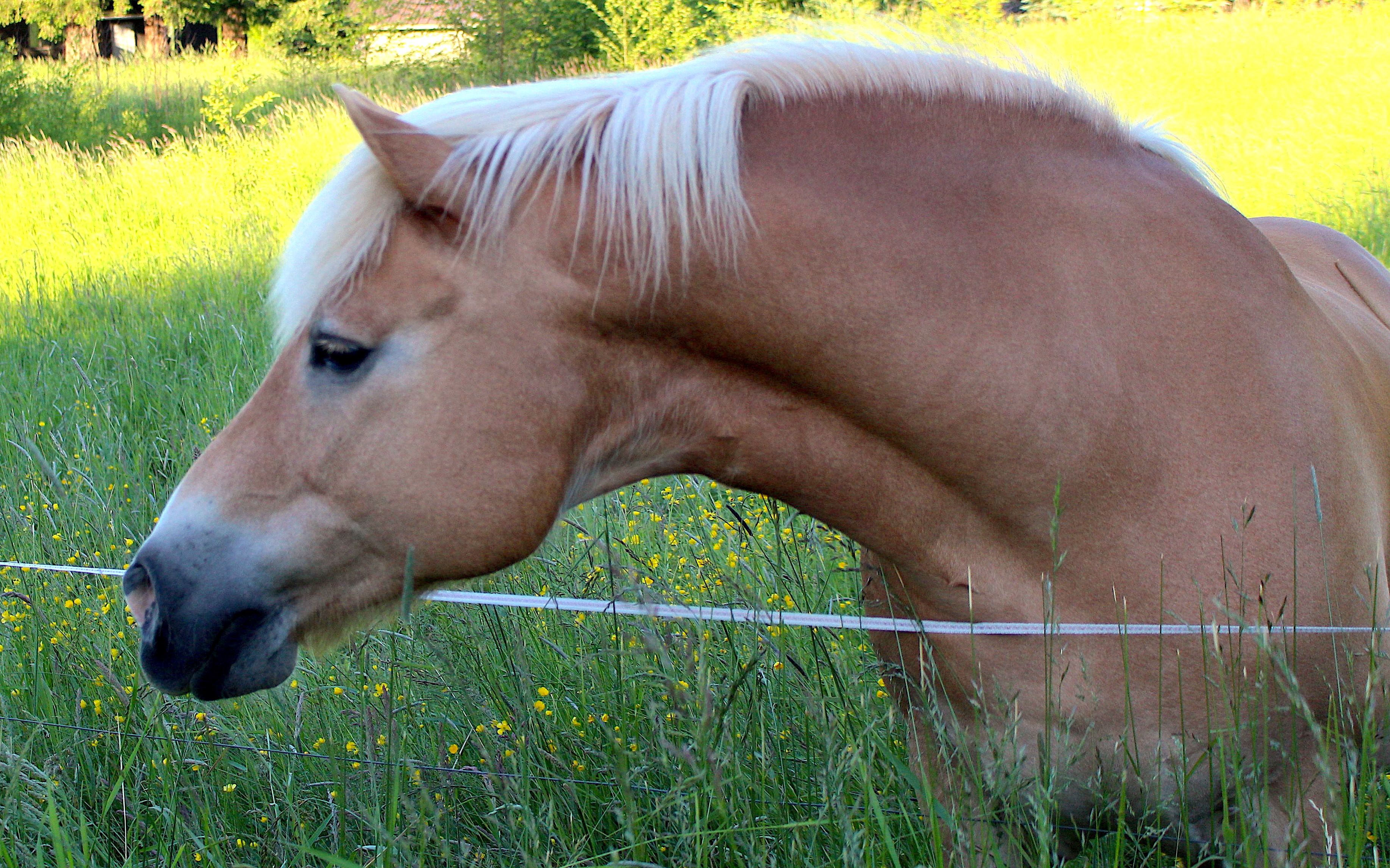
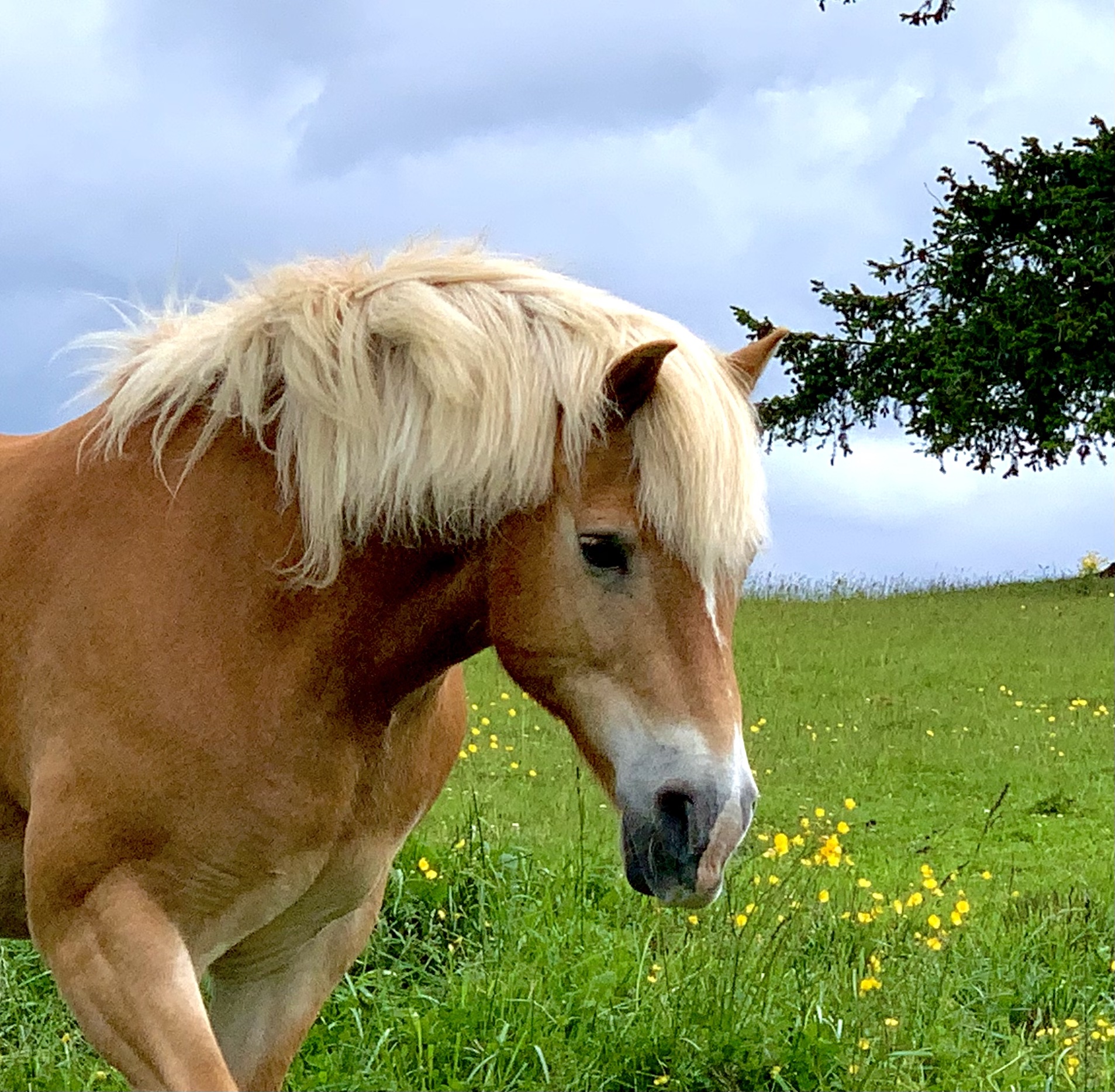
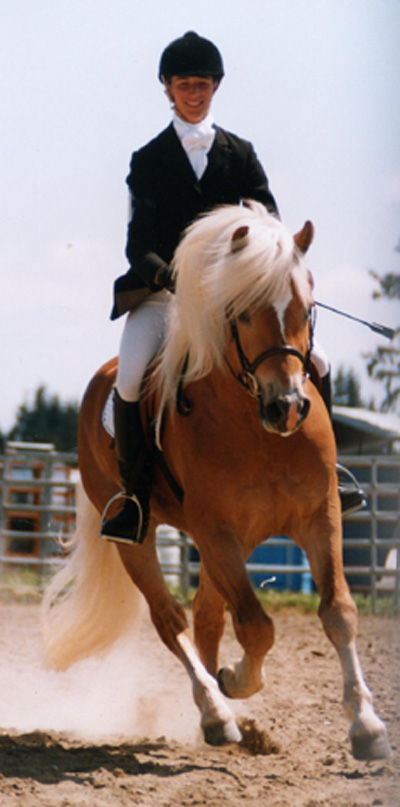
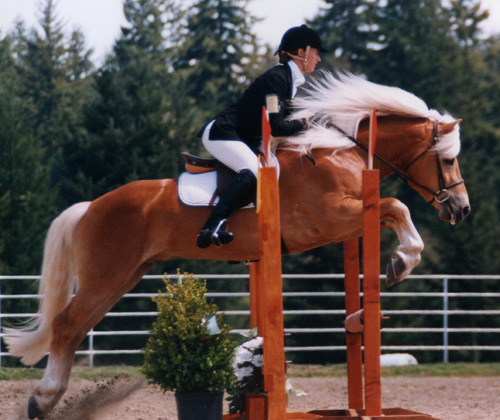
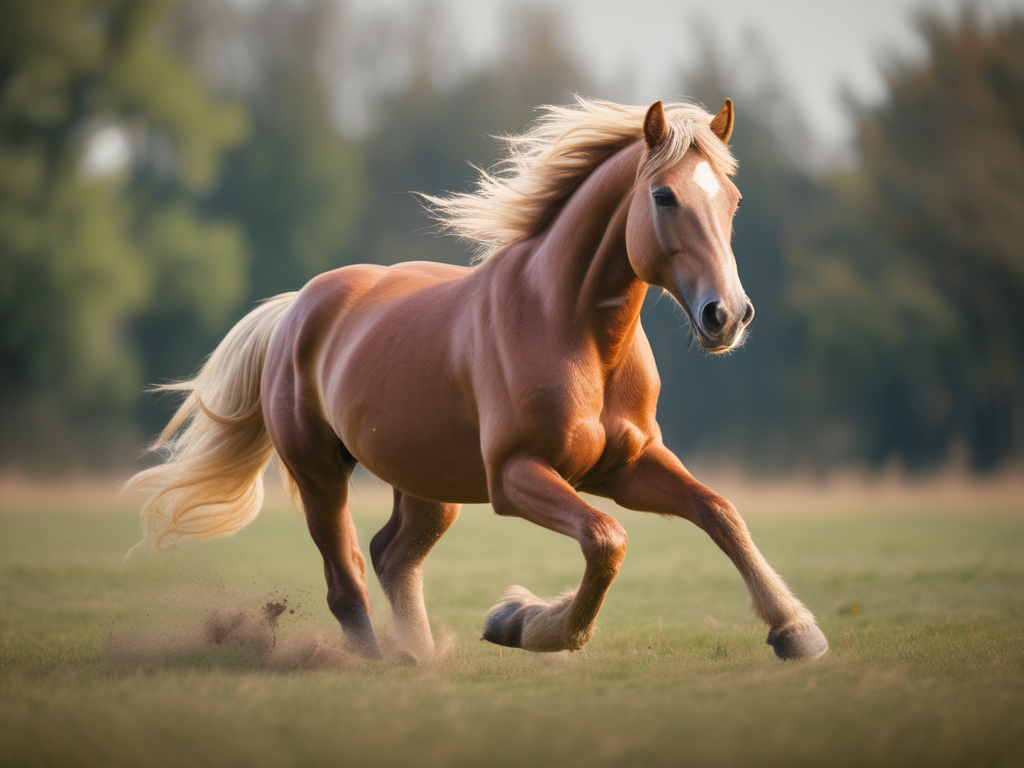
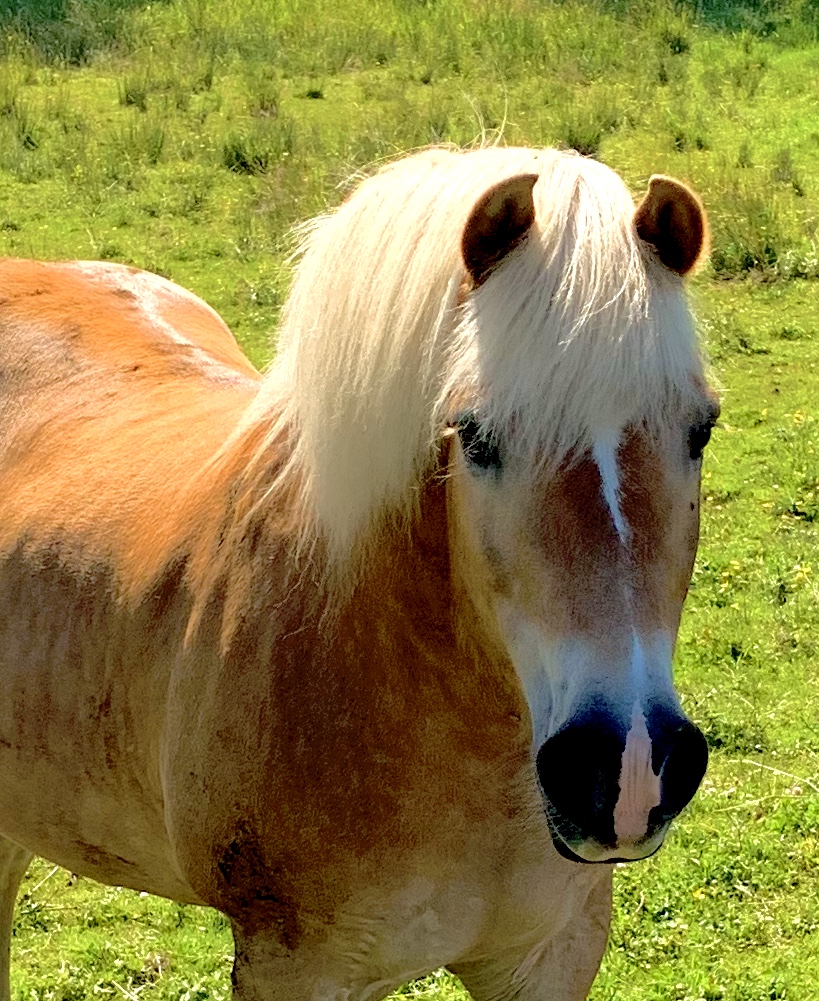
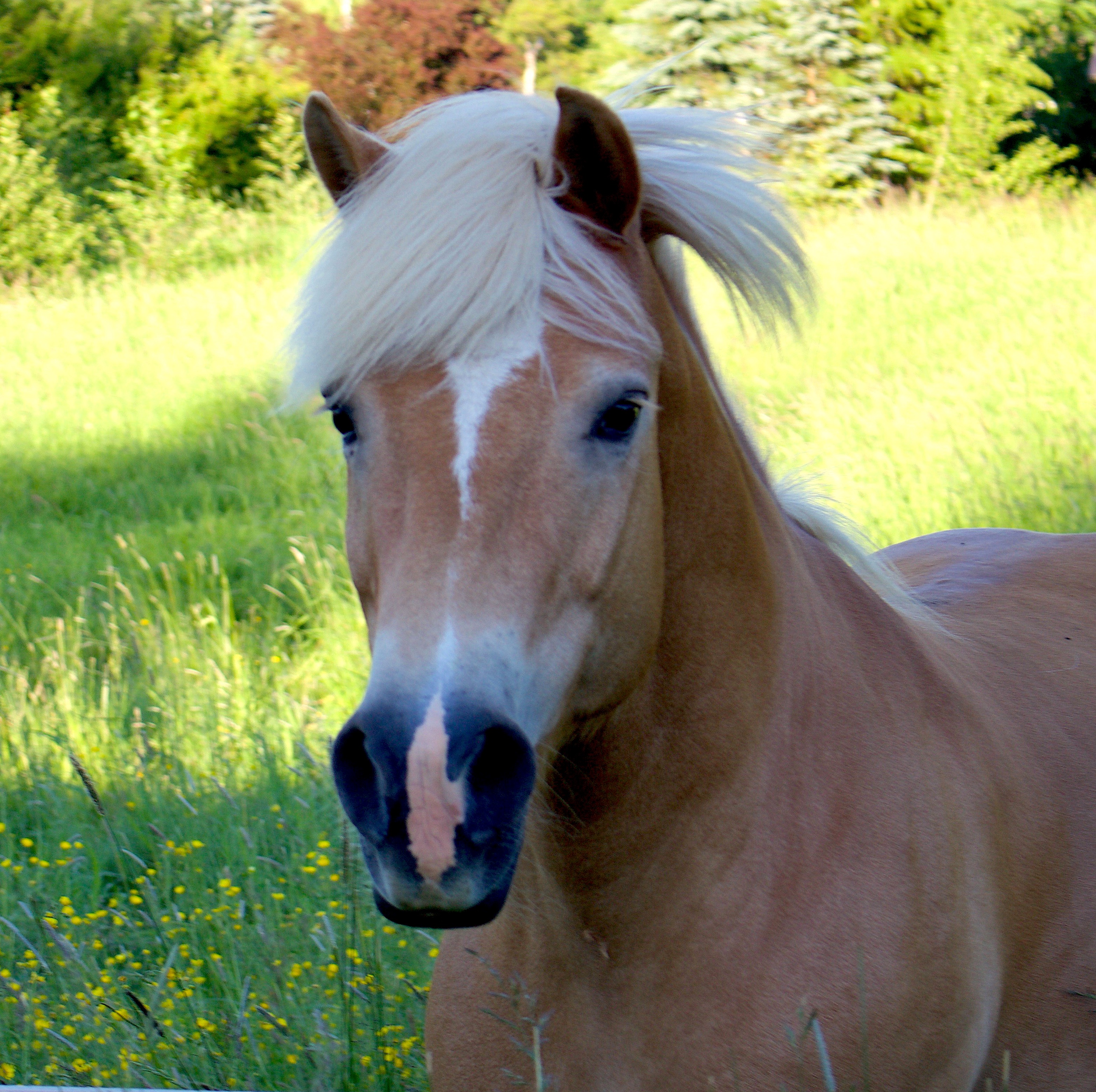
Our stallion allowed his strength and passion to be under control. He wanted to listen. He wanted to see what we might ask of him. He wanted to be with us.

This makes no sense given the world’s demand now for “strongman” leadership – someone who submits to no one, apologizes to no one, feels compassion for no one.

Globally and individually, we have desperate need of meekness. True strength is when someone knows the extent of their power but resists the need to prove it to anyone else.

The meek are ready, waiting for what God will have them do next.

AI image created for this post
One-Time
Monthly
Yearly

Make a one-time or recurring donation to support daily Barnstorming posts

Make a monthly donation

Make a yearly donation

Choose an amount

$10.00
$25.00
$50.00
$5.00
$15.00
$100.00
$5.00
$15.00
$100.00

Or enter a custom amount

$

Your contribution is deeply appreciated.

Your contribution is appreciated.

Your contribution is appreciated.

DonateDonate monthlyDonate yearly

A Lump in the Throat Feeling

A poem begins as a lump in the throat, a sense of wrong, a homesickness, a lovesickness.
~Robert Frost
 in a letter to Louis Untermeyer

What is your malady?

Asks the form at the community acupuncture clinic.
My pen hovers—so many to choose from:
the thyroid, the gut, the face.
I find myself writing instead:

Homesickness.

I hand in my form. I wonder if the doctor
with the needles will laugh at me,
but he says instead:

I am homesick too.

And then he puts needles in my ears and my ankles
and I fall asleep.
Around me, strangers sleep
needled dreams, under warm blankets.

And I think:
at home in the world.
The endless desire to be
at home in the world.

~Sarah Ruhl “On Homesickness”

Spending time away from home has always been difficult for me. I was hopelessly homesick as a child whenever I stayed overnight with a friend or even with my grandma. Going to college two states away was a complete ordeal – it took me much longer than typical to let go of home and finally settle into a new life away from all that was familiar. I really did feel sick clinging too tightly to home base, unwilling to launch, barely able to wave good-bye.

Even now, as I travel away from the farm for a week for this or that, I sometimes get the lump-in-the-throat feeling that I remember keenly from my childhood years — knowing I am out of my element, stretching my comfort zone, not feeling at home away from home.

Will I ever grow out of this now that I’m nearly seventy or will it only get worse? Will I ever embrace a lovesickness for the rest of the world?

I keep trying – but the return trip is still the sweetest remedy for this sickness.

There’s no place like home…

One-Time
Monthly
Yearly

Make a one-time or recurring donation to support daily Barnstorming posts

Make a monthly donation

Make a yearly donation

Choose an amount

$10.00
$25.00
$50.00
$5.00
$15.00
$100.00
$5.00
$15.00
$100.00

Or enter a custom amount

$

Your contribution is deeply appreciated.

Your contribution is appreciated.

Your contribution is appreciated.

DonateDonate monthlyDonate yearly

A Seed of Belief

When the time’s toxins
have seeped into every cell

and like a salted plot
from which all rain, all green, are gone

I and life are leached
of meaning

somehow a seed
of belief

sprouts the instant
I acknowledge it:

little weedy hardy would-be
greenness

tugged upward
by light

while deep within
roots like talons

are taking hold again
of this our only earth.

~Christian Wiman “When the Time’s Toxins”

True gardeners cannot bear a glove
Between the sure touch and the tender root,
Must let their hands grow knotted as they move
With a rough sensitivity about
Under the earth, between the rock and shoot,
Never to bruise or wound the hidden fruit.
And so I watched my mother’s hands grow scarred,
She who could heal the wounded plant or friend
With the same vulnerable yet rigorous love;
I minded once to see her beauty gnarled,
But now her truth is given me to live,
As I learn for myself we must be hard
To move among the tender with an open hand,
And to stay sensitive up to the end
Pay with some toughness for a gentle world.
~May Sarton “An Observation”

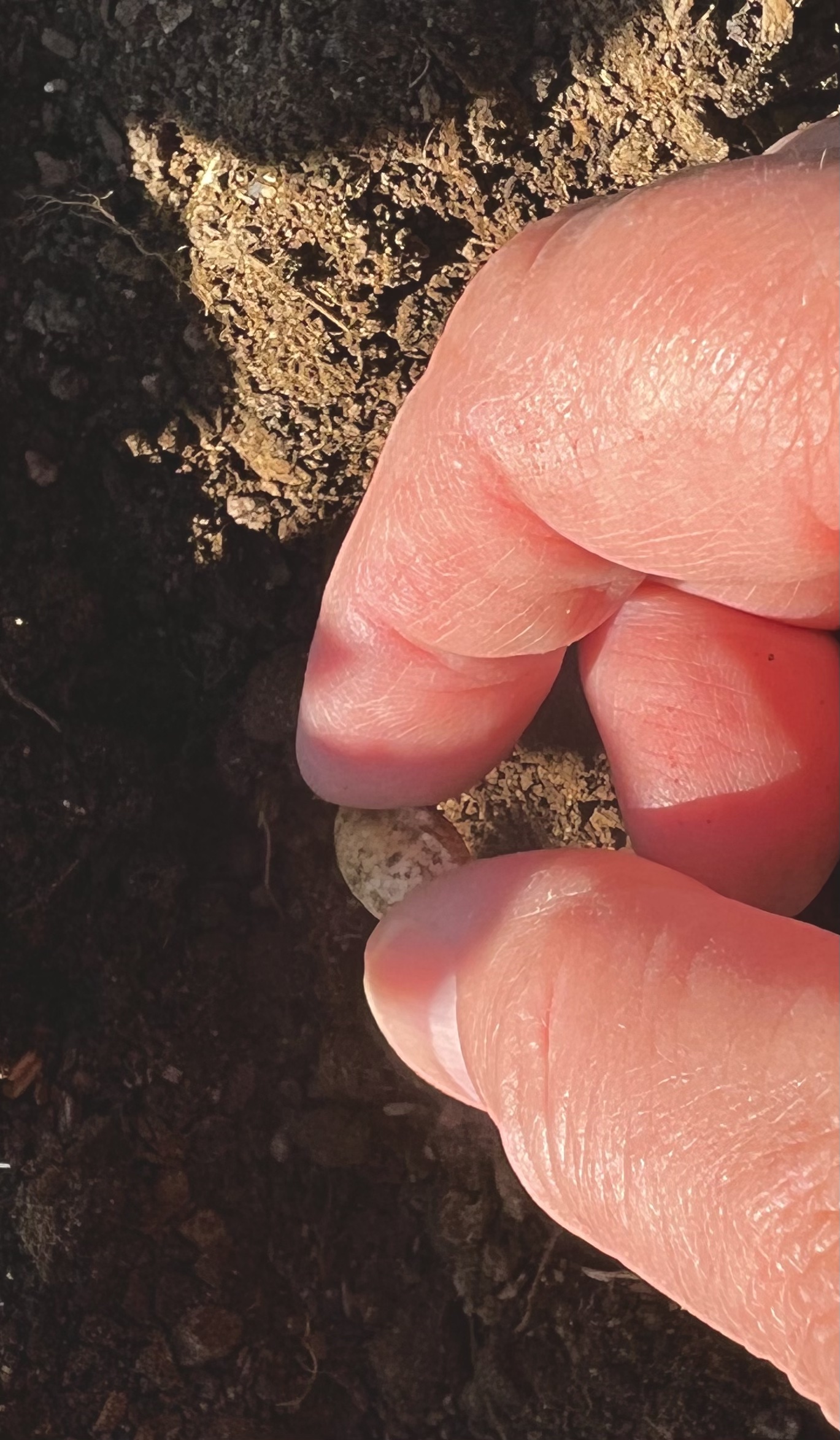
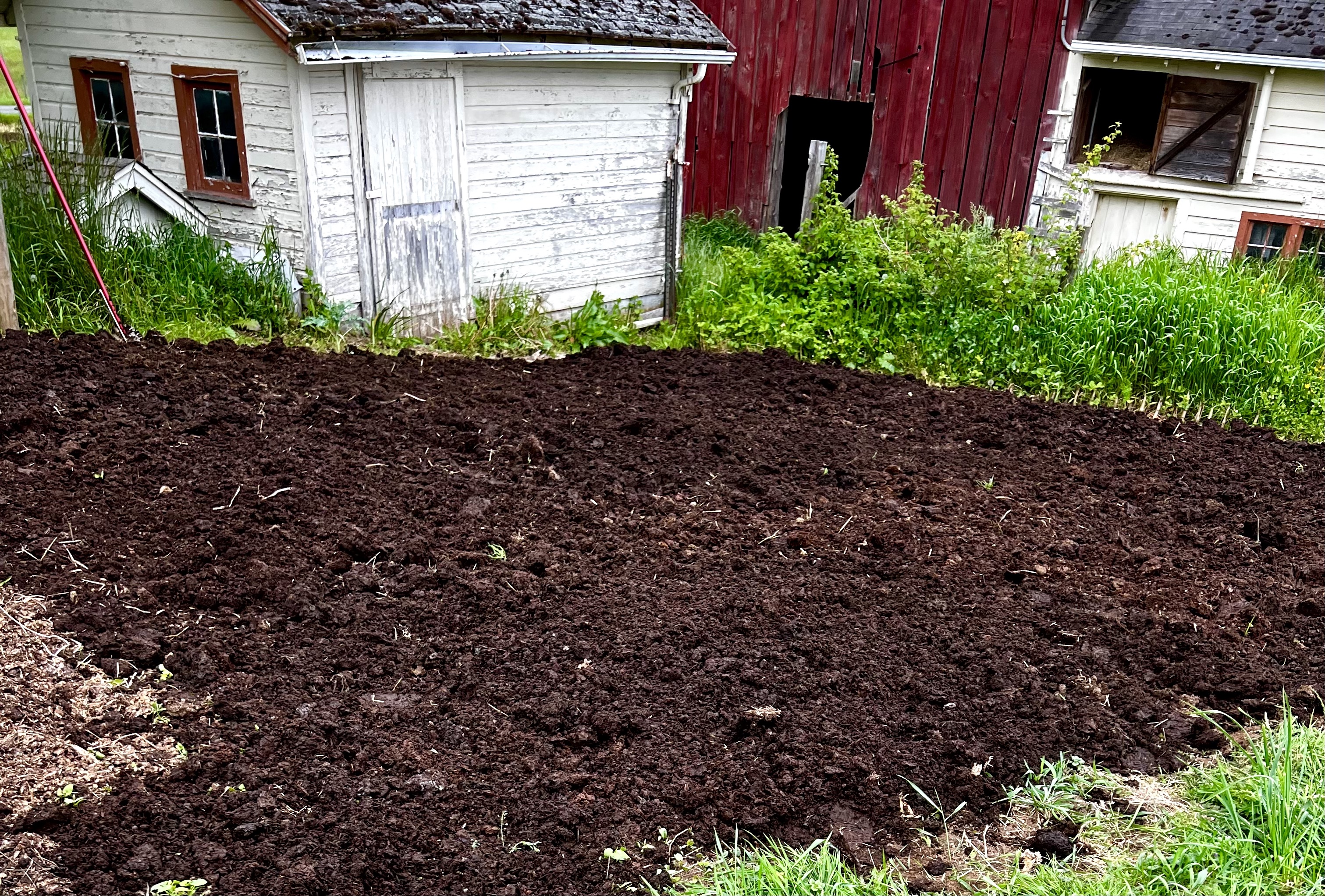
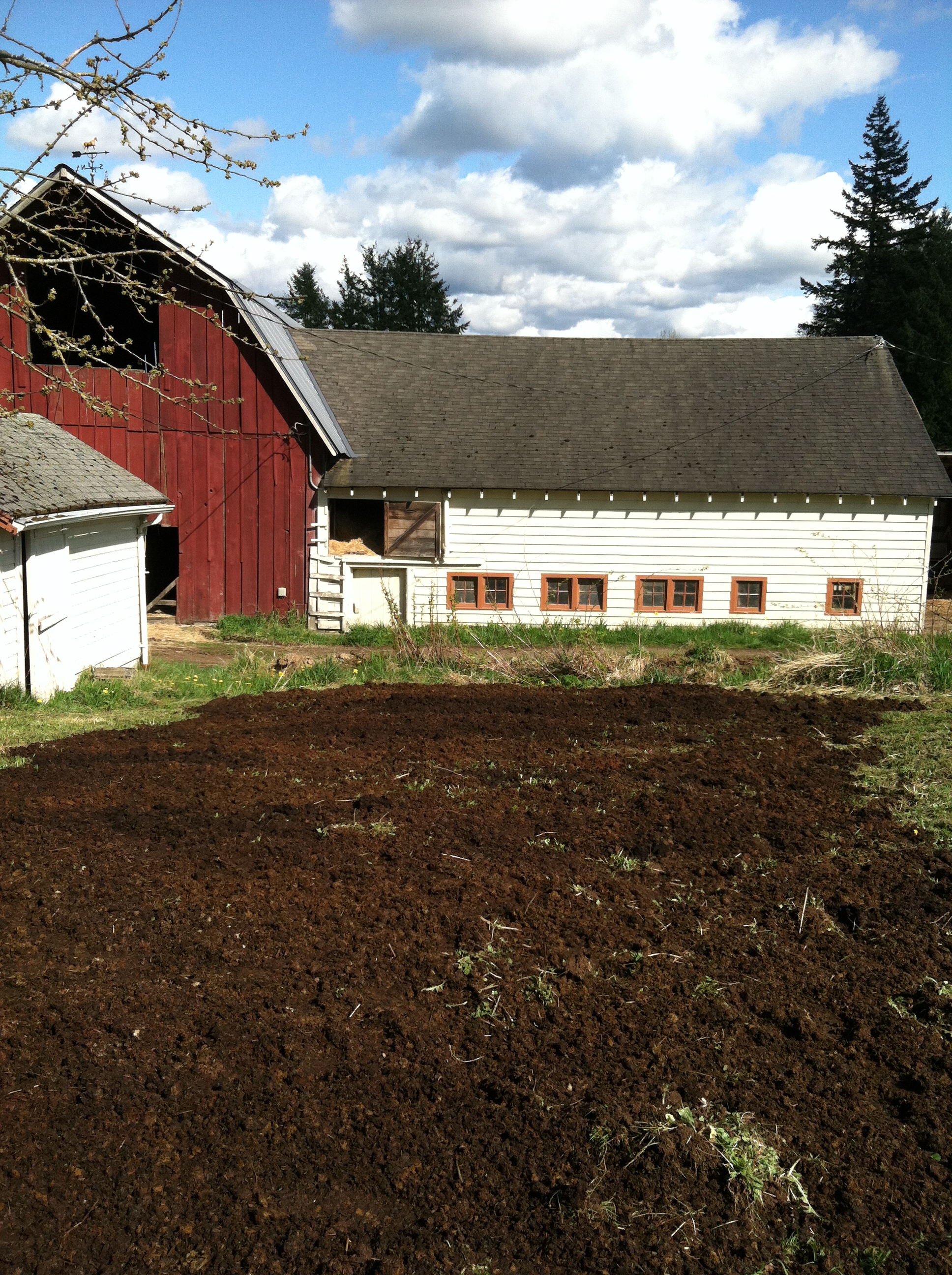
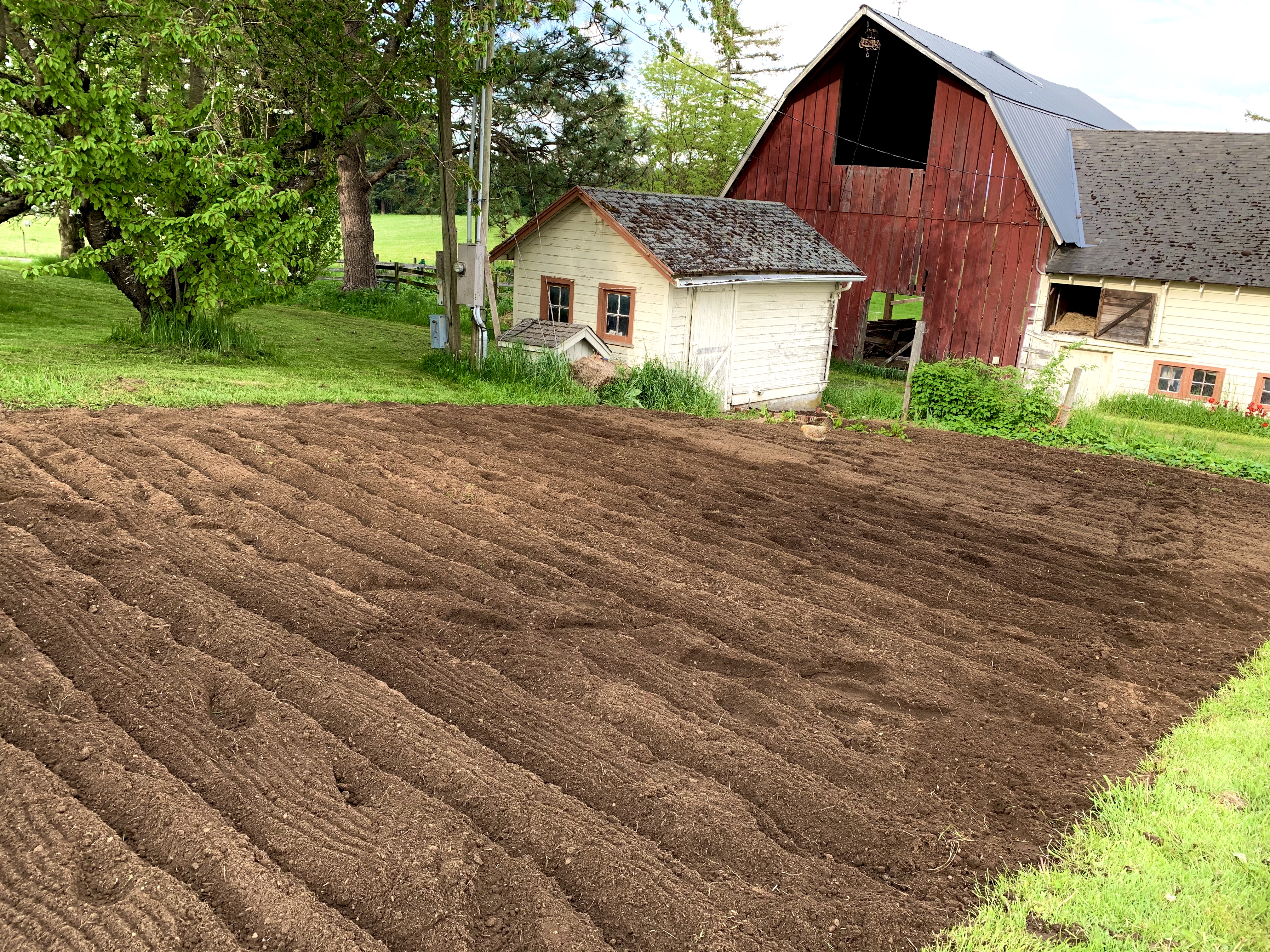
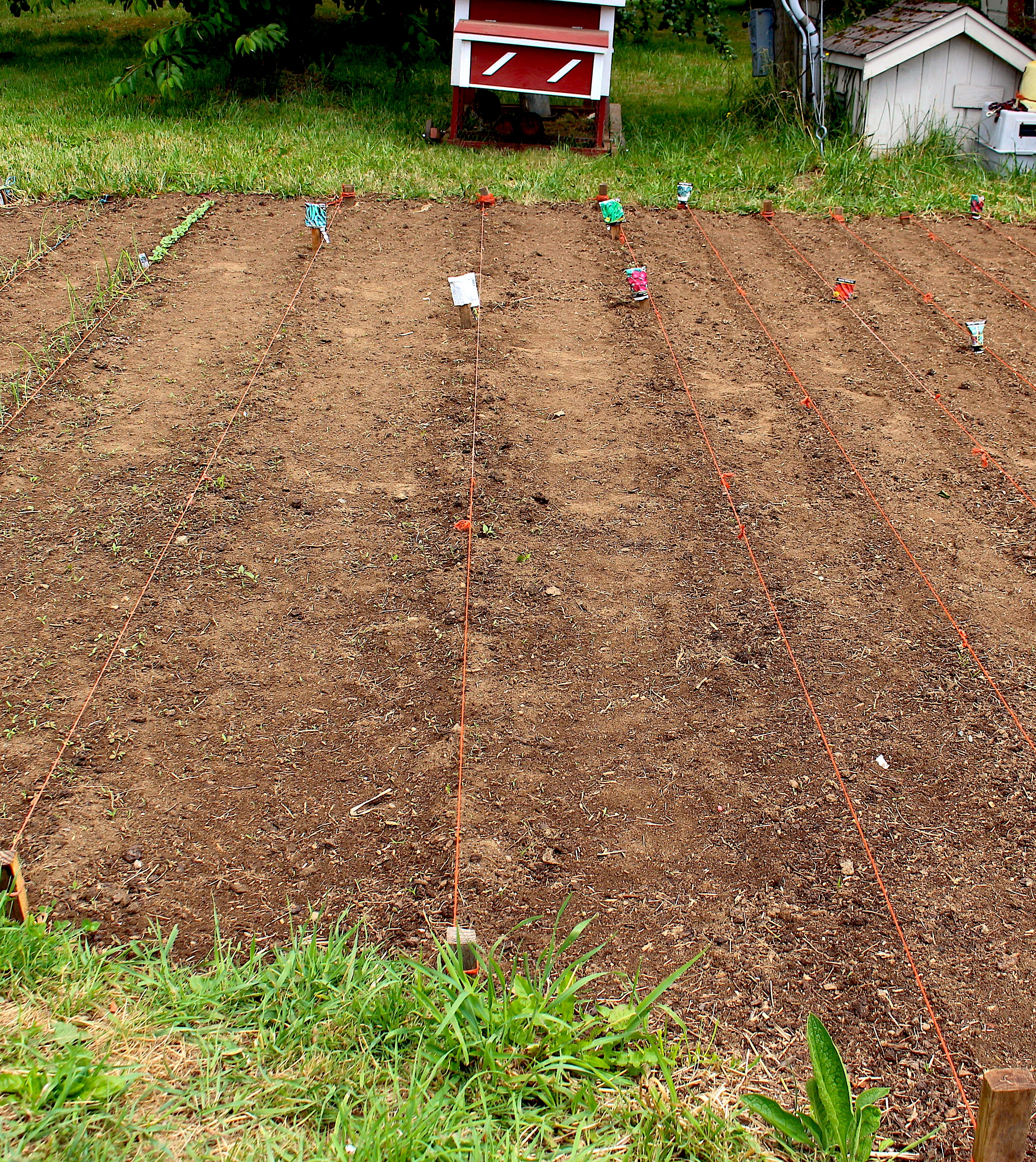
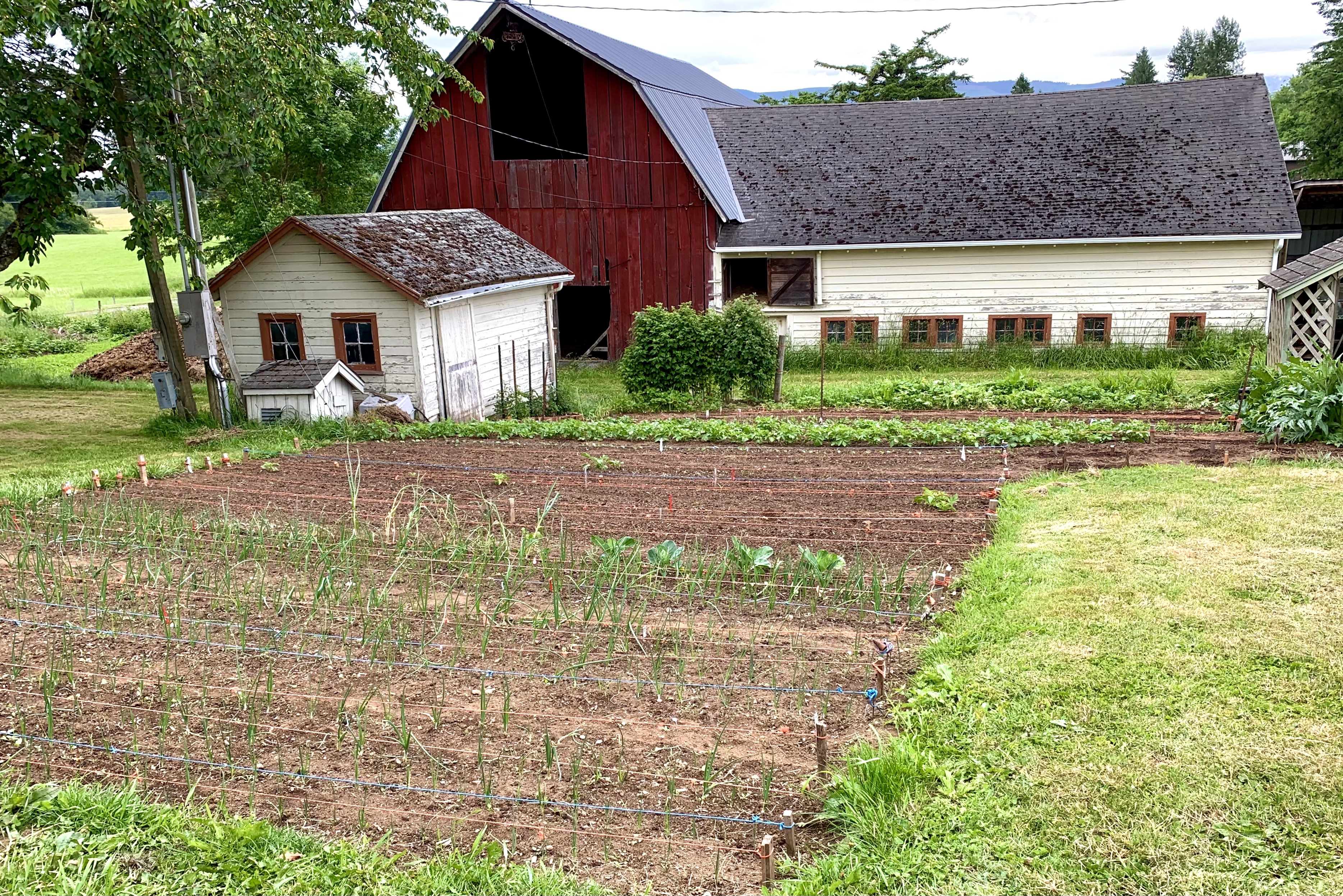
I’m reminded every spring, as my husband’s hands prepare the soil in the garden for that season’s planting, how challenging is the job of the gardener. His hands must fight the chaos of weeds and rocks to prepare a gentle bed for each seed.

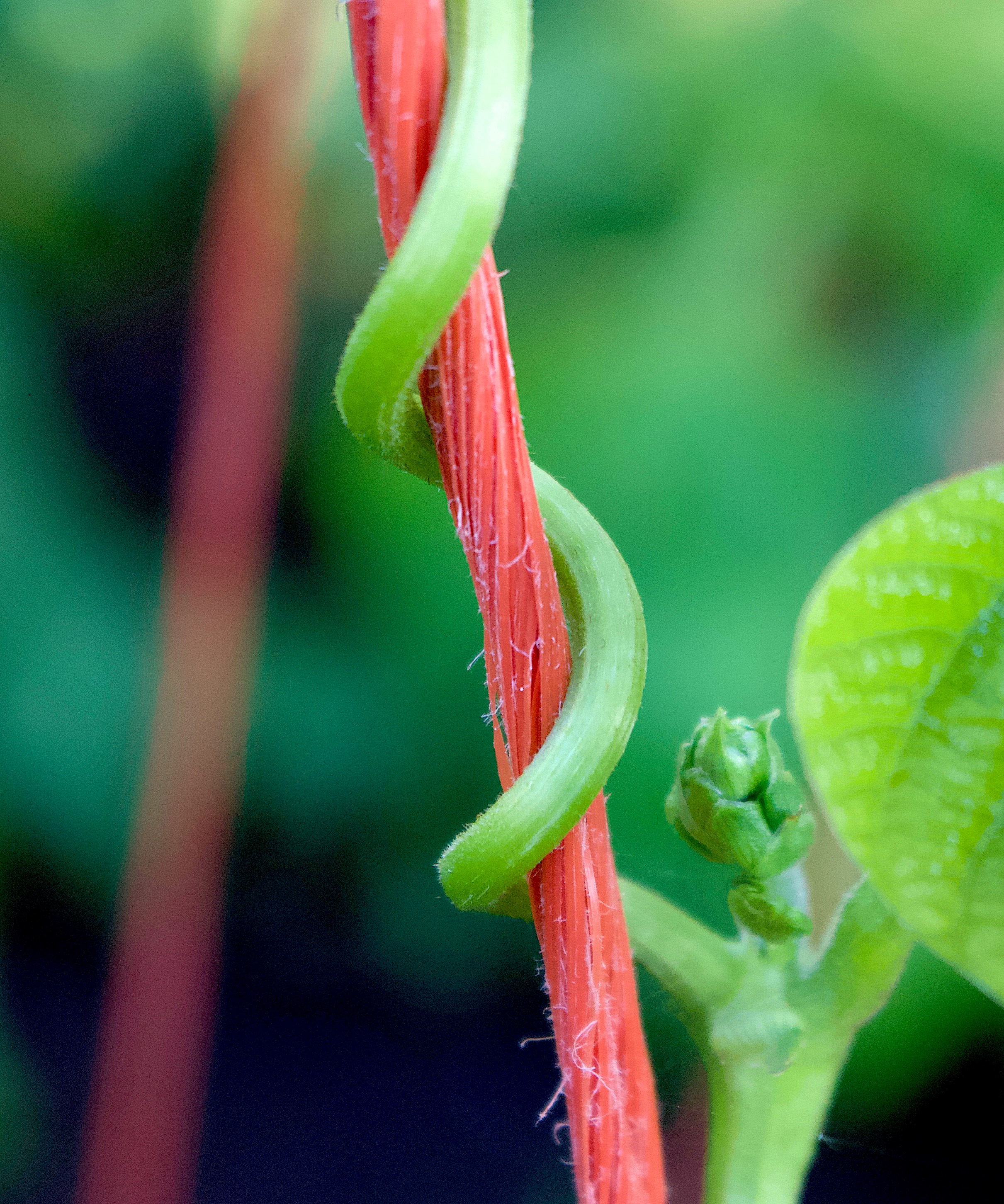
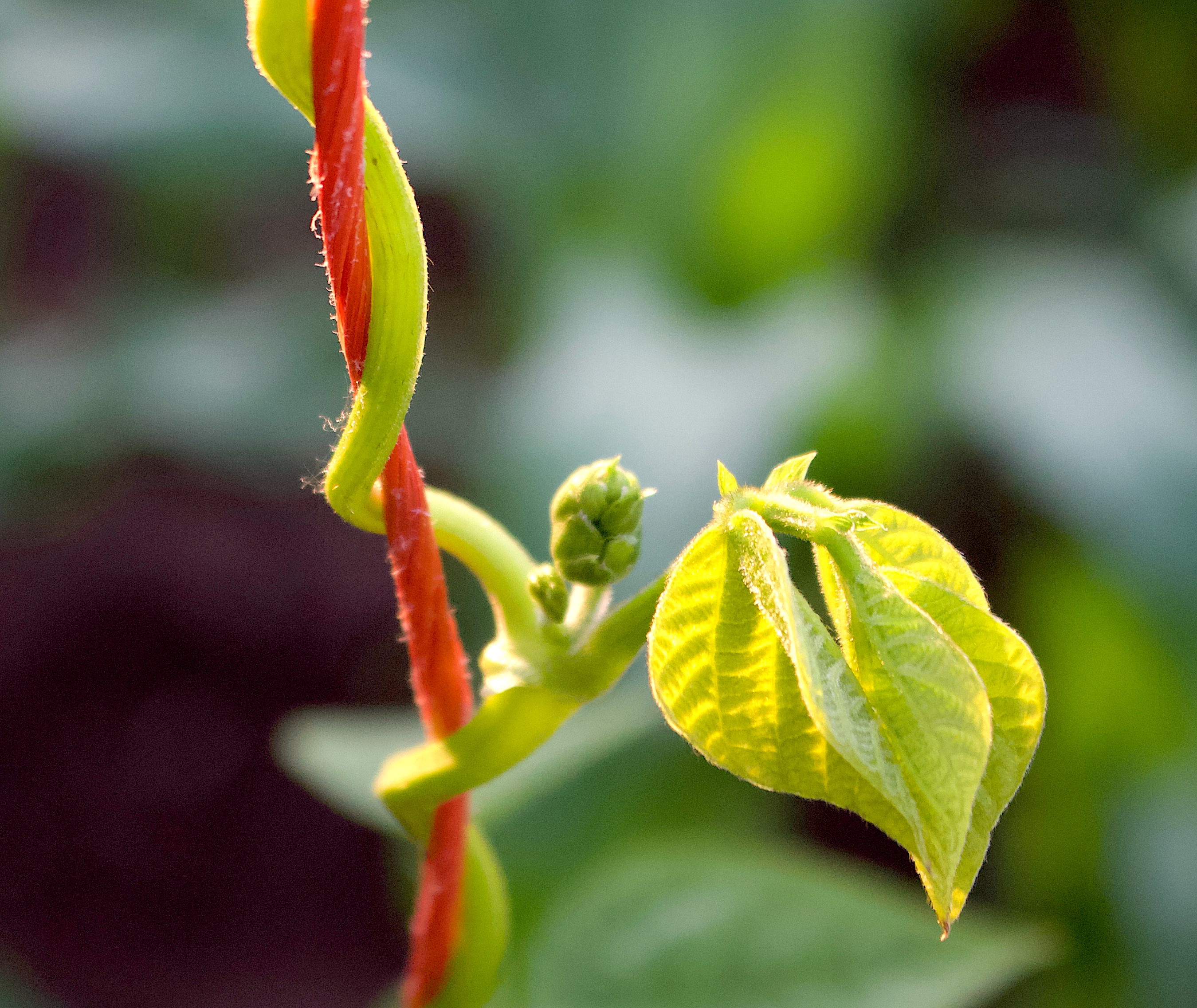
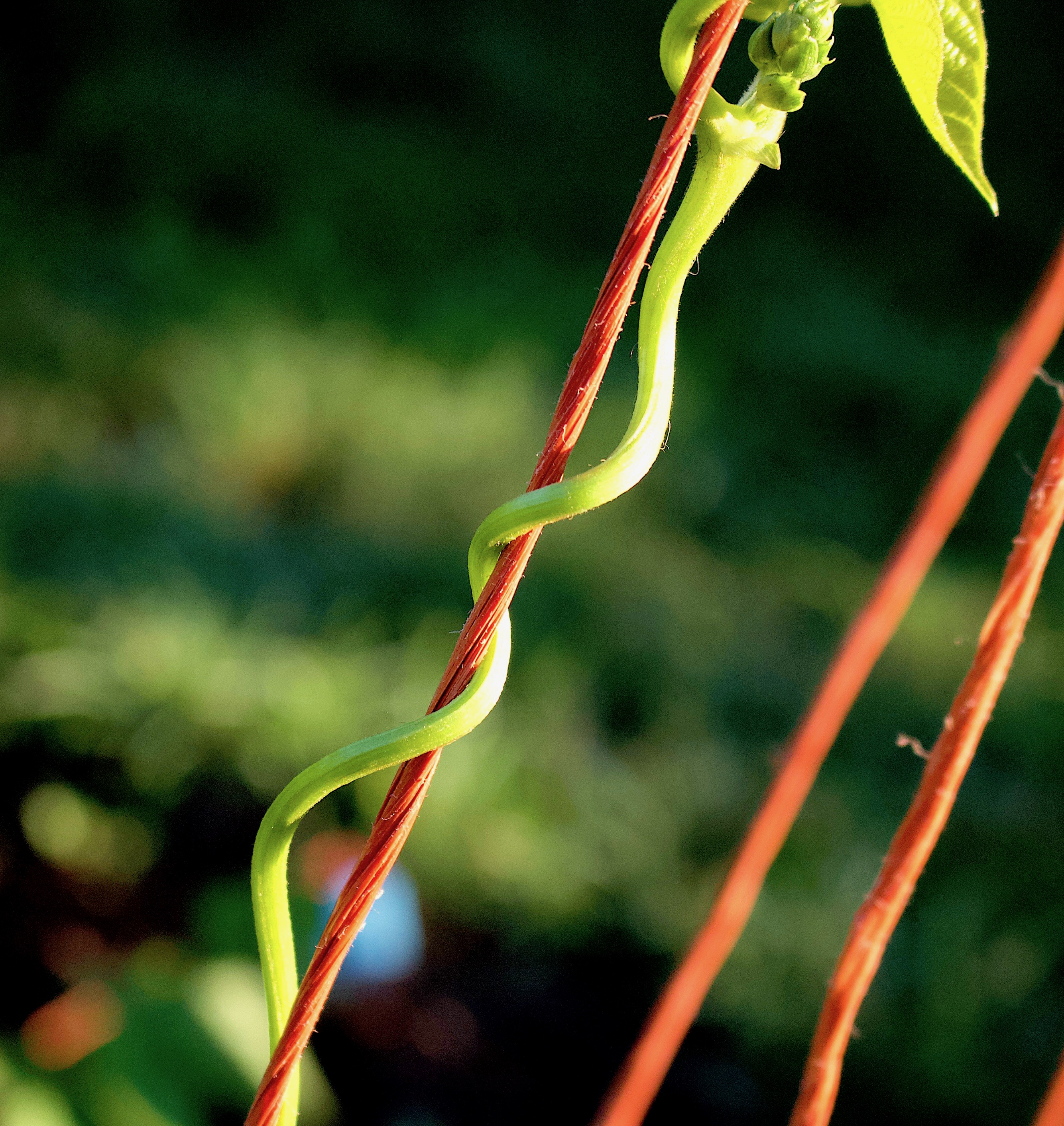
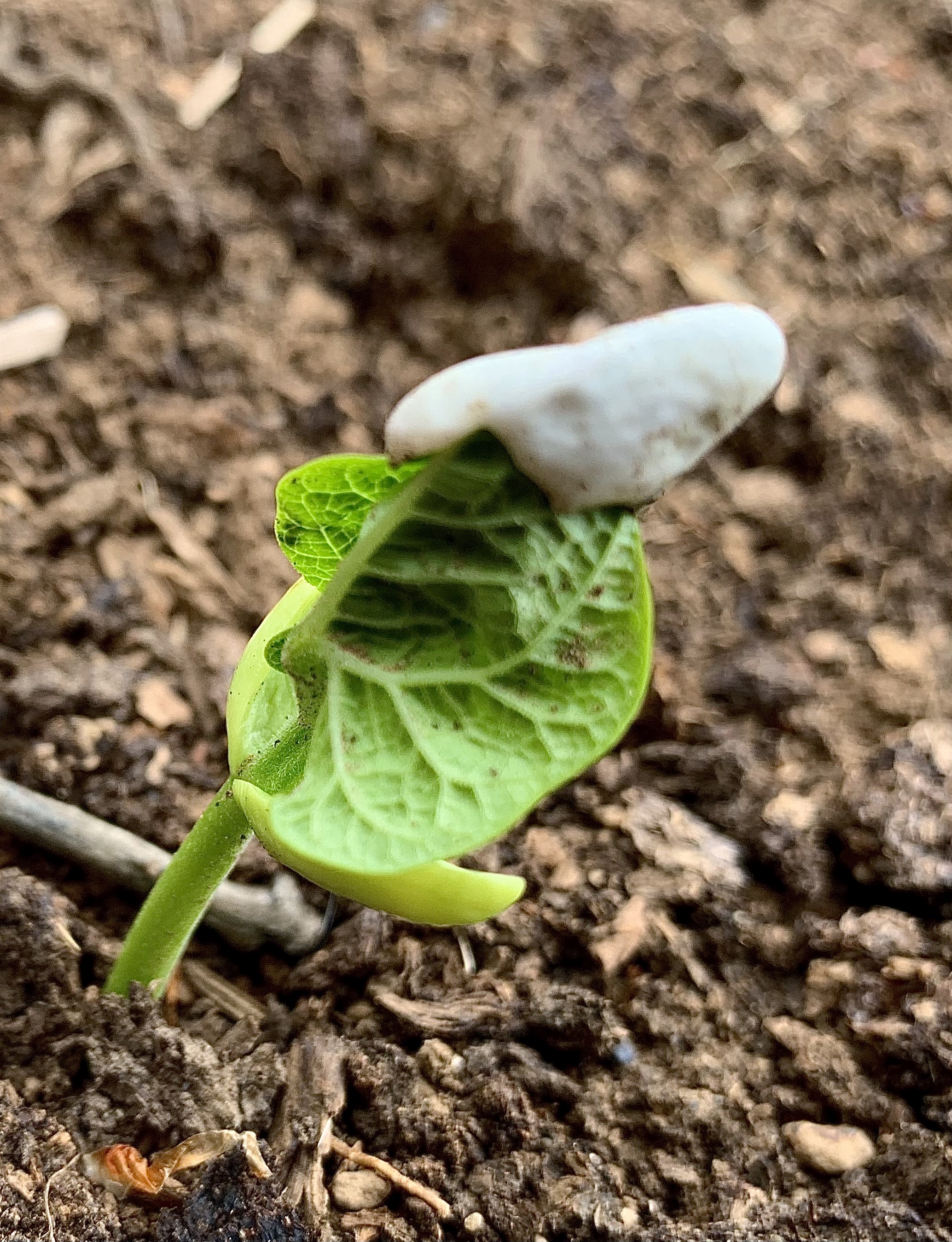
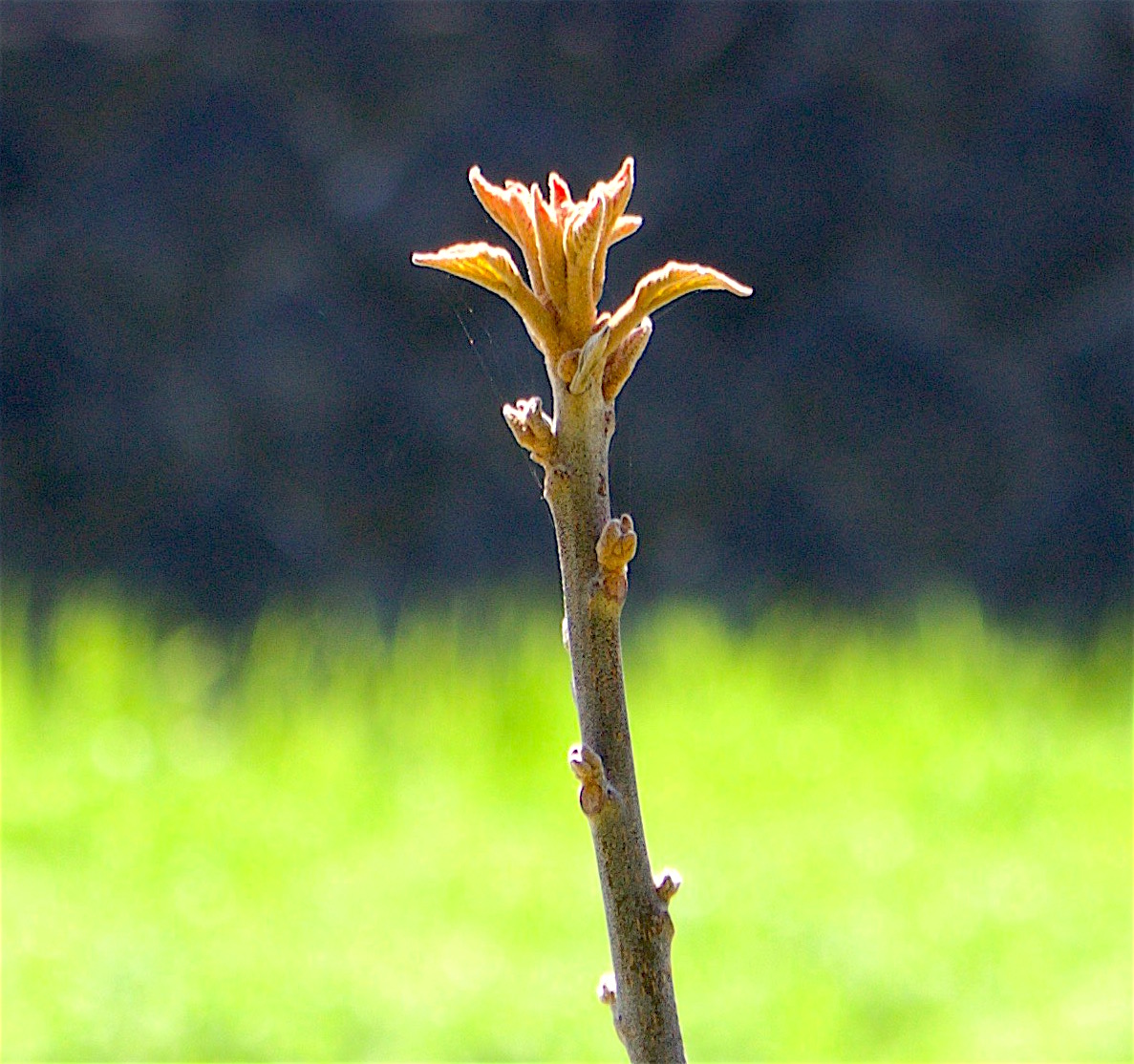
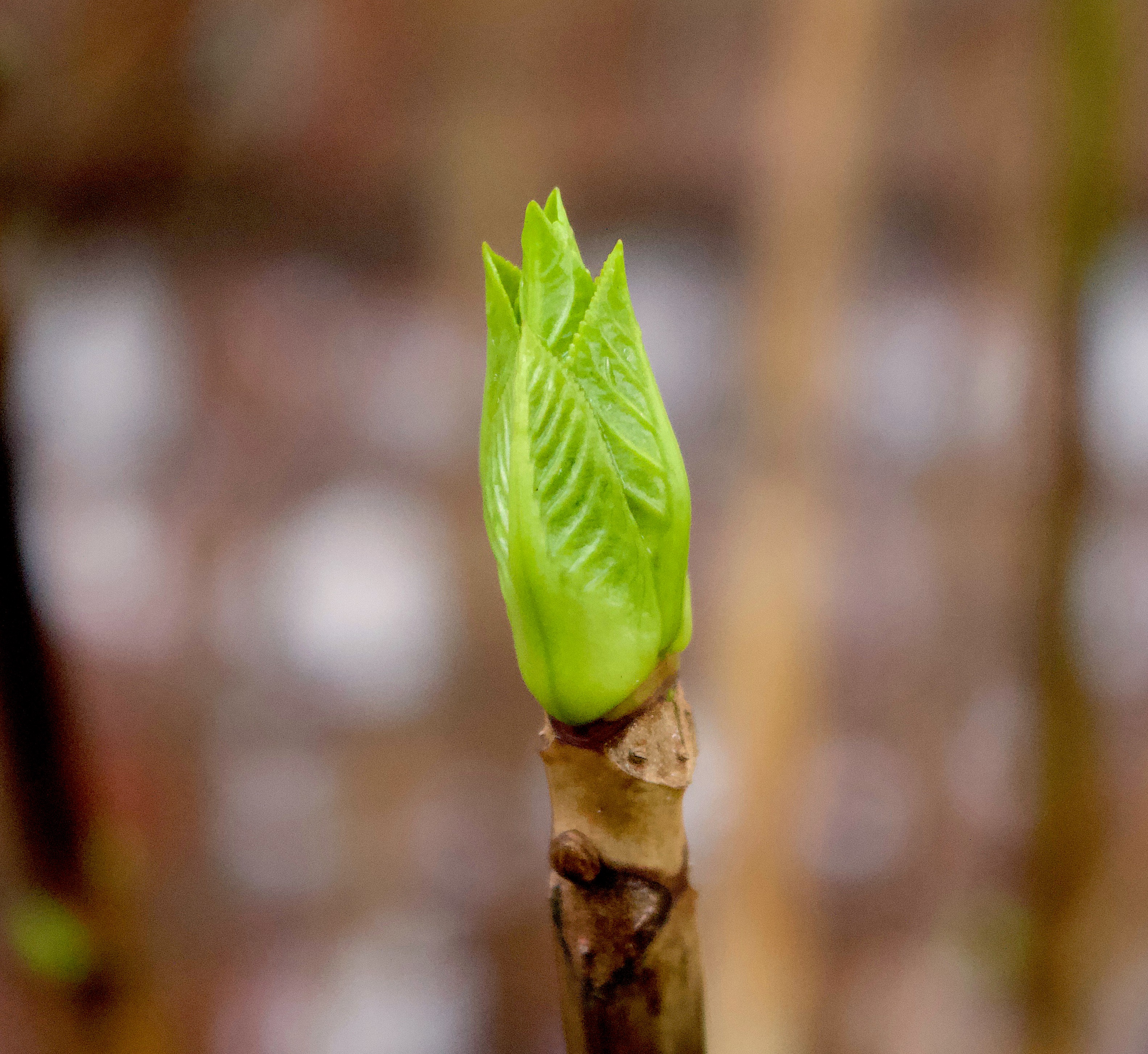
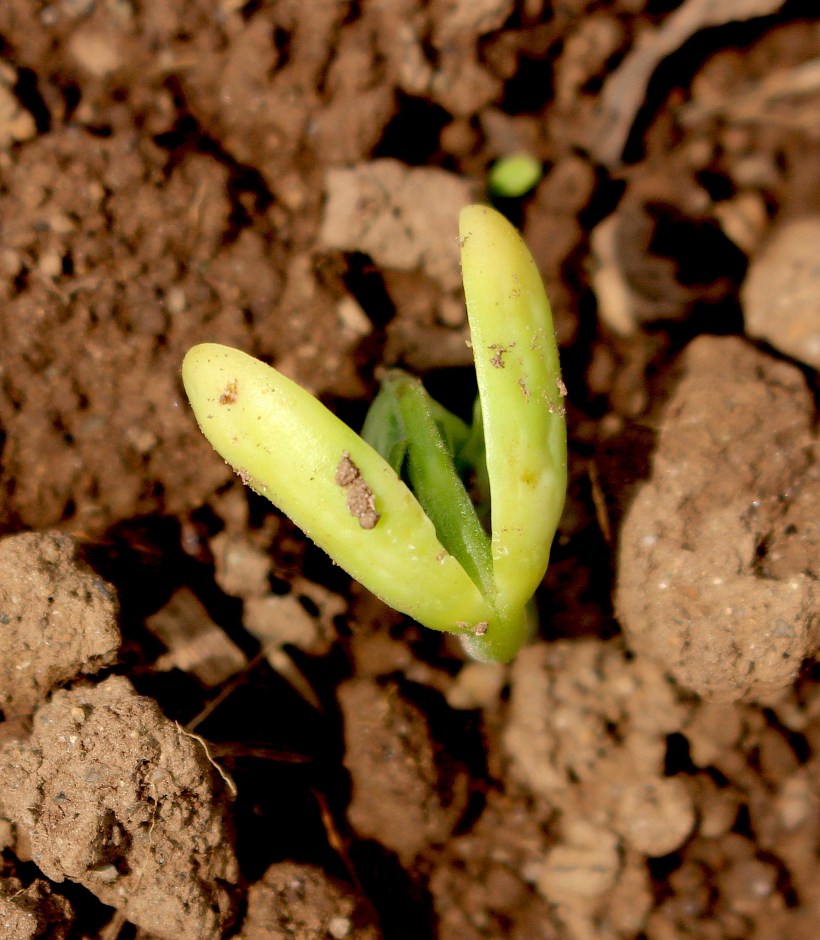
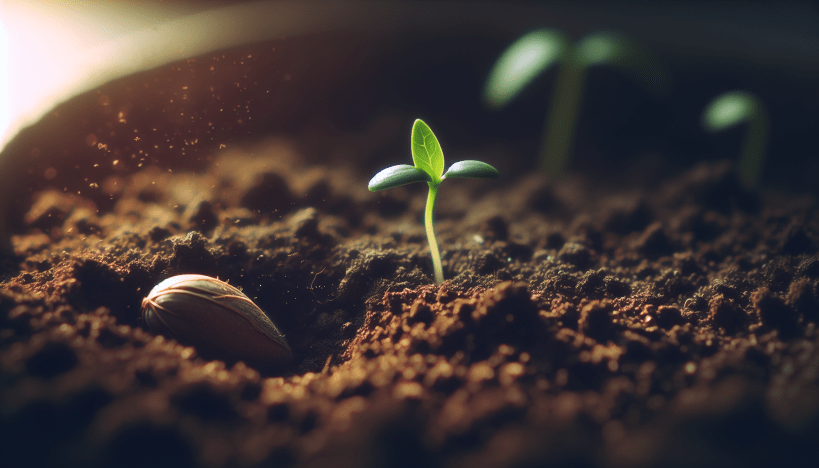
A seed is a plain, unadorned and ordinary thing, a little boring even, practically forgotten once it is placed in the ground. Yet the ordinariness is only the outer dress; the extraordinary is contained inside, and within days a tender shoot braves all to come to the surface, bowed and humble. It establishes a tenacious root that ensures survival, grabbing hold in even the most inhospitable ground.

So it is with Jesus whose ordinary origins belied his holiness and majesty. Both hardy root and tender shoot, he reaches up to the heavens while his feet tread the soil,  both at once. His toughness paid for our chance at a more gentle world.

And thanks to Him, we are fed.

For he grew up before him like a young plant,
and like a root out of dry ground;
Isaiah 53:2a

AI image created for this post
One-Time
Monthly
Yearly

Make a one-time or recurring donation to support daily Barnstorming posts

Make a monthly donation

Make a yearly donation

Choose an amount

$10.00
$25.00
$50.00
$5.00
$15.00
$100.00
$5.00
$15.00
$100.00

Or enter a custom amount

$

Your contribution is deeply appreciated.

Your contribution is appreciated.

Your contribution is appreciated.

DonateDonate monthlyDonate yearly