Grace is Glue

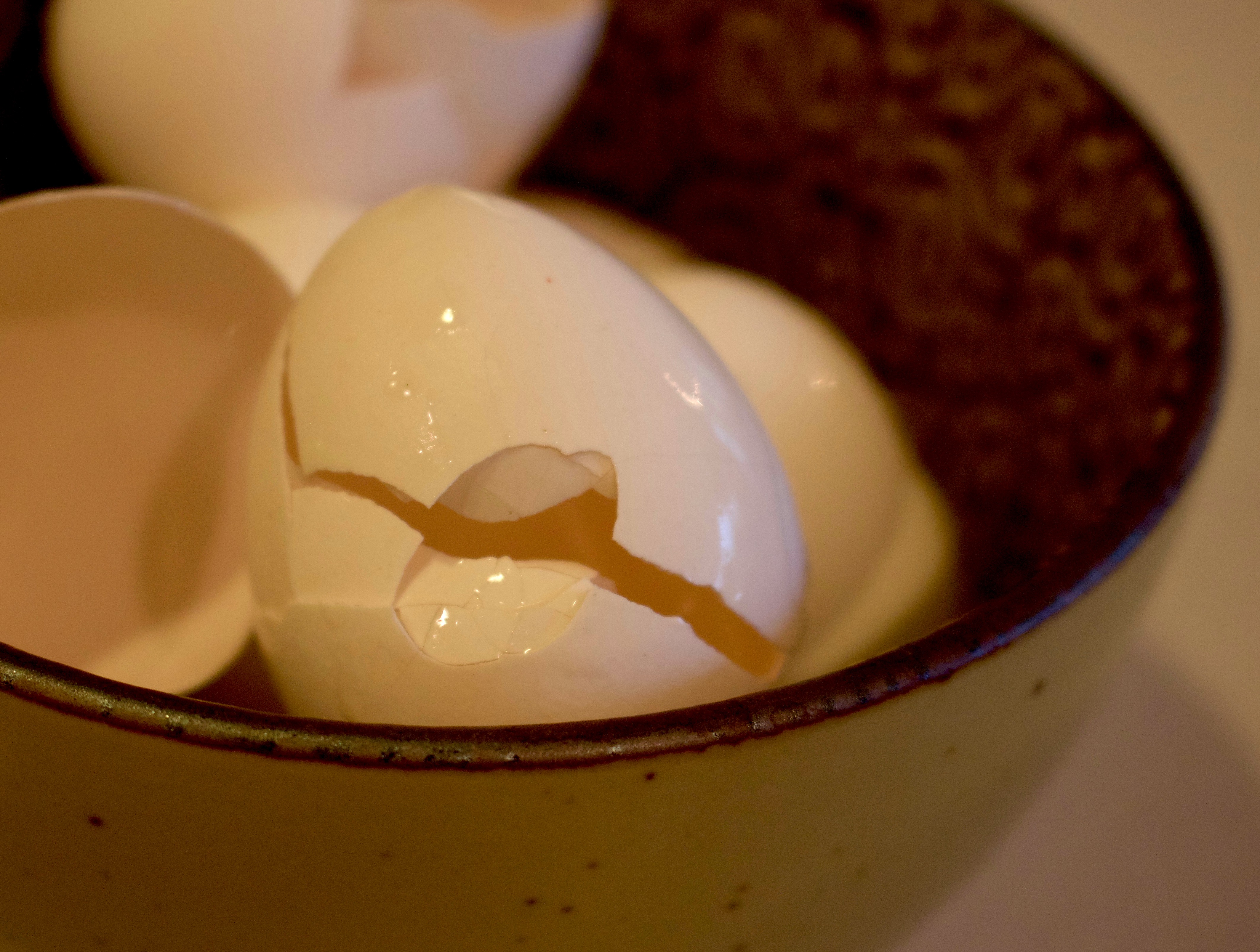
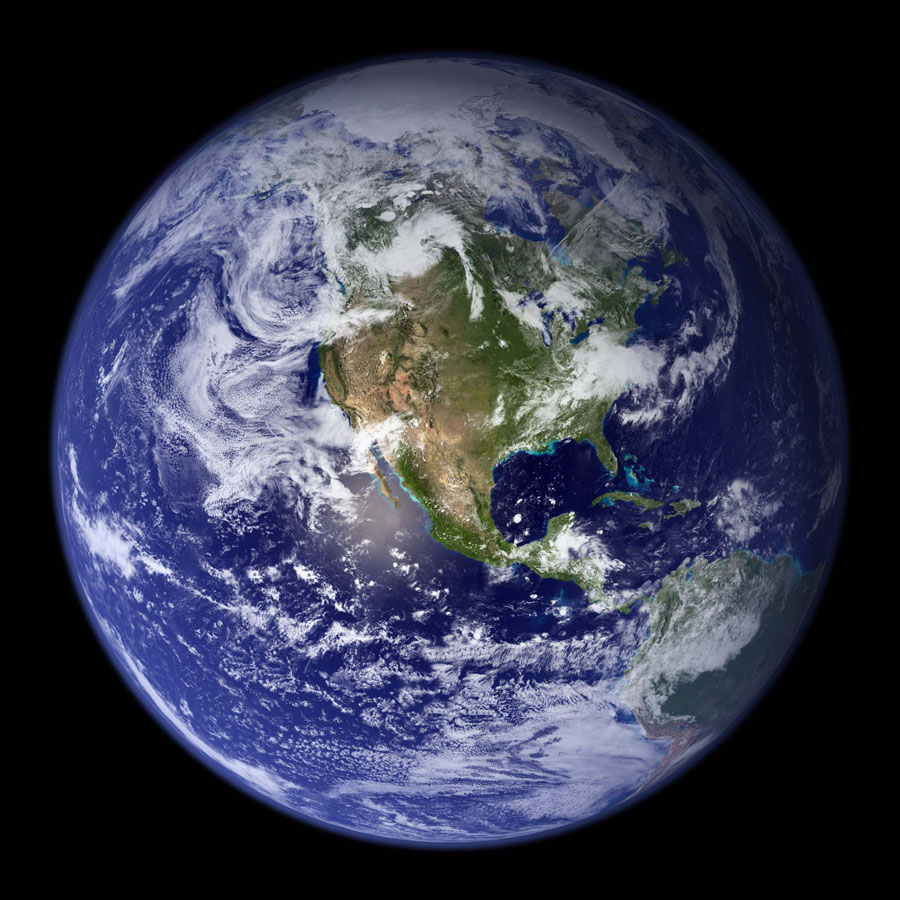
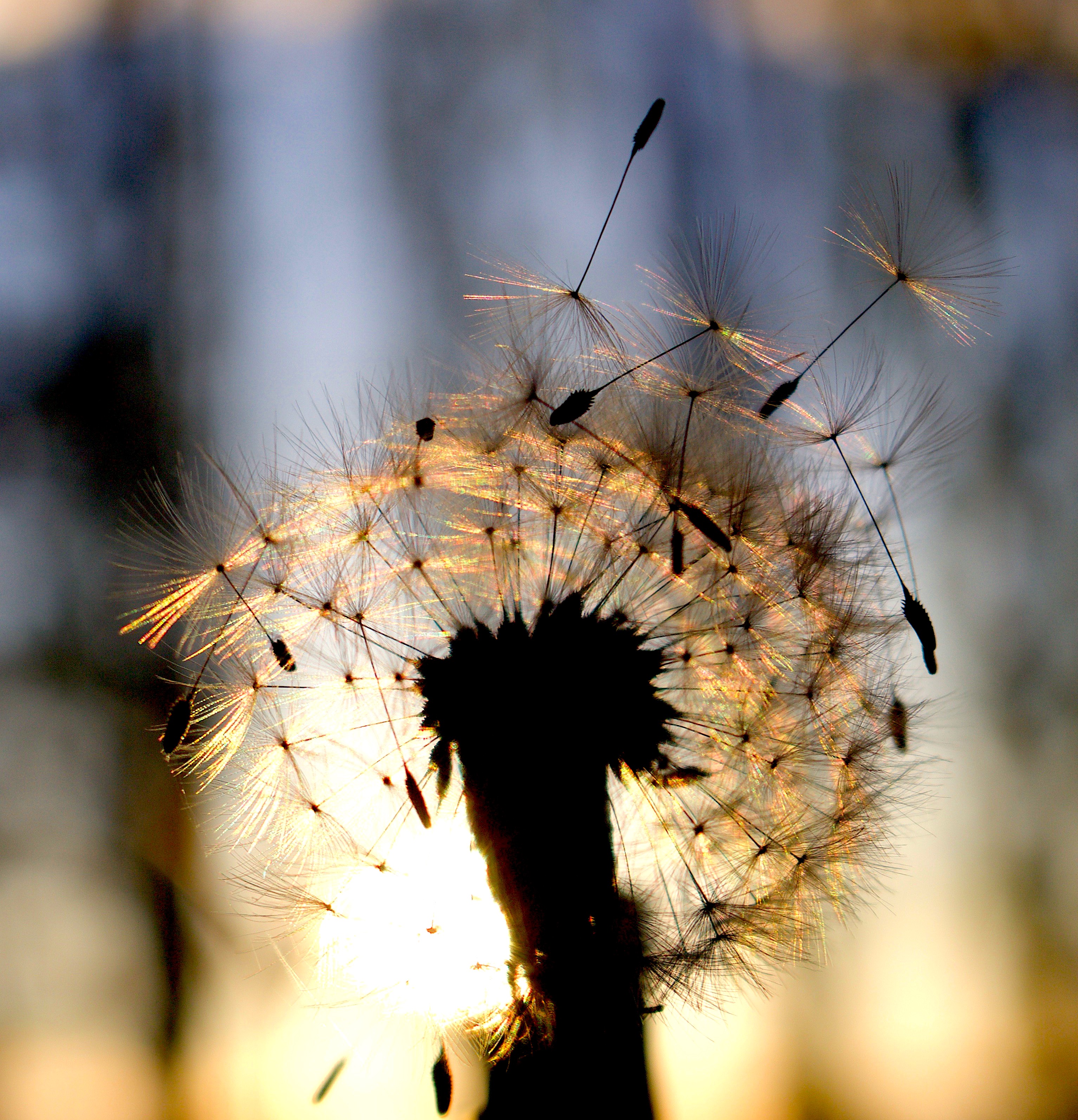
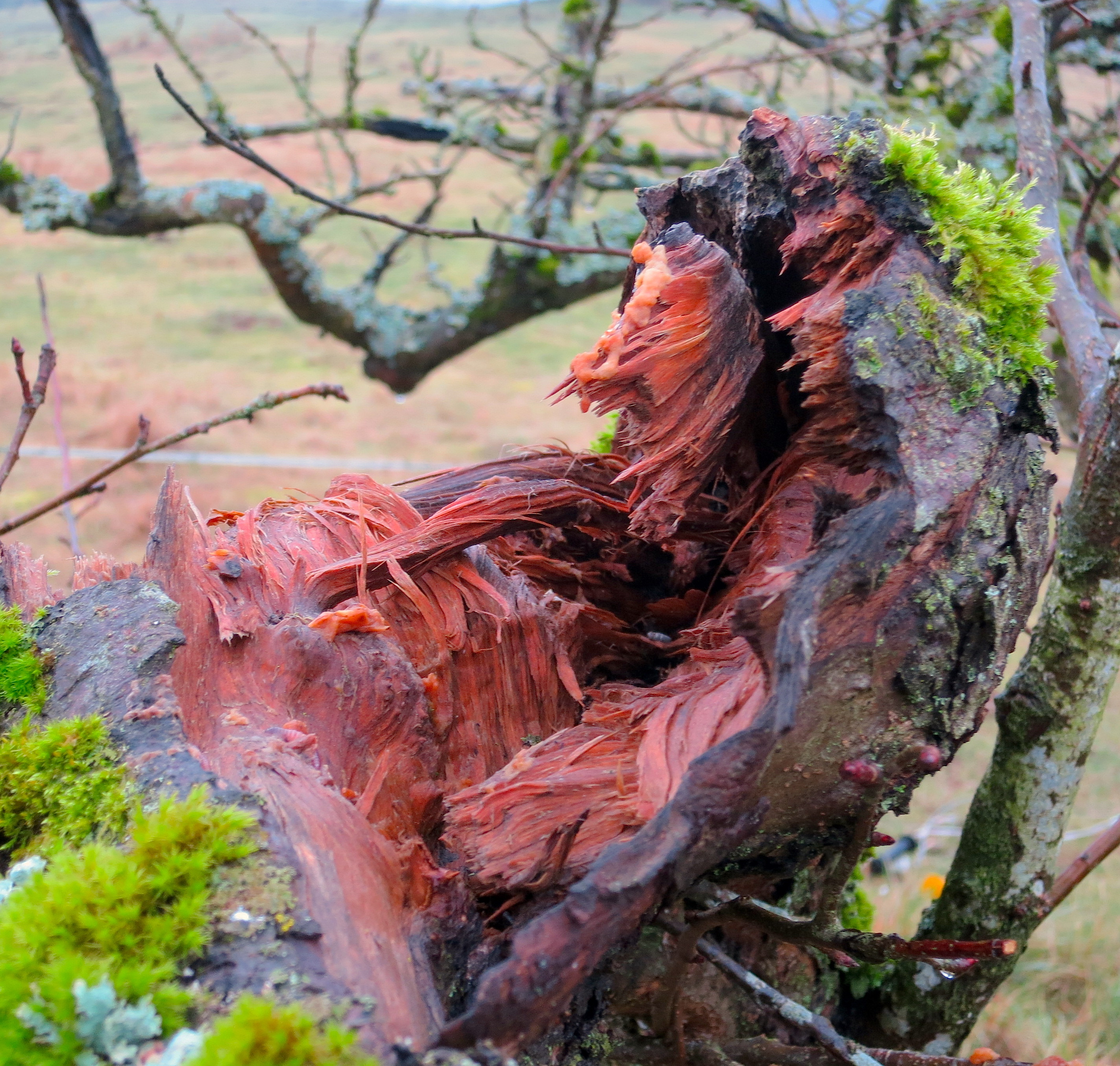
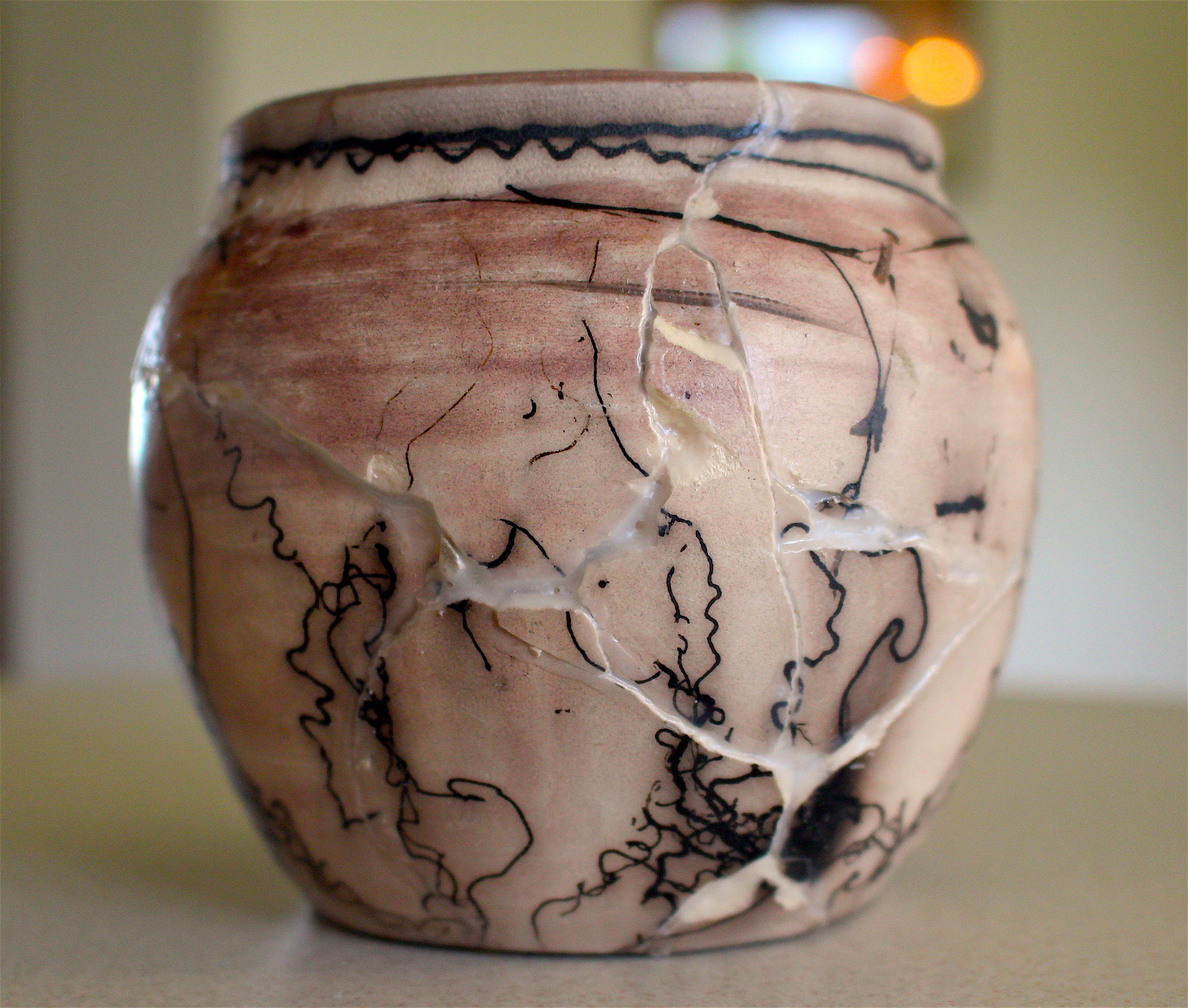
Man is born broken. He lives by mending. The grace of God is glue.
~Eugene O’Neill

We are born hollering,
already aware of our brokenness –
our emptiness evident
from the first breath,
each tiny air sac bursting
with the air of a fallen world
that is never quite enough to satisfy.

The rest of our days are spent
filling up our empty spaces:
whether alveoli
or stomach
or synapse hungry for knowledge;
still hollering and heart
broken.

So we mend and are mended
through healing another,
sewn up
by knitting together
the scraggly fragments of lives,
becoming the crucial glue
boiled from His gifted Grace,
all empty holes made holy
when filled to brimming
so wholly.

Packed and Unpacked

Holes in the shape of stars
punched in gray tin, dented,
cheap, beaten by each
of her children with a wooden spoon.

Noodle catcher, spaghetti stopper,
pouring cloudy rain into the sink,
swirling counter clockwise
down the drain, starch slime
on the backside, caught
in the piercings.

Scrubbed for sixty years, packed
and unpacked, the baby’s
helmet during the cold war,
a sinking ship in the bathtub,
little boat of holes.

Dirt scooped in with a plastic
shovel, sifted to make cakes
and castles. Wrestled
from each other’s hands,
its tin feet bent and re-bent.

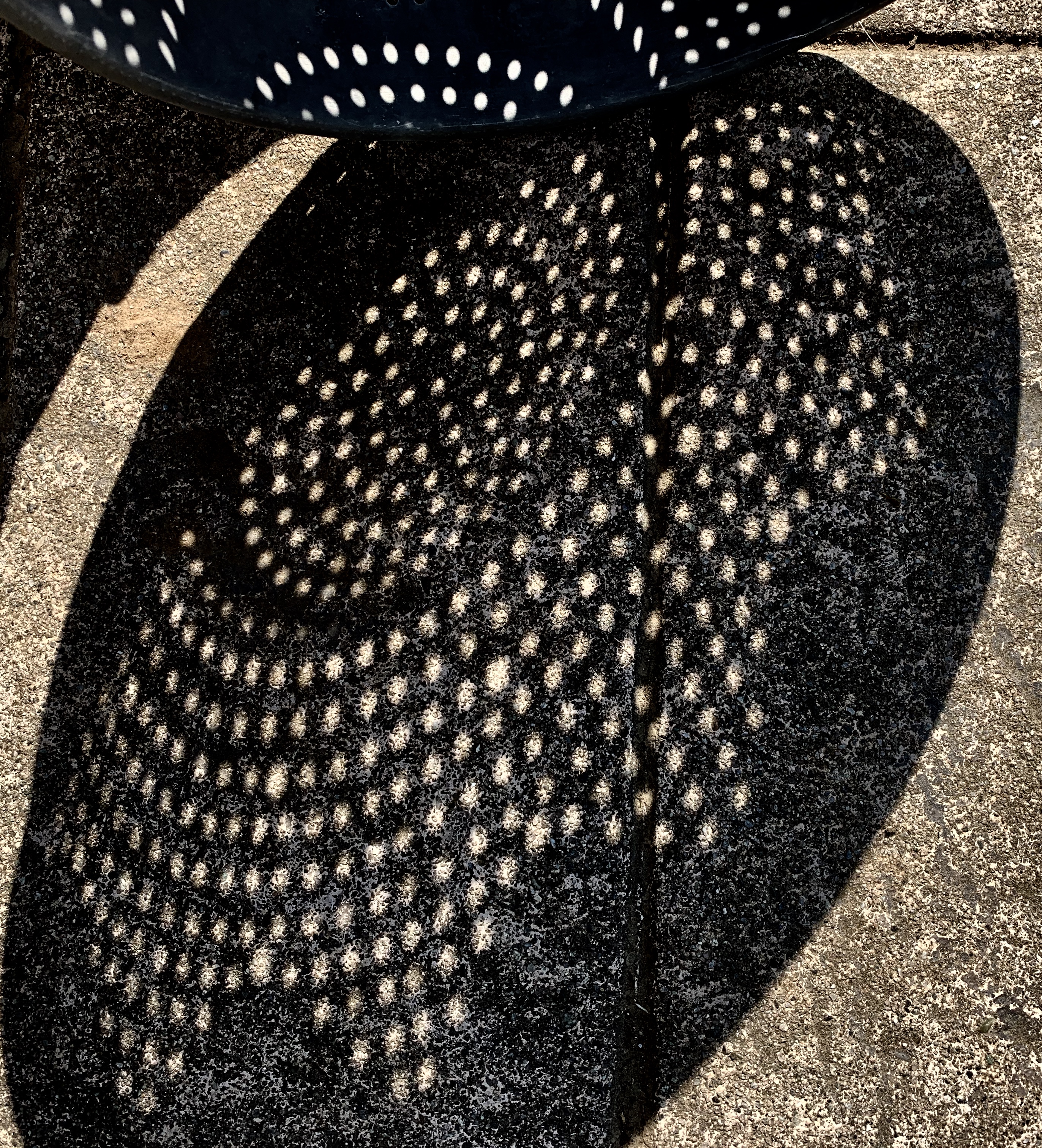
Bowl daylight fell through
onto freckled faces, noon stars
on the pavement, the universe
we circled aiming jagged stones,
rung bells it caught and held.

~Dorianne Laux “My Mother’s Colander”from Only As the Day is Long: New and Selected Poems.

Many of my mother’s kitchen things, some over seventy years old, are still packed away in boxes that I haven’t had the time or the emotional wherewithal to open. They sit waiting for me to sort and purge and save and weep.

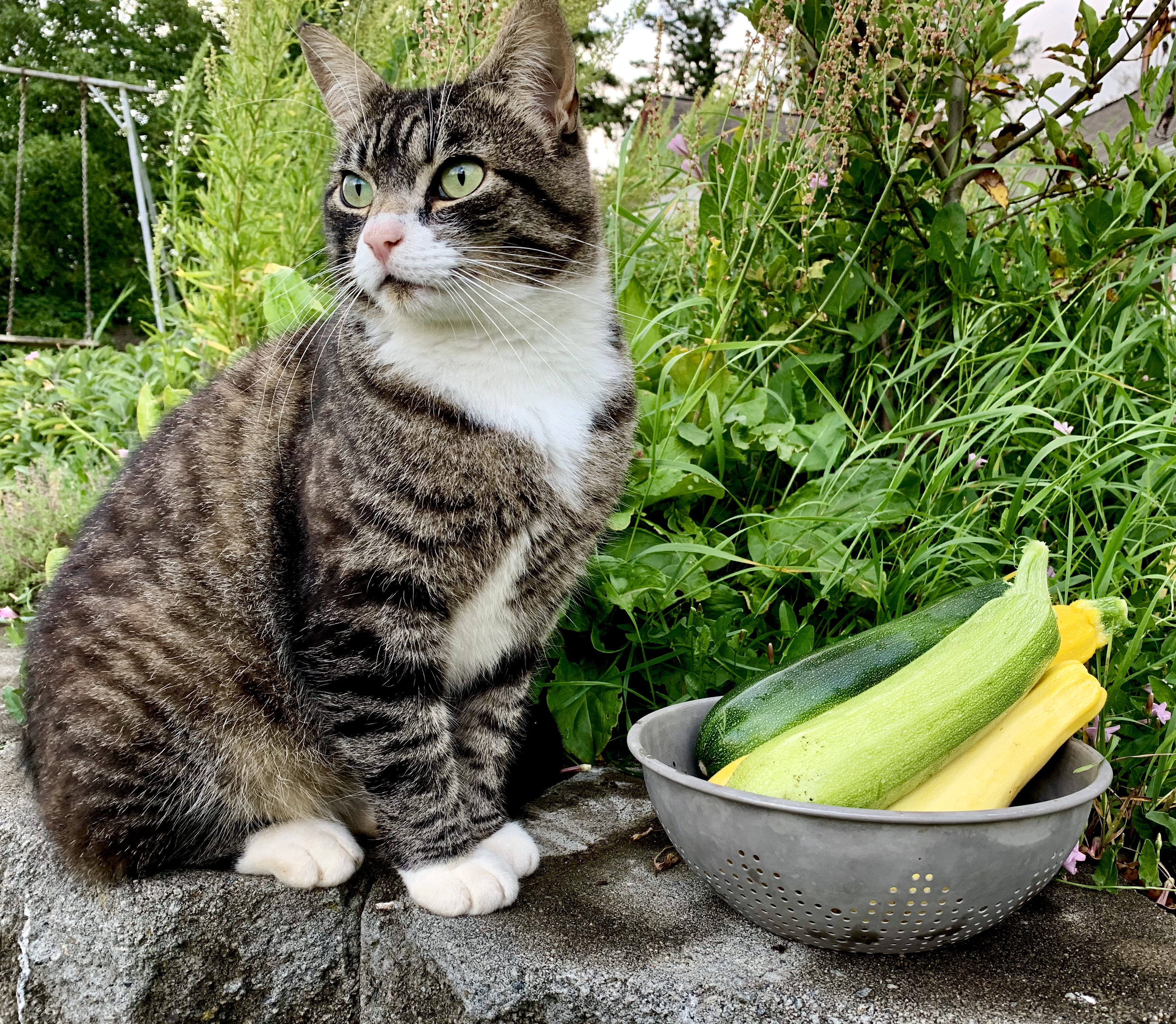
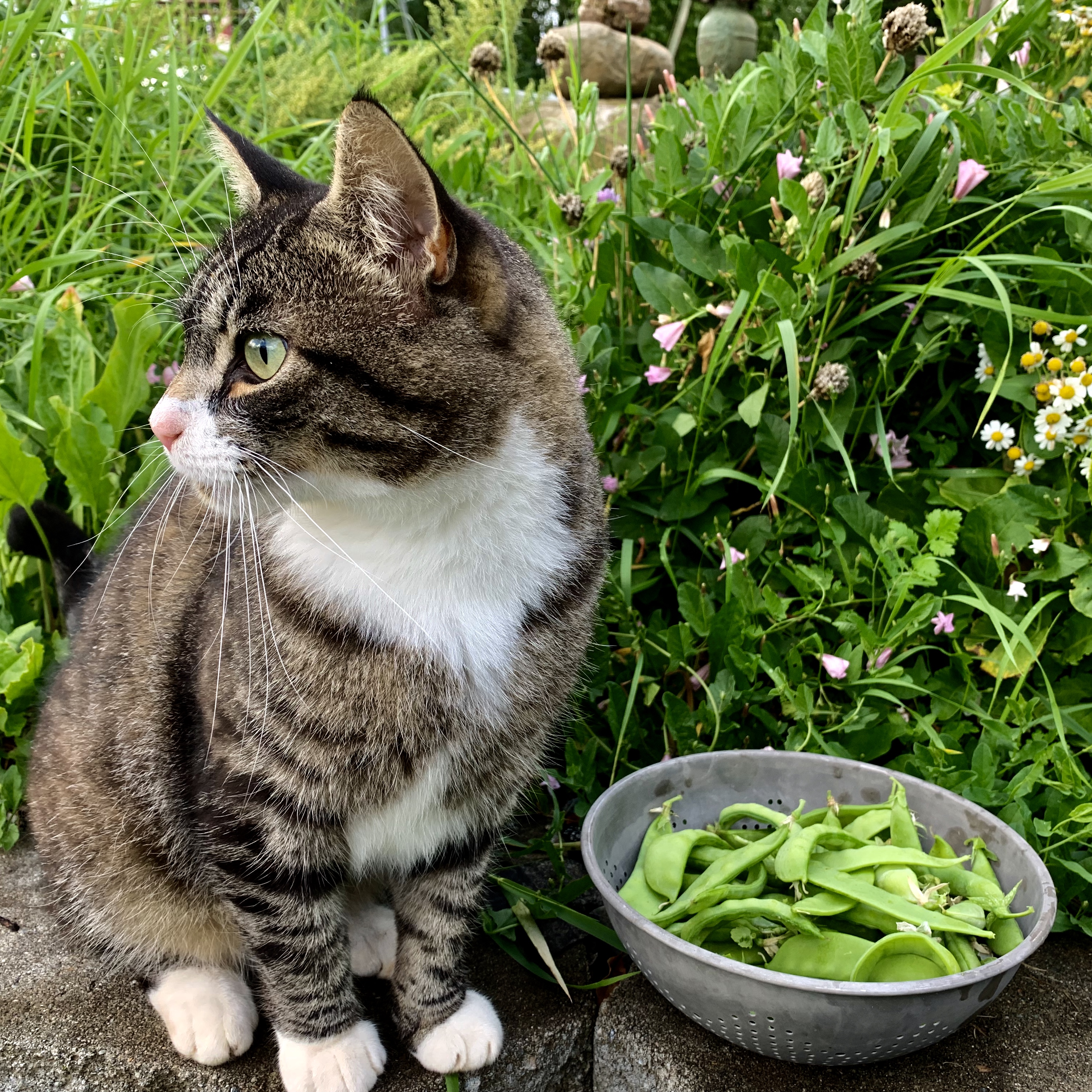
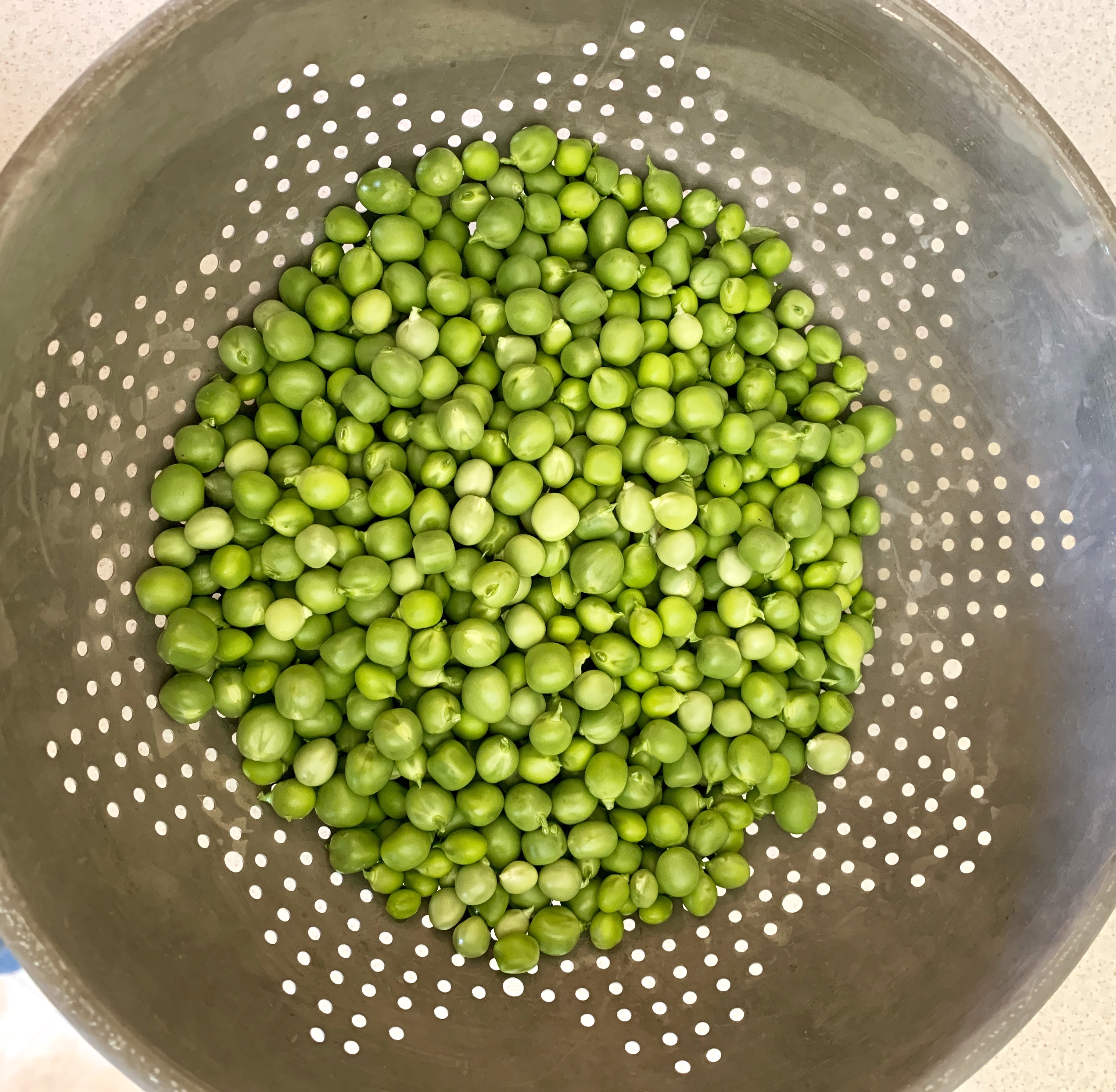
But this kitchen item, her old dented metal colander, she gave to me when I moved into my first apartment some 40 years ago – she had purchased a bright green plastic colander at a Tupperware party so the old metal one seemed somehow outdated, overworked and plain. It had held hundreds of pounds of rinsed garden vegetables during my childhood, had drained umpteen pasta noodles, had served as a sifter in our sandbox, and a helmet for many a pretend rocket launch to infinity and beyond.

It still works fine, thank you very much, for all intended and some unintended purposes. It does make me wonder what other treasures may surprise me when I finally decide to open up my mother’s boxes. She died ten years ago, but her things remain, as if in suspended animation, to be rediscovered when I’m ready. They wait patiently to be useful to someone again, touched lovingly and with distinct purpose as they once were, and be remembered for the part they played in one woman’s long and faith-filled life.

Maybe, just maybe, it will feel like I’ve unpacked Mom once again as well.

To infinity and beyond…

Beautiful and Strange

There comes the strangest moment in your life,
when everything you thought before breaks free—
what you relied upon, as ground-rule and as rite
looks upside down from how it used to be.

Your heart’s in retrograde. You simply have no choice.
Things people told you turn out to be true.
You have to hold that body, hear that voice.
You’d have sworn no one knew you more than you.

How many people thought you’d never change?
But here you have. It’s beautiful. It’s strange.
~Kate Light from “There Comes the Strangest Moment” in
 Open Slowly

This disease of being “busy” (and let’s call it what it is, the dis-ease of being busy, when we are never at ease) is spiritually destructive to our health and wellbeing. It saps our ability to be fully present with those we love the most in our families, and keeps us from forming the kind of community that we all so desperately crave.

Tell me you remember you are still a human being, not just a human doing. Tell me you’re more than just a machine, checking off items from your to-do list. Have that conversation, that glance, that touch. Be a healing conversation, one filled with grace and presence.

Put your hand on my arm, look me in the eye, and connect with me for one second. Tell me something about your heart, and awaken my heart. Help me remember that I too am a full and complete human being,…
~Omid Safi from The Disease of Being Busy

Now that I have officially committed to reduce to part-time clinic work nine months out of the year with summers off, I’m struggling with the strangeness of waking up with no job to go to. I’m no longer paid to be busy. It feels a bit like I’m vigorously treading water but with no destination in mind other than to stay afloat. Maybe that’s enough to just move and breathe but until I get my feet on this new uncertain ground, I won’t make much progress.
With no little trepidation, I have decided this is the time to start backing off from all-consuming clinic responsibilities, knowing I was becoming less effective due to diminishing passion and energy for the work. I’ve worked in some capacity for over fifty years, throughout school and graduate school. Not working feels, well… very strange. It makes me question who I really am and how not leaving home for a job changes me. I can barely remember who I was before I became a physician.

So here I am — changing — whether it is taking on new color or shape, exercising a different part of my brain, or simply praying I will make good use of this time to do something as worthwhile as what I have been doing.
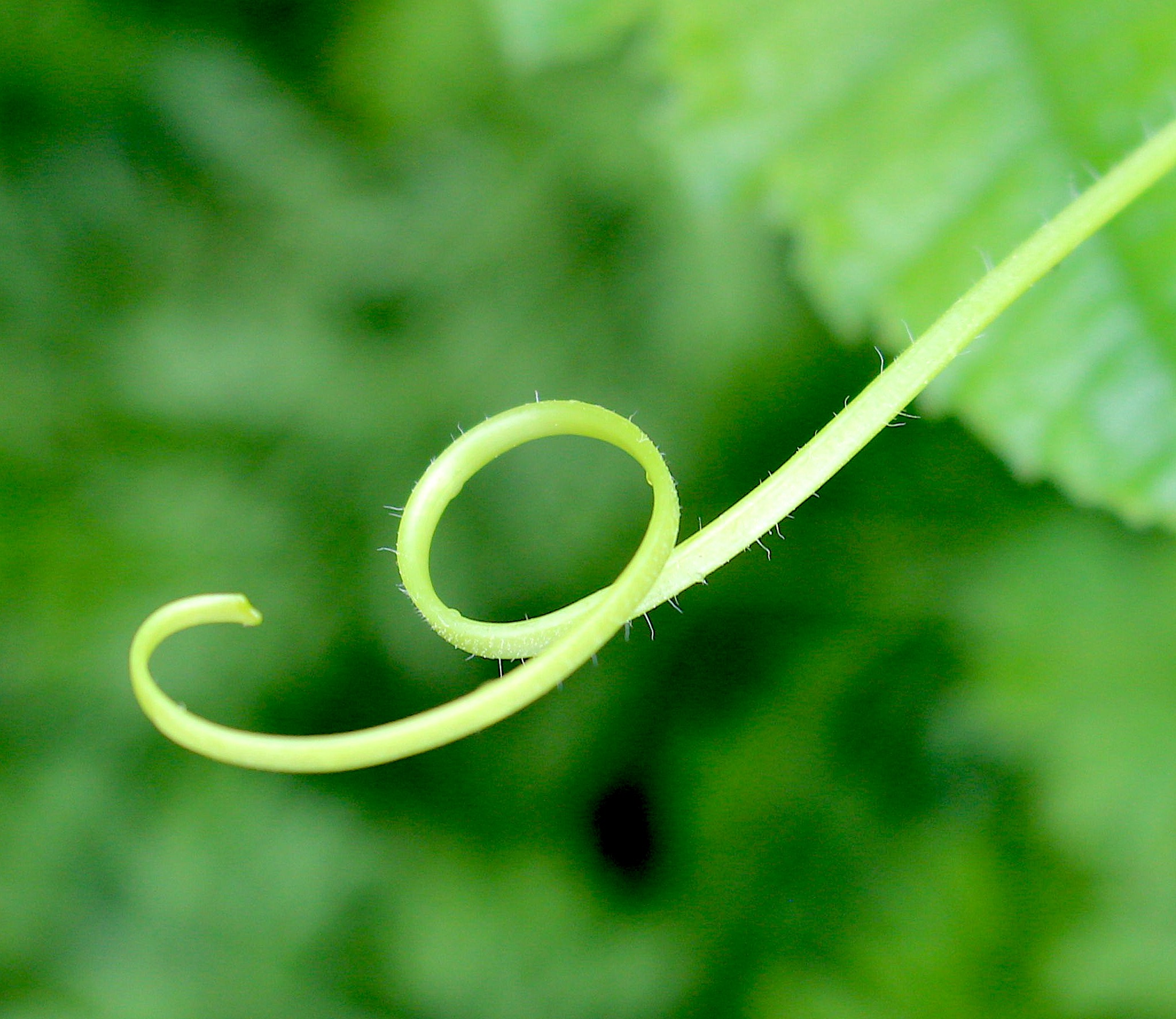
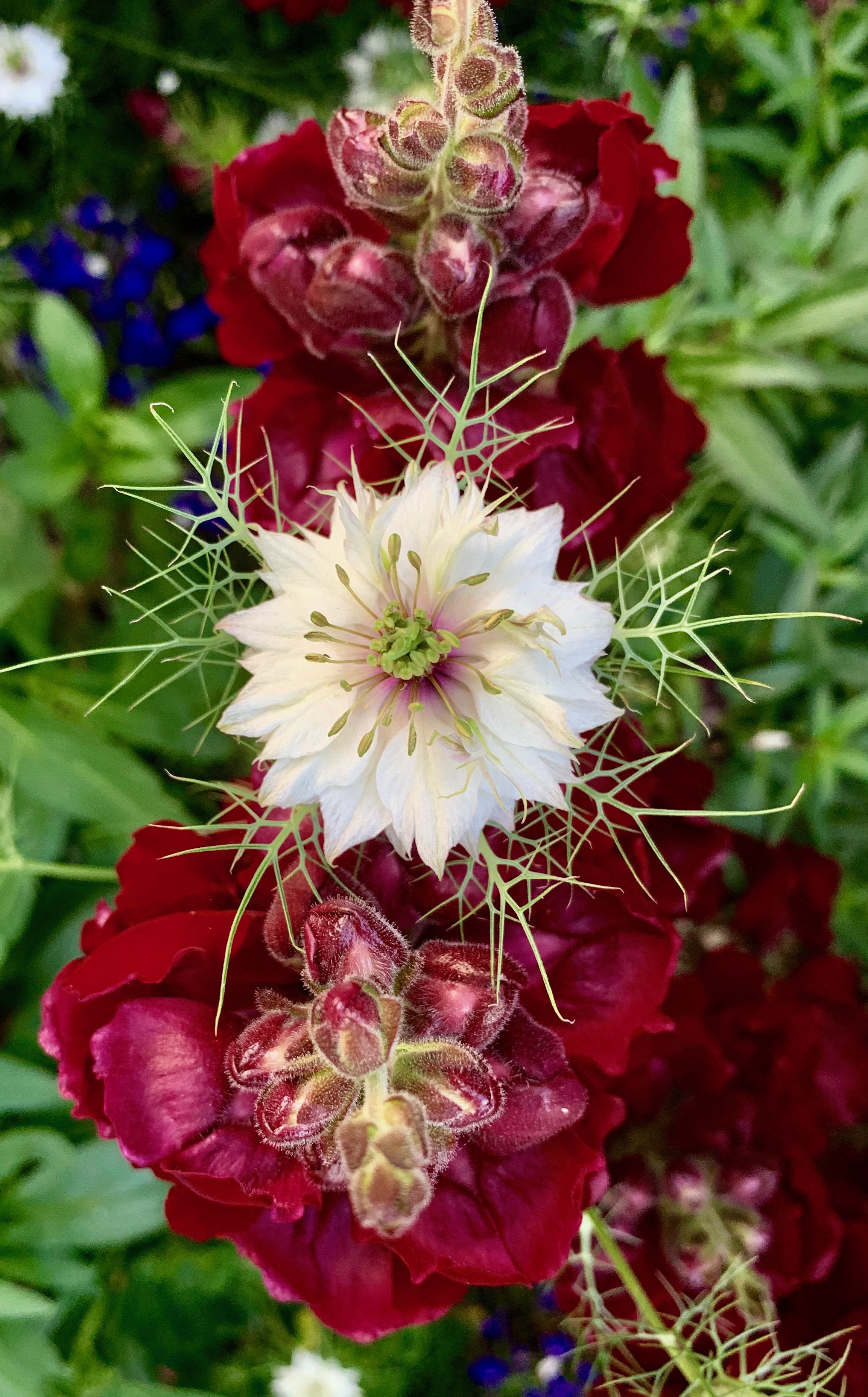
And once again my days … will be … strangely beautiful.

He Looks on Life with Quiet Eyes

  Who loves the rain    
    And loves his home, 
And looks on life with quiet eyes,  
     Him will I follow through the storm;    
     And at his hearth-fire keep me warm;
Nor hell nor heaven shall that soul surprise,    
     Who loves the rain, 
     And loves his home, 
And looks on life with quiet eyes.

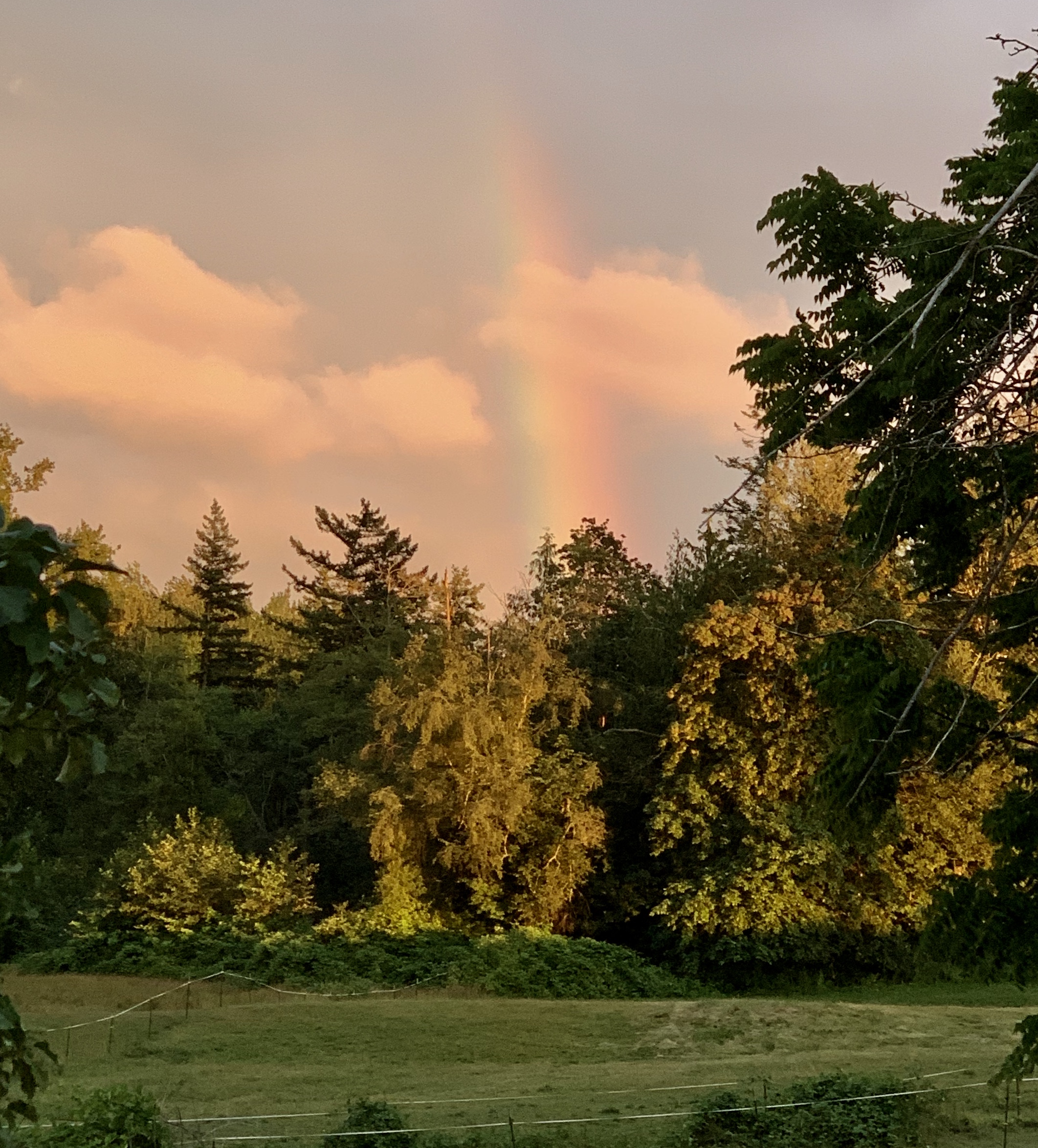
~Frances Shaw, “Who loves the rain” from Look To the Rainbow

No jump-starting the day,
no bare feet slapping the floor
to bath and breakfast.

Dozing instead
in the nest
like, I suppose,
a pair of gophers

underground
in fuzz and wood shavings.
One jostles the other
in closed-eye luxury.

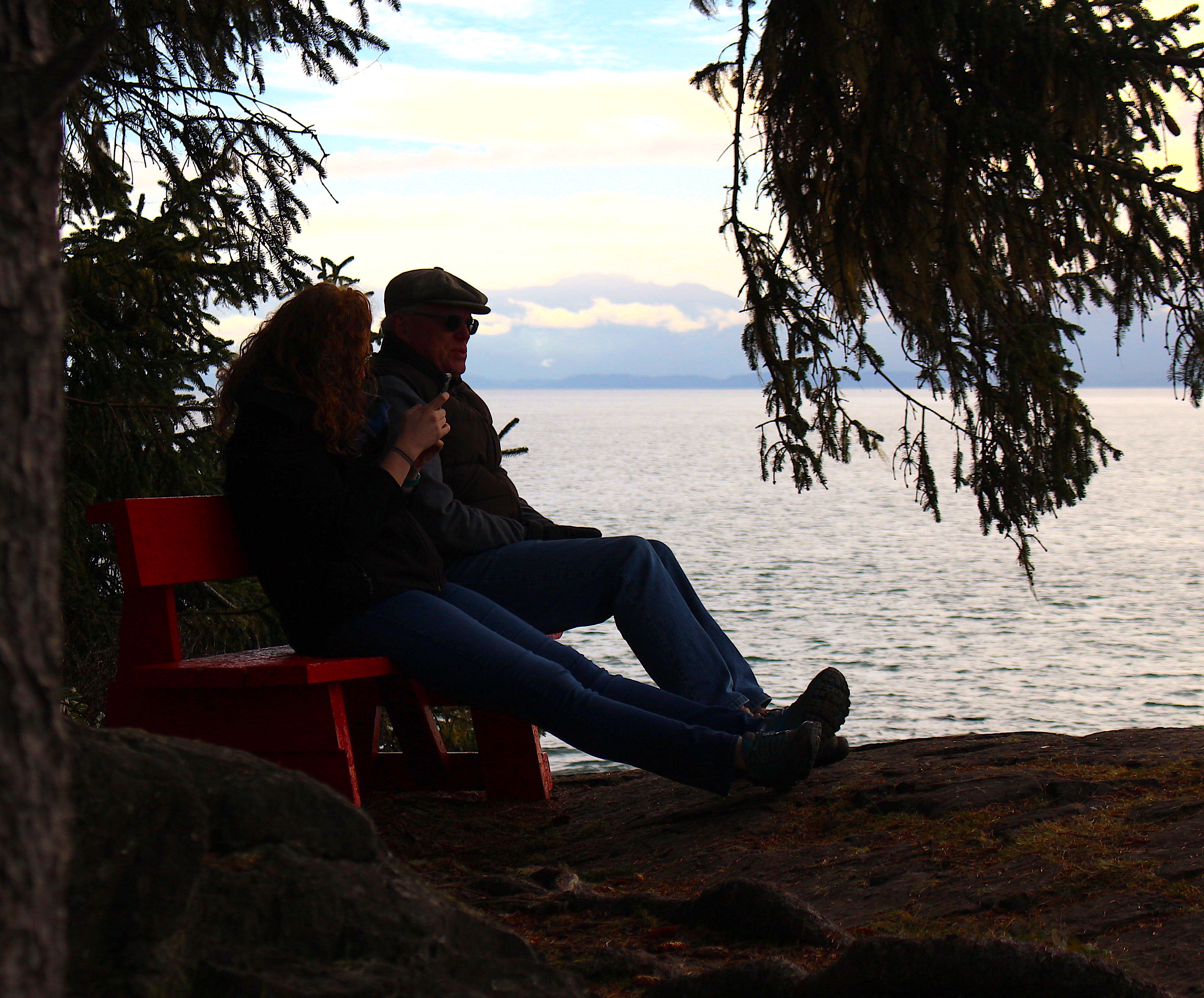
We are at last
perhaps
what we are:

uncombed,
unclothed,
mortal.

Pulse
and breath
and dream.

~Marjorie Saiser “Weekends, Sleeping In” from Beside You at the Stoplight. 

Each year, as we grow older together:
grayer, softer, gentler
with ourselves,
each other
and the world.

I pause,
on this day you were born,
to thank God yet again
for bringing you to earth
so we could meet,
raise three amazing children,
and walk this journey together
with pulse and breath and dreams.

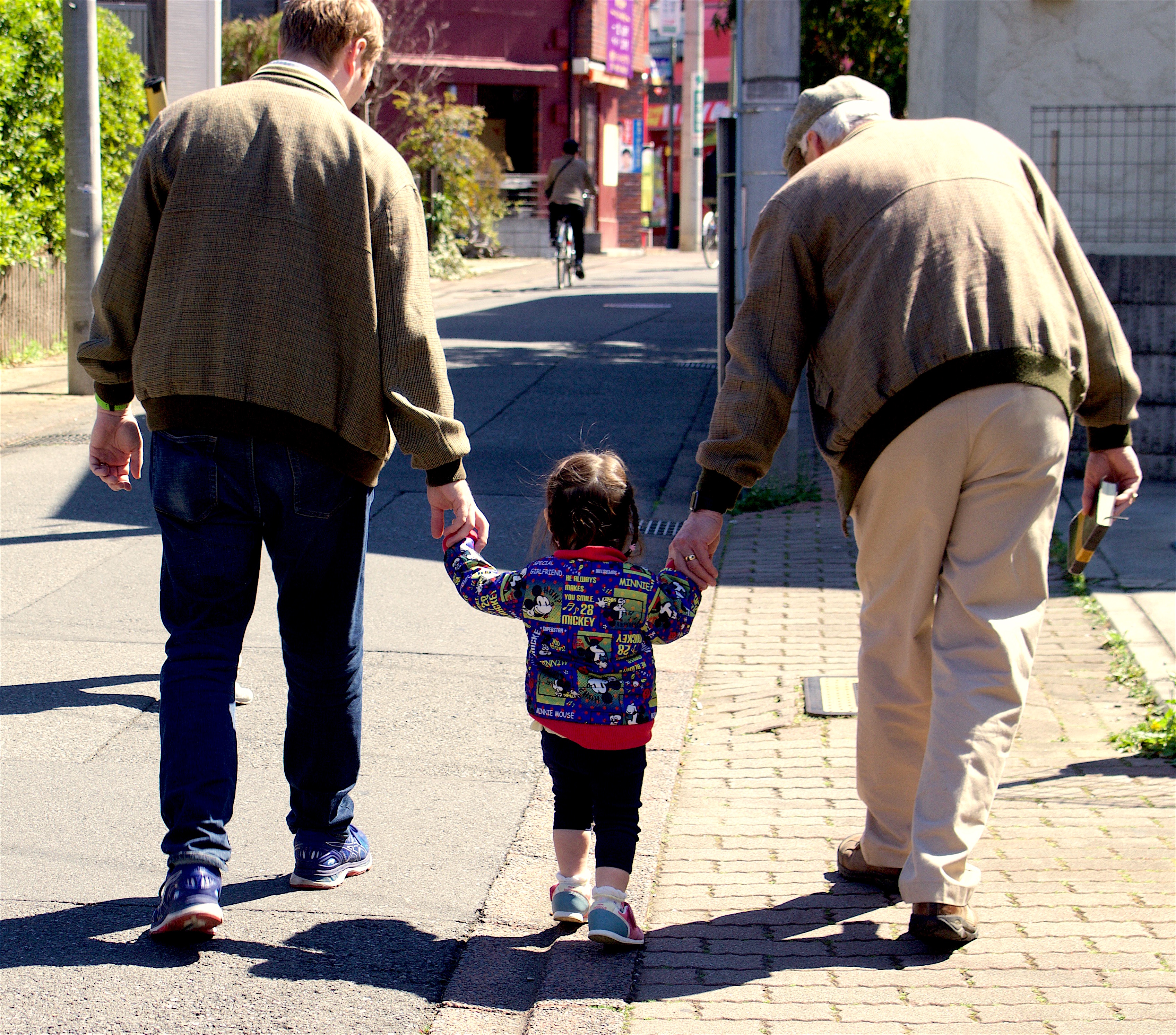
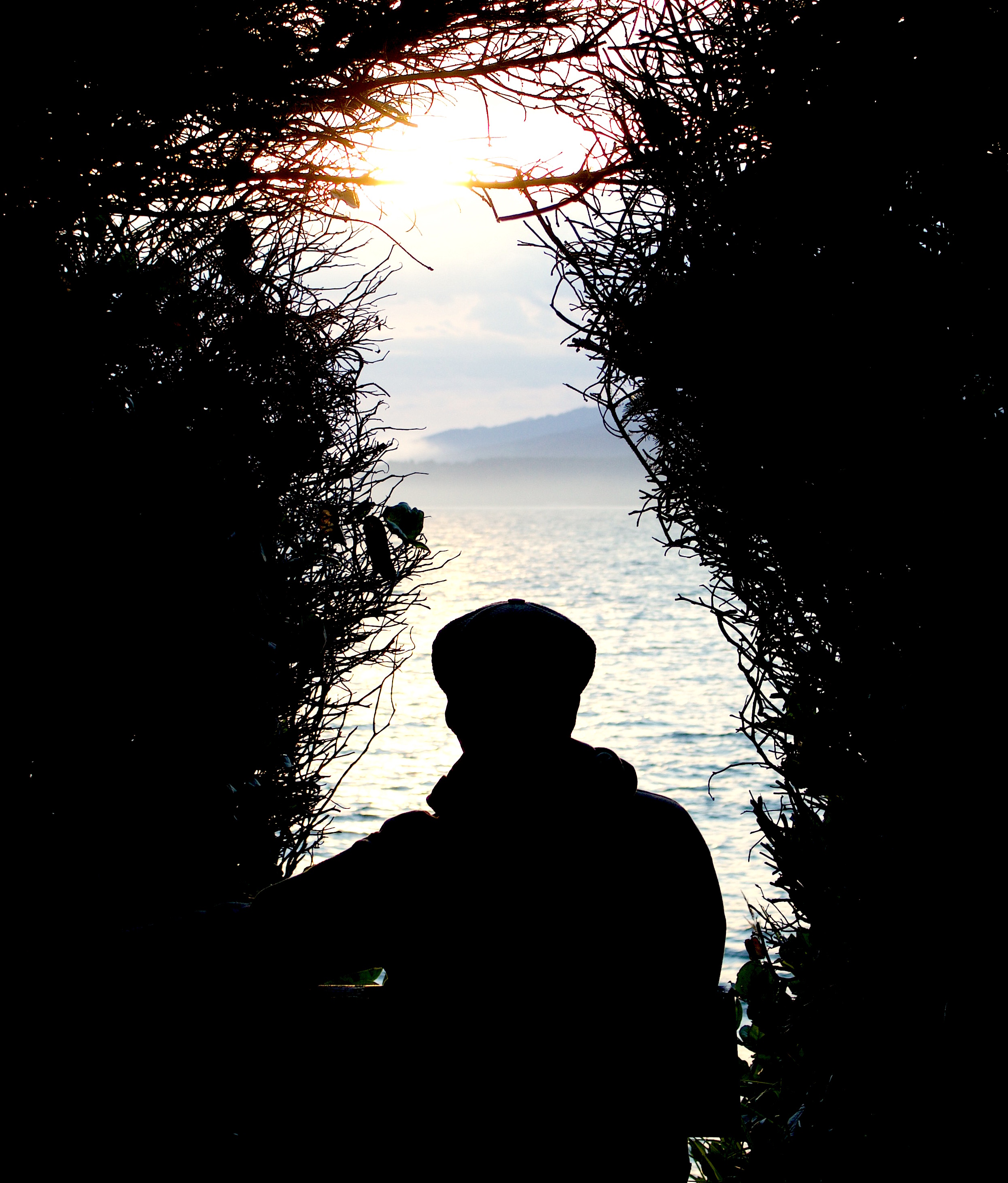
It was your quiet brown eyes I trusted first
and just knew
I’d follow you anywhere
and I have.


Blessed Days of More or Less

Now in the blessed days of more and less
when the news about time is that each day
there is less of it I know none of that
as I walk out through the early garden
only the day and I are here with no
before or after and the dew looks up
without a number or a present age
~W. S. Merwin “Dew Light”

A walk around the farm becomes more or less, before or after, now and then, a timelessness of shifting seasons and days each fading into the next.

A prayer is timeless, spoken to the God who was, is and ever will be, and who already knows what we are about to say. And He knows I don’t tend to say anything new.

And so He still blesses me with the light of His dew.

I began writing regularly over ten years ago as a way to explain myself to people I will never meet. Perhaps I actually am trying to explain myself to God.

God is,
if I stop to look and listen. 
Yesterday, today, tomorrow –
more or less, before or after, now and then,
ever and ever. Amen.

Moving at Summer’s Pace

mowingfield


Cut grass lies frail:
Brief is the breath
Mown stalks exhale.
Long, long the death

It dies in the white hours
Of young-leafed June
With chestnut flowers,
With hedges snowlike strewn,

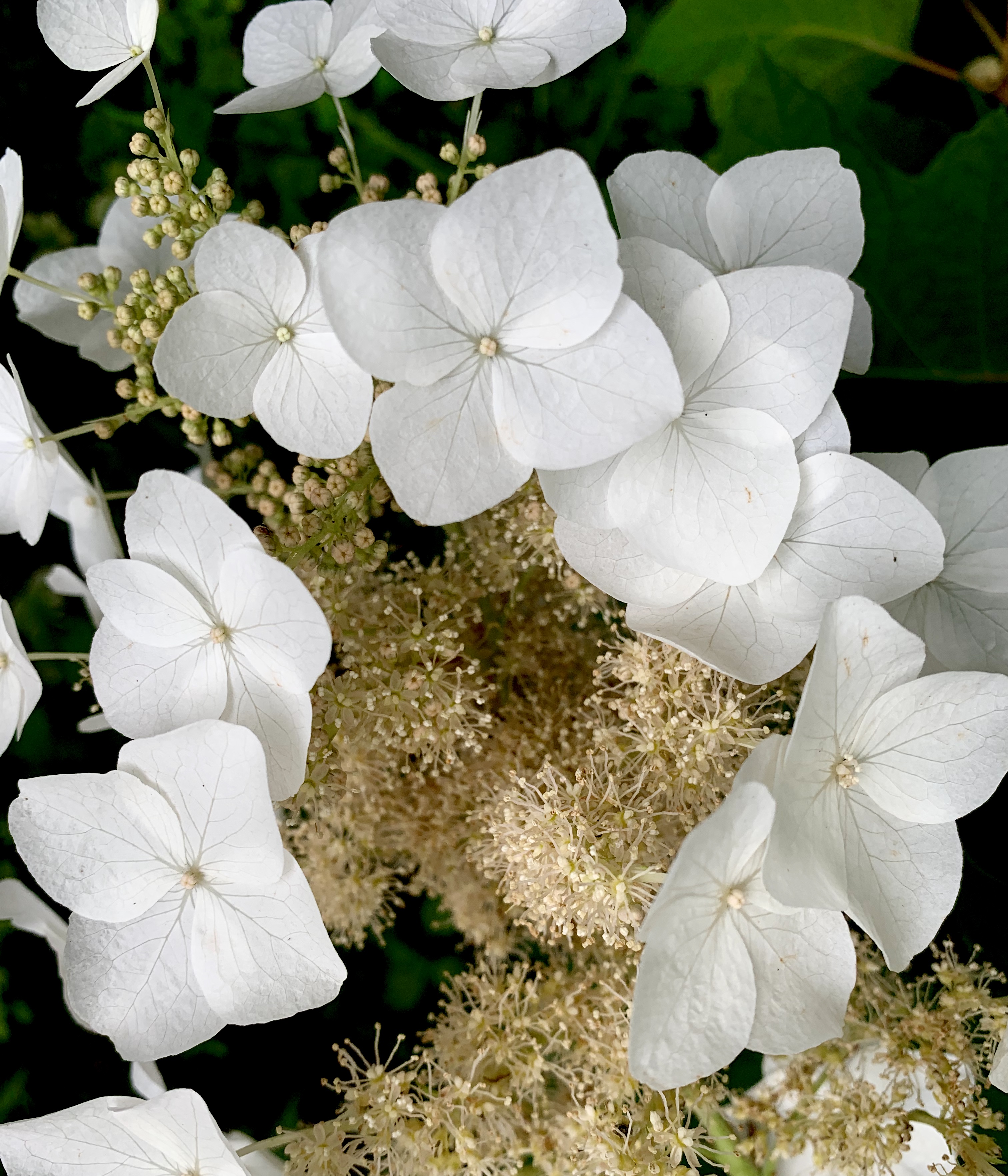
White lilac bowed,
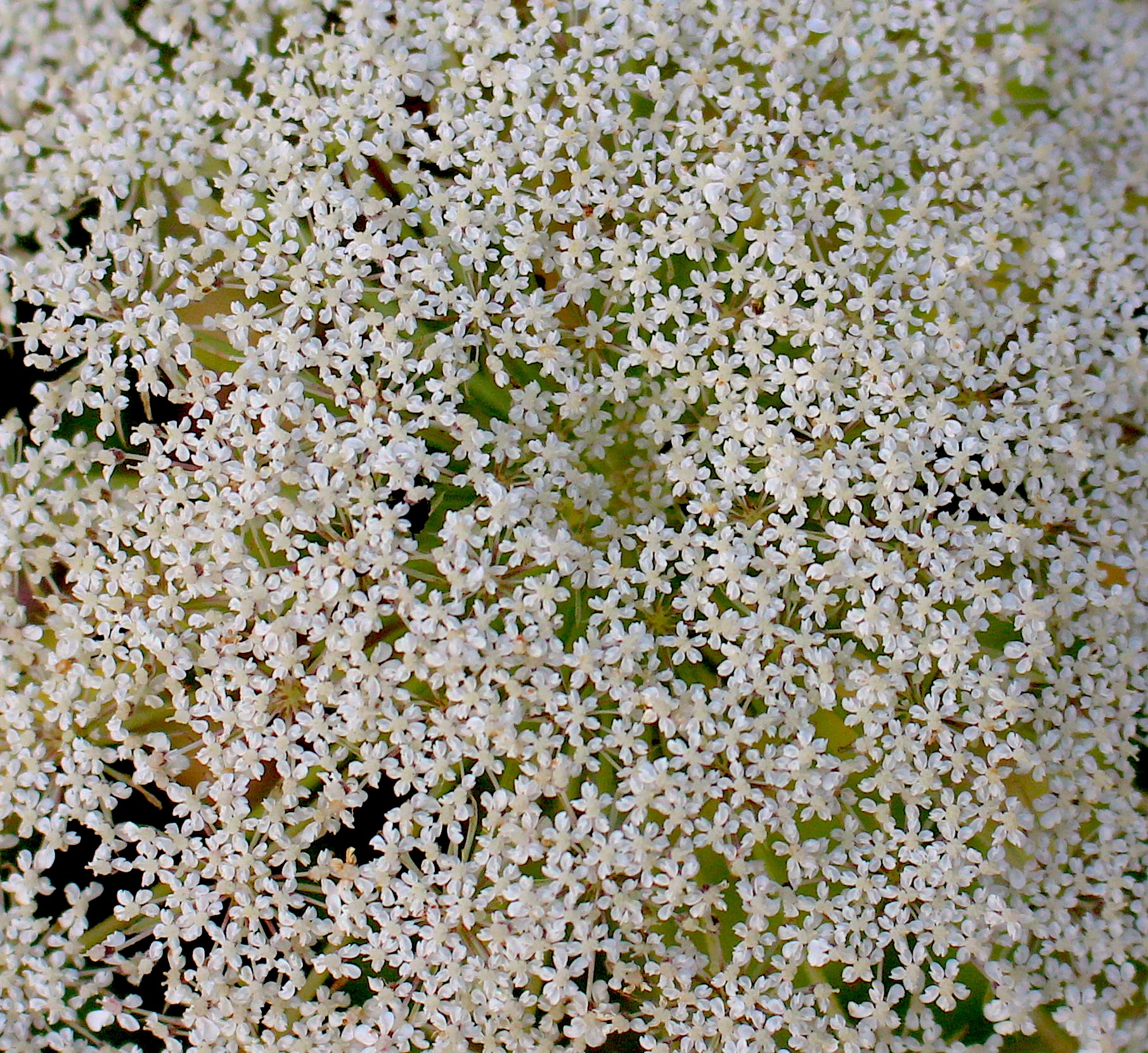
Lost lanes of Queen Anne’s lace,
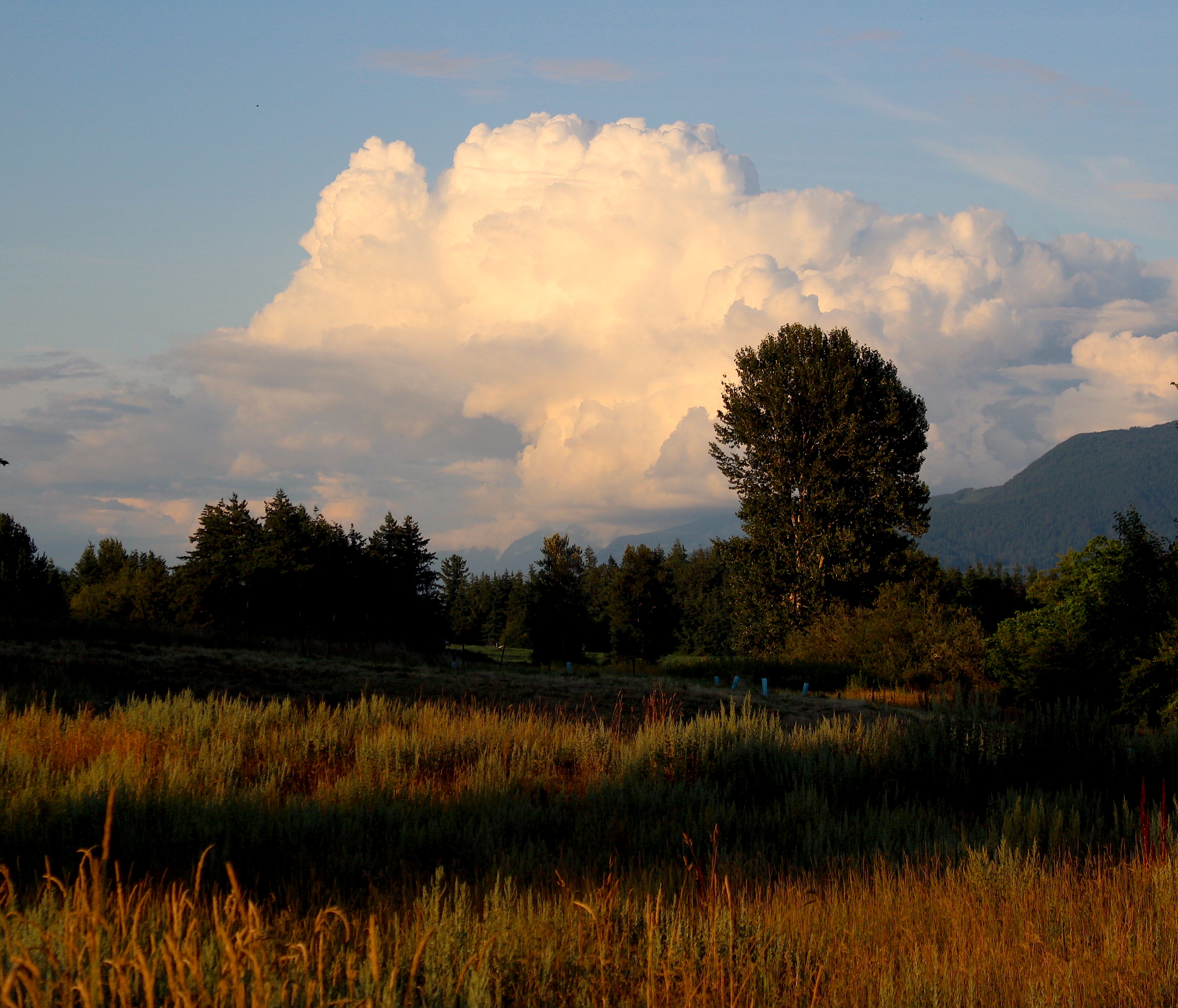
And that high-builded cloud
Moving at summer’s pace.~
~Philip Larkin “Cut Grass” from The Complete Poems

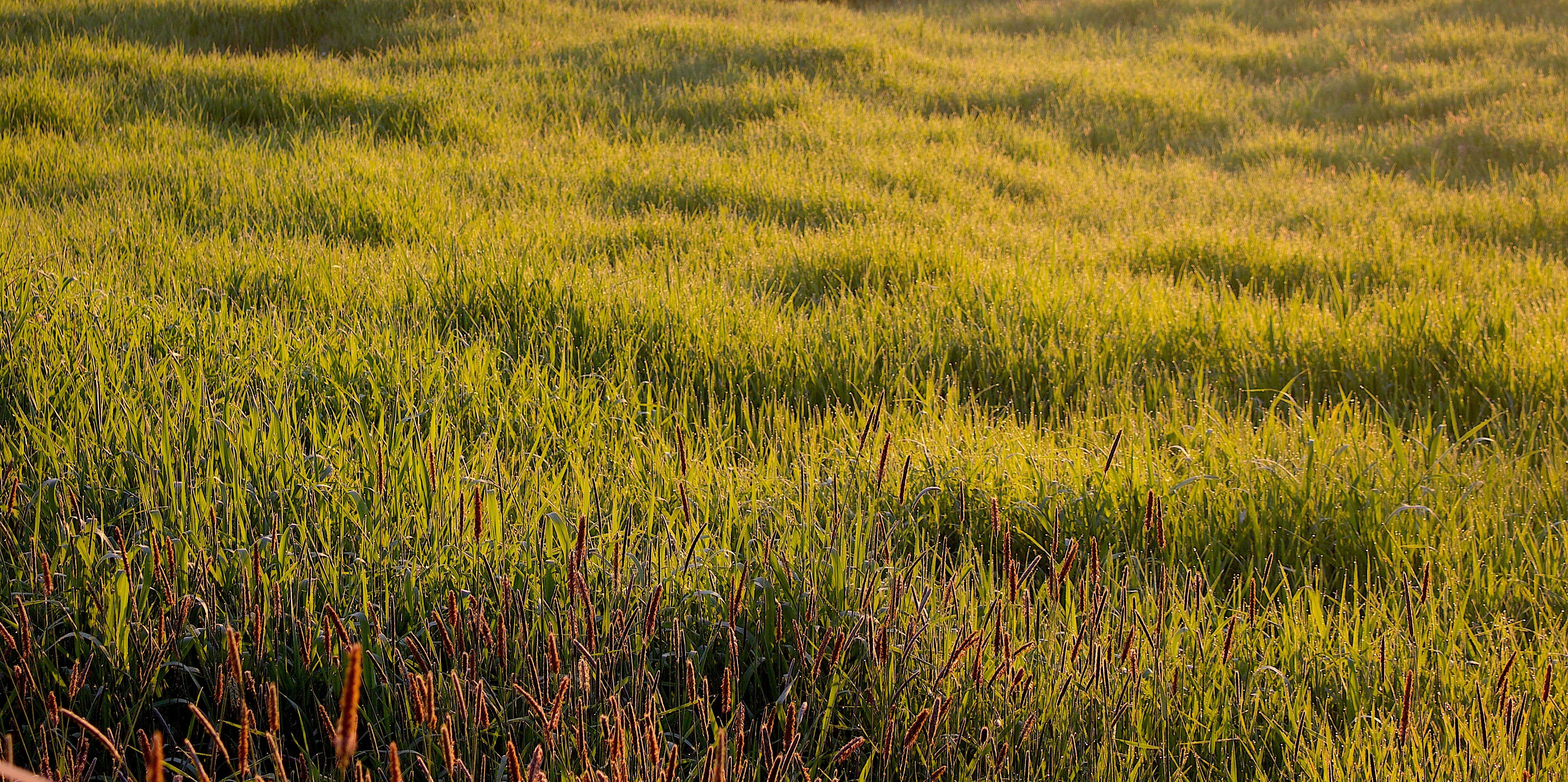
Light and wind are running
over the headed grass
as though the hill had 
melted and now flowed.
~Wendell Berry “June Wind”

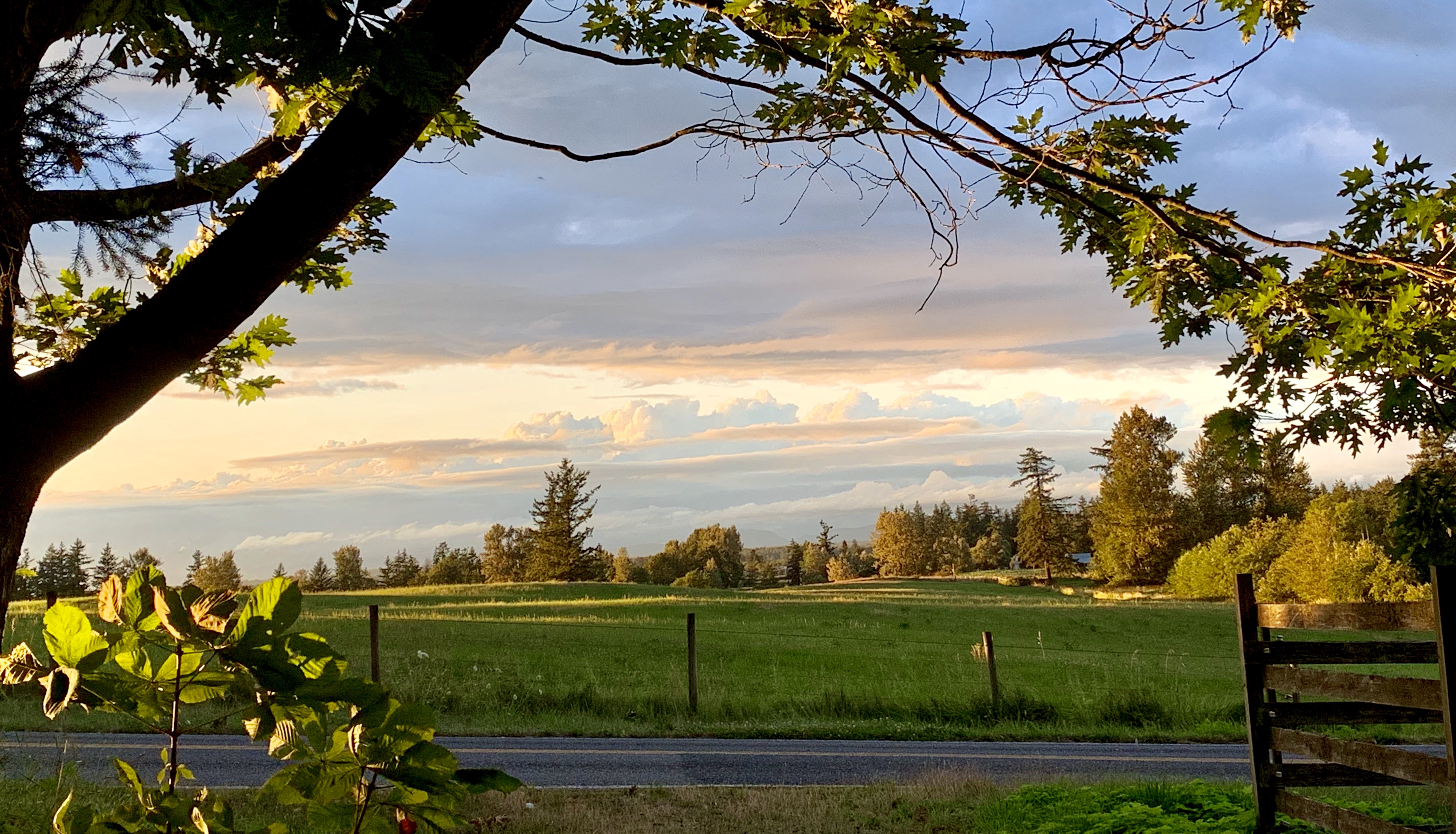
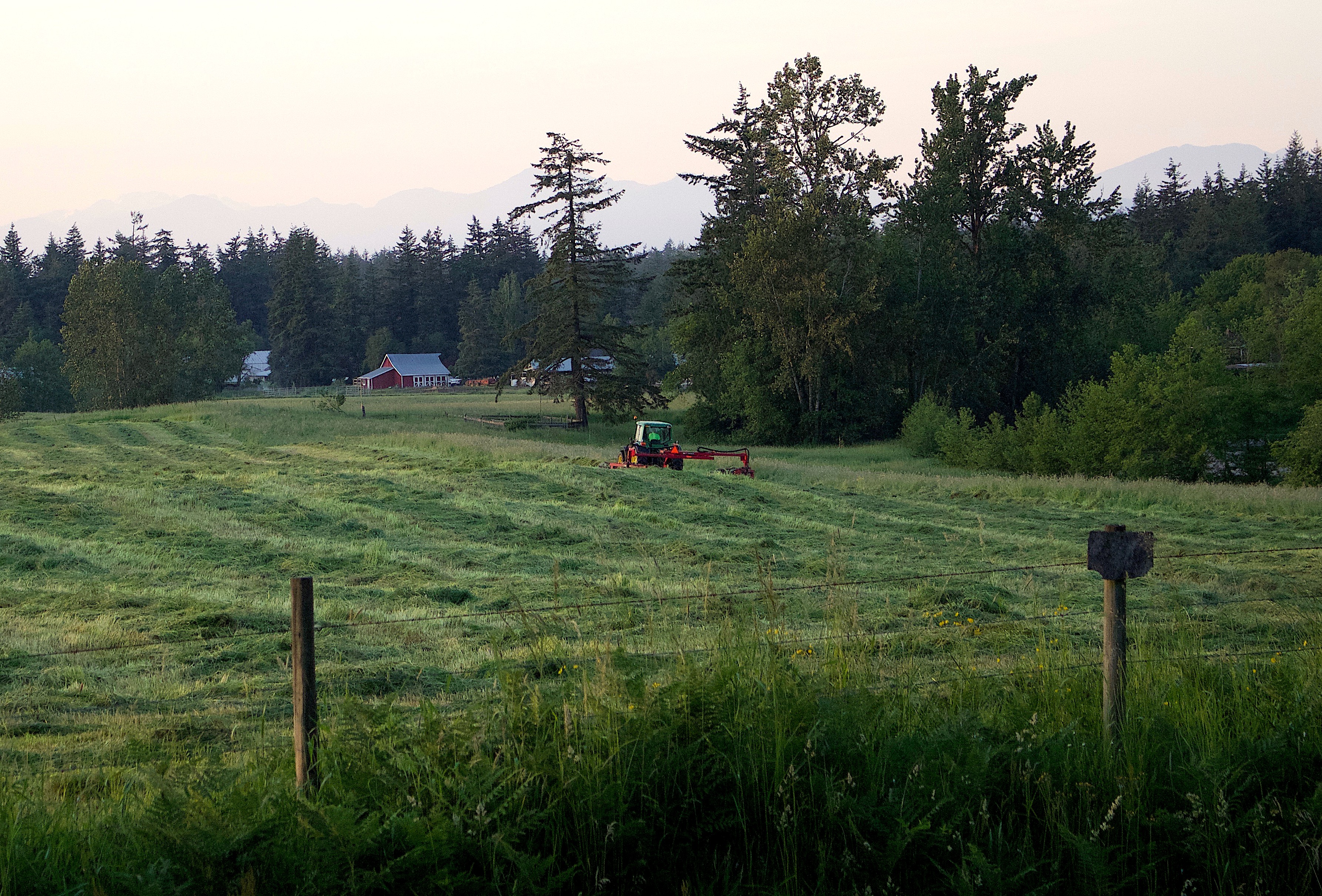
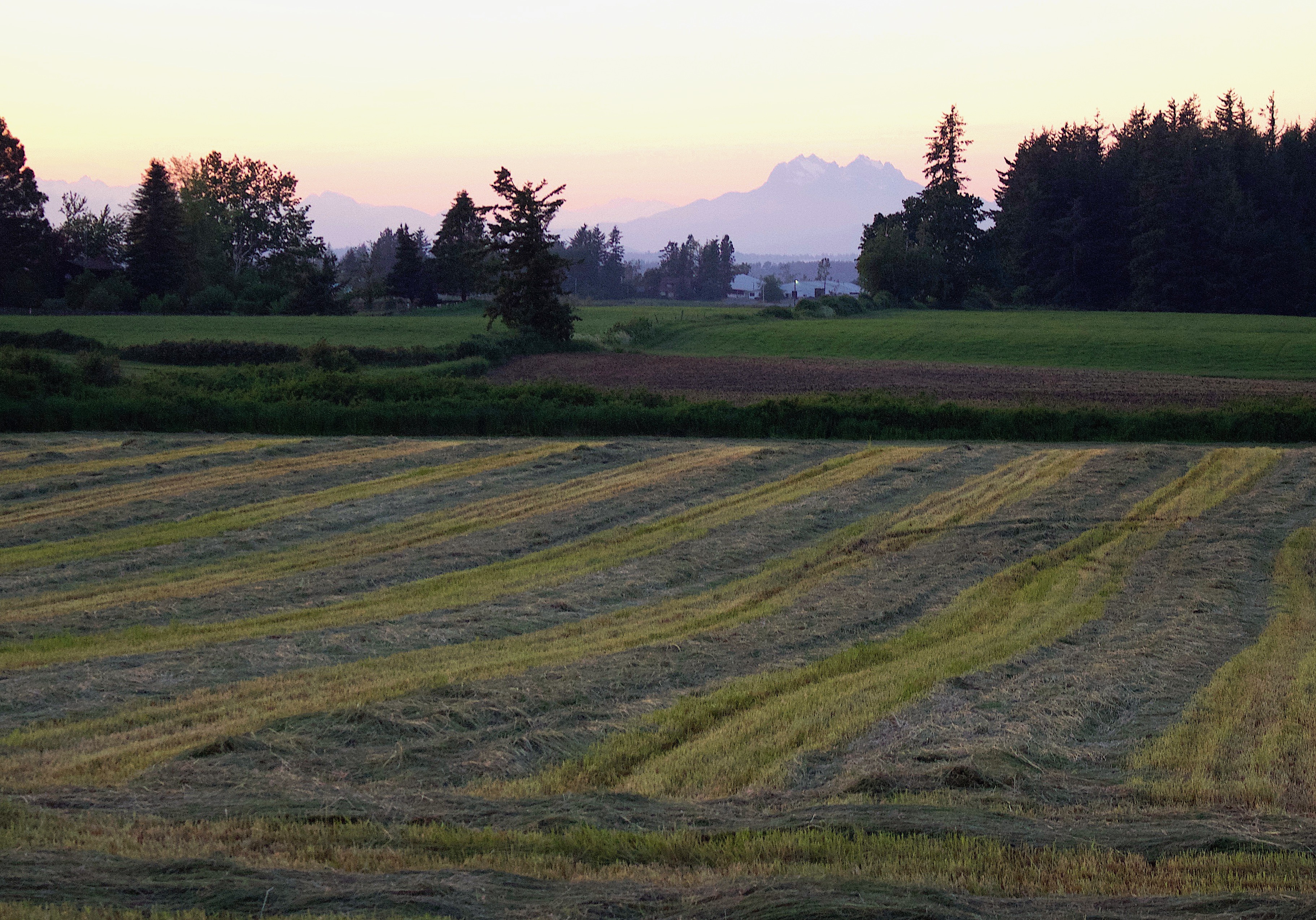
The uncut field grass is growing heavier, falling over, lodged before it can be cut; the undulations of summer breezes urge it back upright.  It has matured too fast, rising up too lush, too overcome with itself so that it can no longer stand unsupported.  We must work fast to save it and more rain is on the way.

Light and wind work magic on a field of melting tall grass.  The blades of the mower will come to lay it to the ground in green streams that flow up and down the slopes.  It will lie comfortless in its stoneless cemetery rows, until tossed about by the tedder into random piles to dry, then raked back into a semblance of order in mounded lines flowing over the landscape.

It will be crushed and bound together for transport to the barn,
no longer bending but bent,
no longer flowing but flown,
no longer growing but grown

We move at summer’s pace to ensure the grasses become fodder for the beasts of the farm during the cold nights when the wind beats at the doors. It will melt in their mouths, as it was meant to be.  

The Abundance of This Place

Families will be singing in the fields.
In their voices they will hear a music
risen out of the ground. They will take
nothing from the ground they will not return,
whatever the grief at parting. Memory,
native to this valley, will spread over it
like a grove, and memory will grow
into legend, legend into song, song
into sacrament. The abundance of this place,
the songs of its people and its birds,
will be health and wisdom and indwelling
light.
~Wendell Berry from “A Vision”

Into the rooms flow meadow airs,
The warm farm baking smell’s blown round.
Inside and out, and sky and ground
Are much the same;

Now straightening from the flowery hay,
Down the still light the mowers look,
Or turn, because their dreaming shook,
And they waked half to other days,
When left alone in the yellow stubble
The rusty-coated mare would graze.

~Léonie Adams from “Country Summer”

Most of the work on our farm involves the ground – whether plowing, seeding, fertilizing, mowing, harvesting – this soil lives and breathes as much as we creatures who walk over it and the plants which arise rooted to it.

Yes, there must be light. Yes, there must be moisture. Yes, there must be teeming worms and microbes deep within the dirt, digesting and aerating and thriving, leaving behind needed nutrients as they live and die.

And yes, we all become dust again, hopefully returning to the ground more than we have taken.

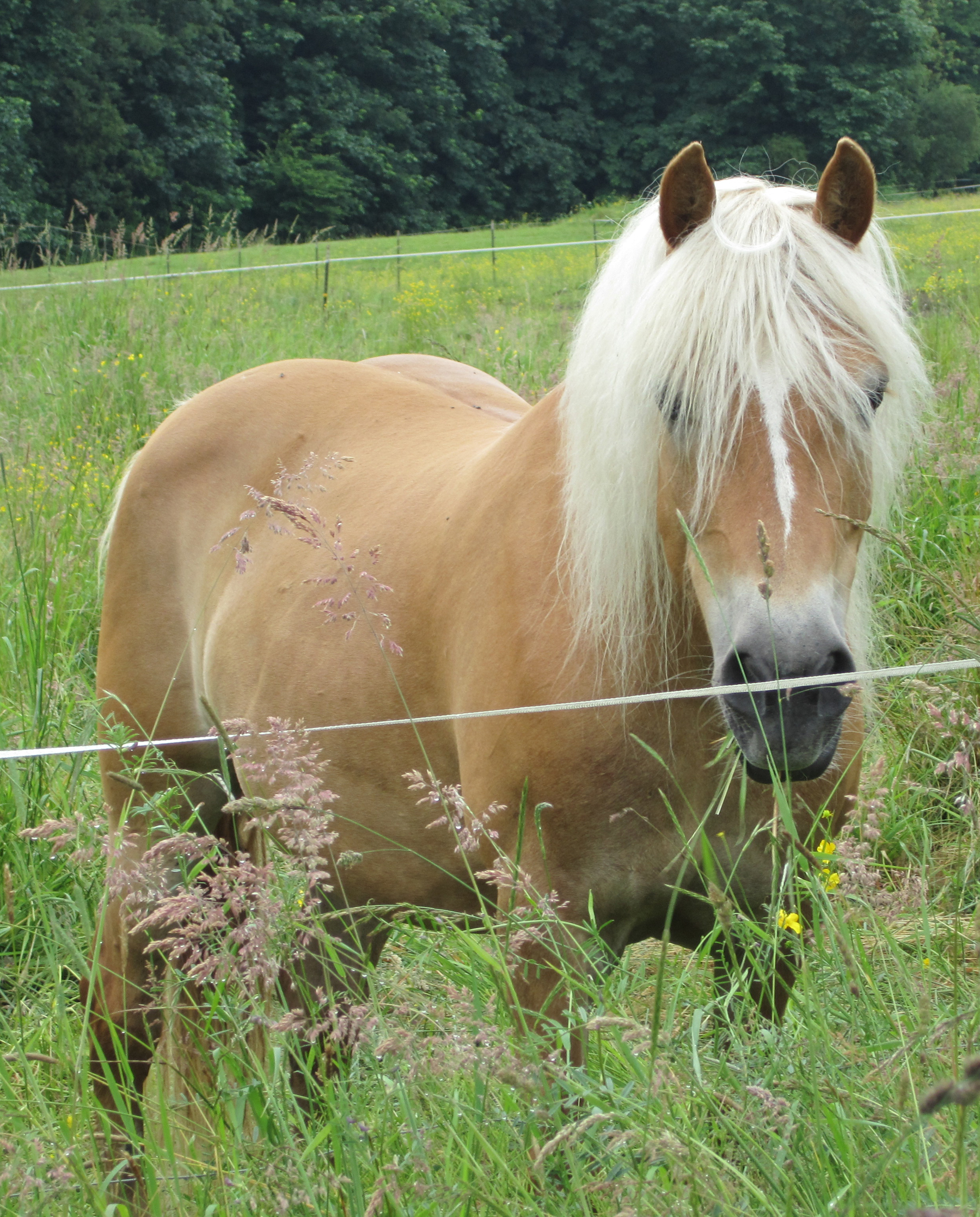
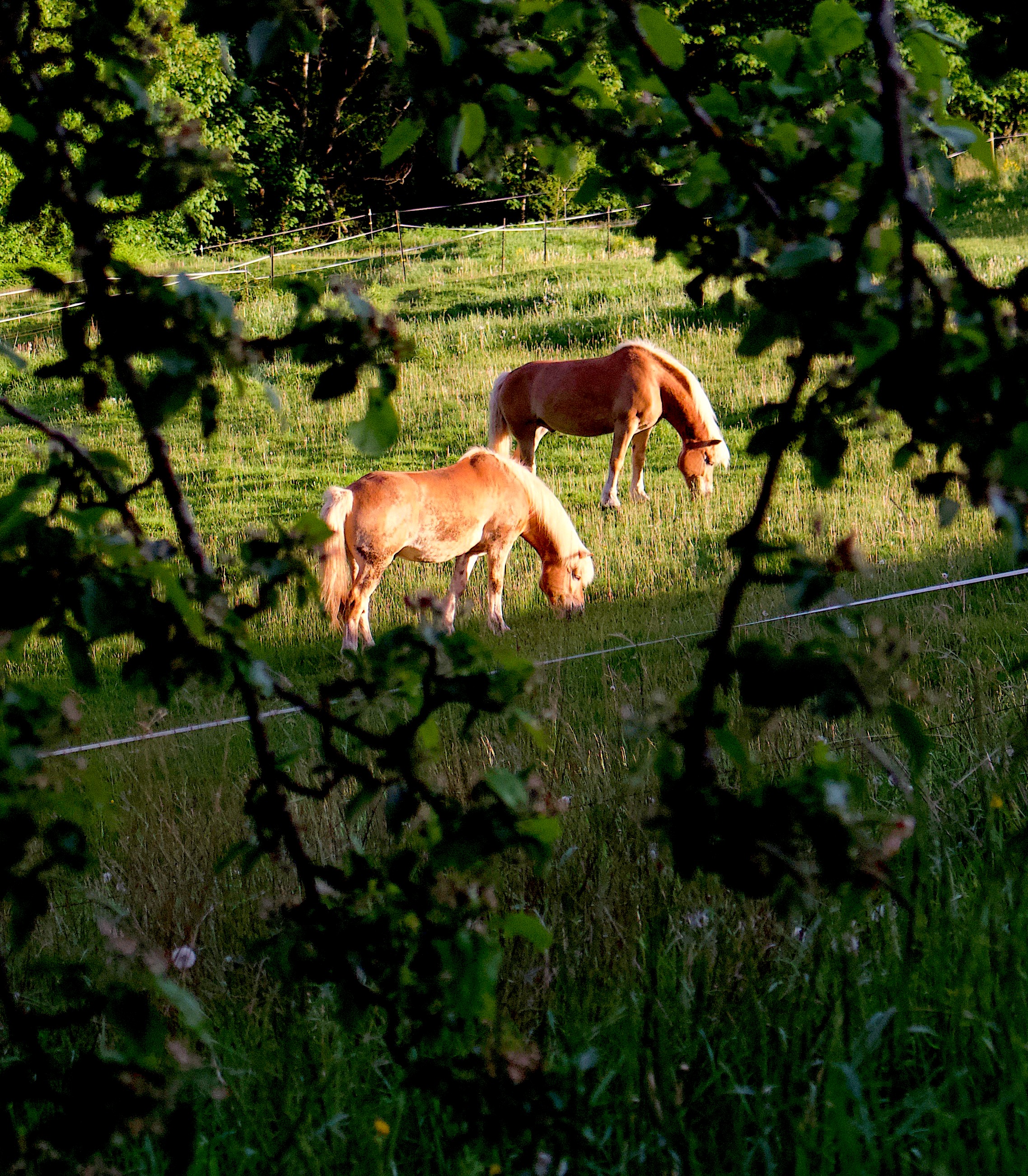
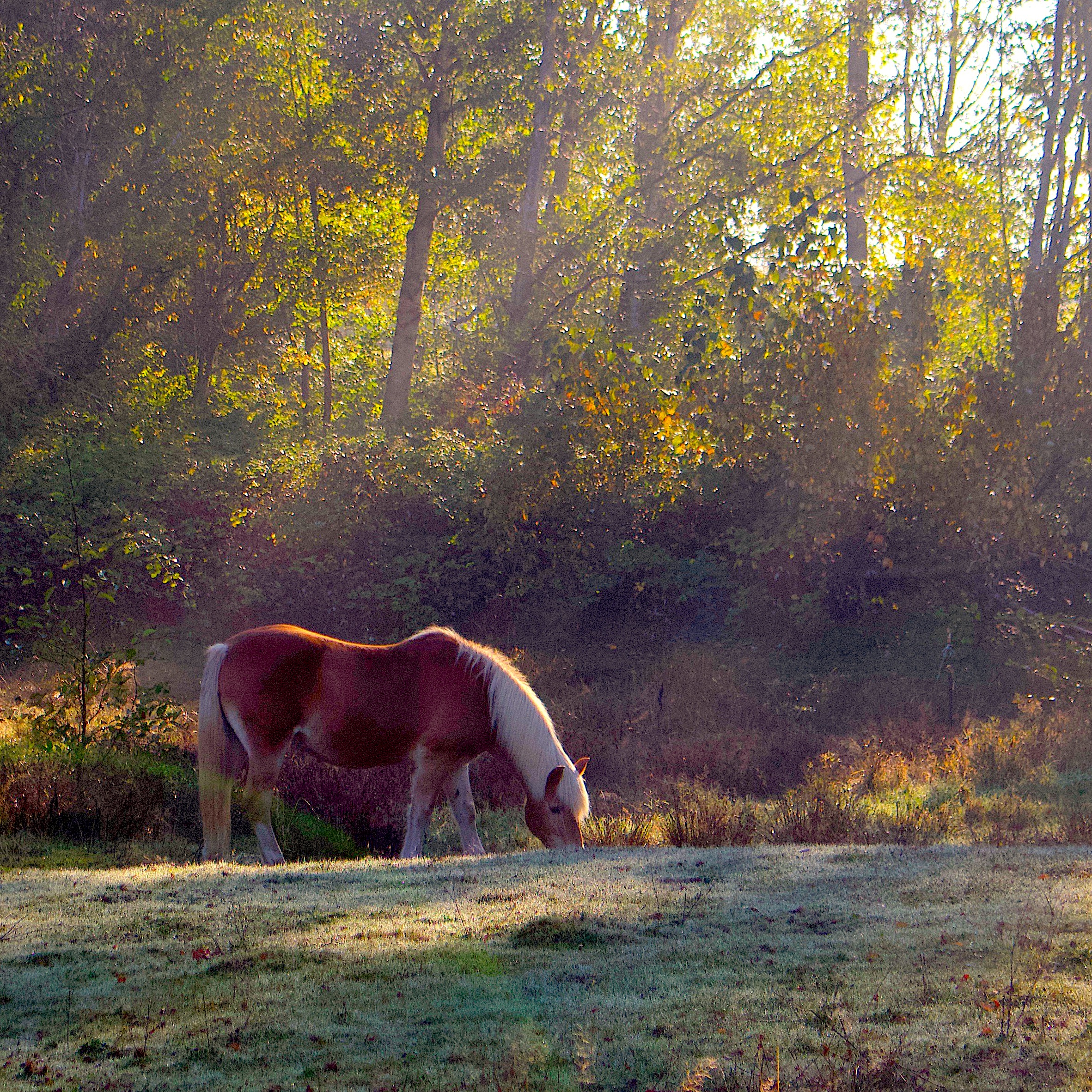
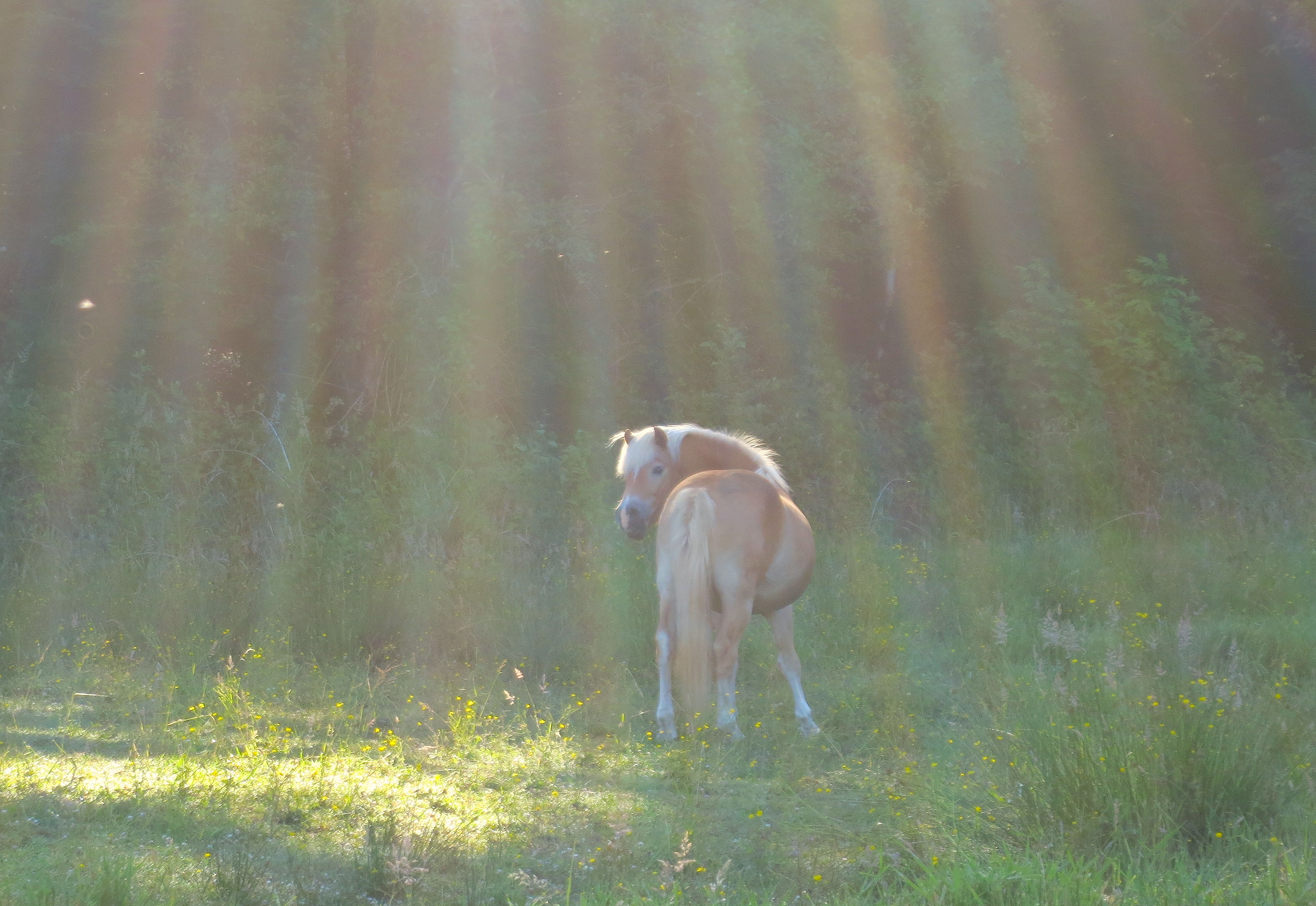
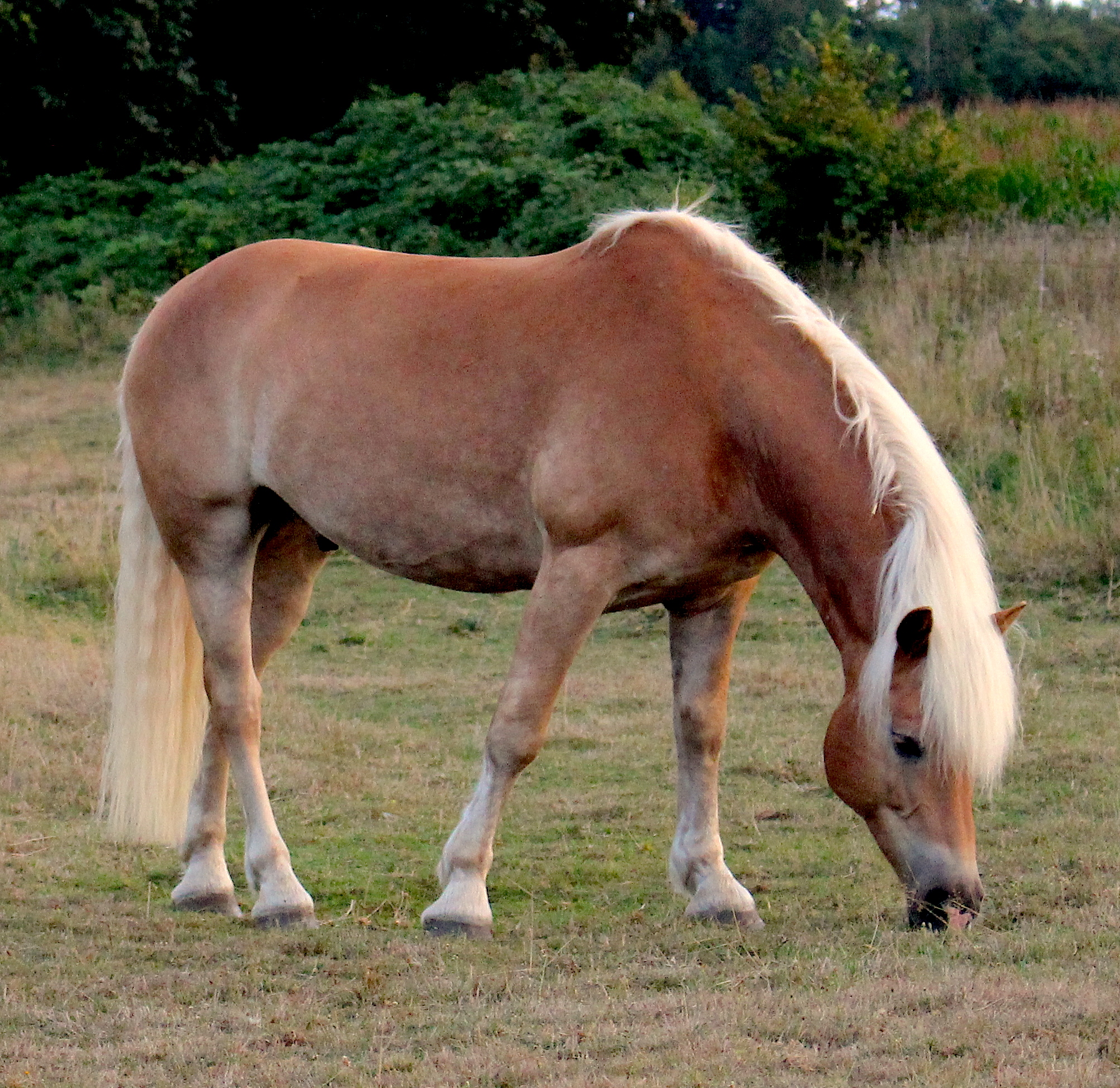
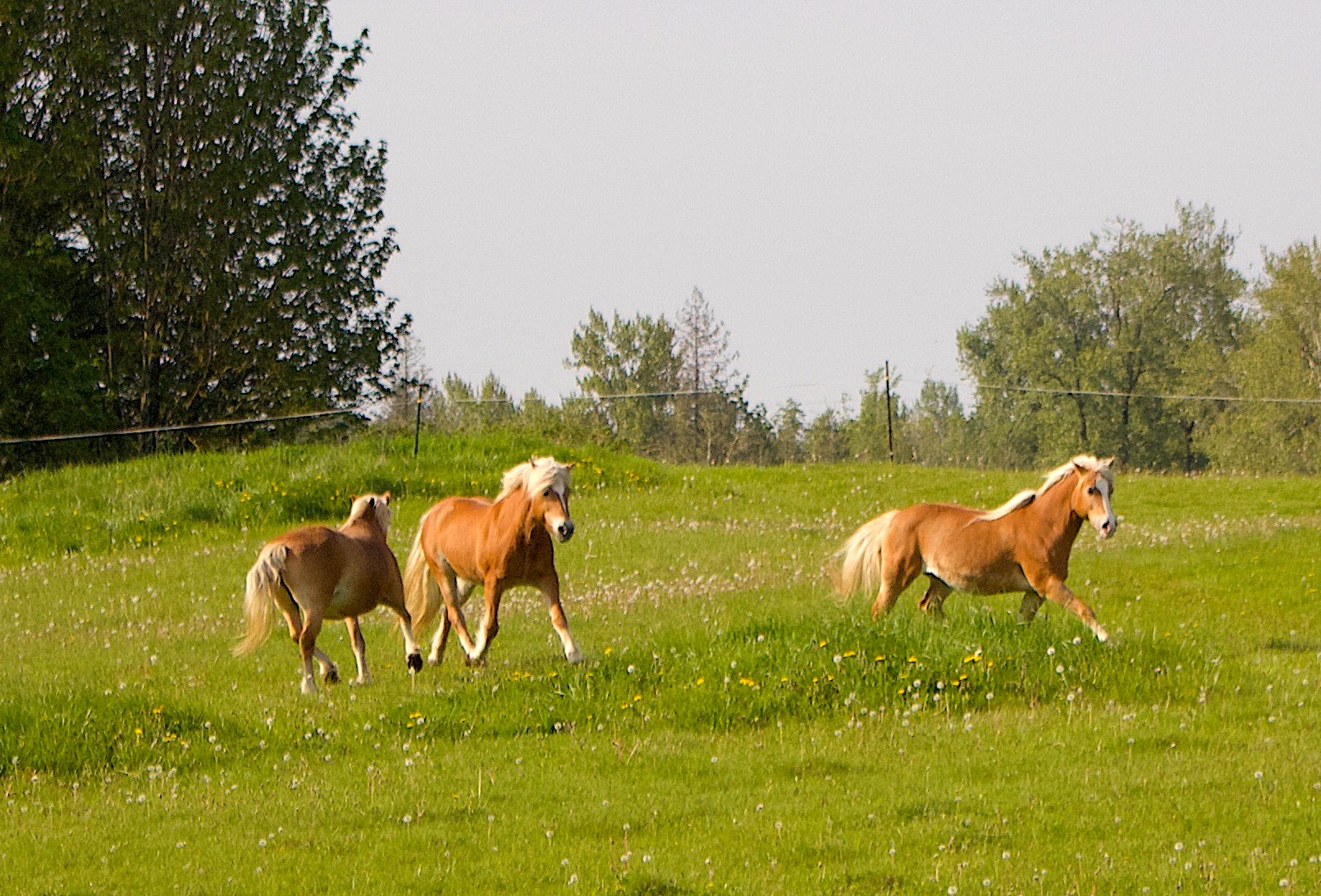
As I watch our rusty-coated horses graze on the stubble of these slopes and valleys, I’m reminded it is a sacrament to live in such abundance. We all started in a Garden until we desired something more, and knowing our mistake, we keep striving to return.

So this land teems with memories: of the rhythms and cycles of the seasons, of the songs and stories of peoples who have lived here for generation after generation.

Eventually we will find our way back to the abundant soil.

Way Out Beyond Us

My father would lift me
to the ceiling in his big hands
and ask, 
How’s the weather up there?
And it was good, the weather
of being in his hands, his breath
of scotch and cigarettes, his face
smiling from the world below.
O daddy, was the lullaby I sang
back down to him as he stood on earth,
my great, white-shirted father, home
from work, his gold wristwatch
and wedding band gleaming
as he held me above him
for as long as he could,
before his strength failed
down there in the world I find myself
standing in tonight, my little boy
looking down from his flight
below the ceiling, cradled in my hands,
his eyes wide and already staring
into the distance beyond the man
asking him again and again,
How’s the weather up there?
~George Bilgere “Weather”.

It was hard work, dying, harder
than anything he’d ever done.

Whatever brutal, bruising, back-
breaking chore he’d forced himself

to endure—it was nothing
compared to this. And it took

so long. When would the job
be over? Who would call him

home for supper? And it was
hard for us (his children)—

all of our lives we’d heard
my mother telling us to go out,

help your father, but this
was work we could not do.

He was way out beyond us,
in a field we could not reach.

~Joyce Sutphen “My Father, Dying”

Deep in one of our closets is an old film reel of me about 16 months old sitting securely held by my father on his shoulders. I am bursting out with giggles as he repeatedly bends forward, dipping this head and shoulders down. I tip forward, looking like I am about to fall off, and when he stands back up straight, my mouth becomes a large O and I can almost remember the tummy tickle I feel. I want him to do it again and again, taking me to the edge of falling off and then bringing me back from the brink.

My father was a tall man, so being swept up onto his shoulders felt a bit like I was touching heaven.

It was as he was dying 24 years ago this week that I realized again how tall he was — his feet kept hitting the foot panel of the hospital bed my mother had requested for their home. We cushioned his feet with padding so he wouldn’t get abrasions even though he would never stand on them again, no longer towering over us.

His helplessness in dying was startling – this man who could build anything and accomplish whatever he set his mind to was unable to subdue his cancer. Our father, who was so self-sufficient he rarely asked for help, did not know how to ask for help now.

So we did what we could when we could tell he was uncomfortable, which wasn’t often. He didn’t say much, even though there was much we could have been saying. We didn’t reminisce. We didn’t laugh and joke together. We just were there, taking shifts catching naps on the couch so we could be available if he called out, which he never did.

This man:
who had grown up dirt poor,
fought hard with his alcoholic father
left abruptly to go to college – the first in his family –
then called to war for three years in the South Pacific.

This man:
who had raised a family on a small farm while he was a teacher,
then a supervisor, then a desk worker.

This man:
who left our family to marry another woman
but returned after a decade to ask forgiveness.

This man:
who died in a house he had built completely himself,
without assistance, from the ground up.

He didn’t need our help – he who had held tightly to us and brought us back from the brink when we went too far – he had been on the brink himself and was rescued, coming back humbled.

No question the weather is fine for him up there. I have no doubt.

So Others See What I See

Tonight at dusk we linger by the fence
around the garden, watching the wound husks
of moonflowers unclench themselves slowly,
almost too slow for us to see their moving—
you notice only when you look away
and back, until the bloom decides,
or seems to decide, the tease is over,
and throws its petals backward like a sail
in wind, a suddenness about this as though
it screams, almost the way a newborn screams
at pain and want and cold, and I still hear
that cry in the shout across the garden
to say another flower is about to break.
I go to where my daughter stands, flowers
strung along the vine like Christmas lights,
one not yet lit. We praise the world by making
others see what we see. So now she points and feels
what must be pride when the bloom unlocks itself
from itself. And then she turns to look at me.
~James Davis May “Moonflowers” from
32 Poems Magazine, (Number 16.2, Winter, 2018)

Ever since I was a kid, I have had the need to share something special I’ve seen: a “hey, have you seen this too?” pointing it out to another to then witness it again through their eyes – that sharing can make it even sweeter. I guess that is much of what this blog is about.

Sometimes others can see what I see; sometimes not. Sometimes others wonder what has gotten into me.

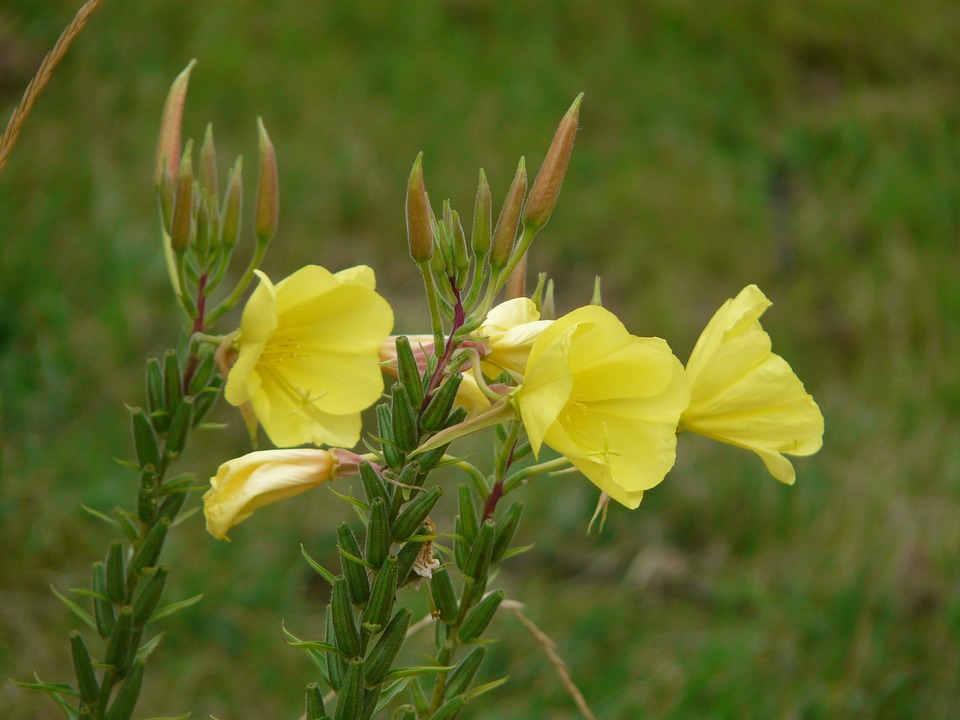
I was an odd farm kid, no question: a summer twilight’s entertainment might be watching the evening primrose blossoms open at night. It, like the moonflower of the above poem, is one of a few night blooming plants meant to attract pollinating moths.   Its tall stems are adorned by lance shaped leaves, with multiple buds and blooms per stem.

Each evening, and it was possible to set one’s watch by its punctuality, only one green wrapped bud per stem opens, revealing a bright yellow blossom with four delicate veined petals, a rosette of stamens and a cross-shaped stigma in the center, rising far above the blossom.  The yellow was so vivid and lively, it seemed almost like a drop of sun was being left on earth to light the night.  By morning, the bloom would begin to wither and wilt under the real sunlight, somehow overcome with the brightness, and would blush a pinkish orange as it folded upon itself, ready to die and drop from the plant in only a day or two, leaving a bulging seed pod behind.

I would settle cross-legged on our damp lawn at twilight, usually right before dusk fell, to watch the choreography of the opening of evening primrose blossoms.  Whatever the trigger was for the process of the unfolding, there would be a sudden loosening of the protective green husk, in a nearly audible release.  Then over the course of about a minute, the overlapping yellow petals would unfurl, slowly, gently, purposefully in an unlocking action that revealed their pollen treasure trove inside.  

It was like watching time lapse cinematography, only this was an accelerated, real time flourish of sudden beauty, happening right before my eyes.  It was magic. I always felt privileged to witness each unveiling as few flowers would ever allow us to behold their birth. 

My brother wasn’t nearly as impressed when I tried to lure him into becoming audience with me. That’s okay; I was always underwhelmed by the significance of his favorite team’s touchdowns that he insisted in sharing with me.

It’s all praiseworthy as long as one among us notices.


A Shortcake with a Soul

Cherry cobbler is a shortcake with a soul…
~Edna Ferber

Just when it has seemed I couldn’t bear
one more friend
waking with a tumor, one more maniac

with a perfect reason, often a sweetness
has come
and changed nothing in the world

except the way I stumbled through it,
for a while lost
in the ignorance of loving

someone or something, the world shrunk
to mouth-size,
hand-size, and never seeming small.

I acknowledge there is no sweetness
that doesn’t leave a stain,
no sweetness that’s ever sufficiently sweet.

Often a sweetness comes
as if on loan, stays just long enough

to make sense of what it means to be alive,
then returns to its dark
source. As for me, I don’t care

where it’s been, or what bitter road
it’s traveled
to come so far, to taste so good.
~Stephen Dunn from “Sweetness”

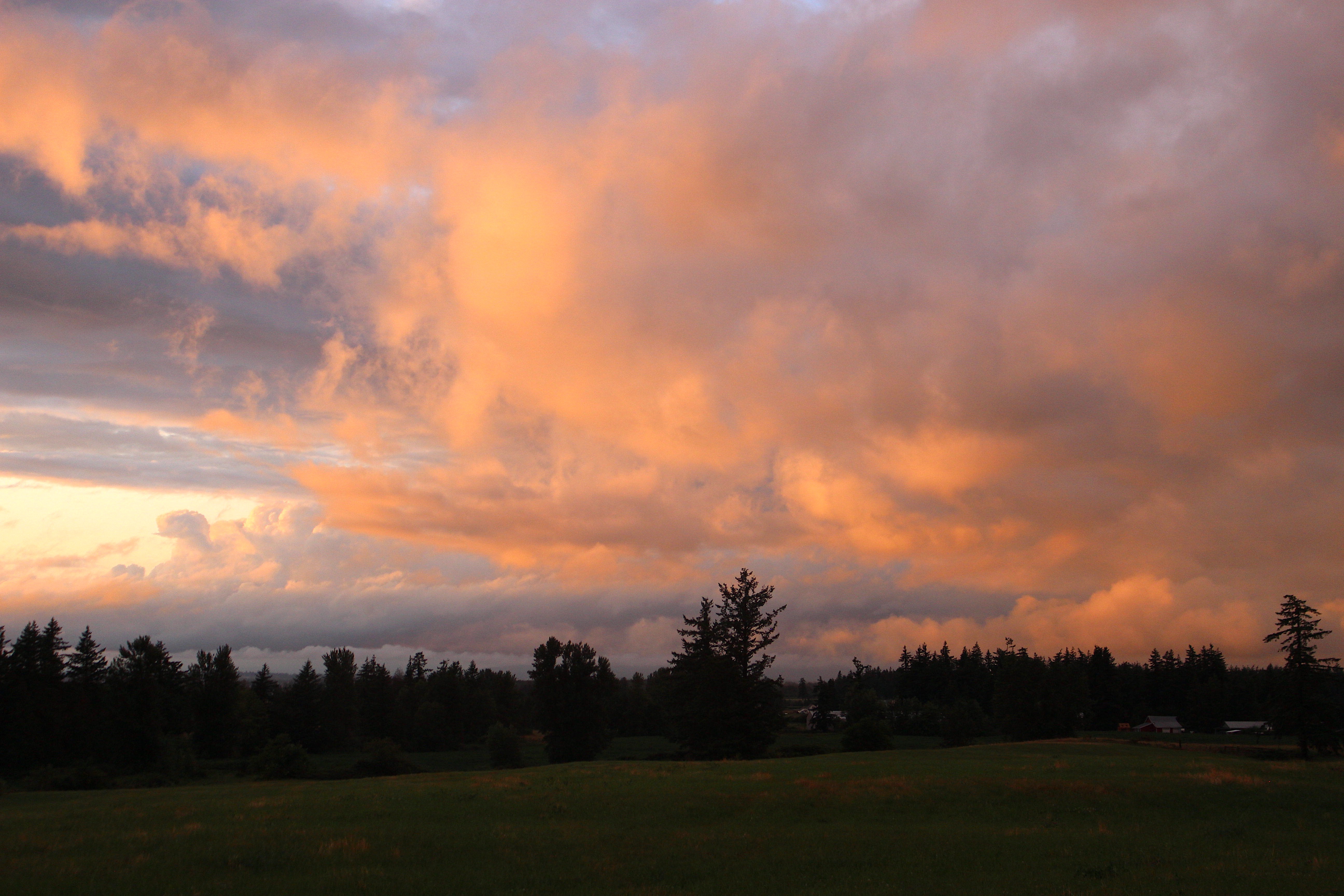
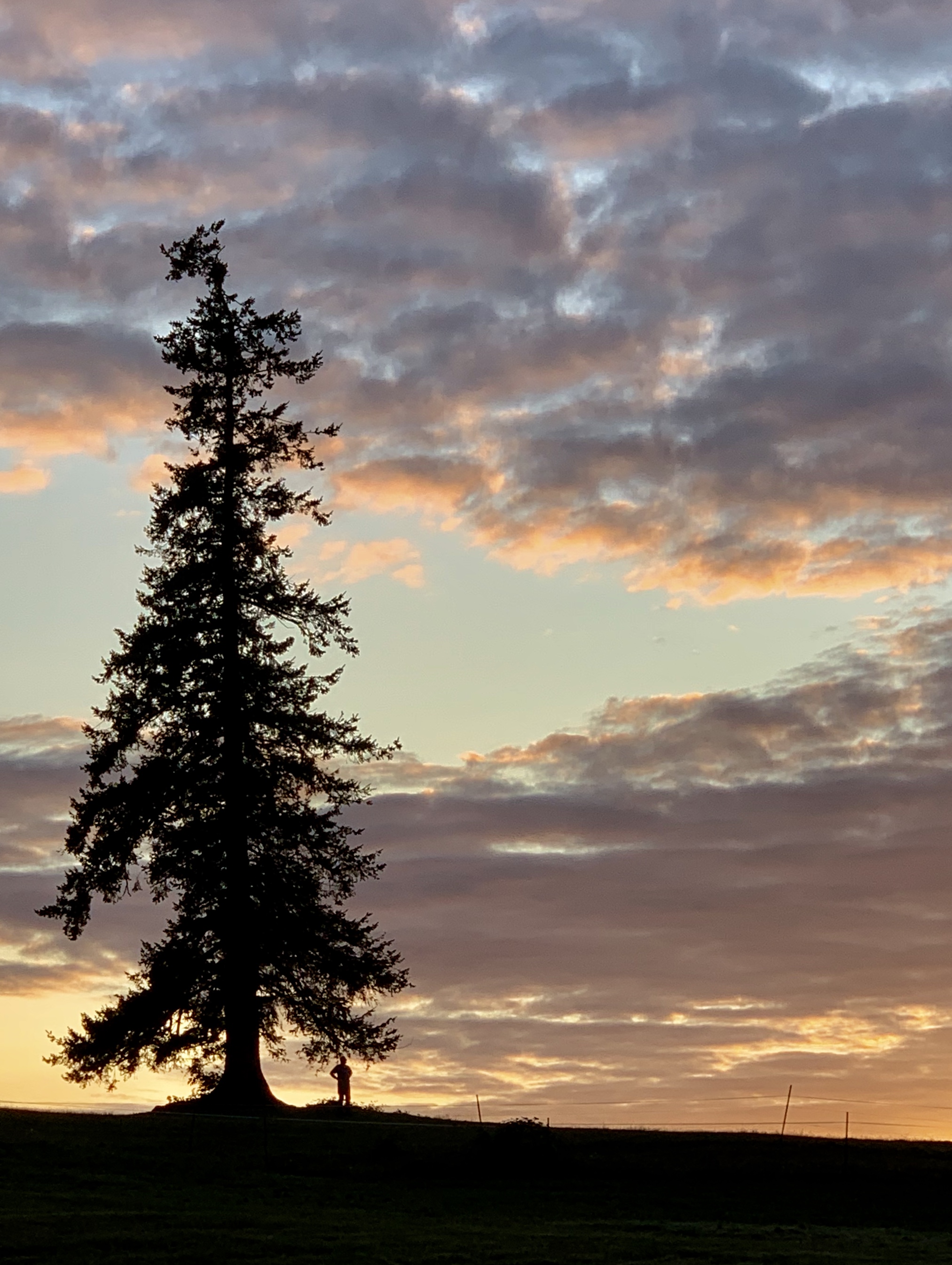
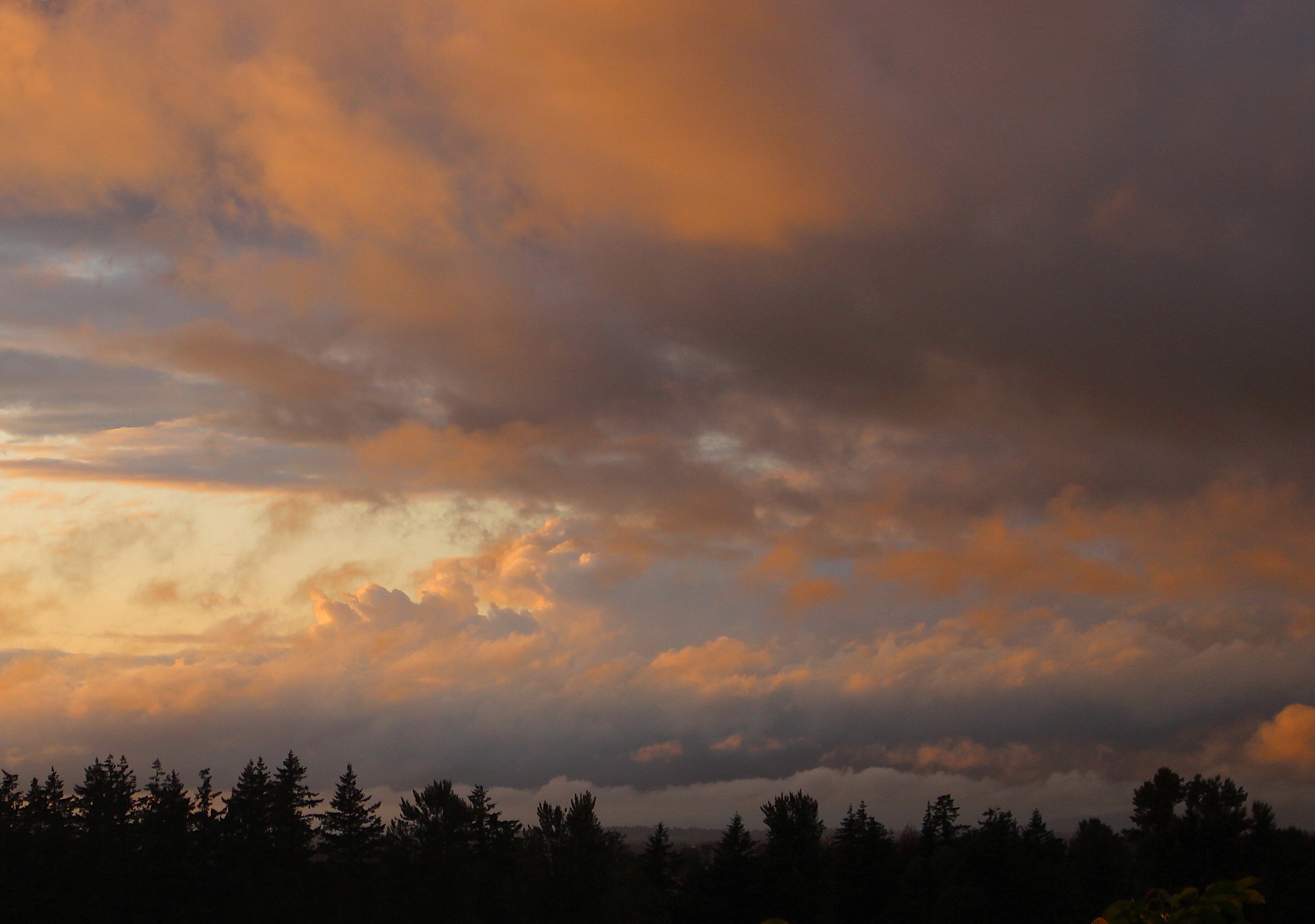
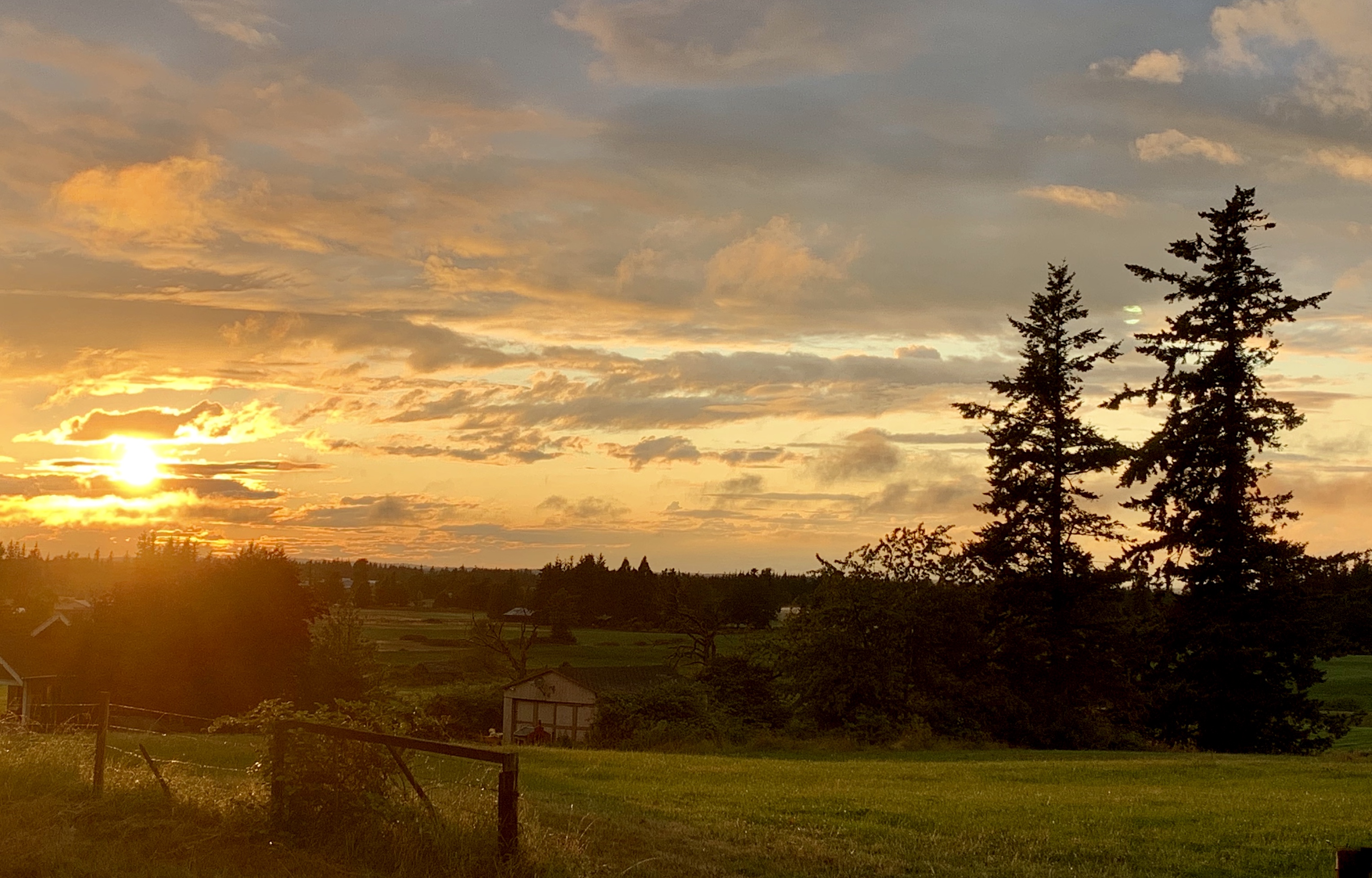
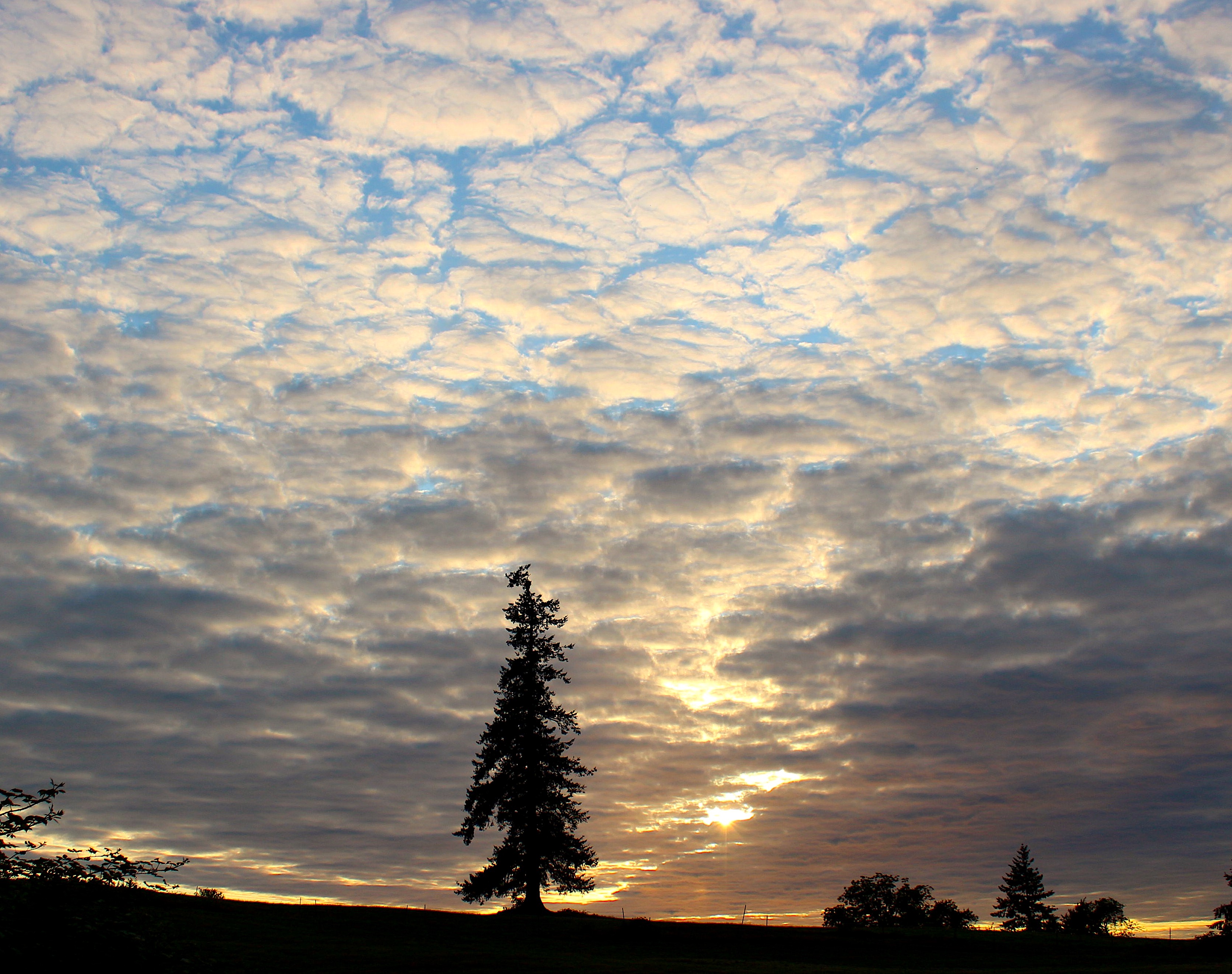
When the soft cushion of sunset lingers
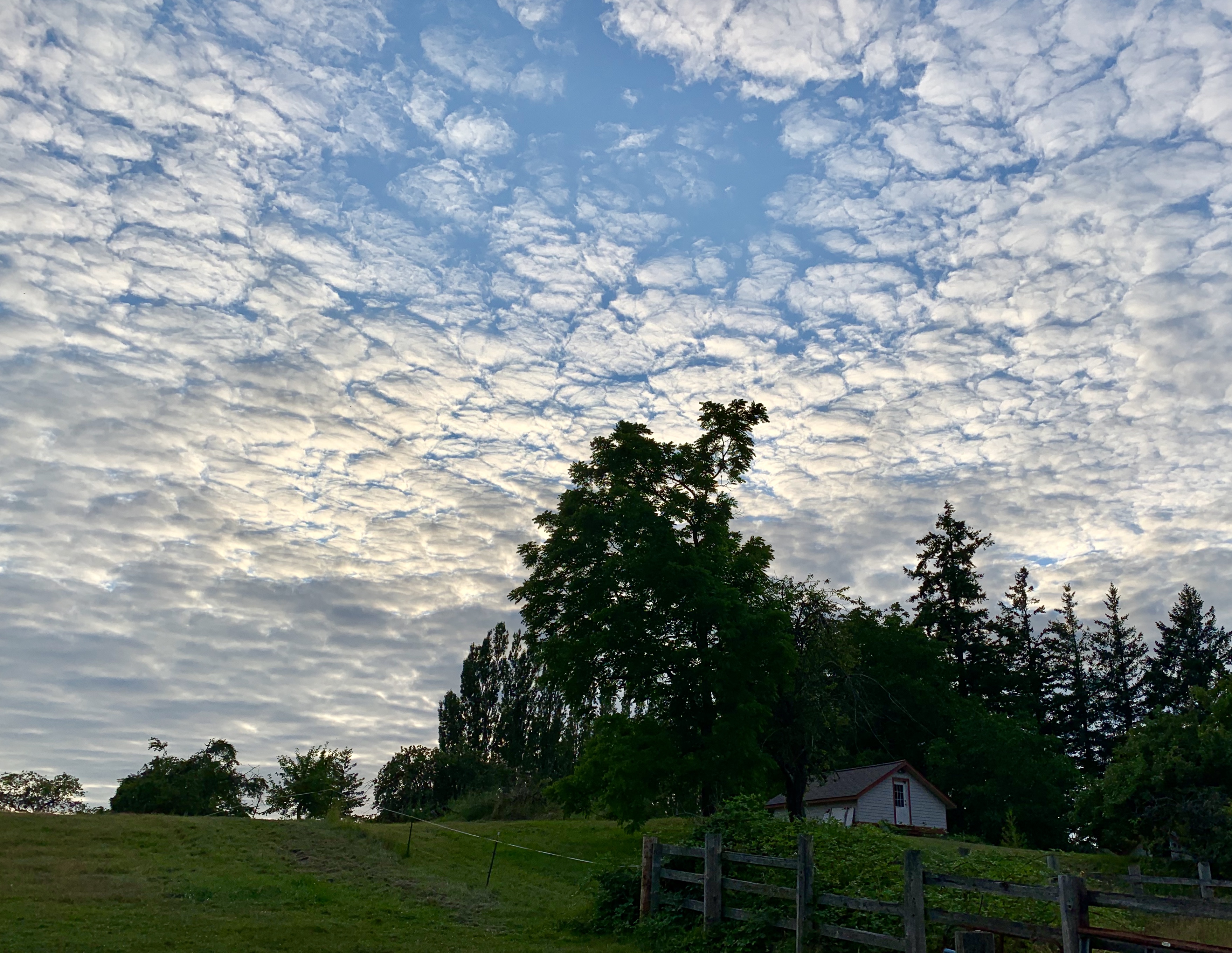
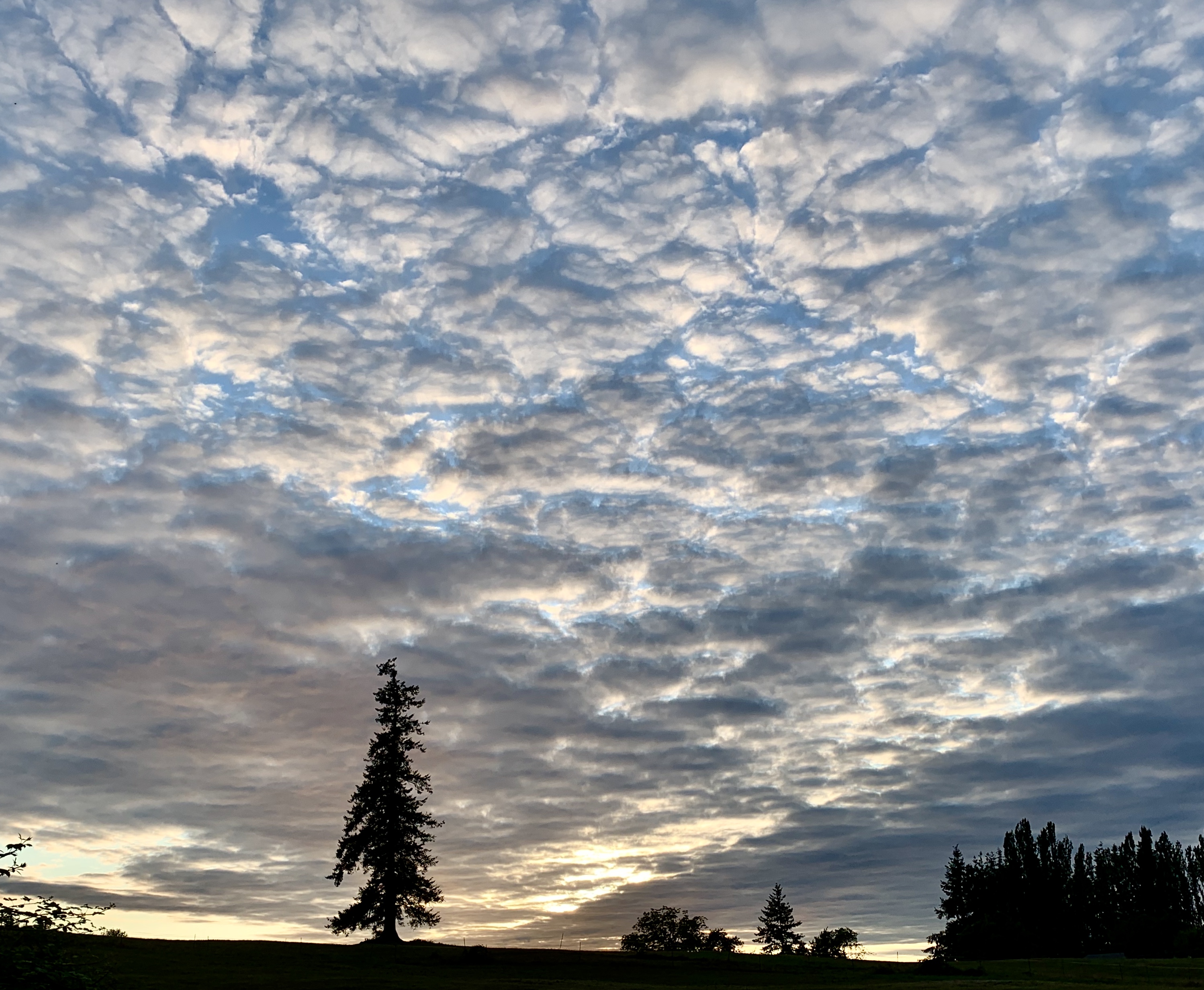
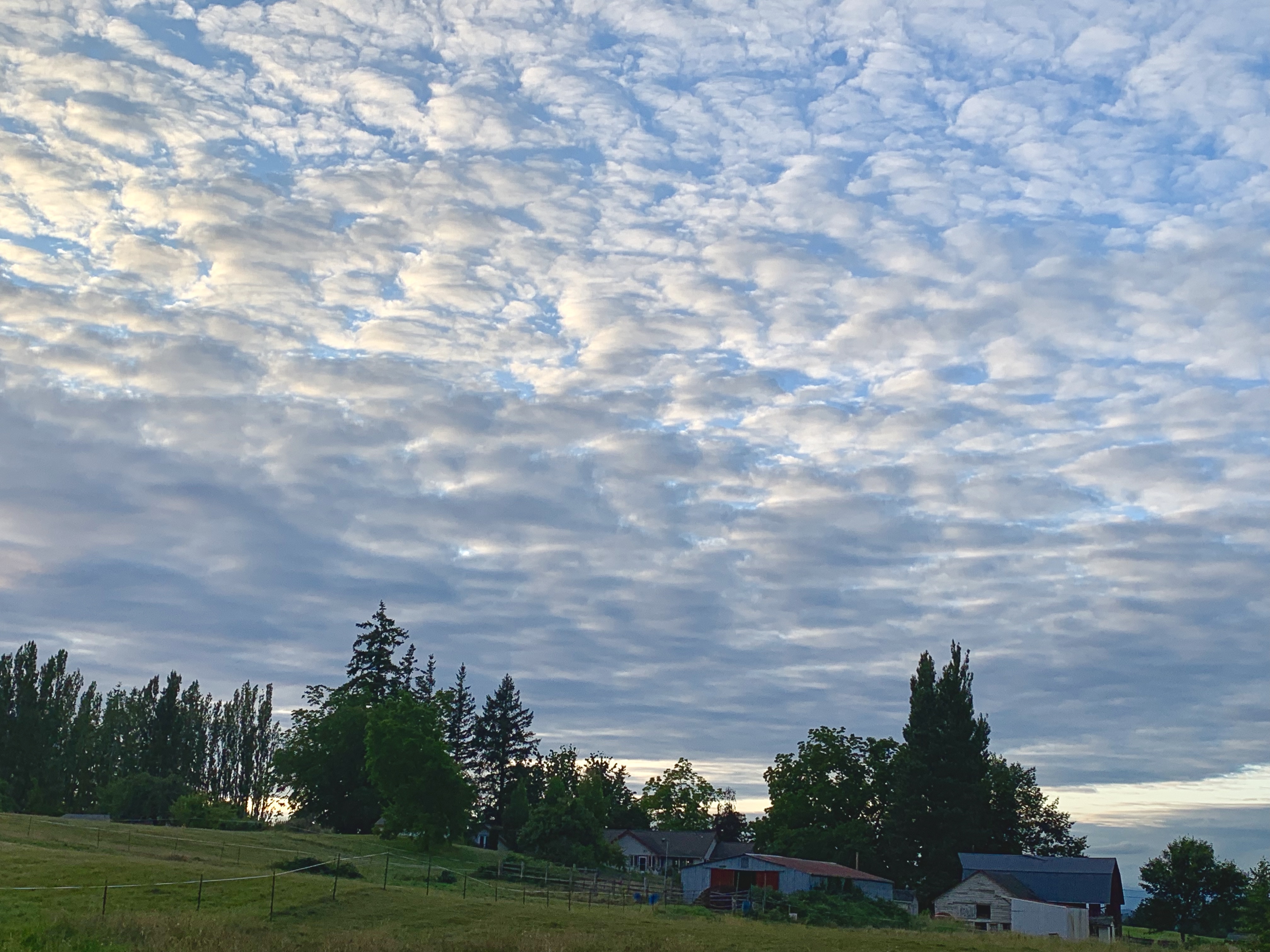
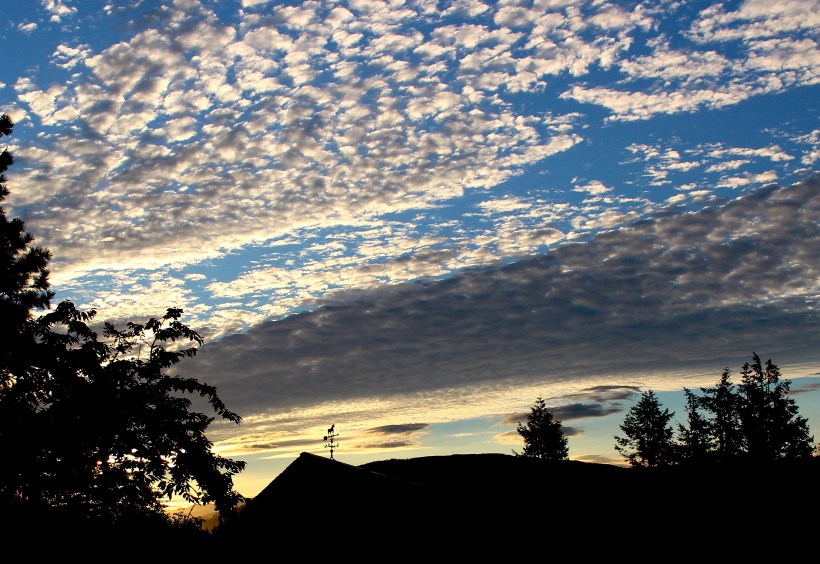
with residual stains of dappled cobbler clouds
predicting the sweetness of a next day’s dawn,
I’m reminded to “remember this, this moment, this feeling”~

I realize that it will be lost, slipping away from me
in mere moments, a sacramental fading away of time.
I can barely remember the sweetness of its taste,
so what’s left is the stain of its loss.

Balancing as best I can on life’s cobbled path,
stumbling and tripping over rough unforgiving spots,
I ponder the messy sweetness
of today’s helping of soulful shortcake,
treasure it up, stains and all,
knowing I could never miss it
if I hadn’t been allowed a taste and savored it to begin with.