Our shadows bring them from the shadows: a yolk-yellow one with a navy pattern like a Japanese woodblock print of fish scales. A fat 18-karat one splashed with gaudy purple and a patch of gray. One with a gold head, a body skim-milk-white, trailing ventral fins like half-folded fans of lace. A poppy-red, faintly disheveled one, and one, compact, all indigo in faint green water. They wear comical whiskers and gather beneath us as we lean on the cement railing in indecisive late-December light, and because we do not feed them, they pass, then they loop and circle back. Loop and circle. Loop. “Look,” you say, “beneath them.” Beneath them, like a subplot or a motive, is a school of uniformly dark ones, smaller, unadorned, perhaps another species, living in the shadow of the gold, purple, yellow, indigo, and white, seeking the mired roots and dusky grasses, unliveried, the quieter beneath the quiet. ~Susan Kolodny “Koi Pond, Oakland Museum”
The boardwalk, a treachery of feathers ready to receive another broken bone, looms just above the surface. Step deliberately when approaching. With few exceptions, ice has claimed this part of the pond.
This is where you see her, moving through what free water remains: a sluggish ghost in the shadows, slow, conserving the fragile heat she still has in this late winter. A canopy of juniper dressed with light snow overhangs, watching.
Last year, a quorum of her kind was lost, turned to stone, to frigid silence. She doesn’t know that story, but some instinct guides her to keep what warmth she can, to cruise in stubborn torpor.
In her drift, she remembers the summer, her long, languid vowels, the accompanying texts of her companions. How they interwove manuscripts, narrations of sky, tree, sun, and moon. Warm days are a memory now, and thoughts rest lightly in her body.
She has held the same posture for an hour. Her bones have reached a conclusion— an idea about hope itself— there, near the indifferent bridge, inches from the force that will take her ~Carolyn Adams, “Koi Pond” from Going Out to Gather
The water going dark only makes the orange seem brighter, as you race, and kiss, and spar for food, pretending not to notice me. For this gift of your indifference, I am grateful. I will sit until the pond goes black, the last orange spark extinguished. ~Robert Peake from “Koi Pond”
Koi and goldfish thrived in our pond after we covered it with netting, finally thwarting the herons arriving at dawn for breakfast.
Thus protected, our fish grew huge, celebrating each feeding with a flurry of tail flips and gaping mouths as I tossed pellets to them each evening.
When the pond cooled in the fall and sometimes ice-covered in winter, the fish settled at the bottom, barely moving silhouettes of color in the darkness. Spring would warm them to action again. As the water temperature rose, so did they, eager and hungry to flash their color and fins again.
Two winters ago, the chill winds and low temperatures lasted longer than usual. As the pond ice began to melt, the fish at the bottom remained still as stones. Netting them for burial felt like burying the sun and the moon and the stars, relegating their rainbows of light and color deep into the earth.
No longer would their colorful glory shine, an illumination now extinguished.
I haven’t had the heart to try again. I need a pond heater, a new filter system, and a total clean out of the pond if I am going to restock.
But then I remember the joy of feeding those flashes of fins and fish mouths, so I just might try again.
Rainbows promise to return, even from buried stone.
AI image created for this post
Lyrics From the love of my own comfort From the fear of having nothing From a life of worldly passions Deliver me O God From the need to be understood From the need to be accepted From the fear of being lonely Deliver me O God And I shall not want I shall not want When I taste Your goodness I shall not want From the fear of serving others From the fear of death or trial From the fear of humility Deliver me O God
One-Time
Monthly
Yearly
Make a one-time or recurring donation to support daily Barnstorming posts
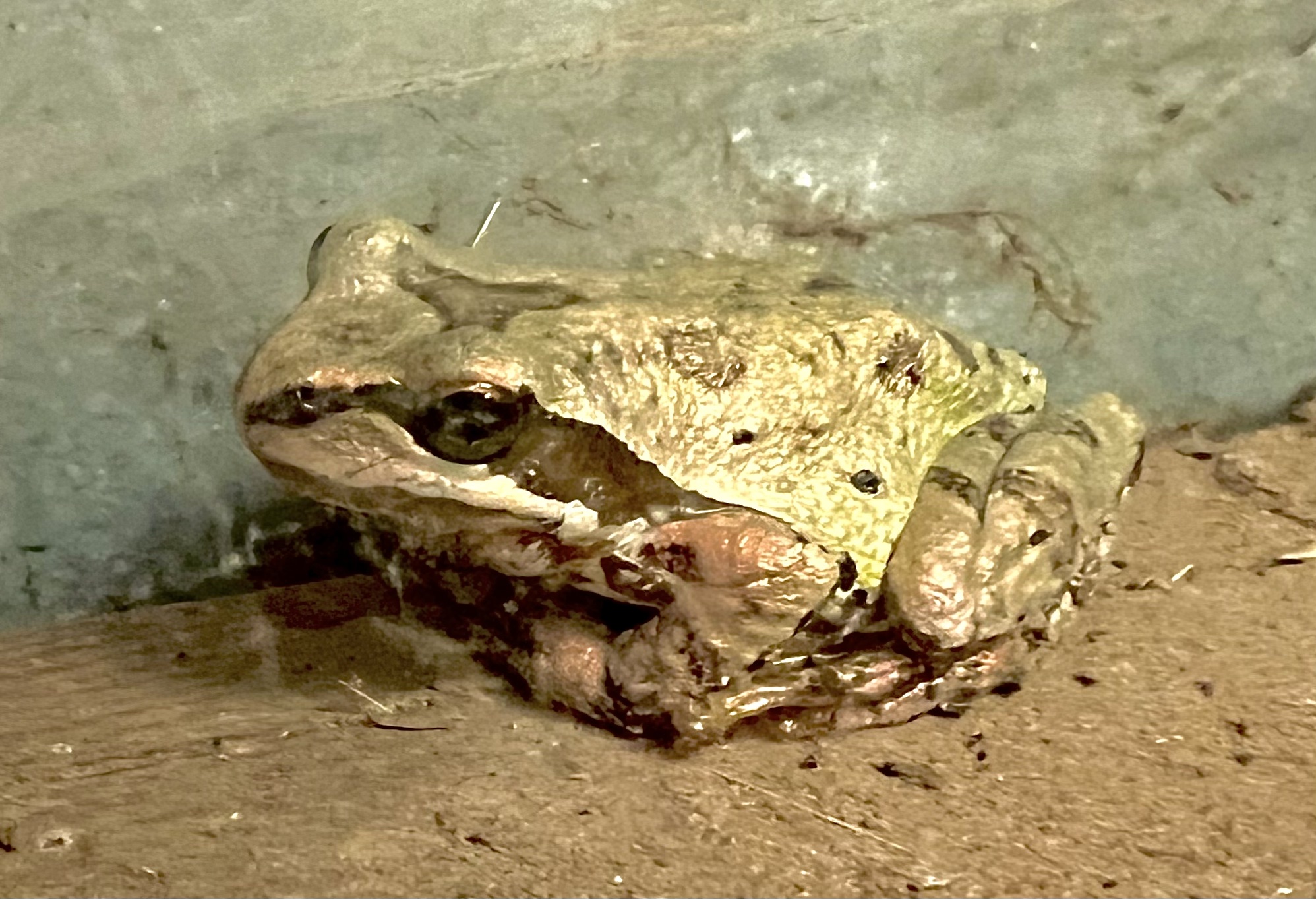
When the moon scrapes past obscuring clouds, there is the startle of pale-yellow light escaping the sky onto the pasture, where I walk my two young whippets in early spring listening to chorus frogs shamelessly seeking mates in the marsh-ponds spring rain has become in my back pasture. And then coyotes too on the far hill startling the dogs with their turbulent yips joining the necessary summoning for more of this tipping into spring, night-ascending prayers to the moon and watching stars. But the moonlight’s caught sounds of fecundity are deceiving—cold north wind needles my cheeks, embraces my earlobes despite the upturned hood on my too-thin jacket. A light frost on pasture-grass licks against my winter chore boots. Despite the whetted signs and sounds of approaching spring, there is yet to be early crocus, daffodils filling the yard, or leaves on the maple trees that will later shade the pigs in summer now shivering in the night’s transition in the barnyard. ~Ed Higgins, “Transitions” from Near Truth Only
Only another day until the spring equinox.
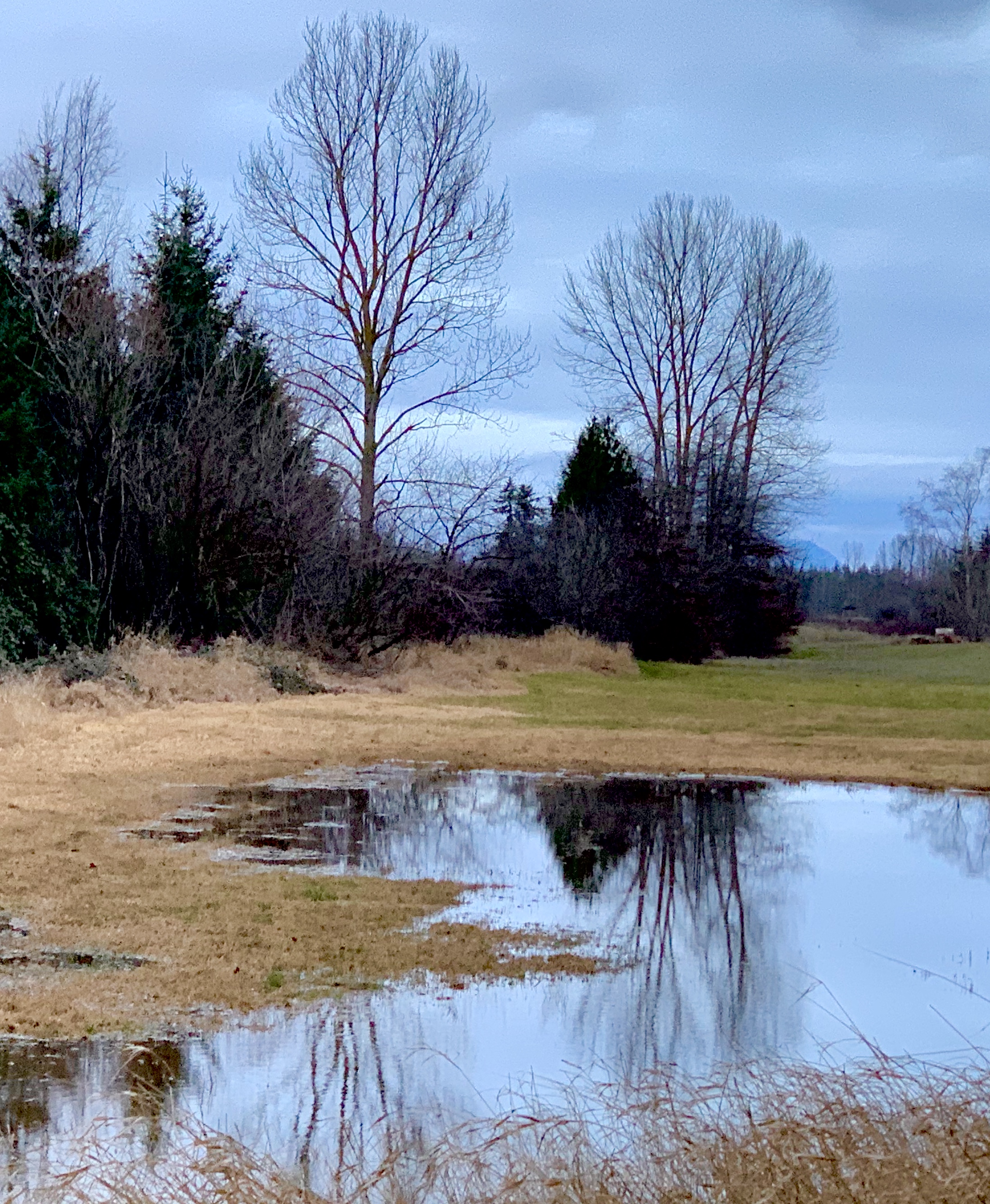
I confess to being impatient to transition away from winter, although we had snow and hail only a few days ago, our mornings are chilly with cold north breezes and our nights leave frosty icing on the barn roofs.
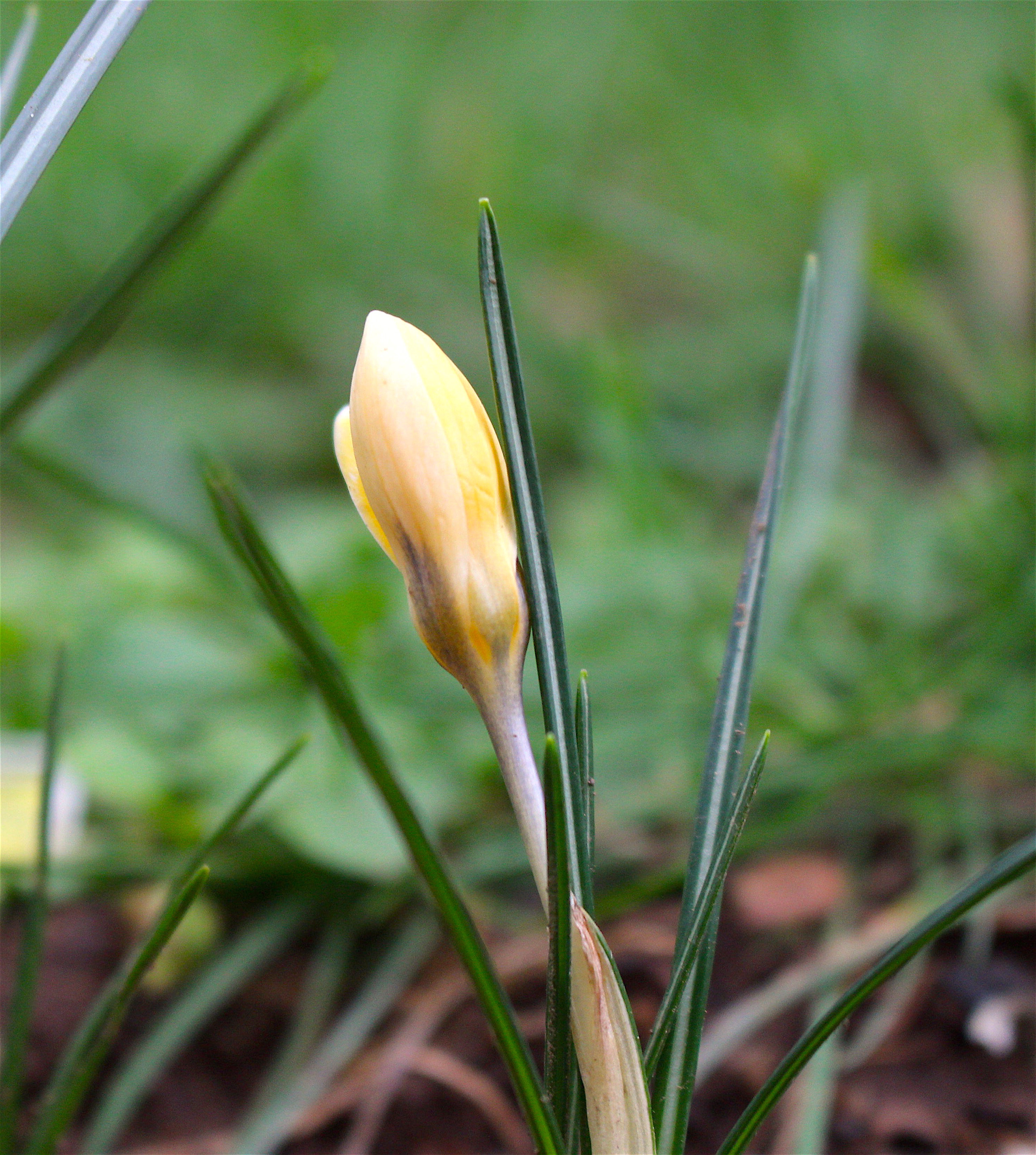
Even so, all the signs are there: the marsh frogs have been chorusing for nearly a month, coyotes are yipping it up, the pastures show a hint of green, early plum trees have broken open their tiny blossoms, crocus and daffodils have erupted in cheer and hope.
Some seasonal and life transitions are welcome. Some not at all. Some take my breath away. One won’t give my breath back.
Whatever we face in this life, we will face it together, knowing the arms of God surround us when we’re weary, when we’re ill, when we’re discouraged.
His love is a sentinel beacon welcoming us home.
He is the constant when all else is in transition.
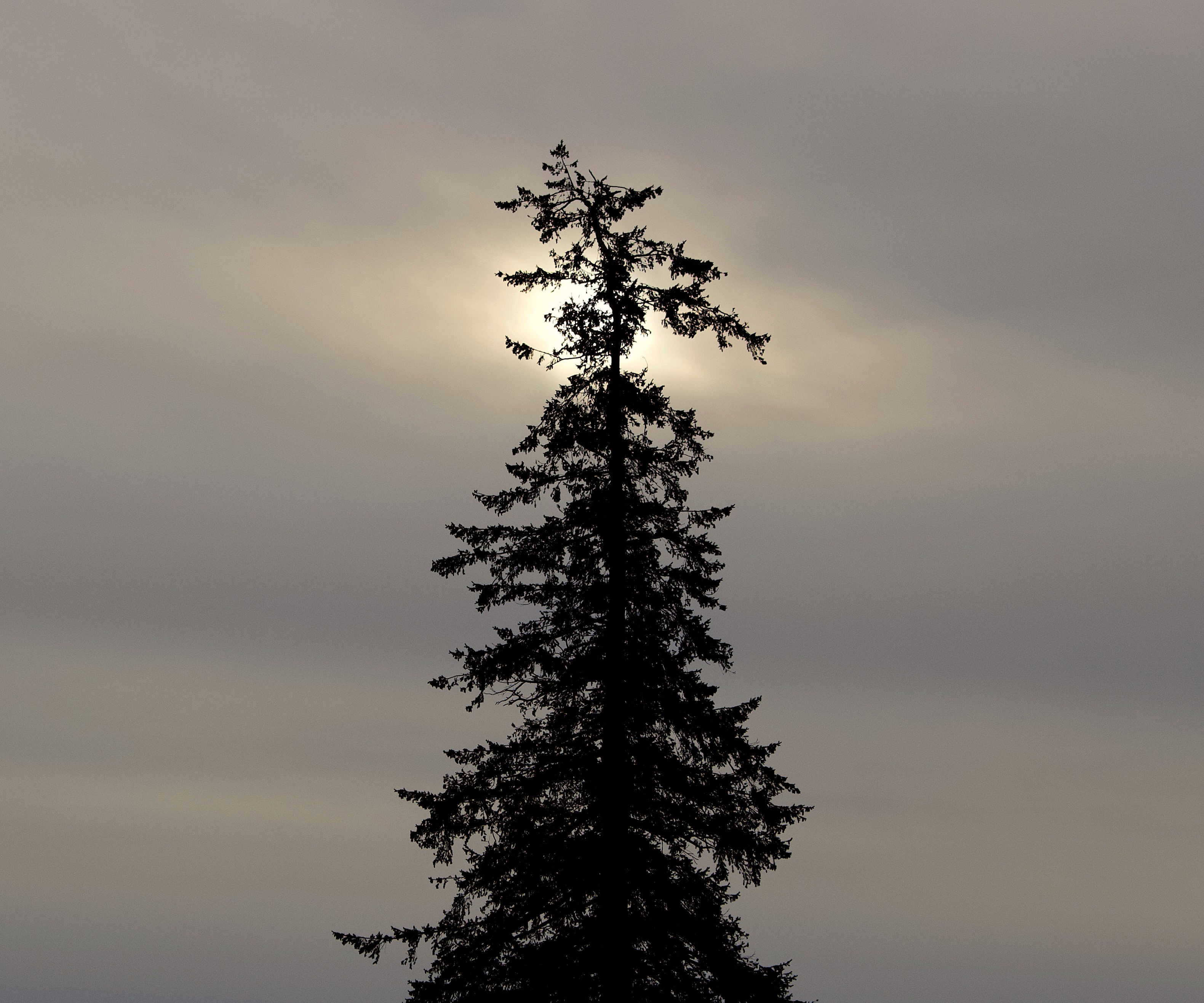
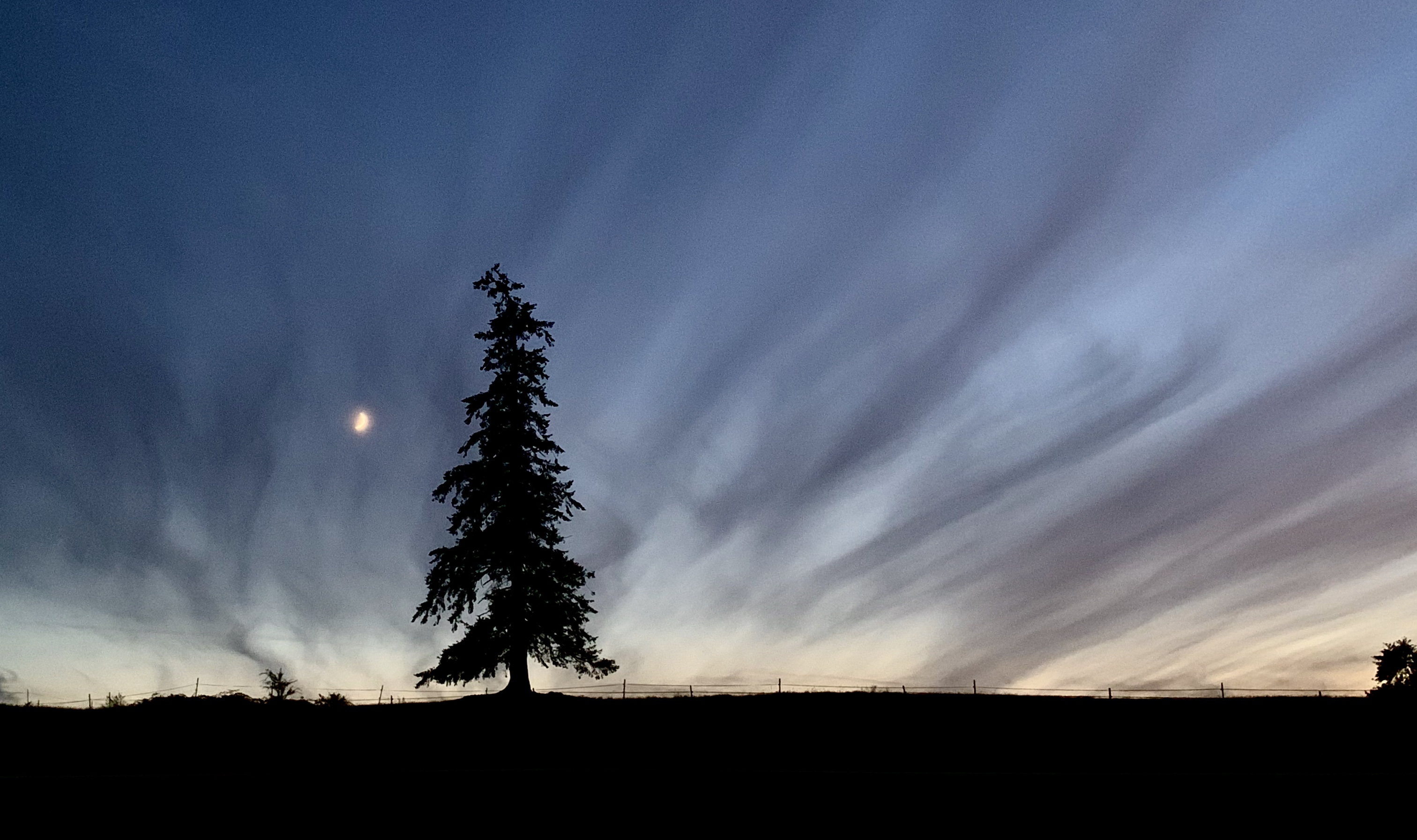
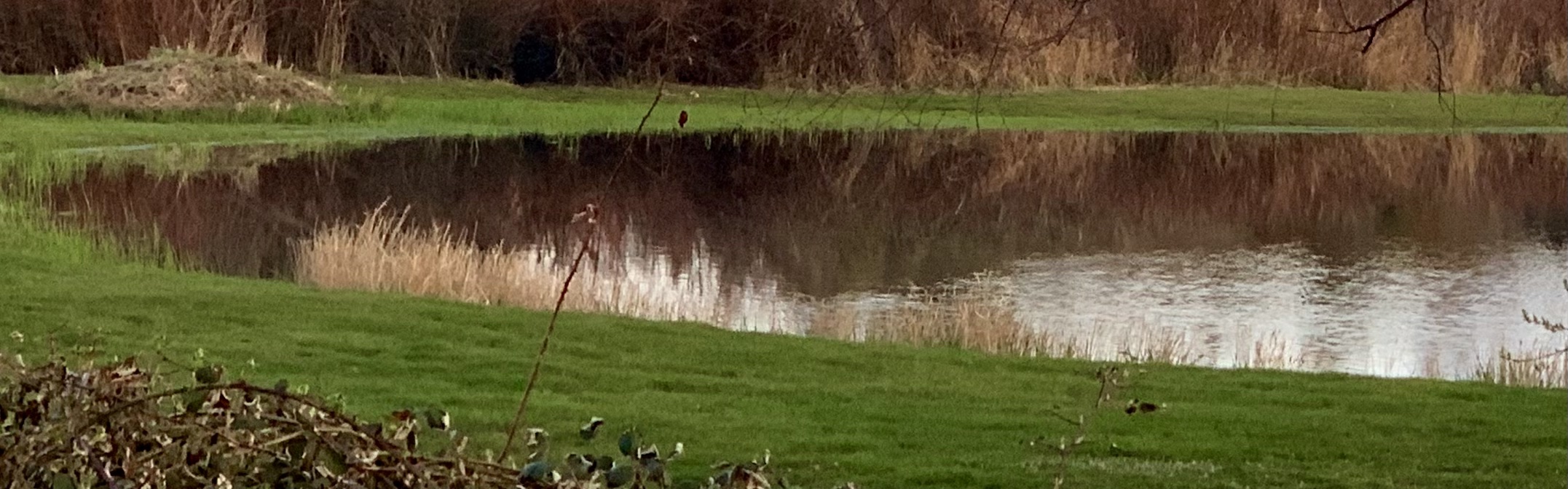
photo by Bob Tjoelker of our sentinel tree
Let nothing disturb thee, Nothing affright thee; All things are passing; God never changeth; Patient endurance attaineth to all things; Who God possesseth in nothing is wanting; Alone God sufficeth. – St. Teresa of Avila“Prayer”
This year’s Lenten theme:
…where you go I will go… Ruth 1:16
AI image created for this post
One-Time
Monthly
Yearly
Make a one-time or recurring donation to support daily Barnstorming posts
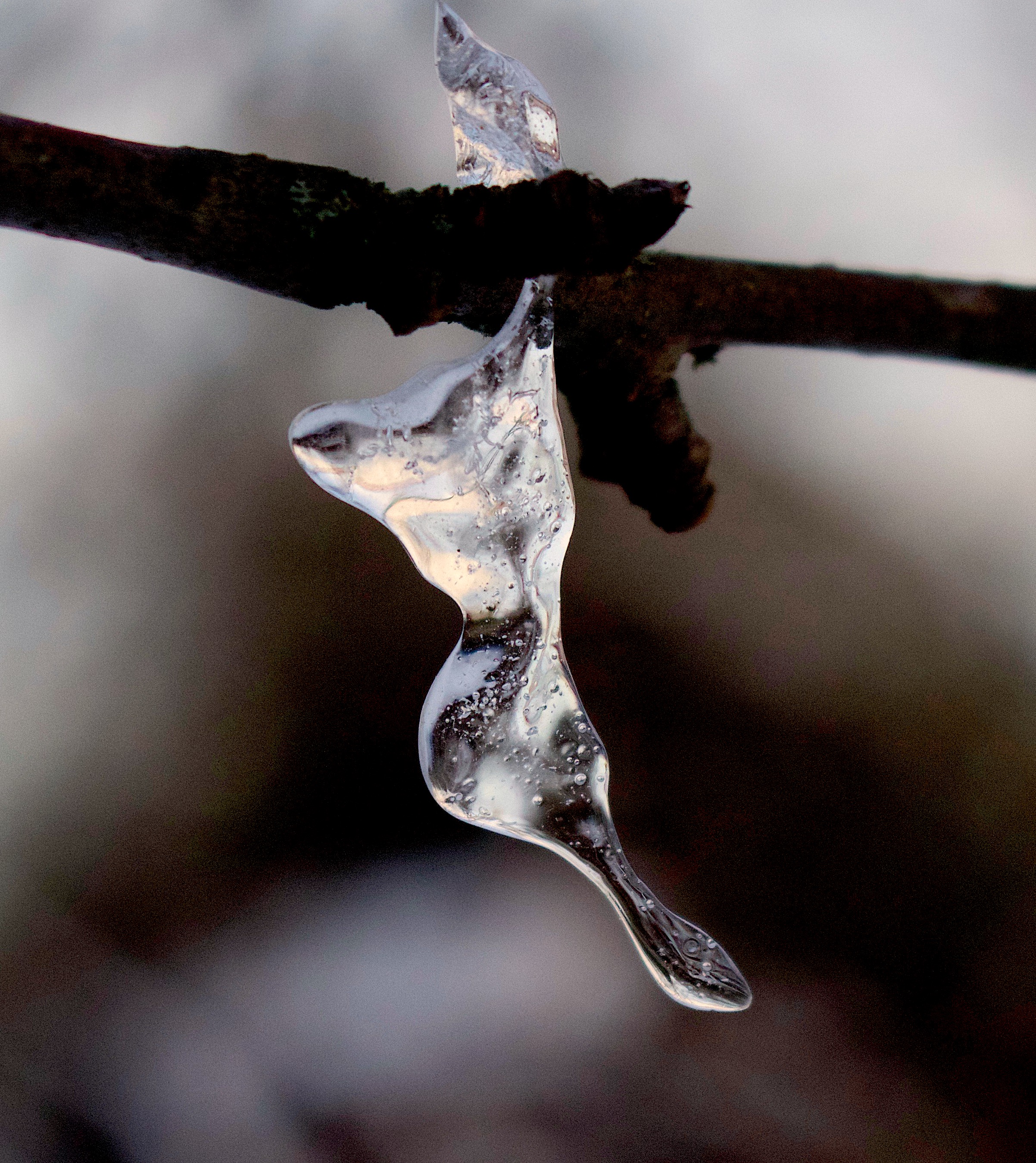
Our heart wanders lost in the dark woods. Our dream wrestles in the castle of doubt. But there’s music in us. Hope is pushed down but the angel flies up again taking us with her. It is no surprise that danger and suffering surround us. What astonishes is the singing. We know the horses are there in the dark meadow because we can smell them, can hear them breathing. Our spirit persists like a man struggling through the frozen valley who suddenly smells flowers and realizes the snow is melting out of sight on top of the mountain, knows that spring has begun. ~Jack Gilbert from “Horses at Midnight Without a Moon”
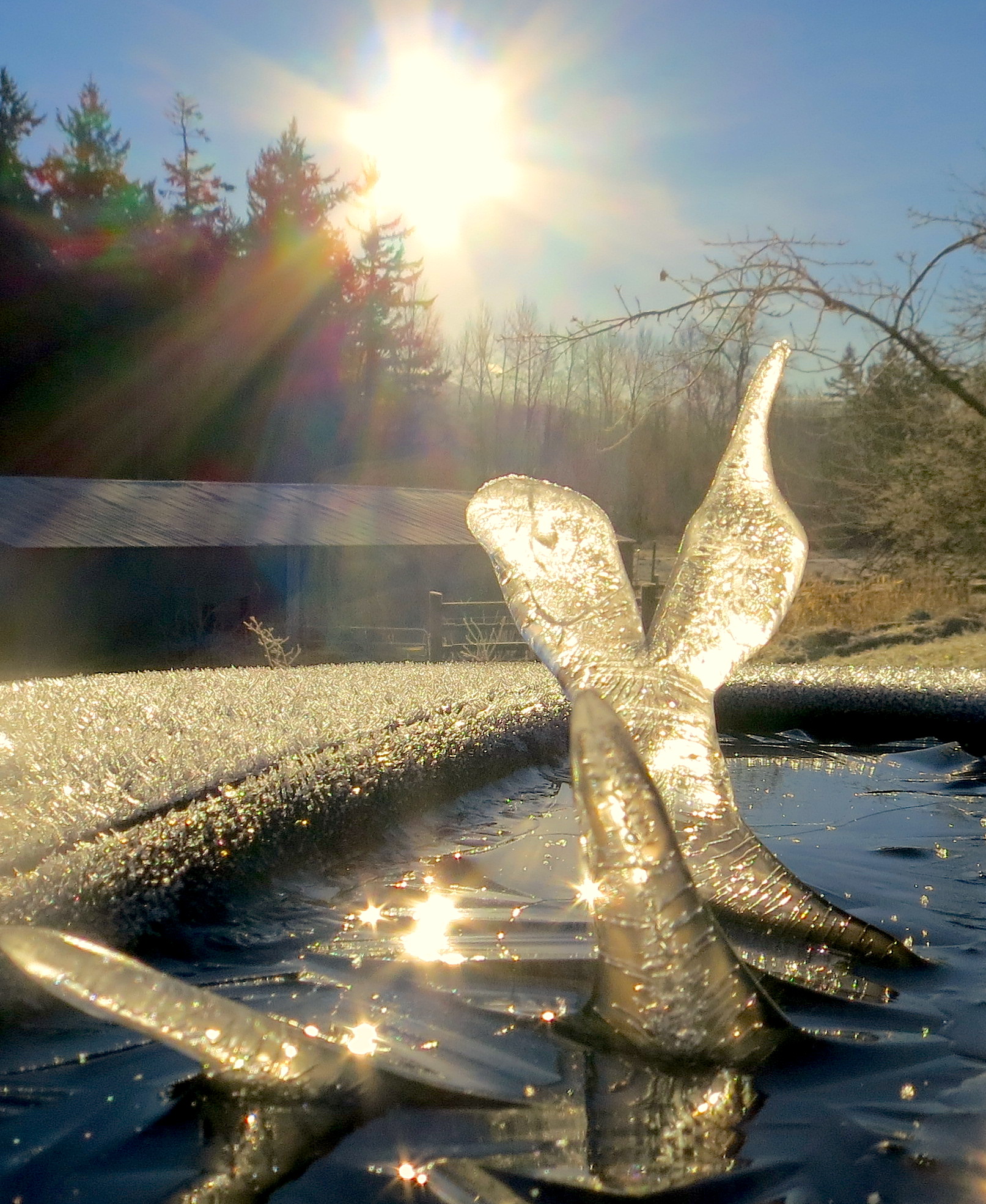
In trees still dripping night some nameless birds Woke, shook out their arrowy wings, and sang, Slowly, like finches sifting through a dream. The pink sun fell, like glass, into the fields. Two chestnuts, and a dapple gray, Their shoulders wet with light, their dark hair streaming, Climbed the hill. The last mist fell away.
And under the trees, beyond time’s brittle drift, I stood like Adam in his lonely garden On that first morning, shaken out of sleep, Rubbing his eyes, listening, parting the leaves, Like tissue on some vast, incredible gift. ~Mary Oliver “Morning In a New Land”from New and Selected Poems
As if — we are walking through the darkest woods, still stuck in the throes of winter, and catch a whiff of a floral scent, or a hint of green grass, or hear the early jingle bells song of peeper frogs in the wetlands, or feel the warm breath of horses puffing steam at night.
As if — there is hope on the other side, refreshment and renewal and rejoicing just around the corner.
As if — things won’t always be frozen or muddy or barren, that something is coming behind the snowdrops and crocus.
The snow is melting, imperceptibly, but melting nonetheless. And that vast incredible gift thaws what is frozen in me…
photo by Emily Dieleman
This year’s Lenten theme:
…where you go I will go… Ruth 1:16
One-Time
Monthly
Yearly
Make a one-time and recurring donation to support daily Barnstorming posts
March. I am beginning to anticipate a thaw. Early mornings the earth, old unbeliever, is still crusted with frost where the moles have nosed up their cold castings, and the ground cover in shadow under the cedars hasn’t softened for months, fogs layering their slow, complicated ice around foliage and stem night by night,
but as the light lengthens, preacher of good news, evangelizing leaves and branches, his large gestures beckon green out of gray. Pinpricks of coral bursting from the cotoneasters. A single bee finding the white heather. Eager lemon-yellow aconites glowing, low to the ground like little uplifted faces. A crocus shooting up a purple hand here, there, as I stand on my doorstep, my own face drinking in heat and light like a bud welcoming resurrection, and my hand up, too, ready to sign on for conversion. ~Luci Shaw “Revival” from What the Light was Like
A few remaining hints of frost drip with rain, the frozen ground oozing with mud and mire.
This morning has a hint of fragrance as buds dare to peek open, testing the air.
I wake to dawn’s fiery burning light I hear beckoning eagle chatter and frog chorus
I follow the sun wherever it may appear, so eager for warmth and revival, grateful to be alive to notice.
The thaw is at hand; a new day is aching to bloom.
This year’s Lenten theme:
…where you go I will go… Ruth 1:16
AI image created for this post
One-Time
Monthly
Yearly
Make a one-time or recurring donation to support daily Barnstorming posts
This morning’s sun is not the honey light of summer, thick with golden dust and slow as syrup pouring from a jug. It’s bright, but thin and cold, and slanted steep and low across the hillsides. Frost is blooming white, these flowers forced by icy winds that blow as hard this morning as they blew all night. Too cold for rain, but far too dry for snow.
And I am restless, pacing to and fro enduring winter’s grip that holds us tight. But my camellias, which somehow know what weather to expect—they’re always right— have broken bud. Now scarlet petals glow outside the window where I sit and write. ~Tiel Aisha Ansari “Camellias”from Dervish Lions
Near a shrine in Japan he’d swept the path and then placed camellia blossoms there.
Or — we had no way of knowing — he’d swept the path between fallen camellias. ~Carol Snow “Tour”
Camellias are hardy enough to withstand winter’s low temperatures, defying freezing winds and hard frosts with their resilience.
On windy days, full and ripe camellia blooms plop to the ground without warning, scattering about like a nubby floral throw rug. They are too bulky to step on, so the tendency is to pick a path around them, allowing them the dignity of a few more days before being swept off sidewalks.
In one sense, these fallen winter blossoms are holy messengers, gracing the paths the living must navigate. They are grounding for the passersby, a reminder our own time to let go will soon come. As we restlessly pursue our days and measure our steps, we respectfully make our way around their fading beauty.
An unexpected blessing is bestowed in the camellia’s restlessness: in their budding, in their breaking open, in their full blooming, in their falling to earth, in their ebbing away.
The grass withers and the flowers fall, because the breath of the Lord blows on them. Surely the people are grass. The grass withers and the flowers fall, but the word of our God endures forever. Isaiah 40:7-8
Mortals, born of woman, are of few days and full of trouble. They spring up like flowers and wither away; like fleeting shadows, they do not endure. Do you fix your eye on them? Job 14: 1-3
This year’s Lenten theme:
…where you go I will go… Ruth 1:16
AI image created for this postAI image created for this post
One-Time
Monthly
Yearly
Make a one-time or recurring donation to support daily Barnstorming posts
“Why, what’s the matter, That you have such a February face, So full of frost, of storm and cloudiness?” – William Shakespeare, Much Ado About Nothing
The wrap-up to February feels like spring is flirting with us. But will winter really ever be finished?
Our doldrums are deep; a brief respite of sun and warmth too rare.
We feel it in the barn as we go about our daily winter routine. The Haflingers are impatient and yearn for freedom, over-eager when handled, sometimes banging on the stall doors in their frustration at being shut in, not understanding that the alternative is to stand outside all day in cold rain and wind. To compensate for their confinement, we start grooming off their thick winter coats, urging their hair to loosen and curry off in sheets over parts of their bodies, yet otherwise still clinging tight.
The horses are a motley crew right now, much like a worn ’60s shag carpet, uneven and in dire need of updating. I prefer that no one see them (or me) like this. Eventually I know the shag on my horses will come off, revealing the sheen of new short hair beneath, but when I look at myself, I’m unconvinced there is such transformation in store for me.
Cranky, I put one foot ahead of the other, oblivious to the subtle seasonal renewal around me, refusing to believe even in the possibility.
It happened today. Dawn broke bright and blinding so I headed outside and stumbled across something extraordinary.
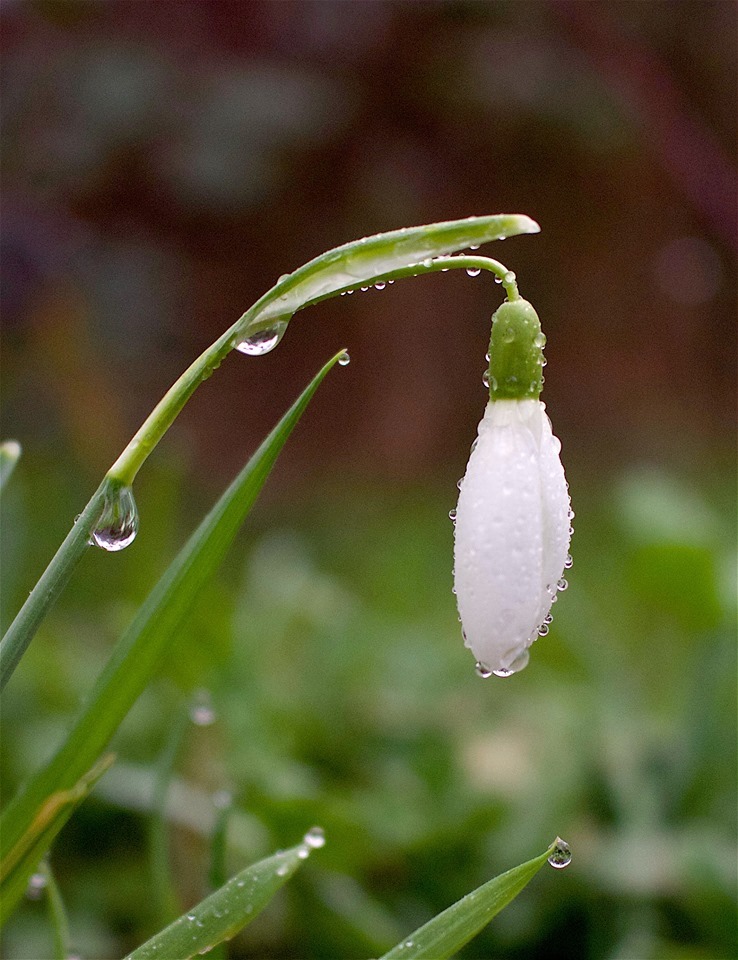
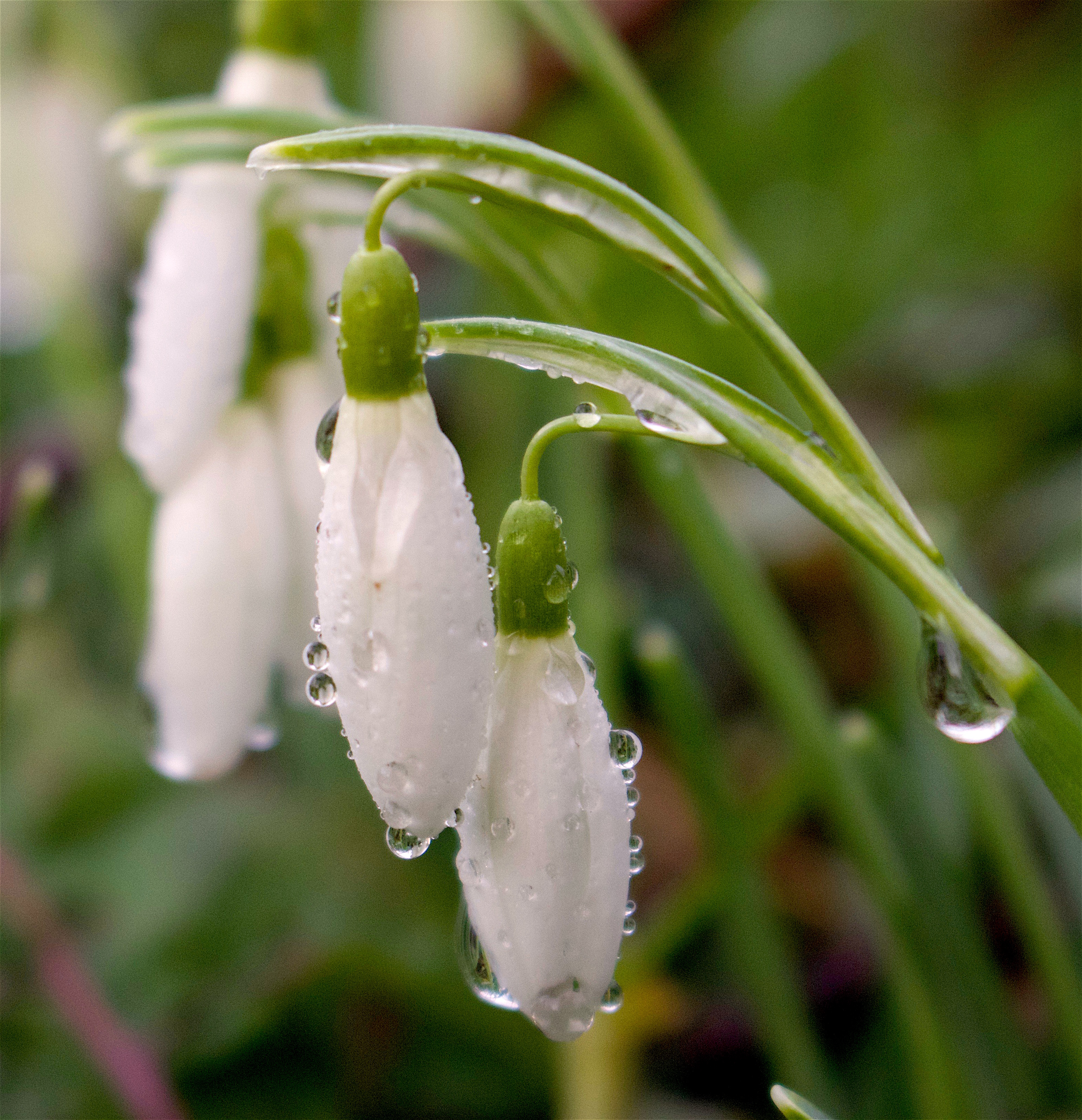
A patch of snowdrops sat blooming in a newly cleared space in our farmyard, visible now only because of bramble removal done last fall. These little white upside down flowers were planted decades ago around our house and yard. There they’ve been, year after year, harbingers of the long-awaited spring to come in a few short weeks, sometimes covered by the overgrowth and invisible to me in my self-absorbed blindness.
I was astonished that someone, many many years ago, had carried these bulbs around the farm, planting them, hoping they might bless another soul sometime somehow. The blossoms had sprung from their sleep beneath the covering of years of fallen leaves and blackberry vines.
It was as if I’d been physically hugged by this someone long dead, now flesh and blood beside me, with work-rough hands, and dirty fingernails, and broad brimmed hat, and a satisfied smile. This secret gardener is no long living, so I mentally reach back across those years in gratitude, showing my deep appreciation for the time and effort it took to place a foretaste of spring in an unexpected and hidden place.
I am thus compelled to look for ways to leave such a gift for someone to find 70 years from now as they likewise stumble blindly through too many gray days full of human drama, frailty and flaw. Though I will be long gone, I can reach across the years to grab them, hug them in their doldrums, lift them up and give them hope for what is to come.
It is the peeling away of winter’s shaggy coat, revealing the fresh smoothness of spring glistening underneath.
What an astonishing thought that it was done for me, and in reaffirming that promise of renewal, I might do it for another.
AI image created for this post
One-Time
Monthly
Yearly
Make a one-time or recurring donation to support daily Barnstorming posts
Toads are smarter than frogs. Like all of us who are not good- looking they have to rely on their wits. A woman around the beginning of the last century who was in love with frogs wrote a wonderful book on frogs and toads. In it she says if you place a frog and a toad on a table they will both hop. The toad will stop just at the table’s edge, but the frog with its smooth skin and pretty eyes will leap with all its beauty out into nothing- ness. I tried it out on my kitchen table and it is true. That may explain why toads live twice as long as frogs. Frogs are better at romance though. A pair of spring peepers were once observed whispering sweet nothings for thirty-four hours. Not by me. The toad and I have not moved. ~Tom Hennen “Plains Spadefoot Toad”
Plain, bumpy, staid, cautious, contemplative, tending to plop or splat rather than risk a graceful, carefree leap into nothingness.
Someone has to hold down the swamp, while peering over the edge of the abyss, belching out an occasional thoughtful croak while thousands of dainty peepers sing their hearts out like so many sleighbells jingling gaily throughout the endless, late winter night.
We all sing together…
AI image created for this post
Poets who know no better rhapsodize about the peace of nature, but a well-populated marsh is a cacophony. ~Bern Keating
One-Time
Monthly
Yearly
Make a one-time or recurring donation to support daily Barnstorming posts
Here is the mystery, the secret, one might almost say the cunning, of the deep love of God: that it is bound to draw upon itself the hatred and pain and shame and anger and bitterness and rejection of the world, but to draw all those things on to itself is precisely the means chosen from all eternity by the generous, loving God, by which to rid his world of the evils which have resulted from human abuse of God-given freedom. ~N.T. Wright from The Crown and The Fire
Days pass when I forget the mystery. Problems insoluble and problems offering their own ignored solutions jostle for my attention… And then once more the quiet mystery is present to me, the throng’s clamor recedes: the mystery that there is anything, anything at all, let alone cosmos, joy, memory, everything, rather than void: and that, O Lord, Creator, Hallowed one, You still, hour by hour sustain it. ~Denise Levertov from “Primary Wonder” from Sands of the Well
…to bring to light for everyone what is the plan of the mystery hidden for ages in God, who created all things… Ephesians 3:9
Despite the bad news of the world, I cling to the mystery of God’s sustaining us through weaknesses, flaws and bitterness. He pulls us out of the dark, to His Light.
Hatred and pain and shame and anger disappear into the vortex of His bright love and beauty, the mucky corners of our lives wiped spotless.
We are let in on a secret: He is not sullied by absorbing the dirty messes of our lives.
Created in His image, sustained and loved, thus reflecting Him, we emerge, hopeful, from the soil and washed forever clean.
AI image created for this post
Stat Sua cuique dies (To each his day is given) Stat Sua cuique dies (To each his day is given) – Latin, The Aeneid Maél is mé tó féran(‘Tis time that I fare from you)– Old English Aleto men moi nostos (Lost is my homecoming) -Greek, The Illiad C’est pour cela que je suis née(I was born for this)–French, Joan of Arc Kono michi ya(On this road)Yuki hito nishi ni (Goes no one)– Japanese C’est pour cela que je suis née (I was born for this) – French Ne me plaignez pas (Do not pity me) – French, Joan of Arc
One-Time
Monthly
Yearly
Make a one-time or recurring donation to support daily Barnstorming post
Every valley drinks, Every dell and hollow: Where the kind rain sinks and sinks, Green of Spring will follow.
Yet a lapse of weeks Buds will burst their edges, Strip their wool-coats, glue-coats, streaks, In the woods and hedges;
But for fattening rain We should have no flowers, Never a bud or leaf again But for soaking showers;
We should find no moss In the shadiest places, Find no waving meadow grass Pied with broad-eyed daisies:
But miles of barren sand, With never a son or daughter, Not a lily on the land, Or lily on the water. ~Christina Georgina Rossetti from “Winter Rain” from Poems of Christina Rossetti (1904)
Don’t be ashamed to weep; ’tis right to grieve. Tears are only water, and flowers, trees, and fruit cannot grow without water. But there must be sunlight also. A wounded heart will heal in time, and when it does, the memory and love of our lost ones is sealed inside to comfort us. ~ Brian Jacques from Taggerung
It has been too cold to rain for weeks, a chilly dry spell with unmelted snow still piled in drifts along the roads.
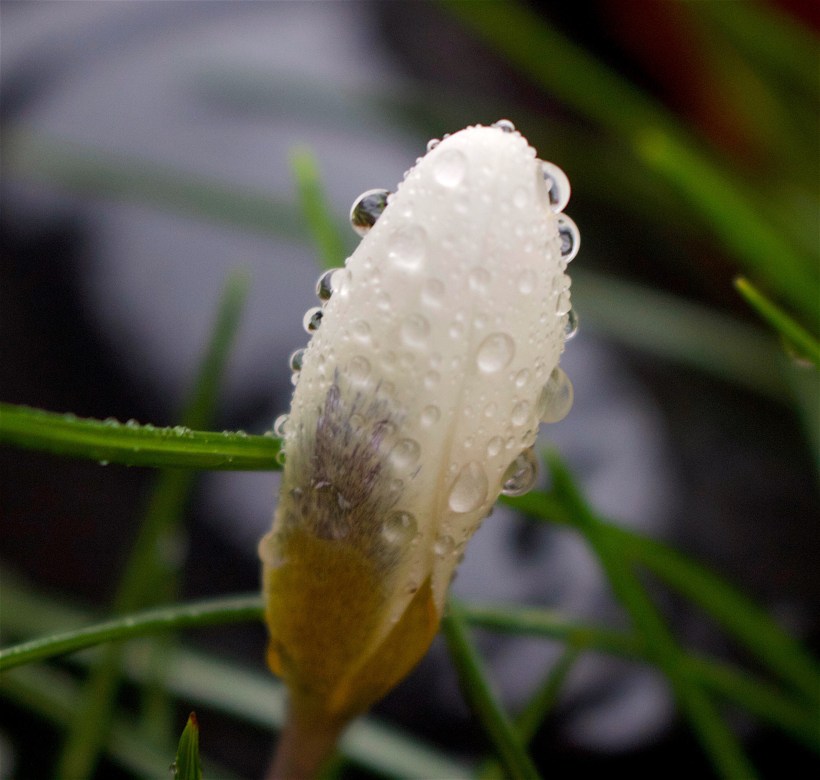
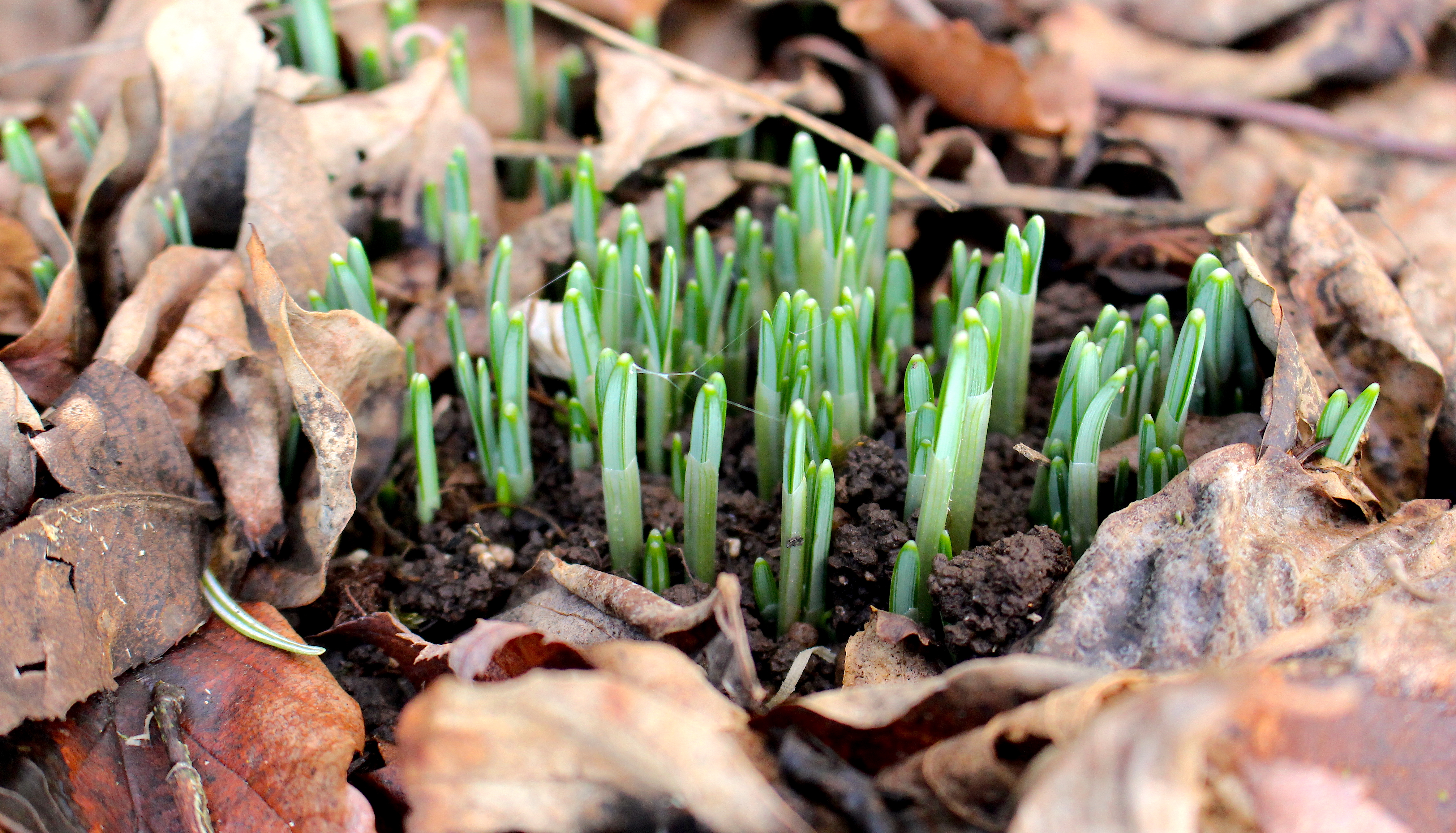
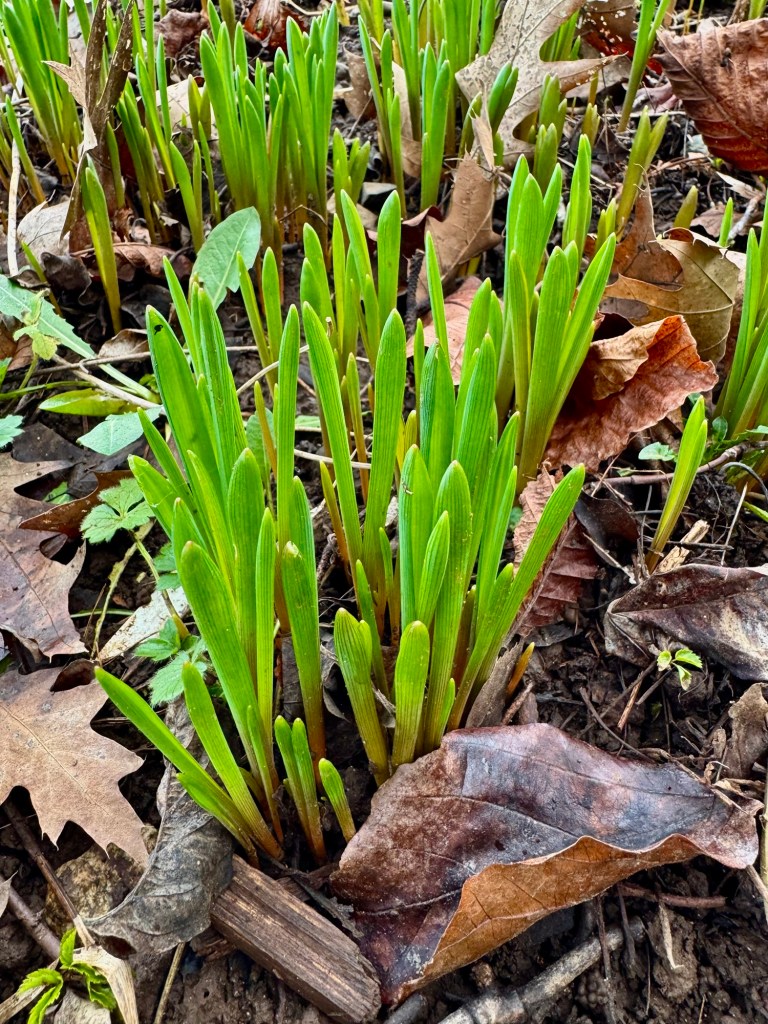
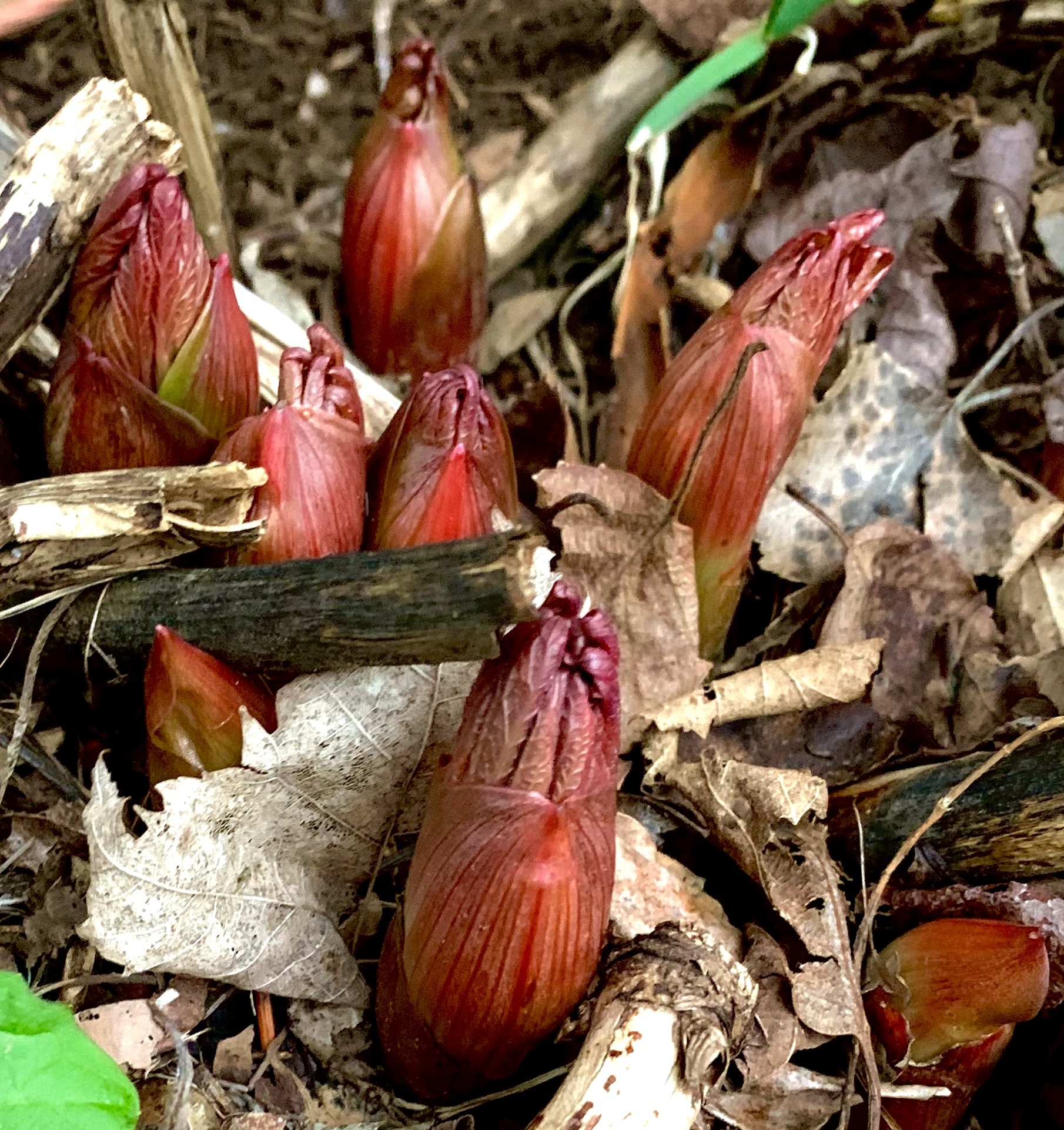
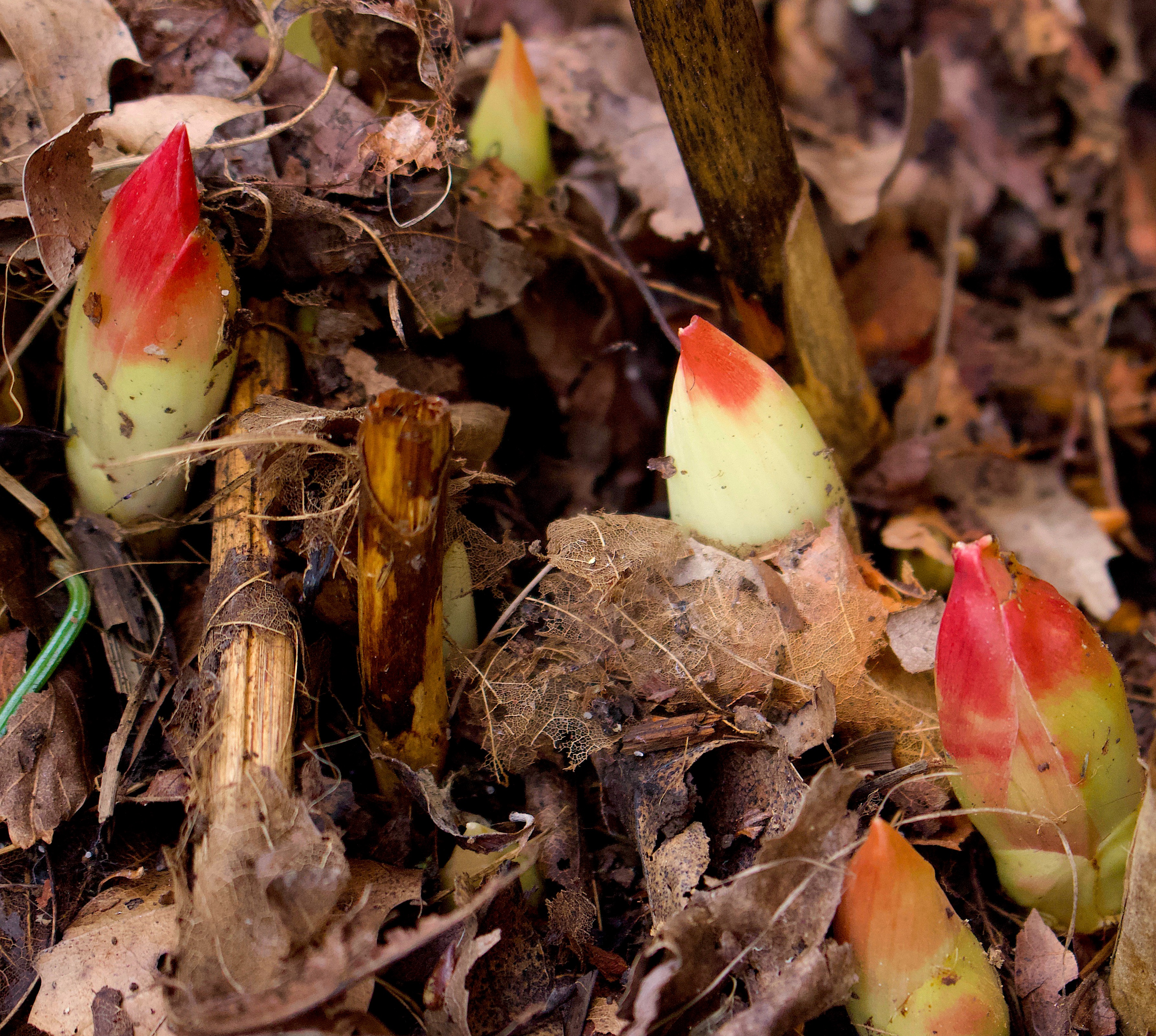
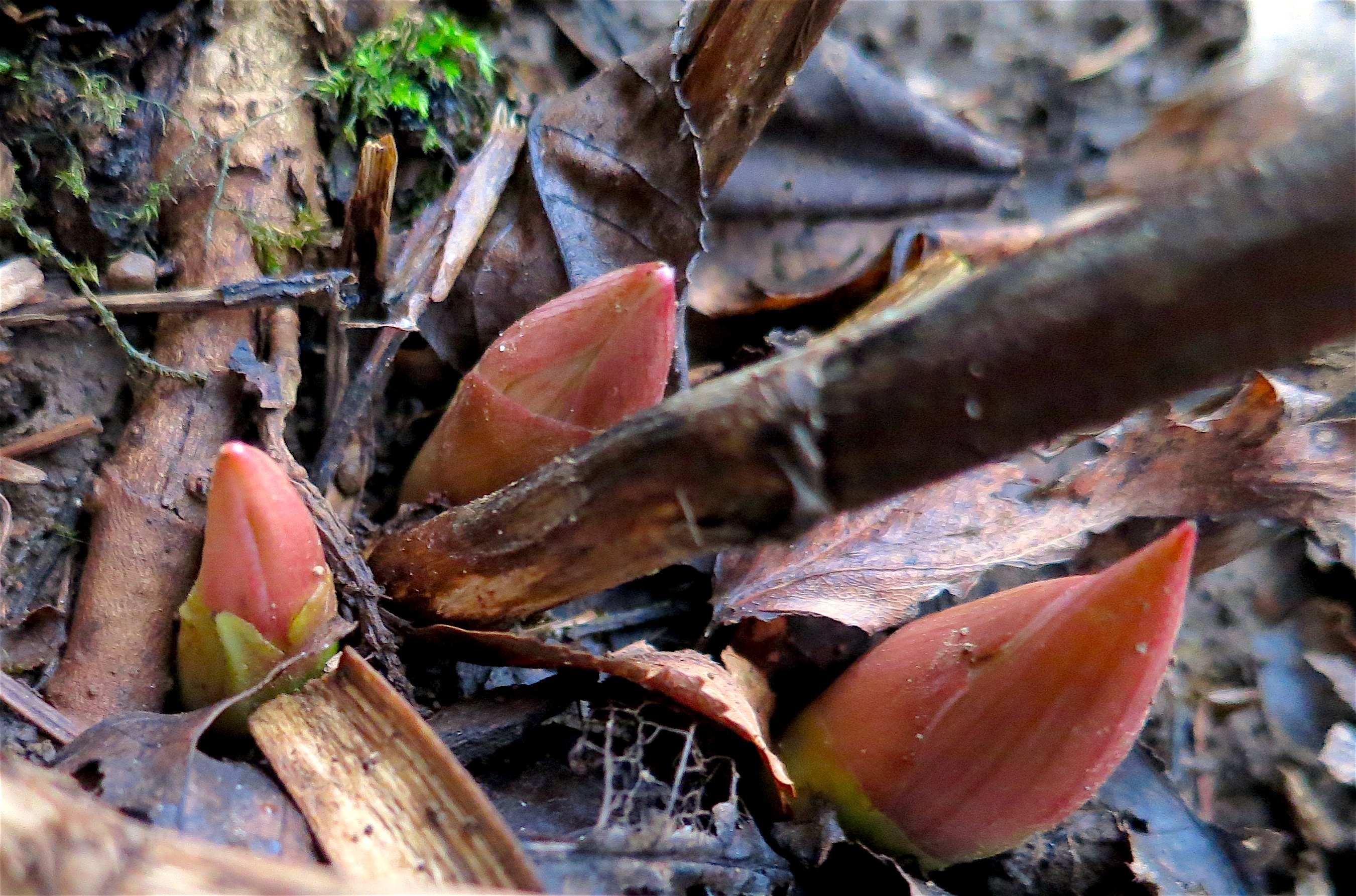
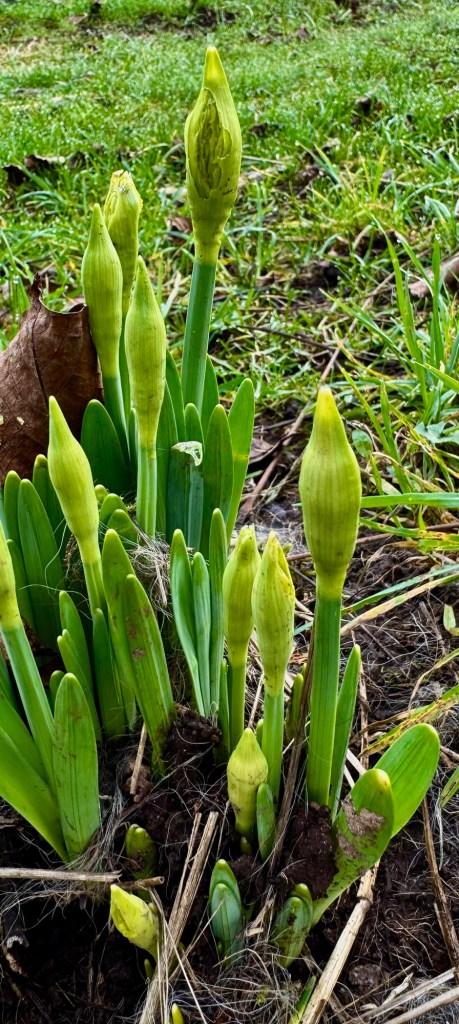
Today is warm enough for bulbs to breathe more freely as they break through the crust, given permission to bloom and grow.
The world weeps when no longer frozen in place. A drizzle decorates with mist to welcome forth the fattening rain.
AI image created for this post
One-Time
Monthly
Yearly
Make a one-time or recurring donation to support daily Barnstorming posts