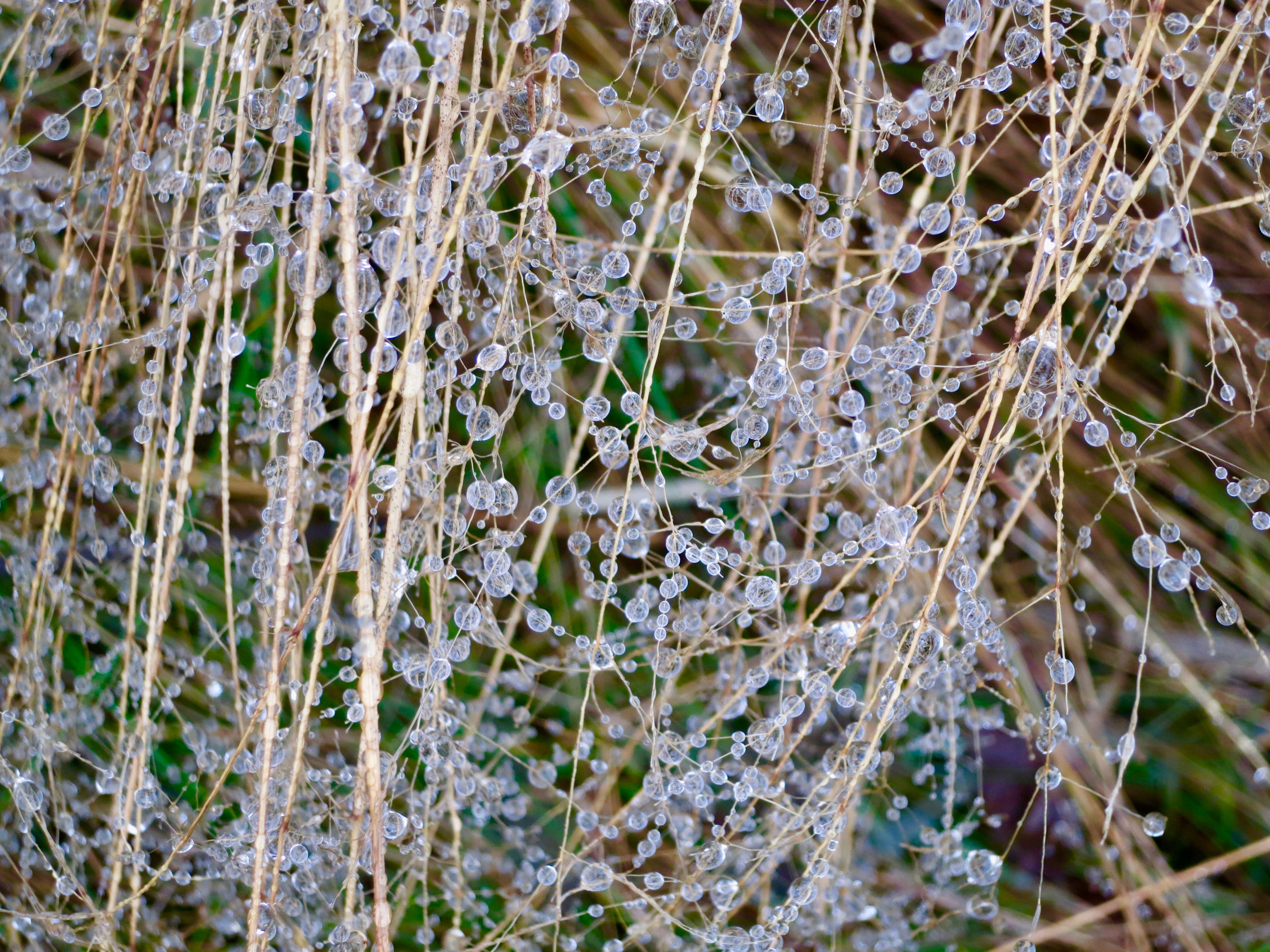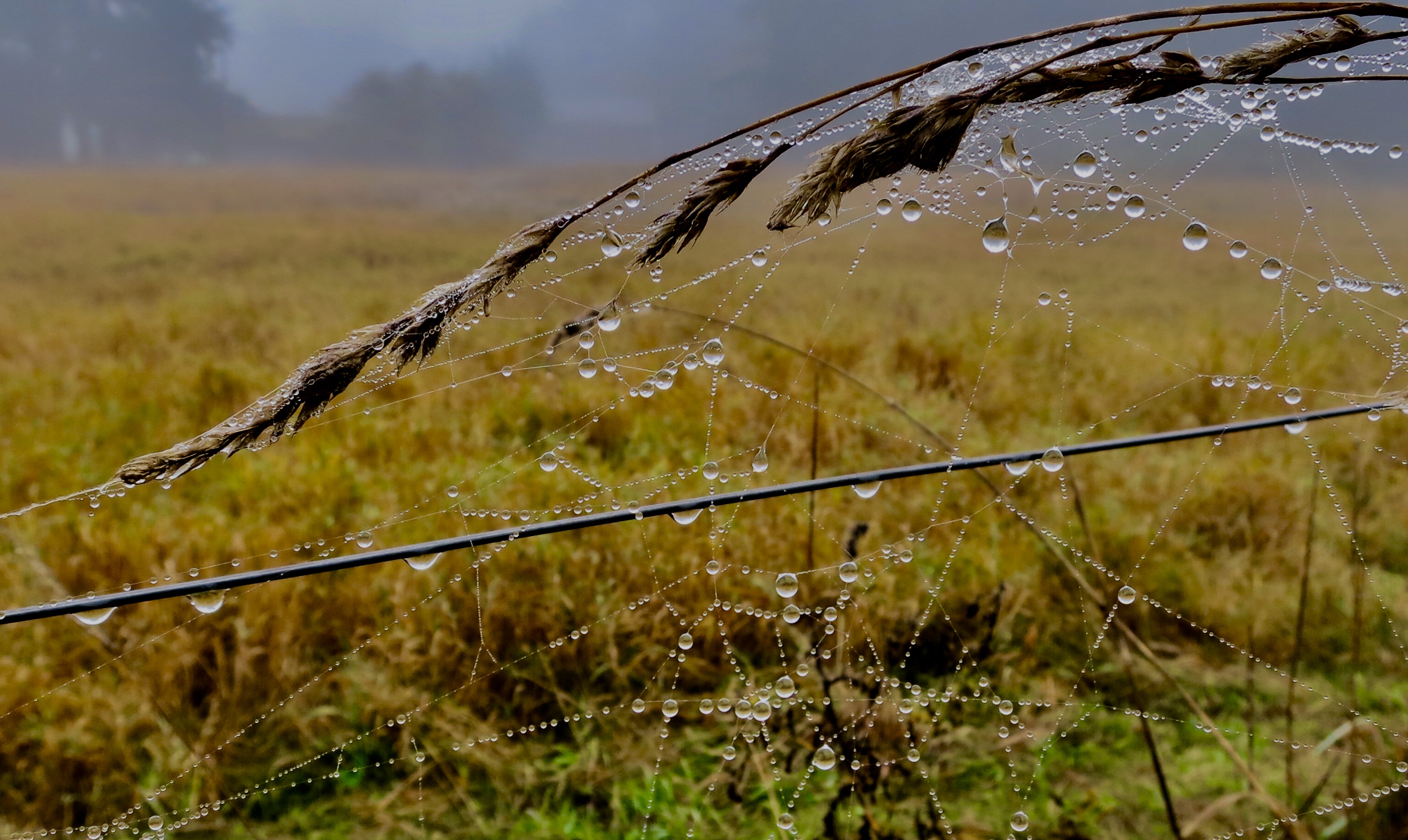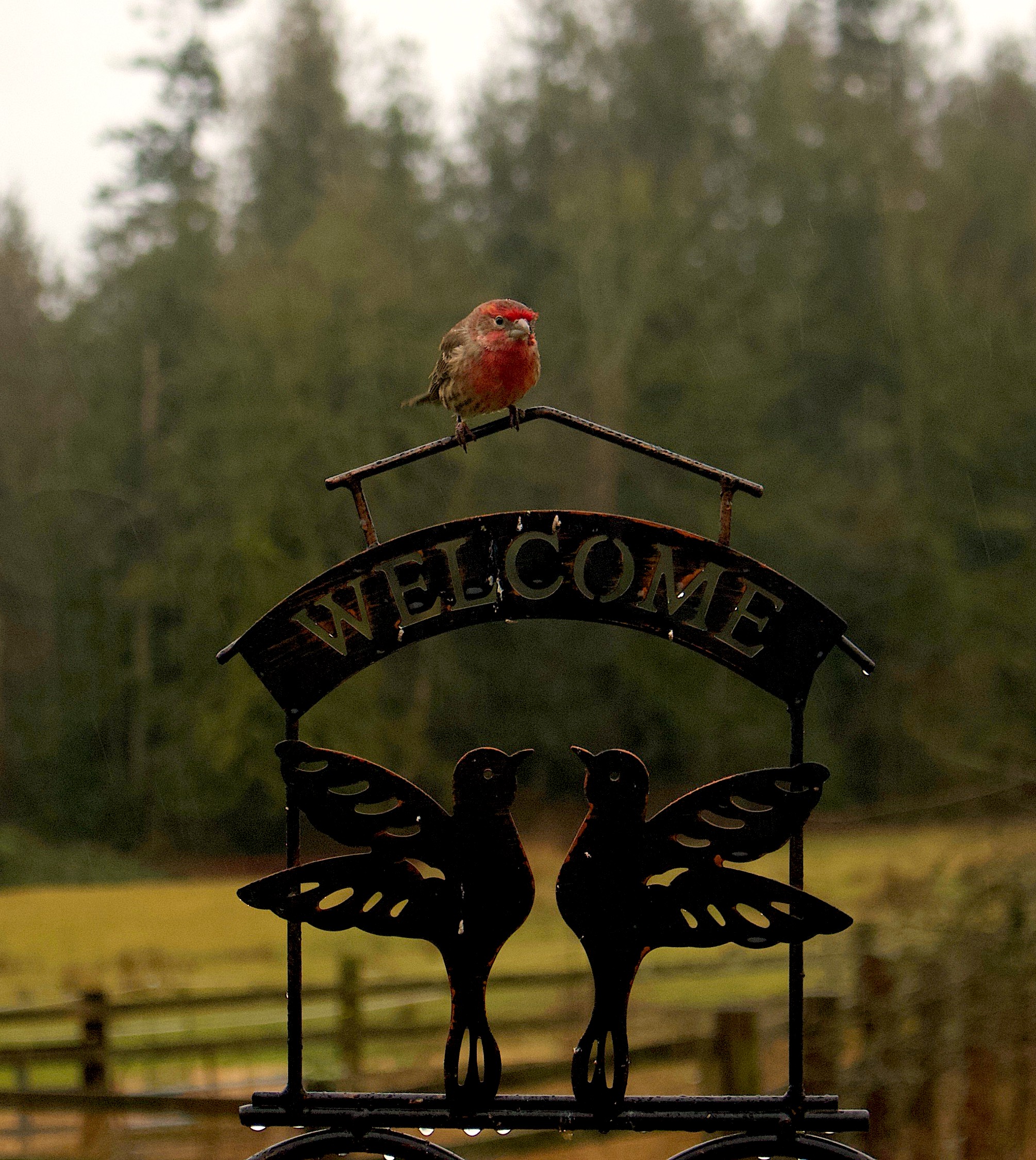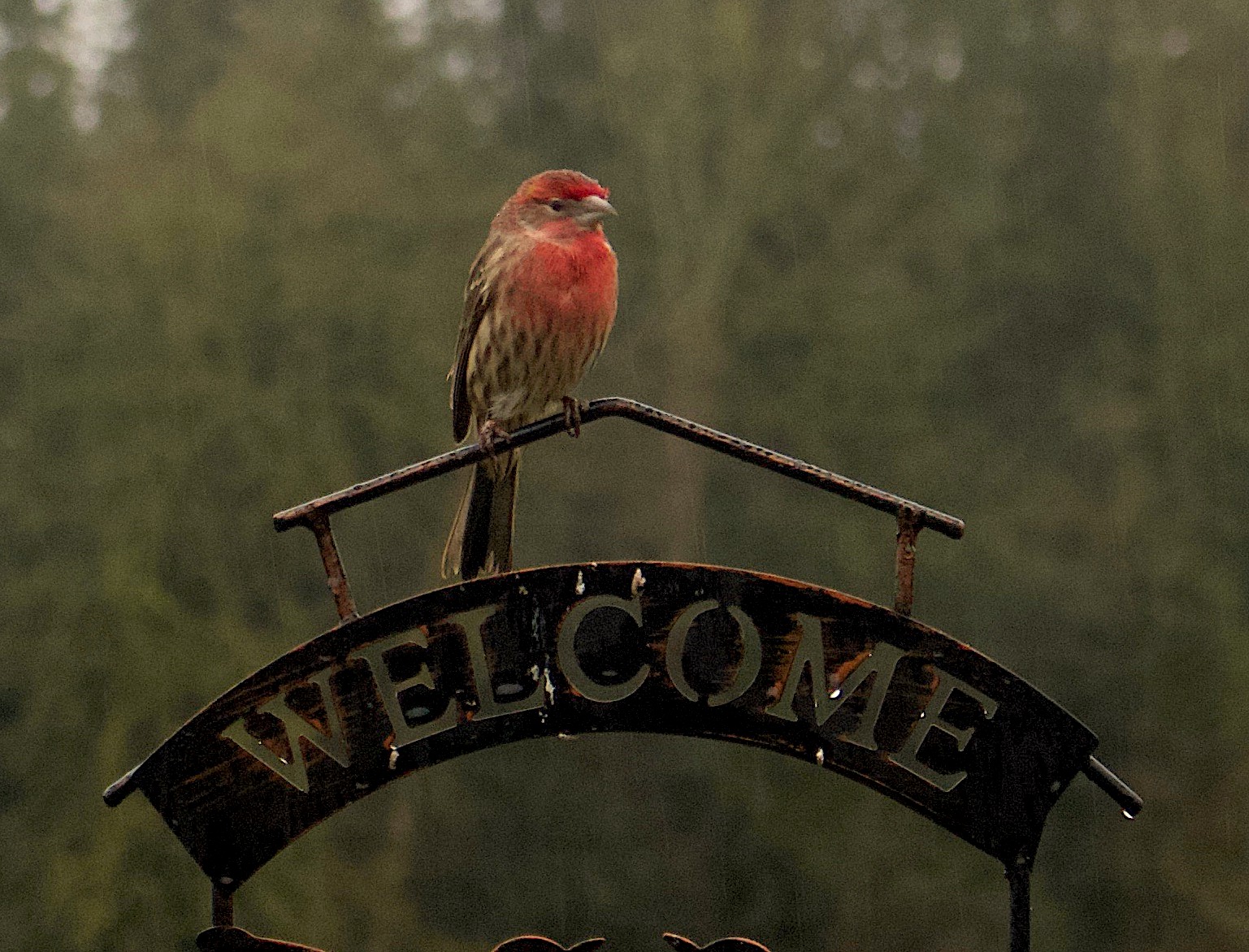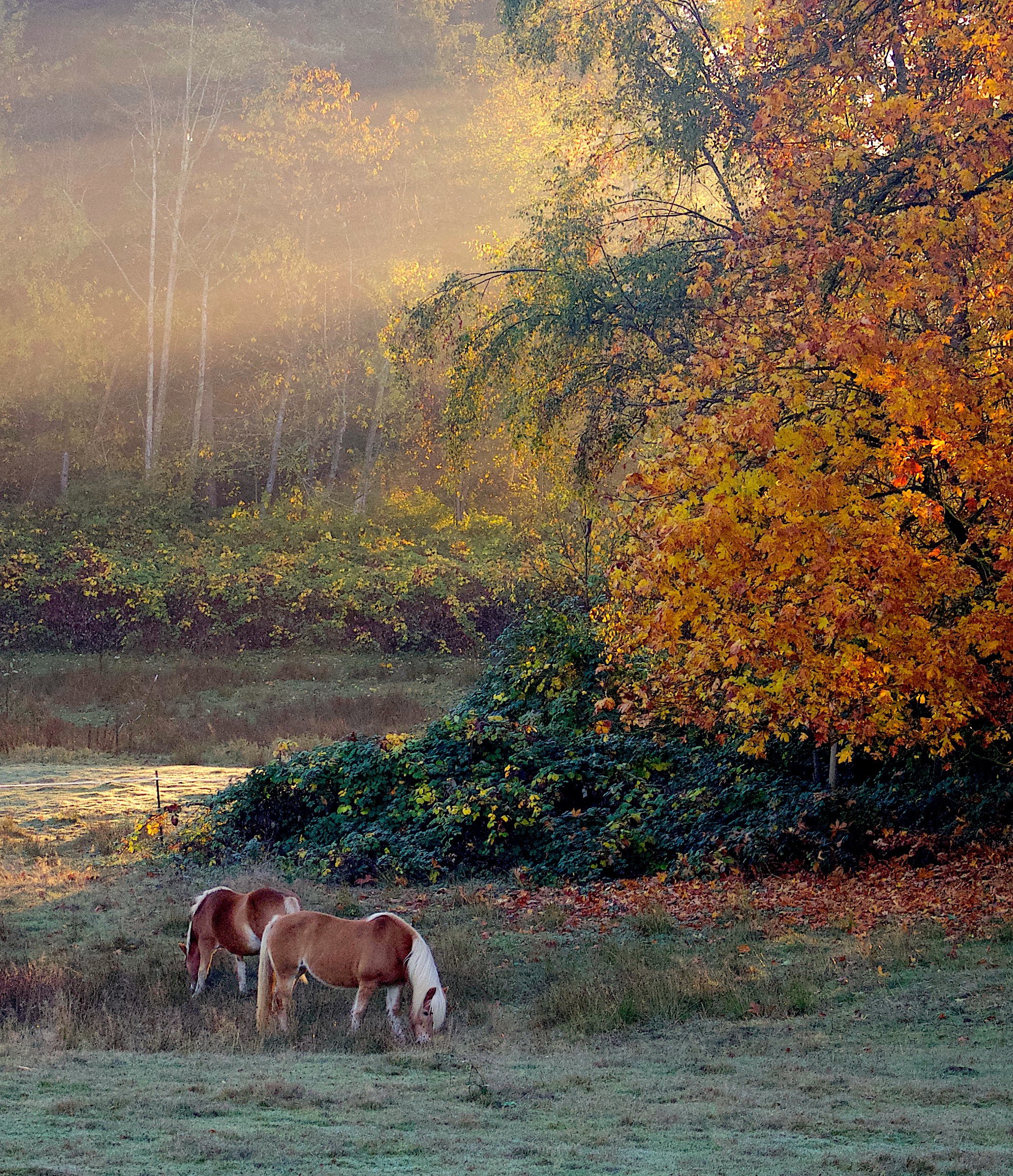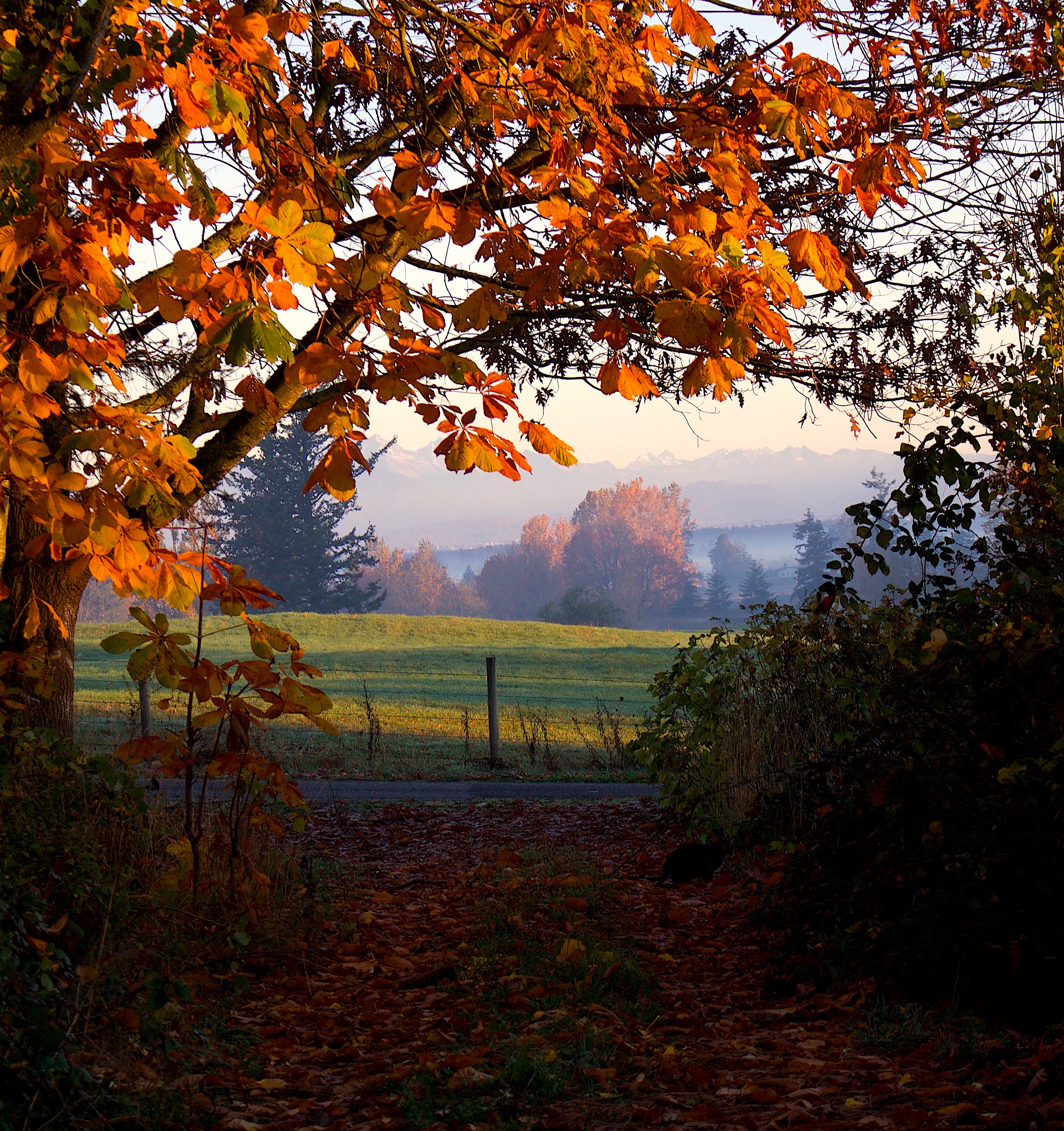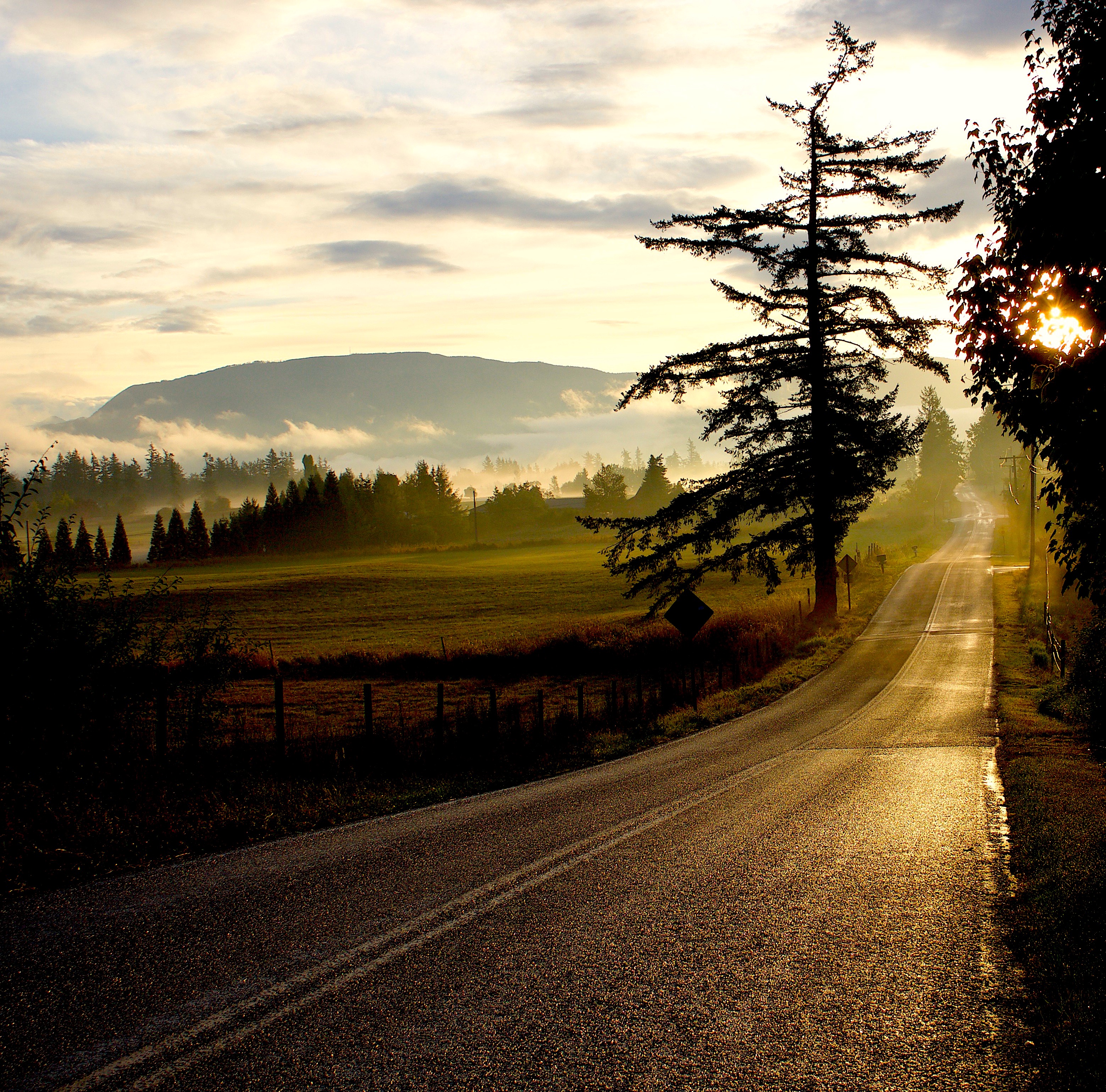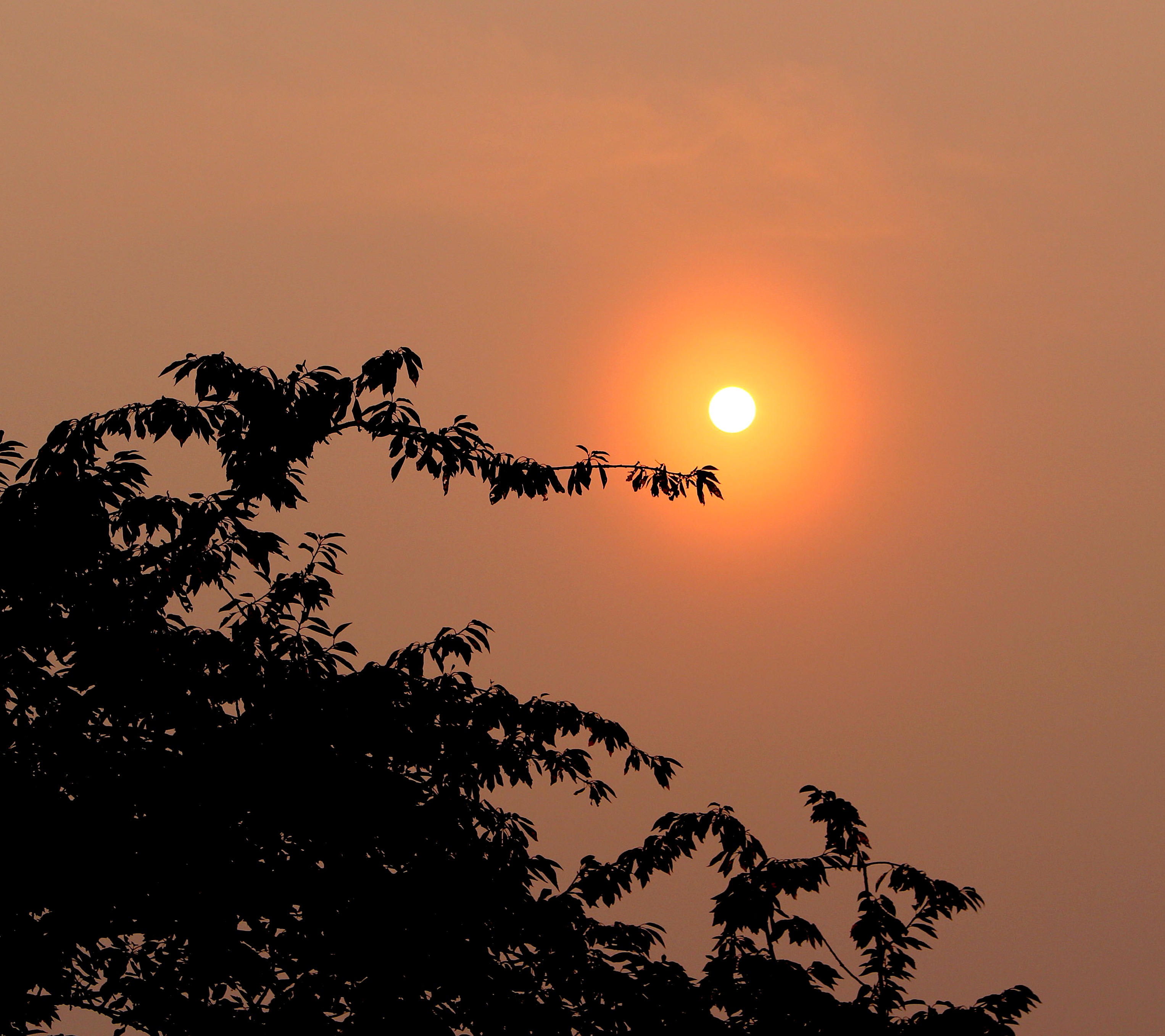
~May Swenson from “October”

…I have been younger in October
than in all the months of spring
walnut and may leaves the color
of shoulders at the end of summer
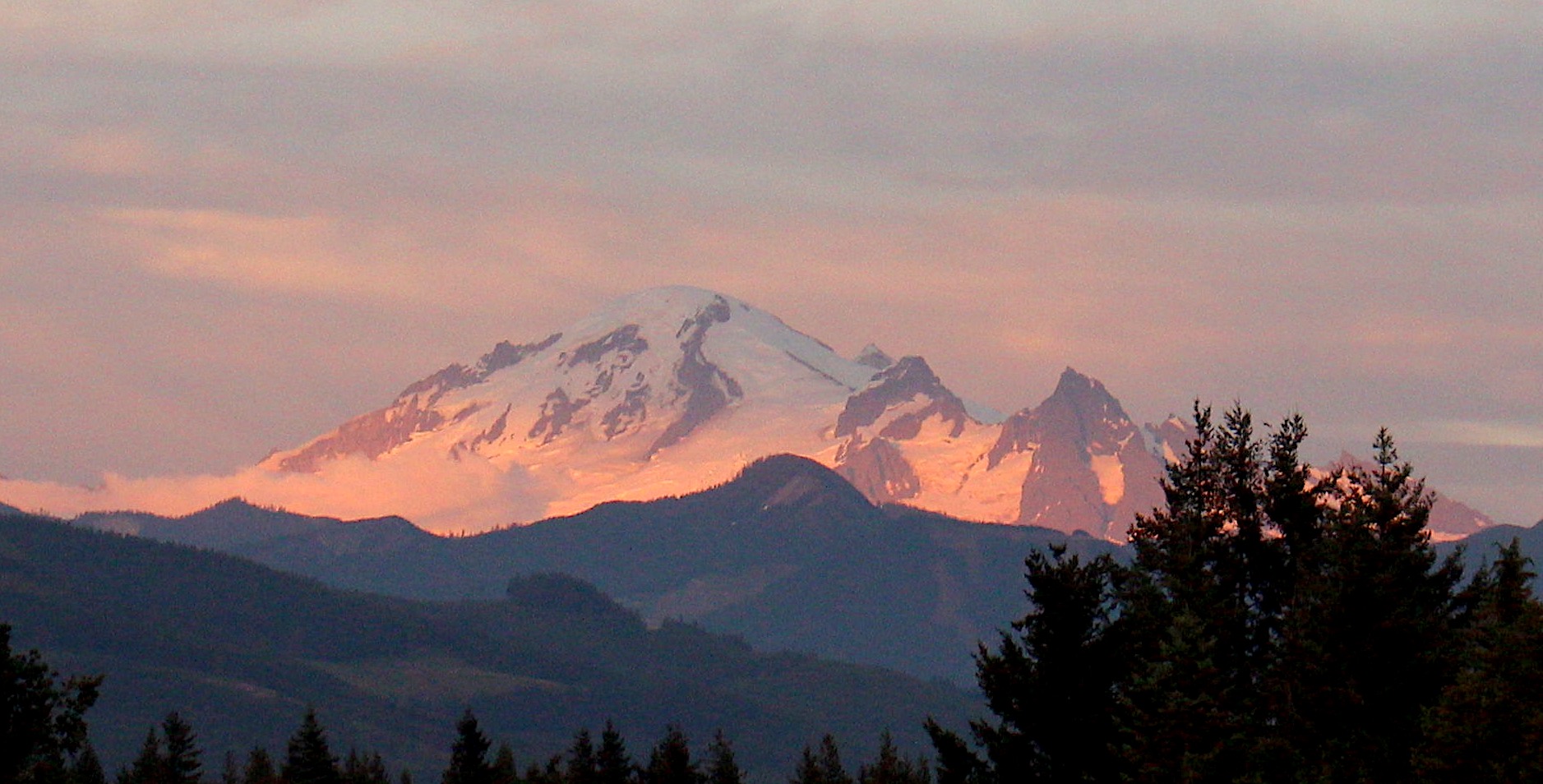
a month that has been to the mountain
and become light there
the long grass lies pointing uphill
even in death for a reason
that none of us knows…
my love is for lightness
of touch foot feather
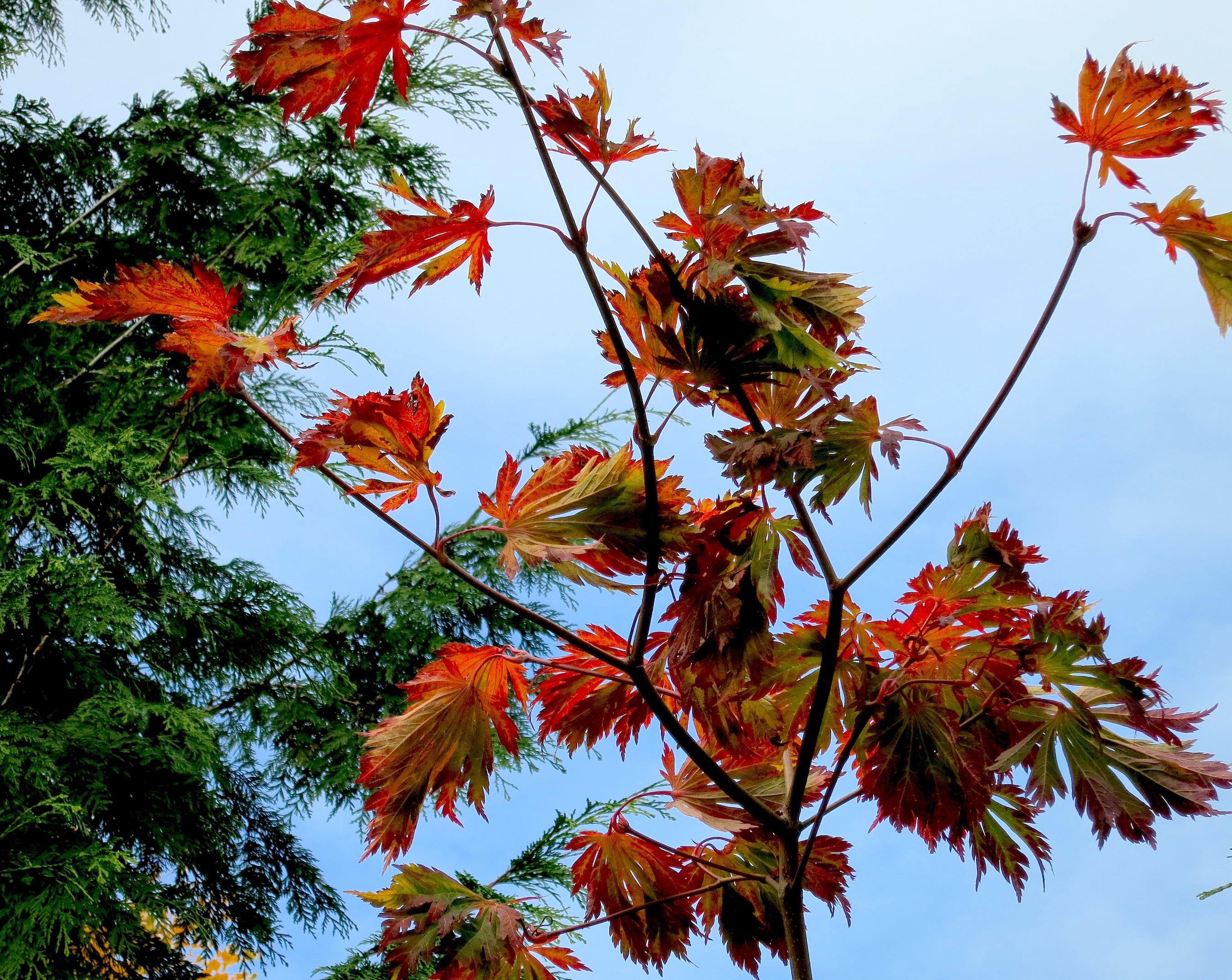
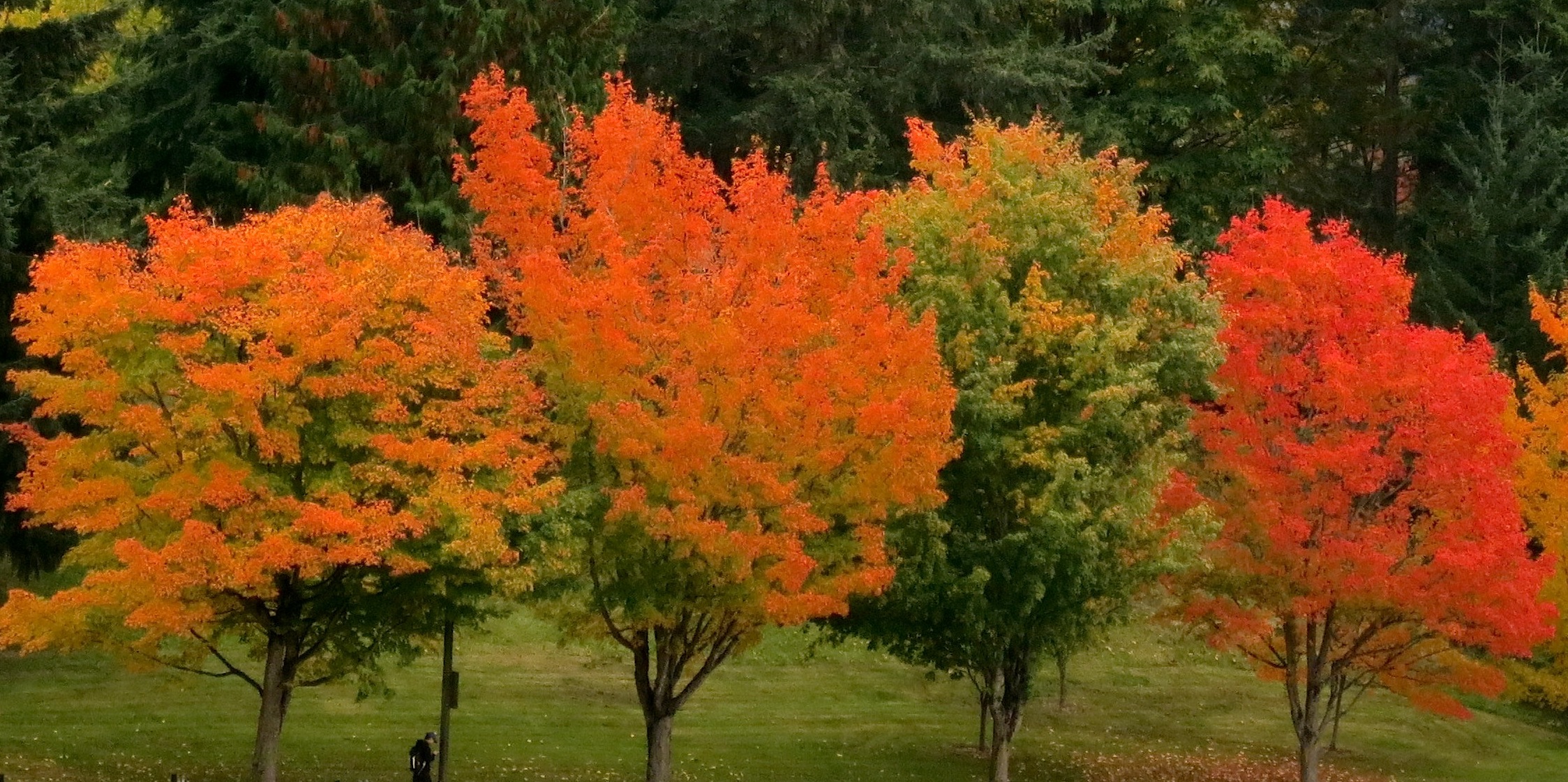
the day is yet one more yellow leaf
and without turning I kiss the light
by an old well on the last of the month
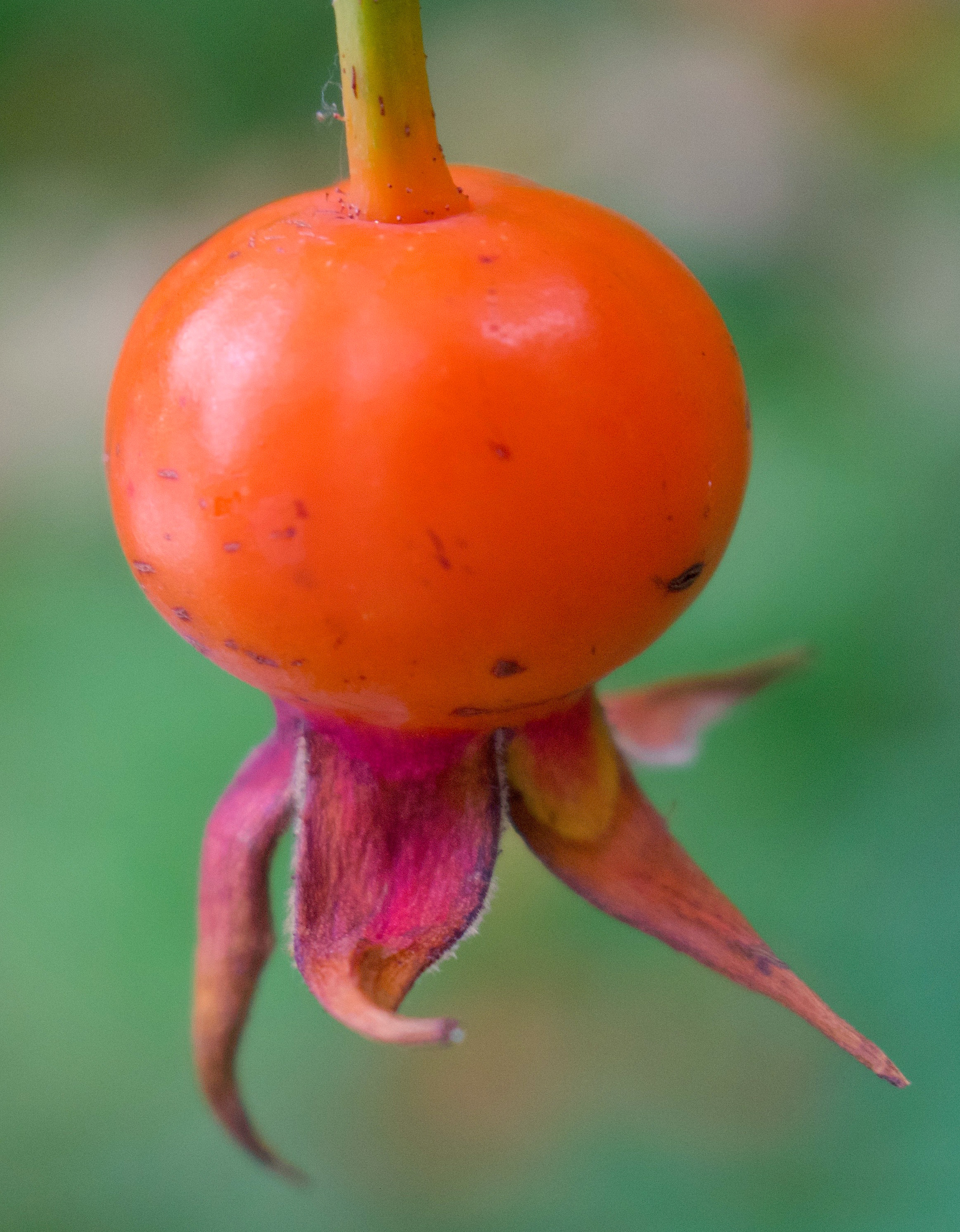
gathering wild rose hips
in the sun
~W. S. Merwin from “The Love of October” from Migration
A wind gusts through shedding branches
stripping them bare
and carrying the leaves to yards
far away, to a diverse gathering
they have never known:
chestnut, cherry, birch, walnut, apple,
maple, parrotia, pear, oak, poplar
suddenly sharing the same fate and grave,
each wearing a color of its own,
soon to blend with the others
as all slowly melt to brown.
There is lightness in letting go,
for reasons none of us knows.
If you notice anything
it leads you to notice
more
and more.
And anyway
I was so full of energy.
I was always running around, looking
at this and that.
If I stopped
the pain
was unbearable.
If I stopped and thought, maybe
the world can’t be saved,
the pain
was unbearable.
~Mary Oliver from “The Moths” from Dream Work
No amount of falls will really undo us if we keep on picking ourselves up each time. We shall of course be very muddy and tattered children by the time we reach home. But the bathrooms are all ready, the towels put out, and the clean clothes are in the airing cupboard.
The only fatal thing is to lose one’s temper and give it up. It is when we notice the dirt that God is most present in us; it is the very sign of His presence.
~C.S. Lewis (from Letters)
I see in a new way now as I wander about,
my eyes scanning for the plain and mundane,
searching for what needs noticing and safe-keeping.
Saving even a little part of our world
involves getting tired and muddy,
falling down again and again
and being willing to get back up.
If I stop getting dirty,
if I by-pass the every day,
if I give up the work of salvage,
I abandon the promises of God.
He’s there, ready and waiting
for the mop up of our messy ordinary.

Financial Support for the Barnstorming Blog from our Readers
Your financial support helps to keep this blog an ad-free daily offering. Your contribution of any amount is encouragement to me and deeply appreciated.
$10.00
This world, after all our science and sciences, is still a miracle;
wonderful, inscrutable, magical, and more,
to whosoever will think of it.
To awaken each morning with a smile brightening my face;
to greet the day with reverence for the opportunities it contains;
to approach my work with a clean mind;
to hold ever before me, even in the doing of little things,
the ultimate purpose toward which I am working;
to meet men and women with laughter on my lips and love in my heart;
to be gentle, kind, and courteous through all the hours;
to approach the night with weariness that ever woos sleep
and the joy that comes from work well done –
this is how I desire to waste wisely my days.
~Thomas Dekker, 16th century British playwright
I work hard at wasting my days wisely. Summers are a classic opportunity to waste time and I do – happily – yet there is always a hint of regret that I could have made more of a bright clear morning, a sunny afternoon, or a full-moon night.
Yet how better to waste my days than to find ways for my work to be more joyous, if only through a smile, a shared chuckle, a kind word, a generous gesture.
Waste away, dear days. The world, after all, is still a miracle and needs someone to notice.
Financial Support for the Barnstorming Blog from our Readers
Your financial support helps to keep this blog an ad-free daily offering. Your contribution of any amount is encouragement to me and deeply appreciated.
$10.00
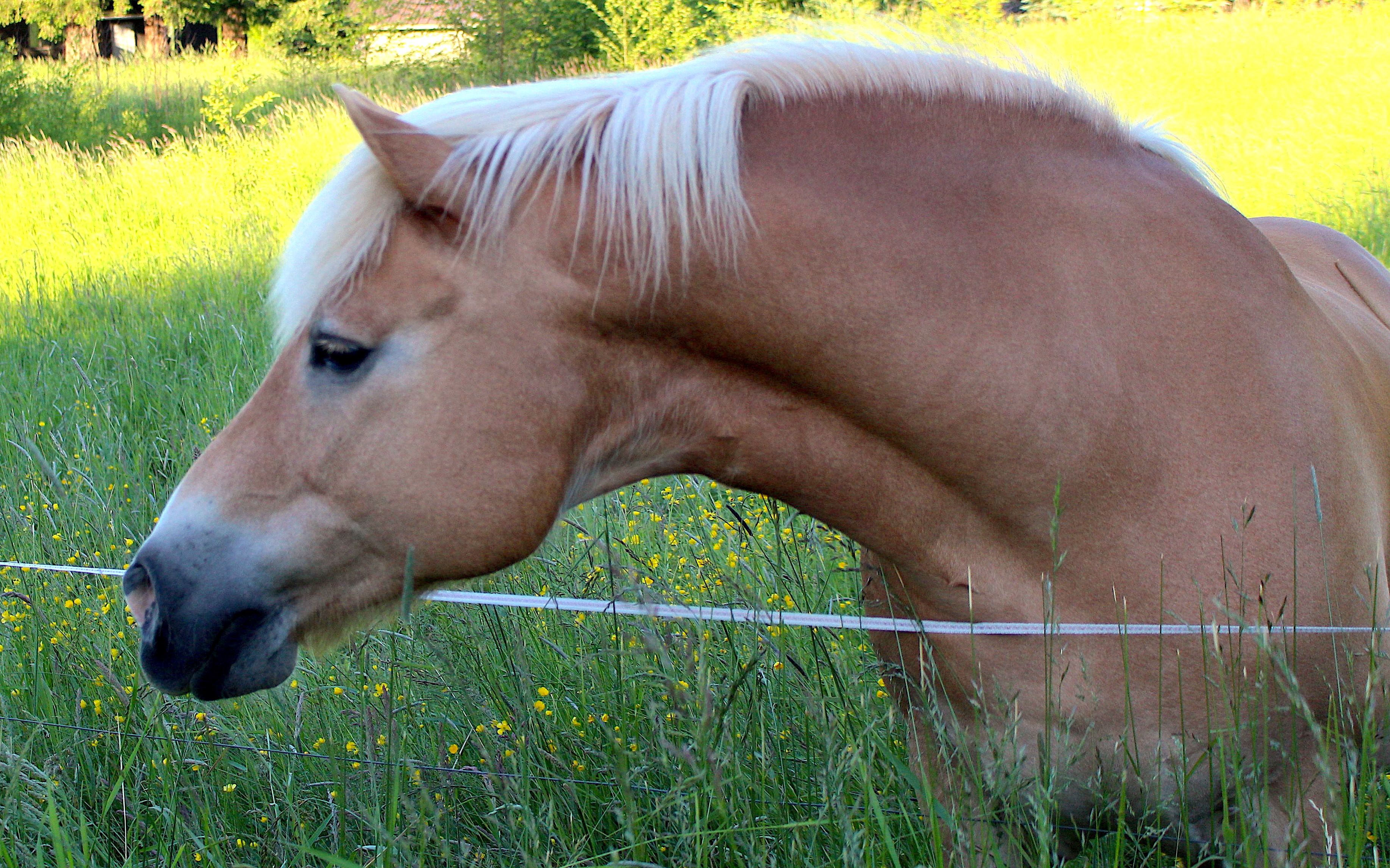
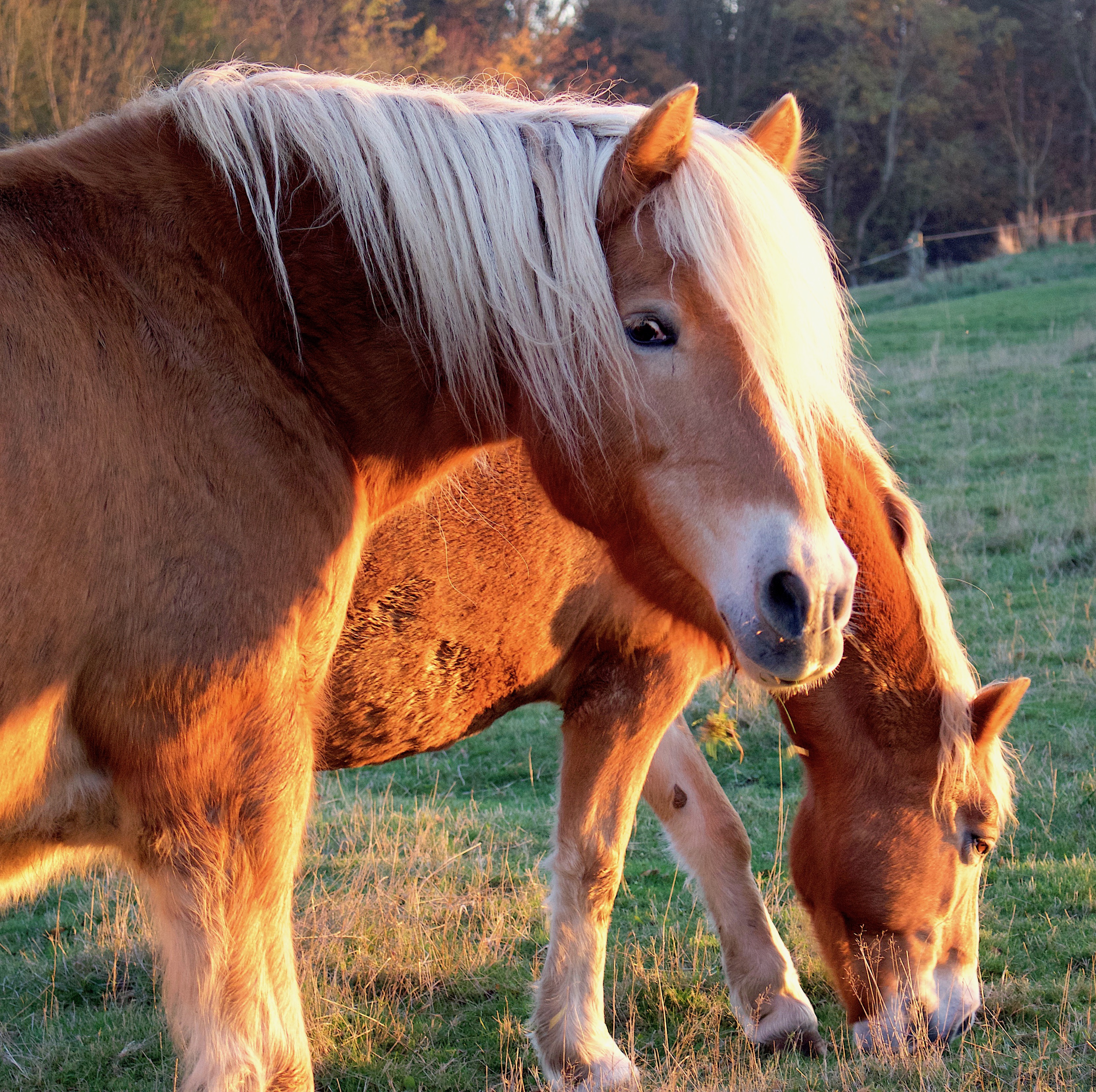
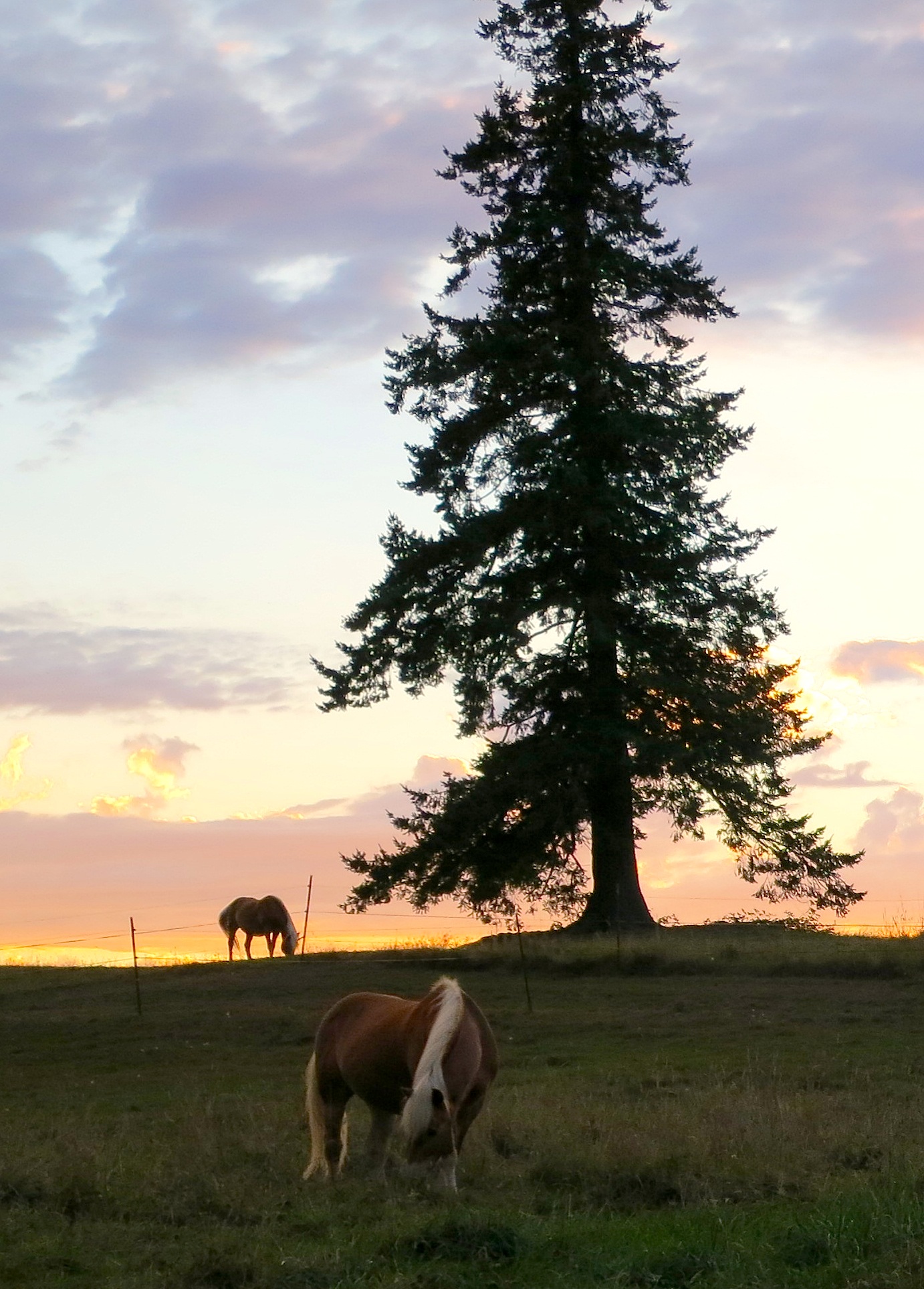
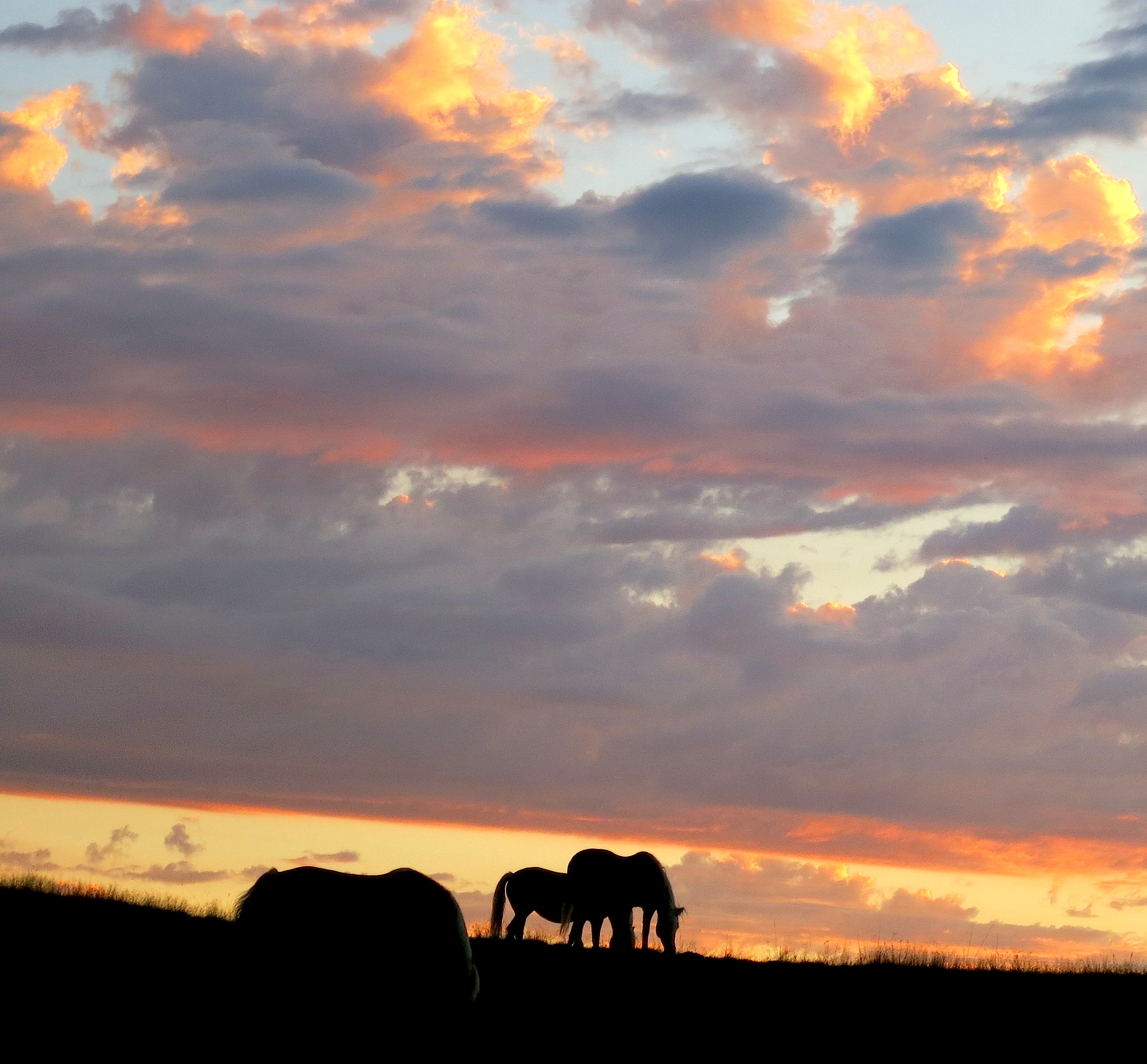
The mares go down for their evening feed
into the meadow grass.
Two pine trees sway the invisible wind—
some sway, some don’t sway.
The heart of the world lies open, leached and ticking with sunlight
For just a minute or so.
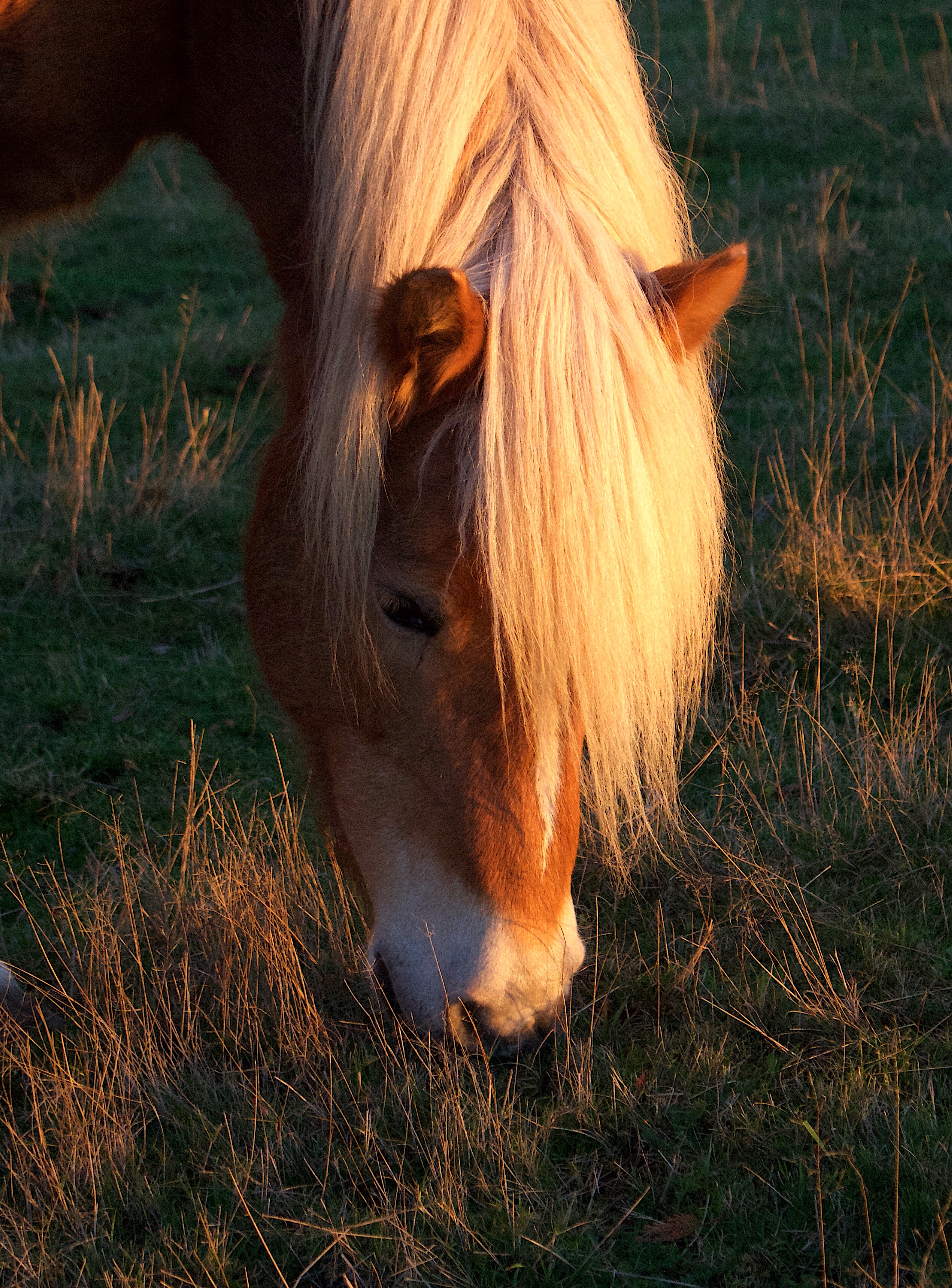
The mares have their heads on the ground,
the trees have their heads on the blue sky.
Two ravens circle and twist.
On the borders of heaven, the river flows clear a bit longer.
~Charles Wright “The Evening is Tranquil, and Dawn is a Thousand Miles Away”
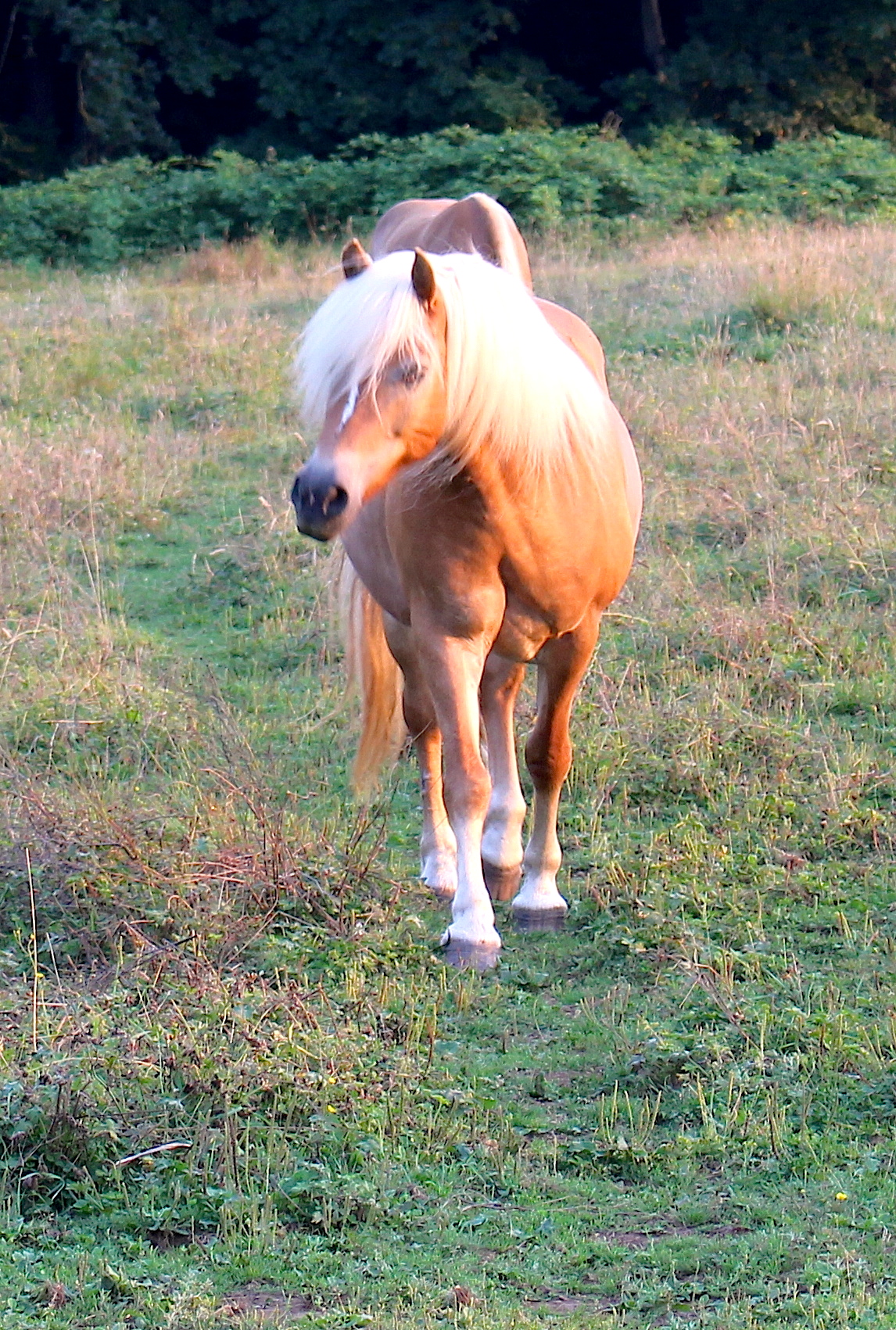
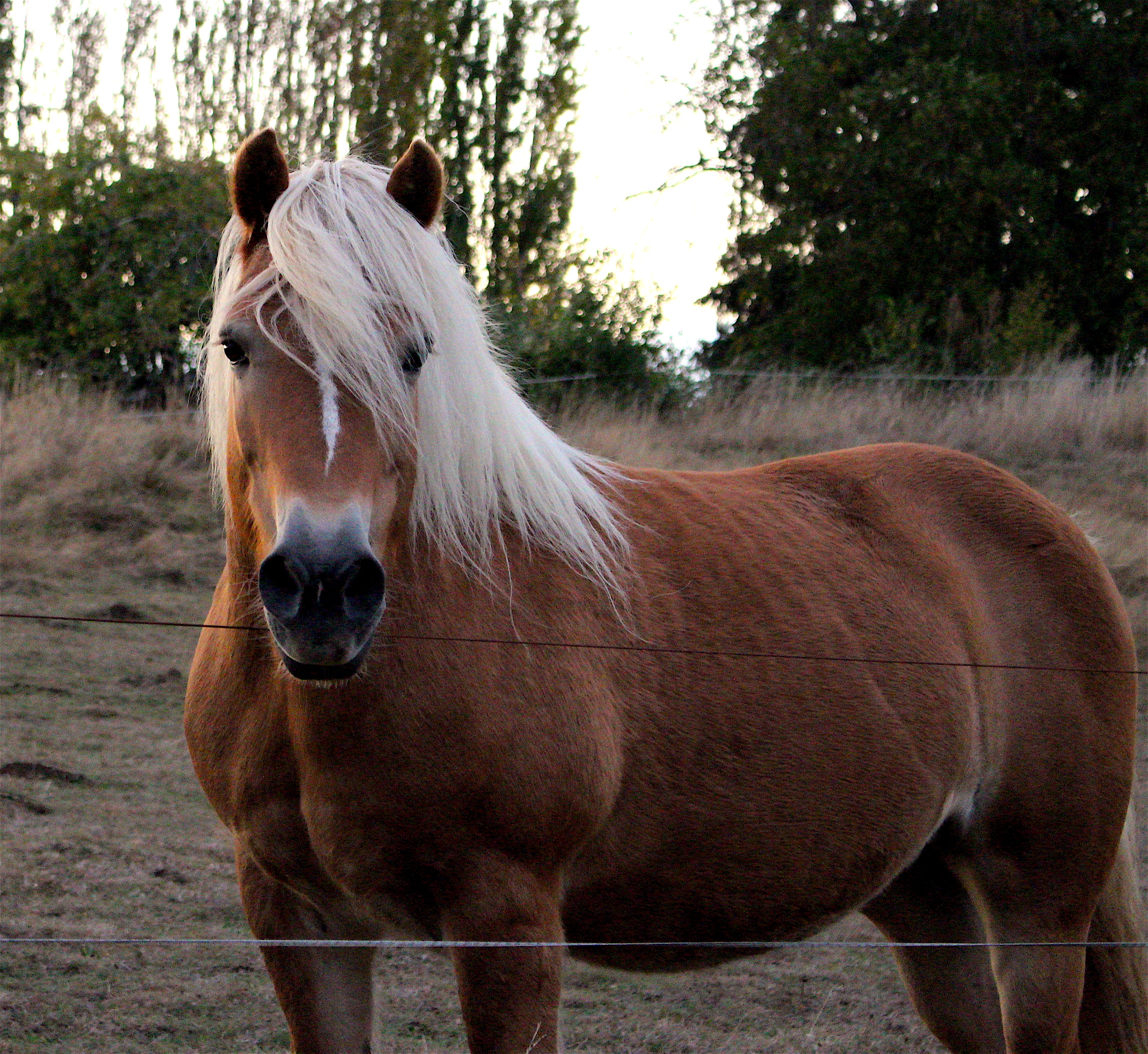
When I stroll in the fields on summer evenings,
the horses raise their heads in greeting,
still chewing, they walk up slowly from pasture
to follow me inside for the night.
They could choose not to leave the field,
to enjoy freedom all night under the stars outside,
yet they choose the walls and doors of the barn,
and joining with me when I call.
Come and go gently, my friends. Come and go gently.
And so will I.
Underneath the stars I’ll meet you
Underneath the stars I’ll greet you
There beneath the stars I’ll leave you
Before you go of your own free will
Go gently
Underneath the stars you met me
Underneath the stars you left me
I wonder if the stars regret me
At least you’ll go of your own free will
Go gently
Here beneath the stars I’m mending
I’m here beneath the stars not ending
Why on earth am I pretending?
I’m here again, the stars befriending
They come and go of their own free will
Go gently
Go gently
Underneath the stars you met me
And underneath the stars you left me
I wonder if the stars regret me
I’m sure they’d like me if they only met me
They come and go of their own free will
Go gently
~Kate Rusby “Underneath the Stars”

Financial Support for the Barnstorming Blog from our Readers
Your financial support helps to keep this blog an ad-free daily offering. Your contribution of any amount is encouragement to me and deeply appreciated.
$10.00


She seems to hide all looks that have ever fallen
into her, so that, like an audience,
she can look them over, menacing and sullen,
and curl to sleep with them.
But all at once
as if awakened, she turns her face to yours;
and with a shock, you see yourself, tiny,
inside the golden amber of her eyeballs
suspended, like a prehistoric fly.
~Rainer Maria Rilke from “Black Cat”
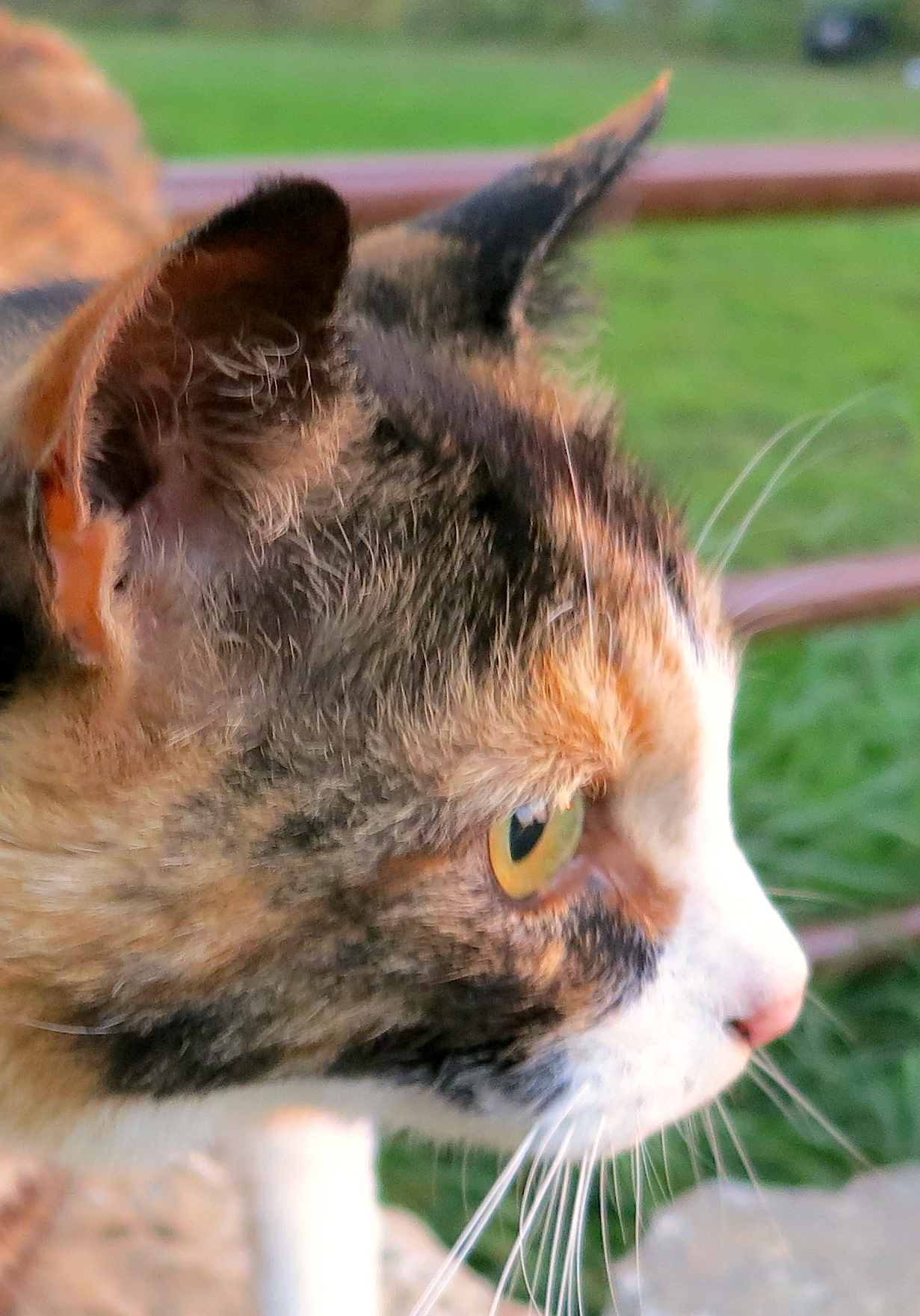
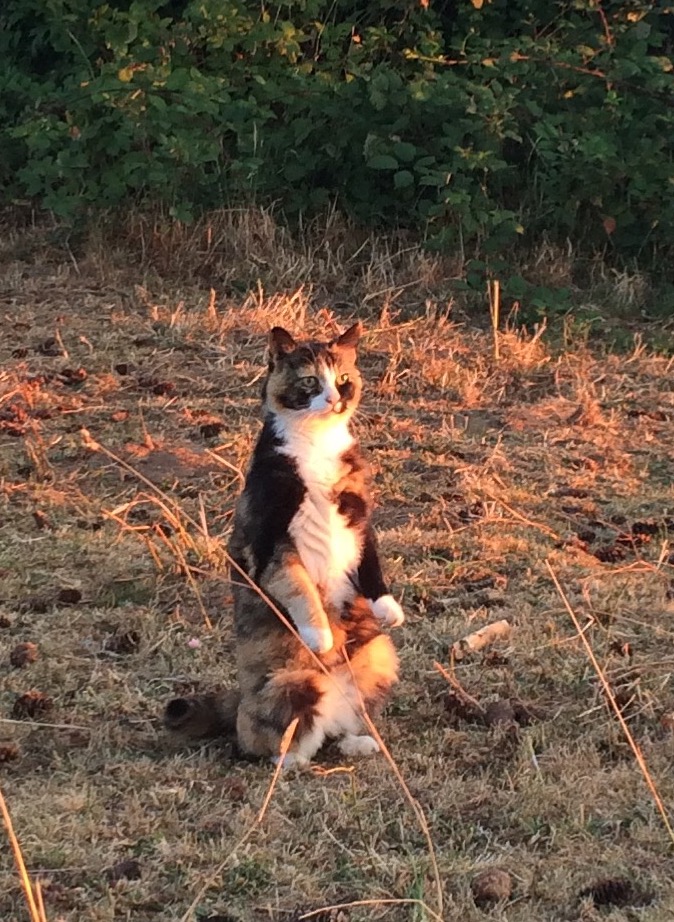
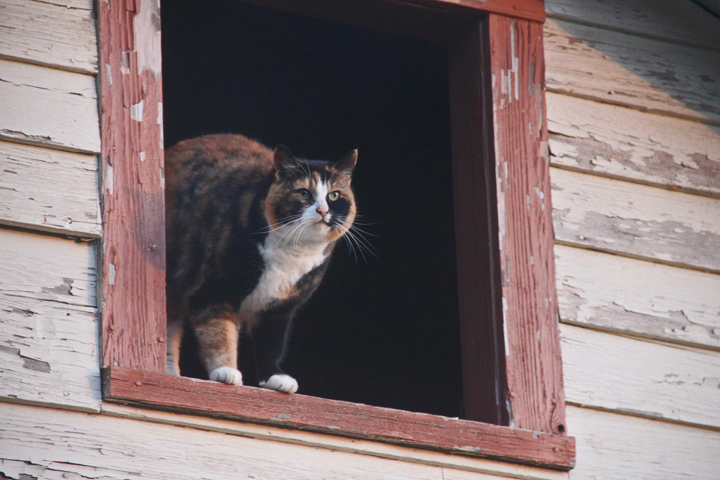
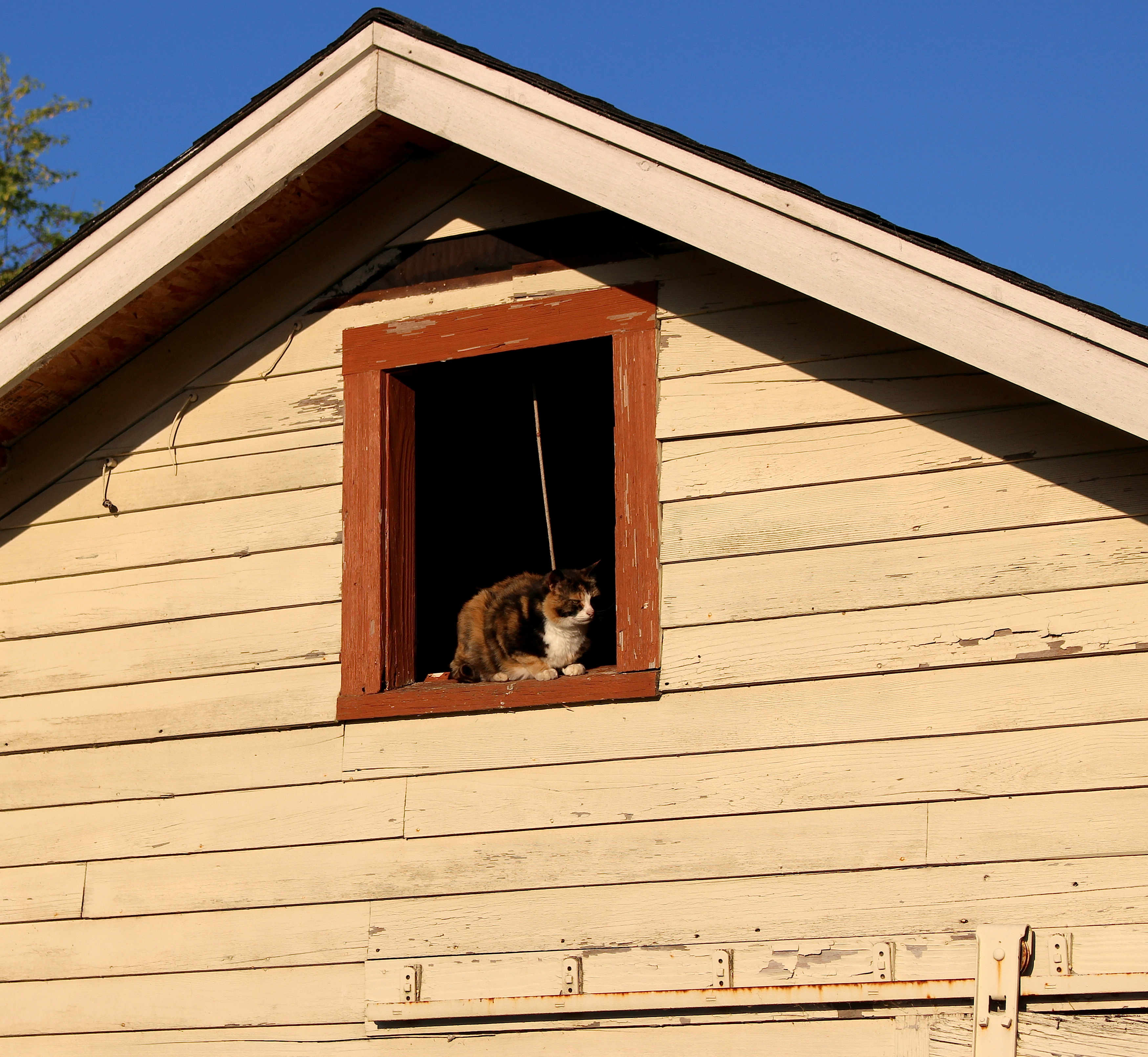
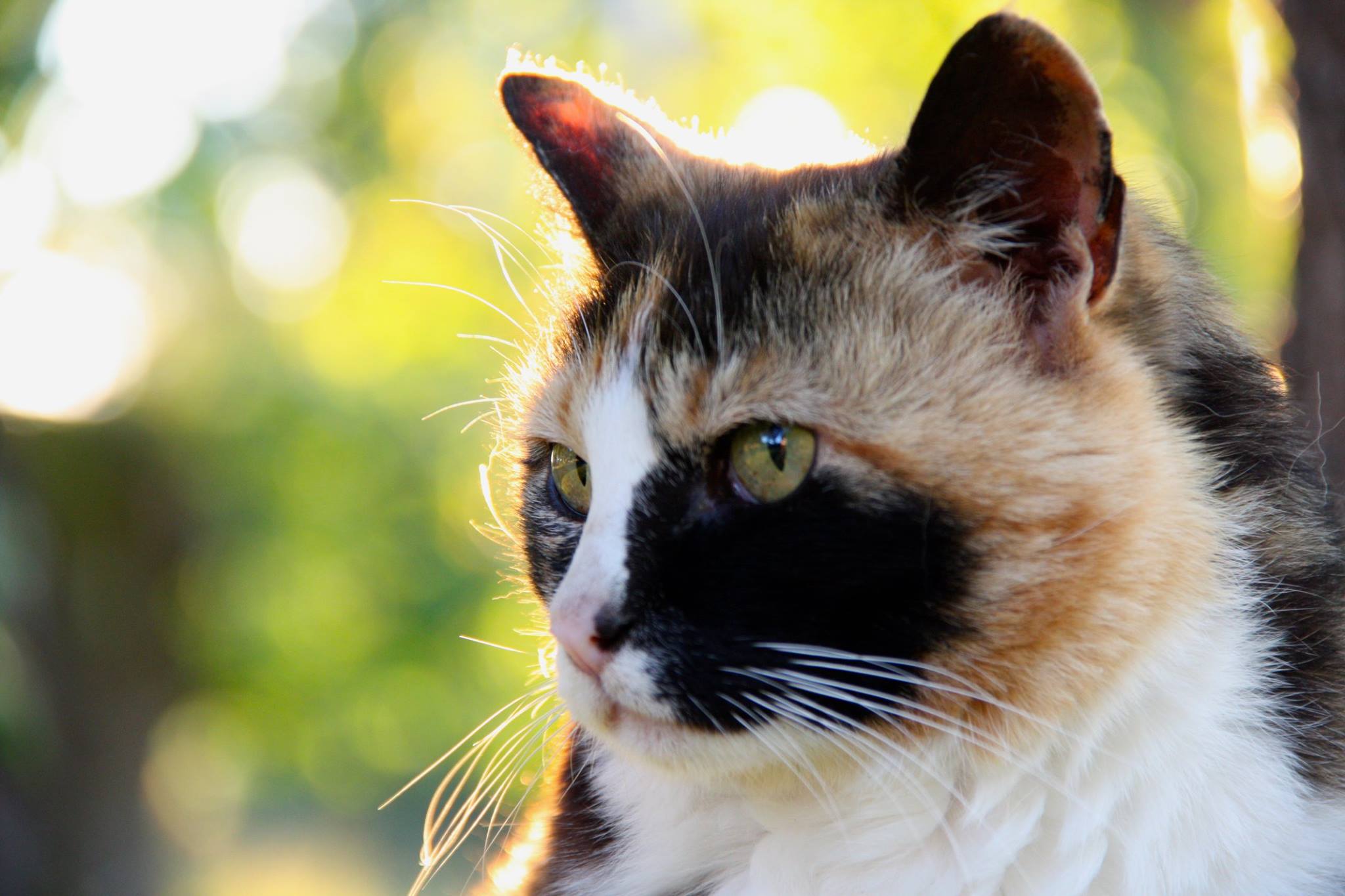
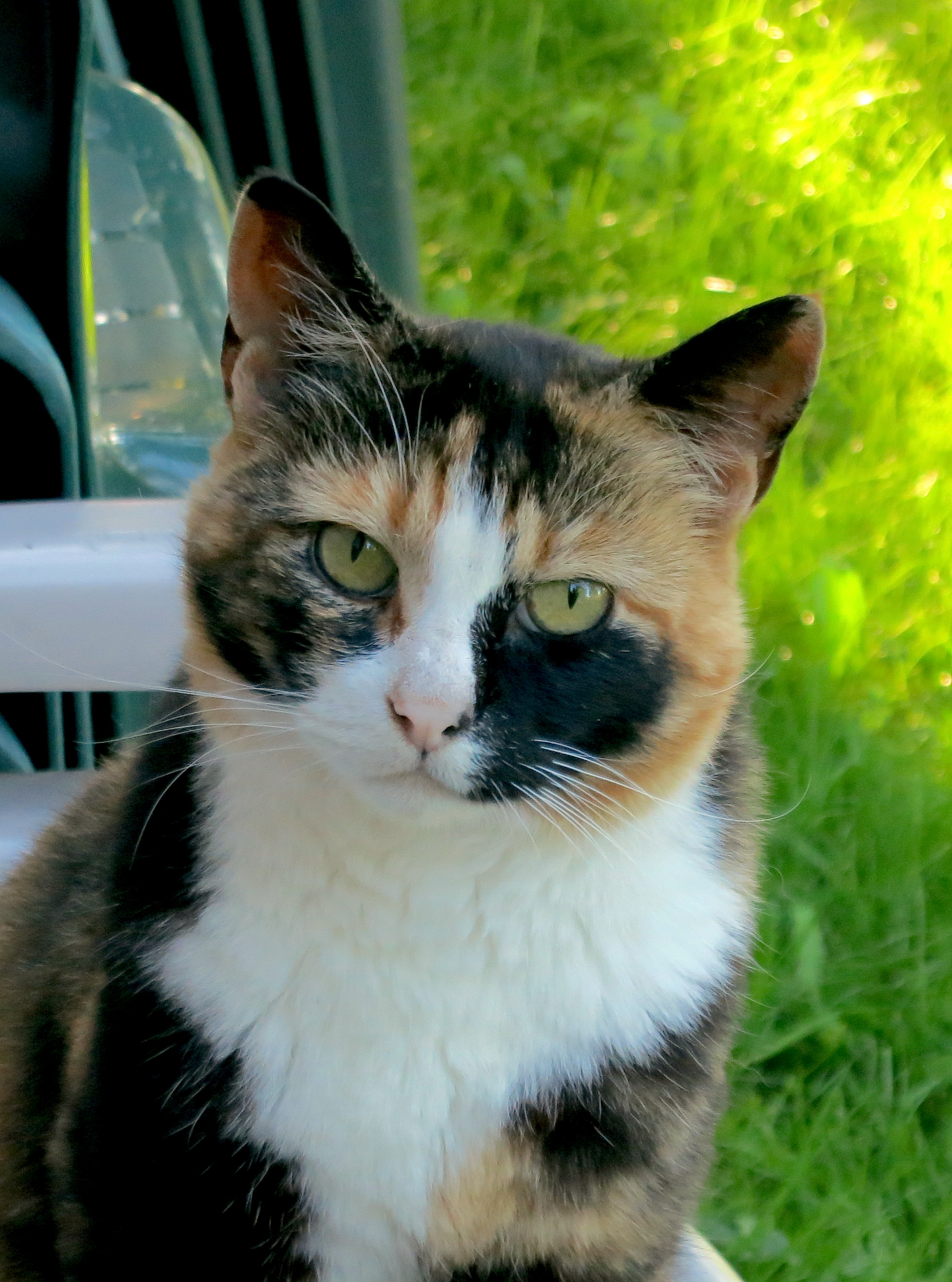
Bobbi arrived on the farm 14 years ago after living a life of luxury in town. She couldn’t accompany her owner to life in the big city so moved in complete with a van full of her own cat furniture, a personal chair, toys, and special cuisine. When she strode out of her cat carrier, took a look around and climbed into the nearest tree, she never looked back at the accoutrements of her former full time indoor life. She became queen of the farm, undisputed and regal, watching the goings-on from a carefully calculated and royal distance, never interacting with her subjects unless it was absolutely necessary.
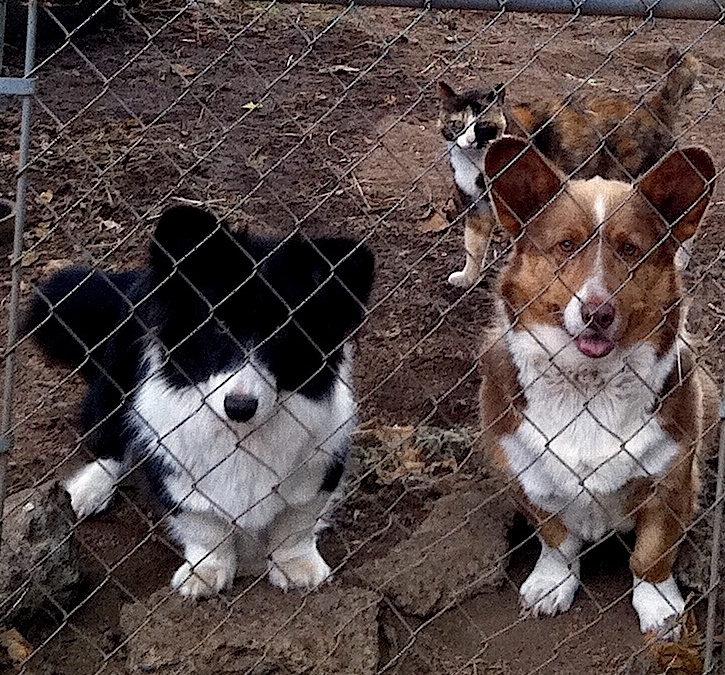
She tolerated other cats, but barely. They scattered when she came in view. She thought dogs were a waste of fur covering empty skulls, but when they met her needs, like on a chilly night, she would happily bunk down with them. They were astonished but grateful for her royal blessing when she decided to sleep among them: a two-dog and one-cat night.
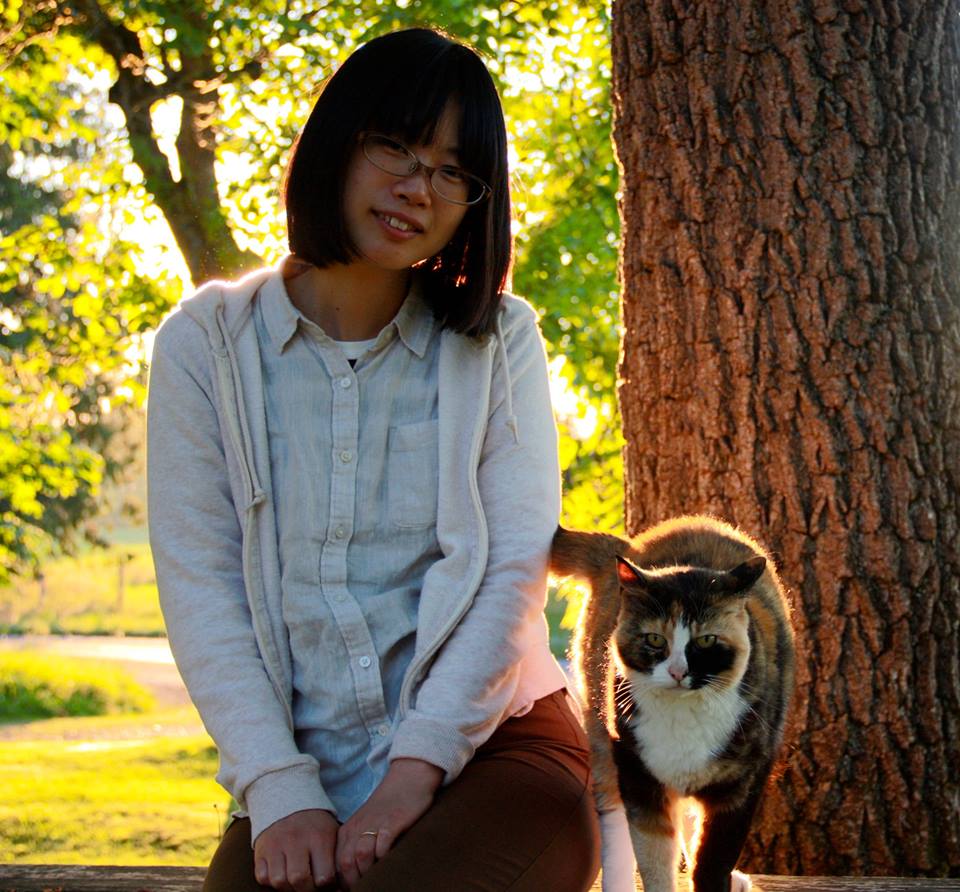
She chose only one person to be subject to: our daughter-in-law Tomomi. On Tomomi’s first visit from Japan, Bobbi approached her and decided then and there they were meant for each other. During Tomomi’s annual summer visits, Bobbi brought her mice on the welcome mat and followed her like a puppy, coming only when Tomomi called, and deigned to allow her to touch her calico coat.
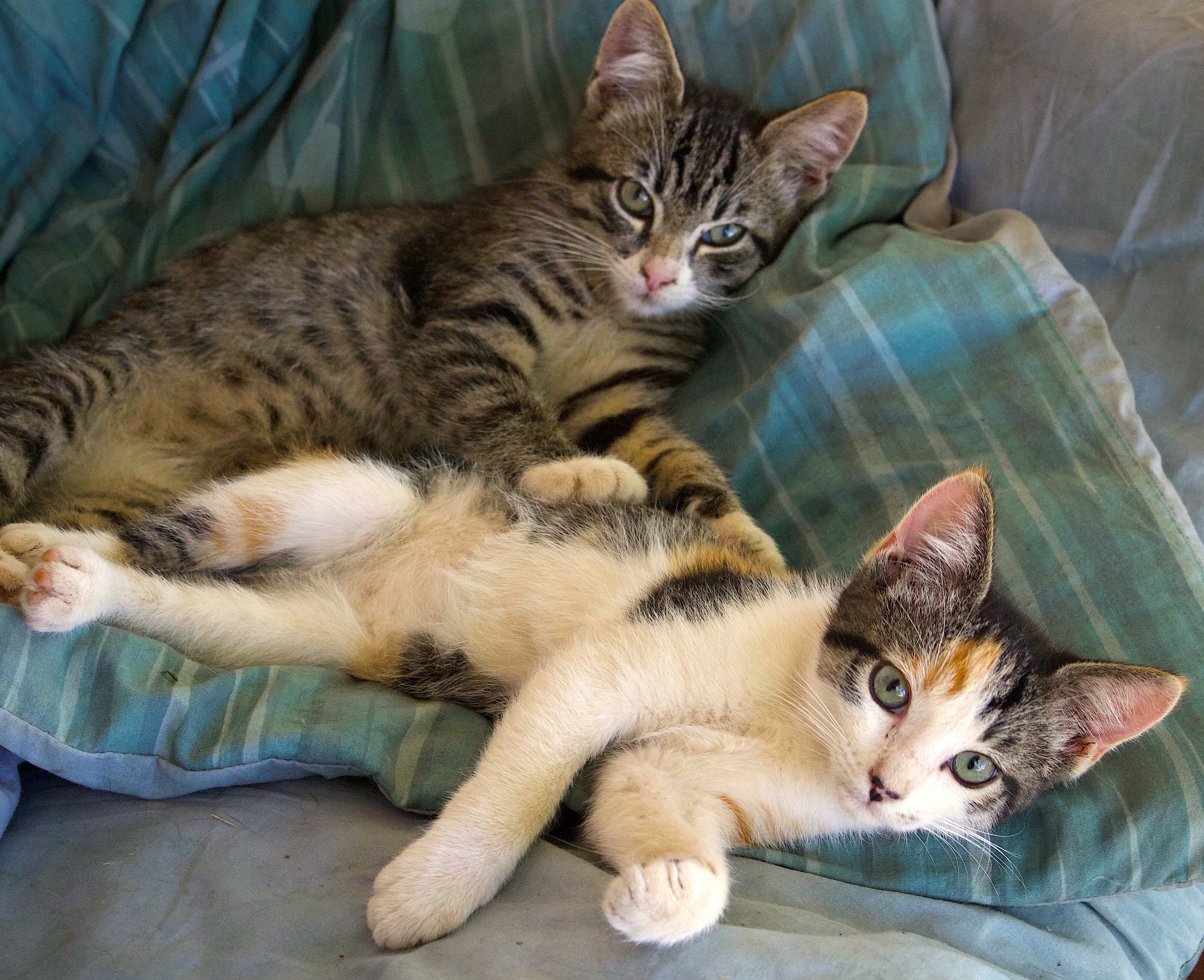
Earlier this year, nearly 16 years old, Bobbi took over the front porch bench when our black cat Jose died. She liked to stay a bit closer to us, but seemed thinner and less disdainful. When two kittens arrived to live in the barn this summer and within a week formed a coup and took over the front porch, Bobbi retreated again to her other quarters on the farm. I worried a bit that she had given in too easily with no yowls or flying fur.
Yesterday morning she lay still on the grassy slope out front – she was never one to take her naps where her subjects could see her. I knew her long life was over.
Long live Queen Bobbi. May you forever reign in our hearts.


photo by Nate Gibson
How beautiful the things are that you did not notice before!
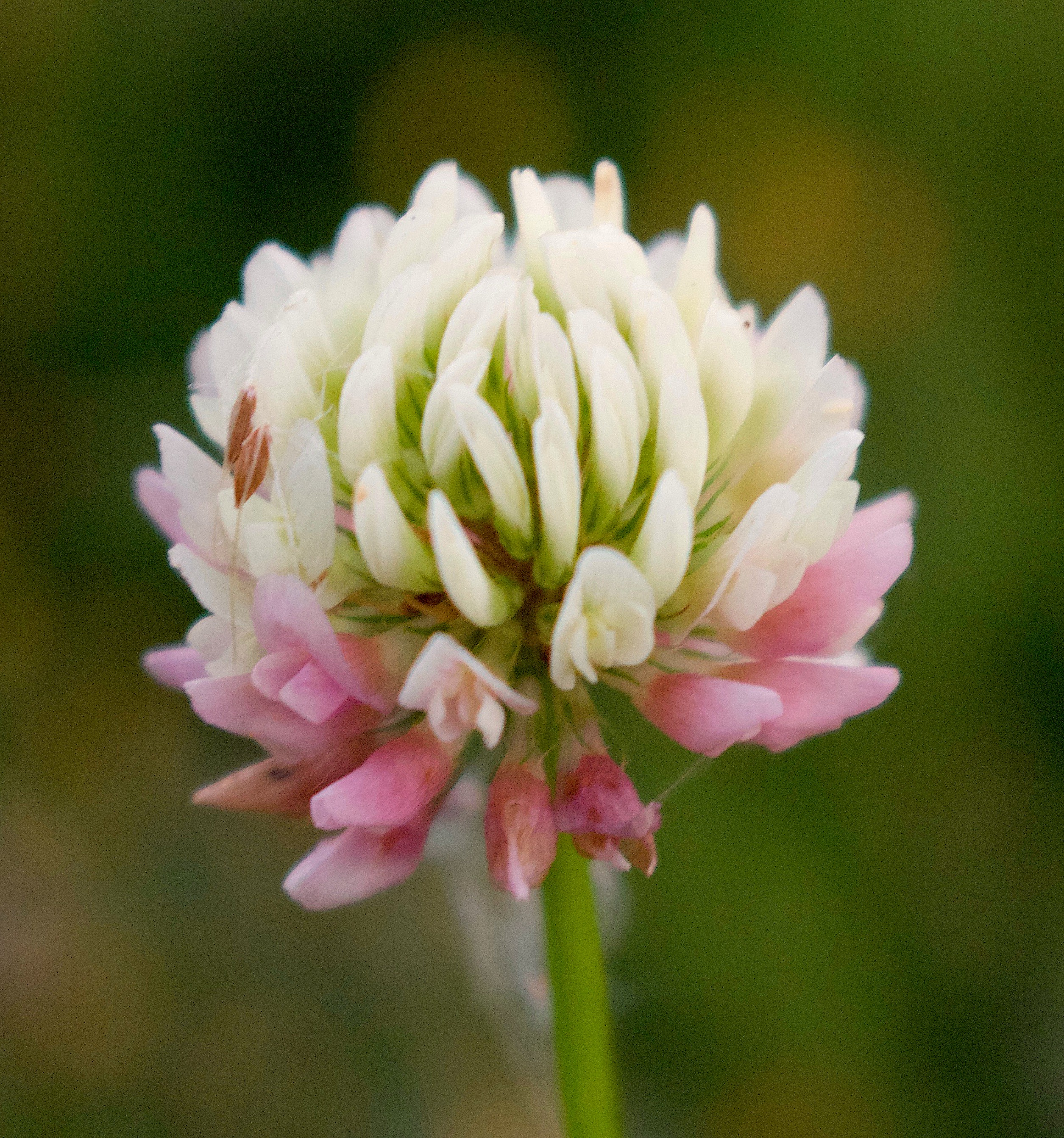
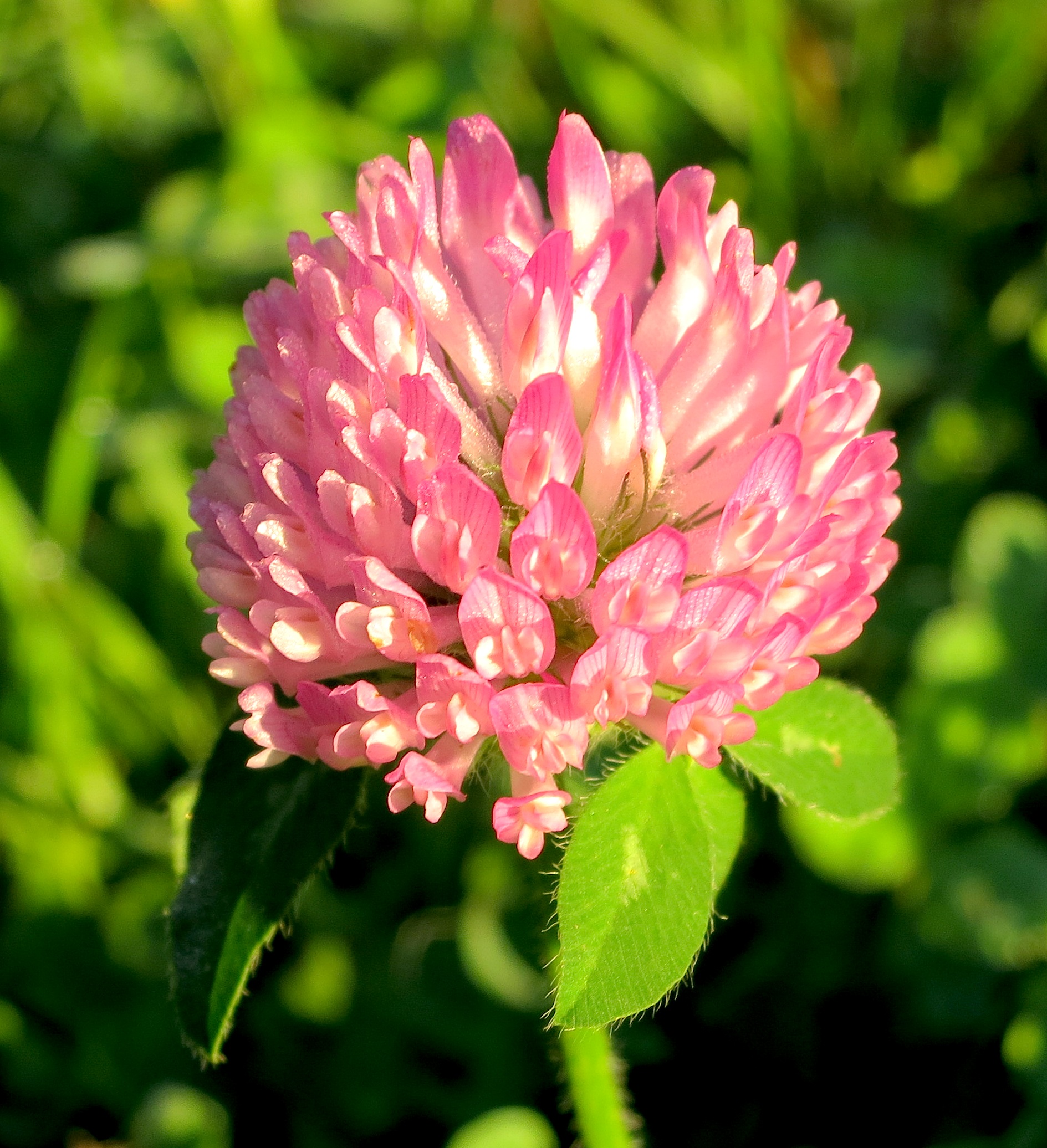
A few sweetclover plants
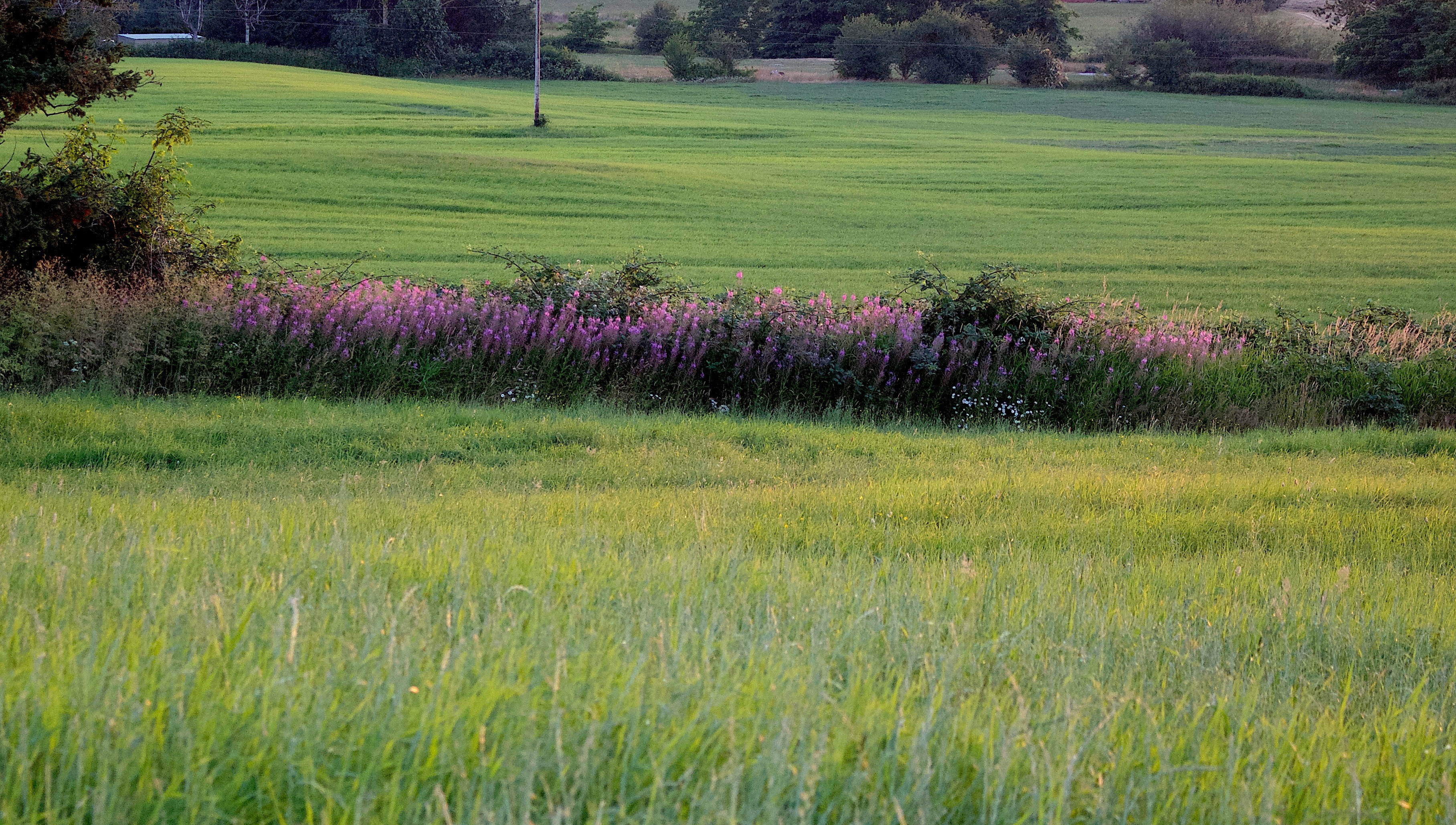
Along the road to Bellingham,
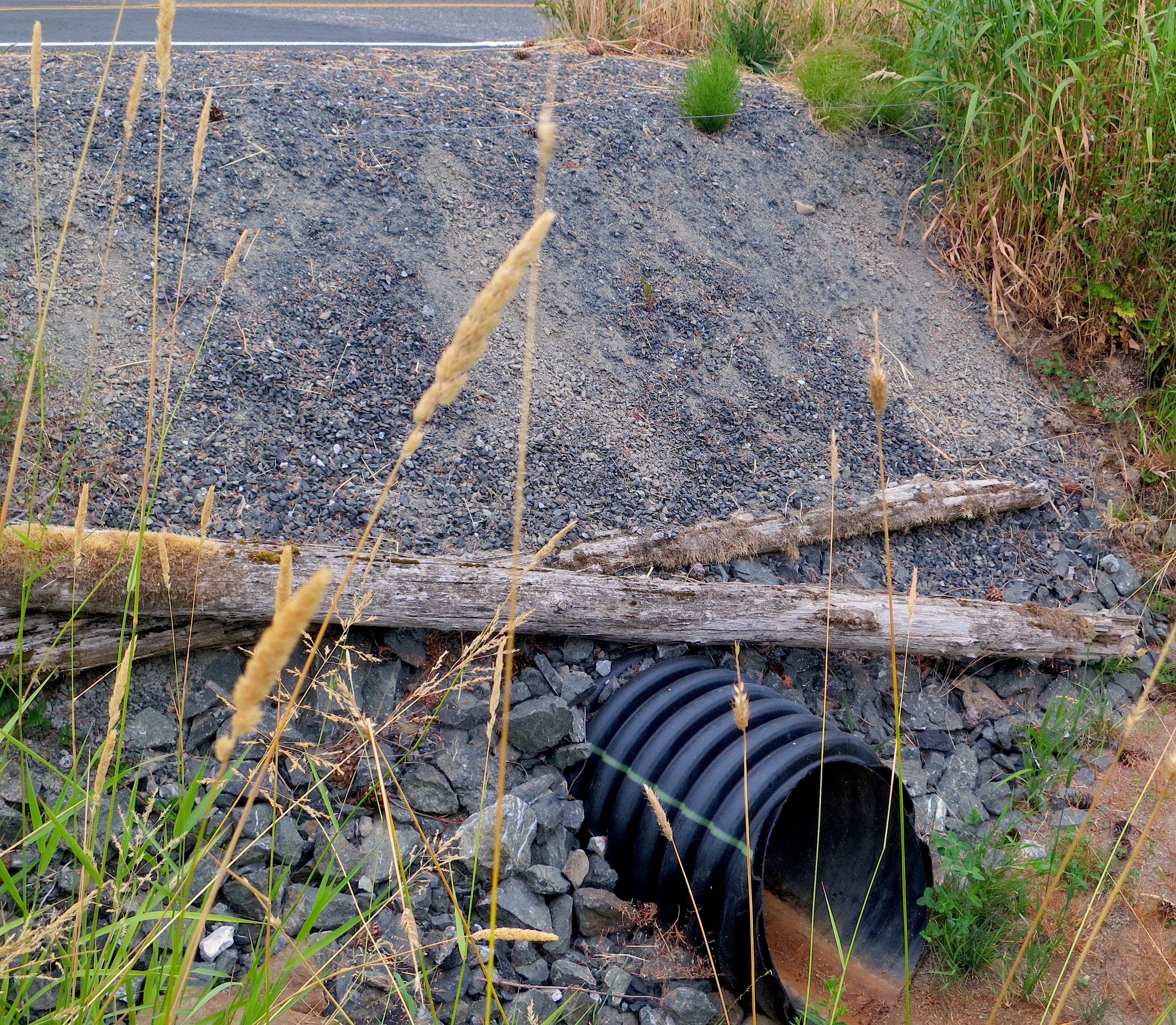
Culvert ends poking out of driveways,
Wooden corncribs, slowly falling,
What no one loves, no one rushes towards or shouts about,
What lives like the new moon,
And the wind
Blowing against the rumps of grazing cows.
~Robert Bly from “Like the New Moon I Will Live My Life”
Our goal should be to live life in radical amazement. …to get up in the morning and look at the world in a way that takes nothing for granted.
~Abraham Joshua Hershel
Simply driving to work becomes a sacramental act. This is not the hour long dense traffic commute I tolerated in the city thirty years ago – this is thirty minutes of noticing the expanse of the land against the sky, the light as it banishes the darkness, the harmony of animals existing on the soil.
It is a sacrament to notice “what no one loves, no one rushes towards or shouts about” and never take it for granted. It is all gift; it is all grace.
And on those hot afternoons in July,
when my father was out on the tractor
cultivating rows of corn, my mother
would send us out with a Mason jar
filled with ice and water, a dish towel
wrapped around it for insulation.
Like a rocket launched to an orbiting
planet, we would cut across the fields
in a trajectory calculated to intercept—
or, perhaps, even—surprise him
in his absorption with the row and the
turning always over earth beneath the blade.
He would look up and see us, throttle
down, stop, and step from the tractor
with the grace of a cowboy dismounting
his horse, and receive gratefully the jar
of water, ice cubes now melted into tiny
shards, drinking it down in a single gulp,
while we watched, mission accomplished.
~Joyce Sutphen “Carrying Water to the Field”
It was a special responsibility to carry cold water out to my father when he was on the tractor. Yes, he could have carried a thermos-full along with him all day but then he would not have seen his daughter walking carefully from the house over the fresh-turned dirt, he would not have an excuse for a short break to wipe the sweat from his face or survey the straightness of the furrows, he would not have lifted her up to sit beside him on the tractor and allowed her to “drive”, steering down the rows, curving around the killdeer nests so their young are spared.
Such a special responsibility to nurture someone hard at work who doesn’t stop to refill themselves. It happens rarely any more – whether field or factory or the family home. What wondrous love to carry water to those who thirst; what wondrous grace fills furrowed lives.
Instructions for living a life:
Pay attention.
Be astonished.
Tell about it.
~Mary Oliver
For more “Best of Barnstorming” photos:
Seasons on the Farm:
BriarCroft in Summer, in Autumn, in Winter,
at Year’s End

The grass so little has to do,—
A sphere of simple green,
With only butterflies to brood,
And bees to entertain,
And stir all day to pretty tunes
The breezes fetch along,
And hold the sunshine in its lap
And bow to everything;
And thread the dews all night, like pearls,
And make itself so fine,—
A duchess were too common
For such a noticing.
And even when it dies, to pass
In odors so divine,
As lowly spices gone to sleep,
Or amulets of pine.
And then to dwell in sovereign barns,
And dream the days away,—
The grass so little has to do,
I wish I were a hay!
~Emily Dickinson
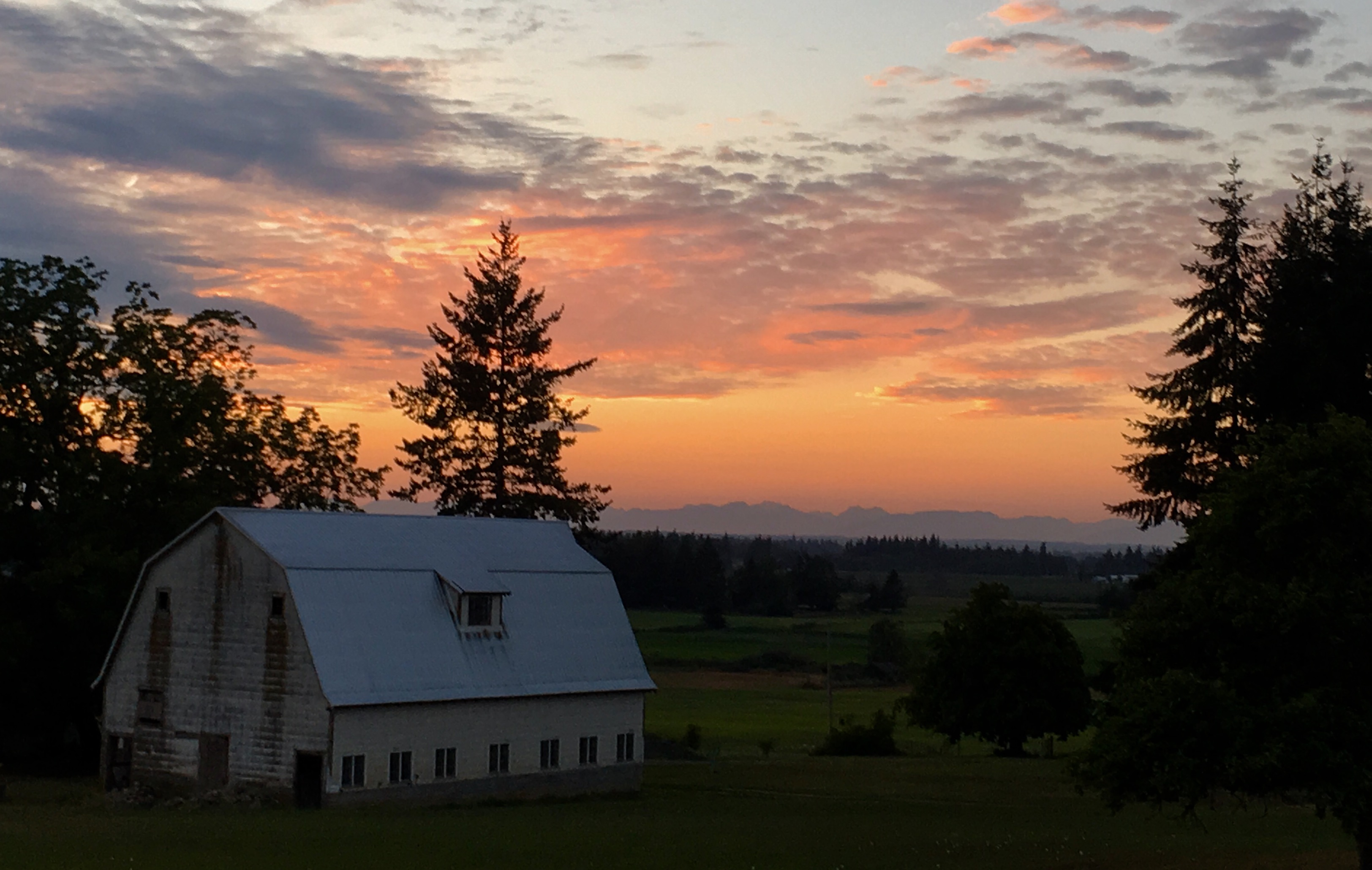
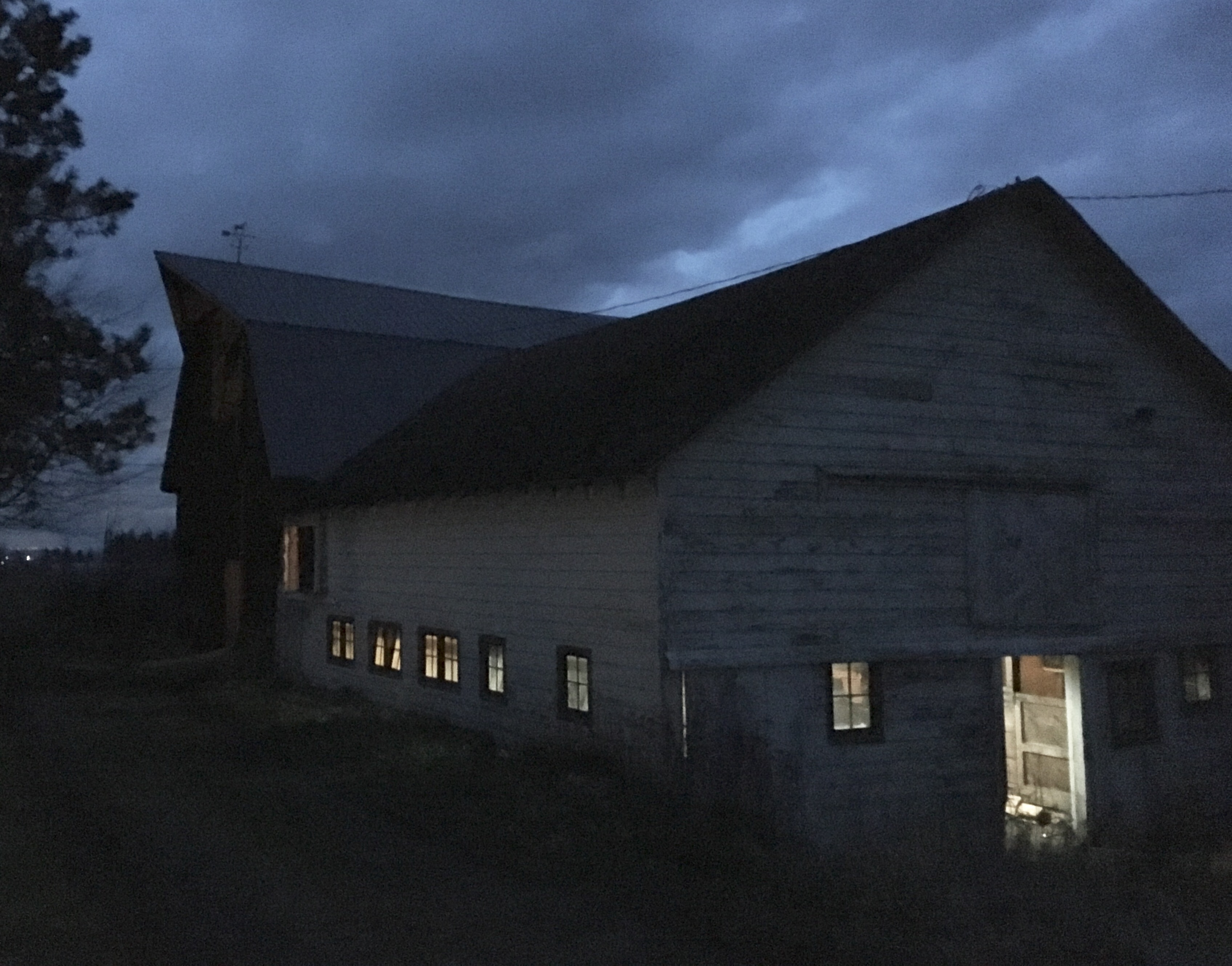
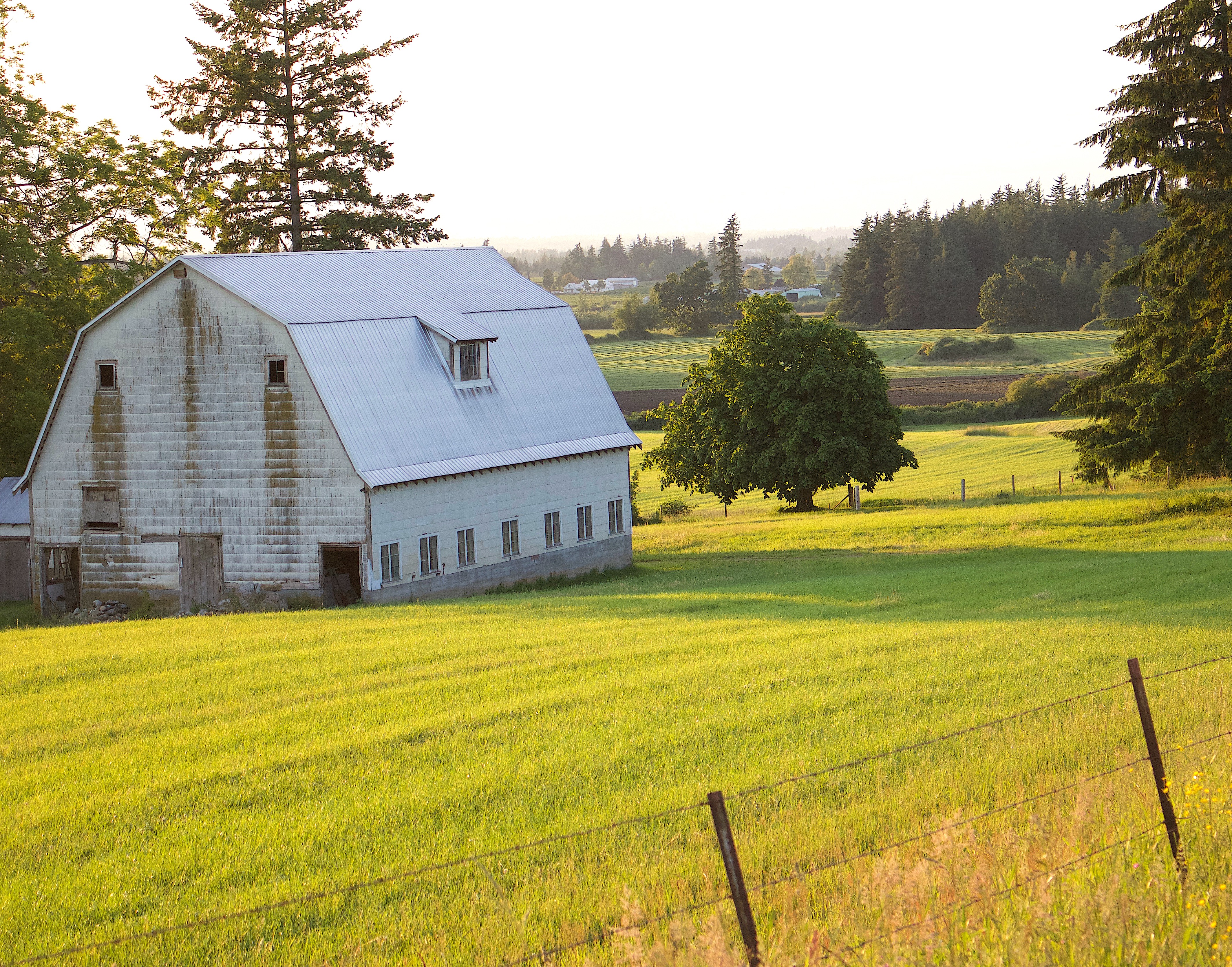
This is the week of the year our barn is at its emptiest, right before it fills up again. There is something very lonely about a barn completely empty of its hay stores.
Its hollow interior echoes with a century of farmers’ voices:
soothing an upset cow during a difficult milking,
uncovering a litter of kittens high in a hay loft,
shouting orders to a steady workhorse,
singing a soft hymn while cleaning stalls,
startling out loud as a barn owl or bat flies low overhead.
The dust motes lazily drift by in the twilight, seemingly forever suspended above the straw covered wood floor, floating protected from the cooling evening breezes.
There is no heart beat left in an empty barn. It is in full arrest, all life blood drained out, vital signs flat lined. I can hardly bear to go inside.
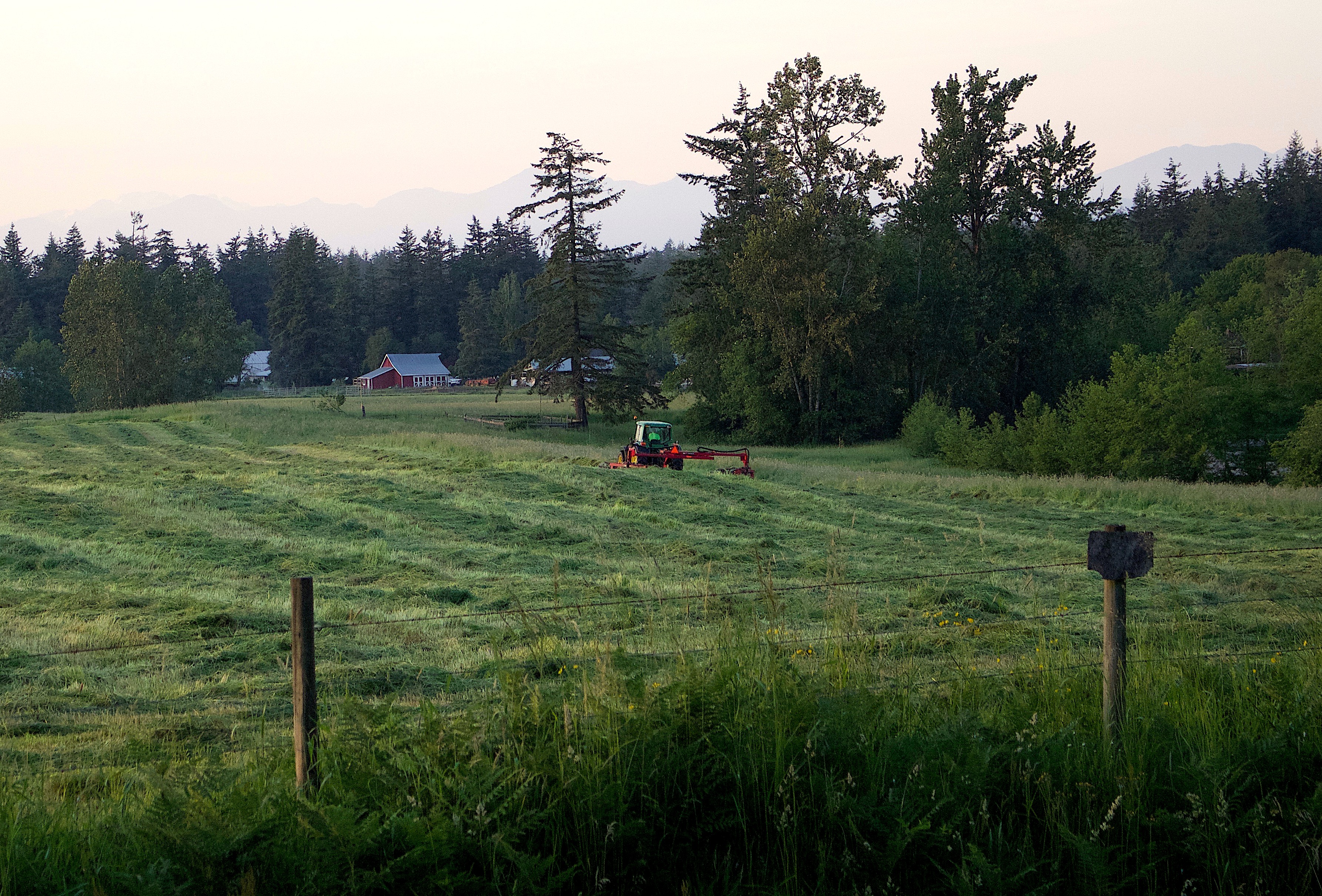
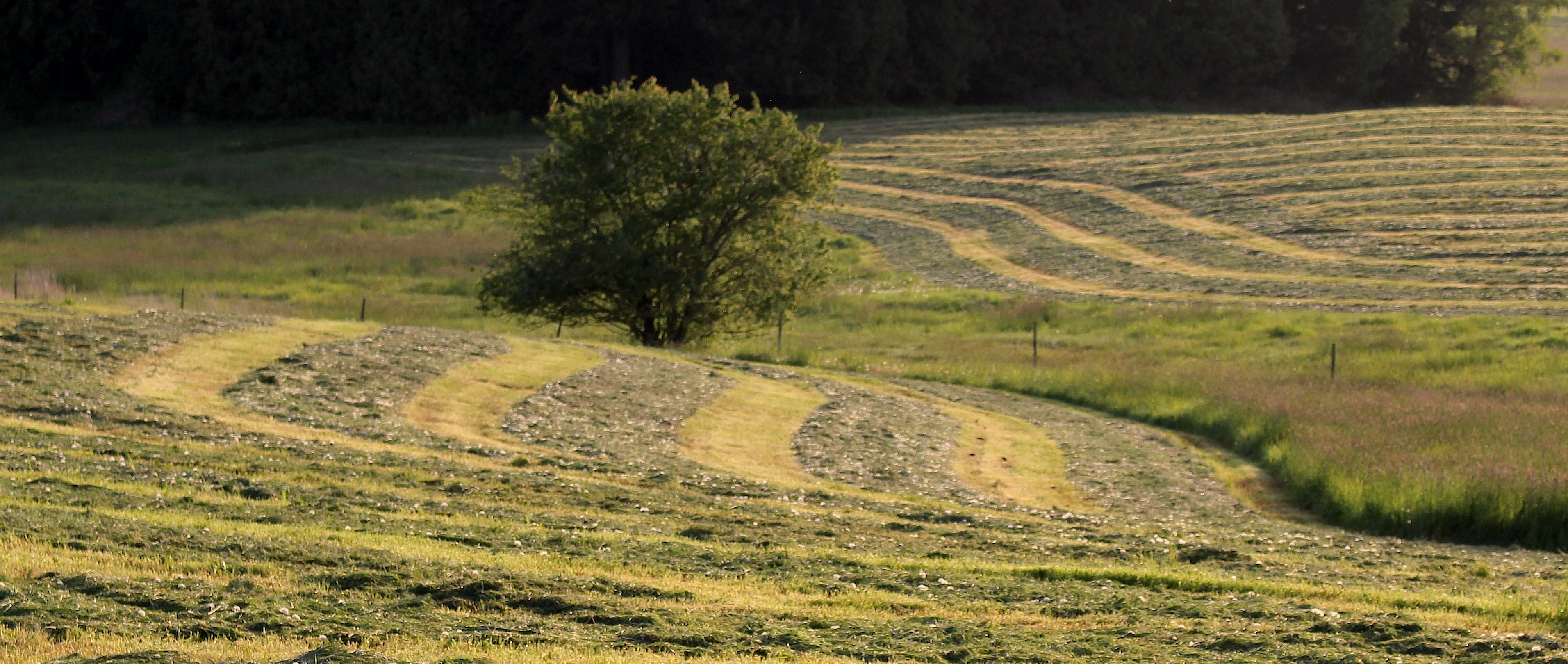
The weather is cooperating so the grass was cut two days ago. Today it will be tossed about on the field to dry in a process called “tedding”, then tomorrow raked into windrows and baled for pick up by our “family and friends” hay crew.
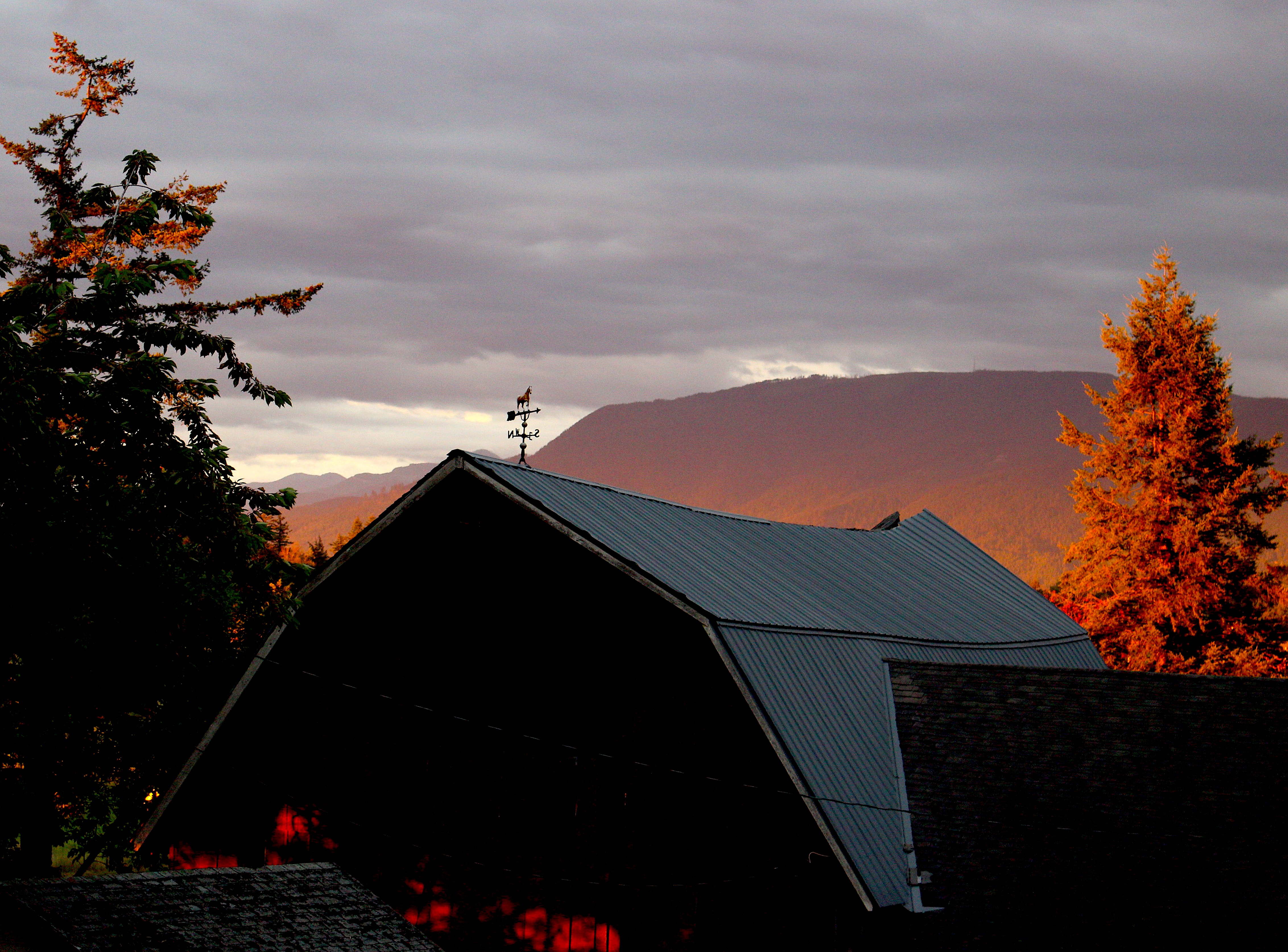
Suddenly, the barn is shocked back to a pulse, with the throb of voices, music blaring, dust and pollen flying chaotically, the rattle of the electric “elevator” hauling bales from wagon to loft, the grunts and groans of the crew as they heft and heave the bales into place in the stack. This often goes on late into the night, the barn ablaze with lights, the barnyard buzzing with excitement and activity. It almost looks as if it is on fire.
Vital signs measurable, rhythm restored, volume depletion reversed, prognosis good for another year.
A healthy rhythm is elusive in this modern age of full time jobs off the farm, necessitating careful coordination with the schedule of the farmer who cuts and bales for many neighbors all within the same window of good weather. The farmer races his equipment from field to field, swooping around with a goliath tractor taking 12 foot swaths, raising dust clouds, and then on to the next job. It is so unlike the rhythm of a century ago when a horse drawn mower cut the tall grass in a gentle four foot swath, with a pulsing shh shh shh shh shh shh tempo that could be heard stretching across the fields. It is an unfamiliar sound today, the almost-silence of no motor at all, just the jingle of the harness and the mower blades slicing back and forth as the team pulls the equipment down the field. We’ve lost the peacefulness of a team of horses at work, necessitating a slower pace and the need to stop at the end of a row for a breather.
The old barn will be resuscitated once again. Its floor will creak with the weight of the hay bales, the walls will groan with the pressure of stacks. The missing shingles on the roof will be replaced and the doors locked tight against the winter winds. But it will be breathing on its own, having needed only a short rest these last few weeks.
Inside, once again, filled to the brim, life is held tight by twine, just waiting to be released.