Reconsidering the Meaning of Flag Day

I am what you make me; nothing more. I swing before your eyes as a bright gleam of color, a symbol of yourself.
~Franklin K. Lane, Secretary of the Interior, 1914 Flag Day address

Sometimes, as a child,  when I was bored, I’d grab a step ladder, pull it into our hallway, climb half way up and carefully lift the plywood hatch that was the portal to our unlit attic.  It took some effort to climb up into the attic from the ladder, juggling a flashlight at the same time, but once seated safely on the beams above our ceiling, being careful not to put my foot through the carpet of insulation, I could explore what was stowed and normally inaccessible to me.

All the usual attic-type things were put up there:  Christmas ornaments and lights,  baby cribs and high chairs,  lamps and toys no longer used.  Secrets to my parents’ past were stored away there too.  It was difficult imagining them as young children growing up on opposite sides of the state of Washington, in very different circumstances, or as attractive college students who met at a dance, or as young marrieds unencumbered by the daily responsibilities of a family.  The attic held those images and memories like a three dimensional photo album.

My father’s dark green Marine Corps cargo trunk was up there, the one that followed him from Officer Training in Quantico, Virginia, to beach and mountain battles on Tarawa, Tinian and Saipan in the South Pacific, and three years later back home again.  It had his name and rank stenciled on the side in dark black lettering.  The buckles were stiff but could be opened with effort, and in the dark attic, there was always the thrill of unlatching the lid, and shining the flashlight across the contents.  His Marine Corps dress uniform lay inside underneath his stiff brimmed cap.  There were books about protocol, and a photo album which contained pictures of “his men” that he led in his battalion, and the collection of photos my mother sent of herself as she worked as a teacher of high school students back home.

Most fascinating was a folded Japanese flag inside a small drawstring bag, made of thin white see-through cloth with the bold red sun in the middle.  Surrounding the red sun were the delicate inked characters of many Japanese hands as if painted by artists, each wishing a soldier well in his fight for the empire.  Yet there it was, a symbol of that soldier’s demise, itself buried in an American attic, being gently and curiously held by an American daughter of a Marine Corps captain.  It would occur to me in the 1960s that some of the people who wrote on this flag might still be living, and certainly members of the soldier’s family would still be living.  I asked my father once about how he obtained the flag, and he, protecting both me and himself, waved me away, saying he couldn’t remember.  I know better now.  He knew but could not possibly tell me the truth.

These flags, charms of good luck for the departing Japanese soldier as he left his neighborhood or village for war, are called Hinomaru Yosegaki (日の丸寄せ書き).  Tens of thousands of these flags came home with American soldiers; it is clear they were not the talisman hoped for.  A few of these flags are now finding their way back to their home country, to the original villages, to descendants of the lost soldiers.  So now has this flag.

Eighty years ago doesn’t seem that long, a mere drop in the river of time.  There is more than mere mementos that have flowed from the broken dam of WWII, flooding subsequent generations of Americans, Japanese, Europeans with memories that are now lost as the oldest surviving soldiers in their 90’s pass, scores of them daily, taking their stories of pain and loss and heroism with them.   My father could never talk with a person of Asian descent, Japanese or not, without being visibly uneasy. As a child, I saw and felt this from him, but heard little from his mouth.

When he was twenty two years old,  pressed flat against the rocks of Tarawa, trying to melt into the ground to become invisible to the bullets whizzing overhead, he could not have conceived that sixty five years later his twenty two year old grandson would disembark from a jumbo jet at Narita in Tokyo, making his way to an international school to teach Japanese children.  My father would have been shocked that his grandson would settle happily into a culture so foreign, so seemingly threatening, so apparently abhorrent. Yet this irony is the direct result of the horrors of that too-long horrible bloody war of devastation: Americans and Japanese, despite so many differences, have become the strongest of allies, happily exchanging the grandchildren of those bitterly warring soldiers back and forth across the Pacific.  It too was my privilege to care for Japanese exchange students daily in my University health clinic, peering intently into their open faces and never once seeing the enemy that my father feared.

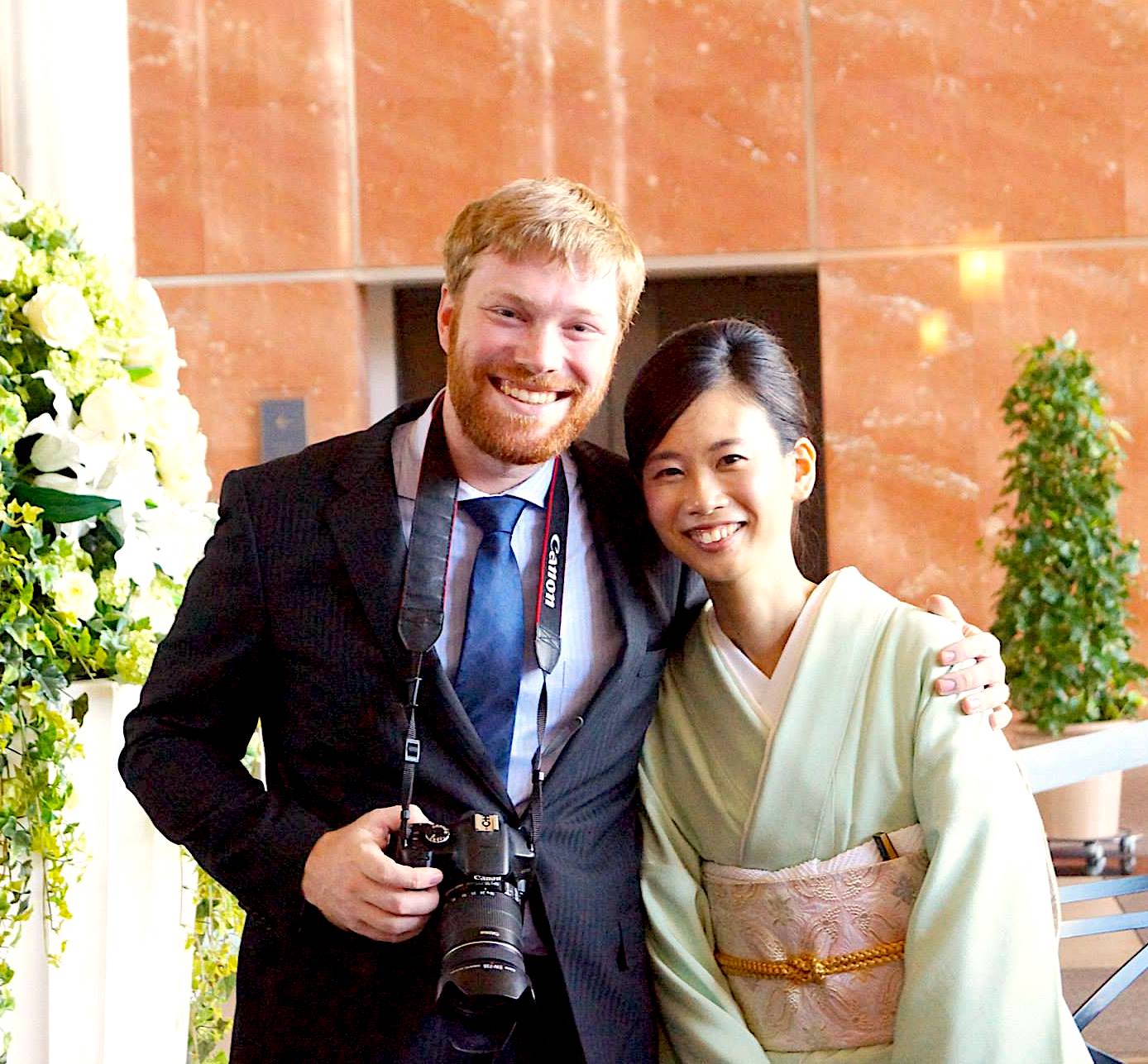
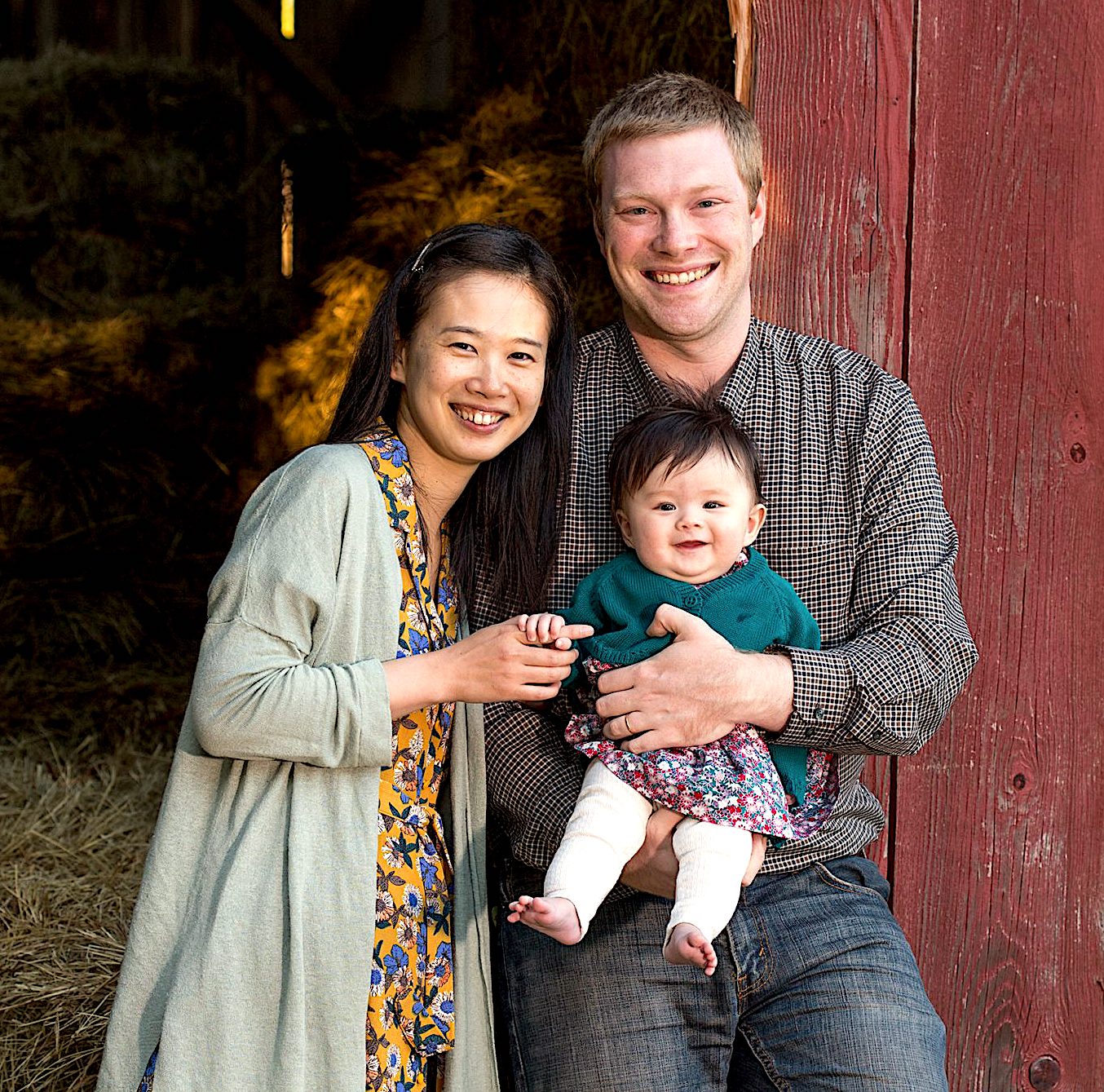
Now all these decades later, our son taught for 13 years in Tokyo, with deep admiration and appreciation for each of his students, some of whom were great-grandchildren of WWII Japanese soldiers. He married a granddaughter of those my father fought. Their two children are the perfect amalgam of once warring, yet now peaceful, cultures; a symbol of blended and blending peoples overcoming the hatred of past generations, creating a new world.

Our son and daughter-in-law, having settled their family in the States, are adapting to a different language, culture and flag. I pray our son having devoted part of his life as teacher and missionary to the land of the rising sun has redeemed his grandfather, the soldier-warrior of the past century.
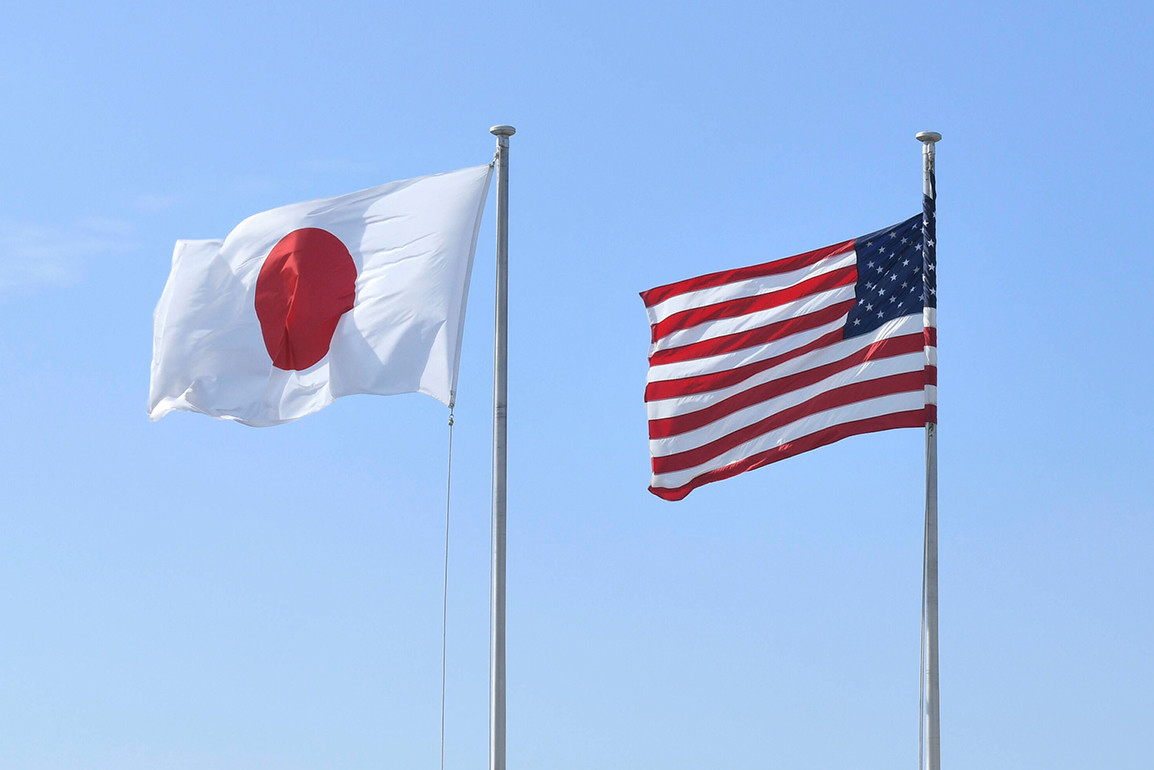
(U.S. Air Force photo by Staff Sgt. Peter Reft)
One-Time
Monthly
Yearly

Make a one-time or recurring donation to support daily Barnstorming posts

Make a monthly donation

Make a yearly donation

Choose an amount

¤10.00
¤25.00
¤50.00
¤5.00
¤15.00
¤100.00
¤5.00
¤15.00
¤100.00

Or enter a custom amount

¤

Your contribution is appreciated.

Your contribution is appreciated.

Your contribution is appreciated.

DonateDonate monthlyDonate yearly
Sweeping the Path of Camellias

Near a shrine in Japan he’d swept the path
and then placed camellia blossoms there.

Or — we had no way of knowing — he’d swept the path
between fallen camellias.

~Carol Snow “Tour”

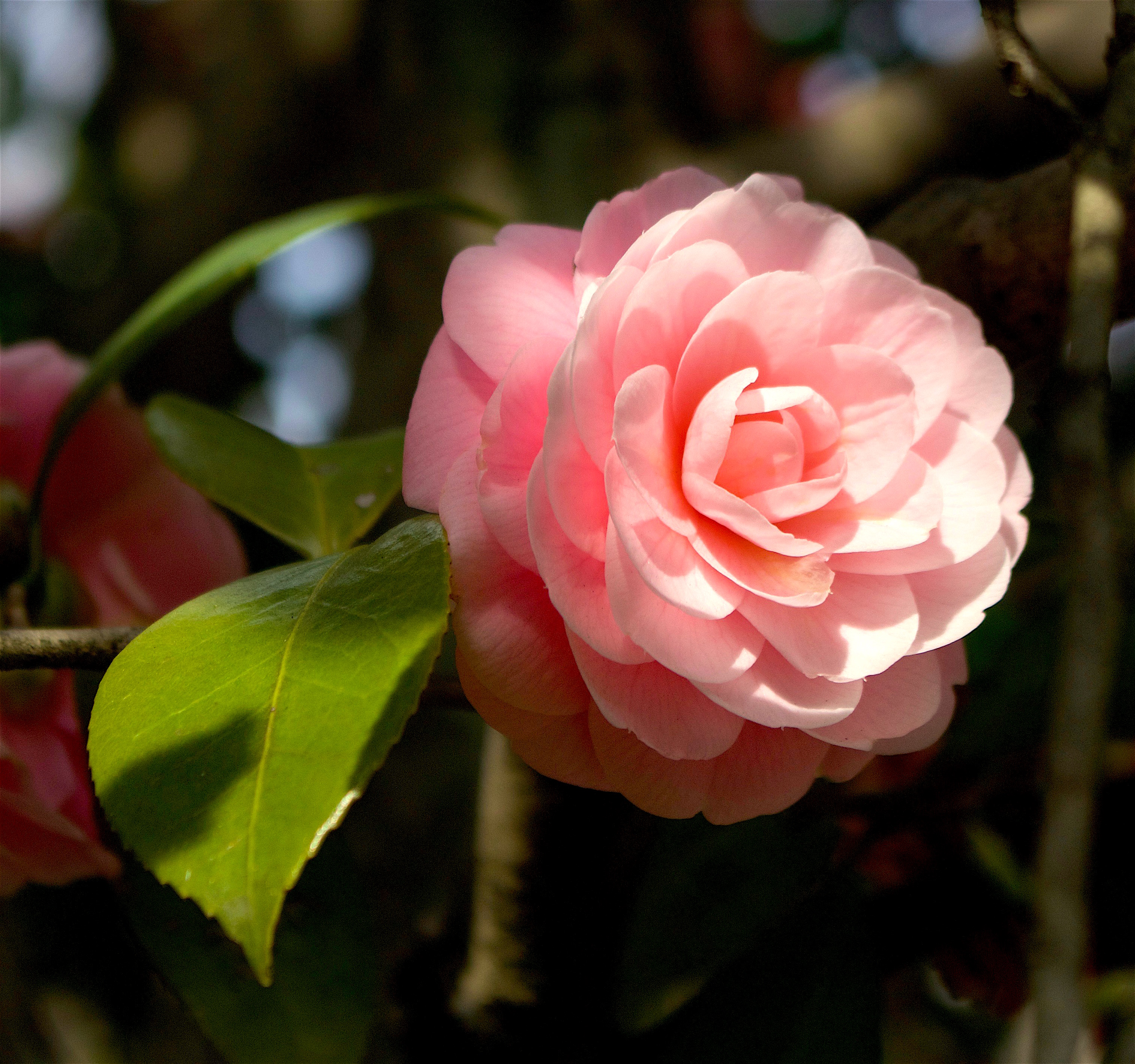
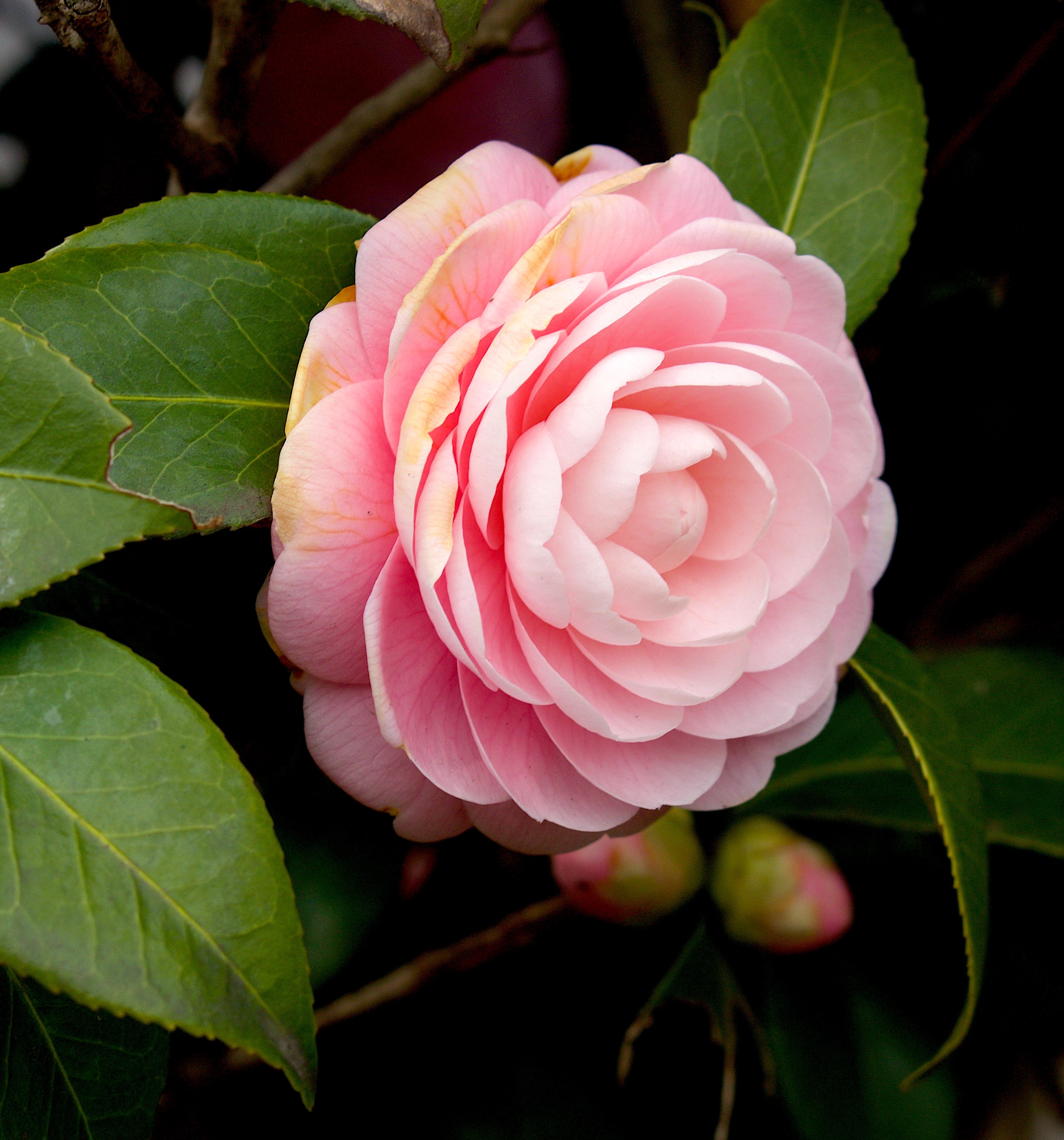
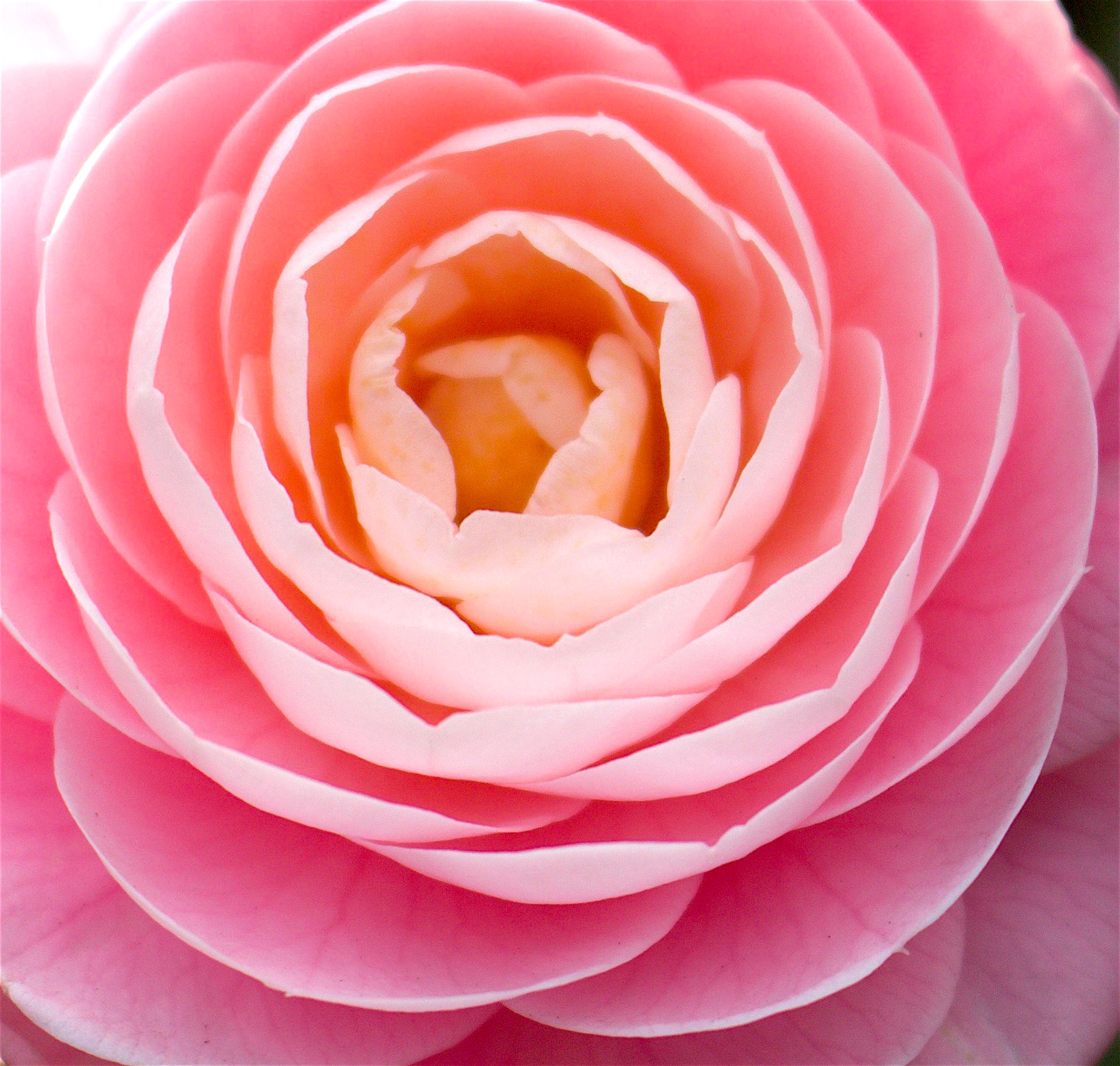
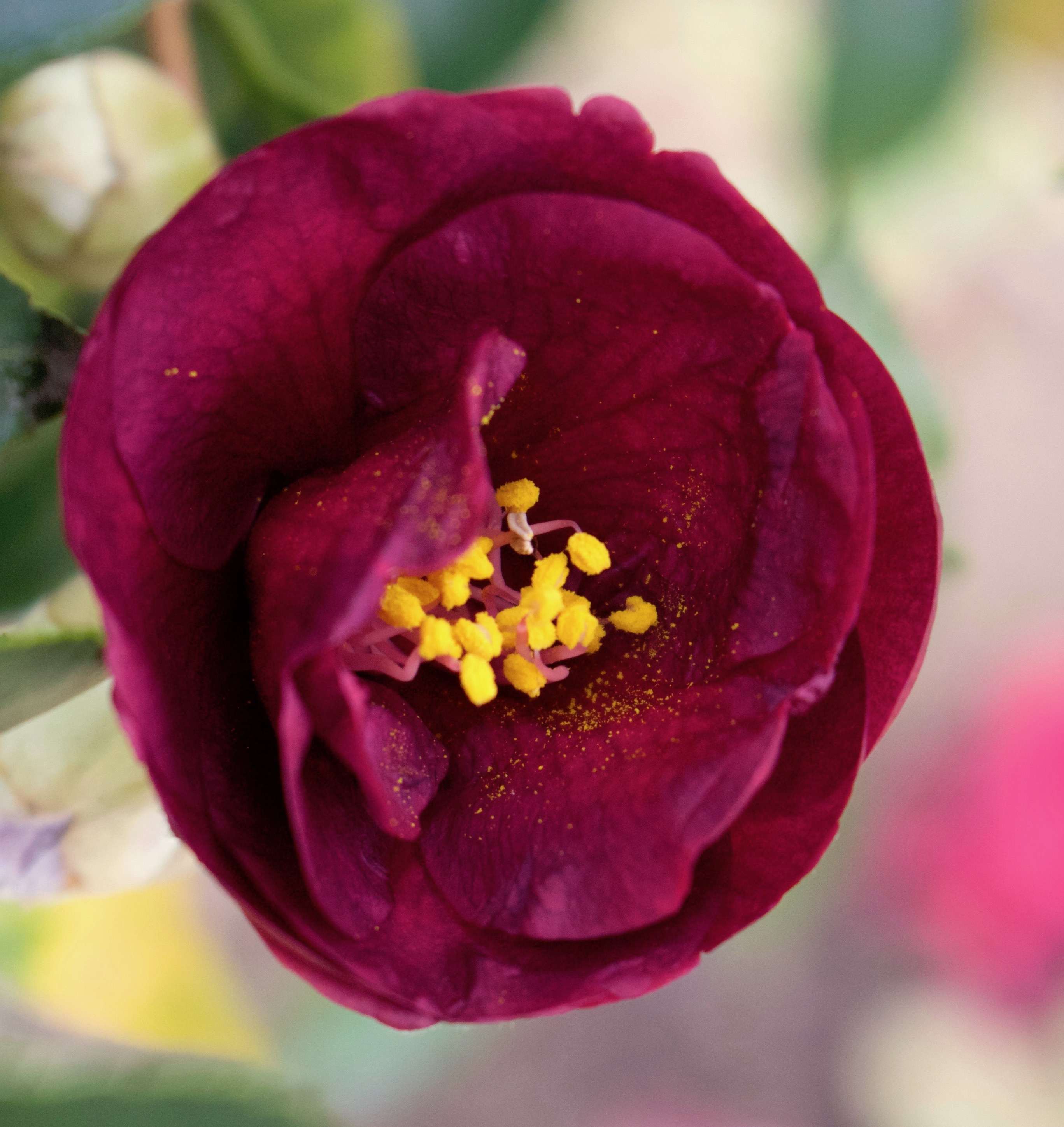
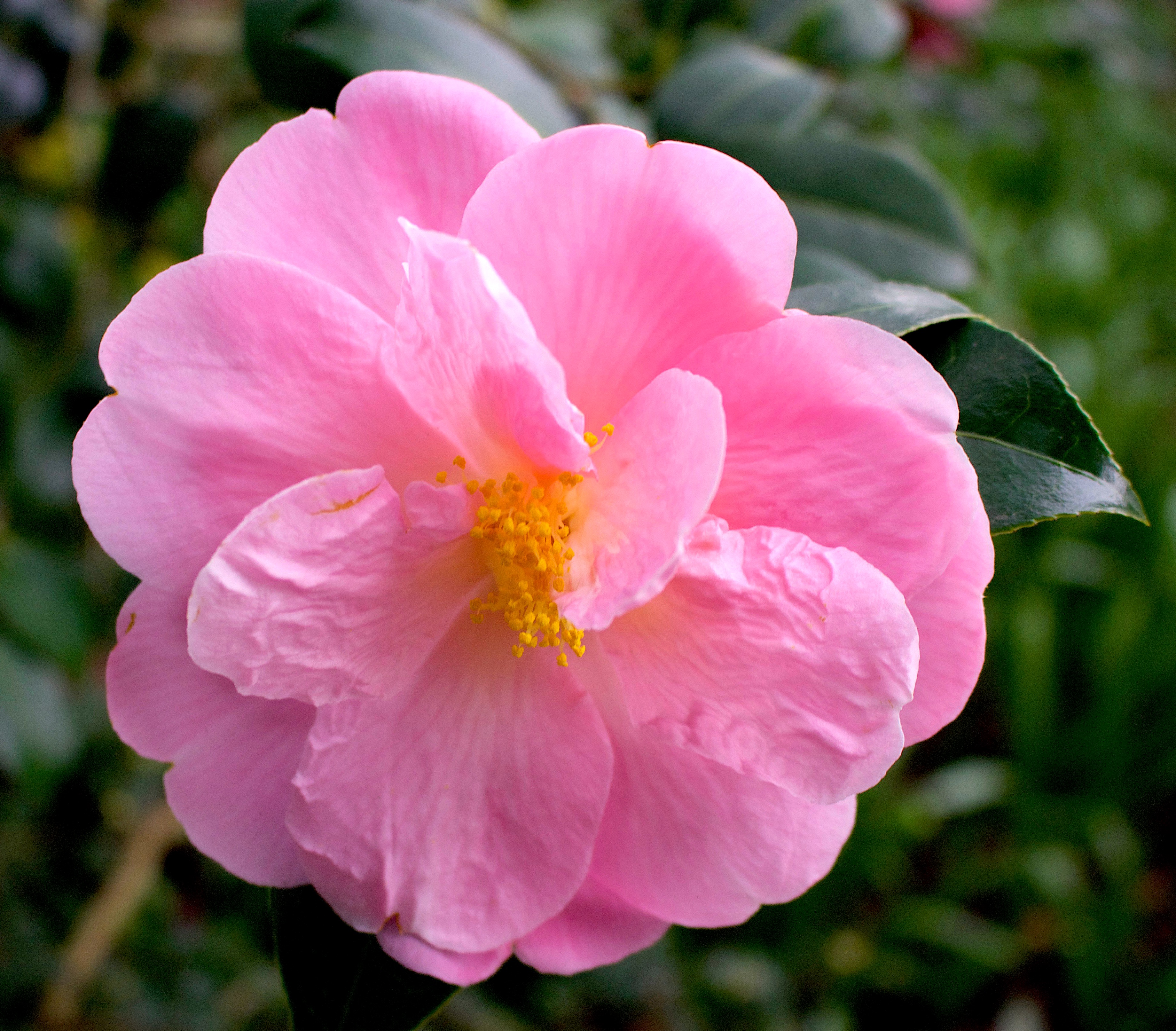
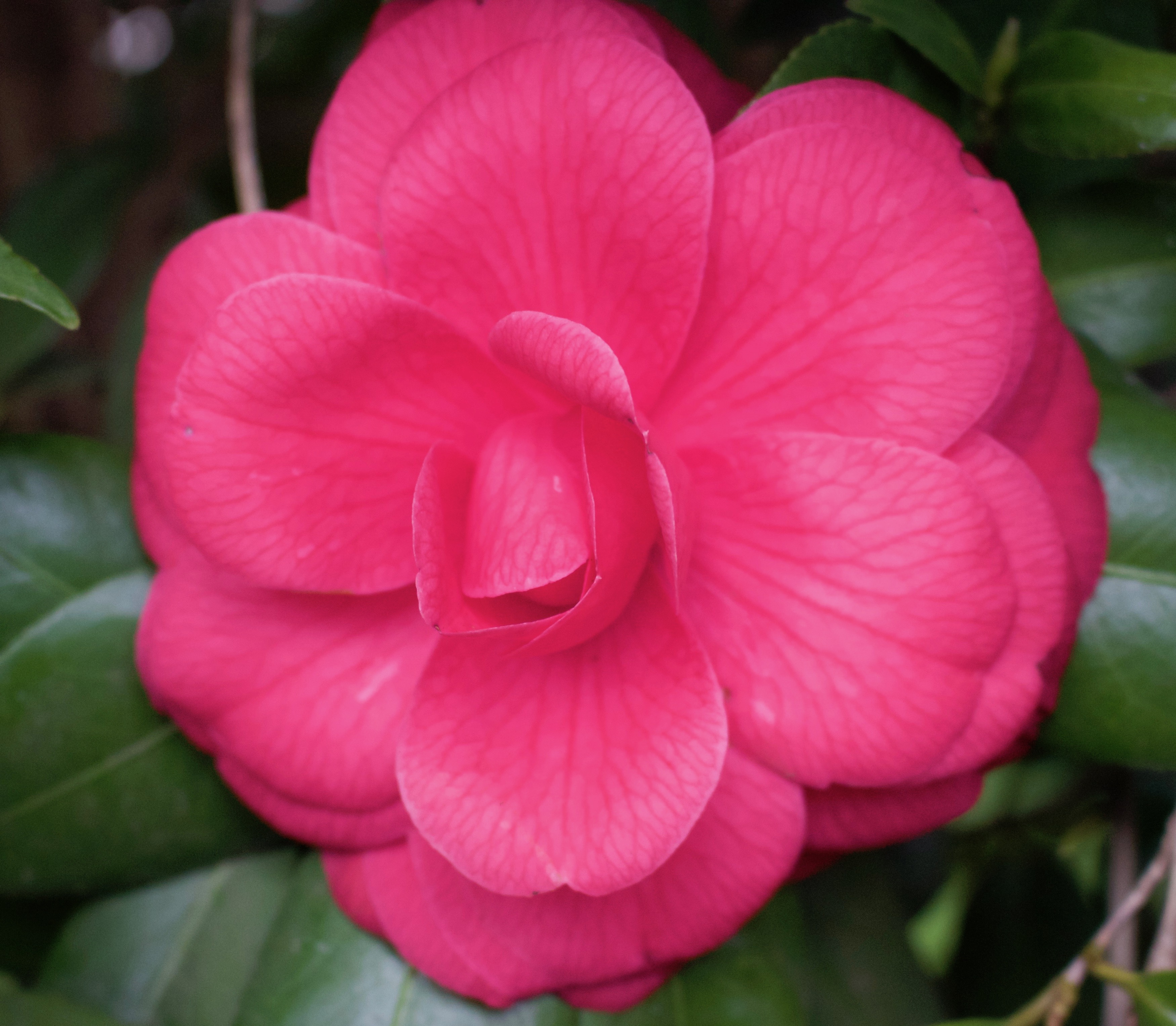
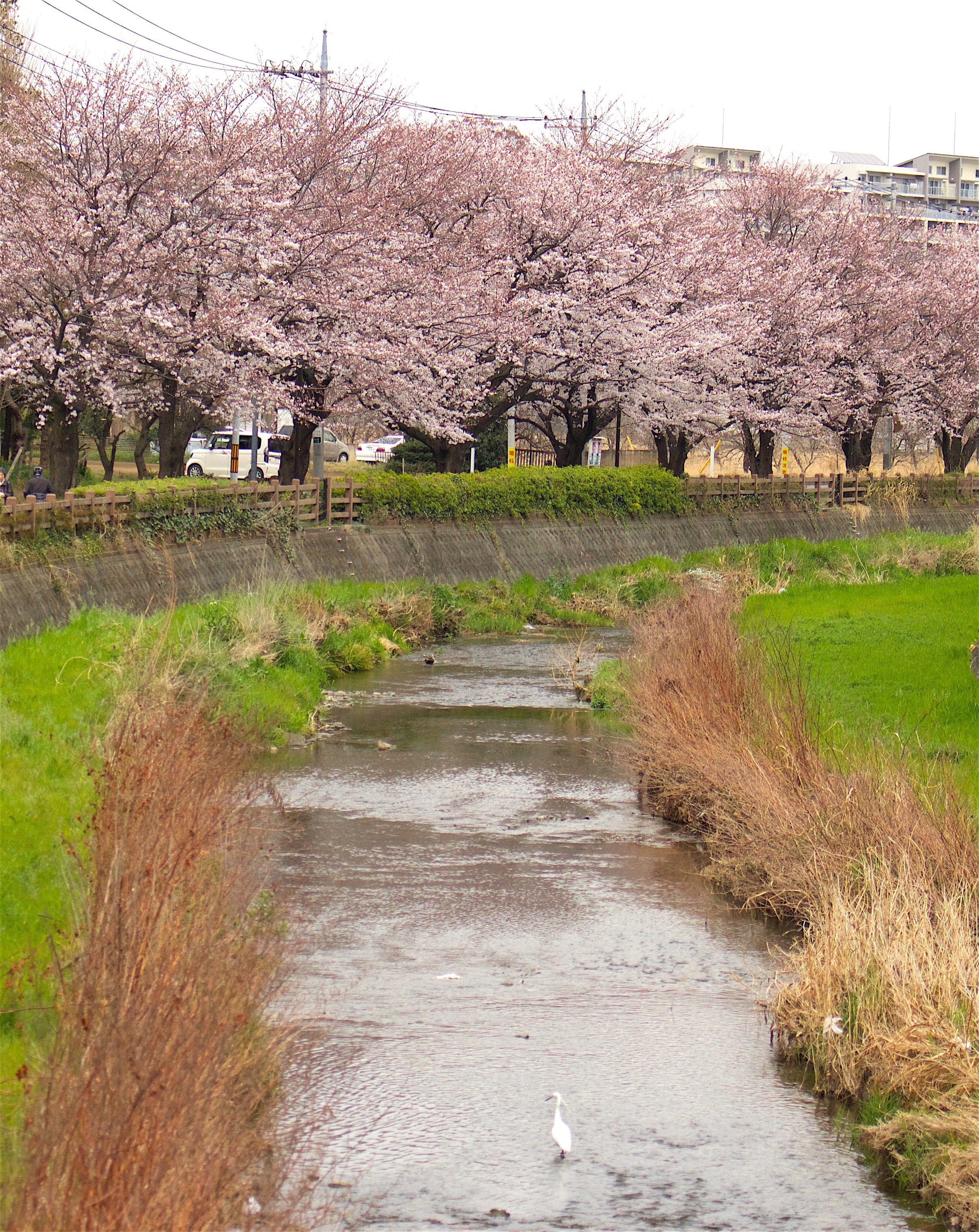
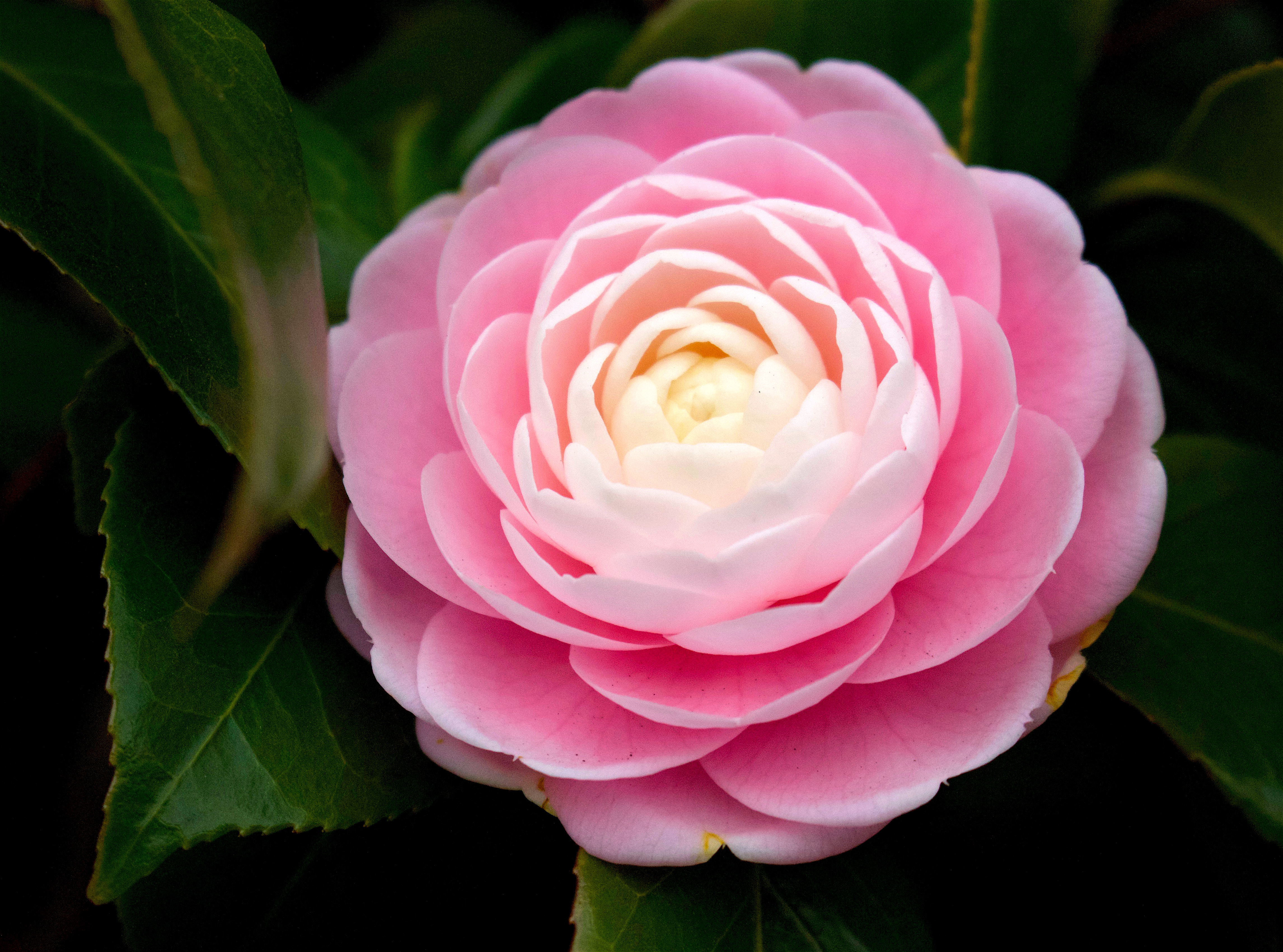
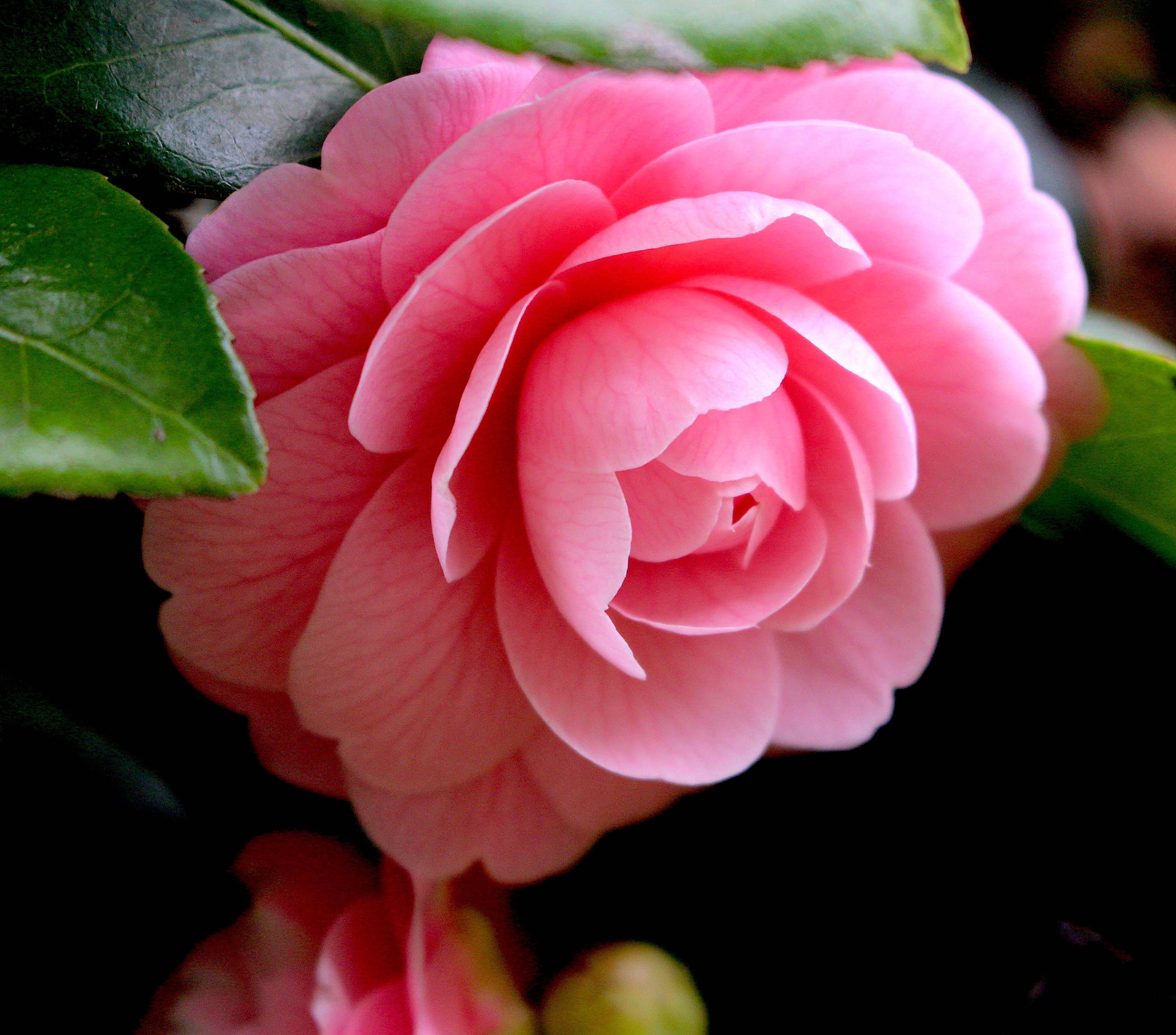
I’ve seen brilliant camellias blooming in Japan in late winter, a harbinger of the sakura blossom explosion right around the corner. The shiny-leafed camellia bushes are taller than I am, loaded with flowers, a showy yet still humble plant. As little else is blooming, walking along Tokyo rivers and pathways becomes a camellia scavenger hunt, checking out the different pinks and reds, looking for the most perfect blooms.

Although camellia blossoms are hardy enough to withstand variable temperatures and weather, their petals eventually begin to brown at the edges and wither. On windy days, the full intact blooms plop to the pavement without warning, scattering into a nubby floral throw rug. They are too bulky to step on, so the tendency is to pick a path around them, allowing them the dignity of a few more days before being swept away by street cleaners.

In an aging country of great order and tidiness, these fallen blossoms are almost sacred and clearly respected. They grace the paths the living still must navigate. They are indeed grounding for the passersby, reminding us our time to let go will come too. As we measure our steps, carefully making our way around their fading beauty, we acknowledge the blessing they unknowingly bestow.

One-Time
Monthly
Yearly

Make a one-time or recurring donation to support daily Barnstorming posts

Make a monthly donation

Make a yearly donation

Choose an amount

¤10.00
¤20.00
¤50.00
¤5.00
¤15.00
¤100.00
¤5.00
¤15.00
¤100.00

Or enter a custom amount

¤

Your contribution is deeply appreciated.

Your contribution is appreciated.

Your contribution is appreciated.

DonateDonate monthlyDonate yearly

Astonished

It’s an early summer day, going to be a hot one.
I’m away from home, I’m working; the sky is solidly blue
with just a chalk smear of clouds. So why this melancholy?
Why these blues? Nothing I’ve done seems to matter; I
could leave tomorrow and no one would notice, that’s how
invisible I feel. But look, there’s a pair of cardinals
on the weathered table, pecking at sunflower seeds
which I’ve brought from home. They don’t seem
particularly grateful. Neither does the sky, no matter
how I transcribe it. I wanted to do more in this life,
not the elusive prizes, but poems that astonish. A big flashy jay
lands on the table, scattering seeds and smaller birds.
They regroup, continue to hunt and peck on the lawn.
~Barbara Crooker, “Melancholia” from Some Glad Morning

When despair for the world grows in me
and I wake in the night at the least sound
in fear of what my life and my children’s lives may be,
I go and lie down where the wood drake
rests in his beauty on the water, and the green heron feeds.

I come into the peace of wild things
who do not tax their lives with forethought
of grief. I come into the presence of still water.
And I feel above me the day-blind stars
waiting with their light. For a time
I rest in the grace of the world, and am free.
~Wendell Berry “The Peace of Wild Things” from The Selected Poems of Wendell Berry

I lay awake last night worrying over our son and his family’s ten hour overnight flight from Tokyo. Our two young grandchildren arrive today after 30 months of pandemic separation – to them, we are just faces on a screen.

We go soon to collect them from half-way around the world where they said a sorrowful sayonara to grandparents and family there, arriving here to a new life, new language, new everything, with their worldly belongings in suitcases.

From the largest city in the world to our little corner of the middle of nowhere.

I will watch them discover for themselves
the joys and sorrows of this world.
When I look through their eyes,
I will be reminded there is light beyond the darkness I fear,
there is peace amid the chaos,
there is a smile behind the tears,
there is stillness within the noisiness
there is rest despite my restlessness,
there is grace as old gives way to new.

I do not need to do anything astonishing myself.
Astonishing happens all around me.

I need only notice and cherish it.

One-Time
Monthly
Yearly

Make a one-time donation

Make a monthly donation

Make a yearly donation

Choose an amount

$5.00
$15.00
$100.00
$5.00
$15.00
$100.00
$5.00
$15.00
$100.00

Or enter a custom amount

$

Your contribution is appreciated.

Your contribution is appreciated.

Your contribution is appreciated.

DonateDonate monthlyDonate yearly

An Umbrella Collapsed

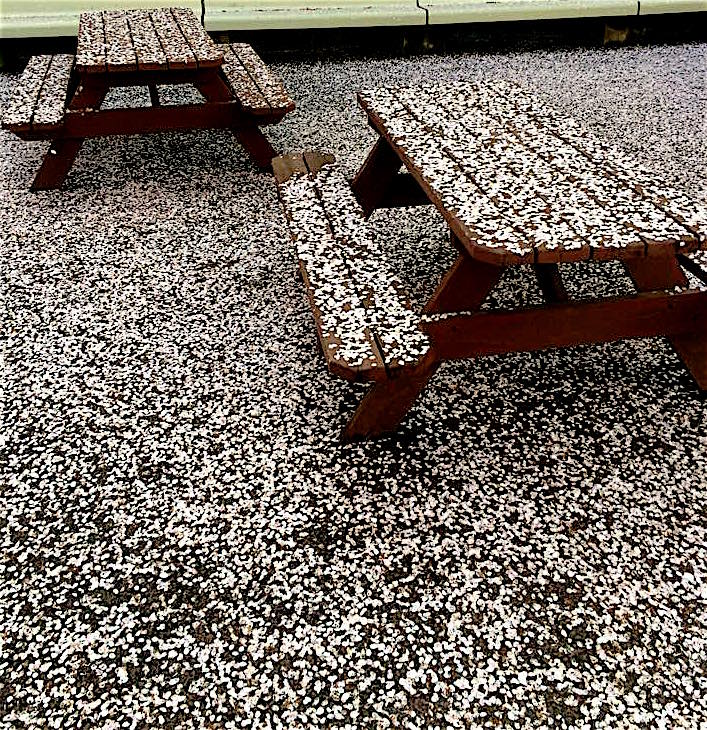
fallen sakura petals in Tokyo (photo by Nate Gibson)

A man sweeps with vigorous strokes
petals stuck to the street.


A grey sky hovers so close;
it finally touches my face.


Instantly umbrellas float over commuters,
I walk in a current of skirt and suits, gaijin.


One face nears. She stops and holds out her umbrella
so insistently I accept,


then try to give it back, but she pulls up her hood
and disappears like a pebble dropped into a puddle.


I kept this umbrella
collapsed, this story in the folded


fan of my tongue until now:
I raise its spokes, its flower-patterned nylon


above a squall of self-loathing, I take cover
in that moment—her wrist still kindling my sleeve

~Julia Shipley, “Tokyo, Near Ueno Station” from Roads Taken: Contemporary Vermont Poetry

In our six visits to Japan over the past decade, we became more comfortable with what was expected of us as “gaijin” (foreigners) while shopping, traveling, and attempting to communicate when we had neither words nor understanding.

We were always treated with utmost respect and politeness by those we encountered. There would even be an occasional smile or moment of warmth and connection which is remarkable in a city of 38 million people.

Never were we invisible to others – we stood a head taller, and could not disappear in the current and flow of people. Clearly we farm people didn’t fit in a huge city – just as we felt while visiting New York City or Chicago – we were not “of” them or their country, only visitors who would eventually leave and go home.

Yet Japan has left its mark on me and always will – especially in the lives of our grandchildren who are of two close-ally countries despite two very different cultures. The challenge of their mixed-race will be to understand how each forms and shapes who they are and will become.

And always to accept the offer of an umbrella as an act of grace and friendship.

One-Time
Monthly
Yearly

Make a one-time or recurring donation to support daily Barnstorming posts

Make a monthly donation

Make a yearly donation

Choose an amount

¤5.00
¤10.00
¤20.00
¤5.00
¤15.00
¤100.00
¤5.00
¤15.00
¤100.00

Or enter a custom amount

¤

Your contribution is deeply appreciated.

Your contribution is appreciated.

Your contribution is appreciated.

DonateDonate monthlyDonate yearly
Waiting in Wilderness: A Man Wondering

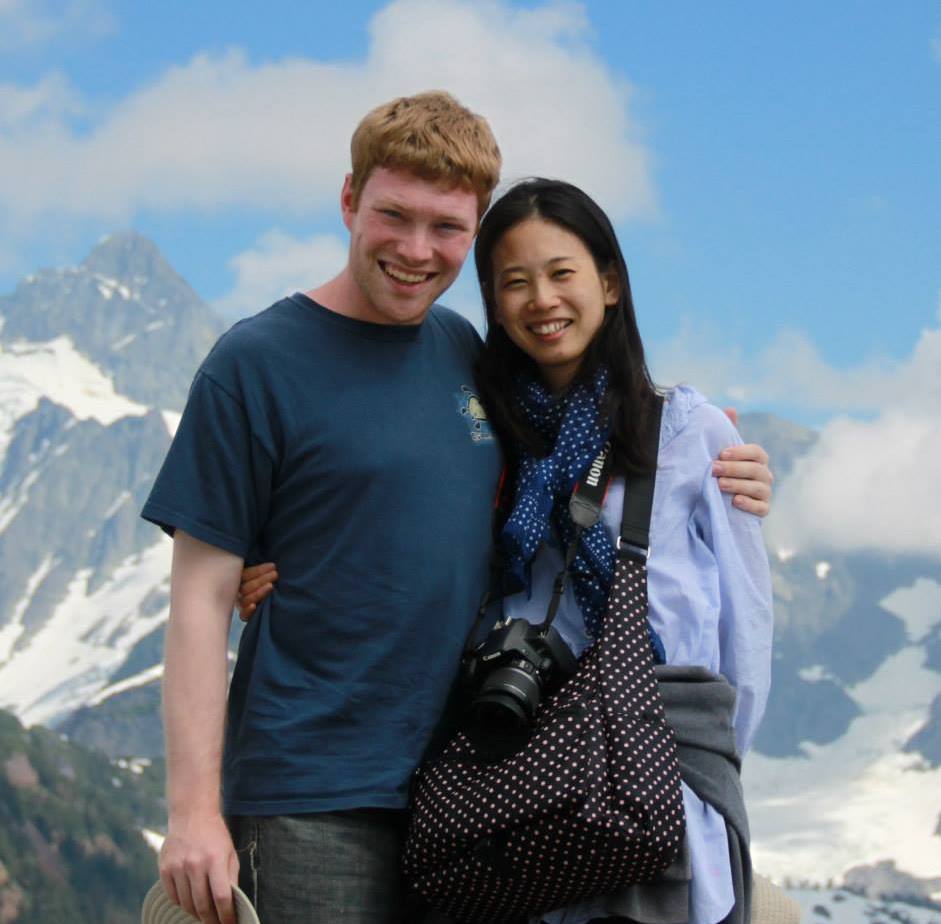
Nate Gibson at Sendai, Japan
Nate while visiting home on the farm

Men go abroad to wonder at the heights of mountains, at the huge waves of the sea, at the long courses of the rivers, at the vast compass of the ocean, at the circular motions of the stars, and they pass by themselves without wondering.
~St. Augustine of Hippo

Our firstborn son turns thirty five years old today. Nate was born on a day very much like this: sunny, frosty, a not-yet-spring kind of early morning. He was so welcome and cherished after years of our struggling to have children. Nate seemed to come with a sense of wonder and enthusiasm for whatever life had in store for him.
First-time parents don’t think much about where their child’s path will lead in a mere twenty years – it seems so far off. We knew he was a home-body. Nate wanted to write and teach and settle into the small town life that he loved and understood.

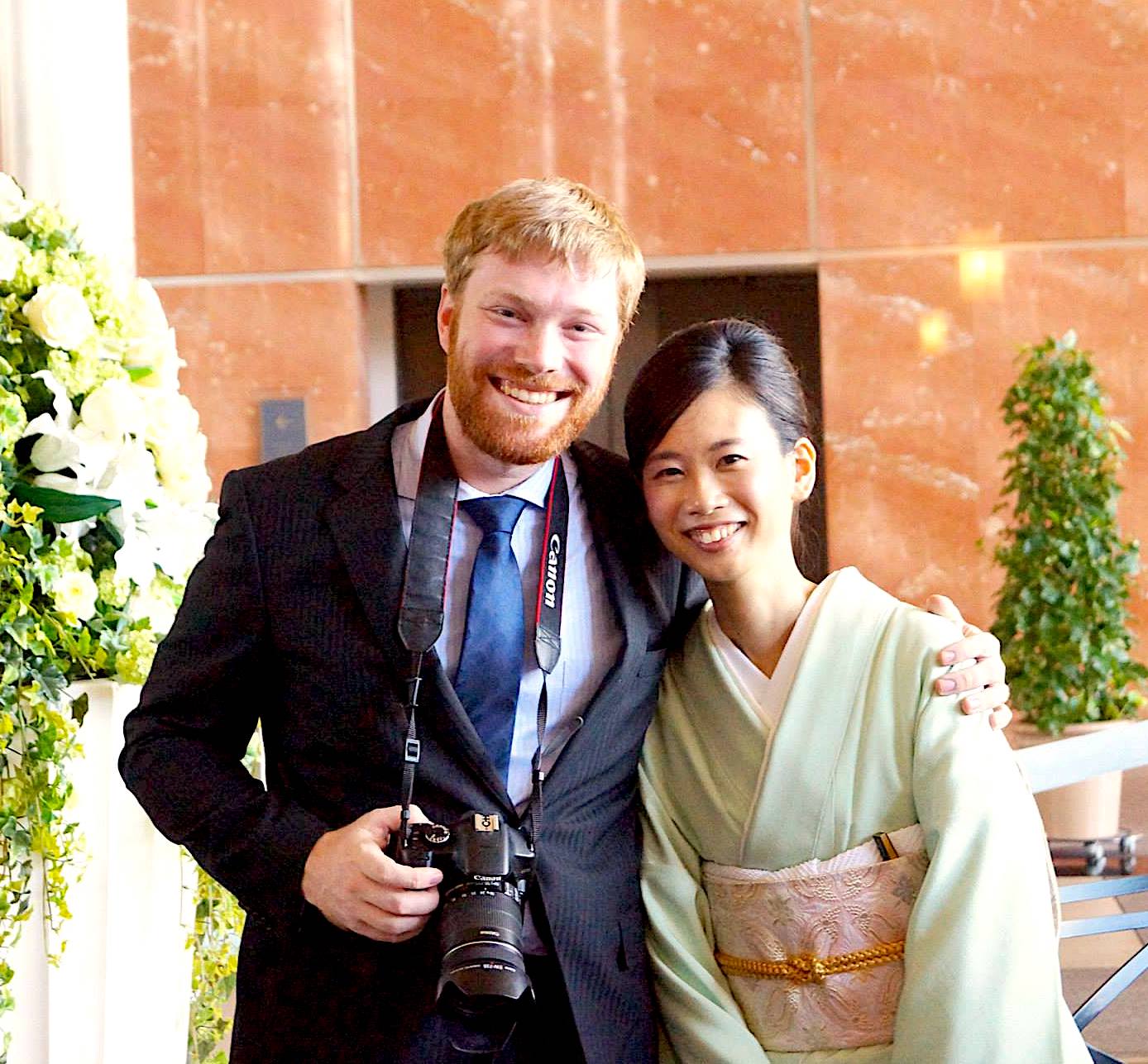
But God had other plans. God asked him to wonder at himself in relation to the world beyond his small town. So Nate was called to teach in Japan within days of graduating with his teaching degree in 2008. He has remained there ever since, reaching the hearts and minds of well over a thousand individual students in his classroom during those years, while falling in love with his soulmate Tomomi and becoming father to their two beautiful children.

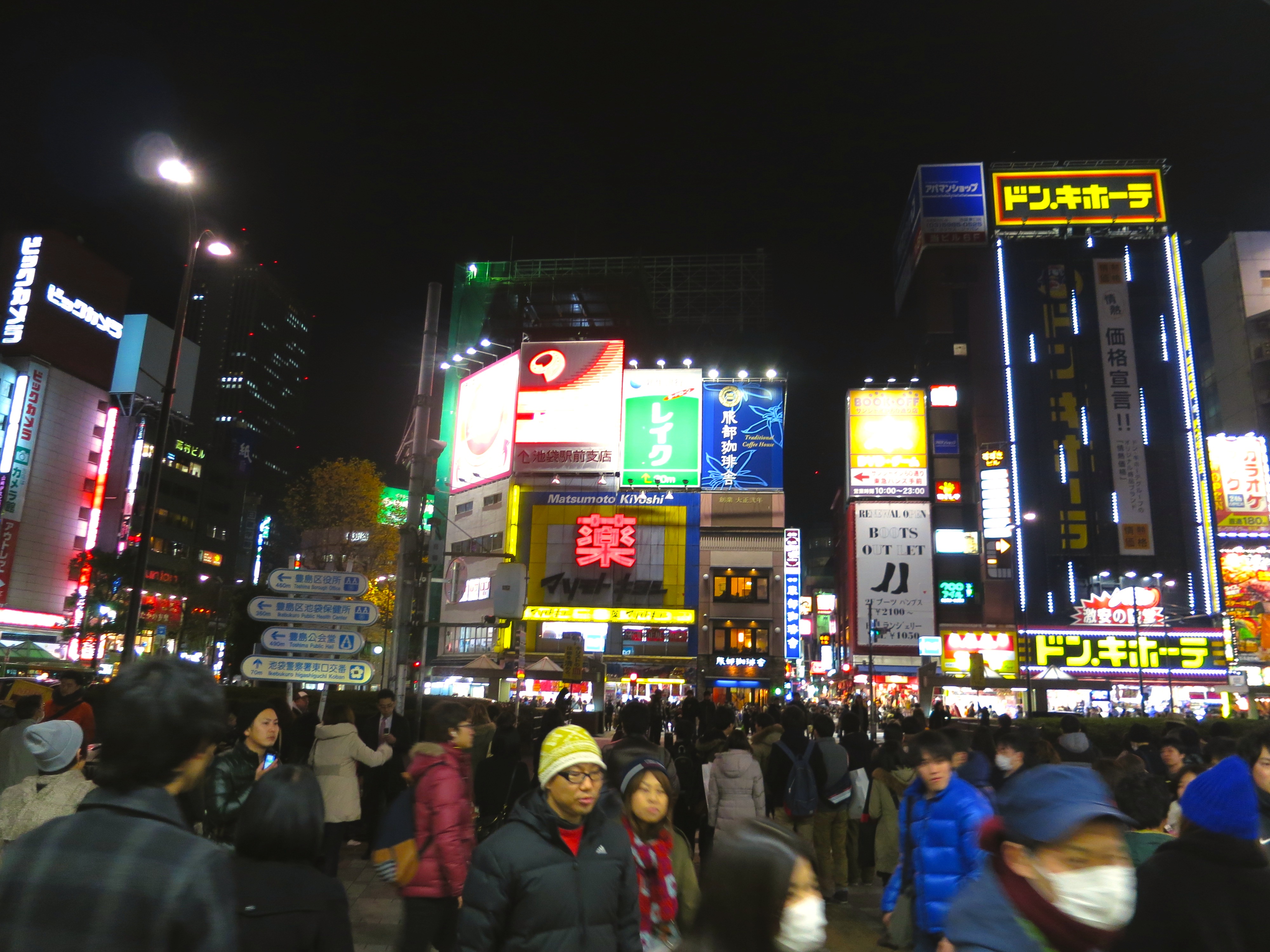
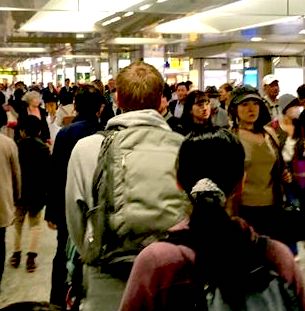
Nate has discovered the irony of moving from a town where the majority of his classmates were blonde to thriving where he is the only redhead among thousands in a train station throng. He has learned a new culture, a new language and a new way of thinking about what “home” in God’s kingdom really means.

When we visit Nate now, only virtually since the pandemic, we see a man who has traveled far, in miles and spiritually. He continues to wonder where God may call him, along with Tomomi and their family, next. We cherish them all, from so far away, no matter where their home may be, as they embody servant love wherever they are needed most.

Happy Birthday, Nate!
Sending our love across the many miles of ocean that separates us but our shared hearts remain close.

The towering tree spreads his greening canopy —
A veil between the soil and sky—
Not in selfish vanity,
But the gentle thrush to shade and shelter.
So it is with love.
For when we love,
Simply love,
Even as we are loved,
Our weary world can be transformed.
The busy thrush builds her nest below —
A fortnight’s work to weave and set—
Not for herself alone,
But her tender brood to shield and cherish.
And so it is with love.
For when we love,
Simply love,
Even as we are loved,
Our weary world can be transformed Into the Kingdom of God!
~Charles Silvestri

The Veil is Lifted

Heaven and earth are only three feet apart,
but in the thin places that distance is even smaller.
A thin place is where the veil

that separates heaven and earth is lifted
and one is able to glimpse the glory of God.
~Celtic saying

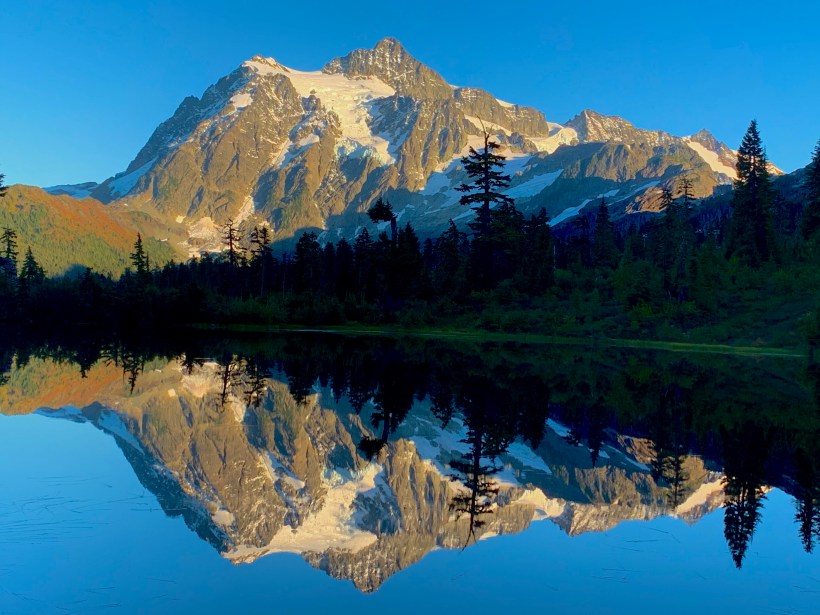
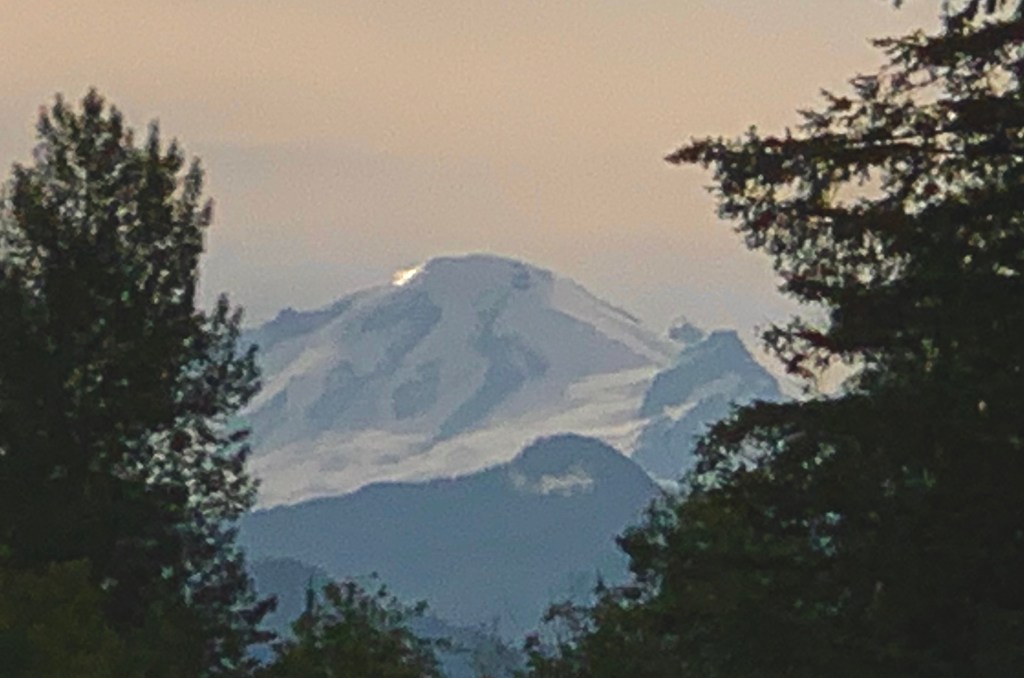
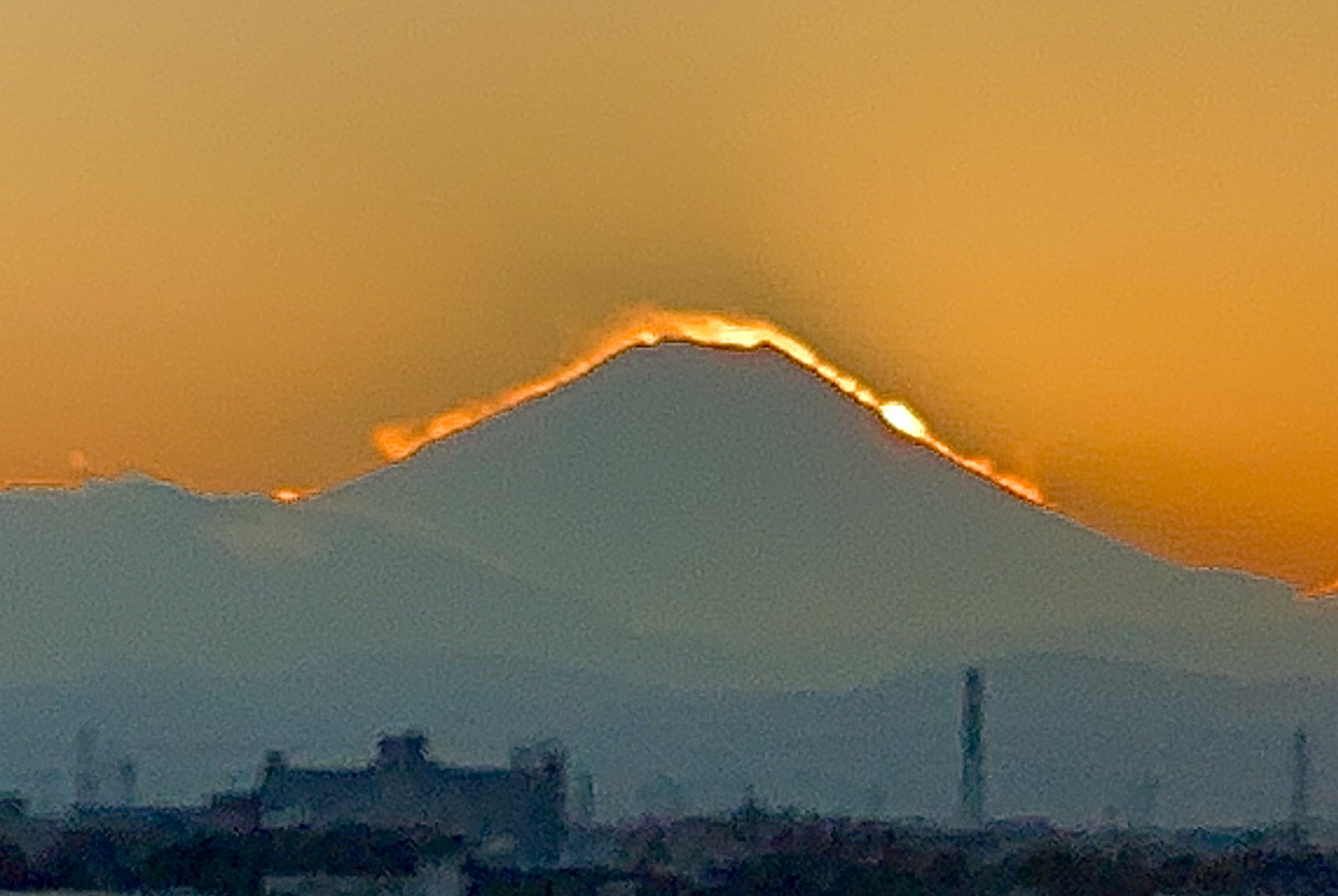
Our neighboring Cascade mountain peak, Mt. Baker, has been veiled with clouds for a number of days. I am used to this hide-and-seek with the mountain as it makes its appearance even more special when it does take off its veil.

Yesterday morning, it was shrouded in clouds but visible against the gray. What was unusual, something I had not seen before in 35 years of admiring the mountain, was a flash of sun reflection on the north side of the summit, when no sun was visible in the sky.

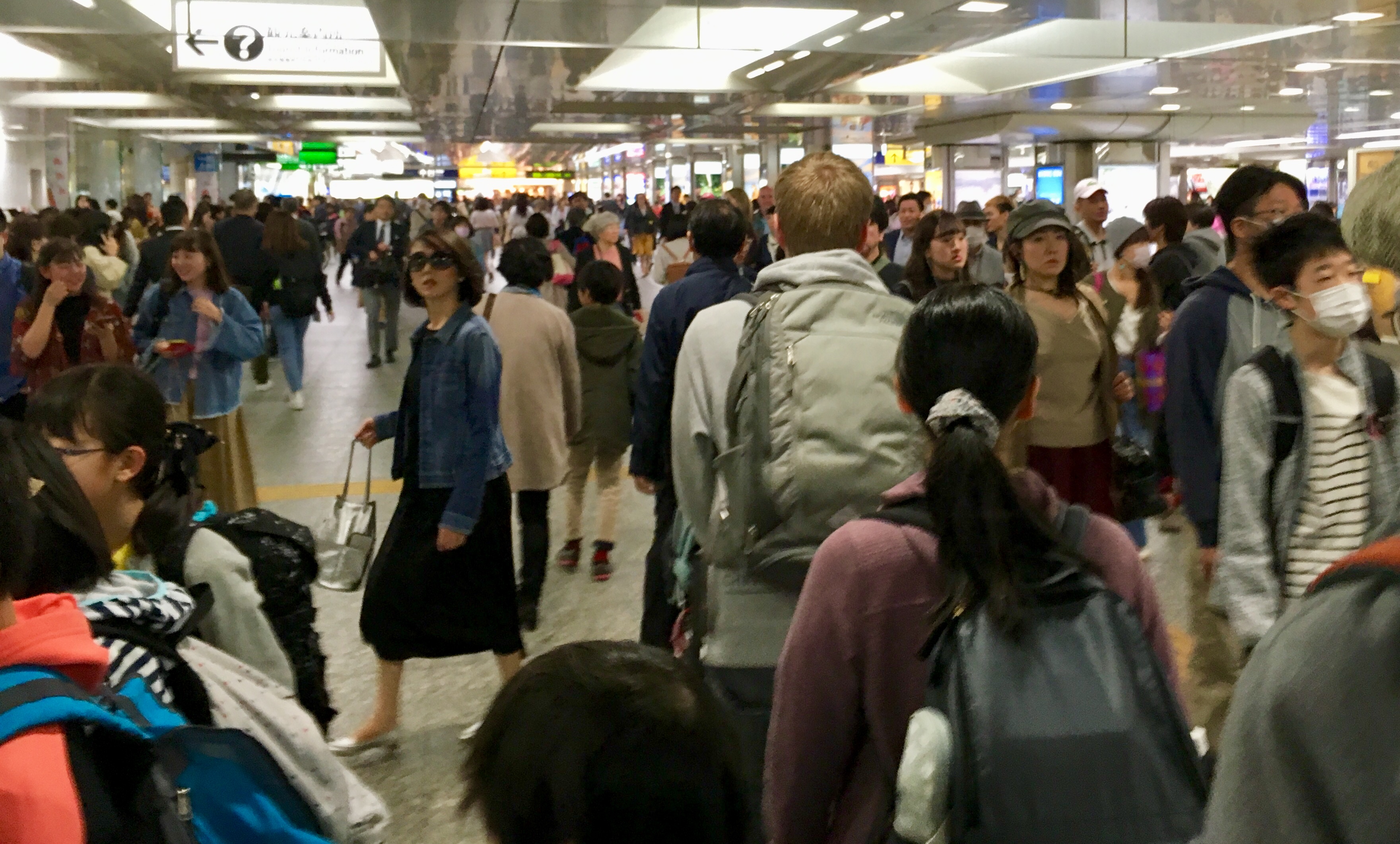
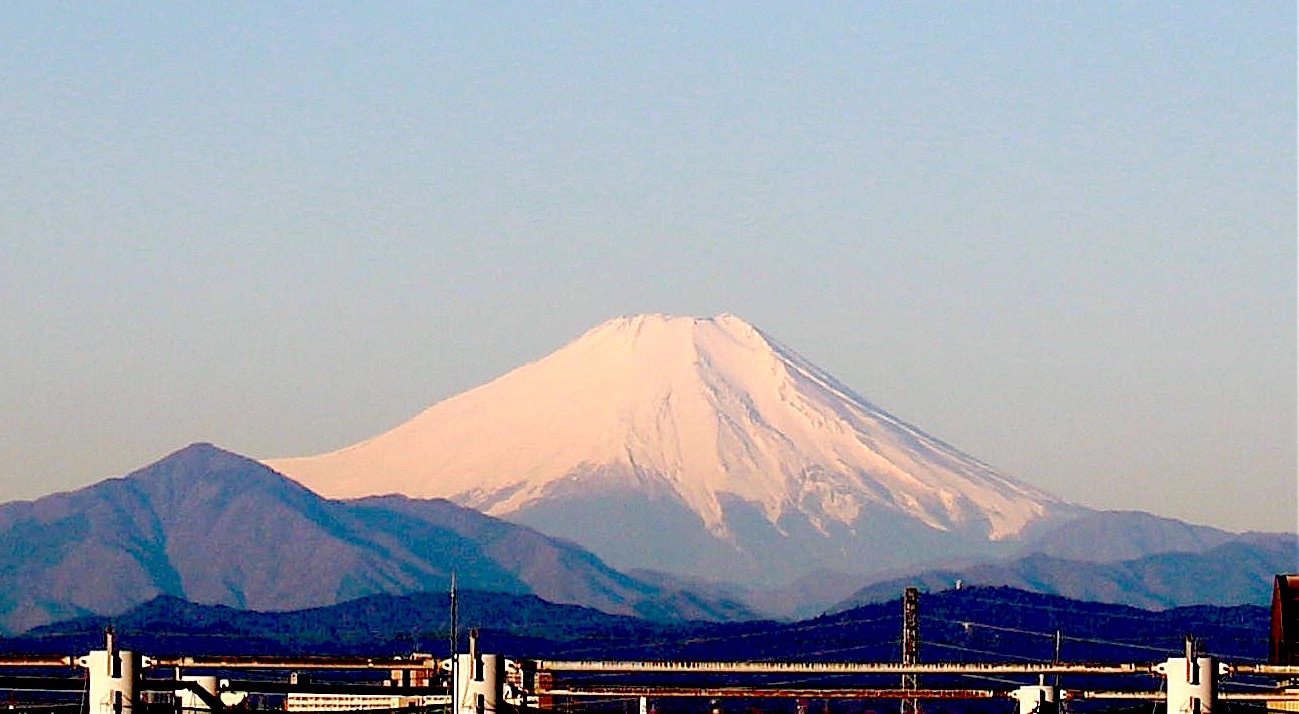
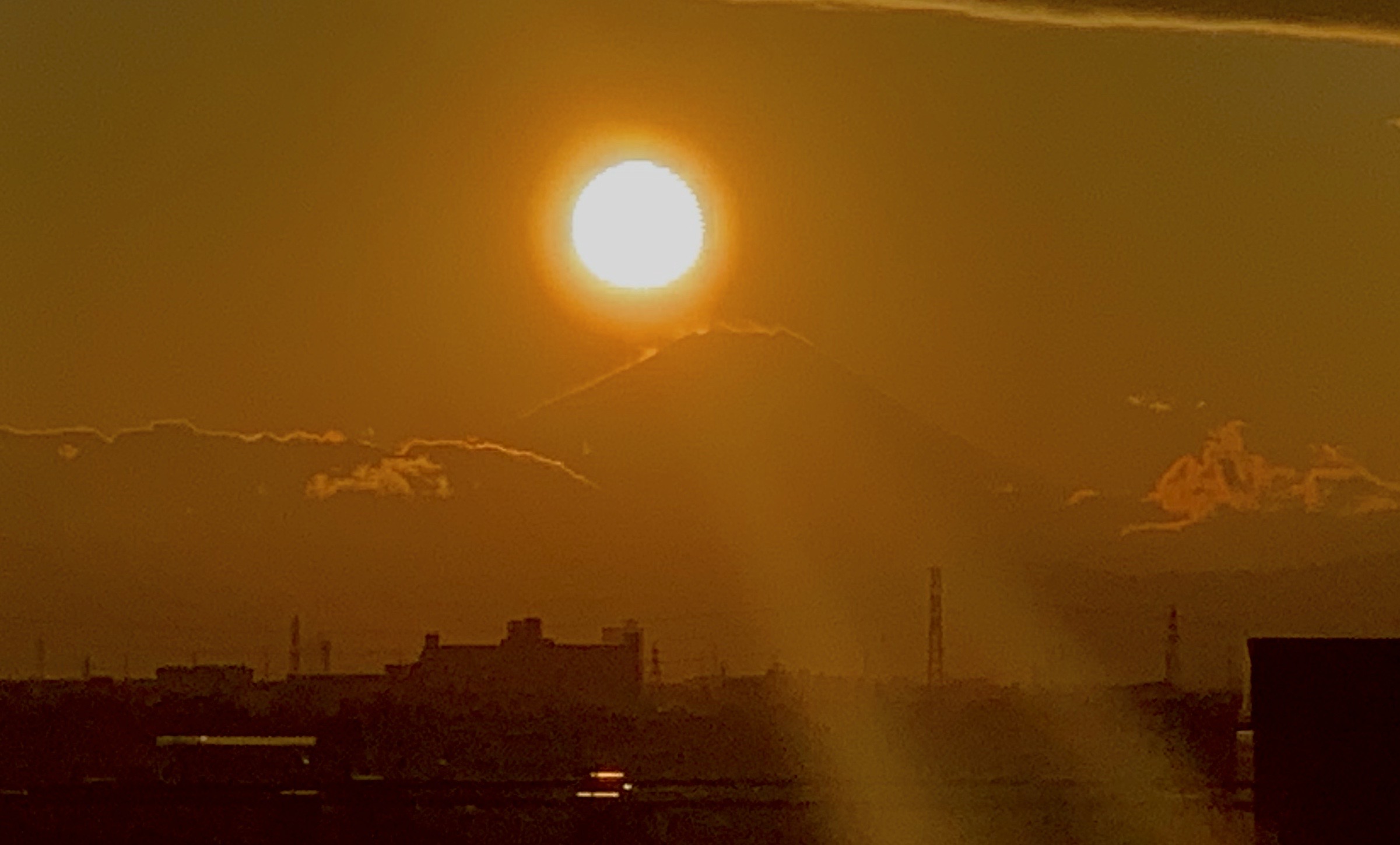
This reminded me of our experience last December at solstice when we were visiting our son and family in Tokyo, right at the time for “Diamond Fuji” to potentially appear.

In the misty rain
Mount Fuji is veiled all day —
How intriguing!
~Basho

We had the good fortune to be staying on the top floor of a business hotel just a few minutes walk from our son’s apartment, so we made sure we were ready with a camera on the few days that we might witness the sun setting directly behind Fuji, creating a diamond effect from the summit and an appearance of fire along its crest. There are many extraordinary photos taken over the years of this phenomenon — google “Diamond Fuji” and you’ll see why this is a special event.

There were cloudy evenings when Fuji made no appearance at all – there were many photographers gathered in the train station deck where Fuji is potentially visible. They would set up and wait for the possibility of catching the sunset perfectly as it settled behind the mountain. Some nights there was nothing to photograph and they would pack up their gear, ready to return the next day.

We didn’t know if Fuji would uncover enough to allow us to see this for ourselves, but we hoped it would. The mountain did give us several beautiful sunsets, none exactly “Diamond Fuji”- perfect, but enough for us to get a sense of why it is revered so much by the people of Japan.

God does unveil His glory to us perfectly if we have eyes open enough to see. He doesn’t need to use mountains, or sunlight, or the exact precise timing. He makes sure it can be put into every human hand in the form of His Word – no waiting for the right moment or the clouds to be swept away.

The right moment is now.

A Full Circle Remembrance Day

weddingMy parents Henry and Elna Polis on their wedding day,
Dec. 24, 1942, Quantico, Virginia
He shipped out to the South Pacific front one week later,
not to return until June 1945


Sometimes, as a child,  when I was bored, I’d grab a step ladder, pull it into our hallway, climb half way up and carefully lift the plywood hatch that was the portal to our unlit attic.  It took some effort to climb up into the attic from the ladder, juggling a flashlight at the same time, but once seated safely on the beams above our ceiling, being careful not to put my foot through the carpet of insulation, I could explore what was stowed and normally inaccessible to me.

All the usual attic-type things were put up there:  Christmas ornaments and lights,  baby cribs and high chairs,  lamps and toys no longer used.  Secrets to my parents’ past were stored away there too.  It was difficult imagining them as young children growing up on opposite sides of the state of Washington, in very different circumstances, or as attractive college students who met at a dance, or as young marrieds unencumbered by the daily responsibilities of a family.  The attic held those images and memories like a three dimensional photo album.

My father’s dark green Marine Corps cargo trunk was up there, the one that followed him from Officer Training in Quantico, Virginia, to beach and mountain battles on Tarawa, Tinian and Saipan in the South Pacific, and three years later back home again.  It had his name and rank stenciled on the side in dark black lettering.  The buckles were stiff but could be opened with effort, and in the dark attic, there was always the thrill of unlatching the lid, and shining the flashlight across the contents.  His Marine Corps dress uniform lay inside underneath his stiff brimmed cap.  There were books about protocol, and a photo album which contained pictures of “his men” that he led in his battalion, and the collection of photos my mother sent of herself as she worked as a high school teacher back home.

Most fascinating was a folded Japanese flag inside a small drawstring bag, made of thin white see-through cloth with the bold red sun in the middle.  Surrounding the red sun were the delicate inked characters of many Japanese hands as if painted by artists, each wishing a soldier well in his fight for the empire.  Yet there it was, a symbol of that soldier’s demise, itself buried in an American attic, being gently and curiously held by an American daughter of a Marine Corps captain.  It would occur to me in the 1960s that some of the people who wrote on this flag might still be living, and certainly members of the soldier’s family would still be living.  I asked my father once about how he obtained the flag, and he, protecting me and himself, waved me away, saying he couldn’t remember.  I know better now.  He knew but could not possibly tell me the truth.

These flags, charms of good luck for the departing Japanese soldier as he left his neighborhood or village for war, are called Hinomaru Yosegaki (日の丸寄せ書き).  Tens of thousands of these flags came home with American soldiers; it is clear they were not the talisman hoped for.  A few of these flags are now finding their way back to their home country, to the original villages, to descendants of the lost soldiers.  My brother, who now has the flag, has returned it as well to its rightful owners.

Seventy some years ago doesn’t seem that long, a mere drop in the river of time.  There is more than mere mementos that have flowed from the broken dam of WWII, flooding subsequent generations of Americans, Japanese, Europeans with memories that are now lost as the oldest surviving soldiers in their 90’s pass, hundreds of them daily, taking their stories of pain and loss and heroism with them.   My father could never talk with a person of Asian descent, Japanese or not, without stiffening his spine and a grim set to his jaw.  He never could be at ease or turn his back.  As a child, I saw and felt this from him, but heard little from his mouth.

When he was twenty two years old,  pressed flat against the rocks of Tarawa, trying to melt into the ground to become invisible to the bullets whizzing overhead, he could not have conceived that sixty five years later his twenty two year old grandson would disembark from a jumbo jet at Narita in Tokyo, making his way to an international school in that city to teach Japanese children.  My father would have been shocked that his grandson would settle happily into a culture so foreign, so seemingly threatening, so apparently abhorrent.   Yet this irony is the direct result of the horrors of that too-long horrible bloody war of devastation: Americans and Japanese, despite so many differences, have become the strongest of allies, happily exchanging the grandchildren of those bitterly warring soldiers back and forth across the Pacific.  I care for Japanese exchange students daily in my University clinic, peering intently into their open faces and never once have seen the enemy that my father knew.
More than seventy years later, my son still teaches, with deep admiration and appreciation for each of his students, those grandchildren and greatgrandchildren of the soldiers my father hated and likely killed.  Not only does my son teach, but he married a granddaughter of those my father fought.  Their daughter is the perfect amalgam of once warring, yet now peaceful, cultures; symbol of blended and blending peoples overcoming the hatred of past generations.

In coming to the land of the red sun, in coming full circle, my father’s descendant, the teacher and missionary,  redeems my father, the warrior.

It is, on this Remembrance Day,  as it was meant to be.


natetomomi2014


natetomomiemma2017


Turn Aside and Look: Where Our Hearts Are

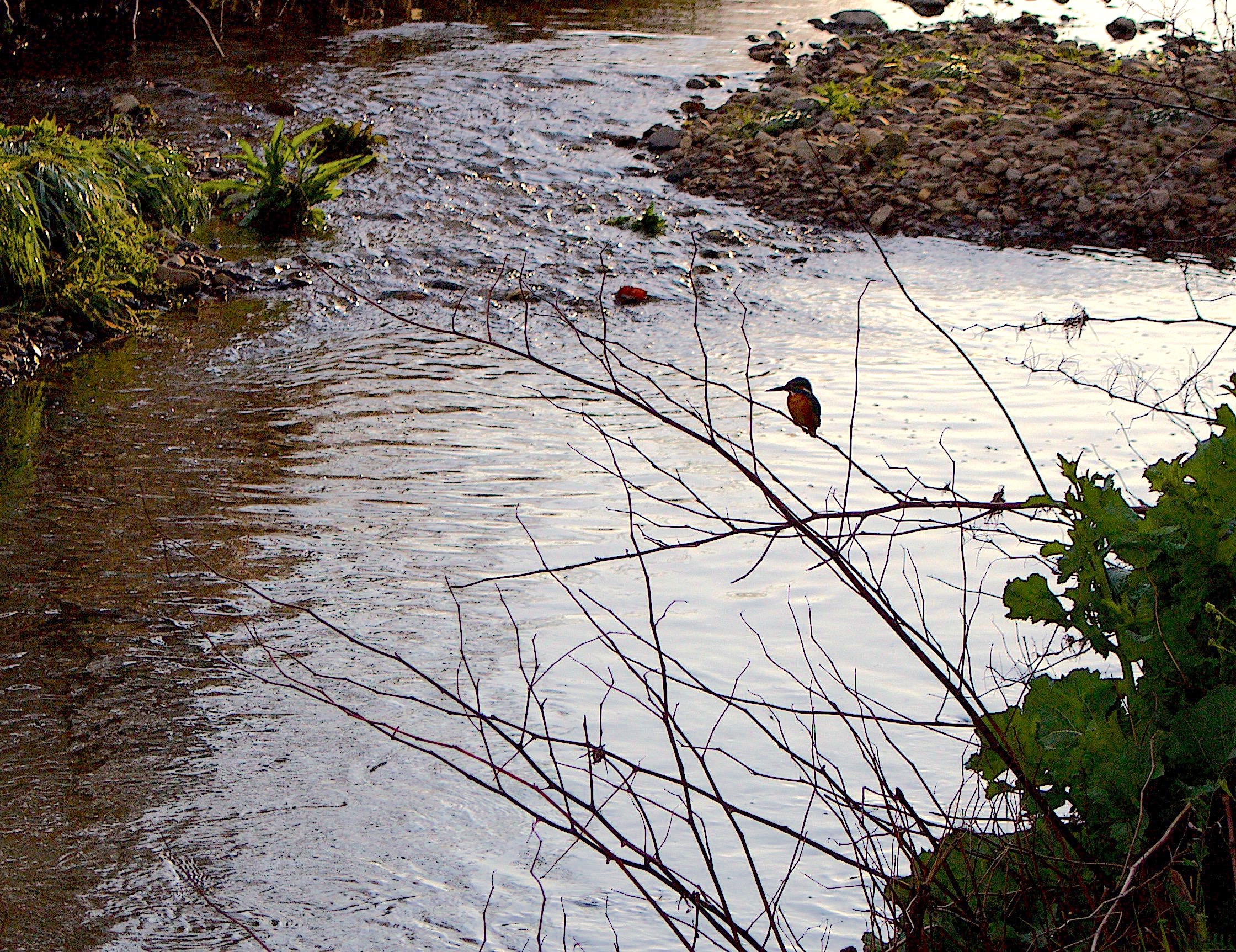
kingfisherjapan3

So I tell you to stop worrying about what you will eat, drink, or wear. Isn’t life more than food and the body more than clothes? Look at the birds. They don’t plant, harvest, or gather the harvest into barns. Yet, your heavenly Father feeds them. Aren’t you worth more than they? Can any of you add a single hour to your life by worrying? 
— Matthew 6:25-27

mukudori

Jesus does not respond to our worry-filled way of living by saying that we should not be so busy with worldly affairs. He does not try to pull us away from the many events, activities, and people that make up our lives. He does not tell us that what we do is unimportant, valueless, or useless. Nor does he suggest that we should withdraw from our involvements and live quiet, restful lives removed from the struggles of the world.

Jesus’ response to our worry-filled lives is quite different. He asks us to shift the point of gravity, to relocate the center of our attention, to change our priorities. Jesus wants us to move from the “many things” to the “one necessary thing.” It is important for us to realize that Jesus in no way wants us to leave our many-faceted world. Rather, he wants us to live in it, but firmly rooted in the center of all things. Jesus does not speak about a change of activities, a change in contacts, or even a change of pace. He speaks about a change of heart. This change of heart makes everything different, even while everything appears to remain the same. This is the meaning of “Set your hearts on his kingdom first…and all these other things will be given you as well.” What counts is where our hearts are. When we worry, we have our hearts in the wrong place. Jesus asks us to move our hearts to the center, where all other things fall into place.
— Henri Nouwen from Making All Things New

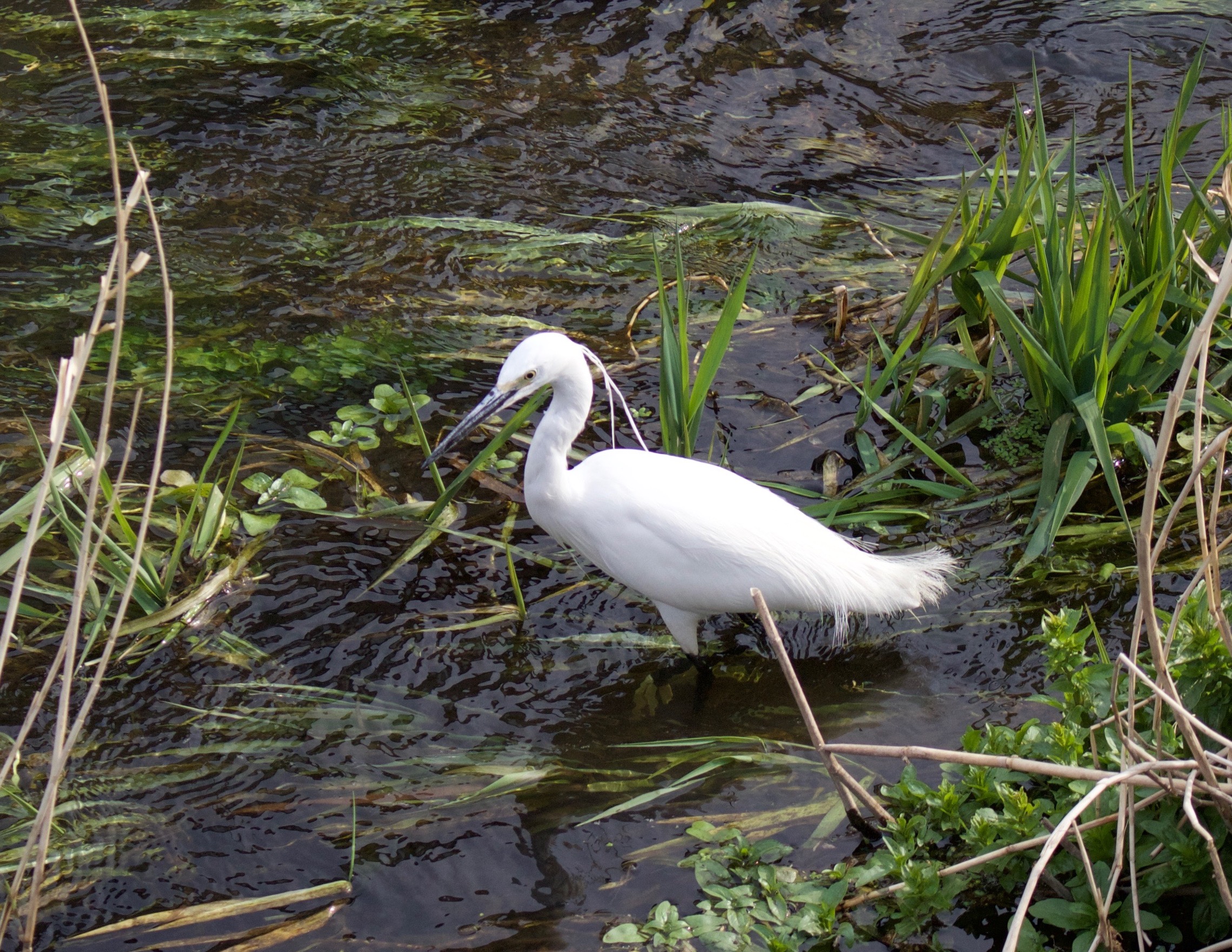
egretjapan

I worried a lot. Will the garden grow, will the rivers
flow in the right direction, will the earth turn
as it was taught, and if not how shall
I correct it?

Was I right, was I wrong, will I be forgiven,
can I do better?

Will I ever be able to sing, even the sparrows
can do it and I am, well,
hopeless.

Is my eyesight fading or am I just imagining it,
am I going to get rheumatism,
lockjaw, dementia?

Finally I saw that worrying had come to nothing.
And gave it up. And took my old body
and went out into the morning,
and sang.
— Mary Oliver from Swan: Poems and Prose Poems

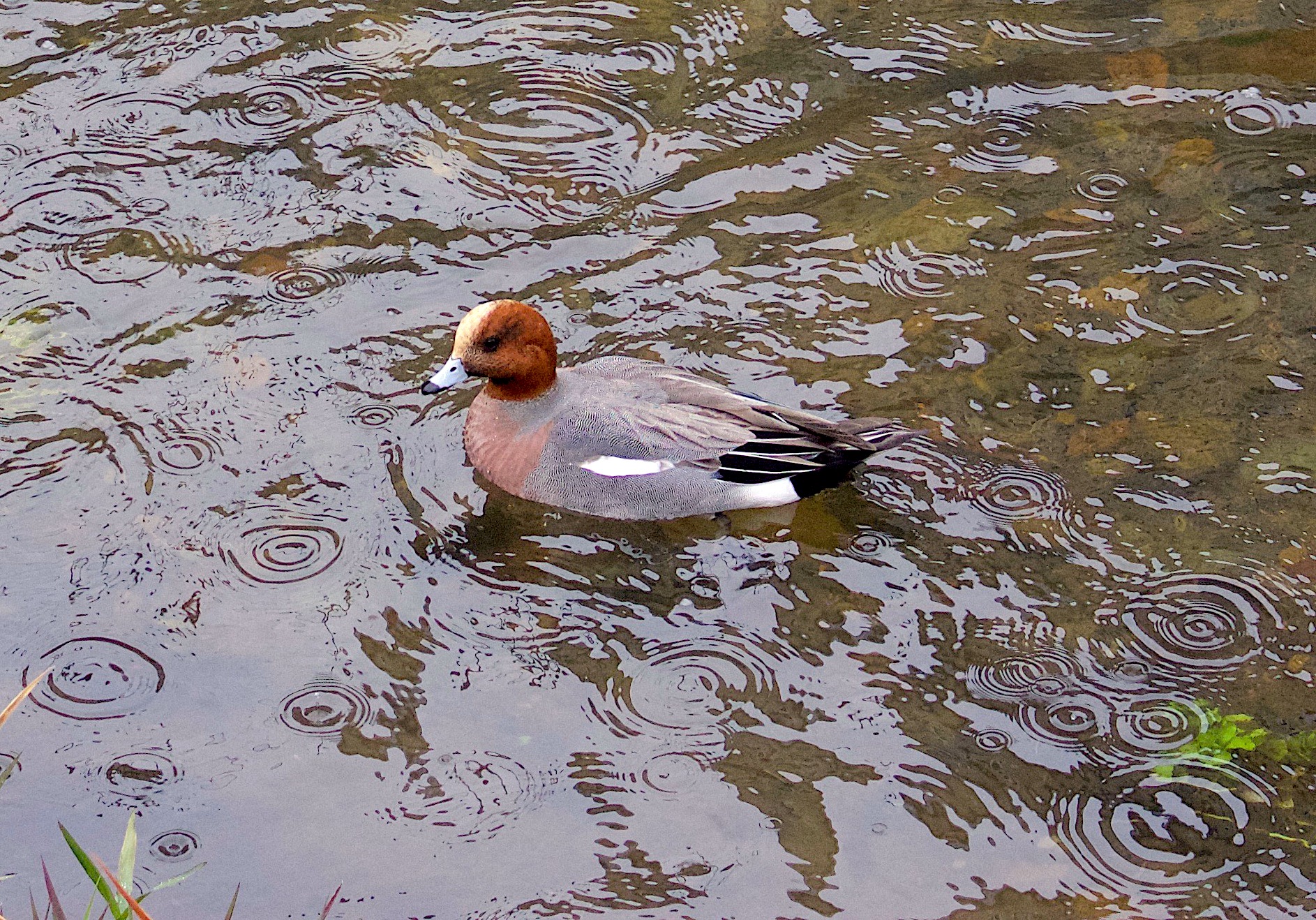
japanmallard

I appreciate this group of readings found on this Lenten blog post on In Silence Waits: https://insilencewaits.wordpress.com/2017/03/14/desert-day-15-stop-worrying/

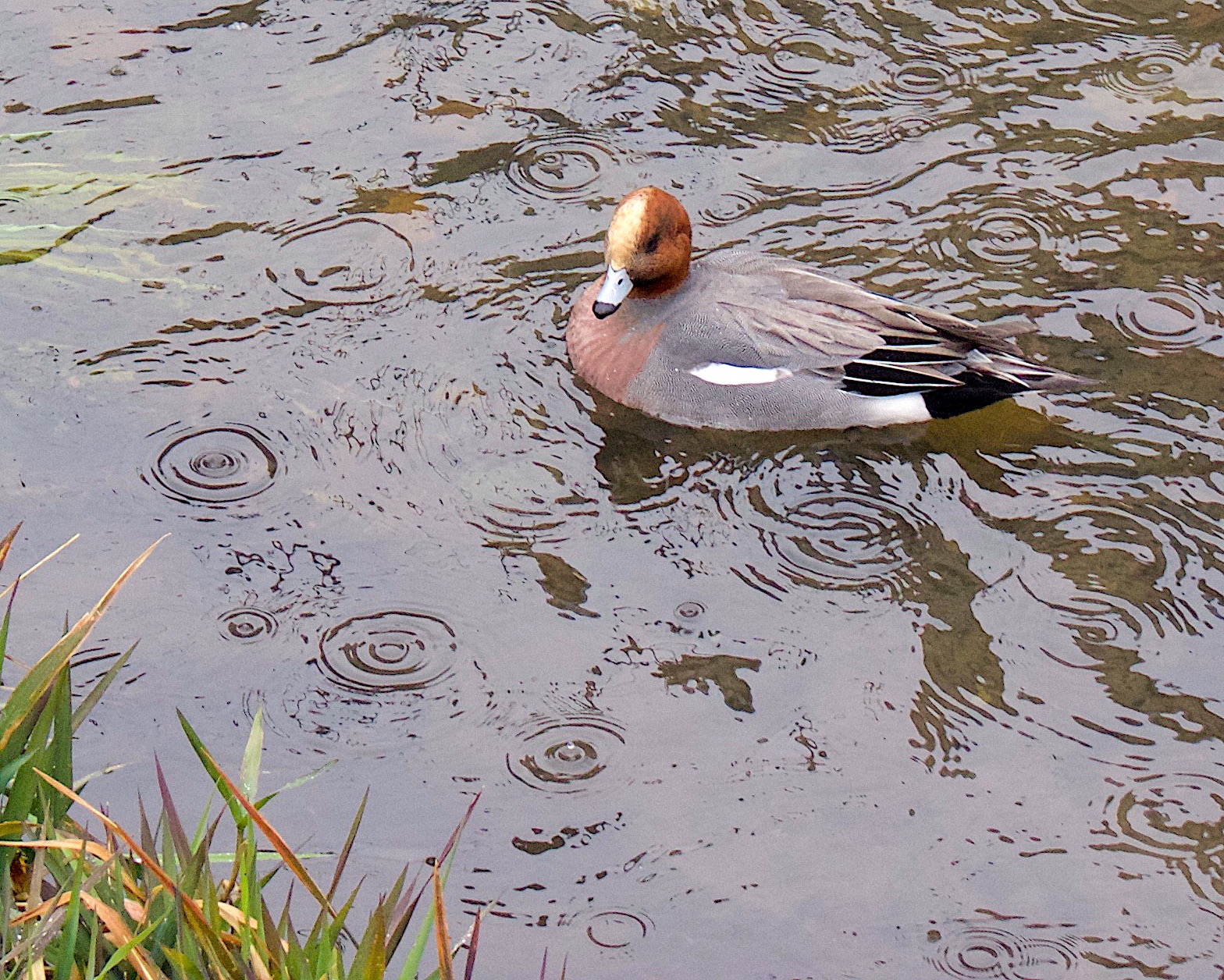
japanmallard3

We’ve returned from two weeks in Japan to visit a brand new granddaughter and though our physical selves may be back in the U.S.,  our hearts and minds are lagging and have not yet arrived.  Our aging bodies also don’t quite know what to do with the International Dateline and the 16 hour time difference. After being awake for 36 hours straight for travel and then heading from the airport to urgent meetings at work, I thought I would sleep at least seven hours last night but after three hours I was wide awake and wondering why it was still the middle of the night. Like the adjustment that took days (and nights) after traveling to the Far East, it will take time to realign back to a Western Hemisphere schedule.

I must confess I am a skilled and well-practiced worrier. In my jet-lagged wakefulness, I can find plenty to keep me awake once my eyes fly open.  Yet I know my worry is nothing but wasted energy, and worse than that, it pulls me away from the center of all I really need to know:

Jesus just wants my heart, not my worry.

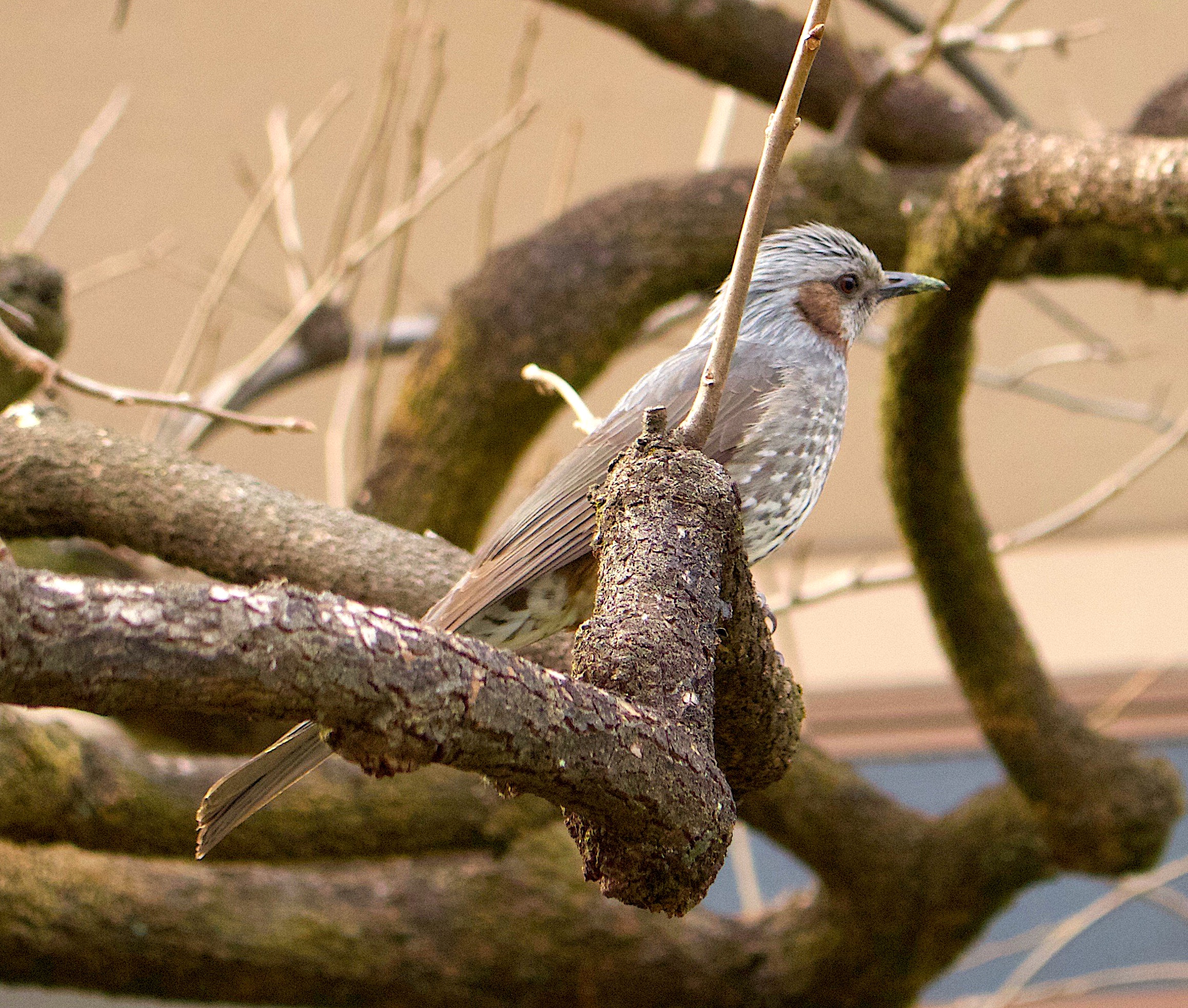
If He provides for an array of beautiful birds living happily in the middle of one of the largest cities on earth in Tokyo, then how much more will He care for you and for me.

And now, acknowledging that in my time-addled brain,  it’s back to bed.

kingfisher1

Sending the Light

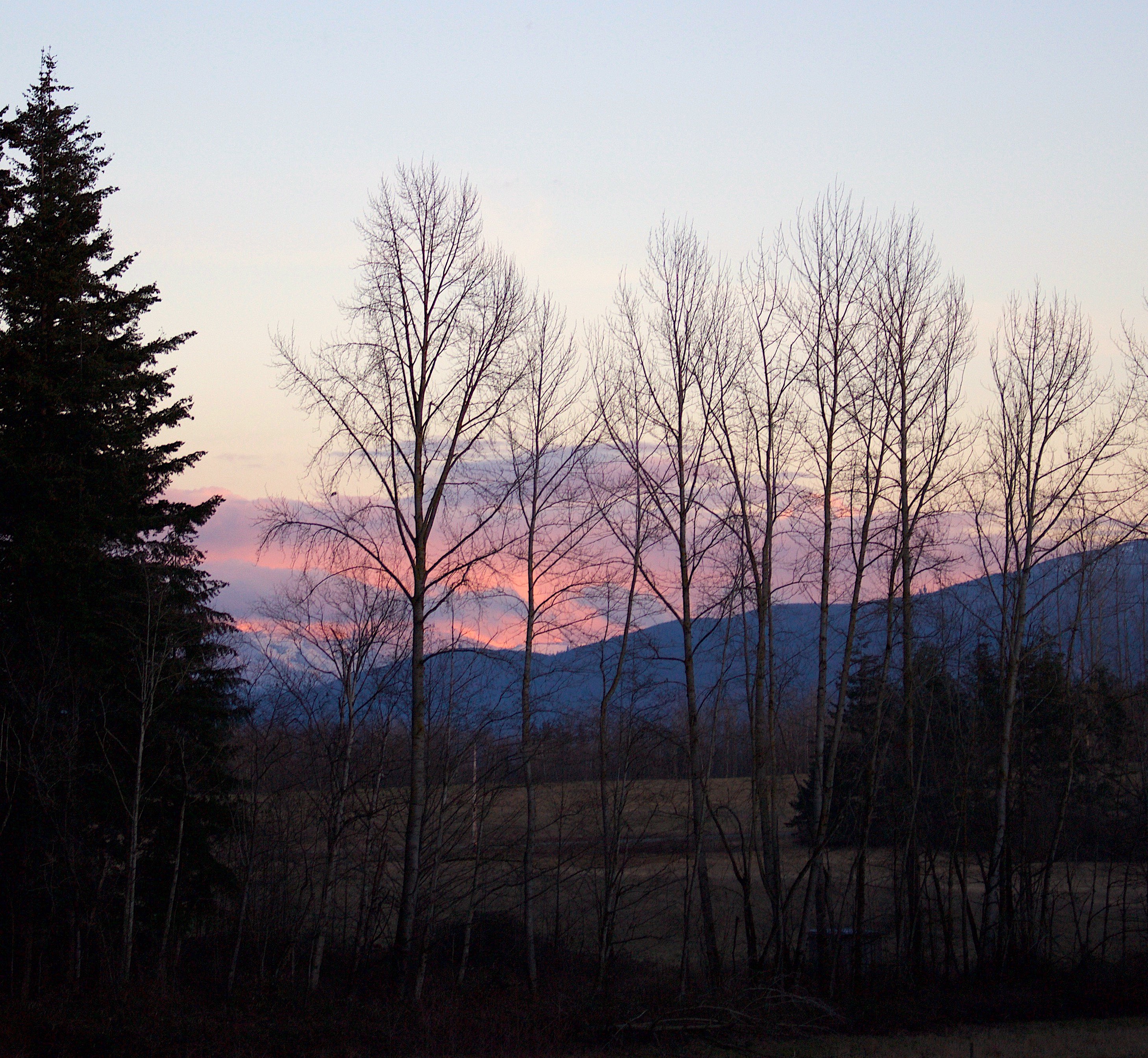
sunset223172

16938761_716093781644_2529644366463160517_n


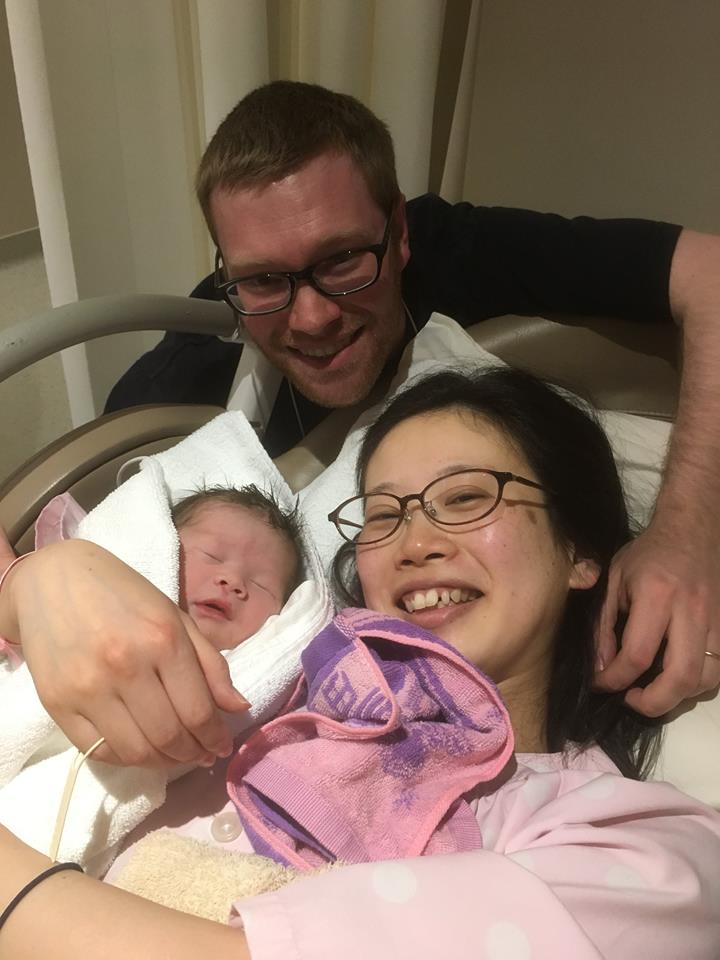
I want you to read this some day, 恵真
our new little Emma Sophia:
as you took your first breath in the dark of the night
so far away from this farm where your father grew up,
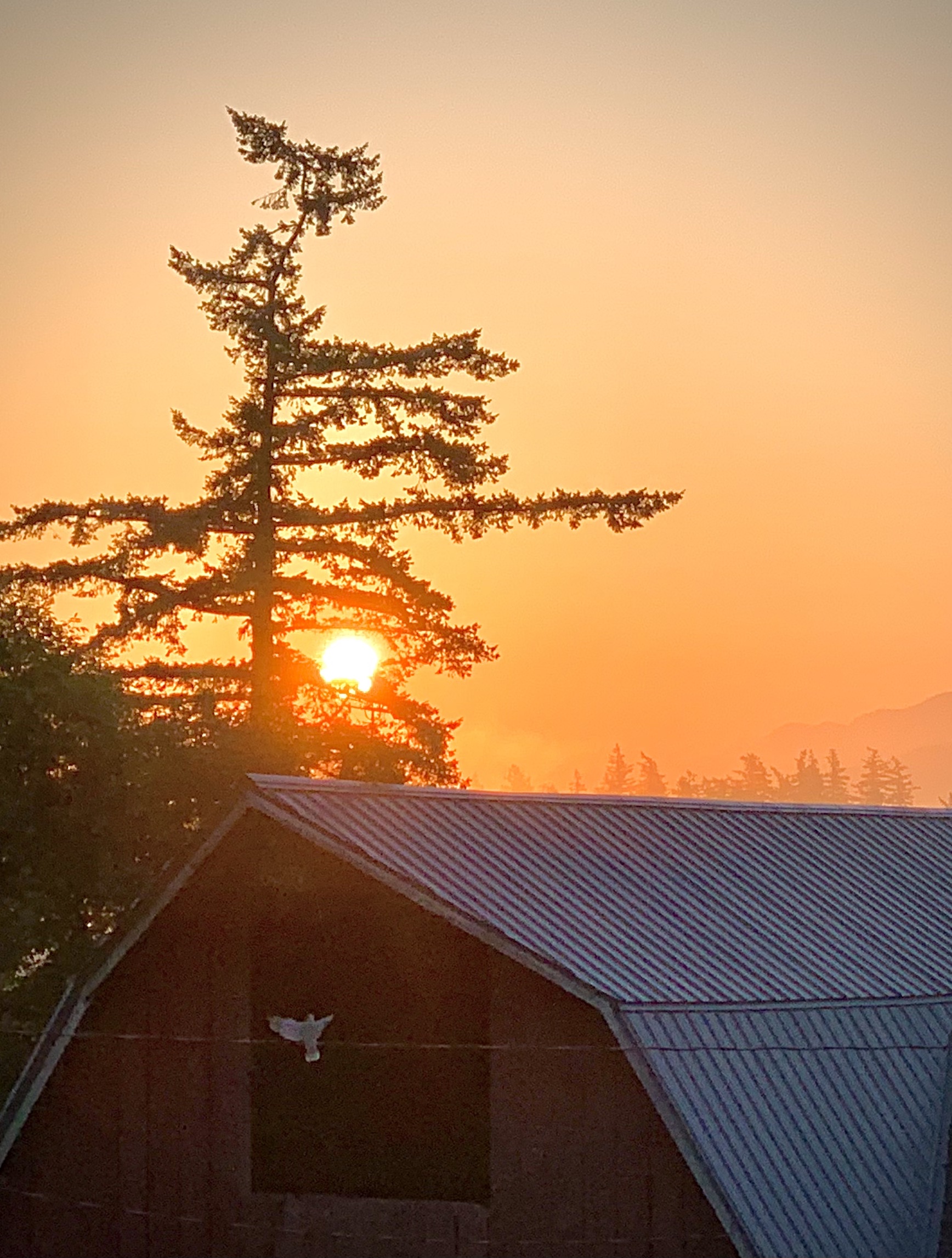
we bid farewell to the sun here
so God could bring it glowing to your first day in Japan,
that misty island where your mother grew up.

Your birth blesses so many all over this earth
and proves that war from two generations ago
exists only in history books now,
now love digs so deep in the genes
it overcomes what has come before.

You have sent the sun back today to us,
brand new grandparents,
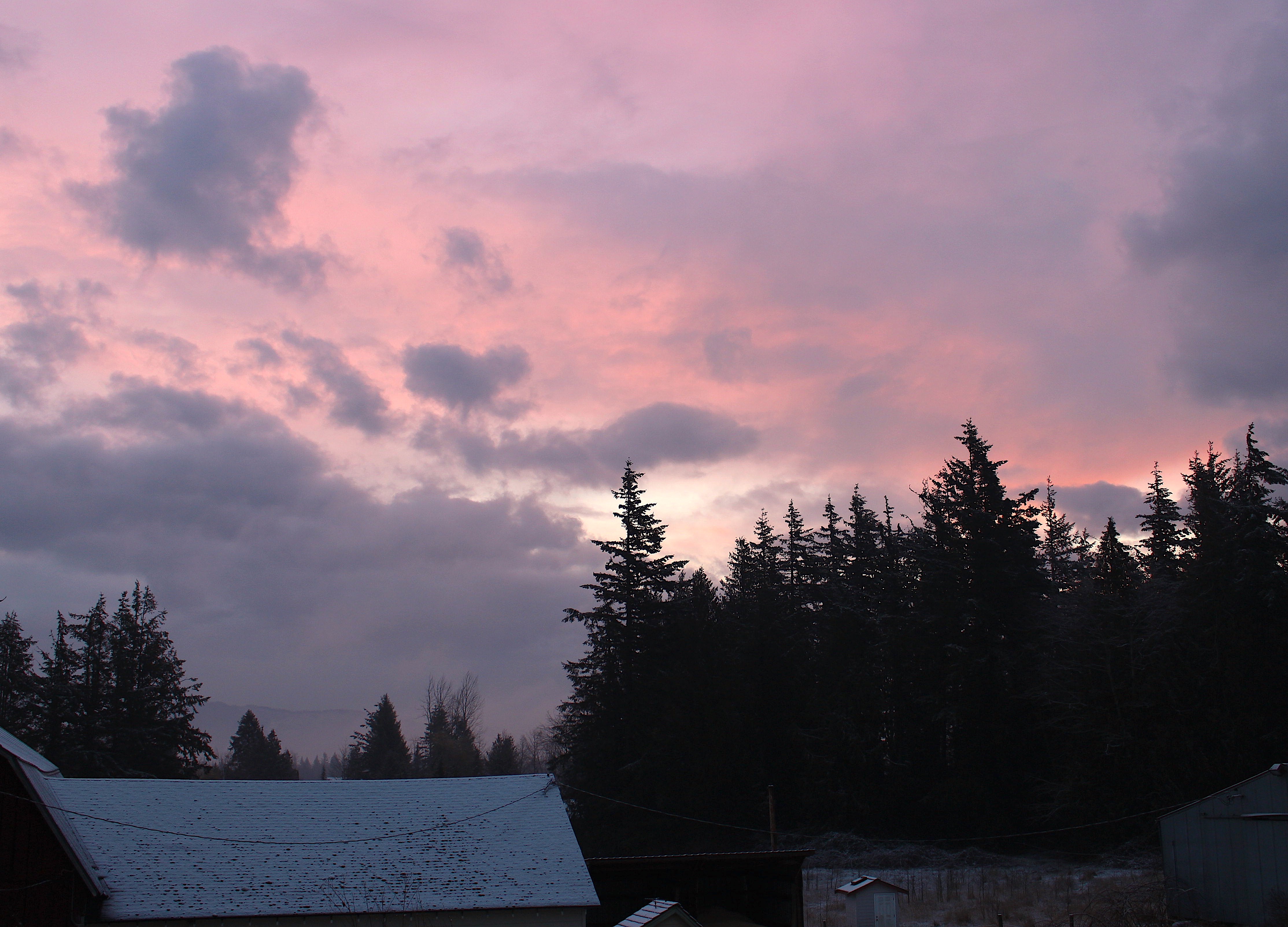
to rise pink over this snowy morning,
and we will send it back to you tonight
to wake you for your second day
resting calm in the arms of your loving family.

Each day from now on
may we always return the Light you sent
and send it forth to shine on you.


sunrise22417

16939161_716093741724_8419137201154170037_n


Ephemeral Beauty

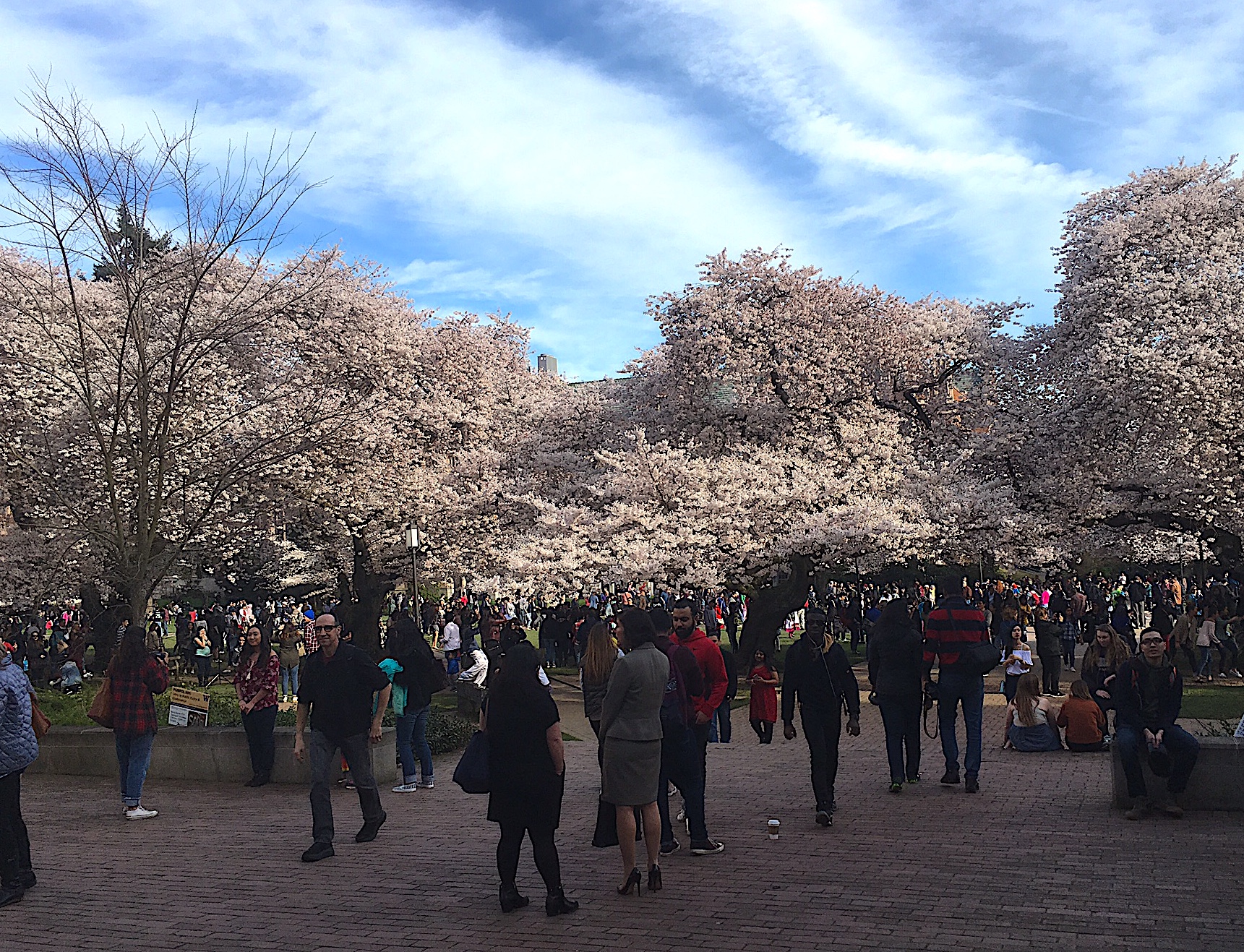
wwusakura3

wwusakura4

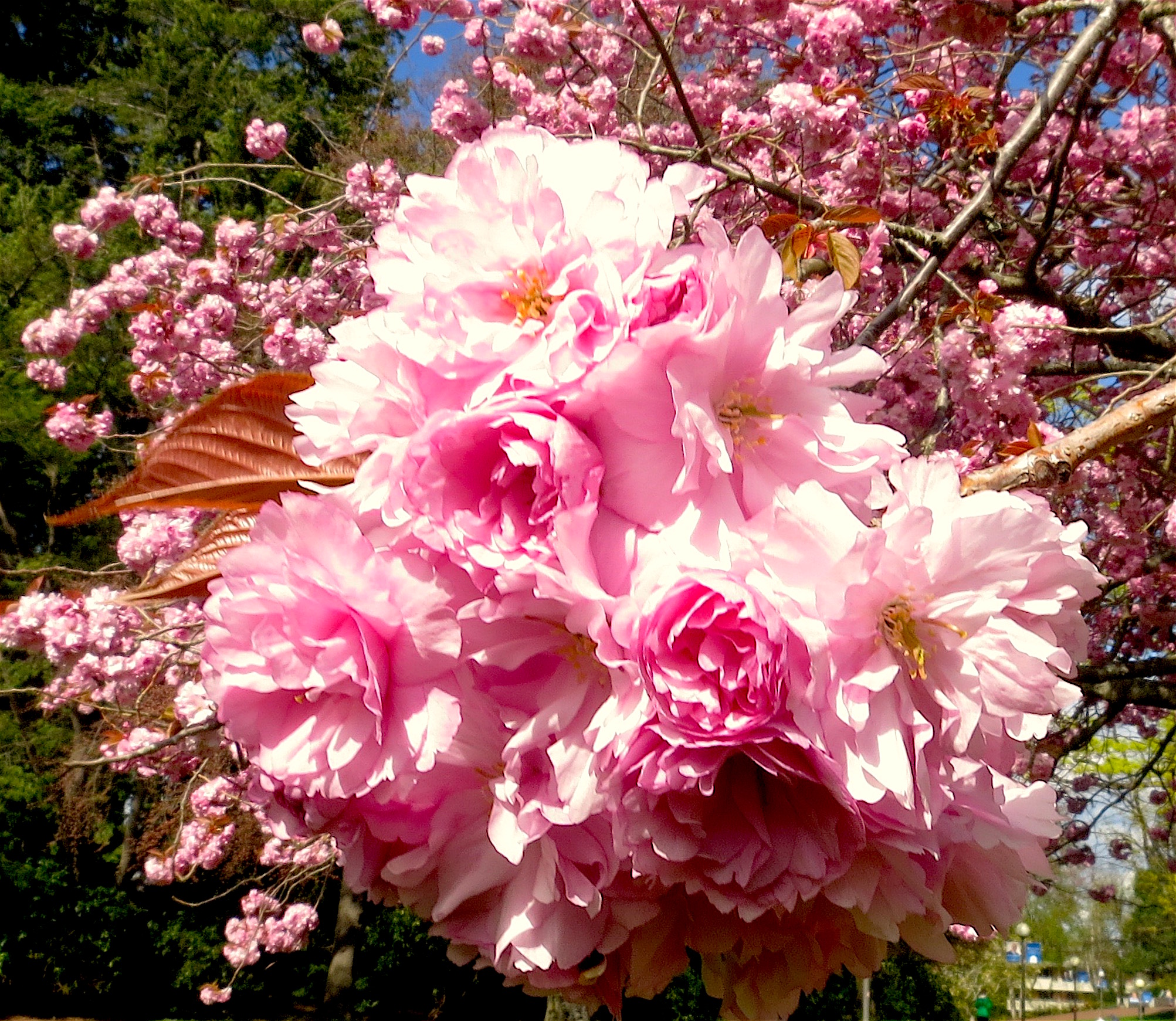
Are we to look at cherry blossoms only in full bloom,
the moon only when it is cloudless? 
To long for the moon while looking on the rain,
to lower the blinds and be unaware
of the passing of the spring –

these are even more deeply moving. 
Branches about to blossom
or gardens strewn with flowers
are worthier of our admiration.

~Yoshida Kenko

wwusakura

Beauty, to the Japanese of old, held together the ephemeral with the sacred. Cherry blossoms are most beautiful as they fall, and that experience of appreciation lead the Japanese to consider their mortality. Hakanai bi (ephemeral beauty) denotes sadness, and yet in the awareness of the pathos of life, the Japanese found profound beauty.

For the Japanese, the sense of beauty is deeply tragic, tied to the inevitability of death.

Jesus’ tears were also ephemeral and beautiful. His tears remain with us as an enduring reminder of the Savior who weeps. Rather than to despair, though, Jesus’ tears lead the way to the greatest hope of the resurrection. Rather than suicide, Jesus’ tears lead to abundant life.
~Makoto Fujimura

wwusakura6

Again today I will see patients in my clinic who are struggling with depression, who are contemplating whether living another day is worth the pain and effort.  Most describe their feelings completely dry-eyed, unwilling to let their emotions flow from inside and flood their outsides.  Others sit soaking in tears of hopelessness and despair.

Their weeping moves and reassures me — it is a raw and authentic spilling over when the internal dam is breaking.  It is so human, yet we know tears contain the divine.

When I read that Jesus weeps as He witnesses the tears of grief of His dear friends, I am comforted.  He understands and feels what we feel, His tears just as plentiful and salty, His overwhelming feelings of love brimming so full they must be let go and cannot be held back.

Our Jesus who wept with us became a promise of ultimate joy.

There is beauty in this, His rain of tears, the spilling of the divine onto our mortal soil.

wwusakura2

A fallen blossom
Returning to the bough, I thought –
But no, a butterfly.
~Arakida Moritake (1473-1549)

wwusakura5

fallensakura
fallen sakura petals in Tokyo (photo by Nate Gibson)