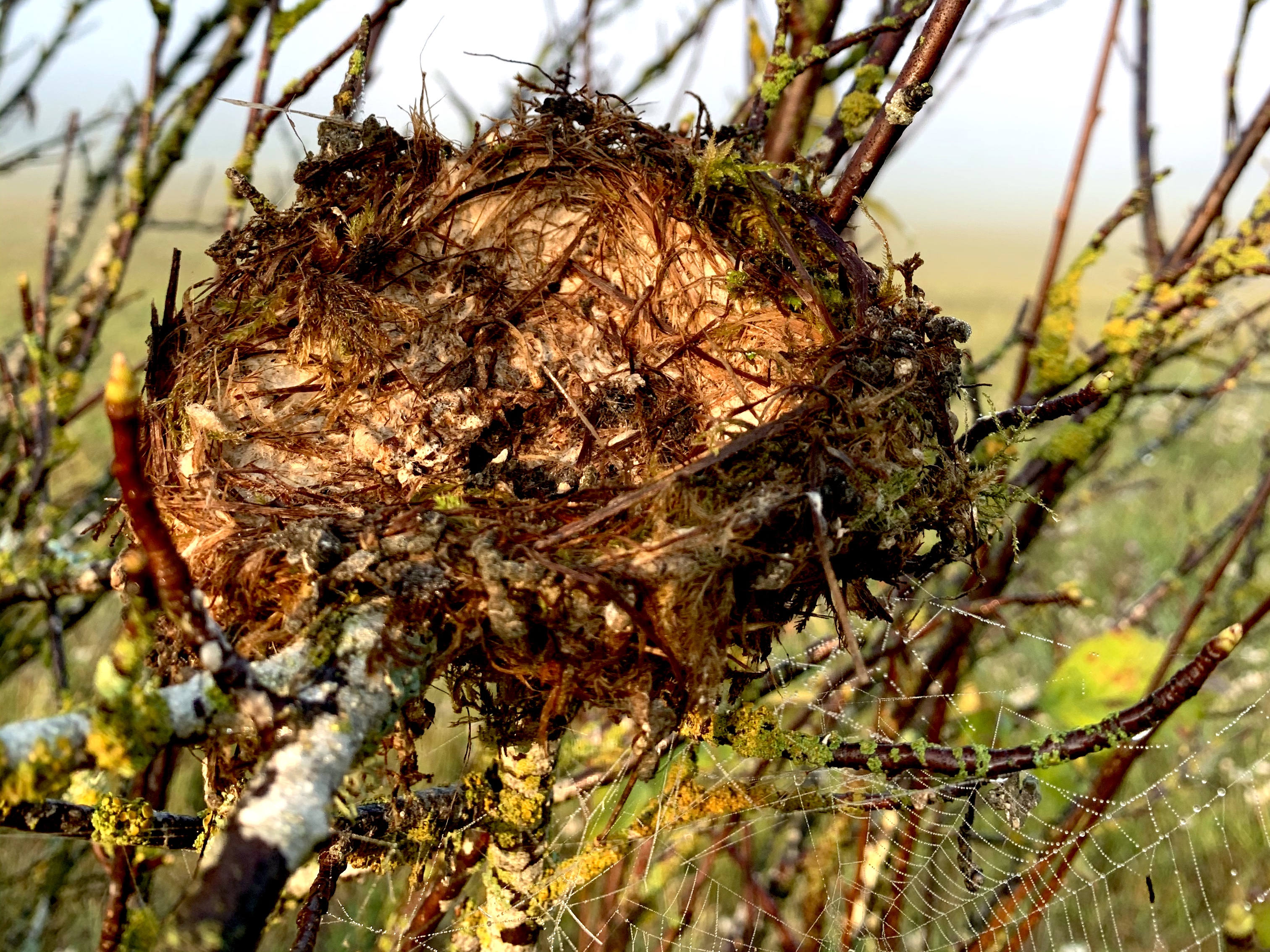
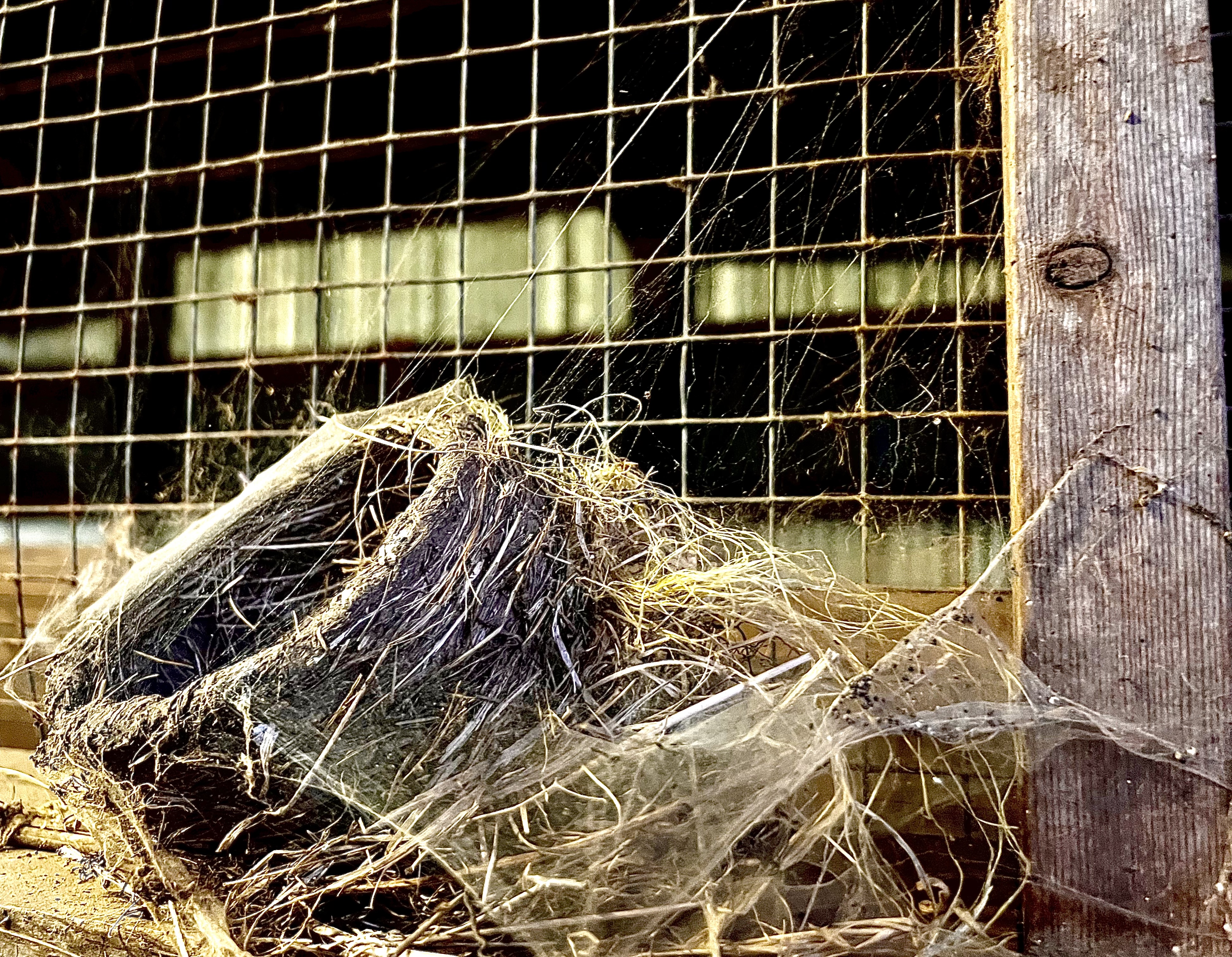
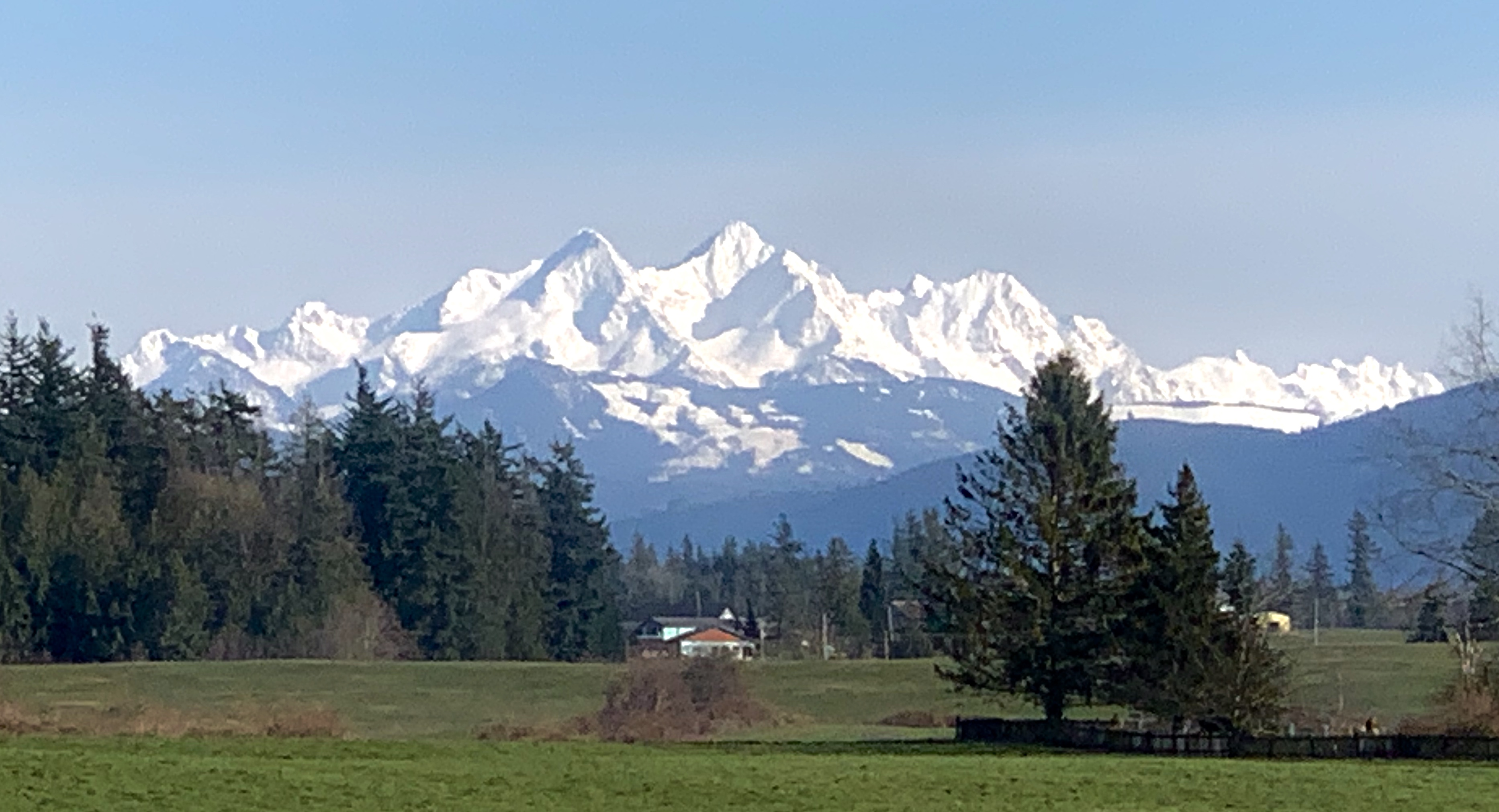
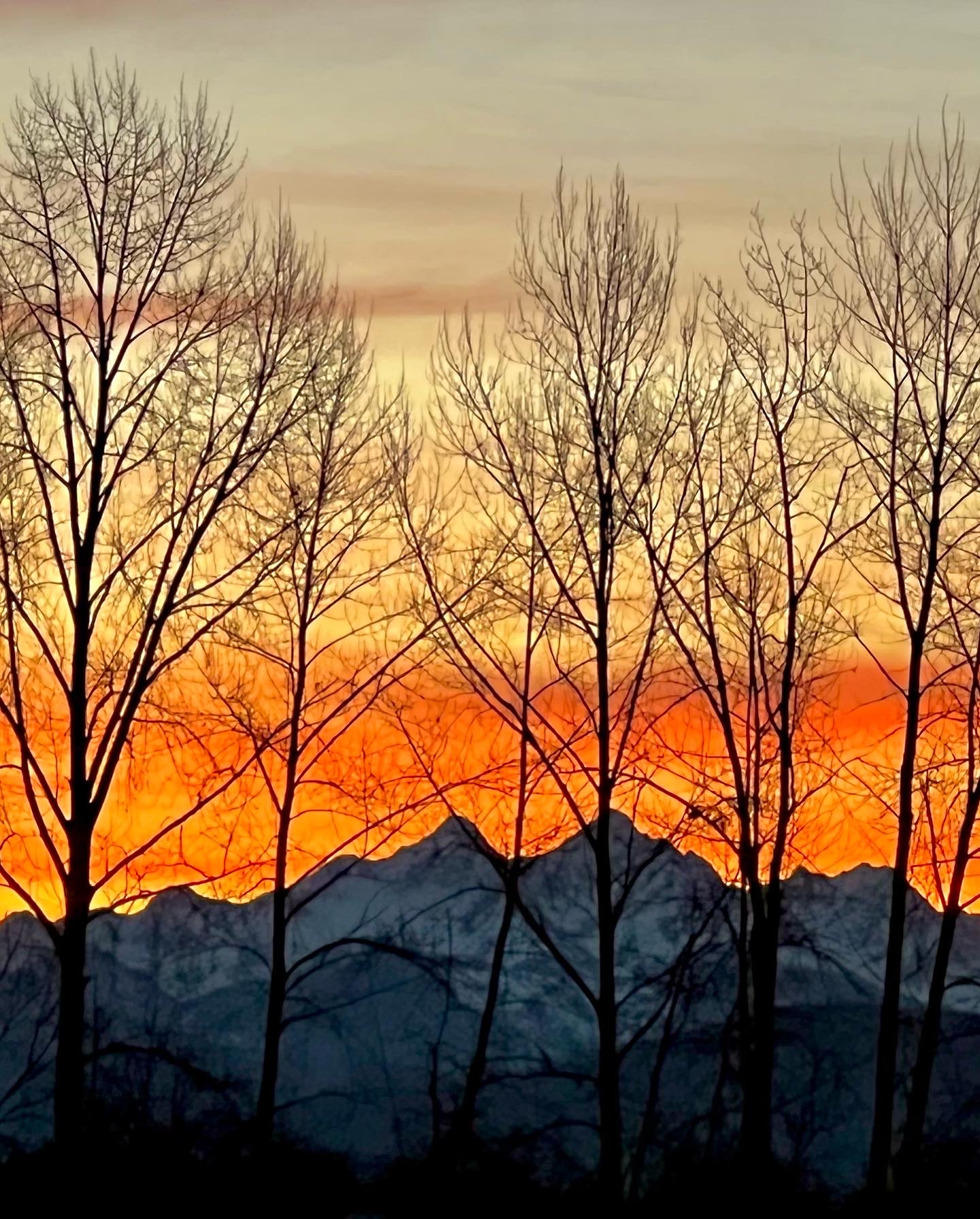
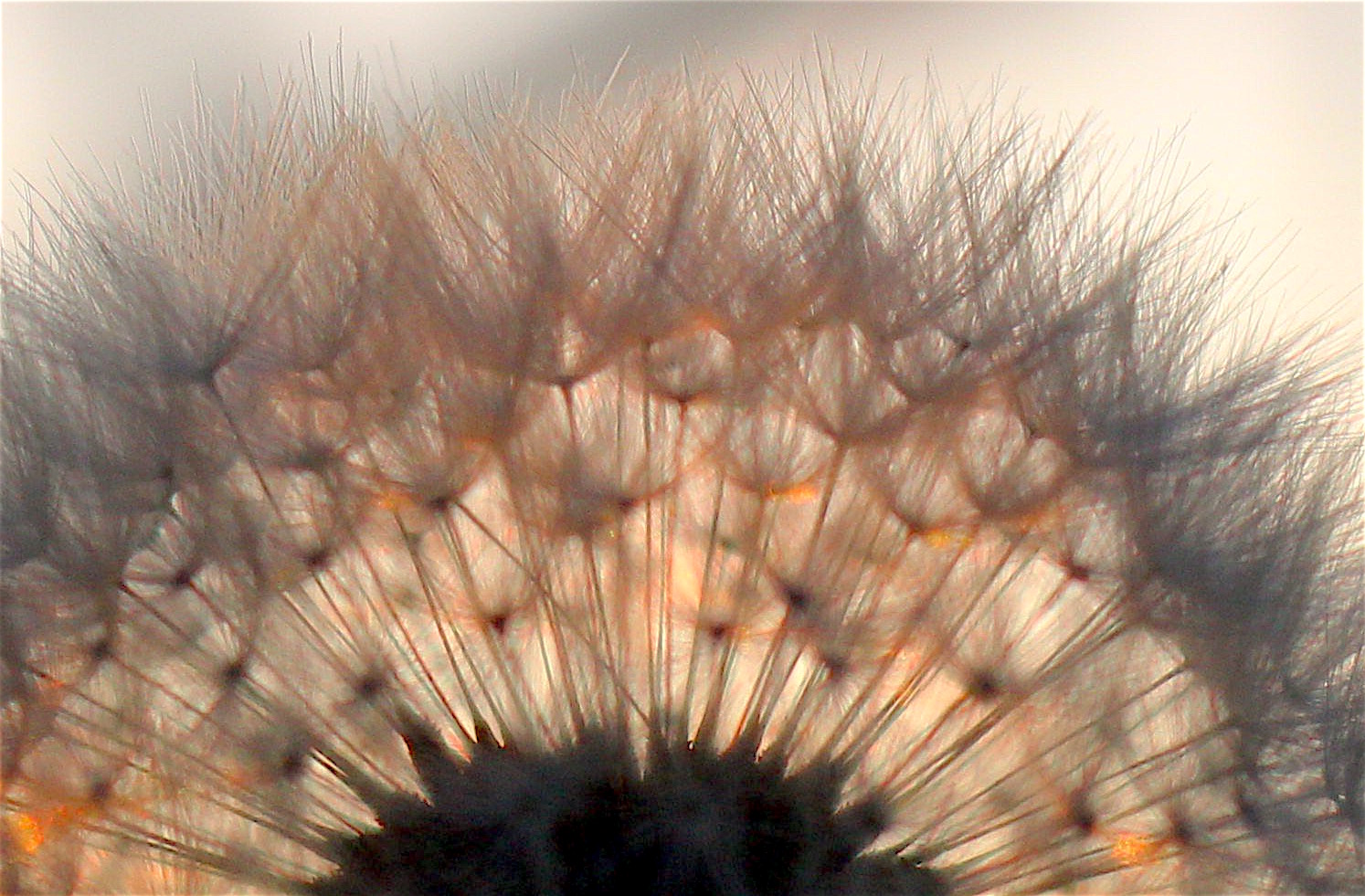
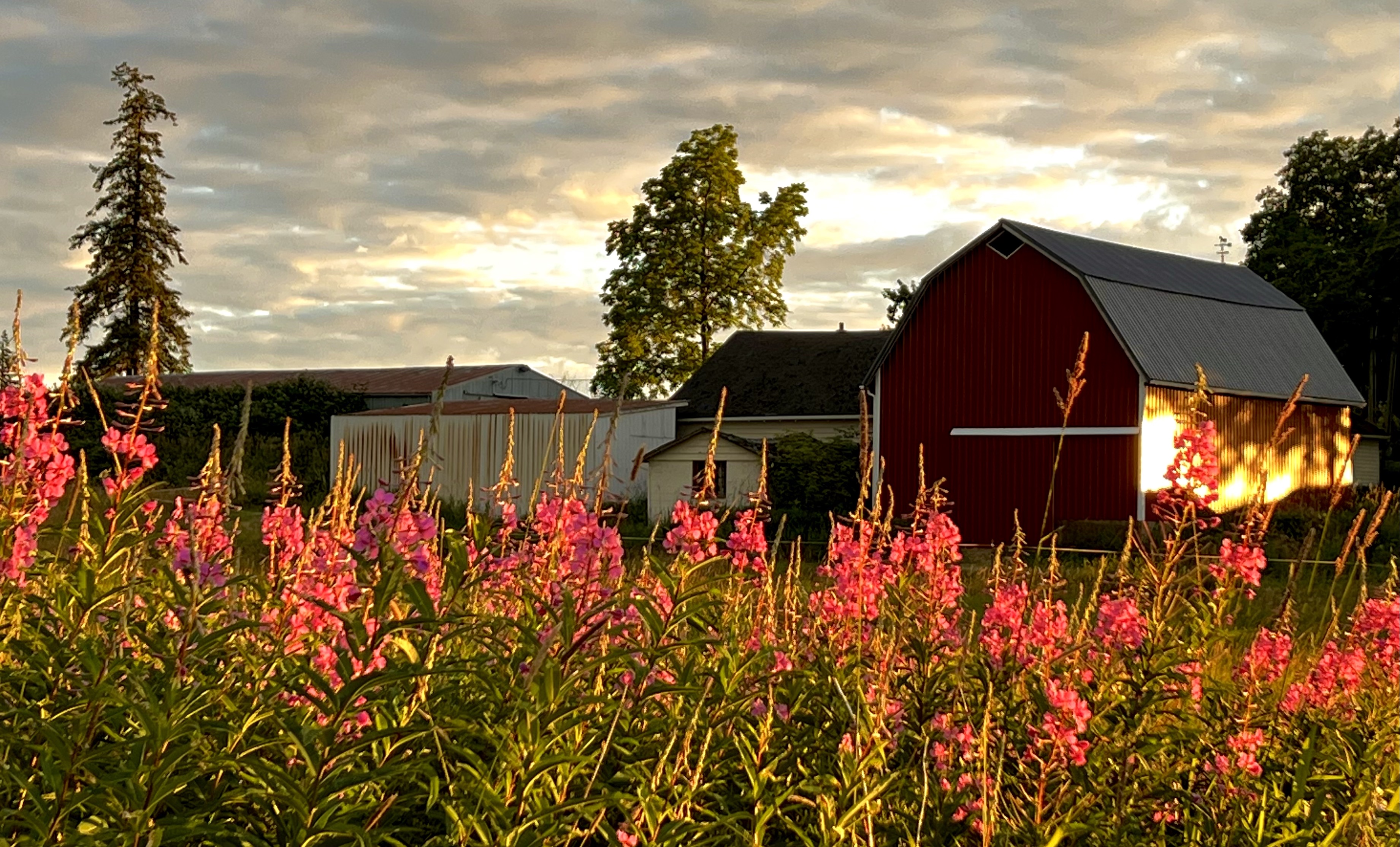
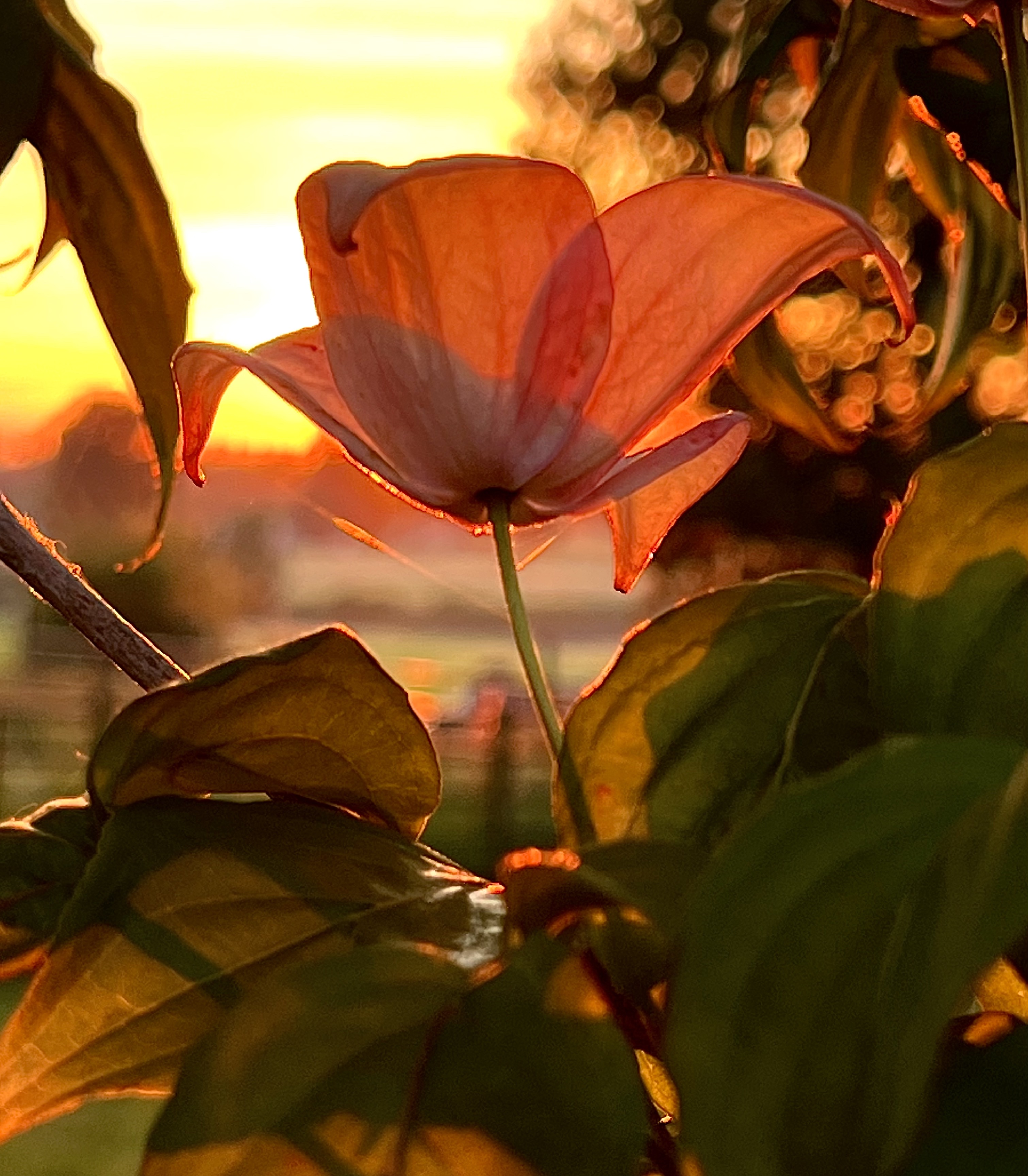
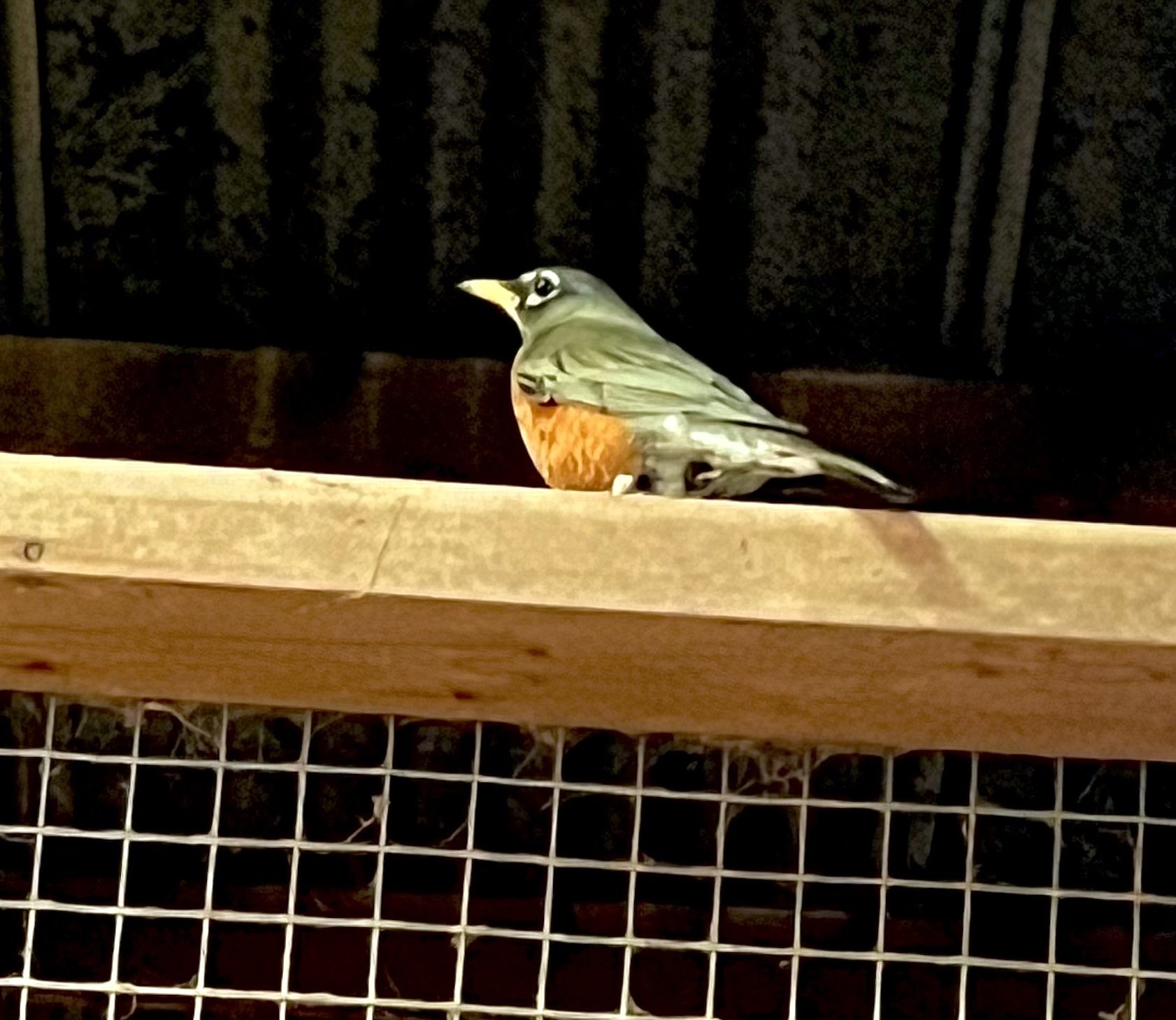
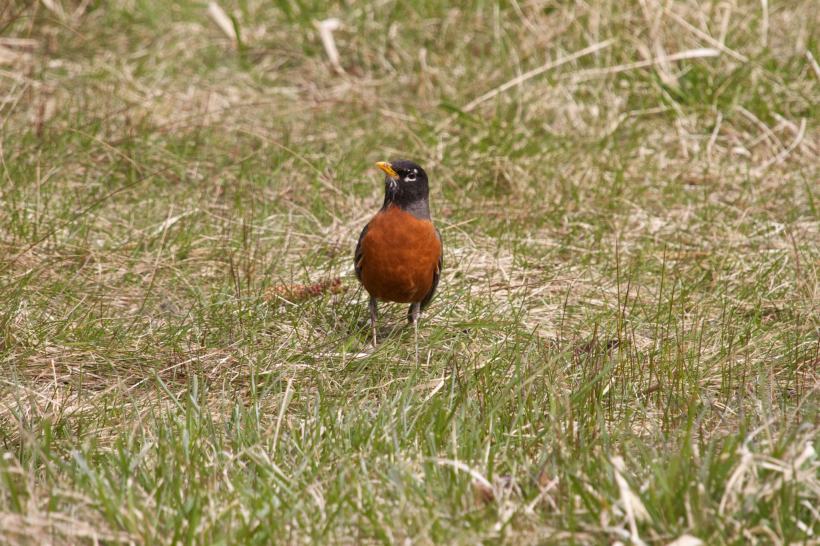
Finding Refuge

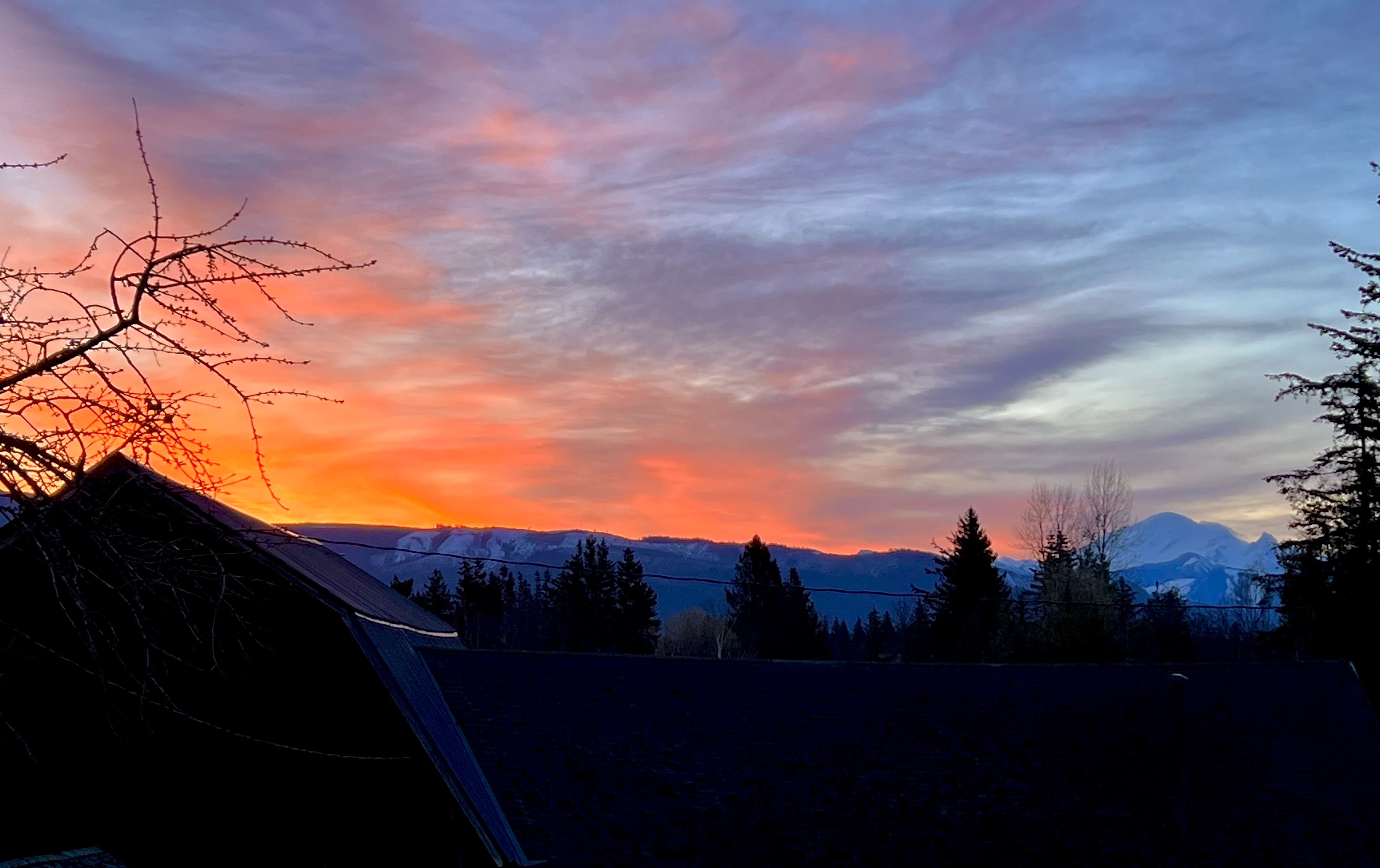
When the wind
turns and asks, in my father’s voice,
Have you prayed?

I know three things. One:
I’m never finished answering to the dead.

Two: A man is four winds and three fires.
And the four winds are his father’s voice,
his mother’s voice . . .

Or maybe he’s seven winds and ten fires.
And the fires are seeing, hearing, touching,
dreaming, thinking . . .
Or is he the breath of God?

When the wind turns traveler
and asks, in my father’s voice, Have you prayed?
I remember three things.

One: A father’s love
is milk and sugar,
two-thirds worry, two-thirds grief, and what’s left over
is trimmed and leavened to make the bread
the dead and the living share.

And patience? That’s to endure
the terrible leavening and kneading.


And wisdom? That’s my father’s face in sleep.

When the wind
asks, Have you prayed?
I know it’s only me
reminding myself

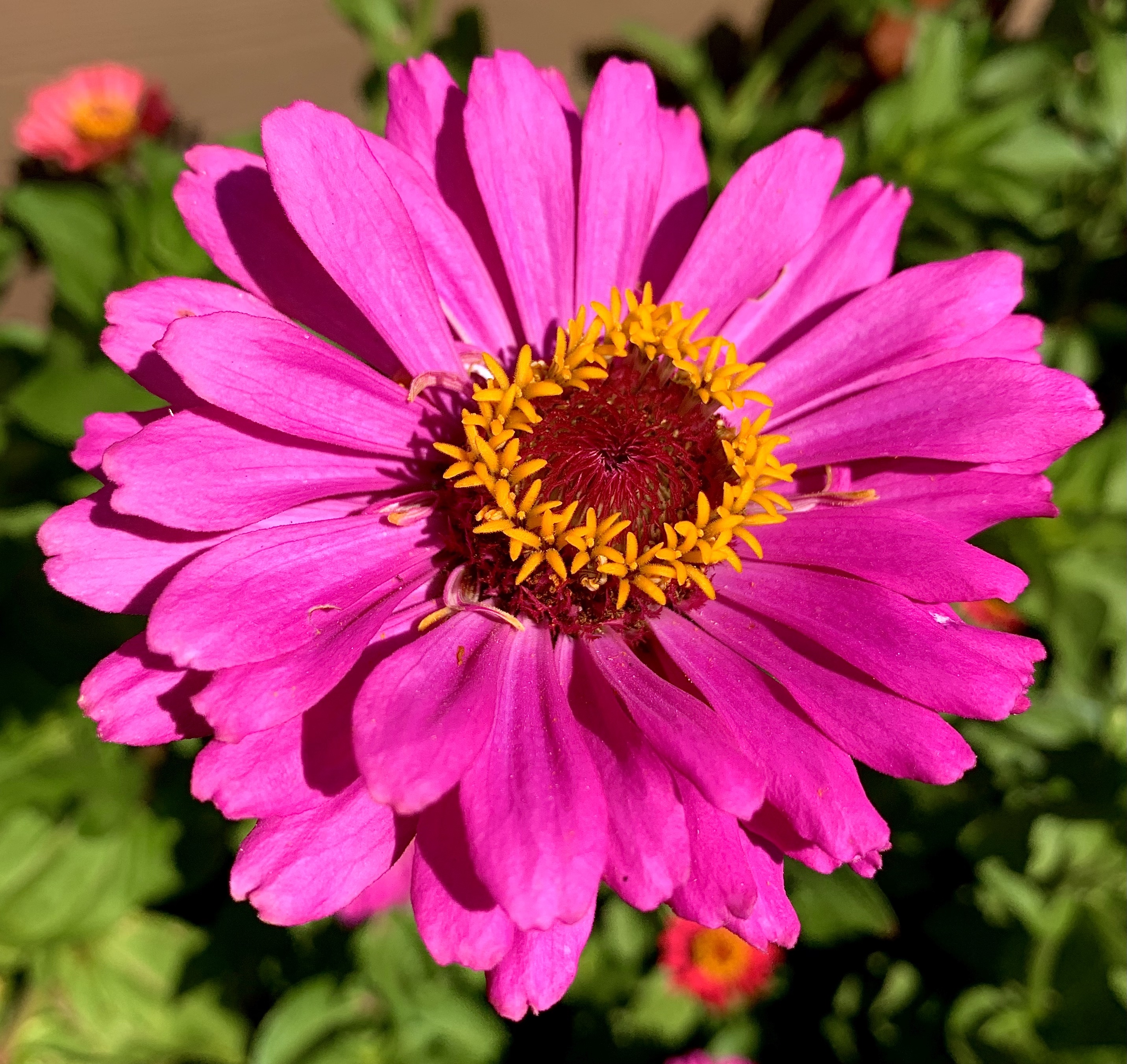
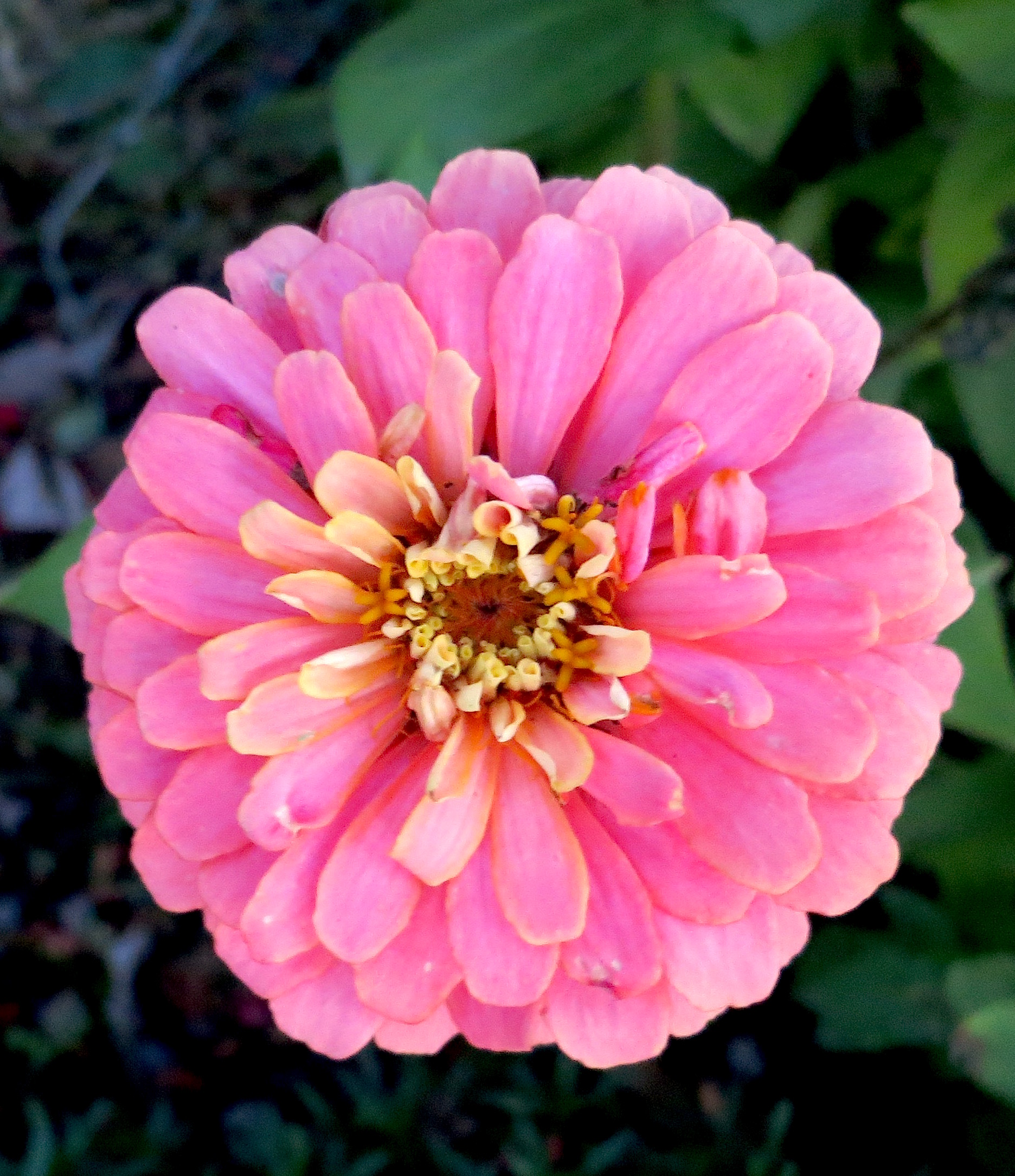
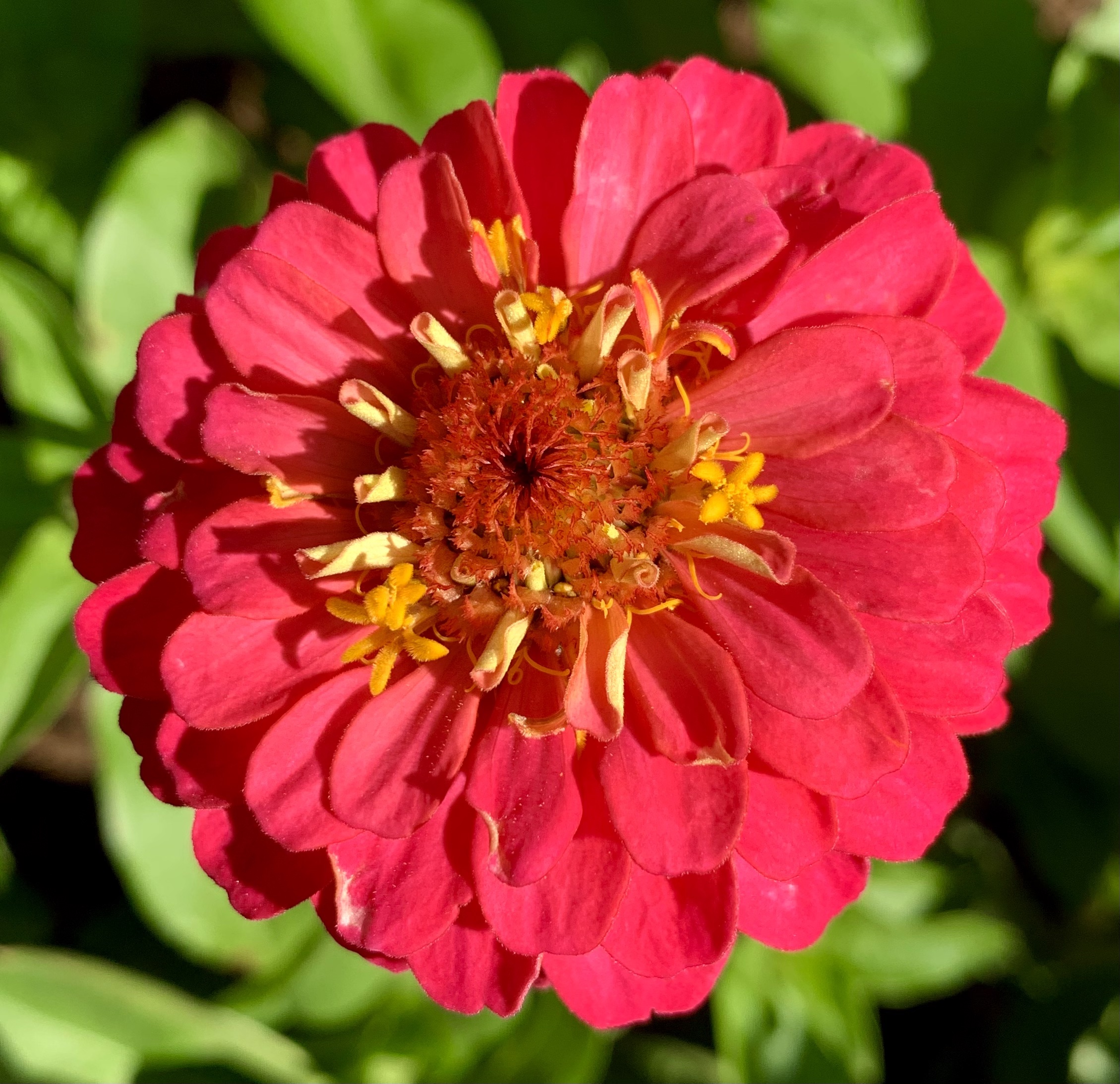
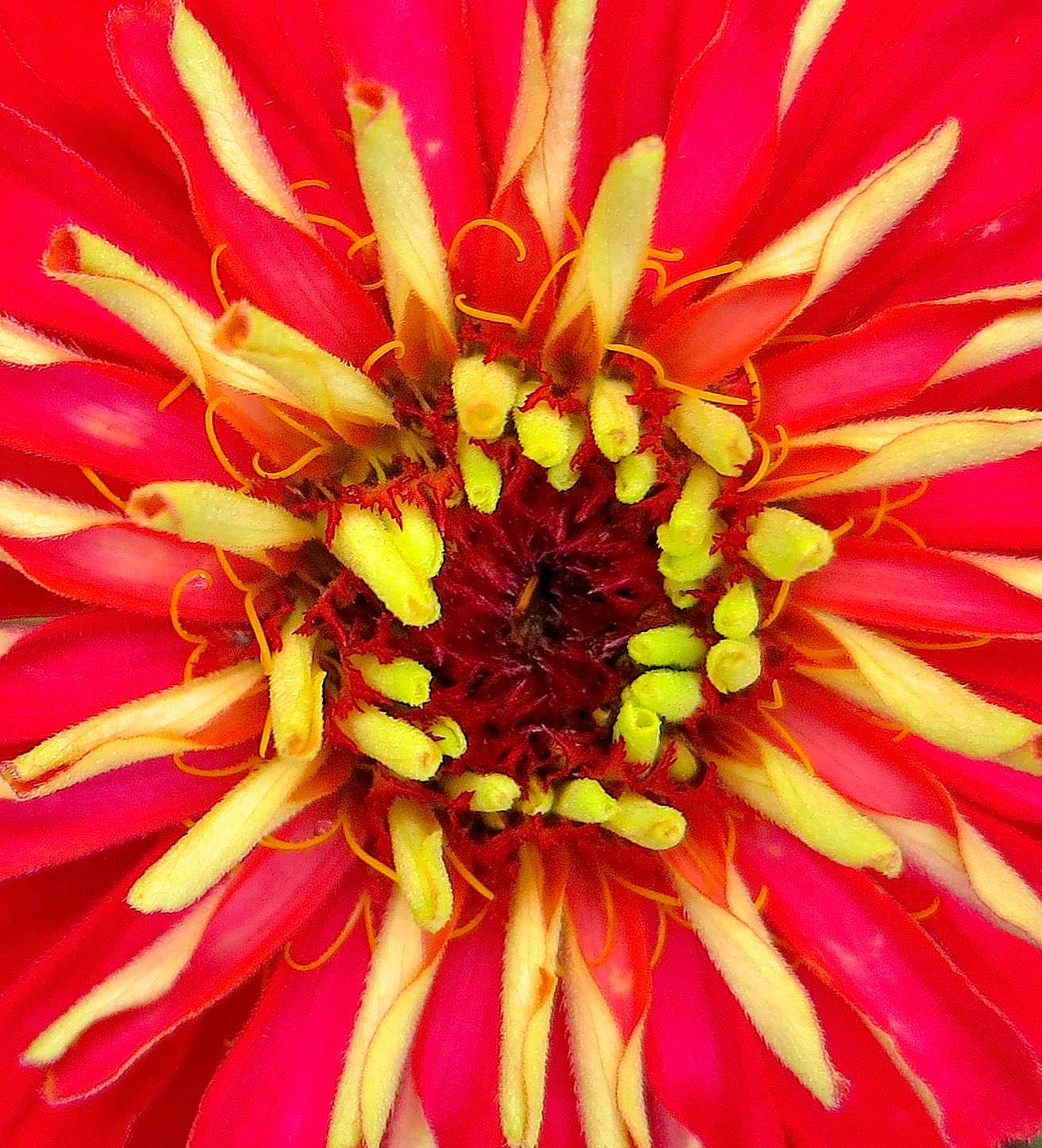
a flower is one station between
earth’s wish and earth’s rapture, and blood
was fire, salt, and breath long before
it quickened any wand or branch, any limb
that woke speaking. It’s just me
in the gowns of the wind,

or my father through me, asking,
Have you found your refuge yet?
asking, Are you happy?

Strange. A troubled father. A happy son.
The wind with a voice. And me talking to no one.

~Li Young Lee “Have You Prayed?”

I pray because I can’t help myself.
I pray because I’m helpless.
I pray because the need flows out of me all the time — waking and sleeping.
It doesn’t change God — it changes me.

~C.S. Lewis

I never did hear my father pray out loud except for saying grace together as a family before our dinner meal. Once he described a prayer he uttered while hunkering in a trench on the island of Tarawa during WWII: if God could see him safe through the three years of combat, he would turn his life to over to God and become a preacher of the Word.

He came home safe, his body still whole but he could see the harsh reality of his foxhole promise: agriculture teachers made better incomes than preachers. He had a family to support so he became a high school FFA teacher. I’m not sure he ever forgave himself for not keeping his word, even when God did. I figure the world needs good farmers as much as good preachers and he trained his share of farmers over the decades, including me.

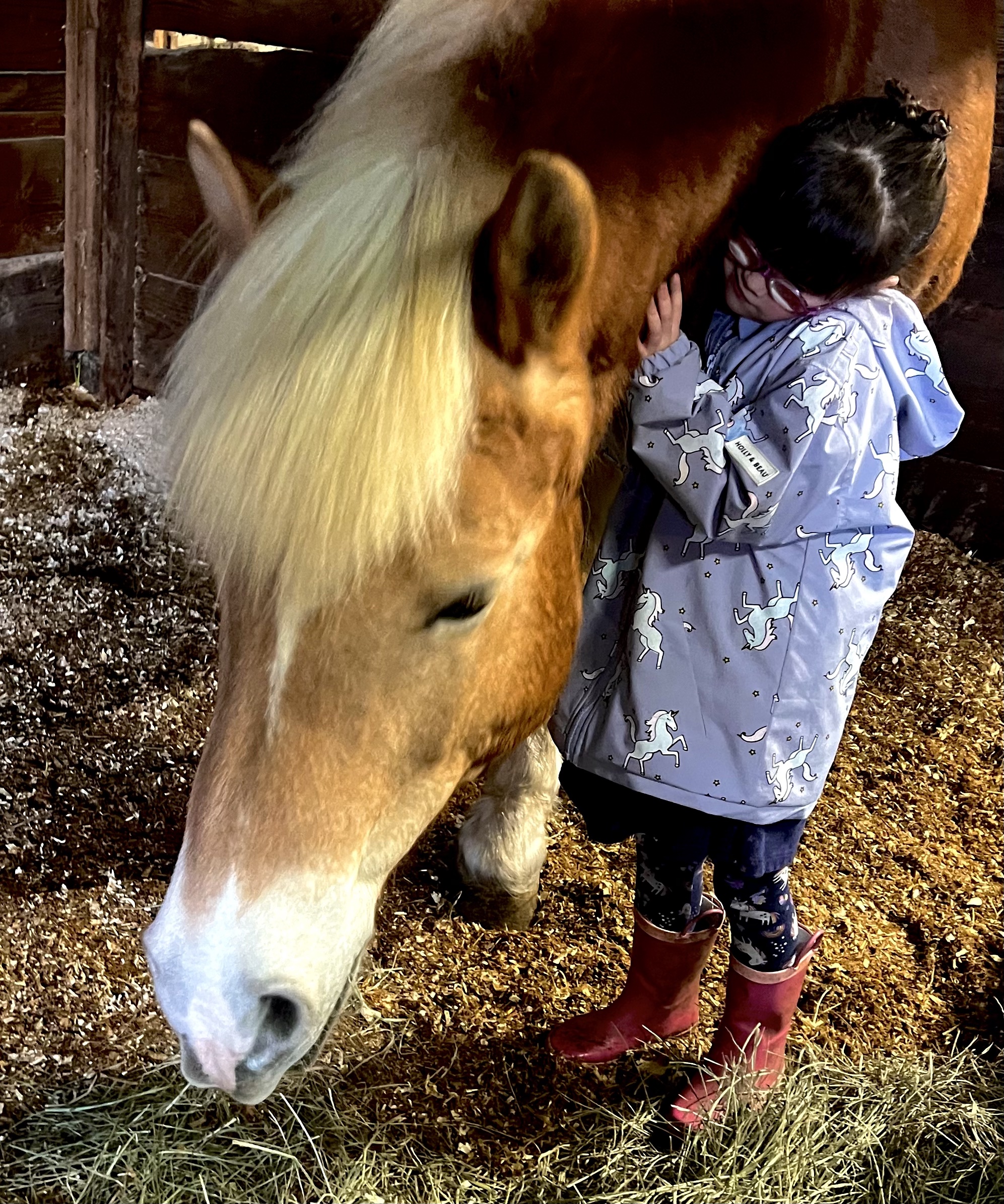
I learned to pray out loud at our small church as we spend part of every evening service praying out loud for the needs of our church people, our community and our world. It still does not come easily or naturally to me, yet I hope our children, having heard their parents pray out loud, have learned they are not just talking to the wind when they speak to God aloud, when helpless, when weary, when joyful, when thankful.

Praying changes everything.

One-Time
Monthly
Yearly

Make a one-time or recurring donation to support daily Barnstorming posts

Make a monthly donation

Make a yearly donation

Choose an amount

$10.00
$25.00
$50.00
$5.00
$15.00
$100.00
$5.00
$15.00
$100.00

Or enter a custom amount

$

Your contribution is deeply appreciated.

Your contribution is appreciated.

Your contribution is appreciated.

DonateDonate monthlyDonate yearly

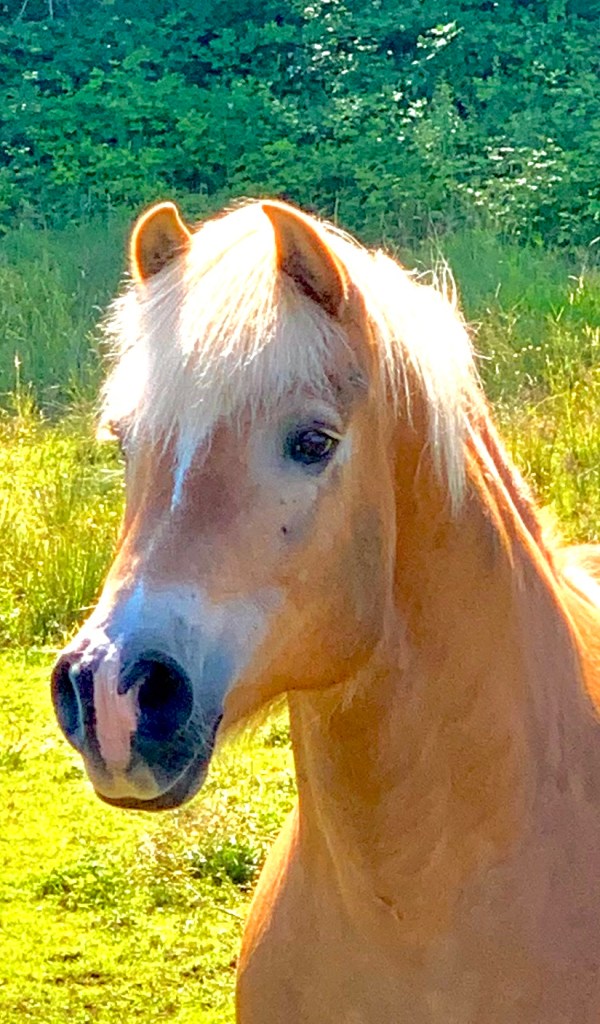
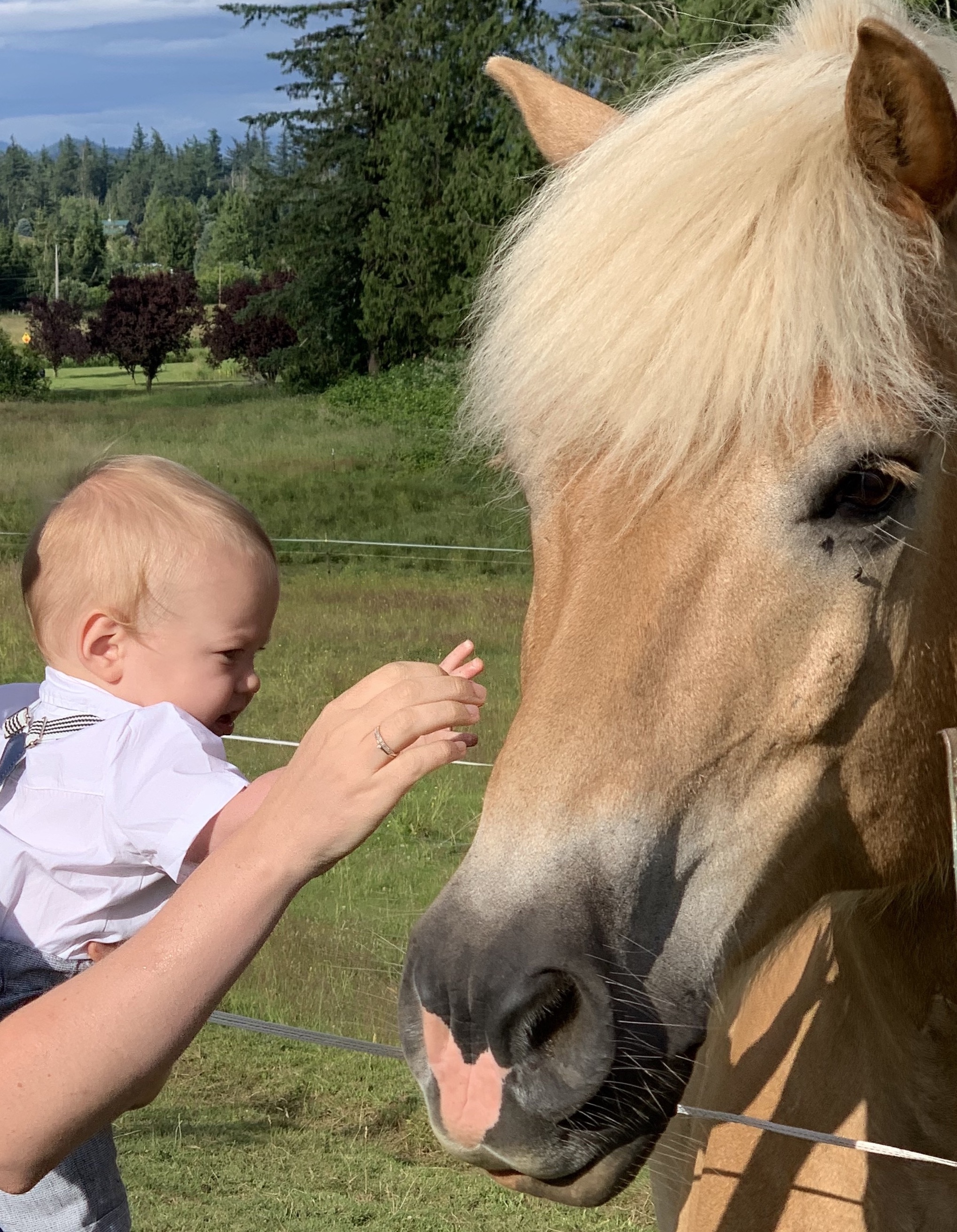
The Honesty of Horses

It was dragging my hands along its belly,
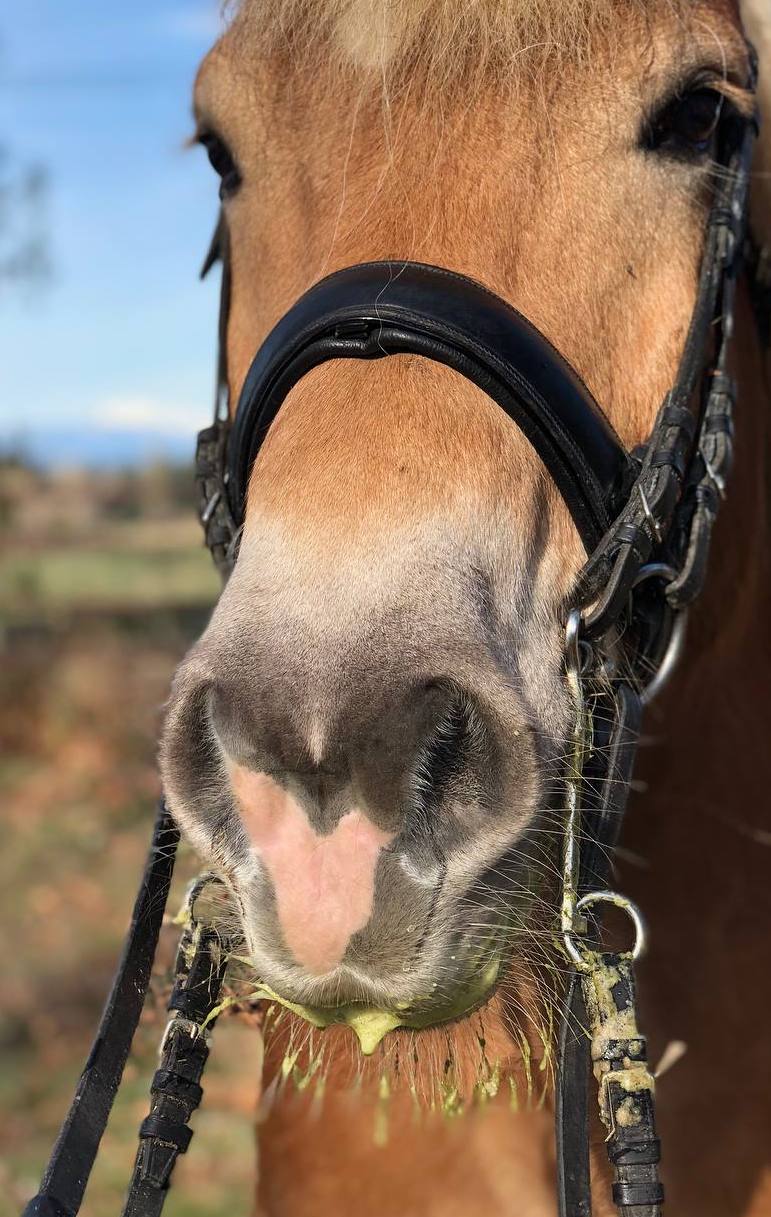
loosing the bit and wiping the spit
from its mouth that made me
a snatch of grass in the thing’s maw,
a fly tasting its ear. It was
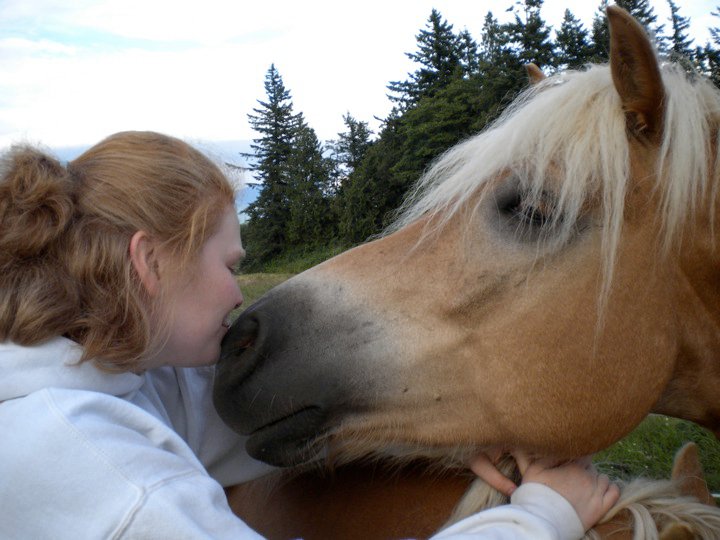
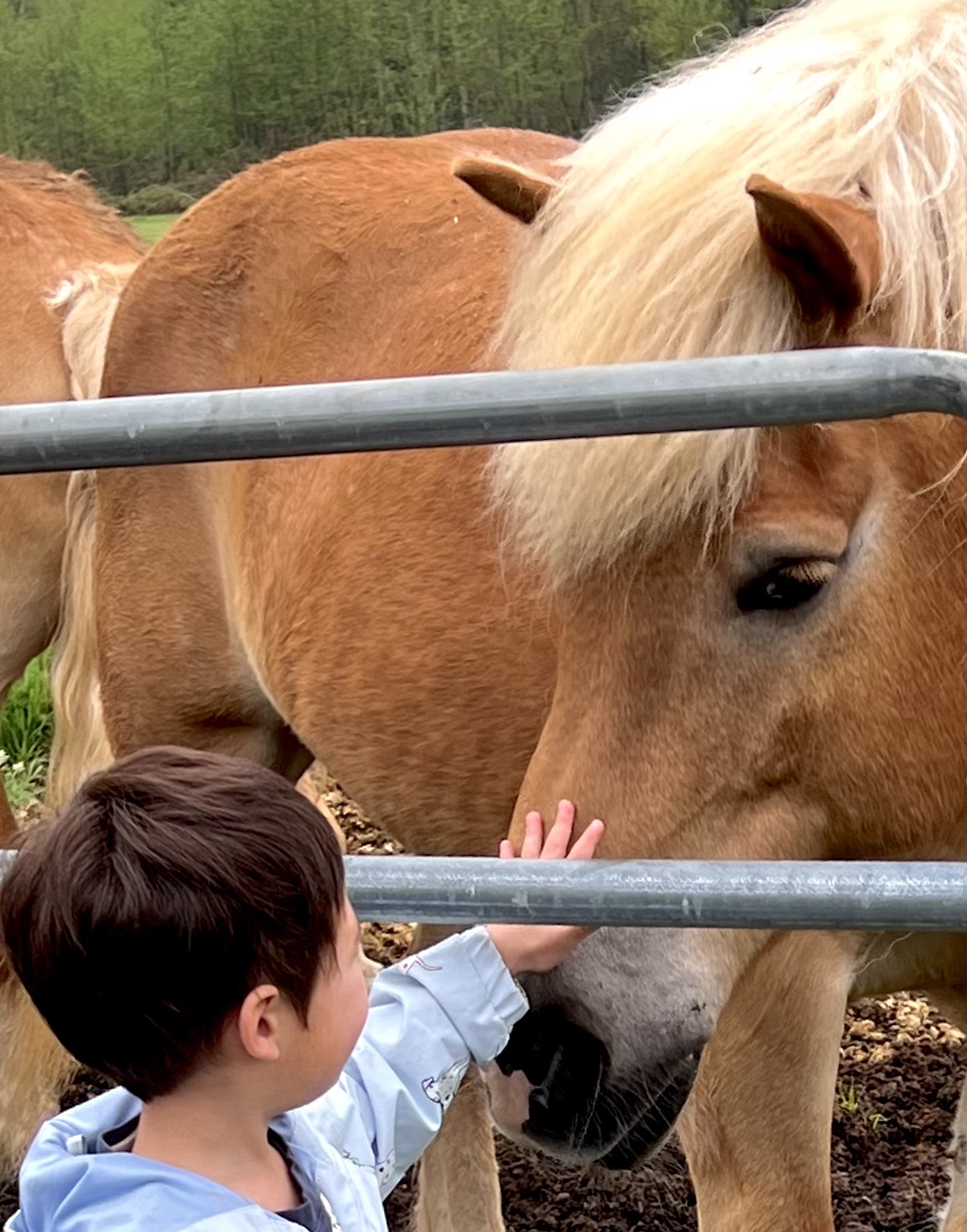
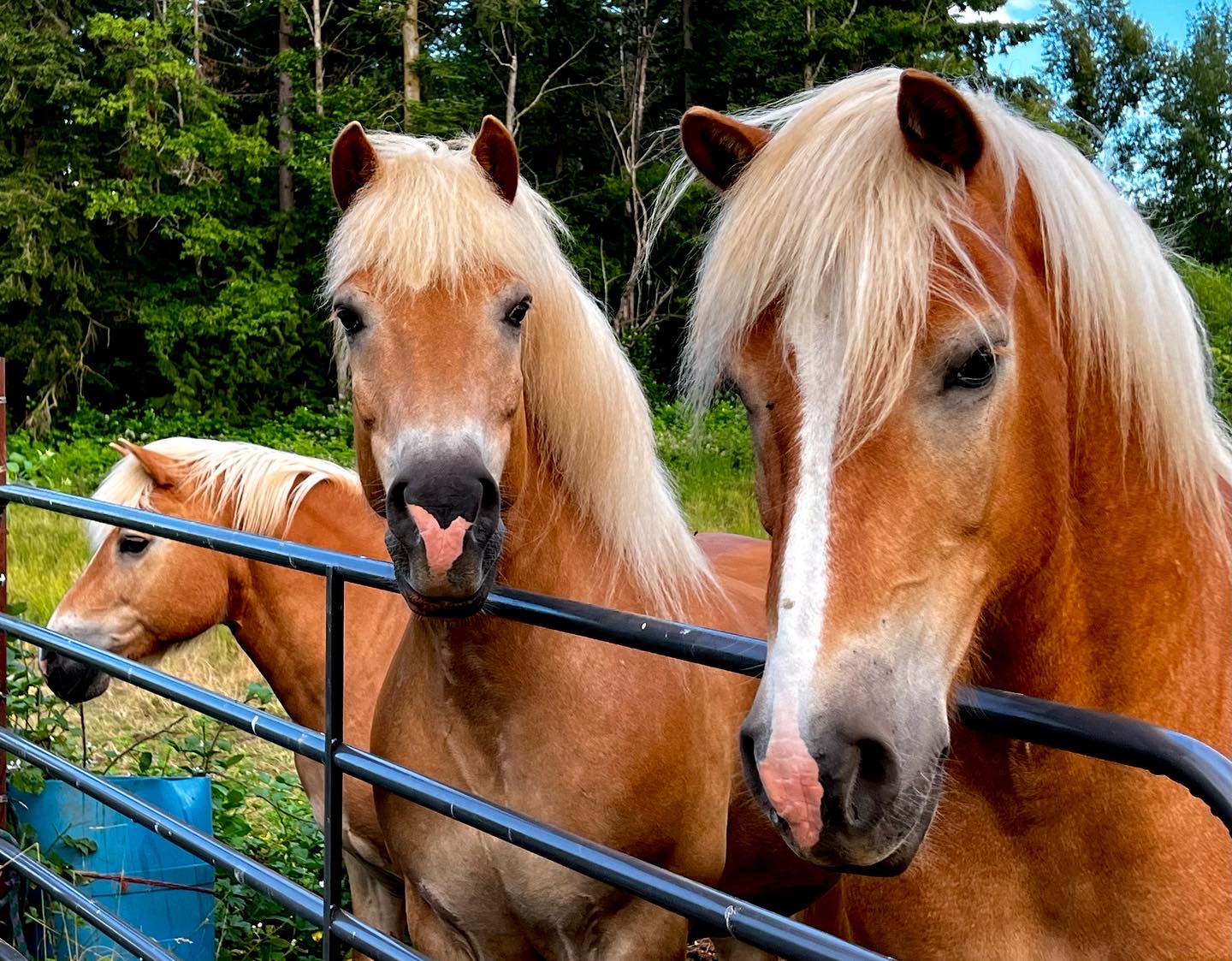
touching my nose to his that made me know
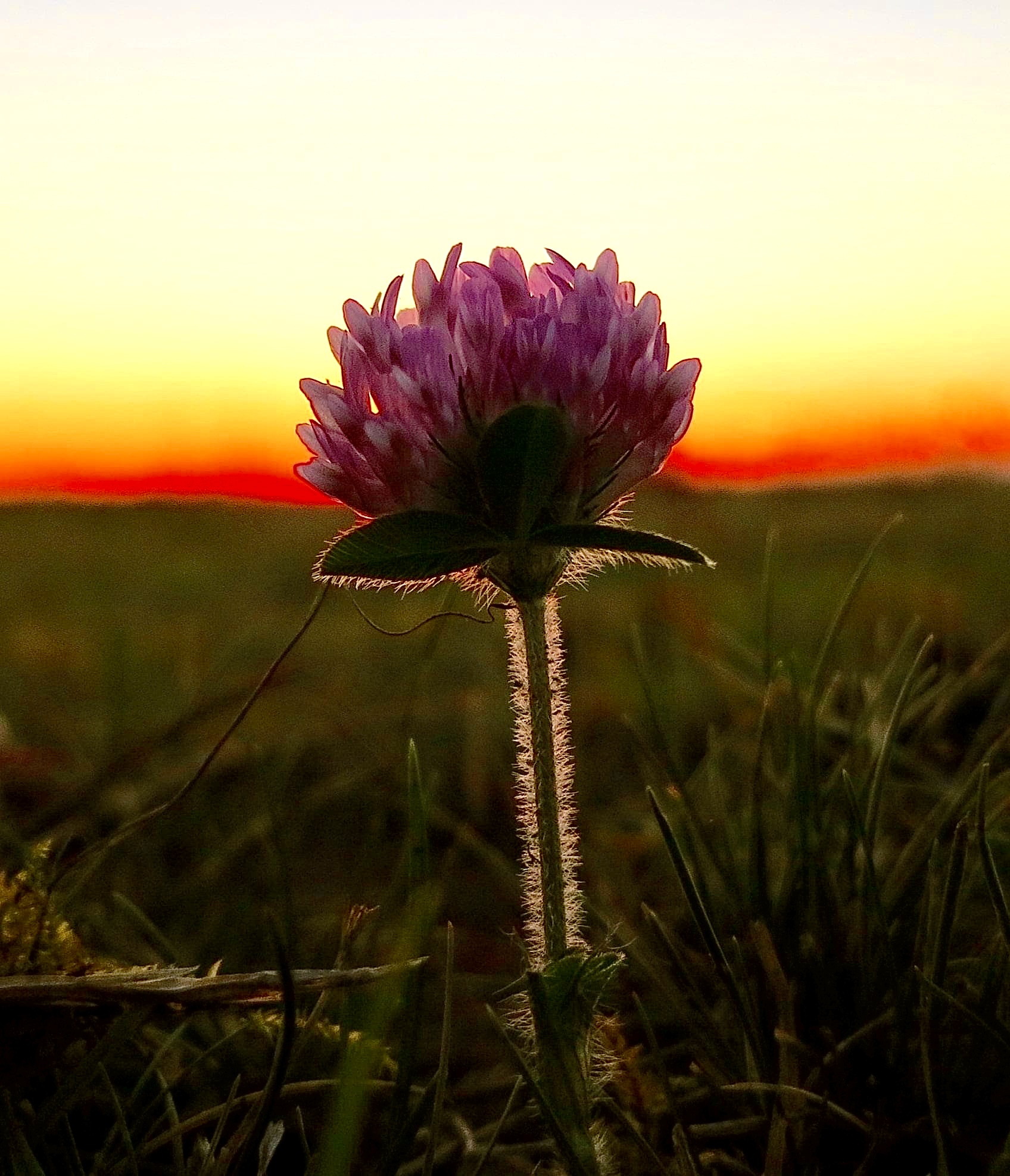
the clover’s bloom, my wet eye to his that
made me know the long field’s secrets.
But it was putting my heart to the horse’s that made me know
the sorrow of horses. Made me
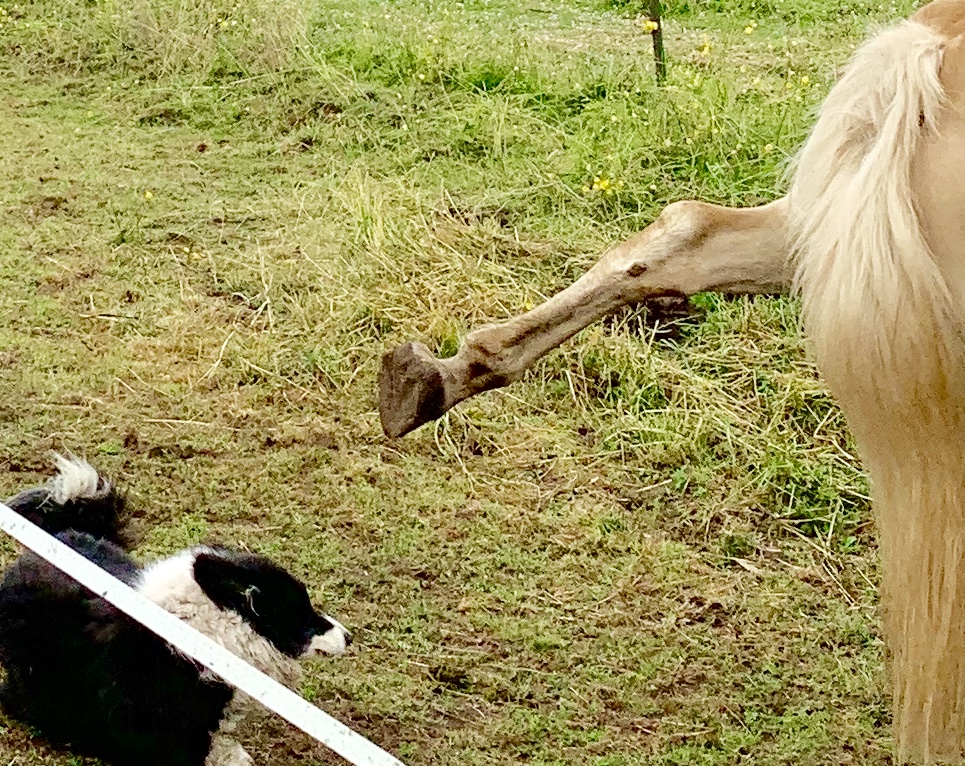
forsake my thumbs for the sheen of unshod hooves.
And in this way drop my torches.
And in this way drop my knives.
Feel the small song in my chest
swell and my coat glisten and twitch.
And my face grow long.
And these words cast off, at last,
for the slow honest tongue of horses.

~Ross Gay “Becoming A Horse”

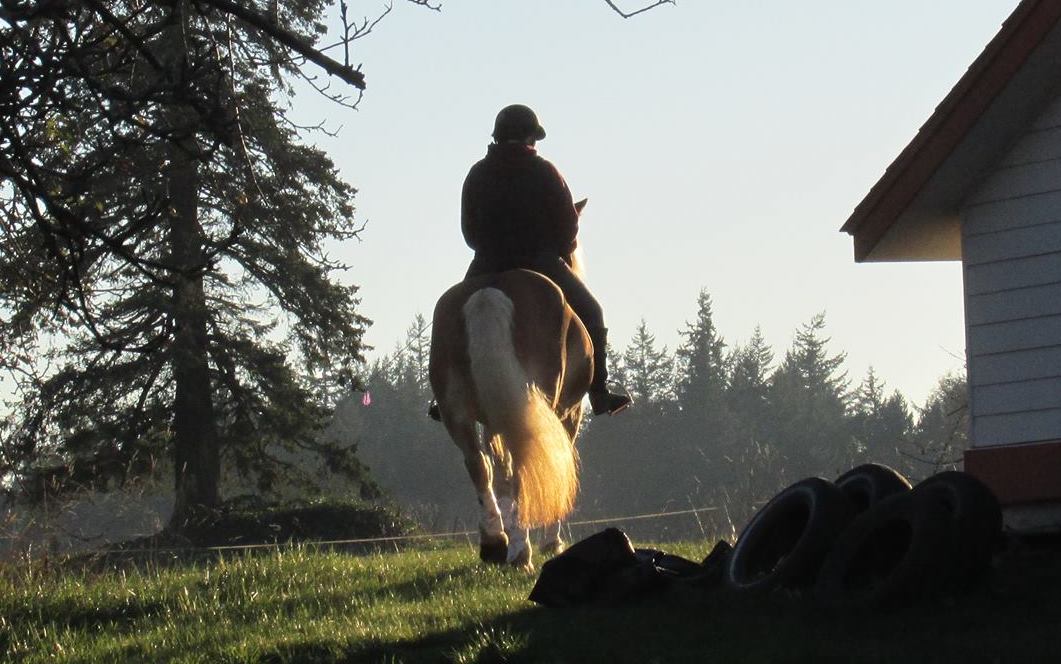
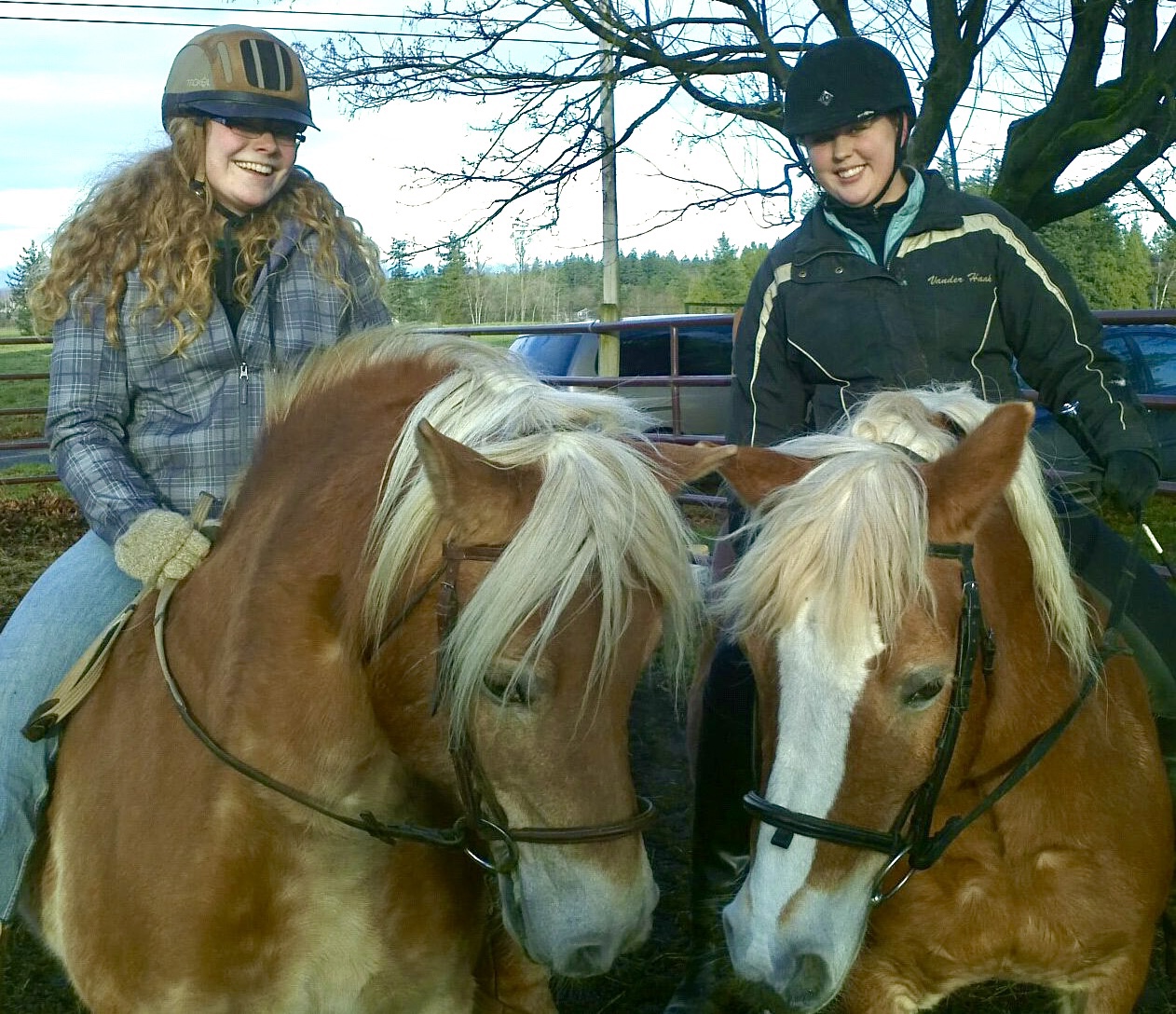
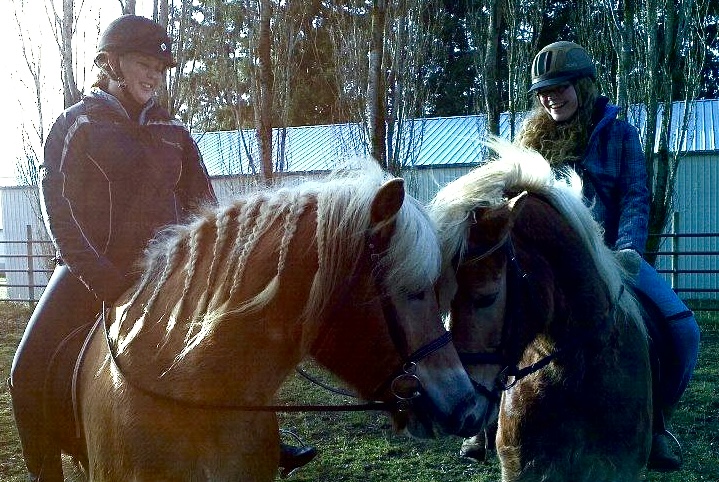
photo by Emily Vander Haak

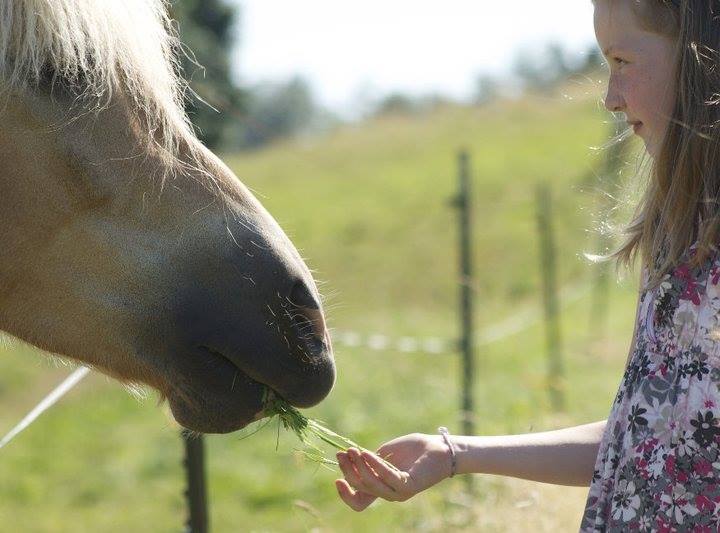
Living the dream of nearly every young girl, I grew up with a horse in our back field. The first was a raw-boned old paint who allowed my older sister and toddler me to sit atop him, walk around the barnyard and on the driveway at no more than a walk. He was arthritic and sore, but patient and tolerant to the attention of little girls. When we moved away to another part of the state, he didn’t come with us and I was too young to fully understand where he had been sent.

The horse on our new farm was my sister’s 4H project who was a spiffy chestnut mare with a penchant for a choppy trot and speedy canter. My sister would go miles with friends on horseback down back-country roads. Sadly, my sister soon became allergic (hives and swelling) to any contact with horses. I was barely old enough to start riding by myself in our fields.The little mare missed her adventures with my sister but seemed to adapt to my inexperience and took care of me as best she could – I never fell off. One night, she broke through a fence and ate her fill in a field of growing oat grass. The next day she was euthanized due to terrible colic. I was inconsolable, crying for days when visiting her burial spot on our property.

These first two horses tolerated the inexperience of their handlers and tried to compensate for it. I’ve since owned a few horses who knew exactly how to take advantage of such inexperience. Horses size up people quickly as our feelings and fear can be so transparent; it takes much longer for us to understand the complexity of their equine mind. Many diverse training techniques are marketed as testimony to that mystery.

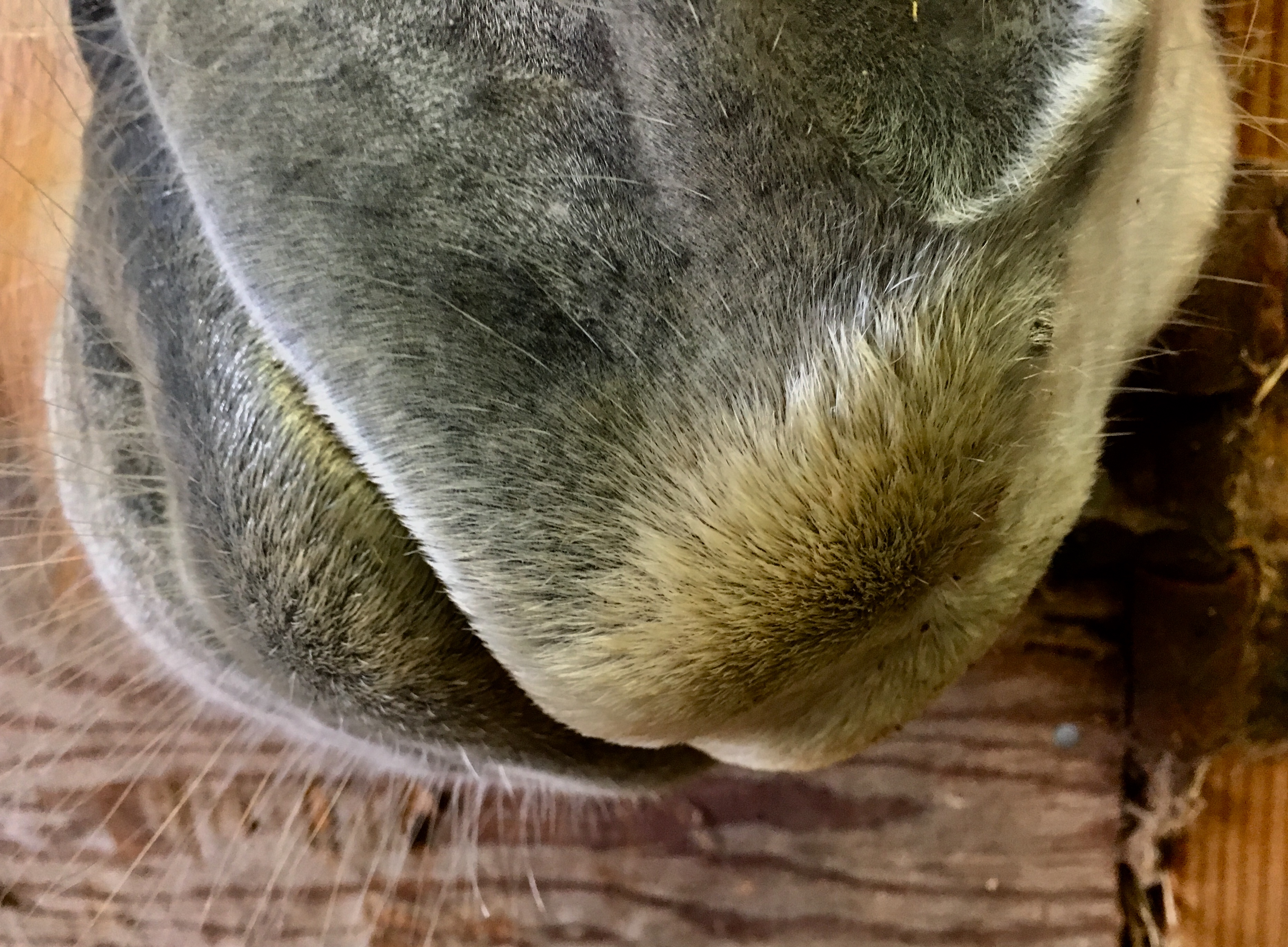
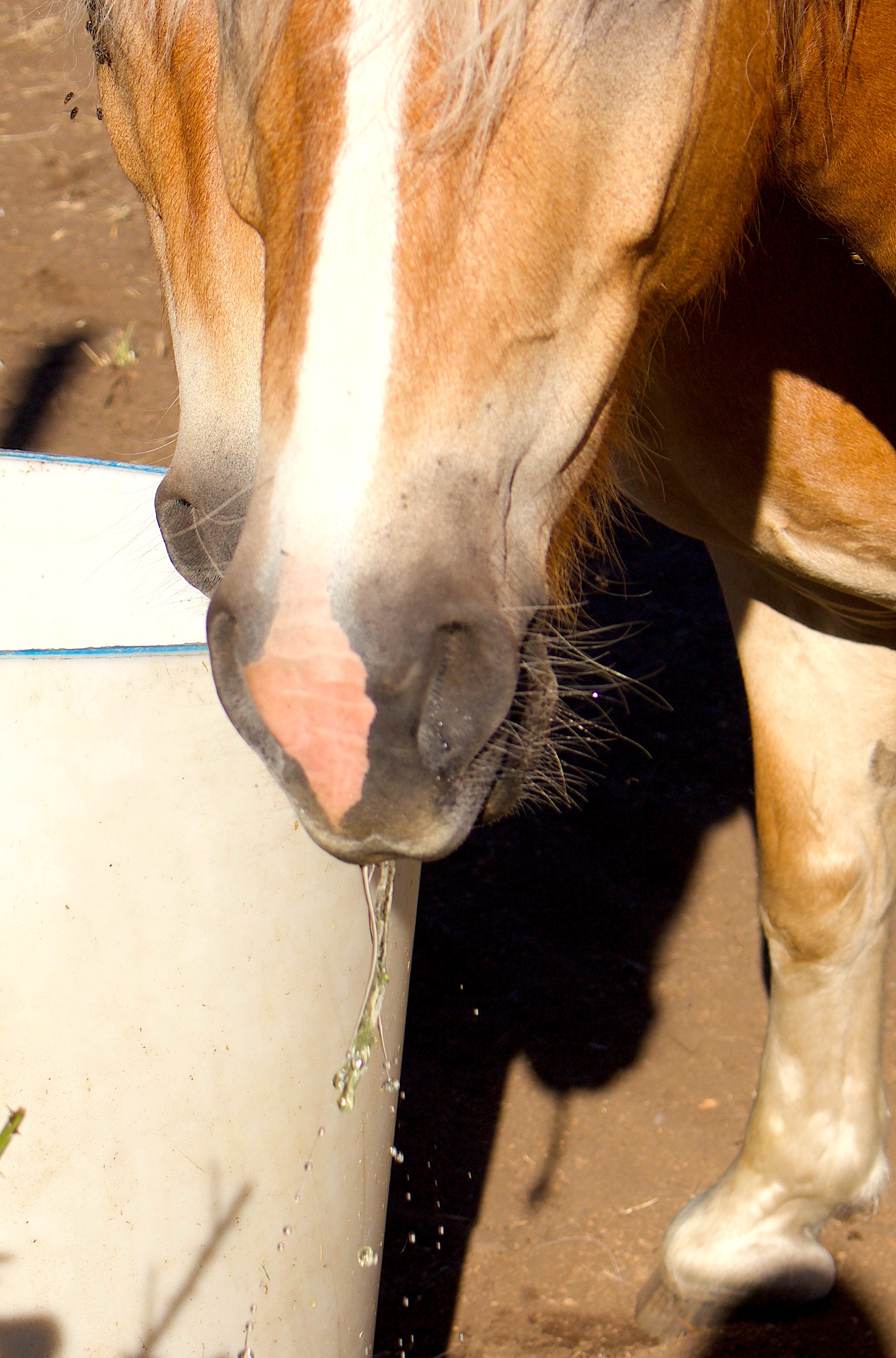
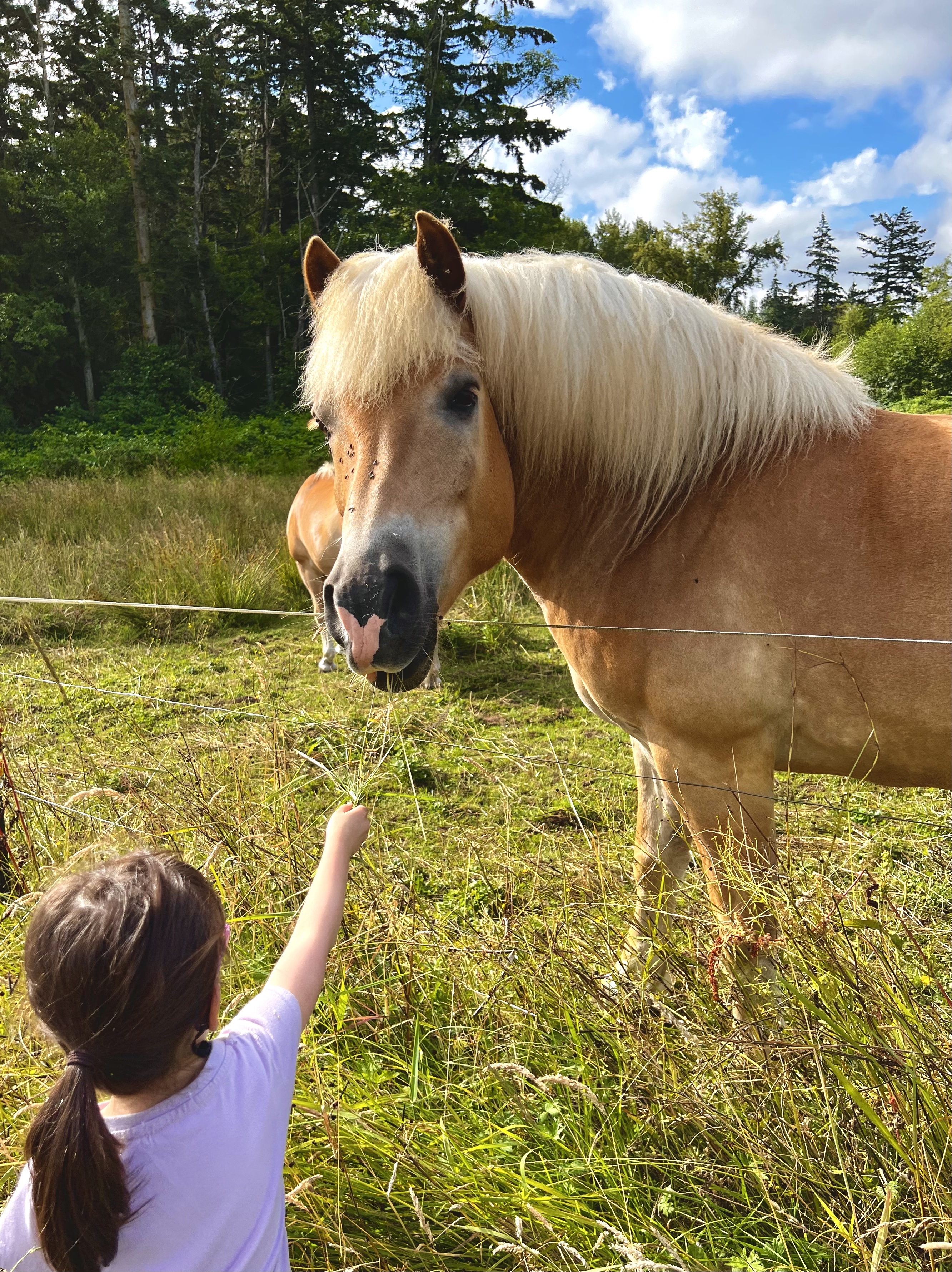
I have learned that horses appreciate a patient and quiet approach, reflecting their consistency and honesty. They like to be looked in the eye and appreciate a soft breath blown over their whiskers. They want us to find their itchy spots rather than act the part of a pseudo-predator with intent to harm.

That’s not asking too much of us.

In return, we learn how best to communicate what we need from them. They are remarkably willing to work when they understand the job and feel appreciated. In return, we are given a chance to experience the world through their eyes and ears, to comprehend the remarkable sensitivity of a skin able to shiver a fly away.

I’ve spent much of my life learning with horses and hope there are a few years still left to learn more. Whatever sorrow they feel in their hearts is when I’ve failed to be who they need me to be. Their gift to me is an honest willingness to forgive, again and yet again.

One-Time
Monthly
Yearly

Make a one-time or recurring donation to support daily Barnstorming posts

Make a monthly donation

Make a yearly donation

Choose an amount

¤10.00
¤25.00
¤50.00
¤5.00
¤15.00
¤100.00
¤5.00
¤15.00
¤100.00

Or enter a custom amount

¤

Your contribution is deeply appreciated.

Your contribution is appreciated.

Your contribution is appreciated.

DonateDonate monthlyDonate yearly

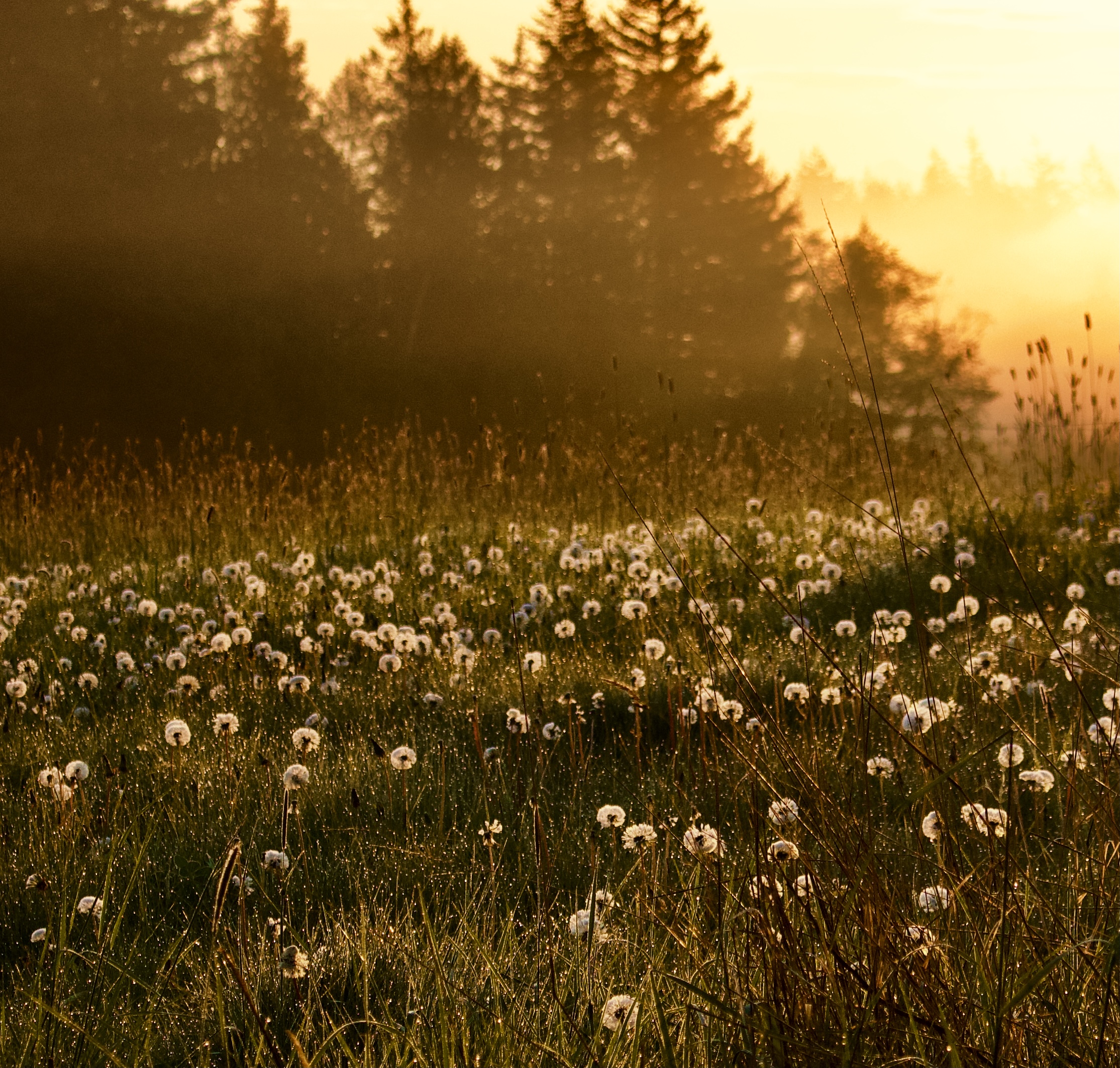
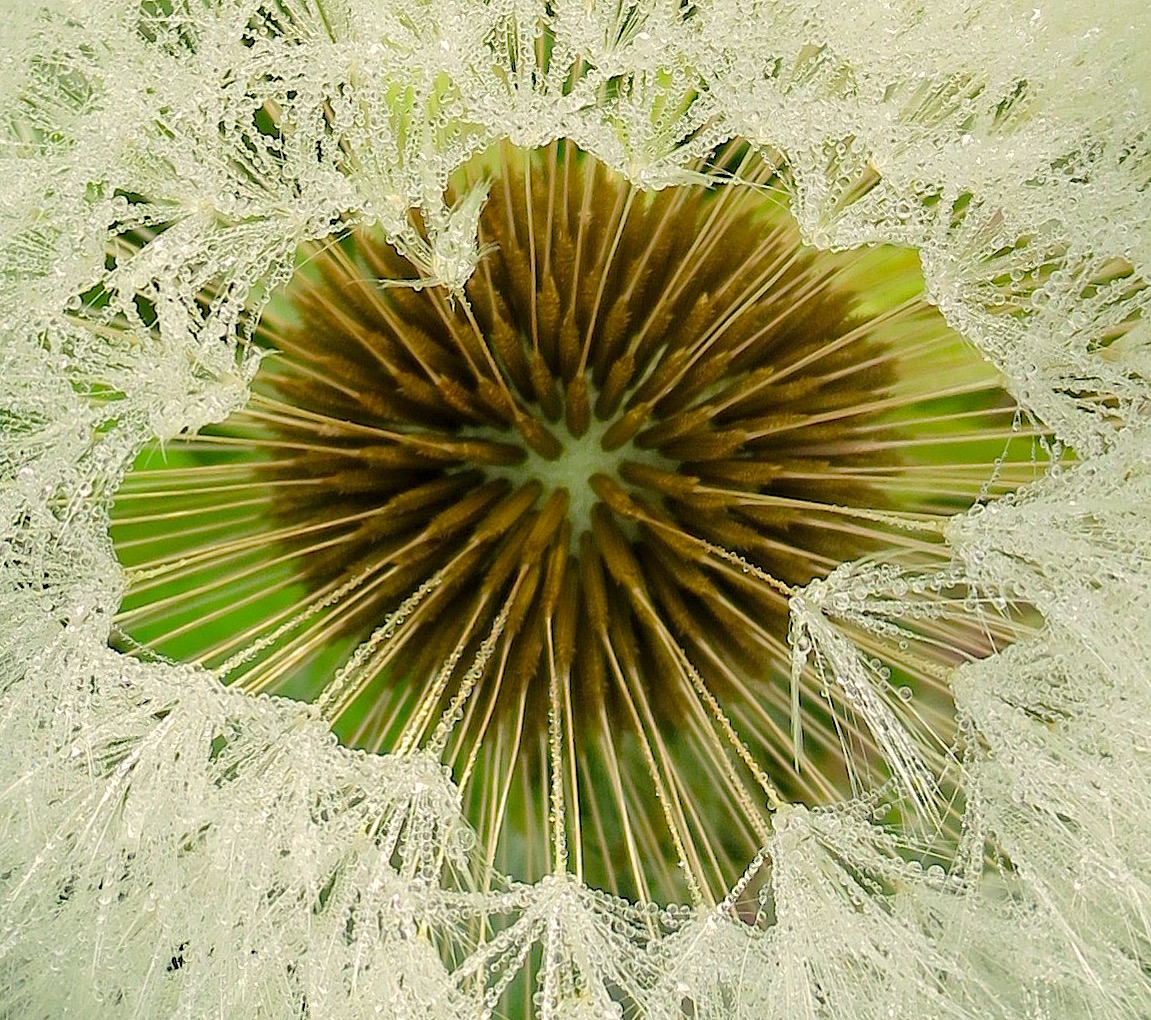
Dandelion Breath

Just as we lose hope
she ambles in,
a late guest
dragging her hem
of wildflowers,
her torn
veil of mist,
of light rain,
blowing
her dandelion
breath
in our ears;
and we forgive her,
turning from
chilly winter
ways,
we throw off
our faithful
sweaters
and open
our arms.

~Linda Pastan, “Spring” from Heroes in Disguise. 

Spring dawdled this year, arriving at least three weeks behind the usual timeline due to chill winds and soppy ground. I waited impatiently for the transition, begging the first dandelion to appear.

Then it hit. Shocking in its suddenness, a few May days of uncharacteristic 90 degree temperatures, forcing everything to push to the surface and swell to bursting.

We’re playing catch-up. Grasses leaped to jungle height, and bold weeds dominate every square inch.

Now I must adapt to summer heat and smoky horizons; no more sweaters needed when the sweatiness begins.

I already miss Spring’s soft dandelion breath as I swelter in a premature Summer sauna.

Yet all is forgiven, delicate Spring.
You will come ’round again next year. Only you know the timing of your grand entrance when we’ll throw flowers at your feet.

One-Time
Monthly
Yearly

Make a one-time or recurring donation to support daily Barnstorming posts

Make a monthly donation

Make a yearly donation

Choose an amount

¤10.00
¤25.00
¤50.00
¤5.00
¤15.00
¤100.00
¤5.00
¤15.00
¤100.00

Or enter a custom amount

¤

Your contribution is deeply appreciated.

Your contribution is appreciated.

Your contribution is appreciated.

DonateDonate monthlyDonate yearly

Broken, But Not Shattered

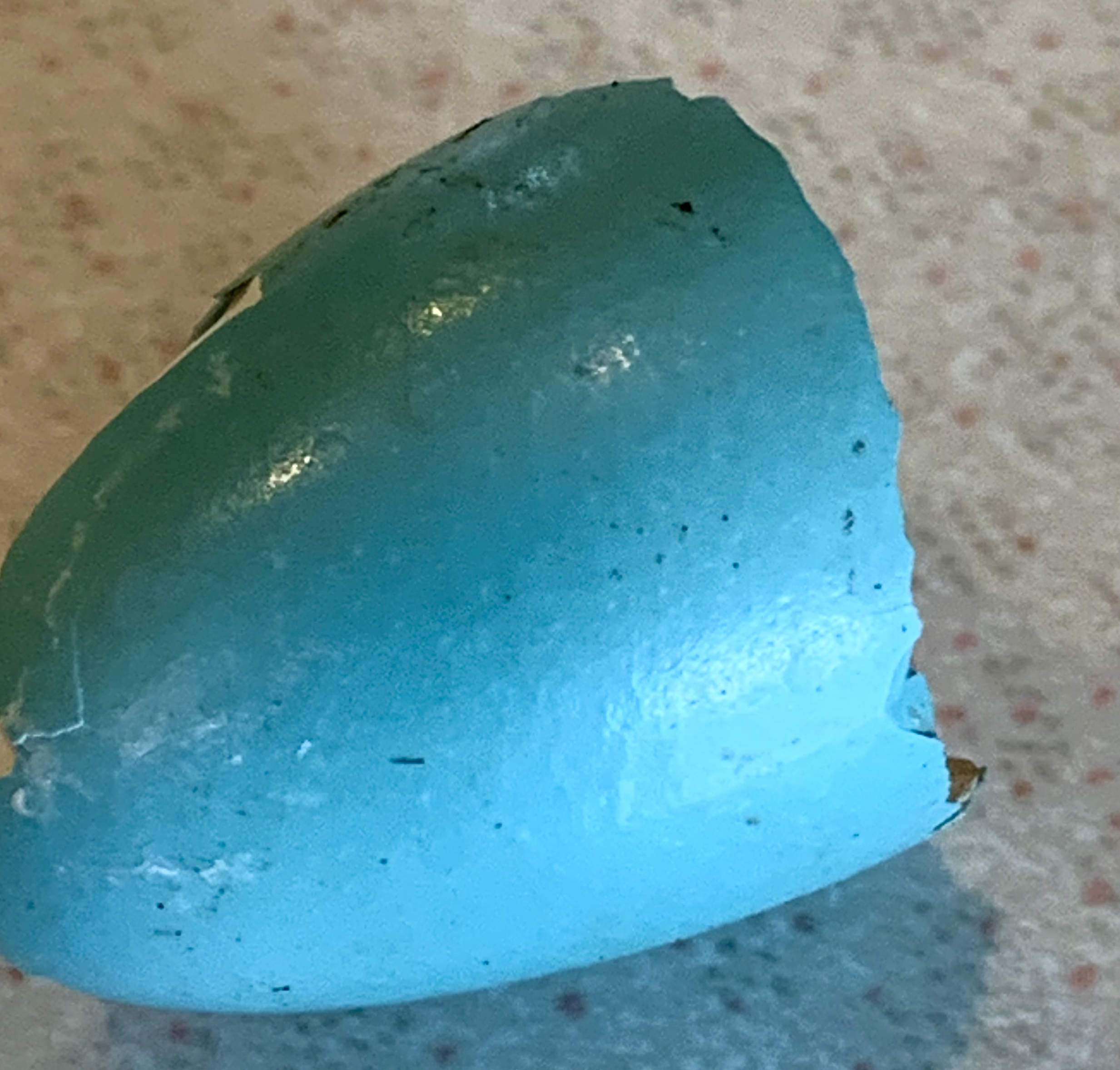
Under a cherry tree
I found a robin’s egg,
broken, but not shattered.

I had been thinking of you,
and was kneeling in the grass
among fallen blossoms

when I saw it: a blue scrap,
a delicate toy, as light
as confetti

It didn’t seem real,
but nature will do such things
from time to time.

I looked inside:
it was glistening, hollow,
a perfect shell

except for the missing crown,
which made it possible
to look inside.

What had been there
is gone now
and lives in my heart

where, periodically,
it opens up its wings,
tearing me apart.
~Phyllis Levin “End of April”

photo by Josh Scholten

The great mystery of God’s love is that we are not asked to live as if we are not hurting, as if we are not broken. In fact, we are invited to recognize our brokenness as a brokenness in which we can come in touch with the unique way that God loves us. The great call of Jesus is to put your brokenness under the blessing.
~Henri Nouwen from a Lecture at Scarritt-Bennett Center

Some say you’re lucky
If nothing shatters it.

But then you wouldn’t
Understand poems or songs.
You’d never know
Beauty comes from loss.

It’s deep inside every person:
A tear tinier
Than a pearl or thorn.

It’s one of the places
Where the beloved is born.
~Gregory Orr from Concerning the Book That Is the Body of the Beloved

Every day, as the sun goes down,
I pause, feeling a bit or a lot broken, remembering how often
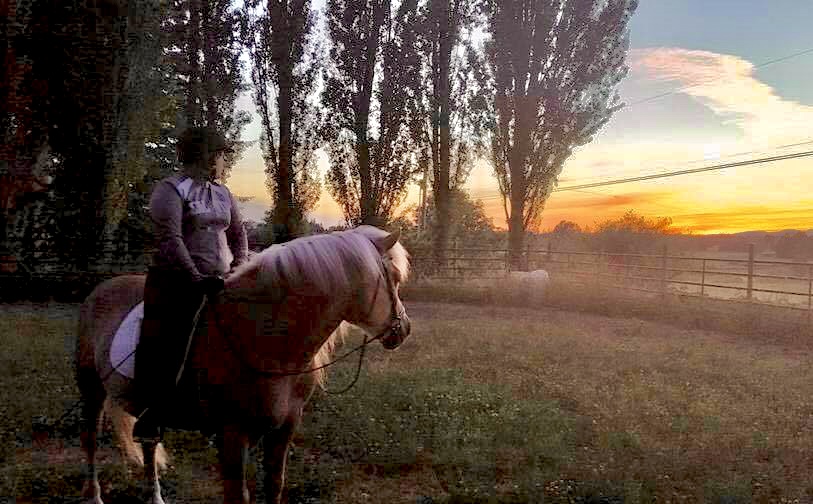
I messed up that day, in big and small ways.

I’ve been cracked open, my mistakes leaking and illuminated,
weighing down my heart, impossible to forget,
ready to take wings as I pray for mercy.

With forgiveness, there follows peacefulness.
Broken, but not shattered.
Cracked, but glistening clean.

One-Time
Monthly
Yearly

Make a one-time or recurring donation to support daily Barnstorming posts

Make a monthly donation

Make a yearly donation

Choose an amount

¤10.00
¤25.00
¤50.00
¤5.00
¤15.00
¤100.00
¤5.00
¤15.00
¤100.00

Or enter a custom amount

¤

Your contribution is deeply appreciated.

Your contribution is appreciated.

Your contribution is appreciated.

DonateDonate monthlyDonate yearly

Fixing Eyes on the Unseen – Everything Sad is Going to Come Untrue

He will wipe away every tear from their eyes, and death shall be no more, neither shall there be mourning, nor crying, nor pain anymore, for the former things have passed away. And he who was seated on the throne said, “Behold, I am making all things new.” Also he said, “Write this down, for these words are trustworthy and true.  Revelation 21: 4-5

“Gandalf! I thought you were dead! But then I thought I was dead! Is everything sad going to come untrue?”
~J.R.R. Tolkien as Samwise Gamgee wakes to find his friends all around him in The Lord of the Rings

“The answer is yes. And the answer of the Bible is yes. If the resurrection is true, then the answer is yes. Everything sad is going to come untrue.”
~Pastor Tim Keller’s response in a sermon given in an ecumenical prayer service memorial in Lower Manhattan on the fifth anniversary of Sept. 11.

photo by Joel De Waard

In our minds, we want to rewind and replay the sad events of this week in a way that would prevent them from happening in the first place.

We want those in a broken relationship to come back together, hug and forgive. The devastating diagnosis would be proven an error and, in reality, only a transient illness. When a terrible tragedy happens, we want the dead and injured to rise up again. The destructive earthquake becomes a mere tremor, the flooding tsunami is only one foot, not over thirty feet tall, the hijackers are prevented from ever boarding a plane, the shooter changes her mind at the last minute and lays down her arms, the terrorist disables his suicide bombs and walks away from his training and misguided mission.

We want so badly for it all to be untrue. The bitter reality of horrendous suffering and sadness daily all over the earth is too much for us to absorb. We plead for relief and beg for a better day.

Our minds may play mental tricks like this, but God does not play tricks. He knows and feels what we do. He too wants to see it rewound and replayed differently. He has known grief and sadness, He has wept, He has suffered, He too has died in terrible humiliating and painful circumstances. 
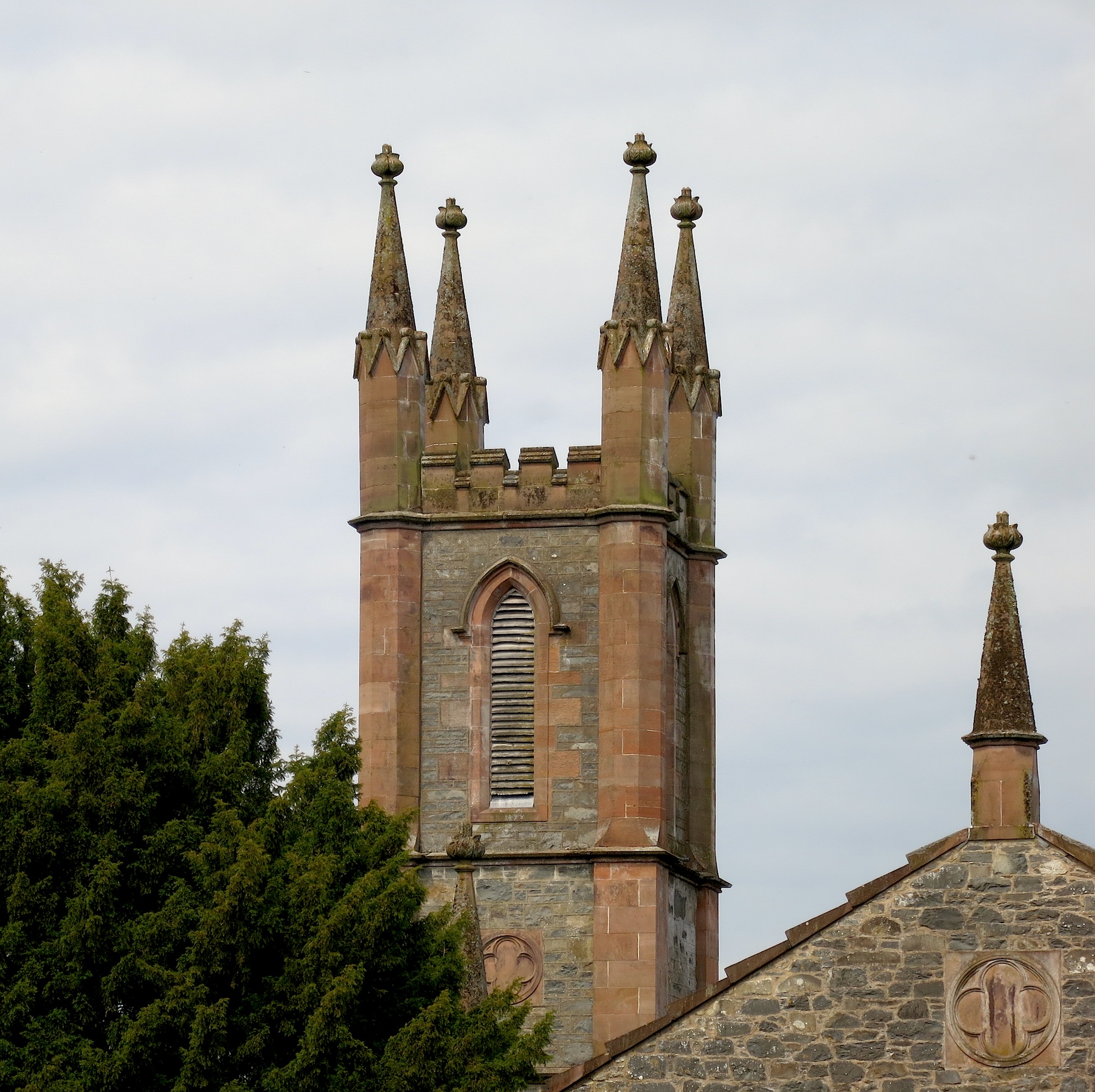
And because of this, because of a God who came to dwell with us, was broken, died and then rose again whole and holy, we are assured, in His time, everything sad is going to come untrue.

Our tears will be dried, our grief turned to joy, our pain nonexistent, not even a memory.  It will be a new day, a better day–as it is written, trustworthy and true.

May it come.

Quickly.

photo by Nate Gibson

This year’s Lenten theme:
So we fix our eyes not on what is seen, but on what is unseen, since what is seen is temporary, but what is unseen is eternal.
2 Corinthians 4: 18

Fixing Eyes on the Unseen – Imaged in God’s Eye

As kingfishers catch fire, dragonflies draw flame;
As tumbled over rim in roundy wells
Stones ring; like each tucked string tells, each hung bell’s
Bow swung finds tongue to fling out broad its name;
Each mortal thing does one thing and the same:
Deals out that being indoors each one dwells;
Selves — goes itself; myself it speaks and spells,
Crying Whát I dó is me: for that I came.

I say móre: the just man justices;
Keeps grace: thát keeps all his goings graces;
Acts in God’s eye what in God’s eye he is —
Chríst — for Christ plays in ten thousand places,
Lovely in limbs, and lovely in eyes not his
To the Father through the features of men’s faces.

~Gerard Manley Hopkins “As kingfishers catch fire”

photo by Josh Scholten

We are far more than a simple flash of wing or a clarion ring of stone or bell ~
We who are imaged in God’s eye, first imagined, then brought to life.

We are His retina’s reflection of who walks in His creation,
ten thousand times ten thousand.

We are created lovely, meant to be lovely in His eyes,
so much more than light and sound~

We are inscaped in Christ, steeped
in His holy justice and sanctity~

We who keep all his goings graces,
for that He came down,
for that He indwells,
for that He was sacrificed.

We cannot help but be changed.

This year’s Lenten theme:
So we fix our eyes not on what is seen, but on what is unseen, since what is seen is temporary, but what is unseen is eternal.
2 Corinthians 4: 18

Taking Time to Talk

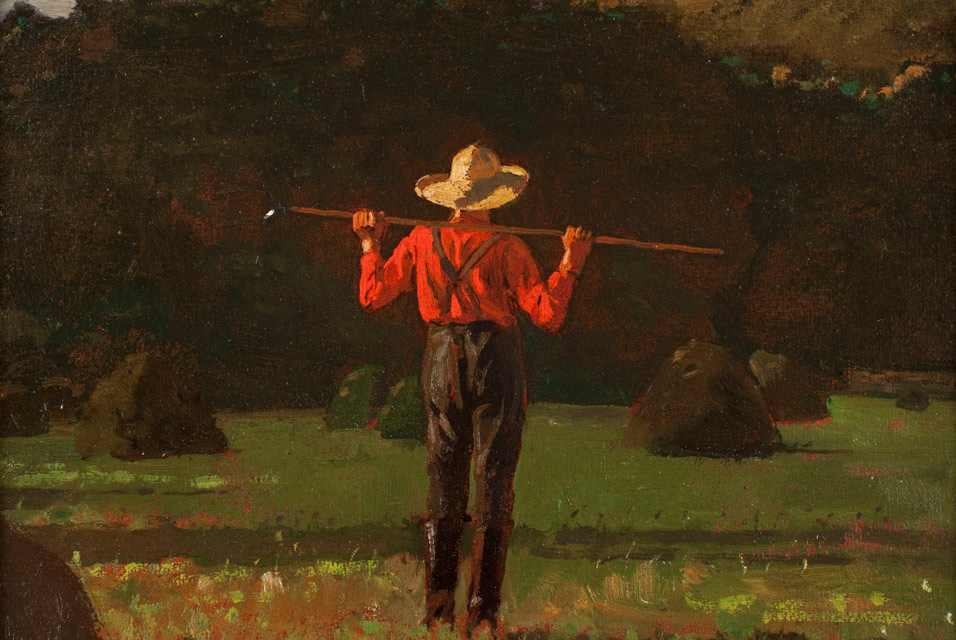
Farmer with a pitchfork by Winslow Homer

When a friend calls to me from the road
And slows his horse to a meaning walk,
I don’t stand still and look around
On all the hills I haven’t hoed,
And shout from where I am, ‘What is it?’
No, not as there is a time to talk.
I thrust my hoe in the mellow ground,
Blade-end up and five feet tall,
And plod: I go up to the stone wall
For a friendly visit.

~Robert Frost “A Time to Talk” from The Poetry of Robert Frost.

Conversations these days often take place asynchronously – text messages back and forth, voicemails, instant messages, emails – all composed and sent when most convenient so not necessarily as time-responsive as they could be.

Chatting over a fence, or on a front porch or even over the phone just doesn’t happen easily any more, especially during the pandemic years of avoiding face-to-face encounters.

Even more unusual is taking time during the work day to talk. Interruptions leading to setting aside the computer mouse or the stethoscope or the hoe can be challenging when there are only so many hours in the day.

I’m really terrible at conversation because I’ve always been shy and awkward at small talk. It’s all good when it is part of my work in an exam room, but to be honest, I don’t make time to go out to coffee with someone, or meet over a meal, or even enjoy a spontaneous visit while out for a walk or the grocery store. I’d rather be washing dishes at our weekly church potlucks.

And I’m missing out on an opportunity to love and be loved. Forgive me, friends, for my reticent nature.

The next time someone shouts at me “Howdy!” – I won’t just wave and keep on with whatever business I’m doing. I’ll stop, set aside my work tools and come over to chat. Putting two heads together in conversation is what our life and language is all about

Howdy back at you!

One-Time
Monthly
Yearly

Make a one-time or recurring donation to support daily Barnstorming posts

Make a monthly donation

Make a yearly donation

Choose an amount

¤10.00
¤20.00
¤50.00
¤5.00
¤15.00
¤100.00
¤5.00
¤15.00
¤100.00

Or enter a custom amount

¤

Your contribution is deeply appreciated.

Your contribution is appreciated.

Your contribution is appreciated.

DonateDonate monthlyDonate yearly

Dawn on our Darkness: Fleeing the Wrath, Shouldering the Load

We think of him as safe beneath the steeple,
Or cosy in a crib beside the font,
But he is with a million displaced people
On the long road of weariness and want.
For even as we sing our final carol
His family is up and on that road,
Fleeing the wrath of someone else’s quarrel,
Glancing behind and shouldering their load.
Whilst Herod rages still from his dark tower
Christ clings to Mary, fingers tightly curled,
The lambs are slaughtered by the men of power,
And death squads spread their curse across the world.
But every Herod dies, and comes alone
To stand before the Lamb upon the throne.

~Malcolm Guite “Refugee”

Photo by Pixabay on Pexels.com

We kill at every step, not only in wars, riots, and executions. We kill when we close our eyes to poverty, suffering, and shame. In the same way all disrespect for life, all hard heartedness, all indifference, and all contempt is nothing else than killing. With just a little witty skepticism we can kill a good deal of the future in a young person. Life is waiting everywhere, the future is flowering every­where, but we only see a small part of it and step on much of it with our feet.
~Hermann Hesse, from Vivos Voco, 1919

For centuries, too many people have had to make the choice of living (and likely dying) oppressed in the midst of conflict and war or they attempt their escape to an uncertain fate on the other side of a border, a fence, or a turbulent sea. Some are given no options and are sold into slavery, taken where their captors wish, or have been rounded up and forced to live far from their ancestral homes.

Some of us descend from people who made the difficult decision to escape war, or hunger, or oppression, or extreme poverty. We live and thrive by the grace and mercy of God to these ancestors.

This God was a refugee Himself, fleeing from a king who sought Him dead. This God knows what it is like to be hated and pursued. He knows the wrath and cruelty of His fellow man.

This God has a name, He has a face and a voice and it is He who ultimately holds our fate in His hands.

This God is not forgotten nor has He forgotten us. He will return to forever banish the darkness surrounding us.

This year’s Advent theme “Dawn on our Darkness” is taken from this 19th century Christmas hymn:

Brightest and best of the sons of the morning,
dawn on our darkness and lend us your aid.
Star of the east, the horizon adorning,
guide where our infant Redeemer is laid.
~Reginald Heber -from “Brightest and Best”

One-Time
Monthly
Yearly

Make a one-time or recurring donation to support daily Barnstorming posts

Make a monthly donation

Make a yearly donation

Choose an amount

¤10.00
¤20.00
¤50.00
¤5.00
¤15.00
¤100.00
¤5.00
¤15.00
¤100.00

Or enter a custom amount

¤

Your contribution is deeply appreciated.

Your contribution is appreciated.

Your contribution is appreciated.

DonateDonate monthlyDonate yearly

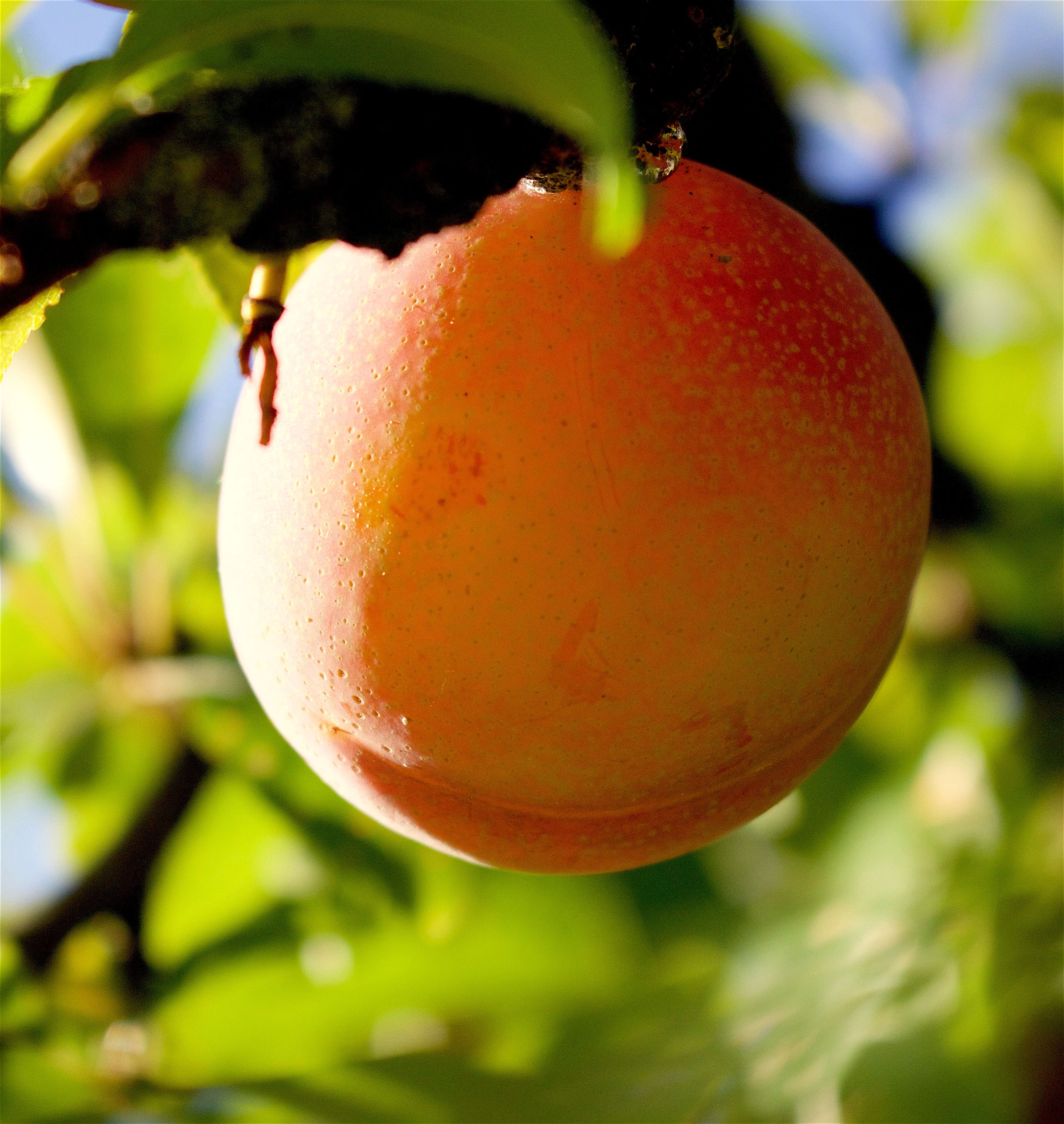
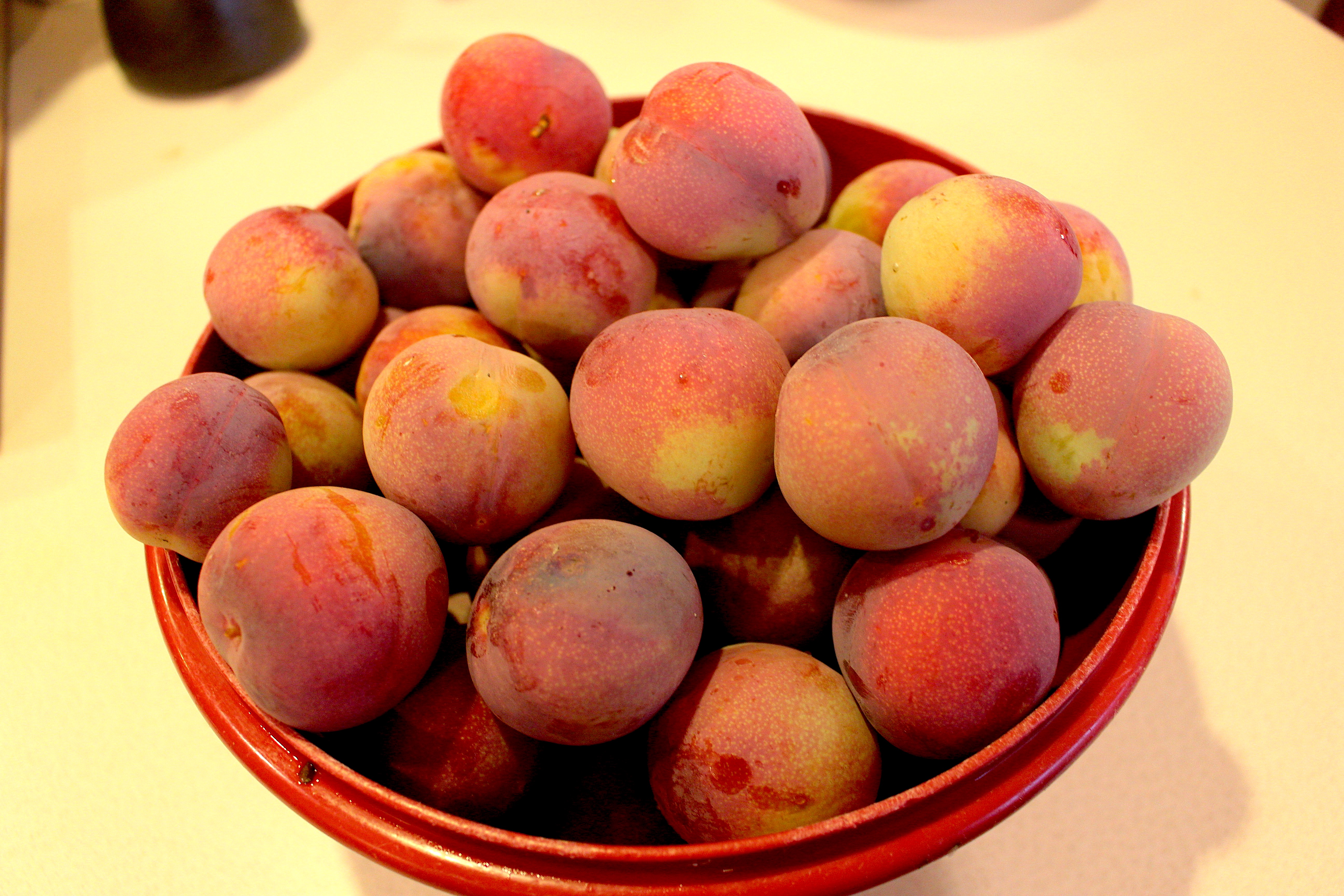
Forgive Me

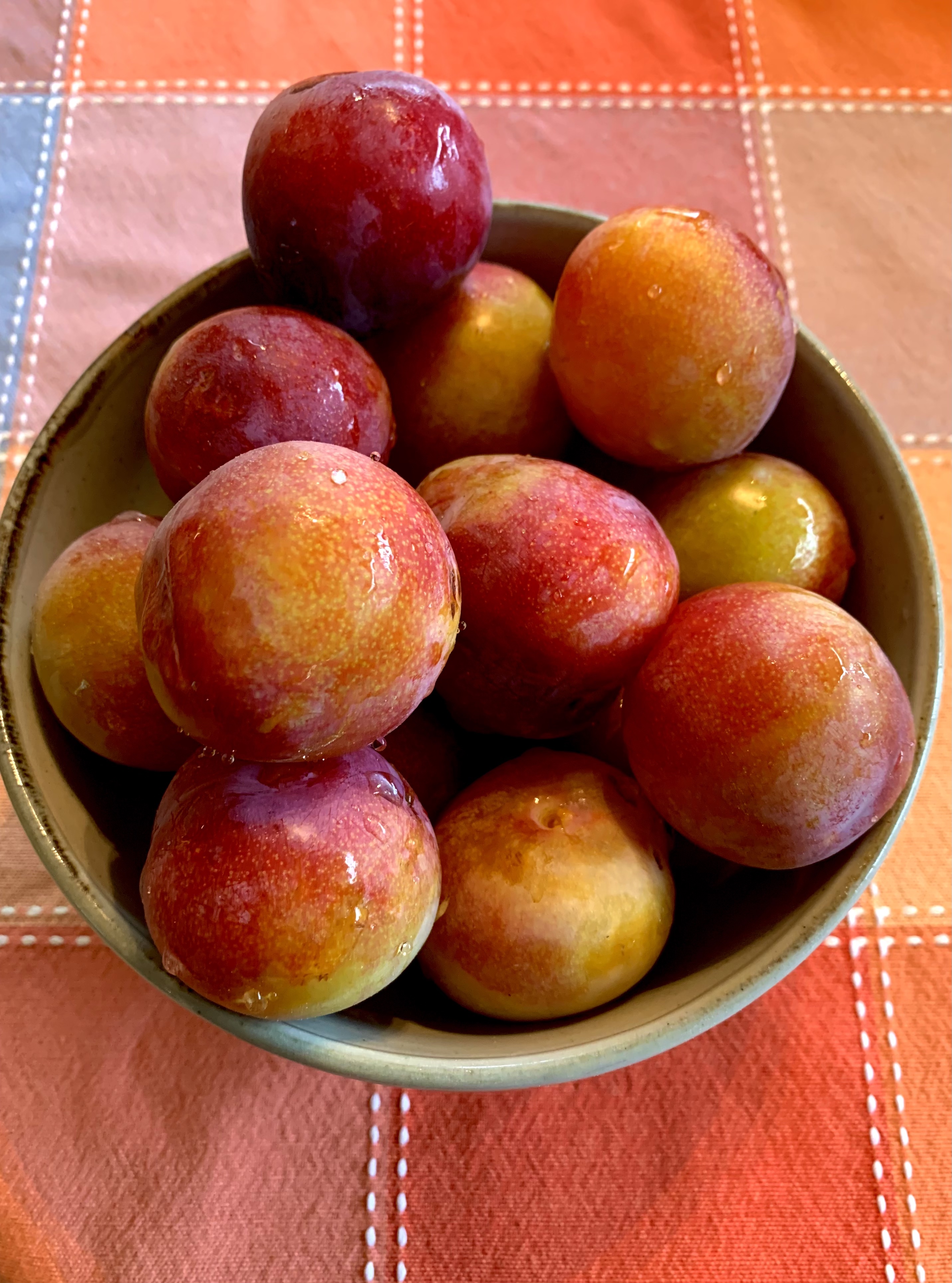
I have eaten
the plums
that were in
the icebox

and which
you were probably
saving
for breakfast

Forgive me
they were delicious
so sweet
and so cold

~William Carlos Williams “This is Just to Say…”

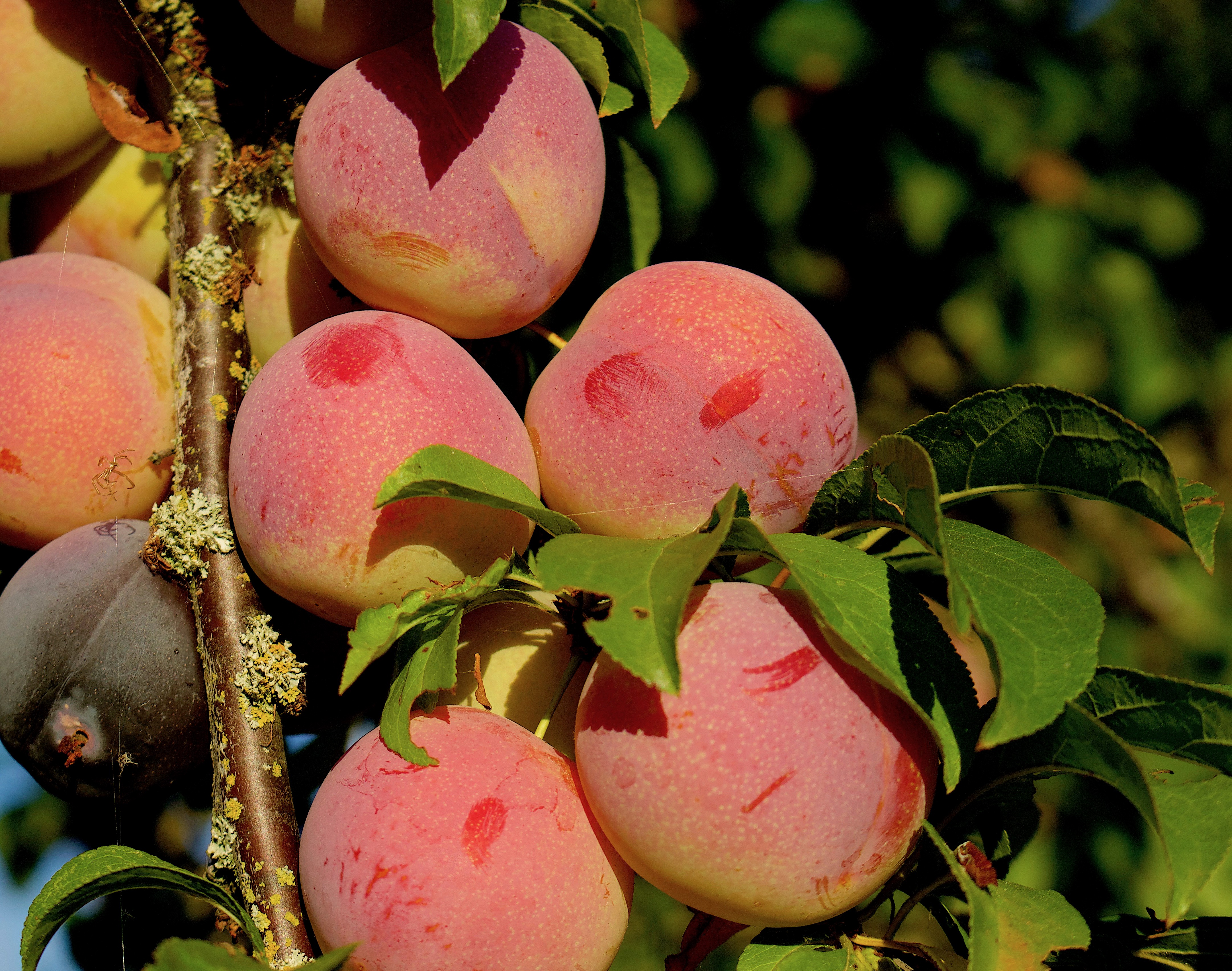
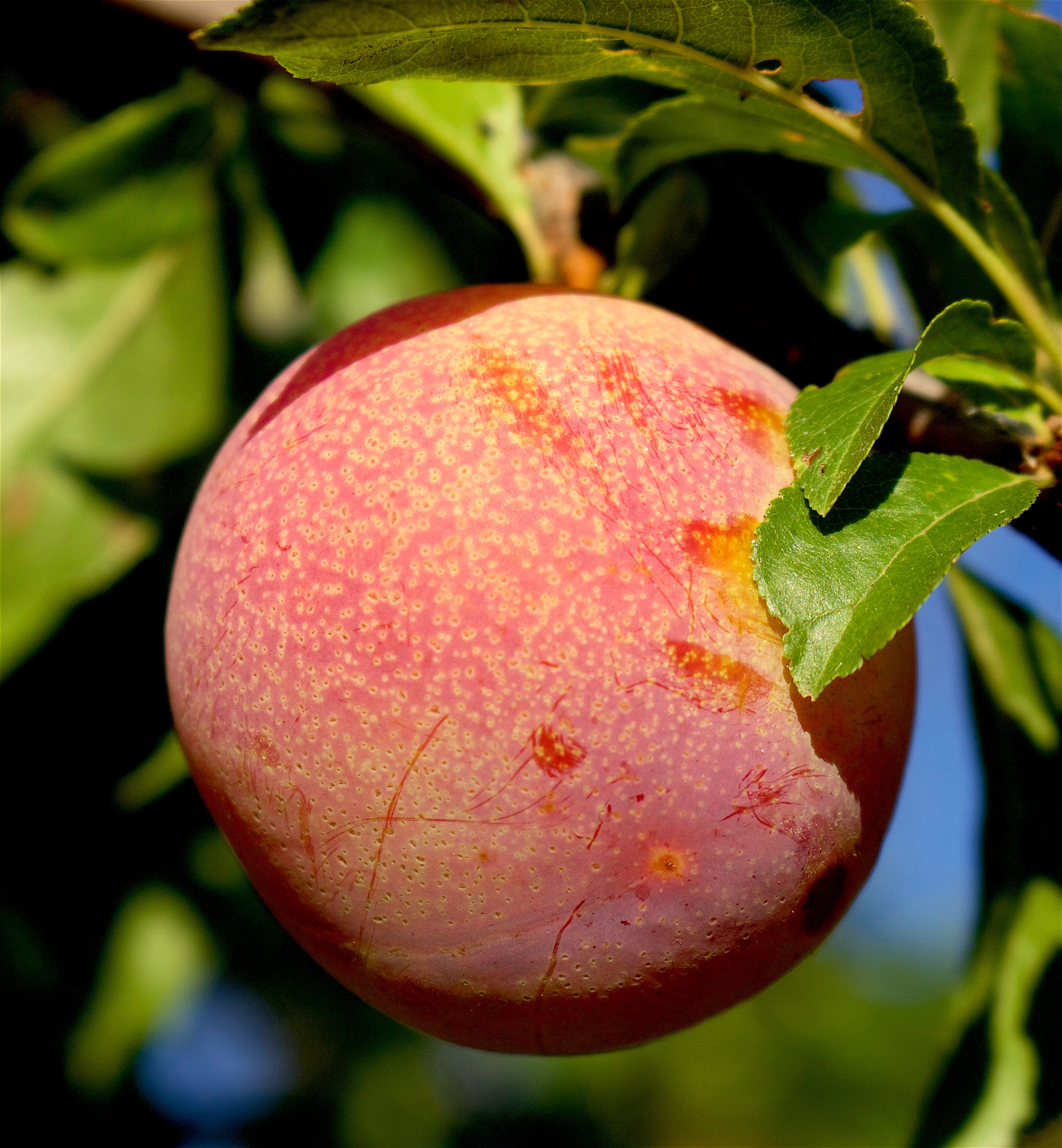
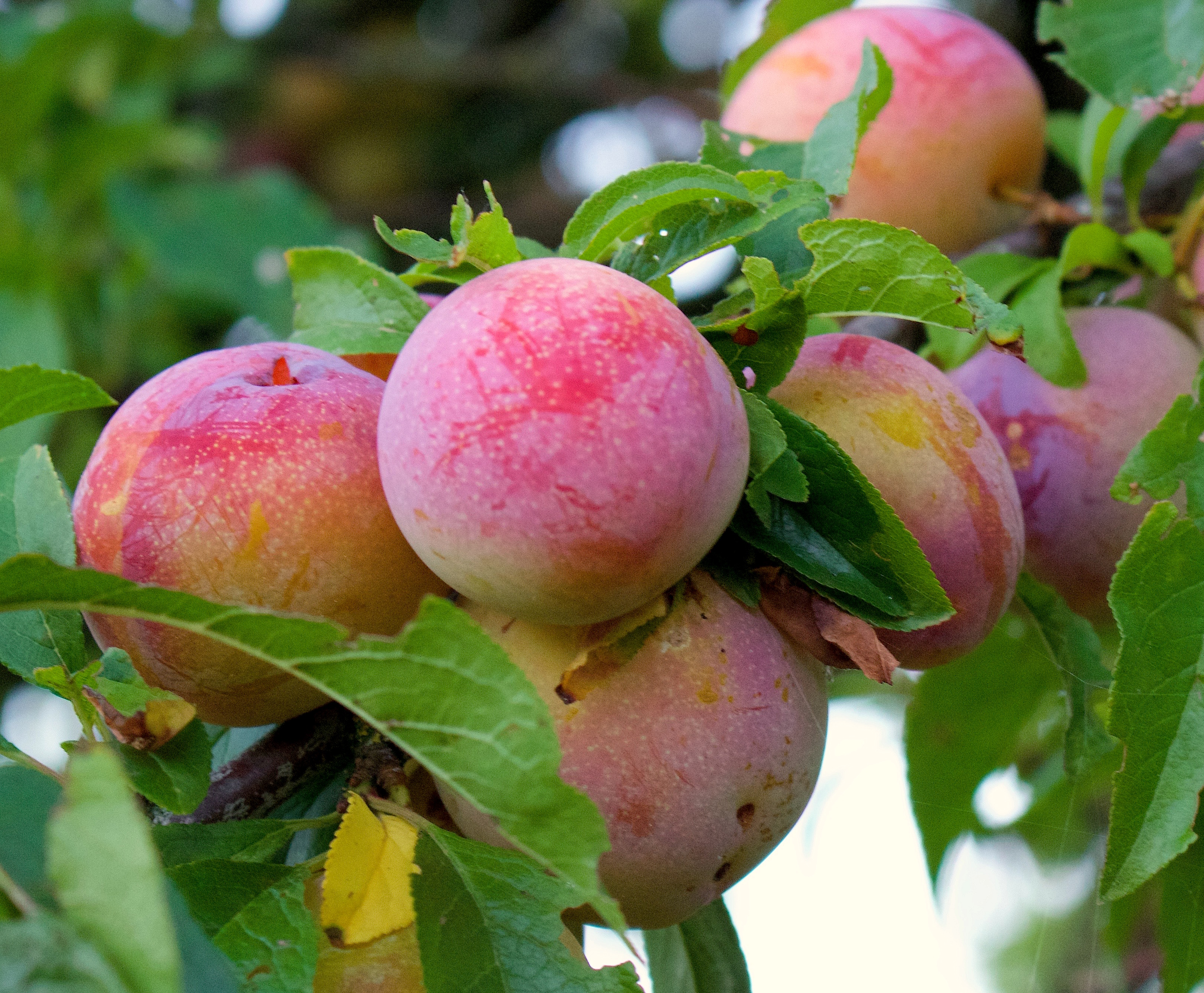
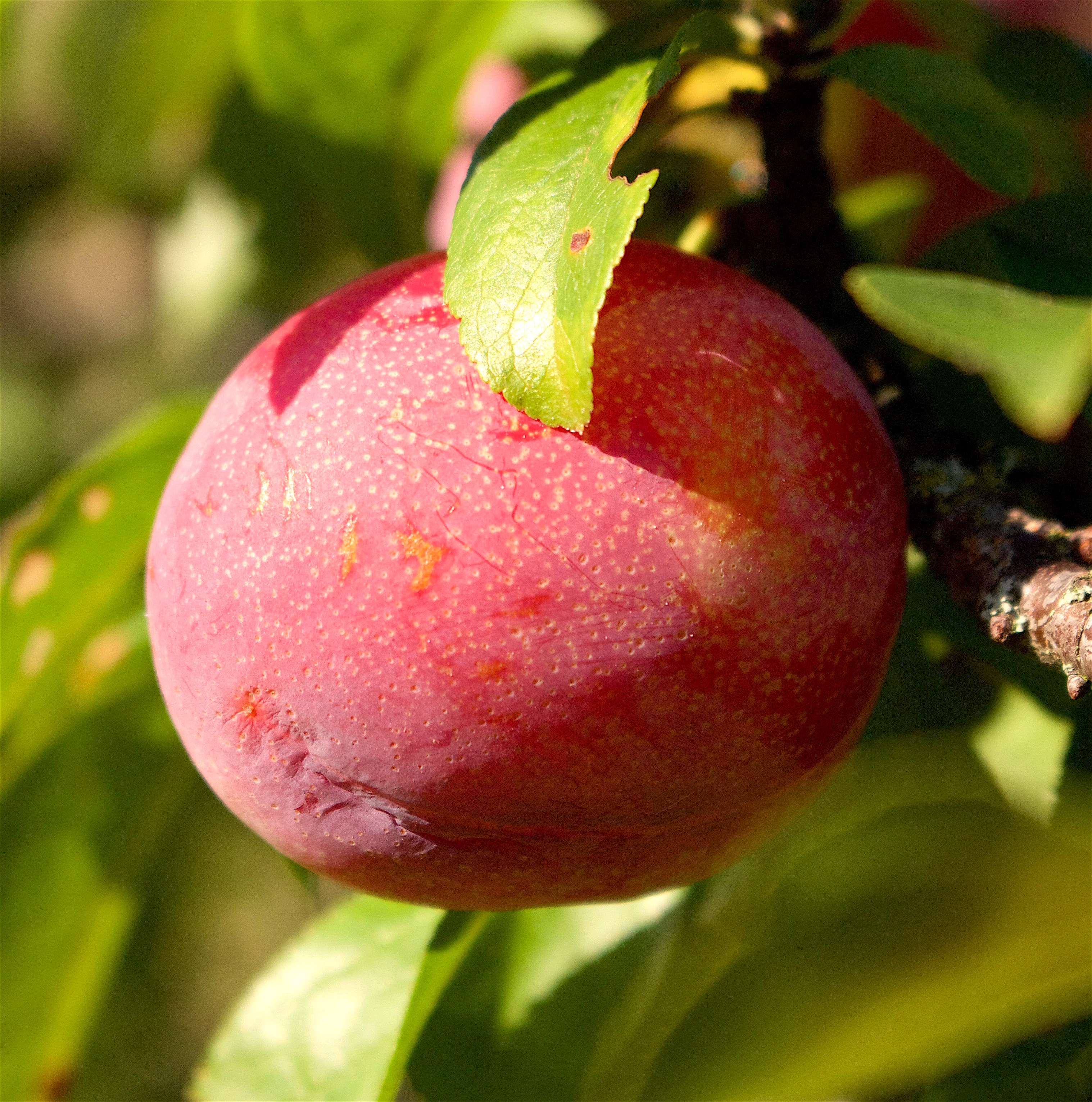
Who needs forgiveness
when more plums
hang heavy
in the orchard

dotted with dew
glistening
in the spare pink light
of dawn

so ripe
and so inviting as
their golden flesh
warms with the risen sun.

One-Time
Monthly
Yearly

Make a one-time or recurring donation to support daily Barnstorming posts

Make a monthly donation

Make a yearly donation

Choose an amount

¤5.00
¤10.00
¤20.00
¤5.00
¤15.00
¤100.00
¤5.00
¤15.00
¤100.00

Or enter a custom amount

¤

Your contribution is deeply appreciated.

Your contribution is appreciated.

Your contribution is appreciated.

DonateDonate monthlyDonate yearly

Soaked and Muddy

Wet things smell stronger,
and I suppose his main regret is that
he can sniff just one at a time.
In a frenzy of delight
he runs way up the sandy road—
scored by freshets after five days
of rain. Every pebble gleams, every leaf.

When I whistle he halts abruptly
and steps in a circle,
swings his extravagant tail.
Then he rolls and rubs his muzzle
in a particular place, while the drizzle
falls without cease, and Queen Anne’s lace
and Goldenrod bend low.

The top of the logging road stands open
and light. Another day, before
hunting starts, we’ll see how far it goes,
leaving word first at home.
The footing is ambiguous.

Soaked and muddy, the dog drops,
panting, and looks up with what amounts
to a grin. It’s so good to be uphill with him,
nicely winded, and looking down on the pond.

A sound commences in my left ear
like the sound of the sea in a shell;
a downward, vertiginous drag comes with it.
Time to head home. I wait
until we’re nearly out to the main road
to put him back on the leash, and he
—the designated optimist—
imagines to the end that he is free.

~Jane Kenyon “After an Illness, Walking the Dog”

A dog can never tell you what she knows from the
smells of the world, but you know, watching her,
that you know almost nothing.
~Mary Oliver, Dog Songs

As I’ve written elsewhere, I spend over an hour a day dealing with the excrement of my farm critters. This is therapeutic time for me as I have deep respect for the necessity to clean up and compost what is smelly/stinky/yucky and biblically objectionable. (Deuteronomy 23:12-14) None of us, including God, want to take a walk having to pick our way around poop.

As I’m busy picking up manure, I watch our dogs seek out the smelliest, most vile things they can find in the barn or field (preferably dead) and roll themselves around in it one after another until they are just as stinky as the stuff they found. They are clearly joyous about it, especially when they do it together. It is curious throw-back behavior that I’ve assumed, wearing my animal behaviorist hat, was about a wild predator covering up their scent in order to stalk and capture prey more effectively without being detected – except they are really truly so smelly that any prey could sense them coming from a mile away and would learn quickly that a moving creature that smells like poop or a dead carcass is bad news and to be avoided.

This is the main reason our farm dogs live full time outdoors. We prefer to avoid stinky dirty creatures too. So I’ve tried to understand this behavior for what adaptive purpose it may have.

Here are some interesting theories at this link.

What makes the most sense to me is the “pack mentality” that suggests that once one dog/wolf rolls in something objectionable, that the rest of the pack does too. This is a unifying theme for anxious individuals – they aren’t really on their own if they smell and blend in with the rest of the pack. So they spread the “wealth”, so to speak. Stink up one, stink up all. Like team spirit, it seems to improve morale – until it doesn’t anymore.

I’ve been feeling covered with stink myself. There are so many divisive opinions right now about a variety of current issues; vile nonsense has been flying right and left on social media as well as face to face. The theory is if all of us stink the same from rolling in piles of misinformation, we are then no longer alone.

Yet our destiny does not have to include believing, sharing and “flinging” the stuff that stinks to see who it will stick to.

Time for a bath.
Time for soap and cleansing and some serious self-examination.
Time to stop joyously rolling around in it.
Time to bury the excrement so we’re not picking our way around the piles and can actually hold our heads up to see where we’re heading.

That’s true freedom.

One-Time
Monthly
Yearly

Make a one-time or recurring donation to support daily Barnstorming posts

Make a monthly donation

Make a yearly donation

Choose an amount

¤5.00
¤10.00
¤20.00
¤5.00
¤15.00
¤100.00
¤5.00
¤15.00
¤100.00

Or enter a custom amount

¤

Your contribution is deeply appreciated.

Your contribution is appreciated.

Your contribution is appreciated.

DonateDonate monthlyDonate yearly