Where You Go, I Will Go: What is this Quintessence of Dust?

What a piece of work is a man!
And yet, to me, what is this quintessence of dust?
~ William Shakespeare – Hamlet’s soliloquy

God –
the God who made the dust,
who made the stars,
who made the elements of which we are composed –
that same God chooses from the beginning to make his dwelling among us,

to live for all time like us,
as a servant of the soil.
I am the dust of the earth,
but God declares that he is not too good,
not too proud,
for my dustiness.
~Daniel Stulac from
 Plough Quarterly No. 4: Earth

What I know for sure is this:
We come from mystery and we return to mystery.
I arrived here with no bad memories of wherever I’d come from,
so I have no good reason to fear the place to which I’ll return.
And I know this, too:

Standing closer to the reality of death
awakens my awe at the gift of life.
~Parker Palmer “On the Brink of Everything

 …I do nothing, I give You
nothing. Yet You hold me

minute by minute
from falling.

~Denise Levertov from Psalm Fragments (Schnittke String Trio), in The Stream and the Sapphire

This dust left of man:
earth, air, water and fire
prove inadequate
to quell the significance of how,
in spoken words at the beginning,
this dust became us, and
how, forevermore,
this is holy dust we leave behind.

We are held secure from falling
by transcendent hope
of eternal life,
restored by a glory
breathed into us –
such a piece of work we are
the plainest of ash.

This year’s Lenten theme:

…where you go I will go…
Ruth 1:16

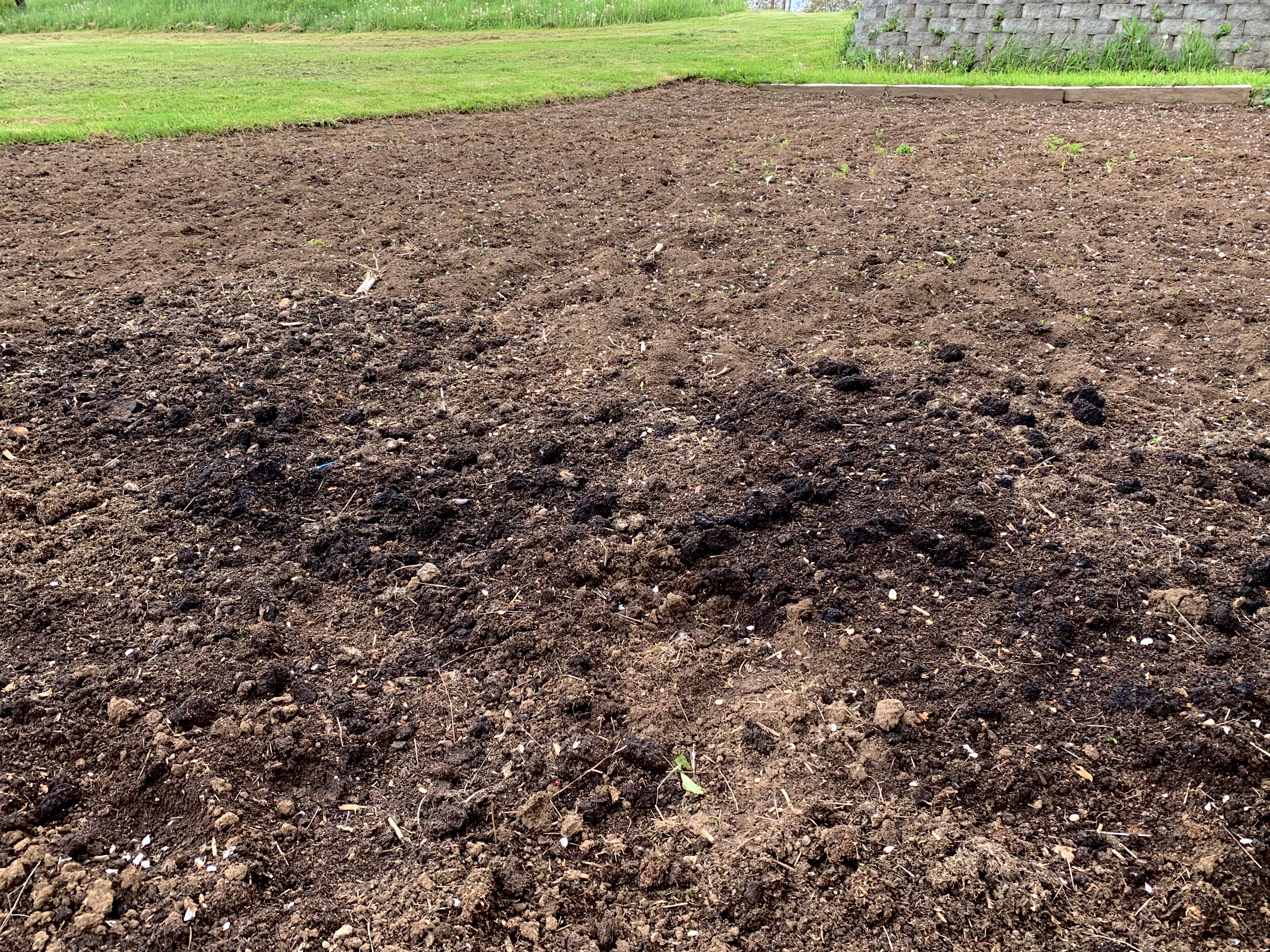
AI image created for this post
One-Time
Monthly
Yearly

Make a one-time or recurring donation to support daily Barnstorming posts

Make a monthly donation

Make a yearly donation

Choose an amount

$10.00
$25.00
$50.00
$5.00
$15.00
$100.00
$5.00
$15.00
$100.00

Or enter a custom amount

$

Your contribution is deeply appreciated.

Your contribution is appreciated.

Your contribution is appreciated.

DonateDonate monthlyDonate yearly

The Grey Crossing

“Your attention, please,” the mate’s voice says,
“we are slowing a moment for a memorial,”
and sure enough we all do, all of us, even those
entangled in a bustle to get to the other side,
restless chunks of festering business waiting,
little urgencies pricking us into a stressed huff.
Below on the car deck a small group slowly forms,
and a mate lowers a rope, beckons them forward,
the ferry engines slowing whatever our hurry,
and we are all coasting together on a rainy sea.

A heavy-set woman unwraps a nondescript urn
from a carefully held towel, handing it in turn
to an ungainly boy, a shy girl, an older man,
and she watches as each tips the urn to scatter
dust into a windy vortex off the ferry’s stern,
a fine grey mist streaming over the roiled wake
in a high breeze before settling, disappearing
into grey oblivion of sea, sky, and late afternoon.

As the ferry’s horn sounds three long blasts,
the four bow heads. The woman hesitates,
hides her face a moment in the towel, kisses
each of her party, and shakes the mate’s hand.
He speaks, his words lost to us in sea sounds
and engines, then looks up to the bridge, waves,
and the small group, holding hands, rejoins
some two hundred of us who have in silence
watched this mini-delay in our grey crossing.
The ferry’s engines begin their normal thrum
to push us forward again against a grey sea
and under a low, grey sky, where a fine dust
disappeared, and white seagulls rise and cry.

~Rob Jacques, “Memorial, Washington State Ferry” from Adagio for Su Tung-p’o

There is a sense of timelessness while riding on the ferry runs between the islands and peninsulas in Washington state. While driving my car on the busy freeways in the region, I am at the mercy of the weather, other drivers and all manner of delays. When I’m on a ferry, I become mere witness, only a rider seeking peaceful passage. Someone else worries about safely getting from Point A to Point B.

I’m able to breathe: watching the waves and the wake, the antics of gulls and cormorants, and rarely, an orca pod.

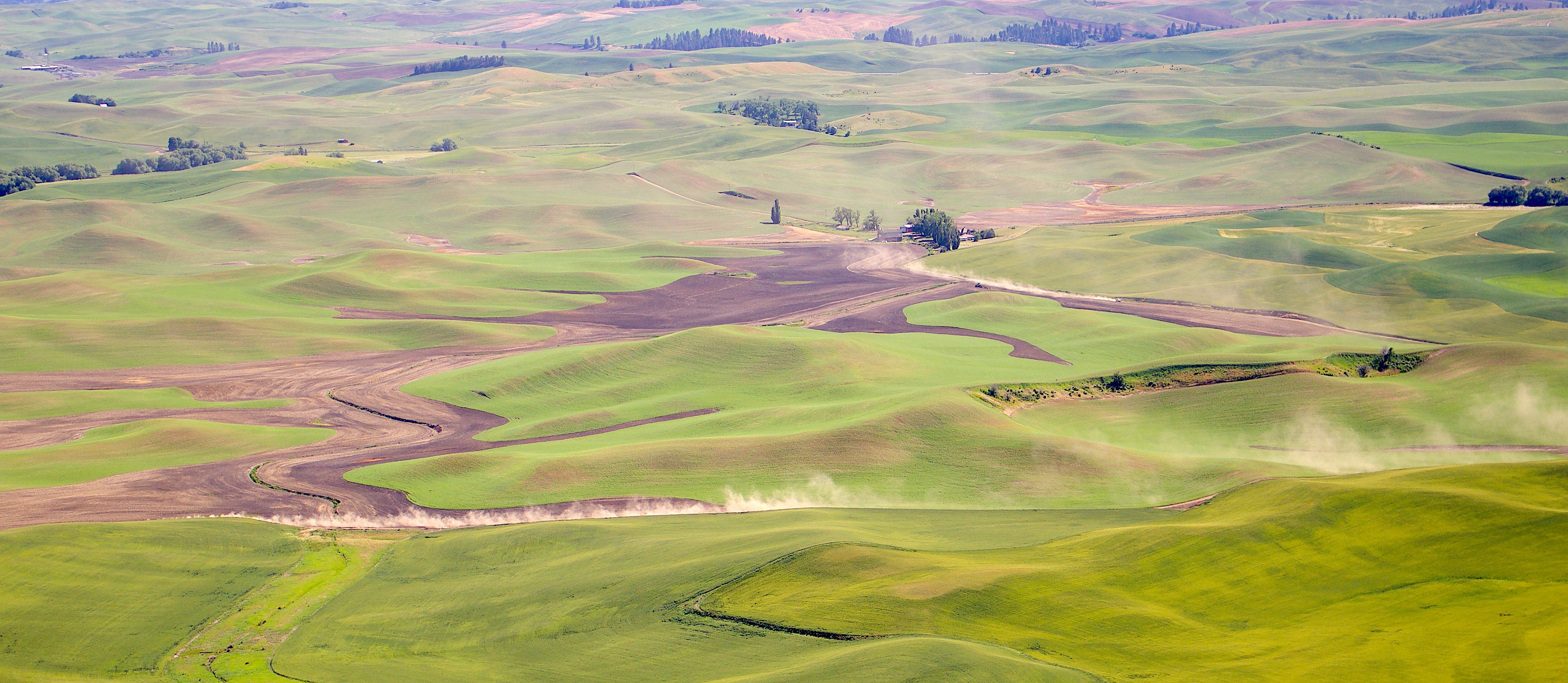
Next week is a time of memorial and remembrance of those who have passed into eternity. The ashes of my parents rest in the ground under a plaque that I visit annually with my family. Dad would have preferred his ashes to be cast out upon on the open water that he loved, but Mom chose a cemetery plot for them both, a more familiar resting place for a girl who grew up in the Palouse farmlands, no where near large bodies of water.

Last year, a good friend chose to be composted; he rests now in his beloved orchard, feeding the trees that continue to bear fruit.

No matter where our mortal bodies eventually find our rest, we hope to be remembered.

Our souls have risen, free.

video taken on the Samish Sea (Puget Sound) from my friend Andrew
One-Time
Monthly
Yearly

Make a one-time or recurring donation to support daily Barnstorming posts

Make a monthly donation

Make a yearly donation

Choose an amount

$10.00
$25.00
$50.00
$5.00
$15.00
$100.00
$5.00
$15.00
$100.00

Or enter a custom amount

$

Your contribution is deeply appreciated.

Your contribution is appreciated.

Your contribution is appreciated.

DonateDonate monthlyDonate yearly

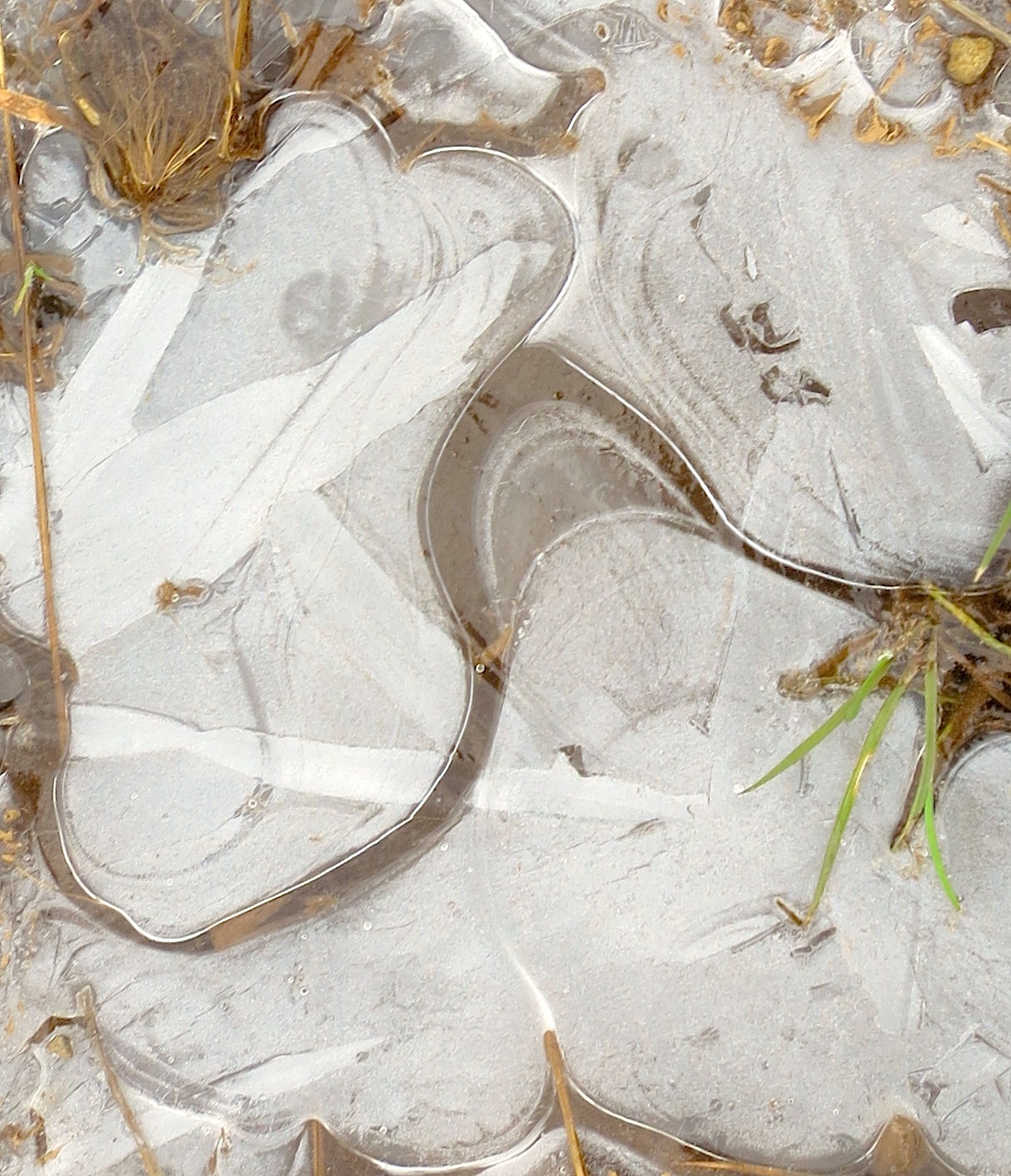
Ice Would Suffice

I don’t know why it made me happy
to see the pond ice over in a day,
turning first hazy, then white.
Or why I was glad when the thermometre
read twenty-four below, and I came back to bed – the pillows cold,
as if I had not been there two minutes before.
~Jane Kenyon “The Cold”

Then they also will answer, saying,
‘Lord, when did we see you hungry or thirsty or a stranger or naked or sick or in prison, and did not minister to you?

Matthew 25:44

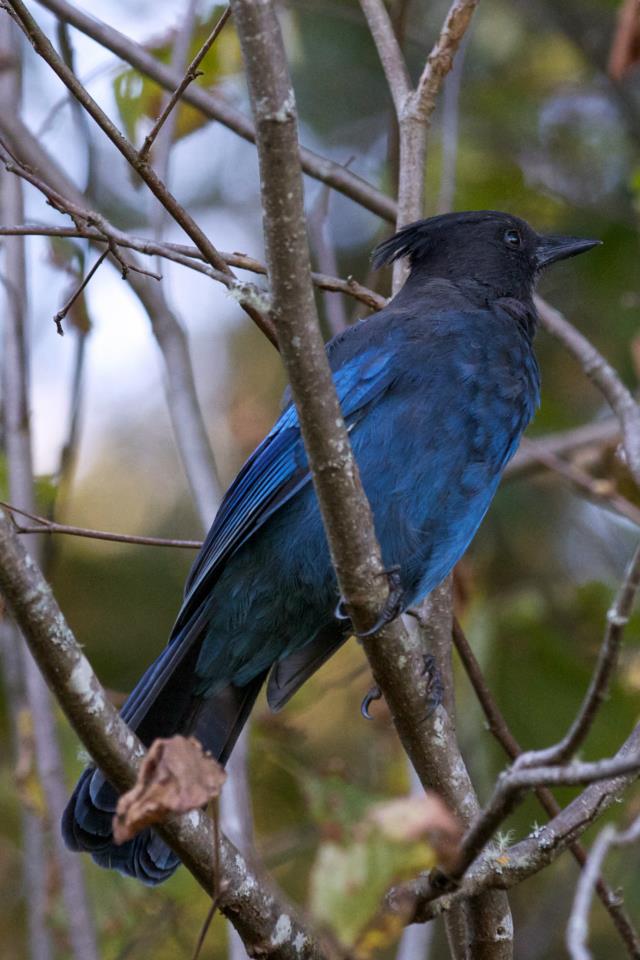
bluejay photo by Josh Scholten


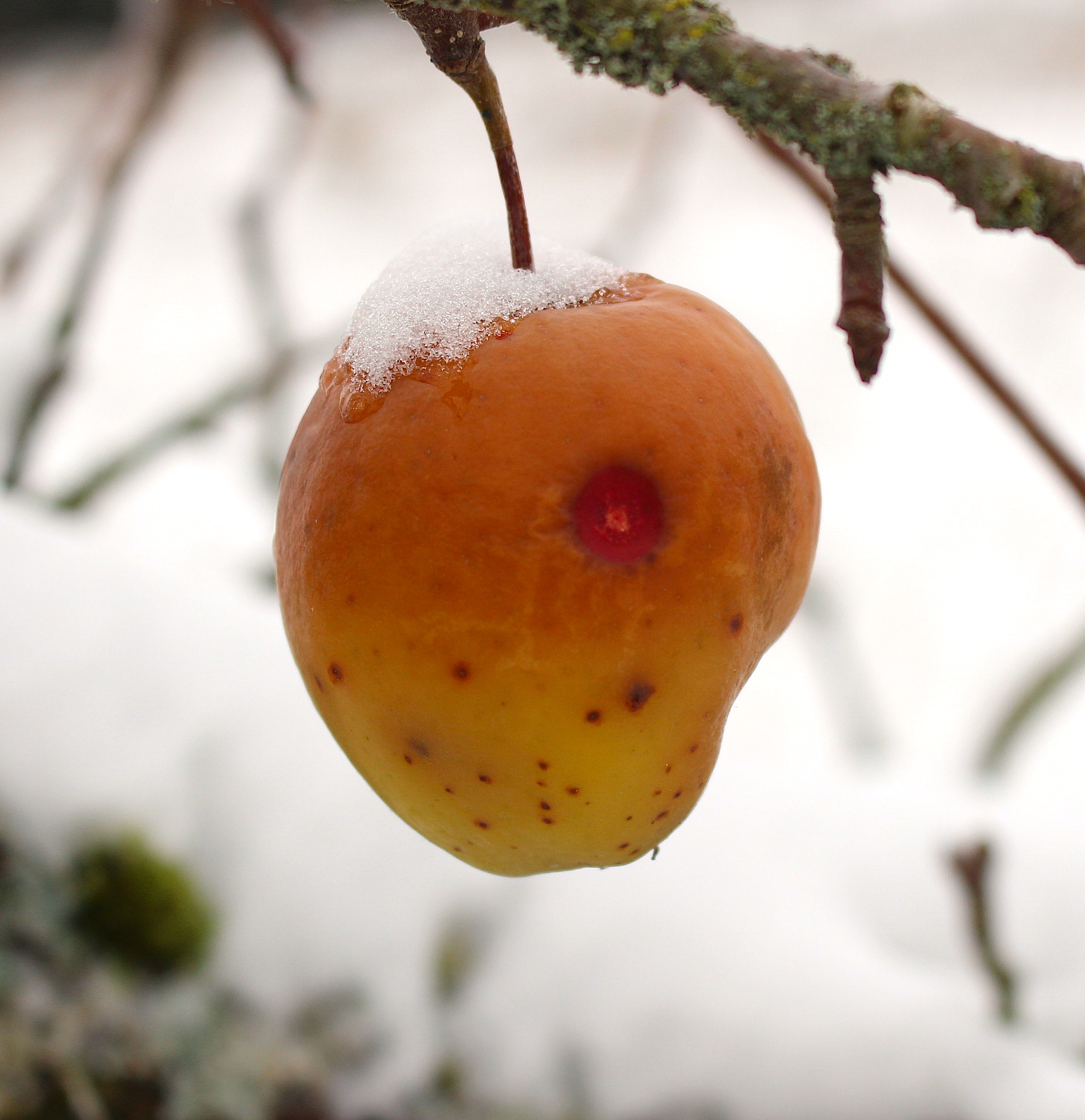
A jay settled on a branch, making it sway.
The one shriveled fruit that remained
gave way to the deepening drift below.
I happened to see it the moment it fell.
.
Dusk is eager and comes early. A car
creeps over the hill. Still in the dark I try
to tell if I am numbered with the damned,
who cry, outraged, Lord, when did we see You?
~Jane Kenyon “Apple Dropping Into Deep Early Snow”

I have reservoirs of want enough   
to freeze many nights over.
~Conor O’Callaghan from “January Drought”

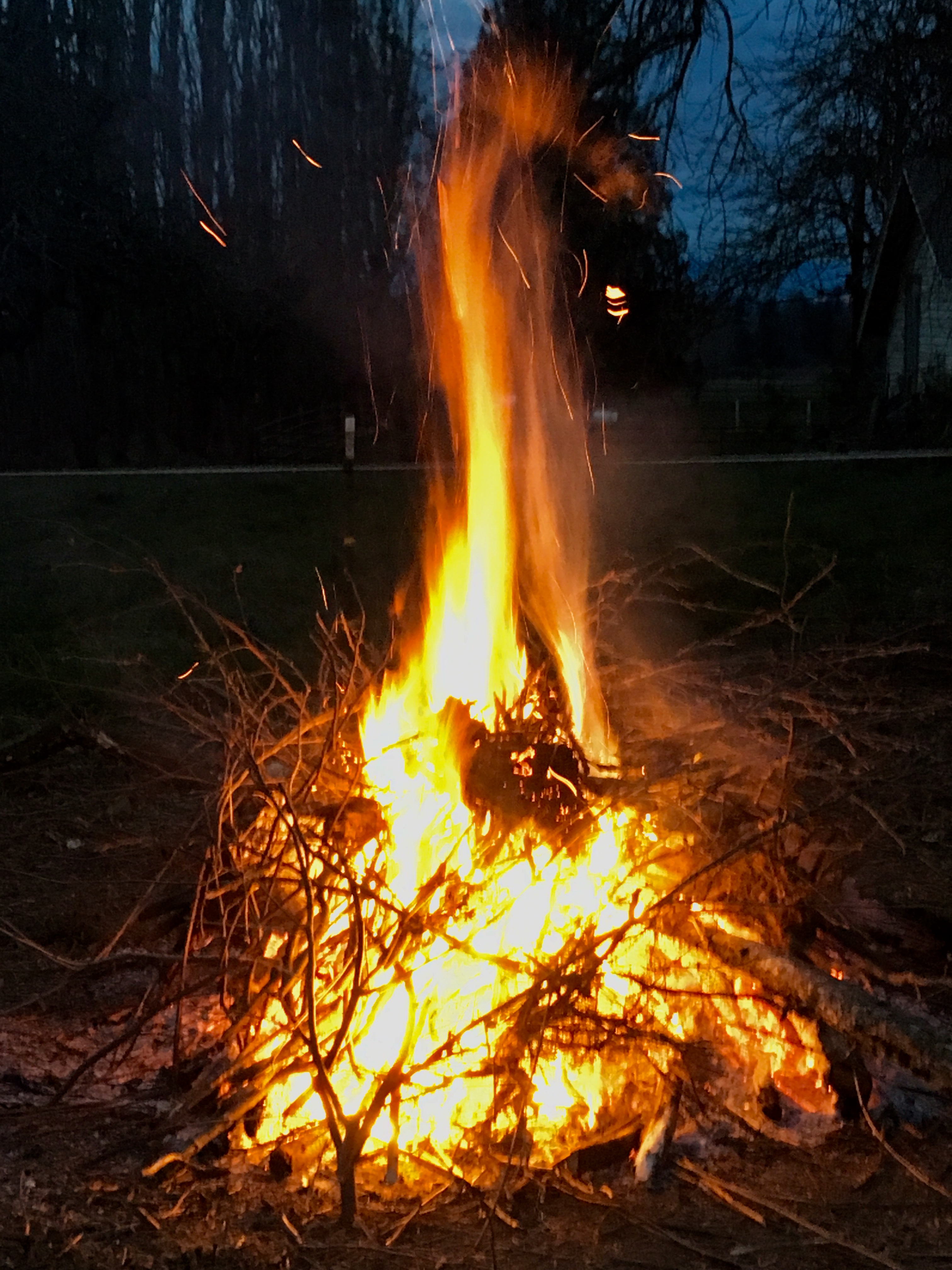
Some say the world will end in fire,
Some say in ice.
From what I’ve tasted of desire
I hold with those who favor fire.
But if it had to perish twice,
I think I know enough of hate
To say that for destruction ice
Is also great
And would suffice.

~Robert Frost “Fire and Ice”

How sad to think we have a choice of destruction –
between the ashes of a cataclysmic fire
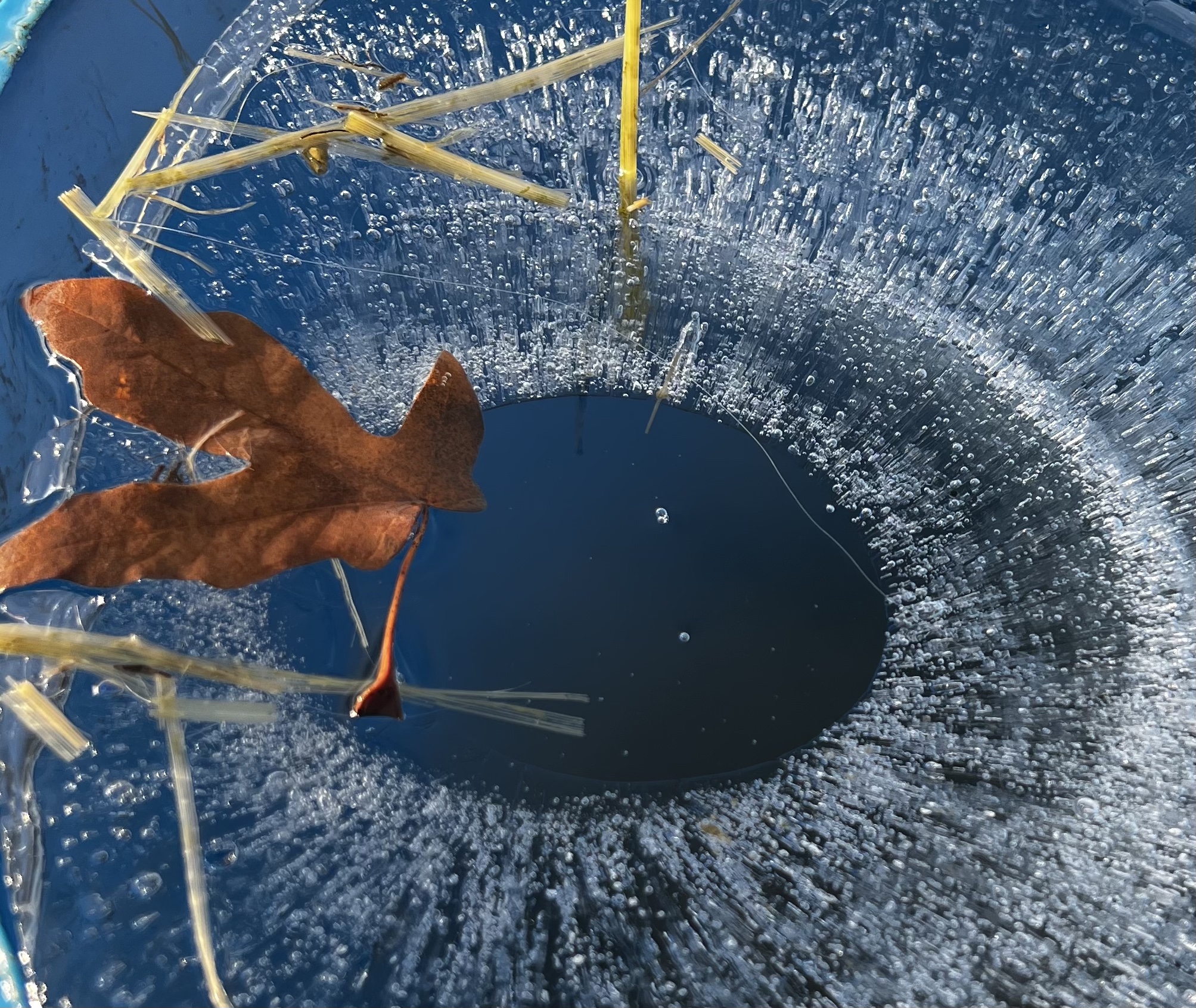
or the frozen immobility of a block of ice
with breath trapped in bubbles
rather than lungs.

There is nothing left from charred remains
nor can life exist in a safe suspension awaiting melt.

How outrageous we forget –
others matter to God,
He who embodies the least of these:
the hungry, the thirsty,
the ill, the poor,
the oppressed, the imprisoned.

We’re called to thaw without scorching,
give ourselves without resentment,
find God present even when we wish to hide from him.

May it be
we breathe deeply when the ice around us melts.

One-Time
Monthly
Yearly

Make a one-time or recurring donation to support Barnstorming

Make a monthly donation

Make a yearly donation

Choose an amount

¤5.00
¤10.00
¤20.00
¤5.00
¤15.00
¤100.00
¤5.00
¤15.00
¤100.00

Or enter a custom amount

¤

Your contribution is deeply appreciated.

Your contribution is appreciated.

Your contribution is appreciated.

DonateDonate monthlyDonate yearly


Dwelling On What Has Been

The house had gone to bring again
To the midnight sky a sunset glow.
Now the chimney was all of the house that stood,
Like a pistil after the petals go.

The barn opposed across the way,
That would have joined the house in flame
Had it been the will of the wind, was left
To bear forsaken the place’s name.

No more it opened with all one end
For teams that came by the stony road
To drum on the floor with scurrying hoofs
And brush the mow with the summer load.

The birds that came to it through the air
At broken windows flew out and in,
Their murmur more like the sigh we sigh
From too much dwelling on what has been.

Yet for them the lilac renewed its leaf,
And the aged elm, though touched with fire;
And the dry pump flung up an awkward arm:
And the fence post carried a strand of wire.

For them there was really nothing sad.
But though they rejoiced in the nest they kept,
One had to be versed in country things
Not to believe the phoebes wept.
 ~Robert Frost “The Need of Being Versed in Country Things”

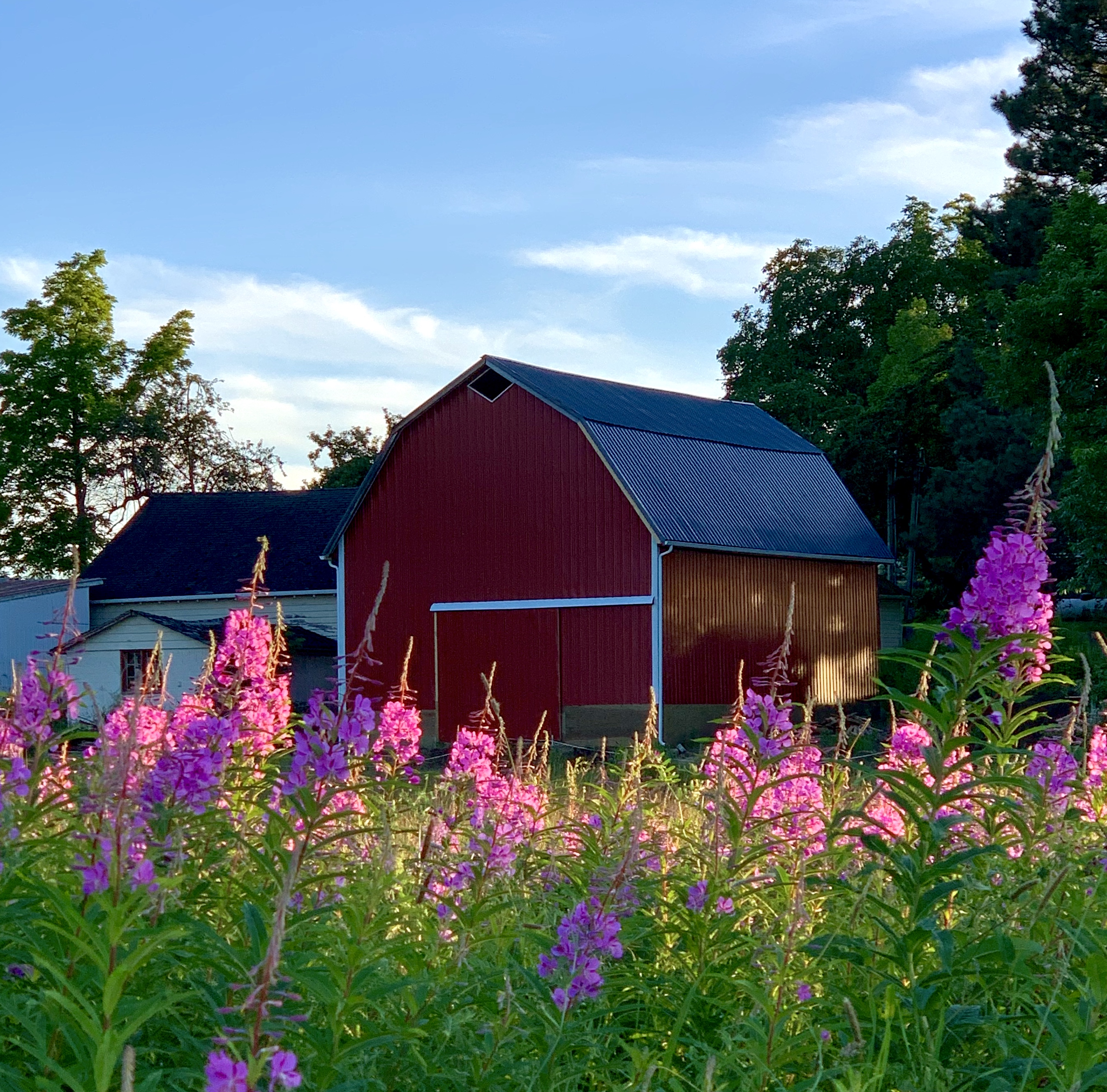
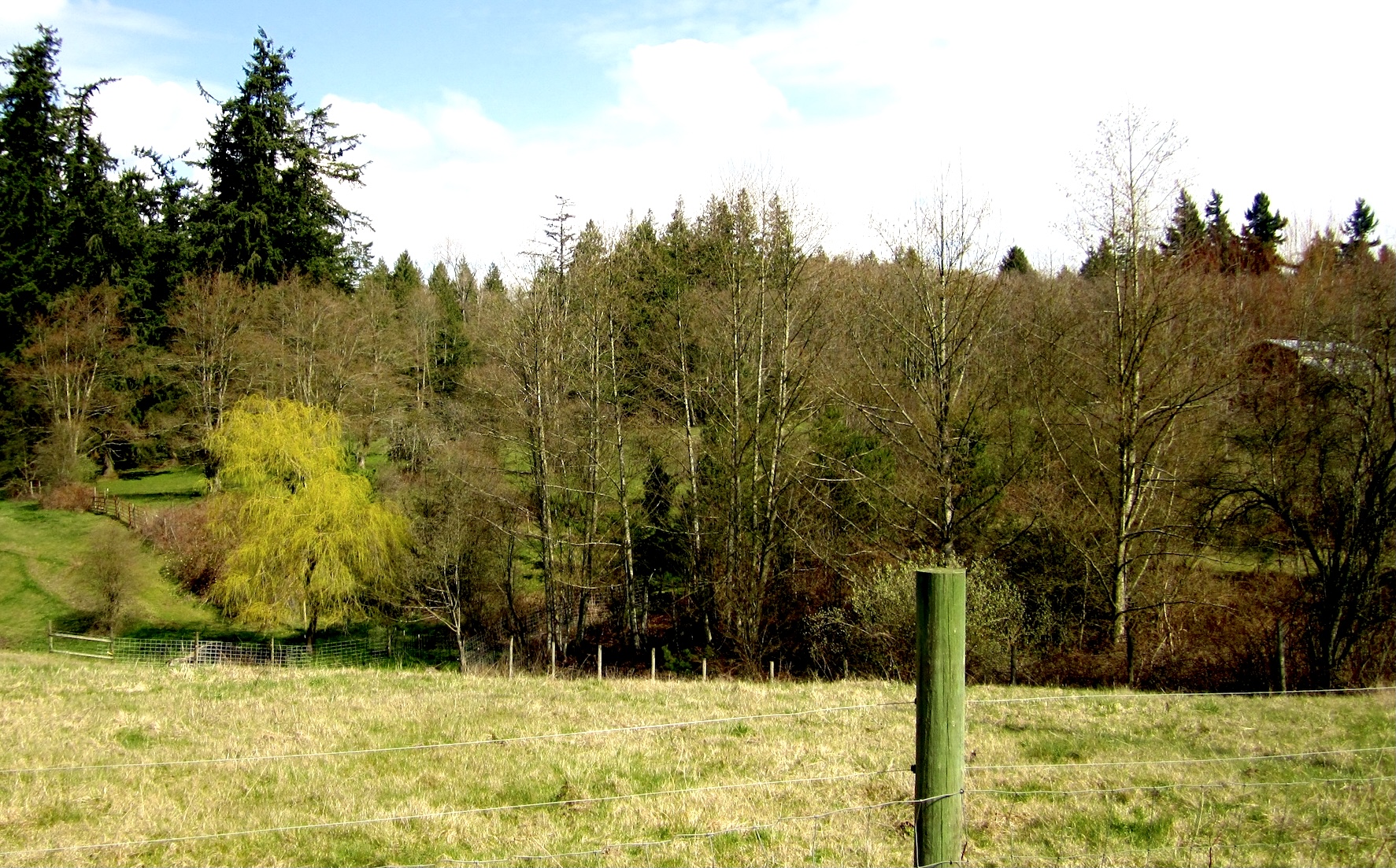
The field of my childhood farm (1954-59) with the red barn visible on the right. The house was destroyed by fire in the mid-60s but the barn was spared

photo by Harry Rodenberger

My family sold our first farm in East Stanwood when my father took a job working for the state in Olympia, moving to supervising high school agriculture teachers rather than being a teacher himself. It was a difficult transition for us all: we moved to a smaller home and a few acres, leaving behind a large two story house, a huge hay barn and chicken coop as well as large fields and a woods where our dairy cows had grazed.

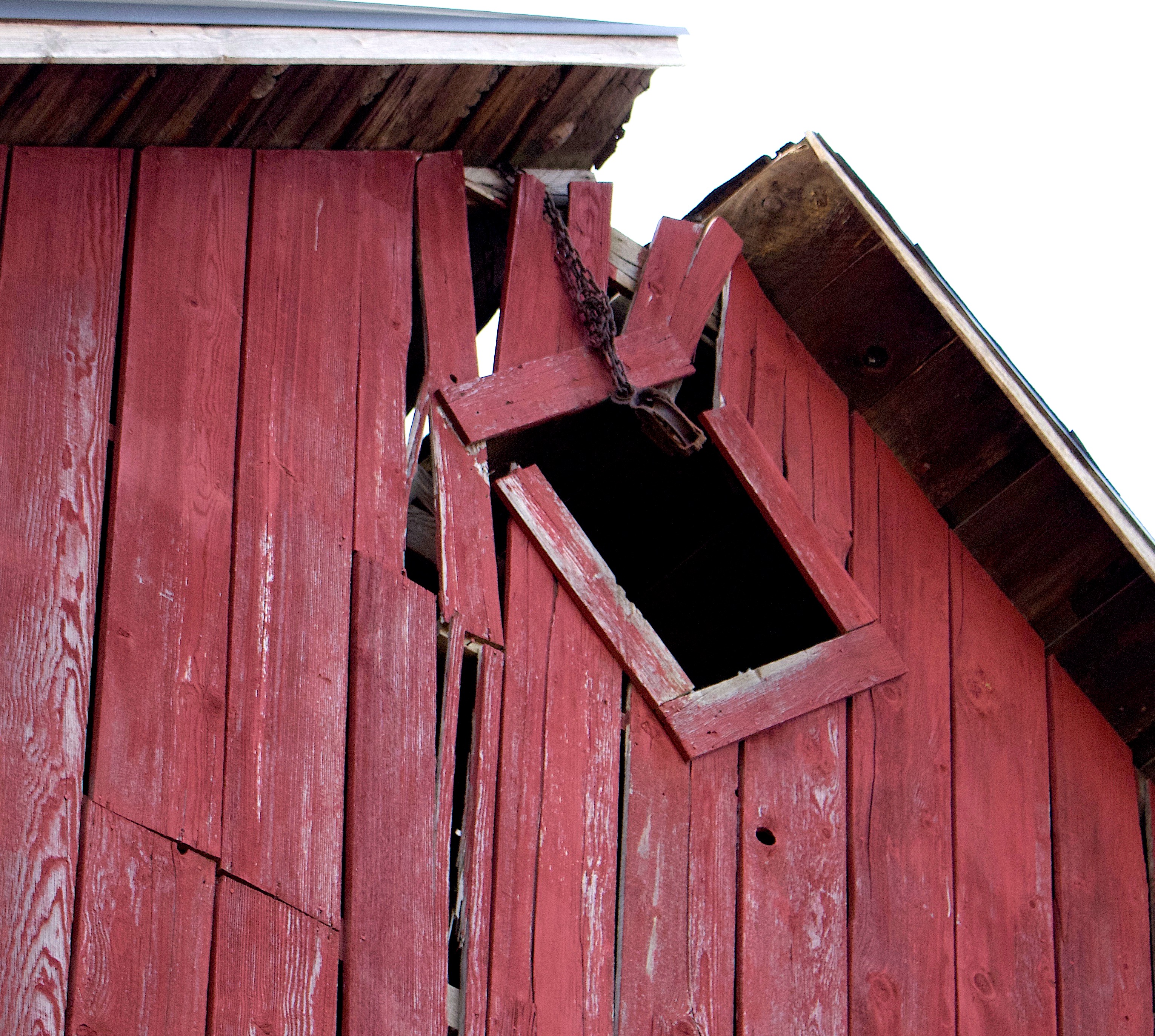
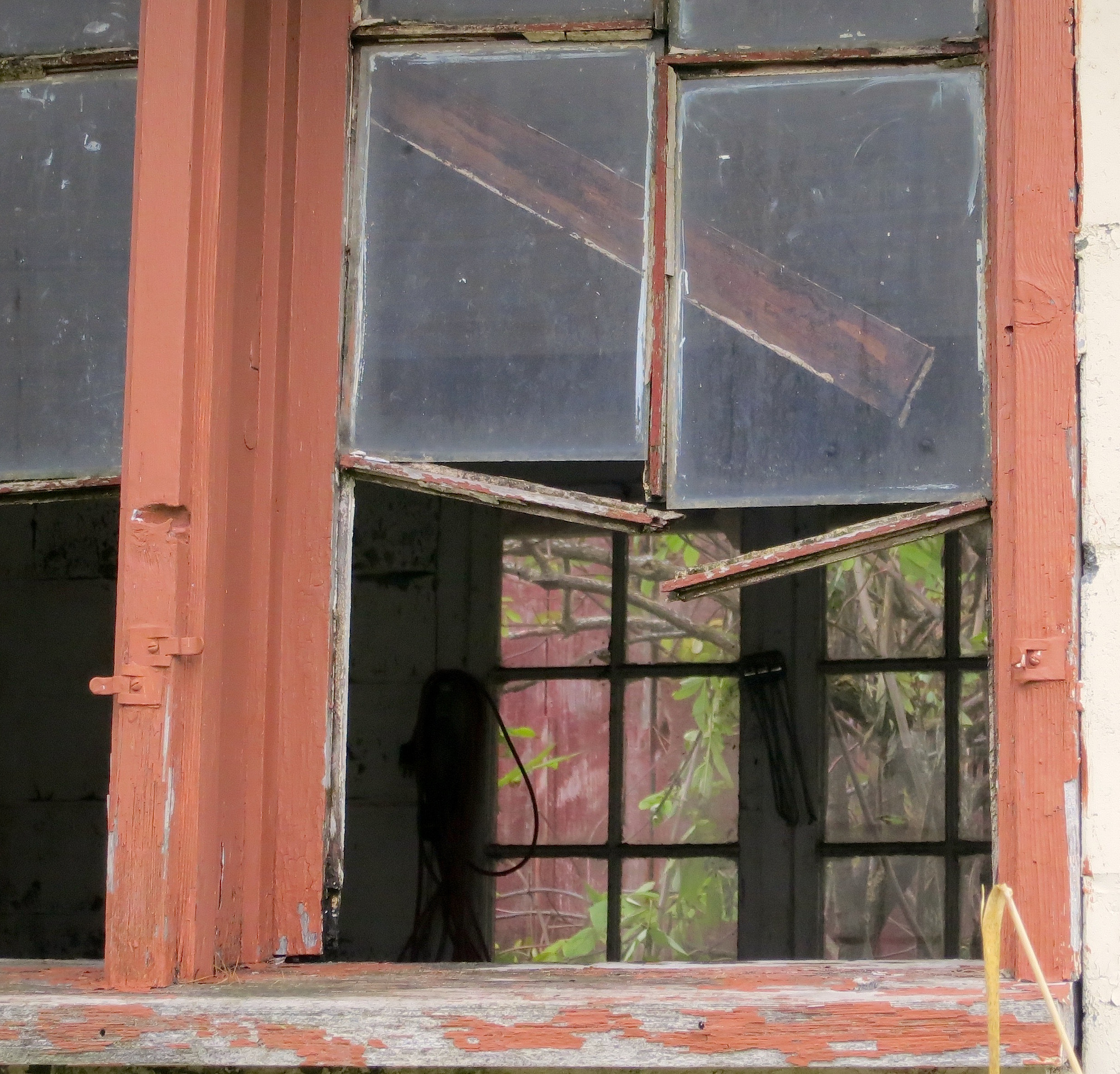
Only a few years later, the old farmhouse burned down but the rest of the buildings were spared. It passed through a few hands and when we had occasion to drive by, we were dismayed to see how nature was taking over the place. The barn still stood but unused it was weathering and withering. The windows were broken, birds flew in and out, the former flower garden had grown wild and unruly.

This was the place I was conceived and learned to walk and talk, where I developed my love for wandering in the fields and respecting the farm animals we depended upon. I remember as a child of four sitting at the kitchen table looking out the window at the sunrise coming rising over the woods and making the misty fields turn golden.

Yet now this land has returned to its essence before the ground was ever plowed or buildings were constructed. It no longer belongs to our family (as if it ever did) but it forever belongs to our memories.

I am overly prone to nostalgia, dwelling more on what has been than what is now or what I hope is to come. It is easy to weep over the losses when time and circumstances reap circumstances that become unrecognizable.

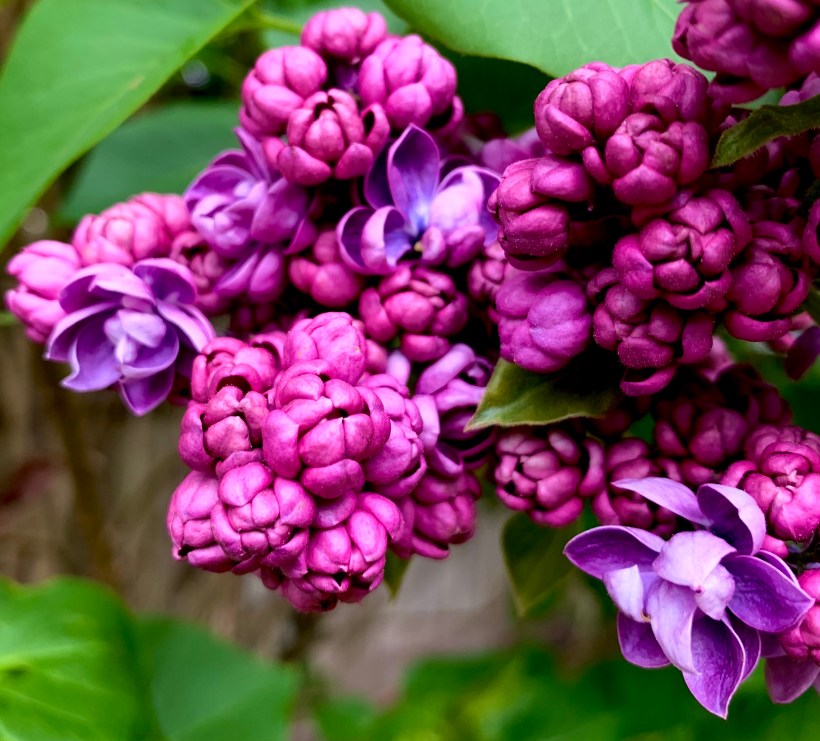
I may weep, but nature does not. The sun continues to rise over the fields, the birds continue to build nests, the lilacs grow taller with outrageous blooms, and each day ends with a promise of another to come.

So I must dwell on what lies ahead, not what perished in the ashes.

photo by Harry Rodenberger

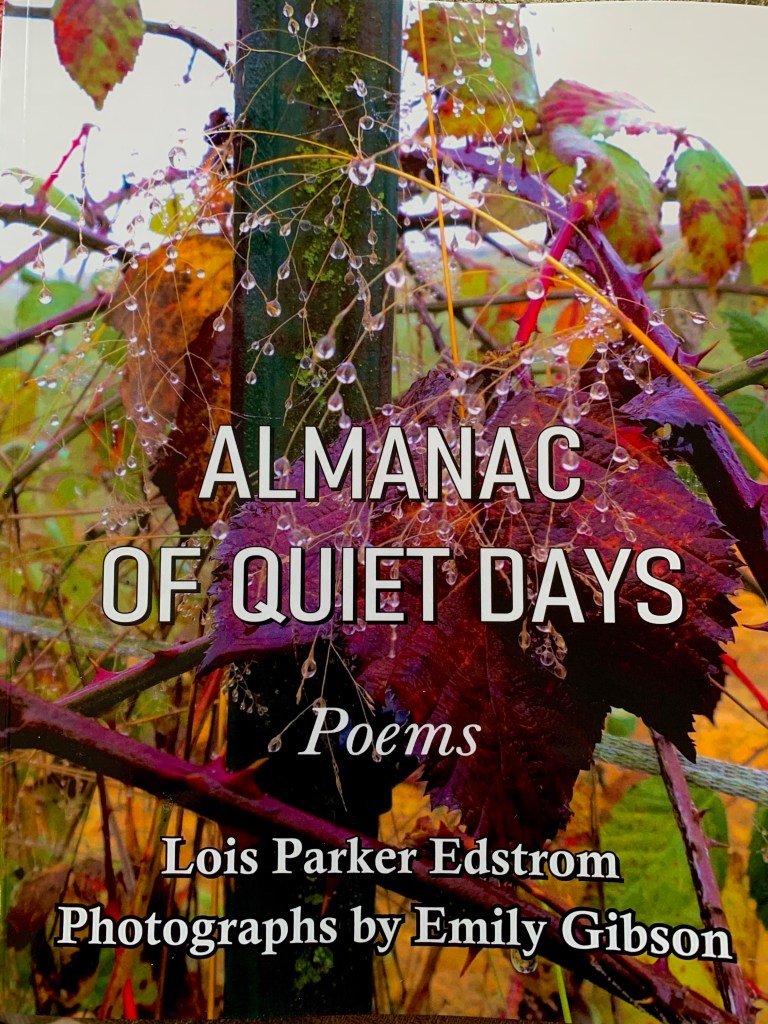
A book available from Barnstorming — information about how to order here

Waiting in Wilderness: A Time of Treading Life

This is the wilderness time,
when every path is obscure
and thorns have grown around the words of hope.

This is the time of stone, not bread,
when even the sunrise feels uncertain
and everything tastes of bitterness.

This is the time of ashes and dust,
when darkness clothes our dreams
and no star shines a guiding light.

This is the time of treading life,
waiting for the swells to subside and for the chaos to clear.

Be the wings of our strength, O God,
in this time of wilderness waiting.
– Keri Wehlander from “600 Blessings and Prayers from around the world” compiled by Geoffrey Duncan

He will cover you with his feathers,
    and under his wings you will find refuge;
    his faithfulness will be your shield and rampart.
Psalm 91:4

To be commanded to love God at all, let alone in the wilderness,
is like being commanded to be well when we are sick,
to sing for joy when we are dying of thirst,
to run when our legs are broken.
But this is the first and great commandment nonetheless.
Even in the wilderness- especially in the wilderness – you shall love him.   
~Frederick Buechner from A Room Called Remember:Uncollected Pieces

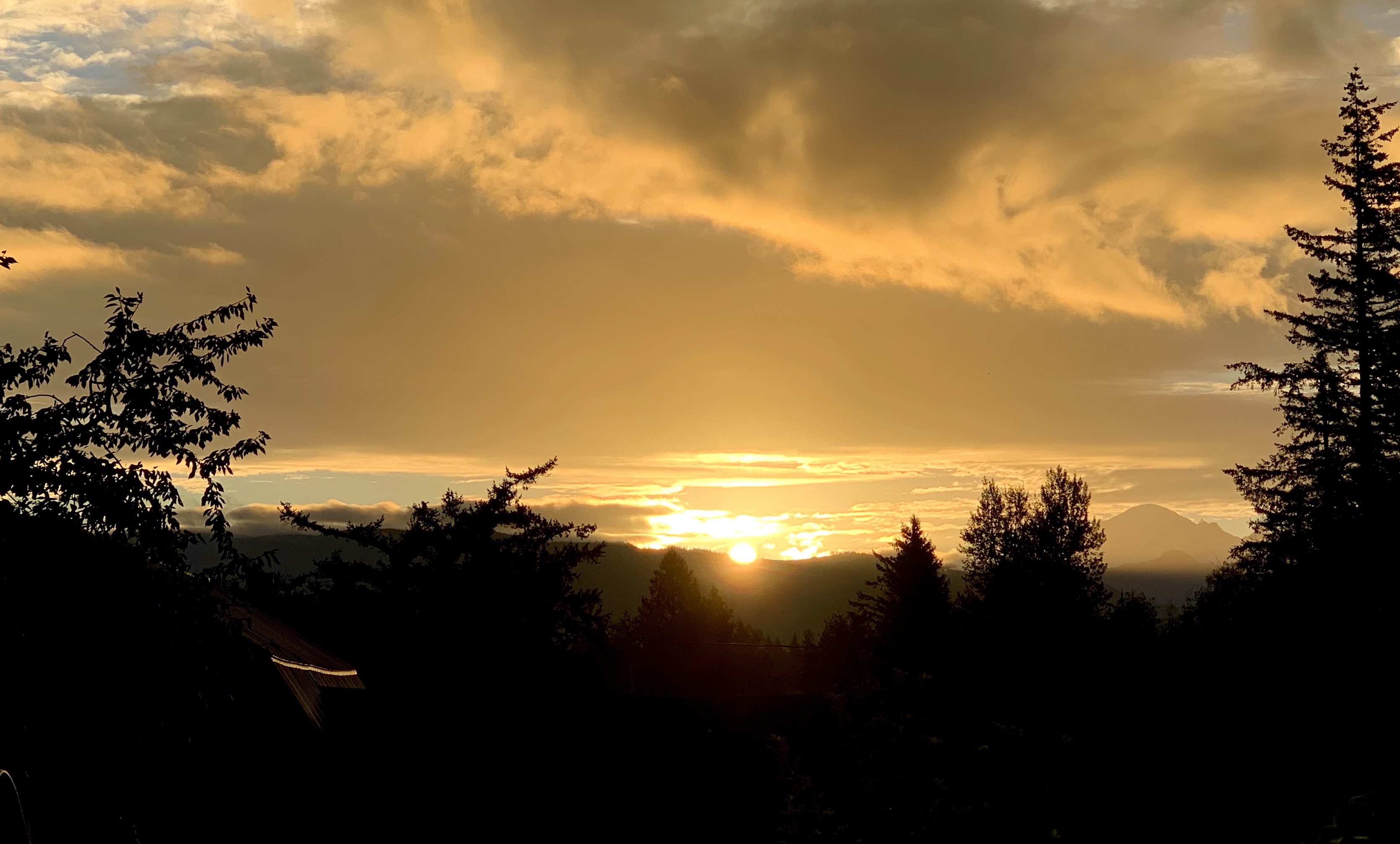
I usually think of wilderness as a distant peak far removed from anything or anyone.  From my farmhouse window on a clear day, I can see a number of distant peaks if the cloud cover moves away to reveal them.

Or perhaps the wilderness is a desolate plain that extends for miles without relief in sight.

Wilderness is also found in an isolated corner of my human heart. I keep it far removed from anything and anyone. During my televisit computer work,  I witness this wilderness in others, many times every day.

A diagnosis of “wilderness of the heart” doesn’t require a psychiatric manual: 
there is despair, discouragement, disappointment, lack of gratitude, lack of hope. 
One possible treatment to tame that wilderness is a covenantal obedience to God and others. It reaches so deep no corner is left untouched.

There come times in one’s life, and this past year especially, when loving God as commanded seems impossible. We are too broken, too frightened, too ill and too wary to trust God with faith and devotion.  We are treading life simply to stay afloat.

During this second Lenten pandemic, God’s love becomes respite and rescue from the wilderness of my own making. He is the sweet cure for a bitter and broken heart.

Waiting in Wilderness: Rain on a Dusty Road

Heaven knows we need never be ashamed of our tears,
for they are rain upon the blinding dust of earth, overlying our hard hearts.
I was better after I had cried, than before–
more sorry, more aware of my own ingratitude, more gentle.
~Charles Dickens as “Pip” in Great Expectations

Jesus wept.
~John 11:35

Today, Ash Wednesday, is the beginning of Lent (an old English word for “lengthening”).

This six week observance humbles the hardest of hearts by readying us to walk through the dusty wilderness of our sin and brokenness. 

Over the coming weeks, I learn again of Christ’s traveling the parched road to the cross. His tears become a cleansing rain — tears of sorrow and sacrifice meant to renew and restore the earthly dust beneath His feet – the dust from which His Father formed us and to which we will return.

This journey leads us through the ashes of our bitterness, pride, and ingratitude. We follow this difficult and arduous wilderness road, fitting our foot to each tear-stained print He left behind, knowing where ultimately it must take us.

VERSE 1 
It is Ash Wednesday’s early morn. 
The old, the young, the newly born 
Await the mark of Adam’s dust 
To seal their wills in Jesus’ trust. 

VERSE 2 
Prepared to walk the Lenten trail 
They face death’s dark and shadowed vale. 
Rememb’ring Christ who led the way 
They bravely march beneath his sway. 

VERSE 3 
You came from dust and dust would be 
Without the Great Son’s victory. 
The gift is free yet must be claimed 
By goodness lived and evil tamed. 

VERSE 4 
It is Ash Wednesday’s early morn. 
The old, the young, the newly born 
Await the mark of Adam’s dust 
To seal their wills in Jesus’ trust.

from Lent, released February 1, 2019 
Written by Nelson Koscheski (BMI), Ryan Flanigan (BMI); © 2018 

We Shall All Be Changed

Cloud-puffball, torn tufts, tossed pillows | flaunt forth, then chevy on an air-
Built thoroughfare: heaven-roysterers, in gay-gangs | they throng; they glitter in marches.
Down roughcast, down dazzling whitewash, | wherever an elm arches,
Shivelights and shadowtackle ín long | lashes lace, lance, and pair.
Delightfully the bright wind boisterous | ropes, wrestles, beats earth bare
Of yestertempest’s creases; | in pool and rut peel parches
Squandering ooze to squeezed | dough, crust, dust; stanches, starches
Squadroned masks and manmarks | treadmire toil there
Footfretted in it. Million-fuelèd, | nature’s bonfire burns on.
But quench her bonniest, dearest | to her, her clearest-selvèd spark
Man, how fast his firedint, | his mark on mind, is gone!
Both are in an unfathomable, all is in an enormous dark
Drowned. O pity and indig | nation! Manshape, that shone
Sheer off, disseveral, a star, | death blots black out; nor mark
                            Is any of him at all so stark
But vastness blurs and time | beats level. Enough! the Resurrection,
A heart’s-clarion! Away grief’s gasping, | joyless days, dejection.
                            Across my foundering deck shone
A beacon, an eternal beam. | Flesh fade, and mortal trash
Fall to the residuary worm; | world’s wildfire, leave but ash:
                            In a flash, at a trumpet crash,
I am all at once what Christ is, | since he was what I am, and
This Jack, joke, poor potsherd, | patch, matchwood, immortal diamond,
                            Is immortal diamond.
~Gerard Manley Hopkins “That Nature is a Heraclitean Fire and of the Comfort of the Resurrection”

Behold, I show you a mystery;
We shall not all sleep, but we shall all be changed,
In a moment, in a twinkling of an eye;
at the last trump: for the trumpet shall sound,
and the dead shall be raised incorruptible,
and we shall be changed,
For this corruptible must put on immortality

1Corinthians 15:51-53

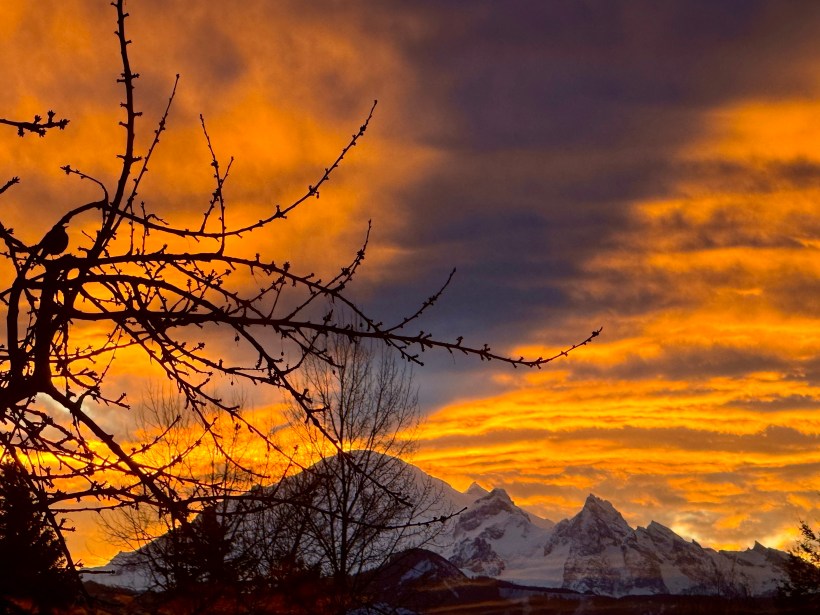
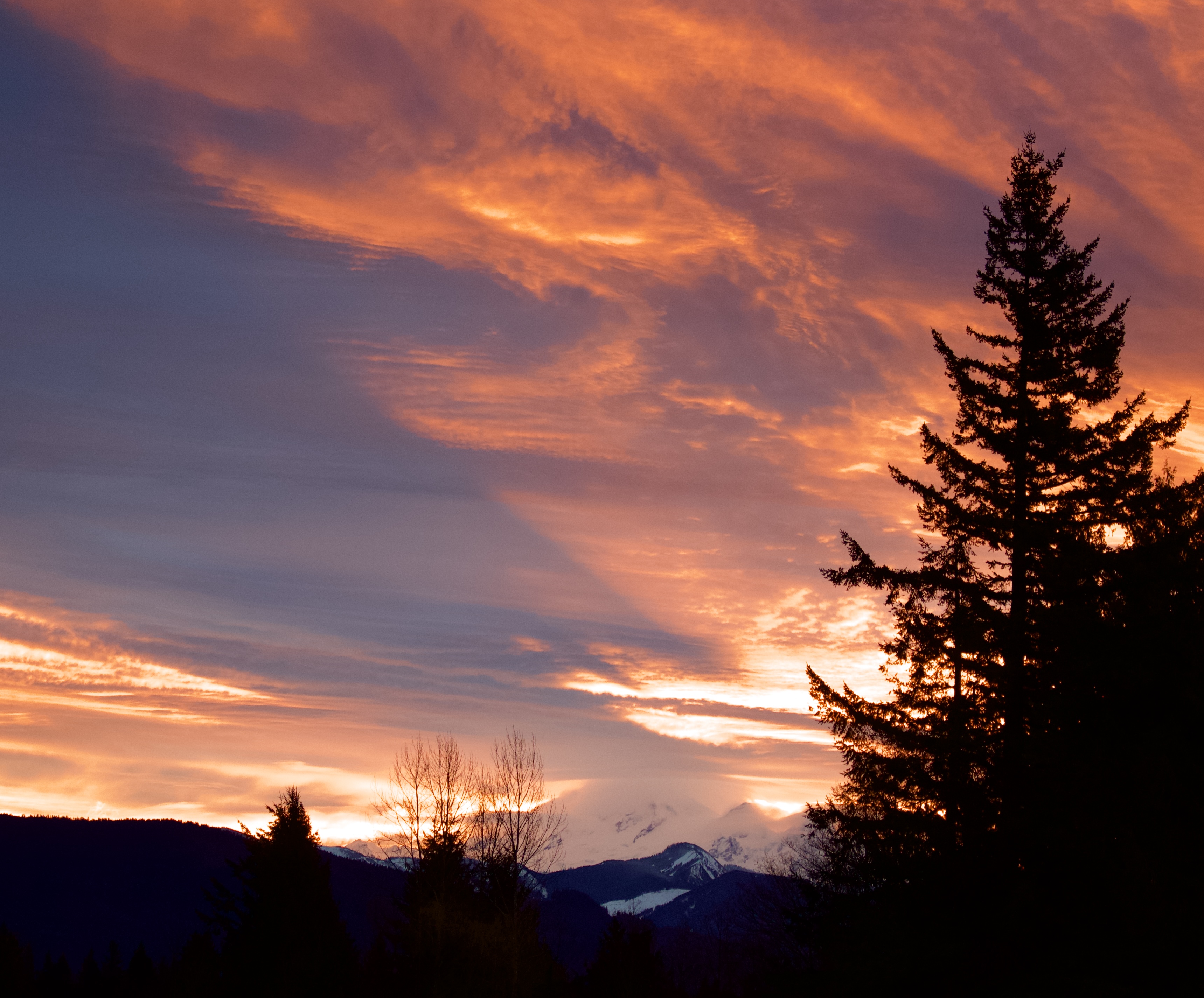
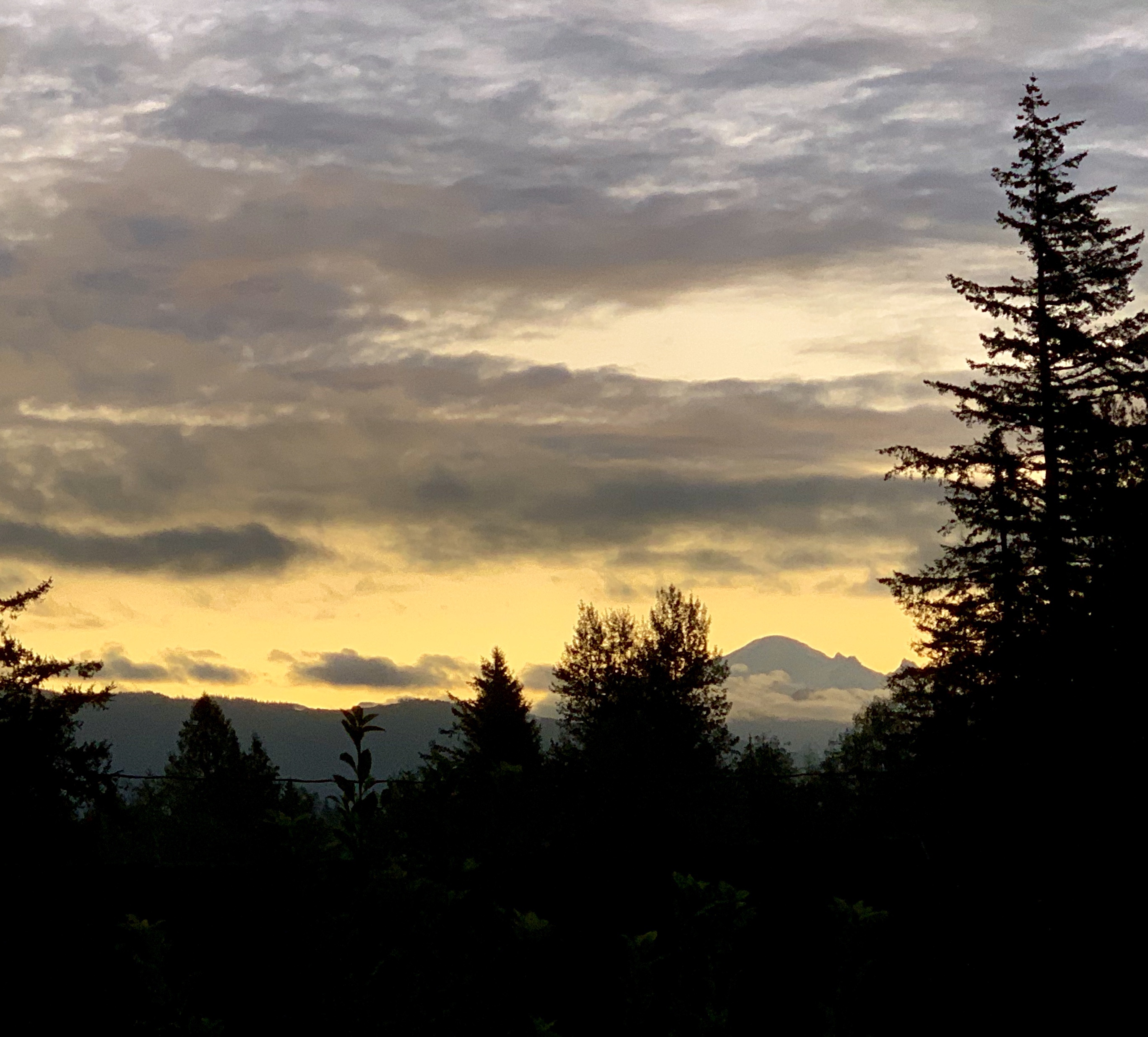
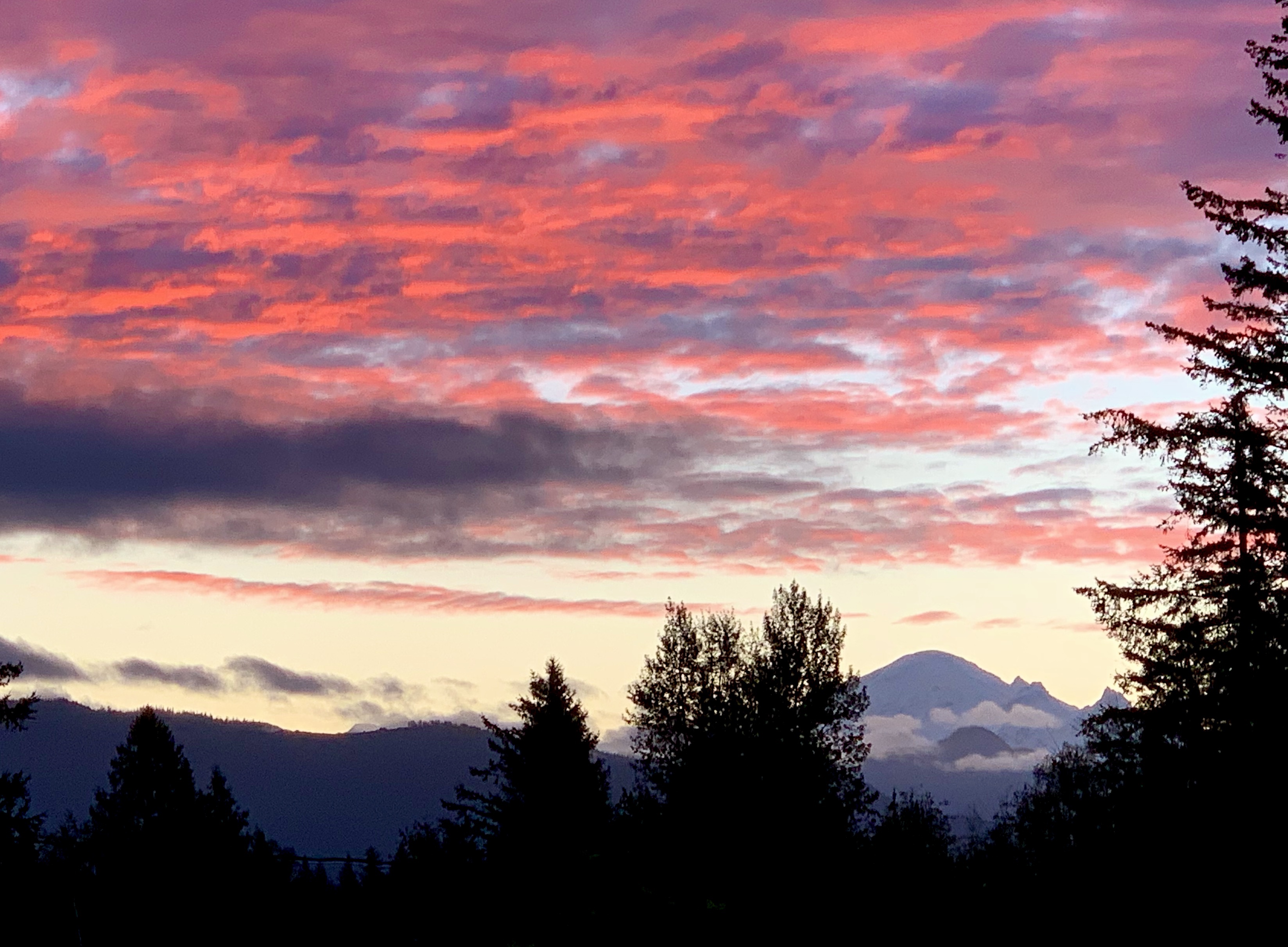
In a matter of minutes this morning,
mere clouds changed above the rising sun;
its fire started low, sparked into dazzling flames,
then became a beacon, lit from within and without
and all around thus transformed.

So we are spared from our destiny with ashes
by such Light.

So Christ, becoming man
and rising — as He did,
and risen as He is,
changes us forever,
in a moment, in a twinkling of an eye.


Focused Rays of Light

In the gloaming
when death comes
clearly into view
as the horizon
of life’s landscape,
the call is to illumination,
to focus the shining darts
of life’s lessons
as a magnifying glass
focuses rays of light.
The task of middle age
is to dispose
of the extraneous,
to focus desire’s flickering
until it flames
at the incendiary point
of an undivided heart
and makes of love
a pure, bright blaze
before a falling night.
~Bonnie Thurston  “Late Vocation”by Paraclete Press

In this, my third trimester of life,
I try to find a focal point in all I do.

The blaze of my days glow
under that magnifying glass,
yet do not incinerate.

God shows me how
in evening light.
His Love focused bright and pure.

Like the burning bush
that embodied His presence,
I am sustained,
enlivened,
illuminated,
shoeless,
but never reduced to ashes.

Earth’s crammed with heaven,
And every common bush afire with God,
But only he who sees takes off his shoes;
The rest sit round and pluck blackberries.
~Elizabeth Barrett Browning

Ice and Fire Burns

Ice burns, and it is hard to the warm-skinned to distinguish one
sensation, fire, from the other, frost.
~A. S. Byatt from Elementals: Stories of Fire and Ice

The predicted northeast arctic winds began last night with a minimum of snowfall but already have begun to take a toll: my face and hands are reddened just as if I’ve been in the sun too long.

Whether consumed by flames or frozen solid, resulting in ashes or blocks of ice — somehow the burn yields the same result.

Yet ashes remain ashes, only and forever after, mere dust.

If, instead, during this harsh blow, I’m burned into ice, I know the coming thaw may restore me, melt me slowly by dribs and drabs — no longer imprisoned.

A Bright Sadness: The Anguish of Earth

The pain and tears of all the years were met together on Calvary. The sorrow of heaven joined with the anguish of earth; the forgiving love stored up in God’s future was poured out into the present; the voices that echo in a million human hearts, crying for justice, longing for spirituality, eager for relationship, yearning for beauty, drew themselves together into a final scream of desolation.
~N.T. Wright from Simply Jesus

To live coram Deo is to live one’s entire life
in the presence of God,
under the authority of God,
to the glory of God.

To live in the presence of God is to understand that whatever we are doing and wherever we are doing it, we are acting under the gaze of God.


To live all of life coram Deo is to live a life of integrity.


It is a life of wholeness that finds its unity and coherency in the majesty of God.


It is a life that is open before God.
It is a life in which all that is done is done as to the Lord.
It is a life lived by principle, not expediency;

by humility before God, not defiance.
It is a life lived under the tutelage of conscience that is held captive by the Word of God.
~R.C. Sproul

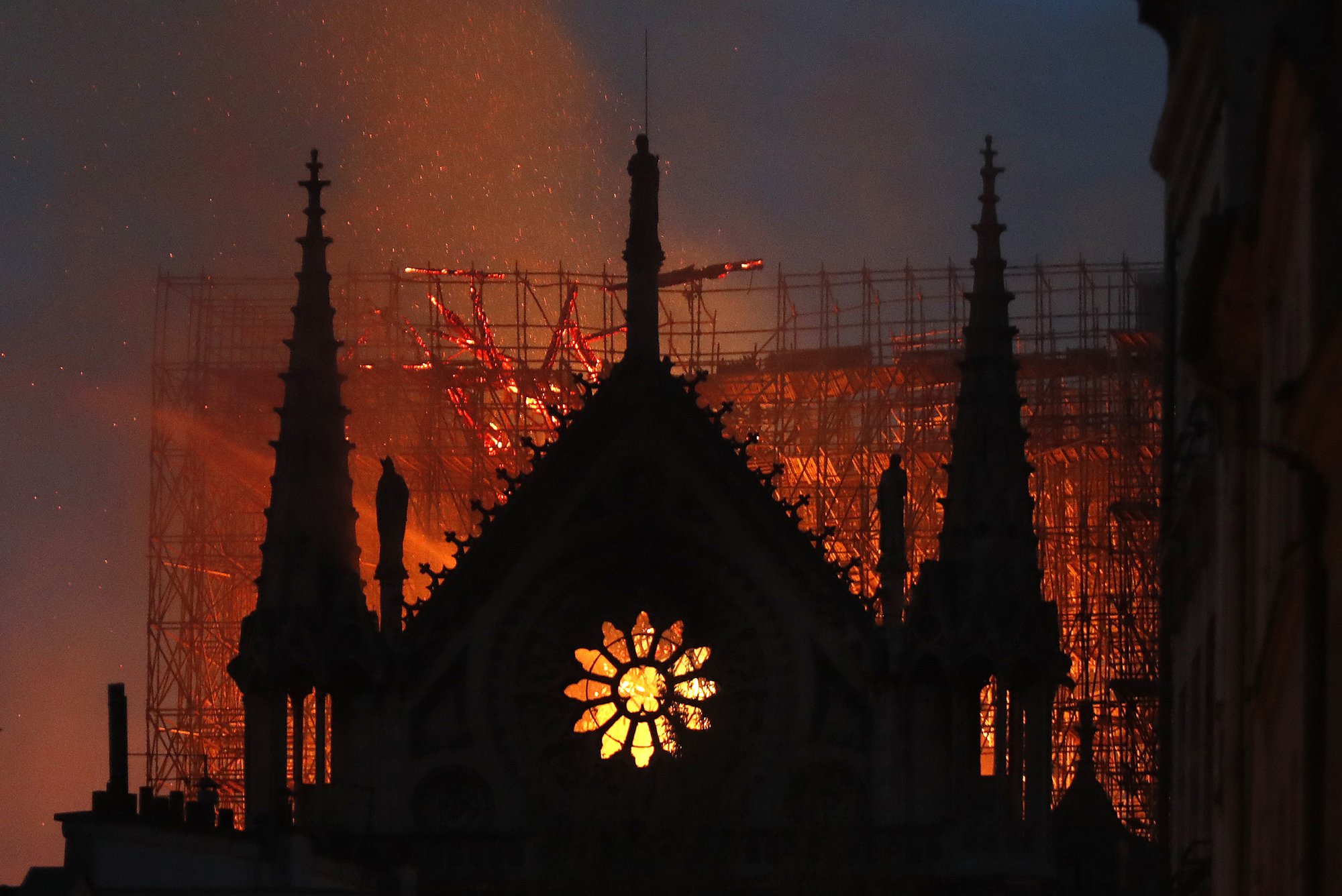
As millions watched and wept over the burning of a venerated cathedral built to the glory of God, we must remember even this anguish happened under the gaze of God. Our sorrow over a building destroyed is trivial compared to the loss felt during Christ’s suffering and death.

The temporal ashes of the Notre Dame Cathedral mix now with our own mortal ashes. We have been redeemed through no action of our own. Our debt has been paid out of Christ’s sheer grace and love.

As we walk together with our Christian brothers and sisters through Holy Week and beyond into the holiness of every day, may we remain under the gaze of God, under the authority of God, open before God, captivated by the Word of God.

We see the gaping hole in the ceiling of a great cathedral just as we witness the open hole of Christ’s tomb: whatever we do, wherever we do it, it is to be in His name, to His glory, under His Holy gaze.

Coram Deo.